-
 #191 /100
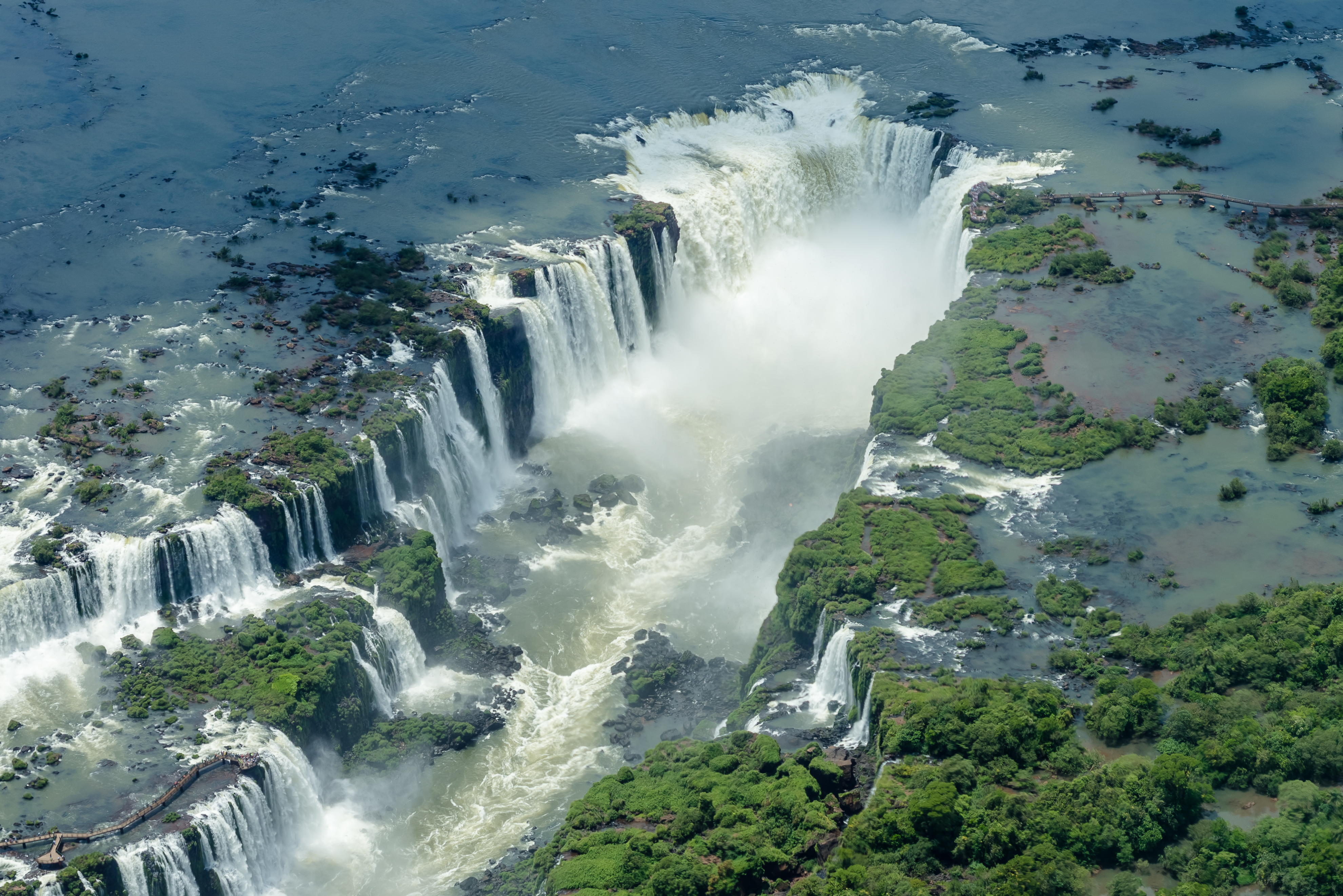
Iguazu Falls straddles the border between Argentina and Brazil and is wider than Victoria Falls and taller than Niagara, making it arguably the world's most spectacular waterfall system.
The 275 separate cascades thunder over a 2.
7-kilometre arc in the subtropical jungle of both countries' national parks.
How does it rate
CrowdsRomanceCash RequiredDangerAccessibilityWhy you should go
The sheer scale and number of cascades, accessible via elevated walkways that take you directly above and beside the falls, makes Iguazu one of nature's great spectacles.
Why you shouldn't go
The falls are best seen from both the Argentine and Brazilian sides, which requires a border crossing; the Argentine side walkways can close due to flooding.
Plan your visit
Best time to visitApril-June or September-NovemberBest time of dayMorning for rainbowsGetting thereFly to Puerto IguazuEntry cost~$30 park entryTime neededFull dayInsider tip — Visit both the Argentine and Brazilian sides; Argentina gets you closer, Brazil gives the panorama -
 #291 /100
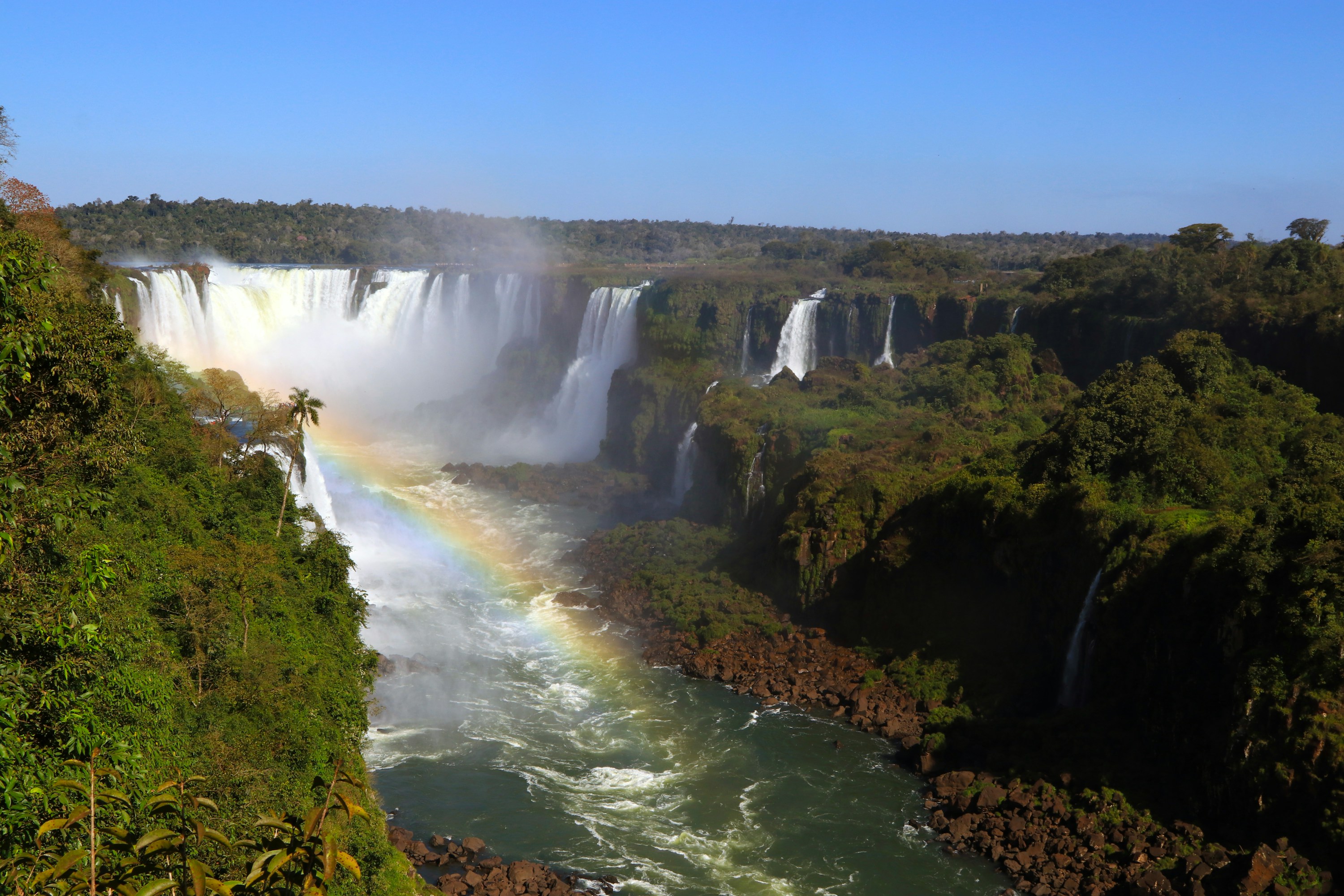
The Brazilian side of Iguaçu Falls trades Argentina's up-close catwalks for one long panoramic circuit, sweeping across nearly the entire 2.
7km curtain of over 250 individual falls at once.
A short walkway leads out to a platform inside the spray of the Devil's Throat, with boat trips for those who want to get soaked.
It's compact enough to see in half a day, unlike the sprawling park across the border.
How does it rate
CrowdsRomanceCash RequiredDangerAccessibilityWhy you should go
One sweeping panoramic walkway takes in almost the entire 2.7km curtain of falls in a single visit.
Why you shouldn't go
The shuttle bus and viewing platforms queue up fast by mid-morning in high season.
Plan your visit
Best time to visitApril-September (dry season) for clearer views; wetter months bring more dramatic flow.Best time of dayEarly morning, before the tour buses arrive.Getting thereFly to Foz do Iguaçu (IGU); 25-30 min taxi/bus to the park entrance, then the park's own shuttle bus to the falls circuit.Entry cost~R$130 (~US$24) entry; boat trips extraTime needed3-4 hoursBookingBook ahead →Insider tip — Take the elevator at the end of the walkway to the upper overlook for the full-panorama view, and catch the park's first shuttle to beat the tour-bus crowds. -
 #388 /100
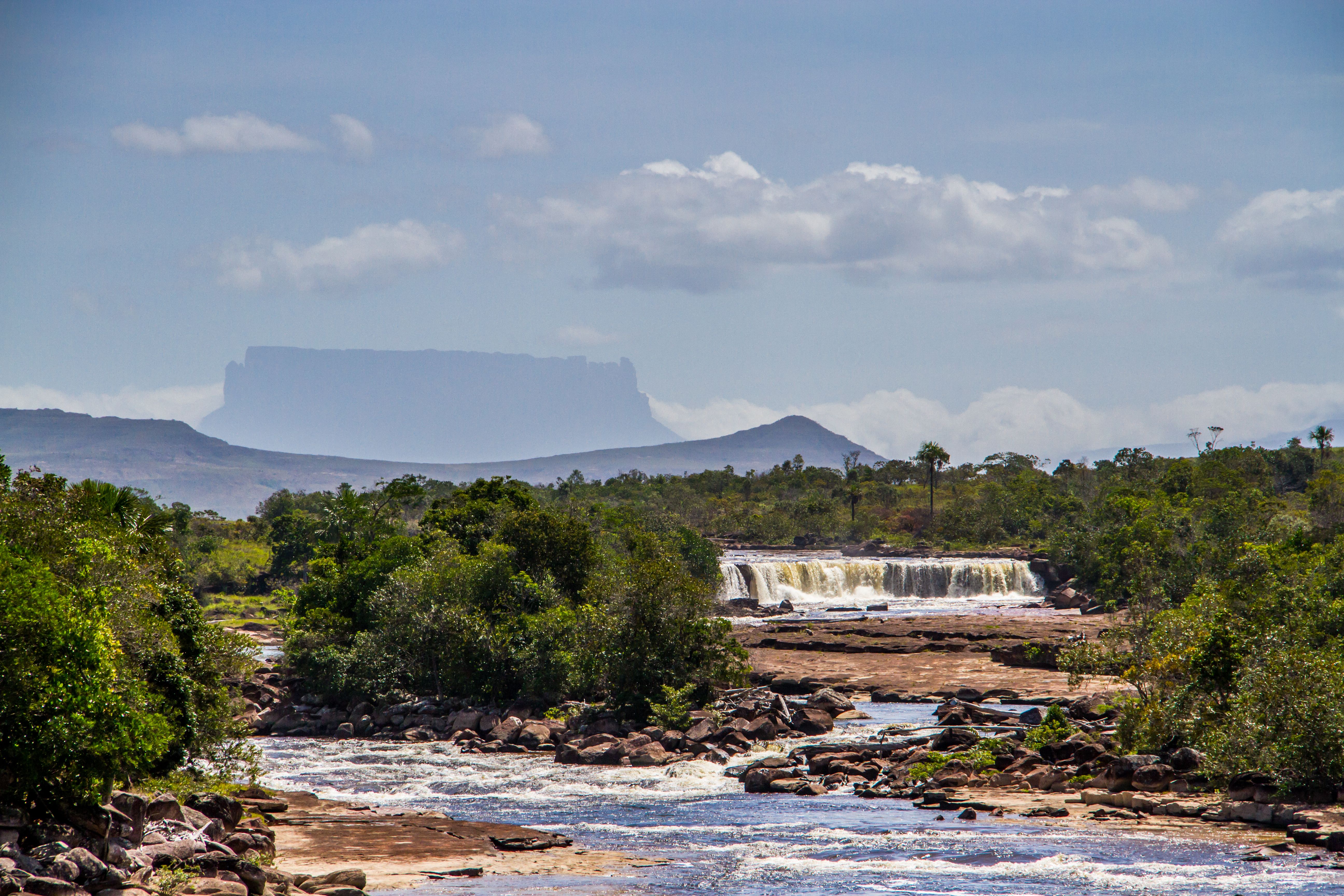
Water drops 979 metres off a sheer tabletop mountain in the middle of remote Venezuelan jungle, making this the tallest waterfall on Earth by a wide margin.
The fall is so tall that much of the water disperses into mist before ever reaching the pool below.
Reaching it means days of river travel by dugout canoe through Canaima National Park, so the sheer remoteness is part of what keeps the view unspoiled.
How does it rate
CrowdsRomanceCash RequiredDangerAccessibilityWhy you should go
The tallest waterfall on Earth, dropping nearly a kilometre off an isolated jungle tabletop mountain.
Why you shouldn't go
There's no road access at all - reaching the base requires days of canoe travel and real logistics.
Plan your visit
Best time to visitJune-November, the wet season, when water volume is highest.Best time of dayMorning, before afternoon cloud typically obscures the tepui's summit.Getting thereFly to Canaima, then travel by dugout canoe up the Carrao and Churun rivers (multi-day trip).Entry costIncluded in multi-day guided tour packages; no independent access.Time needed3-5 days round trip from CanaimaInsider tip — Go in the wet season - in the dry months the river can run too low for canoes to reach the base at all. -
 #487 /100
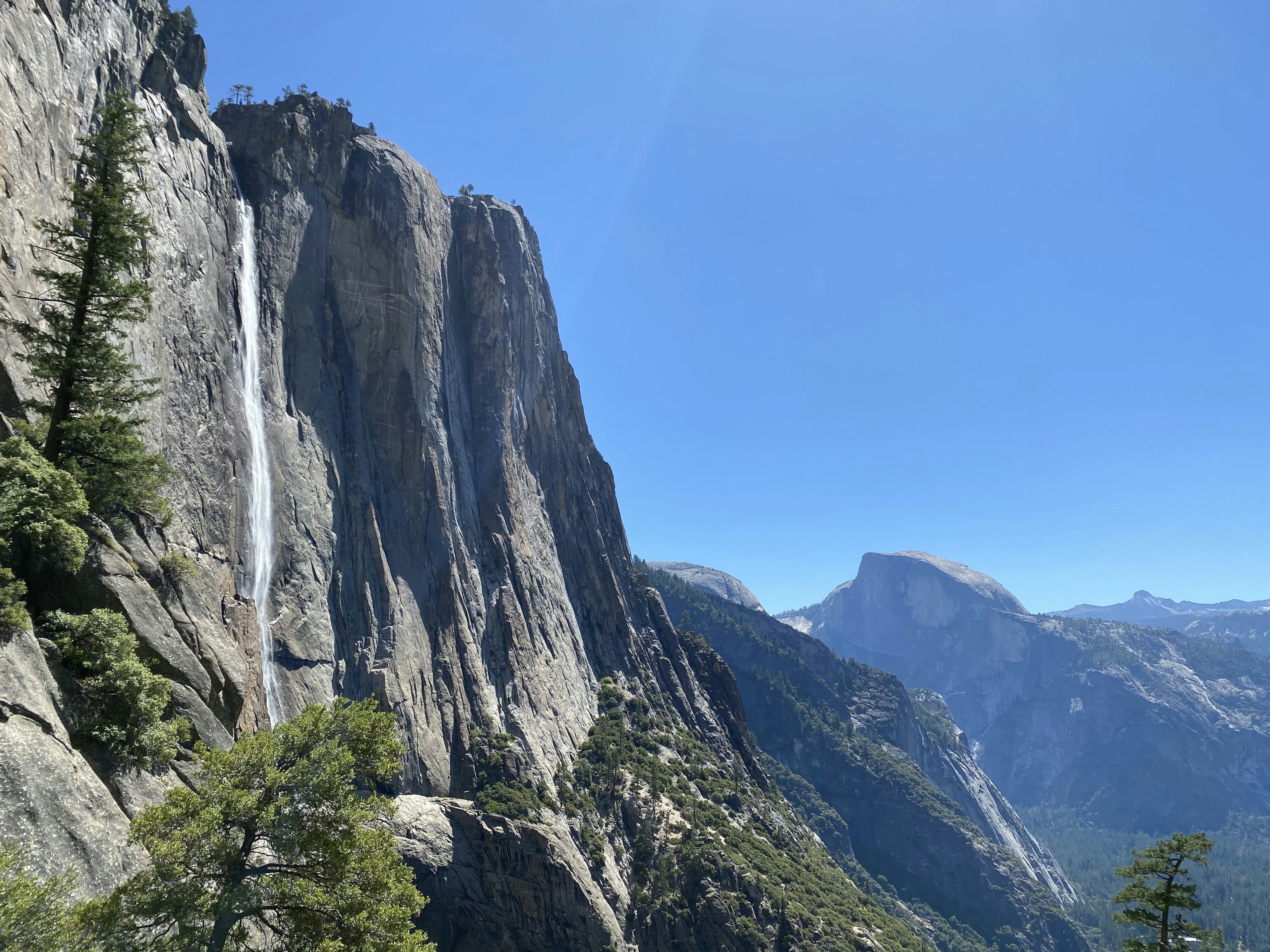
North America's tallest waterfall drops in three tiers down a granite cliff face in Yosemite Valley, at its thunderous peak each spring when snowmelt sends it roaring.
By late summer it can slow to a trickle or vanish entirely, so timing genuinely changes what you see.
The valley floor meadow below offers an open, unobstructed view, with El Capitan and Half Dome in sight at the same time.
How does it rate
CrowdsRomanceCash RequiredDangerAccessibilityWhy you should go
North America's tallest waterfall, framed by two of Yosemite's other icons in a single shot.
Why you shouldn't go
The falls often dry up completely by late summer - arrive in the wrong month and there's nothing to see.
Plan your visit
Best time to visitApril-June, during peak snowmelt; often dry by August-October.Best time of dayMorning, before Yosemite Valley's parking and crowds peak.Getting thereFly to Fresno or San Francisco; drive into Yosemite Valley (no rail or bus to the park itself).Entry costYosemite National Park entry fee; the falls viewpoint itself is free.Time needed1-2 hours from the valley floorBookingBook ahead →Insider tip — Check the park's waterfall flow reports online before visiting - timing a trip around peak snowmelt matters more here than at almost any other major waterfall. -
 #584 /100
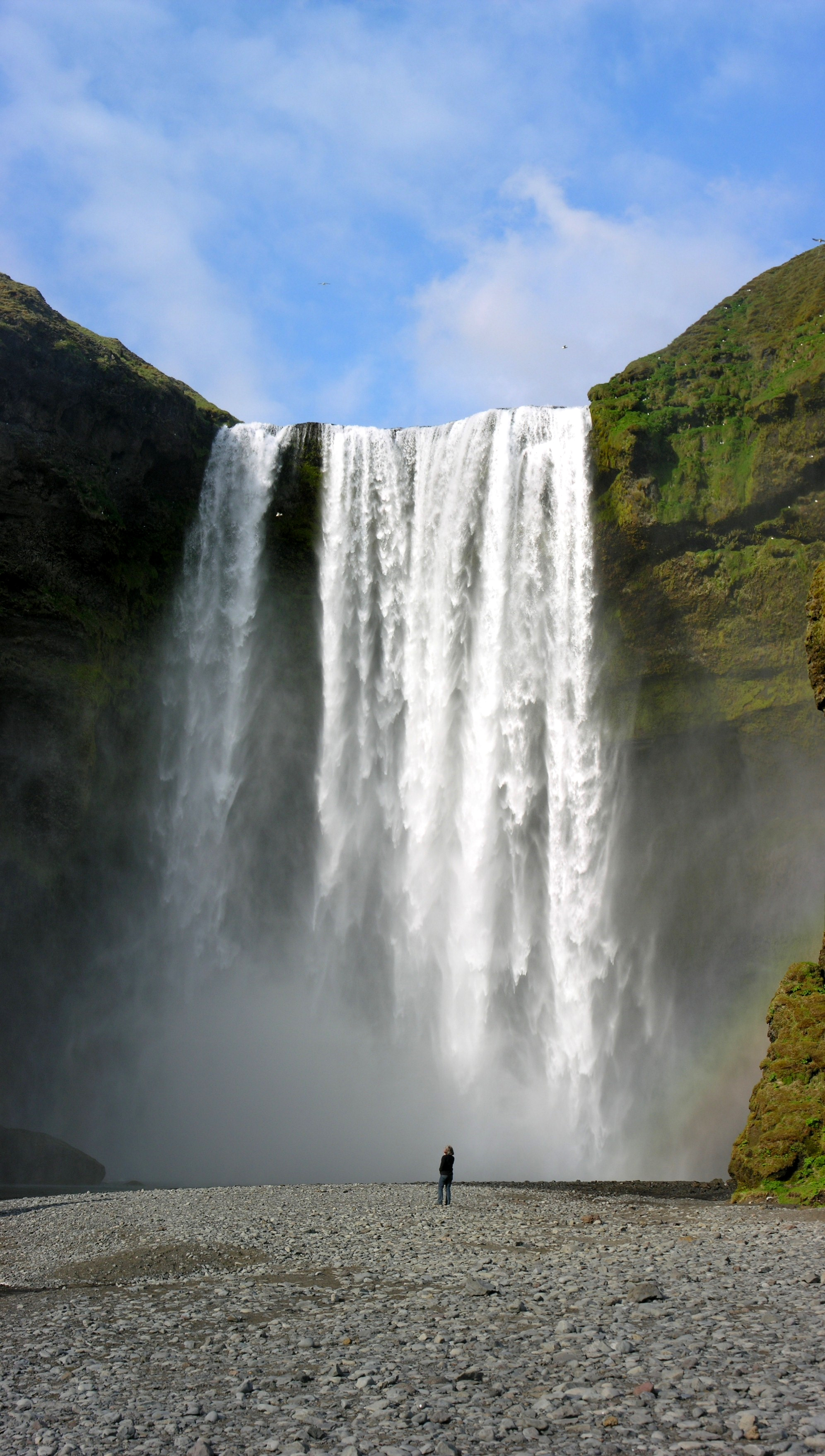
Skogafoss is one of Iceland's most dramatic waterfalls, with the Skoga river plunging 60 metres over a cliff edge into a pool below, generating so much spray that a rainbow forms on sunny days.
A staircase of 527 steps climbs to the top of the falls, giving access to a scenic riverside trail.
How does it rate
CrowdsRomanceCash RequiredDangerAccessibilityWhy you should go
Skogafoss is consistently photogenic, particularly in sunshine when its permanent rainbow appears, and the climb to the top rewards with spectacular views along the river valley.
Why you shouldn't go
The waterfall lies directly on the Ring Road so it becomes very crowded, and the spray from the falls means you will get thoroughly wet if you approach close.
Plan your visit
Best time to visitMay-September for easier access, winter for ice formationsBest time of dayMidday on a sunny day for the rainbow in the sprayGetting there~2.5hr drive from Reykjavik along Route 1Entry costFreeTime needed1 hourInsider tip — Climb the staircase to the top for a completely different, less-photographed view down the falls -
 #682 /100
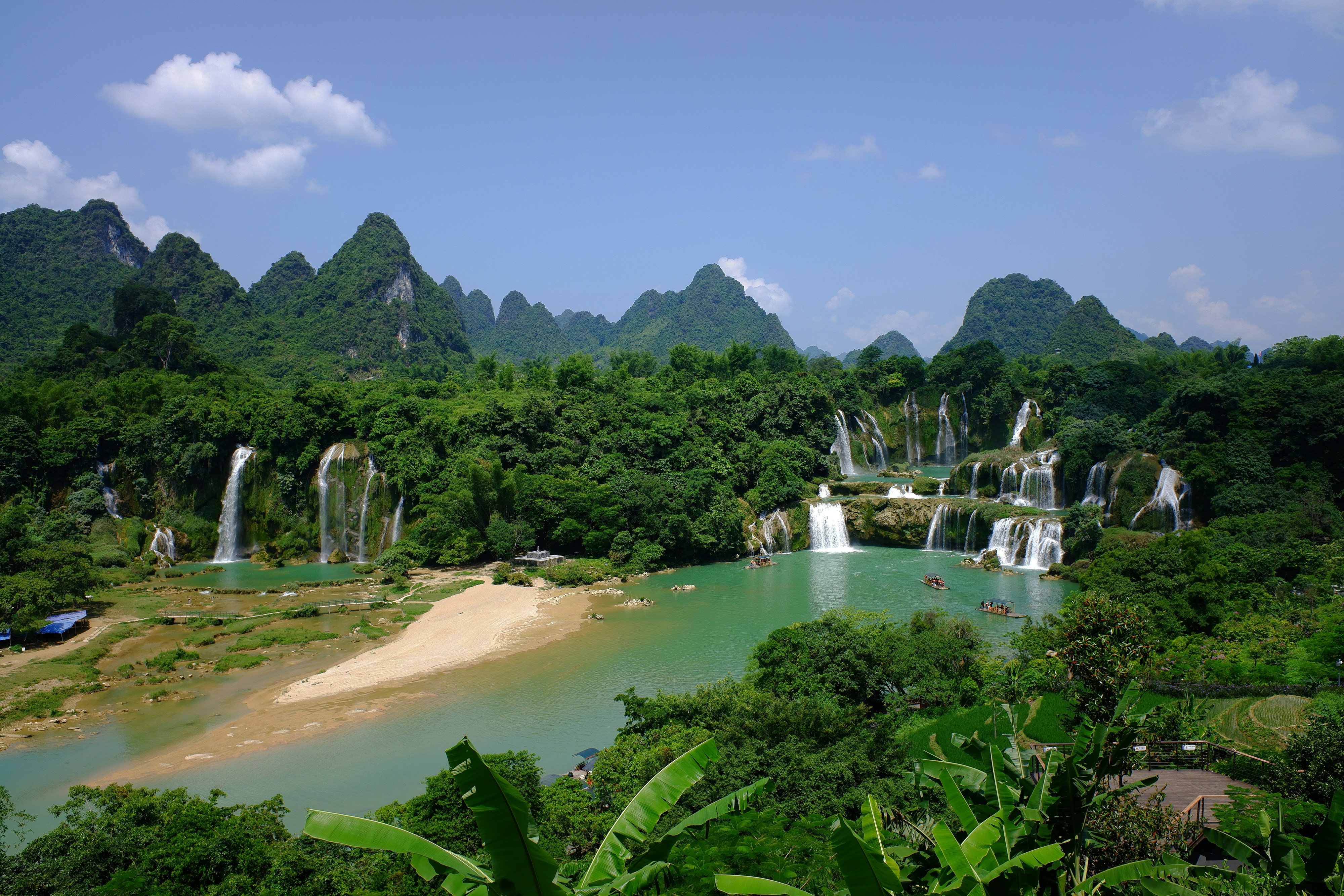
Southeast Asia's largest transnational waterfall spills over limestone terraces straddling the Vietnam-China border, wide enough that bamboo rafts drift right up to its base.
Rice paddies and karst peaks frame the Vietnamese side, while mist rises constantly off the wide, multi-tiered drop, especially heavy after summer rains.
How does it rate
CrowdsRomanceCash RequiredDangerAccessibilityWhy you should go
A wide, multi-tiered transnational waterfall you can raft right up to the base of.
Why you shouldn't go
The best straight-on view is technically from the Chinese side, requiring a separate border crossing and visa.
Plan your visit
Best time to visitJune-September for maximum water flow, though rice paddies are greenest in spring.Best time of dayMorning, for calm water and soft light on the karst backdrop.Getting thereDrive from Cao Bang (about 3 hours) or Hanoi (about 6-7 hours) to the Ban Gioc viewpoint.Entry costEntry fee plus optional bamboo raft ride, together around $10-15.Time neededHalf a dayInsider tip — Take the bamboo raft ride to get right up to the base of the falls - the road viewpoint alone undersells the scale. -
 #780 /100
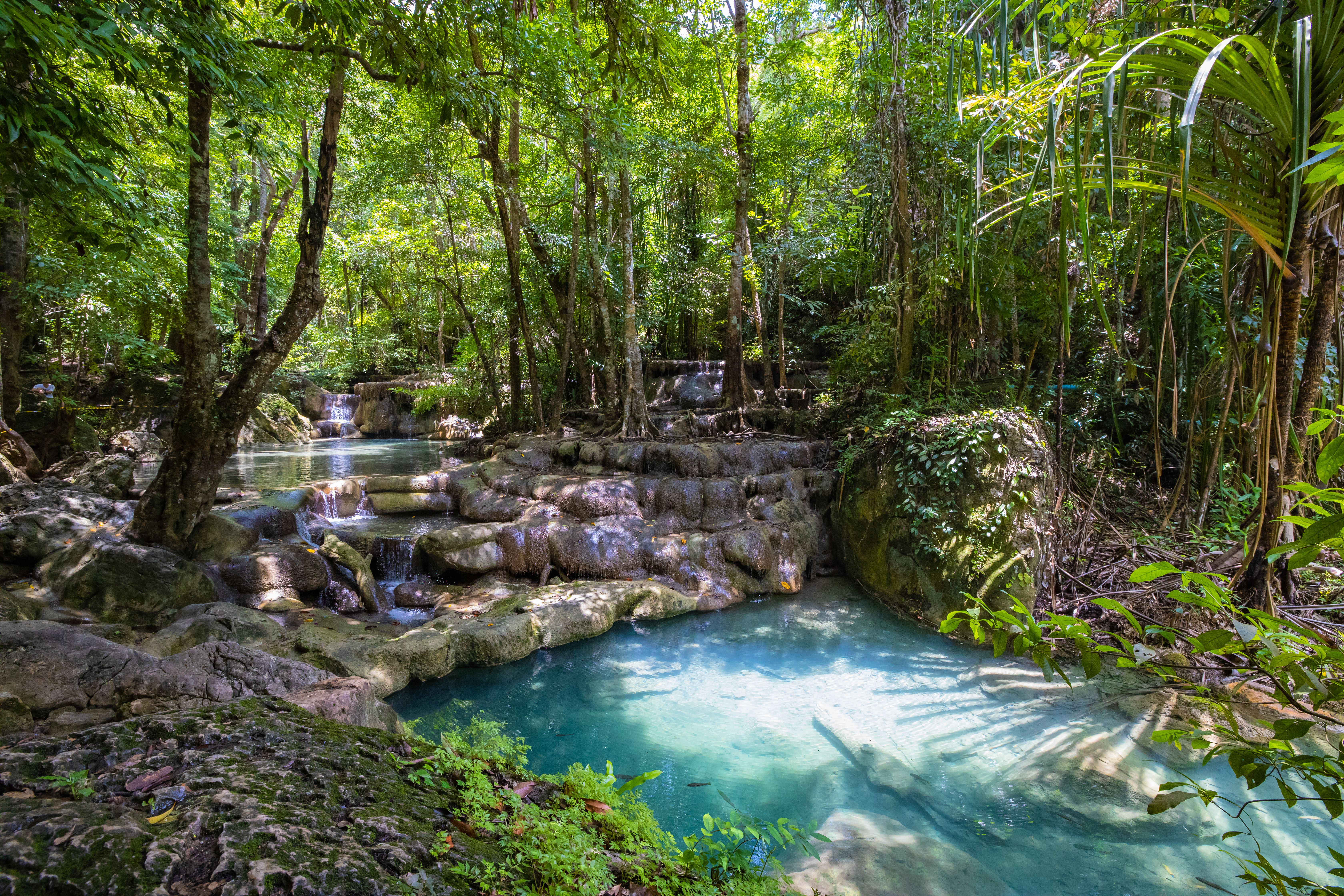
Erawan Falls drops through seven tiers down a forested hillside in Kanchanaburi province, each level pooling into a turquoise swimming hole ringed by limestone and jungle.
The lower tiers are an easy walk from the park entrance, while reaching the seventh requires a scramble over rocks and tree roots that takes a couple of hours round trip.
Small fish in the pools nibble at swimmers' feet, a natural pedicure most visitors don't expect.
How does it rate
CrowdsRomanceCash RequiredDangerAccessibilityWhy you should go
Swimming your way up through seven turquoise pools, each one different, makes this one of Thailand's best waterfall hikes.
Why you shouldn't go
The climb to the upper tiers is slippery and can close after heavy rain; weekends bring large domestic tourist crowds.
Plan your visit
Best time to visitNovember–March for the clearest, most turquoise water; avoid the rainy season when falls turn muddy.Best time of dayEarly morning on weekdays, before domestic tour groups arrive.Getting thereFly to Bangkok; roughly 3-hour drive west to Kanchanaburi, then a 1-hour drive into the national park.Entry costNational park entry fee, paid at the gate.Time neededHalf a dayInsider tip — Wear water shoes with grip — the rocks between pools are slick, and bare feet make the higher tiers much harder to reach. -
 #879 /100
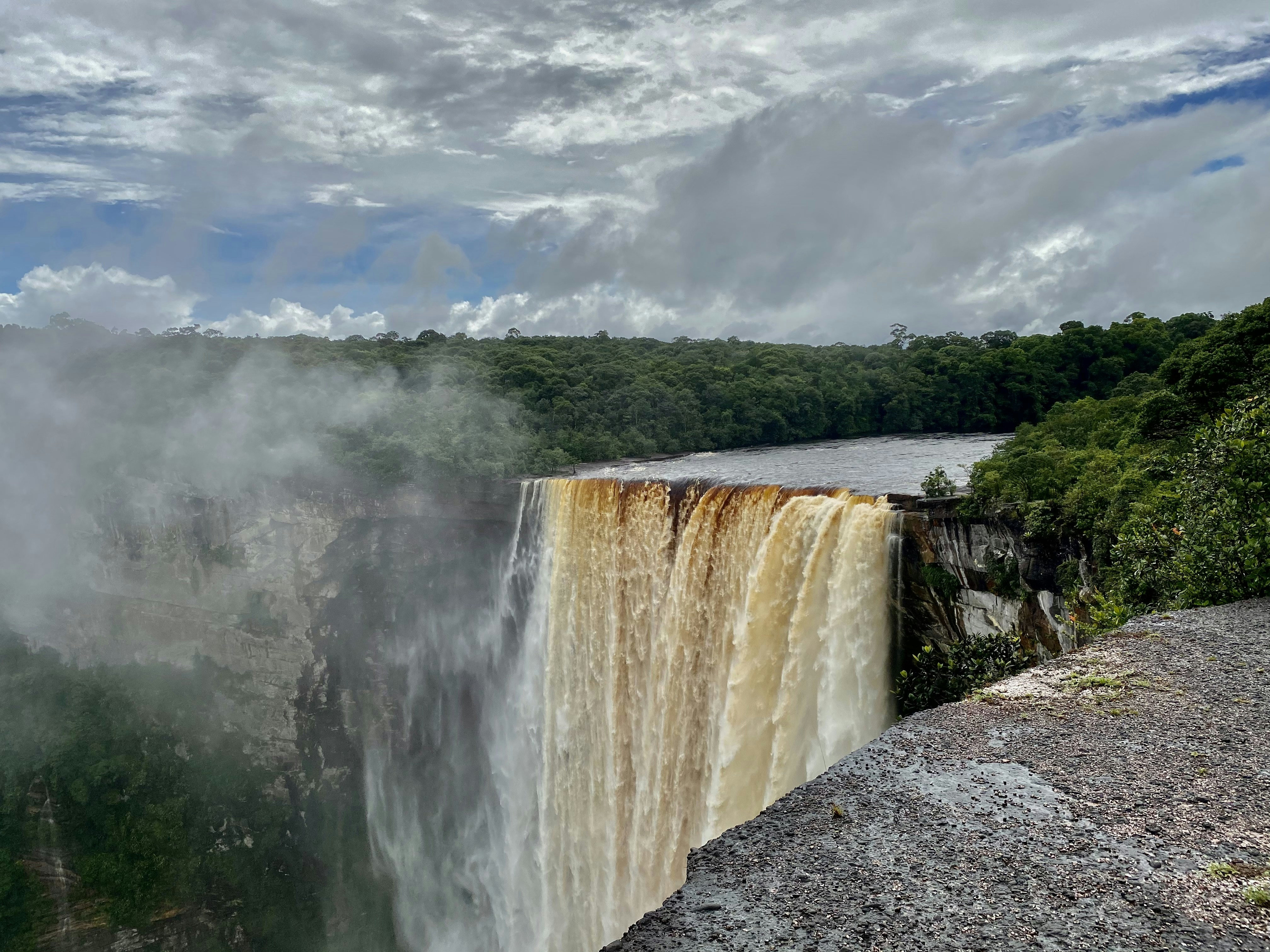
A single, uninterrupted drop of 226 metres - about four times the height of Niagara - sends the Potaro River over a sandstone cliff into pristine Guyanese rainforest.
Unlike most waterfalls of this scale, it sits inside a protected national park with almost no development and few visitors, so the viewpoints are typically empty.
Rainbow-coloured mist rises from the base most mornings when the light is right.
How does it rate
CrowdsRomanceCash RequiredDangerAccessibilityWhy you should go
One of the world's most powerful single-drop waterfalls, viewed with almost no other visitors around.
Why you shouldn't go
Access is limited to small charter flights, which makes a visit genuinely expensive for what it is.
Plan your visit
Best time to visitMay-August or December-January, the wetter months, for maximum water flow.Best time of dayMorning, for the best chance of mist rainbows and clear flight conditions.Getting thereSmall charter flight from Georgetown (about 45 minutes); no road access to the falls.Entry costIncluded in the charter flight/tour package; no separate entry fee at the falls.Time neededFull day trip from GeorgetownInsider tip — Book the earliest available flight of the day - afternoon cloud over the escarpment can cancel later charters entirely. -
 #979 /100
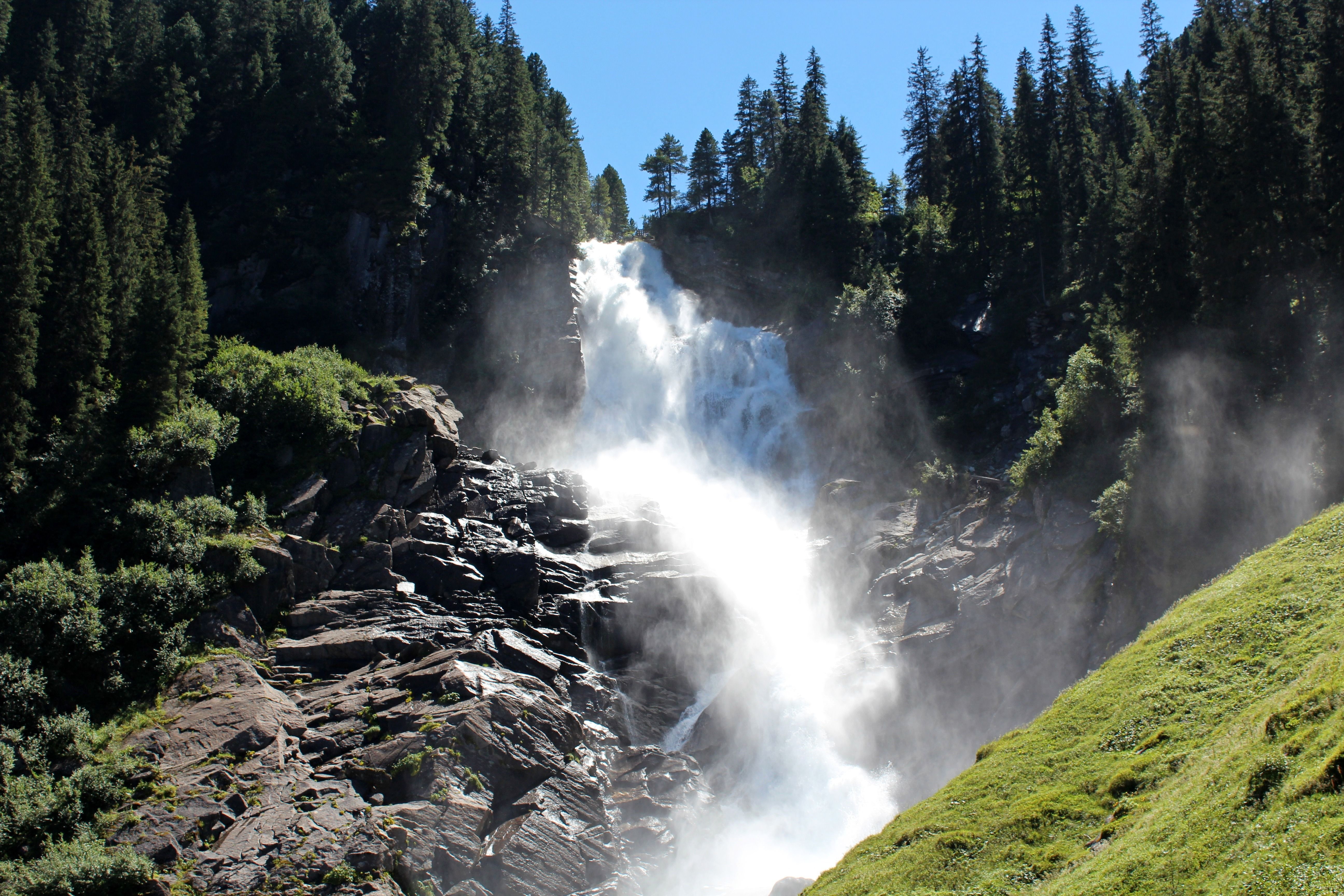
The Krimml Waterfalls drop 380 metres in three tiers down a forested mountainside in the Hohe Tauern National Park, among the highest waterfalls in Europe.
A well-graded path climbs alongside the falls through spray-cooled air, with viewing platforms at each tier and a small waterfall-themed nature trail for families lower down.
On sunny mornings, rainbows form regularly in the mist at the base of the lower tier.
How does it rate
CrowdsRomanceCash RequiredDangerAccessibilityWhy you should go
Walking right alongside a 380-metre waterfall on a path built specifically to bring you close to each tier is a genuinely dramatic short hike.
Why you shouldn't go
The full path up all three tiers is a real, steady climb, and spray keeps sections of it wet and cool even in summer heat.
Plan your visit
Best time to visitMay–June, when snowmelt gives the falls their fullest flow.Best time of dayMorning, when the sun angle is more likely to catch rainbows in the spray at the lower falls.Getting thereFly to Salzburg; roughly 1.5-hour drive southwest into the Hohe Tauern National Park.Entry costPaid entry to the waterfall trail (Wasserfallweg).Time needed2–3 hours for the full trailInsider tip — The lower tier's viewing platform is the most crowded — continue up to the middle and upper tiers for quieter views and just as much drama. -
 #1078 /100
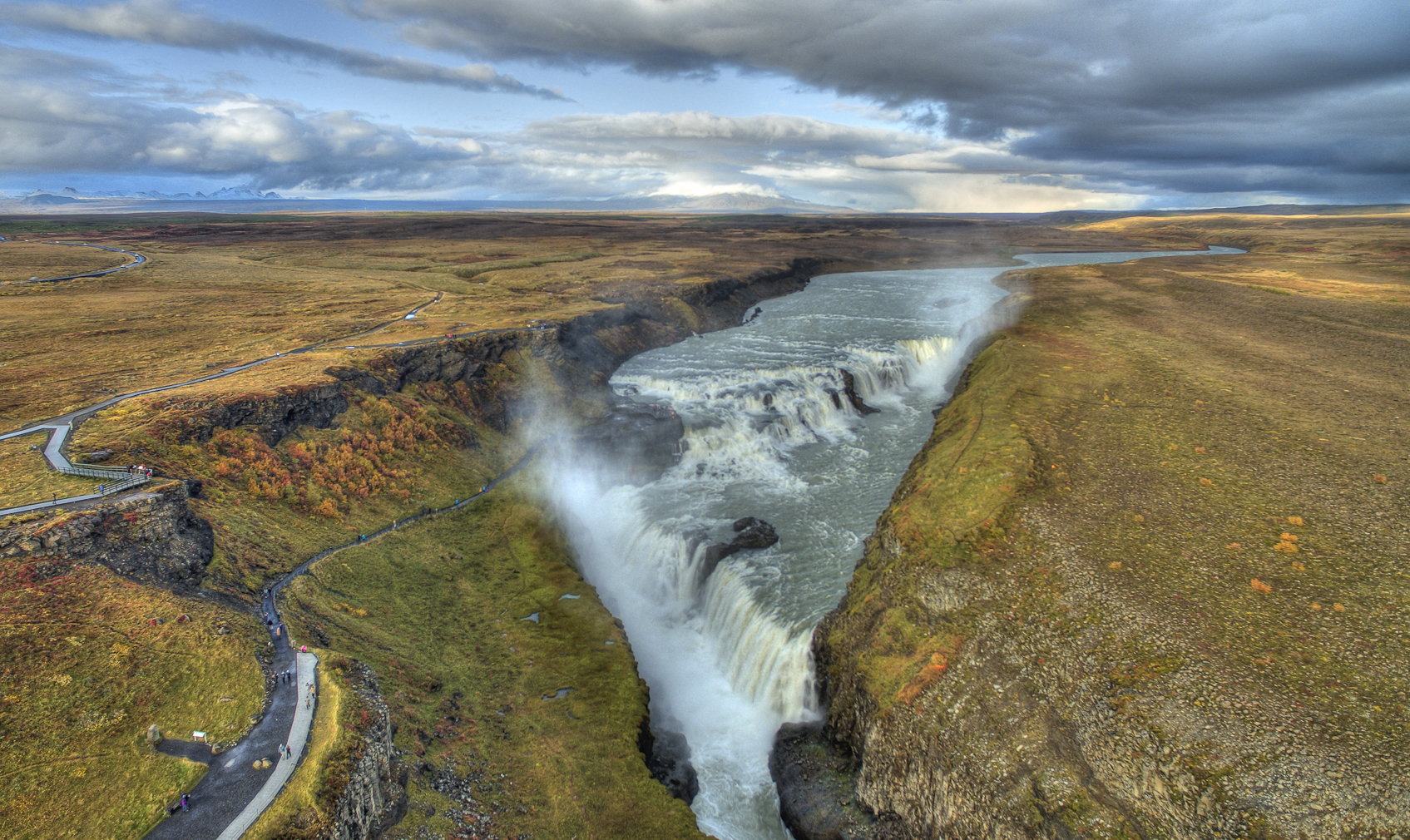
Gullfoss, meaning Golden Falls, is Iceland's most famous waterfall, where the Hvita river thunders down two impressive tiers into a rugged canyon below.
Part of the iconic Golden Circle tourist route, its power and the spray it generates mean that on sunny days you can often see several rainbows arcing across it simultaneously.
How does it rate
CrowdsRomanceCash RequiredDangerAccessibilityWhy you should go
The combination of the two-tiered cascade, the rugged canyon it falls into, and the frequent rainbows makes Gullfoss one of Europe's most spectacular waterfalls.
Why you shouldn't go
Gullfoss is one of Iceland's most visited sites and can be very crowded; wind direction means the viewing platform is often drenched in spray.
Plan your visit
Best time to visitSummer for access, winter for dramatic iceBest time of dayMidday for rainbows in the mistGetting therePart of the Golden Circle route, ~1.5hr drive from ReykjavikEntry costFreeTime needed1 hourInsider tip — The lower viewing platform gets you much closer to the falls, but expect to get wet from the spray -
 #1178 /100
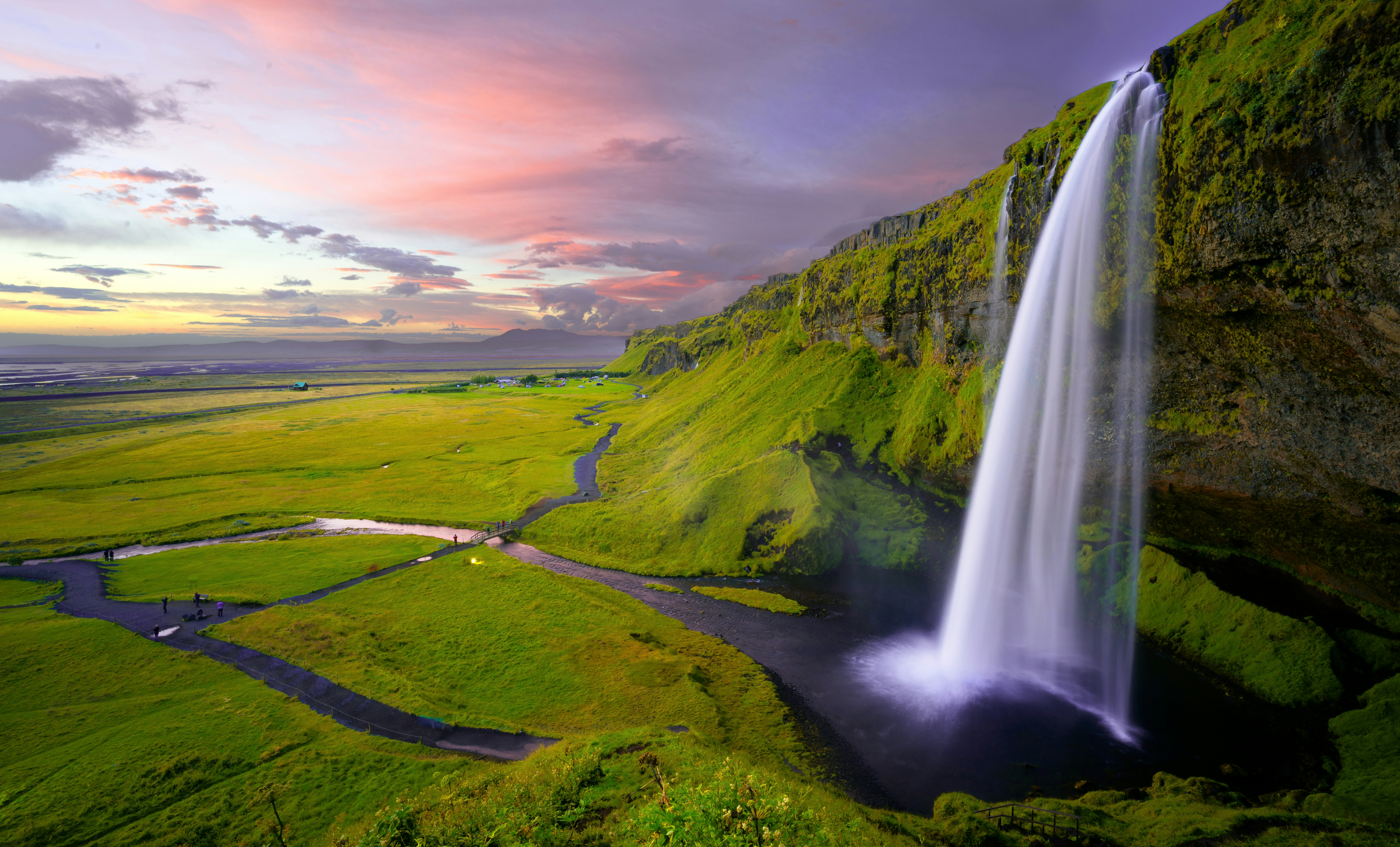
One of Iceland's most famous waterfalls drops 60 meters into a misty pool, with a rare path that lets visitors walk fully behind the curtain of falling water.
Right off the Ring Road and framed by green cliffs, it's striking in any weather, and lit up at night in the darker months.
How does it rate
CrowdsRomanceCash RequiredDangerAccessibilityWhy you should go
A 60-meter waterfall you can walk fully behind, right off Iceland's Ring Road.
Why you shouldn't go
Extremely crowded in summer; the path can be slippery and icy in winter; parking fills up fast.
Plan your visit
Best time to visitJune–September for the safest behind-the-falls access; midnight sun in June extends golden light.Best time of dayEarly morning or late evening to avoid tour bus crowds.Getting thereRental car from Reykjavik, roughly a 2-hour drive along the Ring Road.Entry costFree (paid parking, ~ISK 900).Time needed1 hour.Insider tip — Bring a waterproof jacket — the spray soaks you on the behind-the-falls path. The nearby hidden waterfall Gljúfrabúi, a short walk away, is far less crowded. -
 #1277 /100
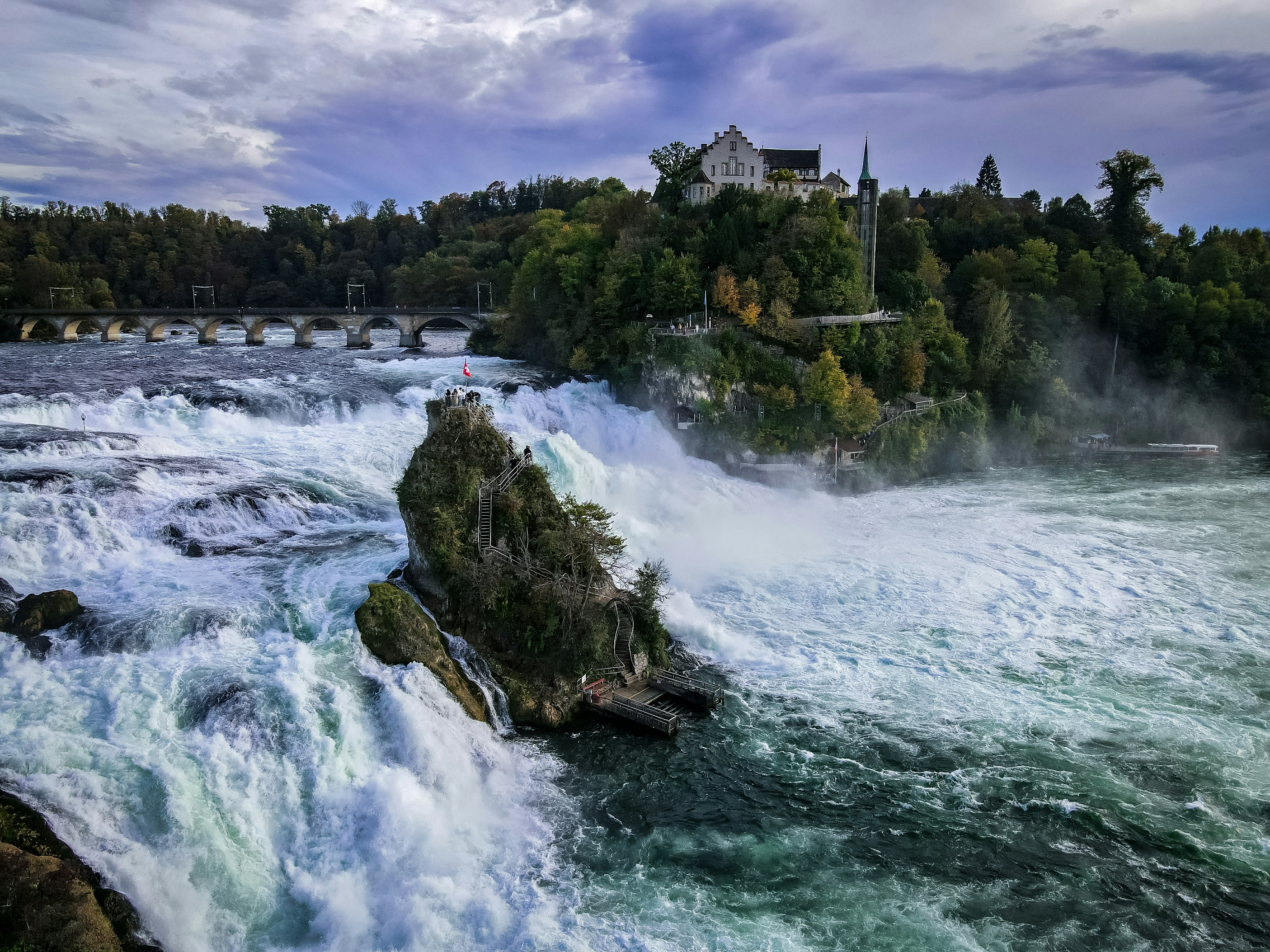
Europe's largest waterfall by volume thunders over a 150-metre-wide limestone ledge near Schaffhausen, where the Rhine drops about 23 metres in a broad, permanent roar rather than a single dramatic drop.
Viewing platforms reach out over the spray from both banks, boats motor right up to the central rock, and the free riverside paths make it an easy stop rather than a planned expedition.
How does it rate
CrowdsRomanceCash RequiredDangerAccessibilityWhy you should go
Free, easy access to one of Europe's most powerful waterfalls, viewable from multiple angles in under an hour.
Why you shouldn't go
It's wide and powerful rather than tall or dramatic — expect a short, popular stop rather than a full day out.
Plan your visit
Best time to visitLate spring through summer, when snowmelt keeps water volume and spray at their peak.Best time of dayMorning or weekday visits avoid the tour-bus crowds that build through the afternoon.Getting thereTrain to Schaffhausen or Neuhausen Rheinfall station, then a short walk to the viewing points.Entry costFree from the riverbank; Laufen Castle viewing platforms cost a small fee; boat rides extra.Time needed1–2 hoursBookingBook ahead →Insider tip — The Känzeli platform, reached by stairs from Laufen Castle, gets you close enough to feel the spray on your face. -
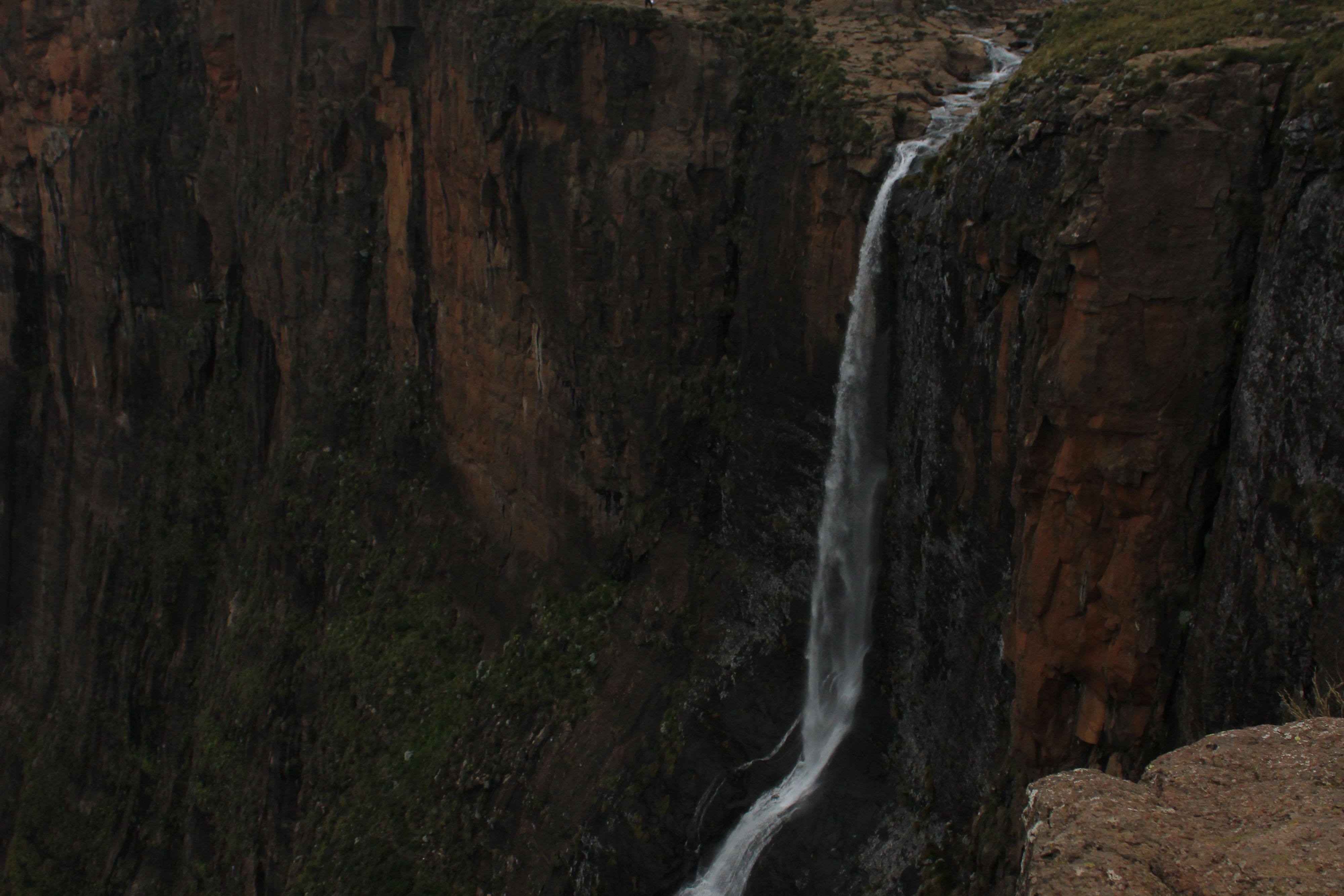 #1376 /100
The world's second-tallest waterfall drops in five free-falling stages down the Drakensberg escarpment, deep in the Royal Natal National Park.
Reaching the top requires a full-day hike including a stretch up two connected chain ladders bolted to the cliff face.
On a clear day after rain, the full 948-metre drop is visible from the valley floor without any hiking at all.
How does it rate
CrowdsRomanceCash RequiredDangerAccessibilityWhy you should go
The world's second-tallest waterfall, visible in full from the valley floor on a clear day.
Why you shouldn't go
The top-of-the-falls hike involves exposed chain ladders that aren't for anyone uneasy with heights.
Plan your visit
Best time to visitOctober-March (wet season) for the strongest flow.Best time of dayMorning, before afternoon Drakensberg cloud typically rolls in.Getting thereDrive to Royal Natal National Park (about 4 hours from Johannesburg); park at the Tendele trailhead.Entry costPark entry fee, a few dollars per person.Time neededFull day for the summit hike; 1 hour for the valley-floor viewInsider tip — Skip the chain-ladder hike and drive instead to the Amphitheatre viewpoint for a full, satisfying view of the falls without the climb. -
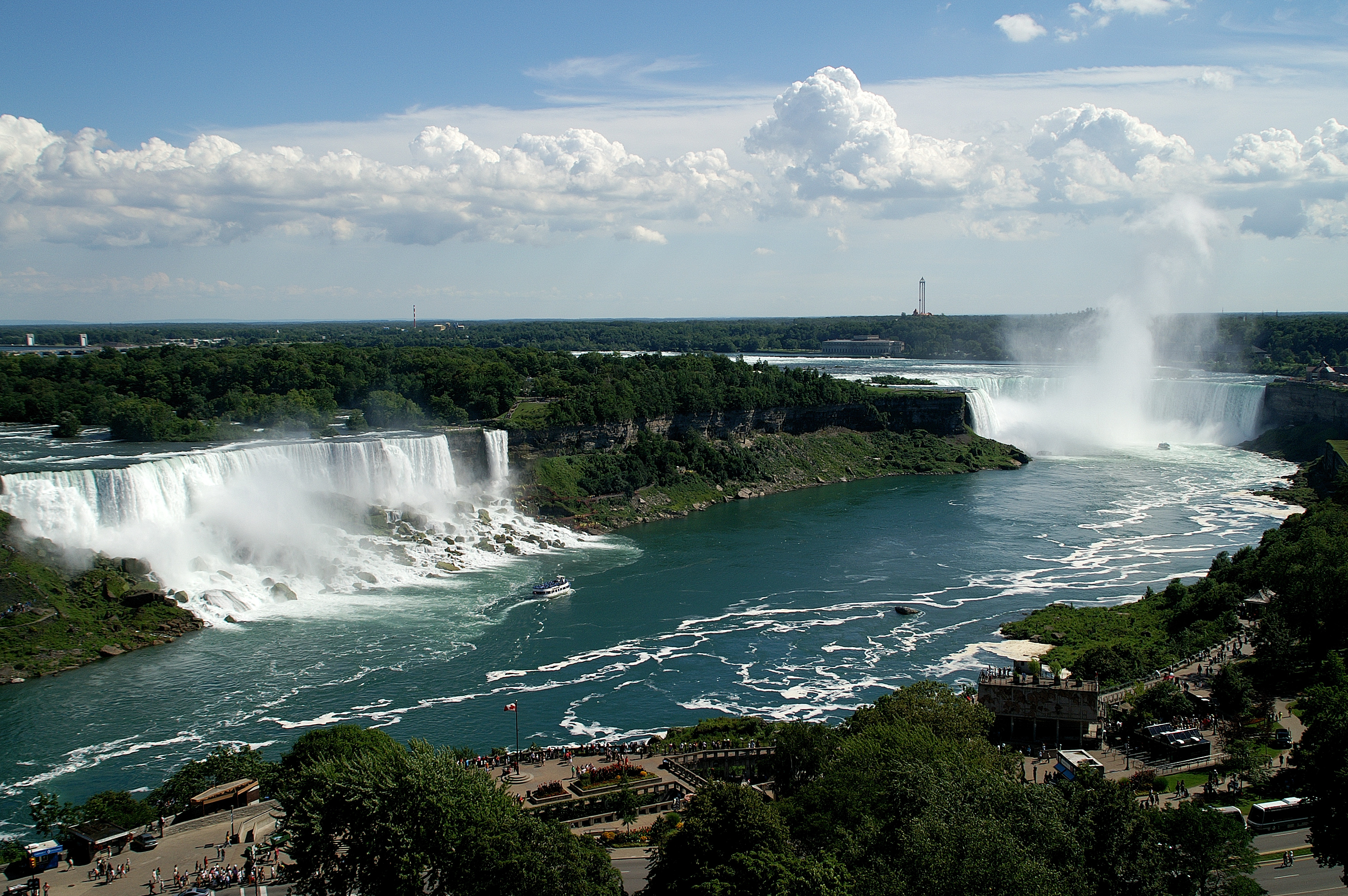 #1475 /100
Niagara Falls sits on the border between Ontario and New York State and comprises three waterfalls: the Horseshoe Falls, the American Falls, and the Bridal Veil Falls.
The Canadian side offers the most dramatic panoramic view of the Horseshoe Falls, which at 57 metres tall and 670 metres wide is the most powerful waterfall in North America.
How does it rate
CrowdsRomanceCash RequiredDangerAccessibilityWhy you should go
The volume of water thundering over Horseshoe Falls from the Canadian viewing platform is genuinely awe-inspiring; boat trips take you to within metres of the falling water.
Why you shouldn't go
The surrounding town of Niagara Falls on the Canadian side is extremely tacky and touristy; the falls themselves are not particularly tall compared to some rivals.
Plan your visit
Best time to visitMay-September for warm weather, winter for ice formationsBest time of dayEvening for the illumination and seasonal fireworksGetting there~1.5hr drive from TorontoEntry costFree to view; boat tours ~$30Time neededHalf dayInsider tip — The Canadian side has the better view of Horseshoe Falls; cross over if coming from the US side -
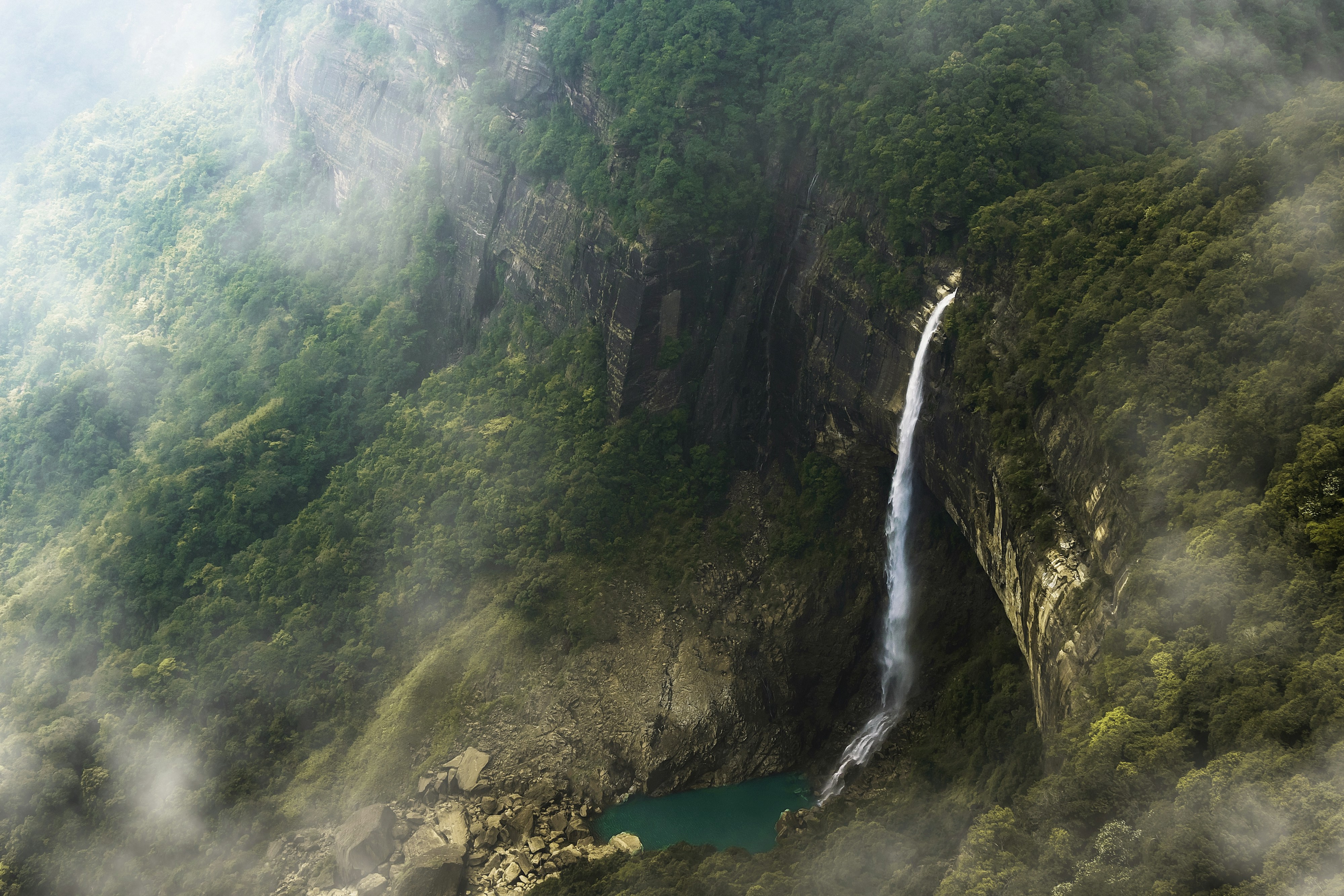 #1574 /100
India's tallest plunge waterfall drops in a single sheer fall into a striking turquoise pool at the base of the Khasi Hills, near Cherrapunji - one of the wettest places on Earth.
Monsoon season turns it into a thunderous wall of water visible from a paved viewpoint without any hiking required.
A local legend about a mother's grief gives the falls their name and a somber backstory repeated by every guide.
How does it rate
CrowdsRomanceCash RequiredDangerAccessibilityWhy you should go
India's tallest plunge waterfall, viewable from a paved lookout with zero hiking involved.
Why you shouldn't go
During the dry winter months the flow drops to a fraction of its monsoon-season power.
Plan your visit
Best time to visitJune-September, monsoon season, for maximum water flow.Best time of dayMorning, before monsoon cloud typically thickens over the valley.Getting thereDrive to Cherrapunji (Sohra) from Shillong, about 1.5 hours; the viewpoint is a short walk from the car park.Entry costSmall entry fee, a few dollars.Time needed1 hourInsider tip — Combine the visit with Cherrapunji's living root bridges nearby - most visitors do both in a single day trip from Shillong. -
 #1670 /100
Morocco's tallest waterfall drops around 110 meters in a series of cascades through red sandstone cliffs, with wild Barbary macaque monkeys often seen in the olive groves along the approach trail.
Paths wind down to the pool at the base, where small boats ferry visitors close enough to feel the spray, and mule owners offer rides back up for those who'd rather skip the climb.
How does it rate
CrowdsRomanceCash RequiredDangerAccessibilityWhy you should go
Morocco's tallest waterfall, with wild monkeys along the approach trail.
Why you shouldn't go
The descent and climb back up involve steep, sometimes slippery paths.
Plan your visit
Best time to visitSpring, when snowmelt keeps the falls at full flow.Best time of dayMorning, for the best light through the spray and before day-trip crowds peak.Getting thereAbout 3 hours' drive from Marrakech; most visitors go via an organized day tour.Entry costFree to view; small boat rides around 20 MAD (~€2).Time neededHalf a day including travel.Insider tip — Keep food out of sight on the trail — the Barbary macaques are used to tourists and will grab snacks from open bags.


More from The World
-
How a score is built
One score out of 100, five criteria behind it
Every place is rated 1–5 on each of the criteria below, then combined into a single score out of 100. It's calculated by us, the same way every time — not an average of traveller reviews or social votes.
Crowds
How many people you'll be sharing it with, and at what time of day.
Romance
How well it suits a couple, a proposal, or a quiet moment together.
Cash required
Entry fees, permits, guides, rentals — what it actually costs to do it.
Danger
Physical risk involved, from a slippery viewpoint to genuine hazard.
Accessibility
How far off the beaten path it is, and how hard it is to actually reach.

