-
 #188 /100
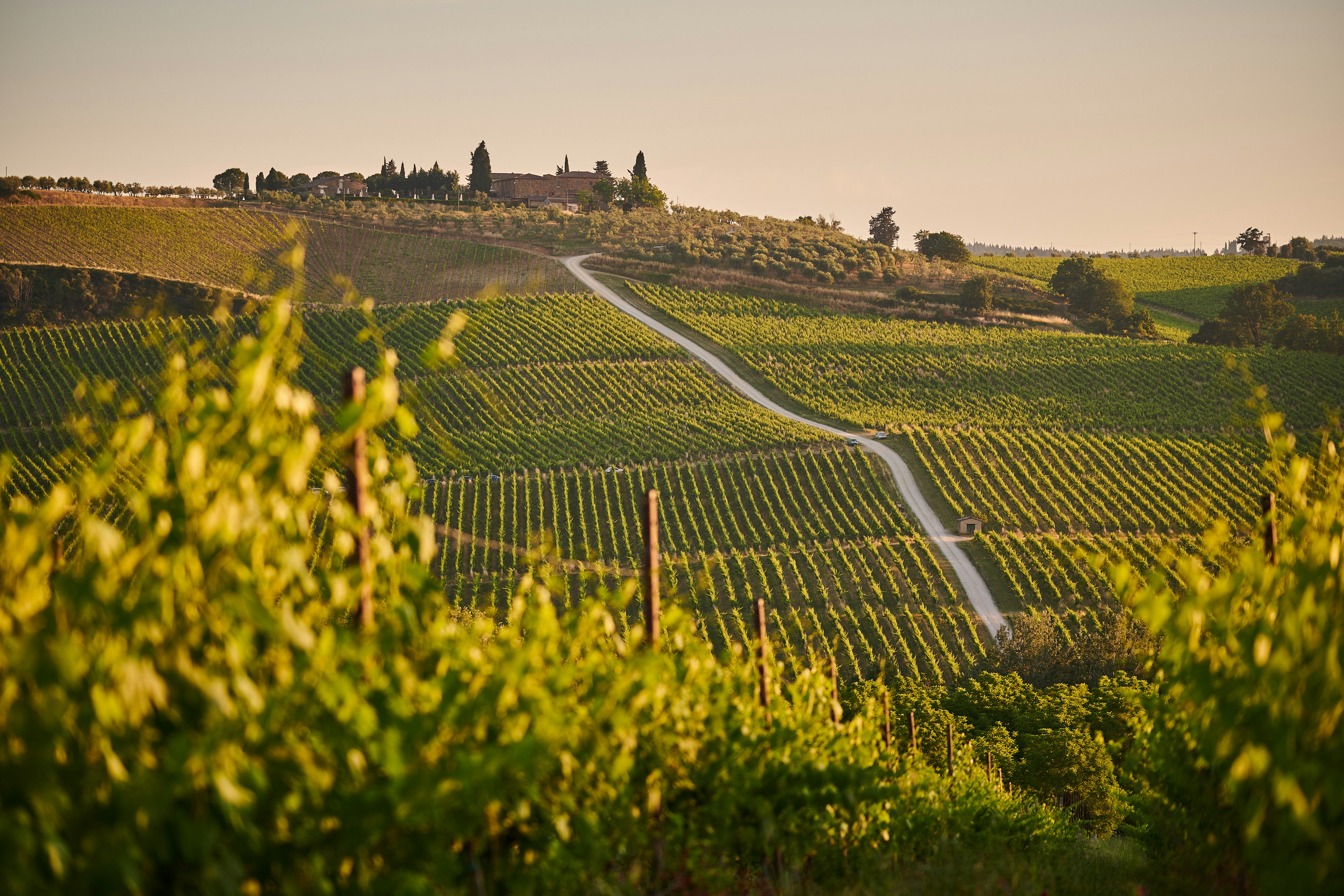
Between Florence and Siena, Chianti's rolling hills are stitched with vineyards, olive groves and cypress-lined roads that define the classic image of the Tuscan countryside.
Stone farmhouses and hilltop towns like Greve and Radda anchor a landscape barely changed since medieval times, and the black rooster on Chianti Classico labels marks the region's historic heart.
How does it rate
CrowdsRomanceCash RequiredDangerAccessibilityWhy you should go
Tuscany's postcard landscape: rolling vineyards, cypress-lined roads and stone hilltop towns between Florence and Siena.
Why you shouldn't go
The most scenic backroads are narrow and best driven rather than relying on public transport, which is limited between villages.
Plan your visit
Best time to visitSeptember-October for harvest colours, or May-June for wildflowers and comfortable driving weather.Best time of dayGolden hour before sunset, when the vine rows and cypress trees catch long, warm light.Getting thereFly into Florence or Pisa, then a rental car (recommended) roughly 30-40 minutes into the Chianti hills.Entry costTastings typically run EUR15-35 per winery; many require a booked appointment.Time neededA full day for a scenic drive and a few tastings, or several for a proper Tuscan trip.Insider tip — Drive the SR222 'Chiantigiana' road between Florence and Siena for the region's most scenic and iconic vineyard views. -
 #286 /100
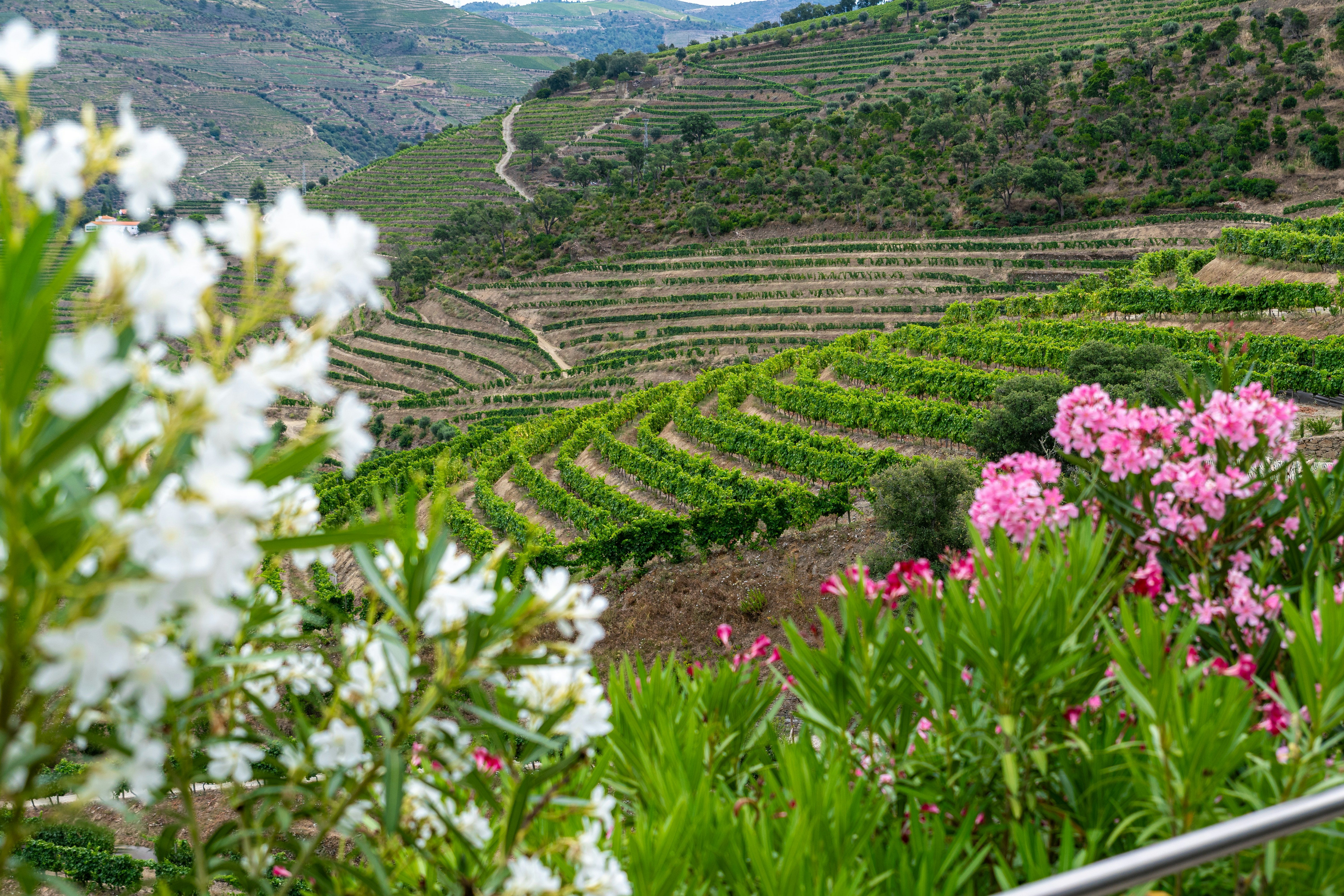
Portugal's Douro Valley is carved by centuries of hand-terraced vineyards climbing steeply from the river below, a UNESCO World Heritage landscape and the birthplace of port wine, still transported by traditional flat-bottomed rabelo boats that once carried barrels downriver to Porto.
The schist-terraced hillsides shift colour with the seasons.
How does it rate
CrowdsRomanceCash RequiredDangerAccessibilityWhy you should go
UNESCO-listed, hand-terraced vineyard hillsides along the Douro River, the birthplace of port wine.
Why you shouldn't go
The valley's terraced roads are steep and winding, and a river cruise or train is often more relaxing than self-driving.
Plan your visit
Best time to visitSeptember-October for harvest, when the terraces turn gold and russet.Best time of dayLate afternoon from a high viewpoint, when the terraced hillsides are lit low and golden along the river.Getting thereFly into Porto, then a scenic train or roughly 1.5-hour drive east into the valley.Entry costQuinta tastings typically run EUR15-40; river cruises vary widely by length.Time neededA full day, or several for a proper valley tour including a river cruise.Insider tip — Take the train from Porto's Sao Bento station along the river rather than driving, for uninterrupted valley views without navigating the roads yourself. -
 #383 /100
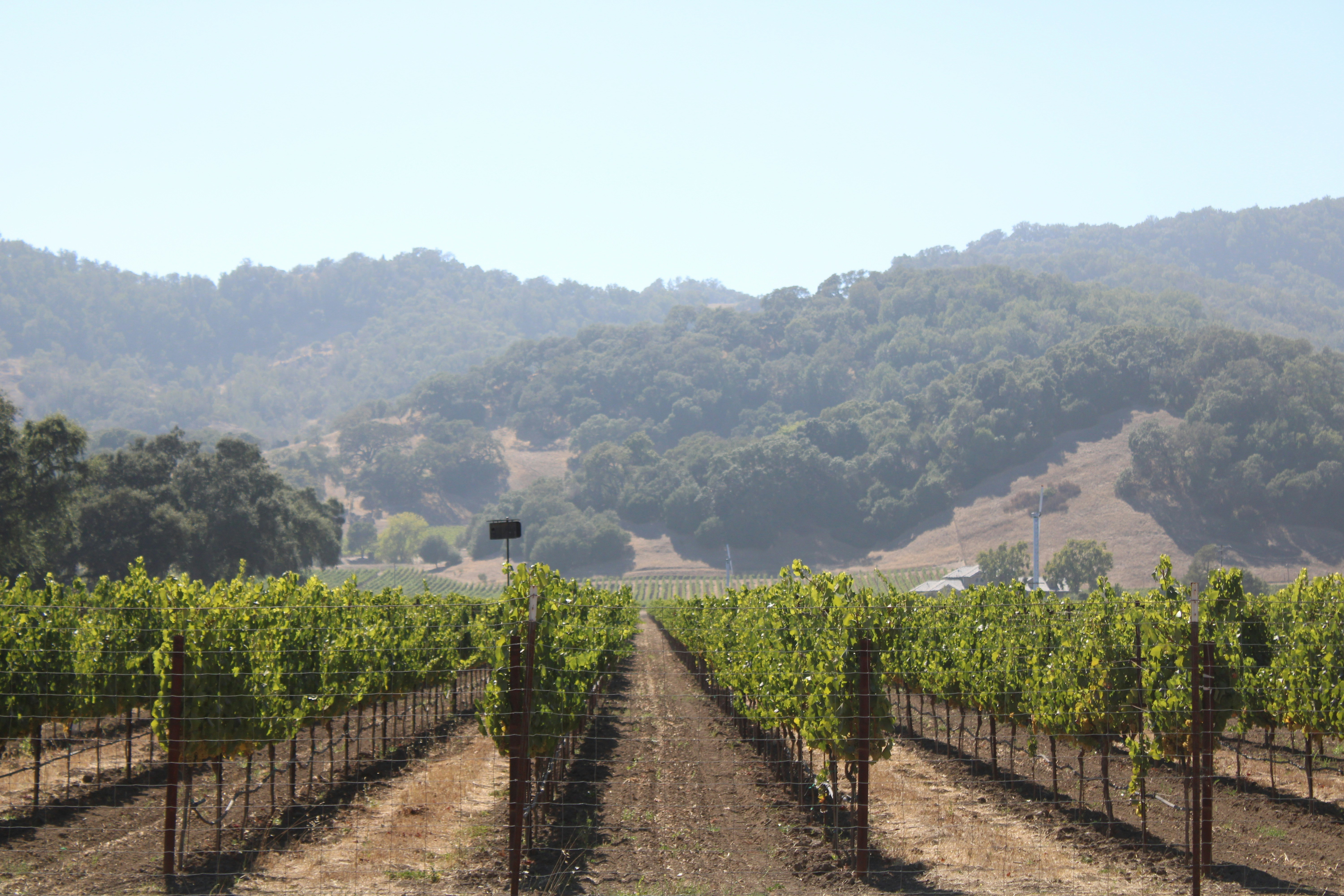
An hour north of San Francisco, Napa Valley packs over 400 wineries into a 30-mile stretch of the Mayacamas and Vaca mountain ranges, from grand chateau-style estates to small family vineyards.
Cabernet Sauvignon put the valley on the world wine map after it beat top French labels at the 1976 Judgment of Paris blind tasting.
How does it rate
CrowdsRomanceCash RequiredDangerAccessibilityWhy you should go
400-plus wineries across 30 miles of valley, the American wine region that famously beat France's best in a blind tasting.
Why you shouldn't go
Tasting fees and restaurant prices are among the highest of any wine region in the world, and summer weekends get heavily booked.
Plan your visit
Best time to visitSeptember-October, during harvest season when vineyards are at their most active and photogenic.Best time of dayLate afternoon, when golden light hits the valley's vine rows and hillsides.Getting thereFly into San Francisco or Oakland, then a roughly 1-1.5 hour drive north to the valley.Entry costTasting fees typically run USD40-75 per winery, waived with a bottle purchase at some.Time neededA full day for a few wineries, or several for a proper wine country trip.Insider tip — Book tastings in advance at smaller family wineries, which often require appointments and offer a far less rushed experience than the big-name estates. -
 #481 /100
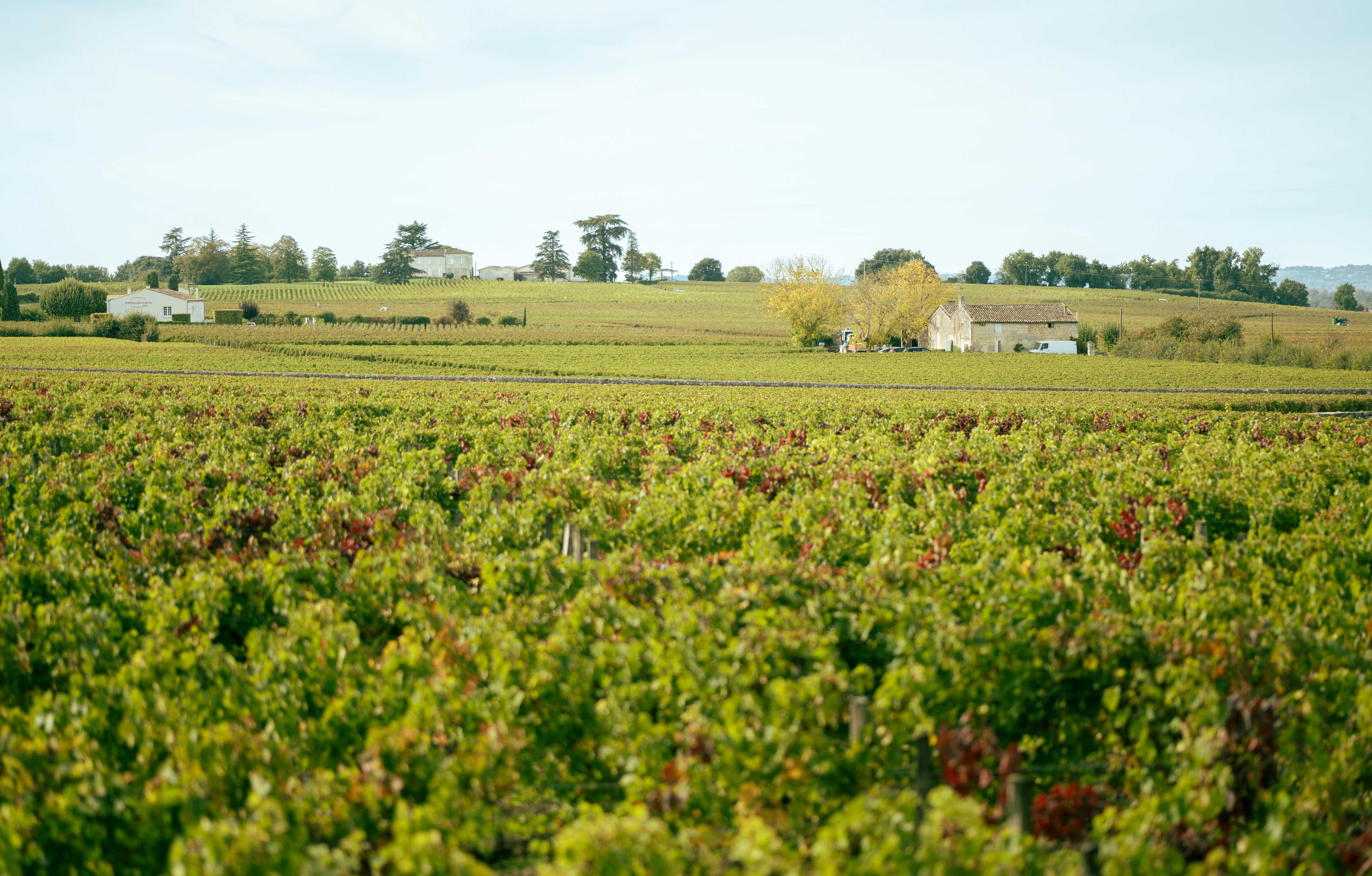
France's largest and most prestigious wine region surrounds the elegant 18th-century city of the same name, its Gironde estuary and two rivers shaping over 6,000 chateaux that have defined fine wine for centuries.
The Medoc's grand chateaux sit on some of the world's most valuable vineyard land, while Saint-Emilion's UNESCO-listed medieval village stands above a warren of limestone cellars on the right bank.
How does it rate
CrowdsRomanceCash RequiredDangerAccessibilityWhy you should go
6,000-plus chateaux across France's grandest wine region, anchored by an elegant riverside city and a UNESCO medieval village.
Why you shouldn't go
The most famous chateaux (the classified growths) are often visit-by-appointment only and can be expensive or hard to book.
Plan your visit
Best time to visitSeptember-October for harvest, or May-June for pleasant weather and thinner crowds.Best time of dayLate afternoon along the Garonne riverfront, when the city's limestone facades glow gold.Getting thereFly into Bordeaux-Merignac Airport, then a tram into the city or a rental car out to the vineyards.Entry costChateau tastings typically run EUR15-40 per visit.Time neededA full day in the city, or several for touring the surrounding chateaux.Insider tip — Base yourself in Saint-Emilion for a night if possible, since its UNESCO old town is worth more than a rushed day-trip stop. -
 #578 /100
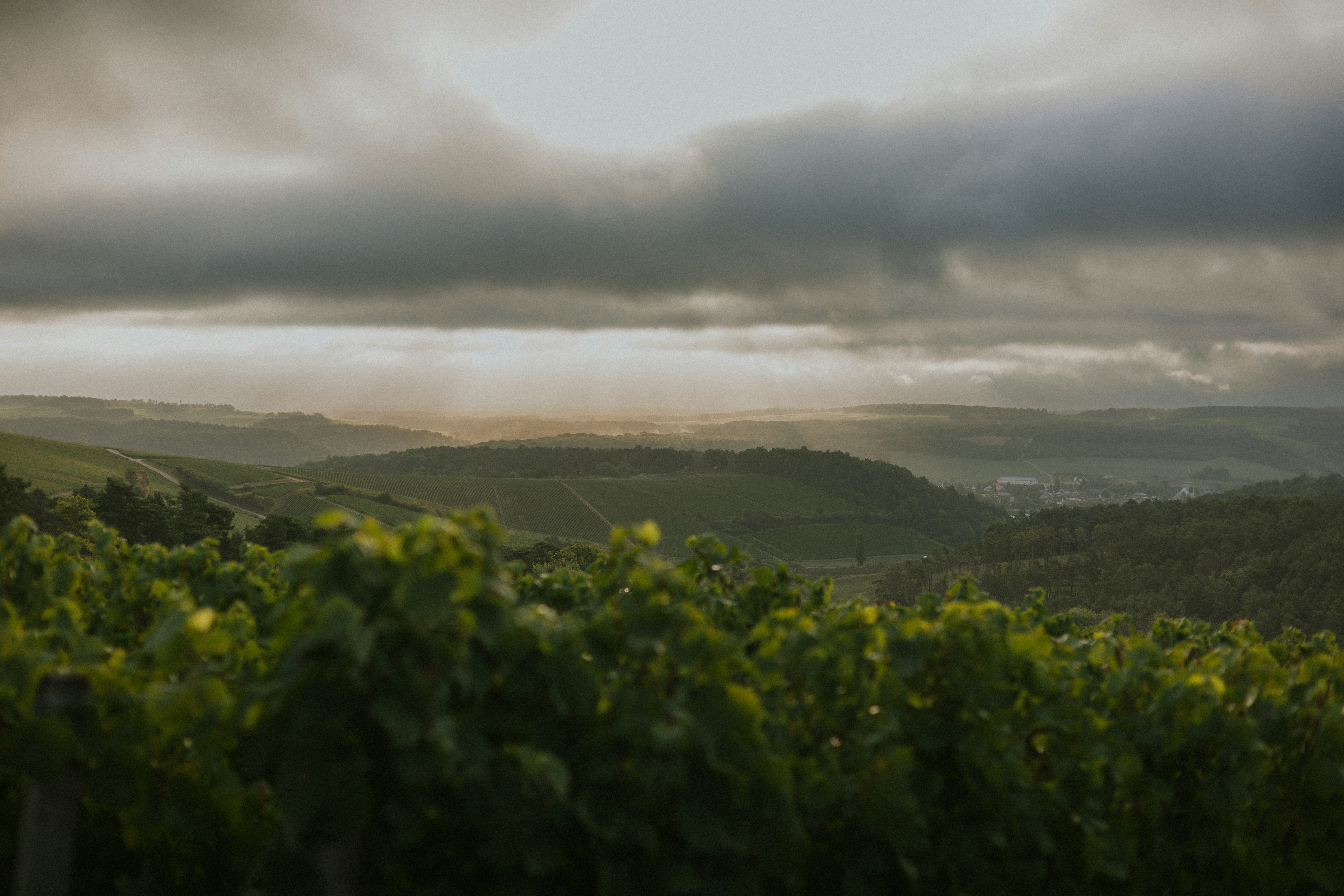
An hour east of Paris, the chalky hillsides around Reims and Epernay produce the only sparkling wine legally allowed to bear the Champagne name, tied to the region's chalk soil and centuries-old method.
Grand maisons like Moet et Chandon maintain vast underground cellars, some carved from Roman-era quarries, stretching for kilometres beneath Epernay.
How does it rate
CrowdsRomanceCash RequiredDangerAccessibilityWhy you should go
The chalk hillsides east of Paris that alone can legally produce Champagne, with kilometres of cellars carved beneath Epernay.
Why you shouldn't go
The grand maisons' cellar tours require advance booking, especially in summer, and can be pricier than tastings elsewhere.
Plan your visit
Best time to visitSeptember-October for harvest, or spring for blossoming vineyards.Best time of dayLate afternoon over the vineyard hillsides around Hautvillers or the Montagne de Reims.Getting thereTake the TGV from Paris to Reims or Epernay, roughly 45 minutes.Entry costCellar tours with tastings typically run EUR25-60 per maison.Time neededA full day, easily done as a day trip from Paris.Insider tip — Book a smaller grower-producer tasting alongside a big-house cellar tour, since small growers often offer a more personal, less rushed experience. -
 #677 /100
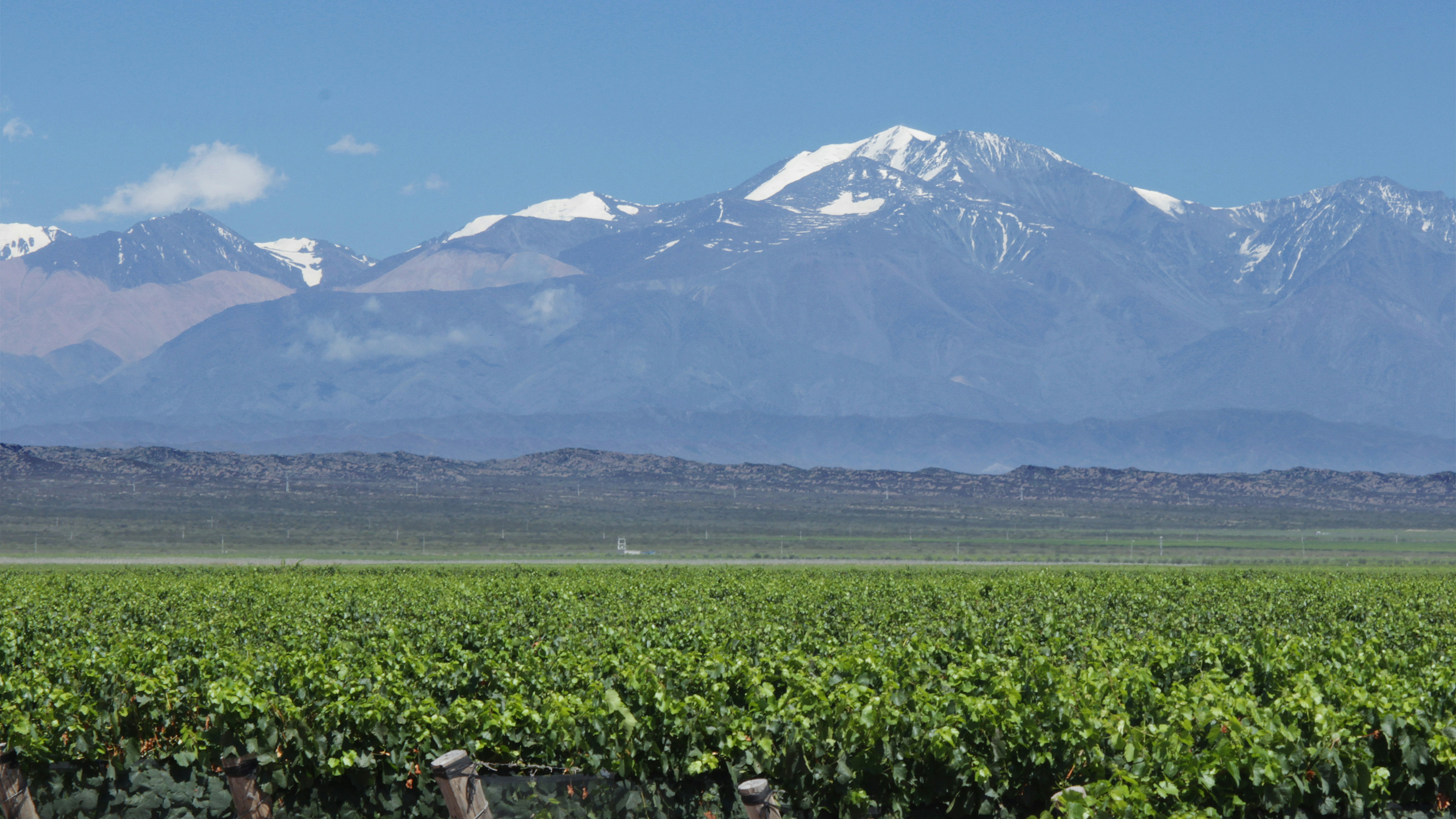
Argentina's premier wine region sits in the high-altitude desert at the foot of the Andes, where Malbec, transformed from a minor French grape into Argentina's signature wine, thrives in vineyards that often frame snow-capped peaks directly behind their rows.
Many bodegas pair tastings with Andean views and asador barbecue lunches.
How does it rate
CrowdsRomanceCash RequiredDangerAccessibilityWhy you should go
High-desert Malbec vineyards at the foot of the Andes, Argentina's signature wine grown against snow-capped peaks.
Why you shouldn't go
Mendoza's high altitude and dry climate mean strong sun exposure, and distances between bodegas are longer than in denser wine regions.
Plan your visit
Best time to visitMarch-April for harvest season (Argentina's autumn, opposite the Northern Hemisphere).Best time of dayLate afternoon, when the Andes behind the vineyards catch alpenglow light.Getting thereFly into Mendoza's Governor Francisco Gabrielli Airport, then a rental car or organised tour to the surrounding bodegas.Entry costTastings typically run USD10-30 per bodega; some include a paired lunch.Time neededA full day for a bodega tour.Insider tip — Book a bodega with an on-site asador lunch, a genuine Mendoza tradition that pairs Malbec with slow-grilled Argentine beef. -
 #776 /100
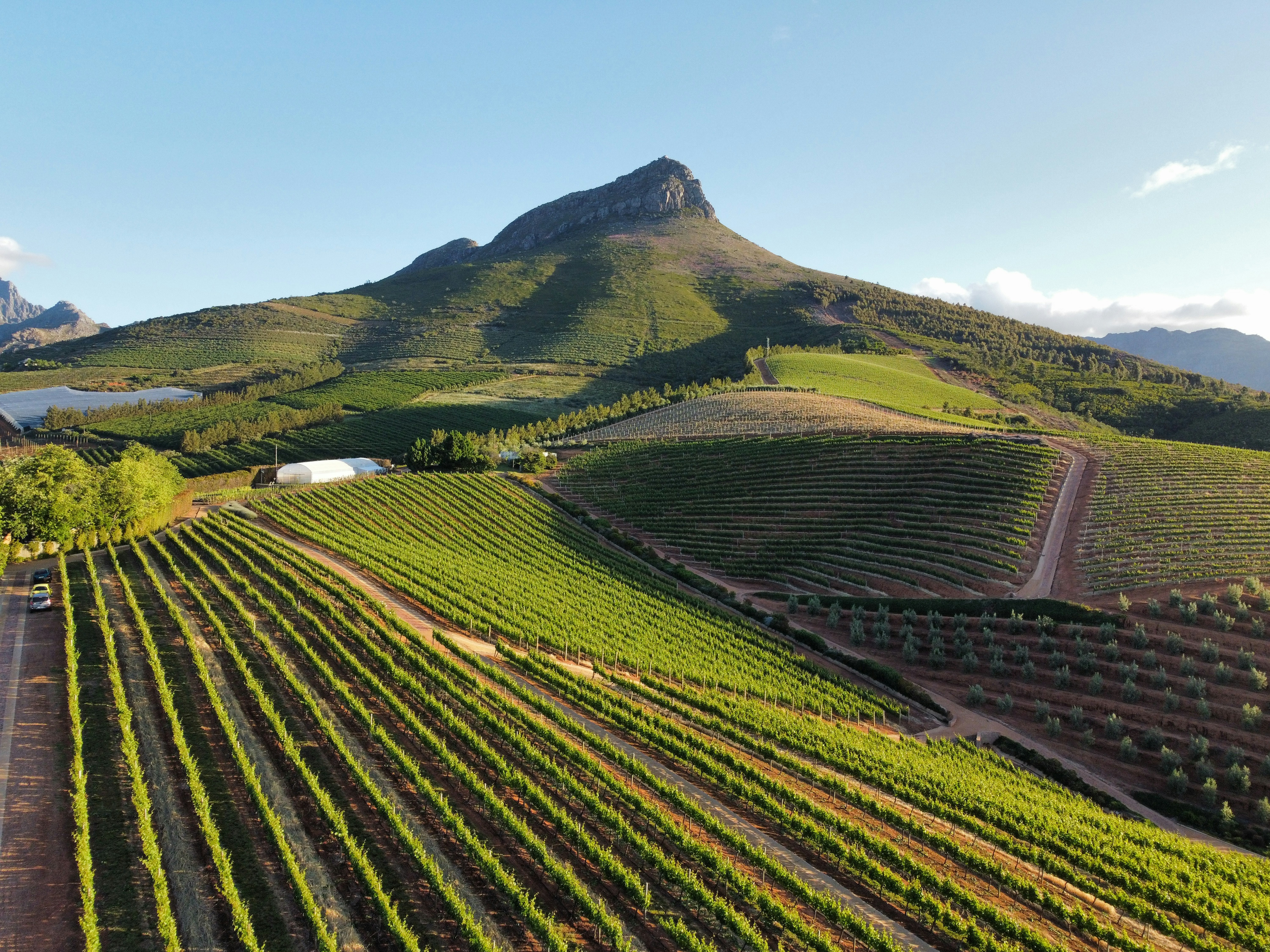
South Africa's oldest wine region, founded in 1679, surrounds a university town of oak-lined streets and whitewashed Cape Dutch buildings, its vineyards framed by the granite peaks of the Jonkershoek and Helderberg mountains.
Historic estates like Boschendal and Vergelegen pair centuries-old architecture with wine tastings and mountain views.
How does it rate
CrowdsRomanceCash RequiredDangerAccessibilityWhy you should go
South Africa's oldest wine region, Cape Dutch estates and mountain-backed vineyards around a historic university town.
Why you shouldn't go
The most scenic mountain-backed estates sit outside town and are easiest reached with a rental car or organised tour.
Plan your visit
Best time to visitMarch-April for harvest (South Africa's autumn) or September-October for spring wildflowers.Best time of dayLate afternoon, when the Jonkershoek mountains behind the vineyards catch golden light.Getting thereFly into Cape Town International Airport, then a roughly 45-minute drive east to Stellenbosch.Entry costTastings typically run ZAR80-150 per estate.Time neededA full day for a wine-estate tour.Insider tip — Combine a wine tasting with a stop at one of the historic Cape Dutch manor houses, several of which are open for tours alongside their cellar doors. -
 #872 /100
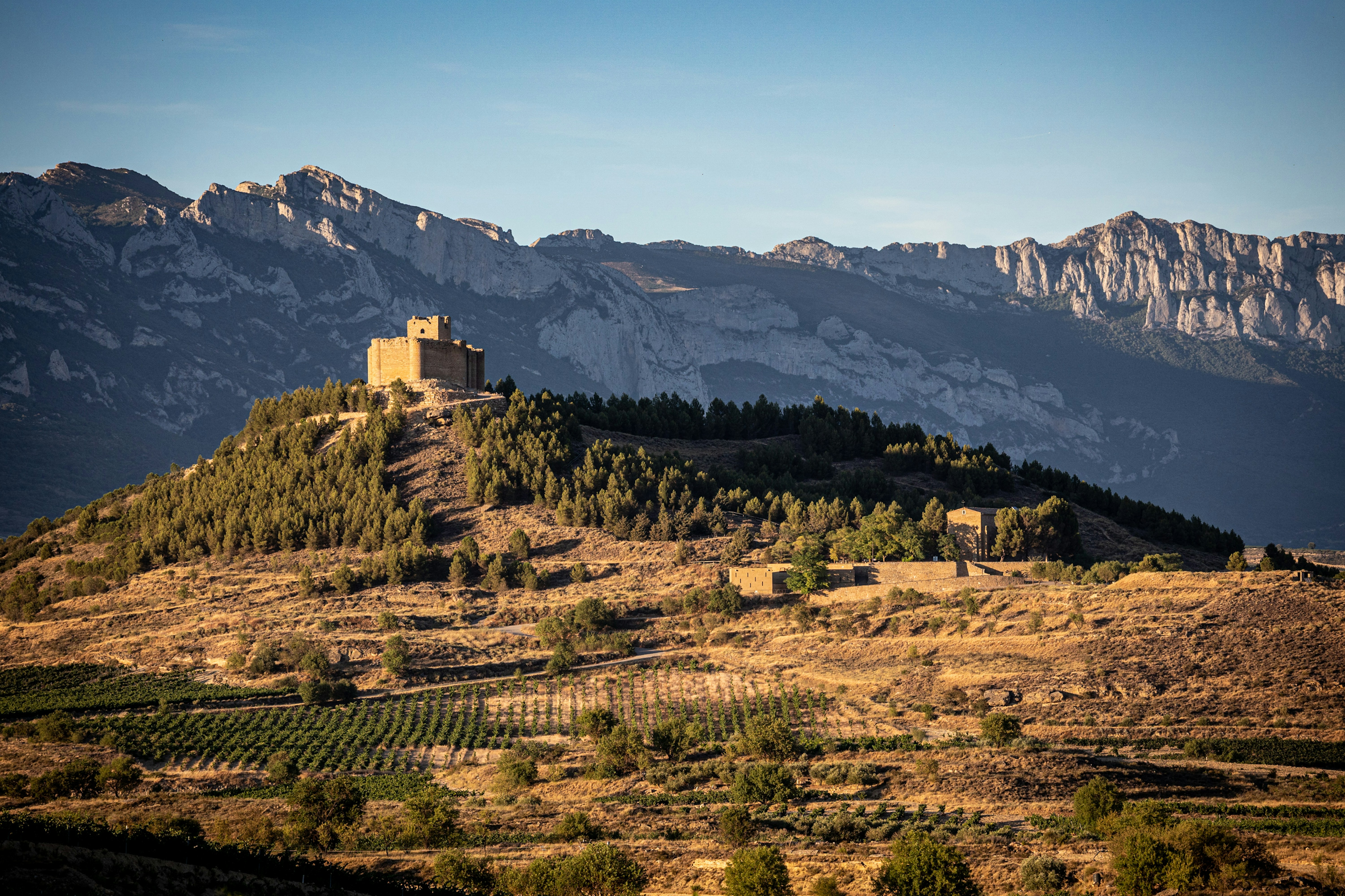
Northern Spain's most famous wine region pairs medieval hilltop villages with some of the boldest contemporary winery architecture anywhere, most notably Frank Gehry's titanium-ribboned Hotel Marques de Riscal, set against vineyards and the Sierra de Cantabria mountains.
Tempranillo has been grown here since Roman times, alongside cutting-edge design.
How does it rate
CrowdsRomanceCash RequiredDangerAccessibilityWhy you should go
Medieval hilltop villages beside some of the boldest modern winery architecture anywhere, including a titanium Frank Gehry building.
Why you shouldn't go
Rioja's wineries are spread across a wide region, so visiting more than one or two in a day requires careful route planning.
Plan your visit
Best time to visitSeptember-October for harvest, or May-June for pleasant weather.Best time of dayLate afternoon, when light hits the Sierra de Cantabria mountains behind the vineyards.Getting thereFly into Bilbao, then a roughly 1.5-hour drive south into the Rioja region.Entry costTastings typically run EUR15-30 per bodega.Time neededA full day for a bodega tour including the architectural highlights.Insider tip — Book the Frank Gehry-designed Marques de Riscal winery tour ahead of a scenic lunch, since both the building and its restaurant are popular and fill up. -
 #968 /100
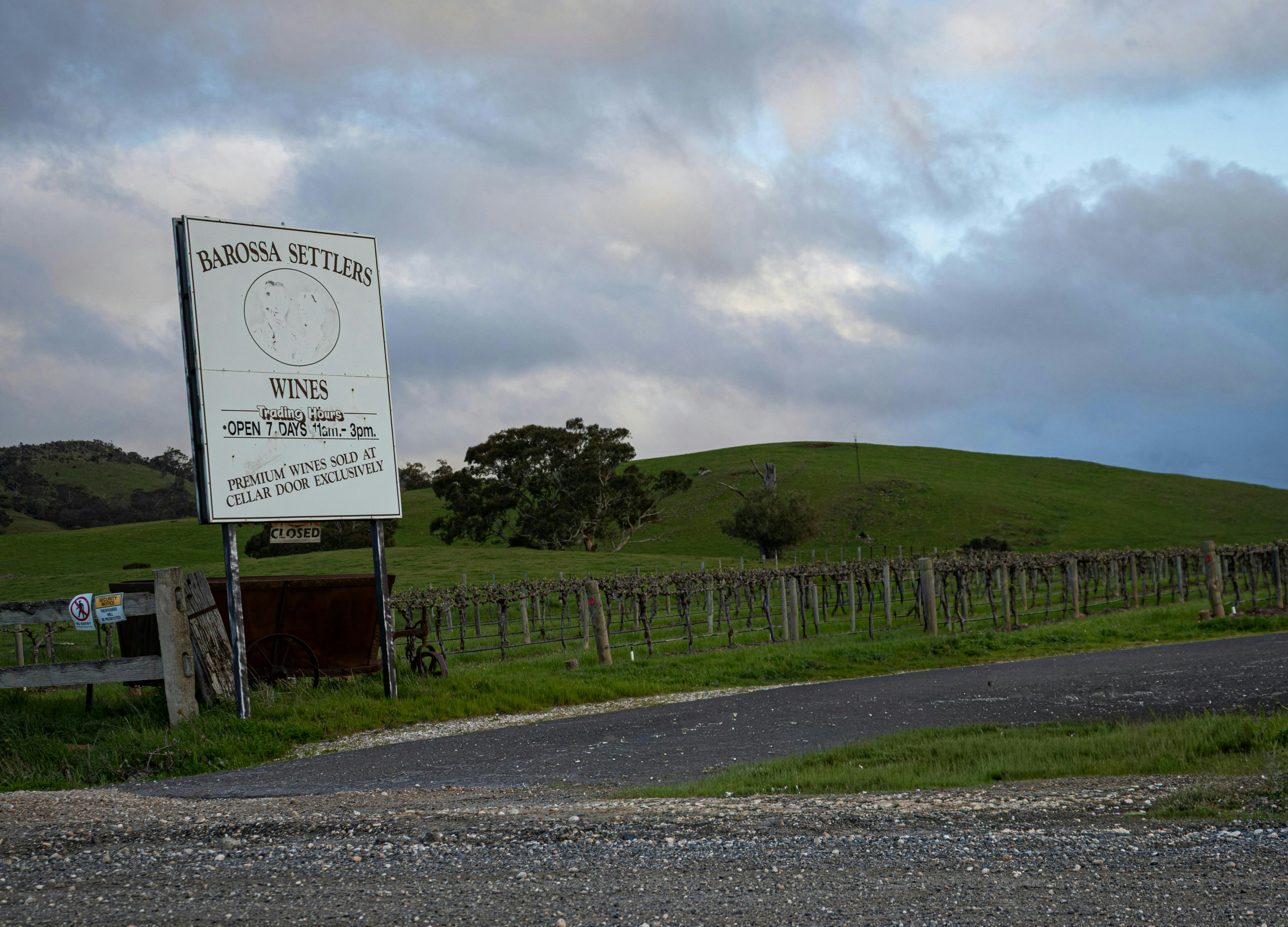
An hour from Adelaide, the Barossa Valley is home to some of the world's oldest continuously producing Shiraz vines, some planted in the 1840s by German and Silesian settlers who brought Lutheran church architecture and winemaking traditions that still shape the valley's small towns.
Historic stone wineries give the region a rustic, unhurried character.
How does it rate
CrowdsRomanceCash RequiredDangerAccessibilityWhy you should go
Historic Shiraz vineyards planted by 19th-century German settlers, an hour from Adelaide.
Why you shouldn't go
The valley is spread out with limited public transport, so a rental car or organised tour is close to essential.
Plan your visit
Best time to visitApril-May for harvest (Australia's autumn) or September-October for spring blossom.Best time of dayLate afternoon, when light softens across the valley's gum trees and vine rows.Getting thereFly into Adelaide, then a roughly 1-hour drive northeast into the valley.Entry costTastings typically run AUD10-25 per cellar door, often waived with a purchase.Time neededA full day for a cellar-door tour.Insider tip — Visit a family-run cellar door rather than only the big-name wineries, since many of the valley's oldest vines belong to small operations happy to talk through their history. -
 #1065 /100
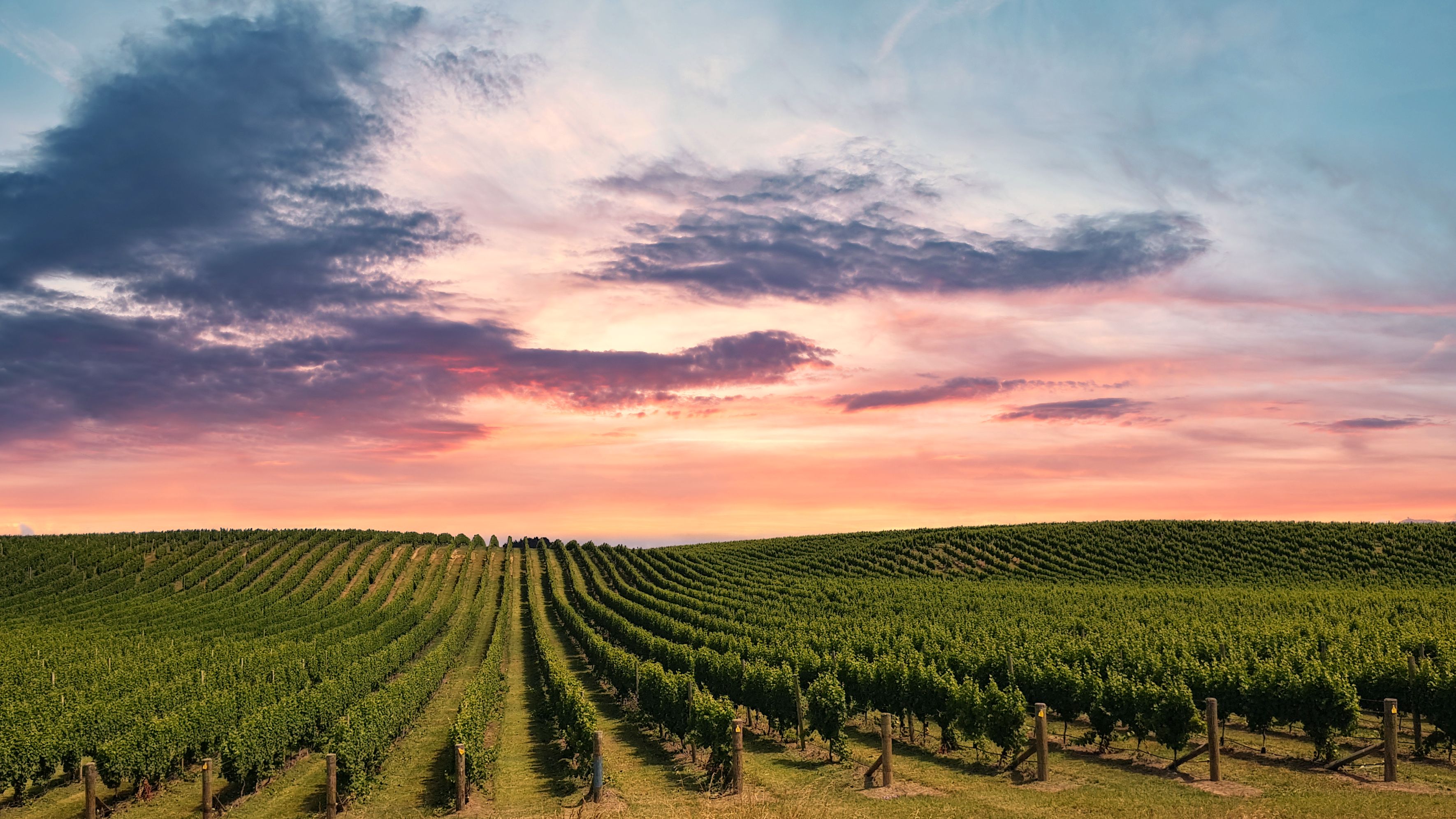
At the northern tip of New Zealand's South Island, Marlborough produces the majority of the country's wine and put New Zealand Sauvignon Blanc on the world map with its distinctively intense, herbaceous style.
Vineyards spread across the flat Wairau Valley floor, framed by forested hills separating the region from the Marlborough Sounds' waterways.
How does it rate
CrowdsRomanceCash RequiredDangerAccessibilityWhy you should go
New Zealand's biggest wine region, the source of the country's globally famous Sauvignon Blanc, framed by the Wairau Valley's hills.
Why you shouldn't go
It's a relatively remote region, requiring a flight or long drive from Auckland or Christchurch to reach.
Plan your visit
Best time to visitMarch-April for harvest (New Zealand's autumn) or through summer for warm, dry tasting-room weather.Best time of dayLate afternoon, when the Wairau Valley's hills catch soft evening light.Getting thereFly into Blenheim from Auckland, Wellington or Christchurch, then a short drive to the wineries.Entry costTastings typically run NZD5-15 per cellar door, often waived with a purchase.Time neededA full day for a cellar-door tour.Insider tip — Combine a wine tasting day with a boat trip into the nearby Marlborough Sounds, a scenic contrast most visitors don't plan for in advance.


More from The World
-
How a score is built
One score out of 100, five criteria behind it
Every place is rated 1–5 on each of the criteria below, then combined into a single score out of 100. It's calculated by us, the same way every time — not an average of traveller reviews or social votes.
Crowds
How many people you'll be sharing it with, and at what time of day.
Romance
How well it suits a couple, a proposal, or a quiet moment together.
Cash required
Entry fees, permits, guides, rentals — what it actually costs to do it.
Danger
Physical risk involved, from a slippery viewpoint to genuine hazard.
Accessibility
How far off the beaten path it is, and how hard it is to actually reach.

