-
 #192 /100
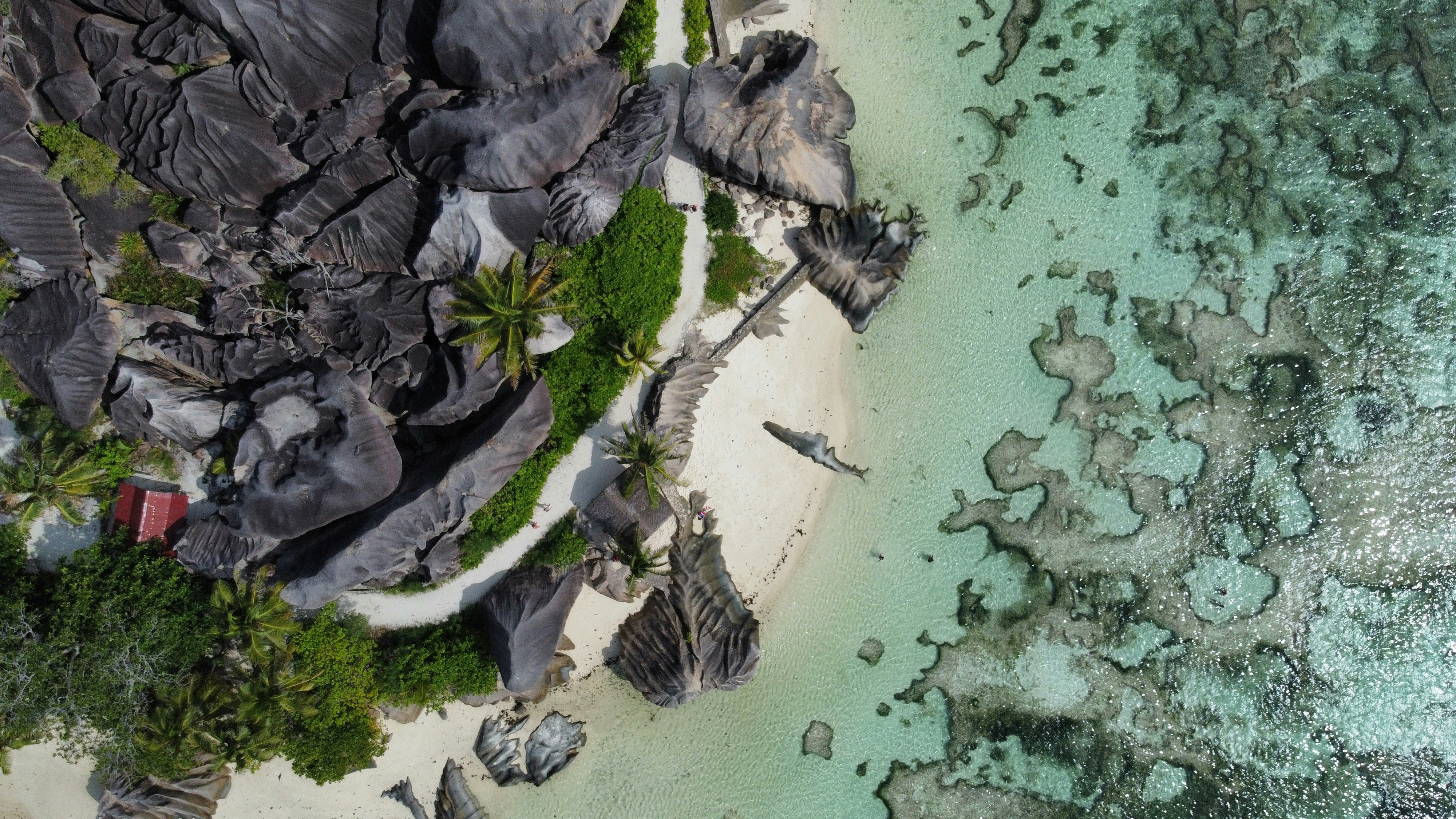
Pink-granite boulders sculpted by centuries of erosion line this powder-white beach on La Digue, shaded by takamaka trees and broken into a series of small coves and rock pools.
Some of the boulders are the size of houses.
The water is calm and shallow enough to wade a long way out, which makes it better for drifting about than for swimming properly.
Getting in means paying to cross a private plantation.
How does it rate
CrowdsRomanceCash RequiredDangerAccessibilityWhy you should go
House-sized pink granite boulders framing a powder-white beach make this one of the most distinctive coastlines on Earth.
Why you shouldn't go
Entry runs through a paid private plantation, and the calm, shallow water means it's not really a swimming beach.
Plan your visit
Best time to visitApril-May or October-November, outside the cyclone-adjacent wet season.Best time of dayLate afternoon, when the low sun turns the granite a deep gold.Getting thereFly to Mahe, ferry to La Digue, then bike or ox-cart to the plantation entrance.Entry costAround EUR10 plantation entry fee.Time needed2-3 hours.Insider tip — Climb the boulders past the main viewpoint for a quieter stretch of sand with the same rock formations and far fewer people. -
 #2
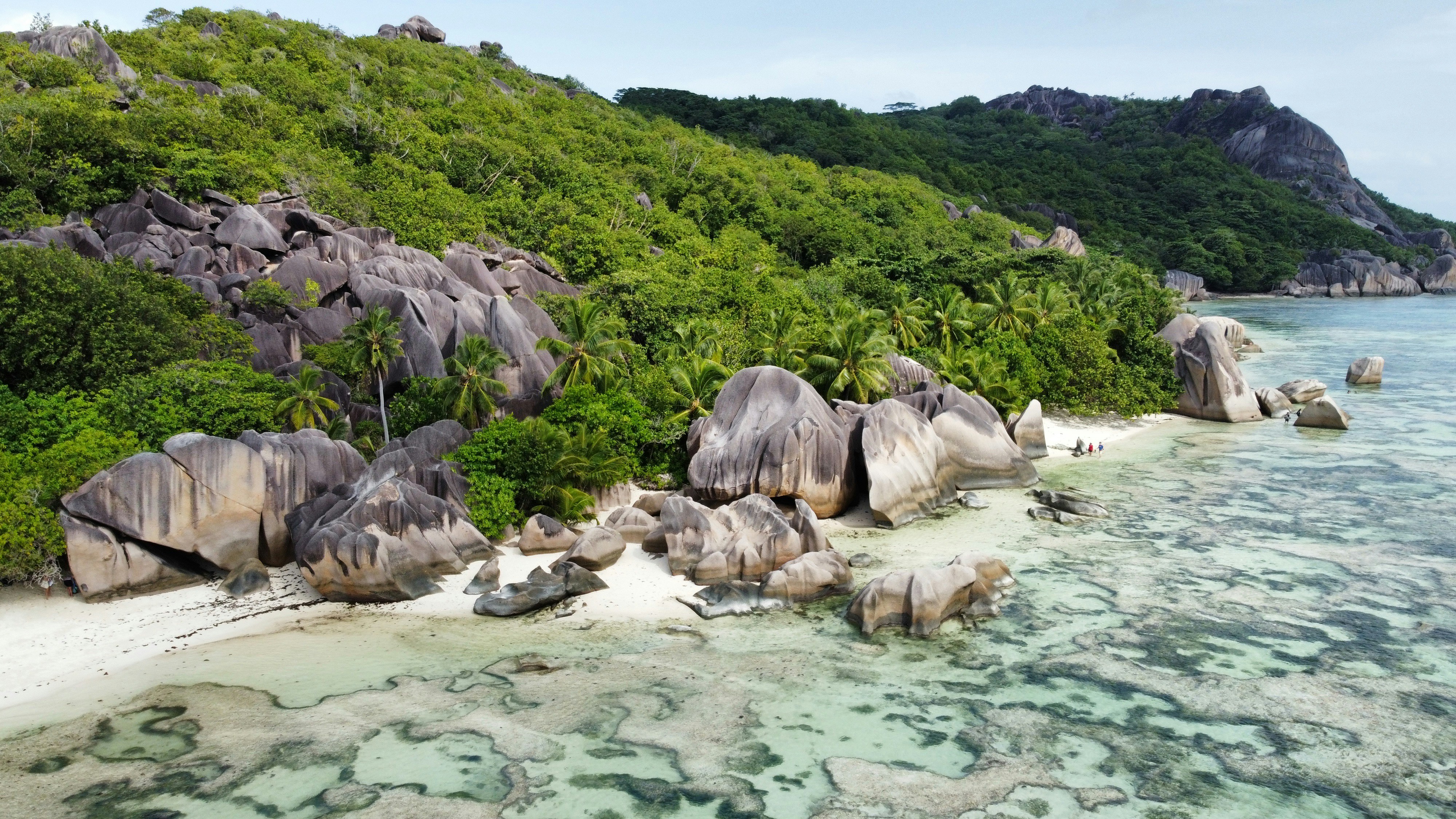
#2Giant pink-granite boulders line the pale sand and shallow turquoise water of Anse Source d'Argent, the best known of a string of coves along La Digue's coast.
The island moves at bicycle pace - there are barely any cars, and the whole place can be crossed in an hour on two wheels.
Development stays low-rise, and the interior is dense palm and takamaka forest.
How does it rate
CrowdsRomanceCash RequiredDangerAccessibilityWhy you should go
The single most photographed beach composition in the Indian Ocean - granite boulders meet pale sand.
Why you shouldn't go
Reaching La Digue and its best beaches takes two separate boat transfers and adds real cost.
Plan your visit
Best time to visitApril-May or October-November, between monsoon seasons.Best time of dayMid-to-late afternoon, when the light rakes across the granite boulders.Getting thereFly into Mahe, ferry to Praslin, then a second ferry to La Digue; bicycles are the main way to get around.Entry costSmall entry fee for Anse Source d'Argent via L'Union Estate.Time needed2 daysInsider tip — Walk past the first few boulder clusters near the entrance - the classic postcard framing is a further 10-minute walk down the beach. -
 #3
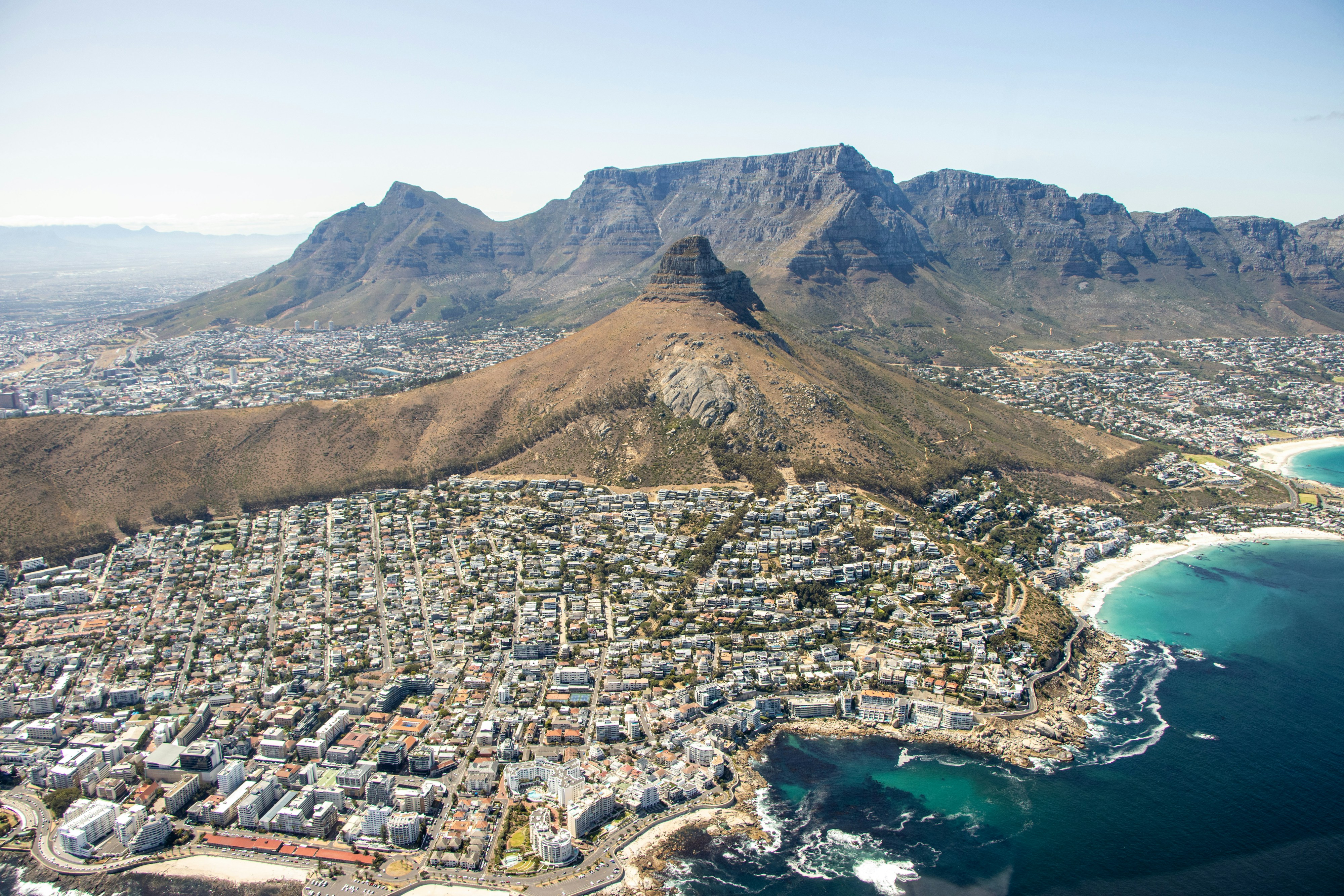
#3Table Mountain's flat-topped silhouette looms directly over the city bowl, often capped by a rolling cloud locals call the tablecloth.
A cable car reaches the summit in minutes, but the classic view is looking back at the mountain from Bloubergstrand or Signal Hill, with the city spread out beneath it.
Penguins waddle across a public beach at Boulders just outside the city.
How does it rate
CrowdsRomanceCash RequiredDangerAccessibilityWhy you should go
A flat-topped mountain looming directly over the city, often capped by its own private cloud.
Why you shouldn't go
The cable car and mountain views depend entirely on weather - cloud cover cancels the trip more often than visitors expect.
Plan your visit
Best time to visitNovember-March (dry summer) for the most reliable clear views of the mountain.Best time of dayLate afternoon into sunset, from Signal Hill or Bloubergstrand.Getting thereFly into Cape Town International Airport, about 20 minutes from the city centre.Entry costTable Mountain cable car around $30 return; Boulders Beach small entry fee.Time needed3-4 daysBookingBook ahead →Insider tip — Check the cable car's live webcam before heading up - cloud cover is common and a wasted trip is easy to avoid with five minutes of checking. -
 #4
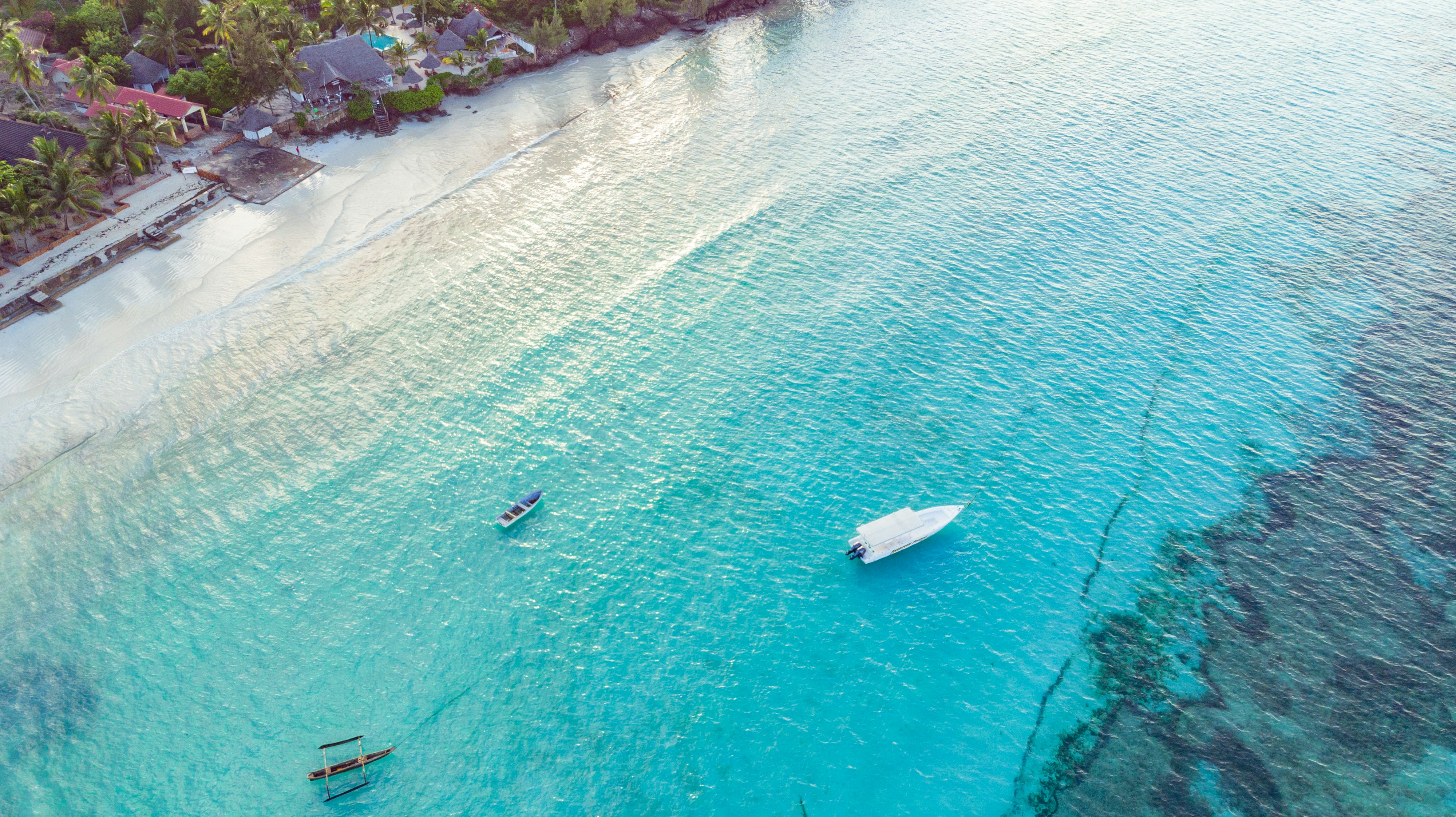
#4Powder-white beaches and turquoise Indian Ocean water ring this Swahili Coast island, while Stone Town's maze of coral-stone alleys and carved wooden doors holds centuries of trading-post history.
Sandbanks appear and vanish with the tide, and traditional dhows still work the horizon at sunset.
Spice farms, seaweed cultivation and a distinctive Omani-Swahili food culture fill out the days between beaches.
How does it rate
CrowdsRomanceCash RequiredDangerAccessibilityWhy you should go
Postcard Indian Ocean beaches paired with the genuinely unique architecture of Stone Town.
Why you shouldn't go
Seaweed farming and tidal shifts mean the perfect turquoise shallows aren't guaranteed at every beach, every time.
Plan your visit
Best time to visitJune-October or December-February, avoiding the long and short rains.Best time of dayLate afternoon for the beaches; golden hour for Stone Town's rooftops.Getting thereFly directly into Zanzibar (Abeid Amani Karume International Airport) or via a short hop from Dar es Salaam.Entry costFree beaches; Stone Town's House of Wonders and other sites charge small entry fees.Time needed3-5 daysInsider tip — Base yourself on the east coast (Paje or Jambiani) for the best sandbank and kitesurfing photos, not the busier Nungwi beaches. -
 #579 /100
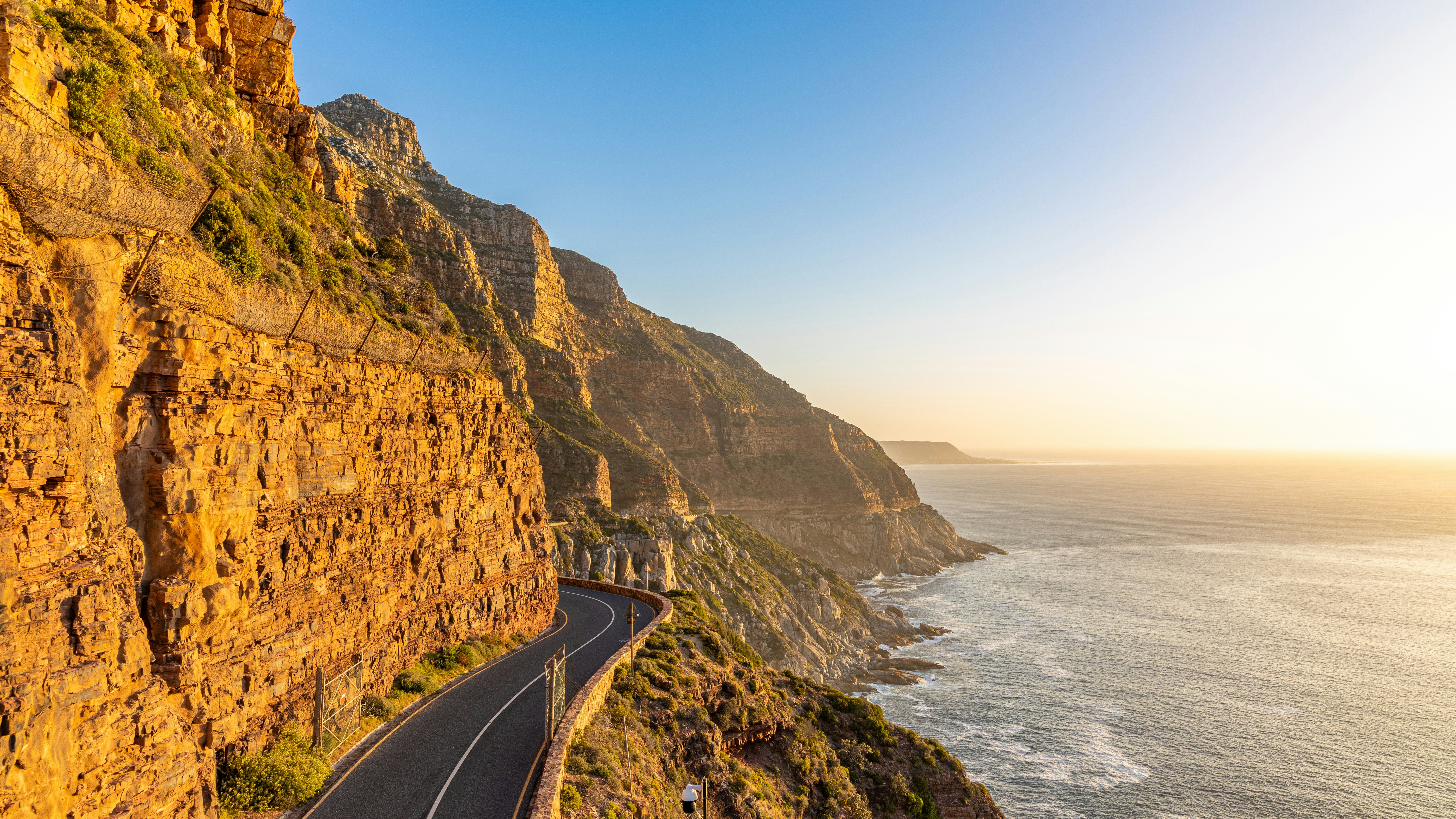
Chapman's Peak Drive carves along sheer cliffs between Noordhoek and Hout Bay, the scenic centrepiece of a wider ride around the Cape Peninsula past Boulders Beach's penguins and the fynbos slopes near Cape Point.
The full loop, ridden each March by 35,000 cyclists in the Cape Town Cycle Tour, mixes ocean-cliff drama with quiet vineyard roads on the return leg.
Wind and open cliff edges make it a serious ride outside the closed-road race day.
How does it rate
CrowdsRomanceCash RequiredDangerAccessibilityWhy you should go
Few rides anywhere combine sheer ocean cliffs, penguins and vineyard roads in one loop.
Why you shouldn't go
Chapman's Peak Drive has a toll, gets strong crosswinds, and shares narrow lanes with tour traffic outside race day.
Plan your visit
Best time to visitNov-Mar for dry summer weather; the Cape Town Cycle Tour itself runs each March.Best time of dayEarly morning for calmer wind and cooler temperatures on exposed cliff sections.Getting thereFly to Cape Town; hire a road bike in the city or join a guided Peninsula tour with vehicle support.Entry costChapman's Peak toll approx ZAR 55/car (cyclists often free); bike rental from ZAR 350/dayTime neededFull day for the full Peninsula loopBookingBook ahead →Insider tip — Ride Chapman's Peak from Hout Bay toward Noordhoek for the classic tailwind direction, and check the toll road's status first, since it closes after heavy rain or rockfall risk. -
 #676 /100
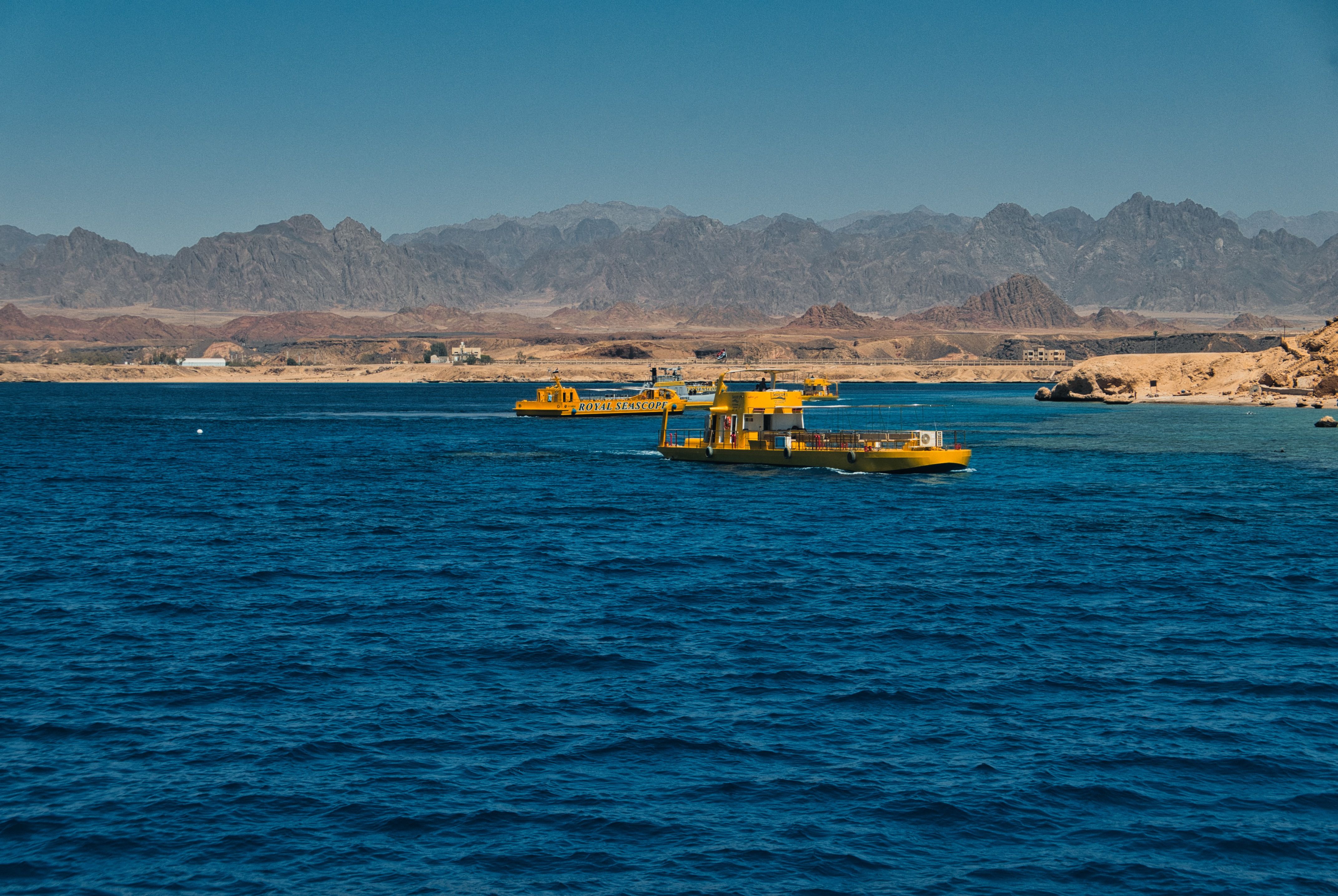
At the southern tip of the Sinai Peninsula, where the Gulf of Suez meets the Gulf of Aqaba, Ras Mohammed protects some of the Red Sea's most vivid coral reef, with underwater visibility regularly exceeding 20 meters and walls that drop dramatically into deep blue water just offshore.
The Shark and Yolanda Reef dive sites are considered among the best in the world for the sheer density and variety of reef fish.
How does it rate
CrowdsRomanceCash RequiredDangerAccessibilityWhy you should go
World-class coral reef diving with exceptional visibility, accessible to snorkelers as well as divers.
Why you shouldn't go
The best dive sites (Shark and Yolanda Reef) involve deeper, current-exposed diving suited to experienced divers.
Plan your visit
Best time to visitMarch–May and September–November for the calmest water and best visibility.Best time of dayMorning boat trips, before afternoon wind picks up on the open water.Getting thereAbout 30-45 minutes by boat or road from Sharm el-Sheikh.Entry costPark entry around $10; dive trips typically $50-90.Time needed1 day.Insider tip — Snorkel the shallow reef at Ras Mohammed's shore access points if you're not diving — the coral and fish density rivals many dive-only sites. -
 #776 /100
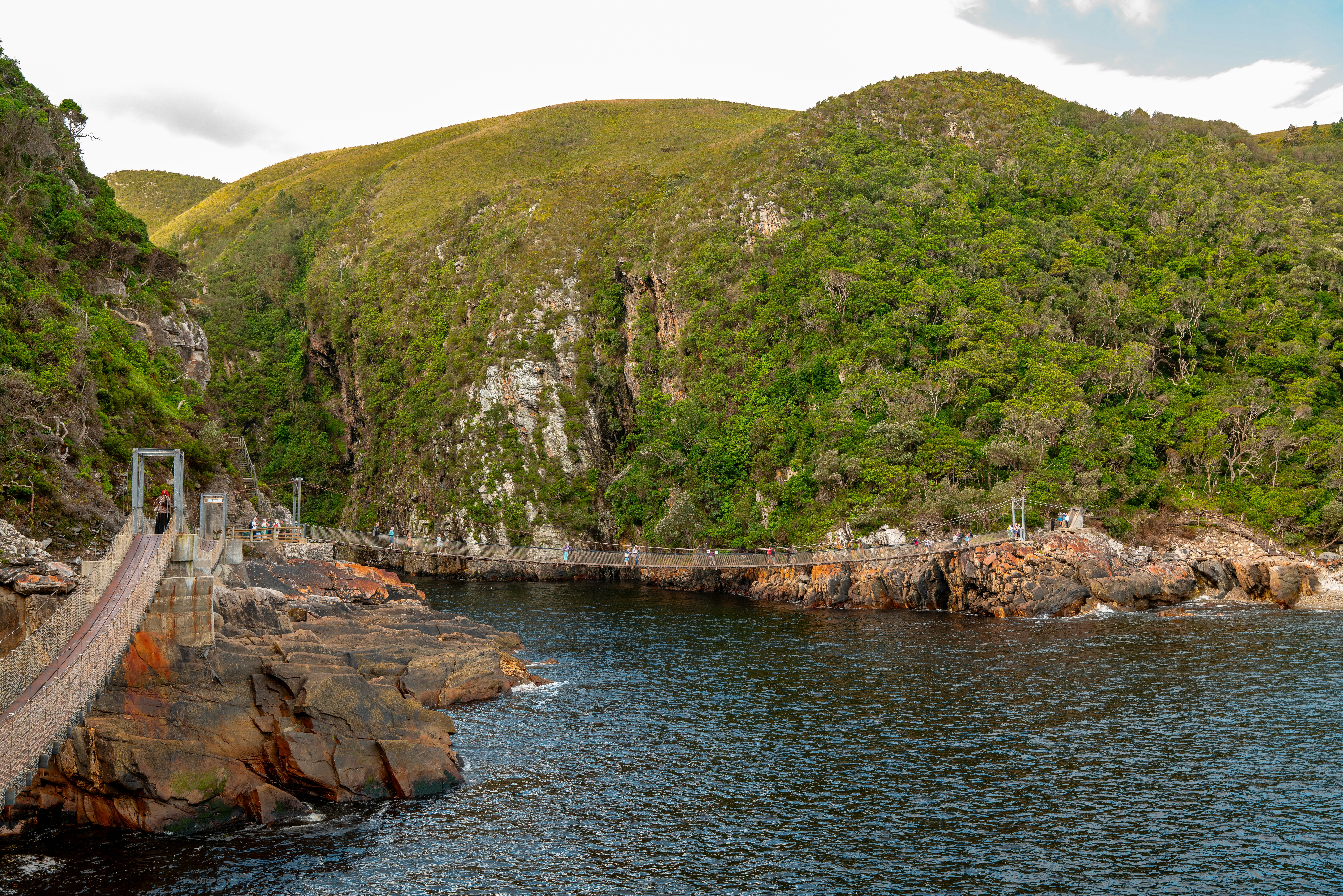
The Garden Route traces roughly 300 kilometres of South Africa's southern coast between Mossel Bay and Storms River, crossing indigenous forest, lagoons, and dramatic sea cliffs.
Knysna's lagoon and oyster shacks, Plettenberg Bay's beaches, and the canopy walkways of Tsitsikamma National Park make for constant stops.
Southern right whales gather off Plettenberg Bay for much of the year on this smooth, well-signed, easy self-drive route.
How does it rate
CrowdsRomanceCash RequiredDangerAccessibilityWhy you should go
Forests, lagoons, cliffs and whale-watching coastline packed into one easy, well-paved self-drive route.
Why you shouldn't go
Peak summer (Dec-Jan) sees the coastal towns and roads become crowded with domestic holidaymakers.
Plan your visit
Best time to visitOctober-November or February-March for good weather without peak-season crowds.Best time of dayMorning departures avoid afternoon coastal fog and leave time for stops before dusk.Getting thereFly into Cape Town or George, hire a car, and join the N2 highway heading east or west.Entry costFree to drive; Tsitsikamma and other park activities charge separate entry feesTime needed3-5 daysBookingBook ahead →Insider tip — Book a sunset oyster platter at a Knysna lagoon-front shack, and detour to Robberg Nature Reserve near Plettenberg Bay for whale sightings. -
 #872 /100
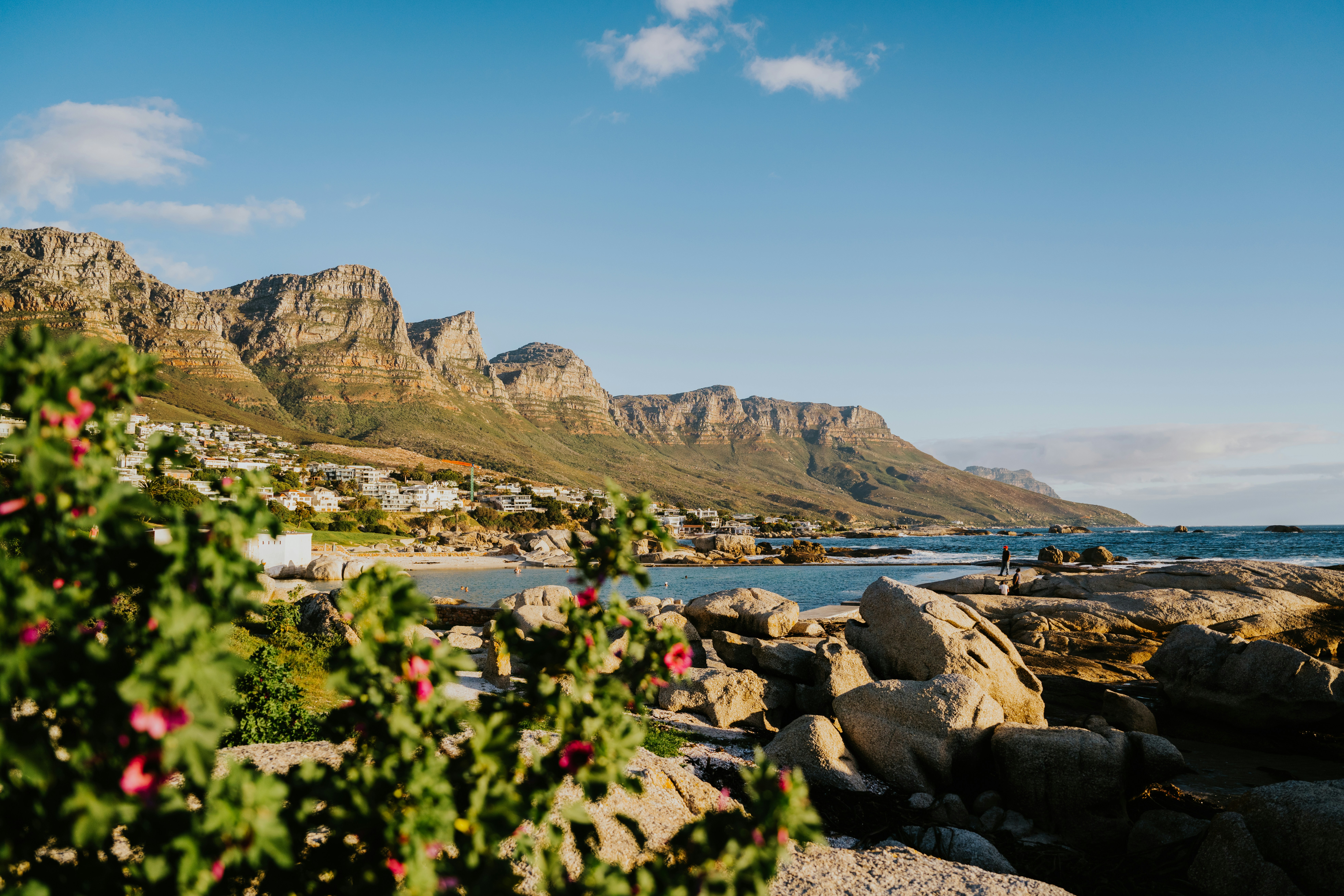
A white-sand beach a ten-minute drive from central Cape Town, backed by the granite spine of the Twelve Apostles and lined with a busy strip of palm-fringed restaurants and bars.
The water is bracingly cold thanks to the Atlantic's Benguela current, so most visitors come for the setting, the sunset and the promenade scene rather than long swims.
Few city beaches anywhere have a backdrop like it.
How does it rate
CrowdsRomanceCash RequiredDangerAccessibilityWhy you should go
The Twelve Apostles mountain range rises straight up behind the sand, giving it one of the most dramatic backdrops of any city beach.
Why you shouldn't go
The Atlantic water here is cold year-round, and the beachfront strip gets loud and packed on warm evenings.
Plan your visit
Best time to visitDecember-March for the warmest, driest weather.Best time of daySunset, when the mountains turn deep orange behind the beach.Getting thereA short taxi or drive from central Cape Town over Kloof Nek or along Victoria Road.Entry costFree.Time needed2-3 hours.Insider tip — Walk to the rocks at the beach's southern end for a photo with both the mountains and the full curve of sand in frame. -
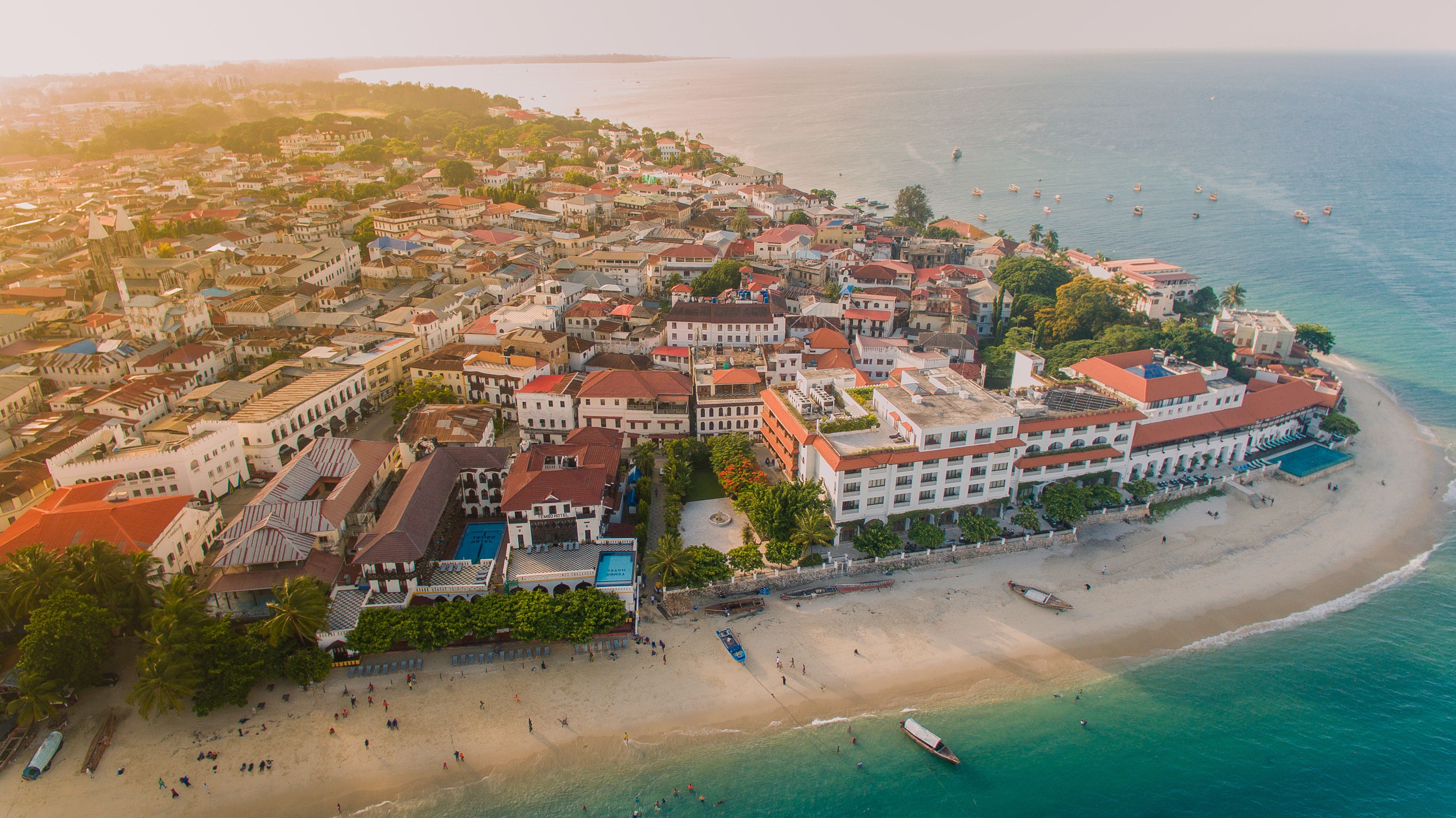 #971 /100
The historic heart of Zanzibar City is a dense maze of coral-stone buildings, carved wooden doors and narrow alleys shaped by centuries of Swahili, Arab, Persian and Indian trade and, more darkly, its role as East Africa's largest slave-trading port.
The old fort, sultan's palace and spice markets reflect that layered history, while rooftop restaurants and the Forodhani Gardens night market give it a genuinely lively present-day pulse.
How does it rate
CrowdsRomanceCash RequiredDangerAccessibilityWhy you should go
A UNESCO old town with genuinely intricate carved-door architecture and a complex, layered trading history.
Why you shouldn't go
The old town's alleys are a labyrinth, and the slave-trade history sites can be a heavy, sobering visit.
Plan your visit
Best time to visitJune–October, Zanzibar's dry season.Best time of dayEvening at Forodhani Gardens, when the night food market opens along the waterfront.Getting thereFly to Zanzibar's Abeid Amani Karume Airport, or ferry from Dar es Salaam (about 2 hours).Entry costFree to walk; museum and fort entries typically $5-10.Time needed1–2 days.Insider tip — Take a guided walking tour focused on the carved doors — each style signals the original owner's trading origin, invisible without explanation. -
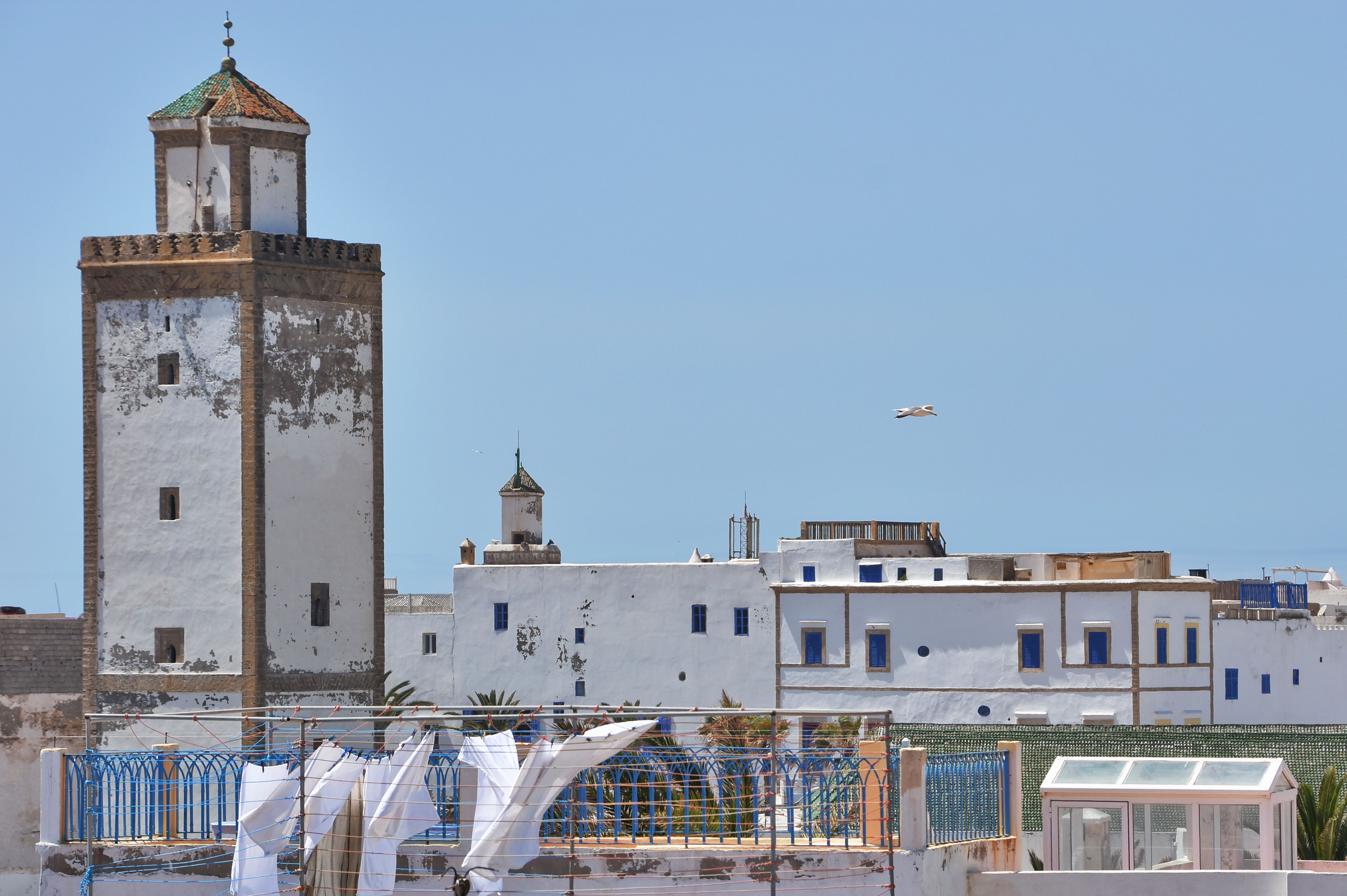 #1068 /100
A fortified Atlantic port town with whitewashed, blue-shuttered buildings and windswept ramparts, Essaouira trades the desert heat of Marrakech for sea breeze, fresh seafood grilled dockside, and some of Morocco's best windsurfing and kitesurfing conditions.
Its 18th-century medina, also UNESCO-listed, is smaller and calmer than Fes or Marrakech, with a strong arts and music scene reflected in its galleries and the annual Gnaoua music festival.
How does it rate
CrowdsRomanceCash RequiredDangerAccessibilityWhy you should go
A breezy, laid-back walled port town — Morocco's calmest and most coastal medina.
Why you shouldn't go
The Atlantic wind that makes it great for watersports also makes the beach chilly for casual swimming.
Plan your visit
Best time to visitApril–June or September–October for warm weather with manageable wind.Best time of daySunset over the ramparts and harbor, when fishing boats return.Getting thereAbout 3 hours' drive from Marrakech, or a direct flight to Essaouira-Mogador Airport.Entry costFree to explore; ramparts and skala small entry fees.Time needed1–2 days.Insider tip — Eat at the dockside grill stalls by the port, where the day's catch is cooked to order for a fraction of restaurant prices. -
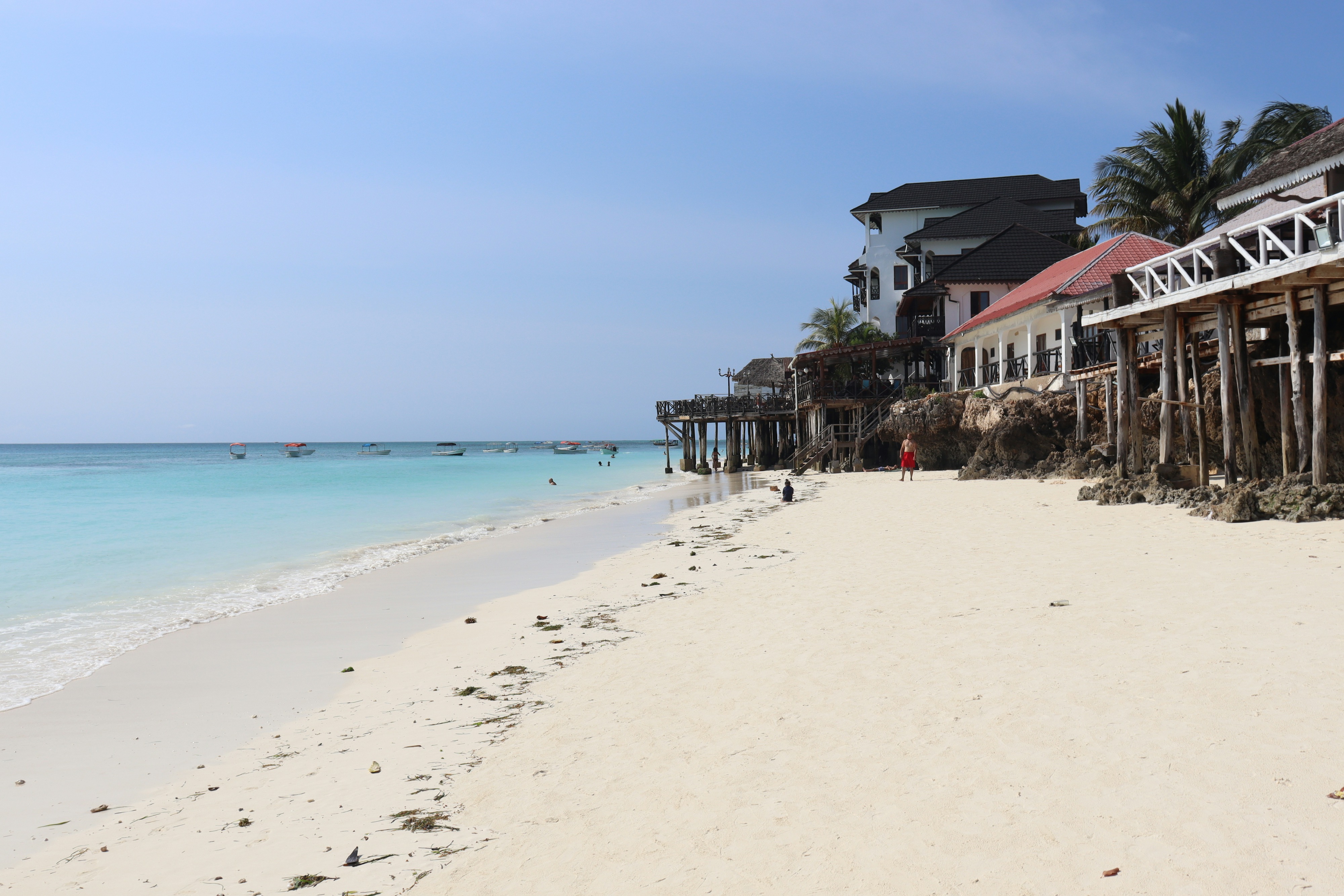 #11
#11At the northern tip of Zanzibar, Nungwi combines the island's whitest sand with water clear enough to see reef fish from the shore.
Unlike beaches further south, it isn't affected by the tide pulling far out twice a day, so the swimming stays good all day.
Traditional dhow-building still happens on the sand alongside the resorts, and sunset dhow cruises out over the reef are a nightly ritual.
How does it rate
CrowdsRomanceCash RequiredDangerAccessibilityWhy you should go
Zanzibar's best all-day swimming beach, with clear water unaffected by the island's dramatic tides.
Why you shouldn't go
Development has grown fast, so the shoreline is busier and more resort-lined than a decade ago.
Plan your visit
Best time to visitJune–October or December–February, avoiding Zanzibar's long and short rainy seasons.Best time of dayLate afternoon into sunset, for a dhow cruise as the light turns gold.Getting thereFly to Zanzibar (Stone Town), then about 1 hour by road north to Nungwi.Entry costFree public beach access; resort day-passes and dhow trips extra.Time neededHalf a day to a full day.Insider tip — Walk to the quieter east side of the point, away from the main resort strip, for a calmer stretch of the same beach. -
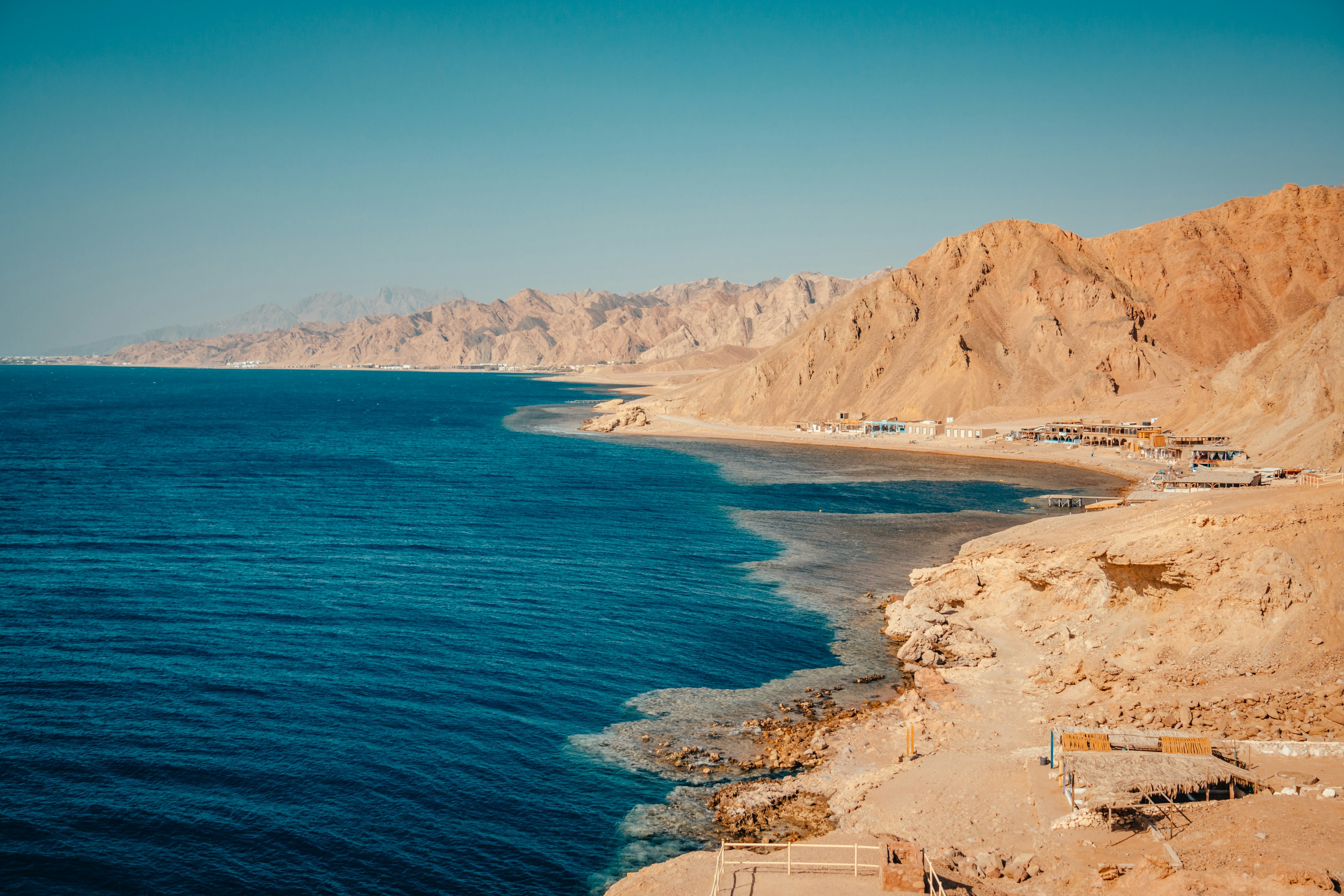 #12
#12A laid-back diving town on the Gulf of Aqaba, Dahab trades Sharm el-Sheikh's resort scale for a mellow, backpacker-friendly waterfront lined with low-key restaurants right on the reef edge.
It's best known for the Blue Hole, a dramatic underwater sinkhole that's become one of the world's most famous — and most dangerous for unqualified divers — dive sites, alongside gentler reef diving and snorkeling directly off the shore in town.
How does it rate
CrowdsRomanceCash RequiredDangerAccessibilityWhy you should go
A relaxed, budget-friendly dive town with genuinely excellent reef access right off the shore.
Why you shouldn't go
The famous Blue Hole dive site has a serious accident history for divers who exceed their training limits.
Plan your visit
Best time to visitMarch–May and September–November for pleasant temperatures and calm water.Best time of dayEarly morning for the clearest water and quietest shore-diving conditions.Getting thereAbout 1.5 hours' drive from Sharm el-Sheikh, or a longer transfer from Cairo.Entry costFree beach access; diving trips typically $30-60.Time needed2–4 days.Insider tip — Dive the Blue Hole's rim (the shallow 'Saucer' area) rather than attempting the deep arch — all the same striking visuals without the technical-diving risk. -
 #1365 /100
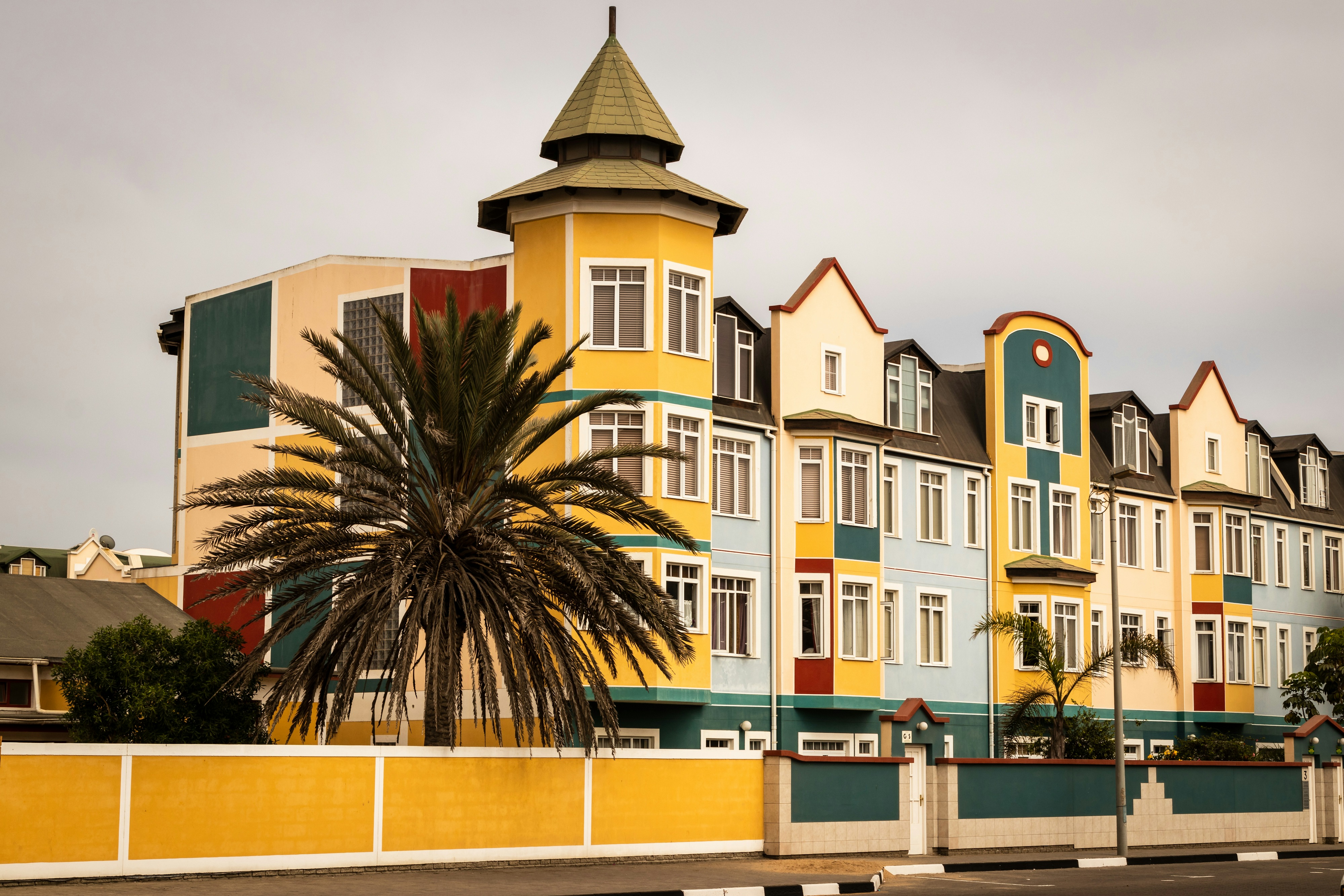
A distinctly German-colonial coastal town where half-timbered buildings sit oddly against Atlantic surf and encroaching Namib dunes, Swakopmund has become Namibia's adventure-sports hub.
Sandboarding and quad-biking on the dunes at the town's edge, alongside skydiving and dolphin cruises, give it a livelier, more activity-driven scene than its quiet colonial streets suggest.
It's also the natural staging point for trips to the Skeleton Coast.
How does it rate
CrowdsRomanceCash RequiredDangerAccessibilityWhy you should go
A German-colonial coastal town that's become Namibia's base for dune sandboarding and adventure sports.
Why you shouldn't go
The town's colonial architecture and history sit uneasily alongside Namibia's colonial-era violence, which isn't addressed on-site.
Plan your visit
Best time to visitSeptember–March for warmer, sunnier weather away from winter coastal fog.Best time of dayMorning for dune activities, before onshore wind picks up in the afternoon.Getting thereAbout 4 hours' drive from Windhoek, or a short domestic flight.Entry costFree to walk the town; sandboarding and quad-biking typically N$400-900.Time needed1–2 days.Insider tip — Book dune activities directly with local operators rather than through hotel concierges — prices are often noticeably lower without the markup. -
 #1465 /100
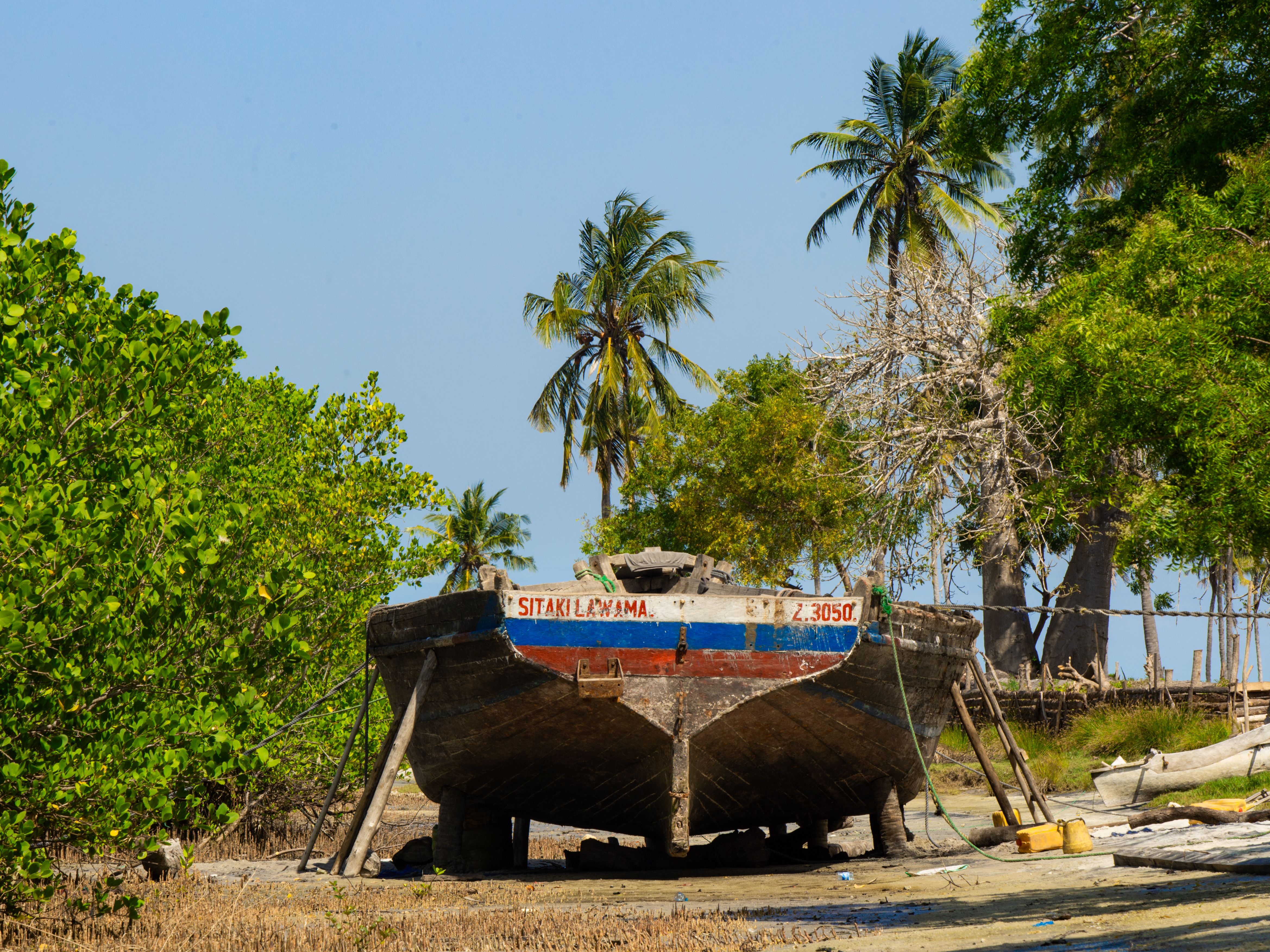
Far less developed than Zanzibar, Mafia Island sits within a marine park protecting some of East Africa's healthiest coral reefs and is one of the world's most reliable places to swim with whale sharks, which gather offshore between October and March.
The island's slow pace, quiet beaches and small-scale dive lodges attract a niche crowd of divers and snorkelers over the beach-resort tourists who head to Zanzibar instead.
How does it rate
CrowdsRomanceCash RequiredDangerAccessibilityWhy you should go
One of the world's most reliable whale shark swimming spots, in a marine park with minimal crowds.
Why you shouldn't go
Limited flight connections and lodge capacity mean it takes more planning and expense to reach than Zanzibar.
Plan your visit
Best time to visitOctober–March for the best whale shark encounters.Best time of dayEarly morning boat trips, when whale sharks feed nearer the surface.Getting thereFly from Dar es Salaam to Mafia Island, about 45 minutes.Entry costMarine park fees around $20-23 per day; whale shark tours typically $80-120.Time needed2–4 days.Insider tip — Book with an operator that limits swimmer numbers per whale shark encounter — some larger boats crowd a single animal.


More from Africa
-

More Coastal spots
-
How a score is built
One score out of 100, five criteria behind it
Every place is rated 1–5 on each of the criteria below, then combined into a single score out of 100. It's calculated by us, the same way every time — not an average of traveller reviews or social votes.
Crowds
How many people you'll be sharing it with, and at what time of day.
Romance
How well it suits a couple, a proposal, or a quiet moment together.
Cash required
Entry fees, permits, guides, rentals — what it actually costs to do it.
Danger
Physical risk involved, from a slippery viewpoint to genuine hazard.
Accessibility
How far off the beaten path it is, and how hard it is to actually reach.


