-
 #196 /100
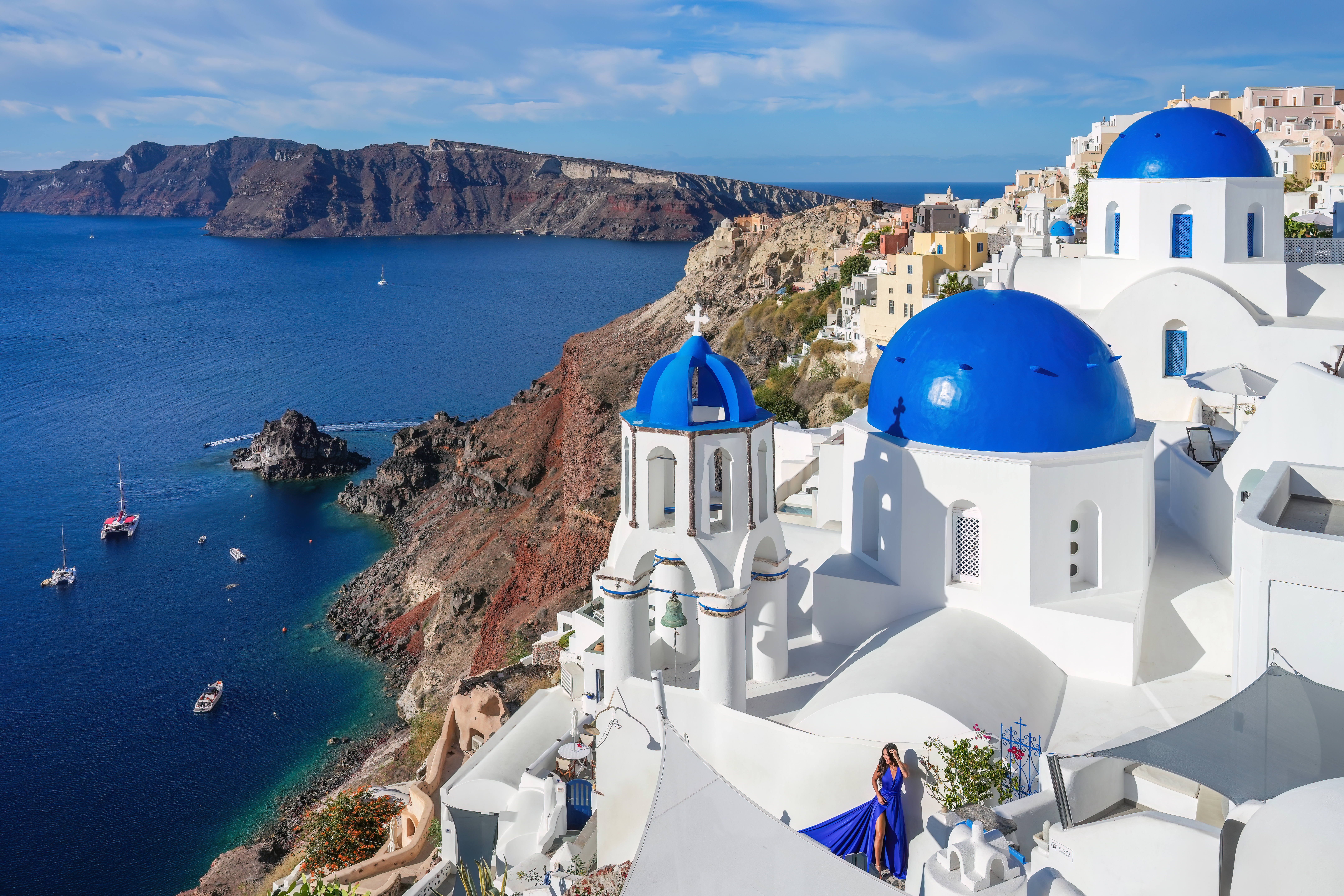
Oia is the northernmost village on Santorini and the best known, with its white-washed Cycladic architecture, blue-domed churches, and cliffside position above the caldera.
It is particularly famous for its sunset, which draws crowds from across the island to watch the sun sink into the Aegean.
How does it rate
CrowdsRomanceCash RequiredDangerAccessibilityWhy you should go
The view from Oia's castle ruins at sunset, with the caldera, the volcano island, and the whitewashed village all bathed in golden light, is one of the world's most spectacular.
Why you shouldn't go
Oia becomes extremely crowded at sunset and the famous viewpoints can be packed with hundreds of people; accommodation prices are among the highest in Europe.
Plan your visit
Best time to visitLate April-June or September-OctoberBest time of daySunset - this is THE sunset spot in GreeceGetting thereBus or taxi from Fira (~30 min)Entry costFreeTime needed2-3 hoursInsider tip — The Byzantine Castle viewpoint is famous and packed by 5pm in summer; arrive an hour early or find a quieter spot along the caldera path -
 #295 /100
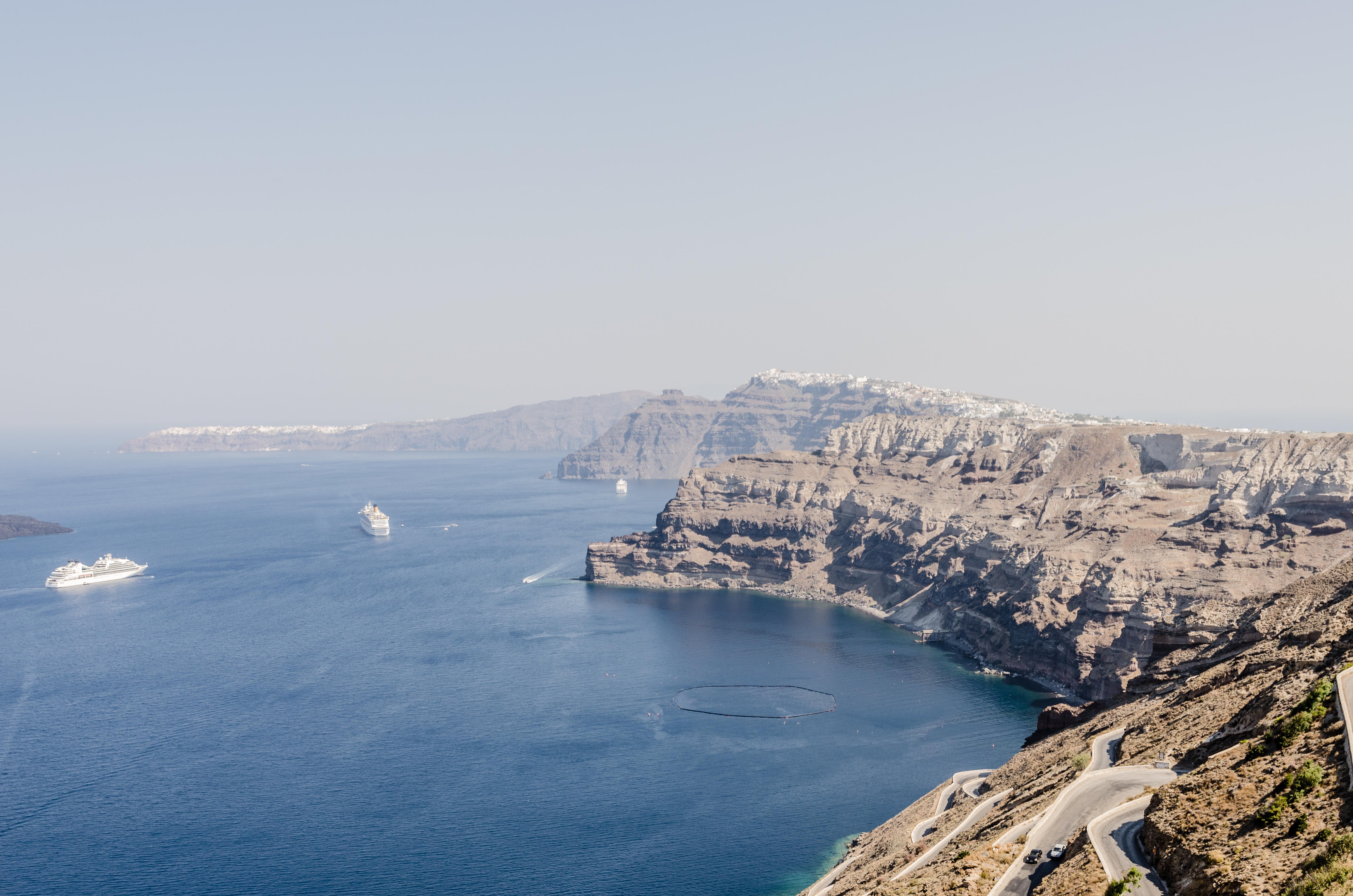
The crescent-shaped caldera of Santorini, formed by a massive volcanic eruption around 1600 BC, is a 12km-wide bay ringed by cliffs that rise up to 300 metres straight out of the sea.
White-washed cube houses and blue-domed churches line the rim at Fira, Imerovigli and Oia, and boat trips run out to the still-active volcanic islets at its centre.
It is one of the world's most recognisable islands, and priced accordingly.
How does it rate
CrowdsRomanceCash RequiredDangerAccessibilityWhy you should go
The combination of blue domes, white walls, and the deep blue sea is uniquely Santorini and produces images that are immediately recognisable worldwide.
Why you shouldn't go
Santorini's beauty is no secret and the island becomes genuinely overcrowded in July and August; accommodation is extremely expensive.
Plan your visit
Best time to visitLate April-June or September-OctoberBest time of daySunset in OiaGetting thereSantorini airport or ferry from AthensEntry costFree to exploreTime needed2-3 daysInsider tip — Watch sunset from Ammoudi Bay instead of the crowded Oia castle viewpoint -
 #395 /100
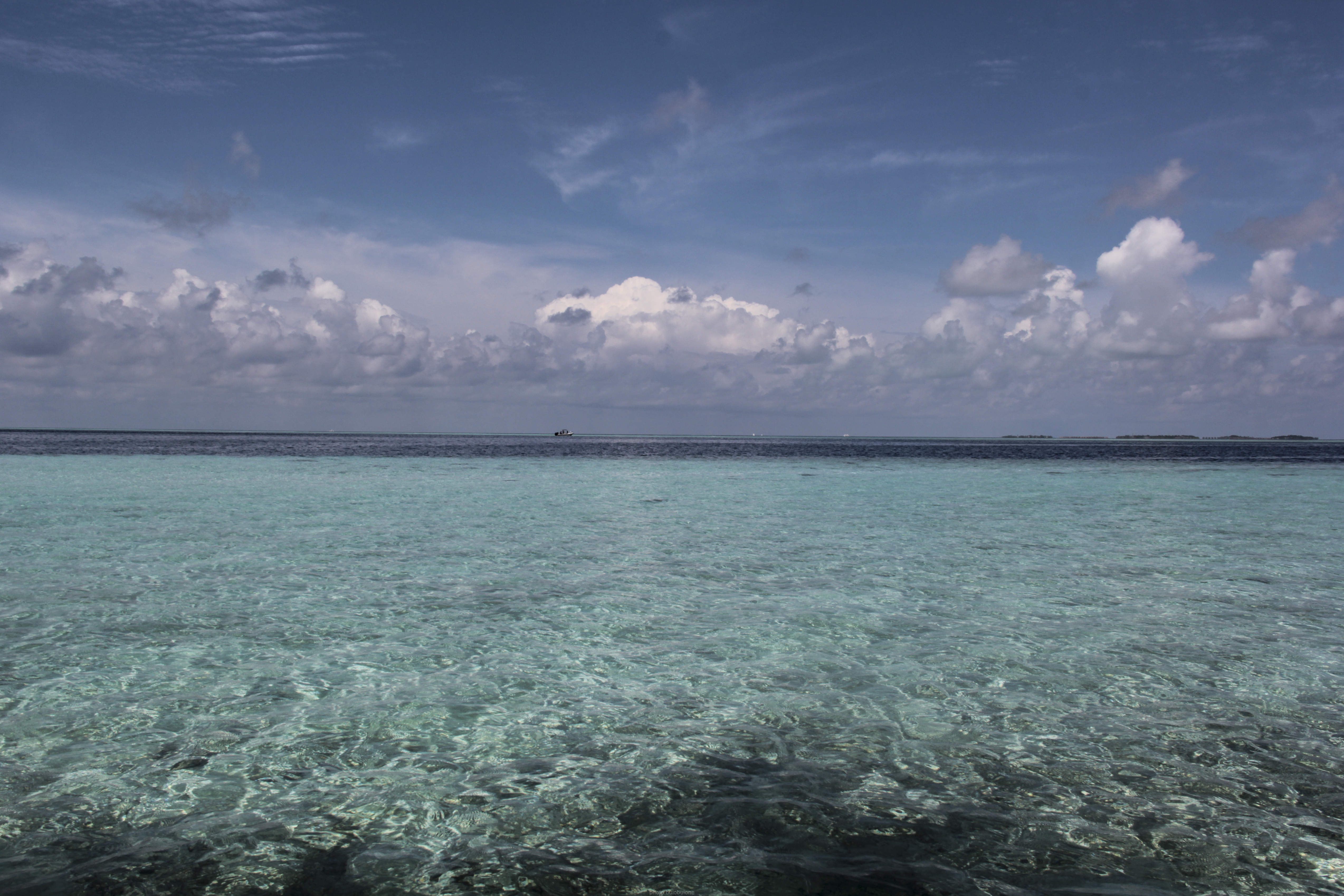
The Maldives is an archipelago of 1,200 coral islands scattered across the Indian Ocean, where pristine white sand, crystal-clear turquoise lagoons, and overwater bungalows create the archetypal tropical paradise.
The islands sit just above sea level, making them one of the world's most climate-vulnerable nations.
How does it rate
CrowdsRomanceCash RequiredDangerAccessibilityWhy you should go
The overwater bungalow experience, with direct access to lagoon water of extraordinary clarity teeming with marine life, is genuinely unmatched anywhere in the world.
Why you shouldn't go
The Maldives is one of the world's most expensive destinations and all-inclusive resort stays are almost obligatory; the island interiors are usually very limited.
Plan your visit
Best time to visitNovember-April (dry season)Best time of daySunset for the classic overwater bungalow shotGetting thereFly into Male, then seaplane or boat transfer to your resort islandEntry costResort-dependent, generally high-endTime needed4+ daysInsider tip — Book a seaplane transfer during daylight; the aerial view of the atolls is worth it on its own -
 #4
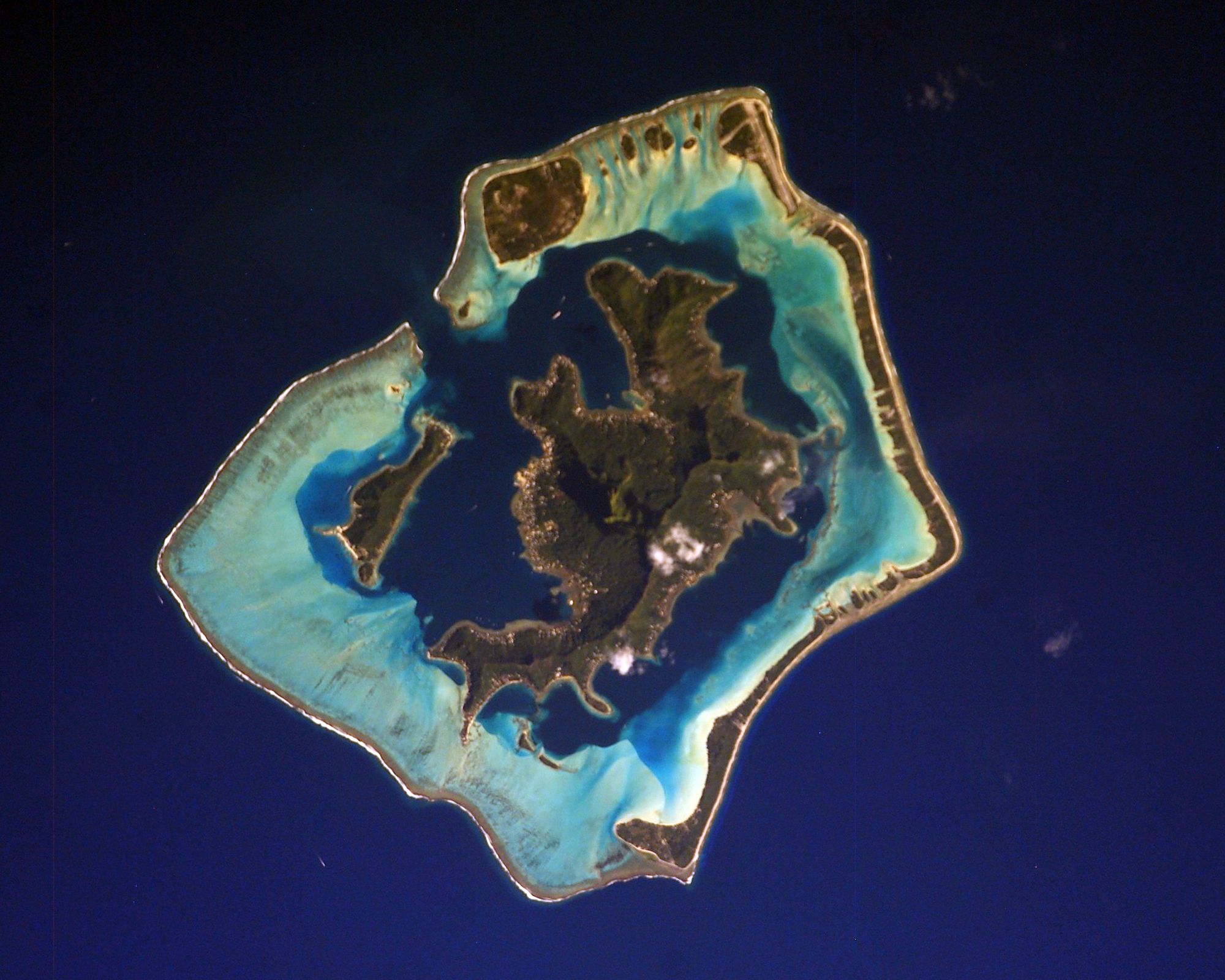
#4Bora Bora is a small volcanic island in the South Pacific surrounded by a technicolour lagoon of electric blues and greens enclosed within a coral reef.
The island's dramatic basalt peak, Mount Otemanu, rises 727 metres from the lagoon and is mirrored in the still waters below.
How does it rate
CrowdsRomanceCash RequiredDangerAccessibilityWhy you should go
The lagoon colour is genuinely unlike anything you will see elsewhere — the water shifts from pale aquamarine to deep turquoise to inky blue and you can see the seabed 30 metres below.
Why you shouldn't go
Bora Bora is extraordinarily expensive, primarily attracting honeymooners and luxury travellers; reaching it requires at least two flights from most countries.
Plan your visit
Best time to visitMay-October (dry season)Best time of daySunset over Mount OtemanuGetting thereFly to Tahiti, then a connecting flight to Bora BoraEntry costResort-dependent, generally high-endTime needed3-4 daysInsider tip — Book an overwater bungalow on the east side for sunrise or west side for sunset, depending which you want to photograph -
 #593 /100
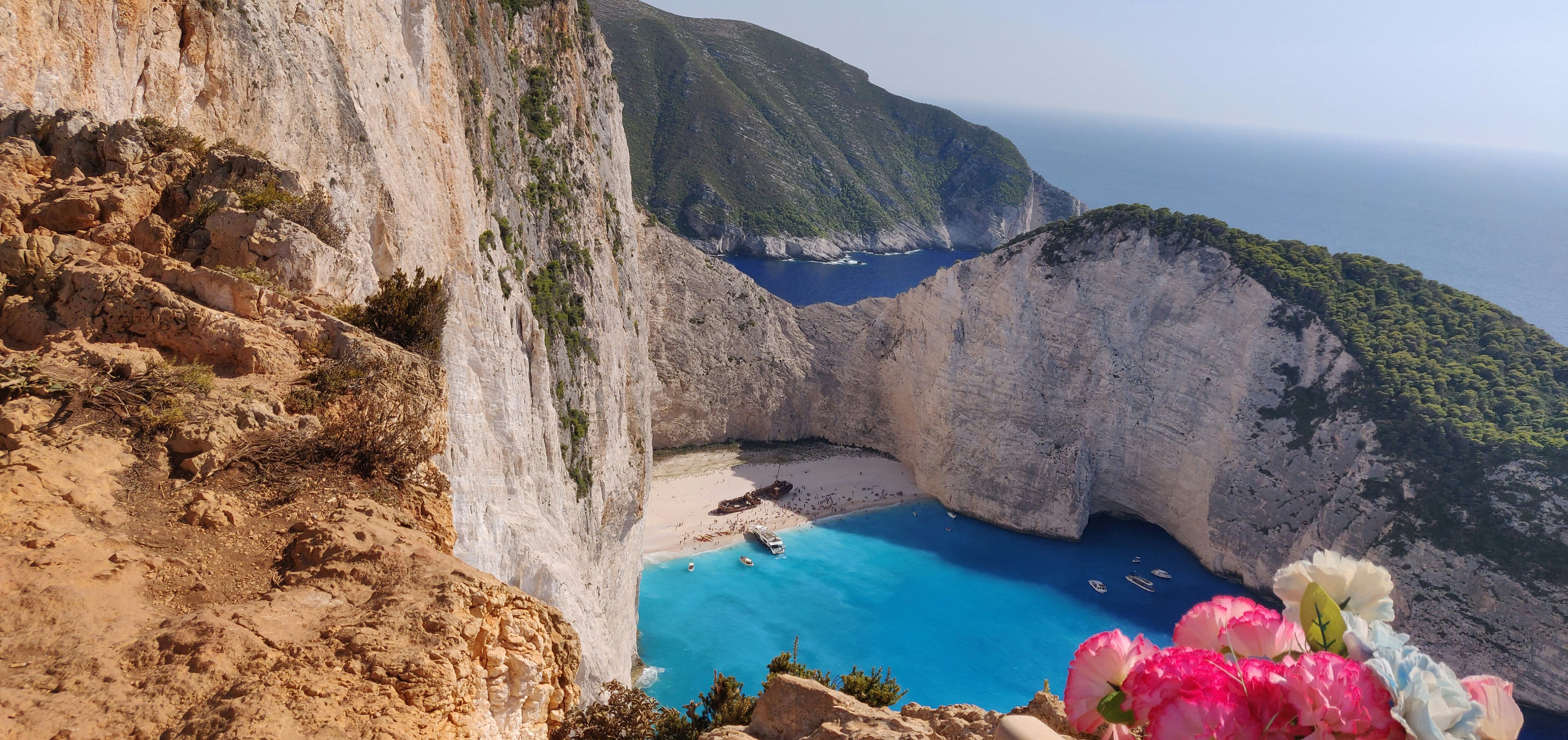
A rusting shipwreck sits on white sand in a cove ringed by sheer limestone cliffs, reachable only by boat from Zakynthos.
Mineral runoff from the cliffs turns the water a startling turquoise, and boat trips let visitors land and swim beside the wreck itself.
Rockfalls have periodically closed both the beach and the clifftop viewing platform above it, so check what is actually open before committing to a trip.
How does it rate
CrowdsRomanceCash RequiredDangerAccessibilityWhy you should go
The rusted shipwreck against white sand and turquoise water is one of travel photography's most reproduced images.
Why you shouldn't go
The beach itself can only be reached by boat tour, and the clifftop viewpoint gets mobbed by midday.
Plan your visit
Best time to visitApril-June or September for calm seas and thinner crowds than peak August.Best time of dayArrive by the first morning boats, before the tour flotilla fills the cove.Getting thereFly to Zakynthos; boat trips run from Porto Vromi or Agios Nikolaos, or drive to the clifftop viewpoint above.Entry costFree to view from the clifftop; boat trips from around EUR25.Time neededHalf a day.Insider tip — The clifftop platform gets crowded fast - arrive before 9am, or ask your boat driver for a slow pass close to the wreck for photos without other boats in frame. -
 #693 /100
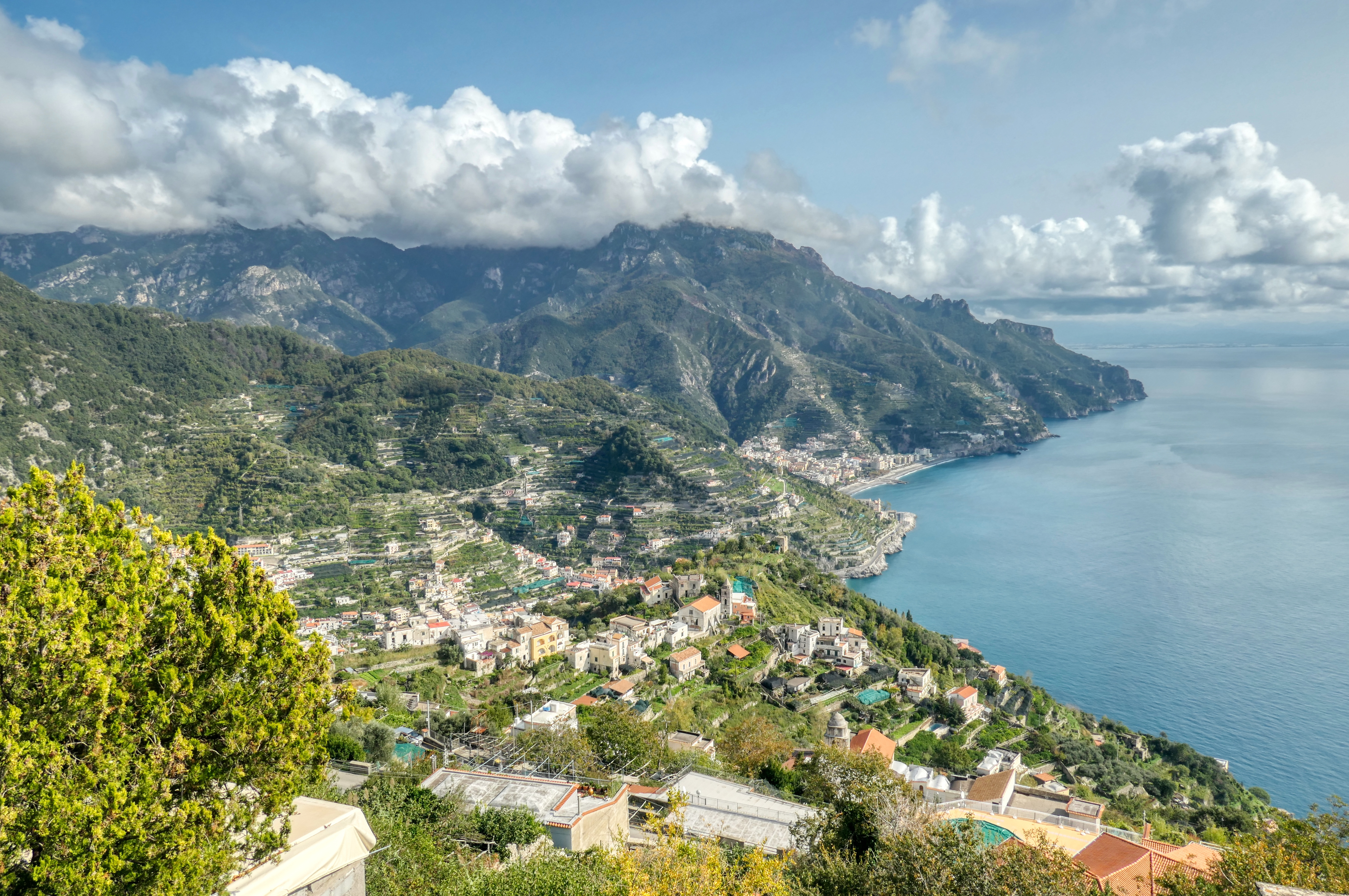
The Amalfi Coast is a 50-kilometre stretch of cliffside villages, lemon groves, and impossibly blue Mediterranean sea along the southern edge of the Sorrentine Peninsula.
Perched villages like Positano and Ravello tumble down vertiginous hillsides in a cascade of pastel buildings.
How does it rate
CrowdsRomanceCash RequiredDangerAccessibilityWhy you should go
Every bend of the coastal road reveals a new and more spectacular view, and the villages themselves are among the most beautiful in Europe.
Why you shouldn't go
The coast road is extremely narrow and congested in summer, and accommodation in the most popular villages is very expensive.
Plan your visit
Best time to visitMay-June or September, avoiding August crowdsBest time of dayLate afternoon for golden coastal lightGetting thereFly to Naples, then drive or SITA bus along the coast roadEntry costFree to view; ferry and bus fares varyTime needed2-3 days to see properlyInsider tip — Take the ferry between towns instead of the coast road to skip traffic -
 #792 /100
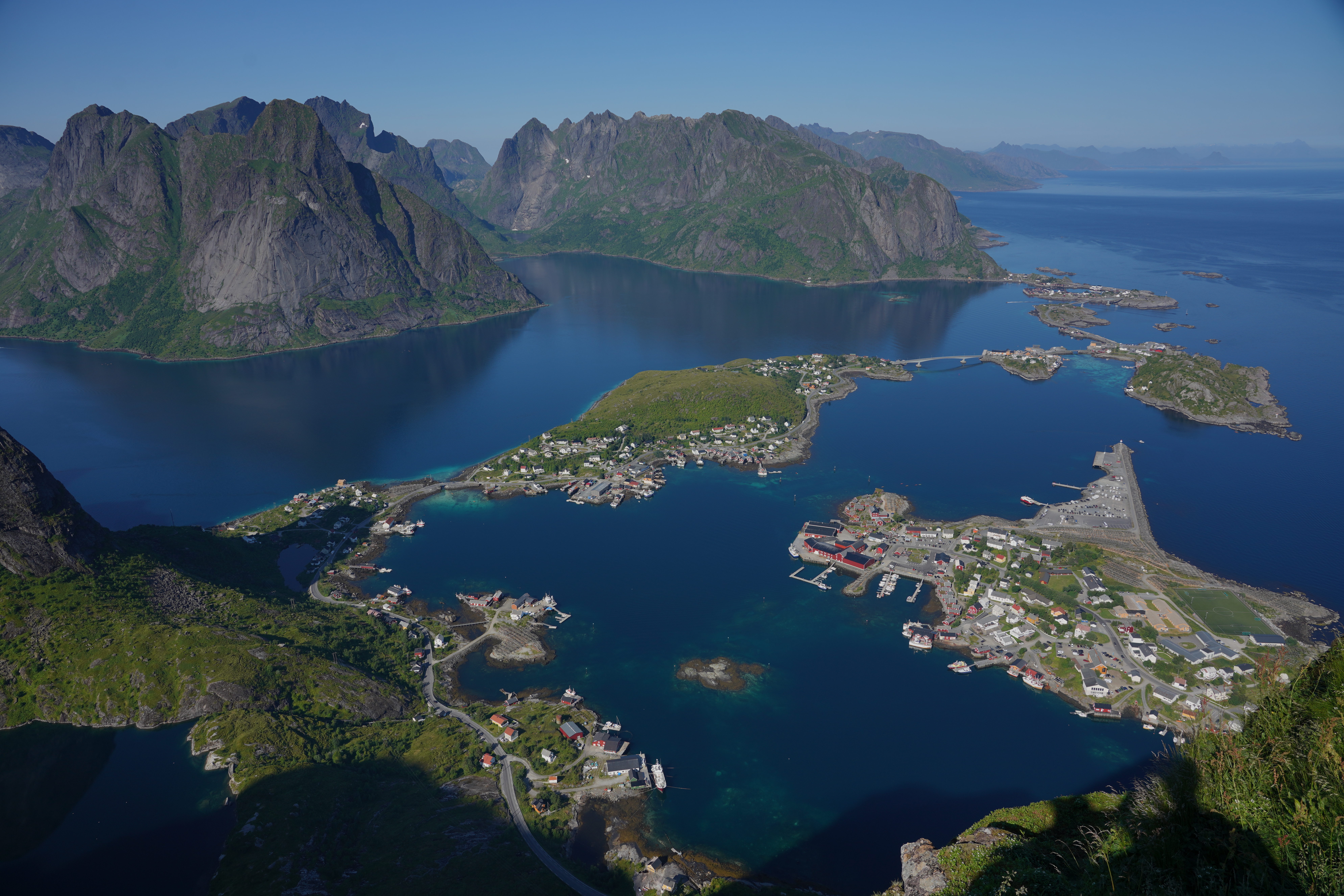
The Lofoten archipelago in northern Norway rises dramatically from the Norwegian Sea as a series of jagged peaks and sheltered bays.
Traditional red fishing cabins called rorbuer dot the shoreline against a backdrop of some of Europe's most spectacular mountain scenery, with the Northern Lights frequently visible in winter.
How does it rate
CrowdsRomanceCash RequiredDangerAccessibilityWhy you should go
The combination of dramatic mountains, Arctic light, colourful fishing villages, and frequent Northern Lights makes Lofoten one of the most photogenic places in Europe.
Why you shouldn't go
The islands are extremely remote, weather is frequently poor, and the Northern Lights are only visible during the dark winter months.
Plan your visit
Best time to visitJune-August for midnight sun, or Sept-March for Northern LightsBest time of dayMidnight sun in summer, or golden hourGetting thereFly to Harstad/Narvik or take the Bodo ferryEntry costFree to exploreTime needed4-5 daysInsider tip — The fishing village of Reine at sunset is the classic shot; go early to get the viewpoint to yourself -
 #892 /100
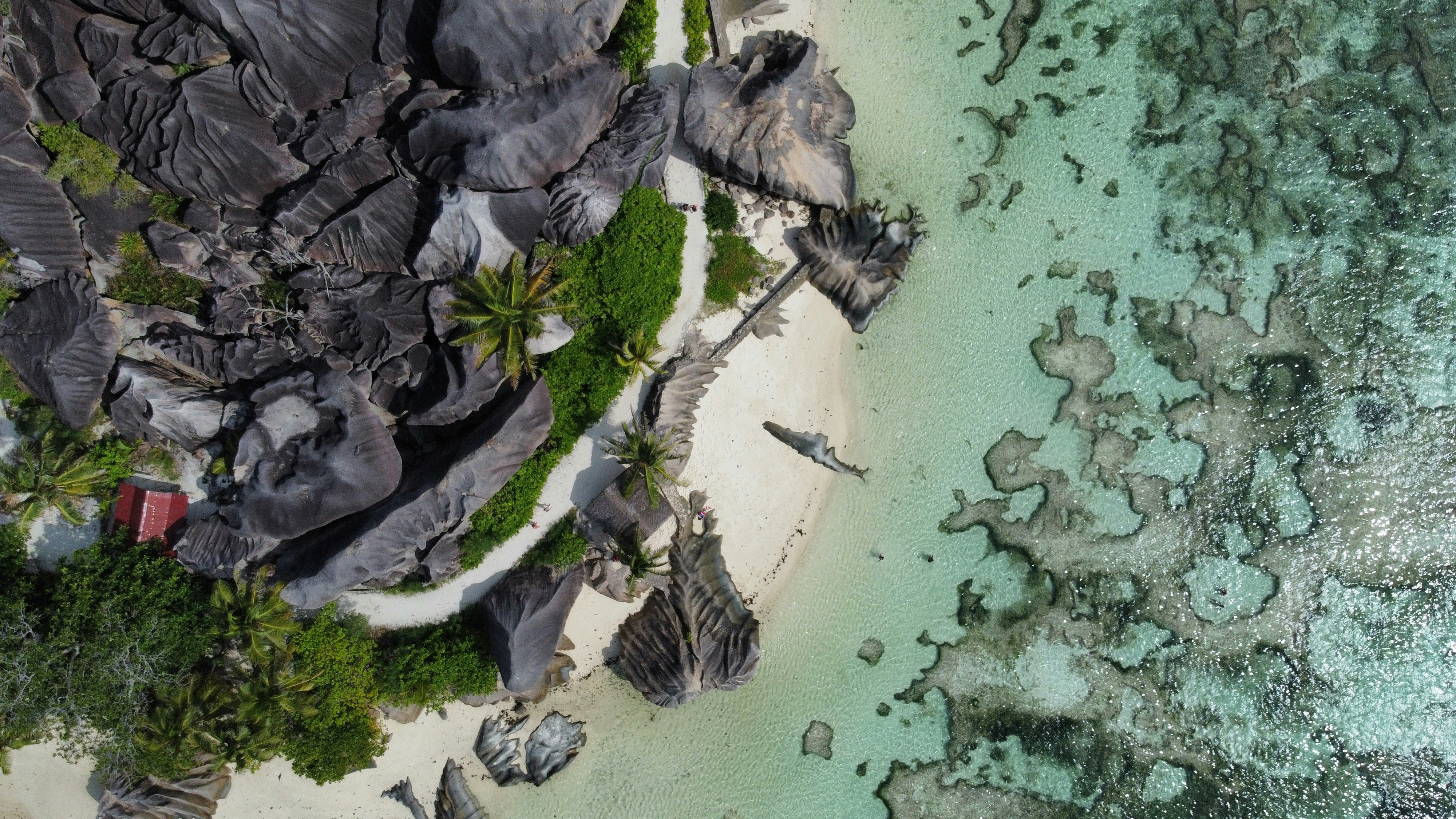
Pink-granite boulders sculpted by centuries of erosion line this powder-white beach on La Digue, shaded by takamaka trees and broken into a series of small coves and rock pools.
Some of the boulders are the size of houses.
The water is calm and shallow enough to wade a long way out, which makes it better for drifting about than for swimming properly.
Getting in means paying to cross a private plantation.
How does it rate
CrowdsRomanceCash RequiredDangerAccessibilityWhy you should go
House-sized pink granite boulders framing a powder-white beach make this one of the most distinctive coastlines on Earth.
Why you shouldn't go
Entry runs through a paid private plantation, and the calm, shallow water means it's not really a swimming beach.
Plan your visit
Best time to visitApril-May or October-November, outside the cyclone-adjacent wet season.Best time of dayLate afternoon, when the low sun turns the granite a deep gold.Getting thereFly to Mahe, ferry to La Digue, then bike or ox-cart to the plantation entrance.Entry costAround EUR10 plantation entry fee.Time needed2-3 hours.Insider tip — Climb the boulders past the main viewpoint for a quieter stretch of sand with the same rock formations and far fewer people. -
 #9
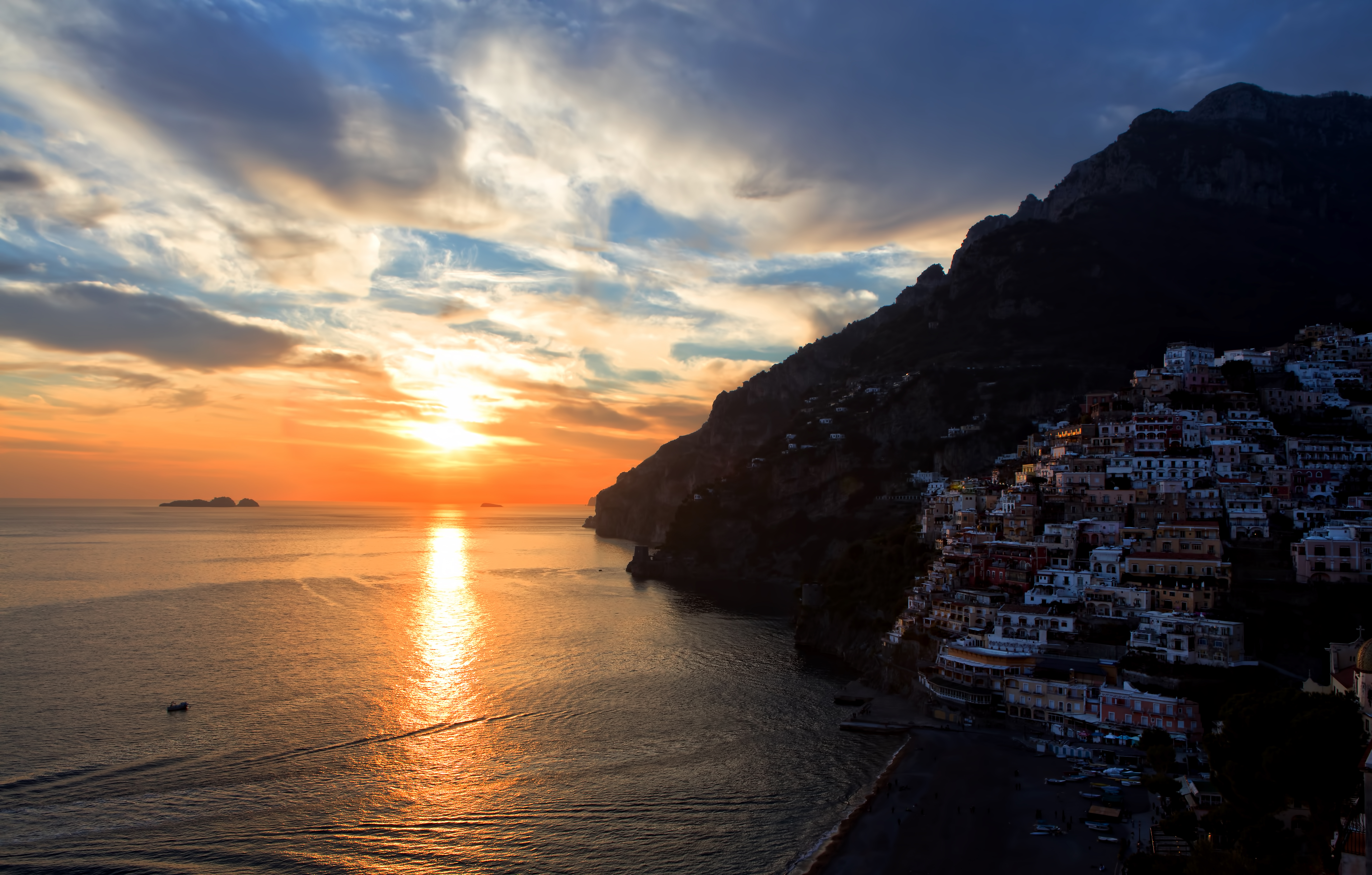
#9Positano is the Amalfi Coast's poster child: a wall of peach, rose and terracotta houses stacked impossibly steeply between the cliffs and a dark-sand beach.
The classic view, the whole town glowing above Spiaggia Grande, is best from the coast path or from the ferry pulling out.
Below the view it's all lemon groves, boutiques and long seafood lunches.
How does it rate
CrowdsRomanceCash RequiredDangerAccessibilityWhy you should go
The stacked pastel townscape above the beach is one of the Mediterranean's defining views.
Why you shouldn't go
Everything is steps, hundreds of them, and summer prices and crowds are ferocious.
Plan your visit
Best time to visitMay, June or September - warm seas without August's crushBest time of dayGolden hour, when the west light sets the facades glowingGetting thereFly to Naples; ferry from Salerno or Sorrento beats the coast road in summerEntry costFree to wander; beach clubs and parking cost plentyTime needed1-2 daysInsider tip — Arrive by ferry rather than road - the approach from the water is the photo, and you skip the SS163 traffic -
 #1091 /100
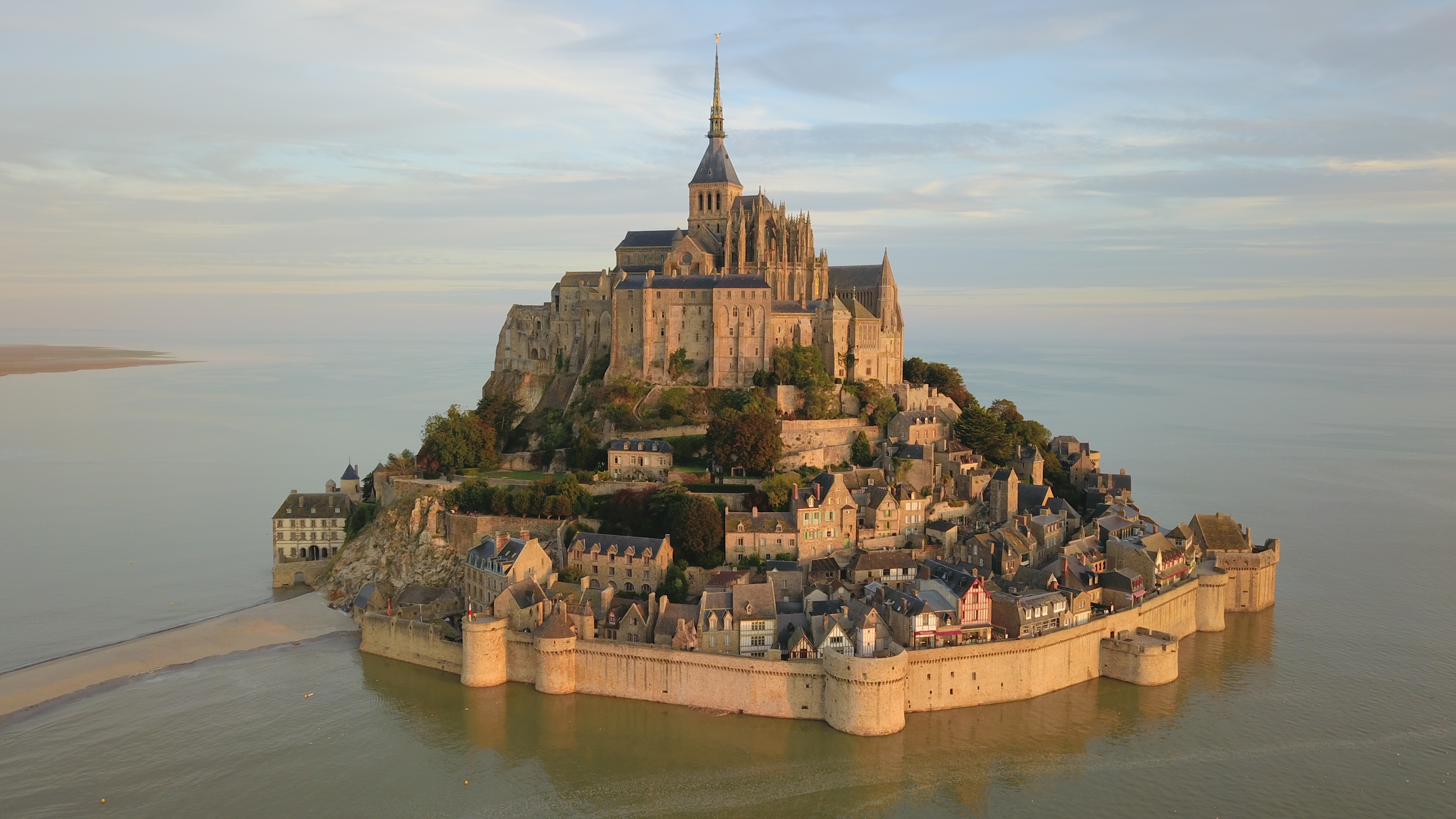
Mont Saint-Michel is a tidal island commune in Normandy topped by a medieval Benedictine abbey that soars 80 metres above the surrounding tidal flats.
When the sea retreats, the island is connected to the mainland by a causeway; when the tide comes in at one of the fastest rates in Europe, the island becomes a castle rising from the sea.
How does it rate
CrowdsRomanceCash RequiredDangerAccessibilityWhy you should go
The sight of Mont Saint-Michel rising from the sea at high tide, particularly at dusk when it is illuminated, is one of France's most extraordinary and romantic images.
Why you shouldn't go
The island receives nearly four million visitors a year and the main street leading to the abbey is packed with tourist shops; the abbey itself is very impressive but queues can be long.
Plan your visit
Best time to visitSpring or autumn to avoid peak summer crowdsBest time of daySunrise, or high tide for the classic "island" lookGetting there~1hr drive from Rennes; shuttle from the mainland car parkEntry costAbbey entry ~EUR11Time neededHalf dayInsider tip — Check the tide tables; high tide transforms it into a genuine island, which is when the photos are most striking -
 #1190 /100
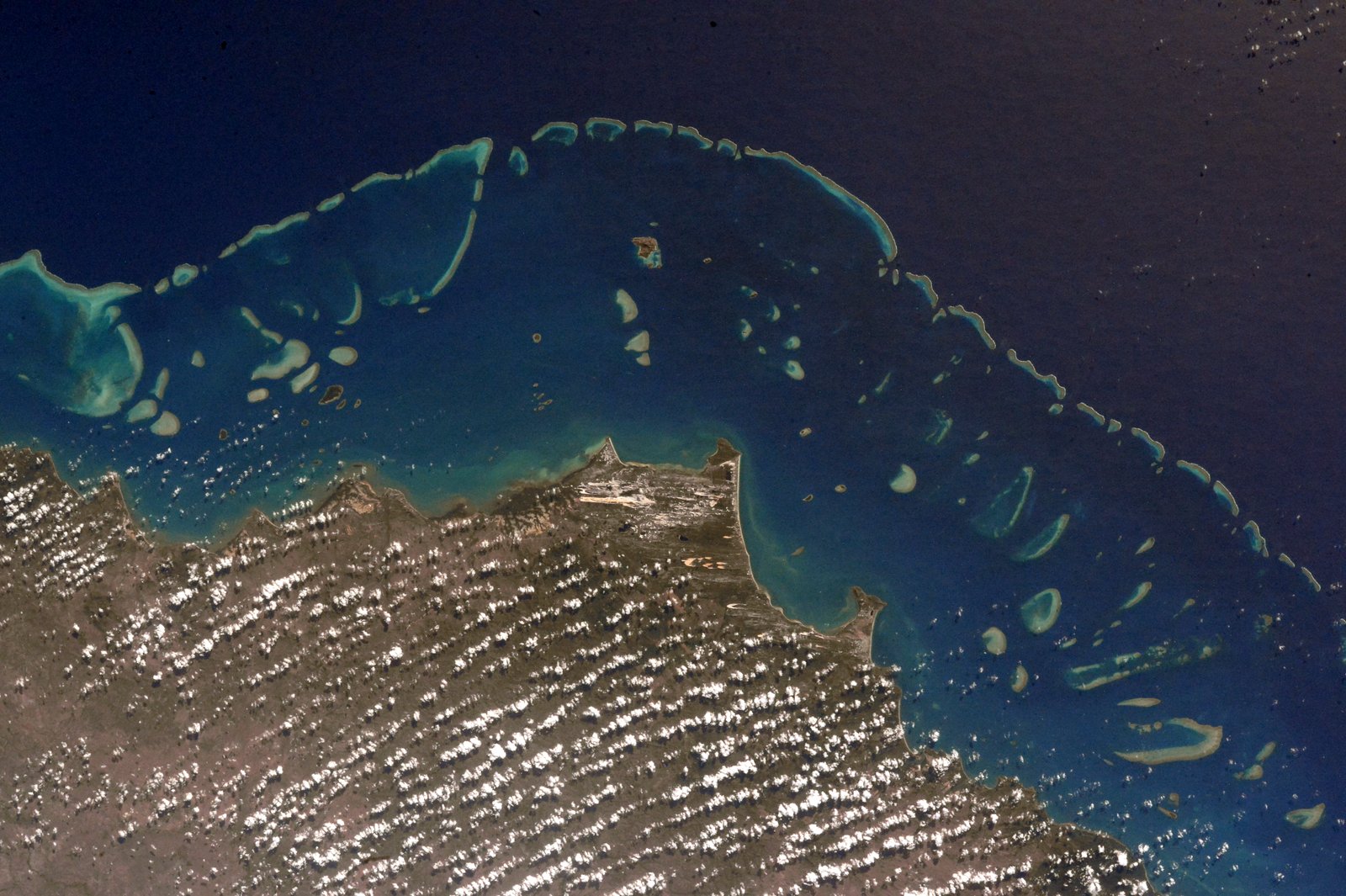
The Great Barrier Reef is the world's largest coral reef system, stretching 2,300 kilometres along the Queensland coast and visible from space.
Home to over 1,500 species of fish, 4,000 types of mollusc, and 600 types of coral, it is the largest living structure on earth and a UNESCO World Heritage Site.
How does it rate
CrowdsRomanceCash RequiredDangerAccessibilityWhy you should go
Snorkelling above the coral gardens of the Great Barrier Reef, surrounded by extraordinary marine biodiversity in crystal clear water, is a genuinely transformative experience.
Why you shouldn't go
Coral bleaching caused by climate change has severely damaged large sections of the reef; the experience varies greatly depending on which section you visit.
Plan your visit
Best time to visitJune-October (dry season, best visibility)Best time of dayMorning for calmer water and better underwater lightGetting thereFly to Cairns or Airlie Beach, boat tours from thereEntry costReef tours ~$200-250 AUDTime neededFull day, ideally multi-day liveaboardInsider tip — Book a trip that visits the outer reef rather than pontoons closer to shore; coral health and visibility is much better -
 #1290 /100
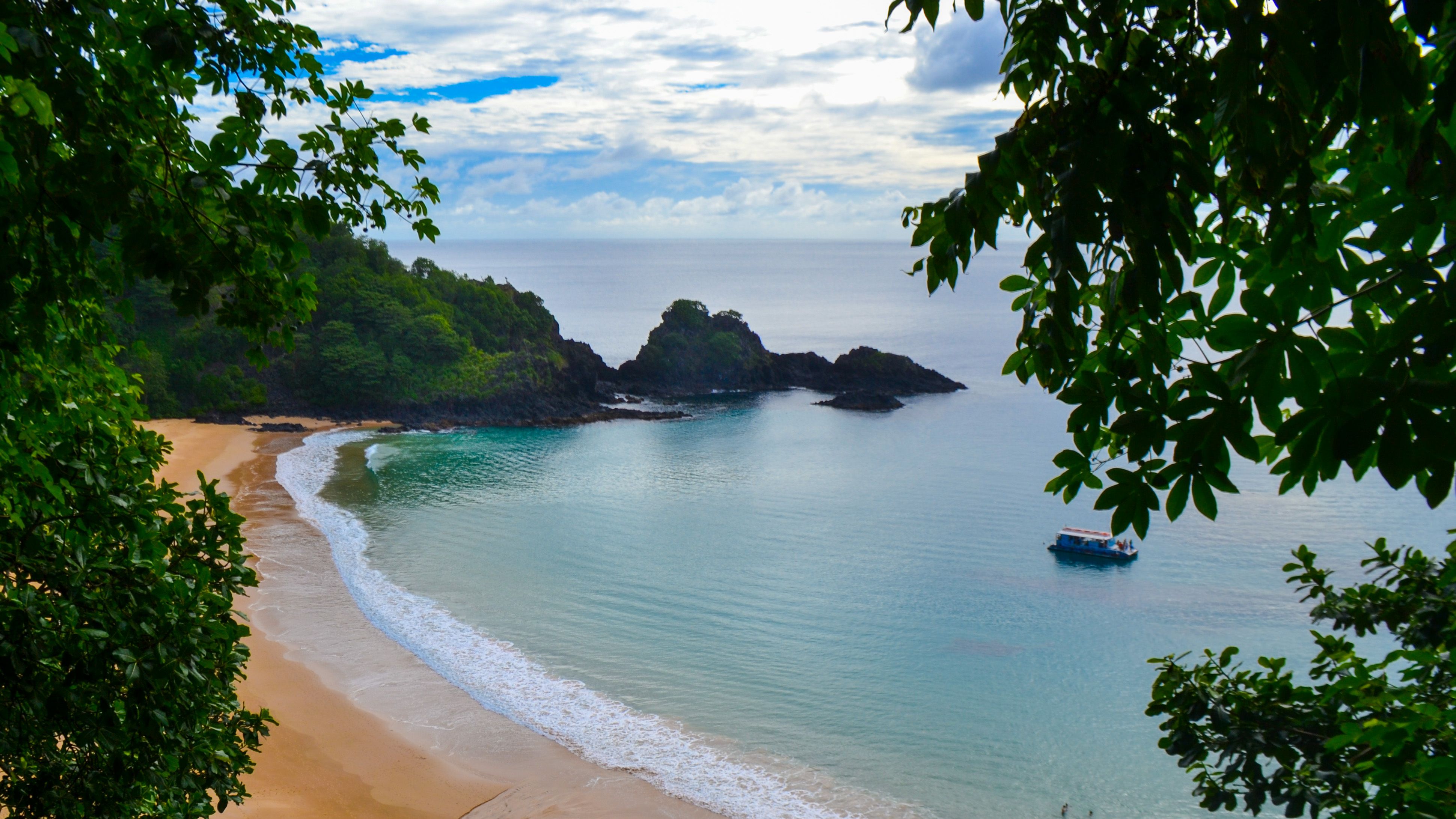
Tucked beneath sheer cliffs on Fernando de Noronha and reachable only by a steep ladder cut into the rock (or by boat), this beach has topped "world's best beach" rankings for good reason.
Turquoise water, sea turtles visible from the shore, and a protected marine park setting mean it stays close to pristine.
The remoteness that makes it special also caps how many people can visit each day.
How does it rate
CrowdsRomanceCash RequiredDangerAccessibilityWhy you should go
Repeatedly voted the world's most beautiful beach, with clear water and visible sea turtles just offshore.
Why you shouldn't go
Only reachable by a steep cliff ladder or a boat transfer, and the island itself is expensive and visitor-capped.
Plan your visit
Best time to visitSeptember-December for the calmest, clearest water.Best time of dayMorning, before the wind picks up and while the ladder queue is short.Getting thereFly to Fernando de Noronha via Recife or Natal; the beach is a short drive plus the cliff ladder from the island's main road.Entry costIncluded in the island's mandatory environmental preservation fee, charged per day.Time neededHalf a day.Insider tip — Snorkel gear rented in Vila dos Remedios pays off here - the reef right off the sand has some of the island's best visibility. -
 #1390 /100
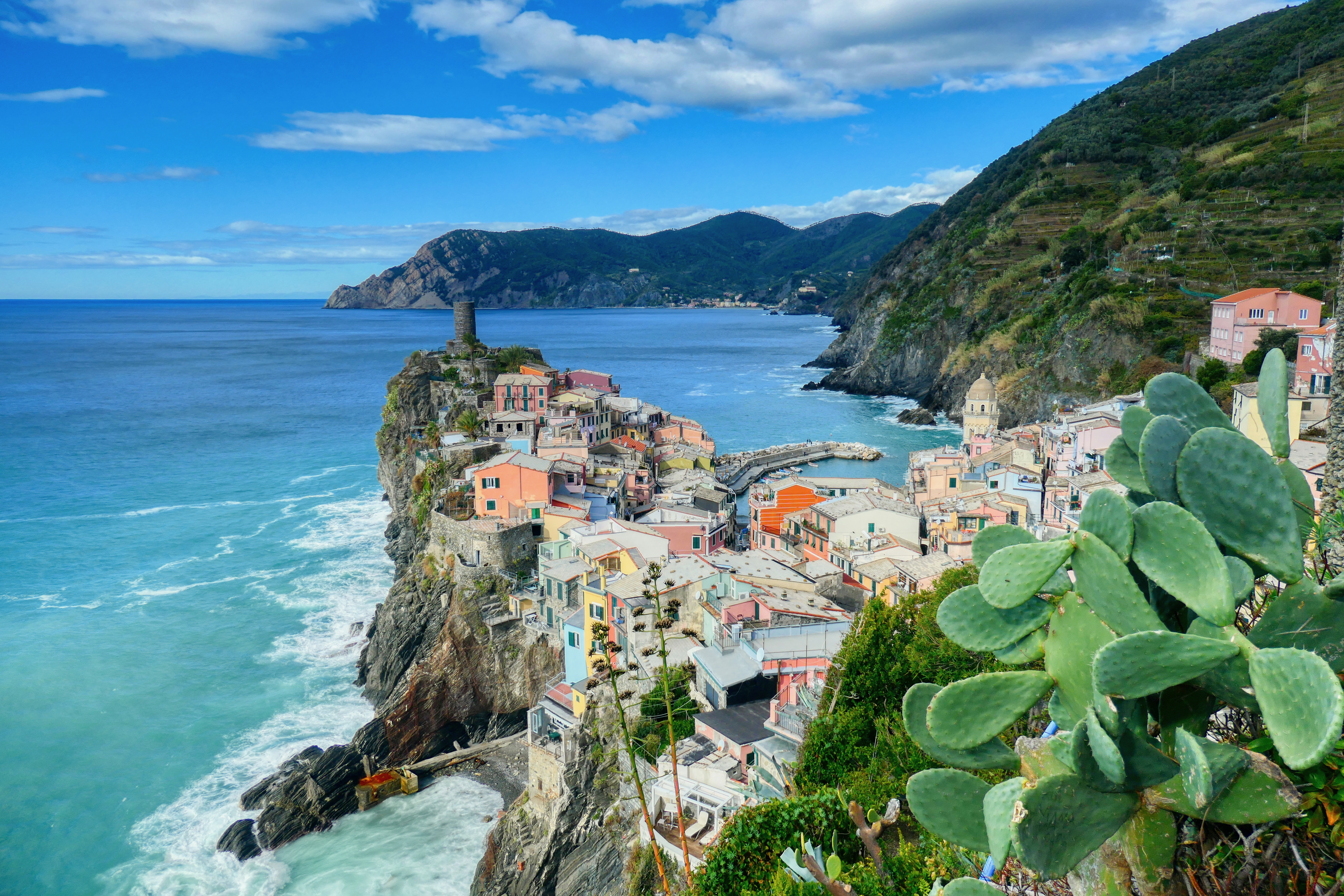
Cinque Terre is a string of five centuries-old fishing villages clinging to the cliffs of the Italian Riviera, connected by scenic hiking trails above the Ligurian Sea.
Manarola, Vernazza, Corniglia, Monterosso, and Riomaggiore tumble down their respective cliff faces in a cascade of colourful buildings.
How does it rate
CrowdsRomanceCash RequiredDangerAccessibilityWhy you should go
The views from the hillside hiking trails above each village, with the colourful houses tumbling down to the sea far below, are among Italy's most beautiful.
Why you shouldn't go
Cinque Terre has become very crowded and the trails between villages are sometimes restricted due to landslip damage; accommodation in the villages is very limited and expensive.
Plan your visit
Best time to visitApril-June or September-OctoberBest time of dayLate afternoon for the coloured houses in warm lightGetting thereTrain from La Spezia or Pisa, connects all 5 villagesEntry costCinque Terre Card ~EUR18 (trains + trails)Time needed2-3 daysInsider tip — Manarola's viewpoint at dusk is the most photographed spot; get there early to claim a spot on the wall -
 #1490 /100
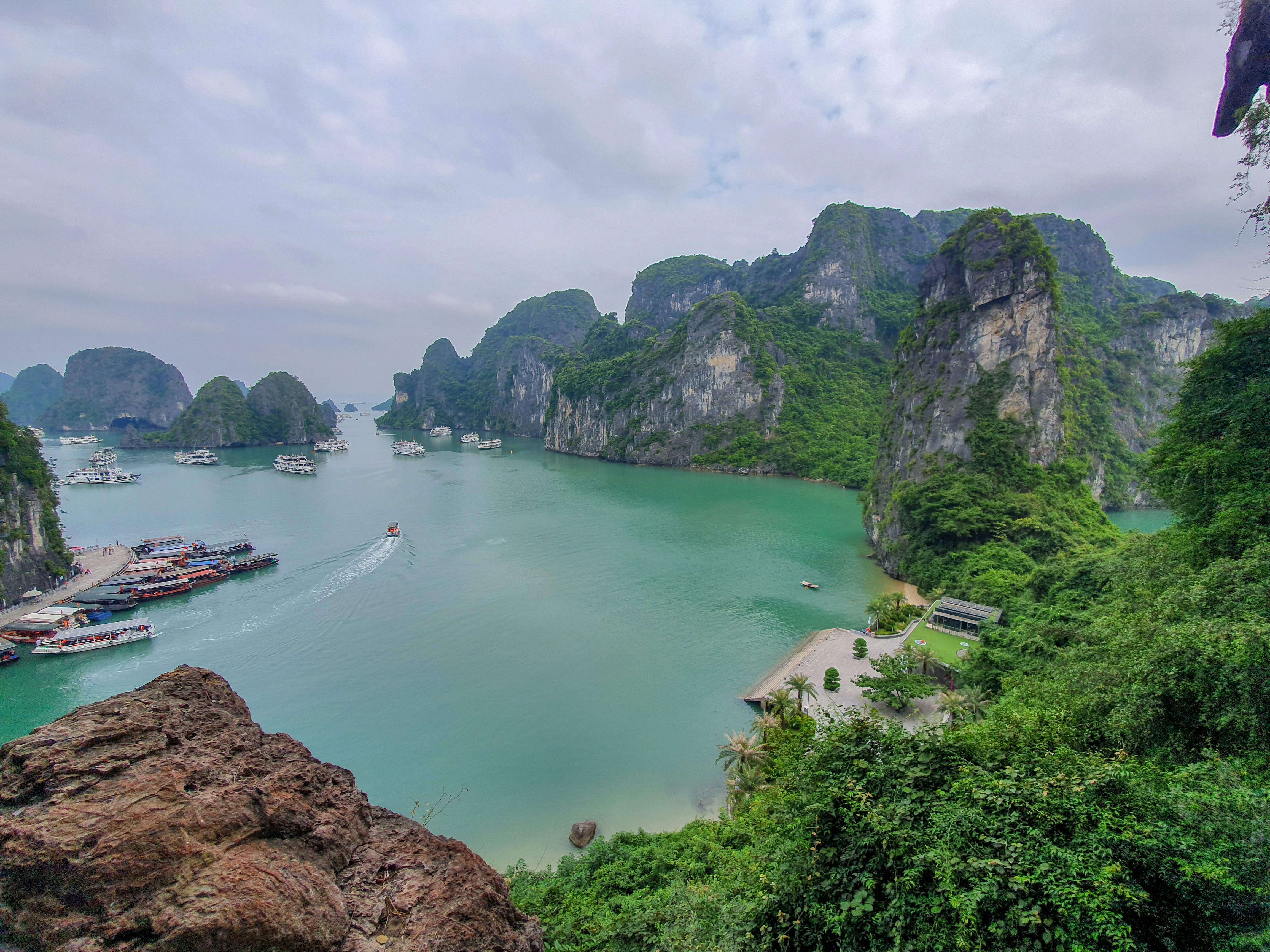
Halong Bay's emerald-green waters are scattered with thousands of limestone islands and karsts rising sheer from the sea.
Traditional junk boats still work the channels between the towering formations, while caves, floating fishing villages and hidden lagoons fill the bay's quieter corners.
The misty, ethereal atmosphere, especially at sunrise, gives the bay an almost mystical beauty.
How does it rate
CrowdsRomanceCash RequiredDangerAccessibilityWhy you should go
The unique scenery, boat tours, and calm waters make Halong Bay an unforgettable nature escape with plenty of adventure options.
Why you shouldn't go
Weather can be unpredictable, impacting visibility and photos, and certain areas are crowded with tourist boats, diminishing the serene experience.
Plan your visit
Best time to visitOctober-December, dry and clearBest time of daySunrise, before the tour boats arriveGetting there~3.5hr drive or ferry from HanoiEntry costDay cruise ~$20-40Time neededHalf day, or overnight cruiseInsider tip — Book an overnight boat to see the bay in golden morning light without the day-trippers -
 #1590 /100
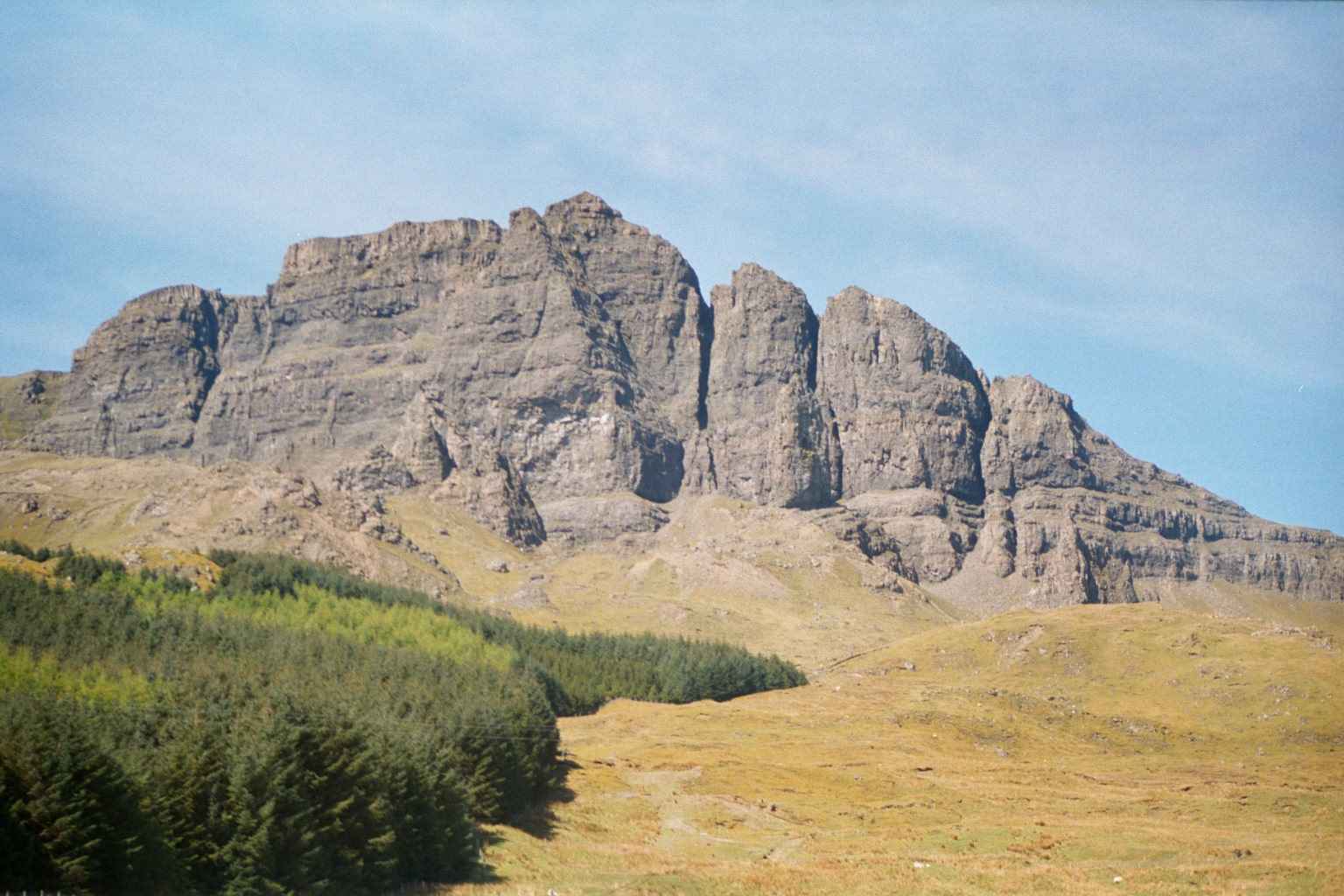
Scotland's largest and most dramatic island rises from the Inner Hebrides like a dark, brooding giant.
The jagged peaks of the Cuillin mountains, the eerie Quiraing landscape, the ancient Dunvegan Castle, and the famous Fairy Pools make Skye one of the UK's most spectacular destinations.
How does it rate
CrowdsRomanceCash RequiredDangerAccessibilityWhy you should go
The Fairy Pools and the Quiraing landscape are genuinely otherworldly and the island's dramatic skies make for extraordinary atmospheric photography.
Why you shouldn't go
Skye has become extremely popular and the single-track roads become very congested in summer; the weather is notoriously unreliable.
Plan your visit
Best time to visitMay-SeptemberBest time of dayGolden hour, especially at the Fairy Pools and Old Man of StorrGetting there~2.5hr drive from Inverness, or fly to Inverness/GlasgowEntry costFreeTime needed3+ daysInsider tip — Old Man of Storr is best at sunrise when light hits the pinnacles and the car park is not full -
 #1689 /100
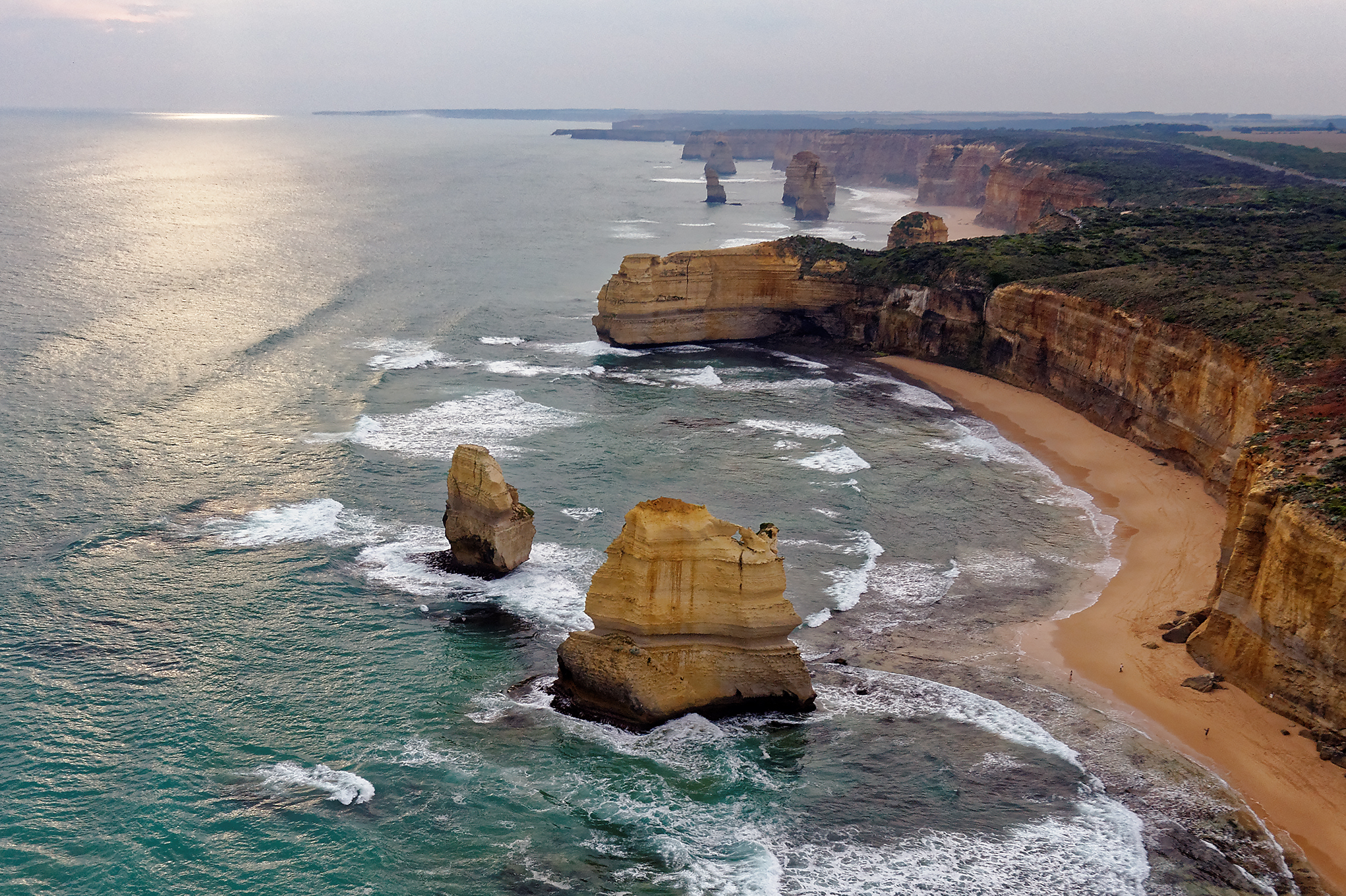
The Twelve Apostles are a collection of limestone stacks rising up to 45 metres from the Southern Ocean off the Port Campbell National Park on the Great Ocean Road.
Carved from the cliffs by erosion over millennia, they are most spectacular at sunrise and sunset when the low light turns the limestone golden.
How does it rate
CrowdsRomanceCash RequiredDangerAccessibilityWhy you should go
The Twelve Apostles at sunrise, when the limestone pillars glow golden and the surrounding sea is often calm, offer some of Australia's most dramatic coastal photography.
Why you shouldn't go
Despite the name, only eight stacks are currently standing as erosion continues to reshape them; helicopter flights provide the best overall view but are expensive.
Plan your visit
Best time to visitMarch-May or September-NovemberBest time of daySunrise, when the limestone stacks glow orange and coach tours have not arrivedGetting thereAlong the Great Ocean Road, ~3hrs from MelbourneEntry costFreeTime needed1-2 hoursInsider tip — Sunrise is dramatically quieter than sunset here, since most coach tours run the road in the afternoon -
 #17
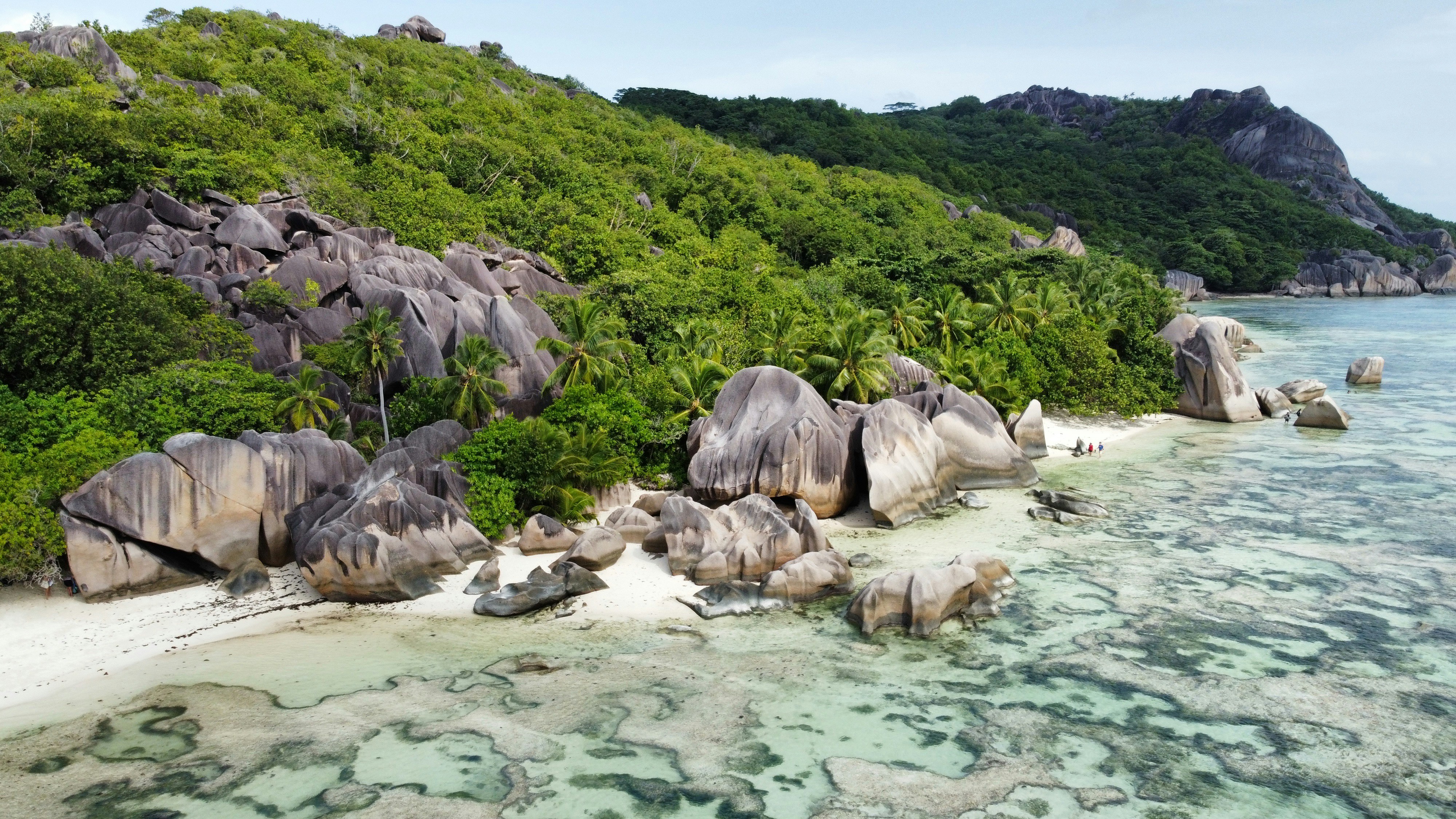
#17Giant pink-granite boulders line the pale sand and shallow turquoise water of Anse Source d'Argent, the best known of a string of coves along La Digue's coast.
The island moves at bicycle pace - there are barely any cars, and the whole place can be crossed in an hour on two wheels.
Development stays low-rise, and the interior is dense palm and takamaka forest.
How does it rate
CrowdsRomanceCash RequiredDangerAccessibilityWhy you should go
The single most photographed beach composition in the Indian Ocean - granite boulders meet pale sand.
Why you shouldn't go
Reaching La Digue and its best beaches takes two separate boat transfers and adds real cost.
Plan your visit
Best time to visitApril-May or October-November, between monsoon seasons.Best time of dayMid-to-late afternoon, when the light rakes across the granite boulders.Getting thereFly into Mahe, ferry to Praslin, then a second ferry to La Digue; bicycles are the main way to get around.Entry costSmall entry fee for Anse Source d'Argent via L'Union Estate.Time needed2 daysInsider tip — Walk past the first few boulder clusters near the entrance - the classic postcard framing is a further 10-minute walk down the beach. -
 #1889 /100
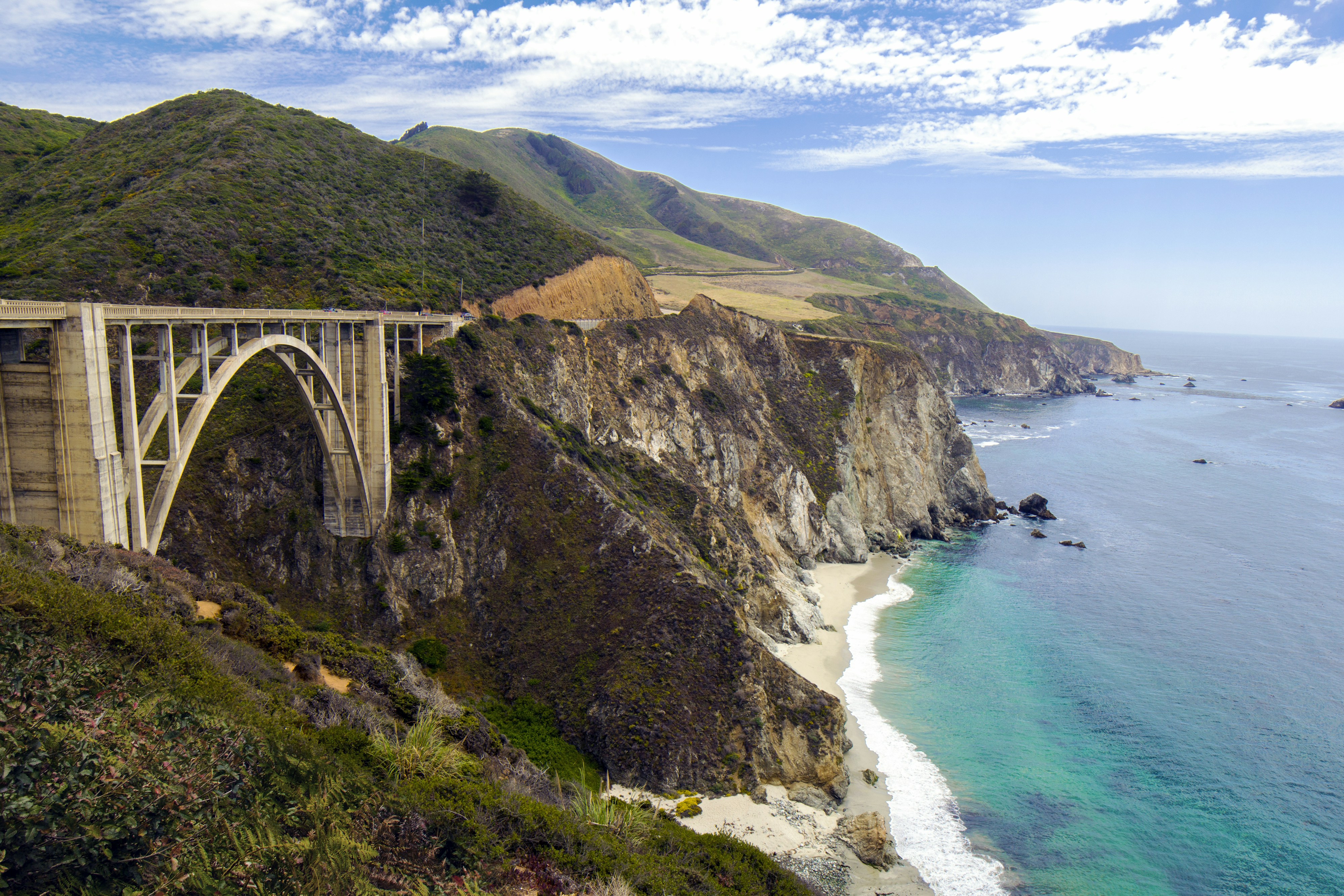
Highway 1 clings to sheer cliffs for 90 miles along this stretch of California coast, with the Pacific crashing against rock hundreds of feet below the road's edge.
Bixby Creek Bridge, one of the most recognisable bridges in the US, arcs across a canyon right beside the highway.
Redwood groves grow almost to the ocean's edge in places, an unusual pairing within a short drive.
How does it rate
CrowdsRomanceCash RequiredDangerAccessibilityWhy you should go
A 90-mile cliffside highway with one of America's most photographed bridges built right into it.
Why you shouldn't go
Highway 1 closes periodically for landslides and storm damage - check road conditions before a trip.
Plan your visit
Best time to visitApril-May or September-October, for clear skies and thinner summer fog.Best time of dayLate afternoon, before coastal fog typically rolls in for the evening.Getting thereSelf-drive Highway 1 from Monterey (north) or San Simeon (south); no public transport covers the route.Entry costFree to drive; some viewpoints and state parks charge small parking fees.Time needed1-2 daysInsider tip — Pull off at the unmarked turnout just south of Bixby Bridge rather than the main viewpoint - it's less crowded and has a cleaner angle on the bridge. -
 #1989 /100
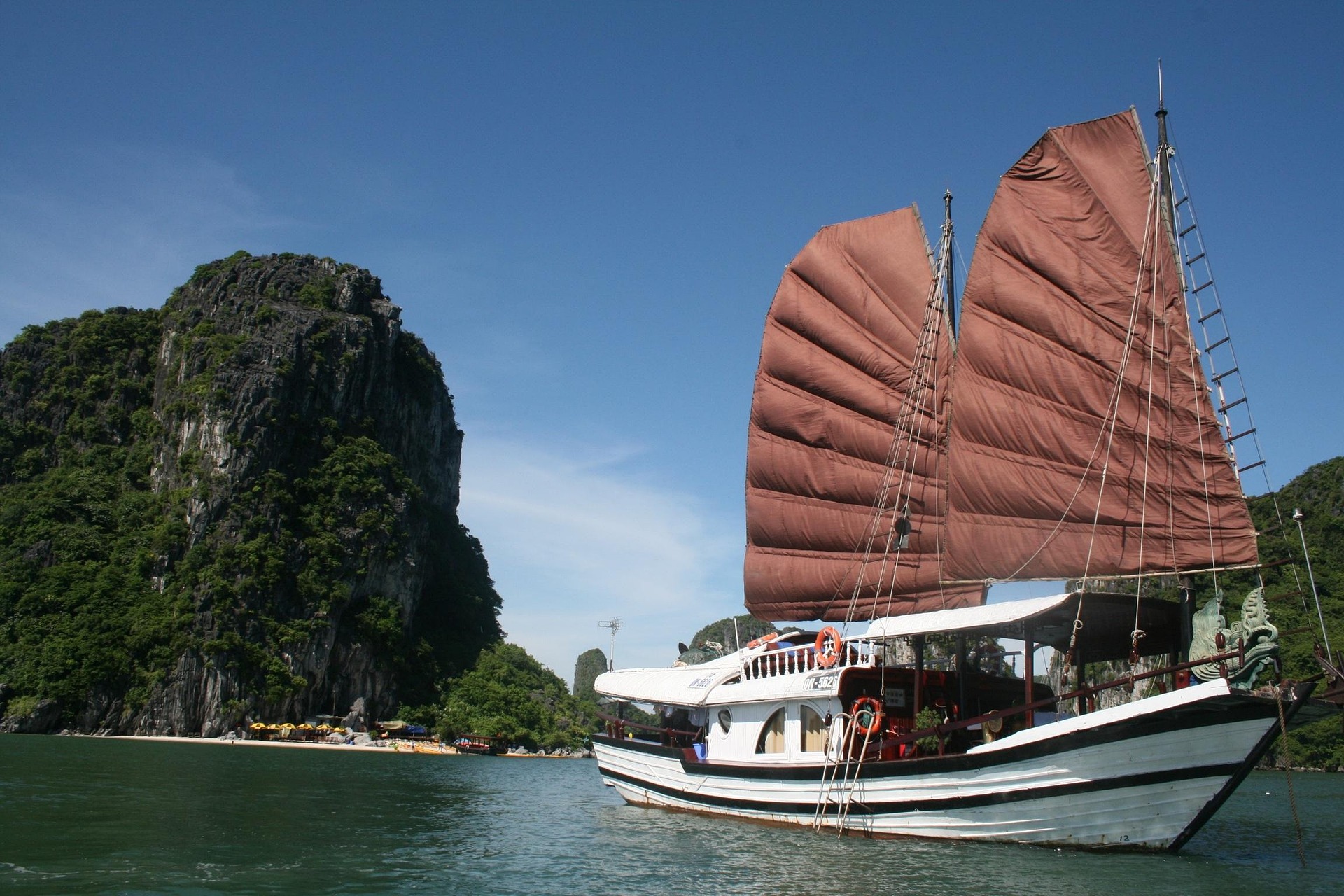
An overnight junk-boat cruise through thousands of limestone karsts rising from emerald water, one of Vietnam's defining landscapes.
Days include kayaking into hidden lagoons, cave visits, and swimming off the boat's stern, with meals fresh-cooked on board.
Traditional red-sailed junks still appear among the modern steel-hulled boats.
Karst silhouettes at sunrise and sunset are the reason most people book the trip in the first place.
How does it rate
CrowdsRomanceCash RequiredDangerAccessibilityWhy you should go
Thousands of limestone karsts and hidden lagoons seen from the deck of an overnight junk boat.
Why you shouldn't go
The bay gets crowded with boats in peak season, and lower-priced cruises vary widely in comfort.
Plan your visit
Best time to visitOctober-December for clear skies and cool temperatures; avoid the humid, rainy summer months.Best time of daySunrise, when mist clings to the karsts before the day-boats arrive.Getting thereFly into Hanoi; a 2.5-3 hour transfer reaches Tuan Chau Harbour, where most overnight cruises depart.Entry costIndicative $120-$700pp for a 1-3 night cruise depending on boat classTime needed1-3 night cruiseInsider tip — Book a 2-night cruise rather than a day trip to reach the quieter Lan Ha Bay section, and request a cabin on the upper deck for better karst views. -
 #2089 /100
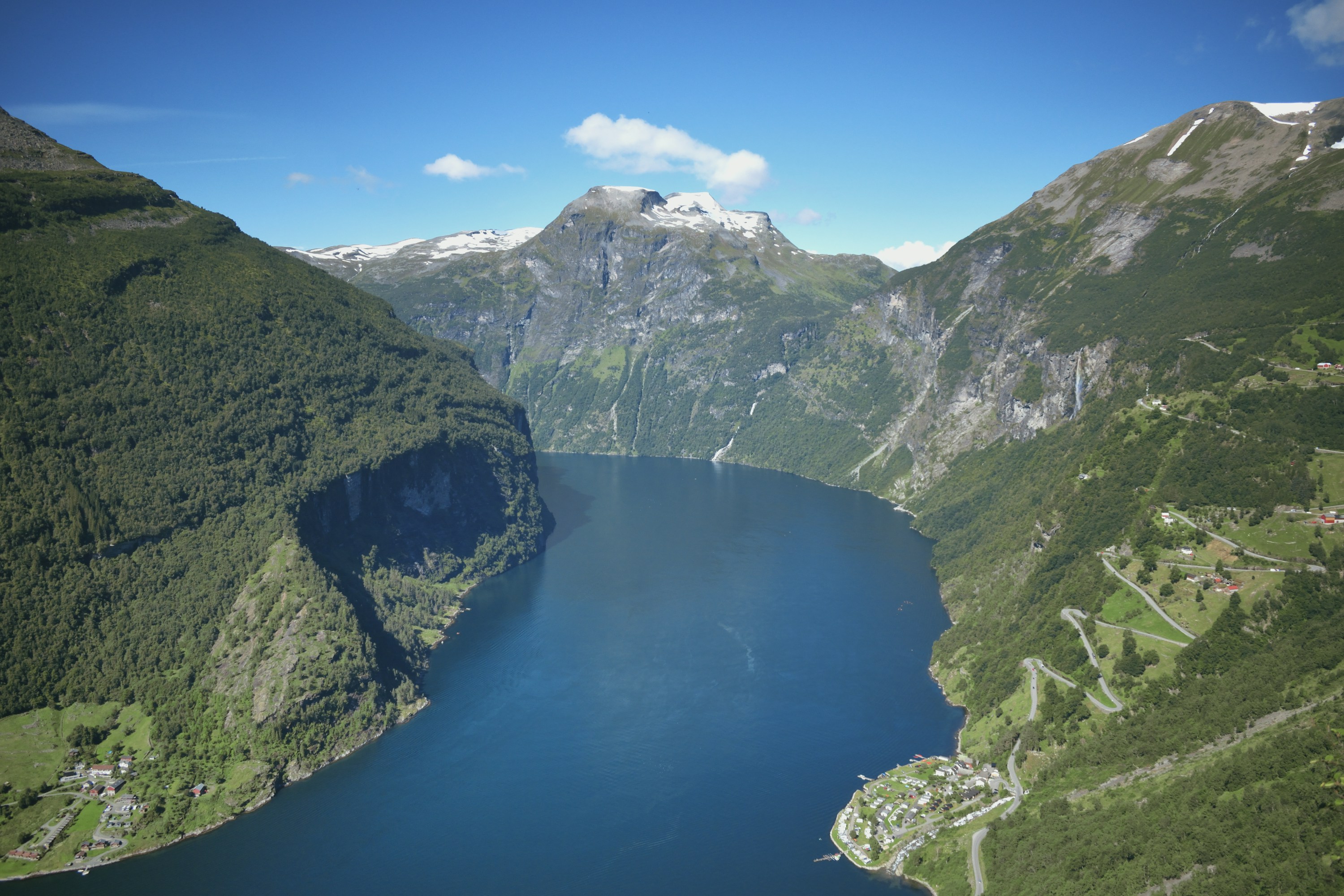
Geirangerfjord is a narrow arm of the sea in western Norway, walled in by near-vertical cliffs over a kilometre high and threaded with waterfalls such as the Seven Sisters.
A UNESCO World Heritage fjord, it can be seen by sightseeing boat, from a hairpin mountain road, or on foot along old farm paths.
Cruise ships call through the short summer season, but the scale of the cliffs and water still dominates.
How does it rate
CrowdsRomanceCash RequiredDangerAccessibilityWhy you should go
One of the most dramatic fjords in Norway - sheer cliffs, cascading waterfalls, and a UNESCO listing to match the scenery.
Why you shouldn't go
Overrun with cruise-ship day-trippers and tour buses through the short summer season.
Plan your visit
Best time to visitMay-September, when ferries and mountain roads are running and waterfalls are at their fullest.Best time of dayEarly morning, before the day's cruise ships dock and the fjord loses its stillness.Getting thereFly to Ålesund; drive or take the seasonal ferry/bus to Geiranger, or arrive by fjord cruise from Ålesund or Hellesylt.Entry costFree to view; toll roads to viewpoints from around 150 NOK, boat trips extra.Time needed1-2 daysInsider tip — Skip the crowded main quay viewpoint and drive the Ørnevegen (Eagle Road) switchbacks above town for a quieter, higher angle over the whole fjord. -
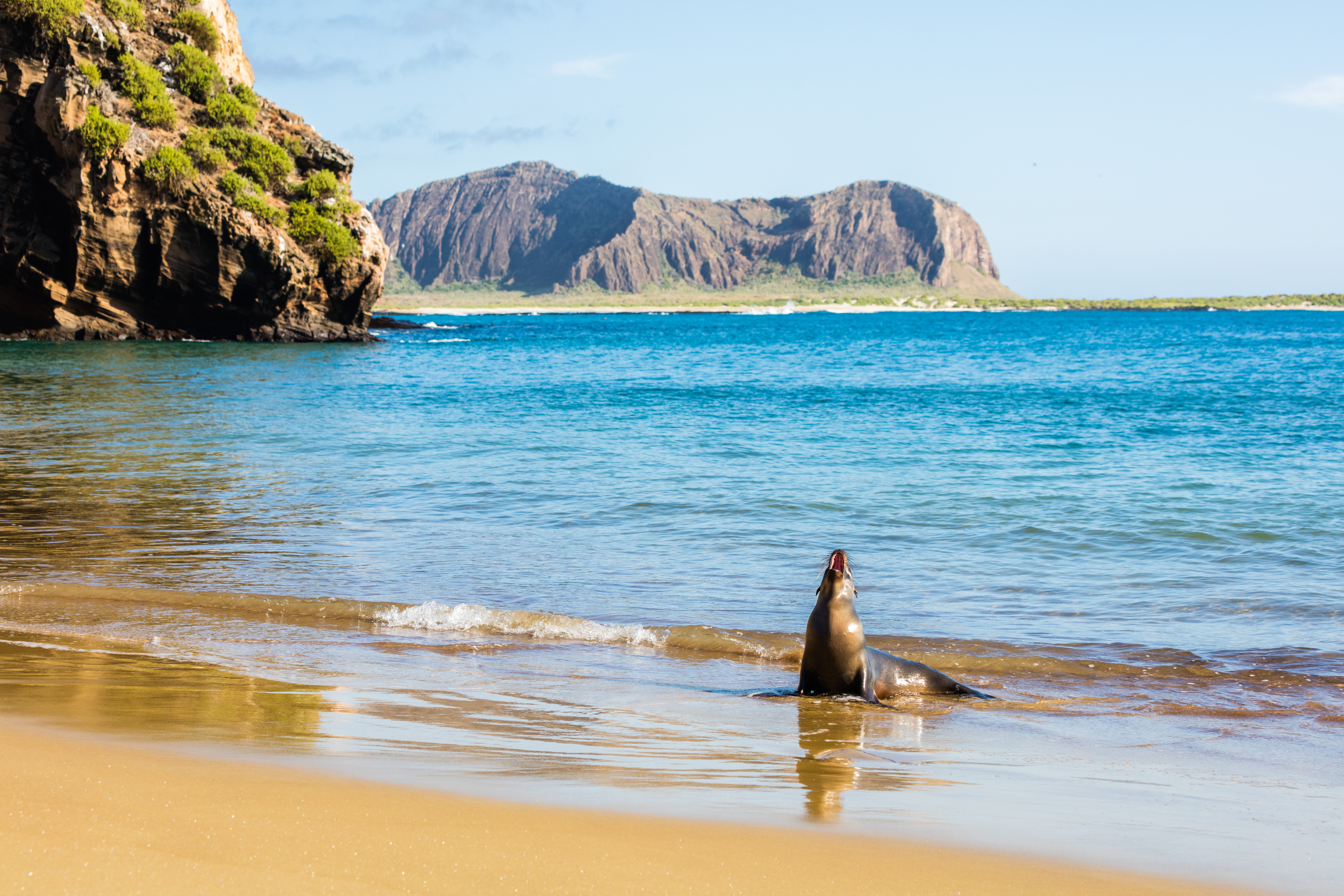 #2188 /100
Six hundred miles off the Ecuadorian coast, the Galápagos archipelago is a living laboratory of evolution where wildlife shows no fear of humans.
Charles Darwin's observations here inspired his theory of natural selection, and today visitors can snorkel with sea lions and walk alongside giant tortoises.
How does it rate
CrowdsRomanceCash RequiredDangerAccessibilityWhy you should go
Nowhere else on earth can you get so close to such diverse and fearless wildlife; the experience of snorkelling alongside marine iguanas is unlike anything else.
Why you shouldn't go
The Galápagos is one of the most expensive travel destinations in Latin America, and strict visitor regulations limit where you can go and what you can do.
Plan your visit
Best time to visitJune-November for wildlife activity and cooler seasBest time of dayMorning for wildlife viewingGetting thereFly to Baltra or San Cristobal via Guayaquil or QuitoEntry cost$200 park entry fee plus cruise/tour costsTime needed5+ daysInsider tip — A licensed naturalist guide is required by law and makes a huge difference to what you see -
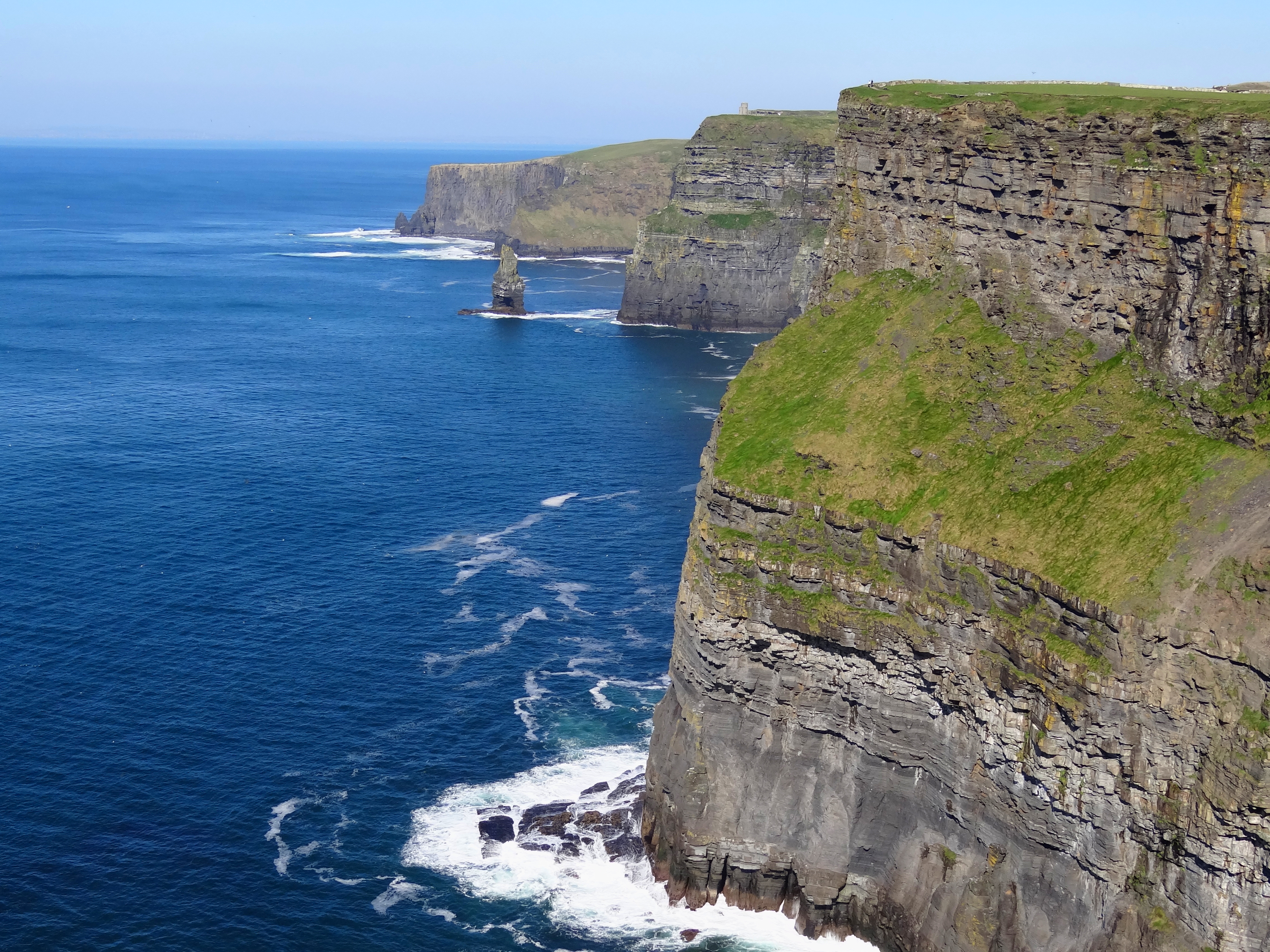 #2288 /100
The Cliffs of Moher are a 14-kilometre stretch of sea cliffs on the Atlantic coast of County Clare that rise to 214 metres at their highest point.
The view from the clifftop path, looking south towards the Burren and north towards Galway Bay, with the Aran Islands in the distance, is one of Ireland's most iconic.
How does it rate
CrowdsRomanceCash RequiredDangerAccessibilityWhy you should go
The sheer drama of the cliffs rising vertically from the Atlantic Ocean, particularly on a stormy day when waves crash against the base, is genuinely awe-inspiring.
Why you shouldn't go
The cliffs are one of Ireland's most visited attractions and the visitor centre area can be very crowded; the clifftop path can be dangerously exposed in high winds.
Plan your visit
Best time to visitMay-September for best weather odds (still unpredictable)Best time of dayLate afternoon for light on the cliff faceGetting there~1.5-2hr drive from Galway or LimerickEntry cost~EUR10 entryTime needed2-3 hoursInsider tip — Walk south along the cliff path away from the main visitor centre for quieter views and better angles -
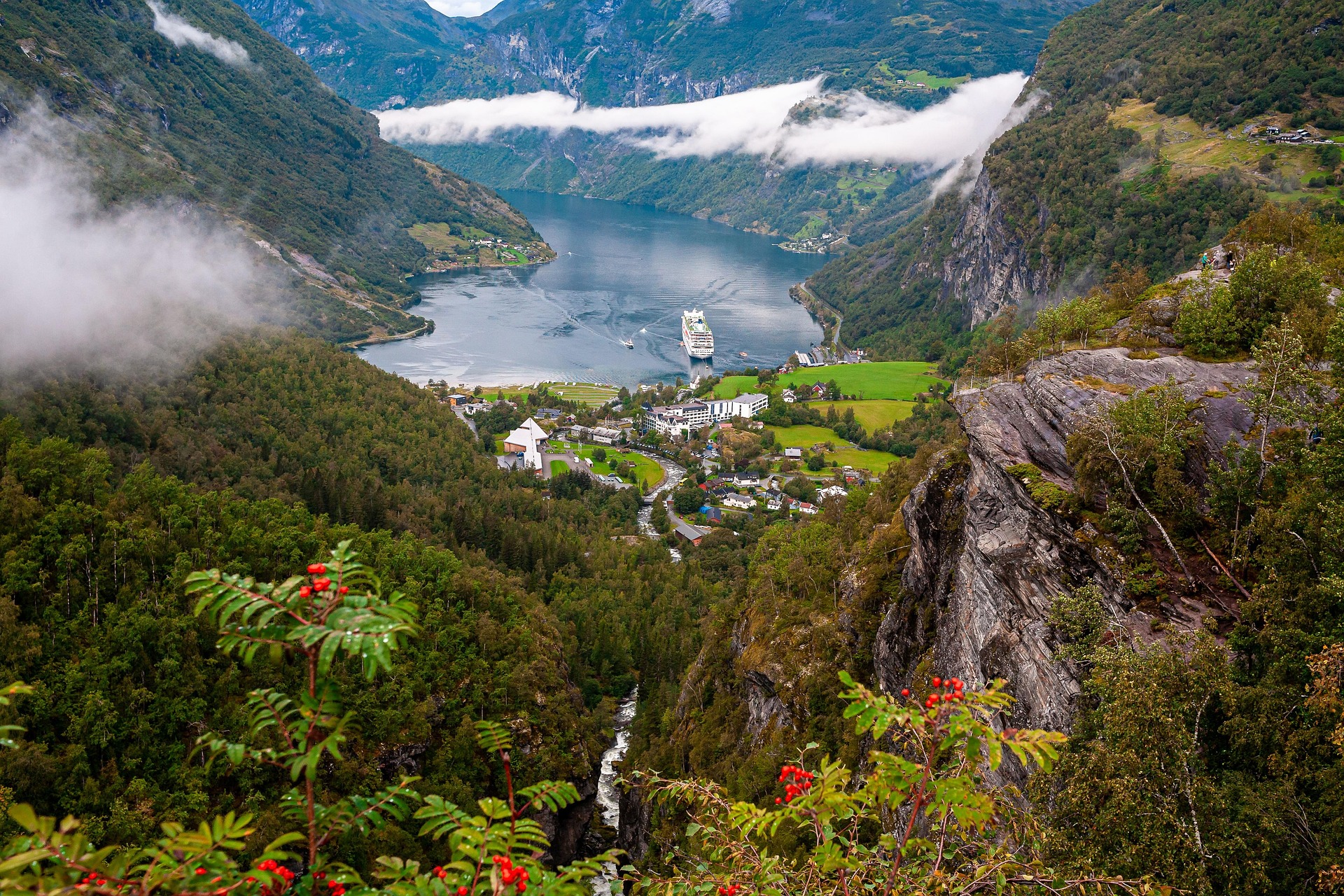 #2388 /100
A cruise through Norway's steepest fjords, where waterfalls drop hundreds of metres past cliffside farms into water so still it mirrors the mountains.
Geirangerfjord and Naeroyfjord, both UNESCO-listed, narrow to barely a ship's width in places.
Small villages like Flam and Geiranger appear suddenly at the fjord's end, framed by snow long into summer.
Midnight sun in June extends the scenery well past a normal evening.
How does it rate
CrowdsRomanceCash RequiredDangerAccessibilityWhy you should go
UNESCO-listed fjords so narrow and sheer that the ship itself becomes part of the view from shore.
Why you shouldn't go
Shore excursions like the Flam Railway or a fjord kayak trip add up fast on top of the cruise fare.
Plan your visit
Best time to visitMay for waterfall volume and lower prices, or June for the midnight sun and long daylight.Best time of dayEarly morning sailing into Geirangerfjord, before day-trippers arrive by tour bus.Getting thereFly into Bergen, Copenhagen, or Hamburg; ships typically embark from a European home port rather than within Norway itself.Entry costIndicative from around EUR 1,740pp for a multi-night fjord cruiseTime needed7-night cruiseInsider tip — Stand on the top deck as the ship threads Geirangerfjord's narrowest point for waterfalls close enough to feel the spray; pack warm layers even in summer. -
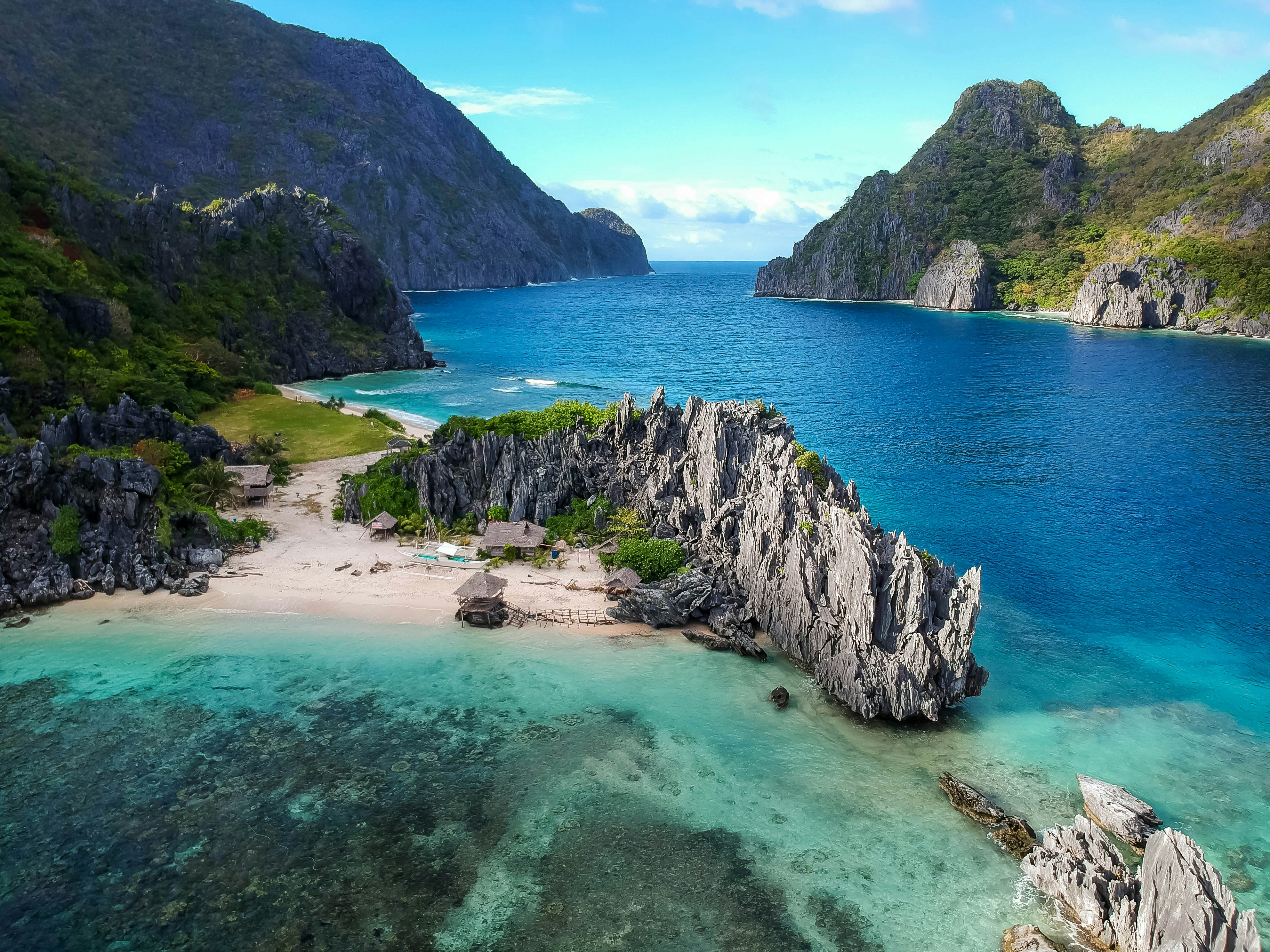 #24
#24Sheer limestone karsts rise straight out of turquoise lagoons around this Palawan town, often ranked among the world's most beautiful island landscapes.
Hidden lagoons reachable only by kayak or narrow swim-throughs open onto still, mirror-flat water walled in by cliffs.
Island-hopping boat tours string together beaches, lagoons, and reefs that are rarely anything less than spectacular.
How does it rate
CrowdsRomanceCash RequiredDangerAccessibilityWhy you should go
Some of the most dramatic limestone-karst island scenery anywhere on Earth.
Why you shouldn't go
Popular lagoons get crowded with tour boats by mid-morning.
Plan your visit
Best time to visitNovember-May, the dry season, for calm water and clear skies.Best time of dayEarly morning, before the first wave of island-hopping tour boats arrives.Getting thereFly to El Nido or Puerto Princesa airport; boats depart from El Nido town for the lagoons.Entry costEnvironmental fee applies; island-hopping tours priced separately, from around $20.Time needed3-4 daysInsider tip — Book a private or small-group tour departing before 7am to reach Big Lagoon ahead of the crowds. -
 #25
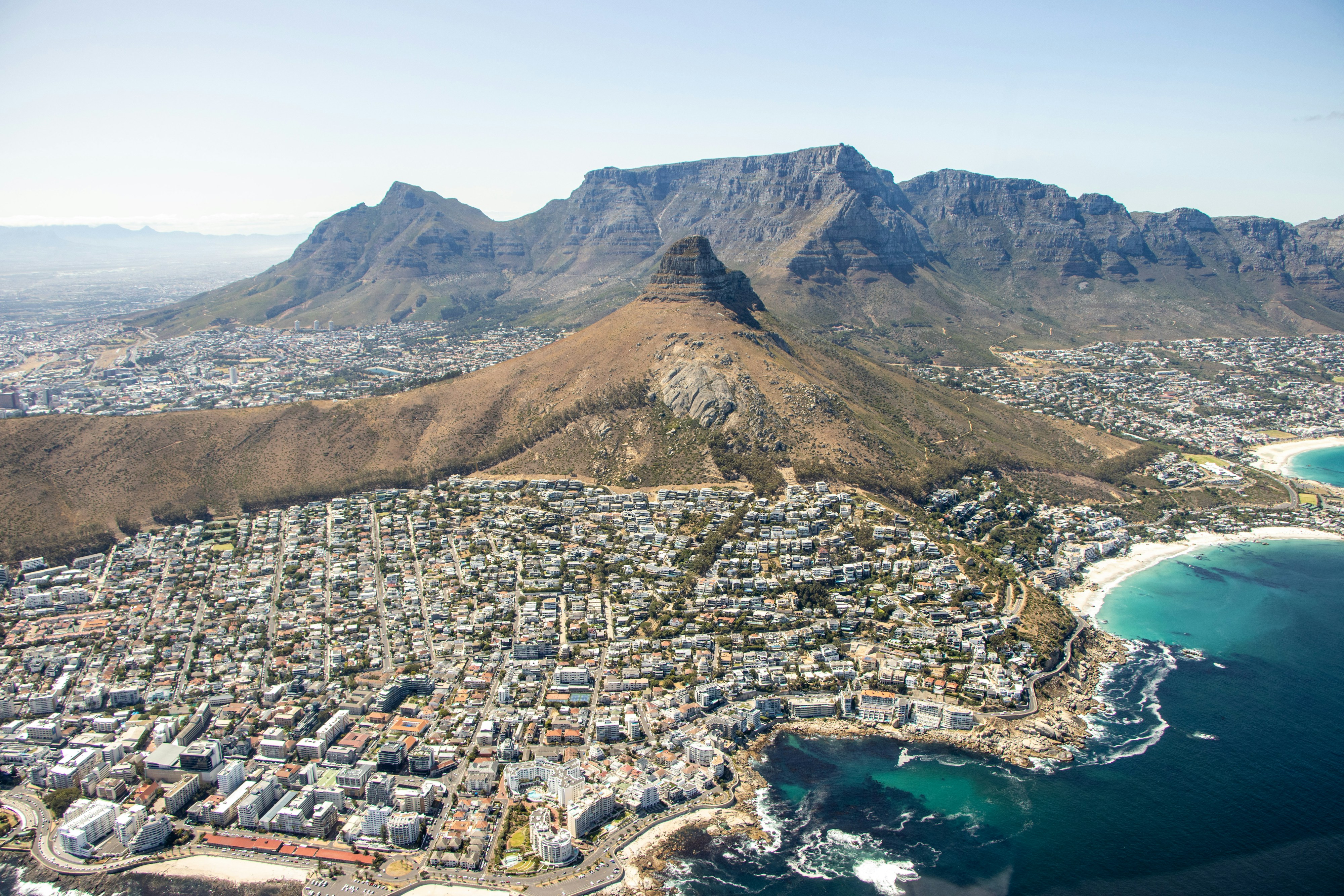
#25Table Mountain's flat-topped silhouette looms directly over the city bowl, often capped by a rolling cloud locals call the tablecloth.
A cable car reaches the summit in minutes, but the classic view is looking back at the mountain from Bloubergstrand or Signal Hill, with the city spread out beneath it.
Penguins waddle across a public beach at Boulders just outside the city.
How does it rate
CrowdsRomanceCash RequiredDangerAccessibilityWhy you should go
A flat-topped mountain looming directly over the city, often capped by its own private cloud.
Why you shouldn't go
The cable car and mountain views depend entirely on weather - cloud cover cancels the trip more often than visitors expect.
Plan your visit
Best time to visitNovember-March (dry summer) for the most reliable clear views of the mountain.Best time of dayLate afternoon into sunset, from Signal Hill or Bloubergstrand.Getting thereFly into Cape Town International Airport, about 20 minutes from the city centre.Entry costTable Mountain cable car around $30 return; Boulders Beach small entry fee.Time needed3-4 daysBookingBook ahead →Insider tip — Check the cable car's live webcam before heading up - cloud cover is common and a wasted trip is easy to avoid with five minutes of checking. -
 #2688 /100
The Golden Gate Bridge has been San Francisco's calling card since 1937: 2.
7km of International Orange suspension bridge strung between the city and the Marin Headlands.
It's that rare landmark that looks better in bad weather - the towers rising out of rolling fog are the classic view.
Walk or cycle the deck, then take it in from Baker Beach, Fort Point or Battery Spencer.
How does it rate
CrowdsRomanceCash RequiredDangerAccessibilityWhy you should go
Iconic from every angle, and completely free to walk, cycle or photograph.
Why you shouldn't go
Summer fog can hide the towers for days, and the wind on the deck is no joke.
Plan your visit
Best time to visitSeptember-October for the clearest skiesBest time of daySunrise from Baker Beach, or whenever the fog is rollingGetting thereMuni bus to the toll plaza, or cycle across from Fisherman's WharfEntry costFree for pedestrians and cyclistsTime needed2-3 hoursInsider tip — Check the fog cam before you go - and if it's socked in, head to Battery Spencer, which often sits above the fog line -
 #2788 /100
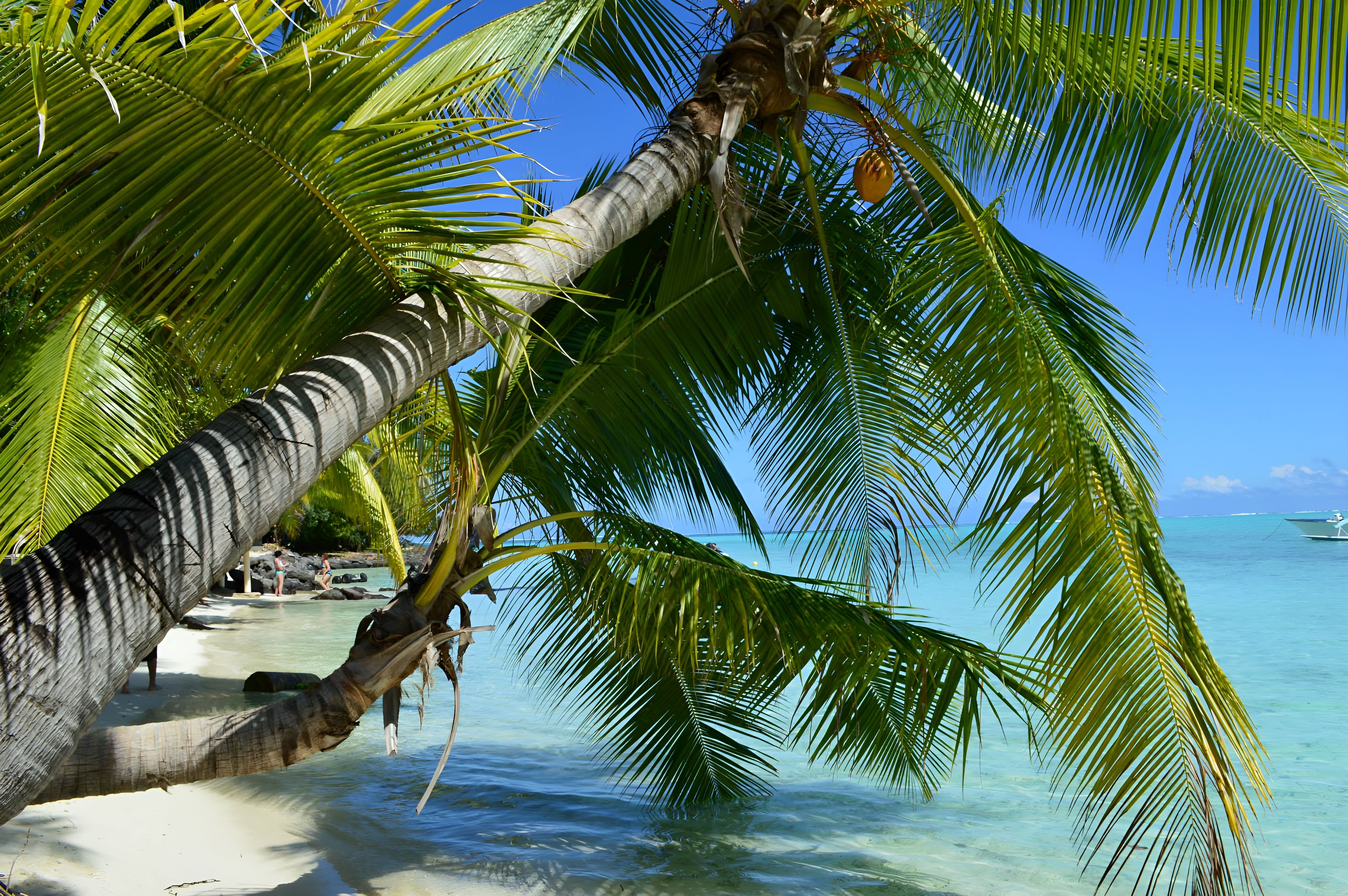
Bora Bora's only public beach, a tapering spit of pale sand running out into a lagoon clear enough to see reef fish and passing rays from the shore.
Palms back the sand, and Mount Otemanu rises across the water behind it.
It is the free counterpoint to the island's resort strips, and the calm, shallow lagoon makes it one of the safest swimming beaches in the Pacific.
How does it rate
CrowdsRomanceCash RequiredDangerAccessibilityWhy you should go
The lagoon is clear enough to see reef fish and rays from the beach, with Mount Otemanu framing every photo.
Why you shouldn't go
Everything on Bora Bora - food, transport, accommodation - is priced for the honeymoon market.
Plan your visit
Best time to visitMay-October, the dry season with the calmest lagoon conditions.Best time of dayLate afternoon, when the light turns the lagoon a deeper turquoise.Getting thereFly to Bora Bora airport (via Tahiti), then a boat transfer or shuttle to Matira Point.Entry costFree - the only public beach on the island.Time neededHalf a day.Insider tip — Walk to the very tip of Matira Point for the widest, least crowded stretch of sand and the best angle on Mount Otemanu. -
 #2888 /100
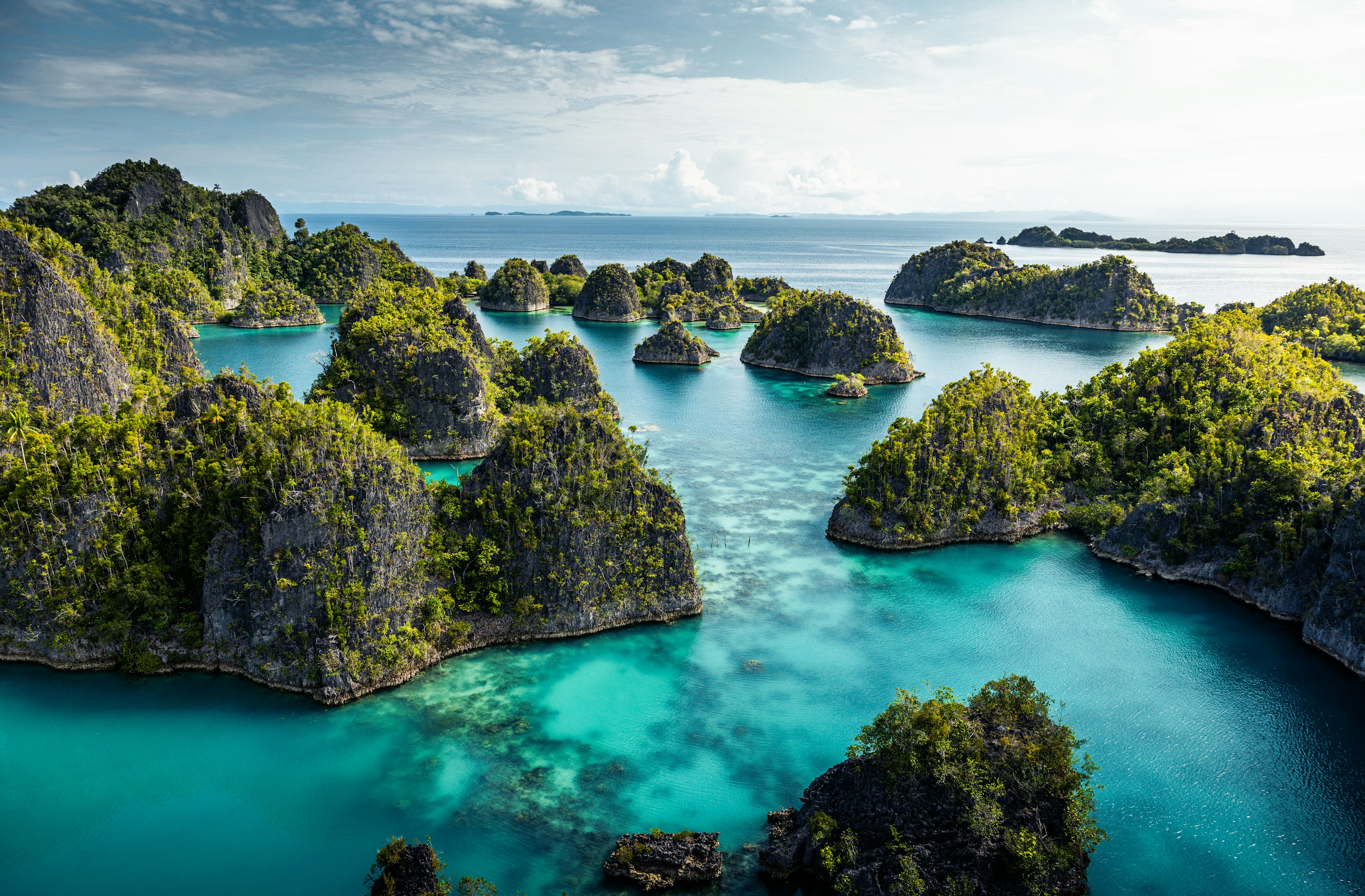
Raja Ampat's four main islands and hundreds of smaller limestone islets sit at the heart of the Coral Triangle, the most biodiverse marine environment on Earth, with reefs holding far more coral and fish species than the Caribbean.
Above water, karst islands draped in jungle ring turquoise lagoons; below, divers and snorkelers find manta rays, reef sharks, and dense coral gardens largely undamaged by mass tourism.
Reaching it takes real commitment, but few marine destinations compare.
How does it rate
CrowdsRomanceCash RequiredDangerAccessibilityWhy you should go
The most biodiverse reef system on the planet, still relatively undisturbed by mass tourism.
Why you shouldn't go
Very remote and expensive to reach, with permits, flights, and boat transfers all adding up before you even dive.
Plan your visit
Best time to visitOctober-April for calmer seas and the best underwater visibility.Best time of dayMorning dives and snorkels, before afternoon winds pick up on the open crossings.Getting thereFly to Sorong via Jakarta or Makassar, then a public or chartered boat (2-4 hours) to Waisai or a resort island.Entry costMarine Park entry permit (PIN) required, roughly 500,000-1,000,000 IDR (~$30-65)Time needed4+ daysBookingBook ahead →Insider tip — Buy the marine park permit (PIN) in Sorong or Waisai before heading to the islands; it's checked on arrival and covers the whole marine park for a full calendar year. -
 #2987 /100
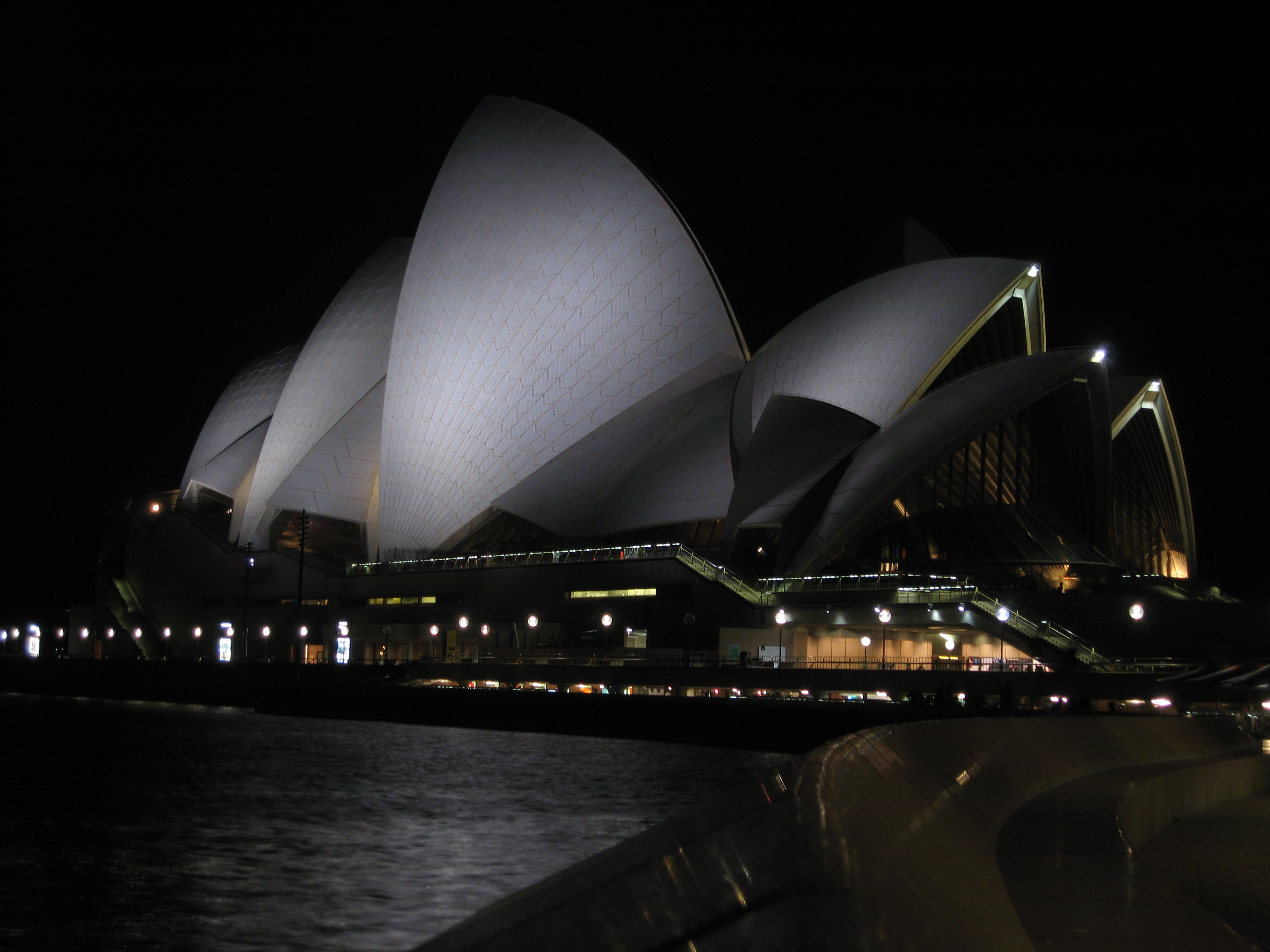
Jorn Utzon's Opera House is the building that gave a whole country its silhouette.
The white shells, actually more than a million cream and white tiles, change character constantly: blinding at noon, golden at sunset, glowing like lanterns at night.
Shoot it from Milsons Point on the Harbour Bridge side, from a ferry, or up close where the tiled geometry turns abstract.
How does it rate
CrowdsRomanceCash RequiredDangerAccessibilityWhy you should go
One of the few modern buildings that genuinely earns its icon status, photogenic from every angle.
Why you shouldn't go
The forecourt is a permanent scrum of visitors, and interior tours cost extra.
Plan your visit
Best time to visitOctober-April for harbour weather; year-round for the building itselfBest time of dayDusk, when the sails glow and the harbour lights come onGetting thereCircular Quay station and ferries are a 5-minute walk awayEntry costFree to walk around; tours from A$45Time needed1-2 hoursBookingBook ahead →Insider tip — Catch the Manly ferry for the price of a transit fare - it serves up the classic Opera House and Harbour Bridge angle without a cruise -
 #3087 /100
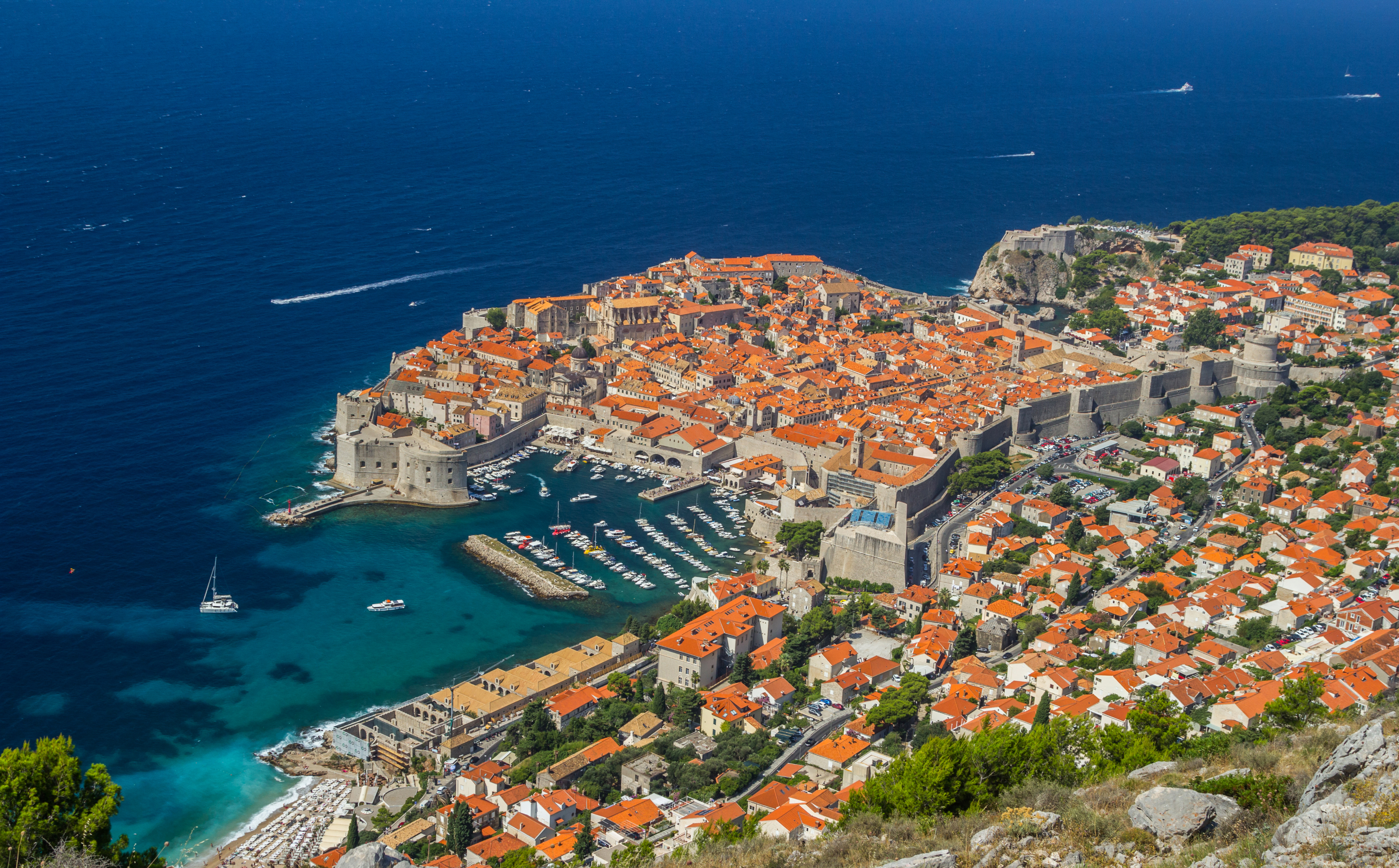
Dubrovnik is a medieval walled city on the Adriatic coast of Croatia, its terracotta rooftops and imposing limestone walls rising directly from the sea.
The medieval Old Town, a UNESCO World Heritage Site, was the backdrop for King's Landing in Game of Thrones, bringing global fame to what was already one of the Mediterranean's most beautiful cities.
How does it rate
CrowdsRomanceCash RequiredDangerAccessibilityWhy you should go
Walking the city walls above the Adriatic, with the old town's rooftops below and the Dalmatian islands in the distance, is one of the Mediterranean's great experiences.
Why you shouldn't go
Dubrovnik has been overwhelmed by tourism and cruise ships; the Old Town can feel claustrophobically crowded in summer and entry restrictions are frequently discussed.
Plan your visit
Best time to visitMay-June or September-OctoberBest time of daySunset from the city wallsGetting thereDubrovnik Airport, ~30 min to Old TownEntry costCity walls ~EUR35Time neededFull dayInsider tip — Walk the city walls in late afternoon so you finish right as the light turns golden -
 #3187 /100
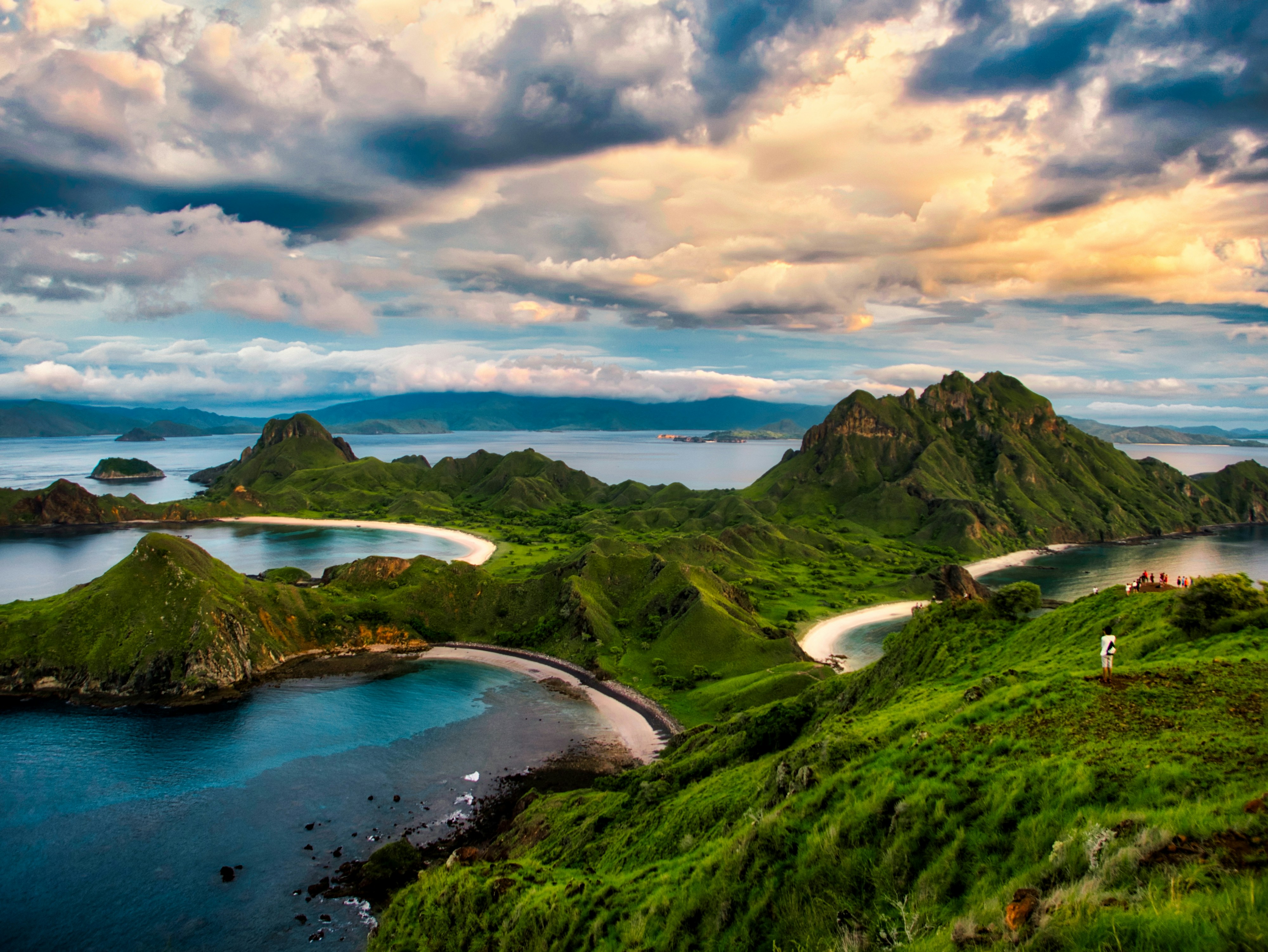
Volcanic islands rise steeply out of turquoise water in this remote Indonesian archipelago, the only place on Earth with wild Komodo dragons.
Padar Island's ridge walk looks down on three separate curved bays at once, and Pink Beach takes its colour from crushed red coral mixed through the sand.
The surrounding waters are among Indonesia's best for manta rays and drift diving.
How does it rate
CrowdsRomanceCash RequiredDangerAccessibilityWhy you should go
A single viewpoint over three turquoise bays, plus the only place on Earth to see wild Komodo dragons.
Why you shouldn't go
Only reachable by multi-day boat trip or a costly speedboat charter from Labuan Bajo.
Plan your visit
Best time to visitApril-June or September-November, outside the wettest and busiest peak months.Best time of daySunrise on Padar Island, before the heat and the day-trip crowds arrive.Getting thereFly into Labuan Bajo, then join a liveaboard or day boat into the park.Entry costPark entry and conservation fees, plus boat trip costs, typically $50-150+ per day.Time needed2-3 daysInsider tip — Book a liveaboard over a single-day speedboat trip - the best light on Padar and Pink Beach both fall outside typical day-trip hours. -
 #3287 /100
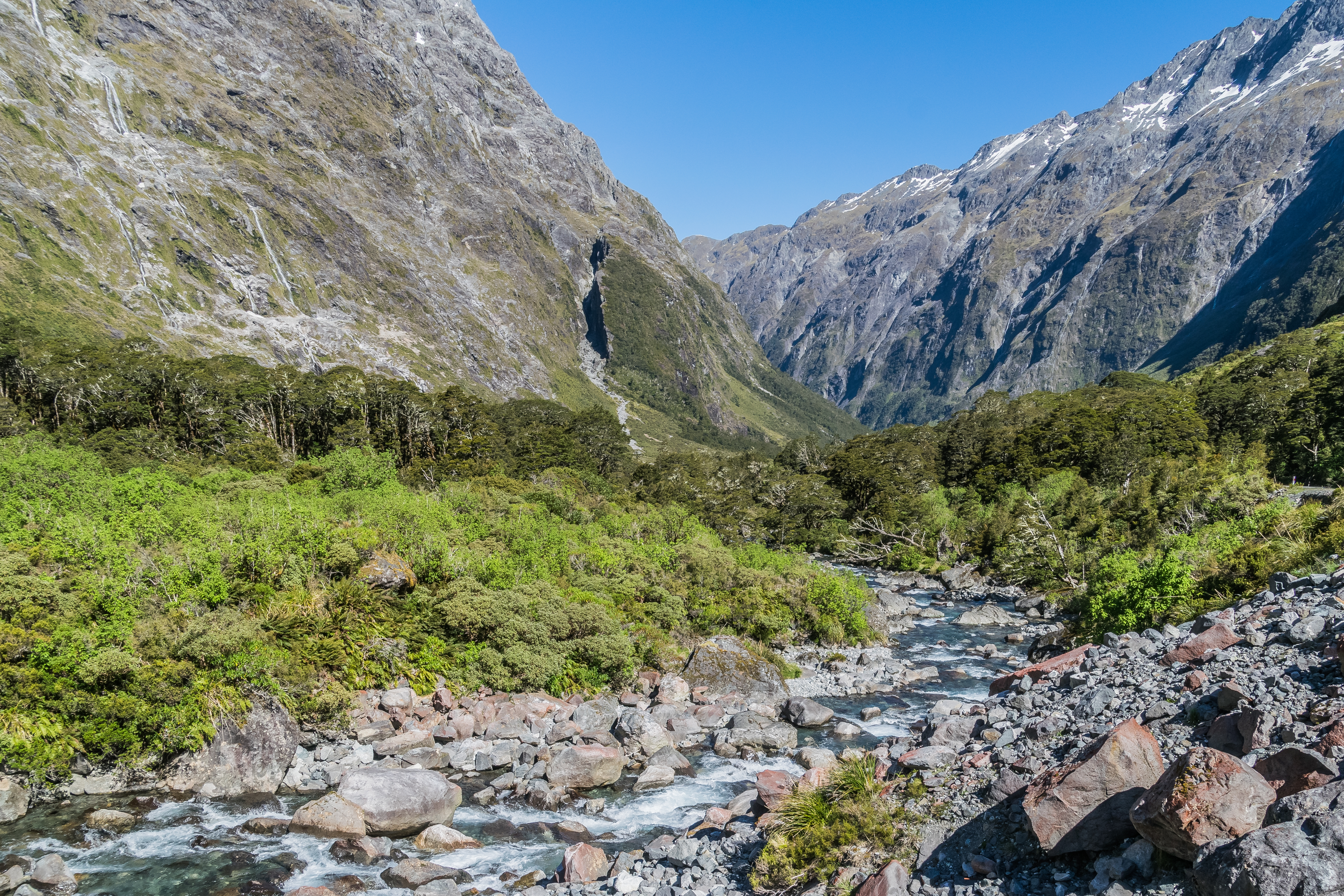
Fiordland National Park in the South Island of New Zealand contains some of the world's most dramatic fjord scenery, carved by glaciers over millions of years.
Milford Sound, the most famous fjord, features vertical granite walls rising 1,200 metres directly from the water's surface, with waterfalls cascading down their faces.
How does it rate
CrowdsRomanceCash RequiredDangerAccessibilityWhy you should go
The scale of Milford Sound's vertical granite walls and the waterfalls that plunge from them into the dark water below is genuinely awe-inspiring; boat cruises provide the best views.
Why you shouldn't go
Milford Sound receives extremely high rainfall and is often covered in cloud or mist; the road to Milford is subject to closure by avalanche or rockfall.
Plan your visit
Best time to visitDecember-March (summer, though it rains often year-round)Best time of dayEarly morning for calm water on the fjordsGetting thereDrive or fly to Te Anau, then boat/coach into Milford SoundEntry costCruise ~$80-100 NZDTime neededFull dayInsider tip — It rains here more days than not; the waterfalls are more dramatic right after rain, so do not let grey weather put you off -
 #3387 /100
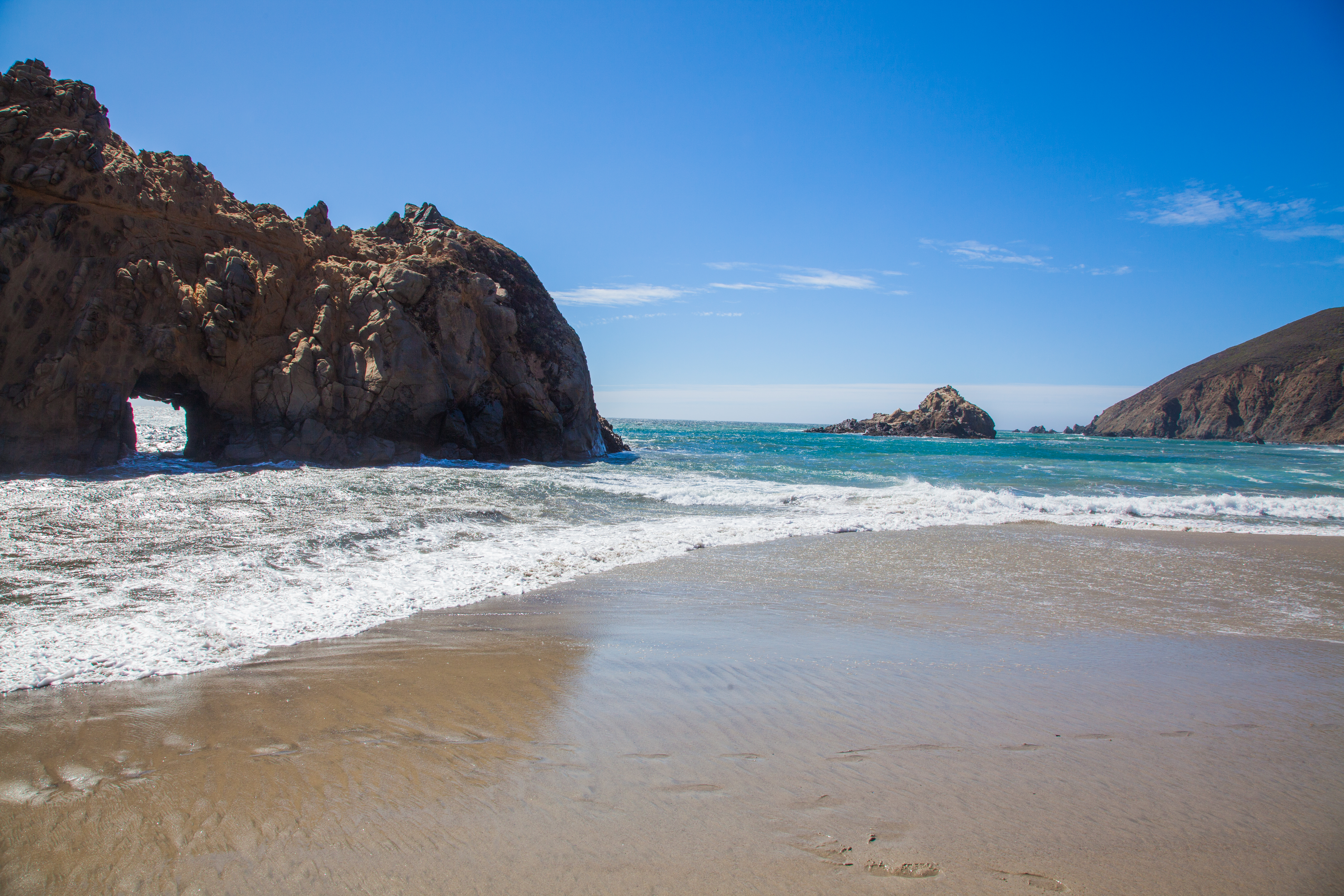
Pfeiffer Beach in Big Sur is a dramatic California coastline beach famous for its purple-tinged sand, caused by manganese garnet washed down from the surrounding hillsides, and for Keyhole Rock — a sea arch through which the setting sun shines in spectacular alignment during November and December.
How does it rate
CrowdsRomanceCash RequiredDangerAccessibilityWhy you should go
The combination of purple sand, dramatic sea stacks, crashing Pacific waves, and the winter Keyhole Rock sunset alignment make Pfeiffer Beach one of California's most unique coastal spots.
Why you shouldn't go
The access road is extremely narrow and closes when the small car park fills; the purple sand only covers part of the beach and the Keyhole Rock sunset alignment only occurs in winter.
Plan your visit
Best time to visitDecember-February for the Keyhole Arch light phenomenonBest time of daySunset, especially in winter when the sun aligns with the archGetting thereUnmarked turnoff on Highway 1, Big SurEntry cost~$12 parking feeTime needed1-2 hoursInsider tip — The purple sand (from manganese garnet) is most visible after rain -
 #3487 /100
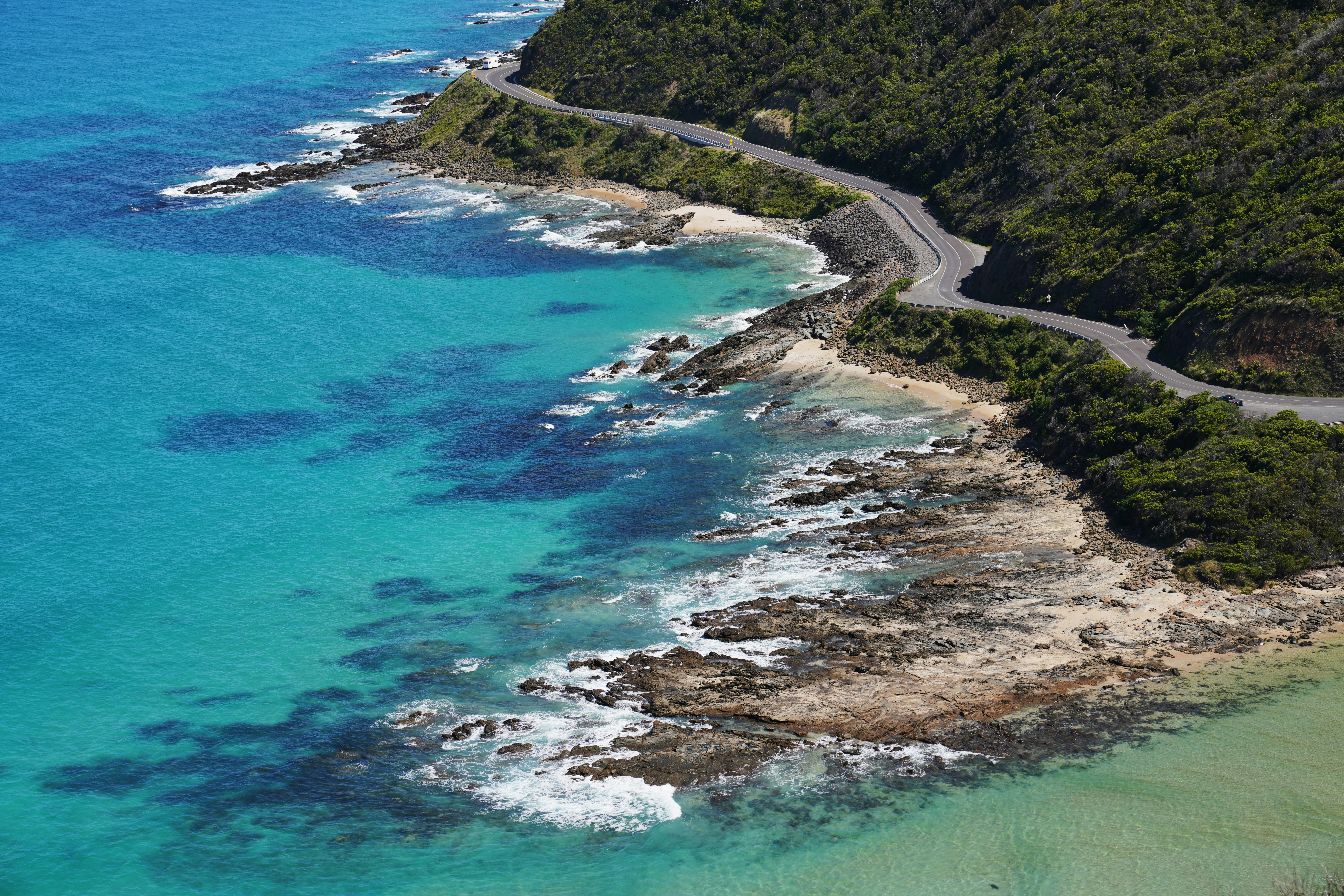
The Great Ocean Road hugs 243 kilometres of Victoria's coastline, curling past golden surf beaches, sheer cliffs, and the wind-carved limestone stacks of the Twelve Apostles.
The route swings from crashing Southern Ocean views to fern-draped rainforest in Otway National Park.
Koalas doze in roadside eucalypts near Kennett River, and small surf towns like Lorne and Apollo Bay make easy overnight stops.
How does it rate
CrowdsRomanceCash RequiredDangerAccessibilityWhy you should go
Sweeping coastal cliffs, rainforest and iconic rock stacks all on one accessible route from Melbourne.
Why you shouldn't go
Viewpoints near the Twelve Apostles get overwhelmed by tour buses in the middle of the day.
Plan your visit
Best time to visitShoulder seasons (Mar-Apr, Sep-Nov) for mild weather and thinner crowds; winter for whale watching.Best time of dayEarly morning at the Twelve Apostles, before tour coaches arrive mid-morning.Getting thereFly into Melbourne, hire a car, and drive an hour southwest to Torquay, the road's official starting point.Entry costFree to drive; rental car and fuel onlyTime needed3-4 daysBookingBook ahead →Insider tip — Detour to the Gibson Steps at dawn to see the Apostles from beach level before the crowds arrive at the clifftop lookouts. -
 #3586 /100
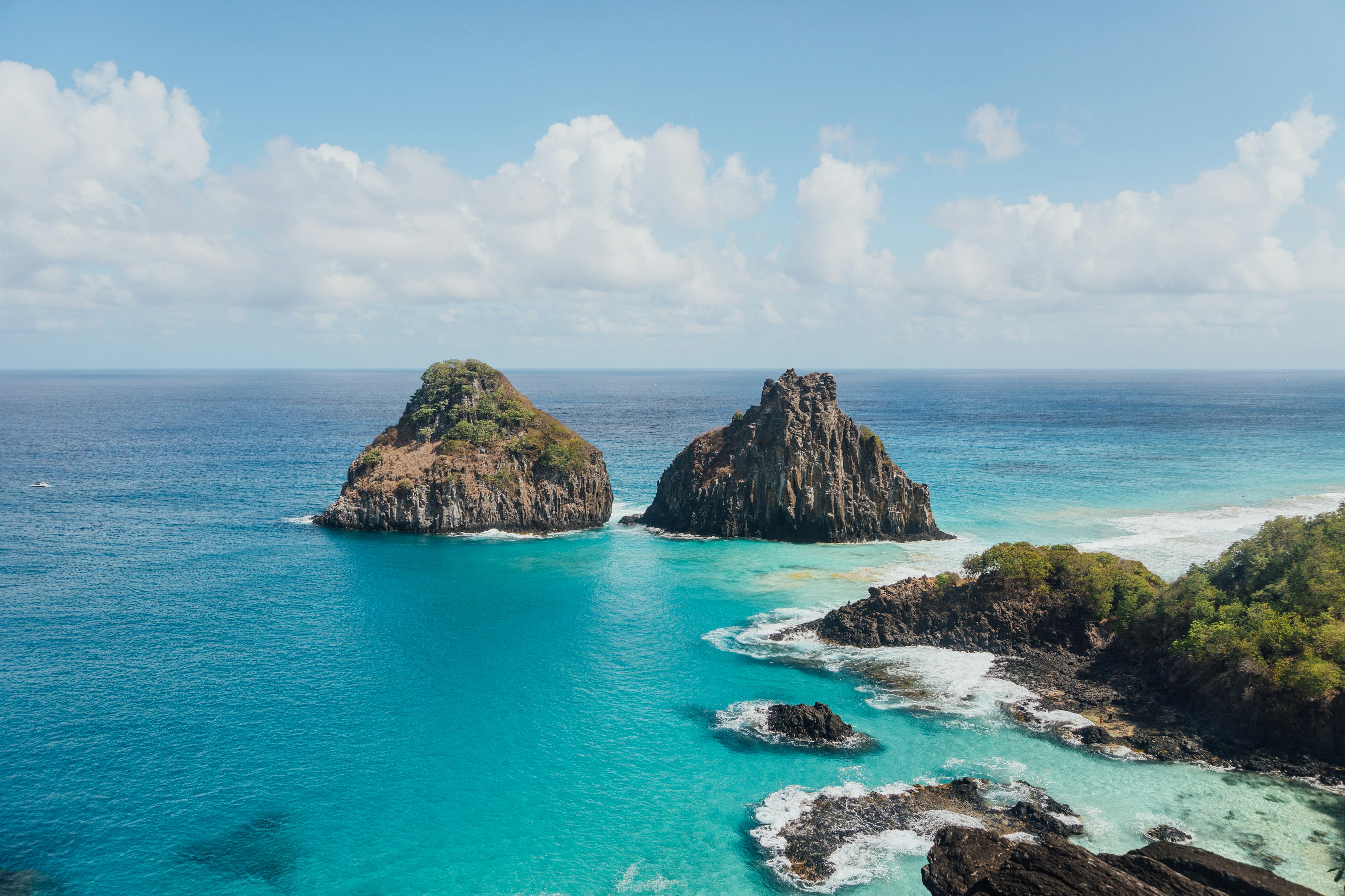
A volcanic archipelago 350km off Brazil's coast, this is regularly ranked among the world's best beaches, with clear water that reveals reef sharks and sea turtles from the shoreline.
A strict daily visitor cap and environmental tax keep the beaches close to empty even in high season.
Morro Dois Irmaos, twin volcanic peaks rising from the sea, anchor the view from almost every beach.
How does it rate
CrowdsRomanceCash RequiredDangerAccessibilityWhy you should go
Regularly ranked among the world's best beaches, kept nearly empty by a strict daily visitor cap.
Why you shouldn't go
A mandatory environmental tax plus limited flights make this one of the most expensive beach trips in Brazil.
Plan your visit
Best time to visitAugust-December, the dry season, for the clearest water.Best time of dayMorning, for calm water and the best snorkelling visibility.Getting thereFly via Recife or Natal; only small aircraft serve the island's single airstrip.Entry costEnvironmental preservation tax charged per day, plus a separate national park fee for some beaches.Time needed4-5 daysInsider tip — Book flights and accommodation well ahead - the daily visitor cap means the island sells out during Brazilian holiday periods. -
 #3686 /100
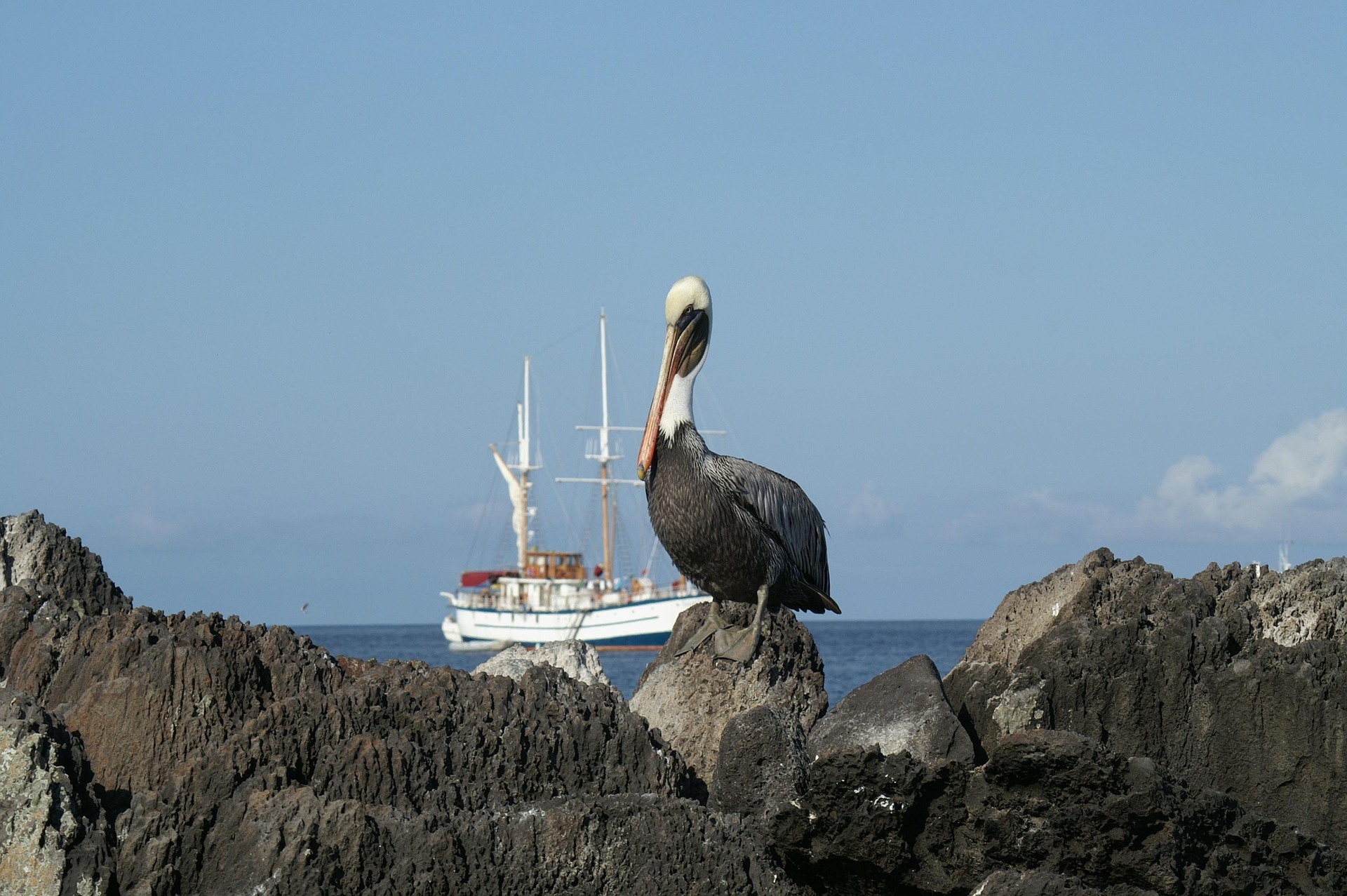
A small-ship cruise through the Galapagos archipelago, landing daily by dinghy on islands where sea lions, marine iguanas, and blue-footed boobies show no fear of visitors.
Charles Darwin's living laboratory looks much as it did when he arrived, thanks to strict limits on visitor numbers and permitted routes.
Snorkeling brings penguins and hammerhead sharks within arm's reach.
Each island differs sharply from the last in wildlife and landscape.
How does it rate
CrowdsRomanceCash RequiredDangerAccessibilityWhy you should go
Close, fearless encounters with sea lions, iguanas, and giant tortoises found nowhere else on Earth.
Why you shouldn't go
Strict permit limits keep prices high, and itineraries are fixed months ahead with little flexibility.
Plan your visit
Best time to visitYear-round destination; June-November for calmer seas and marine wildlife, December-May for warmer water.Best time of dayEarly morning landings, before the heat builds and animals are most active.Getting thereFly to Quito or Guayaquil, then a short flight to Baltra or San Cristobal to board the ship.Entry costIndicative $500-$1,500pp per day depending on ship classTime needed5-8 night cruiseInsider tip — Choose an 8-day itinerary over a 5-day one to reach the outer islands with the best wildlife; pack reef-safe sunscreen only, as regular sunscreen is banned in the marine reserve. -
 #3786 /100
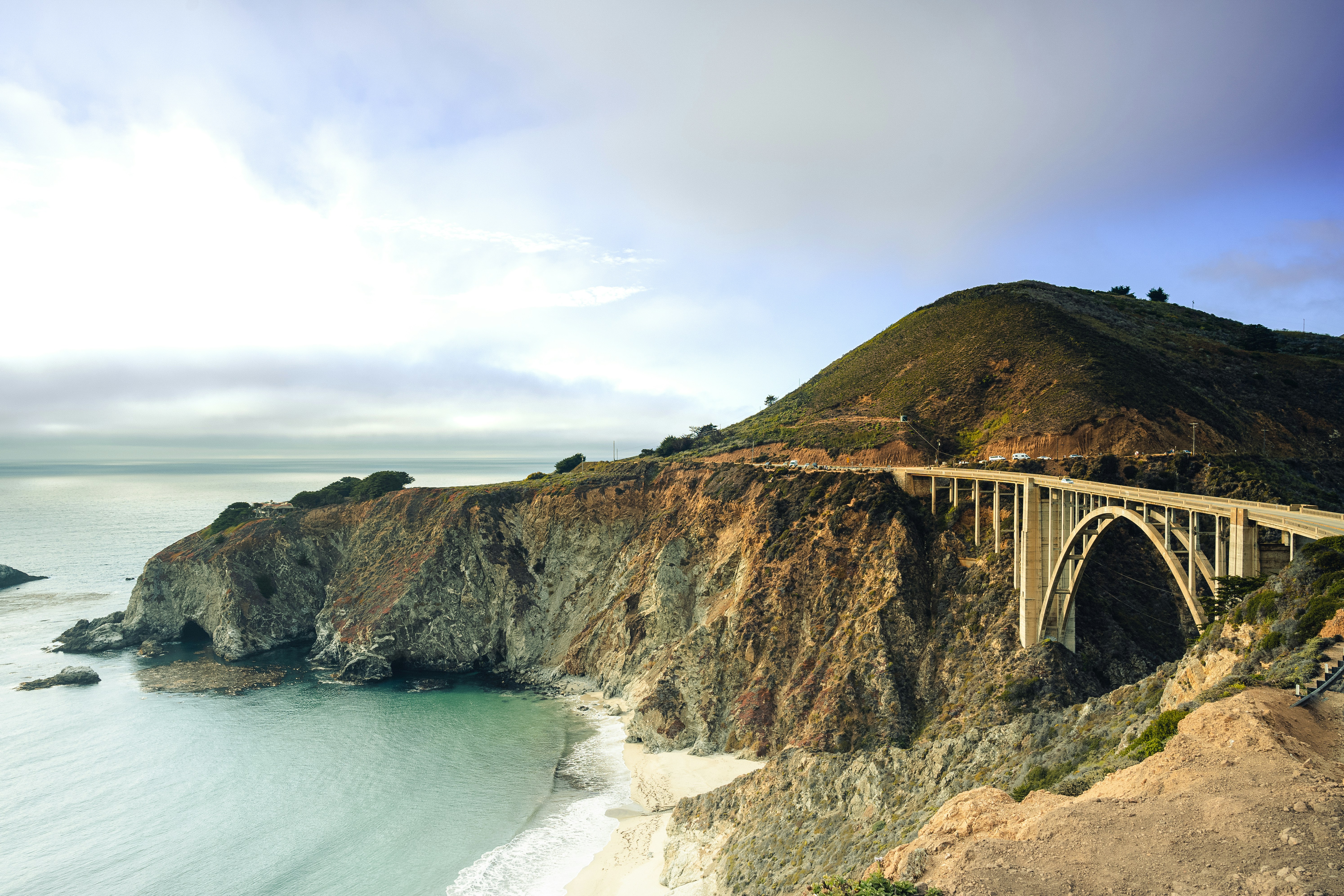
Highway 1 traces roughly 650 miles of California's Pacific edge, from Orange County's beach towns through the cliffs and redwood-backed switchbacks of Big Sur to the rugged Mendocino coast.
Bixby Bridge, McWay Falls, and pullouts over crashing surf make nearly every mile worth slowing for.
The road narrows to a single lane clinging to cliffside in Big Sur, and landslide closures are common enough that checking conditions beforehand is routine.
How does it rate
CrowdsRomanceCash RequiredDangerAccessibilityWhy you should go
Uninterrupted cliffside ocean views, with Big Sur's bridges and redwoods as the centrepiece.
Why you shouldn't go
Landslide closures around Big Sur are frequent and can force lengthy inland detours.
Plan your visit
Best time to visitSeptember-October for clear skies, fewer crowds, and reduced summer coastal fog.Best time of dayLate afternoon light along the Big Sur cliffs, an hour or two before sunset.Getting thereFly into Los Angeles or San Francisco, hire a car, and pick up Highway 1 at either end.Entry costFree to drive; some state park stops charge parking feesTime needed4-5 daysBookingBook ahead →Insider tip — Check Caltrans' QuickMap for landslide closures before you leave, and book Big Sur lodging months ahead - options are limited and fill fast. -
 #3886 /100
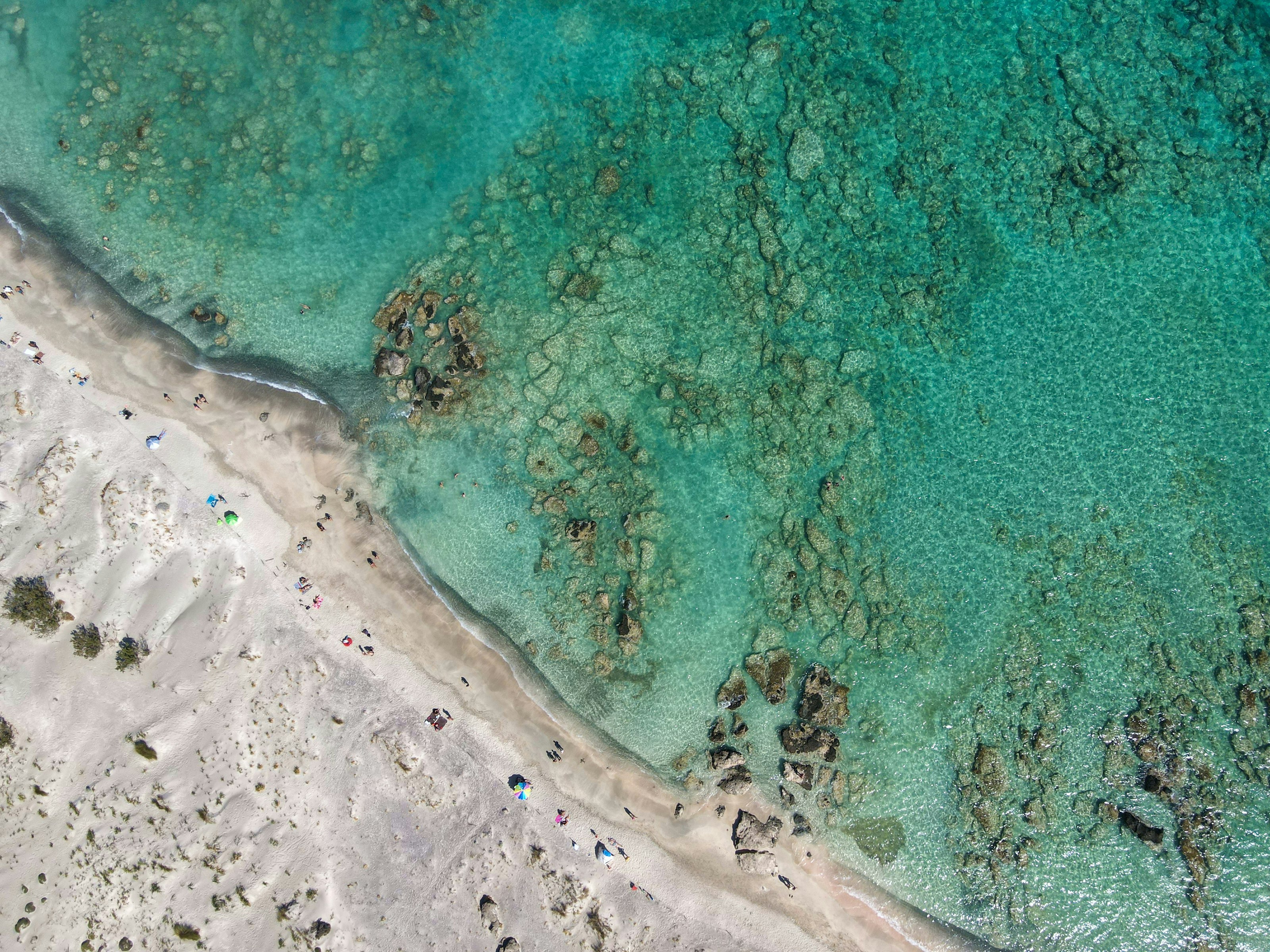
Elafonisi, on Crete's southwestern tip, is known for sand that turns pale pink where crushed coral mixes with white quartz, and a shallow lagoon warm and calm enough to wade across to a small offshore islet.
The water is startlingly clear and turquoise even by Greek island standards, and the beach's gentle slope makes it one of the easier stretches of coast for families with young children.
How does it rate
CrowdsRomanceCash RequiredDangerAccessibilityWhy you should go
Wading across a shallow, warm lagoon to pink-tinged sand is one of the most distinctive beach experiences in the Mediterranean.
Why you shouldn't go
It's a long drive from anywhere else on Crete, and the beach fills up fast once the day-trip buses arrive.
Plan your visit
Best time to visitMay–June or September for warm water without the peak-August crowds.Best time of dayEarly morning, before day-trip buses from Chania and Rethymno arrive by mid-morning.Getting thereFly to Chania; roughly 1.5–2-hour drive along the southwest coast road.Entry costFree beach; parking near the entrance charges a small fee in summer.Time neededHalf a dayInsider tip — Walk past the crowded main stretch toward the far end near the islet — the sand and water are just as good and far quieter. -
 #3985 /100
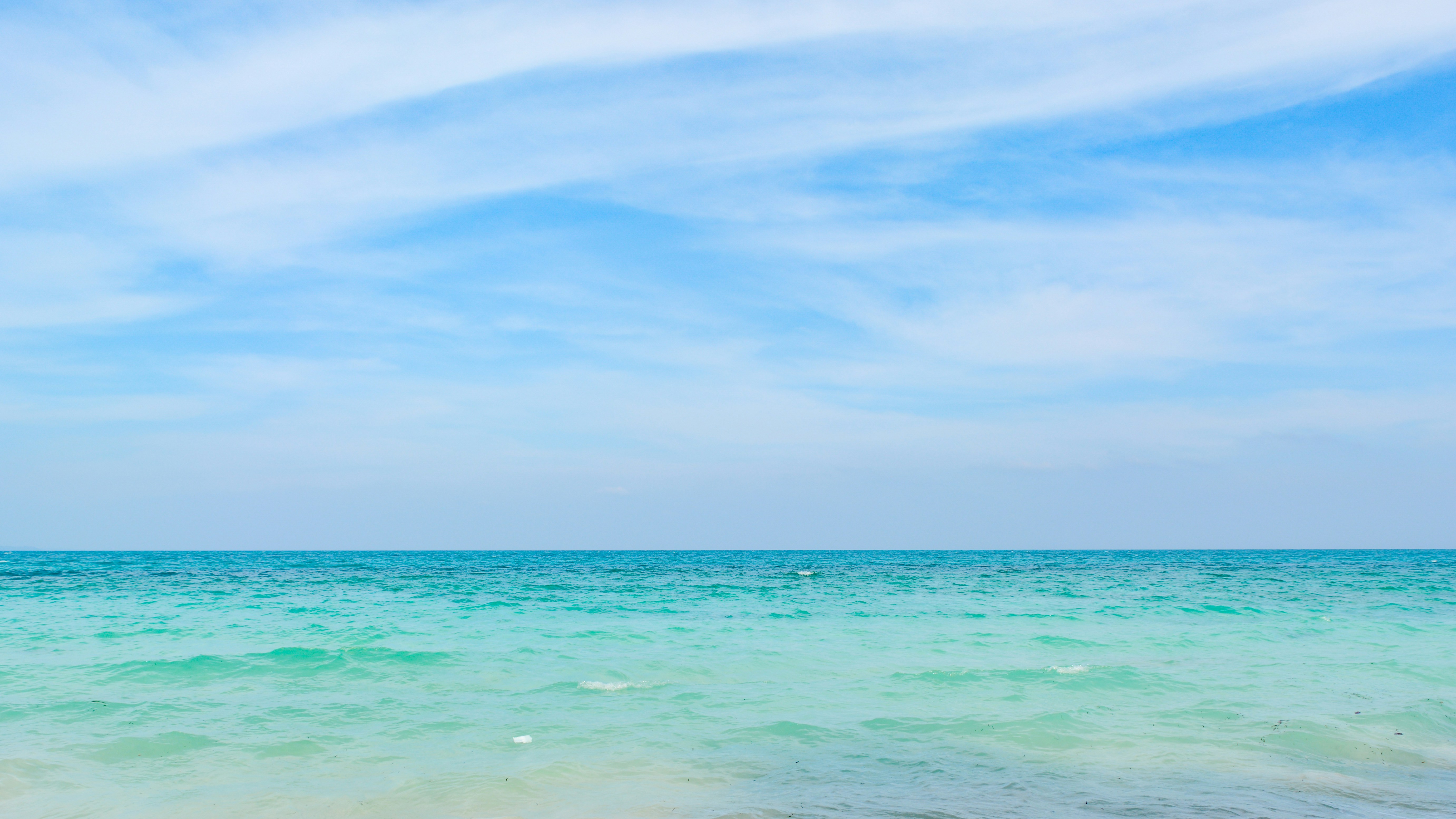
A two-kilometre arc of white sand on Havelock Island backed by dense rainforest, with water that shifts from pale turquoise to deep blue at the reef line.
Time magazine once named it Asia's best beach, and sunset here - sun dropping straight into the Andaman Sea with no development in sight - remains the main draw.
It takes real effort to reach, which keeps it far less crowded than its reputation suggests.
How does it rate
CrowdsRomanceCash RequiredDangerAccessibilityWhy you should go
Named Asia's best beach, with untouched rainforest backing two kilometres of white sand and a clean sunset over open water.
Why you shouldn't go
Reaching Havelock Island takes a flight plus a ferry, so it's a multi-day commitment, not a day trip.
Plan your visit
Best time to visitNovember-April, outside the monsoon season.Best time of daySunset, when the beach empties out and the sky over the water turns orange.Getting thereFly to Port Blair, then a 1.5-2 hour ferry to Havelock Island (Swaraj Dweep).Entry costFree.Time neededHalf a day.Insider tip — Walk 10 minutes north past the main entrance to have long stretches of the same sand almost entirely to yourself. -
 #40
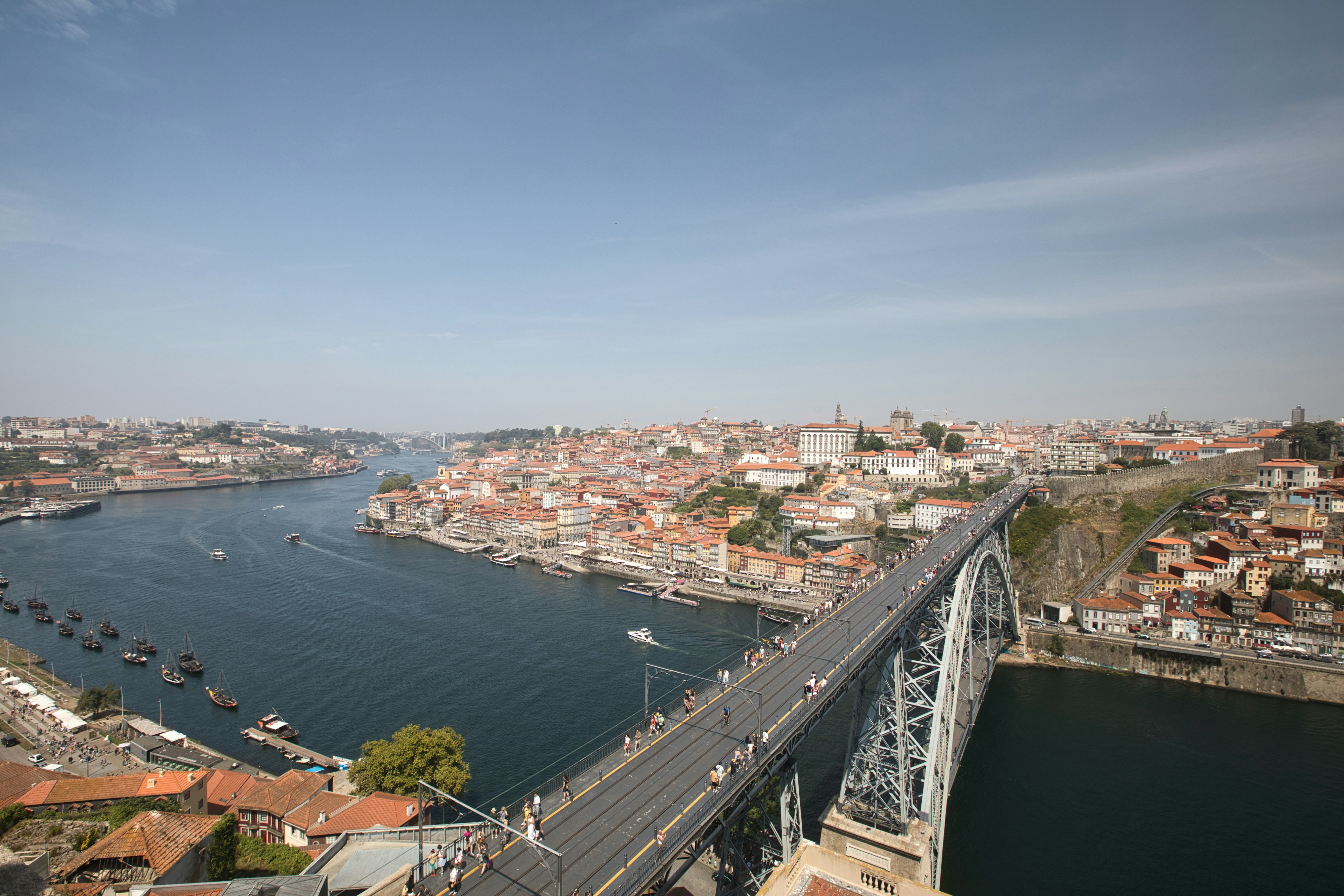
#40Terracotta-roofed houses stack up the steep riverbank of the Douro in Porto's Ribeira district, a tangle of narrow lanes barely changed since medieval times.
The double-decked Dom Luis I Bridge, engineered by a student of Gustave Eiffel, carries a metro line across the top and traffic below.
Port lodges line the far bank at Vila Nova de Gaia, where the wine is still aged, blended and tasted.
How does it rate
CrowdsRomanceCash RequiredDangerAccessibilityWhy you should go
A riverside old town stacked up a hillside, framed by an Eiffel-style double-decked bridge.
Why you shouldn't go
The Ribeira district's steep, narrow streets and stairs aren't an easy walk for anyone with mobility limits.
Plan your visit
Best time to visitMay-June or September, for mild weather and thinner crowds than summer.Best time of dayLate afternoon, when the light hits the Ribeira's terracotta rooftops.Getting thereFly into Porto Airport; the metro reaches the city centre in about 30 minutes.Entry costFree to walk the Ribeira; port wine cellar tours charge separately.Time needed2-3 daysInsider tip — Cross the upper deck of the Dom Luis I Bridge on foot for the best elevated view back over the Ribeira and the river. -
 #4185 /100
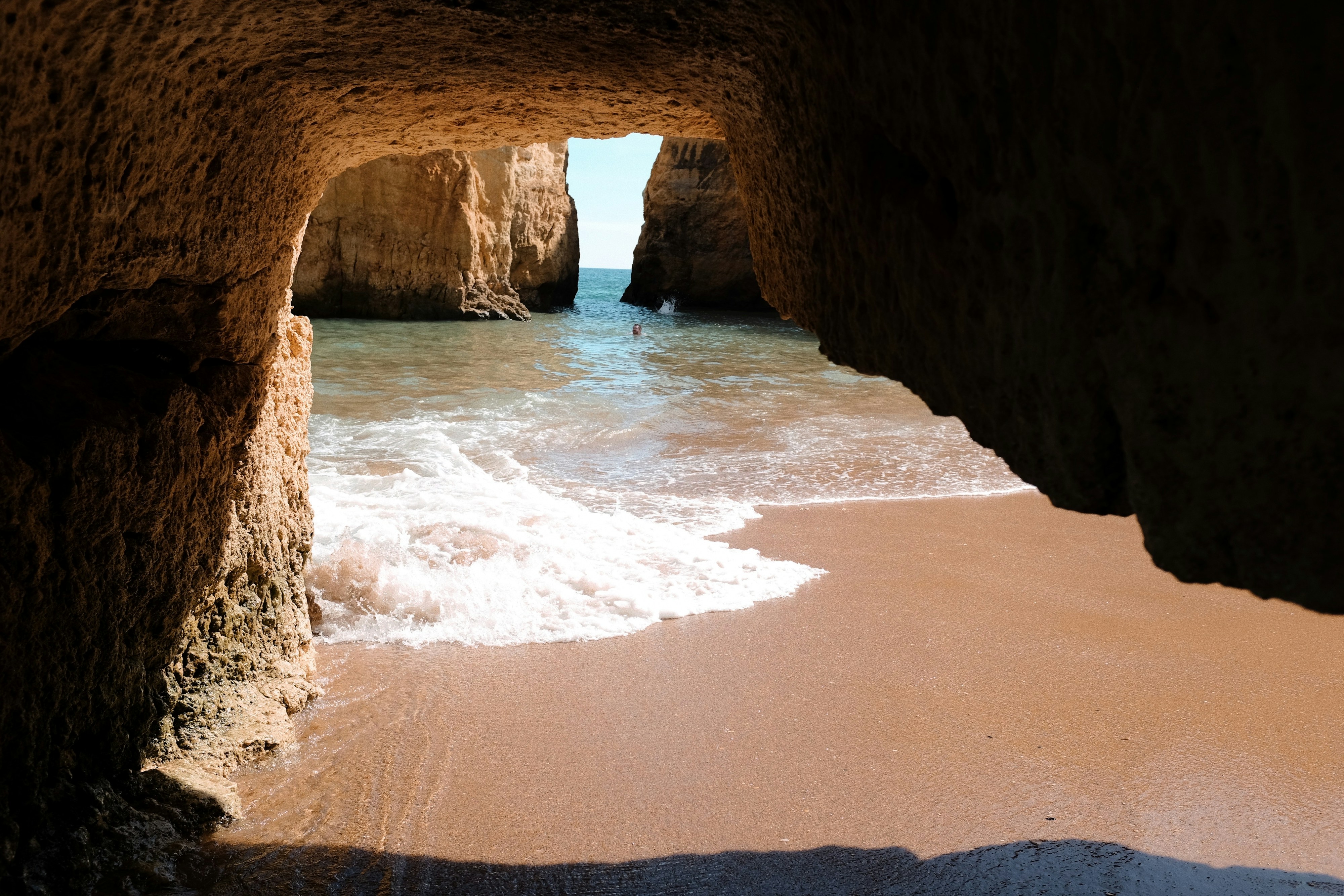
Golden limestone cliffs riddled with sea caves and arches line this stretch of southern Portuguese coast, best known for the Benagil Cave's near-perfect circular skylight.
Small boats and kayaks squeeze through narrow rock archways to reach hidden beaches accessible no other way.
The cliffs shift from ochre to deep orange depending on the light.
How does it rate
CrowdsRomanceCash RequiredDangerAccessibilityWhy you should go
A sea cave with a natural circular skylight, reachable only by boat, kayak or a swim.
Why you shouldn't go
Benagil Cave has no beach access on foot - reaching it always means a boat, kayak or paddleboard trip.
Plan your visit
Best time to visitMay-June or September, for warm weather without peak-summer crowds.Best time of dayMorning, for calmer water and better cave lighting before afternoon boat traffic builds.Getting thereFly into Faro; drive or taxi to Benagil (about 45 minutes).Entry costBoat or kayak tour to the cave, typically EUR20-40 per person.Time neededHalf a dayInsider tip — Book an early-morning kayak tour rather than an afternoon boat trip - the cave gets genuinely congested with boats by midday in summer. -
 #4285 /100
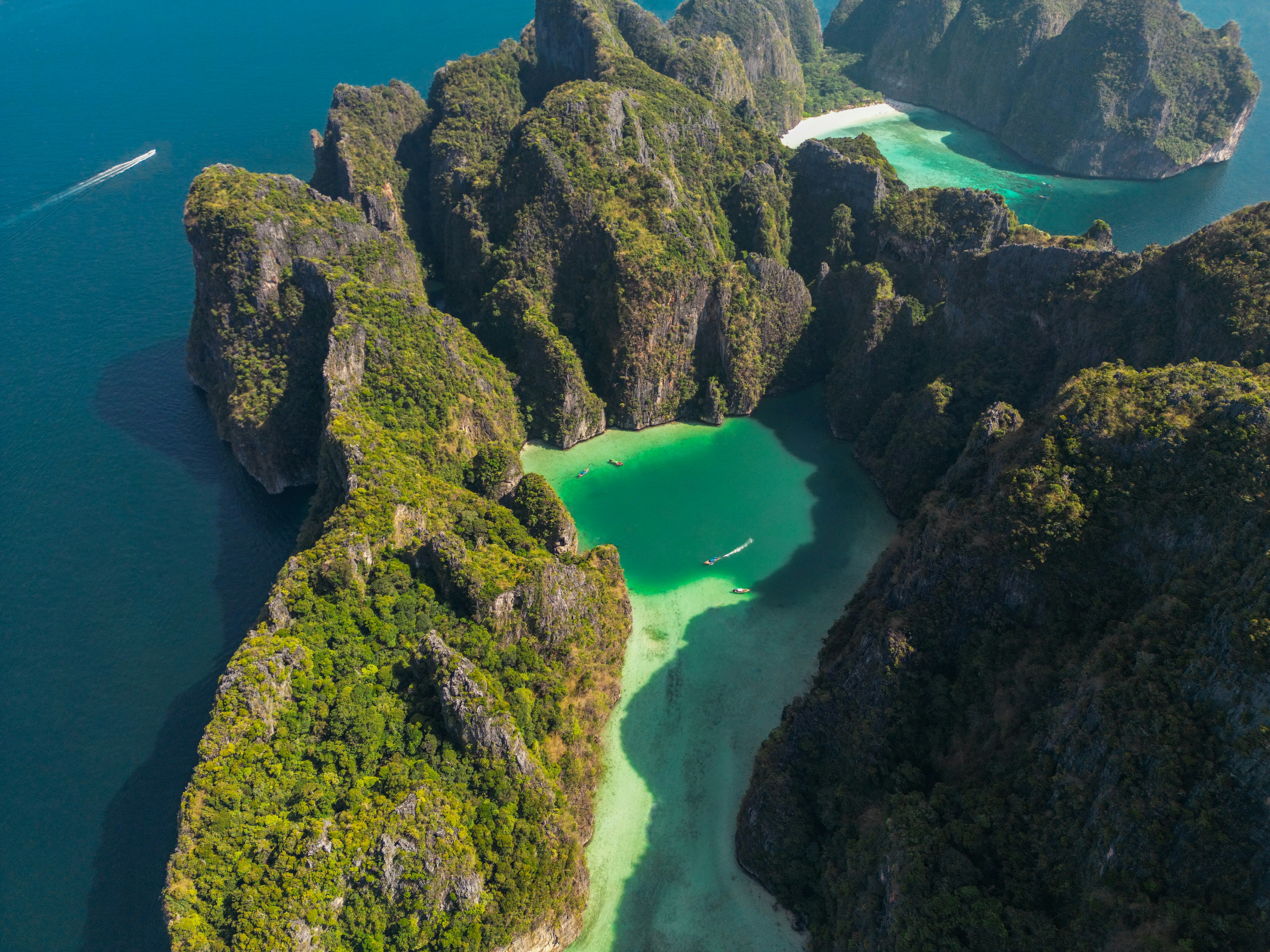
Limestone cliffs plunge into an impossibly turquoise bay at Maya Bay, made famous by the film The Beach and now managed with timed entry after years of coral damage.
The viewpoint above Tonsai village looks down on two curved beaches meeting either side of a single narrow isthmus.
Snorkelling among the karsts, longtail boat trips and a loud late-night bar scene make up the rest of the island.
How does it rate
CrowdsRomanceCash RequiredDangerAccessibilityWhy you should go
The postcard limestone-bay shot that put Southeast Asian island travel on the map.
Why you shouldn't go
Maya Bay's popularity led to swimming restrictions and timed entry after coral damage.
Plan your visit
Best time to visitNovember-April, dry season with the calmest seas.Best time of dayEarly morning for Maya Bay (before boat quotas fill); late afternoon for the viewpoint.Getting thereFerry from Phuket or Krabi; no airport on the island itself.Entry costNational park fee applies to Maya Bay; viewpoint hike is free.Time needed2-3 daysInsider tip — Climb the Phi Phi Viewpoint at sunrise before tour groups arrive - it's a steep 20-minute stair climb but empties out by 7am. -
 #43
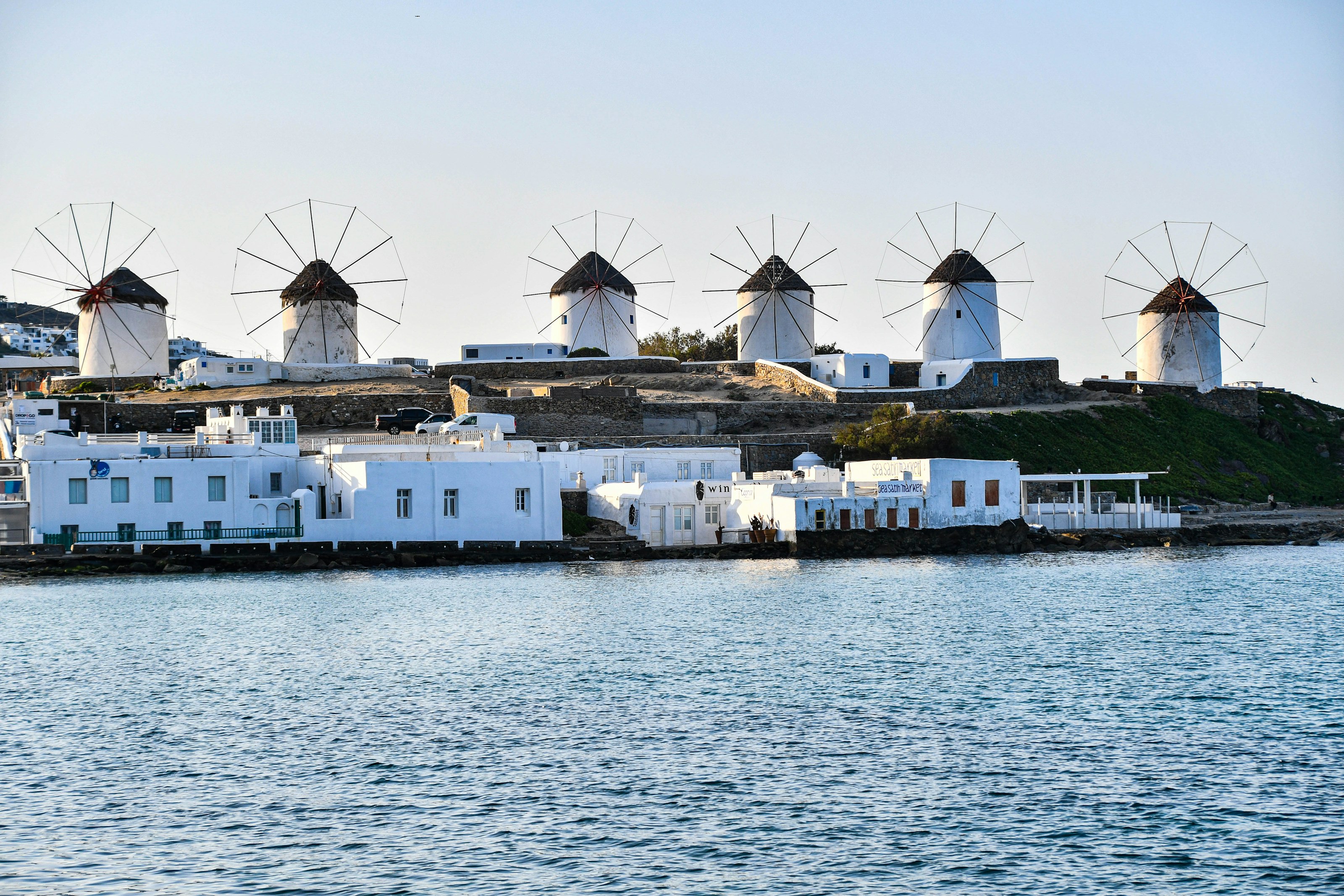
#43Mykonos built its reputation on whitewashed alleys, the row of windmills overlooking the harbour, and a nightlife scene that runs from beach clubs by day to bars in Chora by night.
Little Venice's balconied houses sit almost in the water, and beaches like Paradise and Psarou draw a see-and-be-seen crowd through the summer.
Away from the party scene, quieter coves and Cycladic villages inland offer a calmer version of the same island.
How does it rate
CrowdsRomanceCash RequiredDangerAccessibilityWhy you should go
The combination of postcard Cycladic architecture and genuinely lively nightlife makes Mykonos unlike any other Greek island.
Why you shouldn't go
Prices and crowds both spike hard in July and August, and the party reputation isn't for everyone.
Plan your visit
Best time to visitLate May–June or September for good weather without peak-season crowds and prices.Best time of daySunset over the windmills in Little Venice; night for the bar and club scene.Getting thereFly direct to Mykonos, or take a 2.5–5-hour ferry from Athens' Piraeus port.Entry costFree to walk the town and beaches; beach club sunbeds and nightlife are expensive.Time needed2–3 daysInsider tip — Stay in Chora but head to a quieter northern beach like Fokos for swimming — the crowds cluster almost entirely on the south coast. -
 #4485 /100
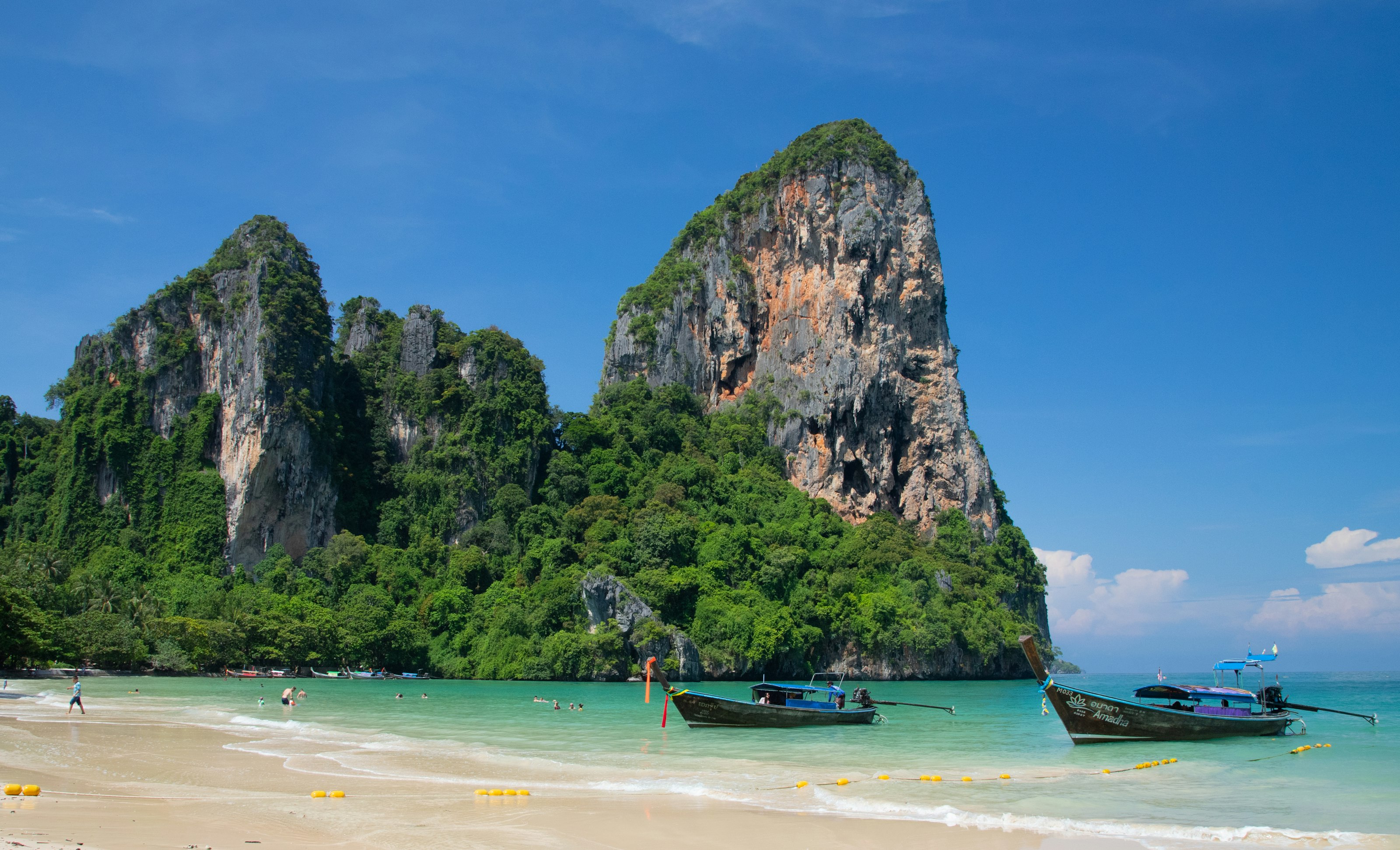
Railay is a small peninsula near Krabi cut off from the mainland by sheer limestone cliffs, reachable only by longtail boat despite technically being attached to the mainland.
Towering karst formations ring beaches of soft white sand and clear water, and the cliffs themselves have made Railay one of the world's best-known rock-climbing destinations, with routes for complete beginners up to experienced climbers.
How does it rate
CrowdsRomanceCash RequiredDangerAccessibilityWhy you should go
Climbing a limestone cliff straight out of the sea, with a swim waiting at the bottom, is a combination almost nowhere else offers.
Why you shouldn't go
Everything arrives by boat, so prices for food and rooms run higher than comparable spots reachable by road.
Plan your visit
Best time to visitNovember–March, dry season with calm seas for the boat crossing.Best time of dayEarly morning for climbing before the heat, late afternoon for the beach and sunset.Getting thereFly to Krabi; 30-minute drive to Ao Nang, then a 15-minute longtail boat to Railay.Entry costFree beaches; climbing gear rental and guided routes are paid, as is the boat transfer.Time needed1–2 daysInsider tip — Book a half-day climbing course even as a complete beginner — routes right off the beach are graded easy and the setting makes it worthwhile regardless of skill. -
 #4584 /100
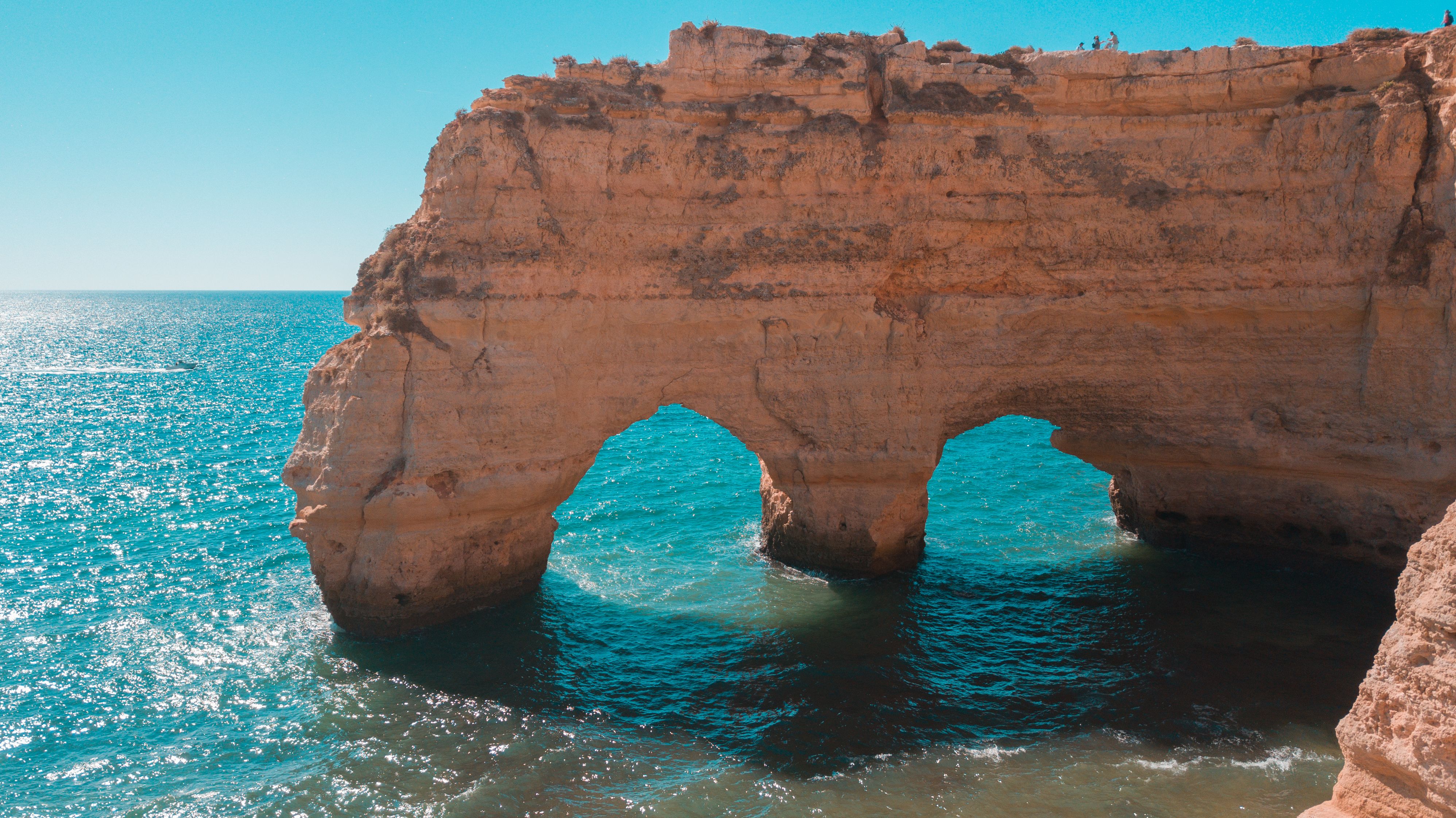
Regularly ranked among Europe's best beaches, this small Algarve cove sits below golden limestone cliffs riddled with arches and sea stacks.
A clifftop walking trail runs the length of the coastline above, and a flight of stairs drops to a narrow strip of sand that fills quickly once the day gets going.
The sheltered, clear water makes for excellent snorkelling around the rock formations.
How does it rate
CrowdsRomanceCash RequiredDangerAccessibilityWhy you should go
Golden limestone arches and sea stacks make this one of the most photographed stretches of coastline in Europe.
Why you shouldn't go
The beach itself is small and narrow, so it fills up quickly once the day-trip crowds arrive.
Plan your visit
Best time to visitMay-June or September for warm water without the August crush.Best time of dayEarly morning, both for the light on the cliffs and to beat the crowds down the stairs.Getting thereFly to Faro; a 45-minute drive to Benagil/Carvoeiro, then a short walk to the clifftop viewpoint or stairs.Entry costFree.Time needed2-3 hours.Insider tip — The clifftop viewpoint (Miradouro da Praia da Marinha) gives the classic photo without needing to fight for space on the sand below. -
 #46
#46Rated #46 of 100
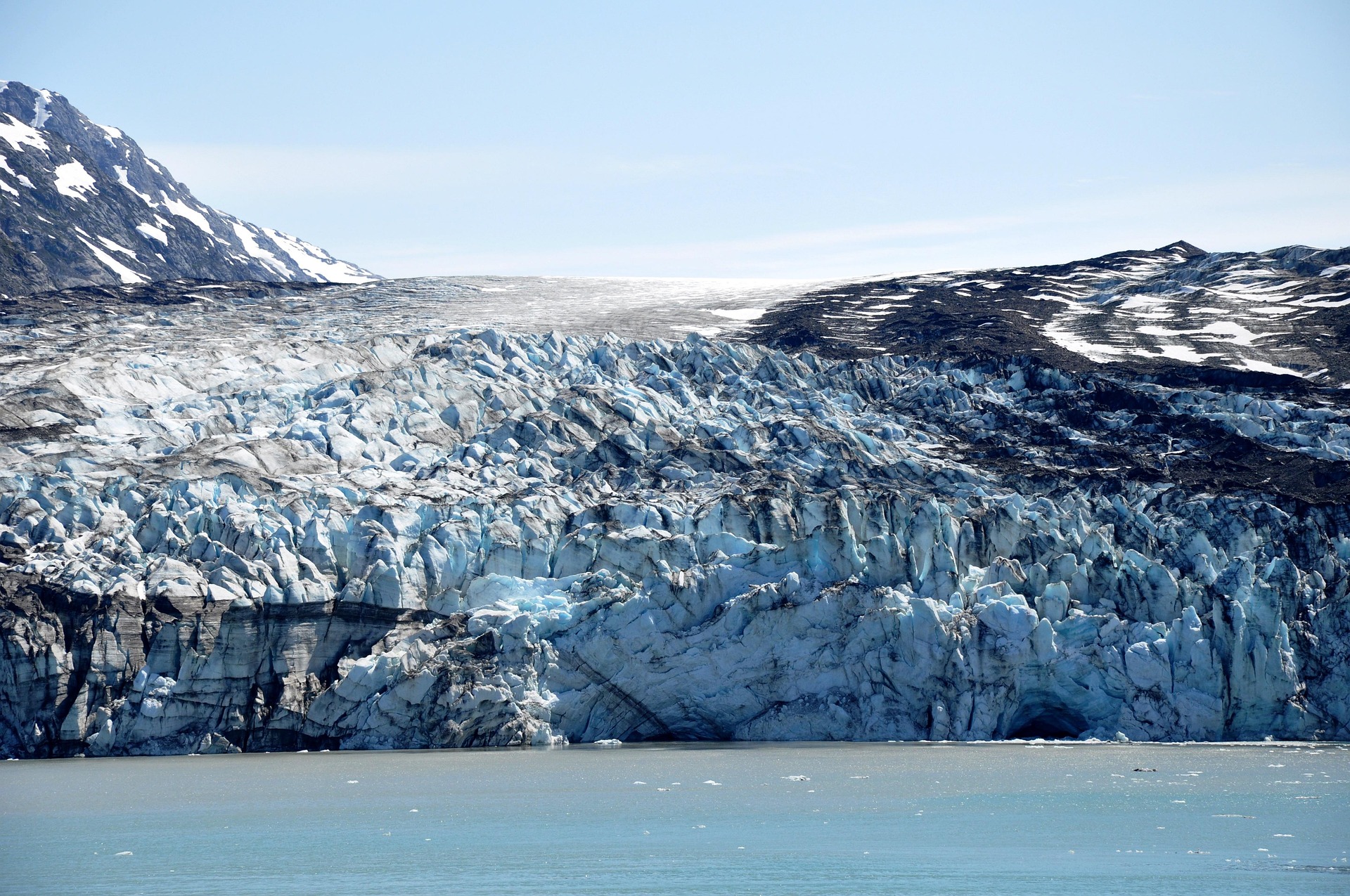
Alaska Inside Passage Cruise, the United States
#alaskainsidepassagecruise ◆ Cruises84 /100A week-long sail through Southeast Alaska's fjords, where tidewater glaciers calve into the sea and humpback whales breach beside the ship.
Ports like Juneau, Skagway, and Ketchikan mix gold-rush history with float-plane flightseeing over ice fields.
Bald eagles, sea otters, and porpoises are common sightings from the open deck.
Weather shifts fast, turning misty mornings into golden evening light on snow-capped peaks.
How does it rate
CrowdsRomanceCash RequiredDangerAccessibilityWhy you should go
Glaciers, whales, and snow-capped fjords viewed from the deck without a single long-haul flight of your own.
Why you shouldn't go
Cabin prices spike in peak summer weeks and weather can cancel glacier viewing or shore excursions.
Plan your visit
Best time to visitMid-June to July for the longest daylight and best glacier calving; May and September are cheaper.Best time of dayEarly morning, when glacier fjords are calmest and wildlife is most active.Getting thereFly into Seattle or Vancouver; ships depart from downtown cruise terminals, no further transfer needed.Entry costIndicative $3,500-$6,500pp for a 7-night cruise with excursionsTime needed7-night cruiseInsider tip — Book a balcony cabin on the port (left) side sailing northbound from Vancouver for the best glacier and coastline views; bring binoculars for whale spotting and layer clothing for sudden weather changes. -
 #4784 /100
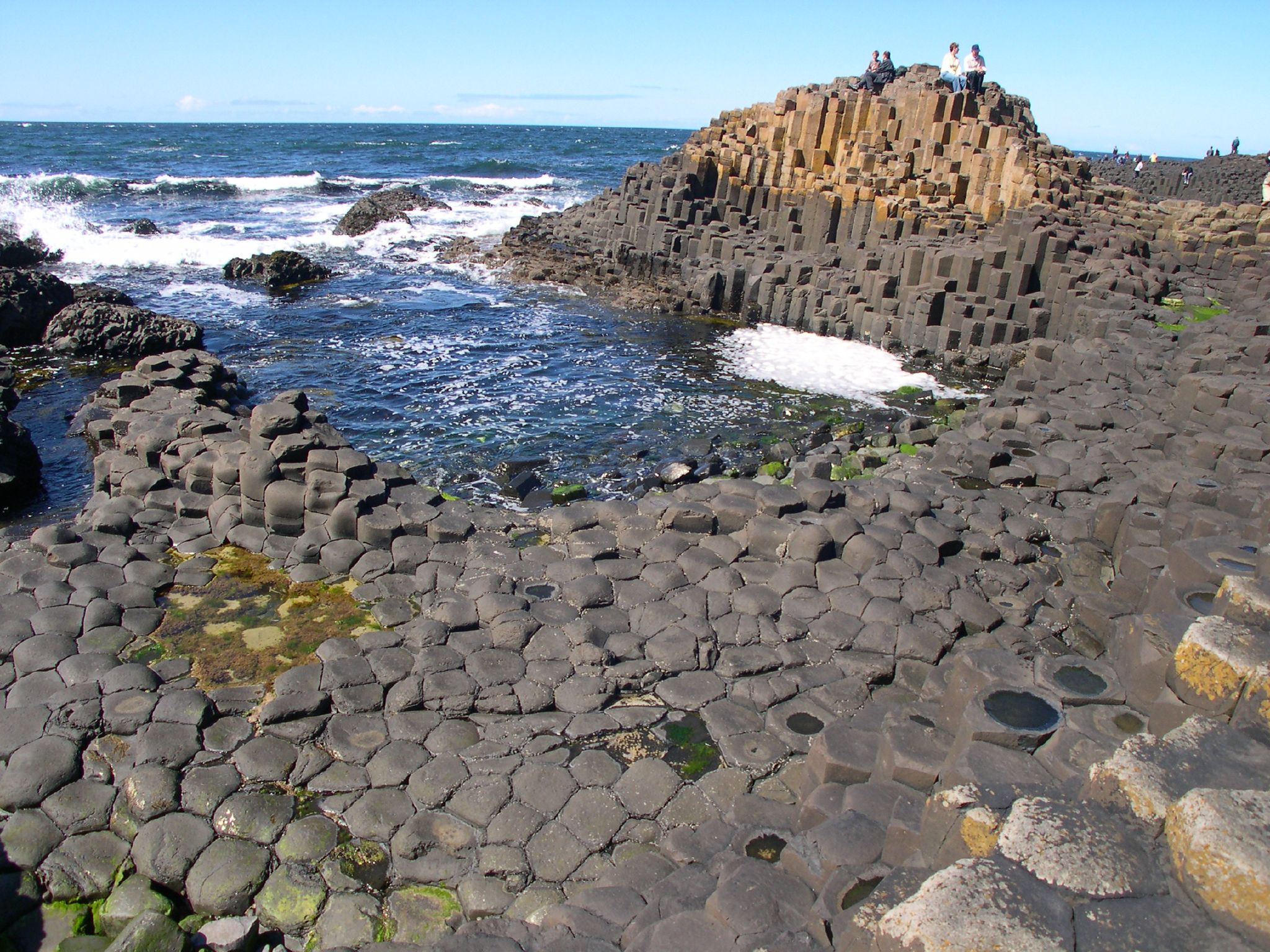
The Giant's Causeway is an area of approximately 40,000 interlocking basalt columns on the Antrim coast of Northern Ireland, formed by an ancient volcanic fissure eruption.
The hexagonal columns, which fit together with extraordinary geometric precision, were created around 50-60 million years ago and have inspired countless legends.
How does it rate
CrowdsRomanceCash RequiredDangerAccessibilityWhy you should go
The perfectly interlocking hexagonal basalt columns look so geometrically precise they seem man-made; the coastal setting and the legends surrounding them add to the atmosphere.
Why you shouldn't go
The site can be very crowded and the National Trust visitor centre charges for parking; the columns themselves are best appreciated on a bright day.
Plan your visit
Best time to visitSpring or autumnBest time of dayGolden hour, especially with a stormy skyGetting there~1hr drive from BelfastEntry costFree to the causeway itself; visitor centre chargesTime needed1.5-2 hoursInsider tip — Skip the visitor centre if on a budget; the causeway stones are freely accessible via the coastal path -
 #48
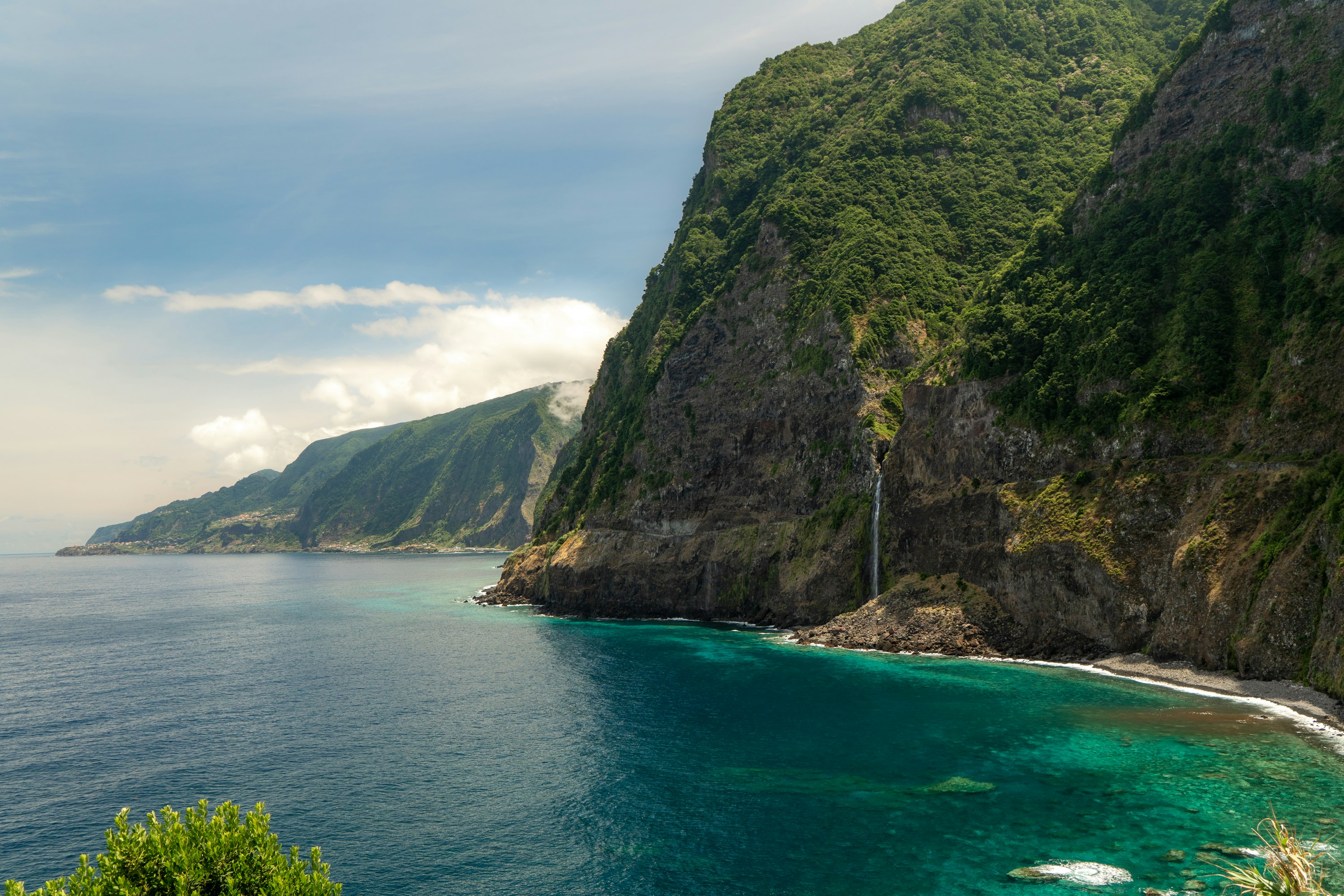
#48A volcanic island in the mid-Atlantic nicknamed the "floating garden," Madeira packs cloud forest, terraced vineyards, and sea cliffs over 500 metres tall into an area smaller than greater London.
A 19th-century irrigation network of levadas laces the interior with walking trails through laurel forest and past hidden waterfalls, while a glass skywalk cantilevers out over Cabo Girão, one of Europe's highest sea cliffs.
How does it rate
CrowdsRomanceCash RequiredDangerAccessibilityWhy you should go
Levada trails, laurel forest, and dramatic cliffs pack in more landscape variety than an island this size should have.
Why you shouldn't go
Terrain is steep throughout the interior; reaching the best trails and viewpoints generally requires a rental car.
Plan your visit
Best time to visitApril–October for reliably dry trails; the mild year-round climate also suits winter breaks.Best time of dayMorning, before afternoon cloud typically rolls in over the higher levadas and viewpoints.Getting thereFly directly to Madeira Airport near Funchal; a rental car is the practical way to reach most levadas and viewpoints.Entry costFree to hike most levadas; Cabo Girão skywalk and cable cars charge a small fee.Time needed3–5 daysInsider tip — Levada do Caldeirão Verde is one of the most rewarding walks — start early to beat tour groups and have the waterfall to yourself. -
 #4983 /100
Bryggen is the old Hanseatic wharf on Bergen's harbour, a row of narrow, brightly painted wooden warehouses rebuilt after fires since the 14th century and listed by UNESCO since 1979.
The buildings now hold workshops, galleries and restaurants behind their tilted timber frames, and the wharf sits at the centre of a lively harbour city ringed by seven mountains.
Compact enough to explore in an hour, longer with the Hanseatic Museum.
How does it rate
CrowdsRomanceCash RequiredDangerAccessibilityWhy you should go
Six centuries of Hanseatic trading history packed into one unmistakably colourful waterfront row.
Why you shouldn't go
Small area that gets swamped when a cruise ship is in port; some interiors visibly lean with age.
Plan your visit
Best time to visitMay-September for daylight and open museums; September brings milder crowds than midsummer.Best time of dayEarly morning or after 5pm, once tour groups from the cruise terminal have thinned out.Getting thereFly to Bergen Airport Flesland; a 30-minute bus or taxi into the city centre, then walk to the harbour.Entry costFree to walk; Hanseatic Museum and Schøtstuene charge separate entry.Time needed1-2 hours, half a day with museumsInsider tip — Walk through to the narrow passageways between the front-row buildings - the tilted floors and old pulleys are more interesting than the harbour-facing facades everyone photographs from the quay. -
 #5083 /100
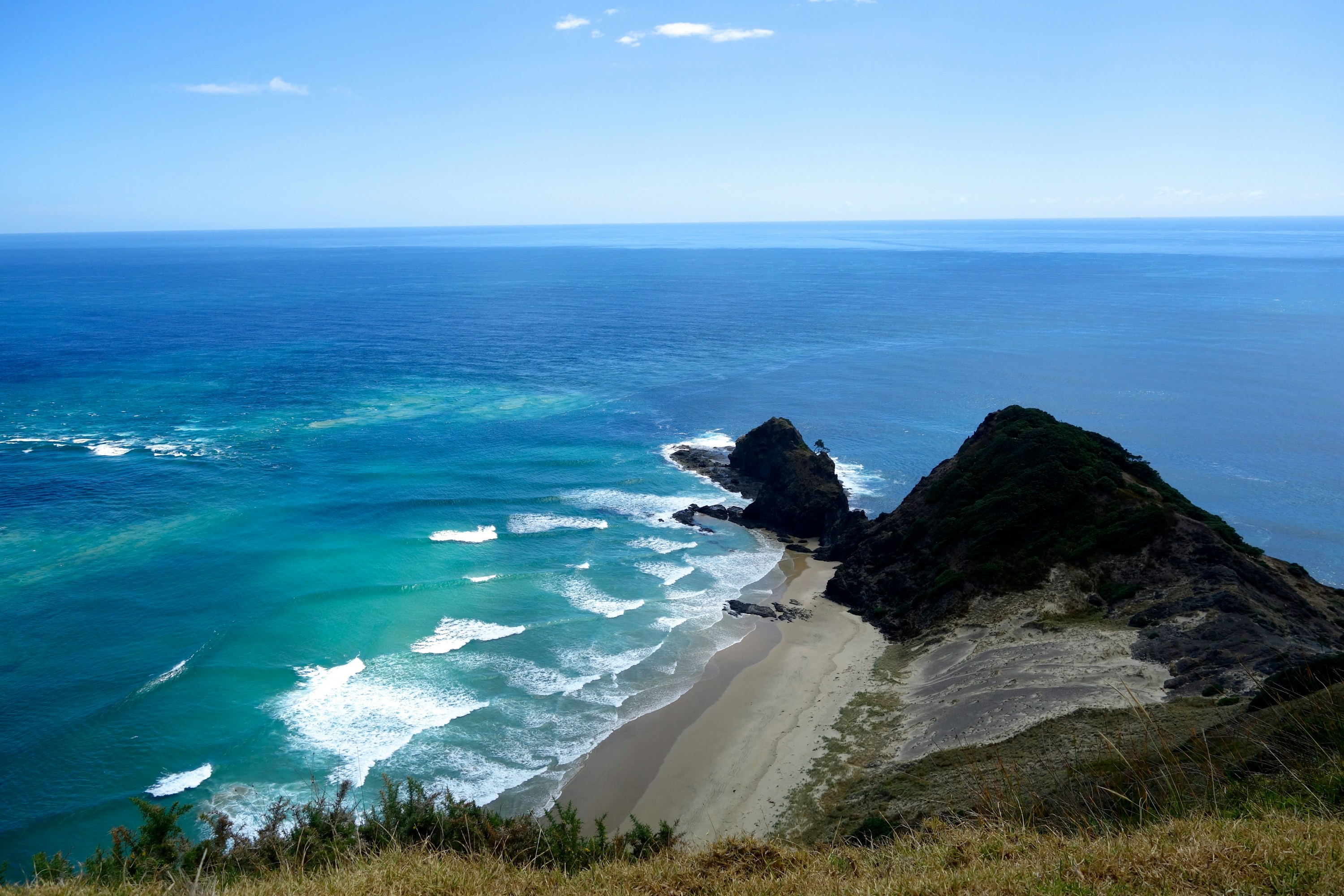
Bay of Islands is a sheltered stretch of Northland coastline scattered with around 144 subtropical islands, sandy coves and clear, sailable water.
Paihia and Russell serve as bases for game fishing, dolphin cruises and trips through the natural archway at Piercy Island, and the nearby Waitangi Treaty Grounds mark where New Zealand's founding document was signed in 1840.
It rewards a slower visit by boat rather than a quick stop on shore.
How does it rate
CrowdsRomanceCash RequiredDangerAccessibilityWhy you should go
144 subtropical islands, warm sailing water and genuine national history in one bay.
Why you shouldn't go
Cruises and island stays add up quickly, and summer weekends get busy with boat traffic.
Plan your visit
Best time to visitDecember-March for warm swimming weather; shoulder months are quieter and still mild.Best time of dayMorning, when the water is calmest and cruise boats first head out.Getting thereFly to Kerikeri Airport (25 min to Paihia) or drive about 3.5 hours north from Auckland to Paihia or Russell.Entry costFree to visit the coastline; boat cruises and island tours are priced separately.Time neededA full day; 2-3 days to properly explore by boat.Insider tip — Catch the passenger ferry from Paihia to Russell instead of driving around the bay - it's cheaper and quicker, and Russell's waterfront is worth the walk. -
 #5183 /100
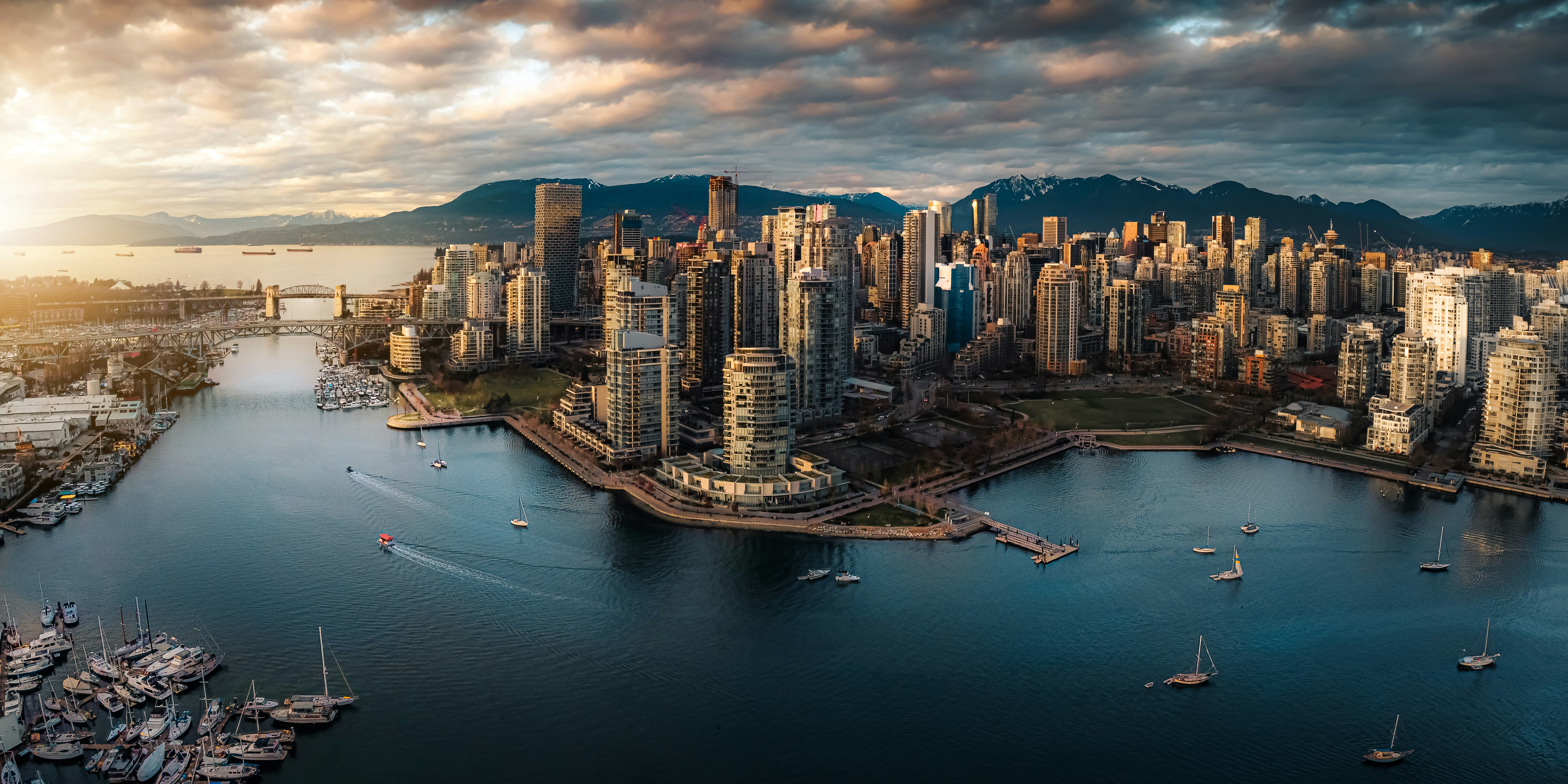
A glass-towered harbour city wedged between the Coast Mountains and the Pacific, where downtown ends abruptly at the seawall and North Shore peaks rise directly across the water.
Stanley Park's rainforest and shoreline path wrap the downtown peninsula, while Granville Island's public market sits a short ferry hop across False Creek.
Vancouver pairs an outdoor-focused lifestyle with skiing, hiking and beaches within a short drive of downtown.
How does it rate
CrowdsRomanceCash RequiredDangerAccessibilityWhy you should go
A compact downtown where mountains, ocean and rainforest are all within walking distance of the office towers.
Why you shouldn't go
One of the most expensive cities in North America for both accommodation and everyday costs.
Plan your visit
Best time to visitJune-September for reliably dry weather; ski season runs December-March on the North Shore mountainsBest time of dayLate afternoon on the seawall for sunset over English BayGetting thereFly into Vancouver International Airport (YVR); the Canada Line train connects the airport to downtown in about 25 minutes.Entry costFree to explore; individual attractions and transit charge separatelyTime needed3-4 daysInsider tip — Rent a bike and ride the Stanley Park seawall counter-clockwise in the early morning before the path fills with pedestrians and tour groups. -
 #52
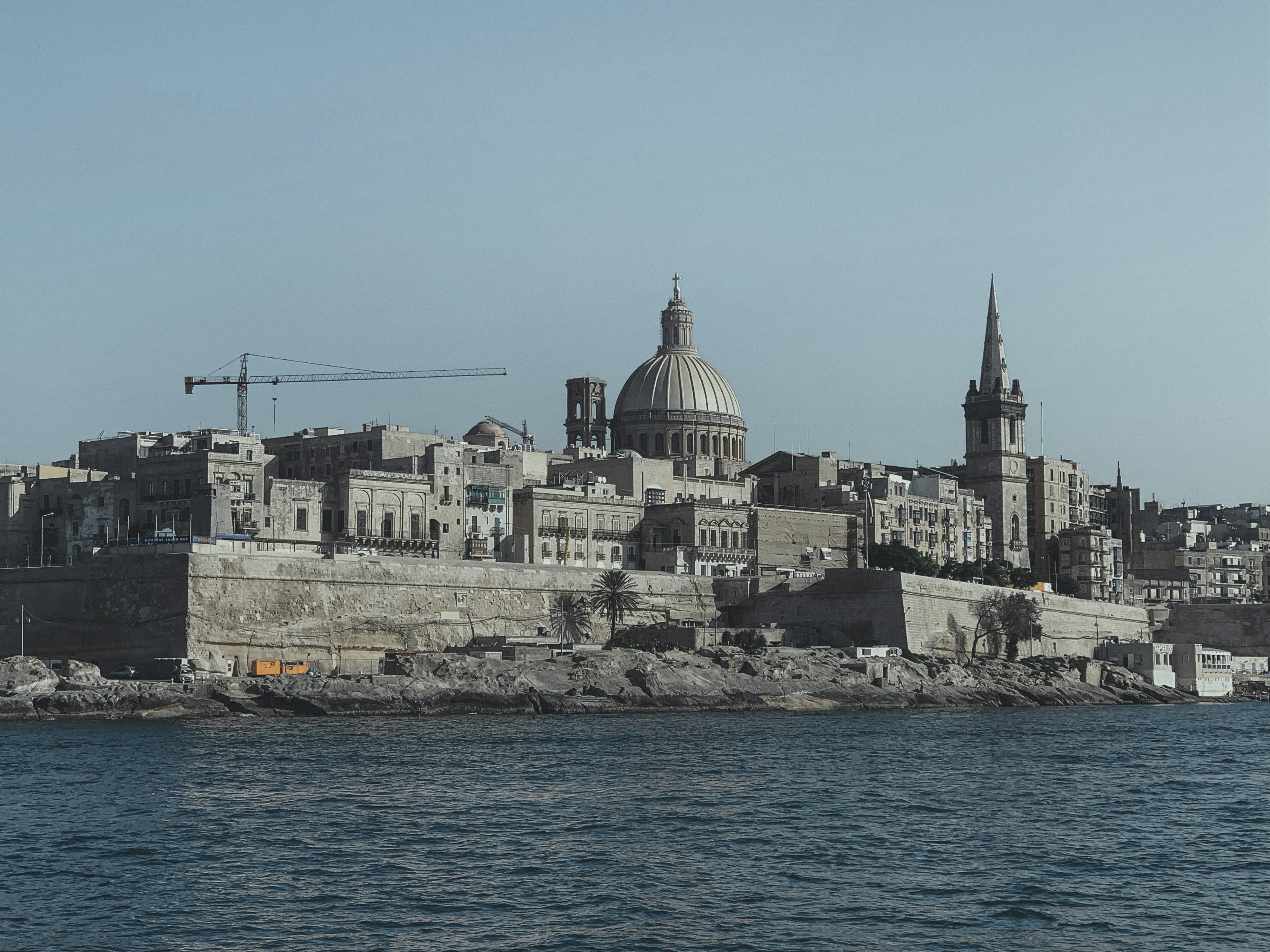
#52Golden limestone fortifications ring this entire harbour city, built by the Knights of St John in the 16th century to withstand a siege that never came again.
Baroque church domes and balconied townhouses in faded pastel line streets laid out on a strict grid, unusual for a city of its age.
The Upper Barrakka Gardens offer a sweeping view over the Grand Harbour, with warships once anchored where cruise liners now dock.
How does it rate
CrowdsRomanceCash RequiredDangerAccessibilityWhy you should go
An entire fortified city built from golden limestone, ringed by harbour views on three sides.
Why you shouldn't go
The streets are famously steep, stepped in places, and hard going in summer heat.
Plan your visit
Best time to visitApril-June or September-October, avoiding peak summer heat.Best time of dayLate afternoon, when the limestone fortifications glow gold in the light.Getting thereFly into Malta International Airport; buses reach Valletta in about 20-30 minutes.Entry costFree to walk the city; St John's Co-Cathedral and museums charge entry.Time needed1-2 daysInsider tip — Time a visit to the Upper Barrakka Gardens for noon or 4pm, when the Saluting Battery below fires its daily cannon. -
 #5382 /100
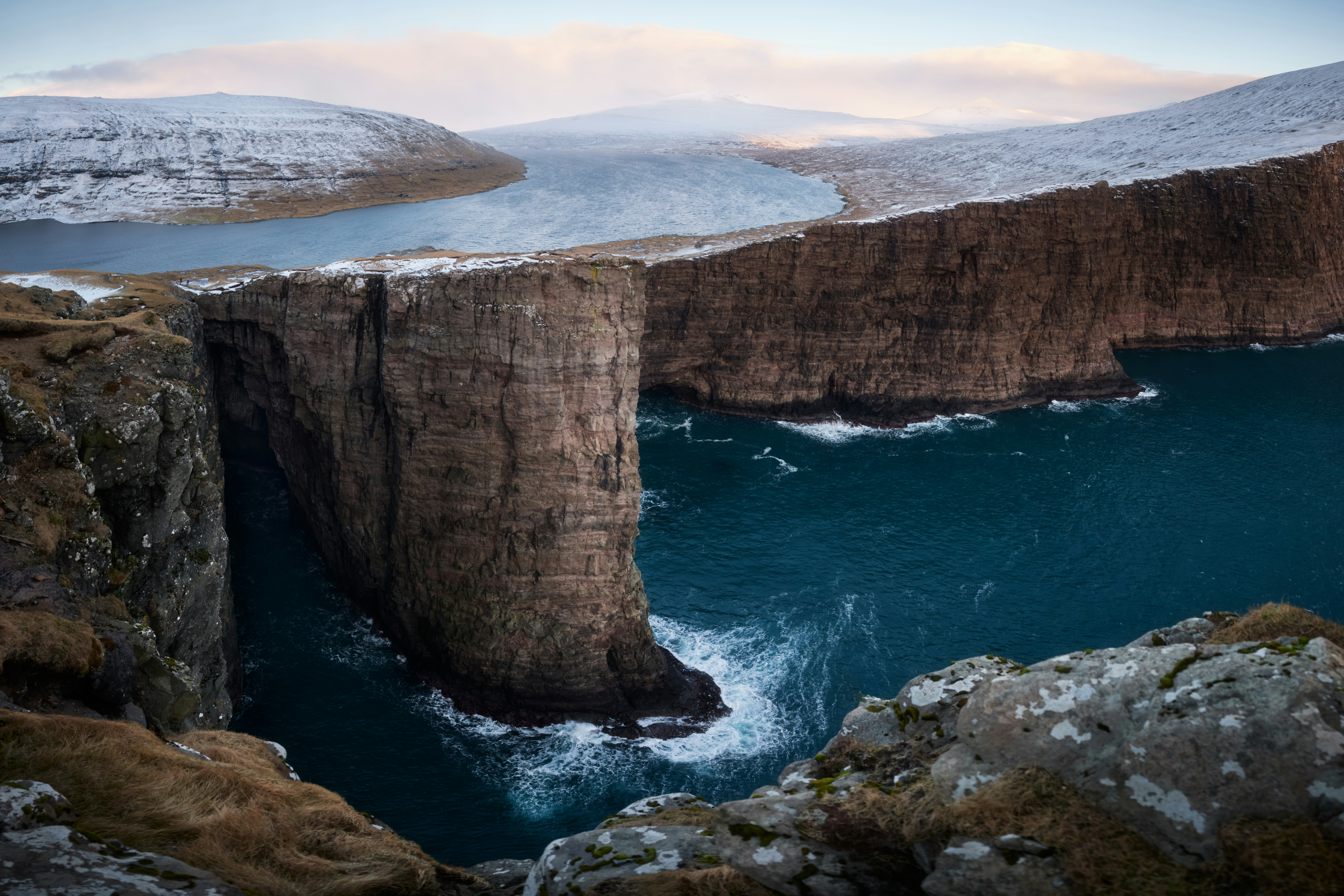
A dramatic clifftop on Vágar island overlooking Lake Leitisvatn, which appears from this angle to float 30 meters above the Atlantic Ocean — a famous optical illusion.
Sheer 300-meter drops, sheep-dotted grass, and constantly shifting Nordic light make it one of Europe's most striking viewpoints.
How does it rate
CrowdsRomanceCash RequiredDangerAccessibilityWhy you should go
A lake that appears to hover above the ocean, seen from a sheer 300-meter clifftop — one of Europe's great optical illusions.
Why you shouldn't go
No barriers at the cliff edge; wind gusts are frequent and dangerous; weather can close in with little warning.
Plan your visit
Best time to visitMay–August for the longest daylight and most stable (if still unpredictable) weather.Best time of dayMidday for the clearest view of the lake-over-ocean illusion; golden hour for photography.Getting thereFly to Vágar Airport, 15-minute drive to Miðvágur, then a 45–60 minute hike to the viewpoint.Entry costFree; some trail sections cross private land with a small landowner fee (~DKK 200).Time needed2–3 hours including the hike.Insider tip — Wear waterproof boots — the trail is boggy even in summer. Stay well back from the unfenced edge; gusts here have blown hikers off balance. -
 #5482 /100
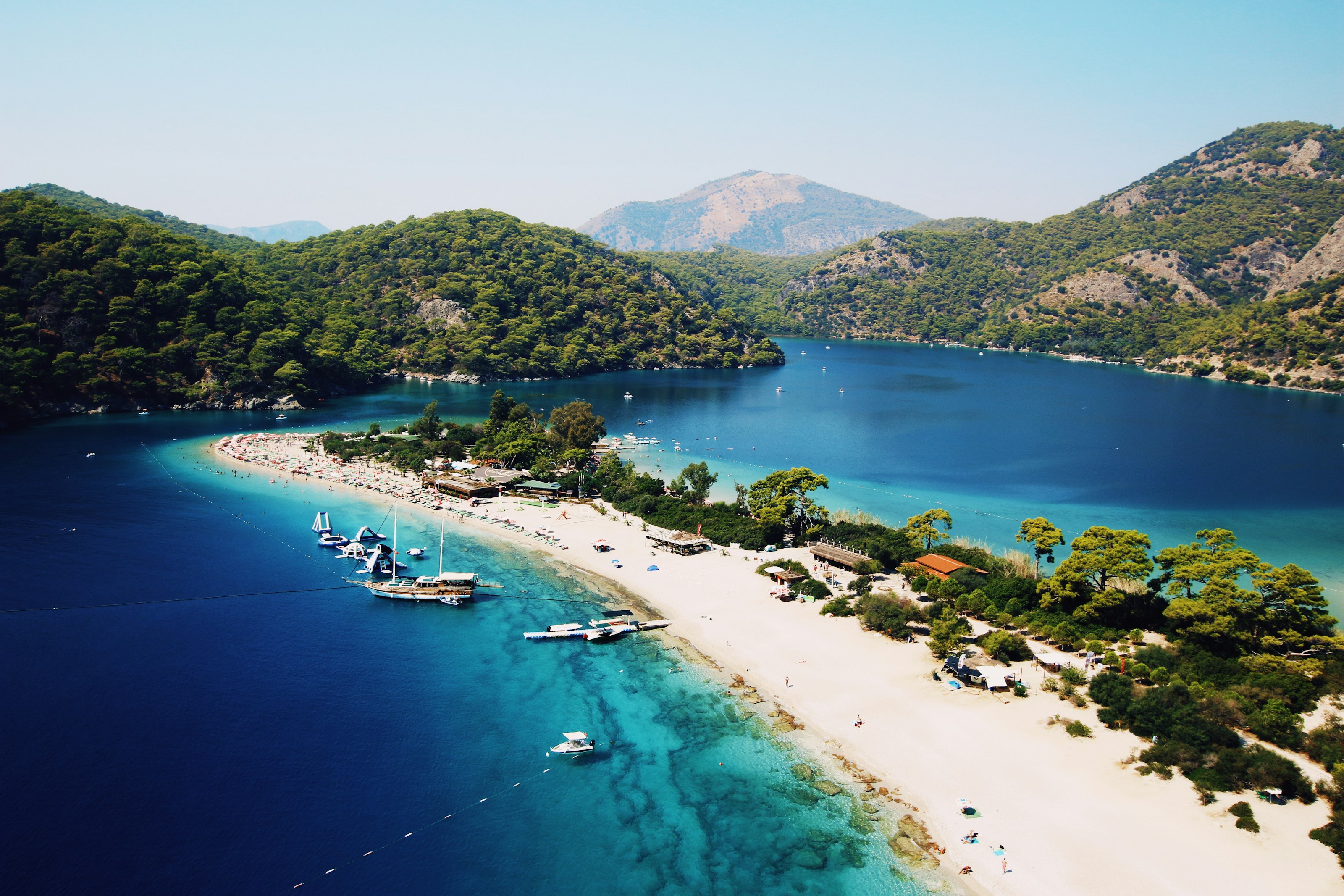
Ölüdeniz's Blue Lagoon is a sheltered curve of turquoise water pinched off from the open Mediterranean by a long sand spit, backed by pine-covered mountains rising straight from the shore.
It's one of Turkey's most photographed beaches and also its paragliding capital — hundreds of tandem flights launch daily from Babadağ mountain and drift down over the bay.
The beach itself is calm and shallow, better for swimming than surf.
How does it rate
CrowdsRomanceCash RequiredDangerAccessibilityWhy you should go
Paragliding down from Babadağ and landing right on the beach is one of the most exhilarating ways to arrive anywhere.
Why you shouldn't go
The lagoon and main beach get seriously packed in July and August, with sunbeds taking up most of the sand.
Plan your visit
Best time to visitMay–June or September, for warm water without peak-season crowds.Best time of dayEarly morning for a quiet swim, or late afternoon to watch paragliders land.Getting thereFly to Dalaman; roughly 1-hour drive south to Ölüdeniz via Fethiye.Entry costSmall fee to enter the Blue Lagoon nature reserve beach; the public beach beside it is free.Time neededHalf a dayInsider tip — Book a paragliding flight for early morning — winds are calmer and the light on the lagoon is best. -
 #5581 /100
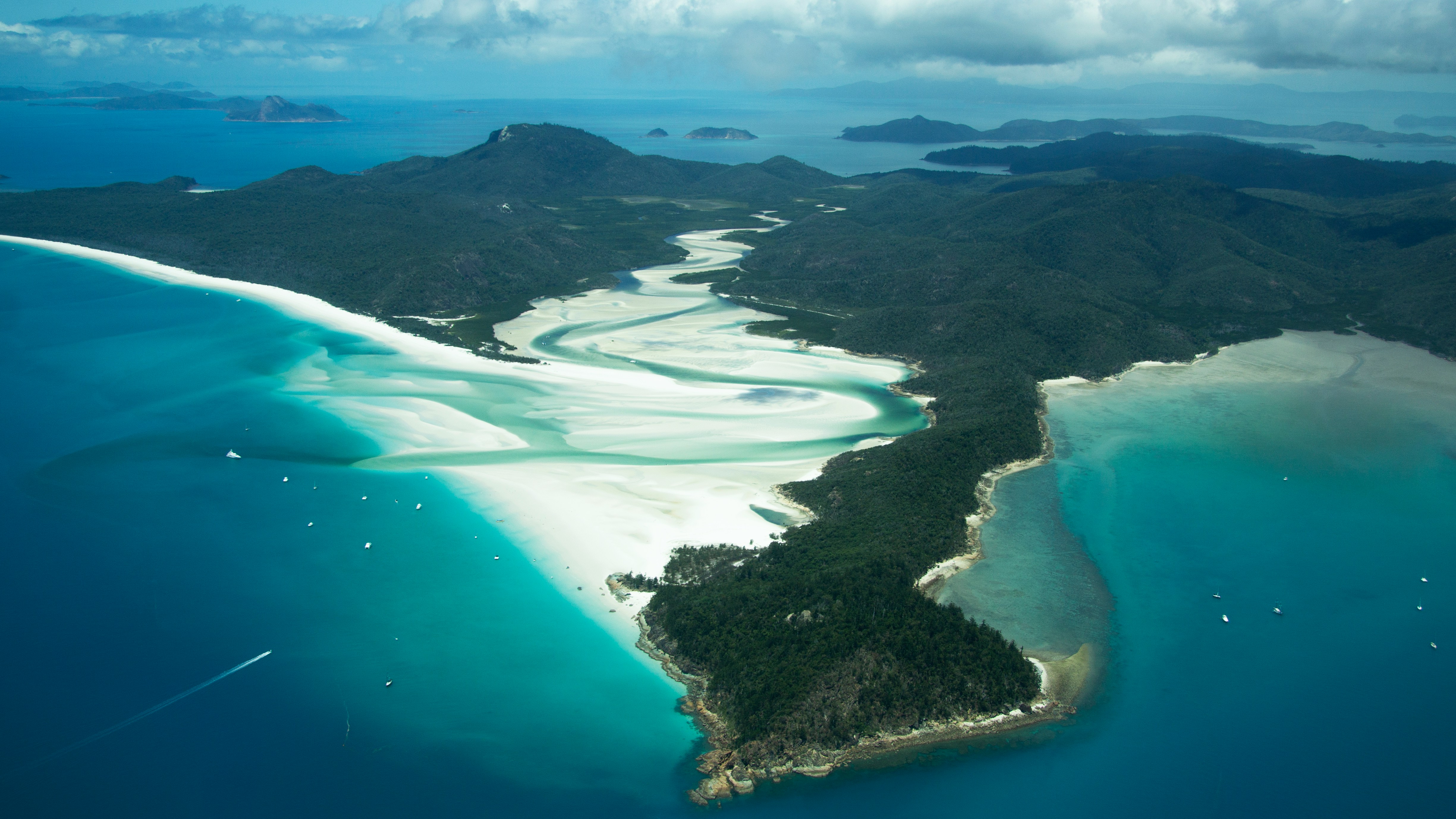
A pristine 7-kilometer beach in the Whitsunday Islands with powder-soft white sand made of 98% pure silica, and turquoise water shading a coral-fringed shoreline.
Reachable only by boat or seaplane, it remains genuinely remote despite its fame, with almost no development along its full length.
How does it rate
CrowdsRomanceCash RequiredDangerAccessibilityWhy you should go
A pristine 7km beach with silica sand so fine and white it stays cool underfoot even at midday.
Why you shouldn't go
Accessible only by boat or seaplane, adding cost and time; can get crowded with day-trippers; limited shade.
Plan your visit
Best time to visitApril–May or September–October for mild weather and fewer stinger-season restrictions.Best time of dayMidday light makes the water most vivid; visit the Hill Inlet lookout at low tide for the swirling sand patterns.Getting thereFly to Hamilton Island or Airlie Beach, then a day-tour boat (~1 hour) to the beach.Entry costDay tours AUD $150–250; national park access itself is free.Time needed6–8 hours including boat transport.Insider tip — Combine the beach with the short climb to the Hill Inlet lookout — the swirling sand-and-water view there is arguably more photogenic than the beach itself. -
 #56
#56Rated #56 of 100
Serra de Tramuntana Cycling Route, Spain
#serradetramuntanacyclingroute ◆ Cycling Tours81 /100The Sa Calobra climb switchbacks up 26 hairpins through the limestone Serra de Tramuntana, including a spiralling loop where the road passes beneath itself, before dropping to a hidden cove on Mallorca's northwest coast.
Wider routes through the range link terraced olive groves, the monastery at Lluc and the ridge-top village of Deia.
The road is a pilgrimage climb for road cyclists and one of Europe's most celebrated stretches of tarmac.
How does it rate
CrowdsRomanceCash RequiredDangerAccessibilityWhy you should go
A legendary hairpin climb through dramatic limestone mountains that road cyclists travel the world to ride.
Why you shouldn't go
Narrow, exposed switchbacks shared with tour buses and cars make the descent genuinely dangerous.
Plan your visit
Best time to visitApr-May or Sep-Oct, avoiding summer heat and the busiest cycling-season crowds.Best time of dayEarly morning start, both for cooler temperatures and lighter traffic on the hairpins.Getting thereFly to Palma de Mallorca; drive or ride roughly 90 minutes to the Coll dels Reis start point.Entry costFree to ride; road bike rental from EUR20-30/dayTime neededHalf a day for the climb and descentInsider tip — Descend to Sa Calobra cove for a swim before the climb back up, and start at dawn to have the famous spiral hairpin free of tour coaches. -
 #5781 /100
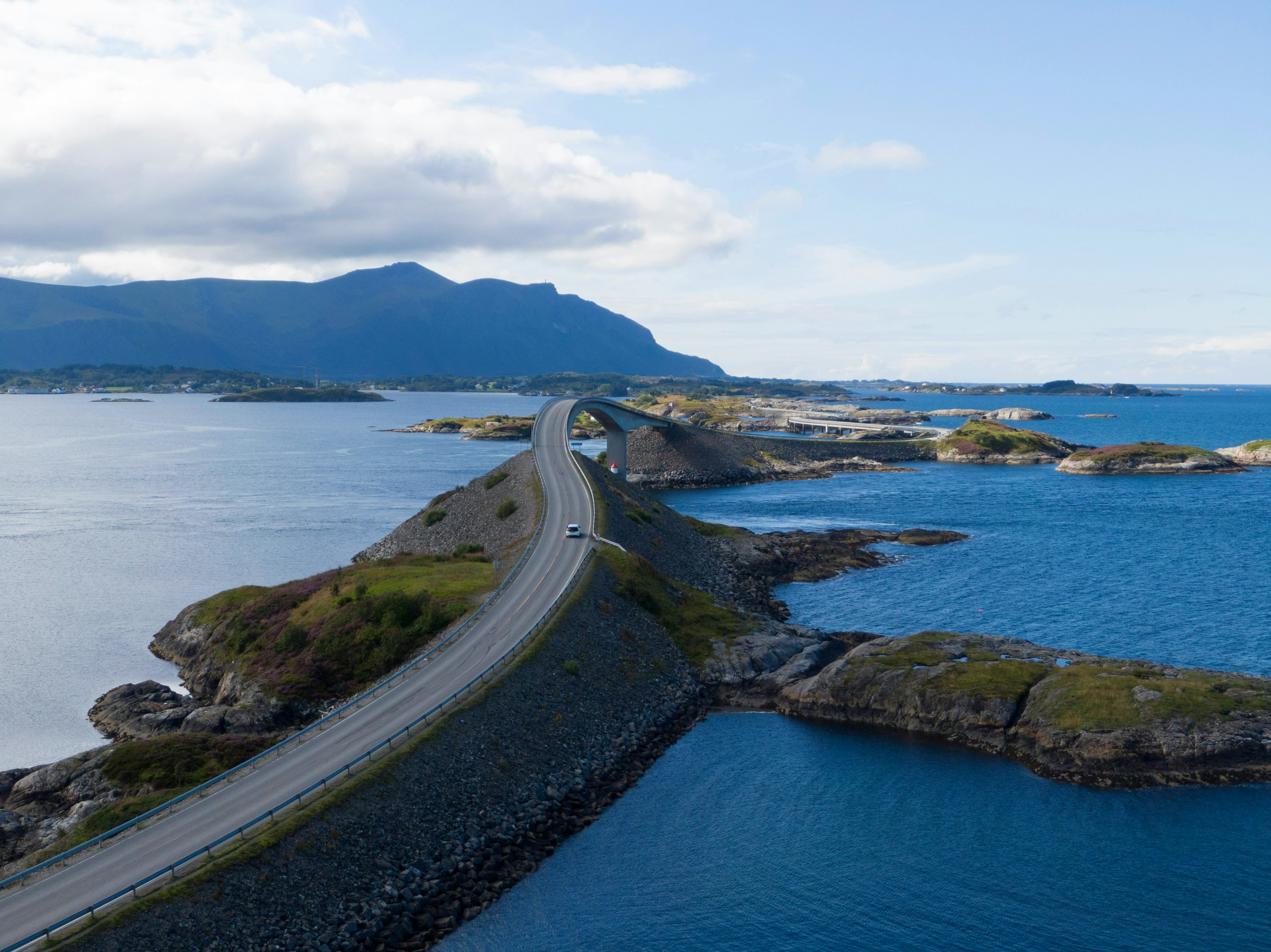
The Atlantic Road links a scatter of skerries and islets off Norway's west coast on an 8km run of bridges and causeways, built to look like it dives straight into the sea.
The Storseisundet Bridge is the famous shot, but the whole stretch is a slow, low-lying drive between open ocean on both sides, with fishing hamlets and pull-offs for scrambling over the rocks.
Storms send waves over the road, which locals treat as a spectator sport in autumn.
How does it rate
CrowdsRomanceCash RequiredDangerAccessibilityWhy you should go
A short, genuinely dramatic stretch of road that seems to disappear into the open Atlantic.
Why you shouldn't go
Over almost as soon as it starts - eight kilometres, no detours, done in half an hour without stops.
Plan your visit
Best time to visitSummer for calm seas and long light; autumn storms for waves breaking over the causeways.Best time of dayGolden hour, when the low sun catches the bridge and open water on both sides.Getting thereFly to Kristiansund; a 30-40 minute drive on Route 64 to the road's western end at Kårvåg.Entry costFree; no tolls on the road itself.Time needed1-2 hours including stopsInsider tip — Park at the Storseisundet Bridge viewpoint and walk out onto the older, disused sections of road for an angle on the bridge that most drivers miss. -
 #58
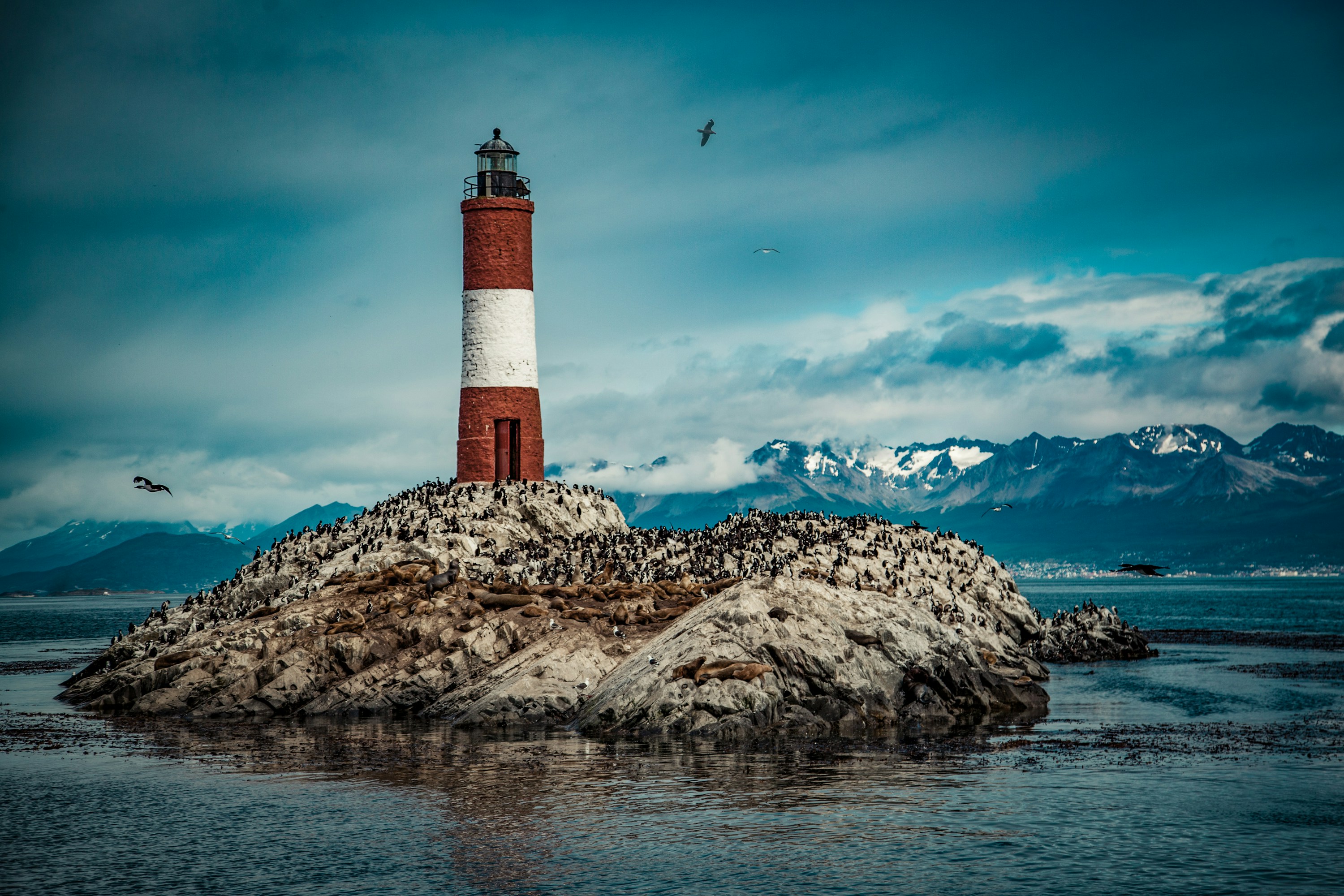
#58Marketed as the southernmost city in the world, Ushuaia sits on the Beagle Channel in Tierra del Fuego, snow-capped peaks rising directly behind its harbour.
It is the main departure point for Antarctica cruises, and shorter boat trips from the same harbour pass the red-and-white Les Eclaireurs lighthouse and islands crowded with sea lions, cormorants and penguins.
Tierra del Fuego National Park lies a short drive west for subantarctic forest and coastal trails.
How does it rate
CrowdsRomanceCash RequiredDangerAccessibilityWhy you should go
The launch point for Antarctica, with wildlife-rich boat trips on the Beagle Channel available even for a day visit.
Why you shouldn't go
Weather is genuinely unpredictable year-round, and Antarctica cruises themselves cost thousands of dollars.
Plan your visit
Best time to visitNovember-March (Southern Hemisphere summer) for mildest weather and Antarctica cruise seasonBest time of dayMorning boat departures for calmer Beagle Channel watersGetting thereFly to Ushuaia (Malvinas Argentinas Airport) from Buenos Aires, about 3.5 hoursEntry costFree to walk the town; Beagle Channel boat trips from ~$60-100; Antarctica cruises from several thouTime needed2-3 days, longer if joining an Antarctica cruiseInsider tip — Book a half-day Beagle Channel boat trip even if skipping Antarctica - it reaches the lighthouse and sea lion colonies for a fraction of the cost. -
 #5981 /100
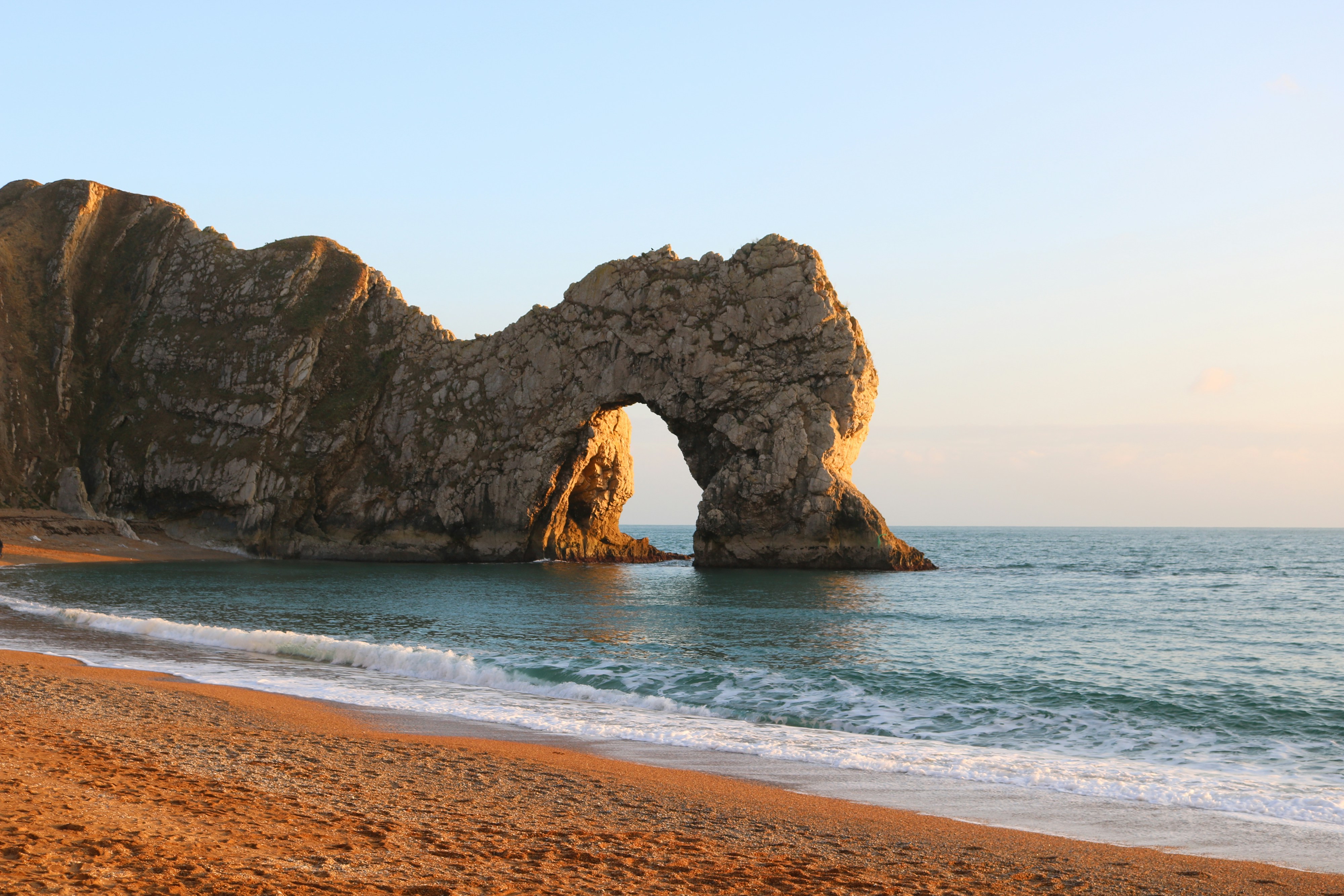
This 95-mile stretch of Dorset and Devon coastline exposes 185 million years of rock layers in its cliffs, with fossils regularly still washing out after storms.
Durdle Door, a natural limestone arch stepping directly into the sea, is the coast's single most famous landmark.
Lulworth Cove's near-perfectly circular bay sits just a short walk away.
How does it rate
CrowdsRomanceCash RequiredDangerAccessibilityWhy you should go
A natural stone arch stepping straight into the sea, plus 185 million years of exposed cliffs.
Why you shouldn't go
Durdle Door's cliff-top paths have no barriers in places, and there have been fatal falls.
Plan your visit
Best time to visitApril-June or September, for mild weather and thinner crowds than school holidays.Best time of daySunrise or sunset, when the chalk cliffs take on warm colour.Getting thereDrive to Lulworth (about 2.5 hours from London); park at the Durdle Door car park.Entry costParking fee at Durdle Door; the coast path itself is free.Time neededHalf a day for Durdle Door and Lulworth Cove togetherInsider tip — Walk the coast path between Durdle Door and Lulworth Cove rather than driving to each separately - the clifftop view partway along is better than either individual viewpoint. -
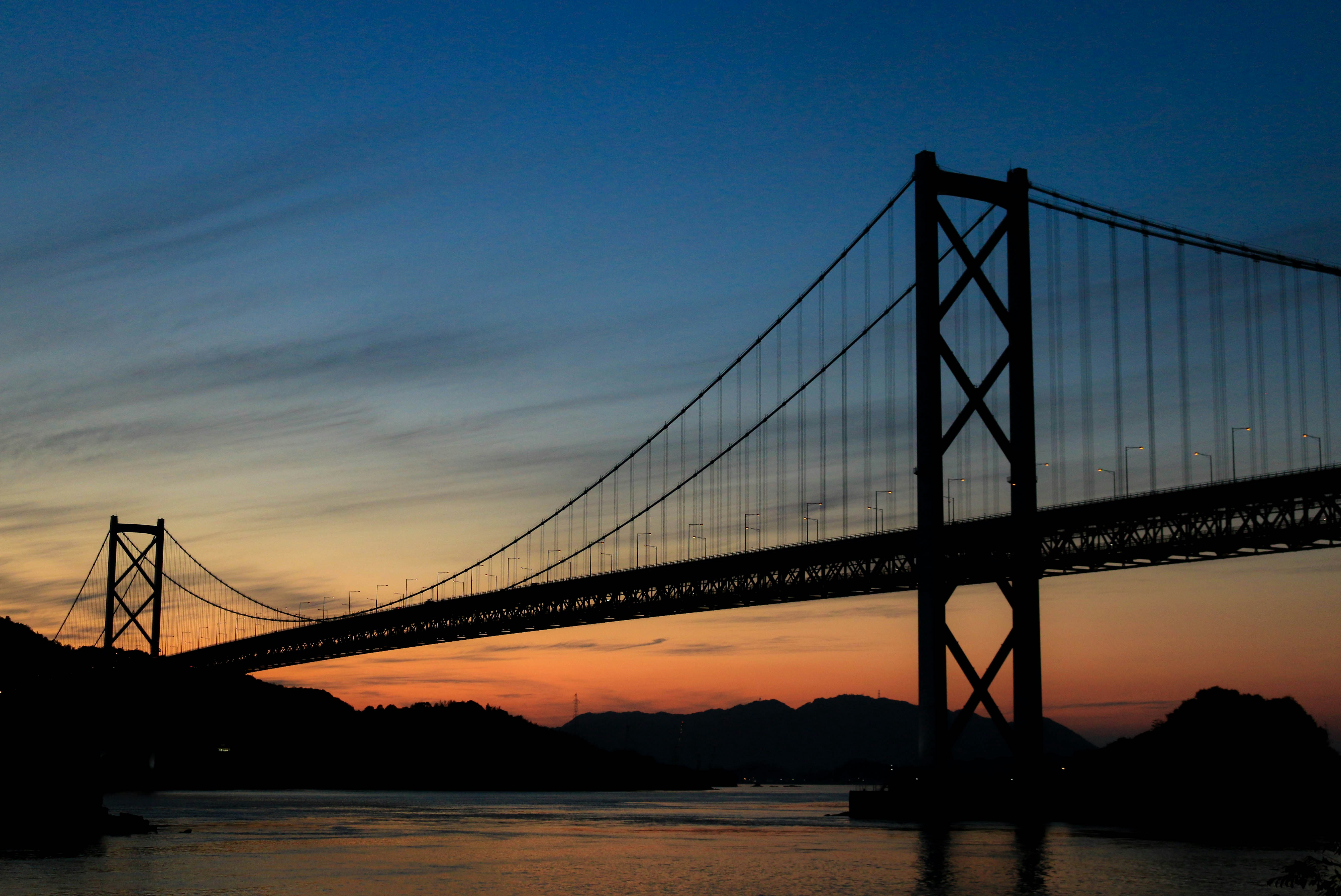 #6080 /100
A signed cycle path links Onomichi on Honshu to Imabari on Shikoku across six small islands in the Seto Inland Sea, crossing seven bridges over open water.
Riders follow dedicated blue lane markings past citrus groves, fishing harbours and turquoise straits, with the cable-stayed Tatara Bridge and the towering Kurushima-Kaikyo suspension bridge as centrepiece crossings.
Rental terminals at either end let you start and finish where you like.
How does it rate
CrowdsRomanceCash RequiredDangerAccessibilityWhy you should go
Cycling across seven bridges over the Seto Inland Sea between two islands is a ride found nowhere else on Earth.
Why you shouldn't go
The full 70km crossing is a demanding full day in the saddle, and summer humidity can be punishing.
Plan your visit
Best time to visitMarch-May or Oct-Nov for mild temperatures and clear straits views.Best time of dayEarly morning departure to finish before afternoon heat builds.Getting thereFly to Hiroshima or Takamatsu; train to Onomichi or Imabari, then collect a rental bike at the terminal.Entry costBike rental from Y3,000/day; bridge tolls Y500 total (waived through Mar 2026)Time neededFull day (4-10 hours riding)BookingBook ahead →Insider tip — Rent from a Giant terminal for one-way drop-off between Onomichi and Imabari, and stop at the Tatara Bridge rest area for the best photo of the cable stays against the strait. -
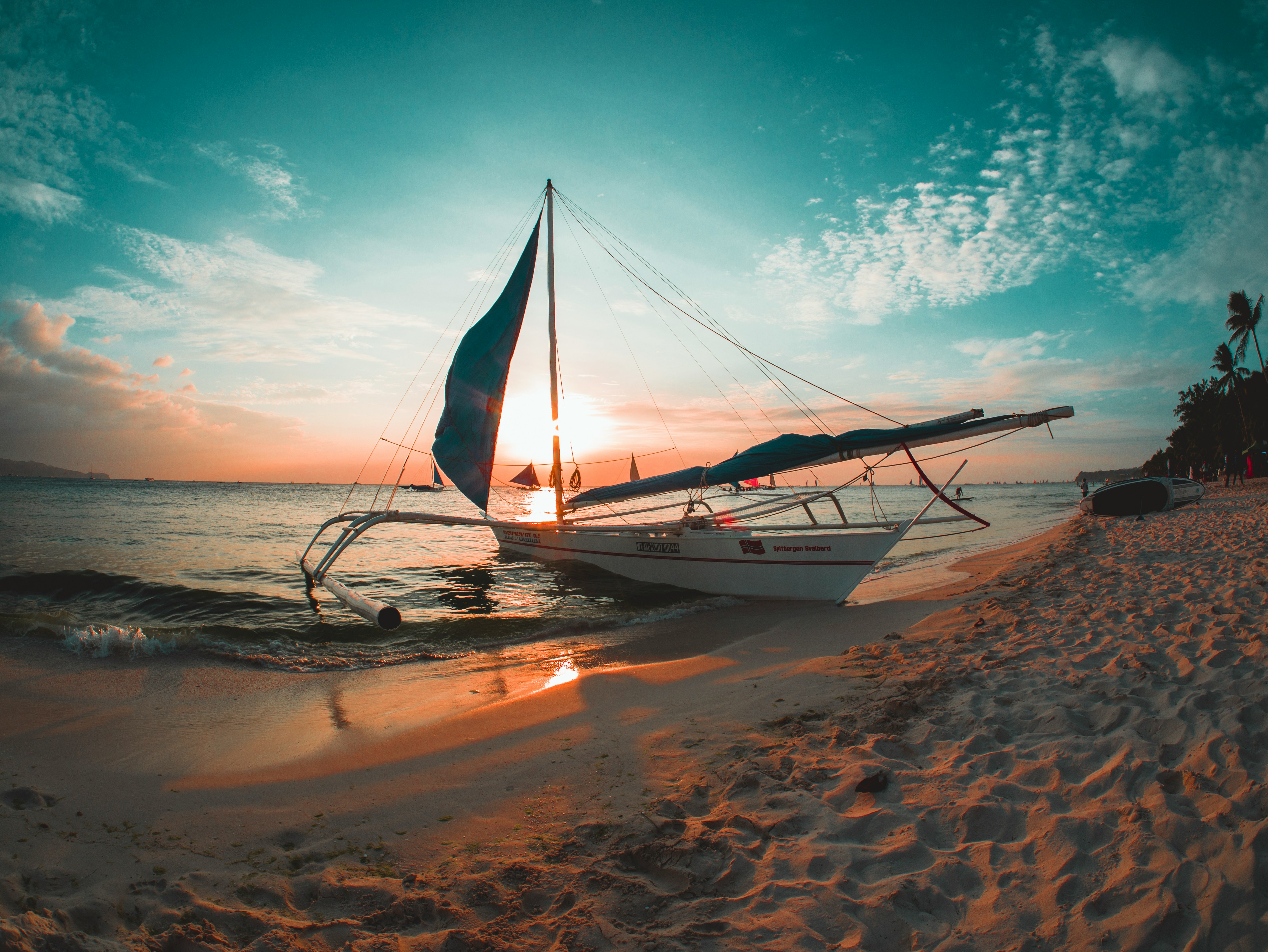 #6180 /100
Four kilometres of powder-fine white sand lined with resorts, beach bars, and sunset boat cruises, split into three "stations" by how developed each stretch is.
It's the Philippines' most famous beach and one of Southeast Asia's busiest, powdery enough that the sand squeaks underfoot.
A government-mandated cleanup and visitor cap in recent years has kept water quality noticeably better than its reputation from a decade ago.
How does it rate
CrowdsRomanceCash RequiredDangerAccessibilityWhy you should go
Squeaky-fine white sand along a four-kilometre stretch, with some of the best sunset views in Southeast Asia.
Why you shouldn't go
It's a genuinely busy resort strip, not a quiet escape, and gets more crowded by the year despite visitor caps.
Plan your visit
Best time to visitNovember-April, the dry season.Best time of daySunset, when boats fill the bay in front of Station 2.Getting thereFly to Caticlan or Kalibo, then a short boat crossing to Boracay Island.Entry costFree to access; a small environmental fee is charged on arrival.Time neededHalf a day to a full day.Insider tip — Station 1's stretch has the finest sand and thins out fastest after sunset dinner rush - walk there for photos once Station 2 empties. -
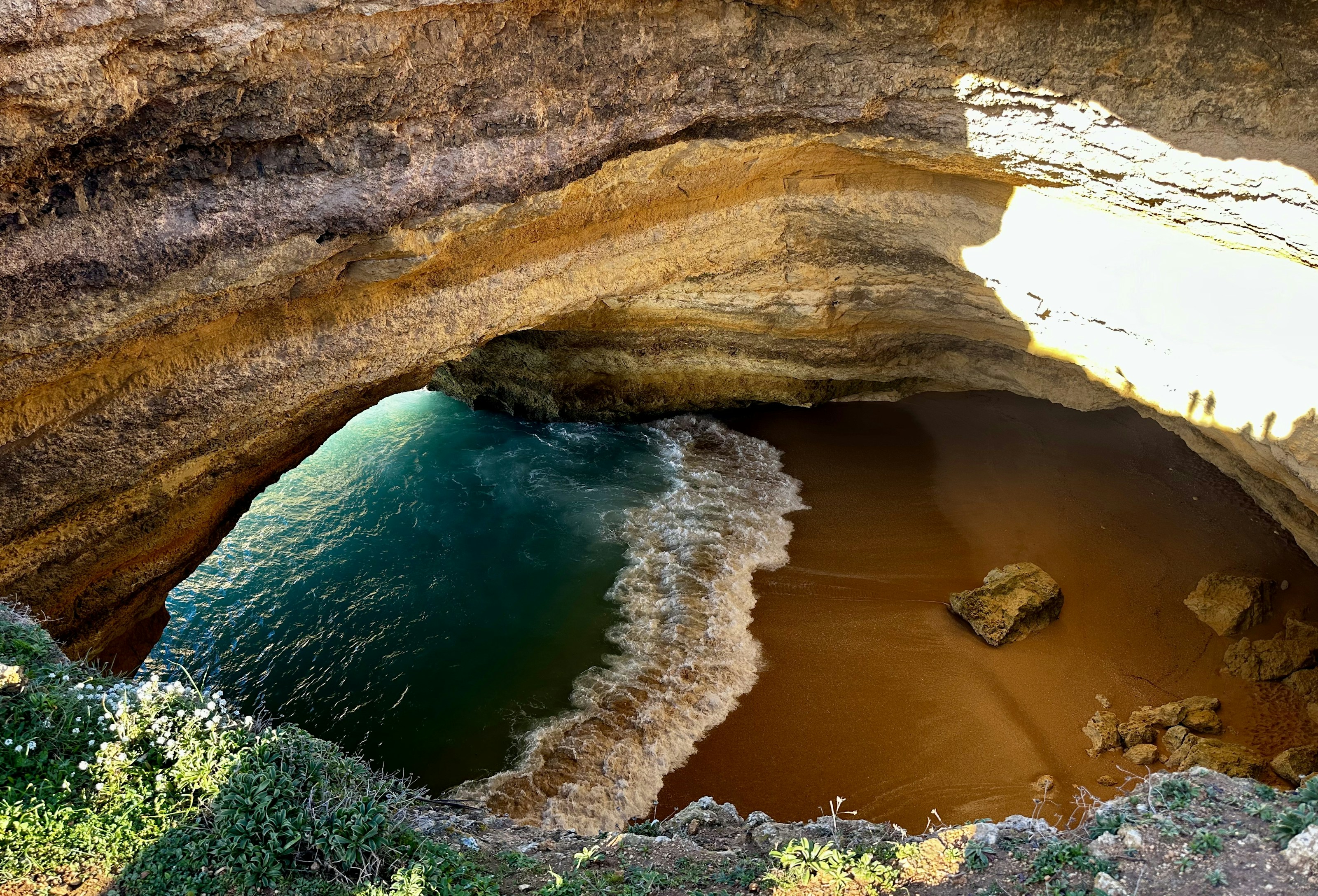 #6280 /100
A domed sandstone chamber on the Algarve coast with its own crescent of beach and a circular hole in the roof that drops a column of sunlight onto the sand.
It can only be reached from the water, by kayak, paddleboard or tour boat, since swimming across from the neighbouring beach is now restricted.
How does it rate
CrowdsRomanceCash RequiredDangerAccessibilityWhy you should go
Sunlight falling through the roof onto a private beach inside a cave, reachable only from the sea.
Why you shouldn't go
Boats queue nose to tail in high season, and landing inside the cave is no longer permitted.
Plan your visit
Best time to visitMay-June or September for calm water without the August armadaBest time of dayAround midday, when the sun drops straight through the roof openingGetting thereBoat or kayak from Benagil or Praia da Marinha, 30 minutes east of PortimaoEntry costKayak hire around EUR 25; boat tours from EUR 20Time needed2-3 hoursInsider tip — Take a kayak rather than a boat tour - kayaks can still slip inside the cave when the larger boats have to hold offshore. -
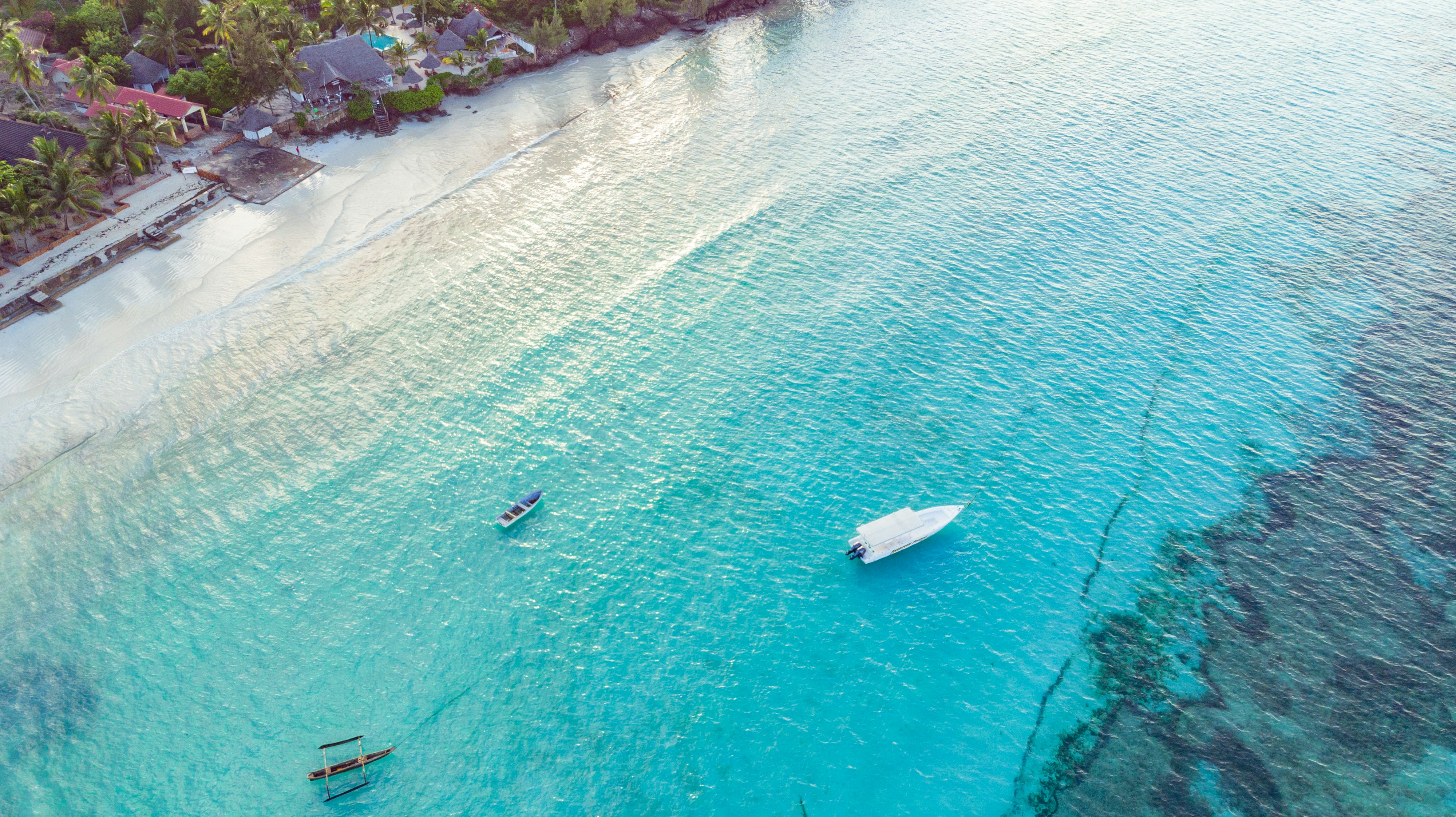 #63
#63Powder-white beaches and turquoise Indian Ocean water ring this Swahili Coast island, while Stone Town's maze of coral-stone alleys and carved wooden doors holds centuries of trading-post history.
Sandbanks appear and vanish with the tide, and traditional dhows still work the horizon at sunset.
Spice farms, seaweed cultivation and a distinctive Omani-Swahili food culture fill out the days between beaches.
How does it rate
CrowdsRomanceCash RequiredDangerAccessibilityWhy you should go
Postcard Indian Ocean beaches paired with the genuinely unique architecture of Stone Town.
Why you shouldn't go
Seaweed farming and tidal shifts mean the perfect turquoise shallows aren't guaranteed at every beach, every time.
Plan your visit
Best time to visitJune-October or December-February, avoiding the long and short rains.Best time of dayLate afternoon for the beaches; golden hour for Stone Town's rooftops.Getting thereFly directly into Zanzibar (Abeid Amani Karume International Airport) or via a short hop from Dar es Salaam.Entry costFree beaches; Stone Town's House of Wonders and other sites charge small entry fees.Time needed3-5 daysInsider tip — Base yourself on the east coast (Paje or Jambiani) for the best sandbank and kitesurfing photos, not the busier Nungwi beaches. -
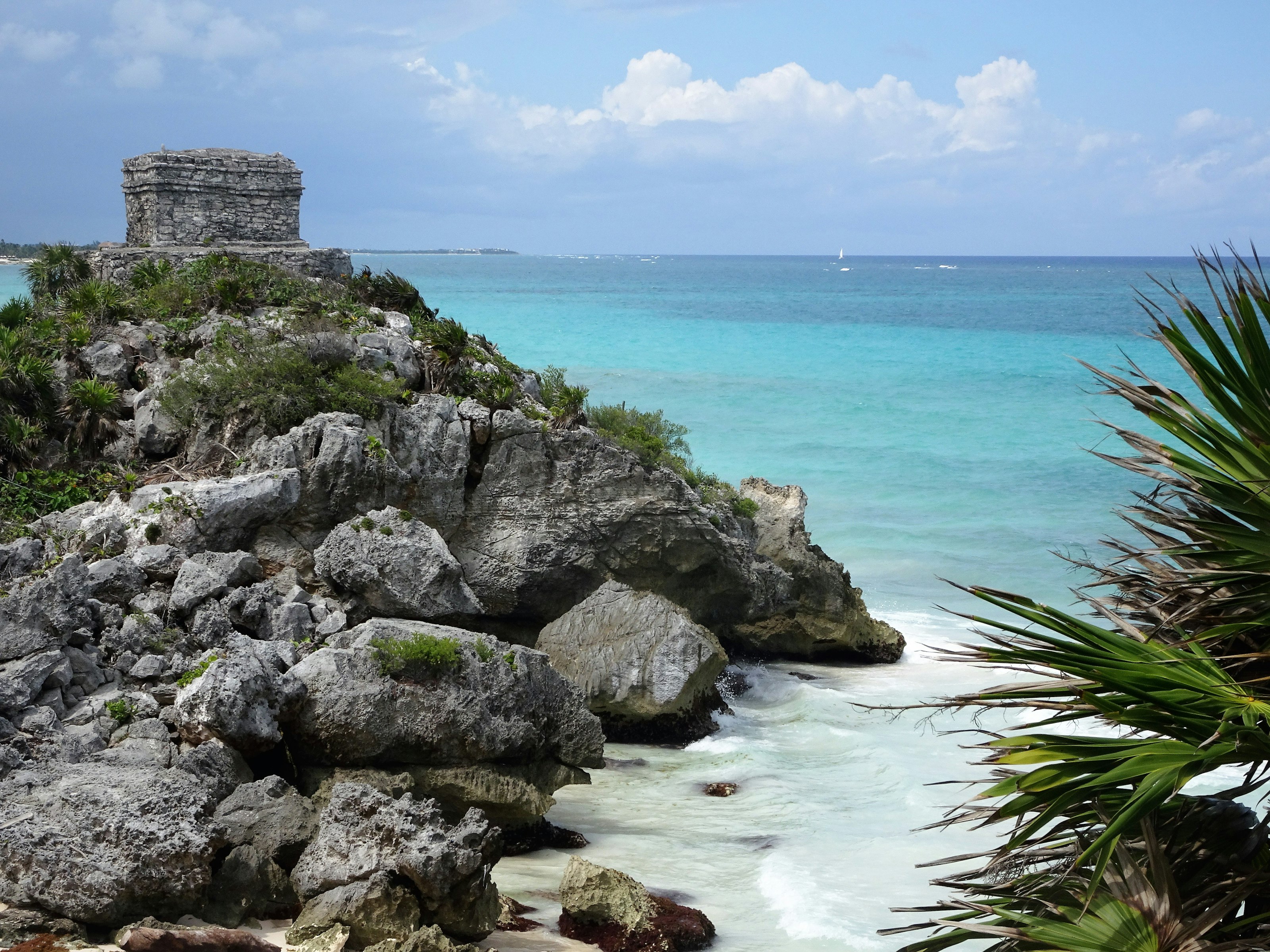 #6480 /100
Tulum is the only major Maya city built directly on the coast, its stone temples and watchtowers standing on a low cliff above a beach of white sand and turquoise water.
The site is small compared to Chichén Itzá, but the setting — walled ruins on one side, Caribbean Sea on the other — is unmatched.
Visitors can walk the perimeter path in under an hour, then head down the wooden stairs to swim below the cliffs.
How does it rate
CrowdsRomanceCash RequiredDangerAccessibilityWhy you should go
Nowhere else lets you swim in the Caribbean directly beneath a Maya temple wall.
Why you shouldn't go
It's one of the most crowded ruins in Mexico by mid-morning, with tour buses arriving in a steady stream.
Plan your visit
Best time to visitDecember–April for dry weather, or arrive right at opening to beat the day-trippers.Best time of dayOpening time (8am), before tour groups from Cancún and Playa del Carmen arrive.Getting thereFly to Cancún; 1.5-hour drive or bus south to Tulum town, then a short taxi to the ruins entrance.Entry costPaid entry; parking and shuttle from the visitor centre cost extra.Time needed1–2 hoursInsider tip — Bring swimwear under your clothes — the small beach below the ruins is one of the few places you can swim right at an archaeological site. -
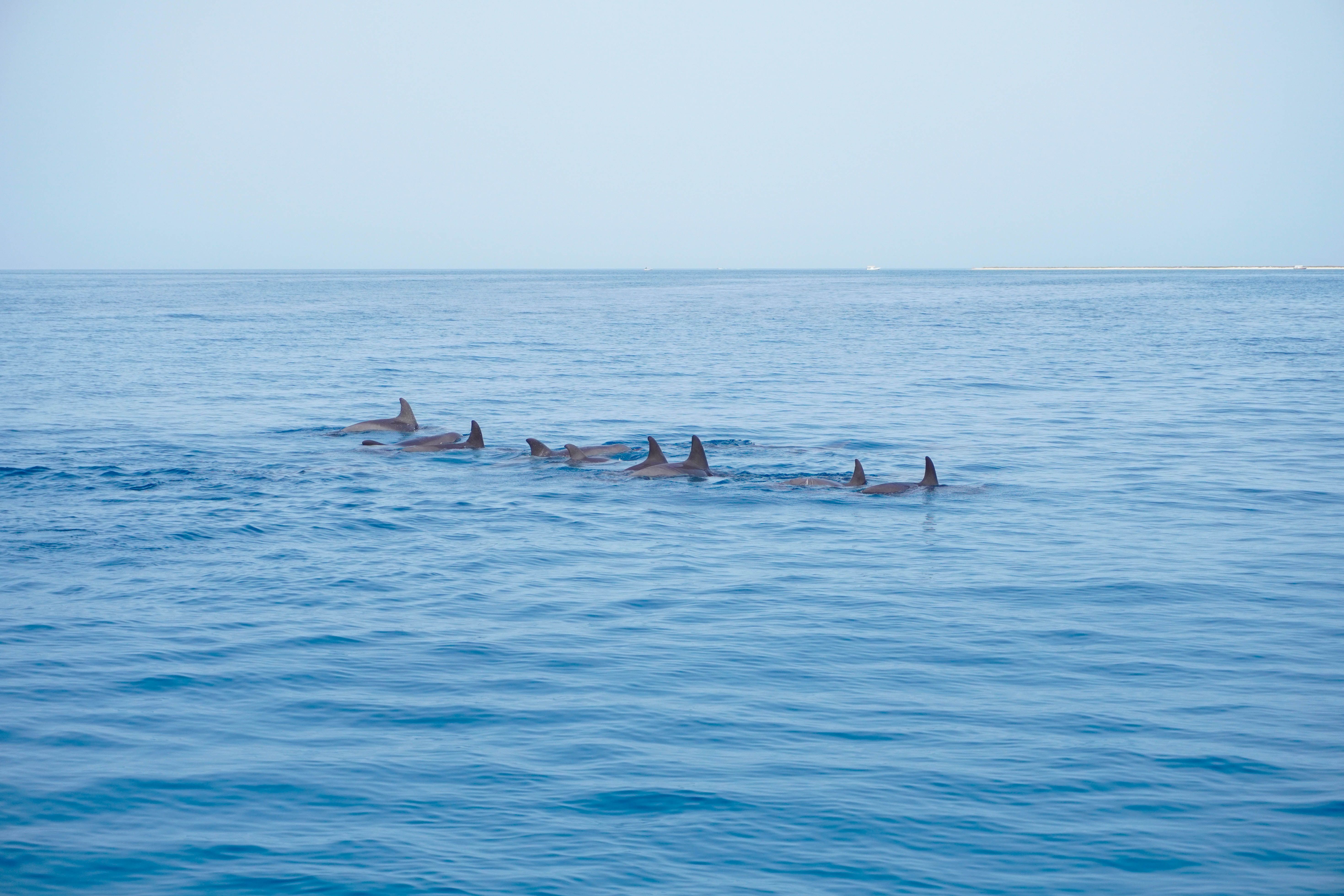 #65
#65Umluj sits on Saudi Arabia's northern Red Sea coast, where a scattering of uninhabited islands and sandbars sit in water shallow and clear enough to earn the coastline the nickname 'the Maldives of Saudi Arabia'.
Boat trips out to islands like Jabal Hassan reach coral reefs largely untouched by mass tourism, and the coastline remains quiet even as new mega-resort developments rise further south along the same coast.
How does it rate
CrowdsRomanceCash RequiredDangerAccessibilityWhy you should go
Genuinely Maldives-clear water and coral reefs, reachable by a short boat ride, with almost no other tourists around.
Why you shouldn't go
Infrastructure is still limited outside a few boat operators and basic hotels, so it takes more planning than an established beach destination.
Plan your visit
Best time to visitNovember–April, avoiding the intense heat of the Red Sea summer.Best time of dayMorning, for the calmest boat crossings and best underwater visibility.Getting thereFly to Yanbu or Tabuk; roughly 1.5–2-hour drive to Umluj, then a boat to the islands.Entry costFree coastline; island boat trips and snorkelling gear are paid extras.Time needed1 dayInsider tip — Book a boat trip a day ahead through a local operator in Umluj town rather than turning up expecting one on the spot — options are still limited. -
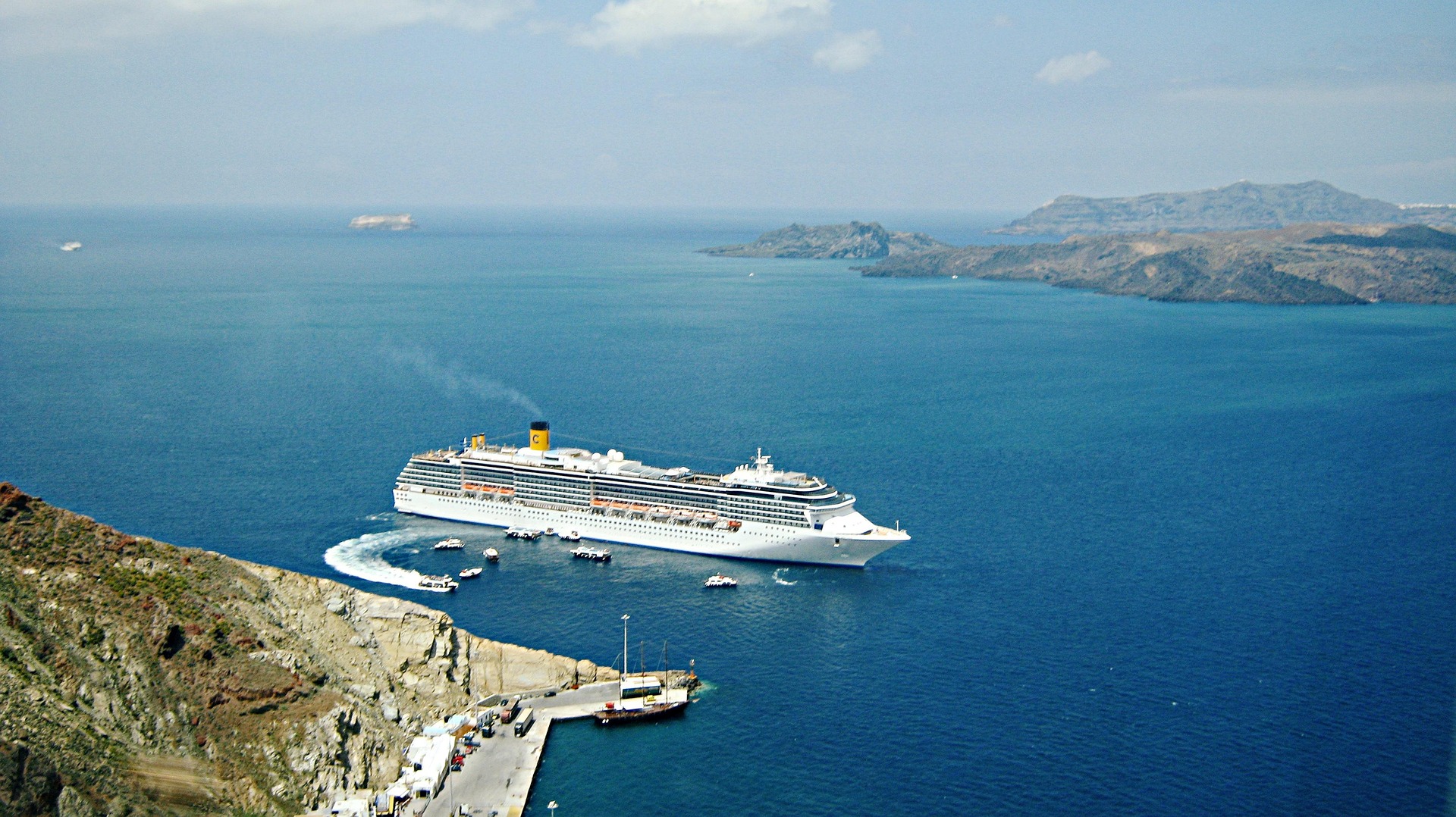 #6679 /100
An island-hopping cruise from Piraeus through the Aegean, passing whitewashed clifftop villages, ancient ruins, and volcanic caldera views without repacking each night.
Santorini's caldera and Mykonos's windmills are the classic stops, though smaller ports add quieter beaches and tavernas.
Many sailings overnight at an island for sunset views from the water.
It's an easy, accessible way to see several Greek islands in a single week.
How does it rate
CrowdsRomanceCash RequiredDangerAccessibilityWhy you should go
See Santorini's caldera, Mykonos, and several more islands in one week without changing hotels.
Why you shouldn't go
Ships are mainstream and crowded in peak summer, and popular ports get overrun when several cruises dock together.
Plan your visit
Best time to visitMay-June or September for warm weather with fewer crowds; July-August is hottest and busiest.Best time of dayEvening, for the classic Santorini sunset over the caldera from the ship or clifftop.Getting thereFly into Athens; ships embark from the port of Piraeus, a short taxi or metro ride from the city.Entry costIndicative $600-$2,500pp per week depending on cabin and lineTime needed7-night cruiseInsider tip — Pick an itinerary that overnights in Santorini rather than a same-day stop, so you catch the sunset from Oia without fighting day-tripper crowds. -
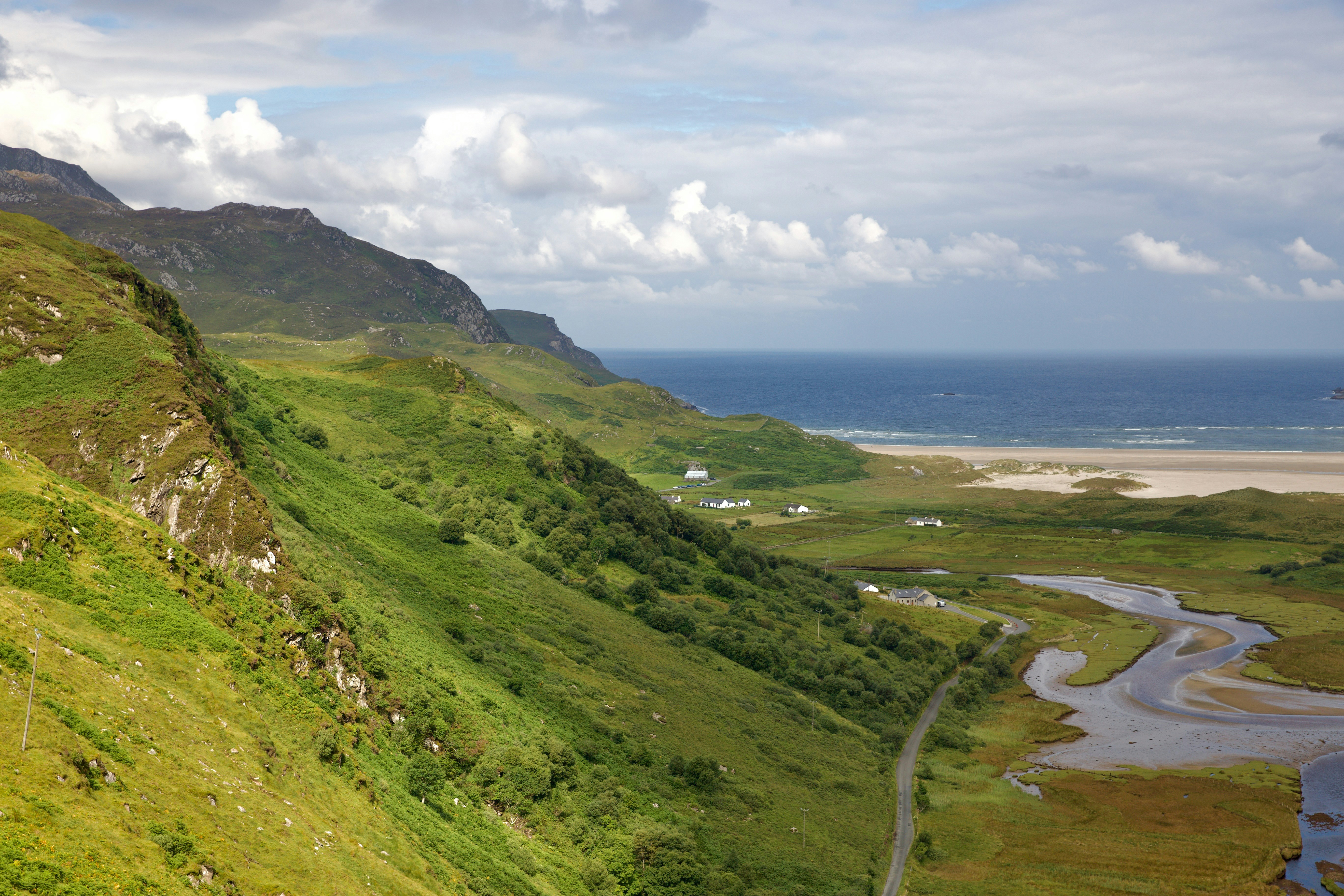 #6779 /100
Ireland's Wild Atlantic Way follows roughly 2,500 kilometres of coastline from Donegal's Inishowen Peninsula to Kinsale in County Cork, tracing sea cliffs, white sand beaches, and stone-walled fishing villages.
The Cliffs of Moher and Skellig Michael sit along the route, alongside quieter stretches like the Sky Road near Clifden and Achill Island's beaches.
Weather turns quickly, and headlands are as often shrouded in mist as lit gold at sunset.
How does it rate
CrowdsRomanceCash RequiredDangerAccessibilityWhy you should go
Ireland's whole dramatic west coast, from towering cliffs to remote islands, on one signed touring route.
Why you shouldn't go
Rain and shifting weather are frequent companions; clear-sky days are never guaranteed.
Plan your visit
Best time to visitMay-June for the driest, sunniest conditions before peak summer traffic.Best time of dayEarly morning at the Cliffs of Moher, ahead of tour bus arrivals.Getting thereFly into Shannon, Cork, or Dublin, hire a car, and join the signed blue-and-white route at any point.Entry costFree to drive; sites like the Cliffs of Moher charge parking/entry feesTime needed7-10 daysBookingBook ahead →Insider tip — Break the drive into short daily legs - the posted route length is deceptive because coastal roads are slow and invite constant detours. -
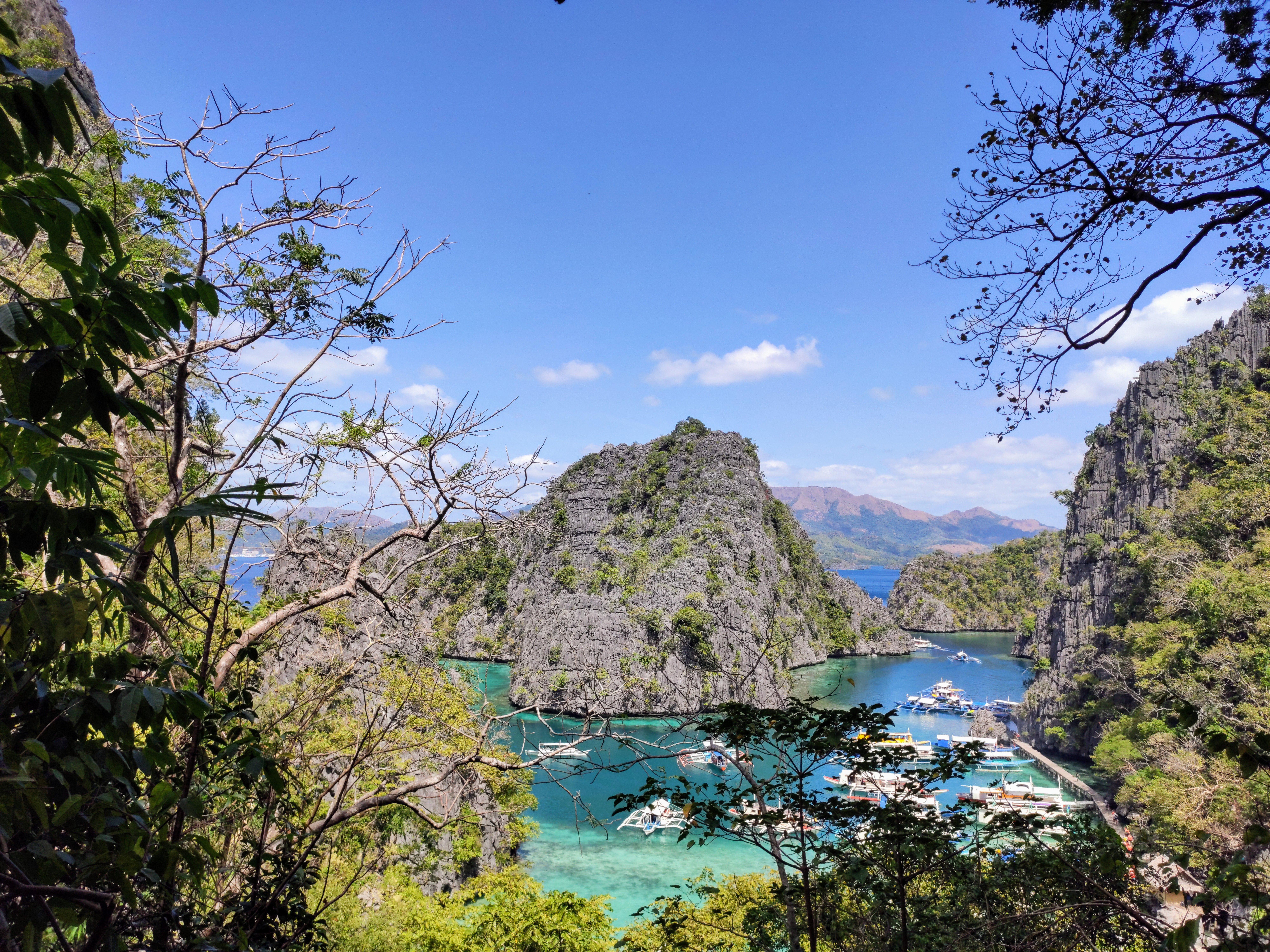 #68
#68Ringed by limestone cliffs and turquoise lagoons, Coron is best known for some of the world's best wreck diving — a dozen Japanese naval ships sunk here in a single 1944 raid now sit intact on the seabed, accessible to both certified divers and snorkelers.
Above water, Kayangan Lake's cliff-top viewpoint and the island's hot springs round out a destination built around striking limestone-and-water scenery.
How does it rate
CrowdsRomanceCash RequiredDangerAccessibilityWhy you should go
World-class WWII wreck diving alongside some of the Philippines' most striking limestone lagoons.
Why you shouldn't go
Getting around the island group requires chartering boats, which adds up over a multi-day stay.
Plan your visit
Best time to visitNovember–May, dry season, for the clearest water and calmest seas.Best time of dayEarly morning at Kayangan Lake, before tour boats arrive in numbers.Getting thereFly directly to Busuanga/Coron airport, or take a ferry from Manila or El Nido.Entry costIsland-hopping tours from around ₱1,200 (~€19); wreck diving from ₱3,500 (~€56).Time needed2–3 days.Insider tip — Book a private rather than shared island-hopping boat if diving Kayangan Lake — shared tours often rush the best viewpoint. -
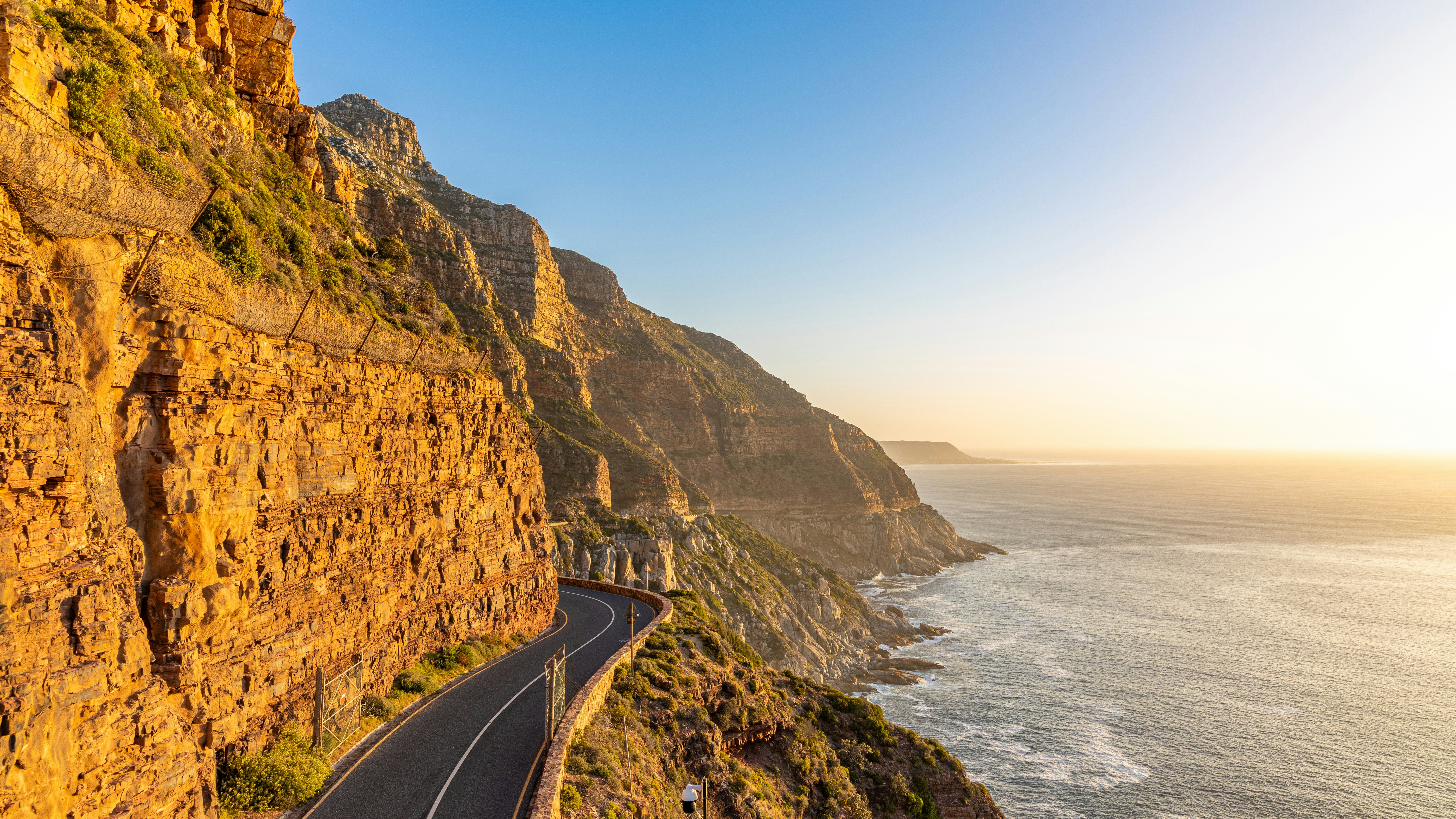 #6979 /100
Chapman's Peak Drive carves along sheer cliffs between Noordhoek and Hout Bay, the scenic centrepiece of a wider ride around the Cape Peninsula past Boulders Beach's penguins and the fynbos slopes near Cape Point.
The full loop, ridden each March by 35,000 cyclists in the Cape Town Cycle Tour, mixes ocean-cliff drama with quiet vineyard roads on the return leg.
Wind and open cliff edges make it a serious ride outside the closed-road race day.
How does it rate
CrowdsRomanceCash RequiredDangerAccessibilityWhy you should go
Few rides anywhere combine sheer ocean cliffs, penguins and vineyard roads in one loop.
Why you shouldn't go
Chapman's Peak Drive has a toll, gets strong crosswinds, and shares narrow lanes with tour traffic outside race day.
Plan your visit
Best time to visitNov-Mar for dry summer weather; the Cape Town Cycle Tour itself runs each March.Best time of dayEarly morning for calmer wind and cooler temperatures on exposed cliff sections.Getting thereFly to Cape Town; hire a road bike in the city or join a guided Peninsula tour with vehicle support.Entry costChapman's Peak toll approx ZAR 55/car (cyclists often free); bike rental from ZAR 350/dayTime neededFull day for the full Peninsula loopBookingBook ahead →Insider tip — Ride Chapman's Peak from Hout Bay toward Noordhoek for the classic tailwind direction, and check the toll road's status first, since it closes after heavy rain or rockfall risk. -
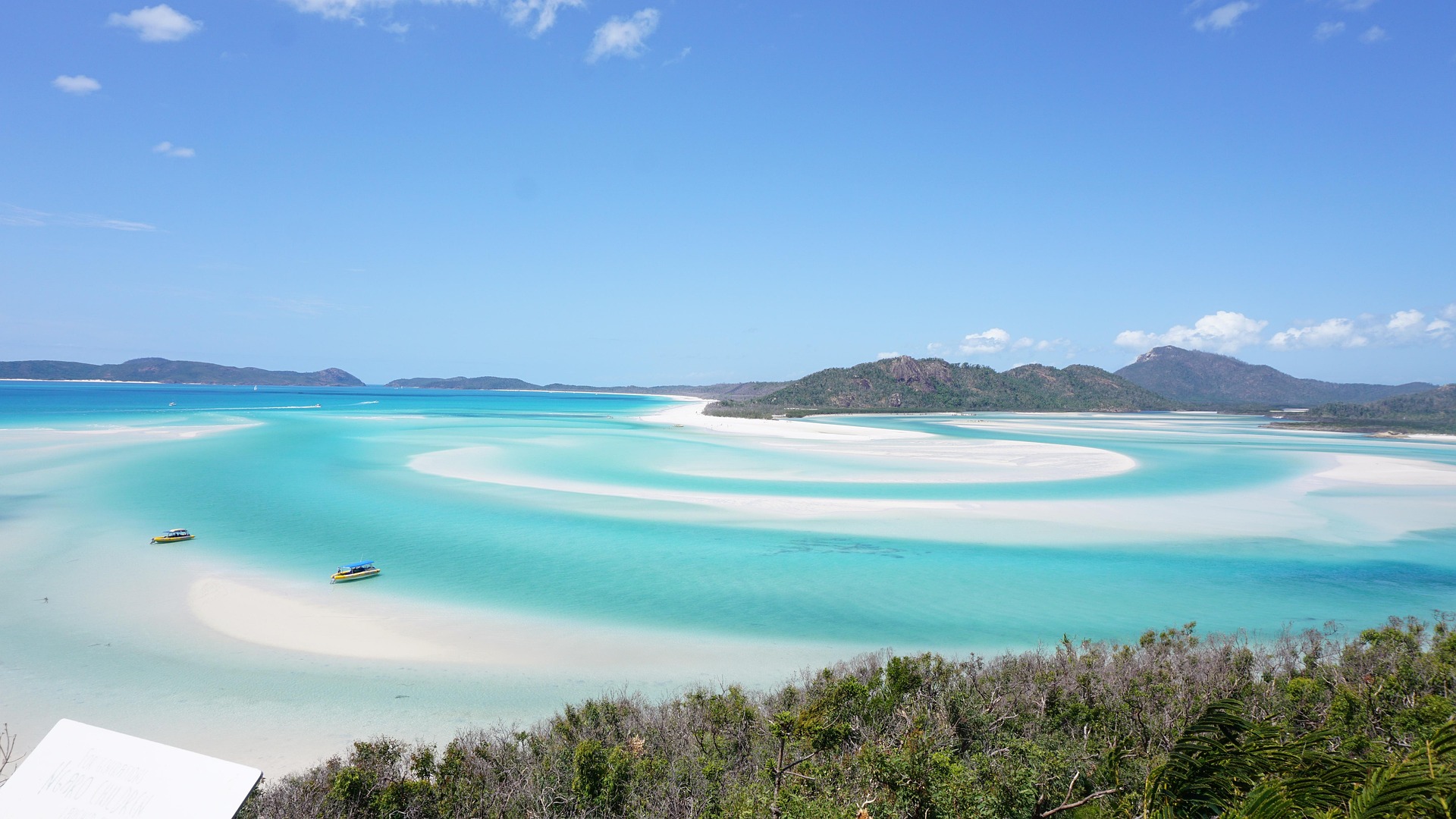 #7077 /100
A sailing cruise through 74 islands scattered across the Great Barrier Reef's inner waters, anchoring off Whitehaven Beach's swirling silica sand and turquoise shallows.
Days mix snorkelling on fringing reefs, a walk up to the Hill Inlet lookout, and sunset drinks at anchor.
Multi-day catamaran and yacht trips are the standard way to see the outer islands, since most are uninhabited.
Conditions stay calm and tropical almost year-round.
How does it rate
CrowdsRomanceCash RequiredDangerAccessibilityWhy you should go
Whitehaven Beach's swirling silica sand and turquoise shallows, best seen from the water at anchor.
Why you shouldn't go
Stinger season, roughly November to May, means wearing a full-body swim suit for safe swimming.
Plan your visit
Best time to visitJune-October, the dry season, for calm sailing, clear water, and no marine stingers.Best time of dayMidday at Hill Inlet lookout, when the swirling sandbar colours are most vivid.Getting thereFly to Proserpine (Whitsunday Coast) or Hamilton Island airport; boats depart from Airlie Beach or Hamilton Island marina.Entry costIndicative $600-$2,000pp for a 2-4 night sailing tripTime needed2-4 night cruiseInsider tip — Book a sailing trip that includes an early-morning stop at Hill Inlet lookout, before the tour boats crowd the viewpoint. -
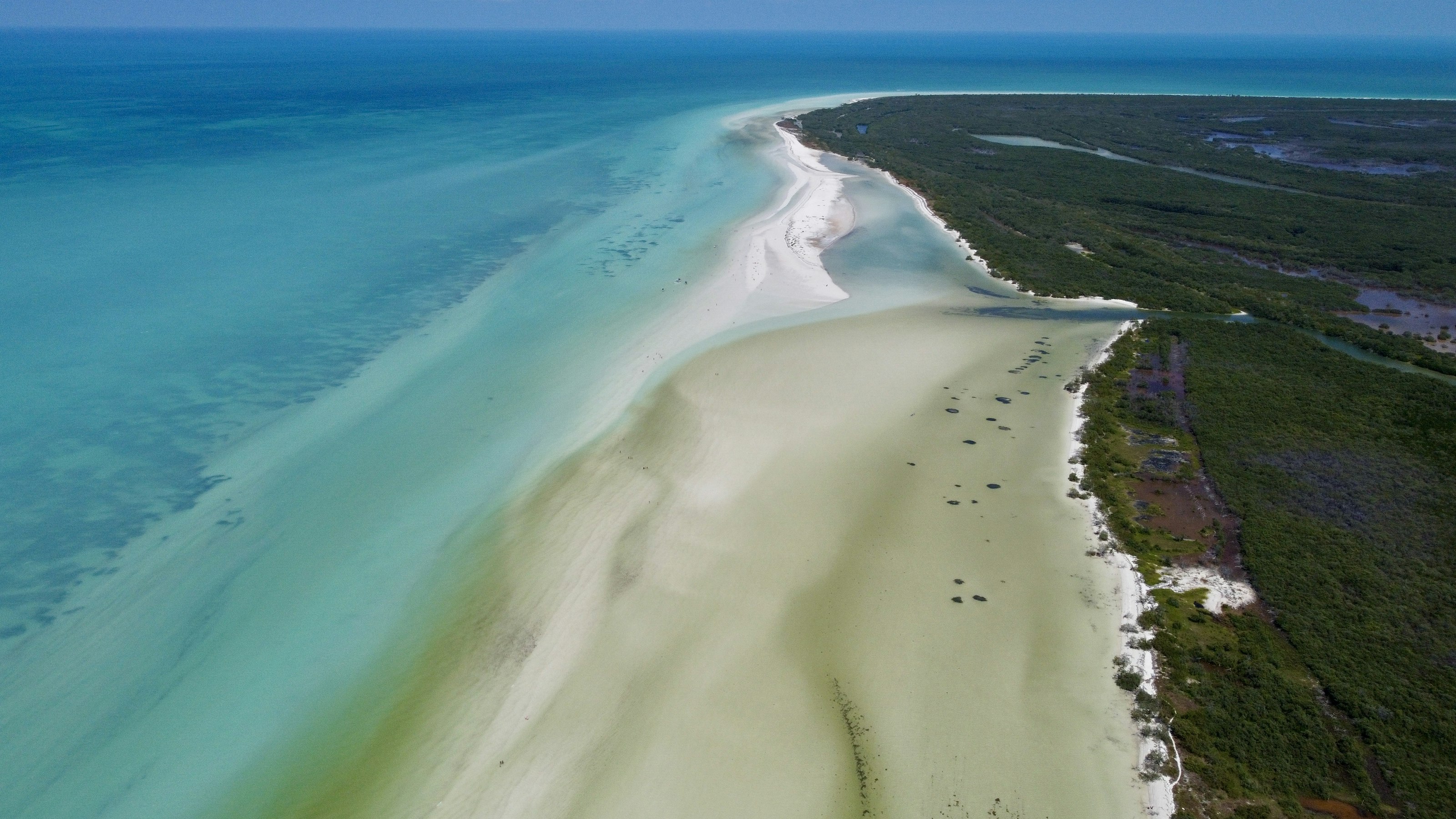 #7177 /100
Isla Holbox is a car-free sandbar island off Mexico's Yucatán coast, reached only by boat, with sandy streets, pastel-painted guesthouses, and a slower pace than the resorts of Cancún.
Whale sharks gather in the surrounding waters from roughly June to September, drawing snorkel trips out to swim alongside them, and the island's shallow lagoon glows with bioluminescent plankton on dark nights.
How does it rate
CrowdsRomanceCash RequiredDangerAccessibilityWhy you should go
Snorkelling alongside whale sharks, the largest fish in the ocean, just offshore is a rare and genuinely gentle wildlife encounter.
Why you shouldn't go
It's seasonal — outside whale shark months and without a clear dark sky for bioluminescence, it's a much quieter draw.
Plan your visit
Best time to visitJune–September for whale sharks; new-moon nights any time of year for bioluminescence.Best time of daySunset on the north beach, and after dark (away from lights) for bioluminescent plankton.Getting thereFly to Cancún; 2-hour drive to Chiquilá, then a 20-minute passenger ferry to the island.Entry costFree to explore; whale shark tours and bioluminescence boat trips are paid extras.Time needed2–3 daysInsider tip — Book whale shark tours directly through a licensed local operator at the pier rather than a resort in Cancún — it's cheaper and the boats are smaller. -
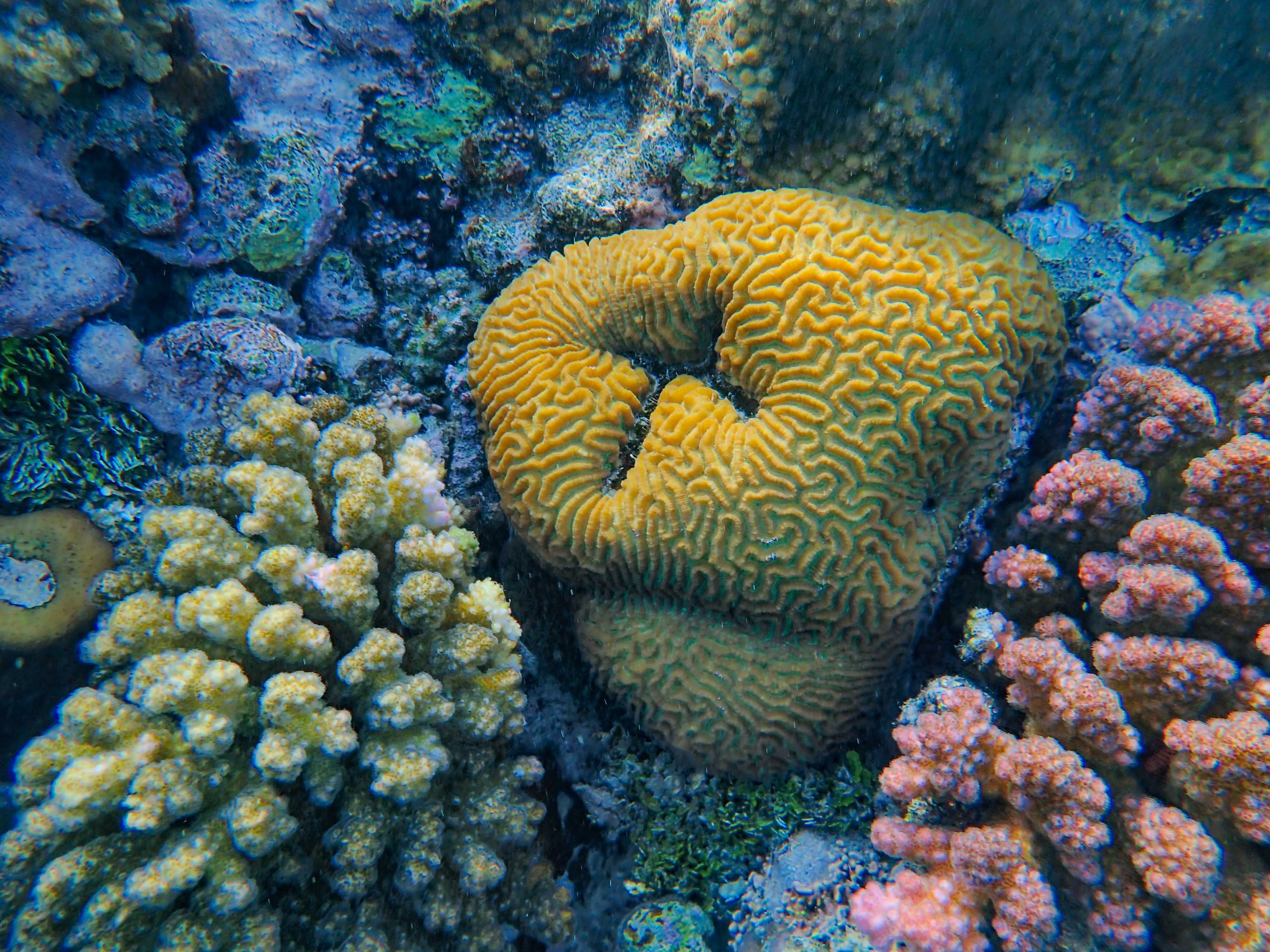 #7277 /100
The Farasan Islands are a low-lying Red Sea archipelago off Saudi Arabia's southern coast, ringed by coral reefs that draw divers and snorkellers to waters that see whale sharks pass through seasonally.
The main island holds crumbling coral-stone merchant houses from an Ottoman-era pearling boom, now mostly abandoned, alongside mangrove channels sheltering gazelles found nowhere else, with ferries from Jazan the only way in.
How does it rate
CrowdsRomanceCash RequiredDangerAccessibilityWhy you should go
Diving reefs that see almost no other visitors, alongside crumbling Ottoman-era pearling houses, makes for a genuinely uncommon combination.
Why you shouldn't go
Ferry schedules are limited and infrastructure is basic, so it takes more planning than a typical island trip.
Plan your visit
Best time to visitOctober–April, avoiding the most intense Red Sea summer heat and humidity.Best time of dayMorning, for the calmest seas for diving and the ferry crossing.Getting thereFly to Jazan; a roughly 1.5–2-hour ferry crosses to the main Farasan island.Entry costFerry ticket plus any diving or snorkelling tour costs.Time needed1–2 daysInsider tip — Arrange diving trips in advance through an operator in Jazan — options on the islands themselves are limited and can sell out. -
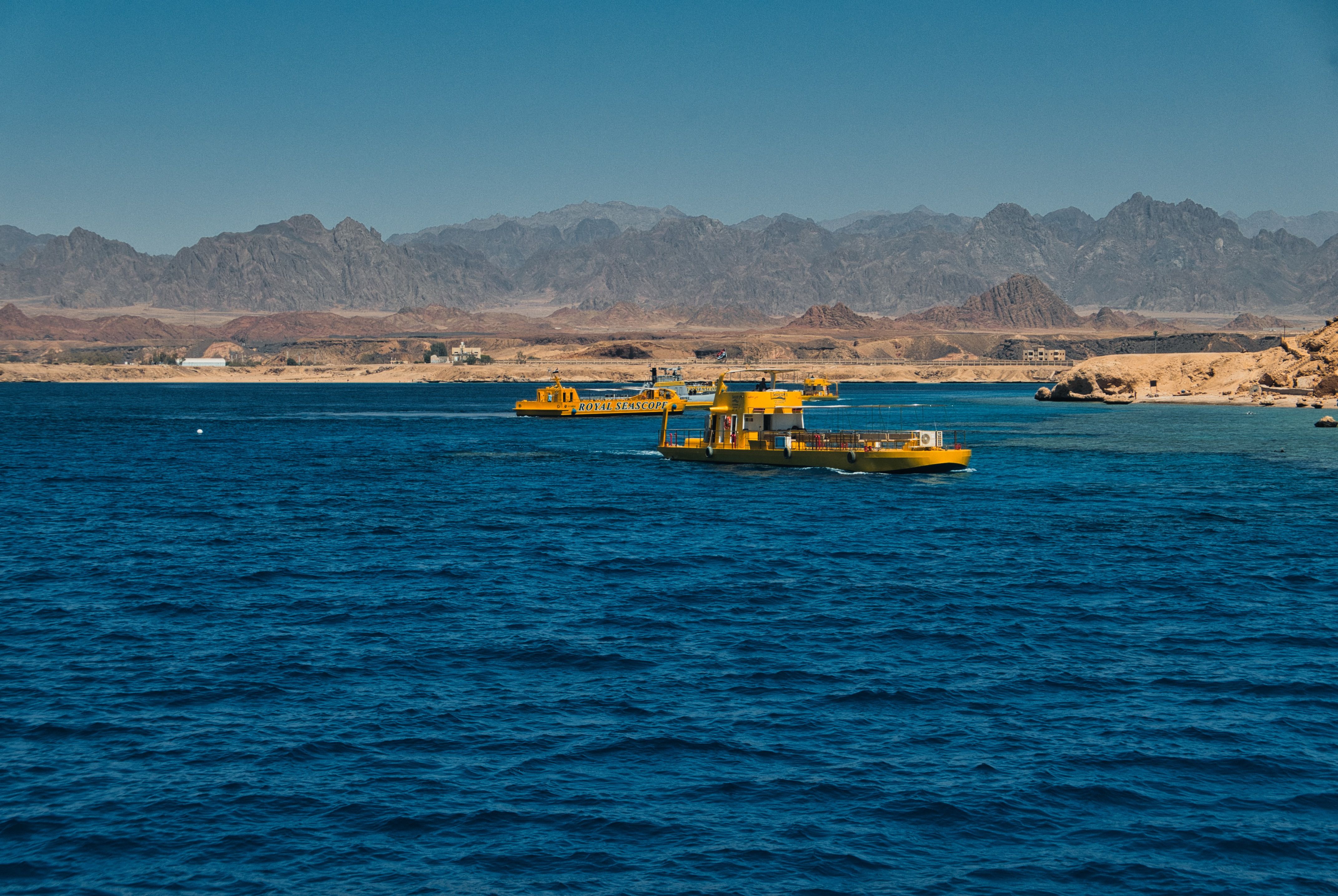 #7376 /100
At the southern tip of the Sinai Peninsula, where the Gulf of Suez meets the Gulf of Aqaba, Ras Mohammed protects some of the Red Sea's most vivid coral reef, with underwater visibility regularly exceeding 20 meters and walls that drop dramatically into deep blue water just offshore.
The Shark and Yolanda Reef dive sites are considered among the best in the world for the sheer density and variety of reef fish.
How does it rate
CrowdsRomanceCash RequiredDangerAccessibilityWhy you should go
World-class coral reef diving with exceptional visibility, accessible to snorkelers as well as divers.
Why you shouldn't go
The best dive sites (Shark and Yolanda Reef) involve deeper, current-exposed diving suited to experienced divers.
Plan your visit
Best time to visitMarch–May and September–November for the calmest water and best visibility.Best time of dayMorning boat trips, before afternoon wind picks up on the open water.Getting thereAbout 30-45 minutes by boat or road from Sharm el-Sheikh.Entry costPark entry around $10; dive trips typically $50-90.Time needed1 day.Insider tip — Snorkel the shallow reef at Ras Mohammed's shore access points if you're not diving — the coral and fish density rivals many dive-only sites. -
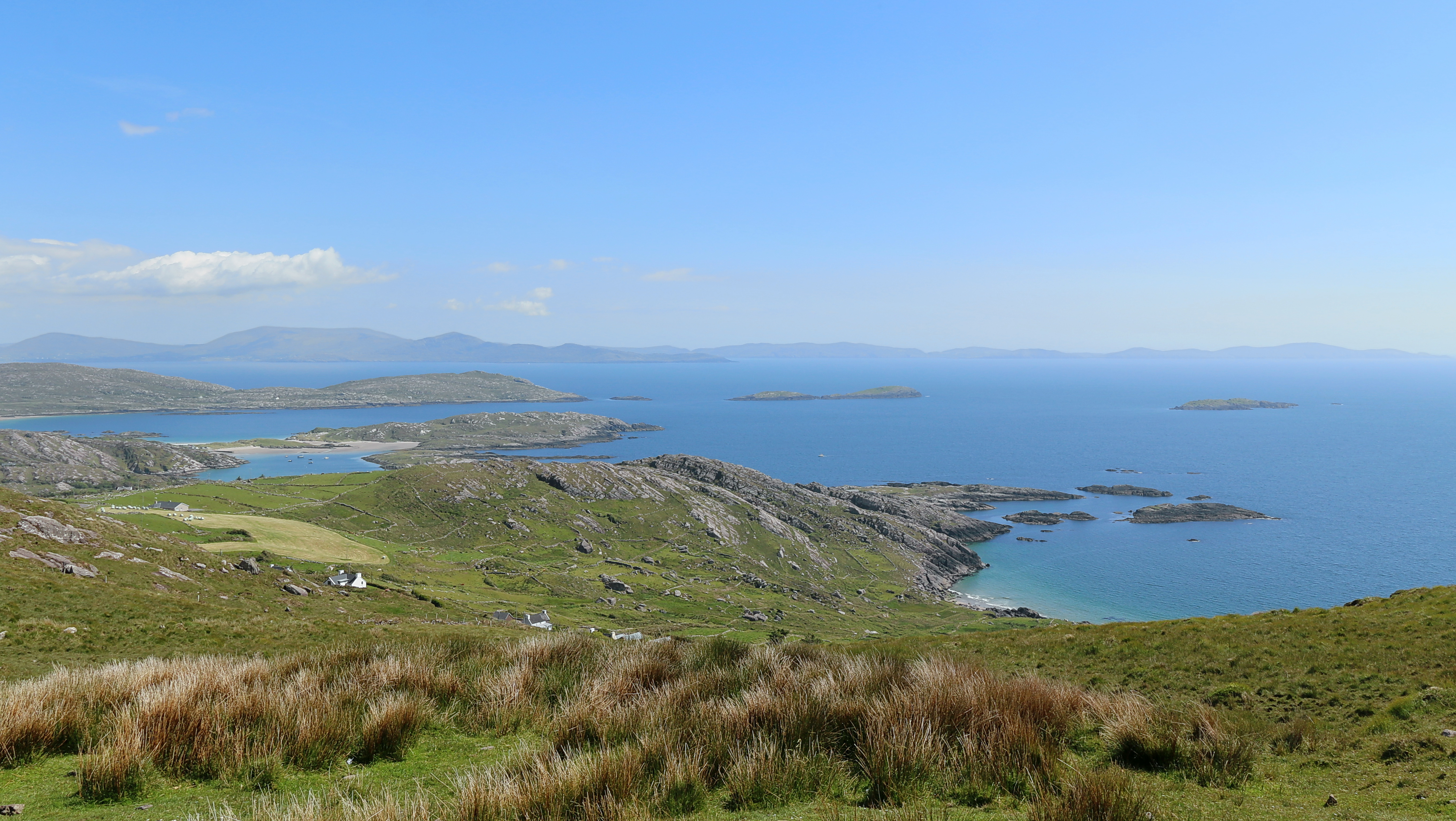 #7476 /100
The Ring of Kerry is a 179-kilometre circular route around the Iveragh Peninsula in County Kerry in southwest Ireland, passing through some of the country's most dramatic coastal, mountain, and lakeside scenery.
The route takes in the colourful town of Kenmare, the spectacular Killarney National Park, and the ancient stone forts of Skellig Ring.
How does it rate
CrowdsRomanceCash RequiredDangerAccessibilityWhy you should go
The combination of rugged Atlantic coastline, purple-heathered mountains, and characterful small towns makes the Ring of Kerry one of the most varied and rewarding scenic drives in Europe.
Why you shouldn't go
The Ring of Kerry road becomes very congested with tour coaches in summer, particularly in July and August; driving it independently against the one-way coach traffic flow is recommended.
Plan your visit
Best time to visitMay-September for best weather oddsBest time of dayLate afternoon for light on the coastal viewsGetting thereSelf-drive loop starting from KillarneyEntry costFreeTime neededFull dayInsider tip — Drive the loop counter-clockwise, opposite to the tour buses, to avoid getting stuck behind them on narrow roads -
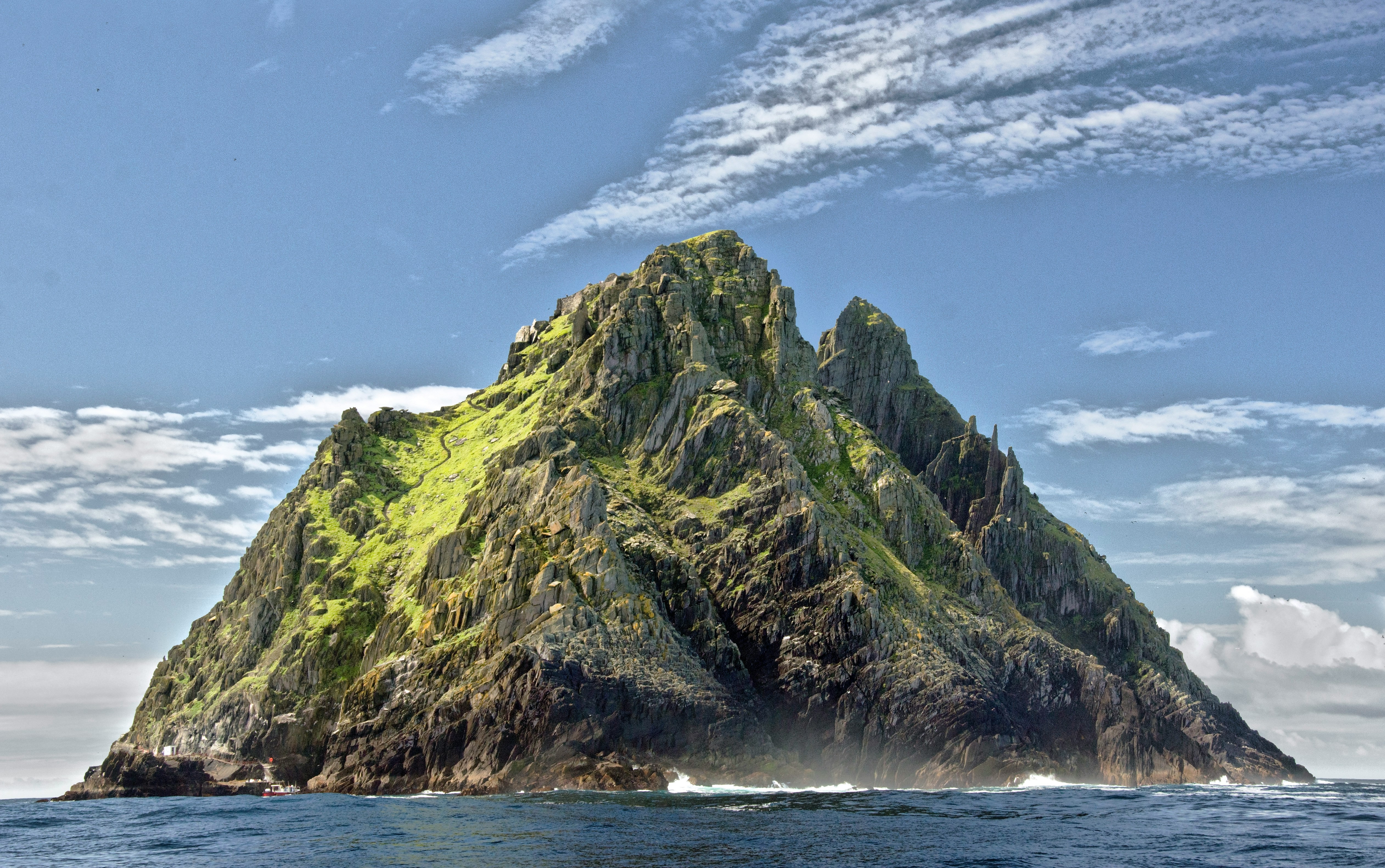 #7576 /100
A dramatic rocky island 12km off the Irish coast, home to a 6th-century monastic settlement perched 200 meters above the Atlantic.
Narrow stone stairways climb to beehive-shaped huts where monks lived in near-total isolation for centuries, and the island later appeared in Star Wars.
How does it rate
CrowdsRomanceCash RequiredDangerAccessibilityWhy you should go
A remote monastic island with 1,400-year-old beehive huts on a rocky Atlantic peak.
Why you shouldn't go
Accessible only by boat and weather-dependent; crossings are frequently cancelled; no facilities on the island.
Plan your visit
Best time to visitMay–September, when the licensed boats operate; even then, rough seas cause regular cancellations.Best time of dayMorning departures are more likely to run before afternoon swells build.Getting thereBase in Portmagee or Ballinskelligs; licensed boat tours depart daily in season, weather permitting.Entry costBoat tour roughly €100 per person, including the landing permit.Time neededHalf a day including the boat crossing.Insider tip — Book well ahead — only a small number of licensed boats are permitted to land each day. The climb involves over 600 uneven stone steps with no railings; sturdy footwear is essential. -
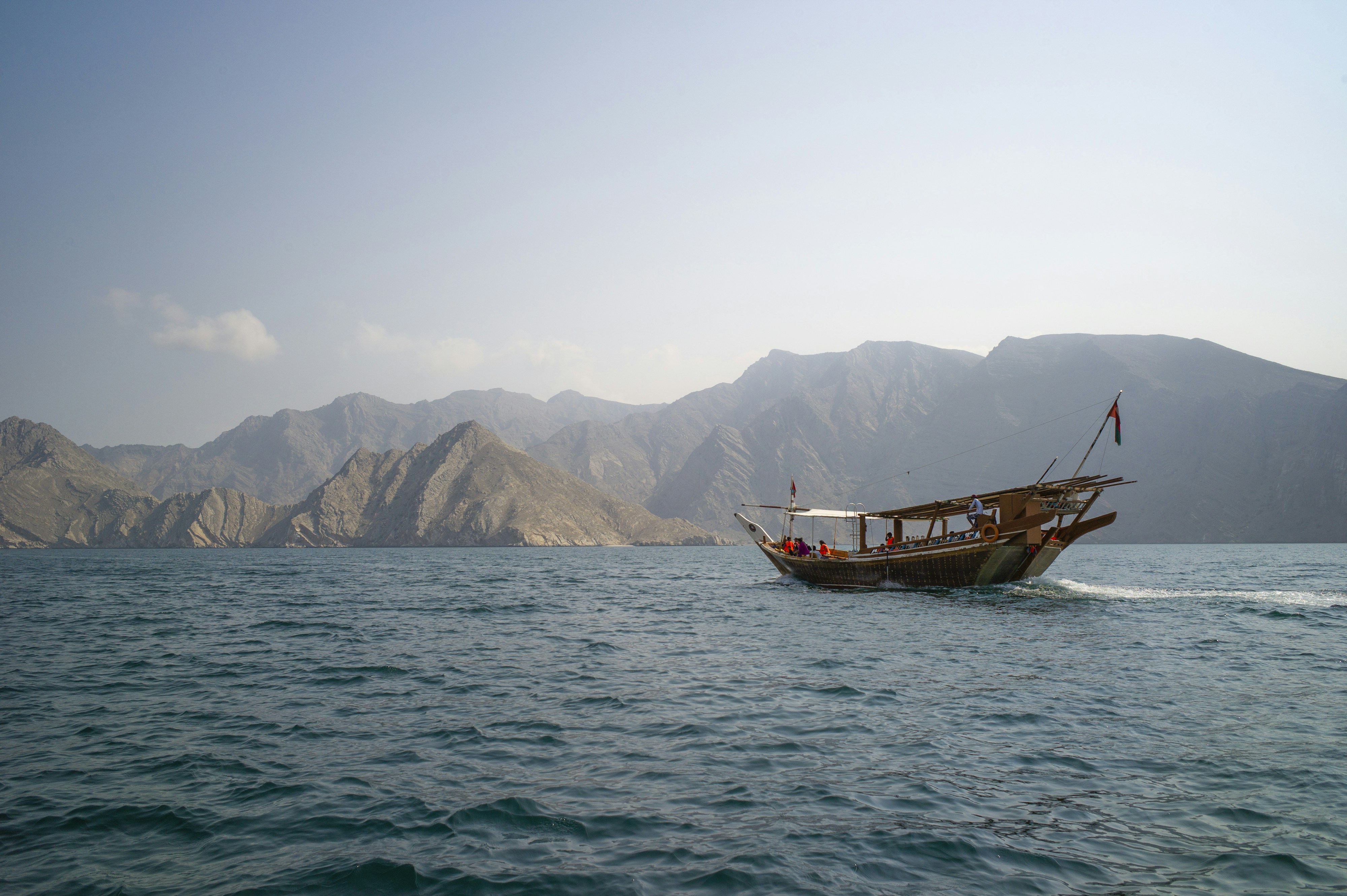 #7676 /100
Steep, arid mountains drop straight into the sea along this remote Omani exclave, earning the nickname the Norway of Arabia for its fjord-like inlets.
Traditional wooden dhows cruise between the peninsula's narrow channels, where dolphins are a near-daily sighting.
Fishing villages built into the base of sheer cliffs remain reachable only by boat.
How does it rate
CrowdsRomanceCash RequiredDangerAccessibilityWhy you should go
Fjord-like inlets between desert mountains, cruised by traditional wooden dhows with dolphins alongside.
Why you shouldn't go
Musandam is physically cut off from the rest of Oman by UAE territory, adding a border crossing to most routes.
Plan your visit
Best time to visitOctober-April, avoiding the extreme summer heat.Best time of dayMorning, for the calmest water and best chance of dolphin sightings.Getting thereFly to Dubai, then drive across the UAE border to Khasab (about 3 hours), or fly directly to Khasab.Entry costDhow cruise tours typically $40-60 per person.Time neededFull dayInsider tip — Book a full-day dhow cruise rather than a short one - the most dramatic fjord scenery and best dolphin sightings are further out than the shorter tours reach. -
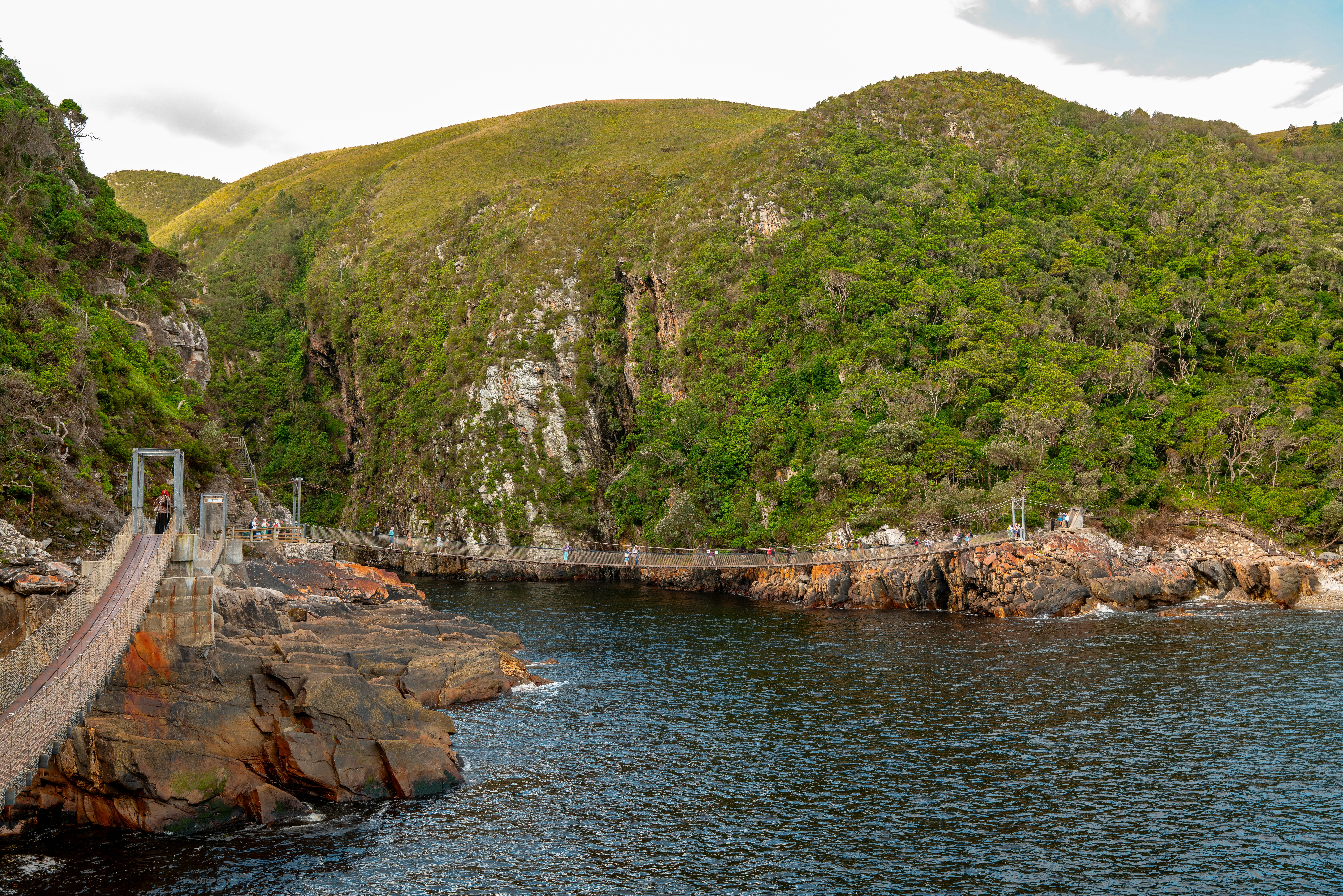 #7776 /100
The Garden Route traces roughly 300 kilometres of South Africa's southern coast between Mossel Bay and Storms River, crossing indigenous forest, lagoons, and dramatic sea cliffs.
Knysna's lagoon and oyster shacks, Plettenberg Bay's beaches, and the canopy walkways of Tsitsikamma National Park make for constant stops.
Southern right whales gather off Plettenberg Bay for much of the year on this smooth, well-signed, easy self-drive route.
How does it rate
CrowdsRomanceCash RequiredDangerAccessibilityWhy you should go
Forests, lagoons, cliffs and whale-watching coastline packed into one easy, well-paved self-drive route.
Why you shouldn't go
Peak summer (Dec-Jan) sees the coastal towns and roads become crowded with domestic holidaymakers.
Plan your visit
Best time to visitOctober-November or February-March for good weather without peak-season crowds.Best time of dayMorning departures avoid afternoon coastal fog and leave time for stops before dusk.Getting thereFly into Cape Town or George, hire a car, and join the N2 highway heading east or west.Entry costFree to drive; Tsitsikamma and other park activities charge separate entry feesTime needed3-5 daysBookingBook ahead →Insider tip — Book a sunset oyster platter at a Knysna lagoon-front shack, and detour to Robberg Nature Reserve near Plettenberg Bay for whale sightings. -
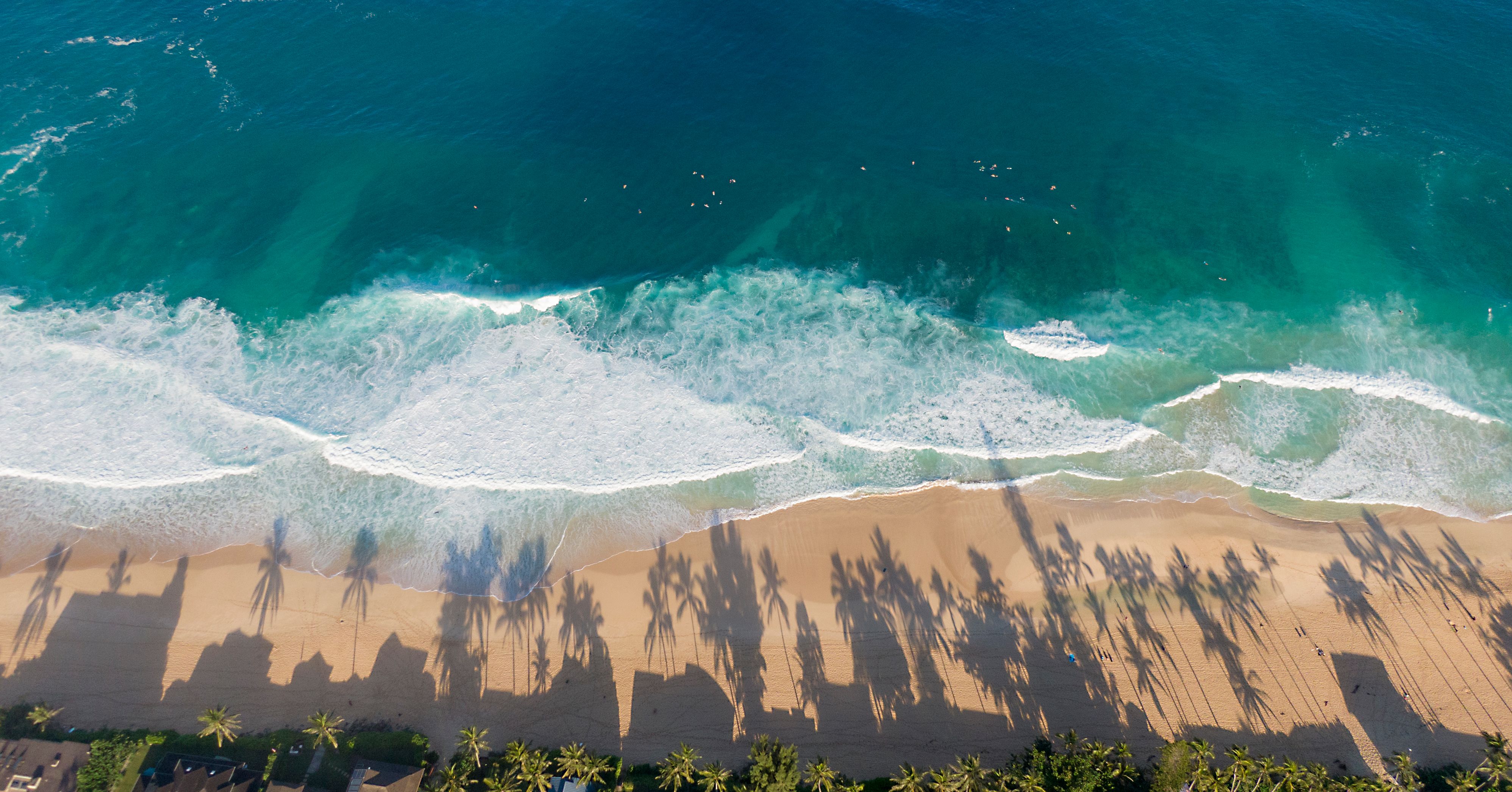 #7875 /100
A long, wide stretch of soft white sand on Oahu's windward coast, with the Ko'olau mountain range rising green and jagged directly behind it.
It's popular with locals rather than tour buses, so it stays uncrowded even close to Honolulu, and the water is generally calmer than the island's surf-famous North Shore.
Bellows Beach next door adds a second, quieter option within the same bay.
How does it rate
CrowdsRomanceCash RequiredDangerAccessibilityWhy you should go
Wide white sand backed directly by the jagged Ko'olau range, with far fewer tourists than Oahu's famous North Shore beaches.
Why you shouldn't go
Facilities are basic, and being a local favourite means weekends can bring heavy beach-park traffic.
Plan your visit
Best time to visitApril-October for calmer, warmer water.Best time of dayEarly morning, when the mountains catch the sunrise light.Getting thereFly to Honolulu; a 40-minute drive around the southeast coast to Waimanalo.Entry costFree.Time needed2-3 hours.Insider tip — Bellows Field Beach Park next door is open to the public on weekends and is usually quieter still. -
 #7975 /100
Chile's main historic port climbs steep hills above the Pacific, linked by century-old funiculars and dense with painted houses and street art.
UNESCO listed the old quarter for its unplanned layout, and wandering the stairways of Cerro Alegre and Cerro Concepción, plus Pablo Neruda's clifftop house La Sebastiana, is the main activity.
Parts of the city have visibly declined, and the port is still working, not polished.
How does it rate
CrowdsRomanceCash RequiredDangerAccessibilityWhy you should go
A maze of hillside stairways, funiculars and street art with no real equivalent elsewhere in Chile.
Why you shouldn't go
Parts of the city have declined and pickpocketing is a real risk - stick to the touristed hills after dark.
Plan your visit
Best time to visitSeptember-November or March-May, for mild weather and thinner crowds than summer.Best time of dayDaytime for exploring the hills; sunset from Paseo Gervasoni or Paseo Atkinson.Getting thereFly to Santiago, then about a 90-minute bus or drive west to Valparaíso.Entry costFree to explore; funiculars ~CLP 300-800 each wayTime neededHalf a day to a full dayInsider tip — Ride the Ascensor Concepción, Chile's oldest funicular, up to Paseo Gervasoni for the classic hillside-and-harbour view, then walk down through Cerro Alegre. -
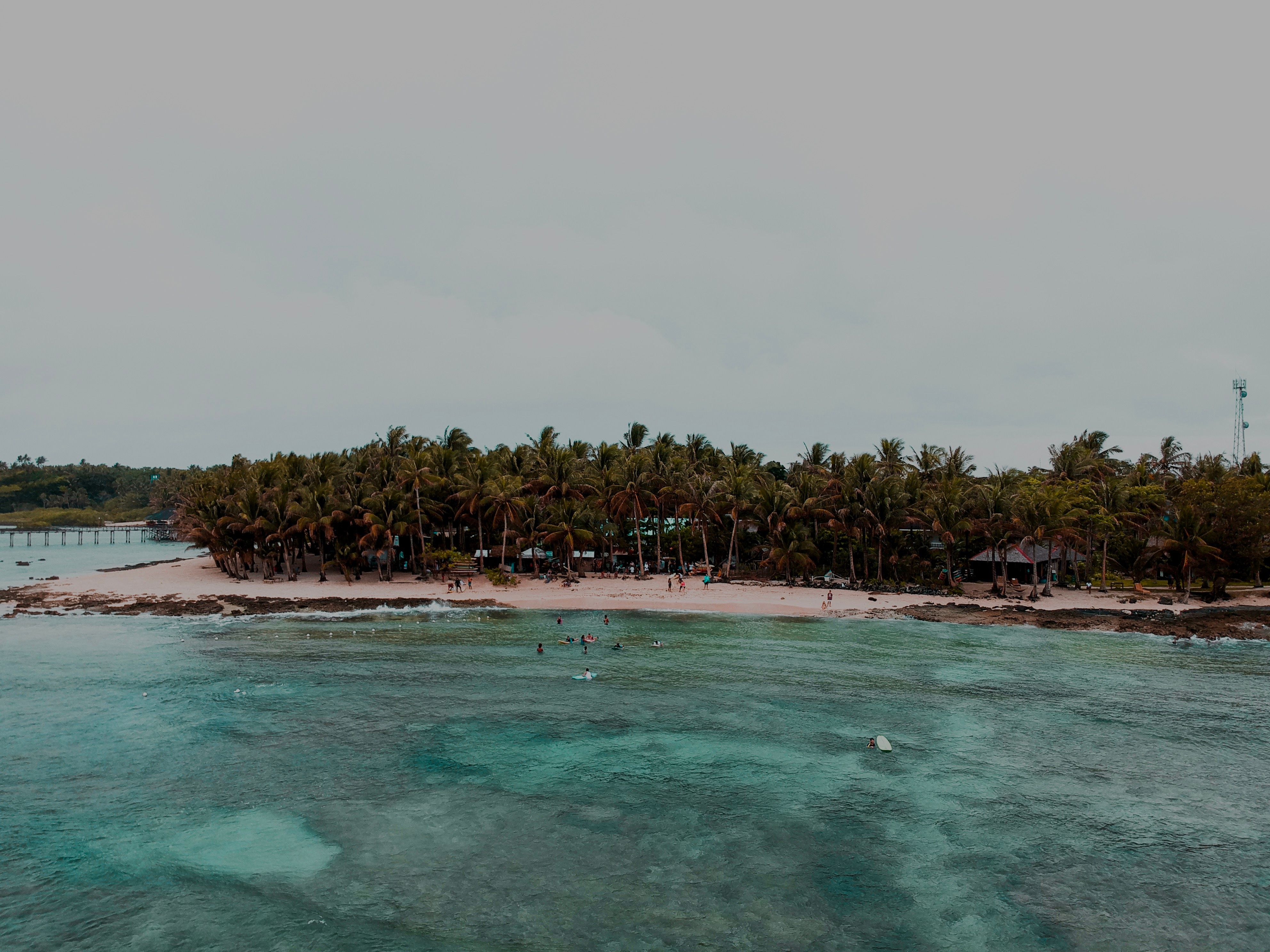 #80
#80The Philippines' surfing capital centers on Cloud 9, a powerful reef break that draws competitive surfers from around the world, but the teardrop-shaped island has plenty beyond the waves — the tidal Magpupungko rock pools, palm-lined lagoons, and a laid-back beach-town scene around General Luna.
Island-hopping trips reach nearby uninhabited islets with genuinely empty white-sand beaches.
How does it rate
CrowdsRomanceCash RequiredDangerAccessibilityWhy you should go
World-class surf at Cloud 9, plus genuinely uncrowded island-hopping beaches nearby.
Why you shouldn't go
The best surf swells (August–November) bring rough water that's unsuitable for casual swimming.
Plan your visit
Best time to visitMarch–October for calmer seas; August–November for the biggest surf swells.Best time of dayDawn patrol surf sessions, before the wind picks up and crowds arrive at Cloud 9.Getting thereFly directly to Siargao (Sayak) airport from Manila or Cebu.Entry costFree beaches; surf lessons from around ₱1,000 (~€16); island-hopping tours from ₱1,500.Time needed3–4 days.Insider tip — Rent a scooter to reach Magpupungko rock pools at low tide on a weekday — far quieter than the main surf beaches. -
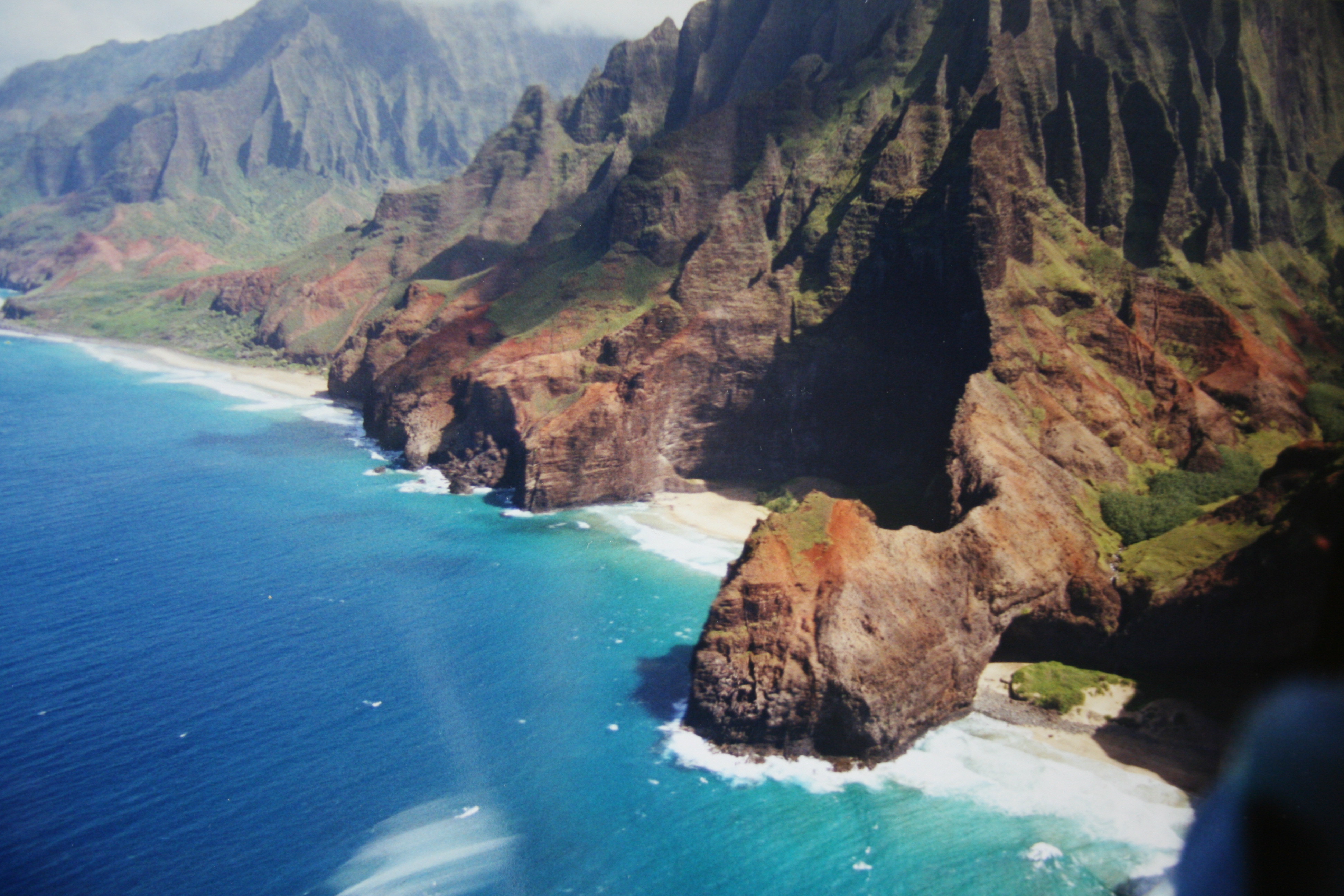 #8174 /100
An 11-mile coastal trail along Kauai's Na Pali Coast, climbing in and out of fluted, jungle-green valleys with the Pacific breaking against sea cliffs far below.
The route crosses Hanakapiai Stream, skirts the exposed Crawler's Ledge, and ends at the remote Kalalau Valley and beach.
Permits are required past the two-mile mark and are famously hard to secure, often selling out within seconds of release.
How does it rate
CrowdsRomanceCash RequiredDangerAccessibilityWhy you should go
Sea cliffs, waterfalls and jungle valleys along one of the most dramatic coastlines in the Pacific.
Why you shouldn't go
Crawler's Ledge and several stream crossings turn genuinely dangerous in rain, and permits vanish in seconds.
Plan your visit
Best time to visitMay-September (drier season); stream crossings can become impassable in winter rains.Best time of dayEarly morning start to clear exposed sections before afternoon heat.Getting thereFly to Lihue; drive about an hour to the trailhead at Ke'e Beach, the end of the road.Entry costCamping permit $25/night (Hawaii residents) or $35/night (non-residents).Time needed2-3 days for the full trail; day hikers often turn back at Hanakapiai FallsBookingBook ahead →Insider tip — Permits release exactly 90 days ahead at midnight Hawaii time and go in seconds - have your account and dates ready beforehand. -
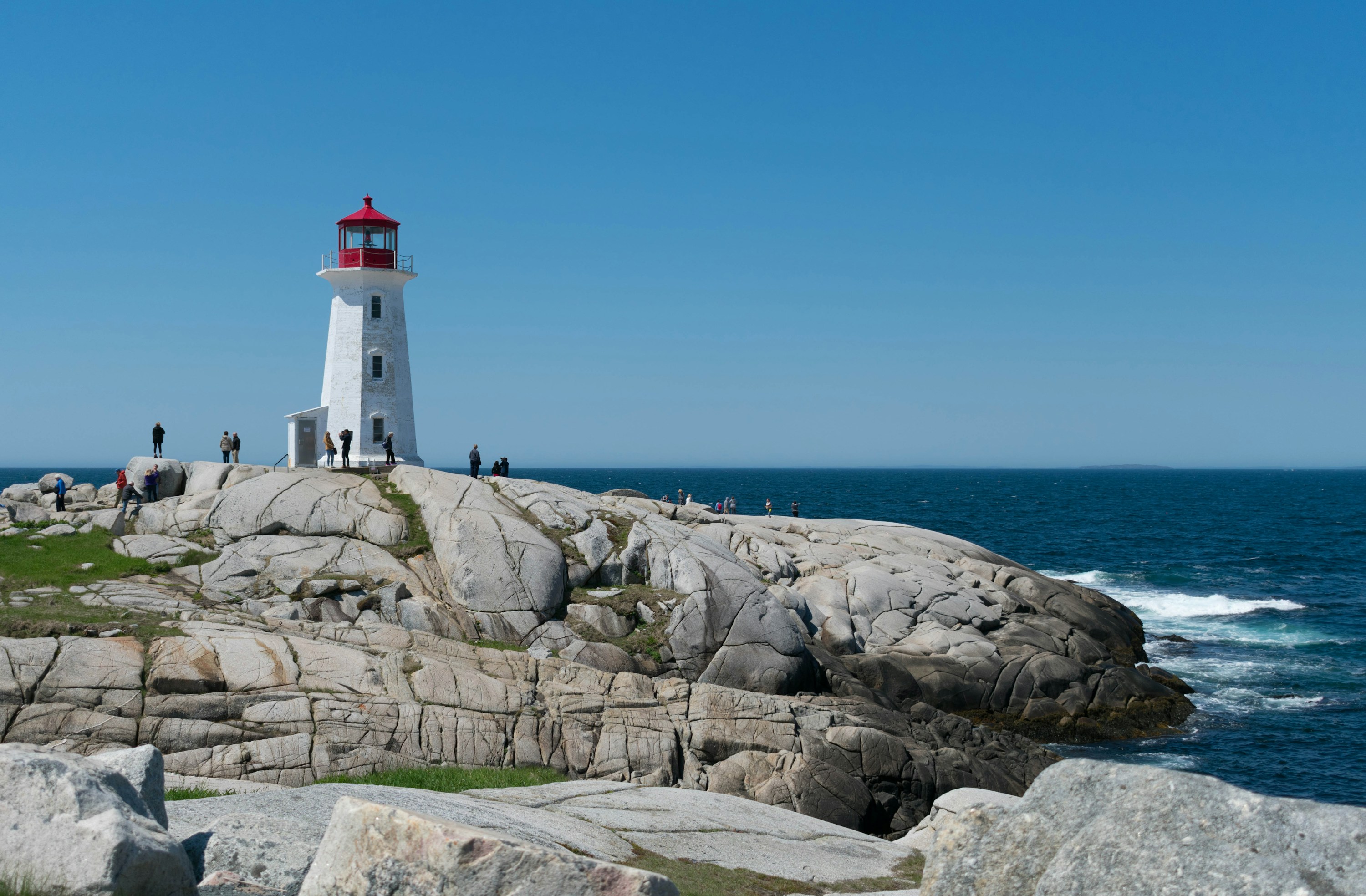 #8274 /100
A small fishing village on Nova Scotia's rocky Atlantic coast, built around one of Canada's most recognisable lighthouses, perched on wave-smoothed granite boulders above the open ocean.
The working harbour still holds lobster boats and fish shacks alongside the crowds, and a short walk along the shoreline rocks gives open views out to sea.
Waves can sweep the outer rocks without warning.
How does it rate
CrowdsRomanceCash RequiredDangerAccessibilityWhy you should go
One of the most recognisable lighthouses in Canada, set on open granite rock above the Atlantic, a short drive from Halifax.
Why you shouldn't go
Extremely busy with tour buses in summer, and the smooth rocks nearest the water have caused fatal rogue-wave incidents.
Plan your visit
Best time to visitJune-September for mild weather; arrive outside 10am-4pm to avoid tour bus crowdsBest time of dayEarly morning or early eveningGetting thereFly to Halifax Stanfield International Airport; 45-50 minute drive southwest on Route 333.Entry costFree; parking fee appliesTime needed1-2 hoursInsider tip — Stay on the dark, lichen-covered rock and well back from the water on the ocean side of the lighthouse; the smooth grey granite closer to the surf has swept visitors away in calm-looking conditions. -
 #8373 /100
A remote island in the Arabian Sea, isolated for millions of years, home to the umbrella-shaped dragon's blood trees found nowhere else on Earth.
Pristine beaches, alien-looking flora, and a culture largely untouched by mass tourism define one of the world's most singular landscapes.
How does it rate
CrowdsRomanceCash RequiredDangerAccessibilityWhy you should go
Otherworldly dragon's blood trees and pristine beaches on one of the most isolated inhabited islands on Earth.
Why you shouldn't go
Extremely remote with limited services; ongoing regional instability affects access and safety — check current travel advisories carefully.
Plan your visit
Best time to visitOctober–April for stable weather; access can be intermittent due to political conditions.Best time of daySunset light brings out the color of the dragon's blood trees and dunes.Getting thereFlights from Abu Dhabi or Cairo operate intermittently depending on political conditions; check current routes before booking.Entry costVisa, flights, and guided accommodation run roughly $150–250 USD per day.Time needed3–5 days.Insider tip — Independent travel is not advisable — go through a specialist operator with a local guide. Verify the current political and safety situation immediately before travel, as it changes frequently. -
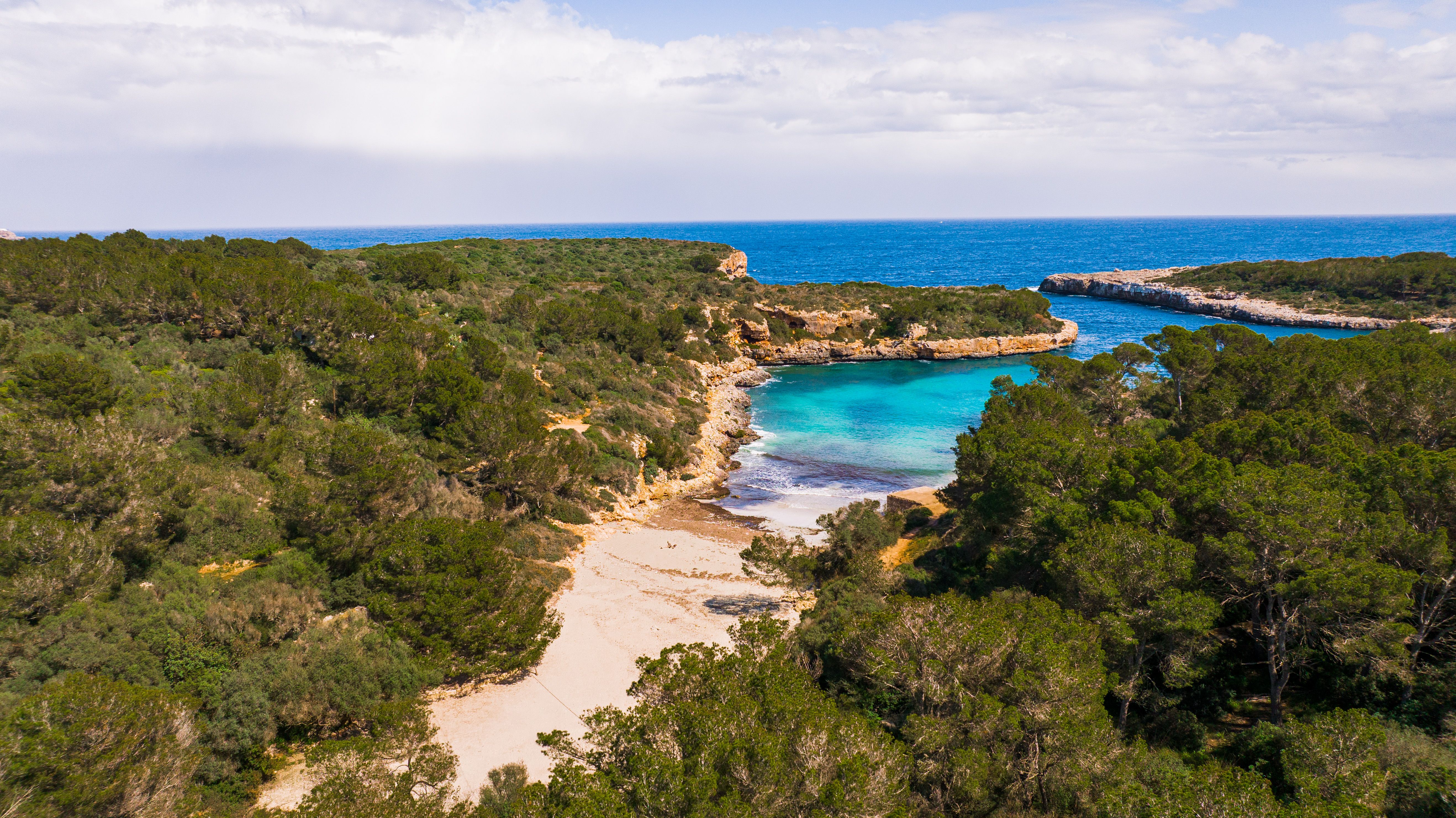 #8473 /100
A small, pine-fringed cove inside a protected natural park on Mallorca's southeast coast, with shallow, startlingly clear turquoise water that stays calm most of the year.
Because it sits within Mondrago Natural Park, development around the cove is deliberately limited, which keeps it looking much like the rest of the island did before mass tourism.
It's a short walk from the car park through scrub pine, which filters out casual visitors.
How does it rate
CrowdsRomanceCash RequiredDangerAccessibilityWhy you should go
Clear, calm turquoise water inside a protected natural park, with none of the high-rise development found elsewhere on the island.
Why you shouldn't go
Parking fills early in summer, and there are no facilities beyond a small beach bar.
Plan your visit
Best time to visitJune or September for warm water and thinner crowds than July-August.Best time of dayMorning, before the day-trip crowds from nearby resorts arrive.Getting thereFly to Palma; a 45-minute drive southeast to Mondrago Natural Park.Entry costFree; parking has a small daily fee in summer.Time needed2-3 hours.Insider tip — The second, smaller cove just south (Cala Mondrago's twin inlet) is usually quieter than the main beach. -
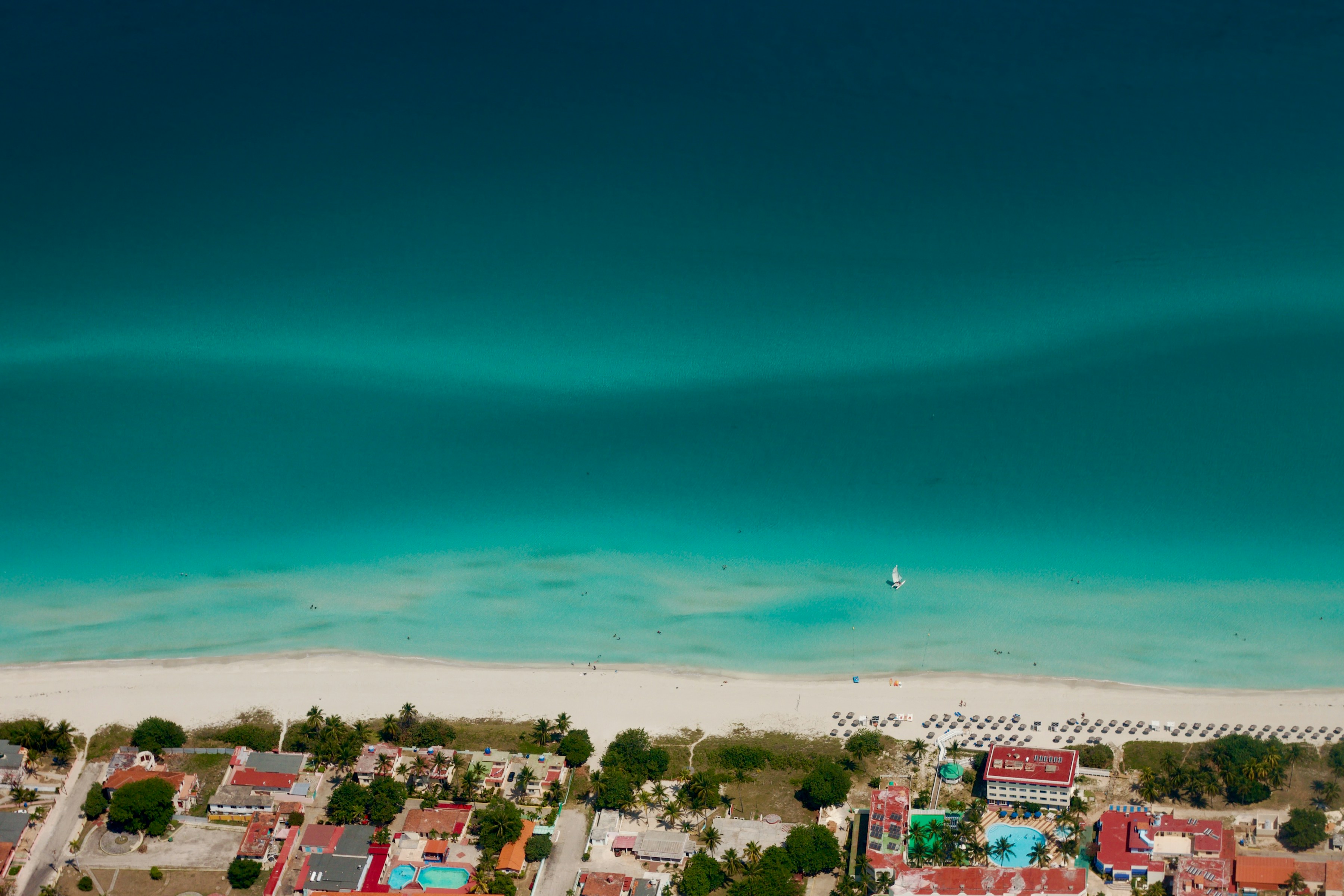 #8572 /100
Cuba's premier beach resort stretch runs for roughly 20 kilometers along a narrow peninsula east of Havana, its powder-white sand and calm, clear turquoise water backed by a dense strip of all-inclusive resorts.
It's a more polished, tourist-oriented side of Cuba than Havana or Trinidad, built primarily around sun, sand and watersports rather than culture or history.
How does it rate
CrowdsRomanceCash RequiredDangerAccessibilityWhy you should go
Cuba's most reliable, resort-backed Caribbean beach stretch, with calm, clear water.
Why you shouldn't go
It's the most resort-developed, least distinctly 'Cuban' part of the island, with limited local culture on-site.
Plan your visit
Best time to visitNovember–April, the dry season, for the most reliable sunshine.Best time of dayMorning, before the strongest midday sun and afternoon resort crowds at the water's edge.Getting thereFly directly to Varadero's international airport, or drive about 2.5 hours from Havana.Entry costPublic beach access free; many stretches are attached to all-inclusive resorts.Time needed2–4 days.Insider tip — Head to the public beach access points near the town of Varadero itself, away from resort-fronted sections, for a livelier, more local atmosphere. -
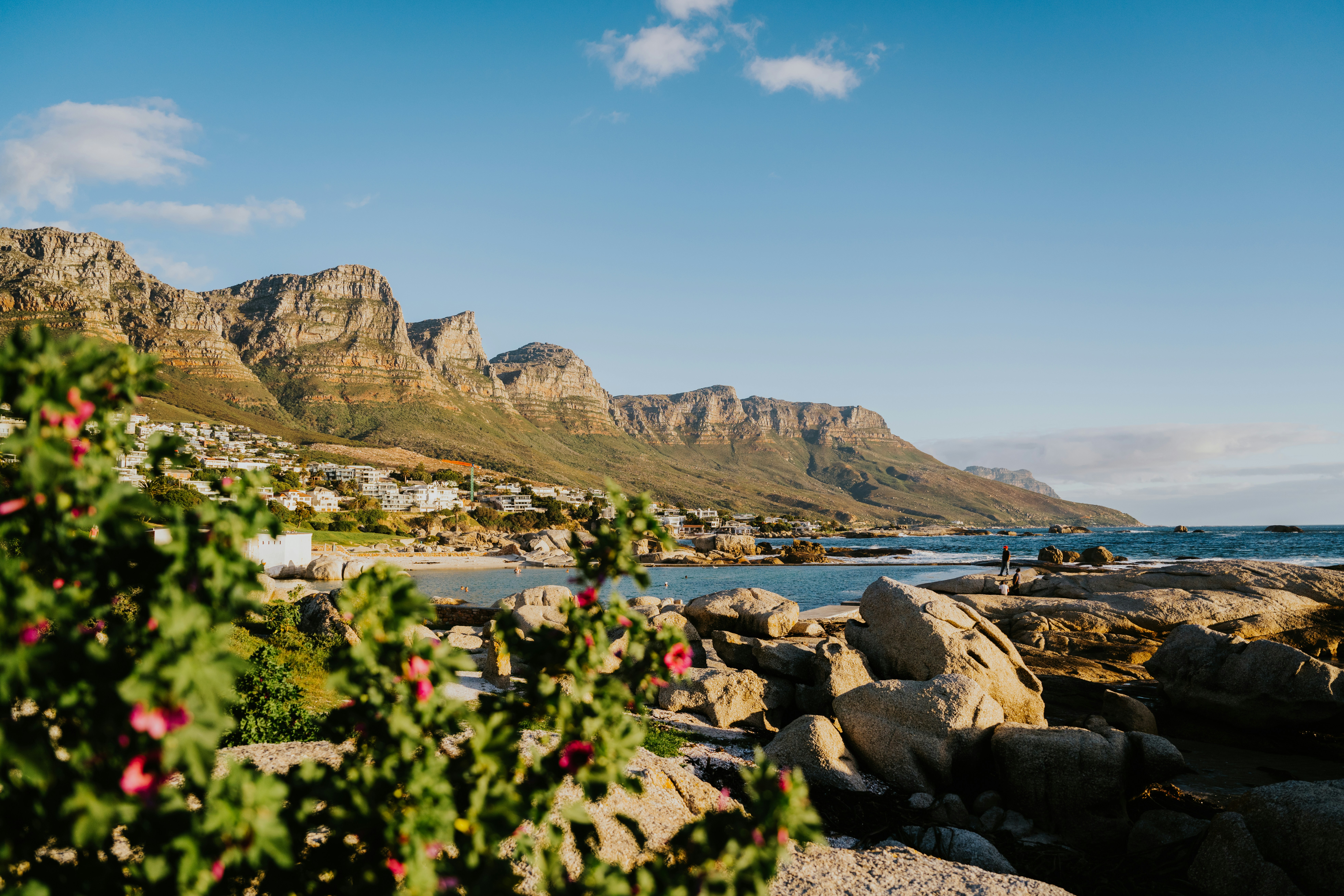 #8672 /100
A white-sand beach a ten-minute drive from central Cape Town, backed by the granite spine of the Twelve Apostles and lined with a busy strip of palm-fringed restaurants and bars.
The water is bracingly cold thanks to the Atlantic's Benguela current, so most visitors come for the setting, the sunset and the promenade scene rather than long swims.
Few city beaches anywhere have a backdrop like it.
How does it rate
CrowdsRomanceCash RequiredDangerAccessibilityWhy you should go
The Twelve Apostles mountain range rises straight up behind the sand, giving it one of the most dramatic backdrops of any city beach.
Why you shouldn't go
The Atlantic water here is cold year-round, and the beachfront strip gets loud and packed on warm evenings.
Plan your visit
Best time to visitDecember-March for the warmest, driest weather.Best time of daySunset, when the mountains turn deep orange behind the beach.Getting thereA short taxi or drive from central Cape Town over Kloof Nek or along Victoria Road.Entry costFree.Time needed2-3 hours.Insider tip — Walk to the rocks at the beach's southern end for a photo with both the mountains and the full curve of sand in frame. -
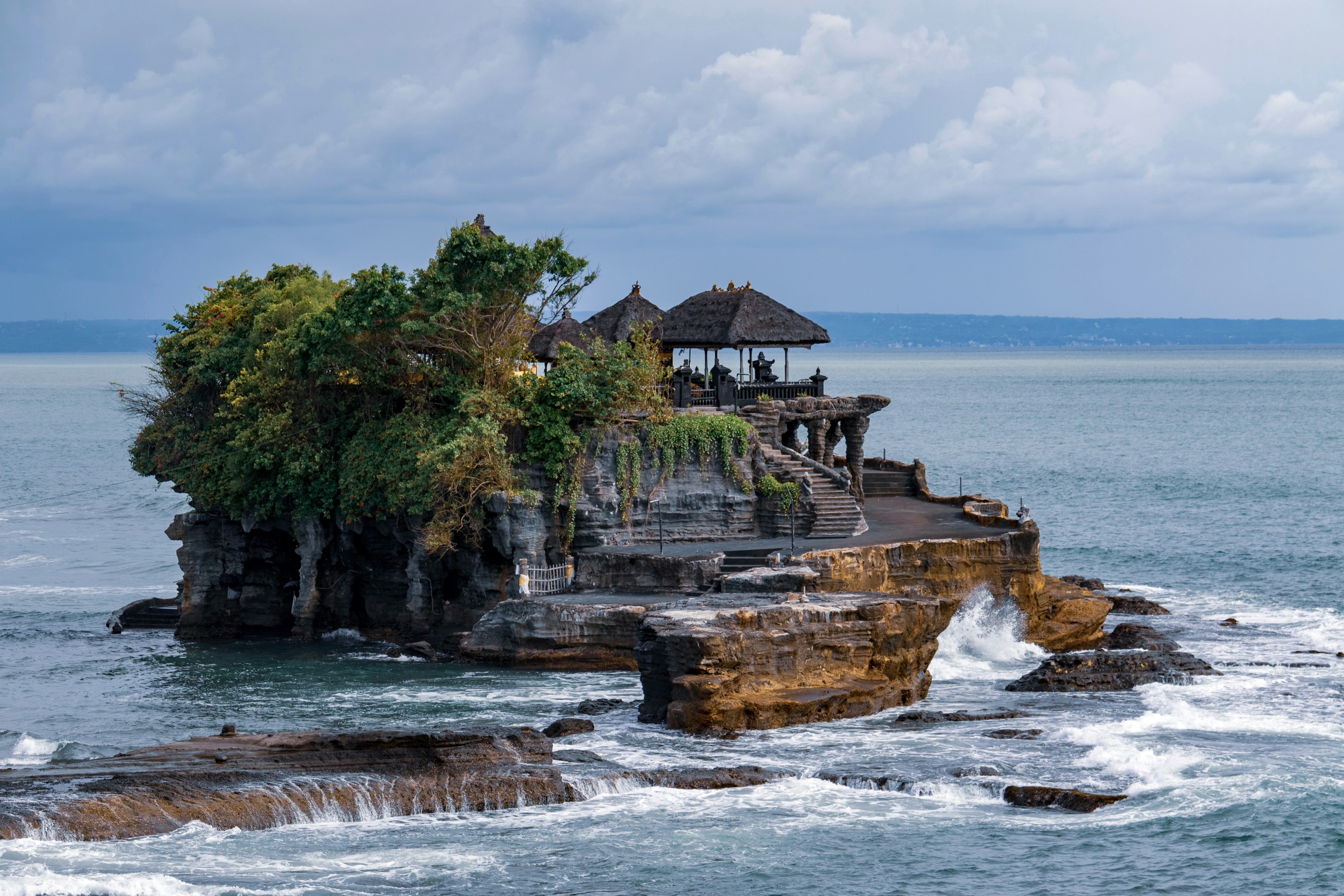 #8772 /100
Tanah Lot's Hindu sea temple sits on a small rock outcrop just offshore, cut off from the mainland at high tide and reachable on foot when the water recedes.
Built around a natural spring the Balinese consider sacred, it's one of several coastal temples protecting Bali from sea spirits, and among the most photographed silhouettes on the island at sunset.
The temple interior is closed to non-worshippers, so the visit is really about the setting and the ritual crowds gathering for dusk.
How does it rate
CrowdsRomanceCash RequiredDangerAccessibilityWhy you should go
One of Bali's most iconic sunset silhouettes, a temple perched on a wave-battered sea rock.
Why you shouldn't go
Extremely crowded by late afternoon, and the temple itself is closed to visitors who aren't there to pray.
Plan your visit
Best time to visitDry season, April-October, for reliable sunsets; check tide tables so the rock isn't submerged.Best time of daySunset, though arriving by mid-afternoon beats the worst of the crowds.Getting there45-60 minutes by car or scooter from Denpasar/Seminyak, in Tabanan regency.Entry costIDR 75,000 (~$4.50) for adults, cash onlyTime needed1-2 hoursInsider tip — Skip the crowded main viewpoint and walk the clifftop path south past the warungs for a quieter angle on the temple silhouette at sunset. -
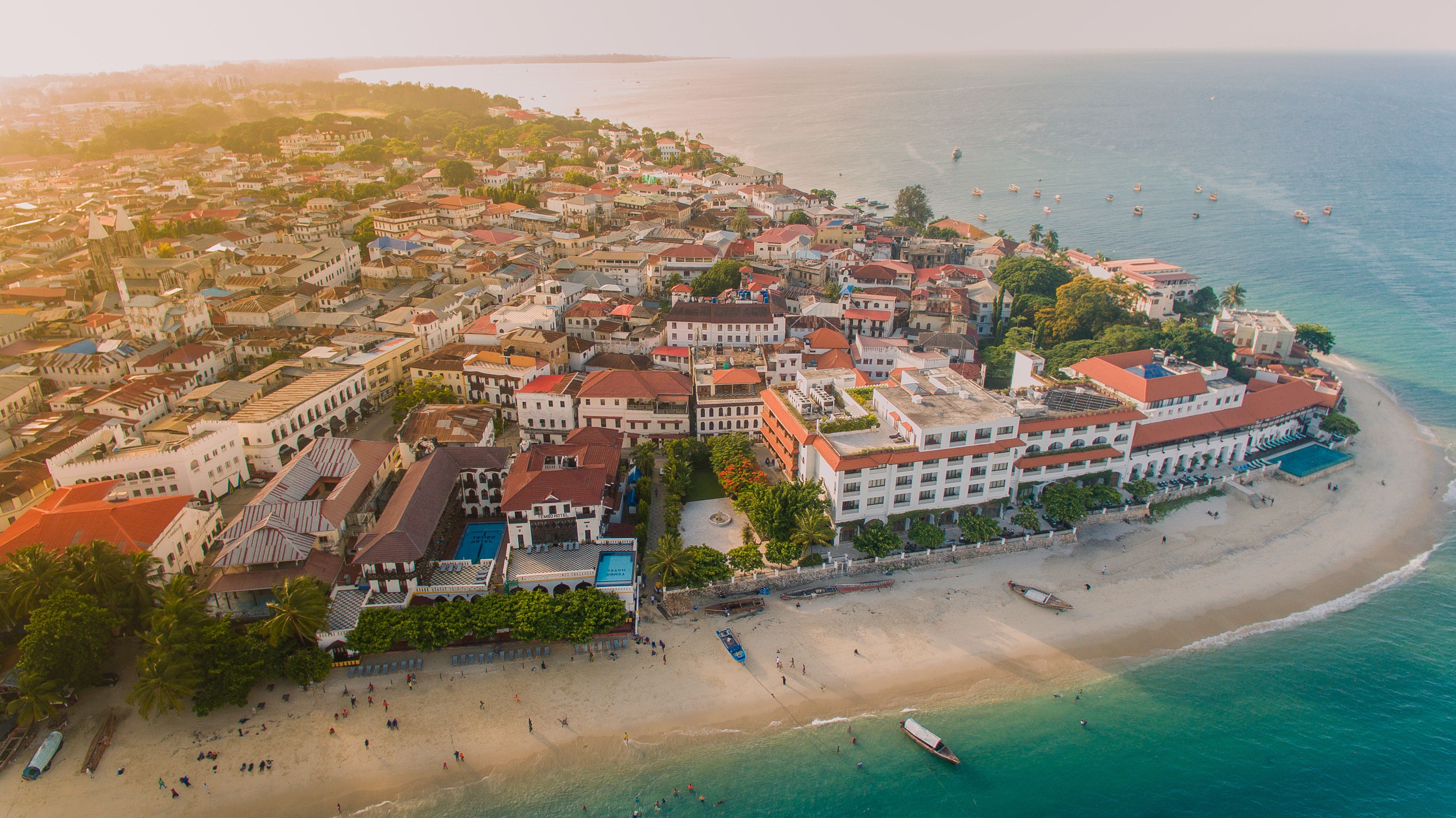 #8871 /100
The historic heart of Zanzibar City is a dense maze of coral-stone buildings, carved wooden doors and narrow alleys shaped by centuries of Swahili, Arab, Persian and Indian trade and, more darkly, its role as East Africa's largest slave-trading port.
The old fort, sultan's palace and spice markets reflect that layered history, while rooftop restaurants and the Forodhani Gardens night market give it a genuinely lively present-day pulse.
How does it rate
CrowdsRomanceCash RequiredDangerAccessibilityWhy you should go
A UNESCO old town with genuinely intricate carved-door architecture and a complex, layered trading history.
Why you shouldn't go
The old town's alleys are a labyrinth, and the slave-trade history sites can be a heavy, sobering visit.
Plan your visit
Best time to visitJune–October, Zanzibar's dry season.Best time of dayEvening at Forodhani Gardens, when the night food market opens along the waterfront.Getting thereFly to Zanzibar's Abeid Amani Karume Airport, or ferry from Dar es Salaam (about 2 hours).Entry costFree to walk; museum and fort entries typically $5-10.Time needed1–2 days.Insider tip — Take a guided walking tour focused on the carved doors — each style signals the original owner's trading origin, invisible without explanation. -
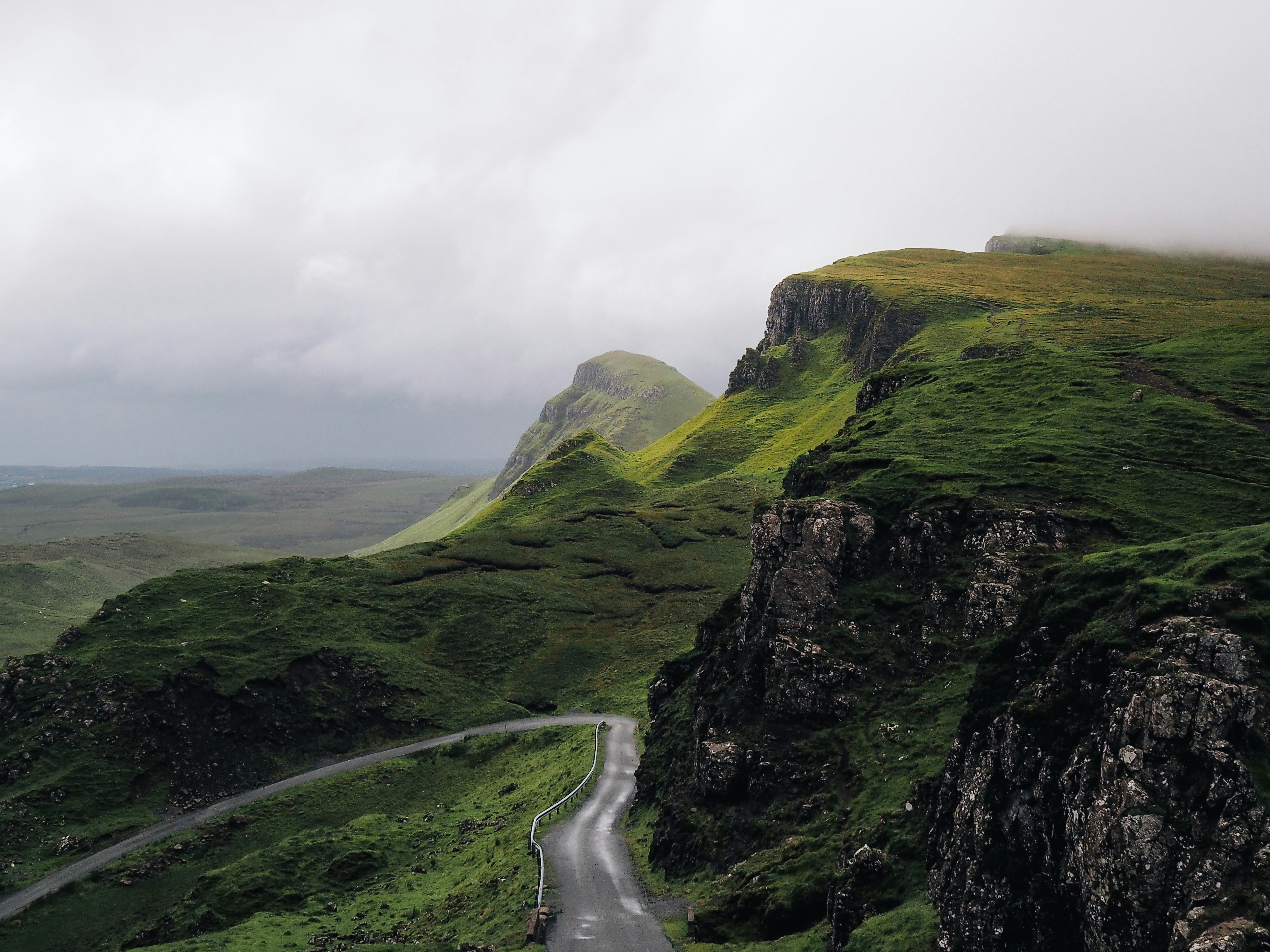 #8971 /100
The North Coast 500 loops 830 kilometres around the top of the Scottish Highlands, starting and finishing in Inverness.
Single-track roads wind past white sand beaches at Achmelvich, the sea stacks of Duncansby Head, and ruined castles over sea lochs, with the Applecross Pass climbing to one of Britain's highest road summits.
Midges and shifting weather are part of the deal, and passing places on narrower stretches demand attentive driving.
How does it rate
CrowdsRomanceCash RequiredDangerAccessibilityWhy you should go
Beaches, sea cliffs, castles and Highland mountain passes packed into one circular route from Inverness.
Why you shouldn't go
Single-track roads get bottlenecked with summer traffic, and midges are relentless in calm weather.
Plan your visit
Best time to visitMay or September for good weather with thinner crowds and fewer midges than midsummer.Best time of dayEarly morning on single-track sections, before oncoming traffic builds up.Getting thereFly or drive into Inverness, hire a car, and join the signposted loop heading either direction.Entry costFree to drive; fuel and accommodation are the main costsTime needed5-7 daysBookingBook ahead →Insider tip — Drive clockwise to face oncoming traffic on the narrowest single-track stretches rather than being overtaken from behind. -
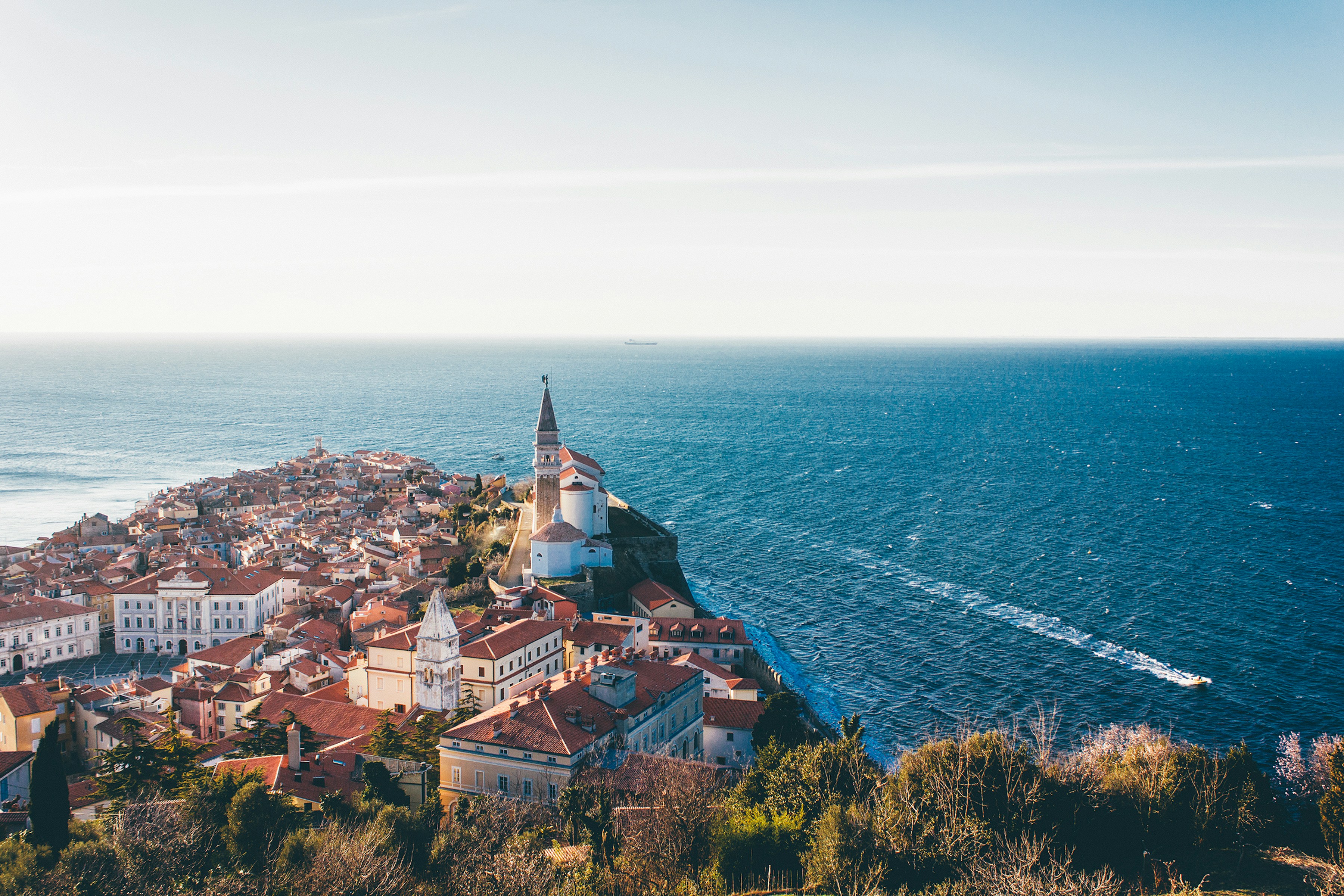 #90
#90Slovenia's slice of Adriatic coastline is barely 47 kilometers long, but Piran packs a genuinely Venetian-feeling old town onto its tip — narrow stone lanes, a central square named for local violinist Giuseppe Tartini, and a bell tower modeled directly on St Mark's in Venice.
Salt pans just outside town have been harvested the traditional way for centuries, and a walk along the old town walls gives views to Italy and Croatia both.
How does it rate
CrowdsRomanceCash RequiredDangerAccessibilityWhy you should go
A genuinely Venetian-feeling walled old town on Slovenia's short stretch of Adriatic coast.
Why you shouldn't go
The old town is very small and can feel crowded with day-trippers in peak summer.
Plan your visit
Best time to visitMay–June or September for warm weather without peak-summer crowds.Best time of daySunset from the town walls, looking out over the Gulf of Trieste.Getting thereAbout 1.5 hours' drive from Ljubljana.Entry costFree to explore; town walls entry around €3.Time needed1 day.Insider tip — Walk to the Sečovlje Salina salt pans just outside town — the traditional harvesting method gets far fewer visitors than the old town. -
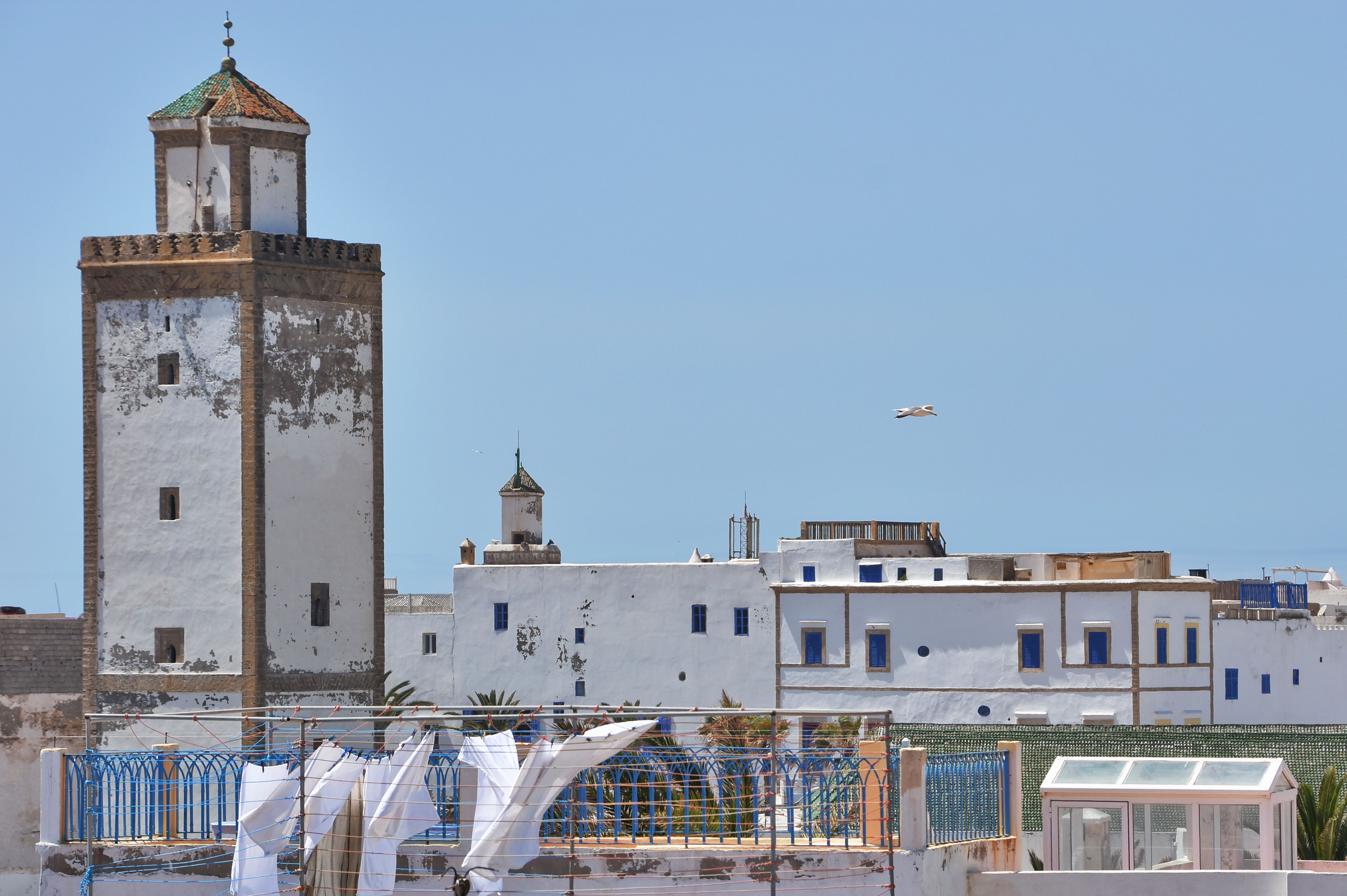 #9168 /100
A fortified Atlantic port town with whitewashed, blue-shuttered buildings and windswept ramparts, Essaouira trades the desert heat of Marrakech for sea breeze, fresh seafood grilled dockside, and some of Morocco's best windsurfing and kitesurfing conditions.
Its 18th-century medina, also UNESCO-listed, is smaller and calmer than Fes or Marrakech, with a strong arts and music scene reflected in its galleries and the annual Gnaoua music festival.
How does it rate
CrowdsRomanceCash RequiredDangerAccessibilityWhy you should go
A breezy, laid-back walled port town — Morocco's calmest and most coastal medina.
Why you shouldn't go
The Atlantic wind that makes it great for watersports also makes the beach chilly for casual swimming.
Plan your visit
Best time to visitApril–June or September–October for warm weather with manageable wind.Best time of daySunset over the ramparts and harbor, when fishing boats return.Getting thereAbout 3 hours' drive from Marrakech, or a direct flight to Essaouira-Mogador Airport.Entry costFree to explore; ramparts and skala small entry fees.Time needed1–2 days.Insider tip — Eat at the dockside grill stalls by the port, where the day's catch is cooked to order for a fraction of restaurant prices. -
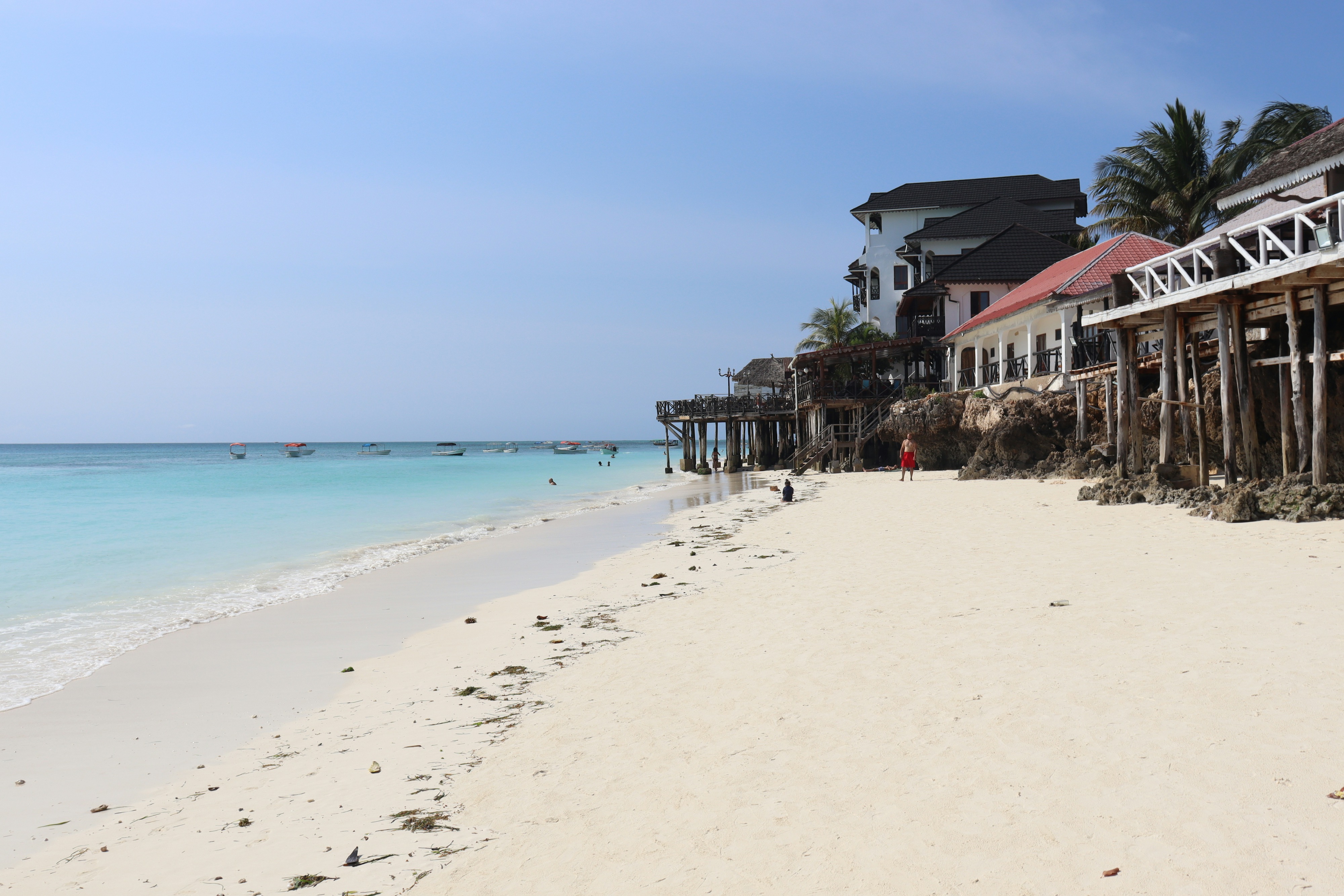 #92
#92At the northern tip of Zanzibar, Nungwi combines the island's whitest sand with water clear enough to see reef fish from the shore.
Unlike beaches further south, it isn't affected by the tide pulling far out twice a day, so the swimming stays good all day.
Traditional dhow-building still happens on the sand alongside the resorts, and sunset dhow cruises out over the reef are a nightly ritual.
How does it rate
CrowdsRomanceCash RequiredDangerAccessibilityWhy you should go
Zanzibar's best all-day swimming beach, with clear water unaffected by the island's dramatic tides.
Why you shouldn't go
Development has grown fast, so the shoreline is busier and more resort-lined than a decade ago.
Plan your visit
Best time to visitJune–October or December–February, avoiding Zanzibar's long and short rainy seasons.Best time of dayLate afternoon into sunset, for a dhow cruise as the light turns gold.Getting thereFly to Zanzibar (Stone Town), then about 1 hour by road north to Nungwi.Entry costFree public beach access; resort day-passes and dhow trips extra.Time neededHalf a day to a full day.Insider tip — Walk to the quieter east side of the point, away from the main resort strip, for a calmer stretch of the same beach. -
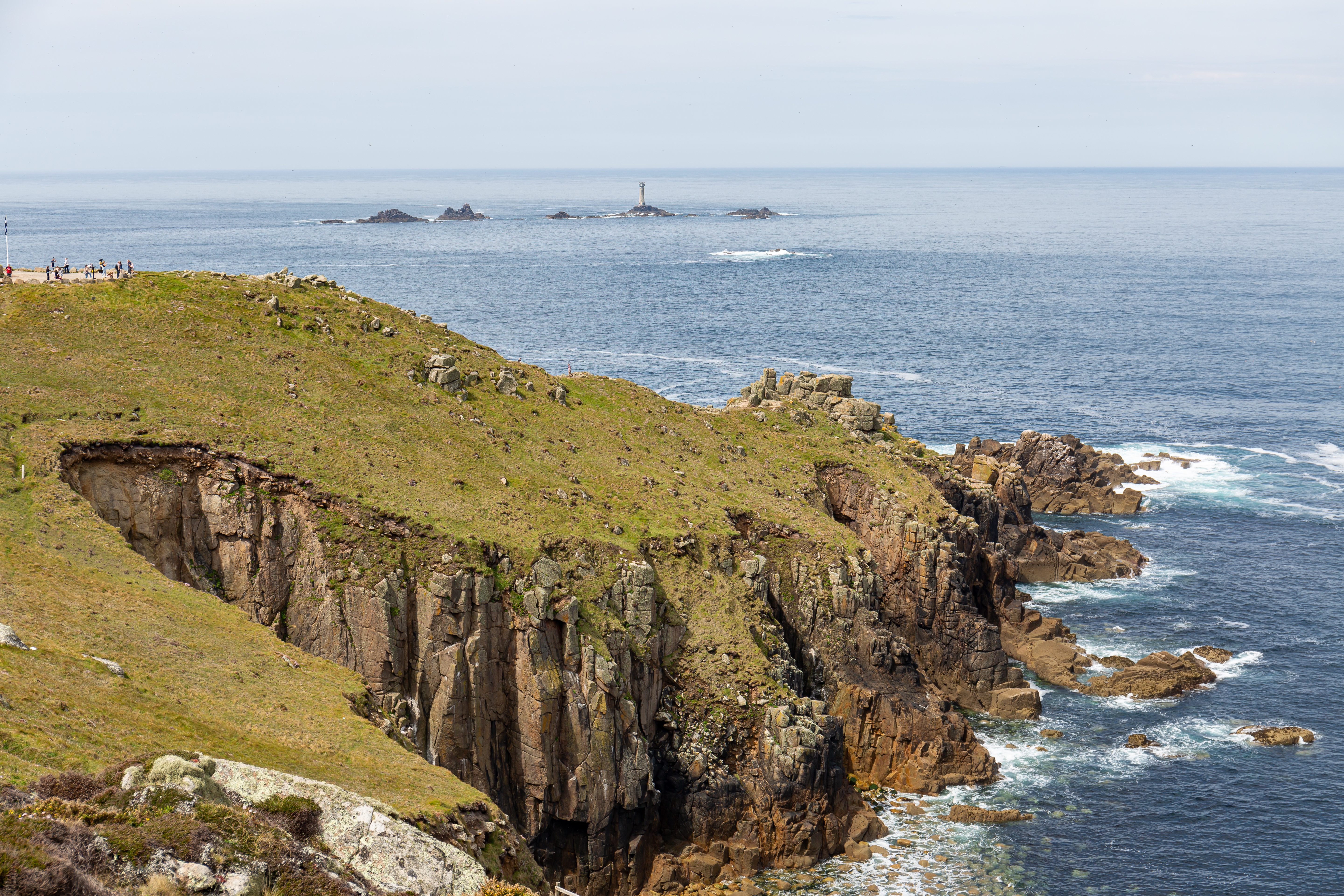 #9368 /100
Land's End is the most westerly point of mainland England, where the granite cliffs of the Penwith Peninsula plunge into the Atlantic Ocean.
On a clear day the Longships Lighthouse is visible offshore and the Isles of Scilly can be seen 28 miles distant; on stormy days the crashing waves are genuinely dramatic.
How does it rate
CrowdsRomanceCash RequiredDangerAccessibilityWhy you should go
The raw drama of the Atlantic crashing against the granite cliffs at Land's End, particularly in stormy conditions, captures something elemental and powerful about the British coastline.
Why you shouldn't go
Land's End has been developed into a rather tacky visitor attraction with paid parking and commercial facilities; the natural drama of the cliffs competes with a theme park atmosphere.
Plan your visit
Best time to visitSpring or summer for weather, but dramatic year-roundBest time of daySunset - mainland Britain's most westerly pointGetting there~1hr drive from PenzanceEntry costFree to the cliffs; visitor attraction charges separatelyTime needed1-2 hoursInsider tip — Walk along the coastal path away from the visitor centre for cliff views without the tourist clutter -
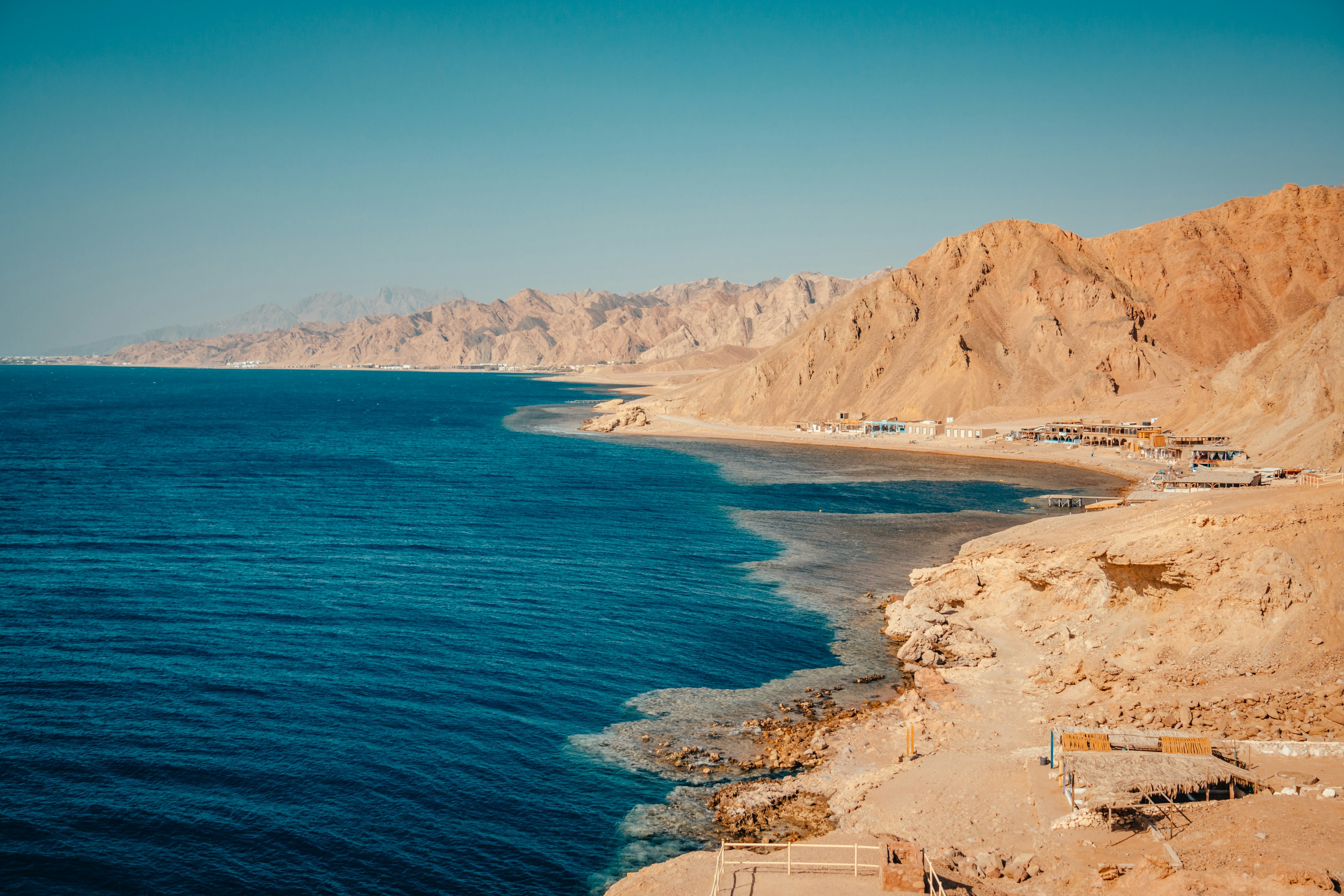 #94
#94A laid-back diving town on the Gulf of Aqaba, Dahab trades Sharm el-Sheikh's resort scale for a mellow, backpacker-friendly waterfront lined with low-key restaurants right on the reef edge.
It's best known for the Blue Hole, a dramatic underwater sinkhole that's become one of the world's most famous — and most dangerous for unqualified divers — dive sites, alongside gentler reef diving and snorkeling directly off the shore in town.
How does it rate
CrowdsRomanceCash RequiredDangerAccessibilityWhy you should go
A relaxed, budget-friendly dive town with genuinely excellent reef access right off the shore.
Why you shouldn't go
The famous Blue Hole dive site has a serious accident history for divers who exceed their training limits.
Plan your visit
Best time to visitMarch–May and September–November for pleasant temperatures and calm water.Best time of dayEarly morning for the clearest water and quietest shore-diving conditions.Getting thereAbout 1.5 hours' drive from Sharm el-Sheikh, or a longer transfer from Cairo.Entry costFree beach access; diving trips typically $30-60.Time needed2–4 days.Insider tip — Dive the Blue Hole's rim (the shallow 'Saucer' area) rather than attempting the deep arch — all the same striking visuals without the technical-diving risk. -
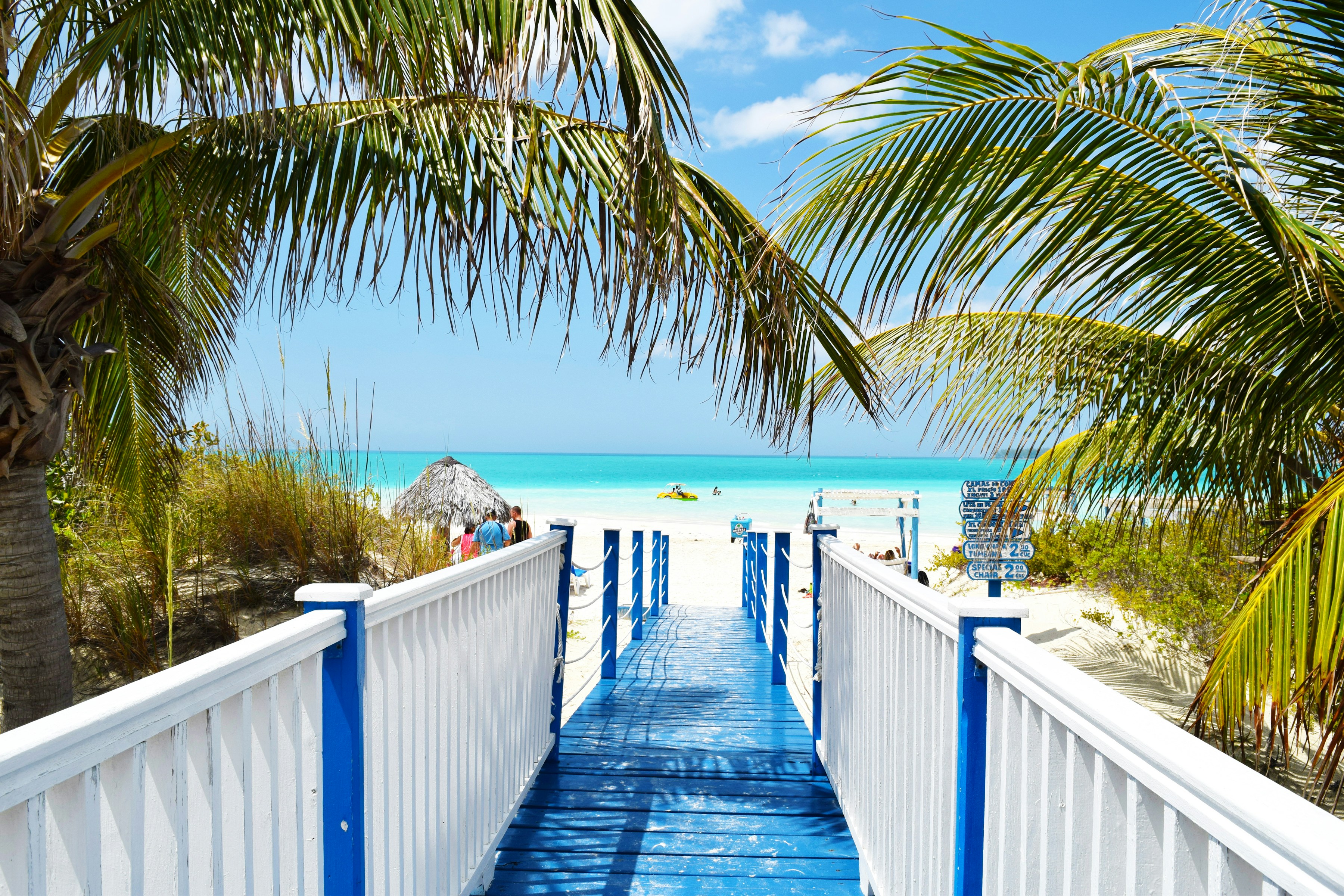 #95
#95A causeway connects this low-lying coral island to the Cuban mainland, its shoreline mixing resort beaches with mangrove lagoons and salt flats that host large flamingo colonies, giving it noticeably more wildlife interest than Varadero's more developed strip.
Birdwatchers come specifically for the flamingos and other wading birds alongside sun-seekers drawn to its calm, shallow waters.
How does it rate
CrowdsRomanceCash RequiredDangerAccessibilityWhy you should go
A resort island with genuine wildlife interest — large flamingo colonies alongside calm Caribbean beaches.
Why you shouldn't go
The causeway and resort development have altered some of the mangrove ecosystem the island depends on.
Plan your visit
Best time to visitNovember–April, the dry season, for reliable weather and peak flamingo numbers.Best time of dayEarly morning for flamingo viewing in the lagoons before the heat of the day.Getting thereFly directly to Jardines del Rey Airport on the island, or drive about 5-6 hours from Havana.Entry costPublic beach access free; most stays are through all-inclusive resorts.Time needed2–4 days.Insider tip — Ask a local guide to take you to the flamingo lagoons on the mainland side of the causeway — resort tours often skip this in favor of beach time. -
 #9665 /100
Guatemala's Pacific coast is defined by volcanic black sand, and Monterrico is its best-known stretch, backed by mangrove canals and a sea-turtle hatchery that releases hundreds of hatchlings each season.
The strong surf and undertow make it a beach for walking and sunset-watching rather than swimming, and boat trips through the adjoining reserve add caimans and waterbirds to the appeal.
How does it rate
CrowdsRomanceCash RequiredDangerAccessibilityWhy you should go
A volcanic black-sand beach with a sea-turtle hatchery and mangrove canals to explore by boat.
Why you shouldn't go
Strong surf and undertow make it unsafe for casual swimming — it's a beach for walking, not wading in.
Plan your visit
Best time to visitNovember–April, the dry season; August–November for peak turtle hatchling releases.Best time of daySunset, when the black sand and surf catch the light, or early morning for the canal boat tours.Getting thereAbout 3 hours by road from Guatemala City or Antigua, via La Avellana and a short boat crossing.Entry costFree beach access; canal boat tours and turtle hatchery visits a few hundred quetzales.Time neededFull day, or overnight.Insider tip — Time a visit around a hatchling release at the tortugario — locals and researchers often let visitors help carry them to the water. -
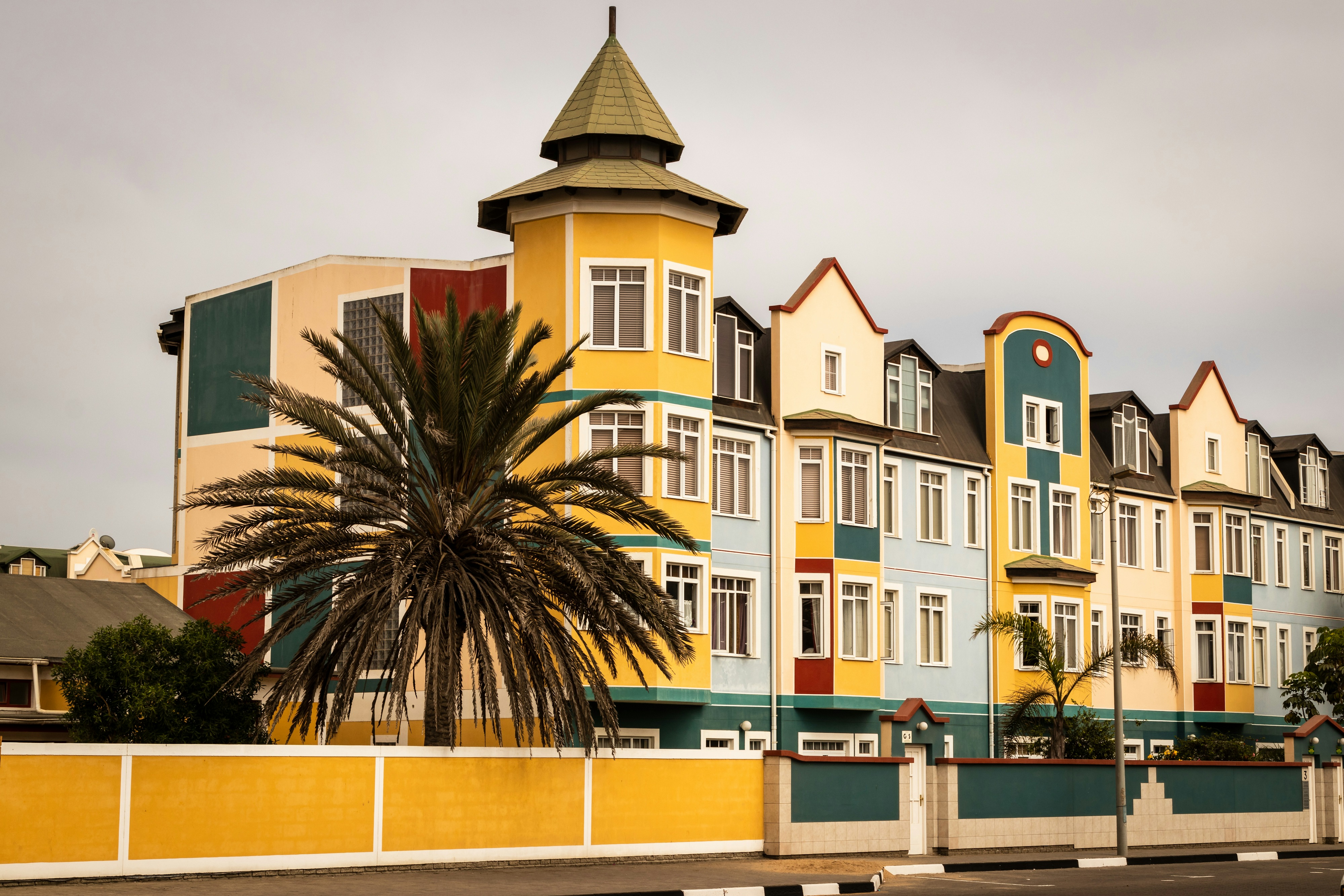 #9765 /100
A distinctly German-colonial coastal town where half-timbered buildings sit oddly against Atlantic surf and encroaching Namib dunes, Swakopmund has become Namibia's adventure-sports hub.
Sandboarding and quad-biking on the dunes at the town's edge, alongside skydiving and dolphin cruises, give it a livelier, more activity-driven scene than its quiet colonial streets suggest.
It's also the natural staging point for trips to the Skeleton Coast.
How does it rate
CrowdsRomanceCash RequiredDangerAccessibilityWhy you should go
A German-colonial coastal town that's become Namibia's base for dune sandboarding and adventure sports.
Why you shouldn't go
The town's colonial architecture and history sit uneasily alongside Namibia's colonial-era violence, which isn't addressed on-site.
Plan your visit
Best time to visitSeptember–March for warmer, sunnier weather away from winter coastal fog.Best time of dayMorning for dune activities, before onshore wind picks up in the afternoon.Getting thereAbout 4 hours' drive from Windhoek, or a short domestic flight.Entry costFree to walk the town; sandboarding and quad-biking typically N$400-900.Time needed1–2 days.Insider tip — Book dune activities directly with local operators rather than through hotel concierges — prices are often noticeably lower without the markup. -
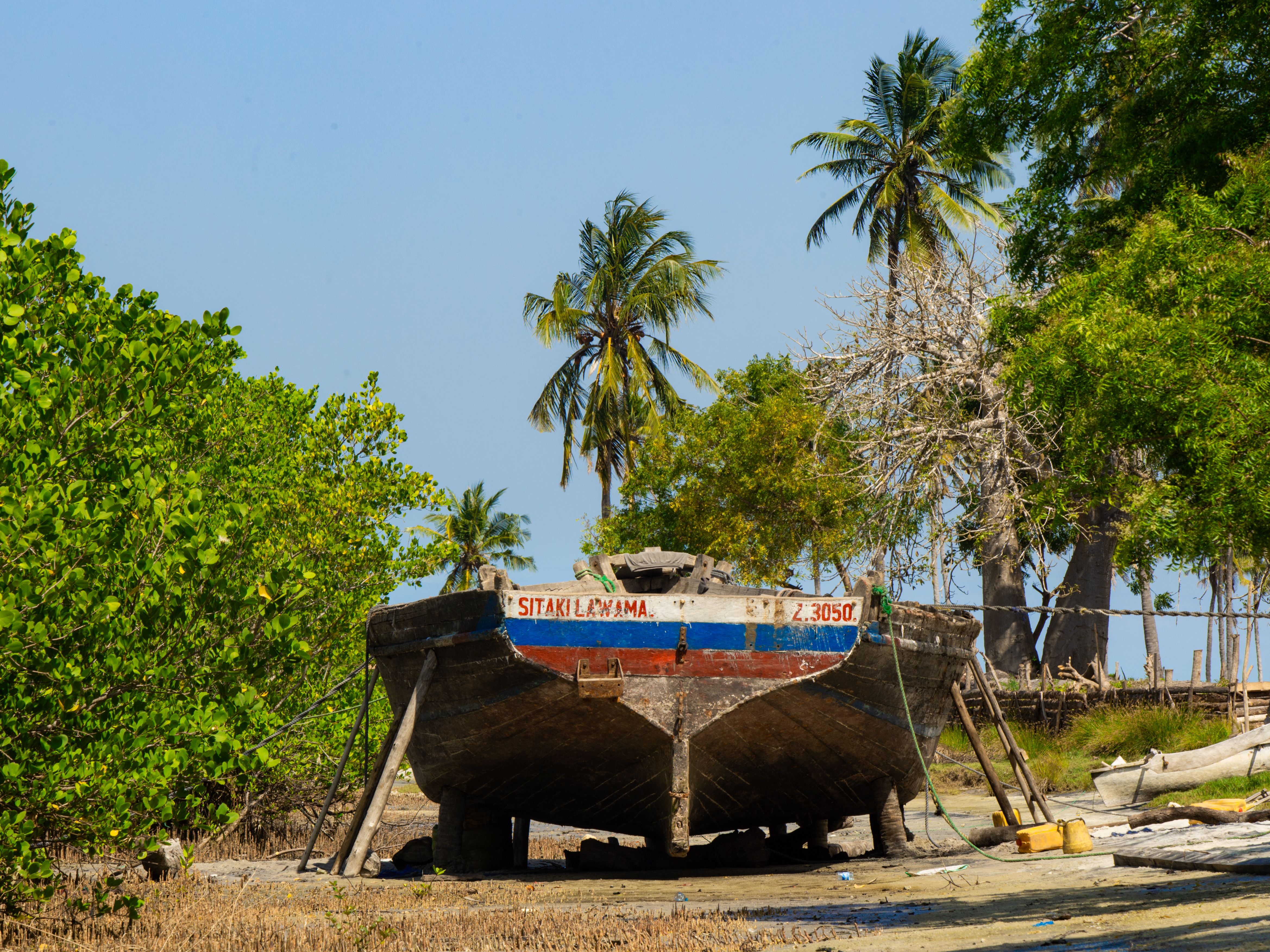 #9865 /100
Far less developed than Zanzibar, Mafia Island sits within a marine park protecting some of East Africa's healthiest coral reefs and is one of the world's most reliable places to swim with whale sharks, which gather offshore between October and March.
The island's slow pace, quiet beaches and small-scale dive lodges attract a niche crowd of divers and snorkelers over the beach-resort tourists who head to Zanzibar instead.
How does it rate
CrowdsRomanceCash RequiredDangerAccessibilityWhy you should go
One of the world's most reliable whale shark swimming spots, in a marine park with minimal crowds.
Why you shouldn't go
Limited flight connections and lodge capacity mean it takes more planning and expense to reach than Zanzibar.
Plan your visit
Best time to visitOctober–March for the best whale shark encounters.Best time of dayEarly morning boat trips, when whale sharks feed nearer the surface.Getting thereFly from Dar es Salaam to Mafia Island, about 45 minutes.Entry costMarine park fees around $20-23 per day; whale shark tours typically $80-120.Time needed2–4 days.Insider tip — Book with an operator that limits swimmer numbers per whale shark encounter — some larger boats crowd a single animal. -
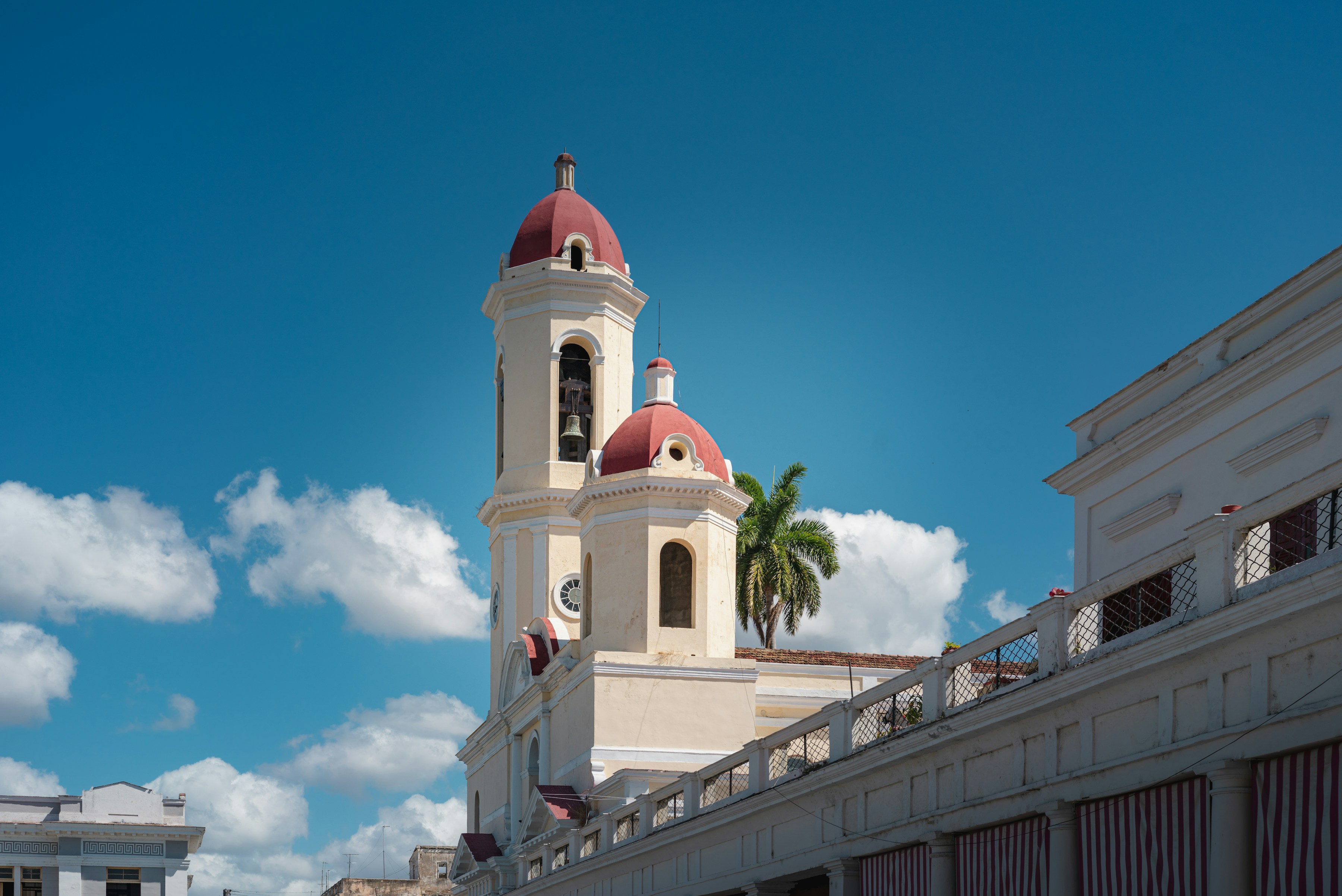 #9962 /100
Founded by French settlers rather than the Spanish, Cienfuegos carries a distinctly different architectural character from the rest of Cuba, its neoclassical Parque José Martí and grand Tomás Terry Theatre earning it the nickname 'Pearl of the South' and UNESCO status.
Set on a wide, protected bay, the city has a more orderly, less weathered feel than Havana's crumbling grandeur, with a genuinely pleasant waterfront Malecón for evening walks.
How does it rate
CrowdsRomanceCash RequiredDangerAccessibilityWhy you should go
Cuba's most orderly, French-influenced colonial city, set on a scenic protected bay.
Why you shouldn't go
It has fewer standout individual attractions than Havana or Trinidad — the appeal is mostly architectural and atmospheric.
Plan your visit
Best time to visitNovember–April, the dry season.Best time of dayEvening along the Malecón, when the bay-front promenade is at its most relaxed.Getting thereAbout 3.5 hours' drive from Havana, or 1.5 hours from Trinidad.Entry costFree to walk; Tomás Terry Theatre entry a small fee.Time needed1 day.Insider tip — Catch a performance at the Tomás Terry Theatre if the schedule allows — one of Cuba's most beautiful 19th-century theaters and rarely crowded. -
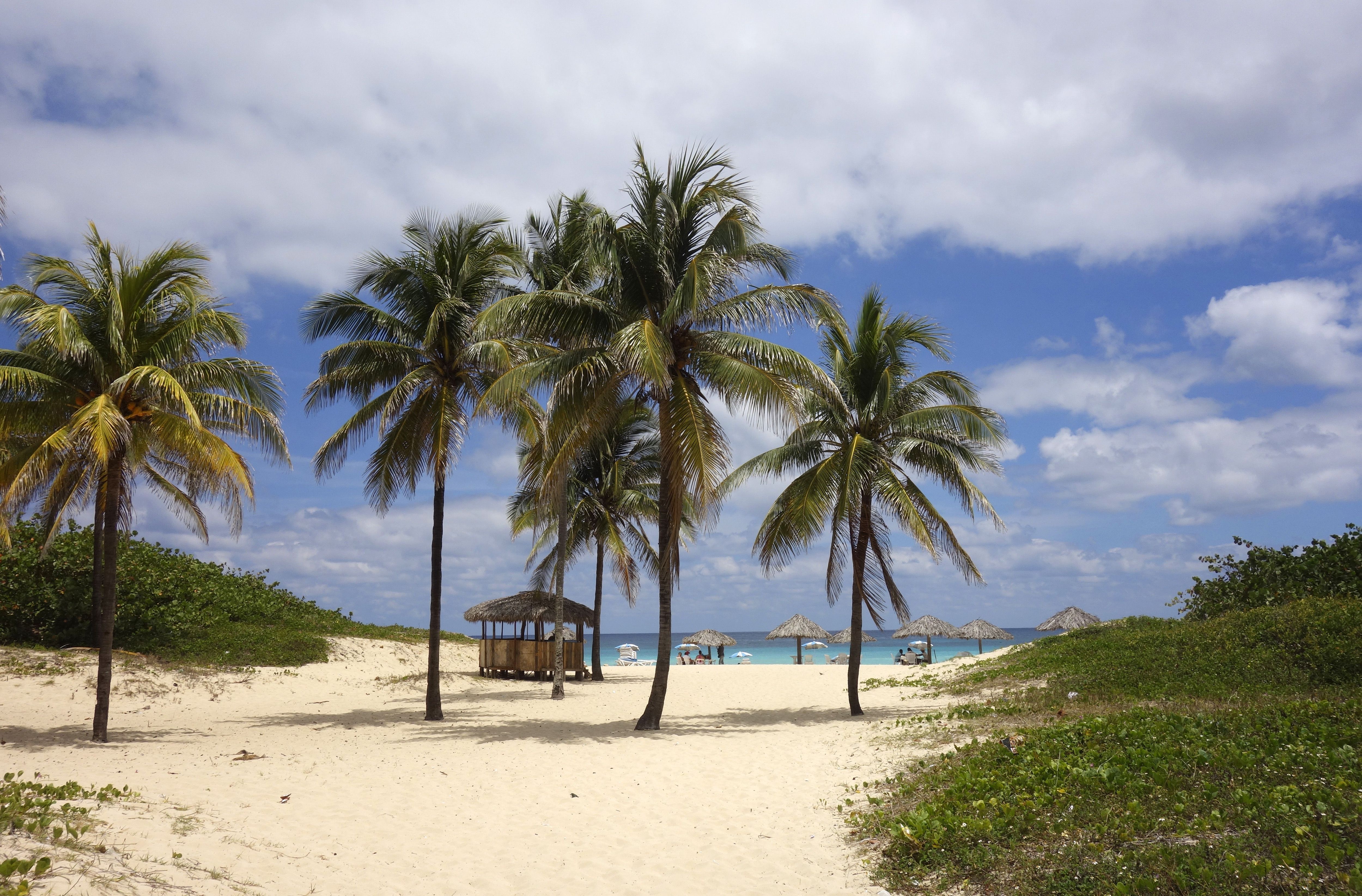 #10060 /100
A string of sandy beaches just 20 minutes east of Havana, Playas del Este is where the capital's own residents go to swim, making it a far more local scene than Cuba's resort-heavy north coast.
Santa María del Mar is the best-known stretch, with warm shallow water, beach shacks selling grilled fish, and none of the all-inclusive walls found at Varadero or Cayo Coco.
It's an easy half-day escape without leaving the Havana area.
How does it rate
CrowdsRomanceCash RequiredDangerAccessibilityWhy you should go
Havana's own beach, a short drive away, with a far more local feel than Cuba's resort coasts.
Why you shouldn't go
Facilities are more basic than at purpose-built resorts, and weekends bring big crowds of Habaneros.
Plan your visit
Best time to visitNovember–April, the dry season, for calm seas and comfortable heat.Best time of dayMorning on weekdays, before Havana day-trippers arrive in the afternoon.Getting thereAbout 25–30 minutes by taxi or local bus east of central Havana.Entry costFree public beach access; sunbed and umbrella rental a few CUC/USD equivalent.Time neededHalf a day.Insider tip — Head slightly east past Santa María del Mar to Boca Ciega for a quieter stretch with the same warm, shallow water.


More from The World
-
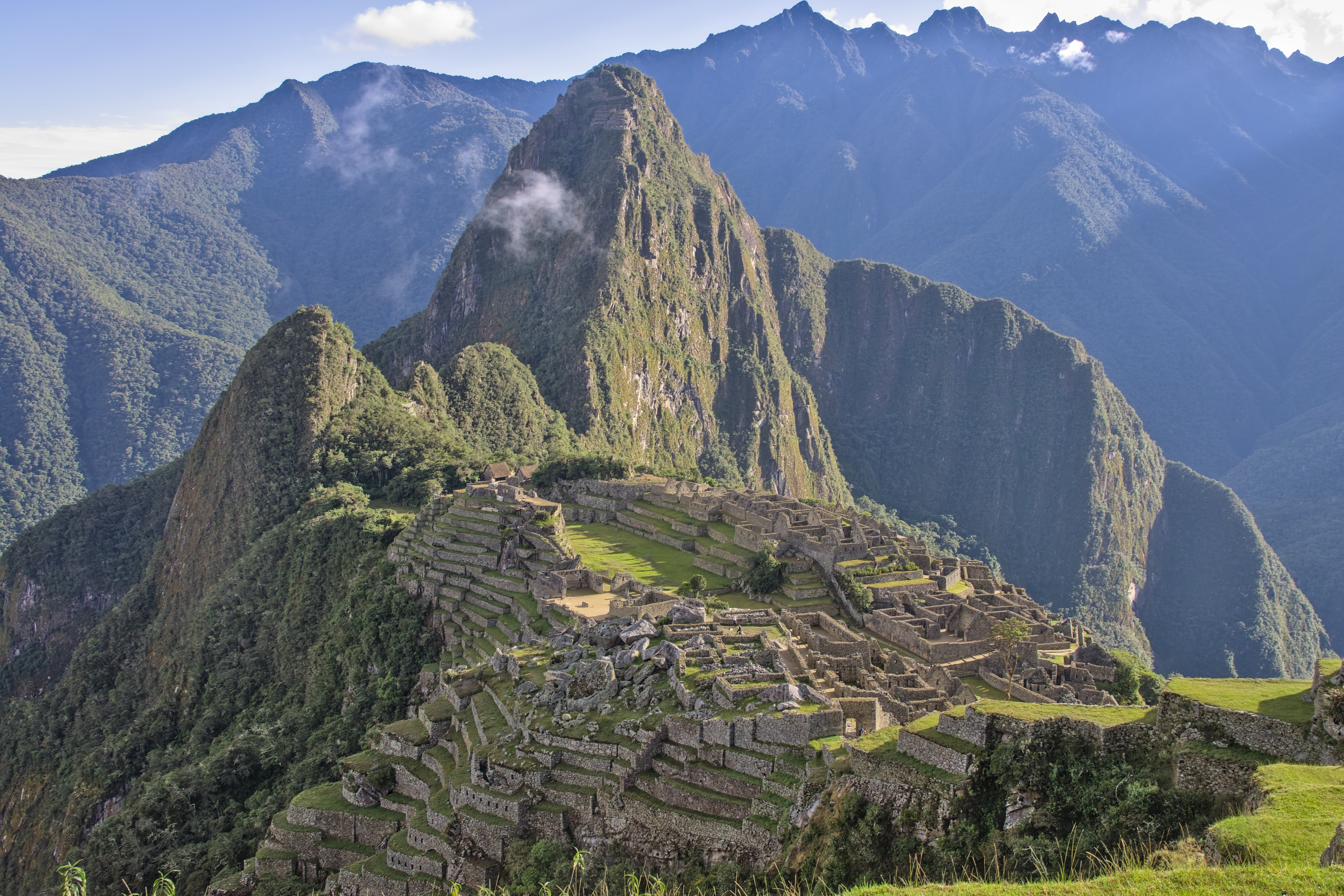

More Coastal spots
-

How a score is built
One score out of 100, five criteria behind it
Every place is rated 1–5 on each of the criteria below, then combined into a single score out of 100. It's calculated by us, the same way every time — not an average of traveller reviews or social votes.
Crowds
How many people you'll be sharing it with, and at what time of day.
Romance
How well it suits a couple, a proposal, or a quiet moment together.
Cash required
Entry fees, permits, guides, rentals — what it actually costs to do it.
Danger
Physical risk involved, from a slippery viewpoint to genuine hazard.
Accessibility
How far off the beaten path it is, and how hard it is to actually reach.

