-
 #195 /100
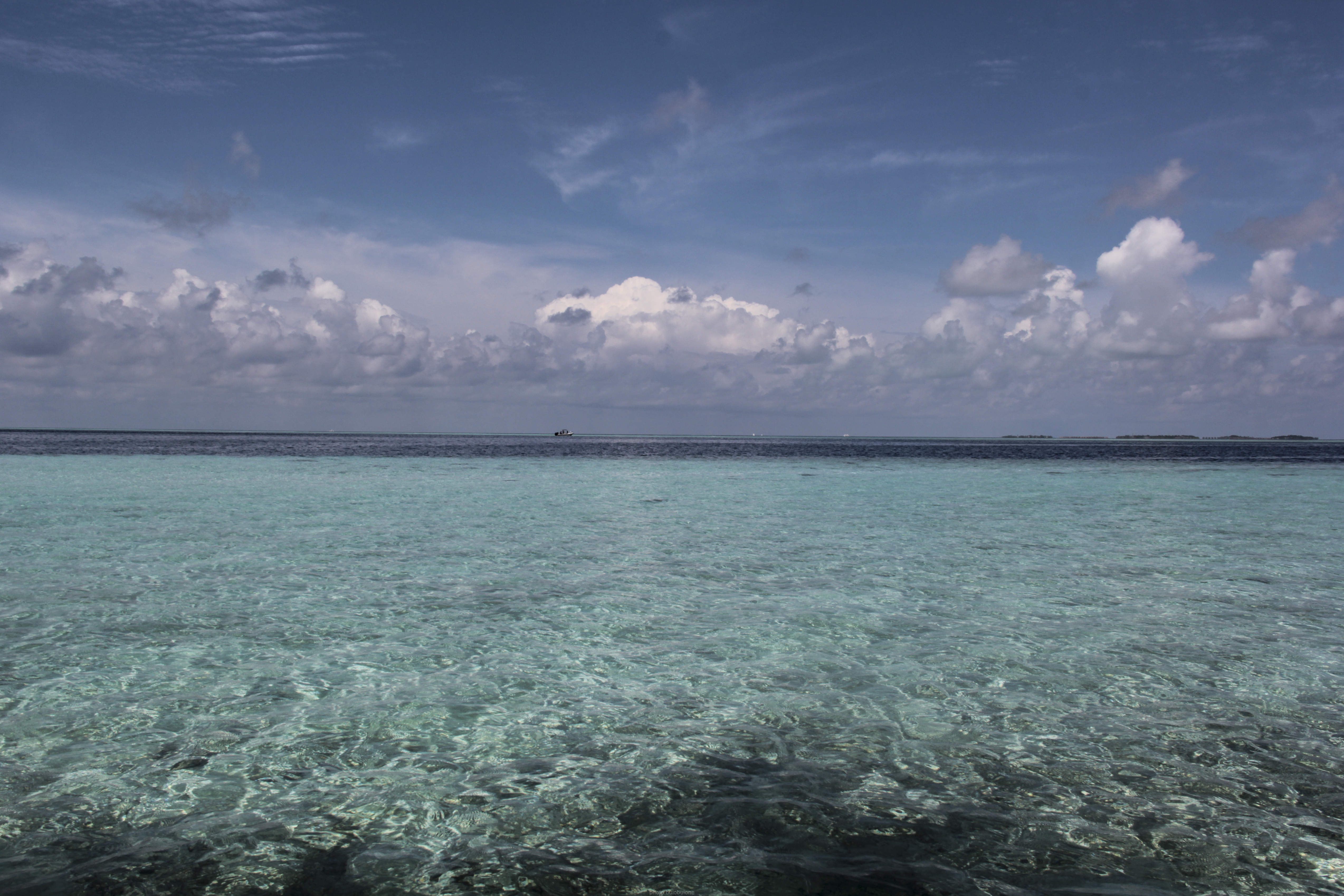
The Maldives is an archipelago of 1,200 coral islands scattered across the Indian Ocean, where pristine white sand, crystal-clear turquoise lagoons, and overwater bungalows create the archetypal tropical paradise.
The islands sit just above sea level, making them one of the world's most climate-vulnerable nations.
How does it rate
CrowdsRomanceCash RequiredDangerAccessibilityWhy you should go
The overwater bungalow experience, with direct access to lagoon water of extraordinary clarity teeming with marine life, is genuinely unmatched anywhere in the world.
Why you shouldn't go
The Maldives is one of the world's most expensive destinations and all-inclusive resort stays are almost obligatory; the island interiors are usually very limited.
Plan your visit
Best time to visitNovember-April (dry season)Best time of daySunset for the classic overwater bungalow shotGetting thereFly into Male, then seaplane or boat transfer to your resort islandEntry costResort-dependent, generally high-endTime needed4+ daysInsider tip — Book a seaplane transfer during daylight; the aerial view of the atolls is worth it on its own -
 #290 /100
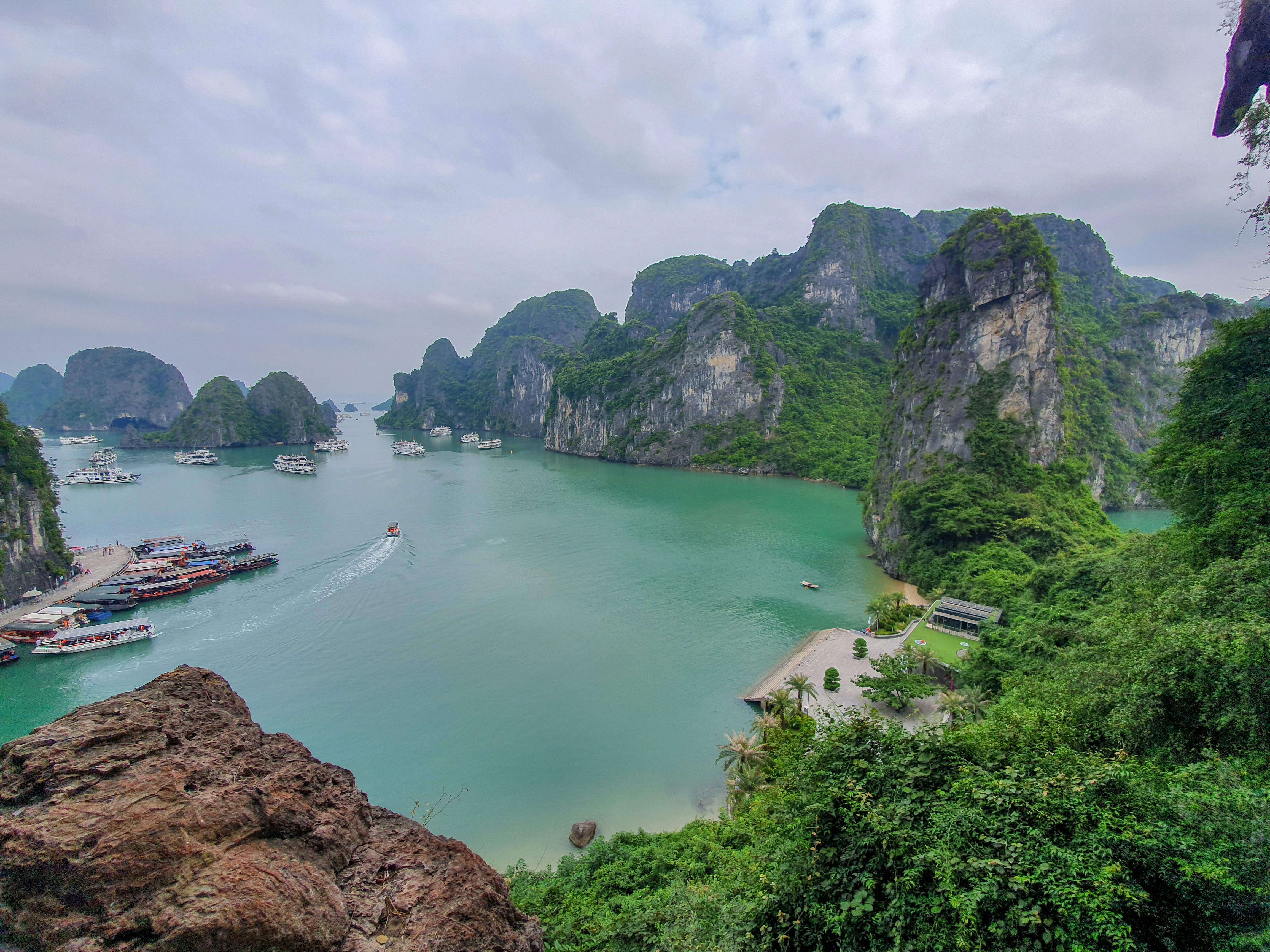
Halong Bay's emerald-green waters are scattered with thousands of limestone islands and karsts rising sheer from the sea.
Traditional junk boats still work the channels between the towering formations, while caves, floating fishing villages and hidden lagoons fill the bay's quieter corners.
The misty, ethereal atmosphere, especially at sunrise, gives the bay an almost mystical beauty.
How does it rate
CrowdsRomanceCash RequiredDangerAccessibilityWhy you should go
The unique scenery, boat tours, and calm waters make Halong Bay an unforgettable nature escape with plenty of adventure options.
Why you shouldn't go
Weather can be unpredictable, impacting visibility and photos, and certain areas are crowded with tourist boats, diminishing the serene experience.
Plan your visit
Best time to visitOctober-December, dry and clearBest time of daySunrise, before the tour boats arriveGetting there~3.5hr drive or ferry from HanoiEntry costDay cruise ~$20-40Time neededHalf day, or overnight cruiseInsider tip — Book an overnight boat to see the bay in golden morning light without the day-trippers -
 #389 /100
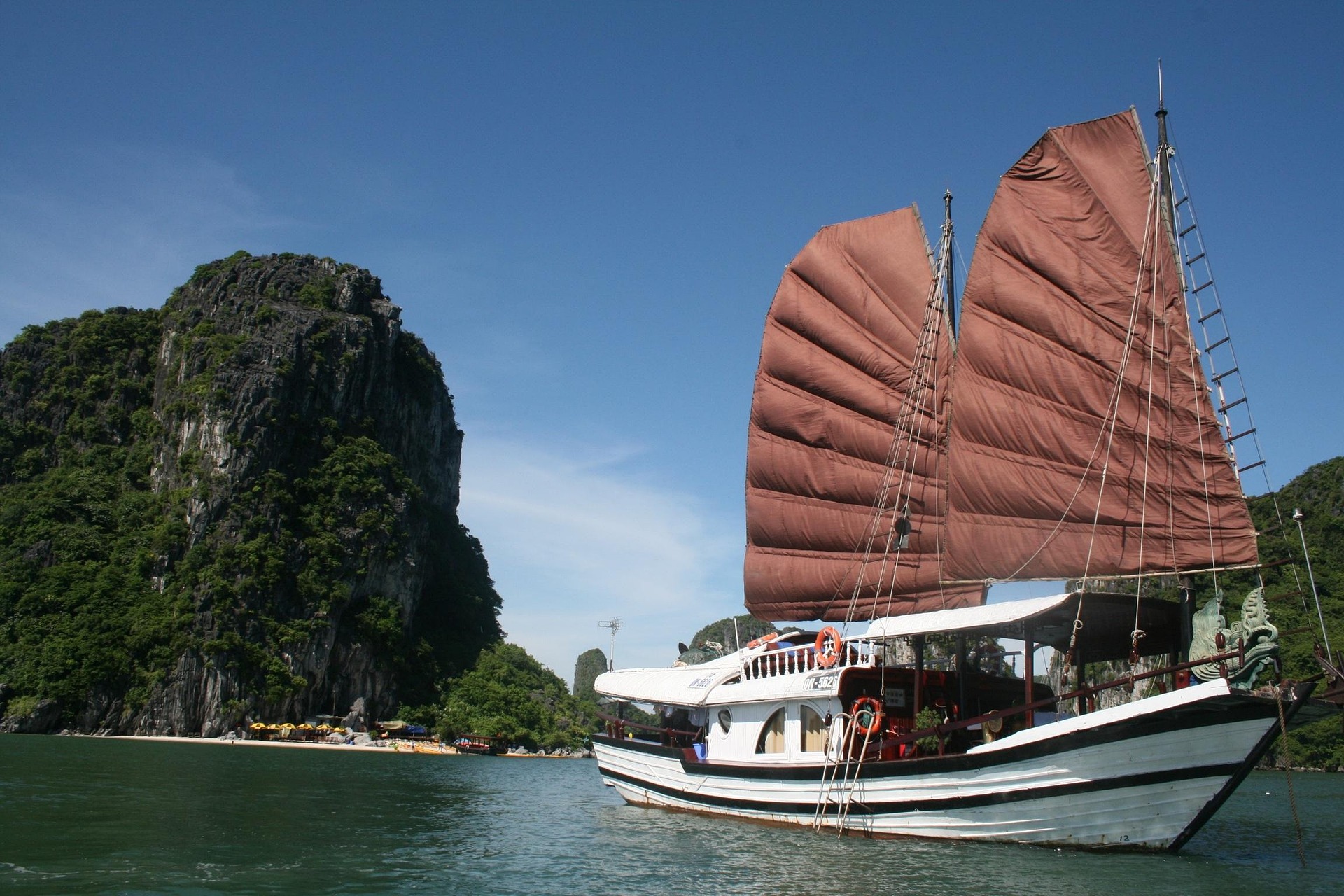
An overnight junk-boat cruise through thousands of limestone karsts rising from emerald water, one of Vietnam's defining landscapes.
Days include kayaking into hidden lagoons, cave visits, and swimming off the boat's stern, with meals fresh-cooked on board.
Traditional red-sailed junks still appear among the modern steel-hulled boats.
Karst silhouettes at sunrise and sunset are the reason most people book the trip in the first place.
How does it rate
CrowdsRomanceCash RequiredDangerAccessibilityWhy you should go
Thousands of limestone karsts and hidden lagoons seen from the deck of an overnight junk boat.
Why you shouldn't go
The bay gets crowded with boats in peak season, and lower-priced cruises vary widely in comfort.
Plan your visit
Best time to visitOctober-December for clear skies and cool temperatures; avoid the humid, rainy summer months.Best time of daySunrise, when mist clings to the karsts before the day-boats arrive.Getting thereFly into Hanoi; a 2.5-3 hour transfer reaches Tuan Chau Harbour, where most overnight cruises depart.Entry costIndicative $120-$700pp for a 1-3 night cruise depending on boat classTime needed1-3 night cruiseInsider tip — Book a 2-night cruise rather than a day trip to reach the quieter Lan Ha Bay section, and request a cabin on the upper deck for better karst views. -
 #4
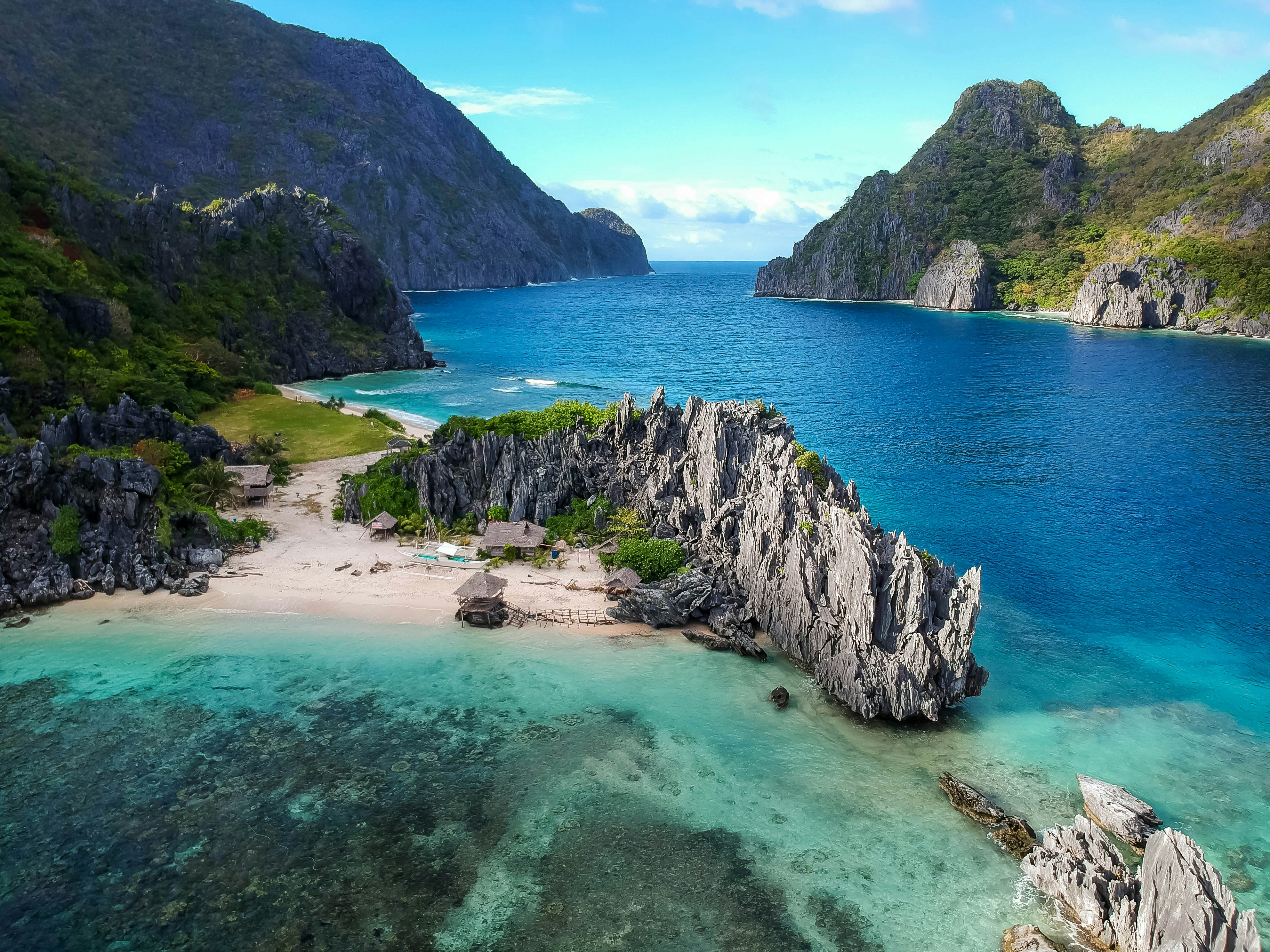
#4Sheer limestone karsts rise straight out of turquoise lagoons around this Palawan town, often ranked among the world's most beautiful island landscapes.
Hidden lagoons reachable only by kayak or narrow swim-throughs open onto still, mirror-flat water walled in by cliffs.
Island-hopping boat tours string together beaches, lagoons, and reefs that are rarely anything less than spectacular.
How does it rate
CrowdsRomanceCash RequiredDangerAccessibilityWhy you should go
Some of the most dramatic limestone-karst island scenery anywhere on Earth.
Why you shouldn't go
Popular lagoons get crowded with tour boats by mid-morning.
Plan your visit
Best time to visitNovember-May, the dry season, for calm water and clear skies.Best time of dayEarly morning, before the first wave of island-hopping tour boats arrives.Getting thereFly to El Nido or Puerto Princesa airport; boats depart from El Nido town for the lagoons.Entry costEnvironmental fee applies; island-hopping tours priced separately, from around $20.Time needed3-4 daysInsider tip — Book a private or small-group tour departing before 7am to reach Big Lagoon ahead of the crowds. -
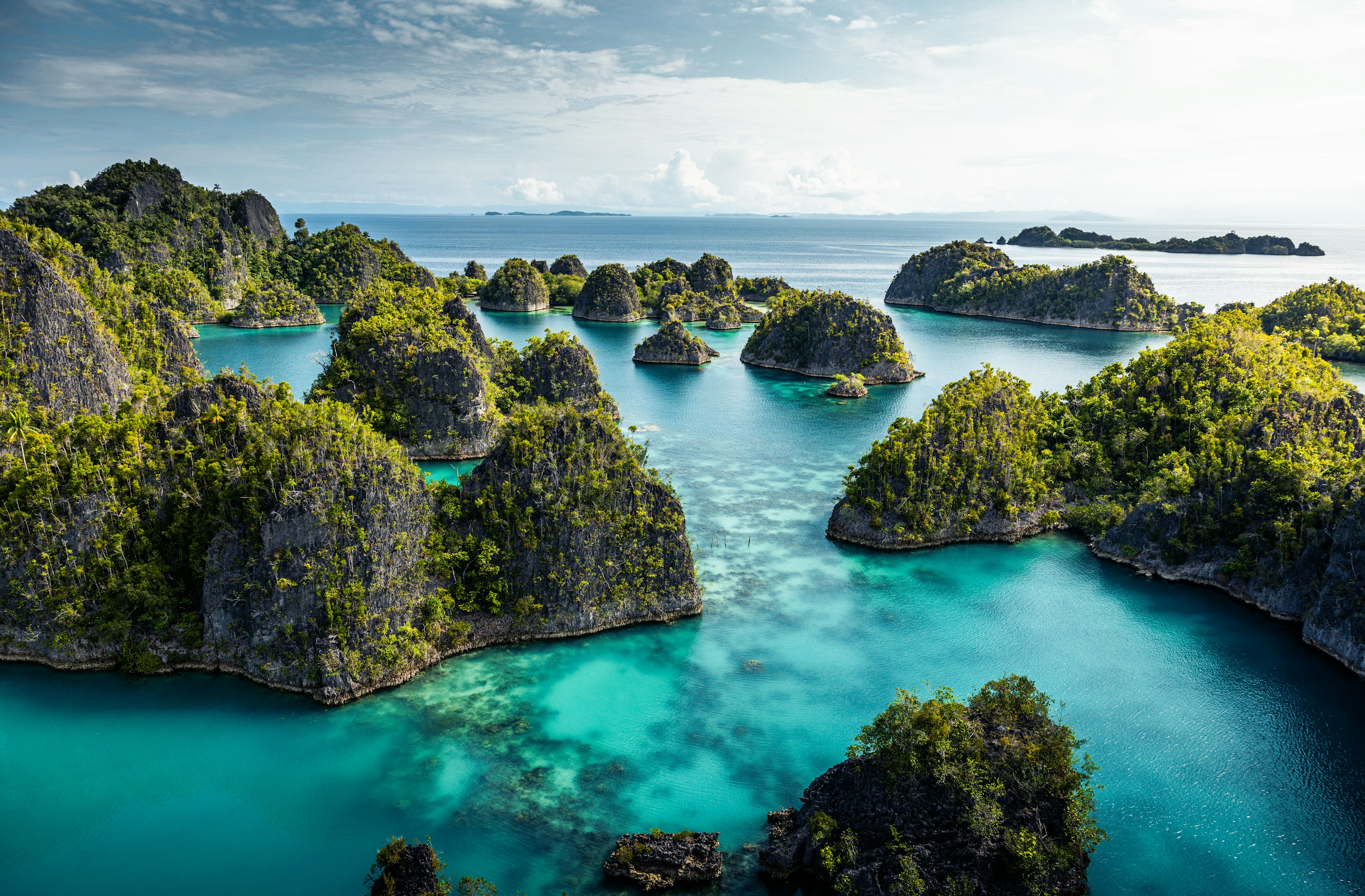 #588 /100
Raja Ampat's four main islands and hundreds of smaller limestone islets sit at the heart of the Coral Triangle, the most biodiverse marine environment on Earth, with reefs holding far more coral and fish species than the Caribbean.
Above water, karst islands draped in jungle ring turquoise lagoons; below, divers and snorkelers find manta rays, reef sharks, and dense coral gardens largely undamaged by mass tourism.
Reaching it takes real commitment, but few marine destinations compare.
How does it rate
CrowdsRomanceCash RequiredDangerAccessibilityWhy you should go
The most biodiverse reef system on the planet, still relatively undisturbed by mass tourism.
Why you shouldn't go
Very remote and expensive to reach, with permits, flights, and boat transfers all adding up before you even dive.
Plan your visit
Best time to visitOctober-April for calmer seas and the best underwater visibility.Best time of dayMorning dives and snorkels, before afternoon winds pick up on the open crossings.Getting thereFly to Sorong via Jakarta or Makassar, then a public or chartered boat (2-4 hours) to Waisai or a resort island.Entry costMarine Park entry permit (PIN) required, roughly 500,000-1,000,000 IDR (~$30-65)Time needed4+ daysBookingBook ahead →Insider tip — Buy the marine park permit (PIN) in Sorong or Waisai before heading to the islands; it's checked on arrival and covers the whole marine park for a full calendar year. -
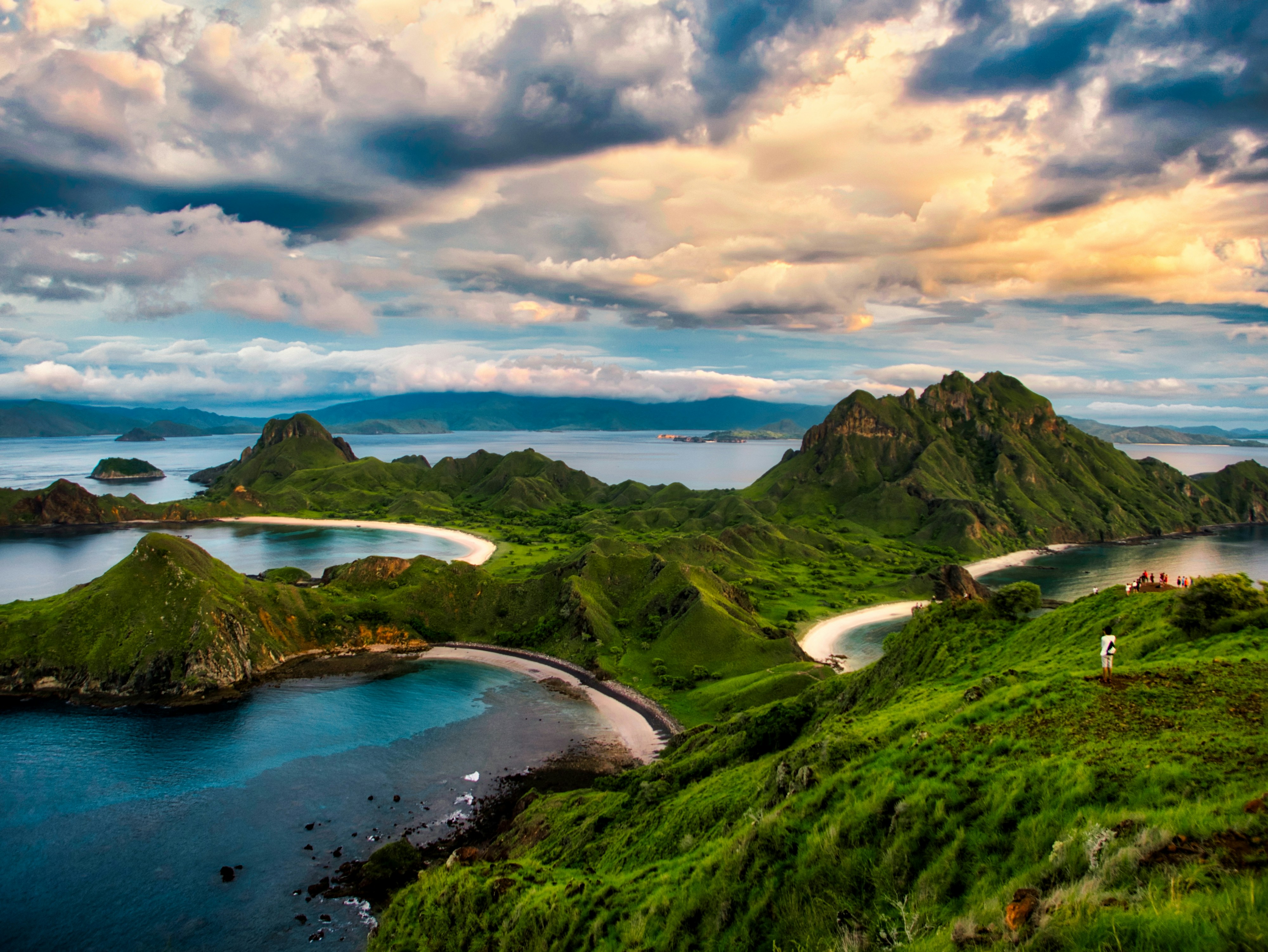 #687 /100
Volcanic islands rise steeply out of turquoise water in this remote Indonesian archipelago, the only place on Earth with wild Komodo dragons.
Padar Island's ridge walk looks down on three separate curved bays at once, and Pink Beach takes its colour from crushed red coral mixed through the sand.
The surrounding waters are among Indonesia's best for manta rays and drift diving.
How does it rate
CrowdsRomanceCash RequiredDangerAccessibilityWhy you should go
A single viewpoint over three turquoise bays, plus the only place on Earth to see wild Komodo dragons.
Why you shouldn't go
Only reachable by multi-day boat trip or a costly speedboat charter from Labuan Bajo.
Plan your visit
Best time to visitApril-June or September-November, outside the wettest and busiest peak months.Best time of daySunrise on Padar Island, before the heat and the day-trip crowds arrive.Getting thereFly into Labuan Bajo, then join a liveaboard or day boat into the park.Entry costPark entry and conservation fees, plus boat trip costs, typically $50-150+ per day.Time needed2-3 daysInsider tip — Book a liveaboard over a single-day speedboat trip - the best light on Padar and Pink Beach both fall outside typical day-trip hours. -
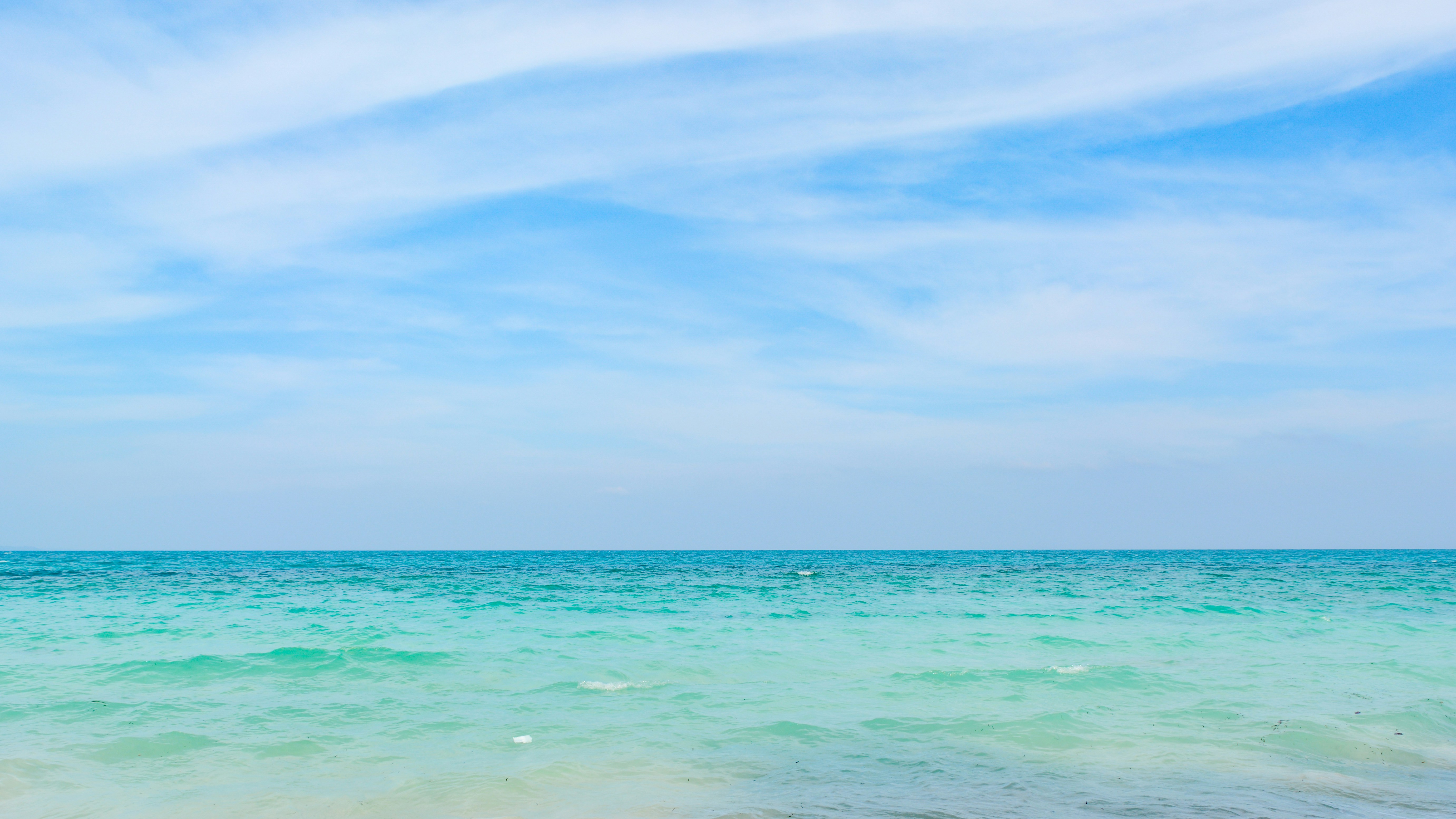 #785 /100
A two-kilometre arc of white sand on Havelock Island backed by dense rainforest, with water that shifts from pale turquoise to deep blue at the reef line.
Time magazine once named it Asia's best beach, and sunset here - sun dropping straight into the Andaman Sea with no development in sight - remains the main draw.
It takes real effort to reach, which keeps it far less crowded than its reputation suggests.
How does it rate
CrowdsRomanceCash RequiredDangerAccessibilityWhy you should go
Named Asia's best beach, with untouched rainforest backing two kilometres of white sand and a clean sunset over open water.
Why you shouldn't go
Reaching Havelock Island takes a flight plus a ferry, so it's a multi-day commitment, not a day trip.
Plan your visit
Best time to visitNovember-April, outside the monsoon season.Best time of daySunset, when the beach empties out and the sky over the water turns orange.Getting thereFly to Port Blair, then a 1.5-2 hour ferry to Havelock Island (Swaraj Dweep).Entry costFree.Time neededHalf a day.Insider tip — Walk 10 minutes north past the main entrance to have long stretches of the same sand almost entirely to yourself. -
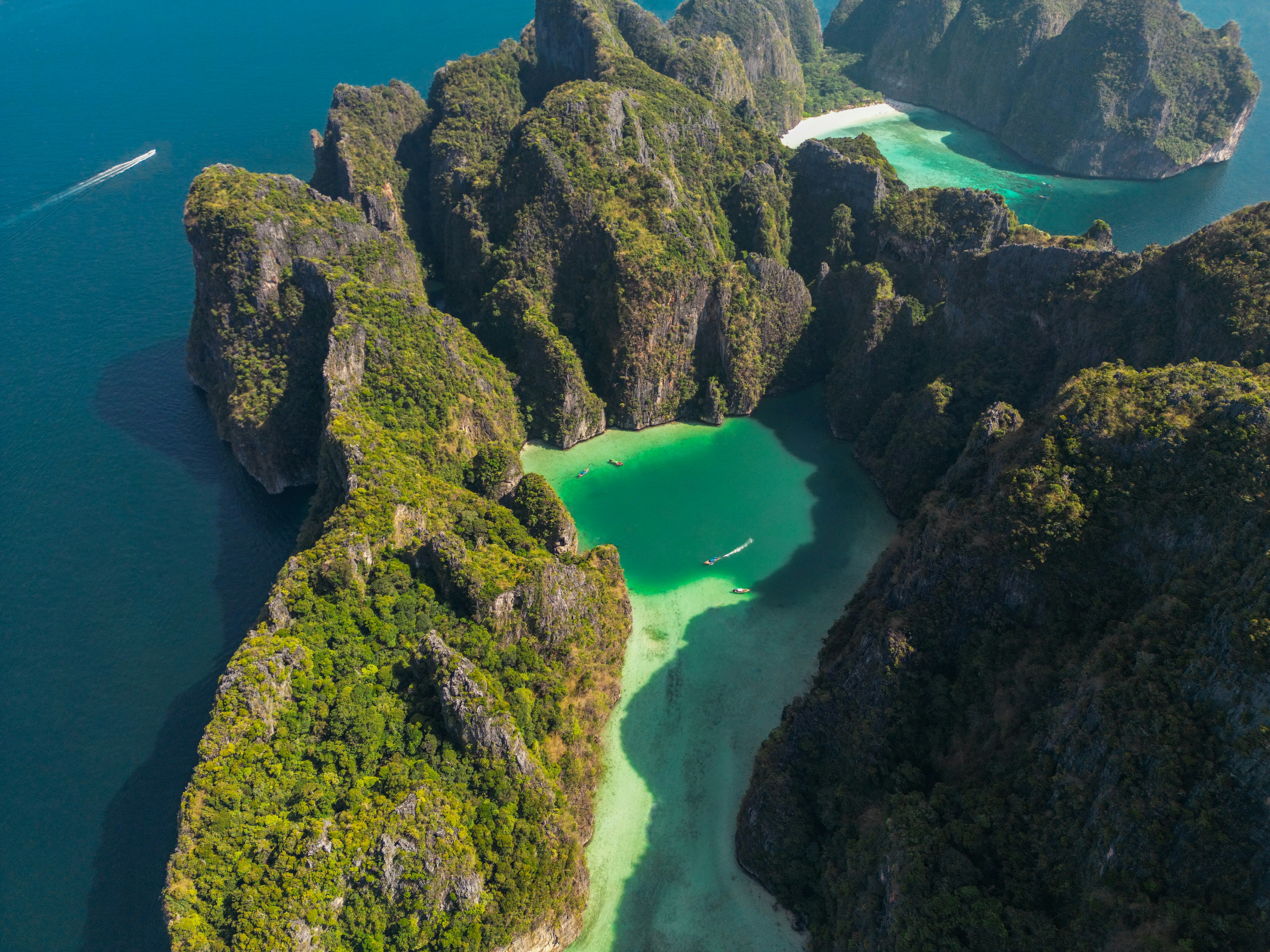 #885 /100
Limestone cliffs plunge into an impossibly turquoise bay at Maya Bay, made famous by the film The Beach and now managed with timed entry after years of coral damage.
The viewpoint above Tonsai village looks down on two curved beaches meeting either side of a single narrow isthmus.
Snorkelling among the karsts, longtail boat trips and a loud late-night bar scene make up the rest of the island.
How does it rate
CrowdsRomanceCash RequiredDangerAccessibilityWhy you should go
The postcard limestone-bay shot that put Southeast Asian island travel on the map.
Why you shouldn't go
Maya Bay's popularity led to swimming restrictions and timed entry after coral damage.
Plan your visit
Best time to visitNovember-April, dry season with the calmest seas.Best time of dayEarly morning for Maya Bay (before boat quotas fill); late afternoon for the viewpoint.Getting thereFerry from Phuket or Krabi; no airport on the island itself.Entry costNational park fee applies to Maya Bay; viewpoint hike is free.Time needed2-3 daysInsider tip — Climb the Phi Phi Viewpoint at sunrise before tour groups arrive - it's a steep 20-minute stair climb but empties out by 7am. -
 #985 /100
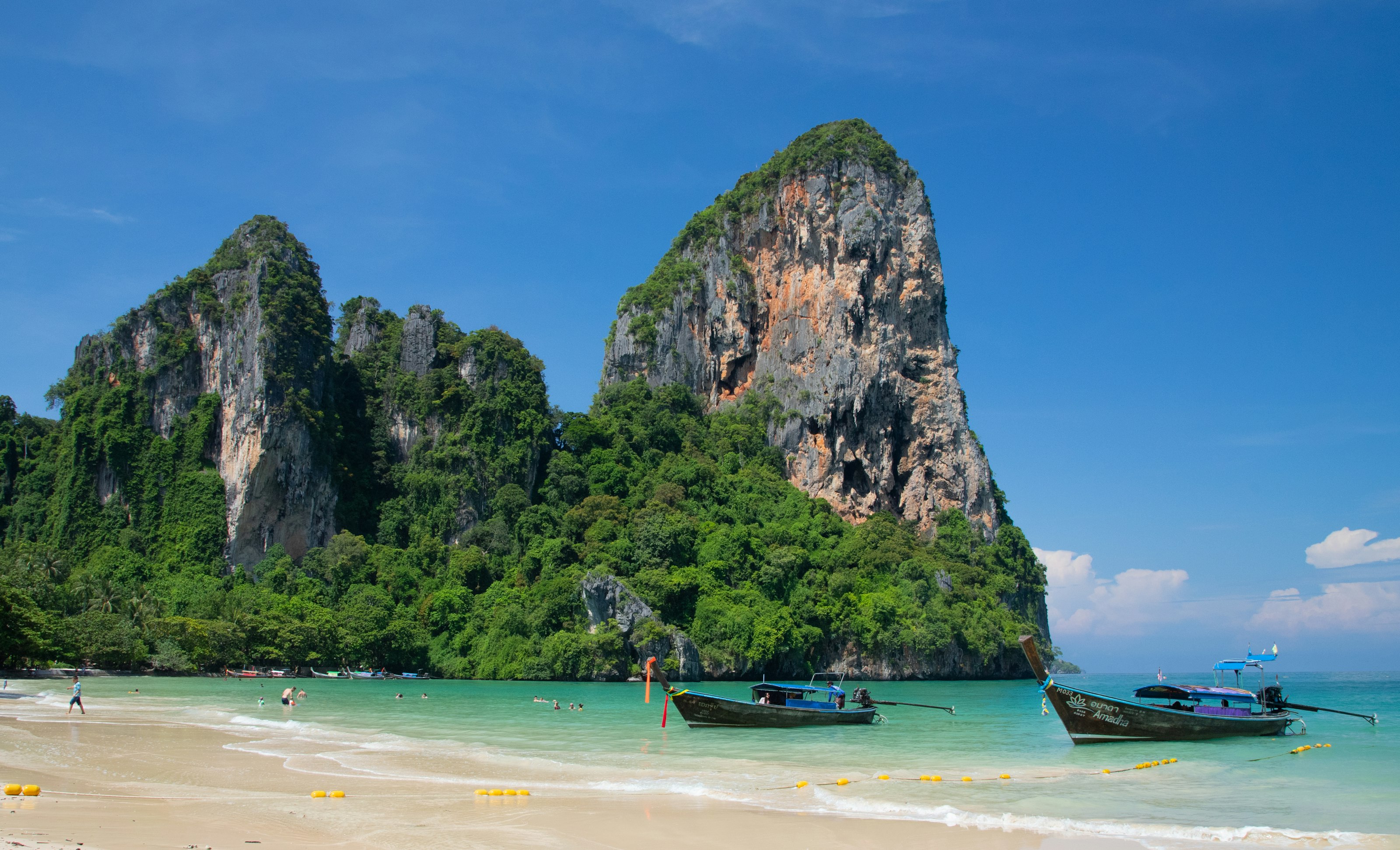
Railay is a small peninsula near Krabi cut off from the mainland by sheer limestone cliffs, reachable only by longtail boat despite technically being attached to the mainland.
Towering karst formations ring beaches of soft white sand and clear water, and the cliffs themselves have made Railay one of the world's best-known rock-climbing destinations, with routes for complete beginners up to experienced climbers.
How does it rate
CrowdsRomanceCash RequiredDangerAccessibilityWhy you should go
Climbing a limestone cliff straight out of the sea, with a swim waiting at the bottom, is a combination almost nowhere else offers.
Why you shouldn't go
Everything arrives by boat, so prices for food and rooms run higher than comparable spots reachable by road.
Plan your visit
Best time to visitNovember–March, dry season with calm seas for the boat crossing.Best time of dayEarly morning for climbing before the heat, late afternoon for the beach and sunset.Getting thereFly to Krabi; 30-minute drive to Ao Nang, then a 15-minute longtail boat to Railay.Entry costFree beaches; climbing gear rental and guided routes are paid, as is the boat transfer.Time needed1–2 daysInsider tip — Book a half-day climbing course even as a complete beginner — routes right off the beach are graded easy and the setting makes it worthwhile regardless of skill. -
 #1082 /100
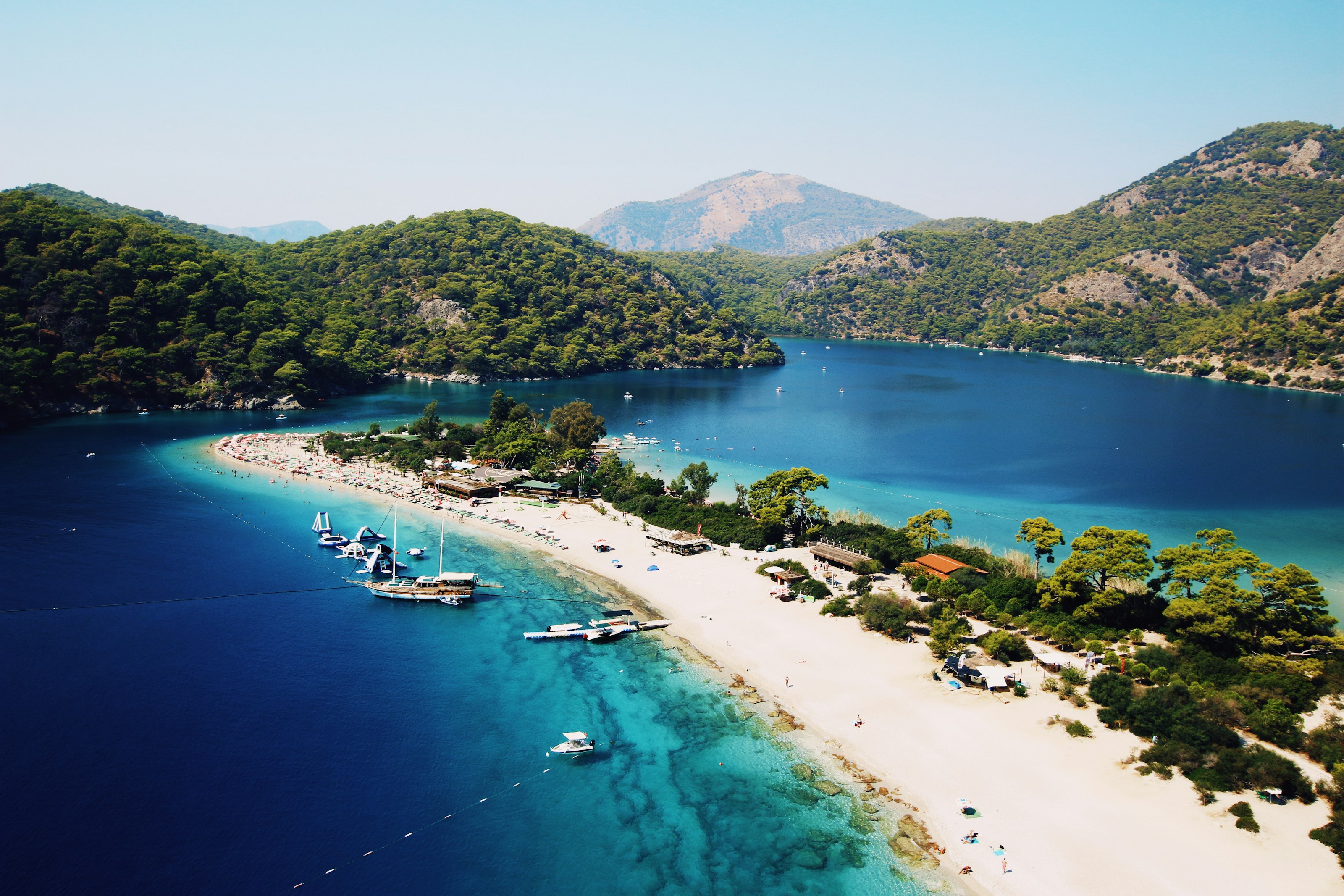
Ölüdeniz's Blue Lagoon is a sheltered curve of turquoise water pinched off from the open Mediterranean by a long sand spit, backed by pine-covered mountains rising straight from the shore.
It's one of Turkey's most photographed beaches and also its paragliding capital — hundreds of tandem flights launch daily from Babadağ mountain and drift down over the bay.
The beach itself is calm and shallow, better for swimming than surf.
How does it rate
CrowdsRomanceCash RequiredDangerAccessibilityWhy you should go
Paragliding down from Babadağ and landing right on the beach is one of the most exhilarating ways to arrive anywhere.
Why you shouldn't go
The lagoon and main beach get seriously packed in July and August, with sunbeds taking up most of the sand.
Plan your visit
Best time to visitMay–June or September, for warm water without peak-season crowds.Best time of dayEarly morning for a quiet swim, or late afternoon to watch paragliders land.Getting thereFly to Dalaman; roughly 1-hour drive south to Ölüdeniz via Fethiye.Entry costSmall fee to enter the Blue Lagoon nature reserve beach; the public beach beside it is free.Time neededHalf a dayInsider tip — Book a paragliding flight for early morning — winds are calmer and the light on the lagoon is best. -
 #1180 /100
A signed cycle path links Onomichi on Honshu to Imabari on Shikoku across six small islands in the Seto Inland Sea, crossing seven bridges over open water.
Riders follow dedicated blue lane markings past citrus groves, fishing harbours and turquoise straits, with the cable-stayed Tatara Bridge and the towering Kurushima-Kaikyo suspension bridge as centrepiece crossings.
Rental terminals at either end let you start and finish where you like.
How does it rate
CrowdsRomanceCash RequiredDangerAccessibilityWhy you should go
Cycling across seven bridges over the Seto Inland Sea between two islands is a ride found nowhere else on Earth.
Why you shouldn't go
The full 70km crossing is a demanding full day in the saddle, and summer humidity can be punishing.
Plan your visit
Best time to visitMarch-May or Oct-Nov for mild temperatures and clear straits views.Best time of dayEarly morning departure to finish before afternoon heat builds.Getting thereFly to Hiroshima or Takamatsu; train to Onomichi or Imabari, then collect a rental bike at the terminal.Entry costBike rental from Y3,000/day; bridge tolls Y500 total (waived through Mar 2026)Time neededFull day (4-10 hours riding)BookingBook ahead →Insider tip — Rent from a Giant terminal for one-way drop-off between Onomichi and Imabari, and stop at the Tatara Bridge rest area for the best photo of the cable stays against the strait. -
 #1280 /100
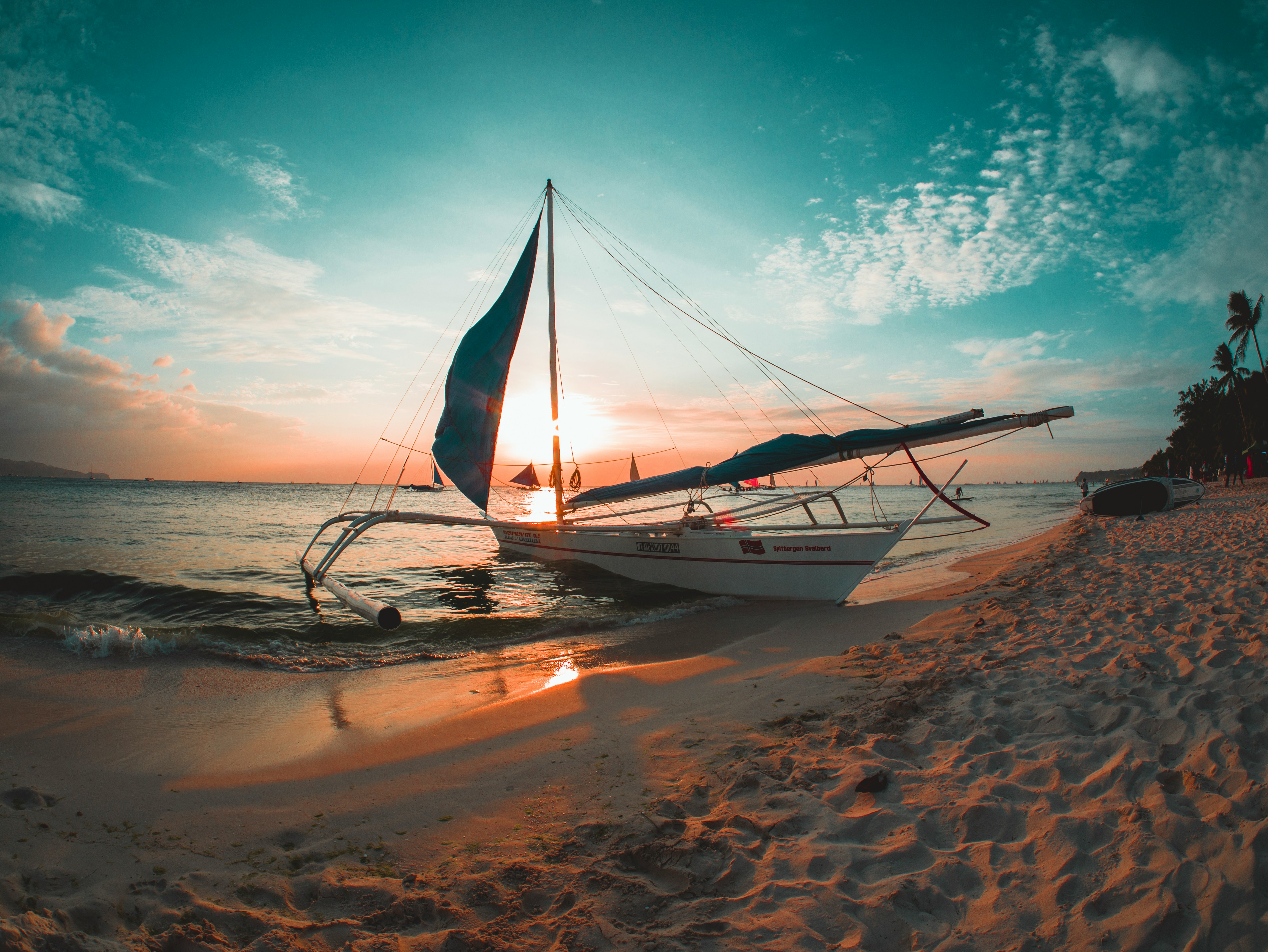
Four kilometres of powder-fine white sand lined with resorts, beach bars, and sunset boat cruises, split into three "stations" by how developed each stretch is.
It's the Philippines' most famous beach and one of Southeast Asia's busiest, powdery enough that the sand squeaks underfoot.
A government-mandated cleanup and visitor cap in recent years has kept water quality noticeably better than its reputation from a decade ago.
How does it rate
CrowdsRomanceCash RequiredDangerAccessibilityWhy you should go
Squeaky-fine white sand along a four-kilometre stretch, with some of the best sunset views in Southeast Asia.
Why you shouldn't go
It's a genuinely busy resort strip, not a quiet escape, and gets more crowded by the year despite visitor caps.
Plan your visit
Best time to visitNovember-April, the dry season.Best time of daySunset, when boats fill the bay in front of Station 2.Getting thereFly to Caticlan or Kalibo, then a short boat crossing to Boracay Island.Entry costFree to access; a small environmental fee is charged on arrival.Time neededHalf a day to a full day.Insider tip — Station 1's stretch has the finest sand and thins out fastest after sunset dinner rush - walk there for photos once Station 2 empties. -
 #13
#13Umluj sits on Saudi Arabia's northern Red Sea coast, where a scattering of uninhabited islands and sandbars sit in water shallow and clear enough to earn the coastline the nickname 'the Maldives of Saudi Arabia'.
Boat trips out to islands like Jabal Hassan reach coral reefs largely untouched by mass tourism, and the coastline remains quiet even as new mega-resort developments rise further south along the same coast.
How does it rate
CrowdsRomanceCash RequiredDangerAccessibilityWhy you should go
Genuinely Maldives-clear water and coral reefs, reachable by a short boat ride, with almost no other tourists around.
Why you shouldn't go
Infrastructure is still limited outside a few boat operators and basic hotels, so it takes more planning than an established beach destination.
Plan your visit
Best time to visitNovember–April, avoiding the intense heat of the Red Sea summer.Best time of dayMorning, for the calmest boat crossings and best underwater visibility.Getting thereFly to Yanbu or Tabuk; roughly 1.5–2-hour drive to Umluj, then a boat to the islands.Entry costFree coastline; island boat trips and snorkelling gear are paid extras.Time needed1 dayInsider tip — Book a boat trip a day ahead through a local operator in Umluj town rather than turning up expecting one on the spot — options are still limited. -
 #14
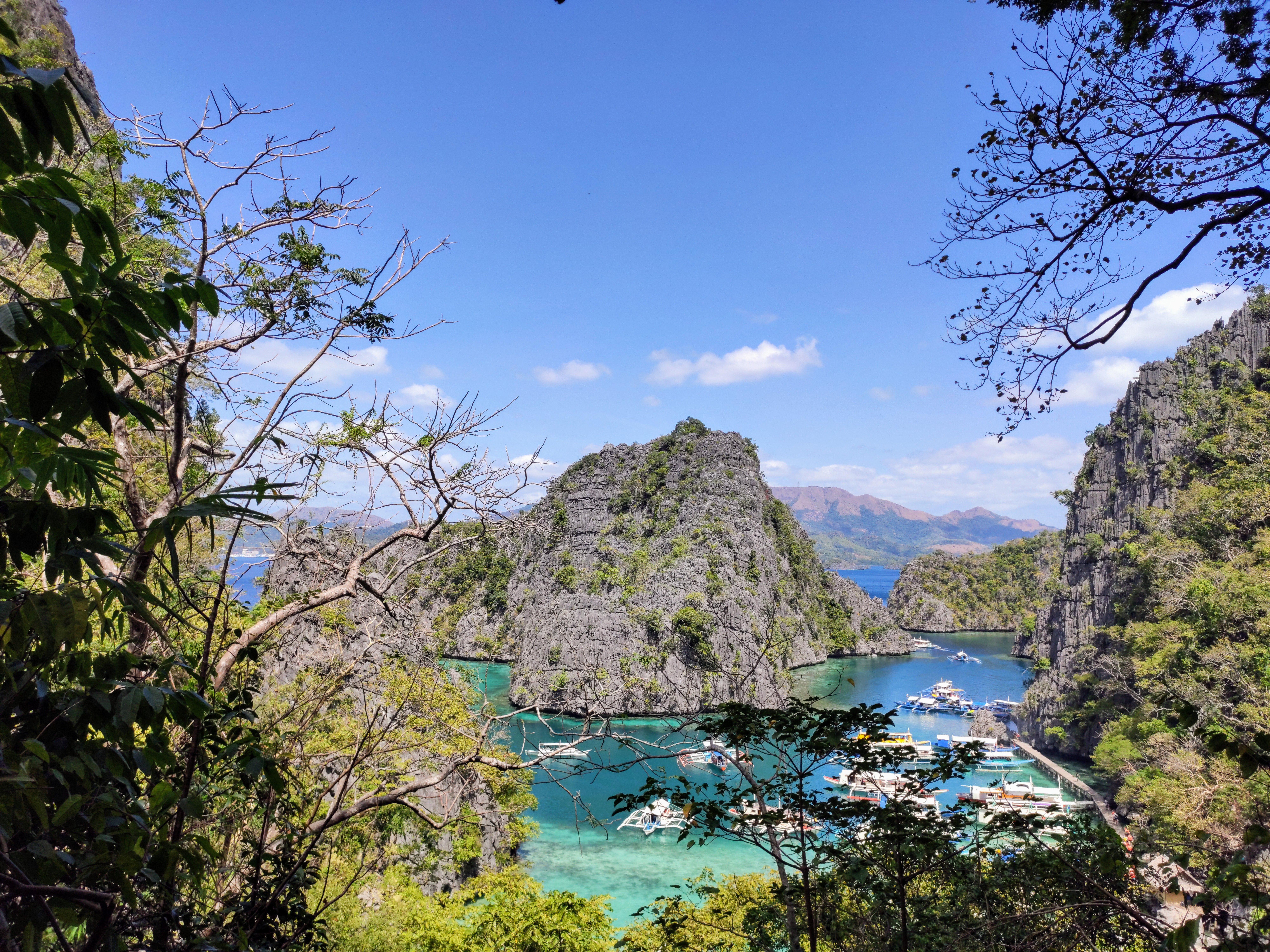
#14Ringed by limestone cliffs and turquoise lagoons, Coron is best known for some of the world's best wreck diving — a dozen Japanese naval ships sunk here in a single 1944 raid now sit intact on the seabed, accessible to both certified divers and snorkelers.
Above water, Kayangan Lake's cliff-top viewpoint and the island's hot springs round out a destination built around striking limestone-and-water scenery.
How does it rate
CrowdsRomanceCash RequiredDangerAccessibilityWhy you should go
World-class WWII wreck diving alongside some of the Philippines' most striking limestone lagoons.
Why you shouldn't go
Getting around the island group requires chartering boats, which adds up over a multi-day stay.
Plan your visit
Best time to visitNovember–May, dry season, for the clearest water and calmest seas.Best time of dayEarly morning at Kayangan Lake, before tour boats arrive in numbers.Getting thereFly directly to Busuanga/Coron airport, or take a ferry from Manila or El Nido.Entry costIsland-hopping tours from around ₱1,200 (~€19); wreck diving from ₱3,500 (~€56).Time needed2–3 days.Insider tip — Book a private rather than shared island-hopping boat if diving Kayangan Lake — shared tours often rush the best viewpoint. -
 #1577 /100
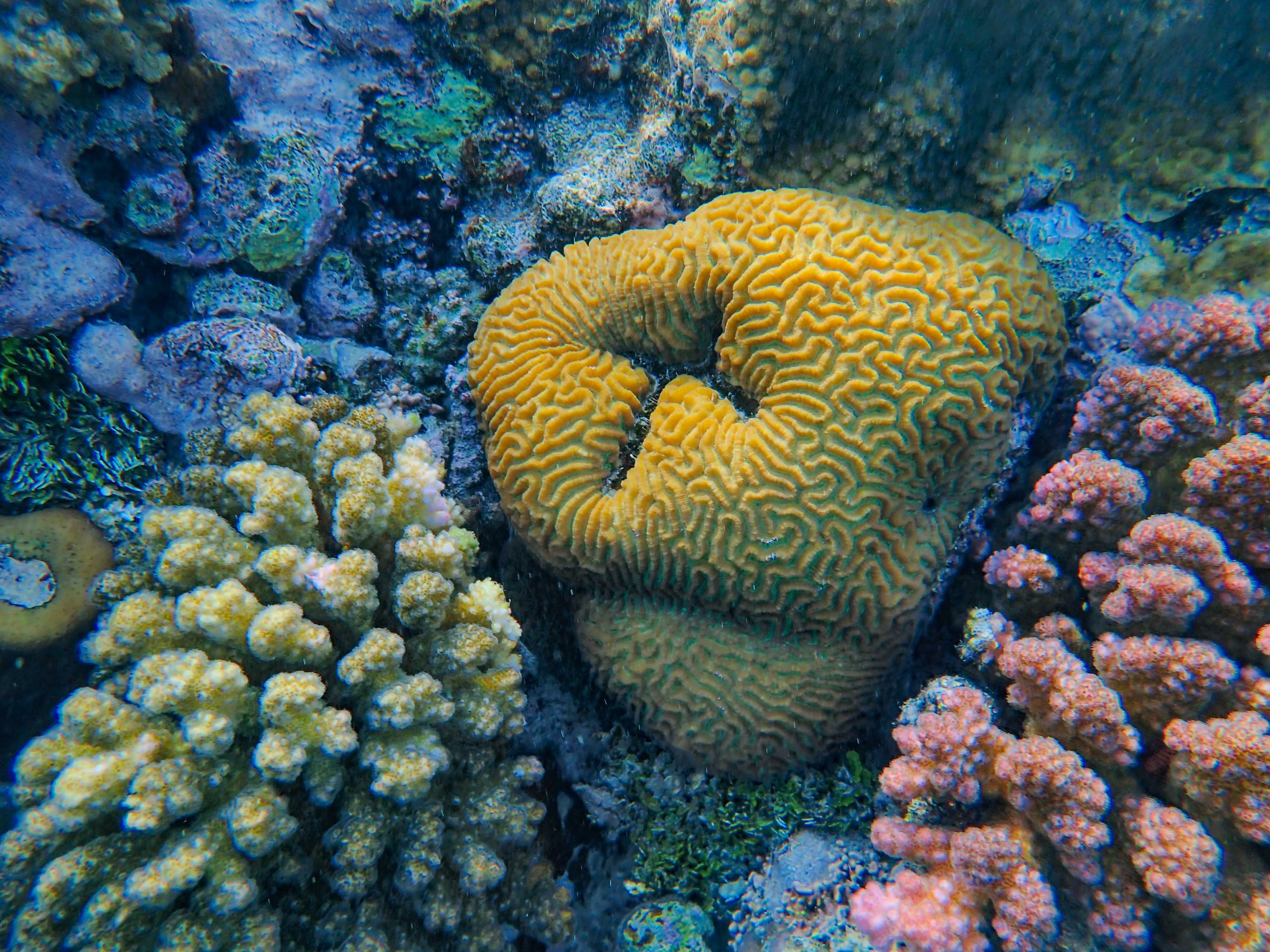
The Farasan Islands are a low-lying Red Sea archipelago off Saudi Arabia's southern coast, ringed by coral reefs that draw divers and snorkellers to waters that see whale sharks pass through seasonally.
The main island holds crumbling coral-stone merchant houses from an Ottoman-era pearling boom, now mostly abandoned, alongside mangrove channels sheltering gazelles found nowhere else, with ferries from Jazan the only way in.
How does it rate
CrowdsRomanceCash RequiredDangerAccessibilityWhy you should go
Diving reefs that see almost no other visitors, alongside crumbling Ottoman-era pearling houses, makes for a genuinely uncommon combination.
Why you shouldn't go
Ferry schedules are limited and infrastructure is basic, so it takes more planning than a typical island trip.
Plan your visit
Best time to visitOctober–April, avoiding the most intense Red Sea summer heat and humidity.Best time of dayMorning, for the calmest seas for diving and the ferry crossing.Getting thereFly to Jazan; a roughly 1.5–2-hour ferry crosses to the main Farasan island.Entry costFerry ticket plus any diving or snorkelling tour costs.Time needed1–2 daysInsider tip — Arrange diving trips in advance through an operator in Jazan — options on the islands themselves are limited and can sell out. -
 #1676 /100
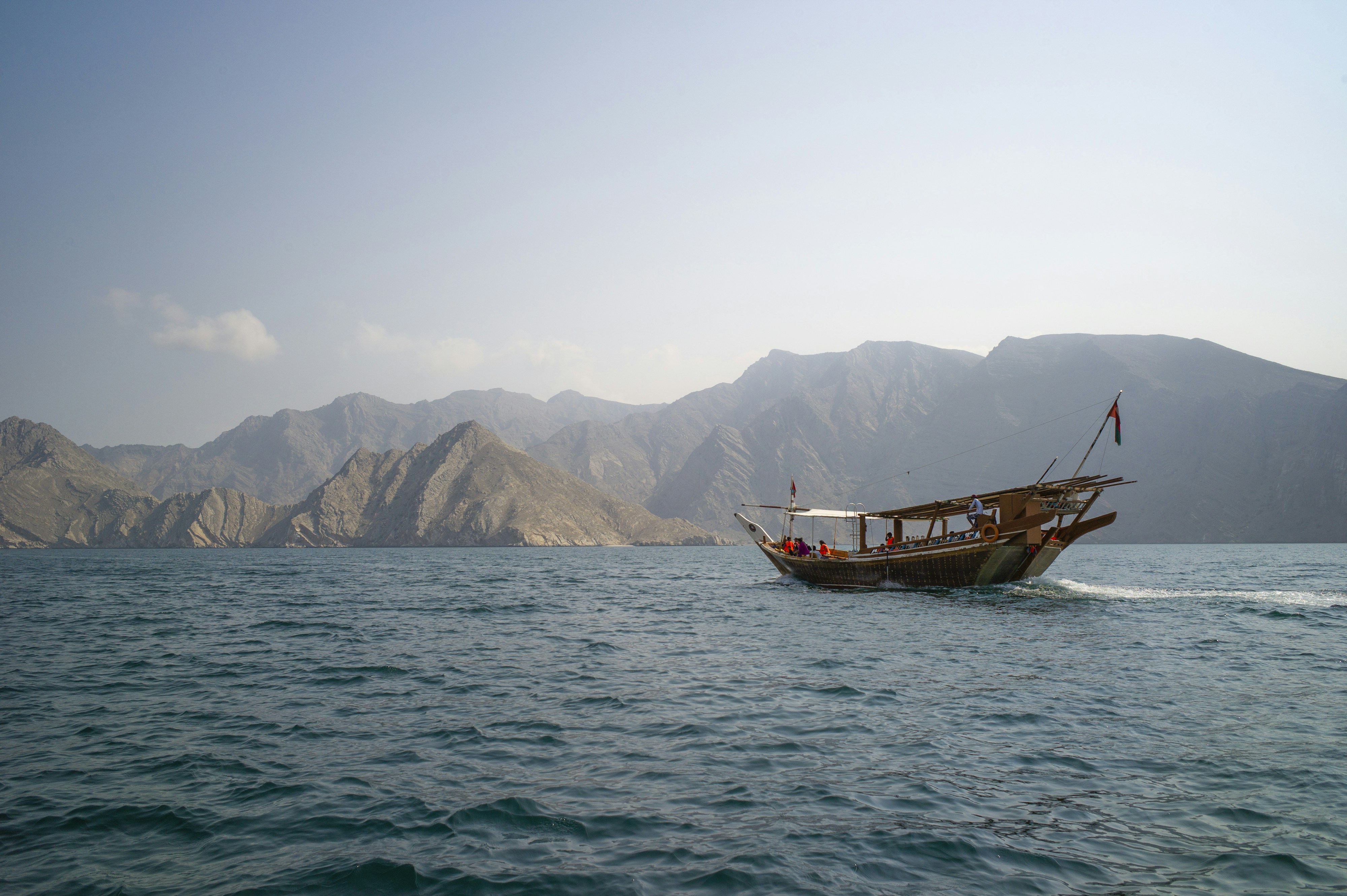
Steep, arid mountains drop straight into the sea along this remote Omani exclave, earning the nickname the Norway of Arabia for its fjord-like inlets.
Traditional wooden dhows cruise between the peninsula's narrow channels, where dolphins are a near-daily sighting.
Fishing villages built into the base of sheer cliffs remain reachable only by boat.
How does it rate
CrowdsRomanceCash RequiredDangerAccessibilityWhy you should go
Fjord-like inlets between desert mountains, cruised by traditional wooden dhows with dolphins alongside.
Why you shouldn't go
Musandam is physically cut off from the rest of Oman by UAE territory, adding a border crossing to most routes.
Plan your visit
Best time to visitOctober-April, avoiding the extreme summer heat.Best time of dayMorning, for the calmest water and best chance of dolphin sightings.Getting thereFly to Dubai, then drive across the UAE border to Khasab (about 3 hours), or fly directly to Khasab.Entry costDhow cruise tours typically $40-60 per person.Time neededFull dayInsider tip — Book a full-day dhow cruise rather than a short one - the most dramatic fjord scenery and best dolphin sightings are further out than the shorter tours reach. -
 #17
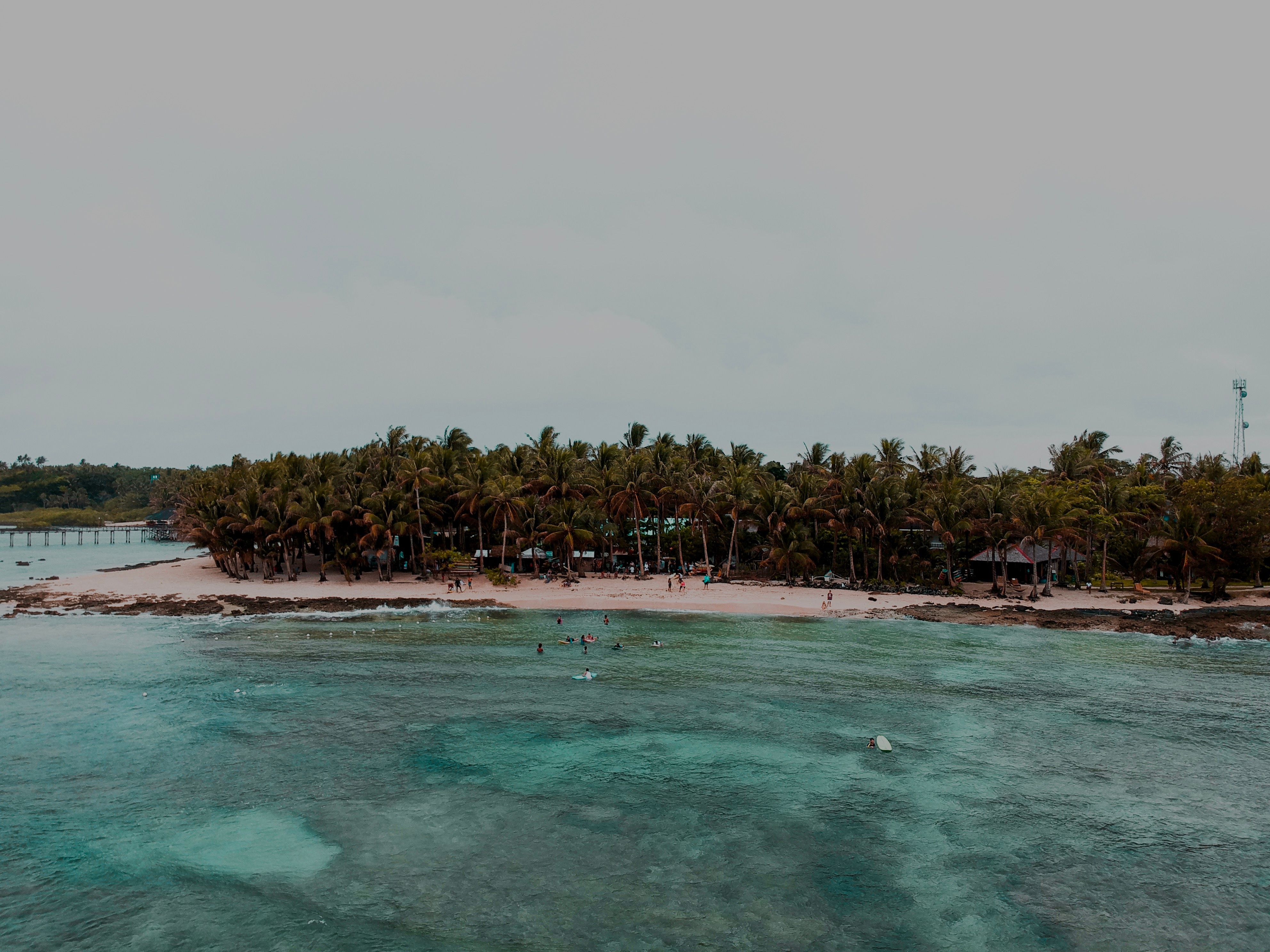
#17The Philippines' surfing capital centers on Cloud 9, a powerful reef break that draws competitive surfers from around the world, but the teardrop-shaped island has plenty beyond the waves — the tidal Magpupungko rock pools, palm-lined lagoons, and a laid-back beach-town scene around General Luna.
Island-hopping trips reach nearby uninhabited islets with genuinely empty white-sand beaches.
How does it rate
CrowdsRomanceCash RequiredDangerAccessibilityWhy you should go
World-class surf at Cloud 9, plus genuinely uncrowded island-hopping beaches nearby.
Why you shouldn't go
The best surf swells (August–November) bring rough water that's unsuitable for casual swimming.
Plan your visit
Best time to visitMarch–October for calmer seas; August–November for the biggest surf swells.Best time of dayDawn patrol surf sessions, before the wind picks up and crowds arrive at Cloud 9.Getting thereFly directly to Siargao (Sayak) airport from Manila or Cebu.Entry costFree beaches; surf lessons from around ₱1,000 (~€16); island-hopping tours from ₱1,500.Time needed3–4 days.Insider tip — Rent a scooter to reach Magpupungko rock pools at low tide on a weekday — far quieter than the main surf beaches. -
 #1873 /100
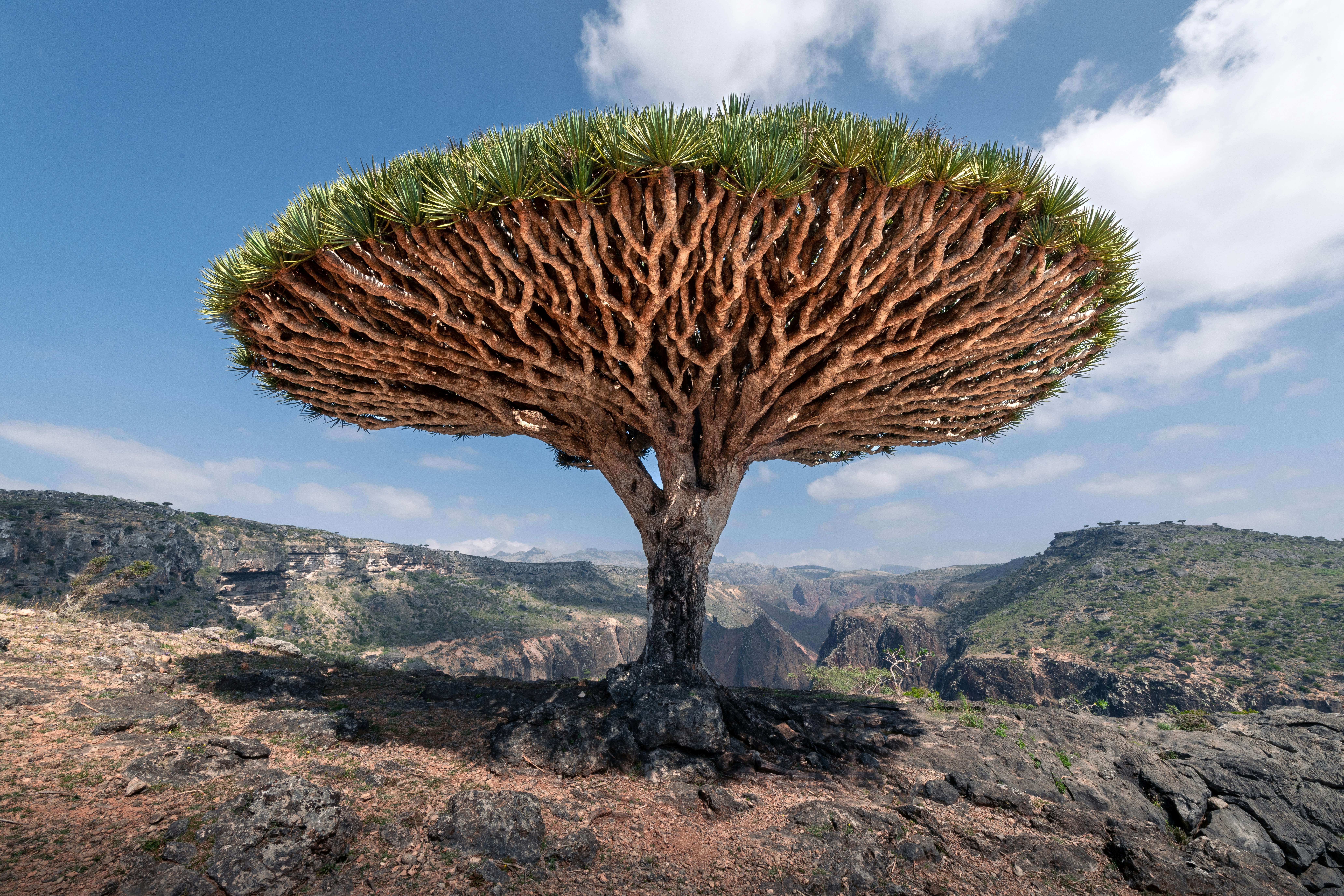
A remote island in the Arabian Sea, isolated for millions of years, home to the umbrella-shaped dragon's blood trees found nowhere else on Earth.
Pristine beaches, alien-looking flora, and a culture largely untouched by mass tourism define one of the world's most singular landscapes.
How does it rate
CrowdsRomanceCash RequiredDangerAccessibilityWhy you should go
Otherworldly dragon's blood trees and pristine beaches on one of the most isolated inhabited islands on Earth.
Why you shouldn't go
Extremely remote with limited services; ongoing regional instability affects access and safety — check current travel advisories carefully.
Plan your visit
Best time to visitOctober–April for stable weather; access can be intermittent due to political conditions.Best time of daySunset light brings out the color of the dragon's blood trees and dunes.Getting thereFlights from Abu Dhabi or Cairo operate intermittently depending on political conditions; check current routes before booking.Entry costVisa, flights, and guided accommodation run roughly $150–250 USD per day.Time needed3–5 days.Insider tip — Independent travel is not advisable — go through a specialist operator with a local guide. Verify the current political and safety situation immediately before travel, as it changes frequently. -
 #1972 /100
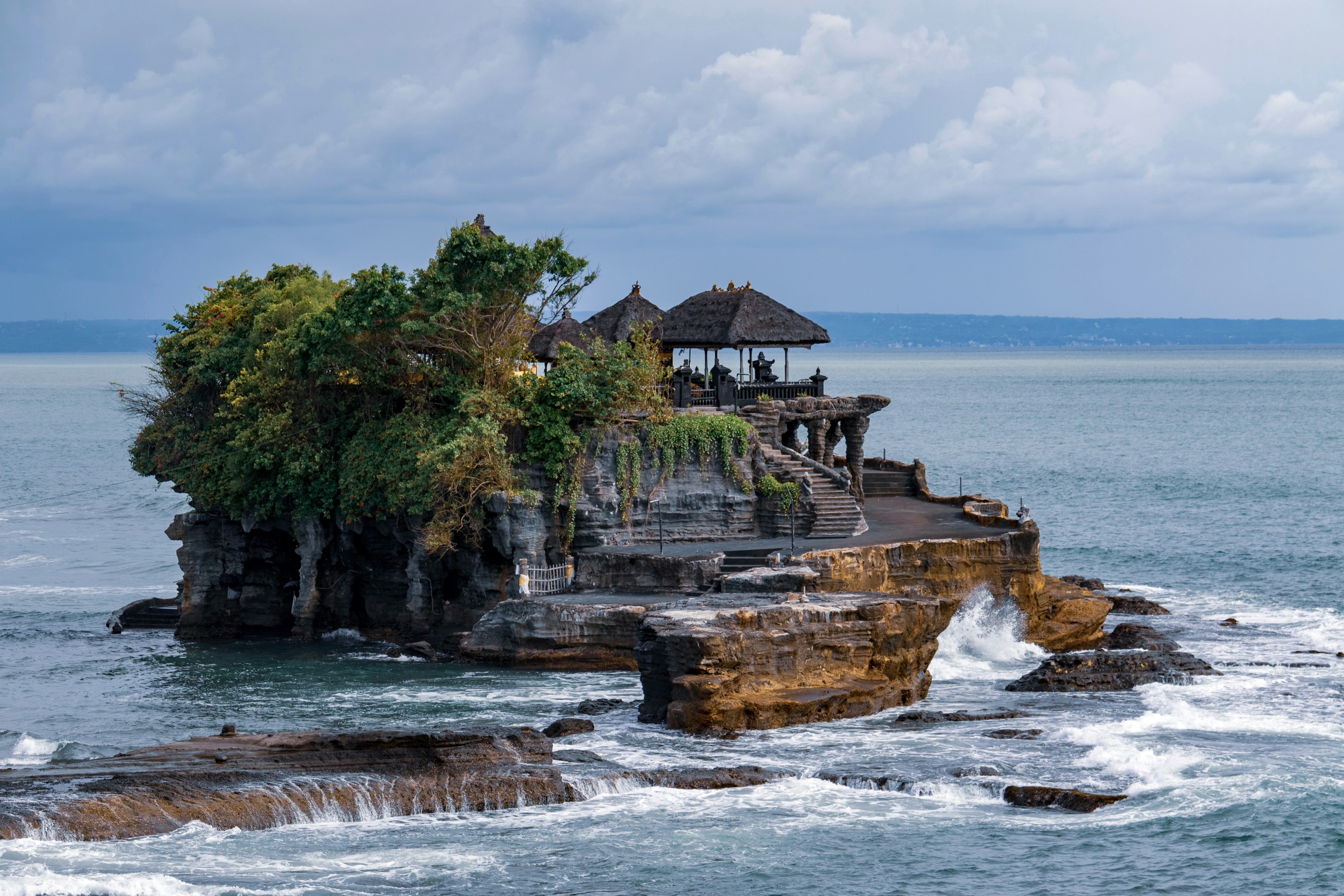
Tanah Lot's Hindu sea temple sits on a small rock outcrop just offshore, cut off from the mainland at high tide and reachable on foot when the water recedes.
Built around a natural spring the Balinese consider sacred, it's one of several coastal temples protecting Bali from sea spirits, and among the most photographed silhouettes on the island at sunset.
The temple interior is closed to non-worshippers, so the visit is really about the setting and the ritual crowds gathering for dusk.
How does it rate
CrowdsRomanceCash RequiredDangerAccessibilityWhy you should go
One of Bali's most iconic sunset silhouettes, a temple perched on a wave-battered sea rock.
Why you shouldn't go
Extremely crowded by late afternoon, and the temple itself is closed to visitors who aren't there to pray.
Plan your visit
Best time to visitDry season, April-October, for reliable sunsets; check tide tables so the rock isn't submerged.Best time of daySunset, though arriving by mid-afternoon beats the worst of the crowds.Getting there45-60 minutes by car or scooter from Denpasar/Seminyak, in Tabanan regency.Entry costIDR 75,000 (~$4.50) for adults, cash onlyTime needed1-2 hoursInsider tip — Skip the crowded main viewpoint and walk the clifftop path south past the warungs for a quieter angle on the temple silhouette at sunset.


More from Asia
-

More Coastal spots
-
How a score is built
One score out of 100, five criteria behind it
Every place is rated 1–5 on each of the criteria below, then combined into a single score out of 100. It's calculated by us, the same way every time — not an average of traveller reviews or social votes.
Crowds
How many people you'll be sharing it with, and at what time of day.
Romance
How well it suits a couple, a proposal, or a quiet moment together.
Cash required
Entry fees, permits, guides, rentals — what it actually costs to do it.
Danger
Physical risk involved, from a slippery viewpoint to genuine hazard.
Accessibility
How far off the beaten path it is, and how hard it is to actually reach.


