-
 #196 /100
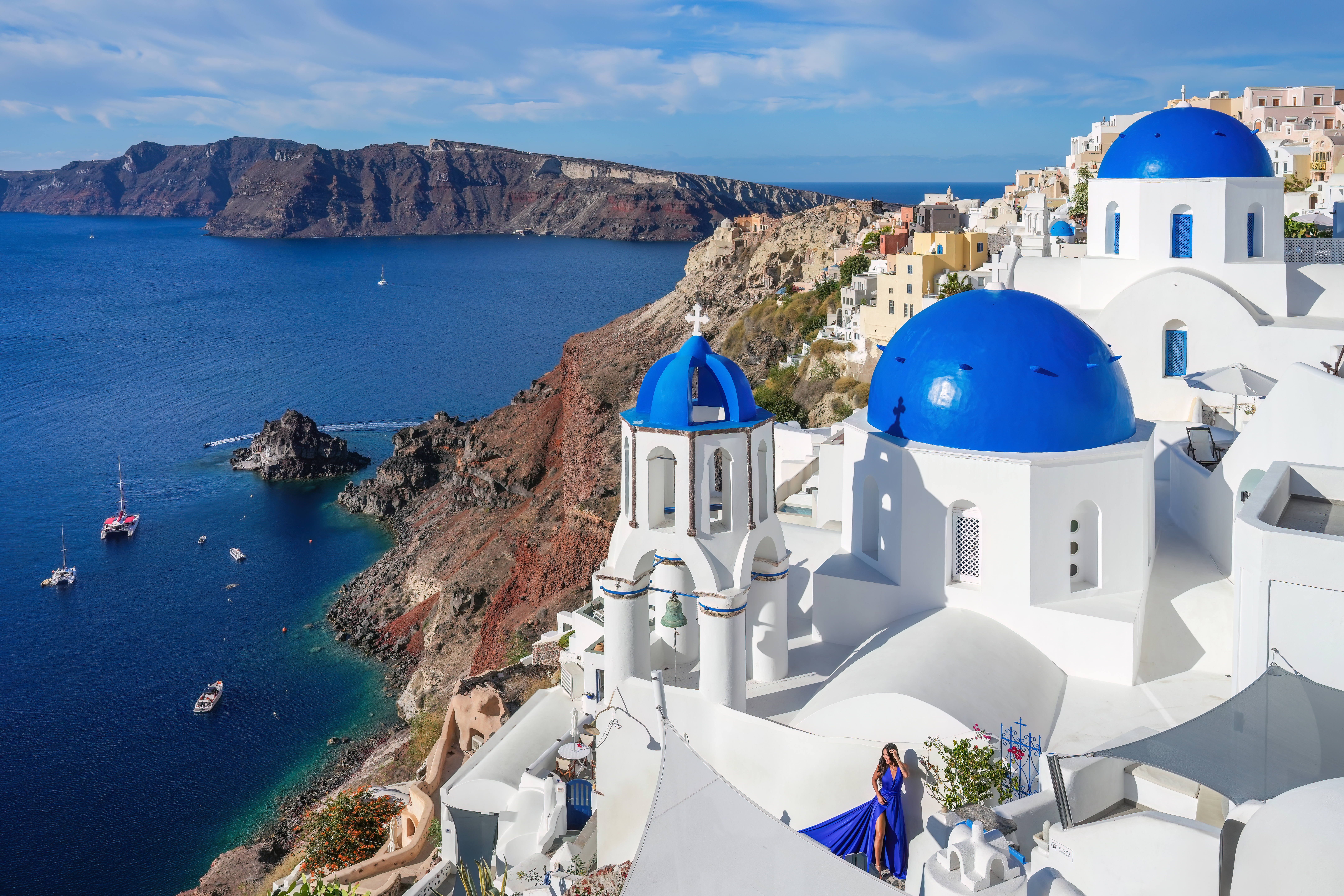
Oia is the northernmost village on Santorini and the best known, with its white-washed Cycladic architecture, blue-domed churches, and cliffside position above the caldera.
It is particularly famous for its sunset, which draws crowds from across the island to watch the sun sink into the Aegean.
How does it rate
CrowdsRomanceCash RequiredDangerAccessibilityWhy you should go
The view from Oia's castle ruins at sunset, with the caldera, the volcano island, and the whitewashed village all bathed in golden light, is one of the world's most spectacular.
Why you shouldn't go
Oia becomes extremely crowded at sunset and the famous viewpoints can be packed with hundreds of people; accommodation prices are among the highest in Europe.
Plan your visit
Best time to visitLate April-June or September-OctoberBest time of daySunset - this is THE sunset spot in GreeceGetting thereBus or taxi from Fira (~30 min)Entry costFreeTime needed2-3 hoursInsider tip — The Byzantine Castle viewpoint is famous and packed by 5pm in summer; arrive an hour early or find a quieter spot along the caldera path -
 #295 /100
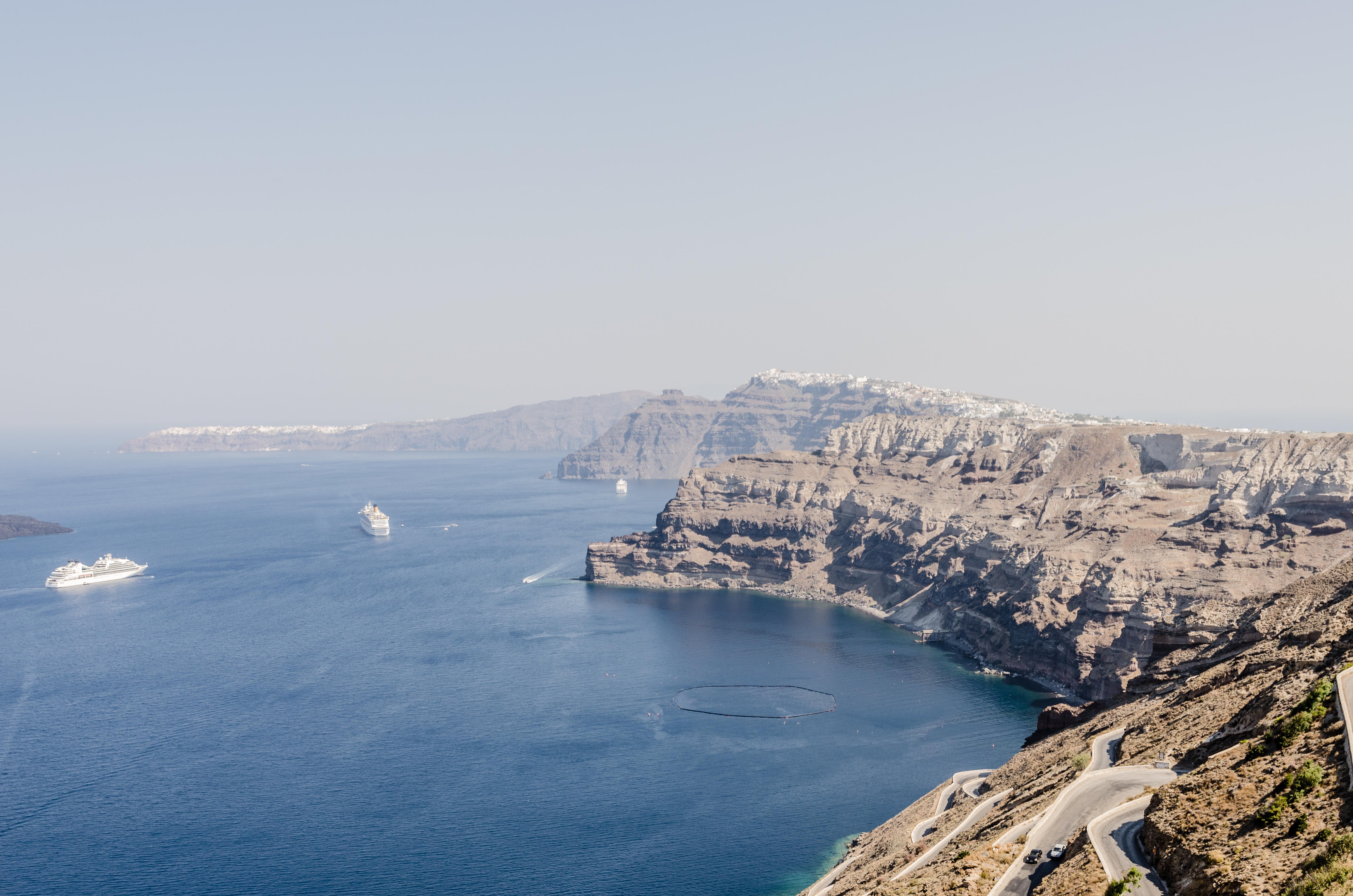
The crescent-shaped caldera of Santorini, formed by a massive volcanic eruption around 1600 BC, is a 12km-wide bay ringed by cliffs that rise up to 300 metres straight out of the sea.
White-washed cube houses and blue-domed churches line the rim at Fira, Imerovigli and Oia, and boat trips run out to the still-active volcanic islets at its centre.
It is one of the world's most recognisable islands, and priced accordingly.
How does it rate
CrowdsRomanceCash RequiredDangerAccessibilityWhy you should go
The combination of blue domes, white walls, and the deep blue sea is uniquely Santorini and produces images that are immediately recognisable worldwide.
Why you shouldn't go
Santorini's beauty is no secret and the island becomes genuinely overcrowded in July and August; accommodation is extremely expensive.
Plan your visit
Best time to visitLate April-June or September-OctoberBest time of daySunset in OiaGetting thereSantorini airport or ferry from AthensEntry costFree to exploreTime needed2-3 daysInsider tip — Watch sunset from Ammoudi Bay instead of the crowded Oia castle viewpoint -
 #393 /100
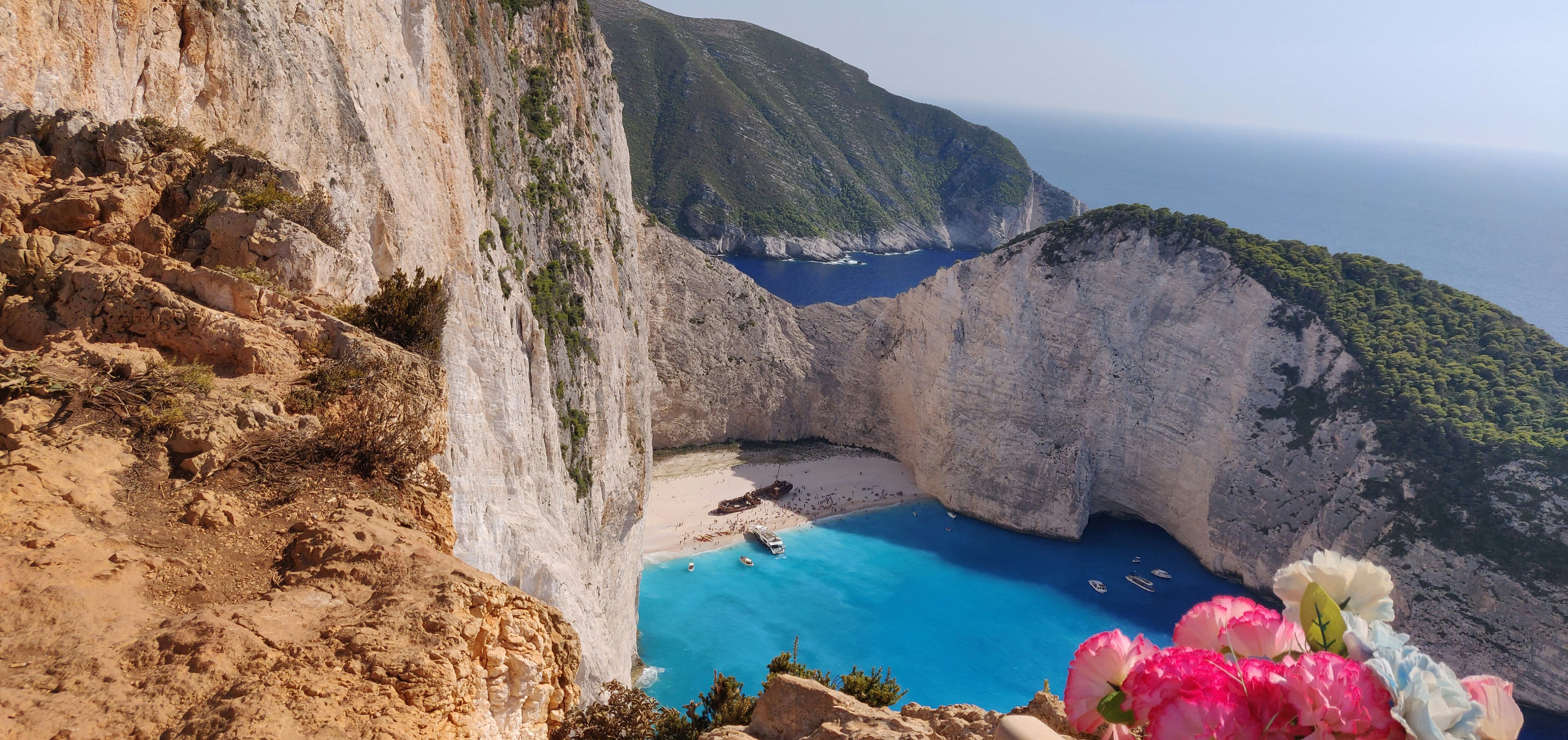
A rusting shipwreck sits on white sand in a cove ringed by sheer limestone cliffs, reachable only by boat from Zakynthos.
Mineral runoff from the cliffs turns the water a startling turquoise, and boat trips let visitors land and swim beside the wreck itself.
Rockfalls have periodically closed both the beach and the clifftop viewing platform above it, so check what is actually open before committing to a trip.
How does it rate
CrowdsRomanceCash RequiredDangerAccessibilityWhy you should go
The rusted shipwreck against white sand and turquoise water is one of travel photography's most reproduced images.
Why you shouldn't go
The beach itself can only be reached by boat tour, and the clifftop viewpoint gets mobbed by midday.
Plan your visit
Best time to visitApril-June or September for calm seas and thinner crowds than peak August.Best time of dayArrive by the first morning boats, before the tour flotilla fills the cove.Getting thereFly to Zakynthos; boat trips run from Porto Vromi or Agios Nikolaos, or drive to the clifftop viewpoint above.Entry costFree to view from the clifftop; boat trips from around EUR25.Time neededHalf a day.Insider tip — The clifftop platform gets crowded fast - arrive before 9am, or ask your boat driver for a slow pass close to the wreck for photos without other boats in frame. -
 #493 /100
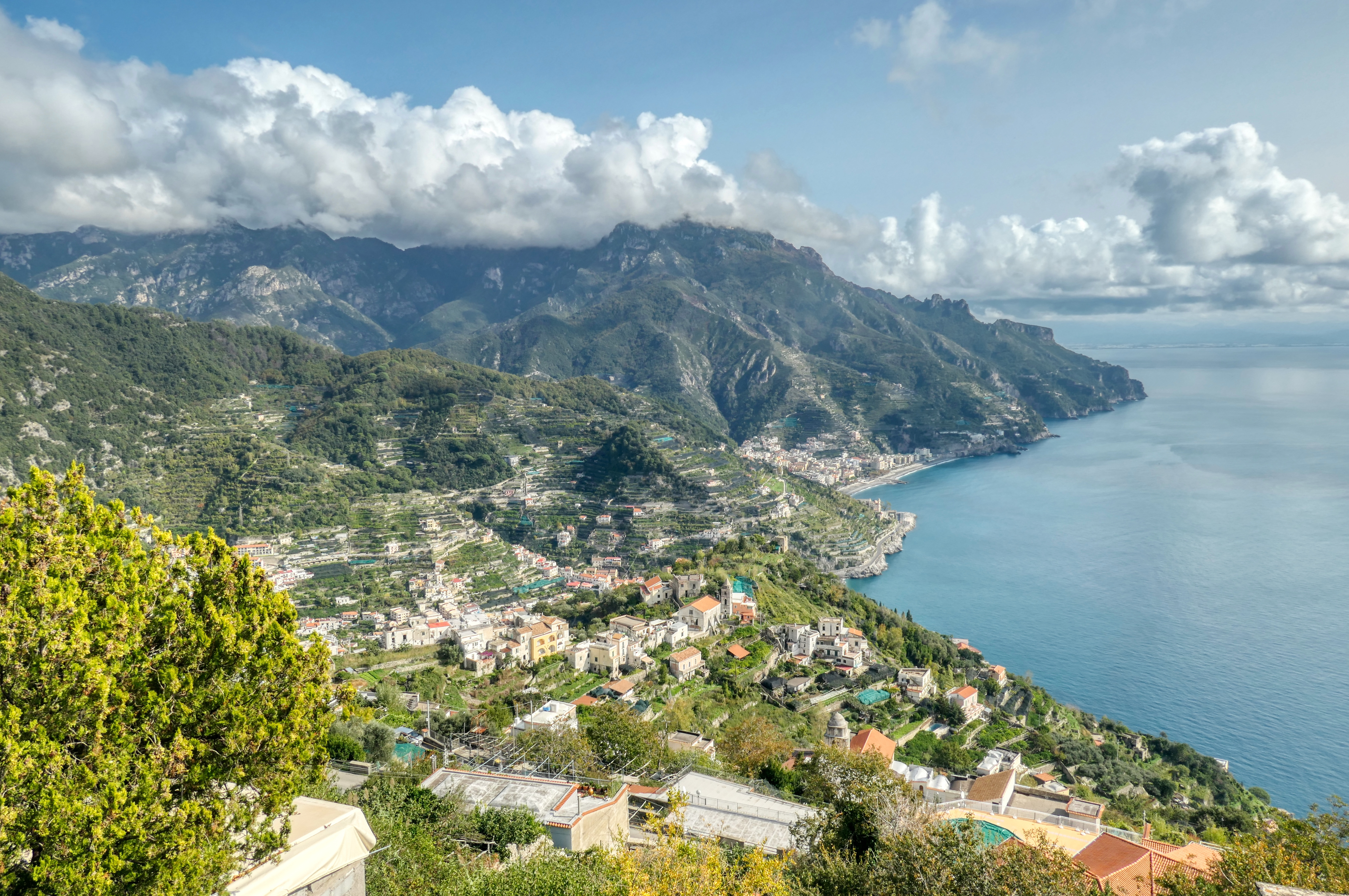
The Amalfi Coast is a 50-kilometre stretch of cliffside villages, lemon groves, and impossibly blue Mediterranean sea along the southern edge of the Sorrentine Peninsula.
Perched villages like Positano and Ravello tumble down vertiginous hillsides in a cascade of pastel buildings.
How does it rate
CrowdsRomanceCash RequiredDangerAccessibilityWhy you should go
Every bend of the coastal road reveals a new and more spectacular view, and the villages themselves are among the most beautiful in Europe.
Why you shouldn't go
The coast road is extremely narrow and congested in summer, and accommodation in the most popular villages is very expensive.
Plan your visit
Best time to visitMay-June or September, avoiding August crowdsBest time of dayLate afternoon for golden coastal lightGetting thereFly to Naples, then drive or SITA bus along the coast roadEntry costFree to view; ferry and bus fares varyTime needed2-3 days to see properlyInsider tip — Take the ferry between towns instead of the coast road to skip traffic -
 #592 /100
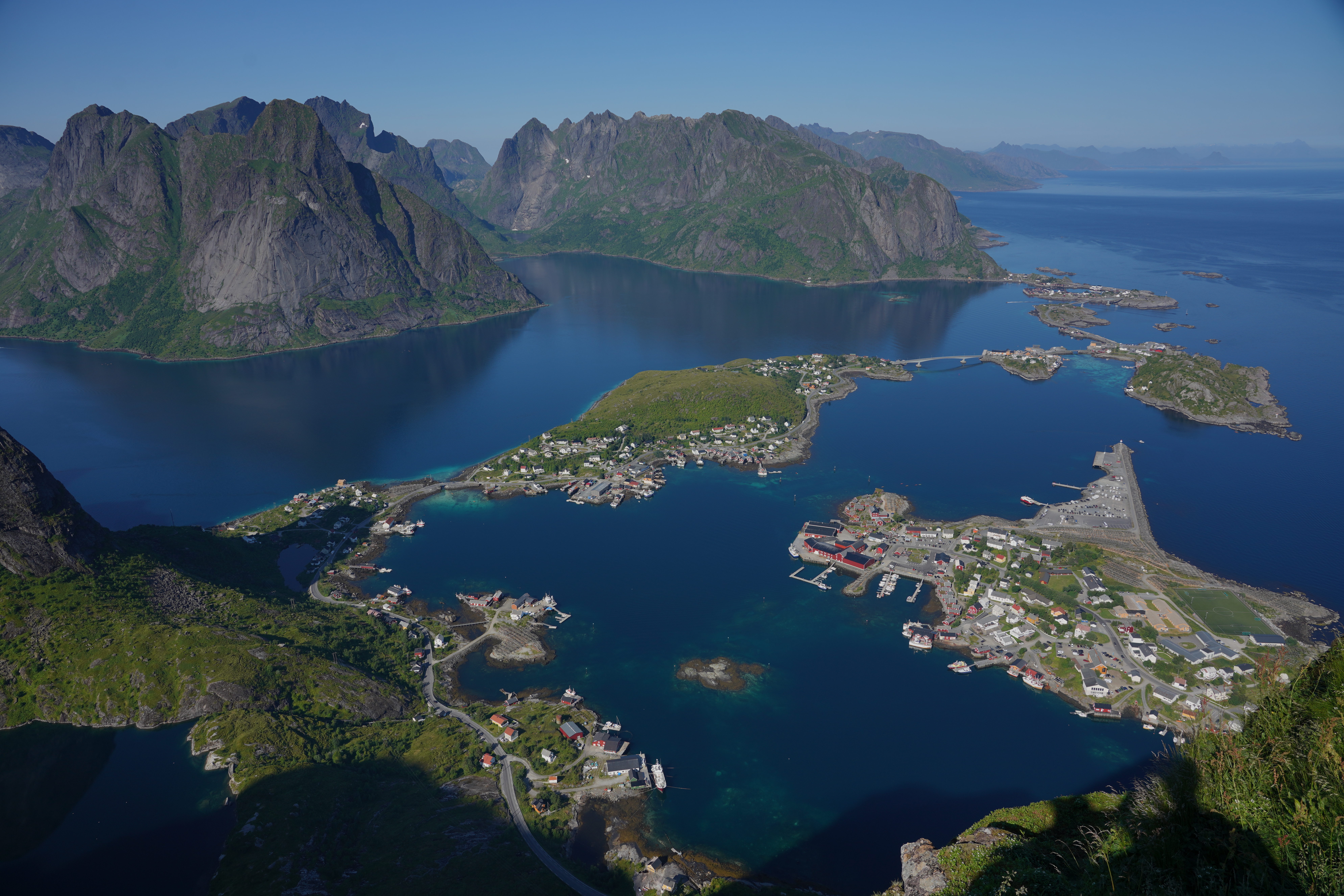
The Lofoten archipelago in northern Norway rises dramatically from the Norwegian Sea as a series of jagged peaks and sheltered bays.
Traditional red fishing cabins called rorbuer dot the shoreline against a backdrop of some of Europe's most spectacular mountain scenery, with the Northern Lights frequently visible in winter.
How does it rate
CrowdsRomanceCash RequiredDangerAccessibilityWhy you should go
The combination of dramatic mountains, Arctic light, colourful fishing villages, and frequent Northern Lights makes Lofoten one of the most photogenic places in Europe.
Why you shouldn't go
The islands are extremely remote, weather is frequently poor, and the Northern Lights are only visible during the dark winter months.
Plan your visit
Best time to visitJune-August for midnight sun, or Sept-March for Northern LightsBest time of dayMidnight sun in summer, or golden hourGetting thereFly to Harstad/Narvik or take the Bodo ferryEntry costFree to exploreTime needed4-5 daysInsider tip — The fishing village of Reine at sunset is the classic shot; go early to get the viewpoint to yourself -
 #6
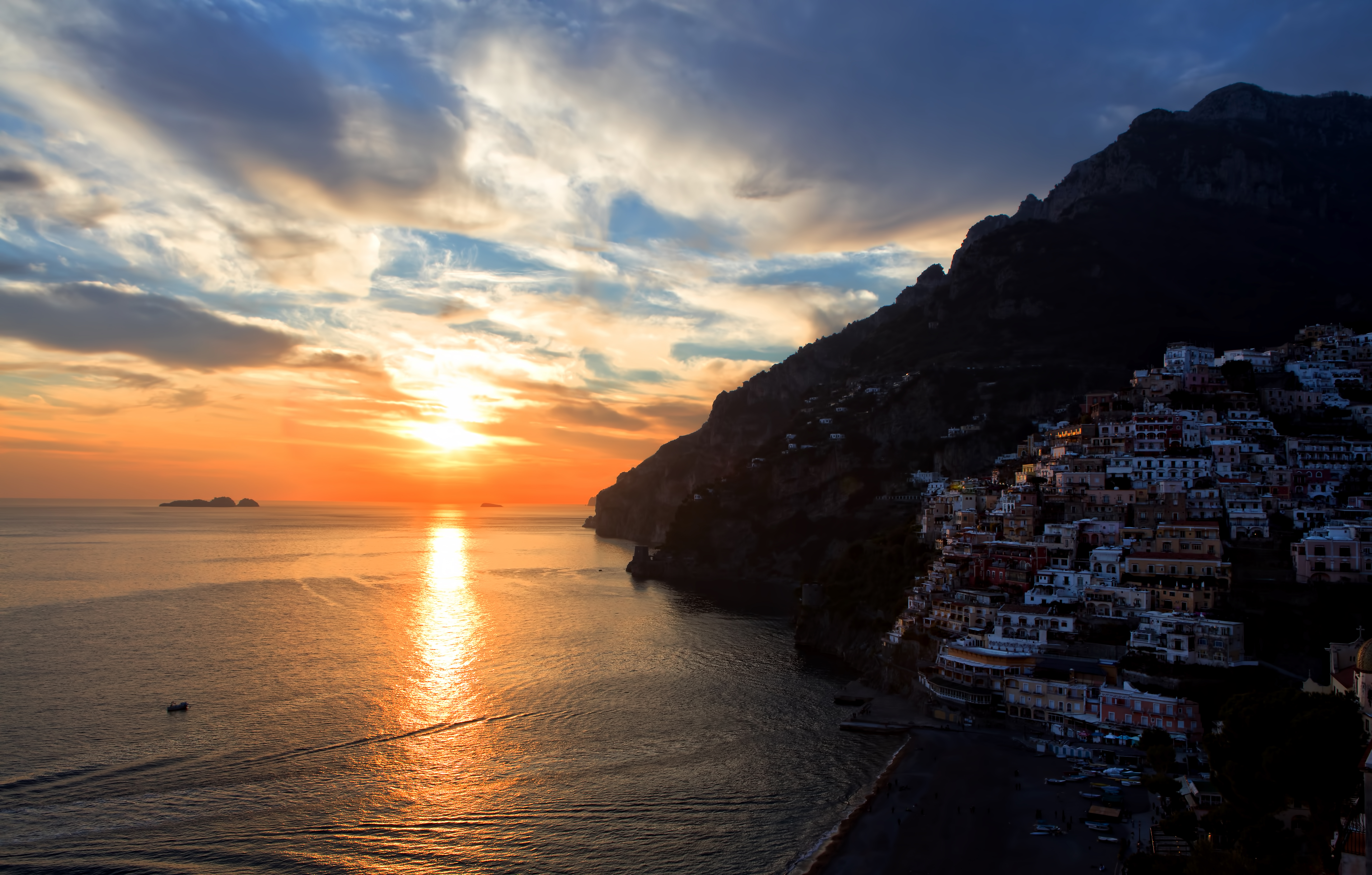
#6Positano is the Amalfi Coast's poster child: a wall of peach, rose and terracotta houses stacked impossibly steeply between the cliffs and a dark-sand beach.
The classic view, the whole town glowing above Spiaggia Grande, is best from the coast path or from the ferry pulling out.
Below the view it's all lemon groves, boutiques and long seafood lunches.
How does it rate
CrowdsRomanceCash RequiredDangerAccessibilityWhy you should go
The stacked pastel townscape above the beach is one of the Mediterranean's defining views.
Why you shouldn't go
Everything is steps, hundreds of them, and summer prices and crowds are ferocious.
Plan your visit
Best time to visitMay, June or September - warm seas without August's crushBest time of dayGolden hour, when the west light sets the facades glowingGetting thereFly to Naples; ferry from Salerno or Sorrento beats the coast road in summerEntry costFree to wander; beach clubs and parking cost plentyTime needed1-2 daysInsider tip — Arrive by ferry rather than road - the approach from the water is the photo, and you skip the SS163 traffic -
 #791 /100
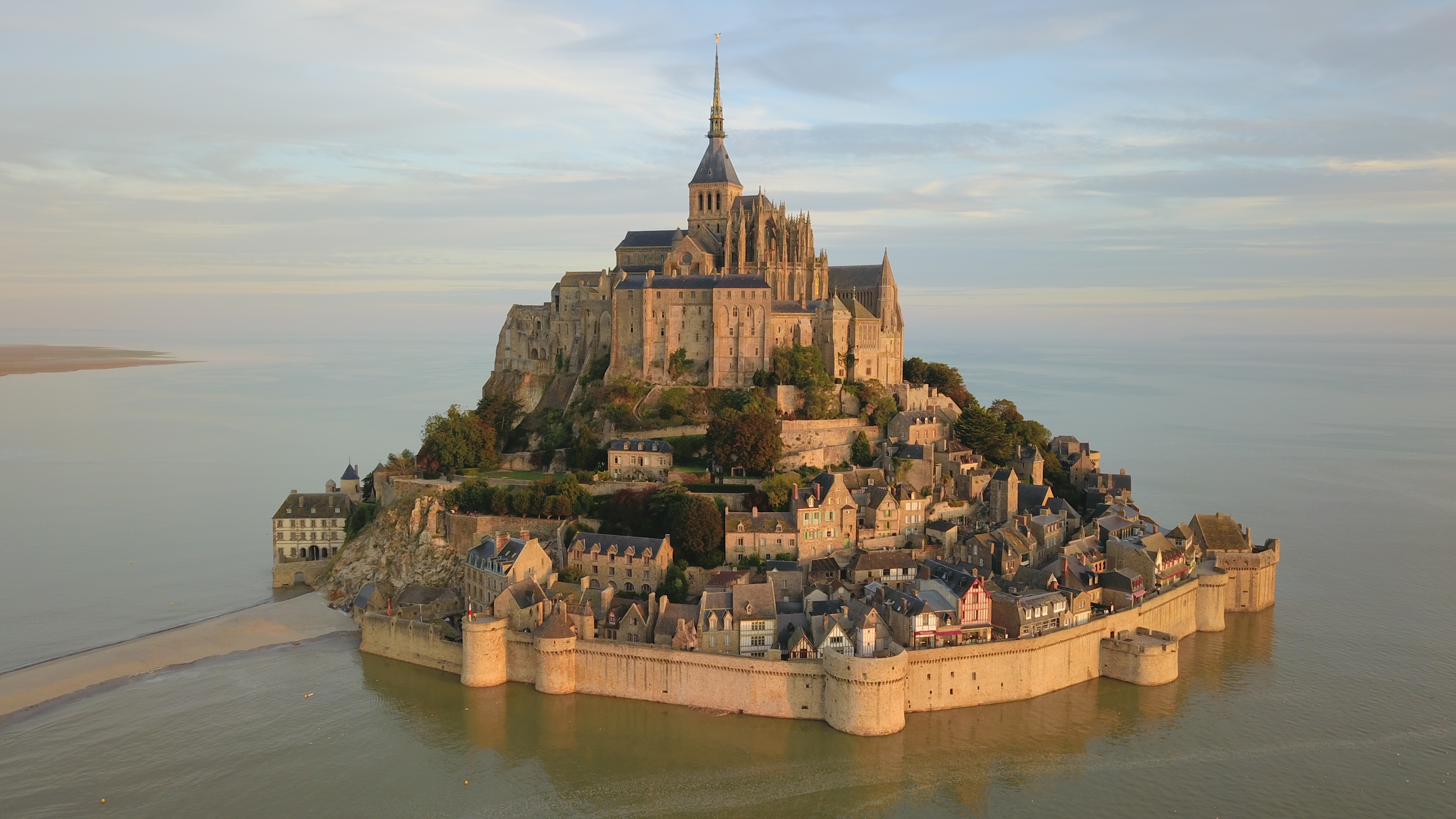
Mont Saint-Michel is a tidal island commune in Normandy topped by a medieval Benedictine abbey that soars 80 metres above the surrounding tidal flats.
When the sea retreats, the island is connected to the mainland by a causeway; when the tide comes in at one of the fastest rates in Europe, the island becomes a castle rising from the sea.
How does it rate
CrowdsRomanceCash RequiredDangerAccessibilityWhy you should go
The sight of Mont Saint-Michel rising from the sea at high tide, particularly at dusk when it is illuminated, is one of France's most extraordinary and romantic images.
Why you shouldn't go
The island receives nearly four million visitors a year and the main street leading to the abbey is packed with tourist shops; the abbey itself is very impressive but queues can be long.
Plan your visit
Best time to visitSpring or autumn to avoid peak summer crowdsBest time of daySunrise, or high tide for the classic "island" lookGetting there~1hr drive from Rennes; shuttle from the mainland car parkEntry costAbbey entry ~EUR11Time neededHalf dayInsider tip — Check the tide tables; high tide transforms it into a genuine island, which is when the photos are most striking -
 #890 /100
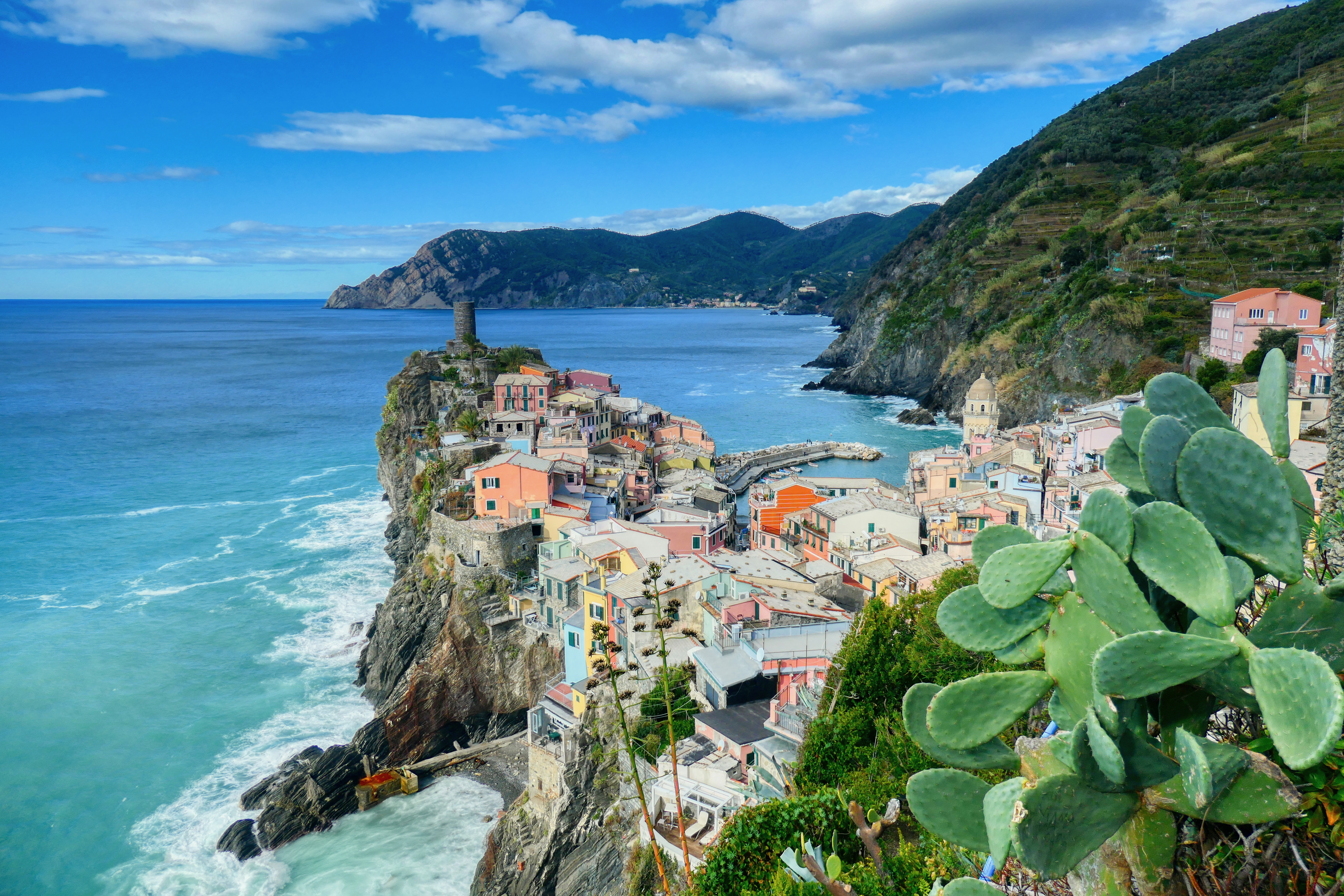
Cinque Terre is a string of five centuries-old fishing villages clinging to the cliffs of the Italian Riviera, connected by scenic hiking trails above the Ligurian Sea.
Manarola, Vernazza, Corniglia, Monterosso, and Riomaggiore tumble down their respective cliff faces in a cascade of colourful buildings.
How does it rate
CrowdsRomanceCash RequiredDangerAccessibilityWhy you should go
The views from the hillside hiking trails above each village, with the colourful houses tumbling down to the sea far below, are among Italy's most beautiful.
Why you shouldn't go
Cinque Terre has become very crowded and the trails between villages are sometimes restricted due to landslip damage; accommodation in the villages is very limited and expensive.
Plan your visit
Best time to visitApril-June or September-OctoberBest time of dayLate afternoon for the coloured houses in warm lightGetting thereTrain from La Spezia or Pisa, connects all 5 villagesEntry costCinque Terre Card ~EUR18 (trains + trails)Time needed2-3 daysInsider tip — Manarola's viewpoint at dusk is the most photographed spot; get there early to claim a spot on the wall -
 #990 /100
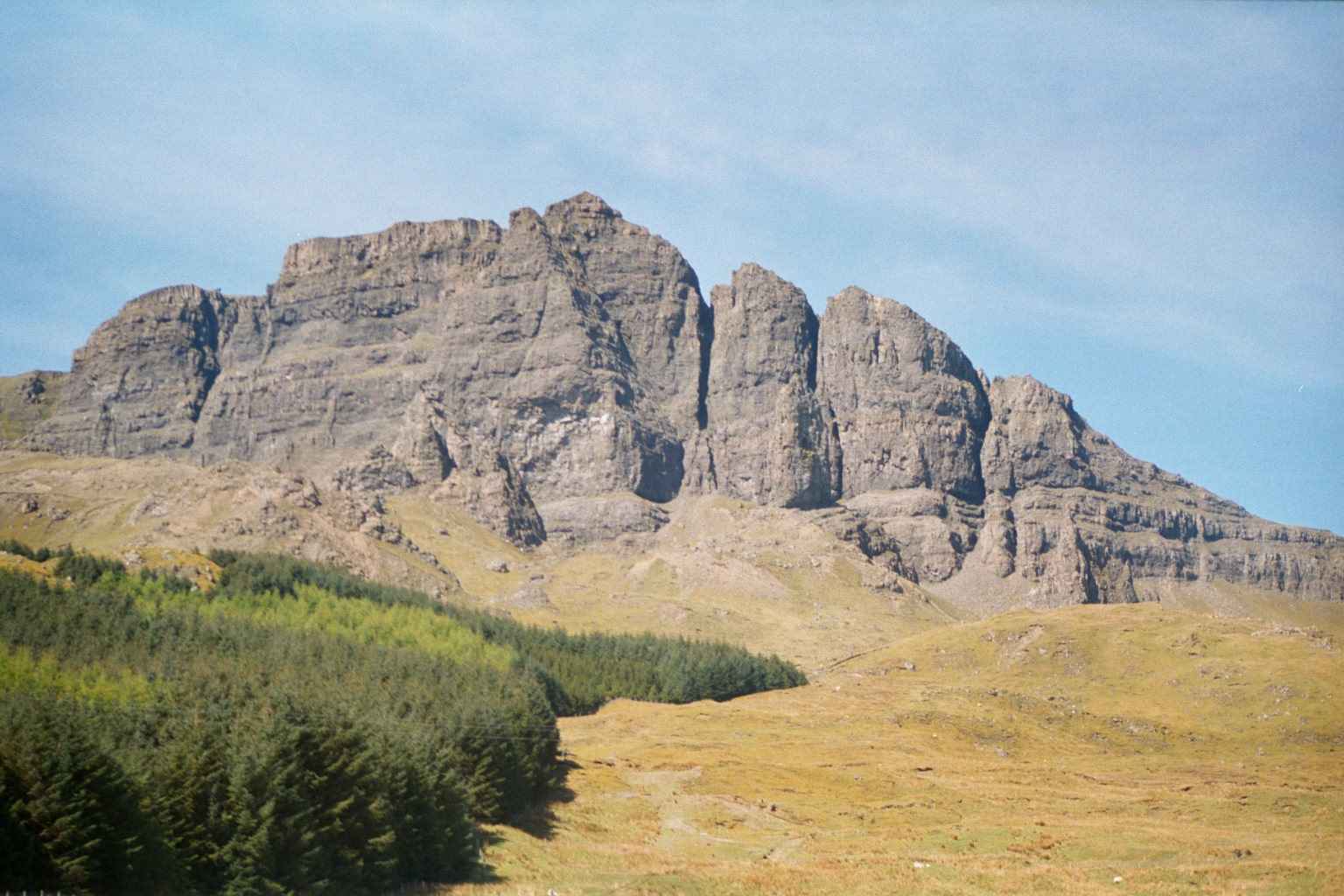
Scotland's largest and most dramatic island rises from the Inner Hebrides like a dark, brooding giant.
The jagged peaks of the Cuillin mountains, the eerie Quiraing landscape, the ancient Dunvegan Castle, and the famous Fairy Pools make Skye one of the UK's most spectacular destinations.
How does it rate
CrowdsRomanceCash RequiredDangerAccessibilityWhy you should go
The Fairy Pools and the Quiraing landscape are genuinely otherworldly and the island's dramatic skies make for extraordinary atmospheric photography.
Why you shouldn't go
Skye has become extremely popular and the single-track roads become very congested in summer; the weather is notoriously unreliable.
Plan your visit
Best time to visitMay-SeptemberBest time of dayGolden hour, especially at the Fairy Pools and Old Man of StorrGetting there~2.5hr drive from Inverness, or fly to Inverness/GlasgowEntry costFreeTime needed3+ daysInsider tip — Old Man of Storr is best at sunrise when light hits the pinnacles and the car park is not full -
 #1089 /100
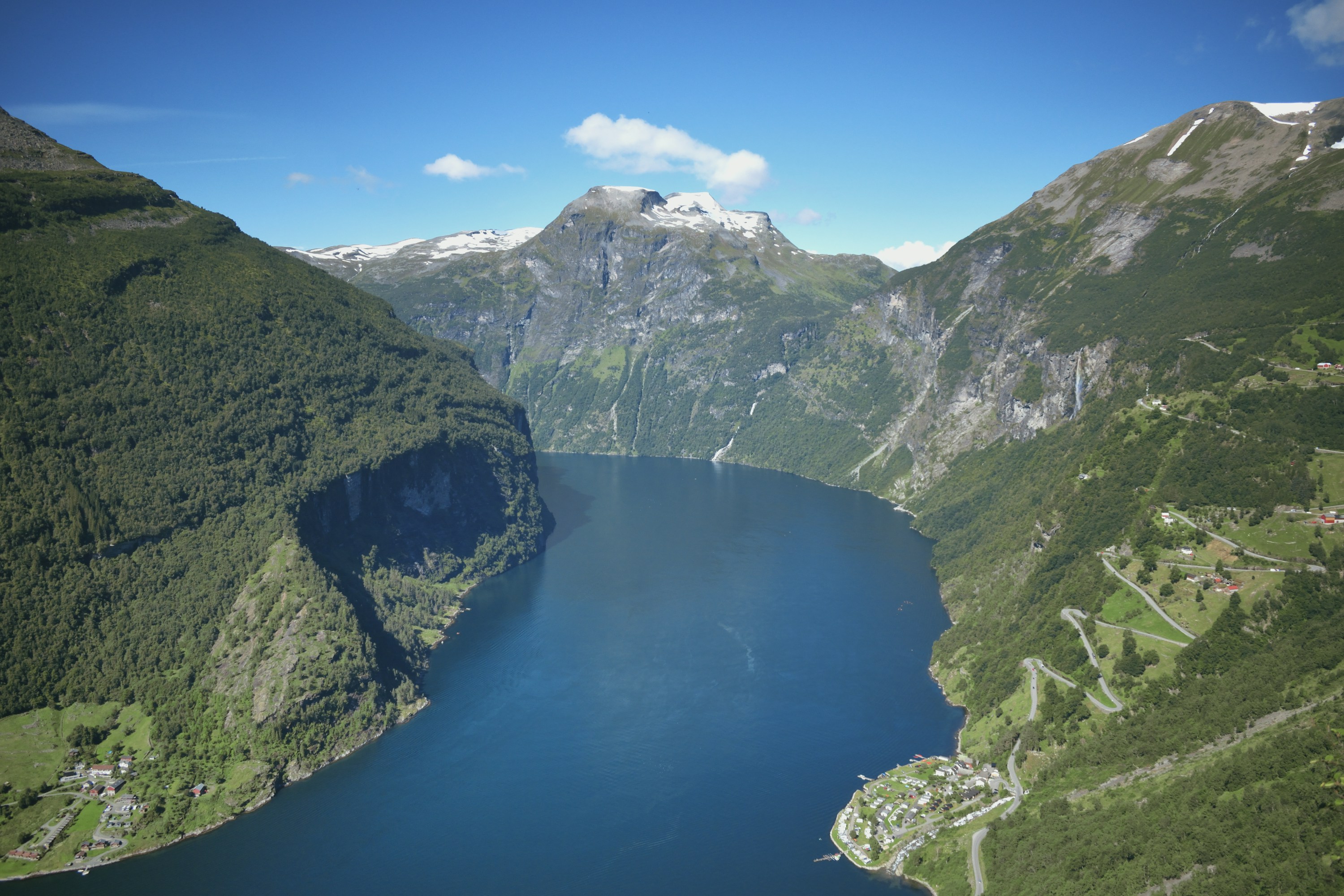
Geirangerfjord is a narrow arm of the sea in western Norway, walled in by near-vertical cliffs over a kilometre high and threaded with waterfalls such as the Seven Sisters.
A UNESCO World Heritage fjord, it can be seen by sightseeing boat, from a hairpin mountain road, or on foot along old farm paths.
Cruise ships call through the short summer season, but the scale of the cliffs and water still dominates.
How does it rate
CrowdsRomanceCash RequiredDangerAccessibilityWhy you should go
One of the most dramatic fjords in Norway - sheer cliffs, cascading waterfalls, and a UNESCO listing to match the scenery.
Why you shouldn't go
Overrun with cruise-ship day-trippers and tour buses through the short summer season.
Plan your visit
Best time to visitMay-September, when ferries and mountain roads are running and waterfalls are at their fullest.Best time of dayEarly morning, before the day's cruise ships dock and the fjord loses its stillness.Getting thereFly to Ålesund; drive or take the seasonal ferry/bus to Geiranger, or arrive by fjord cruise from Ålesund or Hellesylt.Entry costFree to view; toll roads to viewpoints from around 150 NOK, boat trips extra.Time needed1-2 daysInsider tip — Skip the crowded main quay viewpoint and drive the Ørnevegen (Eagle Road) switchbacks above town for a quieter, higher angle over the whole fjord. -
 #1188 /100
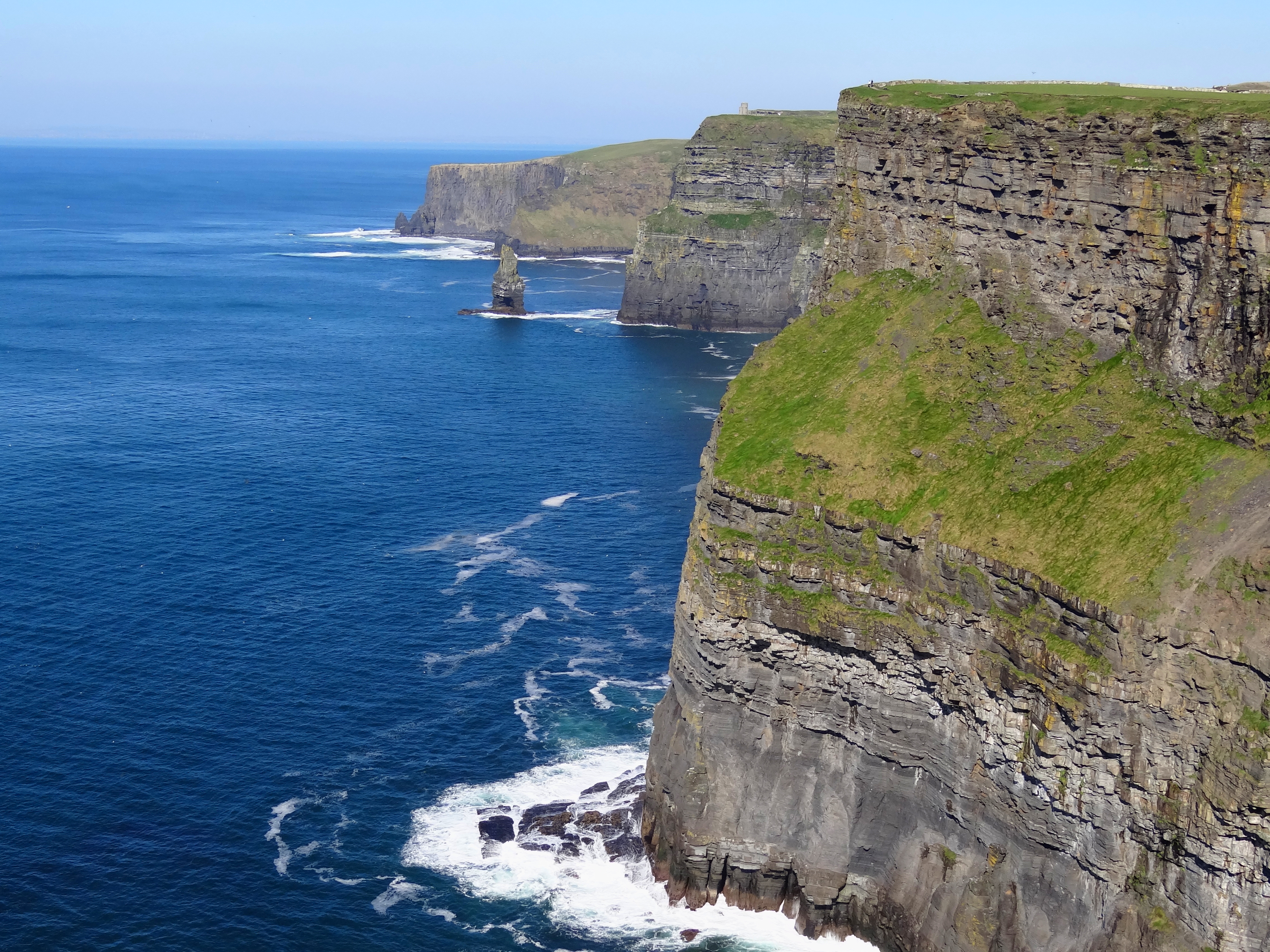
The Cliffs of Moher are a 14-kilometre stretch of sea cliffs on the Atlantic coast of County Clare that rise to 214 metres at their highest point.
The view from the clifftop path, looking south towards the Burren and north towards Galway Bay, with the Aran Islands in the distance, is one of Ireland's most iconic.
How does it rate
CrowdsRomanceCash RequiredDangerAccessibilityWhy you should go
The sheer drama of the cliffs rising vertically from the Atlantic Ocean, particularly on a stormy day when waves crash against the base, is genuinely awe-inspiring.
Why you shouldn't go
The cliffs are one of Ireland's most visited attractions and the visitor centre area can be very crowded; the clifftop path can be dangerously exposed in high winds.
Plan your visit
Best time to visitMay-September for best weather odds (still unpredictable)Best time of dayLate afternoon for light on the cliff faceGetting there~1.5-2hr drive from Galway or LimerickEntry cost~EUR10 entryTime needed2-3 hoursInsider tip — Walk south along the cliff path away from the main visitor centre for quieter views and better angles -
 #1288 /100
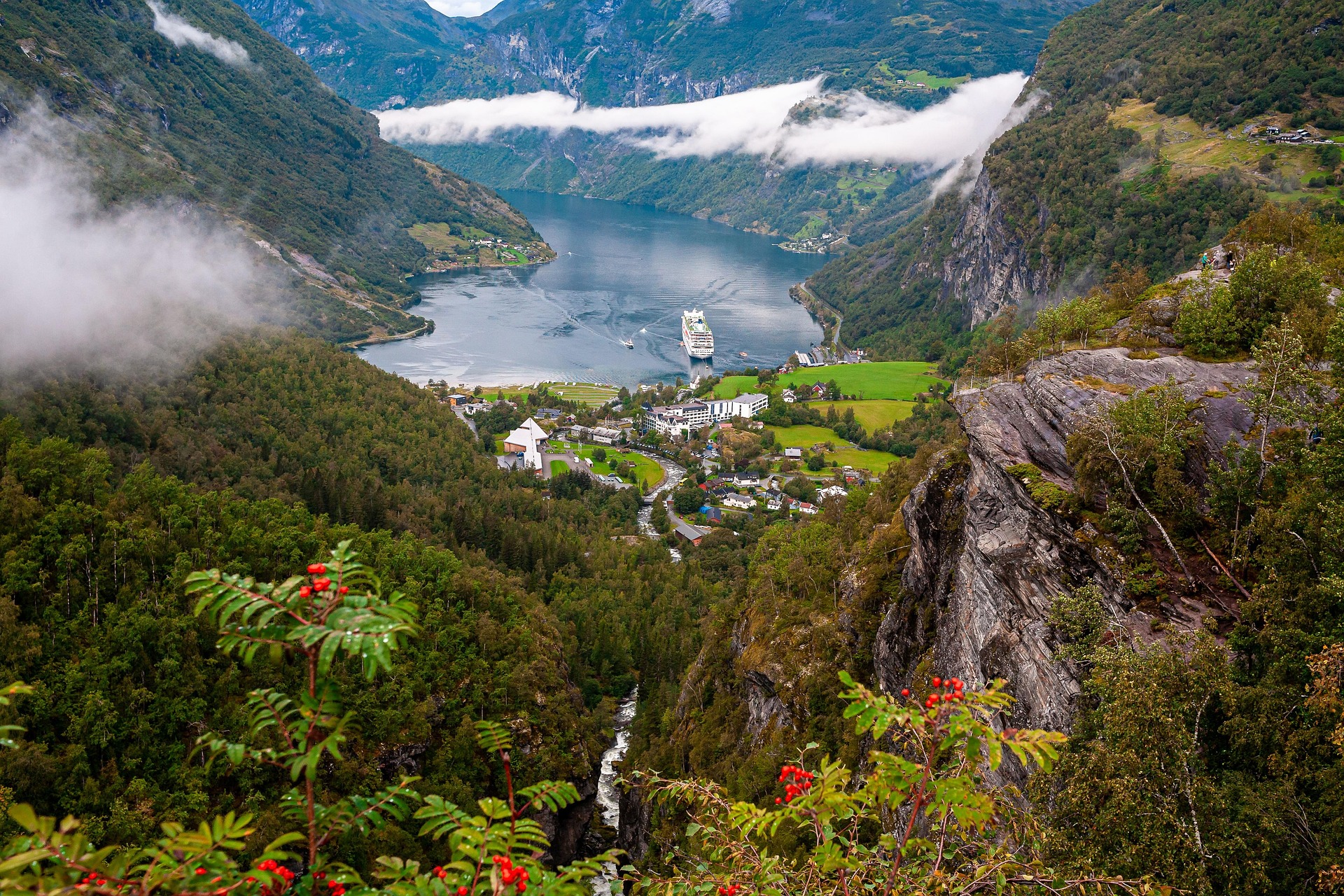
A cruise through Norway's steepest fjords, where waterfalls drop hundreds of metres past cliffside farms into water so still it mirrors the mountains.
Geirangerfjord and Naeroyfjord, both UNESCO-listed, narrow to barely a ship's width in places.
Small villages like Flam and Geiranger appear suddenly at the fjord's end, framed by snow long into summer.
Midnight sun in June extends the scenery well past a normal evening.
How does it rate
CrowdsRomanceCash RequiredDangerAccessibilityWhy you should go
UNESCO-listed fjords so narrow and sheer that the ship itself becomes part of the view from shore.
Why you shouldn't go
Shore excursions like the Flam Railway or a fjord kayak trip add up fast on top of the cruise fare.
Plan your visit
Best time to visitMay for waterfall volume and lower prices, or June for the midnight sun and long daylight.Best time of dayEarly morning sailing into Geirangerfjord, before day-trippers arrive by tour bus.Getting thereFly into Bergen, Copenhagen, or Hamburg; ships typically embark from a European home port rather than within Norway itself.Entry costIndicative from around EUR 1,740pp for a multi-night fjord cruiseTime needed7-night cruiseInsider tip — Stand on the top deck as the ship threads Geirangerfjord's narrowest point for waterfalls close enough to feel the spray; pack warm layers even in summer. -
 #1387 /100
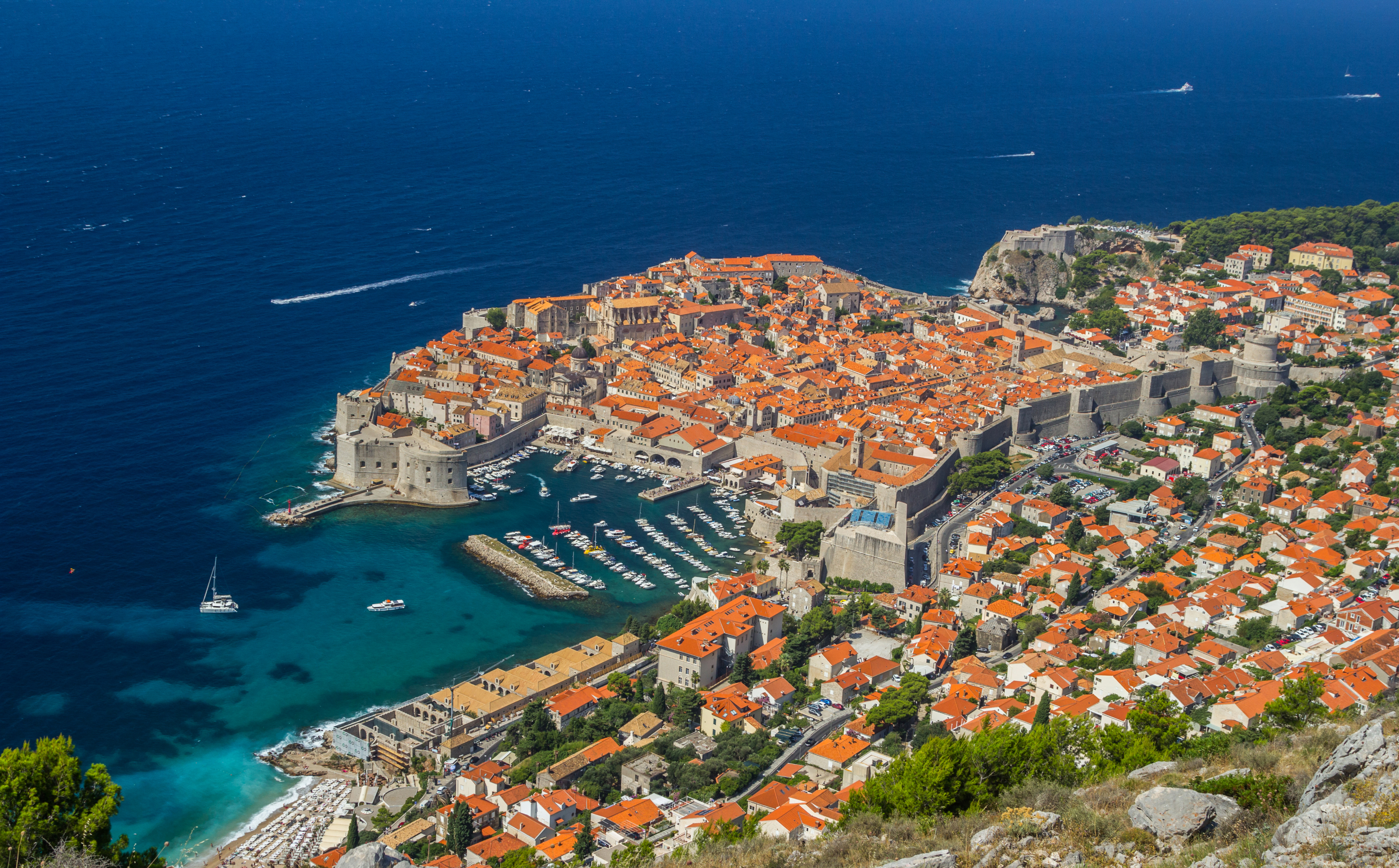
Dubrovnik is a medieval walled city on the Adriatic coast of Croatia, its terracotta rooftops and imposing limestone walls rising directly from the sea.
The medieval Old Town, a UNESCO World Heritage Site, was the backdrop for King's Landing in Game of Thrones, bringing global fame to what was already one of the Mediterranean's most beautiful cities.
How does it rate
CrowdsRomanceCash RequiredDangerAccessibilityWhy you should go
Walking the city walls above the Adriatic, with the old town's rooftops below and the Dalmatian islands in the distance, is one of the Mediterranean's great experiences.
Why you shouldn't go
Dubrovnik has been overwhelmed by tourism and cruise ships; the Old Town can feel claustrophobically crowded in summer and entry restrictions are frequently discussed.
Plan your visit
Best time to visitMay-June or September-OctoberBest time of daySunset from the city wallsGetting thereDubrovnik Airport, ~30 min to Old TownEntry costCity walls ~EUR35Time neededFull dayInsider tip — Walk the city walls in late afternoon so you finish right as the light turns golden -
 #1486 /100
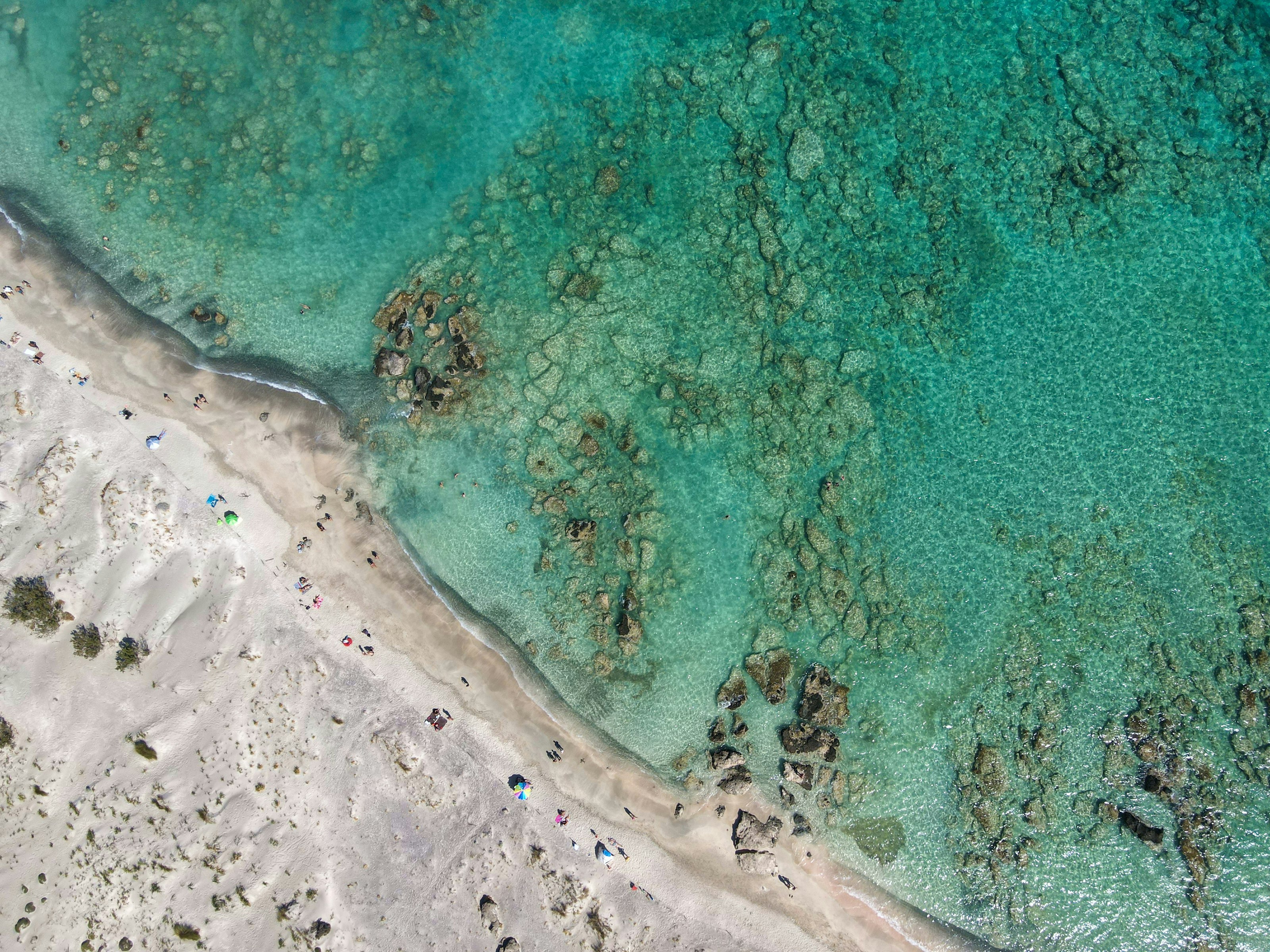
Elafonisi, on Crete's southwestern tip, is known for sand that turns pale pink where crushed coral mixes with white quartz, and a shallow lagoon warm and calm enough to wade across to a small offshore islet.
The water is startlingly clear and turquoise even by Greek island standards, and the beach's gentle slope makes it one of the easier stretches of coast for families with young children.
How does it rate
CrowdsRomanceCash RequiredDangerAccessibilityWhy you should go
Wading across a shallow, warm lagoon to pink-tinged sand is one of the most distinctive beach experiences in the Mediterranean.
Why you shouldn't go
It's a long drive from anywhere else on Crete, and the beach fills up fast once the day-trip buses arrive.
Plan your visit
Best time to visitMay–June or September for warm water without the peak-August crowds.Best time of dayEarly morning, before day-trip buses from Chania and Rethymno arrive by mid-morning.Getting thereFly to Chania; roughly 1.5–2-hour drive along the southwest coast road.Entry costFree beach; parking near the entrance charges a small fee in summer.Time neededHalf a dayInsider tip — Walk past the crowded main stretch toward the far end near the islet — the sand and water are just as good and far quieter. -
 #15
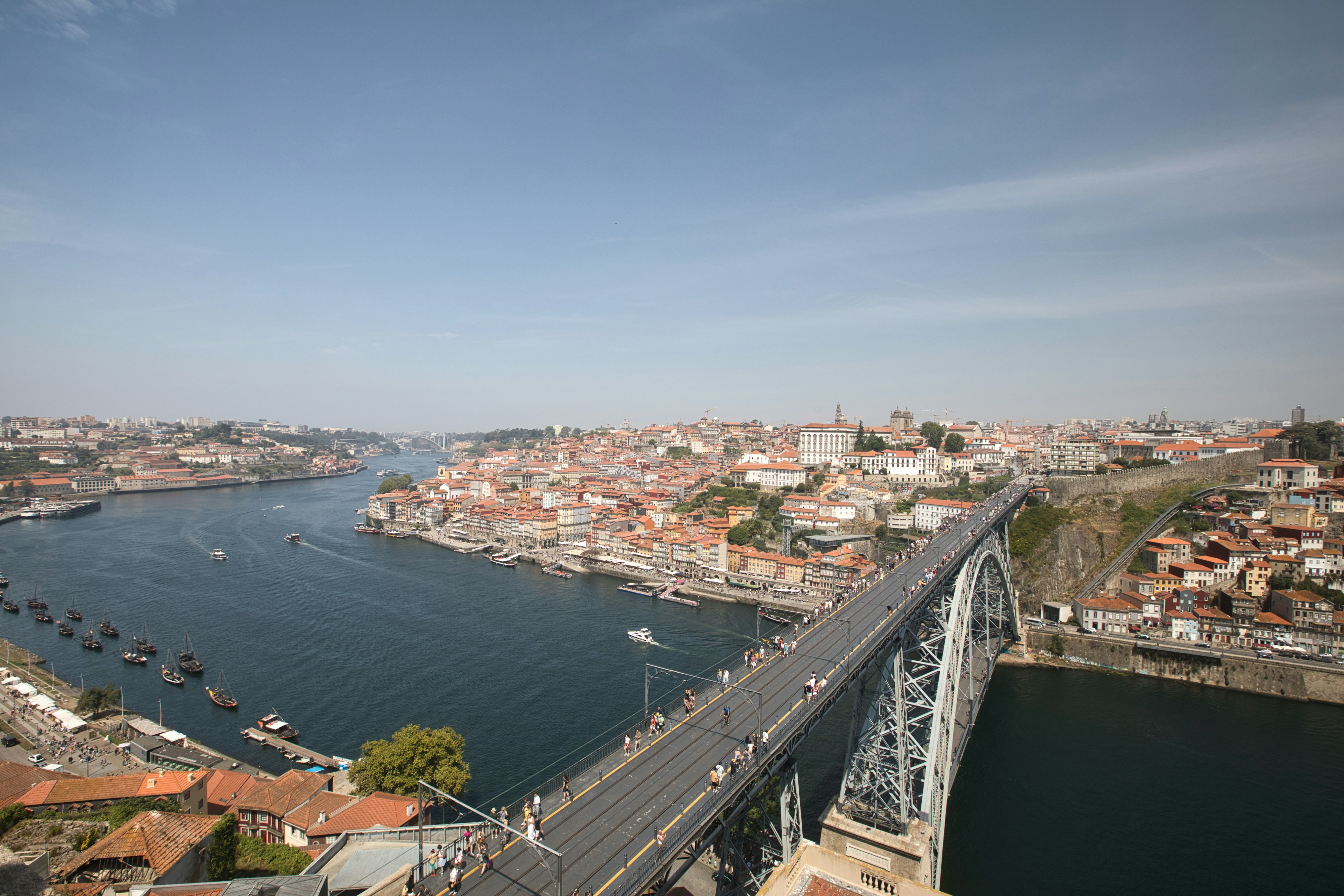
#15Terracotta-roofed houses stack up the steep riverbank of the Douro in Porto's Ribeira district, a tangle of narrow lanes barely changed since medieval times.
The double-decked Dom Luis I Bridge, engineered by a student of Gustave Eiffel, carries a metro line across the top and traffic below.
Port lodges line the far bank at Vila Nova de Gaia, where the wine is still aged, blended and tasted.
How does it rate
CrowdsRomanceCash RequiredDangerAccessibilityWhy you should go
A riverside old town stacked up a hillside, framed by an Eiffel-style double-decked bridge.
Why you shouldn't go
The Ribeira district's steep, narrow streets and stairs aren't an easy walk for anyone with mobility limits.
Plan your visit
Best time to visitMay-June or September, for mild weather and thinner crowds than summer.Best time of dayLate afternoon, when the light hits the Ribeira's terracotta rooftops.Getting thereFly into Porto Airport; the metro reaches the city centre in about 30 minutes.Entry costFree to walk the Ribeira; port wine cellar tours charge separately.Time needed2-3 daysInsider tip — Cross the upper deck of the Dom Luis I Bridge on foot for the best elevated view back over the Ribeira and the river. -
 #1685 /100
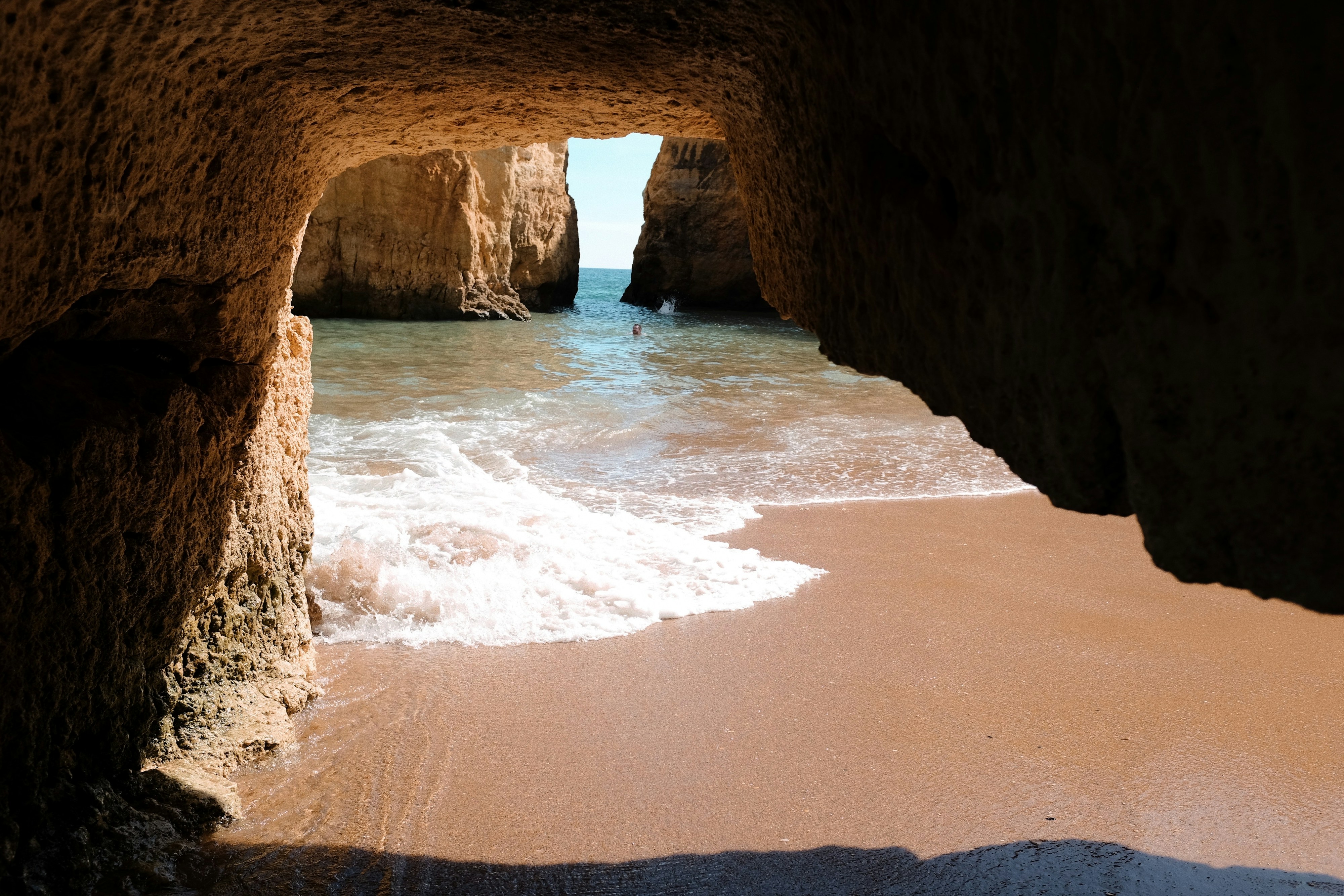
Golden limestone cliffs riddled with sea caves and arches line this stretch of southern Portuguese coast, best known for the Benagil Cave's near-perfect circular skylight.
Small boats and kayaks squeeze through narrow rock archways to reach hidden beaches accessible no other way.
The cliffs shift from ochre to deep orange depending on the light.
How does it rate
CrowdsRomanceCash RequiredDangerAccessibilityWhy you should go
A sea cave with a natural circular skylight, reachable only by boat, kayak or a swim.
Why you shouldn't go
Benagil Cave has no beach access on foot - reaching it always means a boat, kayak or paddleboard trip.
Plan your visit
Best time to visitMay-June or September, for warm weather without peak-summer crowds.Best time of dayMorning, for calmer water and better cave lighting before afternoon boat traffic builds.Getting thereFly into Faro; drive or taxi to Benagil (about 45 minutes).Entry costBoat or kayak tour to the cave, typically EUR20-40 per person.Time neededHalf a dayInsider tip — Book an early-morning kayak tour rather than an afternoon boat trip - the cave gets genuinely congested with boats by midday in summer. -
 #17
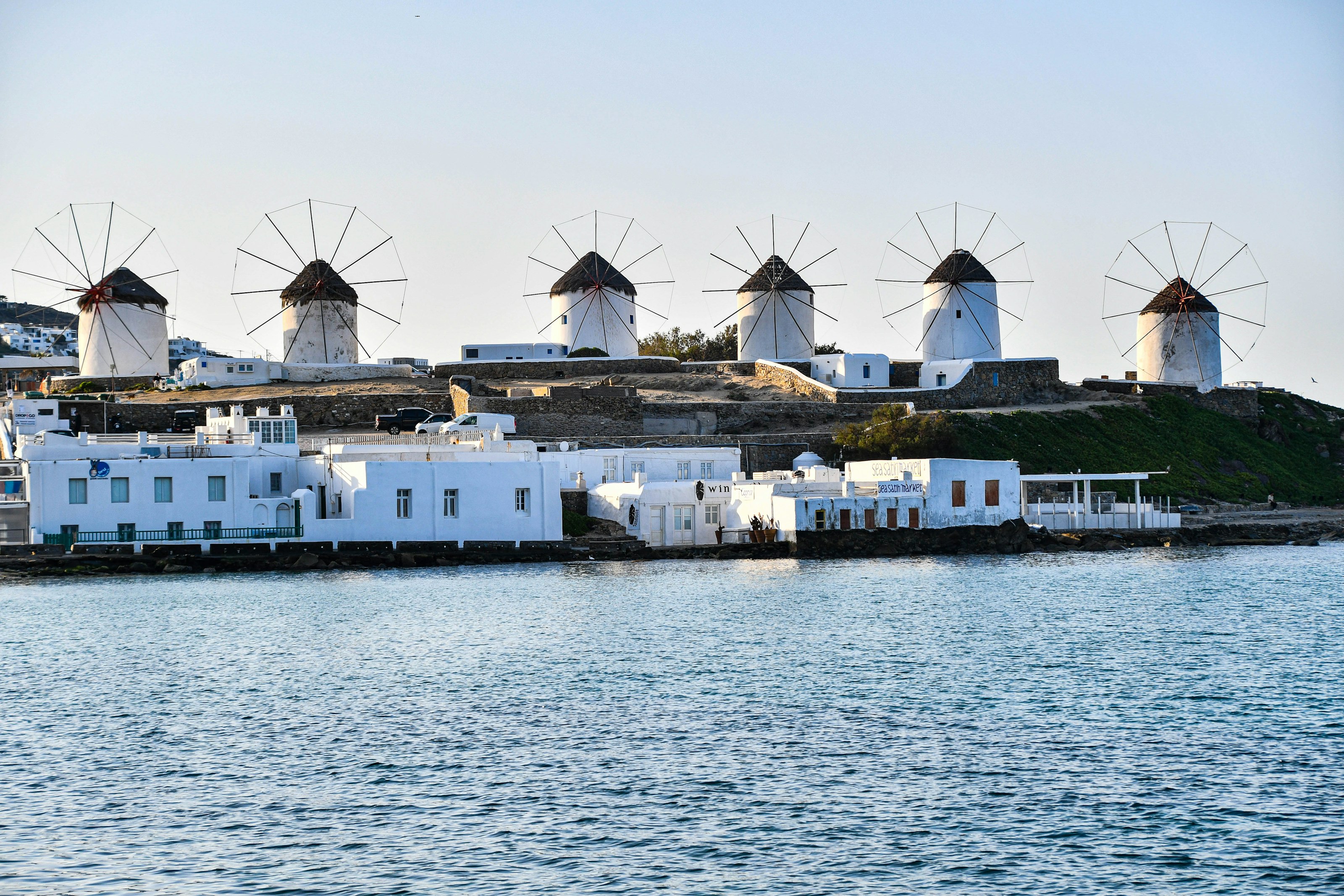
#17Mykonos built its reputation on whitewashed alleys, the row of windmills overlooking the harbour, and a nightlife scene that runs from beach clubs by day to bars in Chora by night.
Little Venice's balconied houses sit almost in the water, and beaches like Paradise and Psarou draw a see-and-be-seen crowd through the summer.
Away from the party scene, quieter coves and Cycladic villages inland offer a calmer version of the same island.
How does it rate
CrowdsRomanceCash RequiredDangerAccessibilityWhy you should go
The combination of postcard Cycladic architecture and genuinely lively nightlife makes Mykonos unlike any other Greek island.
Why you shouldn't go
Prices and crowds both spike hard in July and August, and the party reputation isn't for everyone.
Plan your visit
Best time to visitLate May–June or September for good weather without peak-season crowds and prices.Best time of daySunset over the windmills in Little Venice; night for the bar and club scene.Getting thereFly direct to Mykonos, or take a 2.5–5-hour ferry from Athens' Piraeus port.Entry costFree to walk the town and beaches; beach club sunbeds and nightlife are expensive.Time needed2–3 daysInsider tip — Stay in Chora but head to a quieter northern beach like Fokos for swimming — the crowds cluster almost entirely on the south coast. -
 #1884 /100
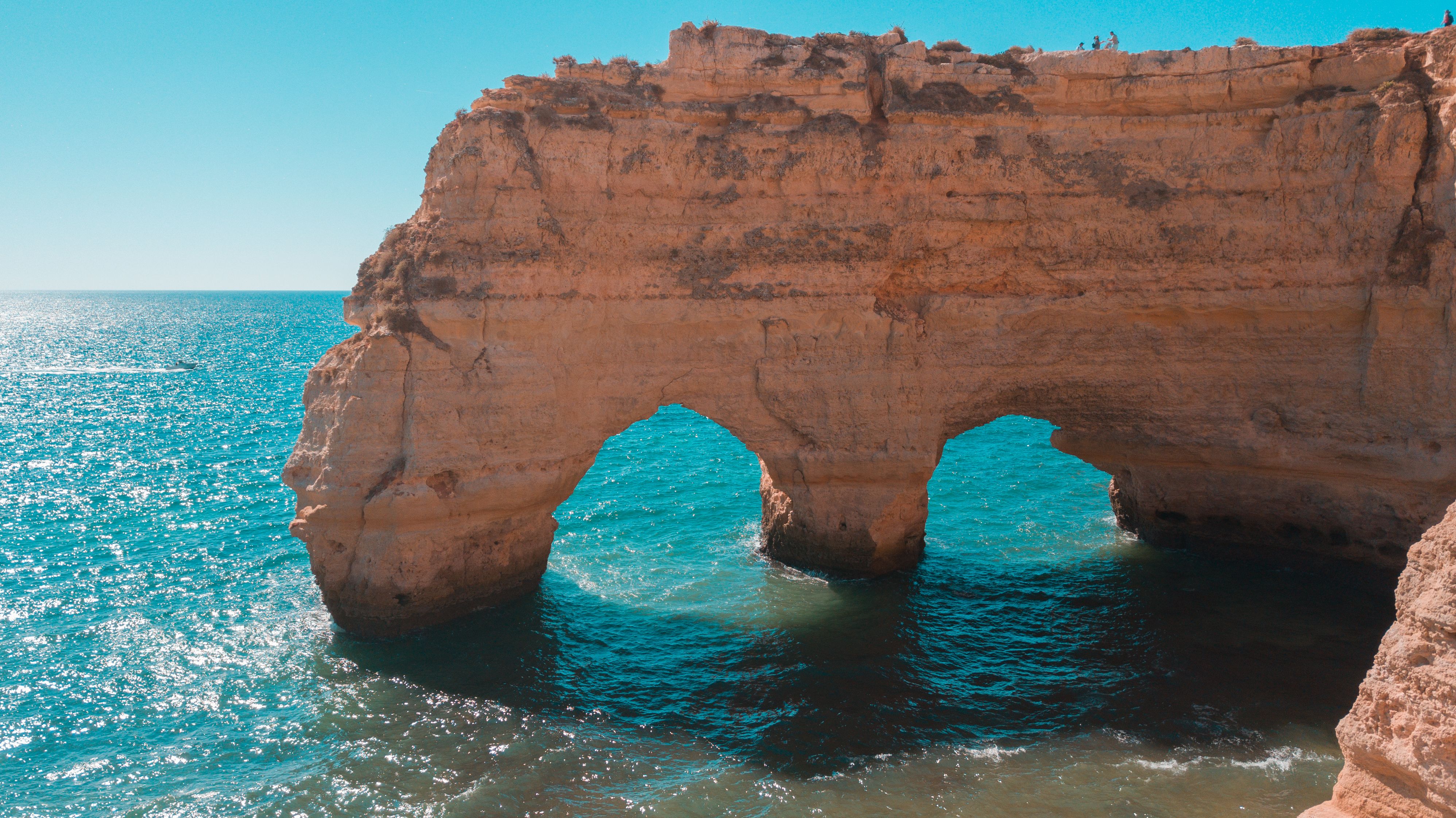
Regularly ranked among Europe's best beaches, this small Algarve cove sits below golden limestone cliffs riddled with arches and sea stacks.
A clifftop walking trail runs the length of the coastline above, and a flight of stairs drops to a narrow strip of sand that fills quickly once the day gets going.
The sheltered, clear water makes for excellent snorkelling around the rock formations.
How does it rate
CrowdsRomanceCash RequiredDangerAccessibilityWhy you should go
Golden limestone arches and sea stacks make this one of the most photographed stretches of coastline in Europe.
Why you shouldn't go
The beach itself is small and narrow, so it fills up quickly once the day-trip crowds arrive.
Plan your visit
Best time to visitMay-June or September for warm water without the August crush.Best time of dayEarly morning, both for the light on the cliffs and to beat the crowds down the stairs.Getting thereFly to Faro; a 45-minute drive to Benagil/Carvoeiro, then a short walk to the clifftop viewpoint or stairs.Entry costFree.Time needed2-3 hours.Insider tip — The clifftop viewpoint (Miradouro da Praia da Marinha) gives the classic photo without needing to fight for space on the sand below. -
 #1984 /100
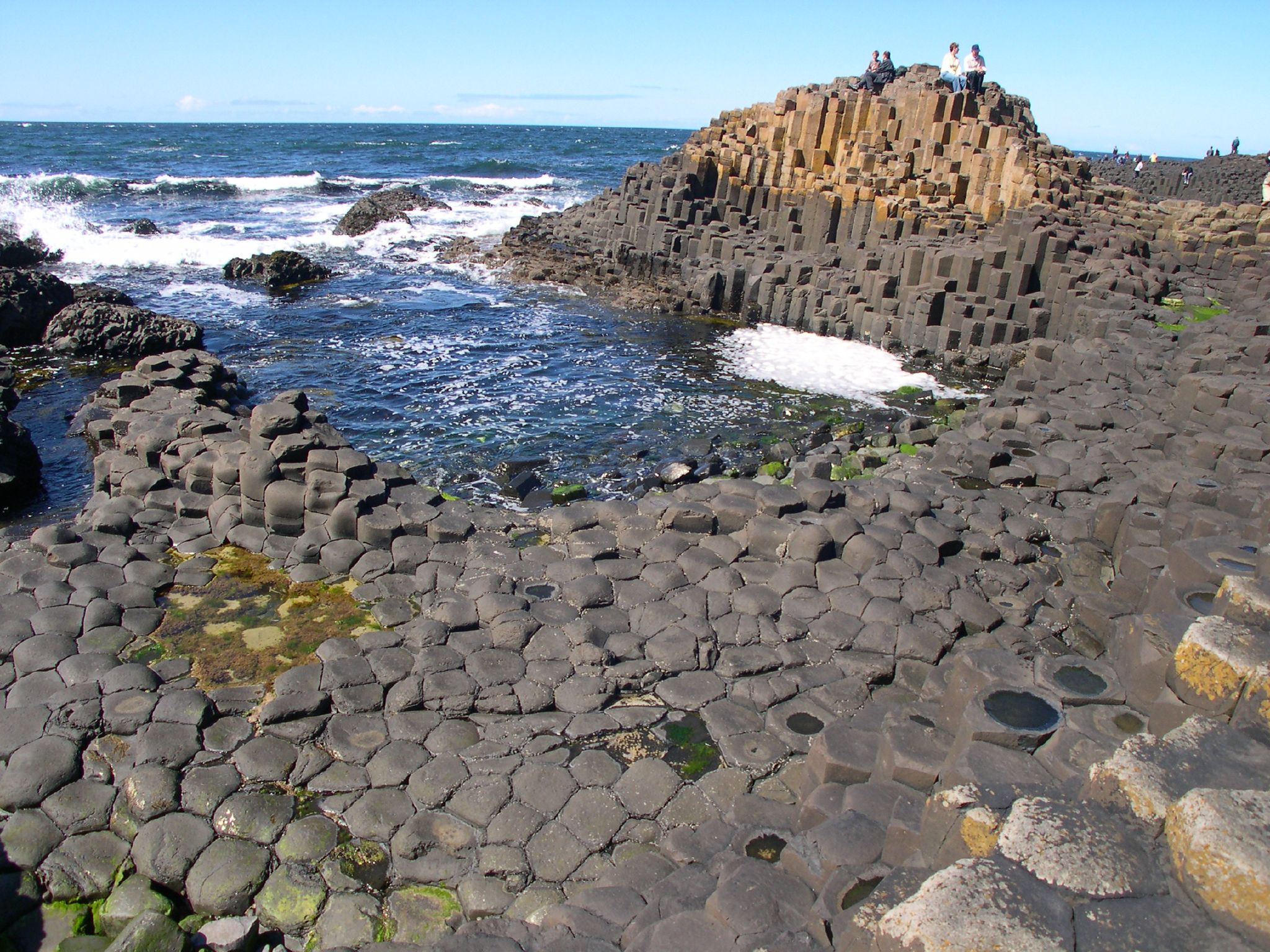
The Giant's Causeway is an area of approximately 40,000 interlocking basalt columns on the Antrim coast of Northern Ireland, formed by an ancient volcanic fissure eruption.
The hexagonal columns, which fit together with extraordinary geometric precision, were created around 50-60 million years ago and have inspired countless legends.
How does it rate
CrowdsRomanceCash RequiredDangerAccessibilityWhy you should go
The perfectly interlocking hexagonal basalt columns look so geometrically precise they seem man-made; the coastal setting and the legends surrounding them add to the atmosphere.
Why you shouldn't go
The site can be very crowded and the National Trust visitor centre charges for parking; the columns themselves are best appreciated on a bright day.
Plan your visit
Best time to visitSpring or autumnBest time of dayGolden hour, especially with a stormy skyGetting there~1hr drive from BelfastEntry costFree to the causeway itself; visitor centre chargesTime needed1.5-2 hoursInsider tip — Skip the visitor centre if on a budget; the causeway stones are freely accessible via the coastal path -
 #20
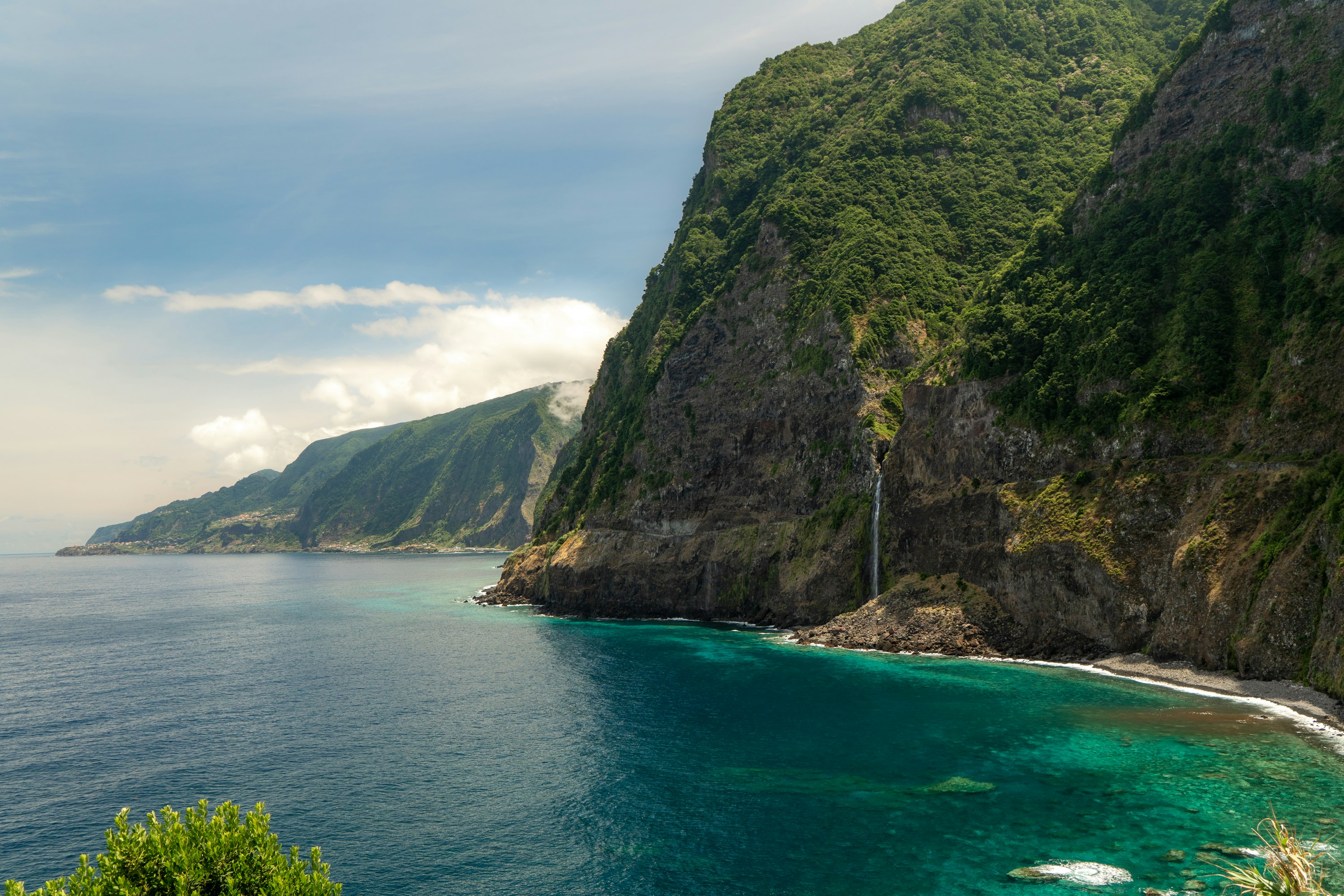
#20A volcanic island in the mid-Atlantic nicknamed the "floating garden," Madeira packs cloud forest, terraced vineyards, and sea cliffs over 500 metres tall into an area smaller than greater London.
A 19th-century irrigation network of levadas laces the interior with walking trails through laurel forest and past hidden waterfalls, while a glass skywalk cantilevers out over Cabo Girão, one of Europe's highest sea cliffs.
How does it rate
CrowdsRomanceCash RequiredDangerAccessibilityWhy you should go
Levada trails, laurel forest, and dramatic cliffs pack in more landscape variety than an island this size should have.
Why you shouldn't go
Terrain is steep throughout the interior; reaching the best trails and viewpoints generally requires a rental car.
Plan your visit
Best time to visitApril–October for reliably dry trails; the mild year-round climate also suits winter breaks.Best time of dayMorning, before afternoon cloud typically rolls in over the higher levadas and viewpoints.Getting thereFly directly to Madeira Airport near Funchal; a rental car is the practical way to reach most levadas and viewpoints.Entry costFree to hike most levadas; Cabo Girão skywalk and cable cars charge a small fee.Time needed3–5 daysInsider tip — Levada do Caldeirão Verde is one of the most rewarding walks — start early to beat tour groups and have the waterfall to yourself. -
 #2183 /100
Bryggen is the old Hanseatic wharf on Bergen's harbour, a row of narrow, brightly painted wooden warehouses rebuilt after fires since the 14th century and listed by UNESCO since 1979.
The buildings now hold workshops, galleries and restaurants behind their tilted timber frames, and the wharf sits at the centre of a lively harbour city ringed by seven mountains.
Compact enough to explore in an hour, longer with the Hanseatic Museum.
How does it rate
CrowdsRomanceCash RequiredDangerAccessibilityWhy you should go
Six centuries of Hanseatic trading history packed into one unmistakably colourful waterfront row.
Why you shouldn't go
Small area that gets swamped when a cruise ship is in port; some interiors visibly lean with age.
Plan your visit
Best time to visitMay-September for daylight and open museums; September brings milder crowds than midsummer.Best time of dayEarly morning or after 5pm, once tour groups from the cruise terminal have thinned out.Getting thereFly to Bergen Airport Flesland; a 30-minute bus or taxi into the city centre, then walk to the harbour.Entry costFree to walk; Hanseatic Museum and Schøtstuene charge separate entry.Time needed1-2 hours, half a day with museumsInsider tip — Walk through to the narrow passageways between the front-row buildings - the tilted floors and old pulleys are more interesting than the harbour-facing facades everyone photographs from the quay. -
 #22
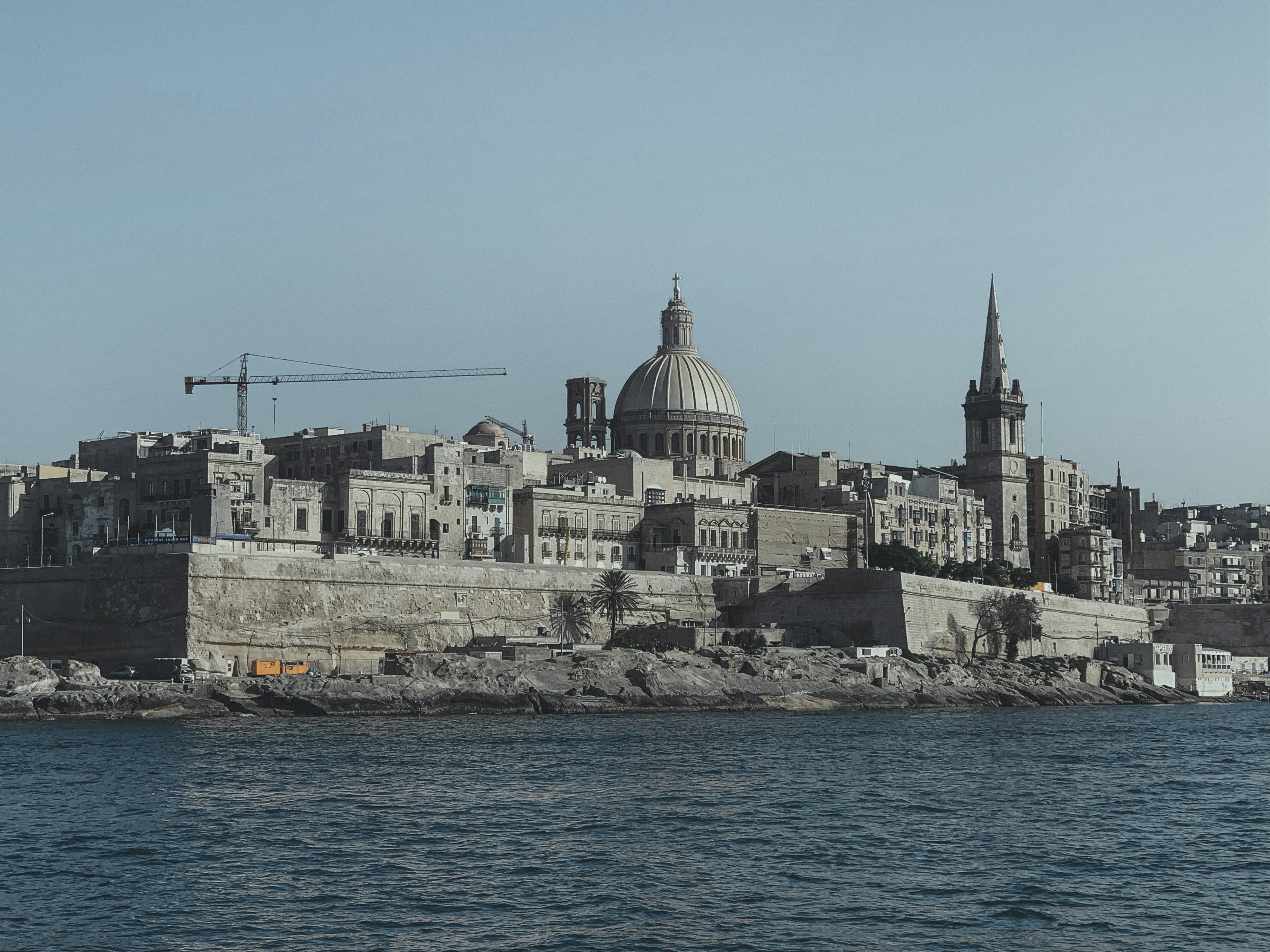
#22Golden limestone fortifications ring this entire harbour city, built by the Knights of St John in the 16th century to withstand a siege that never came again.
Baroque church domes and balconied townhouses in faded pastel line streets laid out on a strict grid, unusual for a city of its age.
The Upper Barrakka Gardens offer a sweeping view over the Grand Harbour, with warships once anchored where cruise liners now dock.
How does it rate
CrowdsRomanceCash RequiredDangerAccessibilityWhy you should go
An entire fortified city built from golden limestone, ringed by harbour views on three sides.
Why you shouldn't go
The streets are famously steep, stepped in places, and hard going in summer heat.
Plan your visit
Best time to visitApril-June or September-October, avoiding peak summer heat.Best time of dayLate afternoon, when the limestone fortifications glow gold in the light.Getting thereFly into Malta International Airport; buses reach Valletta in about 20-30 minutes.Entry costFree to walk the city; St John's Co-Cathedral and museums charge entry.Time needed1-2 daysInsider tip — Time a visit to the Upper Barrakka Gardens for noon or 4pm, when the Saluting Battery below fires its daily cannon. -
 #2382 /100
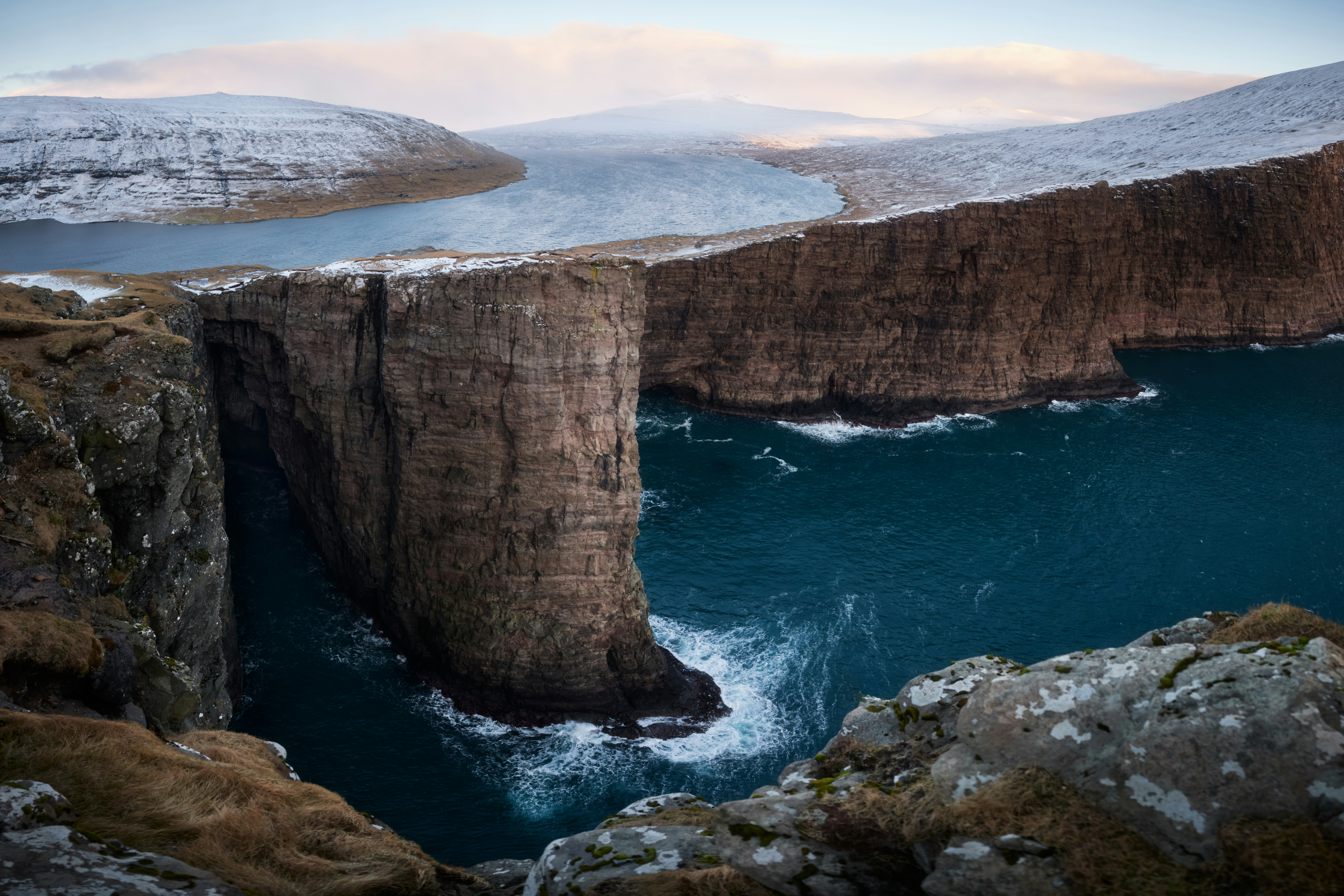
A dramatic clifftop on Vágar island overlooking Lake Leitisvatn, which appears from this angle to float 30 meters above the Atlantic Ocean — a famous optical illusion.
Sheer 300-meter drops, sheep-dotted grass, and constantly shifting Nordic light make it one of Europe's most striking viewpoints.
How does it rate
CrowdsRomanceCash RequiredDangerAccessibilityWhy you should go
A lake that appears to hover above the ocean, seen from a sheer 300-meter clifftop — one of Europe's great optical illusions.
Why you shouldn't go
No barriers at the cliff edge; wind gusts are frequent and dangerous; weather can close in with little warning.
Plan your visit
Best time to visitMay–August for the longest daylight and most stable (if still unpredictable) weather.Best time of dayMidday for the clearest view of the lake-over-ocean illusion; golden hour for photography.Getting thereFly to Vágar Airport, 15-minute drive to Miðvágur, then a 45–60 minute hike to the viewpoint.Entry costFree; some trail sections cross private land with a small landowner fee (~DKK 200).Time needed2–3 hours including the hike.Insider tip — Wear waterproof boots — the trail is boggy even in summer. Stay well back from the unfenced edge; gusts here have blown hikers off balance. -
 #24
#24Rated #24 of 35
Serra de Tramuntana Cycling Route, Spain
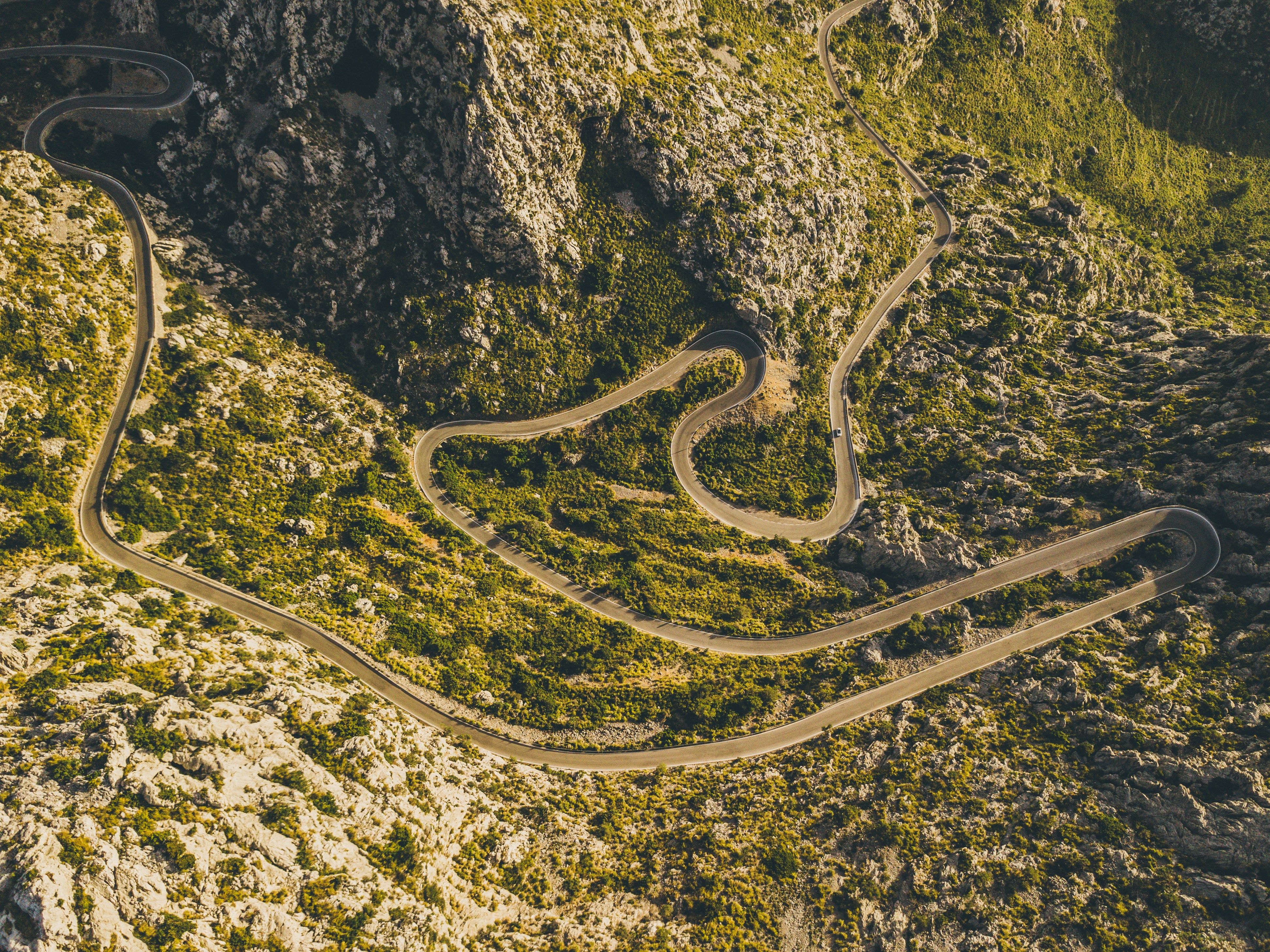
#serradetramuntanacyclingroute ◆ Cycling Tours81 /100The Sa Calobra climb switchbacks up 26 hairpins through the limestone Serra de Tramuntana, including a spiralling loop where the road passes beneath itself, before dropping to a hidden cove on Mallorca's northwest coast.
Wider routes through the range link terraced olive groves, the monastery at Lluc and the ridge-top village of Deia.
The road is a pilgrimage climb for road cyclists and one of Europe's most celebrated stretches of tarmac.
How does it rate
CrowdsRomanceCash RequiredDangerAccessibilityWhy you should go
A legendary hairpin climb through dramatic limestone mountains that road cyclists travel the world to ride.
Why you shouldn't go
Narrow, exposed switchbacks shared with tour buses and cars make the descent genuinely dangerous.
Plan your visit
Best time to visitApr-May or Sep-Oct, avoiding summer heat and the busiest cycling-season crowds.Best time of dayEarly morning start, both for cooler temperatures and lighter traffic on the hairpins.Getting thereFly to Palma de Mallorca; drive or ride roughly 90 minutes to the Coll dels Reis start point.Entry costFree to ride; road bike rental from EUR20-30/dayTime neededHalf a day for the climb and descentInsider tip — Descend to Sa Calobra cove for a swim before the climb back up, and start at dawn to have the famous spiral hairpin free of tour coaches. -
 #2581 /100
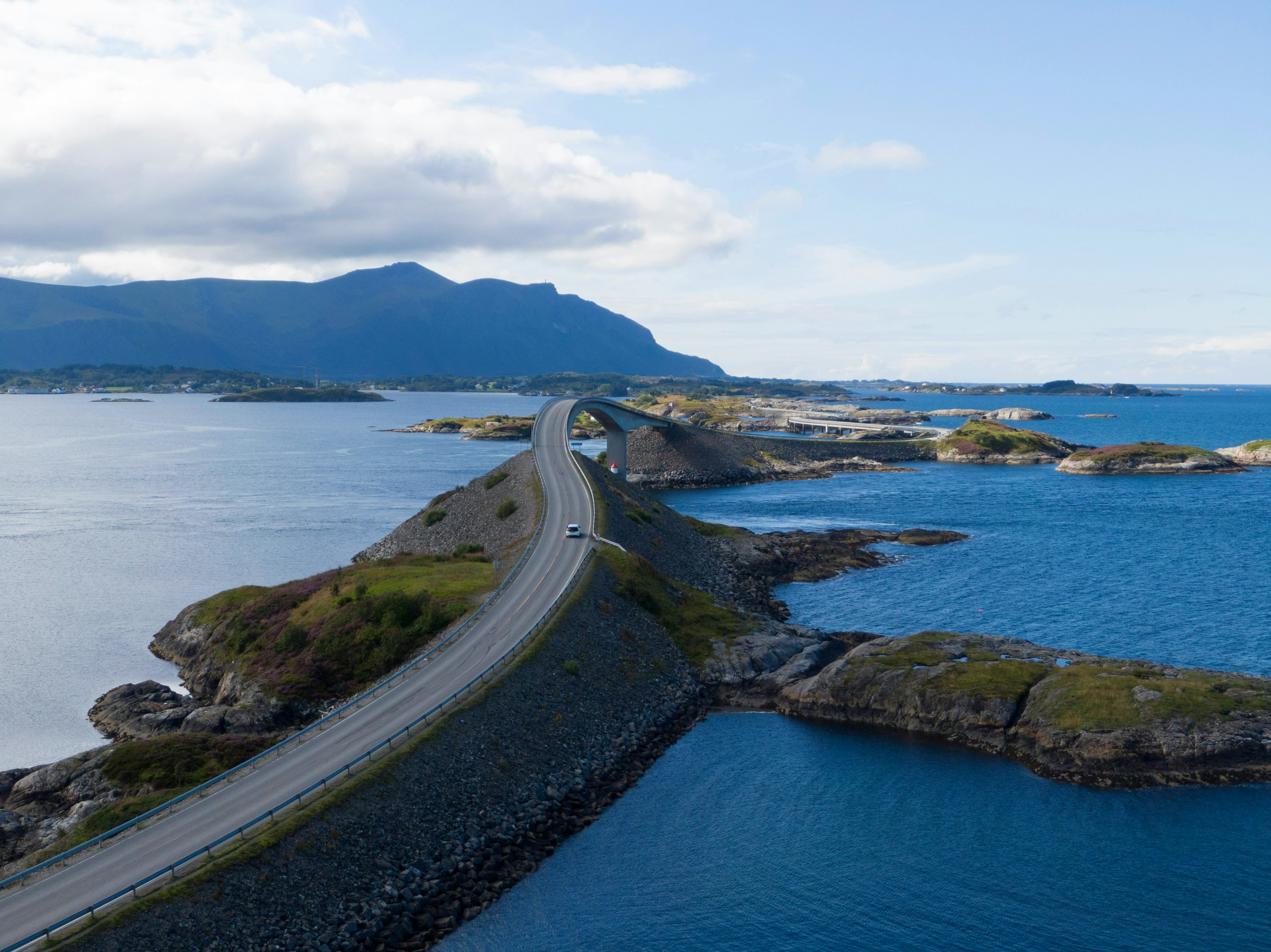
The Atlantic Road links a scatter of skerries and islets off Norway's west coast on an 8km run of bridges and causeways, built to look like it dives straight into the sea.
The Storseisundet Bridge is the famous shot, but the whole stretch is a slow, low-lying drive between open ocean on both sides, with fishing hamlets and pull-offs for scrambling over the rocks.
Storms send waves over the road, which locals treat as a spectator sport in autumn.
How does it rate
CrowdsRomanceCash RequiredDangerAccessibilityWhy you should go
A short, genuinely dramatic stretch of road that seems to disappear into the open Atlantic.
Why you shouldn't go
Over almost as soon as it starts - eight kilometres, no detours, done in half an hour without stops.
Plan your visit
Best time to visitSummer for calm seas and long light; autumn storms for waves breaking over the causeways.Best time of dayGolden hour, when the low sun catches the bridge and open water on both sides.Getting thereFly to Kristiansund; a 30-40 minute drive on Route 64 to the road's western end at Kårvåg.Entry costFree; no tolls on the road itself.Time needed1-2 hours including stopsInsider tip — Park at the Storseisundet Bridge viewpoint and walk out onto the older, disused sections of road for an angle on the bridge that most drivers miss. -
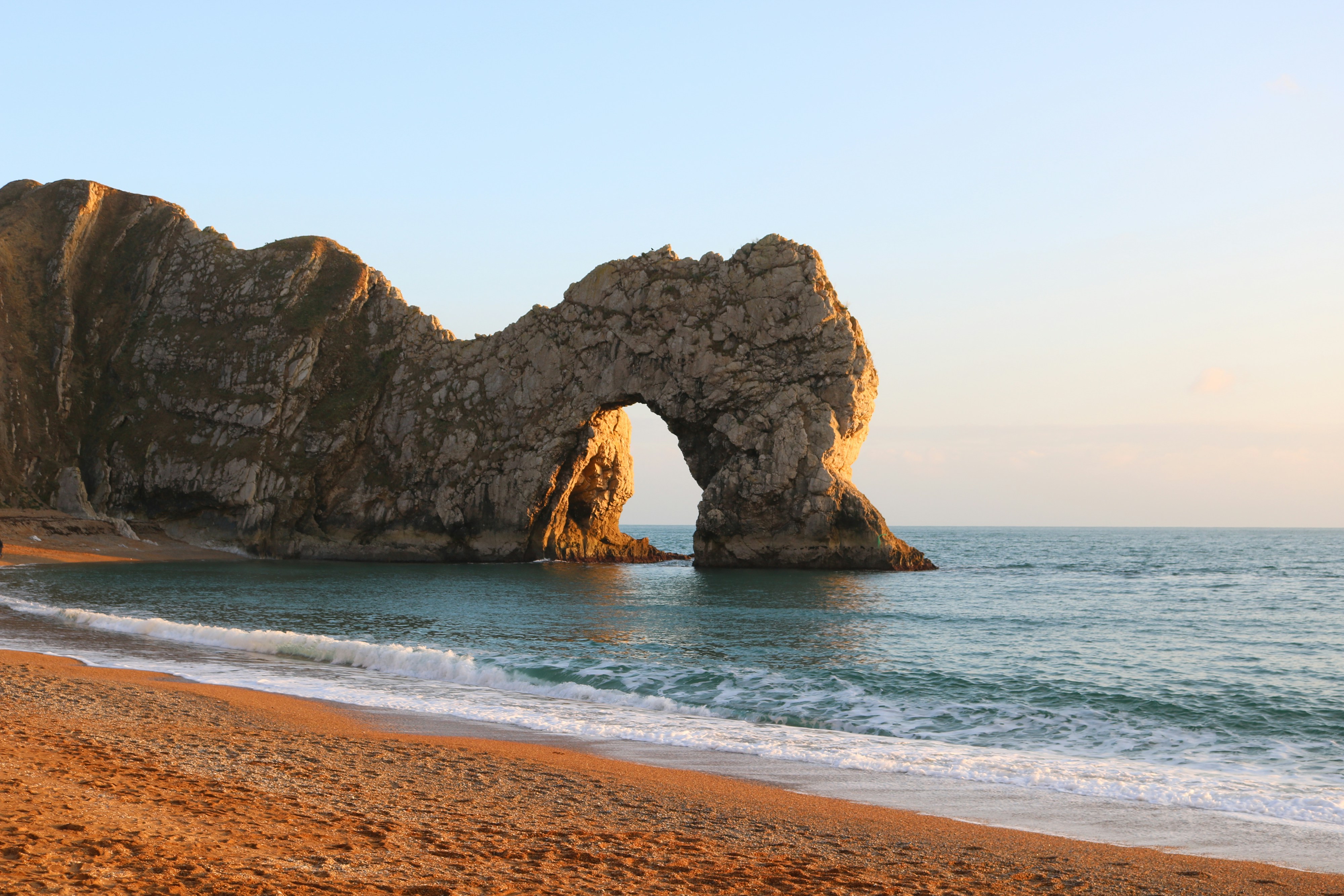 #2681 /100
This 95-mile stretch of Dorset and Devon coastline exposes 185 million years of rock layers in its cliffs, with fossils regularly still washing out after storms.
Durdle Door, a natural limestone arch stepping directly into the sea, is the coast's single most famous landmark.
Lulworth Cove's near-perfectly circular bay sits just a short walk away.
How does it rate
CrowdsRomanceCash RequiredDangerAccessibilityWhy you should go
A natural stone arch stepping straight into the sea, plus 185 million years of exposed cliffs.
Why you shouldn't go
Durdle Door's cliff-top paths have no barriers in places, and there have been fatal falls.
Plan your visit
Best time to visitApril-June or September, for mild weather and thinner crowds than school holidays.Best time of daySunrise or sunset, when the chalk cliffs take on warm colour.Getting thereDrive to Lulworth (about 2.5 hours from London); park at the Durdle Door car park.Entry costParking fee at Durdle Door; the coast path itself is free.Time neededHalf a day for Durdle Door and Lulworth Cove togetherInsider tip — Walk the coast path between Durdle Door and Lulworth Cove rather than driving to each separately - the clifftop view partway along is better than either individual viewpoint. -
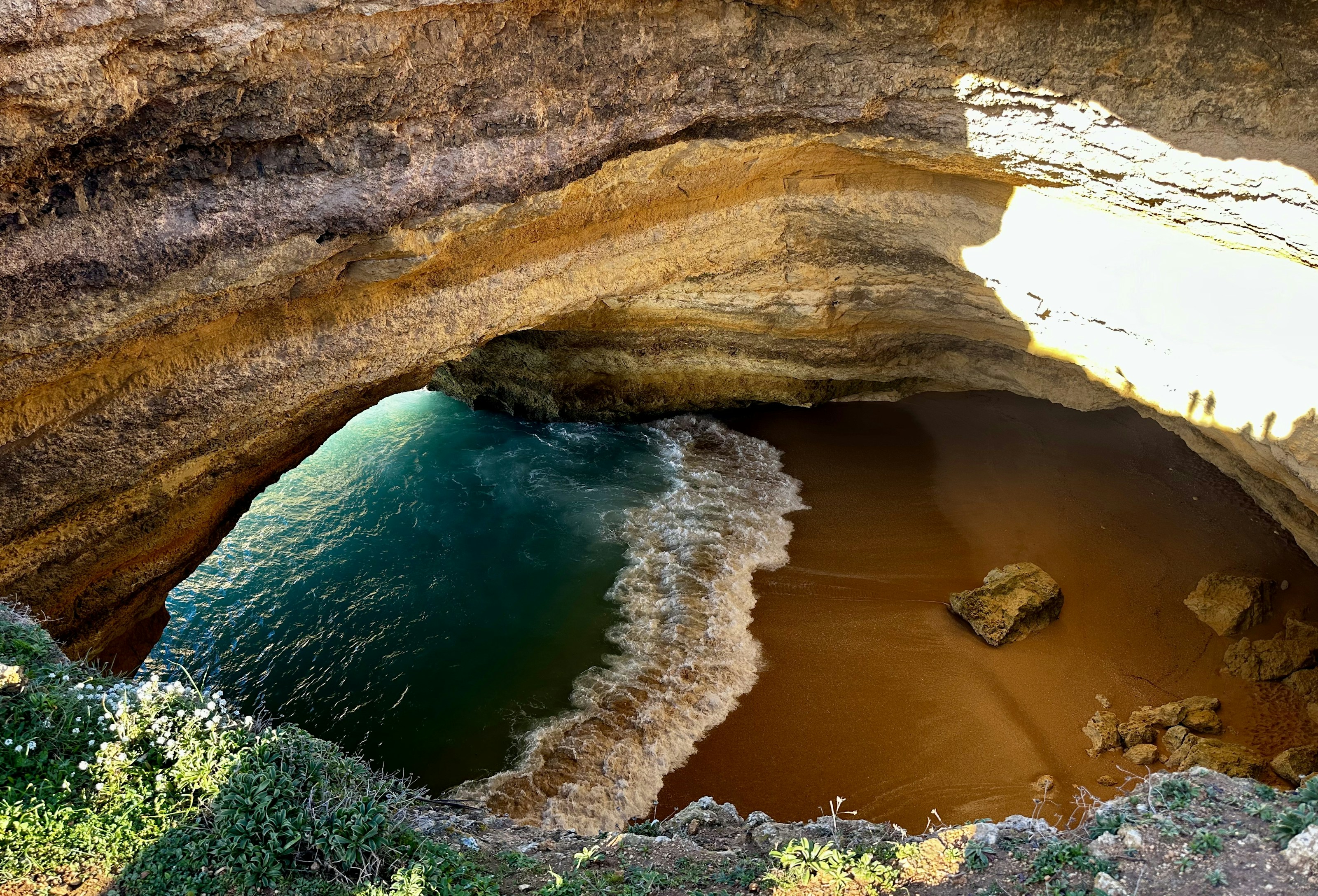 #2780 /100
A domed sandstone chamber on the Algarve coast with its own crescent of beach and a circular hole in the roof that drops a column of sunlight onto the sand.
It can only be reached from the water, by kayak, paddleboard or tour boat, since swimming across from the neighbouring beach is now restricted.
How does it rate
CrowdsRomanceCash RequiredDangerAccessibilityWhy you should go
Sunlight falling through the roof onto a private beach inside a cave, reachable only from the sea.
Why you shouldn't go
Boats queue nose to tail in high season, and landing inside the cave is no longer permitted.
Plan your visit
Best time to visitMay-June or September for calm water without the August armadaBest time of dayAround midday, when the sun drops straight through the roof openingGetting thereBoat or kayak from Benagil or Praia da Marinha, 30 minutes east of PortimaoEntry costKayak hire around EUR 25; boat tours from EUR 20Time needed2-3 hoursInsider tip — Take a kayak rather than a boat tour - kayaks can still slip inside the cave when the larger boats have to hold offshore. -
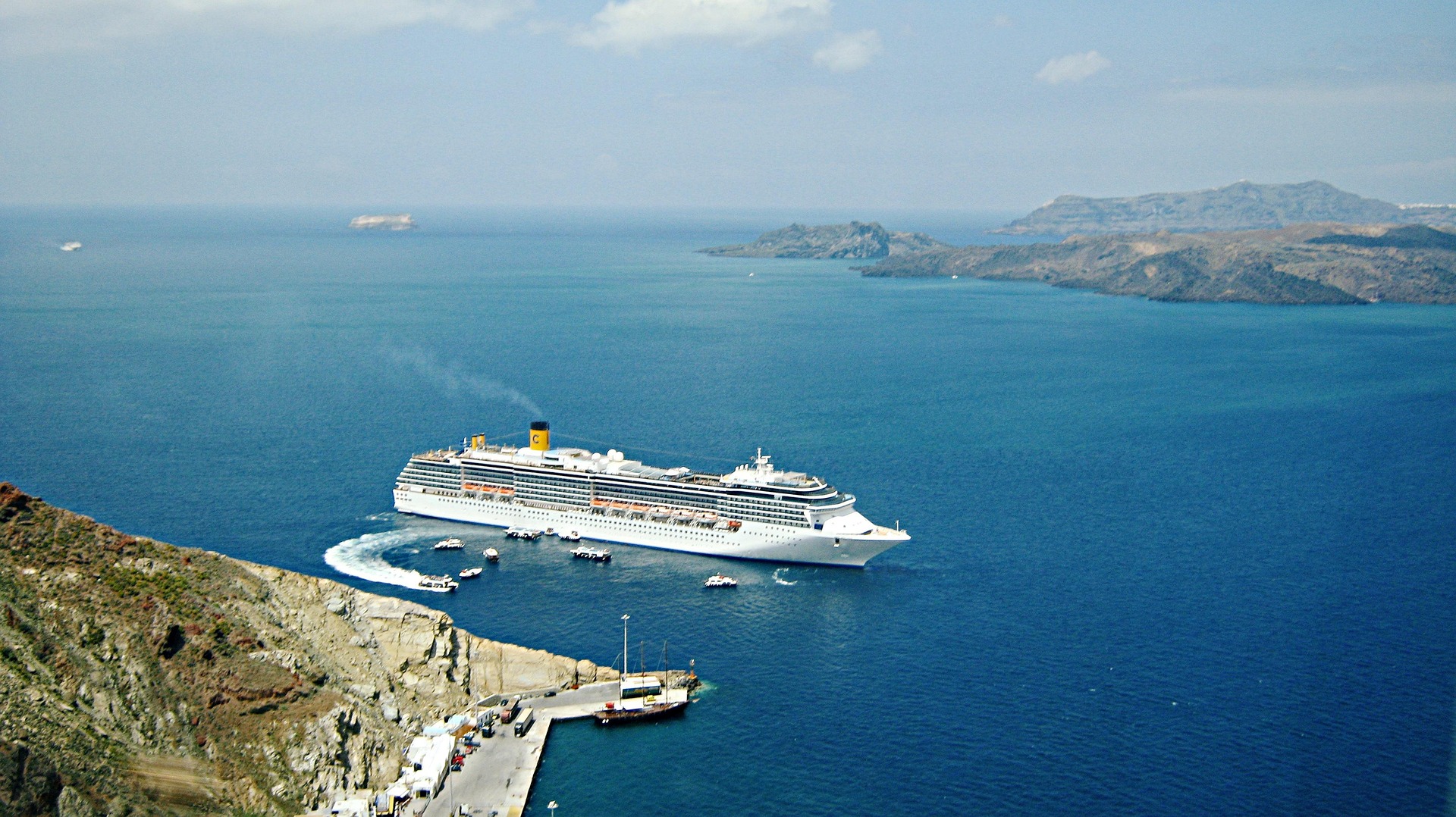 #2879 /100
An island-hopping cruise from Piraeus through the Aegean, passing whitewashed clifftop villages, ancient ruins, and volcanic caldera views without repacking each night.
Santorini's caldera and Mykonos's windmills are the classic stops, though smaller ports add quieter beaches and tavernas.
Many sailings overnight at an island for sunset views from the water.
It's an easy, accessible way to see several Greek islands in a single week.
How does it rate
CrowdsRomanceCash RequiredDangerAccessibilityWhy you should go
See Santorini's caldera, Mykonos, and several more islands in one week without changing hotels.
Why you shouldn't go
Ships are mainstream and crowded in peak summer, and popular ports get overrun when several cruises dock together.
Plan your visit
Best time to visitMay-June or September for warm weather with fewer crowds; July-August is hottest and busiest.Best time of dayEvening, for the classic Santorini sunset over the caldera from the ship or clifftop.Getting thereFly into Athens; ships embark from the port of Piraeus, a short taxi or metro ride from the city.Entry costIndicative $600-$2,500pp per week depending on cabin and lineTime needed7-night cruiseInsider tip — Pick an itinerary that overnights in Santorini rather than a same-day stop, so you catch the sunset from Oia without fighting day-tripper crowds. -
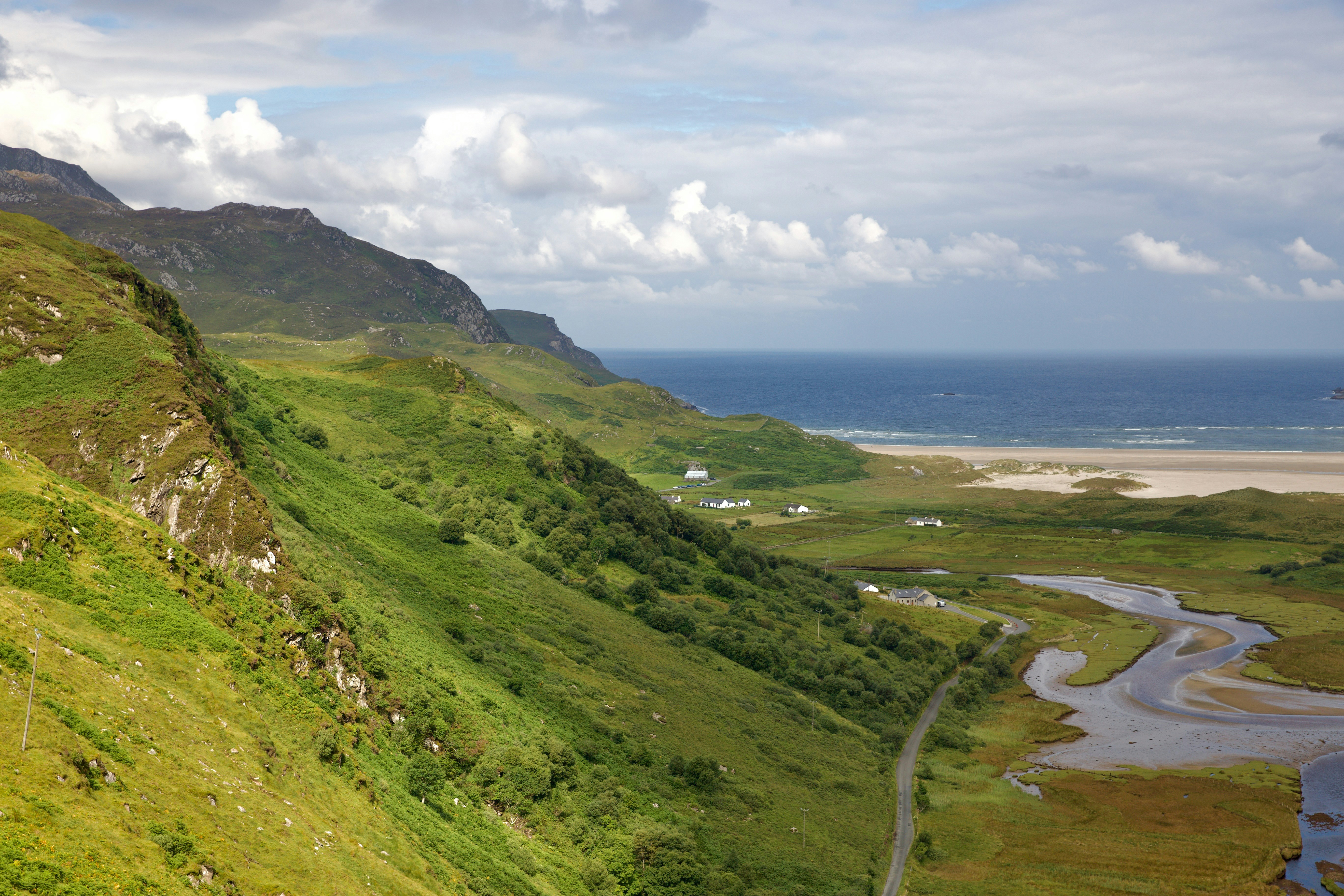 #2979 /100
Ireland's Wild Atlantic Way follows roughly 2,500 kilometres of coastline from Donegal's Inishowen Peninsula to Kinsale in County Cork, tracing sea cliffs, white sand beaches, and stone-walled fishing villages.
The Cliffs of Moher and Skellig Michael sit along the route, alongside quieter stretches like the Sky Road near Clifden and Achill Island's beaches.
Weather turns quickly, and headlands are as often shrouded in mist as lit gold at sunset.
How does it rate
CrowdsRomanceCash RequiredDangerAccessibilityWhy you should go
Ireland's whole dramatic west coast, from towering cliffs to remote islands, on one signed touring route.
Why you shouldn't go
Rain and shifting weather are frequent companions; clear-sky days are never guaranteed.
Plan your visit
Best time to visitMay-June for the driest, sunniest conditions before peak summer traffic.Best time of dayEarly morning at the Cliffs of Moher, ahead of tour bus arrivals.Getting thereFly into Shannon, Cork, or Dublin, hire a car, and join the signed blue-and-white route at any point.Entry costFree to drive; sites like the Cliffs of Moher charge parking/entry feesTime needed7-10 daysBookingBook ahead →Insider tip — Break the drive into short daily legs - the posted route length is deceptive because coastal roads are slow and invite constant detours. -
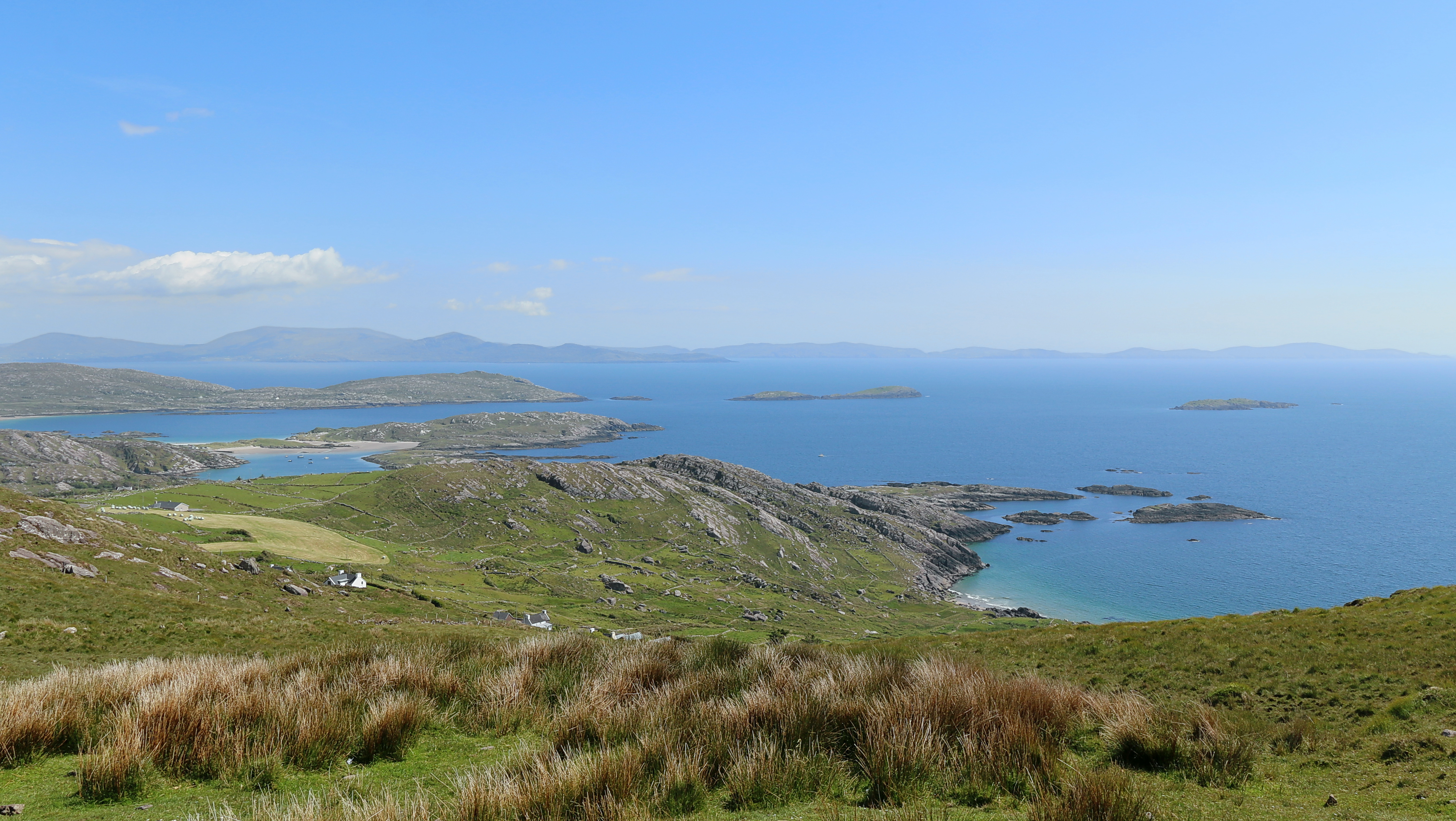 #3076 /100
The Ring of Kerry is a 179-kilometre circular route around the Iveragh Peninsula in County Kerry in southwest Ireland, passing through some of the country's most dramatic coastal, mountain, and lakeside scenery.
The route takes in the colourful town of Kenmare, the spectacular Killarney National Park, and the ancient stone forts of Skellig Ring.
How does it rate
CrowdsRomanceCash RequiredDangerAccessibilityWhy you should go
The combination of rugged Atlantic coastline, purple-heathered mountains, and characterful small towns makes the Ring of Kerry one of the most varied and rewarding scenic drives in Europe.
Why you shouldn't go
The Ring of Kerry road becomes very congested with tour coaches in summer, particularly in July and August; driving it independently against the one-way coach traffic flow is recommended.
Plan your visit
Best time to visitMay-September for best weather oddsBest time of dayLate afternoon for light on the coastal viewsGetting thereSelf-drive loop starting from KillarneyEntry costFreeTime neededFull dayInsider tip — Drive the loop counter-clockwise, opposite to the tour buses, to avoid getting stuck behind them on narrow roads -
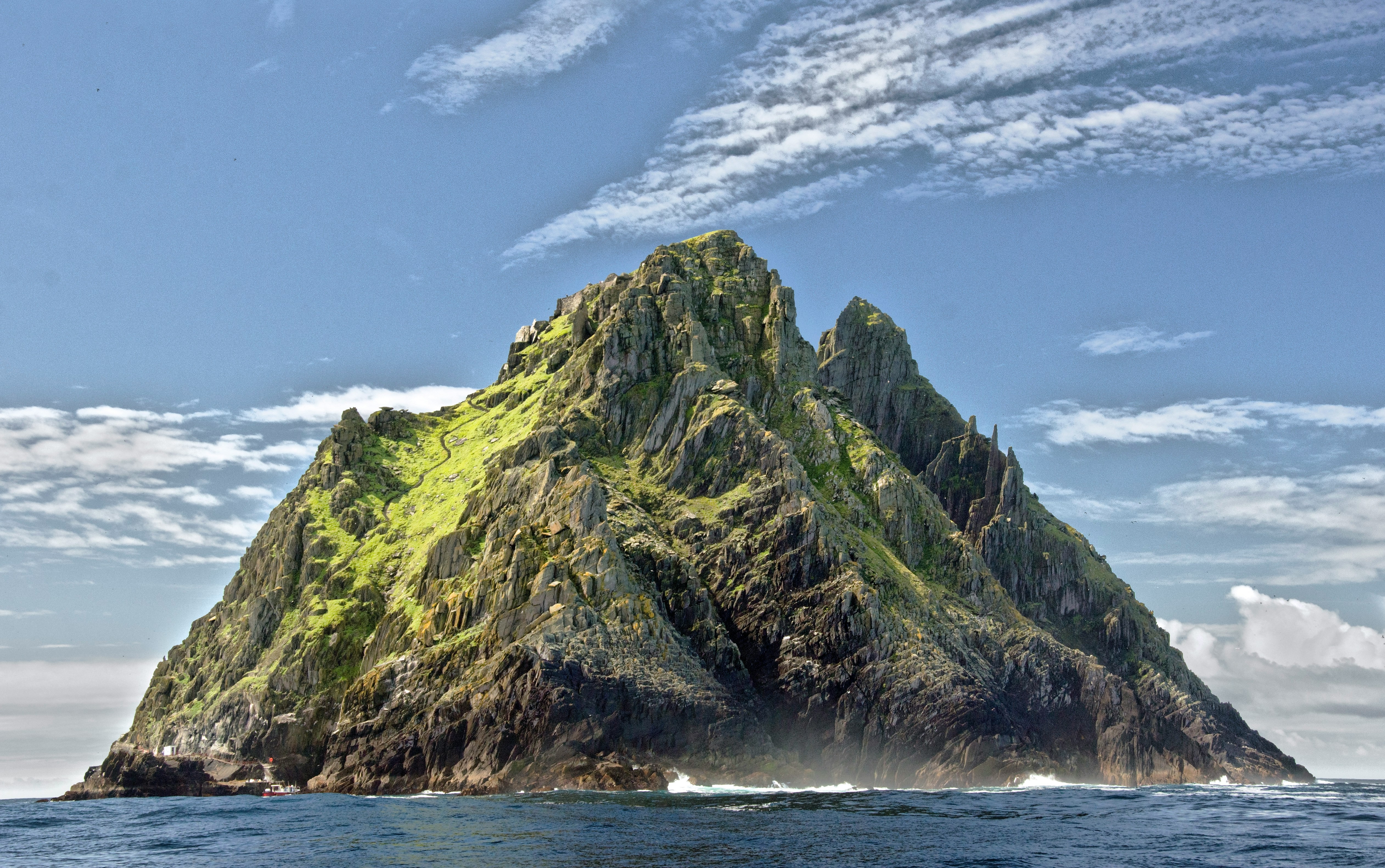 #3176 /100
A dramatic rocky island 12km off the Irish coast, home to a 6th-century monastic settlement perched 200 meters above the Atlantic.
Narrow stone stairways climb to beehive-shaped huts where monks lived in near-total isolation for centuries, and the island later appeared in Star Wars.
How does it rate
CrowdsRomanceCash RequiredDangerAccessibilityWhy you should go
A remote monastic island with 1,400-year-old beehive huts on a rocky Atlantic peak.
Why you shouldn't go
Accessible only by boat and weather-dependent; crossings are frequently cancelled; no facilities on the island.
Plan your visit
Best time to visitMay–September, when the licensed boats operate; even then, rough seas cause regular cancellations.Best time of dayMorning departures are more likely to run before afternoon swells build.Getting thereBase in Portmagee or Ballinskelligs; licensed boat tours depart daily in season, weather permitting.Entry costBoat tour roughly €100 per person, including the landing permit.Time neededHalf a day including the boat crossing.Insider tip — Book well ahead — only a small number of licensed boats are permitted to land each day. The climb involves over 600 uneven stone steps with no railings; sturdy footwear is essential. -
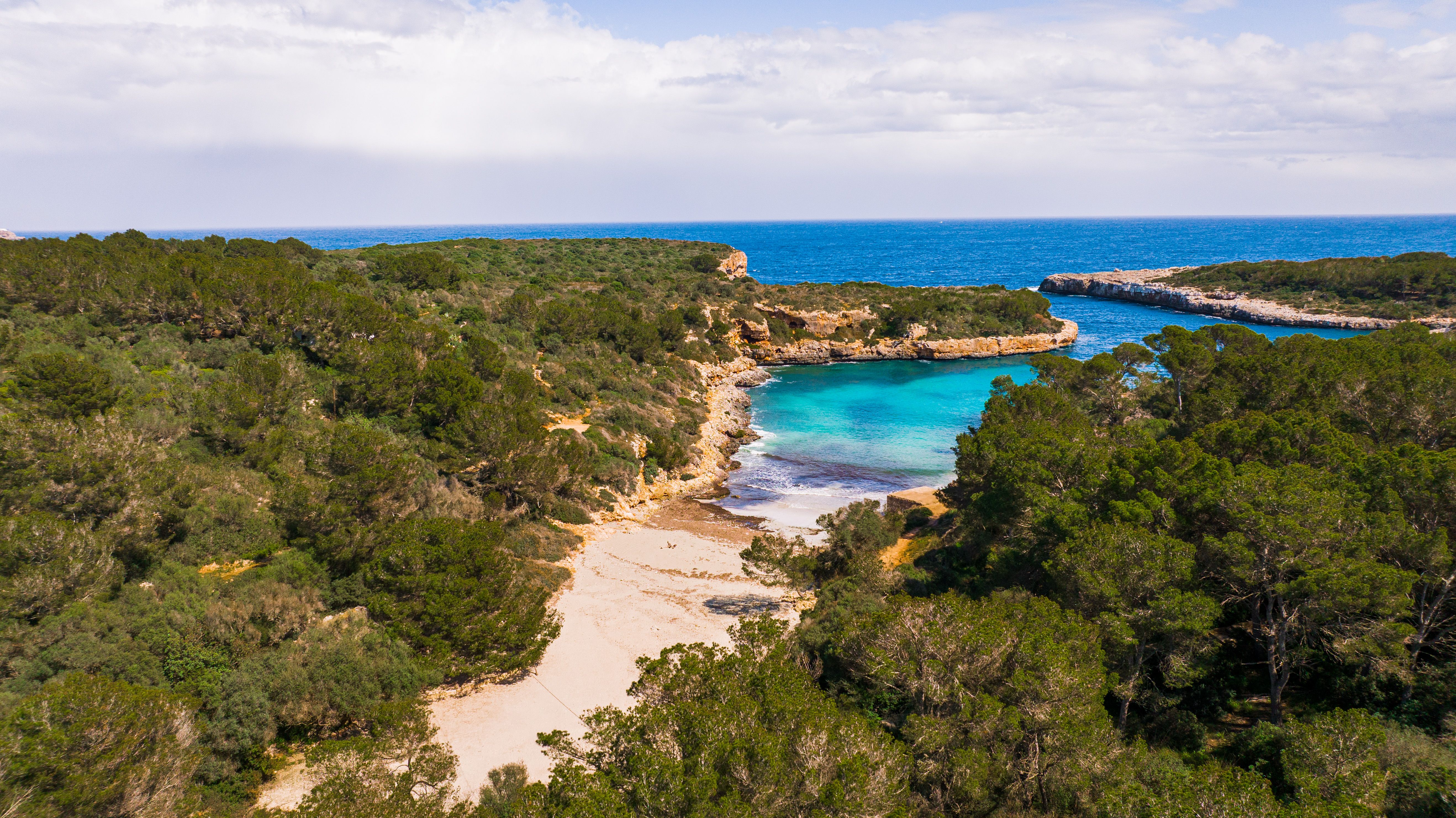 #3273 /100
A small, pine-fringed cove inside a protected natural park on Mallorca's southeast coast, with shallow, startlingly clear turquoise water that stays calm most of the year.
Because it sits within Mondrago Natural Park, development around the cove is deliberately limited, which keeps it looking much like the rest of the island did before mass tourism.
It's a short walk from the car park through scrub pine, which filters out casual visitors.
How does it rate
CrowdsRomanceCash RequiredDangerAccessibilityWhy you should go
Clear, calm turquoise water inside a protected natural park, with none of the high-rise development found elsewhere on the island.
Why you shouldn't go
Parking fills early in summer, and there are no facilities beyond a small beach bar.
Plan your visit
Best time to visitJune or September for warm water and thinner crowds than July-August.Best time of dayMorning, before the day-trip crowds from nearby resorts arrive.Getting thereFly to Palma; a 45-minute drive southeast to Mondrago Natural Park.Entry costFree; parking has a small daily fee in summer.Time needed2-3 hours.Insider tip — The second, smaller cove just south (Cala Mondrago's twin inlet) is usually quieter than the main beach. -
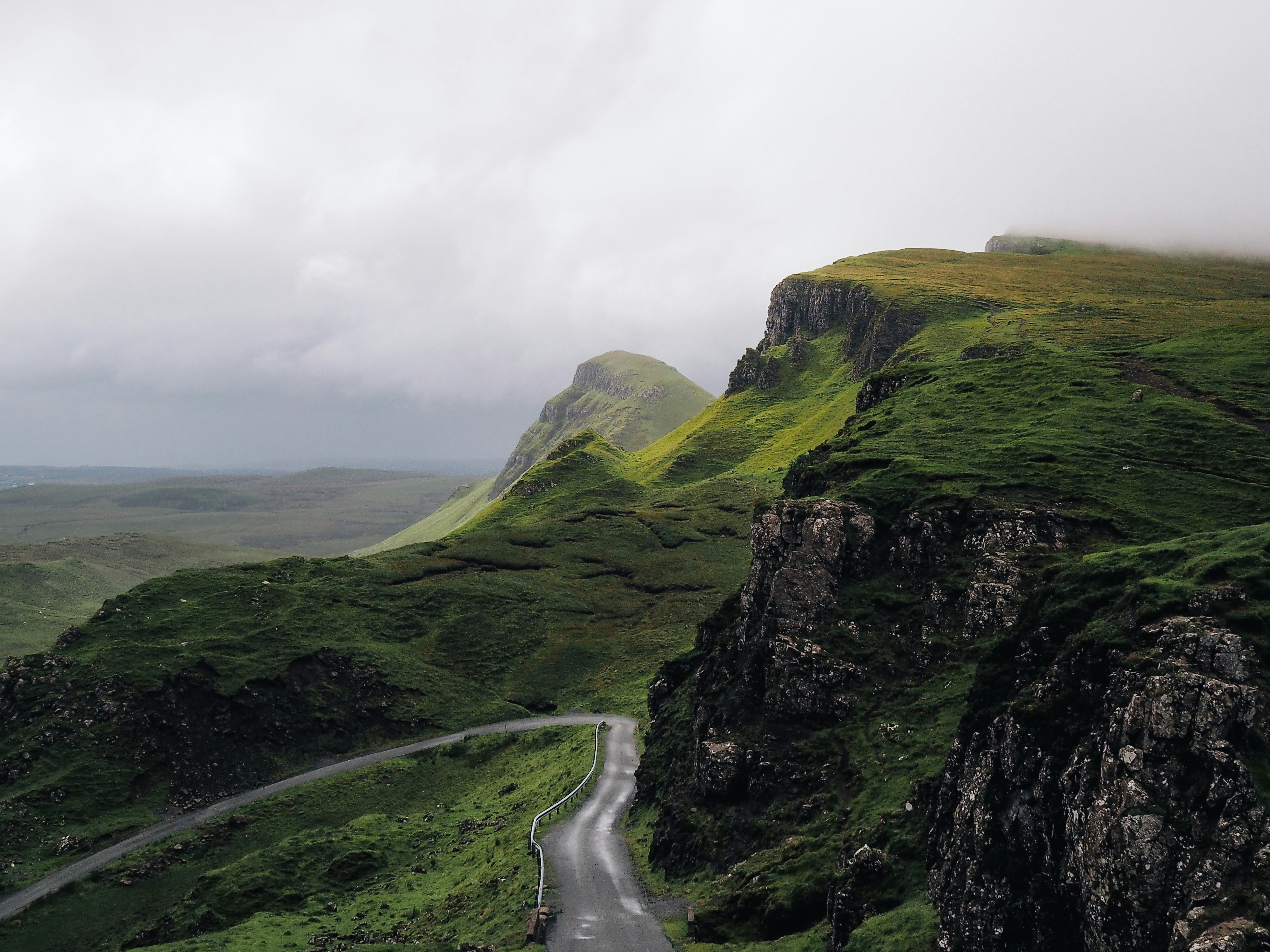 #3371 /100
The North Coast 500 loops 830 kilometres around the top of the Scottish Highlands, starting and finishing in Inverness.
Single-track roads wind past white sand beaches at Achmelvich, the sea stacks of Duncansby Head, and ruined castles over sea lochs, with the Applecross Pass climbing to one of Britain's highest road summits.
Midges and shifting weather are part of the deal, and passing places on narrower stretches demand attentive driving.
How does it rate
CrowdsRomanceCash RequiredDangerAccessibilityWhy you should go
Beaches, sea cliffs, castles and Highland mountain passes packed into one circular route from Inverness.
Why you shouldn't go
Single-track roads get bottlenecked with summer traffic, and midges are relentless in calm weather.
Plan your visit
Best time to visitMay or September for good weather with thinner crowds and fewer midges than midsummer.Best time of dayEarly morning on single-track sections, before oncoming traffic builds up.Getting thereFly or drive into Inverness, hire a car, and join the signposted loop heading either direction.Entry costFree to drive; fuel and accommodation are the main costsTime needed5-7 daysBookingBook ahead →Insider tip — Drive clockwise to face oncoming traffic on the narrowest single-track stretches rather than being overtaken from behind. -
 #34
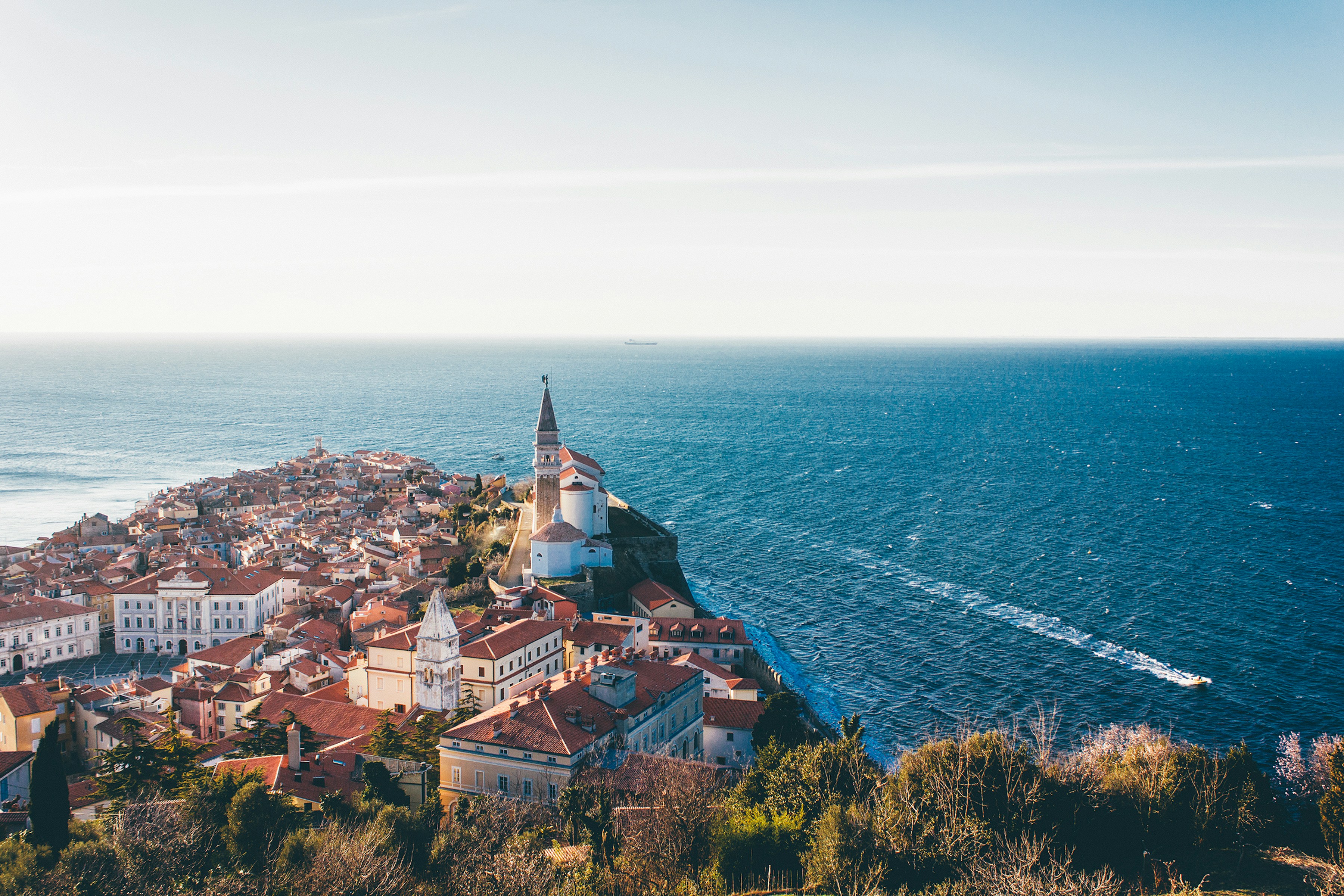
#34Slovenia's slice of Adriatic coastline is barely 47 kilometers long, but Piran packs a genuinely Venetian-feeling old town onto its tip — narrow stone lanes, a central square named for local violinist Giuseppe Tartini, and a bell tower modeled directly on St Mark's in Venice.
Salt pans just outside town have been harvested the traditional way for centuries, and a walk along the old town walls gives views to Italy and Croatia both.
How does it rate
CrowdsRomanceCash RequiredDangerAccessibilityWhy you should go
A genuinely Venetian-feeling walled old town on Slovenia's short stretch of Adriatic coast.
Why you shouldn't go
The old town is very small and can feel crowded with day-trippers in peak summer.
Plan your visit
Best time to visitMay–June or September for warm weather without peak-summer crowds.Best time of daySunset from the town walls, looking out over the Gulf of Trieste.Getting thereAbout 1.5 hours' drive from Ljubljana.Entry costFree to explore; town walls entry around €3.Time needed1 day.Insider tip — Walk to the Sečovlje Salina salt pans just outside town — the traditional harvesting method gets far fewer visitors than the old town. -
 #3568 /100
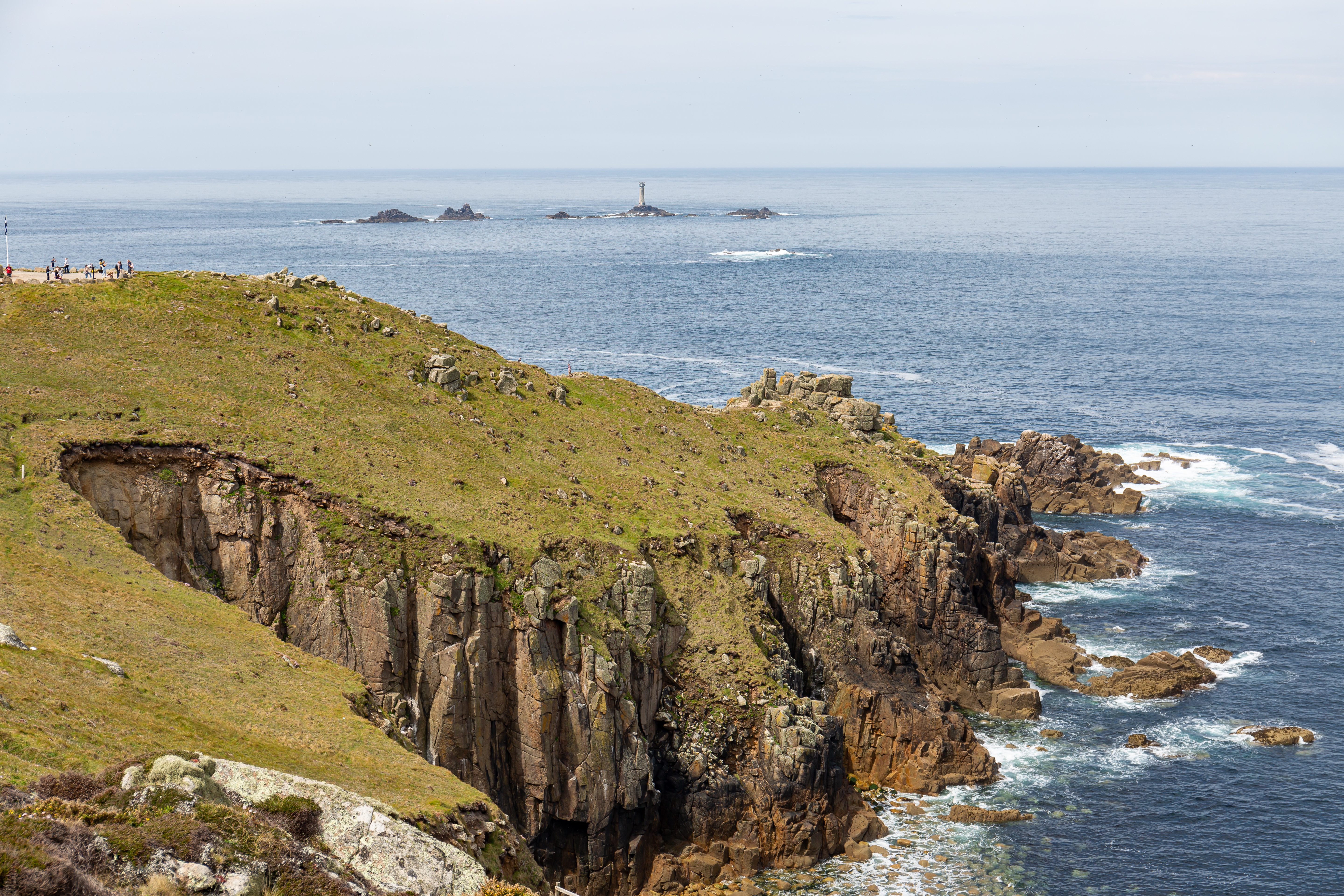
Land's End is the most westerly point of mainland England, where the granite cliffs of the Penwith Peninsula plunge into the Atlantic Ocean.
On a clear day the Longships Lighthouse is visible offshore and the Isles of Scilly can be seen 28 miles distant; on stormy days the crashing waves are genuinely dramatic.
How does it rate
CrowdsRomanceCash RequiredDangerAccessibilityWhy you should go
The raw drama of the Atlantic crashing against the granite cliffs at Land's End, particularly in stormy conditions, captures something elemental and powerful about the British coastline.
Why you shouldn't go
Land's End has been developed into a rather tacky visitor attraction with paid parking and commercial facilities; the natural drama of the cliffs competes with a theme park atmosphere.
Plan your visit
Best time to visitSpring or summer for weather, but dramatic year-roundBest time of daySunset - mainland Britain's most westerly pointGetting there~1hr drive from PenzanceEntry costFree to the cliffs; visitor attraction charges separatelyTime needed1-2 hoursInsider tip — Walk along the coastal path away from the visitor centre for cliff views without the tourist clutter


More from Europe
-


More Coastal spots
-
How a score is built
One score out of 100, five criteria behind it
Every place is rated 1–5 on each of the criteria below, then combined into a single score out of 100. It's calculated by us, the same way every time — not an average of traveller reviews or social votes.
Crowds
How many people you'll be sharing it with, and at what time of day.
Romance
How well it suits a couple, a proposal, or a quiet moment together.
Cash required
Entry fees, permits, guides, rentals — what it actually costs to do it.
Danger
Physical risk involved, from a slippery viewpoint to genuine hazard.
Accessibility
How far off the beaten path it is, and how hard it is to actually reach.

