-
 #196 /100
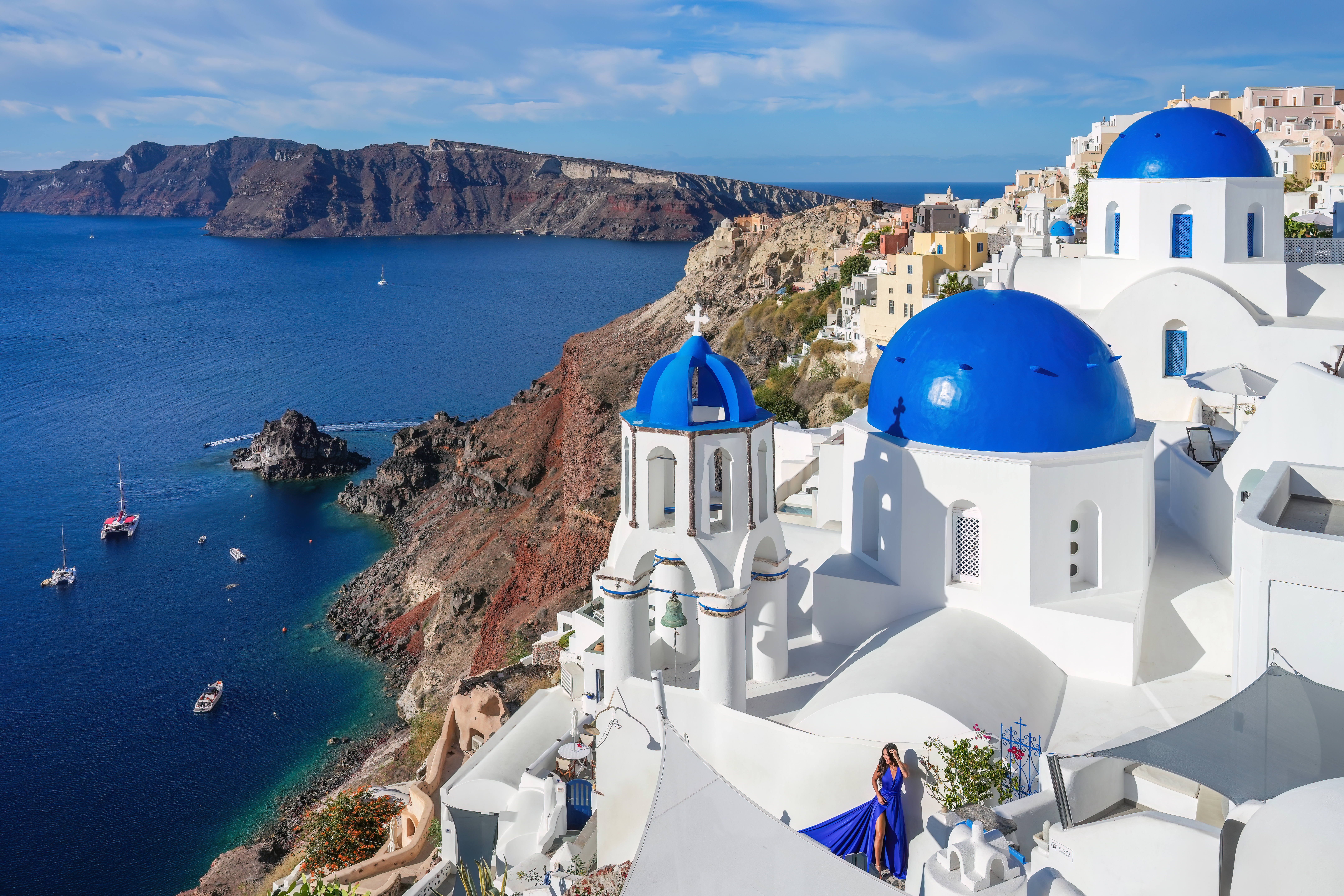
Oia is the northernmost village on Santorini and the best known, with its white-washed Cycladic architecture, blue-domed churches, and cliffside position above the caldera.
It is particularly famous for its sunset, which draws crowds from across the island to watch the sun sink into the Aegean.
How does it rate
CrowdsRomanceCash RequiredDangerAccessibilityWhy you should go
The view from Oia's castle ruins at sunset, with the caldera, the volcano island, and the whitewashed village all bathed in golden light, is one of the world's most spectacular.
Why you shouldn't go
Oia becomes extremely crowded at sunset and the famous viewpoints can be packed with hundreds of people; accommodation prices are among the highest in Europe.
Plan your visit
Best time to visitLate April-June or September-OctoberBest time of daySunset - this is THE sunset spot in GreeceGetting thereBus or taxi from Fira (~30 min)Entry costFreeTime needed2-3 hoursInsider tip — The Byzantine Castle viewpoint is famous and packed by 5pm in summer; arrive an hour early or find a quieter spot along the caldera path -
 #295 /100
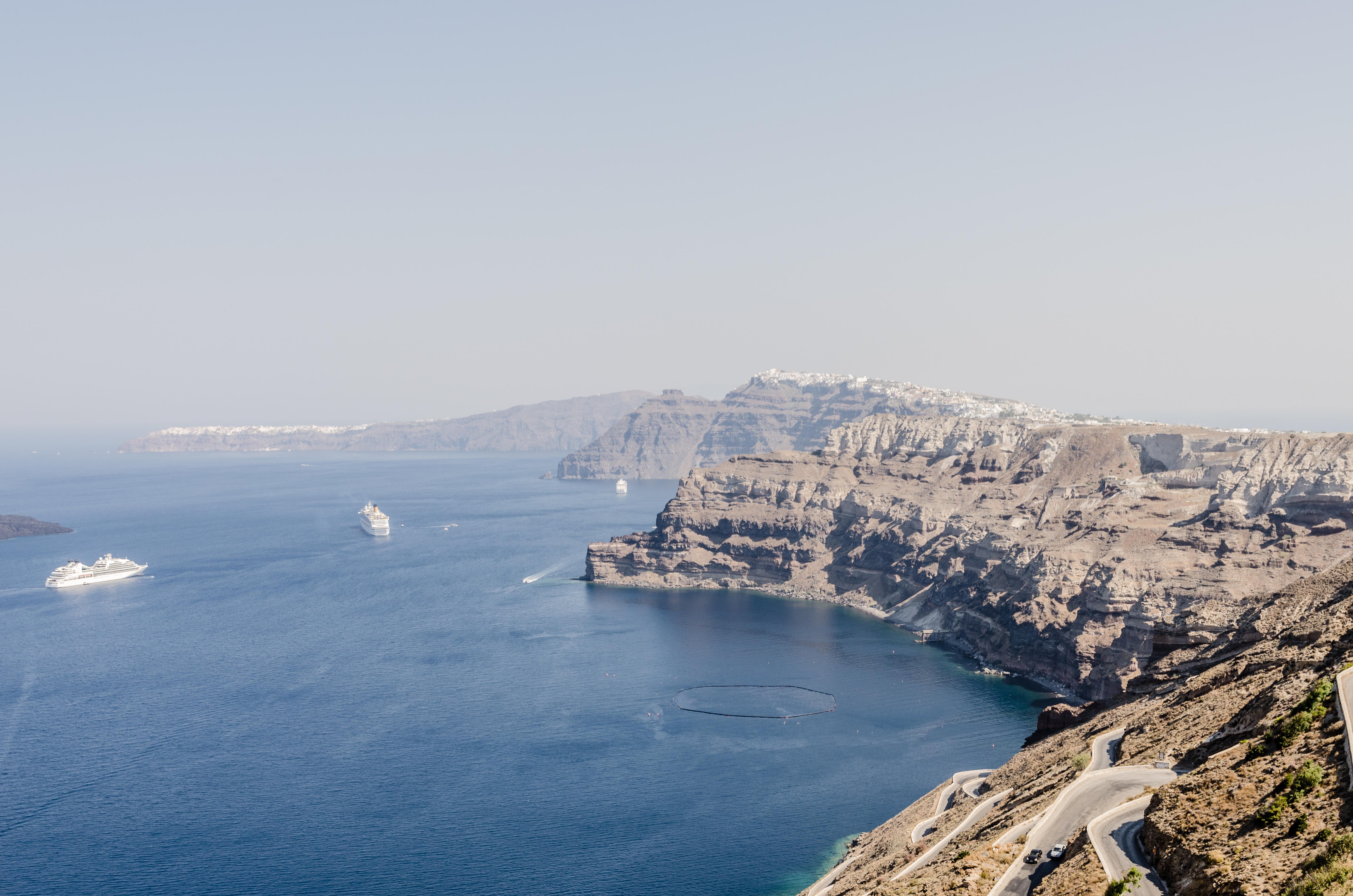
The crescent-shaped caldera of Santorini, formed by a massive volcanic eruption around 1600 BC, is a 12km-wide bay ringed by cliffs that rise up to 300 metres straight out of the sea.
White-washed cube houses and blue-domed churches line the rim at Fira, Imerovigli and Oia, and boat trips run out to the still-active volcanic islets at its centre.
It is one of the world's most recognisable islands, and priced accordingly.
How does it rate
CrowdsRomanceCash RequiredDangerAccessibilityWhy you should go
The combination of blue domes, white walls, and the deep blue sea is uniquely Santorini and produces images that are immediately recognisable worldwide.
Why you shouldn't go
Santorini's beauty is no secret and the island becomes genuinely overcrowded in July and August; accommodation is extremely expensive.
Plan your visit
Best time to visitLate April-June or September-OctoberBest time of daySunset in OiaGetting thereSantorini airport or ferry from AthensEntry costFree to exploreTime needed2-3 daysInsider tip — Watch sunset from Ammoudi Bay instead of the crowded Oia castle viewpoint -
 #393 /100
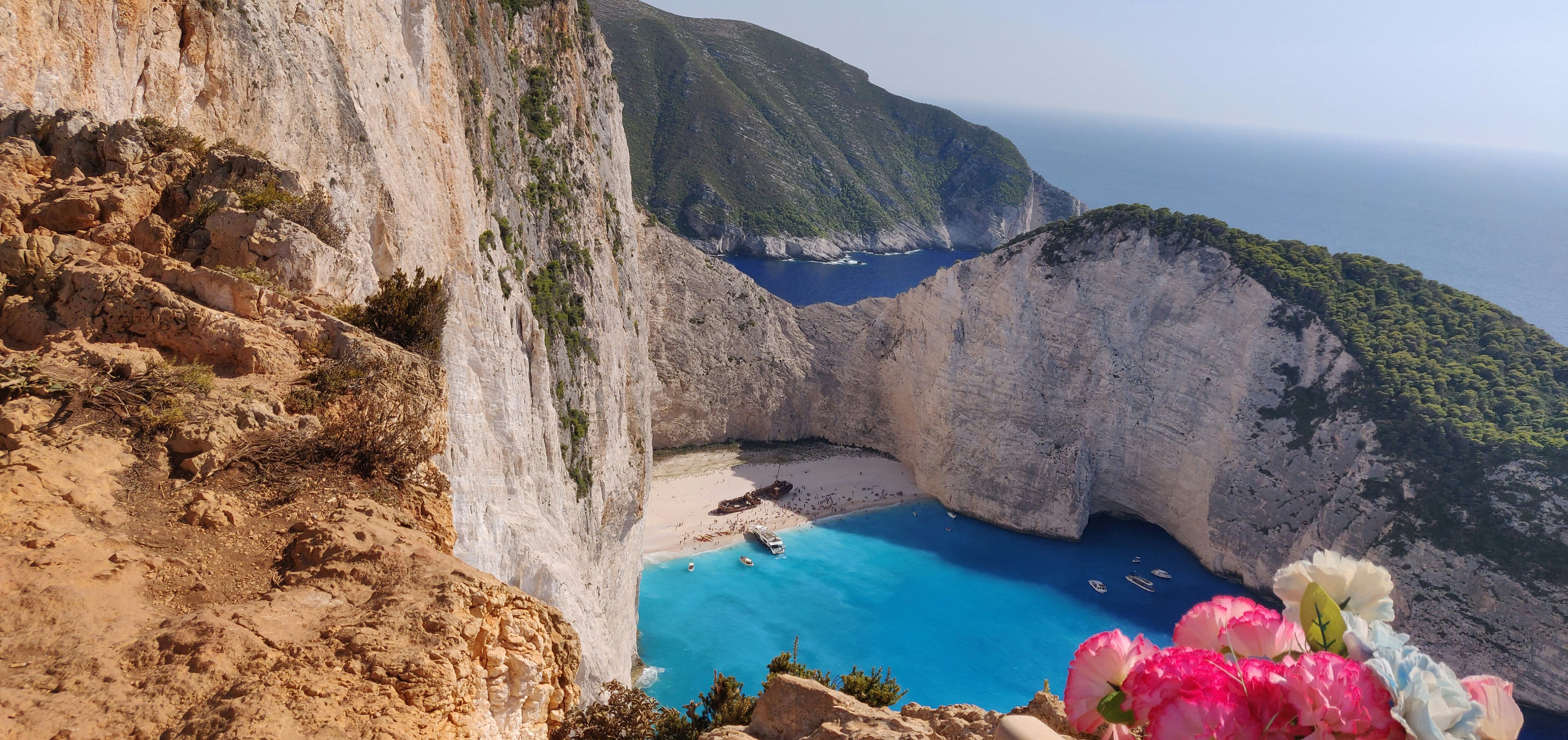
A rusting shipwreck sits on white sand in a cove ringed by sheer limestone cliffs, reachable only by boat from Zakynthos.
Mineral runoff from the cliffs turns the water a startling turquoise, and boat trips let visitors land and swim beside the wreck itself.
Rockfalls have periodically closed both the beach and the clifftop viewing platform above it, so check what is actually open before committing to a trip.
How does it rate
CrowdsRomanceCash RequiredDangerAccessibilityWhy you should go
The rusted shipwreck against white sand and turquoise water is one of travel photography's most reproduced images.
Why you shouldn't go
The beach itself can only be reached by boat tour, and the clifftop viewpoint gets mobbed by midday.
Plan your visit
Best time to visitApril-June or September for calm seas and thinner crowds than peak August.Best time of dayArrive by the first morning boats, before the tour flotilla fills the cove.Getting thereFly to Zakynthos; boat trips run from Porto Vromi or Agios Nikolaos, or drive to the clifftop viewpoint above.Entry costFree to view from the clifftop; boat trips from around EUR25.Time neededHalf a day.Insider tip — The clifftop platform gets crowded fast - arrive before 9am, or ask your boat driver for a slow pass close to the wreck for photos without other boats in frame. -
 #493 /100
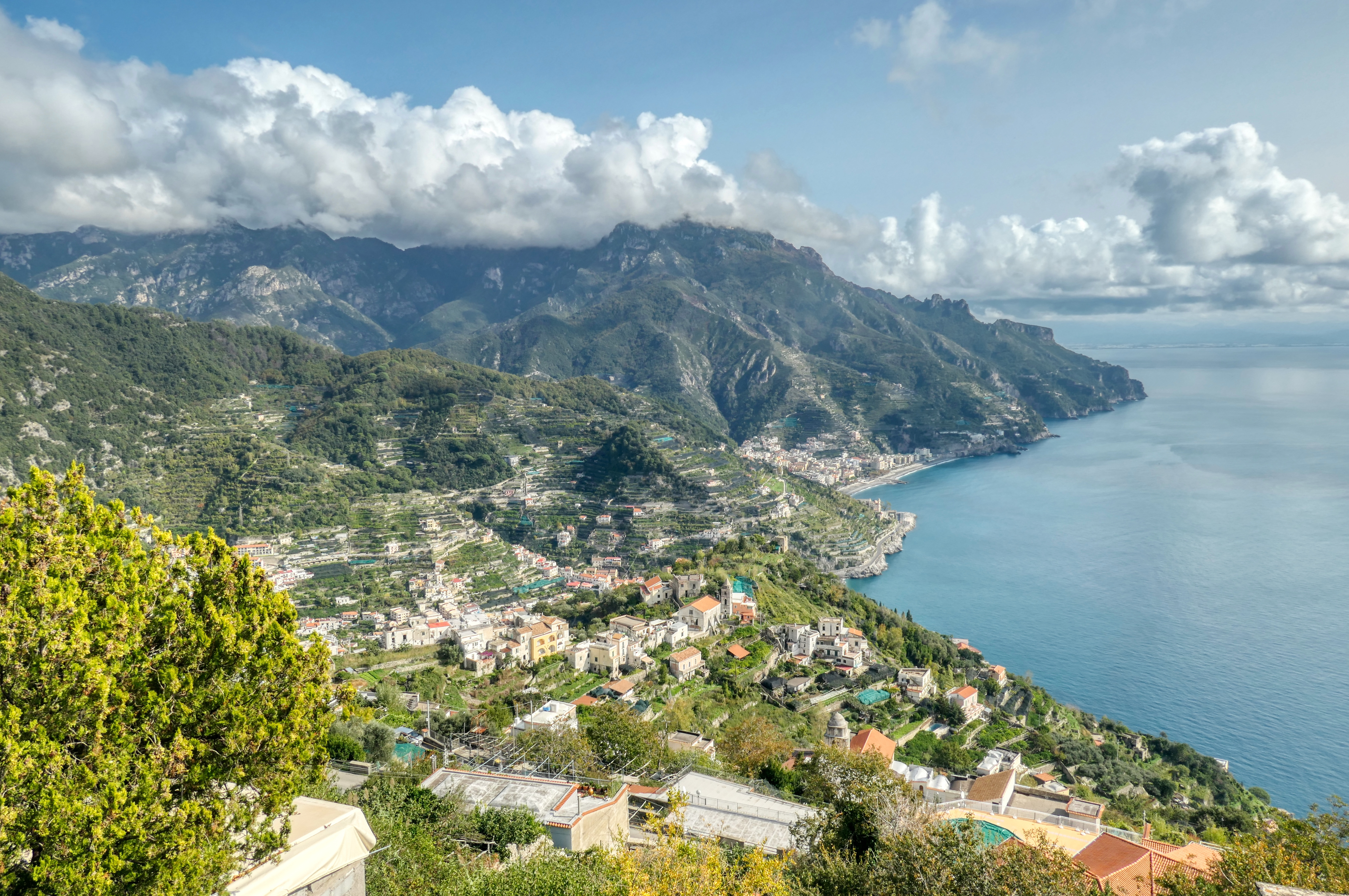
The Amalfi Coast is a 50-kilometre stretch of cliffside villages, lemon groves, and impossibly blue Mediterranean sea along the southern edge of the Sorrentine Peninsula.
Perched villages like Positano and Ravello tumble down vertiginous hillsides in a cascade of pastel buildings.
How does it rate
CrowdsRomanceCash RequiredDangerAccessibilityWhy you should go
Every bend of the coastal road reveals a new and more spectacular view, and the villages themselves are among the most beautiful in Europe.
Why you shouldn't go
The coast road is extremely narrow and congested in summer, and accommodation in the most popular villages is very expensive.
Plan your visit
Best time to visitMay-June or September, avoiding August crowdsBest time of dayLate afternoon for golden coastal lightGetting thereFly to Naples, then drive or SITA bus along the coast roadEntry costFree to view; ferry and bus fares varyTime needed2-3 days to see properlyInsider tip — Take the ferry between towns instead of the coast road to skip traffic -
 #592 /100
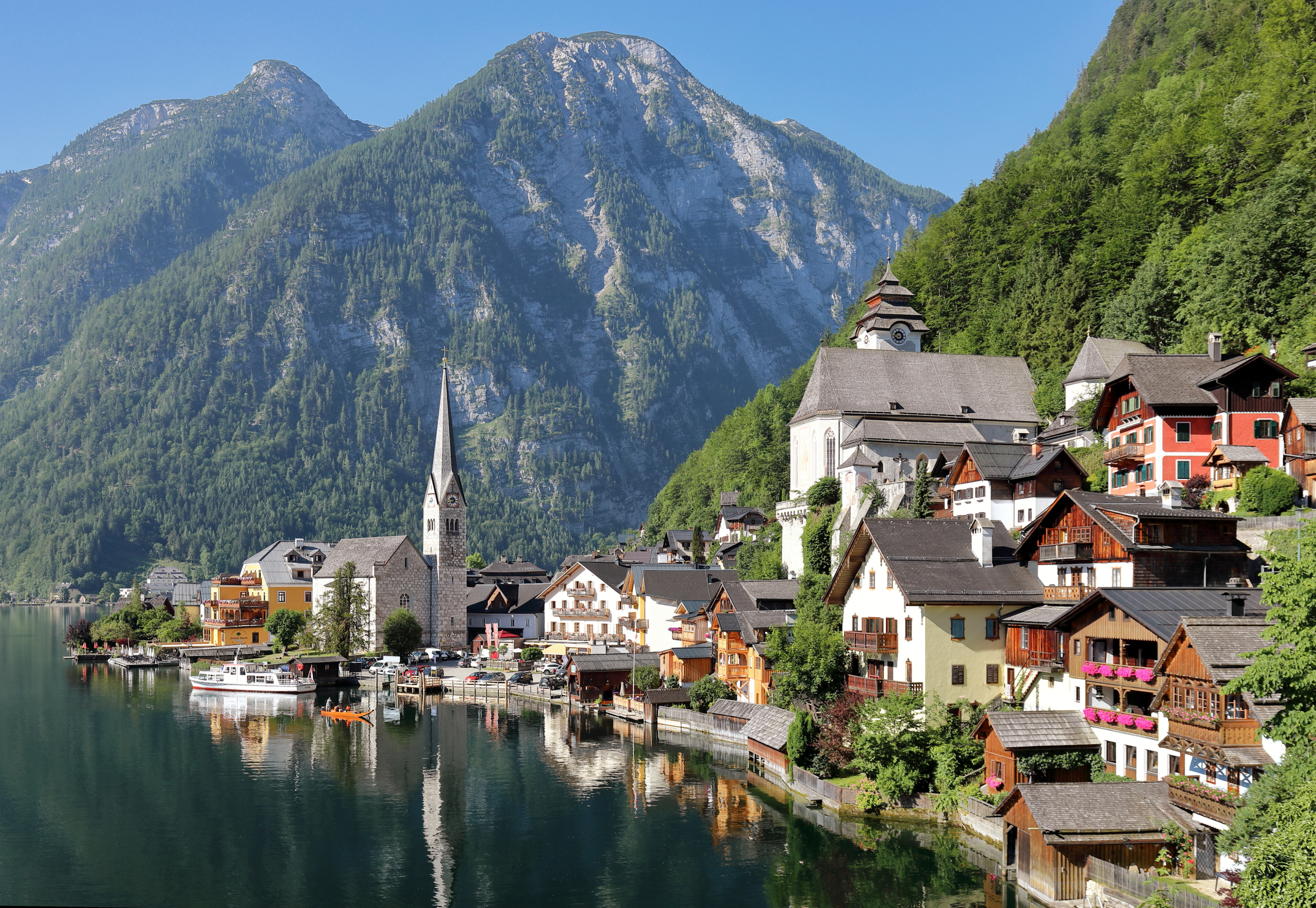
Hallstatt is a tiny lakeside village in the Austrian Salzkammergut, wedged onto a narrow shelf between steep mountains and the water.
Its salt mine has been worked for around 7,000 years, making it one of Europe's oldest continuously exploited industrial sites, and the Iron Age culture excavated here is named after the village.
Pastel Renaissance houses stack up from the shoreline in a place barely a few streets deep.
How does it rate
CrowdsRomanceCash RequiredDangerAccessibilityWhy you should go
The view of Hallstatt reflected in the lake with the mountains behind is one of Europe's most perfectly composed natural scenes — it is almost impossibly picturesque.
Why you shouldn't go
Hallstatt has been so thoroughly discovered by tourists that it can feel overwhelmed; day-tripper volumes have led to visitor restrictions being introduced.
Plan your visit
Best time to visitLate spring or early autumnBest time of dayEarly morning, before day-trip crowds and tour buses arriveGetting thereTrain to Hallstatt station then ferry across the lakeEntry costFree to exploreTime neededHalf dayInsider tip — The famous viewpoint above town gets very crowded by mid-morning in summer; go right at sunrise -
 #692 /100
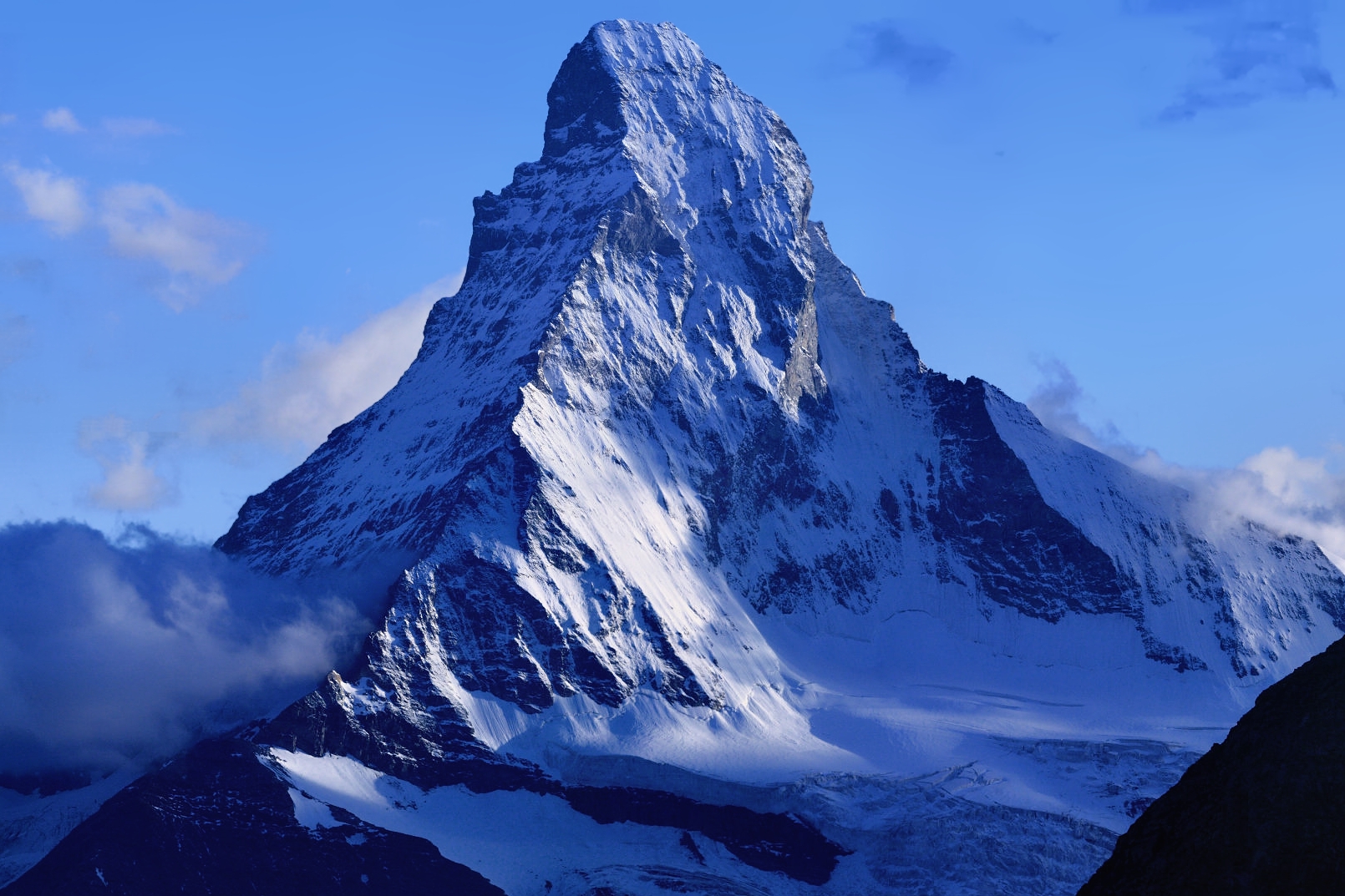
The Matterhorn's near-perfect pyramidal peak has made it one of the most recognised mountains in the world and the symbol of the Swiss Alps.
Rising 4,478 metres above the car-free village of Zermatt, it is reflected in the Riffelsee lake during clear summer mornings.
How does it rate
CrowdsRomanceCash RequiredDangerAccessibilityWhy you should go
The Matterhorn's symmetrical profile is spectacular from every angle and the reflection in the Riffelsee on a calm morning is one of the great Alpine photographs.
Why you shouldn't go
The mountain is notoriously cloud-covered; visiting Zermatt can be expensive and clear views are never guaranteed.
Plan your visit
Best time to visitJune-September for hiking, winter for snowBest time of daySunrise or sunset for alpenglow on the peakGetting thereTrain to Zermatt, a car-free villageEntry costFree to view; cable cars extraTime needed1-2 daysInsider tip — The reflection shot at Stellisee lake needs an early, still morning; go before 7am -
 #7
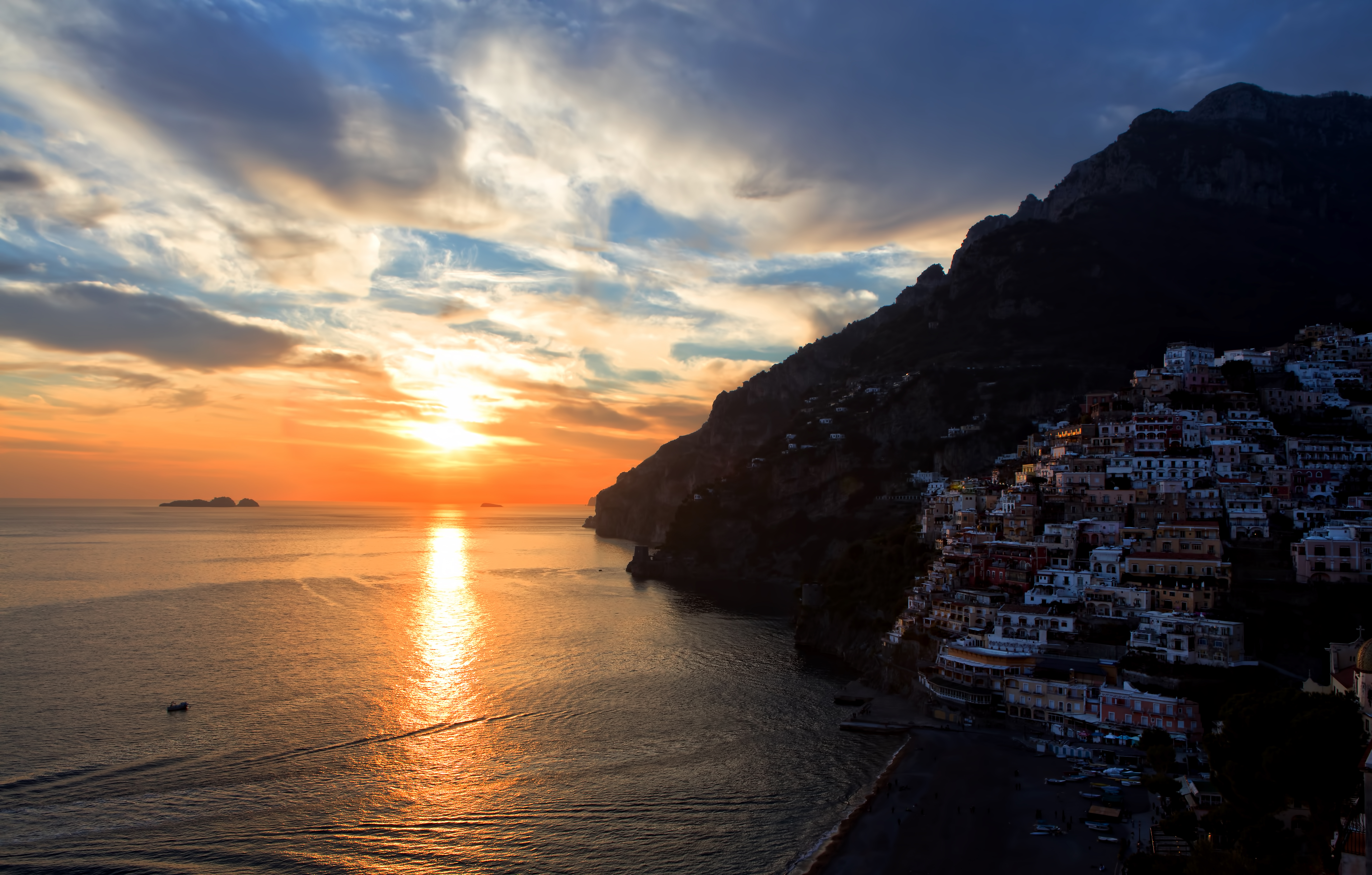
#7Positano is the Amalfi Coast's poster child: a wall of peach, rose and terracotta houses stacked impossibly steeply between the cliffs and a dark-sand beach.
The classic view, the whole town glowing above Spiaggia Grande, is best from the coast path or from the ferry pulling out.
Below the view it's all lemon groves, boutiques and long seafood lunches.
How does it rate
CrowdsRomanceCash RequiredDangerAccessibilityWhy you should go
The stacked pastel townscape above the beach is one of the Mediterranean's defining views.
Why you shouldn't go
Everything is steps, hundreds of them, and summer prices and crowds are ferocious.
Plan your visit
Best time to visitMay, June or September - warm seas without August's crushBest time of dayGolden hour, when the west light sets the facades glowingGetting thereFly to Naples; ferry from Salerno or Sorrento beats the coast road in summerEntry costFree to wander; beach clubs and parking cost plentyTime needed1-2 daysInsider tip — Arrive by ferry rather than road - the approach from the water is the photo, and you skip the SS163 traffic -
 #891 /100
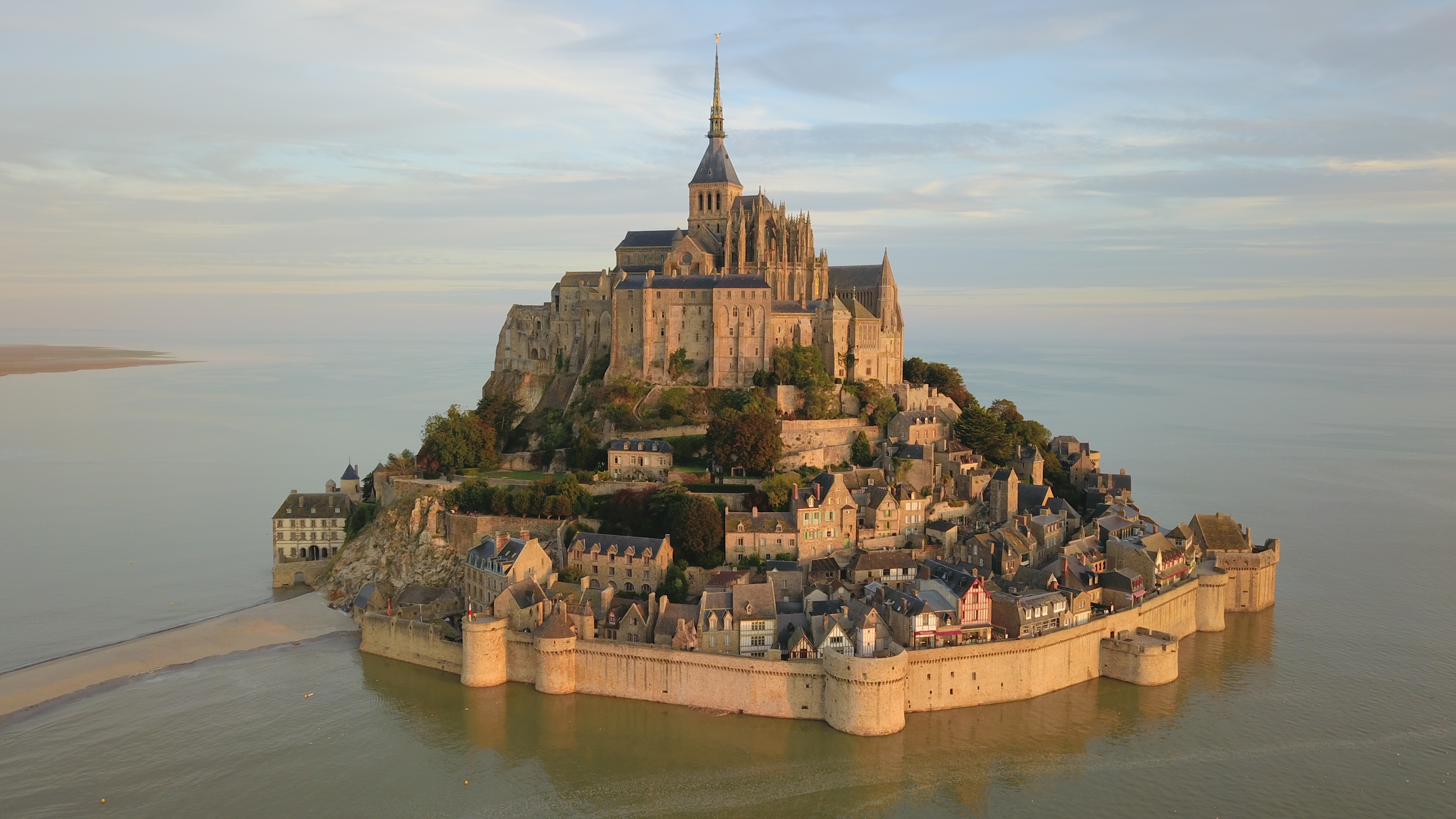
Mont Saint-Michel is a tidal island commune in Normandy topped by a medieval Benedictine abbey that soars 80 metres above the surrounding tidal flats.
When the sea retreats, the island is connected to the mainland by a causeway; when the tide comes in at one of the fastest rates in Europe, the island becomes a castle rising from the sea.
How does it rate
CrowdsRomanceCash RequiredDangerAccessibilityWhy you should go
The sight of Mont Saint-Michel rising from the sea at high tide, particularly at dusk when it is illuminated, is one of France's most extraordinary and romantic images.
Why you shouldn't go
The island receives nearly four million visitors a year and the main street leading to the abbey is packed with tourist shops; the abbey itself is very impressive but queues can be long.
Plan your visit
Best time to visitSpring or autumn to avoid peak summer crowdsBest time of daySunrise, or high tide for the classic "island" lookGetting there~1hr drive from Rennes; shuttle from the mainland car parkEntry costAbbey entry ~EUR11Time neededHalf dayInsider tip — Check the tide tables; high tide transforms it into a genuine island, which is when the photos are most striking -
 #990 /100
Jokulsarlon Glacier Lagoon is a breathtaking glacial lake in southeast Iceland filled with icebergs that have calved from the Breidamerkurjokull glacier, which is an outlet of the massive Vatnajokull ice cap.
The icebergs range from small chunks to cathedral-sized masses and drift slowly out to sea past Diamond Beach.
How does it rate
CrowdsRomanceCash RequiredDangerAccessibilityWhy you should go
The sight of glowing blue icebergs drifting slowly through the lagoon past black sand beaches is one of Iceland's most ethereal and otherworldly experiences.
Why you shouldn't go
The lagoon is in a very remote location in southeast Iceland and requires a full day's drive from Reykjavik; boat tours on the lagoon can sell out.
Plan your visit
Best time to visitYear-round; winter for ice cave access and Northern LightsBest time of daySunrise or sunset for colour on the icebergsGetting there~5hr drive from Reykjavik along the South CoastEntry costFree to view; boat tours ~EUR45Time needed2-3 hoursInsider tip — Cross the road to Diamond Beach, where icebergs wash up on black sand; arguably more photogenic than the lagoon itself -
 #1090 /100
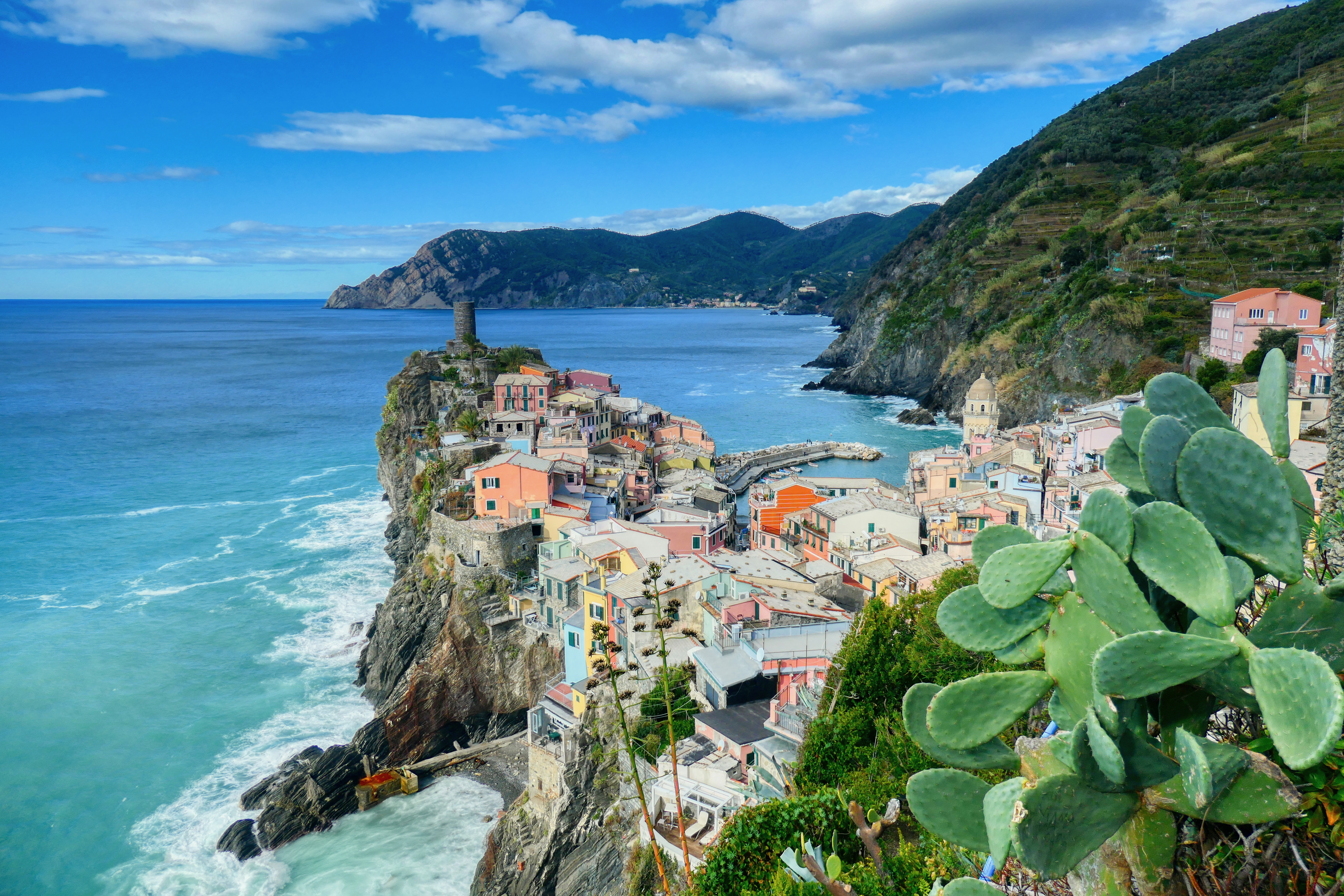
Cinque Terre is a string of five centuries-old fishing villages clinging to the cliffs of the Italian Riviera, connected by scenic hiking trails above the Ligurian Sea.
Manarola, Vernazza, Corniglia, Monterosso, and Riomaggiore tumble down their respective cliff faces in a cascade of colourful buildings.
How does it rate
CrowdsRomanceCash RequiredDangerAccessibilityWhy you should go
The views from the hillside hiking trails above each village, with the colourful houses tumbling down to the sea far below, are among Italy's most beautiful.
Why you shouldn't go
Cinque Terre has become very crowded and the trails between villages are sometimes restricted due to landslip damage; accommodation in the villages is very limited and expensive.
Plan your visit
Best time to visitApril-June or September-OctoberBest time of dayLate afternoon for the coloured houses in warm lightGetting thereTrain from La Spezia or Pisa, connects all 5 villagesEntry costCinque Terre Card ~EUR18 (trains + trails)Time needed2-3 daysInsider tip — Manarola's viewpoint at dusk is the most photographed spot; get there early to claim a spot on the wall -
 #11
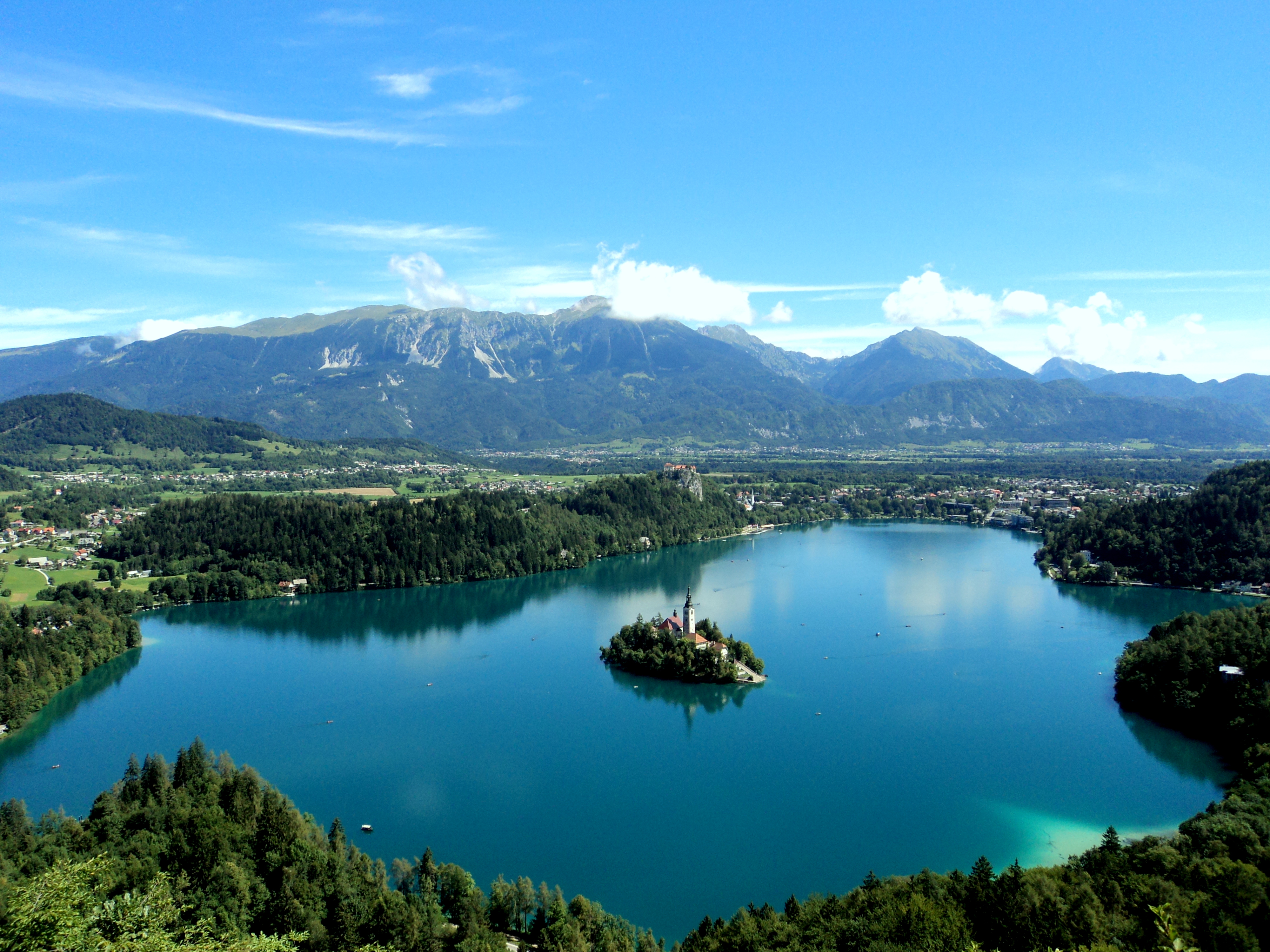
#11Lake Bled is Slovenia's most famous sight — a glacial lake of impossibly vivid turquoise water, a tiny island crowned with a baroque church, and a medieval castle perched on a sheer cliff above.
The surrounding Julian Alps complete a scene that seems almost too perfect to be real.
A traditional pletna boat is the only way out to the island's 99 steps.
How does it rate
CrowdsRomanceCash RequiredDangerAccessibilityWhy you should go
The combination of turquoise lake, island church, and clifftop castle is one of the most perfectly composed natural scenes in Europe.
Why you shouldn't go
Lake Bled can feel busy during summer and reaching the famous Ojstrica viewpoint requires a strenuous uphill walk.
Plan your visit
Best time to visitLate spring or early autumnBest time of daySunrise for mist over the lakeGetting there~40 min drive from LjubljanaEntry costFree; pletna boat to the island ~EUR14Time neededHalf dayInsider tip — Climb to Ojstrica viewpoint for the classic elevated shot of the island and castle -
 #1289 /100
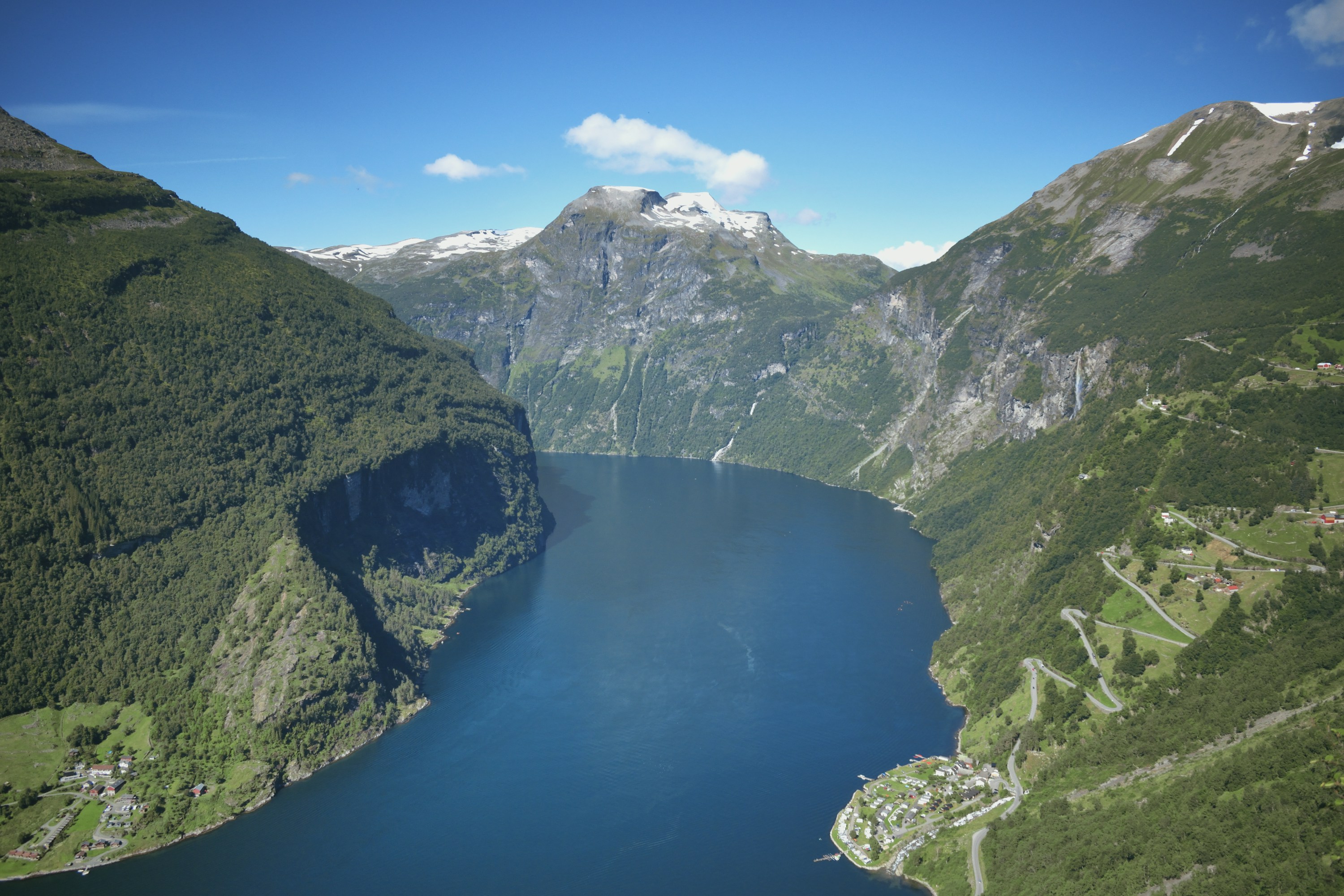
Geirangerfjord is a narrow arm of the sea in western Norway, walled in by near-vertical cliffs over a kilometre high and threaded with waterfalls such as the Seven Sisters.
A UNESCO World Heritage fjord, it can be seen by sightseeing boat, from a hairpin mountain road, or on foot along old farm paths.
Cruise ships call through the short summer season, but the scale of the cliffs and water still dominates.
How does it rate
CrowdsRomanceCash RequiredDangerAccessibilityWhy you should go
One of the most dramatic fjords in Norway - sheer cliffs, cascading waterfalls, and a UNESCO listing to match the scenery.
Why you shouldn't go
Overrun with cruise-ship day-trippers and tour buses through the short summer season.
Plan your visit
Best time to visitMay-September, when ferries and mountain roads are running and waterfalls are at their fullest.Best time of dayEarly morning, before the day's cruise ships dock and the fjord loses its stillness.Getting thereFly to Ålesund; drive or take the seasonal ferry/bus to Geiranger, or arrive by fjord cruise from Ålesund or Hellesylt.Entry costFree to view; toll roads to viewpoints from around 150 NOK, boat trips extra.Time needed1-2 daysInsider tip — Skip the crowded main quay viewpoint and drive the Ørnevegen (Eagle Road) switchbacks above town for a quieter, higher angle over the whole fjord. -
 #1388 /100
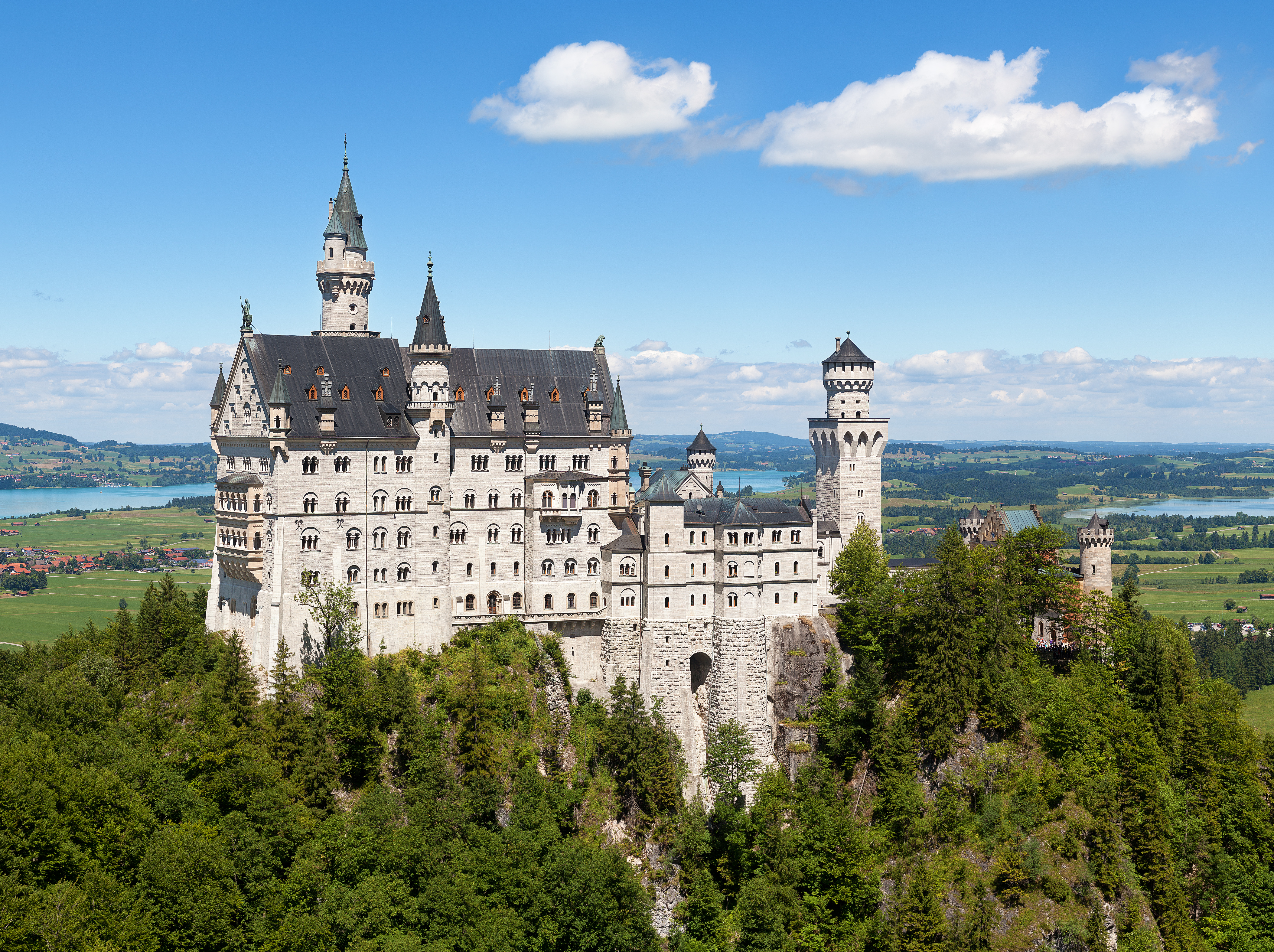
Perched high above the Bavarian Alps, Neuschwanstein Castle is the fairy-tale fortress that inspired Disney's Sleeping Beauty Castle.
Commissioned by King Ludwig II in 1869, it took 17 years to build and remains one of Germany's most visited attractions.
How does it rate
CrowdsRomanceCash RequiredDangerAccessibilityWhy you should go
The castle's dramatic Alpine setting is utterly breathtaking, particularly when viewed from the Marienbrücke bridge which offers the classic postcard perspective.
Why you shouldn't go
The most famous viewpoint requires a short hike and the queues for interior tours can be several hours long during peak season.
Plan your visit
Best time to visitLate spring or early autumnBest time of dayEarly morning for an empty Marienbrucke bridgeGetting thereTrain to Fussen, then bus or walk to the castleEntry cost~EUR21 for a tourTime neededHalf day including the hike upInsider tip — Marienbrucke bridge is the classic viewpoint but gets packed; arrive at opening -
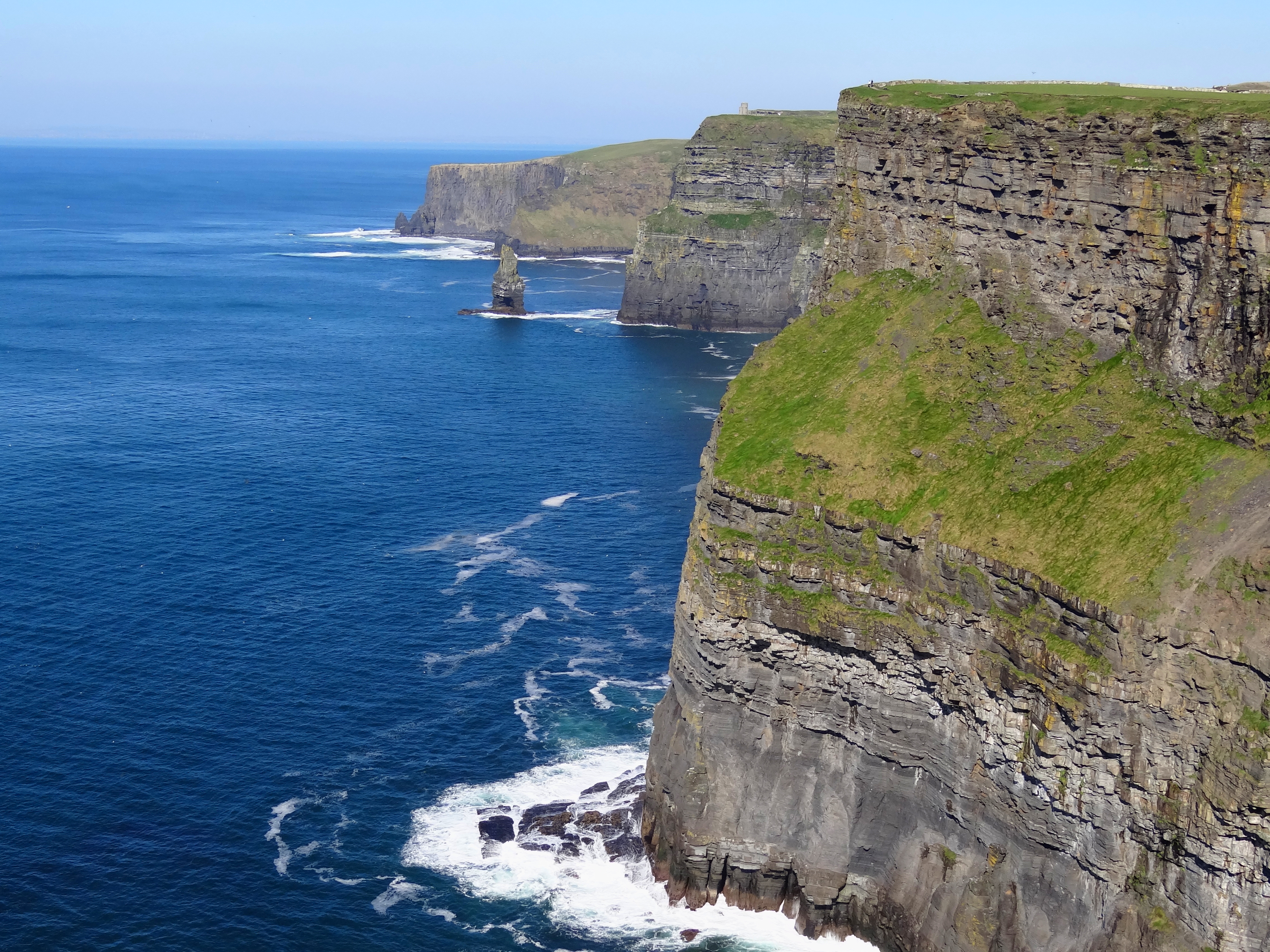 #1488 /100
The Cliffs of Moher are a 14-kilometre stretch of sea cliffs on the Atlantic coast of County Clare that rise to 214 metres at their highest point.
The view from the clifftop path, looking south towards the Burren and north towards Galway Bay, with the Aran Islands in the distance, is one of Ireland's most iconic.
How does it rate
CrowdsRomanceCash RequiredDangerAccessibilityWhy you should go
The sheer drama of the cliffs rising vertically from the Atlantic Ocean, particularly on a stormy day when waves crash against the base, is genuinely awe-inspiring.
Why you shouldn't go
The cliffs are one of Ireland's most visited attractions and the visitor centre area can be very crowded; the clifftop path can be dangerously exposed in high winds.
Plan your visit
Best time to visitMay-September for best weather odds (still unpredictable)Best time of dayLate afternoon for light on the cliff faceGetting there~1.5-2hr drive from Galway or LimerickEntry cost~EUR10 entryTime needed2-3 hoursInsider tip — Walk south along the cliff path away from the main visitor centre for quieter views and better angles -
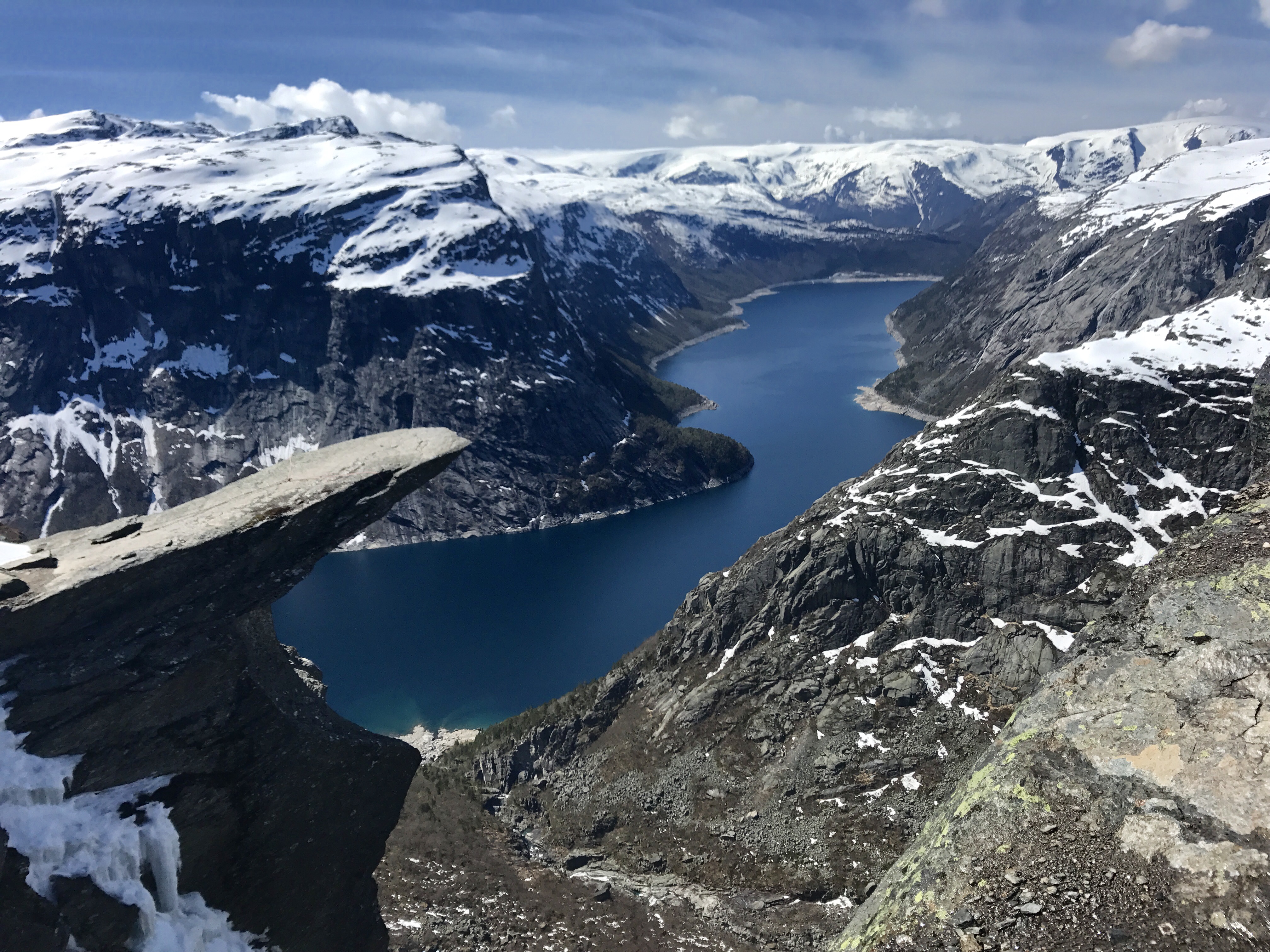 #1588 /100
Trolltunga, meaning Troll's Tongue, is a spectacular horizontal rock formation that juts 700 metres above Lake Ringedalsvatnet in western Norway.
The 27-kilometre return hike to reach it passes through some of Norway's most dramatic fjord landscape, ascending over 1,000 metres in elevation.
How does it rate
CrowdsRomanceCash RequiredDangerAccessibilityWhy you should go
The view from the edge of Trolltunga, with the lake far below and Norwegian mountains stretching to the horizon, is one of Scandinavia's most dramatic vistas.
Why you shouldn't go
The hike is 27 kilometres return with 1,000 metres of elevation gain and takes 10-12 hours; the trail is only open from June to September and weather can change rapidly.
Plan your visit
Best time to visitJune-September (trail closed/dangerous outside this window)Best time of dayEarly morning start essential; it is a long hikeGetting there~4-5hr drive from Bergen to Skjeggedal trailheadEntry costFree; parking fee appliesTime needed10-12 hours round trip hikeInsider tip — Start by 6am; this is a genuinely strenuous full-day hike, not a quick photo stop -
 #1688 /100
The Colosseum is the largest amphitheatre ever built and an enduring symbol of the power and ingenuity of ancient Rome.
Completed in 80 AD, it could hold up to 80,000 spectators who came to watch gladiatorial contests, animal hunts, and public spectacles that defined Roman entertainment culture.
How does it rate
CrowdsRomanceCash RequiredDangerAccessibilityWhy you should go
Standing inside the Colosseum and looking up at its tiered arches, imagining the roar of 80,000 Romans, is one of the most powerful experiences the ancient world has to offer.
Why you shouldn't go
The Colosseum is one of the most visited sites in the world and the surrounding area is extremely crowded; queues without advance booking can be several hours long.
Plan your visit
Best time to visitSpring or autumnBest time of dayEarly morning entry, or sunset from outsideGetting thereColosseo Metro stationEntry cost~EUR18 (combo with Roman Forum/Palatine Hill)Time needed2-3 hoursInsider tip — Book a timed entry ticket online; the walk-up line can take over an hour -
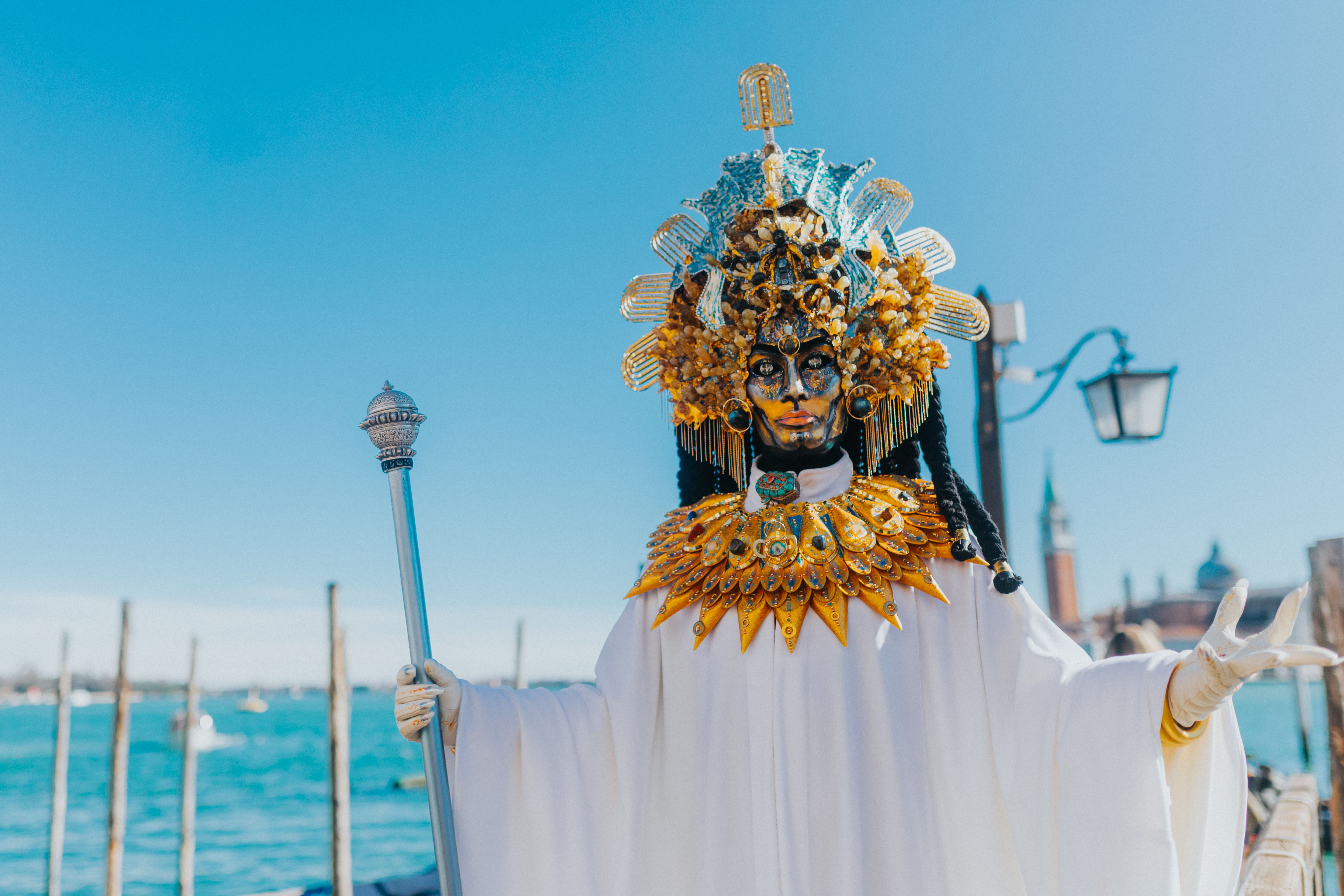 #1788 /100
For over a thousand years, Venice has marked the weeks before Lent with elaborate porcelain masks and Baroque-era costumes, worn by visitors who pose motionless along the canals and in St Mark's Square as if stepped from a painting.
The Flight of the Angel, where a costumed performer descends by wire from the Campanile into the square, opens the festival each year.
How does it rate
CrowdsRomanceCash RequiredDangerAccessibilityWhy you should go
Centuries-old masked costumes worn like living paintings against Venice's canals and Baroque squares.
Why you shouldn't go
Hotel and mask-costume rental prices both climb steeply during the festival's two-and-a-half-week run.
Plan your visit
Best time to visitTen days ending on Shrove Tuesday, the day before Ash Wednesday (exact dates shift yearly with Easter).Best time of dayLate afternoon in St Mark's Square, when the soft light and costumed crowds are at their most photogenic.Getting thereFly to Venice Marco Polo Airport, then a water bus or taxi into the historic centre.Entry costFree to watch in the streets and squares; renting a full costume runs roughly EUR150-400.Time neededA full day, or several for the festival's opening and closing events.BookingBook ahead →Insider tip — Arrive at St Mark's Square in the hour after sunrise, before the day's crowds, for the clearest photos of costumed figures against empty backdrops. -
 #1887 /100
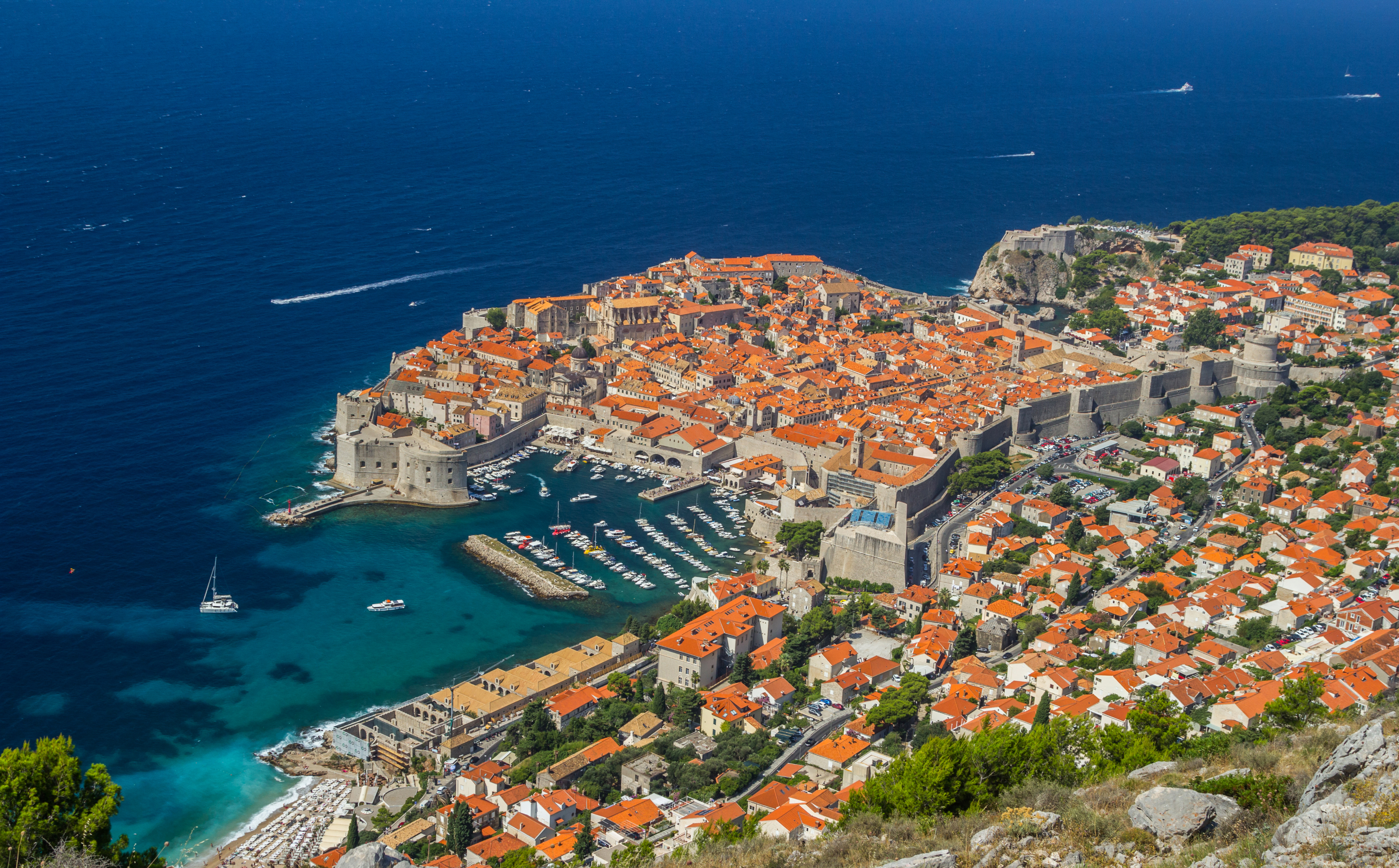
Dubrovnik is a medieval walled city on the Adriatic coast of Croatia, its terracotta rooftops and imposing limestone walls rising directly from the sea.
The medieval Old Town, a UNESCO World Heritage Site, was the backdrop for King's Landing in Game of Thrones, bringing global fame to what was already one of the Mediterranean's most beautiful cities.
How does it rate
CrowdsRomanceCash RequiredDangerAccessibilityWhy you should go
Walking the city walls above the Adriatic, with the old town's rooftops below and the Dalmatian islands in the distance, is one of the Mediterranean's great experiences.
Why you shouldn't go
Dubrovnik has been overwhelmed by tourism and cruise ships; the Old Town can feel claustrophobically crowded in summer and entry restrictions are frequently discussed.
Plan your visit
Best time to visitMay-June or September-OctoberBest time of daySunset from the city wallsGetting thereDubrovnik Airport, ~30 min to Old TownEntry costCity walls ~EUR35Time neededFull dayInsider tip — Walk the city walls in late afternoon so you finish right as the light turns golden -
 #1987 /100
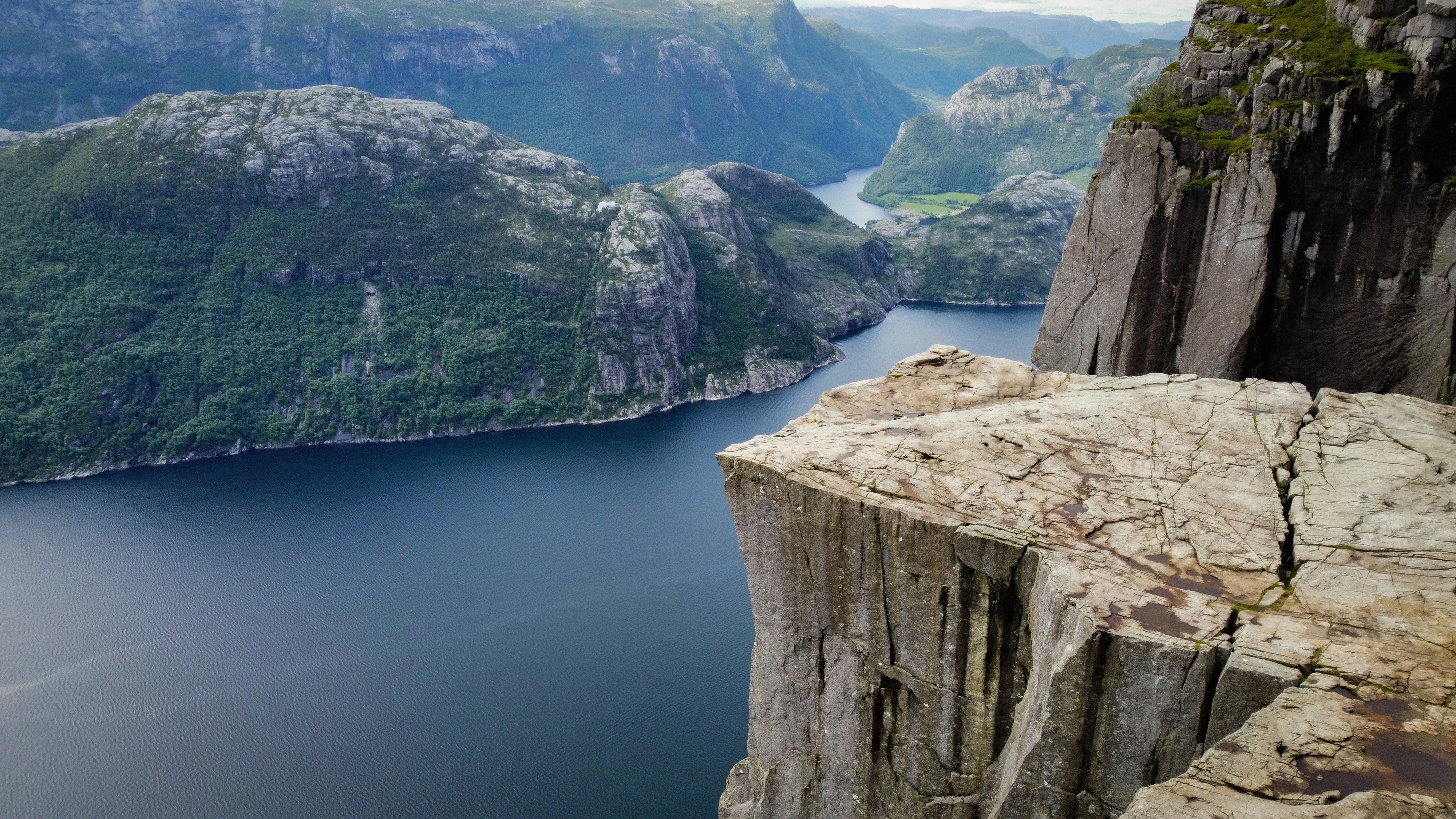
A flat granite plateau juts out 604 metres above the Lysefjord, ending in a sheer drop with the fjord stretching away beyond it.
The hike climbs around 350 metres over four kilometres, steep and rocky in places but manageable for most reasonably fit walkers in a few hours.
Nothing about the scale of the drop registers properly until you are standing at the edge of it.
How does it rate
CrowdsRomanceCash RequiredDangerAccessibilityWhy you should go
A flat-topped cliff 604 metres straight above a fjord, reachable on a half-day hike.
Why you shouldn't go
There's no railing at the edge, and the plateau gets genuinely crowded in peak summer.
Plan your visit
Best time to visitMay-September, when the trail is snow-free.Best time of dayEarly morning or evening, avoiding the midday tour-group peak.Getting thereFerry from Stavanger to Tau, then bus or drive to the Preikestolen trailhead.Entry costFree hike; parking fee at the trailhead.Time needed4-5 hours round tripInsider tip — Start the hike before 8am - by midday the summit plateau is packed with cruise-ship tour groups from Stavanger. -
 #2087 /100
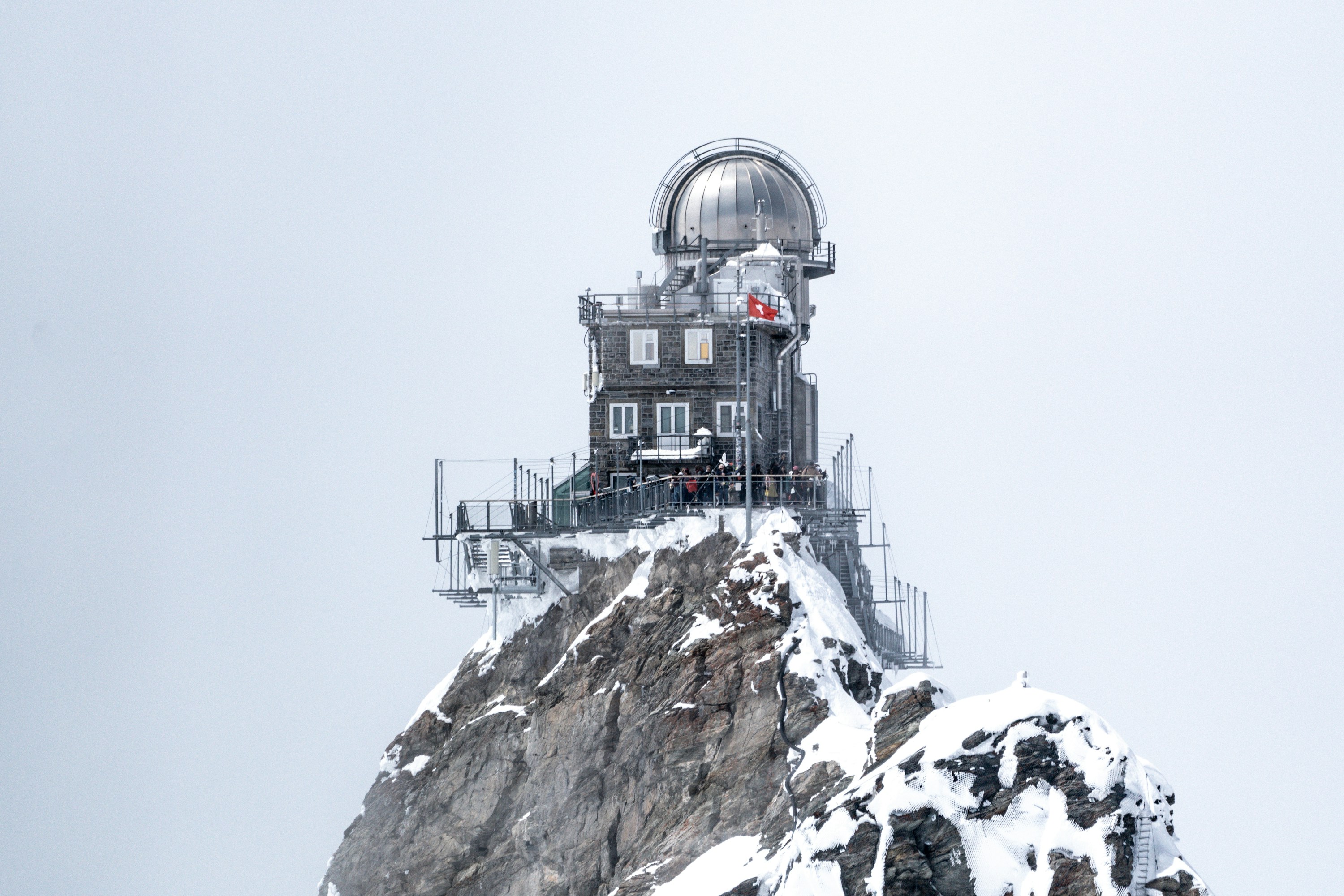
A cogwheel railway climbs through solid rock to a saddle between the Eiger and Mönch, 3,454 metres up, where the "Top of Europe" station opens onto the Aletsch Glacier, the largest ice stream in the Alps.
An ice palace, observation deck, and snow terrace fill out the visit, though thin air and shifting weather can erase the view without warning.
How does it rate
CrowdsRomanceCash RequiredDangerAccessibilityWhy you should go
The Alps' most complete high-altitude experience reachable entirely by train, glacier included.
Why you shouldn't go
Among the most expensive single excursions in Switzerland, and cloud can close in and erase the view with no refund.
Plan your visit
Best time to visitMay–October for the clearest weather; book the mandatory seat reservation well ahead in summer.Best time of dayFirst train of the day, before cloud typically builds up over the peaks by midday.Getting thereTrain from Interlaken Ost via Grindelwald or Lauterbrunnen/Wengen to Jungfraujoch; no road access.Entry costRound-trip train from Interlaken roughly CHF 220–260 depending on season.Time neededHalf a dayBookingBook ahead →Insider tip — Sit on the right-hand side of the train from Interlaken for the best glacier views on the way up. -
 #2187 /100
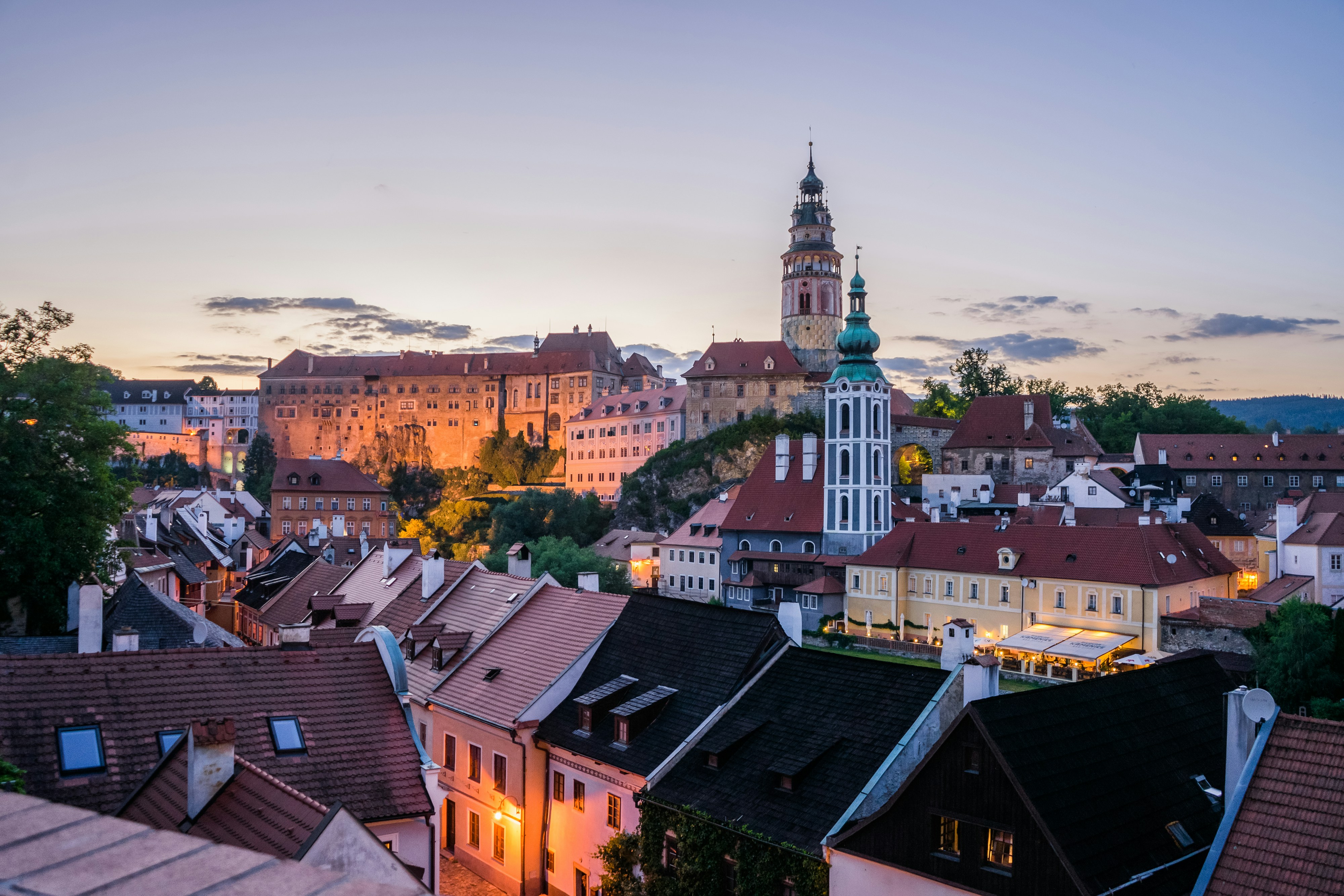
The Vltava River loops almost completely around this medieval town, wrapping its red-roofed old town and Renaissance castle in a natural moat.
A 13th-century castle tower rises above the rooftops, and its viewing gallery gives the single best angle over the whole horseshoe-shaped town below.
Narrow cobbled streets, largely untouched by wartime damage, still follow their original medieval layout.
How does it rate
CrowdsRomanceCash RequiredDangerAccessibilityWhy you should go
A medieval town wrapped almost entirely by a river, seen best from its own castle tower.
Why you shouldn't go
Summer weekends bring heavy day-tripper traffic from nearby Prague and Vienna.
Plan your visit
Best time to visitMay-June or September, for mild weather and thinner crowds than peak summer.Best time of dayEarly morning or after 5pm, once day-trip tour buses have left.Getting thereBus or train from Prague (about 2.5-3 hours).Entry costFree to walk the old town; castle tower entry a few dollars.Time needed1-2 daysBookingBook ahead →Insider tip — Climb the castle tower right at opening time for the classic horseshoe-bend view without other visitors in frame. -
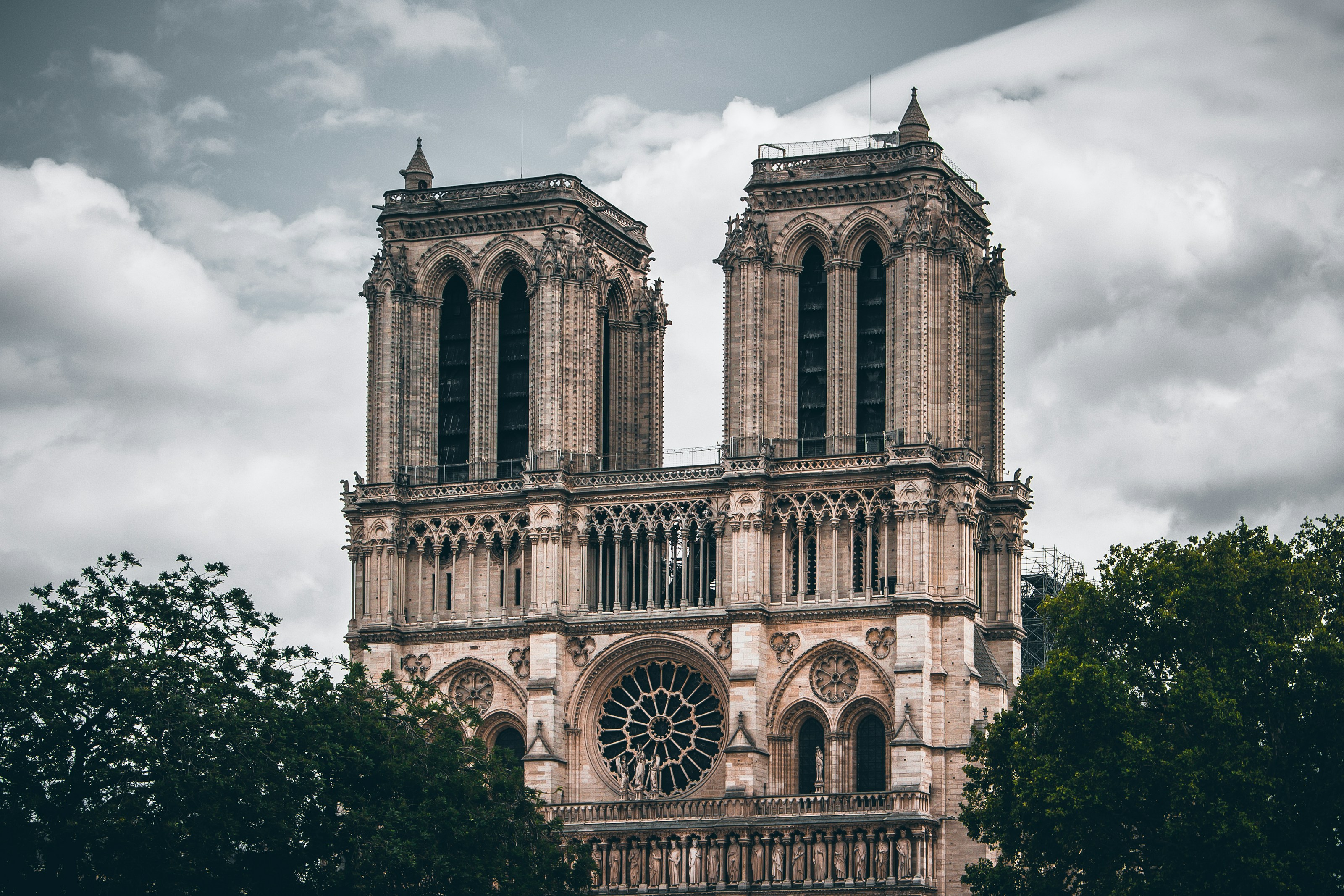 #2287 /100
The Gothic cathedral on the Ile de la Cite, reopened in December 2024 after the 2019 fire with its limestone scrubbed back to a pale gold nobody alive had seen before.
Flying buttresses, gargoyles and both rose windows survived; the spire has been rebuilt to Viollet-le-Duc's design.
Entry to the nave is still free.
How does it rate
CrowdsRomanceCash RequiredDangerAccessibilityWhy you should go
Restored to a brightness the building has not had since the Middle Ages, and free to walk into.
Why you shouldn't go
Demand since the reopening is enormous - without a timed slot you can queue for hours.
Plan your visit
Best time to visitJanuary-March, when Paris is at its quietestBest time of dayEarly morning for the queue, or dusk from Square Jean XXIII for the buttressesGetting thereMetro to Cite or Saint-Michel, both a few minutes away on footEntry costFree to enter; tower climb ticketed separatelyTime needed1-2 hoursBookingBook ahead →Insider tip — Book the free timed slot on the cathedral's own site the day before - the walk-up queue is several times longer than the booked one. -
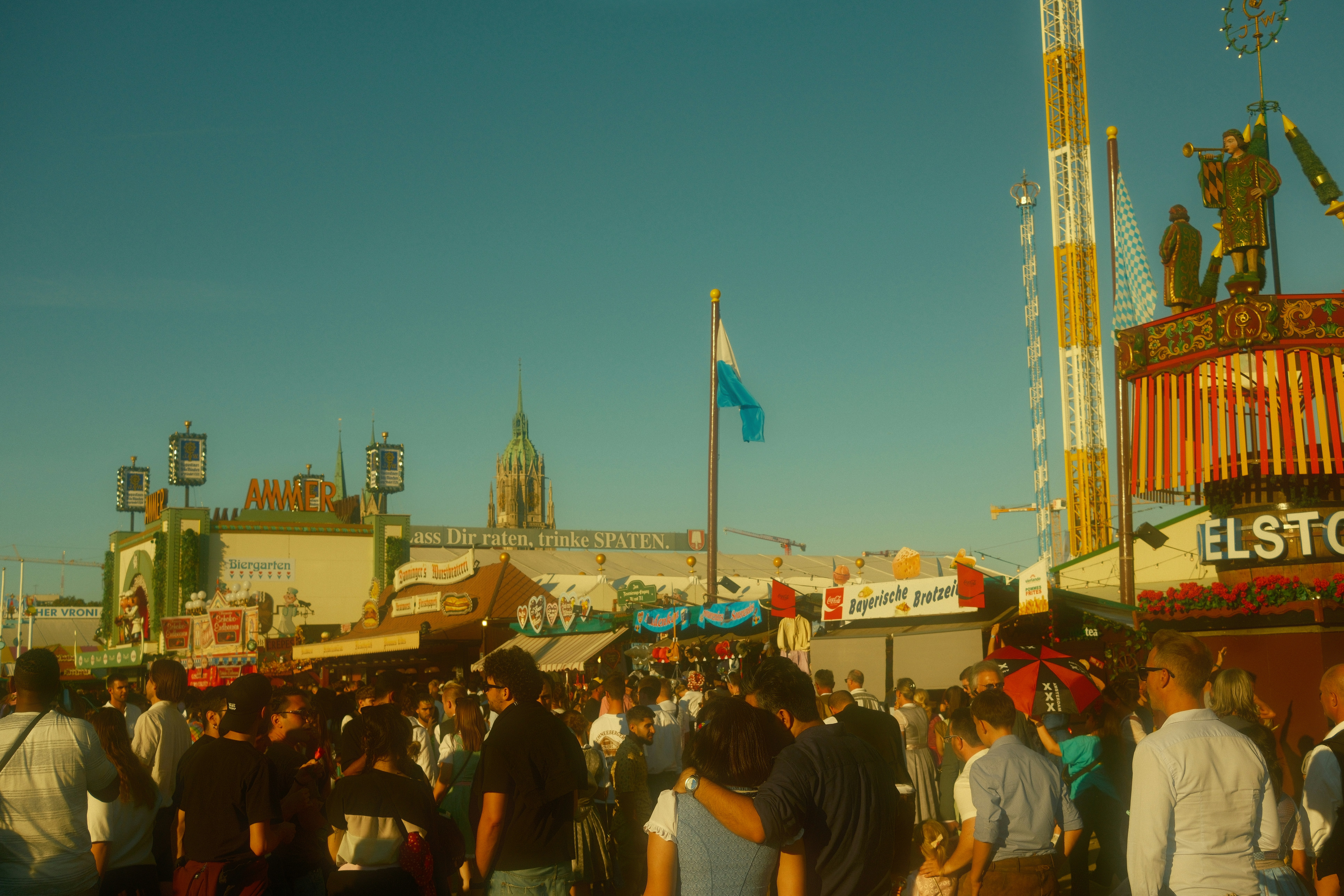 #2386 /100
The world's largest beer festival, held on Munich's Theresienwiese since 1810, where tents run by the city's traditional breweries fill each day with brass bands, dirndls and lederhosen, and steins raised in unison.
Beyond the beer it's a proper folk festival, with fairground rides and grounds that hold over 100,000 people at once.
How does it rate
CrowdsRomanceCash RequiredDangerAccessibilityWhy you should go
Sixteen days of Bavarian beer-tent tradition on a fairground scale that has to be seen to be believed.
Why you shouldn't go
Tents fill fast; without a reservation, arriving after mid-morning on weekends often means standing outside.
Plan your visit
Best time to visitLate September to the first Sunday in October, the festival's fixed annual window.Best time of dayA weekday lunchtime, when tents are calmer and tables are easier to find without a booking.Getting thereFly to Munich Airport, then S-Bahn to Hauptbahnhof and a short walk or tram to Theresienwiese.Entry costFree entry to the grounds; a stein of beer runs roughly EUR12-14.Time neededHalf a day, or a full day to properly rotate between tents.BookingBook ahead →Insider tip — Reserve a tent table online months ahead for weekends, or arrive right at the 9am opening on a weekday for a walk-in seat. -
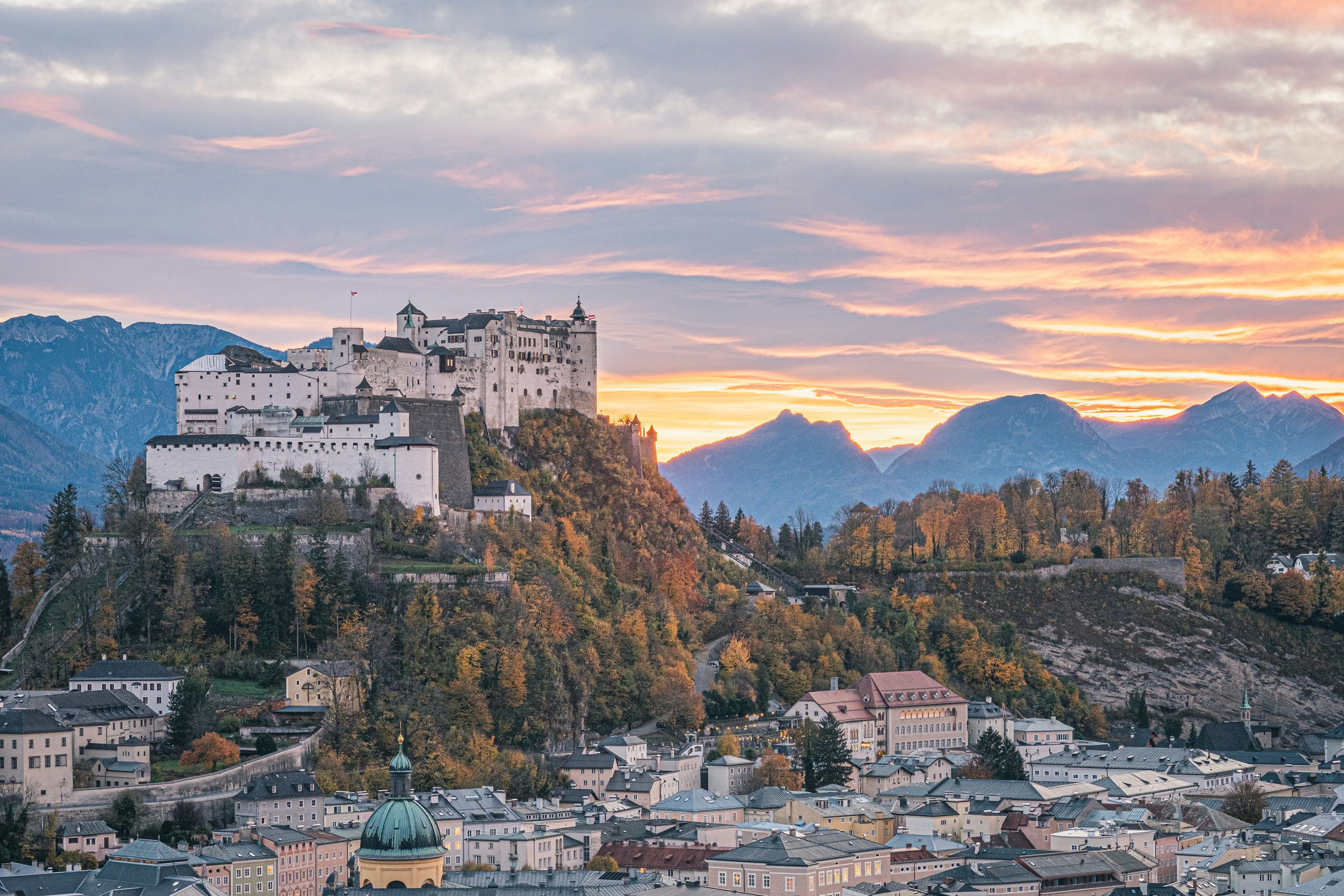 #2485 /100
Mozart's birthplace hosts one of the world's most prestigious classical music festivals each summer, staging opera, orchestral concerts, and theatre across venues from the grand Felsenreitschule - a riding school carved into a cliff face - to smaller baroque halls.
Founded in 1920 and still run to famously exacting standards, tickets for its top opera productions are among the hardest and most expensive in classical music to secure.
How does it rate
CrowdsRomanceCash RequiredDangerAccessibilityWhy you should go
World-class opera and classical music in Mozart's home city, staged in venues from a cliff-carved riding school to baroque halls.
Why you shouldn't go
Top opera tickets are scarce and among the most expensive in classical music, often booked out a year ahead.
Plan your visit
Best time to visitSix weeks from late July through August.Best time of dayEvening for opera and orchestral performances.Getting thereFly into Salzburg Airport, a short taxi ride from the festival venues in the old town.Entry costConcert tickets from around EUR50; top opera seats can run into the hundreds.Time neededA few days covers a handful of performances; the full festival runs six weeks.BookingBook ahead →Insider tip — Standing-room tickets, sold cheaply on the day at some venues, are the realistic way in for the festival's hardest-to-book opera nights. -
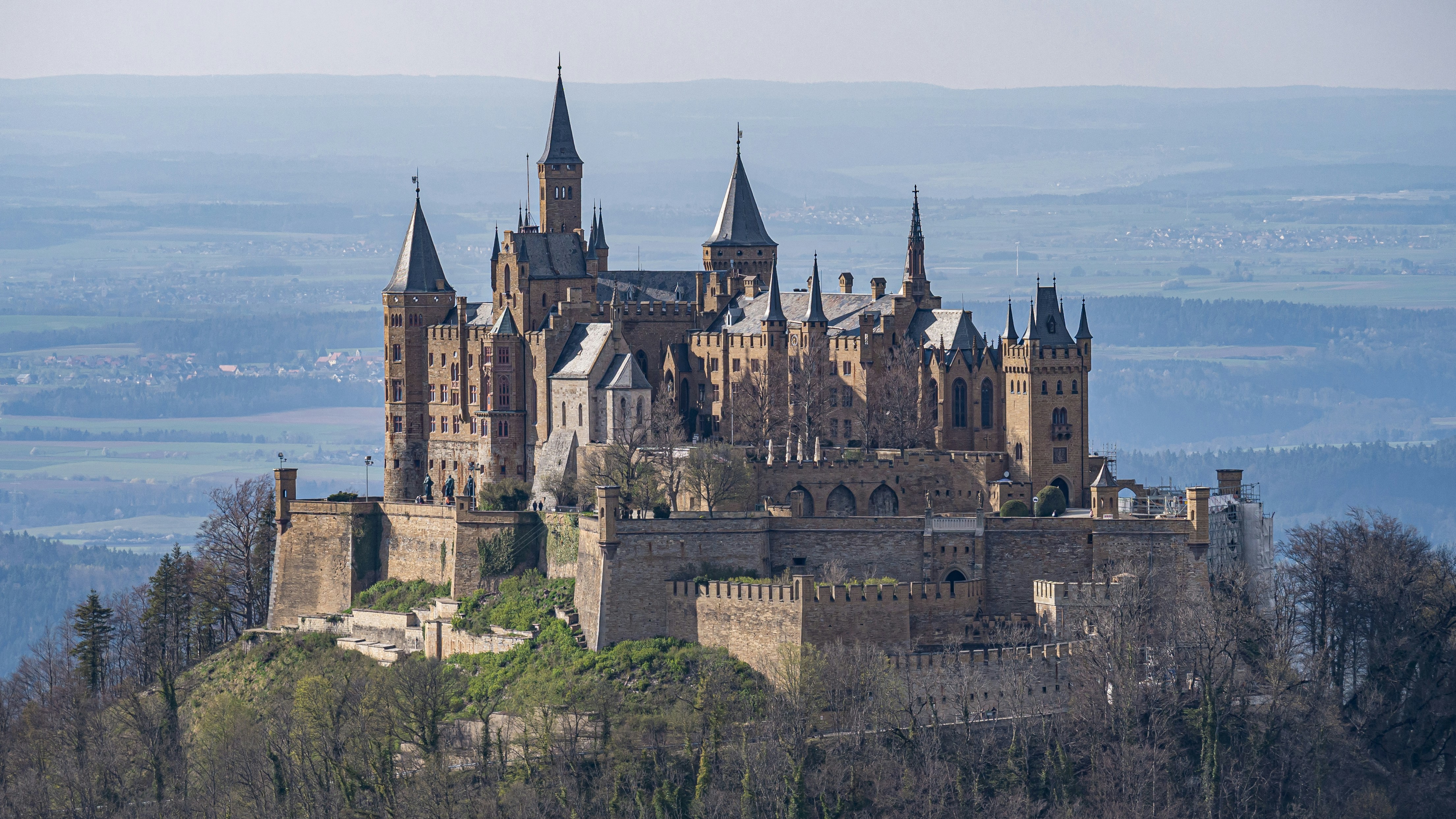 #2585 /100
A silhouette of spires and battlements on an isolated hilltop above the Swabian Alps, ancestral seat of the Prussian royal family.
The current structure is a 19th-century neo-Gothic rebuild, furnished with royal Prussian treasures including the crown of Wilhelm II.
On clear autumn mornings fog fills the valley below and the castle appears to float above it, and the ramparts give views across the whole region.
How does it rate
CrowdsRomanceCash RequiredDangerAccessibilityWhy you should go
A fog-wreathed hilltop silhouette that rivals Neuschwanstein, with sweeping views over the Swabian Alps.
Why you shouldn't go
The famous "floating above the clouds" shot depends entirely on weather and requires arriving well before sunrise.
Plan your visit
Best time to visitAutumn mornings for the best odds of valley fog beneath the hilltop.Best time of daySunrise, from the Zeller Horn or Hohenzollern viewpoints across the valley.Getting thereAbout an hour's drive south of Stuttgart; the castle itself requires a shuttle bus or walk up from the car park.Entry costAround EUR18 for adult entry including interior tour.Time neededHalf a day.BookingBook ahead →Insider tip — The best photo isn't from the castle itself - drive to the Zeller Horn viewpoint across the valley at dawn for the classic fog shot. -
 #2685 /100
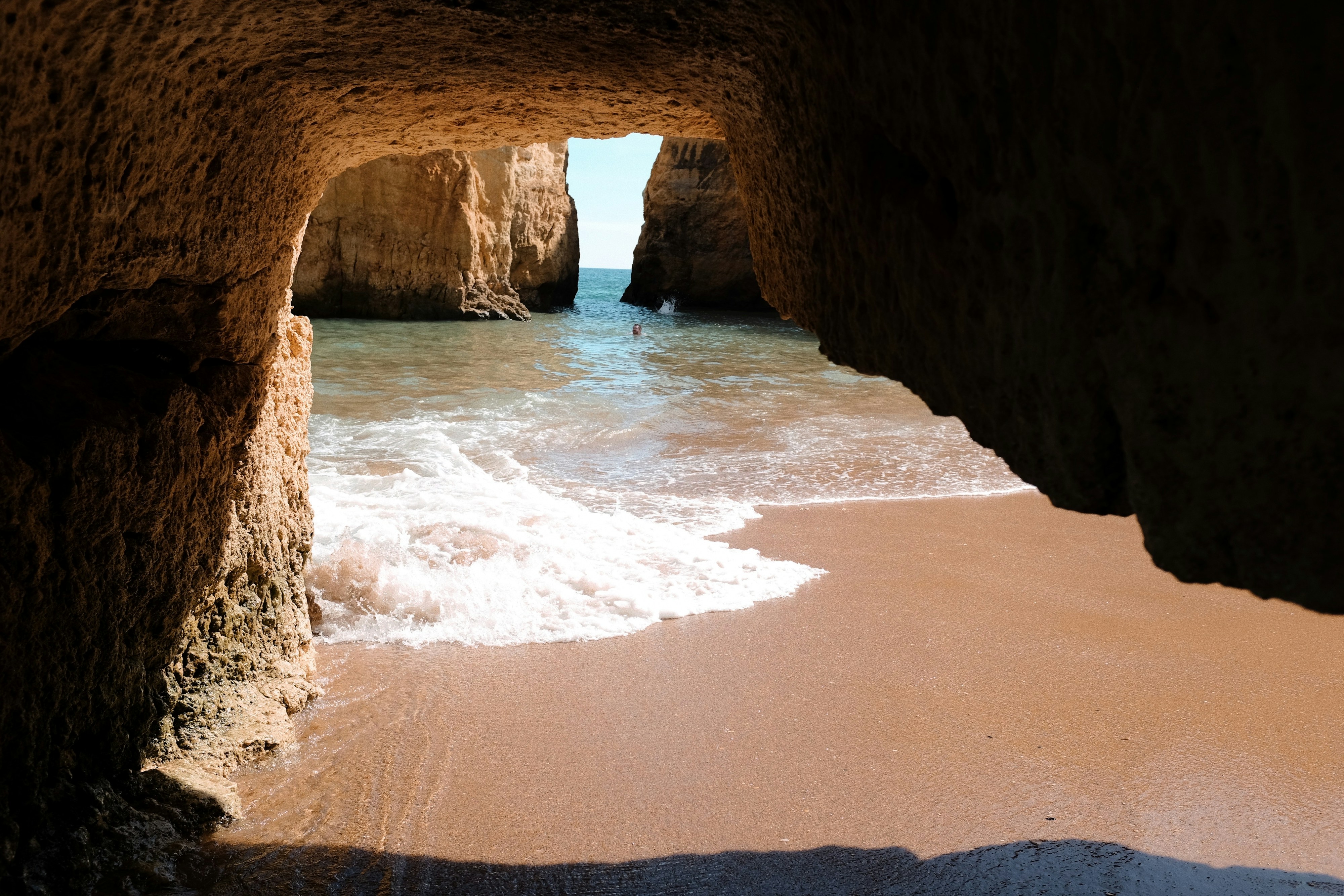
Golden limestone cliffs riddled with sea caves and arches line this stretch of southern Portuguese coast, best known for the Benagil Cave's near-perfect circular skylight.
Small boats and kayaks squeeze through narrow rock archways to reach hidden beaches accessible no other way.
The cliffs shift from ochre to deep orange depending on the light.
How does it rate
CrowdsRomanceCash RequiredDangerAccessibilityWhy you should go
A sea cave with a natural circular skylight, reachable only by boat, kayak or a swim.
Why you shouldn't go
Benagil Cave has no beach access on foot - reaching it always means a boat, kayak or paddleboard trip.
Plan your visit
Best time to visitMay-June or September, for warm weather without peak-summer crowds.Best time of dayMorning, for calmer water and better cave lighting before afternoon boat traffic builds.Getting thereFly into Faro; drive or taxi to Benagil (about 45 minutes).Entry costBoat or kayak tour to the cave, typically EUR20-40 per person.Time neededHalf a dayInsider tip — Book an early-morning kayak tour rather than an afternoon boat trip - the cave gets genuinely congested with boats by midday in summer. -
 #2785 /100
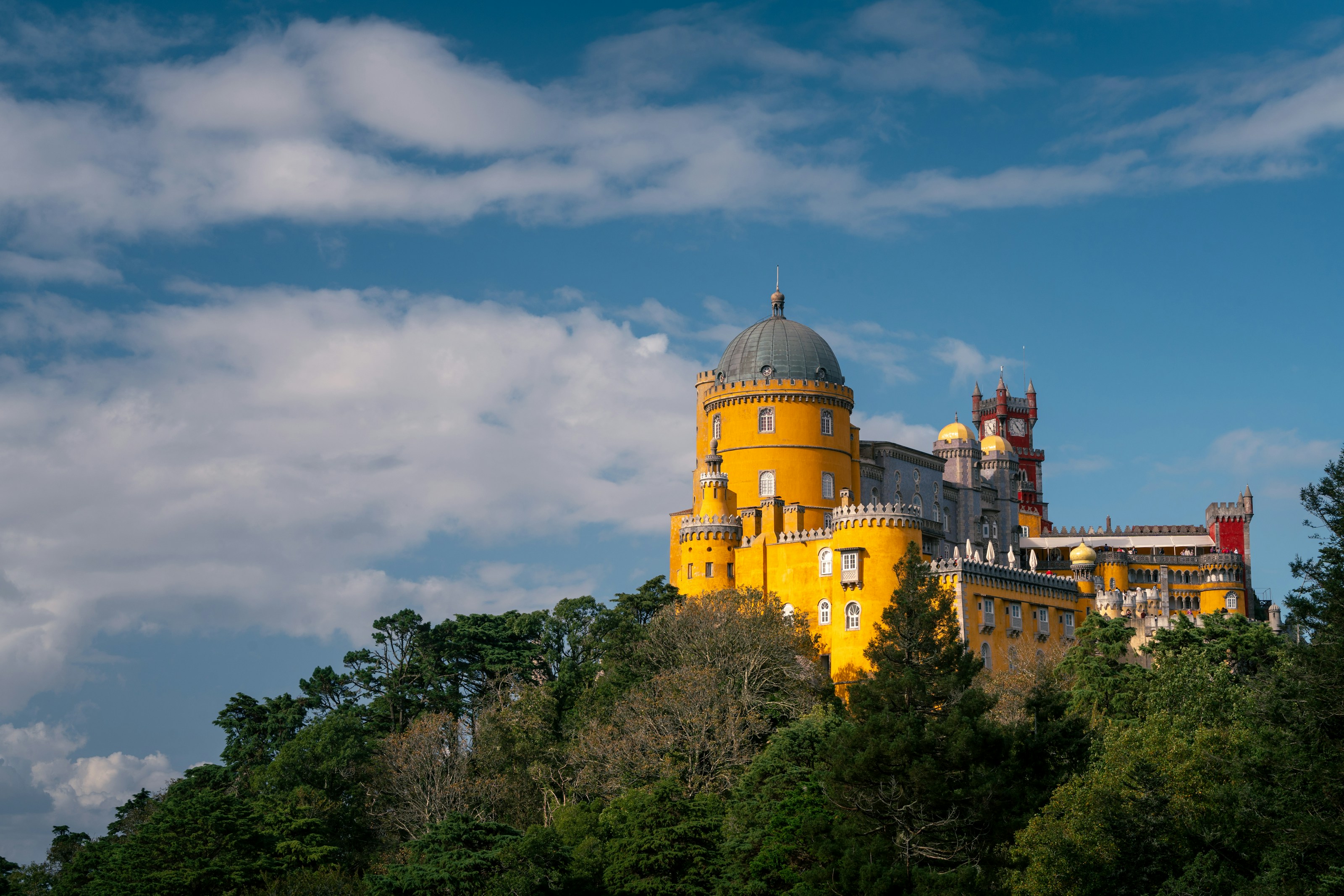
A Romanticist fantasy on a crag above Sintra, painted in egg-yolk yellow and vermilion with Moorish domes, Manueline carving and a mythological triton over the main arch.
Built in the 1840s on the ruins of a monastery, it stands high enough that cloud regularly drifts through the terraces.
The park below runs to eighty-five hectares.
How does it rate
CrowdsRomanceCash RequiredDangerAccessibilityWhy you should go
The colours and the hilltop setting make it look invented rather than built.
Why you shouldn't go
Sintra is overwhelmed in season, and the shuttle queue up the hill can swallow an hour.
Plan your visit
Best time to visitMarch-May or October, dodging both the crowds and the summer hazeBest time of dayFirst slot of the day - by 11am the terraces are shoulder to shoulderGetting thereTrain from Lisbon Rossio to Sintra, then bus 434 or a steep 40-minute walk uphillEntry costAround EUR 20 for palace and parkTime neededHalf a dayBookingBook ahead →Insider tip — Walk up through the park instead of queueing for the shuttle - it takes about the same time and the approach through the trees is the best view of the palace you will get. -
 #28
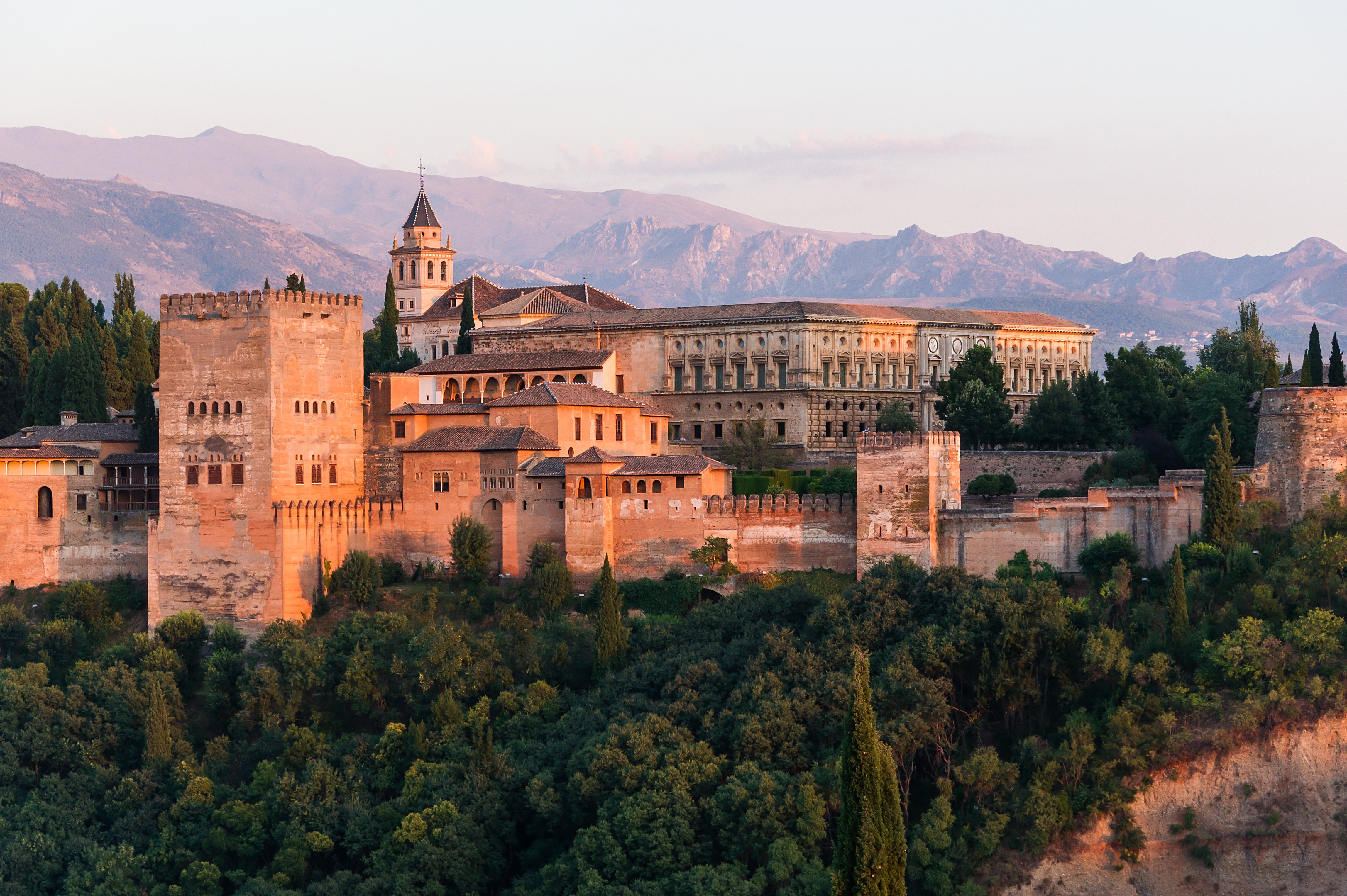
#28The Alhambra is a palace and fortress complex built by the Moorish rulers of Granada in the 13th and 14th centuries, representing the pinnacle of Islamic art in Europe.
Its intricate geometric tilework, carved stucco, horseshoe arches, and reflecting pools are set against the snow-capped peaks of the Sierra Nevada.
How does it rate
CrowdsRomanceCash RequiredDangerAccessibilityWhy you should go
The Alhambra's intricate Islamic geometric patterns and the contrast between its delicate interior spaces and the rugged mountain backdrop create one of Europe's most unique architectural experiences.
Why you shouldn't go
Entry tickets to the Nasrid Palaces — the most ornate part — must be booked months in advance and sell out; without them the visit is significantly diminished.
Plan your visit
Best time to visitSpring or autumnBest time of dayLate afternoon for the Nasrid Palaces' lightGetting thereCentral Granada, bus or walk up the hillEntry cost~EUR19Time needed3-4 hoursInsider tip — Book weeks ahead; tickets are timed and frequently sell out, especially for the Nasrid Palaces -
 #2985 /100
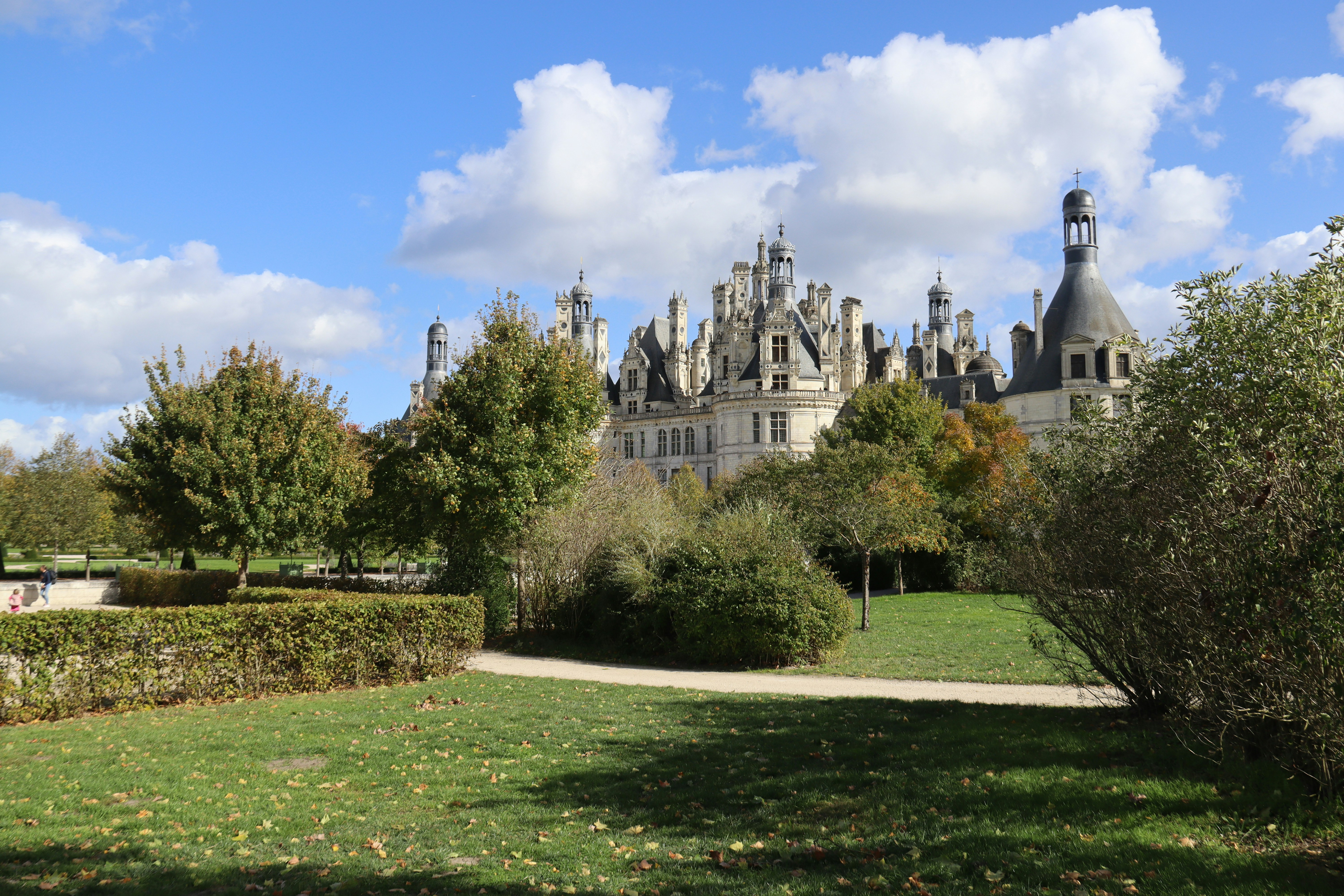
The largest and most extravagant château in the Loire Valley, commissioned by Francois I and famous for its double-helix staircase (rumoured to involve Leonardo da Vinci) and a rooftop forest of turrets, chimneys, and lanterns unlike any other building in France.
Surrounded by a vast walled hunting estate, its silhouette against open parkland is the archetype of a Renaissance fairy-tale castle.
It took nearly two decades to build and was barely used by the king who ordered it.
How does it rate
CrowdsRomanceCash RequiredDangerAccessibilityWhy you should go
A rooftop skyline of turrets and chimneys unmatched by any other château, plus a legendary double-helix staircase.
Why you shouldn't go
It's a long way from Paris - a full day trip if driving - and the surrounding estate is best explored with a car or bike.
Plan your visit
Best time to visitMay or September for good weather and thinner tour-bus traffic than midsummer.Best time of dayMorning, for soft light on the rooftop turrets before the crowds build.Getting thereTrain from Paris to Blois-Chambord, then a shuttle bus, or a roughly 2.5-hour drive from Paris.Entry costAround EUR16 for adult castle entry; estate grounds free.Time neededHalf a day.BookingBook ahead →Insider tip — Rent a bike at the estate to reach the quieter far side of the grounds, where the château reflects in the canal with no crowds in frame. -
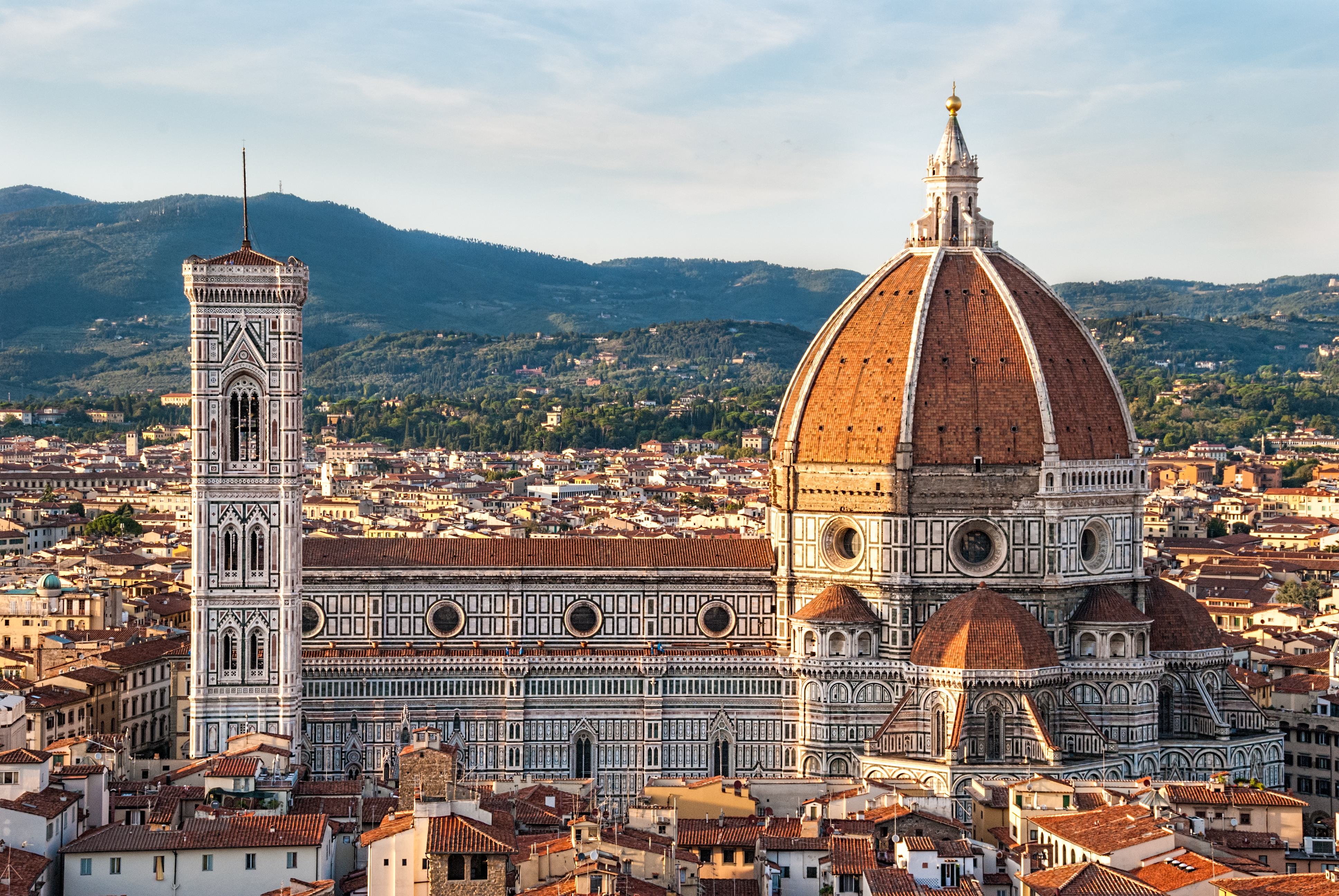 #30
#30Rated #30 of 100
Cathedral of Santa Maria del Fiore, Italy
#cathedralofsantamariadelfiore ◆ Cathedrals85 /100Brunelleschi's magnificent dome crowns Florence's skyline and remains the largest brick dome ever constructed.
Built between 1296 and 1436, the Duomo's terracotta-tiled dome and its ornate campanile have defined the city's silhouette for nearly 600 years.
How does it rate
CrowdsRomanceCash RequiredDangerAccessibilityWhy you should go
Climbing the 463 steps to the top of Brunelleschi's dome rewards you with one of Europe's most spectacular 360-degree city panoramas.
Why you shouldn't go
Timed entry tickets for the dome must be booked weeks in advance during busy periods, and the climb is not suitable for those with claustrophobia.
Plan your visit
Best time to visitSpring or autumnBest time of daySunset for the dome lit upGetting thereCentral Florence, walkable from most hotelsEntry costDome climb ~EUR30 (combo ticket)Time needed1-2 hoursInsider tip — Climb the dome itself, not just the bell tower, for a view that includes the dome -
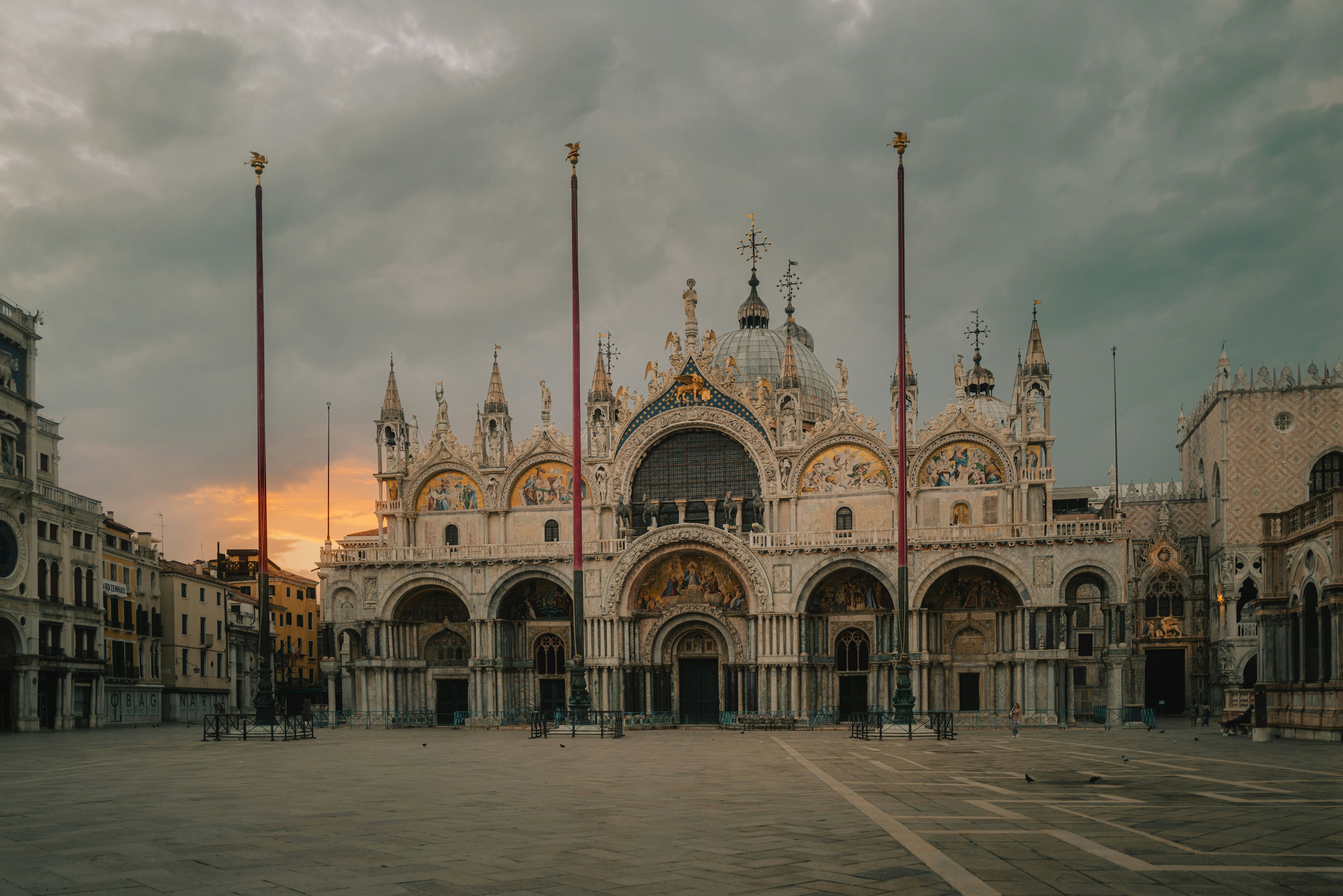 #3185 /100
The cathedral of Venice, a Byzantine pile of domes, marble columns and eight thousand square metres of gold mosaic gathered and looted over eight centuries.
The four bronze horses on the loggia were taken from Constantinople in 1204.
The Pala d Oro behind the altar is set with almost two thousand gemstones.
How does it rate
CrowdsRomanceCash RequiredDangerAccessibilityWhy you should go
The gold mosaic interior is unlike anything else in western Europe.
Why you shouldn't go
Bag rules, dress codes and a permanent queue turn a short visit into an ordeal.
Plan your visit
Best time to visitNovember-March, when Venice empties out and the light goes softBest time of dayAt opening, or at dusk when the square lights come on and the facade glowsGetting thereVaporetto to San Marco, or 25 minutes on foot from Santa Lucia stationEntry costAround EUR 3 for the basilica; loggia and Pala d Oro extraTime needed1-2 hoursBookingBook ahead →Insider tip — Pay the small extra for the loggia - you get the bronze horses at arms length and the whole square from above, with a fraction of the crowd. -
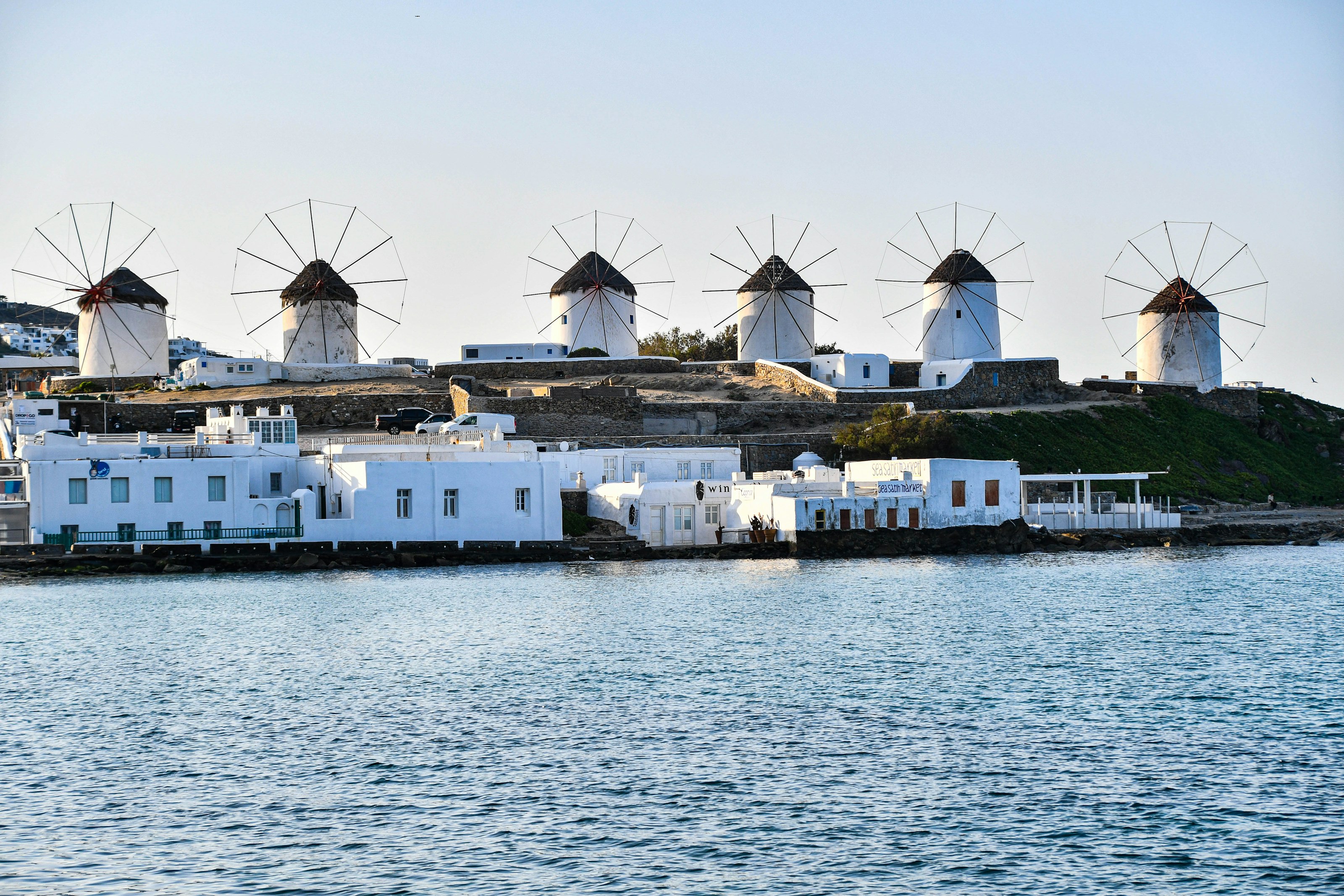 #32
#32Mykonos built its reputation on whitewashed alleys, the row of windmills overlooking the harbour, and a nightlife scene that runs from beach clubs by day to bars in Chora by night.
Little Venice's balconied houses sit almost in the water, and beaches like Paradise and Psarou draw a see-and-be-seen crowd through the summer.
Away from the party scene, quieter coves and Cycladic villages inland offer a calmer version of the same island.
How does it rate
CrowdsRomanceCash RequiredDangerAccessibilityWhy you should go
The combination of postcard Cycladic architecture and genuinely lively nightlife makes Mykonos unlike any other Greek island.
Why you shouldn't go
Prices and crowds both spike hard in July and August, and the party reputation isn't for everyone.
Plan your visit
Best time to visitLate May–June or September for good weather without peak-season crowds and prices.Best time of daySunset over the windmills in Little Venice; night for the bar and club scene.Getting thereFly direct to Mykonos, or take a 2.5–5-hour ferry from Athens' Piraeus port.Entry costFree to walk the town and beaches; beach club sunbeds and nightlife are expensive.Time needed2–3 daysInsider tip — Stay in Chora but head to a quieter northern beach like Fokos for swimming — the crowds cluster almost entirely on the south coast. -
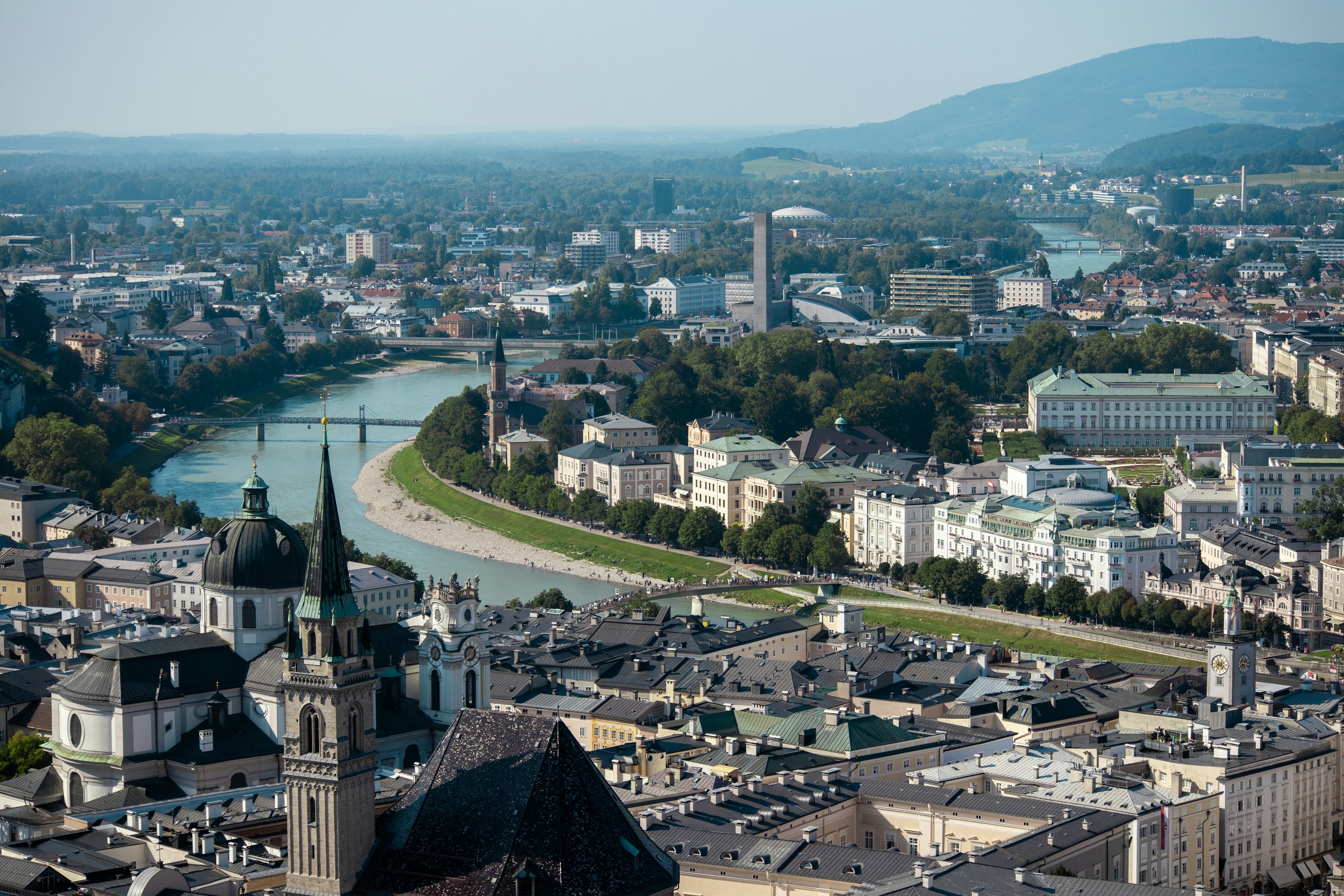 #3385 /100
Salzburg's baroque old town sits below a hilltop fortress on the banks of the Salzach River, its narrow lanes lined with Mozart's birthplace, elaborate church facades, and the gardens used as filming locations for The Sound of Music.
The Hohensalzburg Fortress, one of Europe's largest surviving medieval castles, looms over the skyline and is reachable by funicular, and music runs through the city year-round.
How does it rate
CrowdsRomanceCash RequiredDangerAccessibilityWhy you should go
Walking streets that are simultaneously Mozart's birthplace and The Sound of Music's setting, under a medieval fortress, is a rare combination.
Why you shouldn't go
Sound of Music tour groups and summer festival crowds pack the old town's narrow streets in peak season.
Plan your visit
Best time to visitMay–June or September for mild weather; late July–August for the Salzburg Festival.Best time of dayEarly morning for quiet streets, or evening for a concert.Getting thereFly into Salzburg Airport, 20 minutes from the old town, or take a 2.5-hour train from Vienna.Entry costFree to walk the old town; Hohensalzburg Fortress and Mozart's birthplace charge entry.Time needed1–2 daysInsider tip — Take the funicular up to Hohensalzburg Fortress late in the day — the crowds thin out and the views over the old town at golden hour are the best of the day. -
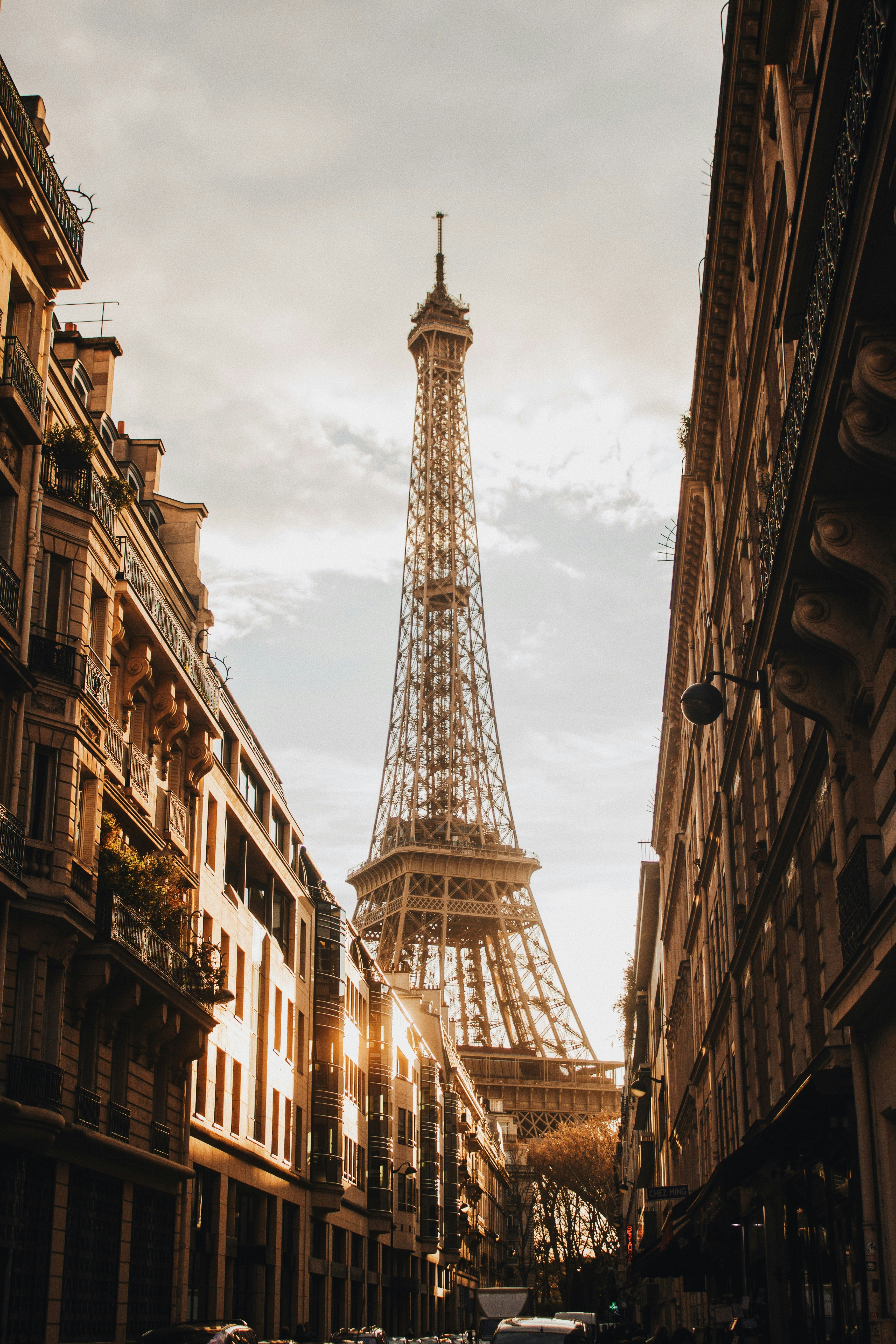 #3485 /100
Built for the 1889 World's Fair and nearly dismantled twenty years later, the Eiffel Tower is 330 metres of exposed wrought iron that Parisians initially loathed and now cannot imagine the skyline without.
Lifts and stairs reach two public floors of restaurants and terraces, plus a summit platform with views across the whole city.
After dark, 20,000 bulbs make it sparkle for five minutes on the hour until 1am.
How does it rate
CrowdsRomanceCash RequiredDangerAccessibilityWhy you should go
The Eiffel Tower offers stunning panoramic views of Paris, is a symbol of romance, and is surrounded by charming streets and sights, making it a once-in-a-lifetime experience.
Why you shouldn't go
The area can be extremely crowded, especially during peak tourist seasons, and long lines for tickets and elevator access can detract from the experience.
Plan your visit
Best time to visitApril-June or September-OctoberBest time of daySunrise or blue hour for fewer crowdsGetting thereBir-Hakeim or Trocadero MetroEntry cost~EUR28 to the top; free to view from outsideTime needed2-3 hoursInsider tip — Trocadero across the river gives the best full-tower shot -
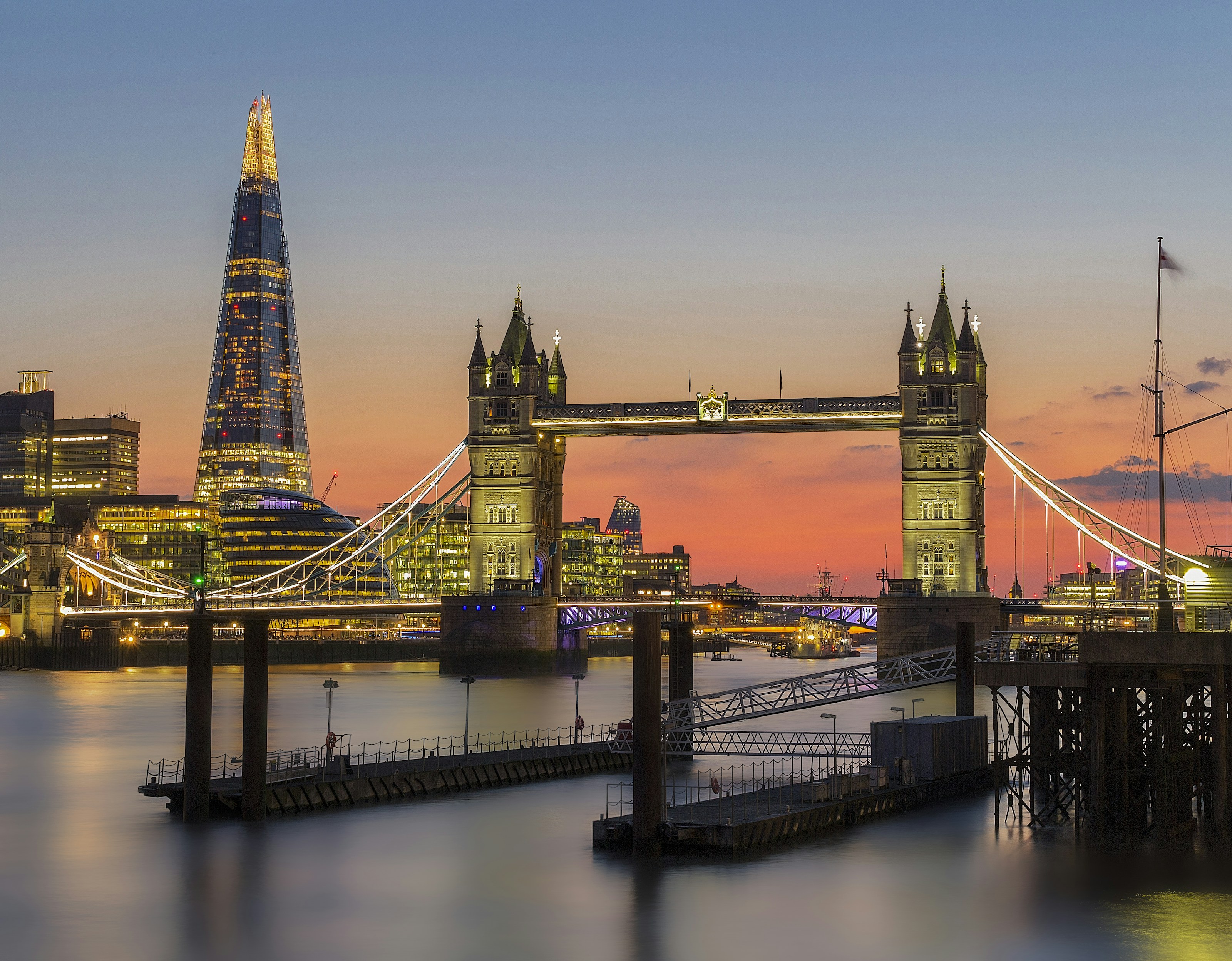 #3585 /100
London's most recognisable river crossing, a pair of neo-Gothic towers linked by a pale blue lattice and a glass-floored high walkway.
The bascules still lift around 800 times a year for tall ships, and the best views come from the south bank looking north.
Inside, the Victorian engine rooms hold the original steam machinery that raised the road.
How does it rate
CrowdsRomanceCash RequiredDangerAccessibilityWhy you should go
One of the few world-famous bridges you can walk across for free and still climb inside.
Why you shouldn't go
The riverside walkways are permanently crowded and the glass floor draws its own queue.
Plan your visit
Best time to visitApril-June or September for long light and thinner crowds than midsummerBest time of daySunset from the south bank, or before 9am for an empty deckGetting thereTube to Tower Hill or London Bridge, then a five-minute walk to either endEntry costFree to cross; Tower Bridge Exhibition around GBP 13.40Time needed1-2 hoursBookingBook ahead →Insider tip — Check the published lift times on the official site, then stand on the north-east corner - you get the raised bascules with the Shard behind them. -
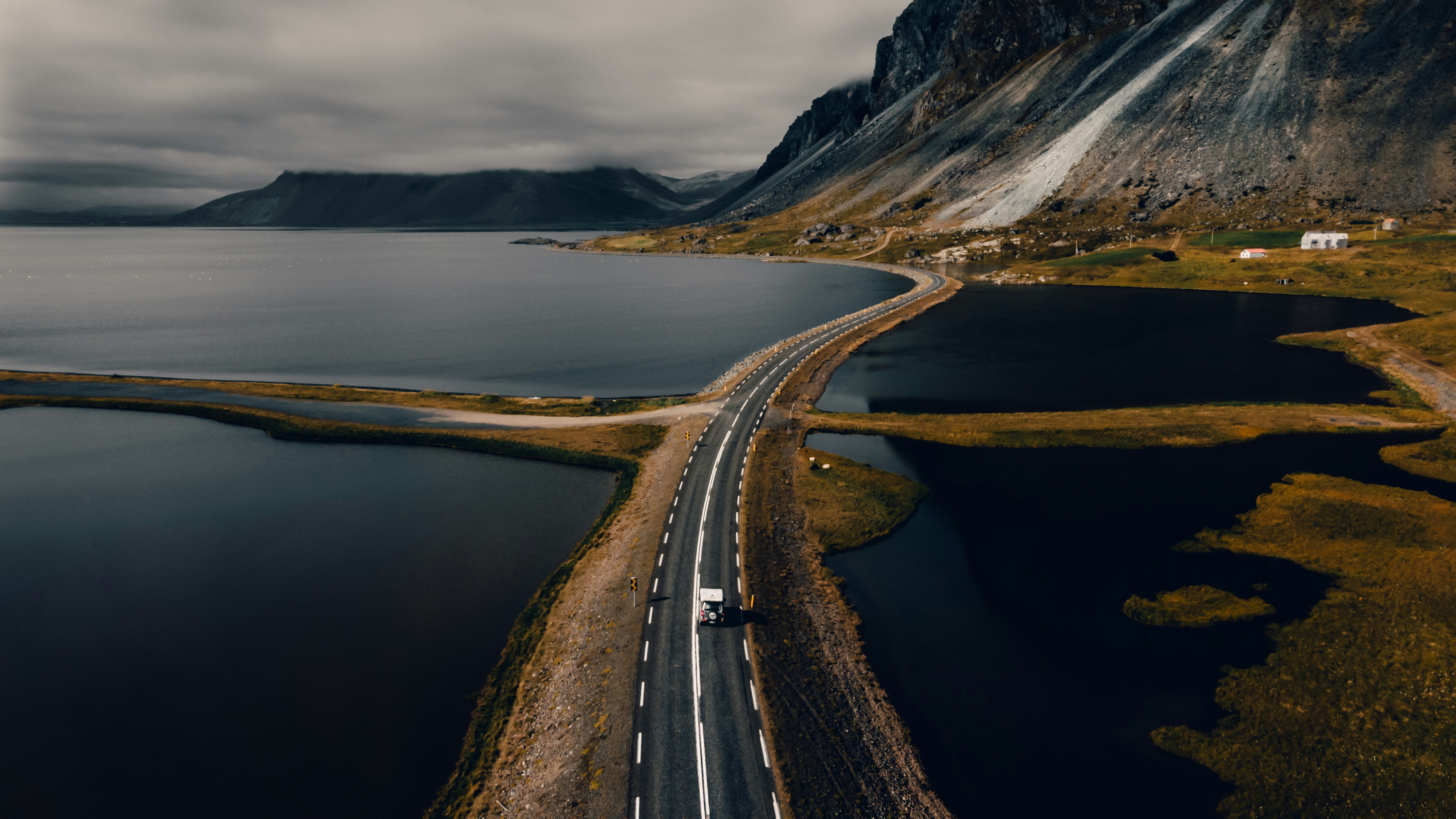 #3684 /100
Route 1 loops 1,332 kilometres around Iceland, stringing together nearly every landscape it's famous for: black sand beaches, glacier lagoons, geothermal fields, and waterfalls beside the road.
The south coast alone delivers Seljalandsfoss, Skogafoss and the icebergs of Jokulsarlon within hours.
Further round, the route crosses lava deserts and fishing villages, then the geothermal north near Lake Myvatn, before looping back to Reykjavik.
How does it rate
CrowdsRomanceCash RequiredDangerAccessibilityWhy you should go
One road connects nearly all of Iceland's iconic waterfalls, glaciers and black-sand beaches in a single loop.
Why you shouldn't go
Long driving days between highlights, and winter conditions can close sections with little notice.
Plan your visit
Best time to visitJune-August for long daylight and reliably open roads; a 4x4 is recommended outside summer.Best time of dayMidday in winter for limited daylight; any time in summer's near-endless light.Getting thereFly into Keflavik, pick up a rental car in Reykjavik, and join Route 1 heading either direction.Entry costFree to drive; fuel, car hire and Iceland's high accommodation costs applyTime needed7-10 daysBookingBook ahead →Insider tip — Check road.is each morning before setting off - single-lane bridges, sheep, and sudden weather shifts are constant. -
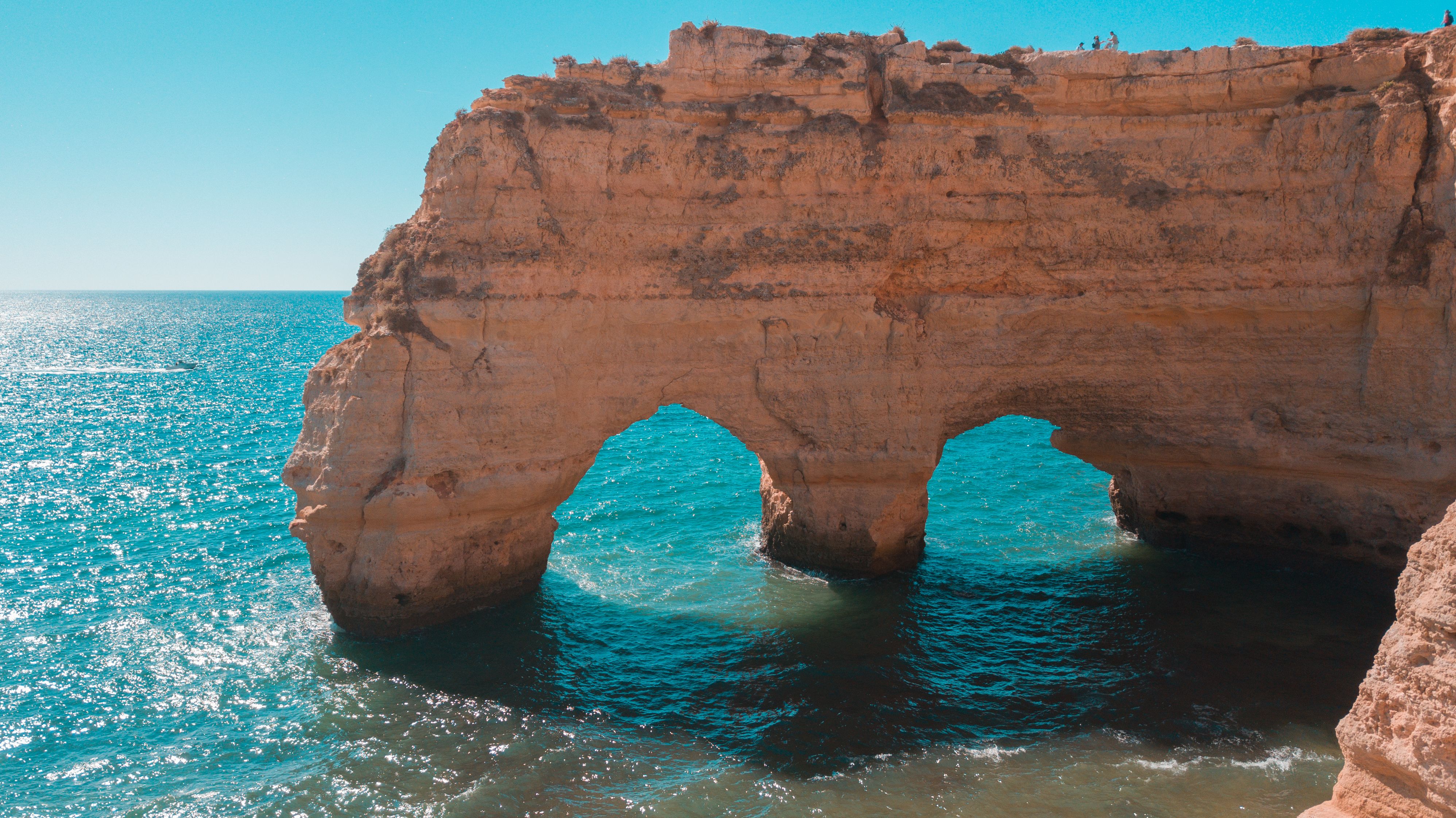 #3784 /100
Regularly ranked among Europe's best beaches, this small Algarve cove sits below golden limestone cliffs riddled with arches and sea stacks.
A clifftop walking trail runs the length of the coastline above, and a flight of stairs drops to a narrow strip of sand that fills quickly once the day gets going.
The sheltered, clear water makes for excellent snorkelling around the rock formations.
How does it rate
CrowdsRomanceCash RequiredDangerAccessibilityWhy you should go
Golden limestone arches and sea stacks make this one of the most photographed stretches of coastline in Europe.
Why you shouldn't go
The beach itself is small and narrow, so it fills up quickly once the day-trip crowds arrive.
Plan your visit
Best time to visitMay-June or September for warm water without the August crush.Best time of dayEarly morning, both for the light on the cliffs and to beat the crowds down the stairs.Getting thereFly to Faro; a 45-minute drive to Benagil/Carvoeiro, then a short walk to the clifftop viewpoint or stairs.Entry costFree.Time needed2-3 hours.Insider tip — The clifftop viewpoint (Miradouro da Praia da Marinha) gives the classic photo without needing to fight for space on the sand below. -
 #38
#38Rated #38 of 100
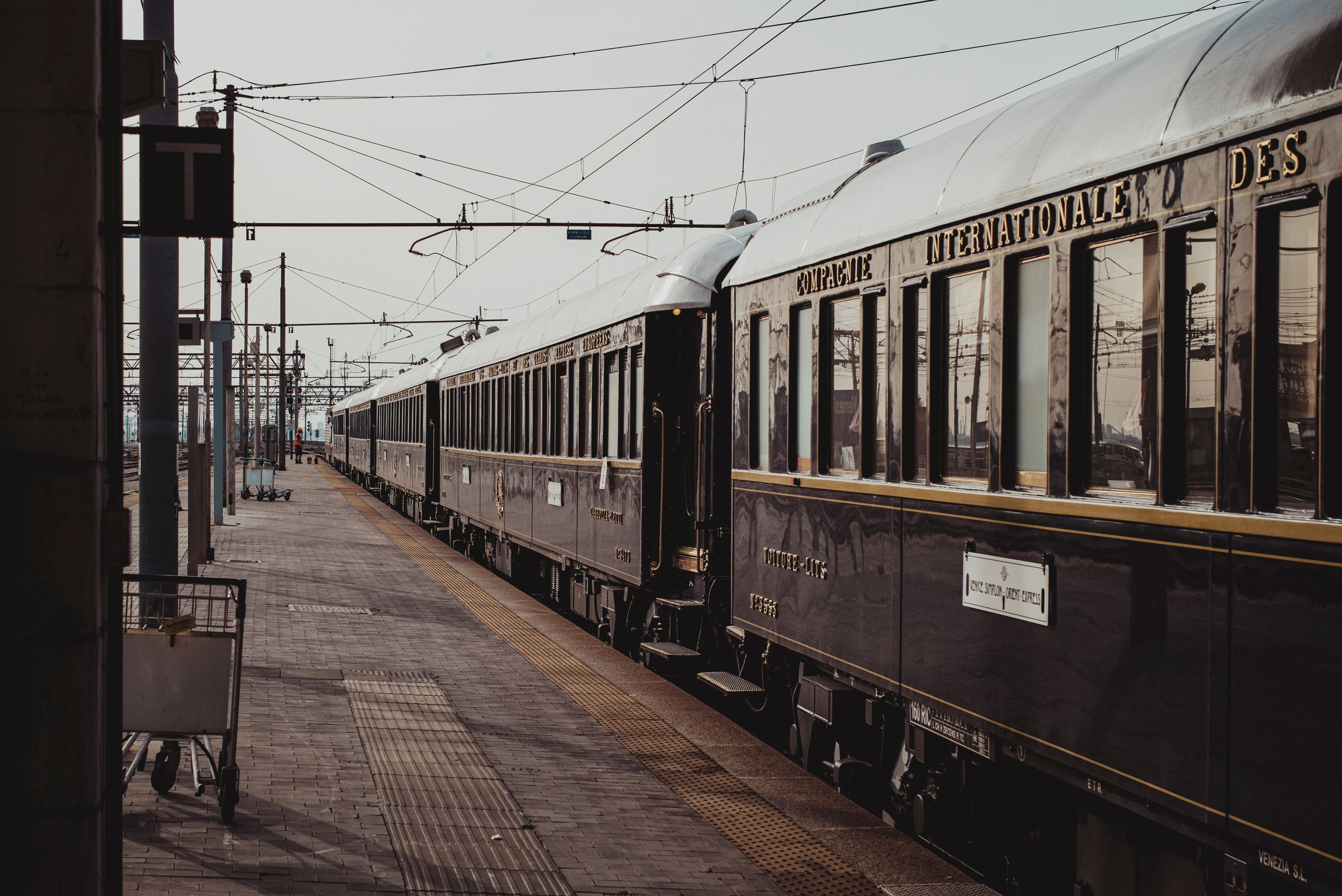
Venice Simplon-Orient-Express, Italy
#venicesimplon-orient-express ◆ Train Journeys84 /100Restored 1920s and 1930s carriages, all inlaid wood, brass fittings and Art Deco marquetry, carry passengers between London, Paris and Venice aboard the most famous luxury train in the world, evoking the golden age of rail travel that inspired Agatha Christie's Murder on the Orient Express.
Formal dinner is required most evenings aboard.
How does it rate
CrowdsRomanceCash RequiredDangerAccessibilityWhy you should go
Restored 1920s Art Deco carriages running the golden-age rail route from London and Paris to Venice.
Why you shouldn't go
It's among the most expensive train journeys in the world, priced closer to a luxury cruise than a standard rail ticket.
Plan your visit
Best time to visitMarch-November, the train's main operating season.Best time of dayEvening, for the formal onboard dinner service as the train crosses the Alps.Getting thereBoard at London Victoria, Paris Gare de l'Est, or other seasonal departure points along the route.Entry costFares start around GBP3,000-4,000+ per person depending on cabin class and route.Time needed1-2 days depending on the chosen route.BookingBook ahead →Insider tip — Pack proper evening wear, since the dress code for dinner is strictly enforced and adds much of the experience's theatre. -
 #39
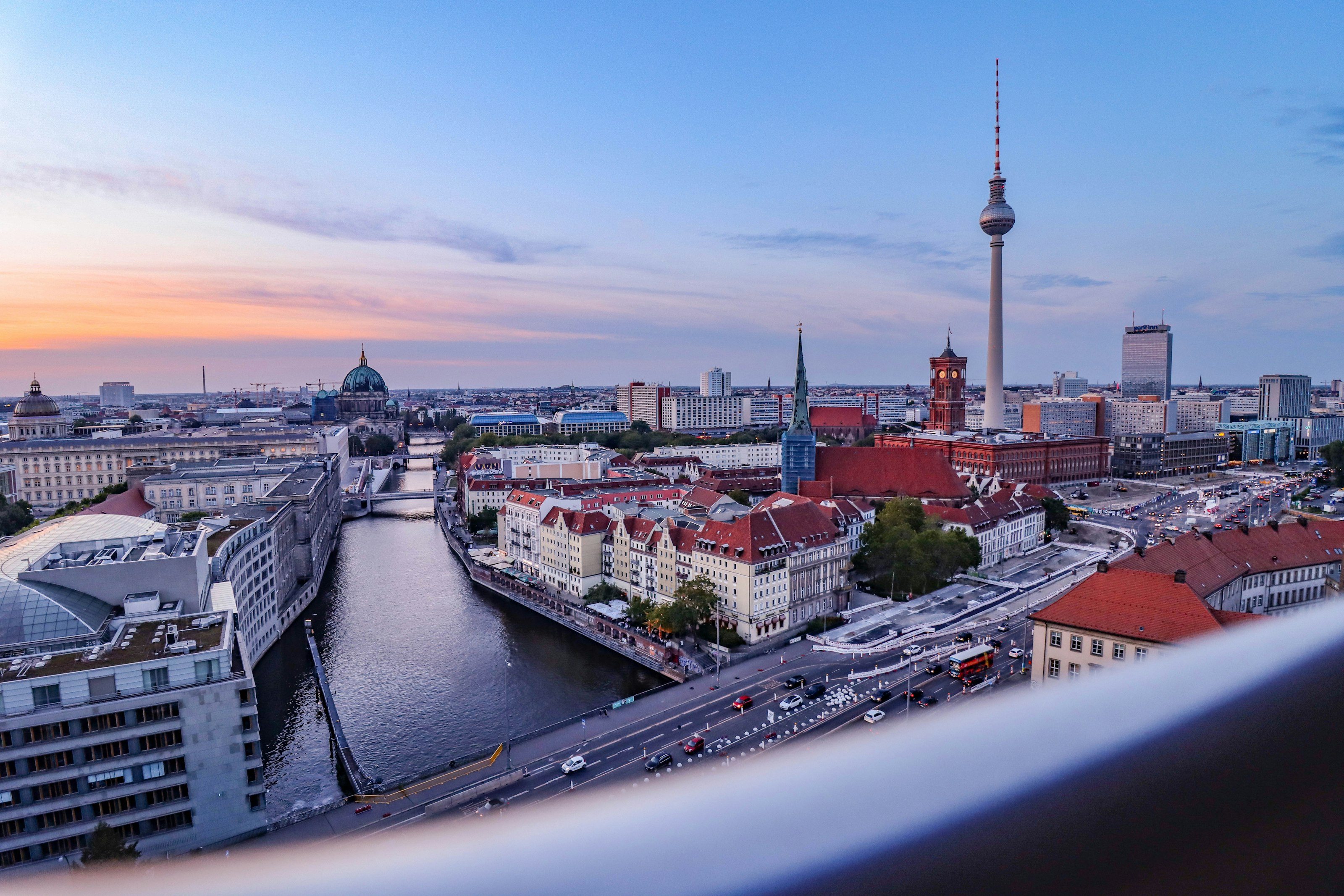
#39Berlin carries its twentieth-century history openly — the Brandenburg Gate, the remaining stretch of Wall at the East Side Gallery, and the glass dome of the Reichstag sit alongside a city that has rebuilt itself into one of Europe's most creative capitals.
Museum Island holds five major museums on a single stretch of the Spree, while neighbourhoods like Kreuzberg run a nightlife and food scene that runs well past midnight.
How does it rate
CrowdsRomanceCash RequiredDangerAccessibilityWhy you should go
Few capitals let you trace a wall that divided a city within living memory, then eat and dance in neighbourhoods that grew up on both sides of it.
Why you shouldn't go
The city is spread out, and its best neighbourhoods take real time on the U-Bahn to properly get to know.
Plan your visit
Best time to visitMay–September for long daylight hours and outdoor beer gardens.Best time of dayDaytime for the historical sites; nightfall for the neighbourhoods east of the centre.Getting thereFly into Berlin Brandenburg Airport (BER); the city centre is a 30-minute train ride away.Entry costFree to walk the main sights; museums and the Reichstag dome (advance booking) charge entry.Time needed3+ daysInsider tip — Book the free Reichstag dome visit online well ahead — same-day slots fill up fast in summer. -
 #4084 /100
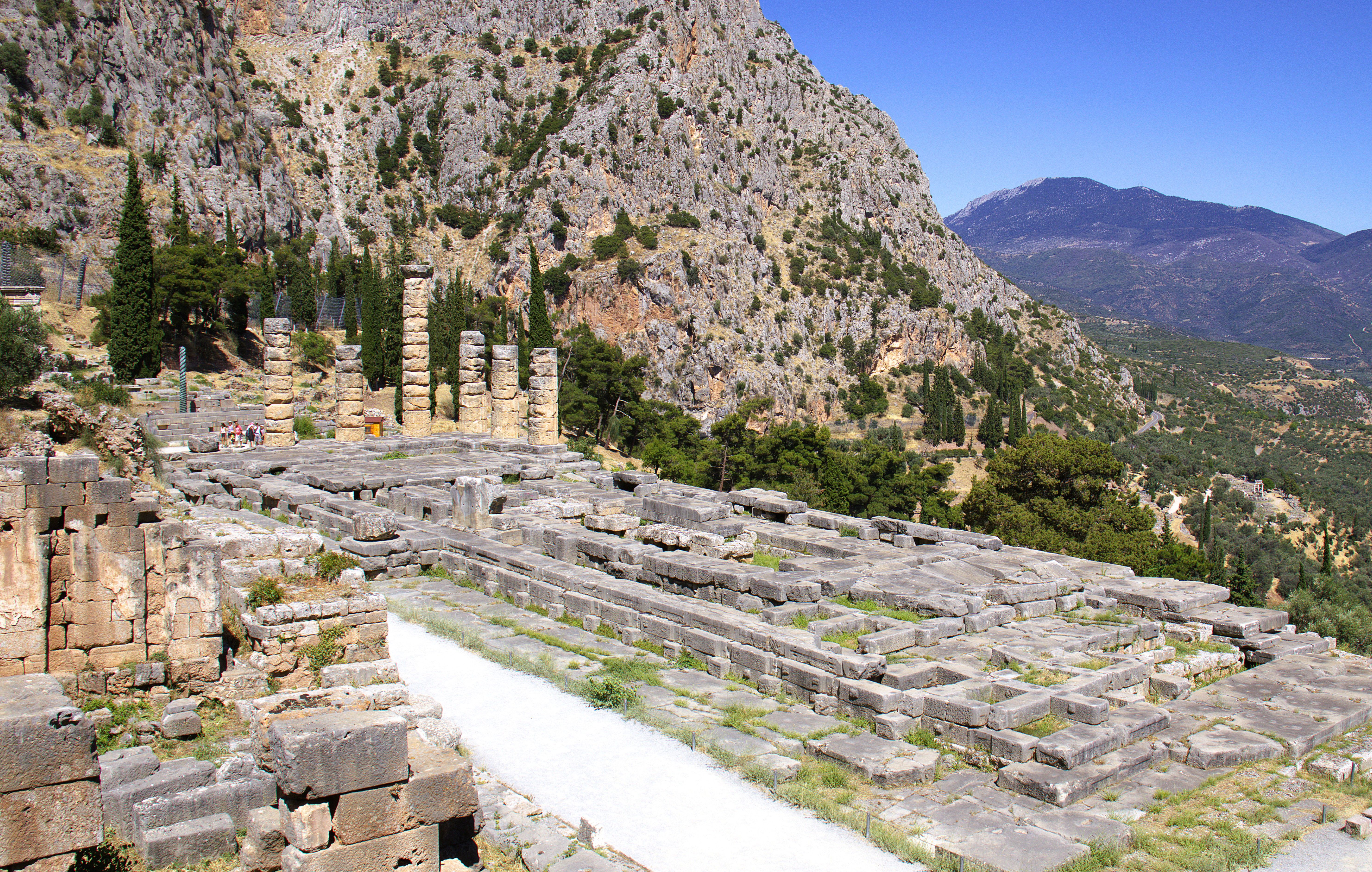
Delphi was the ancient world's most important oracle, where pilgrims travelled from across the Mediterranean to consult the priestess of Apollo.
The sanctuary's ruins climb a steep slope of Mount Parnassus overlooking a valley of olive groves that stretches to the Gulf of Corinth, and the on-site museum holds the bronze Charioteer, one of the finest surviving Greek statues.
How does it rate
CrowdsRomanceCash RequiredDangerAccessibilityWhy you should go
Few ancient sites match Delphi's setting — temple ruins climbing a sheer mountainside above a valley that runs to the sea.
Why you shouldn't go
The site is a genuine climb on uneven ancient stone, with little shade in summer heat.
Plan your visit
Best time to visitApril–June or September–October for mild hiking weather and thinner crowds.Best time of dayEarly morning, before tour buses from Athens arrive by mid-morning.Getting thereFly to Athens; roughly 2.5-hour drive or bus northwest into the mountains.Entry costPaid entry; combined ticket available with the museum.Time needed3–4 hoursInsider tip — Visit the museum before the site — seeing the Charioteer and original sculptures first makes the ruins easier to picture as they once were. -
 #4184 /100
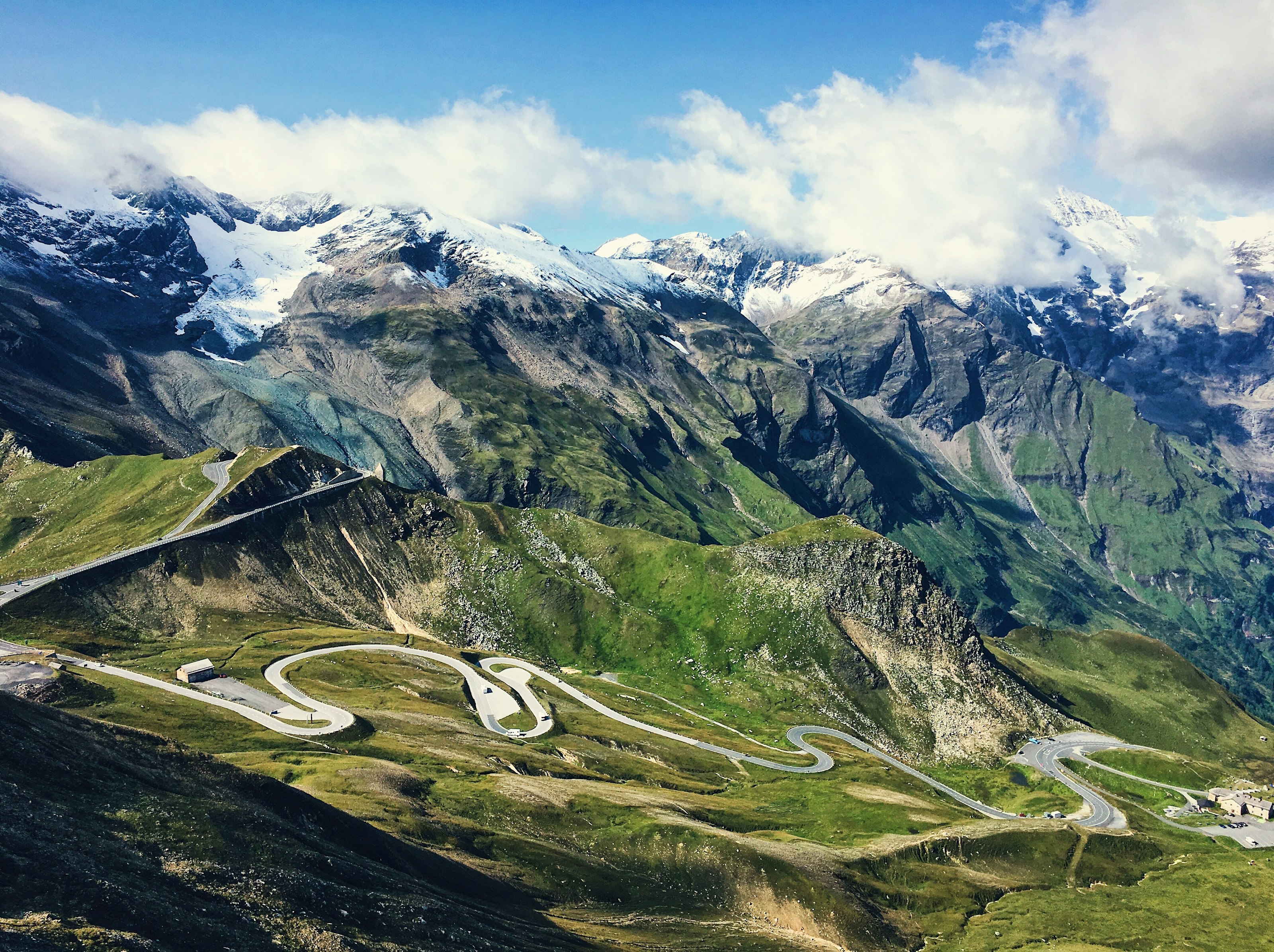
The Grossglockner High Alpine Road climbs through 36 hairpin bends to over 2,500 metres, threading past Austria's highest peak and ending at a viewpoint over the Pasterze, the country's largest glacier.
Marmots and ibex are a common sight along the route, and a dozen or so panoramic pull-offs give reason to stop every few kilometres.
The road is only open from May to October, closing once snow makes the high pass impassable.
How does it rate
CrowdsRomanceCash RequiredDangerAccessibilityWhy you should go
Few drives anywhere put a country's highest peak and largest glacier both directly in view from the road itself.
Why you shouldn't go
It's a toll road only open in warmer months, and hairpin after hairpin makes it a slow, deliberate drive rather than a scenic shortcut.
Plan your visit
Best time to visitJune–September, when the road is fully open and snow has cleared from the pass.Best time of dayMorning, for clear visibility before afternoon cloud builds around the peaks.Getting thereFly to Salzburg; roughly 1.5-hour drive south to the road's northern entrance near Fusch.Entry costToll charged per vehicle.Time neededHalf a dayInsider tip — Stop at the Kaiser-Franz-Josefs-Höhe viewpoint for the best direct view of the Pasterze glacier and the Grossglockner summit. -
 #42
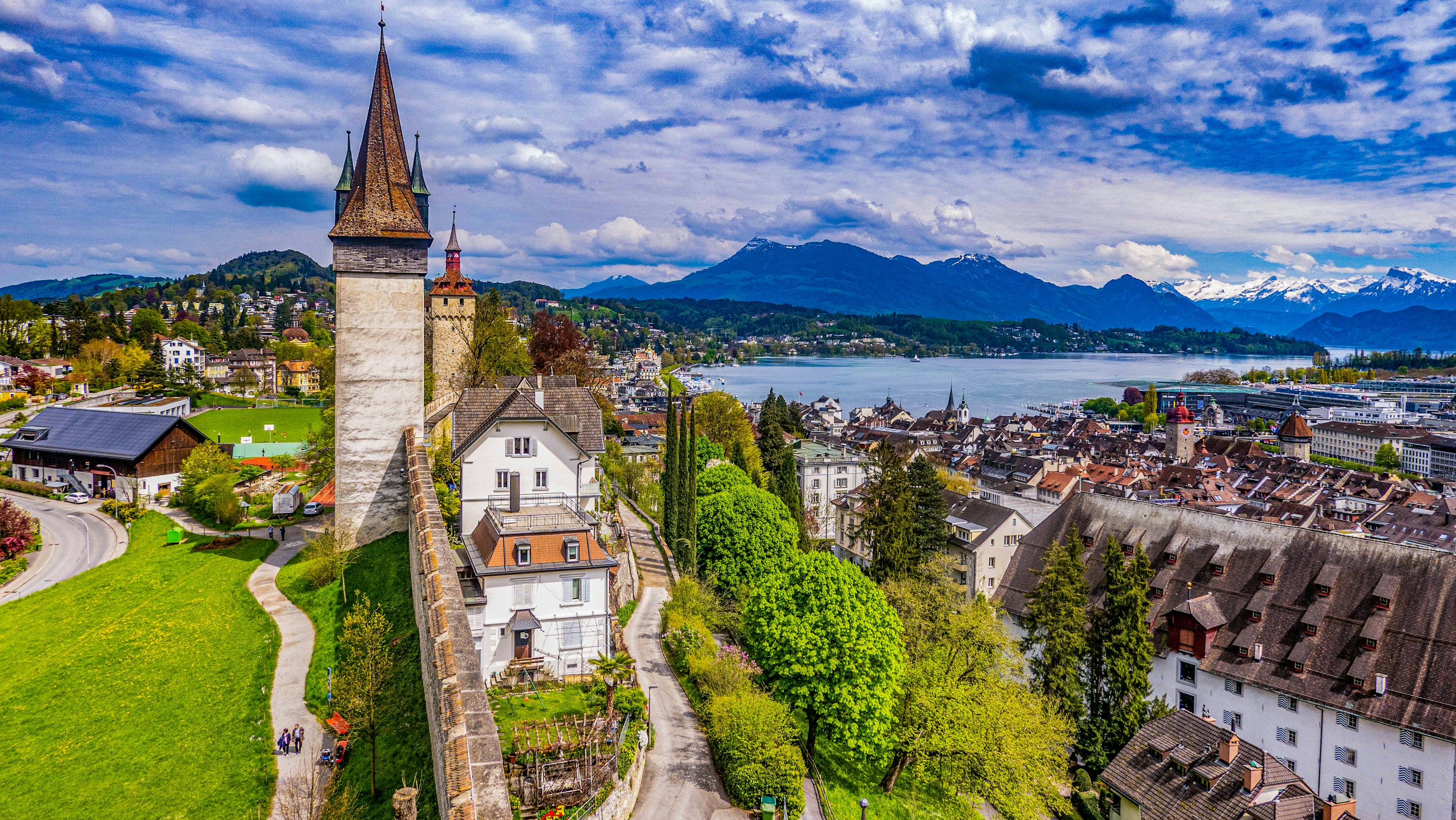
#42A compact old town of frescoed buildings wraps around the Reuss River where it leaves Lake Lucerne, crossed by the wooden, gabled Chapel Bridge that has linked both banks since the 14th century.
Mount Pilatus and Mount Rigi rise directly behind the rooftops, reachable by cogwheel train, cable car, or lake steamer, making Lucerne as much a gateway to the mountains as a destination of its own.
How does it rate
CrowdsRomanceCash RequiredDangerAccessibilityWhy you should go
City, lake, and mountains genuinely converge here — few Swiss towns pack this much into a walkable old town.
Why you shouldn't go
It's one of Switzerland's most visited towns, and the old town and Chapel Bridge get uncomfortably packed by midday in summer.
Plan your visit
Best time to visitMay–September for lake steamers and mountain excursions to run their full schedules.Best time of dayEarly morning around the Chapel Bridge and old town, before day-trippers arrive from Zurich.Getting thereDirect train from Zurich Airport (about 1 hour 10 minutes) or from Zurich, Basel, or Geneva.Entry costFree to explore the old town; Pilatus and Rigi excursions are separately ticketed.Time needed1–2 daysInsider tip — Climb the covered Musegg Wall for free views over the old town's rooftops — most visitors never make it up there. -
 #4384 /100
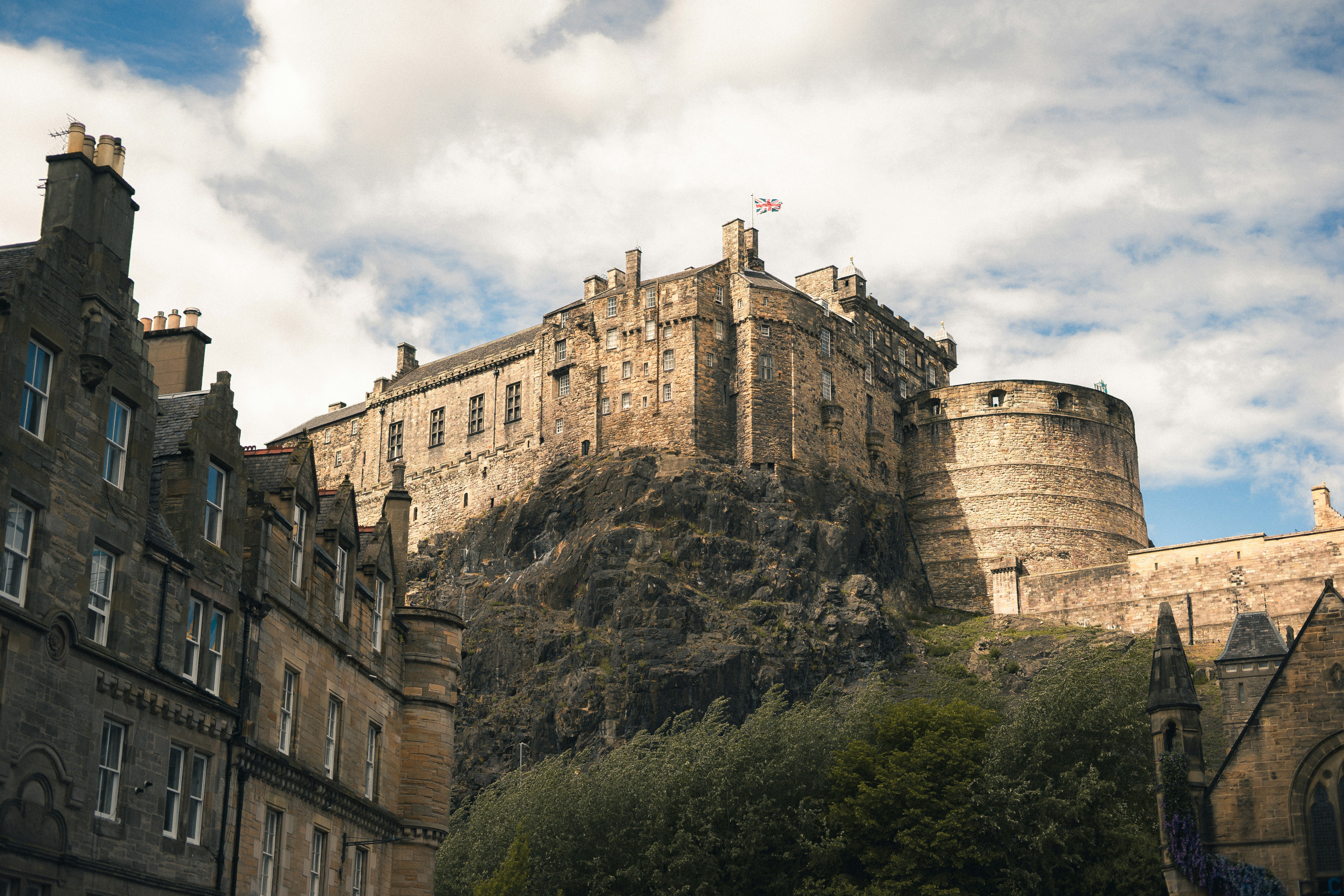
Perched on an extinct volcanic plug above the city, Edinburgh Castle has dominated the skyline for over a thousand years and still fires the One O'Clock Gun daily.
Inside are the Scottish Crown Jewels, the Stone of Destiny, and sweeping views down the Royal Mile to Arthur's Seat.
The dramatic clifftop silhouette, especially floodlit at night or during the Military Tattoo, is one of Britain's most recognisable images.
How does it rate
CrowdsRomanceCash RequiredDangerAccessibilityWhy you should go
A thousand-year-old fortress on a volcanic crag with sweeping views straight down the Royal Mile.
Why you shouldn't go
The steep approach and cobbled courtyards make it tough going for anyone with mobility issues, and it's packed in festival season.
Plan your visit
Best time to visitSpring or early autumn, avoiding the August Fringe/Tattoo crowds unless that's the point of the trip.Best time of dayLate afternoon, when day-trip coach groups have thinned out.Getting thereA 10-minute walk uphill from Edinburgh Waverley train station along the Royal Mile.Entry costAround GBP19-20 for adult entry.Time needed2-3 hours.BookingBook ahead →Insider tip — Book the timed-entry ticket online in advance - walk-up queues in summer can run over an hour. -
 #4484 /100
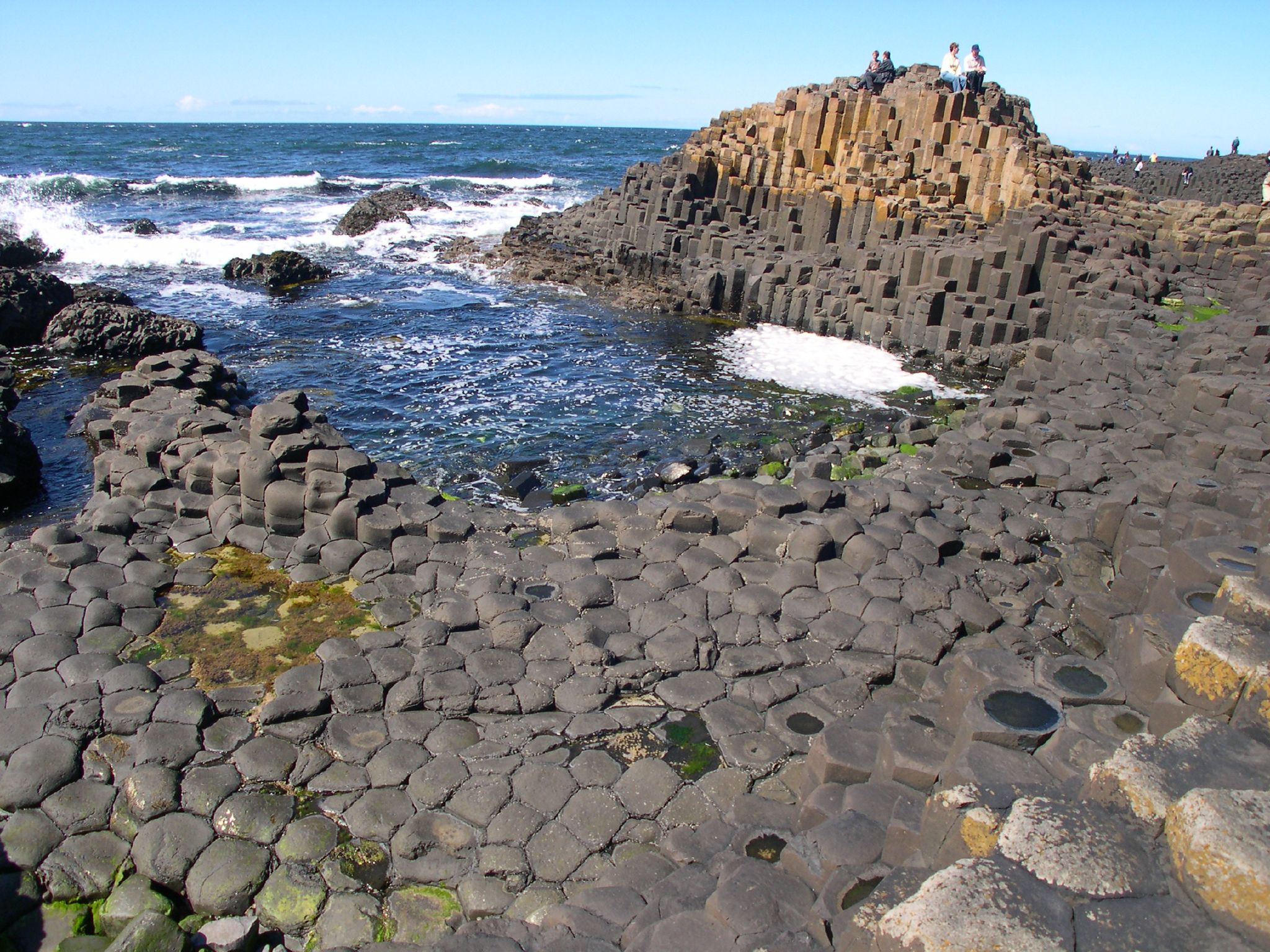
The Giant's Causeway is an area of approximately 40,000 interlocking basalt columns on the Antrim coast of Northern Ireland, formed by an ancient volcanic fissure eruption.
The hexagonal columns, which fit together with extraordinary geometric precision, were created around 50-60 million years ago and have inspired countless legends.
How does it rate
CrowdsRomanceCash RequiredDangerAccessibilityWhy you should go
The perfectly interlocking hexagonal basalt columns look so geometrically precise they seem man-made; the coastal setting and the legends surrounding them add to the atmosphere.
Why you shouldn't go
The site can be very crowded and the National Trust visitor centre charges for parking; the columns themselves are best appreciated on a bright day.
Plan your visit
Best time to visitSpring or autumnBest time of dayGolden hour, especially with a stormy skyGetting there~1hr drive from BelfastEntry costFree to the causeway itself; visitor centre chargesTime needed1.5-2 hoursInsider tip — Skip the visitor centre if on a budget; the causeway stones are freely accessible via the coastal path -
 #4583 /100
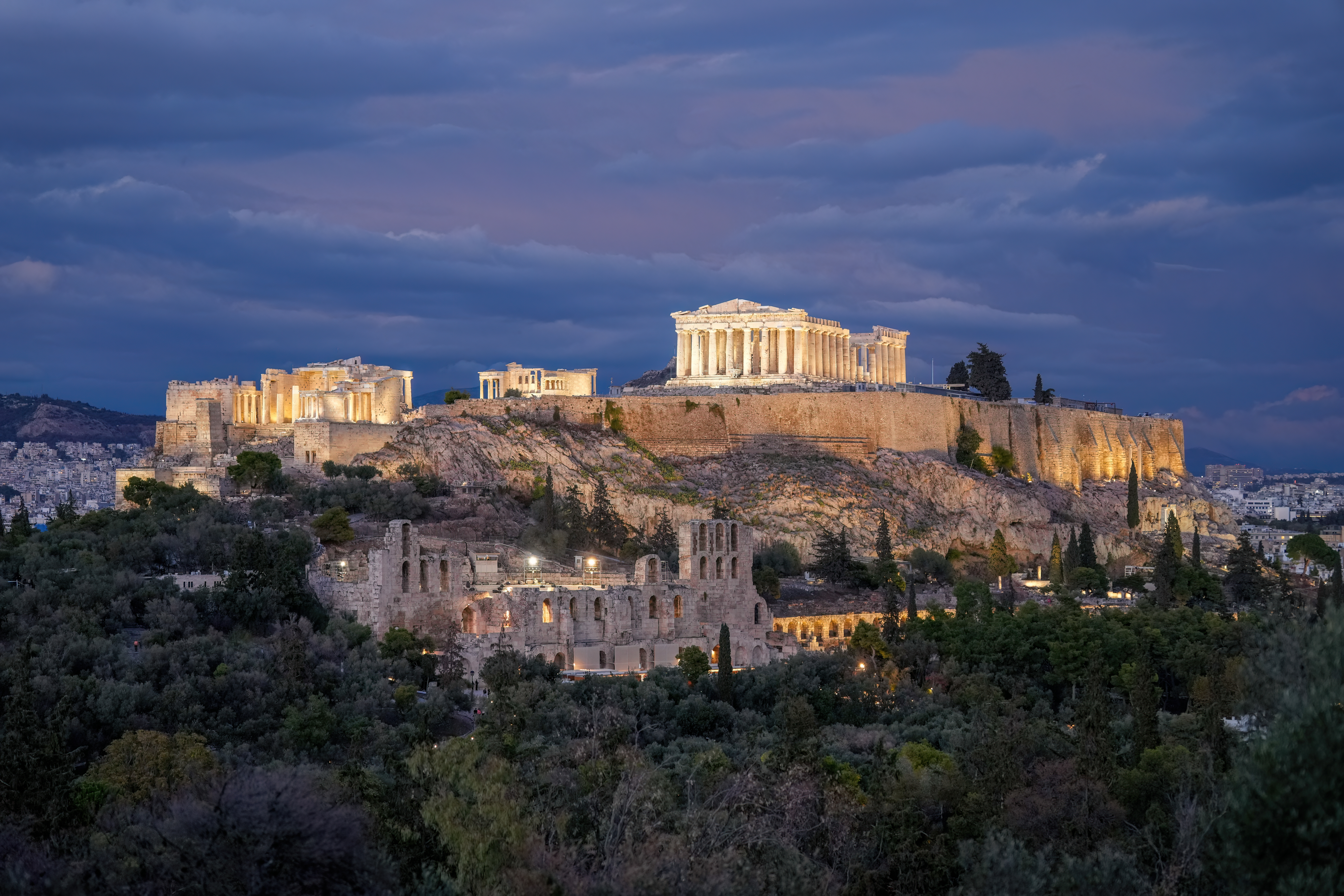
The Acropolis of Athens is a flat-topped hill rising 150 metres above the city, crowned by the Parthenon — the greatest surviving monument of ancient Greek civilisation.
Built under the direction of Pericles between 447 and 432 BC, the marble temple dedicated to the goddess Athena has stood as a symbol of democracy and Western culture for 2,500 years.
How does it rate
CrowdsRomanceCash RequiredDangerAccessibilityWhy you should go
Standing on the Acropolis and surveying the city of Athens below while the Parthenon's columns rise behind you is a profound encounter with the roots of Western civilisation.
Why you shouldn't go
The Acropolis is extremely crowded year-round, the marble surfaces are slippery, and summer temperatures at the exposed summit are intense; arrive early.
Plan your visit
Best time to visitSpring or autumnBest time of dayEarly morning entry (opens 8am) to beat both heat and crowdsGetting thereAcropoli Metro stationEntry cost~EUR20Time needed2-3 hoursInsider tip — Philopappos Hill opposite the Acropolis gives the best classic photo of the whole site -
 #4683 /100
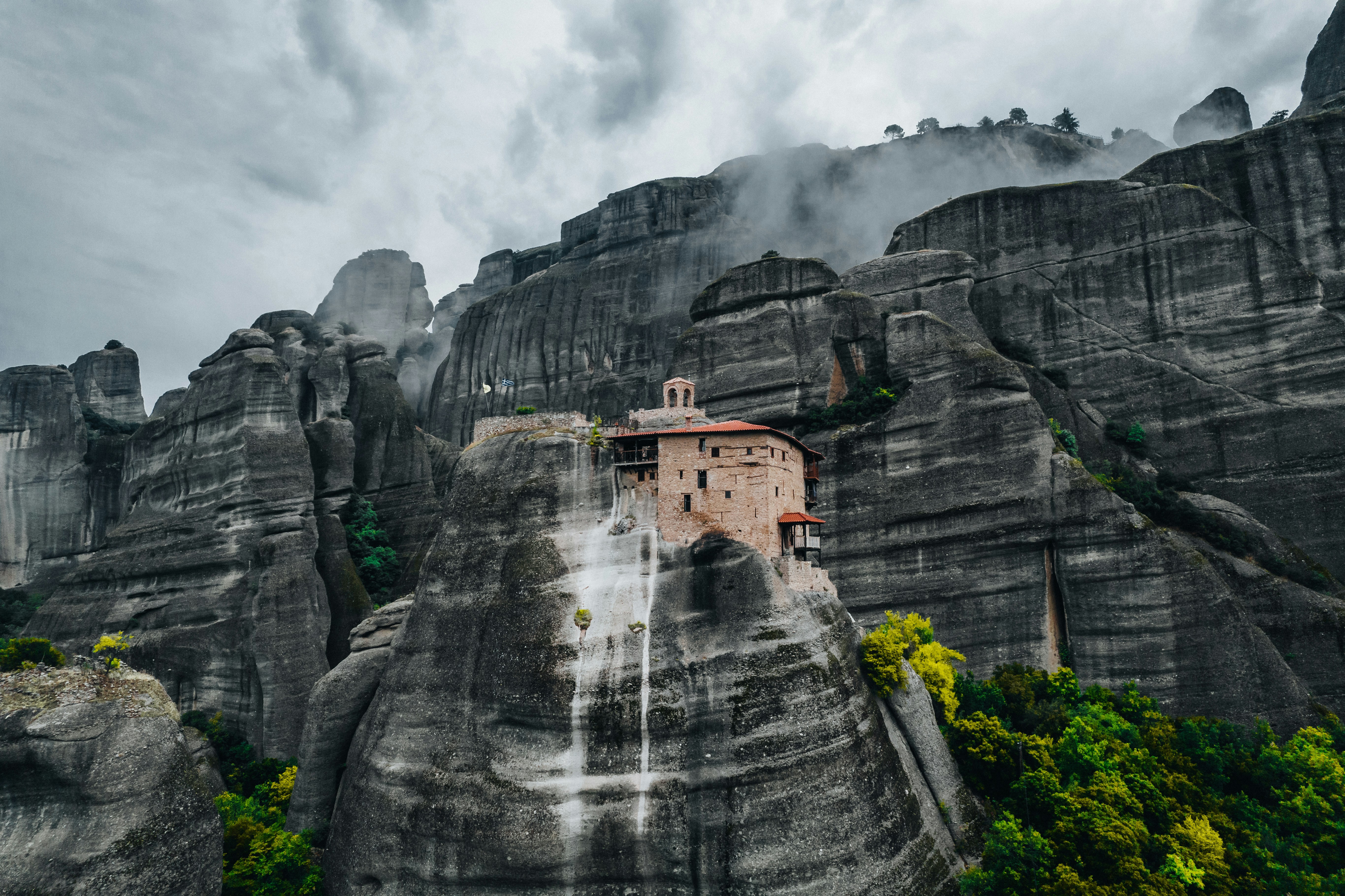
Byzantine-era monasteries perch atop towering sandstone pillars rising 400 meters above the Thessalian plain, originally reachable only by rope basket.
Six remain active today, their frescoed interiors and the otherworldly rock landscape outside making this one of Greece's most singular sights.
How does it rate
CrowdsRomanceCash RequiredDangerAccessibilityWhy you should go
Byzantine monasteries perched atop 400-meter rock pillars, once reachable only by rope basket.
Why you shouldn't go
Can be crowded at the most popular monasteries; each has restricted visiting days and modest dress requirements; some climbs are steep.
Plan your visit
Best time to visitApril–May or September–October for pleasant weather and thinner crowds.Best time of dayEarly morning light on the pillars; sunset from one of the roadside viewpoints.Getting thereTrain from Athens or Thessaloniki to Kalambaka, then local taxi or bus to the monasteries.Entry cost€3 entrance fee per monastery.Time needed4–6 hours to visit 2–3 monasteries.Insider tip — Check each monastery's weekly closing day before visiting — they rotate. Shoulders and knees must be covered; wraps are usually available on-site if needed. -
 #4783 /100
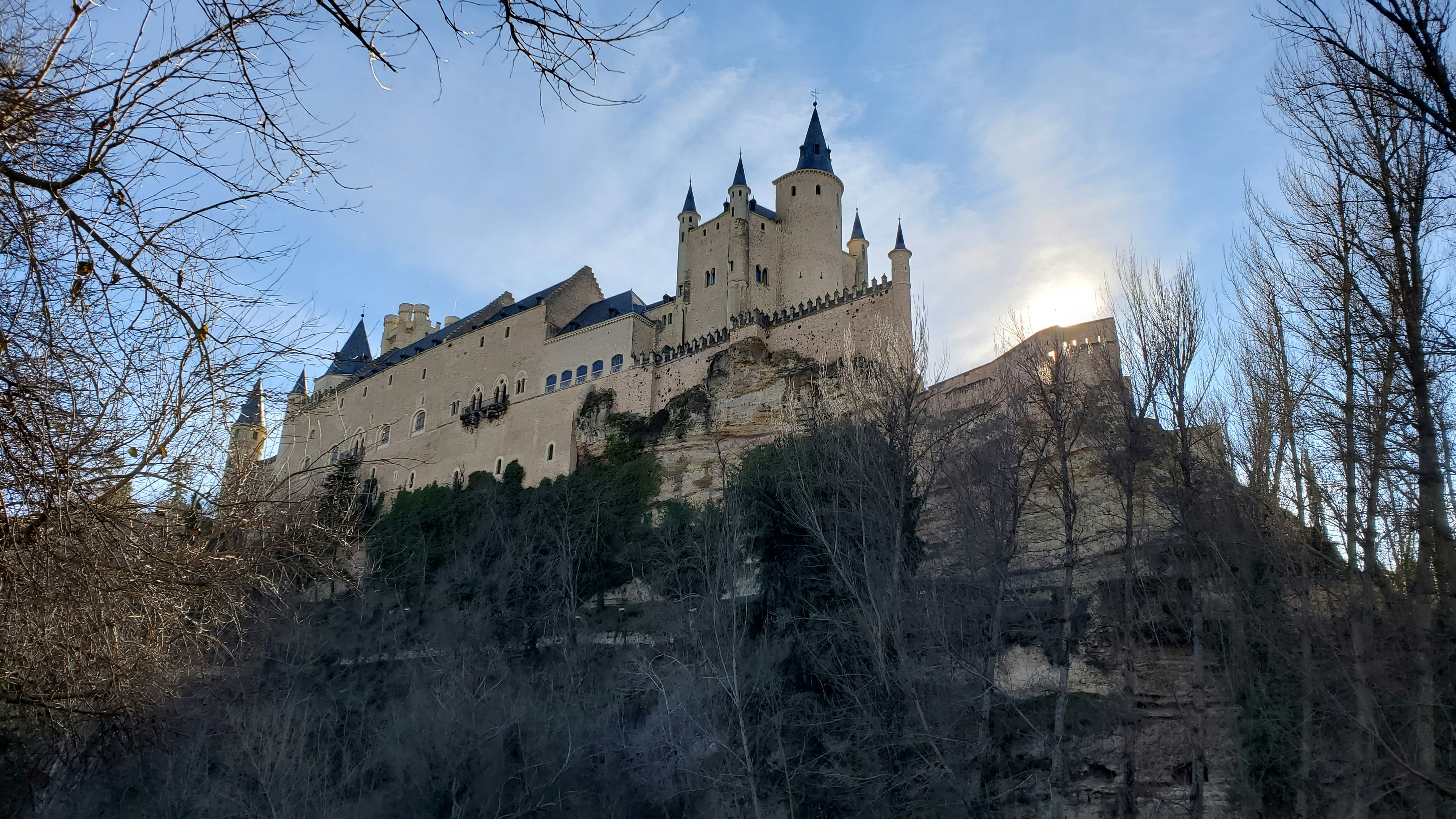
A dramatic ship-prow-shaped fortress rising from a rocky spur above the confluence of two rivers, widely credited as one of the visual inspirations for Disney's Cinderella Castle.
Slate-topped conical turrets, a moat, and a commanding position over the Castilian plains give it an almost storybook silhouette, striking from the valley floor and from its own tower alike.
Inside, opulent halls and a royal armoury trace its history as a fortress, royal palace, and military academy.
How does it rate
CrowdsRomanceCash RequiredDangerAccessibilityWhy you should go
A ship-prow fortress with fairy-tale turrets that reputedly inspired Disney's Cinderella Castle.
Why you shouldn't go
The narrow tower staircase to the best viewpoint is a genuine physical climb with no lift option.
Plan your visit
Best time to visitSpring or autumn for comfortable walking weather.Best time of dayLate afternoon, when the light warms the sandstone walls.Getting thereA 30-minute high-speed train from Madrid to Segovia, then a 20-minute walk through the old town.Entry costAround EUR10 for adult entry, plus a small extra fee for the tower.Time needed2-3 hours.BookingBook ahead →Insider tip — Walk down into the valley below (Paseo del Salon de Isabel II) for the classic full-castle silhouette shot that most visitors miss. -
 #4883 /100
For a week before Easter, Seville's centuries-old religious brotherhoods carry ornate wooden floats bearing statues of Christ and the Virgin Mary through the streets on the shoulders of hidden bearers, accompanied by hooded penitents and mournful saeta singing.
Balconies fill and cafes stay open past midnight as processions cross the city continuously, culminating in the sleepless Madrugada from Maundy Thursday into Good Friday.
How does it rate
CrowdsRomanceCash RequiredDangerAccessibilityWhy you should go
Centuries-old brotherhoods carry ornate floats of Christ and the Virgin through Seville's streets for a week before Easter.
Why you shouldn't go
Hotels and flights sell out and prices spike across Andalusia during the week.
Plan your visit
Best time to visitThe week before Easter Sunday; dates shift with the church calendar each year.Best time of dayLate night into the small hours of Good Friday, for the Madrugada processions.Getting thereFly into Seville Airport, about 15 minutes from the historic centre where processions run.Entry costFree to watch from the street; paid grandstand seating is available along the route.Time neededOne evening captures a procession; the full week runs continuously.Insider tip — Watch from a side street near the cathedral rather than the main official route - the crowds are thinner and the floats pass just as close. -
 #4983 /100
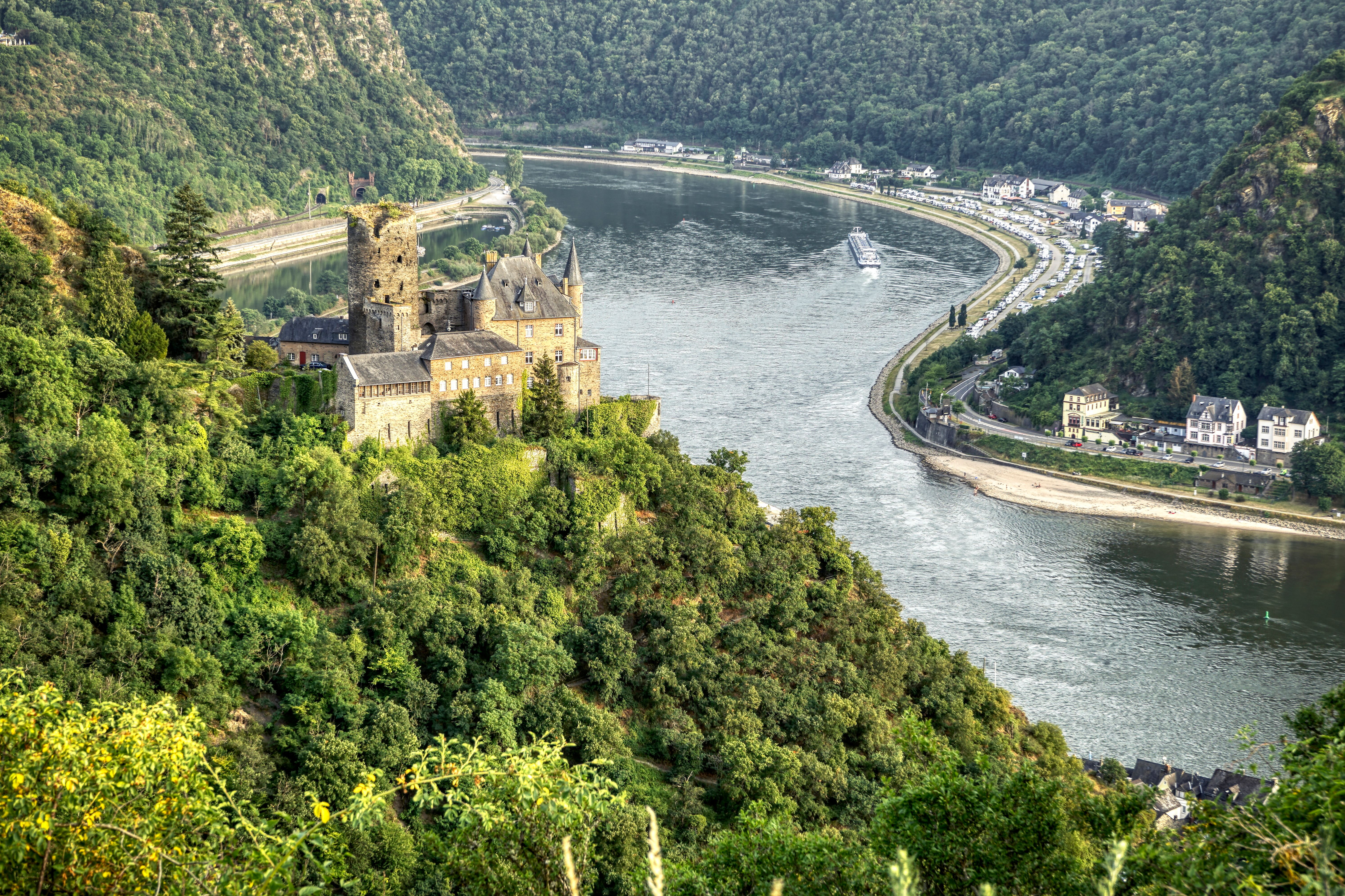
The Rhine Gorge is a 65-kilometre stretch of the river between Koblenz and Bingen where more than 40 medieval castles sit on vineyard-terraced hillsides above the water, including the legendary Loreley rock where a siren was said to lure sailors to their deaths.
River cruises, a scenic rail line, and riverside cycling paths run the length of the valley, with half-timbered wine villages lining the banks at almost every bend.
How does it rate
CrowdsRomanceCash RequiredDangerAccessibilityWhy you should go
A slow river cruise past dozens of hilltop castles in a single afternoon is hard to match anywhere else in Europe.
Why you shouldn't go
Both banks carry busy road and rail lines, so the valley isn't as quiet as the postcard views suggest.
Plan your visit
Best time to visitMay–June or September–October, for mild weather and the grape harvest season.Best time of dayLate afternoon, when low sun lights the castles from across the water.Getting thereFly to Frankfurt; 1-hour train to Koblenz or Bingen, the gorge's two ends.Entry costFree to view from the riverbank or train; boat cruises and individual castle entries are paid.Time needed1 dayInsider tip — Take the train one way and the boat the other — the train gives closer castle views, the boat gives the classic wide-river perspective. -
 #50
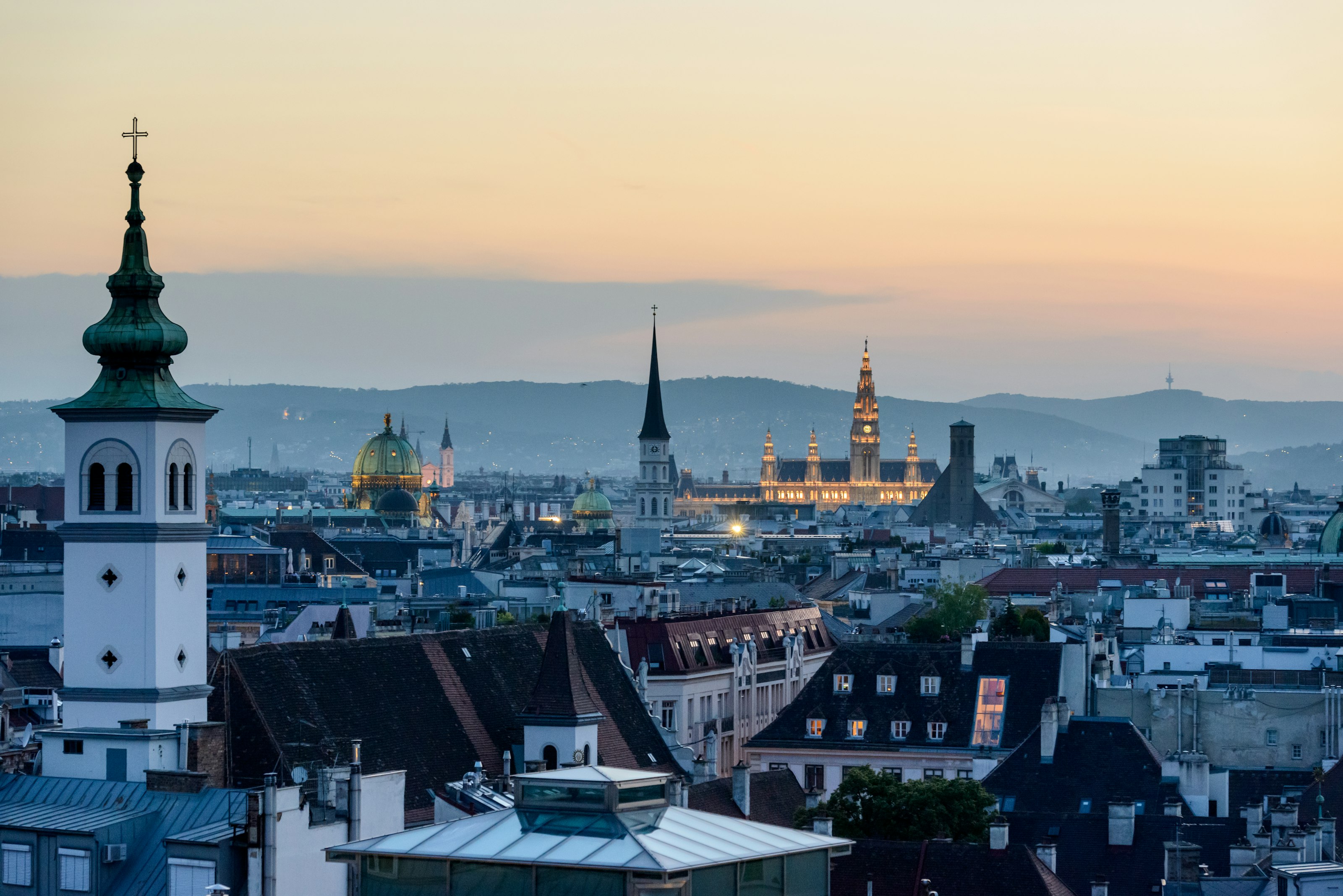
#50Vienna spent centuries as the seat of the Habsburg Empire, and the grandeur shows — the Ringstrasse boulevard circles an old town of imperial palaces, opera houses, and coffee houses that have hosted composers and philosophers for 300 years.
The Hofburg and Schönbrunn palaces anchor the city's imperial history, while the Naschmarkt and Prater park show its more everyday side.
How does it rate
CrowdsRomanceCash RequiredDangerAccessibilityWhy you should go
Few cities pack this much imperial architecture, classical music, and coffee-house culture into a walkable centre.
Why you shouldn't go
Formal sights like the opera and palaces come with real dress and booking expectations, and the city can feel stiff compared to livelier European capitals.
Plan your visit
Best time to visitApril–June or September–October for mild weather and a full concert season.Best time of dayDaytime for the palaces and museums; evening for opera, concerts, and coffee houses.Getting thereFly into Vienna International Airport; the City Airport Train reaches the centre in 16 minutes.Entry costFree to walk the centre; museums, palaces, and performances charge separate entry.Time needed2–3 daysInsider tip — Standing-room opera tickets at the Staatsoper go on sale shortly before each performance and cost a fraction of seated ones — a genuine bargain for world-class opera. -
 #51
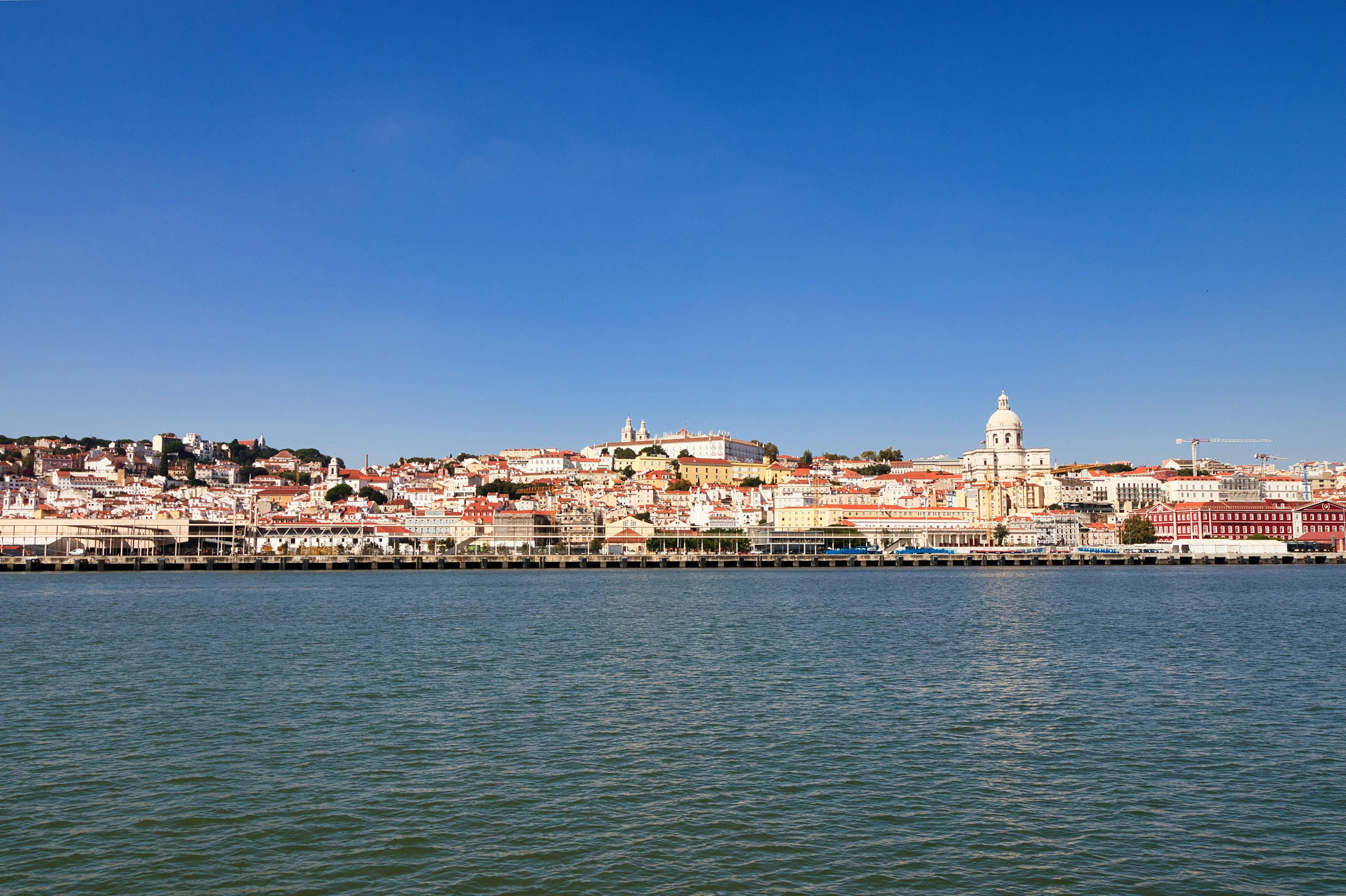
#51Portugal's hilly capital rises above the Tagus estuary in tiers of pastel façades, azulejo tilework, and rattling yellow trams.
Alfama's medieval lanes climb past fado bars toward São Jorge Castle, while Belém's monuments trace the Age of Discoveries and the modern LX Factory anchors a livelier scene.
It rewards slow wandering more than a fixed itinerary, with river-view miradouros around every third corner.
How does it rate
CrowdsRomanceCash RequiredDangerAccessibilityWhy you should go
Centuries of maritime history, food, and river views packed into a walkable, still-affordable European capital.
Why you shouldn't go
The seven hills mean constant climbing, and Tram 28 and Alfama's alleys are uncomfortably crowded by mid-morning.
Plan your visit
Best time to visitMarch–May or September–October for mild weather and thinner crowds than midsummer.Best time of dayEarly morning at the miradouros and Alfama, before tour groups and midday heat arrive.Getting thereFly into Lisbon Airport (LIS), a few minutes from downtown by metro, taxi, or ride-hail.Entry costFree to walk the city; individual sights charge roughly €6–€15 entry.Time needed2–3 daysInsider tip — Ride Tram 28 right at opening or skip it and walk its route instead — by mid-morning it's standing-room-only and a known pickpocket spot. -
 #5283 /100
Bryggen is the old Hanseatic wharf on Bergen's harbour, a row of narrow, brightly painted wooden warehouses rebuilt after fires since the 14th century and listed by UNESCO since 1979.
The buildings now hold workshops, galleries and restaurants behind their tilted timber frames, and the wharf sits at the centre of a lively harbour city ringed by seven mountains.
Compact enough to explore in an hour, longer with the Hanseatic Museum.
How does it rate
CrowdsRomanceCash RequiredDangerAccessibilityWhy you should go
Six centuries of Hanseatic trading history packed into one unmistakably colourful waterfront row.
Why you shouldn't go
Small area that gets swamped when a cruise ship is in port; some interiors visibly lean with age.
Plan your visit
Best time to visitMay-September for daylight and open museums; September brings milder crowds than midsummer.Best time of dayEarly morning or after 5pm, once tour groups from the cruise terminal have thinned out.Getting thereFly to Bergen Airport Flesland; a 30-minute bus or taxi into the city centre, then walk to the harbour.Entry costFree to walk; Hanseatic Museum and Schøtstuene charge separate entry.Time needed1-2 hours, half a day with museumsInsider tip — Walk through to the narrow passageways between the front-row buildings - the tilted floors and old pulleys are more interesting than the harbour-facing facades everyone photographs from the quay. -
 #5382 /100
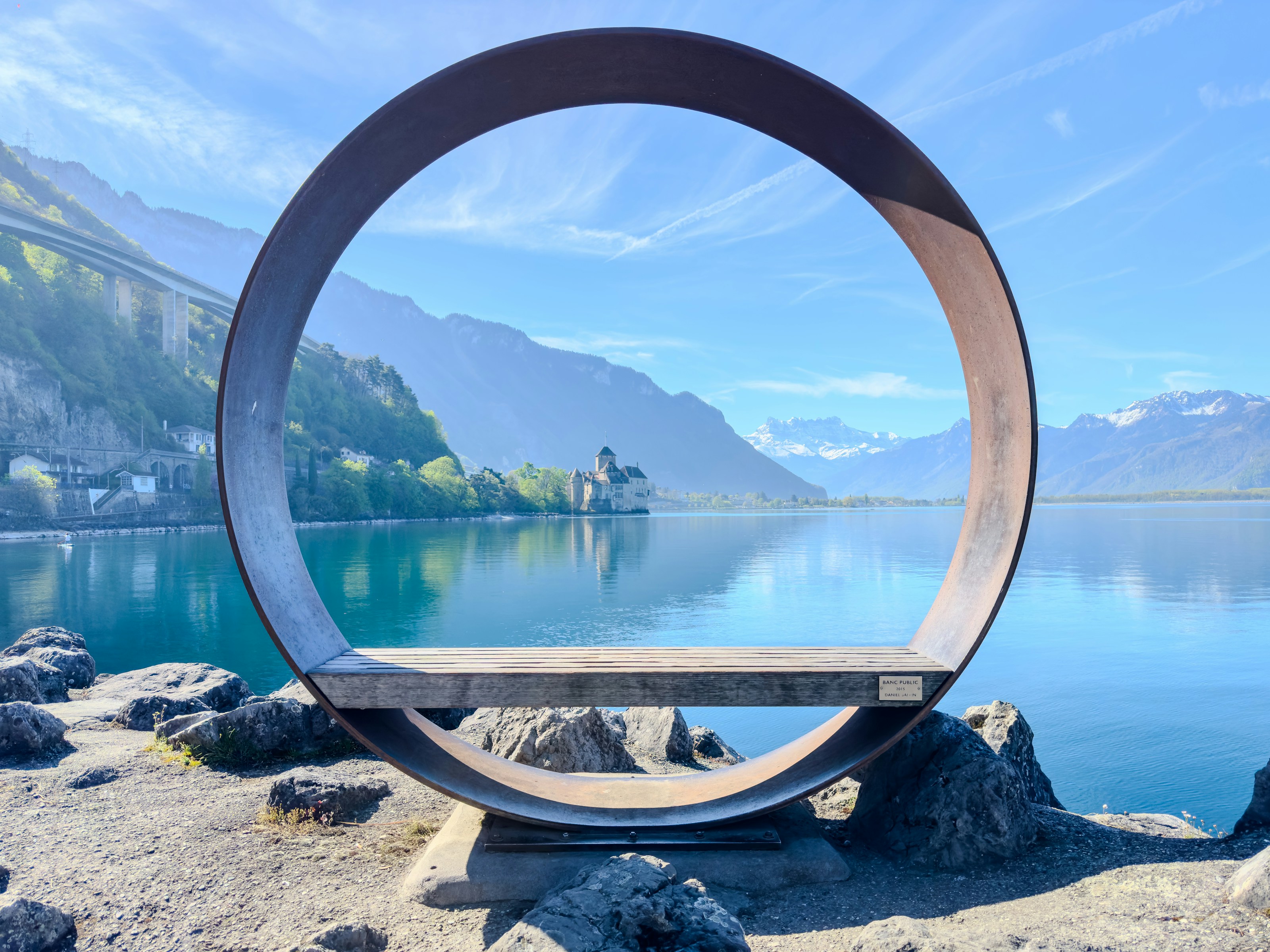
Held on the shore of Lake Geneva since 1967, Montreux built its reputation on landmark live recordings by artists from Miles Davis to Deep Purple, whose fire at the 1971 show inspired 'Smoke on the Water'.
Despite the name, the programme now spans well beyond jazz into pop, soul, and electronic music across indoor venues and free lakeside stages, with the mountains rising directly behind the promenade.
How does it rate
CrowdsRomanceCash RequiredDangerAccessibilityWhy you should go
A historic lakeside music festival since 1967, home to landmark live recordings and a programme now spanning far beyond jazz.
Why you shouldn't go
Ticketed indoor shows for top acts sell out early and Switzerland's prices make the two-week stay an expensive one.
Plan your visit
Best time to visitTwo weeks from late June into early July.Best time of dayEvening for the ticketed concerts; the free lakeside stages run through the afternoon too.Getting thereFly into Geneva Airport, then a direct train to Montreux, about an hour away.Entry costFree lakeside stages; ticketed concert hall shows from around CHF80.Time neededA day or two covers the atmosphere; the full programme runs two weeks.BookingBook ahead →Insider tip — Even without concert tickets, the free lakeside stages and promenade atmosphere in the evening capture most of the festival's character. -
 #5482 /100
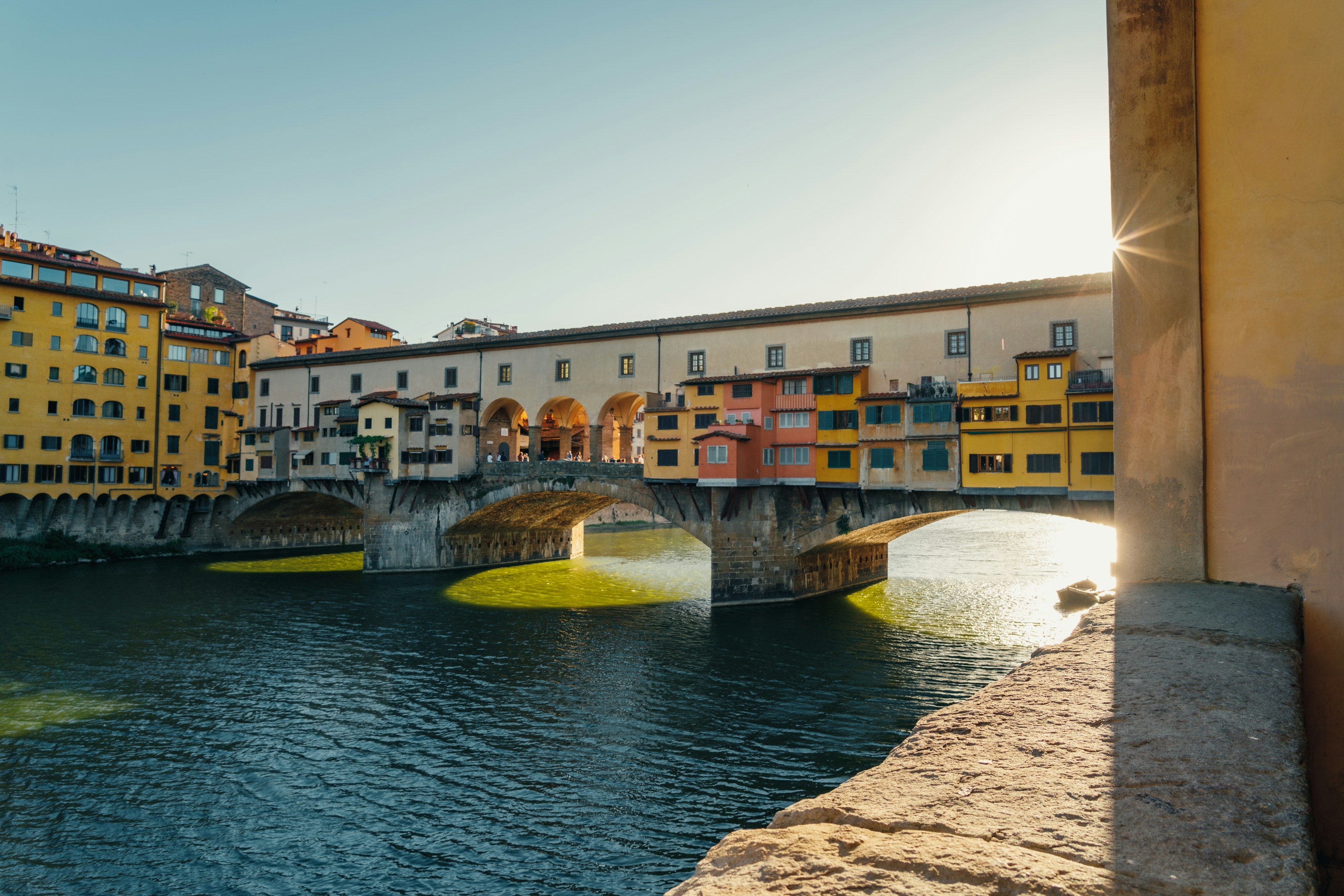
The last medieval bridge left on the Arno, lined with jewellers' shops that jut out over the water on timber brackets.
Vasari's covered corridor runs above the shopfronts, linking the Uffizi to the Pitti Palace so the Medici could cross the river without mixing with the city below.
Butchers occupied the shops until 1593, when they were evicted for the smell and replaced by goldsmiths.
How does it rate
CrowdsRomanceCash RequiredDangerAccessibilityWhy you should go
A working medieval street suspended over a river, still full of goldsmiths after six centuries.
Why you shouldn't go
So congested by day that crossing it takes longer than walking around by the next bridge.
Plan your visit
Best time to visitMay or September; August is hot and shoulder to shoulderBest time of dayFirst light or the hour after sunset, when the shops shutter and the crowds thinGetting thereTen minutes on foot from Santa Maria Novella station, straight through the centreEntry costFree to crossTime needed30 minutesInsider tip — Shoot it from Ponte Santa Trinita rather than from the bridge itself - that is the view on every postcard, and you cannot get it while standing on the thing. -
 #5582 /100
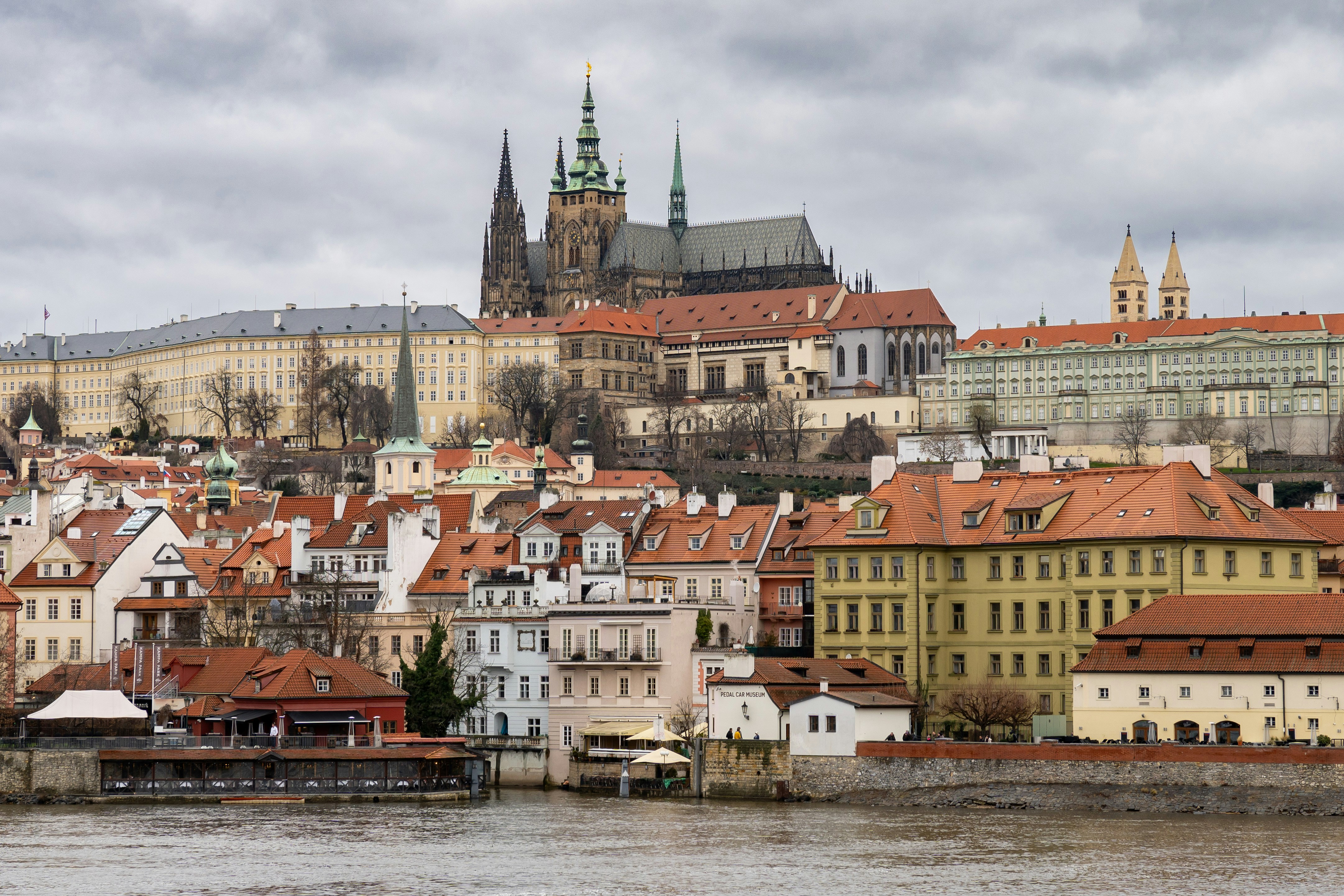
The largest ancient castle complex in the world by area, a walled city-within-a-city on a hill above Prague that has housed Bohemian kings, Holy Roman emperors, and now the Czech president.
St Vitus Cathedral's Gothic spires rise above the walls and are visible from almost anywhere in the city, especially from Charles Bridge at dusk.
The complex holds multiple palaces, gardens, and museums, so a single ticket barely scratches the surface.
How does it rate
CrowdsRomanceCash RequiredDangerAccessibilityWhy you should go
The largest ancient castle complex on Earth, with St Vitus Cathedral's spires visible across the entire city.
Why you shouldn't go
It's the single most visited site in Prague, and the courtyards and cathedral interior get seriously packed by midday.
Plan your visit
Best time to visitApril or October for mild weather and noticeably shorter queues than summer.Best time of dayOpening time, to see St Vitus Cathedral's interior before tour groups fill it.Getting thereA steep 15-minute walk up from Malostranska metro station, or the tram to Prazsky hrad stop.Entry costAround 250-450 CZK depending on which circuit of buildings you choose.Time neededHalf a day.BookingBook ahead →Insider tip — The changing of the guard happens every hour, but the full ceremonial version with music is at noon - worth timing around. -
 #5681 /100
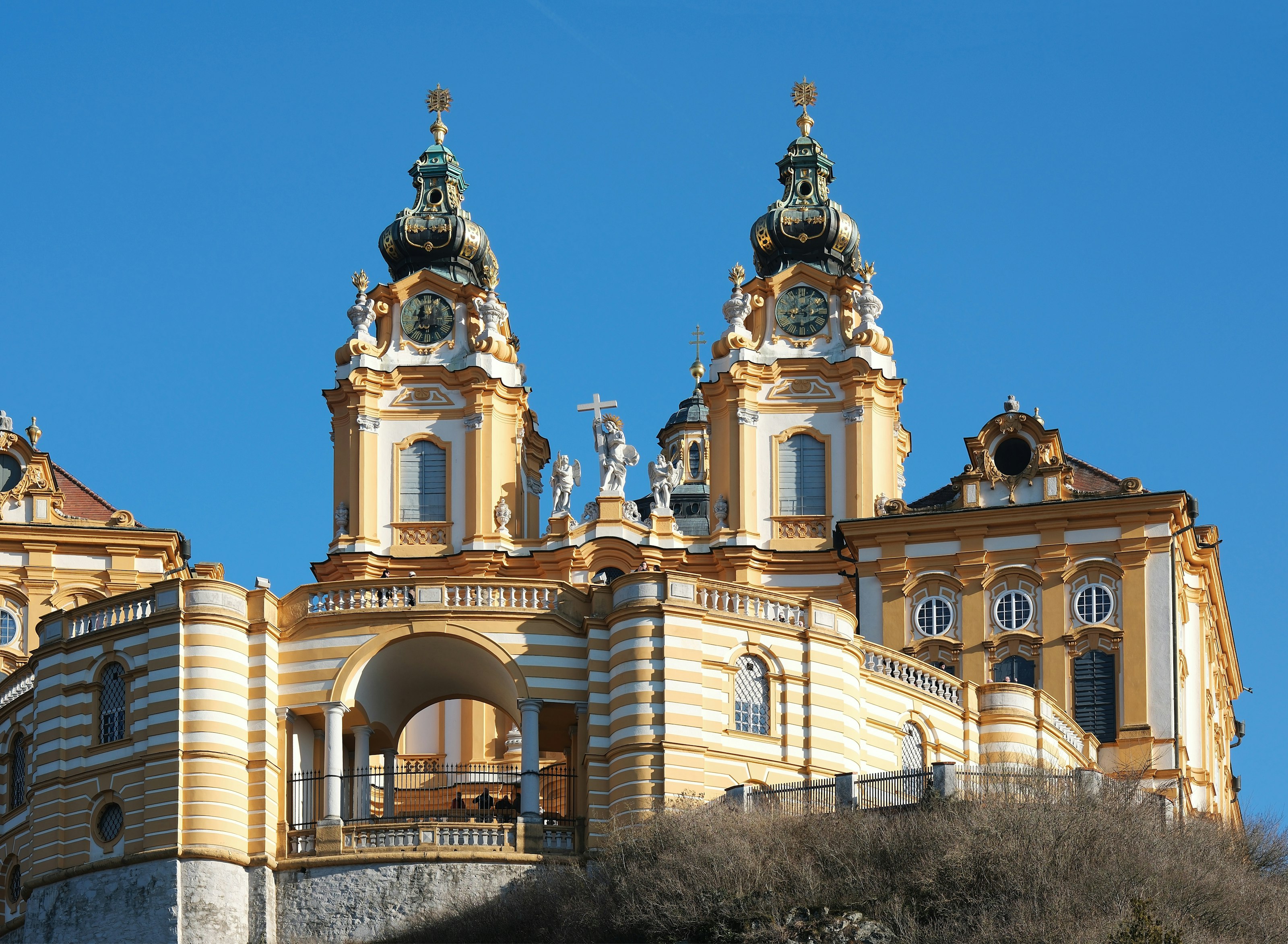
Melk Abbey is a baroque Benedictine monastery perched on a rocky outcrop above the Danube, marking the eastern gateway to the Wachau Valley's vineyards.
Its library holds tens of thousands of historic volumes beneath elaborate ceiling frescoes, and the abbey church's gold-and-marble interior is one of the most ornate in Austria.
The terrace outside gives a wide view down over the river and the town of Melk below.
How does it rate
CrowdsRomanceCash RequiredDangerAccessibilityWhy you should go
The abbey's library and church interior are among the most theatrically decorated baroque spaces in Europe.
Why you shouldn't go
It's a working institution with set opening hours and guided-tour sections, so visits are more structured than a casual wander.
Plan your visit
Best time to visitApril–October, aligning with the Wachau Valley's own peak season.Best time of dayMorning, before river cruise groups from Danube boats disembark.Getting thereFly to Vienna; roughly 1-hour train to Melk, a short walk uphill from the station.Entry costPaid entry, with a discount for a guided tour.Time needed1.5–2 hoursInsider tip — Combine the visit with a Wachau Valley river cruise or cycle route starting right from Melk — it's the valley's natural starting point heading downstream. -
 #57
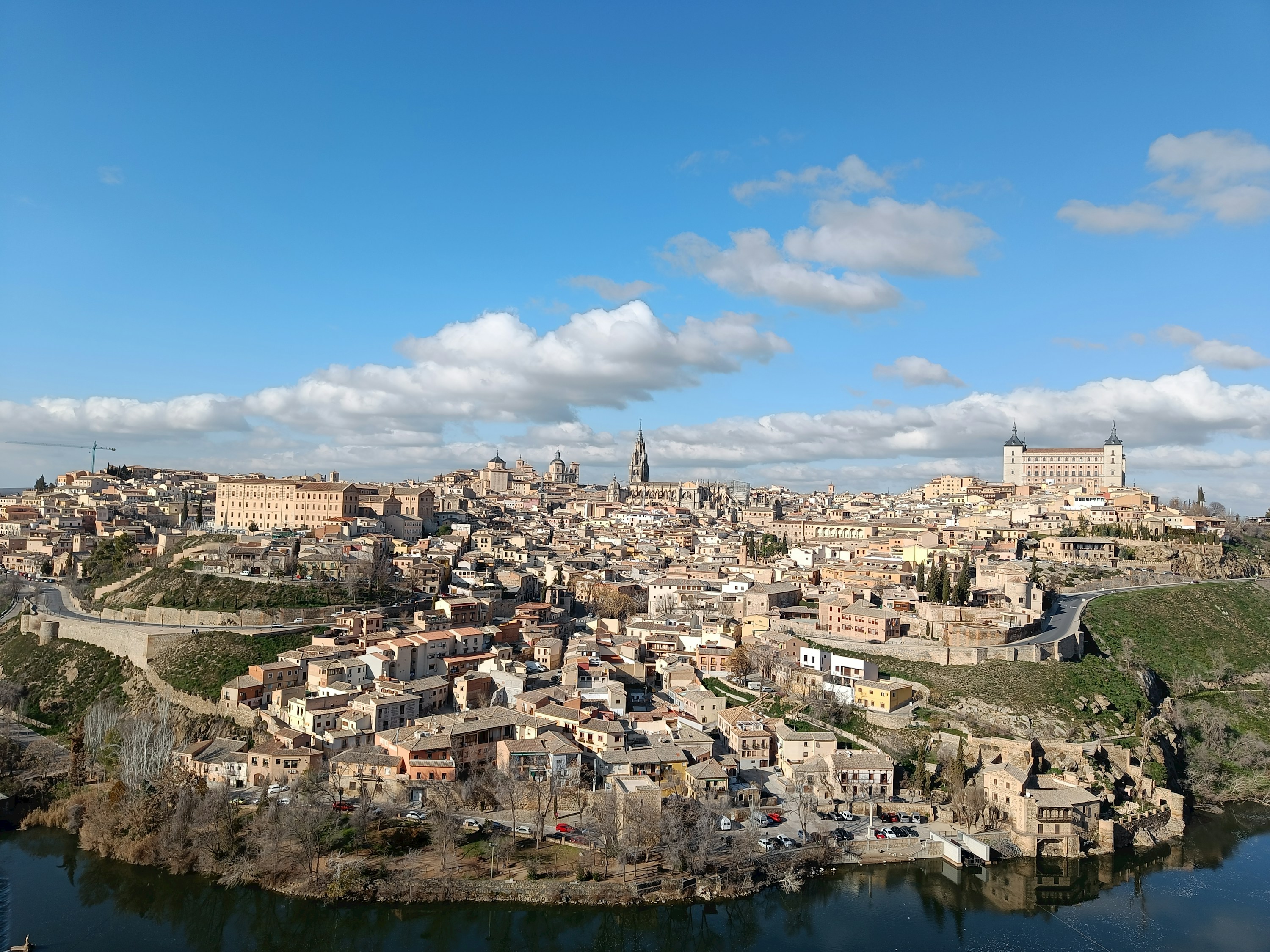
#57Spain's former imperial capital sits on a granite hill almost encircled by a bend in the Tagus River, its skyline of church towers, synagogues, and mosques layered up over centuries of Christian, Jewish, and Muslim rule.
The Alcázar fortress and Gothic cathedral anchor a warren of narrow medieval streets that fan out below, and the whole old city is compact enough to see on foot in a single, dense day.
How does it rate
CrowdsRomanceCash RequiredDangerAccessibilityWhy you should go
A living record of three religious traditions layered into one walkable medieval city, an easy day trip from Madrid.
Why you shouldn't go
Day-trip coach groups from Madrid fill the main streets and sights from mid-morning to mid-afternoon.
Plan your visit
Best time to visitSpring or autumn to avoid summer heat that regularly tops 35°C.Best time of dayEarly morning or after 5pm, once day-tour groups from Madrid have left.Getting thereHigh-speed train from Madrid Atocha (about 30 minutes) or a short drive south.Entry costAlcázar and Cathedral each charge separate entry, roughly €5–€12; combined tickets available.Time needed1 dayInsider tip — Cross the Puente de Alcántara and climb to the Mirador del Valle for the classic skyline view over the whole old city. -
 #5881 /100
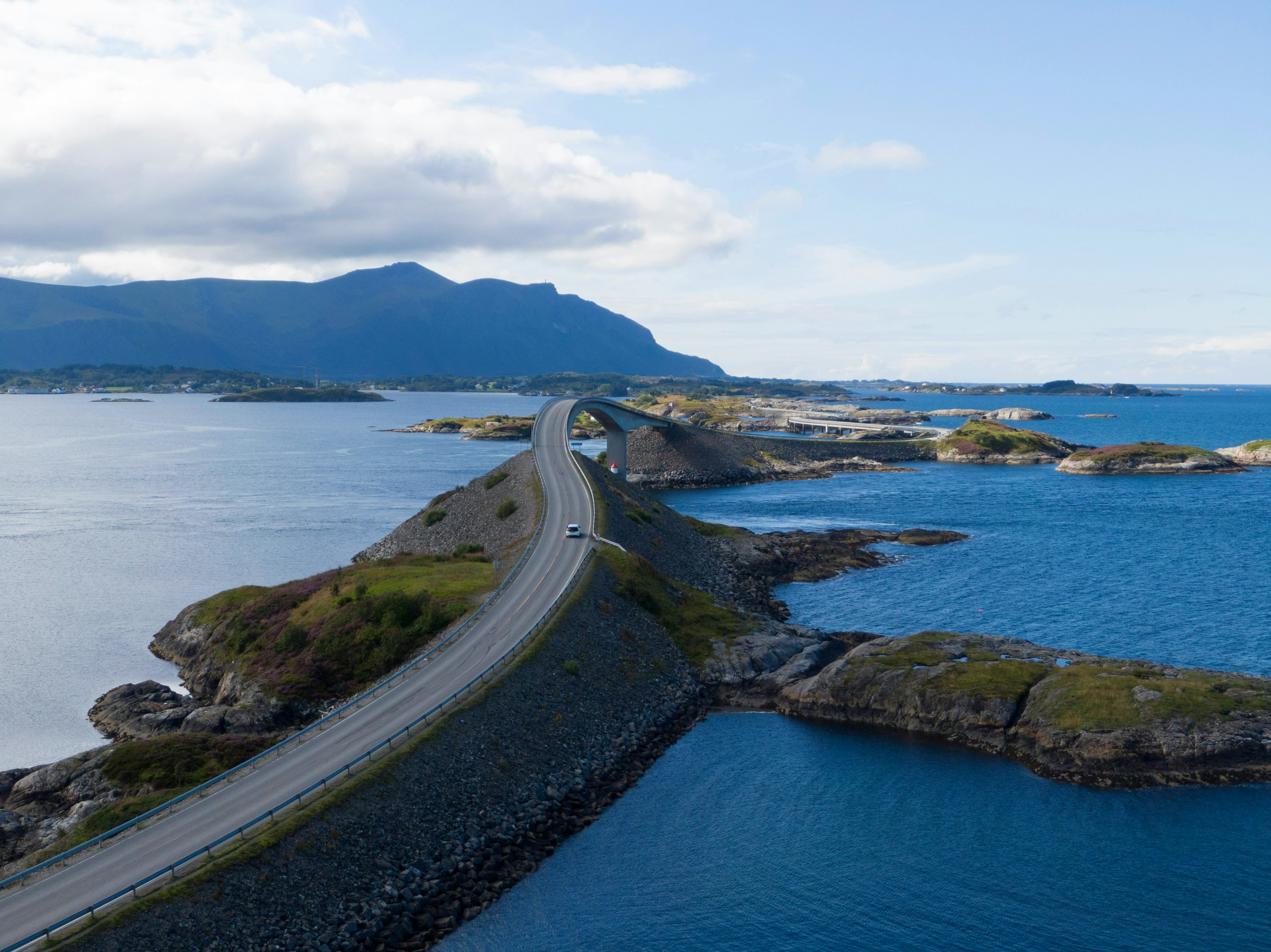
The Atlantic Road links a scatter of skerries and islets off Norway's west coast on an 8km run of bridges and causeways, built to look like it dives straight into the sea.
The Storseisundet Bridge is the famous shot, but the whole stretch is a slow, low-lying drive between open ocean on both sides, with fishing hamlets and pull-offs for scrambling over the rocks.
Storms send waves over the road, which locals treat as a spectator sport in autumn.
How does it rate
CrowdsRomanceCash RequiredDangerAccessibilityWhy you should go
A short, genuinely dramatic stretch of road that seems to disappear into the open Atlantic.
Why you shouldn't go
Over almost as soon as it starts - eight kilometres, no detours, done in half an hour without stops.
Plan your visit
Best time to visitSummer for calm seas and long light; autumn storms for waves breaking over the causeways.Best time of dayGolden hour, when the low sun catches the bridge and open water on both sides.Getting thereFly to Kristiansund; a 30-40 minute drive on Route 64 to the road's western end at Kårvåg.Entry costFree; no tolls on the road itself.Time needed1-2 hours including stopsInsider tip — Park at the Storseisundet Bridge viewpoint and walk out onto the older, disused sections of road for an angle on the bridge that most drivers miss. -
 #5980 /100
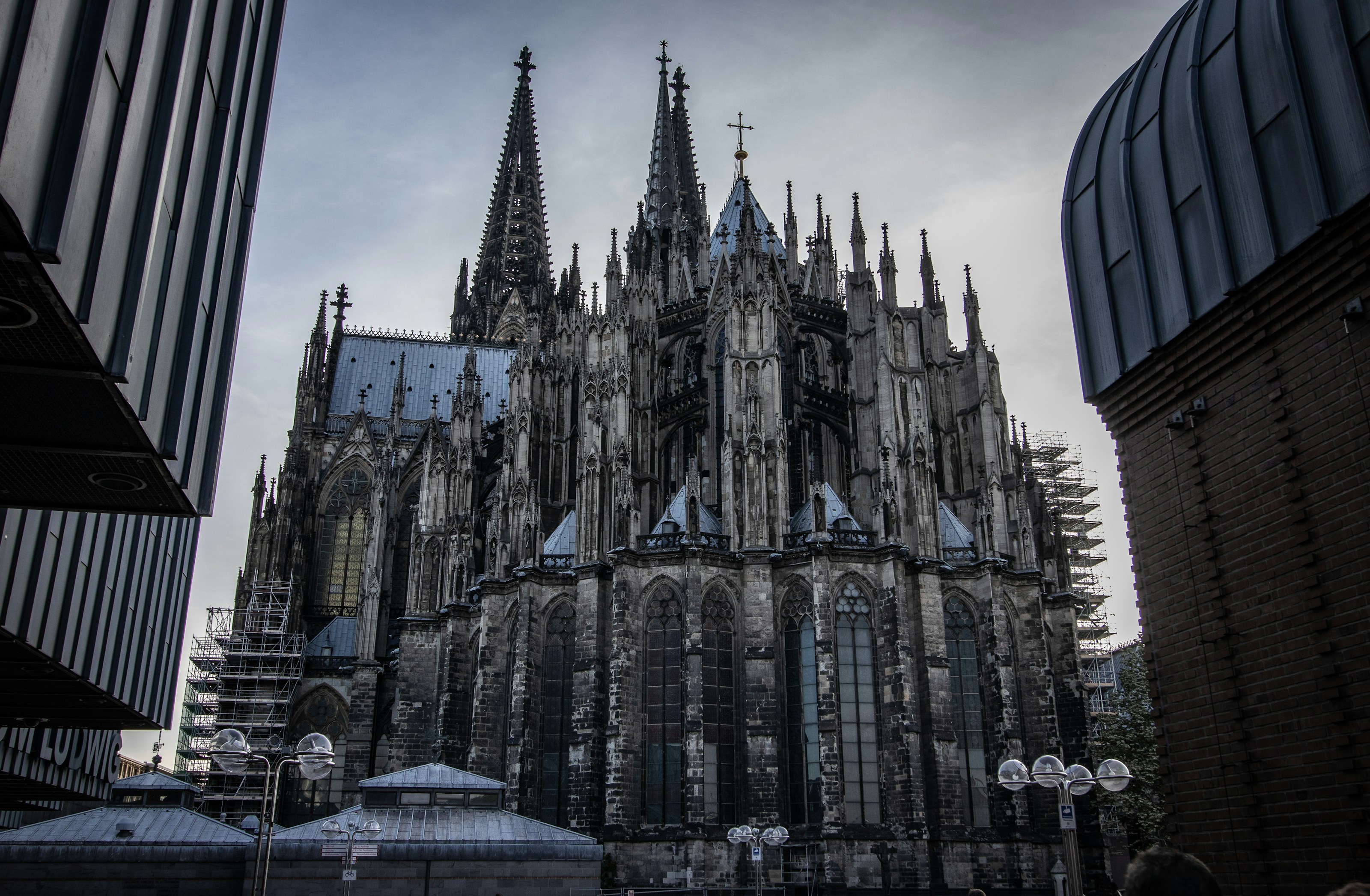
A blackened Gothic giant beside the Rhine, begun in 1248 and not finished until 1880, with twin spires that made it briefly the tallest building in the world.
It survived the bombing that flattened the city around it.
The 533 steps up the south tower end in a view over the river and the railway station below.
How does it rate
CrowdsRomanceCash RequiredDangerAccessibilityWhy you should go
You step off the train and it is simply there, filling the sky in front of the station doors.
Why you shouldn't go
The stone is grimy and the setting is a busy transport interchange rather than a square.
Plan your visit
Best time to visitDecember for the Christmas markets at its feet, or May-September for clear tower viewsBest time of dayEarly morning, before the station crowds buildGetting thereDirectly beside Koln Hauptbahnhof - the main station exit faces the doorsEntry costFree to enter; tower climb around EUR 6Time needed1-2 hoursBookingBook ahead →Insider tip — Climb the tower before 10am; the staircase is single file and passing people coming down is miserable once it fills up. -
 #6080 /100
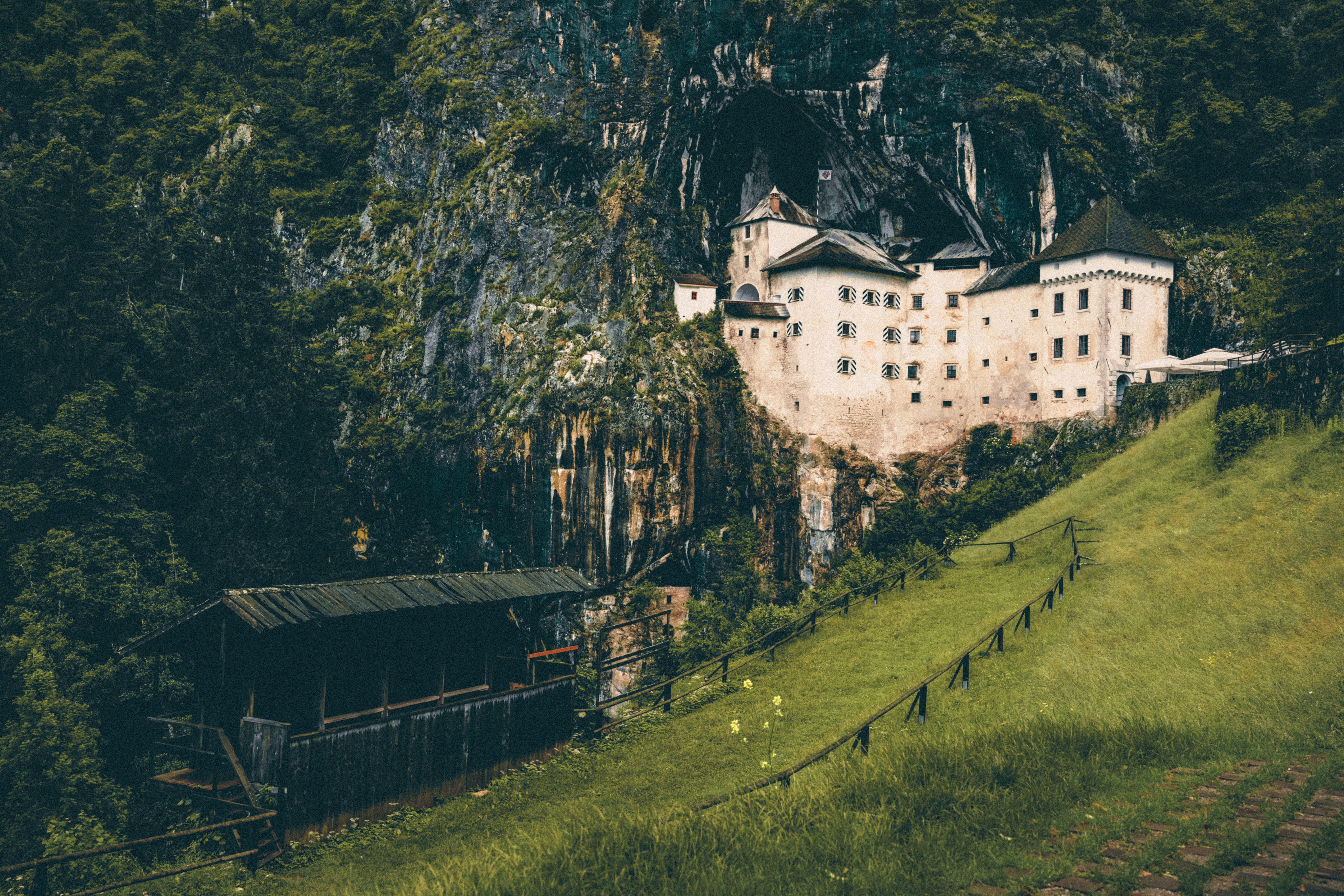
Built directly into the mouth of a cave halfway up a 123-metre cliff face, this is the largest cave castle in the world and looks almost physically impossible from below.
A network of tunnels behind the walls once let its most famous resident, the robber baron Erazem, escape sieges and raid the countryside undetected.
The combination of Gothic-Renaissance architecture fused seamlessly into raw limestone rock makes it one of Europe's strangest buildings.
How does it rate
CrowdsRomanceCash RequiredDangerAccessibilityWhy you should go
A castle built directly into a cliff-face cave mouth, looking almost impossible from the valley floor below.
Why you shouldn't go
It's a genuine detour from Ljubljana or the Postojna Cave area, and the secret tunnel tour requires a separate, timed booking.
Plan your visit
Best time to visitMay-June or September for good weather and manageable crowds.Best time of dayLate afternoon, when the sun lights the cliff face directly.Getting thereA 45-minute drive from Ljubljana, often combined with a visit to nearby Postojna Cave.Entry costAround EUR18 for adult entry.Time needed2-3 hours.BookingBook ahead →Insider tip — Book the Predjama Castle secret passage tour in advance - it's a separate, limited-capacity ticket that sells out on busy days. -
 #6180 /100
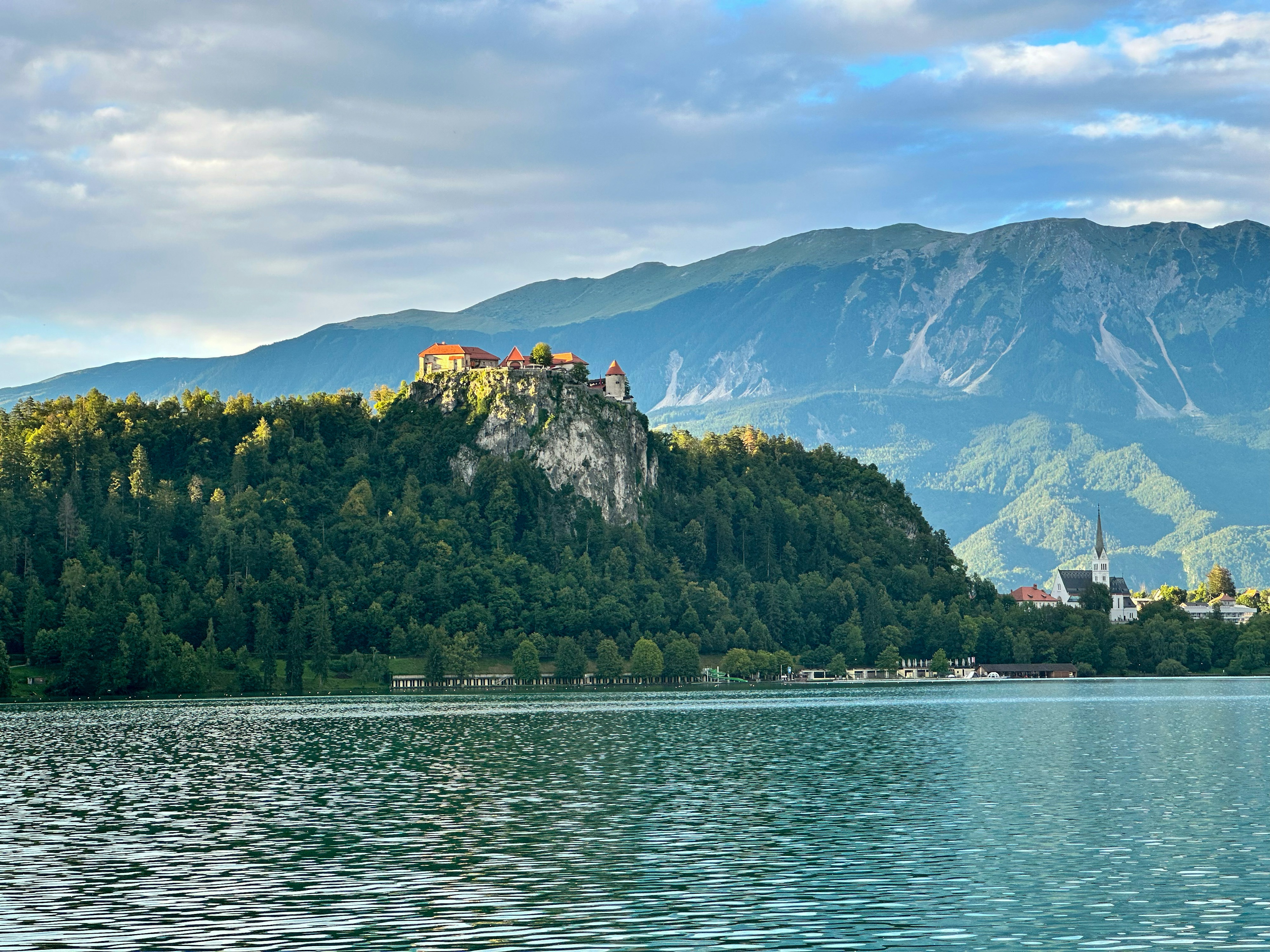
Perched on a sheer cliff above Lake Bled, this is Slovenia's oldest castle, first recorded in 1011, and the postcard view most visitors associate with the country.
A small museum, print workshop and wine cellar fill the inner courtyard, but the real draw is the terrace itself — the whole lake, its island church and the Julian Alps laid out below in one uninterrupted panorama.
How does it rate
CrowdsRomanceCash RequiredDangerAccessibilityWhy you should go
Slovenia's most photographed view: Lake Bled, its island church and the Alps from a cliff-top medieval castle.
Why you shouldn't go
The lake-view terrace gets crowded at sunset, when every visitor has the same idea.
Plan your visit
Best time to visitMay–September for clear Alpine views and warm evenings.Best time of dayEarly morning or just before closing, to avoid the tour-bus crowds.Getting thereFly to Ljubljana, then a 45-minute drive or bus to Bled; a steep 15-minute walk up from the lakeshore.Entry costAround €18 for adult entry.Time needed1–2 hours.Insider tip — Walk up via the quieter northern path rather than the main tourist route — same view, far fewer people. -
 #6280 /100
A roughly 170km hut-to-hut circuit around the Mont Blanc massif through France, Italy and Switzerland, climbing about 10,000m of ascent past glaciers, alpine lakes and larch forest.
Val Ferret and the Aiguilles Rouges give some of the best full-on views of Mont Blanc's summit.
Most walkers take 7-11 days, staying in refuges that range from rustic to modernised.
Huts fill fast in July and August.
How does it rate
CrowdsRomanceCash RequiredDangerAccessibilityWhy you should go
Circling the entire Mont Blanc massif on foot, with a fresh angle on the summit from a different valley each day.
Why you shouldn't go
Popular refuges get overbooked in peak summer and demi-pension prices have climbed sharply since 2022.
Plan your visit
Best time to visitMid-June to mid-September, when high passes are snow-free and refuges are open.Best time of dayEarly morning starts to clear passes before afternoon thunderstorms build.Getting thereFly to Geneva; bus or train (about 1-1.5 hours) to Chamonix, the trek's usual start and end point.Entry costNo park fee; refuge demi-pension runs roughly EUR50-80 (CHF60-100 in Switzerland) a night.Time needed7-11 daysInsider tip — Reserve refuges as soon as booking opens (often January) for July-August dates, and pack layers - weather turns fast at altitude. -
 #6380 /100
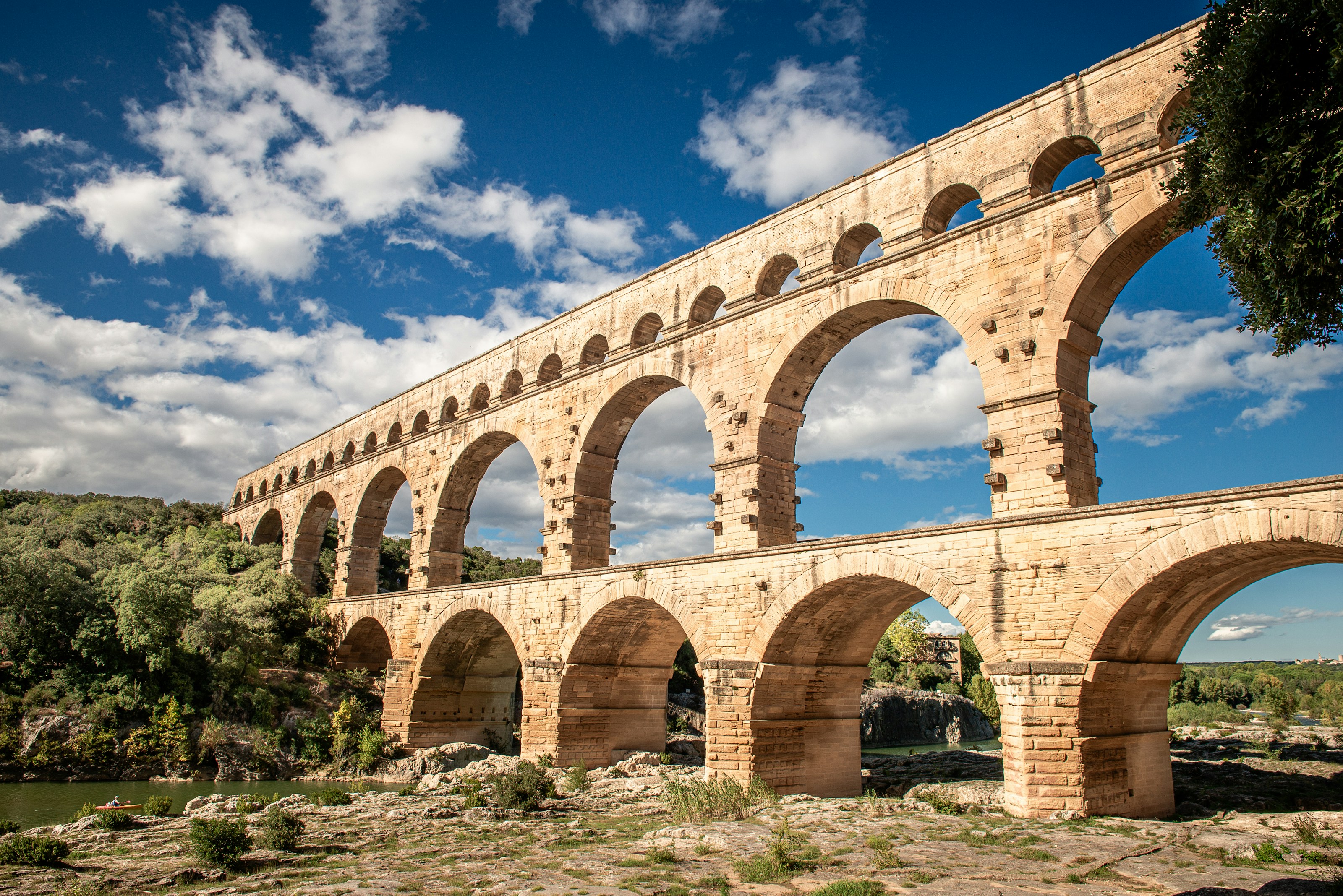
A three-tier Roman aqueduct thrown across the Gardon gorge in the first century, and the tallest the Romans ever built at just under 49 metres.
The honey-coloured limestone was cut so precisely that it needed no mortar.
You can swim and kayak in the river below, which is also the best place to take in its full height.
How does it rate
CrowdsRomanceCash RequiredDangerAccessibilityWhy you should go
Two thousand years old, still standing, and you can swim in the river running underneath it.
Why you shouldn't go
There is no useful public transport, so in practice you need a car to get there.
Plan your visit
Best time to visitMay-June or September, when the river is warm enough to swim and the site is quieterBest time of dayLate afternoon, when the stone turns gold and the day-trippers leaveGetting thereDrive from Avignon or Nimes, about 30 minutes; car parks on both banksEntry costAround EUR 9.50 per person including parking and museumTime neededHalf a dayBookingBook ahead →Insider tip — Cross to the left bank and follow the marked path uphill - it is the only viewpoint that gets all three tiers into one frame. -
 #6480 /100
The world's smallest sovereign state packs an extraordinary concentration of art and architecture into just 44 hectares.
The colonnaded embrace of St Peter's Square, Michelangelo's Sistine Chapel ceiling, and Raphael's frescoed Stanze make Vatican City unmissable for art lovers.
How does it rate
CrowdsRomanceCash RequiredDangerAccessibilityWhy you should go
The sheer density of masterpieces is staggering — from the top of St Peter's dome, the view over the piazza and Rome beyond is one of the city's finest.
Why you shouldn't go
Vatican Museums queues are legendary and even with pre-booked tickets the crowds inside the Sistine Chapel make it hard to appreciate the art in peace.
Plan your visit
Best time to visitSpring or autumnBest time of dayEarly morning entry to beat tour groupsGetting thereOttaviano Metro stationEntry costMuseums ~EUR17Time neededHalf dayInsider tip — Book timed-entry tickets online; the walk-up queue can take hours -
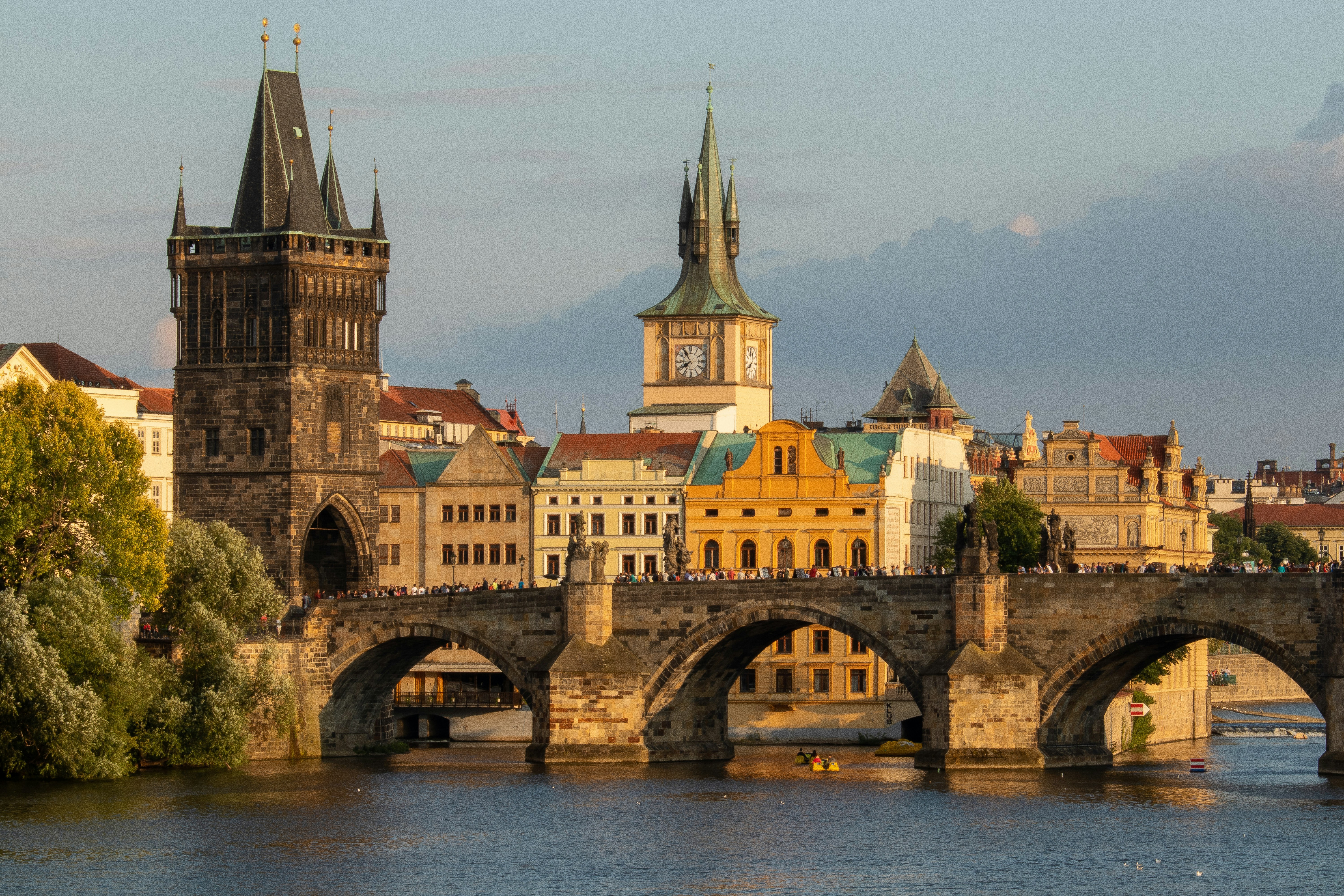 #6580 /100
Charles Bridge has carried foot traffic over the Vltava since 1402, running dead straight from the Old Town gate tower to the castle bank beneath a parade of thirty blackened baroque statues.
At dawn, with mist on the river and Prague Castle rising behind, it's one of Europe's great city walks; by mid-morning it's one of Europe's great crushes, buskers and all.
How does it rate
CrowdsRomanceCash RequiredDangerAccessibilityWhy you should go
The dawn view along the statues to Prague Castle is centuries of city in a single frame.
Why you shouldn't go
From breakfast to midnight the bridge is one slow-moving crowd.
Plan your visit
Best time to visitDecember for snow and thinner crowds; May-September for warmthBest time of dayDawn - the bridge is genuinely empty for an hour after sunriseGetting thereShort walk from Old Town Square or Staromestska metroEntry costFree; Old Town tower climb about CZK 190Time needed1 hourInsider tip — Climb the Old Town bridge tower right at opening for the elevated shot down the bridge toward the castle -
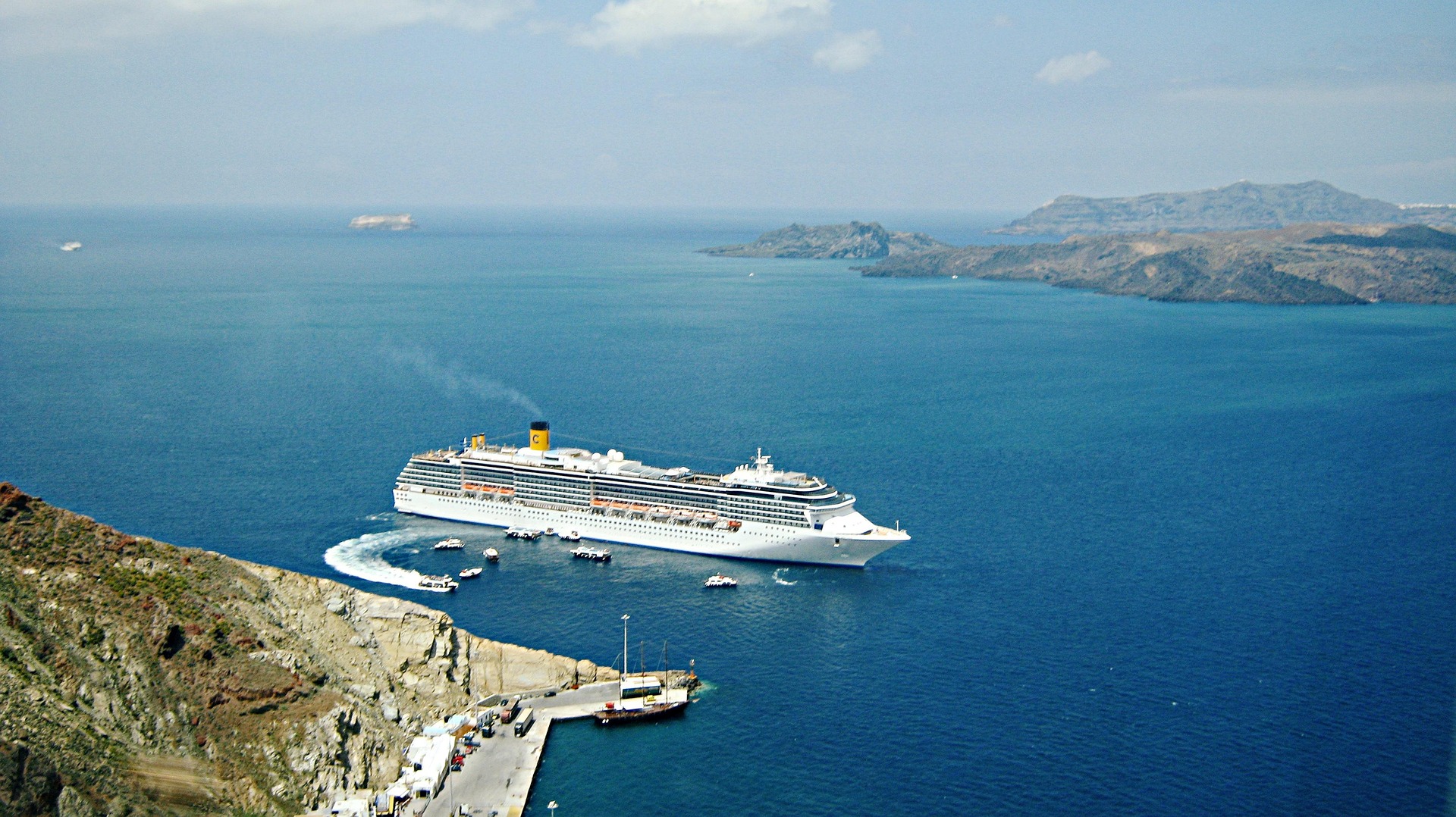 #6679 /100
An island-hopping cruise from Piraeus through the Aegean, passing whitewashed clifftop villages, ancient ruins, and volcanic caldera views without repacking each night.
Santorini's caldera and Mykonos's windmills are the classic stops, though smaller ports add quieter beaches and tavernas.
Many sailings overnight at an island for sunset views from the water.
It's an easy, accessible way to see several Greek islands in a single week.
How does it rate
CrowdsRomanceCash RequiredDangerAccessibilityWhy you should go
See Santorini's caldera, Mykonos, and several more islands in one week without changing hotels.
Why you shouldn't go
Ships are mainstream and crowded in peak summer, and popular ports get overrun when several cruises dock together.
Plan your visit
Best time to visitMay-June or September for warm weather with fewer crowds; July-August is hottest and busiest.Best time of dayEvening, for the classic Santorini sunset over the caldera from the ship or clifftop.Getting thereFly into Athens; ships embark from the port of Piraeus, a short taxi or metro ride from the city.Entry costIndicative $600-$2,500pp per week depending on cabin and lineTime needed7-night cruiseInsider tip — Pick an itinerary that overnights in Santorini rather than a same-day stop, so you catch the sunset from Oia without fighting day-tripper crowds. -
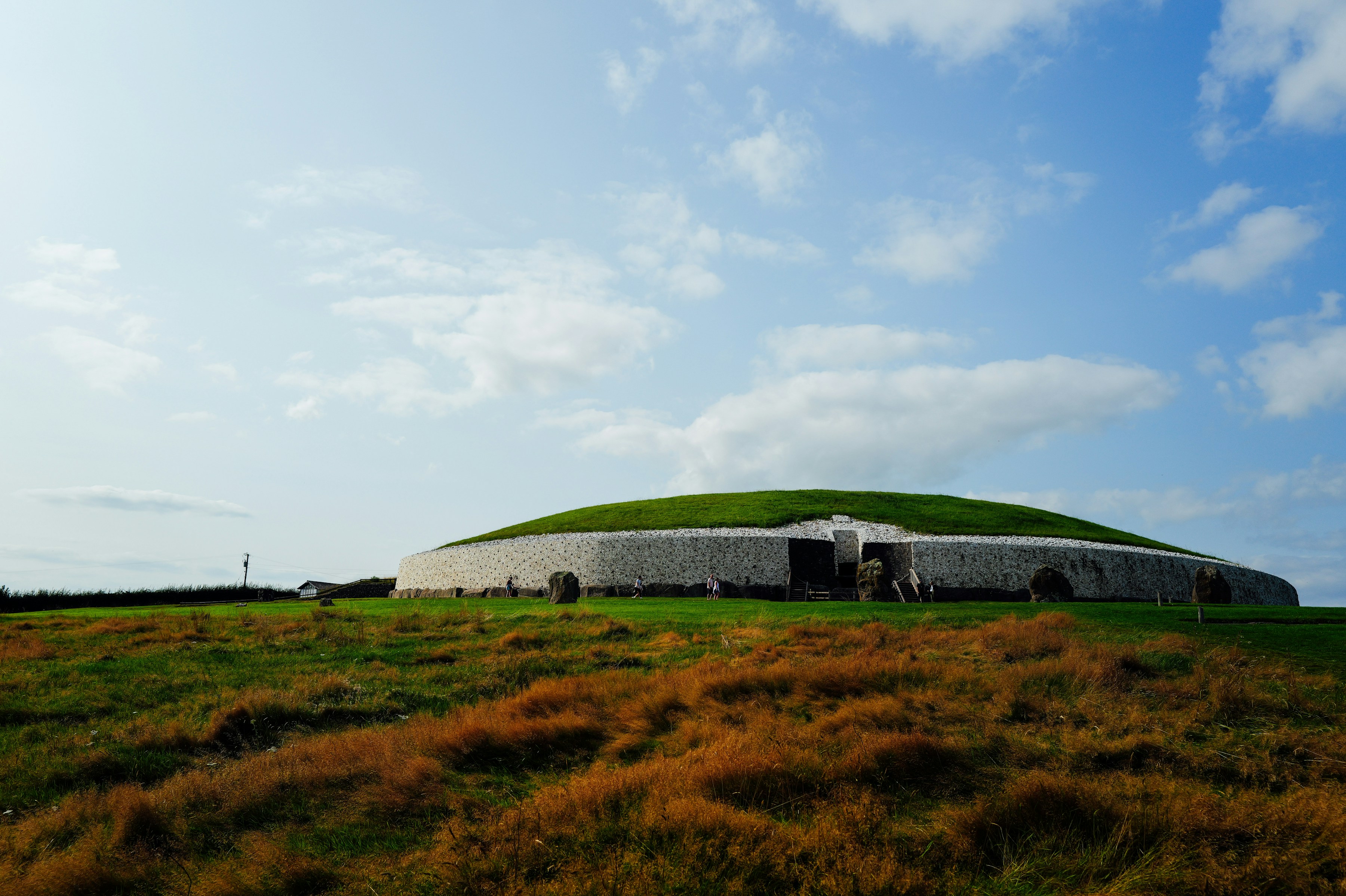 #6779 /100
This Neolithic passage tomb in the Boyne Valley predates Stonehenge and the Egyptian pyramids by centuries, its huge circular mound ringed with carved kerbstones and a roof-box aligned to flood the inner chamber with sunlight at the winter solstice.
Guided tours take you inside the narrow passage to the burial chamber, and a simulated solstice light show runs year-round.
The precision of 5,000-year-old engineering is the real draw.
How does it rate
CrowdsRomanceCash RequiredDangerAccessibilityWhy you should go
A 5,000-year-old solstice-aligned tomb older than the pyramids, and you can walk inside it.
Why you shouldn't go
Access is guided-tour only via the visitor center, with no independent entry to the mound.
Plan your visit
Best time to visitYear-round; December 21st for the real solstice alignment, if you win the visitor lottery.Best time of dayFirst tour of the day for smaller groups inside the chamber.Getting thereDrive to the Brú na Bóinne Visitor Centre near Donore, about 45 minutes from Dublin, then shuttle bus to the mound.Entry costAround €18 for adults, includes visitor center and guided tour.Time needed2–3 hours.Insider tip — Enter the solstice lottery online in September if you want a shot at seeing the real sunrise alignment — thousands apply for around 60 spots. -
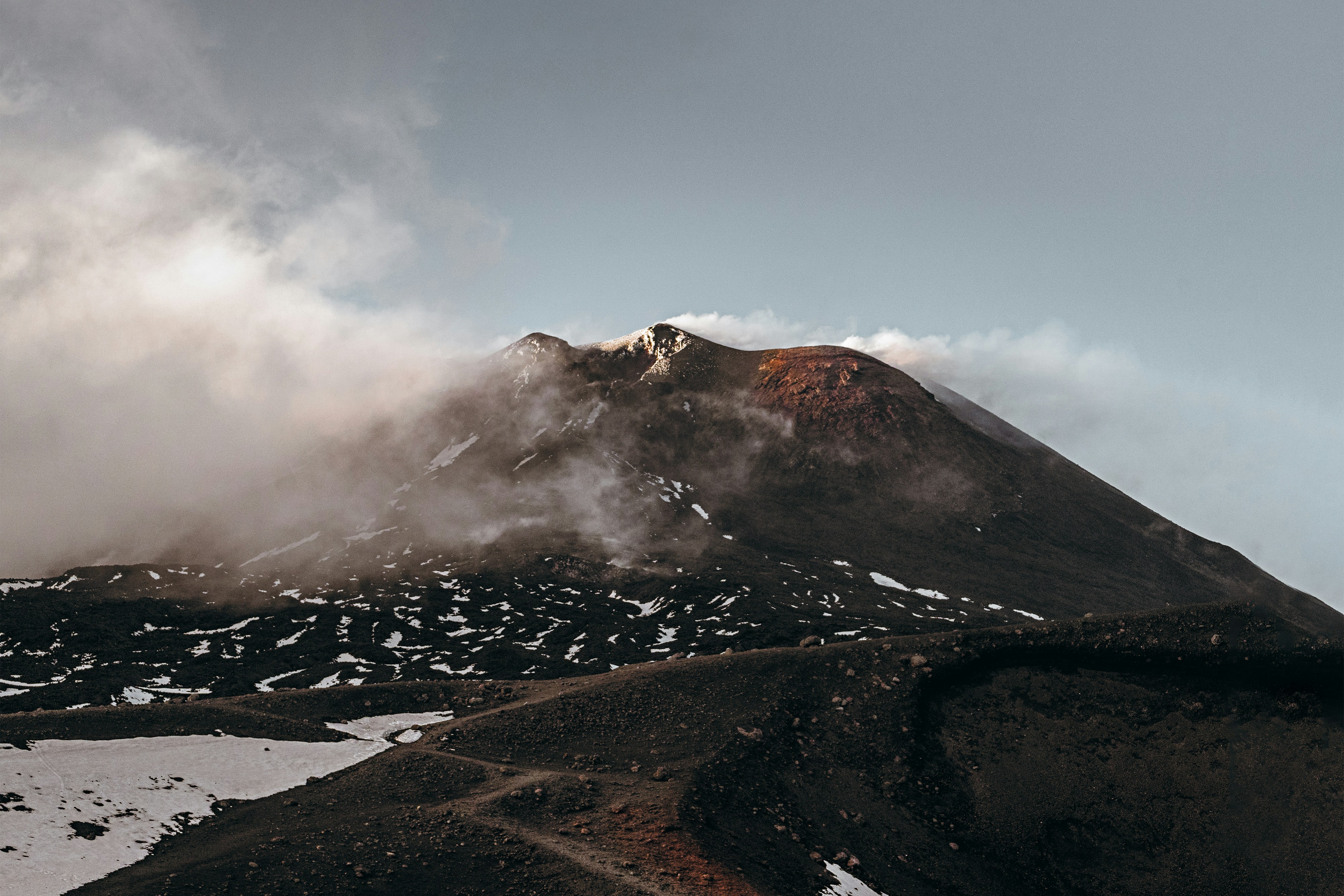 #6879 /100
Europe's tallest and most active volcano, looming over Sicily's east coast and erupting regularly enough that lava flows are a near-yearly event visible from Catania on clear nights.
Cable cars and 4x4 tours climb partway up its barren, ash-grey upper slopes, where guided hikes reach steaming craters and fields of hardened lava from past eruptions.
Vineyards ring its lower slopes, producing distinctive wines grown in volcanic soil, a striking contrast to the desolation higher up.
How does it rate
CrowdsRomanceCash RequiredDangerAccessibilityWhy you should go
Europe's most active volcano, with guided hikes reaching steaming craters and lava fields on its upper slopes.
Why you shouldn't go
Eruptions and ash activity periodically close the upper trails and cable car with little notice, so plans need flexibility.
Plan your visit
Best time to visitMay-June or September for stable weather; the summit can close in poor conditions any time of year.Best time of dayMorning, for clearer summit visibility before afternoon cloud typically rolls in.Getting thereFly to Catania; a 1-1.5 hour drive to the Rifugio Sapienza cable car station on the south side.Entry costCable car plus jeep tour to the craters runs around EUR65-70.Time neededHalf a day.BookingBook ahead →Insider tip — Book the guided upper-crater jeep tour rather than stopping at the cable car's midpoint - the higher craters are where the volcano actually looks otherworldly. -
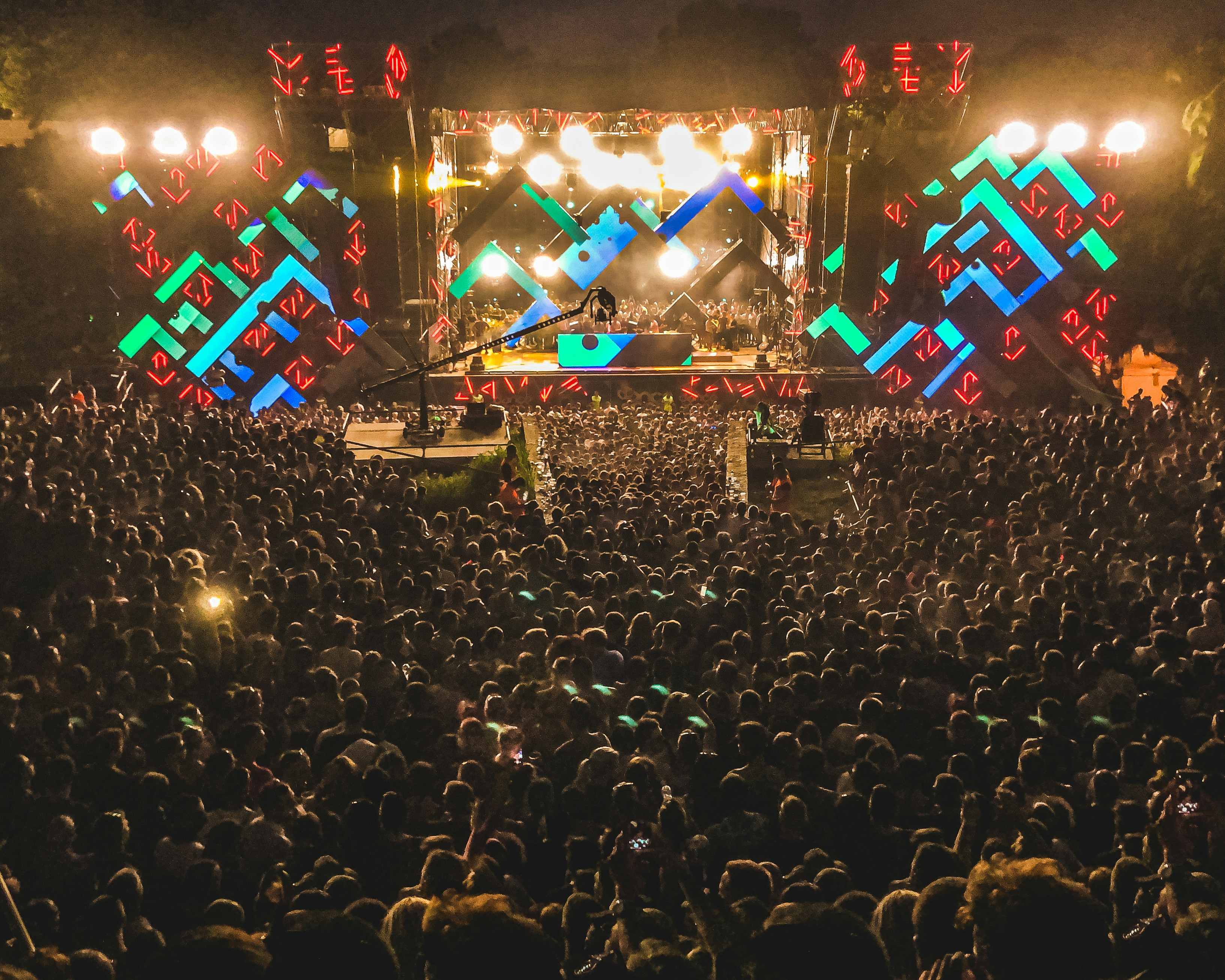 #6979 /100
EXIT Festival fills an 18th-century fortress overlooking the Danube in Novi Sad with more than 40 stages tucked into the ramparts, moats, and courtyards, spanning dance, hip-hop, and rock across four nights each July.
It grew out of a 2000 student protest movement against the Milosevic regime, and the setting is the real draw: few other major festivals stage their acts inside a genuine medieval fortress.
How does it rate
CrowdsRomanceCash RequiredDangerAccessibilityWhy you should go
A four-night music festival staged inside a genuine 18th-century fortress overlooking the Danube.
Why you shouldn't go
The fortress ramparts mean a lot of walking and stairs between stages, and July nights in Novi Sad stay warm and crowded.
Plan your visit
Best time to visitFour nights in mid-July each year.Best time of dayLate evening into the early hours, when the Dance Arena and main stages peak.Getting thereFly into Belgrade Nikola Tesla Airport, then a train or bus roughly 1.5 hours to Novi Sad.Entry costFour-day passes run roughly EUR100-130.Time neededThe full four nights for the complete lineup.BookingBook ahead →Insider tip — Wear real shoes, not sandals - the fortress paths are cobbled and uneven, and you will be on your feet on stone for hours. -
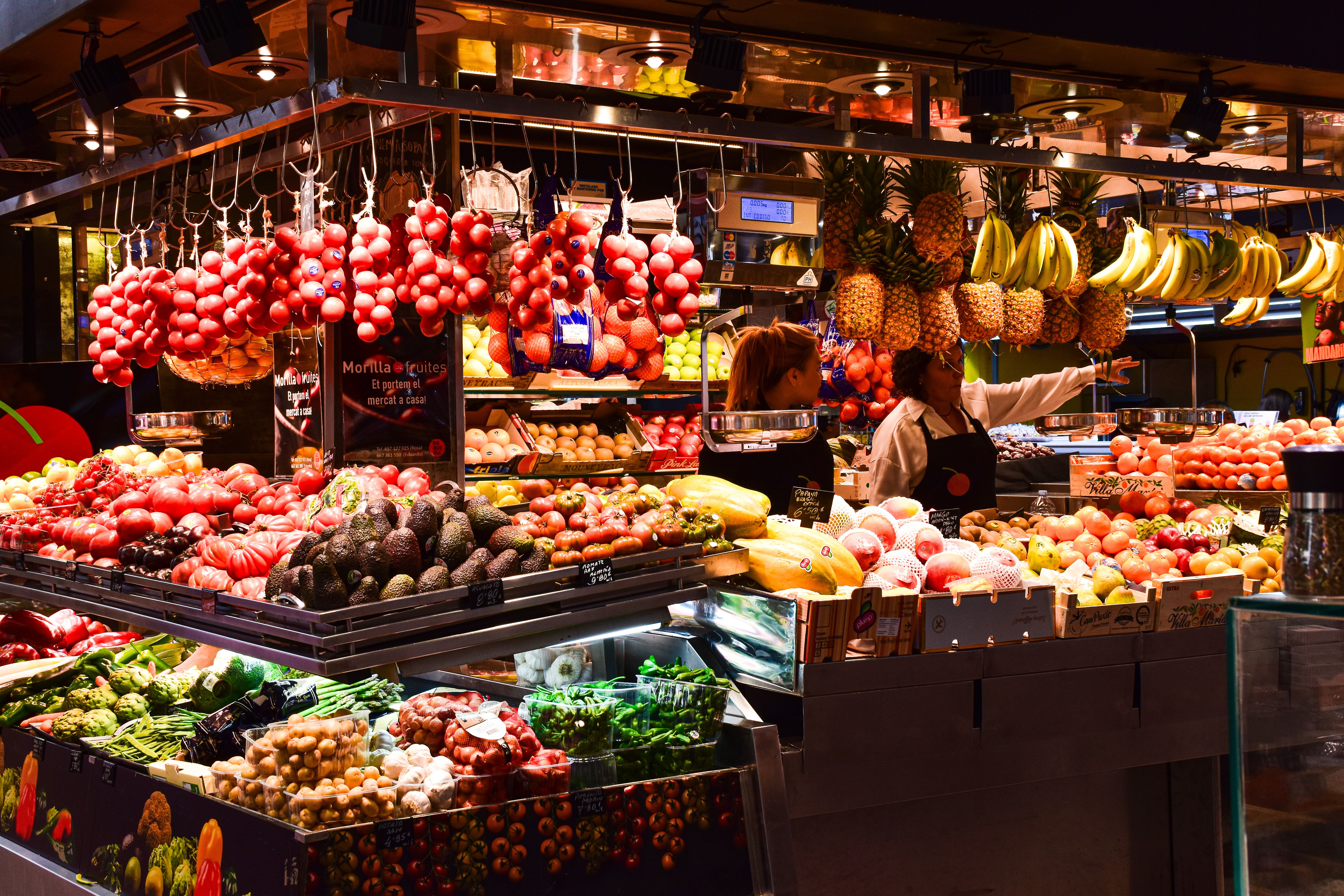 #7079 /100
Just off Barcelona's Las Ramblas, La Boqueria has traded since the 13th century and sits behind a stained-glass modernist entrance.
Stalls run to jamon iberico, glistening seafood, cured cheeses and fruit cut and stacked for the counter, while several bars at the back serve cooked plates to whoever can claim a stool.
It works as both a genuine working market and a place to eat your way through lunch standing up.
How does it rate
CrowdsRomanceCash RequiredDangerAccessibilityWhy you should go
A 13th-century food market off Las Ramblas, its stalls of jamon and fresh seafood as photographed as any landmark in Barcelona.
Why you shouldn't go
Its fame means the stalls closest to the entrance are noticeably pricier and more tourist-oriented than the market's back sections.
Plan your visit
Best time to visitWeekday mornings, when the market is fully stocked but before tour groups arrive.Best time of dayMid-morning, for the best produce selection and manageable crowds.Getting thereTake the Barcelona Metro L3 (green line) to Liceu station, a short walk to the market entrance on Las Ramblas.Entry costFree to enter; tapas and produce prices vary by stall.Time needed1-2 hours.Insider tip — Walk past the busy front stalls to the market's quieter rear sections for better prices and a more local feel. -
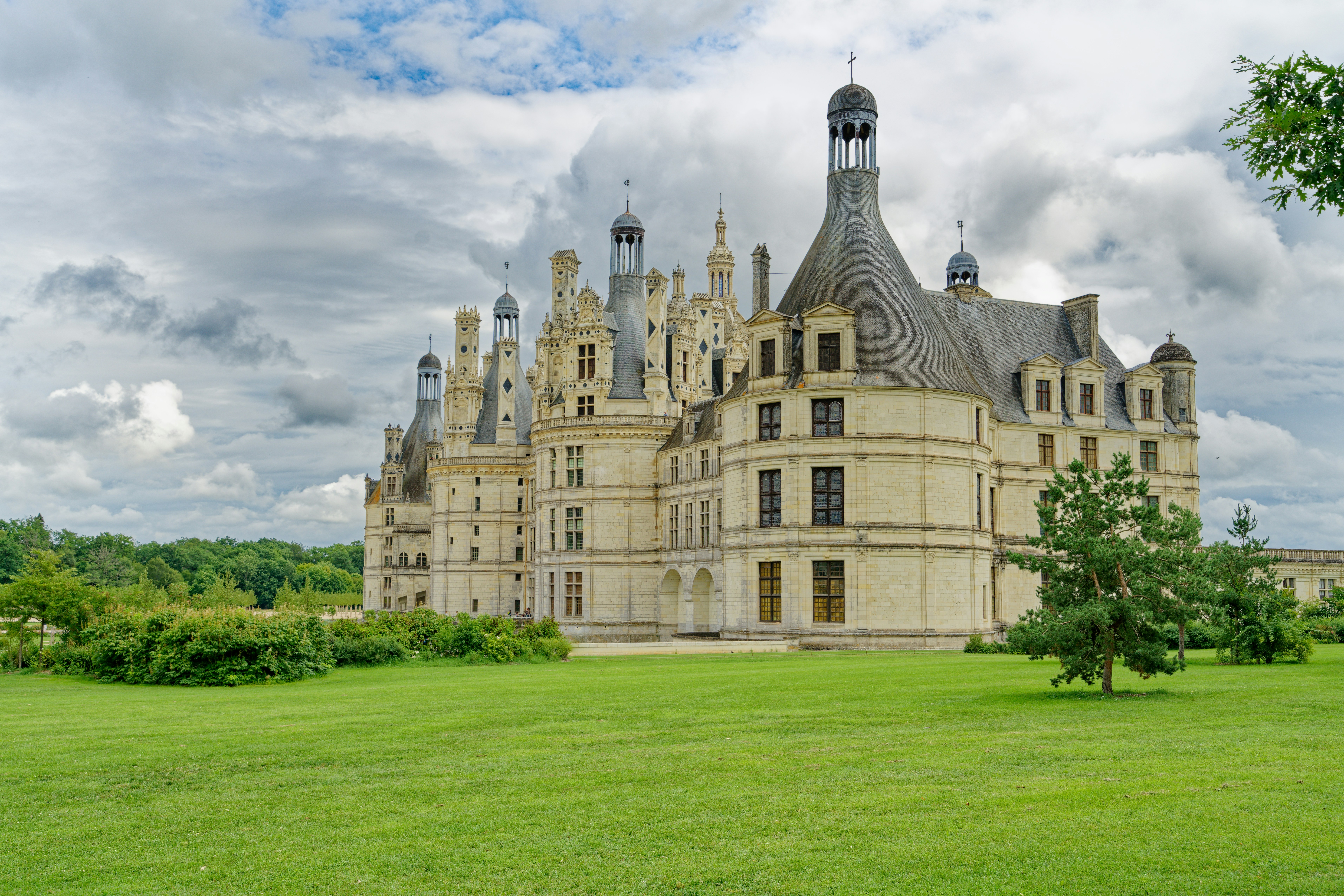 #71
#71Rated #71 of 100
Loire Valley Chateaux Cycling Route, France
#loirevalleychateauxcyclingroute ◆ Cycling Tours79 /100La Loire a Velo's flat, dedicated paths link the Loire Valley's great chateaux, threading past Chambord's fairy-tale turrets, Chenonceau's arches over the Cher and Amboise's clifftop fortress.
Riders pass through stone villages, vineyards and troglodyte cave dwellings carved into tufa cliffs along the way.
Short, modular loops between 10 and 45km make it easy to see one chateau or several in a single day.
How does it rate
CrowdsRomanceCash RequiredDangerAccessibilityWhy you should go
Flat, dedicated paths connect some of Europe's most theatrical castles without ever touching traffic.
Why you shouldn't go
Chateau entry fees add up quickly if you visit more than one or two in a day.
Plan your visit
Best time to visitMay-June or September for mild weather and thinner chateau queues.Best time of dayMorning arrival at each chateau, ahead of coach-tour crowds.Getting thereTrain to Tours or Blois from Paris (about 1.5-2 hours); bike rental available at both stations.Entry costBike rental from EUR15/day; Chambord entry EUR16, Chenonceau EUR16Time needed1-3 days depending on chateaux visitedBookingBook ahead →Insider tip — Ride the Chambord-to-Cheverny loop before 10am to see Chambord's roofline reflected in its still moat before the wind picks up and coaches arrive. -
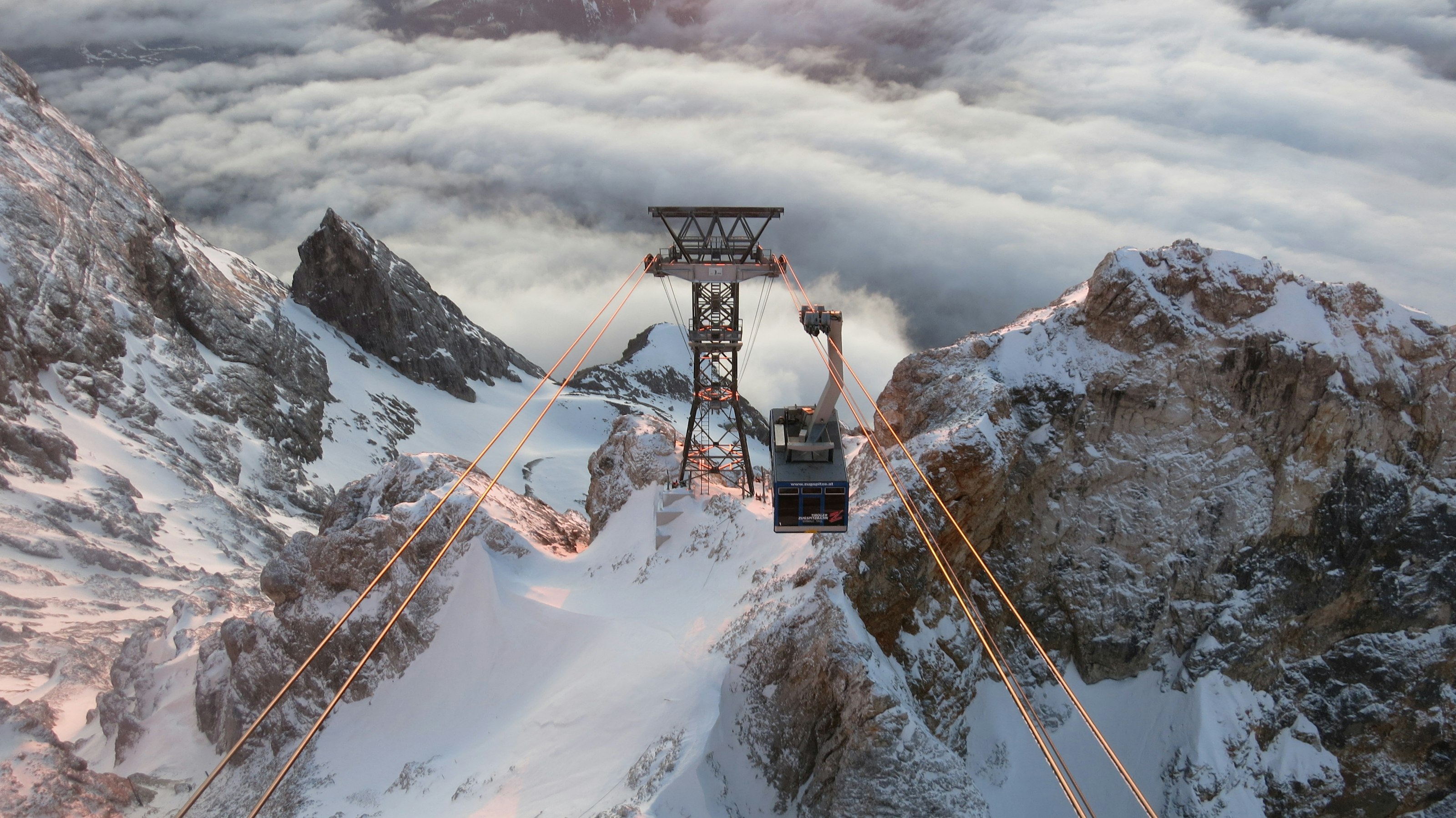 #7279 /100
The Zugspitze is Germany's highest peak, and a cable car climbs almost straight from the valley town of Garmisch-Partenkirchen to its summit, where the view on a clear day takes in more than 400 peaks across Germany, Austria, Switzerland, and Italy.
A small glacier survives near the top, along with a ski area that operates into summer, and the border with Austria runs directly across the summit platform.
How does it rate
CrowdsRomanceCash RequiredDangerAccessibilityWhy you should go
Stepping out of a cable car onto a summit with views into four countries, with zero hiking required, is hard to beat.
Why you shouldn't go
Cloud cover rolls in quickly at altitude and can cut the four-country view down to whiteout without warning.
Plan your visit
Best time to visitJune–September for the clearest summit views; winter for skiing.Best time of dayEarly morning, for the clearest air before afternoon cloud builds around the peak.Getting thereFly to Munich; 1.5-hour train or drive to Garmisch-Partenkirchen, then the Zugspitze cable car.Entry costPaid cable car ticket; prices are higher in winter ski season.Time neededHalf a dayInsider tip — Ride up the newer Eibsee cable car and come down via the cogwheel railway (or vice versa) to see the mountain from two different angles. -
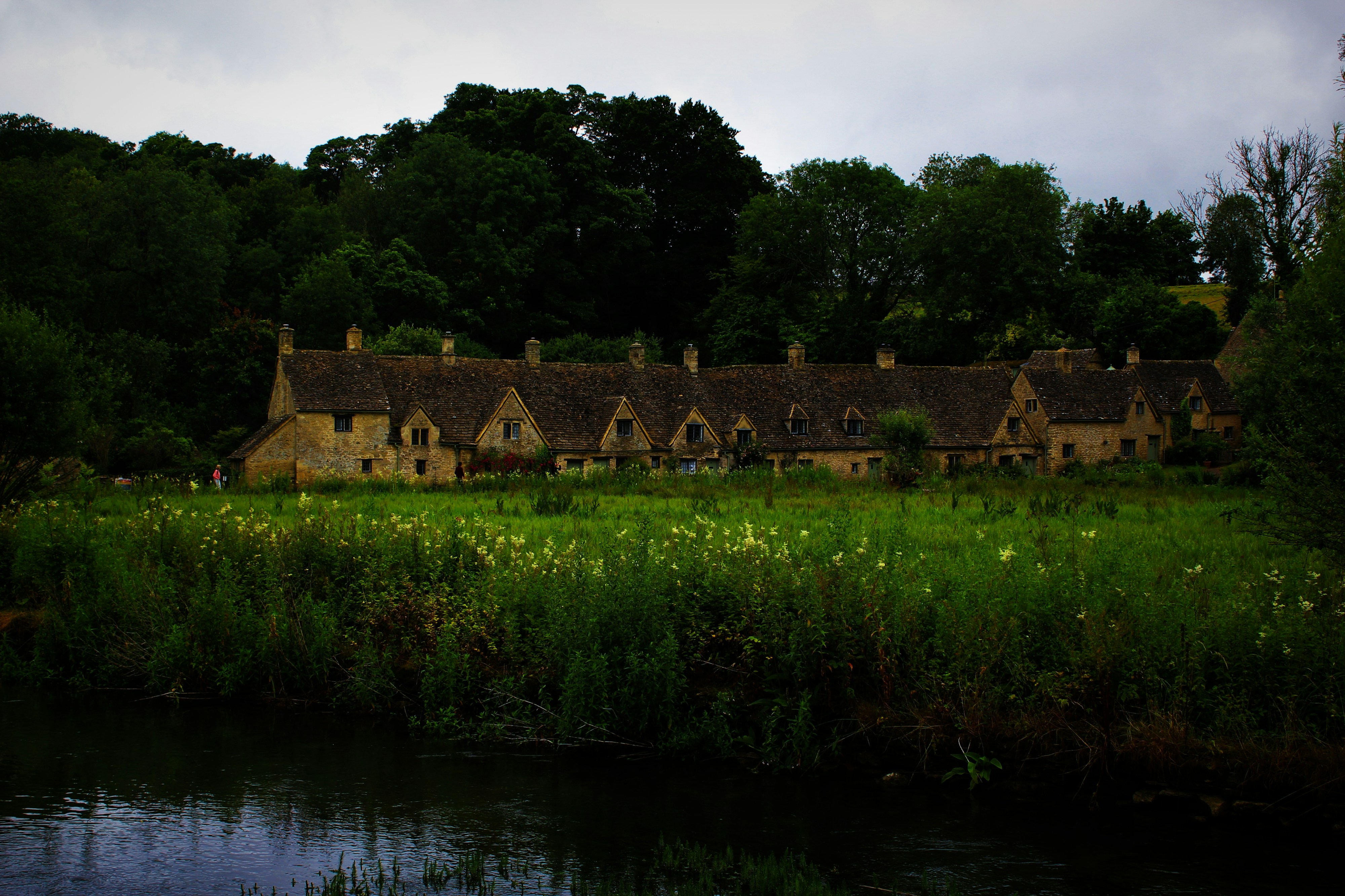 #73
#73A row of 17th-century weavers' cottages called Arlington Row, built from honey-coloured Cotswold stone, forms one of the most famous streets in England.
A shallow trout stream runs directly alongside the row, with ducks and grazing sheep completing a scene that looks almost too tidy to be real.
William Morris once called Bibury the most beautiful village in England, and the description has stuck ever since.
How does it rate
CrowdsRomanceCash RequiredDangerAccessibilityWhy you should go
A single row of stone cottages beside a stream that's been called England's most beautiful street.
Why you shouldn't go
Arlington Row is genuinely tiny - most visits are a 20-minute photo stop, not a destination in itself.
Plan your visit
Best time to visitSpring or autumn, for soft light and fewer coach-tour crowds than summer.Best time of dayEarly morning, before the narrow lane fills with visitors and parked cars.Getting thereDrive from Cirencester (about 20 minutes) or Oxford (about 1 hour); no rail station in the village.Entry costFree (Arlington Row is a public street; cottages are private homes).Time needed30-60 minutesInsider tip — Park in the small public car park rather than on the lane itself - roadside parking near Arlington Row is extremely limited and often full. -
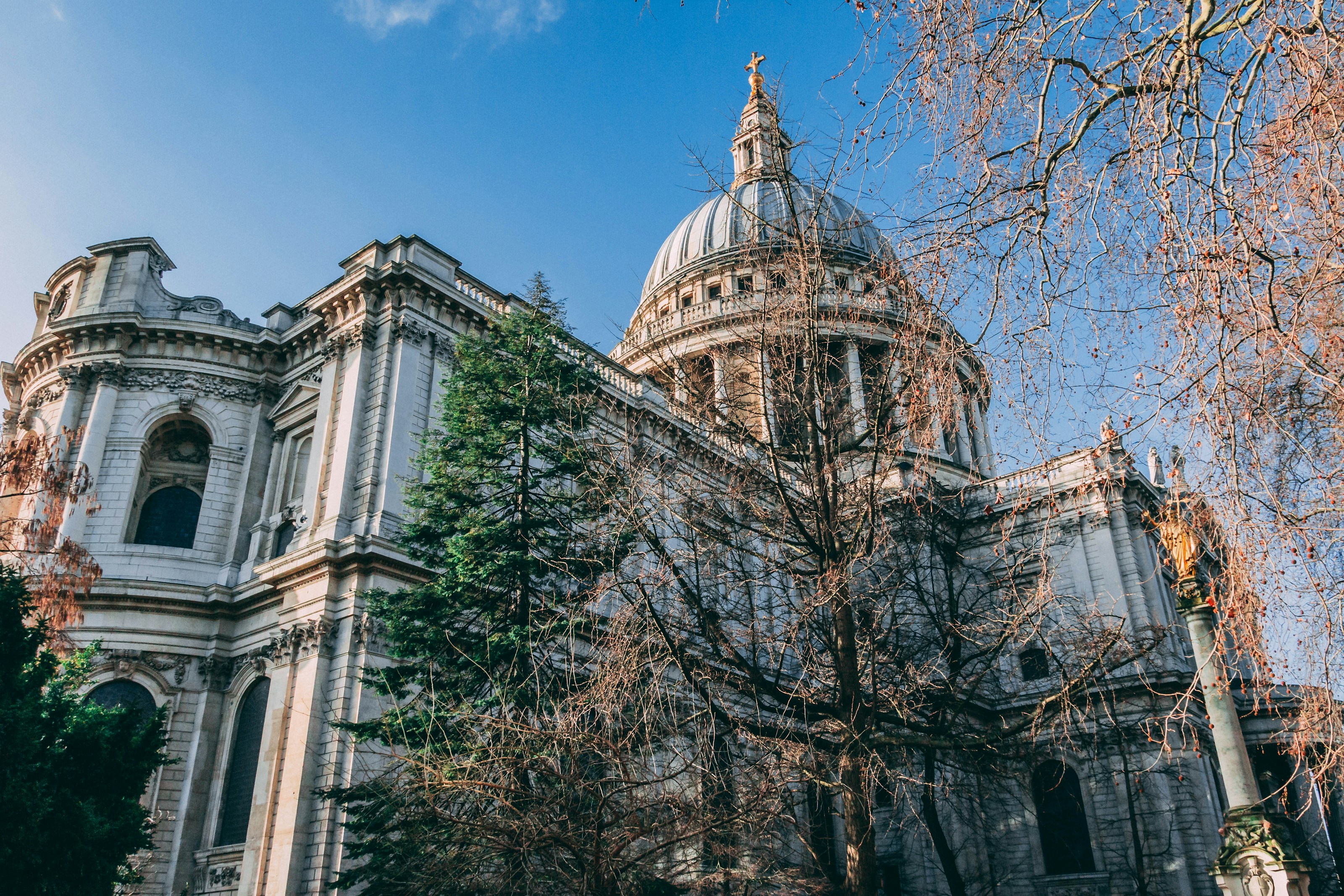 #7479 /100
Wren's domed cathedral, built after the Great Fire and the defining image of London's survival through the Blitz.
Inside, the Whispering Gallery carries a murmur clean around the dome; above it, 528 steps lead to the Golden Gallery and a view straight down Fleet Street and across the Thames.
How does it rate
CrowdsRomanceCash RequiredDangerAccessibilityWhy you should go
The climb to the Golden Gallery gives the best free-standing view of the City.
Why you shouldn't go
Entry is expensive for a working church, and photography is banned throughout the interior.
Plan your visit
Best time to visitAny time of year; the interior is unaffected by the weatherBest time of dayOpening time on a weekday, before the school groups arriveGetting thereTube to St Pauls on the Central line, directly outside the west frontEntry costAround GBP 26 online for sightseeing entry; free during servicesTime needed2-3 hoursBookingBook ahead →Insider tip — Attend Evensong instead - it is free, the choir is superb, and you sit in the quire rather than filing past it with a map. -
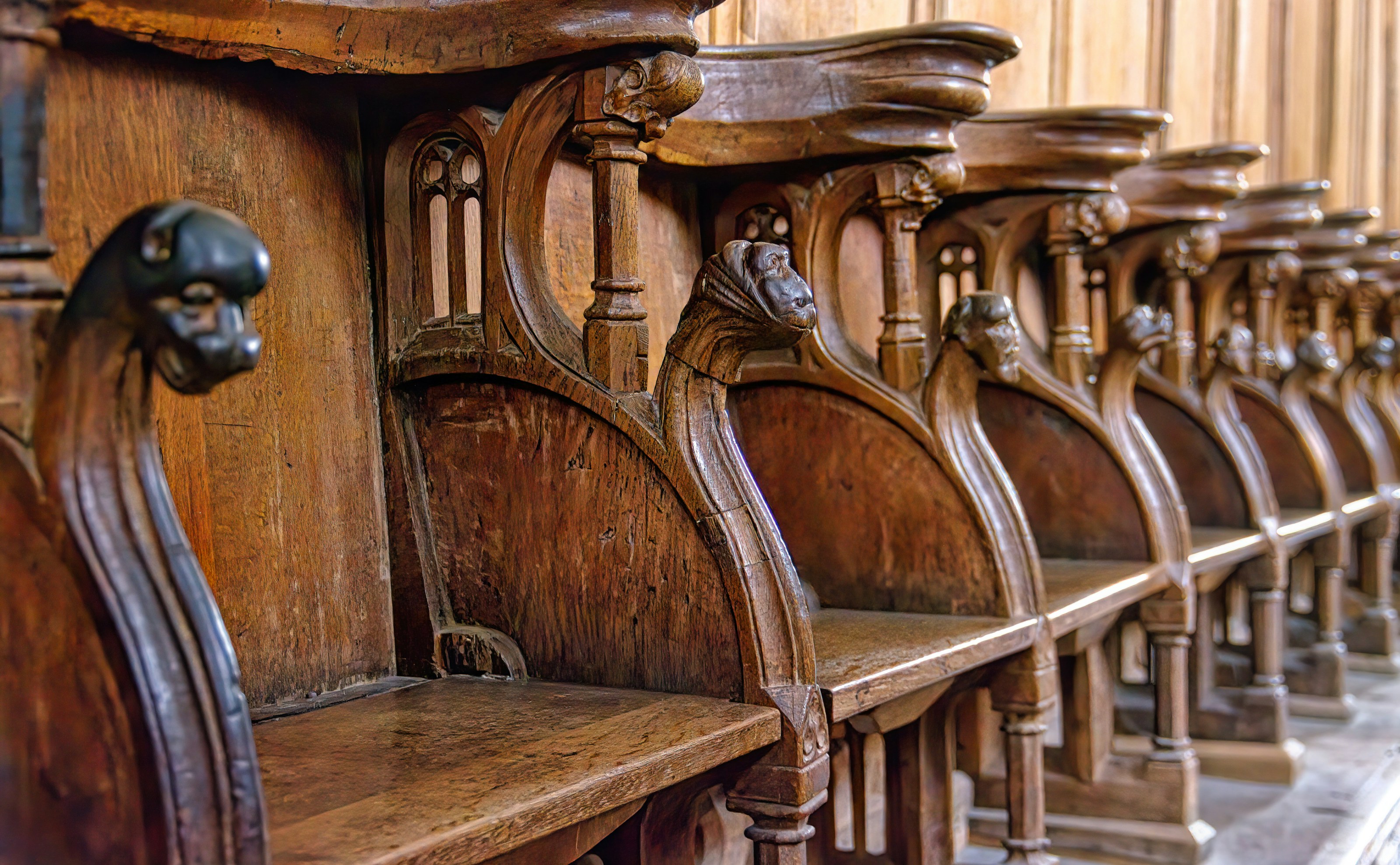 #7578 /100
Northern Europe's largest music festival is run entirely by volunteers and a non-profit foundation that funnels its surplus to humanitarian and cultural causes, giving it a communal character distinct from the big commercial festivals.
A vast tent city goes up days before the music starts, and the lineup spans everything from major international headliners to niche and experimental acts across more than a dozen stages.
How does it rate
CrowdsRomanceCash RequiredDangerAccessibilityWhy you should go
A volunteer-run, non-profit music festival whose surplus funds humanitarian causes, with a sprawling tent city and eclectic lineup.
Why you shouldn't go
The campground can feel chaotic in the days before the music starts, and Danish summer weather is unpredictable.
Plan your visit
Best time to visitLate June to early July, with the campground opening several days before the main programme.Best time of dayEvening for the headline sets on the Orange Stage, the festival's largest.Getting thereFly into Copenhagen Airport, then a direct train to Roskilde, about 30 minutes away.Entry costFull festival passes cost around DKK 2,700-3,000.Time neededThe full eight-day event, or at least the four main music days.BookingBook ahead →Insider tip — Arrive during the warm-up days before the music starts to claim a good campsite - the best spots near the arena fill up fast once the main crowds arrive. -
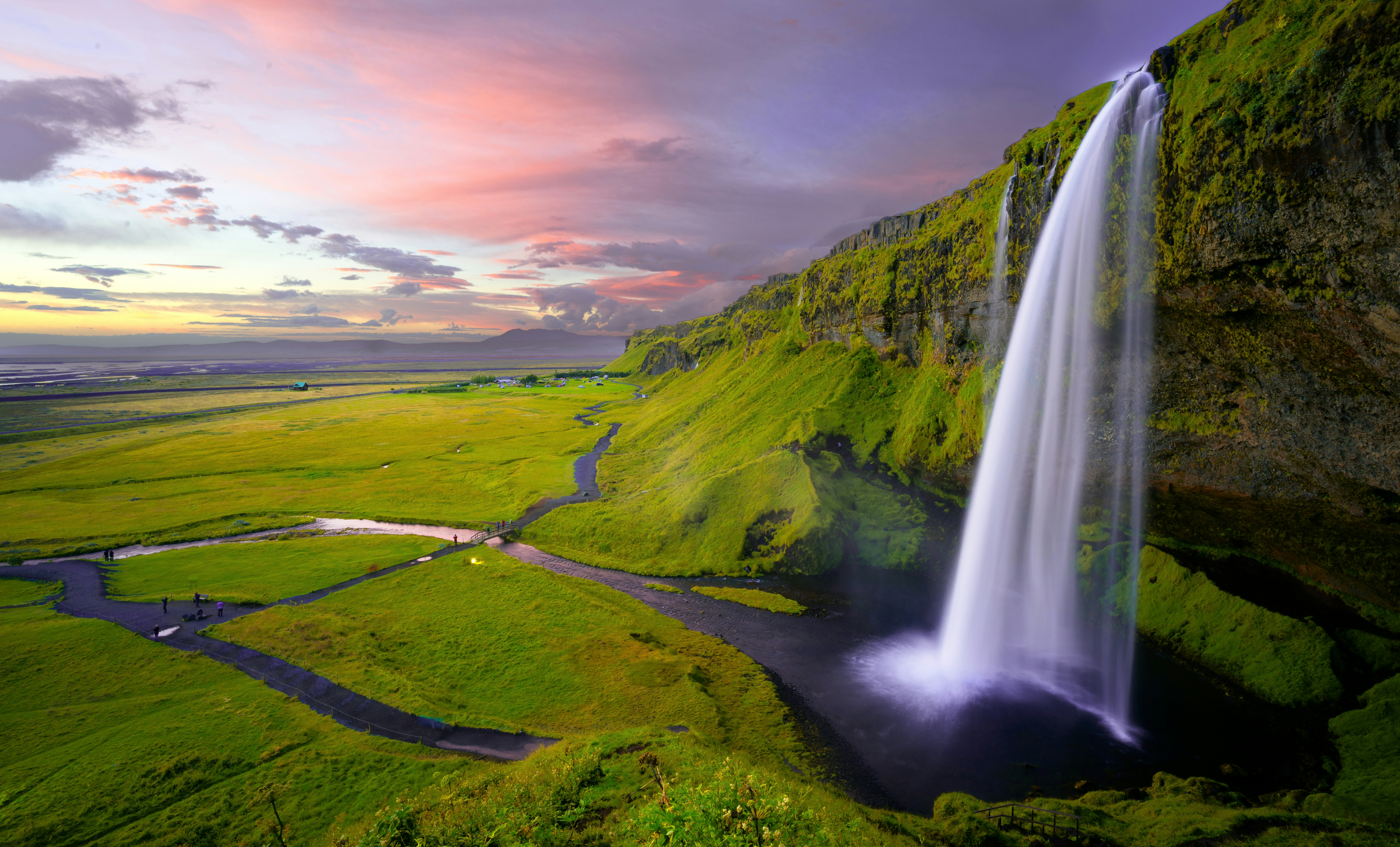 #7678 /100
One of Iceland's most famous waterfalls drops 60 meters into a misty pool, with a rare path that lets visitors walk fully behind the curtain of falling water.
Right off the Ring Road and framed by green cliffs, it's striking in any weather, and lit up at night in the darker months.
How does it rate
CrowdsRomanceCash RequiredDangerAccessibilityWhy you should go
A 60-meter waterfall you can walk fully behind, right off Iceland's Ring Road.
Why you shouldn't go
Extremely crowded in summer; the path can be slippery and icy in winter; parking fills up fast.
Plan your visit
Best time to visitJune–September for the safest behind-the-falls access; midnight sun in June extends golden light.Best time of dayEarly morning or late evening to avoid tour bus crowds.Getting thereRental car from Reykjavik, roughly a 2-hour drive along the Ring Road.Entry costFree (paid parking, ~ISK 900).Time needed1 hour.Insider tip — Bring a waterproof jacket — the spray soaks you on the behind-the-falls path. The nearby hidden waterfall Gljúfrabúi, a short walk away, is far less crowded. -
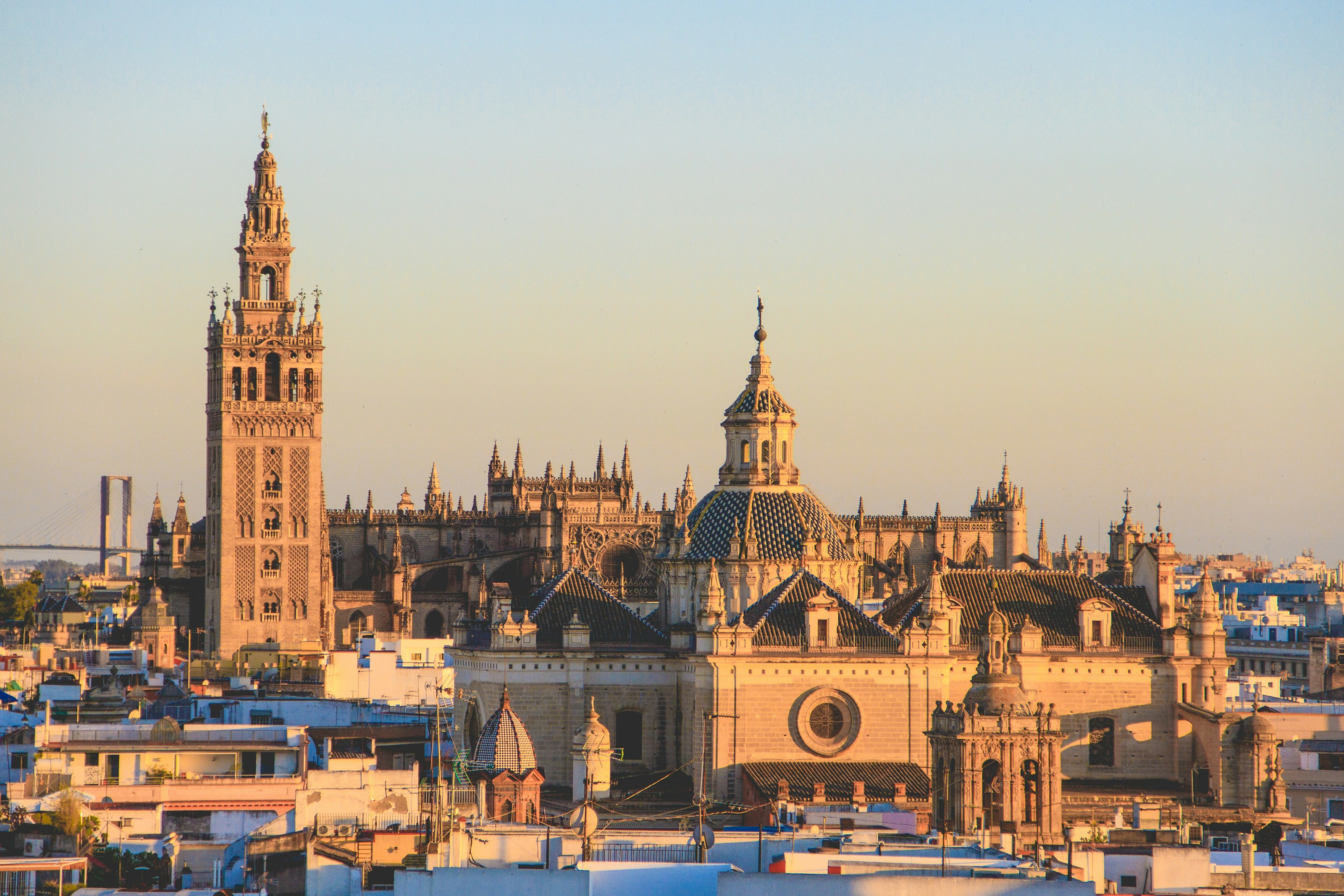 #7778 /100
The largest Gothic cathedral in the world, raised on the site of Seville's main mosque after the Reconquest and keeping its minaret as the Giralda bell tower.
Columbus's tomb is carried by four figures representing the kingdoms of Spain.
The tower is climbed by 35 ramps rather than stairs, built wide enough to ride a horse up.
How does it rate
CrowdsRomanceCash RequiredDangerAccessibilityWhy you should go
The Giralda is climbed on ramps, so the rooftop view costs far less effort than it should.
Why you shouldn't go
The interior is dark and cavernous - impressive in scale but very hard to photograph.
Plan your visit
Best time to visitMarch-May, before the Andalusian summer heat sets inBest time of dayLate afternoon, when the stone turns orange and the rooftop view is at its bestGetting thereCentral Seville, ten minutes on foot from the tram connection at Santa JustaEntry costAround EUR 12 including the GiraldaTime needed2-3 hoursBookingBook ahead →Insider tip — Buy the combined ticket at the much quieter Iglesia del Salvador desk, then walk straight past the cathedral queue with it. -
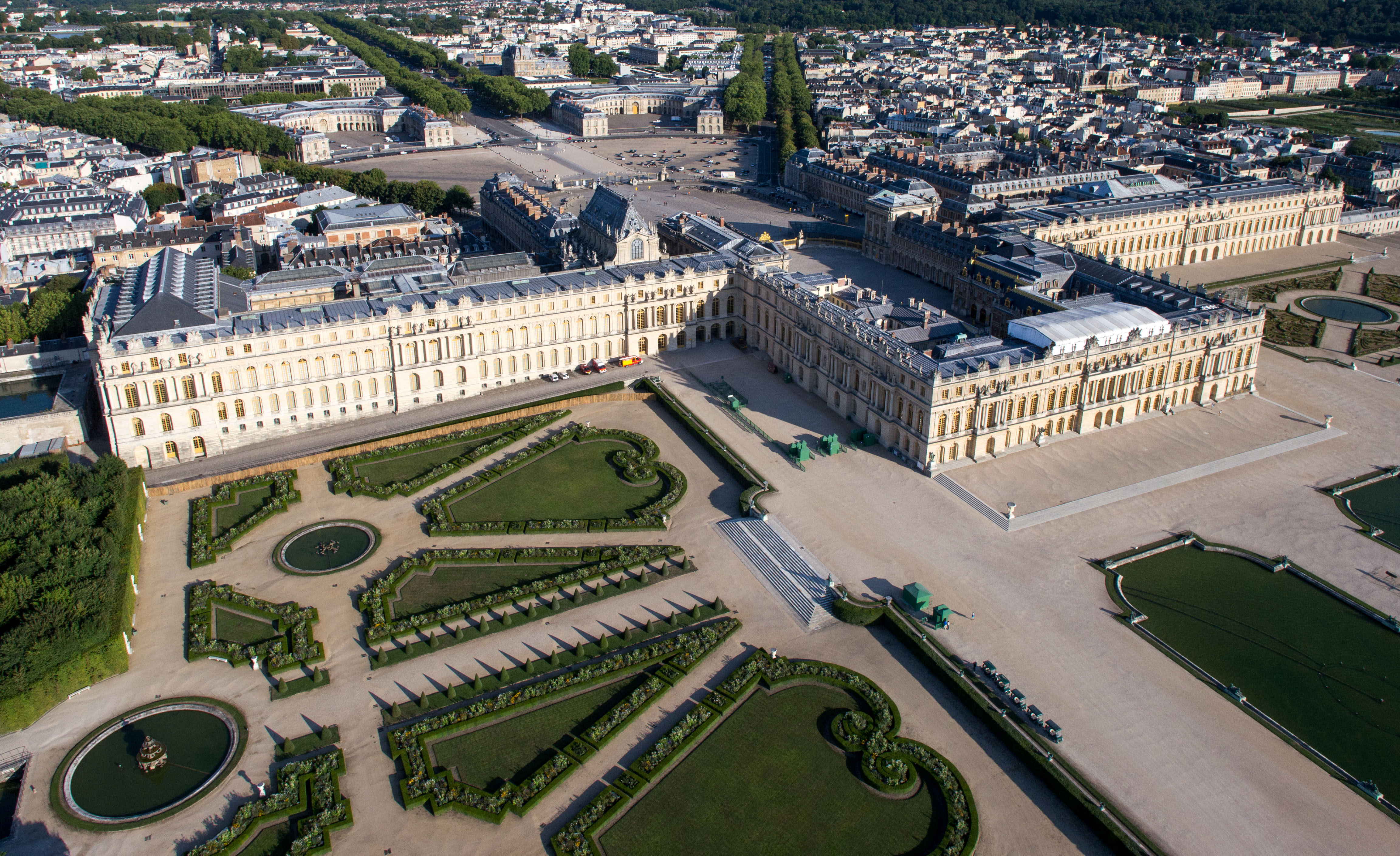 #7878 /100
The Palace of Versailles was the principal residence of French royalty from 1682 until the Revolution and remains the most visited château in the world.
The Hall of Mirrors, Louis XIV's formal gardens, and the Grand Trianon create an overwhelming display of royal opulence stretching across 800 hectares.
How does it rate
CrowdsRomanceCash RequiredDangerAccessibilityWhy you should go
The Hall of Mirrors on a sunny morning, when 357 mirrors reflect the light of 20,000 candles worth of chandeliers, is one of the most opulent rooms in the world.
Why you shouldn't go
Versailles is extremely crowded year-round and the gardens alone require a full day to explore properly; queues without pre-booked tickets can be very long.
Plan your visit
Best time to visitSpring or autumn, avoiding AugustBest time of dayEarly morning entryGetting thereRER C train from Paris to Versailles Chateau Rive GaucheEntry cost~EUR21 (palace + gardens)Time neededFull dayInsider tip — The gardens are free on non-fountain-show days; check the Musical Fountains schedule if you want to see them running -
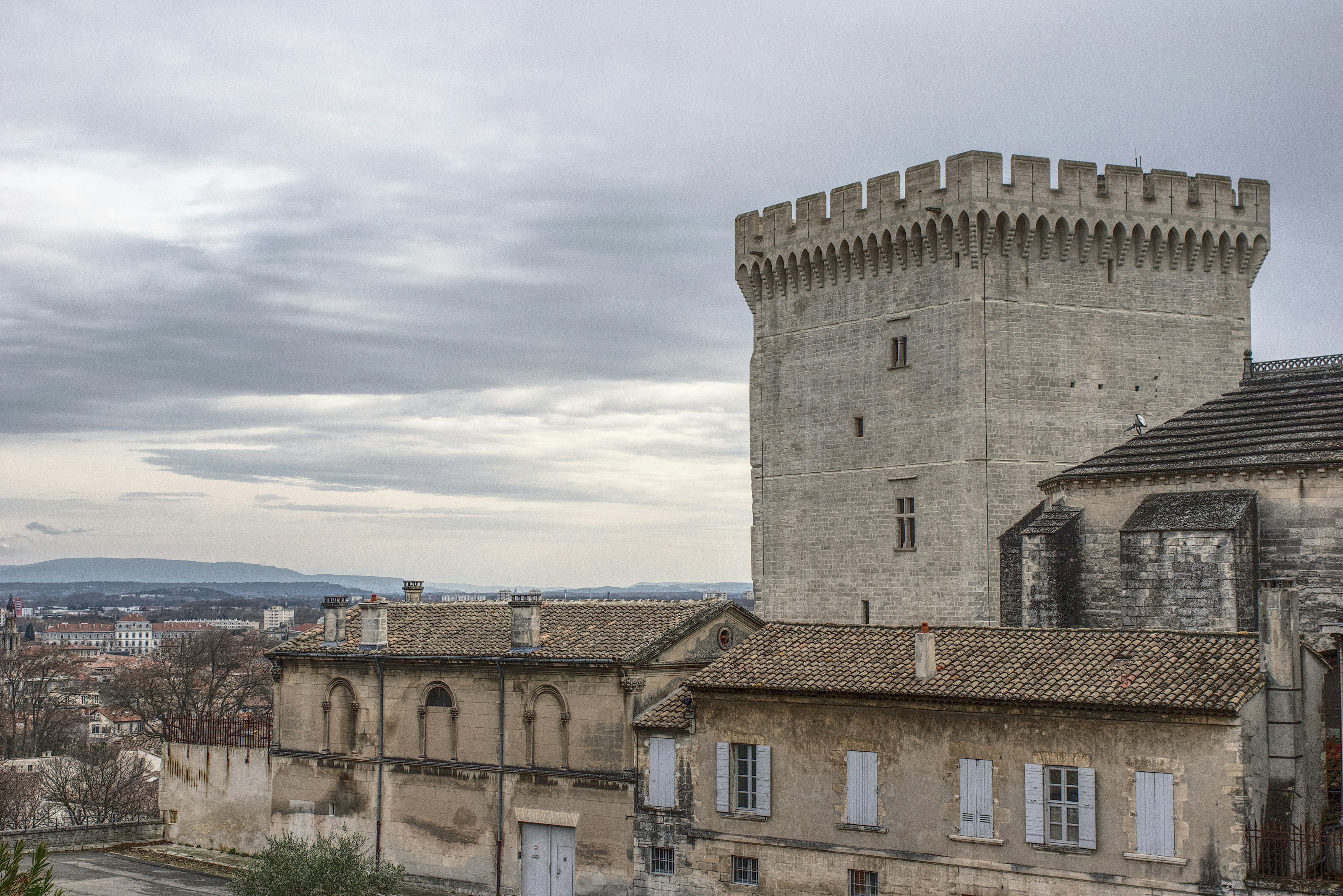 #7978 /100
Each July, France's Avignon Festival turns the walled papal city into Europe's biggest stage for contemporary theatre, with the main programme performing in the Palais des Papes' medieval courtyard alongside hundreds of independent Fringe shows filling every spare room and courtyard in town.
Founded in 1947 to bring serious theatre beyond Paris, it now draws well over a thousand productions across three weeks, more than any visitor could see.
How does it rate
CrowdsRomanceCash RequiredDangerAccessibilityWhy you should go
Contemporary theatre fills a papal city for three weeks each July, from the main stage in the Palais des Papes to over a thousand independent shows.
Why you shouldn't go
The sheer volume of overlapping shows across the Fringe programme makes it easy to miss the best productions without local advice.
Plan your visit
Best time to visitThree weeks in July each year.Best time of dayEvening for the Palais des Papes main-stage productions; daytime for Fringe shows across town.Getting thereTake the TGV direct to Avignon TGV station, then a short shuttle into the walled city centre.Entry costFringe shows run roughly EUR15-25; main-programme productions in the Palais des Papes cost more.Time neededA few days to sample a range of shows; locals attend across the full three weeks.BookingBook ahead →Insider tip — Book main-programme shows in the Palais des Papes courtyard months ahead - the Fringe's thousand-plus shows are easier to get into on short notice. -
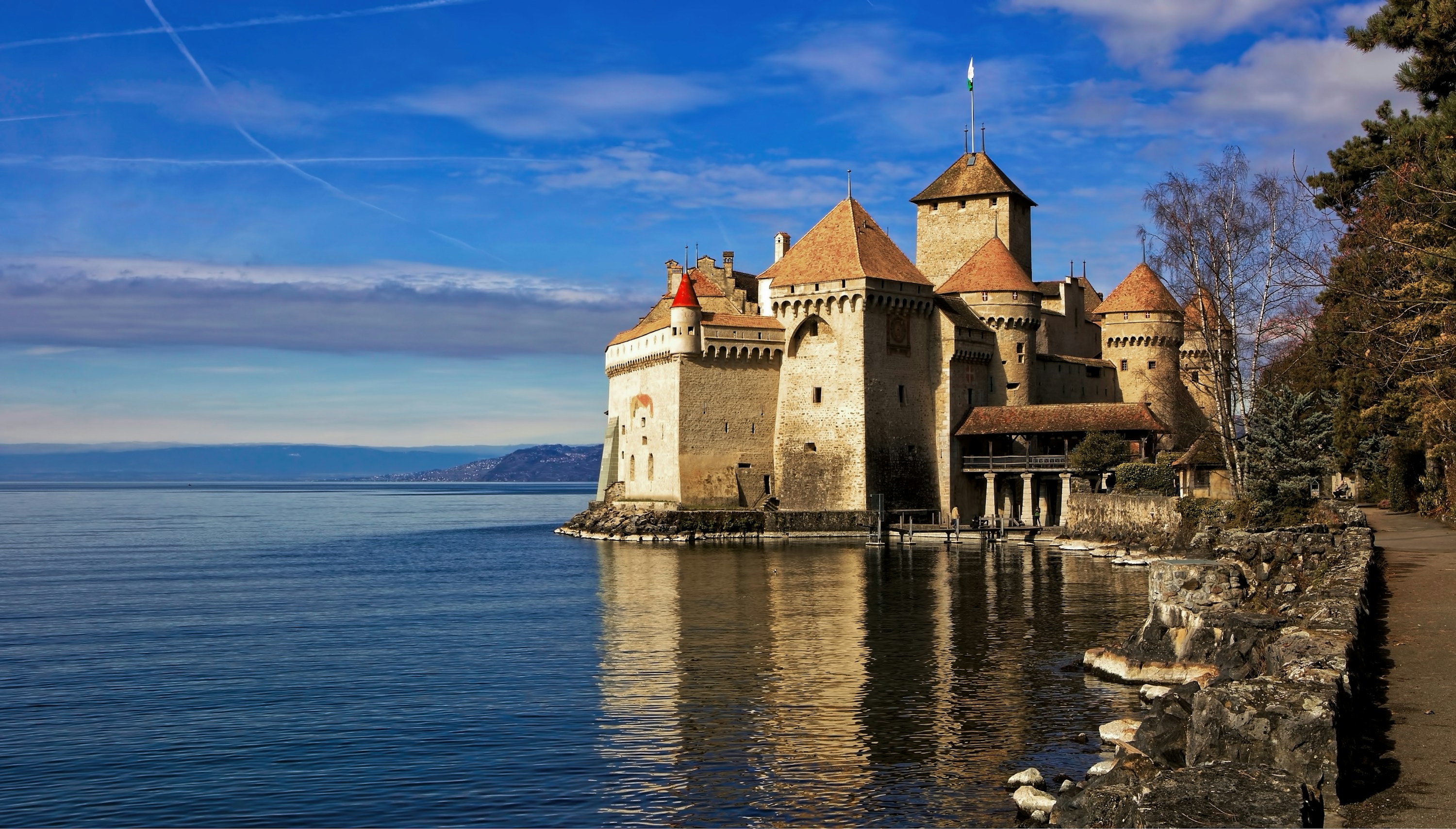 #8078 /100
Switzerland's largest lake curves along the base of the Alps between Geneva and Montreux, its mild microclimate supporting palm-lined promenades, terraced vineyards, and the turreted, moated Château de Chillon rising straight out of the water.
Lakeside towns like Montreux and Vevey give it a genteel, resort-town character, and paddle-steamers still cross between them much as they did a century ago.
How does it rate
CrowdsRomanceCash RequiredDangerAccessibilityWhy you should go
A rare combination of Alpine backdrop, mild climate, and a genuinely striking lakeside medieval castle.
Why you shouldn't go
The lake itself is mostly a scenic backdrop rather than an activity — most of the "doing" happens at specific stops like Chillon.
Plan your visit
Best time to visitMay–September for warm weather and full paddle-steamer schedules.Best time of dayLate afternoon light along the Montreux promenade, or morning to beat Chillon's tour groups.Getting thereTrain to Montreux from Geneva (about 1 hour) or Lausanne; Chillon is a lakeside walk or boat ride away.Entry costPromenades are free; Château de Chillon entry is a paid ticket.Time needed1–2 daysBookingBook ahead →Insider tip — Take the CGN boat rather than the train between Montreux and Chillon — the castle looks its best approached from the water. -
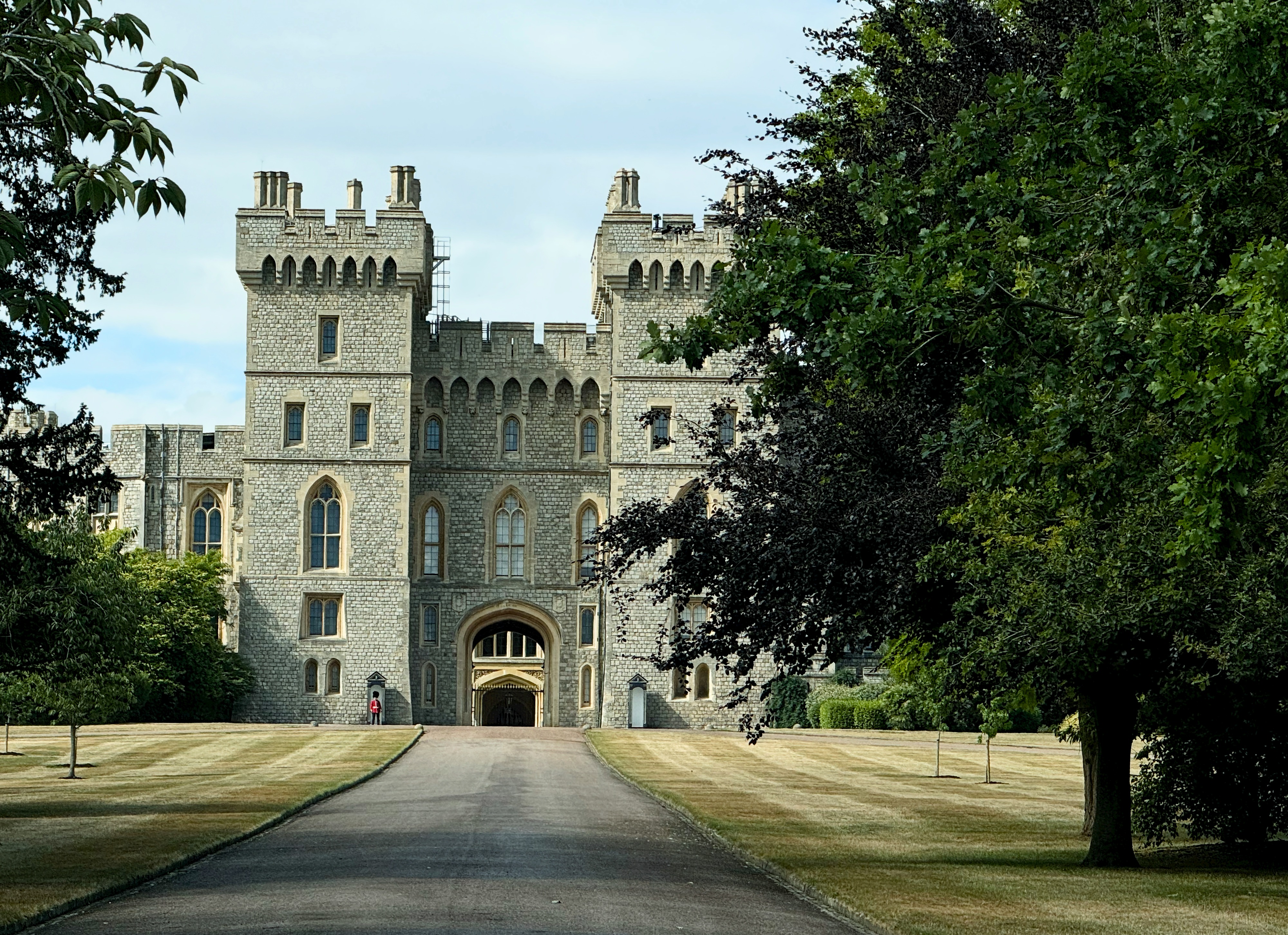 #8178 /100
The world's oldest and largest continuously occupied castle, still an official residence of the British monarch, with nearly a thousand years of continuous history inside its walls.
State Apartments, St George's Chapel (site of several royal weddings), and the daily Changing of the Guard draw huge crowds year-round.
It sits an easy day trip from London, which keeps it firmly on the well-worn royal-sightseeing circuit.
How does it rate
CrowdsRomanceCash RequiredDangerAccessibilityWhy you should go
Nearly a thousand years of continuous royal history, still a working royal residence, in a single day trip from London.
Why you shouldn't go
It's one of the most visited sites in England, and ticket lines and tour-group crowds are heavy most of the year.
Plan your visit
Best time to visitSpring or autumn for milder weather and slightly thinner queues than summer.Best time of dayFirst entry in the morning, before coach tours from London arrive.Getting thereTrain from London Waterloo or Paddington to Windsor, then a short walk to the castle gates.Entry costAround GBP30 for adult entry to State Apartments and grounds.Time neededHalf a day.BookingBook ahead →Insider tip — Check the Changing of the Guard schedule before you go - it doesn't run daily outside summer, and timing your visit around it is worth it. -
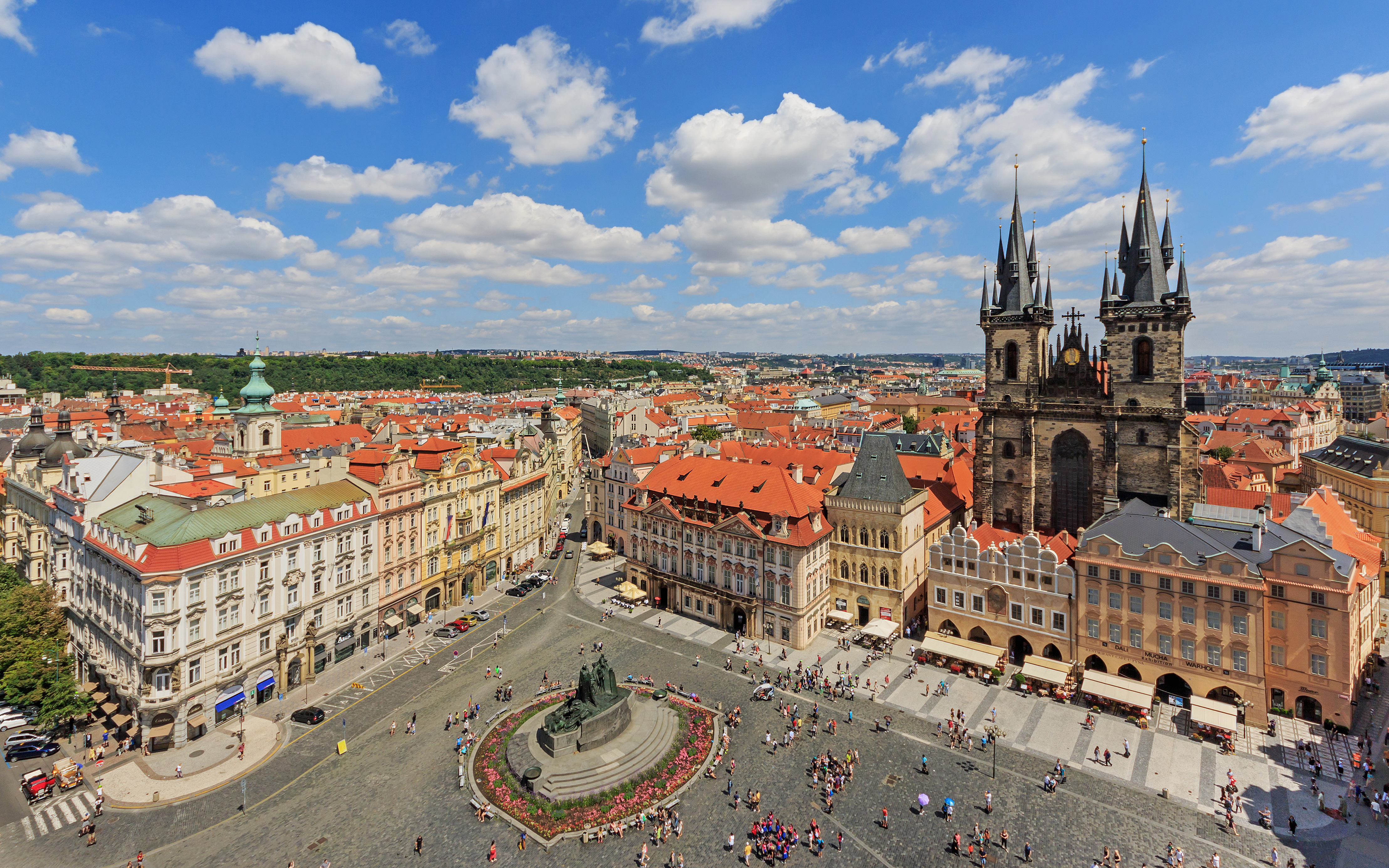 #8278 /100
Prague's Old Town Square has been the city's beating heart for centuries, surrounded by a colourful ensemble of Baroque, Romanesque, and Gothic buildings.
The 15th-century Astronomical Clock performs an hourly show, while the twin towers of the Church of Our Lady before Tyn create one of Central Europe's most distinctive skylines.
How does it rate
CrowdsRomanceCash RequiredDangerAccessibilityWhy you should go
The square's architectural variety and the views across it from the Old Town Hall tower make it one of Europe's most charming urban spaces.
Why you shouldn't go
The square is extremely touristy and surrounding restaurants charge high prices; the astronomical clock's hourly show is underwhelming given the waiting crowds.
Plan your visit
Best time to visitSpring or autumnBest time of dayGolden hour, or on the hour for the Astronomical Clock showGetting thereCentral Prague, walkable from most hotelsEntry costFreeTime needed1-2 hoursInsider tip — Climb the Old Town Hall Tower for a rooftop view over the square itself -
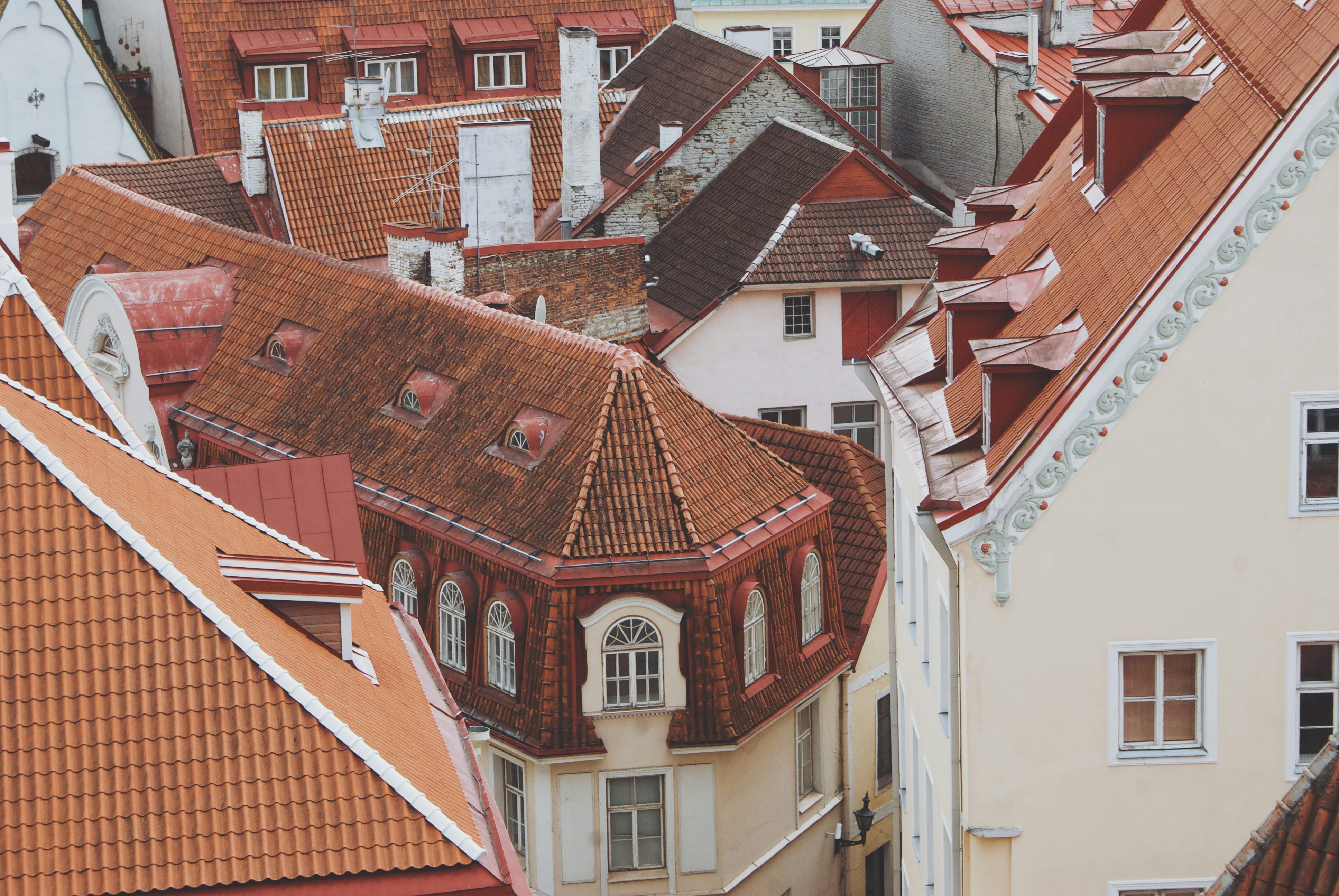 #83
#83Turrets and cobbled lanes fill this Baltic old town's medieval core, ringed almost entirely by its original 13th-century defensive walls.
Toompea Hill rises above the lower town, topped by a Russian Orthodox cathedral and views over red-tiled rooftops toward the harbour.
Despite the medieval look, Tallinn is one of Europe's most digitally advanced capitals.
How does it rate
CrowdsRomanceCash RequiredDangerAccessibilityWhy you should go
A completely walled medieval old town, still fully intact and lived-in rather than a museum piece.
Why you shouldn't go
The old town's cobblestones and hills make it a genuinely tough walk in heels or with luggage.
Plan your visit
Best time to visitMay-September, for the mildest weather and long daylight hours.Best time of dayEarly morning or evening, once day-trip cruise ship crowds have cleared out.Getting thereFly into Tallinn Airport, about 15 minutes from the old town; ferries also arrive from Helsinki.Entry costFree to walk the old town; Toompea viewpoints and museums charge small fees.Time needed2 daysInsider tip — Check cruise ship arrival schedules before visiting - the old town's narrow lanes get genuinely packed on the days multiple ships are in port. -
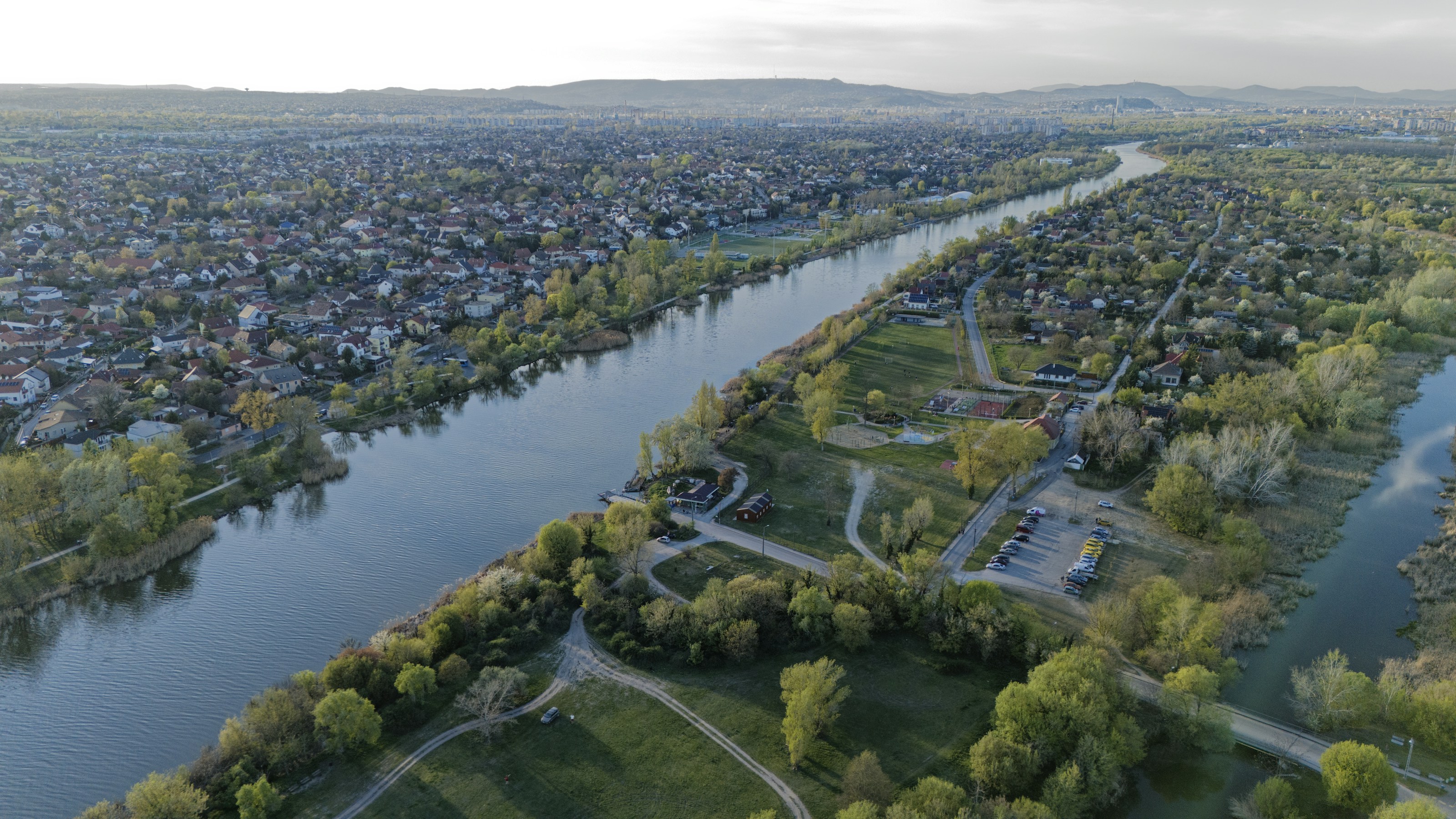 #8477 /100
Nicknamed the 'Island of Freedom', Sziget takes over an entire Danube island in Budapest for a week each August, mixing major international headliners with theatre, circus, and dozens of themed areas beyond the main stages.
Most attendees camp on-site for the full week, and the festival has grown into one of Europe's largest, drawing well over half its crowd from outside Hungary.
How does it rate
CrowdsRomanceCash RequiredDangerAccessibilityWhy you should go
A week-long festival on a Danube island in Budapest, combining major music headliners with theatre, circus, and themed areas.
Why you shouldn't go
On-site camping for a full week means basic shared facilities, and the island gets crowded and muddy after rain.
Plan your visit
Best time to visitThe second week of August each year.Best time of dayEvening for the main stage headline sets, though the island runs programming through the afternoon.Getting thereFly into Budapest Ferenc Liszt International Airport; the island is reachable by dedicated festival shuttle boats and buses from the city centre.Entry costFull week passes run roughly EUR300-350.Time neededThe full week for the complete experience, or a single day pass to sample it.BookingBook ahead →Insider tip — Buy a day pass first if you're unsure about camping a full week - Budapest's hotels are a short boat ride from the island and let you sleep somewhere with a real shower. -
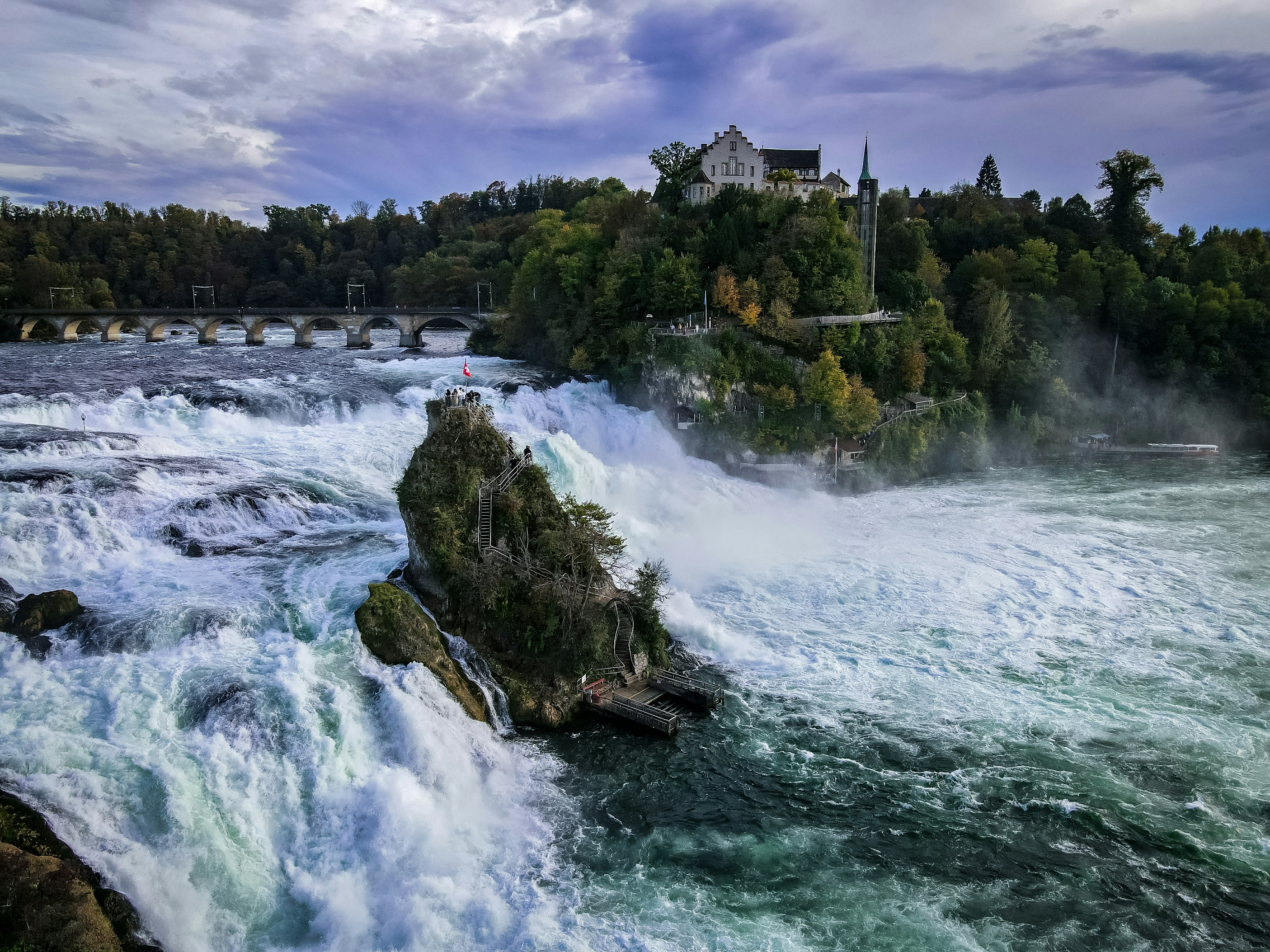 #8577 /100
Europe's largest waterfall by volume thunders over a 150-metre-wide limestone ledge near Schaffhausen, where the Rhine drops about 23 metres in a broad, permanent roar rather than a single dramatic drop.
Viewing platforms reach out over the spray from both banks, boats motor right up to the central rock, and the free riverside paths make it an easy stop rather than a planned expedition.
How does it rate
CrowdsRomanceCash RequiredDangerAccessibilityWhy you should go
Free, easy access to one of Europe's most powerful waterfalls, viewable from multiple angles in under an hour.
Why you shouldn't go
It's wide and powerful rather than tall or dramatic — expect a short, popular stop rather than a full day out.
Plan your visit
Best time to visitLate spring through summer, when snowmelt keeps water volume and spray at their peak.Best time of dayMorning or weekday visits avoid the tour-bus crowds that build through the afternoon.Getting thereTrain to Schaffhausen or Neuhausen Rheinfall station, then a short walk to the viewing points.Entry costFree from the riverbank; Laufen Castle viewing platforms cost a small fee; boat rides extra.Time needed1–2 hoursBookingBook ahead →Insider tip — The Känzeli platform, reached by stairs from Laufen Castle, gets you close enough to feel the spray on your face. -
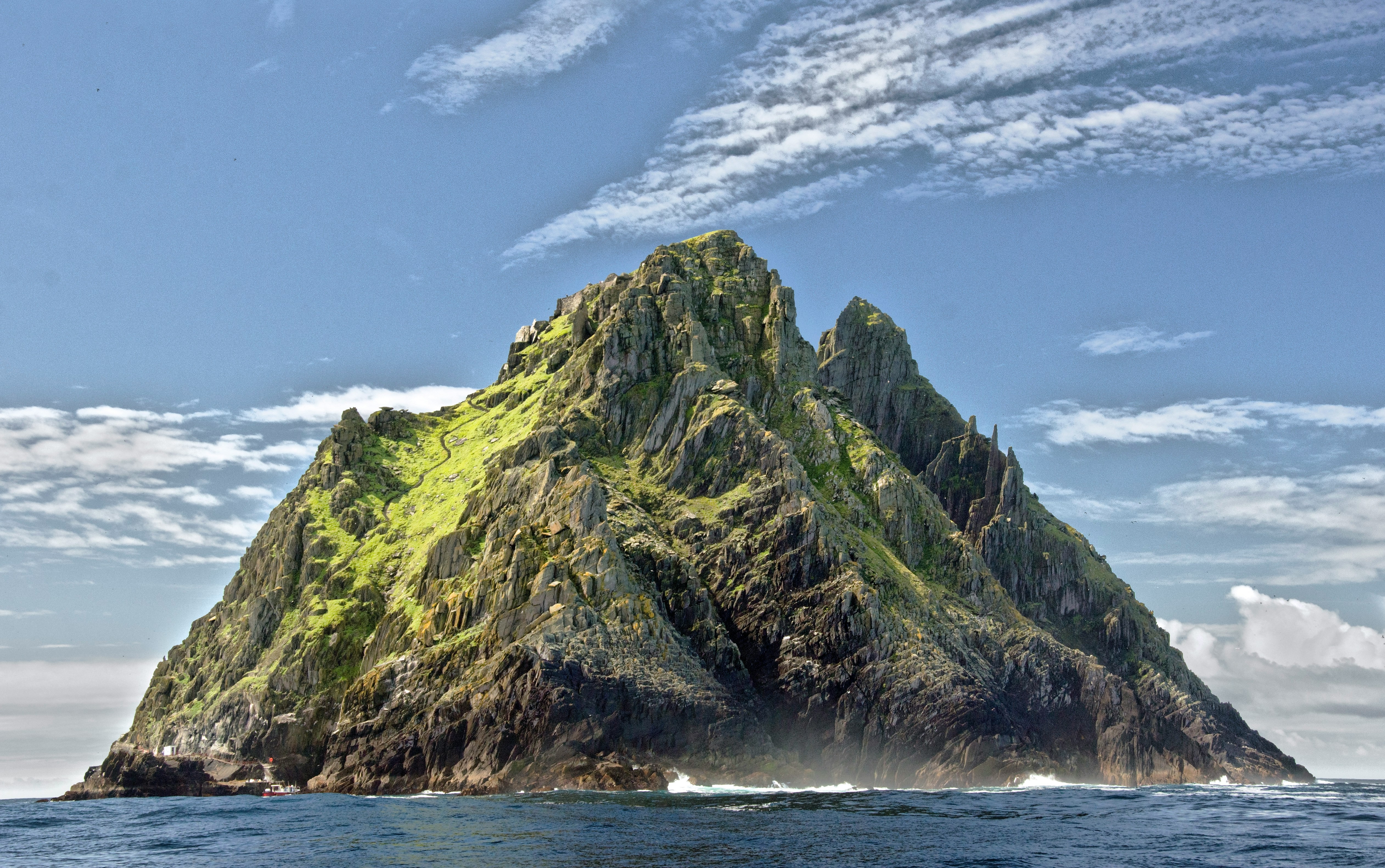 #8676 /100
A dramatic rocky island 12km off the Irish coast, home to a 6th-century monastic settlement perched 200 meters above the Atlantic.
Narrow stone stairways climb to beehive-shaped huts where monks lived in near-total isolation for centuries, and the island later appeared in Star Wars.
How does it rate
CrowdsRomanceCash RequiredDangerAccessibilityWhy you should go
A remote monastic island with 1,400-year-old beehive huts on a rocky Atlantic peak.
Why you shouldn't go
Accessible only by boat and weather-dependent; crossings are frequently cancelled; no facilities on the island.
Plan your visit
Best time to visitMay–September, when the licensed boats operate; even then, rough seas cause regular cancellations.Best time of dayMorning departures are more likely to run before afternoon swells build.Getting thereBase in Portmagee or Ballinskelligs; licensed boat tours depart daily in season, weather permitting.Entry costBoat tour roughly €100 per person, including the landing permit.Time neededHalf a day including the boat crossing.Insider tip — Book well ahead — only a small number of licensed boats are permitted to land each day. The climb involves over 600 uneven stone steps with no railings; sturdy footwear is essential. -
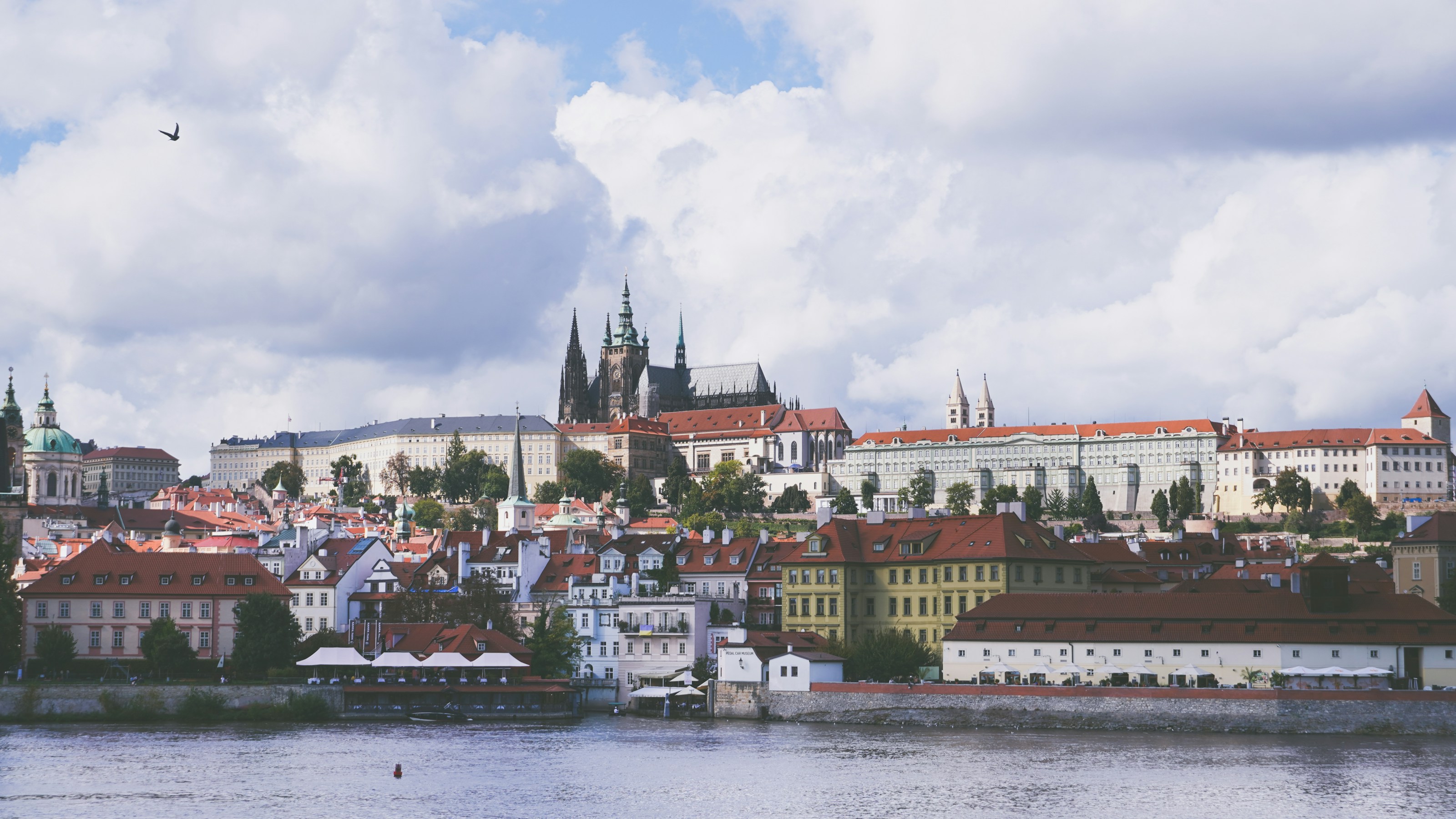 #87
#87Rated #87 of 100
Prague Spring International Music Festival, Czech Republic
#praguespringinternationalmusicfestival ◆ Performing Arts Festivals76 /100Prague Spring opens every year on the same date - the anniversary of composer Bedrich Smetana's death - with a ceremonial performance of his symphonic cycle Ma vlast in the Smetana Hall, before three weeks of orchestral concerts by international ensembles fill the city's grandest halls.
Founded in 1946, it remains one of Europe's most respected classical music festivals, with the Rudolfinum among its most beautiful venues.
How does it rate
CrowdsRomanceCash RequiredDangerAccessibilityWhy you should go
A classical music festival that opens every year with Smetana's Ma vlast on the exact anniversary of his death.
Why you shouldn't go
Top concerts at the Rudolfinum and Smetana Hall sell out early, especially the opening and closing nights.
Plan your visit
Best time to visitThree weeks from mid-May into early June.Best time of dayEvening for the main orchestral concerts.Getting thereFly into Vaclav Havel Airport Prague, then a metro or taxi into the historic centre.Entry costTickets run roughly CZK 500-2,500 depending on the concert and seating.Time neededOne evening per concert; enthusiasts stay for several.BookingBook ahead →Insider tip — Book the opening night (Ma vlast) as far ahead as possible - it's the single hardest ticket of the whole festival. -
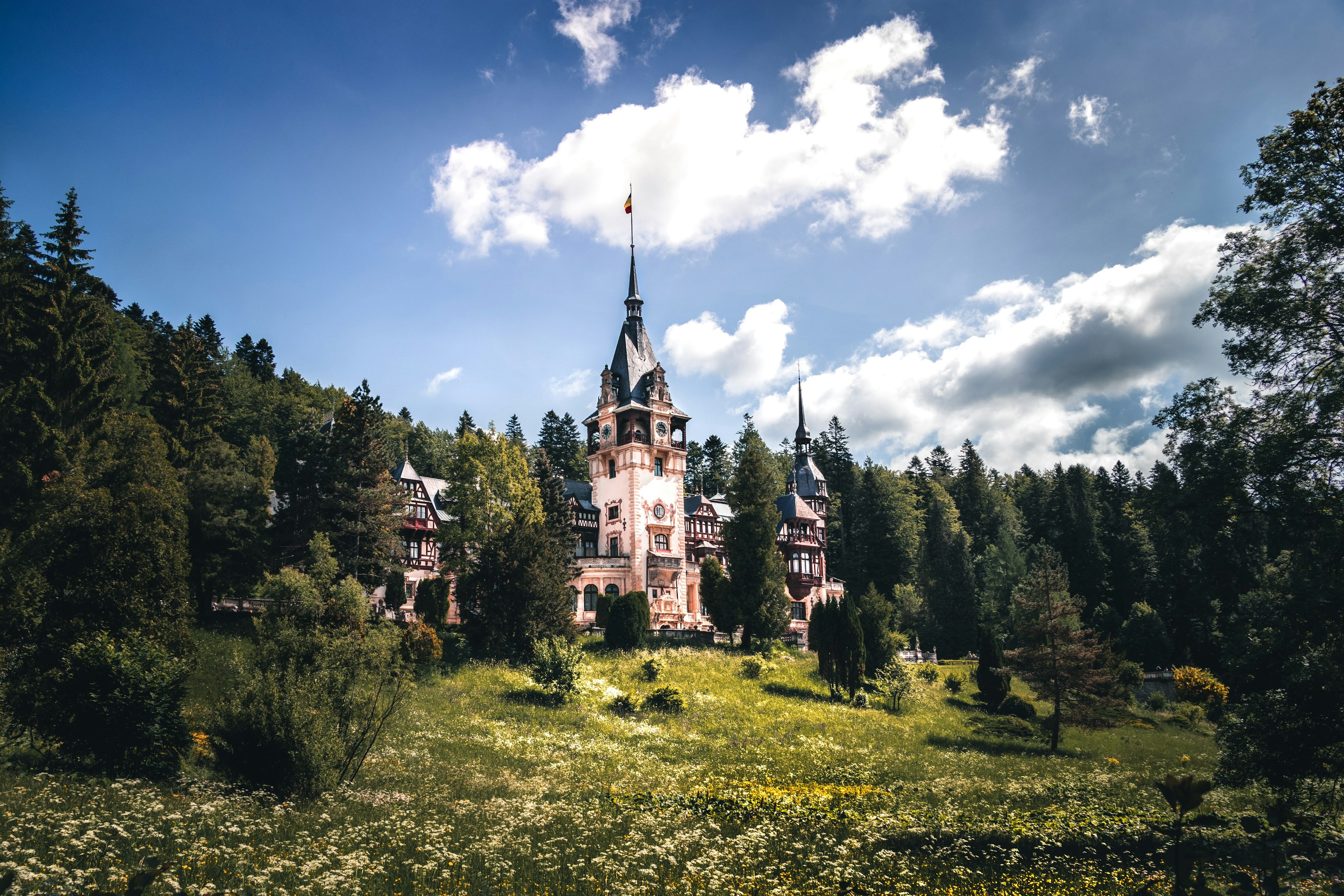 #8876 /100
Built for King Carol I in the 1880s, Peleș is widely considered Romania's most beautiful castle — a fairy-tale confection of turrets, timber galleries and terraced gardens in the foothills of the Carpathians.
The interiors are even more elaborate than the exterior, with over 170 rooms decorated in Moorish, Florentine and German Renaissance styles, hand-carved woodwork, and one of Europe's finest armor collections.
How does it rate
CrowdsRomanceCash RequiredDangerAccessibilityWhy you should go
One of Europe's most opulent late-19th-century royal interiors, still fully furnished.
Why you shouldn't go
Interior visits are guided-tour only and can sell out on summer weekends.
Plan your visit
Best time to visitSeptember for fewer crowds and autumn color in the surrounding forest.Best time of dayFirst tour slot of the morning, before tour buses from Bucharest arrive.Getting thereTrain or drive to Sinaia, then a short walk uphill to the castle grounds.Entry costGrounds free; interior tour around 60 RON (~€12).Time needed2–3 hours.Insider tip — Buy the combined ticket with neighboring Pelișor Castle — it's smaller but has a more intimate, art-nouveau interior. -
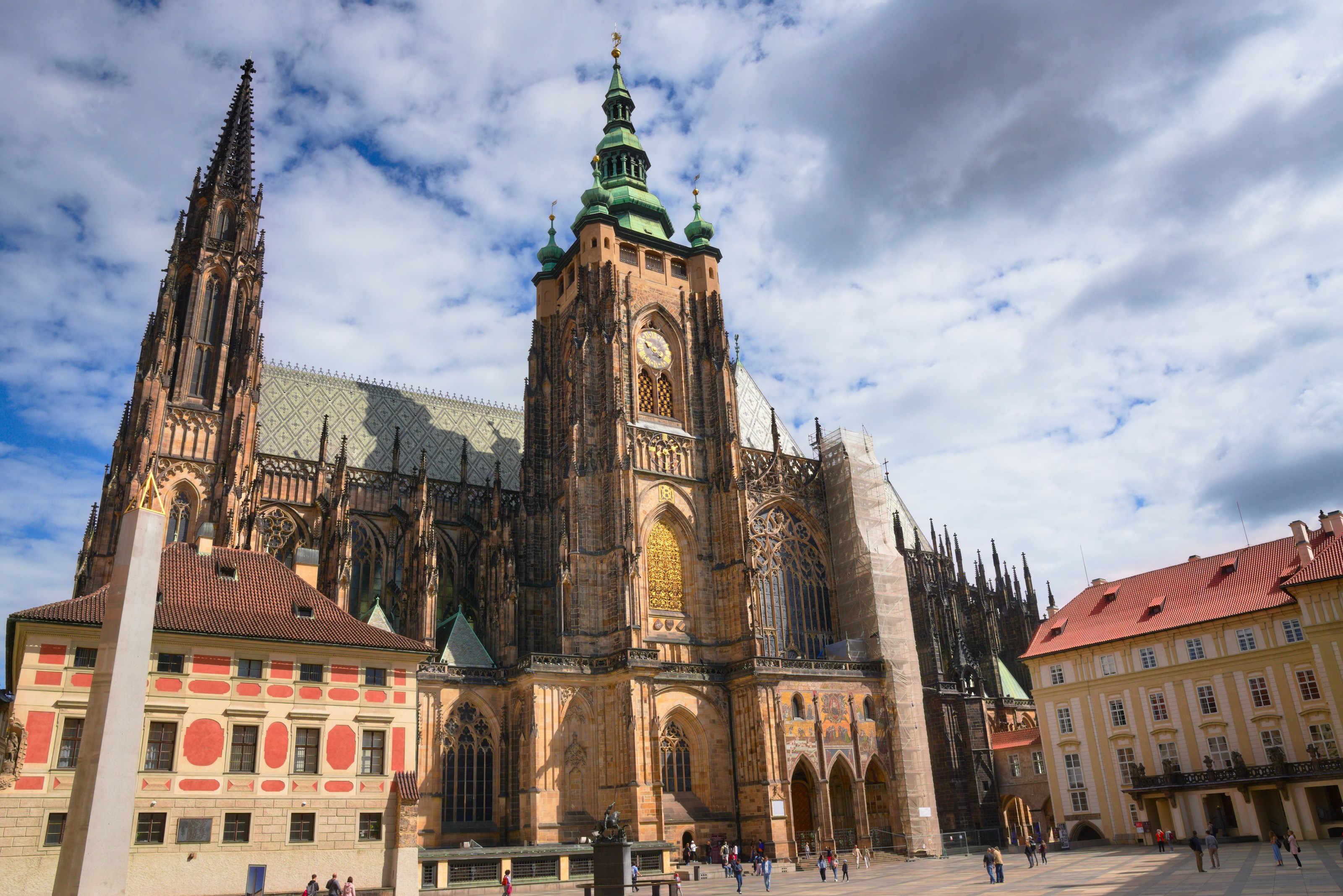 #8976 /100
The Gothic cathedral inside Prague Castle, holding the Bohemian crown jewels and the tomb of Saint Wenceslas.
Mucha's Art Nouveau window in the north nave throws colour across the stone on bright mornings.
The south tower's 287 steps give the best view over the red roofs of Mala Strana.
How does it rate
CrowdsRomanceCash RequiredDangerAccessibilityWhy you should go
Mucha's stained glass window is worth the visit on its own.
Why you shouldn't go
It sits inside the castle complex, so you queue and pay twice before you reach it.
Plan your visit
Best time to visitSeptember-October for clear light and fewer tour groupsBest time of dayMid-morning, when the sun is coming through the Mucha windowGetting thereTram 22 to Prazsky hrad, then a short walk into the third courtyardEntry costIncluded in Prague Castle circuits, from around CZK 250Time needed1-2 hoursBookingBook ahead →Insider tip — The free section of the nave only reaches the back wall - buy the circuit ticket if you actually want to stand in front of the Mucha window. -
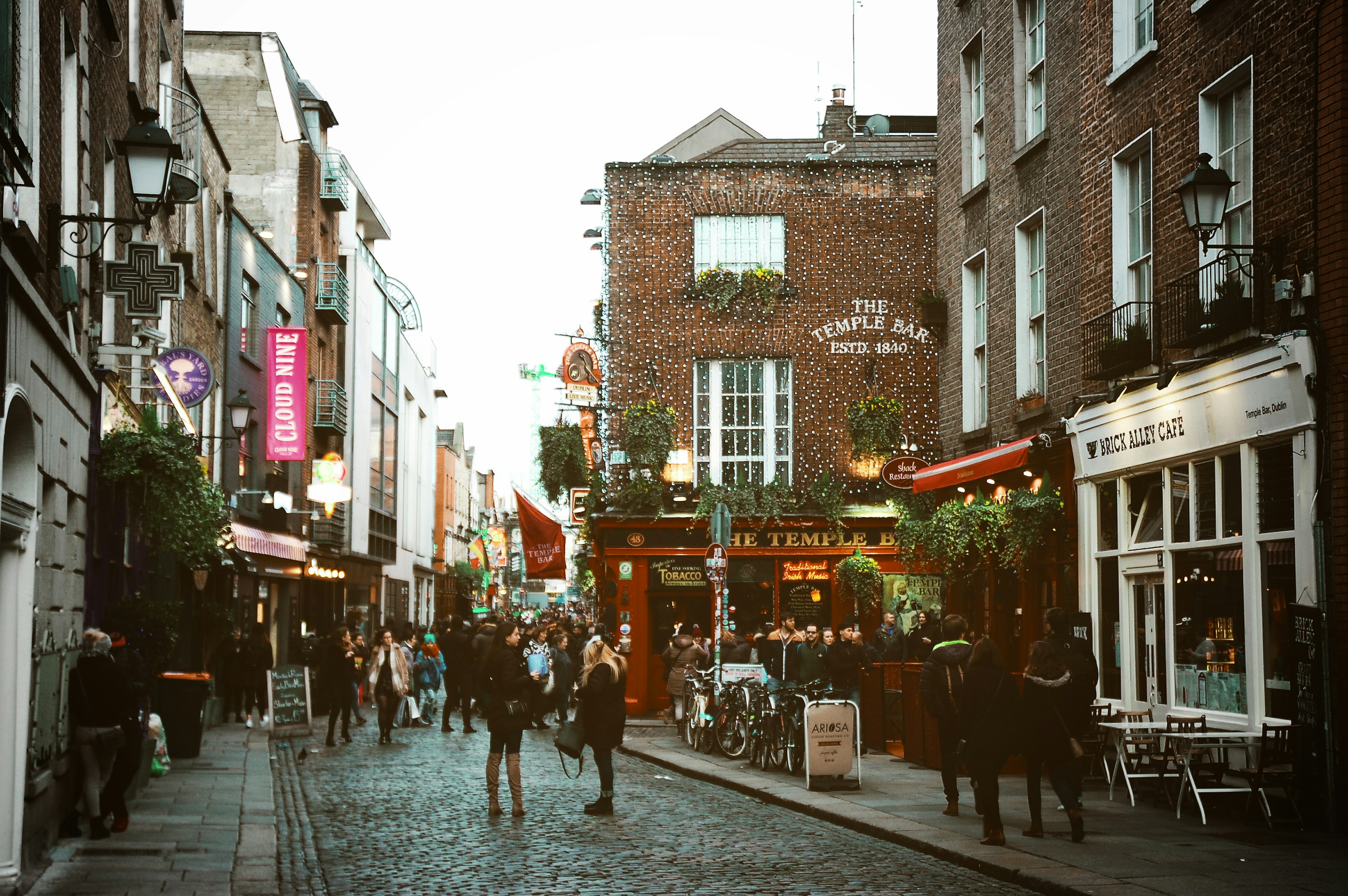 #90
#90Ireland's capital pairs a compact, walkable historic core with a genuinely lively pub and music scene, from the Georgian squares around Trinity College — home to the Book of Kells — to the cobbled lanes of Temple Bar.
The Guinness Storehouse and Kilmainham Gaol offer two very different sides of the city's story, industrial and political, while traditional music sessions spill out of pubs most nights of the week.
How does it rate
CrowdsRomanceCash RequiredDangerAccessibilityWhy you should go
A walkable capital with world-class literary history and a genuinely lively live-music pub scene.
Why you shouldn't go
Temple Bar itself is touristy and overpriced — the better pubs are a few streets away.
Plan your visit
Best time to visitMay–September for the best weather and longest daylight.Best time of dayEvening for pub culture and live traditional music sessions.Getting thereDublin Airport is 30 minutes from the city center by bus or taxi.Entry costFree to walk the city; Book of Kells and Guinness Storehouse each around €20-30.Time needed2–3 days.Insider tip — Skip Temple Bar's pubs and head to the smaller, cheaper bars around Camden Street or the Liberties for a more local session. -
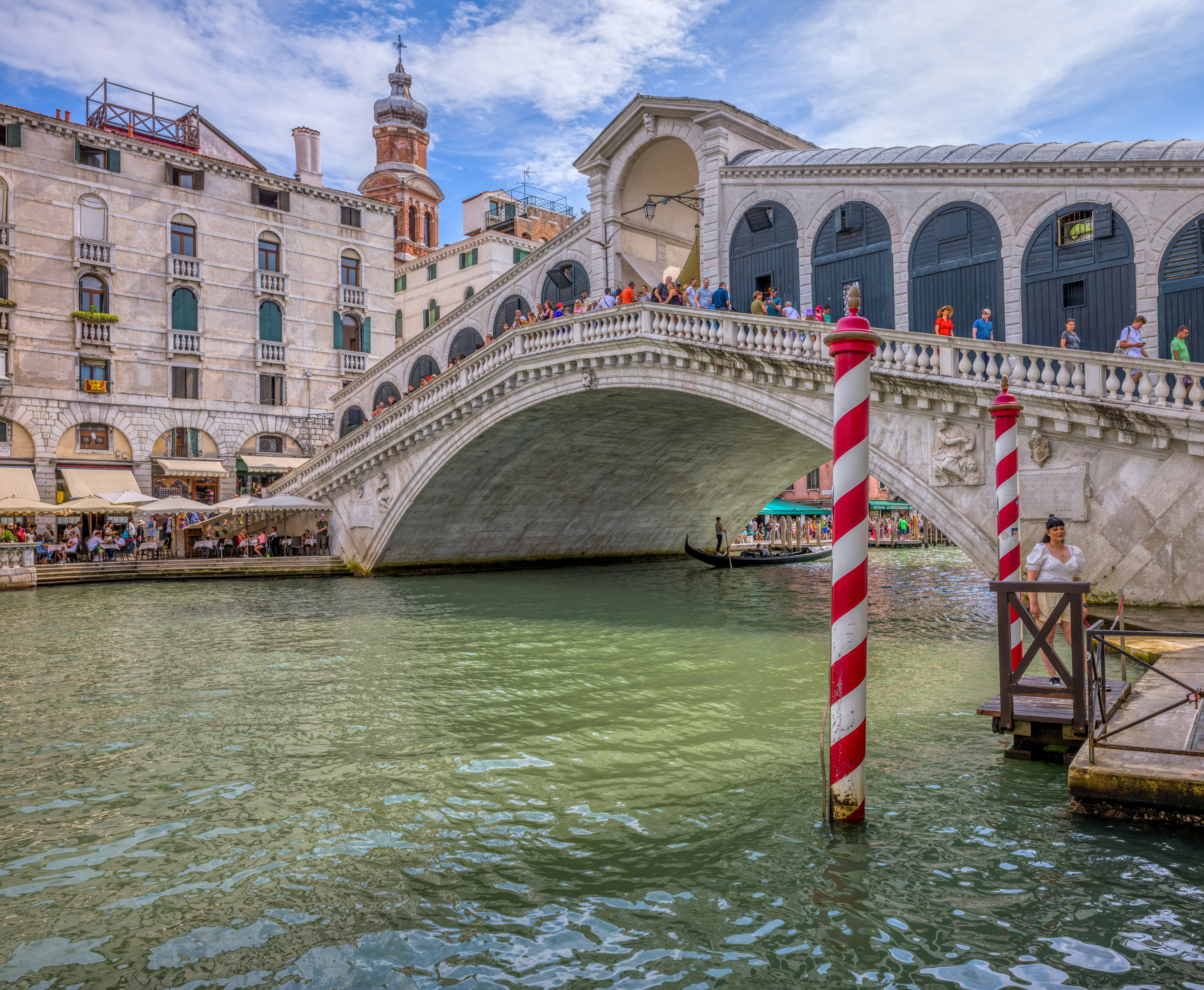 #9175 /100
The Rialto Bridge is the oldest and best known of the four crossings of Venice's Grand Canal, a single stone arch completed in 1591 after a succession of wooden predecessors collapsed.
Two rows of shops run the length of its span, and the steps up either side open onto views down the canal in both directions.
The market on the San Polo bank has traded fish and produce for centuries.
How does it rate
CrowdsRomanceCash RequiredDangerAccessibilityWhy you should go
It’s an iconic landmark in Venice and offers stunning views of the canal and Venetian architecture.
Why you shouldn't go
It can be crowded with tourists, making it difficult to get clear photos.
Plan your visit
Best time to visitSpring or autumn, avoiding summer heat and crowdsBest time of dayEarly morning before the crowdsGetting thereVaporetto (water bus) to the Rialto stopEntry costFreeTime needed30-60 minutesInsider tip — Shoot from the Riva del Ferro side for the classic view without dodging gondolas -
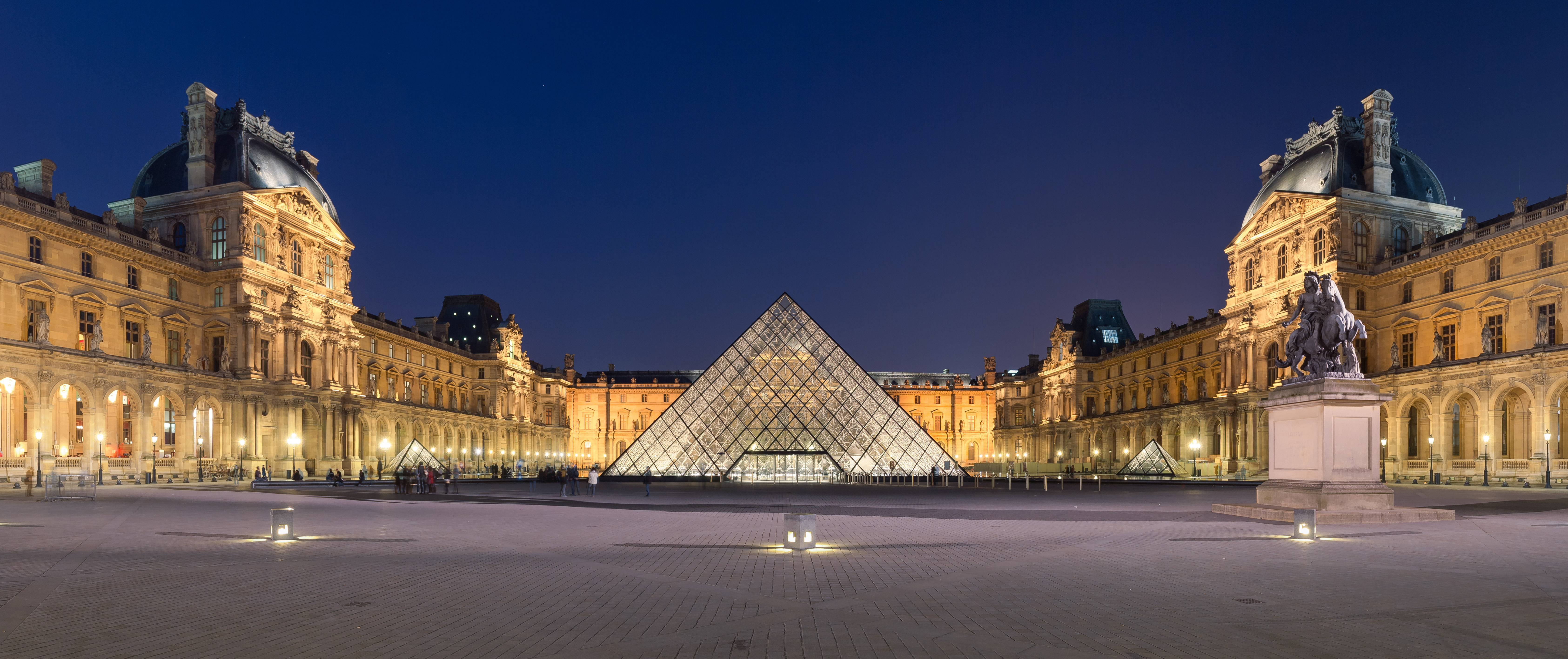 #9275 /100
The Louvre is the world's most visited art museum and home to over 35,000 works including the Mona Lisa, Venus de Milo, and Winged Victory of Samothrace.
The iconic glass pyramid designed by I.
M.
Pei, completed in 1989, provides an instantly recognisable contrast against the museum's baroque stone wings.
How does it rate
CrowdsRomanceCash RequiredDangerAccessibilityWhy you should go
The museum's glass pyramid entrance is one of Paris's most iconic photo opportunities, particularly beautiful when lit at night or reflected in the surrounding pools.
Why you shouldn't go
The Louvre is enormous and crowds around the most famous works can be very dense; the Mona Lisa in particular is usually surrounded by hundreds of people.
Plan your visit
Best time to visitWeekdays, avoiding French school holidaysBest time of dayEarly morning entry, or Wed/Fri evenings when open lateGetting therePalais-Royal-Musee du Louvre MetroEntry cost~EUR17Time neededHalf day minimumInsider tip — Enter via the Carrousel du Louvre underground entrance to skip the pyramid queue -
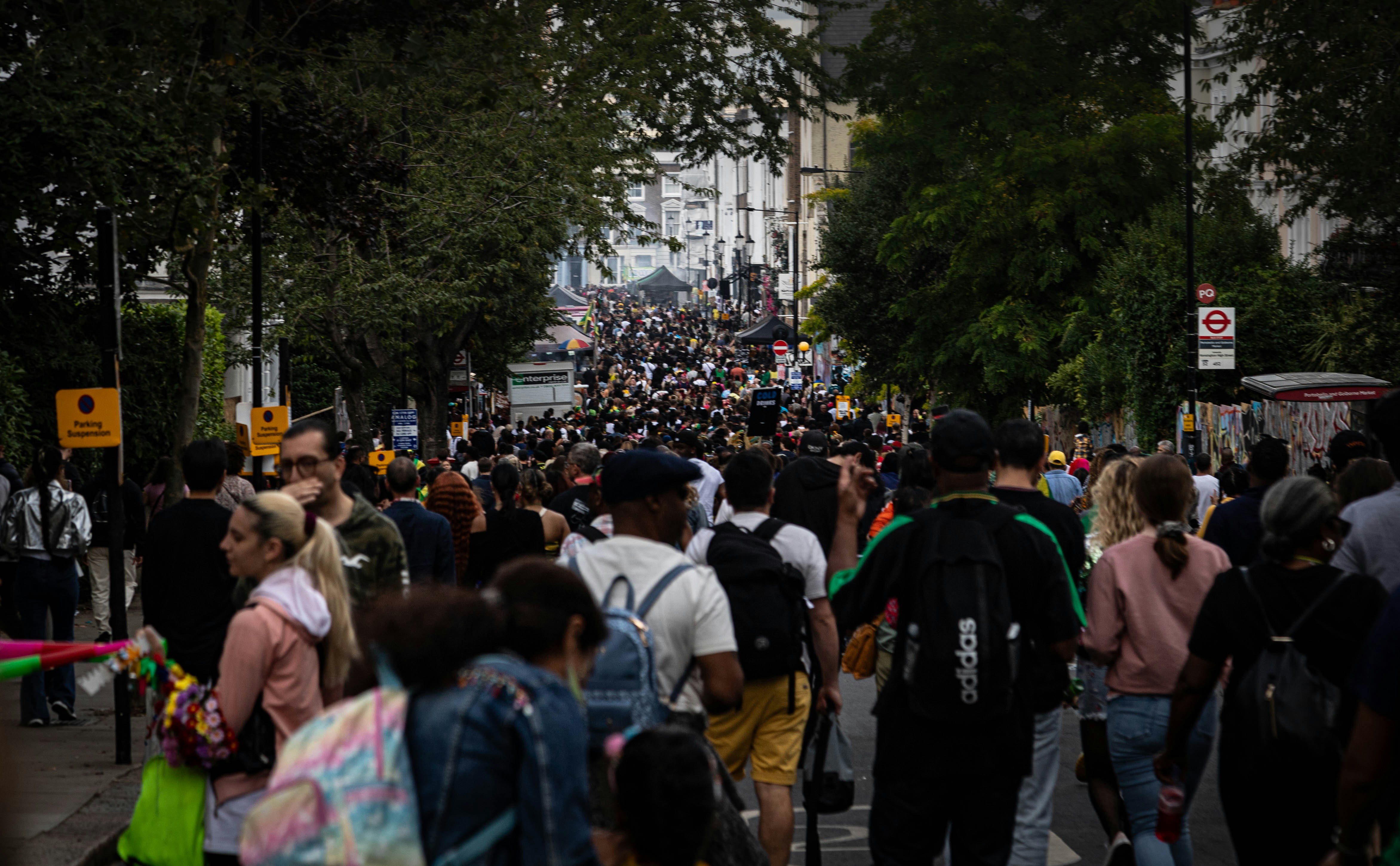 #9375 /100
Europe's largest street festival takes over west London every August bank holiday, born from Notting Hill's Caribbean community in the 1960s and now drawing over a million people to watch steel bands, soca floats and dancers in feathered, sequinned costumes wind through the neighbourhood's terraced streets, sound systems blasting reggae and dancehall late into the evening.
How does it rate
CrowdsRomanceCash RequiredDangerAccessibilityWhy you should go
Europe's biggest street carnival, born from London's Caribbean community, filling Notting Hill with steel bands and feathered costumes.
Why you shouldn't go
Crowds are dense enough that pickpocketing and crush points are a real concern in the afternoon peak.
Plan your visit
Best time to visitAugust bank holiday weekend, the carnival's fixed annual dates.Best time of dayMidday to late afternoon on the parade's second, main day, when the main procession is in full swing.Getting thereTake the London Underground to Notting Hill Gate, Ladbroke Grove or Westbourne Park stations.Entry costFree to attend in the streets.Time neededA full day.Insider tip — Follow the parade route rather than staying static, since the crowd thins noticeably a block or two off the main road. -
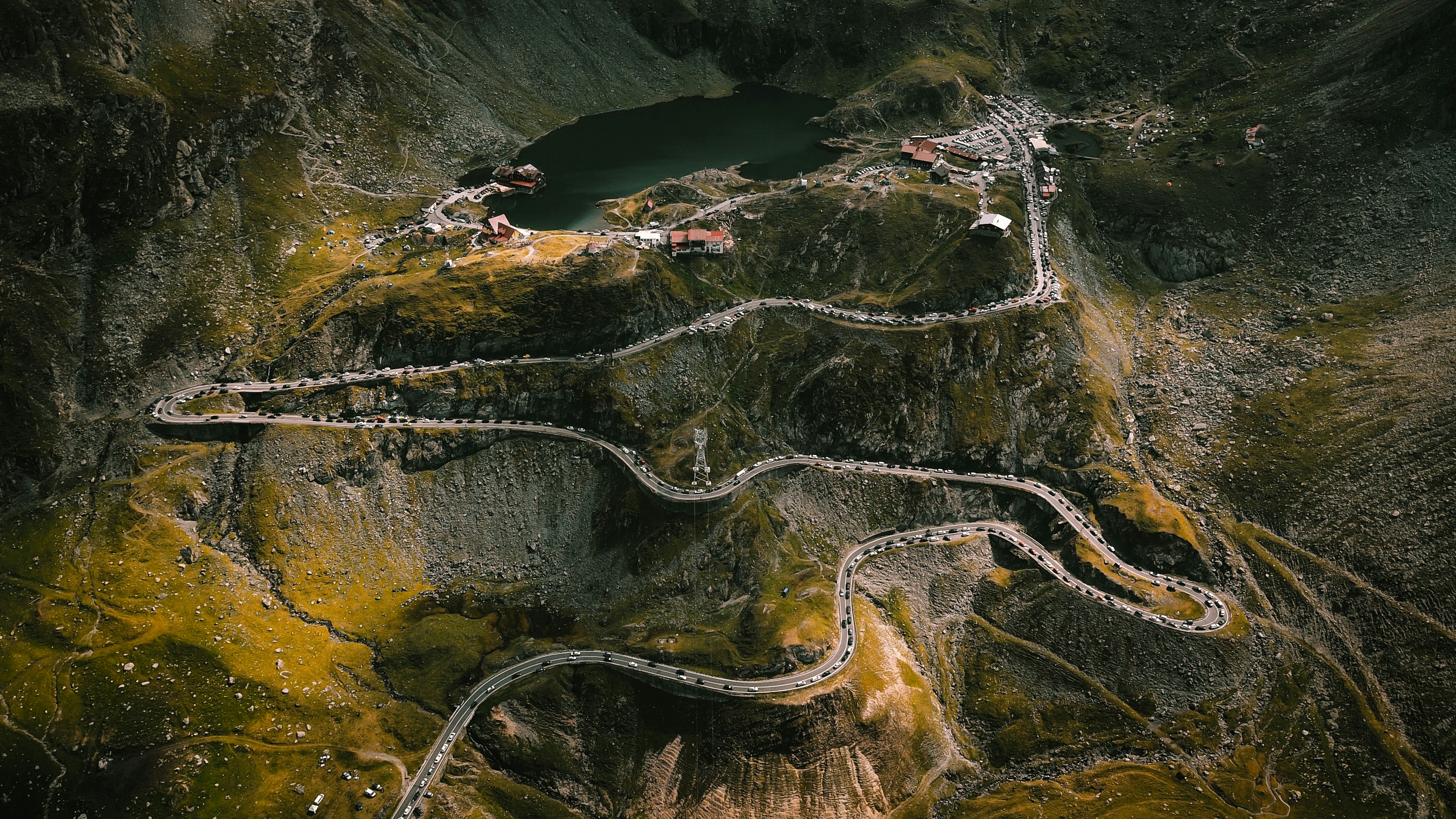 #9474 /100
The Transfagarasan climbs 90 kilometres through the southern Carpathians, switchbacking up granite faces to Balea Lake at over 2,000 metres, beneath Romania's highest peak, Moldoveanu.
Hairpin bends, stone viaducts, and a mile-long tunnel make it a favourite of driving shows and motorcyclists alike.
Vidraru Dam and its reservoir sit at the southern approach, flanked by forest that erupts with autumn colour before the snow closes the road again.
How does it rate
CrowdsRomanceCash RequiredDangerAccessibilityWhy you should go
Widely rated one of the world's best driving roads, with hairpin switchbacks and high alpine views.
Why you shouldn't go
Only open roughly late June to October; closed by snow the rest of the year.
Plan your visit
Best time to visitJuly-August for full access and clear skies; weekdays to dodge weekend driving-enthusiast traffic.Best time of dayEarly morning for clear light over Balea Lake and quieter hairpins.Getting thereDrive from Sibiu or Curtea de Arges; both roughly 2.5-3 hours from Bucharest by car.Entry costFree; a toll applies for the Balea tunnel, plus fuelTime needed1 day, or 2 with a night at Balea LakeBookingBook ahead →Insider tip — Take the cable car up to Balea Lake if you'd rather not drive the steepest switchbacks, and watch for brown bears near the forested lower sections. -
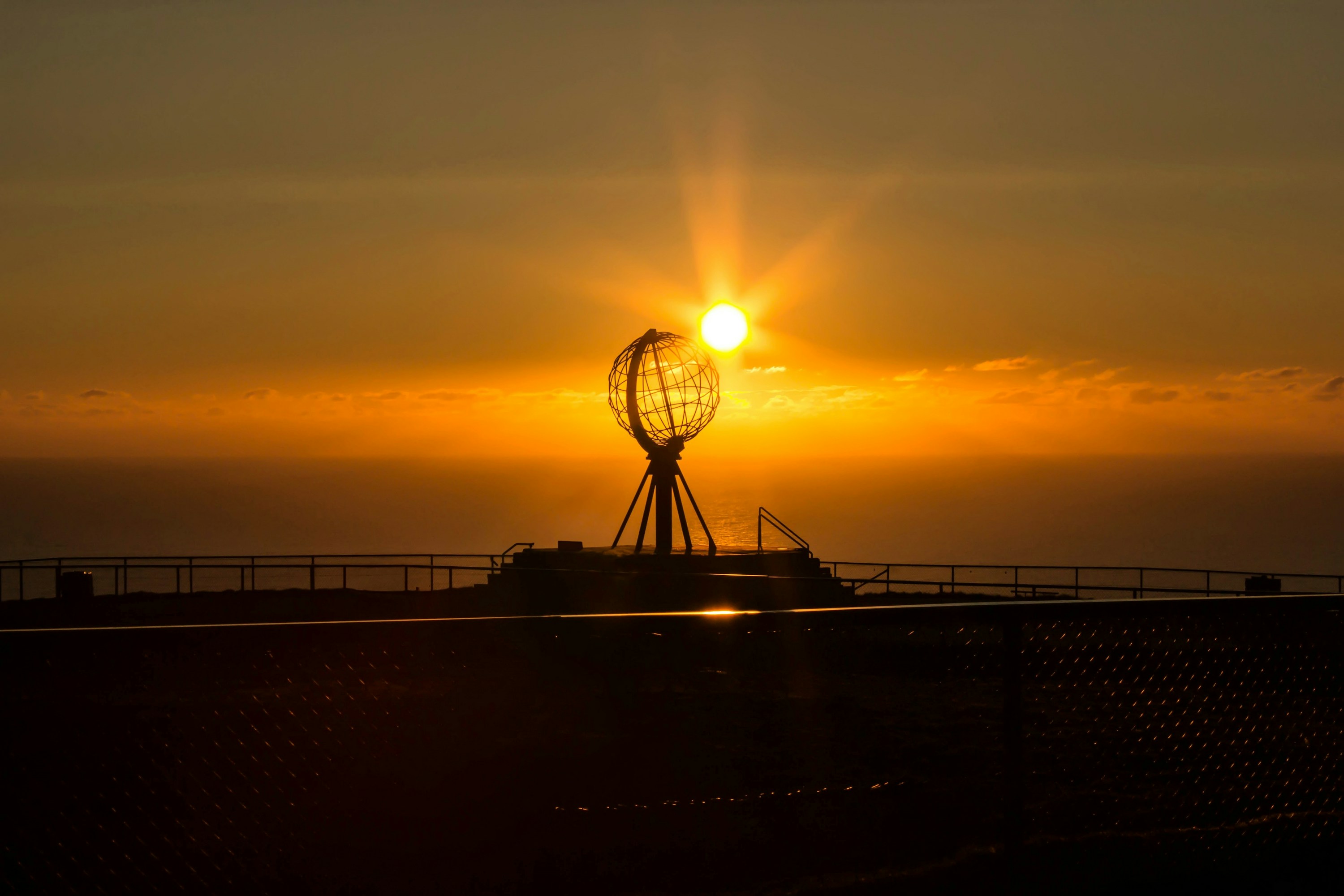 #9574 /100
North Cape is a 307-metre cliff on the northern tip of Magerøya island, marketed for two centuries as the northernmost point of mainland Europe - a technicality it doesn't quite hold, but the setting is real.
A visitor centre and a globe monument sit on the plateau above the Barents Sea, with the midnight sun visible from mid-May to late July.
The long, treeless drive across open Arctic tundra is as much a part of it as the cape itself.
How does it rate
CrowdsRomanceCash RequiredDangerAccessibilityWhy you should go
Standing on an Arctic cliff edge at 71°N with the midnight sun still up at midnight.
Why you shouldn't go
Often shrouded in fog or driving rain, and the visitor centre can feel more like a tour-bus terminus than a wild cape.
Plan your visit
Best time to visitMid-May to late July for the midnight sun; clear, calm days are never guaranteed.Best time of dayAround midnight in June-July, when the crowds thin and the sun is still on the horizon.Getting thereFly to Honningsvåg (Nordkapp Airport) or Alta; a 34km drive north from Honningsvåg to the cape.Entry costOutdoor plateau free; visitor centre entry around 320 NOK for adults.Time needed2-3 hoursBookingBook ahead →Insider tip — Walk the short St. Johannes chapel trail below the visitor centre for a quieter view of the cliffs, away from the globe-monument crowds. -
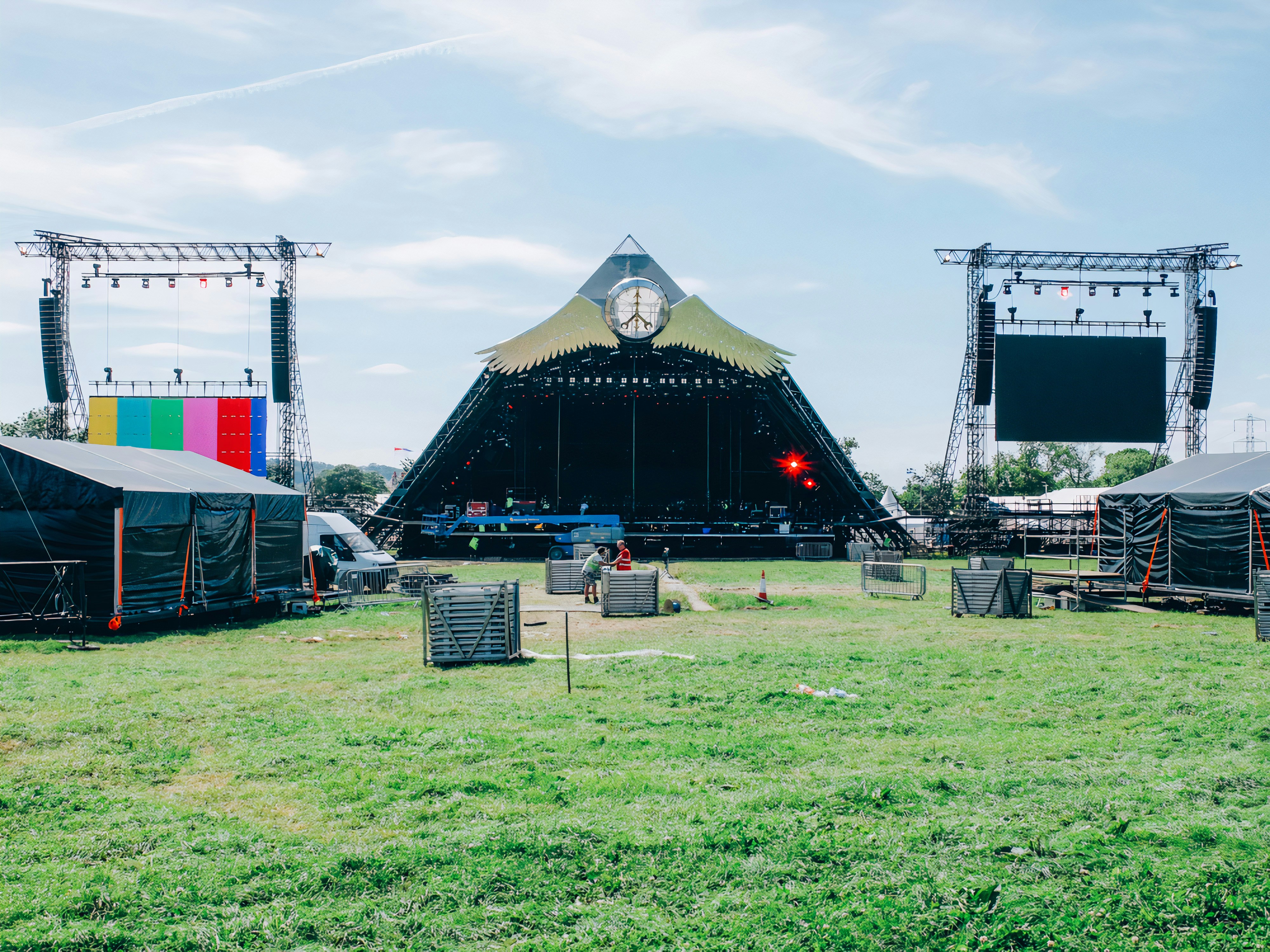 #9674 /100
Held on Michael Eavis's dairy farm in Somerset since 1970, Glastonbury has grown into the world's largest greenfield music festival, with the Pyramid Stage as its centrepiece against rolling farmland and, notoriously, frequent mud.
The site sprawls into stone circles, dance fields and art installations, turning the farm into a temporary city of nearly 200,000 for five days.
How does it rate
CrowdsRomanceCash RequiredDangerAccessibilityWhy you should go
The Pyramid Stage and a temporary city of 200,000, built on a Somerset dairy farm every June.
Why you shouldn't go
Tickets sell out in minutes almost a year in advance, and British summer weather regularly turns the fields to deep mud.
Plan your visit
Best time to visitLate June, the festival's usual annual slot (it takes fallow years periodically).Best time of dayEvening, as the main stages build toward their headline sets.Getting thereFly to Bristol Airport, then the festival's park-and-ride coach network to Worthy Farm near Pilton.Entry costWeekend tickets cost around GBP360-380 including camping.Time neededMultiple days; most attend the full five-day run.BookingBook ahead →Insider tip — Pack wellington boots regardless of the forecast, and register for the ticket resale window early since general sale sells out in minutes. -
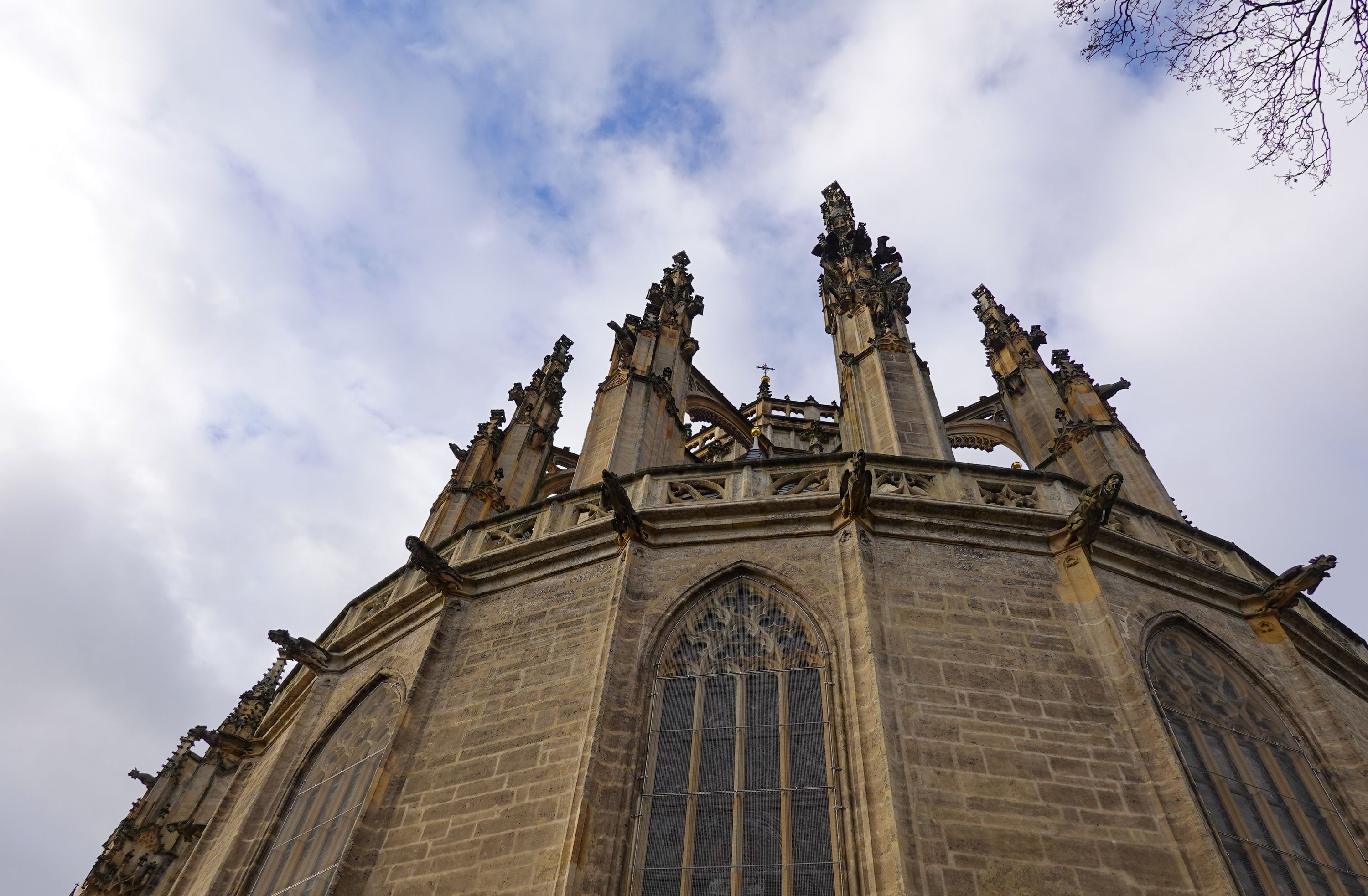 #9774 /100
St Barbara's Church rises over Kutná Hora, a UNESCO-listed medieval silver-mining town an hour from Prague.
Building began in 1388 and dragged on for five centuries, leaving a soaring Gothic nave ringed by flying buttresses and gargoyles, with faded frescoes of miners and moneyers inside.
It shares the skyline with Baroque terraces and the Jesuit College, making the old town worth a half-day wander.
How does it rate
CrowdsRomanceCash RequiredDangerAccessibilityWhy you should go
Central Europe's finest Gothic cathedral exterior, dense with flying buttresses and pinnacles, without Prague's crowds.
Why you shouldn't go
Interior frescoes have faded badly in places, and the surrounding old town shuts down early outside peak season.
Plan your visit
Best time to visitApril-October, when full opening hours apply; roads and the cathedral interior close earlier in winter.Best time of dayMorning, before Prague day-trip coach groups arrive around midday.Getting thereDirect train from Prague hlavní nádraží to Kutná Hora hl.n. (~1hr), then a connecting local train or 25-min walk to the old town.Entry cost180 CZK adult, 140 CZK concession, 60 CZK childTime needed1–2 hours, or half a day with the old townBookingBook ahead →Insider tip — Buy the combined ticket with the Italian Court and Hrádek museum if spending the day; coach-tour groups arrive in a rush around 11am-1pm, so aim for opening time instead. -
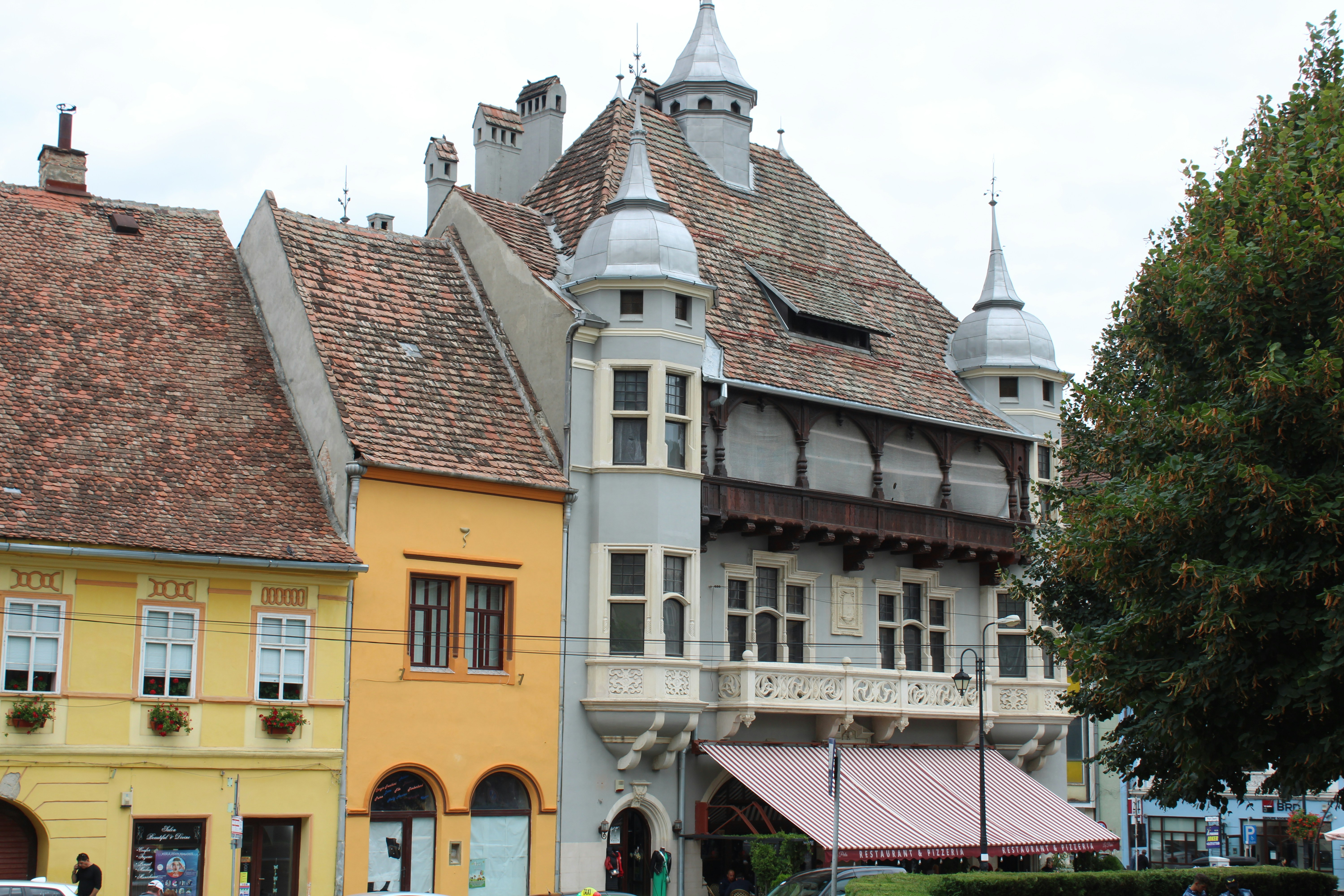 #9873 /100
This UNESCO-listed citadel is one of the last inhabited medieval walled towns in Europe, its cobbled lanes lined with pastel-colored burgher houses beneath nine surviving watchtowers.
Vlad the Impaler was reportedly born here, and the citadel's Gothic clock tower and covered stairway give it a genuinely lived-in medieval atmosphere rather than a restored film set.
Locals still run shops and cafés inside the walls.
How does it rate
CrowdsRomanceCash RequiredDangerAccessibilityWhy you should go
A real, still-inhabited medieval citadel, not a reconstruction.
Why you shouldn't go
Small enough that a couple of hours covers the whole old town.
Plan your visit
Best time to visitMay or September for pleasant weather without peak-summer crowds.Best time of dayEvening, once day-tripping coach groups have left.Getting thereDirect train from Brașov or Bucharest to Sighișoara station, then a 10-minute walk uphill.Entry costFree to walk the citadel; Clock Tower museum around 15 RON.Time needed2–4 hours.Insider tip — Climb the Covered Stairway (all 175 steps) to the Church on the Hill for the best rooftop views, away from the main square crowds. -
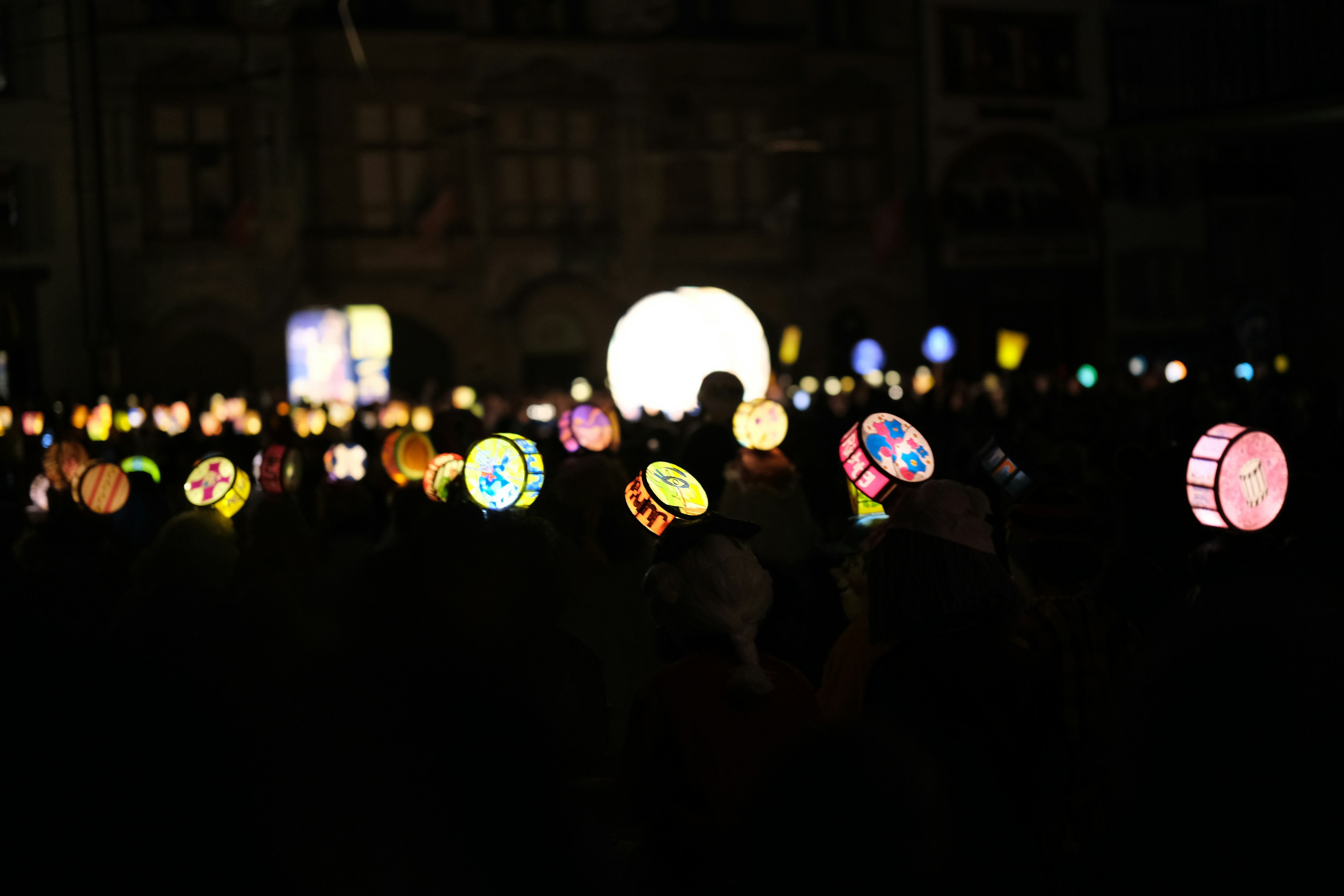 #9972 /100
Basel's carnival opens at exactly 4am with the Morgestraich: every streetlight in the old town switches off, and thousands of costumed marchers set out through darkness lit only by hand-painted lanterns worn on their heads.
Three days of fife-and-drum cliques and satirical floats follow, built around a different secret theme each year.
UNESCO listed it as intangible heritage in 2017; it remains a local event run by the same societies.
How does it rate
CrowdsRomanceCash RequiredDangerAccessibilityWhy you should go
A carnival that opens in total darkness at 4am, when Basel's streetlights switch off for thousands of hand-painted lanterns to lead the parade.
Why you shouldn't go
It runs for exactly 72 hours, Monday 4am to Thursday 4am, so mistiming a visit by even a day means missing it entirely.
Plan your visit
Best time to visitThe Monday-Wednesday after Ash Wednesday, in February or March; exact dates shift yearly.Best time of day4am on the opening Monday for the Morgestraich lantern procession, the event's signature moment.Getting thereFly into EuroAirport Basel, or take a direct train from Zurich, Geneva, or Paris; the old town is walkable from Basel SBB station.Entry costFree to watch on the streets; grandstand seats for the daytime Cortege parade can be booked ahead.Time neededA full day covers the highlights; the complete experience takes the full 72 hours.Insider tip — Claim a spot on Marktplatz well before 4am for the Morgestraich - the lights cut out on the exact minute with no countdown, and the best viewing spots fill early. -
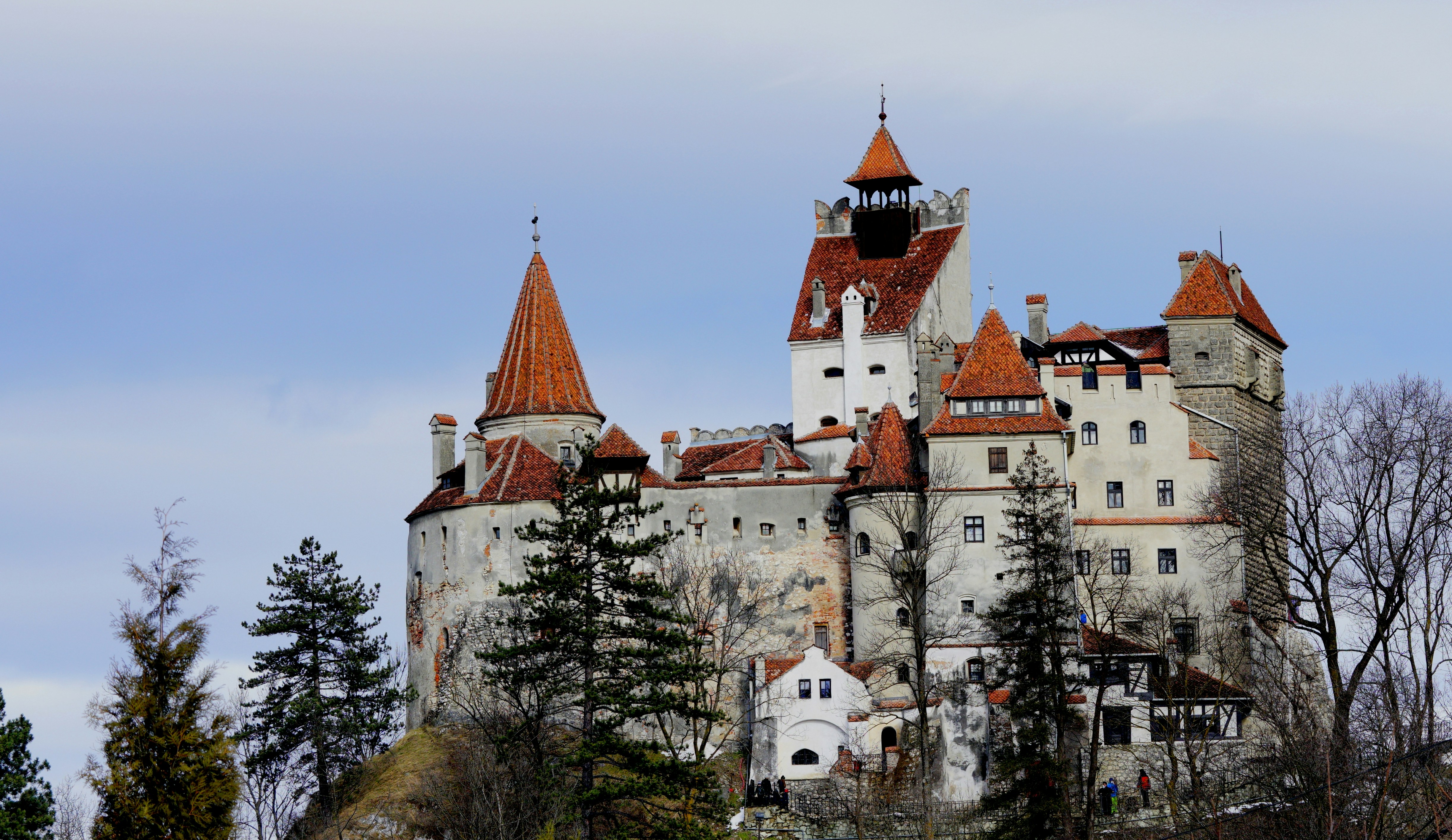 #10071 /100
A clifftop fortress in Transylvania whose turrets and narrow windows made it the visual inspiration for Bram Stoker's Dracula, even though Vlad the Impaler likely never lived here.
The real building is a genuinely striking 14th-century fortress with a maze of narrow stairways, hidden passages, and period furnishings, marketed heavily around the vampire legend.
The surrounding Carpathian foothills add to the gothic atmosphere, especially in autumn mist.
How does it rate
CrowdsRomanceCash RequiredDangerAccessibilityWhy you should go
The castle that inspired Dracula's lair, a genuinely atmospheric 14th-century fortress set in misty Carpathian foothills.
Why you shouldn't go
The Dracula branding is heavy-handed and the gift shops lean hard into kitsch, which undercuts the actual history on offer.
Plan your visit
Best time to visitOctober for the Halloween atmosphere, or May-June for fewer crowds and blooming countryside.Best time of dayMorning, before tour buses from Brasov arrive.Getting thereFly to Brasov or Bucharest; a 30-minute drive or bus from Brasov to Bran.Entry costAround 60 RON for adult entry.Time needed2-3 hours.BookingBook ahead →Insider tip — Skip the crowded main courtyard photo spot and walk the castle's rear garden path for a quieter angle on the turrets.


More from Europe
-


More Iconic spots
-
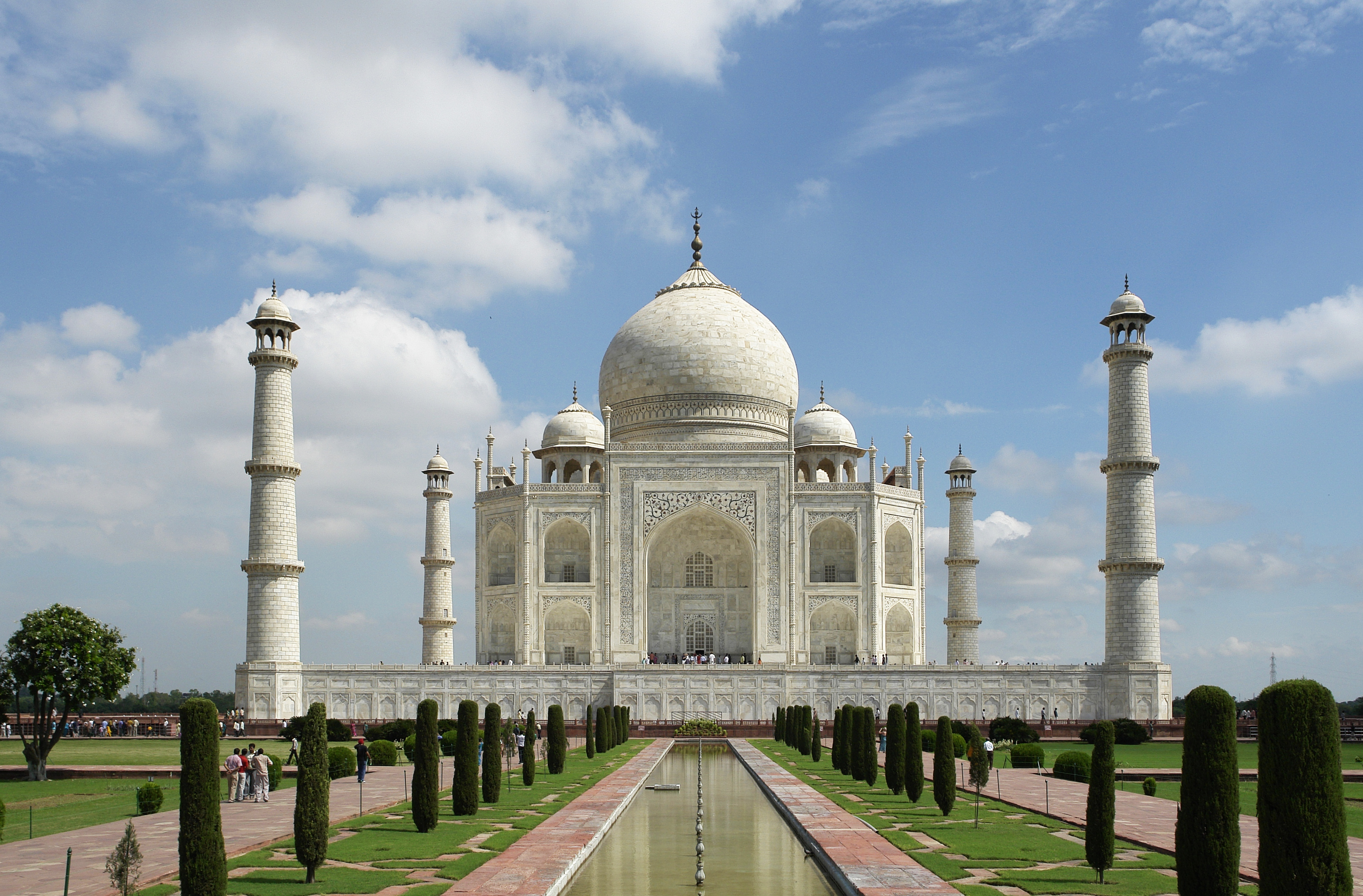
How a score is built
One score out of 100, five criteria behind it
Every place is rated 1–5 on each of the criteria below, then combined into a single score out of 100. It's calculated by us, the same way every time — not an average of traveller reviews or social votes.
Crowds
How many people you'll be sharing it with, and at what time of day.
Romance
How well it suits a couple, a proposal, or a quiet moment together.
Cash required
Entry fees, permits, guides, rentals — what it actually costs to do it.
Danger
Physical risk involved, from a slippery viewpoint to genuine hazard.
Accessibility
How far off the beaten path it is, and how hard it is to actually reach.

