-
 #188 /100
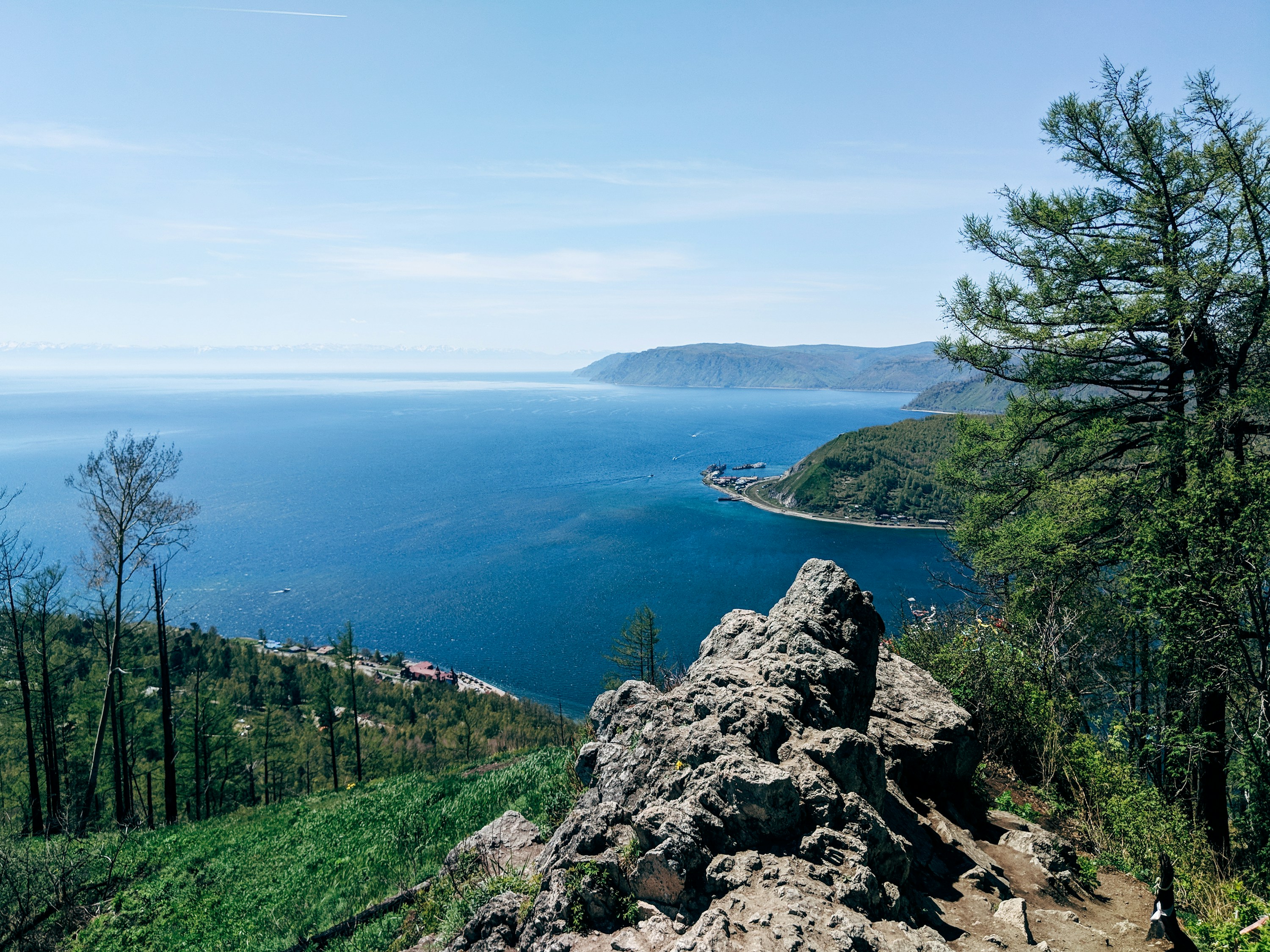
Lake Baikal holds a fifth of the planet's unfrozen fresh water and is both the world's deepest and oldest lake, ringed by taiga forest and mountains in Siberia.
Its clarity lets you see many metres down in summer, while in winter the surface freezes into clear blue ice sheets thick enough to drive on.
Most visitors base themselves in Listvyanka or on Olkhon Island to explore the shoreline and villages.
How does it rate
CrowdsRomanceCash RequiredDangerAccessibilityWhy you should go
The world's deepest, oldest and clearest lake — a fifth of Earth's unfrozen fresh water in one place.
Why you shouldn't go
Deep Siberia is genuinely remote — expect a long flight connection and further travel just to reach the shore.
Plan your visit
Best time to visitLate June–August for open water and hiking; February–March for the clear ice seasonBest time of dayMorning, before wind picks up on the open water in the afternoonGetting thereFly to Irkutsk via a transit hub (no direct Western routes); Listvyanka on the shore is about an hour's bus or taxi ride from the airport.Entry costFree to view the shoreline; boat trips and excursions from around 1,500 RUBTime needed2–3 days to see the shore properly; a week or more for Olkhon Island and the ice seasonInsider tip — Skip the crowded main pier in Listvyanka and walk or taxi a few kilometres along the shore for quieter viewpoints; the Chersky Stone viewpoint above the village gives the best overview of the lake and the Angara River's source. -
 #288 /100
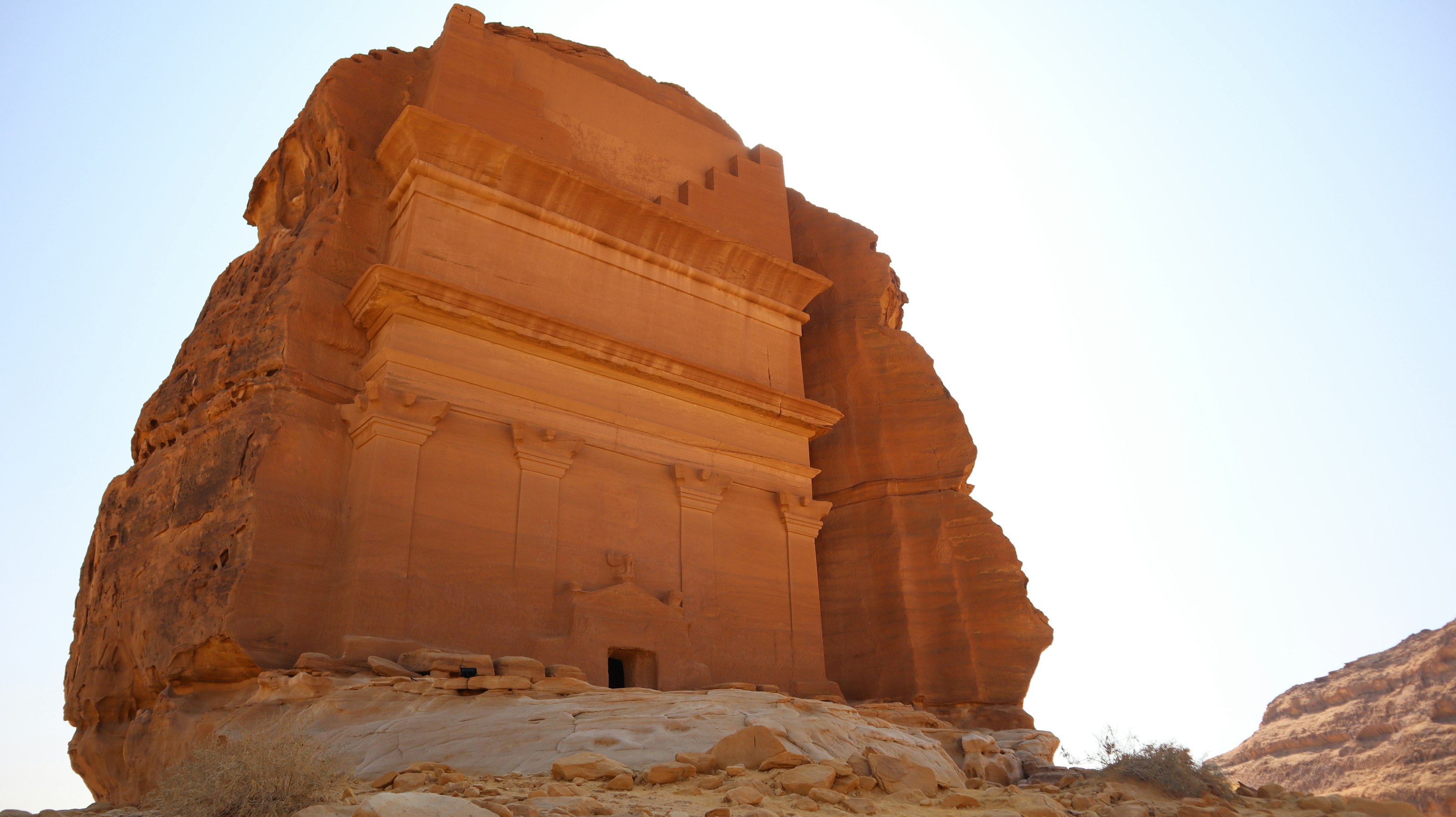
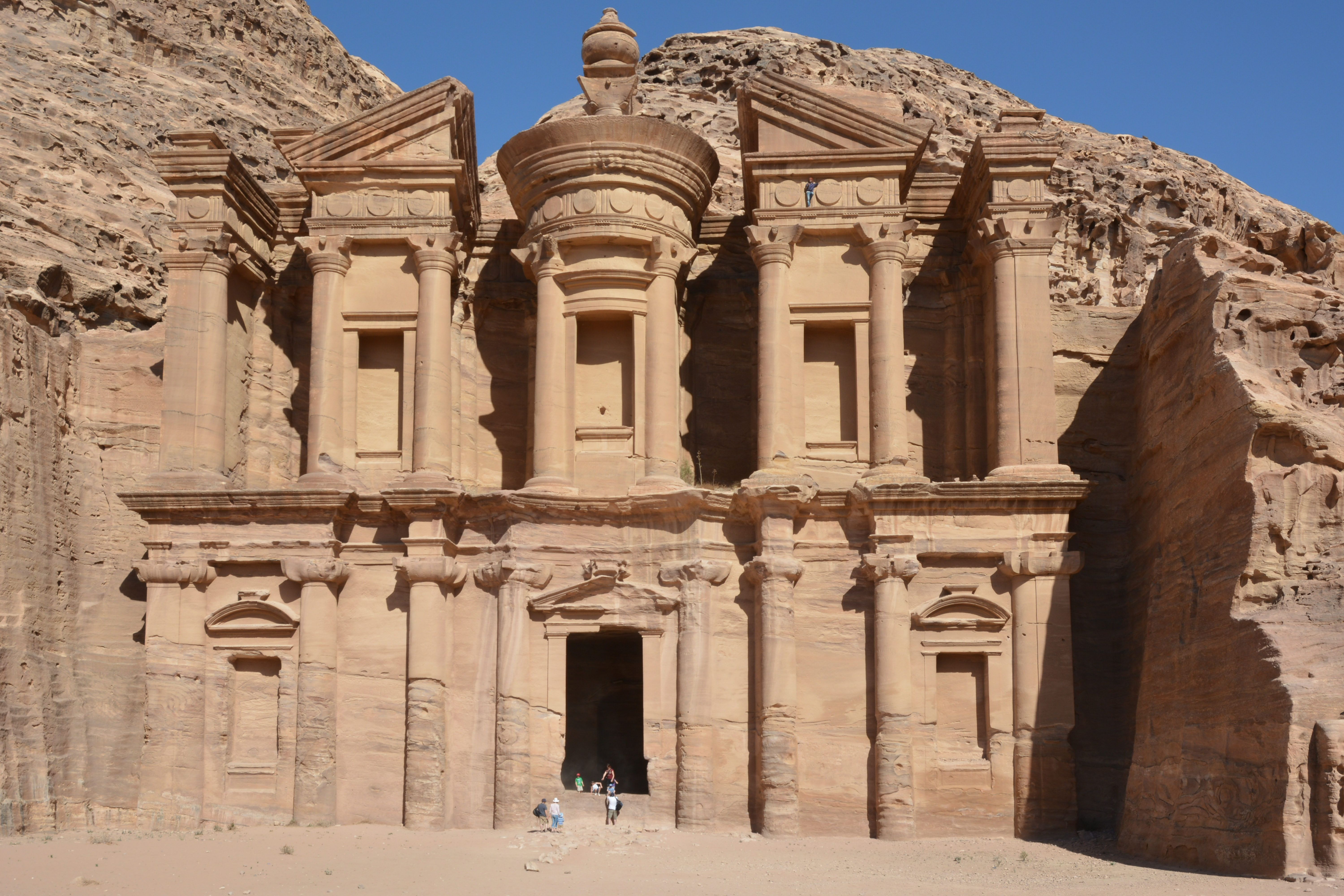
Hegra was the second city of the ancient Nabataean kingdom after Petra, and its more than 100 monumental tombs, carved into sandstone outcrops across a desert plain, survive in far better condition than their Jordanian counterpart.
Saudi Arabia's first UNESCO World Heritage site opened to tourism only in 2019, and the tombs still show sharp carved detail after two thousand years in the desert.
How does it rate
CrowdsRomanceCash RequiredDangerAccessibilityWhy you should go
Tombs as monumental as Petra's, carved into standalone desert rock, but with almost none of Petra's crowds.
Why you shouldn't go
Independent visits aren't possible — access requires a booked guided tour, which limits spontaneity and adds cost.
Plan your visit
Best time to visitNovember–March, avoiding the extreme heat of the Arabian summer.Best time of dayEarly morning or late afternoon, when desert light is softer and temperatures are lower.Getting thereFly to AlUla's own airport, or to Medina and drive roughly 1.5 hours north.Entry costPaid guided tour, booked in advance through AlUla's official tourism operator.Time needed3–4 hoursInsider tip — Book the earliest available tour slot — both the light for photos and the temperature are noticeably better before mid-morning. -
 #388 /100
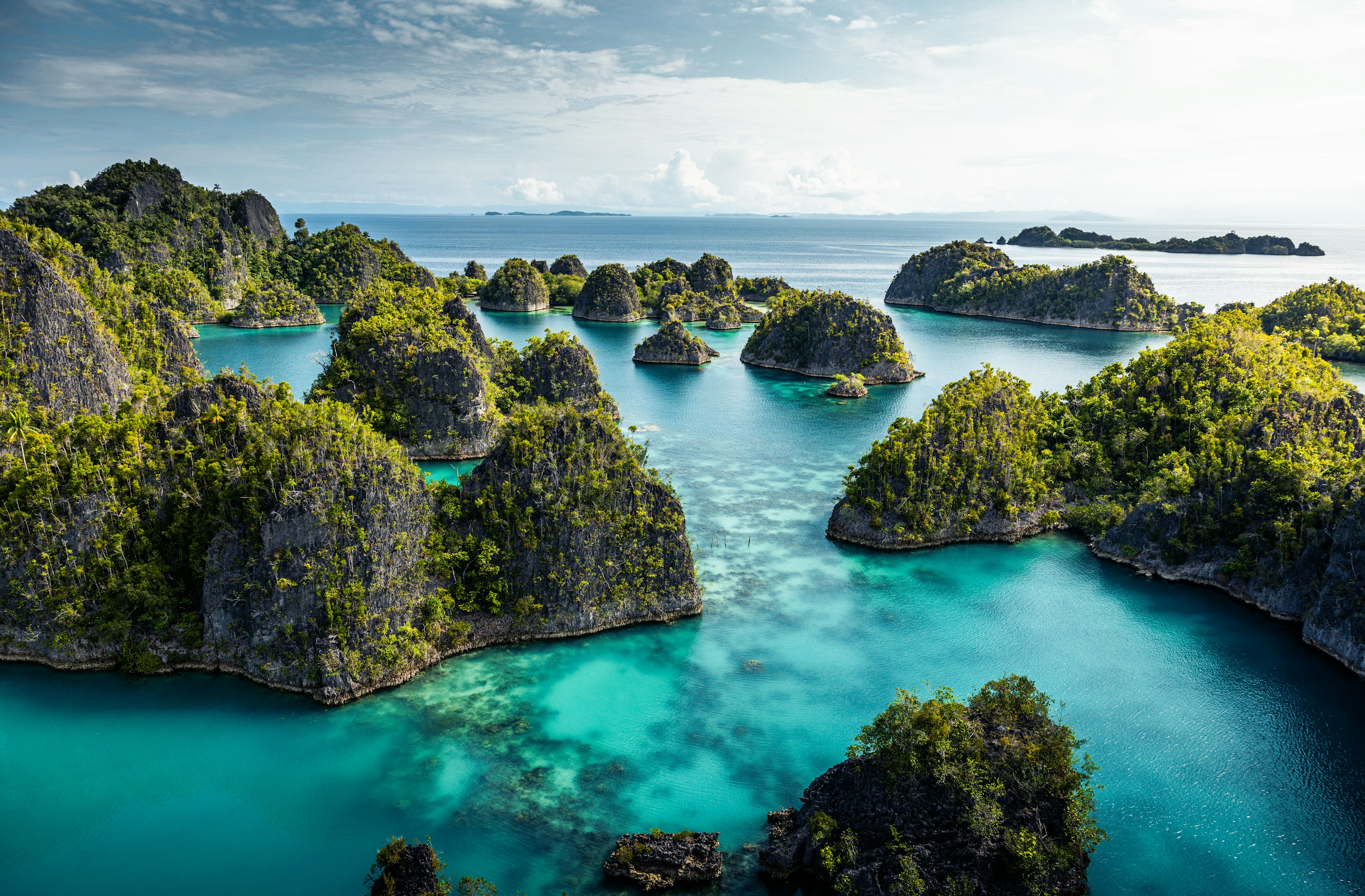
Raja Ampat's four main islands and hundreds of smaller limestone islets sit at the heart of the Coral Triangle, the most biodiverse marine environment on Earth, with reefs holding far more coral and fish species than the Caribbean.
Above water, karst islands draped in jungle ring turquoise lagoons; below, divers and snorkelers find manta rays, reef sharks, and dense coral gardens largely undamaged by mass tourism.
Reaching it takes real commitment, but few marine destinations compare.
How does it rate
CrowdsRomanceCash RequiredDangerAccessibilityWhy you should go
The most biodiverse reef system on the planet, still relatively undisturbed by mass tourism.
Why you shouldn't go
Very remote and expensive to reach, with permits, flights, and boat transfers all adding up before you even dive.
Plan your visit
Best time to visitOctober-April for calmer seas and the best underwater visibility.Best time of dayMorning dives and snorkels, before afternoon winds pick up on the open crossings.Getting thereFly to Sorong via Jakarta or Makassar, then a public or chartered boat (2-4 hours) to Waisai or a resort island.Entry costMarine Park entry permit (PIN) required, roughly 500,000-1,000,000 IDR (~$30-65)Time needed4+ daysBookingBook ahead →Insider tip — Buy the marine park permit (PIN) in Sorong or Waisai before heading to the islands; it's checked on arrival and covers the whole marine park for a full calendar year. -
 #485 /100
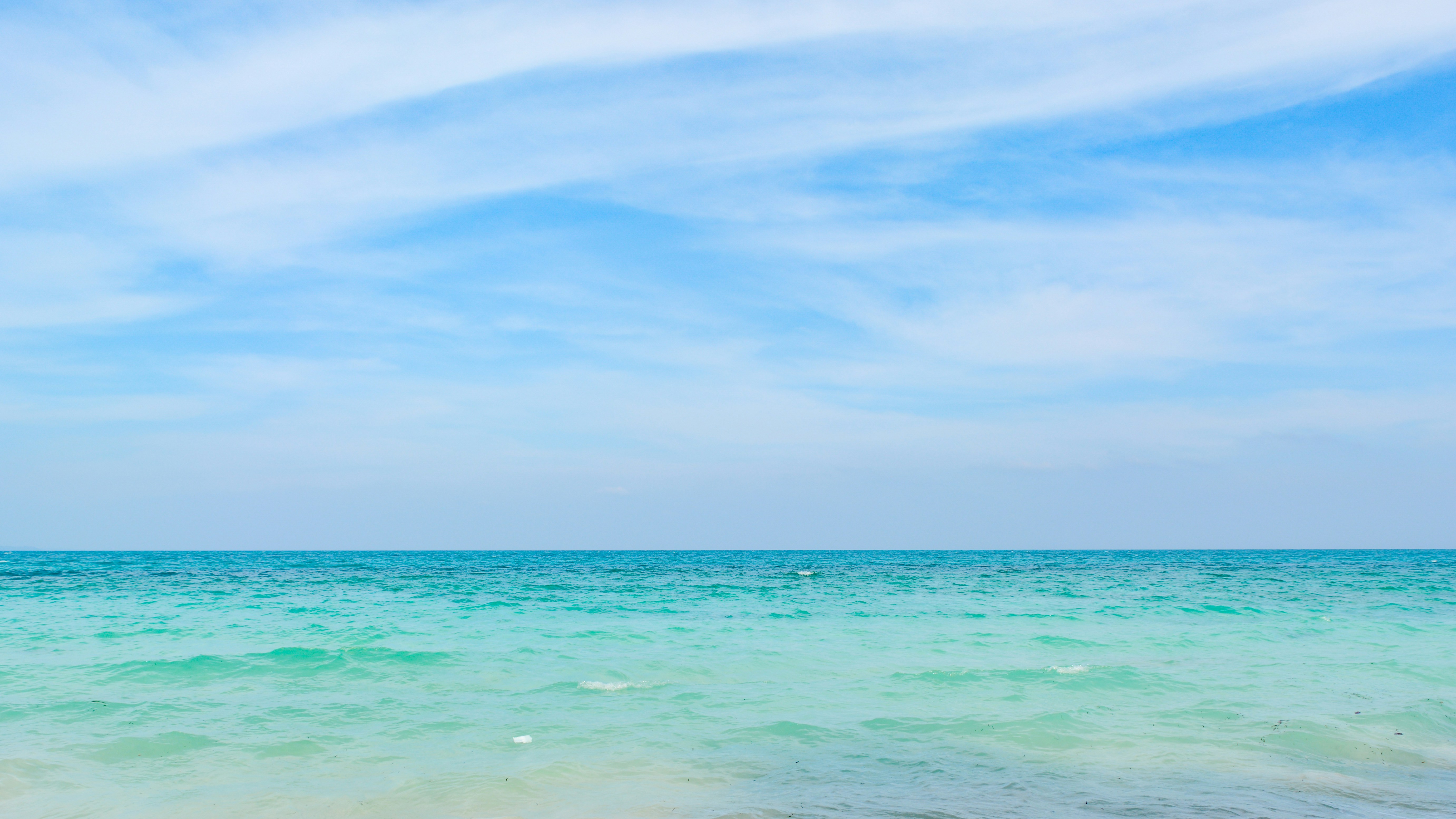
A two-kilometre arc of white sand on Havelock Island backed by dense rainforest, with water that shifts from pale turquoise to deep blue at the reef line.
Time magazine once named it Asia's best beach, and sunset here - sun dropping straight into the Andaman Sea with no development in sight - remains the main draw.
It takes real effort to reach, which keeps it far less crowded than its reputation suggests.
How does it rate
CrowdsRomanceCash RequiredDangerAccessibilityWhy you should go
Named Asia's best beach, with untouched rainforest backing two kilometres of white sand and a clean sunset over open water.
Why you shouldn't go
Reaching Havelock Island takes a flight plus a ferry, so it's a multi-day commitment, not a day trip.
Plan your visit
Best time to visitNovember-April, outside the monsoon season.Best time of daySunset, when the beach empties out and the sky over the water turns orange.Getting thereFly to Port Blair, then a 1.5-2 hour ferry to Havelock Island (Swaraj Dweep).Entry costFree.Time neededHalf a day.Insider tip — Walk 10 minutes north past the main entrance to have long stretches of the same sand almost entirely to yourself. -
 #5
#5Rated #5 of 35
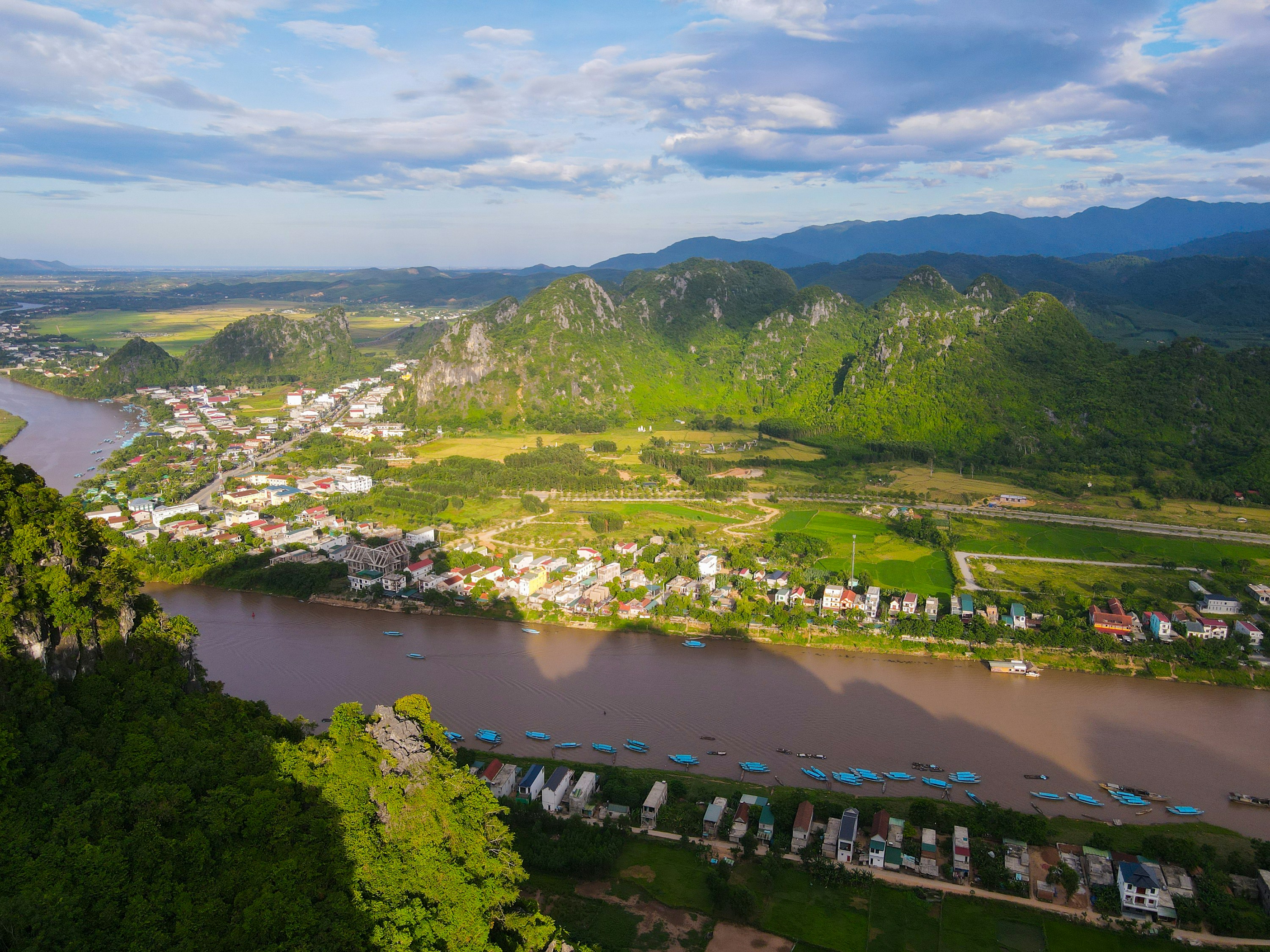
Phong Nha-Ke Bang National Park, Vietnam
#phongnha-kebangnationalpark ◆ National Parks84 /100Phong Nha-Ke Bang protects one of the world's largest karst regions, its jungle-covered limestone hiding thousands of caves, including Son Doong, the largest cave passage on Earth, and Paradise Cave's vast chambers of stalactites.
Most visitors explore by boat along the Son River into Phong Nha Cave itself, or walk the lit boardwalks of Paradise Cave.
It's Vietnam's premier caving destination, still largely undeveloped outside the main sites.
How does it rate
CrowdsRomanceCash RequiredDangerAccessibilityWhy you should go
Home to some of the planet's largest and most spectacular cave systems, from boat-accessible grottoes to multi-day expedition caving.
Why you shouldn't go
The headline cave, Son Doong, requires a costly multi-day expedition booked a year ahead; day-trip caves get busy with tour groups.
Plan your visit
Best time to visitFebruary-August, dry season; avoid September-November when typhoon flooding can close the caves.Best time of dayEarly morning at Paradise Cave, before tour buses arrive mid-morning.Getting thereFly to Dong Hoi; Phong Nha town is a 45-minute drive, with cave entrances a further 20-40 minutes on.Entry costPhong Nha Cave boat trip and Paradise Cave each charge separate entry fees, roughly $8-10Time needed1 day for the main caves; Son Doong expeditions run 4-7 daysBookingBook ahead →Insider tip — Visit Paradise Cave right at opening to get the boardwalk to yourself before tour buses arrive; the boat ride into Phong Nha Cave itself is included in a single ticket and needs no separate booking. -
 #683 /100
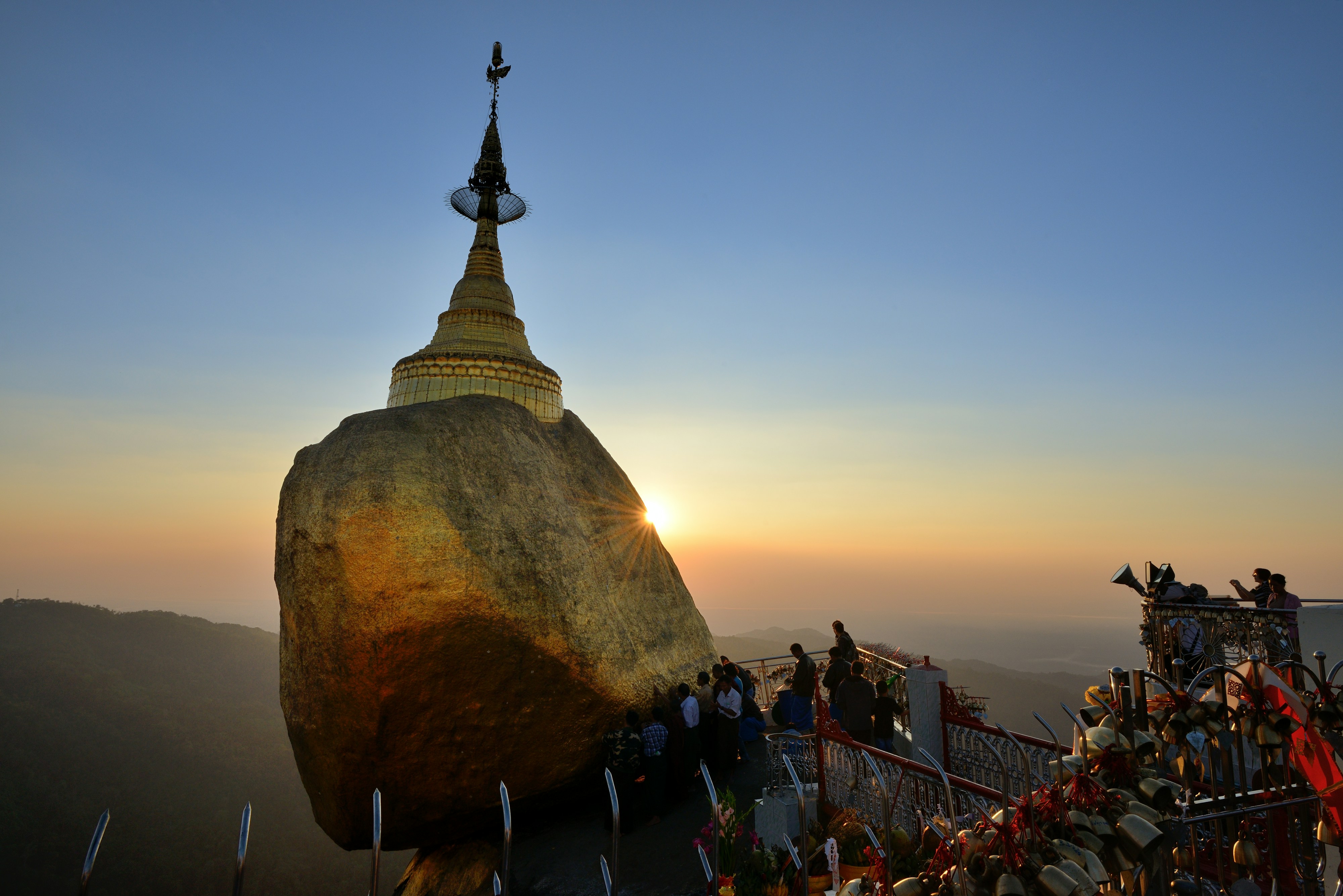
A gold-leaf-covered boulder balances impossibly on the very edge of a cliff, topped with a small pagoda said to be held in place by a strand of Buddha's hair.
Generations of pilgrims have applied gold leaf by hand, thickening the surface over centuries into a solid gilded shell.
At sunset the rock glows against the surrounding hills, appearing to defy gravity from almost every angle.
How does it rate
CrowdsRomanceCash RequiredDangerAccessibilityWhy you should go
A gilded boulder that appears to balance on a cliff edge by physics alone.
Why you shouldn't go
Reaching the summit requires a rough open-truck ride plus a steep uphill walk - it isn't a quick stop.
Plan your visit
Best time to visitNovember-February, the cool, dry season.Best time of daySunset, when the gold surface catches the low light.Getting thereDrive from Yangon to Kinpun base camp (about 5 hours), then open-truck transfer and a short uphill walk to the summit.Entry costEntry fee for foreign visitors, plus the truck transfer fare.Time needed1-2 days, including overnight near the summitInsider tip — Stay overnight at the summit - sunset and sunrise on the gilded rock, once the day-trip crowds descend, are dramatically quieter. -
 #782 /100
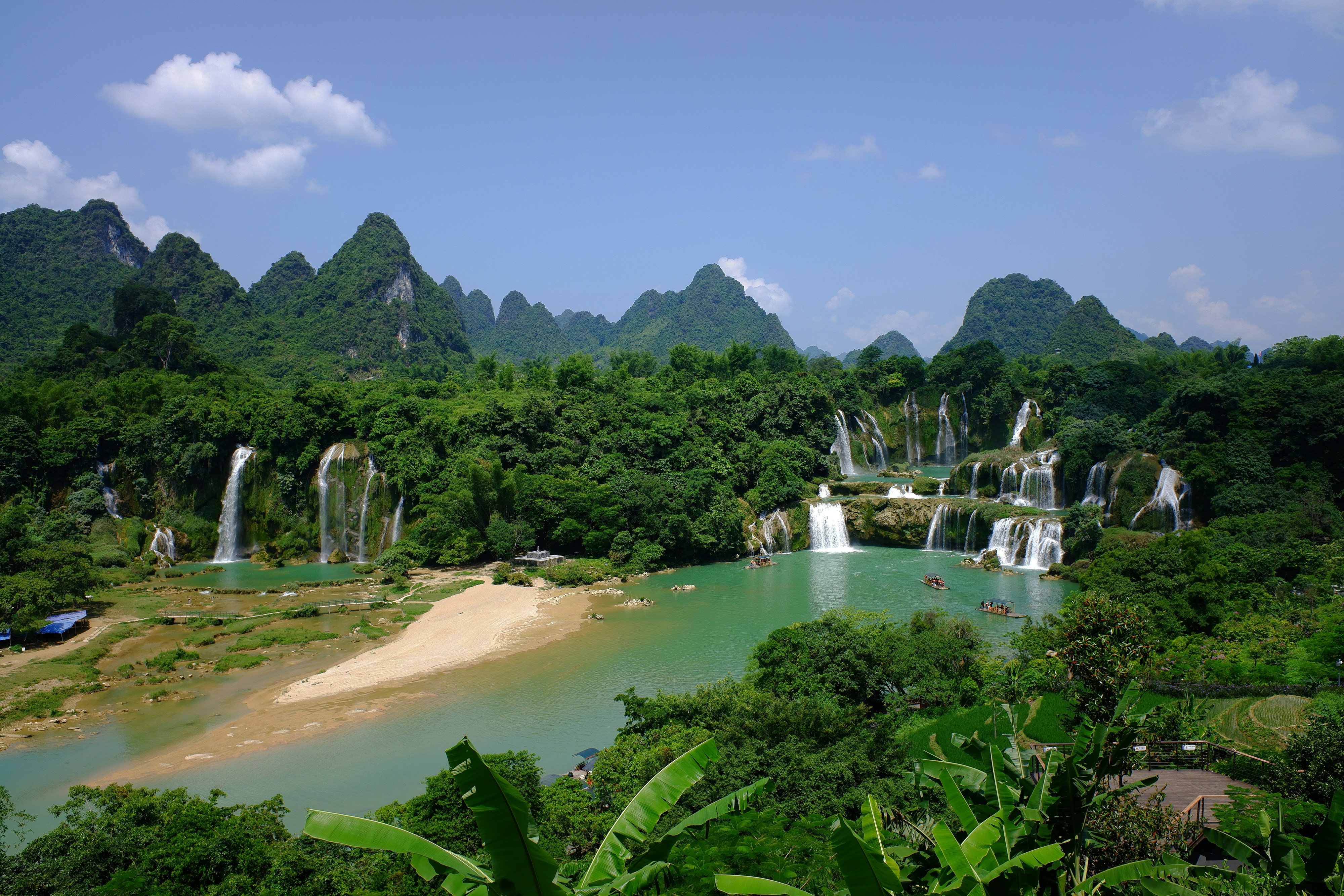
Southeast Asia's largest transnational waterfall spills over limestone terraces straddling the Vietnam-China border, wide enough that bamboo rafts drift right up to its base.
Rice paddies and karst peaks frame the Vietnamese side, while mist rises constantly off the wide, multi-tiered drop, especially heavy after summer rains.
How does it rate
CrowdsRomanceCash RequiredDangerAccessibilityWhy you should go
A wide, multi-tiered transnational waterfall you can raft right up to the base of.
Why you shouldn't go
The best straight-on view is technically from the Chinese side, requiring a separate border crossing and visa.
Plan your visit
Best time to visitJune-September for maximum water flow, though rice paddies are greenest in spring.Best time of dayMorning, for calm water and soft light on the karst backdrop.Getting thereDrive from Cao Bang (about 3 hours) or Hanoi (about 6-7 hours) to the Ban Gioc viewpoint.Entry costEntry fee plus optional bamboo raft ride, together around $10-15.Time neededHalf a dayInsider tip — Take the bamboo raft ride to get right up to the base of the falls - the road viewpoint alone undersells the scale. -
 #882 /100
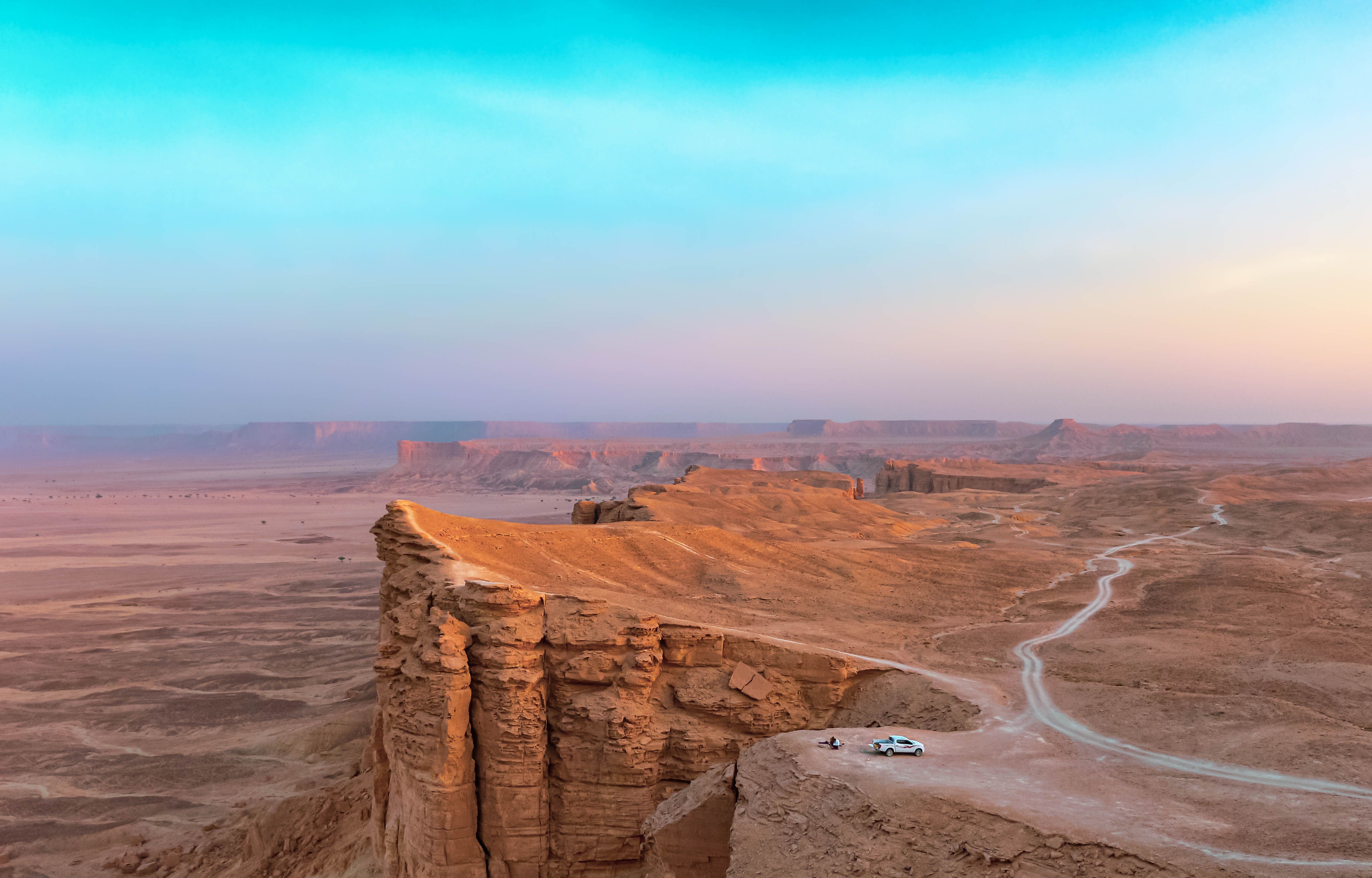
Jebel Fihrayn, known as the Edge of the World, is a sheer escarpment roughly 1,100 metres above the desert floor, part of the Tuwaiq Mountains that once formed the shoreline of an ancient sea.
A rough 4x4 track and a short walk lead to a cliff edge with no barriers, looking out over a flat desert plain stretching to the horizon, and it has become one of the most visited natural landmarks near Riyadh since the country opened to tourism.
How does it rate
CrowdsRomanceCash RequiredDangerAccessibilityWhy you should go
Standing at an unguarded cliff edge with a completely flat desert stretching to the horizon feels like reaching the literal edge of the map.
Why you shouldn't go
There are no safety barriers at the cliff edge, and the last stretch of track requires a 4x4 and an experienced driver.
Plan your visit
Best time to visitNovember–March, avoiding summer heat that makes the exposed cliff top dangerous by midday.Best time of dayLate afternoon into sunset, when the escarpment and desert plain both light up gold.Getting thereFly to Riyadh; roughly 1.5–2-hour drive northwest, the final stretch on an unpaved desert track requiring 4x4.Entry costFree; most visitors join a paid tour that includes 4x4 transport.Time neededHalf a day including travelInsider tip — Go with an organised tour rather than a rental car — the final approach track is easy to get stuck on without local knowledge. -
 #981 /100
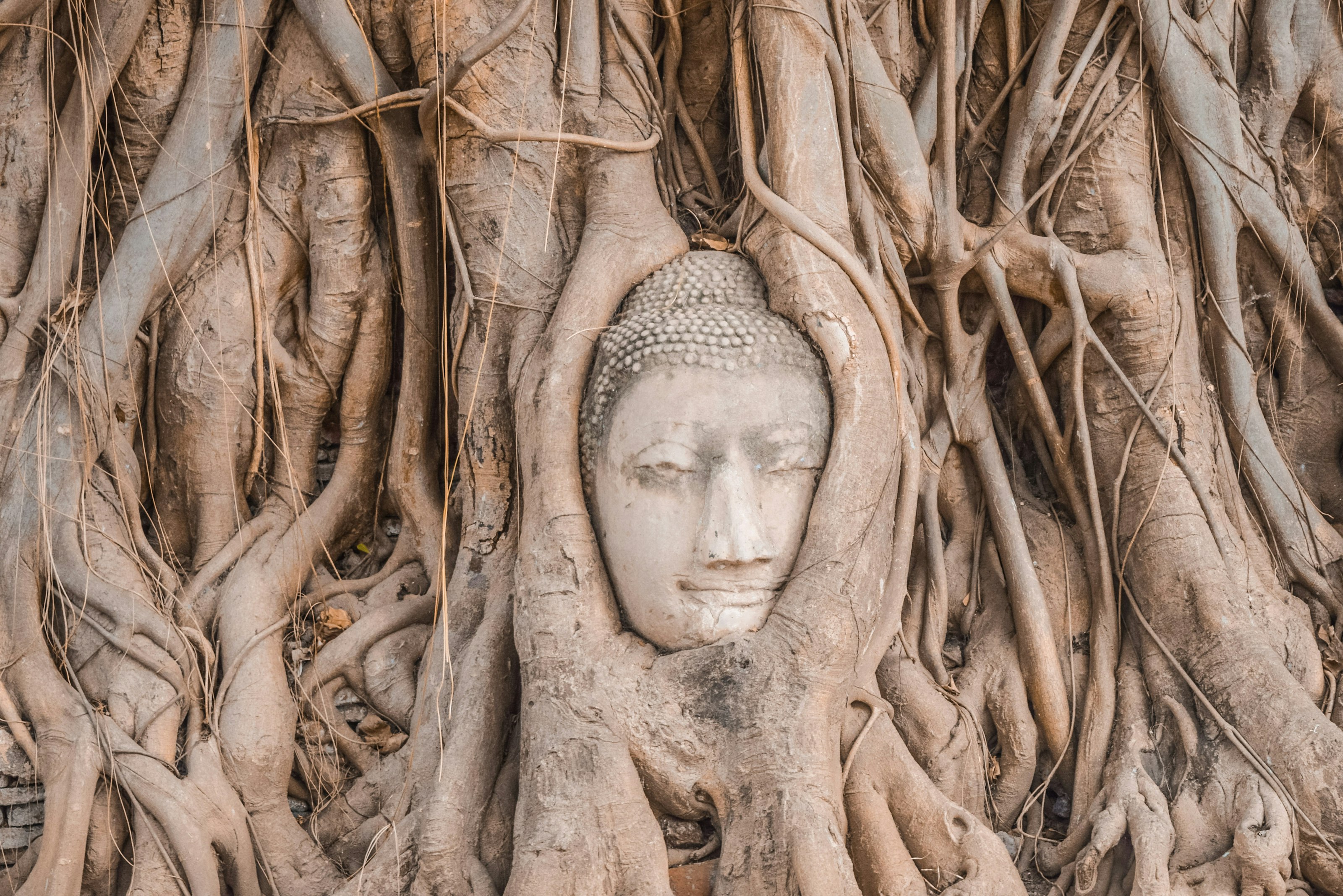
Ayutthaya was the capital of Siam for four centuries and one of the largest cities in the world before Burmese armies destroyed it in 1767, leaving rows of brick temple spires and headless Buddha statues across the old city island.
Its best-known image is a stone Buddha head cradled in the roots of a banyan tree at Wat Mahathat, but the wider site holds dozens of temple ruins connected by quiet canals and cycling paths.
How does it rate
CrowdsRomanceCash RequiredDangerAccessibilityWhy you should go
The Buddha head grown into a tree's roots at Wat Mahathat is one of the most photographed, genuinely strange sights in Thailand.
Why you shouldn't go
The ruins are spread across a wide area with little shade, and midday heat makes cycling between them exhausting.
Plan your visit
Best time to visitNovember–February, Thailand's cool, dry season.Best time of dayEarly morning or late afternoon, avoiding the worst of the midday heat.Getting thereFly to Bangkok; 1.5-hour train or minivan north to Ayutthaya.Entry costSmall entry fee per temple, or a combined multi-site ticket.Time needed1 dayInsider tip — Rent a bicycle at the train station rather than hiring a tuk-tuk — the old city is flat and the temples are close enough together to cycle between. -
 #1080 /100
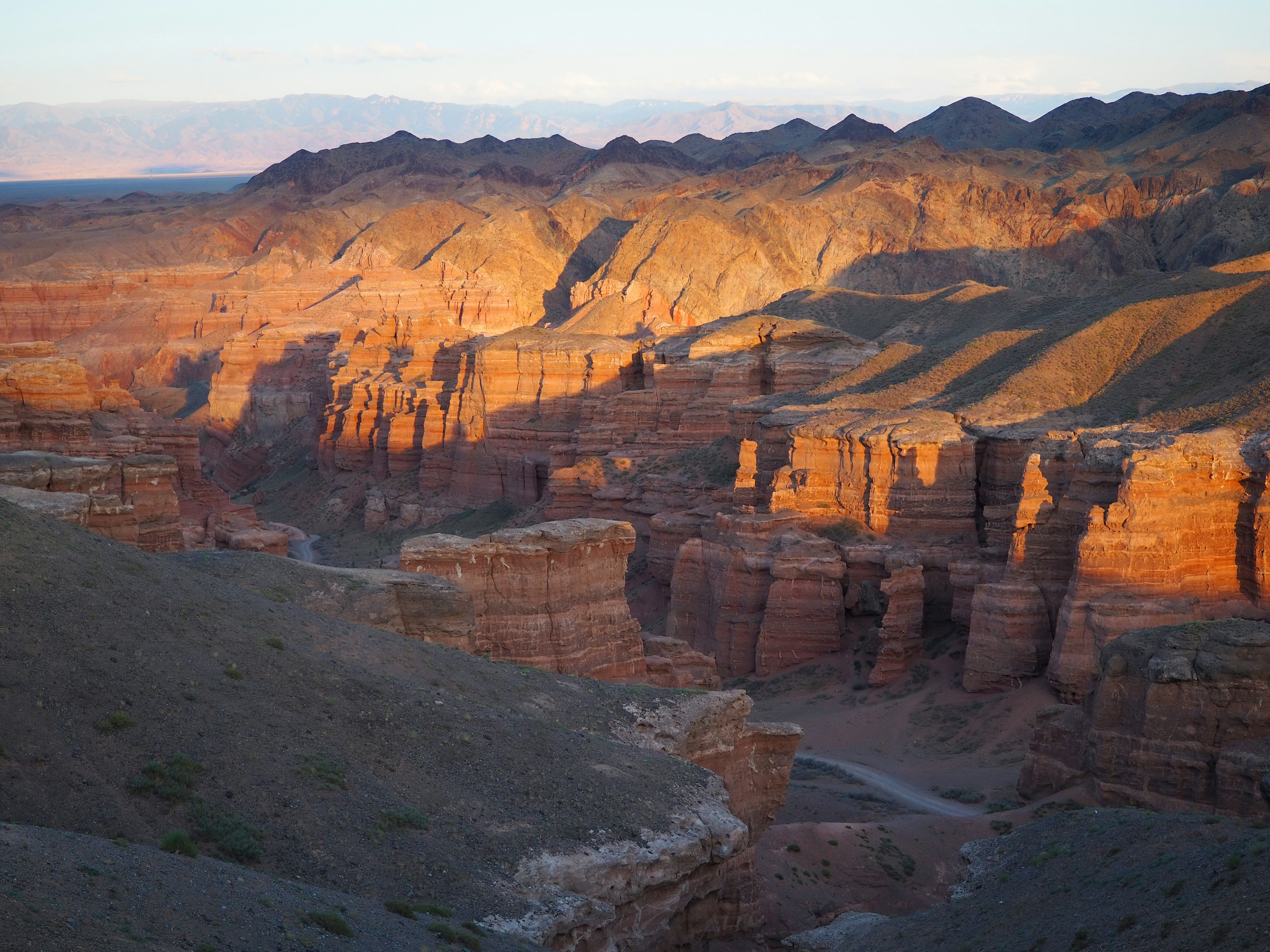
Red sandstone spires and narrow corridors give this Central Asian canyon its nickname, the Valley of Castles, carved by the Charyn River over 12 million years.
Often compared to a miniature Grand Canyon, it draws a fraction of the visitors despite comparably dramatic scenery.
Walking the valley floor between the eroded rock towers is the main draw, especially in the low light of early evening.
How does it rate
CrowdsRomanceCash RequiredDangerAccessibilityWhy you should go
Grand Canyon-scale rock formations in Central Asia, with almost none of the crowds.
Why you shouldn't go
Summer temperatures in the exposed canyon can exceed 40C by midday.
Plan your visit
Best time to visitApril-May or September-October, avoiding summer heat and winter closures.Best time of dayLate afternoon, when low light picks out the red rock's texture.Getting thereDrive from Almaty (about 3 hours) to the canyon entrance.Entry costPark entry fee, a few dollars per person.Time neededHalf a dayInsider tip — Walk the full Valley of Castles trail rather than just the main viewpoint - the rock formations get more dramatic the further in you go. -
 #1180 /100
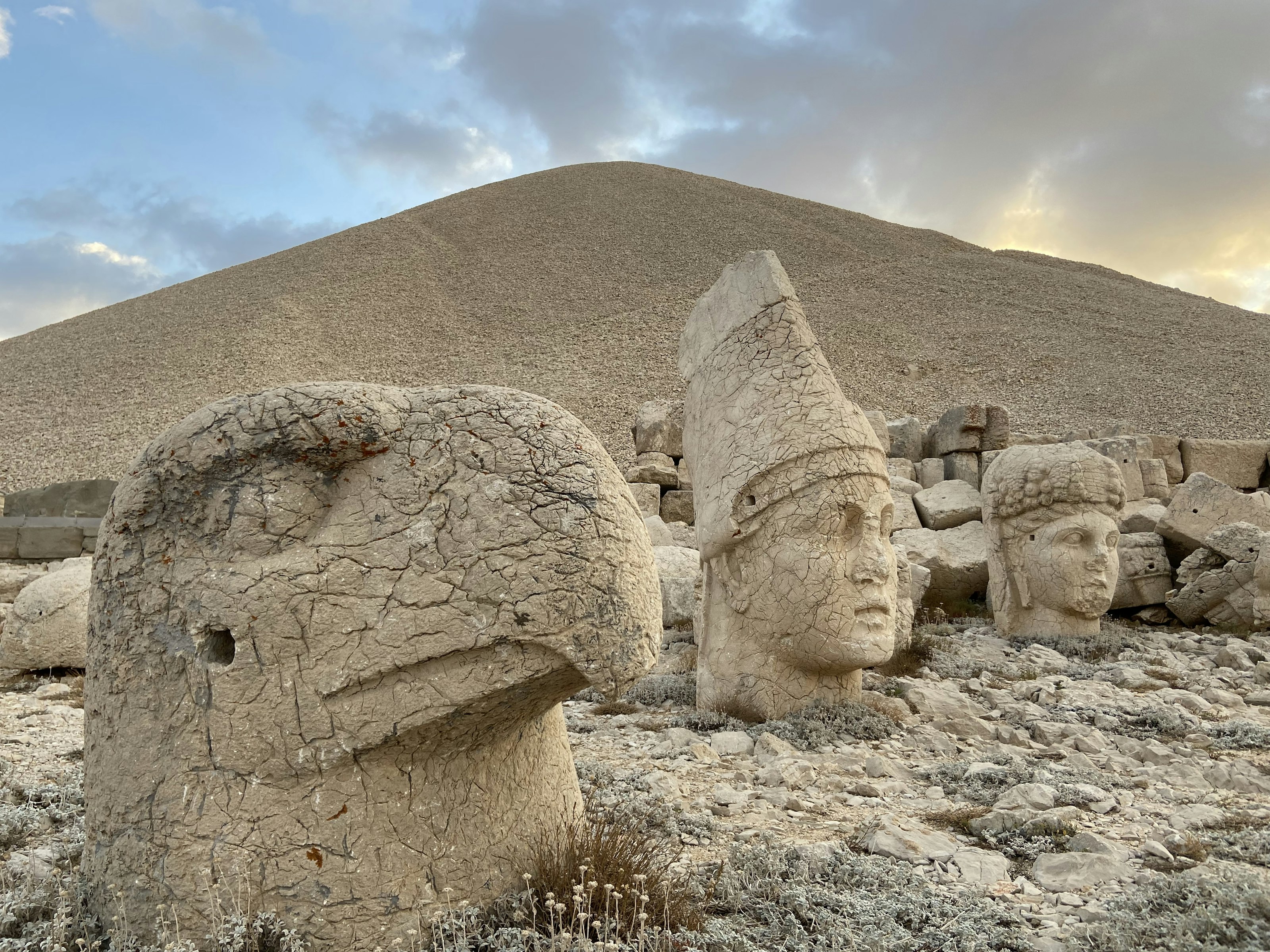
At the 2,100-metre summit of Mount Nemrut, a first-century BC king built himself a burial sanctuary flanked by colossal stone heads of gods and eagles, toppled from their bodies by centuries of earthquakes but still staring out over the Anatolian plateau.
Visitors climb the last stretch before dawn to watch sunrise light hit the eastern terrace's statues one by one.
How does it rate
CrowdsRomanceCash RequiredDangerAccessibilityWhy you should go
Watching sunrise break across the row of giant stone heads is one of the more surreal moments in Turkish travel.
Why you shouldn't go
The site is remote and the pre-dawn climb in the cold puts off casual visitors — this is a dedicated detour, not a stopover.
Plan your visit
Best time to visitMay–September, when mountain roads are reliably clear and mornings aren't freezing.Best time of dayBefore sunrise — most visitors climb in the dark to catch first light on the statues.Getting thereFly to Adıyaman or Kahta; a rough 1-hour mountain road leads to the summit car park, then a 20-minute climb.Entry costPaid entry.Time needed2–3 hours including the climbInsider tip — Bring a warm layer even in summer — the summit is cold and windy well after sunrise. -
 #12
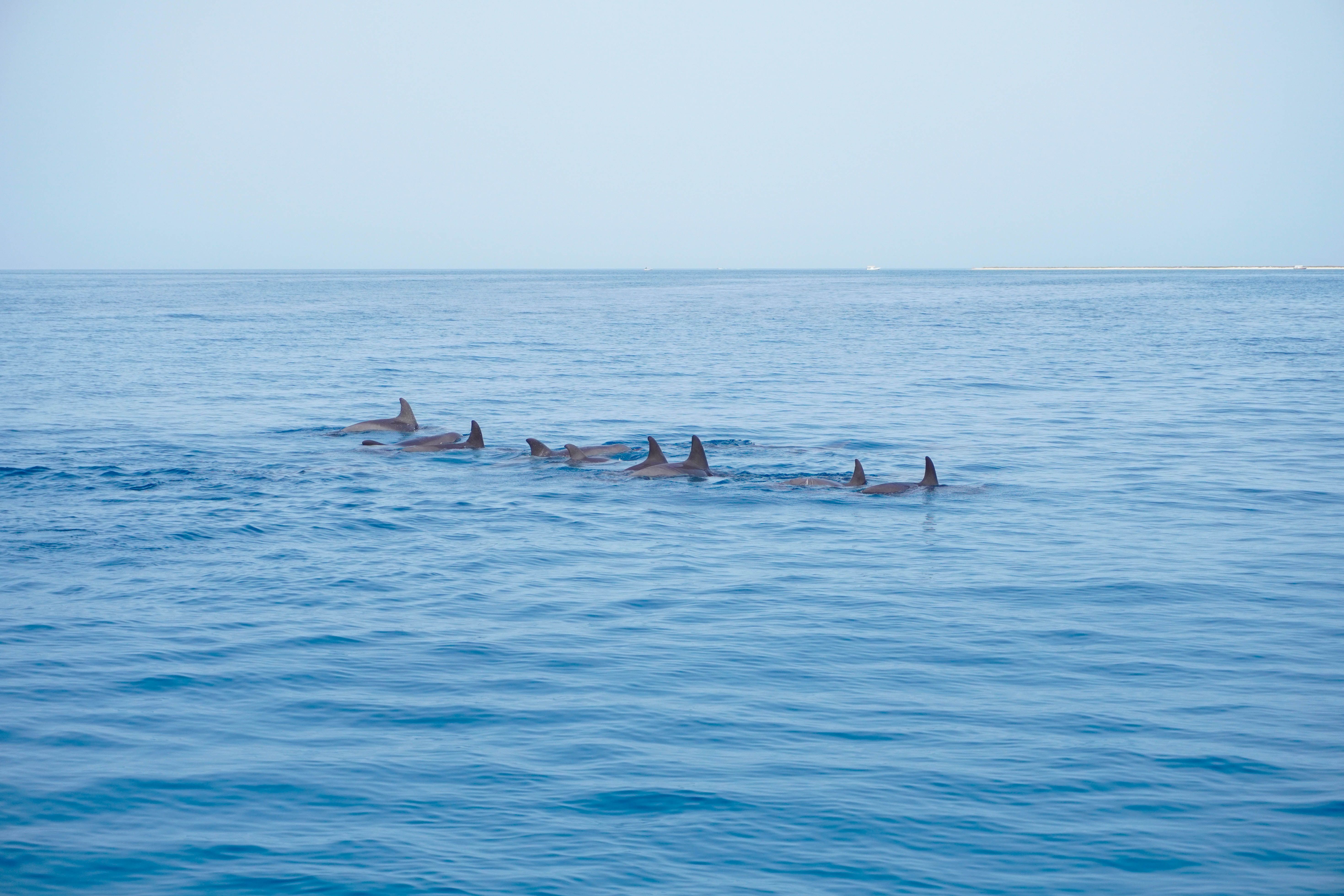
#12Umluj sits on Saudi Arabia's northern Red Sea coast, where a scattering of uninhabited islands and sandbars sit in water shallow and clear enough to earn the coastline the nickname 'the Maldives of Saudi Arabia'.
Boat trips out to islands like Jabal Hassan reach coral reefs largely untouched by mass tourism, and the coastline remains quiet even as new mega-resort developments rise further south along the same coast.
How does it rate
CrowdsRomanceCash RequiredDangerAccessibilityWhy you should go
Genuinely Maldives-clear water and coral reefs, reachable by a short boat ride, with almost no other tourists around.
Why you shouldn't go
Infrastructure is still limited outside a few boat operators and basic hotels, so it takes more planning than an established beach destination.
Plan your visit
Best time to visitNovember–April, avoiding the intense heat of the Red Sea summer.Best time of dayMorning, for the calmest boat crossings and best underwater visibility.Getting thereFly to Yanbu or Tabuk; roughly 1.5–2-hour drive to Umluj, then a boat to the islands.Entry costFree coastline; island boat trips and snorkelling gear are paid extras.Time needed1 dayInsider tip — Book a boat trip a day ahead through a local operator in Umluj town rather than turning up expecting one on the spot — options are still limited. -
 #1378 /100
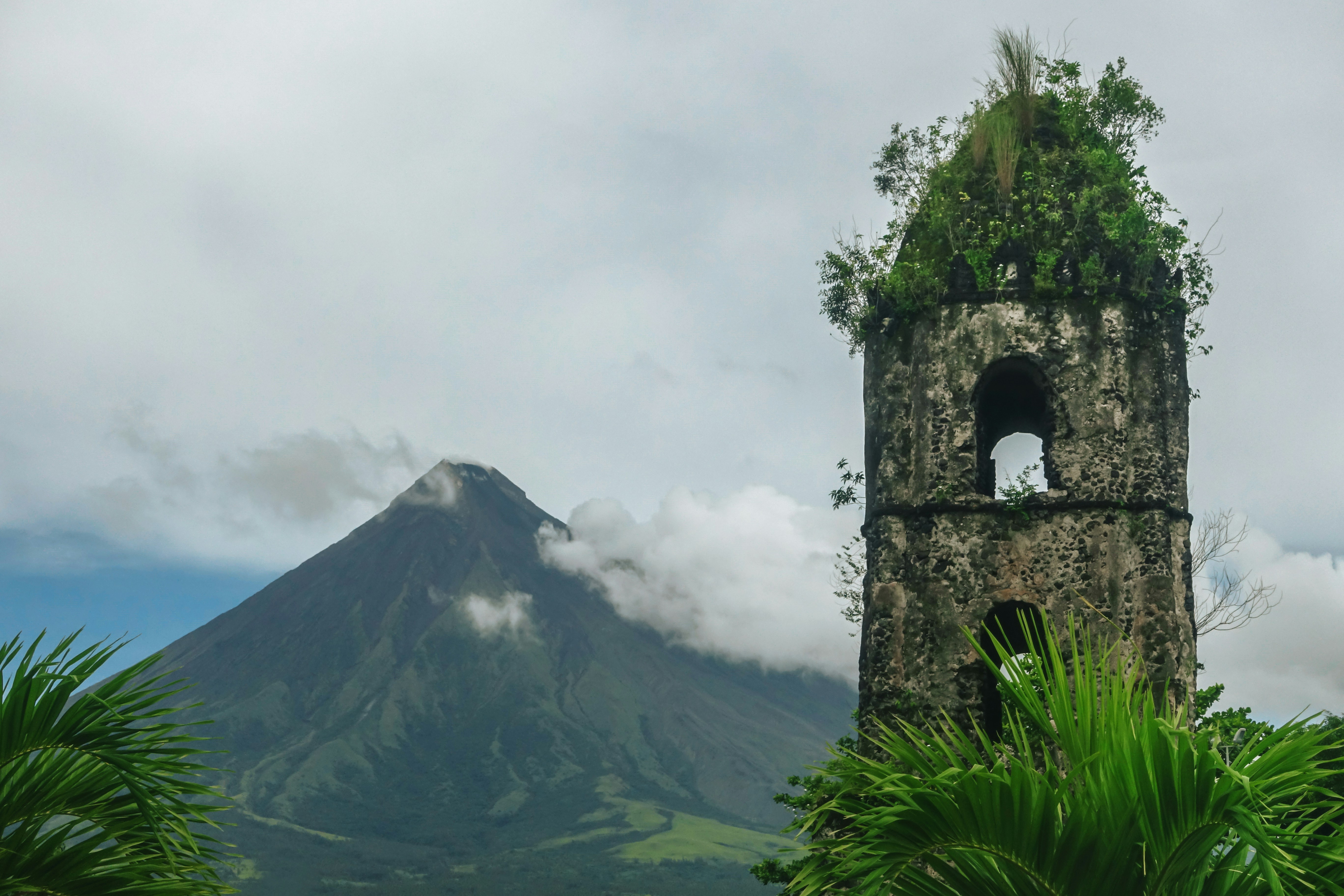
Famous for having the most perfectly symmetrical cone of any volcano on Earth, rising in a flawless triangle above rice paddies and palm groves in the Bicol region.
It remains one of the Philippines' most active volcanoes, with periodic eruptions that occasionally force evacuations from surrounding villages, adding genuine drama to its postcard-perfect profile.
The best views come from a distance - from Daraga Church's ruins or the ATV trails around its lower slopes - rather than any close approach to the crater itself.
How does it rate
CrowdsRomanceCash RequiredDangerAccessibilityWhy you should go
Widely considered the most perfectly symmetrical volcanic cone in the world, framed by rice paddies and church ruins.
Why you shouldn't go
It's genuinely active with a history of sudden eruptions, so close-approach access is often restricted for safety.
Plan your visit
Best time to visitDecember-May (dry season) for the clearest, cloud-free views of the cone.Best time of dayEarly morning, before afternoon cloud typically wraps the summit.Getting thereFly to Legazpi; the classic viewpoints are a short drive from the city.Entry costViewpoint access is generally free; ATV tours on the lower slopes cost around 500-800 PHP.Time neededHalf a day.Insider tip — Cagsawa Ruins is the classic photo spot, but Daraga Church's hilltop churchyard gives the same cone view with a fraction of the tour-bus crowd. -
 #1478 /100
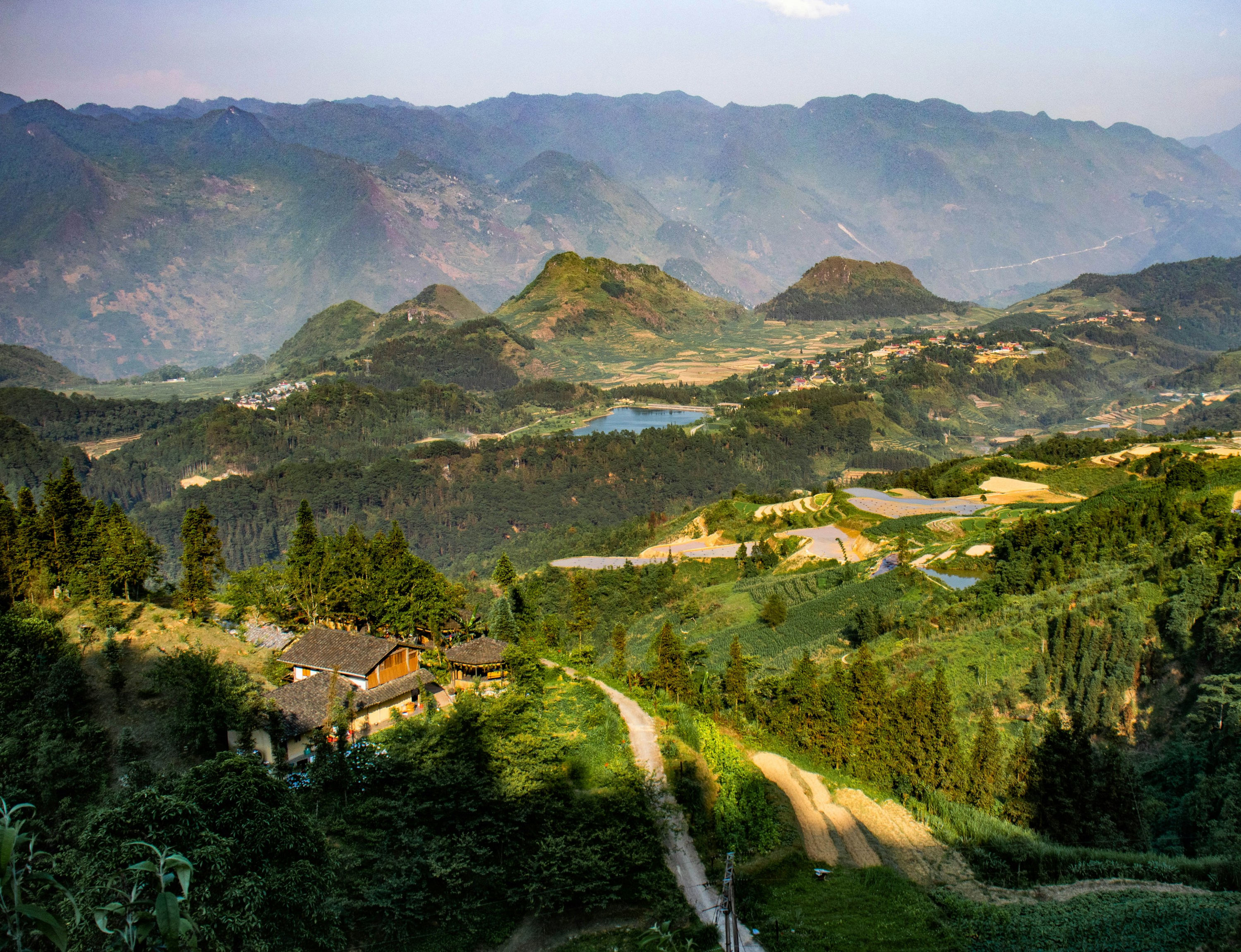
The Ha Giang Loop is northern Vietnam's classic multi-day motorbike route, threading through the limestone peaks of the Dong Van Karst Plateau past terraced fields, H'mong and Tay villages, and the Ma Pi Leng Pass above the Nho Que River.
Most riders cover the roughly 350km circuit over 3-4 days, self-driving or riding pillion with a local guide.
It's demanding and occasionally hair-raising, but consistently rated among Southeast Asia's best road trips.
How does it rate
CrowdsRomanceCash RequiredDangerAccessibilityWhy you should go
Dramatic karst mountain scenery and one of Asia's great road trips, especially the cliff-hugging Ma Pi Leng Pass.
Why you shouldn't go
Mountain roads are genuinely dangerous for inexperienced riders, and a border-area permit is required for foreign visitors.
Plan your visit
Best time to visitSeptember-November and March-May, for clear skies and dry roads.Best time of dayRide mid-morning to mid-afternoon; mountain fog and cold set in early and late.Getting thereOvernight bus or shared van from Hanoi to Ha Giang city (6-7 hours), where loop rentals and guides start.Entry costFree to ride; motorbike rental or guided tours from roughly $25-50/day, plus a border permitTime needed3-4 daysInsider tip — Arrange a border-area permit and, if you're not an experienced rider, an "easy rider" driver in Ha Giang city before setting off; the Ma Pi Leng Pass viewpoint gets busy by mid-morning with day-tour minivans from Dong Van. -
 #15
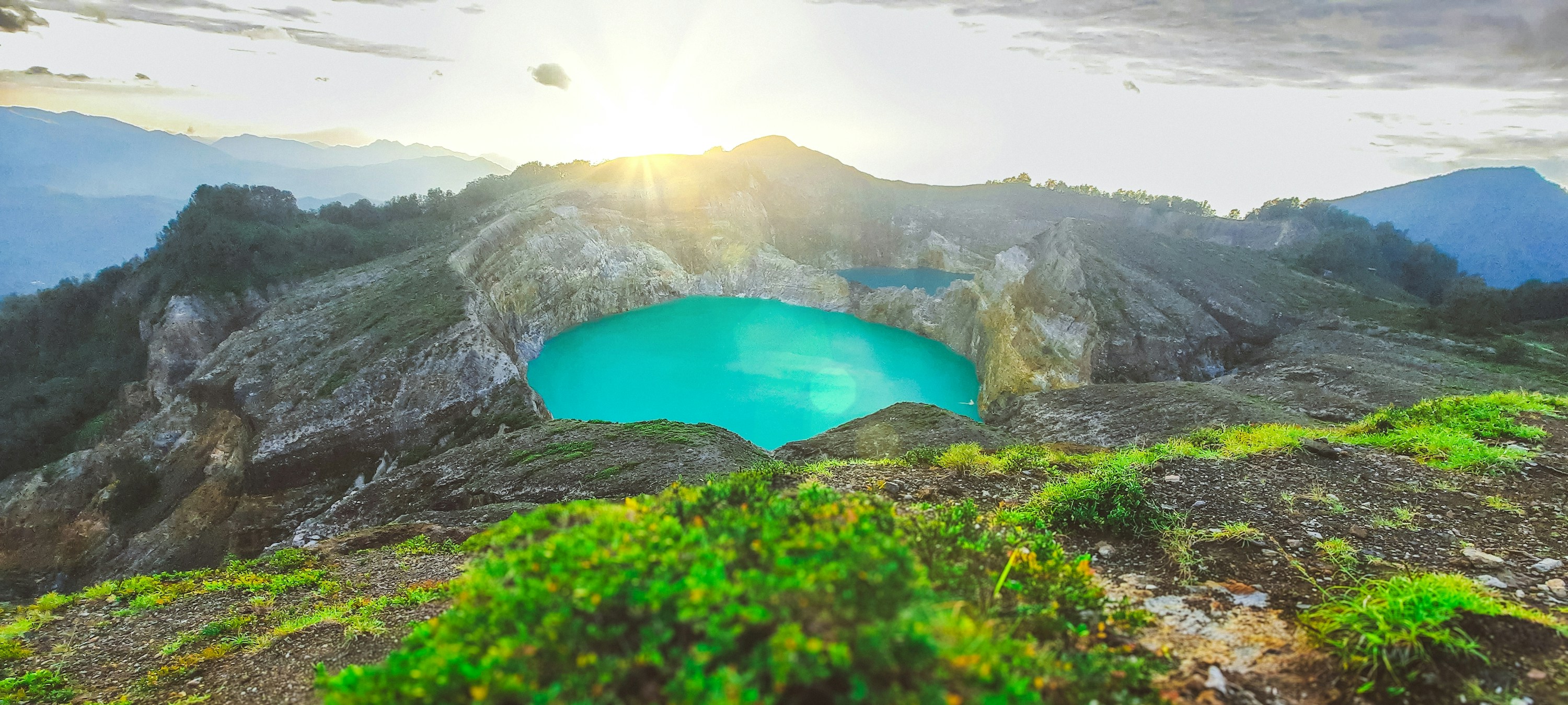
#15Kelimutu volcano holds three crater lakes side by side, each a different color from mineral and gas activity below, ranging through turquoise, teal, and near-black depending on when you visit.
The lakes have shifted hue repeatedly over recorded history, a phenomenon still not fully explained.
Most visitors arrive before dawn to catch sunrise from the rim, then walk a short paved trail between viewpoints overlooking each lake.
How does it rate
CrowdsRomanceCash RequiredDangerAccessibilityWhy you should go
Three crater lakes of different, unexplained colors side by side, best seen glowing at sunrise.
Why you shouldn't go
Getting to remote central Flores takes real effort, and clouds often roll in and hide the lakes by mid-morning.
Plan your visit
Best time to visitMay-September, dry season, for the clearest views and lowest chance of cloud cover.Best time of daySunrise; arrive by 5am before clouds build up later in the morning.Getting thereFly to Ende, Flores; Kelimutu is a 1.5-hour drive, staying overnight in nearby Moni village.Entry cost150,000 IDR weekdays, 250,000 IDR Sundays/holidays (~$9-16)Time needed2-3 hours at the crater rimInsider tip — Stay in Moni the night before and arrange a pre-dawn ojek (motorbike taxi) to the gate; the viewpoint above the two closest lakes is far less crowded than the main platform. -
 #1677 /100
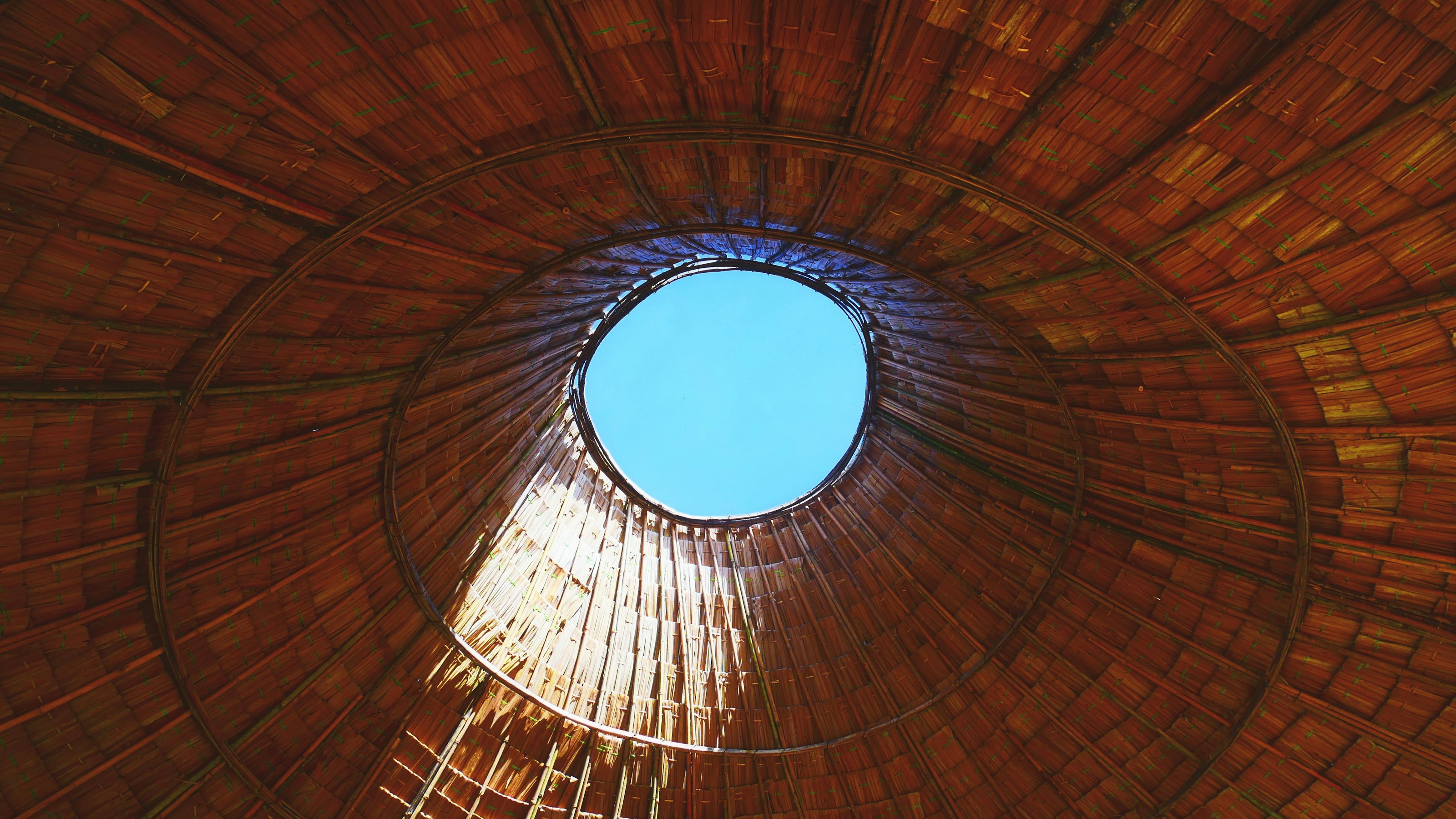
Held on farmland outside Pattaya each December, Wonderfruit built its reputation on handcrafted bamboo and reclaimed-material stages rather than steel and plywood, with a sustainability ethos running through its food, waste systems, and art.
The multi-day programme mixes global and electronic music with talks, yoga, and farm-to-table dining, drawing a crowd that skews international and design-conscious rather than mainstream.
How does it rate
CrowdsRomanceCash RequiredDangerAccessibilityWhy you should go
A boutique Thai festival built around handcrafted bamboo stages, sustainability, and farm-to-table food alongside the music.
Why you shouldn't go
The farmland site can turn muddy in December showers, and its boutique scale means a higher ticket price than mainstream festivals.
Plan your visit
Best time to visitHeld over several days each December, in Thailand's cool, dry season.Best time of dayLate afternoon into evening, when the bamboo pavilions light up for the night's programme.Getting thereFly into Bangkok, then a shuttle or taxi roughly two hours to the Siam Country Club site near Pattaya.Entry costMulti-day passes run roughly THB 12,000-15,000.Time neededThe full multi-day run for the complete experience.BookingBook ahead →Insider tip — Book on-site glamping early - it sells out well before the festival and beats the long taxi commute from Pattaya hotels. -
 #1777 /100
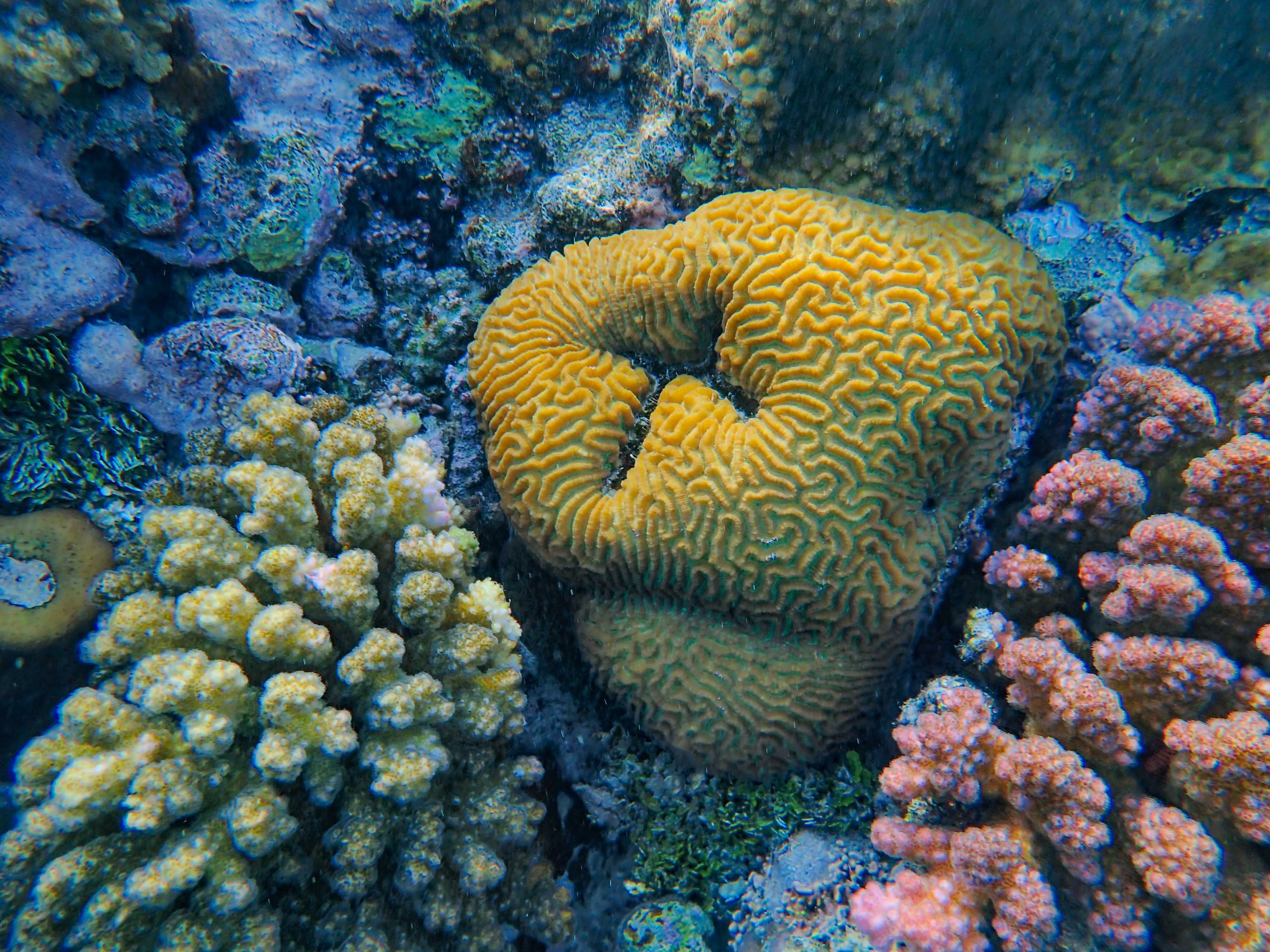
The Farasan Islands are a low-lying Red Sea archipelago off Saudi Arabia's southern coast, ringed by coral reefs that draw divers and snorkellers to waters that see whale sharks pass through seasonally.
The main island holds crumbling coral-stone merchant houses from an Ottoman-era pearling boom, now mostly abandoned, alongside mangrove channels sheltering gazelles found nowhere else, with ferries from Jazan the only way in.
How does it rate
CrowdsRomanceCash RequiredDangerAccessibilityWhy you should go
Diving reefs that see almost no other visitors, alongside crumbling Ottoman-era pearling houses, makes for a genuinely uncommon combination.
Why you shouldn't go
Ferry schedules are limited and infrastructure is basic, so it takes more planning than a typical island trip.
Plan your visit
Best time to visitOctober–April, avoiding the most intense Red Sea summer heat and humidity.Best time of dayMorning, for the calmest seas for diving and the ferry crossing.Getting thereFly to Jazan; a roughly 1.5–2-hour ferry crosses to the main Farasan island.Entry costFerry ticket plus any diving or snorkelling tour costs.Time needed1–2 daysInsider tip — Arrange diving trips in advance through an operator in Jazan — options on the islands themselves are limited and can sell out. -
 #1876 /100
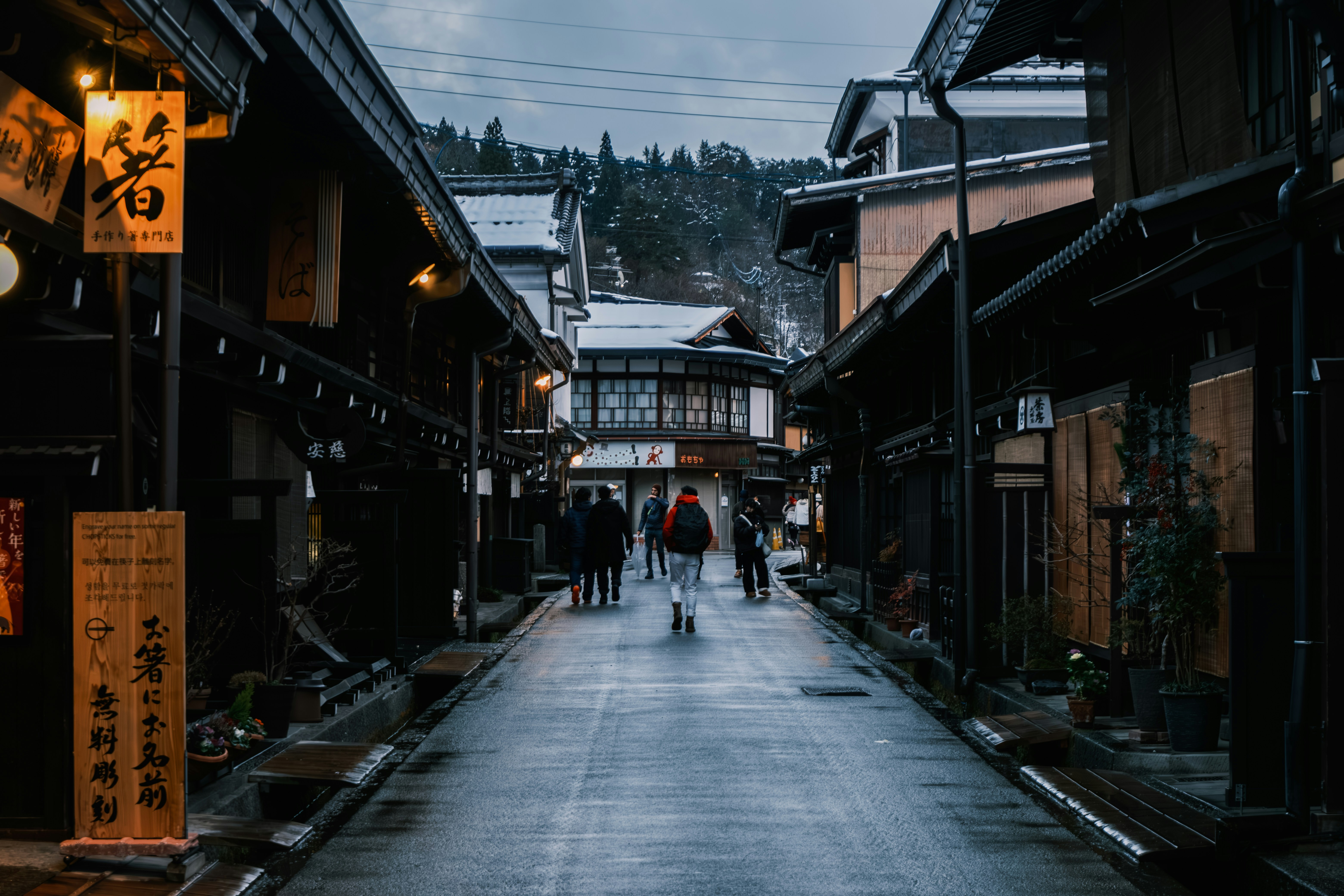
An intact Edo-period merchant district with preserved wooden machiya townhouses, working sake breweries, and morning markets, set against a backdrop of the Japanese Alps.
One of the country's best-preserved old towns outside Kyoto, and considerably less crowded.
How does it rate
CrowdsRomanceCash RequiredDangerAccessibilityWhy you should go
A pristine Edo-period merchant town with wooden machiya houses, sake breweries, and a mountain backdrop.
Why you shouldn't go
Feels touristy through midday in peak seasons; narrow streets and small shops get congested; limited English outside the tourist core.
Plan your visit
Best time to visitOctober–November for fall colors, or April for cherry blossoms and the spring Takayama Festival.Best time of dayEarly morning (7–8am), before day-trippers arrive and while the morning markets are freshest.Getting thereTrain from Nagoya (roughly 2.5 hours) or Toyama (1.5 hours) direct to Takayama Station.Entry costFree to walk the streets; individual museums and sake tastings ¥300–500 each.Time needed1–2 days.Insider tip — Stay overnight to see the old town after the day-trip crowds clear out in the evening. Sample Hida beef and local sake — several breweries offer tastings right on the main street. -
 #1976 /100
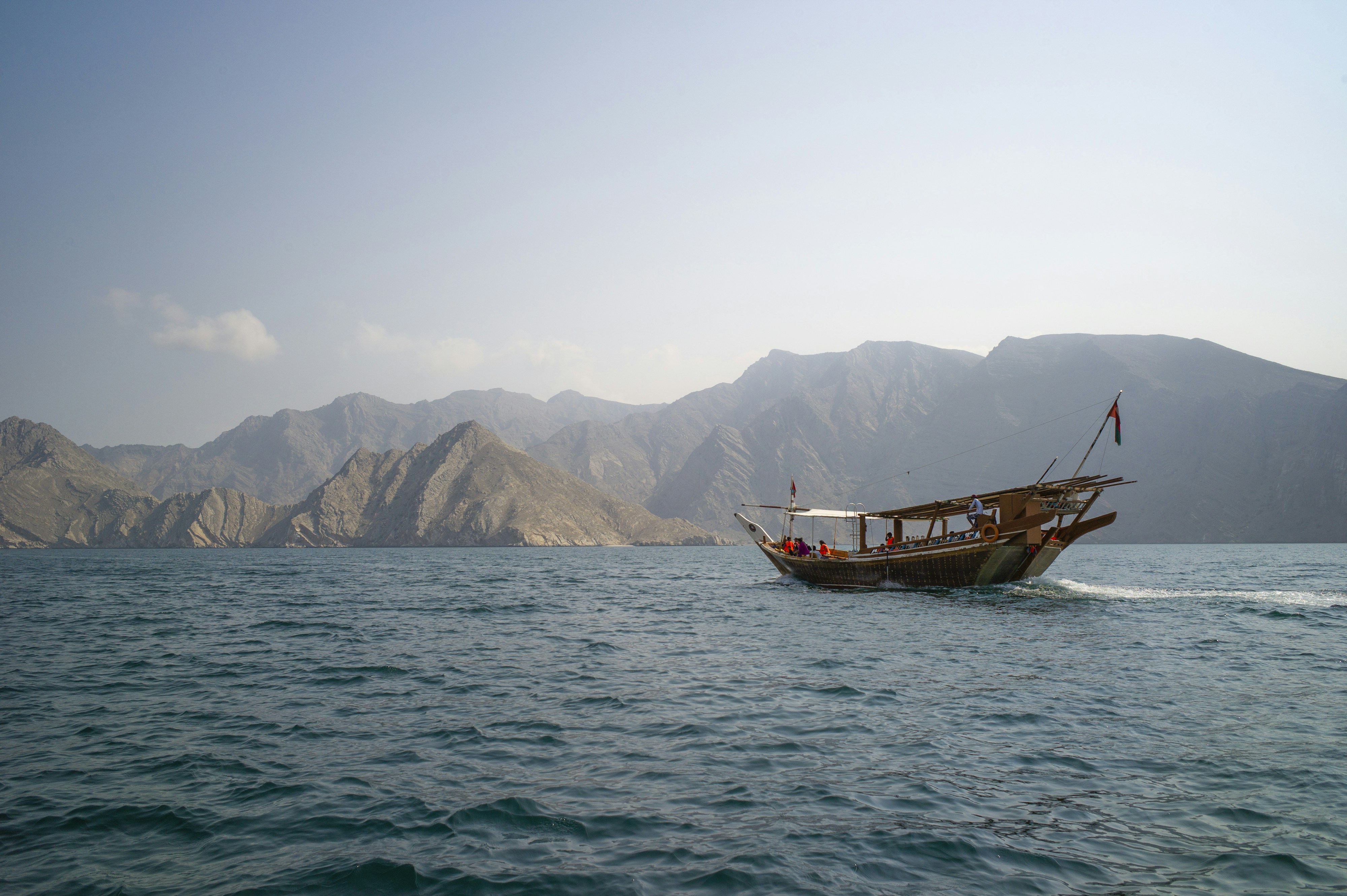
Steep, arid mountains drop straight into the sea along this remote Omani exclave, earning the nickname the Norway of Arabia for its fjord-like inlets.
Traditional wooden dhows cruise between the peninsula's narrow channels, where dolphins are a near-daily sighting.
Fishing villages built into the base of sheer cliffs remain reachable only by boat.
How does it rate
CrowdsRomanceCash RequiredDangerAccessibilityWhy you should go
Fjord-like inlets between desert mountains, cruised by traditional wooden dhows with dolphins alongside.
Why you shouldn't go
Musandam is physically cut off from the rest of Oman by UAE territory, adding a border crossing to most routes.
Plan your visit
Best time to visitOctober-April, avoiding the extreme summer heat.Best time of dayMorning, for the calmest water and best chance of dolphin sightings.Getting thereFly to Dubai, then drive across the UAE border to Khasab (about 3 hours), or fly directly to Khasab.Entry costDhow cruise tours typically $40-60 per person.Time neededFull dayInsider tip — Book a full-day dhow cruise rather than a short one - the most dramatic fjord scenery and best dolphin sightings are further out than the shorter tours reach. -
 #2076 /100
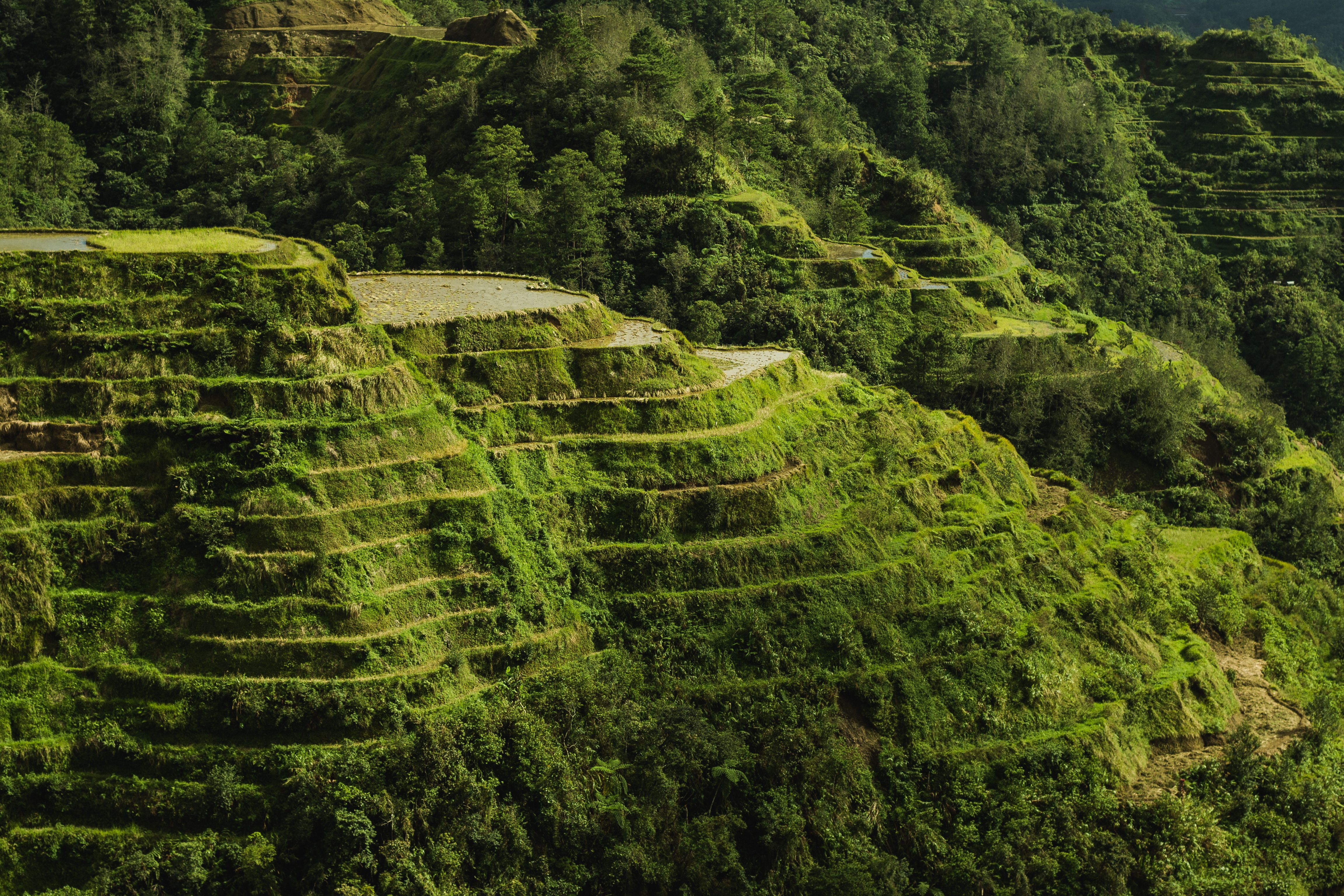
Carved into the Cordillera mountains some 2,000 years ago by the Ifugao people using only hand tools, these terraces climb the hillsides in contour lines that follow the land, still irrigated by an ancient engineered system fed from the forests above.
Locals still farm rice here, so the terraces are a living agricultural landscape rather than a preserved relic — often called the 'eighth wonder of the world.
'
How does it rate
CrowdsRomanceCash RequiredDangerAccessibilityWhy you should go
A 2,000-year-old engineered landscape still actively farmed the same way today.
Why you shouldn't go
The core Banaue viewpoint area is well-touristed; reaching the more dramatic Batad terraces needs a further hike.
Plan your visit
Best time to visitMarch–May for lush green terraces before typhoon season; June–September brings rain.Best time of daySunrise, when mist often sits in the valley below the terraces.Getting thereOvernight bus from Manila (about 9 hours) to Banaue town, then jeepney to the viewpoints.Entry costFree to view; small fees at specific lookout points.Time needed1–2 days, more if hiking to Batad.Insider tip — Hire a local Ifugao guide to hike down into Batad's amphitheater terraces — a far less-visited experience than the roadside Banaue viewpoint. -
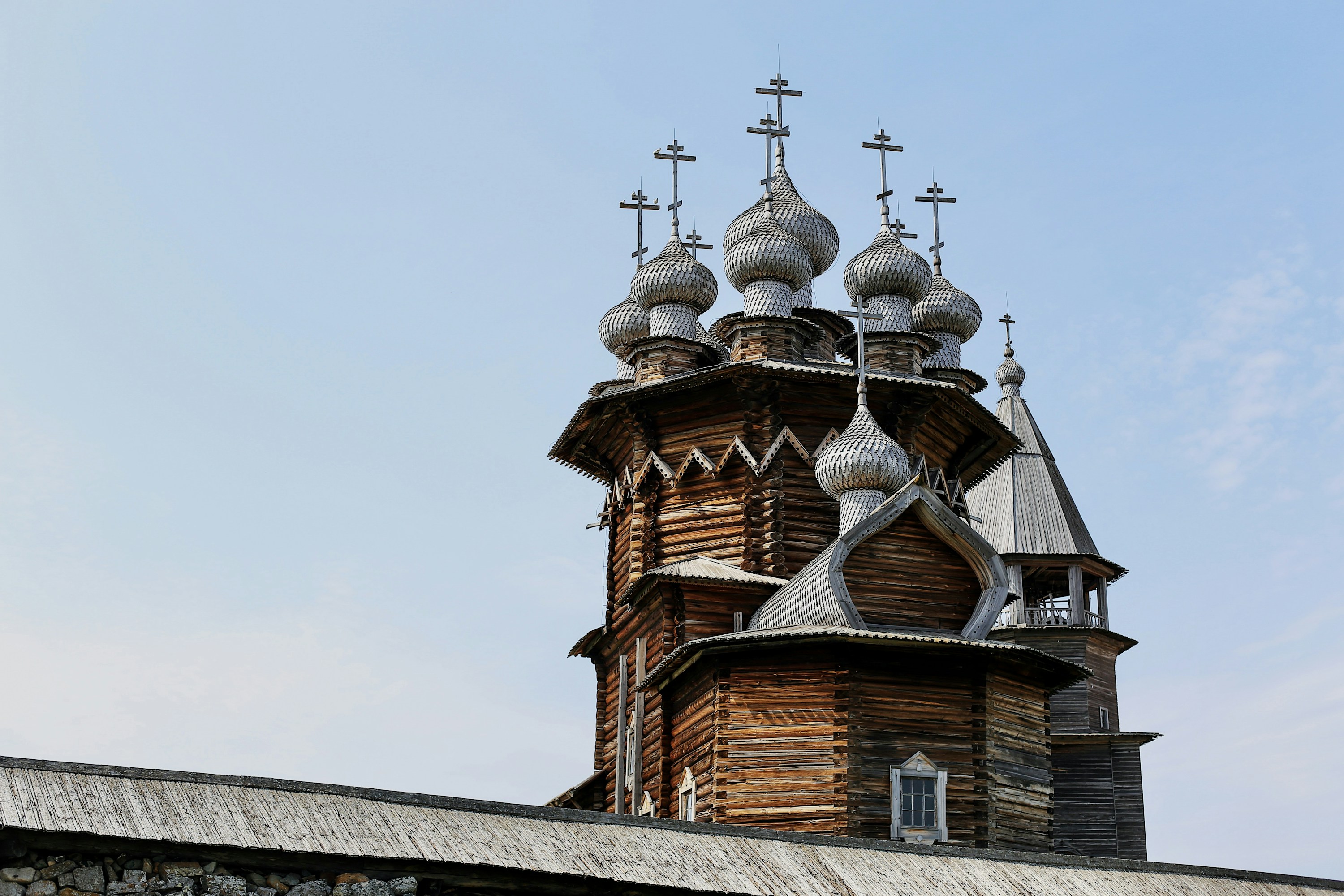 #2175 /100
Kizhi Pogost is an open-air ensemble of wooden churches on a small island in Lake Onega, built with traditional log construction and no iron nails in the original structure.
The 22-domed Church of the Transfiguration, raised in 1714, is the centrepiece of a wider museum-reserve of relocated wooden chapels, houses and windmills from across Karelia.
It's reachable only by boat in summer or over ice in winter, keeping it genuinely quiet.
How does it rate
CrowdsRomanceCash RequiredDangerAccessibilityWhy you should go
A 22-domed wooden church built without iron nails, on a remote island in Lake Onega.
Why you shouldn't go
Only reachable by hydrofoil or winter ice transport — no roads, and the easy-access season is short.
Plan your visit
Best time to visitJune–August, when hydrofoils run from Petrozavodsk and the restored church interior is openBest time of dayLate morning, once the first hydrofoil crowd has spread out across the islandGetting thereFly or train to Petrozavodsk; hydrofoil to Kizhi Island takes about 1.5 hours and only runs mid-May to mid-October.Entry costAround 1,000 RUB museum entry, plus the hydrofoil fare (several thousand RUB return)Time needed3–4 hours, matching the standard hydrofoil round tripInsider tip — Book the hydrofoil ticket a day ahead in peak summer, since sailings sell out, and check which chapels are open — some of the museum's wooden buildings rotate through restoration. -
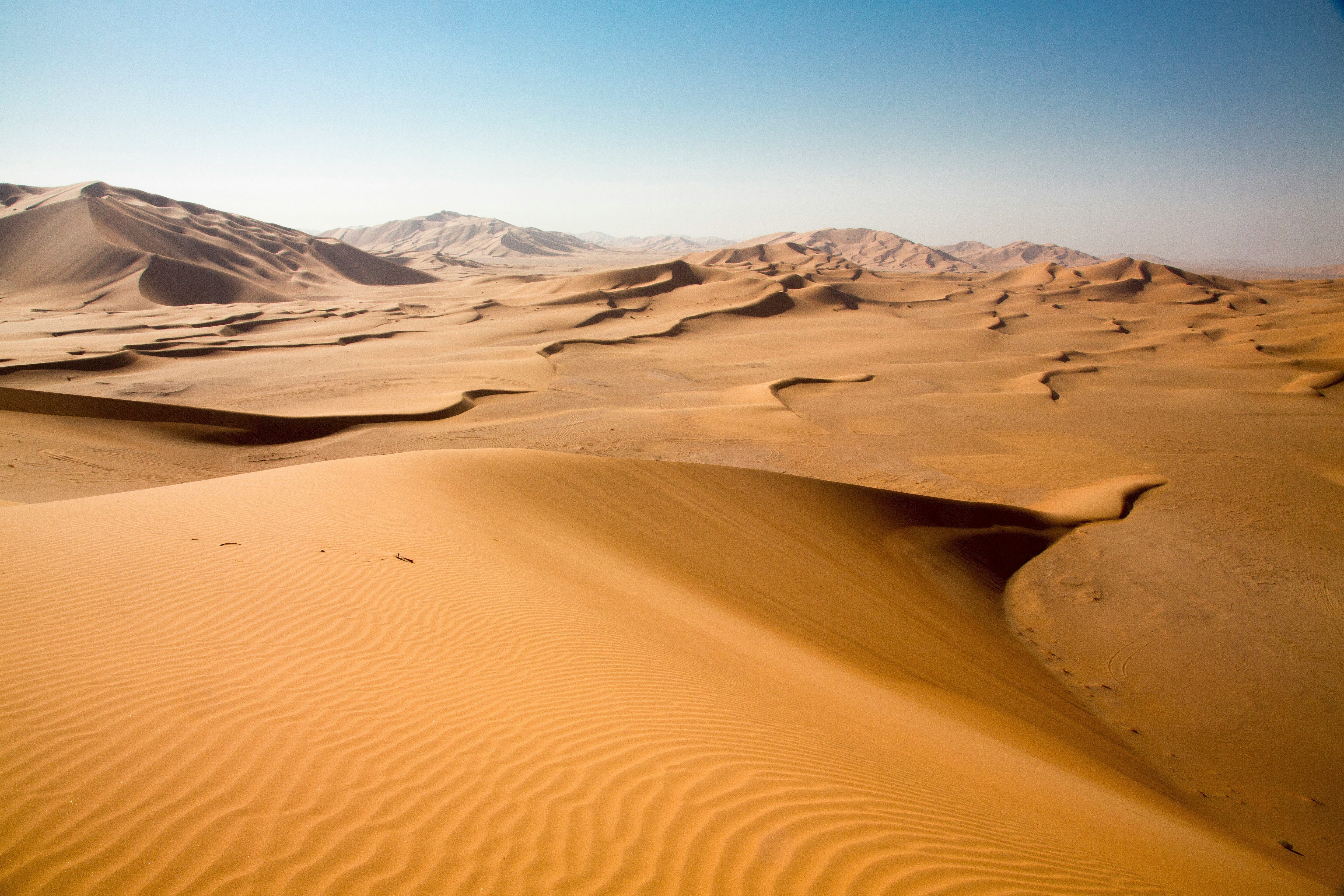 #2275 /100
The largest continuous sand desert on Earth, an ocean of dunes covering an area bigger than France across the southern Arabian Peninsula.
Some dunes rise over 250 metres, their ridgelines shifting constantly and revealing fossilised lakebeds and ancient artefacts as the sand moves.
Overnight desert camps run by Bedouin-guided outfitters, mostly out of Saudi Arabia's Empty Quarter fringes, are the realistic way to experience its scale without a full expedition crossing.
How does it rate
CrowdsRomanceCash RequiredDangerAccessibilityWhy you should go
The largest sand desert on Earth, with dunes over 250 metres high and almost no infrastructure to break the horizon.
Why you shouldn't go
Access is genuinely limited - most of the interior requires a specialised expedition operator, and summer heat makes travel dangerous.
Plan your visit
Best time to visitNovember-February, the only realistically comfortable window.Best time of daySunrise or sunset, when the dune ridgelines throw long shadows across the sand.Getting thereFly to Riyadh or Najran; overnight camps near the desert's edge are reached by 4x4 from either city.Entry costGuided overnight desert camp trips typically run USD150-300+ per person.Time neededOvernight, or 3+ days for a deeper expedition.Insider tip — Stick to an edge-of-desert camp near Najran or Sharurah unless you're booking a proper multi-day expedition - the true interior is not for casual visitors. -
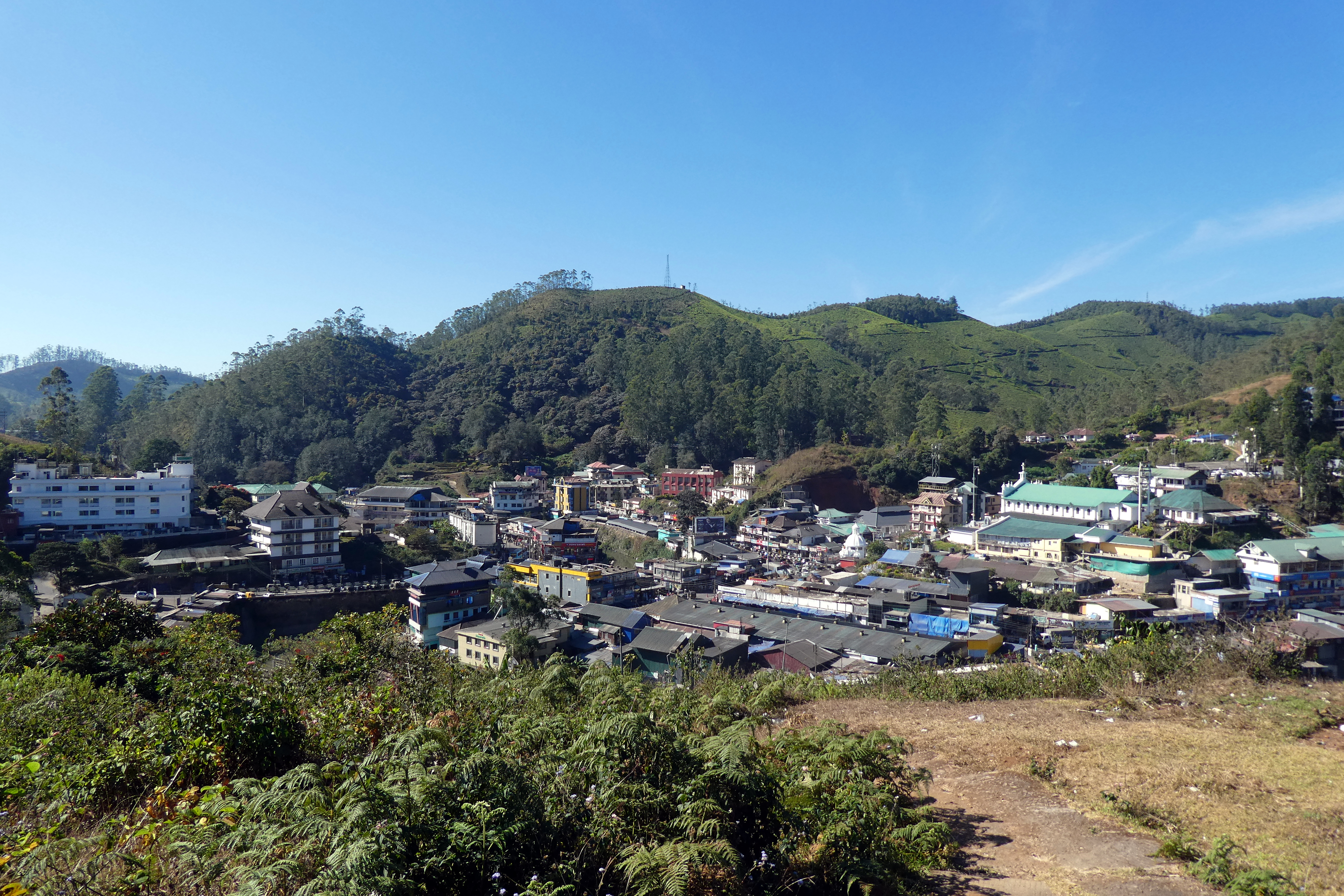 #2374 /100
Munnar is a hill station in the Western Ghats of Kerala renowned for its rolling tea plantations, which cover the mountain slopes in an unbroken carpet of vivid green.
Set at around 1,600 metres, the cool mist-covered landscape of tea gardens, colonial plantation buildings, and wildlife sanctuaries offers a striking contrast to Kerala's tropical coast.
How does it rate
CrowdsRomanceCash RequiredDangerAccessibilityWhy you should go
The sight of the undulating bright green tea plantations stretching to the horizon in every direction, often draped in morning mist, creates a landscape of extraordinary tranquility.
Why you shouldn't go
Munnar's roads are narrow and extremely congested during Indian holidays; the mist that creates the mystical atmosphere can also obscure views for days at a time.
Plan your visit
Best time to visitSeptember-March (post-monsoon, cooler)Best time of dayEarly morning mist over the tea plantationsGetting there~4hr drive from KochiEntry costFree to view; some estates charge for toursTime needed2-3 daysInsider tip — The tea plantation viewpoints are best just after sunrise, before the mist burns off -
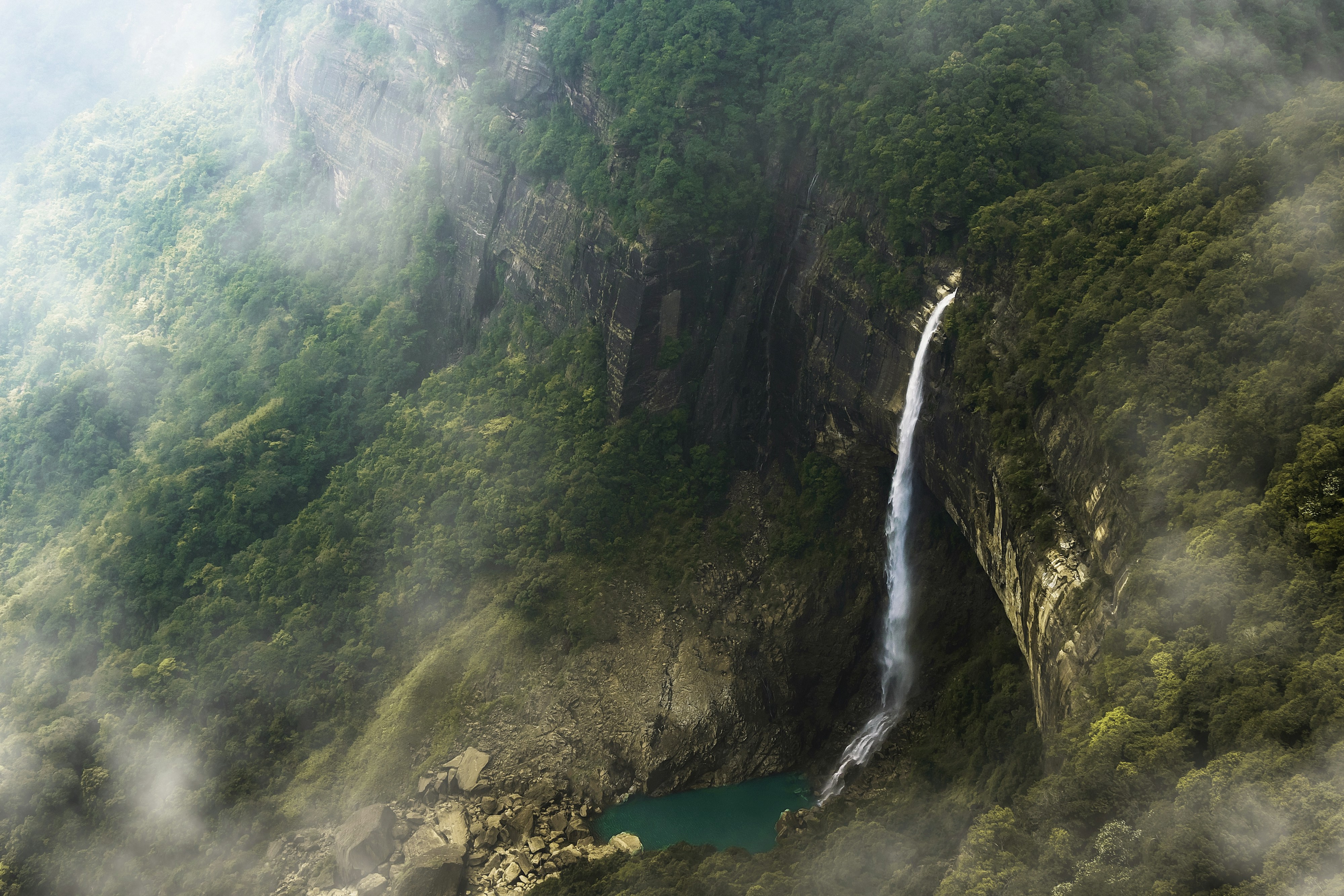 #2474 /100
India's tallest plunge waterfall drops in a single sheer fall into a striking turquoise pool at the base of the Khasi Hills, near Cherrapunji - one of the wettest places on Earth.
Monsoon season turns it into a thunderous wall of water visible from a paved viewpoint without any hiking required.
A local legend about a mother's grief gives the falls their name and a somber backstory repeated by every guide.
How does it rate
CrowdsRomanceCash RequiredDangerAccessibilityWhy you should go
India's tallest plunge waterfall, viewable from a paved lookout with zero hiking involved.
Why you shouldn't go
During the dry winter months the flow drops to a fraction of its monsoon-season power.
Plan your visit
Best time to visitJune-September, monsoon season, for maximum water flow.Best time of dayMorning, before monsoon cloud typically thickens over the valley.Getting thereDrive to Cherrapunji (Sohra) from Shillong, about 1.5 hours; the viewpoint is a short walk from the car park.Entry costSmall entry fee, a few dollars.Time needed1 hourInsider tip — Combine the visit with Cherrapunji's living root bridges nearby - most visitors do both in a single day trip from Shillong. -
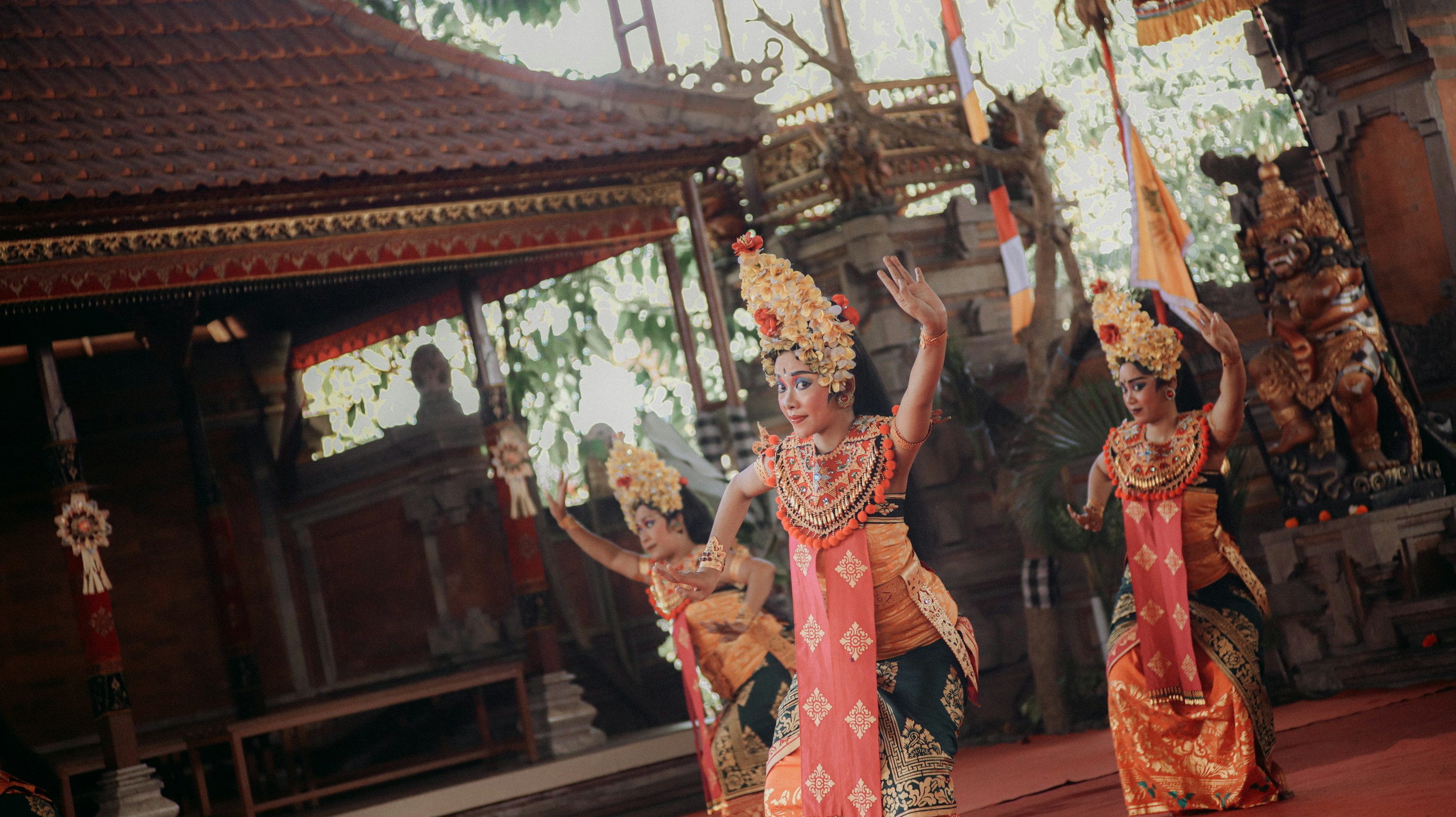 #2574 /100
Held over a full month each summer in Denpasar, the Bali Arts Festival gathers traditional dance, gamelan orchestras, shadow puppetry, and crafts from villages across the island into one showcase, opened with a parade of regional delegations in ceremonial dress.
Unlike festivals built around foreign headline acts, this one exists to keep Balinese Hindu performing arts alive for local audiences, with tourists welcome as spectators.
How does it rate
CrowdsRomanceCash RequiredDangerAccessibilityWhy you should go
A month-long showcase of traditional Balinese dance, gamelan, and puppetry, opened with a parade of villages in ceremonial dress.
Why you shouldn't go
Performances and schedules are mostly in Indonesian and Balinese with limited English signage, geared to local audiences rather than tourists.
Plan your visit
Best time to visitA full month from mid-June into July each year.Best time of dayEvening for the main dance and gamelan performances at the Denpasar arts centre.Getting thereFly into Ngurah Rai International Airport near Denpasar; the festival venue is a short drive from the airport.Entry costEntry to most performances is free or a nominal fee.Time neededOne evening for a sample; the full programme runs a month.Insider tip — Check the printed daily schedule at the venue gate each morning - performance line-ups shift daily and aren't reliably posted online. -
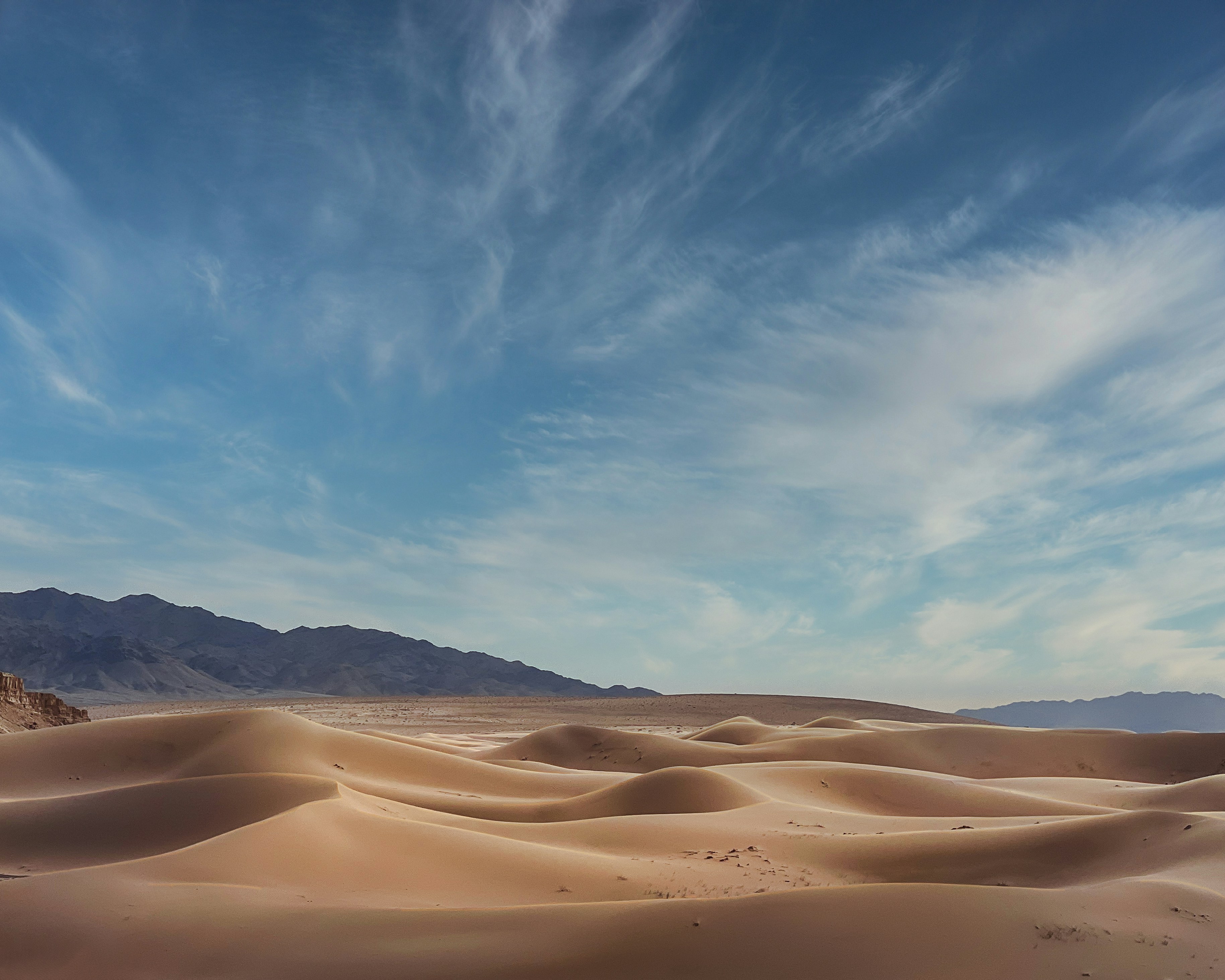 #2674 /100
A vast, sparsely populated expanse of rock desert and singing sand dunes stretching across southern Mongolia, home to the towering Khongoryn Els dunes, dinosaur fossil beds at the Flaming Cliffs, and nomadic families still living in traditional gers.
The scale is almost incomprehensible - days of driving between landmarks across open steppe with barely another vehicle in sight.
It rewards travellers looking for genuine remoteness over polished infrastructure.
How does it rate
CrowdsRomanceCash RequiredDangerAccessibilityWhy you should go
Days of empty steppe, 300-metre singing sand dunes, and dinosaur fossil cliffs, with almost no other tourists in sight.
Why you shouldn't go
There's essentially no tourist infrastructure - trips require a guide, a 4x4, and multi-day overland travel between sights.
Plan your visit
Best time to visitJune-September, avoiding the brutal winter and unpredictable spring sandstorms.Best time of daySunset at the Khongoryn Els dunes, when the sand glows gold against the darkening steppe.Getting thereFly to Ulaanbaatar, then a multi-day 4x4 tour south into the Gobi (no scheduled public transport reaches most sites).Entry costMulti-day guided tours typically run USD60-120 per person per day, all-inclusive.Time needed3+ days.Insider tip — Climb Khongoryn Els at sunset rather than midday - the dunes genuinely "sing" as sand shifts underfoot once the heat breaks. -
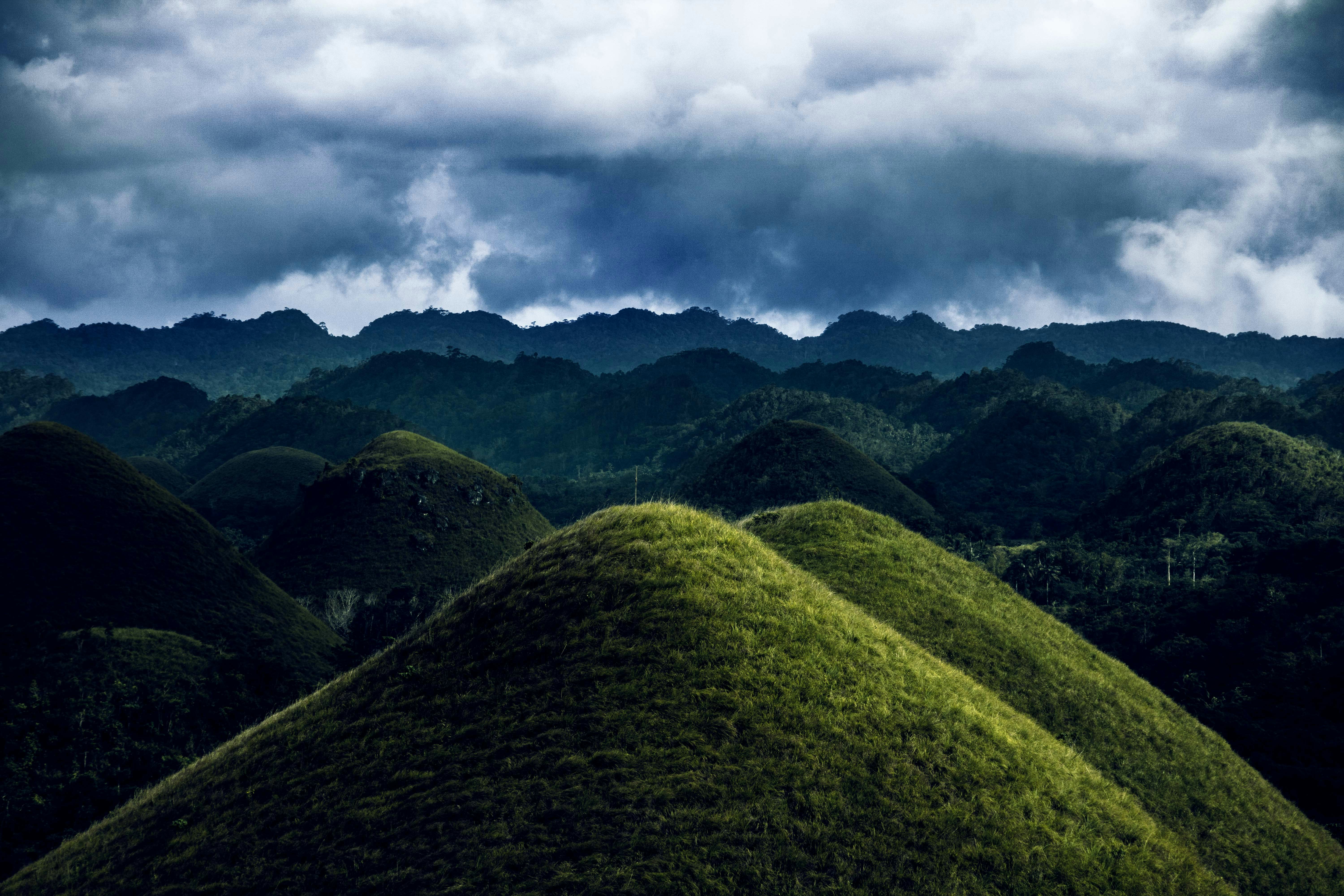 #2774 /100
Over 1,200 near-perfectly conical grass-covered hills spread across Bohol island, turning chocolate-brown in the dry season.
A geological oddity of uncertain origin, best appreciated from the Chocolate Hills Complex viewing deck at sunrise or sunset.
How does it rate
CrowdsRomanceCash RequiredDangerAccessibilityWhy you should go
Over 1,200 symmetrical grassy hills that turn chocolate-brown in dry season, a geological one-of-a-kind.
Why you shouldn't go
The famous "chocolate" brown color only appears in dry season (Dec–May); green the rest of the year.
Plan your visit
Best time to visitMarch–May (dry season) for the brown hue the hills are named for.Best time of dayEarly morning for cooler temperatures and softer light on the viewing deck.Getting thereFly to Tagbilaran, Bohol; 1-hour drive to Carmen town viewing complex.Entry costPHP 50 (~$1) entrance fee.Time needed1–2 hoursInsider tip — Combine with a Loboc River cruise and the nearby tarsier sanctuary the same day. Climb the 214 steps to the deck for the full panorama. -
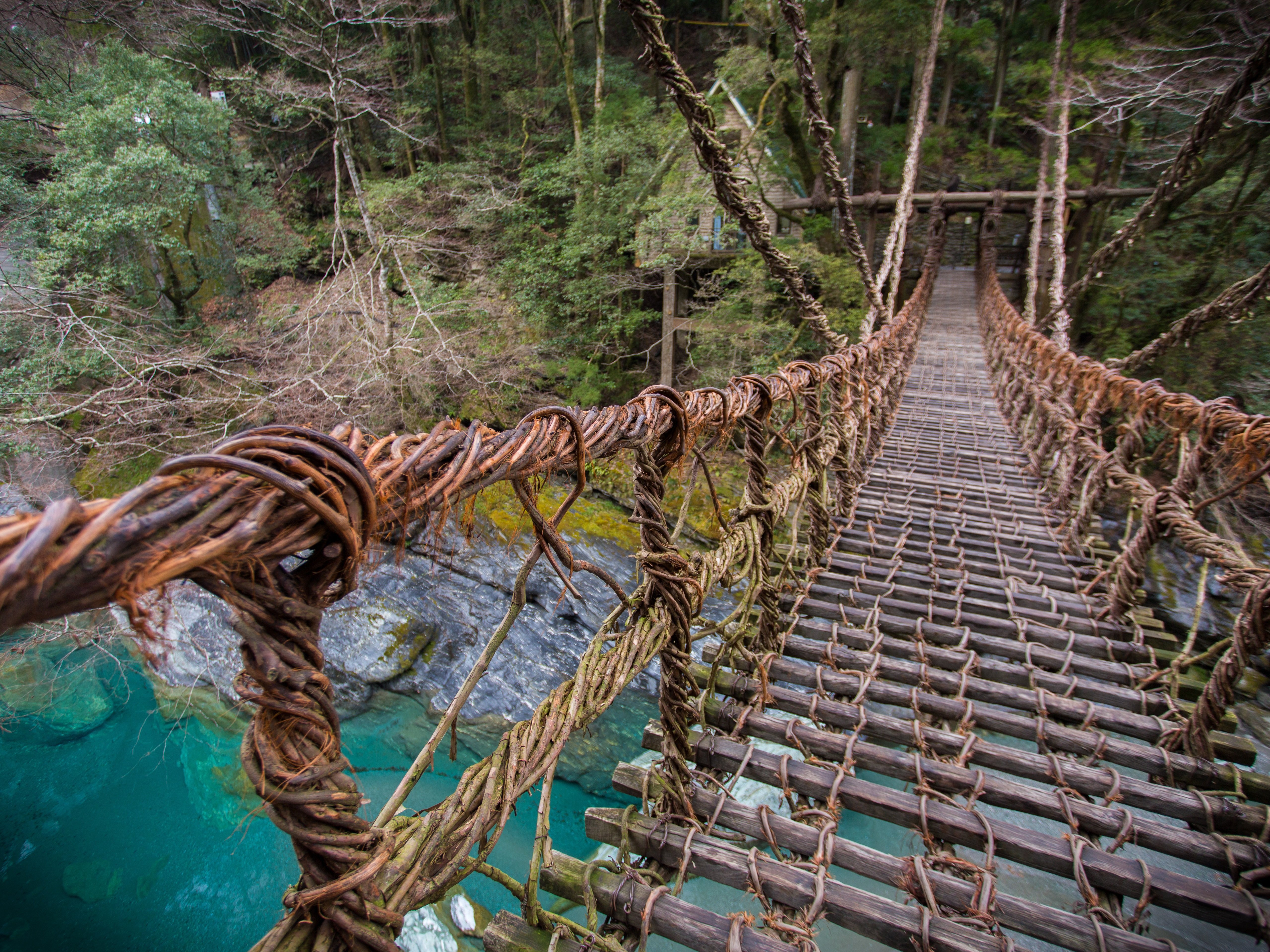 #2873 /100
A remote mountain valley on Shikoku island with deep gorges, near-vertical hillside villages, and a historic vine bridge that once let residents cut off pursuing enemies.
One of Japan's most dramatic and least-visited landscapes, especially vivid under autumn foliage.
How does it rate
CrowdsRomanceCash RequiredDangerAccessibilityWhy you should go
Remote mountain valley with a historic vine bridge and some of Japan's most dramatic autumn foliage.
Why you shouldn't go
Very remote with limited public transport; roads are narrow and winding; little English signage.
Plan your visit
Best time to visitLate October–November for peak fall colors; April–May for fresh green and mild weather.Best time of dayAfternoon light picks out the gorge colors; mist often fills the valley at dawn.Getting thereTrain to Oboke Station, then local bus or rental car into the valley.Entry costVine bridge crossing ¥550 (~$4); otherwise free.Time needed1–2 days to explore properly.Insider tip — A rental car is far more practical than public transport here. The vine bridge (Iya Kazurabashi) is rebuilt every few years using real vines — cross it early to avoid queues. -
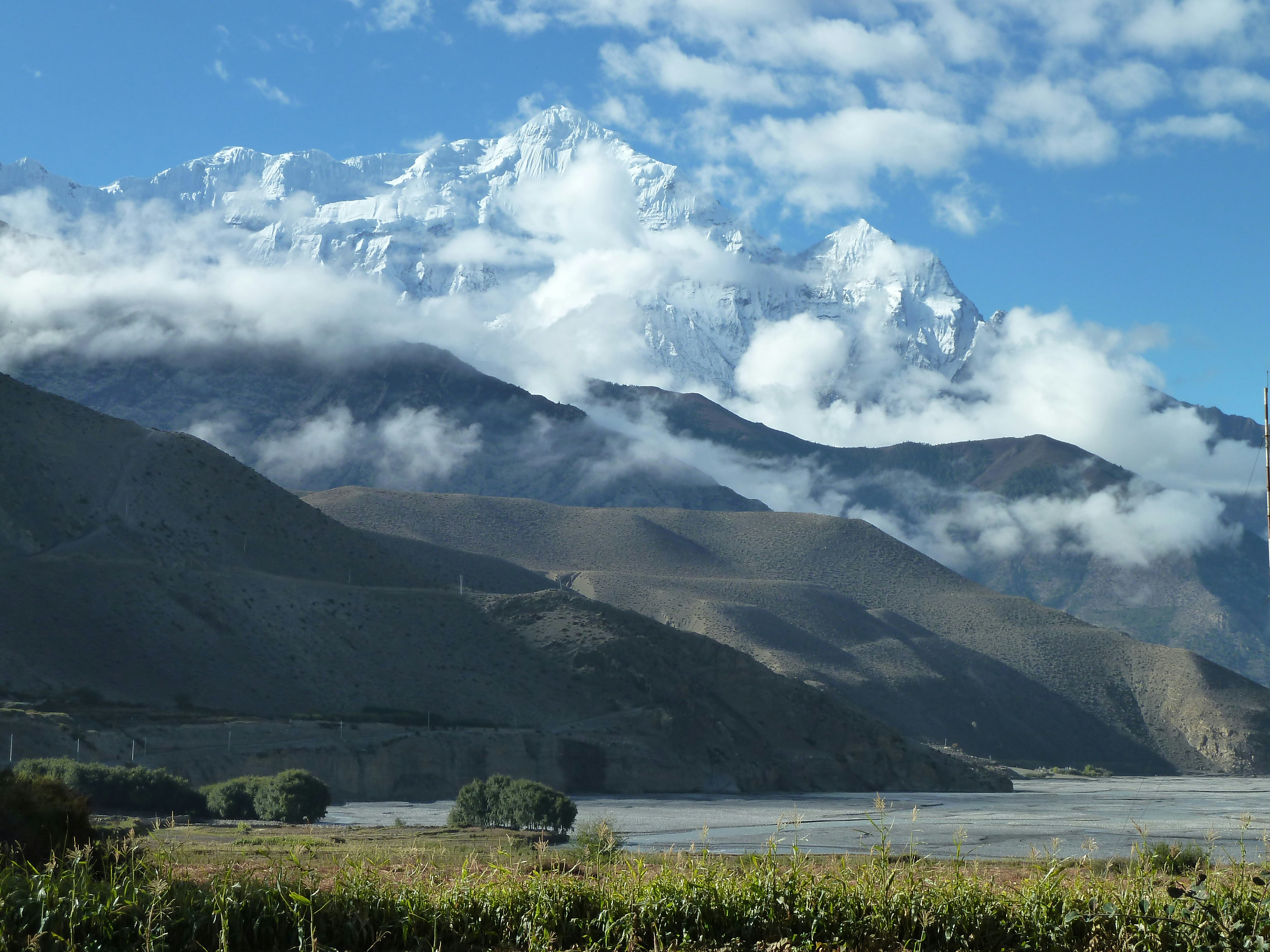 #2973 /100
Ranked among the world's deepest gorges, this Himalayan valley squeezes between two 8,000-metre peaks, Annapurna and Dhaulagiri, with a river running far below.
Ancient salt-trading routes and Tibetan Buddhist villages still line the gorge's upper reaches, largely unchanged for centuries.
Fossilised ammonites called shaligrams, sacred in Hinduism, are still found in the riverbed here.
How does it rate
CrowdsRomanceCash RequiredDangerAccessibilityWhy you should go
A gorge deep enough to sit between two Himalayan giants, walked by traders for centuries.
Why you shouldn't go
Reaching the most dramatic stretches means several days of trekking at altitude.
Plan your visit
Best time to visitMarch-May or September-November, for clear mountain views.Best time of dayMorning, before afternoon wind funnels strongly through the gorge.Getting thereFly or drive to Pokhara, then trek via Jomsom (reachable by a short flight from Pokhara).Entry costAnnapurna Conservation Area permit required.Time needed4-7 days as part of a wider trekInsider tip — Fly into Jomsom rather than trekking the lower valley - it skips several unremarkable days and drops you straight into the gorge's most dramatic section. -
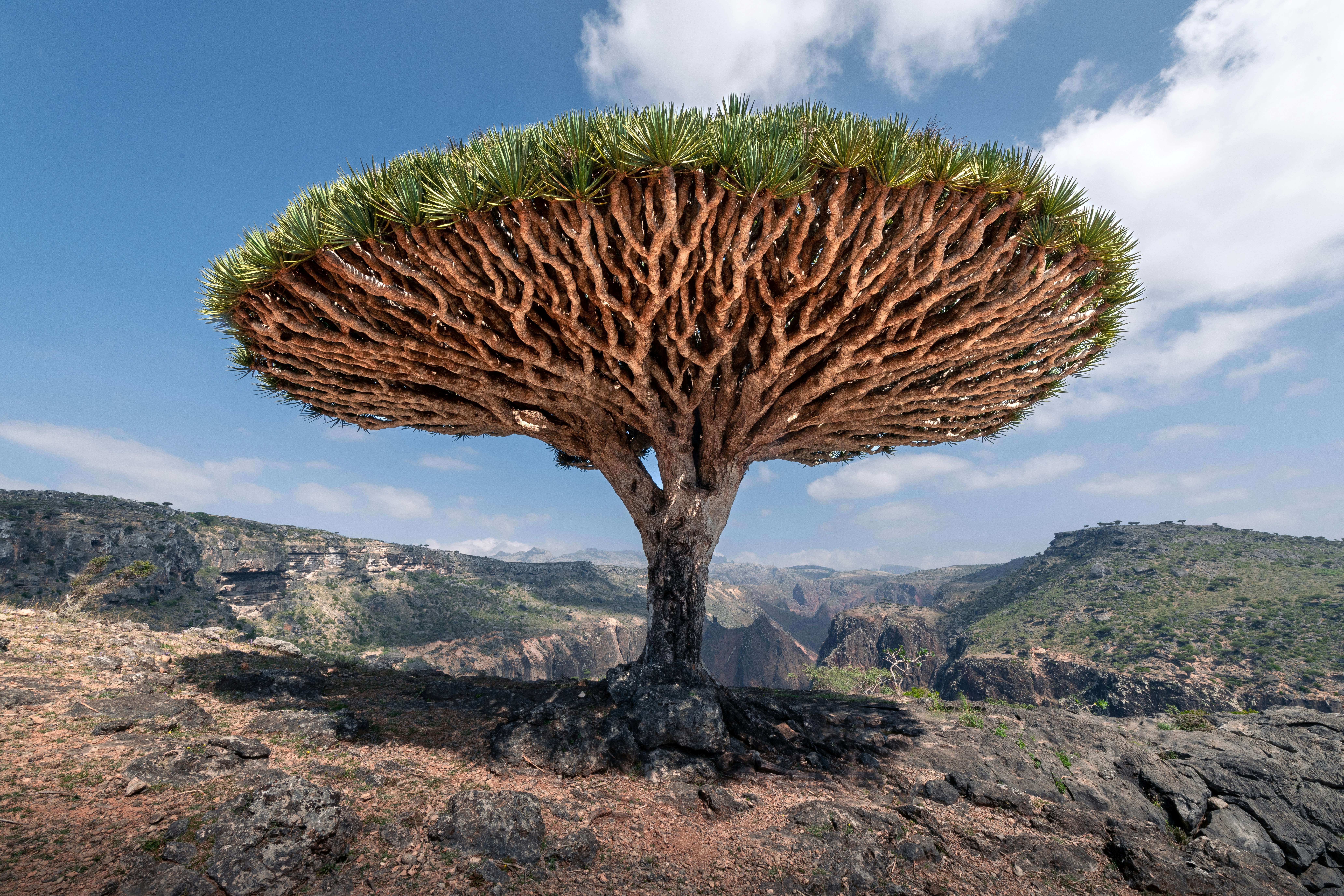 #3073 /100
A remote island in the Arabian Sea, isolated for millions of years, home to the umbrella-shaped dragon's blood trees found nowhere else on Earth.
Pristine beaches, alien-looking flora, and a culture largely untouched by mass tourism define one of the world's most singular landscapes.
How does it rate
CrowdsRomanceCash RequiredDangerAccessibilityWhy you should go
Otherworldly dragon's blood trees and pristine beaches on one of the most isolated inhabited islands on Earth.
Why you shouldn't go
Extremely remote with limited services; ongoing regional instability affects access and safety — check current travel advisories carefully.
Plan your visit
Best time to visitOctober–April for stable weather; access can be intermittent due to political conditions.Best time of daySunset light brings out the color of the dragon's blood trees and dunes.Getting thereFlights from Abu Dhabi or Cairo operate intermittently depending on political conditions; check current routes before booking.Entry costVisa, flights, and guided accommodation run roughly $150–250 USD per day.Time needed3–5 days.Insider tip — Independent travel is not advisable — go through a specialist operator with a local guide. Verify the current political and safety situation immediately before travel, as it changes frequently. -
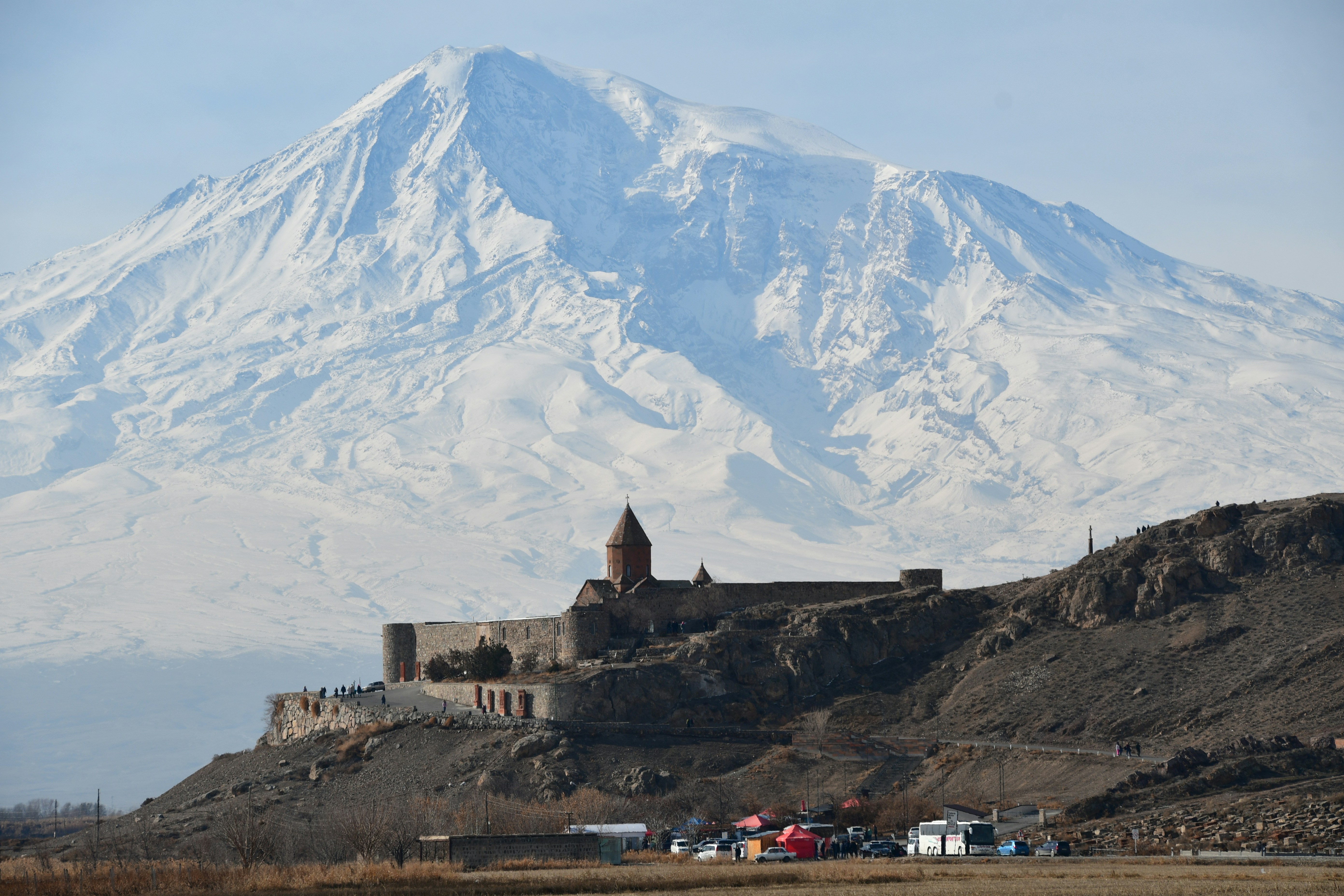 #3172 /100
An Armenian monastery on a hilltop with Mount Ararat rising dramatically behind it just across the Turkish border.
Founded on the pit where Saint Gregory the Illuminator was imprisoned for years, it's one of the most recognisable religious sites in the Caucasus.
How does it rate
CrowdsRomanceCash RequiredDangerAccessibilityWhy you should go
An ancient monastery with Mount Ararat as a dramatic backdrop, plus a saint's underground prison pit to descend into.
Why you shouldn't go
Mount Ararat is frequently obscured by haze or cloud, especially in summer afternoons; few amenities on site.
Plan your visit
Best time to visitSeptember–November or April–May for the clearest Ararat views and mild weather.Best time of dayEarly morning, when Ararat is most likely to be cloud-free.Getting thereRoughly a 45-minute drive south of Yerevan; day tours are widely available.Entry costFree.Time needed1–2 hours.Insider tip — The descent into Saint Gregory's pit is via a very narrow, steep ladder — not for the claustrophobic. Combine with a stop at the nearby Armash fish ponds for birdwatching. -
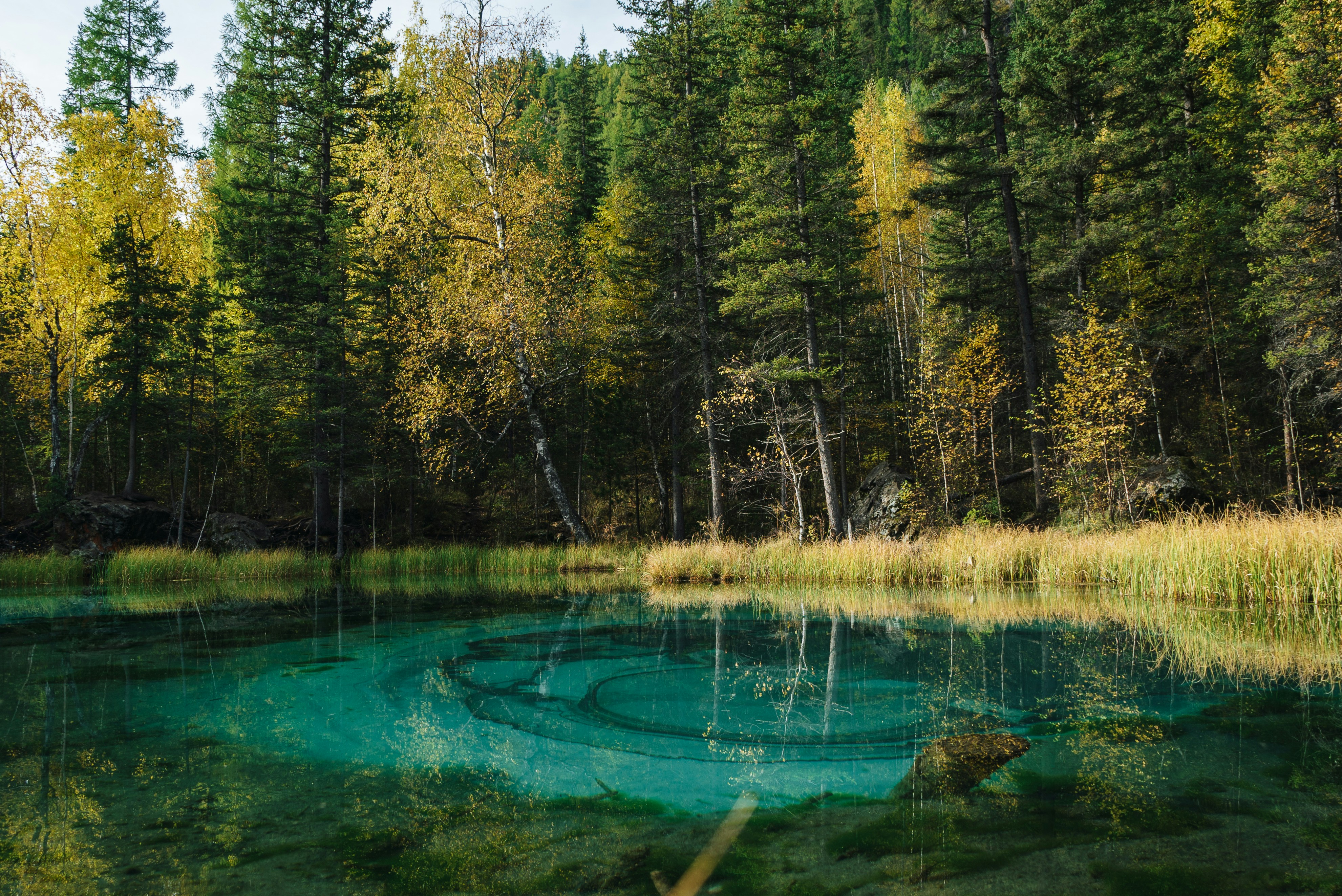 #3270 /100
A small thermally-warmed lake in the Altai Mountains, where underground springs stir blue clay into constantly shifting turquoise swirls against a backdrop of pine forest.
Never freezes even in the Siberian winter, staying an otherworldly warm turquoise year-round.
How does it rate
CrowdsRomanceCash RequiredDangerAccessibilityWhy you should go
A small forest lake where underground springs swirl blue clay into constantly shifting turquoise patterns.
Why you shouldn't go
Genuinely remote with a long overland journey; minimal signage or facilities; limited English on the ground.
Plan your visit
Best time to visitJune–September for accessible roads; the lake itself is visitable year-round since it doesn't freeze.Best time of dayMidday sun brings out the turquoise color most vividly.Getting thereFly to Gorno-Altaysk, then a multi-hour drive along the Chuysky Trakt into the Altai Republic.Entry costFree; guided tours from nearby villages roughly $30–50 USD.Time neededHalf day including travel from the nearest village.Insider tip — Hire a local guide — the lake is easy to miss without one, and road conditions vary by season. It sits right beside the road, so it's an easy stop if you're already driving the Chuysky Trakt. -
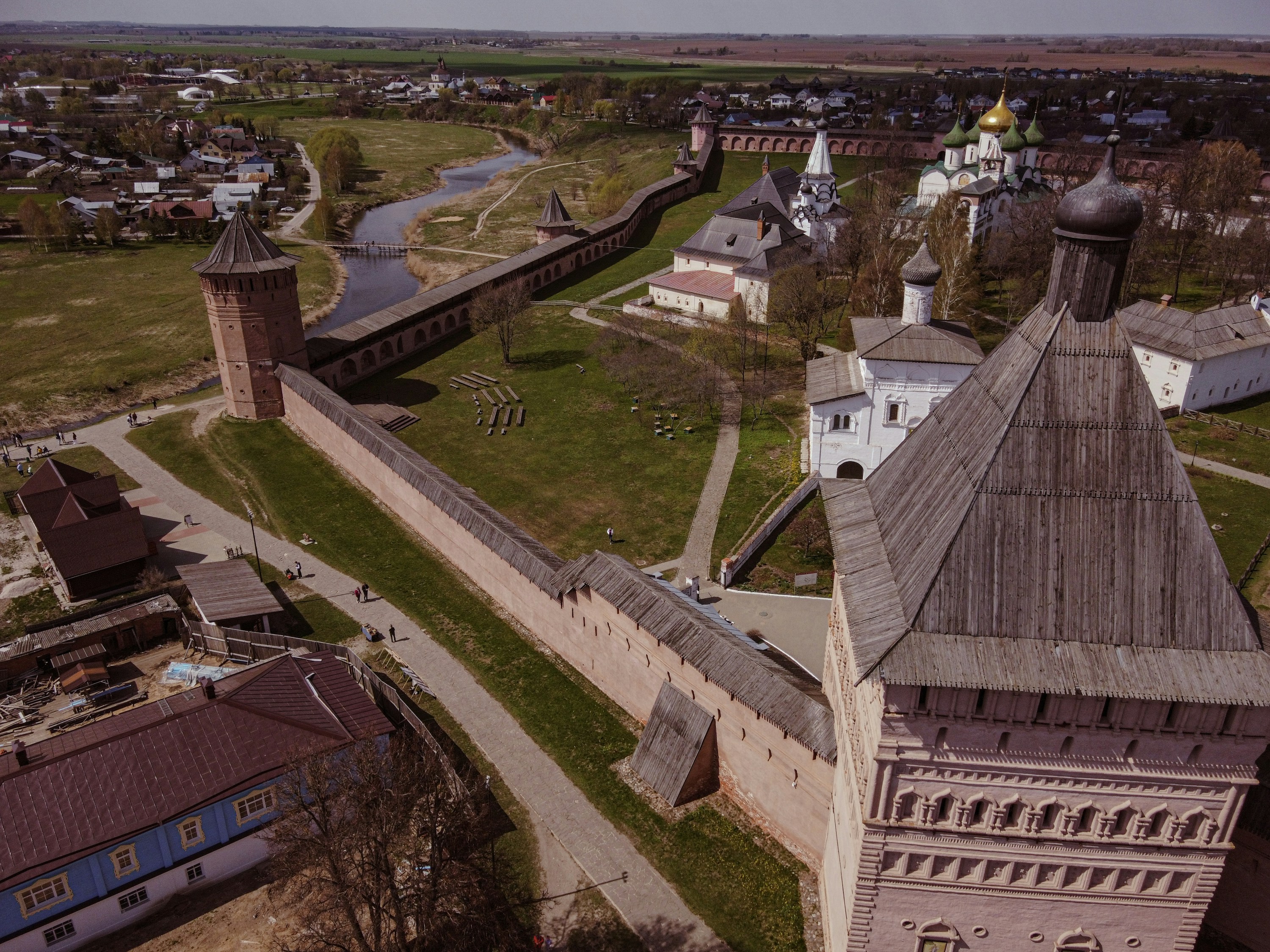 #3370 /100
Suzdal is a Golden Ring town that never industrialised, leaving a skyline of onion domes and log houses largely unchanged since the 18th century.
Its walled kremlin, the Nativity Cathedral's blue star-studded domes and a wooden Church of St Nicholas moved here from another village sit alongside a working monastery and open-air museum.
No building rises above two storeys, so the whole town reads as one continuous historic scene.
How does it rate
CrowdsRomanceCash RequiredDangerAccessibilityWhy you should go
An entire pre-industrial Russian town, kremlin and monasteries intact, with no modern skyline to break it.
Why you shouldn't go
No train station of its own — every route in involves a bus or taxi transfer from Vladimir or a long drive from Moscow.
Plan your visit
Best time to visitMay–September for warm weather and local festivals; snow adds its own appeal in winterBest time of dayEarly morning along the river, before day-trip coach groups from Moscow arriveGetting thereTrain from Moscow's Kursky station to Vladimir (about 2.5hrs), then a local bus or taxi (40km) to Suzdal; no direct rail into town.Entry costFree to walk the town; kremlin and monastery museums charge small separate feesTime neededFull day trip, or overnight to see it without the coach groupsInsider tip — Climb the Kremlin's bell tower or the Monastery of Saint Euthymius walls for a view over the whole town at once — most day-trippers never look up from ground level. -
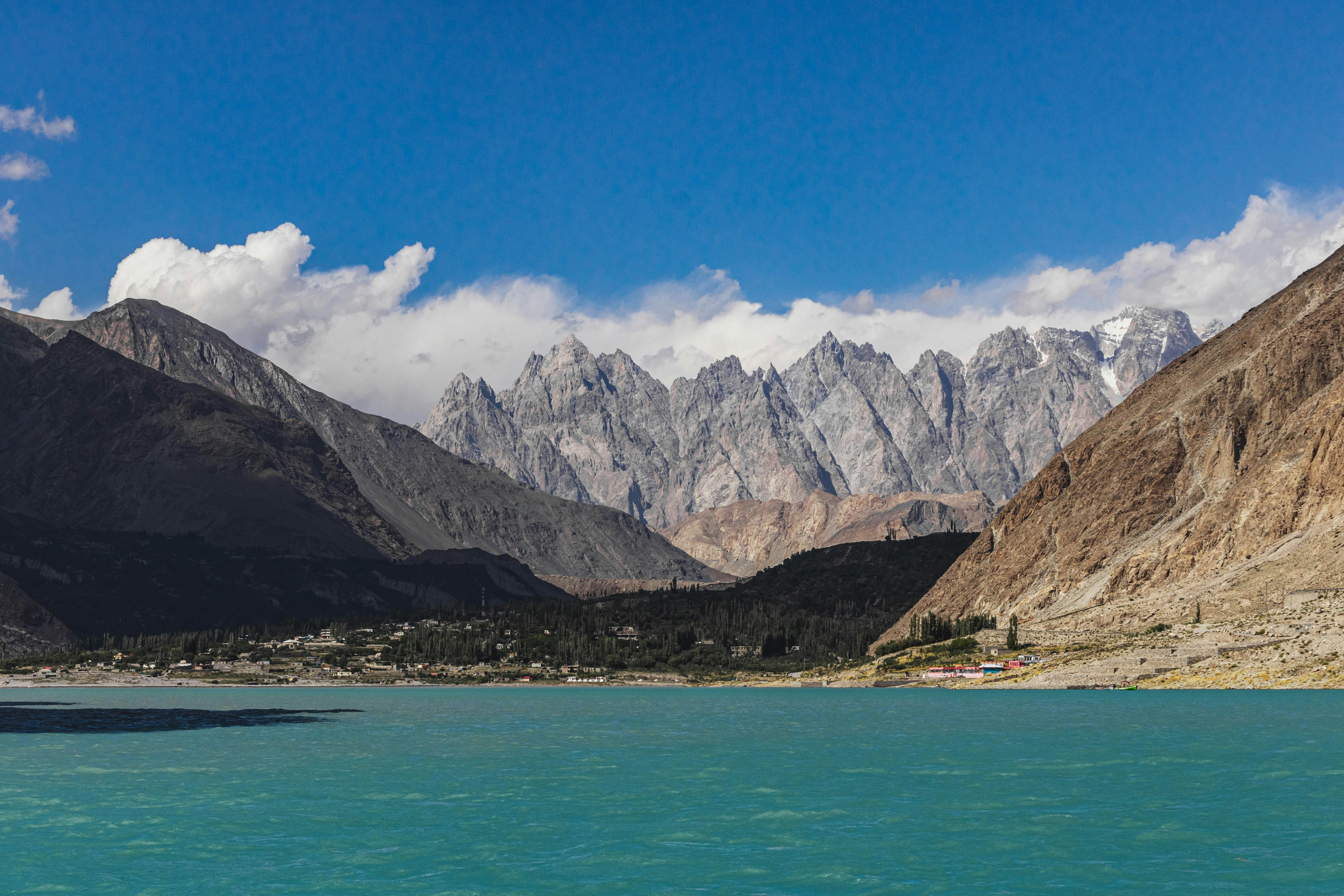 #3465 /100
The Karakoram Highway climbs from the Indus valley through Gilgit-Baltistan to the Khunjerab Pass on the Chinese border, the highest paved international border crossing in the world.
It skirts the Karakoram, Himalaya, and Hindu Kush ranges, passing turquoise Attabad Lake and the terraced orchards of Hunza Valley beneath 7,000-metre peaks.
Landslides regularly close sections, and building it cost hundreds of lives cutting through unstable terrain.
How does it rate
CrowdsRomanceCash RequiredDangerAccessibilityWhy you should go
Some of the highest, most dramatic mountain scenery reachable by paved road anywhere on earth.
Why you shouldn't go
Landslides, altitude, and long rough stretches make this a genuinely demanding, remote drive.
Plan your visit
Best time to visitApril-May for blossom season in Hunza, or October for clear autumn colour.Best time of dayMorning, when mountain peaks are typically clear before afternoon cloud builds.Getting thereFly to Gilgit from Islamabad, or take the NATCO bus, then continue by road into Hunza.Entry costFree to drive; foreigners need a permit for areas near the China borderTime needed5-7 daysInsider tip — Stay overnight in Karimabad and walk up to Baltit Fort at sunset for views over the Hunza Valley and Rakaposhi peak. -
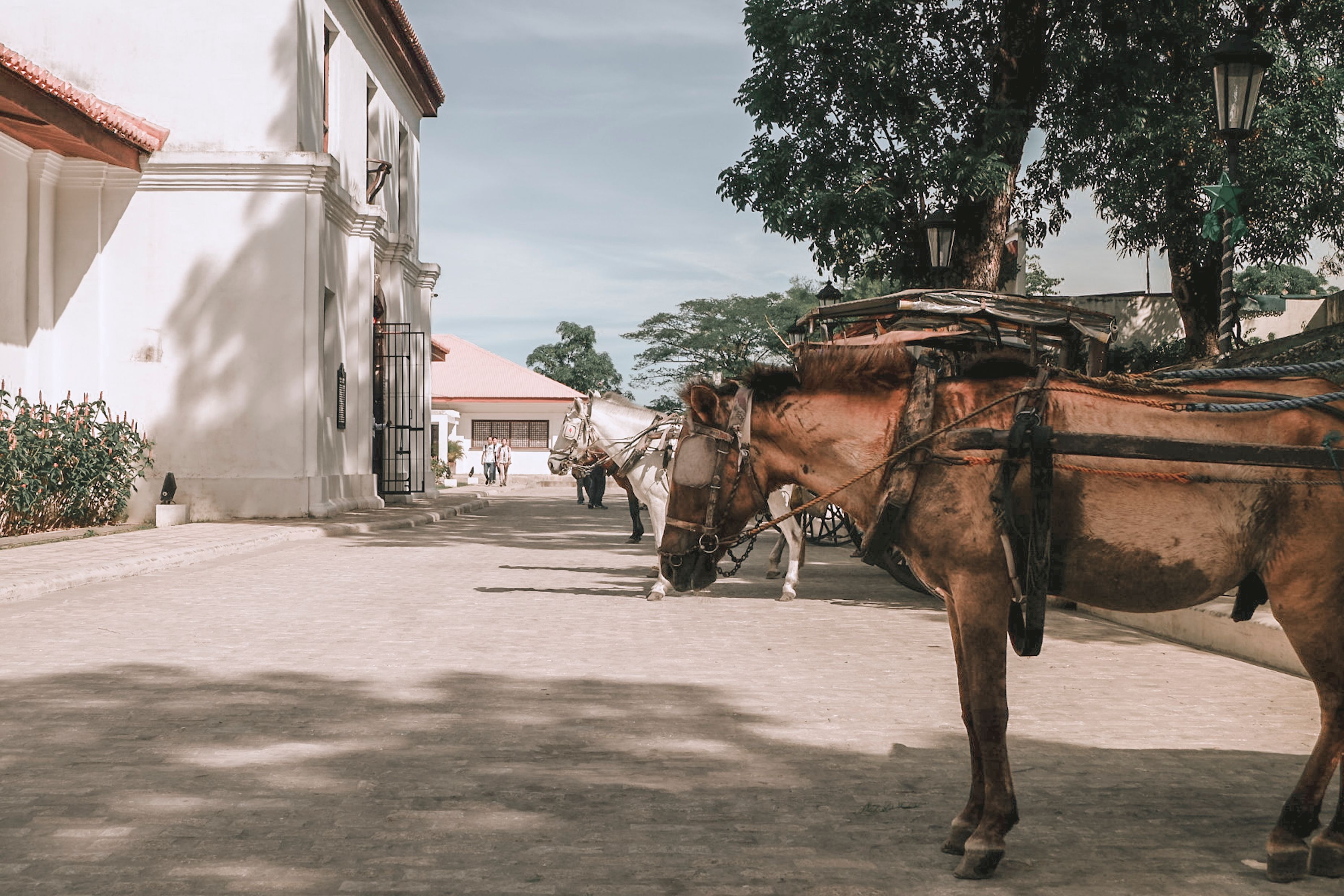 #3565 /100
One of the best-preserved Spanish colonial towns in Asia, Vigan's cobblestone Calle Crisologo is lined with centuries-old ancestral houses combining Chinese, Spanish and Filipino styles, still occupied and largely unrestored-to-a-fault.
Horse-drawn calesa carriages clatter down the same streets locals actually use, and the town's pottery and abel-weaving workshops keep traditional crafts alive rather than staged for tourists.
How does it rate
CrowdsRomanceCash RequiredDangerAccessibilityWhy you should go
One of Asia's most intact Spanish colonial towns, still lived in rather than roped off.
Why you shouldn't go
It's primarily a walking/browsing destination — sights are limited beyond the streetscape itself.
Plan your visit
Best time to visitNovember–February, the cool dry season.Best time of dayEarly evening, when Calle Crisologo's gas lamps are lit and day-trippers have left.Getting thereFly to Laoag, then a 1-hour drive south, or an overnight bus from Manila (about 8–9 hours).Entry costFree to walk; calesa rides around ₱150 (~€2.40).Time needed1 day.Insider tip — Skip the daytime calesa queues on Calle Crisologo and instead take one after dinner, when the street is lamp-lit and nearly empty.


More from Asia
-
More Hidden Gems spots
-
How a score is built
One score out of 100, five criteria behind it
Every place is rated 1–5 on each of the criteria below, then combined into a single score out of 100. It's calculated by us, the same way every time — not an average of traveller reviews or social votes.
Crowds
How many people you'll be sharing it with, and at what time of day.
Romance
How well it suits a couple, a proposal, or a quiet moment together.
Cash required
Entry fees, permits, guides, rentals — what it actually costs to do it.
Danger
Physical risk involved, from a slippery viewpoint to genuine hazard.
Accessibility
How far off the beaten path it is, and how hard it is to actually reach.


