-
 #192 /100
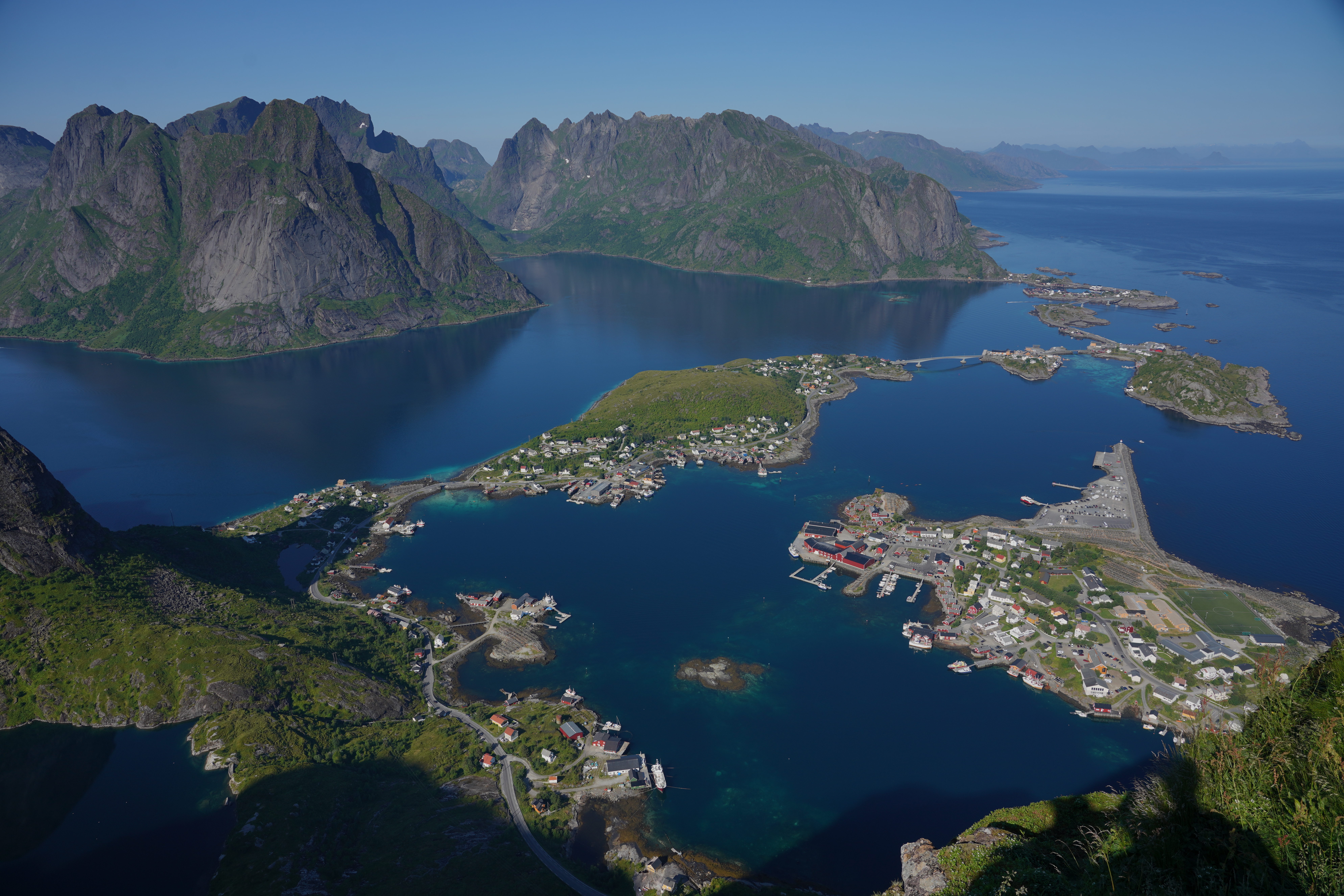
The Lofoten archipelago in northern Norway rises dramatically from the Norwegian Sea as a series of jagged peaks and sheltered bays.
Traditional red fishing cabins called rorbuer dot the shoreline against a backdrop of some of Europe's most spectacular mountain scenery, with the Northern Lights frequently visible in winter.
How does it rate
CrowdsRomanceCash RequiredDangerAccessibilityWhy you should go
The combination of dramatic mountains, Arctic light, colourful fishing villages, and frequent Northern Lights makes Lofoten one of the most photogenic places in Europe.
Why you shouldn't go
The islands are extremely remote, weather is frequently poor, and the Northern Lights are only visible during the dark winter months.
Plan your visit
Best time to visitJune-August for midnight sun, or Sept-March for Northern LightsBest time of dayMidnight sun in summer, or golden hourGetting thereFly to Harstad/Narvik or take the Bodo ferryEntry costFree to exploreTime needed4-5 daysInsider tip — The fishing village of Reine at sunset is the classic shot; go early to get the viewpoint to yourself -
 #287 /100
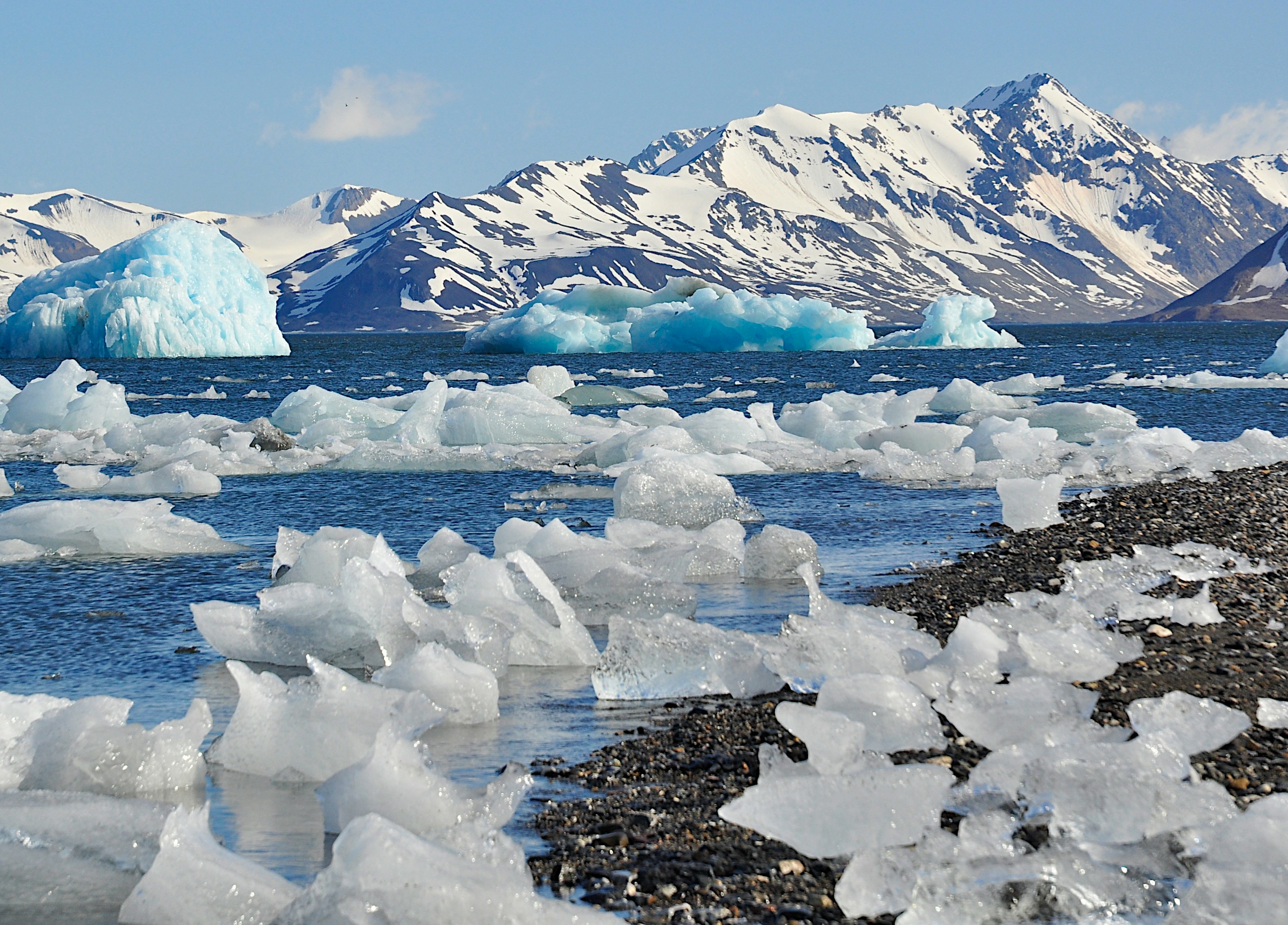
Svalbard is a remote Norwegian archipelago deep in the Arctic Ocean, roughly 60% covered by glaciers and home to more polar bears than people.
Longyearbyen, the main settlement, is the base for dog-sledding, snowmobiling and boat trips past calving glaciers and drifting sea ice, with the midnight sun in summer and polar night and northern lights in winter.
Almost everything beyond town requires an armed guide, which shapes the whole experience.
How does it rate
CrowdsRomanceCash RequiredDangerAccessibilityWhy you should go
Genuine Arctic wilderness - glaciers, polar bears and sea ice - reachable on a scheduled flight, not an expedition.
Why you shouldn't go
Expensive and logistically restrictive: guided tours are compulsory for almost anything outside Longyearbyen.
Plan your visit
Best time to visitApril-August for midnight sun and easier travel; November-February for northern lights and polar night.Best time of daySeason matters more than time of day - summer light is near-constant, winter darkness is too.Getting thereDirect flights from Oslo or Tromsø to Longyearbyen, around 3 hours from Oslo.Entry costNo entry fee; guided excursions typically 500-3000+ NOK per person per day.Time needed4-7 daysInsider tip — Book glacier or fjord boat trips a season ahead in summer - the small tour operators sell out before the ice starts breaking up. -
 #382 /100
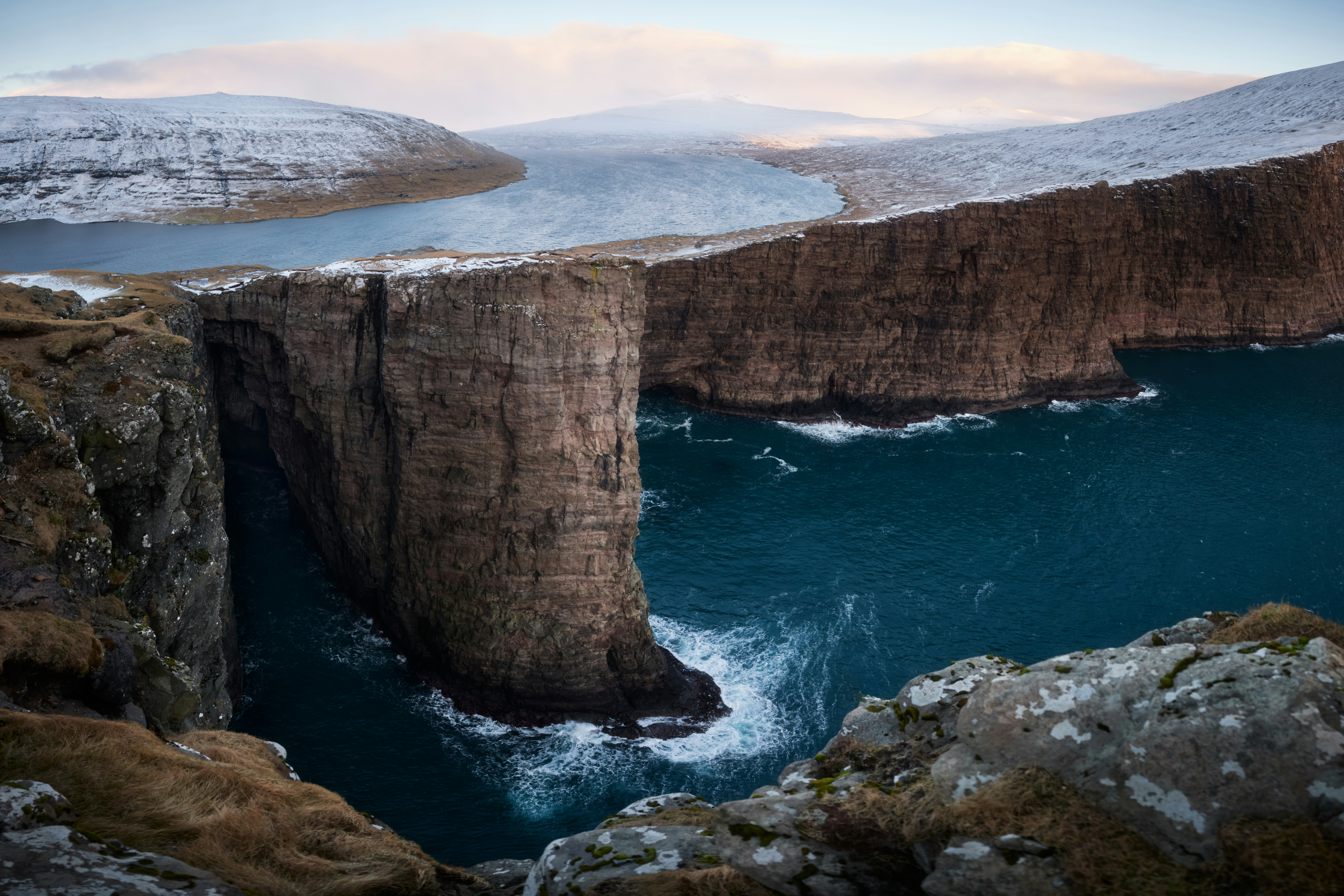
A dramatic clifftop on Vágar island overlooking Lake Leitisvatn, which appears from this angle to float 30 meters above the Atlantic Ocean — a famous optical illusion.
Sheer 300-meter drops, sheep-dotted grass, and constantly shifting Nordic light make it one of Europe's most striking viewpoints.
How does it rate
CrowdsRomanceCash RequiredDangerAccessibilityWhy you should go
A lake that appears to hover above the ocean, seen from a sheer 300-meter clifftop — one of Europe's great optical illusions.
Why you shouldn't go
No barriers at the cliff edge; wind gusts are frequent and dangerous; weather can close in with little warning.
Plan your visit
Best time to visitMay–August for the longest daylight and most stable (if still unpredictable) weather.Best time of dayMidday for the clearest view of the lake-over-ocean illusion; golden hour for photography.Getting thereFly to Vágar Airport, 15-minute drive to Miðvágur, then a 45–60 minute hike to the viewpoint.Entry costFree; some trail sections cross private land with a small landowner fee (~DKK 200).Time needed2–3 hours including the hike.Insider tip — Wear waterproof boots — the trail is boggy even in summer. Stay well back from the unfenced edge; gusts here have blown hikers off balance. -
 #481 /100
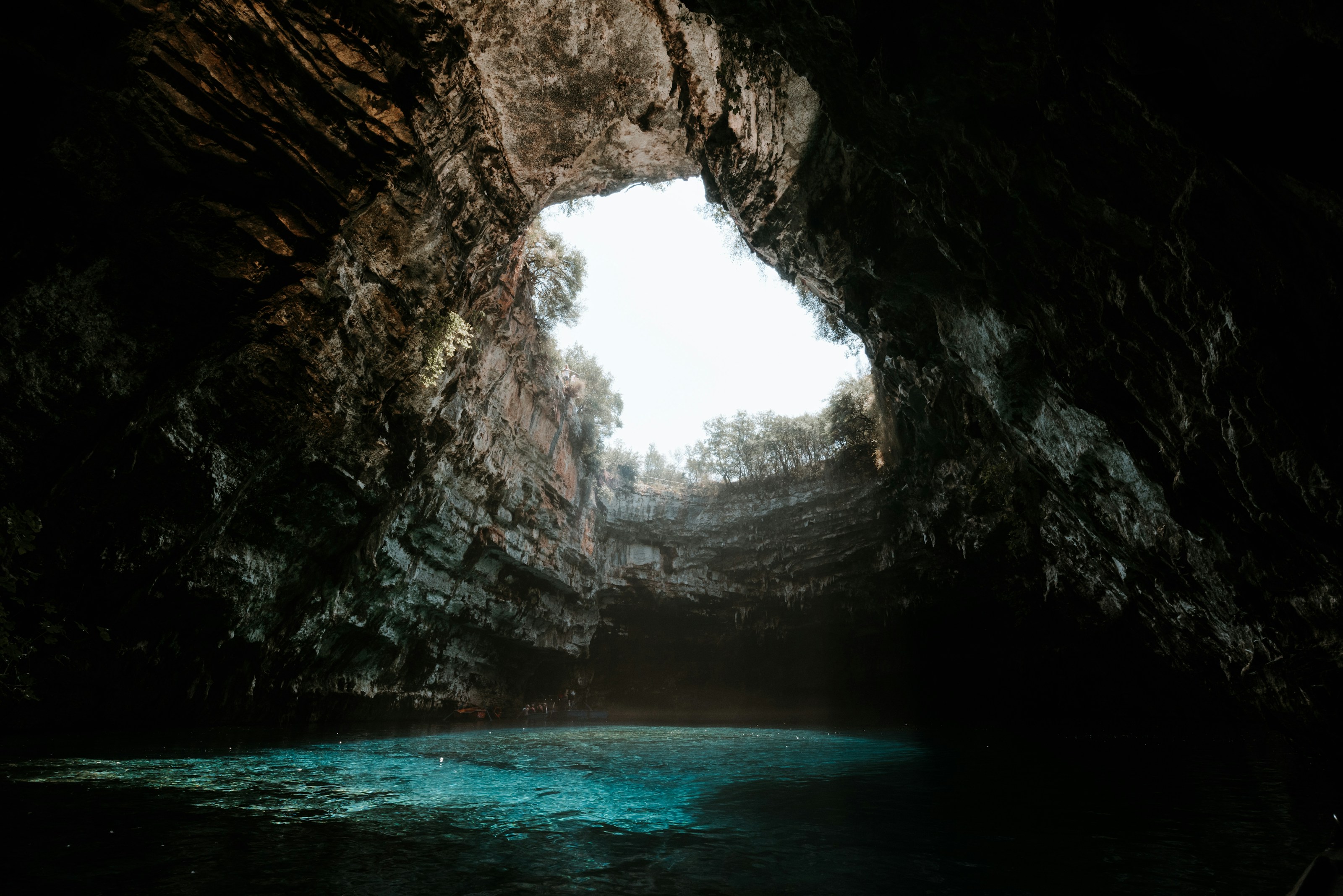
A collapsed cave roof on Kefalonia opens onto an underground lake so clear that the rowing boats appear to hang in mid-air.
When the sun is directly overhead the water turns an electric blue that looks artificially enhanced but isn't.
A short boat trip takes you through the lit chamber and out under the open dome.
How does it rate
CrowdsRomanceCash RequiredDangerAccessibilityWhy you should go
At midday the boats look like they are floating on nothing but light.
Why you shouldn't go
The effect only works in a narrow window around noon, and only when the sun is out.
Plan your visit
Best time to visitJune-September, when the sun climbs high enough to reach the waterBest time of dayBetween 12pm and 2pm - any earlier or later and the blue disappearsGetting thereDrive or taxi from Sami on Kefalonia, about 10 minutes; the island is reached by ferry or its small airportEntry costAround EUR 8 including the boatTime needed1 hourInsider tip — Go on a cloudless day and join the queue shortly before noon - the light show lasts barely two hours and the queue moves slowly. -
 #580 /100
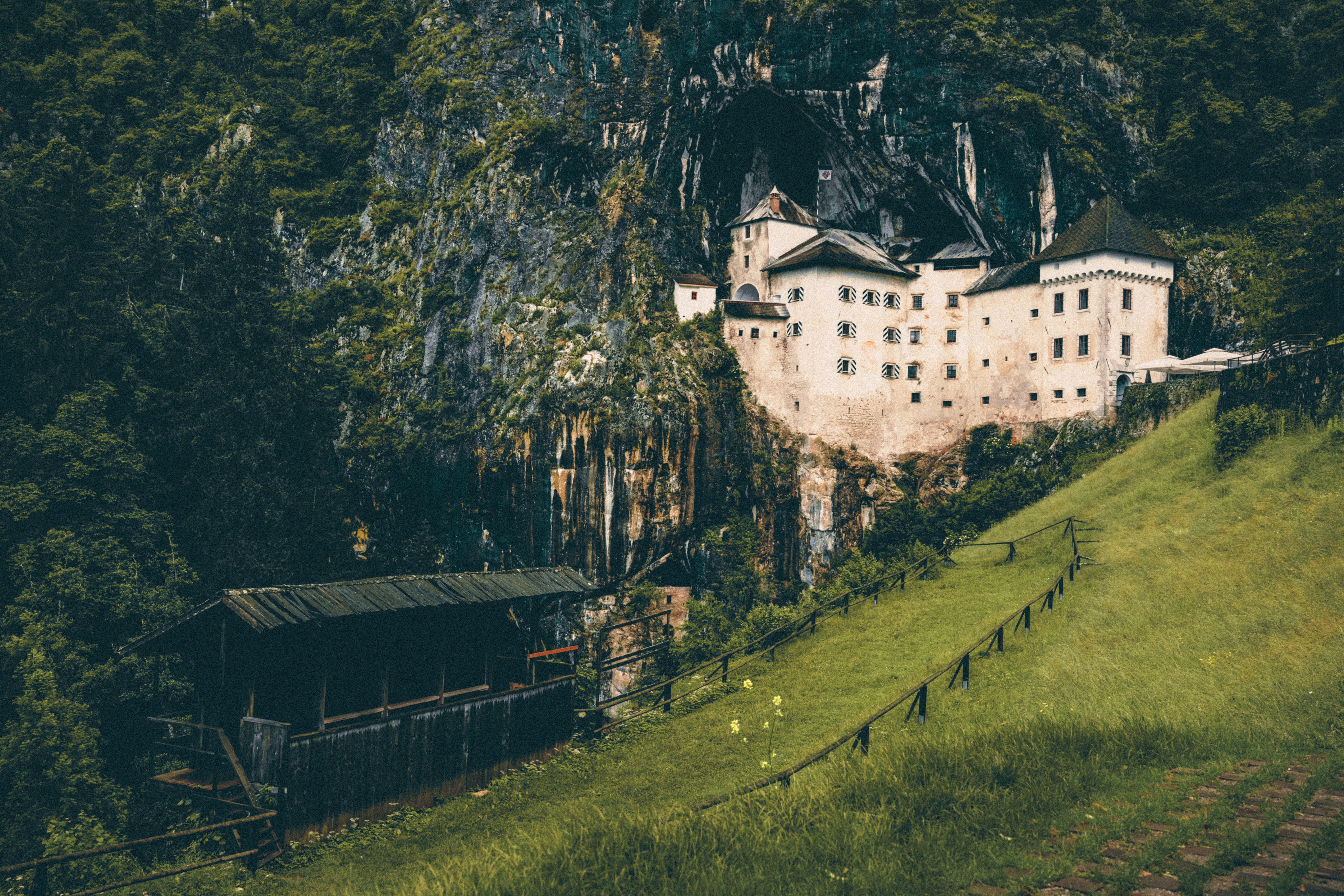
Built directly into the mouth of a cave halfway up a 123-metre cliff face, this is the largest cave castle in the world and looks almost physically impossible from below.
A network of tunnels behind the walls once let its most famous resident, the robber baron Erazem, escape sieges and raid the countryside undetected.
The combination of Gothic-Renaissance architecture fused seamlessly into raw limestone rock makes it one of Europe's strangest buildings.
How does it rate
CrowdsRomanceCash RequiredDangerAccessibilityWhy you should go
A castle built directly into a cliff-face cave mouth, looking almost impossible from the valley floor below.
Why you shouldn't go
It's a genuine detour from Ljubljana or the Postojna Cave area, and the secret tunnel tour requires a separate, timed booking.
Plan your visit
Best time to visitMay-June or September for good weather and manageable crowds.Best time of dayLate afternoon, when the sun lights the cliff face directly.Getting thereA 45-minute drive from Ljubljana, often combined with a visit to nearby Postojna Cave.Entry costAround EUR18 for adult entry.Time needed2-3 hours.BookingBook ahead →Insider tip — Book the Predjama Castle secret passage tour in advance - it's a separate, limited-capacity ticket that sells out on busy days. -
 #678 /100
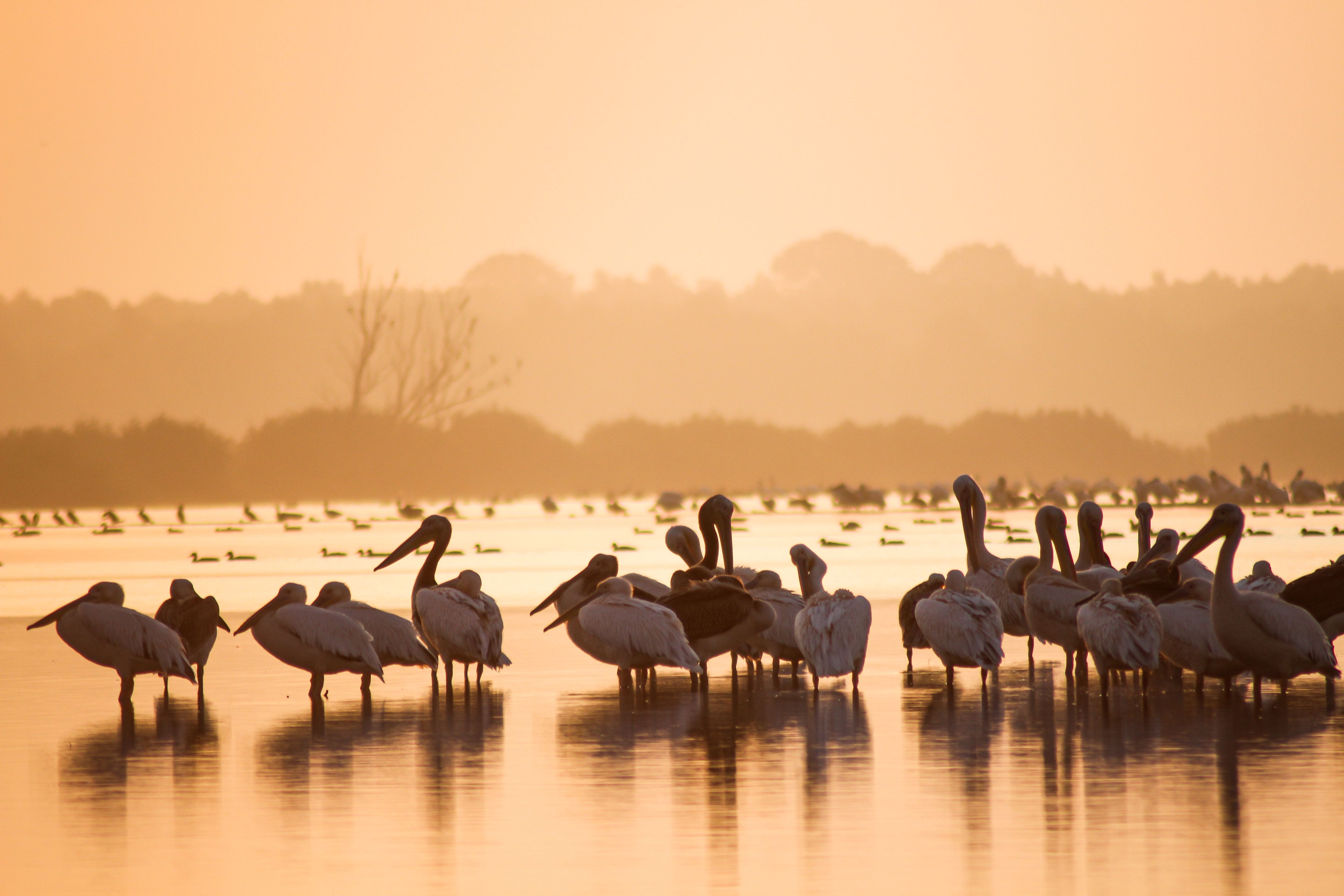
Europe's largest and best-preserved river delta is a maze of reed-lined channels, lakes and marshland where the Danube meets the Black Sea.
Boat trips glide past pelicans, herons and over 300 other bird species in a UNESCO-protected wilderness.
Traditional fishing villages built on stilts add a lived-in texture to the wildlife-watching, and the sheer scale of untouched wetland is rare anywhere in Europe.
How does it rate
CrowdsRomanceCash RequiredDangerAccessibilityWhy you should go
Untouched wetland wilderness with Europe's richest concentration of birdlife.
Why you shouldn't go
Getting deep into the delta requires a guided boat and more than a day trip to do justice.
Plan your visit
Best time to visitMay–June for peak birdlife and mild weather, before summer heat and mosquitoes.Best time of dayEarly morning, when birds are most active and the water is calm.Getting thereFly or drive to Tulcea, then transfer onto a guided boat into the delta channels.Entry costFree to enter; guided boat tours from around €40 per person.Time neededFull day, or 2–3 days to explore properly.Insider tip — Book a small private boat rather than a large tour vessel — it can reach narrower channels where the wildlife actually is. -
 #777 /100
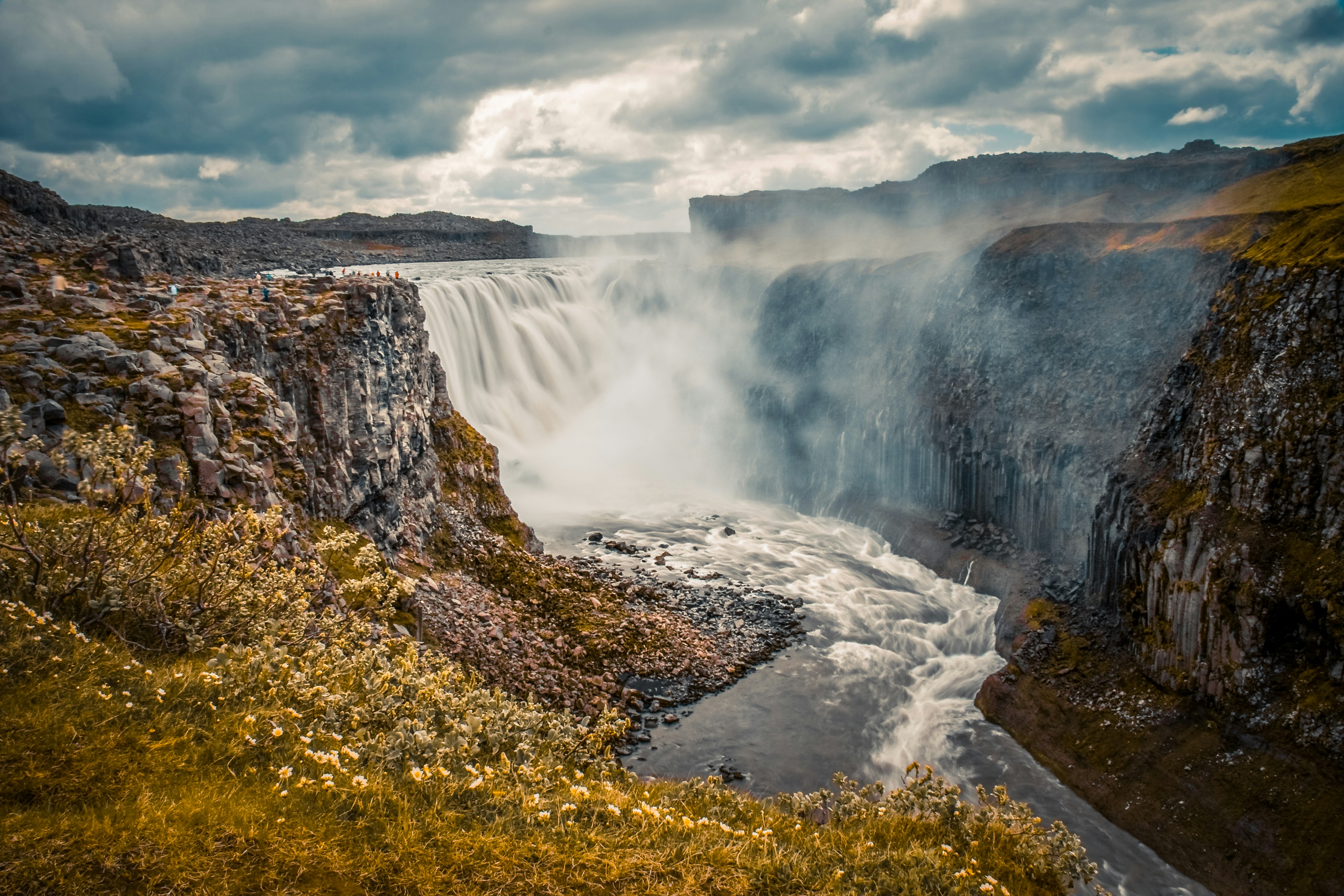
A dramatic canyon in Vatnajökull National Park, carved by catastrophic glacial floods, home to the thunderous Dettifoss waterfall and the horseshoe-shaped Ásbyrgi depression.
Dark basalt cliffs and moss-covered riverbanks make it one of Iceland's starkest, most powerful landscapes.
How does it rate
CrowdsRomanceCash RequiredDangerAccessibilityWhy you should go
Glacial-flood canyon holding Europe's most powerful waterfall and the horseshoe cliffs of Asbyrgi.
Why you shouldn't go
Can be crowded near Dettifoss in peak season; weather turns quickly with little shelter; unpaved access roads.
Plan your visit
Best time to visitJune–September for accessible roads and stable weather.Best time of dayAfternoon light brings out the canyon's texture and the waterfall's spray-lit rainbows.Getting thereRental car from Reykjavik, 5–6 hour drive northeast, or fly to Akureyri and drive 1.5 hours.Entry costFreeTime neededHalf day to a full day.Insider tip — Approach Dettifoss from the west-side road for the closer, more dramatic view. Wear grip-soled boots — the volcanic rock is loose and sharp in places. -
 #877 /100
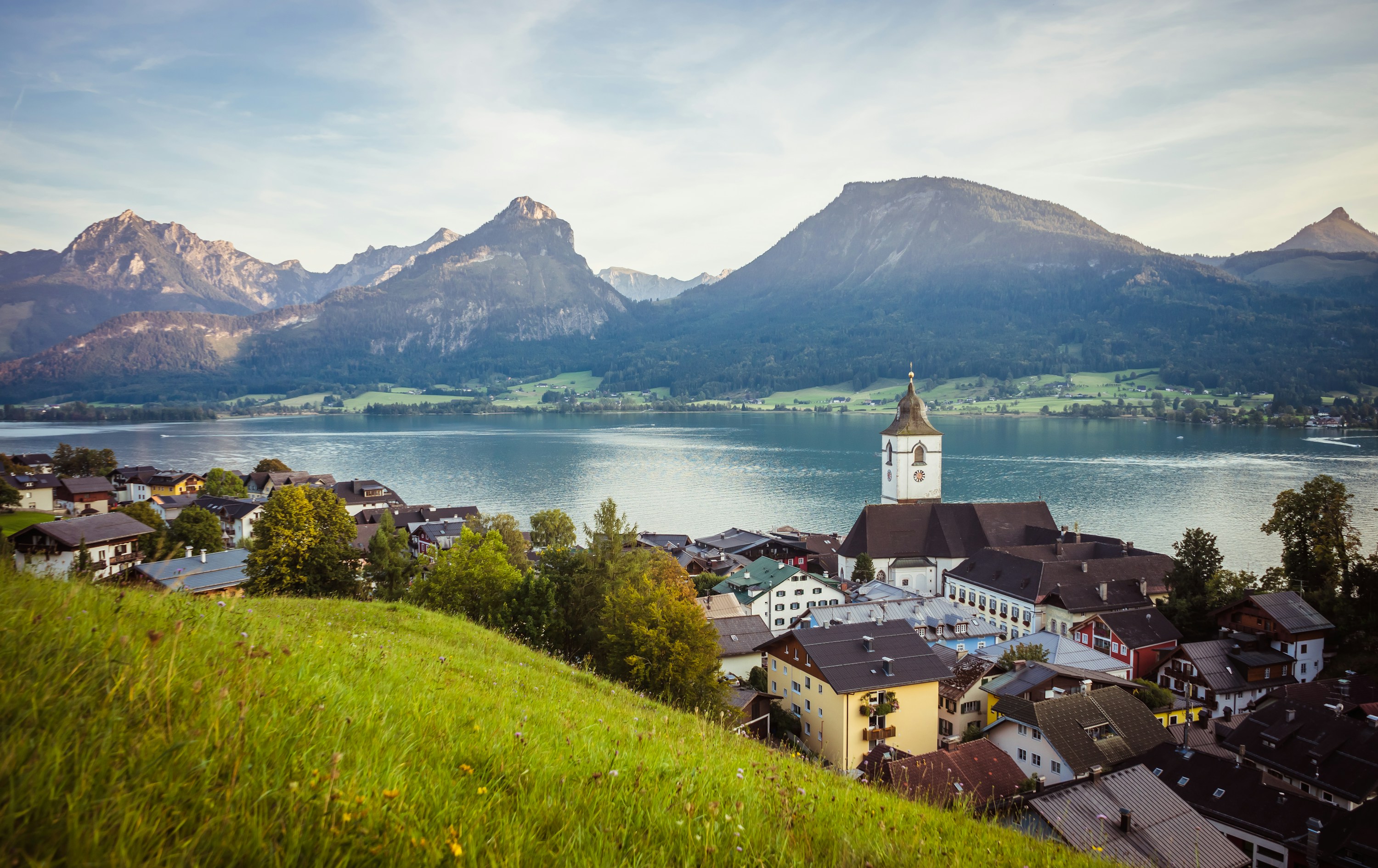
A narrow alpine lake in Austria's Salzkammergut lake district is ringed by forested peaks and postcard villages, the best-known of which, St.
Wolfgang, grew up around the lakeside White Horse Inn made famous by a 20th-century operetta.
Passenger ferries still cross the lake between villages, a rack railway climbs the Schafberg for panoramic views, and swimming spots line much of the shore in summer.
How does it rate
CrowdsRomanceCash RequiredDangerAccessibilityWhy you should go
One of the Salzkammergut's classic lake-and-mountain villages, quieter and less crowded than Hallstatt.
Why you shouldn't go
No train station serves St. Wolfgang directly — getting there means a bus or ferry connection, which limits spontaneity.
Plan your visit
Best time to visitJune–September for swimming, ferries, and the Schafberg railway running full schedules.Best time of dayEarly evening, when day-trippers head back to Salzburg and the lakefront empties out.Getting thereBus from Salzburg or Bad Ischl to St. Wolfgang, or ferry across the lake from St. Gilgen or Strobl.Entry costFree to walk the lakefront; the Schafberg rack railway and boat rides are separately ticketed.Time needed1 dayInsider tip — Take the Schafberg rack railway up for sunset, then the last ferry back — the crowds thin dramatically after 5pm. -
 #976 /100
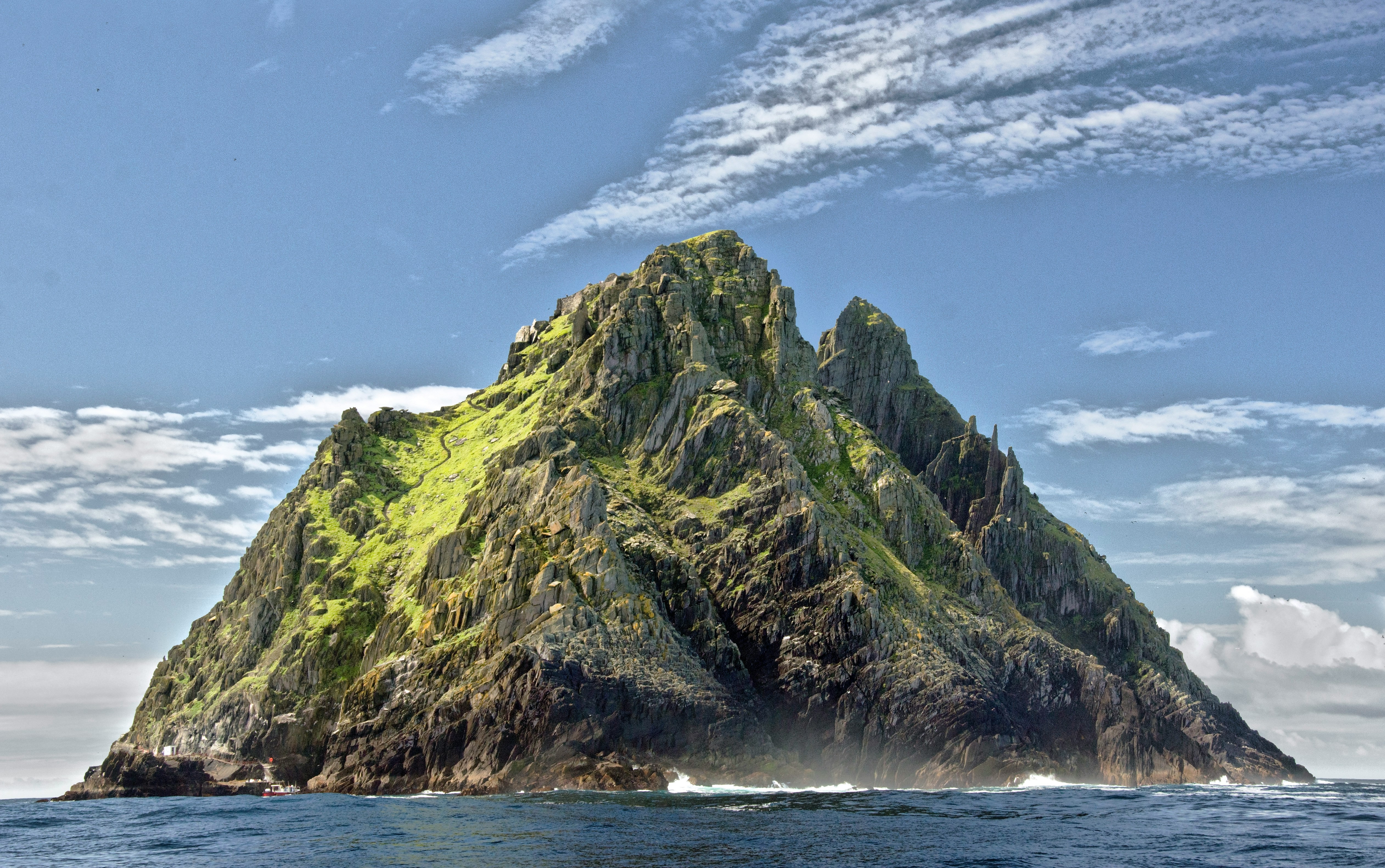
A dramatic rocky island 12km off the Irish coast, home to a 6th-century monastic settlement perched 200 meters above the Atlantic.
Narrow stone stairways climb to beehive-shaped huts where monks lived in near-total isolation for centuries, and the island later appeared in Star Wars.
How does it rate
CrowdsRomanceCash RequiredDangerAccessibilityWhy you should go
A remote monastic island with 1,400-year-old beehive huts on a rocky Atlantic peak.
Why you shouldn't go
Accessible only by boat and weather-dependent; crossings are frequently cancelled; no facilities on the island.
Plan your visit
Best time to visitMay–September, when the licensed boats operate; even then, rough seas cause regular cancellations.Best time of dayMorning departures are more likely to run before afternoon swells build.Getting thereBase in Portmagee or Ballinskelligs; licensed boat tours depart daily in season, weather permitting.Entry costBoat tour roughly €100 per person, including the landing permit.Time neededHalf a day including the boat crossing.Insider tip — Book well ahead — only a small number of licensed boats are permitted to land each day. The climb involves over 600 uneven stone steps with no railings; sturdy footwear is essential. -
 #1076 /100
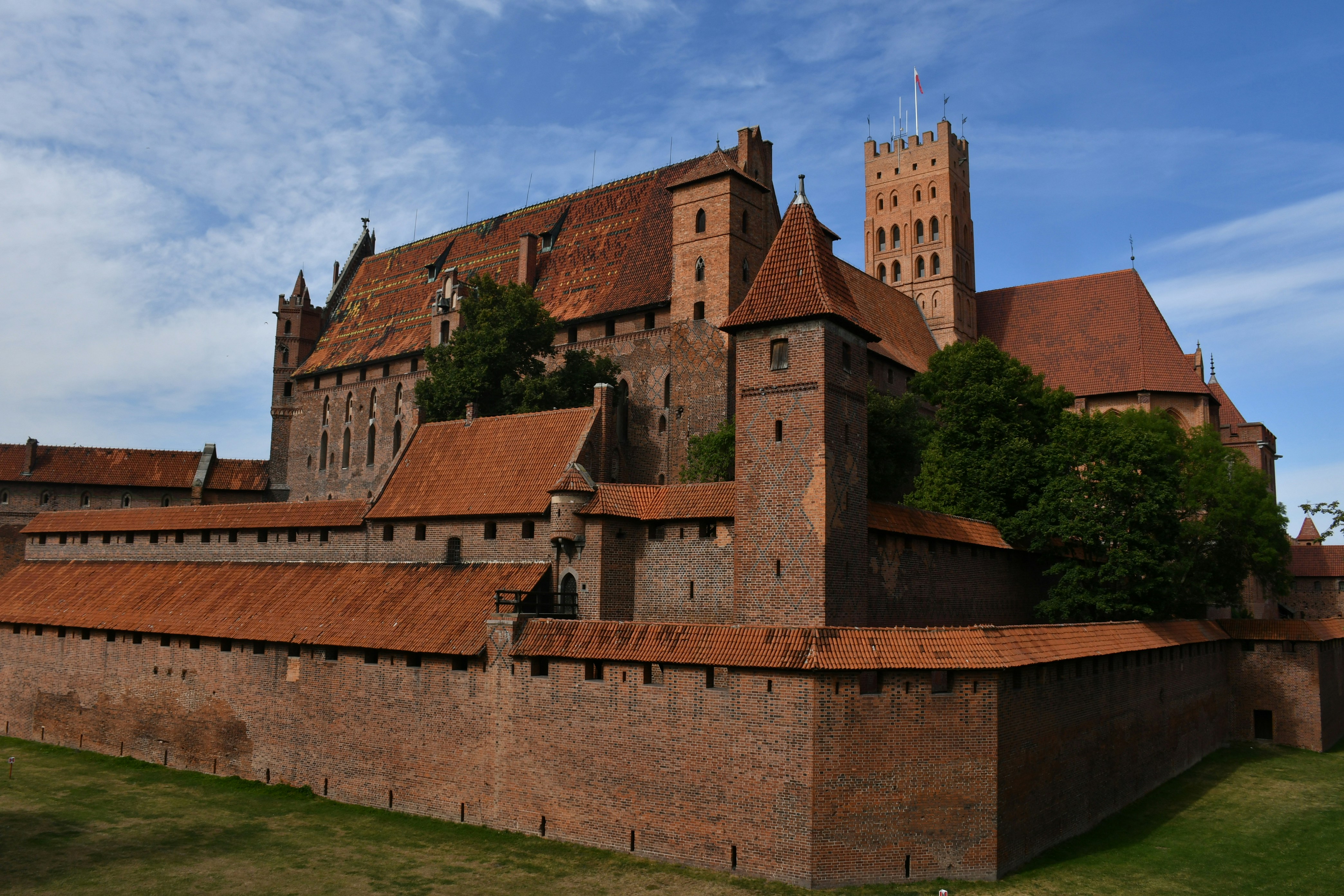
The largest castle in the world by land area, a vast red-brick Gothic fortress built by the Teutonic Knights on the banks of the Nogat River.
Its scale is genuinely disorienting up close - a walled complex of courtyards, halls, and towers that took over a century to complete and still functioned as a working fortress-monastery for 200 years.
Reflected in the river at dusk, its brick towers and battlements make for one of Northern Europe's most striking medieval skylines.
How does it rate
CrowdsRomanceCash RequiredDangerAccessibilityWhy you should go
The largest castle on Earth by area, a red-brick Gothic fortress-monastery reflected in the river it was built to defend.
Why you shouldn't go
It's less internationally famous than it deserves, so information and English-language signage can be patchy without a guide.
Plan your visit
Best time to visitMay-September for good weather and full access to all sections.Best time of daySunset, viewed from across the Nogat River for the classic reflection shot.Getting thereTrain from Gdansk (about 30-40 minutes) to Malbork, then a short walk to the castle.Entry costAround 90 PLN for adult entry with a guided route.Time neededHalf a day.BookingBook ahead →Insider tip — Walk across the bridge to the far riverbank for the classic full-castle reflection photo - most visitors never leave the castle side. -
 #1176 /100
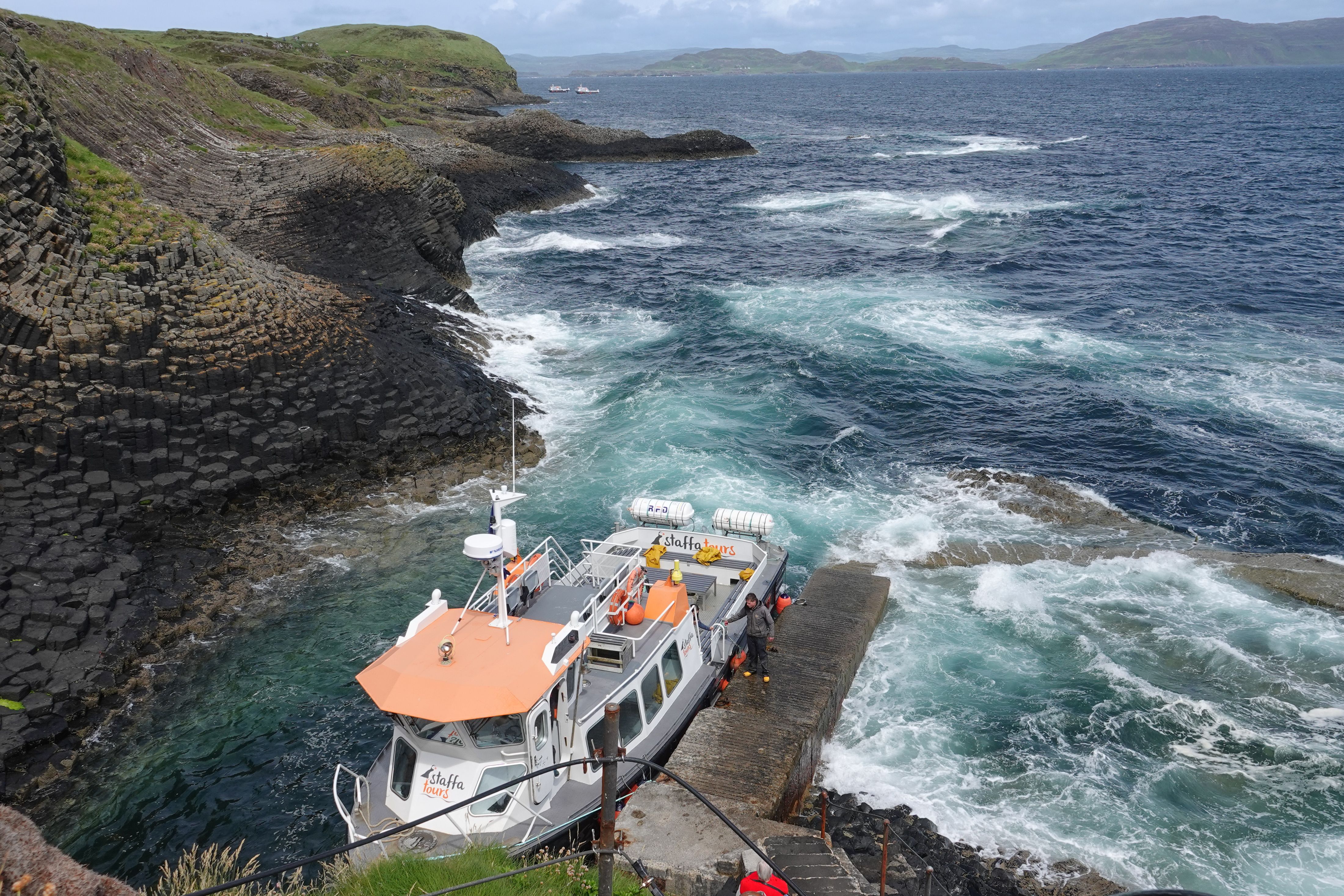
Hexagonal basalt columns, formed the same way as the Giant's Causeway, arch into a natural sea cave on the uninhabited island of Staffa.
The cathedral-like interior, with waves echoing off the columned walls, inspired Mendelssohn's Hebrides Overture.
Reaching it requires a boat crossing through open water, which keeps the cave far quieter than its Northern Irish cousin.
How does it rate
CrowdsRomanceCash RequiredDangerAccessibilityWhy you should go
A natural basalt-column sea cave dramatic enough to have inspired a symphony.
Why you shouldn't go
Boat access depends entirely on weather and sea conditions - trips are cancelled often.
Plan your visit
Best time to visitApril-September, when boat tours run most reliably.Best time of dayMidday, for the best light penetrating the cave's interior.Getting thereFerry to Mull, then a boat tour from Fionnphort or Iona out to Staffa.Entry costBoat tour fare, typically $35-50.Time neededHalf a day, including the boat crossingInsider tip — Book an afternoon sailing when possible - calmer seas later in the day mean a better chance of actually landing rather than just circling. -
 #12
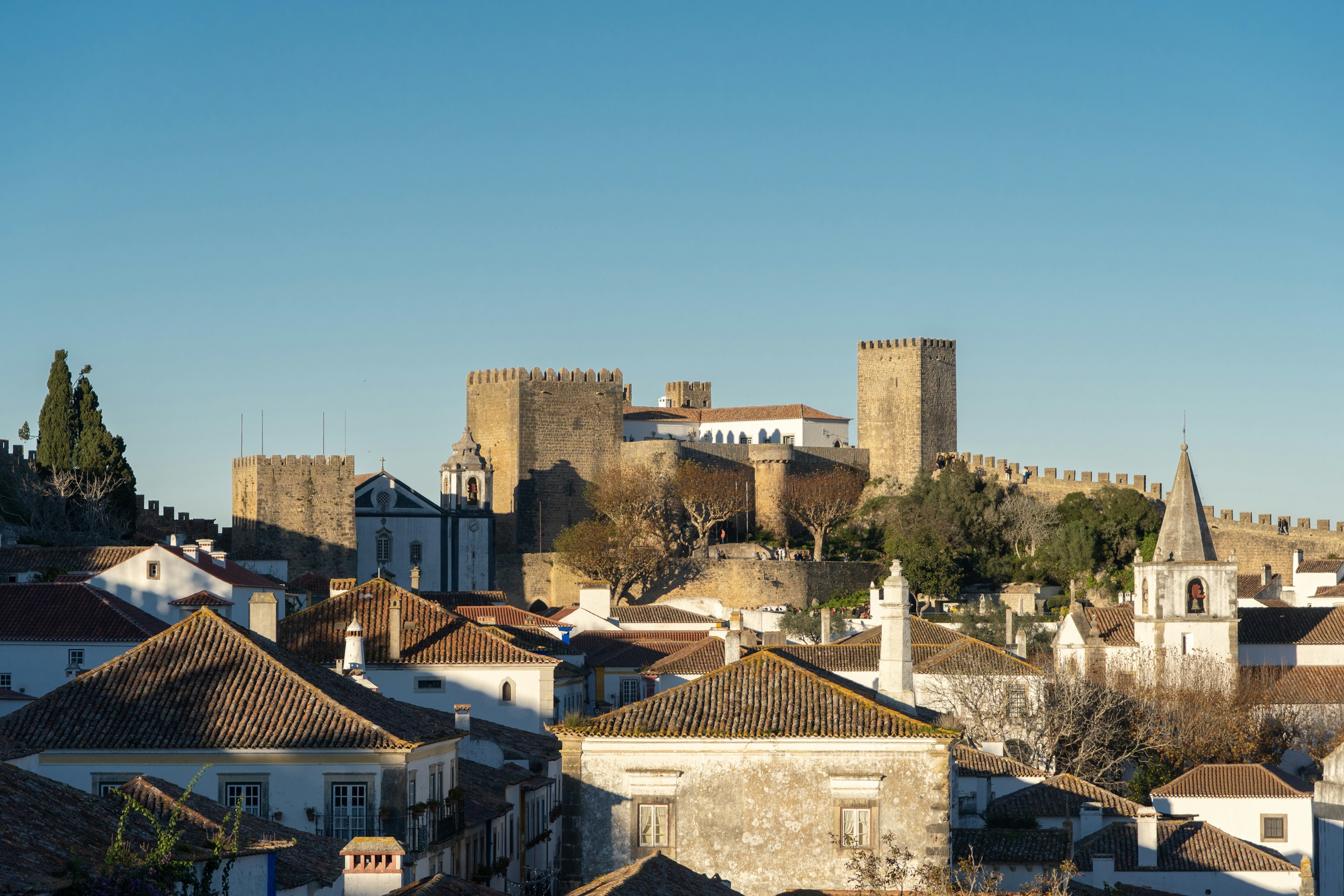
#12A tiny medieval town entirely enclosed by 14th-century walls an hour north of Lisbon, Óbidos was once a traditional wedding gift from Portuguese kings to their queens.
A single cobbled main street runs between whitewashed, bougainvillea-draped houses to a hilltop castle, and the full circuit of the ramparts can be walked in under an hour for views over the surrounding countryside.
How does it rate
CrowdsRomanceCash RequiredDangerAccessibilityWhy you should go
A complete, walkable walled town — castle, ramparts, and cobbled streets — that takes half a day, not a full trip.
Why you shouldn't go
It's genuinely small: one main street and the walls are most of the sight, so it can feel thin without a wine-tasting stop.
Plan your visit
Best time to visitSpring or autumn for mild weather; October's chocolate festival and July's medieval fair draw big crowds.Best time of dayLate afternoon, after day-trip coach groups from Lisbon head back.Getting thereAbout an hour's drive or bus ride north of Lisbon; no train station in town.Entry costFree to enter and walk the walls.Time needed2–4 hoursInsider tip — Try ginjinha (cherry liqueur) served in an edible chocolate cup from one of the small stalls along the main street. -
 #1374 /100
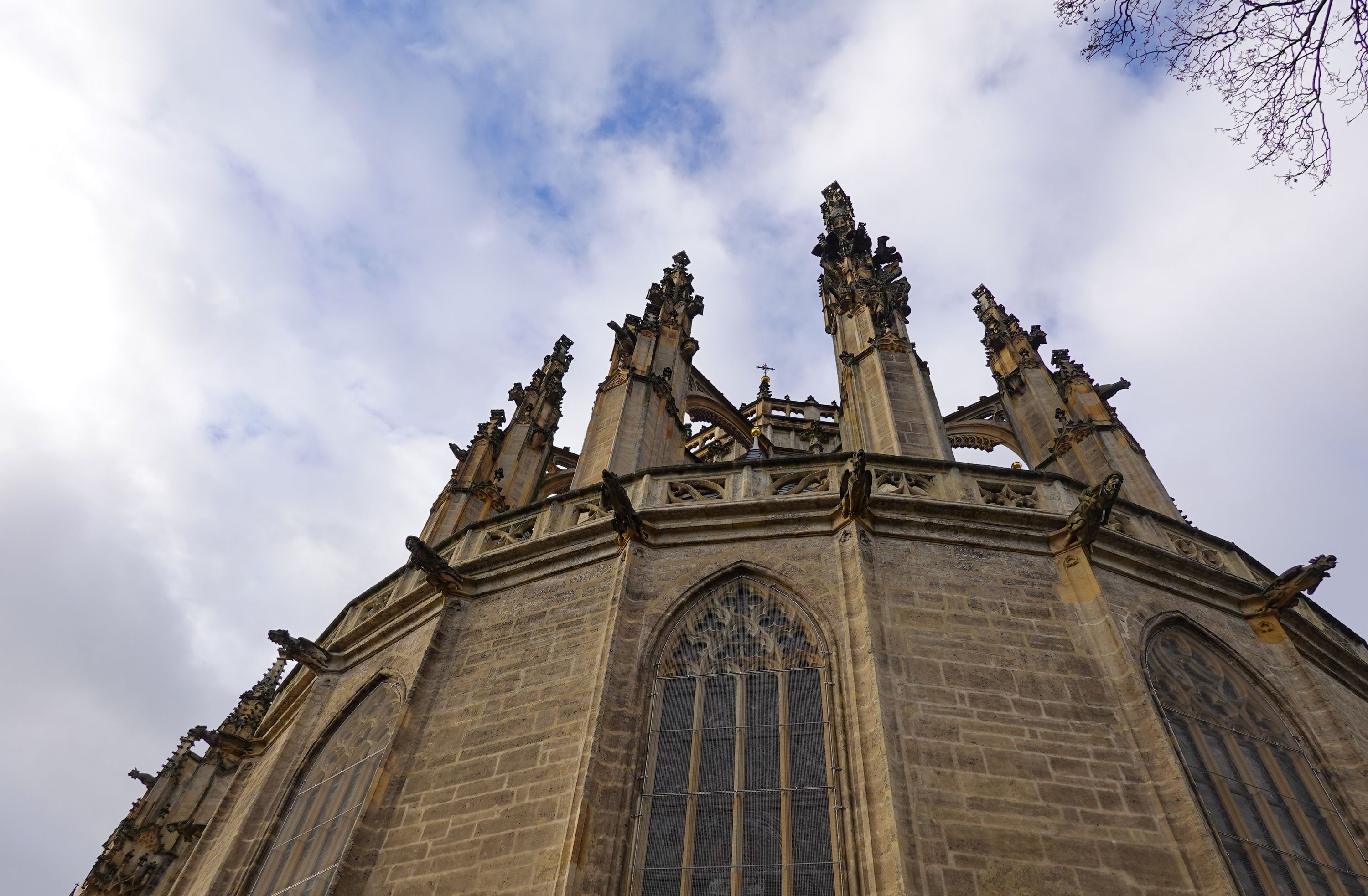
St Barbara's Church rises over Kutná Hora, a UNESCO-listed medieval silver-mining town an hour from Prague.
Building began in 1388 and dragged on for five centuries, leaving a soaring Gothic nave ringed by flying buttresses and gargoyles, with faded frescoes of miners and moneyers inside.
It shares the skyline with Baroque terraces and the Jesuit College, making the old town worth a half-day wander.
How does it rate
CrowdsRomanceCash RequiredDangerAccessibilityWhy you should go
Central Europe's finest Gothic cathedral exterior, dense with flying buttresses and pinnacles, without Prague's crowds.
Why you shouldn't go
Interior frescoes have faded badly in places, and the surrounding old town shuts down early outside peak season.
Plan your visit
Best time to visitApril-October, when full opening hours apply; roads and the cathedral interior close earlier in winter.Best time of dayMorning, before Prague day-trip coach groups arrive around midday.Getting thereDirect train from Prague hlavní nádraží to Kutná Hora hl.n. (~1hr), then a connecting local train or 25-min walk to the old town.Entry cost180 CZK adult, 140 CZK concession, 60 CZK childTime needed1–2 hours, or half a day with the old townBookingBook ahead →Insider tip — Buy the combined ticket with the Italian Court and Hrádek museum if spending the day; coach-tour groups arrive in a rush around 11am-1pm, so aim for opening time instead. -
 #1473 /100
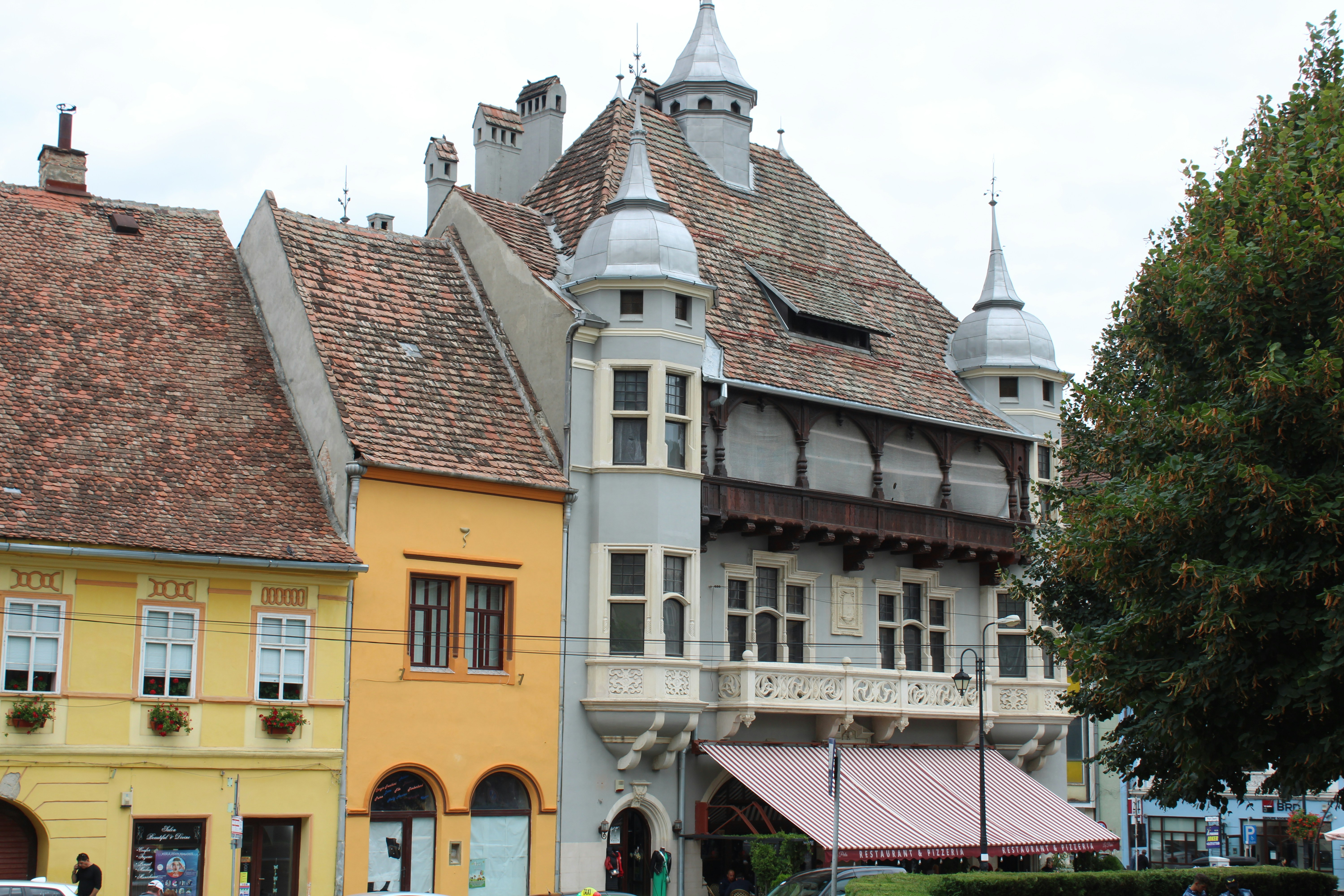
This UNESCO-listed citadel is one of the last inhabited medieval walled towns in Europe, its cobbled lanes lined with pastel-colored burgher houses beneath nine surviving watchtowers.
Vlad the Impaler was reportedly born here, and the citadel's Gothic clock tower and covered stairway give it a genuinely lived-in medieval atmosphere rather than a restored film set.
Locals still run shops and cafés inside the walls.
How does it rate
CrowdsRomanceCash RequiredDangerAccessibilityWhy you should go
A real, still-inhabited medieval citadel, not a reconstruction.
Why you shouldn't go
Small enough that a couple of hours covers the whole old town.
Plan your visit
Best time to visitMay or September for pleasant weather without peak-summer crowds.Best time of dayEvening, once day-tripping coach groups have left.Getting thereDirect train from Brașov or Bucharest to Sighișoara station, then a 10-minute walk uphill.Entry costFree to walk the citadel; Clock Tower museum around 15 RON.Time needed2–4 hours.Insider tip — Climb the Covered Stairway (all 175 steps) to the Church on the Hill for the best rooftop views, away from the main square crowds. -
 #1573 /100
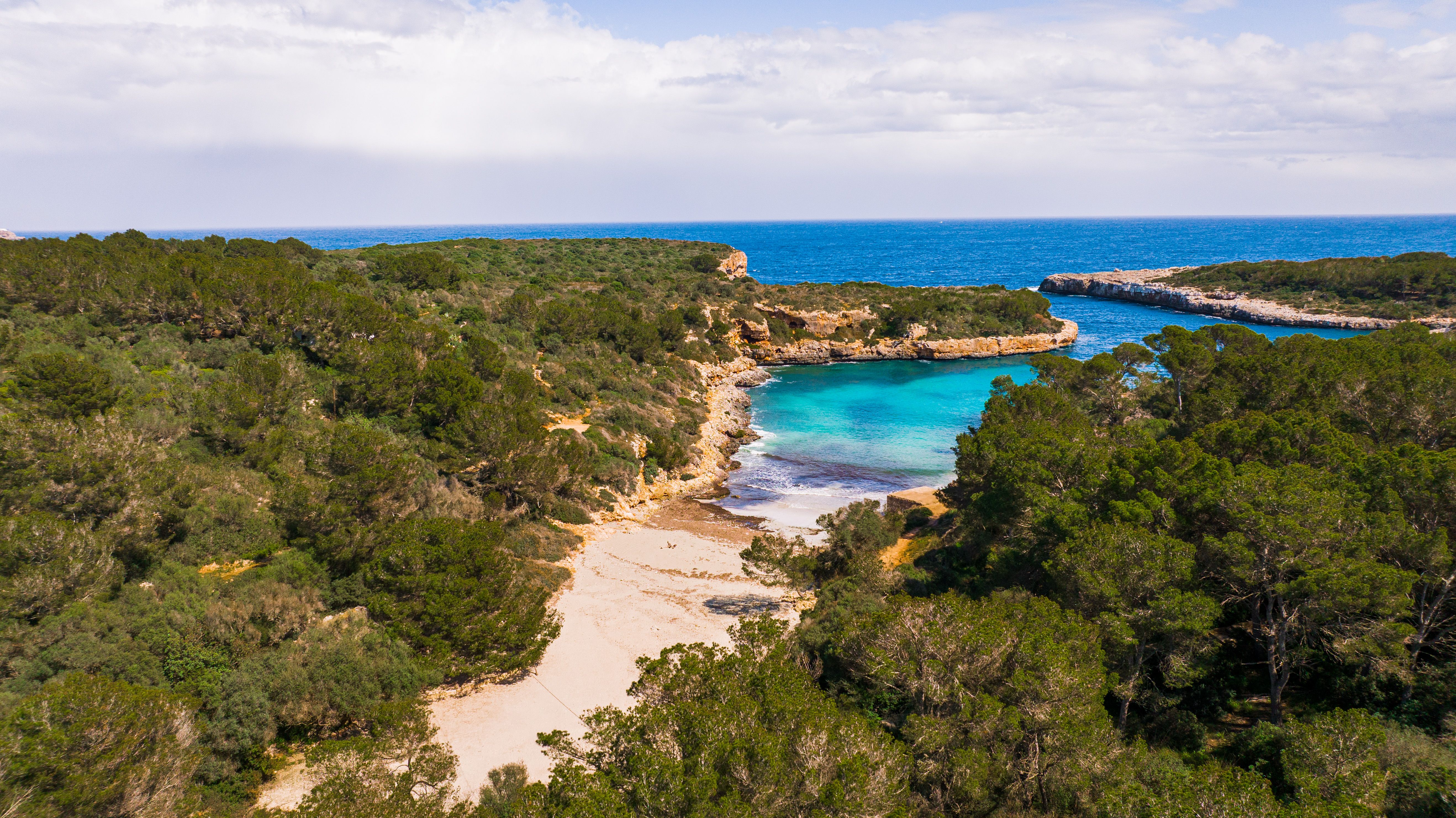
A small, pine-fringed cove inside a protected natural park on Mallorca's southeast coast, with shallow, startlingly clear turquoise water that stays calm most of the year.
Because it sits within Mondrago Natural Park, development around the cove is deliberately limited, which keeps it looking much like the rest of the island did before mass tourism.
It's a short walk from the car park through scrub pine, which filters out casual visitors.
How does it rate
CrowdsRomanceCash RequiredDangerAccessibilityWhy you should go
Clear, calm turquoise water inside a protected natural park, with none of the high-rise development found elsewhere on the island.
Why you shouldn't go
Parking fills early in summer, and there are no facilities beyond a small beach bar.
Plan your visit
Best time to visitJune or September for warm water and thinner crowds than July-August.Best time of dayMorning, before the day-trip crowds from nearby resorts arrive.Getting thereFly to Palma; a 45-minute drive southeast to Mondrago Natural Park.Entry costFree; parking has a small daily fee in summer.Time needed2-3 hours.Insider tip — The second, smaller cove just south (Cala Mondrago's twin inlet) is usually quieter than the main beach. -
 #1672 /100
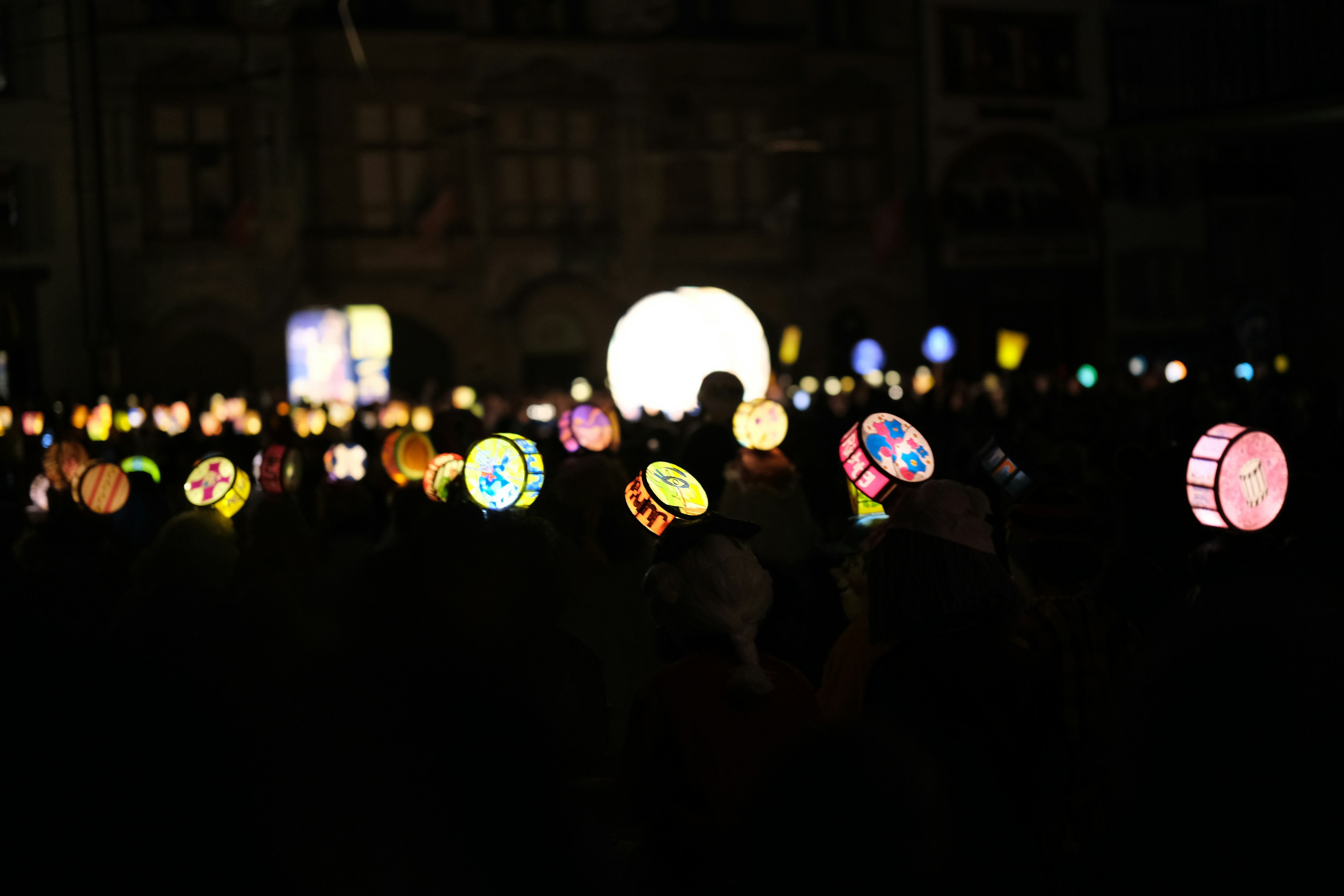
Basel's carnival opens at exactly 4am with the Morgestraich: every streetlight in the old town switches off, and thousands of costumed marchers set out through darkness lit only by hand-painted lanterns worn on their heads.
Three days of fife-and-drum cliques and satirical floats follow, built around a different secret theme each year.
UNESCO listed it as intangible heritage in 2017; it remains a local event run by the same societies.
How does it rate
CrowdsRomanceCash RequiredDangerAccessibilityWhy you should go
A carnival that opens in total darkness at 4am, when Basel's streetlights switch off for thousands of hand-painted lanterns to lead the parade.
Why you shouldn't go
It runs for exactly 72 hours, Monday 4am to Thursday 4am, so mistiming a visit by even a day means missing it entirely.
Plan your visit
Best time to visitThe Monday-Wednesday after Ash Wednesday, in February or March; exact dates shift yearly.Best time of day4am on the opening Monday for the Morgestraich lantern procession, the event's signature moment.Getting thereFly into EuroAirport Basel, or take a direct train from Zurich, Geneva, or Paris; the old town is walkable from Basel SBB station.Entry costFree to watch on the streets; grandstand seats for the daytime Cortege parade can be booked ahead.Time neededA full day covers the highlights; the complete experience takes the full 72 hours.Insider tip — Claim a spot on Marktplatz well before 4am for the Morgestraich - the lights cut out on the exact minute with no countdown, and the best viewing spots fill early. -
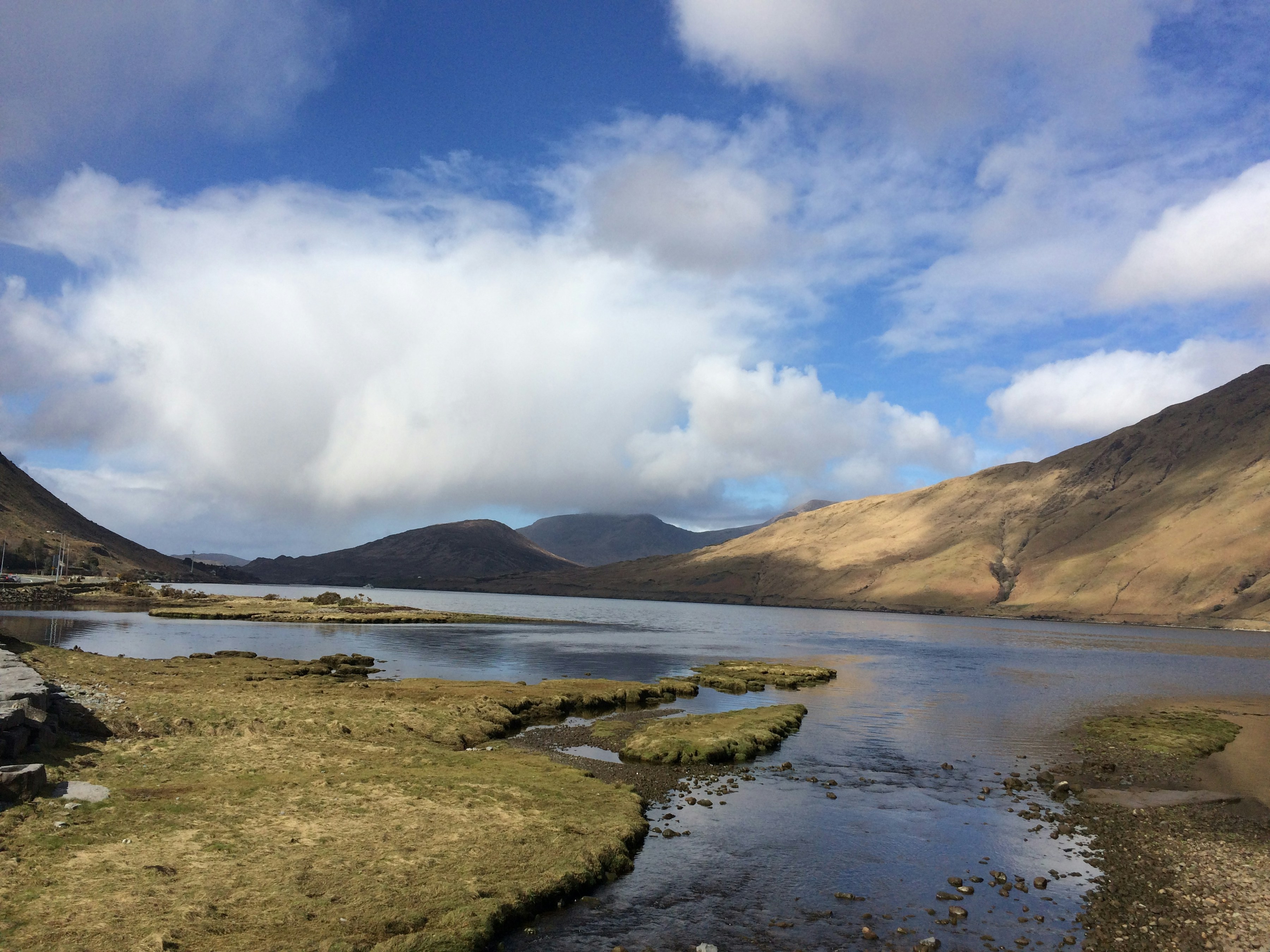 #1771 /100
This wild stretch of County Galway packs bog, mountain, lake and rugged Atlantic coastline into one thinly populated region, its landscape barely touched since the days it inspired painters and poets.
Connemara National Park's quartzite peaks, the Sky Road's cliff-edge drive out of Clifden, and Kylemore Abbey beside its own lake are the anchor points, but much of the appeal is simply driving or hiking through empty, dramatic terrain.
How does it rate
CrowdsRomanceCash RequiredDangerAccessibilityWhy you should go
Ireland's wildest, least-crowded landscape — bog, mountain and coastline with barely another car in sight.
Why you shouldn't go
Public transport is sparse; a car is close to essential to see more than one village.
Plan your visit
Best time to visitMay–June or September for good weather without peak-season crowds.Best time of dayLate afternoon, when low light catches the mountains and lakes.Getting thereDrive from Galway city, about 1–1.5 hours to Clifden, the region's main town.Entry costFree to drive and hike; Connemara National Park and Kylemore Abbey each charge small entry fees.Time needed1–2 days.Insider tip — Drive the Sky Road loop out of Clifden at sunset — it's free, takes under an hour, and has better views than several paid attractions. -
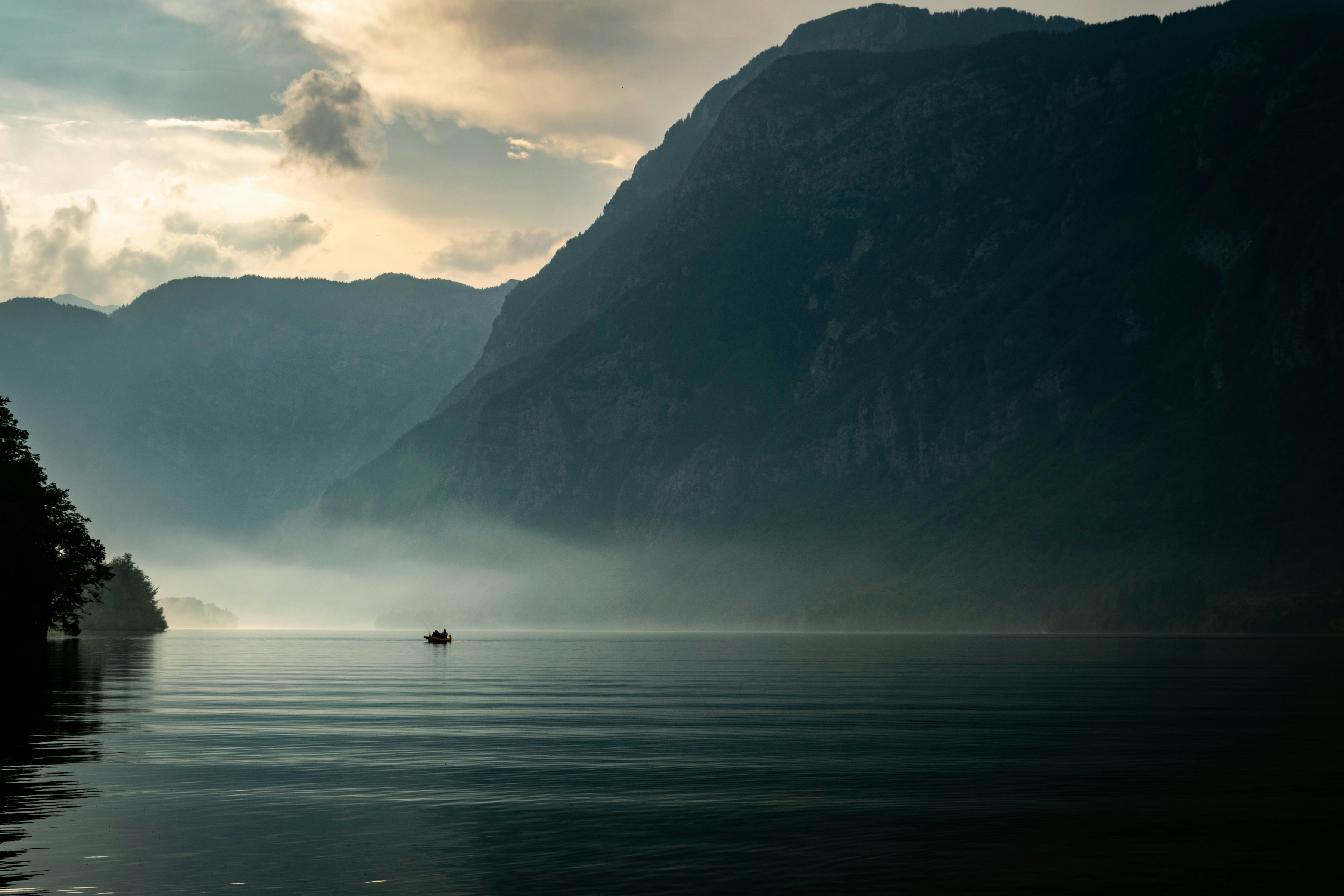 #1871 /100
Slovenia's largest permanent lake sits deeper inside Triglav National Park than its more famous neighbor Lake Bled, ringed by steep alpine peaks and largely free of the castle-and-island crowds that draw most day-trippers to Bled instead.
A cable car climbs to the Vogel ski area for panoramic views over the lake and surrounding mountains, while the Savica Waterfall trailhead sits at the lake's western end.
How does it rate
CrowdsRomanceCash RequiredDangerAccessibilityWhy you should go
Bled's calmer, wilder alpine sibling, with fewer crowds and a genuine mountain-wilderness feel.
Why you shouldn't go
It lacks Bled's island and castle centerpieces, so the appeal is scenery over singular landmarks.
Plan your visit
Best time to visitJune–September for swimming and hiking in warm weather.Best time of dayEarly morning for still, mirror-calm water and quiet trails.Getting thereAbout 30 minutes' drive beyond Lake Bled, or a connecting bus from Bled.Entry costFree to visit the lake; Vogel cable car around €18-20 round trip.Time neededHalf a day to a full day.Insider tip — Take the Vogel cable car up for the classic postcard view over the lake — most visitors never leave the shoreline. -
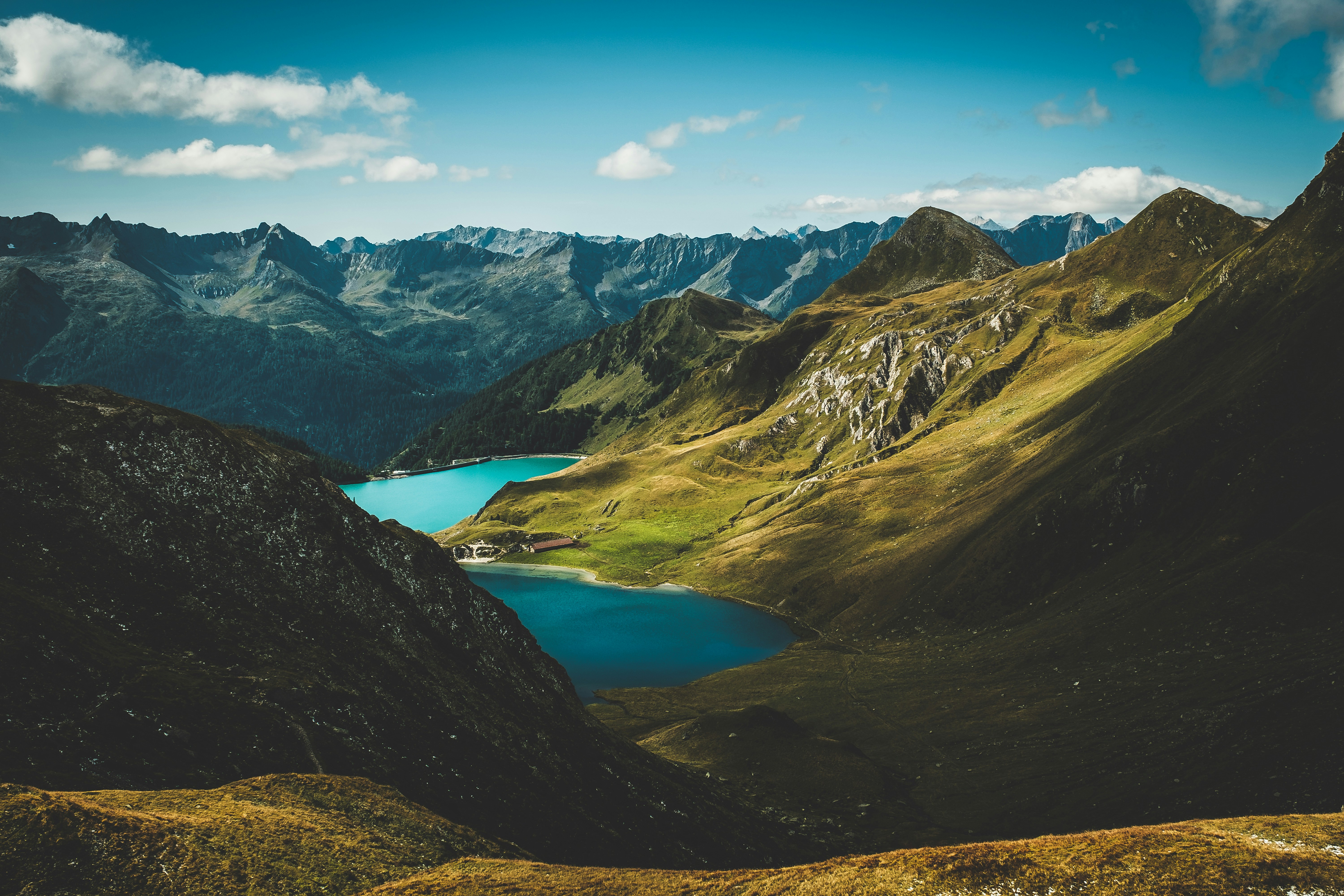 #1971 /100
A quiet alpine reservoir in Ticino reached by one of Europe's steepest funicular railways, climbing to a plateau ringed by peaks and pine forest.
Far quieter than the Bernese Oberland lakes, with hiking trails that see only a fraction of the region's tourists.
How does it rate
CrowdsRomanceCash RequiredDangerAccessibilityWhy you should go
A hidden alpine reservoir reached by one of Europe's steepest funicular railways — virtually unknown to tourists.
Why you shouldn't go
Limited services at the top; the funicular has restricted operating hours and seasonal closures; cold water year-round.
Plan your visit
Best time to visitJuly–September, when the funicular runs on its full schedule and wildflowers bloom.Best time of dayMorning for calm-water reflections; late afternoon for warm light on the surrounding peaks.Getting thereTrain to Piotta on the Gotthard line, then the Ritom funicular up to the lake plateau.Entry costFunicular round trip roughly CHF 20–25.Time needed3–4 hours including the funicular ride and a lakeside walk.Insider tip — Check the funicular's seasonal timetable before travelling — it doesn't run year-round. The Ritom funicular is itself a highlight: one of the steepest standard-gauge funiculars in Europe. -
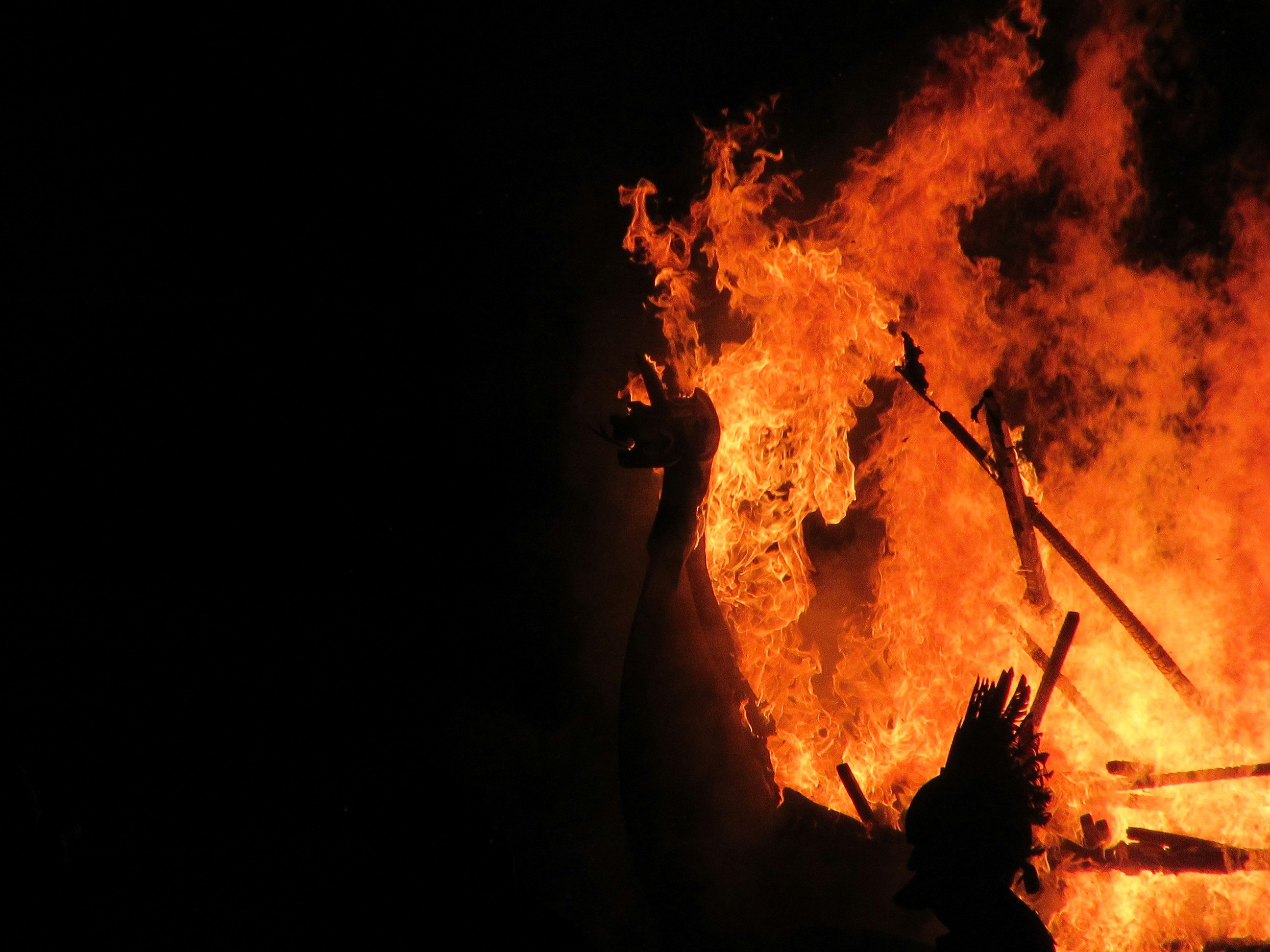 #2071 /100
On the last Tuesday of January, Shetland's capital Lerwick stages Europe's largest fire festival, when nearly a thousand costumed 'guizers' march a Viking longship through torch-lit streets before ceremonially burning it in a floodlit square.
The night continues with guizer squads touring local halls performing sketches and dances until dawn, a marathon of hospitality unique to Shetland's Norse heritage.
How does it rate
CrowdsRomanceCash RequiredDangerAccessibilityWhy you should go
Nearly a thousand costumed guizers march a Viking longship through torch-lit streets before burning it in Shetland's biggest festival.
Why you shouldn't go
It's held in the depths of a Shetland January, so expect cold, dark, and often wild North Atlantic weather.
Plan your visit
Best time to visitThe last Tuesday of January each year.Best time of dayEvening into night, when the torchlit procession and longship burning happen.Getting thereFly into Sumburgh Airport or take the overnight ferry from Aberdeen to Lerwick.Entry costFree to watch the procession and burning from the street.Time neededOne evening for the main procession and burning.Insider tip — Book Shetland accommodation many months ahead - the island's limited beds sell out fast for the one night of the year everyone wants to be there. -
 #2170 /100
Recognised by UNESCO as a Masterpiece of Oral and Intangible Heritage, Binche's carnival centres on the Gilles, several hundred local men who don wax masks, ostrich-feather hats and bell-covered costumes to dance through the small Belgian town on Shrove Tuesday, throwing blood oranges into the crowd for luck.
The tradition is fiercely protected, passed down through families.
How does it rate
CrowdsRomanceCash RequiredDangerAccessibilityWhy you should go
UNESCO-listed Gilles in wax masks and towering ostrich-feather hats, dancing through a small Belgian town while throwing oranges.
Why you shouldn't go
Binche is a small town with limited accommodation, so day-tripping from Brussels or Mons is usually the practical option.
Plan your visit
Best time to visitFebruary or March, on Shrove Tuesday itself (exact date shifts yearly with Easter).Best time of dayAfternoon, when the Gilles parade through the town centre in full costume throwing oranges.Getting thereTake a train from Brussels or Mons to Binche station, a short walk from the town centre.Entry costFree to watch in the streets.Time neededA full day.Insider tip — Stand well back from the Gilles or catch the oranges deliberately, since they're thrown with real force and considered good luck to receive. -
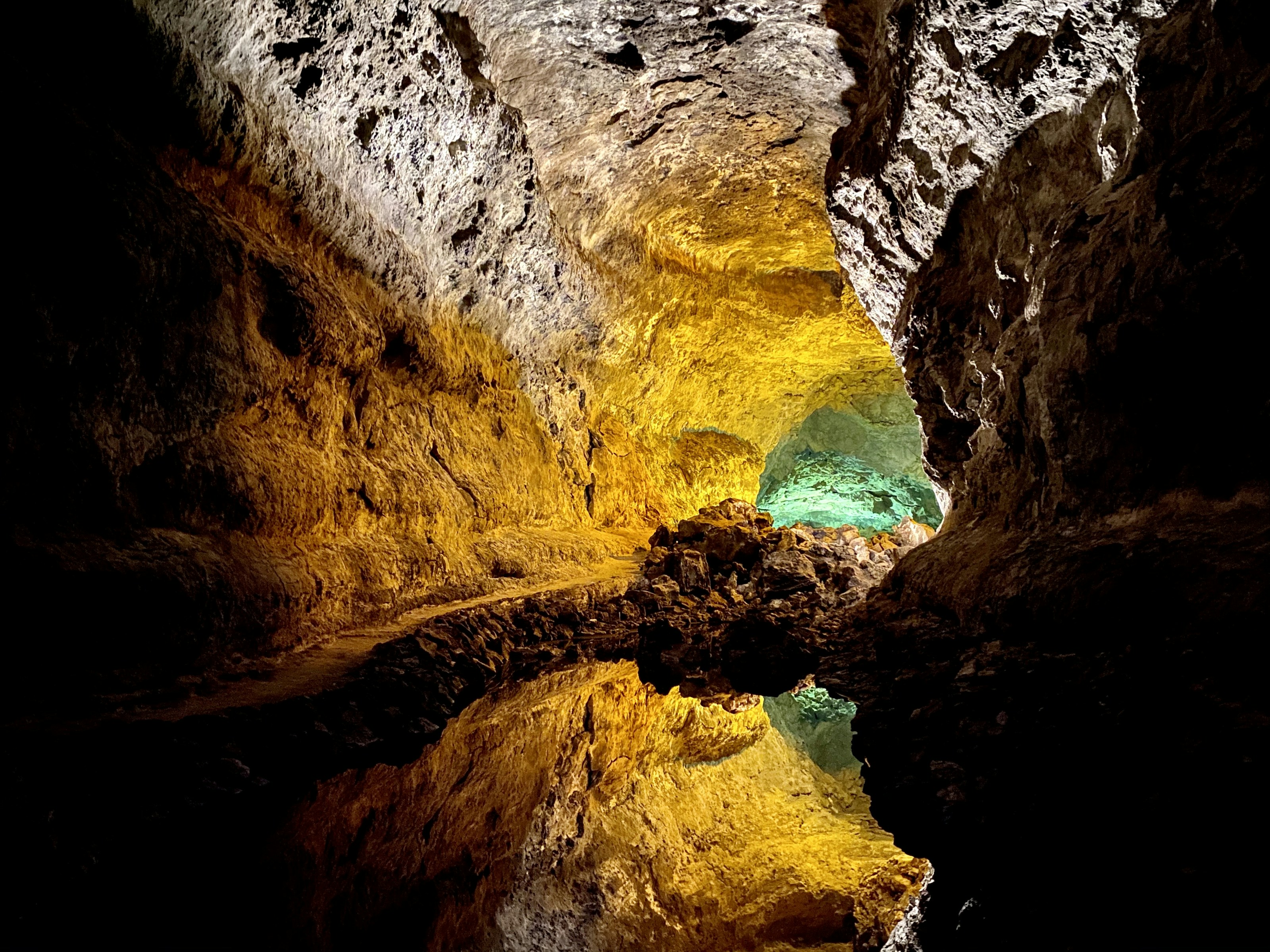 #2270 /100
A lava tube on Lanzarote formed when the Corona volcano erupted around 3,000 years ago, running six kilometres down towards the sea.
A kilometre of it is open, lit in ochre and green by the artist Jesus Soto, and the tour ends with an optical illusion so convincing that most visitors refuse to believe it until it is explained.
How does it rate
CrowdsRomanceCash RequiredDangerAccessibilityWhy you should go
The lighting turns a volcanic tunnel into something closer to an art installation than a cave.
Why you shouldn't go
Guided only, on a fixed Spanish and English rotation, so you move at the pace of the group.
Plan your visit
Best time to visitYear-round; Lanzarote is mild in every seasonBest time of dayLate morning, once the first tour groups have clearedGetting thereDrive from Arrecife on Lanzarote, about 25 minutes towards HariaEntry costAround EUR 12Time needed1-2 hoursBookingBook ahead →Insider tip — Do not drift off before the last chamber - the illusion at the end of the tour is the entire point and it is genuinely startling. -
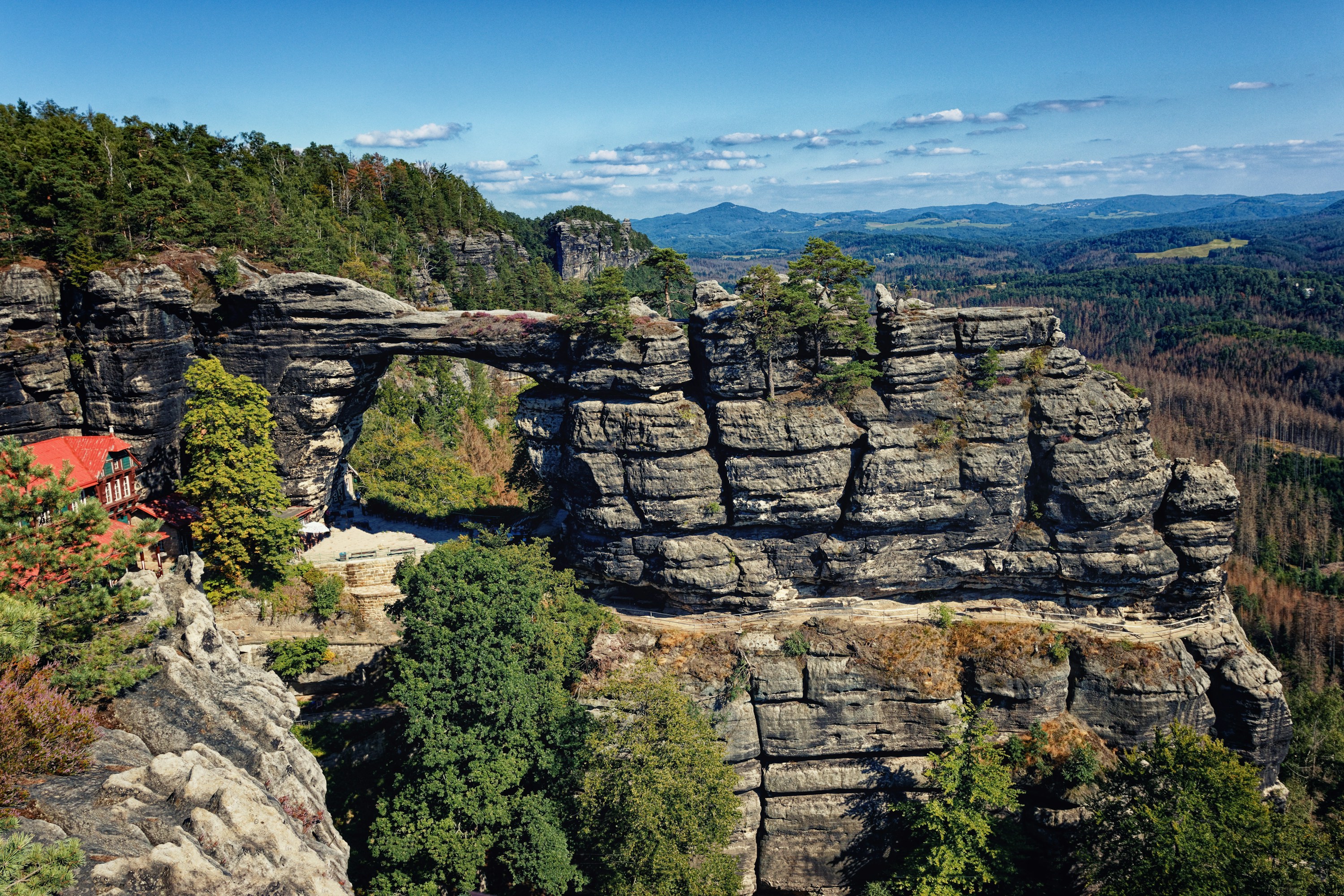 #2370 /100
Pravčická brána is the largest natural sandstone arch in Europe, a 16-metre stone bridge rising from the forested plateau of Bohemian Switzerland National Park near the German border.
Closed to walkers since 1982 to halt erosion, it's instead viewed from three platforms and the 19th-century Sokolí hnízdo chalet built into the rock beneath it.
Reaching it means a steady uphill hike from Hřensko.
How does it rate
CrowdsRomanceCash RequiredDangerAccessibilityWhy you should go
The largest natural sandstone arch in Europe, framed by a historic chalet restaurant built right beneath it.
Why you shouldn't go
The arch itself is off-limits to walk on, and the approach hike is steep enough to rule out a casual visit.
Plan your visit
Best time to visitApril-October for reliable trail conditions; the path can be icy or closed after snow.Best time of dayEarly morning to beat weekend crowds on the narrow viewing platforms.Getting thereTrain or bus to Děčín, then a local bus to Hřensko, followed by a 1-1.5 hour uphill hike (or a longer loop from Mezní Louka).Entry cost75 CZK adult, 25 CZK concession, for the viewpoint areaTime needed3–4 hours round trip including the hikeInsider tip — The classic view is from the lower platform looking up through the arch; climb to the upper terrace by the chalet for the wider valley panorama instead. -
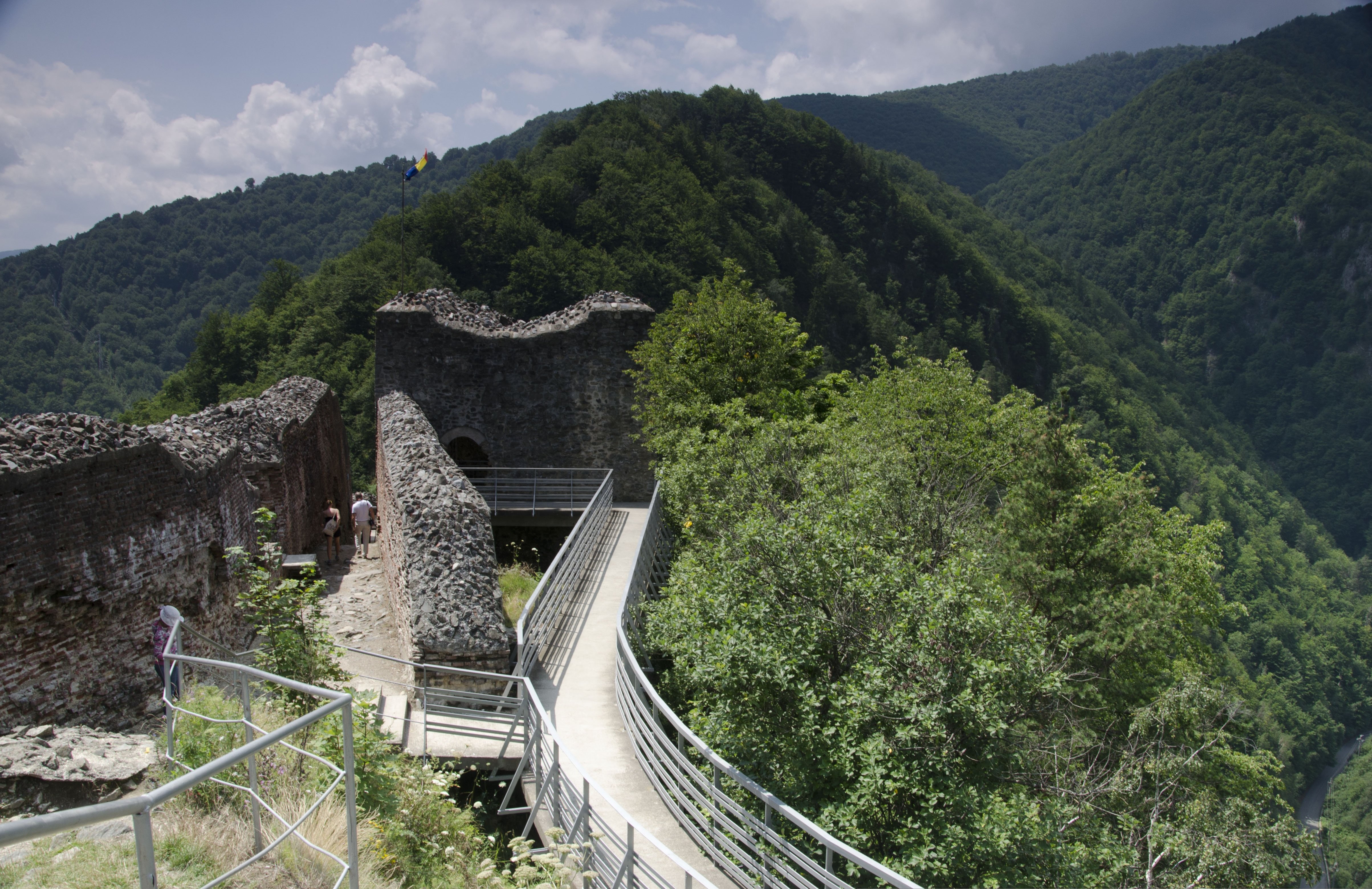 #2469 /100
The real mountaintop fortress of Vlad the Impaler, reached by climbing over 1,400 steps up a steep ridge above the Argeș River valley.
Less restored and far less visited than Bran Castle, its crumbling stone walls and sweeping Făgăraș Mountains views feel genuinely earned.
How does it rate
CrowdsRomanceCash RequiredDangerAccessibilityWhy you should go
Vlad the Impaler's real mountaintop fortress, reached via a brutal 1,400-step climb with sweeping Carpathian views.
Why you shouldn't go
The climb is genuinely strenuous with uneven, exposed steps; very limited facilities; can close in bad weather.
Plan your visit
Best time to visitMay–September for dry steps and clear mountain views.Best time of dayMorning, to climb before the day heats up and while the light is soft on the valley.Getting thereDrive the Transfăgărășan road from Curtea de Argeș (roughly 45 minutes); car park at the base of the steps.Entry costRON ~10 (~$2) entrance fee.Time needed2–3 hours including the climb.Insider tip — Wear proper hiking shoes — the steps are steep, uneven, and often wet. Combine with a drive along the Transfăgărășan, one of Europe's great mountain roads, on the same trip. -
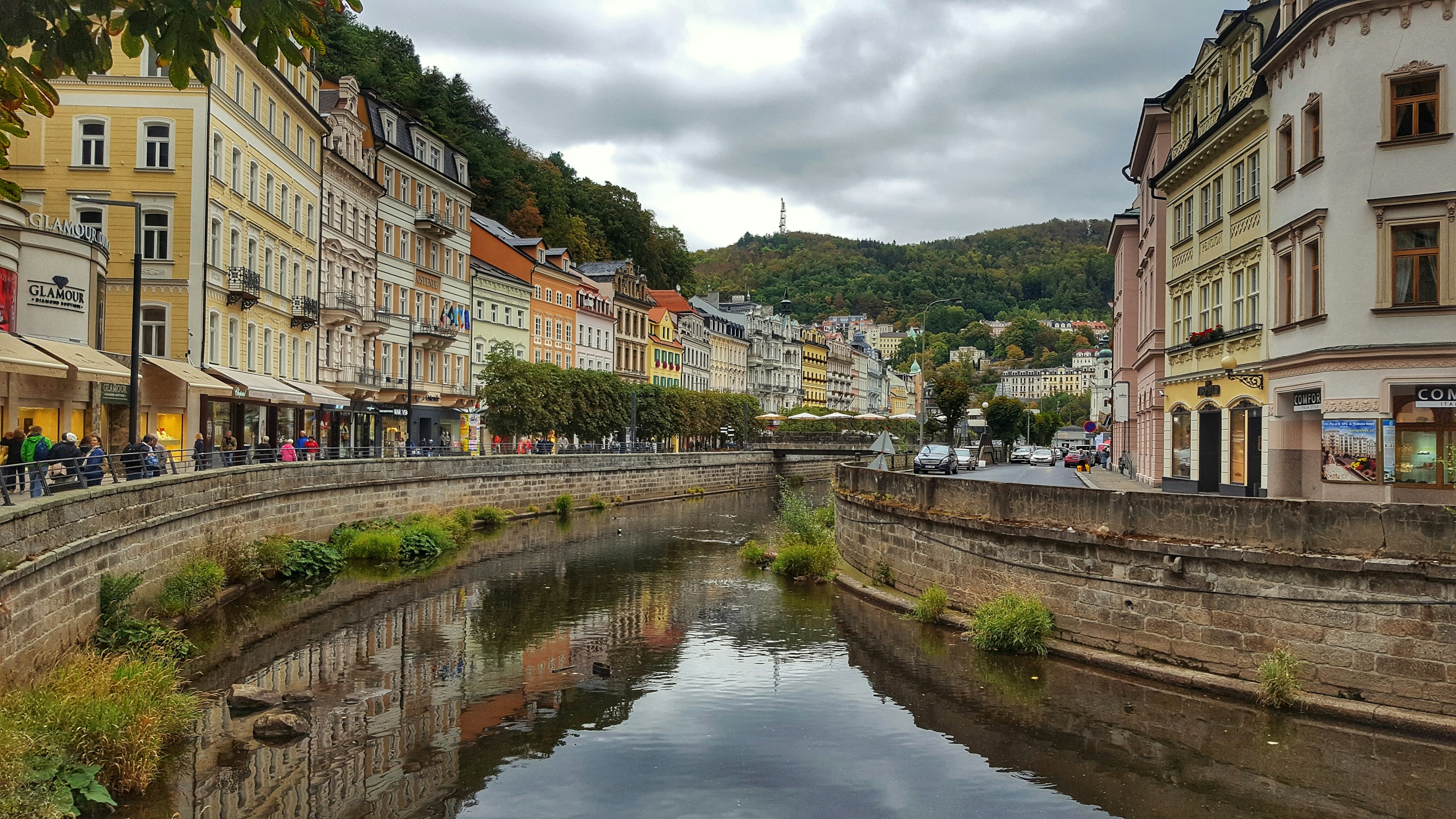 #2568 /100
Karlovy Vary is Bohemia's grandest spa town, its curving colonnades and belle-époque facades built around thirteen mineral hot springs that locals have taken for their health since the 14th century.
Visitors sip the sulphurous water from porcelain spa cups while wandering the Teplá riverside promenade, and the wooded hills above hide viewpoints reachable by funicular.
It hosts a major film festival each July.
How does it rate
CrowdsRomanceCash RequiredDangerAccessibilityWhy you should go
Ornate 19th-century colonnades built around genuinely therapeutic hot springs, still in daily use.
Why you shouldn't go
The spa water itself is an acquired taste, and much of the grandest architecture is now fenced-off private clinics.
Plan your visit
Best time to visitMay-September for warm-weather promenading, or early July for the Film Festival if crowds don't bother you.Best time of dayLate afternoon, when the colonnade light softens and day-trip buses have thinned out.Getting thereRegioJet or FlixBus from Prague (~1hr 40min); the direct train takes closer to 3.5 hours.Entry costFree to walk the colonnades; spa cup and water tasting a few hundred CZKTime neededHalf a day, or overnight for a spa treatmentInsider tip — Buy a lázeňský pohárek (spa cup with a built-in straw spout) from any kiosk and refill it free at the different colonnade springs; each tastes distinctly different. -
 #2668 /100
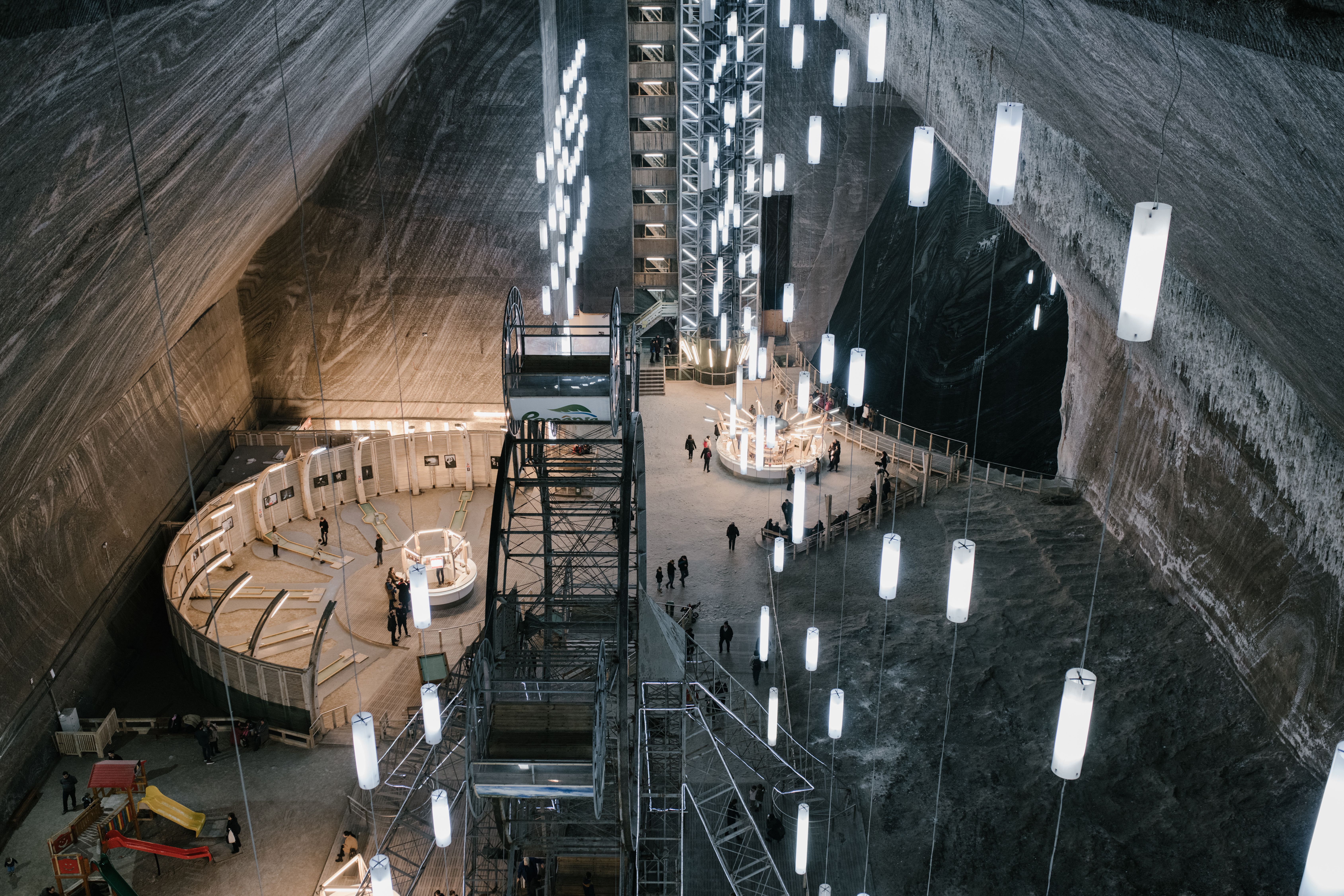
A working salt mine for centuries, Turda has been converted into one of the world's strangest amusement parks — a vast underground chamber 120 meters below ground with a Ferris wheel, mini-golf course, bowling alley and an underground lake with rowboats, all carved from salt.
The cool, still air and echoing acoustics make it feel like an opera house hollowed from rock, unlike any other mine attraction in Europe.
How does it rate
CrowdsRomanceCash RequiredDangerAccessibilityWhy you should go
A genuinely surreal underground amusement park, unlike anywhere else.
Why you shouldn't go
The novelty factor means it can feel more like a theme park than a natural or historic site.
Plan your visit
Best time to visitYear-round — the underground temperature stays a constant 10–12°C regardless of the season.Best time of dayWeekday mornings to avoid family groups and school trips.Getting thereDrive or bus to Turda, 30km from Cluj-Napoca, then a lift or 172 steps down into the mine.Entry costAround 40 RON (~€8) for adults.Time needed2–3 hours.Insider tip — Take the glass lift down rather than the stairs — it opens onto the full scale of the chamber in one dramatic reveal. -
 #2768 /100
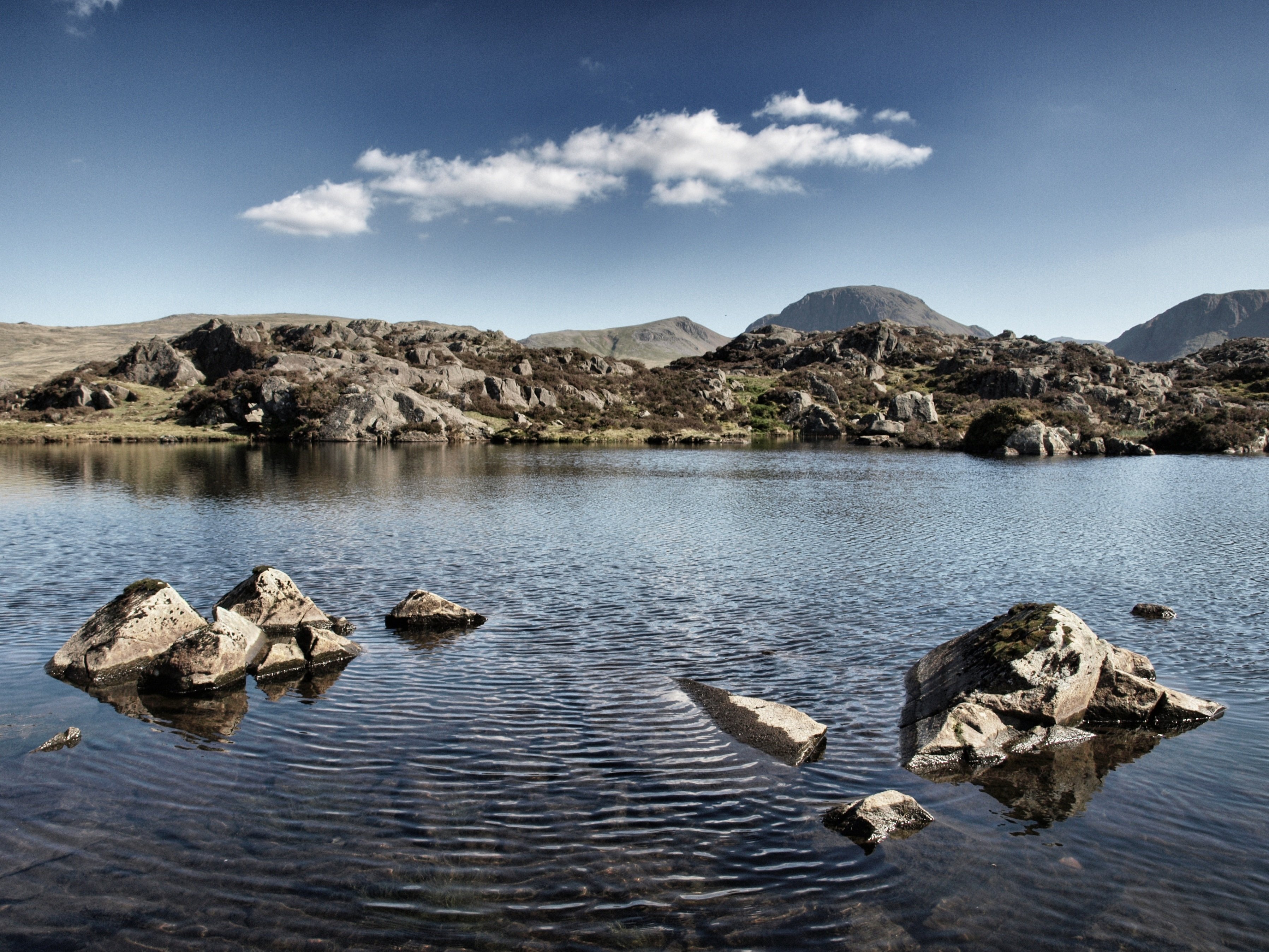
A small, secluded tarn on the shoulder of Haystacks fell in the Lake District, where guidebook author Alfred Wainwright chose to have his ashes scattered.
Reached only on foot, it offers a quiet, mirror-still pool ringed by fells with none of the crowds of the district's bigger lakes.
How does it rate
CrowdsRomanceCash RequiredDangerAccessibilityWhy you should go
A secluded fell-top tarn on Haystacks, the favorite hill of guidebook legend Alfred Wainwright.
Why you shouldn't go
Requires a genuine hike with real elevation gain; exposed terrain that turns boggy and slippery after rain.
Plan your visit
Best time to visitMay–September for the most reliable weather and longest daylight for the return hike.Best time of dayLate afternoon light picks out the surrounding fells; avoid low cloud, which is common here.Getting thereBase in Buttermere or Keswick; hike from the Honister Pass or Gatesgarth car park (2–3 hours up).Entry costFree; car park fees ~£5–8.Time needed4–5 hours round trip including the summit of Haystacks.Insider tip — Bring a map or GPS — the tarn sits just off the main path and is easy to miss in poor visibility. Combine with the Haystacks summit for classic views over Buttermere. -
 #2865 /100
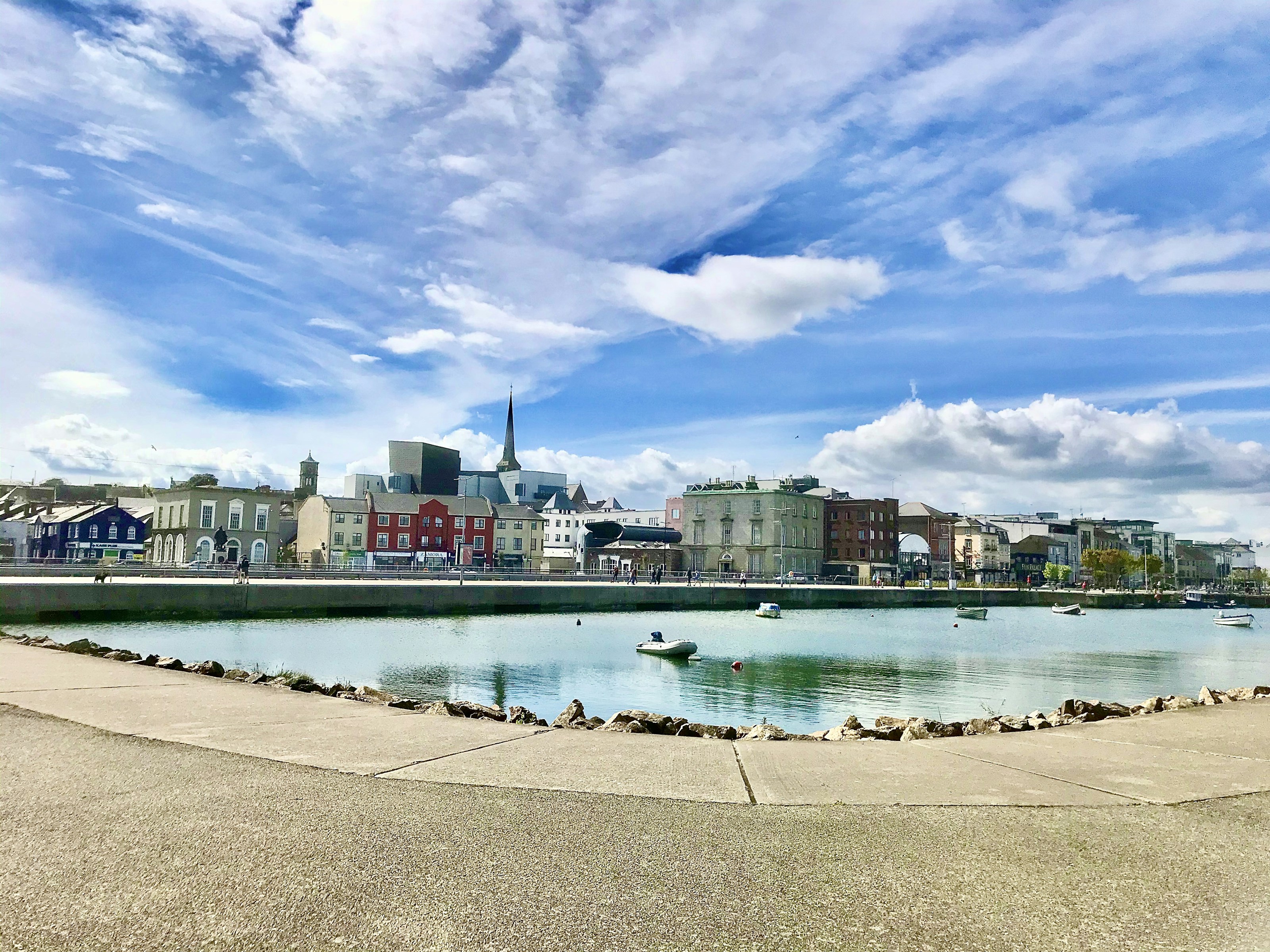
For two weeks each autumn, this small Irish port town stages rare and forgotten operas rather than the standard repertoire, giving neglected works their first outings in decades inside an intimate purpose-built opera house that seats under 800.
The scale keeps it intensely social - singers, musicians, and audiences share the same small-town pubs after every performance - in a way the big opera houses of London or Vienna never quite manage.
How does it rate
CrowdsRomanceCash RequiredDangerAccessibilityWhy you should go
A small-town Irish opera festival specialising in rare, rediscovered works rather than the standard repertoire.
Why you shouldn't go
The niche, lesser-known repertoire is the whole point, but it won't suit visitors wanting only opera's greatest hits.
Plan your visit
Best time to visitTwo weeks in October and November each year.Best time of dayEvening for the main opera performances.Getting thereFly into Dublin, then a train or drive roughly 2.5 hours south to Wexford.Entry costTickets run roughly EUR40-140 depending on seating.Time neededOne evening per opera; enthusiasts stay the full two weeks.BookingBook ahead →Insider tip — Book a table at the post-show pub sessions where cast members often turn up - it's as much a part of the festival as the opera itself. -
 #2965 /100
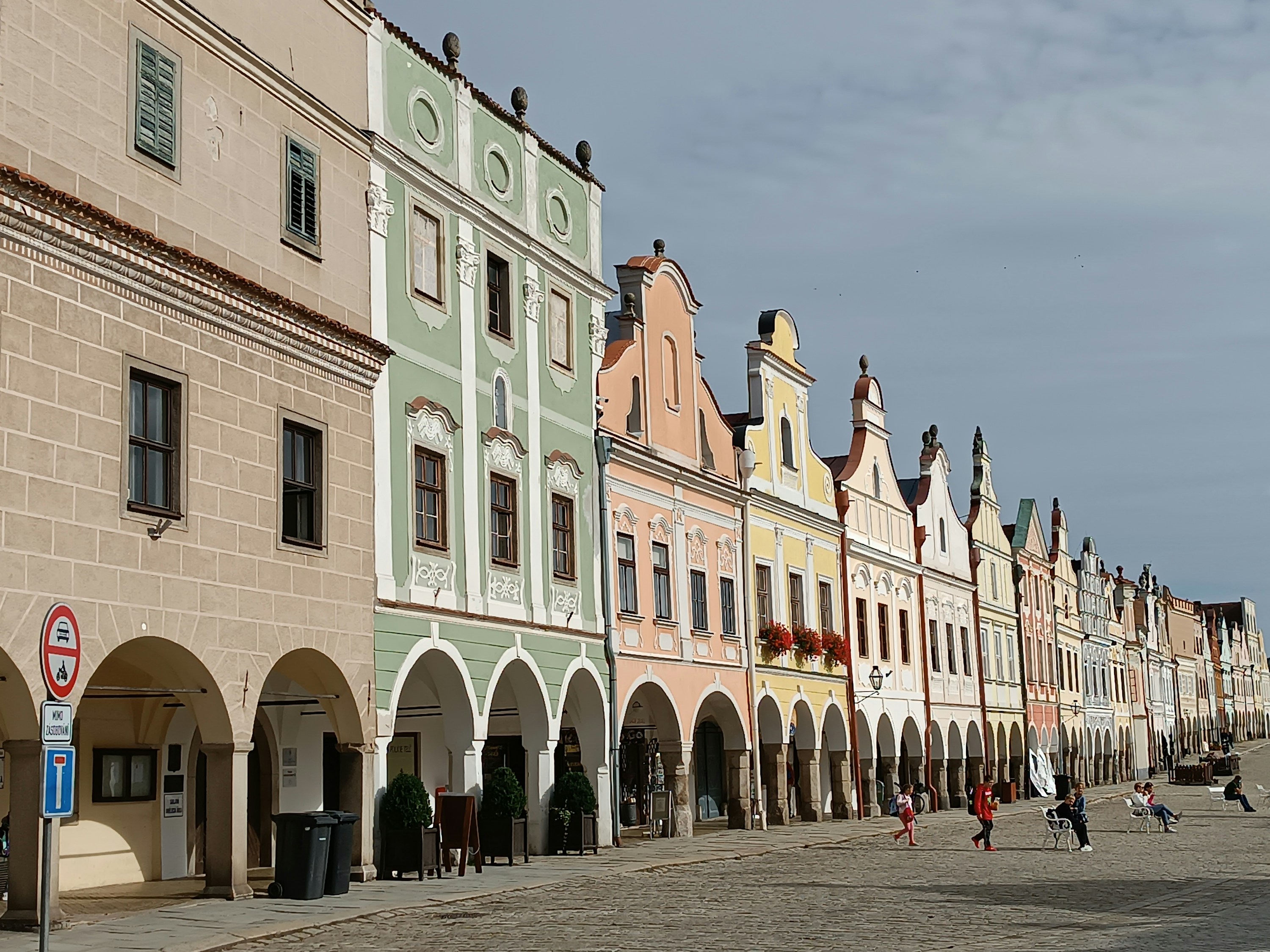
Telč's arcaded square is one of Europe's best-preserved Renaissance ensembles, a UNESCO World Heritage Site since 1992: dozens of gabled townhouses in pastel stucco line up around a long rectangular plaza, each in a slightly different pattern.
A moated chateau anchors one end, its English park and fishponds wrapping around the old town, rebuilt in stone after a 1530 fire destroyed its wooden houses.
How does it rate
CrowdsRomanceCash RequiredDangerAccessibilityWhy you should go
An entire Renaissance square preserved intact, arcade after arcade of individually decorated gabled houses.
Why you shouldn't go
No direct train from Prague; getting here takes a bus-and-train combination or a long drive.
Plan your visit
Best time to visitApril-October for the chateau's guided tours and outdoor cafes; the square itself is open year-round.Best time of dayEarly morning or early evening, once day-trip coach groups have left.Getting thereBus from Prague (~2.5hrs), or Flixbus to Jihlava then a connecting train (~1hr); the square is a 10-minute walk from the bus station.Entry costFree to walk the square; chateau tours from 90 CZKTime needed2–3 hours, half a day with the chateauBookingBook ahead →Insider tip — Climb the tower of the Church of the Holy Name of Jesus for a rooftop view down the length of the square; few day-trippers bother. -
 #30
#30Rated #30 of 32
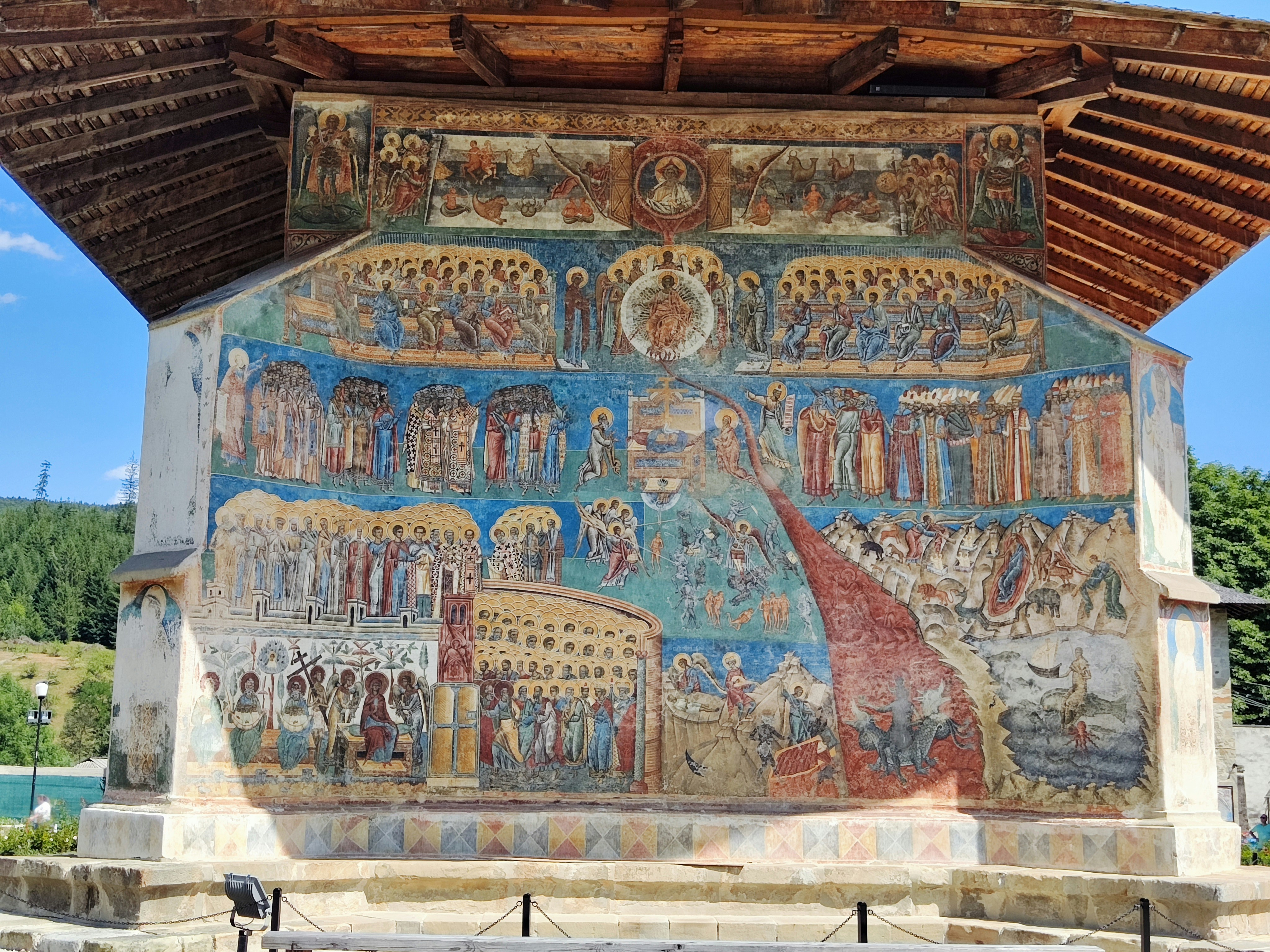
Painted Monasteries of Bucovina, Romania
#paintedmonasteriesofbucovina ◆ Religious Buildings65 /100Scattered across the hills of northern Moldavia, these 15th- and 16th-century Orthodox monasteries are covered — inside and out — in vivid frescoes depicting biblical scenes, painted onto the exterior stone walls and still remarkably vibrant after 500 years of weather.
Voroneț is famous for its dense, luminous blue background; each has its own dominant palette, together forming a UNESCO ensemble found nowhere else in Europe.
How does it rate
CrowdsRomanceCash RequiredDangerAccessibilityWhy you should go
Exterior fresco painting found nowhere else in this scale or condition.
Why you shouldn't go
The monasteries are spread across a wide rural area, so seeing several means a full day of driving.
Plan your visit
Best time to visitLate spring or early autumn, when the countryside is green but roads are quiet.Best time of dayMidday, when direct sunlight brings out the fresco colors best.Getting thereFly to Suceava, then rent a car to tour the monastery route through the surrounding villages.Entry costSmall entry fee at each monastery, typically 5–10 RON.Time neededFull day for a circuit of 3–4 monasteries.Insider tip — Voroneț gets the most visitors — see it first thing, then spend more unhurried time at quieter Humor or Sucevița. -
 #3160 /100
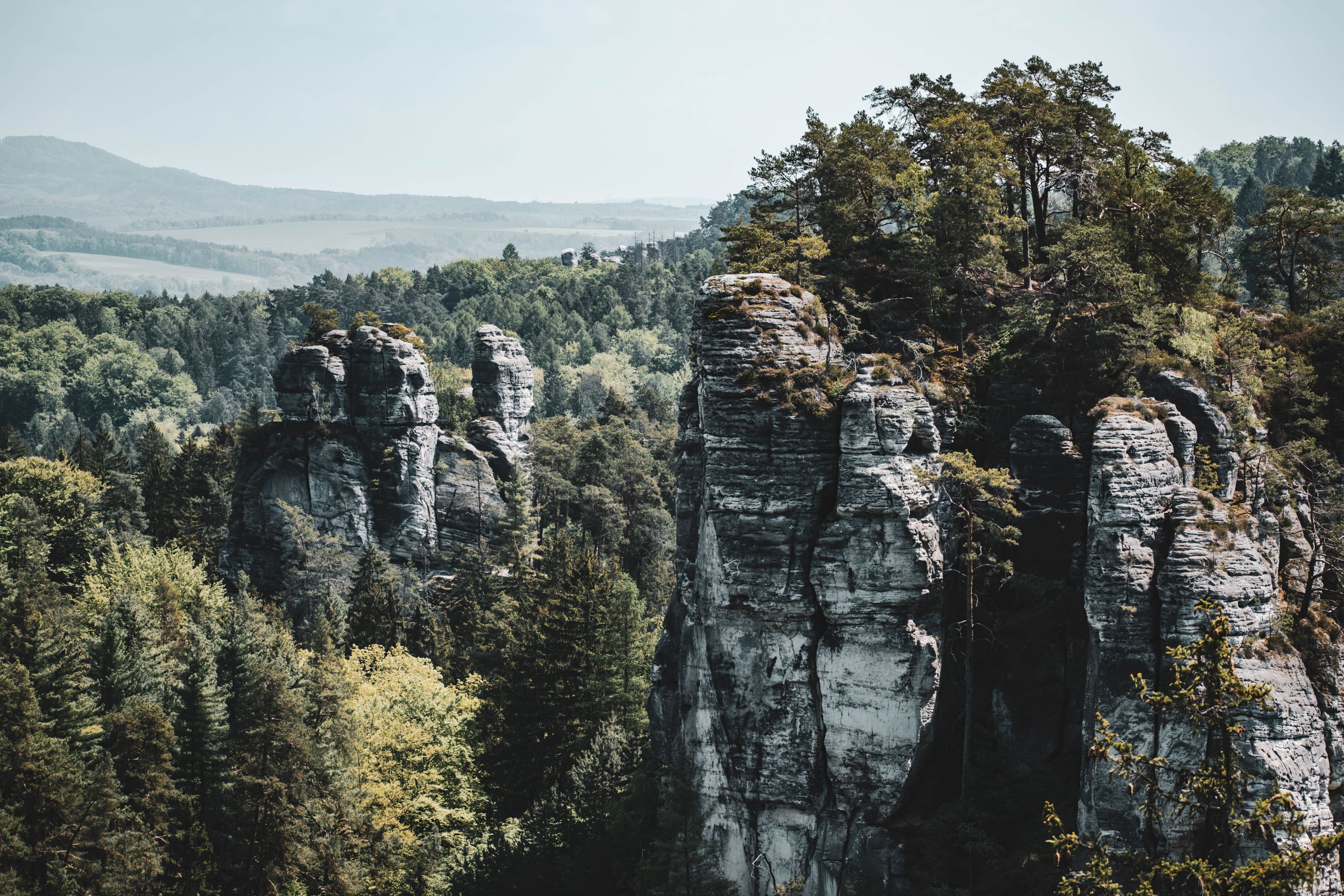
Český ráj (Bohemian Paradise) is the Czech Republic's oldest protected landscape, a UNESCO Global Geopark of sandstone rock towers, castle ruins and pine forest ninety minutes from Prague.
Its best-known corner, Prachovské skály, threads narrow rock corridors and wooden stairways past viewpoints over layered stone pinnacles, while the twin-peaked ruin of Trosky Castle marks the skyline for miles around.
How does it rate
CrowdsRomanceCash RequiredDangerAccessibilityWhy you should go
A maze of sandstone rock towers and forest trails, with an easy loop suitable for a half-day visit.
Why you shouldn't go
Public transport is patchy; without a car, reaching the best rock formations means a bus to Jičín plus a walk.
Plan your visit
Best time to visitSpring or autumn for cooler hiking temperatures and fewer weekend crowds from Prague.Best time of dayWeekday mornings, especially in the popular Prachovské skály section.Getting thereTrain or bus to Jičín, then a local bus to the Holín-Prachov stop and a short walk to the entrance.Entry cost60 CZK adult, 30 CZK child, for the Prachovské skály reserveTime needed2–4 hours for the main loop, longer for multi-site tripsInsider tip — Take the shorter 1.5km yellow loop if short on time; it hits the best viewpoints without the full 3.5km circuit's narrow squeezes. -
 #3258 /100
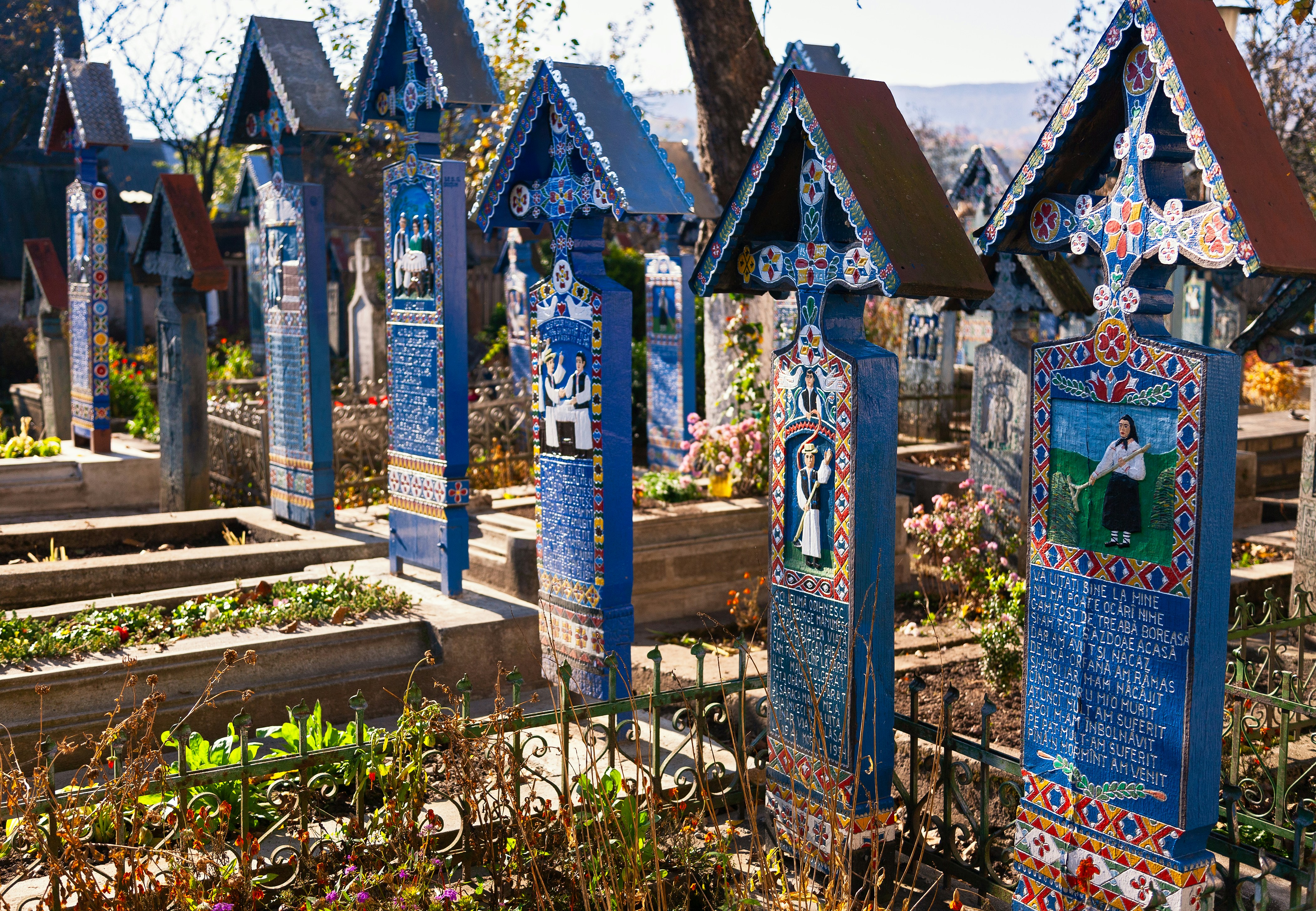
In the village of Săpânța, hundreds of carved wooden crosses replace somber gravestones with brightly painted scenes of the deceased's life and death, topped with witty, sometimes blunt epitaphs written in the first person.
Started by a local artist in 1935, the tradition continues today, turning the cemetery into an open-air folk-art gallery that treats death with humor rather than gloom.
How does it rate
CrowdsRomanceCash RequiredDangerAccessibilityWhy you should go
A one-of-a-kind folk-art tradition, unlike any other cemetery in the world.
Why you shouldn't go
It's a single small site — worth the detour only if you're already in Maramureș.
Plan your visit
Best time to visitSpring through autumn, when the region's wooden churches route is also open.Best time of dayMorning, for good light on the painted crosses.Getting thereDrive to Săpânța in Maramureș county, near the Ukrainian border; nearest airport is Baia Mare.Entry costSmall entry fee, around 10 RON.Time needed1 hour.Insider tip — Ask locally about the small museum house of the cemetery's founder, Stan Ioan Pătraș — it explains the epitaphs' local dialect and humor.


More from Europe
-
More Hidden Gems spots
-

How a score is built
One score out of 100, five criteria behind it
Every place is rated 1–5 on each of the criteria below, then combined into a single score out of 100. It's calculated by us, the same way every time — not an average of traveller reviews or social votes.
Crowds
How many people you'll be sharing it with, and at what time of day.
Romance
How well it suits a couple, a proposal, or a quiet moment together.
Cash required
Entry fees, permits, guides, rentals — what it actually costs to do it.
Danger
Physical risk involved, from a slippery viewpoint to genuine hazard.
Accessibility
How far off the beaten path it is, and how hard it is to actually reach.


