-
 #195 /100
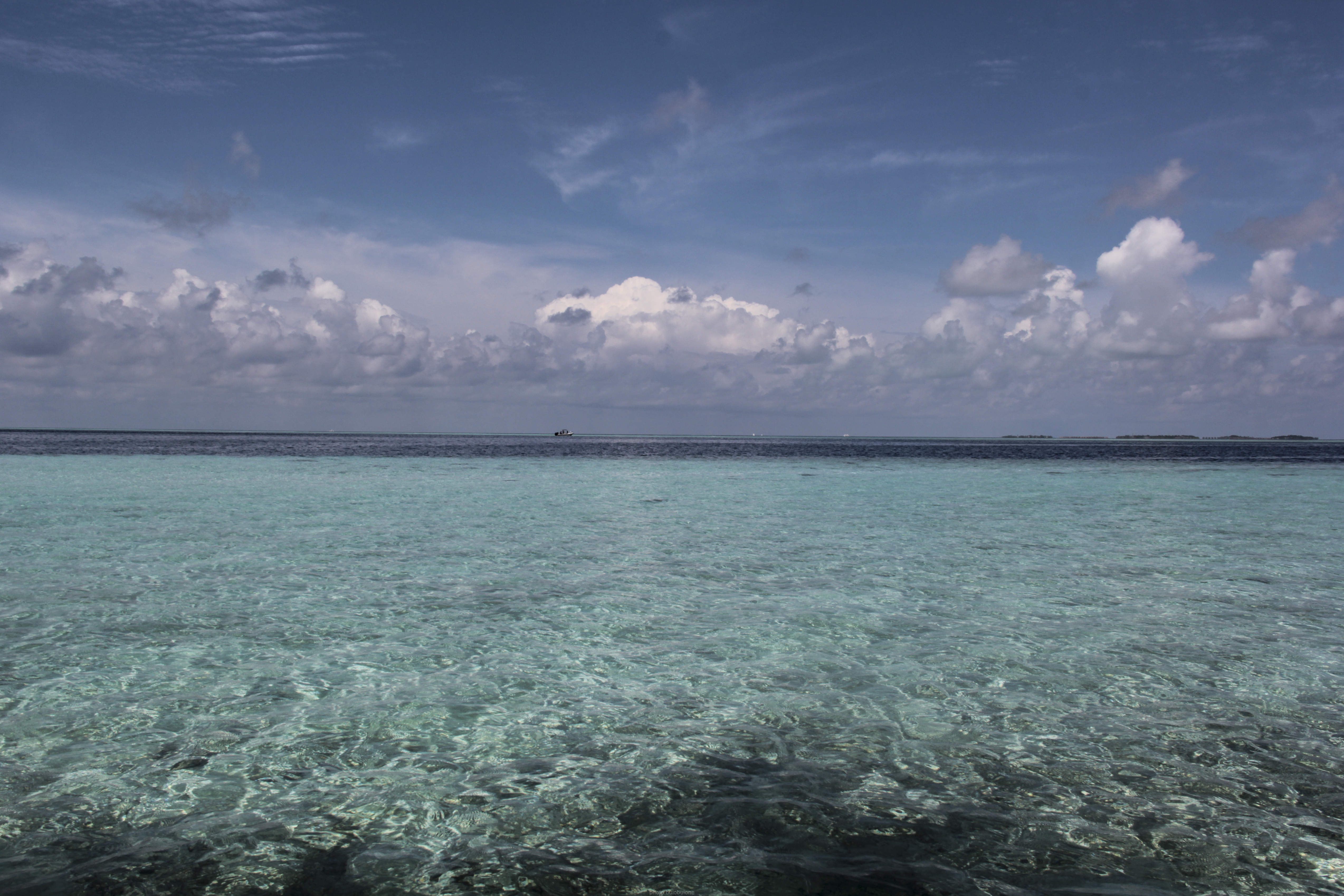
The Maldives is an archipelago of 1,200 coral islands scattered across the Indian Ocean, where pristine white sand, crystal-clear turquoise lagoons, and overwater bungalows create the archetypal tropical paradise.
The islands sit just above sea level, making them one of the world's most climate-vulnerable nations.
How does it rate
CrowdsRomanceCash RequiredDangerAccessibilityWhy you should go
The overwater bungalow experience, with direct access to lagoon water of extraordinary clarity teeming with marine life, is genuinely unmatched anywhere in the world.
Why you shouldn't go
The Maldives is one of the world's most expensive destinations and all-inclusive resort stays are almost obligatory; the island interiors are usually very limited.
Plan your visit
Best time to visitNovember-April (dry season)Best time of daySunset for the classic overwater bungalow shotGetting thereFly into Male, then seaplane or boat transfer to your resort islandEntry costResort-dependent, generally high-endTime needed4+ daysInsider tip — Book a seaplane transfer during daylight; the aerial view of the atolls is worth it on its own -
 #293 /100
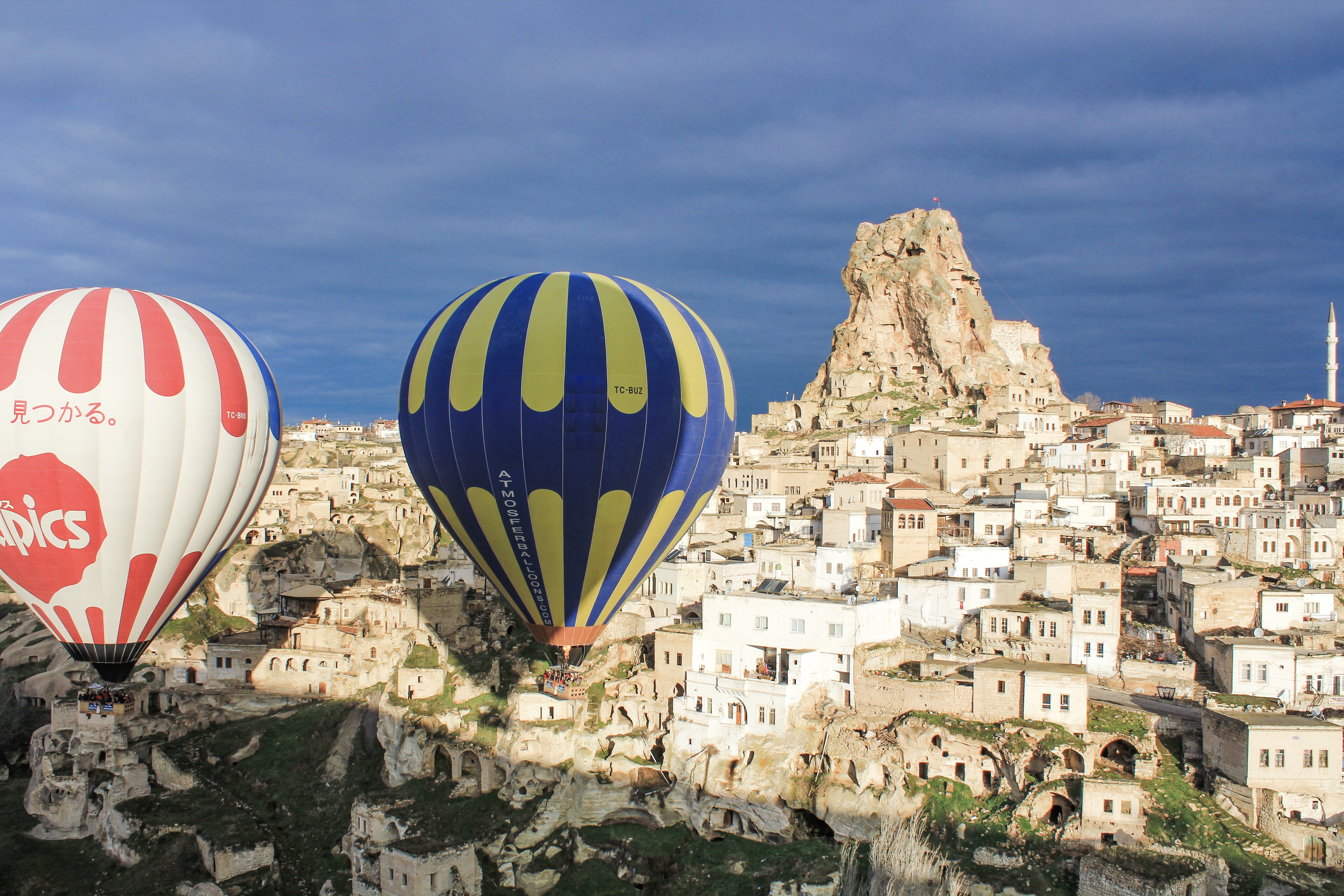
Cappadocia in central Turkey is a landscape of extraordinary volcanic rock formations called fairy chimneys — tall, thin spires of soft volcanic tuff capped with harder basalt.
Thousands of years of habitation have added cave churches with Byzantine frescoes, underground cities, and rock-cut monasteries to an already extraordinary natural canvas.
How does it rate
CrowdsRomanceCash RequiredDangerAccessibilityWhy you should go
The experience of drifting over the fairy chimneys and cave valleys in a hot air balloon at sunrise, with hundreds of other balloons around you, is one of the world's most extraordinary travel moments.
Why you shouldn't go
The hot air balloon flights are expensive and are cancelled at short notice due to weather; the main town of Goreme has become increasingly developed and commercialised.
Plan your visit
Best time to visitApril-June or September-NovemberBest time of daySunrise for the hot air balloons filling the skyGetting thereFly to Nevsehir or KayseriEntry costBalloon ride ~$150-250Time needed2-3 daysInsider tip — Book a hotel room or rooftop with a balloon-view terrace; sunrise balloon photos are the whole point of visiting -
 #391 /100
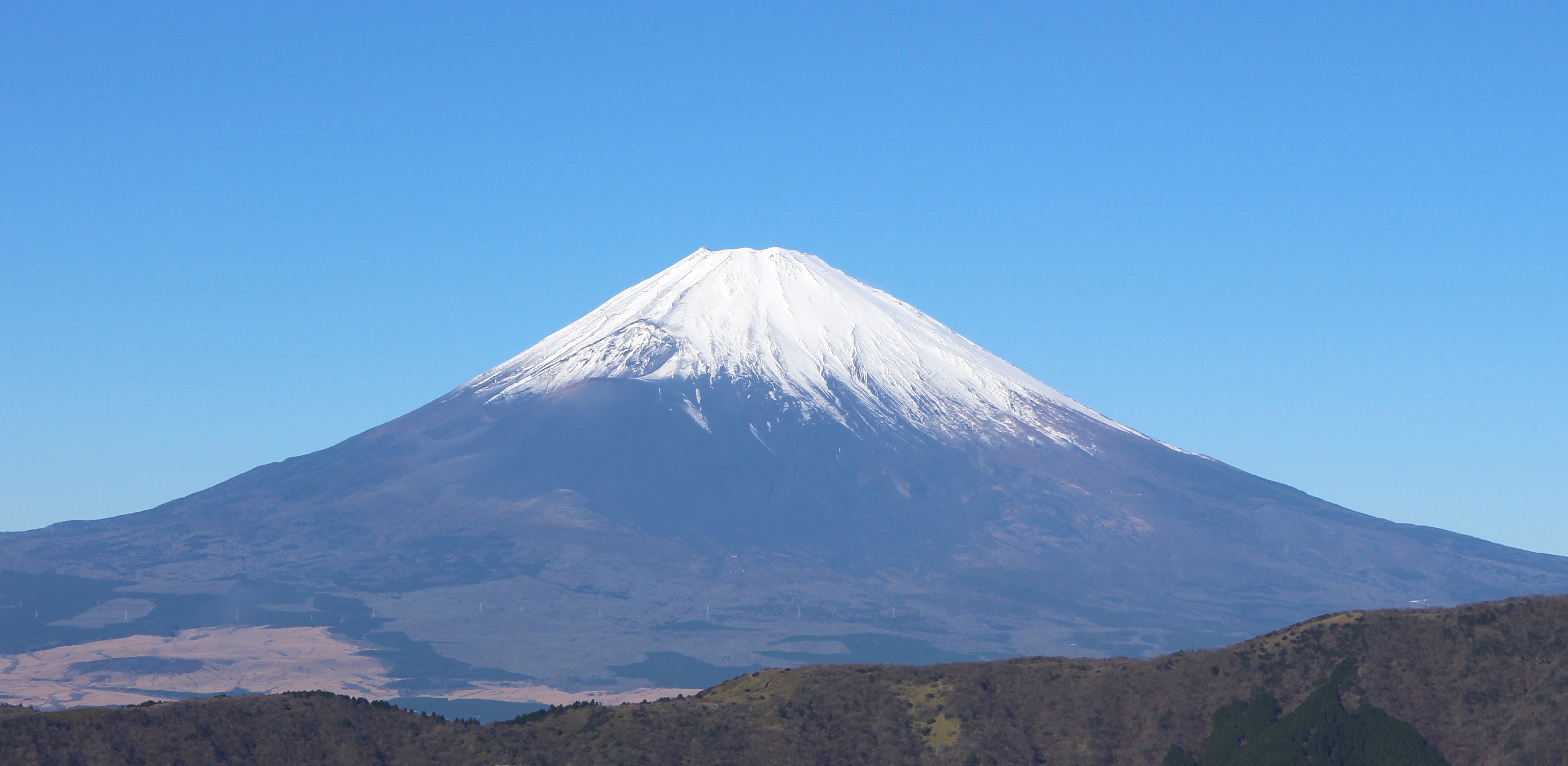
Japan's highest mountain and most enduring symbol rises 3,776 metres in near-perfect symmetry above Honshu's coastal plain.
The classic view of Fuji reflected in the still waters of Lake Kawaguchiko, or framed by cherry blossoms in spring or maple leaves in autumn, has inspired Japanese art for centuries.
How does it rate
CrowdsRomanceCash RequiredDangerAccessibilityWhy you should go
The symmetry and scale of Mount Fuji makes it one of the world's most instantly recognisable mountains; the spring reflection in Lake Kawaguchiko is iconic.
Why you shouldn't go
Fuji is often hidden behind cloud and the climbing season is very short; the popular Yoshida Trail is now extremely crowded and has safety restrictions.
Plan your visit
Best time to visitJuly-September for climbing; year-round for photos, especially with snow cap Oct-MayBest time of daySunrise if climbing, or early morning from Lake KawaguchiGetting thereTrain/bus to Kawaguchiko from Tokyo (~2hrs)Entry costFree to view; climbing huts/permits extraTime neededHalf day for viewing, 1-2 days to climbInsider tip — Chureito Pagoda near Fujiyoshida gives the iconic pagoda-plus-Fuji shot, especially with spring cherry blossoms -
 #4
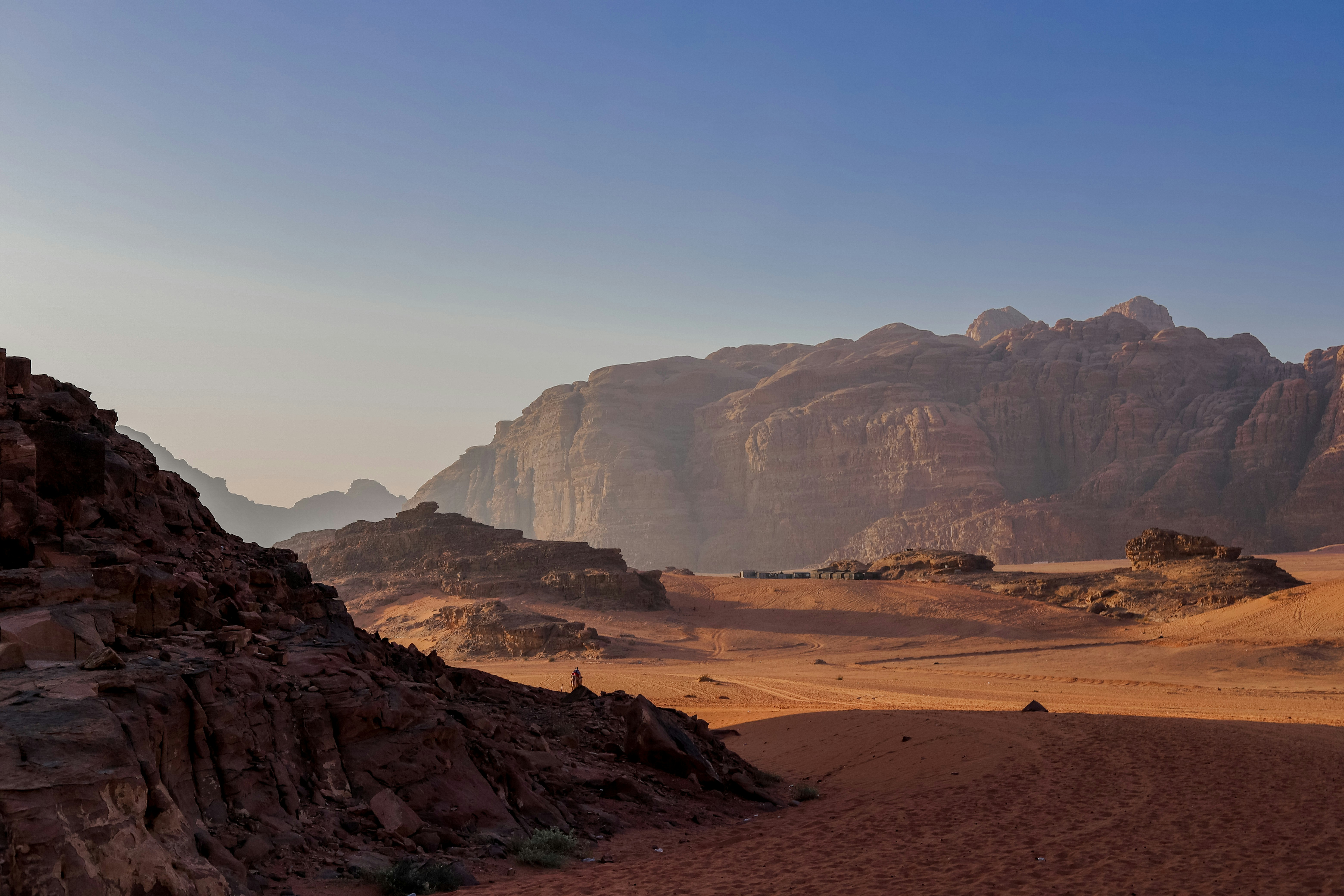
#4A vast valley of red sand and towering sandstone mountains so otherworldly it has stood in for Mars in multiple films, including The Martian and The Rise of Skywalker.
Bedouin-guided 4x4 tours and camel treks weave between weathered rock arches, ancient petroglyphs, and canyons, ending most days at a Bedouin camp under some of the darkest skies in the Middle East.
The scale and silence of the place are as striking as its colour.
How does it rate
CrowdsRomanceCash RequiredDangerAccessibilityWhy you should go
Mars-red sand and towering rock formations so cinematic they've repeatedly stood in for the actual planet on screen.
Why you shouldn't go
Daytime desert heat is extreme for much of the year, and most of the site is only accessible with a Bedouin guide or 4x4.
Plan your visit
Best time to visitOctober-April for manageable daytime temperatures.Best time of daySunset, when the sandstone mountains glow deep red before the stars come out.Getting thereFly to Aqaba or Amman; Wadi Rum village is about an hour's drive from either.Entry costEntry plus a half-day 4x4 tour runs roughly 30-50 JD per person.Time neededA full day, or overnight in a desert camp.Insider tip — Book an overnight camp rather than a day trip - the night sky here, far from any city light, is the single best reason to come. -
 #5
#5Rated #5 of 61
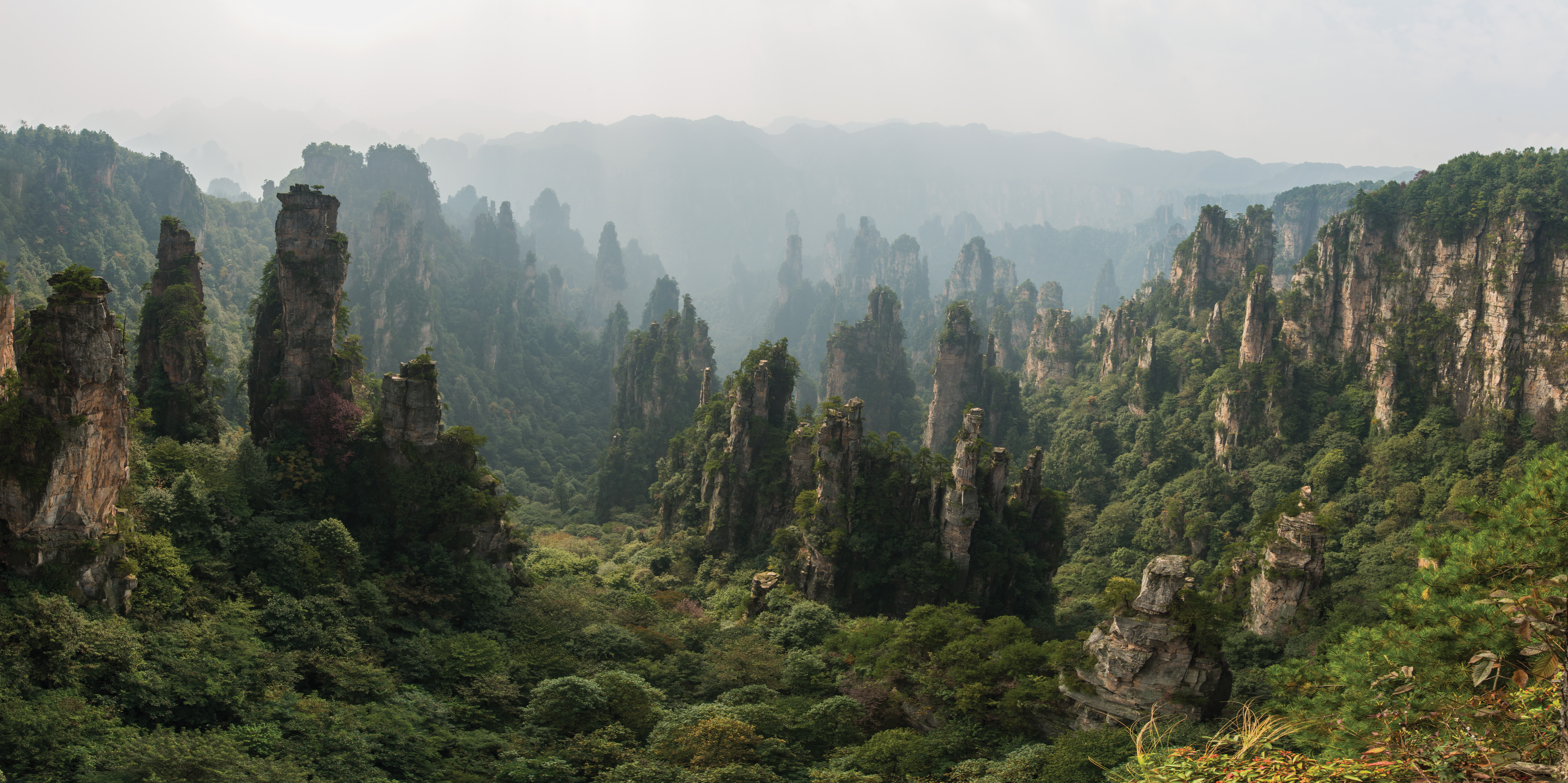
Zhangjiajie National Forest Park, China
#zhangjiajienationalforestpark ◆ National Parks90 /100The towering sandstone pillars of Zhangjiajie National Forest Park inspired the floating Hallelujah Mountains in the film Avatar.
Over three thousand quartzite sandstone columns rise up through a sea of mist, draped in subtropical vegetation and connected by the world's longest and highest glass-bottomed bridge.
How does it rate
CrowdsRomanceCash RequiredDangerAccessibilityWhy you should go
The cloud-wreathed sandstone pillars rising from the valley floor create a genuinely otherworldly landscape unlike anywhere else on earth.
Why you shouldn't go
The park is very crowded, especially with domestic tourists, and the famous glass bridge requires a separate ticket and often has long queues.
Plan your visit
Best time to visitApril-June or September-NovemberBest time of dayMorning, when mist often lingers between the pillarsGetting thereFly to Zhangjiajie Hehua AirportEntry cost~$25 entry (multi-day pass)Time needed2-3 daysInsider tip — The Yuanjiajie area gets crowded; go early or take the Bailong elevator down instead of up -
 #690 /100
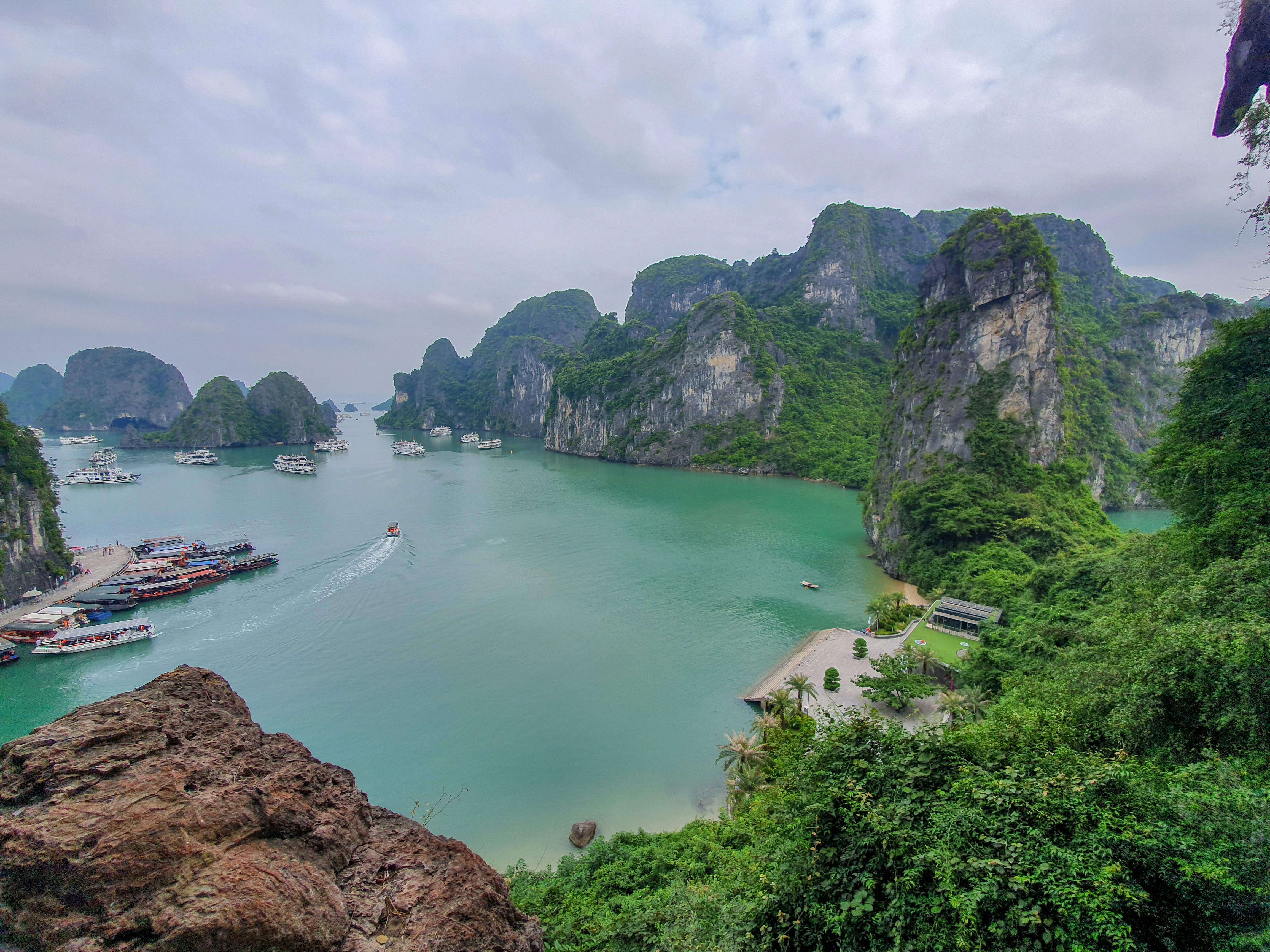
Halong Bay's emerald-green waters are scattered with thousands of limestone islands and karsts rising sheer from the sea.
Traditional junk boats still work the channels between the towering formations, while caves, floating fishing villages and hidden lagoons fill the bay's quieter corners.
The misty, ethereal atmosphere, especially at sunrise, gives the bay an almost mystical beauty.
How does it rate
CrowdsRomanceCash RequiredDangerAccessibilityWhy you should go
The unique scenery, boat tours, and calm waters make Halong Bay an unforgettable nature escape with plenty of adventure options.
Why you shouldn't go
Weather can be unpredictable, impacting visibility and photos, and certain areas are crowded with tourist boats, diminishing the serene experience.
Plan your visit
Best time to visitOctober-December, dry and clearBest time of daySunrise, before the tour boats arriveGetting there~3.5hr drive or ferry from HanoiEntry costDay cruise ~$20-40Time neededHalf day, or overnight cruiseInsider tip — Book an overnight boat to see the bay in golden morning light without the day-trippers -
 #789 /100
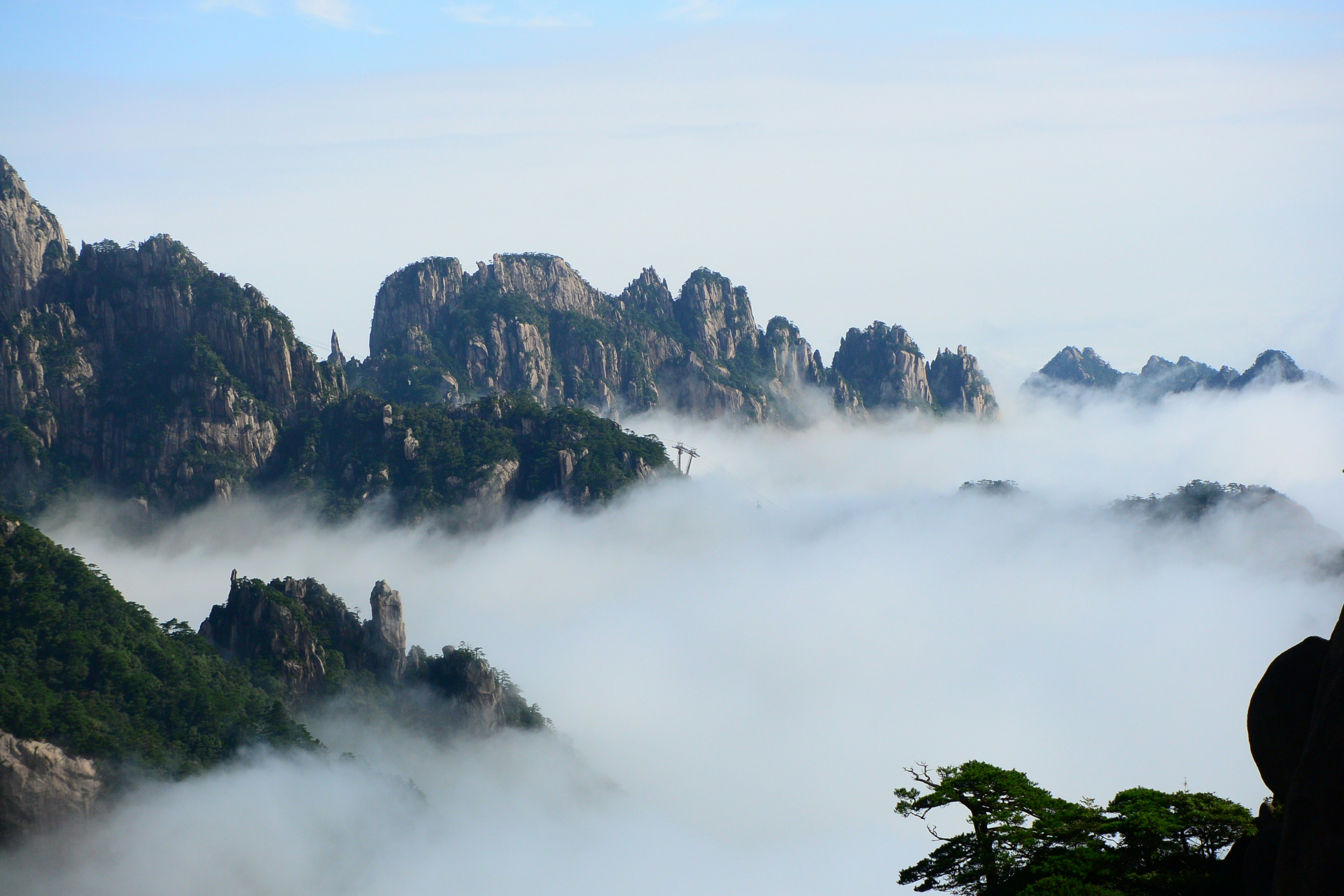
Granite pillars draped in twisted pines rise out of a sea of cloud at Yellow Mountain, the landscape that inspired centuries of Chinese ink painting.
Cable cars reach several viewpoints directly, so the classic misty-peaks view doesn't require a demanding climb.
Sunrise and sunset, when the cloud sea forms below the summits, are when the mountain looks most like the paintings it inspired.
How does it rate
CrowdsRomanceCash RequiredDangerAccessibilityWhy you should go
The misty granite-peak scenery behind centuries of Chinese landscape painting, real and climbable.
Why you shouldn't go
The cloud sea that makes the famous photos isn't guaranteed - it depends entirely on weather.
Plan your visit
Best time to visitNovember-April for the best chance of a cloud sea; spring for blooming pines.Best time of daySunrise from Bright Summit Peak or Lion Peak.Getting thereHigh-speed rail to Huangshan North station, then bus to the cable car base.Entry costEntry fee plus optional cable car, together roughly $50-60.Time needed2 days, 1 night on the mountainInsider tip — Stay overnight at one of the summit hotels - the best light comes before the first cable cars of the day bring up the crowds. -
 #889 /100
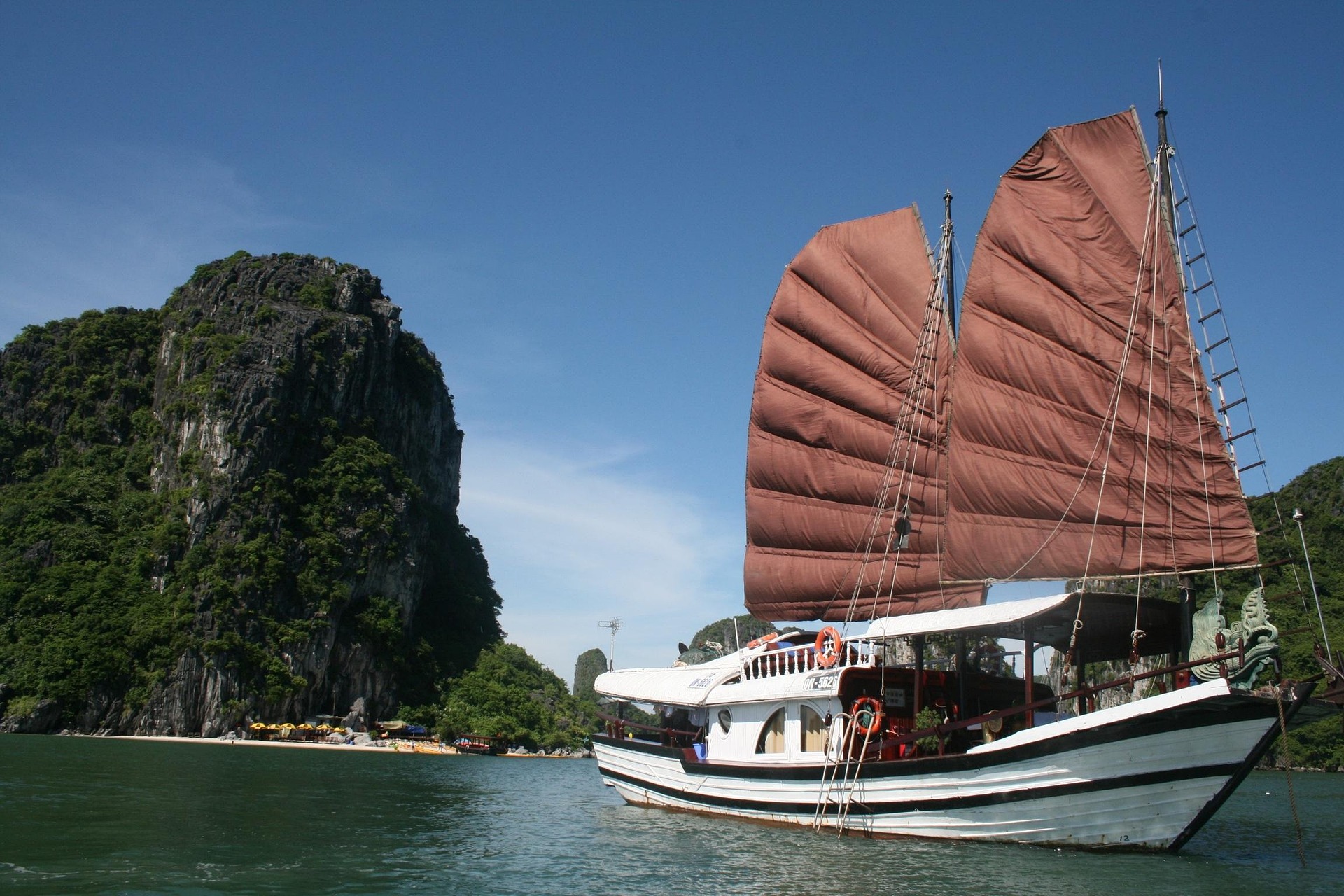
An overnight junk-boat cruise through thousands of limestone karsts rising from emerald water, one of Vietnam's defining landscapes.
Days include kayaking into hidden lagoons, cave visits, and swimming off the boat's stern, with meals fresh-cooked on board.
Traditional red-sailed junks still appear among the modern steel-hulled boats.
Karst silhouettes at sunrise and sunset are the reason most people book the trip in the first place.
How does it rate
CrowdsRomanceCash RequiredDangerAccessibilityWhy you should go
Thousands of limestone karsts and hidden lagoons seen from the deck of an overnight junk boat.
Why you shouldn't go
The bay gets crowded with boats in peak season, and lower-priced cruises vary widely in comfort.
Plan your visit
Best time to visitOctober-December for clear skies and cool temperatures; avoid the humid, rainy summer months.Best time of daySunrise, when mist clings to the karsts before the day-boats arrive.Getting thereFly into Hanoi; a 2.5-3 hour transfer reaches Tuan Chau Harbour, where most overnight cruises depart.Entry costIndicative $120-$700pp for a 1-3 night cruise depending on boat classTime needed1-3 night cruiseInsider tip — Book a 2-night cruise rather than a day trip to reach the quieter Lan Ha Bay section, and request a cabin on the upper deck for better karst views. -
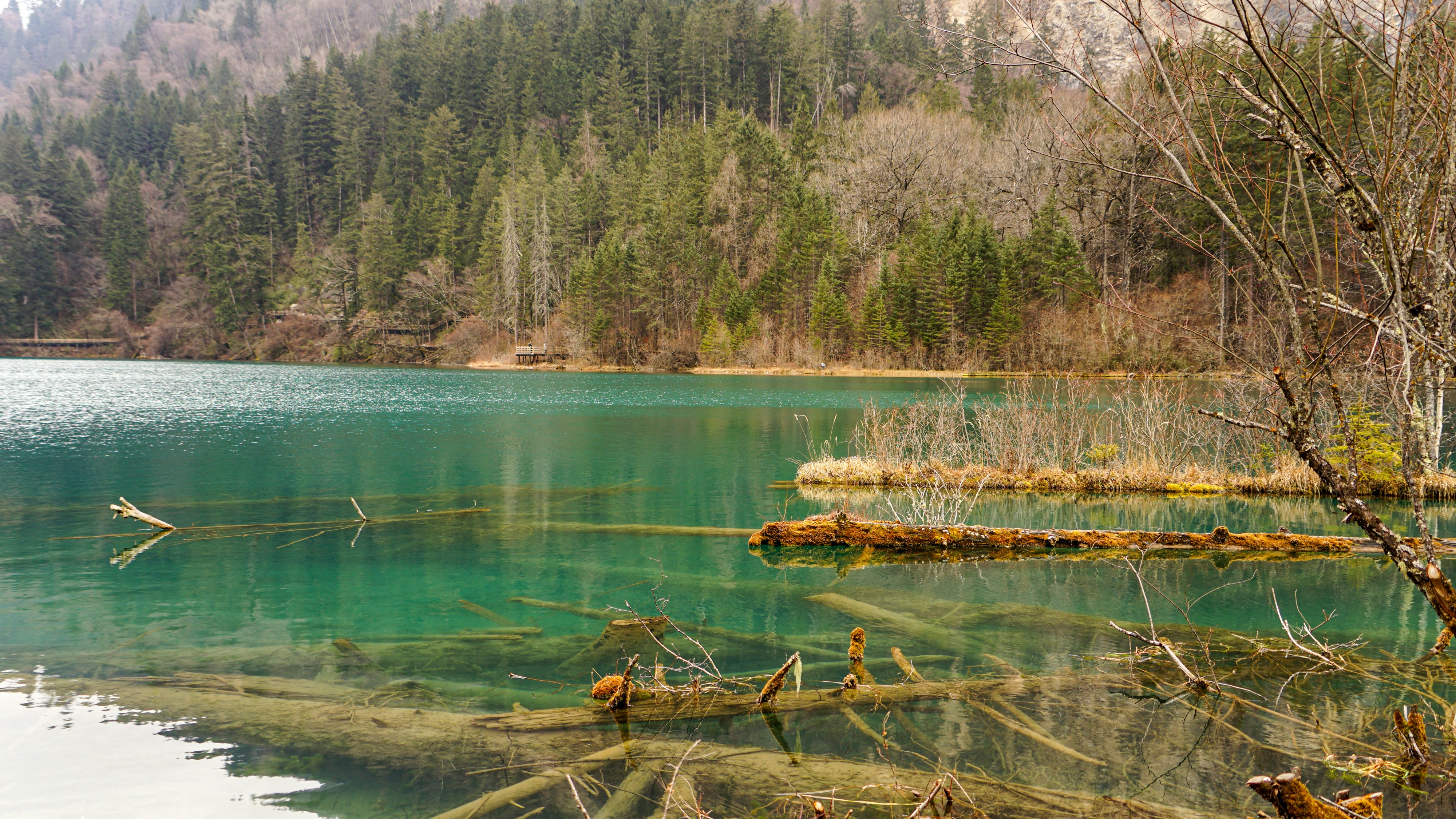 #988 /100
Mineral-rich water turns this Sichuan valley's lakes an almost unnatural turquoise and emerald, layered with travertine terraces and stacked waterfalls.
Fallen trees, preserved in the clear, mineral-hardened water, are visible metres below the surface in the calmest pools.
Snow-capped peaks and autumn foliage frame the lakes depending on season.
How does it rate
CrowdsRomanceCash RequiredDangerAccessibilityWhy you should go
Turquoise mineral lakes so clear that submerged fallen trees are visible metres down.
Why you shouldn't go
Access is tightly managed with shuttle buses only - private cars and free wandering aren't allowed inside.
Plan your visit
Best time to visitOctober, for peak autumn foliage against the turquoise lakes.Best time of dayEarly morning, before shuttle buses bring in the day's main crowds.Getting thereFly to Jiuzhaigou Huanglong Airport, then a shuttle to the park entrance.Entry costEntry fee plus mandatory shuttle bus, together around $40-50.Time needed1-2 daysInsider tip — Head straight for Five Flower Lake and Panda Lake first thing - they're the furthest from the entrance and the first to fill with tour groups. -
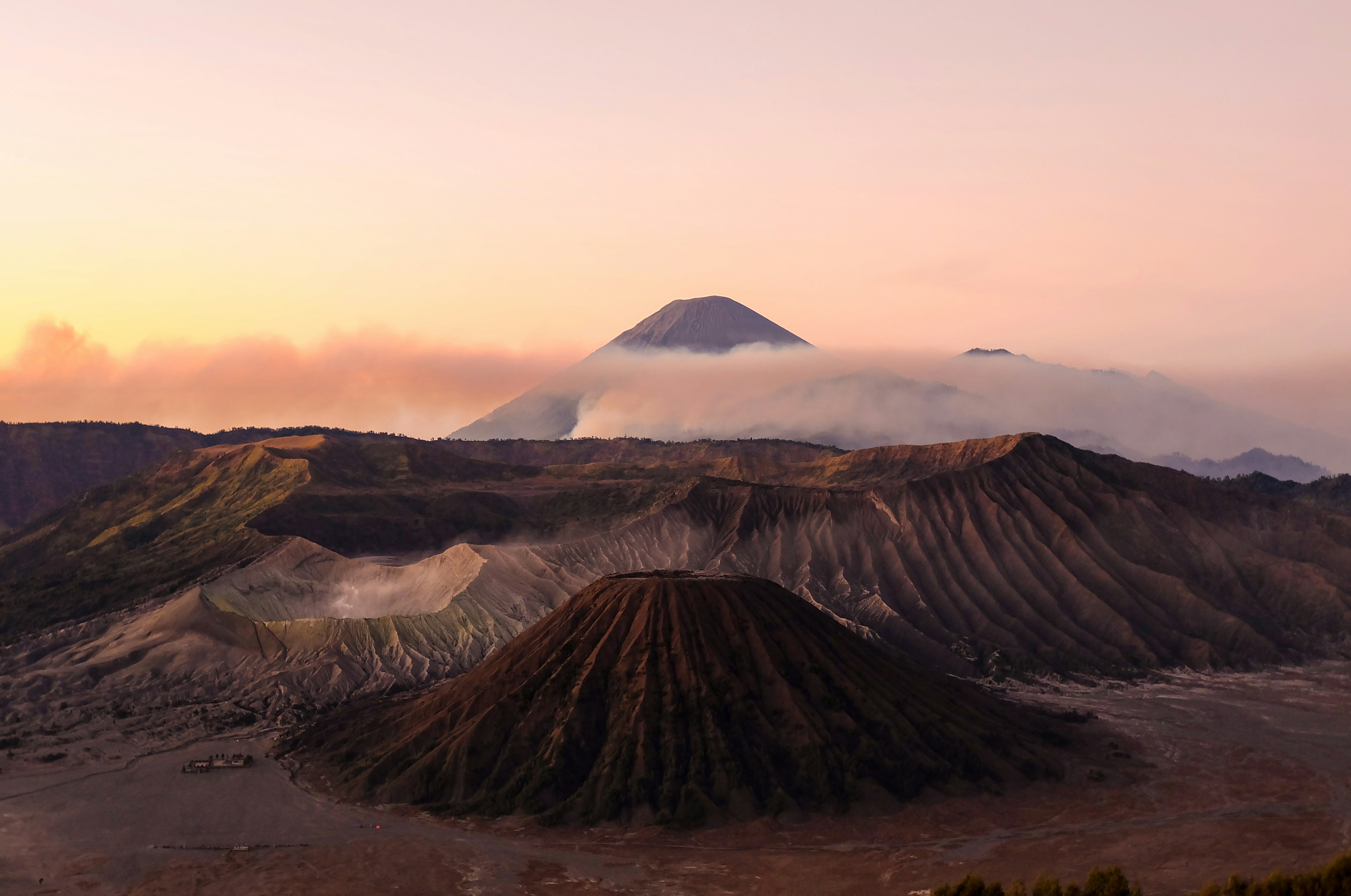 #1088 /100
An active, smoking crater rising from the middle of a vast ash-grey "Sea of Sand" caldera in East Java, ringed by the taller peaks of the Tengger massif.
The classic sunrise viewpoint at Mount Penanjakan looks out over Bromo's smoking cone and several neighbouring volcanoes at once, one of Southeast Asia's most celebrated views.
Horses and jeeps ferry visitors across the sand sea to the crater's base, from which several hundred stairs climb to the smoking rim itself.
How does it rate
CrowdsRomanceCash RequiredDangerAccessibilityWhy you should go
A smoking volcanic cone rising from an other-worldly grey sand sea, framed by a multi-volcano sunrise view few places can match.
Why you shouldn't go
The famous sunrise viewpoint gets extremely crowded with jeeps and tour groups, especially on weekends and holidays.
Plan your visit
Best time to visitApril-October (dry season) for clear sunrise views.Best time of daySunrise, from the Mount Penanjakan (King Kong Hill) viewpoint.Getting thereFly to Surabaya or Malang, then a 2-3 hour drive to Cemoro Lawang village, the main gateway.Entry costPark entry plus jeep tour typically runs 300,000-500,000 IDR per person.Time neededOvernight (arrive evening, sunrise tour, depart after).Insider tip — Book a jeep to a secondary viewpoint like Bukit Cinta or Seruni Point instead of the main King Kong Hill - same view, a fraction of the crowd. -
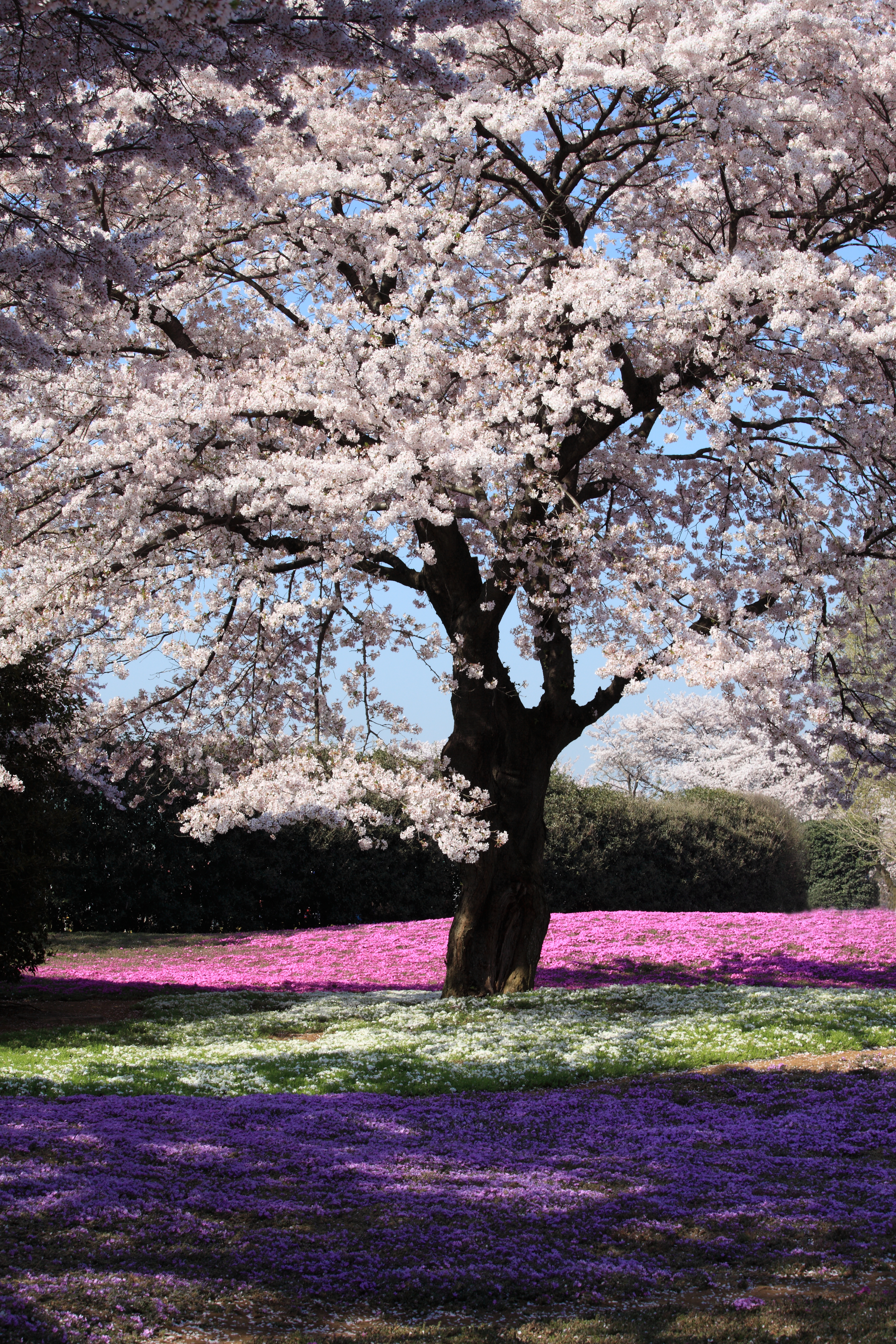 #1188 /100
Japan's cherry blossom season, or sakura, transforms the country for a brief two-week window each spring when thousands of trees burst into pale pink and white flowers.
The most famous displays occur in Tokyo's Ueno Park, Kyoto's Maruyama Park, and along the Philosopher's Path, where petals fall like pink snow.
How does it rate
CrowdsRomanceCash RequiredDangerAccessibilityWhy you should go
The cherry blossom season is one of the most beautiful natural phenomena in the world and is deeply embedded in Japanese culture; the atmosphere under the blossoming trees is magical.
Why you shouldn't go
The season lasts only two weeks and the exact timing varies each year; popular cherry blossom spots become extremely crowded and accommodation prices spike sharply.
Plan your visit
Best time to visitLate March-early April (varies by region and year)Best time of dayEarly morning for empty pathsGetting thereVaries by specific location in JapanEntry costFree; some gardens charge a small feeTime needed2-3 hoursInsider tip — Blossom forecasts are published months ahead; plan your trip around them as the window is only about a week -
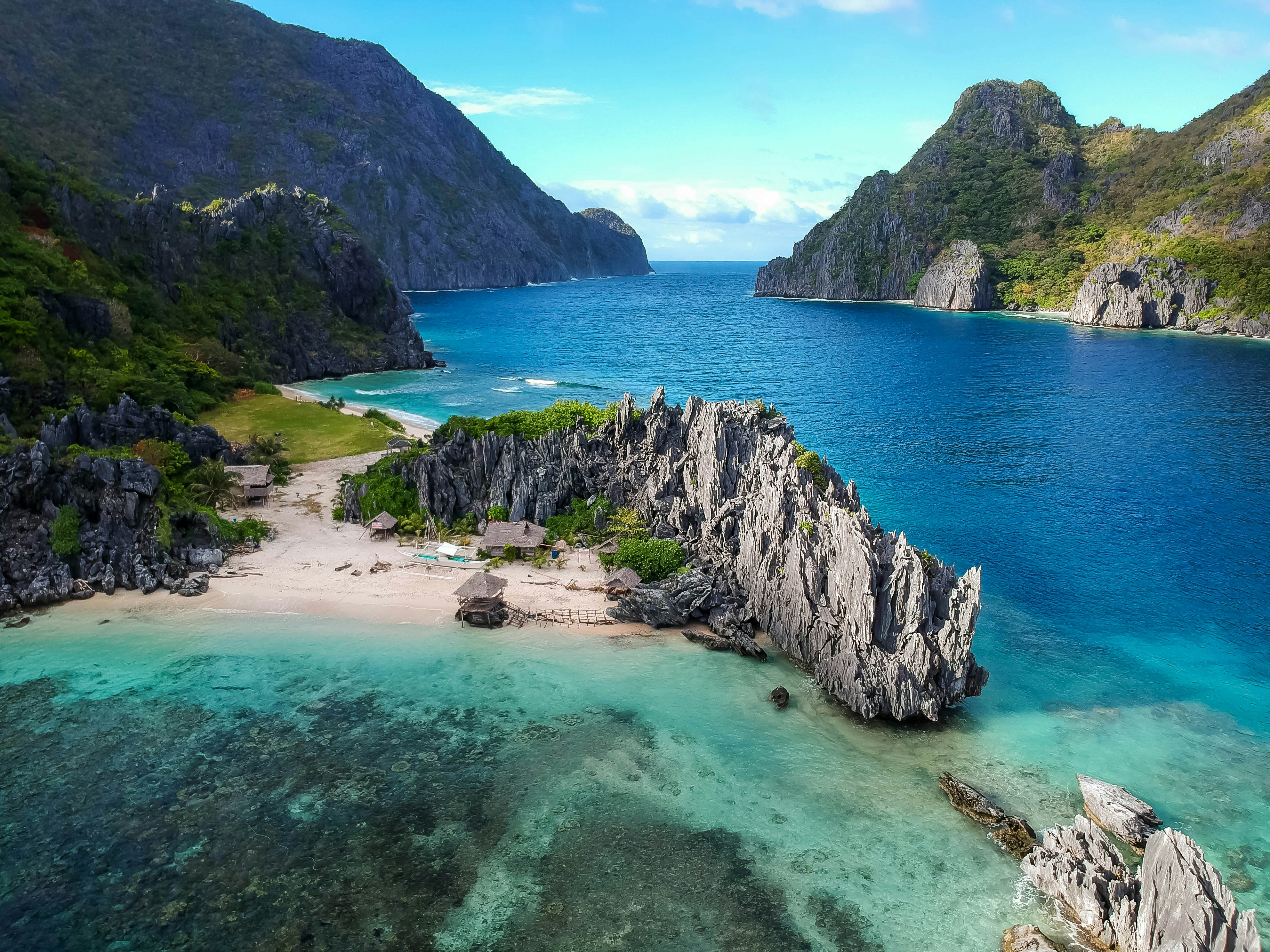 #12
#12Sheer limestone karsts rise straight out of turquoise lagoons around this Palawan town, often ranked among the world's most beautiful island landscapes.
Hidden lagoons reachable only by kayak or narrow swim-throughs open onto still, mirror-flat water walled in by cliffs.
Island-hopping boat tours string together beaches, lagoons, and reefs that are rarely anything less than spectacular.
How does it rate
CrowdsRomanceCash RequiredDangerAccessibilityWhy you should go
Some of the most dramatic limestone-karst island scenery anywhere on Earth.
Why you shouldn't go
Popular lagoons get crowded with tour boats by mid-morning.
Plan your visit
Best time to visitNovember-May, the dry season, for calm water and clear skies.Best time of dayEarly morning, before the first wave of island-hopping tour boats arrives.Getting thereFly to El Nido or Puerto Princesa airport; boats depart from El Nido town for the lagoons.Entry costEnvironmental fee applies; island-hopping tours priced separately, from around $20.Time needed3-4 daysInsider tip — Book a private or small-group tour departing before 7am to reach Big Lagoon ahead of the crowds. -
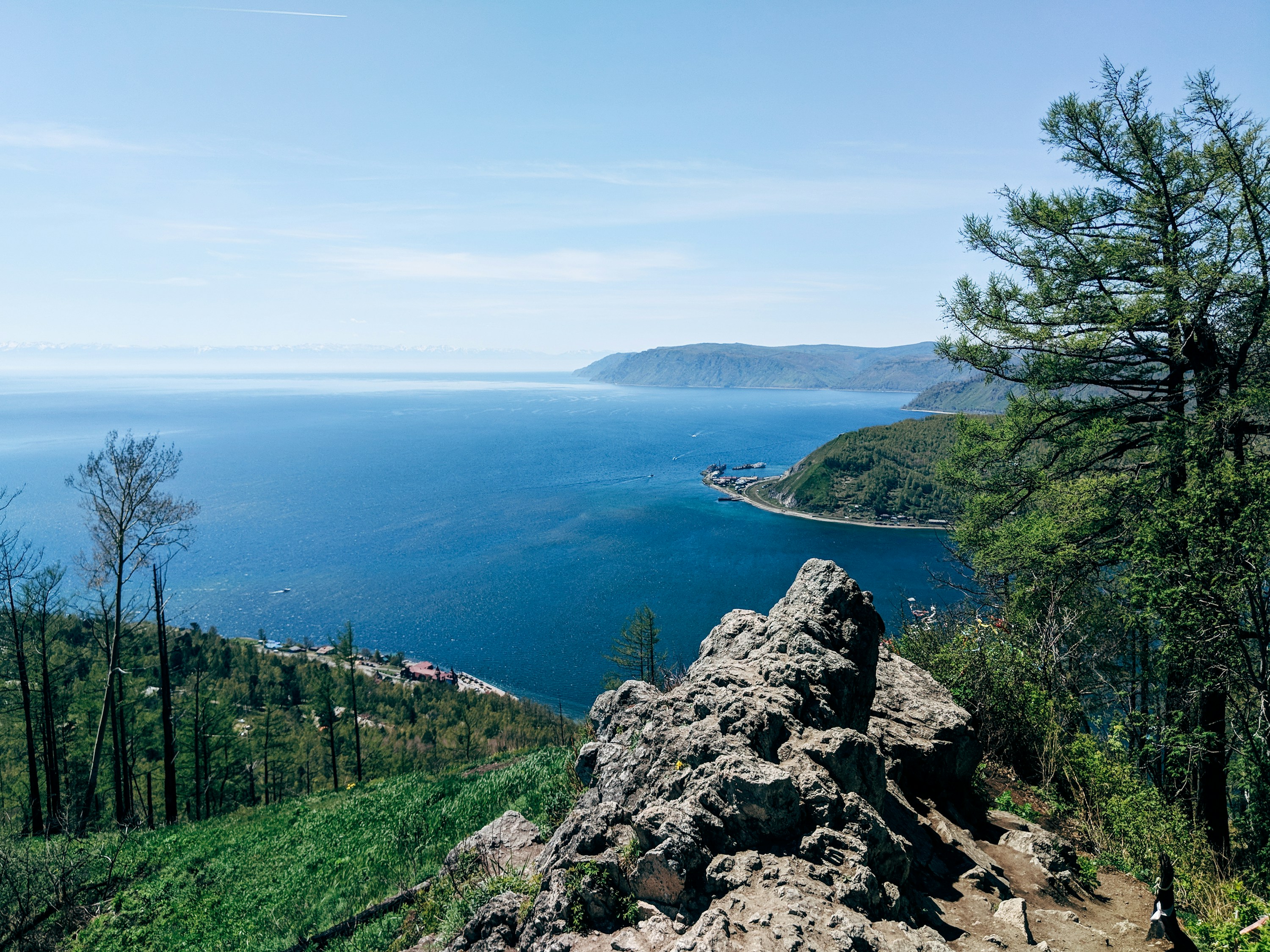 #1388 /100
Lake Baikal holds a fifth of the planet's unfrozen fresh water and is both the world's deepest and oldest lake, ringed by taiga forest and mountains in Siberia.
Its clarity lets you see many metres down in summer, while in winter the surface freezes into clear blue ice sheets thick enough to drive on.
Most visitors base themselves in Listvyanka or on Olkhon Island to explore the shoreline and villages.
How does it rate
CrowdsRomanceCash RequiredDangerAccessibilityWhy you should go
The world's deepest, oldest and clearest lake — a fifth of Earth's unfrozen fresh water in one place.
Why you shouldn't go
Deep Siberia is genuinely remote — expect a long flight connection and further travel just to reach the shore.
Plan your visit
Best time to visitLate June–August for open water and hiking; February–March for the clear ice seasonBest time of dayMorning, before wind picks up on the open water in the afternoonGetting thereFly to Irkutsk via a transit hub (no direct Western routes); Listvyanka on the shore is about an hour's bus or taxi ride from the airport.Entry costFree to view the shoreline; boat trips and excursions from around 1,500 RUBTime needed2–3 days to see the shore properly; a week or more for Olkhon Island and the ice seasonInsider tip — Skip the crowded main pier in Listvyanka and walk or taxi a few kilometres along the shore for quieter viewpoints; the Chersky Stone viewpoint above the village gives the best overview of the lake and the Angara River's source. -
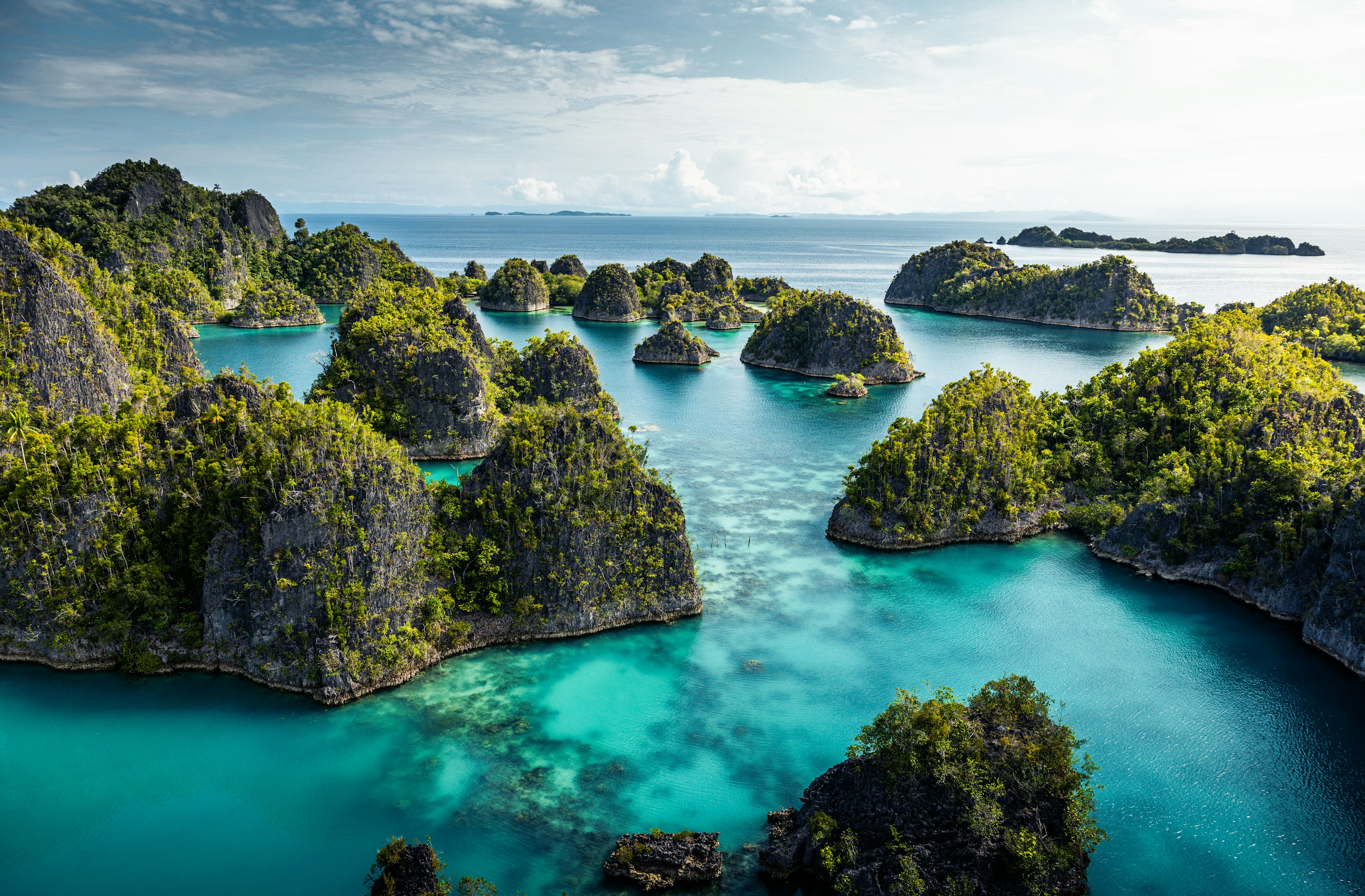 #1488 /100
Raja Ampat's four main islands and hundreds of smaller limestone islets sit at the heart of the Coral Triangle, the most biodiverse marine environment on Earth, with reefs holding far more coral and fish species than the Caribbean.
Above water, karst islands draped in jungle ring turquoise lagoons; below, divers and snorkelers find manta rays, reef sharks, and dense coral gardens largely undamaged by mass tourism.
Reaching it takes real commitment, but few marine destinations compare.
How does it rate
CrowdsRomanceCash RequiredDangerAccessibilityWhy you should go
The most biodiverse reef system on the planet, still relatively undisturbed by mass tourism.
Why you shouldn't go
Very remote and expensive to reach, with permits, flights, and boat transfers all adding up before you even dive.
Plan your visit
Best time to visitOctober-April for calmer seas and the best underwater visibility.Best time of dayMorning dives and snorkels, before afternoon winds pick up on the open crossings.Getting thereFly to Sorong via Jakarta or Makassar, then a public or chartered boat (2-4 hours) to Waisai or a resort island.Entry costMarine Park entry permit (PIN) required, roughly 500,000-1,000,000 IDR (~$30-65)Time needed4+ daysBookingBook ahead →Insider tip — Buy the marine park permit (PIN) in Sorong or Waisai before heading to the islands; it's checked on arrival and covers the whole marine park for a full calendar year. -
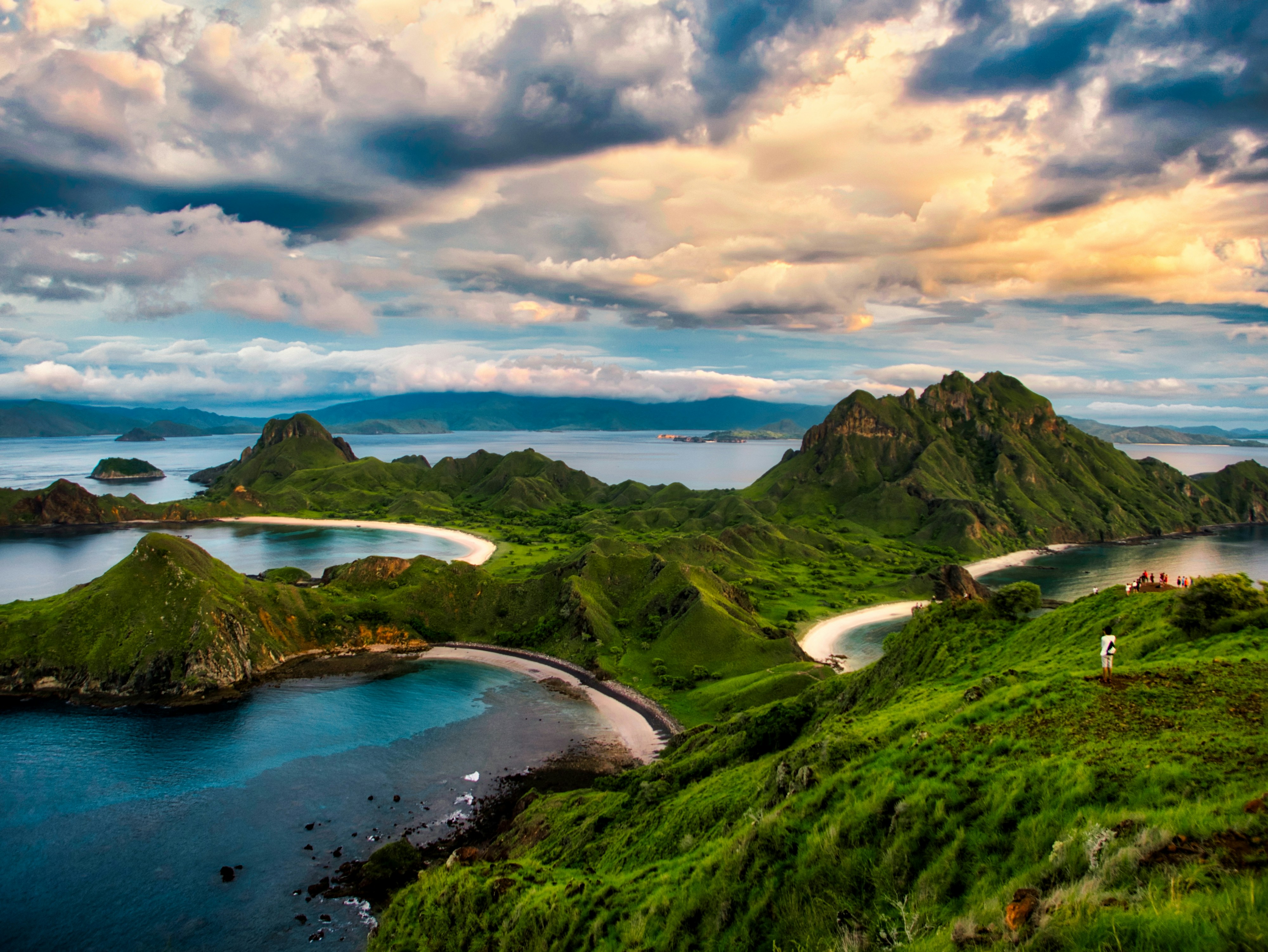 #1587 /100
Volcanic islands rise steeply out of turquoise water in this remote Indonesian archipelago, the only place on Earth with wild Komodo dragons.
Padar Island's ridge walk looks down on three separate curved bays at once, and Pink Beach takes its colour from crushed red coral mixed through the sand.
The surrounding waters are among Indonesia's best for manta rays and drift diving.
How does it rate
CrowdsRomanceCash RequiredDangerAccessibilityWhy you should go
A single viewpoint over three turquoise bays, plus the only place on Earth to see wild Komodo dragons.
Why you shouldn't go
Only reachable by multi-day boat trip or a costly speedboat charter from Labuan Bajo.
Plan your visit
Best time to visitApril-June or September-November, outside the wettest and busiest peak months.Best time of daySunrise on Padar Island, before the heat and the day-trip crowds arrive.Getting thereFly into Labuan Bajo, then join a liveaboard or day boat into the park.Entry costPark entry and conservation fees, plus boat trip costs, typically $50-150+ per day.Time needed2-3 daysInsider tip — Book a liveaboard over a single-day speedboat trip - the best light on Padar and Pink Beach both fall outside typical day-trip hours. -
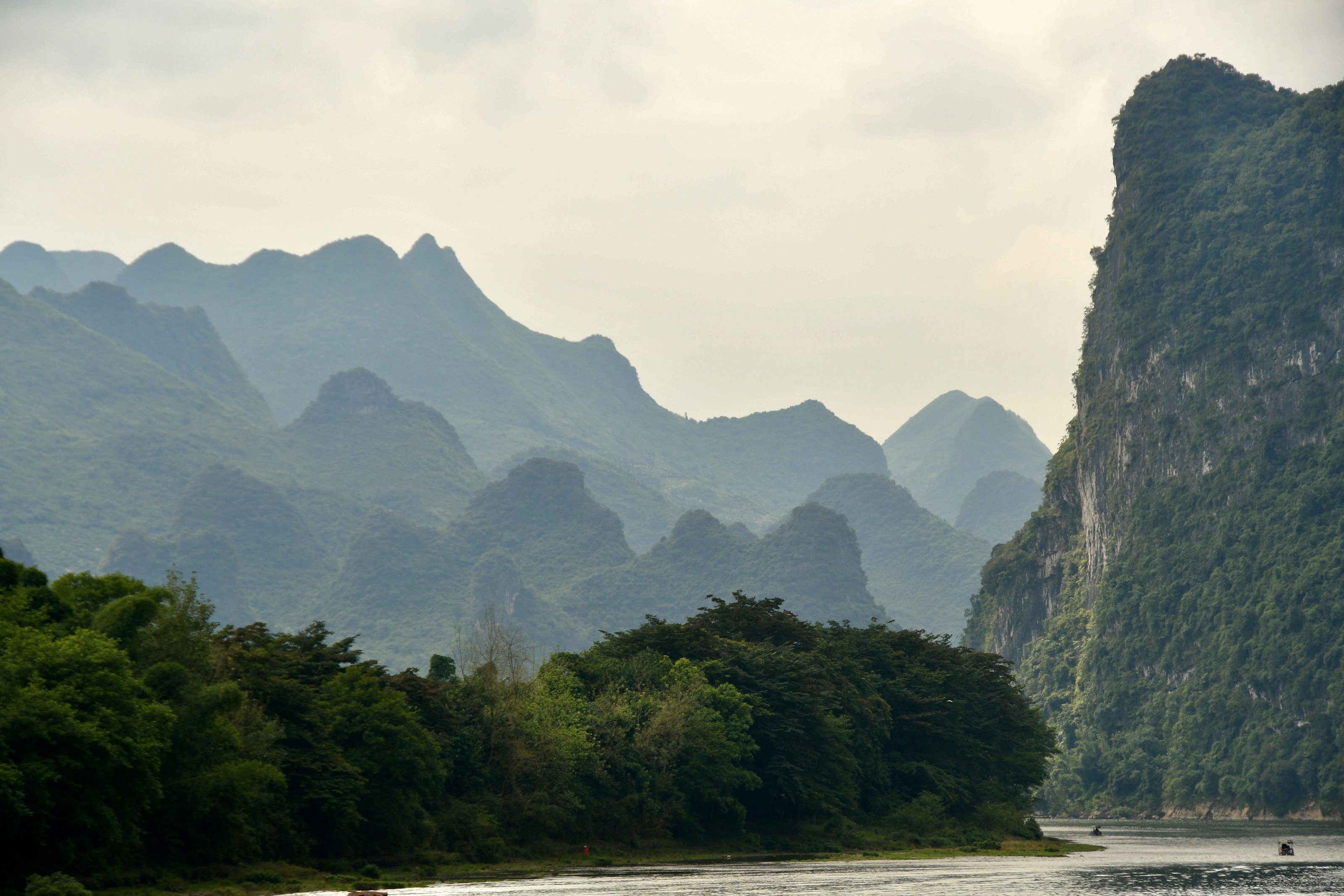 #16
#16The stretch of the Li River between Guilin and Yangshuo is lined with thousands of karst limestone peaks rising straight out of the water, scenery that has appeared on China's 20-yuan banknote and inspired centuries of Chinese landscape painting.
A slow cruise or bamboo raft ride down the river passes fishing villages, water buffalo, and cormorant fishermen, the peaks growing more dramatic the closer you get to Yangshuo.
How does it rate
CrowdsRomanceCash RequiredDangerAccessibilityWhy you should go
Drifting past thousands of karst peaks that have inspired Chinese landscape painting for a thousand years is a genuinely different kind of scenery.
Why you shouldn't go
Large tourist cruise boats can be crowded and slow-moving, especially in peak summer months.
Plan your visit
Best time to visitApril–October for the greenest scenery, though light rain and mist can add to the atmosphere.Best time of dayMorning departures, when mist often still clings to the peaks.Getting thereFly to Guilin; cruise boats depart from Zhujiang pier, arriving in Yangshuo after 4–5 hours, or drive directly to Yangshuo in about 1.5 hours.Entry costPaid cruise ticket; bamboo raft trips on shorter sections cost separately.Time neededHalf a day for the cruise, or several days based in YangshuoInsider tip — Skip the full Guilin-to-Yangshuo cruise and instead take a short bamboo raft trip on the Yulong River near Yangshuo — same karst scenery, far fewer people, and a fraction of the cost. -
 #1786 /100
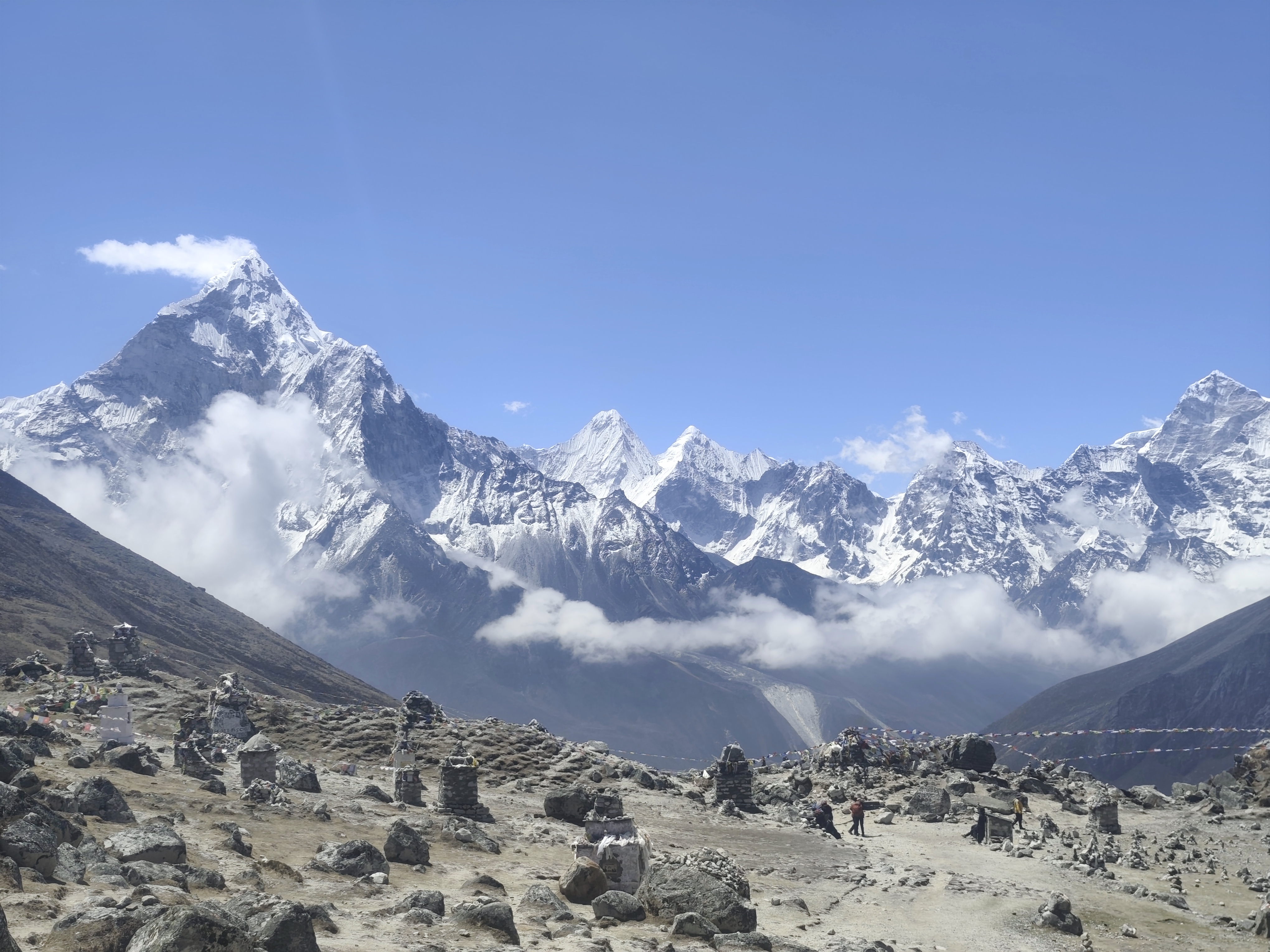
A 12-14 day teahouse trek from Lukla through Namche Bazaar and Sherpa villages to Everest Base Camp at 5,364m, past the prayer-flagged memorial cairns at Thukla.
Everest itself is hidden from Base Camp, so the trek is paired with a pre-dawn climb of Kala Patthar, where the summit catches the first light above Ama Dablam and Nuptse.
Altitude, not distance, is the real challenge, so itineraries build in acclimatisation days.
How does it rate
CrowdsRomanceCash RequiredDangerAccessibilityWhy you should go
Standing at the foot of the world's highest mountain after two weeks walking through Sherpa villages to reach it.
Why you shouldn't go
Altitude sickness is a real risk above 4,000m and the Lukla flight is notoriously weather-dependent.
Plan your visit
Best time to visitMarch-May or September-November, for stable weather and clear mountain views.Best time of dayPre-dawn at Kala Patthar for sunrise light on Everest's summit pyramid.Getting thereFly Kathmandu to Lukla (2,860m); the trek starts on foot from Lukla's airstrip.Entry costSagarmatha National Park permit $30, plus Khumbu municipality permit $20.Time needed12-14 daysInsider tip — Spend the acclimatisation day in Namche hiking up high, not resting in bed - moving works better for adjusting to altitude. -
 #1885 /100
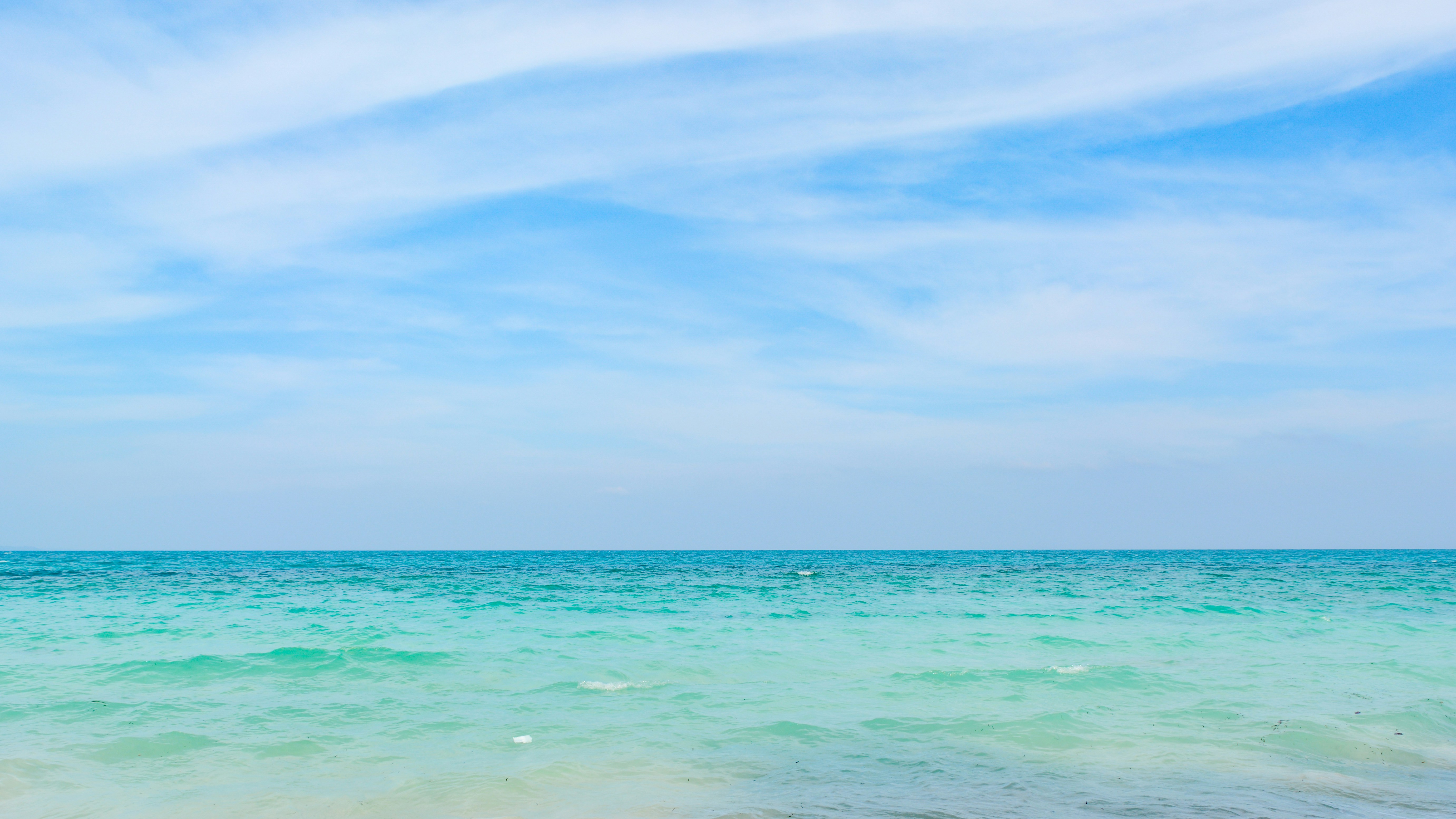
A two-kilometre arc of white sand on Havelock Island backed by dense rainforest, with water that shifts from pale turquoise to deep blue at the reef line.
Time magazine once named it Asia's best beach, and sunset here - sun dropping straight into the Andaman Sea with no development in sight - remains the main draw.
It takes real effort to reach, which keeps it far less crowded than its reputation suggests.
How does it rate
CrowdsRomanceCash RequiredDangerAccessibilityWhy you should go
Named Asia's best beach, with untouched rainforest backing two kilometres of white sand and a clean sunset over open water.
Why you shouldn't go
Reaching Havelock Island takes a flight plus a ferry, so it's a multi-day commitment, not a day trip.
Plan your visit
Best time to visitNovember-April, outside the monsoon season.Best time of daySunset, when the beach empties out and the sky over the water turns orange.Getting thereFly to Port Blair, then a 1.5-2 hour ferry to Havelock Island (Swaraj Dweep).Entry costFree.Time neededHalf a day.Insider tip — Walk 10 minutes north past the main entrance to have long stretches of the same sand almost entirely to yourself. -
 #19
#19Rated #19 of 61
Kyoto's Arashiyama Bamboo Grove, Japan
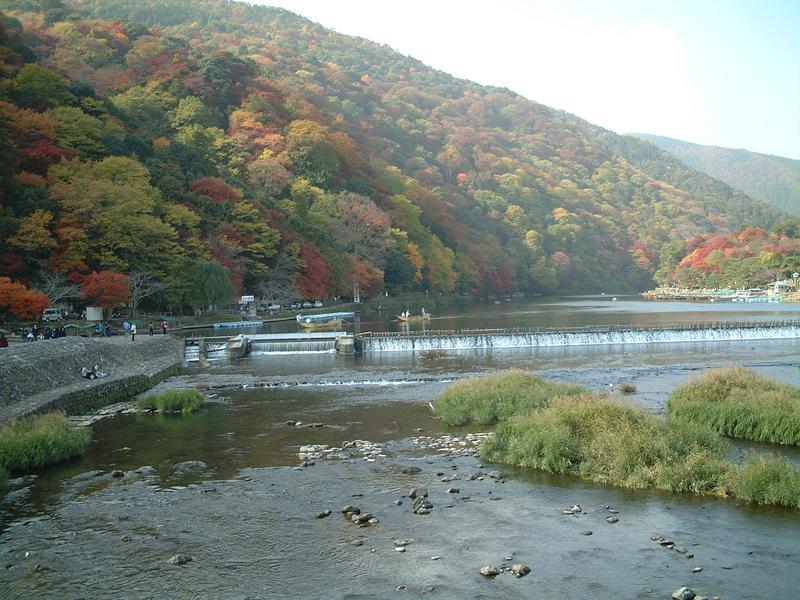
#kyoto'sarashiyamabamboogrove ◆ Natural Features84 /100The Arashiyama Bamboo Grove on the outskirts of Kyoto is one of Japan's most ethereal landscapes, where towering stalks of bamboo create a cathedral-like green canopy above the winding path.
When the wind blows through the grove, the sound is so distinctive it has been designated one of the 100 Soundscapes of Japan.
How does it rate
CrowdsRomanceCash RequiredDangerAccessibilityWhy you should go
Walking through the towering bamboo columns with light filtering through the canopy above is a genuinely otherworldly experience unlike anything else in Japan.
Why you shouldn't go
The grove is very short and becomes extremely crowded from mid-morning; visit at dawn for an atmospheric experience without the tourist hordes.
Plan your visit
Best time to visitYear-round; spring/autumn for extra colour nearbyBest time of dayEarly morning (before 8am) to avoid crowds entirelyGetting thereArashiyama Station (JR or Randen line) from KyotoEntry costFreeTime needed30-45 minutesInsider tip — Go right at opening; this is one of the most crowded spots in Kyoto by mid-morning -
 #2084 /100
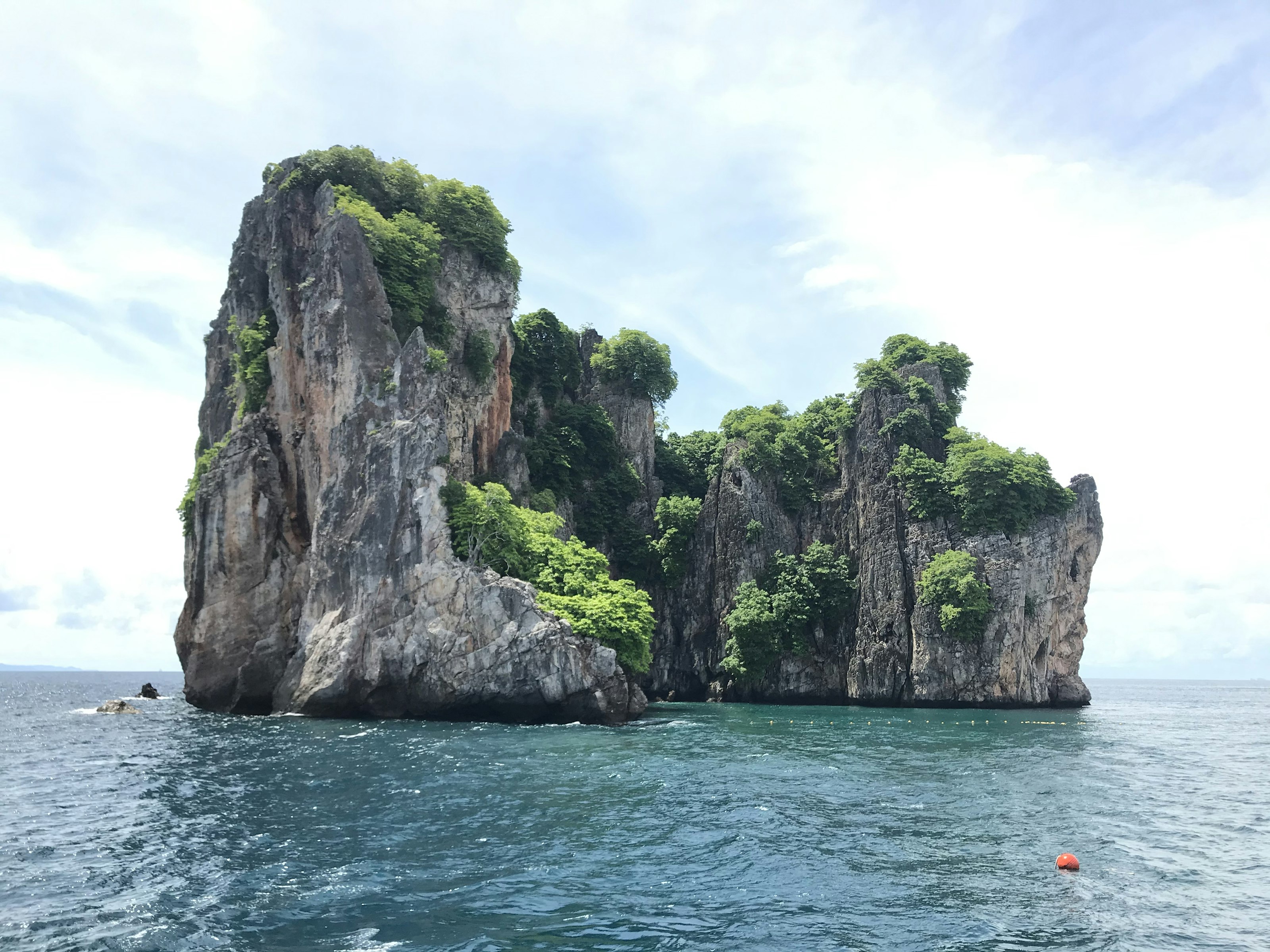
Phang Nga Bay is scattered with hundreds of limestone karst towers rising sheer out of shallow emerald water, including Ko Tapu, the needle-thin rock made famous by a 1974 James Bond film.
Longtail boats and sea kayaks weave between the islands and into hidden lagoons through partly submerged caves called hongs, some passable only at certain tides, alongside mangrove-fringed fishing villages including one built entirely on stilts.
How does it rate
CrowdsRomanceCash RequiredDangerAccessibilityWhy you should go
Kayaking into a hidden lagoon through a sea cave that only opens at the right tide feels like discovering somewhere genuinely secret.
Why you shouldn't go
The bay's fame means large tour groups on bigger boats crowd the most famous spots, especially around midday.
Plan your visit
Best time to visitNovember–April, dry season with calmer seas.Best time of dayEarly morning, for calmer water and to reach the hongs before the tide and crowds shift.Getting thereFly to Phuket or Krabi; 1-hour drive to Phang Nga pier for boat tours.Entry costNational park fee plus boat tour cost, which varies by group size and boat type.Time needed1 dayInsider tip — Choose a small-group kayak tour over a big-boat day trip — it's the only way to actually get inside the hongs rather than just viewing the karsts from the water. -
 #21
#21Rated #21 of 61
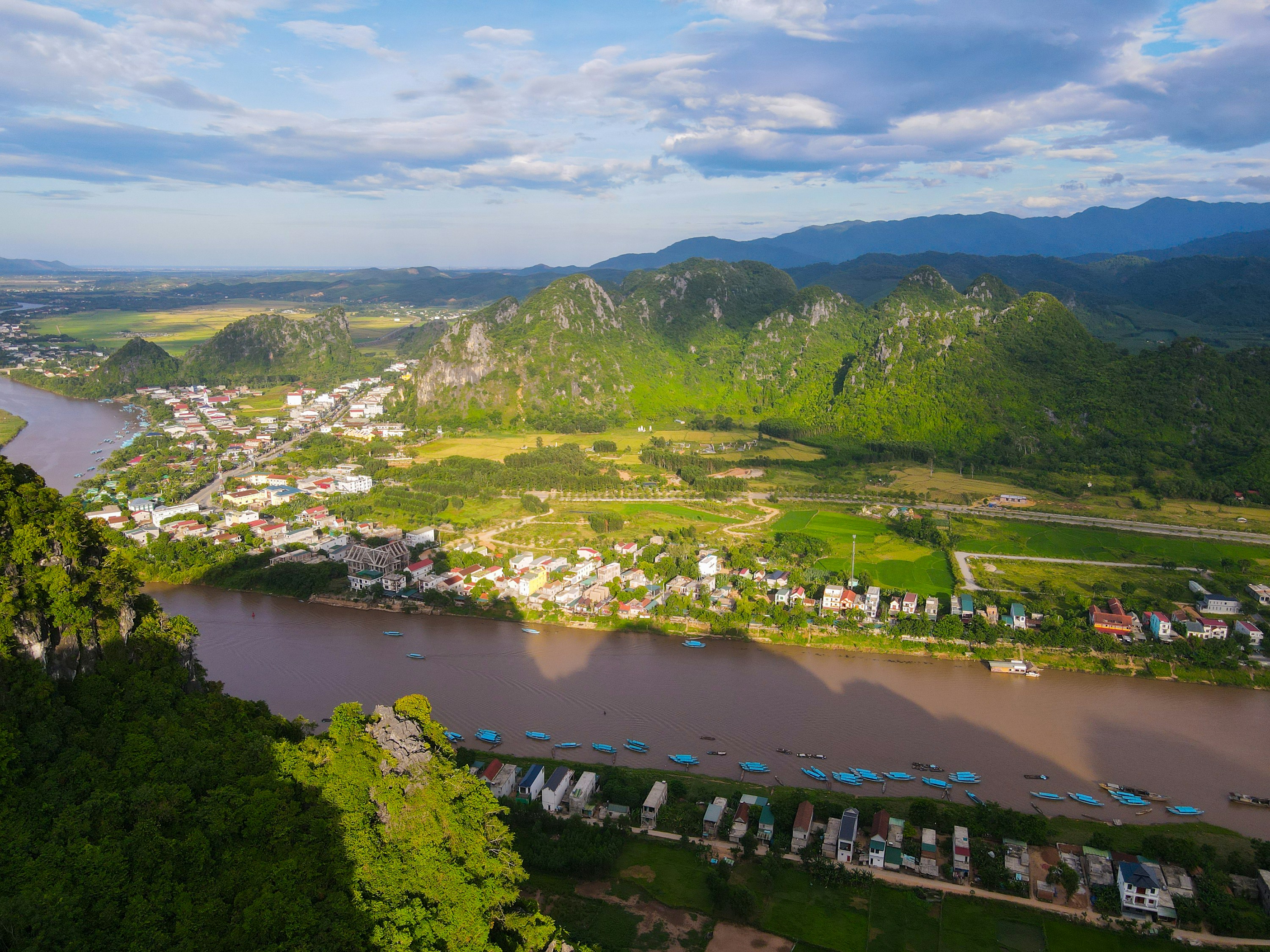
Phong Nha-Ke Bang National Park, Vietnam
#phongnha-kebangnationalpark ◆ National Parks84 /100Phong Nha-Ke Bang protects one of the world's largest karst regions, its jungle-covered limestone hiding thousands of caves, including Son Doong, the largest cave passage on Earth, and Paradise Cave's vast chambers of stalactites.
Most visitors explore by boat along the Son River into Phong Nha Cave itself, or walk the lit boardwalks of Paradise Cave.
It's Vietnam's premier caving destination, still largely undeveloped outside the main sites.
How does it rate
CrowdsRomanceCash RequiredDangerAccessibilityWhy you should go
Home to some of the planet's largest and most spectacular cave systems, from boat-accessible grottoes to multi-day expedition caving.
Why you shouldn't go
The headline cave, Son Doong, requires a costly multi-day expedition booked a year ahead; day-trip caves get busy with tour groups.
Plan your visit
Best time to visitFebruary-August, dry season; avoid September-November when typhoon flooding can close the caves.Best time of dayEarly morning at Paradise Cave, before tour buses arrive mid-morning.Getting thereFly to Dong Hoi; Phong Nha town is a 45-minute drive, with cave entrances a further 20-40 minutes on.Entry costPhong Nha Cave boat trip and Paradise Cave each charge separate entry fees, roughly $8-10Time needed1 day for the main caves; Son Doong expeditions run 4-7 daysBookingBook ahead →Insider tip — Visit Paradise Cave right at opening to get the boardwalk to yourself before tour buses arrive; the boat ride into Phong Nha Cave itself is included in a single ticket and needs no separate booking. -
 #22
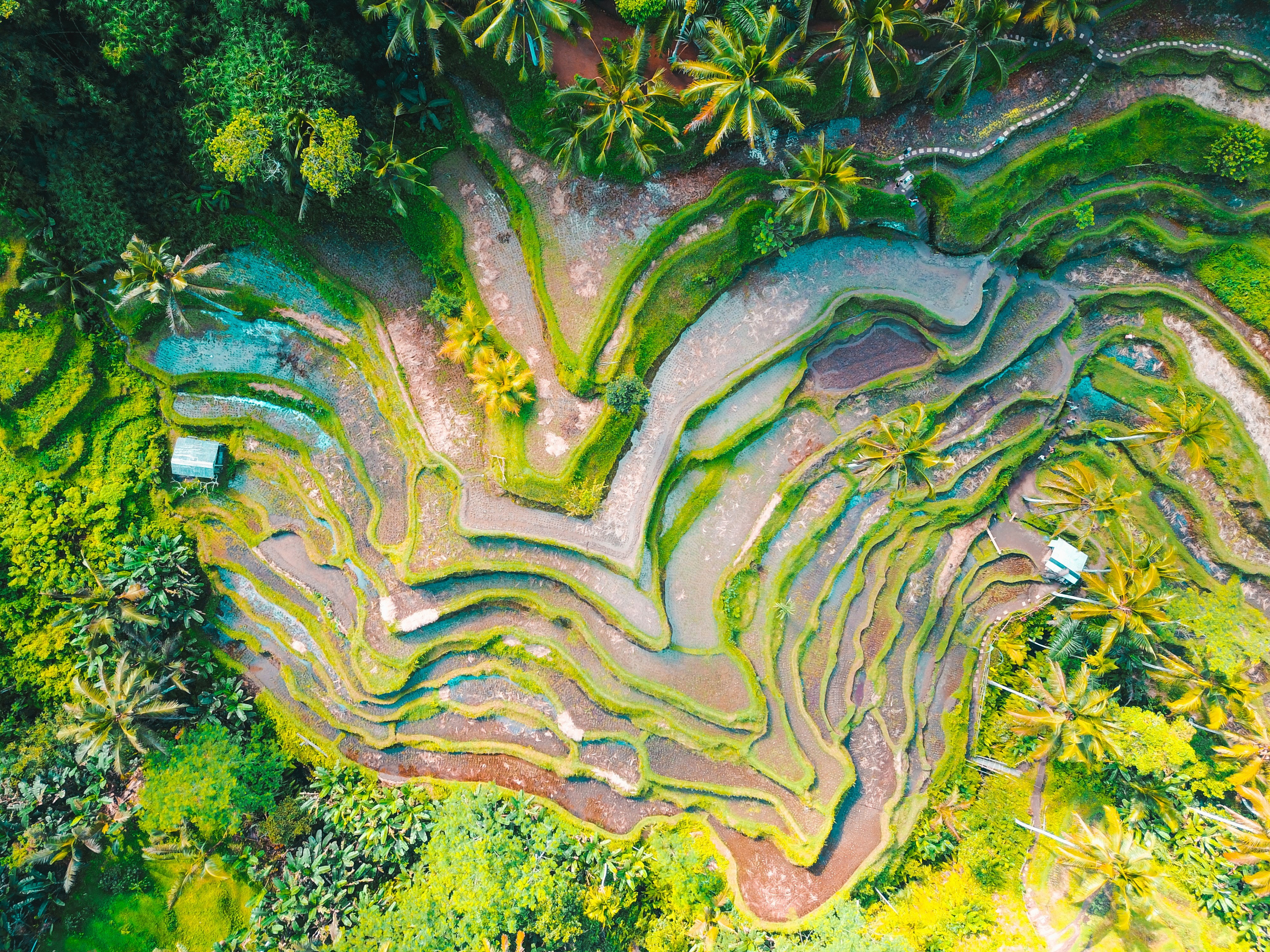
#22Emerald rice terraces cascade down hillsides at Tegalalang, ancient sea temples perch on offshore rock at Tanah Lot, and Mount Agung looms over the east of the island.
Bali packs jungle, volcano, temple and coast into an island small enough to cross in a day, with a Hindu ceremonial calendar running visibly through daily life.
The southern beach strip is heavily developed; the north and east still are not.
How does it rate
CrowdsRomanceCash RequiredDangerAccessibilityWhy you should go
An entire island of postcard shots - rice terraces, sea temples and a volcano backdrop within easy reach of each other.
Why you shouldn't go
The famous Gates of Heaven photo involves a real queue and a mirror trick, not an actual reflecting pool.
Plan your visit
Best time to visitApril-October, the dry season.Best time of daySunrise at Lempuyang Temple; late afternoon for the rice terraces.Getting thereFly into Denpasar (Ngurah Rai International Airport); scooters or hired drivers cover the island.Entry costTemple entries and terrace access typically a few dollars each.Time needed5-7 daysInsider tip — Book the Lempuyang Gates of Heaven visit for opening time, 7am, before the queue for the mirror-shot photo stretches past an hour. -
 #2383 /100
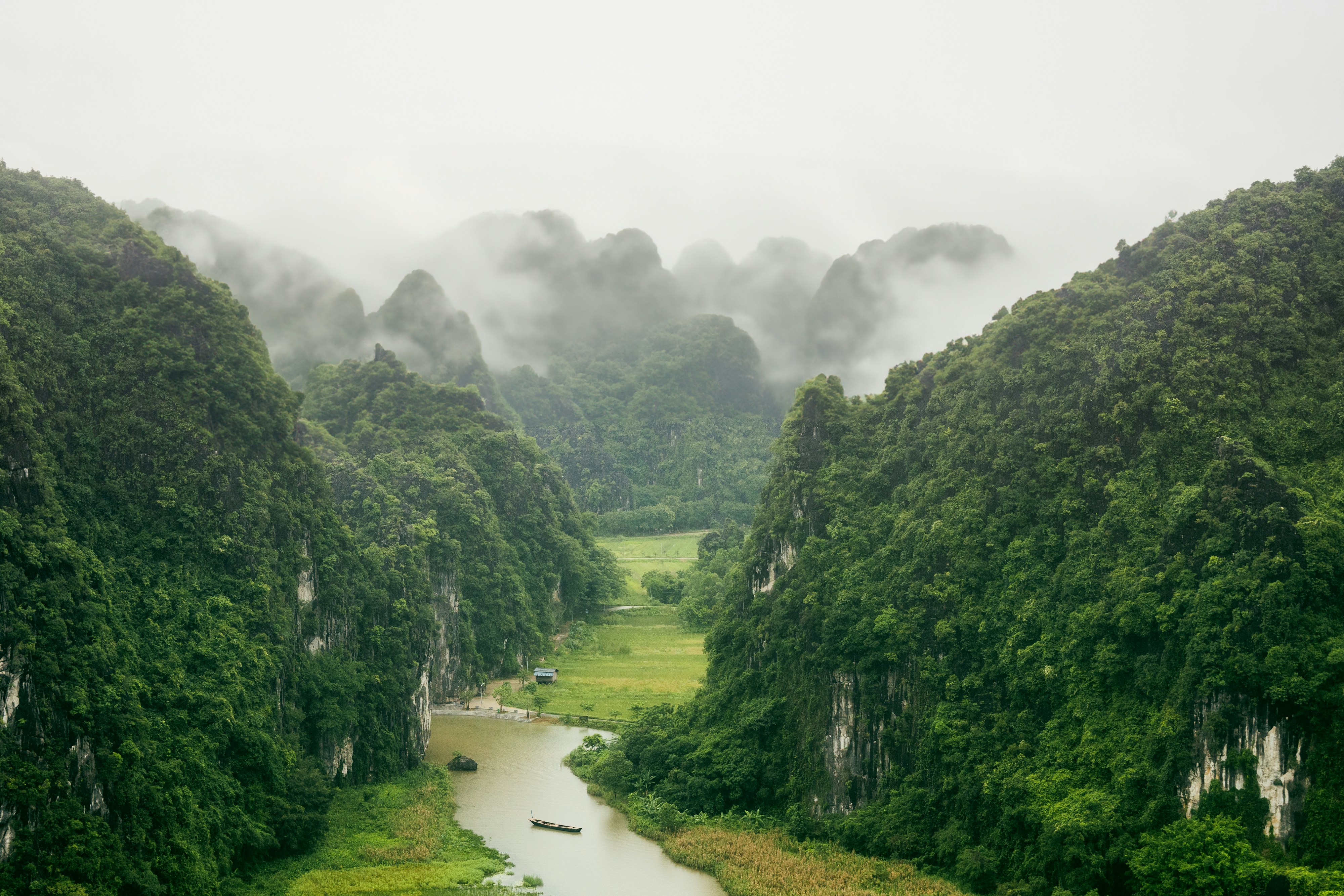
Limestone karst towers rise straight out of flooded rice paddies along the Ngo Dong River, toured by small rowboats often paddled with the feet.
Rowers guide boats through low limestone caves where the ceiling nearly touches the water, then back out into open paddy fields ringed by peaks.
It's frequently billed as Halong Bay on land and delivers a similarly dramatic skyline at a fraction of the cost.
How does it rate
CrowdsRomanceCash RequiredDangerAccessibilityWhy you should go
Halong Bay's dramatic limestone skyline, recreated on a quiet river through rice paddies.
Why you shouldn't go
Rowers commonly expect a tip on top of the ticket price, which isn't always made clear upfront.
Plan your visit
Best time to visitMay-June, when the rice paddies are vivid green; September-October for the golden harvest.Best time of dayEarly morning, for calm water and soft light on the karsts.Getting thereDrive or bus from Hanoi (about 2 hours) to Ninh Binh, then to the Tam Coc boat dock.Entry costBoat tour ticket, typically $10-15 per person.Time needed2-3 hoursInsider tip — Go on a weekday morning - weekend boat queues at the dock can run well past an hour. -
 #2482 /100
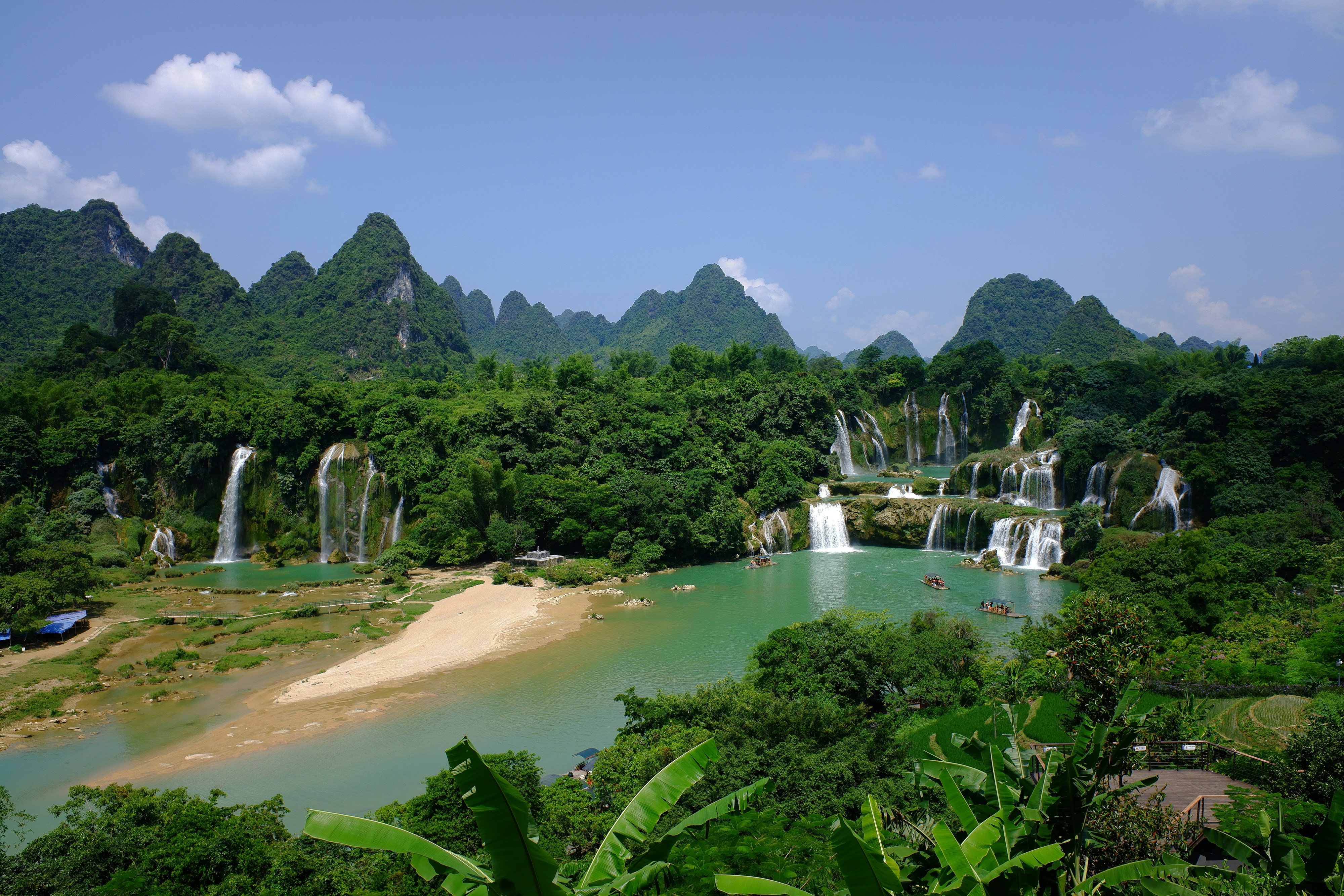
Southeast Asia's largest transnational waterfall spills over limestone terraces straddling the Vietnam-China border, wide enough that bamboo rafts drift right up to its base.
Rice paddies and karst peaks frame the Vietnamese side, while mist rises constantly off the wide, multi-tiered drop, especially heavy after summer rains.
How does it rate
CrowdsRomanceCash RequiredDangerAccessibilityWhy you should go
A wide, multi-tiered transnational waterfall you can raft right up to the base of.
Why you shouldn't go
The best straight-on view is technically from the Chinese side, requiring a separate border crossing and visa.
Plan your visit
Best time to visitJune-September for maximum water flow, though rice paddies are greenest in spring.Best time of dayMorning, for calm water and soft light on the karst backdrop.Getting thereDrive from Cao Bang (about 3 hours) or Hanoi (about 6-7 hours) to the Ban Gioc viewpoint.Entry costEntry fee plus optional bamboo raft ride, together around $10-15.Time neededHalf a dayInsider tip — Take the bamboo raft ride to get right up to the base of the falls - the road viewpoint alone undersells the scale. -
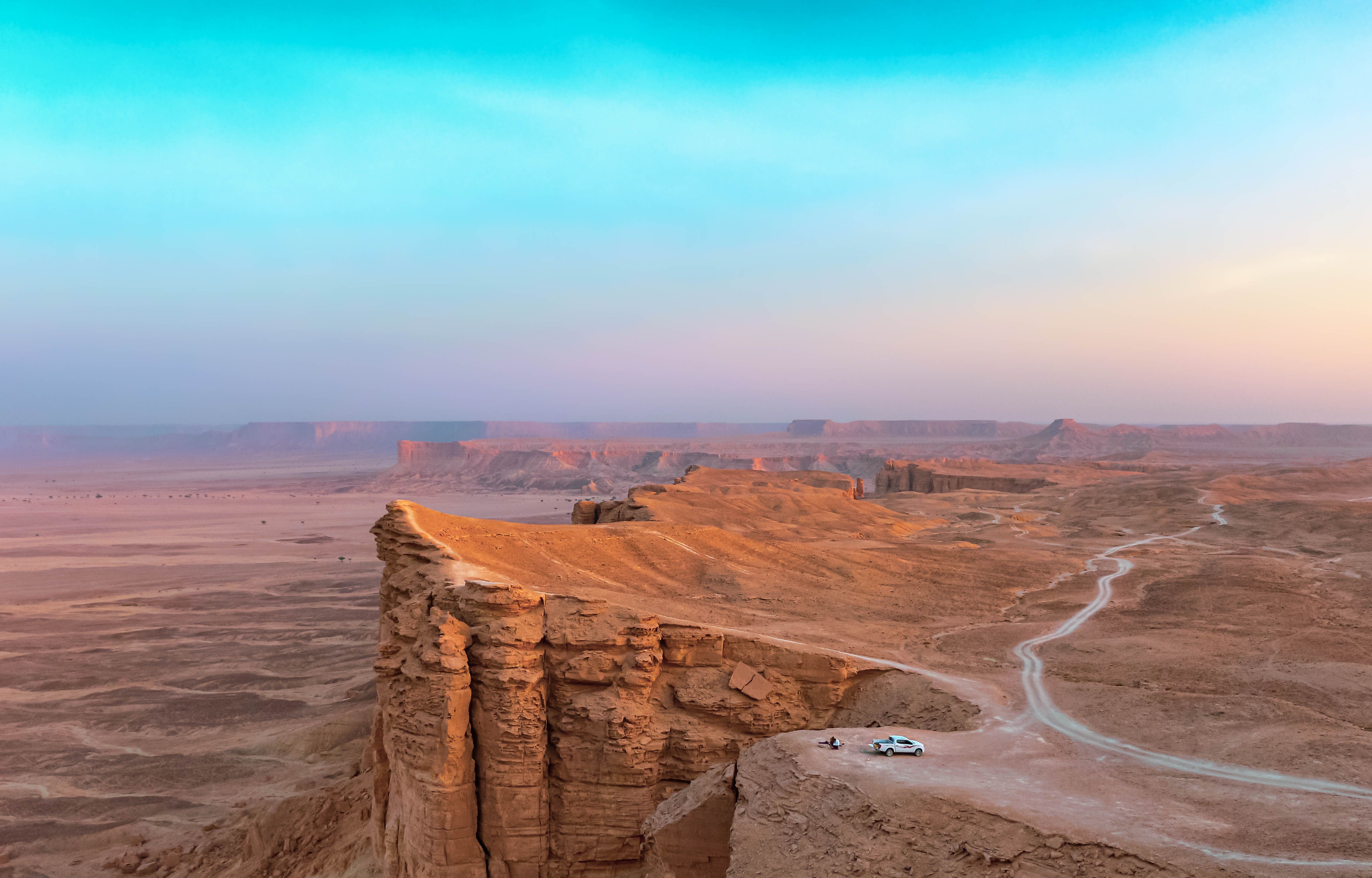 #2582 /100
Jebel Fihrayn, known as the Edge of the World, is a sheer escarpment roughly 1,100 metres above the desert floor, part of the Tuwaiq Mountains that once formed the shoreline of an ancient sea.
A rough 4x4 track and a short walk lead to a cliff edge with no barriers, looking out over a flat desert plain stretching to the horizon, and it has become one of the most visited natural landmarks near Riyadh since the country opened to tourism.
How does it rate
CrowdsRomanceCash RequiredDangerAccessibilityWhy you should go
Standing at an unguarded cliff edge with a completely flat desert stretching to the horizon feels like reaching the literal edge of the map.
Why you shouldn't go
There are no safety barriers at the cliff edge, and the last stretch of track requires a 4x4 and an experienced driver.
Plan your visit
Best time to visitNovember–March, avoiding summer heat that makes the exposed cliff top dangerous by midday.Best time of dayLate afternoon into sunset, when the escarpment and desert plain both light up gold.Getting thereFly to Riyadh; roughly 1.5–2-hour drive northwest, the final stretch on an unpaved desert track requiring 4x4.Entry costFree; most visitors join a paid tour that includes 4x4 transport.Time neededHalf a day including travelInsider tip — Go with an organised tour rather than a rental car — the final approach track is easy to get stuck on without local knowledge. -
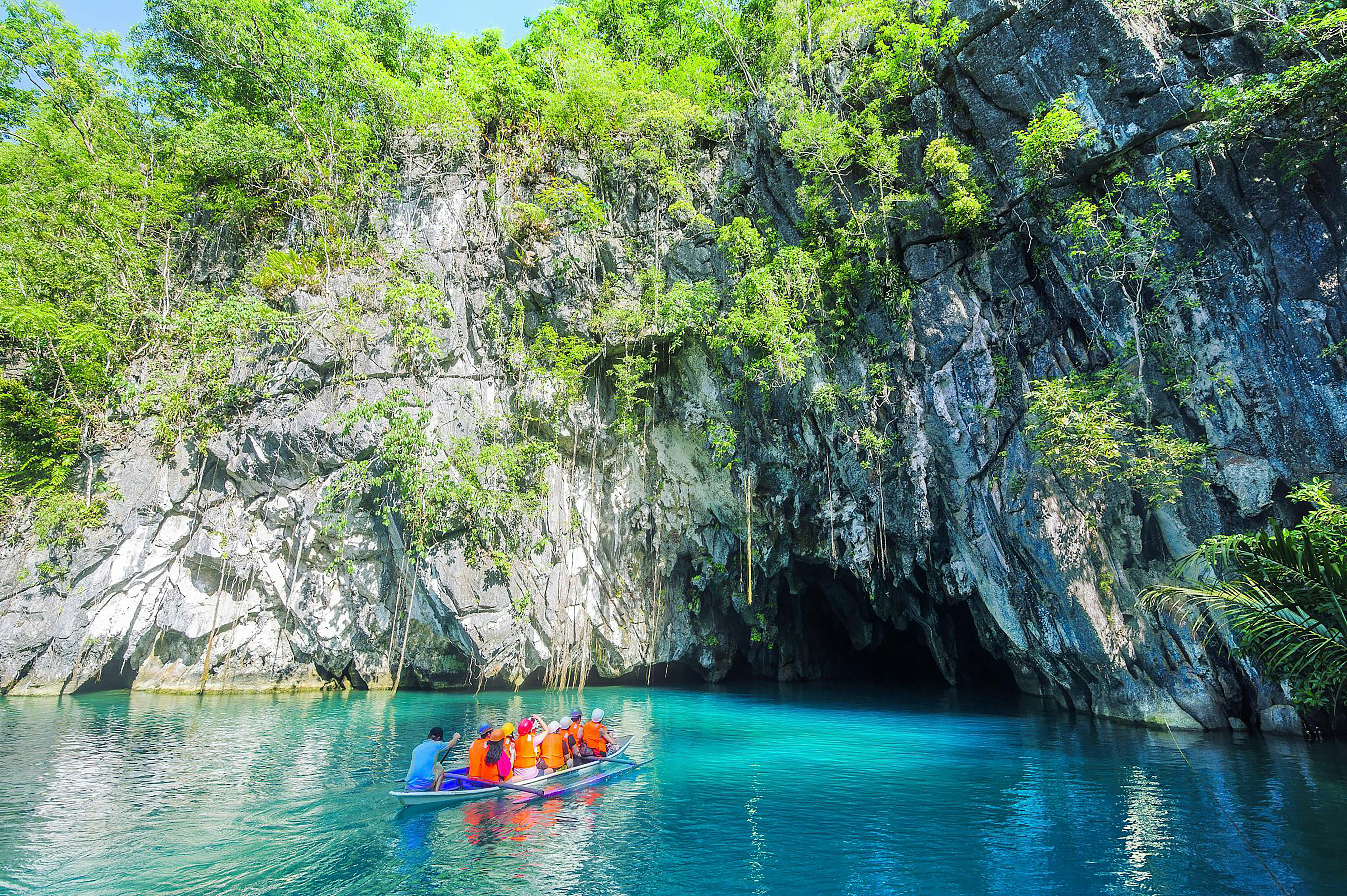 #26
#26Rated #26 of 61
Puerto Princesa Underground River, the Philippines
#puertoprincesaundergroundriver ◆ Caves81 /100A navigable underground river winds more than 8 kilometers through a limestone karst cave system before reaching the sea, its chambers hung with stalactite formations and home to colonies of bats and swiftlets.
Paddled by small boat with a guide, the first kilometer open to visitors passes through cavernous chambers where the ceiling occasionally opens into shafts of light.
Its scale earned it a spot among the New7Wonders of Nature.
How does it rate
CrowdsRomanceCash RequiredDangerAccessibilityWhy you should go
A genuinely navigable underground river through dramatic limestone cave chambers.
Why you shouldn't go
Daily visitor permits are capped, so entry requires advance booking, especially in peak season.
Plan your visit
Best time to visitNovember–May, the dry season, for calmer water and easier access.Best time of dayEarly morning for the first boat slots and to beat the day-trip crowds.Getting thereFly to Puerto Princesa, then a road and boat transfer of about 1.5–2 hours to Sabang.Entry costAround ₱440 (~€7) plus mandatory permit; usually bundled into tour packages.Time neededHalf a day including transfers.Insider tip — Book your permit through a Puerto Princesa tour operator at least a few days ahead — walk-up slots often sell out. -
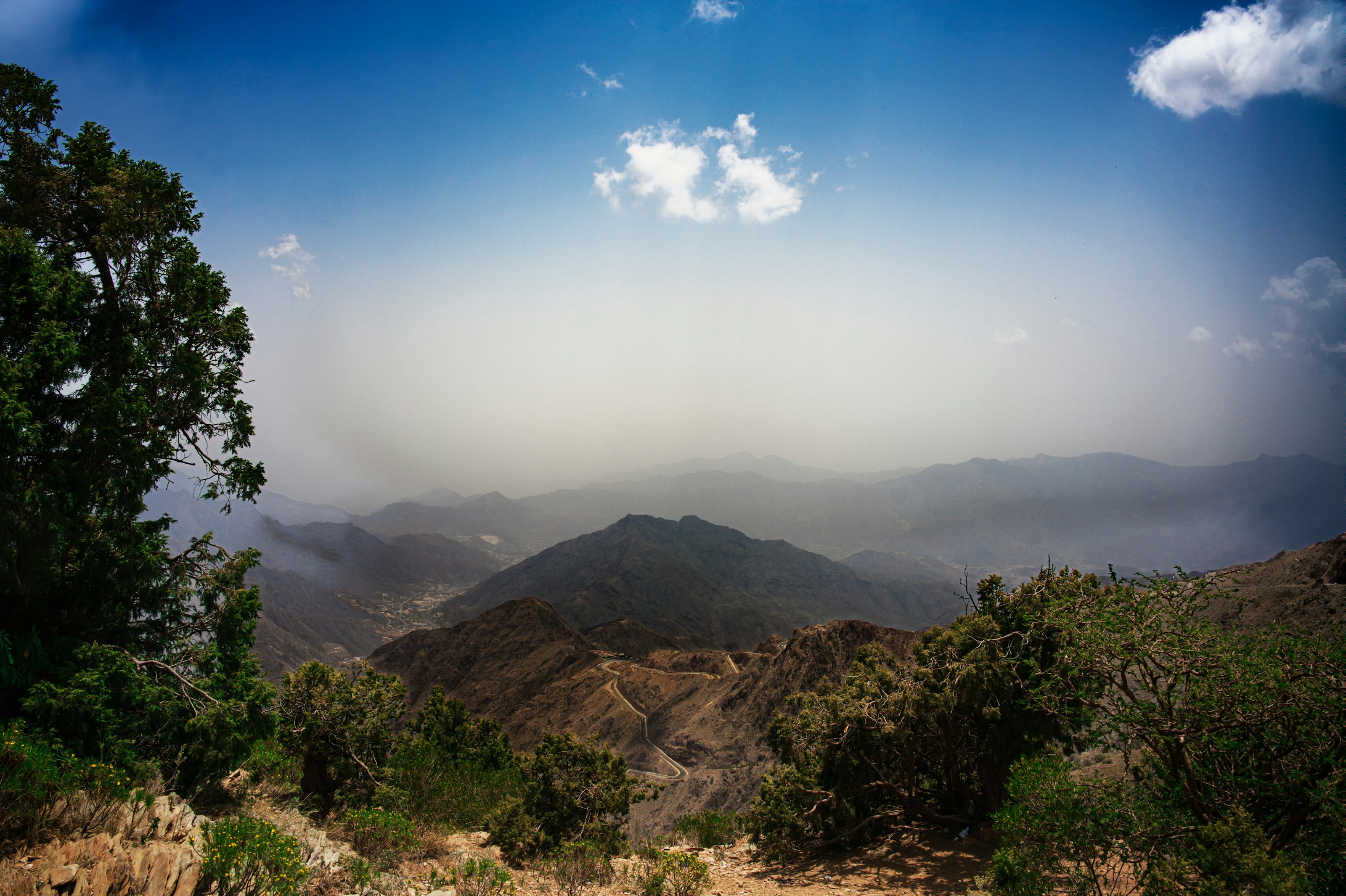 #27
#27Al Soudah sits near Jabal Sawda, Saudi Arabia's highest point, in the green, cool Asir highlands near Abha — a striking contrast to the desert most visitors expect.
Juniper forests cling to terraced mountainsides, mist regularly rolls through the valleys, and a cable car descends from the plateau edge down toward the valley floor thousands of metres below.
How does it rate
CrowdsRomanceCash RequiredDangerAccessibilityWhy you should go
Misty juniper forests and genuinely cool mountain air are the last thing most visitors expect to find in Saudi Arabia.
Why you shouldn't go
The high-altitude roads can close in poor weather, and facilities are more limited than in the country's bigger cities.
Plan your visit
Best time to visitMarch–May or September–November for mild weather and clearer mountain views.Best time of dayEarly morning, when mist often fills the valleys below the plateau edge.Getting thereFly to Abha; roughly 30–45-minute drive up into the mountains to Al Soudah.Entry costFree to explore; the cable car down the escarpment charges a fee.Time needed1 dayInsider tip — Take the cable car down toward the valley floor even just partway — the view back up at the escarpment is better than anything from the plateau itself. -
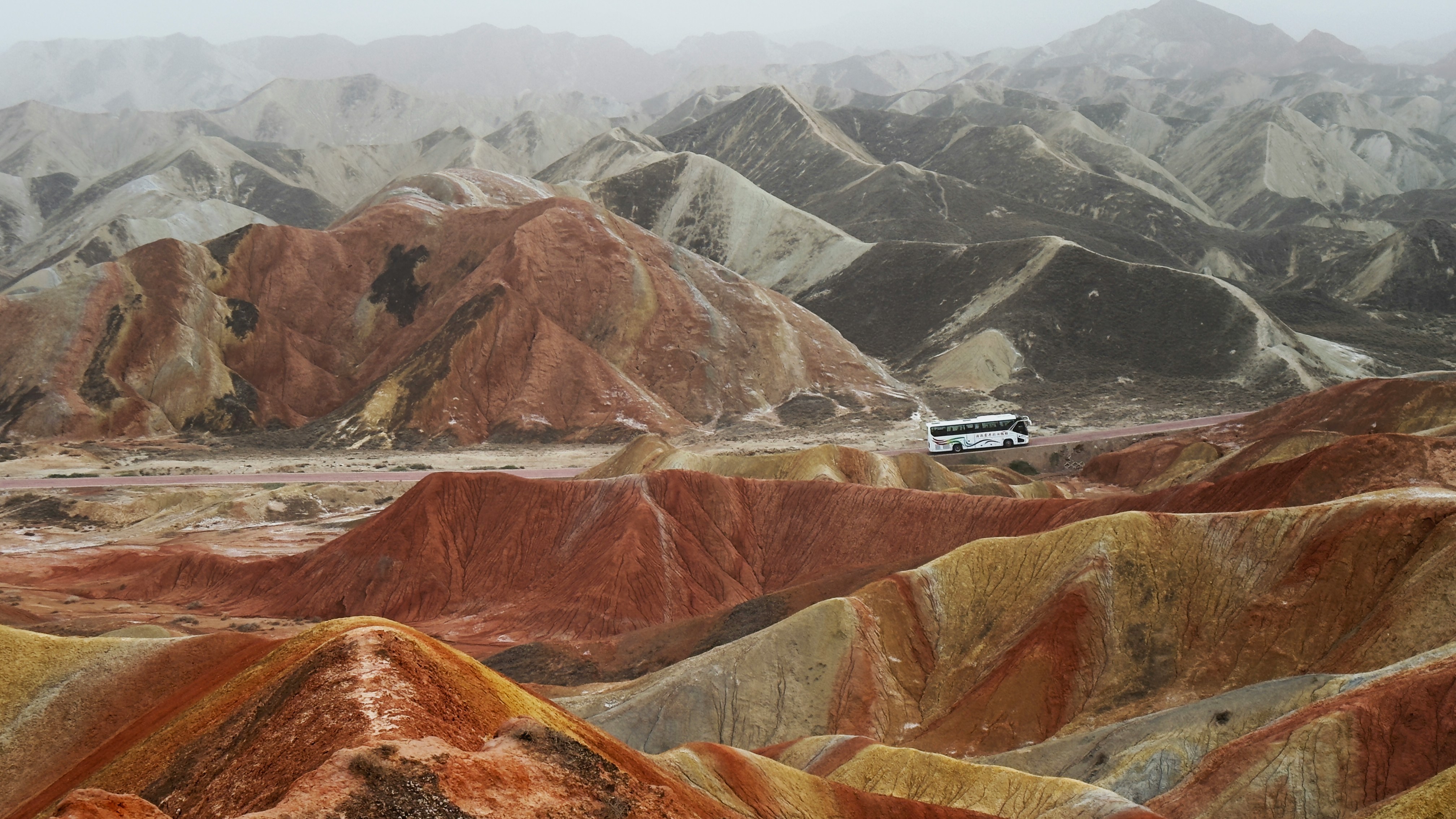 #2880 /100
Striped mountains in shades of red, yellow, and blue layer across the landscape like abstract art, the result of mineral-rich sandstone deposited and folded over 24 million years.
Raised boardwalks at four numbered viewing platforms let visitors take in the full rainbow effect.
How does it rate
CrowdsRomanceCash RequiredDangerAccessibilityWhy you should go
Rainbow-striped mountains with layers of red, yellow, and blue sandstone, unlike anywhere else on Earth.
Why you shouldn't go
Colors are muted in flat midday light or haze; visitors are confined to boardwalks and viewing platforms, no off-trail access.
Plan your visit
Best time to visitJune–September or October for the clearest skies; a shuttle bus links the viewing platforms.Best time of daySunrise or sunset cast warm, low-angle light that intensifies the colors.Getting thereFly to Zhangye Ganzhou Airport, then a 40-minute drive or shuttle to the geopark entrance.Entry costRMB 74 (~$10) entrance, plus RMB 20 mandatory shuttle bus.Time needed3–4 hours.Insider tip — Platform 4 is generally considered the best sunset viewpoint. Bring a telephoto lens — the shuttle keeps visitors at a set distance from the formations. -
 #2980 /100
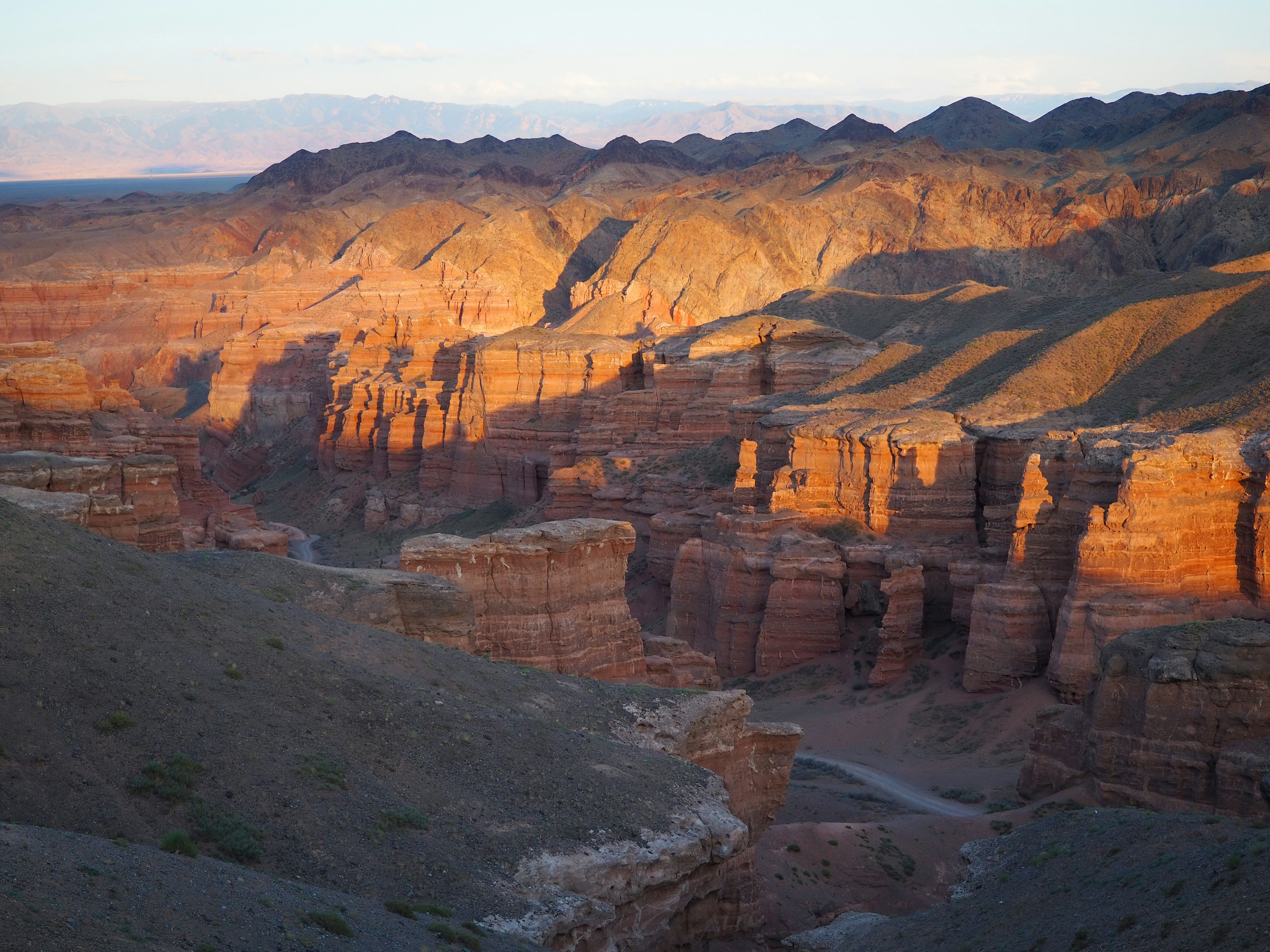
Red sandstone spires and narrow corridors give this Central Asian canyon its nickname, the Valley of Castles, carved by the Charyn River over 12 million years.
Often compared to a miniature Grand Canyon, it draws a fraction of the visitors despite comparably dramatic scenery.
Walking the valley floor between the eroded rock towers is the main draw, especially in the low light of early evening.
How does it rate
CrowdsRomanceCash RequiredDangerAccessibilityWhy you should go
Grand Canyon-scale rock formations in Central Asia, with almost none of the crowds.
Why you shouldn't go
Summer temperatures in the exposed canyon can exceed 40C by midday.
Plan your visit
Best time to visitApril-May or September-October, avoiding summer heat and winter closures.Best time of dayLate afternoon, when low light picks out the red rock's texture.Getting thereDrive from Almaty (about 3 hours) to the canyon entrance.Entry costPark entry fee, a few dollars per person.Time neededHalf a dayInsider tip — Walk the full Valley of Castles trail rather than just the main viewpoint - the rock formations get more dramatic the further in you go. -
 #3080 /100
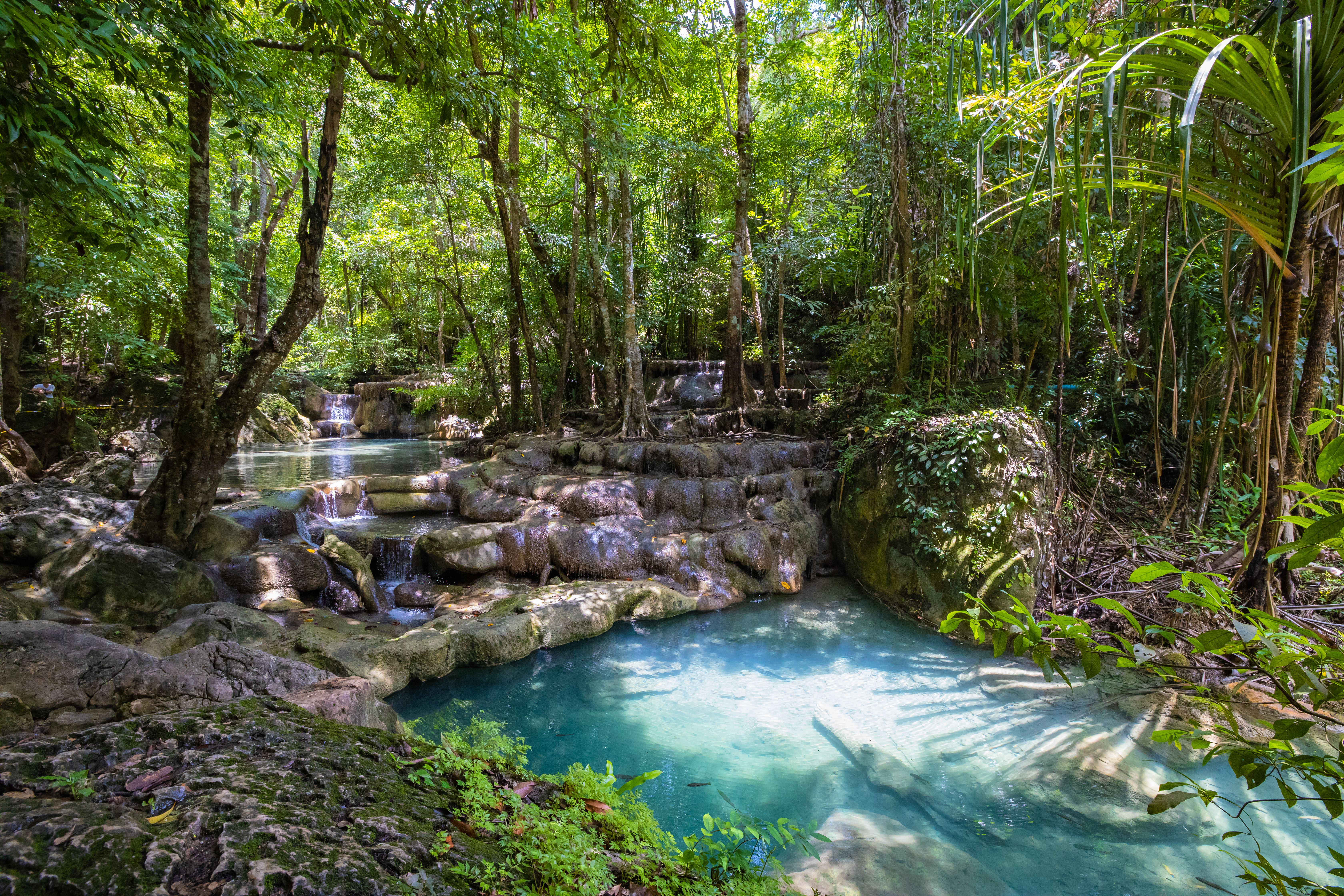
Erawan Falls drops through seven tiers down a forested hillside in Kanchanaburi province, each level pooling into a turquoise swimming hole ringed by limestone and jungle.
The lower tiers are an easy walk from the park entrance, while reaching the seventh requires a scramble over rocks and tree roots that takes a couple of hours round trip.
Small fish in the pools nibble at swimmers' feet, a natural pedicure most visitors don't expect.
How does it rate
CrowdsRomanceCash RequiredDangerAccessibilityWhy you should go
Swimming your way up through seven turquoise pools, each one different, makes this one of Thailand's best waterfall hikes.
Why you shouldn't go
The climb to the upper tiers is slippery and can close after heavy rain; weekends bring large domestic tourist crowds.
Plan your visit
Best time to visitNovember–March for the clearest, most turquoise water; avoid the rainy season when falls turn muddy.Best time of dayEarly morning on weekdays, before domestic tour groups arrive.Getting thereFly to Bangkok; roughly 3-hour drive west to Kanchanaburi, then a 1-hour drive into the national park.Entry costNational park entry fee, paid at the gate.Time neededHalf a dayInsider tip — Wear water shoes with grip — the rocks between pools are slick, and bare feet make the higher tiers much harder to reach. -
 #31
#31Umluj sits on Saudi Arabia's northern Red Sea coast, where a scattering of uninhabited islands and sandbars sit in water shallow and clear enough to earn the coastline the nickname 'the Maldives of Saudi Arabia'.
Boat trips out to islands like Jabal Hassan reach coral reefs largely untouched by mass tourism, and the coastline remains quiet even as new mega-resort developments rise further south along the same coast.
How does it rate
CrowdsRomanceCash RequiredDangerAccessibilityWhy you should go
Genuinely Maldives-clear water and coral reefs, reachable by a short boat ride, with almost no other tourists around.
Why you shouldn't go
Infrastructure is still limited outside a few boat operators and basic hotels, so it takes more planning than an established beach destination.
Plan your visit
Best time to visitNovember–April, avoiding the intense heat of the Red Sea summer.Best time of dayMorning, for the calmest boat crossings and best underwater visibility.Getting thereFly to Yanbu or Tabuk; roughly 1.5–2-hour drive to Umluj, then a boat to the islands.Entry costFree coastline; island boat trips and snorkelling gear are paid extras.Time needed1 dayInsider tip — Book a boat trip a day ahead through a local operator in Umluj town rather than turning up expecting one on the spot — options are still limited. -
 #3279 /100
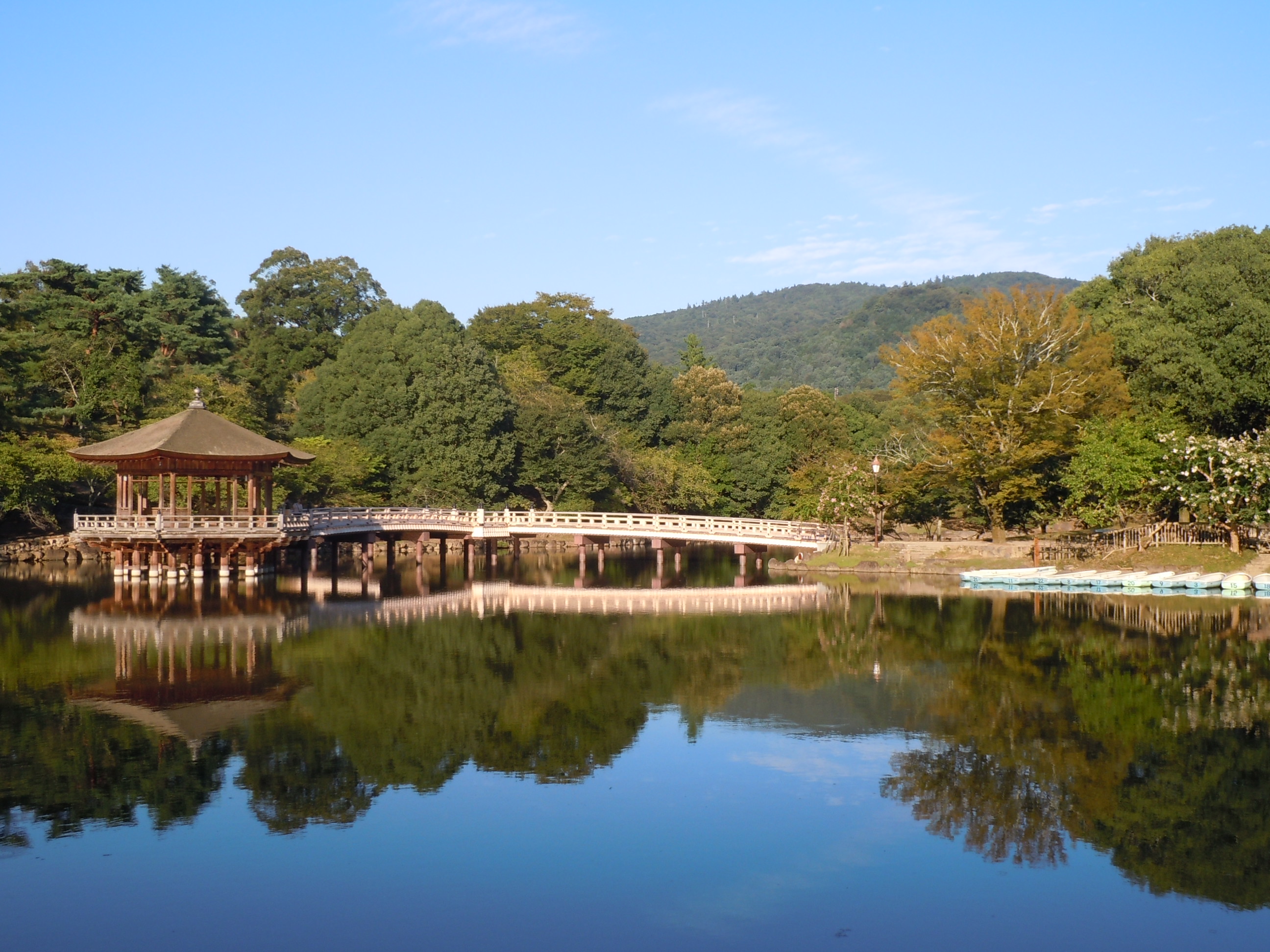
Nara Park is a large public park in the ancient city of Nara that is home to over 1,200 wild sika deer who roam freely among the park's temples, shrines, and wooded paths.
The deer are considered sacred messengers of the gods in the Shinto tradition and have been protected for 1,300 years.
How does it rate
CrowdsRomanceCash RequiredDangerAccessibilityWhy you should go
The experience of hand-feeding deer biscuits to the genuinely wild sika deer who approach you confidently in front of ancient temples is uniquely magical and unlike any other park in the world.
Why you shouldn't go
The deer, while charming, can be aggressive especially around food; deer biscuits must be purchased from approved vendors and the deer have been known to bite or headbutt visitors.
Plan your visit
Best time to visitYear-round; spring for cherry blossoms, autumn for maple coloursBest time of dayEarly morning before tour groups, when deer are most activeGetting thereNara Station, short walk/bus to the parkEntry costFree; deer crackers small feeTime needed2-3 hoursInsider tip — Buy deer crackers from a licensed vendor; the deer here are famous for bowing to visitors who have them -
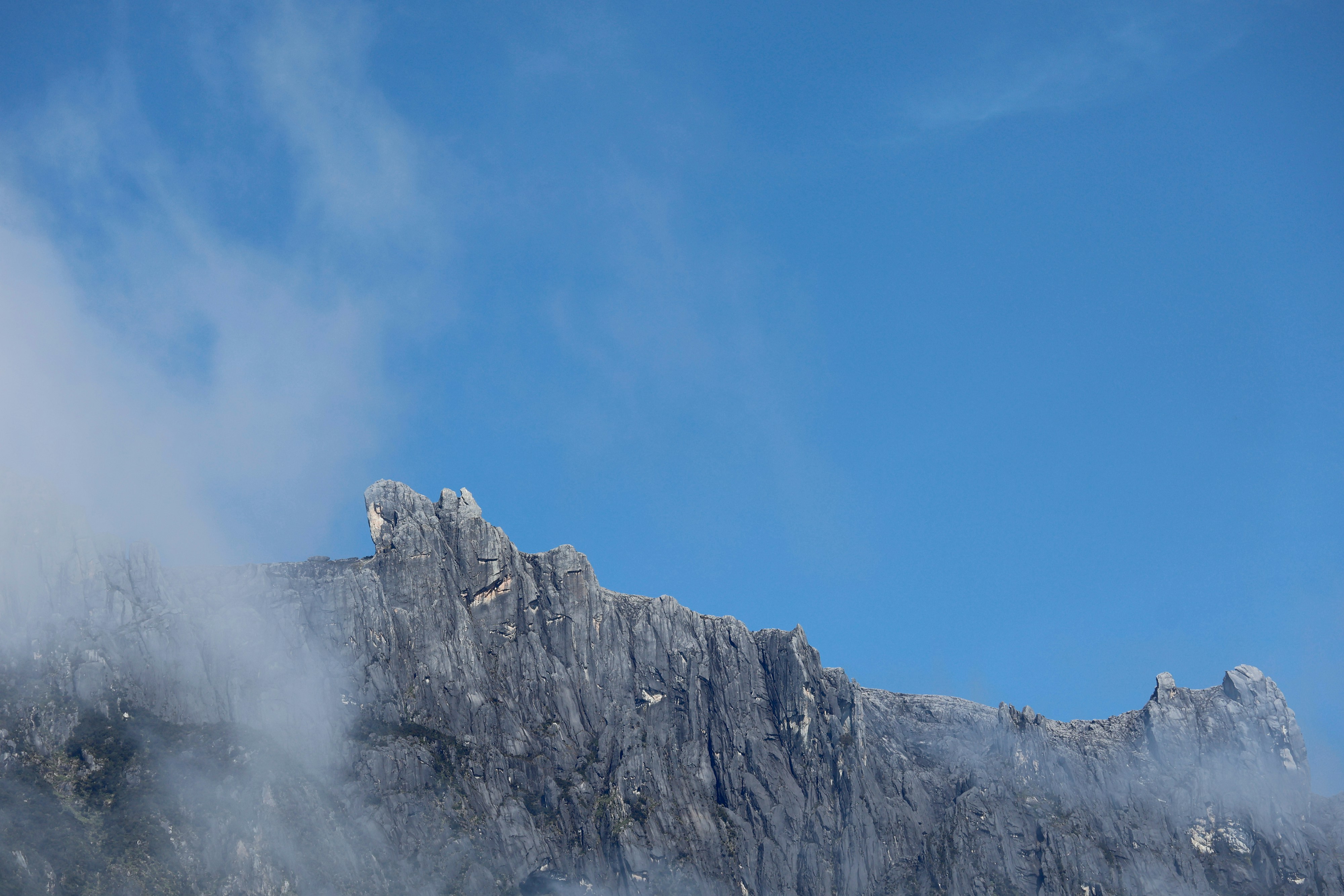 #3379 /100
Southeast Asia's highest peak rises from Borneo's jungle in a single dramatic granite massif, its bare summit plateau catching sunrise light above a sea of cloud.
The two-day climb passes from rainforest through cloud forest into an alpine, almost lunar landscape near the top.
Via ferrata routes on the summit's granite face offer a far more exposed alternative to the standard trail.
How does it rate
CrowdsRomanceCash RequiredDangerAccessibilityWhy you should go
A sunrise summit above the clouds, reached through four distinct climate zones in two days.
Why you shouldn't go
The final pre-dawn push up bare granite in the dark and cold is genuinely tough, altitude included.
Plan your visit
Best time to visitMarch-August, the driest months.Best time of daySunrise from the summit plateau, before cloud rolls in.Getting thereFly to Kota Kinabalu; 2-hour drive to Kinabalu Park headquarters.Entry costPark entry, climbing permit and mandatory guide fees required, from around $150-250 total.Time needed2 days, 1 night on the mountainBookingBook ahead →Insider tip — Book at least 3 months ahead - daily climber numbers are capped and the mountain lodge sells out fast. -
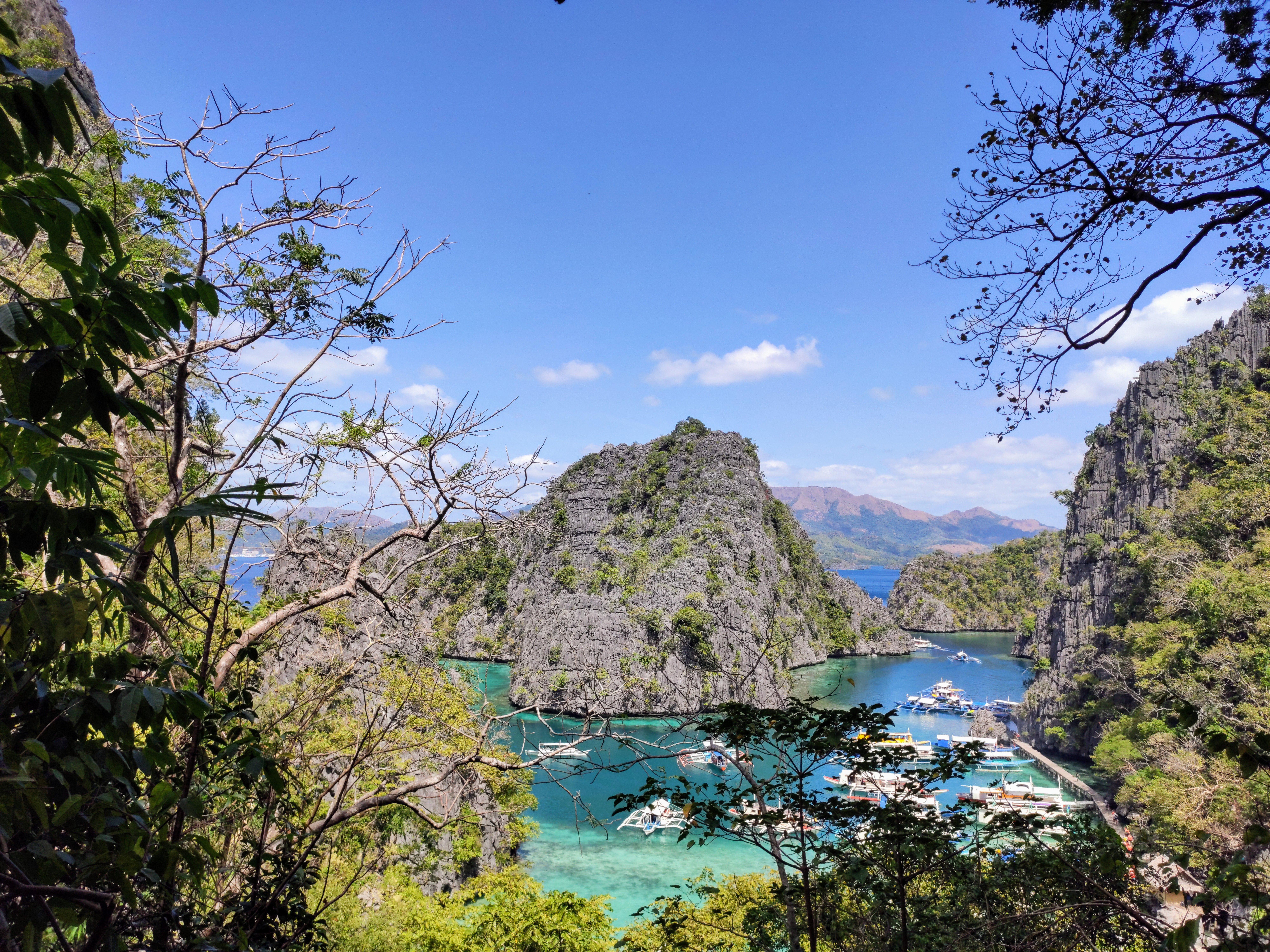 #34
#34Ringed by limestone cliffs and turquoise lagoons, Coron is best known for some of the world's best wreck diving — a dozen Japanese naval ships sunk here in a single 1944 raid now sit intact on the seabed, accessible to both certified divers and snorkelers.
Above water, Kayangan Lake's cliff-top viewpoint and the island's hot springs round out a destination built around striking limestone-and-water scenery.
How does it rate
CrowdsRomanceCash RequiredDangerAccessibilityWhy you should go
World-class WWII wreck diving alongside some of the Philippines' most striking limestone lagoons.
Why you shouldn't go
Getting around the island group requires chartering boats, which adds up over a multi-day stay.
Plan your visit
Best time to visitNovember–May, dry season, for the clearest water and calmest seas.Best time of dayEarly morning at Kayangan Lake, before tour boats arrive in numbers.Getting thereFly directly to Busuanga/Coron airport, or take a ferry from Manila or El Nido.Entry costIsland-hopping tours from around ₱1,200 (~€19); wreck diving from ₱3,500 (~€56).Time needed2–3 days.Insider tip — Book a private rather than shared island-hopping boat if diving Kayangan Lake — shared tours often rush the best viewpoint. -
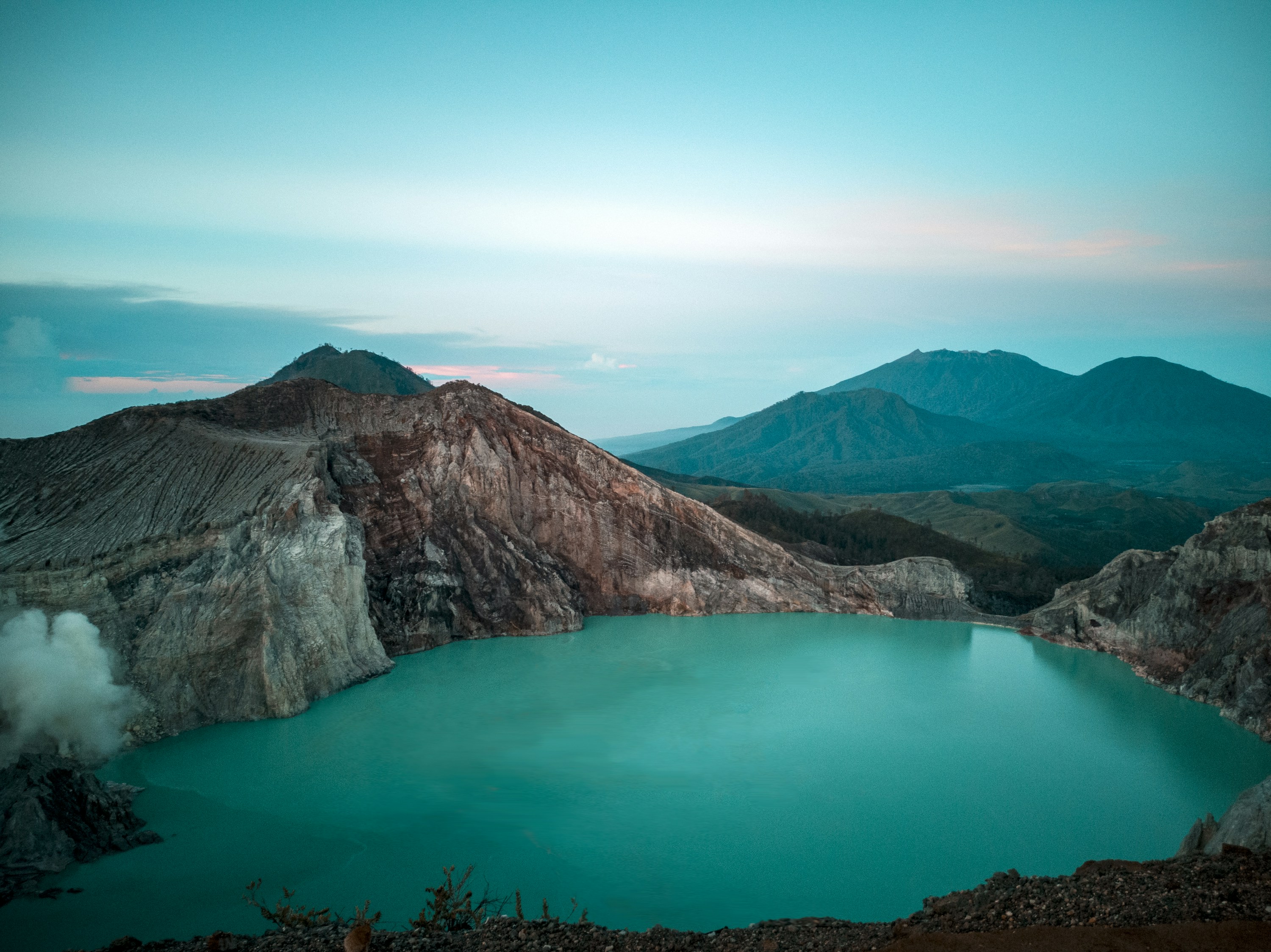 #3579 /100
Kawah Ijen's crater holds the world's largest highly acidic lake, a turquoise expanse ringed by sulfur-mining tunnels, and after dark, electric-blue flames flicker where sulfuric gas ignites on contact with air.
Miners still carry raw sulfur out by hand in baskets, a punishing job visitors pass on the trail up.
Most people climb in the dark to catch the blue fire before it fades with the sunrise, then look down into the lake itself from the crater rim.
How does it rate
CrowdsRomanceCash RequiredDangerAccessibilityWhy you should go
One of only a few places on Earth to see electric-blue volcanic flames, above the world's largest acid crater lake.
Why you shouldn't go
Sulfuric gas is genuinely hazardous; the trek is a steep, cold, 1-2am start, and gas masks only help so much.
Plan your visit
Best time to visitApril-October, dry season, for a stable trail and clearer blue-flame visibility.Best time of day1am-3am departure to see the blue fire before dawn; the flames aren't visible in daylight.Getting thereFly to Banyuwangi or Surabaya; the Paltuding trailhead is roughly 1.5-2 hours by road from Banyuwangi.Entry costAround 350,000 IDR (~$22) covering entry, gas mask rental, and basic transport on tour packagesTime needed5-6 hours round trip, including the sunrise returnInsider tip — Get a medical check certificate in Banyuwangi a few days ahead, required for the crater descent; rent a proper gas mask on-site rather than the cheap fabric ones sold at the gate. -
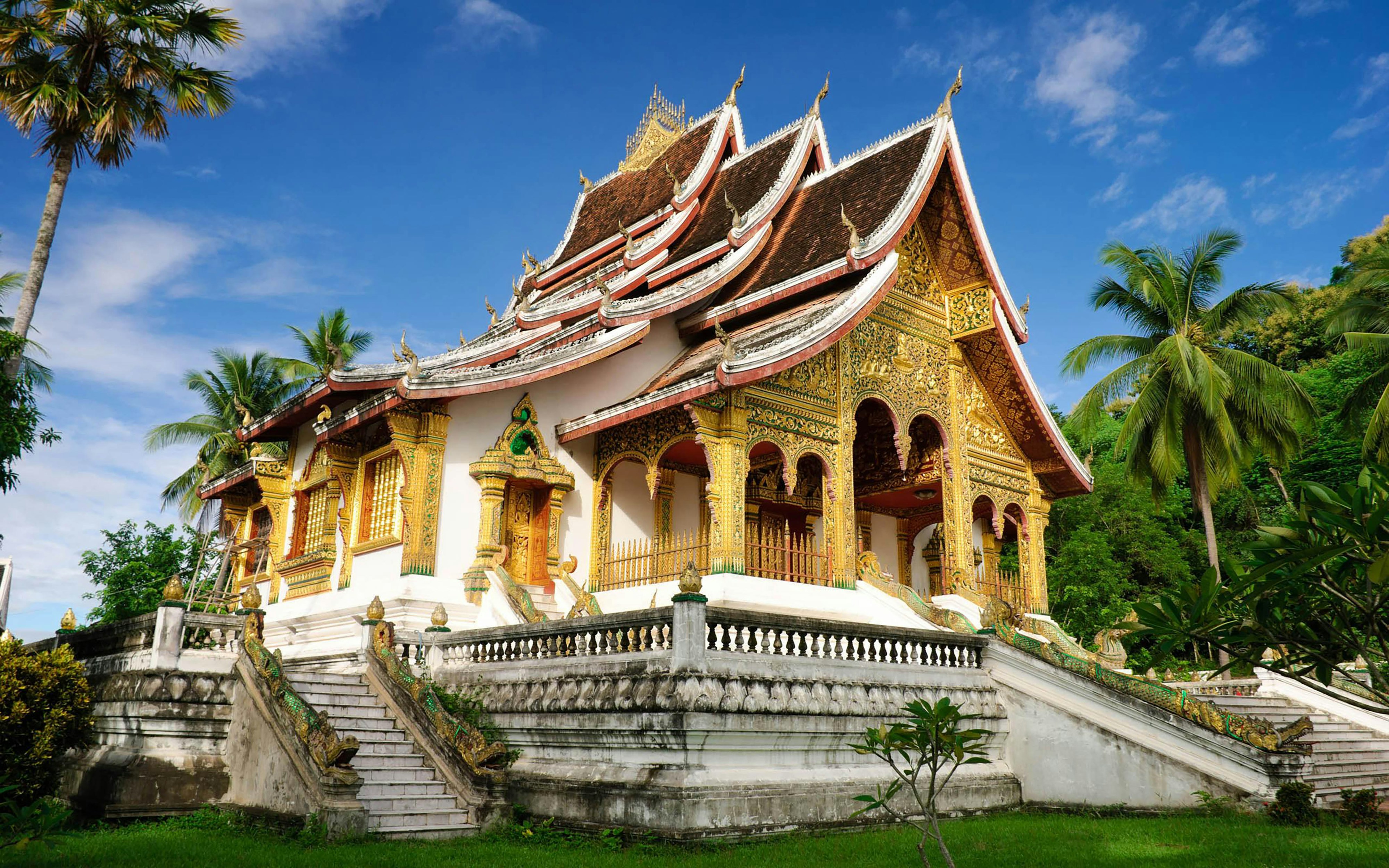 #3678 /100
Saffron-robed monks file silently through the streets at dawn to collect alms, a centuries-old ritual that still happens daily in this Mekong River town.
Gilded temple roofs and French colonial shopfronts sit side by side along streets largely protected from development by UNESCO status.
It also serves as the natural base for visiting Kuang Si Falls' turquoise pools nearby.
How does it rate
CrowdsRomanceCash RequiredDangerAccessibilityWhy you should go
A dawn alms-giving ritual that's continued unchanged in the streets for centuries.
Why you shouldn't go
The alms ceremony is a genuine religious practice, not a photo op - flash photography and getting too close are considered disrespectful.
Plan your visit
Best time to visitNovember-February, the cool dry season.Best time of daySunrise, around 5:30-6am, for the alms-giving procession.Getting thereFly into Luang Prabang, or take the slow boat from the Thai border (2 days).Entry costTemples charge small entry fees, typically $1-3.Time needed2-3 daysInsider tip — Watch the alms ceremony from a respectful distance without joining in unless you understand the etiquette - buy sticky rice from a local vendor, not a tourist-facing seller, if you do want to participate. -
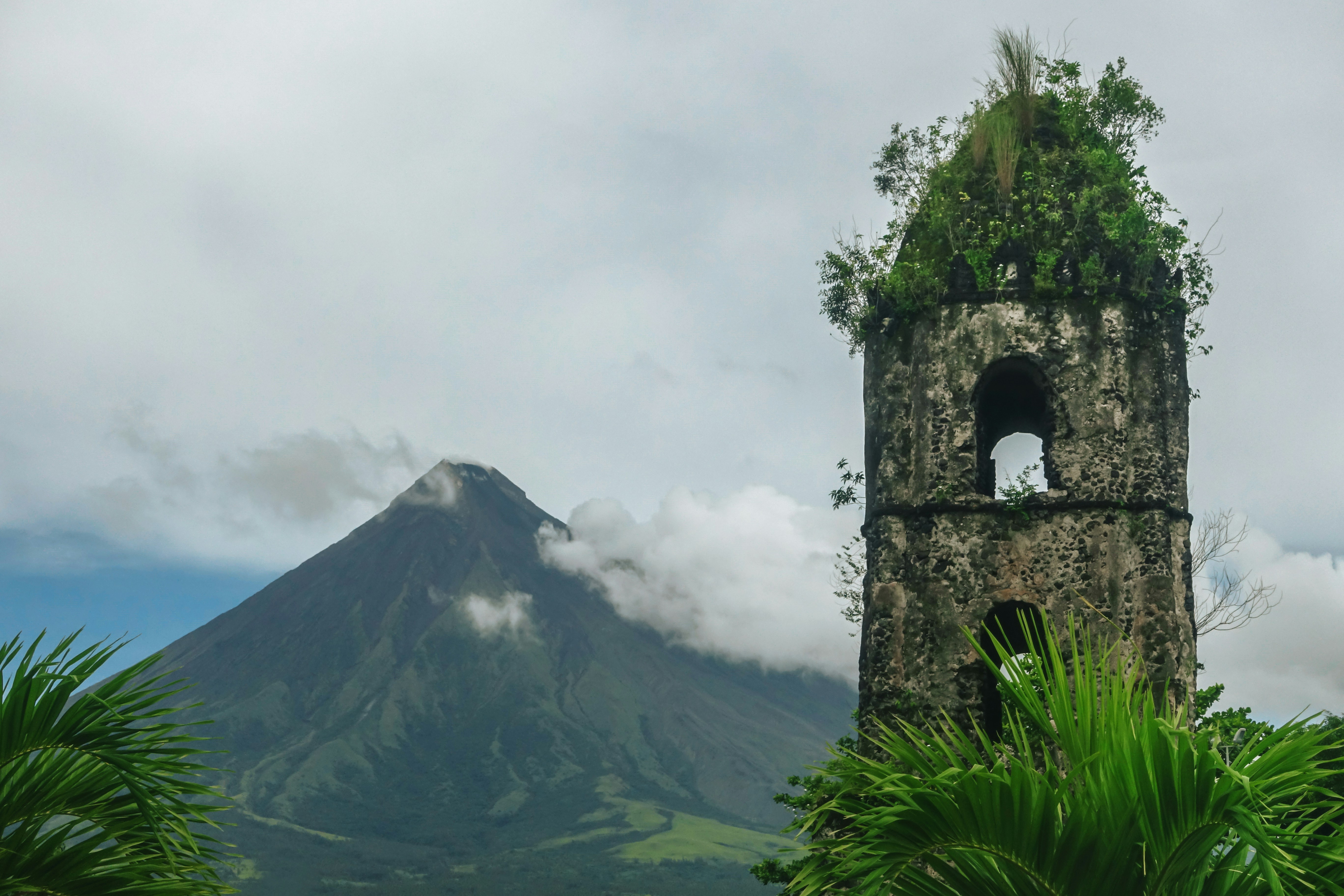 #3778 /100
Famous for having the most perfectly symmetrical cone of any volcano on Earth, rising in a flawless triangle above rice paddies and palm groves in the Bicol region.
It remains one of the Philippines' most active volcanoes, with periodic eruptions that occasionally force evacuations from surrounding villages, adding genuine drama to its postcard-perfect profile.
The best views come from a distance - from Daraga Church's ruins or the ATV trails around its lower slopes - rather than any close approach to the crater itself.
How does it rate
CrowdsRomanceCash RequiredDangerAccessibilityWhy you should go
Widely considered the most perfectly symmetrical volcanic cone in the world, framed by rice paddies and church ruins.
Why you shouldn't go
It's genuinely active with a history of sudden eruptions, so close-approach access is often restricted for safety.
Plan your visit
Best time to visitDecember-May (dry season) for the clearest, cloud-free views of the cone.Best time of dayEarly morning, before afternoon cloud typically wraps the summit.Getting thereFly to Legazpi; the classic viewpoints are a short drive from the city.Entry costViewpoint access is generally free; ATV tours on the lower slopes cost around 500-800 PHP.Time neededHalf a day.Insider tip — Cagsawa Ruins is the classic photo spot, but Daraga Church's hilltop churchyard gives the same cone view with a fraction of the tour-bus crowd. -
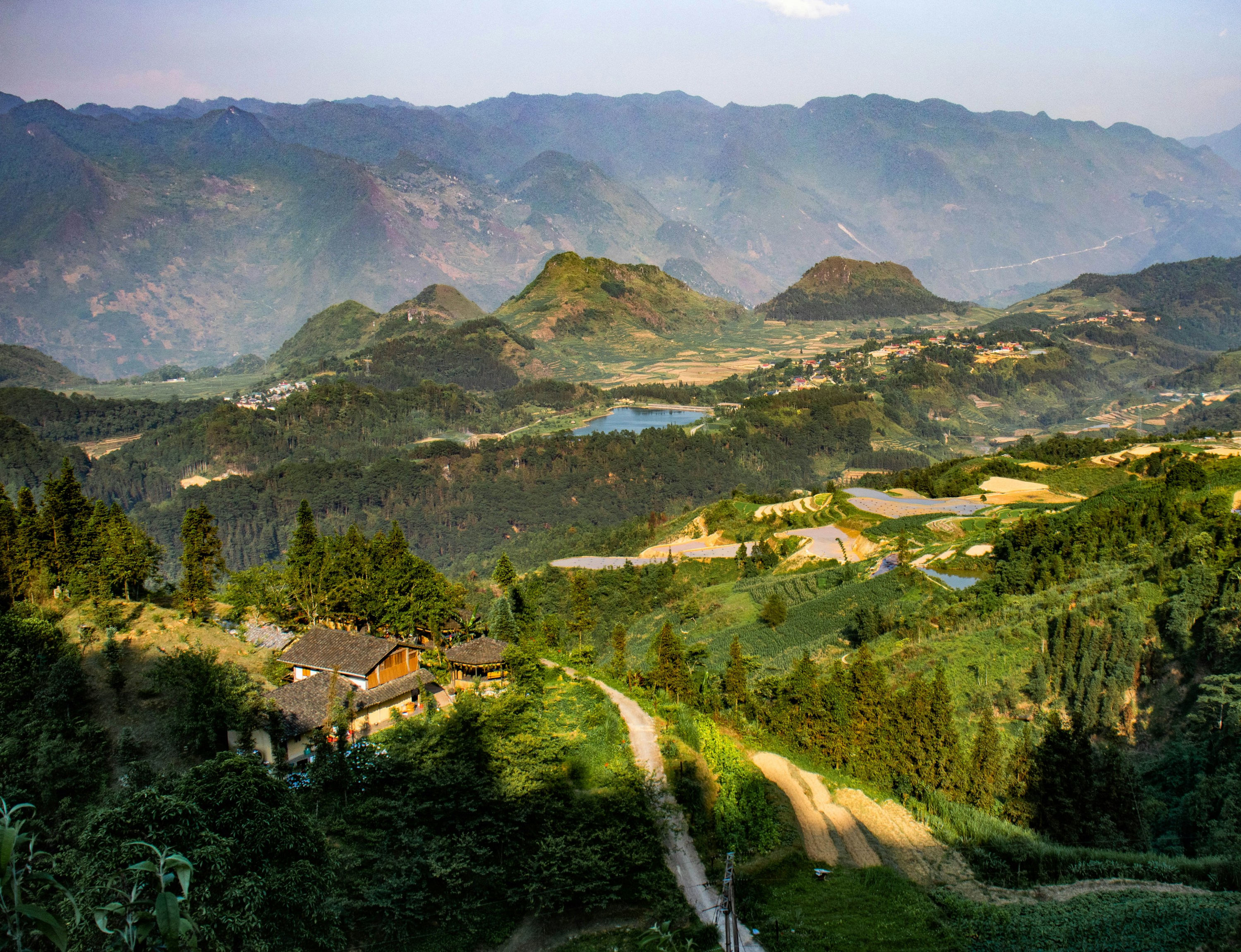 #3878 /100
The Ha Giang Loop is northern Vietnam's classic multi-day motorbike route, threading through the limestone peaks of the Dong Van Karst Plateau past terraced fields, H'mong and Tay villages, and the Ma Pi Leng Pass above the Nho Que River.
Most riders cover the roughly 350km circuit over 3-4 days, self-driving or riding pillion with a local guide.
It's demanding and occasionally hair-raising, but consistently rated among Southeast Asia's best road trips.
How does it rate
CrowdsRomanceCash RequiredDangerAccessibilityWhy you should go
Dramatic karst mountain scenery and one of Asia's great road trips, especially the cliff-hugging Ma Pi Leng Pass.
Why you shouldn't go
Mountain roads are genuinely dangerous for inexperienced riders, and a border-area permit is required for foreign visitors.
Plan your visit
Best time to visitSeptember-November and March-May, for clear skies and dry roads.Best time of dayRide mid-morning to mid-afternoon; mountain fog and cold set in early and late.Getting thereOvernight bus or shared van from Hanoi to Ha Giang city (6-7 hours), where loop rentals and guides start.Entry costFree to ride; motorbike rental or guided tours from roughly $25-50/day, plus a border permitTime needed3-4 daysInsider tip — Arrange a border-area permit and, if you're not an experienced rider, an "easy rider" driver in Ha Giang city before setting off; the Ma Pi Leng Pass viewpoint gets busy by mid-morning with day-tour minivans from Dong Van. -
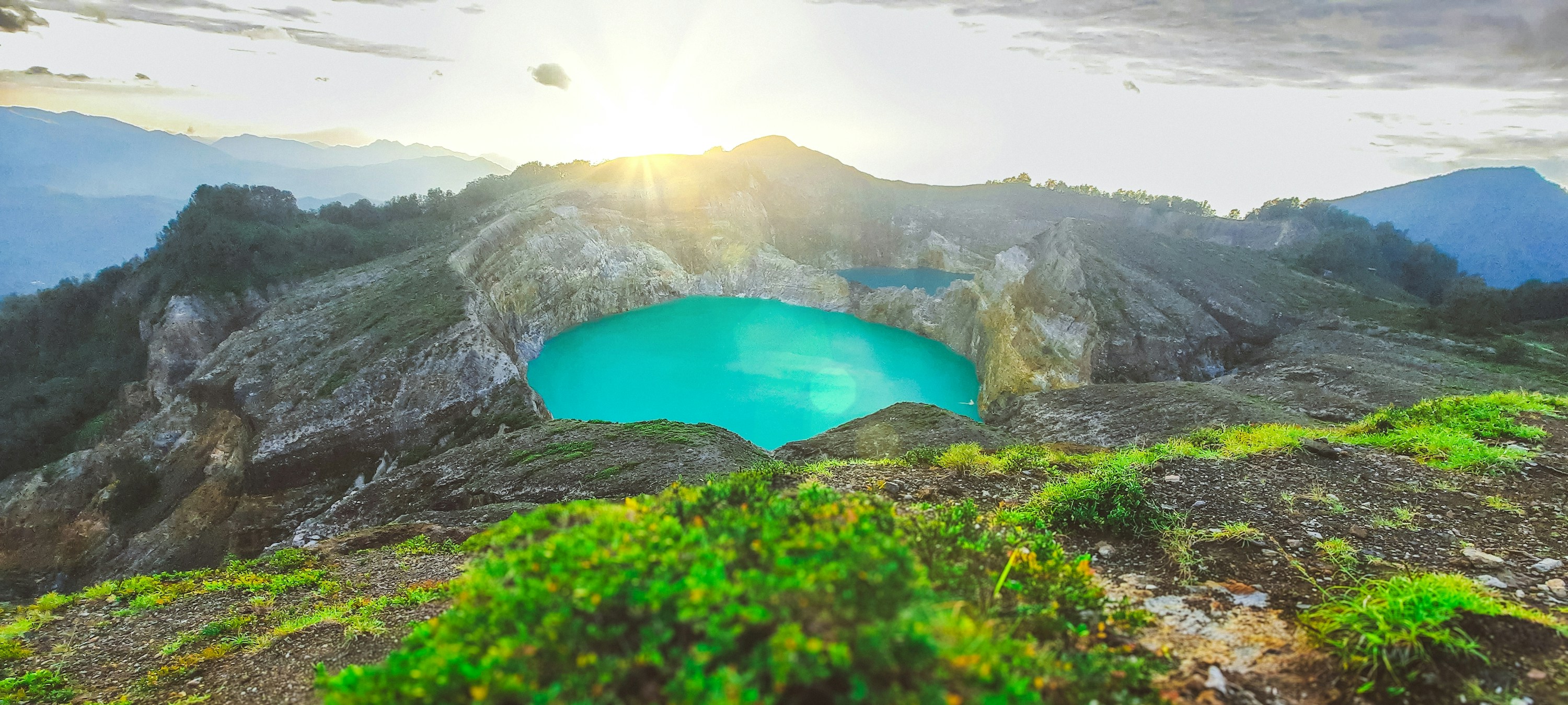 #39
#39Kelimutu volcano holds three crater lakes side by side, each a different color from mineral and gas activity below, ranging through turquoise, teal, and near-black depending on when you visit.
The lakes have shifted hue repeatedly over recorded history, a phenomenon still not fully explained.
Most visitors arrive before dawn to catch sunrise from the rim, then walk a short paved trail between viewpoints overlooking each lake.
How does it rate
CrowdsRomanceCash RequiredDangerAccessibilityWhy you should go
Three crater lakes of different, unexplained colors side by side, best seen glowing at sunrise.
Why you shouldn't go
Getting to remote central Flores takes real effort, and clouds often roll in and hide the lakes by mid-morning.
Plan your visit
Best time to visitMay-September, dry season, for the clearest views and lowest chance of cloud cover.Best time of daySunrise; arrive by 5am before clouds build up later in the morning.Getting thereFly to Ende, Flores; Kelimutu is a 1.5-hour drive, staying overnight in nearby Moni village.Entry cost150,000 IDR weekdays, 250,000 IDR Sundays/holidays (~$9-16)Time needed2-3 hours at the crater rimInsider tip — Stay in Moni the night before and arrange a pre-dawn ojek (motorbike taxi) to the gate; the viewpoint above the two closest lakes is far less crowded than the main platform. -
 #4077 /100
The Farasan Islands are a low-lying Red Sea archipelago off Saudi Arabia's southern coast, ringed by coral reefs that draw divers and snorkellers to waters that see whale sharks pass through seasonally.
The main island holds crumbling coral-stone merchant houses from an Ottoman-era pearling boom, now mostly abandoned, alongside mangrove channels sheltering gazelles found nowhere else, with ferries from Jazan the only way in.
How does it rate
CrowdsRomanceCash RequiredDangerAccessibilityWhy you should go
Diving reefs that see almost no other visitors, alongside crumbling Ottoman-era pearling houses, makes for a genuinely uncommon combination.
Why you shouldn't go
Ferry schedules are limited and infrastructure is basic, so it takes more planning than a typical island trip.
Plan your visit
Best time to visitOctober–April, avoiding the most intense Red Sea summer heat and humidity.Best time of dayMorning, for the calmest seas for diving and the ferry crossing.Getting thereFly to Jazan; a roughly 1.5–2-hour ferry crosses to the main Farasan island.Entry costFerry ticket plus any diving or snorkelling tour costs.Time needed1–2 daysInsider tip — Arrange diving trips in advance through an operator in Jazan — options on the islands themselves are limited and can sell out. -
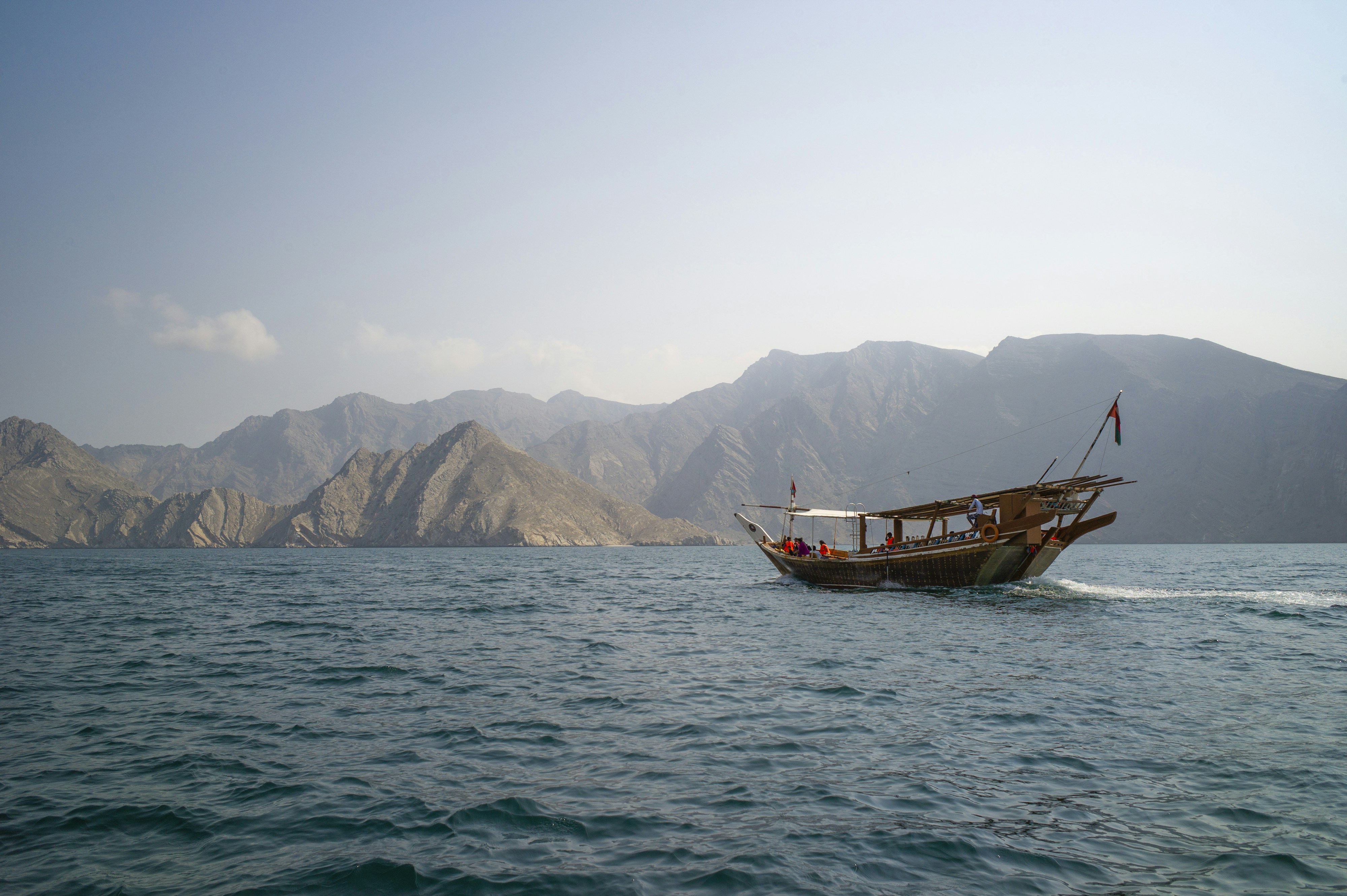 #4176 /100
Steep, arid mountains drop straight into the sea along this remote Omani exclave, earning the nickname the Norway of Arabia for its fjord-like inlets.
Traditional wooden dhows cruise between the peninsula's narrow channels, where dolphins are a near-daily sighting.
Fishing villages built into the base of sheer cliffs remain reachable only by boat.
How does it rate
CrowdsRomanceCash RequiredDangerAccessibilityWhy you should go
Fjord-like inlets between desert mountains, cruised by traditional wooden dhows with dolphins alongside.
Why you shouldn't go
Musandam is physically cut off from the rest of Oman by UAE territory, adding a border crossing to most routes.
Plan your visit
Best time to visitOctober-April, avoiding the extreme summer heat.Best time of dayMorning, for the calmest water and best chance of dolphin sightings.Getting thereFly to Dubai, then drive across the UAE border to Khasab (about 3 hours), or fly directly to Khasab.Entry costDhow cruise tours typically $40-60 per person.Time neededFull dayInsider tip — Book a full-day dhow cruise rather than a short one - the most dramatic fjord scenery and best dolphin sightings are further out than the shorter tours reach. -
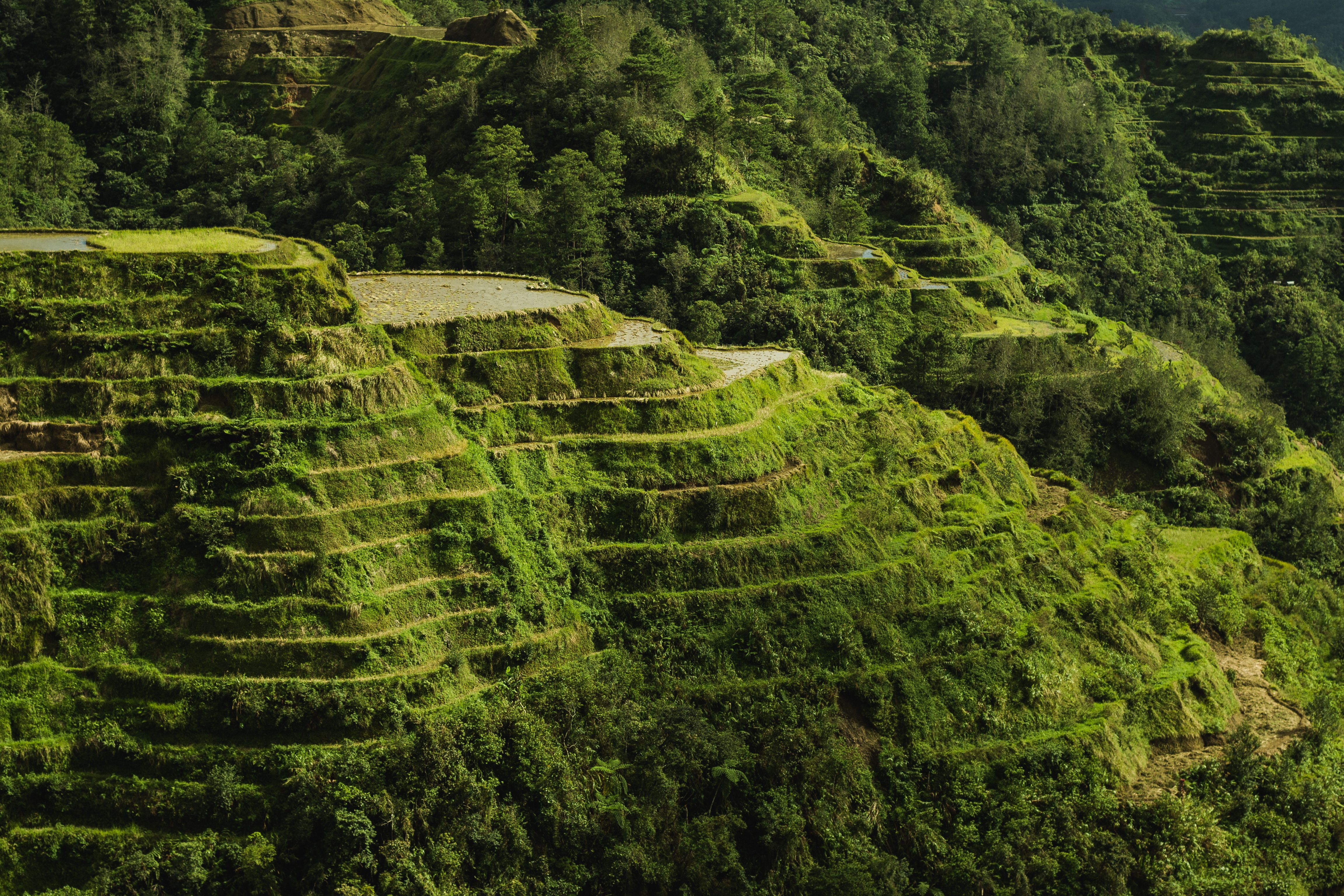 #4276 /100
Carved into the Cordillera mountains some 2,000 years ago by the Ifugao people using only hand tools, these terraces climb the hillsides in contour lines that follow the land, still irrigated by an ancient engineered system fed from the forests above.
Locals still farm rice here, so the terraces are a living agricultural landscape rather than a preserved relic — often called the 'eighth wonder of the world.
'
How does it rate
CrowdsRomanceCash RequiredDangerAccessibilityWhy you should go
A 2,000-year-old engineered landscape still actively farmed the same way today.
Why you shouldn't go
The core Banaue viewpoint area is well-touristed; reaching the more dramatic Batad terraces needs a further hike.
Plan your visit
Best time to visitMarch–May for lush green terraces before typhoon season; June–September brings rain.Best time of daySunrise, when mist often sits in the valley below the terraces.Getting thereOvernight bus from Manila (about 9 hours) to Banaue town, then jeepney to the viewpoints.Entry costFree to view; small fees at specific lookout points.Time needed1–2 days, more if hiking to Batad.Insider tip — Hire a local Ifugao guide to hike down into Batad's amphitheater terraces — a far less-visited experience than the roadside Banaue viewpoint. -
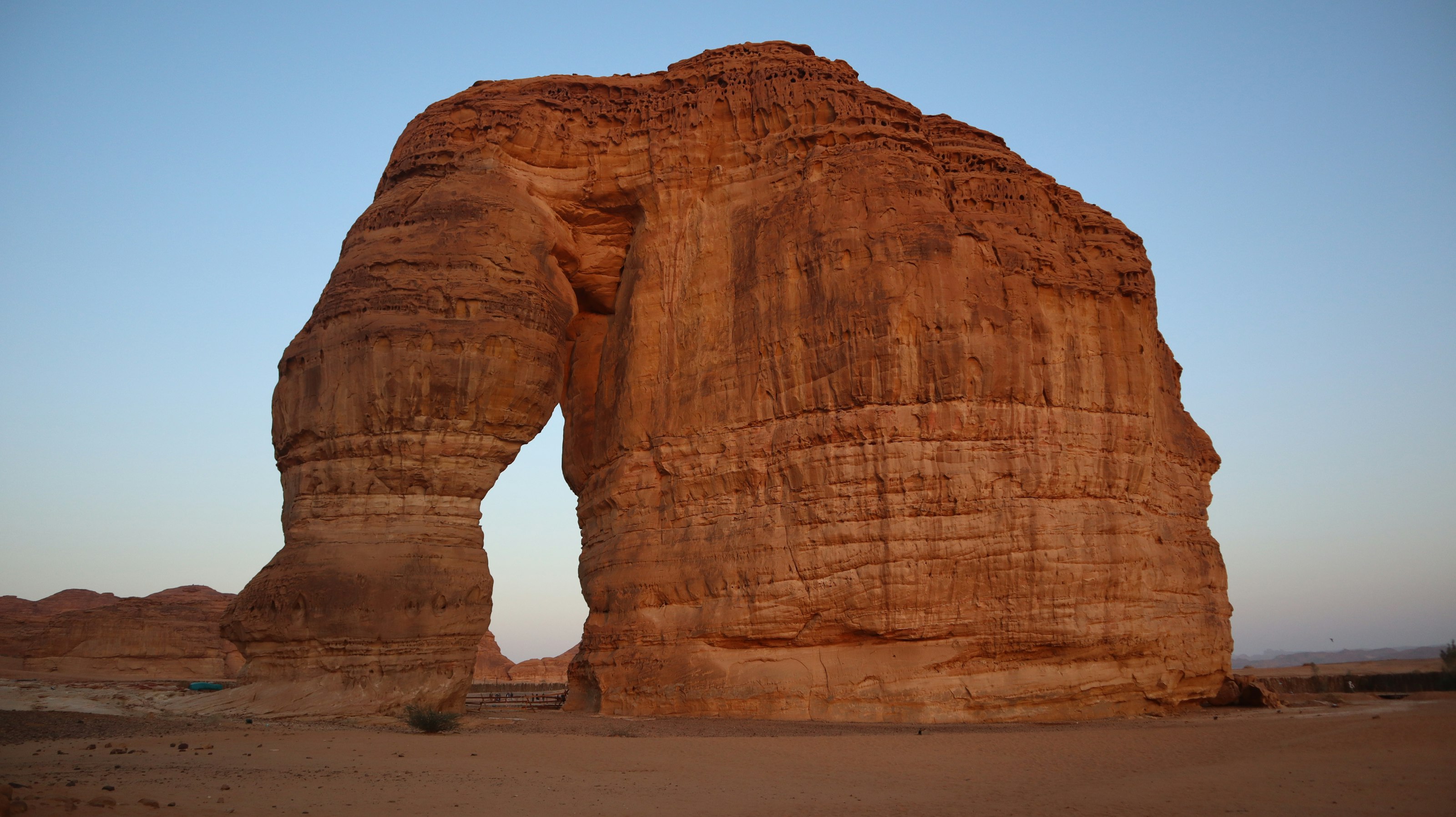 #4376 /100
Jabal AlFil, or Elephant Rock, is a sandstone formation carved by wind erosion into the unmistakable shape of an elephant with its trunk lowered to the desert floor.
It's one of the most recognisable landmarks of the AlUla region, set in an open desert valley that turns gold and red as the sun drops, with a small amphitheatre of seating built facing the rock for evening visitors.
How does it rate
CrowdsRomanceCash RequiredDangerAccessibilityWhy you should go
A short, free stop with one of the most striking natural rock formations in the country, especially as sunset colours the sandstone.
Why you shouldn't go
There's little else at the site itself beyond the rock and desert view, so it's a quick visit rather than a half-day outing.
Plan your visit
Best time to visitNovember–March, avoiding the extreme heat of the Arabian summer.Best time of daySunset, when the sandstone turns deep gold and red.Getting thereFly to AlUla's own airport; roughly 30-minute drive from AlUla Old Town.Entry costFree entry.Time needed1 hourInsider tip — Bring a chair or blanket and arrive an hour before sunset — the seating area fills up but the desert floor around it has plenty of room. -
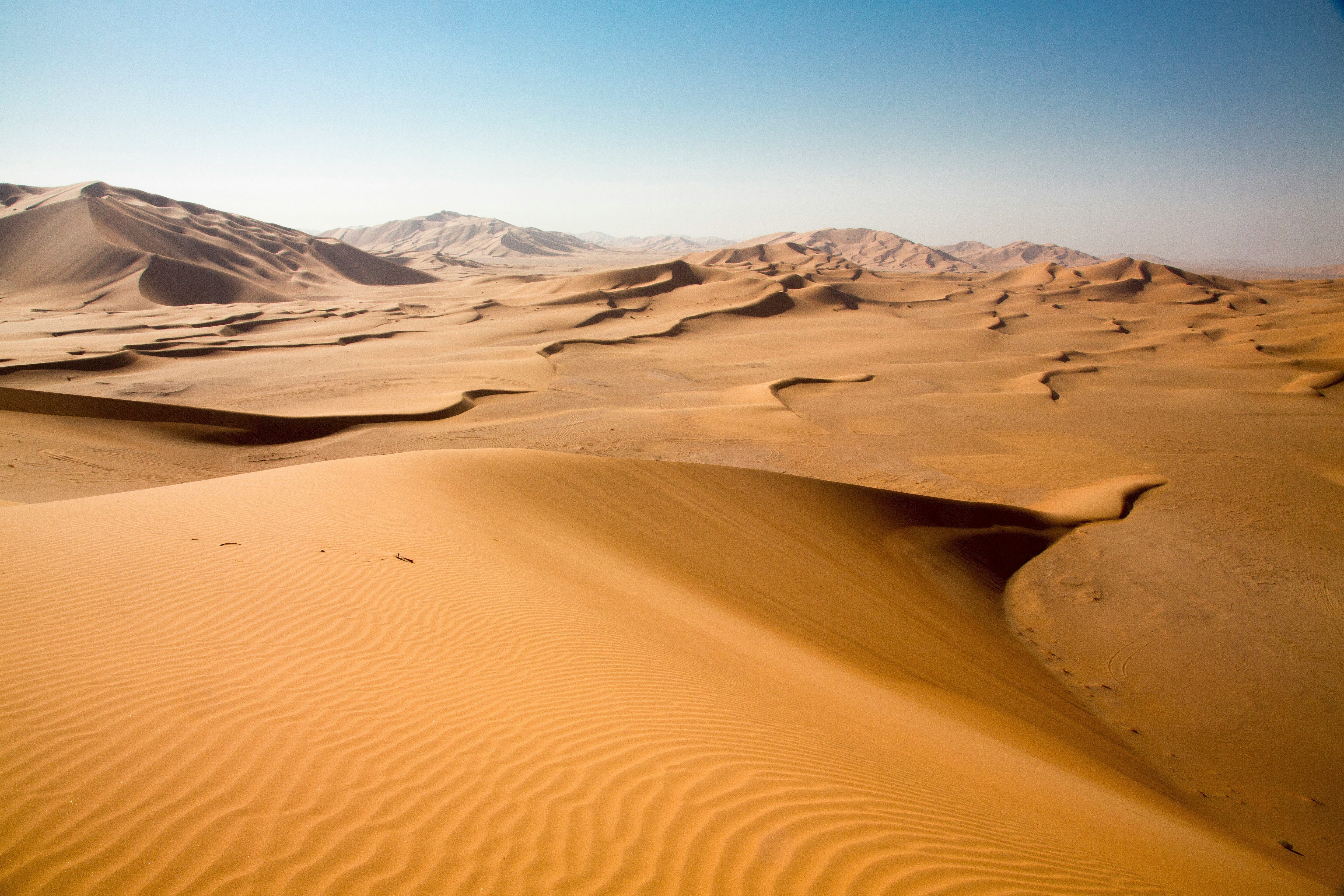 #4475 /100
The largest continuous sand desert on Earth, an ocean of dunes covering an area bigger than France across the southern Arabian Peninsula.
Some dunes rise over 250 metres, their ridgelines shifting constantly and revealing fossilised lakebeds and ancient artefacts as the sand moves.
Overnight desert camps run by Bedouin-guided outfitters, mostly out of Saudi Arabia's Empty Quarter fringes, are the realistic way to experience its scale without a full expedition crossing.
How does it rate
CrowdsRomanceCash RequiredDangerAccessibilityWhy you should go
The largest sand desert on Earth, with dunes over 250 metres high and almost no infrastructure to break the horizon.
Why you shouldn't go
Access is genuinely limited - most of the interior requires a specialised expedition operator, and summer heat makes travel dangerous.
Plan your visit
Best time to visitNovember-February, the only realistically comfortable window.Best time of daySunrise or sunset, when the dune ridgelines throw long shadows across the sand.Getting thereFly to Riyadh or Najran; overnight camps near the desert's edge are reached by 4x4 from either city.Entry costGuided overnight desert camp trips typically run USD150-300+ per person.Time neededOvernight, or 3+ days for a deeper expedition.Insider tip — Stick to an edge-of-desert camp near Najran or Sharurah unless you're booking a proper multi-day expedition - the true interior is not for casual visitors. -
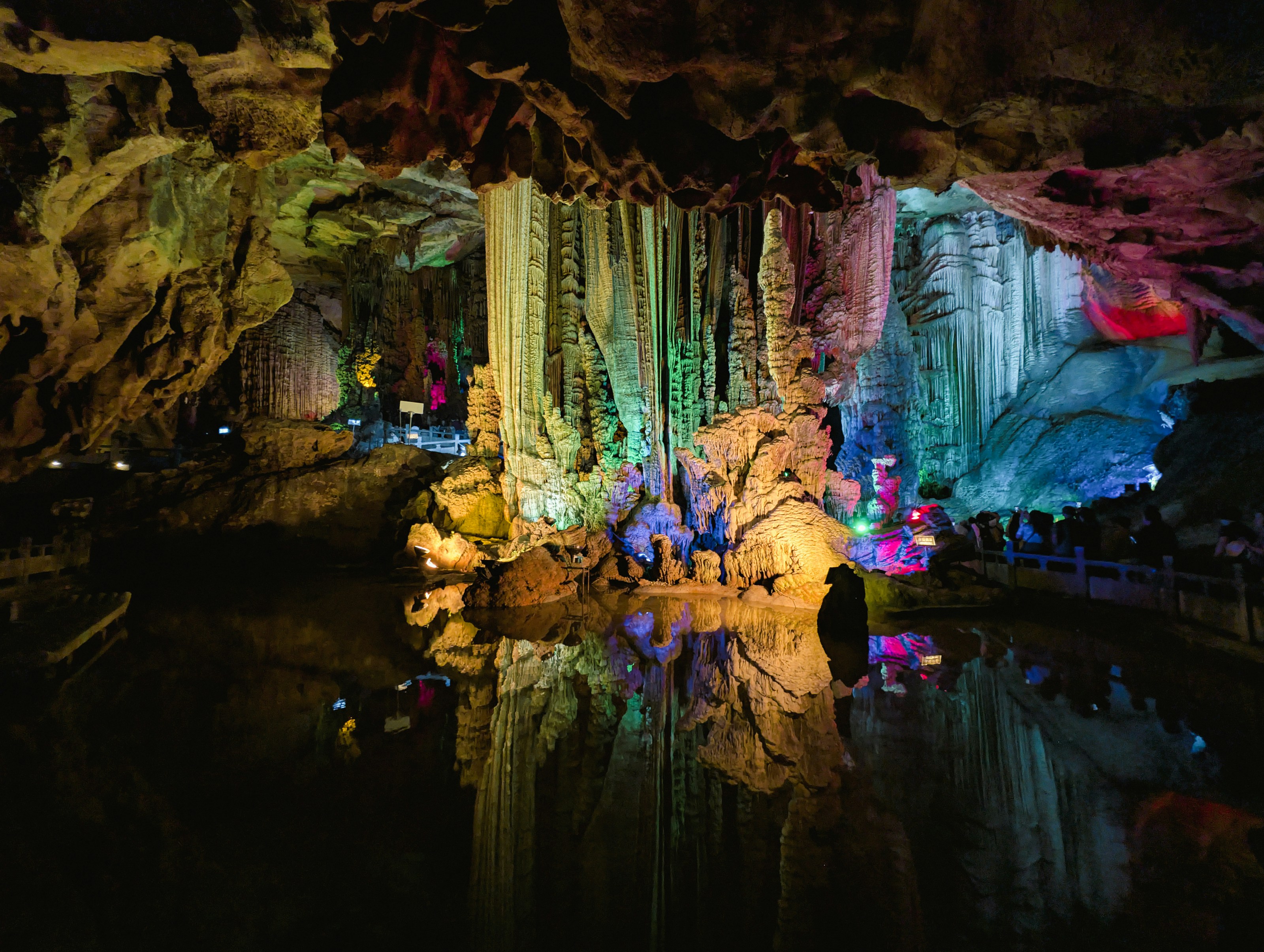 #4574 /100
A 240-metre limestone cave in the hills of Guilin, lit throughout in saturated reds, greens and blues that turn the stalactites into something closer to stage design than geology.
A still pool near the end doubles every formation above it.
Ink inscriptions on the walls date back to the Tang dynasty.
How does it rate
CrowdsRomanceCash RequiredDangerAccessibilityWhy you should go
The coloured lighting and the mirror pool make it the most photogenic show cave in China.
Why you shouldn't go
The lighting is entirely artificial, which strikes some visitors as gaudy rather than natural.
Plan your visit
Best time to visitApril-October, alongside the Li River cruises Guilin is known forBest time of dayEarly afternoon on a weekday, between the domestic tour groupsGetting thereBus or taxi from central Guilin, about 20 minutesEntry costAround CNY 110Time needed1-2 hoursInsider tip — The mirror pool near the exit is the shot - let the group ahead move on and photograph it before anyone disturbs the surface. -
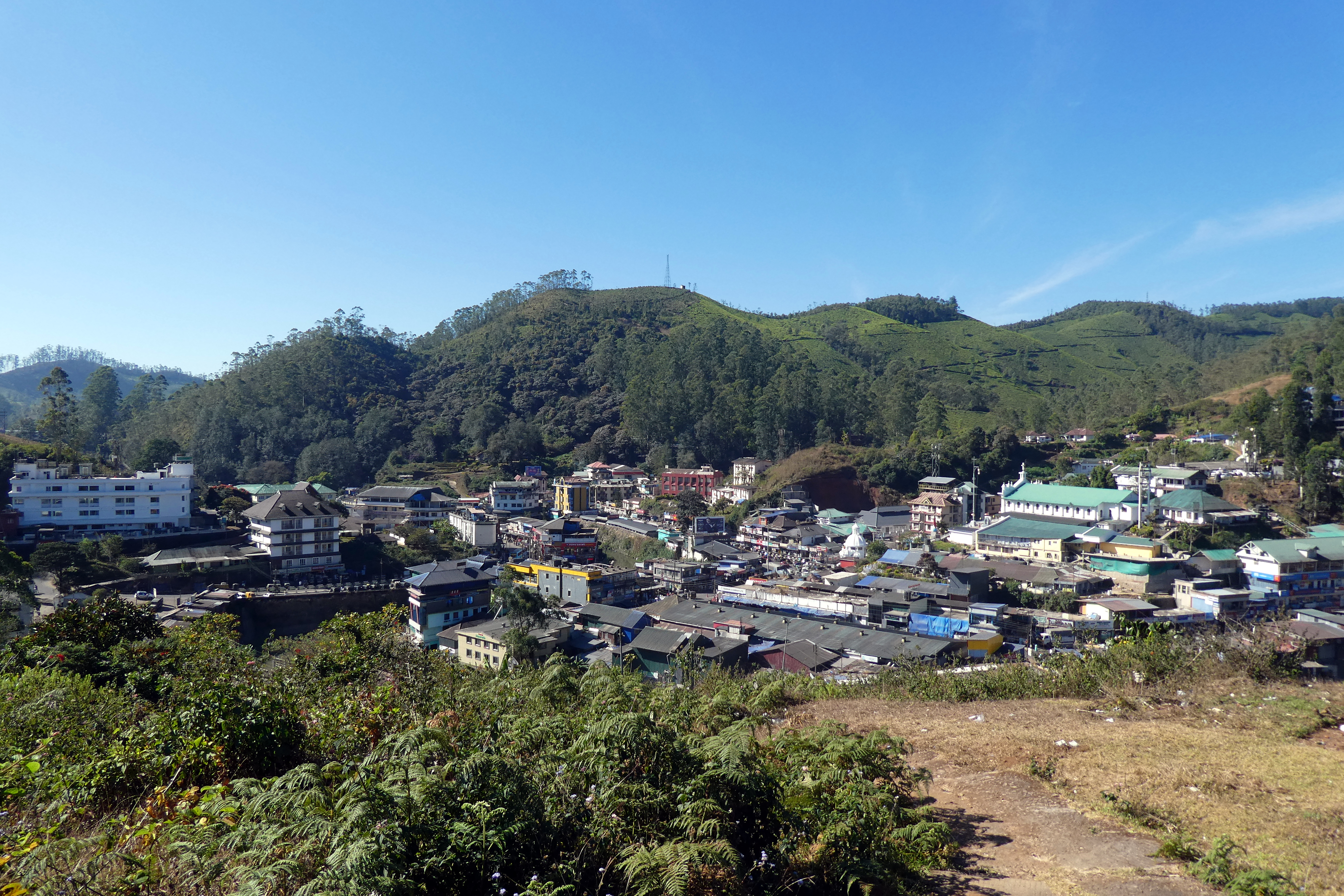 #4674 /100
Munnar is a hill station in the Western Ghats of Kerala renowned for its rolling tea plantations, which cover the mountain slopes in an unbroken carpet of vivid green.
Set at around 1,600 metres, the cool mist-covered landscape of tea gardens, colonial plantation buildings, and wildlife sanctuaries offers a striking contrast to Kerala's tropical coast.
How does it rate
CrowdsRomanceCash RequiredDangerAccessibilityWhy you should go
The sight of the undulating bright green tea plantations stretching to the horizon in every direction, often draped in morning mist, creates a landscape of extraordinary tranquility.
Why you shouldn't go
Munnar's roads are narrow and extremely congested during Indian holidays; the mist that creates the mystical atmosphere can also obscure views for days at a time.
Plan your visit
Best time to visitSeptember-March (post-monsoon, cooler)Best time of dayEarly morning mist over the tea plantationsGetting there~4hr drive from KochiEntry costFree to view; some estates charge for toursTime needed2-3 daysInsider tip — The tea plantation viewpoints are best just after sunrise, before the mist burns off -
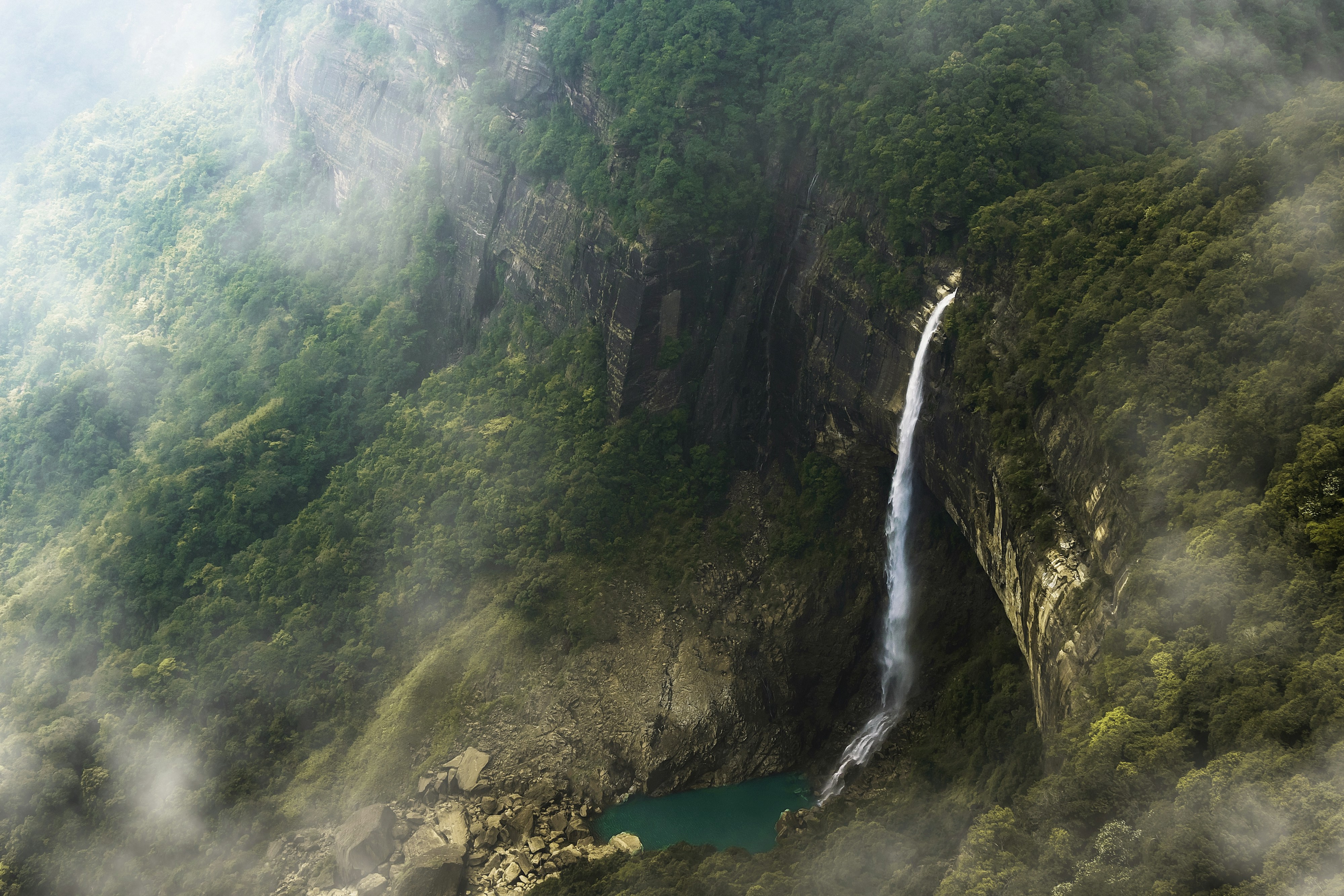 #4774 /100
India's tallest plunge waterfall drops in a single sheer fall into a striking turquoise pool at the base of the Khasi Hills, near Cherrapunji - one of the wettest places on Earth.
Monsoon season turns it into a thunderous wall of water visible from a paved viewpoint without any hiking required.
A local legend about a mother's grief gives the falls their name and a somber backstory repeated by every guide.
How does it rate
CrowdsRomanceCash RequiredDangerAccessibilityWhy you should go
India's tallest plunge waterfall, viewable from a paved lookout with zero hiking involved.
Why you shouldn't go
During the dry winter months the flow drops to a fraction of its monsoon-season power.
Plan your visit
Best time to visitJune-September, monsoon season, for maximum water flow.Best time of dayMorning, before monsoon cloud typically thickens over the valley.Getting thereDrive to Cherrapunji (Sohra) from Shillong, about 1.5 hours; the viewpoint is a short walk from the car park.Entry costSmall entry fee, a few dollars.Time needed1 hourInsider tip — Combine the visit with Cherrapunji's living root bridges nearby - most visitors do both in a single day trip from Shillong. -
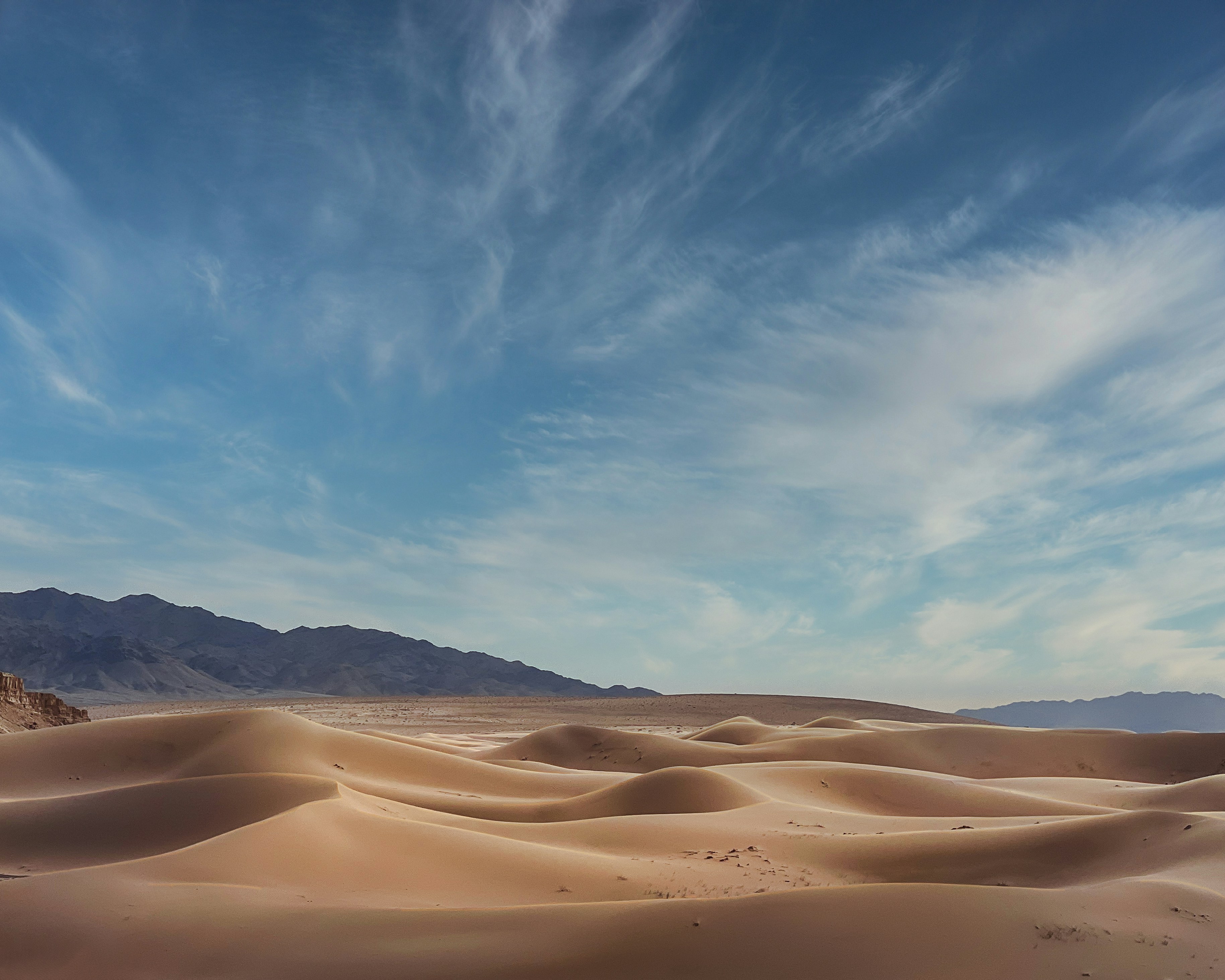 #4874 /100
A vast, sparsely populated expanse of rock desert and singing sand dunes stretching across southern Mongolia, home to the towering Khongoryn Els dunes, dinosaur fossil beds at the Flaming Cliffs, and nomadic families still living in traditional gers.
The scale is almost incomprehensible - days of driving between landmarks across open steppe with barely another vehicle in sight.
It rewards travellers looking for genuine remoteness over polished infrastructure.
How does it rate
CrowdsRomanceCash RequiredDangerAccessibilityWhy you should go
Days of empty steppe, 300-metre singing sand dunes, and dinosaur fossil cliffs, with almost no other tourists in sight.
Why you shouldn't go
There's essentially no tourist infrastructure - trips require a guide, a 4x4, and multi-day overland travel between sights.
Plan your visit
Best time to visitJune-September, avoiding the brutal winter and unpredictable spring sandstorms.Best time of daySunset at the Khongoryn Els dunes, when the sand glows gold against the darkening steppe.Getting thereFly to Ulaanbaatar, then a multi-day 4x4 tour south into the Gobi (no scheduled public transport reaches most sites).Entry costMulti-day guided tours typically run USD60-120 per person per day, all-inclusive.Time needed3+ days.Insider tip — Climb Khongoryn Els at sunset rather than midday - the dunes genuinely "sing" as sand shifts underfoot once the heat breaks. -
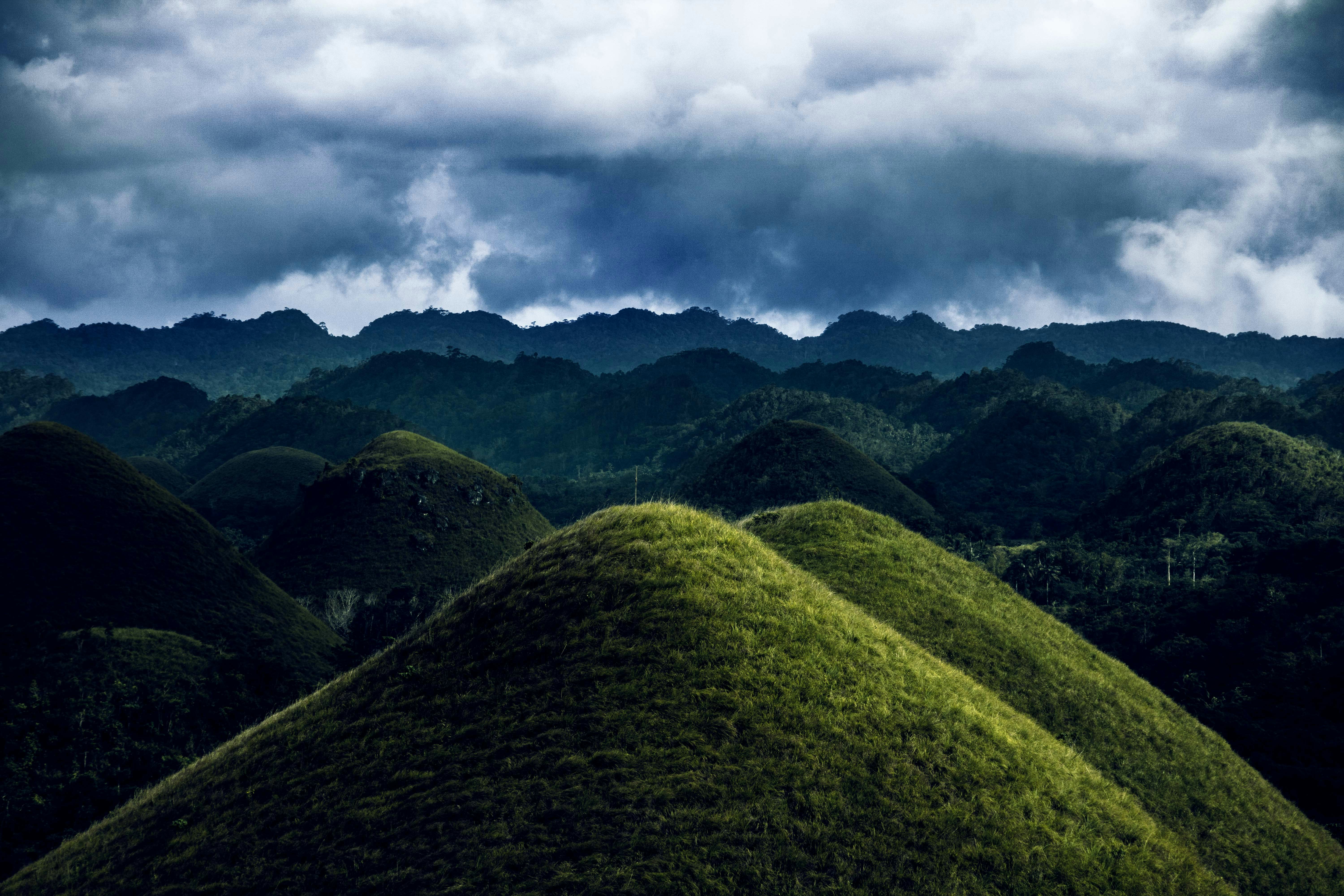 #4974 /100
Over 1,200 near-perfectly conical grass-covered hills spread across Bohol island, turning chocolate-brown in the dry season.
A geological oddity of uncertain origin, best appreciated from the Chocolate Hills Complex viewing deck at sunrise or sunset.
How does it rate
CrowdsRomanceCash RequiredDangerAccessibilityWhy you should go
Over 1,200 symmetrical grassy hills that turn chocolate-brown in dry season, a geological one-of-a-kind.
Why you shouldn't go
The famous "chocolate" brown color only appears in dry season (Dec–May); green the rest of the year.
Plan your visit
Best time to visitMarch–May (dry season) for the brown hue the hills are named for.Best time of dayEarly morning for cooler temperatures and softer light on the viewing deck.Getting thereFly to Tagbilaran, Bohol; 1-hour drive to Carmen town viewing complex.Entry costPHP 50 (~$1) entrance fee.Time needed1–2 hoursInsider tip — Combine with a Loboc River cruise and the nearby tarsier sanctuary the same day. Climb the 214 steps to the deck for the full panorama. -
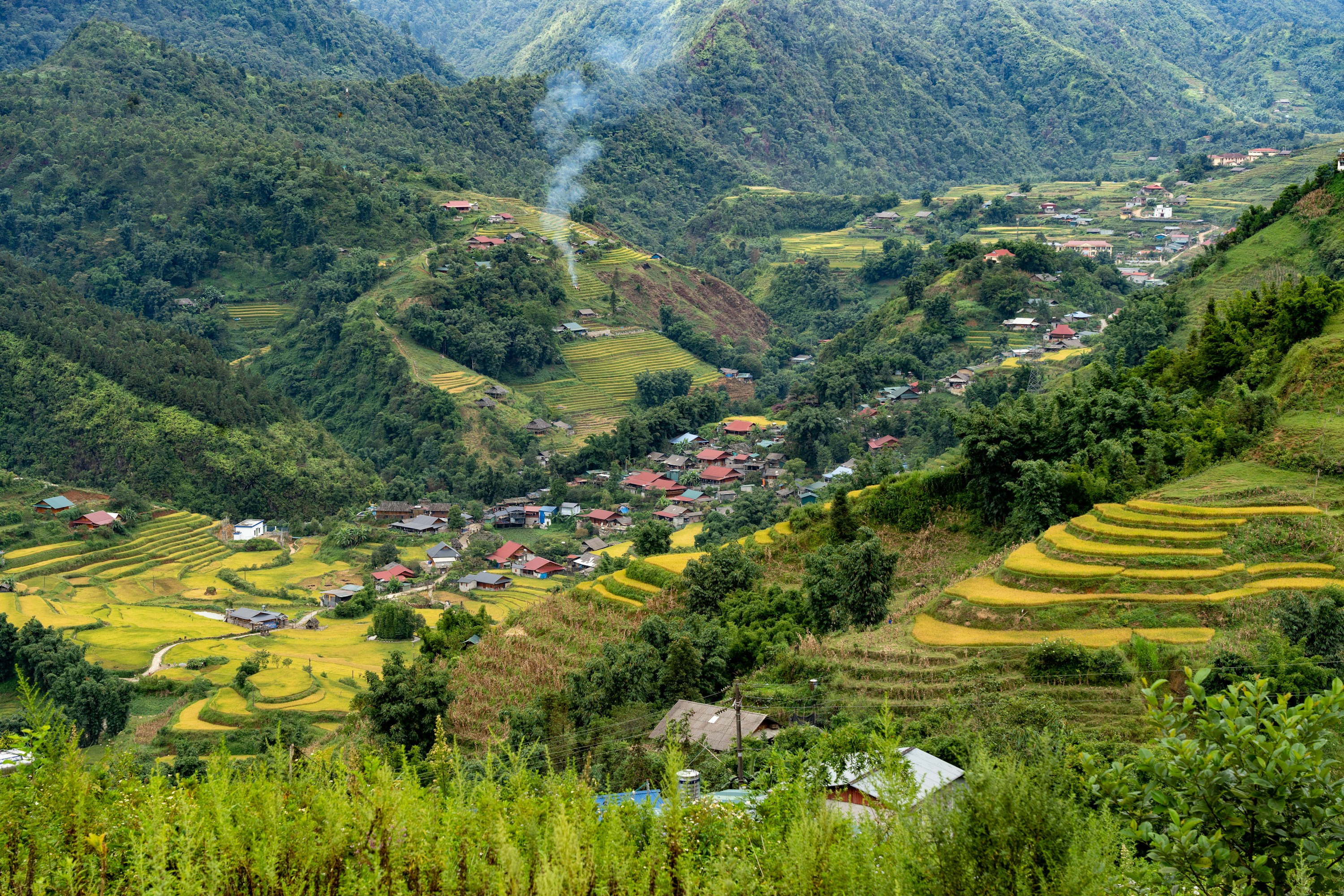 #5074 /100
Sapa's mountainsides are carved into thousands of stepped rice terraces, farmed for generations by H'mong, Dao, and Tay communities in the Muong Hoa Valley below Fansipan, Indochina's highest peak.
The fields turn brilliant green after May planting and gold at the September-October harvest.
Most visitors trek between hilltop villages, though a cable car now reaches Fansipan's summit in minutes for those who'd rather skip the climb.
How does it rate
CrowdsRomanceCash RequiredDangerAccessibilityWhy you should go
Some of Southeast Asia's most dramatic terraced-farming scenery, walkable through working hill-tribe villages.
Why you shouldn't go
Trails get muddy and slippery in the rainy season, and the town itself has become fairly built-up and touristy.
Plan your visit
Best time to visitSeptember-October for golden harvest terraces, or May-June for flooded, mirror-like planting season.Best time of dayEarly morning, before valley mist burns off and trekking groups set out.Getting thereOvernight train or bus from Hanoi to Lao Cai, then a 1-hour transfer up to Sapa town.Entry costFree to view; guided village treks typically $20-40 per dayTime needed2-3 daysInsider tip — Hire a local H'mong or Dao guide in town rather than a Hanoi-based operator; the money stays in the villages you're walking through, and their trails avoid the busiest routes. -
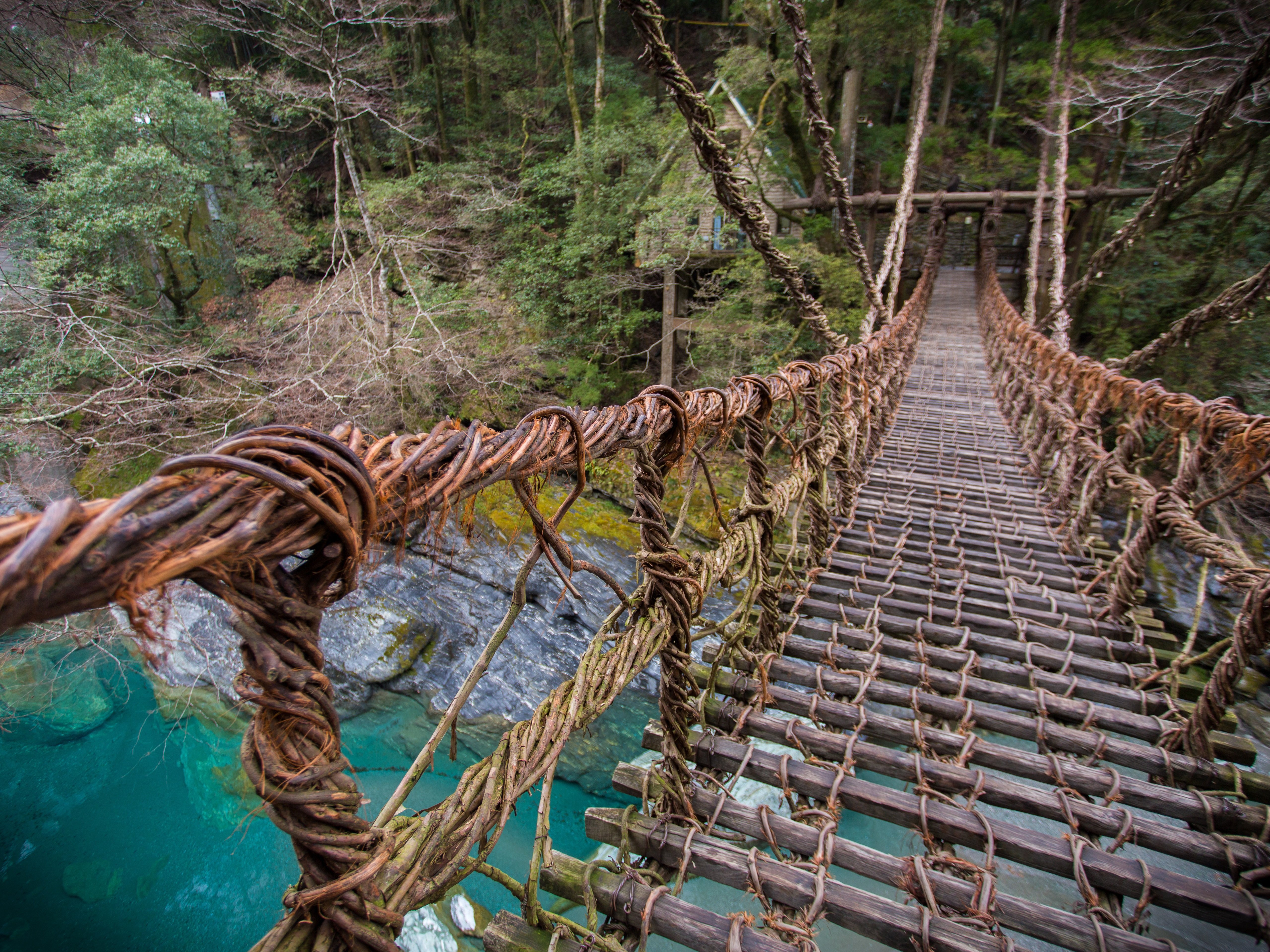 #5173 /100
A remote mountain valley on Shikoku island with deep gorges, near-vertical hillside villages, and a historic vine bridge that once let residents cut off pursuing enemies.
One of Japan's most dramatic and least-visited landscapes, especially vivid under autumn foliage.
How does it rate
CrowdsRomanceCash RequiredDangerAccessibilityWhy you should go
Remote mountain valley with a historic vine bridge and some of Japan's most dramatic autumn foliage.
Why you shouldn't go
Very remote with limited public transport; roads are narrow and winding; little English signage.
Plan your visit
Best time to visitLate October–November for peak fall colors; April–May for fresh green and mild weather.Best time of dayAfternoon light picks out the gorge colors; mist often fills the valley at dawn.Getting thereTrain to Oboke Station, then local bus or rental car into the valley.Entry costVine bridge crossing ¥550 (~$4); otherwise free.Time needed1–2 days to explore properly.Insider tip — A rental car is far more practical than public transport here. The vine bridge (Iya Kazurabashi) is rebuilt every few years using real vines — cross it early to avoid queues. -
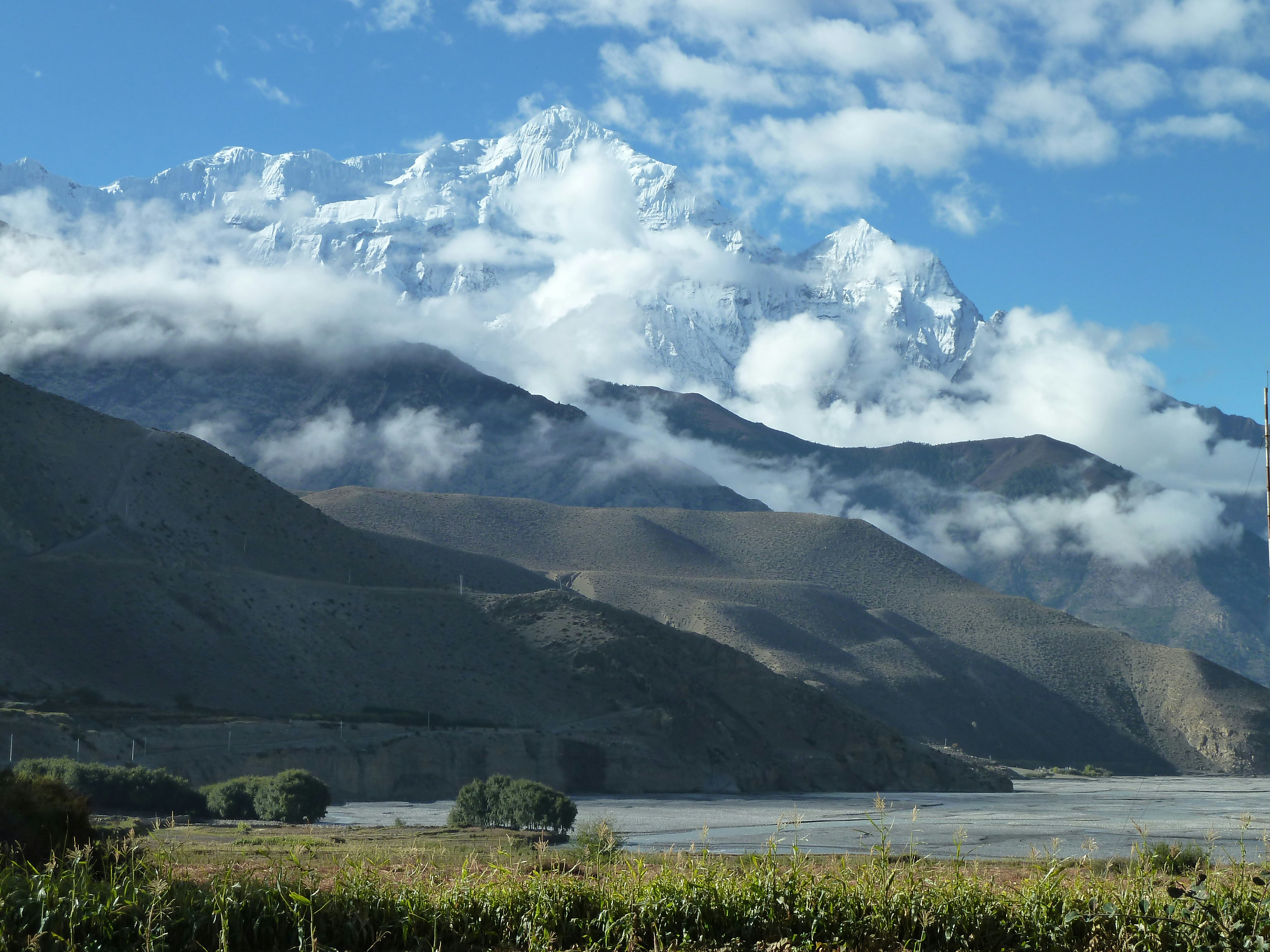 #5273 /100
Ranked among the world's deepest gorges, this Himalayan valley squeezes between two 8,000-metre peaks, Annapurna and Dhaulagiri, with a river running far below.
Ancient salt-trading routes and Tibetan Buddhist villages still line the gorge's upper reaches, largely unchanged for centuries.
Fossilised ammonites called shaligrams, sacred in Hinduism, are still found in the riverbed here.
How does it rate
CrowdsRomanceCash RequiredDangerAccessibilityWhy you should go
A gorge deep enough to sit between two Himalayan giants, walked by traders for centuries.
Why you shouldn't go
Reaching the most dramatic stretches means several days of trekking at altitude.
Plan your visit
Best time to visitMarch-May or September-November, for clear mountain views.Best time of dayMorning, before afternoon wind funnels strongly through the gorge.Getting thereFly or drive to Pokhara, then trek via Jomsom (reachable by a short flight from Pokhara).Entry costAnnapurna Conservation Area permit required.Time needed4-7 days as part of a wider trekInsider tip — Fly into Jomsom rather than trekking the lower valley - it skips several unremarkable days and drops you straight into the gorge's most dramatic section. -
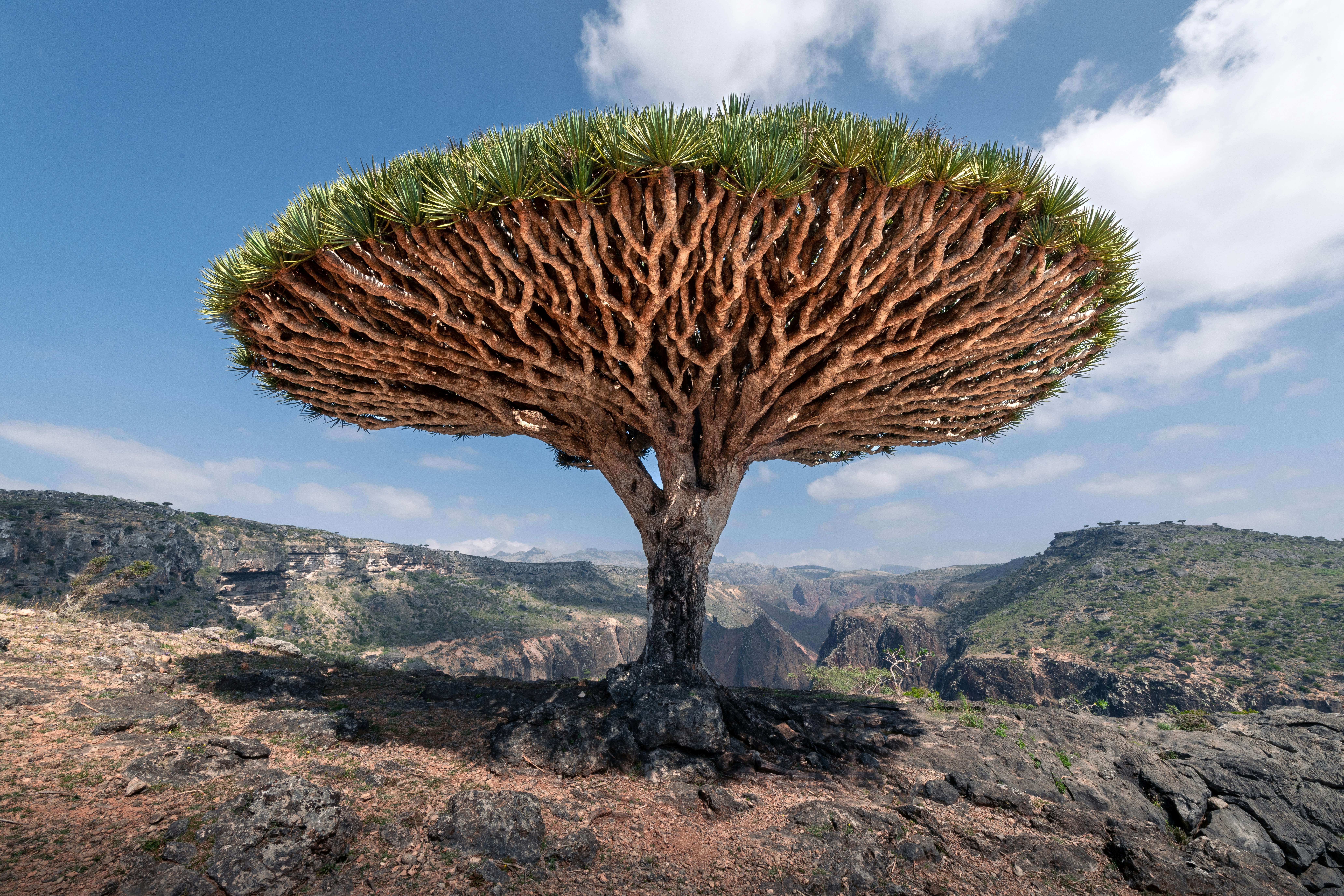 #5373 /100
A remote island in the Arabian Sea, isolated for millions of years, home to the umbrella-shaped dragon's blood trees found nowhere else on Earth.
Pristine beaches, alien-looking flora, and a culture largely untouched by mass tourism define one of the world's most singular landscapes.
How does it rate
CrowdsRomanceCash RequiredDangerAccessibilityWhy you should go
Otherworldly dragon's blood trees and pristine beaches on one of the most isolated inhabited islands on Earth.
Why you shouldn't go
Extremely remote with limited services; ongoing regional instability affects access and safety — check current travel advisories carefully.
Plan your visit
Best time to visitOctober–April for stable weather; access can be intermittent due to political conditions.Best time of daySunset light brings out the color of the dragon's blood trees and dunes.Getting thereFlights from Abu Dhabi or Cairo operate intermittently depending on political conditions; check current routes before booking.Entry costVisa, flights, and guided accommodation run roughly $150–250 USD per day.Time needed3–5 days.Insider tip — Independent travel is not advisable — go through a specialist operator with a local guide. Verify the current political and safety situation immediately before travel, as it changes frequently. -
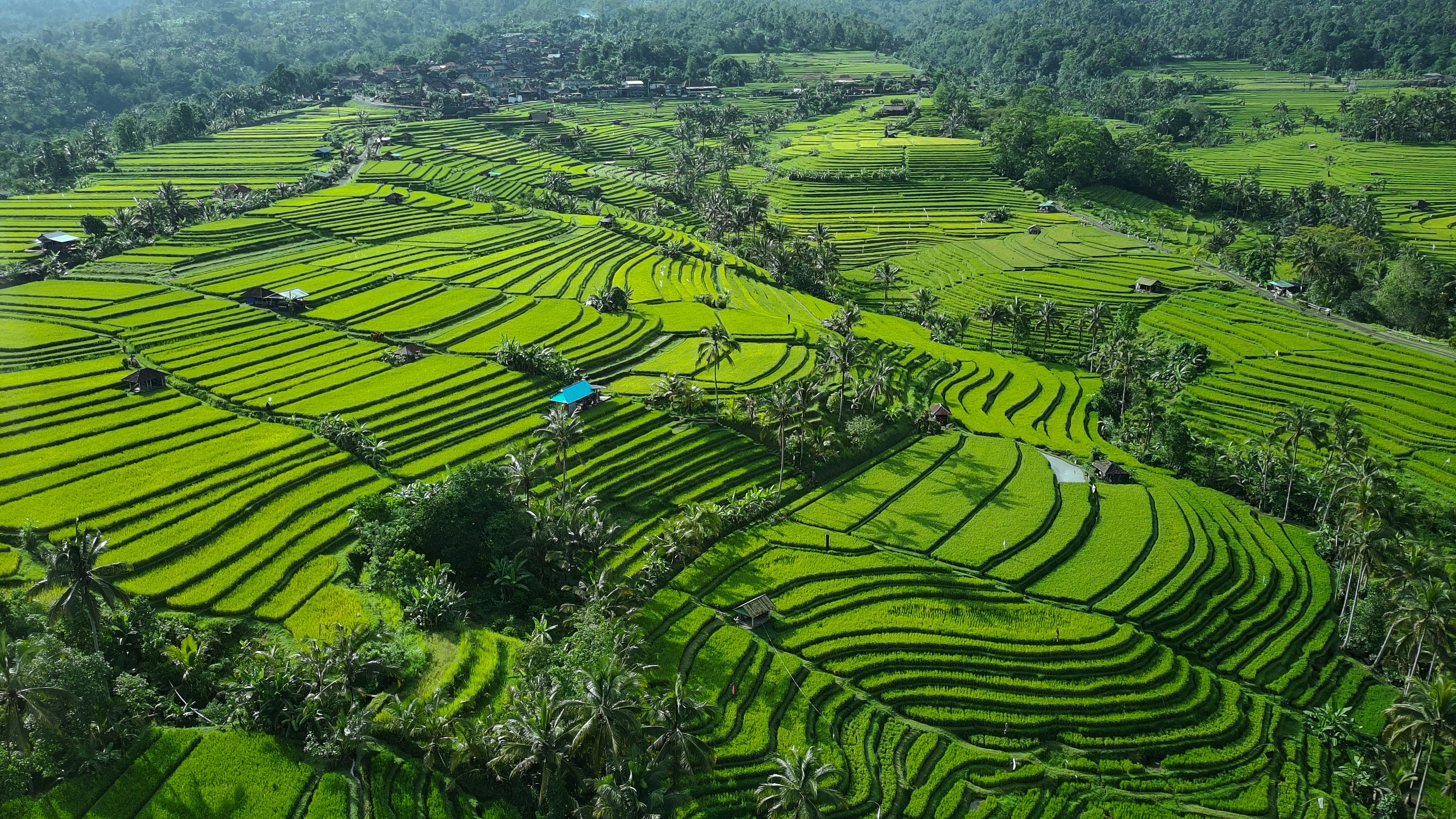 #54
#54Rated #54 of 61
Jatiluwih Rice Terraces Cycling Route, Indonesia
#jatiluwihriceterracescyclingroute ◆ Cycling Tours73 /100Quiet lanes and dirt tracks wind through Jatiluwih's UNESCO-listed rice terraces, a 600-hectare patchwork of paddies fed by the centuries-old subak irrigation system in central Bali.
Riders pass working farmers, fighting-cock cages and coffee laid out to dry in small villages between the terraces.
E-bikes make the gentle climbs manageable, with wide views over layered green paddies to Mount Batukaru behind.
How does it rate
CrowdsRomanceCash RequiredDangerAccessibilityWhy you should go
Riding directly through living, UNESCO-listed rice terraces gives a closer view than any roadside lookout.
Why you shouldn't go
The terraces look their best only shortly after planting; dry-season stubble fields are far less photogenic.
Plan your visit
Best time to visitFeb-Mar or Aug-Sep, when the paddies are at their most vivid green.Best time of dayEarly morning for cool temperatures, soft light and mist over the terraces.Getting thereFly to Denpasar; drive roughly 1.5-2 hours north to Jatiluwih, or join a tour with hotel pickup.Entry costTerrace entry approx IDR 40,000; guided e-bike tours from approx USD 35Time needed2-3 hoursInsider tip — Go on a weekday morning before tour-bus groups arrive at the main viewpoint, and ask your guide about the quieter western loop away from the main road. -
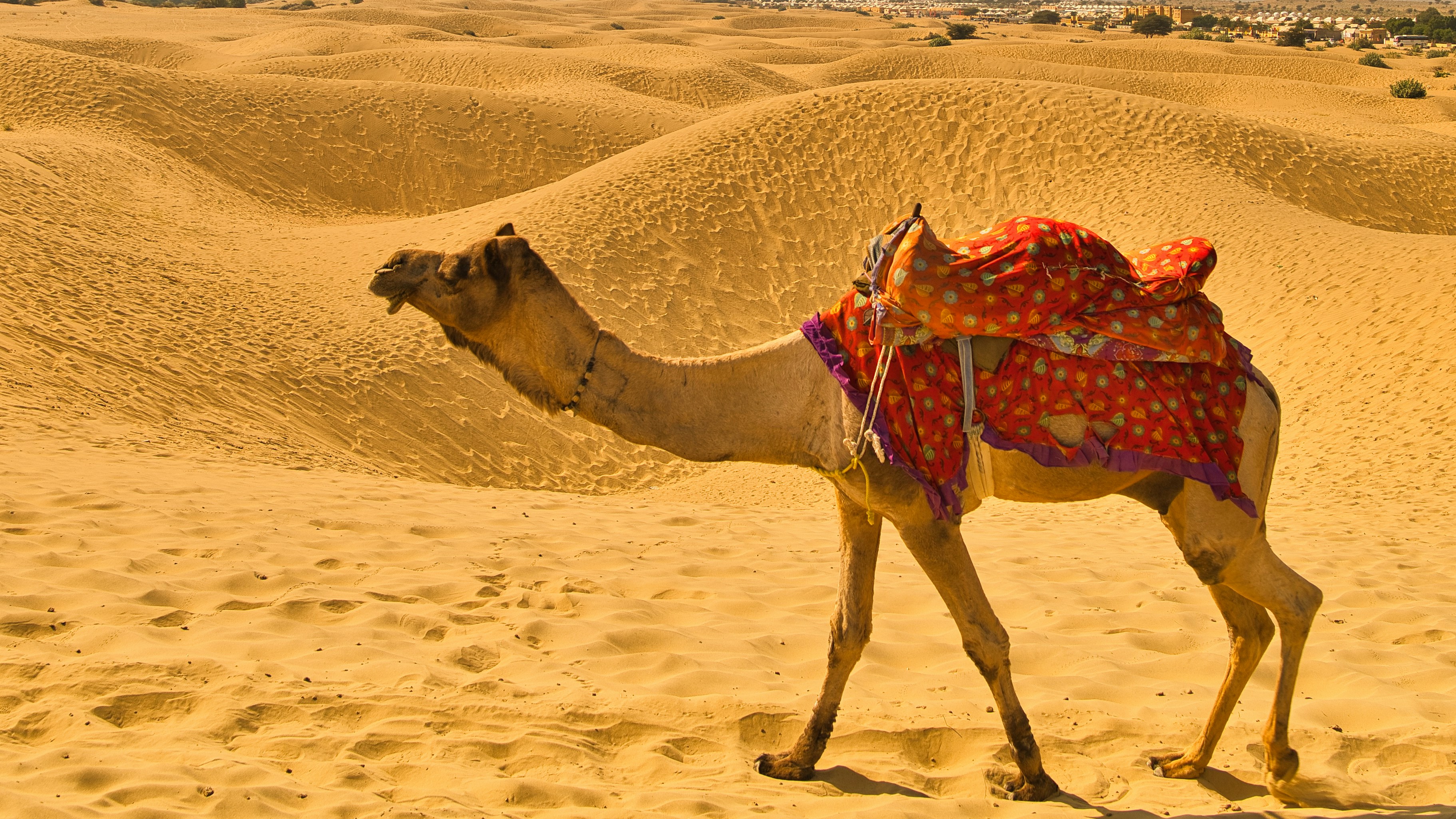 #5572 /100
Golden dunes rolling out from Jaisalmer, the "Golden City," whose sandstone fort and havelis seem to rise directly from the sand itself.
Camel safaris into the Sam and Khuri dunes, overnight desert camps, and folk music around the campfire are the standard way to experience it, with the dunes turning deep gold at sunset.
It's India's most accessible desert experience, easily combined with Jaisalmer's fort and old city.
How does it rate
CrowdsRomanceCash RequiredDangerAccessibilityWhy you should go
Camel-trek dunes at sunset paired with Jaisalmer's golden sandstone fort rising straight out of the desert.
Why you shouldn't go
The most popular dune areas (Sam) get genuinely crowded with day-trip jeeps and tour groups by late afternoon.
Plan your visit
Best time to visitOctober-March, avoiding the extreme summer heat.Best time of daySunset over the Sam dunes, when day-trippers cluster for the classic camel-silhouette shot.Getting thereFly or take an overnight train to Jodhpur, then a 5-6 hour train or drive to Jaisalmer.Entry costCamel safari and overnight camp packages typically run INR1,500-4,000 per person.Time neededOvernight, or a full day.Insider tip — Push further to the quieter Khuri dunes rather than Sam if you want the classic dune photo without dozens of other camel trains in frame. -
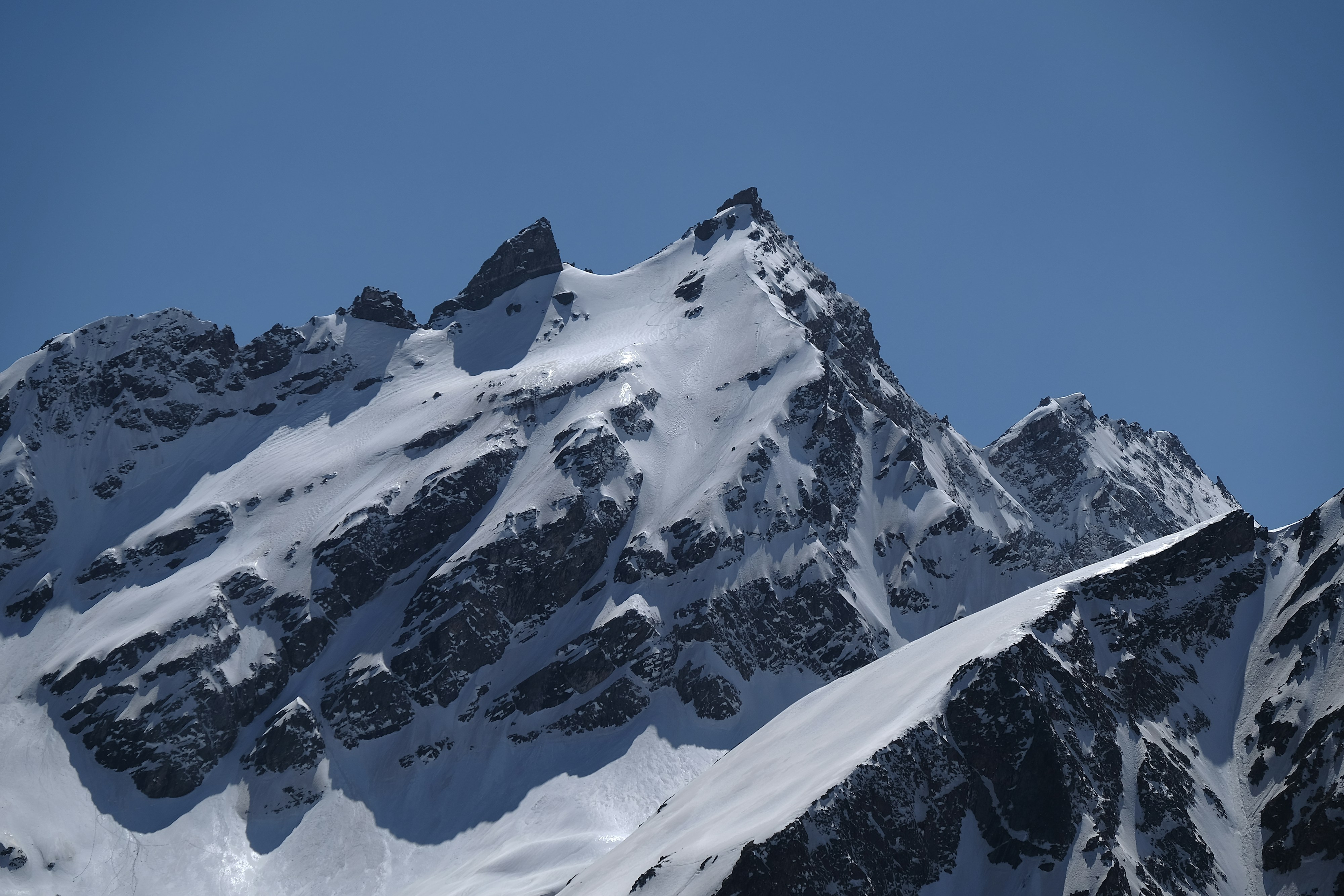 #5672 /100
Europe's highest point is a dormant twin-peaked volcano in the Caucasus, its snow-capped summit visible from the surrounding valleys long before you arrive.
Cable cars now climb much of the lower mountain, opening sweeping glacier views to more than just summit climbers.
The upper slopes remain a serious high-altitude route, glaciated and genuinely hazardous in poor weather.
How does it rate
CrowdsRomanceCash RequiredDangerAccessibilityWhy you should go
Europe's highest summit, with cable-car access to glacier views most mountaineering peaks don't offer.
Why you shouldn't go
The summit route above the cable-car stations is a real high-altitude climb with real risk.
Plan your visit
Best time to visitMay-September for climbing; cable cars run for viewing most of the year.Best time of dayMorning, before afternoon cloud builds over the Caucasus ridgeline.Getting thereFly to Mineralnye Vody, drive to Azau in the Baksan valley, then cable car up the lower slopes.Entry costCable car tickets around $20-30; summit climbing permits and guides priced separately.Time neededHalf a day for the cable car; 7+ days for a summit attemptInsider tip — Ride the cable car to the top Garabashi station for glacier views without any climbing gear at all. -
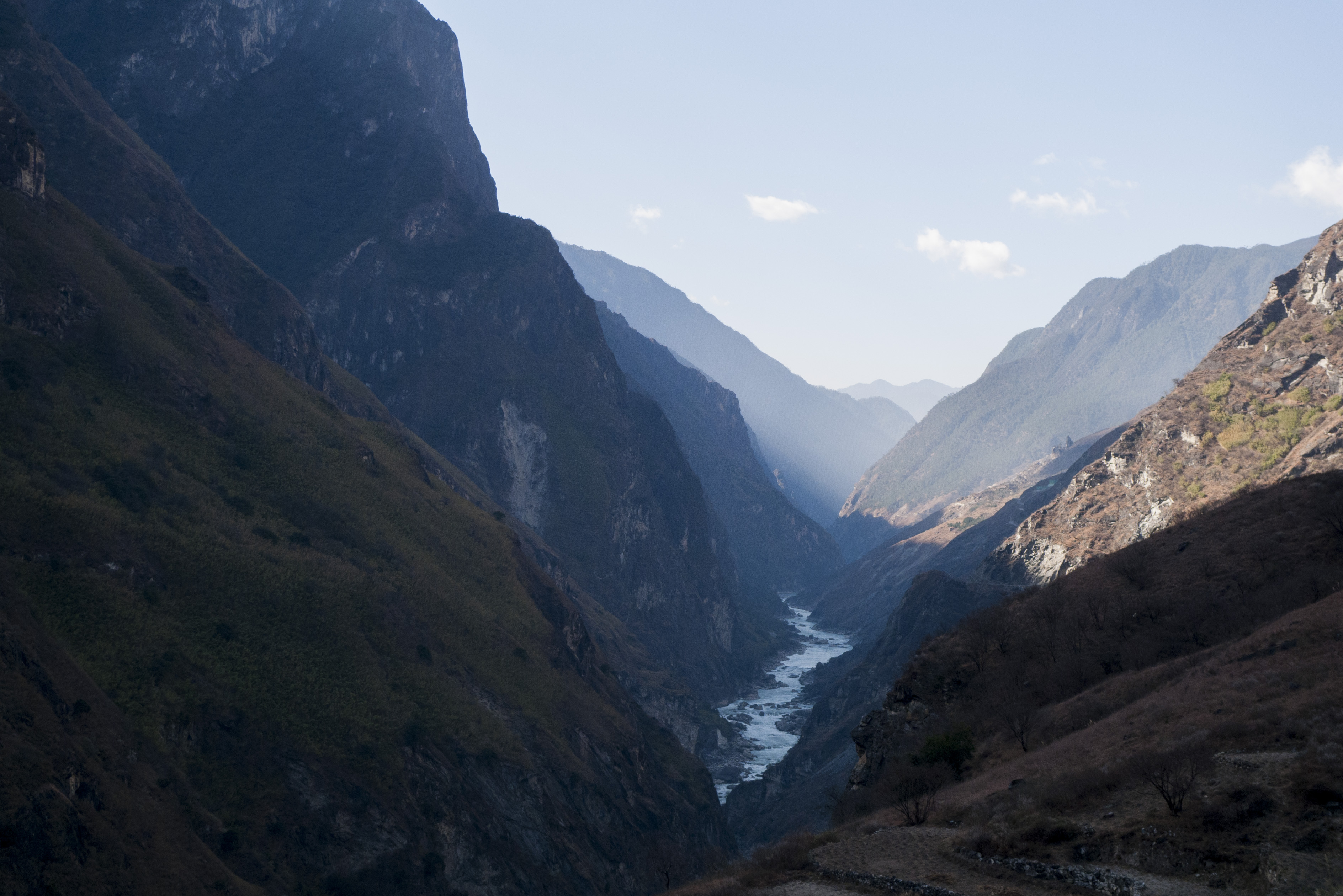 #5770 /100
A two-day trek along one of the world's deepest gorges, following a high trail above the roaring Jinsha River between the Jade Dragon and Haba Snow Mountains.
The path climbs through the notorious 28 Bends before easing past small guesthouses that serve as overnight stops with gorge-view balconies.
Sheer rock walls tower more than 2,000m above the river on either side of the trail.
How does it rate
CrowdsRomanceCash RequiredDangerAccessibilityWhy you should go
Walking a high trail above one of the world's deepest gorges, with guesthouse balconies looking straight down at it.
Why you shouldn't go
The 28 Bends climb is a genuine grind, and landslides periodically close sections of the upper trail.
Plan your visit
Best time to visitApril-June or September-November, avoiding summer rains and winter ice.Best time of dayMorning start from Qiaotou to clear the 28 Bends before the day heats up.Getting thereFly to Lijiang or Shangri-La; bus (about 2 hours) to the Qiaotou trailhead.Entry costGorge entry fee about 65 CNY; guesthouses 80-150 CNY per night.Time needed2 days / 1 nightInsider tip — Stay at Halfway Guesthouse for the best-known gorge view, and carry cash - card payment is unreliable on the trail. -
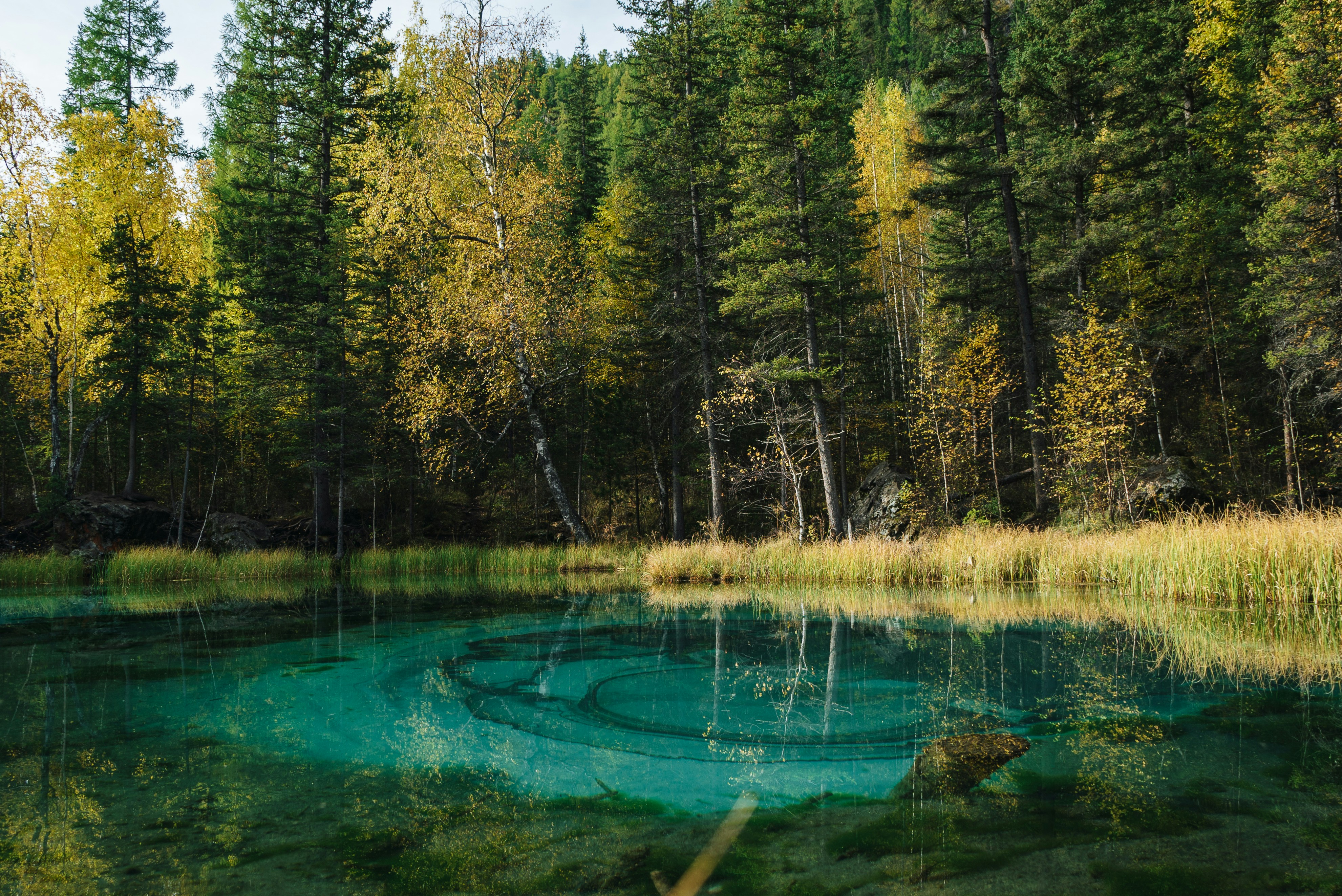 #5870 /100
A small thermally-warmed lake in the Altai Mountains, where underground springs stir blue clay into constantly shifting turquoise swirls against a backdrop of pine forest.
Never freezes even in the Siberian winter, staying an otherworldly warm turquoise year-round.
How does it rate
CrowdsRomanceCash RequiredDangerAccessibilityWhy you should go
A small forest lake where underground springs swirl blue clay into constantly shifting turquoise patterns.
Why you shouldn't go
Genuinely remote with a long overland journey; minimal signage or facilities; limited English on the ground.
Plan your visit
Best time to visitJune–September for accessible roads; the lake itself is visitable year-round since it doesn't freeze.Best time of dayMidday sun brings out the turquoise color most vividly.Getting thereFly to Gorno-Altaysk, then a multi-hour drive along the Chuysky Trakt into the Altai Republic.Entry costFree; guided tours from nearby villages roughly $30–50 USD.Time neededHalf day including travel from the nearest village.Insider tip — Hire a local guide — the lake is easy to miss without one, and road conditions vary by season. It sits right beside the road, so it's an easy stop if you're already driving the Chuysky Trakt. -
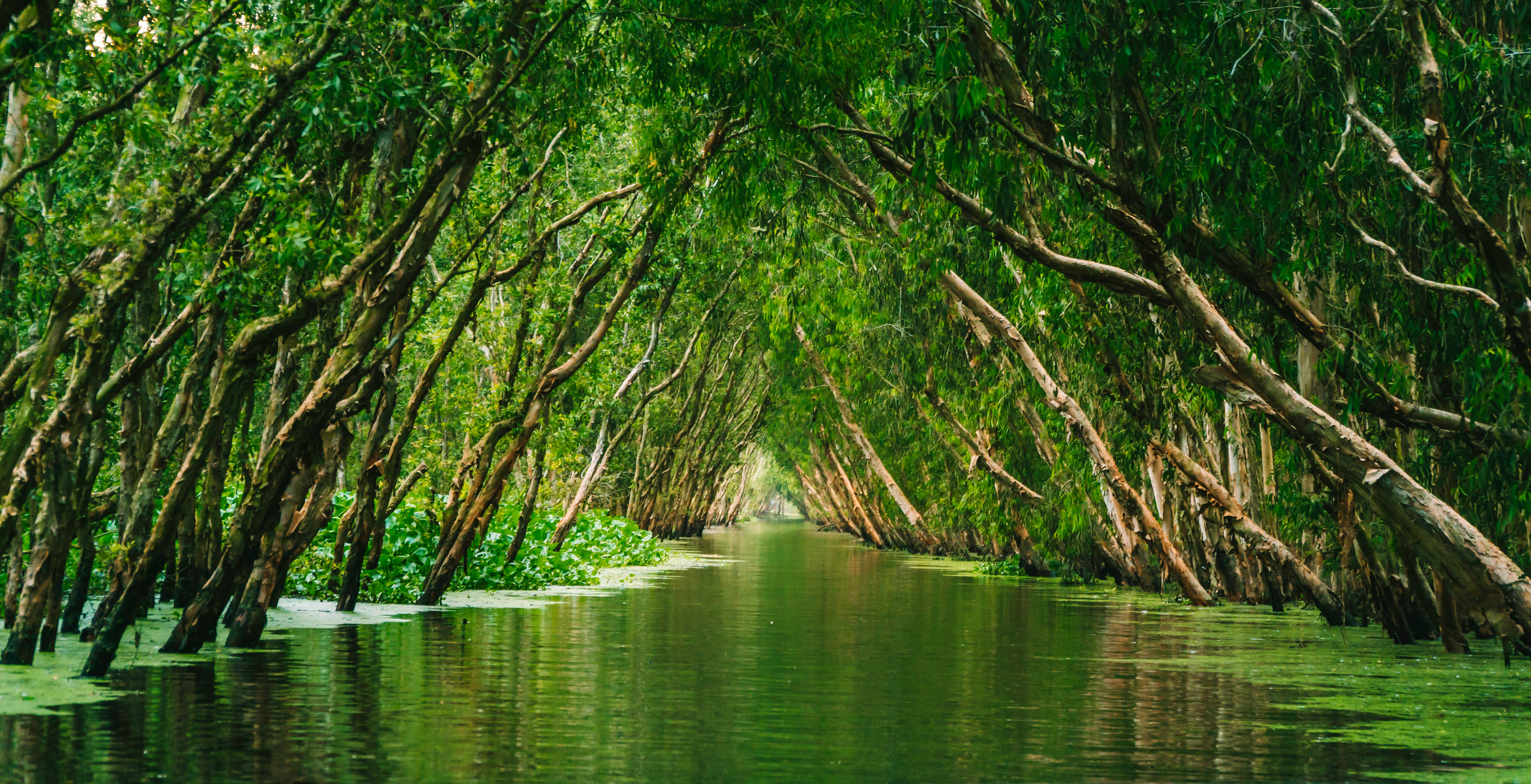 #5970 /100
Quiet dyke-top lanes and narrow village paths thread through the rice paddies, fruit orchards and canal towns of the Mekong Delta around Vinh Long, Can Tho and Cai Be.
Riders pedal between traditional stilt houses, brick kilns and coconut-candy workshops, crossing narrow bridges and taking short boat hops between islands.
Life along the water, from floating markets to fishing boats, unfolds at close range the whole way.
How does it rate
CrowdsRomanceCash RequiredDangerAccessibilityWhy you should go
An up-close, slow-paced look at rural Vietnamese river life that's impossible to see from a bus.
Why you shouldn't go
Narrow paths, unpredictable local traffic and tropical heat and humidity demand caution and stamina.
Plan your visit
Best time to visitDec-Apr dry season, avoiding the Jun-Nov rains.Best time of dayEarly morning to catch floating markets and cooler temperatures.Getting thereFly or drive to Ho Chi Minh City; most rides start with a 1.5-2 hour transfer to Vinh Long or Cai Be.Entry costGuided day tours from USD 30-50, bikes includedTime neededFull day, or 3-5 days for a multi-stage tourInsider tip — Book a tour that visits the Cai Rang floating market by boat first thing, since it winds down by mid-morning, before switching to bikes for the villages. -
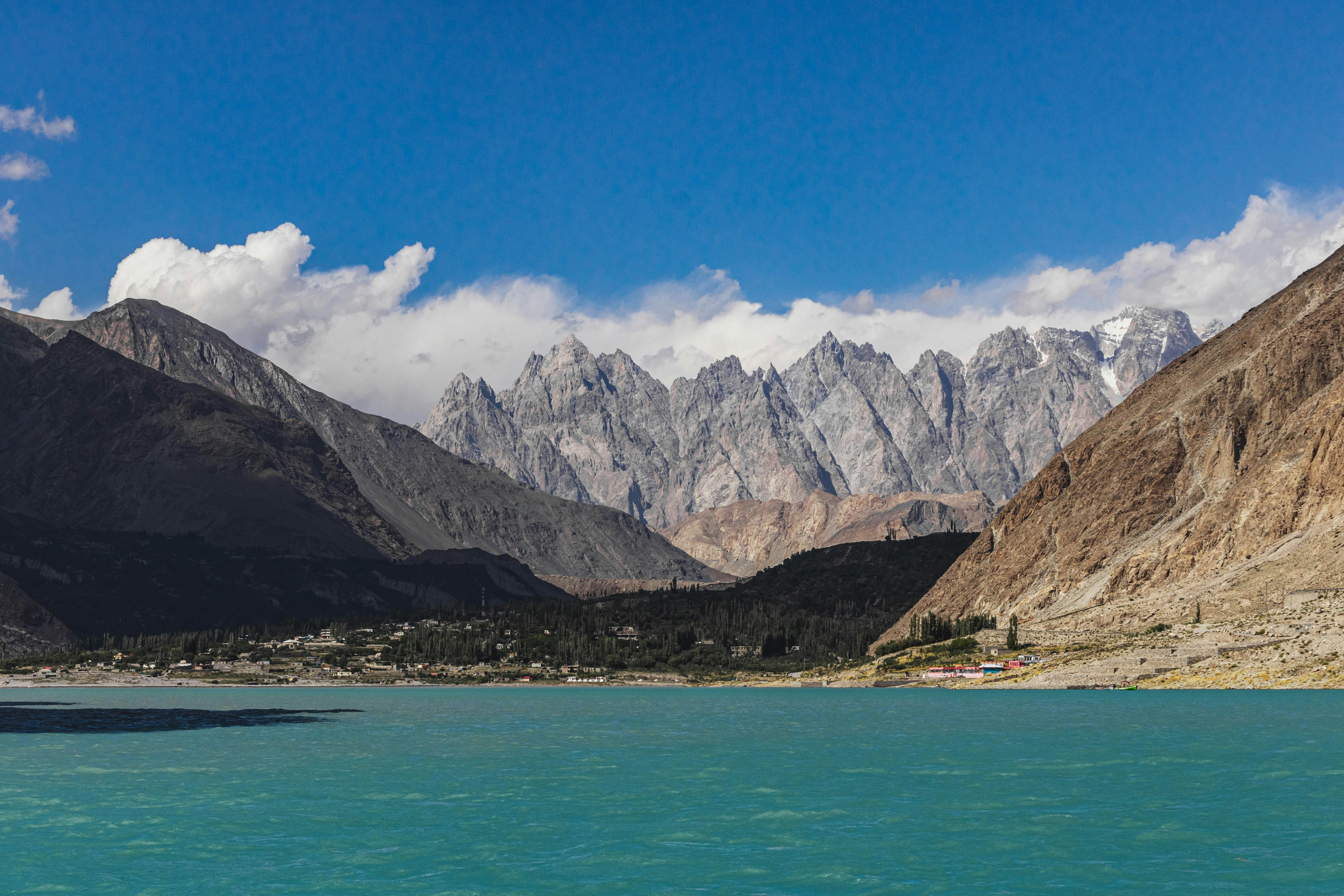 #6065 /100
The Karakoram Highway climbs from the Indus valley through Gilgit-Baltistan to the Khunjerab Pass on the Chinese border, the highest paved international border crossing in the world.
It skirts the Karakoram, Himalaya, and Hindu Kush ranges, passing turquoise Attabad Lake and the terraced orchards of Hunza Valley beneath 7,000-metre peaks.
Landslides regularly close sections, and building it cost hundreds of lives cutting through unstable terrain.
How does it rate
CrowdsRomanceCash RequiredDangerAccessibilityWhy you should go
Some of the highest, most dramatic mountain scenery reachable by paved road anywhere on earth.
Why you shouldn't go
Landslides, altitude, and long rough stretches make this a genuinely demanding, remote drive.
Plan your visit
Best time to visitApril-May for blossom season in Hunza, or October for clear autumn colour.Best time of dayMorning, when mountain peaks are typically clear before afternoon cloud builds.Getting thereFly to Gilgit from Islamabad, or take the NATCO bus, then continue by road into Hunza.Entry costFree to drive; foreigners need a permit for areas near the China borderTime needed5-7 daysInsider tip — Stay overnight in Karimabad and walk up to Baltit Fort at sunset for views over the Hunza Valley and Rakaposhi peak. -
 #6150 /100
South Korea's largest theme park, split into themed zones from a European-style village to the Zootopia-esque Lost Valley safari, with a rose garden and four-seasons floral displays that draw as many domestic visitors as the rides themselves.
T Express, one of Asia's steepest wooden roller coasters, anchors the thrill-ride side, while the safari section lets visitors drive through enclosures with lions and tigers from the safety of a vehicle.
Its rotating seasonal festivals, especially spring tulips and autumn illuminations, are as much a draw as any single ride.
How does it rate
CrowdsRomanceCash RequiredDangerAccessibilityWhy you should go
A wooden hyper-coaster and a drive-through big cat safari, wrapped around some of Korea's most photographed seasonal flower festivals.
Why you shouldn't go
The seasonal flower festivals (its biggest draw for many visitors) mean crowds and prices both spike hard during those specific weeks.
Plan your visit
Best time to visitApril for the tulip festival or October for autumn illuminations, though both bring peak crowds.Best time of dayOpening, especially during festival weeks when photo spots get busy fast.Getting thereA shuttle bus from Gangnam or Jamsil in Seoul, about 1-1.5 hours depending on traffic.Entry costOne-day tickets start around 62,000-64,000 KRW for adults.Time neededA full day.BookingBook ahead →Insider tip — Ride the Zootopia safari bus early in the day - the big cats are far more active before the midday heat sets in.


More from Asia
-

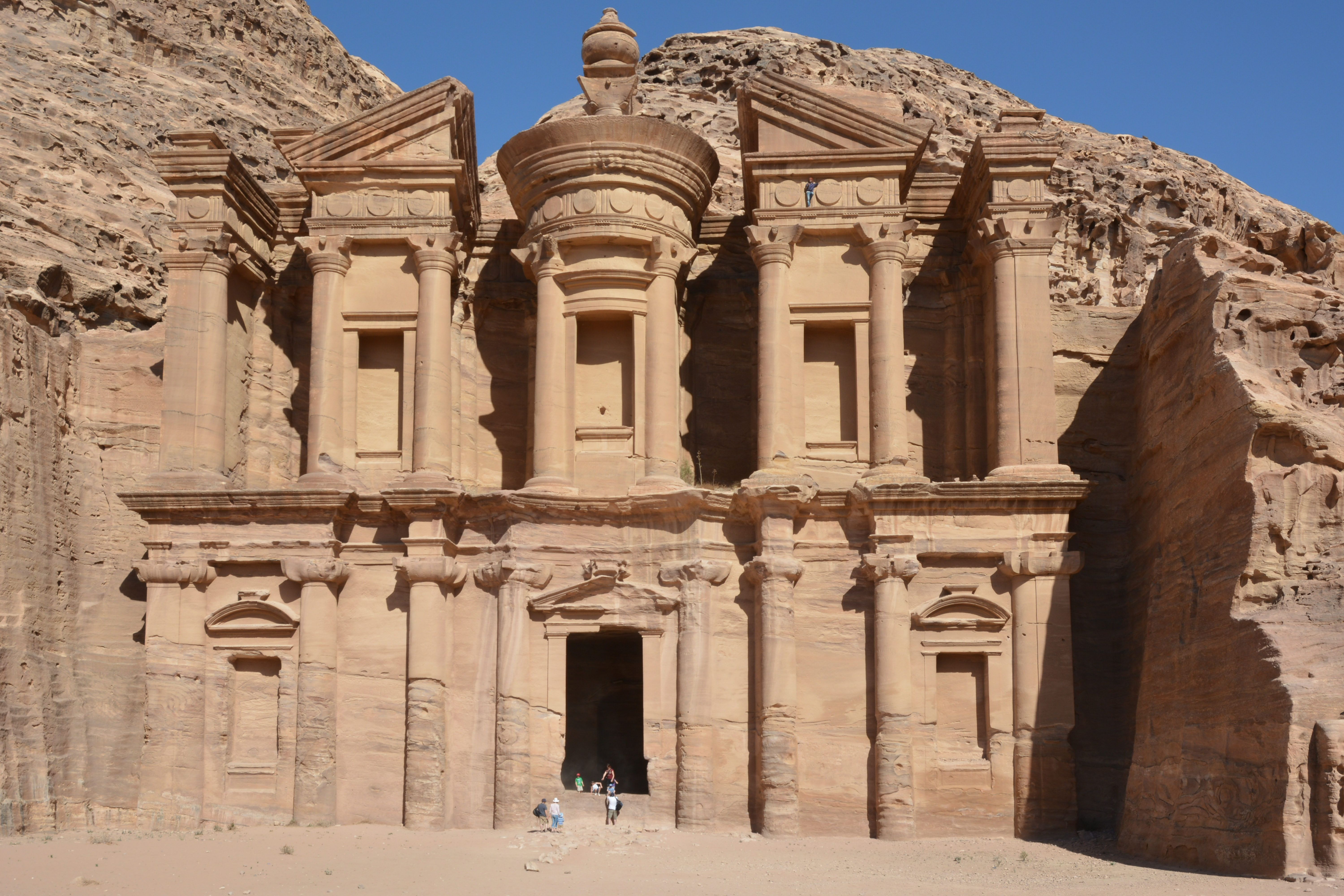
More Natural Wonders spots
-

How a score is built
One score out of 100, five criteria behind it
Every place is rated 1–5 on each of the criteria below, then combined into a single score out of 100. It's calculated by us, the same way every time — not an average of traveller reviews or social votes.
Crowds
How many people you'll be sharing it with, and at what time of day.
Romance
How well it suits a couple, a proposal, or a quiet moment together.
Cash required
Entry fees, permits, guides, rentals — what it actually costs to do it.
Danger
Physical risk involved, from a slippery viewpoint to genuine hazard.
Accessibility
How far off the beaten path it is, and how hard it is to actually reach.

