-
 #195 /100
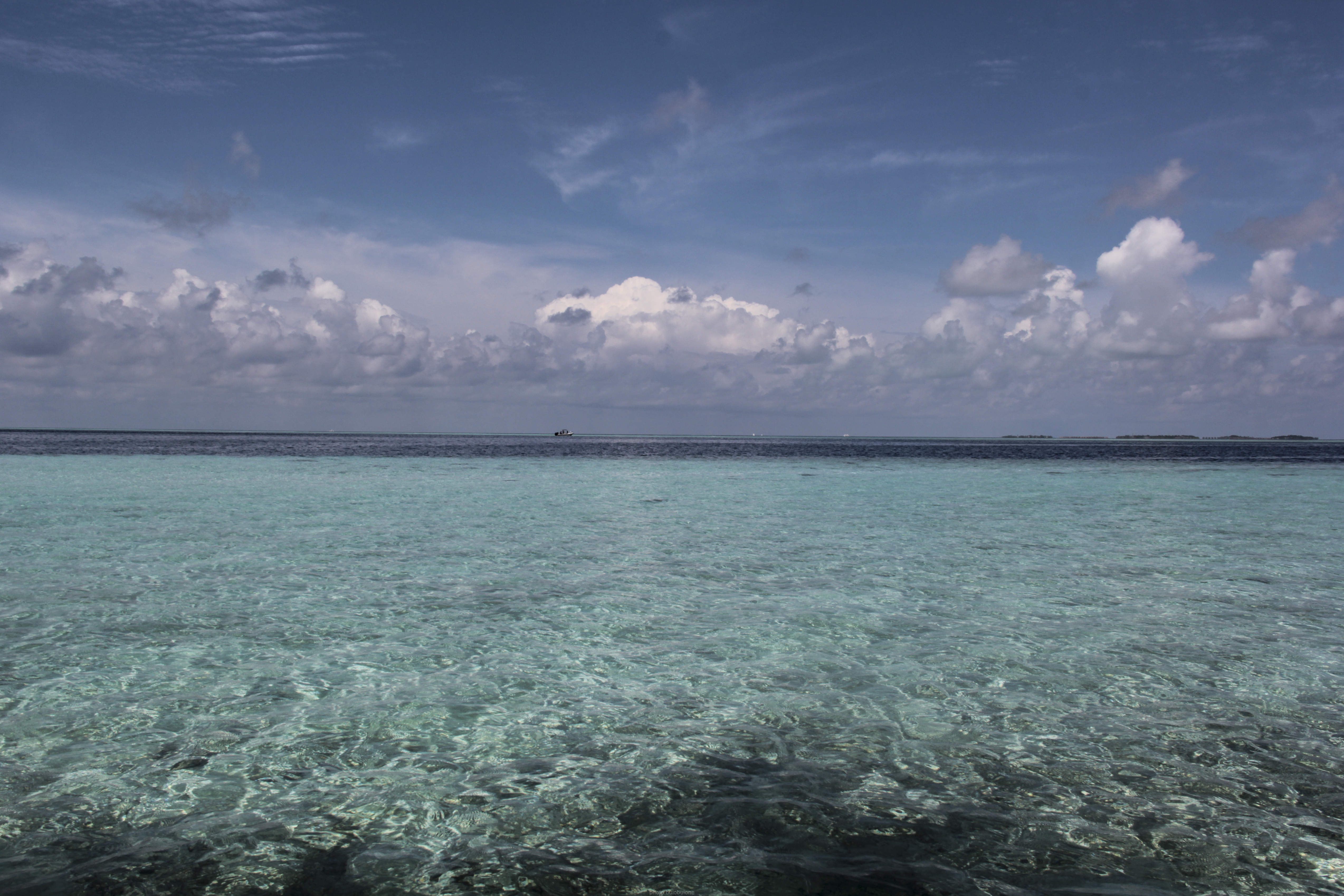
The Maldives is an archipelago of 1,200 coral islands scattered across the Indian Ocean, where pristine white sand, crystal-clear turquoise lagoons, and overwater bungalows create the archetypal tropical paradise.
The islands sit just above sea level, making them one of the world's most climate-vulnerable nations.
How does it rate
CrowdsRomanceCash RequiredDangerAccessibilityWhy you should go
The overwater bungalow experience, with direct access to lagoon water of extraordinary clarity teeming with marine life, is genuinely unmatched anywhere in the world.
Why you shouldn't go
The Maldives is one of the world's most expensive destinations and all-inclusive resort stays are almost obligatory; the island interiors are usually very limited.
Plan your visit
Best time to visitNovember-April (dry season)Best time of daySunset for the classic overwater bungalow shotGetting thereFly into Male, then seaplane or boat transfer to your resort islandEntry costResort-dependent, generally high-endTime needed4+ daysInsider tip — Book a seaplane transfer during daylight; the aerial view of the atolls is worth it on its own -
 #2
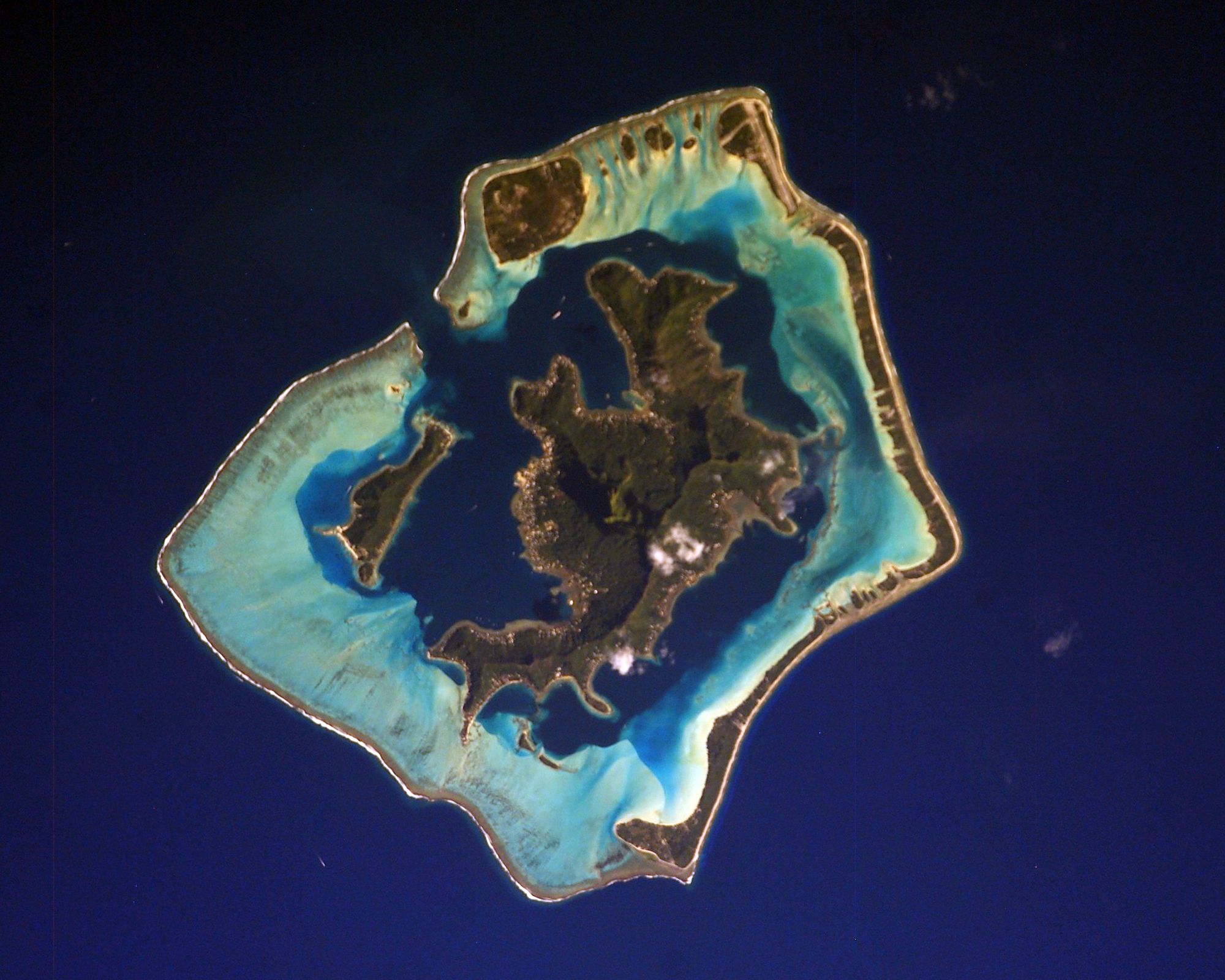
#2Bora Bora is a small volcanic island in the South Pacific surrounded by a technicolour lagoon of electric blues and greens enclosed within a coral reef.
The island's dramatic basalt peak, Mount Otemanu, rises 727 metres from the lagoon and is mirrored in the still waters below.
How does it rate
CrowdsRomanceCash RequiredDangerAccessibilityWhy you should go
The lagoon colour is genuinely unlike anything you will see elsewhere — the water shifts from pale aquamarine to deep turquoise to inky blue and you can see the seabed 30 metres below.
Why you shouldn't go
Bora Bora is extraordinarily expensive, primarily attracting honeymooners and luxury travellers; reaching it requires at least two flights from most countries.
Plan your visit
Best time to visitMay-October (dry season)Best time of daySunset over Mount OtemanuGetting thereFly to Tahiti, then a connecting flight to Bora BoraEntry costResort-dependent, generally high-endTime needed3-4 daysInsider tip — Book an overwater bungalow on the east side for sunrise or west side for sunset, depending which you want to photograph -
 #393 /100
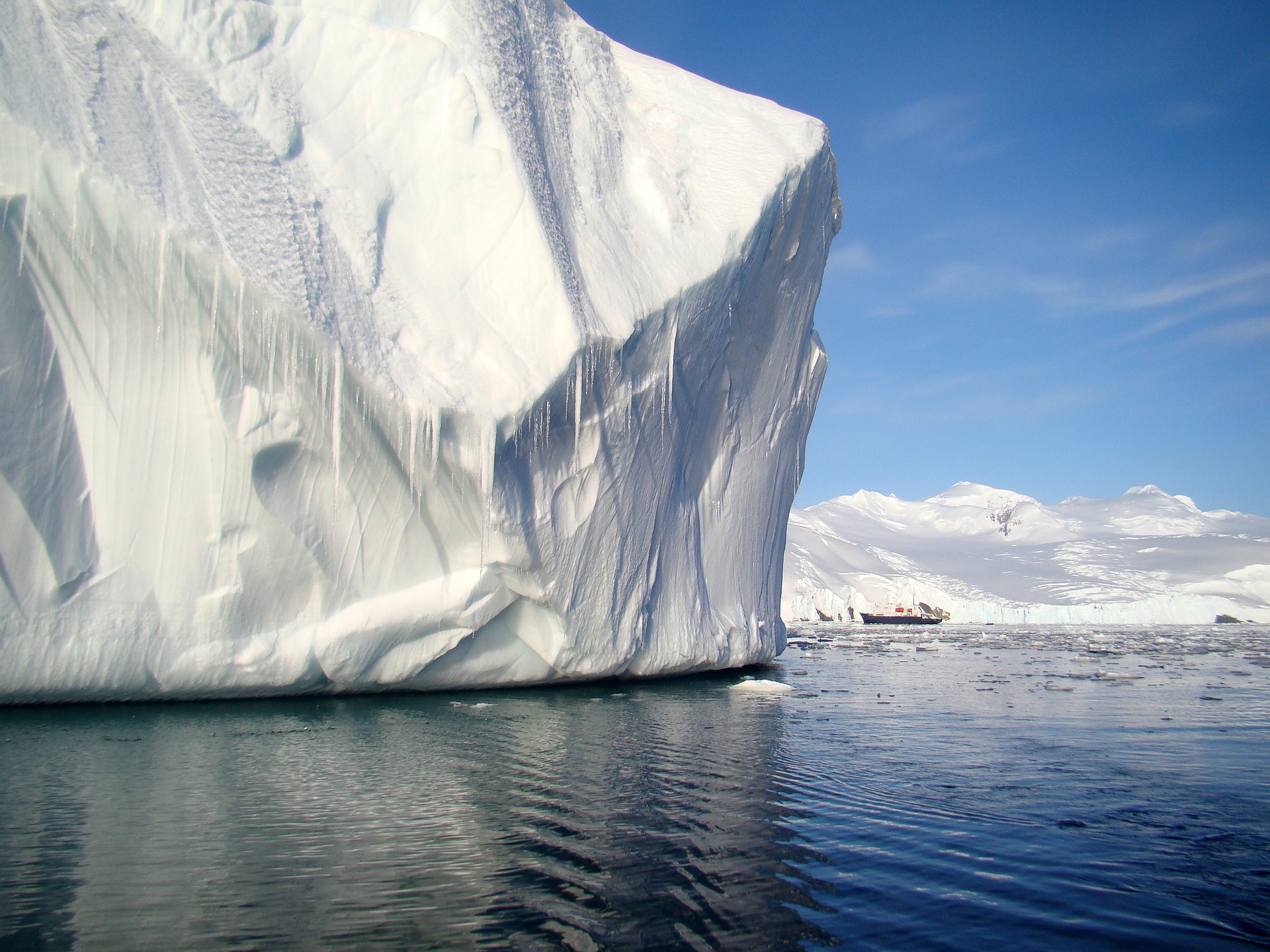
An expedition by ice-strengthened ship across the Drake Passage to a continent of blue-white icebergs, breaching whales, and penguin rookeries numbering in the thousands.
Zodiac landings put passengers ashore on the peninsula itself, among seals hauled out on ice floes.
Days run on near-24-hour summer light, and the silence between engine shutdowns is near-total.
Few journeys anywhere feel as genuinely remote.
How does it rate
CrowdsRomanceCash RequiredDangerAccessibilityWhy you should go
A genuinely untouched continent of icebergs, whales, and penguin colonies most people will never see in person.
Why you shouldn't go
The Drake Passage crossing can be rough, and the trip costs far more than a typical cruise once flights and gear are added.
Plan your visit
Best time to visitNovember to March, the only season ships sail; December-January for penguin chicks, November for pristine snow.Best time of dayMidday for Zodiac landings, when light and calm water are best for wildlife viewing.Getting thereFly to Ushuaia, Argentina, the southernmost city in the world; ships embark directly from its port.Entry costIndicative $7,000-$16,000+pp for 10-11 nights, plus flights and gearTime needed10-12 night expeditionInsider tip — Book an outside cabin and pack seasickness medication for the Drake Passage; fly-cruise options that skip the crossing cost more but save two rough sea days each way. -
 #493 /100
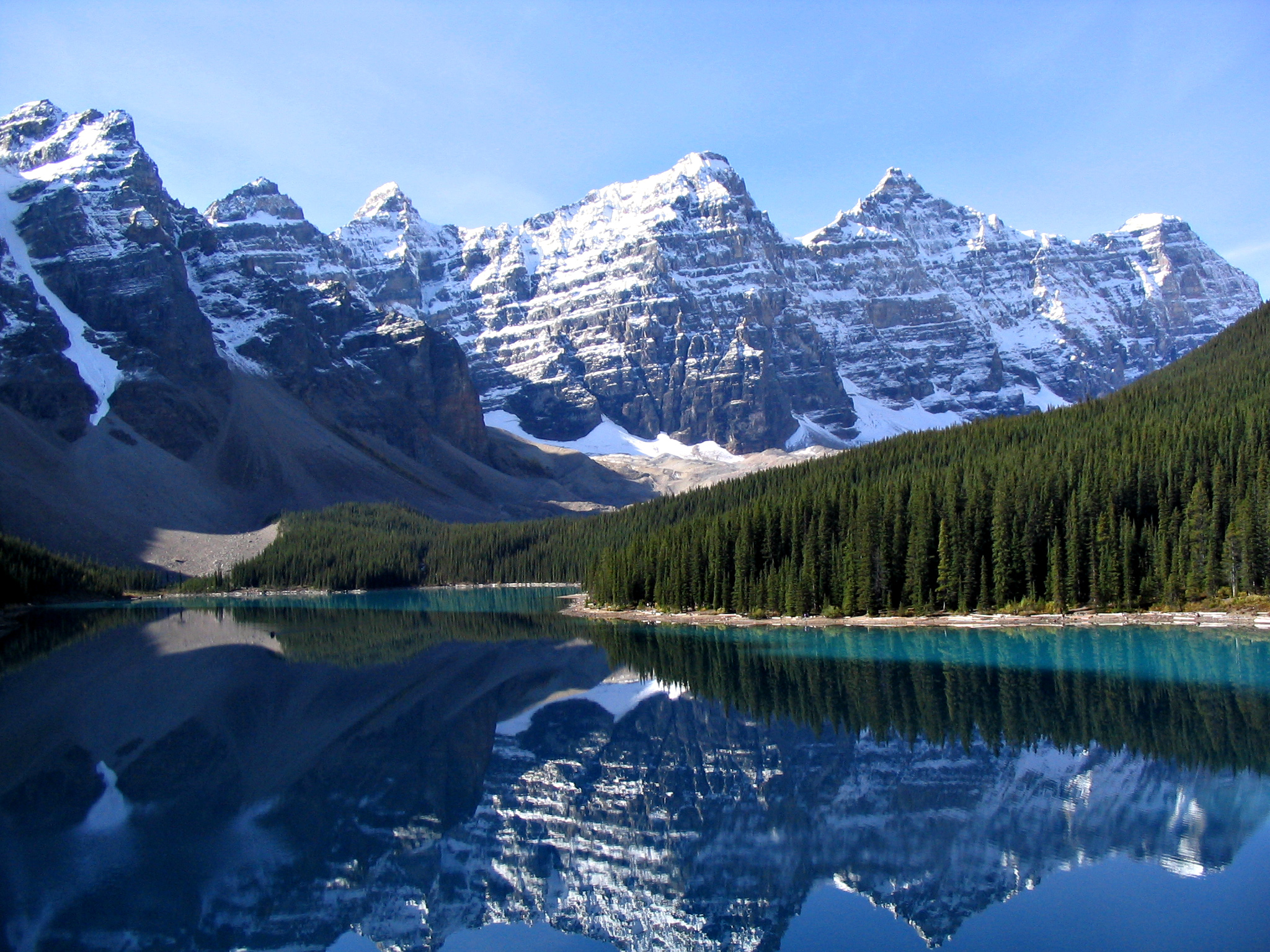
Hidden in the Valley of the Ten Peaks in Banff National Park, Moraine Lake is fed by glacial meltwater that gives it its extraordinary turquoise colour.
The classic view from the Rockpile overlook, with the lake reflecting the surrounding peaks, appeared on the Canadian twenty-dollar bill.
How does it rate
CrowdsRomanceCash RequiredDangerAccessibilityWhy you should go
The colour of the water is genuinely unbelievable in person and the surrounding ring of jagged peaks makes it one of the most dramatic lake settings in the world.
Why you shouldn't go
Access to Moraine Lake is now heavily controlled; visitors must book a shuttle bus in advance as private vehicles are prohibited.
Plan your visit
Best time to visitLate June-early July when the lake is at its bluestBest time of dayEarly morning, before the wind ripples the waterGetting thereShuttle bus required from Lake Louise in peak seasonEntry costFree; shuttle fare appliesTime needed2-3 hoursInsider tip — Arrive at first light; the Rockpile Trail view is why it was on the old Canadian $20 bill -
 #593 /100
Established in 1885, Banff is Canada's oldest national park and one of the world's most spectacular.
Turquoise lakes, ancient glaciers, hot springs, abundant wildlife, and the postcard town of Banff itself make this an unmissable destination in the Canadian Rockies.
How does it rate
CrowdsRomanceCash RequiredDangerAccessibilityWhy you should go
The combination of turquoise glacial lakes, dramatic mountain scenery, and easy accessibility makes Banff one of the most photogenic national parks on earth.
Why you shouldn't go
Banff becomes very crowded in summer and key sites like Moraine Lake and Lake Louise require advance shuttle booking.
Plan your visit
Best time to visitJune-SeptemberBest time of dayEarly morning for wildlife and calm waterGetting there~1.5hr drive from CalgaryEntry costPark pass ~$10/dayTime needed3+ daysInsider tip — Get to Moraine Lake or Lake Louise before 7am in July/August or the parking lots fill and close -
 #693 /100
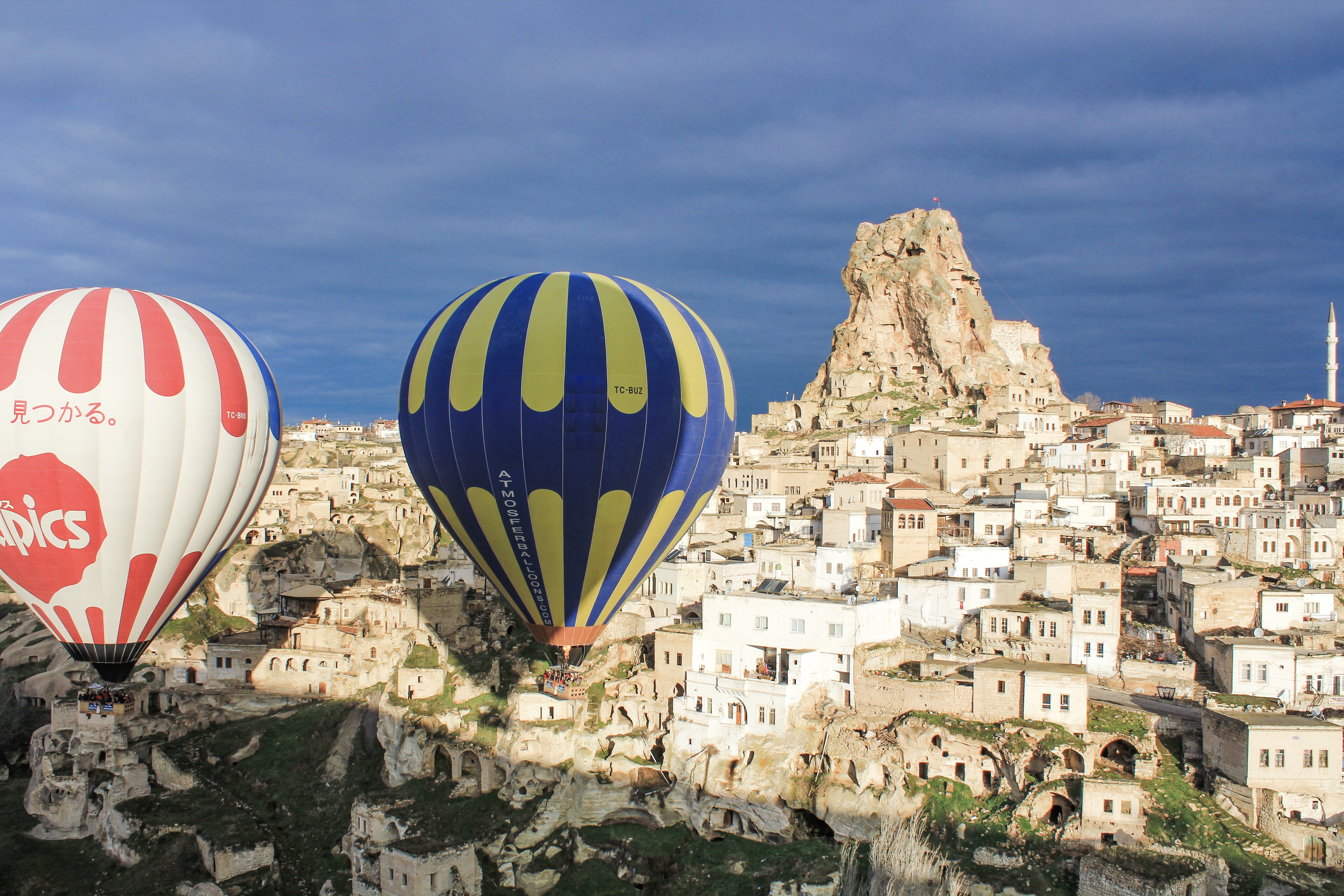
Cappadocia in central Turkey is a landscape of extraordinary volcanic rock formations called fairy chimneys — tall, thin spires of soft volcanic tuff capped with harder basalt.
Thousands of years of habitation have added cave churches with Byzantine frescoes, underground cities, and rock-cut monasteries to an already extraordinary natural canvas.
How does it rate
CrowdsRomanceCash RequiredDangerAccessibilityWhy you should go
The experience of drifting over the fairy chimneys and cave valleys in a hot air balloon at sunrise, with hundreds of other balloons around you, is one of the world's most extraordinary travel moments.
Why you shouldn't go
The hot air balloon flights are expensive and are cancelled at short notice due to weather; the main town of Goreme has become increasingly developed and commercialised.
Plan your visit
Best time to visitApril-June or September-NovemberBest time of daySunrise for the hot air balloons filling the skyGetting thereFly to Nevsehir or KayseriEntry costBalloon ride ~$150-250Time needed2-3 daysInsider tip — Book a hotel room or rooftop with a balloon-view terrace; sunrise balloon photos are the whole point of visiting -
 #7
#7Rated #7 of 100
Yellowstone National Park, the United States
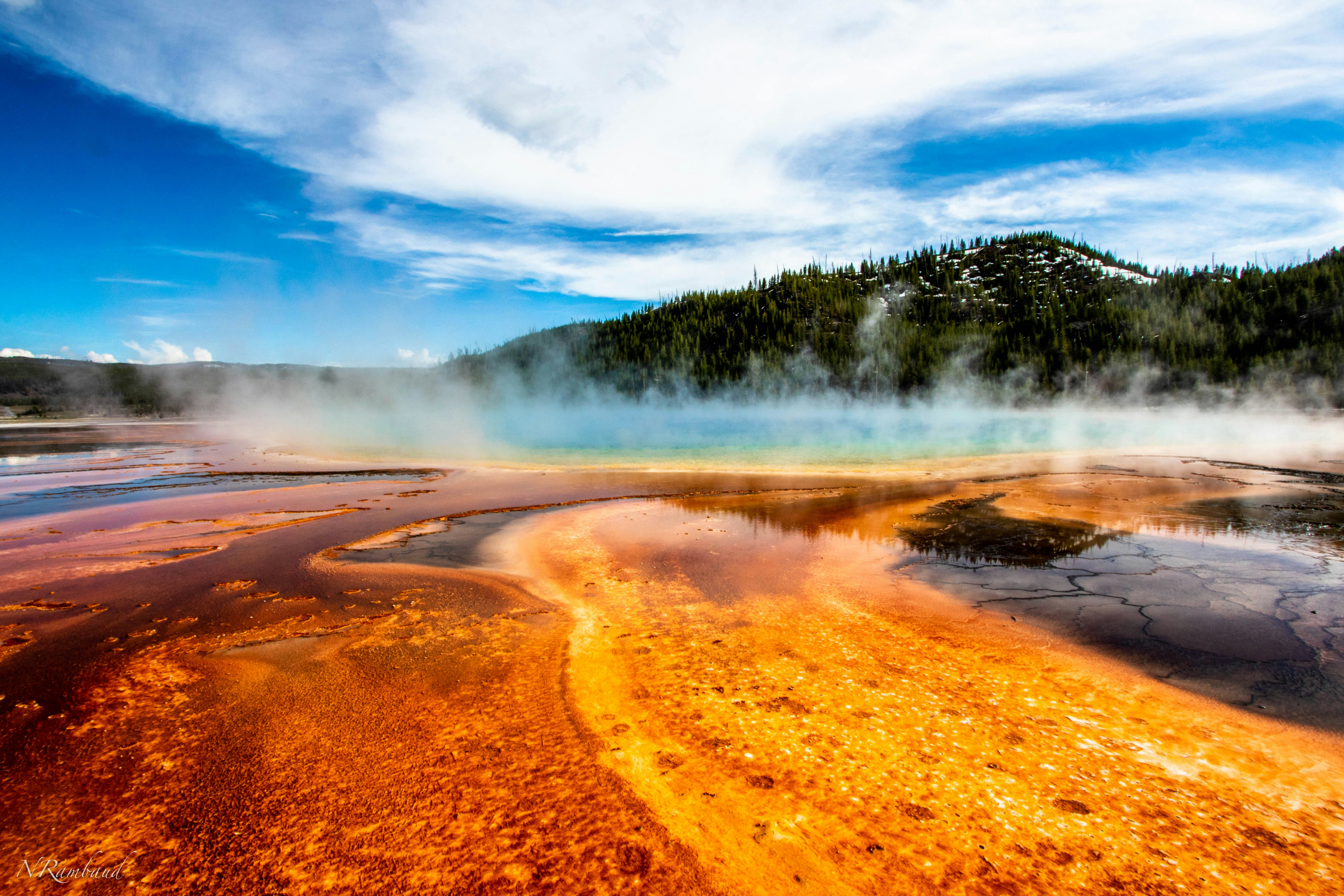
#yellowstonenationalpark ◆ National Parks93 /100Yellowstone is the world's first national park and still its strangest, sitting atop a supervolcano that surfaces as thousands of geysers, hot springs, and mudpots.
Old Faithful erupts on a near-hourly schedule, while the Grand Prismatic Spring's rainbow colours come from heat-loving bacteria.
Beyond the geothermal basins, the park holds free-roaming bison, elk, wolves, and grizzly bears across nearly 9,000 square kilometres of forest and canyon.
How does it rate
CrowdsRomanceCash RequiredDangerAccessibilityWhy you should go
Nowhere else combines a supervolcano's geysers and hot springs with free-roaming bison, wolves, and grizzly bears in one park.
Why you shouldn't go
Peak summer brings gridlock traffic and packed boardwalks at the famous geyser basins.
Plan your visit
Best time to visitLate May-June or September for wildlife and thinner crowds; many roads close in winter.Best time of dayEarly morning for wildlife viewing and quieter geyser basins before tour buses arrive.Getting thereFly to Jackson Hole or Bozeman; 1.5-3 hour drive to the nearest park entrance.Entry cost$35 per vehicle, valid 7 daysTime needed3+ daysInsider tip — Watch Old Faithful from the Observation Point trail above the boardwalk to skip the crowd at ground level. -
 #892 /100
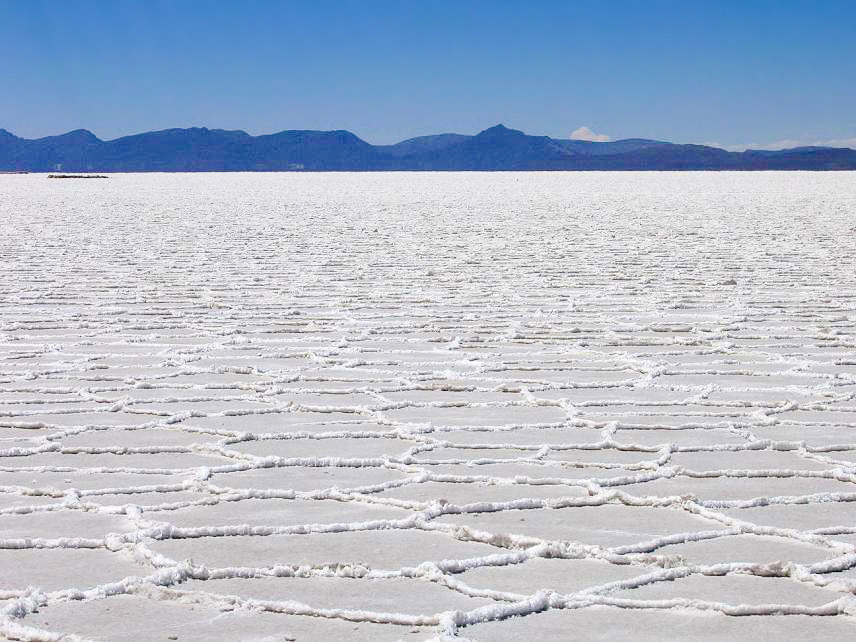
The Salar de Uyuni is the world's largest salt flat, covering 10,582 square kilometres of the Bolivian altiplano at 3,656 metres above sea level.
When covered by a thin layer of water after the rainy season, it becomes a perfect mirror reflection of the sky and one of the most surreal landscapes on earth.
How does it rate
CrowdsRomanceCash RequiredDangerAccessibilityWhy you should go
The mirror effect during the wet season, when the salt flat reflects the sky with perfect fidelity, creates photographs that look like they belong in a dream.
Why you shouldn't go
The wet season (January to March) that creates the famous mirror effect also brings heavy rains; the dry season offers a stark but less photogenic white expanse.
Plan your visit
Best time to visitDecember-April (wet season) for the mirror effect, dry season for easier accessBest time of daySunrise or sunset for the reflection and colourGetting thereFly to Uyuni via La PazEntry costGuided tour ~$100-150/dayTime needed1-3 daysInsider tip — Visit just after rain for the famous mirror effect; the wet season (Jan-Apr) is when it is most reliable -
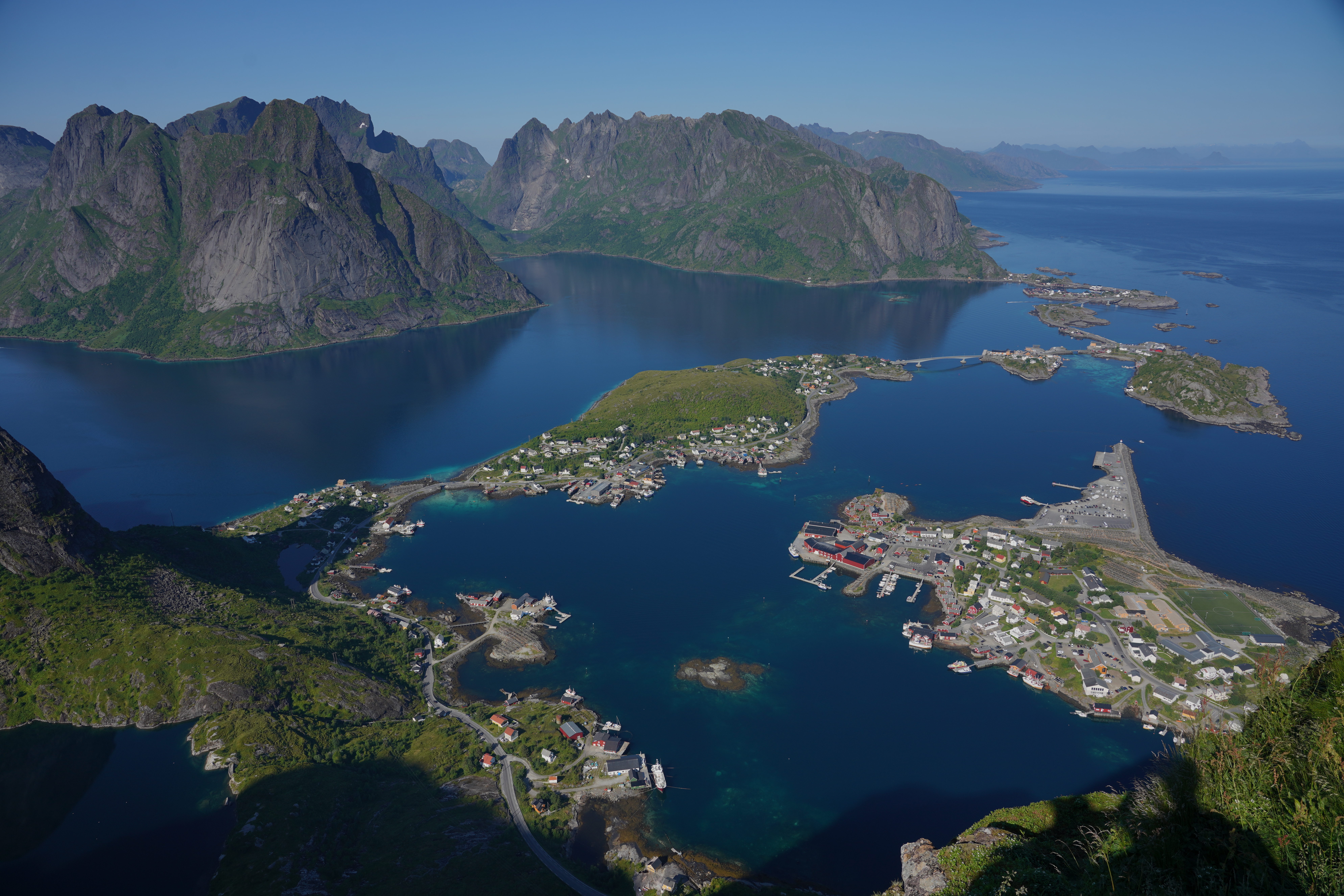 #992 /100
The Lofoten archipelago in northern Norway rises dramatically from the Norwegian Sea as a series of jagged peaks and sheltered bays.
Traditional red fishing cabins called rorbuer dot the shoreline against a backdrop of some of Europe's most spectacular mountain scenery, with the Northern Lights frequently visible in winter.
How does it rate
CrowdsRomanceCash RequiredDangerAccessibilityWhy you should go
The combination of dramatic mountains, Arctic light, colourful fishing villages, and frequent Northern Lights makes Lofoten one of the most photogenic places in Europe.
Why you shouldn't go
The islands are extremely remote, weather is frequently poor, and the Northern Lights are only visible during the dark winter months.
Plan your visit
Best time to visitJune-August for midnight sun, or Sept-March for Northern LightsBest time of dayMidnight sun in summer, or golden hourGetting thereFly to Harstad/Narvik or take the Bodo ferryEntry costFree to exploreTime needed4-5 daysInsider tip — The fishing village of Reine at sunset is the classic shot; go early to get the viewpoint to yourself -
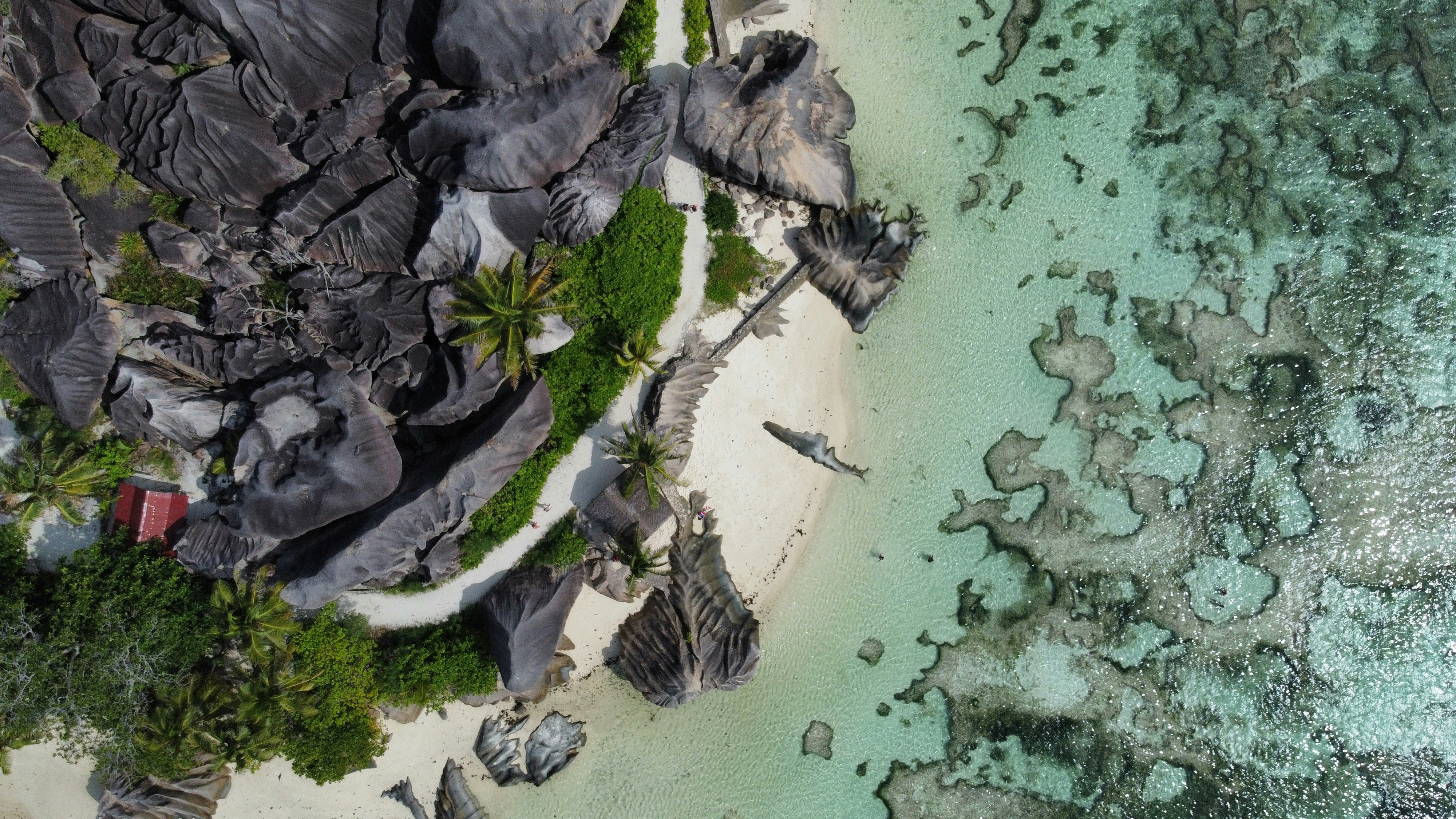 #1092 /100
Pink-granite boulders sculpted by centuries of erosion line this powder-white beach on La Digue, shaded by takamaka trees and broken into a series of small coves and rock pools.
Some of the boulders are the size of houses.
The water is calm and shallow enough to wade a long way out, which makes it better for drifting about than for swimming properly.
Getting in means paying to cross a private plantation.
How does it rate
CrowdsRomanceCash RequiredDangerAccessibilityWhy you should go
House-sized pink granite boulders framing a powder-white beach make this one of the most distinctive coastlines on Earth.
Why you shouldn't go
Entry runs through a paid private plantation, and the calm, shallow water means it's not really a swimming beach.
Plan your visit
Best time to visitApril-May or October-November, outside the cyclone-adjacent wet season.Best time of dayLate afternoon, when the low sun turns the granite a deep gold.Getting thereFly to Mahe, ferry to La Digue, then bike or ox-cart to the plantation entrance.Entry costAround EUR10 plantation entry fee.Time needed2-3 hours.Insider tip — Climb the boulders past the main viewpoint for a quieter stretch of sand with the same rock formations and far fewer people. -
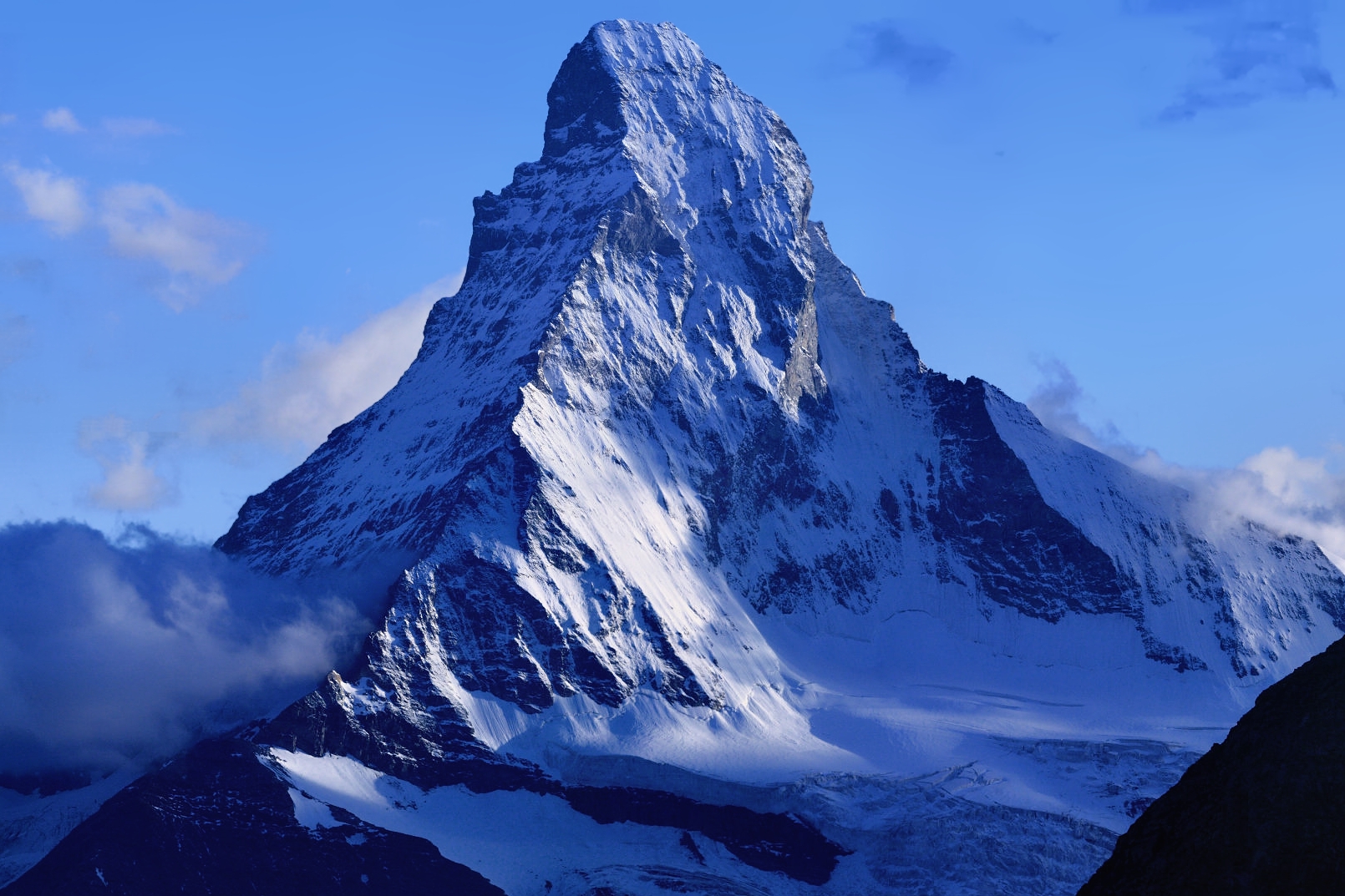 #1192 /100
The Matterhorn's near-perfect pyramidal peak has made it one of the most recognised mountains in the world and the symbol of the Swiss Alps.
Rising 4,478 metres above the car-free village of Zermatt, it is reflected in the Riffelsee lake during clear summer mornings.
How does it rate
CrowdsRomanceCash RequiredDangerAccessibilityWhy you should go
The Matterhorn's symmetrical profile is spectacular from every angle and the reflection in the Riffelsee on a calm morning is one of the great Alpine photographs.
Why you shouldn't go
The mountain is notoriously cloud-covered; visiting Zermatt can be expensive and clear views are never guaranteed.
Plan your visit
Best time to visitJune-September for hiking, winter for snowBest time of daySunrise or sunset for alpenglow on the peakGetting thereTrain to Zermatt, a car-free villageEntry costFree to view; cable cars extraTime needed1-2 daysInsider tip — The reflection shot at Stellisee lake needs an early, still morning; go before 7am -
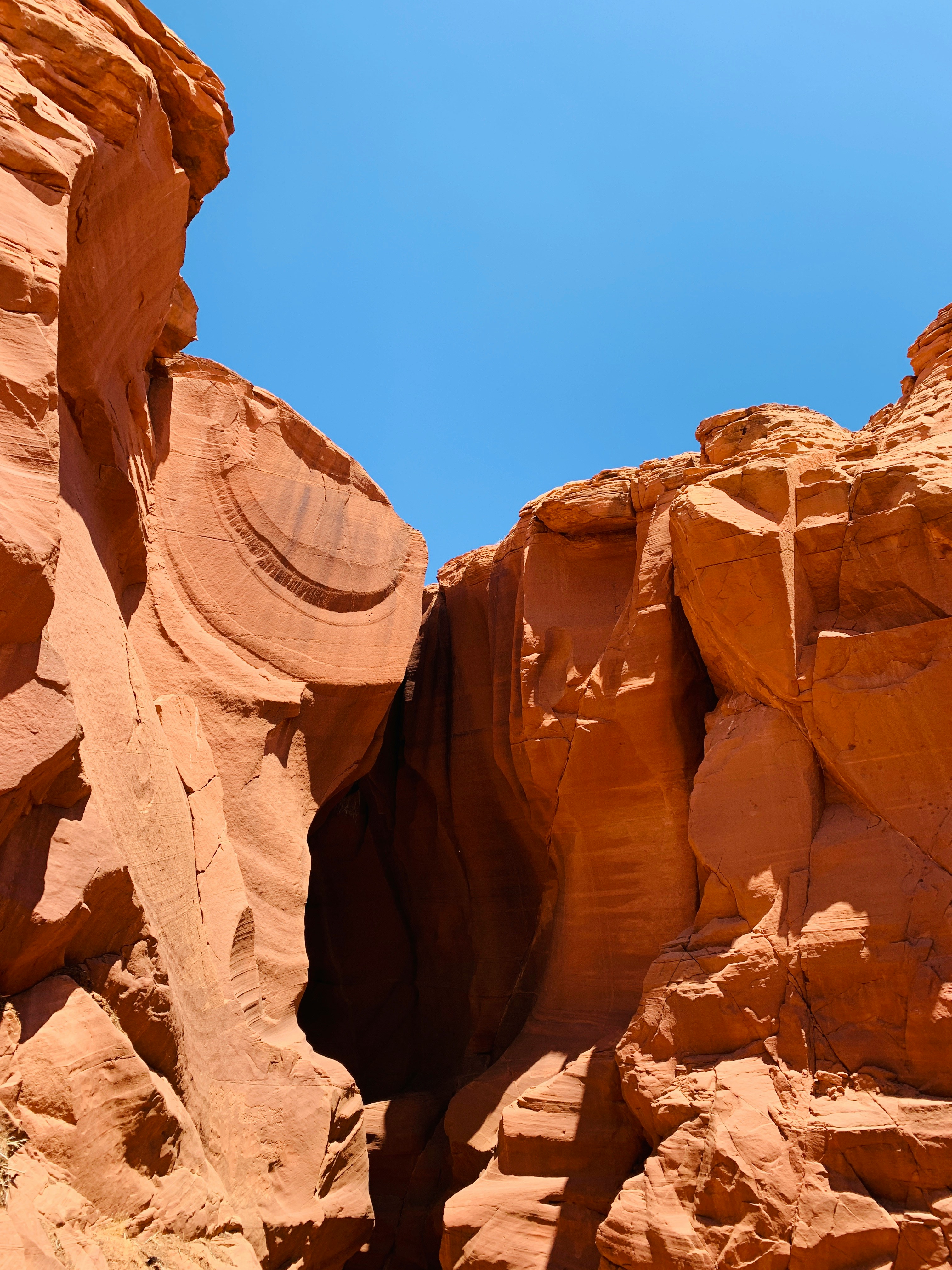 #1292 /100
A slot canyon on Navajo land near Page, carved by flash floods into smooth, fluted sandstone walls that narrow to a few feet apart overhead.
Around midday, shafts of sunlight drop through the openings above and light the orange rock from within.
Access is only with a Navajo guide on a timed walk through either Upper or Lower Antelope, and the canyon closes without warning whenever rain threatens upstream.
How does it rate
CrowdsRomanceCash RequiredDangerAccessibilityWhy you should go
The canyon is a unique natural wonder, offering incredible photo opportunities with its light beams and swirling rock formations.
Why you shouldn't go
It requires a guided tour, which limits exploration and can be pricey, and it often feels crowded due to its popularity.
Plan your visit
Best time to visitMarch-October for visible light beamsBest time of dayMidday for the famous light beamsGetting thereNear Page, Arizona; guided tour onlyEntry costGuided tour ~$50-100Time needed1.5-2 hoursInsider tip — Only accessible via a Navajo-guided tour; book weeks ahead in summer -
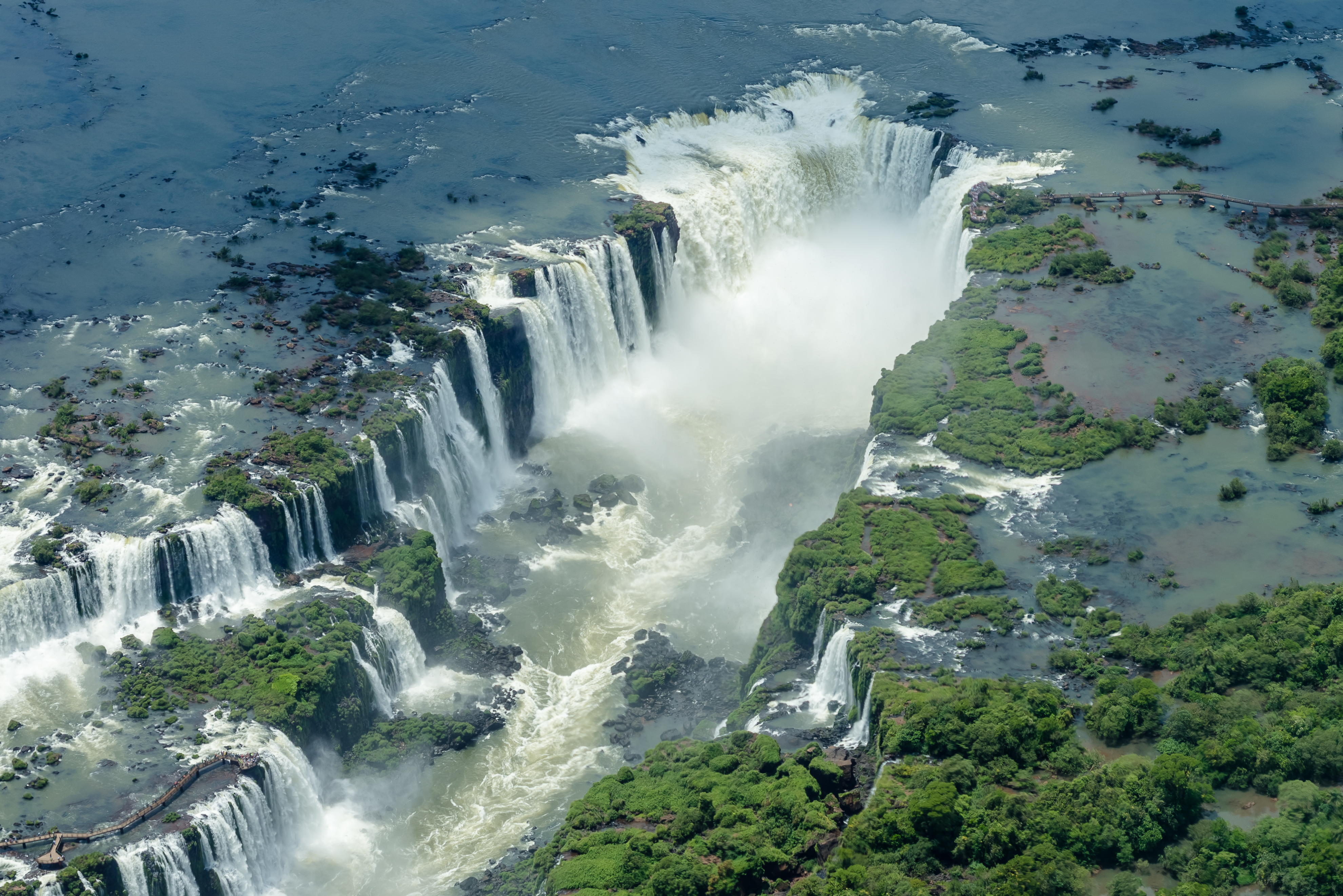 #1391 /100
Iguazu Falls straddles the border between Argentina and Brazil and is wider than Victoria Falls and taller than Niagara, making it arguably the world's most spectacular waterfall system.
The 275 separate cascades thunder over a 2.
7-kilometre arc in the subtropical jungle of both countries' national parks.
How does it rate
CrowdsRomanceCash RequiredDangerAccessibilityWhy you should go
The sheer scale and number of cascades, accessible via elevated walkways that take you directly above and beside the falls, makes Iguazu one of nature's great spectacles.
Why you shouldn't go
The falls are best seen from both the Argentine and Brazilian sides, which requires a border crossing; the Argentine side walkways can close due to flooding.
Plan your visit
Best time to visitApril-June or September-NovemberBest time of dayMorning for rainbowsGetting thereFly to Puerto IguazuEntry cost~$30 park entryTime neededFull dayInsider tip — Visit both the Argentine and Brazilian sides; Argentina gets you closer, Brazil gives the panorama -
 #1491 /100
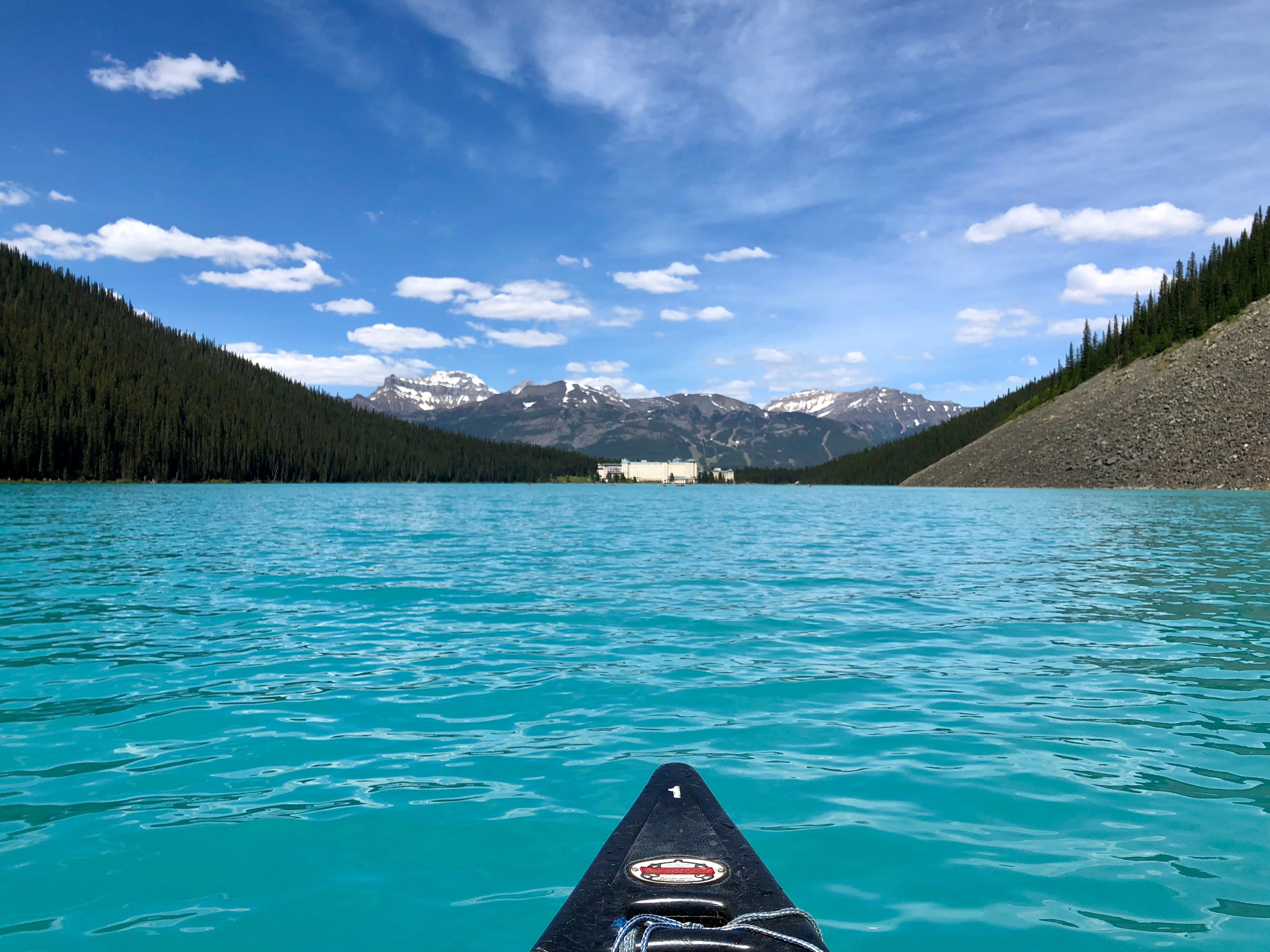
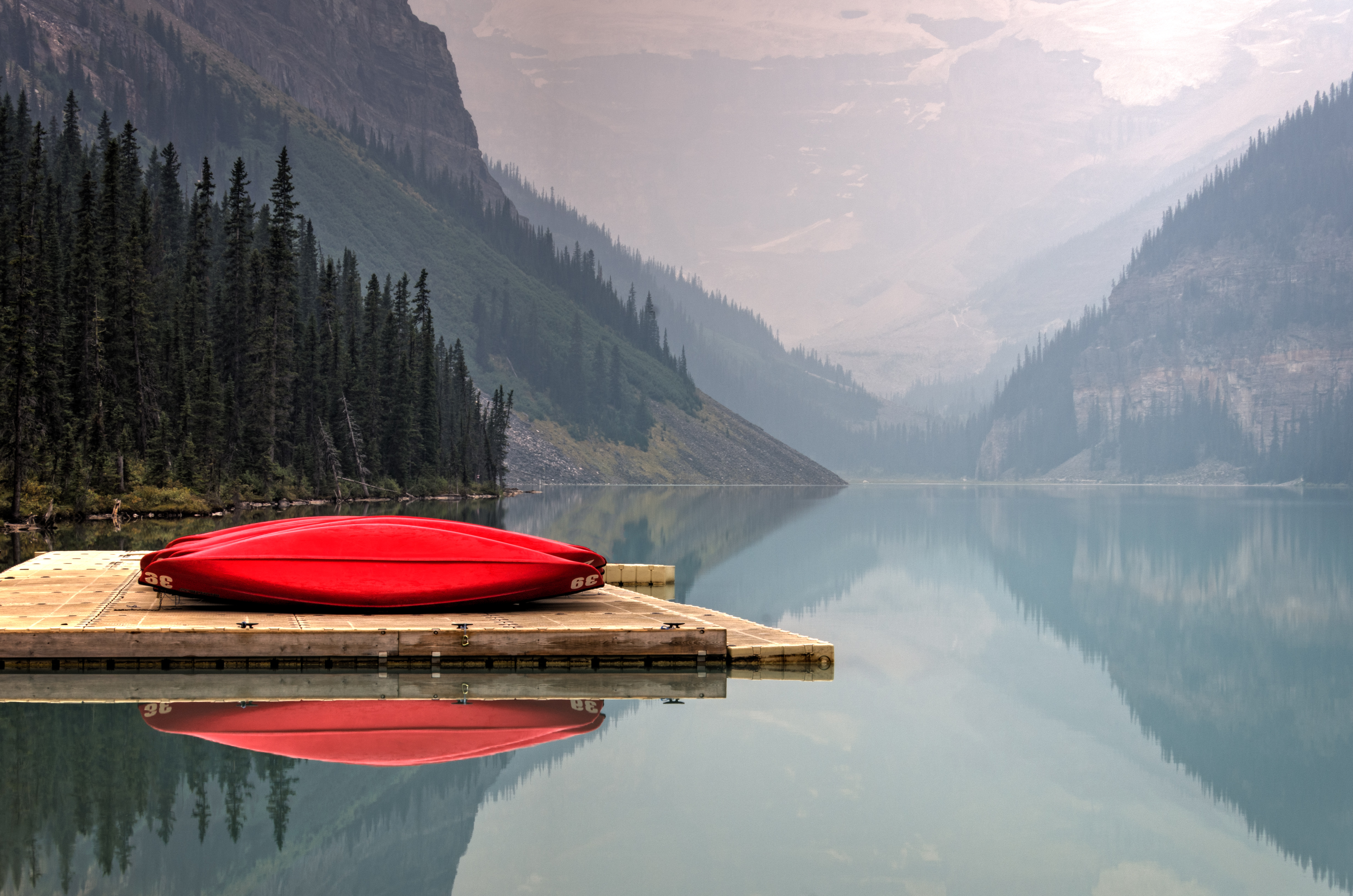
Lake Louise is the Canadian Rockies at their most theatrical: a milky turquoise lake framed by pine-clad ridges, with Victoria Glacier hanging at the far end and the famous red canoes gliding out from the boathouse dock.
The colour is real, glacial rock flour in the meltwater, and it shifts with every hour of light.
Easy lakeshore paths and grand teahouse hikes ring the water.
How does it rate
CrowdsRomanceCash RequiredDangerAccessibilityWhy you should go
One of the most photogenic lakes on Earth, with turquoise water, red canoes and glacier views in one frame.
Why you shouldn't go
Summer parking fills before sunrise and the shoreline gets extremely busy through the middle of the day.
Plan your visit
Best time to visitJune-September for open water; late September for golden larchesBest time of dayDawn, before the car park fills and the water is still glassyGetting thereFly to Calgary; 2-hour drive, then park-and-ride shuttle in summerEntry costBanff park pass about CA$11/day; canoe rental extraTime neededHalf a dayBookingBook ahead →Insider tip — Book the Parks Canada shuttle online weeks ahead - by mid-morning in July the lot is full and drop-ins are turned away -
 #1591 /100
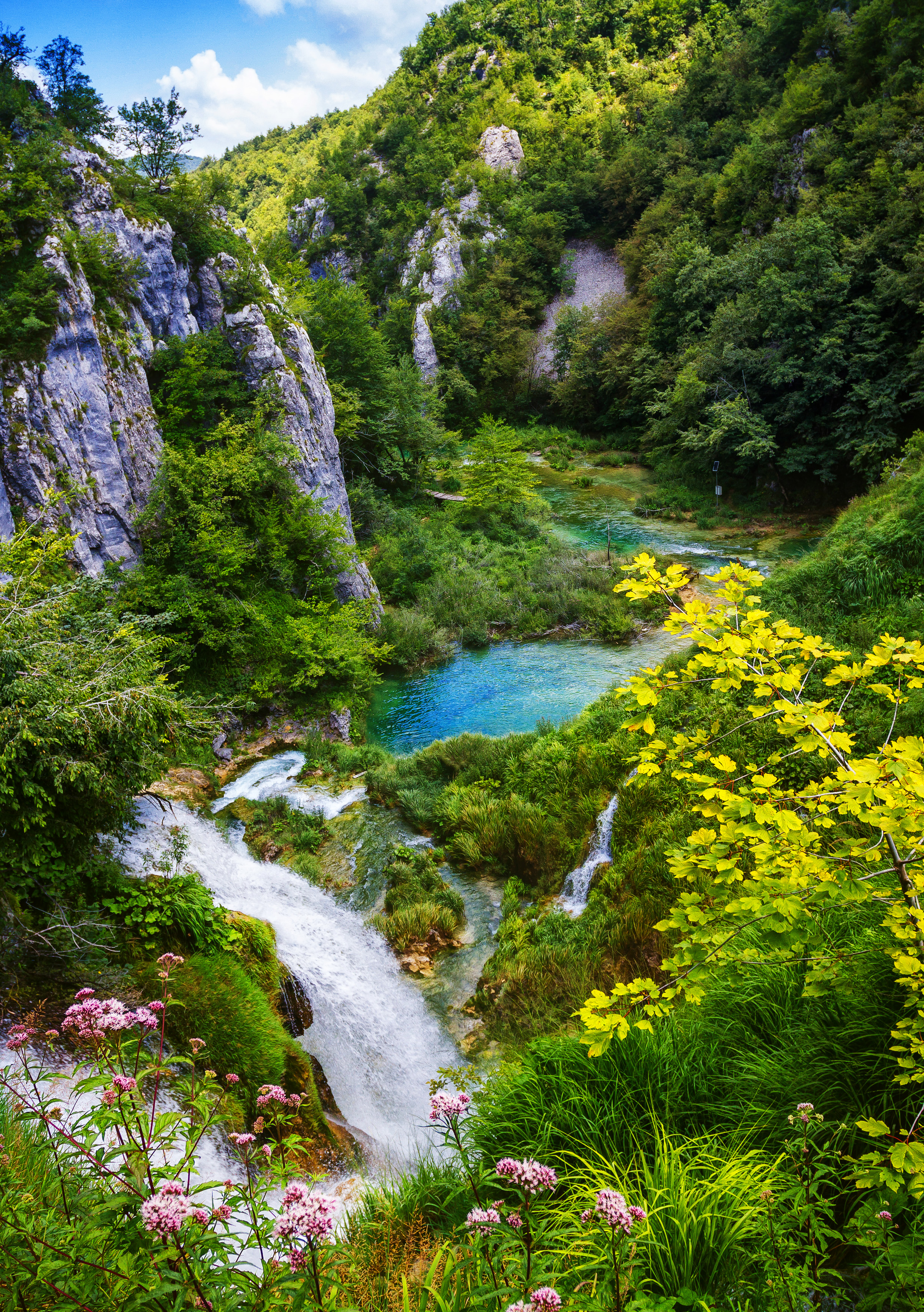
Plitvice Lakes National Park contains sixteen turquoise lakes connected by a series of waterfalls, cascades, and travertine barriers, all within an ancient beech forest.
The network of wooden boardwalks allows visitors to walk over and around the water in one of Europe's most enchanting natural landscapes.
How does it rate
CrowdsRomanceCash RequiredDangerAccessibilityWhy you should go
The boardwalks lead you directly over and beside the turquoise waters, creating intimate encounters with the waterfalls and the clear lake beds visible below.
Why you shouldn't go
Plitvice has become very popular and can be uncomfortably crowded in summer; entry is timed and must be booked online in advance.
Plan your visit
Best time to visitMay-June or September-OctoberBest time of dayEarly morning before tour buses arriveGetting there~2hr drive from ZagrebEntry cost~EUR25-40 depending on seasonTime neededFull dayInsider tip — Start at the upper lakes and walk down to the lower lakes for the best waterfall views with fewer crowds -
 #1691 /100
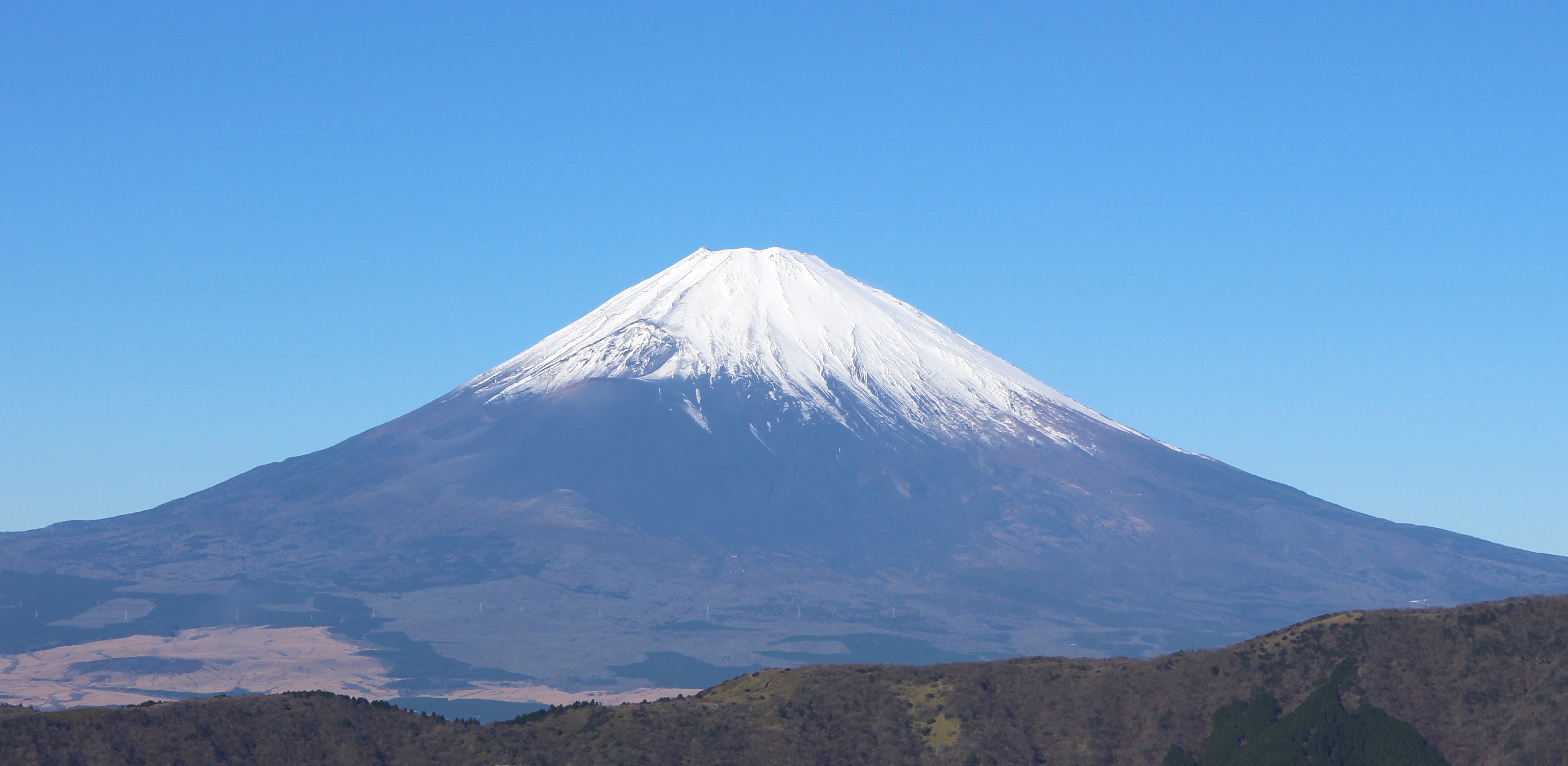
Japan's highest mountain and most enduring symbol rises 3,776 metres in near-perfect symmetry above Honshu's coastal plain.
The classic view of Fuji reflected in the still waters of Lake Kawaguchiko, or framed by cherry blossoms in spring or maple leaves in autumn, has inspired Japanese art for centuries.
How does it rate
CrowdsRomanceCash RequiredDangerAccessibilityWhy you should go
The symmetry and scale of Mount Fuji makes it one of the world's most instantly recognisable mountains; the spring reflection in Lake Kawaguchiko is iconic.
Why you shouldn't go
Fuji is often hidden behind cloud and the climbing season is very short; the popular Yoshida Trail is now extremely crowded and has safety restrictions.
Plan your visit
Best time to visitJuly-September for climbing; year-round for photos, especially with snow cap Oct-MayBest time of daySunrise if climbing, or early morning from Lake KawaguchiGetting thereTrain/bus to Kawaguchiko from Tokyo (~2hrs)Entry costFree to view; climbing huts/permits extraTime neededHalf day for viewing, 1-2 days to climbInsider tip — Chureito Pagoda near Fujiyoshida gives the iconic pagoda-plus-Fuji shot, especially with spring cherry blossoms -
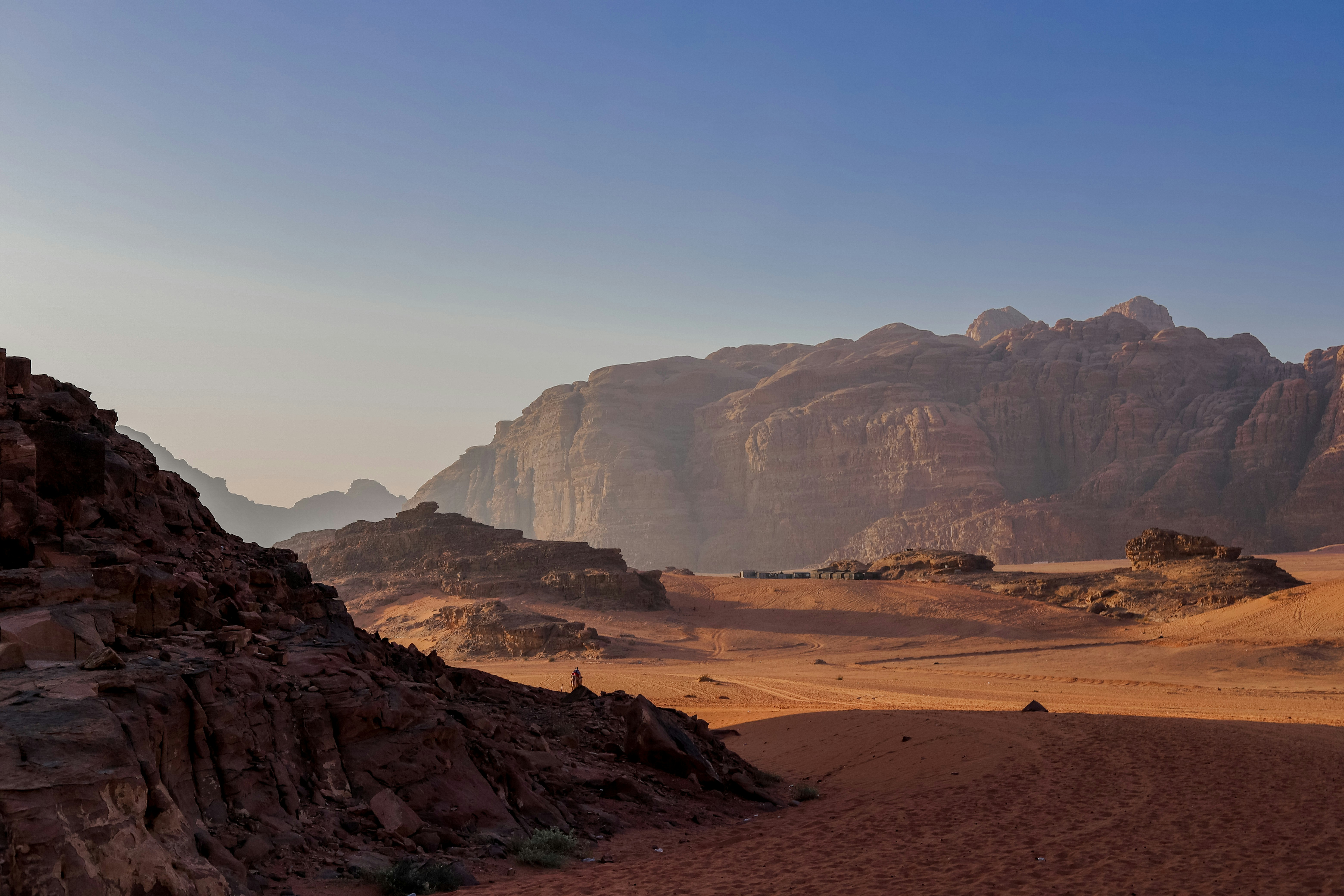 #17
#17A vast valley of red sand and towering sandstone mountains so otherworldly it has stood in for Mars in multiple films, including The Martian and The Rise of Skywalker.
Bedouin-guided 4x4 tours and camel treks weave between weathered rock arches, ancient petroglyphs, and canyons, ending most days at a Bedouin camp under some of the darkest skies in the Middle East.
The scale and silence of the place are as striking as its colour.
How does it rate
CrowdsRomanceCash RequiredDangerAccessibilityWhy you should go
Mars-red sand and towering rock formations so cinematic they've repeatedly stood in for the actual planet on screen.
Why you shouldn't go
Daytime desert heat is extreme for much of the year, and most of the site is only accessible with a Bedouin guide or 4x4.
Plan your visit
Best time to visitOctober-April for manageable daytime temperatures.Best time of daySunset, when the sandstone mountains glow deep red before the stars come out.Getting thereFly to Aqaba or Amman; Wadi Rum village is about an hour's drive from either.Entry costEntry plus a half-day 4x4 tour runs roughly 30-50 JD per person.Time neededA full day, or overnight in a desert camp.Insider tip — Book an overnight camp rather than a day trip - the night sky here, far from any city light, is the single best reason to come. -
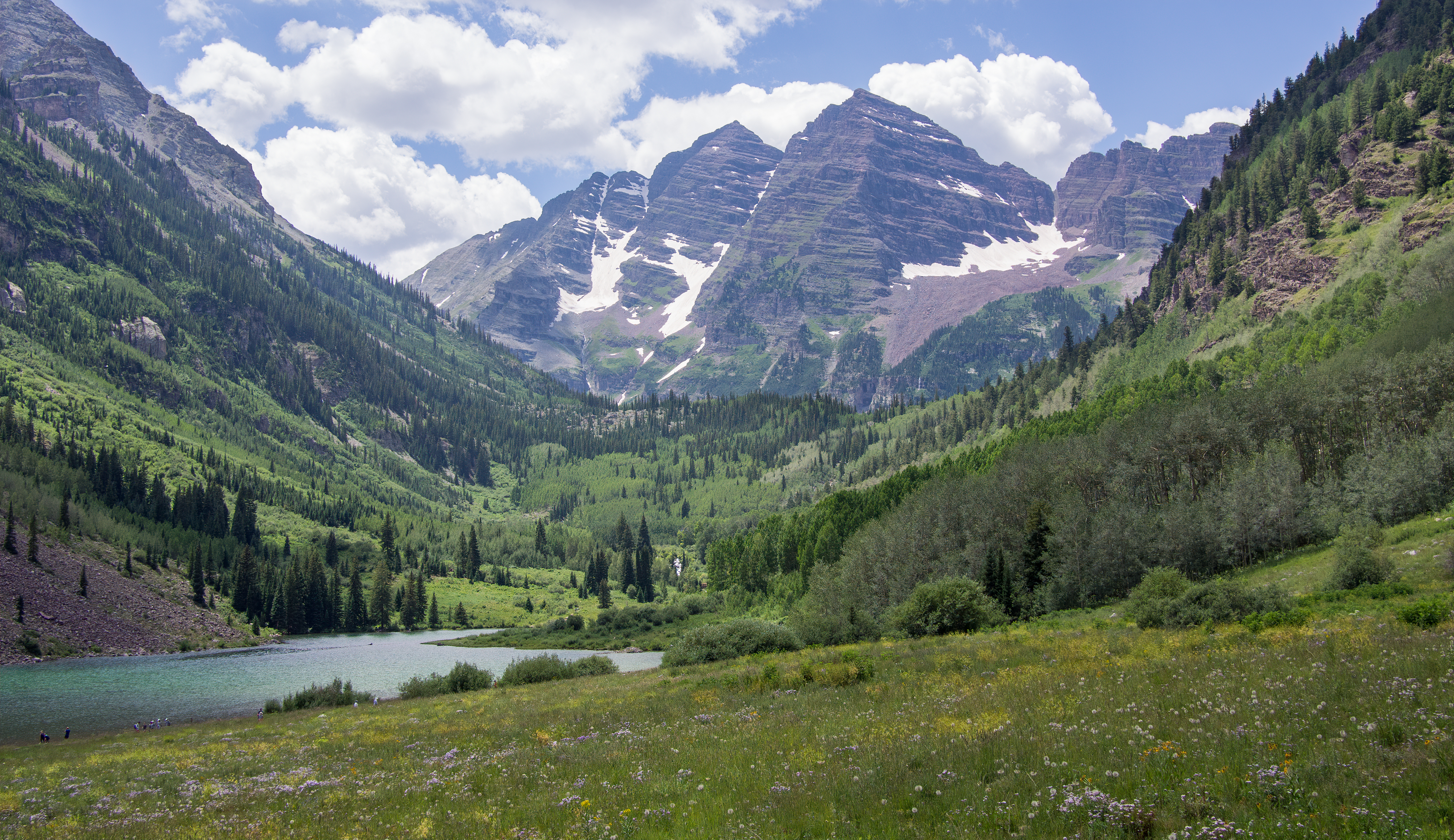 #1891 /100
The Maroon Bells are two peaks — Maroon Peak and North Maroon Peak — in the Elk Mountains of Colorado, rising to 4,317 and 4,273 metres respectively.
The reflection of the burgundy-coloured peaks in the still waters of Maroon Lake, particularly in autumn when the surrounding aspen trees turn gold, is one of the classic sights of the American Rockies.
How does it rate
CrowdsRomanceCash RequiredDangerAccessibilityWhy you should go
The autumn reflection of the Maroon Bells in Maroon Lake, with the aspens turning gold around the shoreline, is one of the great landscape photographs of the American West.
Why you shouldn't go
Access by private vehicle is restricted and requires a shuttle bus from Aspen; the autumn season brings the most colour but also the most visitors.
Plan your visit
Best time to visitLate September for aspen gold, or July for wildflowersBest time of daySunrise for the reflection in Maroon Lake before wind picks upGetting thereShuttle bus required from Aspen Highlands in peak seasonEntry costShuttle/entry fee ~$10-16Time needed2-3 hoursInsider tip — Early shuttle reservations sell out; book ahead for the classic still-water reflection shot -
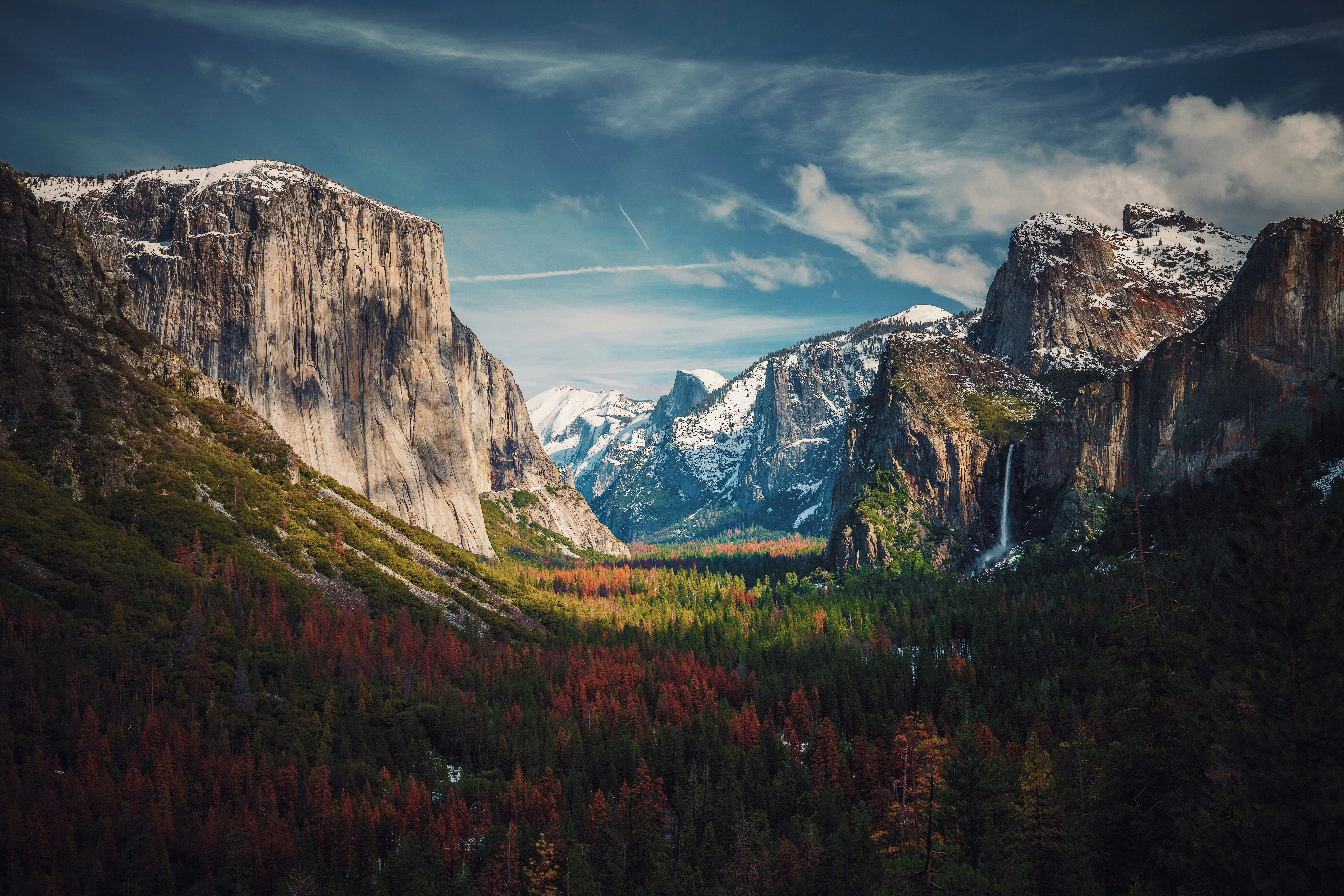 #1991 /100
Yosemite Valley is a granite gorge cut by glaciers, with El Capitan and Half Dome rising thousands of feet above the valley floor and waterfalls dropping straight off the rim.
Beyond the valley, the park holds giant sequoia groves, alpine meadows, and high-country lakes reached by the seasonal Tioga Road.
It's one of the birthplaces of American rock climbing, and climbers on El Capitan's face are visible from the valley floor with binoculars.
How does it rate
CrowdsRomanceCash RequiredDangerAccessibilityWhy you should go
Few places pack granite cliffs, giant sequoias, and waterfalls into one valley visible from a single viewpoint.
Why you shouldn't go
Yosemite Valley's roads gridlock in summer, and a timed-entry reservation is often required.
Plan your visit
Best time to visitMay-June for waterfalls at full flow, or September for thinner crowds.Best time of daySunrise at Tunnel View for the valley before the roads fill up.Getting thereFly to Fresno or San Francisco; roughly 2.5-4 hour drive to the valley.Entry cost$35 per vehicle, valid 7 daysTime needed2-3 daysInsider tip — Book the free valley shuttle instead of driving once inside the park - parking fills by mid-morning. -
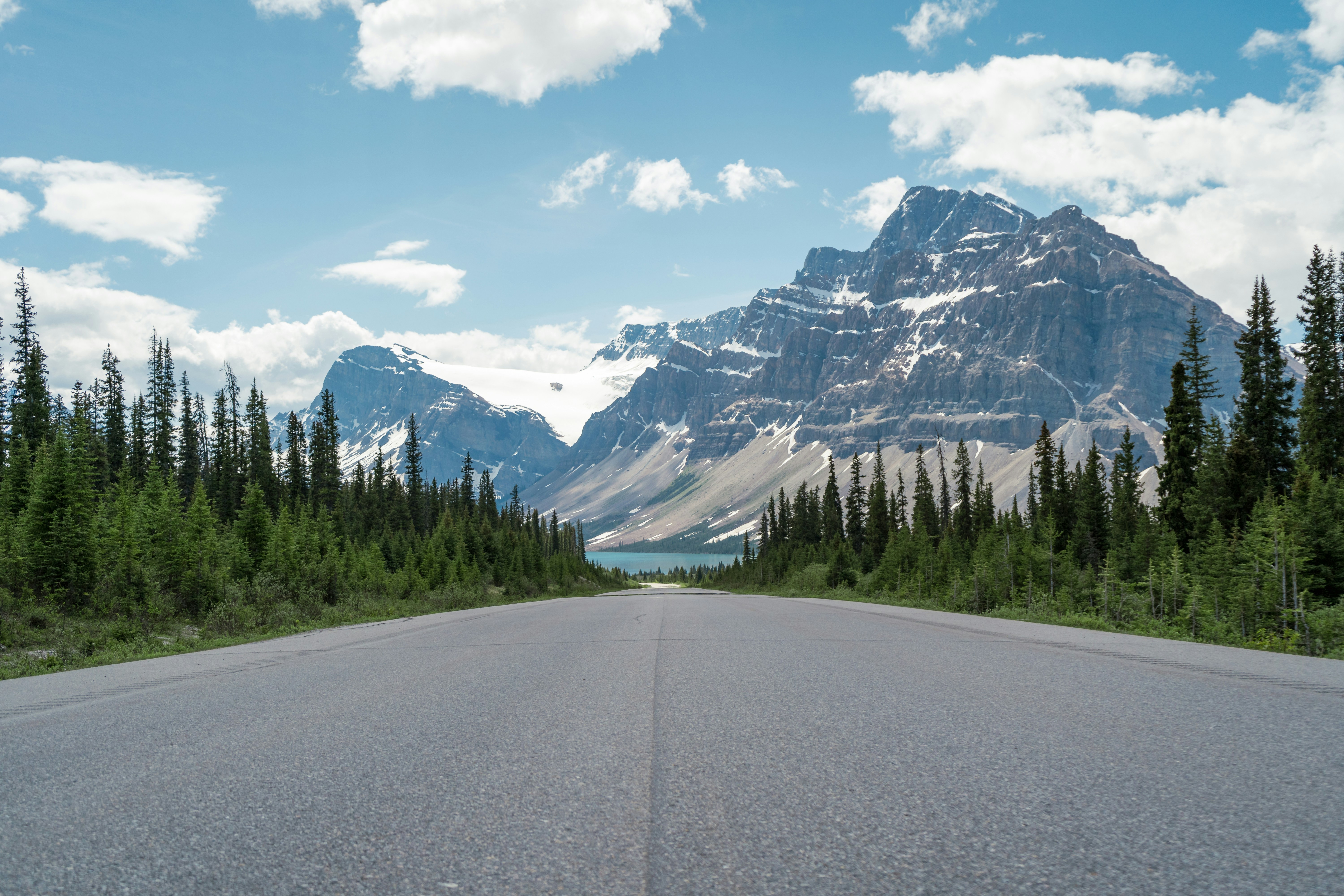 #2091 /100
The Icefields Parkway runs 232 kilometres between Lake Louise and Jasper through the Canadian Rockies, tracing the Continental Divide past turquoise lakes, hanging glaciers, and the vast Columbia Icefield.
Peyto Lake's overlook and the Athabasca Glacier, reachable on foot or by ice-explorer vehicle, are signature stops, while roadside pullouts deliver mountain views throughout.
Bears and bighorn sheep often appear near the road at dawn and dusk.
How does it rate
CrowdsRomanceCash RequiredDangerAccessibilityWhy you should go
Turquoise glacial lakes and hanging glaciers visible almost continuously for the entire drive.
Why you shouldn't go
Requires a Parks Canada pass, and summer traffic clogs the popular pullouts and Athabasca Glacier lot.
Plan your visit
Best time to visitLate June through September, when the road is clear of snow and ice and all viewpoints are open.Best time of dayEarly morning for calm lake reflections and the best chance of spotting wildlife.Getting thereFly into Calgary, drive to Lake Louise, and pick up Highway 93 north toward Jasper.Entry costParks Canada day pass required, around CAD 22 per adultTime needed1 day drive, 2-3 with stops and hikesBookingBook ahead →Insider tip — Stop at Peyto Lake in early morning before tour buses fill the viewpoint, and check Parks Canada's site for wildlife closures before setting off. -
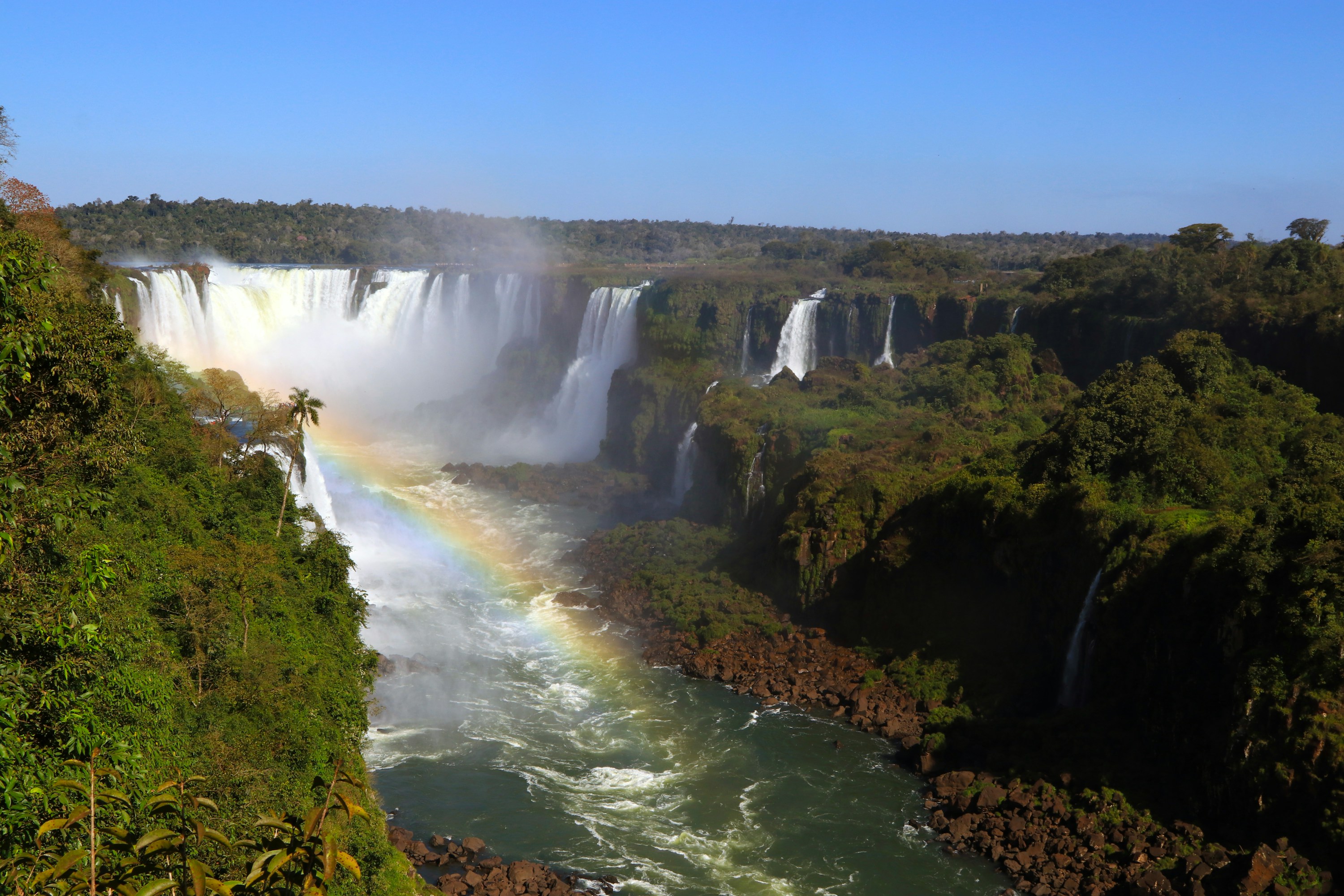 #2191 /100
The Brazilian side of Iguaçu Falls trades Argentina's up-close catwalks for one long panoramic circuit, sweeping across nearly the entire 2.
7km curtain of over 250 individual falls at once.
A short walkway leads out to a platform inside the spray of the Devil's Throat, with boat trips for those who want to get soaked.
It's compact enough to see in half a day, unlike the sprawling park across the border.
How does it rate
CrowdsRomanceCash RequiredDangerAccessibilityWhy you should go
One sweeping panoramic walkway takes in almost the entire 2.7km curtain of falls in a single visit.
Why you shouldn't go
The shuttle bus and viewing platforms queue up fast by mid-morning in high season.
Plan your visit
Best time to visitApril-September (dry season) for clearer views; wetter months bring more dramatic flow.Best time of dayEarly morning, before the tour buses arrive.Getting thereFly to Foz do Iguaçu (IGU); 25-30 min taxi/bus to the park entrance, then the park's own shuttle bus to the falls circuit.Entry cost~R$130 (~US$24) entry; boat trips extraTime needed3-4 hoursBookingBook ahead →Insider tip — Take the elevator at the end of the walkway to the upper overlook for the full-panorama view, and catch the park's first shuttle to beat the tour-bus crowds. -
 #2290 /100
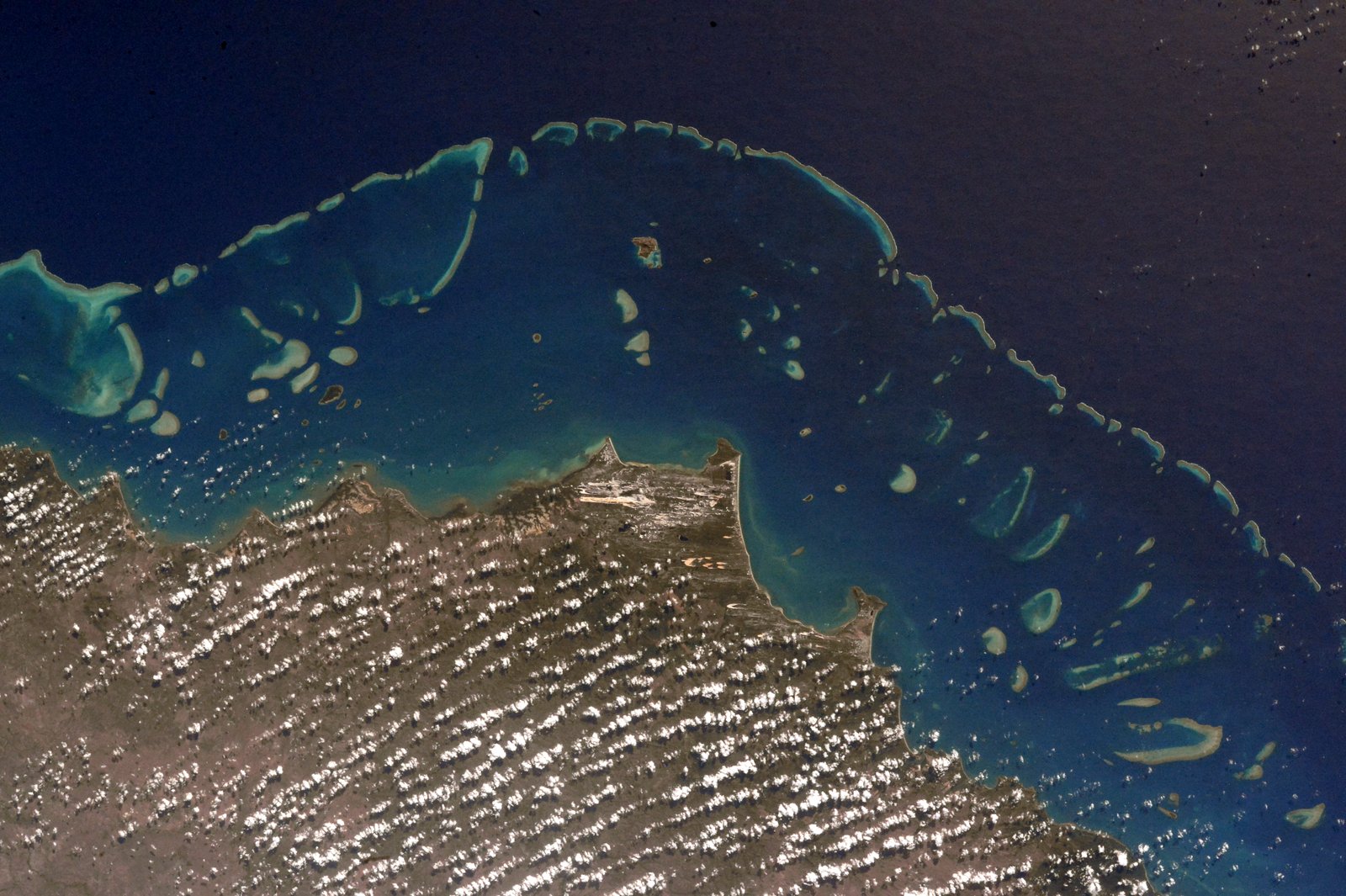
The Great Barrier Reef is the world's largest coral reef system, stretching 2,300 kilometres along the Queensland coast and visible from space.
Home to over 1,500 species of fish, 4,000 types of mollusc, and 600 types of coral, it is the largest living structure on earth and a UNESCO World Heritage Site.
How does it rate
CrowdsRomanceCash RequiredDangerAccessibilityWhy you should go
Snorkelling above the coral gardens of the Great Barrier Reef, surrounded by extraordinary marine biodiversity in crystal clear water, is a genuinely transformative experience.
Why you shouldn't go
Coral bleaching caused by climate change has severely damaged large sections of the reef; the experience varies greatly depending on which section you visit.
Plan your visit
Best time to visitJune-October (dry season, best visibility)Best time of dayMorning for calmer water and better underwater lightGetting thereFly to Cairns or Airlie Beach, boat tours from thereEntry costReef tours ~$200-250 AUDTime neededFull day, ideally multi-day liveaboardInsider tip — Book a trip that visits the outer reef rather than pontoons closer to shore; coral health and visibility is much better -
 #2390 /100
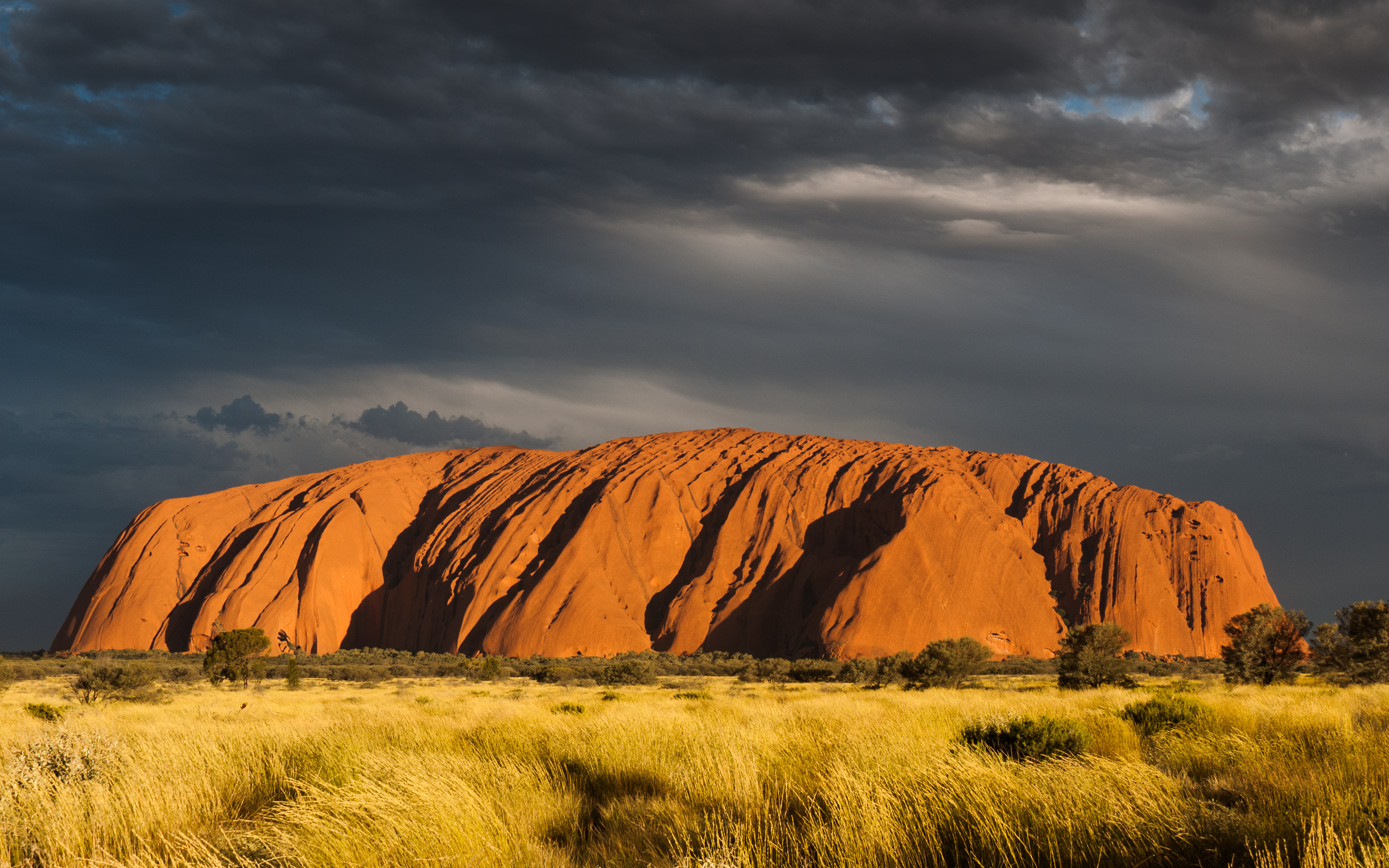
Uluru is a 348-metre monolith of rust-red sandstone rising sheer out of the Central Australian desert, sacred to the Anangu people.
It performs twice daily, smouldering orange at dawn and deepening to violet after sunset, and the colour show alone justifies the pilgrimage.
Up close, the base walk reveals waterholes, rock art and lush pockets of desert life.
How does it rate
CrowdsRomanceCash RequiredDangerAccessibilityWhy you should go
The dawn and dusk colour changes on the rock are a genuinely moving natural spectacle.
Why you shouldn't go
It's a long, expensive trip into deep desert heat, and summer temperatures are brutal.
Plan your visit
Best time to visitMay-September for bearable desert temperaturesBest time of daySunrise and sunset from the designated viewing areasGetting thereFly to Ayers Rock Airport (Yulara); the park is a 20-minute driveEntry costPark entry A$38 for 3 daysTime needed1-2 daysBookingBook ahead →Insider tip — Do the 10km base walk at first light - you get the colour show plus the rock art galleries before the heat and the buses -
 #2490 /100
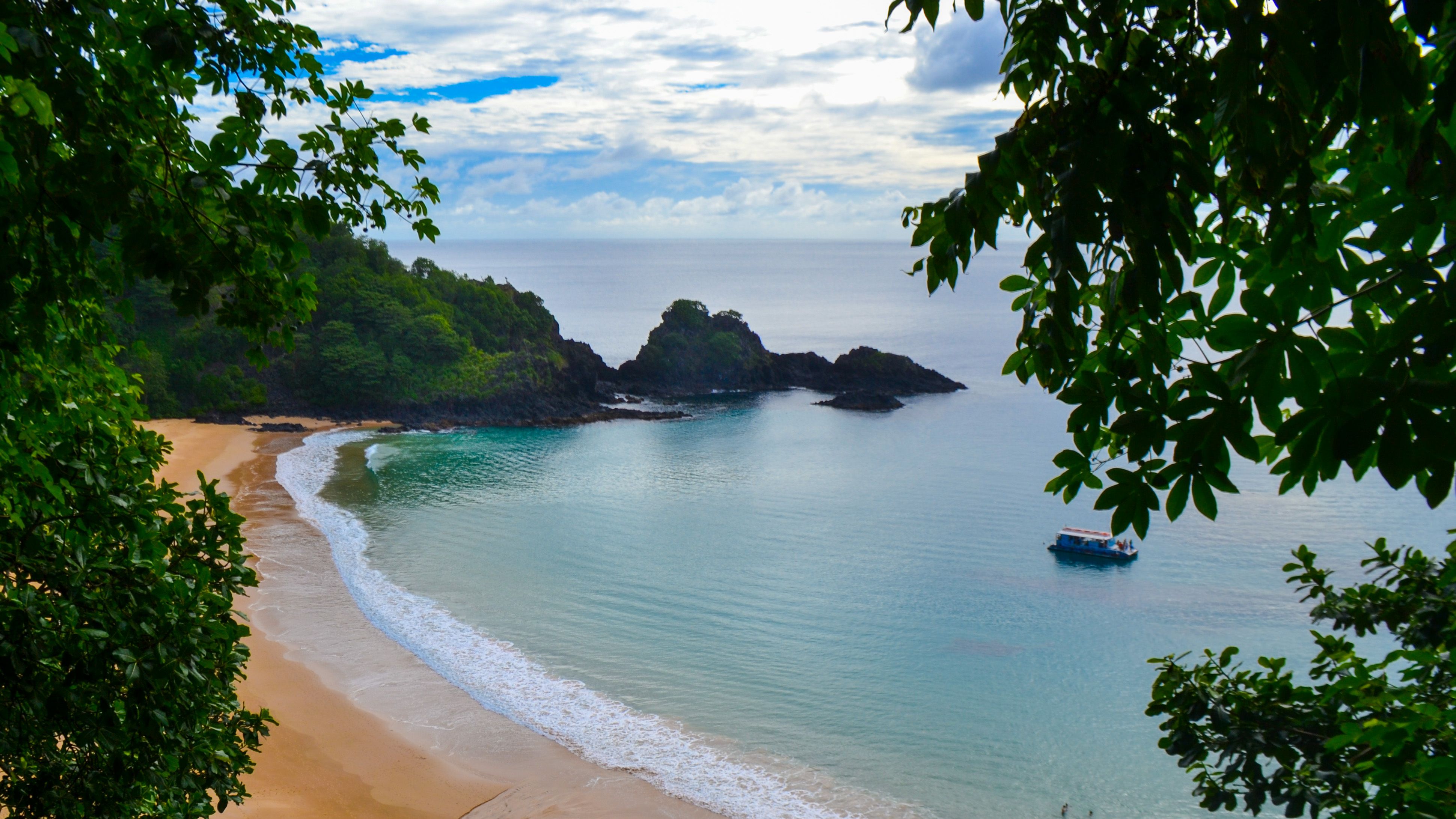
Tucked beneath sheer cliffs on Fernando de Noronha and reachable only by a steep ladder cut into the rock (or by boat), this beach has topped "world's best beach" rankings for good reason.
Turquoise water, sea turtles visible from the shore, and a protected marine park setting mean it stays close to pristine.
The remoteness that makes it special also caps how many people can visit each day.
How does it rate
CrowdsRomanceCash RequiredDangerAccessibilityWhy you should go
Repeatedly voted the world's most beautiful beach, with clear water and visible sea turtles just offshore.
Why you shouldn't go
Only reachable by a steep cliff ladder or a boat transfer, and the island itself is expensive and visitor-capped.
Plan your visit
Best time to visitSeptember-December for the calmest, clearest water.Best time of dayMorning, before the wind picks up and while the ladder queue is short.Getting thereFly to Fernando de Noronha via Recife or Natal; the beach is a short drive plus the cliff ladder from the island's main road.Entry costIncluded in the island's mandatory environmental preservation fee, charged per day.Time neededHalf a day.Insider tip — Snorkel gear rented in Vila dos Remedios pays off here - the reef right off the sand has some of the island's best visibility. -
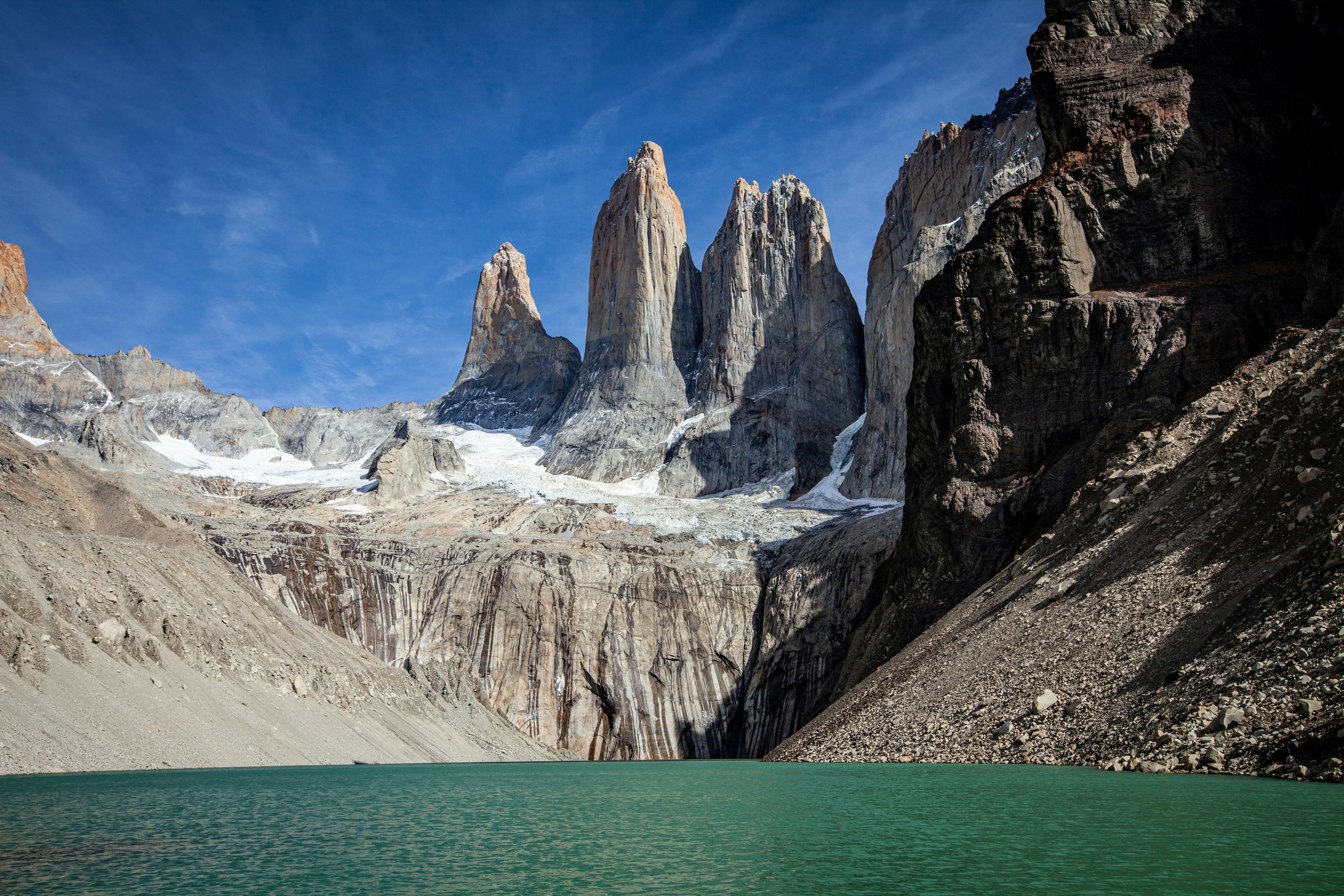 #2590 /100
Three granite towers punch straight up out of Chilean Patagonia, reflected in turquoise glacial lakes that change colour with the light.
The full W trek links the towers with glaciers, wind-battered forests and the vivid blue of the Grey Glacier over several days.
Even a single day at the base-of-the-towers viewpoint delivers one of South America's most dramatic landscapes.
How does it rate
CrowdsRomanceCash RequiredDangerAccessibilityWhy you should go
Three granite spires over turquoise glacial lakes - Patagonia's single most iconic view.
Why you shouldn't go
Patagonian wind is relentless and can shut down trails or make photography genuinely difficult.
Plan your visit
Best time to visitNovember-March, the Southern Hemisphere summer.Best time of dayEarly morning, when the wind is calmest and the towers often clear of cloud.Getting thereFly to Punta Arenas, bus to Puerto Natales, then park shuttle to Torres del Paine.Entry costPark entry fee, roughly $35-45 for foreign visitors.Time needed3-5 days for the W trek; 1 day for the base viewpointBookingBook ahead →Insider tip — Base yourself near the park for a pre-dawn start on the Base Towers trail - the final viewpoint is worth reaching before the day's cloud builds. -
 #26
#26Rated #26 of 100
Zhangjiajie National Forest Park, China
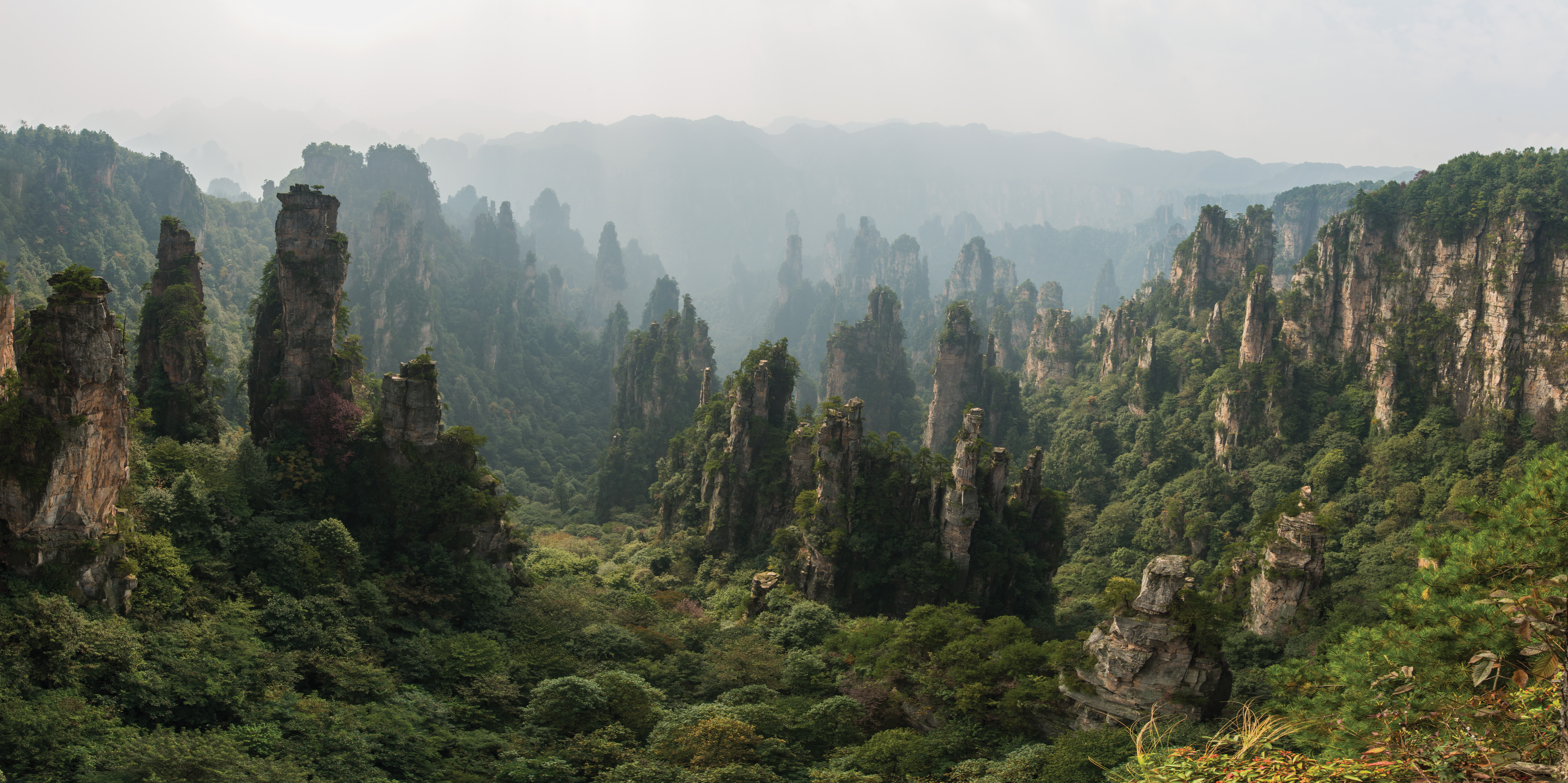
#zhangjiajienationalforestpark ◆ National Parks90 /100The towering sandstone pillars of Zhangjiajie National Forest Park inspired the floating Hallelujah Mountains in the film Avatar.
Over three thousand quartzite sandstone columns rise up through a sea of mist, draped in subtropical vegetation and connected by the world's longest and highest glass-bottomed bridge.
How does it rate
CrowdsRomanceCash RequiredDangerAccessibilityWhy you should go
The cloud-wreathed sandstone pillars rising from the valley floor create a genuinely otherworldly landscape unlike anywhere else on earth.
Why you shouldn't go
The park is very crowded, especially with domestic tourists, and the famous glass bridge requires a separate ticket and often has long queues.
Plan your visit
Best time to visitApril-June or September-NovemberBest time of dayMorning, when mist often lingers between the pillarsGetting thereFly to Zhangjiajie Hehua AirportEntry cost~$25 entry (multi-day pass)Time needed2-3 daysInsider tip — The Yuanjiajie area gets crowded; go early or take the Bailong elevator down instead of up -
 #2790 /100
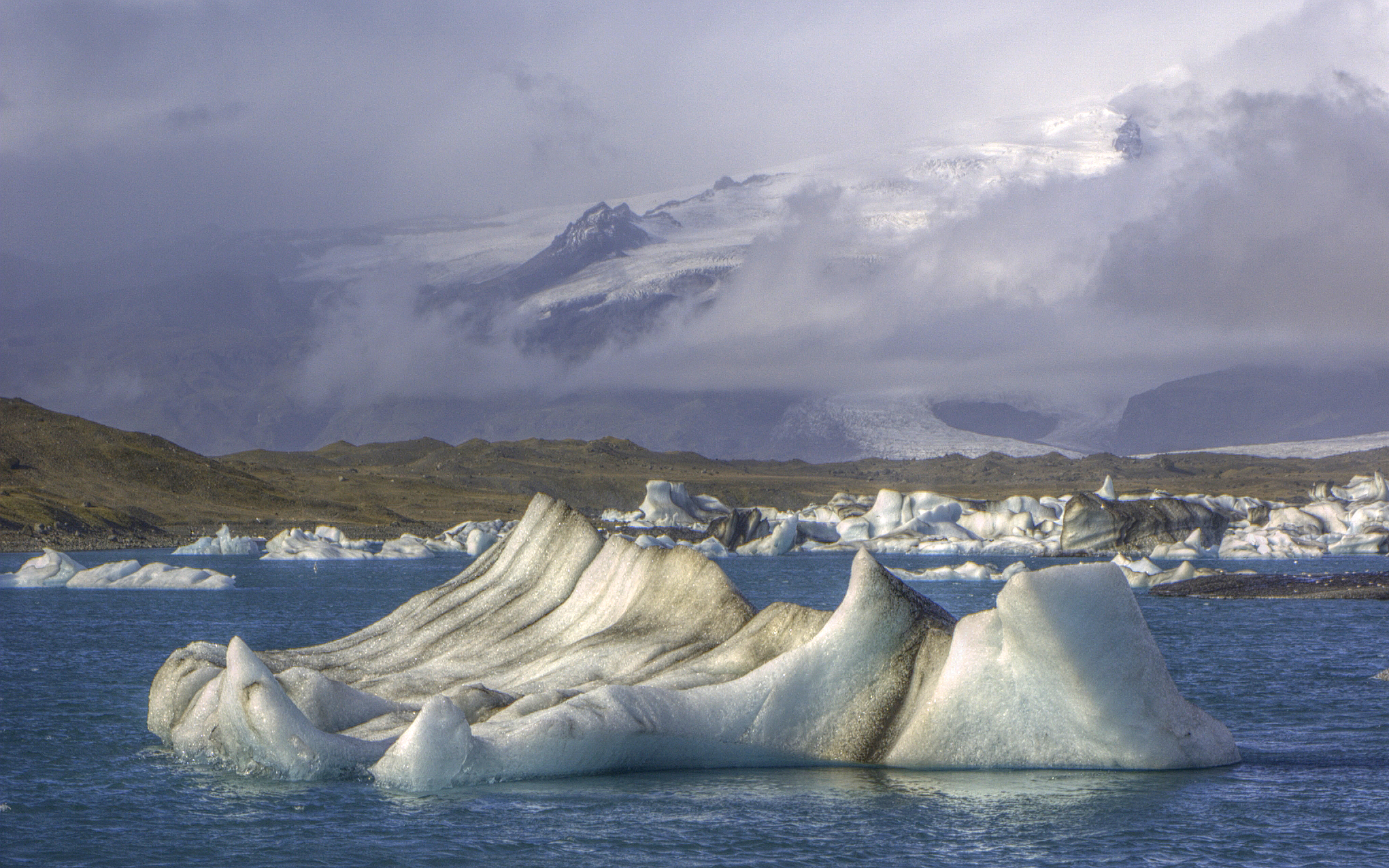
Jokulsarlon Glacier Lagoon is a breathtaking glacial lake in southeast Iceland filled with icebergs that have calved from the Breidamerkurjokull glacier, which is an outlet of the massive Vatnajokull ice cap.
The icebergs range from small chunks to cathedral-sized masses and drift slowly out to sea past Diamond Beach.
How does it rate
CrowdsRomanceCash RequiredDangerAccessibilityWhy you should go
The sight of glowing blue icebergs drifting slowly through the lagoon past black sand beaches is one of Iceland's most ethereal and otherworldly experiences.
Why you shouldn't go
The lagoon is in a very remote location in southeast Iceland and requires a full day's drive from Reykjavik; boat tours on the lagoon can sell out.
Plan your visit
Best time to visitYear-round; winter for ice cave access and Northern LightsBest time of daySunrise or sunset for colour on the icebergsGetting there~5hr drive from Reykjavik along the South CoastEntry costFree to view; boat tours ~EUR45Time needed2-3 hoursInsider tip — Cross the road to Diamond Beach, where icebergs wash up on black sand; arguably more photogenic than the lagoon itself -
 #28
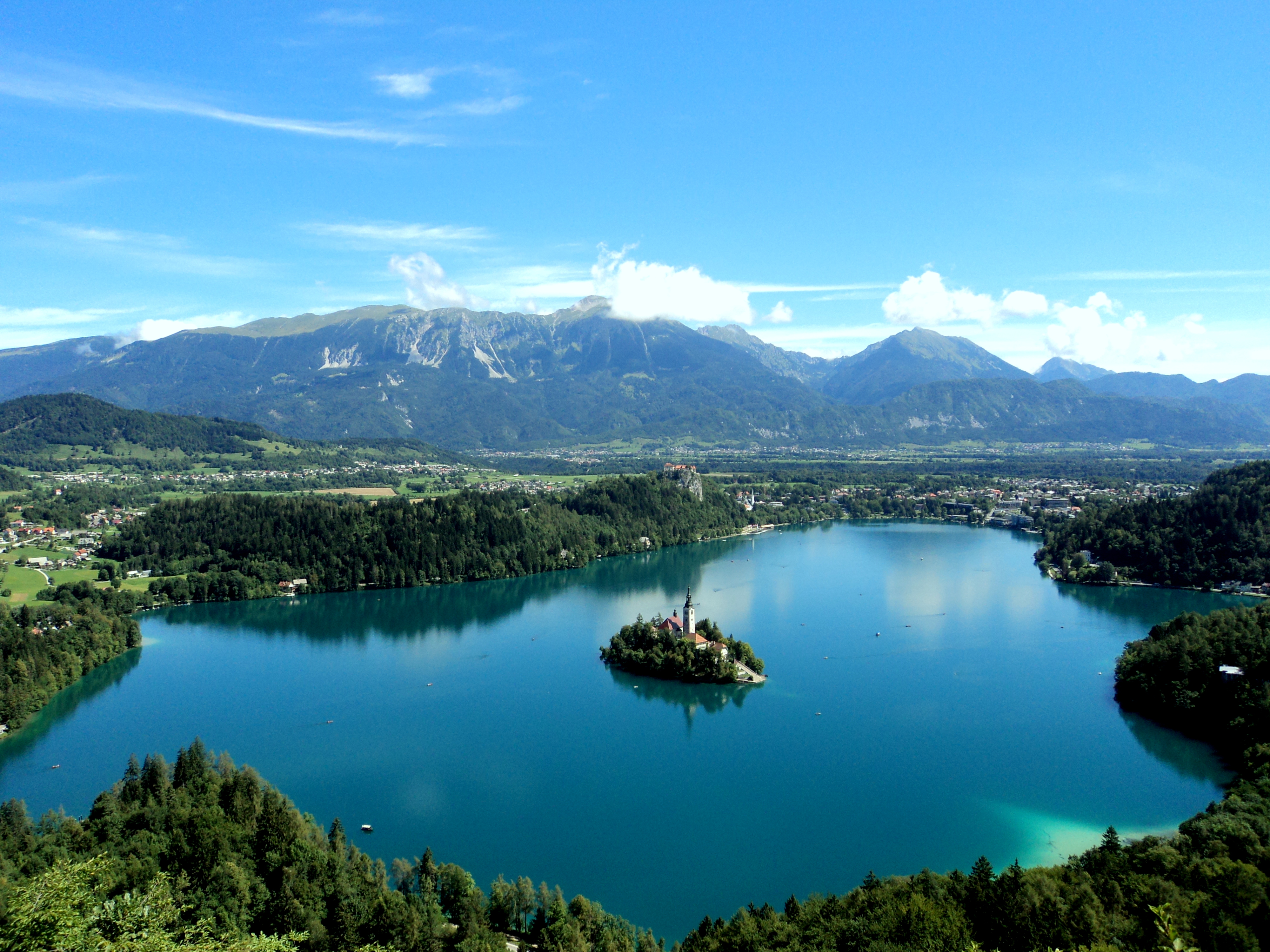
#28Lake Bled is Slovenia's most famous sight — a glacial lake of impossibly vivid turquoise water, a tiny island crowned with a baroque church, and a medieval castle perched on a sheer cliff above.
The surrounding Julian Alps complete a scene that seems almost too perfect to be real.
A traditional pletna boat is the only way out to the island's 99 steps.
How does it rate
CrowdsRomanceCash RequiredDangerAccessibilityWhy you should go
The combination of turquoise lake, island church, and clifftop castle is one of the most perfectly composed natural scenes in Europe.
Why you shouldn't go
Lake Bled can feel busy during summer and reaching the famous Ojstrica viewpoint requires a strenuous uphill walk.
Plan your visit
Best time to visitLate spring or early autumnBest time of daySunrise for mist over the lakeGetting there~40 min drive from LjubljanaEntry costFree; pletna boat to the island ~EUR14Time neededHalf dayInsider tip — Climb to Ojstrica viewpoint for the classic elevated shot of the island and castle -
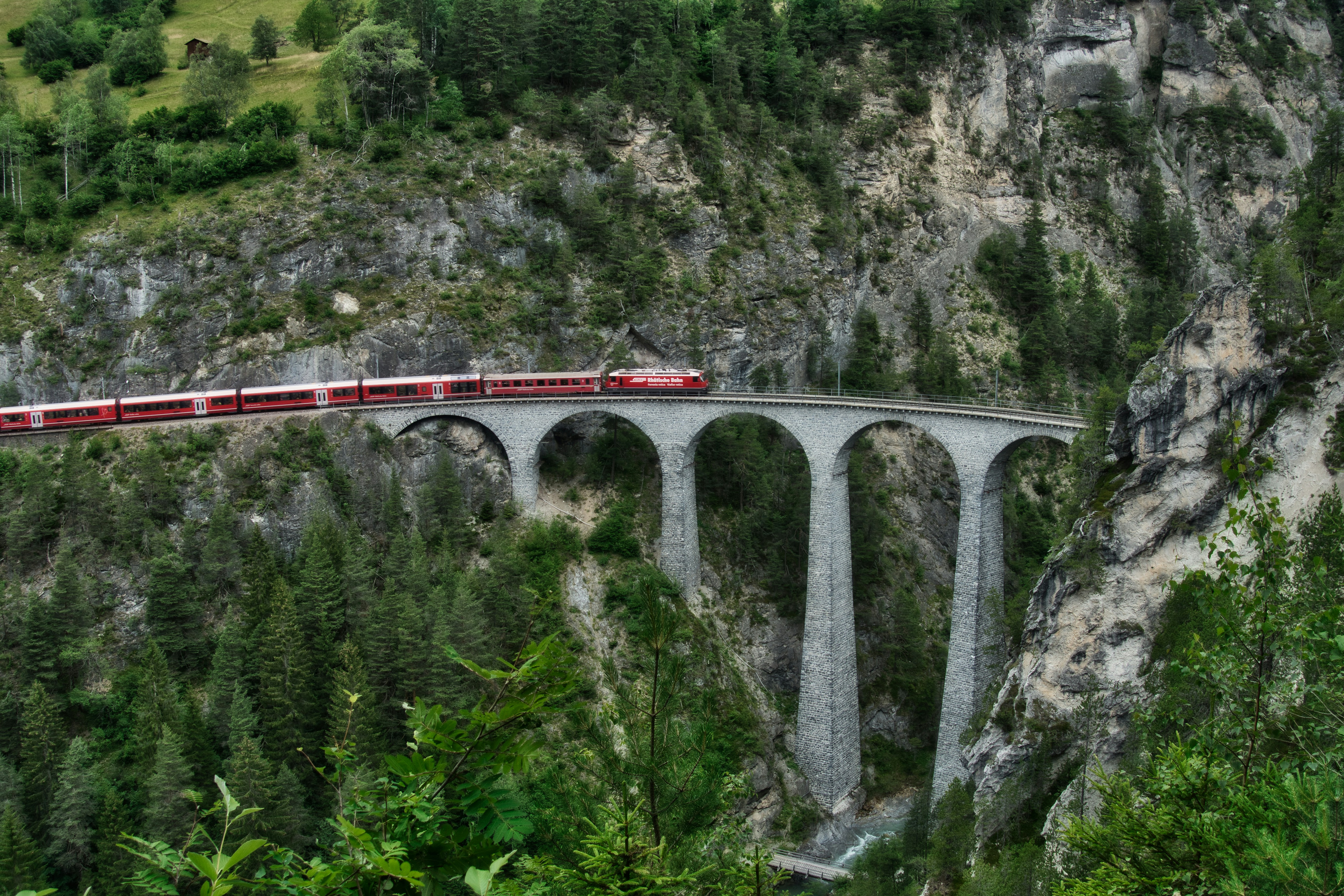 #2990 /100
Billed as the world's slowest express train, the Glacier Express takes almost eight hours to cross the Swiss Alps between Zermatt and St Moritz, crossing 291 bridges and 91 tunnels while never exceeding 45 km/h, deliberately slow enough for the panoramic windows to take in the full scale of the Alps.
The curved Landwasser Viaduct is the journey's single most famous moment.
How does it rate
CrowdsRomanceCash RequiredDangerAccessibilityWhy you should go
An eight-hour panoramic train crossing 291 bridges and 91 tunnels through the Swiss Alps, deliberately slow enough to take it all in.
Why you shouldn't go
Panoramic-carriage seats need booking well in advance for peak summer and winter travel dates.
Plan your visit
Best time to visitJune-September for full alpine scenery, or winter for a snow-covered version of the same route.Best time of dayMorning departure, giving the best light across the mountain passes for most of the journey.Getting thereBoard at Zermatt or St Moritz, both reachable by connecting Swiss rail from Zurich or Geneva.Entry costSeats start around CHF150-160 one-way in second class, plus a compulsory seat reservation.Time neededThe full journey takes just under 8 hours.BookingBook ahead →Insider tip — Book a window seat on the train's right-hand side travelling from Zermatt to St Moritz for the best views of the Landwasser Viaduct. -
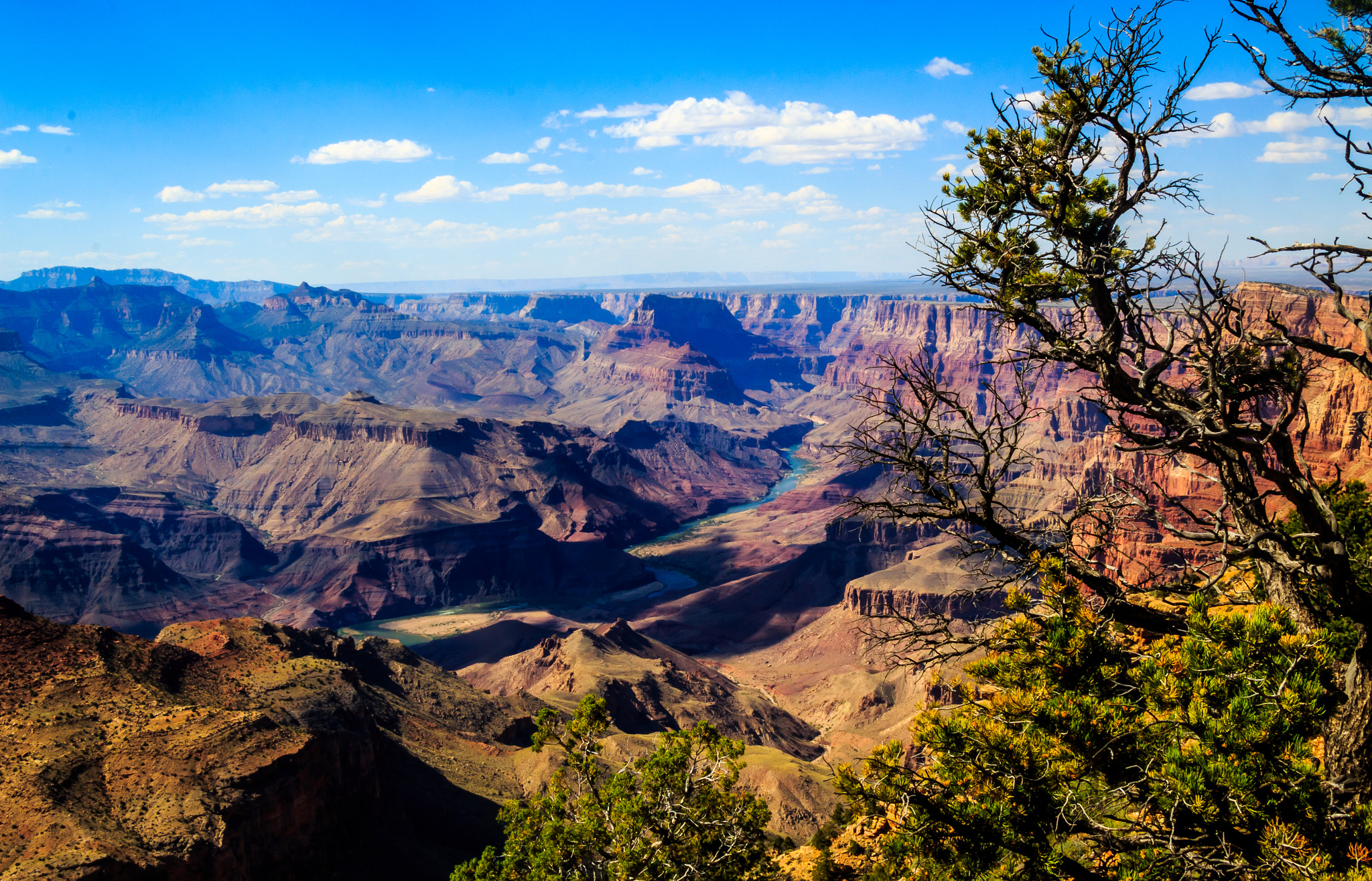 #3090 /100
The Grand Canyon is one of the world's great natural wonders — 446 kilometres long, up to 29 kilometres wide, and over 1,800 metres deep, carved over millions of years by the Colorado River.
The layered bands of red rock reveal two billion years of geological history and glow with extraordinary colour at sunrise and sunset.
How does it rate
CrowdsRomanceCash RequiredDangerAccessibilityWhy you should go
The scale of the Grand Canyon is simply incomprehensible until you stand at the rim; the light at golden hour transforms the canyon into something that seems to glow from within.
Why you shouldn't go
The South Rim is very crowded and the most dramatic inner canyon viewpoints require strenuous and potentially dangerous hikes in extreme heat.
Plan your visit
Best time to visitMarch-May or September-NovemberBest time of daySunrise or sunset for the canyon's changing coloursGetting thereFly to Phoenix or Las Vegas, then drive (~3.5-4.5hrs to South Rim)Entry cost~$35/vehicle park entryTime needed1-2 daysInsider tip — The South Rim has the easiest access; go for sunset specifically at Hopi Point -
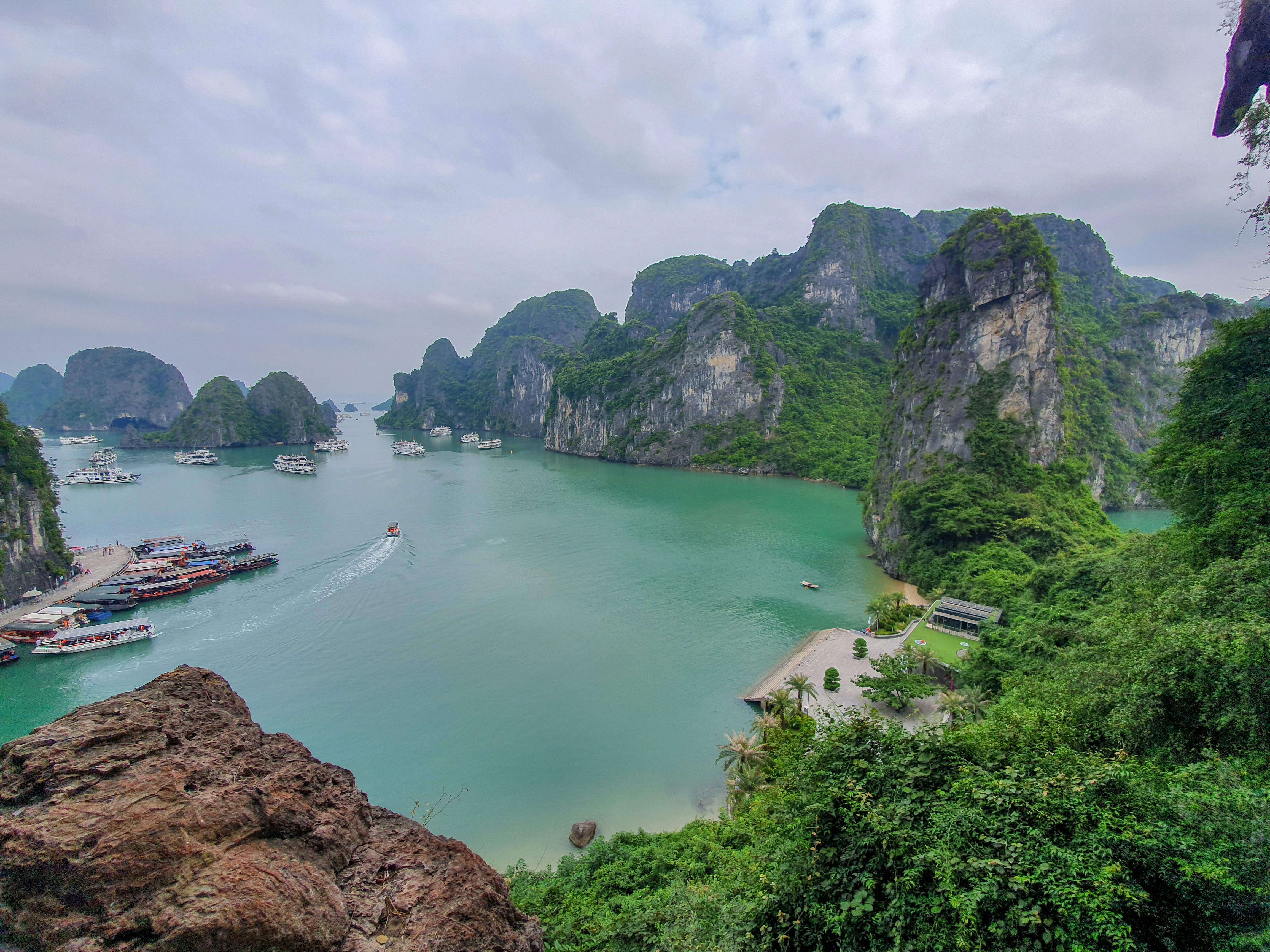 #3190 /100
Halong Bay's emerald-green waters are scattered with thousands of limestone islands and karsts rising sheer from the sea.
Traditional junk boats still work the channels between the towering formations, while caves, floating fishing villages and hidden lagoons fill the bay's quieter corners.
The misty, ethereal atmosphere, especially at sunrise, gives the bay an almost mystical beauty.
How does it rate
CrowdsRomanceCash RequiredDangerAccessibilityWhy you should go
The unique scenery, boat tours, and calm waters make Halong Bay an unforgettable nature escape with plenty of adventure options.
Why you shouldn't go
Weather can be unpredictable, impacting visibility and photos, and certain areas are crowded with tourist boats, diminishing the serene experience.
Plan your visit
Best time to visitOctober-December, dry and clearBest time of daySunrise, before the tour boats arriveGetting there~3.5hr drive or ferry from HanoiEntry costDay cruise ~$20-40Time neededHalf day, or overnight cruiseInsider tip — Book an overnight boat to see the bay in golden morning light without the day-trippers -
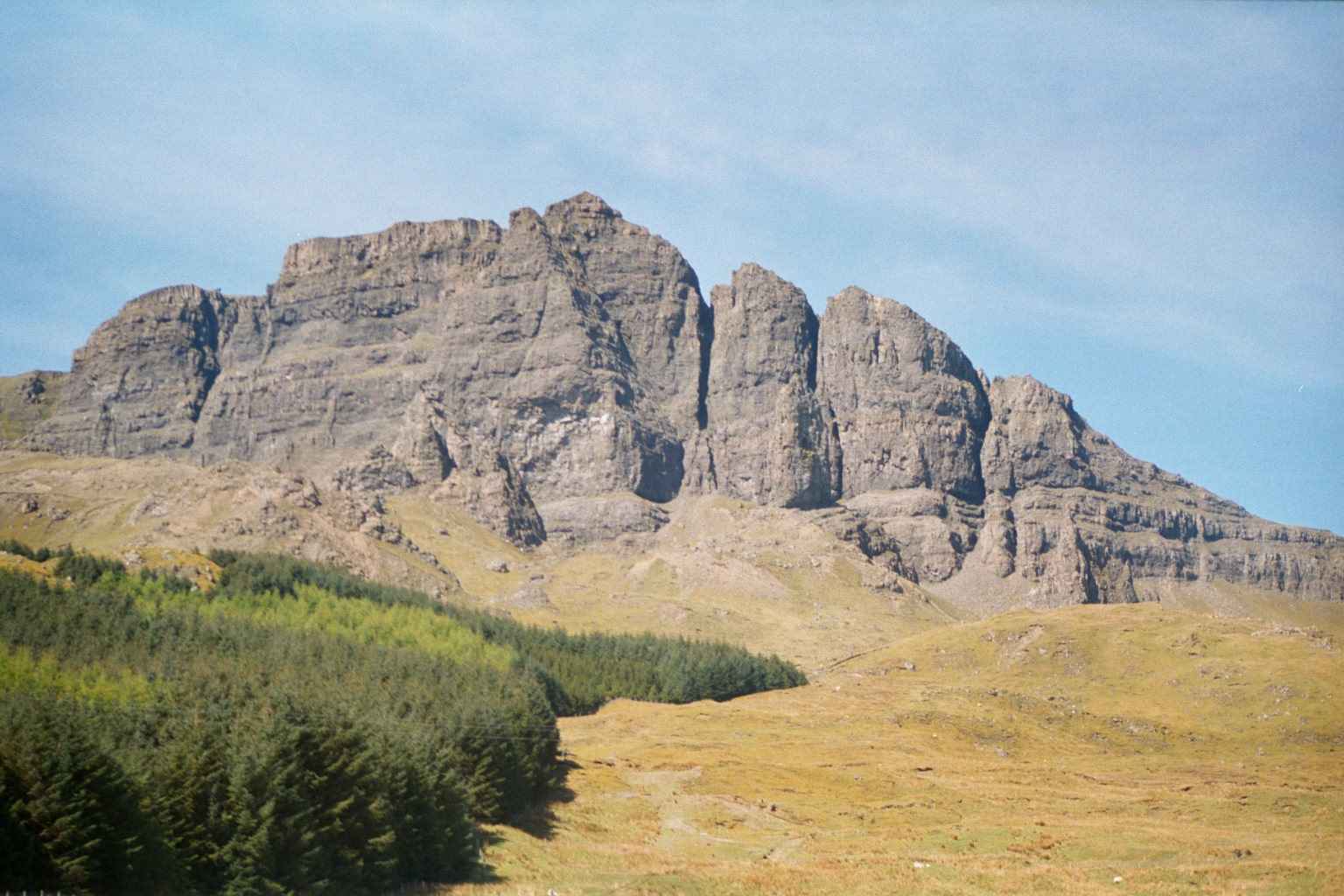 #3290 /100
Scotland's largest and most dramatic island rises from the Inner Hebrides like a dark, brooding giant.
The jagged peaks of the Cuillin mountains, the eerie Quiraing landscape, the ancient Dunvegan Castle, and the famous Fairy Pools make Skye one of the UK's most spectacular destinations.
How does it rate
CrowdsRomanceCash RequiredDangerAccessibilityWhy you should go
The Fairy Pools and the Quiraing landscape are genuinely otherworldly and the island's dramatic skies make for extraordinary atmospheric photography.
Why you shouldn't go
Skye has become extremely popular and the single-track roads become very congested in summer; the weather is notoriously unreliable.
Plan your visit
Best time to visitMay-SeptemberBest time of dayGolden hour, especially at the Fairy Pools and Old Man of StorrGetting there~2.5hr drive from Inverness, or fly to Inverness/GlasgowEntry costFreeTime needed3+ daysInsider tip — Old Man of Storr is best at sunrise when light hits the pinnacles and the car park is not full -
 #3389 /100
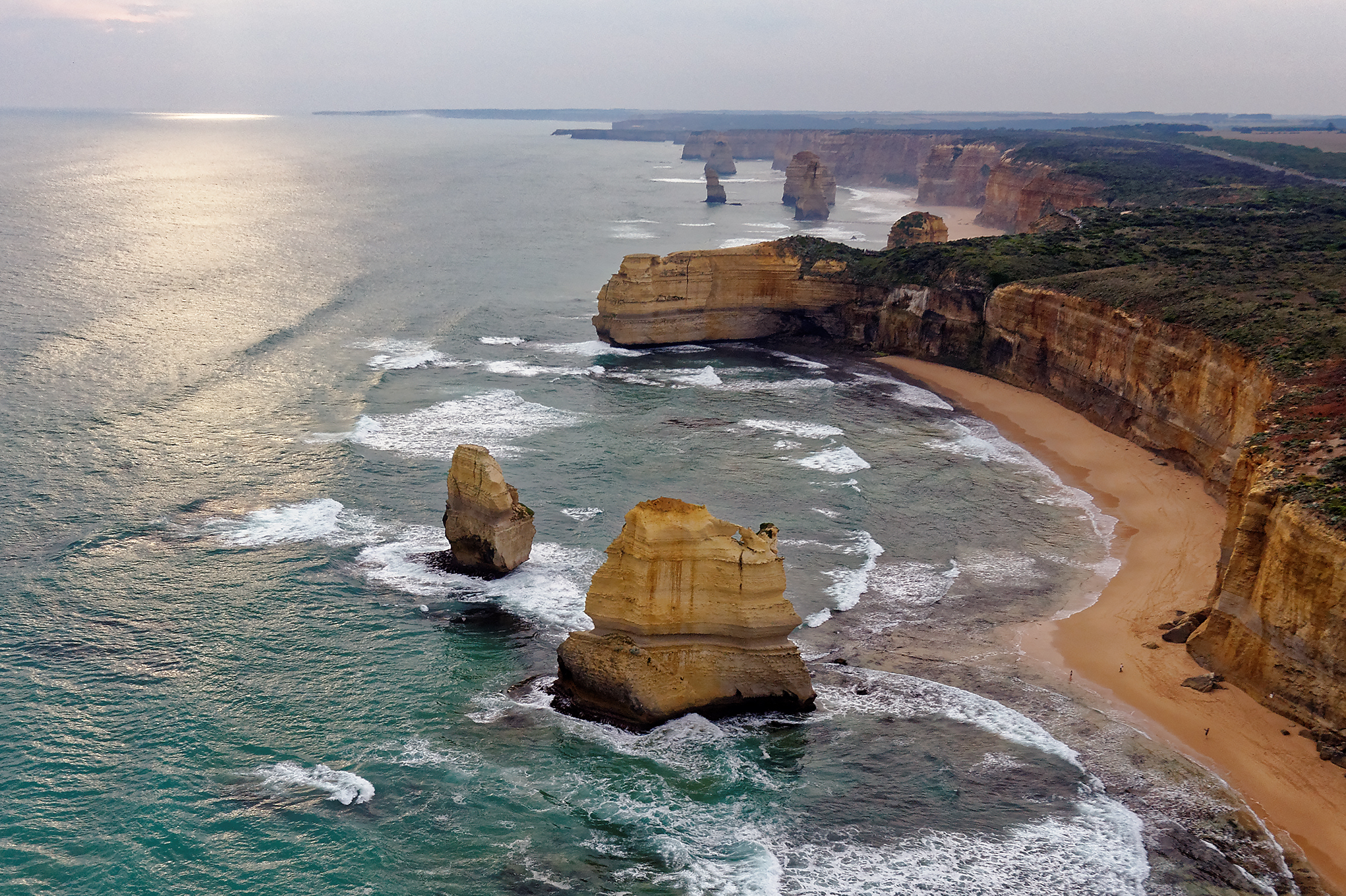
The Twelve Apostles are a collection of limestone stacks rising up to 45 metres from the Southern Ocean off the Port Campbell National Park on the Great Ocean Road.
Carved from the cliffs by erosion over millennia, they are most spectacular at sunrise and sunset when the low light turns the limestone golden.
How does it rate
CrowdsRomanceCash RequiredDangerAccessibilityWhy you should go
The Twelve Apostles at sunrise, when the limestone pillars glow golden and the surrounding sea is often calm, offer some of Australia's most dramatic coastal photography.
Why you shouldn't go
Despite the name, only eight stacks are currently standing as erosion continues to reshape them; helicopter flights provide the best overall view but are expensive.
Plan your visit
Best time to visitMarch-May or September-NovemberBest time of daySunrise, when the limestone stacks glow orange and coach tours have not arrivedGetting thereAlong the Great Ocean Road, ~3hrs from MelbourneEntry costFreeTime needed1-2 hoursInsider tip — Sunrise is dramatically quieter than sunset here, since most coach tours run the road in the afternoon -
 #3489 /100
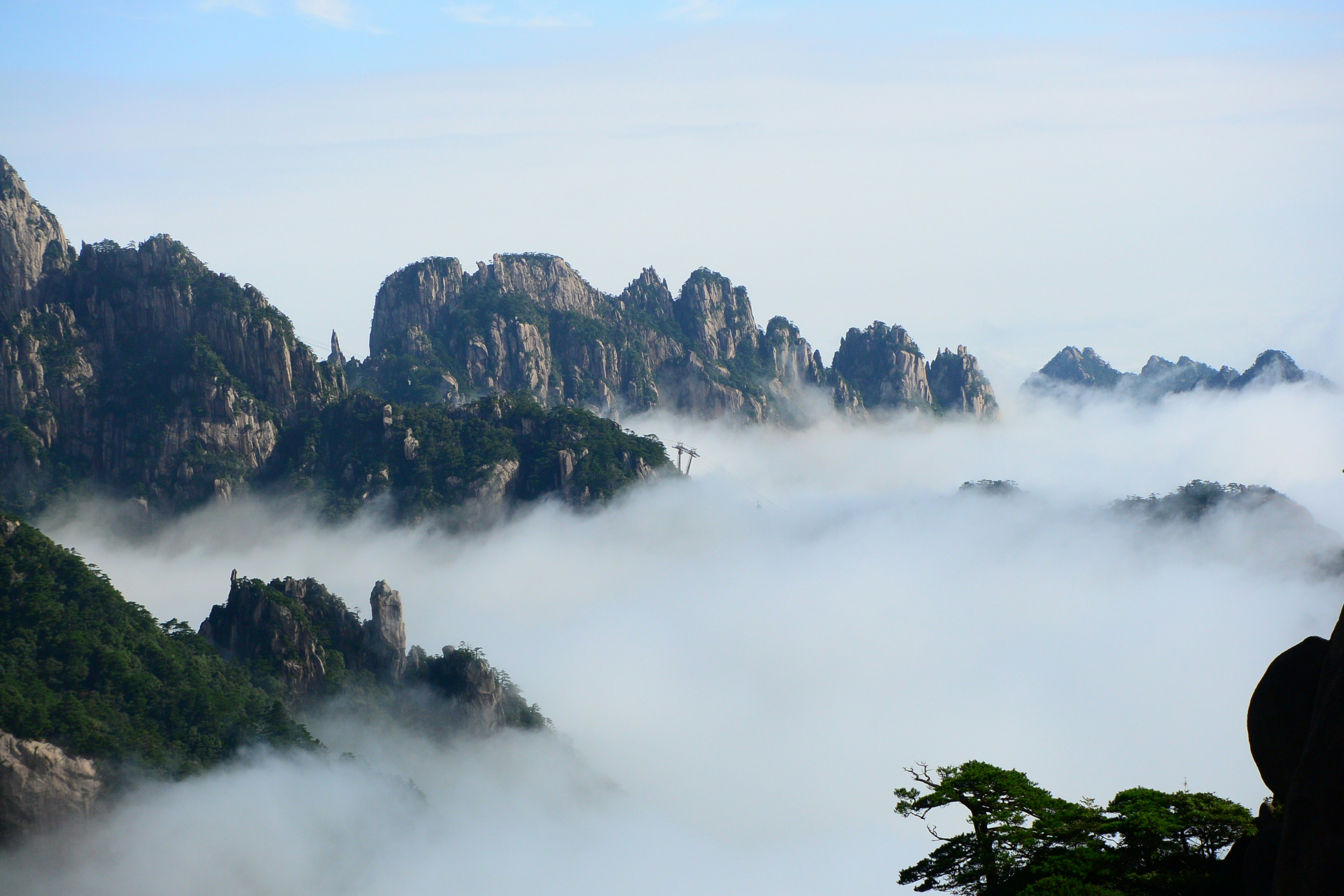
Granite pillars draped in twisted pines rise out of a sea of cloud at Yellow Mountain, the landscape that inspired centuries of Chinese ink painting.
Cable cars reach several viewpoints directly, so the classic misty-peaks view doesn't require a demanding climb.
Sunrise and sunset, when the cloud sea forms below the summits, are when the mountain looks most like the paintings it inspired.
How does it rate
CrowdsRomanceCash RequiredDangerAccessibilityWhy you should go
The misty granite-peak scenery behind centuries of Chinese landscape painting, real and climbable.
Why you shouldn't go
The cloud sea that makes the famous photos isn't guaranteed - it depends entirely on weather.
Plan your visit
Best time to visitNovember-April for the best chance of a cloud sea; spring for blooming pines.Best time of daySunrise from Bright Summit Peak or Lion Peak.Getting thereHigh-speed rail to Huangshan North station, then bus to the cable car base.Entry costEntry fee plus optional cable car, together roughly $50-60.Time needed2 days, 1 night on the mountainInsider tip — Stay overnight at one of the summit hotels - the best light comes before the first cable cars of the day bring up the crowds. -
 #3589 /100
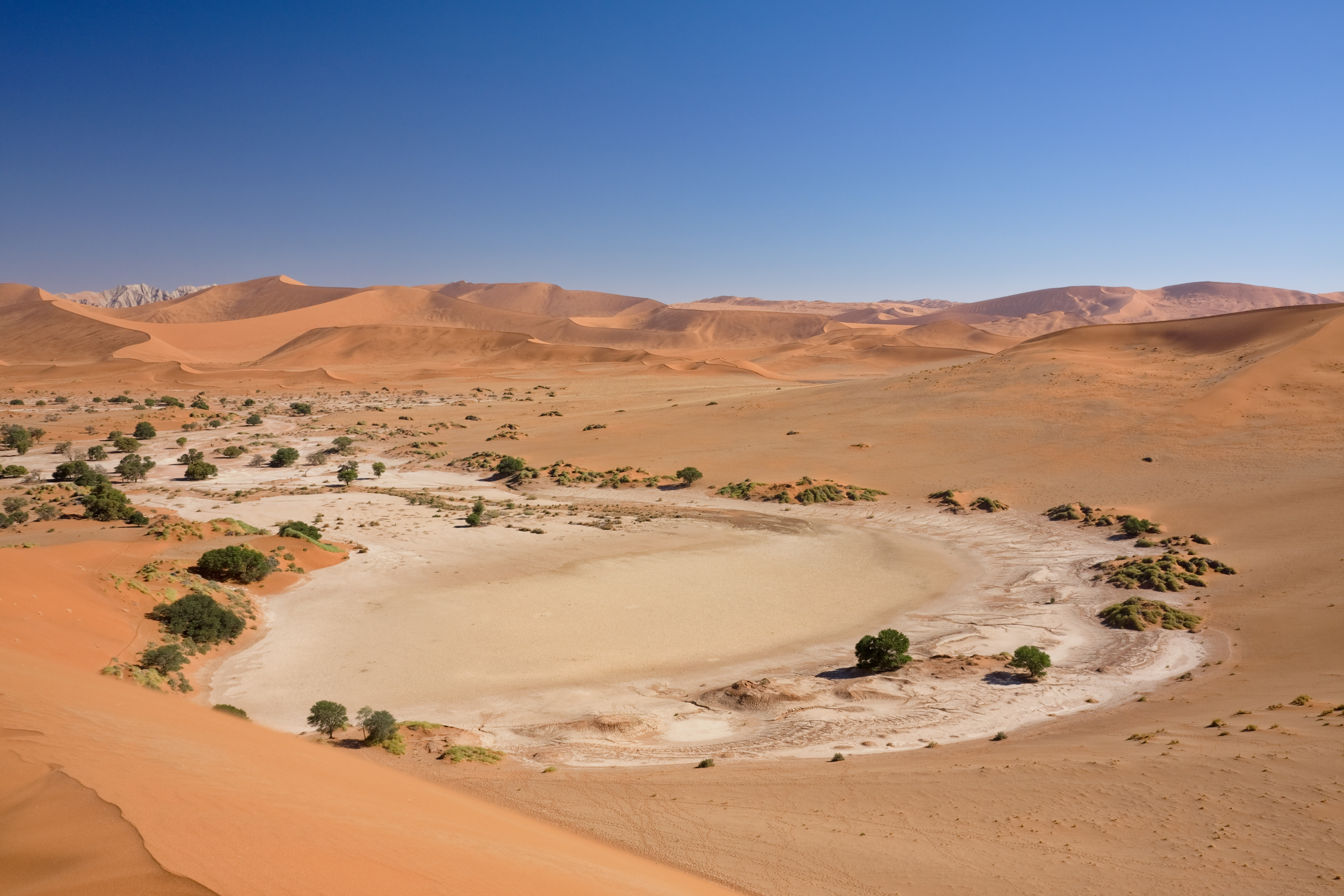
Sossusvlei is a salt and clay pan in the Namib-Naukluft National Park in Namibia, surrounded by massive red sand dunes — among the tallest in the world at over 300 metres.
The dead white camelthorn trees in the Deadvlei pan, set against deep orange sand and cobalt sky, have become one of Africa's most iconic landscapes.
How does it rate
CrowdsRomanceCash RequiredDangerAccessibilityWhy you should go
The contrast between the white cracked clay pan, the black dead trees, the towering red dunes, and the vivid blue sky creates a landscape of extraordinary abstract beauty.
Why you shouldn't go
The dunes must be climbed before sunrise to avoid the intense heat; the nearest accommodation in Sesriem is basic and the site is very remote.
Plan your visit
Best time to visitMay-October (dry season, cooler)Best time of daySunrise, when the dunes cast long shadows and colours are richestGetting there~5-6hr drive from Windhoek, or fly to a nearby airstripEntry costPark entry ~N$150-350Time neededFull dayInsider tip — Get to the gate right at sunrise opening; Dune 45 and Deadvlei both photograph best in the first hour of light -
 #3689 /100
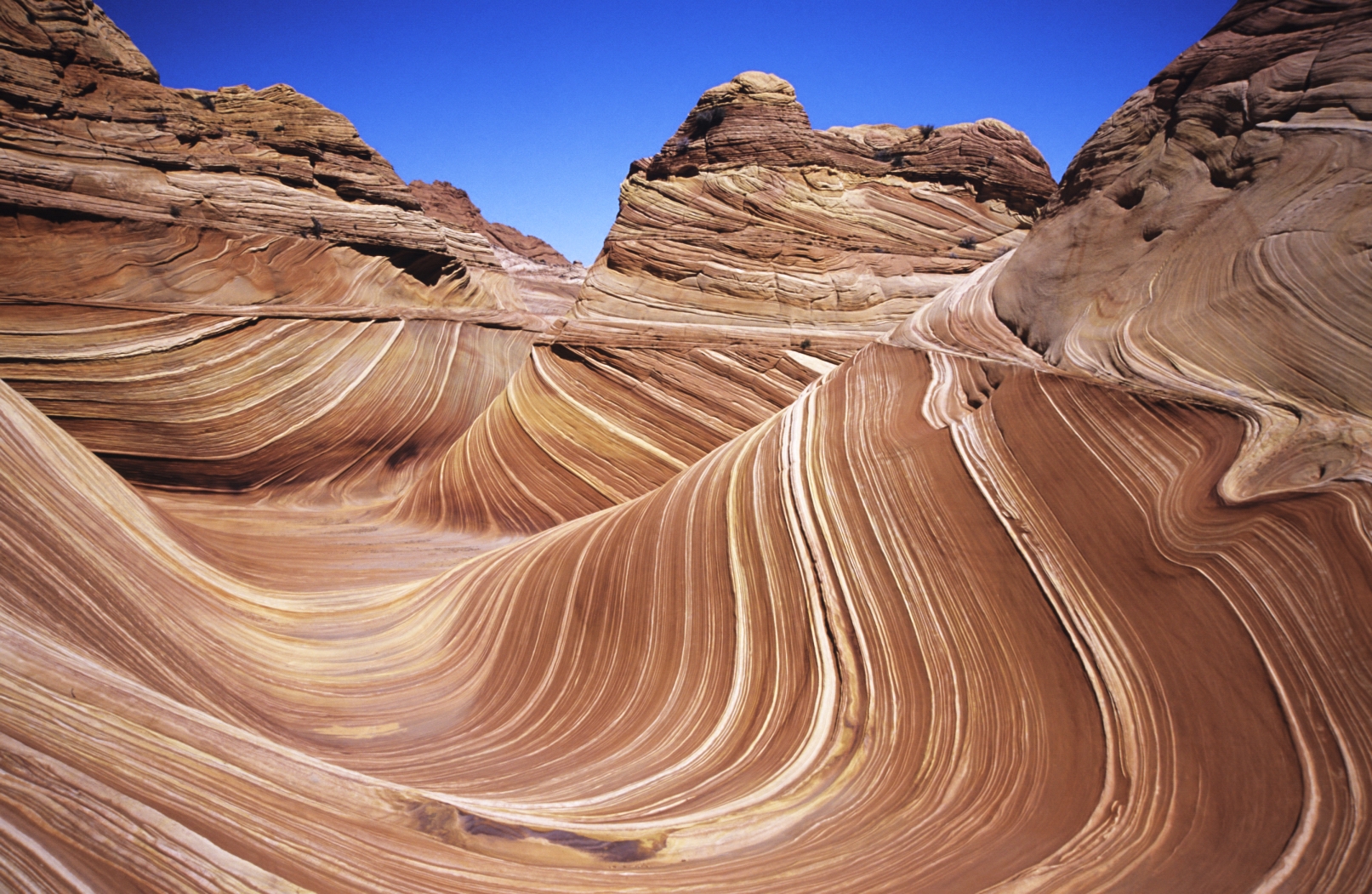
The Wave is a sandstone rock formation in the Coyote Buttes area of the Paria Canyon-Vermilion Cliffs Wilderness in Arizona, famous for its colourful, undulating forms created by 190-million-year-old Jurassic sand dunes.
The swirling bands of red, orange, and pink sandstone make it one of the world's most extraordinary geological formations.
How does it rate
CrowdsRomanceCash RequiredDangerAccessibilityWhy you should go
The Wave's swirling, almost liquid-looking sandstone surface is genuinely unlike anything else on earth; photographed in good light it is one of nature's most abstract landscapes.
Why you shouldn't go
Entry is strictly limited by lottery — only 64 people per day are permitted — and most applicants do not win; the terrain requires navigation skills and has no trail markers.
Plan your visit
Best time to visitMarch-May or September-NovemberBest time of dayMidday for the light bringing out the sandstone coloursGetting thereRemote trailhead near Kanab, Utah; permit requiredEntry costPermit lottery, small feeTime needed5-6 hours round trip hikeInsider tip — Permits are extremely limited via a daily lottery; apply months ahead online -
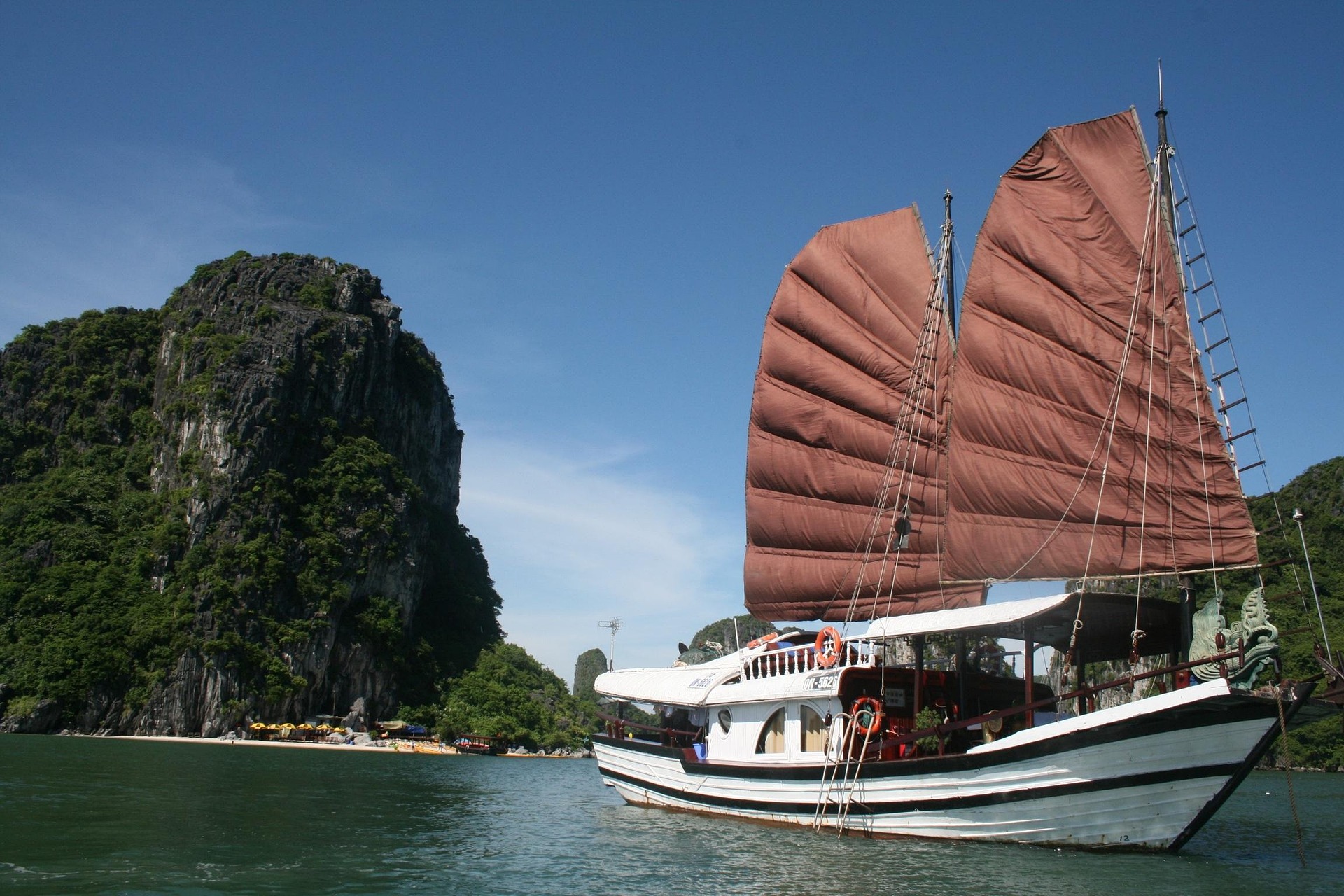 #3789 /100
An overnight junk-boat cruise through thousands of limestone karsts rising from emerald water, one of Vietnam's defining landscapes.
Days include kayaking into hidden lagoons, cave visits, and swimming off the boat's stern, with meals fresh-cooked on board.
Traditional red-sailed junks still appear among the modern steel-hulled boats.
Karst silhouettes at sunrise and sunset are the reason most people book the trip in the first place.
How does it rate
CrowdsRomanceCash RequiredDangerAccessibilityWhy you should go
Thousands of limestone karsts and hidden lagoons seen from the deck of an overnight junk boat.
Why you shouldn't go
The bay gets crowded with boats in peak season, and lower-priced cruises vary widely in comfort.
Plan your visit
Best time to visitOctober-December for clear skies and cool temperatures; avoid the humid, rainy summer months.Best time of daySunrise, when mist clings to the karsts before the day-boats arrive.Getting thereFly into Hanoi; a 2.5-3 hour transfer reaches Tuan Chau Harbour, where most overnight cruises depart.Entry costIndicative $120-$700pp for a 1-3 night cruise depending on boat classTime needed1-3 night cruiseInsider tip — Book a 2-night cruise rather than a day trip to reach the quieter Lan Ha Bay section, and request a cabin on the upper deck for better karst views. -
 #3889 /100
Horseshoe Bend is the Colorado River's most famous U-turn: a sheer 300-metre drop to an emerald river looping around a sandstone butte.
The overlook delivers one of the American Southwest's great views for a 15-minute walk from the car park.
There's no railing along most of the rim, which keeps the vertigo, and the adrenaline, honest.
How does it rate
CrowdsRomanceCash RequiredDangerAccessibilityWhy you should go
A world-class canyon panorama for almost no effort - 15 minutes from car to rim.
Why you shouldn't go
Midday heat is fierce, the rim is largely unfenced, and you'll share sunset with hundreds of tripods.
Plan your visit
Best time to visitMarch-May or September-November for cooler desert weatherBest time of dayLate afternoon, when the sun drops behind the bend and lights the riverGetting thereFly to Page or drive from Flagstaff; US-89 car park, then a 1.2km walkEntry costUS$10 per vehicle parkingTime needed1-2 hoursInsider tip — Bring a wide lens or use panorama mode - the full horseshoe doesn't fit a normal frame from the rim -
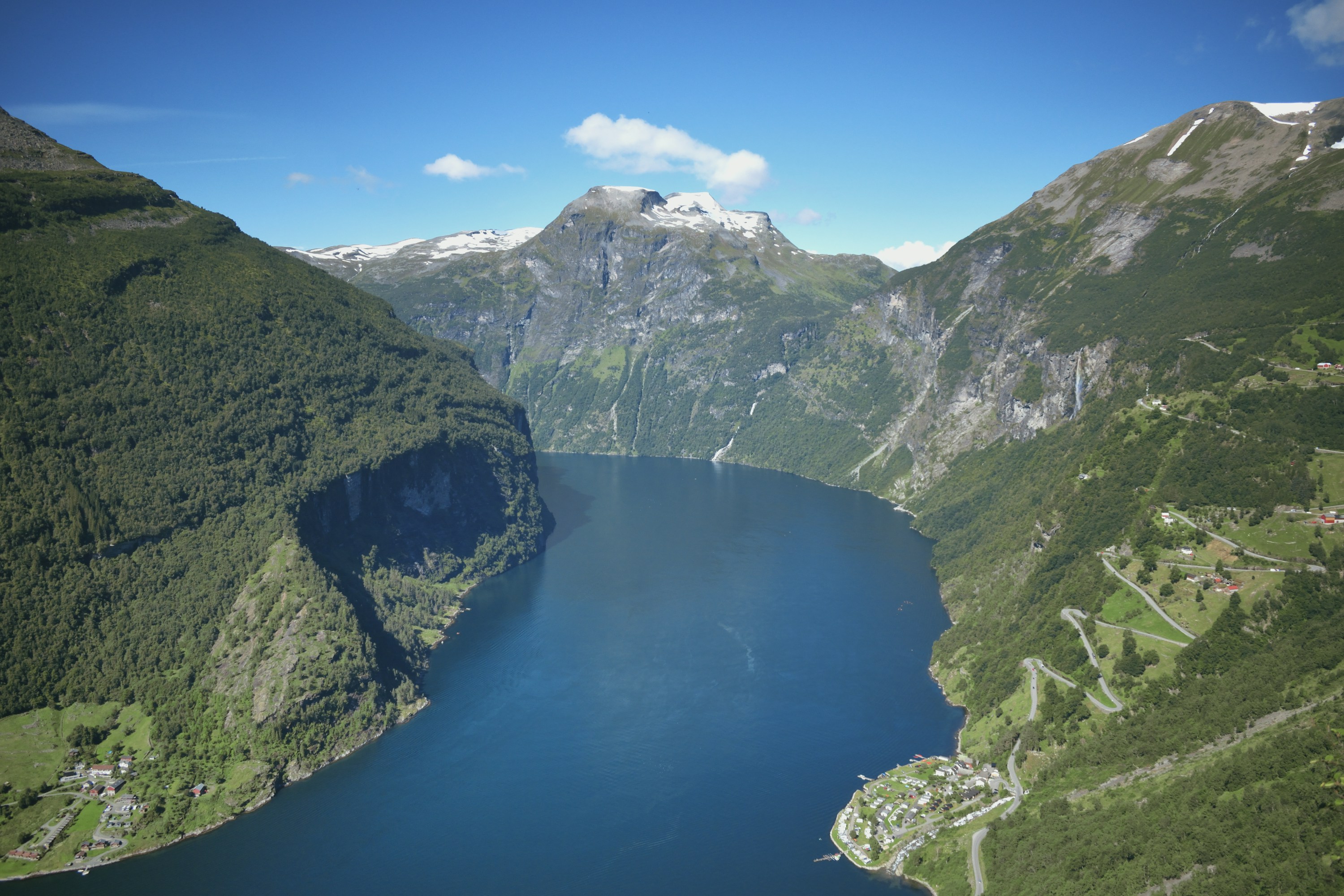 #3989 /100
Geirangerfjord is a narrow arm of the sea in western Norway, walled in by near-vertical cliffs over a kilometre high and threaded with waterfalls such as the Seven Sisters.
A UNESCO World Heritage fjord, it can be seen by sightseeing boat, from a hairpin mountain road, or on foot along old farm paths.
Cruise ships call through the short summer season, but the scale of the cliffs and water still dominates.
How does it rate
CrowdsRomanceCash RequiredDangerAccessibilityWhy you should go
One of the most dramatic fjords in Norway - sheer cliffs, cascading waterfalls, and a UNESCO listing to match the scenery.
Why you shouldn't go
Overrun with cruise-ship day-trippers and tour buses through the short summer season.
Plan your visit
Best time to visitMay-September, when ferries and mountain roads are running and waterfalls are at their fullest.Best time of dayEarly morning, before the day's cruise ships dock and the fjord loses its stillness.Getting thereFly to Ålesund; drive or take the seasonal ferry/bus to Geiranger, or arrive by fjord cruise from Ålesund or Hellesylt.Entry costFree to view; toll roads to viewpoints from around 150 NOK, boat trips extra.Time needed1-2 daysInsider tip — Skip the crowded main quay viewpoint and drive the Ørnevegen (Eagle Road) switchbacks above town for a quieter, higher angle over the whole fjord. -
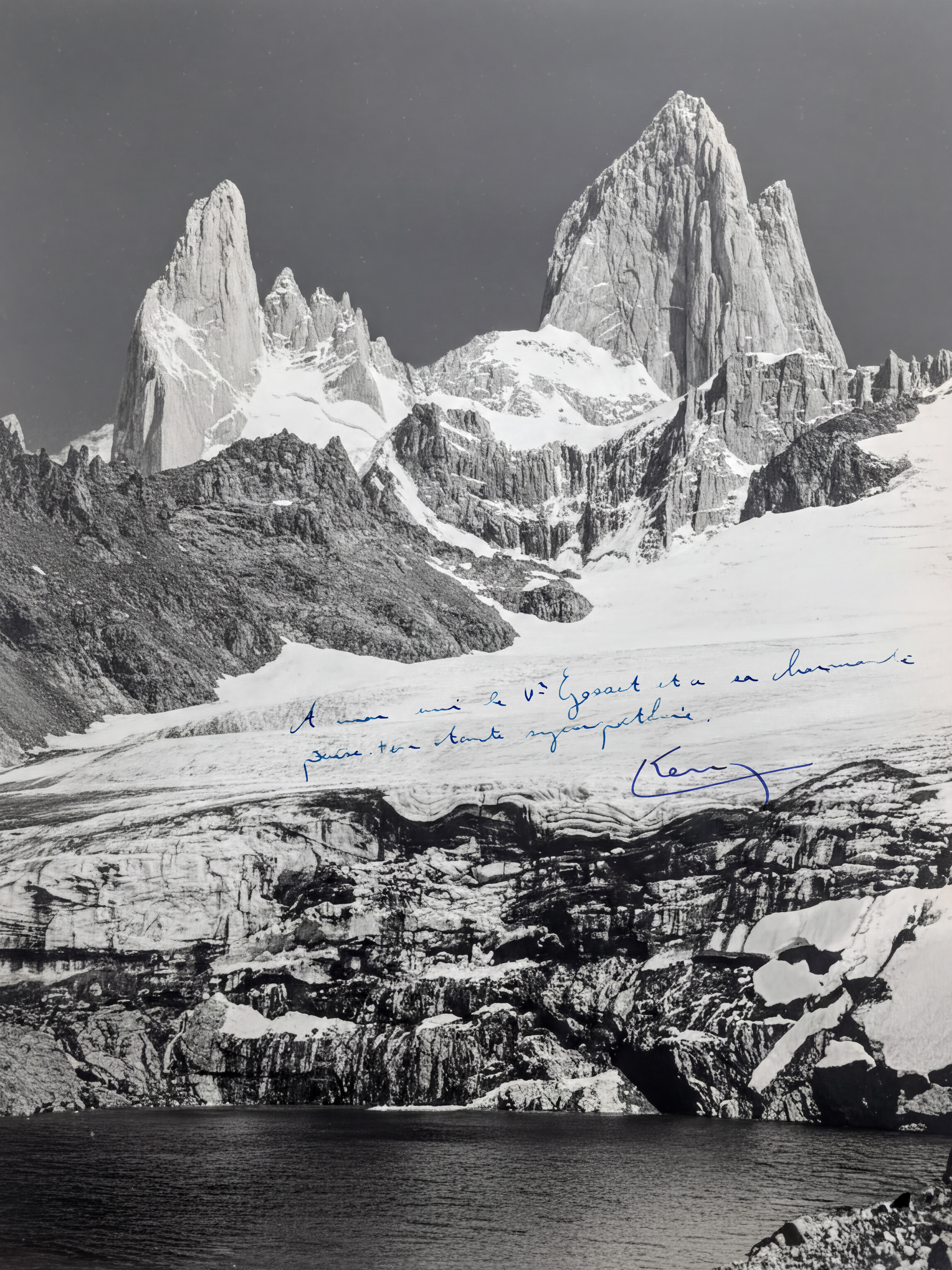 #40
#40Mount Fitz Roy is a serrated granite peak on the border of Argentina and Chile in Patagonia, rising 3,405 metres above the Patagonian steppe.
Its distinctive jagged silhouette, often wreathed in cloud, inspired the Patagonia clothing brand logo and is considered one of the most technically challenging climbs in the world.
How does it rate
CrowdsRomanceCash RequiredDangerAccessibilityWhy you should go
The view of Fitz Roy reflected in Laguna de los Tres, with the jagged granite towers rising above the surrounding ice field, is one of the most dramatic mountain scenes in South America.
Why you shouldn't go
The classic Laguna de los Tres viewpoint requires a strenuous 22-kilometre return hike with 1,300 metres of elevation gain; the peak is notoriously cloud-covered.
Plan your visit
Best time to visitDecember-February (Southern Hemisphere summer) for best weather oddsBest time of daySunrise for the "fire" effect when the peak turns redGetting thereFly to El Calafate, then bus to El ChaltenEntry costFree, no permits neededTime neededFull day hike (~10hrs round trip)Insider tip — The famous red sunrise glow depends on clear skies; the peak is often cloud-covered, so budget extra days if you can -
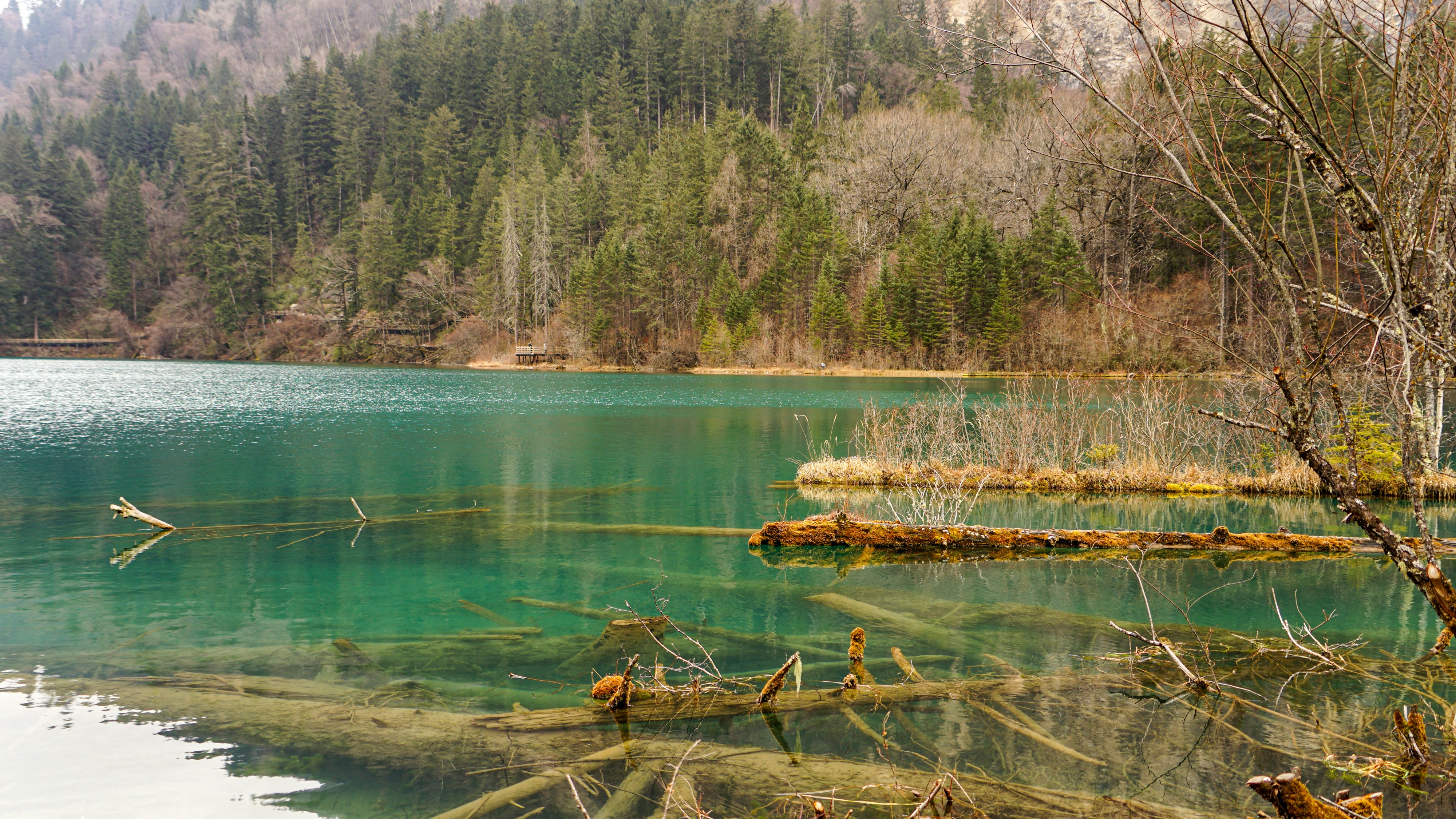 #4188 /100
Mineral-rich water turns this Sichuan valley's lakes an almost unnatural turquoise and emerald, layered with travertine terraces and stacked waterfalls.
Fallen trees, preserved in the clear, mineral-hardened water, are visible metres below the surface in the calmest pools.
Snow-capped peaks and autumn foliage frame the lakes depending on season.
How does it rate
CrowdsRomanceCash RequiredDangerAccessibilityWhy you should go
Turquoise mineral lakes so clear that submerged fallen trees are visible metres down.
Why you shouldn't go
Access is tightly managed with shuttle buses only - private cars and free wandering aren't allowed inside.
Plan your visit
Best time to visitOctober, for peak autumn foliage against the turquoise lakes.Best time of dayEarly morning, before shuttle buses bring in the day's main crowds.Getting thereFly to Jiuzhaigou Huanglong Airport, then a shuttle to the park entrance.Entry costEntry fee plus mandatory shuttle bus, together around $40-50.Time needed1-2 daysInsider tip — Head straight for Five Flower Lake and Panda Lake first thing - they're the furthest from the entrance and the first to fill with tour groups. -
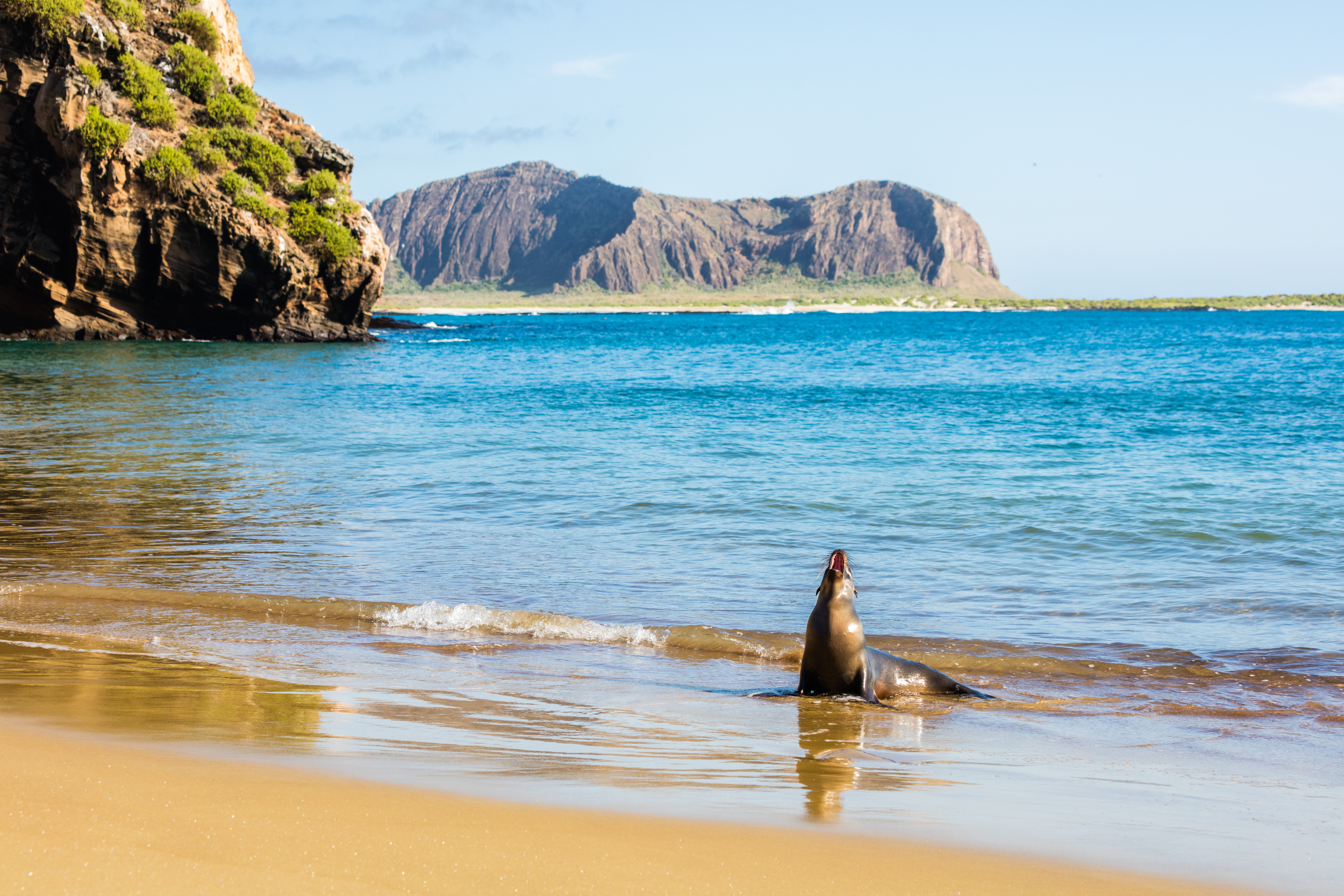 #4288 /100
Six hundred miles off the Ecuadorian coast, the Galápagos archipelago is a living laboratory of evolution where wildlife shows no fear of humans.
Charles Darwin's observations here inspired his theory of natural selection, and today visitors can snorkel with sea lions and walk alongside giant tortoises.
How does it rate
CrowdsRomanceCash RequiredDangerAccessibilityWhy you should go
Nowhere else on earth can you get so close to such diverse and fearless wildlife; the experience of snorkelling alongside marine iguanas is unlike anything else.
Why you shouldn't go
The Galápagos is one of the most expensive travel destinations in Latin America, and strict visitor regulations limit where you can go and what you can do.
Plan your visit
Best time to visitJune-November for wildlife activity and cooler seasBest time of dayMorning for wildlife viewingGetting thereFly to Baltra or San Cristobal via Guayaquil or QuitoEntry cost$200 park entry fee plus cruise/tour costsTime needed5+ daysInsider tip — A licensed naturalist guide is required by law and makes a huge difference to what you see -
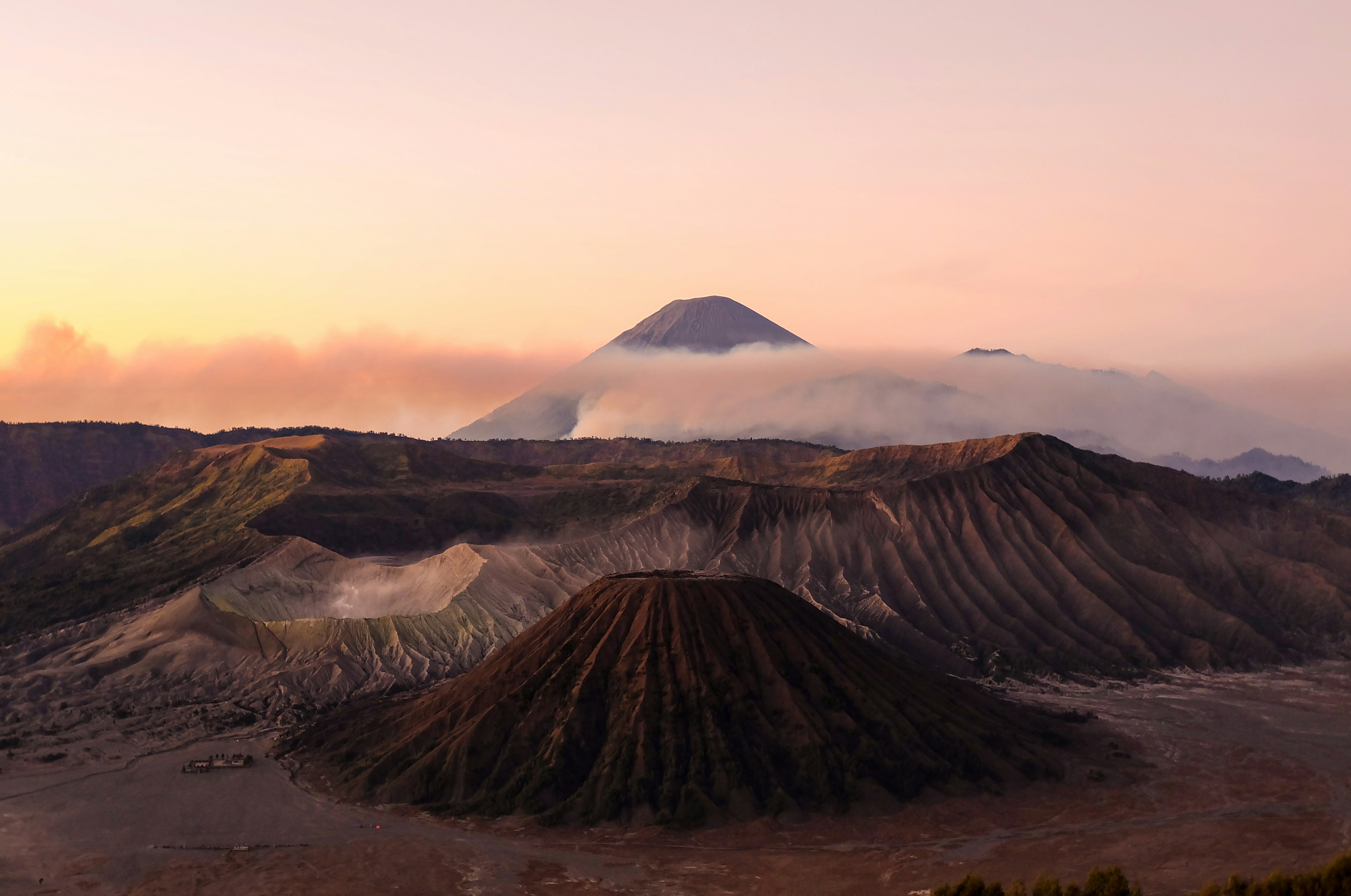 #4388 /100
An active, smoking crater rising from the middle of a vast ash-grey "Sea of Sand" caldera in East Java, ringed by the taller peaks of the Tengger massif.
The classic sunrise viewpoint at Mount Penanjakan looks out over Bromo's smoking cone and several neighbouring volcanoes at once, one of Southeast Asia's most celebrated views.
Horses and jeeps ferry visitors across the sand sea to the crater's base, from which several hundred stairs climb to the smoking rim itself.
How does it rate
CrowdsRomanceCash RequiredDangerAccessibilityWhy you should go
A smoking volcanic cone rising from an other-worldly grey sand sea, framed by a multi-volcano sunrise view few places can match.
Why you shouldn't go
The famous sunrise viewpoint gets extremely crowded with jeeps and tour groups, especially on weekends and holidays.
Plan your visit
Best time to visitApril-October (dry season) for clear sunrise views.Best time of daySunrise, from the Mount Penanjakan (King Kong Hill) viewpoint.Getting thereFly to Surabaya or Malang, then a 2-3 hour drive to Cemoro Lawang village, the main gateway.Entry costPark entry plus jeep tour typically runs 300,000-500,000 IDR per person.Time neededOvernight (arrive evening, sunrise tour, depart after).Insider tip — Book a jeep to a secondary viewpoint like Bukit Cinta or Seruni Point instead of the main King Kong Hill - same view, a fraction of the crowd. -
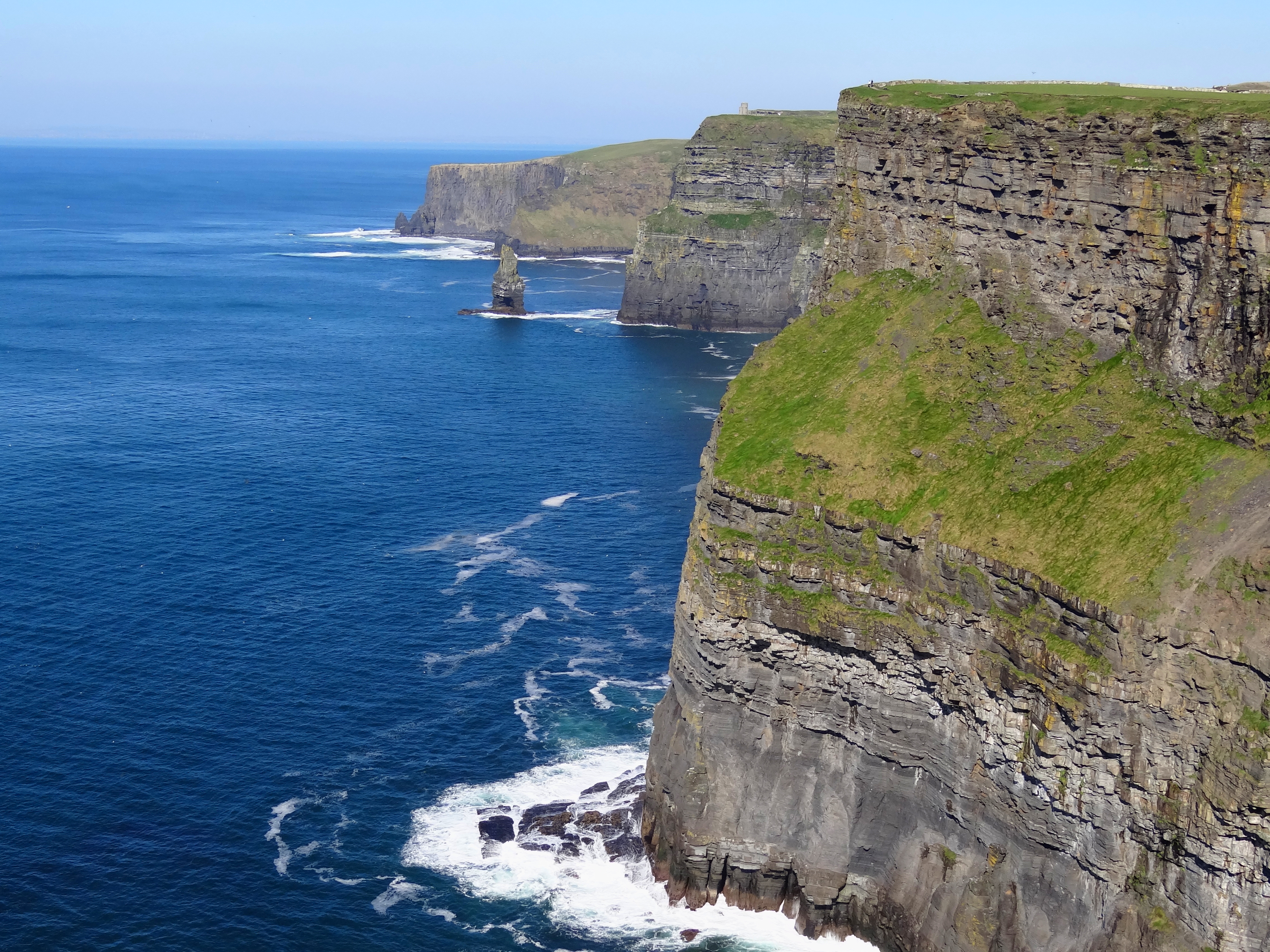 #4488 /100
The Cliffs of Moher are a 14-kilometre stretch of sea cliffs on the Atlantic coast of County Clare that rise to 214 metres at their highest point.
The view from the clifftop path, looking south towards the Burren and north towards Galway Bay, with the Aran Islands in the distance, is one of Ireland's most iconic.
How does it rate
CrowdsRomanceCash RequiredDangerAccessibilityWhy you should go
The sheer drama of the cliffs rising vertically from the Atlantic Ocean, particularly on a stormy day when waves crash against the base, is genuinely awe-inspiring.
Why you shouldn't go
The cliffs are one of Ireland's most visited attractions and the visitor centre area can be very crowded; the clifftop path can be dangerously exposed in high winds.
Plan your visit
Best time to visitMay-September for best weather odds (still unpredictable)Best time of dayLate afternoon for light on the cliff faceGetting there~1.5-2hr drive from Galway or LimerickEntry cost~EUR10 entryTime needed2-3 hoursInsider tip — Walk south along the cliff path away from the main visitor centre for quieter views and better angles -
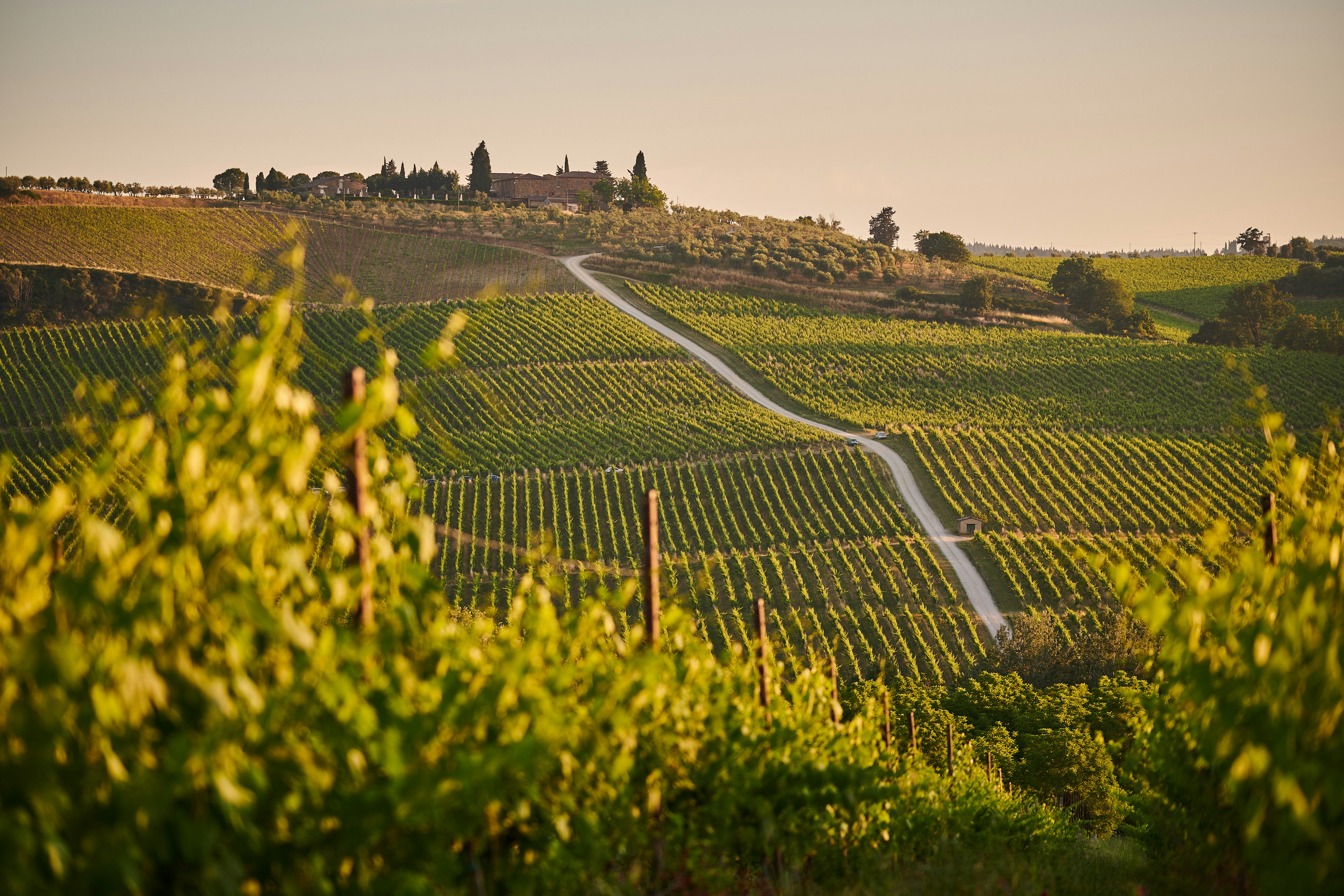 #4588 /100
Between Florence and Siena, Chianti's rolling hills are stitched with vineyards, olive groves and cypress-lined roads that define the classic image of the Tuscan countryside.
Stone farmhouses and hilltop towns like Greve and Radda anchor a landscape barely changed since medieval times, and the black rooster on Chianti Classico labels marks the region's historic heart.
How does it rate
CrowdsRomanceCash RequiredDangerAccessibilityWhy you should go
Tuscany's postcard landscape: rolling vineyards, cypress-lined roads and stone hilltop towns between Florence and Siena.
Why you shouldn't go
The most scenic backroads are narrow and best driven rather than relying on public transport, which is limited between villages.
Plan your visit
Best time to visitSeptember-October for harvest colours, or May-June for wildflowers and comfortable driving weather.Best time of dayGolden hour before sunset, when the vine rows and cypress trees catch long, warm light.Getting thereFly into Florence or Pisa, then a rental car (recommended) roughly 30-40 minutes into the Chianti hills.Entry costTastings typically run EUR15-35 per winery; many require a booked appointment.Time neededA full day for a scenic drive and a few tastings, or several for a proper Tuscan trip.Insider tip — Drive the SR222 'Chiantigiana' road between Florence and Siena for the region's most scenic and iconic vineyard views. -
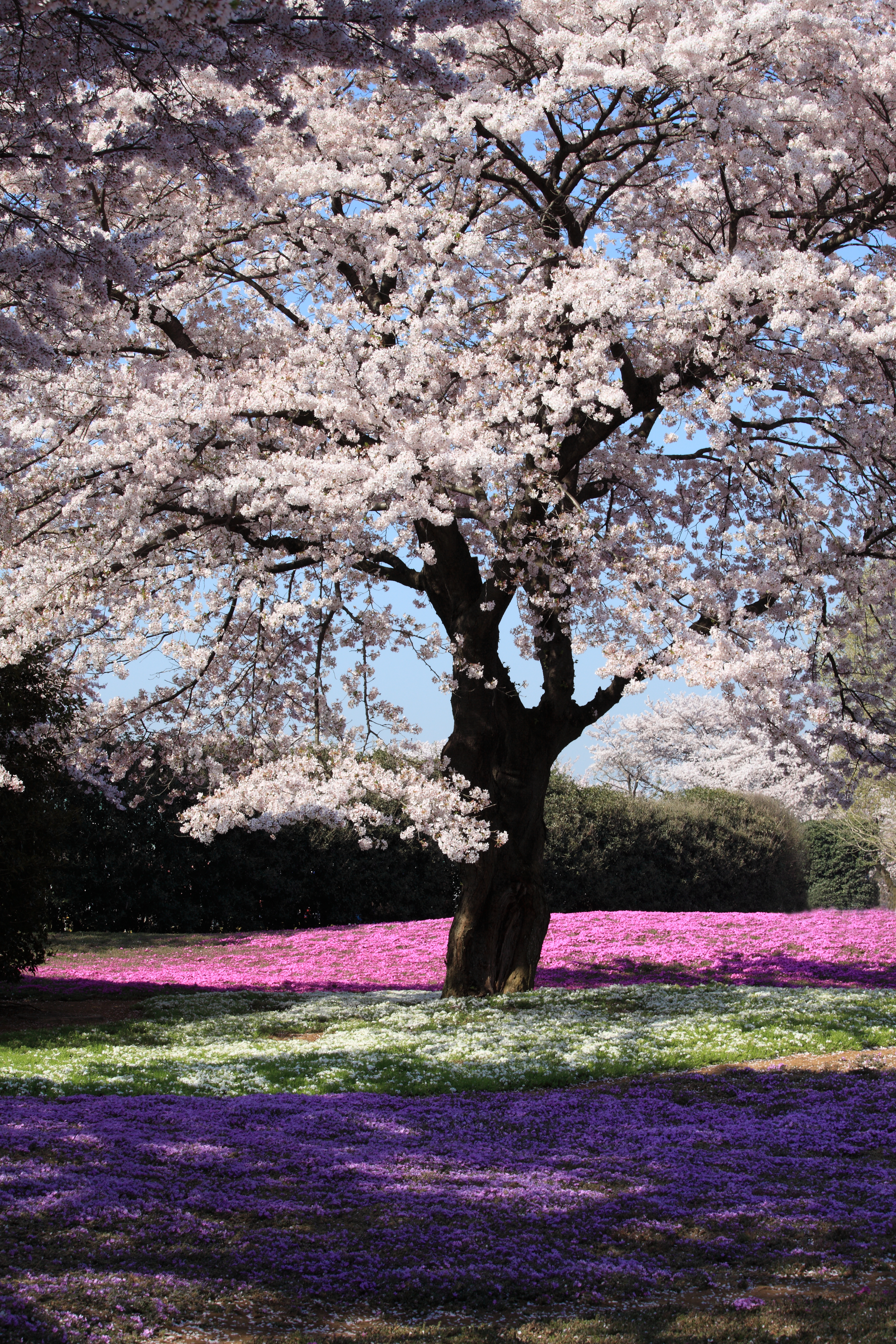 #4688 /100
Japan's cherry blossom season, or sakura, transforms the country for a brief two-week window each spring when thousands of trees burst into pale pink and white flowers.
The most famous displays occur in Tokyo's Ueno Park, Kyoto's Maruyama Park, and along the Philosopher's Path, where petals fall like pink snow.
How does it rate
CrowdsRomanceCash RequiredDangerAccessibilityWhy you should go
The cherry blossom season is one of the most beautiful natural phenomena in the world and is deeply embedded in Japanese culture; the atmosphere under the blossoming trees is magical.
Why you shouldn't go
The season lasts only two weeks and the exact timing varies each year; popular cherry blossom spots become extremely crowded and accommodation prices spike sharply.
Plan your visit
Best time to visitLate March-early April (varies by region and year)Best time of dayEarly morning for empty pathsGetting thereVaries by specific location in JapanEntry costFree; some gardens charge a small feeTime needed2-3 hoursInsider tip — Blossom forecasts are published months ahead; plan your trip around them as the window is only about a week -
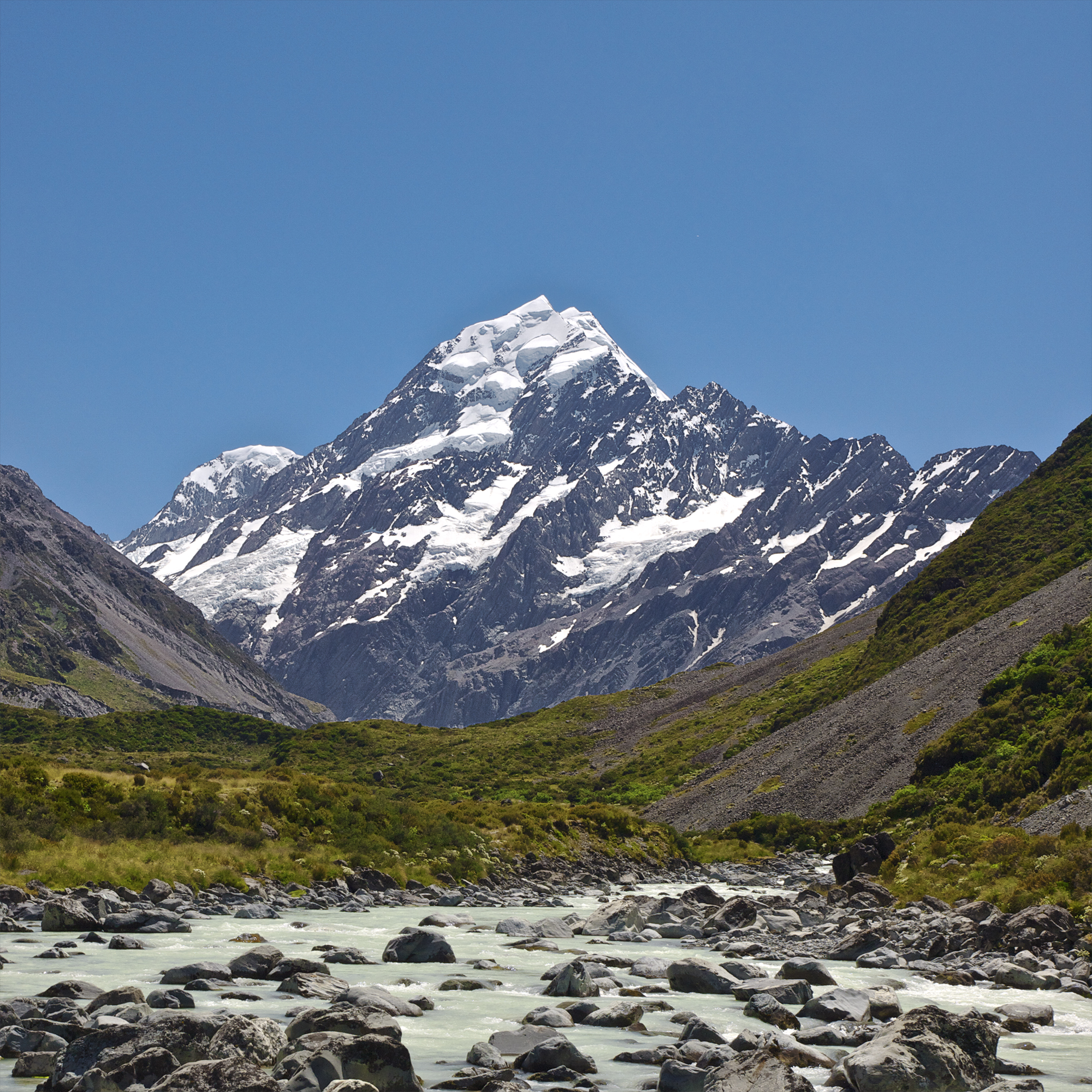 #4788 /100
Aoraki/Mount Cook is New Zealand's highest peak at 3,724 metres, rising above the Mackenzie Basin surrounded by glaciers and turquoise lakes.
The Hooker Valley Track provides one of the most accessible and rewarding walks in the country, leading to views of the mountain across three swing bridges.
How does it rate
CrowdsRomanceCash RequiredDangerAccessibilityWhy you should go
The Hooker Valley walk is achievable for most fitness levels and delivers stunning close-up views of Mount Cook and its surrounding glaciers.
Why you shouldn't go
The weather in the Southern Alps changes extremely rapidly and cloud can obscure the mountain for days at a time, especially in winter.
Plan your visit
Best time to visitDecember-March (Southern Hemisphere summer)Best time of daySunriseGetting there~4hr drive from Christchurch or QueenstownEntry costFreeTime needed1-2 daysInsider tip — Hooker Valley Track is the easiest walk with the best views of the peak -
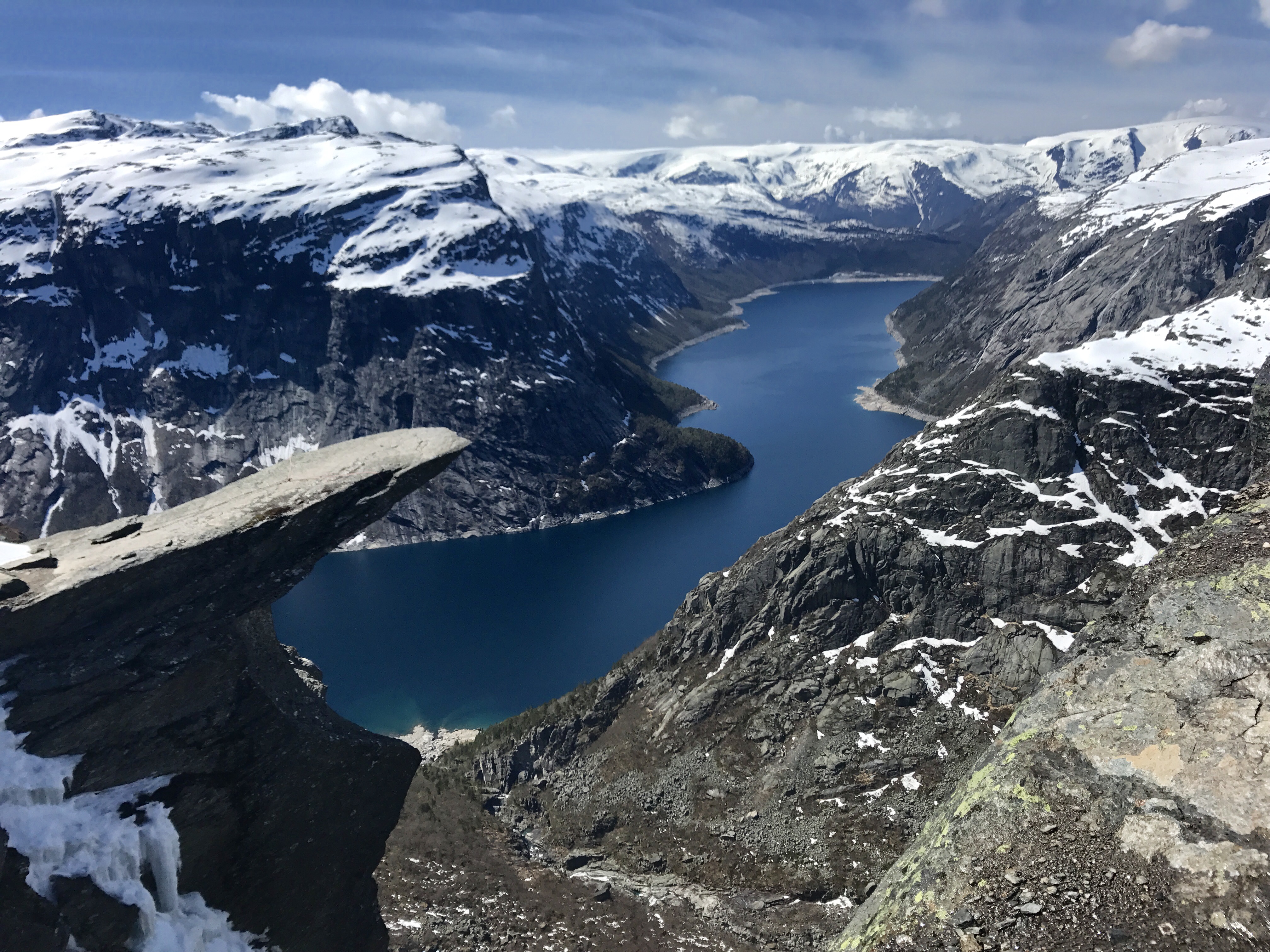 #4888 /100
Trolltunga, meaning Troll's Tongue, is a spectacular horizontal rock formation that juts 700 metres above Lake Ringedalsvatnet in western Norway.
The 27-kilometre return hike to reach it passes through some of Norway's most dramatic fjord landscape, ascending over 1,000 metres in elevation.
How does it rate
CrowdsRomanceCash RequiredDangerAccessibilityWhy you should go
The view from the edge of Trolltunga, with the lake far below and Norwegian mountains stretching to the horizon, is one of Scandinavia's most dramatic vistas.
Why you shouldn't go
The hike is 27 kilometres return with 1,000 metres of elevation gain and takes 10-12 hours; the trail is only open from June to September and weather can change rapidly.
Plan your visit
Best time to visitJune-September (trail closed/dangerous outside this window)Best time of dayEarly morning start essential; it is a long hikeGetting there~4-5hr drive from Bergen to Skjeggedal trailheadEntry costFree; parking fee appliesTime needed10-12 hours round trip hikeInsider tip — Start by 6am; this is a genuinely strenuous full-day hike, not a quick photo stop -
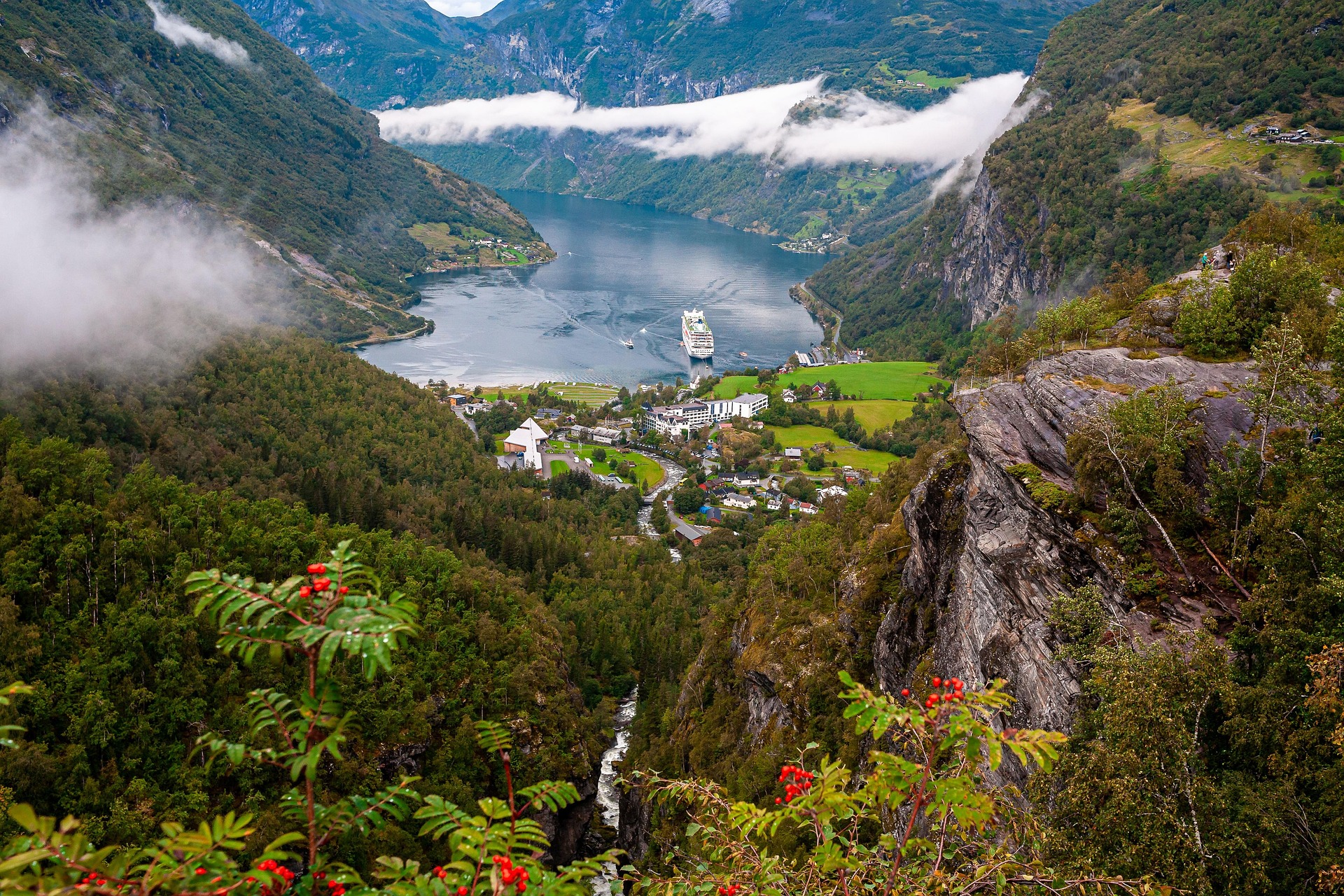 #4988 /100
A cruise through Norway's steepest fjords, where waterfalls drop hundreds of metres past cliffside farms into water so still it mirrors the mountains.
Geirangerfjord and Naeroyfjord, both UNESCO-listed, narrow to barely a ship's width in places.
Small villages like Flam and Geiranger appear suddenly at the fjord's end, framed by snow long into summer.
Midnight sun in June extends the scenery well past a normal evening.
How does it rate
CrowdsRomanceCash RequiredDangerAccessibilityWhy you should go
UNESCO-listed fjords so narrow and sheer that the ship itself becomes part of the view from shore.
Why you shouldn't go
Shore excursions like the Flam Railway or a fjord kayak trip add up fast on top of the cruise fare.
Plan your visit
Best time to visitMay for waterfall volume and lower prices, or June for the midnight sun and long daylight.Best time of dayEarly morning sailing into Geirangerfjord, before day-trippers arrive by tour bus.Getting thereFly into Bergen, Copenhagen, or Hamburg; ships typically embark from a European home port rather than within Norway itself.Entry costIndicative from around EUR 1,740pp for a multi-night fjord cruiseTime needed7-night cruiseInsider tip — Stand on the top deck as the ship threads Geirangerfjord's narrowest point for waterfalls close enough to feel the spray; pack warm layers even in summer. -
 #50
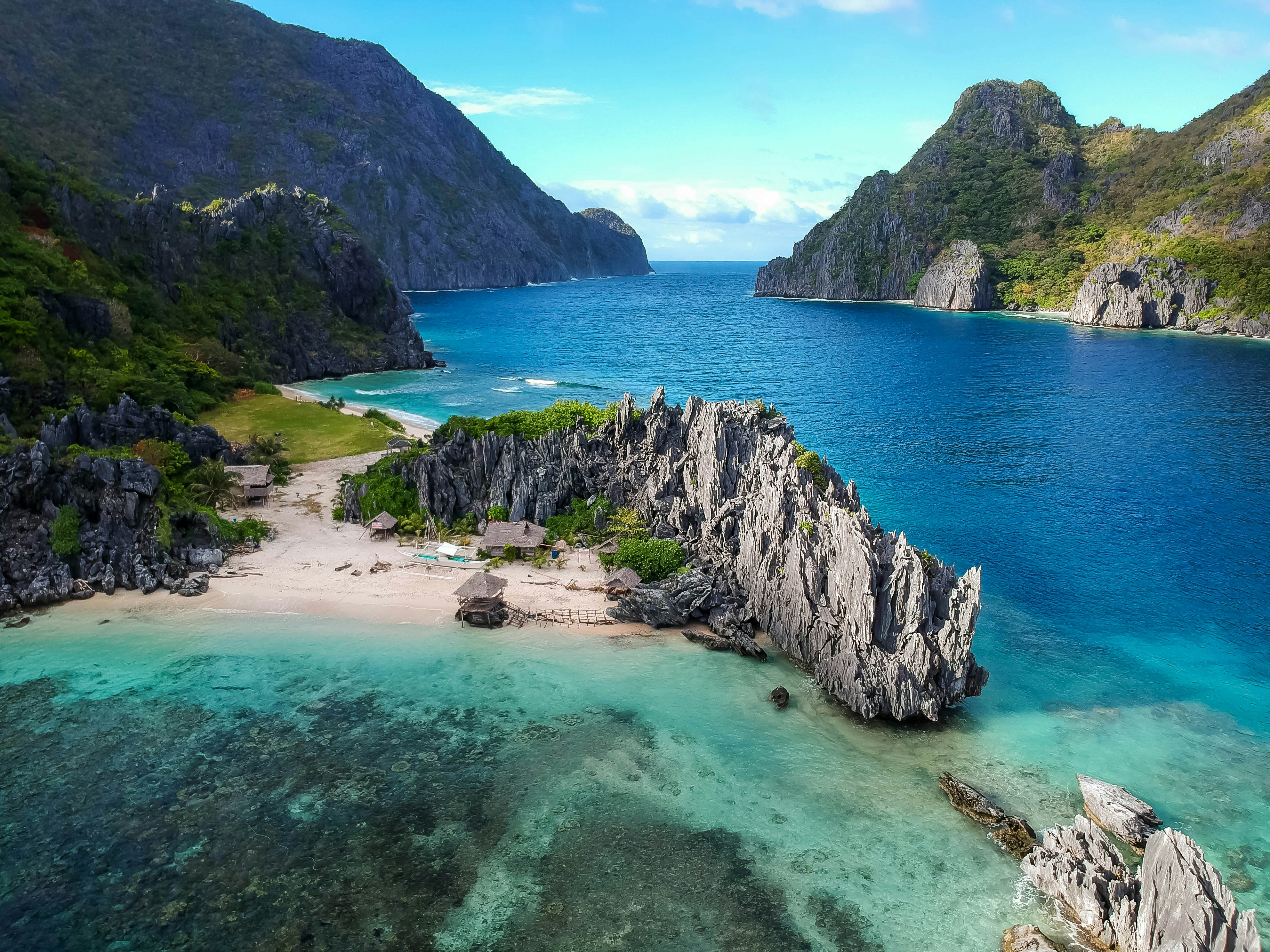
#50Sheer limestone karsts rise straight out of turquoise lagoons around this Palawan town, often ranked among the world's most beautiful island landscapes.
Hidden lagoons reachable only by kayak or narrow swim-throughs open onto still, mirror-flat water walled in by cliffs.
Island-hopping boat tours string together beaches, lagoons, and reefs that are rarely anything less than spectacular.
How does it rate
CrowdsRomanceCash RequiredDangerAccessibilityWhy you should go
Some of the most dramatic limestone-karst island scenery anywhere on Earth.
Why you shouldn't go
Popular lagoons get crowded with tour boats by mid-morning.
Plan your visit
Best time to visitNovember-May, the dry season, for calm water and clear skies.Best time of dayEarly morning, before the first wave of island-hopping tour boats arrives.Getting thereFly to El Nido or Puerto Princesa airport; boats depart from El Nido town for the lagoons.Entry costEnvironmental fee applies; island-hopping tours priced separately, from around $20.Time needed3-4 daysInsider tip — Book a private or small-group tour departing before 7am to reach Big Lagoon ahead of the crowds. -
 #5188 /100
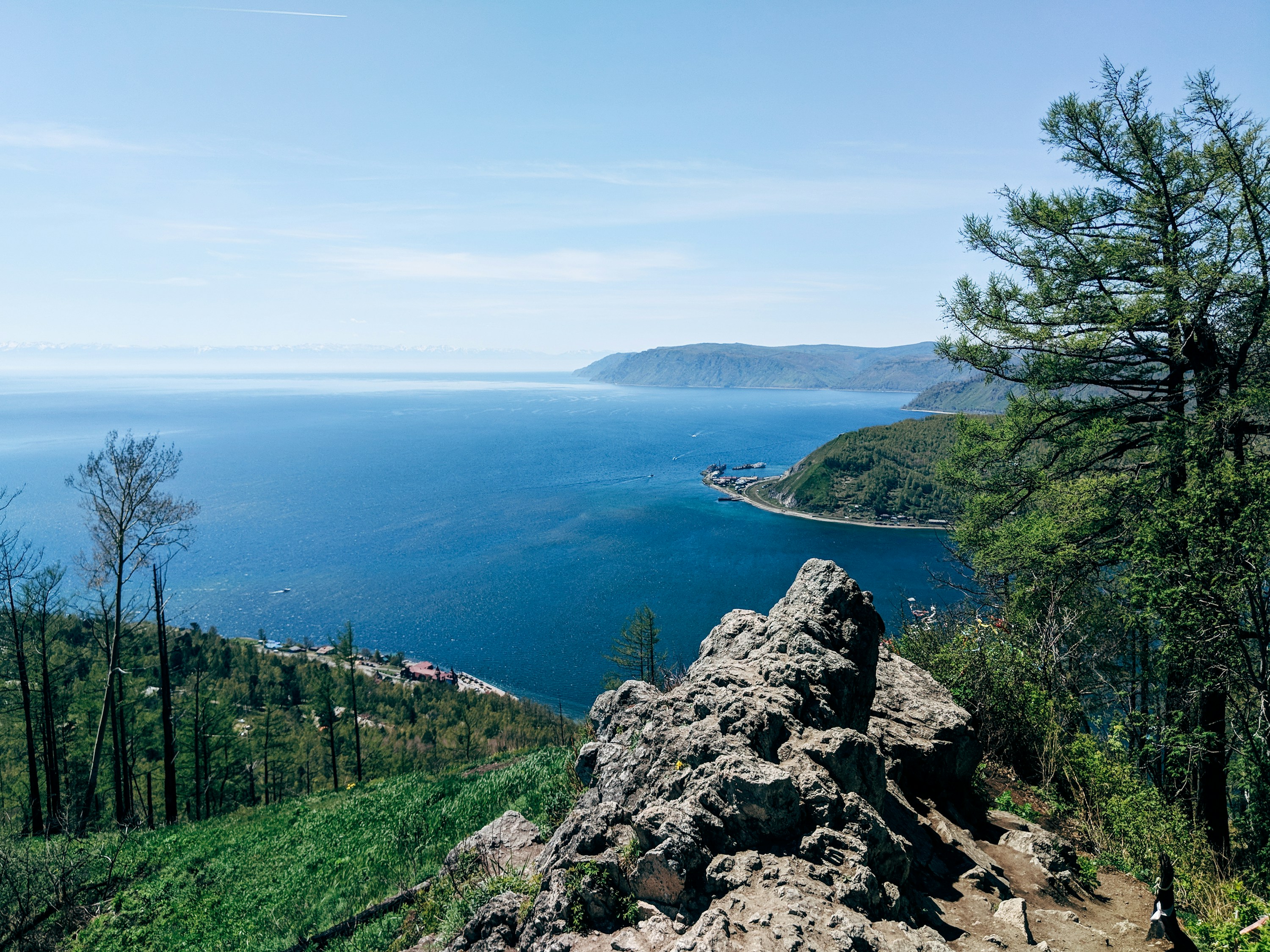
Lake Baikal holds a fifth of the planet's unfrozen fresh water and is both the world's deepest and oldest lake, ringed by taiga forest and mountains in Siberia.
Its clarity lets you see many metres down in summer, while in winter the surface freezes into clear blue ice sheets thick enough to drive on.
Most visitors base themselves in Listvyanka or on Olkhon Island to explore the shoreline and villages.
How does it rate
CrowdsRomanceCash RequiredDangerAccessibilityWhy you should go
The world's deepest, oldest and clearest lake — a fifth of Earth's unfrozen fresh water in one place.
Why you shouldn't go
Deep Siberia is genuinely remote — expect a long flight connection and further travel just to reach the shore.
Plan your visit
Best time to visitLate June–August for open water and hiking; February–March for the clear ice seasonBest time of dayMorning, before wind picks up on the open water in the afternoonGetting thereFly to Irkutsk via a transit hub (no direct Western routes); Listvyanka on the shore is about an hour's bus or taxi ride from the airport.Entry costFree to view the shoreline; boat trips and excursions from around 1,500 RUBTime needed2–3 days to see the shore properly; a week or more for Olkhon Island and the ice seasonInsider tip — Skip the crowded main pier in Listvyanka and walk or taxi a few kilometres along the shore for quieter viewpoints; the Chersky Stone viewpoint above the village gives the best overview of the lake and the Angara River's source. -
 #52
#52Rated #52 of 100
Grand Teton National Park, the United States
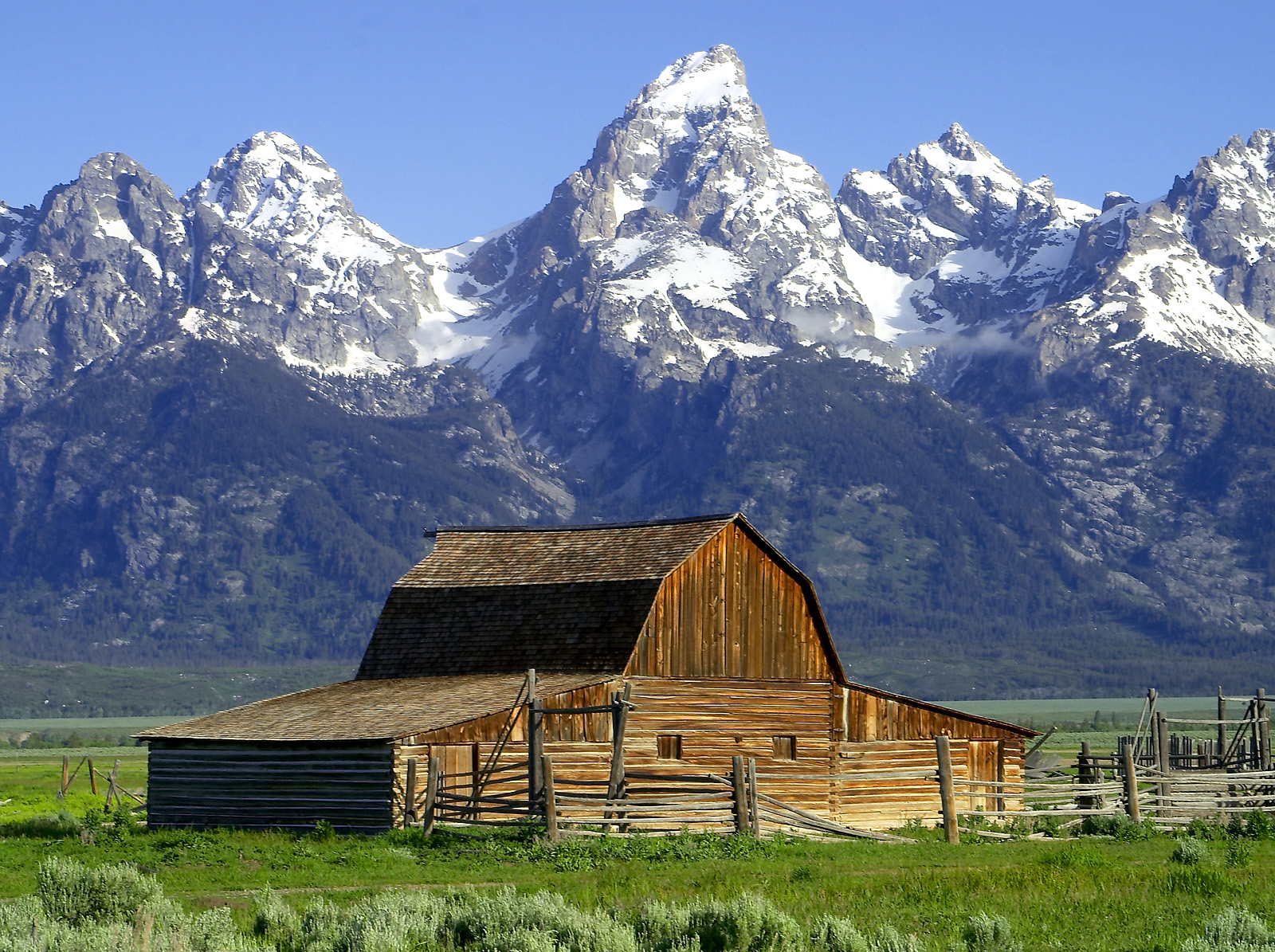
#grandtetonnationalpark ◆ National Parks88 /100The Teton Range rises abruptly and without foothills from the flat valley floor of Jackson Hole, creating one of the most dramatic mountain frontages in the Americas.
Below it, the Snake River, a chain of glacial lakes and open sagebrush flats hold moose, elk, bison and both black and grizzly bears.
Trails range from flat lakeshore loops to serious alpine climbs within the same few miles of road.
How does it rate
CrowdsRomanceCash RequiredDangerAccessibilityWhy you should go
The Tetons rising directly from the valley floor create an unobstructed mountain wall that produces some of America's most dramatic landscape photographs.
Why you shouldn't go
Wildlife watching opportunities are excellent but not guaranteed; the park is large and distances between key viewpoints are significant.
Plan your visit
Best time to visitJune-SeptemberBest time of daySunrise at Schwabacher Landing or Oxbow Bend for reflectionsGetting thereFly to Jackson Hole AirportEntry costPark pass ~$35/vehicleTime needed2-3 daysInsider tip — Oxbow Bend at dawn gives the classic Teton reflection shot, especially with autumn colour -
 #5388 /100
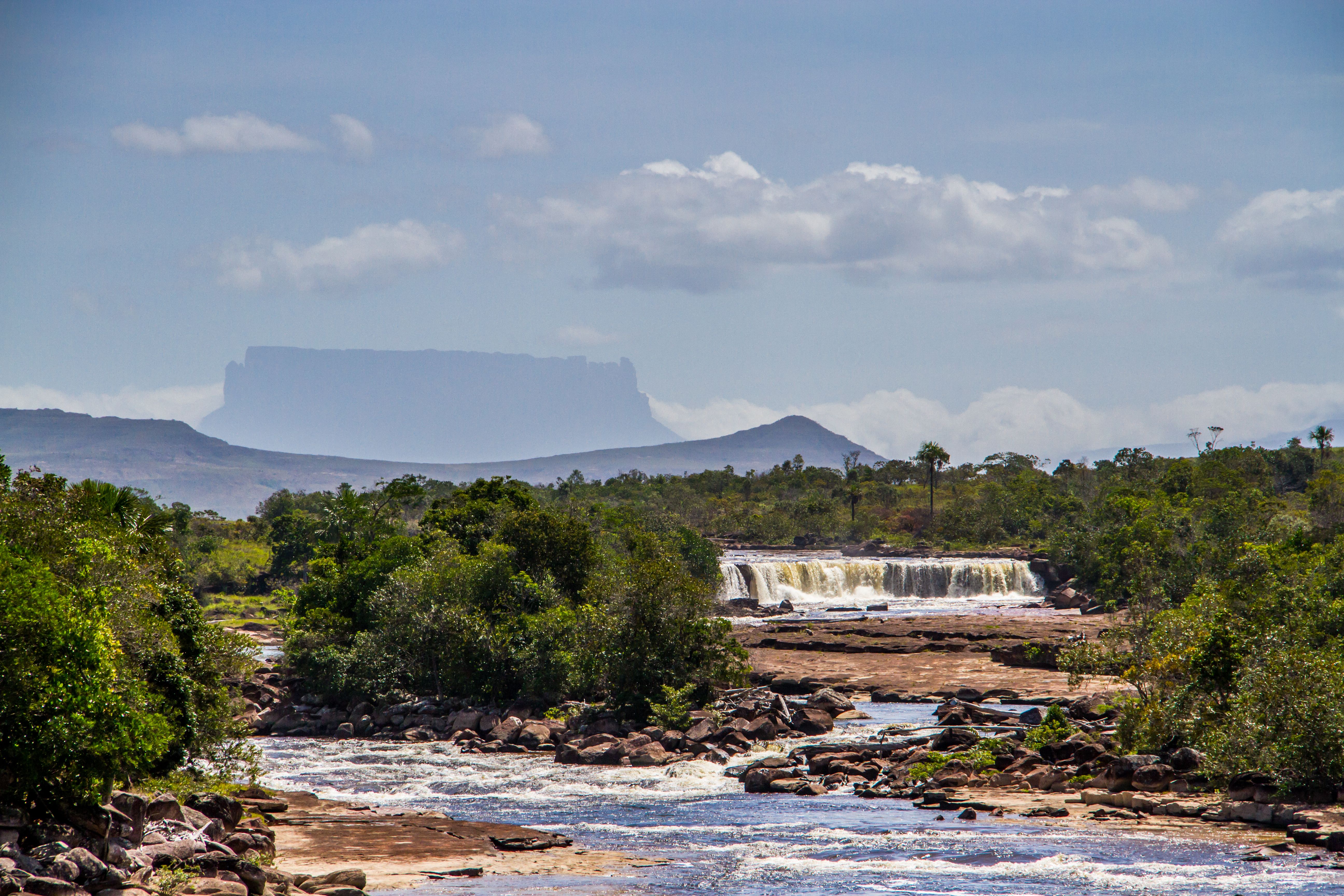
Water drops 979 metres off a sheer tabletop mountain in the middle of remote Venezuelan jungle, making this the tallest waterfall on Earth by a wide margin.
The fall is so tall that much of the water disperses into mist before ever reaching the pool below.
Reaching it means days of river travel by dugout canoe through Canaima National Park, so the sheer remoteness is part of what keeps the view unspoiled.
How does it rate
CrowdsRomanceCash RequiredDangerAccessibilityWhy you should go
The tallest waterfall on Earth, dropping nearly a kilometre off an isolated jungle tabletop mountain.
Why you shouldn't go
There's no road access at all - reaching the base requires days of canoe travel and real logistics.
Plan your visit
Best time to visitJune-November, the wet season, when water volume is highest.Best time of dayMorning, before afternoon cloud typically obscures the tepui's summit.Getting thereFly to Canaima, then travel by dugout canoe up the Carrao and Churun rivers (multi-day trip).Entry costIncluded in multi-day guided tour packages; no independent access.Time needed3-5 days round trip from CanaimaInsider tip — Go in the wet season - in the dry months the river can run too low for canoes to reach the base at all. -
 #5488 /100
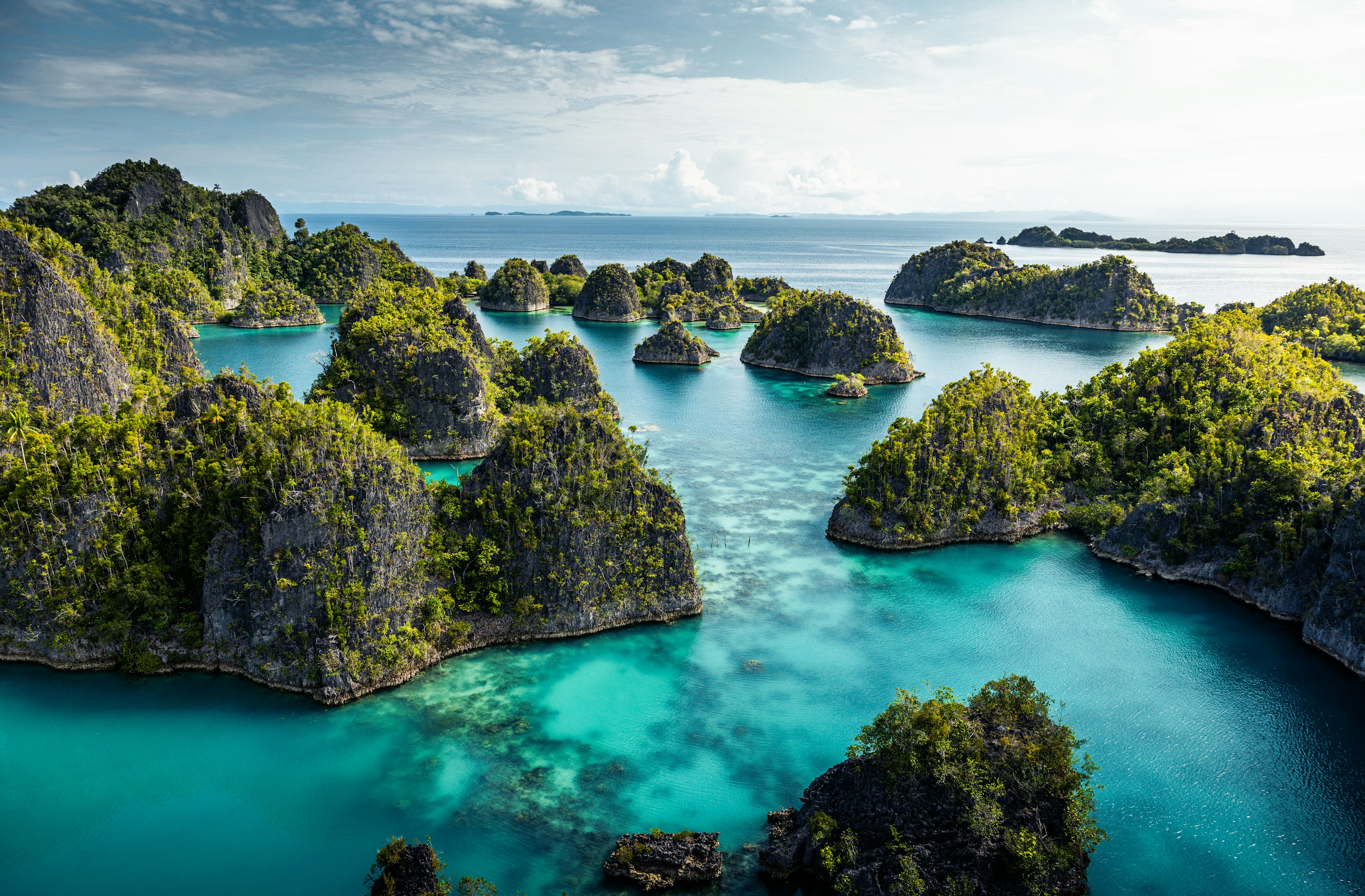
Raja Ampat's four main islands and hundreds of smaller limestone islets sit at the heart of the Coral Triangle, the most biodiverse marine environment on Earth, with reefs holding far more coral and fish species than the Caribbean.
Above water, karst islands draped in jungle ring turquoise lagoons; below, divers and snorkelers find manta rays, reef sharks, and dense coral gardens largely undamaged by mass tourism.
Reaching it takes real commitment, but few marine destinations compare.
How does it rate
CrowdsRomanceCash RequiredDangerAccessibilityWhy you should go
The most biodiverse reef system on the planet, still relatively undisturbed by mass tourism.
Why you shouldn't go
Very remote and expensive to reach, with permits, flights, and boat transfers all adding up before you even dive.
Plan your visit
Best time to visitOctober-April for calmer seas and the best underwater visibility.Best time of dayMorning dives and snorkels, before afternoon winds pick up on the open crossings.Getting thereFly to Sorong via Jakarta or Makassar, then a public or chartered boat (2-4 hours) to Waisai or a resort island.Entry costMarine Park entry permit (PIN) required, roughly 500,000-1,000,000 IDR (~$30-65)Time needed4+ daysBookingBook ahead →Insider tip — Buy the marine park permit (PIN) in Sorong or Waisai before heading to the islands; it's checked on arrival and covers the whole marine park for a full calendar year. -
 #5587 /100
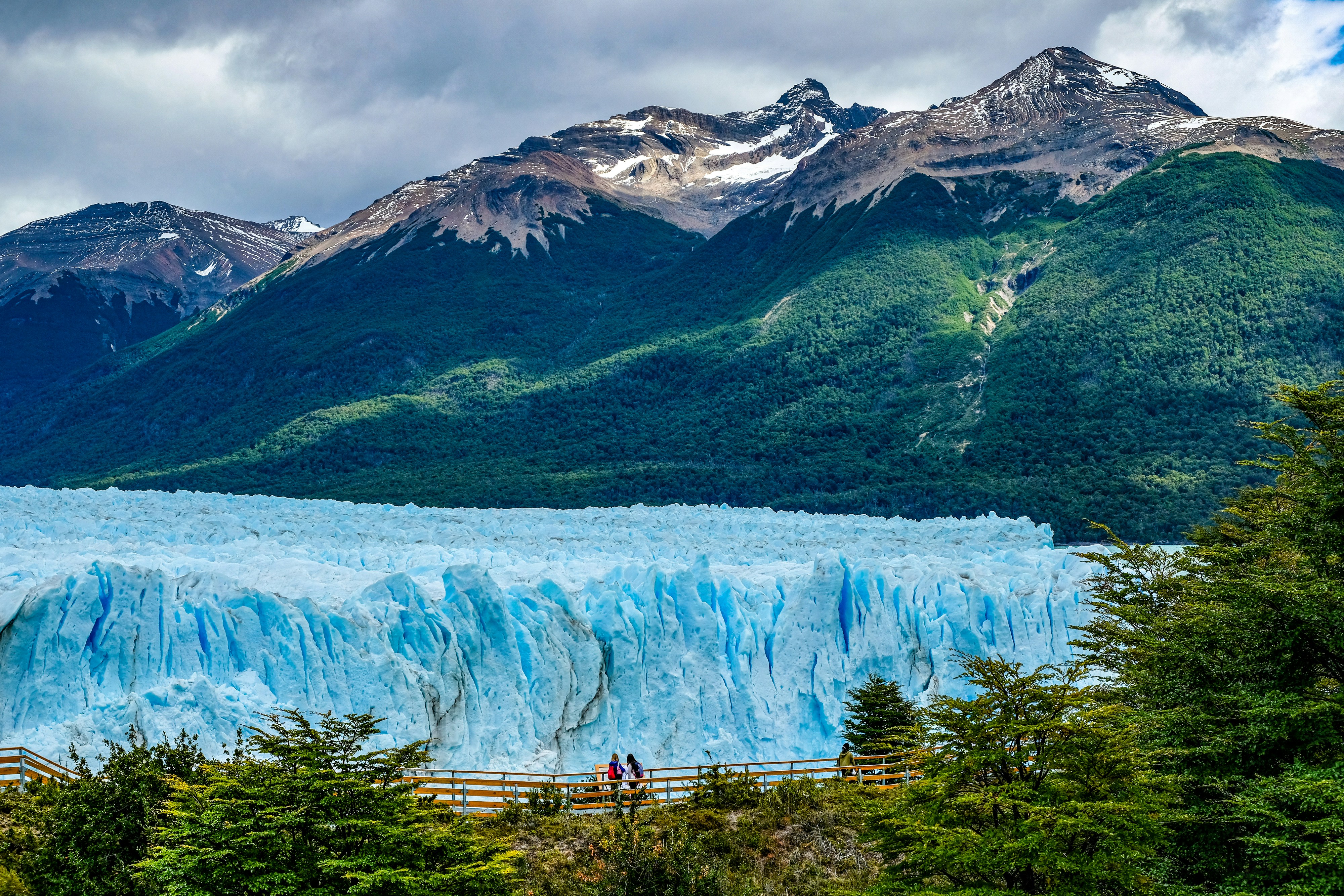
A massive tidewater glacier advancing into Lago Argentino, calving house-sized chunks of ice with a thunderous crack several times a day.
One of the few glaciers on Earth still growing, its brilliant blue ice face and extensive boardwalk system make it Patagonia's signature sight.
How does it rate
CrowdsRomanceCash RequiredDangerAccessibilityWhy you should go
A colossal advancing glacier calving house-sized ice chunks with a thunderous crack, several times a day.
Why you shouldn't go
Very popular, so viewing platforms get crowded in peak season; park entrance fees are steep; weather can obscure views.
Plan your visit
Best time to visitNovember–March (Southern Hemisphere summer) for the most stable weather and longest daylight.Best time of dayAny time of day works, though morning light often shows the ice at its bluest.Getting thereFly to El Calafate, then roughly an 80km (1.5-hour) drive to Los Glaciares National Park.Entry costARS national park entrance fee (~$25 USD equivalent); optional boat tours and ice trekking $80–250 UTime needed4–6 hours including travel from El Calafate.Insider tip — Book an ice-trekking tour to actually walk on the glacier — the boardwalks are free but only offer distant views. Bring layers; the wind off the ice is cold even in summer. -
 #5687 /100
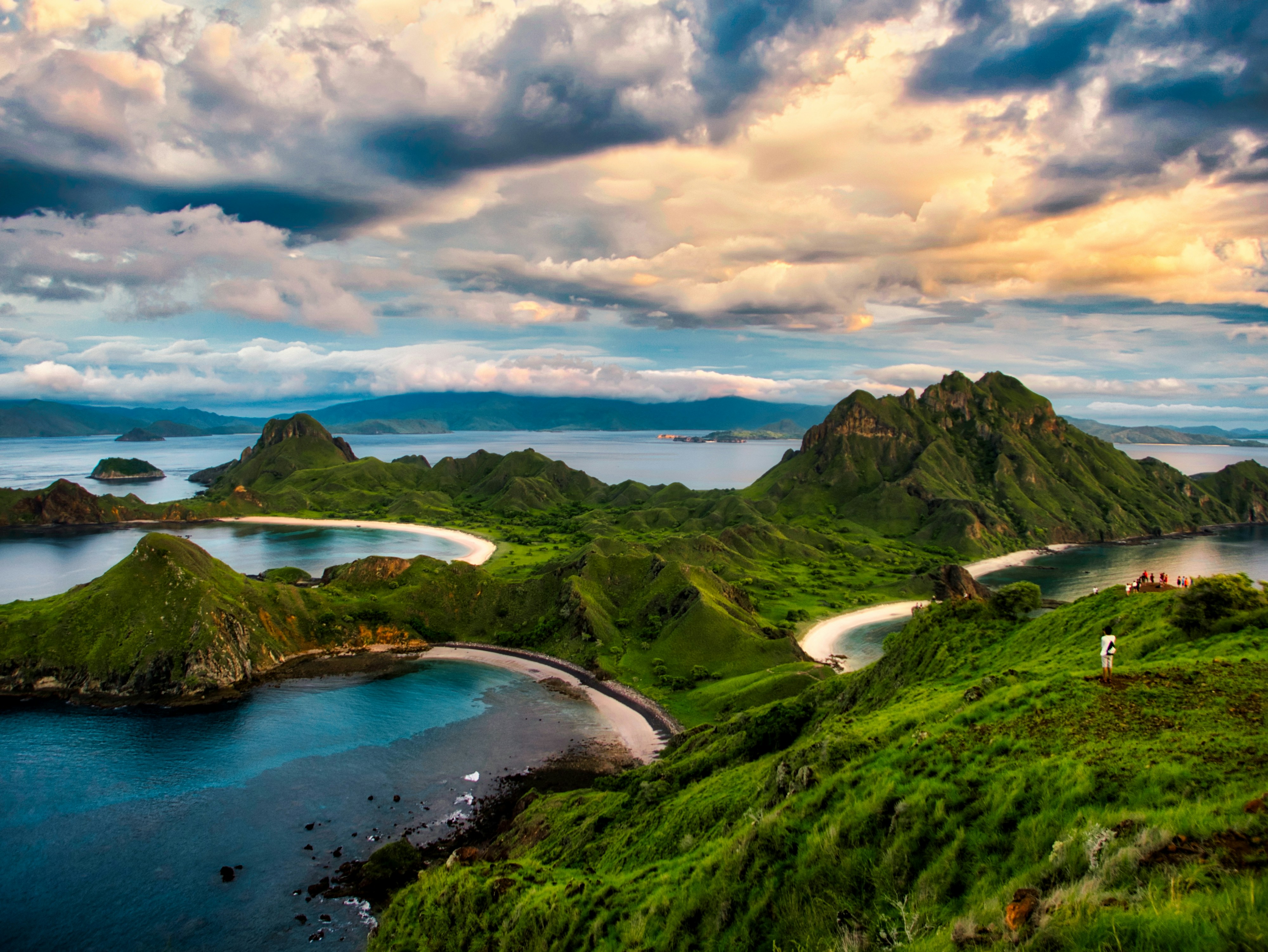
Volcanic islands rise steeply out of turquoise water in this remote Indonesian archipelago, the only place on Earth with wild Komodo dragons.
Padar Island's ridge walk looks down on three separate curved bays at once, and Pink Beach takes its colour from crushed red coral mixed through the sand.
The surrounding waters are among Indonesia's best for manta rays and drift diving.
How does it rate
CrowdsRomanceCash RequiredDangerAccessibilityWhy you should go
A single viewpoint over three turquoise bays, plus the only place on Earth to see wild Komodo dragons.
Why you shouldn't go
Only reachable by multi-day boat trip or a costly speedboat charter from Labuan Bajo.
Plan your visit
Best time to visitApril-June or September-November, outside the wettest and busiest peak months.Best time of daySunrise on Padar Island, before the heat and the day-trip crowds arrive.Getting thereFly into Labuan Bajo, then join a liveaboard or day boat into the park.Entry costPark entry and conservation fees, plus boat trip costs, typically $50-150+ per day.Time needed2-3 daysInsider tip — Book a liveaboard over a single-day speedboat trip - the best light on Padar and Pink Beach both fall outside typical day-trip hours. -
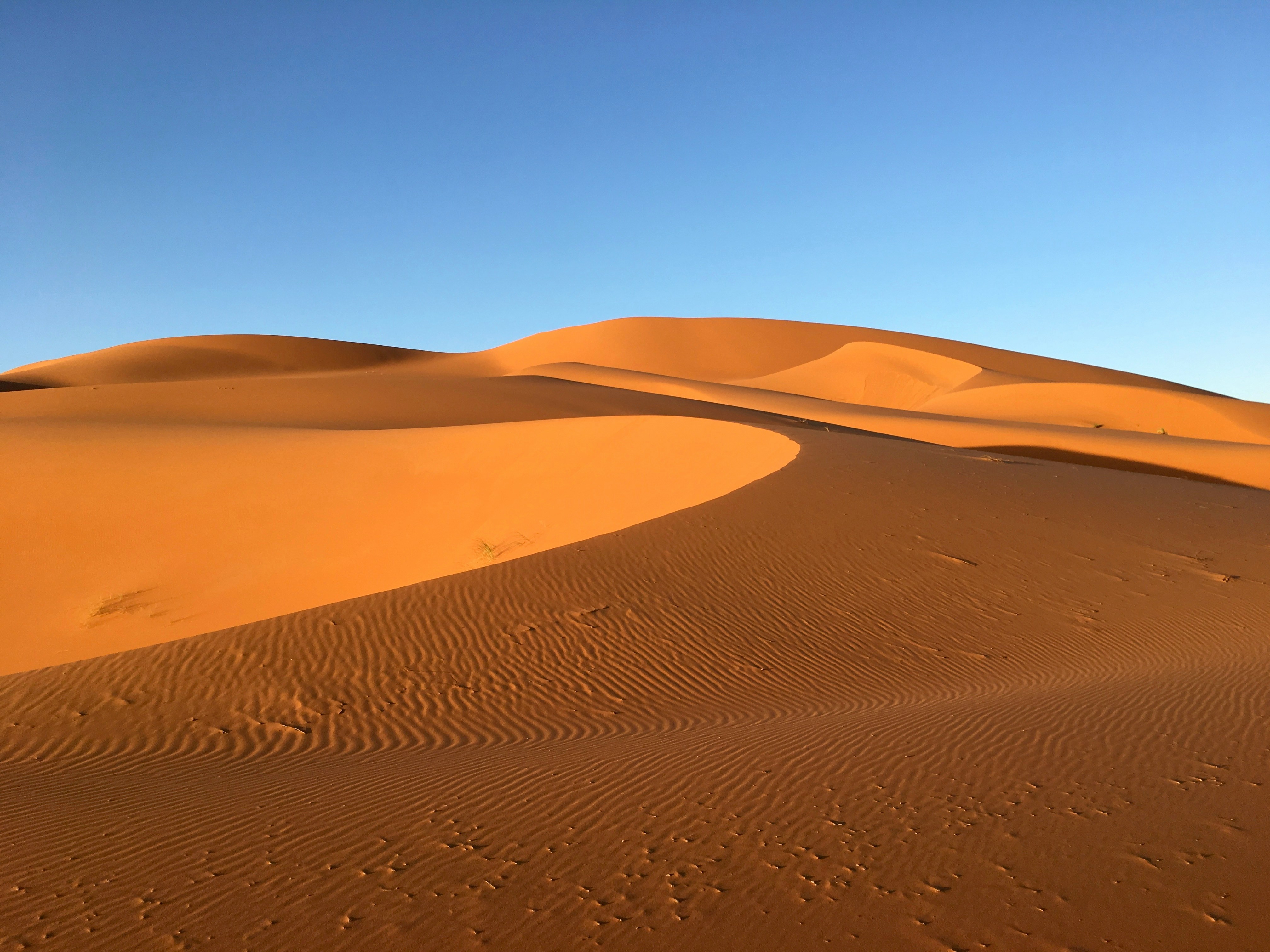 #5787 /100
A sea of orange dunes rising up to 150 metres at the edge of the Sahara, the most accessible major dune field in Morocco and the base for camel treks and overnight desert camps.
The dunes shift constantly with the wind, and sunrise and sunset turn the sand from deep gold to burnt red.
Nights in a Berber camp under an unpolluted sky are as much the draw as the dunes themselves.
How does it rate
CrowdsRomanceCash RequiredDangerAccessibilityWhy you should go
Towering orange dunes right at the Sahara's edge, with overnight Berber camps and some of the clearest night skies in North Africa.
Why you shouldn't go
Reaching Merzouga is a long drive from Marrakech (8+ hours), and sandstorms can shut down camel treks with no warning.
Plan your visit
Best time to visitOctober-April, avoiding the brutal summer desert heat.Best time of daySunrise or sunset, when the dunes shift from gold to deep red.Getting thereFly to Fes or Marrakech, then a 6-9 hour drive or organised desert tour to Merzouga.Entry costCamel trek and overnight camp packages generally run EUR40-100 per person.Time neededOvernight (1-2 days including transport).Insider tip — Book a camp further from Merzouga village - the closest ones are cheaper but suffer light pollution that ruins the stargazing. -
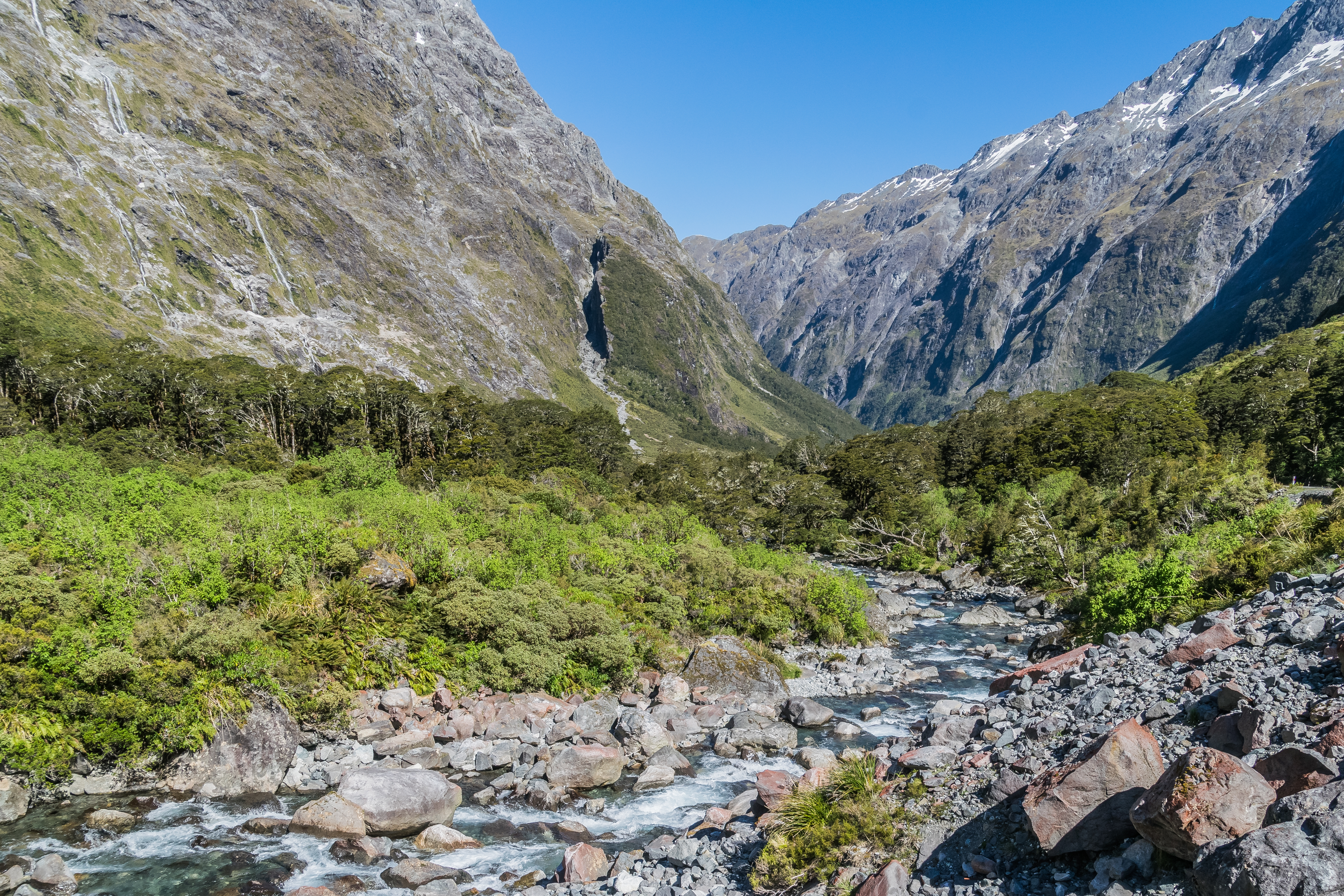 #5887 /100
Fiordland National Park in the South Island of New Zealand contains some of the world's most dramatic fjord scenery, carved by glaciers over millions of years.
Milford Sound, the most famous fjord, features vertical granite walls rising 1,200 metres directly from the water's surface, with waterfalls cascading down their faces.
How does it rate
CrowdsRomanceCash RequiredDangerAccessibilityWhy you should go
The scale of Milford Sound's vertical granite walls and the waterfalls that plunge from them into the dark water below is genuinely awe-inspiring; boat cruises provide the best views.
Why you shouldn't go
Milford Sound receives extremely high rainfall and is often covered in cloud or mist; the road to Milford is subject to closure by avalanche or rockfall.
Plan your visit
Best time to visitDecember-March (summer, though it rains often year-round)Best time of dayEarly morning for calm water on the fjordsGetting thereDrive or fly to Te Anau, then boat/coach into Milford SoundEntry costCruise ~$80-100 NZDTime neededFull dayInsider tip — It rains here more days than not; the waterfalls are more dramatic right after rain, so do not let grey weather put you off -
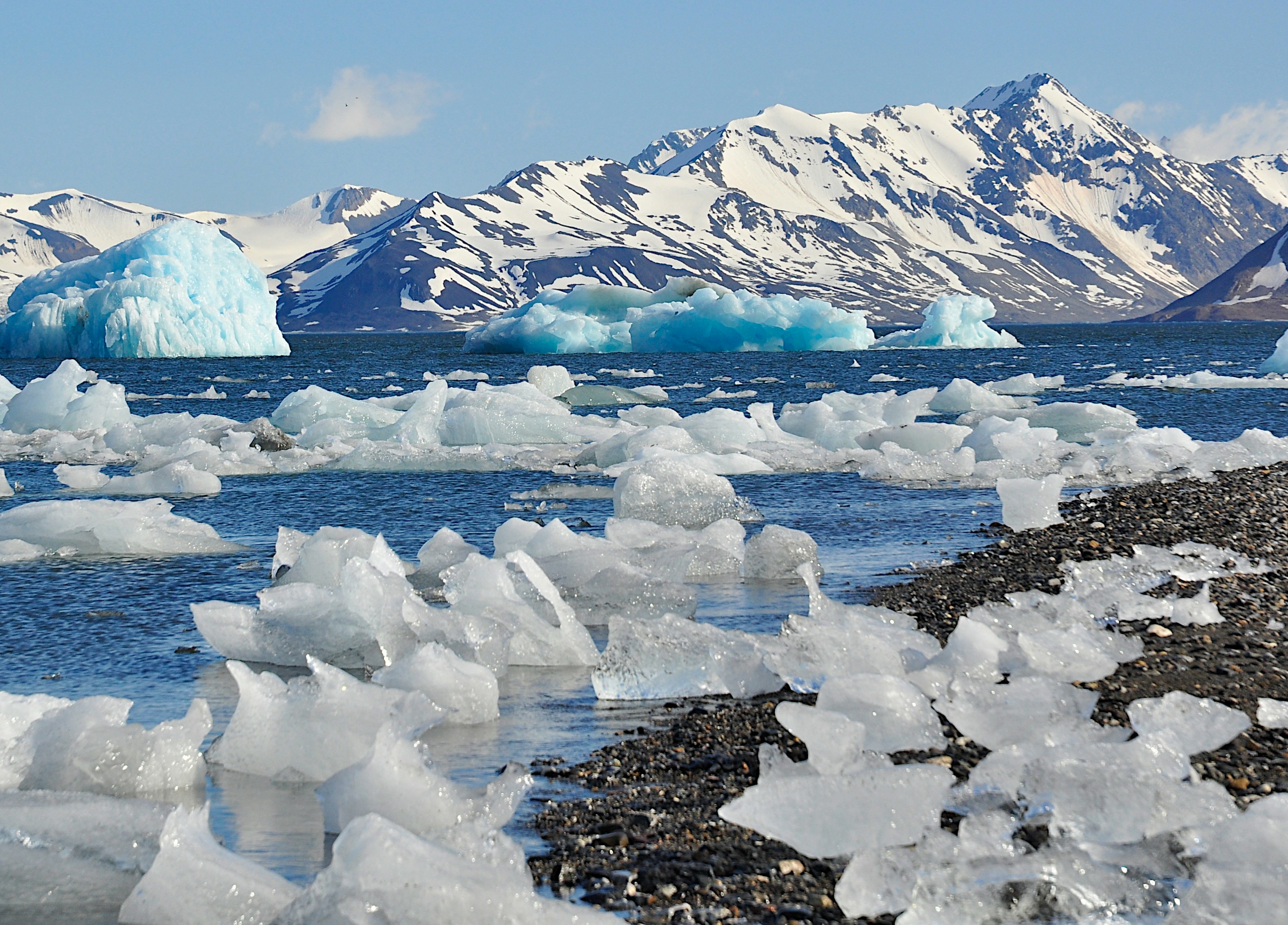 #5987 /100
Svalbard is a remote Norwegian archipelago deep in the Arctic Ocean, roughly 60% covered by glaciers and home to more polar bears than people.
Longyearbyen, the main settlement, is the base for dog-sledding, snowmobiling and boat trips past calving glaciers and drifting sea ice, with the midnight sun in summer and polar night and northern lights in winter.
Almost everything beyond town requires an armed guide, which shapes the whole experience.
How does it rate
CrowdsRomanceCash RequiredDangerAccessibilityWhy you should go
Genuine Arctic wilderness - glaciers, polar bears and sea ice - reachable on a scheduled flight, not an expedition.
Why you shouldn't go
Expensive and logistically restrictive: guided tours are compulsory for almost anything outside Longyearbyen.
Plan your visit
Best time to visitApril-August for midnight sun and easier travel; November-February for northern lights and polar night.Best time of daySeason matters more than time of day - summer light is near-constant, winter darkness is too.Getting thereDirect flights from Oslo or Tromsø to Longyearbyen, around 3 hours from Oslo.Entry costNo entry fee; guided excursions typically 500-3000+ NOK per person per day.Time needed4-7 daysInsider tip — Book glacier or fjord boat trips a season ahead in summer - the small tour operators sell out before the ice starts breaking up. -
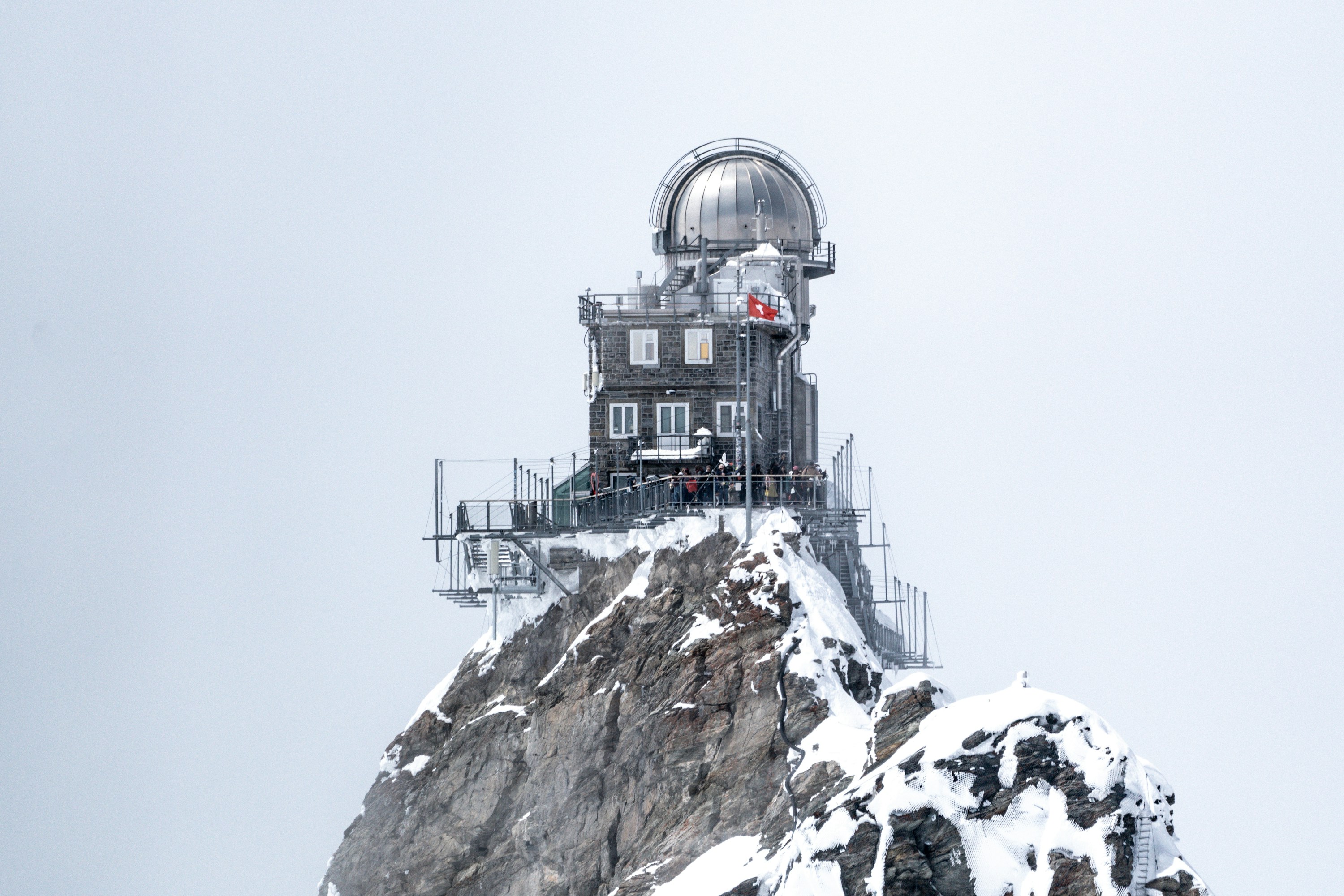 #6087 /100
A cogwheel railway climbs through solid rock to a saddle between the Eiger and Mönch, 3,454 metres up, where the "Top of Europe" station opens onto the Aletsch Glacier, the largest ice stream in the Alps.
An ice palace, observation deck, and snow terrace fill out the visit, though thin air and shifting weather can erase the view without warning.
How does it rate
CrowdsRomanceCash RequiredDangerAccessibilityWhy you should go
The Alps' most complete high-altitude experience reachable entirely by train, glacier included.
Why you shouldn't go
Among the most expensive single excursions in Switzerland, and cloud can close in and erase the view with no refund.
Plan your visit
Best time to visitMay–October for the clearest weather; book the mandatory seat reservation well ahead in summer.Best time of dayFirst train of the day, before cloud typically builds up over the peaks by midday.Getting thereTrain from Interlaken Ost via Grindelwald or Lauterbrunnen/Wengen to Jungfraujoch; no road access.Entry costRound-trip train from Interlaken roughly CHF 220–260 depending on season.Time neededHalf a dayBookingBook ahead →Insider tip — Sit on the right-hand side of the train from Interlaken for the best glacier views on the way up. -
 #6187 /100
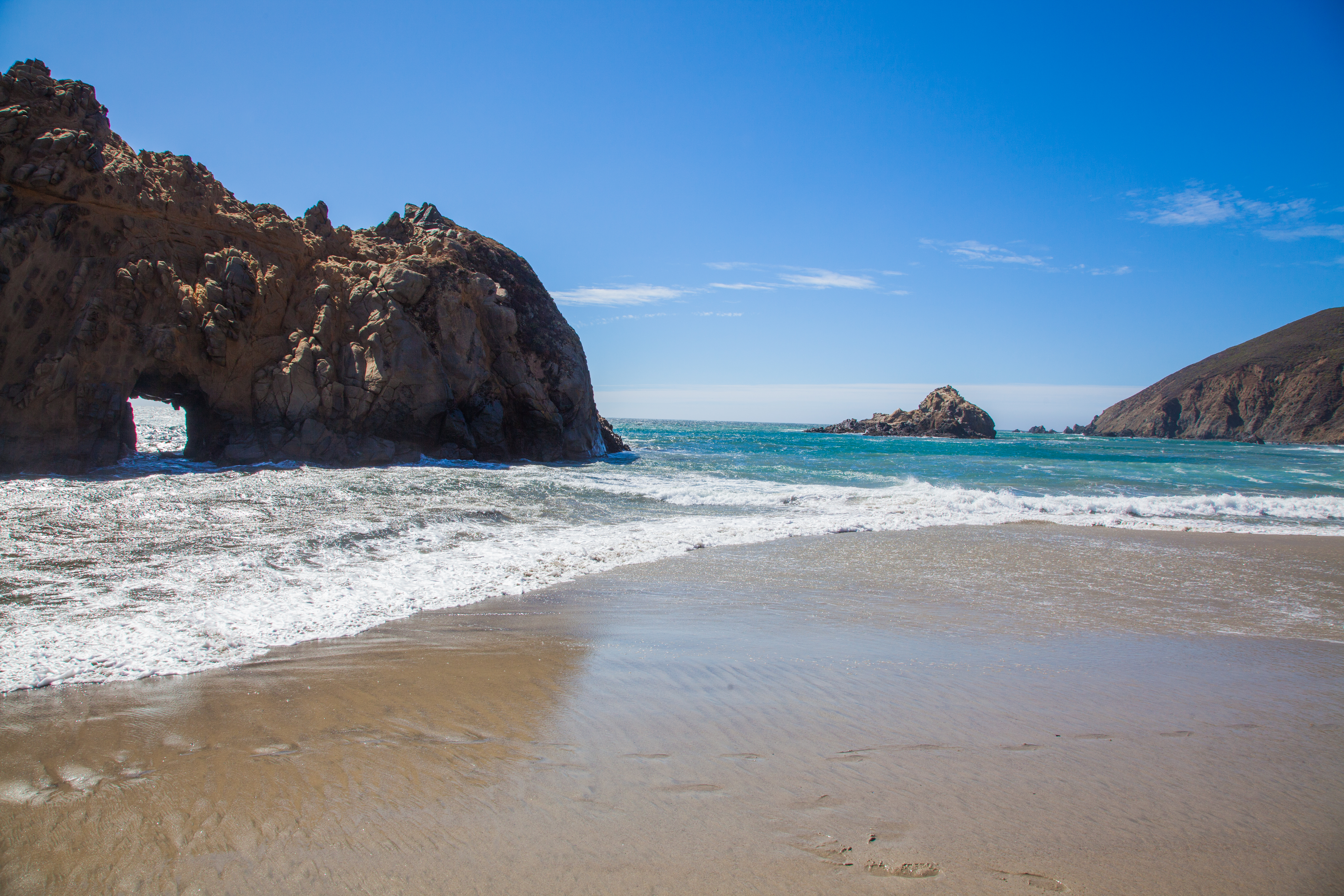
Pfeiffer Beach in Big Sur is a dramatic California coastline beach famous for its purple-tinged sand, caused by manganese garnet washed down from the surrounding hillsides, and for Keyhole Rock — a sea arch through which the setting sun shines in spectacular alignment during November and December.
How does it rate
CrowdsRomanceCash RequiredDangerAccessibilityWhy you should go
The combination of purple sand, dramatic sea stacks, crashing Pacific waves, and the winter Keyhole Rock sunset alignment make Pfeiffer Beach one of California's most unique coastal spots.
Why you shouldn't go
The access road is extremely narrow and closes when the small car park fills; the purple sand only covers part of the beach and the Keyhole Rock sunset alignment only occurs in winter.
Plan your visit
Best time to visitDecember-February for the Keyhole Arch light phenomenonBest time of daySunset, especially in winter when the sun aligns with the archGetting thereUnmarked turnoff on Highway 1, Big SurEntry cost~$12 parking feeTime needed1-2 hoursInsider tip — The purple sand (from manganese garnet) is most visible after rain -
 #6287 /100
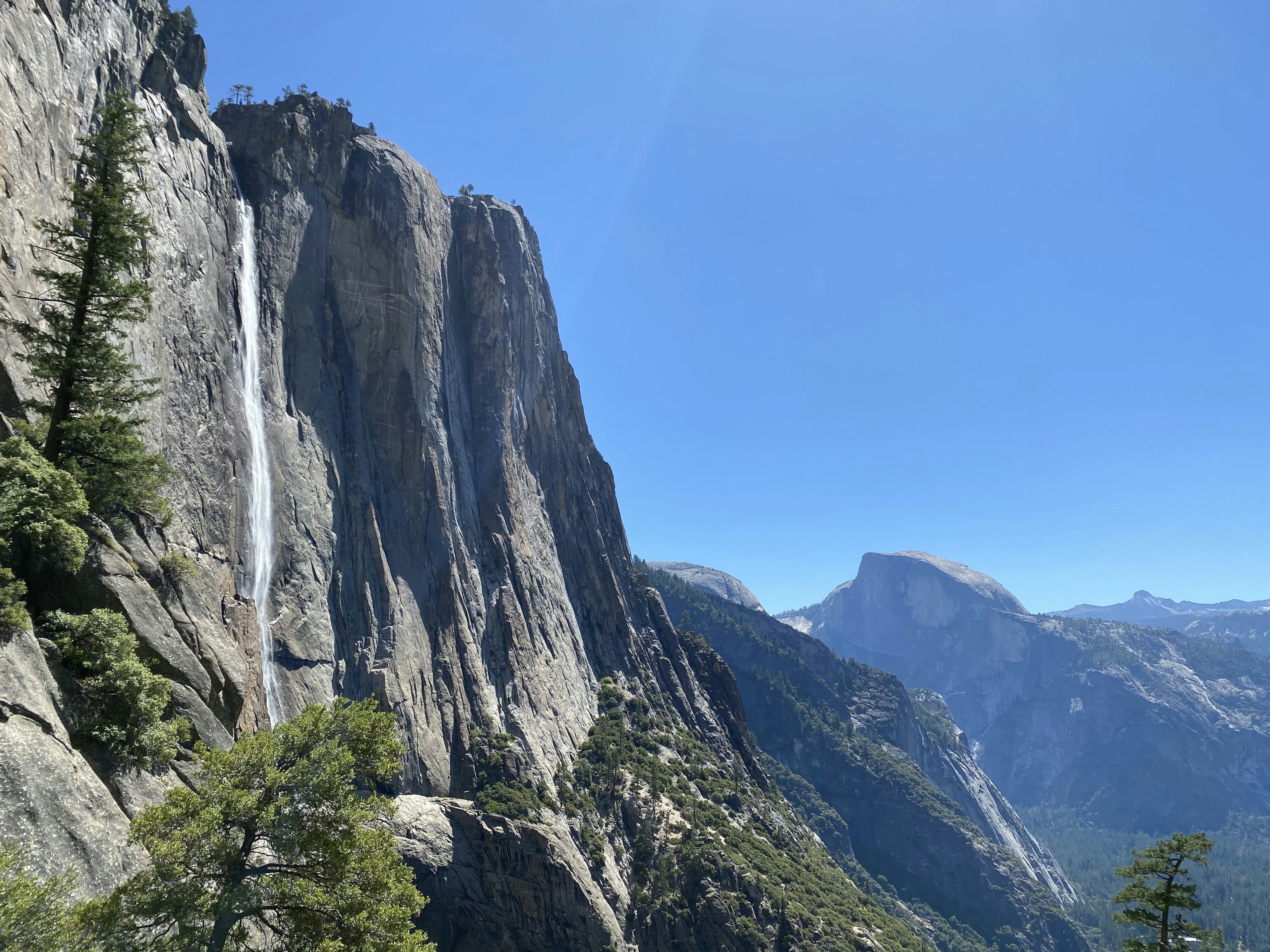
North America's tallest waterfall drops in three tiers down a granite cliff face in Yosemite Valley, at its thunderous peak each spring when snowmelt sends it roaring.
By late summer it can slow to a trickle or vanish entirely, so timing genuinely changes what you see.
The valley floor meadow below offers an open, unobstructed view, with El Capitan and Half Dome in sight at the same time.
How does it rate
CrowdsRomanceCash RequiredDangerAccessibilityWhy you should go
North America's tallest waterfall, framed by two of Yosemite's other icons in a single shot.
Why you shouldn't go
The falls often dry up completely by late summer - arrive in the wrong month and there's nothing to see.
Plan your visit
Best time to visitApril-June, during peak snowmelt; often dry by August-October.Best time of dayMorning, before Yosemite Valley's parking and crowds peak.Getting thereFly to Fresno or San Francisco; drive into Yosemite Valley (no rail or bus to the park itself).Entry costYosemite National Park entry fee; the falls viewpoint itself is free.Time needed1-2 hours from the valley floorBookingBook ahead →Insider tip — Check the park's waterfall flow reports online before visiting - timing a trip around peak snowmelt matters more here than at almost any other major waterfall. -
 #6387 /100
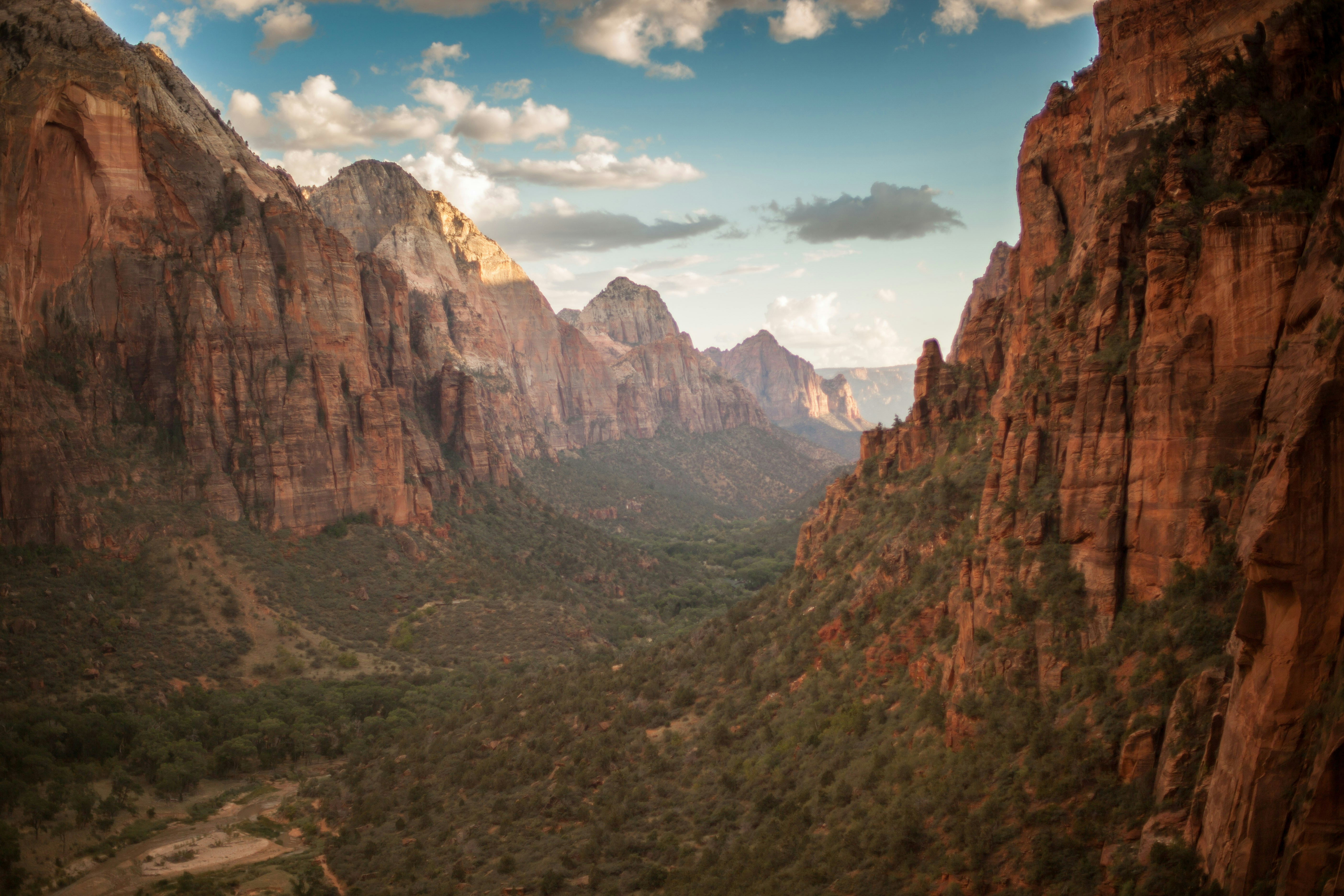
Zion's main canyon is a half-mile-deep slot of red and cream sandstone carved by the Virgin River, with the Narrows letting visitors wade upriver between walls that close in overhead.
The valley floor is reached only by a free shuttle in peak season, keeping the canyon quieter than the crowded parking lots suggest.
Angels Landing's chained final pitch is the park's signature scramble, but most of the canyon is accessible on flat paved trails.
How does it rate
CrowdsRomanceCash RequiredDangerAccessibilityWhy you should go
A narrow, towering sandstone canyon you can wade straight up the middle of via the Virgin River.
Why you shouldn't go
Angels Landing needs a lottery permit, and summer flash-flood risk can close the Narrows without notice.
Plan your visit
Best time to visitApril-May or September-October, avoiding summer flash-flood season and winter Narrows closures.Best time of dayEarly morning shuttle to beat both the heat and the crowds at the canyon trailheads.Getting thereFly to Las Vegas; roughly 2.5 hour drive to the park entrance at Springdale.Entry cost$35 per vehicle, valid 7 daysTime needed1-2 daysInsider tip — Rent canyoneering shoes and a walking stick in Springdale before hiking the Narrows - the river rocks are slick. -
 #64
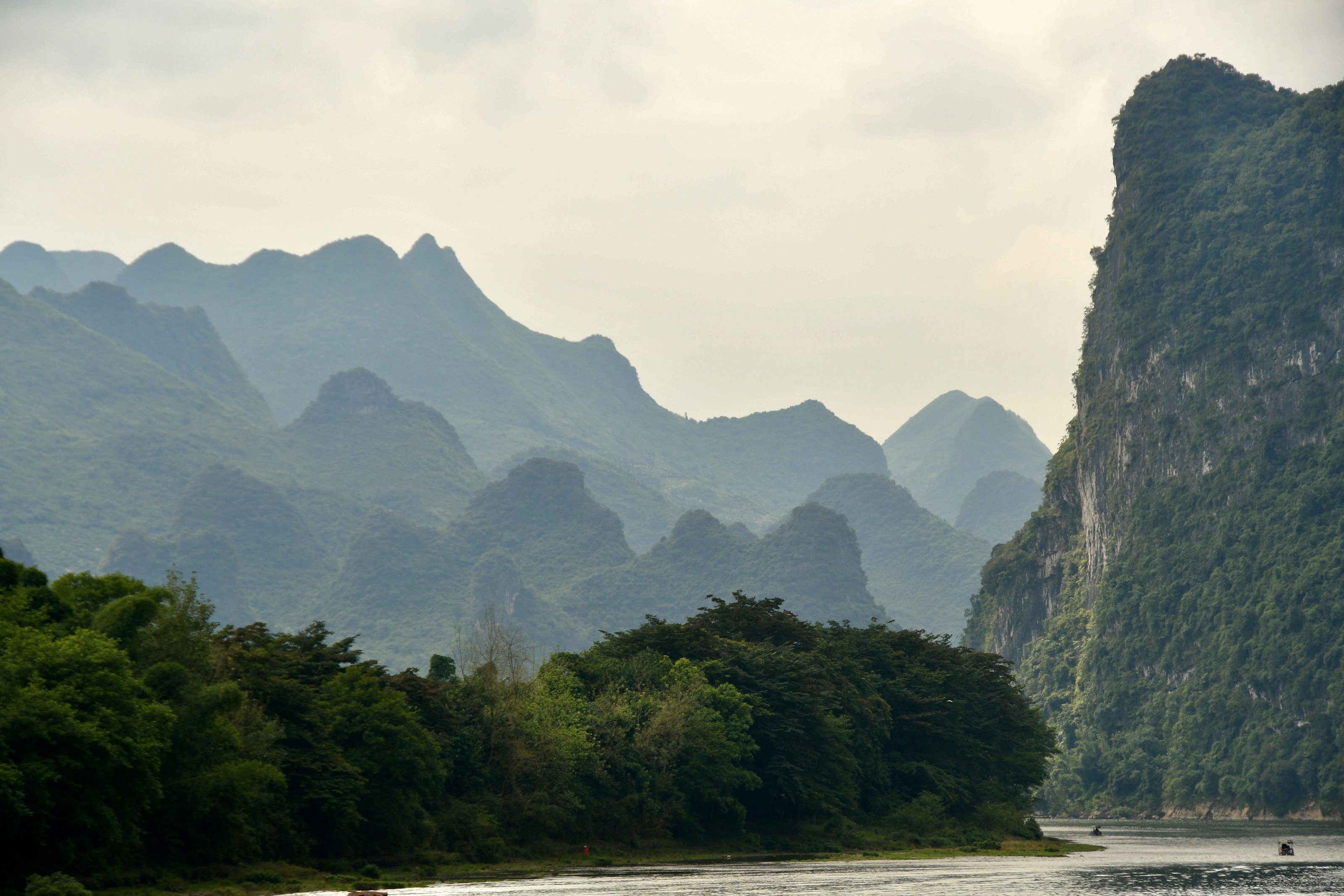
#64The stretch of the Li River between Guilin and Yangshuo is lined with thousands of karst limestone peaks rising straight out of the water, scenery that has appeared on China's 20-yuan banknote and inspired centuries of Chinese landscape painting.
A slow cruise or bamboo raft ride down the river passes fishing villages, water buffalo, and cormorant fishermen, the peaks growing more dramatic the closer you get to Yangshuo.
How does it rate
CrowdsRomanceCash RequiredDangerAccessibilityWhy you should go
Drifting past thousands of karst peaks that have inspired Chinese landscape painting for a thousand years is a genuinely different kind of scenery.
Why you shouldn't go
Large tourist cruise boats can be crowded and slow-moving, especially in peak summer months.
Plan your visit
Best time to visitApril–October for the greenest scenery, though light rain and mist can add to the atmosphere.Best time of dayMorning departures, when mist often still clings to the peaks.Getting thereFly to Guilin; cruise boats depart from Zhujiang pier, arriving in Yangshuo after 4–5 hours, or drive directly to Yangshuo in about 1.5 hours.Entry costPaid cruise ticket; bamboo raft trips on shorter sections cost separately.Time neededHalf a day for the cruise, or several days based in YangshuoInsider tip — Skip the full Guilin-to-Yangshuo cruise and instead take a short bamboo raft trip on the Yulong River near Yangshuo — same karst scenery, far fewer people, and a fraction of the cost. -
 #6587 /100
A sub-Arctic town on the Hudson Bay coast known as the polar bear capital of the world, where bears gather each autumn waiting for the sea ice to freeze.
Specially built tundra vehicles bring visitors safely within metres of wild bears, and the same stretch of coast offers beluga whale watching in summer and reliable northern lights viewing in winter.
No road connects Churchill to the rest of Manitoba.
How does it rate
CrowdsRomanceCash RequiredDangerAccessibilityWhy you should go
The most reliable place on Earth to see wild polar bears up close, from the safety of a purpose-built tundra vehicle.
Why you shouldn't go
Only reachable by plane or a two-day train; peak-season tours routinely cost thousands of dollars.
Plan your visit
Best time to visitLate October to mid-November for polar bears; July-August for beluga whales; Jan-March for auroraBest time of dayDaylight hours for bear viewing; clear, moonless nights for the northern lightsGetting thereFly from Winnipeg (about 2 hours) or take the 2-day VIA Rail train; no roads connect Churchill to the rest of Manitoba.Entry costTundra buggy tours from around CA$400/day; multi-day packages often CA$3,000+Time needed3-5 days for a bear-viewing tripBookingBook ahead →Insider tip — Book tundra buggy tours many months ahead for the first two weeks of November, when bear numbers along the coast are highest; shoulder-season dates are cheaper but far less certain. -
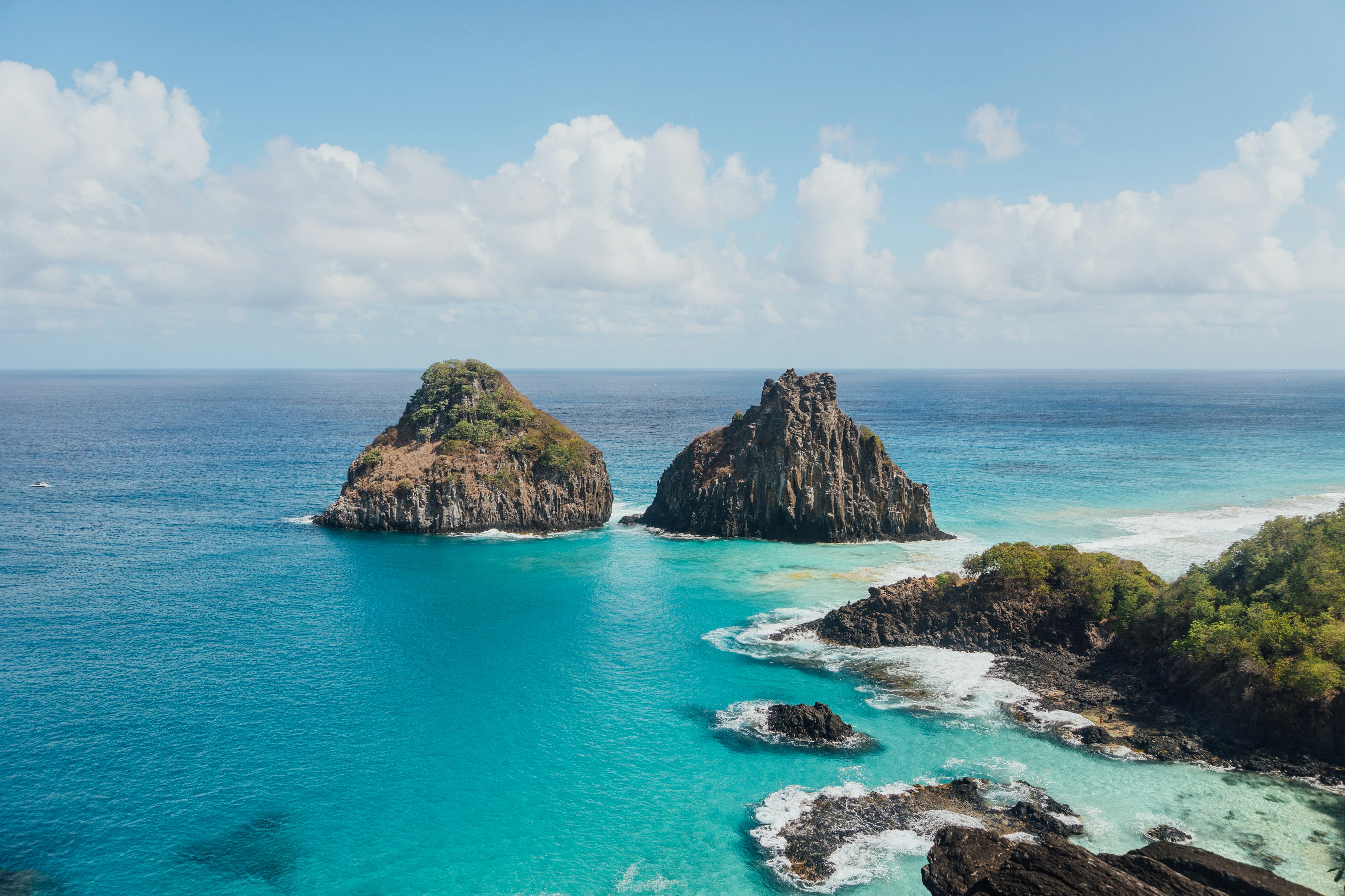 #6686 /100
A volcanic archipelago 350km off Brazil's coast, this is regularly ranked among the world's best beaches, with clear water that reveals reef sharks and sea turtles from the shoreline.
A strict daily visitor cap and environmental tax keep the beaches close to empty even in high season.
Morro Dois Irmaos, twin volcanic peaks rising from the sea, anchor the view from almost every beach.
How does it rate
CrowdsRomanceCash RequiredDangerAccessibilityWhy you should go
Regularly ranked among the world's best beaches, kept nearly empty by a strict daily visitor cap.
Why you shouldn't go
A mandatory environmental tax plus limited flights make this one of the most expensive beach trips in Brazil.
Plan your visit
Best time to visitAugust-December, the dry season, for the clearest water.Best time of dayMorning, for calm water and the best snorkelling visibility.Getting thereFly via Recife or Natal; only small aircraft serve the island's single airstrip.Entry costEnvironmental preservation tax charged per day, plus a separate national park fee for some beaches.Time needed4-5 daysInsider tip — Book flights and accommodation well ahead - the daily visitor cap means the island sells out during Brazilian holiday periods. -
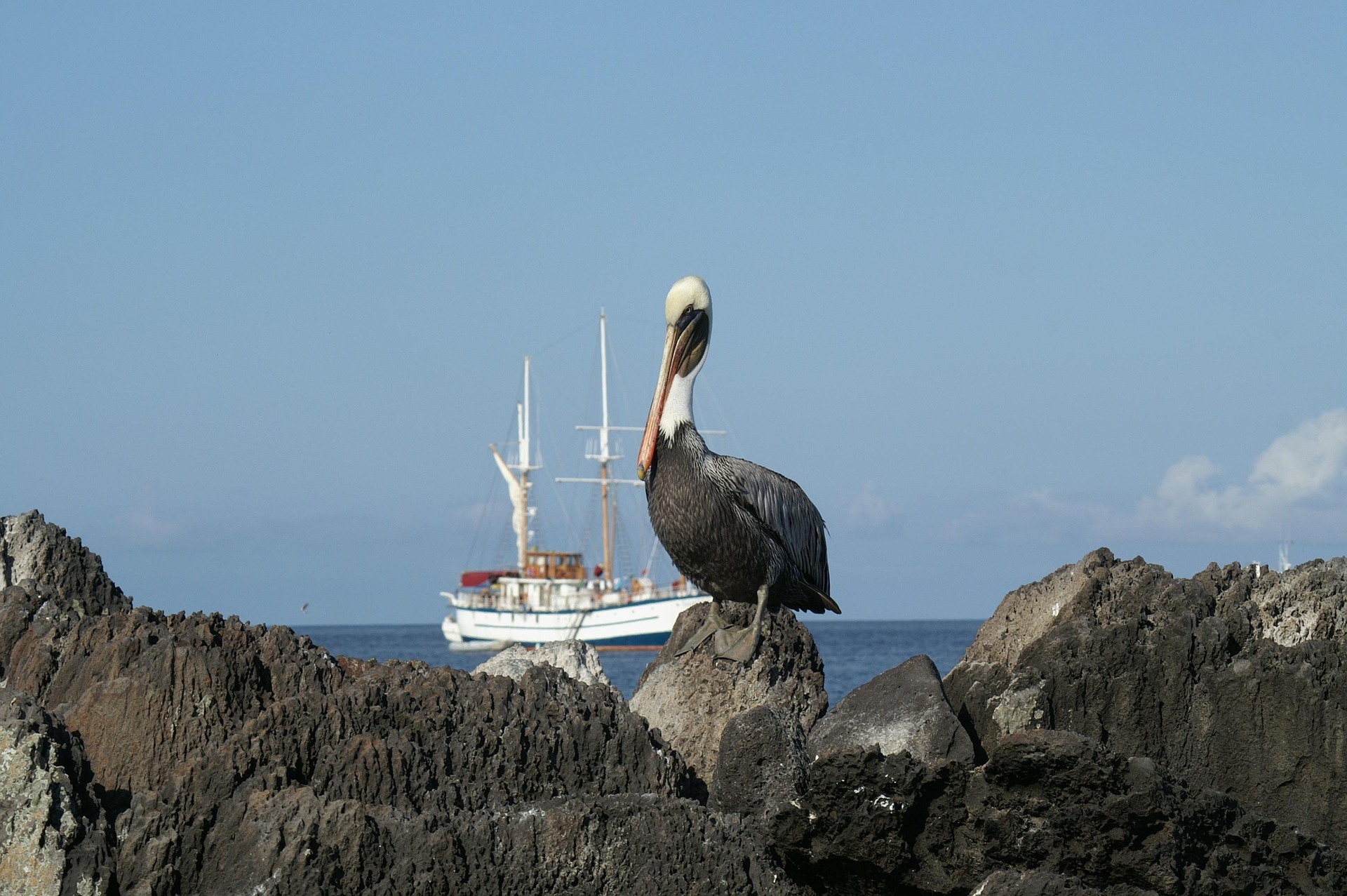 #6786 /100
A small-ship cruise through the Galapagos archipelago, landing daily by dinghy on islands where sea lions, marine iguanas, and blue-footed boobies show no fear of visitors.
Charles Darwin's living laboratory looks much as it did when he arrived, thanks to strict limits on visitor numbers and permitted routes.
Snorkeling brings penguins and hammerhead sharks within arm's reach.
Each island differs sharply from the last in wildlife and landscape.
How does it rate
CrowdsRomanceCash RequiredDangerAccessibilityWhy you should go
Close, fearless encounters with sea lions, iguanas, and giant tortoises found nowhere else on Earth.
Why you shouldn't go
Strict permit limits keep prices high, and itineraries are fixed months ahead with little flexibility.
Plan your visit
Best time to visitYear-round destination; June-November for calmer seas and marine wildlife, December-May for warmer water.Best time of dayEarly morning landings, before the heat builds and animals are most active.Getting thereFly to Quito or Guayaquil, then a short flight to Baltra or San Cristobal to board the ship.Entry costIndicative $500-$1,500pp per day depending on ship classTime needed5-8 night cruiseInsider tip — Choose an 8-day itinerary over a 5-day one to reach the outer islands with the best wildlife; pack reef-safe sunscreen only, as regular sunscreen is banned in the marine reserve. -
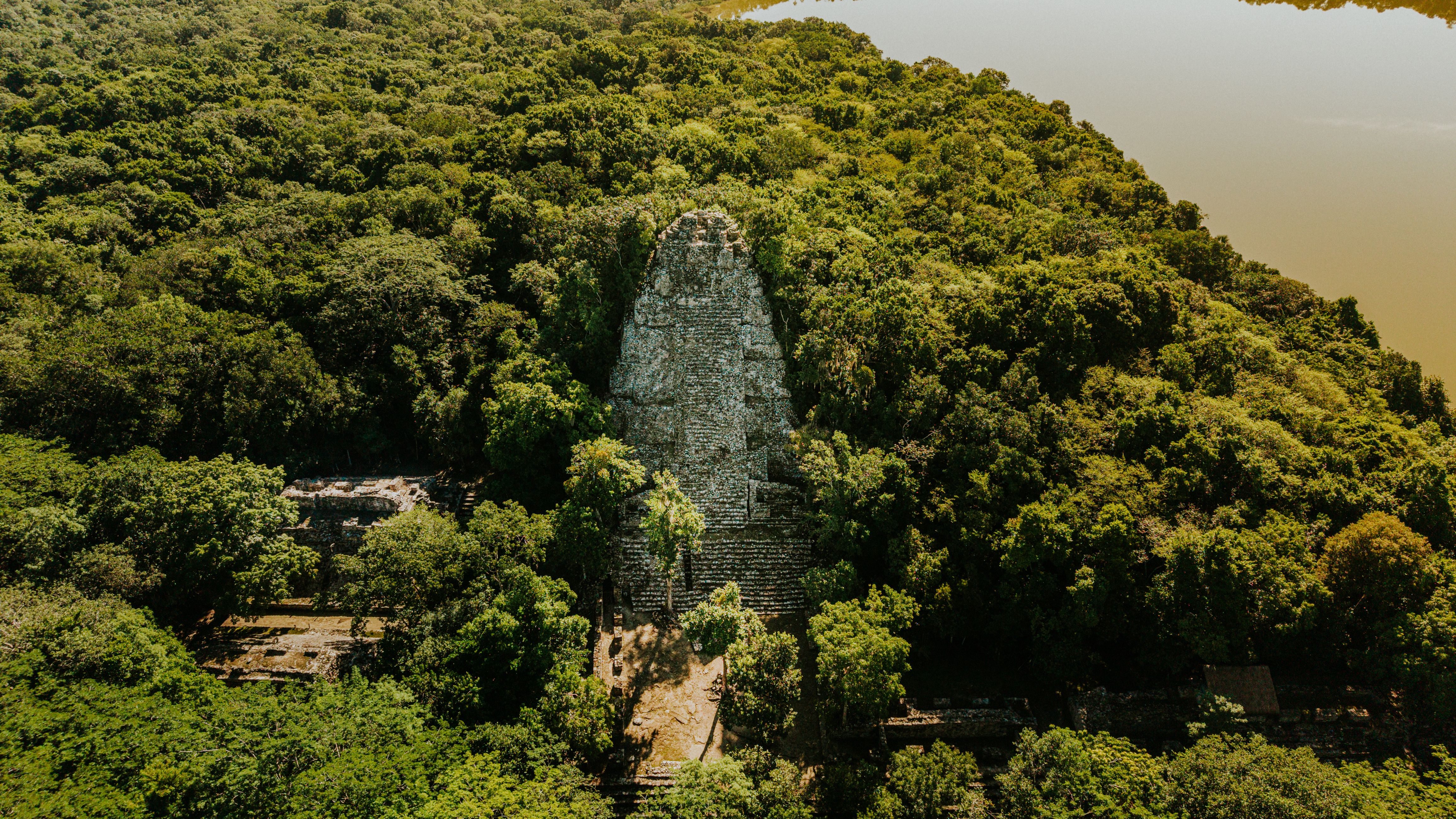 #6886 /100
Towering limestone pyramids rise straight out of dense rainforest canopy at this former Maya city-state, once home to an estimated 90,000 people at its peak around 800 CE.
Howler monkeys and toucans fill the surrounding jungle, and climbing Temple IV at dawn puts visitors above the canopy to watch other temple roofs emerge from mist.
Far less restored than Mexico's Chichen Itza, Tikal feels genuinely like a lost city rather than a manicured park.
How does it rate
CrowdsRomanceCash RequiredDangerAccessibilityWhy you should go
Maya pyramids rising straight out of jungle canopy, with a genuinely spectacular sunrise view from Temple IV.
Why you shouldn't go
Reaching the site requires a flight or long drive to the remote Petén region, adding real travel time.
Plan your visit
Best time to visitNovember–April, the dry season, for easier jungle trail conditions.Best time of daySunrise from Temple IV, above the canopy before day-trip crowds arrive.Getting thereFly to Flores, then about 1 hour's drive to the park entrance.Entry costAround Q150 (~€18) for standard entry, plus extra for the sunrise access permit.Time neededFull day, or a sunrise-to-sunset day for the complete site.Insider tip — Pay the extra sunrise-access fee and enter before official opening — the pre-dawn canopy view from Temple IV is worth arranging in advance. -
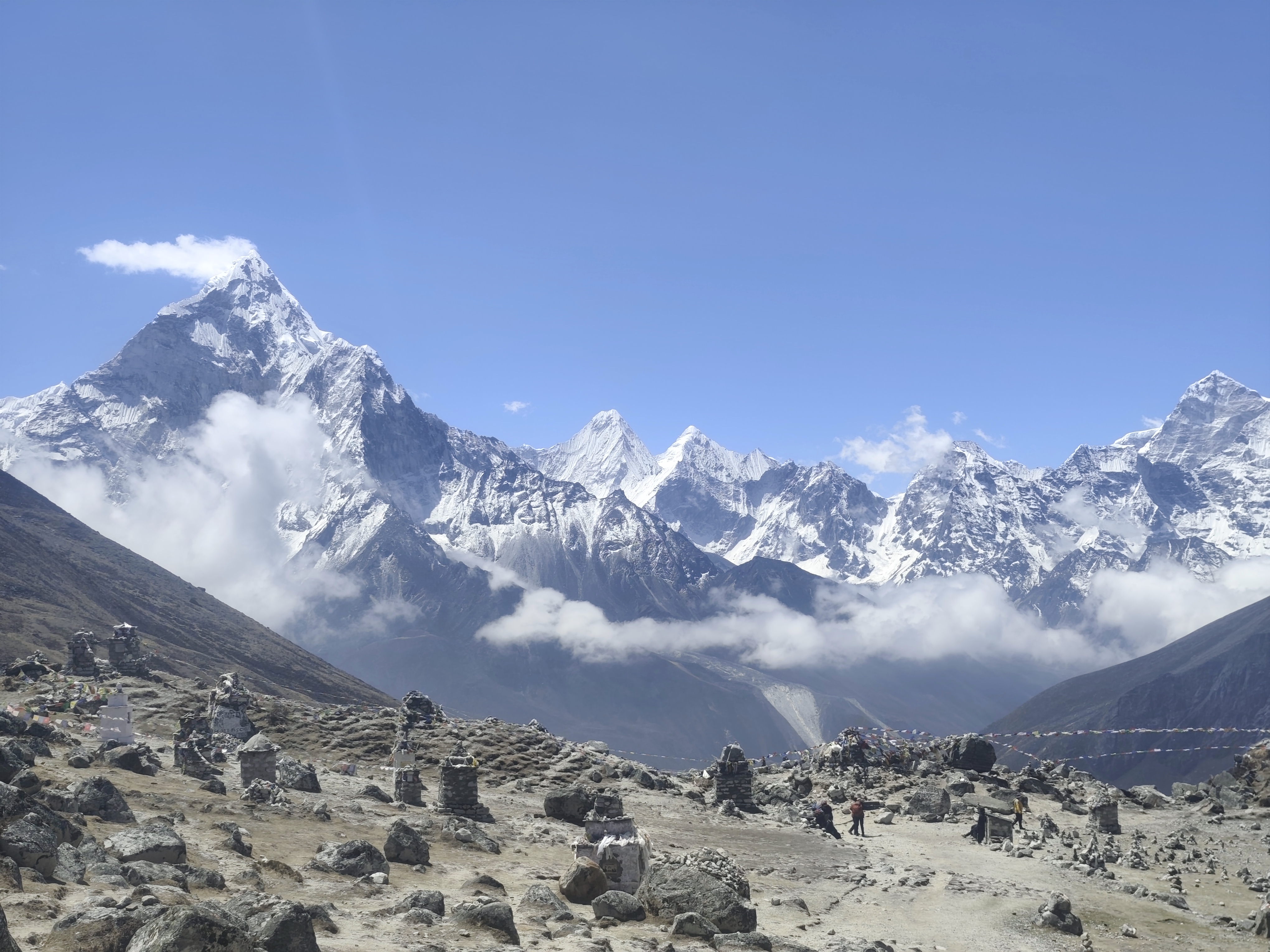 #6986 /100
A 12-14 day teahouse trek from Lukla through Namche Bazaar and Sherpa villages to Everest Base Camp at 5,364m, past the prayer-flagged memorial cairns at Thukla.
Everest itself is hidden from Base Camp, so the trek is paired with a pre-dawn climb of Kala Patthar, where the summit catches the first light above Ama Dablam and Nuptse.
Altitude, not distance, is the real challenge, so itineraries build in acclimatisation days.
How does it rate
CrowdsRomanceCash RequiredDangerAccessibilityWhy you should go
Standing at the foot of the world's highest mountain after two weeks walking through Sherpa villages to reach it.
Why you shouldn't go
Altitude sickness is a real risk above 4,000m and the Lukla flight is notoriously weather-dependent.
Plan your visit
Best time to visitMarch-May or September-November, for stable weather and clear mountain views.Best time of dayPre-dawn at Kala Patthar for sunrise light on Everest's summit pyramid.Getting thereFly Kathmandu to Lukla (2,860m); the trek starts on foot from Lukla's airstrip.Entry costSagarmatha National Park permit $30, plus Khumbu municipality permit $20.Time needed12-14 daysInsider tip — Spend the acclimatisation day in Namche hiking up high, not resting in bed - moving works better for adjusting to altitude. -
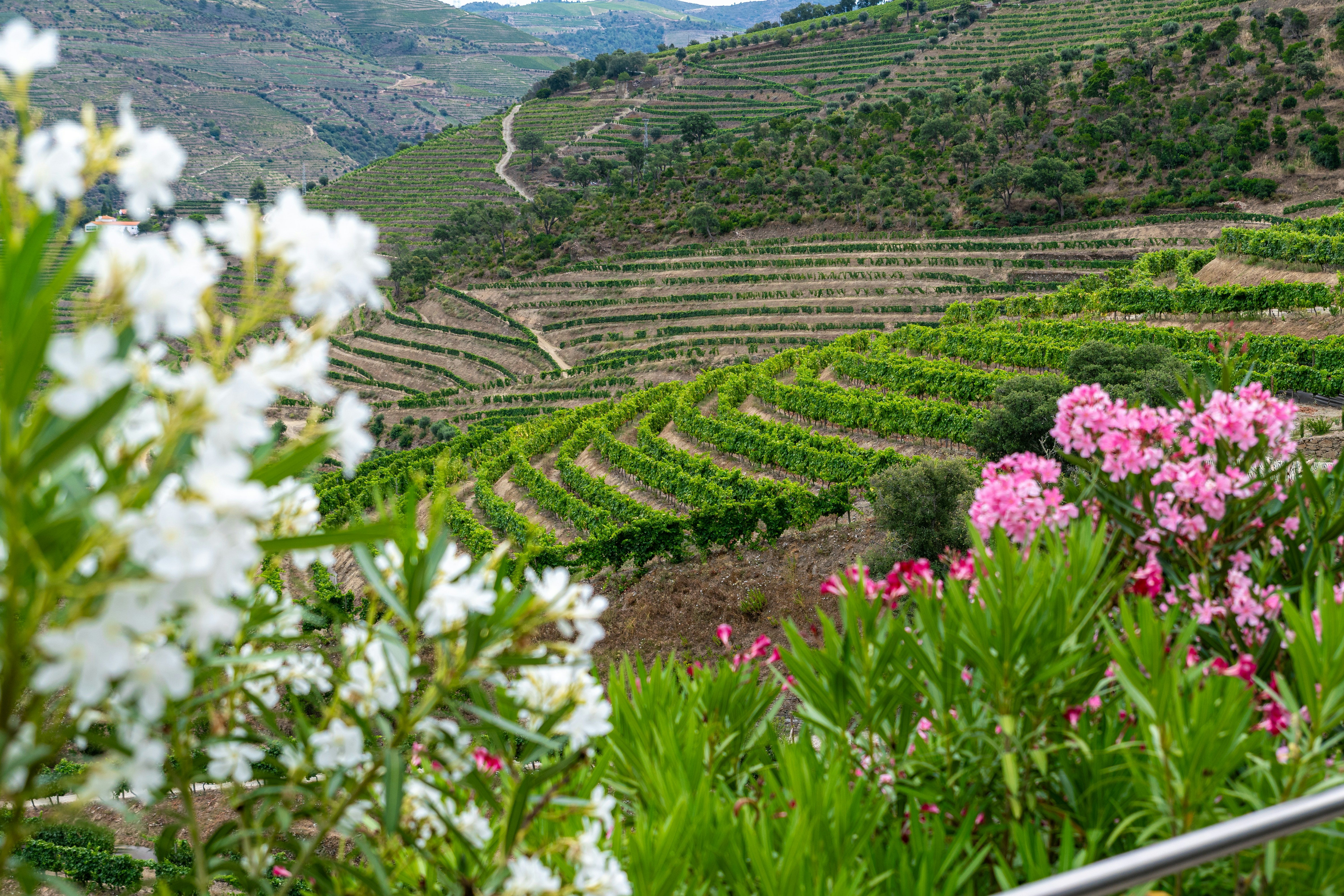 #7086 /100
Portugal's Douro Valley is carved by centuries of hand-terraced vineyards climbing steeply from the river below, a UNESCO World Heritage landscape and the birthplace of port wine, still transported by traditional flat-bottomed rabelo boats that once carried barrels downriver to Porto.
The schist-terraced hillsides shift colour with the seasons.
How does it rate
CrowdsRomanceCash RequiredDangerAccessibilityWhy you should go
UNESCO-listed, hand-terraced vineyard hillsides along the Douro River, the birthplace of port wine.
Why you shouldn't go
The valley's terraced roads are steep and winding, and a river cruise or train is often more relaxing than self-driving.
Plan your visit
Best time to visitSeptember-October for harvest, when the terraces turn gold and russet.Best time of dayLate afternoon from a high viewpoint, when the terraced hillsides are lit low and golden along the river.Getting thereFly into Porto, then a scenic train or roughly 1.5-hour drive east into the valley.Entry costQuinta tastings typically run EUR15-40; river cruises vary widely by length.Time neededA full day, or several for a proper valley tour including a river cruise.Insider tip — Take the train from Porto's Sao Bento station along the river rather than driving, for uninterrupted valley views without navigating the roads yourself. -
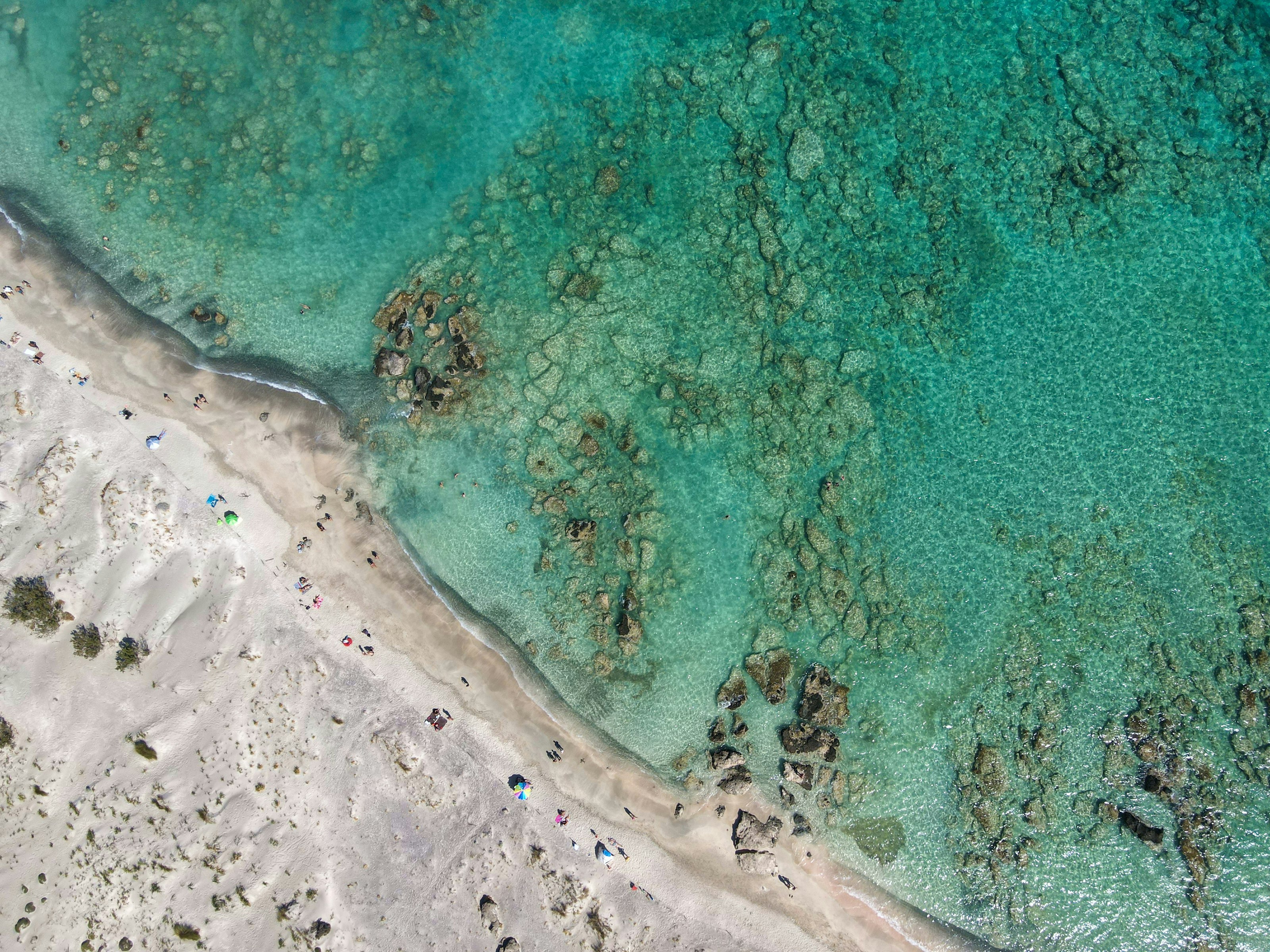 #7186 /100
Elafonisi, on Crete's southwestern tip, is known for sand that turns pale pink where crushed coral mixes with white quartz, and a shallow lagoon warm and calm enough to wade across to a small offshore islet.
The water is startlingly clear and turquoise even by Greek island standards, and the beach's gentle slope makes it one of the easier stretches of coast for families with young children.
How does it rate
CrowdsRomanceCash RequiredDangerAccessibilityWhy you should go
Wading across a shallow, warm lagoon to pink-tinged sand is one of the most distinctive beach experiences in the Mediterranean.
Why you shouldn't go
It's a long drive from anywhere else on Crete, and the beach fills up fast once the day-trip buses arrive.
Plan your visit
Best time to visitMay–June or September for warm water without the peak-August crowds.Best time of dayEarly morning, before day-trip buses from Chania and Rethymno arrive by mid-morning.Getting thereFly to Chania; roughly 1.5–2-hour drive along the southwest coast road.Entry costFree beach; parking near the entrance charges a small fee in summer.Time neededHalf a dayInsider tip — Walk past the crowded main stretch toward the far end near the islet — the sand and water are just as good and far quieter. -
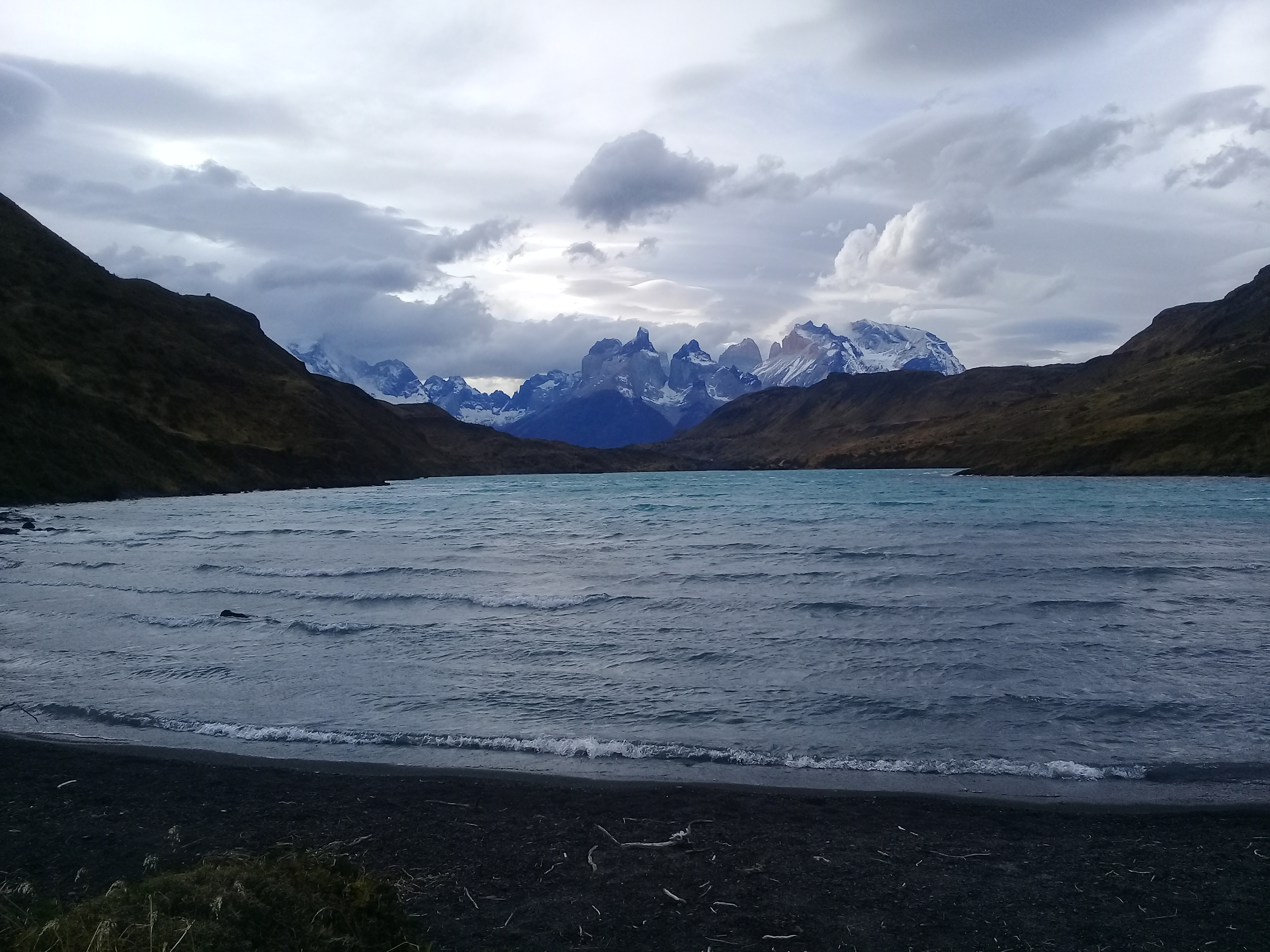 #7285 /100
A 4-5 day traverse of Torres del Paine's signature sights: the granite Torres themselves, the sheer Cuernos horns, French Valley's hanging glaciers, and Grey Glacier's blue ice.
Refugios and campsites break the route into manageable days, though Patagonian wind can turn brutal without warning.
The reward is one of the most consistently spectacular multi-day trails in South America, from lenga forest to turquoise glacial lakes.
How does it rate
CrowdsRomanceCash RequiredDangerAccessibilityWhy you should go
Four straight days of the Cuernos, Grey Glacier and the Torres themselves without a single dull stretch.
Why you shouldn't go
Notorious Patagonian wind and rain can stall a day's hike entirely, and refugio spots must be booked far ahead.
Plan your visit
Best time to visitNovember-March (Southern Hemisphere summer), when trails and refugios are open.Best time of dayEarly morning at the Base Torres viewpoint, before afternoon cloud hides the towers.Getting thereFly to Punta Arenas; bus (about 3-5 hours) to Puerto Natales, then a shuttle to the park.Entry costPark entry about $49 USD; refugio and camping packages from roughly $600-1,500.Time needed4-5 daysBookingBook ahead →Insider tip — Book refugios the moment the season opens (around April-May) - popular ones sell out for peak months first. -
 #7385 /100
A two-kilometre arc of white sand on Havelock Island backed by dense rainforest, with water that shifts from pale turquoise to deep blue at the reef line.
Time magazine once named it Asia's best beach, and sunset here - sun dropping straight into the Andaman Sea with no development in sight - remains the main draw.
It takes real effort to reach, which keeps it far less crowded than its reputation suggests.
How does it rate
CrowdsRomanceCash RequiredDangerAccessibilityWhy you should go
Named Asia's best beach, with untouched rainforest backing two kilometres of white sand and a clean sunset over open water.
Why you shouldn't go
Reaching Havelock Island takes a flight plus a ferry, so it's a multi-day commitment, not a day trip.
Plan your visit
Best time to visitNovember-April, outside the monsoon season.Best time of daySunset, when the beach empties out and the sky over the water turns orange.Getting thereFly to Port Blair, then a 1.5-2 hour ferry to Havelock Island (Swaraj Dweep).Entry costFree.Time neededHalf a day.Insider tip — Walk 10 minutes north past the main entrance to have long stretches of the same sand almost entirely to yourself. -
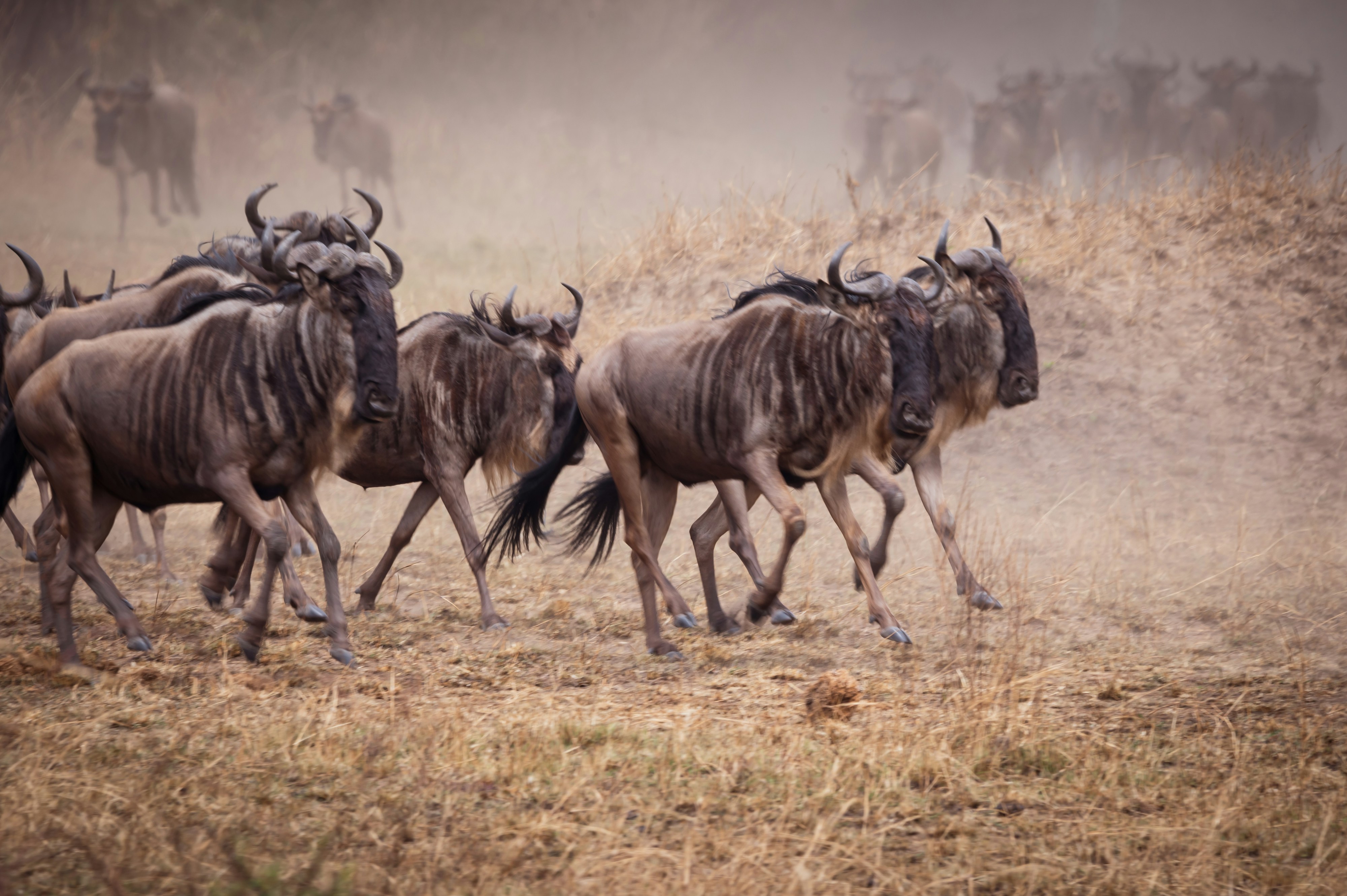 #7485 /100
Endless golden grassland stretches to the horizon across this legendary plain, home to the largest overland wildlife migration on Earth.
Wildebeest and zebra herds move across the landscape in numbers that make the scale of the place as much the subject as any single animal.
Hot-air balloon flights at dawn take in the migrating herds and scattered acacia trees from above.
How does it rate
CrowdsRomanceCash RequiredDangerAccessibilityWhy you should go
The largest wildlife migration on Earth, moving across a genuinely endless horizon.
Why you shouldn't go
A proper safari here is expensive once flights, park fees and guided game drives are all added up.
Plan your visit
Best time to visitJune-September for the river-crossing migration; year-round for general wildlife.Best time of dayEarly morning game drives, when animals are most active and light is softest.Getting thereFly into Kilimanjaro or Arusha, then a light aircraft or road transfer into the park.Entry costDaily park fees around $70+ per person, plus safari vehicle and guide costs.Time needed3-4 daysInsider tip — Time a visit to the Mara River crossings in July-August for the single most dramatic and most photographed migration moment. -
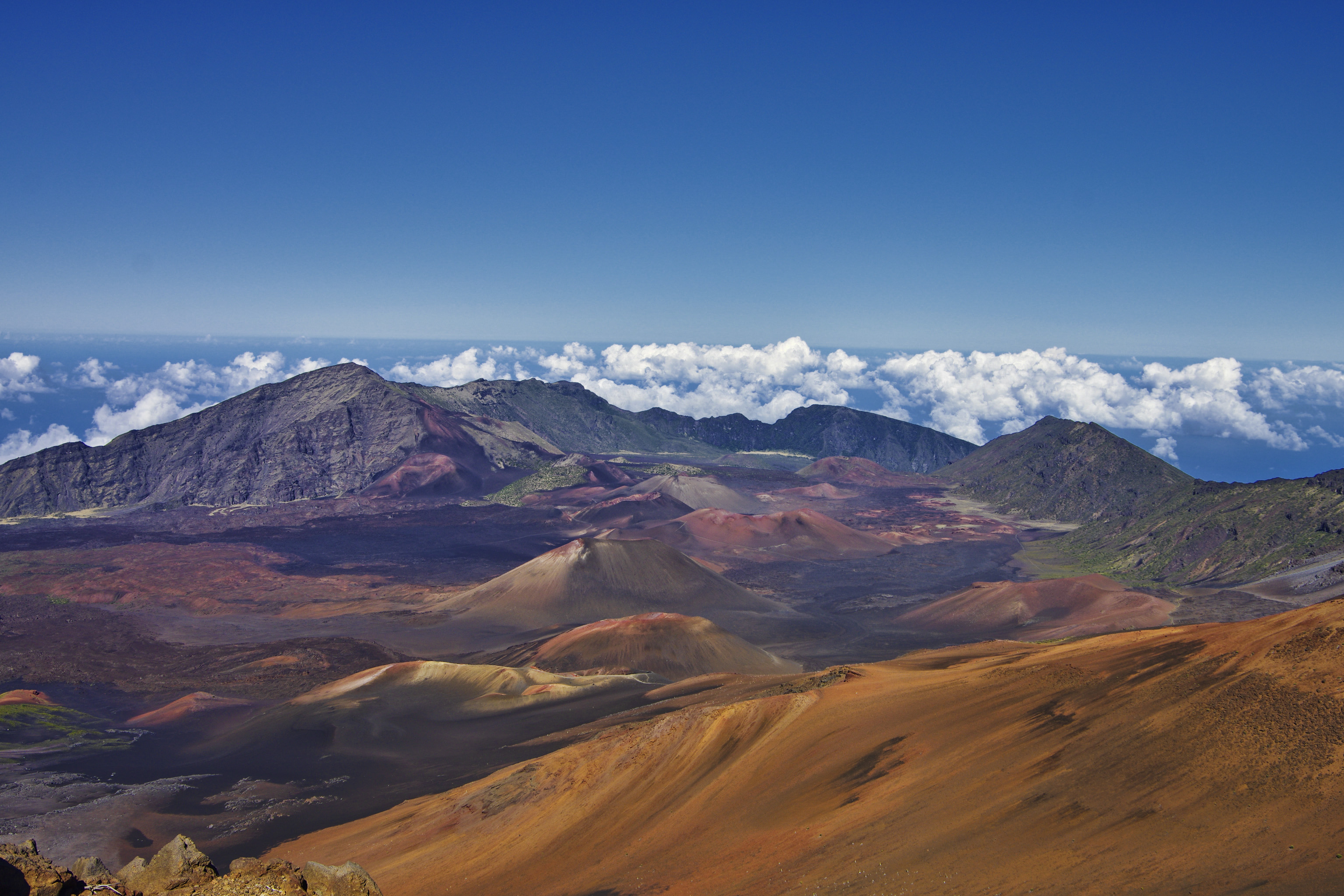 #7585 /100
Haleakala's summit on Maui sits at 3,055 metres above sea level, placing it above the clouds for one of the world's most famous sunrise experiences.
The volcanic crater contains a moonlike landscape of cinder cones and lava flows extending 11 kilometres across and 800 metres deep.
How does it rate
CrowdsRomanceCash RequiredDangerAccessibilityWhy you should go
Watching the sun rise above the clouds from the summit crater rim is a spiritual experience; the volcanic landscape below and clouds stretching to the horizon are genuinely awe-inspiring.
Why you shouldn't go
Sunrise viewing requires an advance reservation, you must drive up before 3am, and the summit is bitterly cold even in Hawaiian summer.
Plan your visit
Best time to visitYear-roundBest time of daySunrise (needs advance reservation) or sunsetGetting there~1.5-2hr drive from Kahului, MauiEntry costPark entry ~$30/vehicle, sunrise reservation ~$1 extraTime neededHalf dayInsider tip — Book the sunrise reservation weeks ahead; it sells out, and bring warm layers, it is near freezing at the summit -
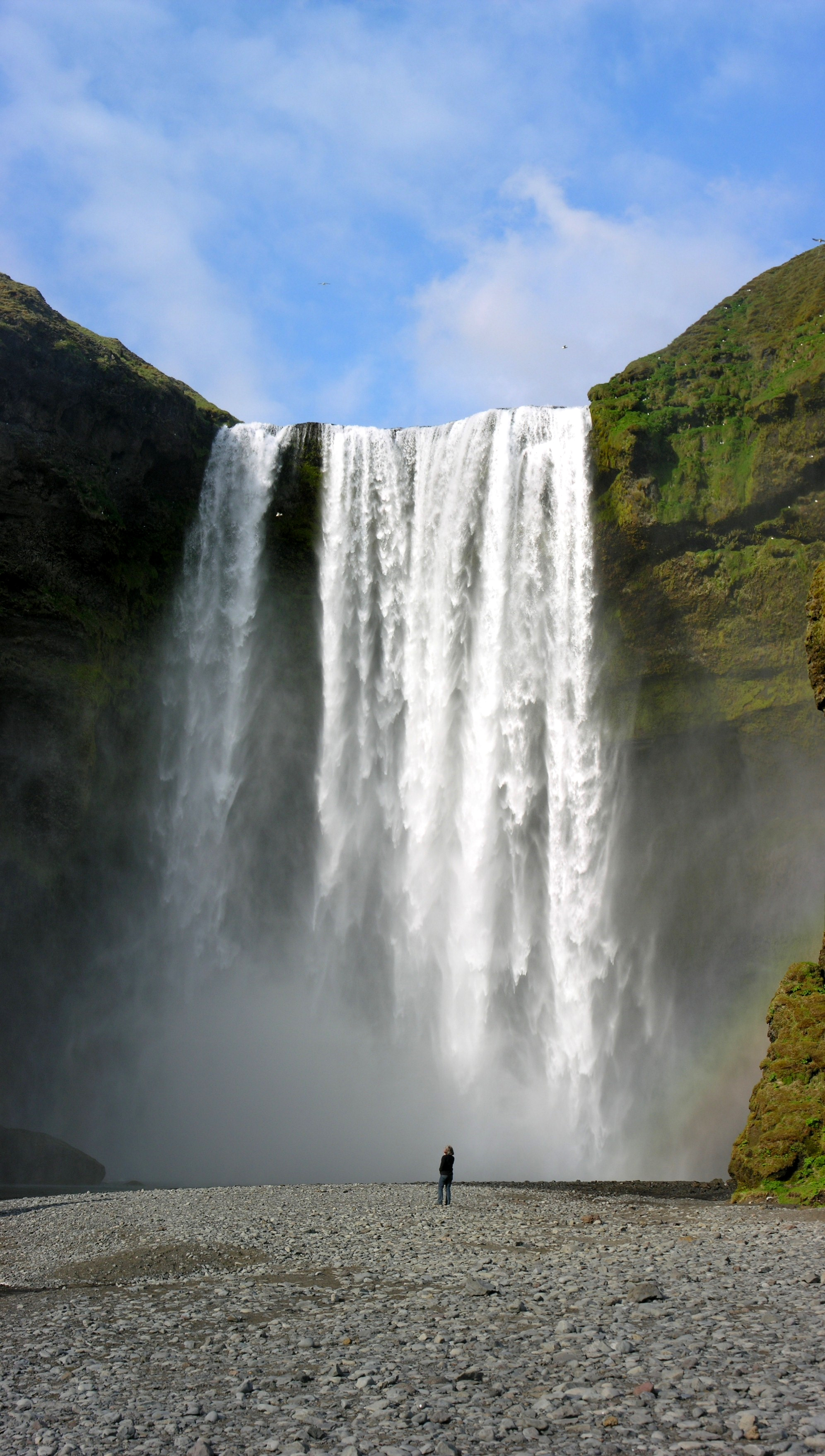 #7684 /100
Skogafoss is one of Iceland's most dramatic waterfalls, with the Skoga river plunging 60 metres over a cliff edge into a pool below, generating so much spray that a rainbow forms on sunny days.
A staircase of 527 steps climbs to the top of the falls, giving access to a scenic riverside trail.
How does it rate
CrowdsRomanceCash RequiredDangerAccessibilityWhy you should go
Skogafoss is consistently photogenic, particularly in sunshine when its permanent rainbow appears, and the climb to the top rewards with spectacular views along the river valley.
Why you shouldn't go
The waterfall lies directly on the Ring Road so it becomes very crowded, and the spray from the falls means you will get thoroughly wet if you approach close.
Plan your visit
Best time to visitMay-September for easier access, winter for ice formationsBest time of dayMidday on a sunny day for the rainbow in the sprayGetting there~2.5hr drive from Reykjavik along Route 1Entry costFreeTime needed1 hourInsider tip — Climb the staircase to the top for a completely different, less-photographed view down the falls -
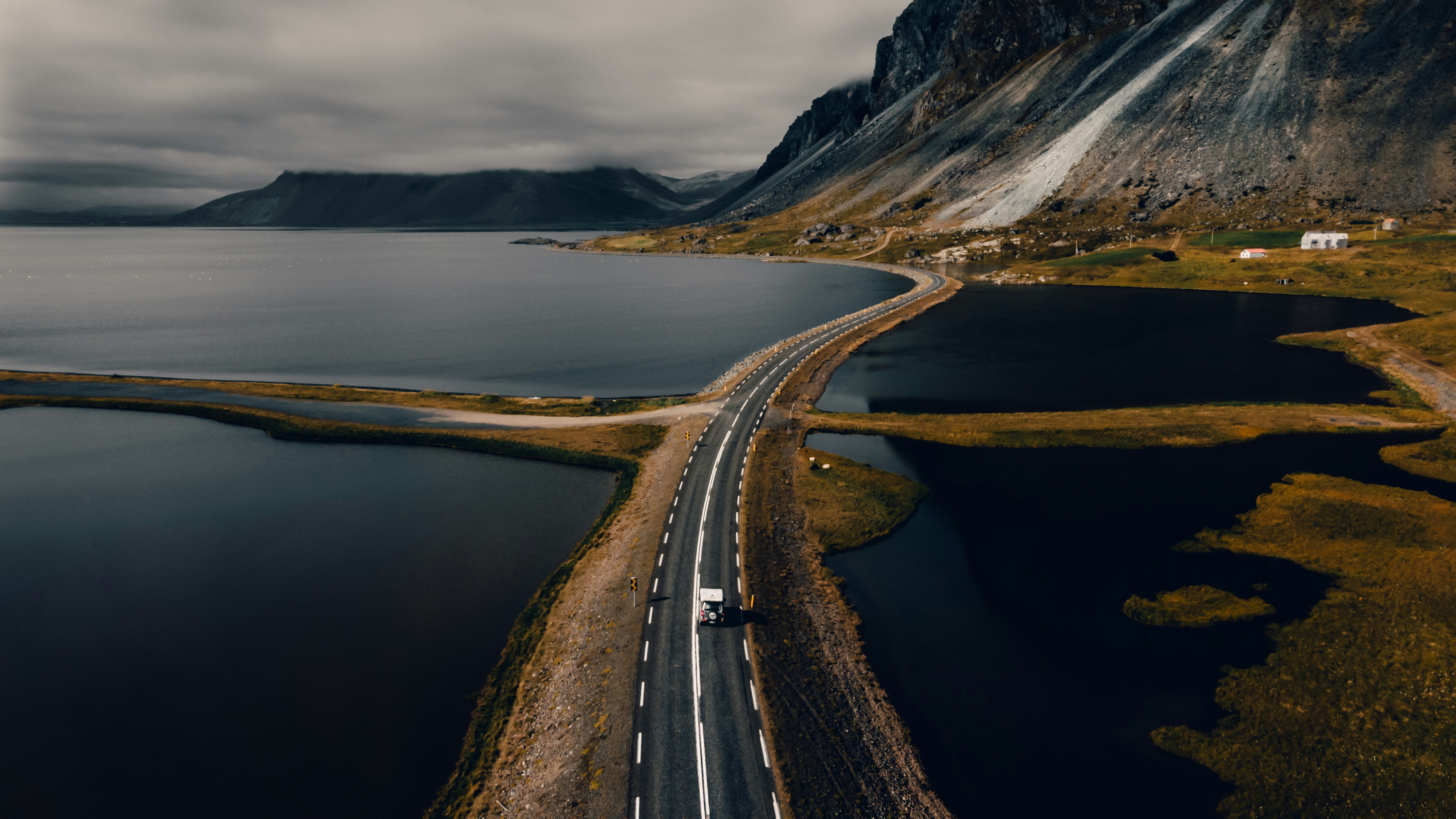 #7784 /100
Route 1 loops 1,332 kilometres around Iceland, stringing together nearly every landscape it's famous for: black sand beaches, glacier lagoons, geothermal fields, and waterfalls beside the road.
The south coast alone delivers Seljalandsfoss, Skogafoss and the icebergs of Jokulsarlon within hours.
Further round, the route crosses lava deserts and fishing villages, then the geothermal north near Lake Myvatn, before looping back to Reykjavik.
How does it rate
CrowdsRomanceCash RequiredDangerAccessibilityWhy you should go
One road connects nearly all of Iceland's iconic waterfalls, glaciers and black-sand beaches in a single loop.
Why you shouldn't go
Long driving days between highlights, and winter conditions can close sections with little notice.
Plan your visit
Best time to visitJune-August for long daylight and reliably open roads; a 4x4 is recommended outside summer.Best time of dayMidday in winter for limited daylight; any time in summer's near-endless light.Getting thereFly into Keflavik, pick up a rental car in Reykjavik, and join Route 1 heading either direction.Entry costFree to drive; fuel, car hire and Iceland's high accommodation costs applyTime needed7-10 daysBookingBook ahead →Insider tip — Check road.is each morning before setting off - single-lane bridges, sheep, and sudden weather shifts are constant. -
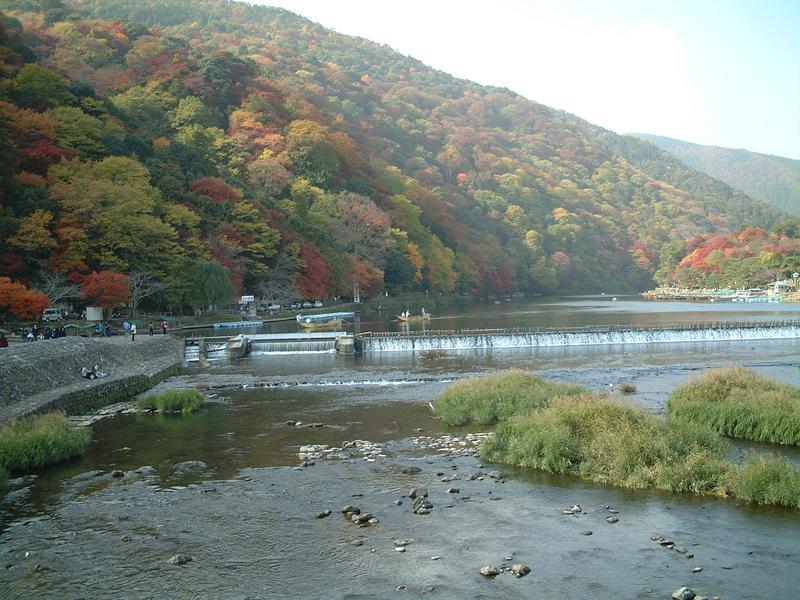 #78
#78Rated #78 of 100
Kyoto's Arashiyama Bamboo Grove, Japan
#kyoto'sarashiyamabamboogrove ◆ Natural Features84 /100The Arashiyama Bamboo Grove on the outskirts of Kyoto is one of Japan's most ethereal landscapes, where towering stalks of bamboo create a cathedral-like green canopy above the winding path.
When the wind blows through the grove, the sound is so distinctive it has been designated one of the 100 Soundscapes of Japan.
How does it rate
CrowdsRomanceCash RequiredDangerAccessibilityWhy you should go
Walking through the towering bamboo columns with light filtering through the canopy above is a genuinely otherworldly experience unlike anything else in Japan.
Why you shouldn't go
The grove is very short and becomes extremely crowded from mid-morning; visit at dawn for an atmospheric experience without the tourist hordes.
Plan your visit
Best time to visitYear-round; spring/autumn for extra colour nearbyBest time of dayEarly morning (before 8am) to avoid crowds entirelyGetting thereArashiyama Station (JR or Randen line) from KyotoEntry costFreeTime needed30-45 minutesInsider tip — Go right at opening; this is one of the most crowded spots in Kyoto by mid-morning -
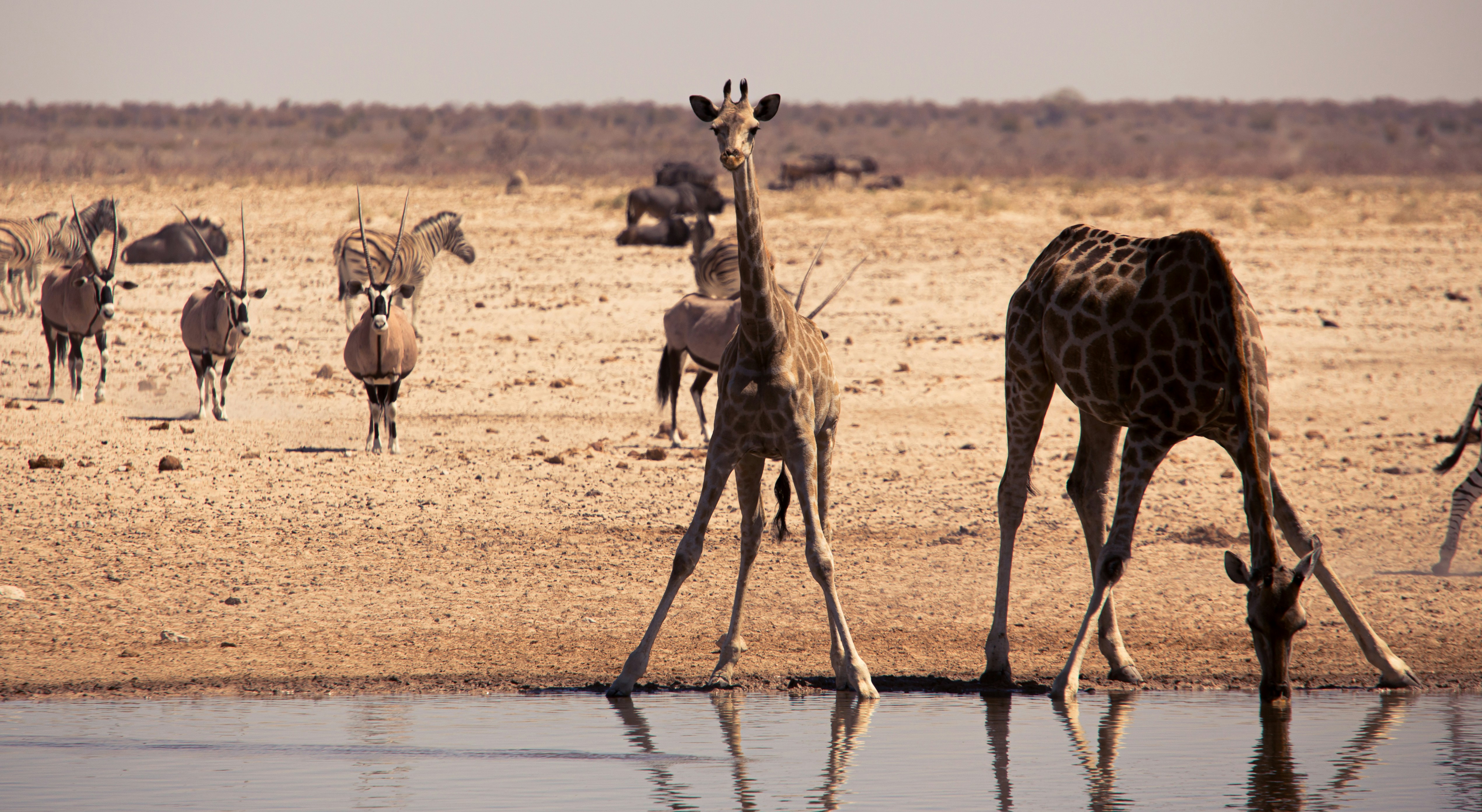 #7984 /100
A vast, shimmering salt pan visible from space anchors this national park, where waterholes along its edges concentrate wildlife in a way few other African parks match, especially in the dry season when animals converge to drink.
Self-drive visitors can park at floodlit waterholes after dark and watch elephants, rhinos and predators arrive, without needing a guide.
The pan itself is striking even without the wildlife around its rim.
How does it rate
CrowdsRomanceCash RequiredDangerAccessibilityWhy you should go
One of Africa's best self-drive safari parks, with floodlit waterholes offering wildlife viewing after dark.
Why you shouldn't go
Dry-season dust and heat are intense, and the pan itself offers little shade for extended stops.
Plan your visit
Best time to visitMay–October (dry season), when wildlife concentrates densely at waterholes.Best time of dayLate afternoon into dusk at a floodlit waterhole, as nocturnal animals begin arriving.Getting thereAbout 4-5 hours' drive from Windhoek, or fly into a nearby airstrip.Entry costPark entry around N$150 (~€8) per person per day, plus vehicle fees.Time needed2–3 days.Insider tip — Stay inside the park at a rest camp with a floodlit waterhole (like Okaukuejo) rather than outside the gates — night sightings there are the trip's highlight. -
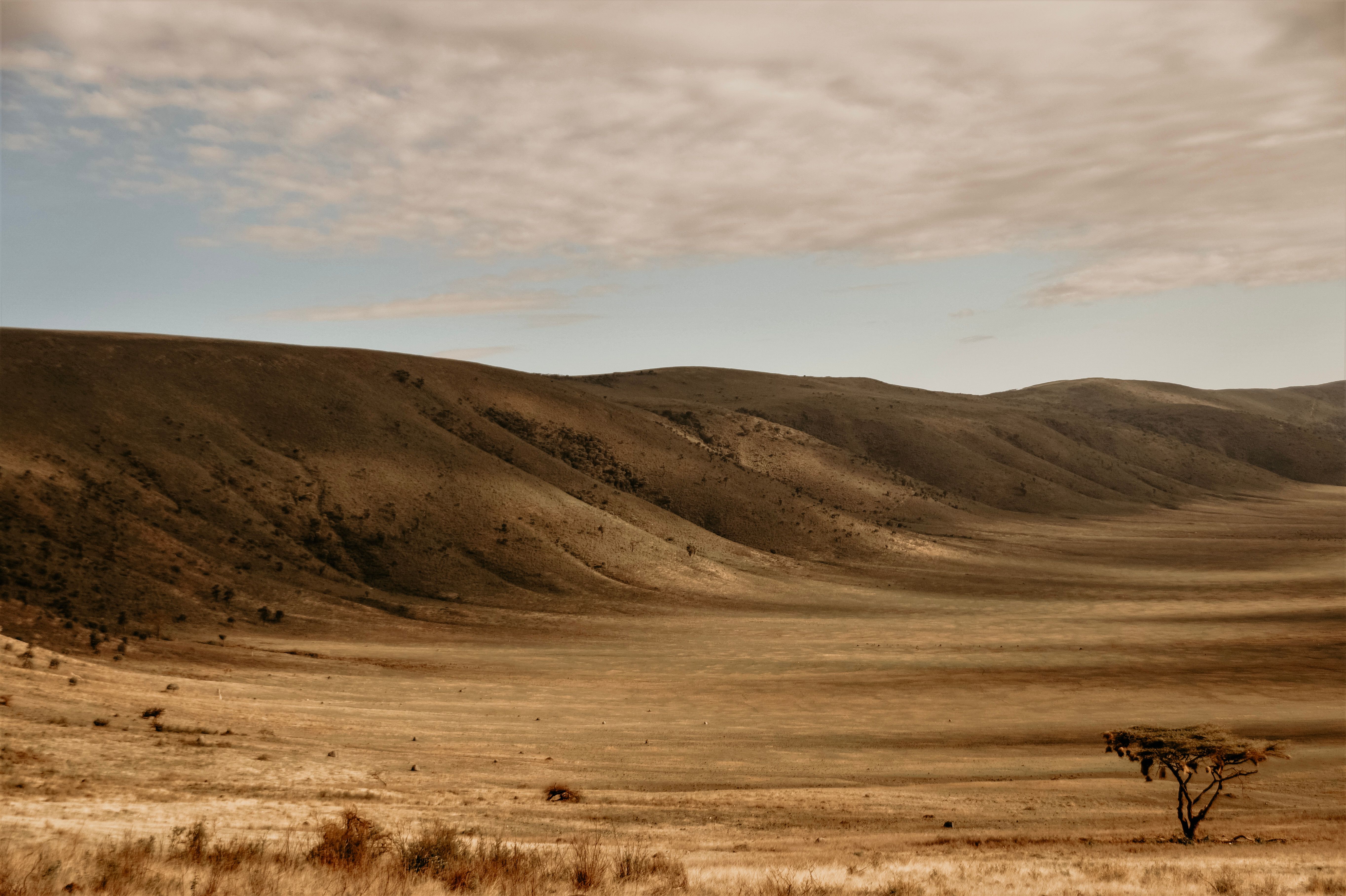 #8084 /100
The world's largest intact volcanic caldera holds an entire self-contained ecosystem within its walls, its crater floor packed with one of Africa's densest concentrations of wildlife, including the 'Big Five' all visible on a single day's game drive.
Unlike the Serengeti's open plains, animals here rarely migrate beyond the crater's rim, making sightings unusually reliable year-round.
How does it rate
CrowdsRomanceCash RequiredDangerAccessibilityWhy you should go
One of Africa's most reliable wildlife-viewing sites, with all of the Big Five often visible in a single day.
Why you shouldn't go
Vehicle numbers on the crater floor can feel congested at popular sightings during peak season.
Plan your visit
Best time to visitJune–September (dry season) for the easiest wildlife viewing and clearer roads.Best time of dayEarly morning descent onto the crater floor, when predators are most active.Getting thereDrive from Arusha, about 3.5–4 hours, often combined with a Serengeti safari circuit.Entry costConservation area fees around $70+ per person per day, typically bundled into safari packages.Time needed1 full day, or an overnight stay on the crater rim.Insider tip — Stay overnight on the rim rather than day-tripping from Arusha — it gets you onto the crater floor at first light, before day-tour vehicles arrive. -
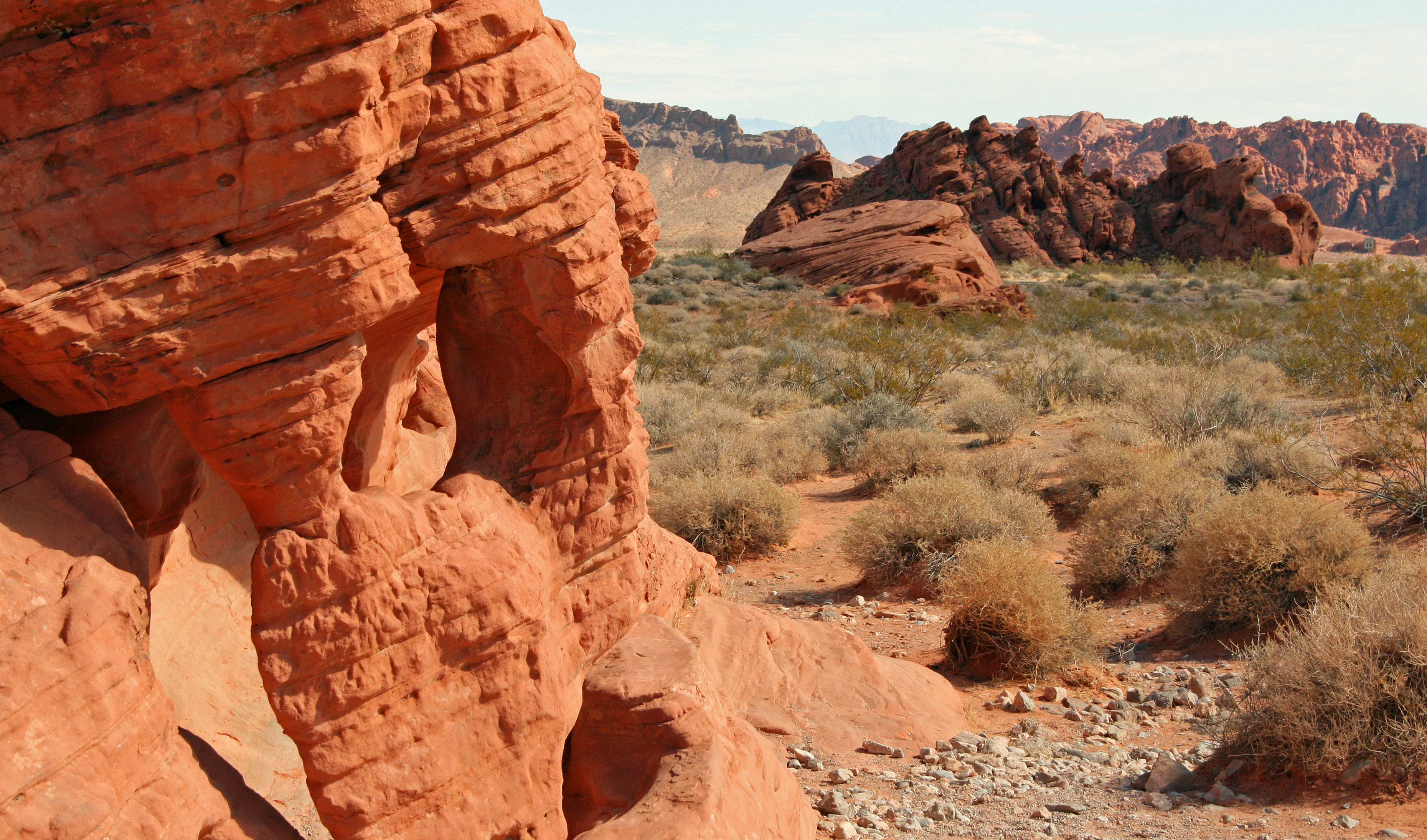 #81
#81Rated #81 of 100
Valley of Fire State Park, the United States
#valleyoffirestatepark ◆ National Parks84 /100The Valley of Fire State Park is Nevada's oldest and largest state park, containing extraordinary formations of bright red Aztec sandstone created from sand dunes 150 million years ago.
The intensely coloured rock glows with particular brilliance at sunrise and sunset when it appears almost to be lit from within.
How does it rate
CrowdsRomanceCash RequiredDangerAccessibilityWhy you should go
The vivid red sandstone formations, particularly at golden hour, create a landscape of extraordinary colour intensity; Wave Rock and Elephant Rock are among the most dramatic formations.
Why you shouldn't go
The park is in the Mojave Desert and temperatures exceed 40 degrees Celsius in summer; it is most accessible as a day trip from Las Vegas but there is limited accommodation within the park.
Plan your visit
Best time to visitOctober-April, avoiding extreme summer heatBest time of daySunrise or sunset when the red sandstone glowsGetting there~1hr drive from Las VegasEntry cost~$15/vehicleTime neededHalf dayInsider tip — Fire Wave formation is the most photographed spot in the park and best lit in late afternoon -
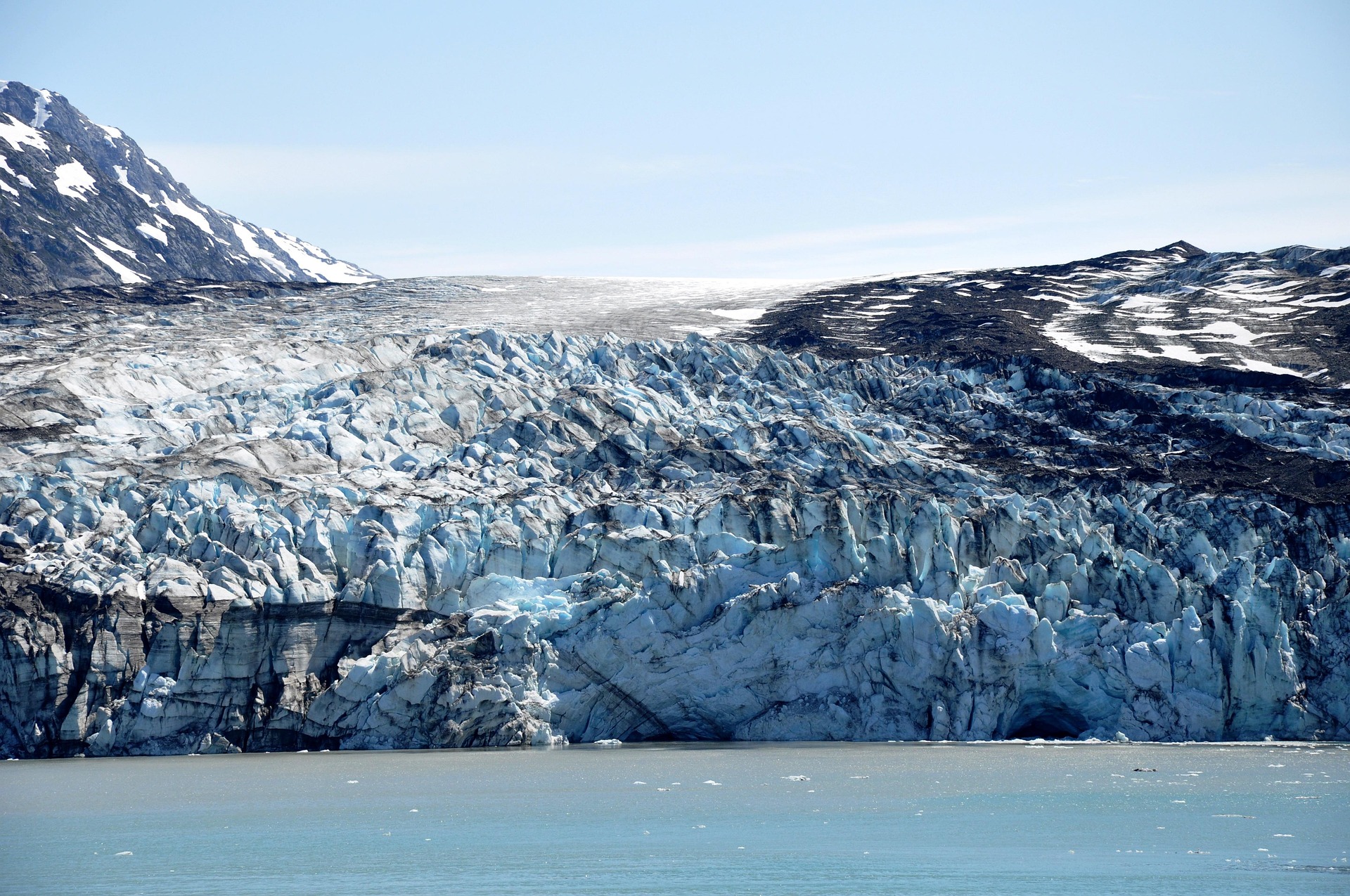 #82
#82Rated #82 of 100
Alaska Inside Passage Cruise, the United States
#alaskainsidepassagecruise ◆ Cruises84 /100A week-long sail through Southeast Alaska's fjords, where tidewater glaciers calve into the sea and humpback whales breach beside the ship.
Ports like Juneau, Skagway, and Ketchikan mix gold-rush history with float-plane flightseeing over ice fields.
Bald eagles, sea otters, and porpoises are common sightings from the open deck.
Weather shifts fast, turning misty mornings into golden evening light on snow-capped peaks.
How does it rate
CrowdsRomanceCash RequiredDangerAccessibilityWhy you should go
Glaciers, whales, and snow-capped fjords viewed from the deck without a single long-haul flight of your own.
Why you shouldn't go
Cabin prices spike in peak summer weeks and weather can cancel glacier viewing or shore excursions.
Plan your visit
Best time to visitMid-June to July for the longest daylight and best glacier calving; May and September are cheaper.Best time of dayEarly morning, when glacier fjords are calmest and wildlife is most active.Getting thereFly into Seattle or Vancouver; ships depart from downtown cruise terminals, no further transfer needed.Entry costIndicative $3,500-$6,500pp for a 7-night cruise with excursionsTime needed7-night cruiseInsider tip — Book a balcony cabin on the port (left) side sailing northbound from Vancouver for the best glacier and coastline views; bring binoculars for whale spotting and layer clothing for sudden weather changes. -
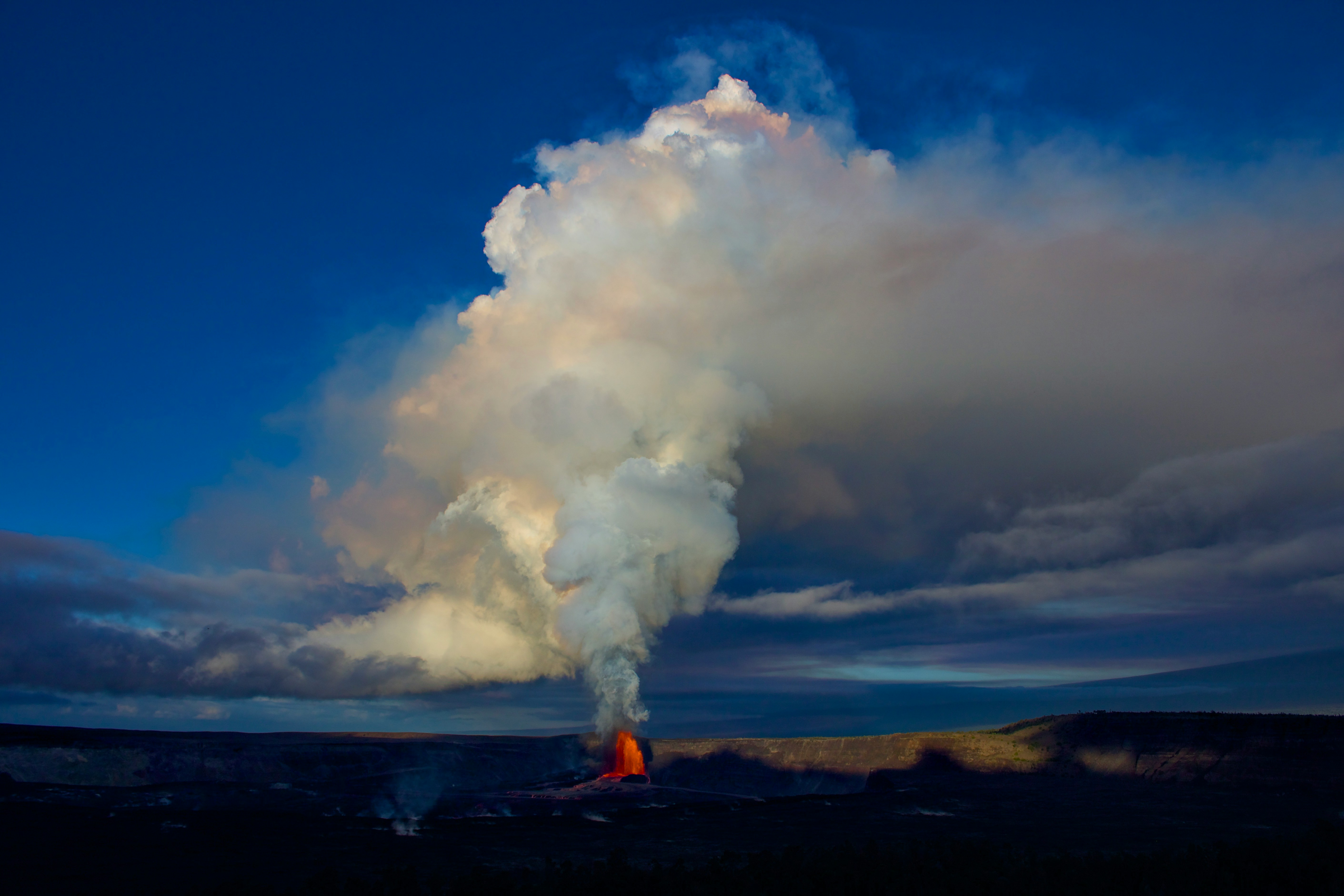 #83
#83One of the world's most active volcanoes, its summit caldera in Hawaii Volcanoes National Park glowing orange against the night sky whenever the current eruption cycle is active.
Well-maintained overlooks and short walking trails let visitors watch the lava lake safely from a respectful distance, while the surrounding park holds steaming vents, lava tube caves, and stark black rock deserts.
Activity is unpredictable, so what's visible changes from month to month, and current status is checked constantly by staff and visitors alike.
How does it rate
CrowdsRomanceCash RequiredDangerAccessibilityWhy you should go
A glowing lava lake visible from safe, easily reached overlooks inside a national park - no technical hiking required.
Why you shouldn't go
Activity is unpredictable and can pause for months at a time, so there's no guarantee of visible lava on any given trip.
Plan your visit
Best time to visitYear-round, but check current eruption status before booking, since visible activity comes and goes.Best time of dayAfter dark, when the glow from the caldera is most dramatic against the night sky.Getting thereFly to Hilo; a 45-minute drive to Hawaii Volcanoes National Park.Entry costNational park entry around USD30 per vehicle (valid 7 days).Time neededHalf a day.BookingBook ahead →Insider tip — Check the USGS Hawaiian Volcano Observatory site before you go - it gives daily updates on whether the crater currently has visible lava. -
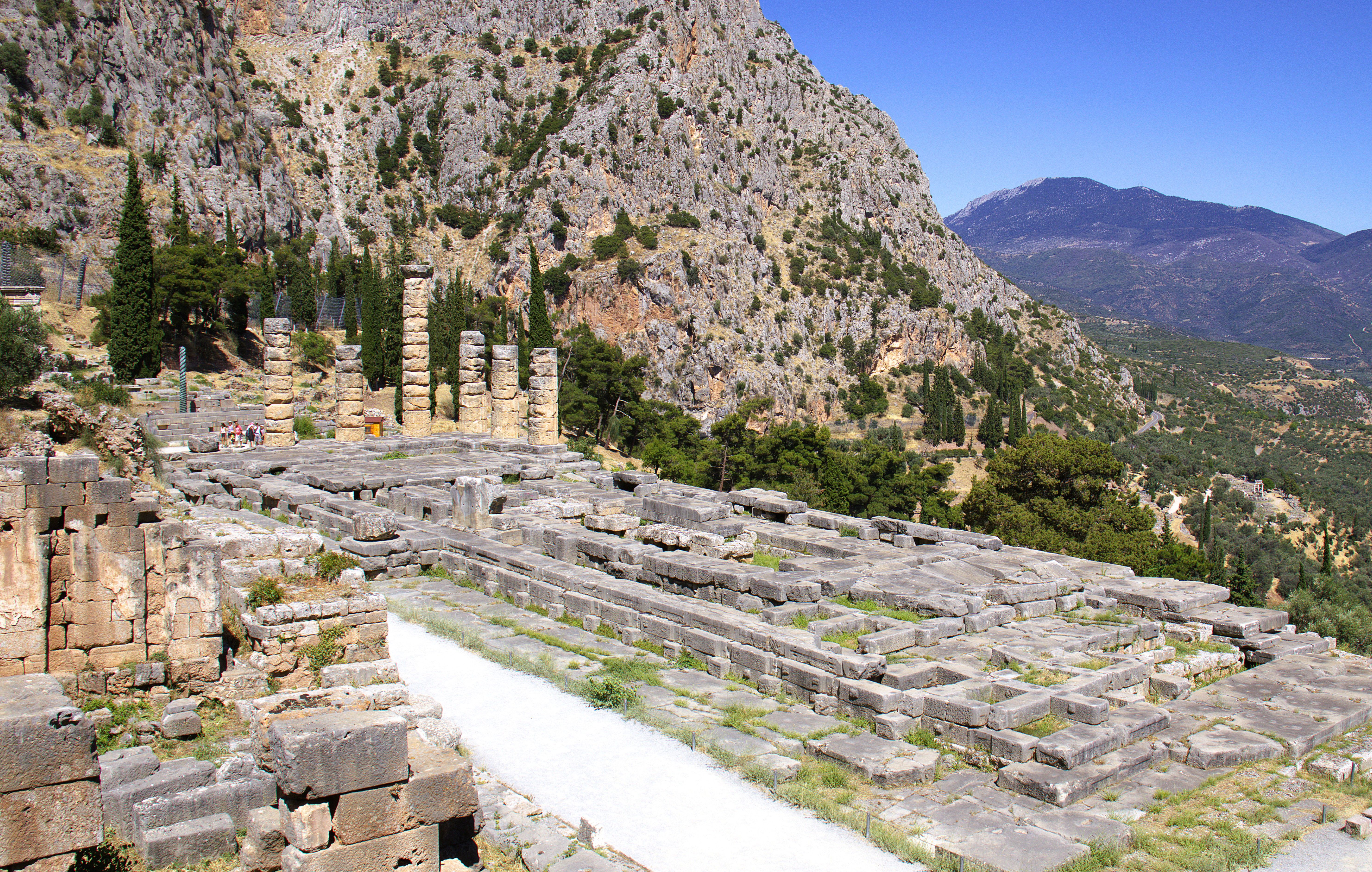 #8484 /100
Delphi was the ancient world's most important oracle, where pilgrims travelled from across the Mediterranean to consult the priestess of Apollo.
The sanctuary's ruins climb a steep slope of Mount Parnassus overlooking a valley of olive groves that stretches to the Gulf of Corinth, and the on-site museum holds the bronze Charioteer, one of the finest surviving Greek statues.
How does it rate
CrowdsRomanceCash RequiredDangerAccessibilityWhy you should go
Few ancient sites match Delphi's setting — temple ruins climbing a sheer mountainside above a valley that runs to the sea.
Why you shouldn't go
The site is a genuine climb on uneven ancient stone, with little shade in summer heat.
Plan your visit
Best time to visitApril–June or September–October for mild hiking weather and thinner crowds.Best time of dayEarly morning, before tour buses from Athens arrive by mid-morning.Getting thereFly to Athens; roughly 2.5-hour drive or bus northwest into the mountains.Entry costPaid entry; combined ticket available with the museum.Time needed3–4 hoursInsider tip — Visit the museum before the site — seeing the Charioteer and original sculptures first makes the ruins easier to picture as they once were. -
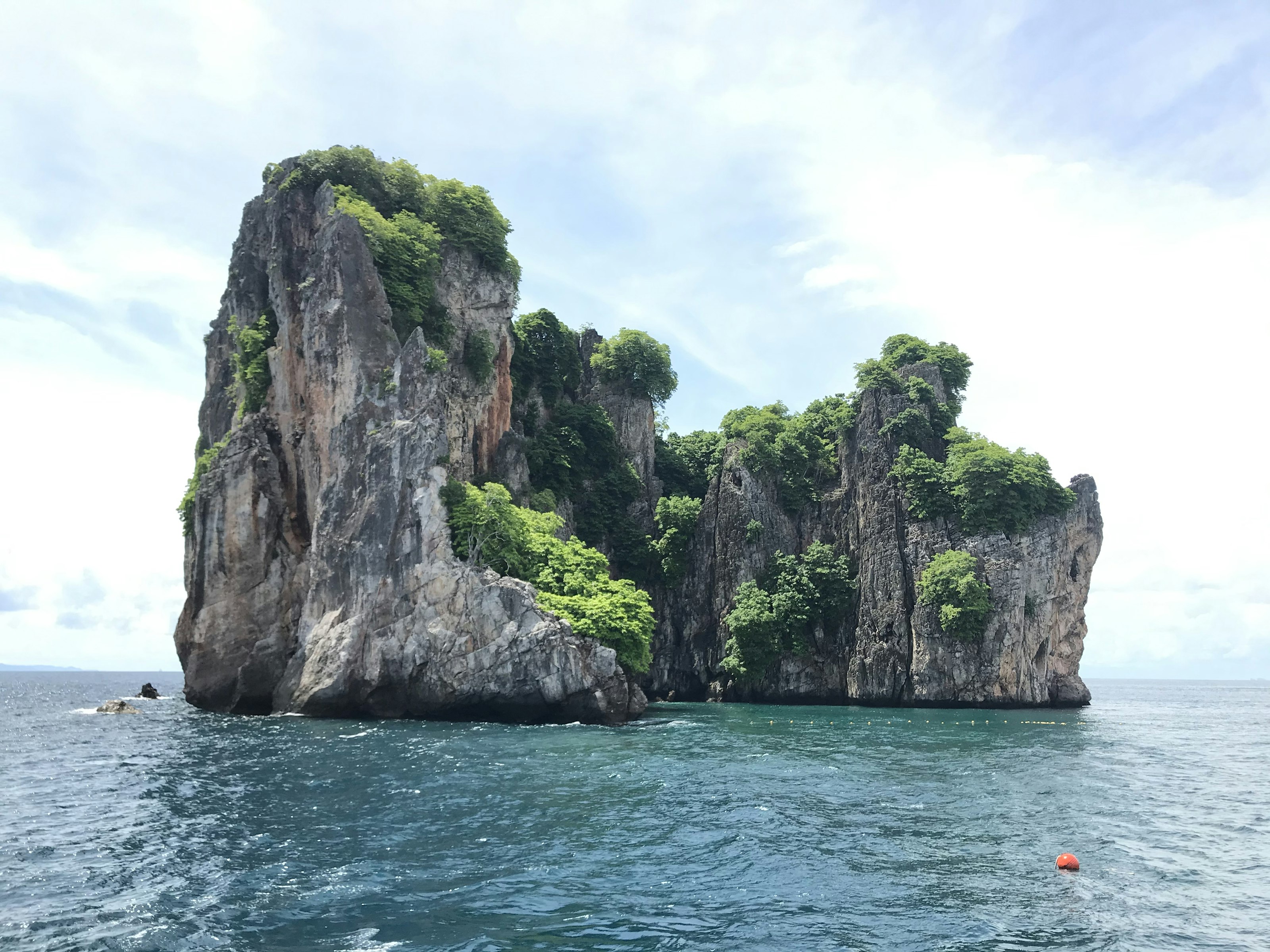 #8584 /100
Phang Nga Bay is scattered with hundreds of limestone karst towers rising sheer out of shallow emerald water, including Ko Tapu, the needle-thin rock made famous by a 1974 James Bond film.
Longtail boats and sea kayaks weave between the islands and into hidden lagoons through partly submerged caves called hongs, some passable only at certain tides, alongside mangrove-fringed fishing villages including one built entirely on stilts.
How does it rate
CrowdsRomanceCash RequiredDangerAccessibilityWhy you should go
Kayaking into a hidden lagoon through a sea cave that only opens at the right tide feels like discovering somewhere genuinely secret.
Why you shouldn't go
The bay's fame means large tour groups on bigger boats crowd the most famous spots, especially around midday.
Plan your visit
Best time to visitNovember–April, dry season with calmer seas.Best time of dayEarly morning, for calmer water and to reach the hongs before the tide and crowds shift.Getting thereFly to Phuket or Krabi; 1-hour drive to Phang Nga pier for boat tours.Entry costNational park fee plus boat tour cost, which varies by group size and boat type.Time needed1 dayInsider tip — Choose a small-group kayak tour over a big-boat day trip — it's the only way to actually get inside the hongs rather than just viewing the karsts from the water. -
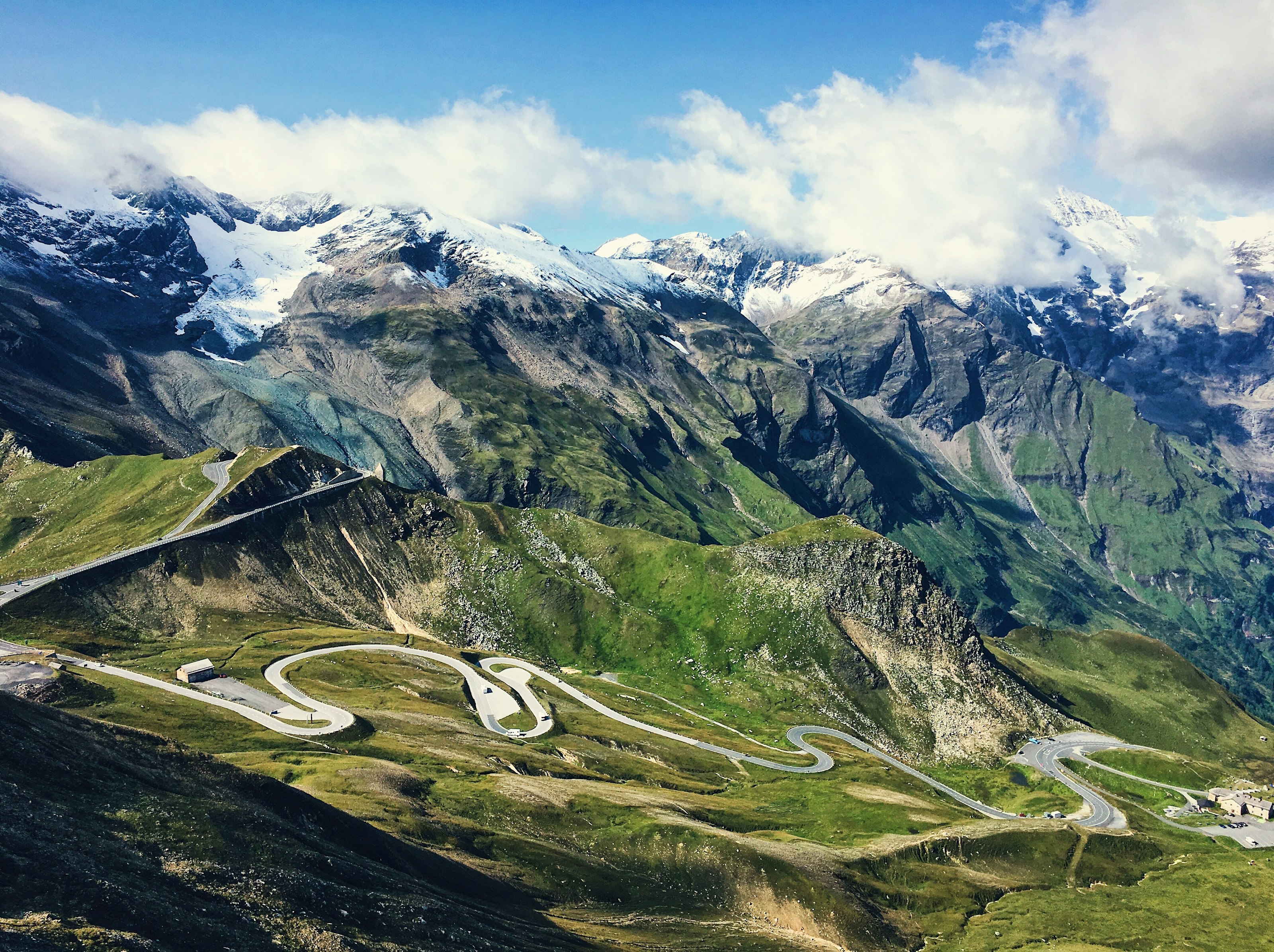 #8684 /100
The Grossglockner High Alpine Road climbs through 36 hairpin bends to over 2,500 metres, threading past Austria's highest peak and ending at a viewpoint over the Pasterze, the country's largest glacier.
Marmots and ibex are a common sight along the route, and a dozen or so panoramic pull-offs give reason to stop every few kilometres.
The road is only open from May to October, closing once snow makes the high pass impassable.
How does it rate
CrowdsRomanceCash RequiredDangerAccessibilityWhy you should go
Few drives anywhere put a country's highest peak and largest glacier both directly in view from the road itself.
Why you shouldn't go
It's a toll road only open in warmer months, and hairpin after hairpin makes it a slow, deliberate drive rather than a scenic shortcut.
Plan your visit
Best time to visitJune–September, when the road is fully open and snow has cleared from the pass.Best time of dayMorning, for clear visibility before afternoon cloud builds around the peaks.Getting thereFly to Salzburg; roughly 1.5-hour drive south to the road's northern entrance near Fusch.Entry costToll charged per vehicle.Time neededHalf a dayInsider tip — Stop at the Kaiser-Franz-Josefs-Höhe viewpoint for the best direct view of the Pasterze glacier and the Grossglockner summit. -
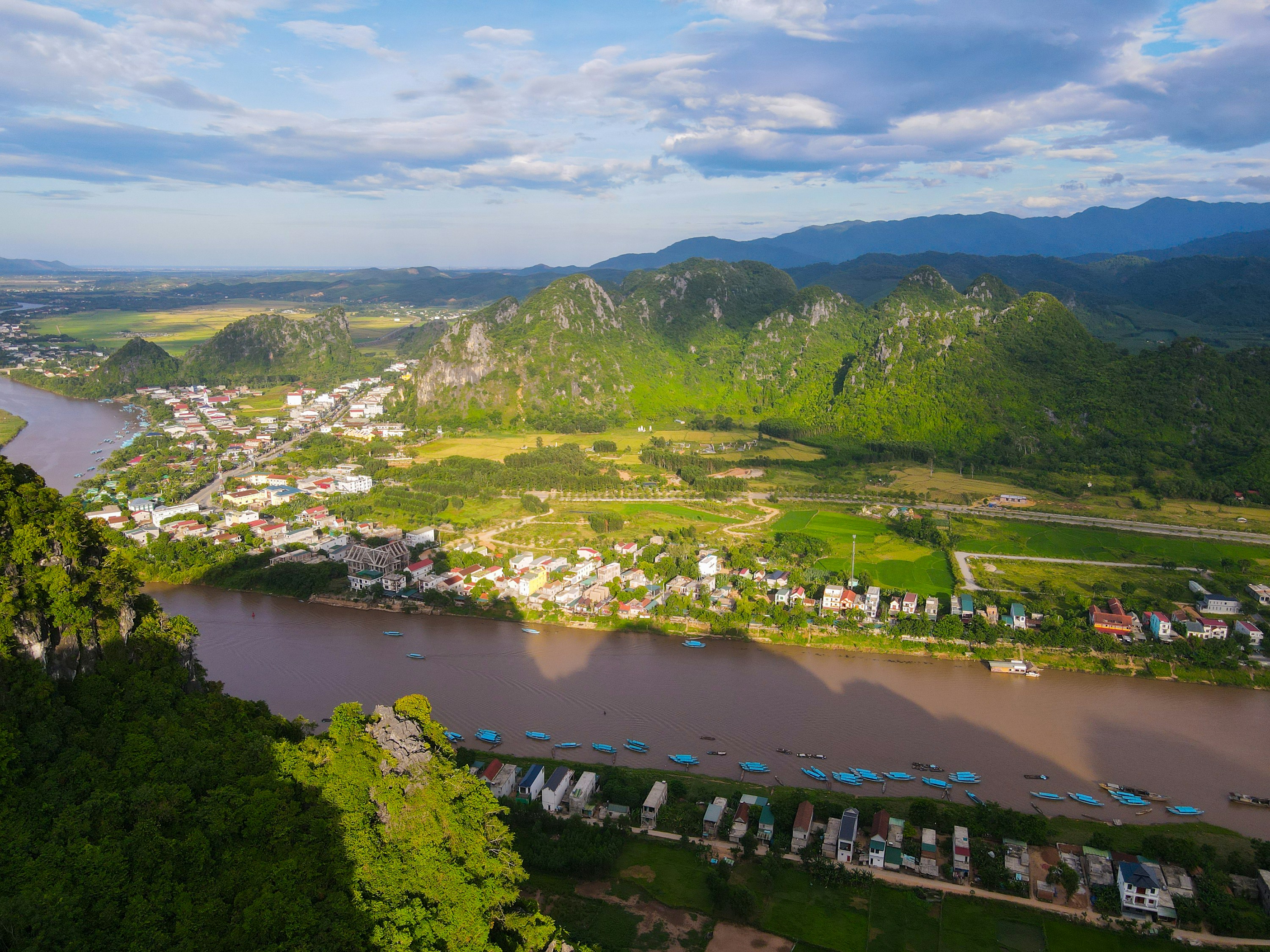 #87
#87Rated #87 of 100
Phong Nha-Ke Bang National Park, Vietnam
#phongnha-kebangnationalpark ◆ National Parks84 /100Phong Nha-Ke Bang protects one of the world's largest karst regions, its jungle-covered limestone hiding thousands of caves, including Son Doong, the largest cave passage on Earth, and Paradise Cave's vast chambers of stalactites.
Most visitors explore by boat along the Son River into Phong Nha Cave itself, or walk the lit boardwalks of Paradise Cave.
It's Vietnam's premier caving destination, still largely undeveloped outside the main sites.
How does it rate
CrowdsRomanceCash RequiredDangerAccessibilityWhy you should go
Home to some of the planet's largest and most spectacular cave systems, from boat-accessible grottoes to multi-day expedition caving.
Why you shouldn't go
The headline cave, Son Doong, requires a costly multi-day expedition booked a year ahead; day-trip caves get busy with tour groups.
Plan your visit
Best time to visitFebruary-August, dry season; avoid September-November when typhoon flooding can close the caves.Best time of dayEarly morning at Paradise Cave, before tour buses arrive mid-morning.Getting thereFly to Dong Hoi; Phong Nha town is a 45-minute drive, with cave entrances a further 20-40 minutes on.Entry costPhong Nha Cave boat trip and Paradise Cave each charge separate entry fees, roughly $8-10Time needed1 day for the main caves; Son Doong expeditions run 4-7 daysBookingBook ahead →Insider tip — Visit Paradise Cave right at opening to get the boardwalk to yourself before tour buses arrive; the boat ride into Phong Nha Cave itself is included in a single ticket and needs no separate booking. -
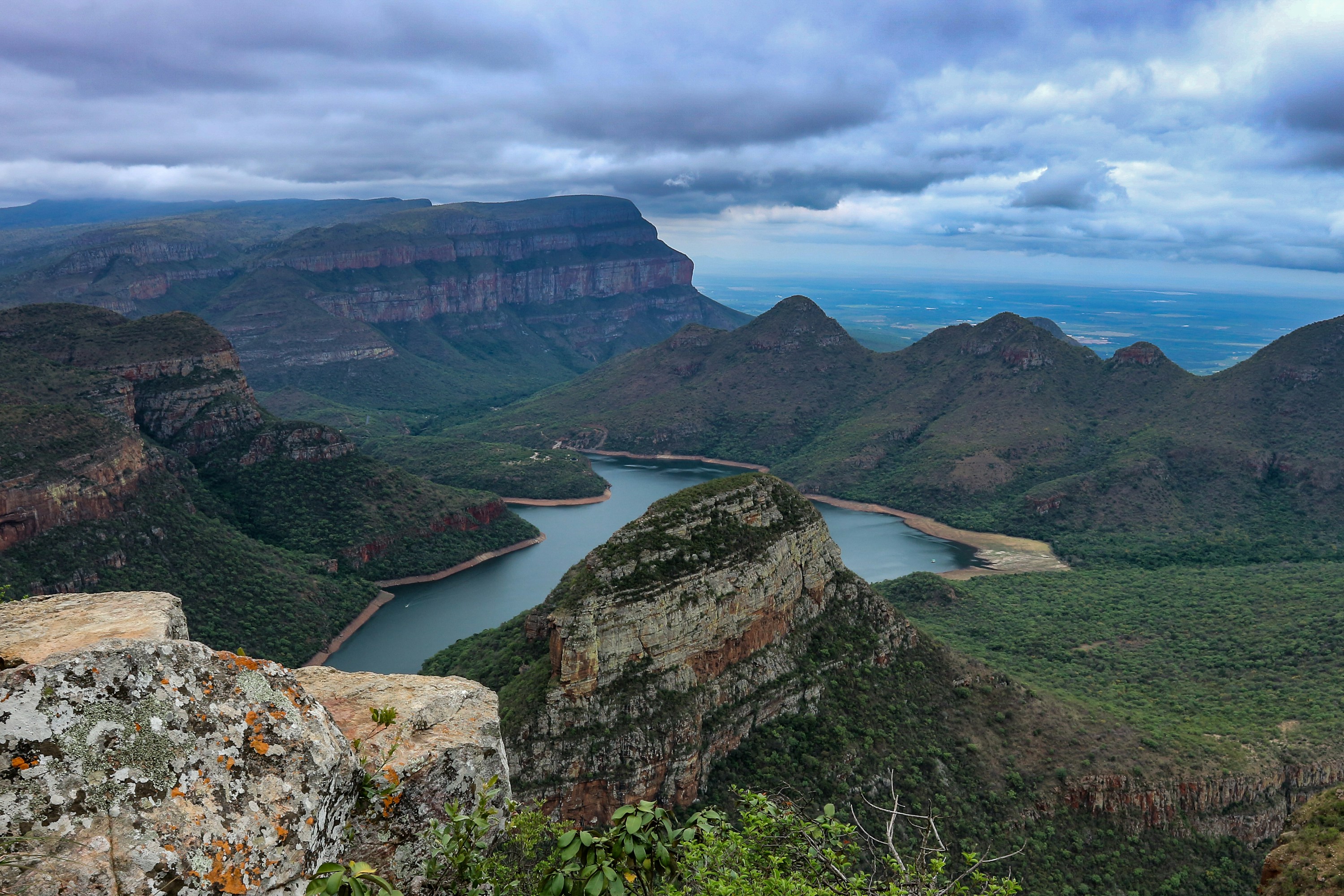 #8884 /100
Blyde River Canyon is one of the largest canyons in the world, the centrepiece of South Africa's Panorama Route, a red-rock gorge cut through the Mpumalanga escarpment.
Viewpoints along the rim look down on the Three Rondavels rock formations and the canyon's dammed river bend, while short walks lead to Bourke's Luck Potholes and God's Window.
It is a self-drive destination best covered over a full day of short stops rather than one overlook.
How does it rate
CrowdsRomanceCash RequiredDangerAccessibilityWhy you should go
One of the world's largest canyons, with cliff-top viewpoints over the Three Rondavels and the river below.
Why you shouldn't go
Requires a full day of driving between viewpoints, and the best outlooks can be clouded out by escarpment mist.
Plan your visit
Best time to visitApril-September (dry winter) for clear long-range views; summer brings mist and afternoon storms.Best time of dayMorning, before cloud builds up over the escarpment.Getting thereFly to Kruger Mpumalanga International Airport; about 1-1.5 hours' drive to the Panorama Route viewpoints.Entry costFree to view from most roadside points; Bourke's Luck Potholes charges a small entry fee.Time neededHalf a day to a full day.Insider tip — The main Three Rondavels viewpoint gets tour-bus crowds by mid-morning - stop at God's Window or Bourke's Luck Potholes first and save the busiest lookout for later. -
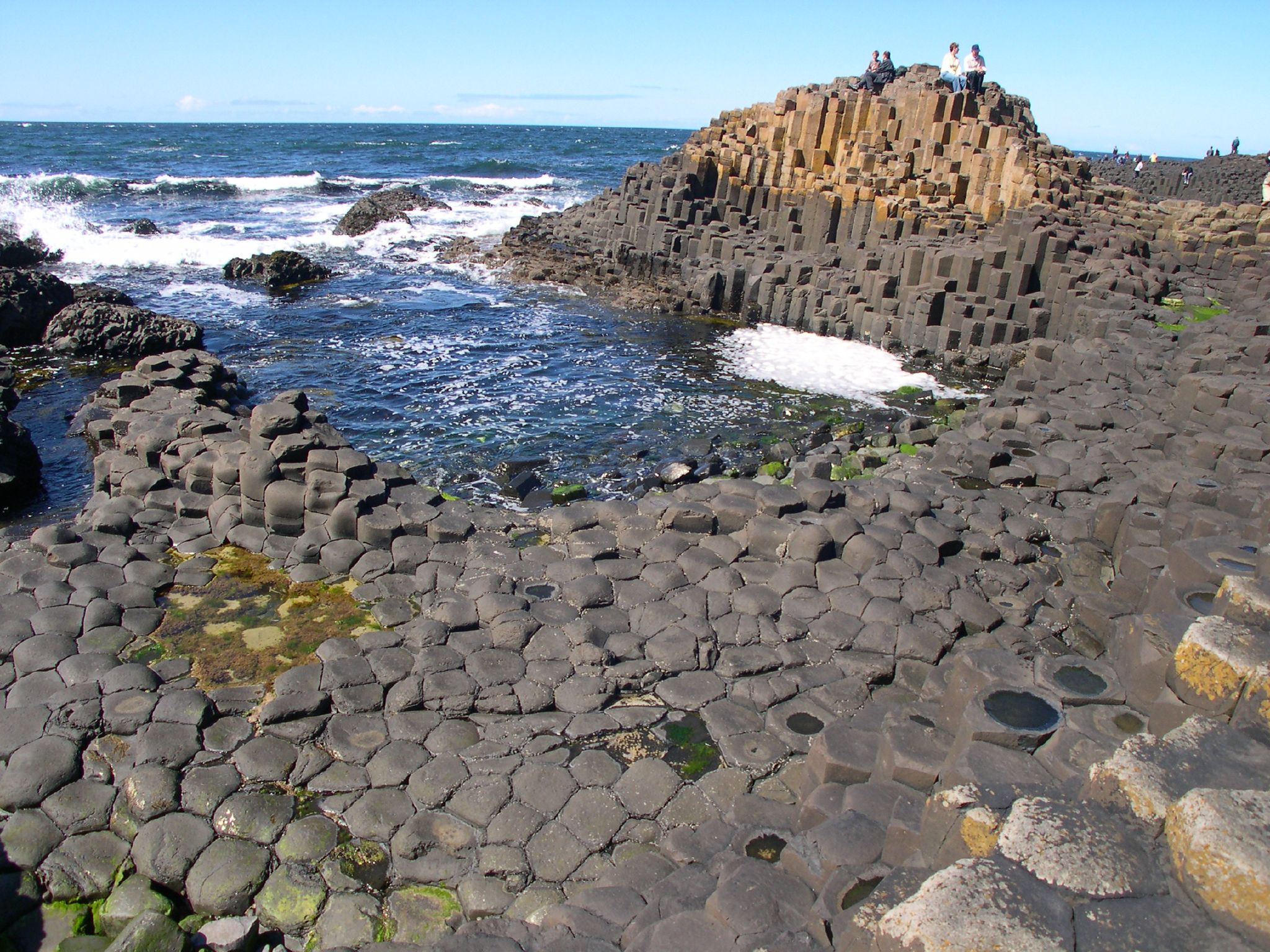 #8984 /100
The Giant's Causeway is an area of approximately 40,000 interlocking basalt columns on the Antrim coast of Northern Ireland, formed by an ancient volcanic fissure eruption.
The hexagonal columns, which fit together with extraordinary geometric precision, were created around 50-60 million years ago and have inspired countless legends.
How does it rate
CrowdsRomanceCash RequiredDangerAccessibilityWhy you should go
The perfectly interlocking hexagonal basalt columns look so geometrically precise they seem man-made; the coastal setting and the legends surrounding them add to the atmosphere.
Why you shouldn't go
The site can be very crowded and the National Trust visitor centre charges for parking; the columns themselves are best appreciated on a bright day.
Plan your visit
Best time to visitSpring or autumnBest time of dayGolden hour, especially with a stormy skyGetting there~1hr drive from BelfastEntry costFree to the causeway itself; visitor centre chargesTime needed1.5-2 hoursInsider tip — Skip the visitor centre if on a budget; the causeway stones are freely accessible via the coastal path -
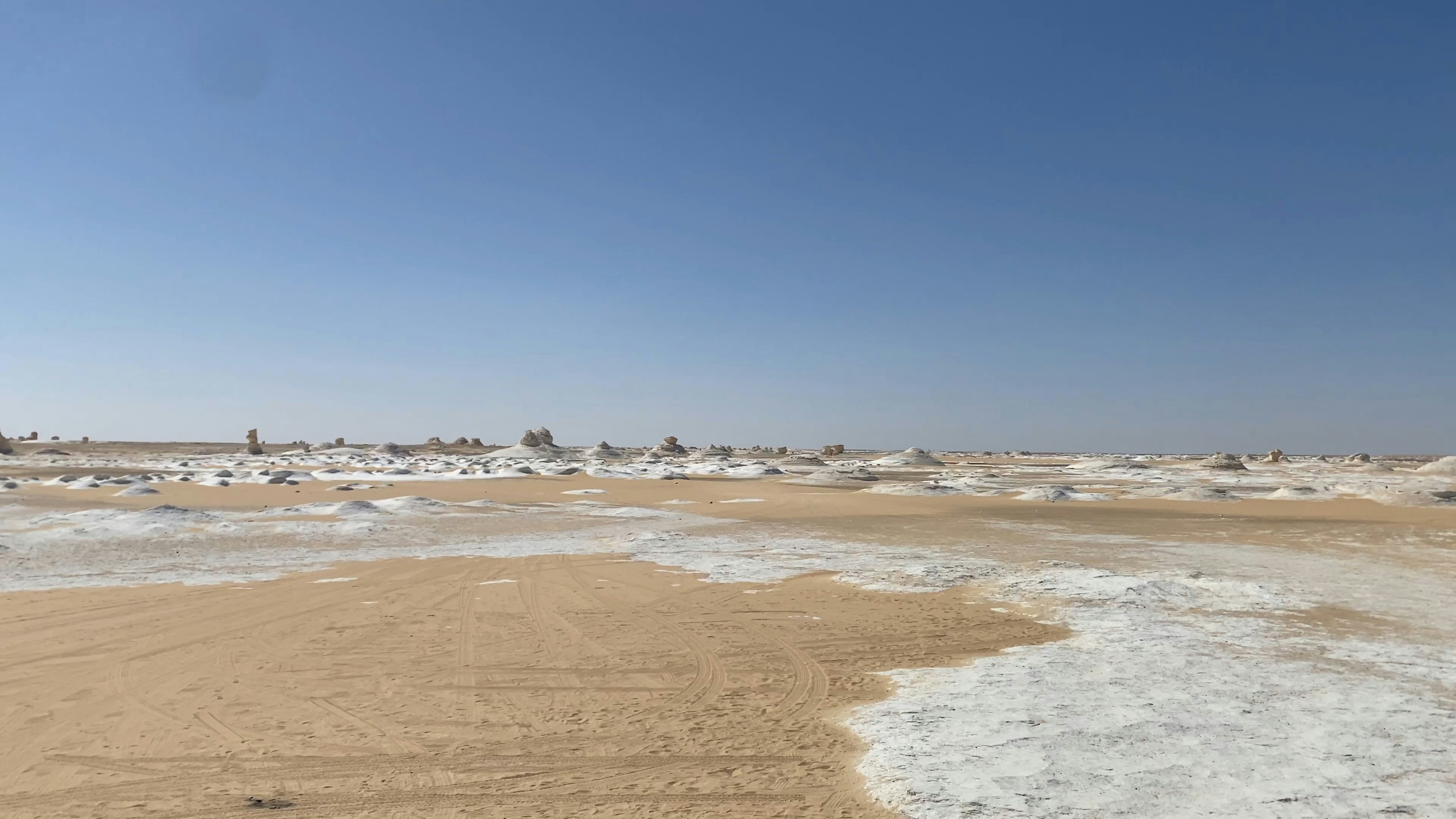 #9083 /100
A surreal expanse of chalk-white rock formations near Farafra Oasis, carved by millennia of sand-wind erosion into shapes resembling mushrooms, camels, and icebergs scattered across pale desert sand.
Camping overnight among the formations, with no artificial light for miles, is the main way to see it - the white rock glows almost blue under a full moon.
It remains one of the least-visited major landscapes in Egypt outside the Nile corridor.
How does it rate
CrowdsRomanceCash RequiredDangerAccessibilityWhy you should go
Chalk-white rock sculptures scattered across open desert, glowing almost blue under moonlight with zero light pollution.
Why you shouldn't go
It's remote even by Egyptian desert standards - a long drive from Cairo through the Western Desert with minimal facilities en route.
Plan your visit
Best time to visitOctober-April, avoiding summer desert heat that can exceed 40C.Best time of daySunset and again after moonrise, when the white rock formations change character completely.Getting thereFly to Cairo, then a 5-6 hour drive (often via Bahariya Oasis) to Farafra and the White Desert.Entry costOvernight camping tours typically run USD50-100 per person, all-inclusive.Time neededOvernight (2-day trip typical).Insider tip — Time the trip around a full moon if possible - the white formations under moonlight are the single most photographed sight here. -
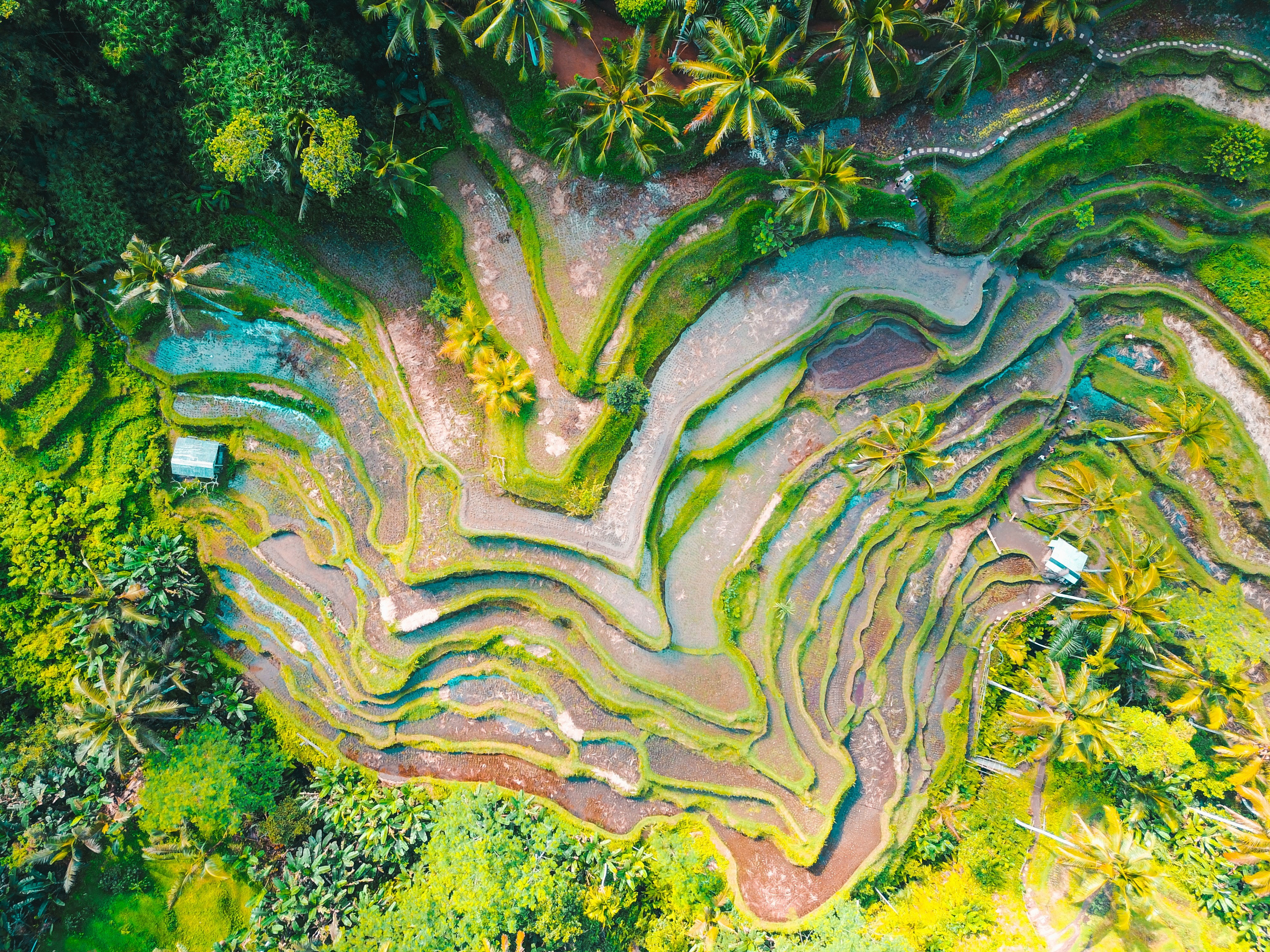 #91
#91Emerald rice terraces cascade down hillsides at Tegalalang, ancient sea temples perch on offshore rock at Tanah Lot, and Mount Agung looms over the east of the island.
Bali packs jungle, volcano, temple and coast into an island small enough to cross in a day, with a Hindu ceremonial calendar running visibly through daily life.
The southern beach strip is heavily developed; the north and east still are not.
How does it rate
CrowdsRomanceCash RequiredDangerAccessibilityWhy you should go
An entire island of postcard shots - rice terraces, sea temples and a volcano backdrop within easy reach of each other.
Why you shouldn't go
The famous Gates of Heaven photo involves a real queue and a mirror trick, not an actual reflecting pool.
Plan your visit
Best time to visitApril-October, the dry season.Best time of daySunrise at Lempuyang Temple; late afternoon for the rice terraces.Getting thereFly into Denpasar (Ngurah Rai International Airport); scooters or hired drivers cover the island.Entry costTemple entries and terrace access typically a few dollars each.Time needed5-7 daysInsider tip — Book the Lempuyang Gates of Heaven visit for opening time, 7am, before the queue for the mirror-shot photo stretches past an hour. -
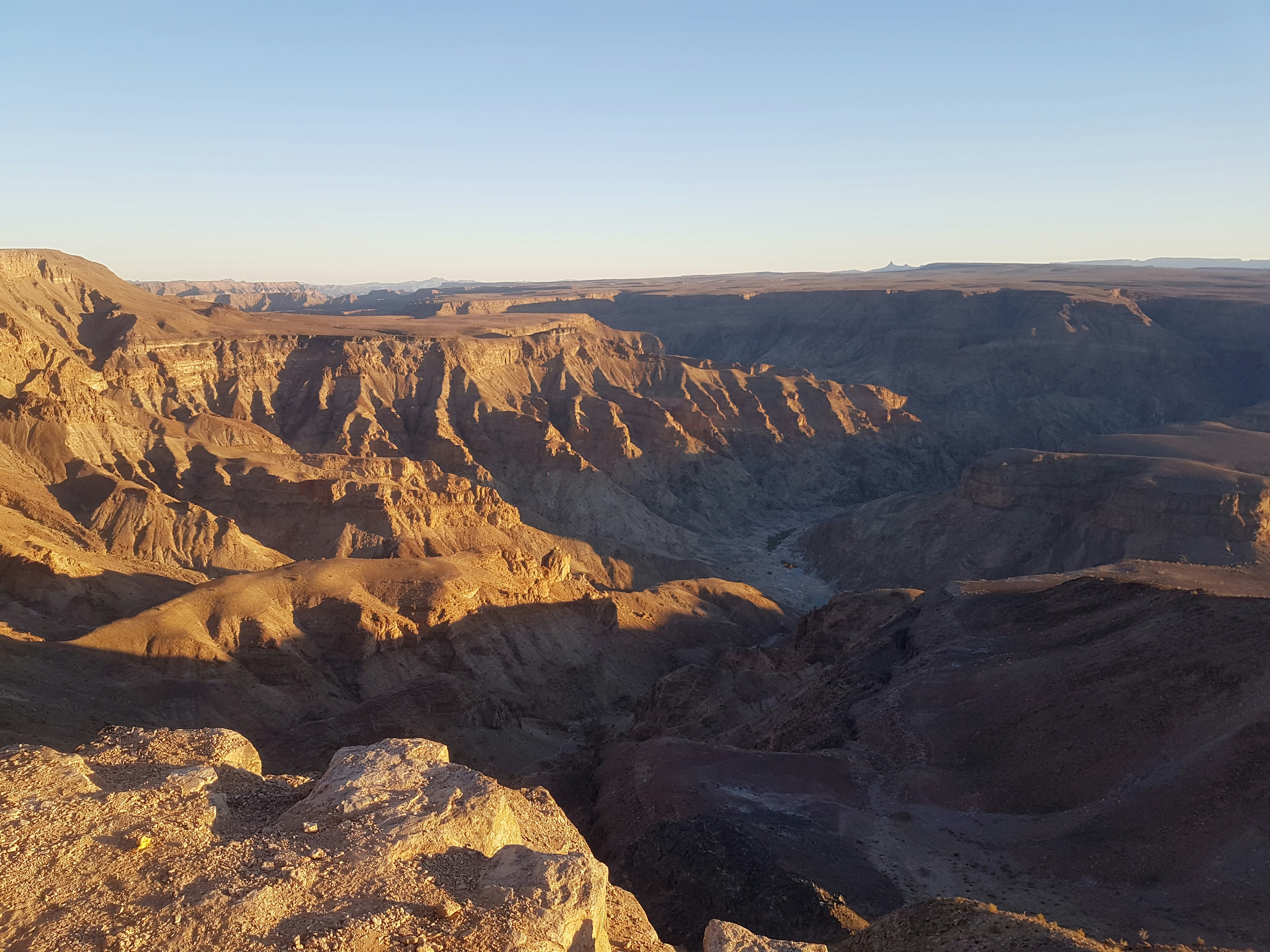 #9283 /100
The second-largest canyon on Earth cuts a 160km gash through the Namibian desert, its layered rock walls dropping 550 metres to the seasonal Fish River below.
A multi-day hike along the canyon floor is one of Southern Africa's classic treks, but the main viewpoint at Hobas delivers the scale in a single sweeping look without any walking required.
Sunset turns the canyon's rust-red rock a deep orange.
How does it rate
CrowdsRomanceCash RequiredDangerAccessibilityWhy you should go
The world's second-largest canyon, with a sweeping viewpoint that needs no hiking at all.
Why you shouldn't go
The multi-day canyon-floor hike is only permitted May-September and requires a medical certificate to book.
Plan your visit
Best time to visitMay-September, the cooler dry season (also the only window the multi-day hike is permitted).Best time of daySunset, when the canyon walls turn deep orange-red.Getting thereSelf-drive from Windhoek (about 5.5 hours) or fly to Keetmanshoop and drive onward.Entry costPark entry fee, a few dollars per person.Time needed1-2 hours for the viewpoint; 5 days for the full hikeInsider tip — Even without doing the multi-day hike, walk 15-20 minutes along the rim from the main viewpoint for a less crowded angle. -
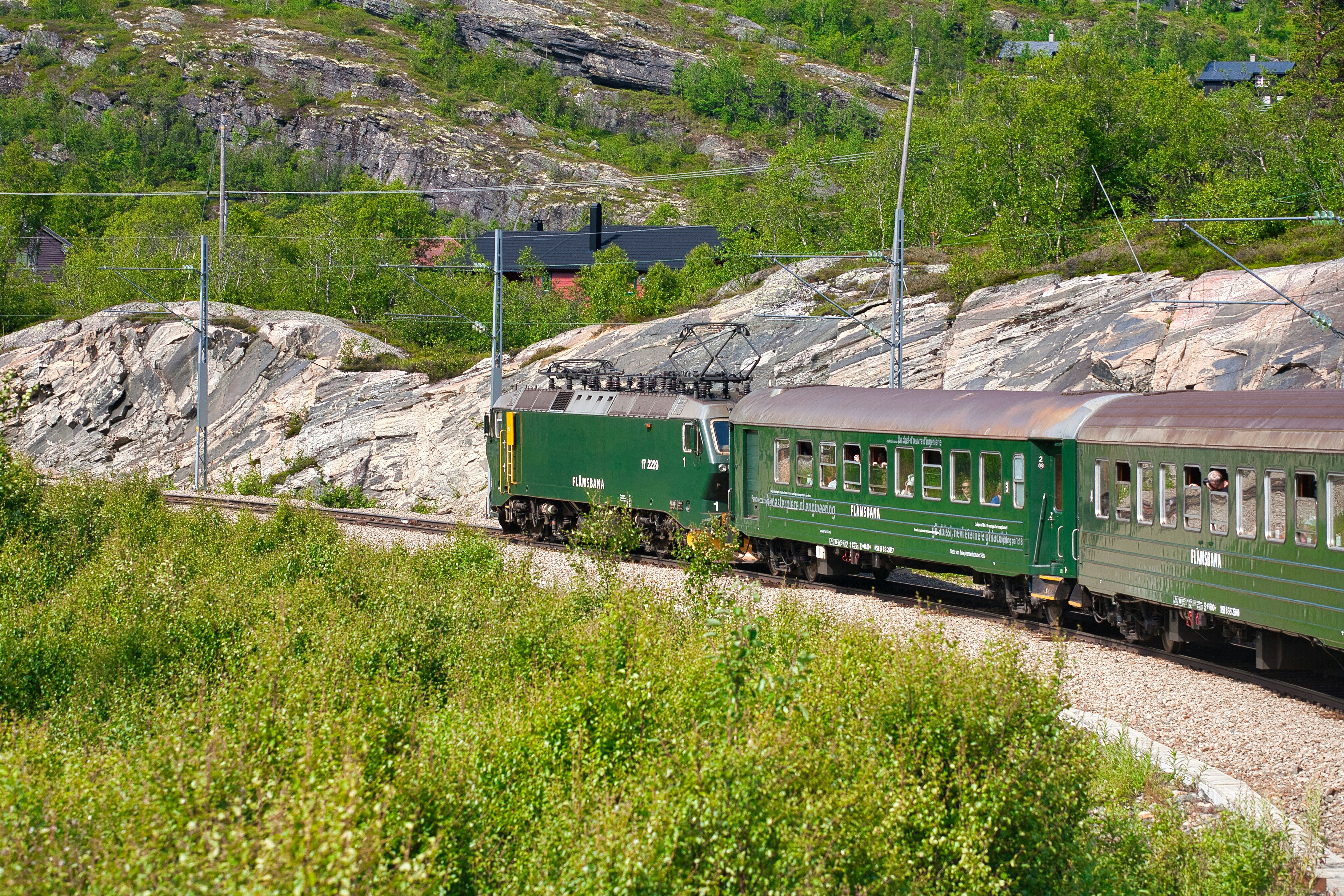 #9383 /100
One of the steepest standard-gauge railways in the world, the Flam Railway climbs 866 metres in just 20km between the fjord-side village of Flam and the mountain station at Myrdal, passing waterfalls and hairpin turns carved through solid rock over 20 years of construction.
It makes a scheduled stop at Kjosfossen waterfall, where passengers step out onto a platform beside the falls.
How does it rate
CrowdsRomanceCash RequiredDangerAccessibilityWhy you should go
One of the world's steepest railways, climbing 866m through fjord-side mountains with a scheduled waterfall photo stop.
Why you shouldn't go
The Flam valley sits deep in fjord country, so reaching it involves a longer multi-leg journey from Oslo or Bergen.
Plan your visit
Best time to visitMay-September for the fullest scenery and reliable service; the line runs year-round but winter adds snow-related delays.Best time of dayMidday, when light reaches deep into the narrow fjord valley the train climbs through.Getting thereTake a train from Oslo or Bergen to Myrdal, then transfer to the Flam Railway itself.Entry costRound-trip tickets cost around NOK500-560.Time neededRound trip takes about 2 hours including the Kjosfossen stop.BookingBook ahead →Insider tip — Combine the train with the Naeroyfjord cruise from Flam for a full 'Norway in a Nutshell' loop rather than just riding the railway alone. -
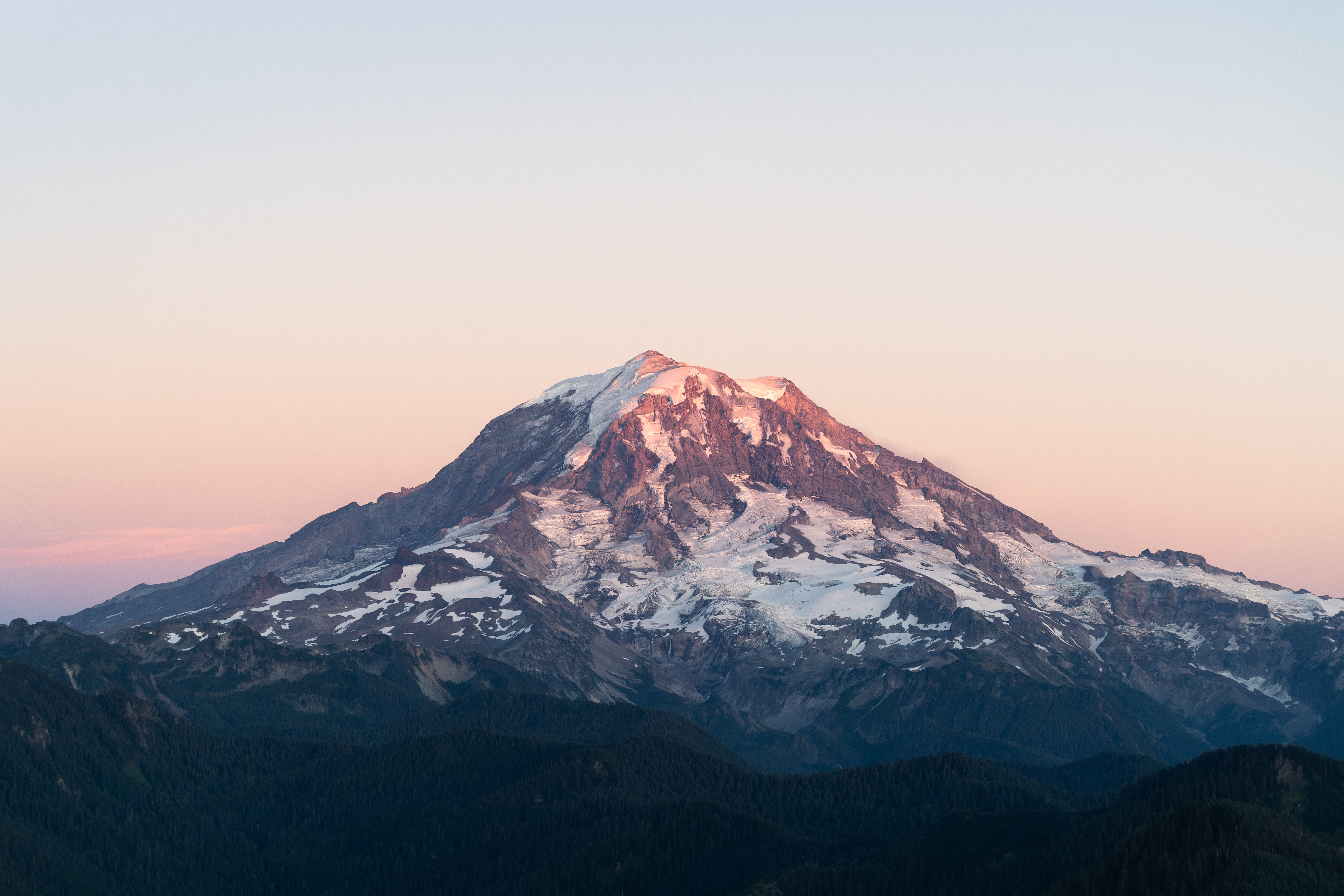 #9483 /100
Mount Rainier is an active stratovolcano rising 4,392 metres above the Puget Sound lowlands of Washington State, making it the most topographically prominent peak in the contiguous United States.
In summer, its slopes are carpeted with wildflower meadows and it is reflected in the lakes of Paradise and Reflection Lakes.
How does it rate
CrowdsRomanceCash RequiredDangerAccessibilityWhy you should go
The wildflower meadows around Paradise in midsummer, with the glacier-clad volcano rising above, offer some of the most beautiful subalpine scenery in America.
Why you shouldn't go
Mount Rainier is frequently obscured by cloud or fog and the park roads close from October to May due to snow; summit attempts require technical mountaineering skills.
Plan your visit
Best time to visitJuly-September (wildflower season, most trails snow-free)Best time of daySunrise from Reflection Lakes for a mirror image of the peakGetting there~1.5-2hr drive from SeattleEntry costPark entry ~$30/vehicleTime neededFull dayInsider tip — Reflection Lakes needs a calm, windless morning; check conditions before making the early drive -
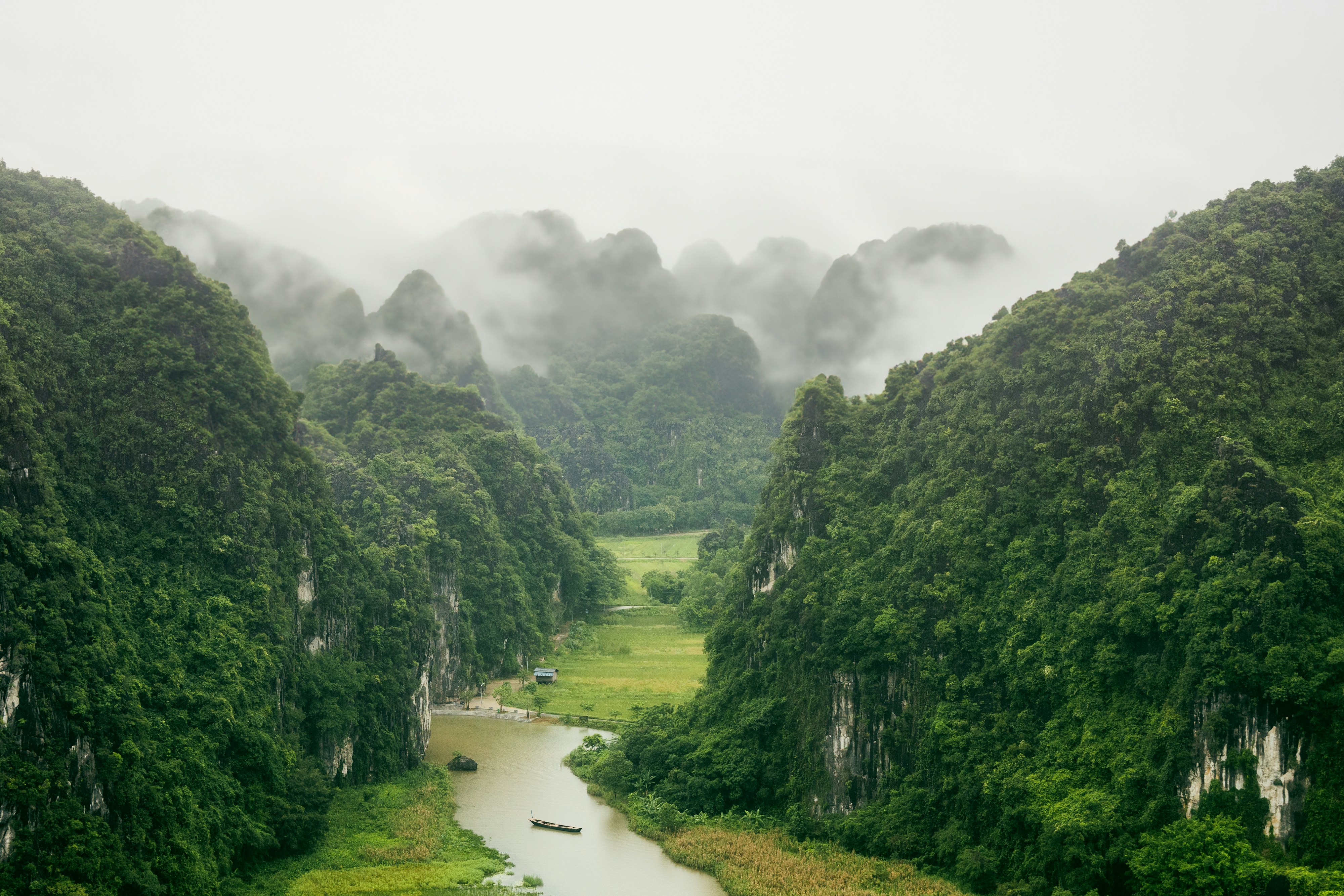 #9583 /100
Limestone karst towers rise straight out of flooded rice paddies along the Ngo Dong River, toured by small rowboats often paddled with the feet.
Rowers guide boats through low limestone caves where the ceiling nearly touches the water, then back out into open paddy fields ringed by peaks.
It's frequently billed as Halong Bay on land and delivers a similarly dramatic skyline at a fraction of the cost.
How does it rate
CrowdsRomanceCash RequiredDangerAccessibilityWhy you should go
Halong Bay's dramatic limestone skyline, recreated on a quiet river through rice paddies.
Why you shouldn't go
Rowers commonly expect a tip on top of the ticket price, which isn't always made clear upfront.
Plan your visit
Best time to visitMay-June, when the rice paddies are vivid green; September-October for the golden harvest.Best time of dayEarly morning, for calm water and soft light on the karsts.Getting thereDrive or bus from Hanoi (about 2 hours) to Ninh Binh, then to the Tam Coc boat dock.Entry costBoat tour ticket, typically $10-15 per person.Time needed2-3 hoursInsider tip — Go on a weekday morning - weekend boat queues at the dock can run well past an hour. -
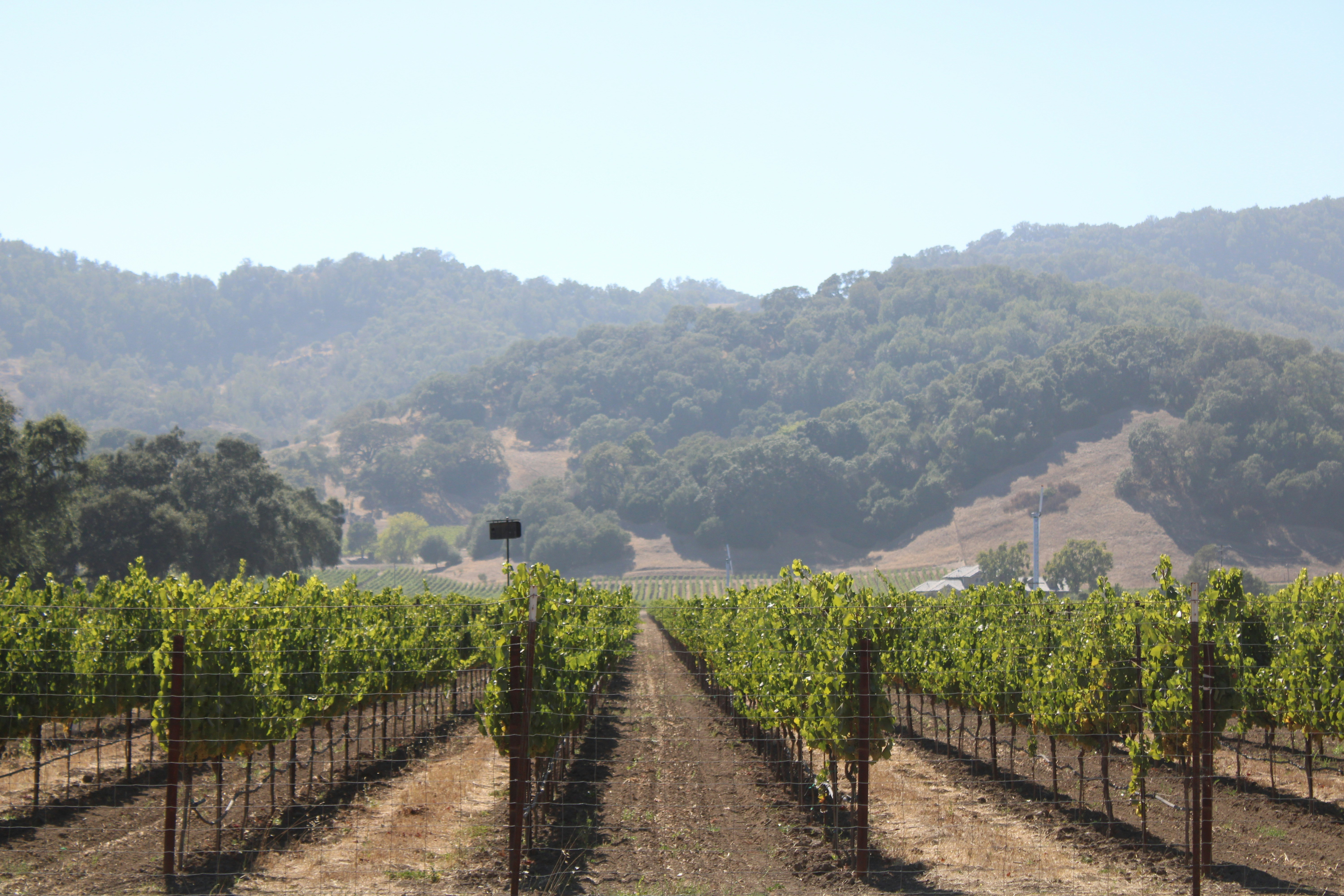 #9683 /100
An hour north of San Francisco, Napa Valley packs over 400 wineries into a 30-mile stretch of the Mayacamas and Vaca mountain ranges, from grand chateau-style estates to small family vineyards.
Cabernet Sauvignon put the valley on the world wine map after it beat top French labels at the 1976 Judgment of Paris blind tasting.
How does it rate
CrowdsRomanceCash RequiredDangerAccessibilityWhy you should go
400-plus wineries across 30 miles of valley, the American wine region that famously beat France's best in a blind tasting.
Why you shouldn't go
Tasting fees and restaurant prices are among the highest of any wine region in the world, and summer weekends get heavily booked.
Plan your visit
Best time to visitSeptember-October, during harvest season when vineyards are at their most active and photogenic.Best time of dayLate afternoon, when golden light hits the valley's vine rows and hillsides.Getting thereFly into San Francisco or Oakland, then a roughly 1-1.5 hour drive north to the valley.Entry costTasting fees typically run USD40-75 per winery, waived with a bottle purchase at some.Time neededA full day for a few wineries, or several for a proper wine country trip.Insider tip — Book tastings in advance at smaller family wineries, which often require appointments and offer a far less rushed experience than the big-name estates. -
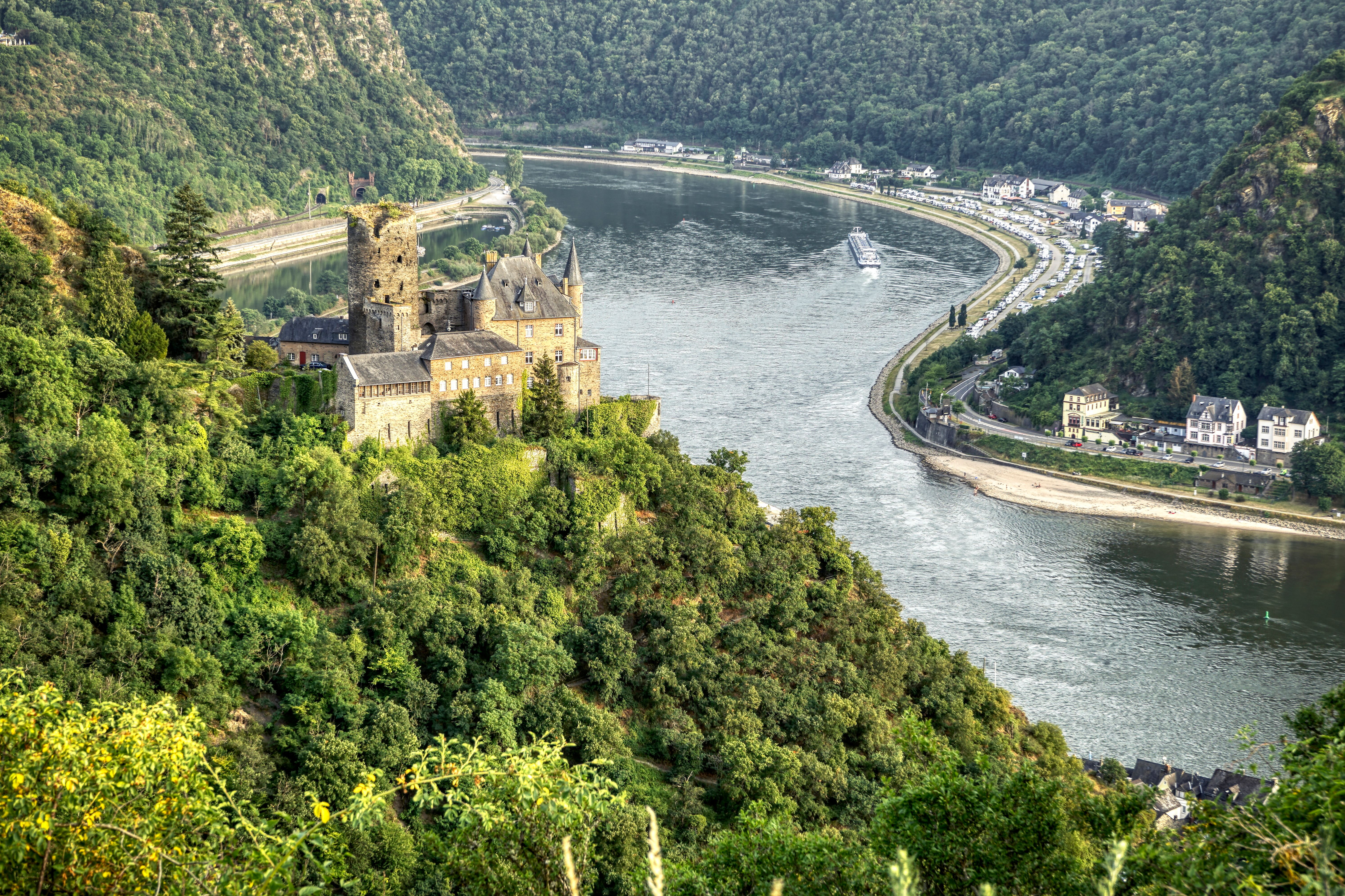 #9783 /100
The Rhine Gorge is a 65-kilometre stretch of the river between Koblenz and Bingen where more than 40 medieval castles sit on vineyard-terraced hillsides above the water, including the legendary Loreley rock where a siren was said to lure sailors to their deaths.
River cruises, a scenic rail line, and riverside cycling paths run the length of the valley, with half-timbered wine villages lining the banks at almost every bend.
How does it rate
CrowdsRomanceCash RequiredDangerAccessibilityWhy you should go
A slow river cruise past dozens of hilltop castles in a single afternoon is hard to match anywhere else in Europe.
Why you shouldn't go
Both banks carry busy road and rail lines, so the valley isn't as quiet as the postcard views suggest.
Plan your visit
Best time to visitMay–June or September–October, for mild weather and the grape harvest season.Best time of dayLate afternoon, when low sun lights the castles from across the water.Getting thereFly to Frankfurt; 1-hour train to Koblenz or Bingen, the gorge's two ends.Entry costFree to view from the riverbank or train; boat cruises and individual castle entries are paid.Time needed1 dayInsider tip — Take the train one way and the boat the other — the train gives closer castle views, the boat gives the classic wide-river perspective. -
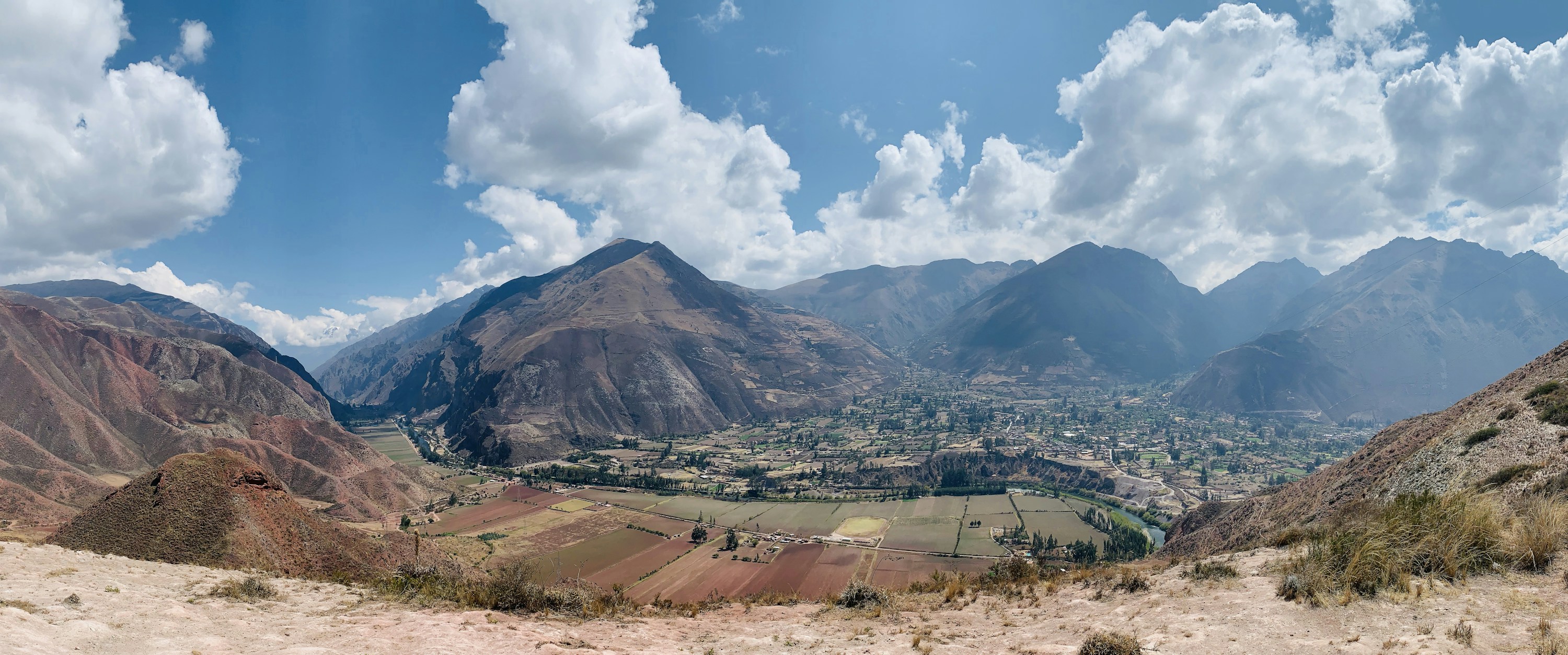 #9883 /100
Strung along the Urubamba River between Cusco and Machu Picchu, the Sacred Valley was the Inca empire's farming heartland and still works the same terraced hillsides.
In a day you can walk the Pisac ruins above their market, climb Ollantaytambo's fortress terraces, and see the circular agricultural bowl at Moray.
Lower and gentler than Cusco, it rewards a slower, multi-stop visit.
How does it rate
CrowdsRomanceCash RequiredDangerAccessibilityWhy you should go
Four or five distinct Inca sites and living Andean villages within one easy valley.
Why you shouldn't go
Seeing it properly means several separate entry tickets and a full day of driving between stops.
Plan your visit
Best time to visitApril-October, dry season; Pisac's market is liveliest on SundaysBest time of dayMorning, before afternoon cloud builds over the mountainsGetting there40-60 min by road from Cusco to Pisac or Urubamba; most visitors join a tour or hire a driverEntry costBoleto turistico parcial ~S/70 covers Pisac, Ollantaytambo, Chinchero, Moray; Maras extra ~$8Time needed1-2 daysInsider tip — Base yourself overnight in Ollantaytambo rather than day-tripping from Cusco - it's the only Inca town still inhabited on its original foundations, and you get the ruins to yourself at opening time. -
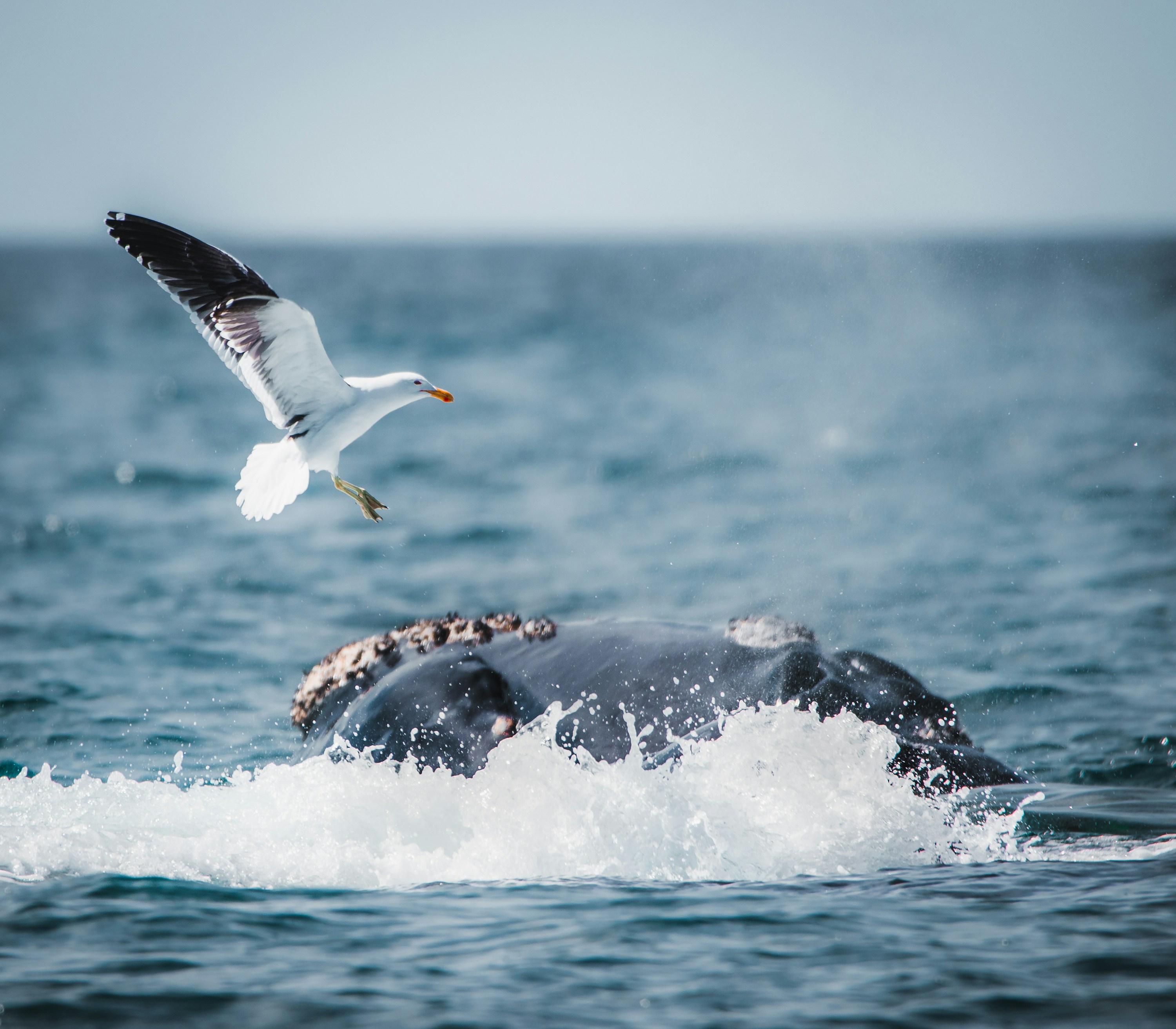 #9983 /100
Peninsula Valdes juts into the South Atlantic off Argentine Patagonia and holds one of the continent's great wildlife spectacles: southern right whales calving close to shore, orcas that beach themselves hunting sea lion pups, and colonies of elephant seals and penguins.
A UNESCO site reached from Puerto Madryn, it's linked by unpaved roads between viewing points.
Sightings are seasonal, so timing matters.
How does it rate
CrowdsRomanceCash RequiredDangerAccessibilityWhy you should go
Southern right whales come close enough to watch from small boats or even the shore, in season.
Why you shouldn't go
Wildlife is seasonal and not guaranteed outside the main months - check the calendar before booking.
Plan your visit
Best time to visitJune-December for whales (peak Sept-Nov); Oct-Nov also for orca hunting behaviorBest time of dayMorning boat trips tend to have calmer water and more active whalesGetting thereFly to Trelew or Puerto Madryn, then 1-1.5hr drive onto the peninsulaEntry costReserve entrance fee ~$20-30; whale-watching boat trips separate, ~$70-100Time neededFull day; two days to cover more viewing pointsInsider tip — Book a boat trip from Puerto Piramides itself rather than a day tour from Puerto Madryn - you get more time on the water and less time on the bus. -
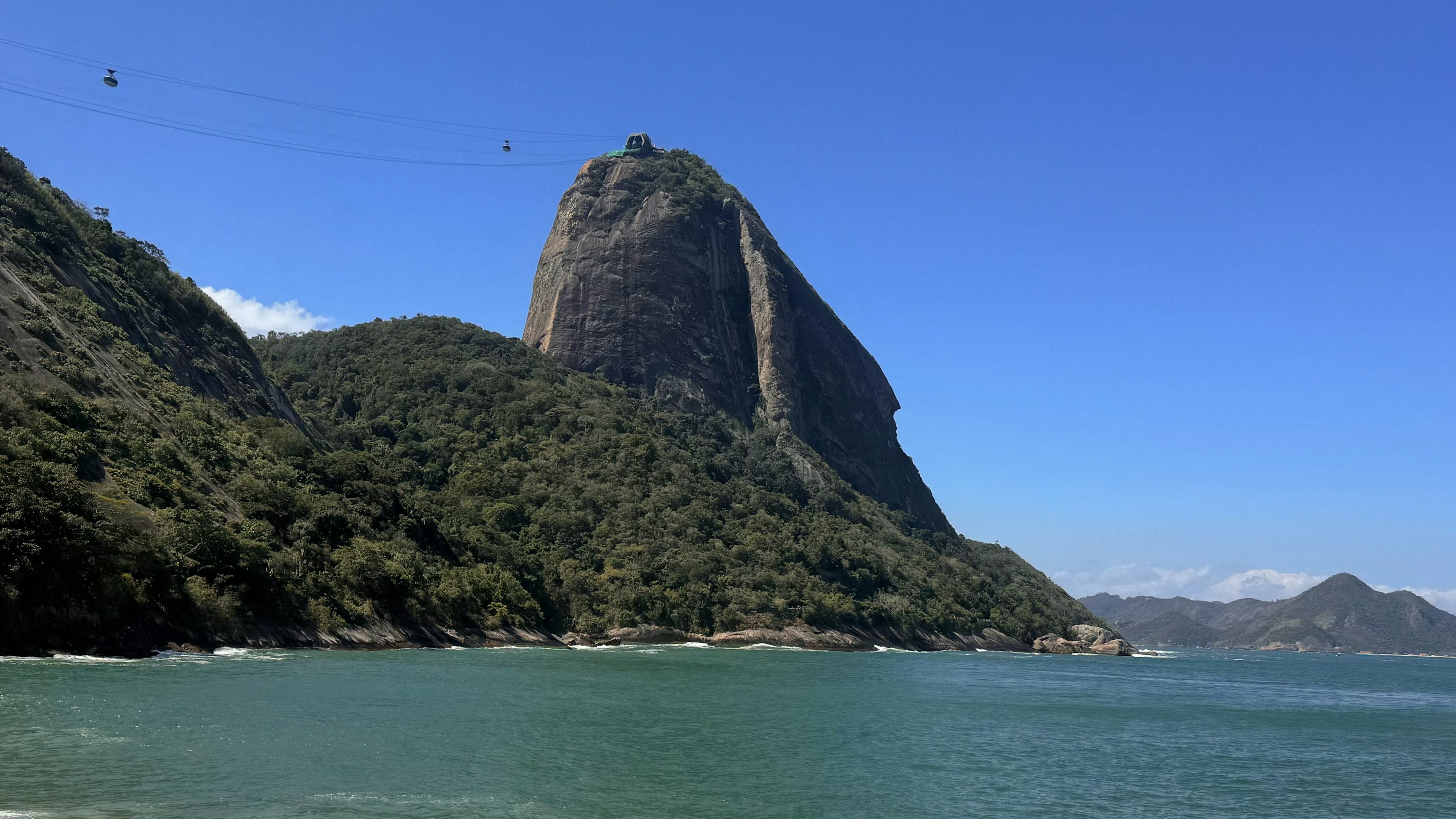 #10083 /100
A two-stage cable car, the bondinho, carries visitors from Praia Vermelha up over the forested Morro da Urca to the bare granite summit of Pão de Açúcar, 396 metres above Guanabara Bay.
From the top, Rio unfolds in full: Copacabana's curve, Christ the Redeemer on Corcovado, and the bay's scattering of islands.
It's one stop, one ride, and one of the most complete views of the city available anywhere.
How does it rate
CrowdsRomanceCash RequiredDangerAccessibilityWhy you should go
One cable car ride delivers one of the most complete views of Rio available anywhere in the city.
Why you shouldn't go
Tickets are pricey for a return cable-car ride, and the view disappears entirely on overcast days.
Plan your visit
Best time to visitYear-round; clearest views June-September, avoid rainy Jan-March afternoons.Best time of dayLate afternoon into sunset, for golden light over the bay.Getting thereIn Rio's Urca neighbourhood; taxi or bus from Copacabana or Ipanema (about 20 min) to the Praia Vermelha cable car station.Entry costCable car round-trip ~R$110-205 (~US$20-35)Time needed2-3 hoursBookingBook ahead →Insider tip — Book the sunset time slot online in advance - it sells out first, and the light over the bay is the main reason to go.


More from The World
-
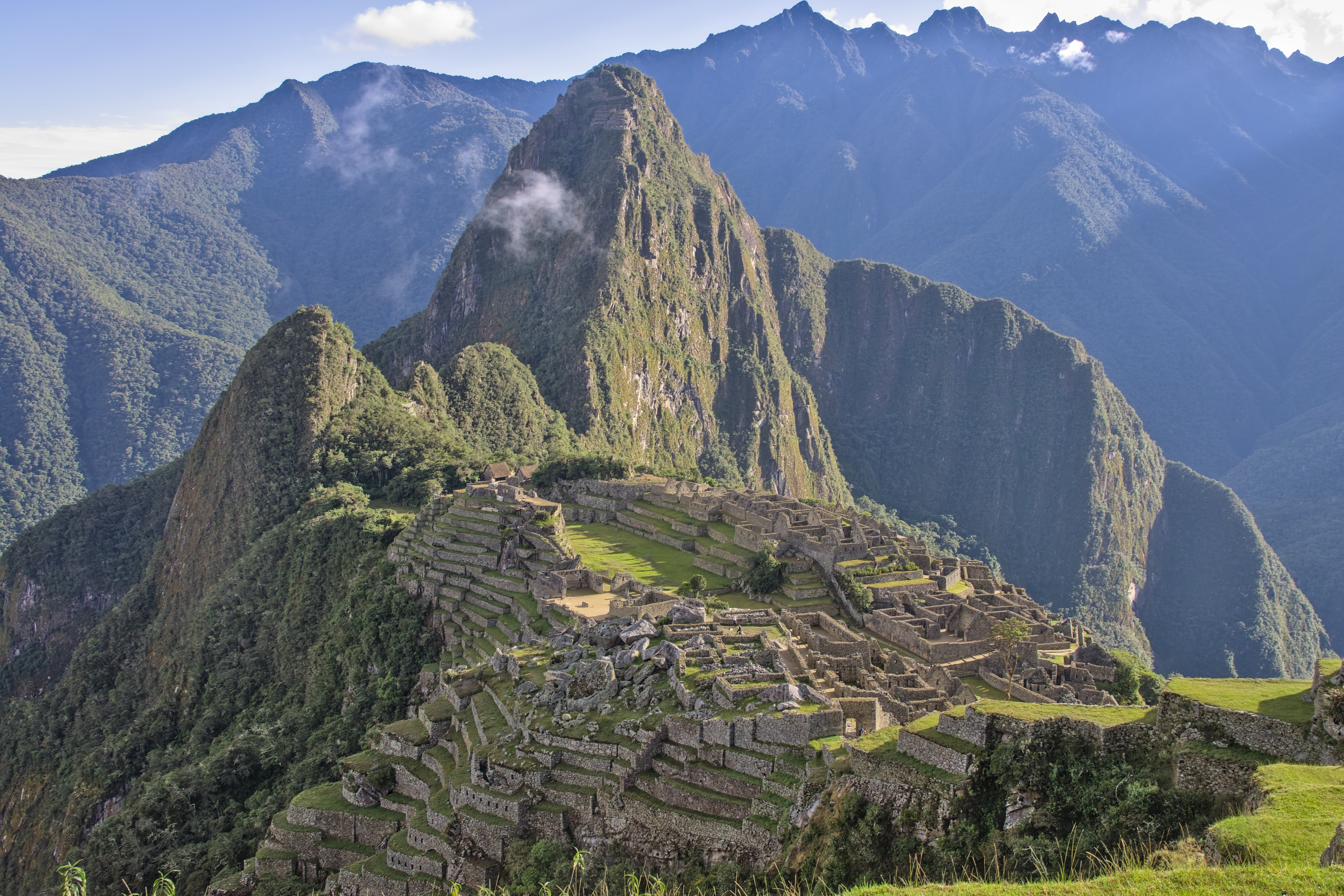
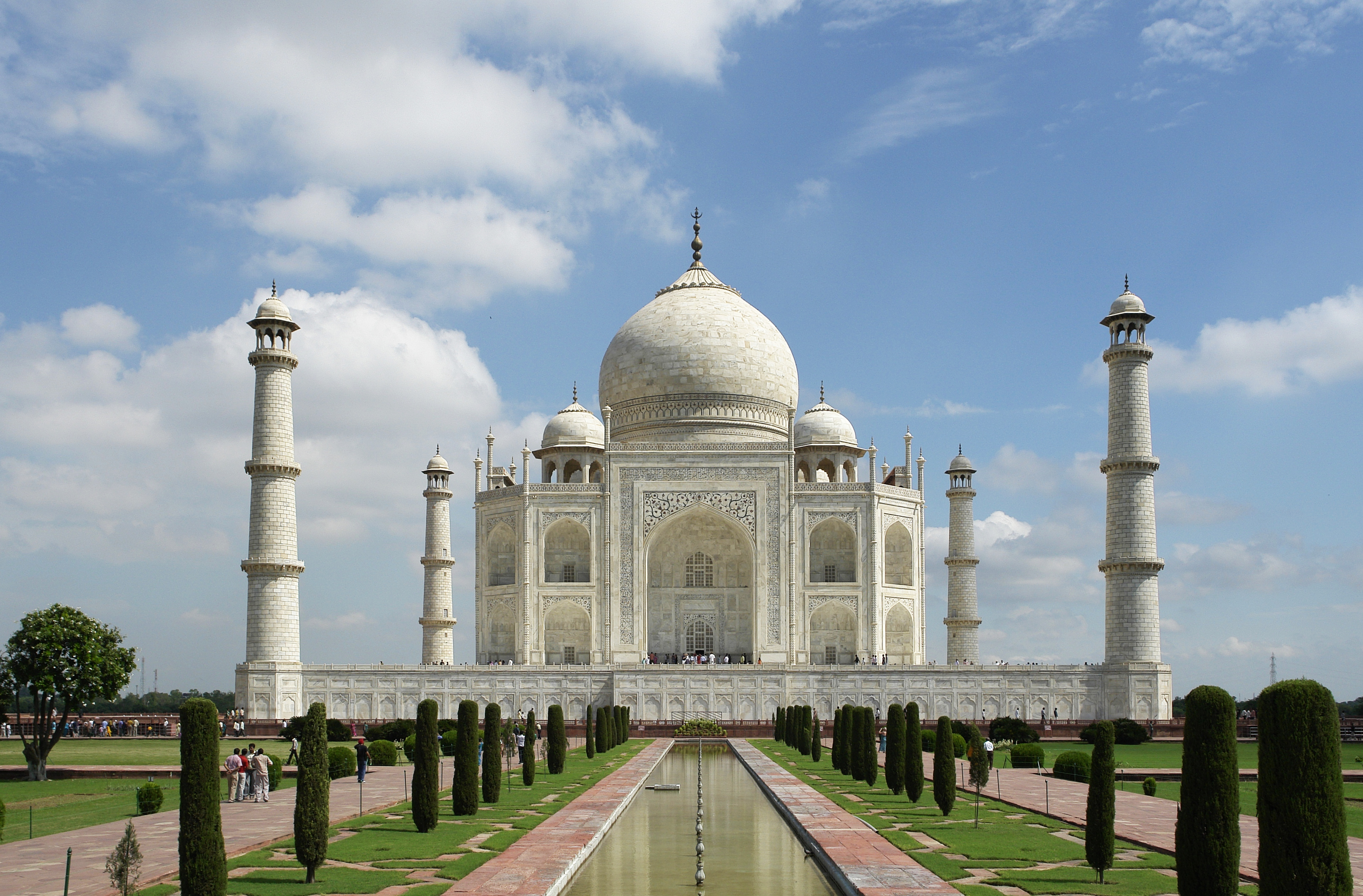
More Natural Wonders spots
-

How a score is built
One score out of 100, five criteria behind it
Every place is rated 1–5 on each of the criteria below, then combined into a single score out of 100. It's calculated by us, the same way every time — not an average of traveller reviews or social votes.
Crowds
How many people you'll be sharing it with, and at what time of day.
Romance
How well it suits a couple, a proposal, or a quiet moment together.
Cash required
Entry fees, permits, guides, rentals — what it actually costs to do it.
Danger
Physical risk involved, from a slippery viewpoint to genuine hazard.
Accessibility
How far off the beaten path it is, and how hard it is to actually reach.

