-
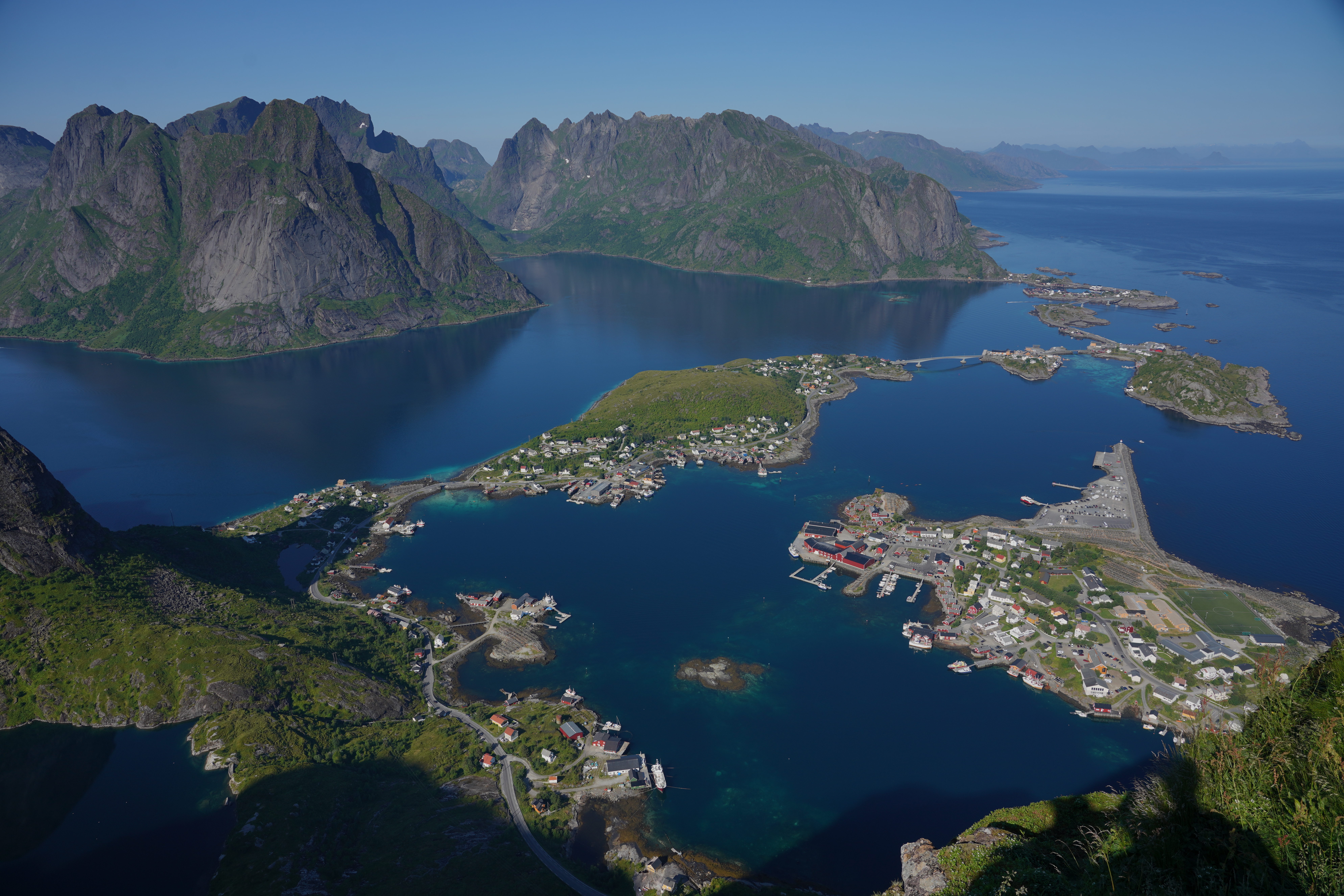 #192 /100
The Lofoten archipelago in northern Norway rises dramatically from the Norwegian Sea as a series of jagged peaks and sheltered bays.
Traditional red fishing cabins called rorbuer dot the shoreline against a backdrop of some of Europe's most spectacular mountain scenery, with the Northern Lights frequently visible in winter.
How does it rate
CrowdsRomanceCash RequiredDangerAccessibilityWhy you should go
The combination of dramatic mountains, Arctic light, colourful fishing villages, and frequent Northern Lights makes Lofoten one of the most photogenic places in Europe.
Why you shouldn't go
The islands are extremely remote, weather is frequently poor, and the Northern Lights are only visible during the dark winter months.
Plan your visit
Best time to visitJune-August for midnight sun, or Sept-March for Northern LightsBest time of dayMidnight sun in summer, or golden hourGetting thereFly to Harstad/Narvik or take the Bodo ferryEntry costFree to exploreTime needed4-5 daysInsider tip — The fishing village of Reine at sunset is the classic shot; go early to get the viewpoint to yourself -
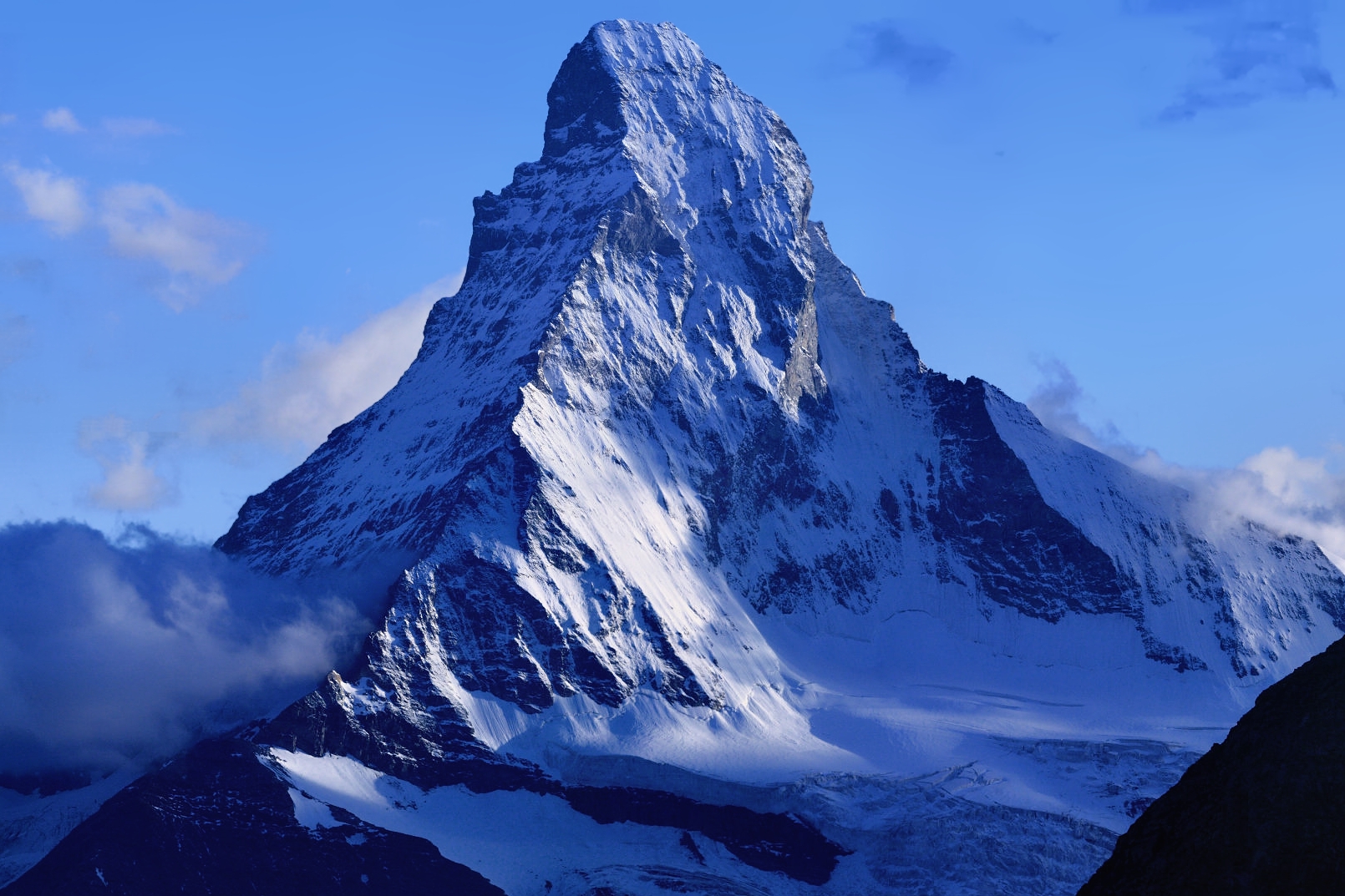 #292 /100
The Matterhorn's near-perfect pyramidal peak has made it one of the most recognised mountains in the world and the symbol of the Swiss Alps.
Rising 4,478 metres above the car-free village of Zermatt, it is reflected in the Riffelsee lake during clear summer mornings.
How does it rate
CrowdsRomanceCash RequiredDangerAccessibilityWhy you should go
The Matterhorn's symmetrical profile is spectacular from every angle and the reflection in the Riffelsee on a calm morning is one of the great Alpine photographs.
Why you shouldn't go
The mountain is notoriously cloud-covered; visiting Zermatt can be expensive and clear views are never guaranteed.
Plan your visit
Best time to visitJune-September for hiking, winter for snowBest time of daySunrise or sunset for alpenglow on the peakGetting thereTrain to Zermatt, a car-free villageEntry costFree to view; cable cars extraTime needed1-2 daysInsider tip — The reflection shot at Stellisee lake needs an early, still morning; go before 7am -
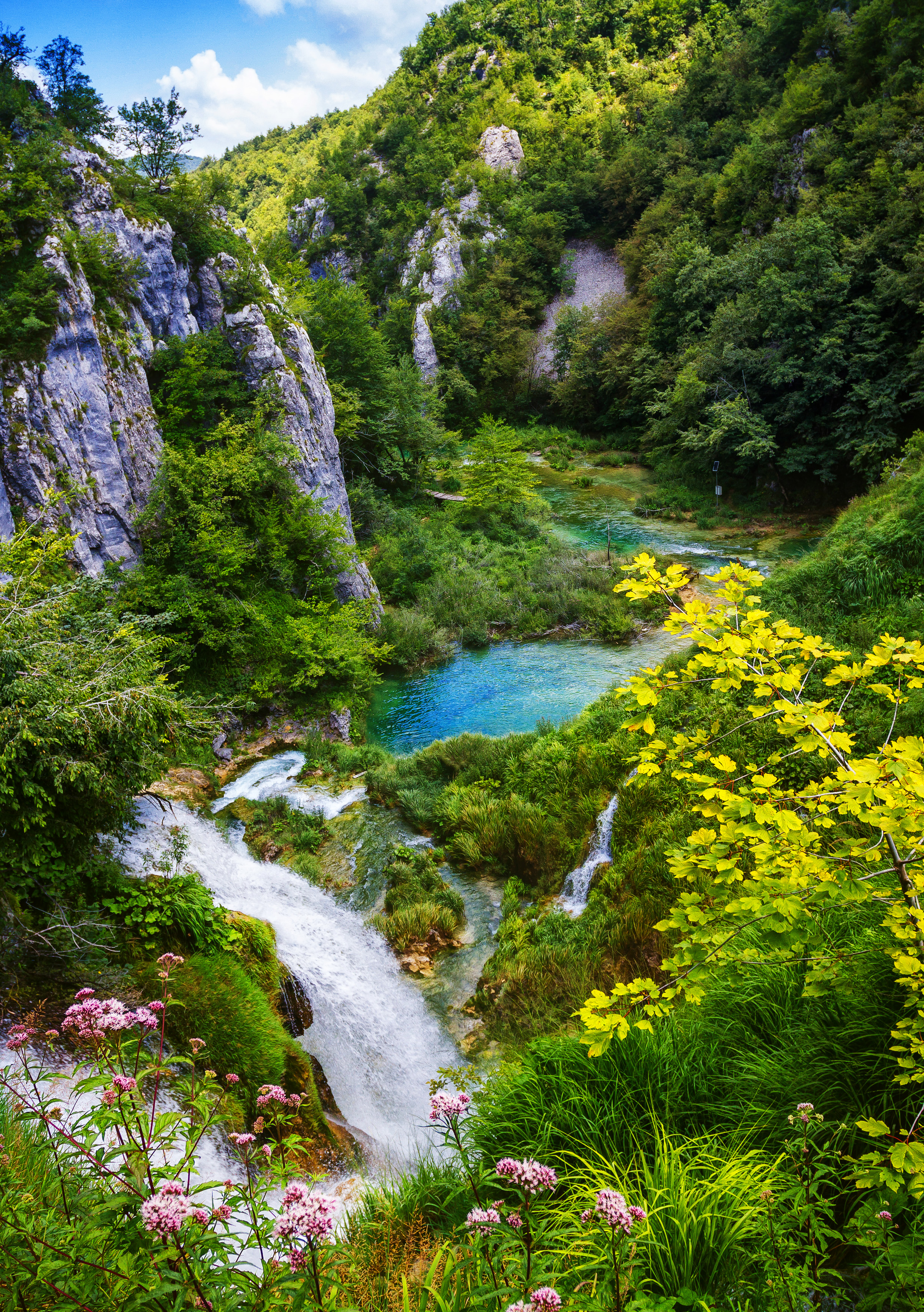 #391 /100
Plitvice Lakes National Park contains sixteen turquoise lakes connected by a series of waterfalls, cascades, and travertine barriers, all within an ancient beech forest.
The network of wooden boardwalks allows visitors to walk over and around the water in one of Europe's most enchanting natural landscapes.
How does it rate
CrowdsRomanceCash RequiredDangerAccessibilityWhy you should go
The boardwalks lead you directly over and beside the turquoise waters, creating intimate encounters with the waterfalls and the clear lake beds visible below.
Why you shouldn't go
Plitvice has become very popular and can be uncomfortably crowded in summer; entry is timed and must be booked online in advance.
Plan your visit
Best time to visitMay-June or September-OctoberBest time of dayEarly morning before tour buses arriveGetting there~2hr drive from ZagrebEntry cost~EUR25-40 depending on seasonTime neededFull dayInsider tip — Start at the upper lakes and walk down to the lower lakes for the best waterfall views with fewer crowds -
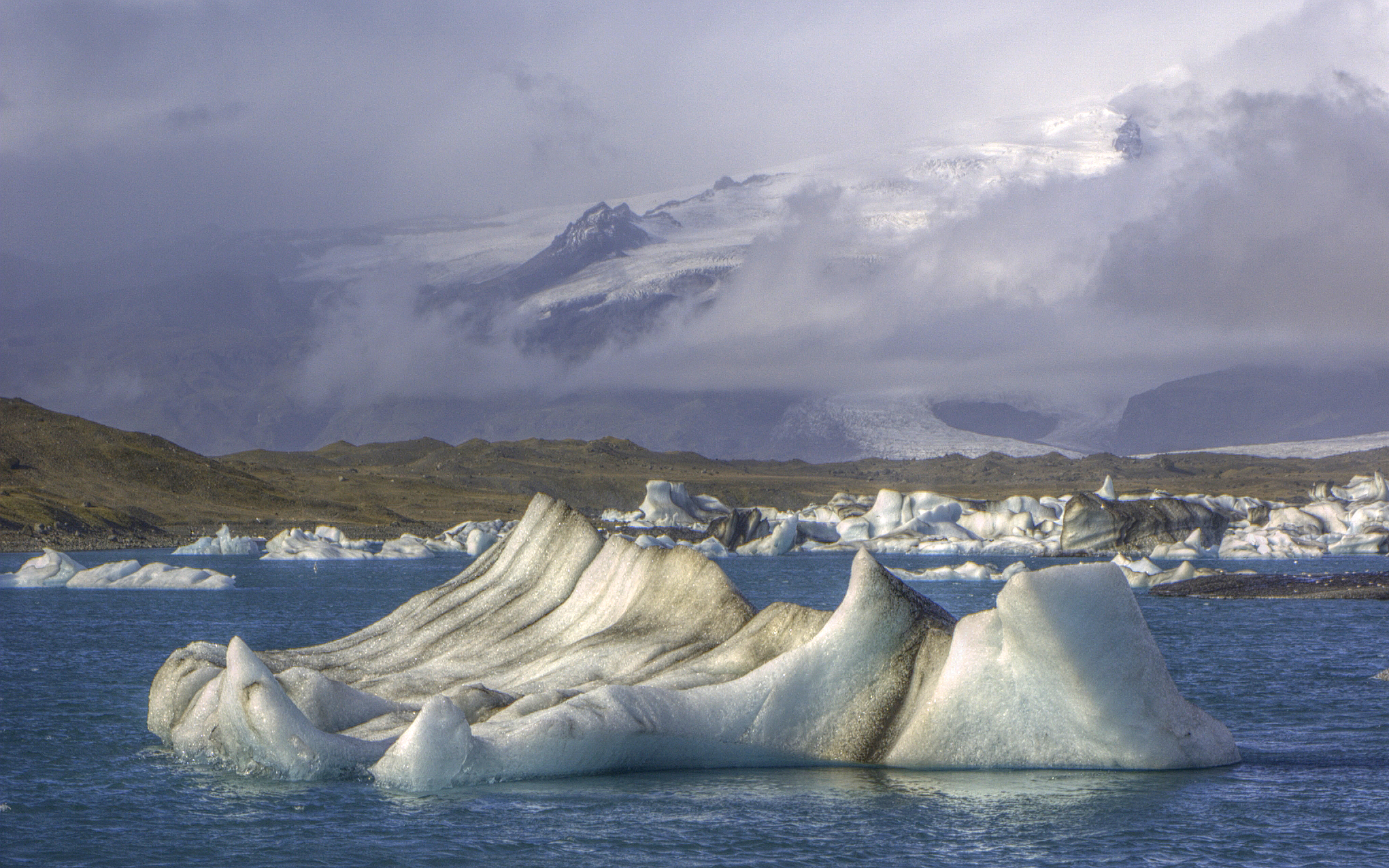 #490 /100
Jokulsarlon Glacier Lagoon is a breathtaking glacial lake in southeast Iceland filled with icebergs that have calved from the Breidamerkurjokull glacier, which is an outlet of the massive Vatnajokull ice cap.
The icebergs range from small chunks to cathedral-sized masses and drift slowly out to sea past Diamond Beach.
How does it rate
CrowdsRomanceCash RequiredDangerAccessibilityWhy you should go
The sight of glowing blue icebergs drifting slowly through the lagoon past black sand beaches is one of Iceland's most ethereal and otherworldly experiences.
Why you shouldn't go
The lagoon is in a very remote location in southeast Iceland and requires a full day's drive from Reykjavik; boat tours on the lagoon can sell out.
Plan your visit
Best time to visitYear-round; winter for ice cave access and Northern LightsBest time of daySunrise or sunset for colour on the icebergsGetting there~5hr drive from Reykjavik along the South CoastEntry costFree to view; boat tours ~EUR45Time needed2-3 hoursInsider tip — Cross the road to Diamond Beach, where icebergs wash up on black sand; arguably more photogenic than the lagoon itself -
 #5
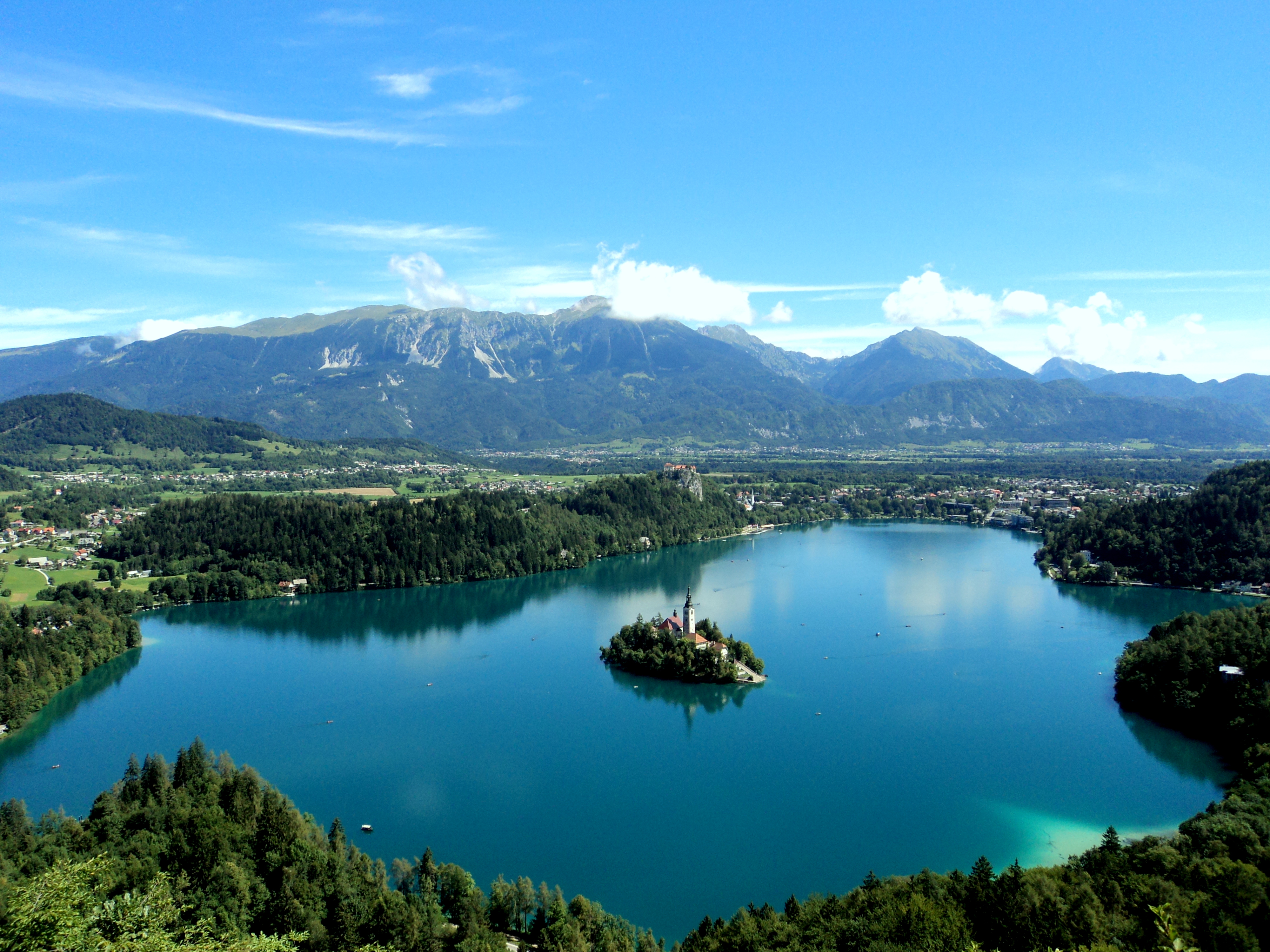
#5Lake Bled is Slovenia's most famous sight — a glacial lake of impossibly vivid turquoise water, a tiny island crowned with a baroque church, and a medieval castle perched on a sheer cliff above.
The surrounding Julian Alps complete a scene that seems almost too perfect to be real.
A traditional pletna boat is the only way out to the island's 99 steps.
How does it rate
CrowdsRomanceCash RequiredDangerAccessibilityWhy you should go
The combination of turquoise lake, island church, and clifftop castle is one of the most perfectly composed natural scenes in Europe.
Why you shouldn't go
Lake Bled can feel busy during summer and reaching the famous Ojstrica viewpoint requires a strenuous uphill walk.
Plan your visit
Best time to visitLate spring or early autumnBest time of daySunrise for mist over the lakeGetting there~40 min drive from LjubljanaEntry costFree; pletna boat to the island ~EUR14Time neededHalf dayInsider tip — Climb to Ojstrica viewpoint for the classic elevated shot of the island and castle -
 #690 /100
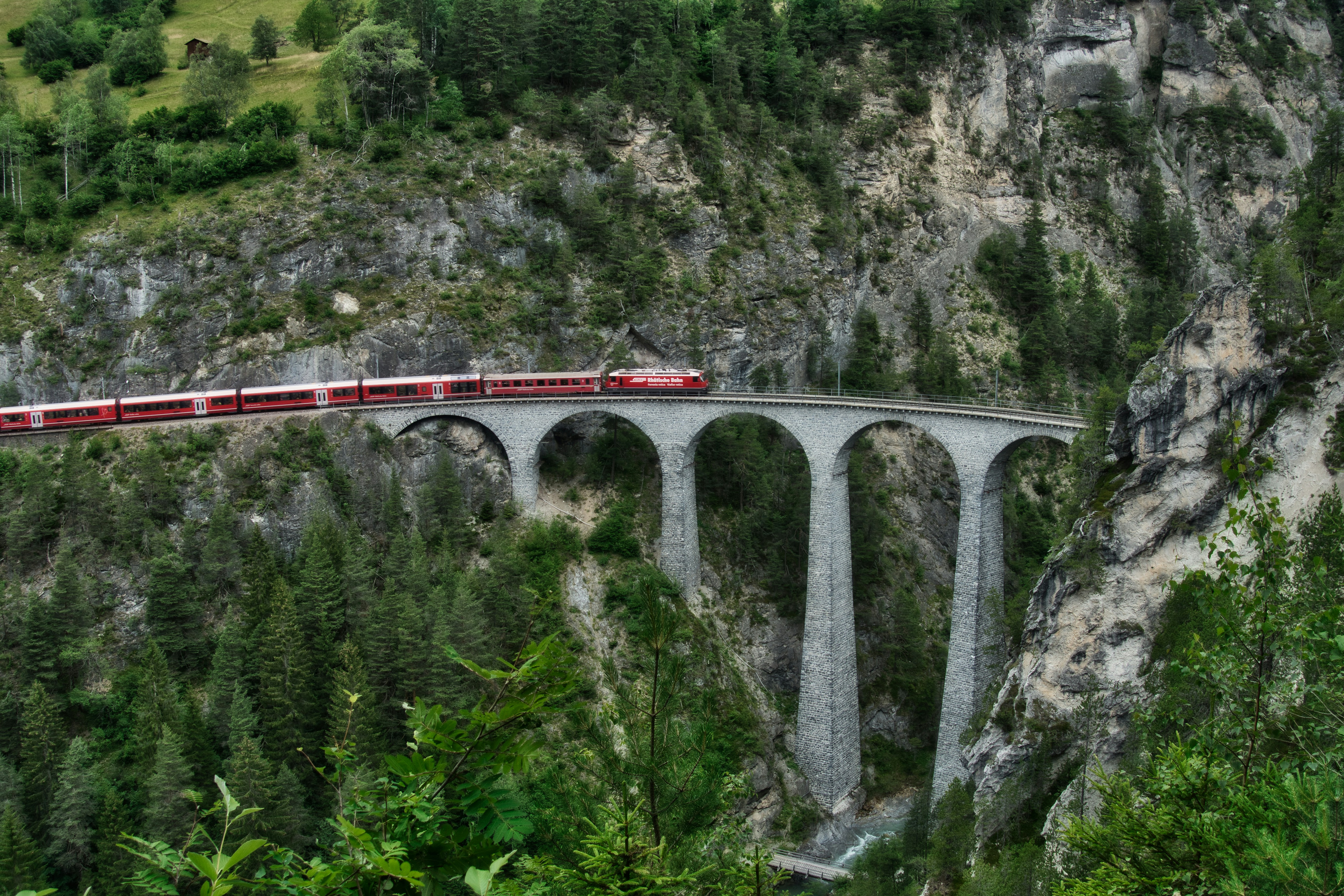
Billed as the world's slowest express train, the Glacier Express takes almost eight hours to cross the Swiss Alps between Zermatt and St Moritz, crossing 291 bridges and 91 tunnels while never exceeding 45 km/h, deliberately slow enough for the panoramic windows to take in the full scale of the Alps.
The curved Landwasser Viaduct is the journey's single most famous moment.
How does it rate
CrowdsRomanceCash RequiredDangerAccessibilityWhy you should go
An eight-hour panoramic train crossing 291 bridges and 91 tunnels through the Swiss Alps, deliberately slow enough to take it all in.
Why you shouldn't go
Panoramic-carriage seats need booking well in advance for peak summer and winter travel dates.
Plan your visit
Best time to visitJune-September for full alpine scenery, or winter for a snow-covered version of the same route.Best time of dayMorning departure, giving the best light across the mountain passes for most of the journey.Getting thereBoard at Zermatt or St Moritz, both reachable by connecting Swiss rail from Zurich or Geneva.Entry costSeats start around CHF150-160 one-way in second class, plus a compulsory seat reservation.Time neededThe full journey takes just under 8 hours.BookingBook ahead →Insider tip — Book a window seat on the train's right-hand side travelling from Zermatt to St Moritz for the best views of the Landwasser Viaduct. -
 #790 /100
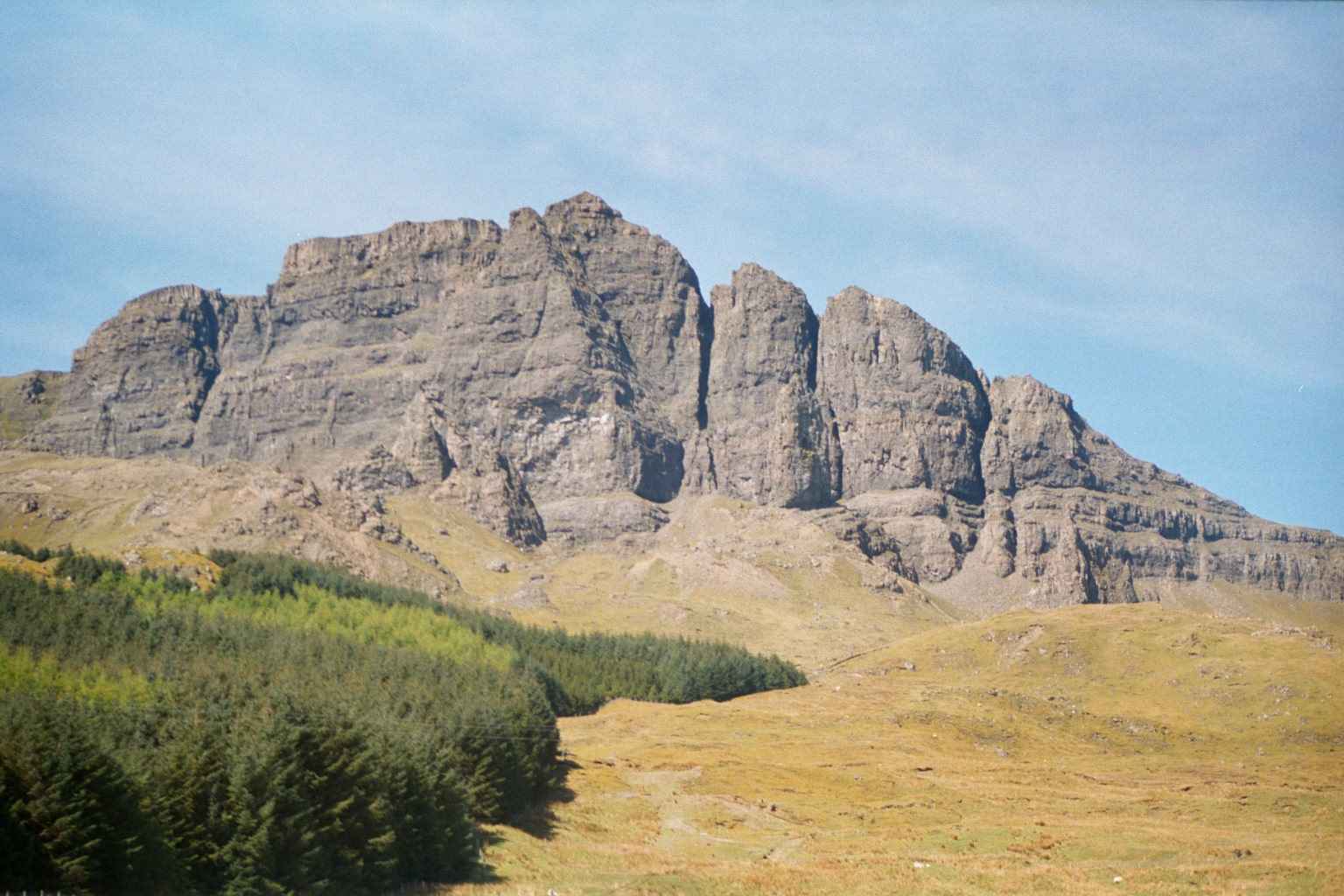
Scotland's largest and most dramatic island rises from the Inner Hebrides like a dark, brooding giant.
The jagged peaks of the Cuillin mountains, the eerie Quiraing landscape, the ancient Dunvegan Castle, and the famous Fairy Pools make Skye one of the UK's most spectacular destinations.
How does it rate
CrowdsRomanceCash RequiredDangerAccessibilityWhy you should go
The Fairy Pools and the Quiraing landscape are genuinely otherworldly and the island's dramatic skies make for extraordinary atmospheric photography.
Why you shouldn't go
Skye has become extremely popular and the single-track roads become very congested in summer; the weather is notoriously unreliable.
Plan your visit
Best time to visitMay-SeptemberBest time of dayGolden hour, especially at the Fairy Pools and Old Man of StorrGetting there~2.5hr drive from Inverness, or fly to Inverness/GlasgowEntry costFreeTime needed3+ daysInsider tip — Old Man of Storr is best at sunrise when light hits the pinnacles and the car park is not full -
 #889 /100
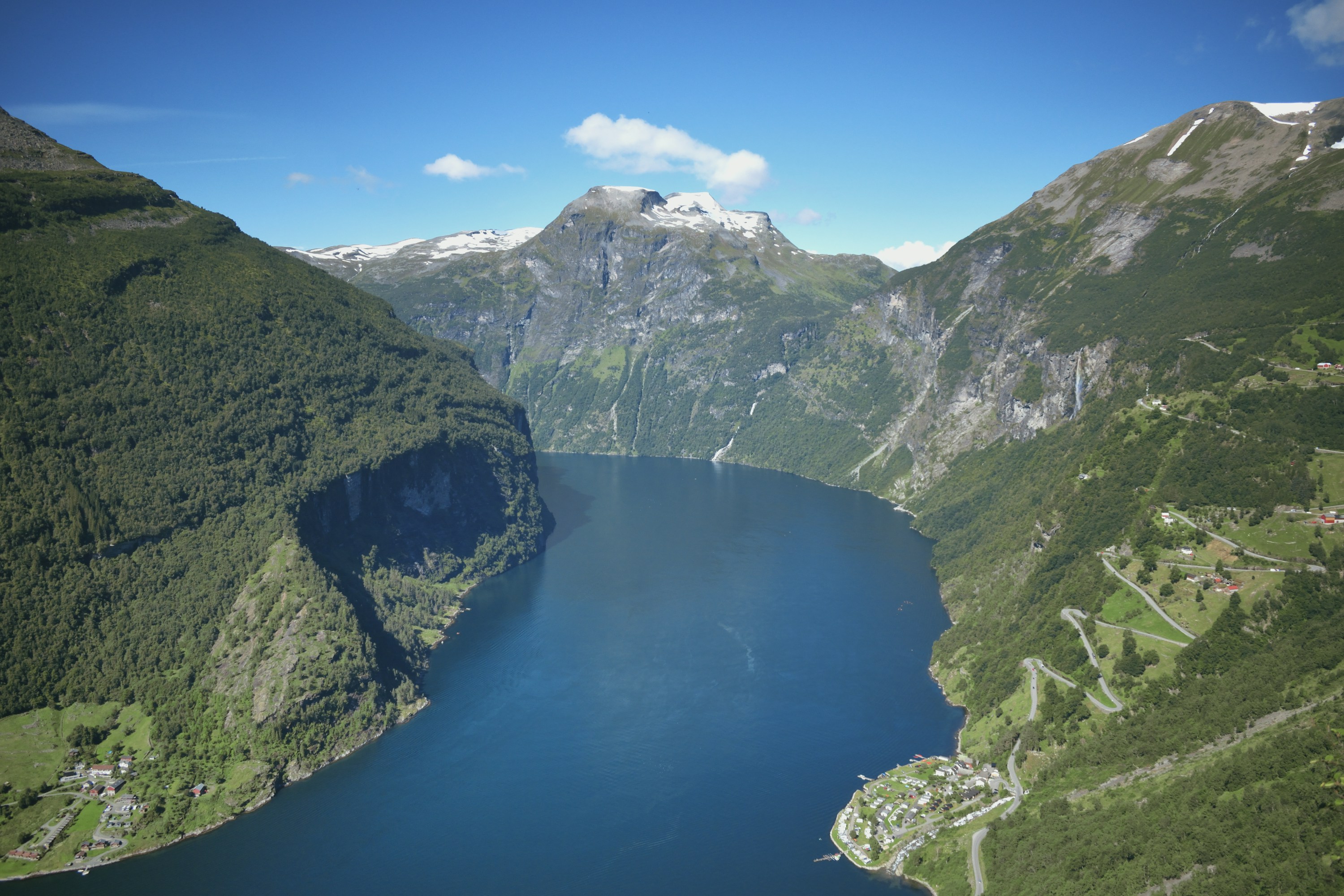
Geirangerfjord is a narrow arm of the sea in western Norway, walled in by near-vertical cliffs over a kilometre high and threaded with waterfalls such as the Seven Sisters.
A UNESCO World Heritage fjord, it can be seen by sightseeing boat, from a hairpin mountain road, or on foot along old farm paths.
Cruise ships call through the short summer season, but the scale of the cliffs and water still dominates.
How does it rate
CrowdsRomanceCash RequiredDangerAccessibilityWhy you should go
One of the most dramatic fjords in Norway - sheer cliffs, cascading waterfalls, and a UNESCO listing to match the scenery.
Why you shouldn't go
Overrun with cruise-ship day-trippers and tour buses through the short summer season.
Plan your visit
Best time to visitMay-September, when ferries and mountain roads are running and waterfalls are at their fullest.Best time of dayEarly morning, before the day's cruise ships dock and the fjord loses its stillness.Getting thereFly to Ålesund; drive or take the seasonal ferry/bus to Geiranger, or arrive by fjord cruise from Ålesund or Hellesylt.Entry costFree to view; toll roads to viewpoints from around 150 NOK, boat trips extra.Time needed1-2 daysInsider tip — Skip the crowded main quay viewpoint and drive the Ørnevegen (Eagle Road) switchbacks above town for a quieter, higher angle over the whole fjord. -
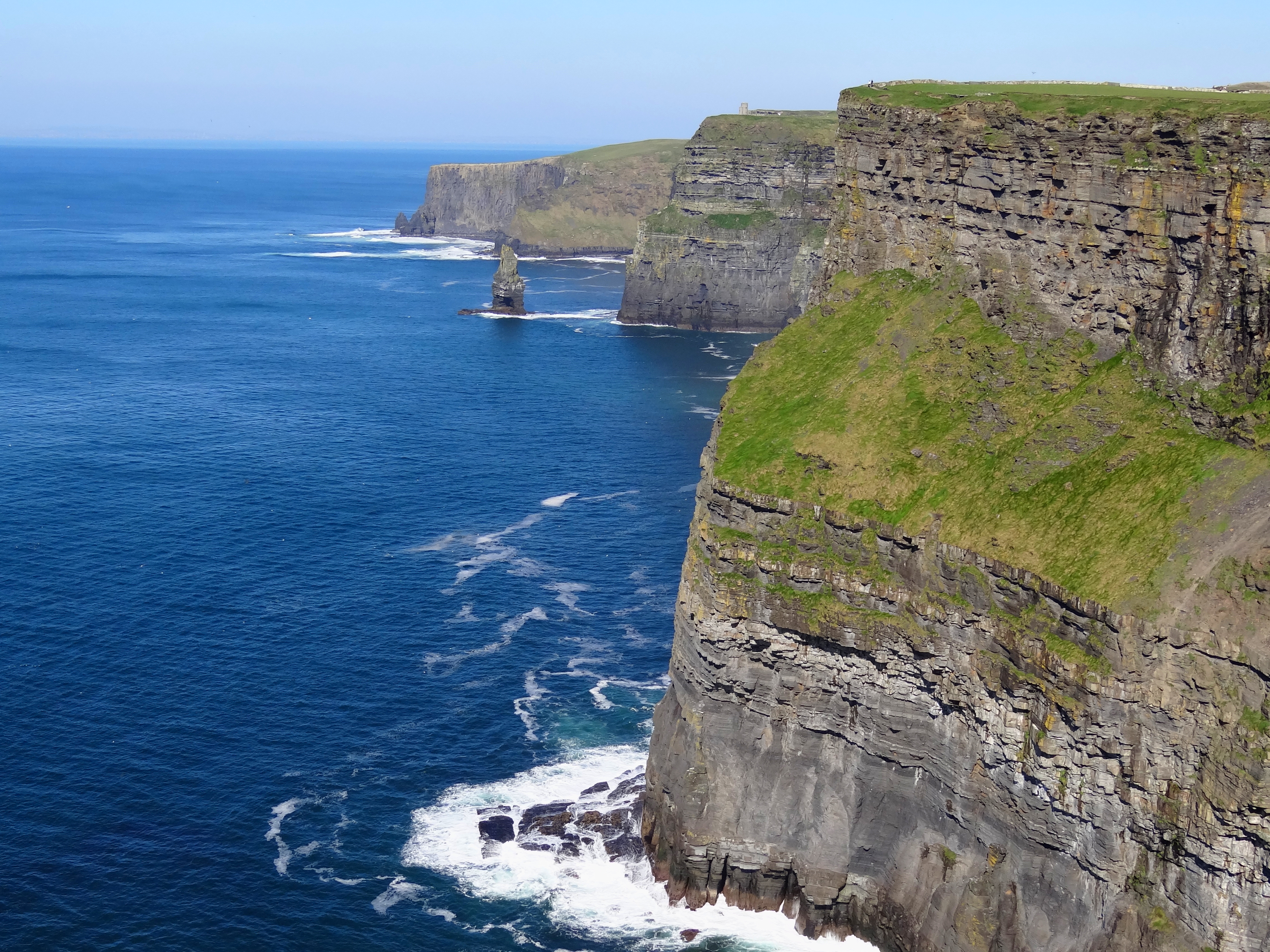 #988 /100
The Cliffs of Moher are a 14-kilometre stretch of sea cliffs on the Atlantic coast of County Clare that rise to 214 metres at their highest point.
The view from the clifftop path, looking south towards the Burren and north towards Galway Bay, with the Aran Islands in the distance, is one of Ireland's most iconic.
How does it rate
CrowdsRomanceCash RequiredDangerAccessibilityWhy you should go
The sheer drama of the cliffs rising vertically from the Atlantic Ocean, particularly on a stormy day when waves crash against the base, is genuinely awe-inspiring.
Why you shouldn't go
The cliffs are one of Ireland's most visited attractions and the visitor centre area can be very crowded; the clifftop path can be dangerously exposed in high winds.
Plan your visit
Best time to visitMay-September for best weather odds (still unpredictable)Best time of dayLate afternoon for light on the cliff faceGetting there~1.5-2hr drive from Galway or LimerickEntry cost~EUR10 entryTime needed2-3 hoursInsider tip — Walk south along the cliff path away from the main visitor centre for quieter views and better angles -
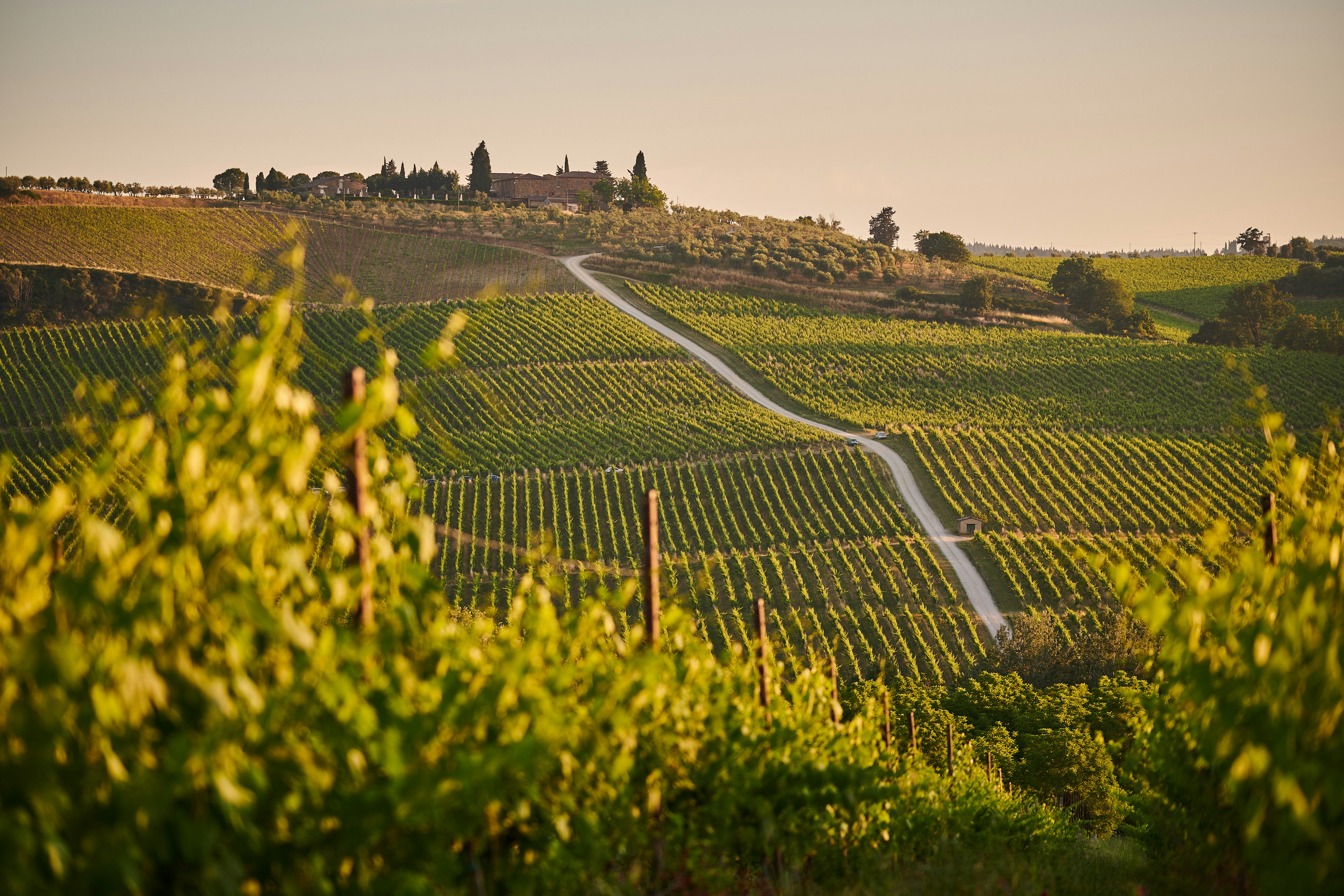 #1088 /100
Between Florence and Siena, Chianti's rolling hills are stitched with vineyards, olive groves and cypress-lined roads that define the classic image of the Tuscan countryside.
Stone farmhouses and hilltop towns like Greve and Radda anchor a landscape barely changed since medieval times, and the black rooster on Chianti Classico labels marks the region's historic heart.
How does it rate
CrowdsRomanceCash RequiredDangerAccessibilityWhy you should go
Tuscany's postcard landscape: rolling vineyards, cypress-lined roads and stone hilltop towns between Florence and Siena.
Why you shouldn't go
The most scenic backroads are narrow and best driven rather than relying on public transport, which is limited between villages.
Plan your visit
Best time to visitSeptember-October for harvest colours, or May-June for wildflowers and comfortable driving weather.Best time of dayGolden hour before sunset, when the vine rows and cypress trees catch long, warm light.Getting thereFly into Florence or Pisa, then a rental car (recommended) roughly 30-40 minutes into the Chianti hills.Entry costTastings typically run EUR15-35 per winery; many require a booked appointment.Time neededA full day for a scenic drive and a few tastings, or several for a proper Tuscan trip.Insider tip — Drive the SR222 'Chiantigiana' road between Florence and Siena for the region's most scenic and iconic vineyard views. -
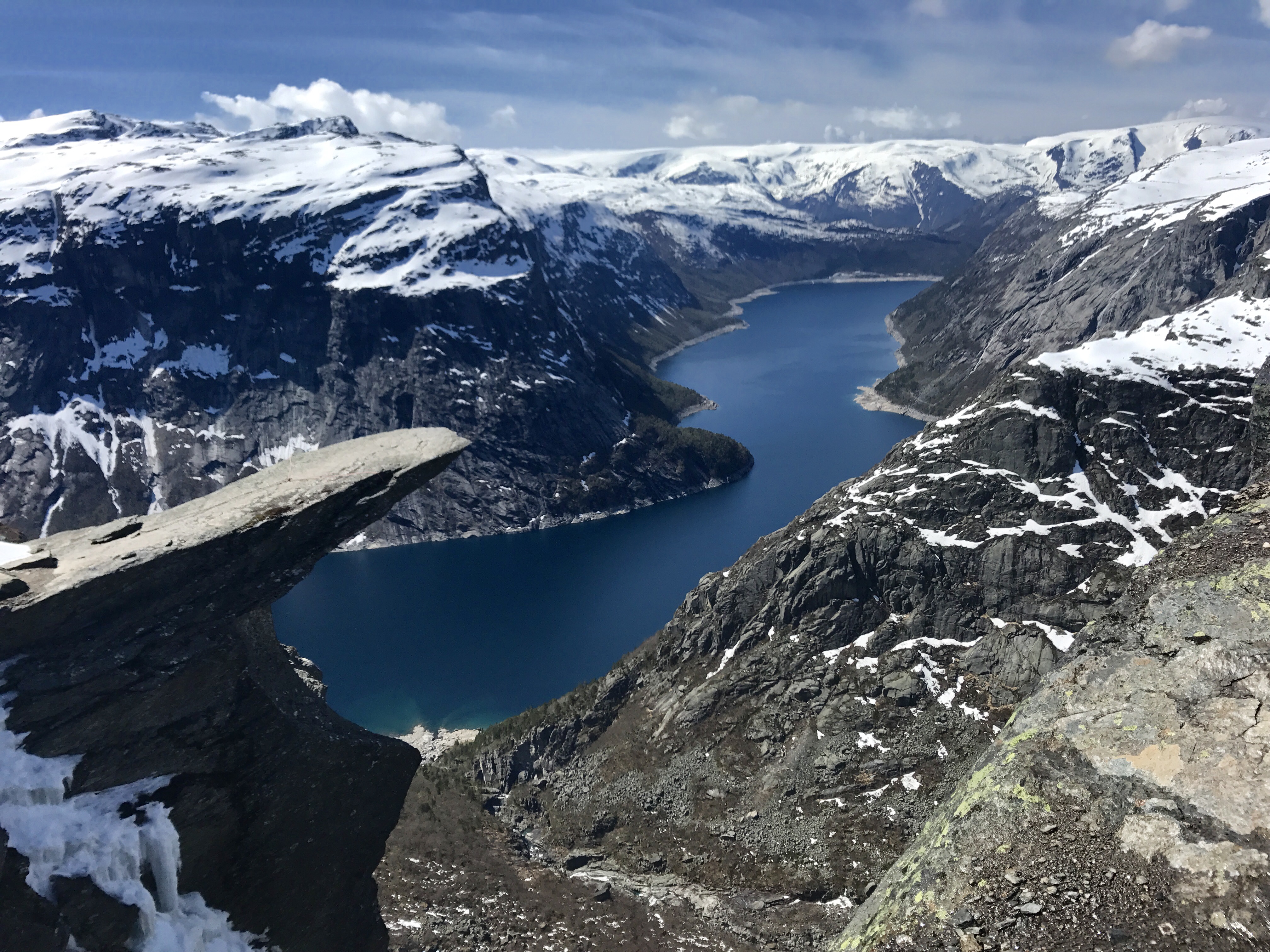 #1188 /100
Trolltunga, meaning Troll's Tongue, is a spectacular horizontal rock formation that juts 700 metres above Lake Ringedalsvatnet in western Norway.
The 27-kilometre return hike to reach it passes through some of Norway's most dramatic fjord landscape, ascending over 1,000 metres in elevation.
How does it rate
CrowdsRomanceCash RequiredDangerAccessibilityWhy you should go
The view from the edge of Trolltunga, with the lake far below and Norwegian mountains stretching to the horizon, is one of Scandinavia's most dramatic vistas.
Why you shouldn't go
The hike is 27 kilometres return with 1,000 metres of elevation gain and takes 10-12 hours; the trail is only open from June to September and weather can change rapidly.
Plan your visit
Best time to visitJune-September (trail closed/dangerous outside this window)Best time of dayEarly morning start essential; it is a long hikeGetting there~4-5hr drive from Bergen to Skjeggedal trailheadEntry costFree; parking fee appliesTime needed10-12 hours round trip hikeInsider tip — Start by 6am; this is a genuinely strenuous full-day hike, not a quick photo stop -
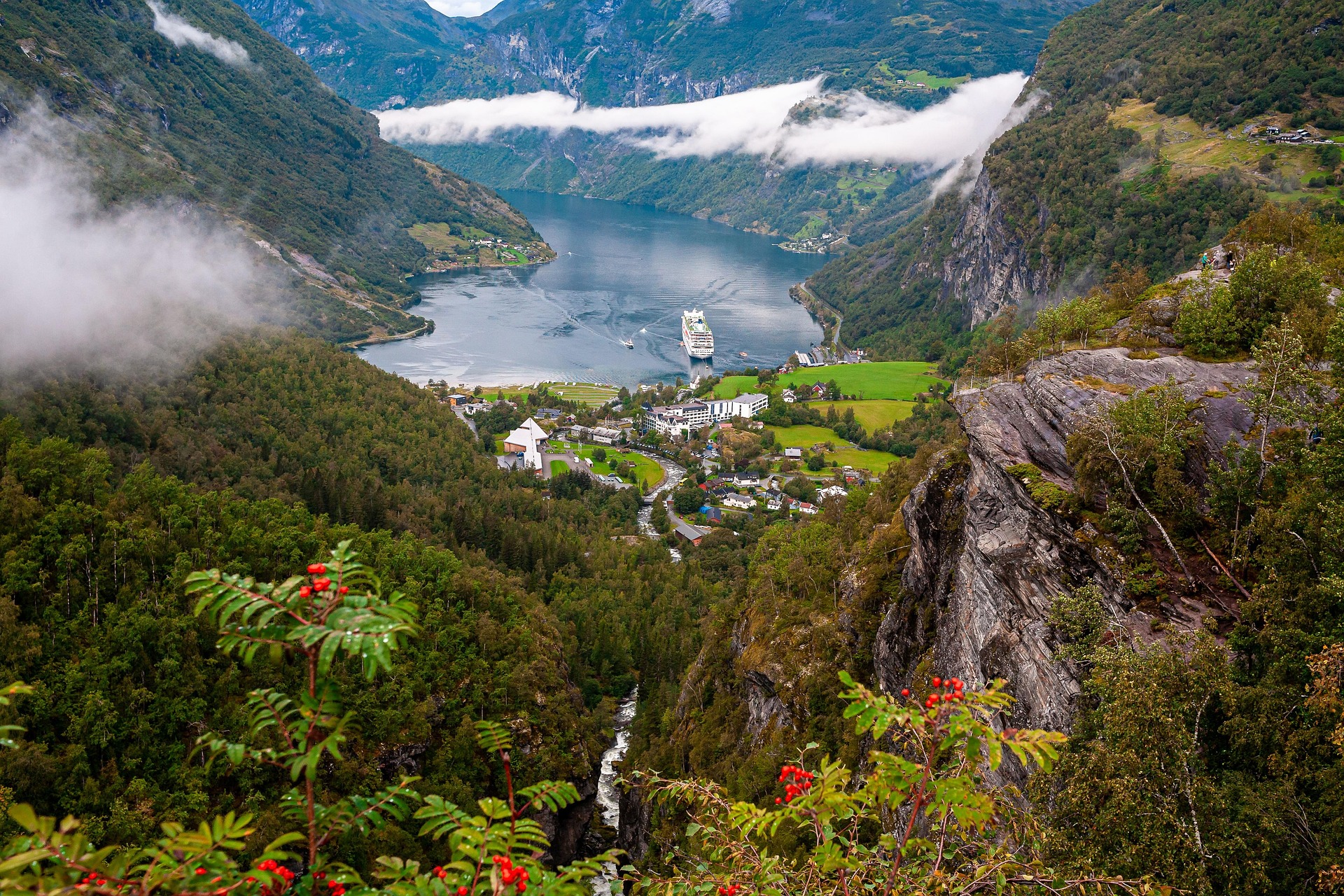 #1288 /100
A cruise through Norway's steepest fjords, where waterfalls drop hundreds of metres past cliffside farms into water so still it mirrors the mountains.
Geirangerfjord and Naeroyfjord, both UNESCO-listed, narrow to barely a ship's width in places.
Small villages like Flam and Geiranger appear suddenly at the fjord's end, framed by snow long into summer.
Midnight sun in June extends the scenery well past a normal evening.
How does it rate
CrowdsRomanceCash RequiredDangerAccessibilityWhy you should go
UNESCO-listed fjords so narrow and sheer that the ship itself becomes part of the view from shore.
Why you shouldn't go
Shore excursions like the Flam Railway or a fjord kayak trip add up fast on top of the cruise fare.
Plan your visit
Best time to visitMay for waterfall volume and lower prices, or June for the midnight sun and long daylight.Best time of dayEarly morning sailing into Geirangerfjord, before day-trippers arrive by tour bus.Getting thereFly into Bergen, Copenhagen, or Hamburg; ships typically embark from a European home port rather than within Norway itself.Entry costIndicative from around EUR 1,740pp for a multi-night fjord cruiseTime needed7-night cruiseInsider tip — Stand on the top deck as the ship threads Geirangerfjord's narrowest point for waterfalls close enough to feel the spray; pack warm layers even in summer. -
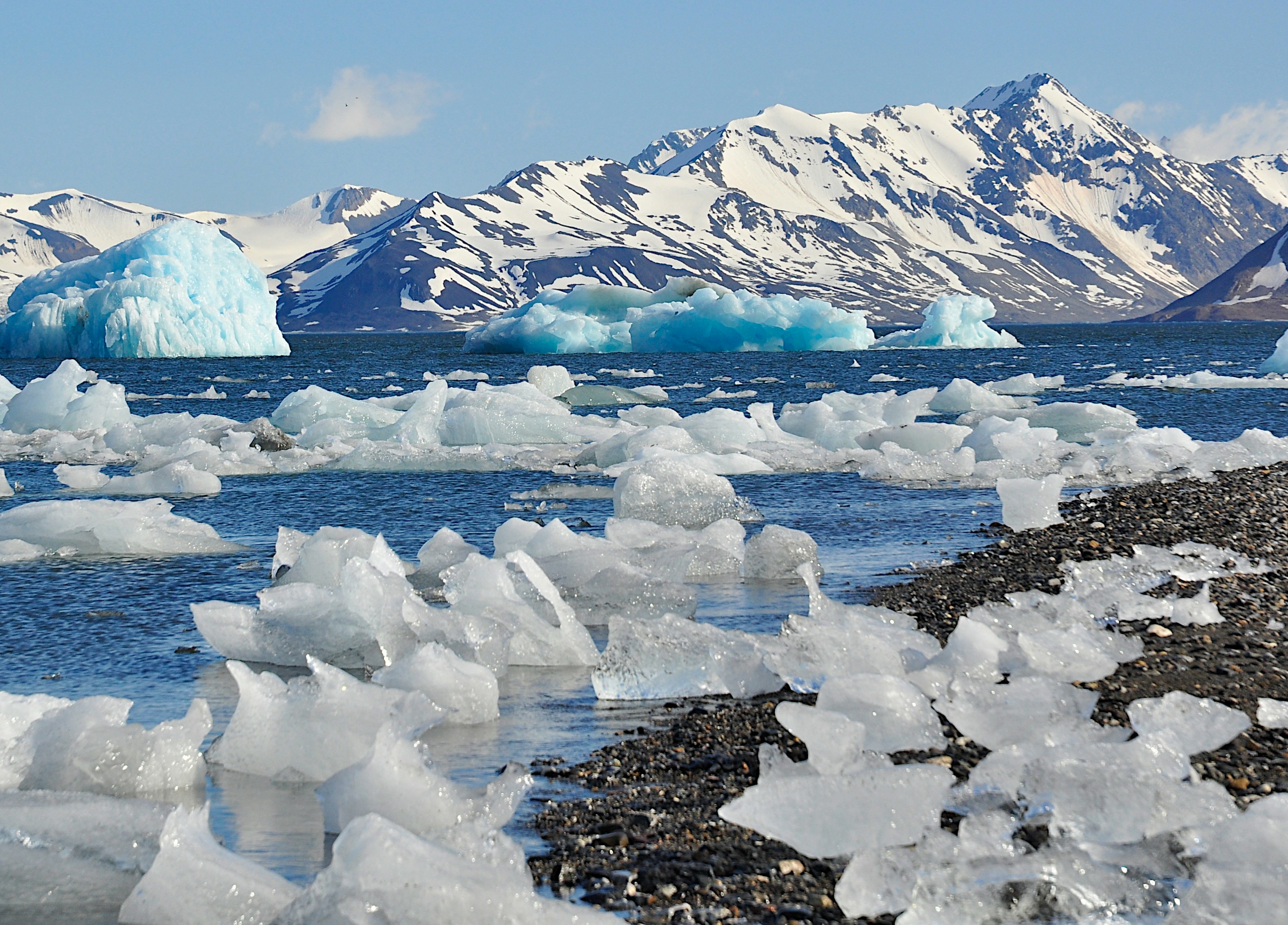 #1387 /100
Svalbard is a remote Norwegian archipelago deep in the Arctic Ocean, roughly 60% covered by glaciers and home to more polar bears than people.
Longyearbyen, the main settlement, is the base for dog-sledding, snowmobiling and boat trips past calving glaciers and drifting sea ice, with the midnight sun in summer and polar night and northern lights in winter.
Almost everything beyond town requires an armed guide, which shapes the whole experience.
How does it rate
CrowdsRomanceCash RequiredDangerAccessibilityWhy you should go
Genuine Arctic wilderness - glaciers, polar bears and sea ice - reachable on a scheduled flight, not an expedition.
Why you shouldn't go
Expensive and logistically restrictive: guided tours are compulsory for almost anything outside Longyearbyen.
Plan your visit
Best time to visitApril-August for midnight sun and easier travel; November-February for northern lights and polar night.Best time of daySeason matters more than time of day - summer light is near-constant, winter darkness is too.Getting thereDirect flights from Oslo or Tromsø to Longyearbyen, around 3 hours from Oslo.Entry costNo entry fee; guided excursions typically 500-3000+ NOK per person per day.Time needed4-7 daysInsider tip — Book glacier or fjord boat trips a season ahead in summer - the small tour operators sell out before the ice starts breaking up. -
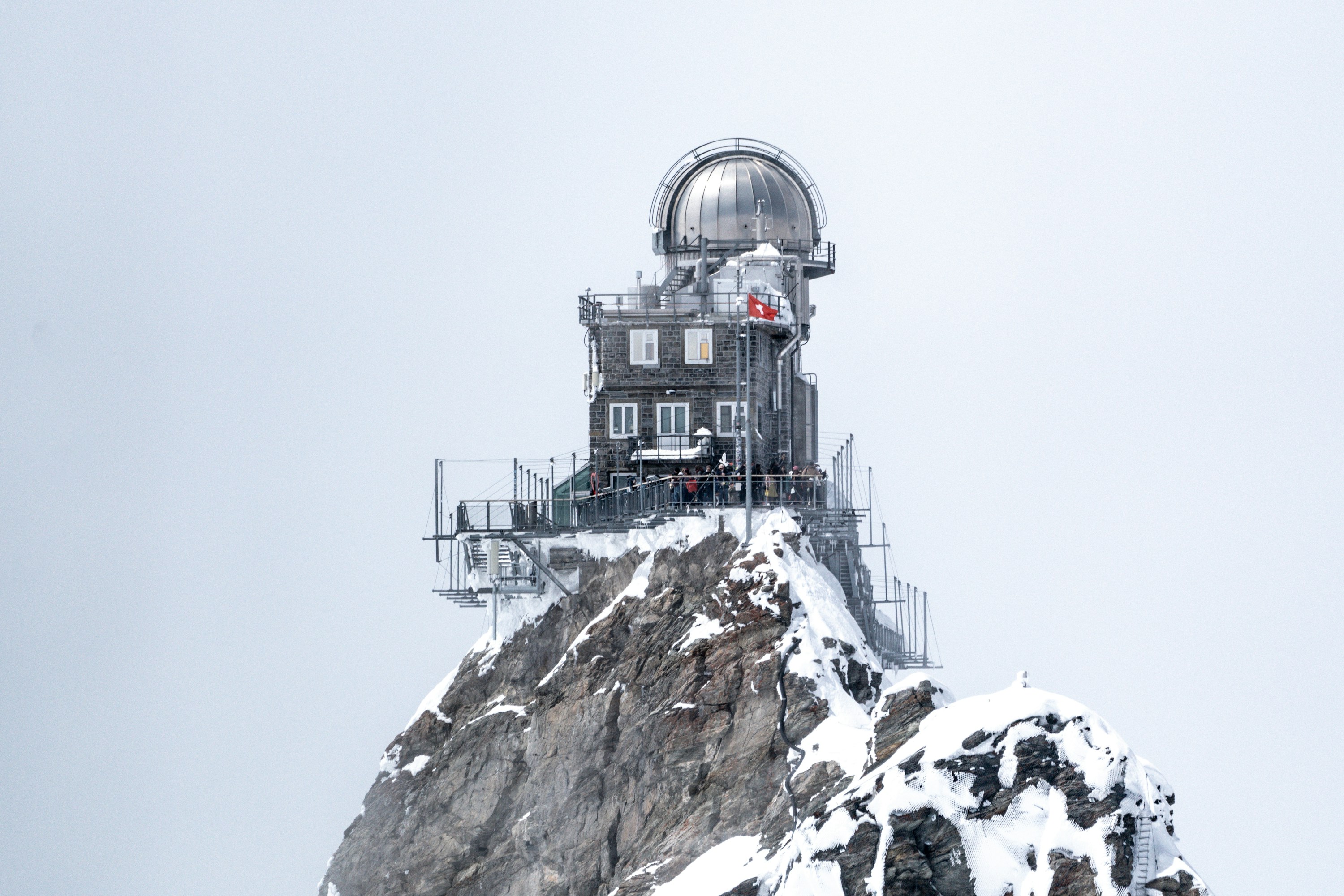 #1487 /100
A cogwheel railway climbs through solid rock to a saddle between the Eiger and Mönch, 3,454 metres up, where the "Top of Europe" station opens onto the Aletsch Glacier, the largest ice stream in the Alps.
An ice palace, observation deck, and snow terrace fill out the visit, though thin air and shifting weather can erase the view without warning.
How does it rate
CrowdsRomanceCash RequiredDangerAccessibilityWhy you should go
The Alps' most complete high-altitude experience reachable entirely by train, glacier included.
Why you shouldn't go
Among the most expensive single excursions in Switzerland, and cloud can close in and erase the view with no refund.
Plan your visit
Best time to visitMay–October for the clearest weather; book the mandatory seat reservation well ahead in summer.Best time of dayFirst train of the day, before cloud typically builds up over the peaks by midday.Getting thereTrain from Interlaken Ost via Grindelwald or Lauterbrunnen/Wengen to Jungfraujoch; no road access.Entry costRound-trip train from Interlaken roughly CHF 220–260 depending on season.Time neededHalf a dayBookingBook ahead →Insider tip — Sit on the right-hand side of the train from Interlaken for the best glacier views on the way up. -
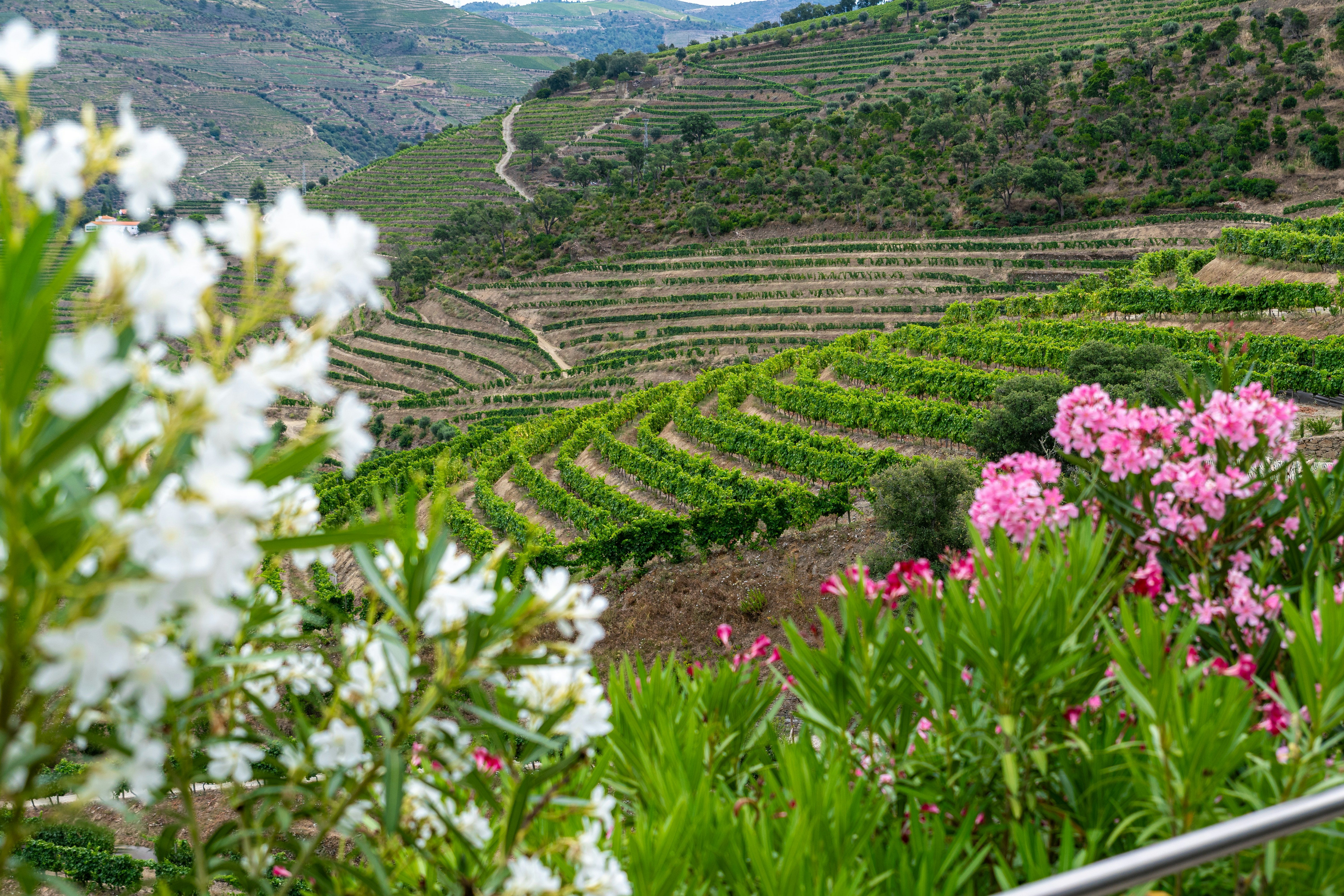 #1586 /100
Portugal's Douro Valley is carved by centuries of hand-terraced vineyards climbing steeply from the river below, a UNESCO World Heritage landscape and the birthplace of port wine, still transported by traditional flat-bottomed rabelo boats that once carried barrels downriver to Porto.
The schist-terraced hillsides shift colour with the seasons.
How does it rate
CrowdsRomanceCash RequiredDangerAccessibilityWhy you should go
UNESCO-listed, hand-terraced vineyard hillsides along the Douro River, the birthplace of port wine.
Why you shouldn't go
The valley's terraced roads are steep and winding, and a river cruise or train is often more relaxing than self-driving.
Plan your visit
Best time to visitSeptember-October for harvest, when the terraces turn gold and russet.Best time of dayLate afternoon from a high viewpoint, when the terraced hillsides are lit low and golden along the river.Getting thereFly into Porto, then a scenic train or roughly 1.5-hour drive east into the valley.Entry costQuinta tastings typically run EUR15-40; river cruises vary widely by length.Time neededA full day, or several for a proper valley tour including a river cruise.Insider tip — Take the train from Porto's Sao Bento station along the river rather than driving, for uninterrupted valley views without navigating the roads yourself. -
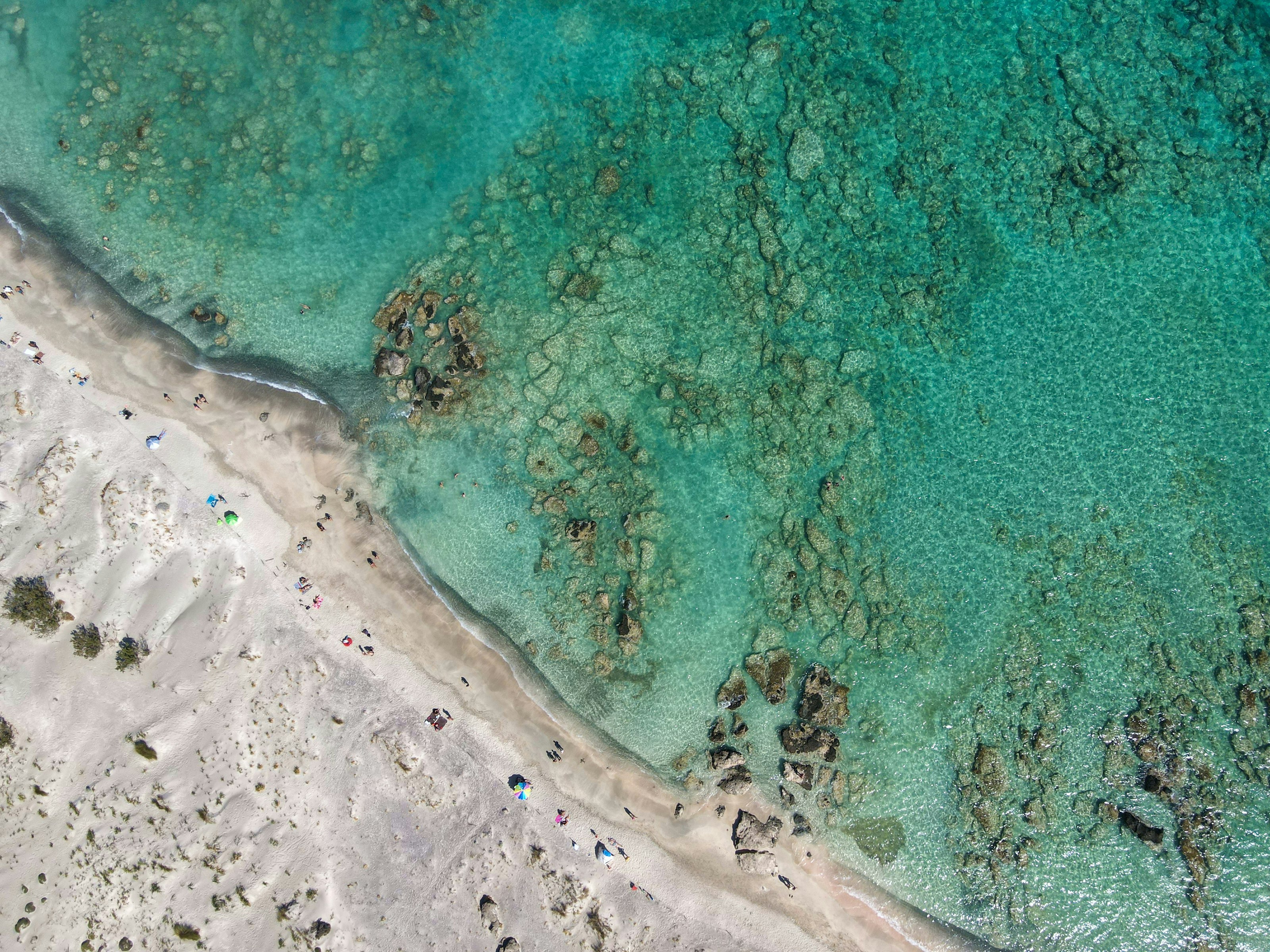 #1686 /100
Elafonisi, on Crete's southwestern tip, is known for sand that turns pale pink where crushed coral mixes with white quartz, and a shallow lagoon warm and calm enough to wade across to a small offshore islet.
The water is startlingly clear and turquoise even by Greek island standards, and the beach's gentle slope makes it one of the easier stretches of coast for families with young children.
How does it rate
CrowdsRomanceCash RequiredDangerAccessibilityWhy you should go
Wading across a shallow, warm lagoon to pink-tinged sand is one of the most distinctive beach experiences in the Mediterranean.
Why you shouldn't go
It's a long drive from anywhere else on Crete, and the beach fills up fast once the day-trip buses arrive.
Plan your visit
Best time to visitMay–June or September for warm water without the peak-August crowds.Best time of dayEarly morning, before day-trip buses from Chania and Rethymno arrive by mid-morning.Getting thereFly to Chania; roughly 1.5–2-hour drive along the southwest coast road.Entry costFree beach; parking near the entrance charges a small fee in summer.Time neededHalf a dayInsider tip — Walk past the crowded main stretch toward the far end near the islet — the sand and water are just as good and far quieter. -
 #1784 /100
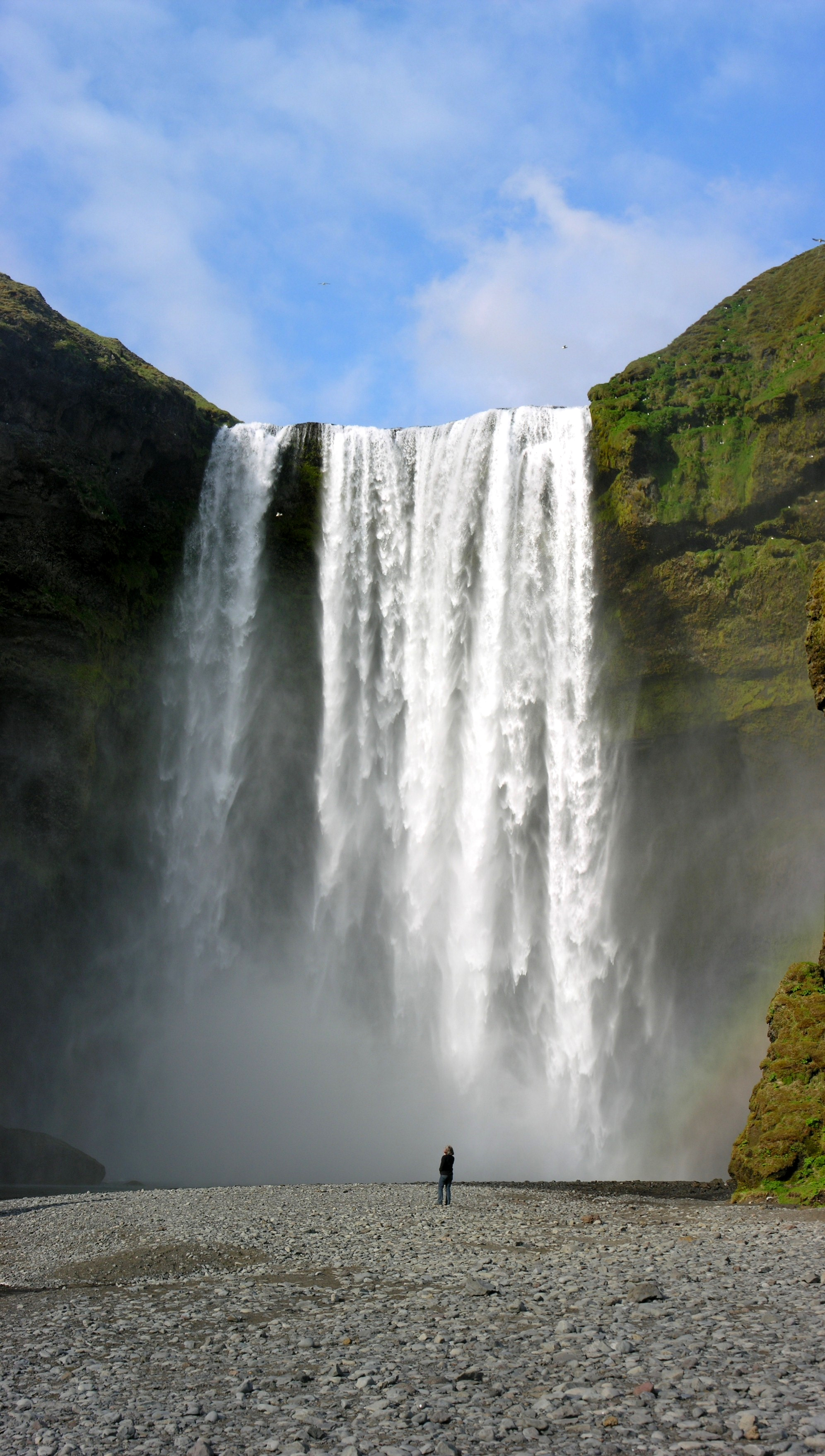
Skogafoss is one of Iceland's most dramatic waterfalls, with the Skoga river plunging 60 metres over a cliff edge into a pool below, generating so much spray that a rainbow forms on sunny days.
A staircase of 527 steps climbs to the top of the falls, giving access to a scenic riverside trail.
How does it rate
CrowdsRomanceCash RequiredDangerAccessibilityWhy you should go
Skogafoss is consistently photogenic, particularly in sunshine when its permanent rainbow appears, and the climb to the top rewards with spectacular views along the river valley.
Why you shouldn't go
The waterfall lies directly on the Ring Road so it becomes very crowded, and the spray from the falls means you will get thoroughly wet if you approach close.
Plan your visit
Best time to visitMay-September for easier access, winter for ice formationsBest time of dayMidday on a sunny day for the rainbow in the sprayGetting there~2.5hr drive from Reykjavik along Route 1Entry costFreeTime needed1 hourInsider tip — Climb the staircase to the top for a completely different, less-photographed view down the falls -
 #1884 /100
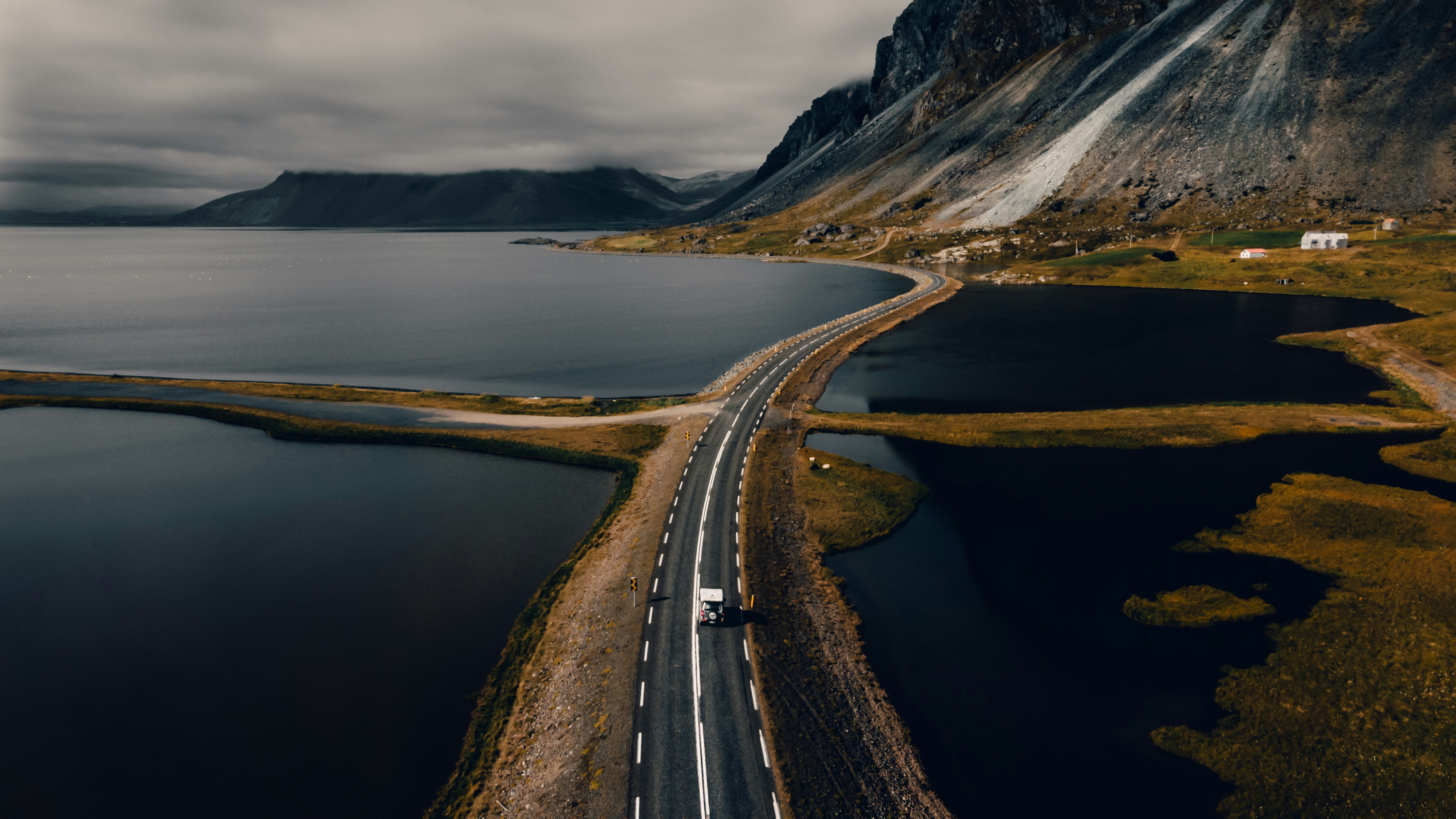
Route 1 loops 1,332 kilometres around Iceland, stringing together nearly every landscape it's famous for: black sand beaches, glacier lagoons, geothermal fields, and waterfalls beside the road.
The south coast alone delivers Seljalandsfoss, Skogafoss and the icebergs of Jokulsarlon within hours.
Further round, the route crosses lava deserts and fishing villages, then the geothermal north near Lake Myvatn, before looping back to Reykjavik.
How does it rate
CrowdsRomanceCash RequiredDangerAccessibilityWhy you should go
One road connects nearly all of Iceland's iconic waterfalls, glaciers and black-sand beaches in a single loop.
Why you shouldn't go
Long driving days between highlights, and winter conditions can close sections with little notice.
Plan your visit
Best time to visitJune-August for long daylight and reliably open roads; a 4x4 is recommended outside summer.Best time of dayMidday in winter for limited daylight; any time in summer's near-endless light.Getting thereFly into Keflavik, pick up a rental car in Reykjavik, and join Route 1 heading either direction.Entry costFree to drive; fuel, car hire and Iceland's high accommodation costs applyTime needed7-10 daysBookingBook ahead →Insider tip — Check road.is each morning before setting off - single-lane bridges, sheep, and sudden weather shifts are constant. -
 #1984 /100
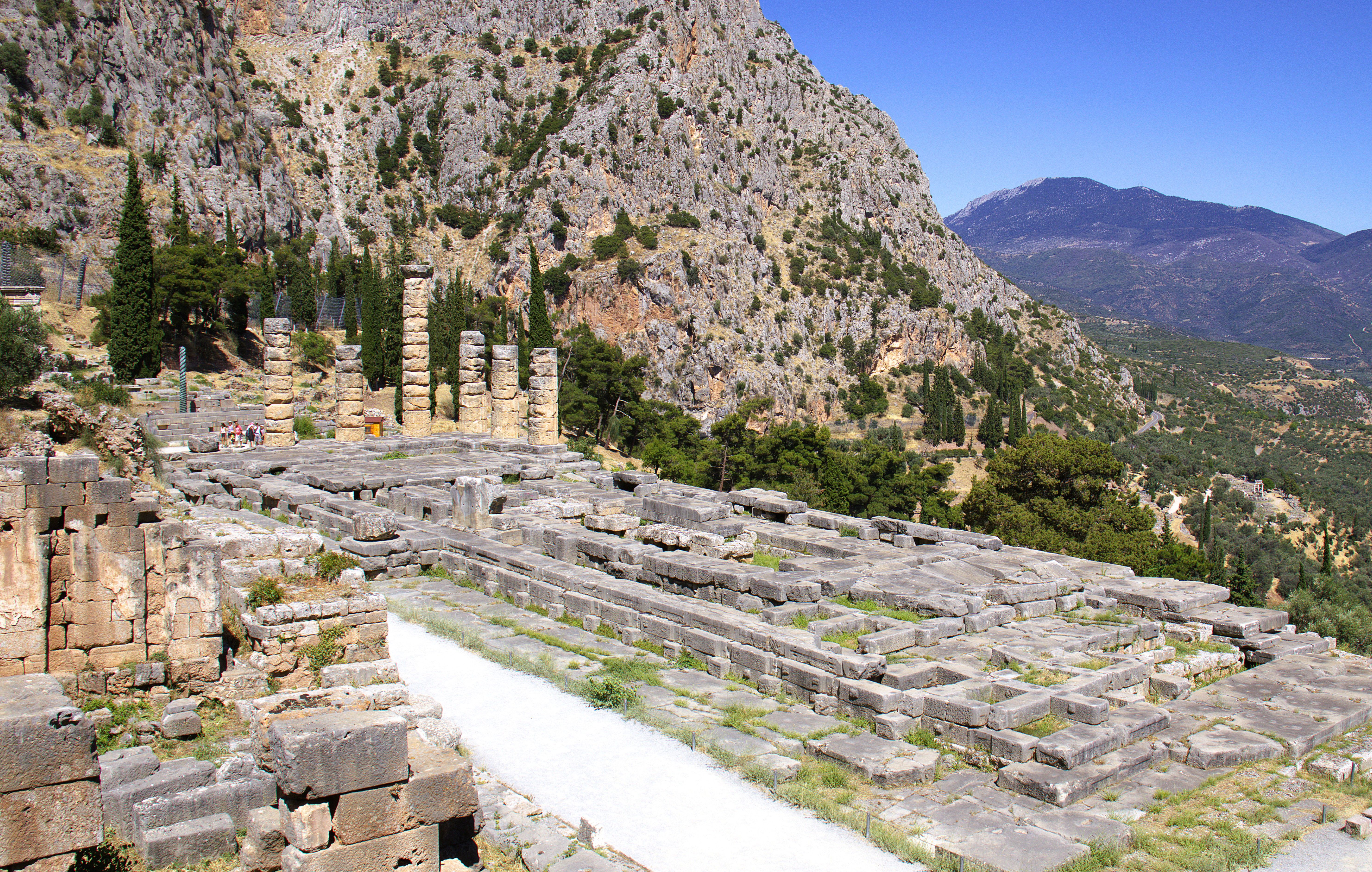
Delphi was the ancient world's most important oracle, where pilgrims travelled from across the Mediterranean to consult the priestess of Apollo.
The sanctuary's ruins climb a steep slope of Mount Parnassus overlooking a valley of olive groves that stretches to the Gulf of Corinth, and the on-site museum holds the bronze Charioteer, one of the finest surviving Greek statues.
How does it rate
CrowdsRomanceCash RequiredDangerAccessibilityWhy you should go
Few ancient sites match Delphi's setting — temple ruins climbing a sheer mountainside above a valley that runs to the sea.
Why you shouldn't go
The site is a genuine climb on uneven ancient stone, with little shade in summer heat.
Plan your visit
Best time to visitApril–June or September–October for mild hiking weather and thinner crowds.Best time of dayEarly morning, before tour buses from Athens arrive by mid-morning.Getting thereFly to Athens; roughly 2.5-hour drive or bus northwest into the mountains.Entry costPaid entry; combined ticket available with the museum.Time needed3–4 hoursInsider tip — Visit the museum before the site — seeing the Charioteer and original sculptures first makes the ruins easier to picture as they once were. -
 #2084 /100
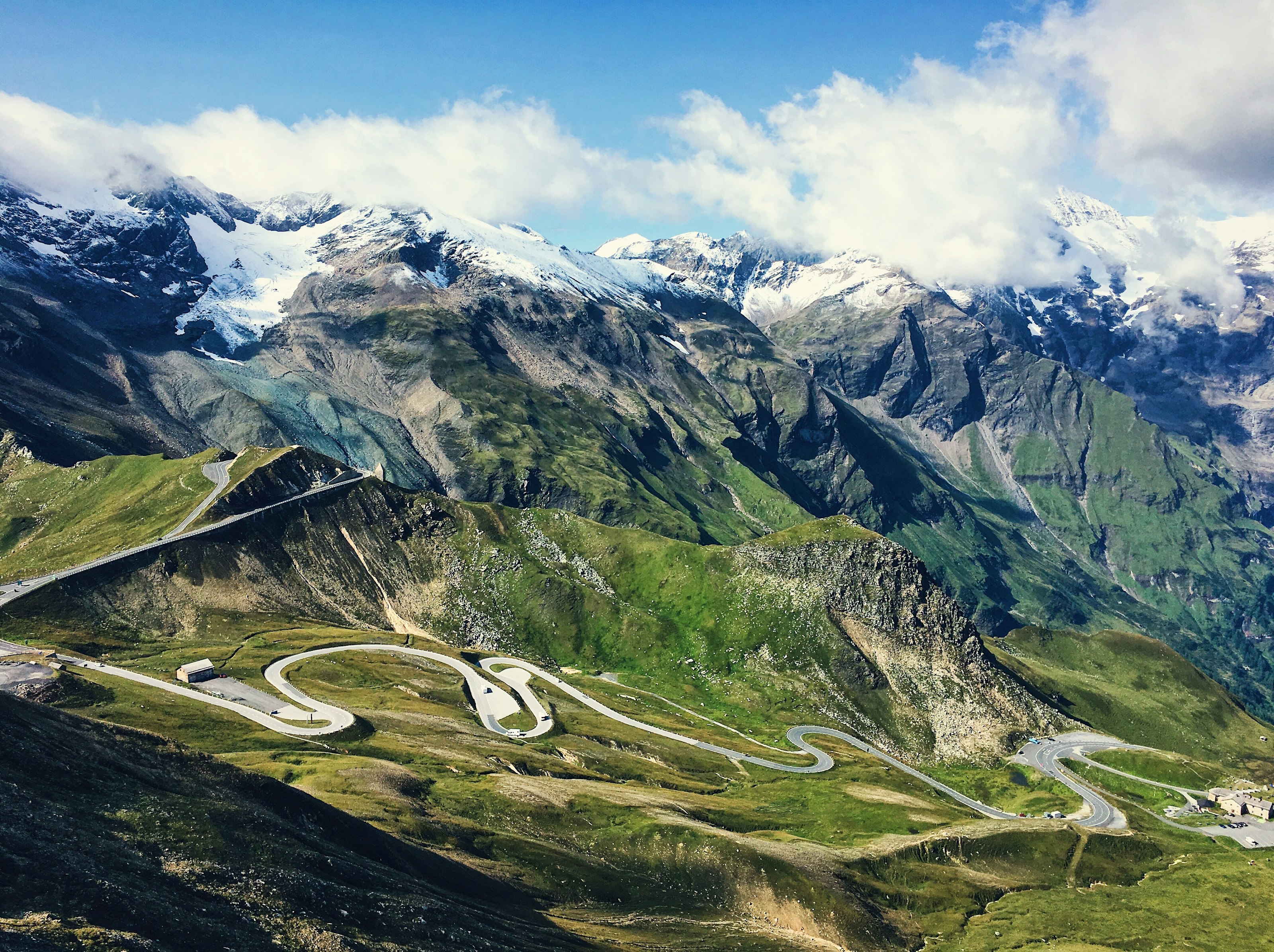
The Grossglockner High Alpine Road climbs through 36 hairpin bends to over 2,500 metres, threading past Austria's highest peak and ending at a viewpoint over the Pasterze, the country's largest glacier.
Marmots and ibex are a common sight along the route, and a dozen or so panoramic pull-offs give reason to stop every few kilometres.
The road is only open from May to October, closing once snow makes the high pass impassable.
How does it rate
CrowdsRomanceCash RequiredDangerAccessibilityWhy you should go
Few drives anywhere put a country's highest peak and largest glacier both directly in view from the road itself.
Why you shouldn't go
It's a toll road only open in warmer months, and hairpin after hairpin makes it a slow, deliberate drive rather than a scenic shortcut.
Plan your visit
Best time to visitJune–September, when the road is fully open and snow has cleared from the pass.Best time of dayMorning, for clear visibility before afternoon cloud builds around the peaks.Getting thereFly to Salzburg; roughly 1.5-hour drive south to the road's northern entrance near Fusch.Entry costToll charged per vehicle.Time neededHalf a dayInsider tip — Stop at the Kaiser-Franz-Josefs-Höhe viewpoint for the best direct view of the Pasterze glacier and the Grossglockner summit. -
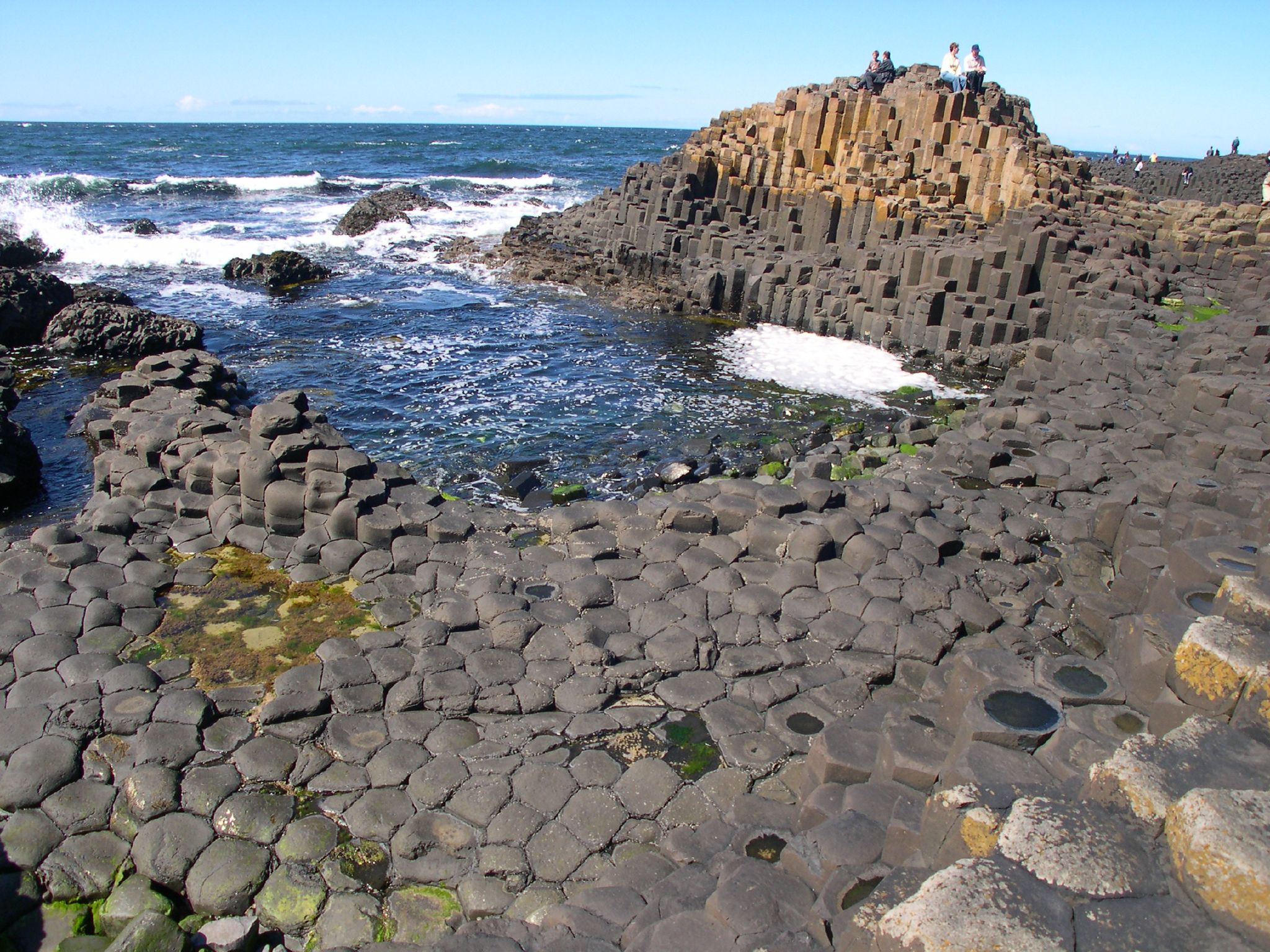 #2184 /100
The Giant's Causeway is an area of approximately 40,000 interlocking basalt columns on the Antrim coast of Northern Ireland, formed by an ancient volcanic fissure eruption.
The hexagonal columns, which fit together with extraordinary geometric precision, were created around 50-60 million years ago and have inspired countless legends.
How does it rate
CrowdsRomanceCash RequiredDangerAccessibilityWhy you should go
The perfectly interlocking hexagonal basalt columns look so geometrically precise they seem man-made; the coastal setting and the legends surrounding them add to the atmosphere.
Why you shouldn't go
The site can be very crowded and the National Trust visitor centre charges for parking; the columns themselves are best appreciated on a bright day.
Plan your visit
Best time to visitSpring or autumnBest time of dayGolden hour, especially with a stormy skyGetting there~1hr drive from BelfastEntry costFree to the causeway itself; visitor centre chargesTime needed1.5-2 hoursInsider tip — Skip the visitor centre if on a budget; the causeway stones are freely accessible via the coastal path -
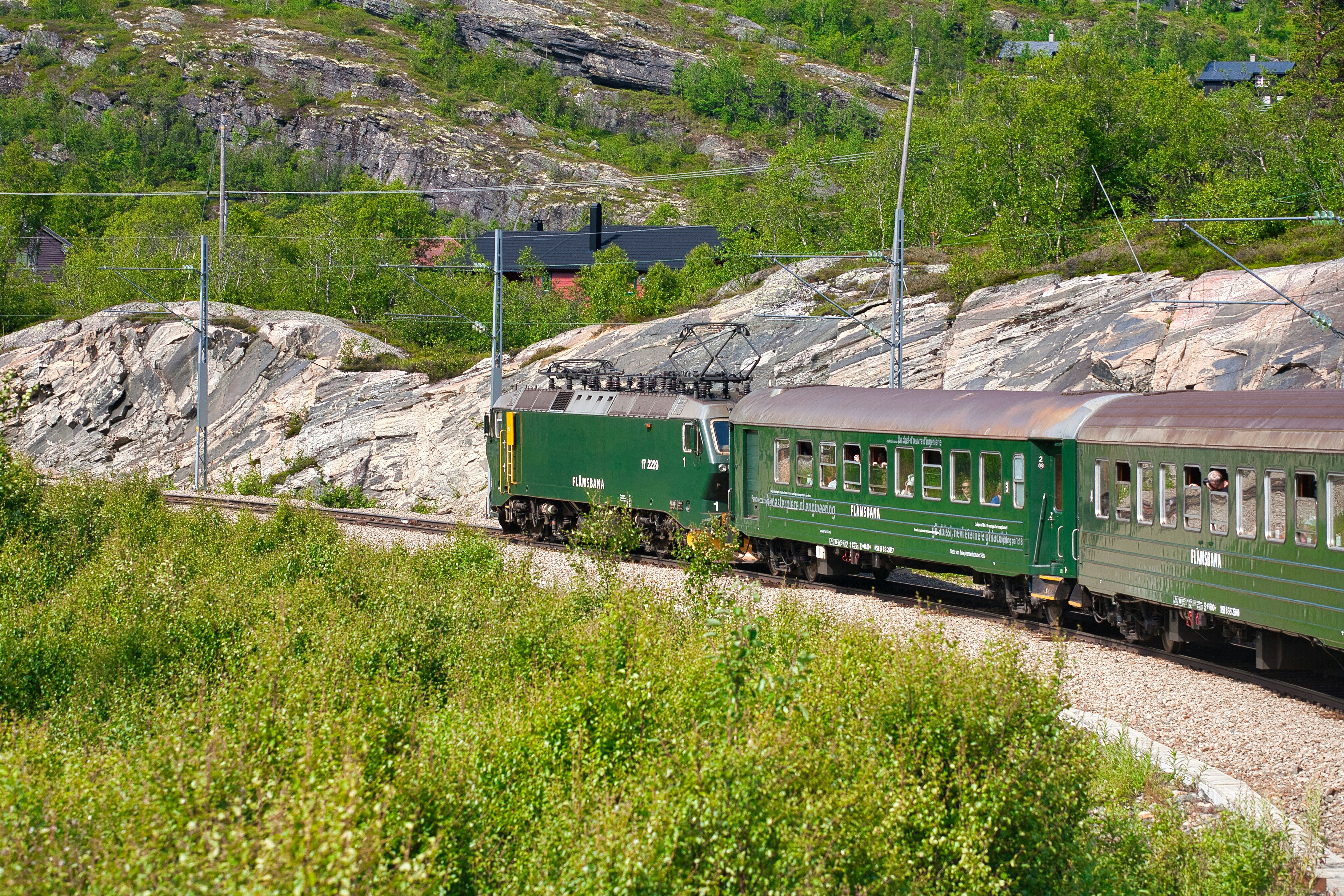 #2283 /100
One of the steepest standard-gauge railways in the world, the Flam Railway climbs 866 metres in just 20km between the fjord-side village of Flam and the mountain station at Myrdal, passing waterfalls and hairpin turns carved through solid rock over 20 years of construction.
It makes a scheduled stop at Kjosfossen waterfall, where passengers step out onto a platform beside the falls.
How does it rate
CrowdsRomanceCash RequiredDangerAccessibilityWhy you should go
One of the world's steepest railways, climbing 866m through fjord-side mountains with a scheduled waterfall photo stop.
Why you shouldn't go
The Flam valley sits deep in fjord country, so reaching it involves a longer multi-leg journey from Oslo or Bergen.
Plan your visit
Best time to visitMay-September for the fullest scenery and reliable service; the line runs year-round but winter adds snow-related delays.Best time of dayMidday, when light reaches deep into the narrow fjord valley the train climbs through.Getting thereTake a train from Oslo or Bergen to Myrdal, then transfer to the Flam Railway itself.Entry costRound-trip tickets cost around NOK500-560.Time neededRound trip takes about 2 hours including the Kjosfossen stop.BookingBook ahead →Insider tip — Combine the train with the Naeroyfjord cruise from Flam for a full 'Norway in a Nutshell' loop rather than just riding the railway alone. -
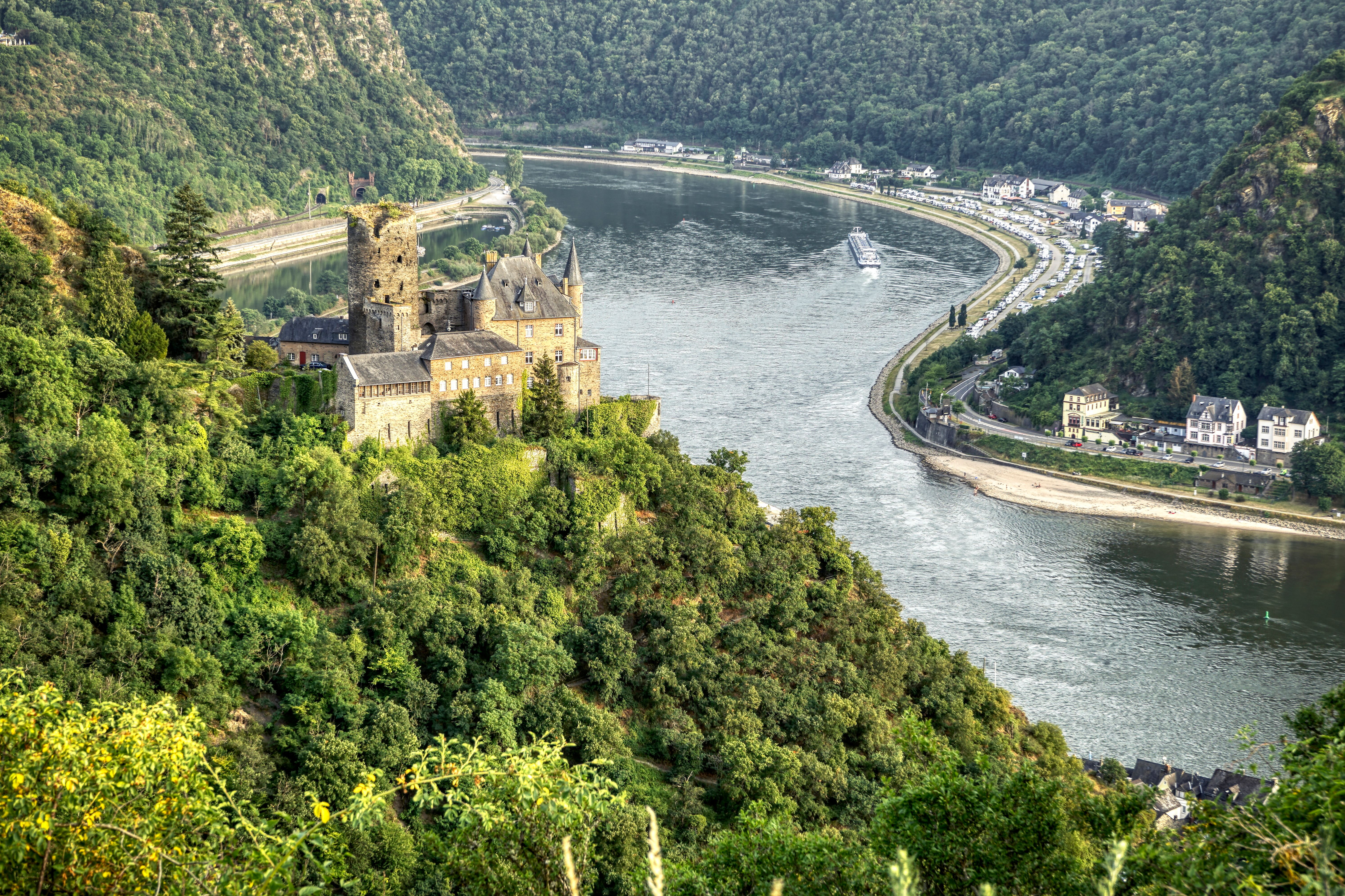 #2383 /100
The Rhine Gorge is a 65-kilometre stretch of the river between Koblenz and Bingen where more than 40 medieval castles sit on vineyard-terraced hillsides above the water, including the legendary Loreley rock where a siren was said to lure sailors to their deaths.
River cruises, a scenic rail line, and riverside cycling paths run the length of the valley, with half-timbered wine villages lining the banks at almost every bend.
How does it rate
CrowdsRomanceCash RequiredDangerAccessibilityWhy you should go
A slow river cruise past dozens of hilltop castles in a single afternoon is hard to match anywhere else in Europe.
Why you shouldn't go
Both banks carry busy road and rail lines, so the valley isn't as quiet as the postcard views suggest.
Plan your visit
Best time to visitMay–June or September–October, for mild weather and the grape harvest season.Best time of dayLate afternoon, when low sun lights the castles from across the water.Getting thereFly to Frankfurt; 1-hour train to Koblenz or Bingen, the gorge's two ends.Entry costFree to view from the riverbank or train; boat cruises and individual castle entries are paid.Time needed1 dayInsider tip — Take the train one way and the boat the other — the train gives closer castle views, the boat gives the classic wide-river perspective. -
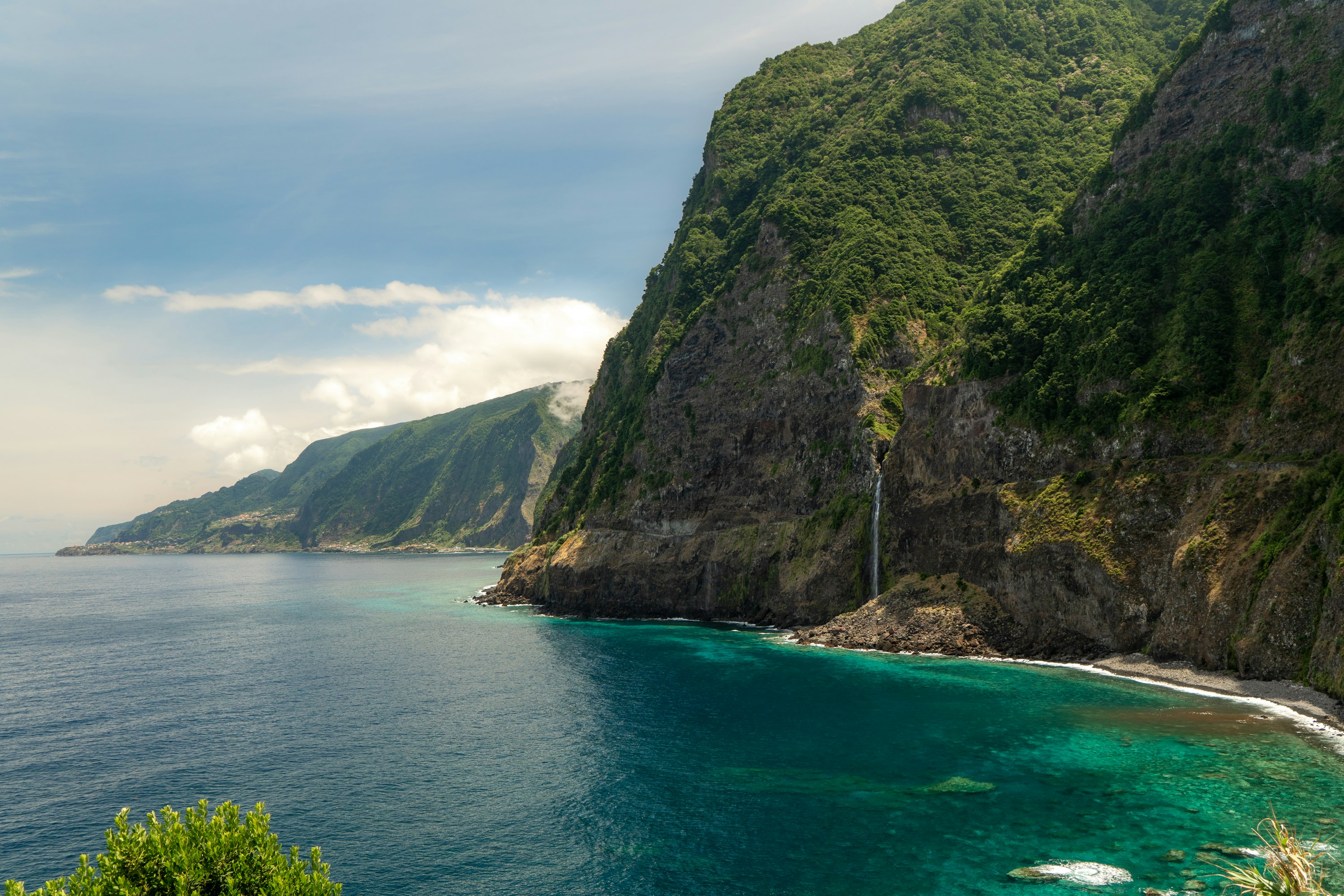 #24
#24A volcanic island in the mid-Atlantic nicknamed the "floating garden," Madeira packs cloud forest, terraced vineyards, and sea cliffs over 500 metres tall into an area smaller than greater London.
A 19th-century irrigation network of levadas laces the interior with walking trails through laurel forest and past hidden waterfalls, while a glass skywalk cantilevers out over Cabo Girão, one of Europe's highest sea cliffs.
How does it rate
CrowdsRomanceCash RequiredDangerAccessibilityWhy you should go
Levada trails, laurel forest, and dramatic cliffs pack in more landscape variety than an island this size should have.
Why you shouldn't go
Terrain is steep throughout the interior; reaching the best trails and viewpoints generally requires a rental car.
Plan your visit
Best time to visitApril–October for reliably dry trails; the mild year-round climate also suits winter breaks.Best time of dayMorning, before afternoon cloud typically rolls in over the higher levadas and viewpoints.Getting thereFly directly to Madeira Airport near Funchal; a rental car is the practical way to reach most levadas and viewpoints.Entry costFree to hike most levadas; Cabo Girão skywalk and cable cars charge a small fee.Time needed3–5 daysInsider tip — Levada do Caldeirão Verde is one of the most rewarding walks — start early to beat tour groups and have the waterfall to yourself. -
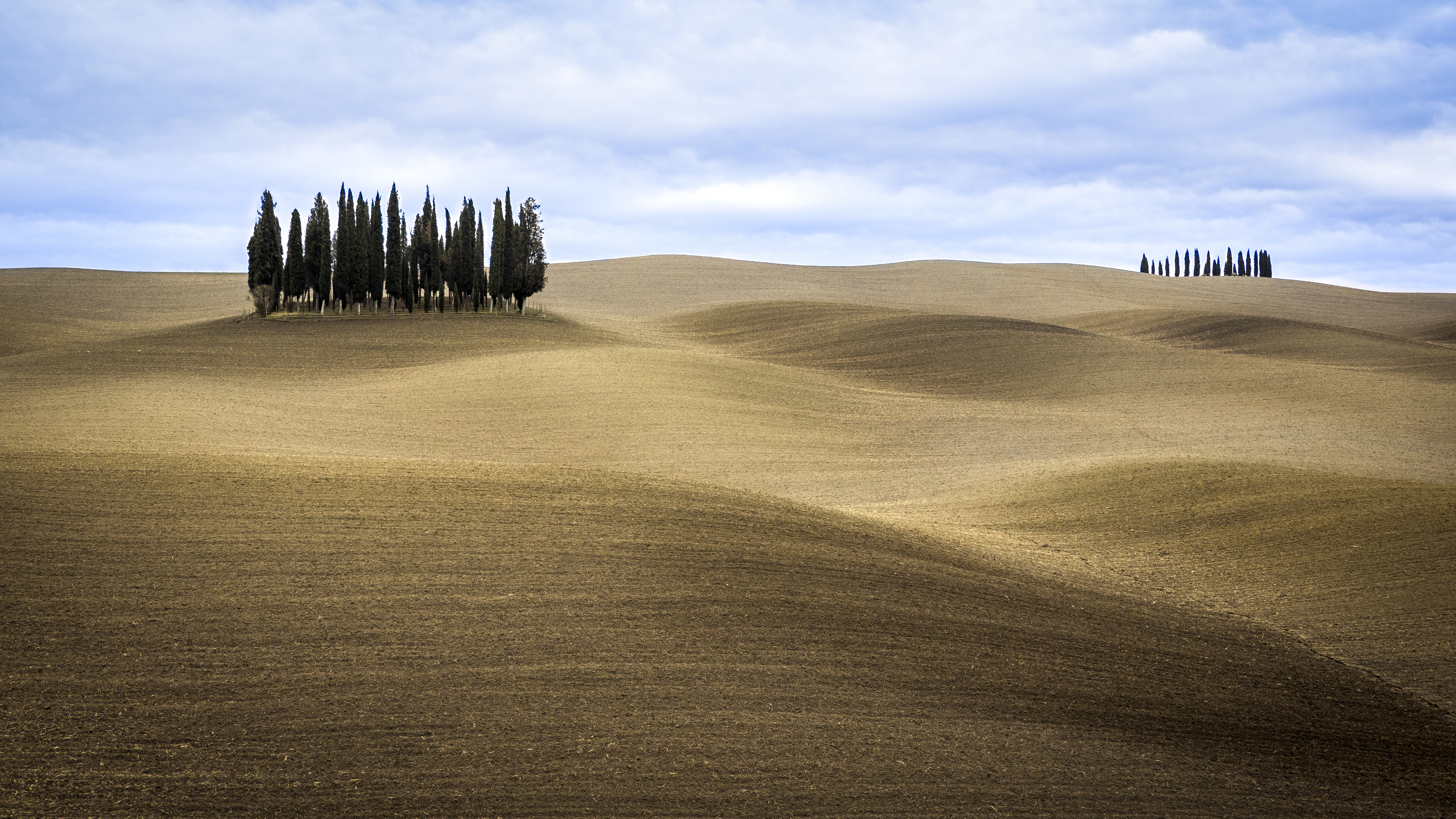 #2582 /100
Tuscany is Italy's most celebrated region, where rolling hills of vineyards and cypress trees, medieval hilltop towns, and Renaissance art create an idealised vision of the Italian countryside.
The Val d'Orcia, a UNESCO World Heritage Site, with its pale golden hills, isolated farmhouses, and winding white roads, is the part most people have in mind when they think of Tuscany.
How does it rate
CrowdsRomanceCash RequiredDangerAccessibilityWhy you should go
The classic Val d'Orcia landscape in spring, when the wheat fields are green and the cypress trees cast long shadows, offers some of Europe's most painterly countryside photography.
Why you shouldn't go
The most iconic Tuscan landscapes are in relatively remote countryside; a car is essential and the most famous spots can be very crowded during the summer months.
Plan your visit
Best time to visitLate spring or September for green hills and golden light without summer heatBest time of dayGolden hour for the rolling hillsGetting thereFly to Florence or Pisa; self-drive recommendedEntry costFree to exploreTime needed4+ daysInsider tip — The Val d'Orcia region around Pienza and San Quirico has the classic cypress-lined-road shots -
 #2681 /100
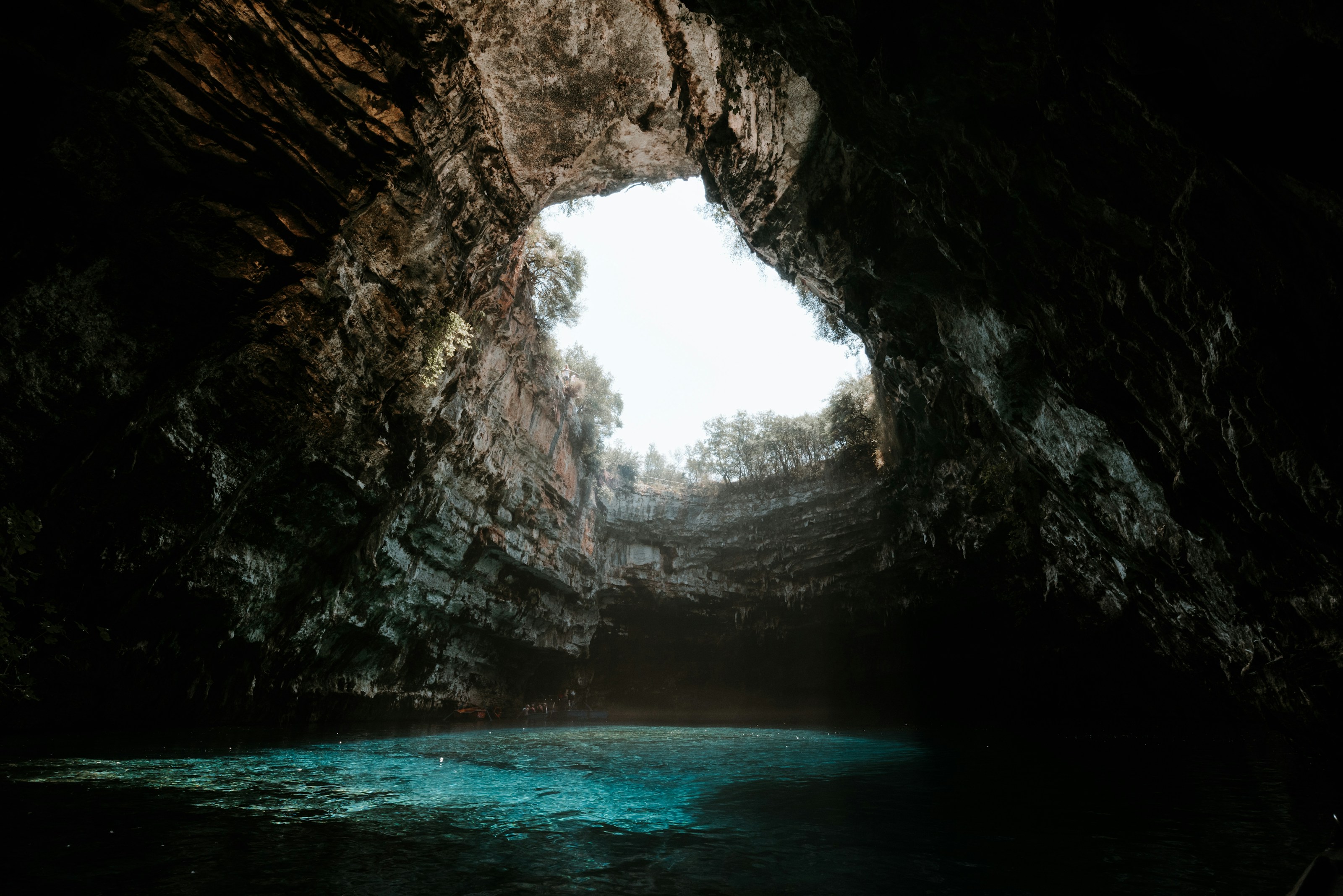
A collapsed cave roof on Kefalonia opens onto an underground lake so clear that the rowing boats appear to hang in mid-air.
When the sun is directly overhead the water turns an electric blue that looks artificially enhanced but isn't.
A short boat trip takes you through the lit chamber and out under the open dome.
How does it rate
CrowdsRomanceCash RequiredDangerAccessibilityWhy you should go
At midday the boats look like they are floating on nothing but light.
Why you shouldn't go
The effect only works in a narrow window around noon, and only when the sun is out.
Plan your visit
Best time to visitJune-September, when the sun climbs high enough to reach the waterBest time of dayBetween 12pm and 2pm - any earlier or later and the blue disappearsGetting thereDrive or taxi from Sami on Kefalonia, about 10 minutes; the island is reached by ferry or its small airportEntry costAround EUR 8 including the boatTime needed1 hourInsider tip — Go on a cloudless day and join the queue shortly before noon - the light show lasts barely two hours and the queue moves slowly. -
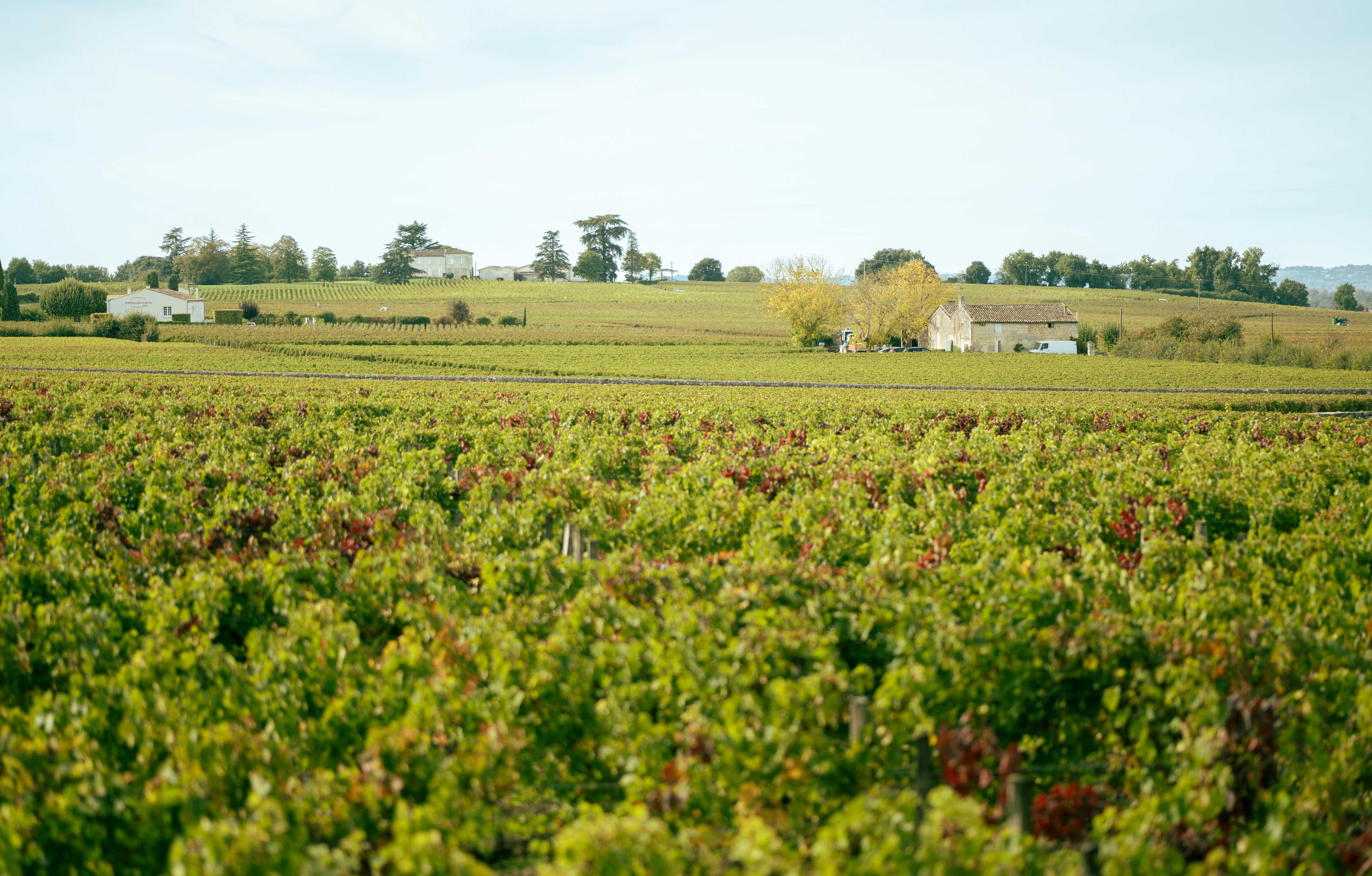 #2781 /100
France's largest and most prestigious wine region surrounds the elegant 18th-century city of the same name, its Gironde estuary and two rivers shaping over 6,000 chateaux that have defined fine wine for centuries.
The Medoc's grand chateaux sit on some of the world's most valuable vineyard land, while Saint-Emilion's UNESCO-listed medieval village stands above a warren of limestone cellars on the right bank.
How does it rate
CrowdsRomanceCash RequiredDangerAccessibilityWhy you should go
6,000-plus chateaux across France's grandest wine region, anchored by an elegant riverside city and a UNESCO medieval village.
Why you shouldn't go
The most famous chateaux (the classified growths) are often visit-by-appointment only and can be expensive or hard to book.
Plan your visit
Best time to visitSeptember-October for harvest, or May-June for pleasant weather and thinner crowds.Best time of dayLate afternoon along the Garonne riverfront, when the city's limestone facades glow gold.Getting thereFly into Bordeaux-Merignac Airport, then a tram into the city or a rental car out to the vineyards.Entry costChateau tastings typically run EUR15-40 per visit.Time neededA full day in the city, or several for touring the surrounding chateaux.Insider tip — Base yourself in Saint-Emilion for a night if possible, since its UNESCO old town is worth more than a rushed day-trip stop. -
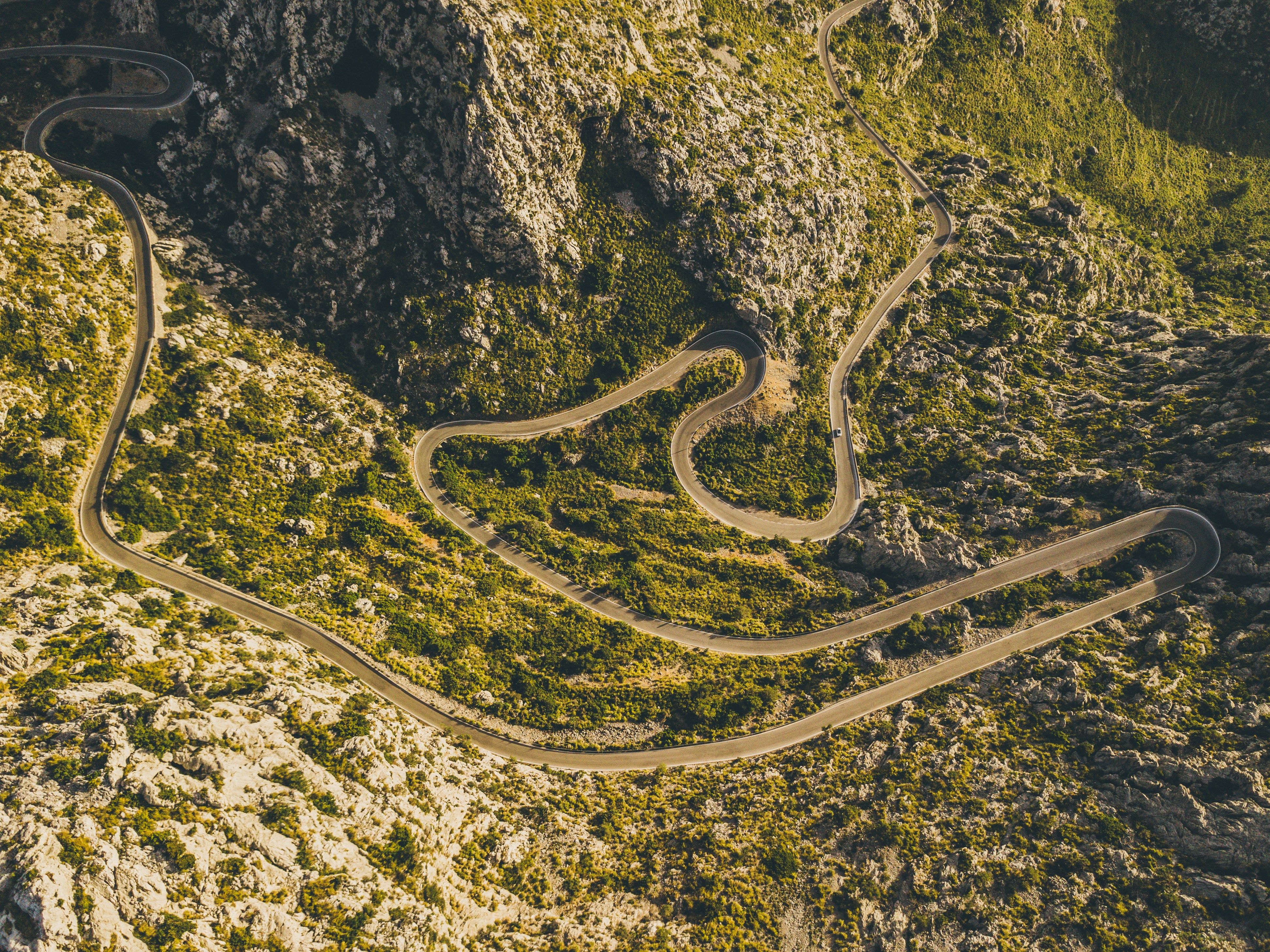 #28
#28Rated #28 of 70
Serra de Tramuntana Cycling Route, Spain
#serradetramuntanacyclingroute ◆ Cycling Tours81 /100The Sa Calobra climb switchbacks up 26 hairpins through the limestone Serra de Tramuntana, including a spiralling loop where the road passes beneath itself, before dropping to a hidden cove on Mallorca's northwest coast.
Wider routes through the range link terraced olive groves, the monastery at Lluc and the ridge-top village of Deia.
The road is a pilgrimage climb for road cyclists and one of Europe's most celebrated stretches of tarmac.
How does it rate
CrowdsRomanceCash RequiredDangerAccessibilityWhy you should go
A legendary hairpin climb through dramatic limestone mountains that road cyclists travel the world to ride.
Why you shouldn't go
Narrow, exposed switchbacks shared with tour buses and cars make the descent genuinely dangerous.
Plan your visit
Best time to visitApr-May or Sep-Oct, avoiding summer heat and the busiest cycling-season crowds.Best time of dayEarly morning start, both for cooler temperatures and lighter traffic on the hairpins.Getting thereFly to Palma de Mallorca; drive or ride roughly 90 minutes to the Coll dels Reis start point.Entry costFree to ride; road bike rental from EUR20-30/dayTime neededHalf a day for the climb and descentInsider tip — Descend to Sa Calobra cove for a swim before the climb back up, and start at dawn to have the famous spiral hairpin free of tour coaches. -
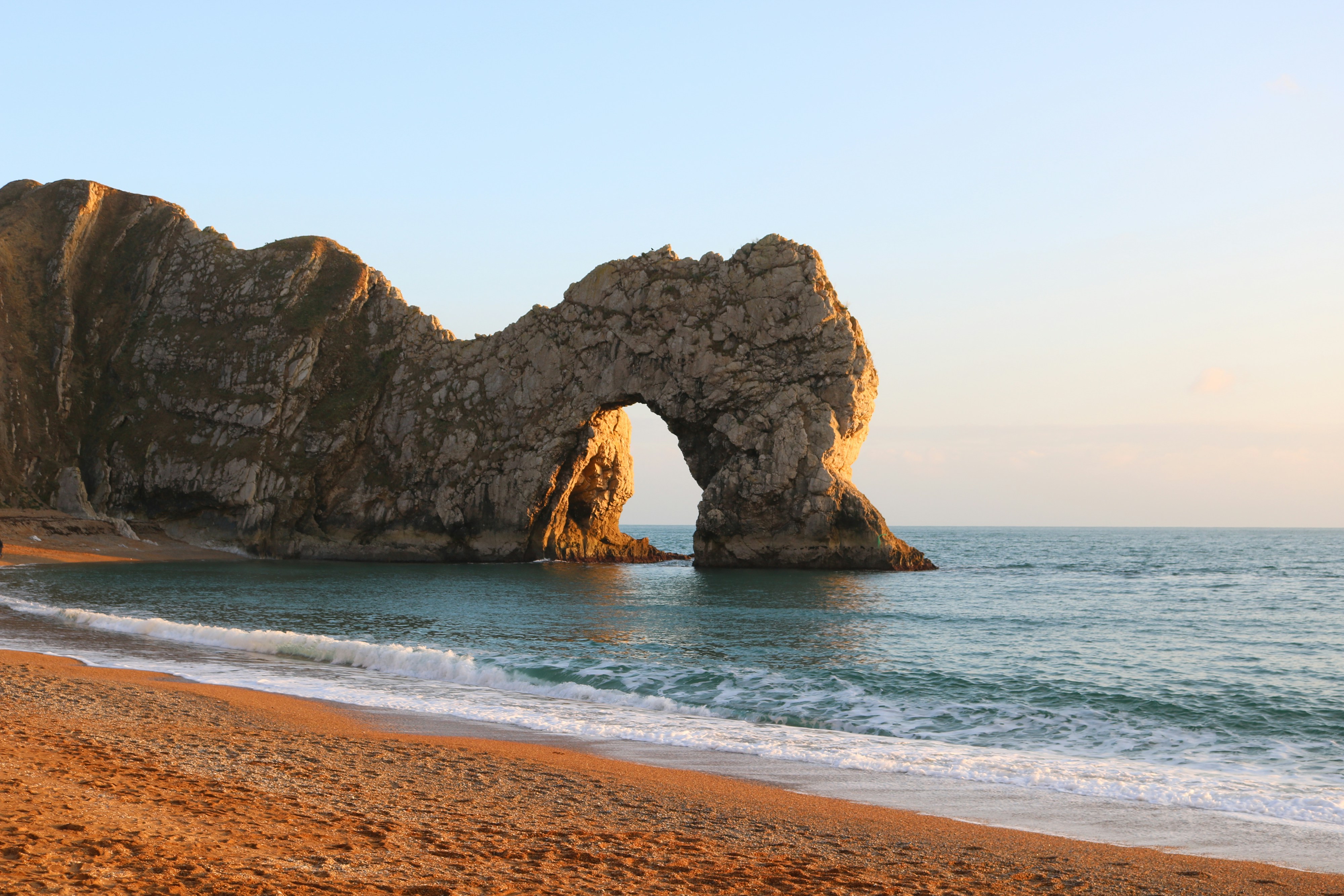 #2981 /100
This 95-mile stretch of Dorset and Devon coastline exposes 185 million years of rock layers in its cliffs, with fossils regularly still washing out after storms.
Durdle Door, a natural limestone arch stepping directly into the sea, is the coast's single most famous landmark.
Lulworth Cove's near-perfectly circular bay sits just a short walk away.
How does it rate
CrowdsRomanceCash RequiredDangerAccessibilityWhy you should go
A natural stone arch stepping straight into the sea, plus 185 million years of exposed cliffs.
Why you shouldn't go
Durdle Door's cliff-top paths have no barriers in places, and there have been fatal falls.
Plan your visit
Best time to visitApril-June or September, for mild weather and thinner crowds than school holidays.Best time of daySunrise or sunset, when the chalk cliffs take on warm colour.Getting thereDrive to Lulworth (about 2.5 hours from London); park at the Durdle Door car park.Entry costParking fee at Durdle Door; the coast path itself is free.Time neededHalf a day for Durdle Door and Lulworth Cove togetherInsider tip — Walk the coast path between Durdle Door and Lulworth Cove rather than driving to each separately - the clifftop view partway along is better than either individual viewpoint. -
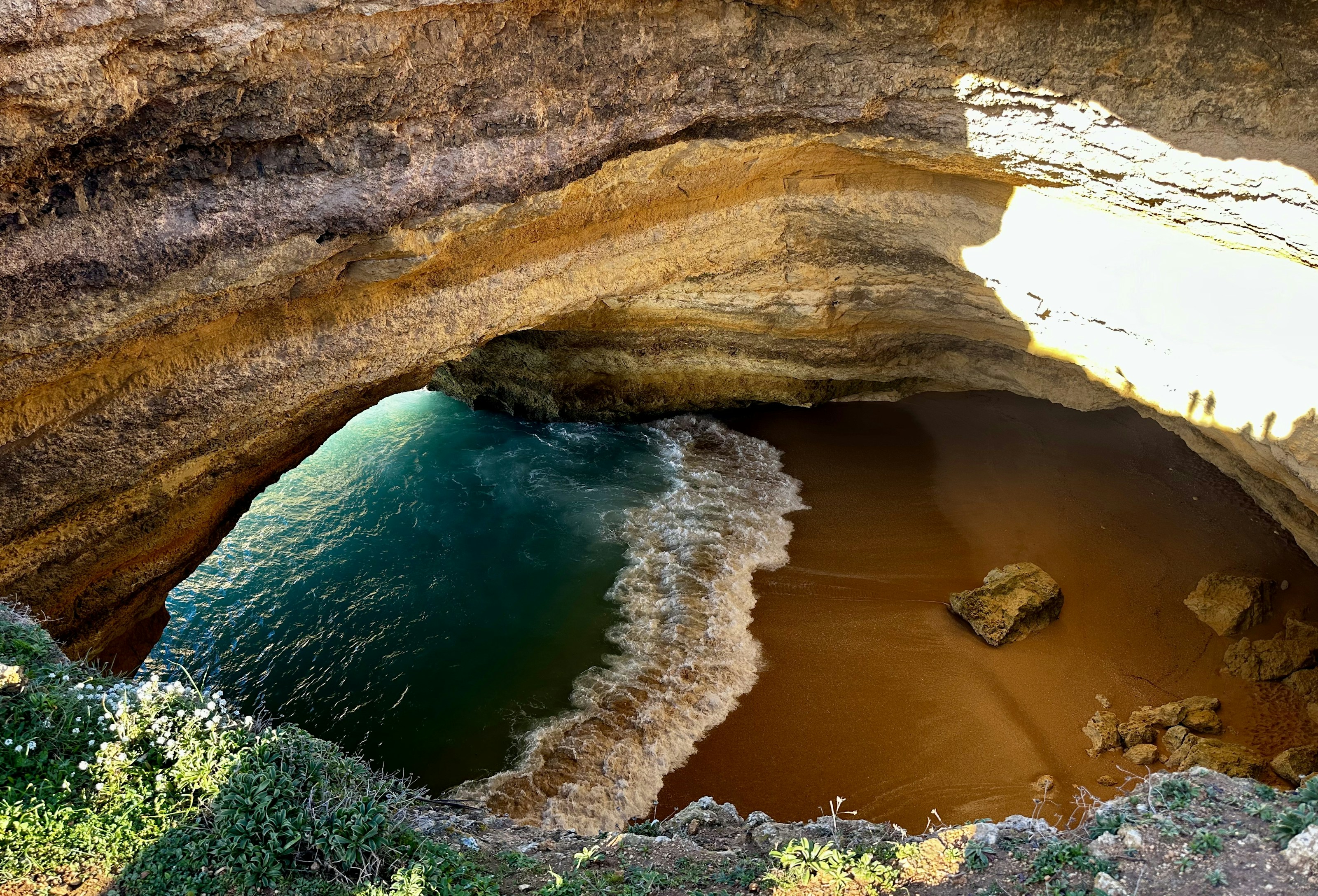 #3080 /100
A domed sandstone chamber on the Algarve coast with its own crescent of beach and a circular hole in the roof that drops a column of sunlight onto the sand.
It can only be reached from the water, by kayak, paddleboard or tour boat, since swimming across from the neighbouring beach is now restricted.
How does it rate
CrowdsRomanceCash RequiredDangerAccessibilityWhy you should go
Sunlight falling through the roof onto a private beach inside a cave, reachable only from the sea.
Why you shouldn't go
Boats queue nose to tail in high season, and landing inside the cave is no longer permitted.
Plan your visit
Best time to visitMay-June or September for calm water without the August armadaBest time of dayAround midday, when the sun drops straight through the roof openingGetting thereBoat or kayak from Benagil or Praia da Marinha, 30 minutes east of PortimaoEntry costKayak hire around EUR 25; boat tours from EUR 20Time needed2-3 hoursInsider tip — Take a kayak rather than a boat tour - kayaks can still slip inside the cave when the larger boats have to hold offshore. -
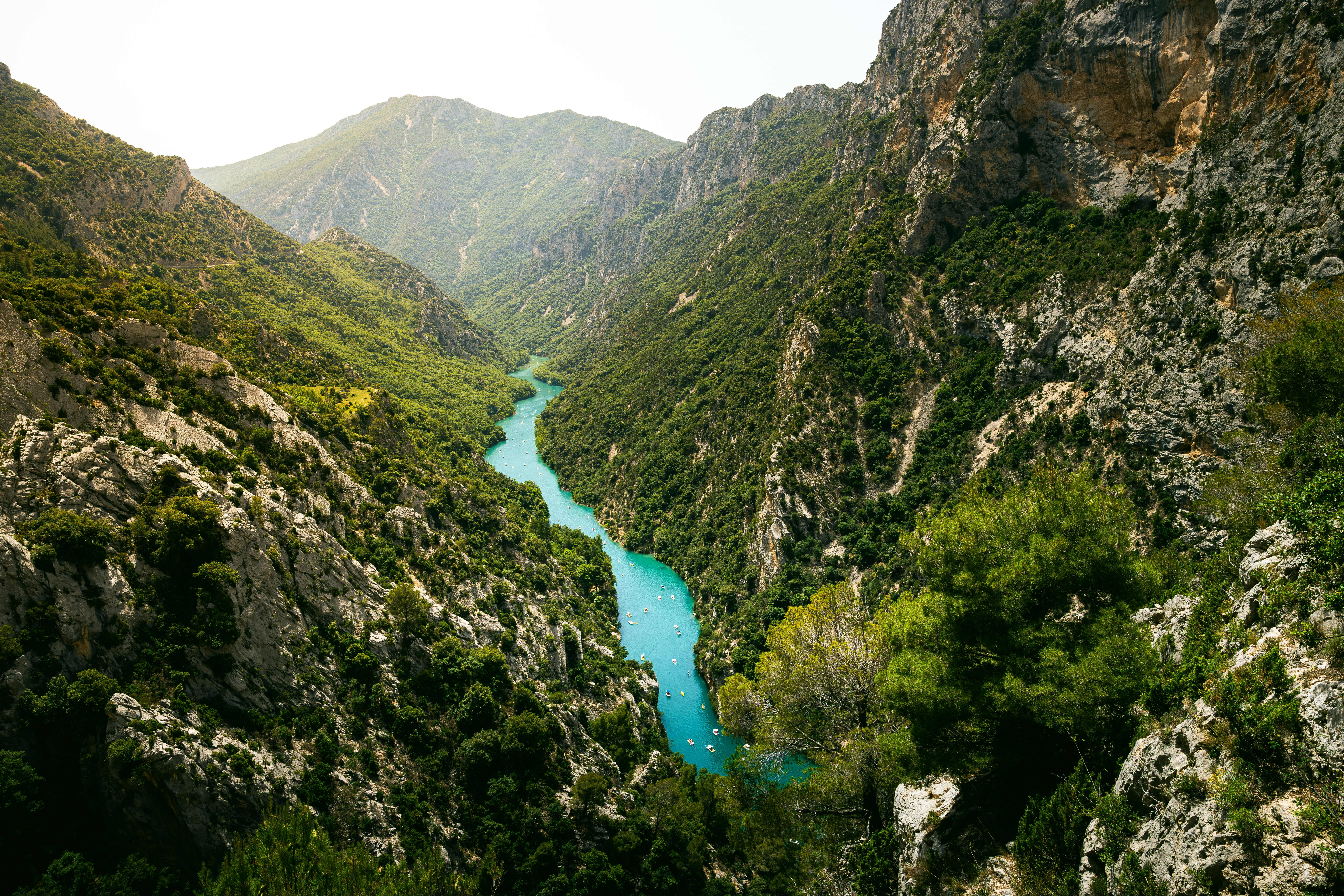 #3180 /100
Europe's deepest canyon plunges 700 meters, with the turquoise Verdon River winding through limestone walls below.
Scenic clifftop drives, hiking trails, and kayaking routes make it one of France's most dramatic natural landscapes, far quieter than the Côte d'Azur an hour south.
How does it rate
CrowdsRomanceCash RequiredDangerAccessibilityWhy you should go
Europe's deepest canyon with a turquoise river far below, stunning clifftop drives, and adventure sports.
Why you shouldn't go
Summer weekends bring heavy traffic; some viewpoints have poor parking; the rim road is narrow and winding.
Plan your visit
Best time to visitMay–June or September for pleasant weather and fewer tourists.Best time of dayMorning light softens the canyon walls; sunset along the rim road is dramatic.Getting thereFly to Nice, 2.5–3 hour drive northwest to Castellane; rental car essential.Entry costFree for rim drives; kayak tours €25–50 per person.Time neededFull day for the rim drive; 2 days to add kayaking.Insider tip — Drive the Corniche Sublime road slowly — it's narrow with sheer drops. Rent a kayak at Lac de Sainte-Croix, at the canyon's mouth, for a different perspective. -
 #3280 /100
A roughly 170km hut-to-hut circuit around the Mont Blanc massif through France, Italy and Switzerland, climbing about 10,000m of ascent past glaciers, alpine lakes and larch forest.
Val Ferret and the Aiguilles Rouges give some of the best full-on views of Mont Blanc's summit.
Most walkers take 7-11 days, staying in refuges that range from rustic to modernised.
Huts fill fast in July and August.
How does it rate
CrowdsRomanceCash RequiredDangerAccessibilityWhy you should go
Circling the entire Mont Blanc massif on foot, with a fresh angle on the summit from a different valley each day.
Why you shouldn't go
Popular refuges get overbooked in peak summer and demi-pension prices have climbed sharply since 2022.
Plan your visit
Best time to visitMid-June to mid-September, when high passes are snow-free and refuges are open.Best time of dayEarly morning starts to clear passes before afternoon thunderstorms build.Getting thereFly to Geneva; bus or train (about 1-1.5 hours) to Chamonix, the trek's usual start and end point.Entry costNo park fee; refuge demi-pension runs roughly EUR50-80 (CHF60-100 in Switzerland) a night.Time needed7-11 daysInsider tip — Reserve refuges as soon as booking opens (often January) for July-August dates, and pack layers - weather turns fast at altitude. -
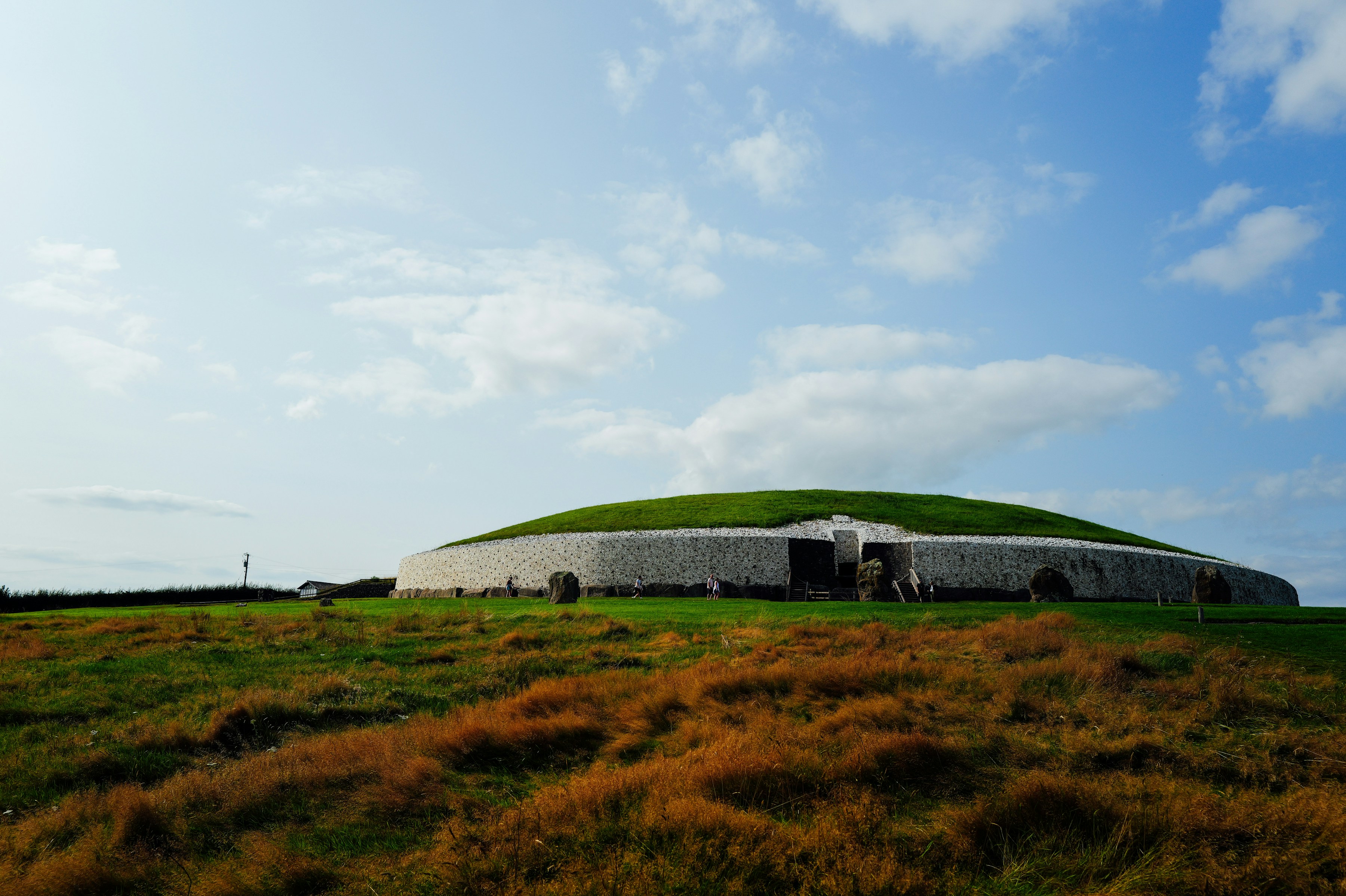 #3379 /100
This Neolithic passage tomb in the Boyne Valley predates Stonehenge and the Egyptian pyramids by centuries, its huge circular mound ringed with carved kerbstones and a roof-box aligned to flood the inner chamber with sunlight at the winter solstice.
Guided tours take you inside the narrow passage to the burial chamber, and a simulated solstice light show runs year-round.
The precision of 5,000-year-old engineering is the real draw.
How does it rate
CrowdsRomanceCash RequiredDangerAccessibilityWhy you should go
A 5,000-year-old solstice-aligned tomb older than the pyramids, and you can walk inside it.
Why you shouldn't go
Access is guided-tour only via the visitor center, with no independent entry to the mound.
Plan your visit
Best time to visitYear-round; December 21st for the real solstice alignment, if you win the visitor lottery.Best time of dayFirst tour of the day for smaller groups inside the chamber.Getting thereDrive to the Brú na Bóinne Visitor Centre near Donore, about 45 minutes from Dublin, then shuttle bus to the mound.Entry costAround €18 for adults, includes visitor center and guided tour.Time needed2–3 hours.Insider tip — Enter the solstice lottery online in September if you want a shot at seeing the real sunrise alignment — thousands apply for around 60 spots. -
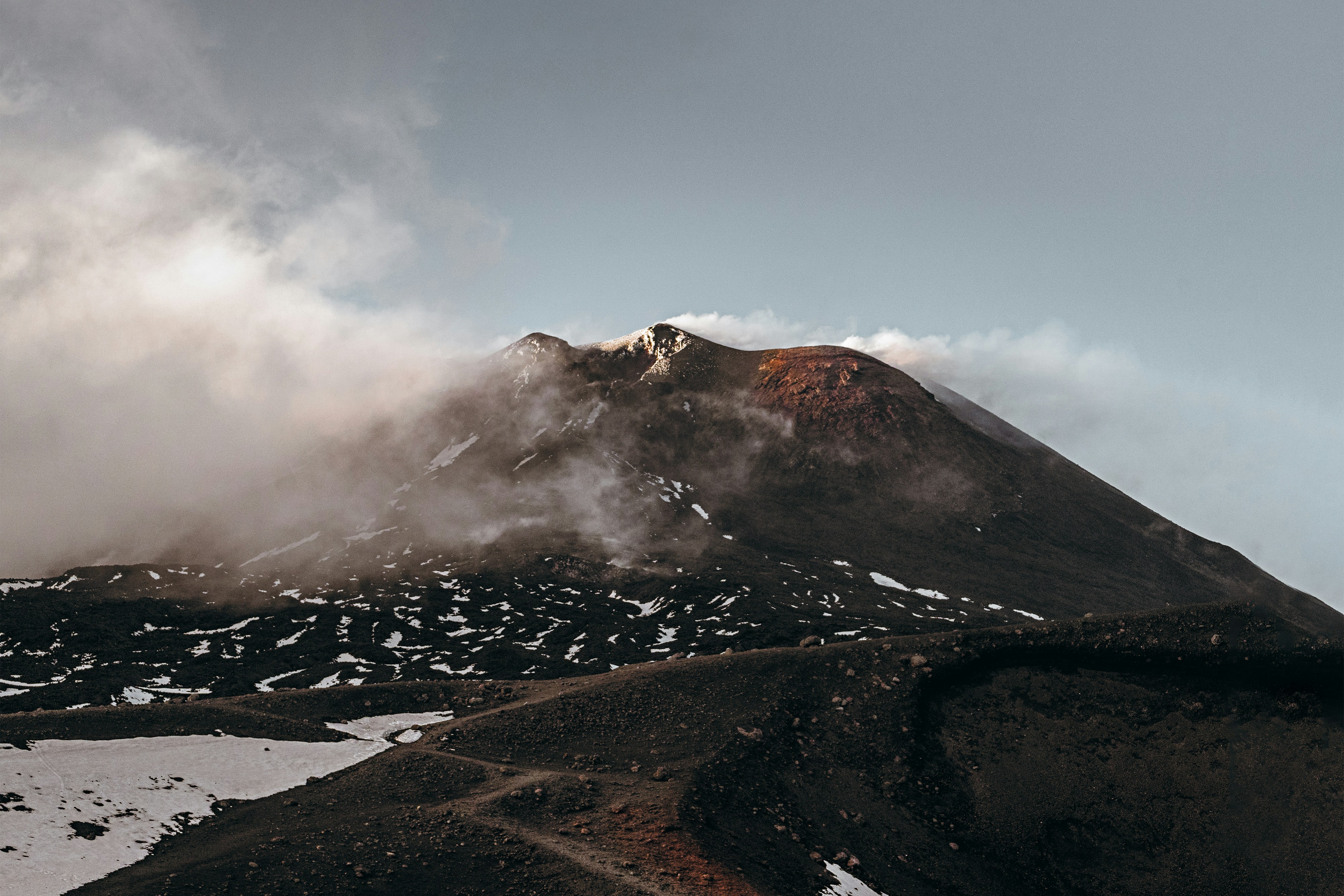 #3479 /100
Europe's tallest and most active volcano, looming over Sicily's east coast and erupting regularly enough that lava flows are a near-yearly event visible from Catania on clear nights.
Cable cars and 4x4 tours climb partway up its barren, ash-grey upper slopes, where guided hikes reach steaming craters and fields of hardened lava from past eruptions.
Vineyards ring its lower slopes, producing distinctive wines grown in volcanic soil, a striking contrast to the desolation higher up.
How does it rate
CrowdsRomanceCash RequiredDangerAccessibilityWhy you should go
Europe's most active volcano, with guided hikes reaching steaming craters and lava fields on its upper slopes.
Why you shouldn't go
Eruptions and ash activity periodically close the upper trails and cable car with little notice, so plans need flexibility.
Plan your visit
Best time to visitMay-June or September for stable weather; the summit can close in poor conditions any time of year.Best time of dayMorning, for clearer summit visibility before afternoon cloud typically rolls in.Getting thereFly to Catania; a 1-1.5 hour drive to the Rifugio Sapienza cable car station on the south side.Entry costCable car plus jeep tour to the craters runs around EUR65-70.Time neededHalf a day.BookingBook ahead →Insider tip — Book the guided upper-crater jeep tour rather than stopping at the cable car's midpoint - the higher craters are where the volcano actually looks otherworldly. -
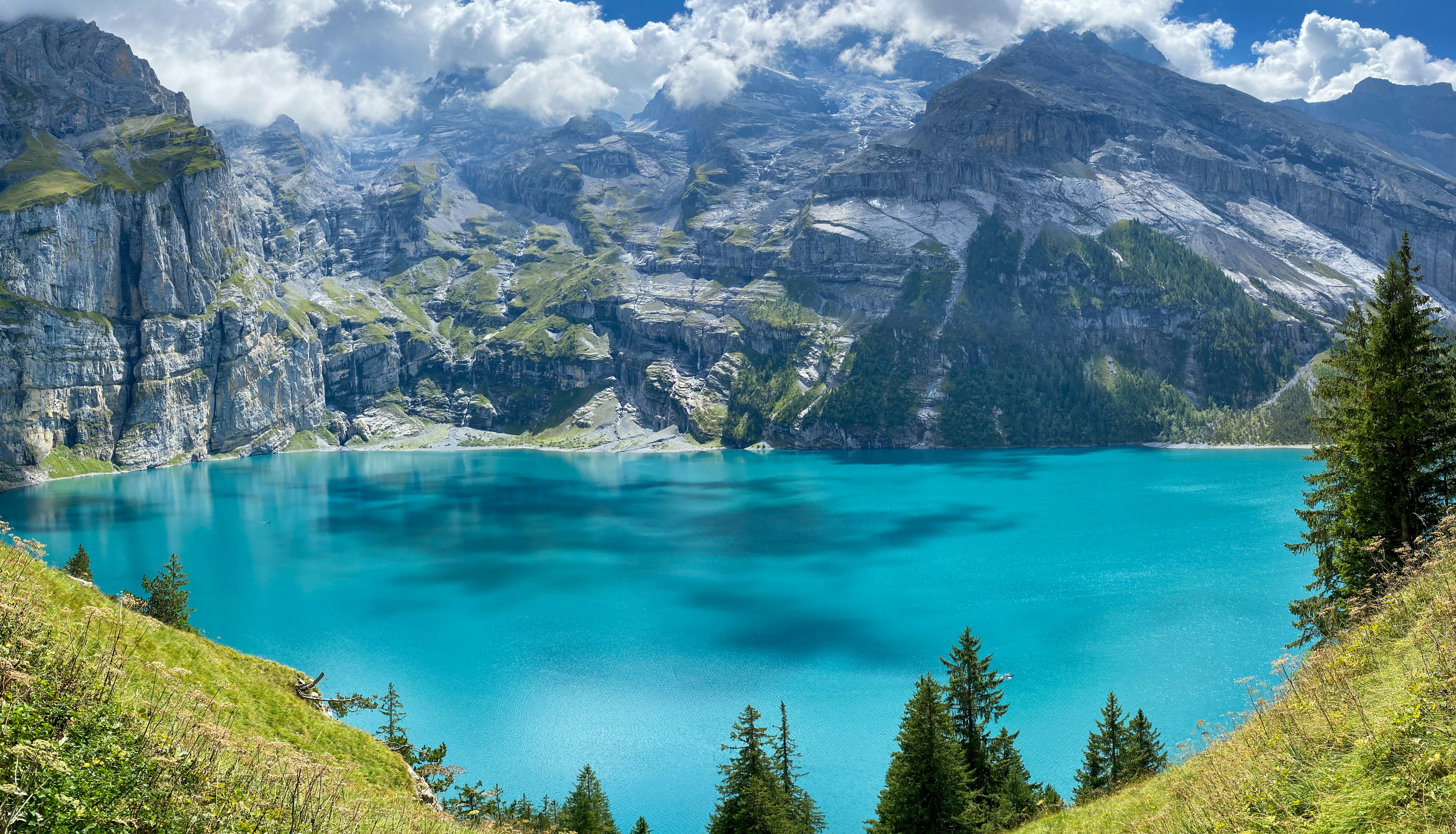 #3579 /100
A vivid turquoise alpine lake at 1,578 meters, ringed by sheer limestone cliffs and wildflower meadows below the Blüemlisalp glacier.
Reached by cable car and a short walk, it's one of the Bernese Oberland's most spectacular — and comparatively uncrowded — spots.
How does it rate
CrowdsRomanceCash RequiredDangerAccessibilityWhy you should go
A turquoise alpine lake ringed by sheer cliffs, reached by cable car and a short wildflower-meadow walk.
Why you shouldn't go
Cable car capacity limits visitor numbers on busy summer days; weather in the mountains can change quickly.
Plan your visit
Best time to visitJune–August for wildflower bloom and open trails; September for quieter, golden light.Best time of dayAfternoon light brings out the cliffs; early morning offers the calmest water for reflections.Getting thereTrain to Kandersteg, then the Oeschinensee cable car, followed by a 30–45 minute walk down to the lake.Entry costCable car CHF 30 round trip (often covered by the Swiss Travel Pass).Time needed3–4 hours including the cable car and walk.BookingBook ahead →Insider tip — Visit on a weekday or outside peak August dates for a noticeably quieter lake. There's no food service lakeside, so bring your own lunch. -
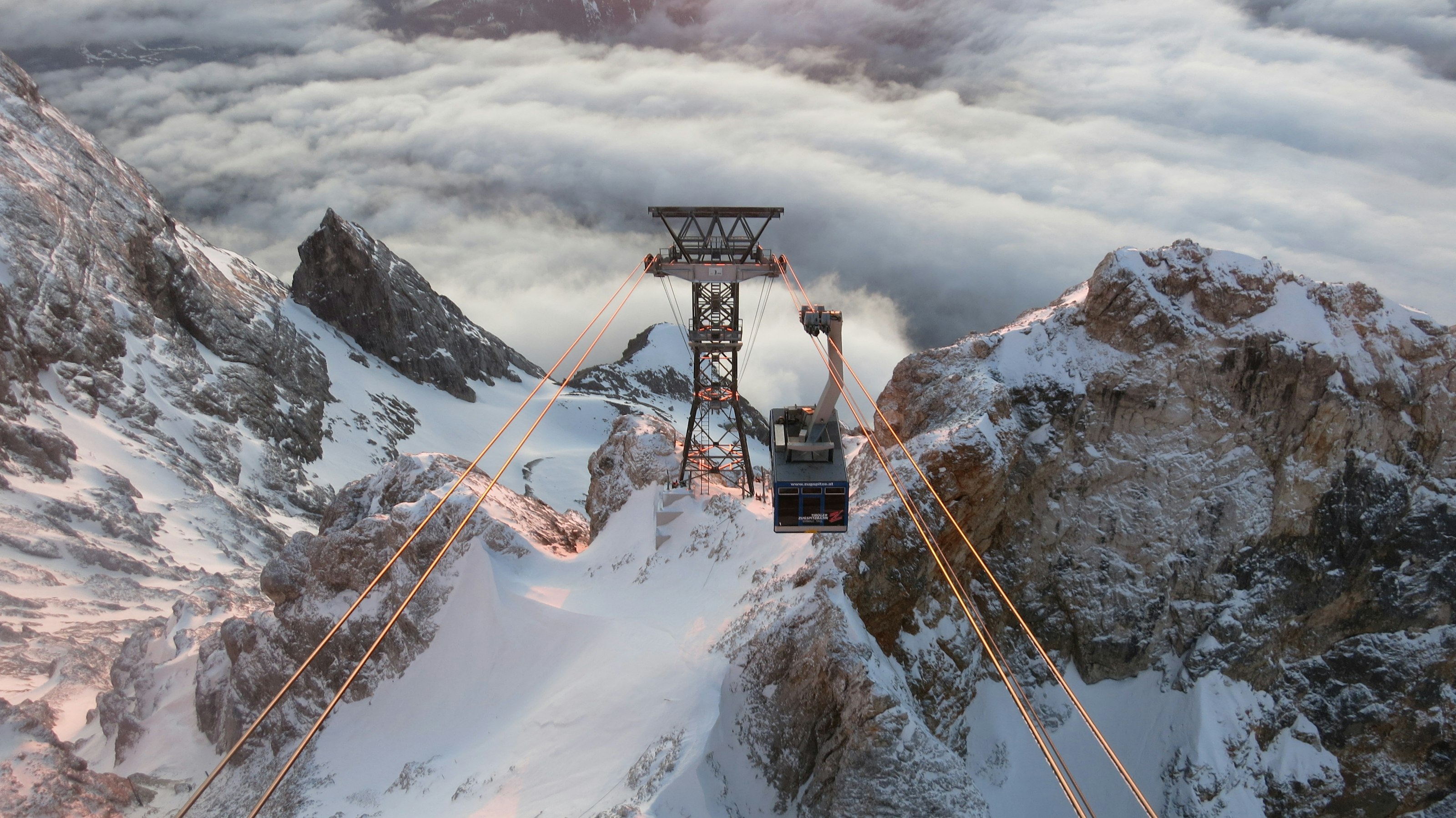 #3679 /100
The Zugspitze is Germany's highest peak, and a cable car climbs almost straight from the valley town of Garmisch-Partenkirchen to its summit, where the view on a clear day takes in more than 400 peaks across Germany, Austria, Switzerland, and Italy.
A small glacier survives near the top, along with a ski area that operates into summer, and the border with Austria runs directly across the summit platform.
How does it rate
CrowdsRomanceCash RequiredDangerAccessibilityWhy you should go
Stepping out of a cable car onto a summit with views into four countries, with zero hiking required, is hard to beat.
Why you shouldn't go
Cloud cover rolls in quickly at altitude and can cut the four-country view down to whiteout without warning.
Plan your visit
Best time to visitJune–September for the clearest summit views; winter for skiing.Best time of dayEarly morning, for the clearest air before afternoon cloud builds around the peak.Getting thereFly to Munich; 1.5-hour train or drive to Garmisch-Partenkirchen, then the Zugspitze cable car.Entry costPaid cable car ticket; prices are higher in winter ski season.Time neededHalf a dayInsider tip — Ride up the newer Eibsee cable car and come down via the cogwheel railway (or vice versa) to see the mountain from two different angles. -
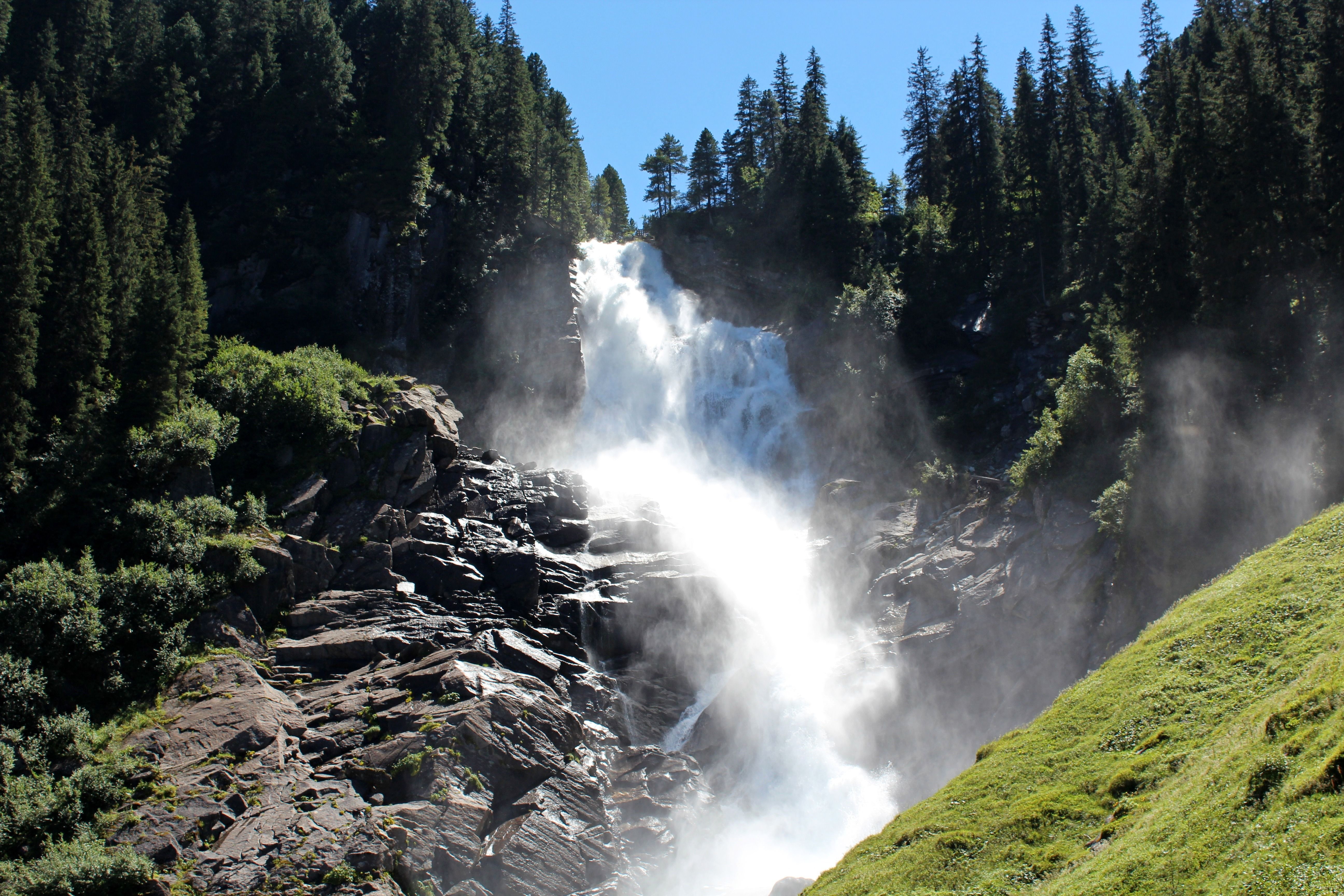 #3779 /100
The Krimml Waterfalls drop 380 metres in three tiers down a forested mountainside in the Hohe Tauern National Park, among the highest waterfalls in Europe.
A well-graded path climbs alongside the falls through spray-cooled air, with viewing platforms at each tier and a small waterfall-themed nature trail for families lower down.
On sunny mornings, rainbows form regularly in the mist at the base of the lower tier.
How does it rate
CrowdsRomanceCash RequiredDangerAccessibilityWhy you should go
Walking right alongside a 380-metre waterfall on a path built specifically to bring you close to each tier is a genuinely dramatic short hike.
Why you shouldn't go
The full path up all three tiers is a real, steady climb, and spray keeps sections of it wet and cool even in summer heat.
Plan your visit
Best time to visitMay–June, when snowmelt gives the falls their fullest flow.Best time of dayMorning, when the sun angle is more likely to catch rainbows in the spray at the lower falls.Getting thereFly to Salzburg; roughly 1.5-hour drive southwest into the Hohe Tauern National Park.Entry costPaid entry to the waterfall trail (Wasserfallweg).Time needed2–3 hours for the full trailInsider tip — The lower tier's viewing platform is the most crowded — continue up to the middle and upper tiers for quieter views and just as much drama. -
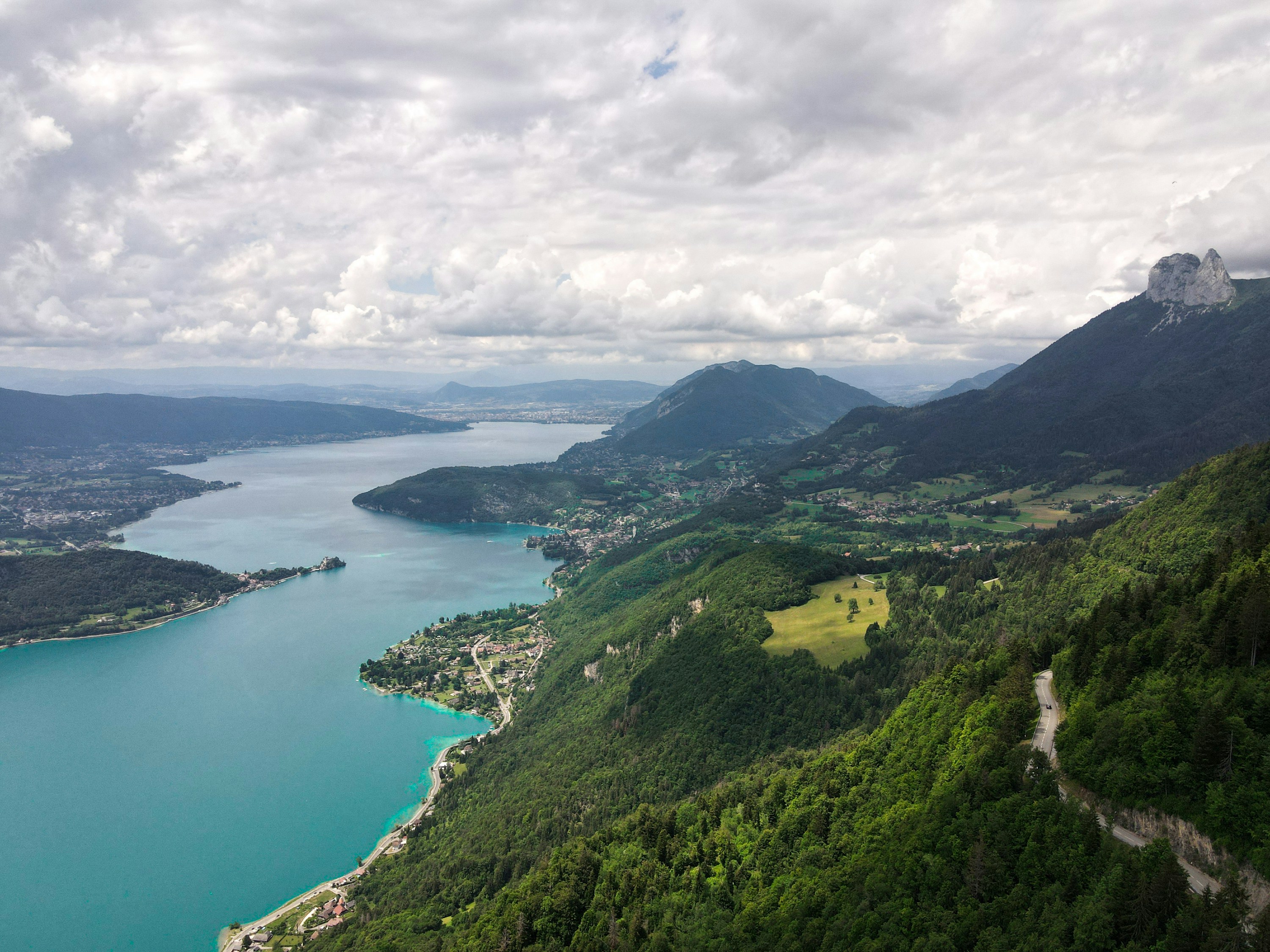 #38
#38A canal-laced old town at the northern tip of one of Europe's cleanest lakes has earned Annecy the nickname "Venice of the Alps," its Thiou River canals lined with flower-draped, pastel houses and the small stone Palais de l'Île moored mid-stream.
Snow-capped peaks rise directly behind the water, and a lakeside path leads out to swimming spots and quieter viewpoints beyond the old town.
How does it rate
CrowdsRomanceCash RequiredDangerAccessibilityWhy you should go
Canals, flowers, and turquoise water backed by real mountains, in a compact old town easy to see on foot.
Why you shouldn't go
The old town's narrow lanes and lakeside path get very congested with day-trippers on summer weekends.
Plan your visit
Best time to visitJune or September for warm weather and swimmable water without peak-July crowds.Best time of dayEarly morning in the old town, before shops and crowds fill the canal-side lanes.Getting thereTrain from Geneva (about 1 hour) or Lyon (about 2 hours); Geneva Airport is the nearest major hub.Entry costFree to walk the old town and lakeshore; the Palais de l'Île museum charges a small entry fee.Time needed1 dayInsider tip — Rent a bike and follow the lakeside path south past the old town — the crowds thin out within fifteen minutes. -
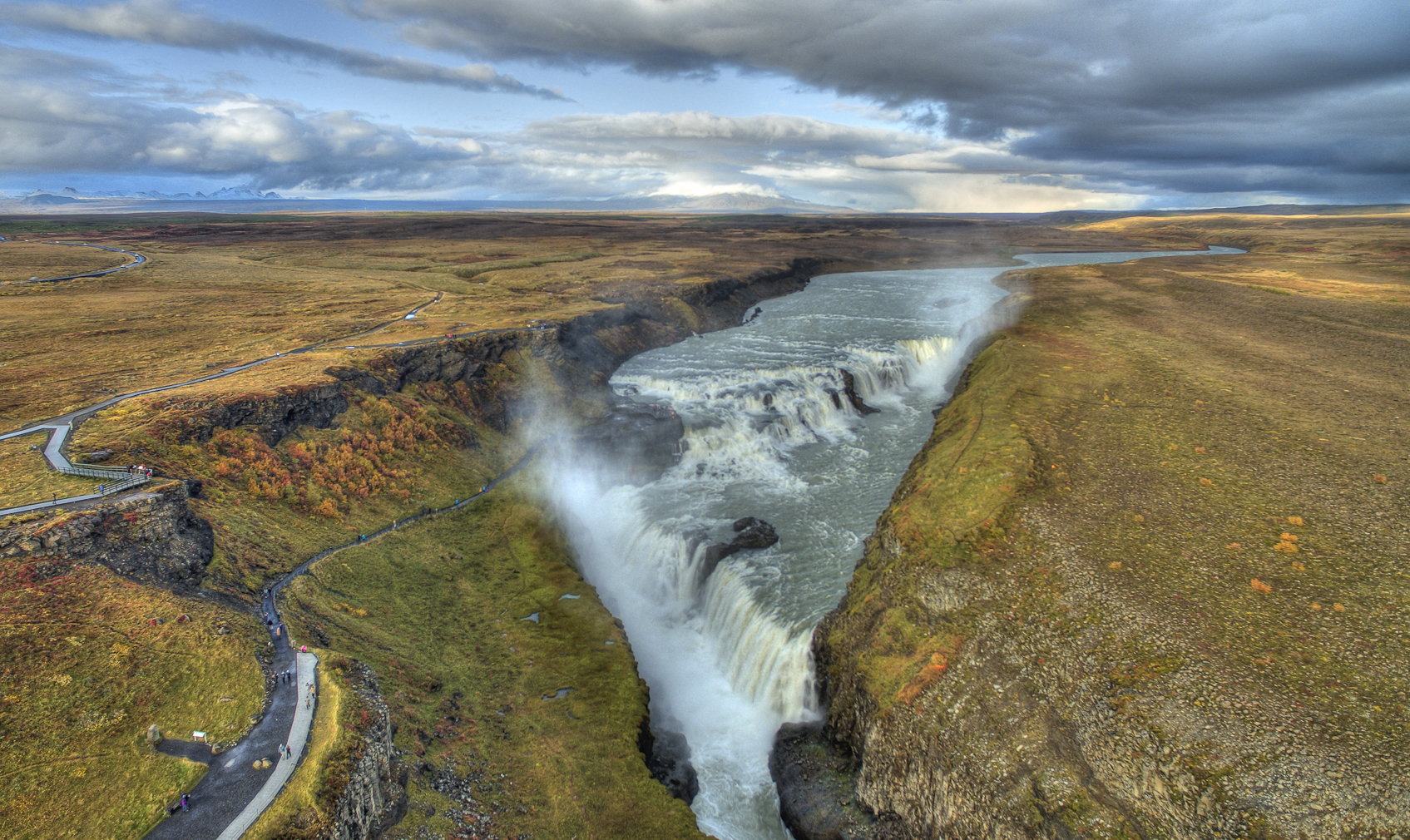 #3978 /100
Gullfoss, meaning Golden Falls, is Iceland's most famous waterfall, where the Hvita river thunders down two impressive tiers into a rugged canyon below.
Part of the iconic Golden Circle tourist route, its power and the spray it generates mean that on sunny days you can often see several rainbows arcing across it simultaneously.
How does it rate
CrowdsRomanceCash RequiredDangerAccessibilityWhy you should go
The combination of the two-tiered cascade, the rugged canyon it falls into, and the frequent rainbows makes Gullfoss one of Europe's most spectacular waterfalls.
Why you shouldn't go
Gullfoss is one of Iceland's most visited sites and can be very crowded; wind direction means the viewing platform is often drenched in spray.
Plan your visit
Best time to visitSummer for access, winter for dramatic iceBest time of dayMidday for rainbows in the mistGetting therePart of the Golden Circle route, ~1.5hr drive from ReykjavikEntry costFreeTime needed1 hourInsider tip — The lower viewing platform gets you much closer to the falls, but expect to get wet from the spray -
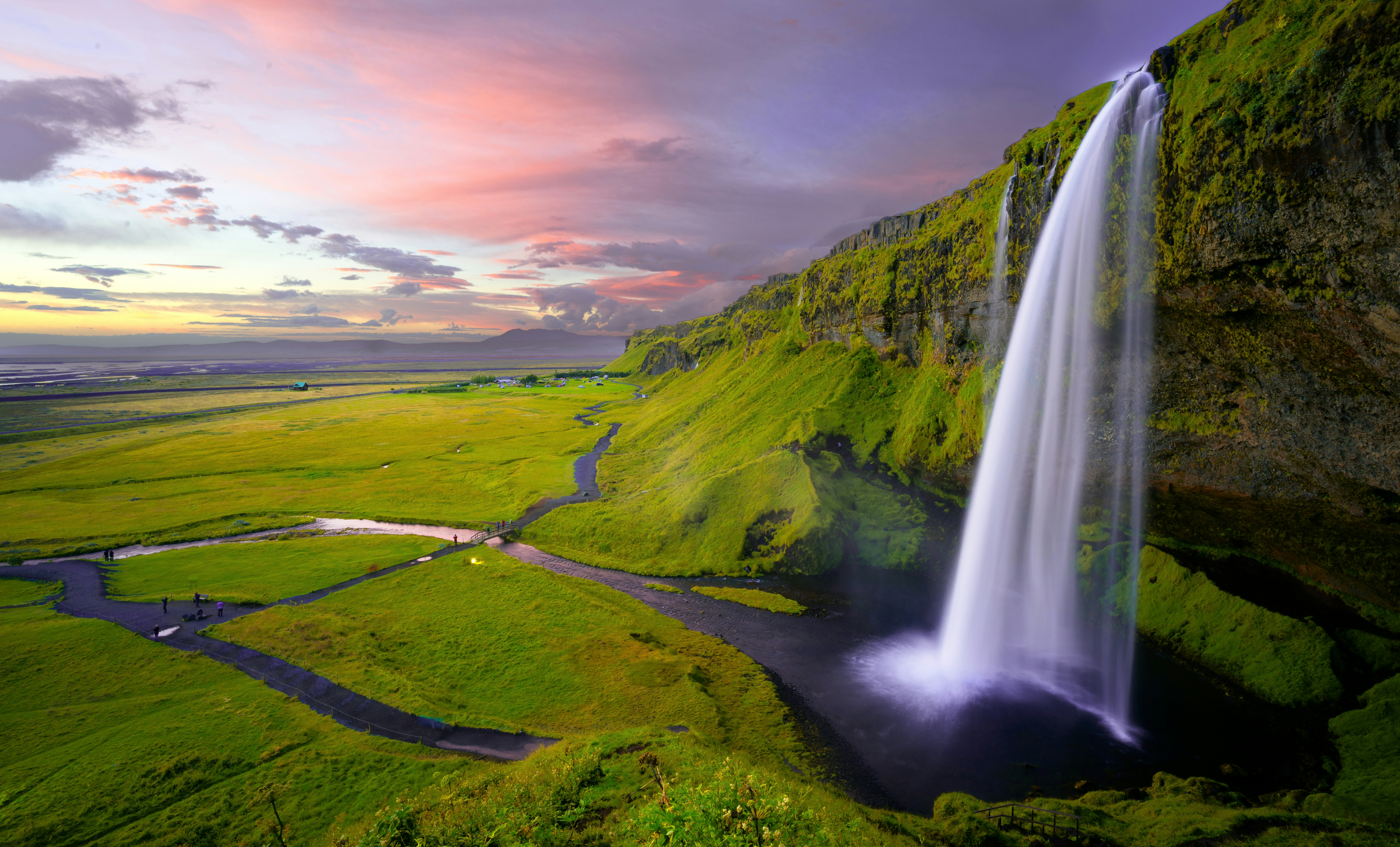 #4078 /100
One of Iceland's most famous waterfalls drops 60 meters into a misty pool, with a rare path that lets visitors walk fully behind the curtain of falling water.
Right off the Ring Road and framed by green cliffs, it's striking in any weather, and lit up at night in the darker months.
How does it rate
CrowdsRomanceCash RequiredDangerAccessibilityWhy you should go
A 60-meter waterfall you can walk fully behind, right off Iceland's Ring Road.
Why you shouldn't go
Extremely crowded in summer; the path can be slippery and icy in winter; parking fills up fast.
Plan your visit
Best time to visitJune–September for the safest behind-the-falls access; midnight sun in June extends golden light.Best time of dayEarly morning or late evening to avoid tour bus crowds.Getting thereRental car from Reykjavik, roughly a 2-hour drive along the Ring Road.Entry costFree (paid parking, ~ISK 900).Time needed1 hour.Insider tip — Bring a waterproof jacket — the spray soaks you on the behind-the-falls path. The nearby hidden waterfall Gljúfrabúi, a short walk away, is far less crowded. -
 #4178 /100
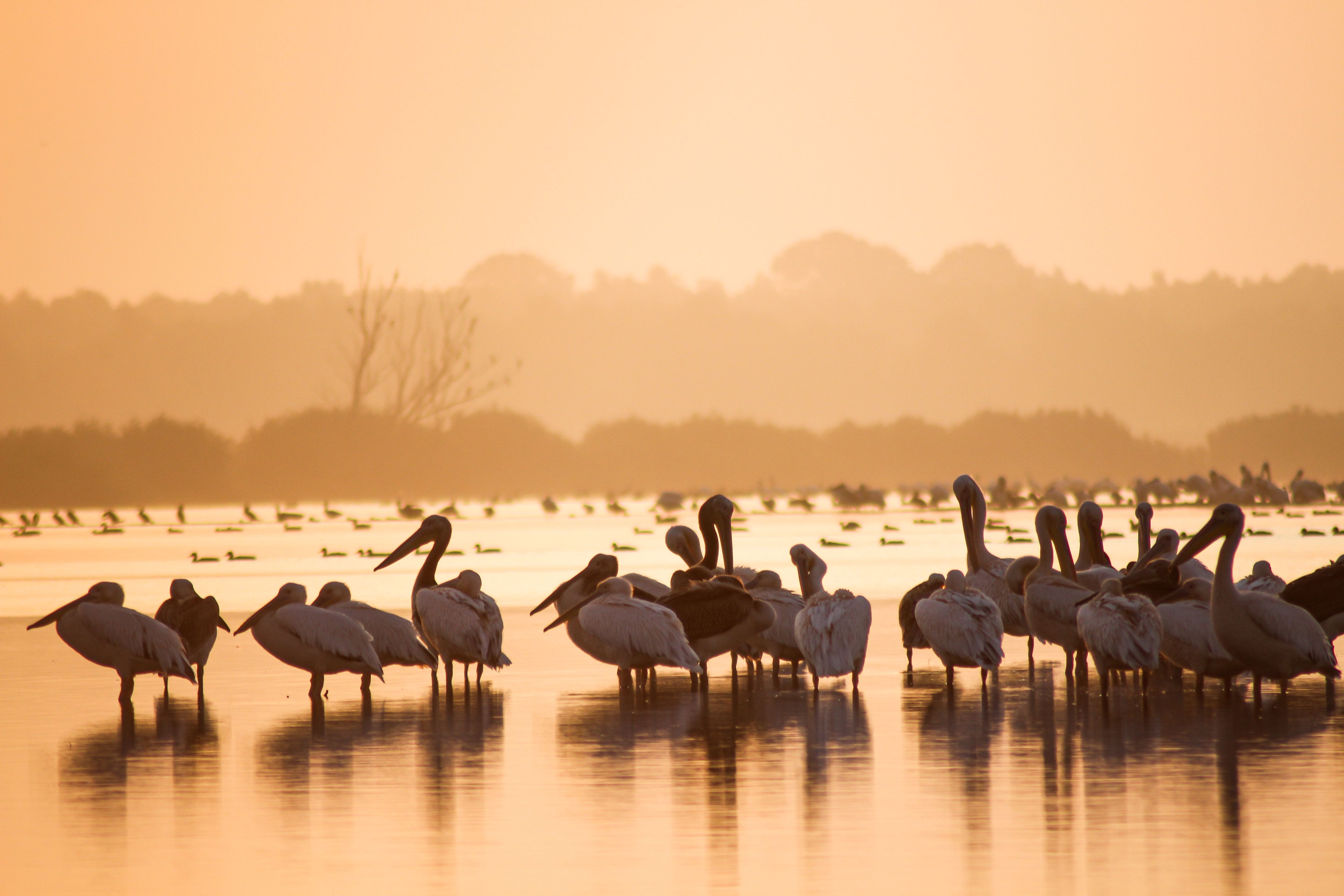
Europe's largest and best-preserved river delta is a maze of reed-lined channels, lakes and marshland where the Danube meets the Black Sea.
Boat trips glide past pelicans, herons and over 300 other bird species in a UNESCO-protected wilderness.
Traditional fishing villages built on stilts add a lived-in texture to the wildlife-watching, and the sheer scale of untouched wetland is rare anywhere in Europe.
How does it rate
CrowdsRomanceCash RequiredDangerAccessibilityWhy you should go
Untouched wetland wilderness with Europe's richest concentration of birdlife.
Why you shouldn't go
Getting deep into the delta requires a guided boat and more than a day trip to do justice.
Plan your visit
Best time to visitMay–June for peak birdlife and mild weather, before summer heat and mosquitoes.Best time of dayEarly morning, when birds are most active and the water is calm.Getting thereFly or drive to Tulcea, then transfer onto a guided boat into the delta channels.Entry costFree to enter; guided boat tours from around €40 per person.Time neededFull day, or 2–3 days to explore properly.Insider tip — Book a small private boat rather than a large tour vessel — it can reach narrower channels where the wildlife actually is. -
 #4278 /100
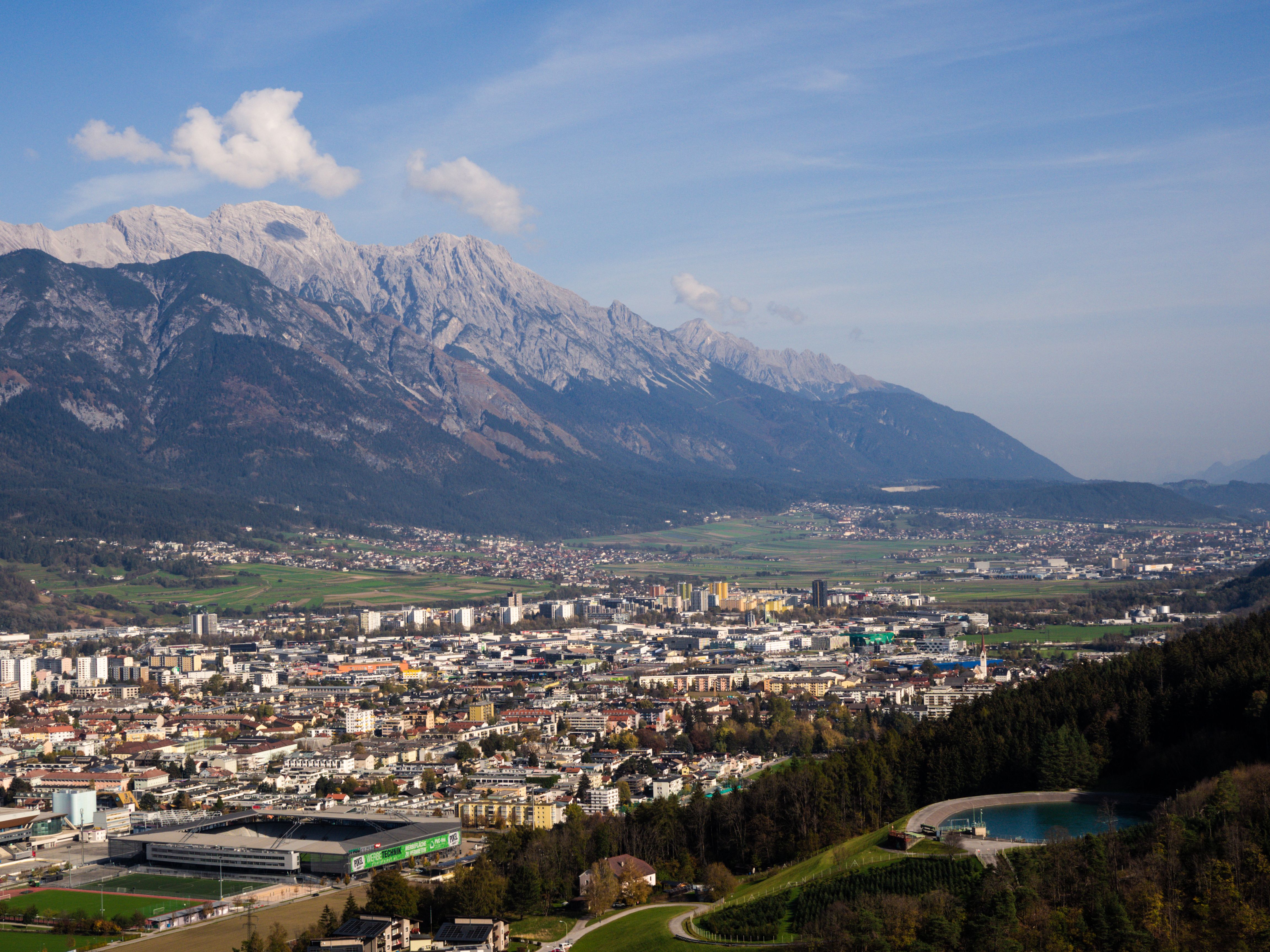
The Nordkette range rises so steeply above Innsbruck that a cable car runs directly from the edge of the old town to a mountain station above 2,300 metres in under 20 minutes.
From the top, the view takes in the Alpine capital below and rows of peaks stretching into Italy and Germany, and hiking trails and via ferrata routes continue further up the ridge.
How does it rate
CrowdsRomanceCash RequiredDangerAccessibilityWhy you should go
Going from café tables in the old town to a 2,300-metre alpine ridge in under 20 minutes, without leaving the city's public transport, is remarkable.
Why you shouldn't go
The upper station can be windy and much colder than the valley floor, so pack layers even on a warm city day.
Plan your visit
Best time to visitJune–September for hiking; December–March for skiing directly above the city.Best time of dayLate afternoon, for clear light on the peaks and fewer crowds on the cable car.Getting thereFly to Innsbruck; the Nordkettenbahn cable car station is a short walk or tram ride from the old town.Entry costPaid cable car ticket; return fares are cheaper than one-way plus return.Time neededHalf a dayInsider tip — Ride the funicular partway up to Hungerburg first for city views, then transfer to the second cable car stage for the full alpine panorama. -
 #4378 /100
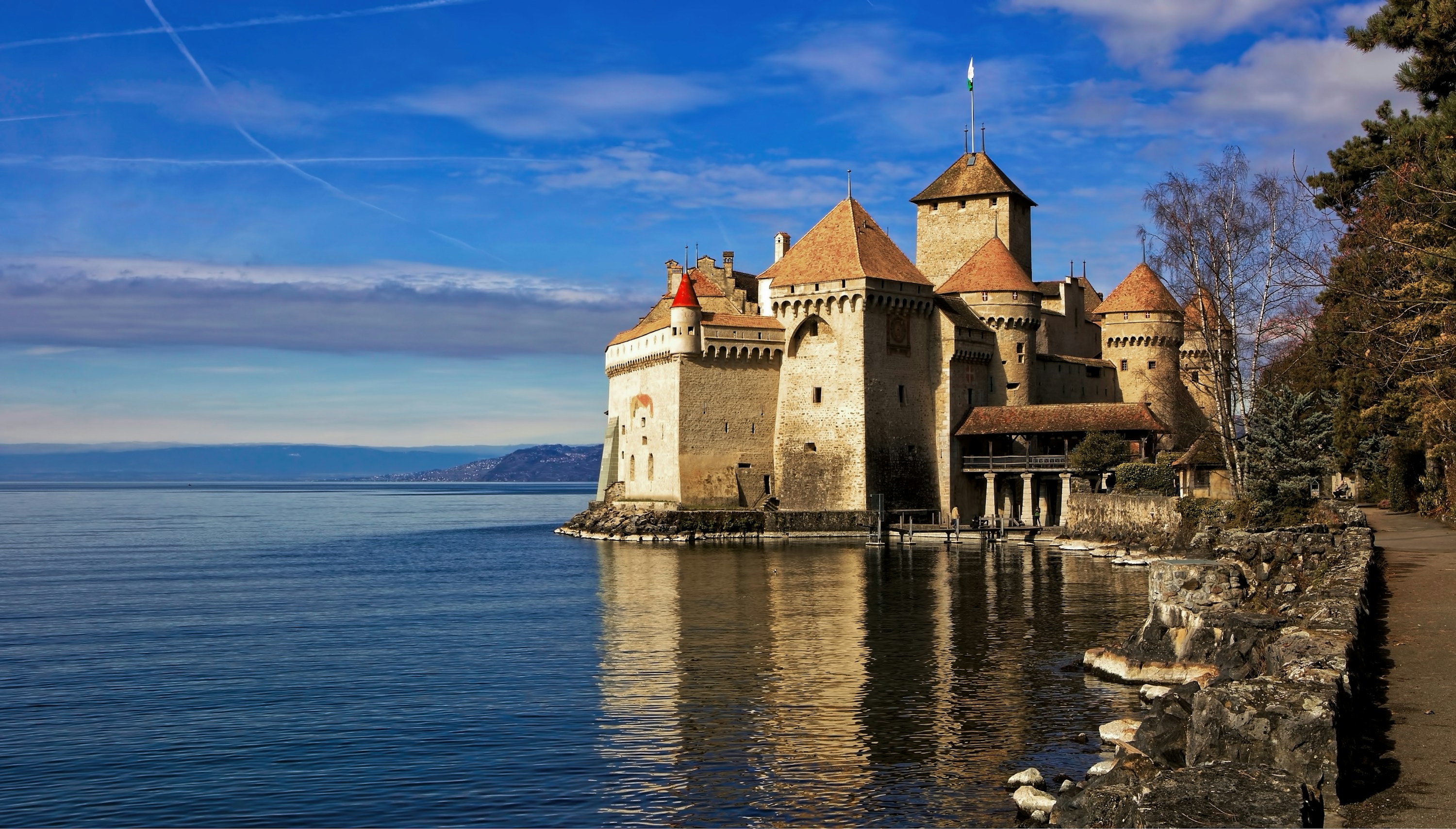
Switzerland's largest lake curves along the base of the Alps between Geneva and Montreux, its mild microclimate supporting palm-lined promenades, terraced vineyards, and the turreted, moated Château de Chillon rising straight out of the water.
Lakeside towns like Montreux and Vevey give it a genteel, resort-town character, and paddle-steamers still cross between them much as they did a century ago.
How does it rate
CrowdsRomanceCash RequiredDangerAccessibilityWhy you should go
A rare combination of Alpine backdrop, mild climate, and a genuinely striking lakeside medieval castle.
Why you shouldn't go
The lake itself is mostly a scenic backdrop rather than an activity — most of the "doing" happens at specific stops like Chillon.
Plan your visit
Best time to visitMay–September for warm weather and full paddle-steamer schedules.Best time of dayLate afternoon light along the Montreux promenade, or morning to beat Chillon's tour groups.Getting thereTrain to Montreux from Geneva (about 1 hour) or Lausanne; Chillon is a lakeside walk or boat ride away.Entry costPromenades are free; Château de Chillon entry is a paid ticket.Time needed1–2 daysBookingBook ahead →Insider tip — Take the CGN boat rather than the train between Montreux and Chillon — the castle looks its best approached from the water. -
 #4477 /100
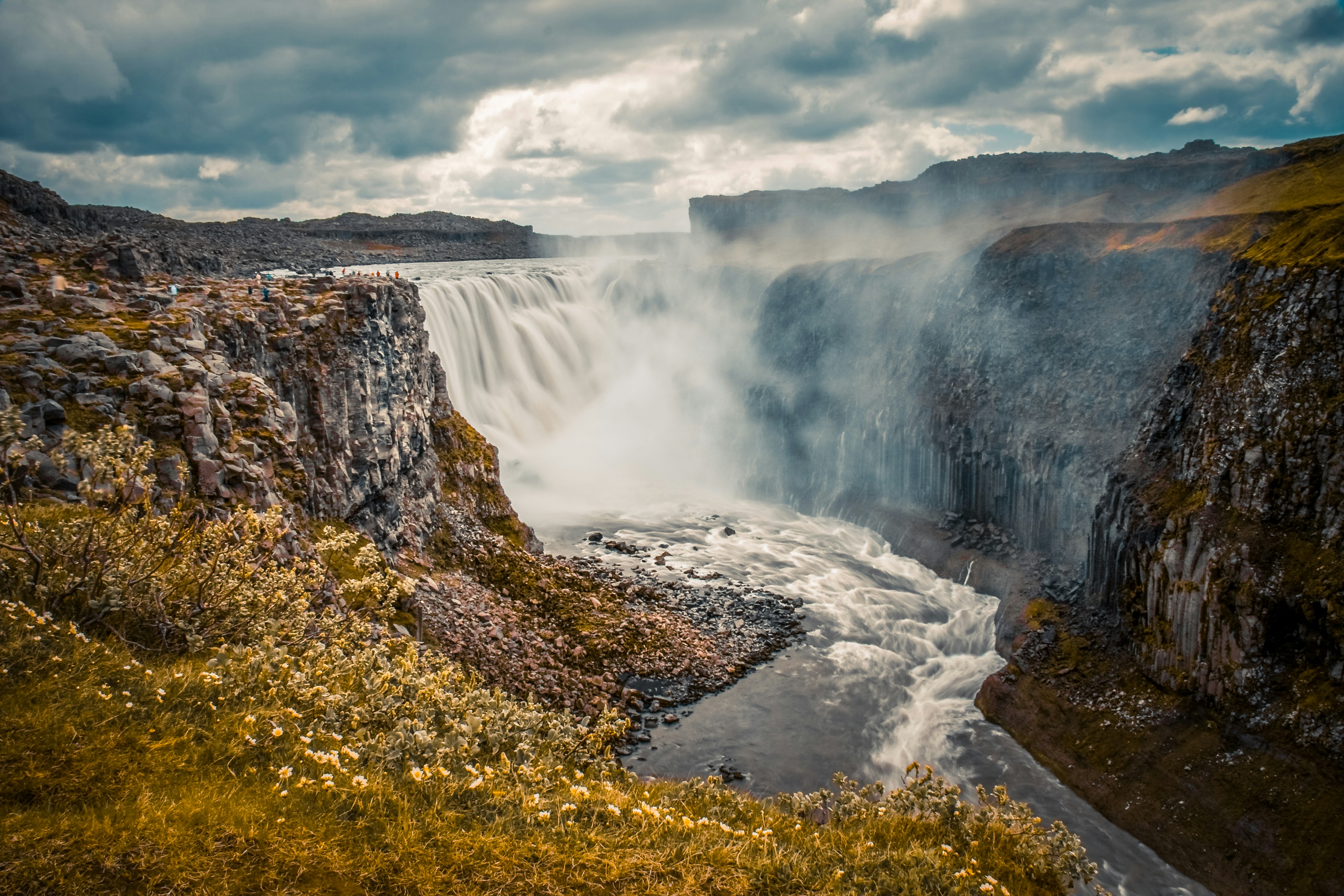
A dramatic canyon in Vatnajökull National Park, carved by catastrophic glacial floods, home to the thunderous Dettifoss waterfall and the horseshoe-shaped Ásbyrgi depression.
Dark basalt cliffs and moss-covered riverbanks make it one of Iceland's starkest, most powerful landscapes.
How does it rate
CrowdsRomanceCash RequiredDangerAccessibilityWhy you should go
Glacial-flood canyon holding Europe's most powerful waterfall and the horseshoe cliffs of Asbyrgi.
Why you shouldn't go
Can be crowded near Dettifoss in peak season; weather turns quickly with little shelter; unpaved access roads.
Plan your visit
Best time to visitJune–September for accessible roads and stable weather.Best time of dayAfternoon light brings out the canyon's texture and the waterfall's spray-lit rainbows.Getting thereRental car from Reykjavik, 5–6 hour drive northeast, or fly to Akureyri and drive 1.5 hours.Entry costFreeTime neededHalf day to a full day.Insider tip — Approach Dettifoss from the west-side road for the closer, more dramatic view. Wear grip-soled boots — the volcanic rock is loose and sharp in places. -
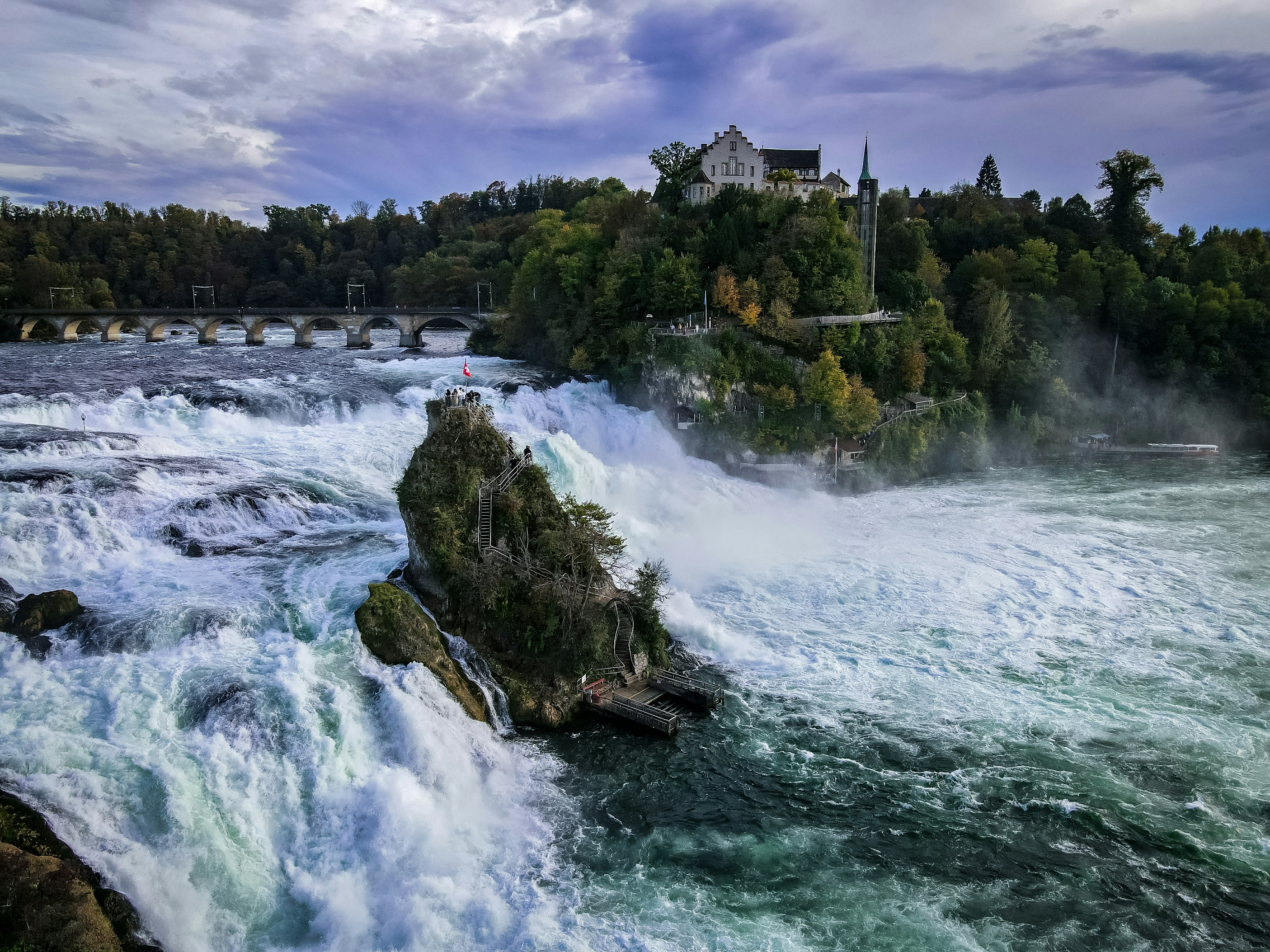 #4577 /100
Europe's largest waterfall by volume thunders over a 150-metre-wide limestone ledge near Schaffhausen, where the Rhine drops about 23 metres in a broad, permanent roar rather than a single dramatic drop.
Viewing platforms reach out over the spray from both banks, boats motor right up to the central rock, and the free riverside paths make it an easy stop rather than a planned expedition.
How does it rate
CrowdsRomanceCash RequiredDangerAccessibilityWhy you should go
Free, easy access to one of Europe's most powerful waterfalls, viewable from multiple angles in under an hour.
Why you shouldn't go
It's wide and powerful rather than tall or dramatic — expect a short, popular stop rather than a full day out.
Plan your visit
Best time to visitLate spring through summer, when snowmelt keeps water volume and spray at their peak.Best time of dayMorning or weekday visits avoid the tour-bus crowds that build through the afternoon.Getting thereTrain to Schaffhausen or Neuhausen Rheinfall station, then a short walk to the viewing points.Entry costFree from the riverbank; Laufen Castle viewing platforms cost a small fee; boat rides extra.Time needed1–2 hoursBookingBook ahead →Insider tip — The Känzeli platform, reached by stairs from Laufen Castle, gets you close enough to feel the spray on your face. -
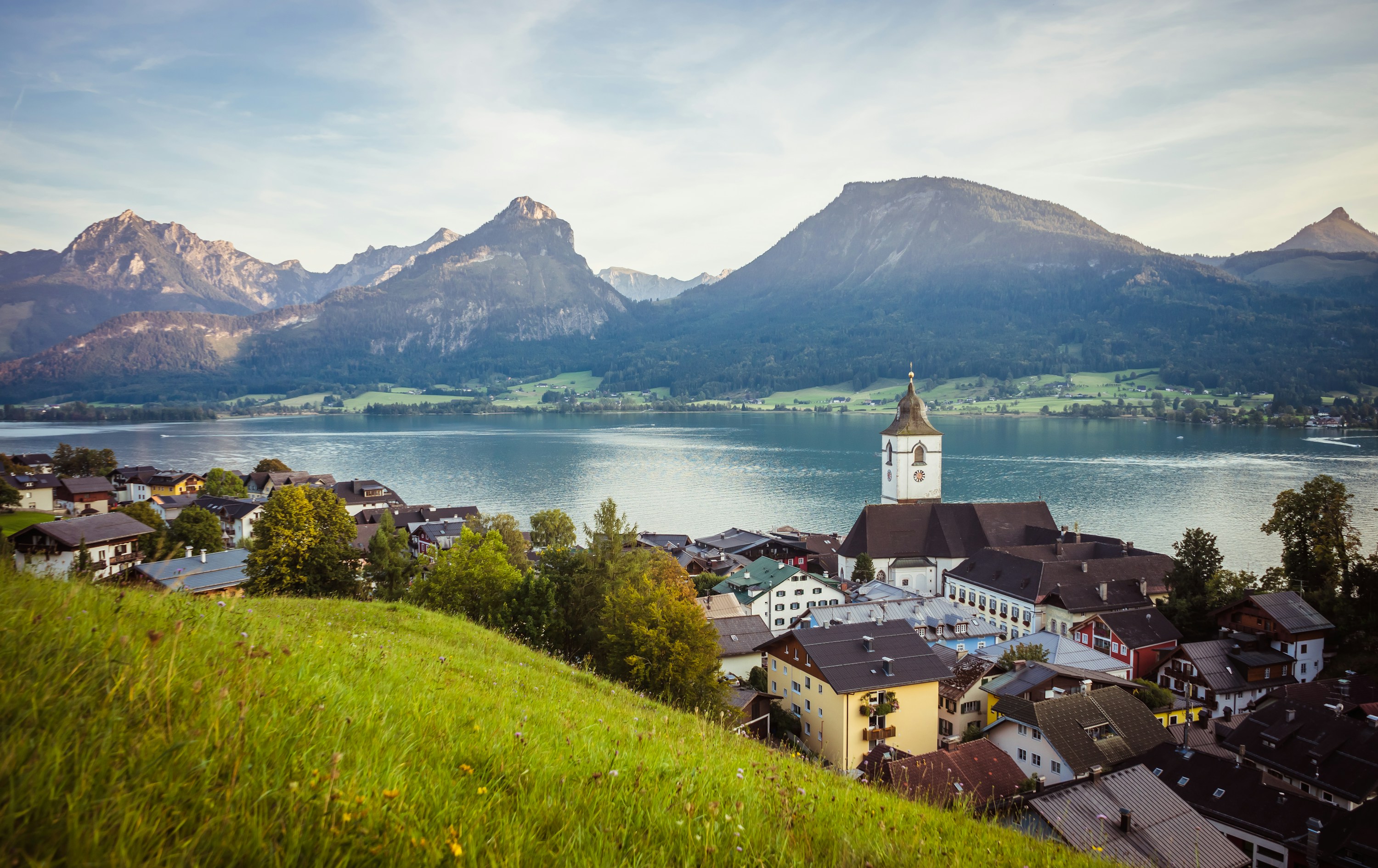 #4677 /100
A narrow alpine lake in Austria's Salzkammergut lake district is ringed by forested peaks and postcard villages, the best-known of which, St.
Wolfgang, grew up around the lakeside White Horse Inn made famous by a 20th-century operetta.
Passenger ferries still cross the lake between villages, a rack railway climbs the Schafberg for panoramic views, and swimming spots line much of the shore in summer.
How does it rate
CrowdsRomanceCash RequiredDangerAccessibilityWhy you should go
One of the Salzkammergut's classic lake-and-mountain villages, quieter and less crowded than Hallstatt.
Why you shouldn't go
No train station serves St. Wolfgang directly — getting there means a bus or ferry connection, which limits spontaneity.
Plan your visit
Best time to visitJune–September for swimming, ferries, and the Schafberg railway running full schedules.Best time of dayEarly evening, when day-trippers head back to Salzburg and the lakefront empties out.Getting thereBus from Salzburg or Bad Ischl to St. Wolfgang, or ferry across the lake from St. Gilgen or Strobl.Entry costFree to walk the lakefront; the Schafberg rack railway and boat rides are separately ticketed.Time needed1 dayInsider tip — Take the Schafberg rack railway up for sunset, then the last ferry back — the crowds thin dramatically after 5pm. -
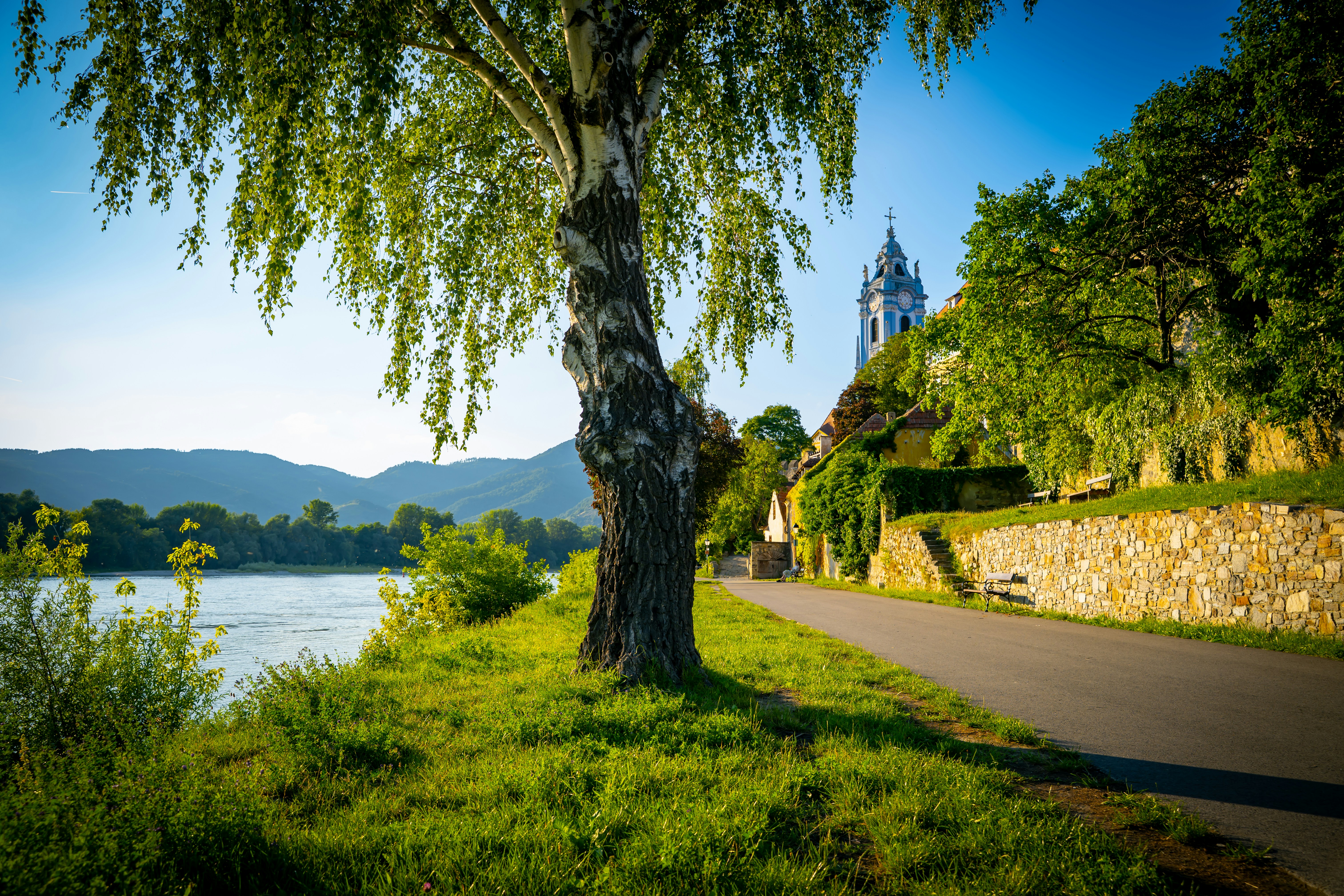 #47
#47Rated #47 of 70
Wachau Valley Danube Cycle Path, Austria
#wachauvalleydanubecyclepath ◆ Cycling Tours76 /100A flat, paved path traces the Danube's south bank through the Wachau, a UNESCO-listed valley of terraced vineyards, apricot orchards and medieval river towns between Melk and Krems.
Riders pass beneath Durnstein's ruined castle, where Richard the Lionheart was once imprisoned, while Melk's baroque abbey looms over the starting point.
The gentle downhill gradient and dedicated bike lane make it an easy half-day ride at any fitness level.
How does it rate
CrowdsRomanceCash RequiredDangerAccessibilityWhy you should go
A flat riverside ride past terraced vineyards, medieval towns and a baroque abbey with almost no effort required.
Why you shouldn't go
Peak summer weekends bring heavy path traffic between the popular towns.
Plan your visit
Best time to visitApril-May for apricot blossom, or September for the wine harvest.Best time of dayMorning start from Melk to reach Krems before lunchtime crowds.Getting thereTrain to Melk or Krems from Vienna (about 1 hour); bike rental available at both stations.Entry costBike rental from EUR15/day; the path itself is freeTime neededHalf a day (3-4 hours)BookingBook ahead →Insider tip — Ride Melk to Krems (downhill, with the current) rather than the reverse, and take the small ferry across the river to see Durnstein's castle ruins from below. -
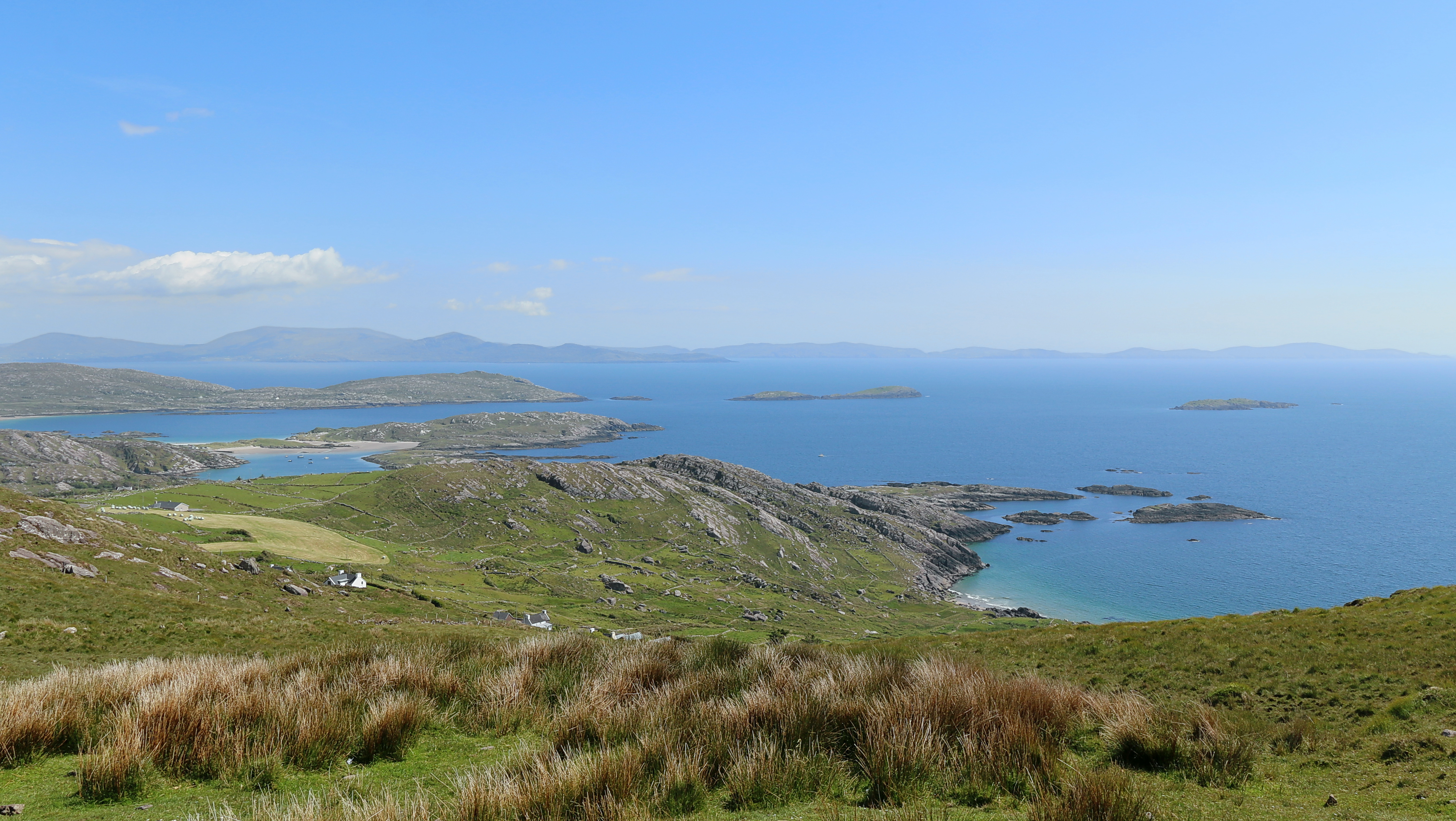 #4876 /100
The Ring of Kerry is a 179-kilometre circular route around the Iveragh Peninsula in County Kerry in southwest Ireland, passing through some of the country's most dramatic coastal, mountain, and lakeside scenery.
The route takes in the colourful town of Kenmare, the spectacular Killarney National Park, and the ancient stone forts of Skellig Ring.
How does it rate
CrowdsRomanceCash RequiredDangerAccessibilityWhy you should go
The combination of rugged Atlantic coastline, purple-heathered mountains, and characterful small towns makes the Ring of Kerry one of the most varied and rewarding scenic drives in Europe.
Why you shouldn't go
The Ring of Kerry road becomes very congested with tour coaches in summer, particularly in July and August; driving it independently against the one-way coach traffic flow is recommended.
Plan your visit
Best time to visitMay-September for best weather oddsBest time of dayLate afternoon for light on the coastal viewsGetting thereSelf-drive loop starting from KillarneyEntry costFreeTime neededFull dayInsider tip — Drive the loop counter-clockwise, opposite to the tour buses, to avoid getting stuck behind them on narrow roads -
 #4976 /100
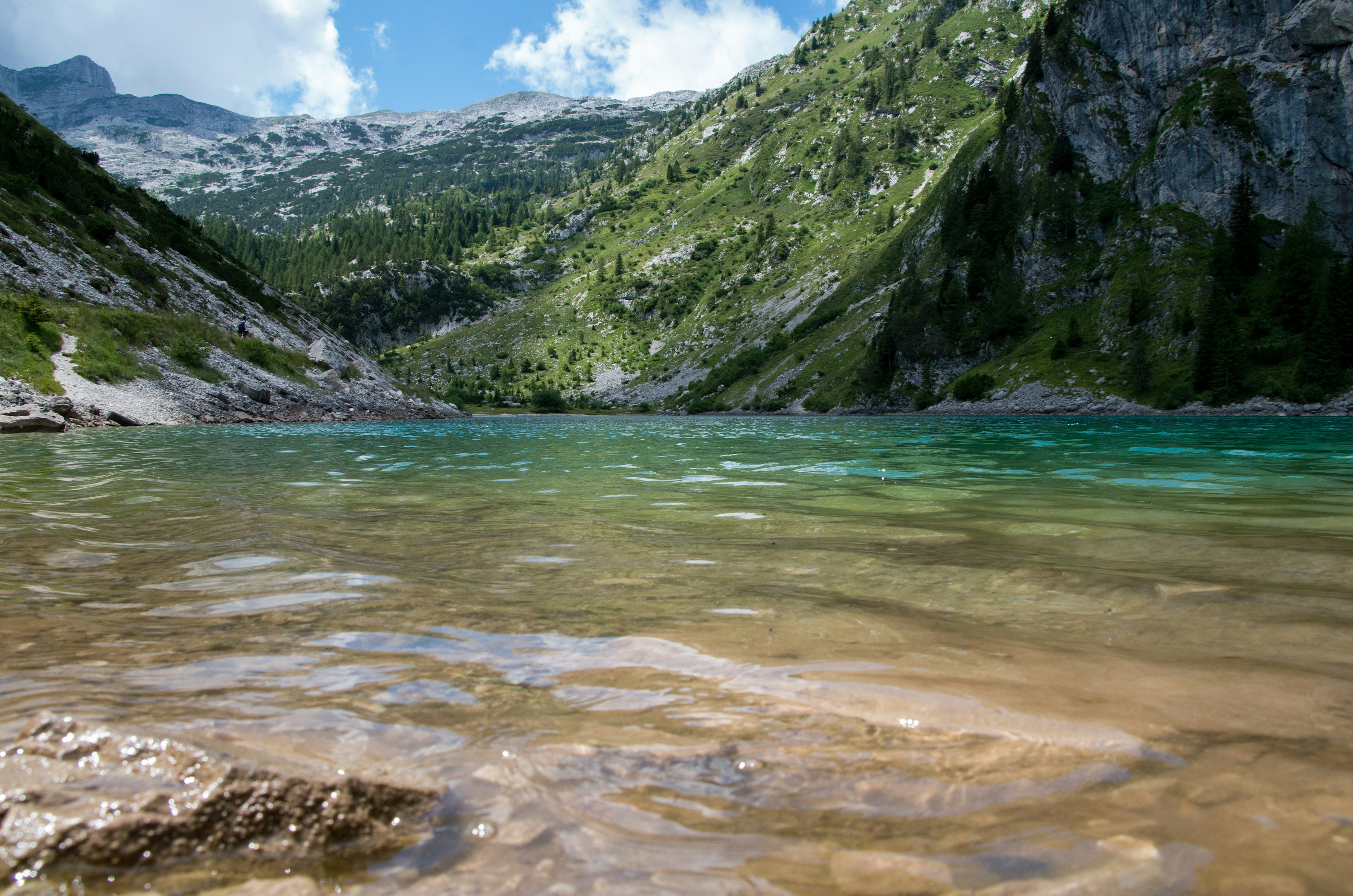
Slovenia's only national park protects nearly the entire Julian Alps range, centered on Mount Triglav, the country's highest peak and a genuine point of national identity.
Beyond the summit trek, the park holds the emerald Soča River valley, dramatic gorges, alpine lakes and the Vršič Pass's hairpin mountain road — the backbone of Slovenia's outdoor-adventure reputation, with hiking, rafting and via ferrata routes for every level.
How does it rate
CrowdsRomanceCash RequiredDangerAccessibilityWhy you should go
Slovenia's entire Julian Alps range in one park, from an iconic summit hike to alpine river valleys.
Why you shouldn't go
Summiting Triglav itself is a serious two-day mountaineering route, not a casual walk.
Plan your visit
Best time to visitJune–September for snow-free trails and mountain hut access.Best time of dayEarly morning starts for any serious hike, to avoid afternoon alpine thunderstorms.Getting thereBase yourself in Bovec or Kranjska Gora, both under 2 hours' drive from Ljubljana.Entry costFree to enter the park; mountain hut stays and guided treks add cost.Time needed2–4 days to see a meaningful cross-section.Insider tip — Drive the Vršič Pass's 50 hairpin bends yourself rather than joining a tour — pullouts at the top have some of the park's best panoramic views. -
 #5076 /100
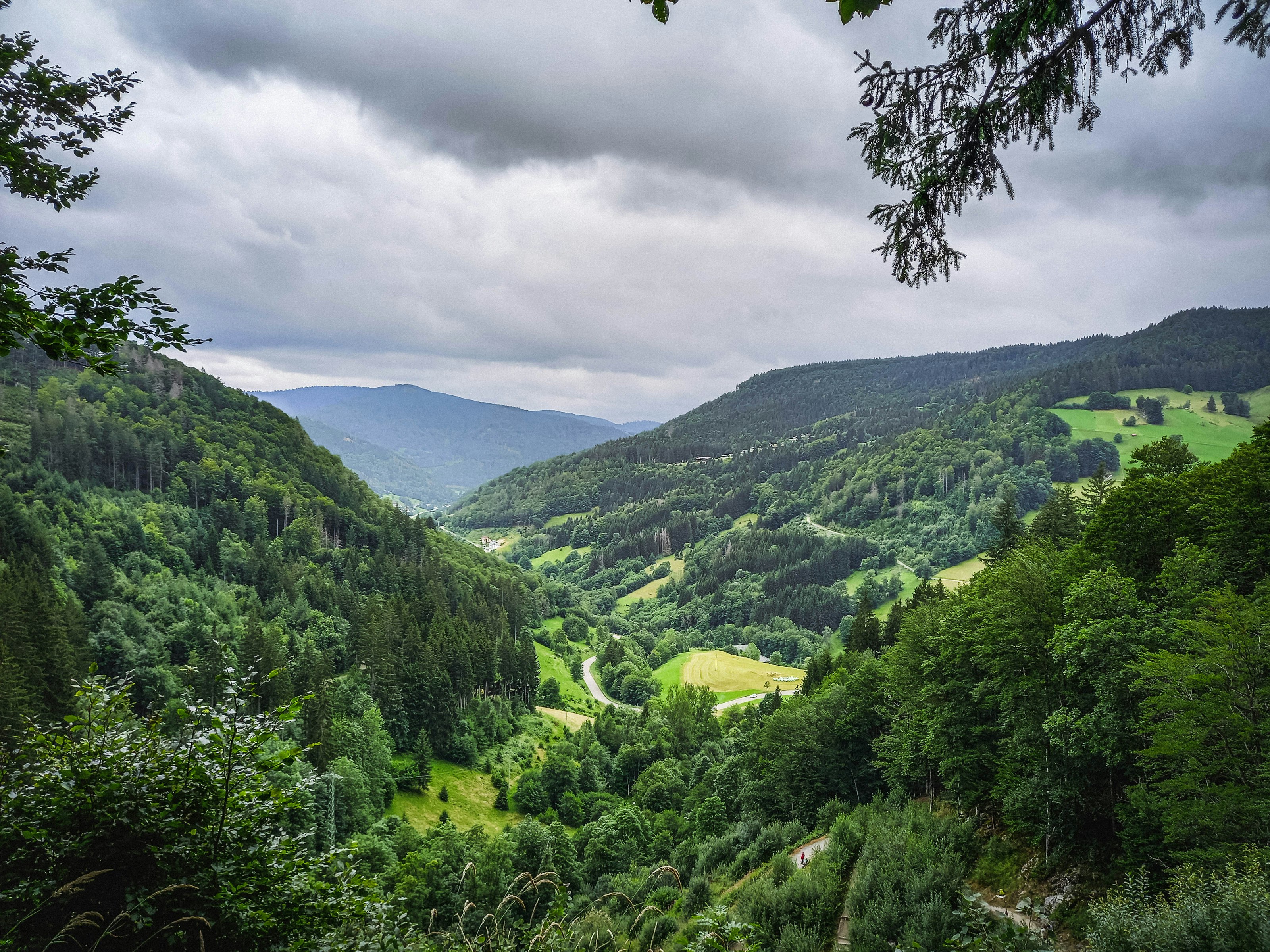
The Black Forest is a stretch of dense, dark pine hills in southwestern Germany, dotted with storybook villages, cuckoo-clock workshops, and thermal spa towns like Baden-Baden.
Waterfalls, half-timbered farmhouses, and a network of well-marked hiking trails run through the region, and Triberg's falls — among Germany's highest — draw day-trippers from across the area.
How does it rate
CrowdsRomanceCash RequiredDangerAccessibilityWhy you should go
Hiking between working farmhouses and cuckoo-clock villages feels like stepping into the fairy tales the region inspired.
Why you shouldn't go
It's a large rural region without one central sight, so a car or good planning matters more than in a single-destination trip.
Plan your visit
Best time to visitJune–September for hiking, or December for its Christmas markets.Best time of dayMorning starts on the trails, before afternoon cloud builds over the higher ridges.Getting thereFly to Stuttgart or Basel; 1–1.5-hour drive into the forest region.Entry costFree to hike; spa towns and specific attractions like Triberg Falls charge small entry fees.Time needed2–3 daysInsider tip — Base yourself in Triberg or Titisee rather than driving in for the day — both put you close to trailheads before the tour buses arrive. -
 #5176 /100
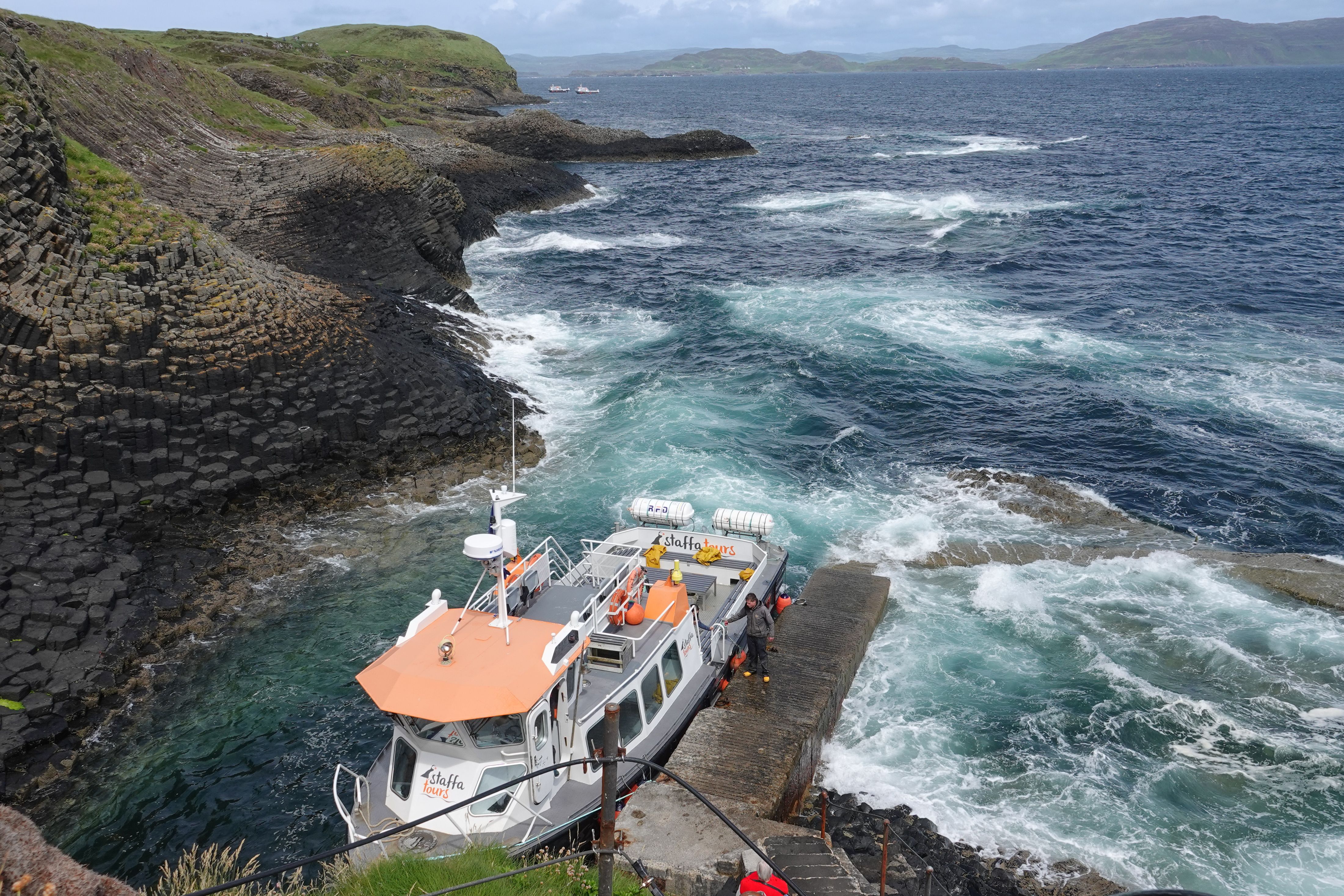
Hexagonal basalt columns, formed the same way as the Giant's Causeway, arch into a natural sea cave on the uninhabited island of Staffa.
The cathedral-like interior, with waves echoing off the columned walls, inspired Mendelssohn's Hebrides Overture.
Reaching it requires a boat crossing through open water, which keeps the cave far quieter than its Northern Irish cousin.
How does it rate
CrowdsRomanceCash RequiredDangerAccessibilityWhy you should go
A natural basalt-column sea cave dramatic enough to have inspired a symphony.
Why you shouldn't go
Boat access depends entirely on weather and sea conditions - trips are cancelled often.
Plan your visit
Best time to visitApril-September, when boat tours run most reliably.Best time of dayMidday, for the best light penetrating the cave's interior.Getting thereFerry to Mull, then a boat tour from Fionnphort or Iona out to Staffa.Entry costBoat tour fare, typically $35-50.Time neededHalf a day, including the boat crossingInsider tip — Book an afternoon sailing when possible - calmer seas later in the day mean a better chance of actually landing rather than just circling. -
 #5275 /100
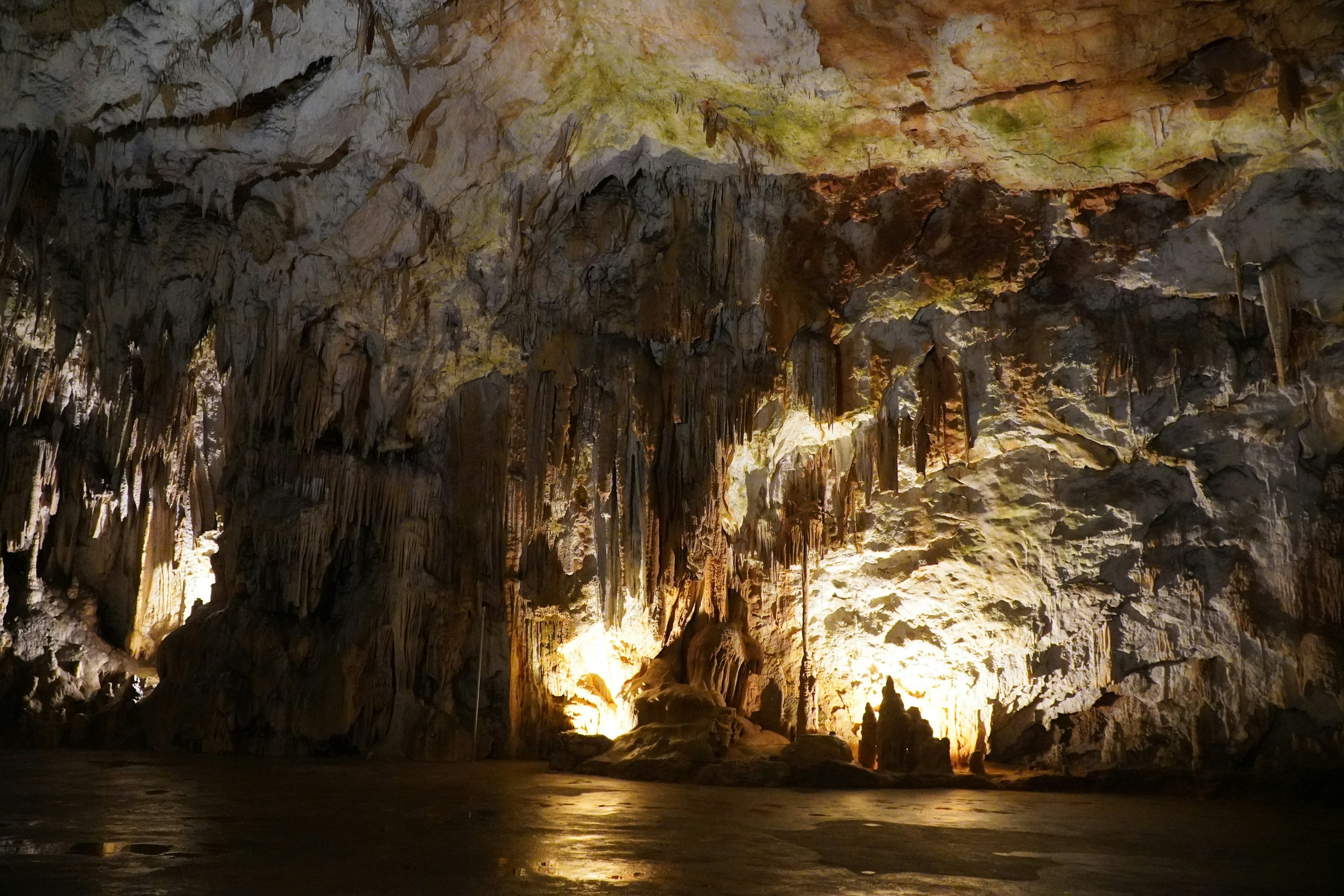
Twenty-four kilometres of galleries under the Slovenian karst, entered aboard an electric train that runs two kilometres into the rock before you continue on foot.
The formations range from delicate straws to a five-metre white column called the Brilliant.
An aquarium inside holds olms, the pale blind salamanders locals call baby dragons.
How does it rate
CrowdsRomanceCash RequiredDangerAccessibilityWhy you should go
The underground railway makes an enormous cave system reachable by almost anyone.
Why you shouldn't go
Strictly guided and timed, so there is no lingering behind to set up a photograph.
Plan your visit
Best time to visitApril-June or September; tours run all year at a constant 10CBest time of dayFirst tour of the morning, before the coach parties arriveGetting there45 minutes by road from Ljubljana; trains and buses stop at Postojna townEntry costAround EUR 31; combined ticket with Predjama Castle availableTime needed2-3 hoursBookingBook ahead →Insider tip — Buy the combined ticket with Predjama Castle ten minutes up the road - it costs less than paying separately and the castle is worth the detour. -
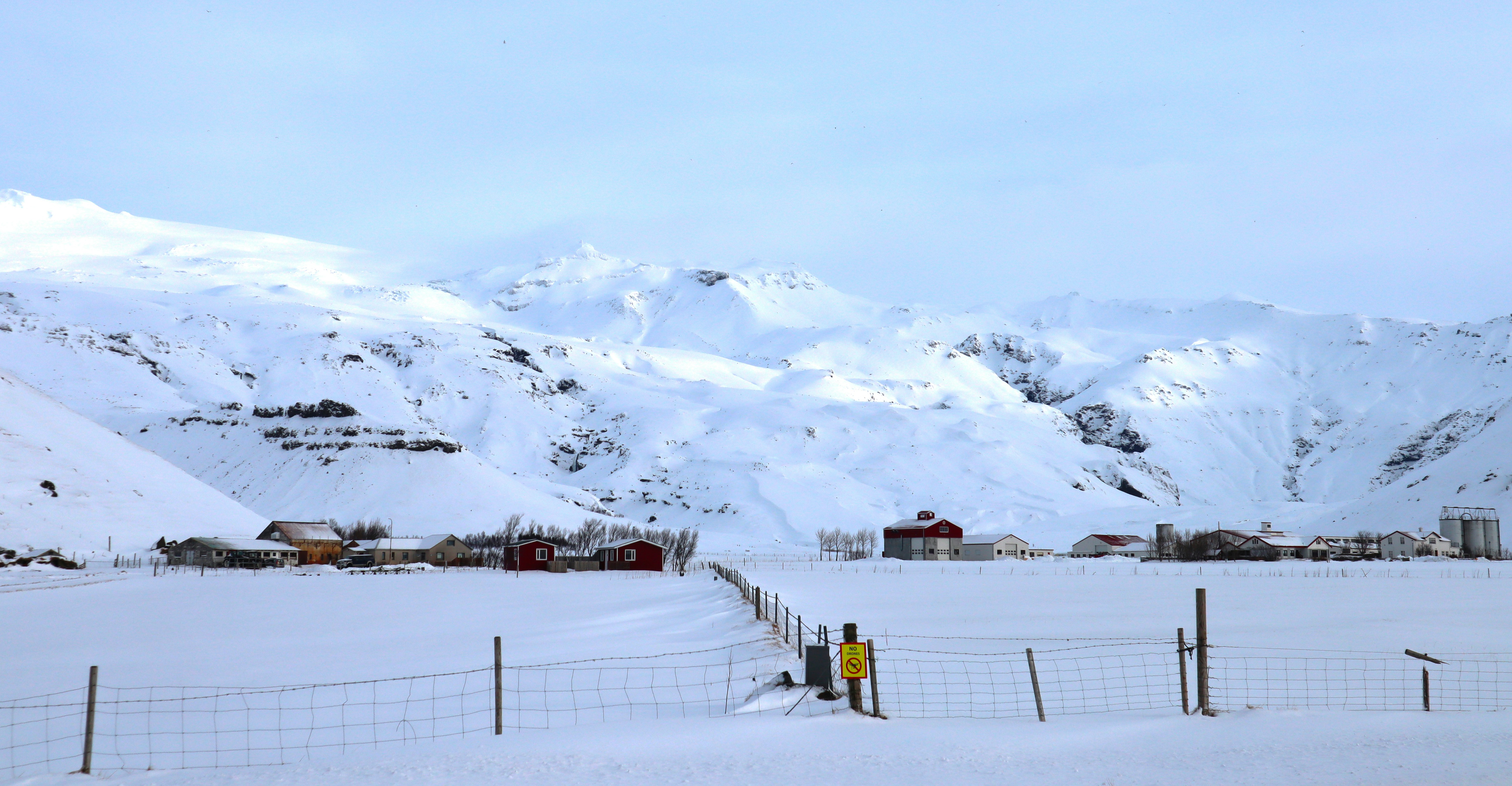 #5373 /100
The glacier-capped volcano whose unpronounceable name became a household word after its 2010 eruption grounded air travel across Europe for days.
Beneath the ice cap, hiking trails on its lower slopes cross black volcanic sand plains and moss-covered lava fields, with views toward the glacier itself and, on the south side, the LAVA visitor centre explaining the eruption's science and impact.
It's more a dramatic backdrop for South Coast road trips than a single standalone hike.
How does it rate
CrowdsRomanceCash RequiredDangerAccessibilityWhy you should go
The volcano that grounded European air travel in 2010, now a striking glacier-topped backdrop for Iceland's South Coast route.
Why you shouldn't go
The summit itself is a serious glacier trek requiring proper equipment and a guide - most visitors only see it from a distance.
Plan your visit
Best time to visitJune-August for the easiest access to surrounding trails and longest daylight.Best time of dayEvening in summer, when the low midnight-sun light rakes across the glacier.Getting thereAbout a 2-hour drive along Iceland's Route 1 from Reykjavik.Entry costFree to view; the nearby LAVA visitor centre charges a small entry fee.Time needed2-3 hours as part of a South Coast drive.BookingBook ahead →Insider tip — Stop at the LAVA Centre in Hvolsvollur before continuing along the coast - it makes the eruption's scale and the volcano's ongoing activity far more tangible than the view alone. -
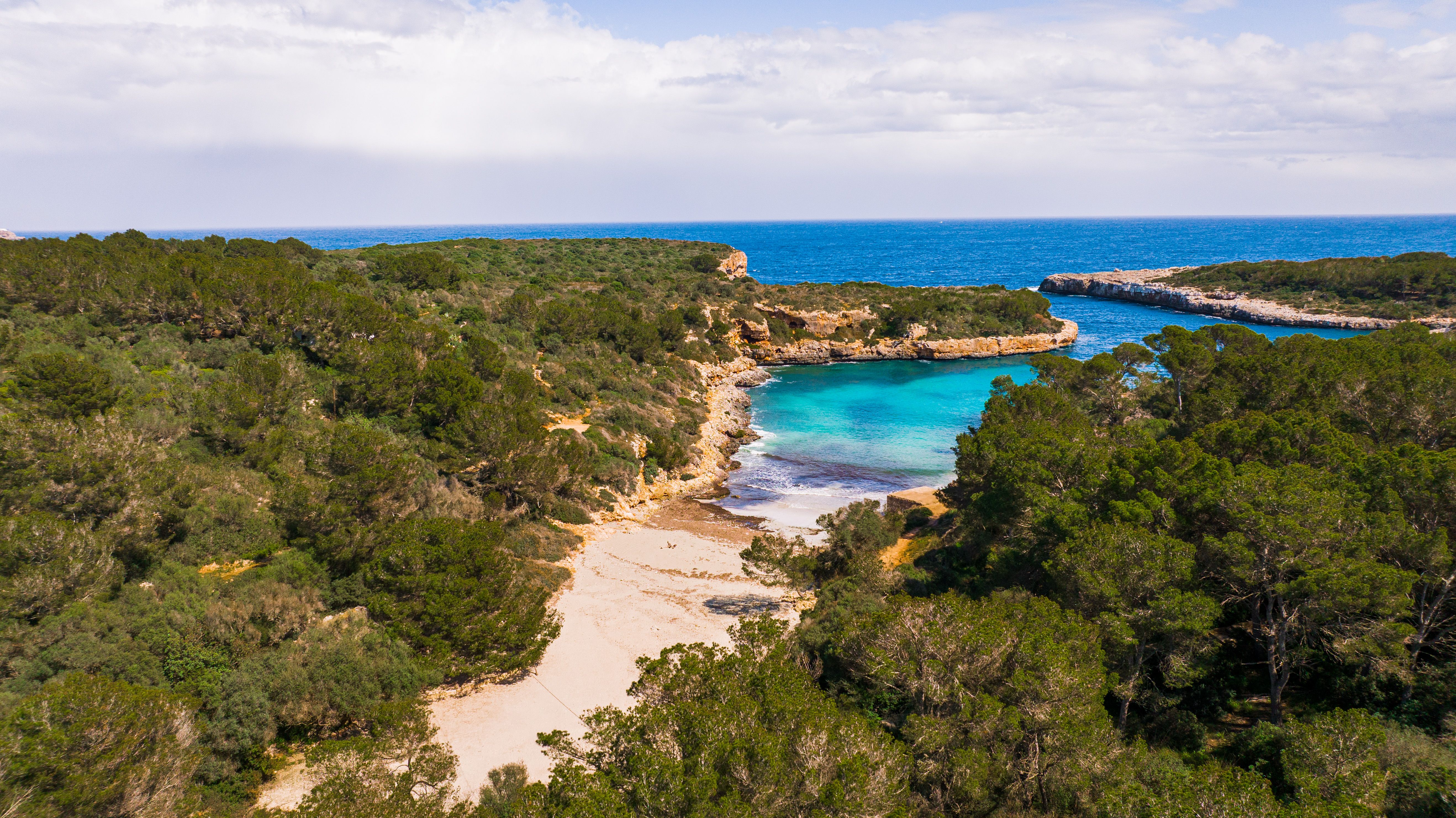 #5473 /100
A small, pine-fringed cove inside a protected natural park on Mallorca's southeast coast, with shallow, startlingly clear turquoise water that stays calm most of the year.
Because it sits within Mondrago Natural Park, development around the cove is deliberately limited, which keeps it looking much like the rest of the island did before mass tourism.
It's a short walk from the car park through scrub pine, which filters out casual visitors.
How does it rate
CrowdsRomanceCash RequiredDangerAccessibilityWhy you should go
Clear, calm turquoise water inside a protected natural park, with none of the high-rise development found elsewhere on the island.
Why you shouldn't go
Parking fills early in summer, and there are no facilities beyond a small beach bar.
Plan your visit
Best time to visitJune or September for warm water and thinner crowds than July-August.Best time of dayMorning, before the day-trip crowds from nearby resorts arrive.Getting thereFly to Palma; a 45-minute drive southeast to Mondrago Natural Park.Entry costFree; parking has a small daily fee in summer.Time needed2-3 hours.Insider tip — The second, smaller cove just south (Cala Mondrago's twin inlet) is usually quieter than the main beach. -
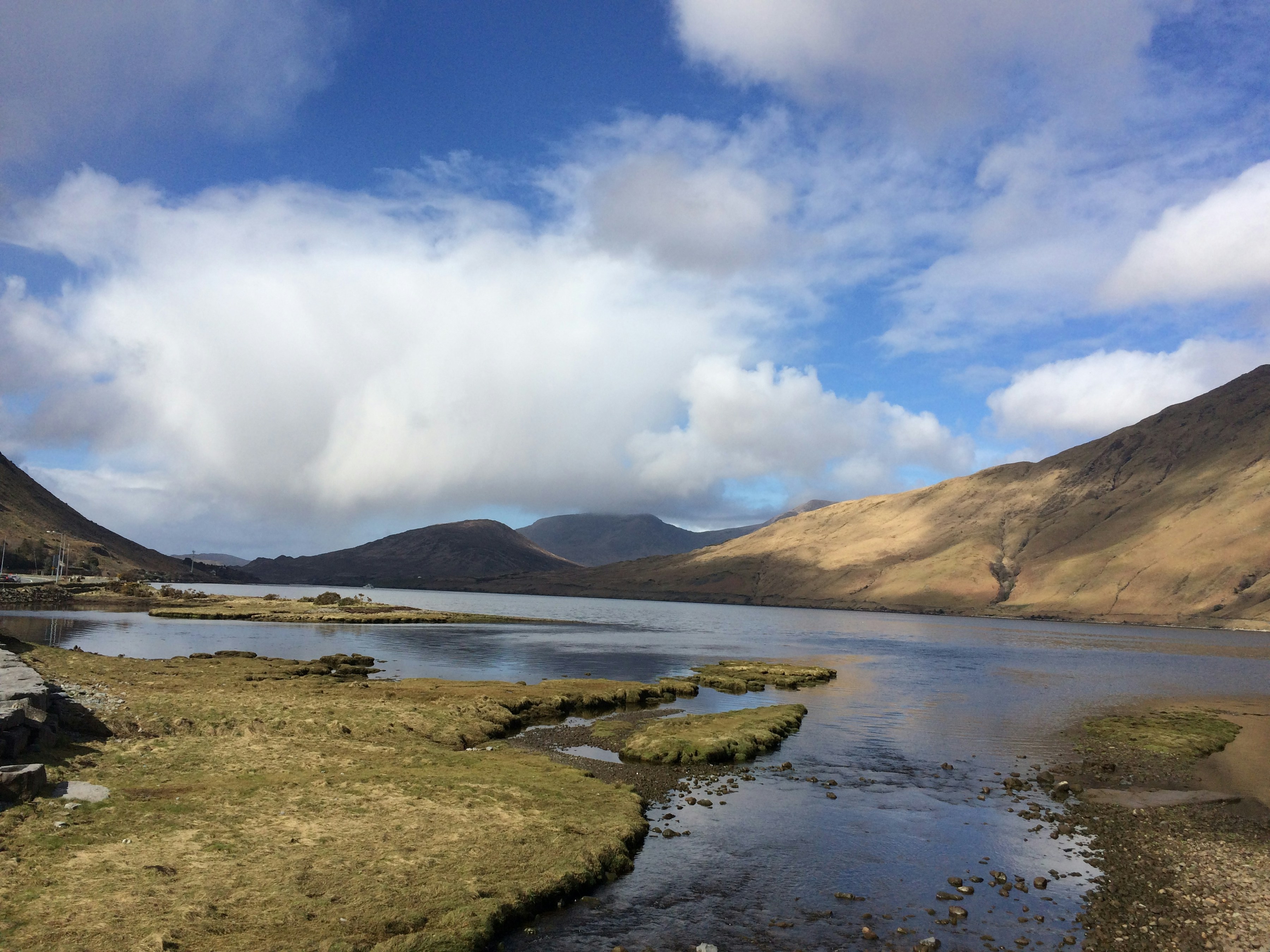 #5571 /100
This wild stretch of County Galway packs bog, mountain, lake and rugged Atlantic coastline into one thinly populated region, its landscape barely touched since the days it inspired painters and poets.
Connemara National Park's quartzite peaks, the Sky Road's cliff-edge drive out of Clifden, and Kylemore Abbey beside its own lake are the anchor points, but much of the appeal is simply driving or hiking through empty, dramatic terrain.
How does it rate
CrowdsRomanceCash RequiredDangerAccessibilityWhy you should go
Ireland's wildest, least-crowded landscape — bog, mountain and coastline with barely another car in sight.
Why you shouldn't go
Public transport is sparse; a car is close to essential to see more than one village.
Plan your visit
Best time to visitMay–June or September for good weather without peak-season crowds.Best time of dayLate afternoon, when low light catches the mountains and lakes.Getting thereDrive from Galway city, about 1–1.5 hours to Clifden, the region's main town.Entry costFree to drive and hike; Connemara National Park and Kylemore Abbey each charge small entry fees.Time needed1–2 days.Insider tip — Drive the Sky Road loop out of Clifden at sunset — it's free, takes under an hour, and has better views than several paid attractions. -
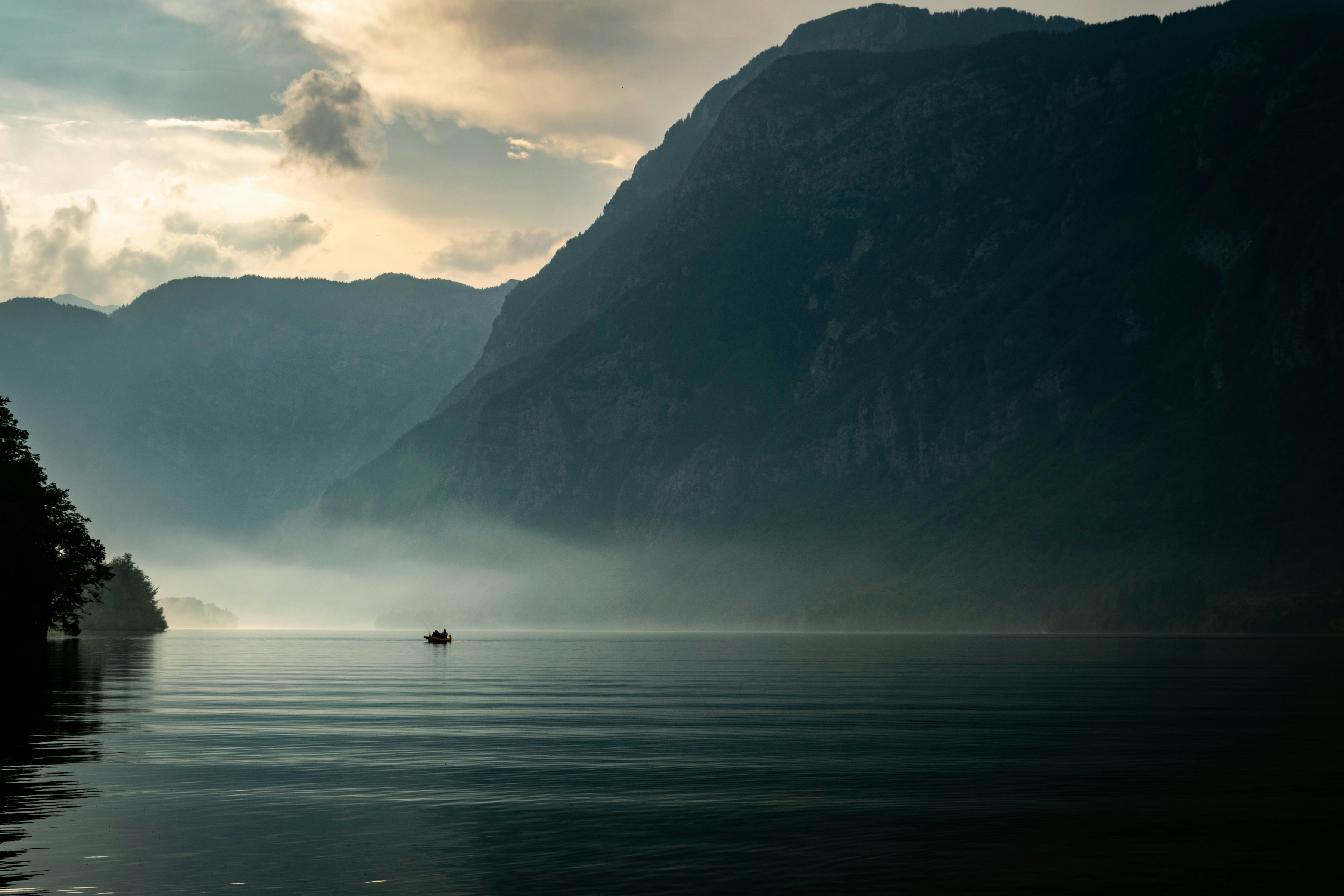 #5671 /100
Slovenia's largest permanent lake sits deeper inside Triglav National Park than its more famous neighbor Lake Bled, ringed by steep alpine peaks and largely free of the castle-and-island crowds that draw most day-trippers to Bled instead.
A cable car climbs to the Vogel ski area for panoramic views over the lake and surrounding mountains, while the Savica Waterfall trailhead sits at the lake's western end.
How does it rate
CrowdsRomanceCash RequiredDangerAccessibilityWhy you should go
Bled's calmer, wilder alpine sibling, with fewer crowds and a genuine mountain-wilderness feel.
Why you shouldn't go
It lacks Bled's island and castle centerpieces, so the appeal is scenery over singular landmarks.
Plan your visit
Best time to visitJune–September for swimming and hiking in warm weather.Best time of dayEarly morning for still, mirror-calm water and quiet trails.Getting thereAbout 30 minutes' drive beyond Lake Bled, or a connecting bus from Bled.Entry costFree to visit the lake; Vogel cable car around €18-20 round trip.Time neededHalf a day to a full day.Insider tip — Take the Vogel cable car up for the classic postcard view over the lake — most visitors never leave the shoreline. -
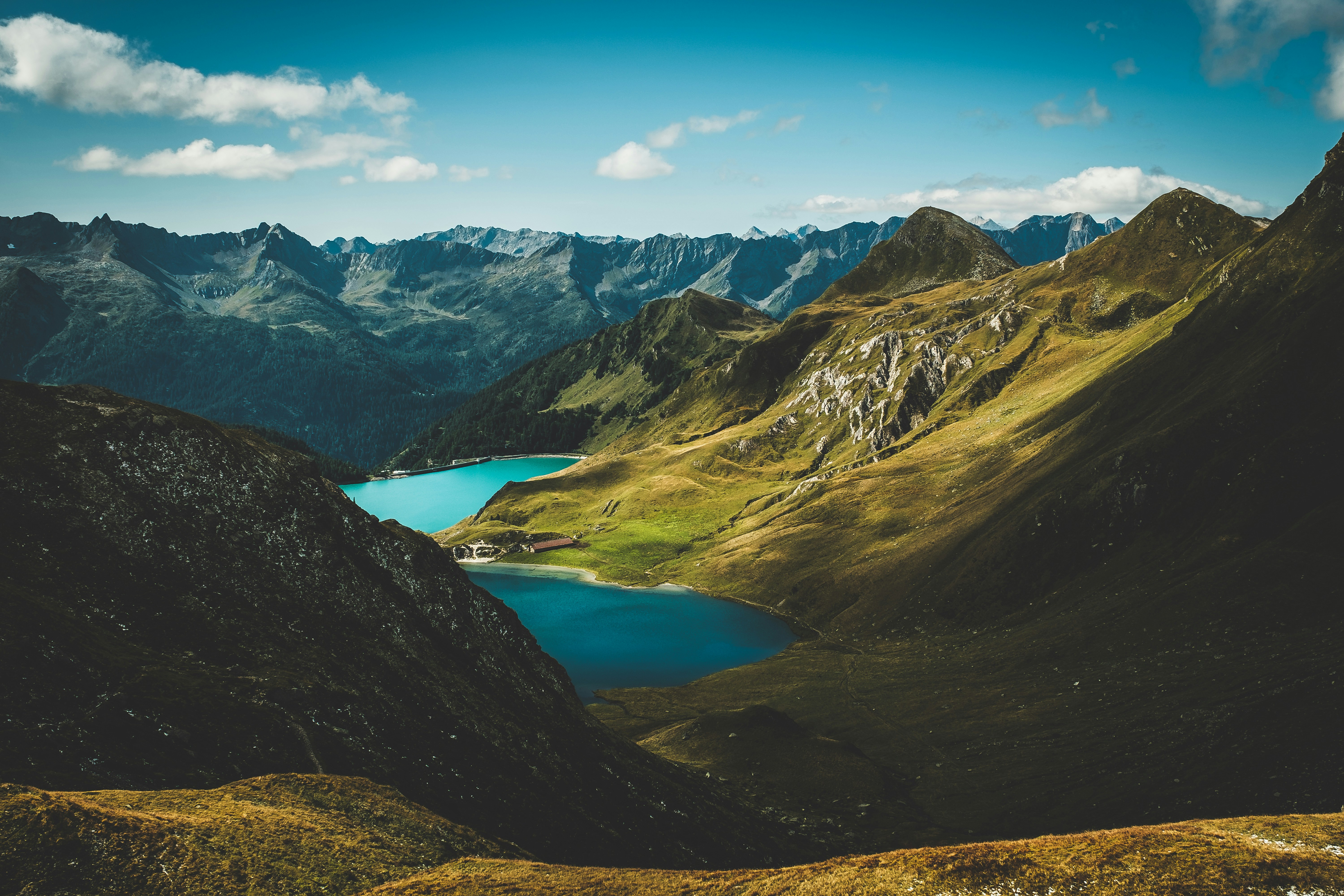 #5771 /100
A quiet alpine reservoir in Ticino reached by one of Europe's steepest funicular railways, climbing to a plateau ringed by peaks and pine forest.
Far quieter than the Bernese Oberland lakes, with hiking trails that see only a fraction of the region's tourists.
How does it rate
CrowdsRomanceCash RequiredDangerAccessibilityWhy you should go
A hidden alpine reservoir reached by one of Europe's steepest funicular railways — virtually unknown to tourists.
Why you shouldn't go
Limited services at the top; the funicular has restricted operating hours and seasonal closures; cold water year-round.
Plan your visit
Best time to visitJuly–September, when the funicular runs on its full schedule and wildflowers bloom.Best time of dayMorning for calm-water reflections; late afternoon for warm light on the surrounding peaks.Getting thereTrain to Piotta on the Gotthard line, then the Ritom funicular up to the lake plateau.Entry costFunicular round trip roughly CHF 20–25.Time needed3–4 hours including the funicular ride and a lakeside walk.Insider tip — Check the funicular's seasonal timetable before travelling — it doesn't run year-round. The Ritom funicular is itself a highlight: one of the steepest standard-gauge funiculars in Europe. -
 #5871 /100
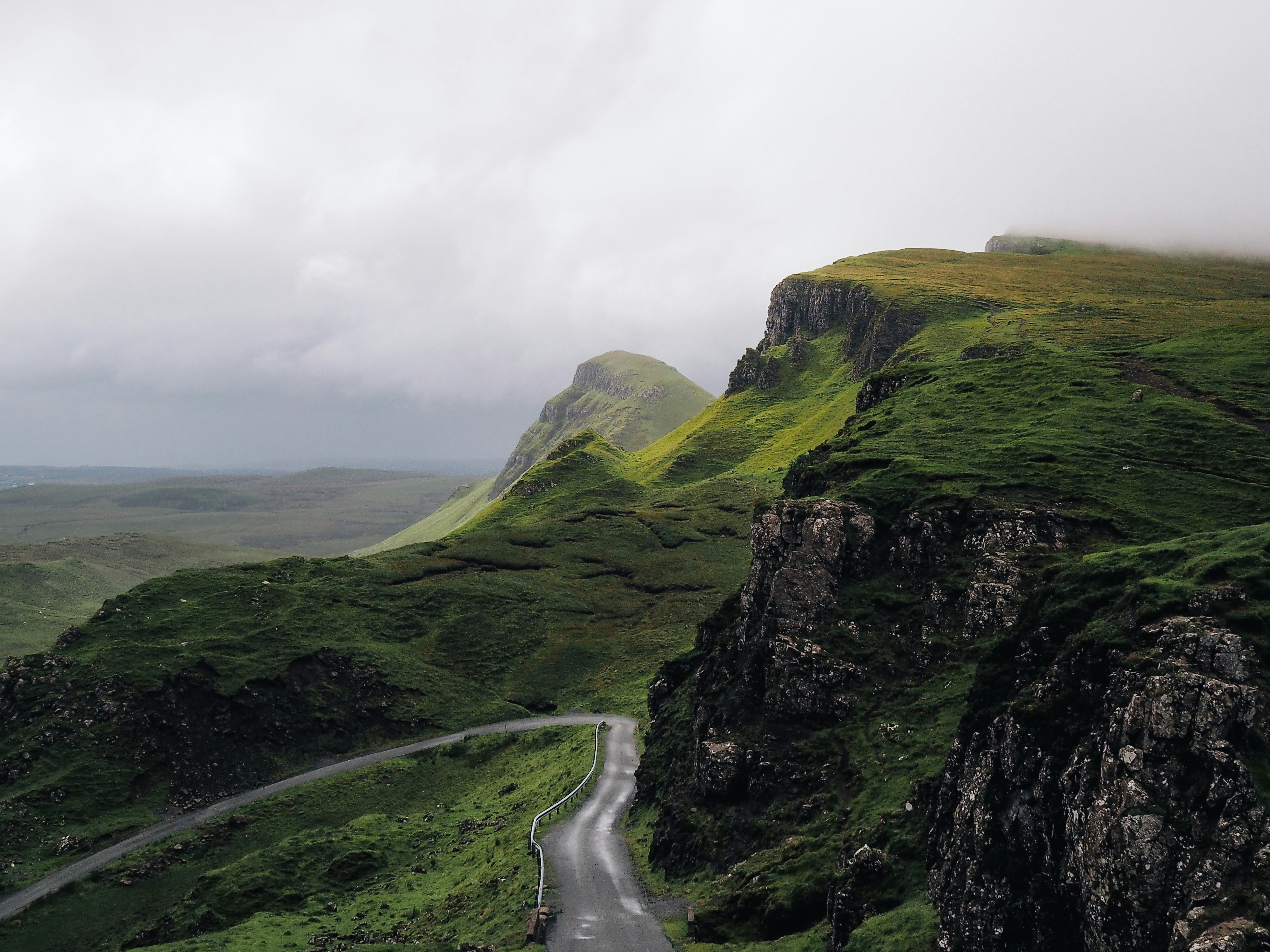
The North Coast 500 loops 830 kilometres around the top of the Scottish Highlands, starting and finishing in Inverness.
Single-track roads wind past white sand beaches at Achmelvich, the sea stacks of Duncansby Head, and ruined castles over sea lochs, with the Applecross Pass climbing to one of Britain's highest road summits.
Midges and shifting weather are part of the deal, and passing places on narrower stretches demand attentive driving.
How does it rate
CrowdsRomanceCash RequiredDangerAccessibilityWhy you should go
Beaches, sea cliffs, castles and Highland mountain passes packed into one circular route from Inverness.
Why you shouldn't go
Single-track roads get bottlenecked with summer traffic, and midges are relentless in calm weather.
Plan your visit
Best time to visitMay or September for good weather with thinner crowds and fewer midges than midsummer.Best time of dayEarly morning on single-track sections, before oncoming traffic builds up.Getting thereFly or drive into Inverness, hire a car, and join the signposted loop heading either direction.Entry costFree to drive; fuel and accommodation are the main costsTime needed5-7 daysBookingBook ahead →Insider tip — Drive clockwise to face oncoming traffic on the narrowest single-track stretches rather than being overtaken from behind. -
 #5970 /100
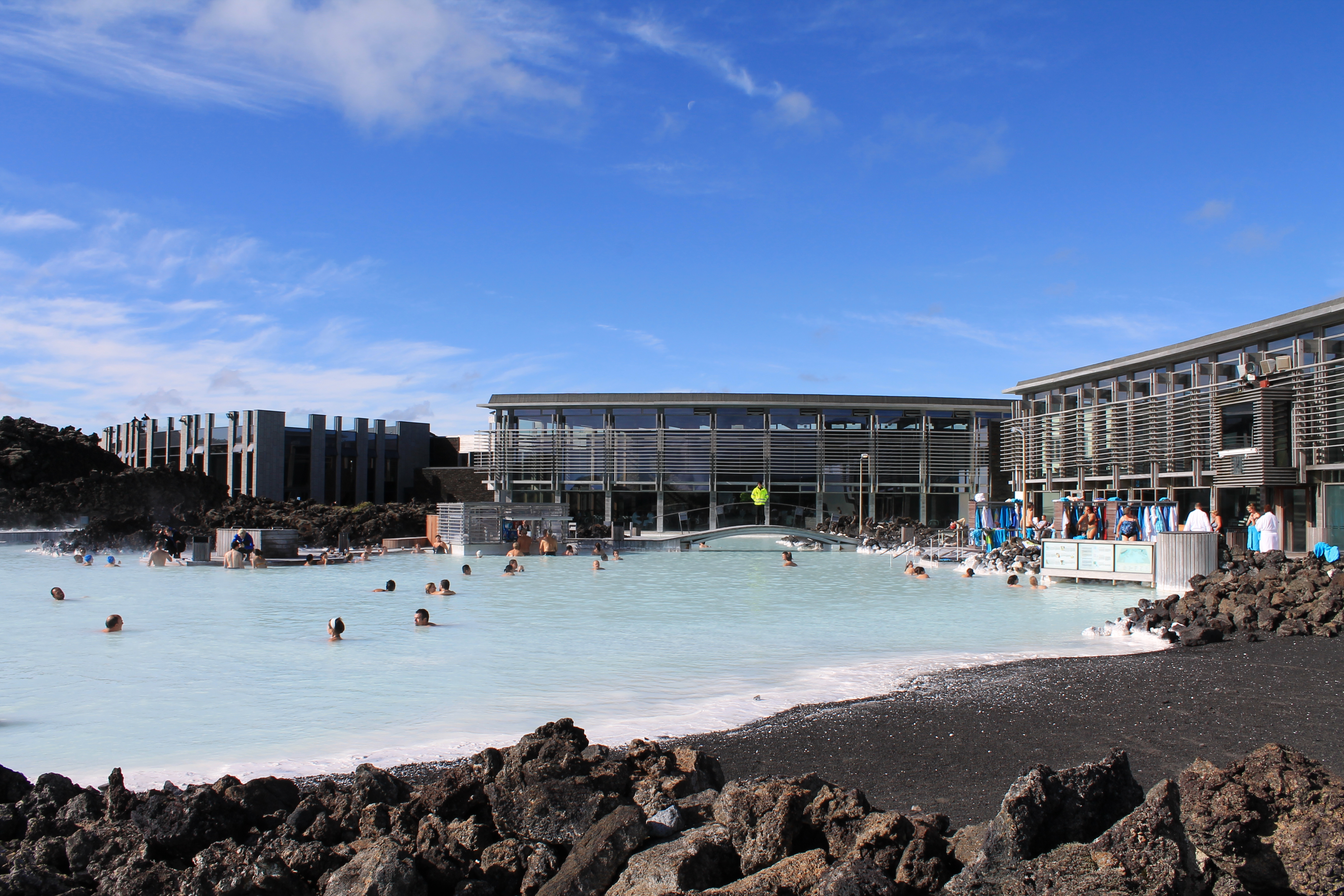
Iceland's most famous attraction is a geothermal spa set in a lava field on the Reykjanes Peninsula, where mineral-rich waters at 37-40 degrees create a milky blue pool against a backdrop of dark volcanic rock.
The silica mud face masks, steam rising in the cool air, and dramatic volcanic landscape make it a unique bathing experience.
How does it rate
CrowdsRomanceCash RequiredDangerAccessibilityWhy you should go
The experience of soaking in warm milky-blue water surrounded by lava rock, particularly in winter with snow falling or the Northern Lights overhead, is truly extraordinary.
Why you shouldn't go
The Blue Lagoon is expensive, must be booked months in advance, and has become very commercial; the entrance fee seems steep for what is essentially a large outdoor pool.
Plan your visit
Best time to visitYear-round; book ahead regardless of seasonBest time of dayEarly morning or evening for fewer crowdsGetting there~20 min from Keflavik AirportEntry cost~EUR65+ entryTime needed2-3 hoursInsider tip — Book online well in advance; walk-ups are regularly turned away as it sells out -
 #6070 /100
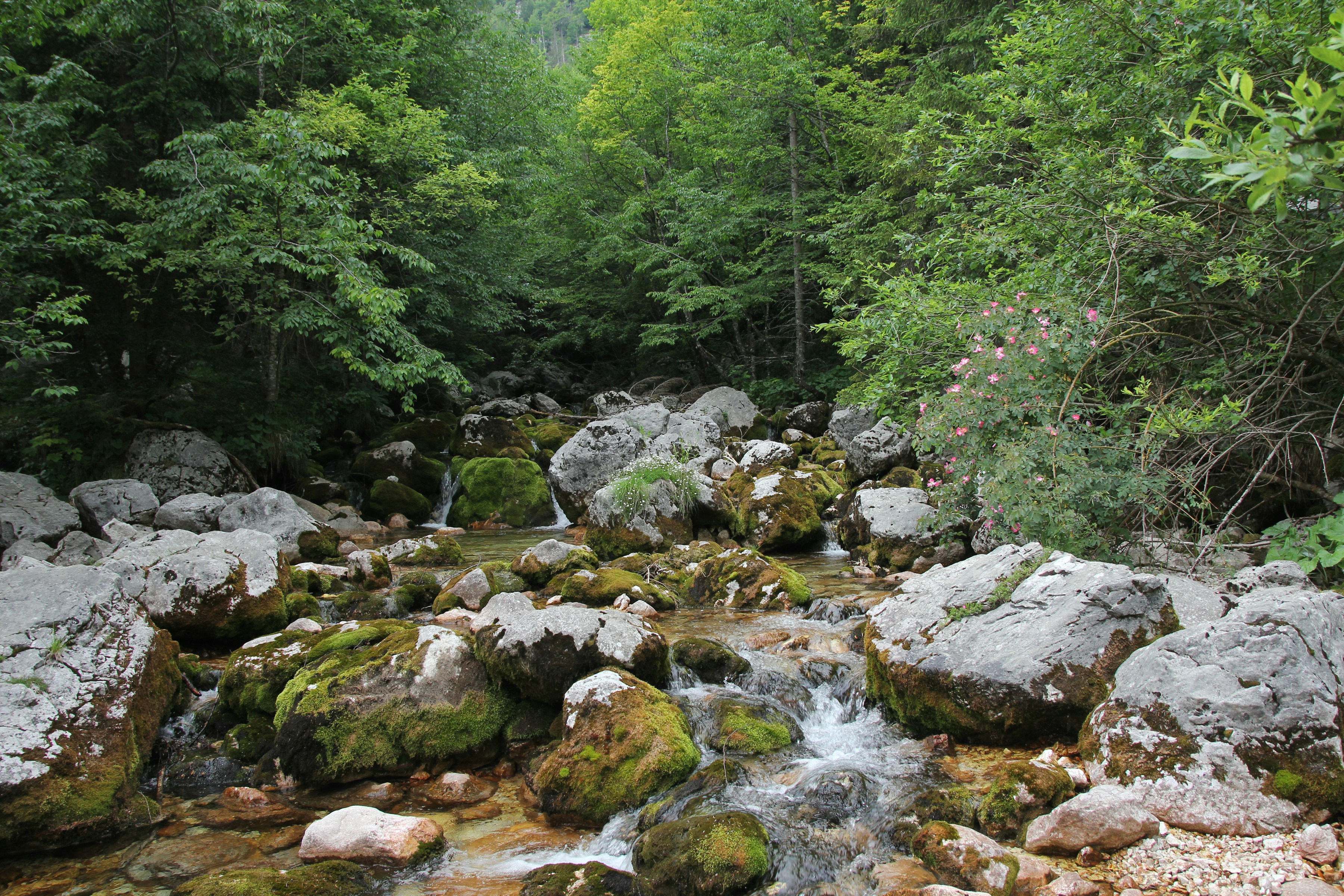
The Soča River runs an almost unreal emerald-turquoise color through this alpine valley in Slovenia's northwest, framed by the Julian Alps and threaded with World War I trench remnants from the Isonzo Front.
Whitewater rafting, kayaking and canyoning draw travelers to some of Europe's cleanest, coldest alpine water, while quieter trails and the small town of Kobarid offer a slower pace with WWI history layered into the landscape.
How does it rate
CrowdsRomanceCash RequiredDangerAccessibilityWhy you should go
An almost impossibly turquoise alpine river, with world-class rafting and layered WWI history.
Why you shouldn't go
The water is glacier-fed and genuinely cold year-round, even in peak summer.
Plan your visit
Best time to visitJune–September for rafting conditions and warm-enough air temperatures.Best time of dayMidday, when sunlight best brings out the river's turquoise color.Getting thereBase in Bovec or Kobarid, about 2 hours' drive from Ljubljana.Entry costFree to view the river; rafting and canyoning trips typically €40-70.Time needed1–2 days.Insider tip — Visit the Kobarid Museum before rafting — it reframes the valley's WWI trench remnants you'll pass on the water. -
 #6170 /100
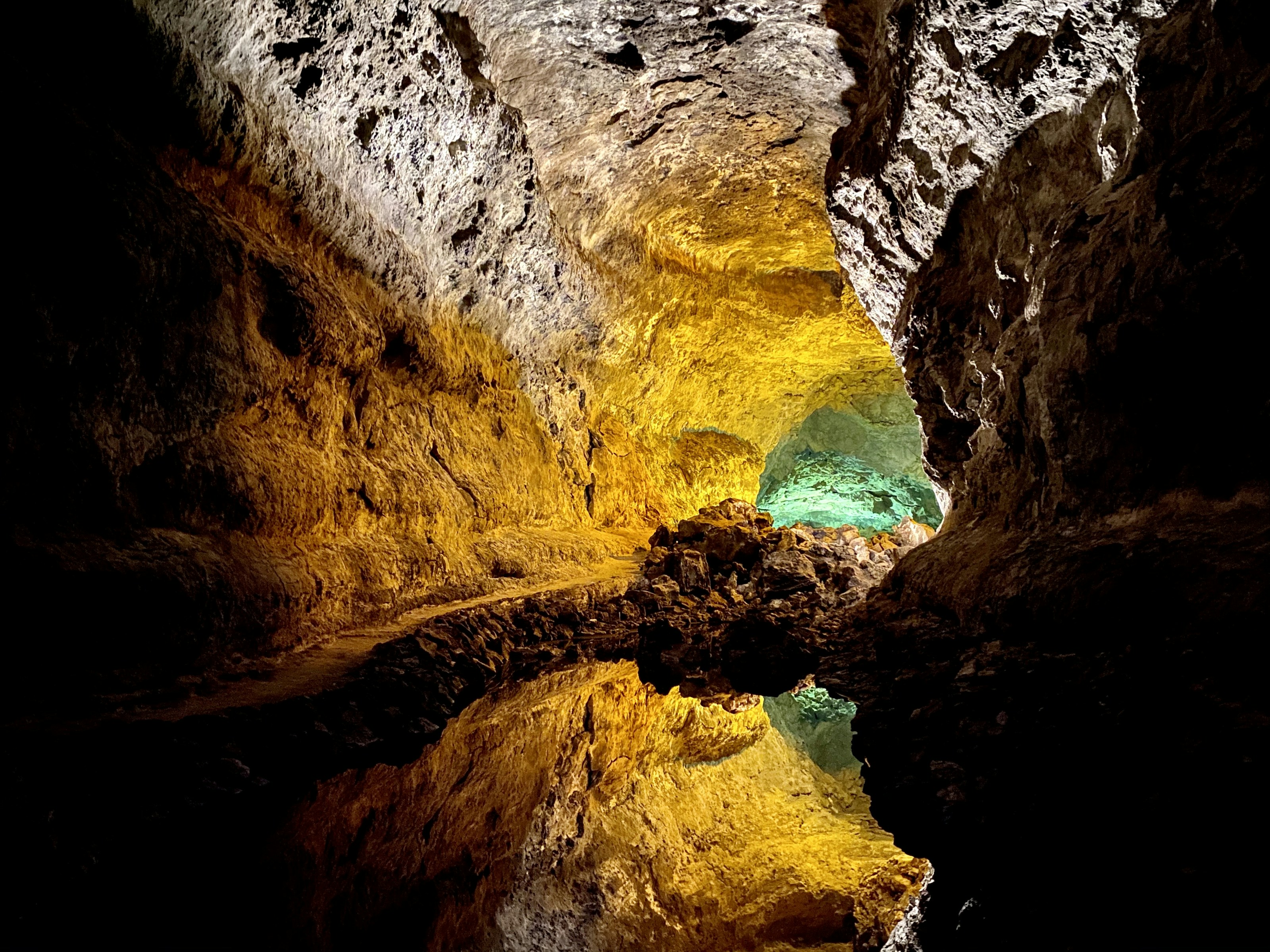
A lava tube on Lanzarote formed when the Corona volcano erupted around 3,000 years ago, running six kilometres down towards the sea.
A kilometre of it is open, lit in ochre and green by the artist Jesus Soto, and the tour ends with an optical illusion so convincing that most visitors refuse to believe it until it is explained.
How does it rate
CrowdsRomanceCash RequiredDangerAccessibilityWhy you should go
The lighting turns a volcanic tunnel into something closer to an art installation than a cave.
Why you shouldn't go
Guided only, on a fixed Spanish and English rotation, so you move at the pace of the group.
Plan your visit
Best time to visitYear-round; Lanzarote is mild in every seasonBest time of dayLate morning, once the first tour groups have clearedGetting thereDrive from Arrecife on Lanzarote, about 25 minutes towards HariaEntry costAround EUR 12Time needed1-2 hoursBookingBook ahead →Insider tip — Do not drift off before the last chamber - the illusion at the end of the tour is the entire point and it is genuinely startling. -
 #6270 /100
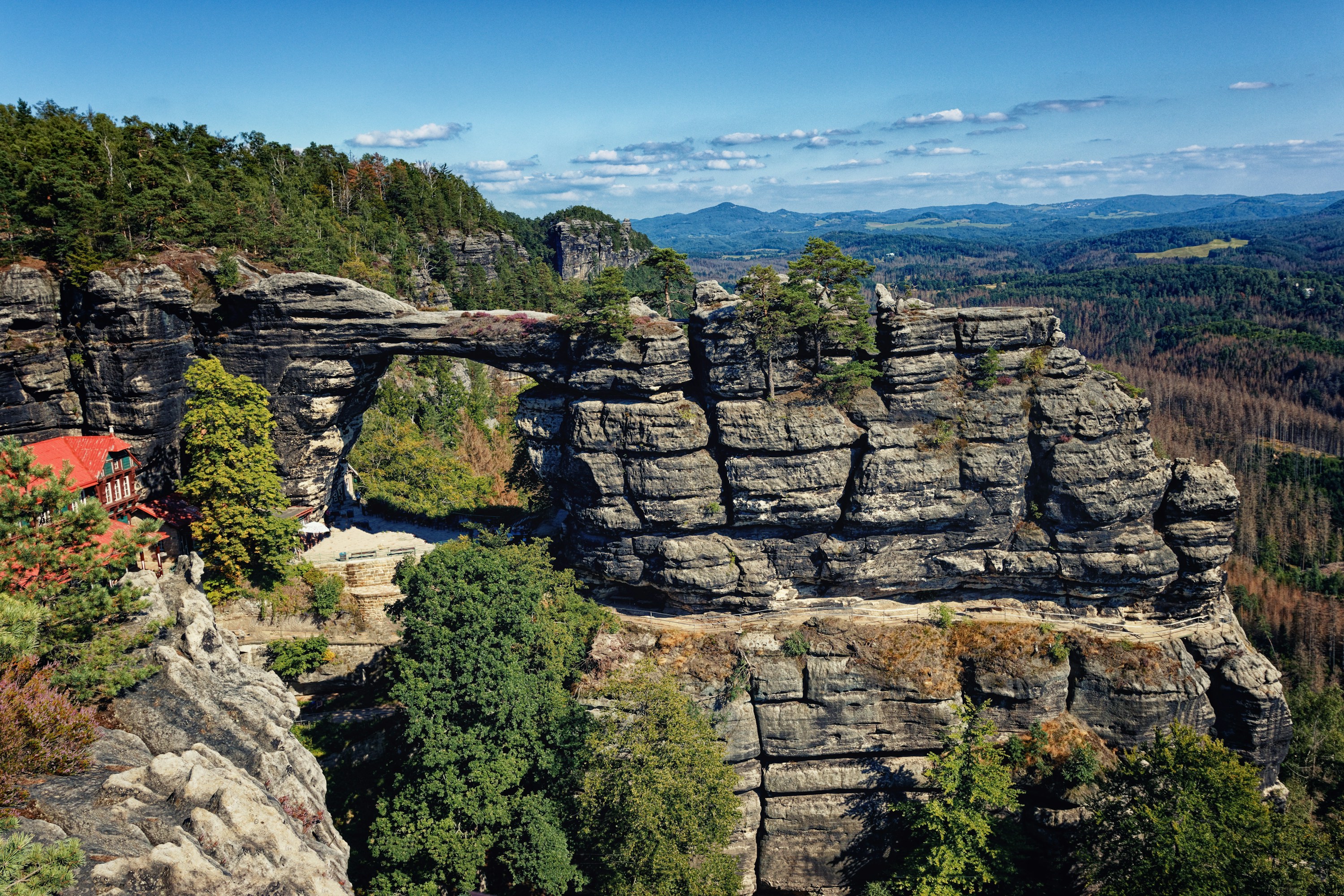
Pravčická brána is the largest natural sandstone arch in Europe, a 16-metre stone bridge rising from the forested plateau of Bohemian Switzerland National Park near the German border.
Closed to walkers since 1982 to halt erosion, it's instead viewed from three platforms and the 19th-century Sokolí hnízdo chalet built into the rock beneath it.
Reaching it means a steady uphill hike from Hřensko.
How does it rate
CrowdsRomanceCash RequiredDangerAccessibilityWhy you should go
The largest natural sandstone arch in Europe, framed by a historic chalet restaurant built right beneath it.
Why you shouldn't go
The arch itself is off-limits to walk on, and the approach hike is steep enough to rule out a casual visit.
Plan your visit
Best time to visitApril-October for reliable trail conditions; the path can be icy or closed after snow.Best time of dayEarly morning to beat weekend crowds on the narrow viewing platforms.Getting thereTrain or bus to Děčín, then a local bus to Hřensko, followed by a 1-1.5 hour uphill hike (or a longer loop from Mezní Louka).Entry cost75 CZK adult, 25 CZK concession, for the viewpoint areaTime needed3–4 hours round trip including the hikeInsider tip — The classic view is from the lower platform looking up through the arch; climb to the upper terrace by the chalet for the wider valley panorama instead. -
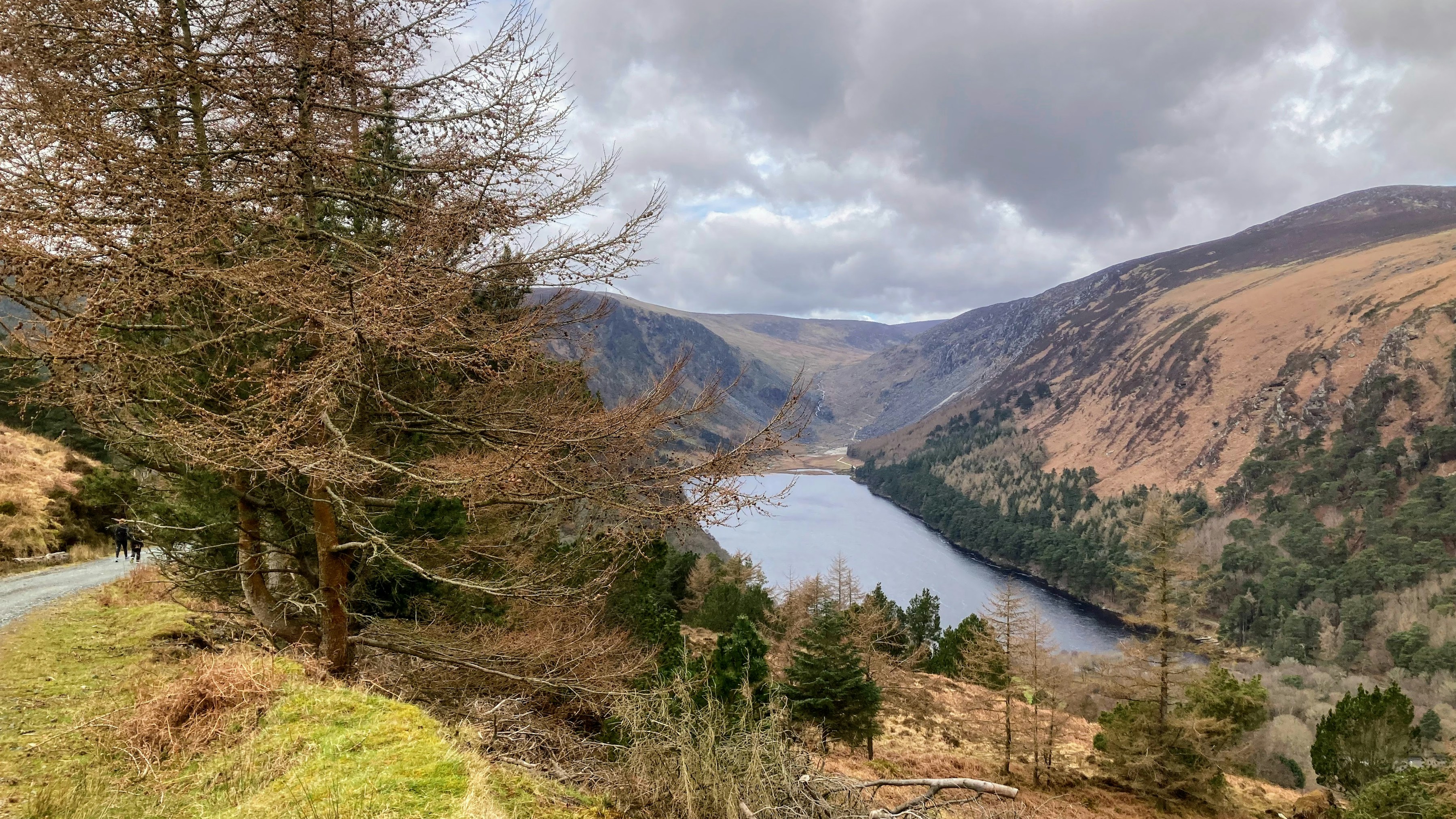 #6369 /100
A glacier-carved valley in the Wicklow Mountains holds two lakes and the ruins of a 6th-century monastic settlement founded by St Kevin, including a remarkably intact round tower.
Trails loop around both lakes and climb into the surrounding hills, from a flat 30-minute stroll to a full afternoon's hike up to the Spinc ridge.
The mix of early-Christian ruins and scenic hiking makes it one of the most complete day trips from Dublin.
How does it rate
CrowdsRomanceCash RequiredDangerAccessibilityWhy you should go
Early-Christian monastic ruins set inside a genuinely scenic glacial valley with real hiking trails.
Why you shouldn't go
Parking fills up fast on weekends and can mean a long walk in from overflow areas.
Plan your visit
Best time to visitApril–October for hiking; autumn for color on the valley slopes.Best time of dayEarly morning to beat coach tours from Dublin.Getting thereDrive about an hour south from Dublin, or take a scheduled tour bus from the city.Entry costFree to enter the valley; parking around €4.Time needed2–4 hours.Insider tip — Skip the crowded lower lake boardwalk and head straight to the upper lake trailhead for quieter walking. -
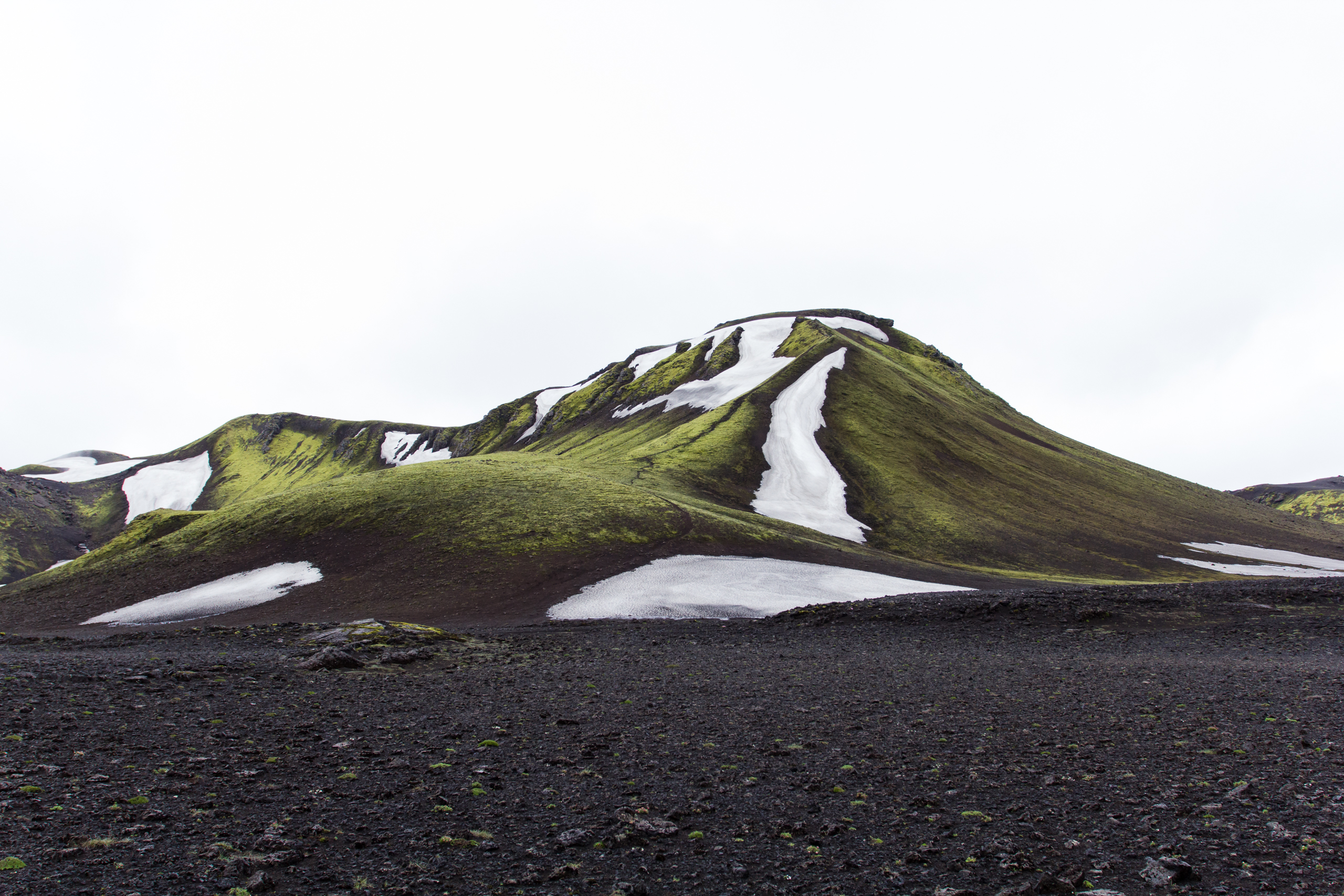 #6468 /100
A 55km highland traverse from the rhyolite hot-spring valley of Landmannalaugar to the birch forest of Thorsmork, crossing black lava fields, steaming fumaroles and glacial river fords along the way.
Colour shifts constantly underfoot, from mineral-streaked mountains to green moss and white snow patches even in summer.
Mountain huts break the route into four days, though camping is also allowed alongside each hut.
How does it rate
CrowdsRomanceCash RequiredDangerAccessibilityWhy you should go
Volcanic highlands that change colour with every ridge, from steaming rhyolite to black ash and green moss.
Why you shouldn't go
Glacial river crossings are cold and can rise fast, and huts for peak weeks book out months in advance.
Plan your visit
Best time to visitLate June to early September, the only window huts are open and rivers are usually fordable.Best time of dayMidday, when meltwater river crossings are shallower than early morning or evening.Getting thereFly to Reykjavik; highland bus (about 4 hours) to the Landmannalaugar trailhead.Entry costHut booking about ISK 15,800/night; camping about ISK 3,400/night.Time needed4 days / 3 nightsBookingBook ahead →Insider tip — Book huts the day reservations open for the following summer - July and August dates go within weeks. -
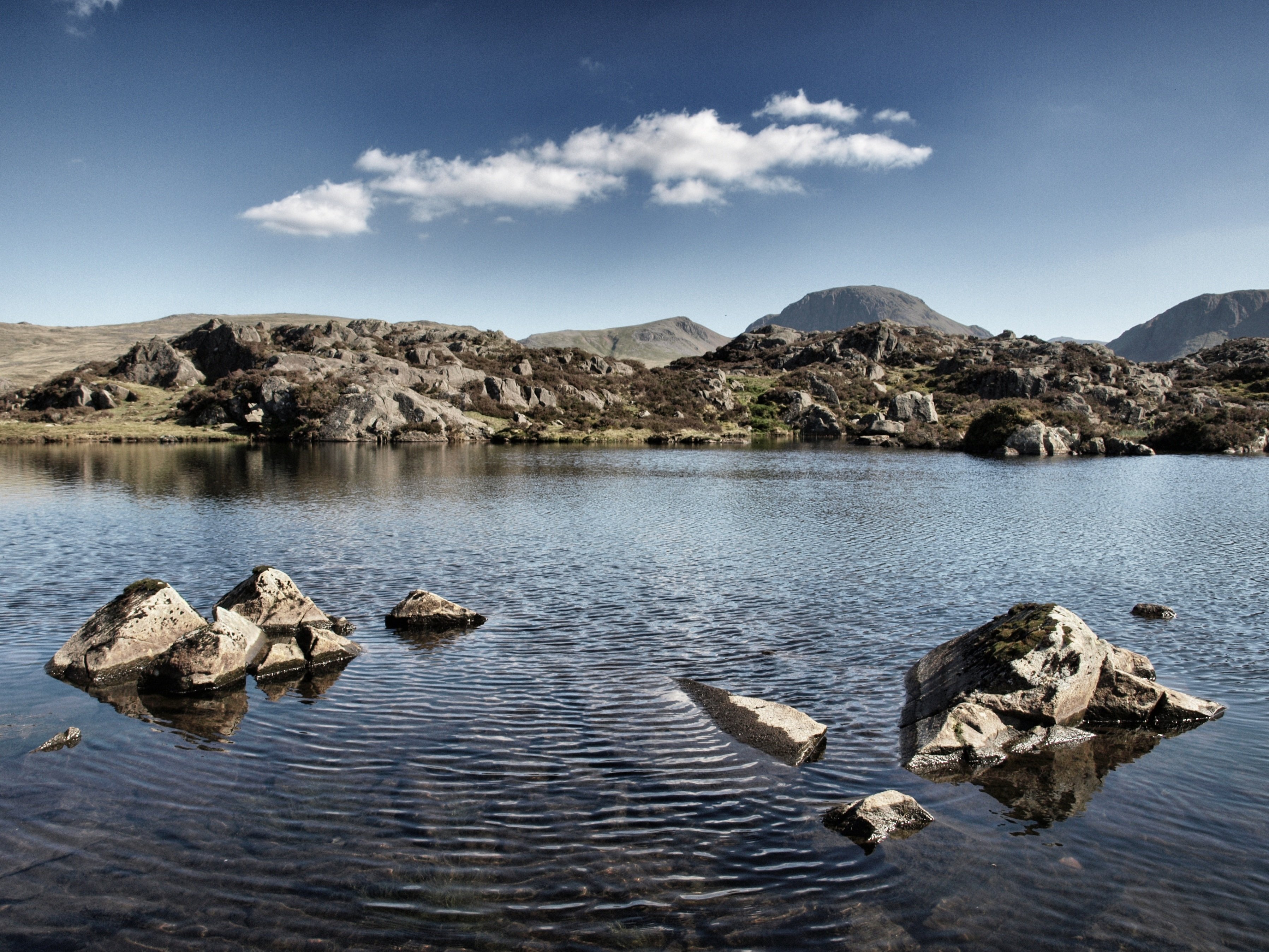 #6568 /100
A small, secluded tarn on the shoulder of Haystacks fell in the Lake District, where guidebook author Alfred Wainwright chose to have his ashes scattered.
Reached only on foot, it offers a quiet, mirror-still pool ringed by fells with none of the crowds of the district's bigger lakes.
How does it rate
CrowdsRomanceCash RequiredDangerAccessibilityWhy you should go
A secluded fell-top tarn on Haystacks, the favorite hill of guidebook legend Alfred Wainwright.
Why you shouldn't go
Requires a genuine hike with real elevation gain; exposed terrain that turns boggy and slippery after rain.
Plan your visit
Best time to visitMay–September for the most reliable weather and longest daylight for the return hike.Best time of dayLate afternoon light picks out the surrounding fells; avoid low cloud, which is common here.Getting thereBase in Buttermere or Keswick; hike from the Honister Pass or Gatesgarth car park (2–3 hours up).Entry costFree; car park fees ~£5–8.Time needed4–5 hours round trip including the summit of Haystacks.Insider tip — Bring a map or GPS — the tarn sits just off the main path and is easy to miss in poor visibility. Combine with the Haystacks summit for classic views over Buttermere. -
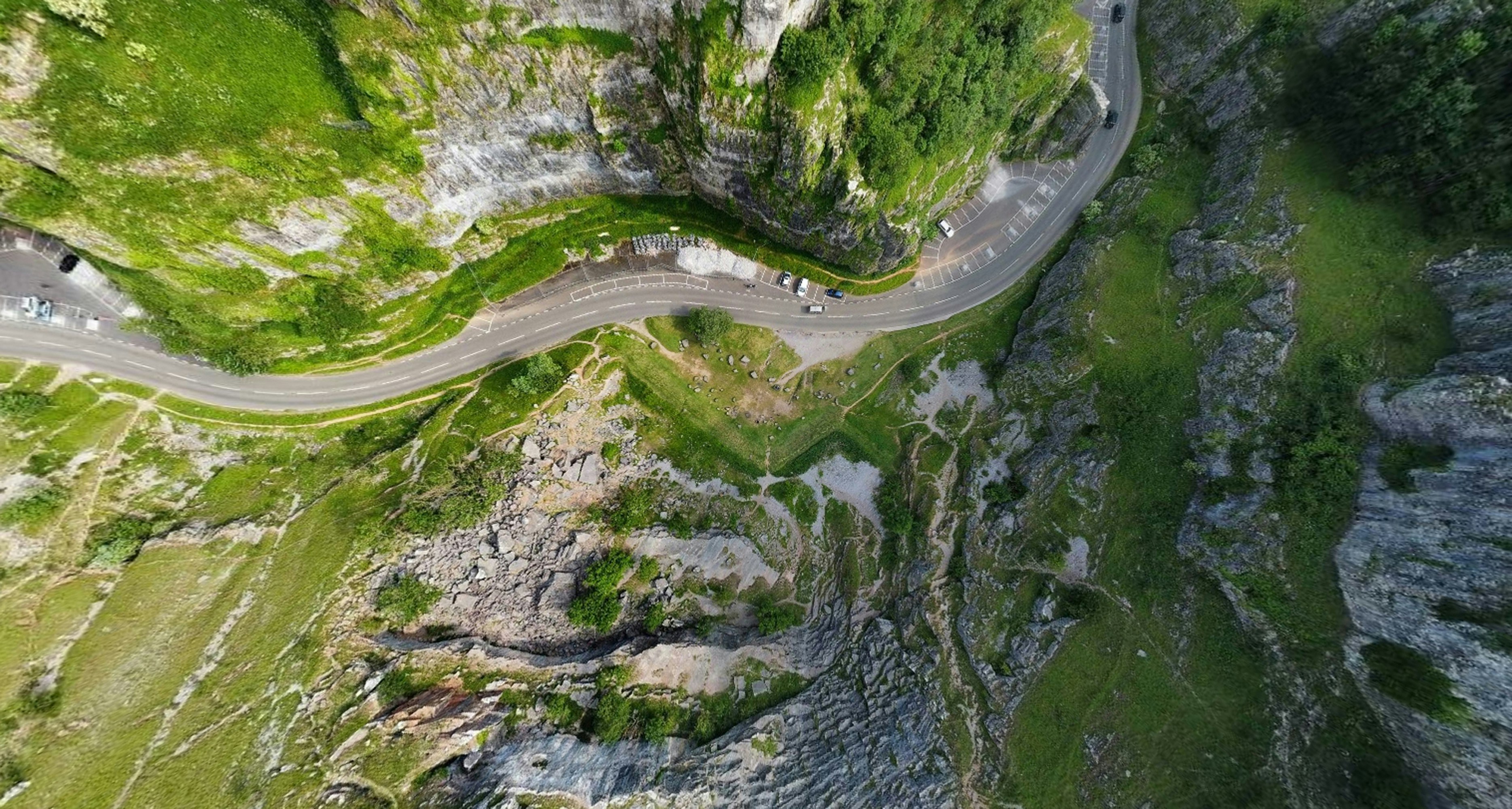 #6668 /100
England's largest gorge cuts through the Mendip Hills with limestone cliffs rising 137 metres above the road, a scale that surprises most visitors to this part of the country.
Britain's oldest complete human skeleton, Cheddar Man, was found in the show caves beneath the cliffs and dates back over 10,000 years.
A clifftop walking trail loops the gorge's rim for views down over the valley and out toward the Somerset Levels.
How does it rate
CrowdsRomanceCash RequiredDangerAccessibilityWhy you should go
Britain's biggest gorge, with a 10,000-year-old skeleton in the caves beneath it.
Why you shouldn't go
The road through the gorge gets busy with traffic, which dulls the drama of the drive-through view.
Plan your visit
Best time to visitSpring or autumn, for mild weather and thinner crowds.Best time of dayEarly morning, before tour coaches arrive from Bristol and Bath.Getting thereDrive to Cheddar village (about 25 minutes from Wells); regular buses run from Bristol.Entry costShow caves and clifftop walk ticket, around GBP20; the gorge road itself is free to drive.Time needed2-3 hoursBookingBook ahead →Insider tip — Walk the clifftop trail rather than just driving through - the view down into the gorge is far more dramatic than the view up from the road. -
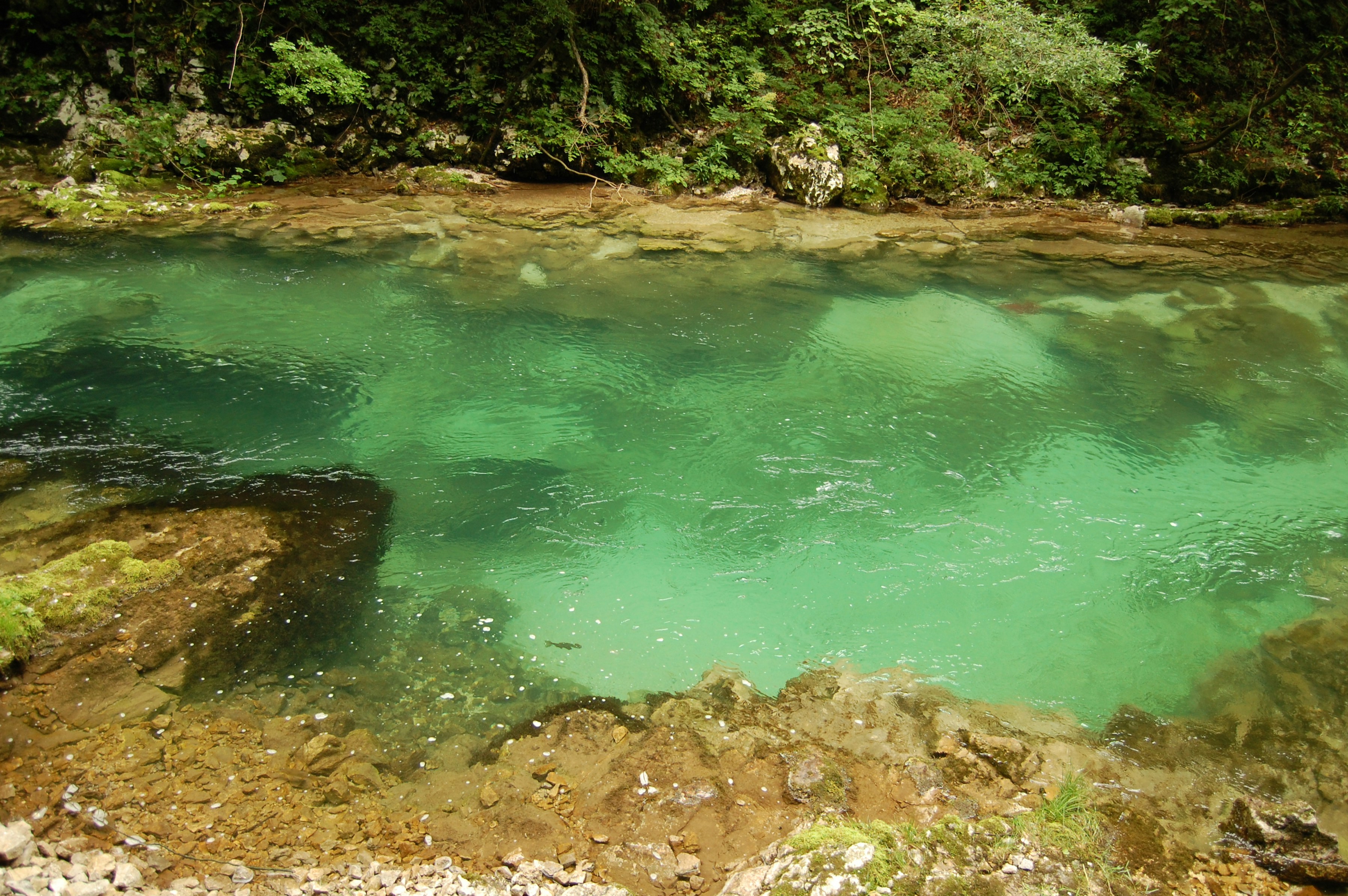 #6767 /100
A wooden walkway clings to the cliff face above the Radovna River as it churns turquoise through this narrow limestone gorge, just a few kilometers from Lake Bled.
The 1.
6-kilometer boardwalk crosses the river repeatedly on small bridges before ending at the Šum Waterfall — an easy, well-engineered walk, but the gorge's tight, dramatic walls make it feel far wilder than its accessibility suggests.
How does it rate
CrowdsRomanceCash RequiredDangerAccessibilityWhy you should go
An easy boardwalk through a genuinely dramatic limestone gorge, minutes from Lake Bled.
Why you shouldn't go
The narrow boardwalk gets congested with foot traffic in peak summer season.
Plan your visit
Best time to visitApril–October, when the gorge walkway is open (closed in winter for safety).Best time of dayEarly morning for the fewest people on the narrow boardwalk.Getting thereAbout 15 minutes' drive or a scenic 4km walk from Lake Bled.Entry costAround €10-12 for adults.Time needed1–2 hours.Insider tip — Walk there from Bled rather than driving — the approach trail along the river is scenic in its own right and avoids the small parking lot's queues. -
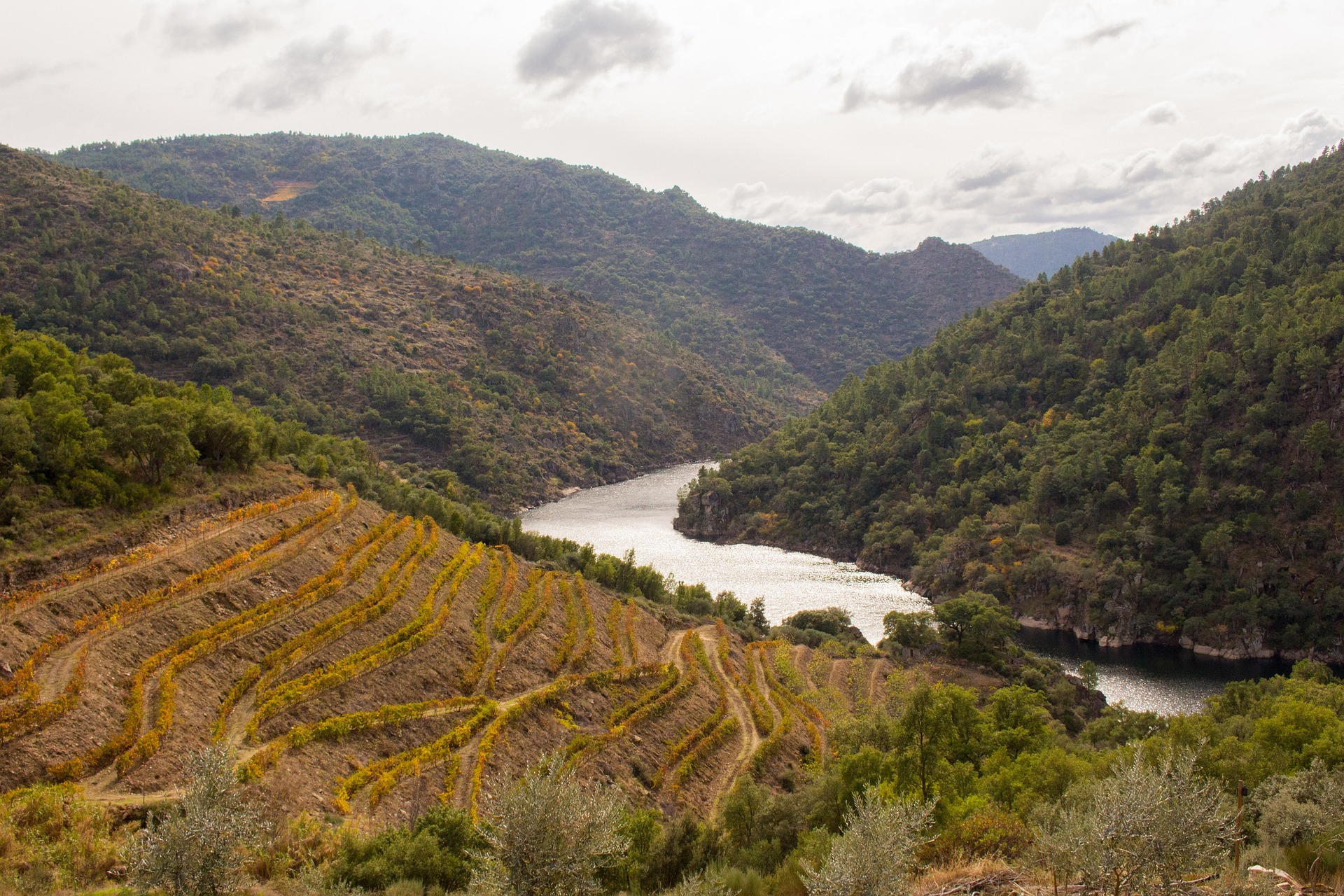 #6864 /100
A river cruise from Porto into the terraced vineyards of the Douro Valley, Portugal's oldest wine region and a UNESCO World Heritage landscape.
The ship locks through a series of dams as the valley narrows, with port wine estates, or quintas, visible on the hillsides at every bend.
Stops usually include a quinta tour and tasting, and sometimes the historic town of Pinhao.
Autumn turns the vine terraces gold and copper along the whole route.
How does it rate
CrowdsRomanceCash RequiredDangerAccessibilityWhy you should go
Terraced vineyards and port wine estates seen from the water as the ship locks deeper into the valley.
Why you shouldn't go
The river cruise itself is calm but low-key; those wanting nightlife or beaches should look elsewhere.
Plan your visit
Best time to visitSeptember-October for the grape harvest and autumn colour; spring for mild weather and fewer crowds.Best time of dayLate afternoon, when low sun lights the terraced hillsides gold.Getting thereFly into Porto; ships typically embark near the city, in Porto itself or nearby Vila Nova de Gaia.Entry costIndicative $2,000-$4,000pp for a 7-night cruise with wine tastingsTime needed3-7 night cruiseInsider tip — Book a cabin with a river-facing balcony for the lock passages, and ask about harvest-season sailings if visiting in September. -
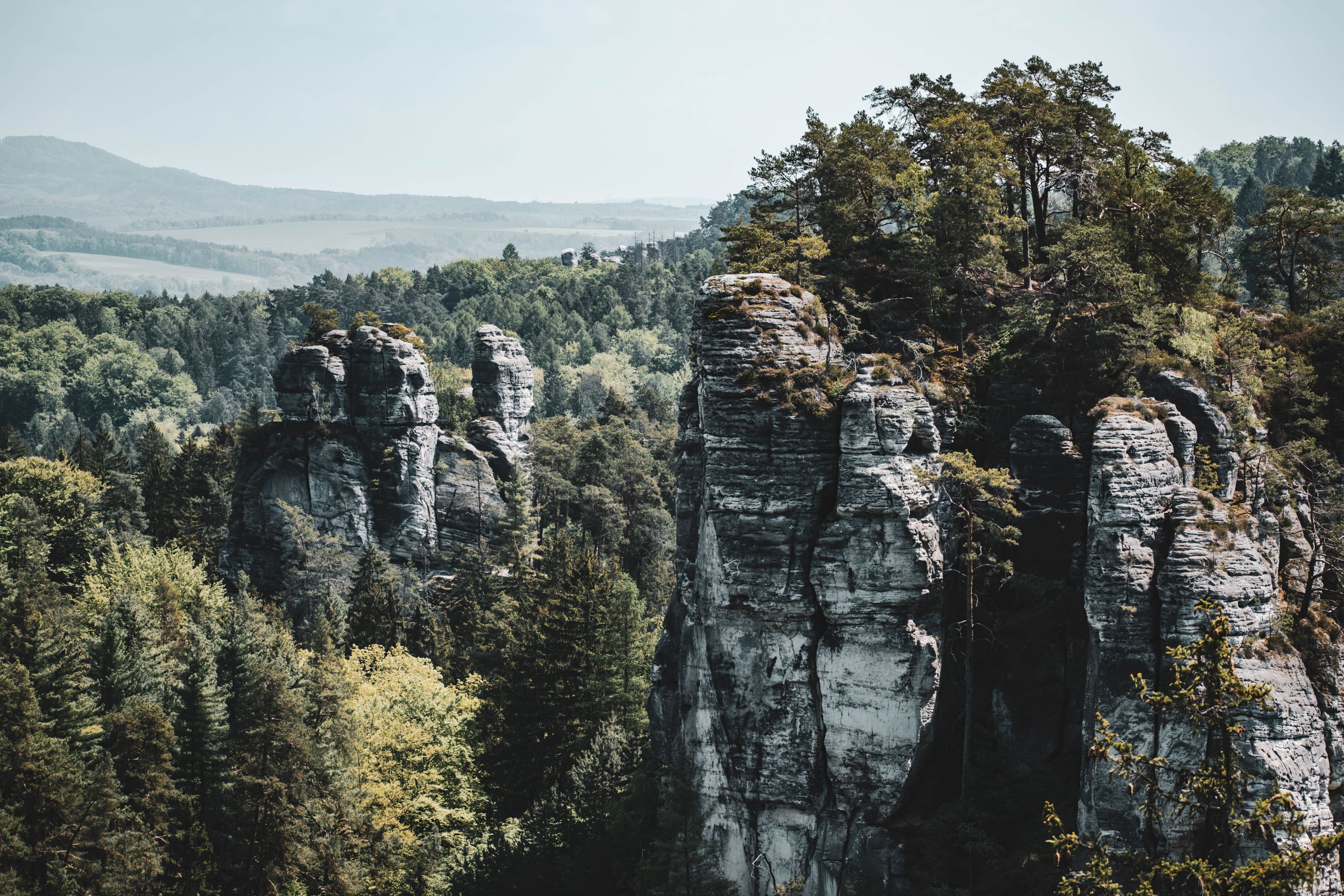 #6960 /100
Český ráj (Bohemian Paradise) is the Czech Republic's oldest protected landscape, a UNESCO Global Geopark of sandstone rock towers, castle ruins and pine forest ninety minutes from Prague.
Its best-known corner, Prachovské skály, threads narrow rock corridors and wooden stairways past viewpoints over layered stone pinnacles, while the twin-peaked ruin of Trosky Castle marks the skyline for miles around.
How does it rate
CrowdsRomanceCash RequiredDangerAccessibilityWhy you should go
A maze of sandstone rock towers and forest trails, with an easy loop suitable for a half-day visit.
Why you shouldn't go
Public transport is patchy; without a car, reaching the best rock formations means a bus to Jičín plus a walk.
Plan your visit
Best time to visitSpring or autumn for cooler hiking temperatures and fewer weekend crowds from Prague.Best time of dayWeekday mornings, especially in the popular Prachovské skály section.Getting thereTrain or bus to Jičín, then a local bus to the Holín-Prachov stop and a short walk to the entrance.Entry cost60 CZK adult, 30 CZK child, for the Prachovské skály reserveTime needed2–4 hours for the main loop, longer for multi-site tripsInsider tip — Take the shorter 1.5km yellow loop if short on time; it hits the best viewpoints without the full 3.5km circuit's narrow squeezes. -
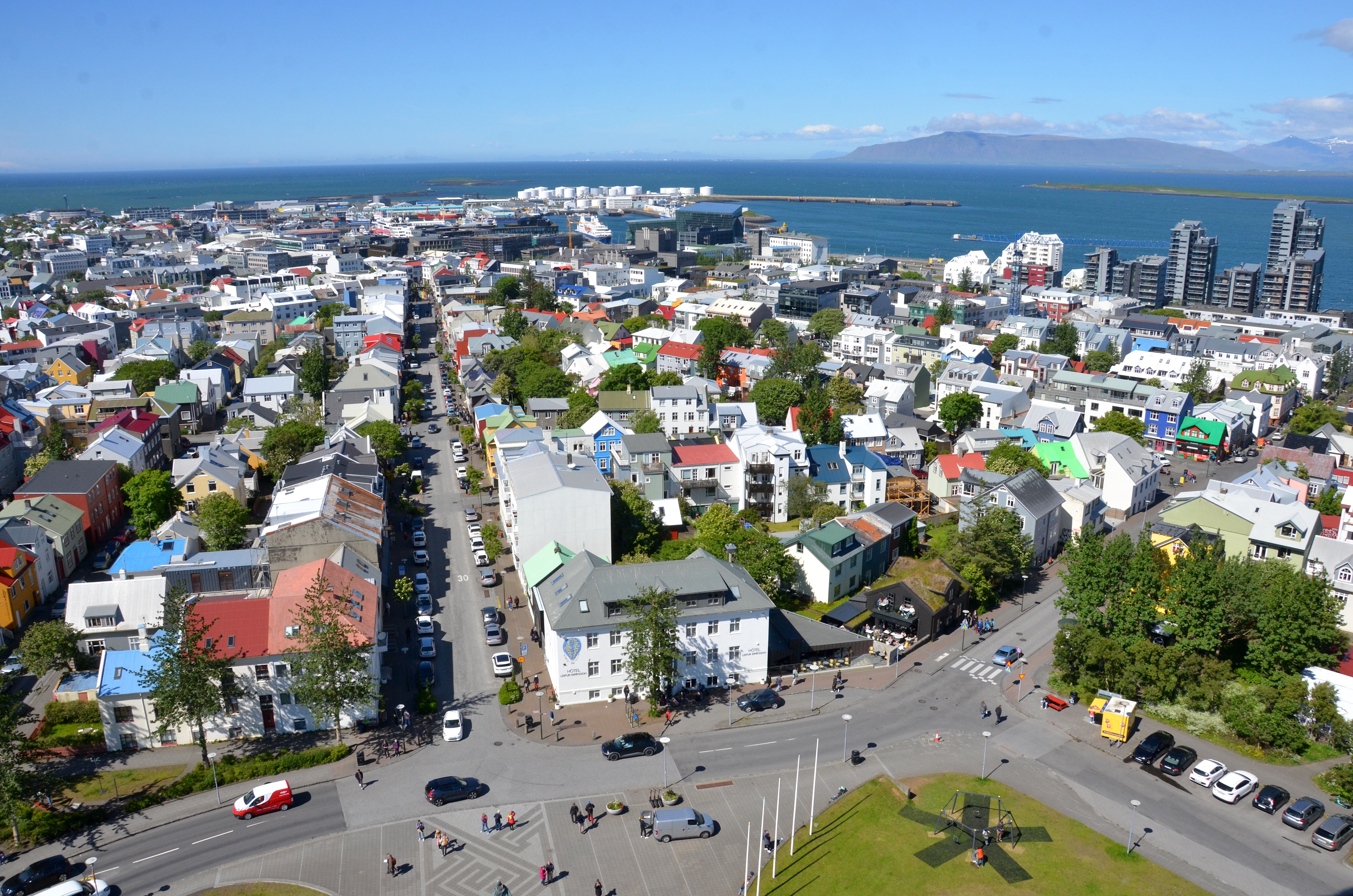 #7055 /100
Iceland's compact and colourful capital sits between the mountains and the sea as the world's most northerly capital city.
Rainbow-painted corrugated iron houses, the soaring Hallgrímskirkja church, and a bar and music scene far larger than the population suggests fill a centre small enough to cross on foot.
It doubles as the base for Northern Lights trips and Golden Circle day tours.
How does it rate
CrowdsRomanceCash RequiredDangerAccessibilityWhy you should go
Reykjavik is a wonderfully walkable city with a vibrant arts scene, and serves as the perfect base for Iceland's most spectacular natural wonders.
Why you shouldn't go
The city is notoriously expensive and the famous Northern Lights are only visible during the darker months between September and March.
Plan your visit
Best time to visitJune-August for midnight sun, or Sept-March for Northern LightsBest time of dayDepends on season - midnight light in summer, dark evenings for aurorasGetting thereKeflavik Airport, ~45 min to the cityEntry costFree to exploreTime needed1-2 daysInsider tip — Hallgrimskirkja church tower gives the best rooftop view of the colourful city


More from Europe
-
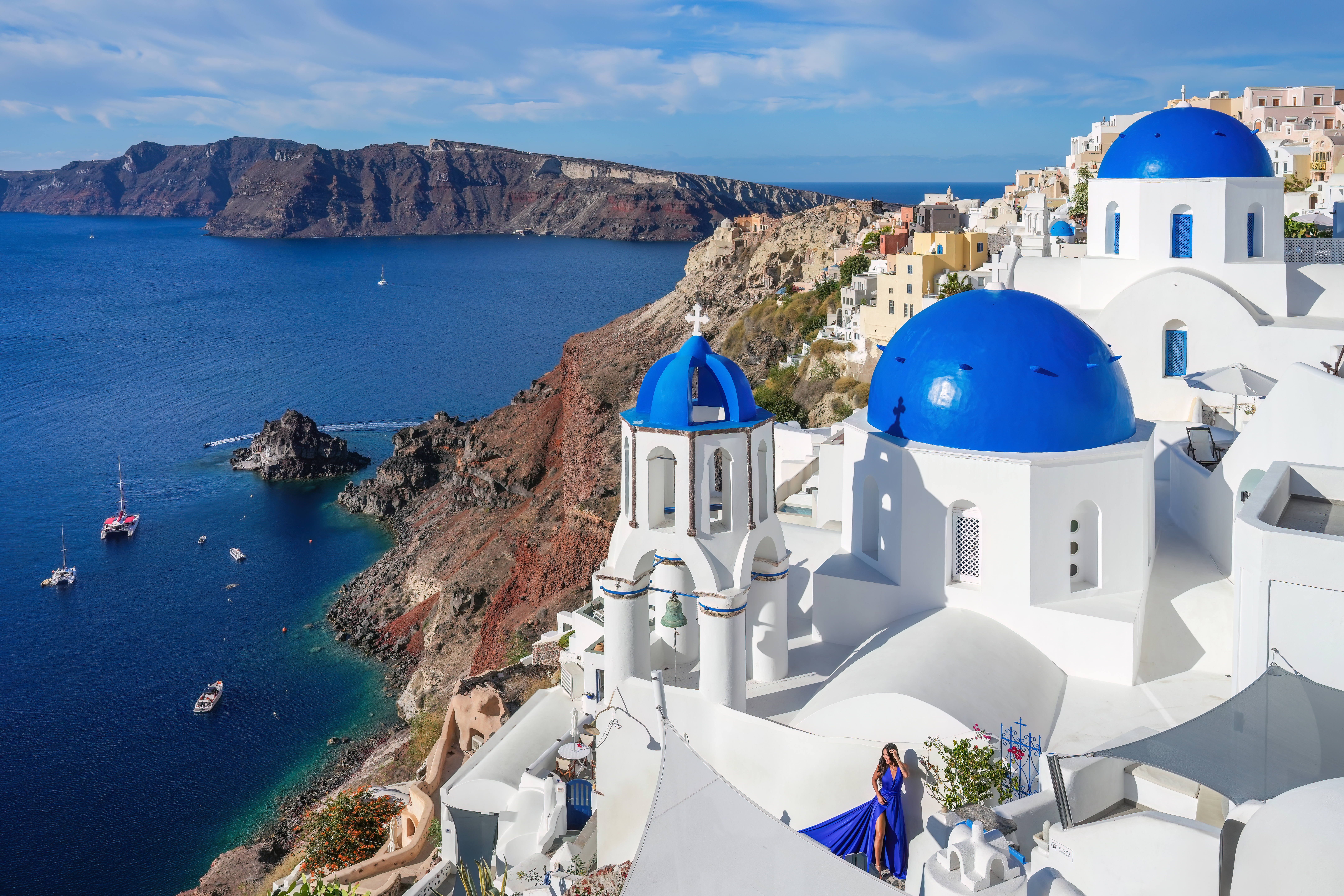
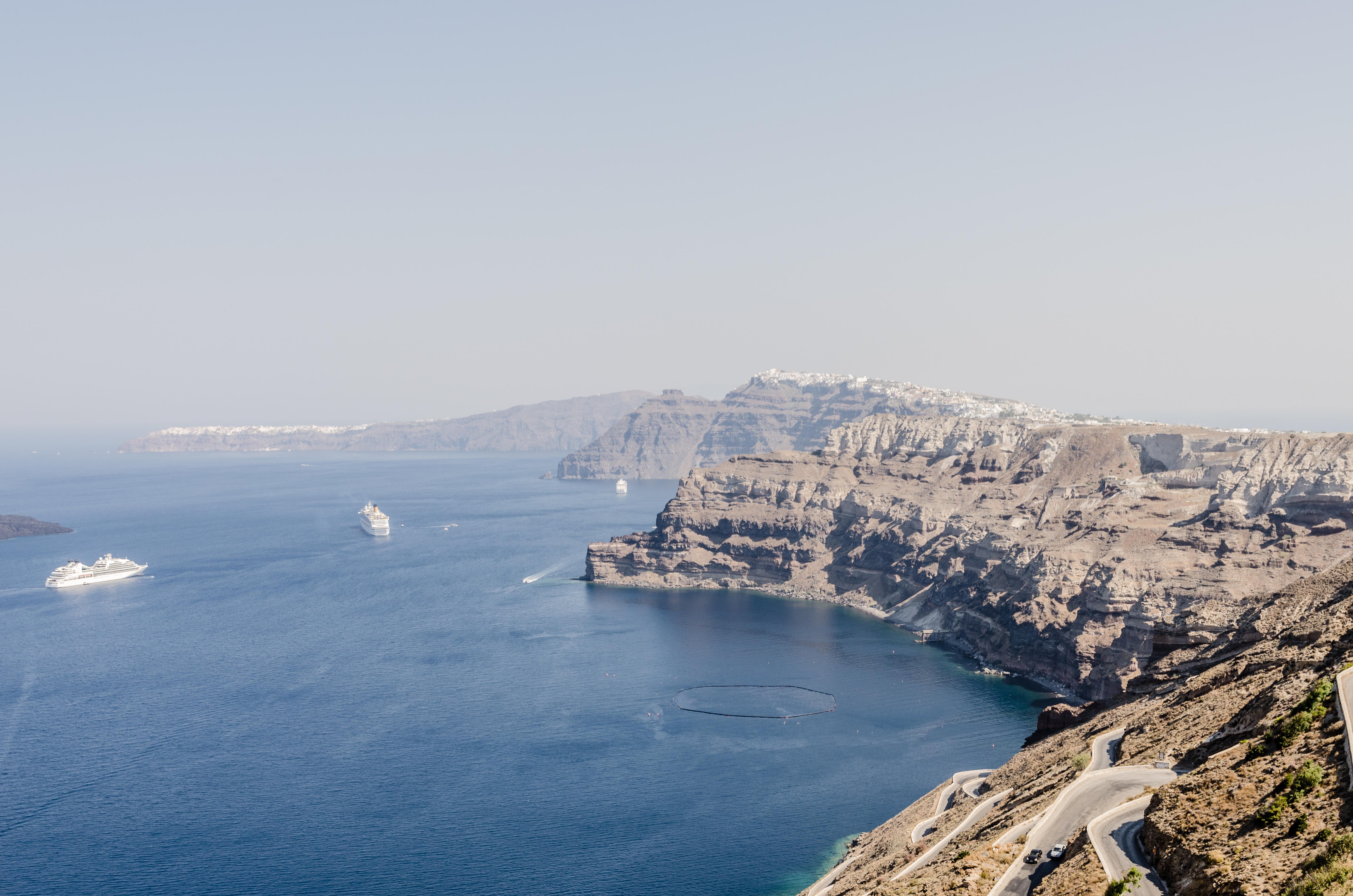
More Natural Wonders spots
-
How a score is built
One score out of 100, five criteria behind it
Every place is rated 1–5 on each of the criteria below, then combined into a single score out of 100. It's calculated by us, the same way every time — not an average of traveller reviews or social votes.
Crowds
How many people you'll be sharing it with, and at what time of day.
Romance
How well it suits a couple, a proposal, or a quiet moment together.
Cash required
Entry fees, permits, guides, rentals — what it actually costs to do it.
Danger
Physical risk involved, from a slippery viewpoint to genuine hazard.
Accessibility
How far off the beaten path it is, and how hard it is to actually reach.


