-
 #190 /100
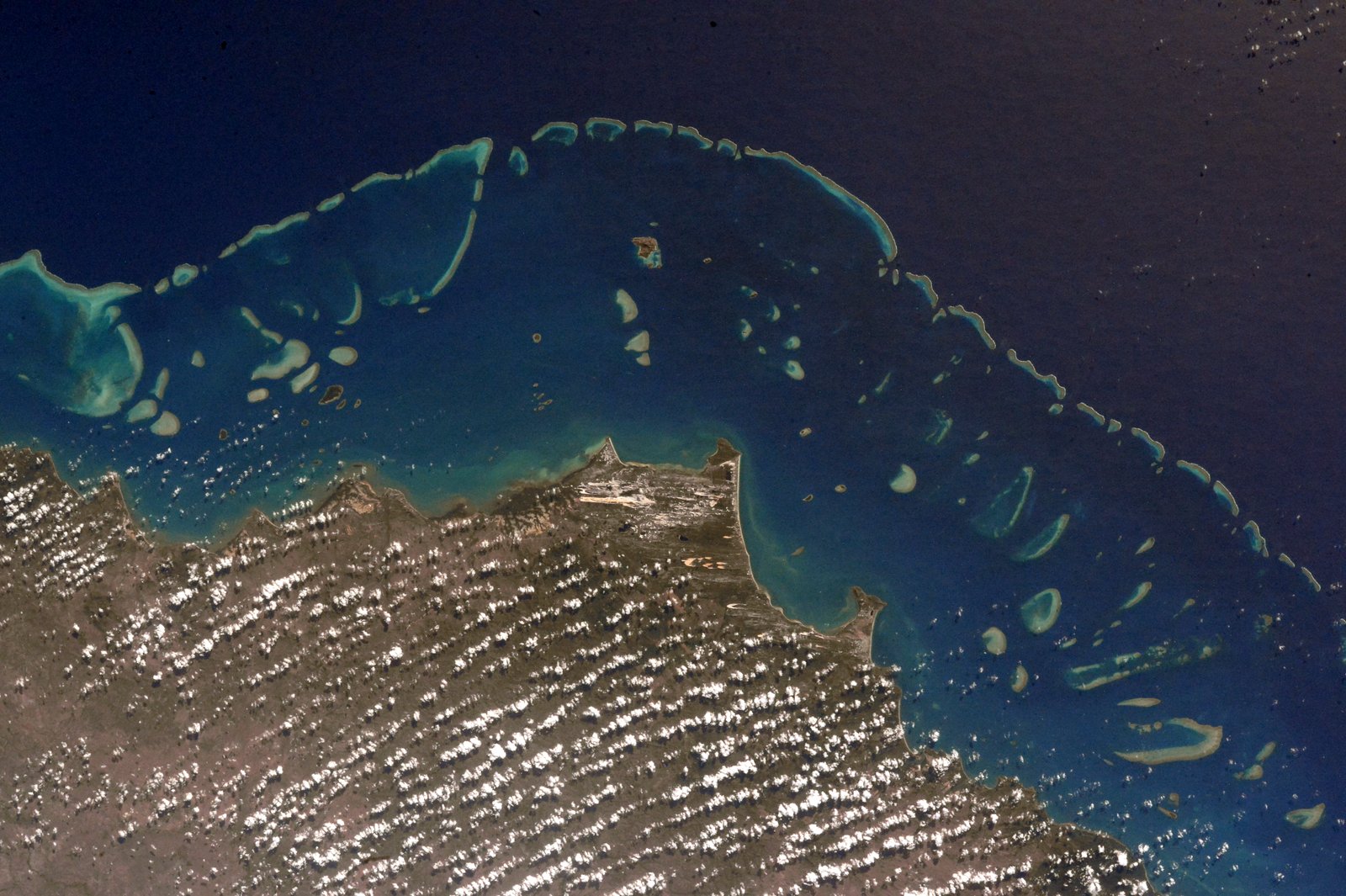
The Great Barrier Reef is the world's largest coral reef system, stretching 2,300 kilometres along the Queensland coast and visible from space.
Home to over 1,500 species of fish, 4,000 types of mollusc, and 600 types of coral, it is the largest living structure on earth and a UNESCO World Heritage Site.
How does it rate
CrowdsRomanceCash RequiredDangerAccessibilityWhy you should go
Snorkelling above the coral gardens of the Great Barrier Reef, surrounded by extraordinary marine biodiversity in crystal clear water, is a genuinely transformative experience.
Why you shouldn't go
Coral bleaching caused by climate change has severely damaged large sections of the reef; the experience varies greatly depending on which section you visit.
Plan your visit
Best time to visitJune-October (dry season, best visibility)Best time of dayMorning for calmer water and better underwater lightGetting thereFly to Cairns or Airlie Beach, boat tours from thereEntry costReef tours ~$200-250 AUDTime neededFull day, ideally multi-day liveaboardInsider tip — Book a trip that visits the outer reef rather than pontoons closer to shore; coral health and visibility is much better -
 #289 /100
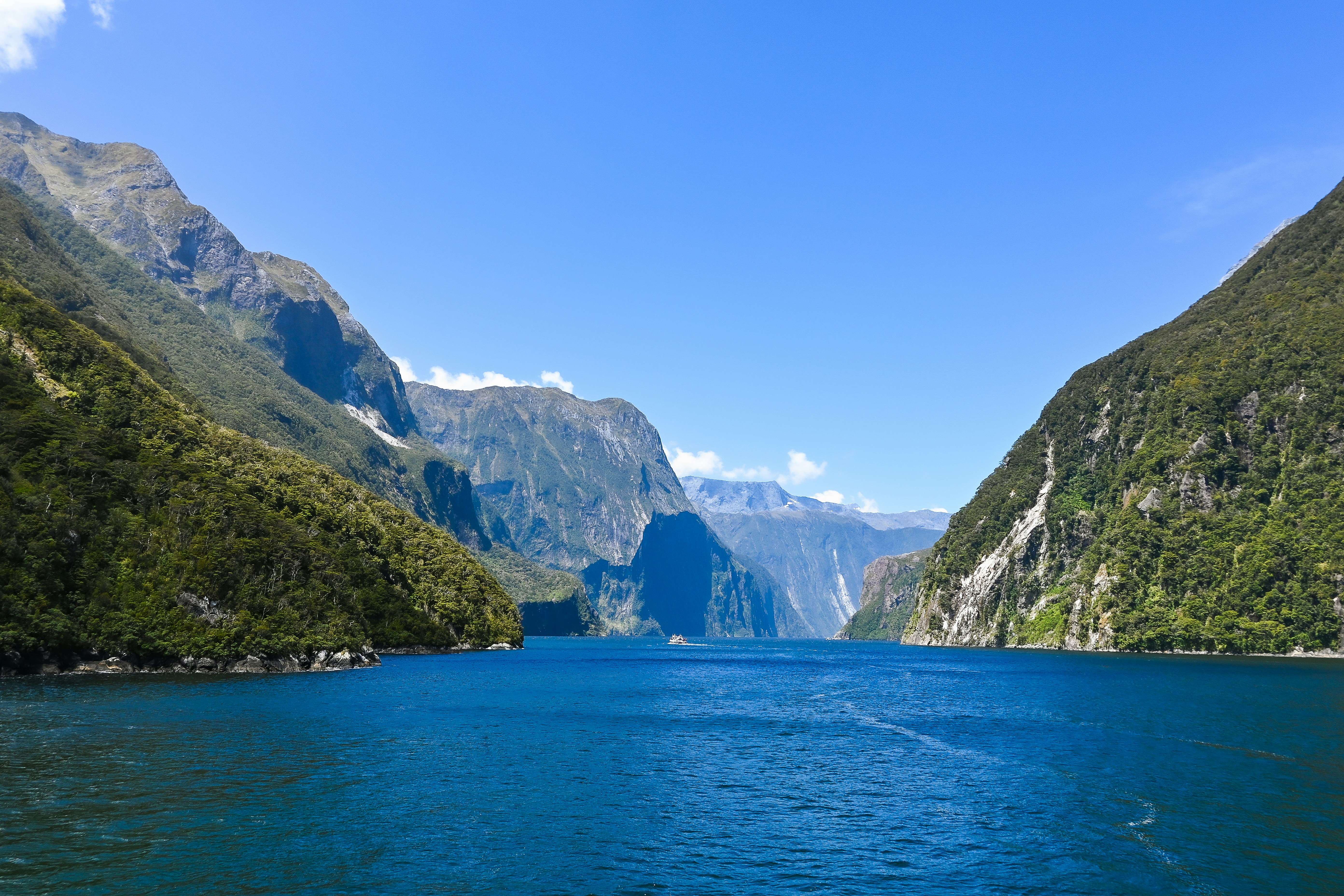
Fiordland is a vast wilderness of glacier-carved fjords, rainforest, and waterfalls in southwest New Zealand, and its famous feature, Milford Sound, is reachable by boat cruise even on a single day trip.
Sheer cliffs rise over a kilometre straight out of the water, often streaked with waterfalls after rain, which falls here more than almost anywhere else in the country.
Beyond Milford, the park holds some of the country's toughest multi-day tramps.
How does it rate
CrowdsRomanceCash RequiredDangerAccessibilityWhy you should go
Sheer, waterfall-streaked fjords you can experience on a single day cruise or a multi-day wilderness trek.
Why you shouldn't go
It's one of the wettest places in New Zealand, and heavy rain can close the access road with little warning.
Plan your visit
Best time to visitDecember-February for the most reliable weather, though rain is common year-roundBest time of dayEarly morning cruise departure, before tour buses arrive and while mist still clings to the cliffsGetting thereFly into Queenstown; a 4-5 hour scenic drive reaches Milford SoundEntry costFree to enter; Milford Sound cruises typically NZ$80-120Time neededA full day for Milford Sound; the Milford Track takes 4 daysBookingBook ahead →Insider tip — Book the earliest cruise of the day; Milford Sound's car park and boats are dramatically less crowded before mid-morning tour buses arrive. -
 #388 /100
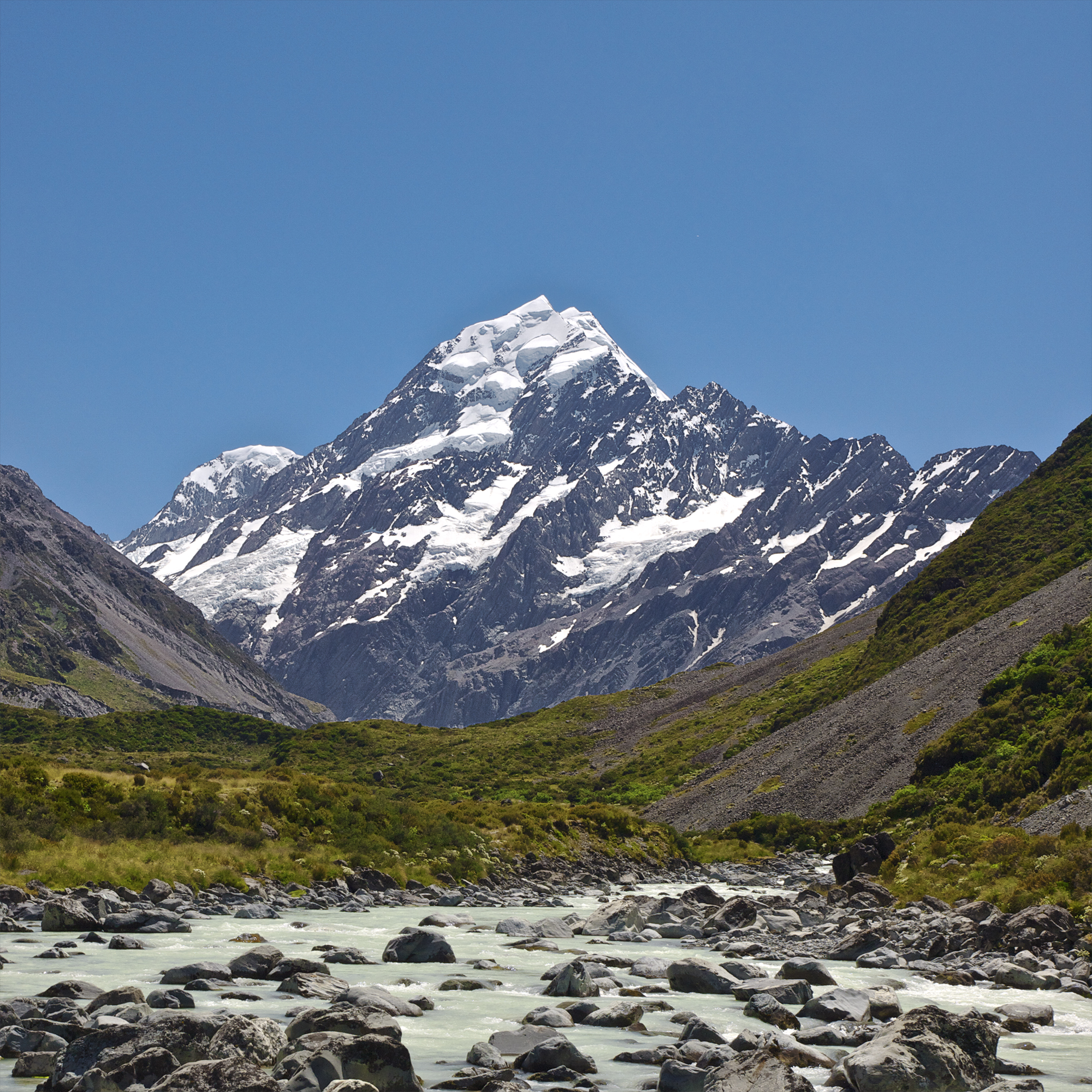
Aoraki/Mount Cook is New Zealand's highest peak at 3,724 metres, rising above the Mackenzie Basin surrounded by glaciers and turquoise lakes.
The Hooker Valley Track provides one of the most accessible and rewarding walks in the country, leading to views of the mountain across three swing bridges.
How does it rate
CrowdsRomanceCash RequiredDangerAccessibilityWhy you should go
The Hooker Valley walk is achievable for most fitness levels and delivers stunning close-up views of Mount Cook and its surrounding glaciers.
Why you shouldn't go
The weather in the Southern Alps changes extremely rapidly and cloud can obscure the mountain for days at a time, especially in winter.
Plan your visit
Best time to visitDecember-March (Southern Hemisphere summer)Best time of daySunriseGetting there~4hr drive from Christchurch or QueenstownEntry costFreeTime needed1-2 daysInsider tip — Hooker Valley Track is the easiest walk with the best views of the peak -
 #484 /100
The steel arch Sydneysiders call the Coathanger, carrying eight lanes, two rail tracks and a pedestrian walkway high above the harbour.
The classic view pairs it with the Opera House from Mrs Macquarie's Chair.
Climbers can walk the outer arch on a harnessed BridgeClimb, 134 metres above the water.
How does it rate
CrowdsRomanceCash RequiredDangerAccessibilityWhy you should go
You can walk the deck for nothing and still get the Opera House framed under the arch.
Why you shouldn't go
The BridgeClimb is expensive and you are not allowed to carry a camera on it.
Plan your visit
Best time to visitSeptember-November for mild weather and clear lightBest time of daySunrise from Milsons Point, or dusk when the arch lights upGetting thereTrain to Milsons Point for the north end, or Circular Quay for the southEntry costFree to walk; Pylon Lookout around AUD 27; BridgeClimb from AUD 200Time needed1-3 hoursBookingBook ahead →Insider tip — Skip the paid climb and pay a few dollars for the Pylon Lookout instead - almost the same view for a fraction of the money. -
 #583 /100
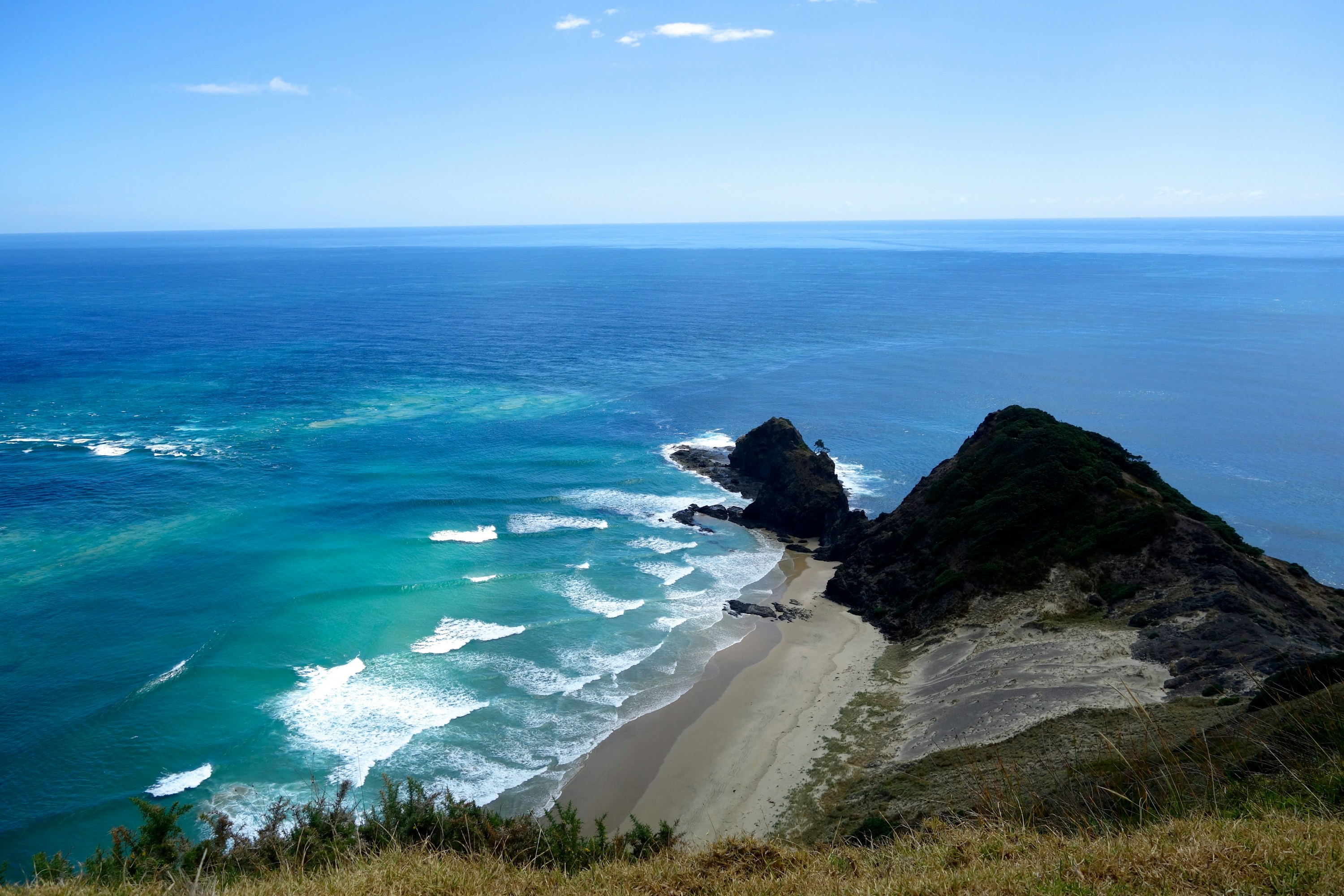
Bay of Islands is a sheltered stretch of Northland coastline scattered with around 144 subtropical islands, sandy coves and clear, sailable water.
Paihia and Russell serve as bases for game fishing, dolphin cruises and trips through the natural archway at Piercy Island, and the nearby Waitangi Treaty Grounds mark where New Zealand's founding document was signed in 1840.
It rewards a slower visit by boat rather than a quick stop on shore.
How does it rate
CrowdsRomanceCash RequiredDangerAccessibilityWhy you should go
144 subtropical islands, warm sailing water and genuine national history in one bay.
Why you shouldn't go
Cruises and island stays add up quickly, and summer weekends get busy with boat traffic.
Plan your visit
Best time to visitDecember-March for warm swimming weather; shoulder months are quieter and still mild.Best time of dayMorning, when the water is calmest and cruise boats first head out.Getting thereFly to Kerikeri Airport (25 min to Paihia) or drive about 3.5 hours north from Auckland to Paihia or Russell.Entry costFree to visit the coastline; boat cruises and island tours are priced separately.Time neededA full day; 2-3 days to properly explore by boat.Insider tip — Catch the passenger ferry from Paihia to Russell instead of driving around the bay - it's cheaper and quicker, and Russell's waterfront is worth the walk. -
 #681 /100
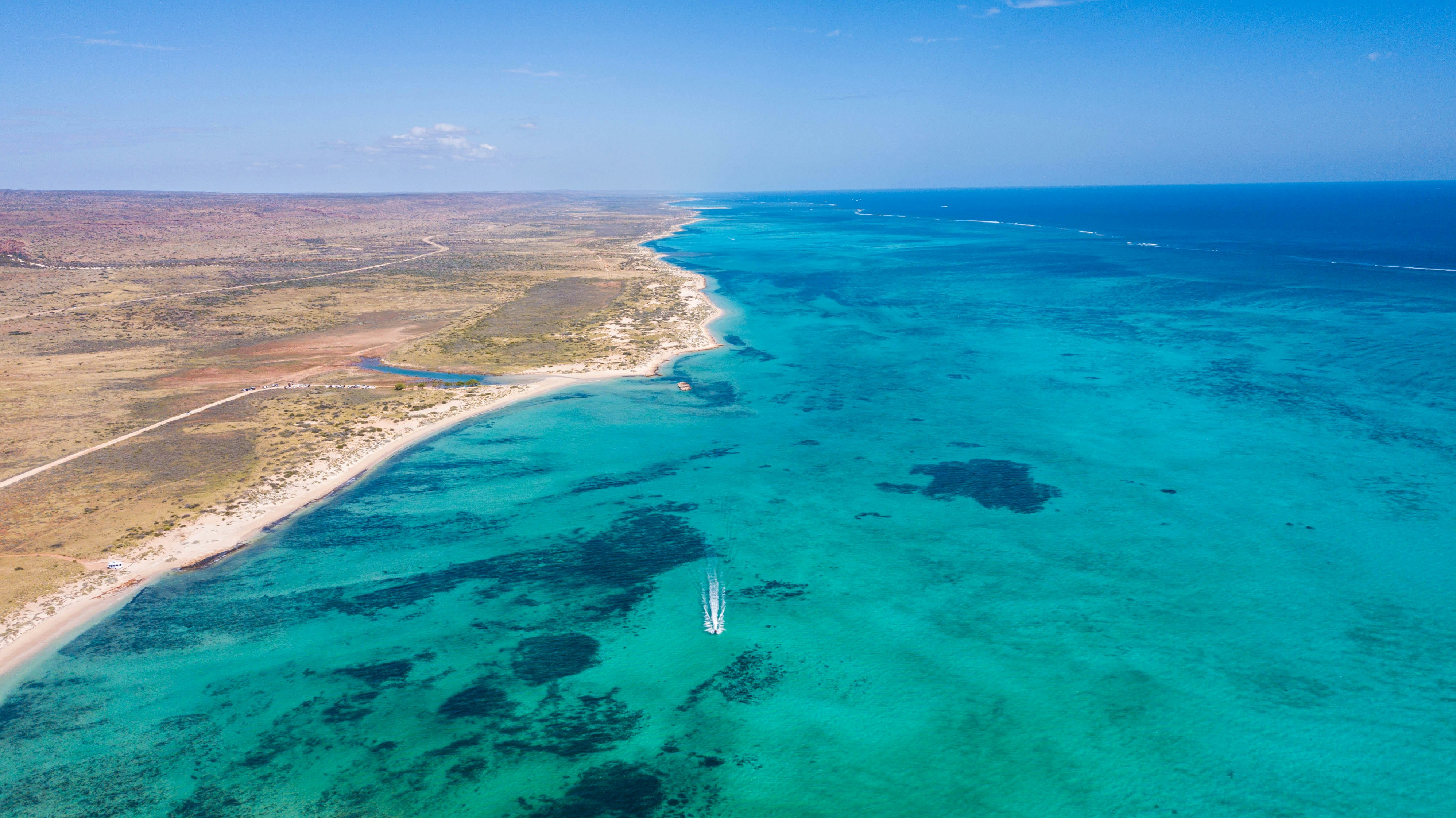
Turquoise Bay sits inside Ningaloo Marine Park, one of the few places on earth where a fringing coral reef comes close enough to shore to snorkel directly from the beach, no boat required.
Its signature "drift snorkel" lets swimmers enter up-current and float down the reef edge past coral and fish without swimming against the current.
Remote and undeveloped, it rewards the long drive up Australia's northwest coast.
How does it rate
CrowdsRomanceCash RequiredDangerAccessibilityWhy you should go
World-class coral reef snorkelling directly from the sand, no boat trip needed.
Why you shouldn't go
It's remote, with little shade or facilities, and the drift current requires care to exit at the right point.
Plan your visit
Best time to visitApril-October for calmer seas and pleasant temperaturesBest time of dayMid-morning, when light is best for spotting coral and fish in the shallowsGetting thereFly into Learmonth/Exmouth; a 1-hour drive south reaches Ningaloo Marine Park's Turquoise BayEntry costCape Range National Park entry fee, around AU$15 per vehicleTime neededHalf a dayInsider tip — Only enter the drift snorkel from the designated northern point; currents further south can pull swimmers out past the safe exit. -
 #780 /100
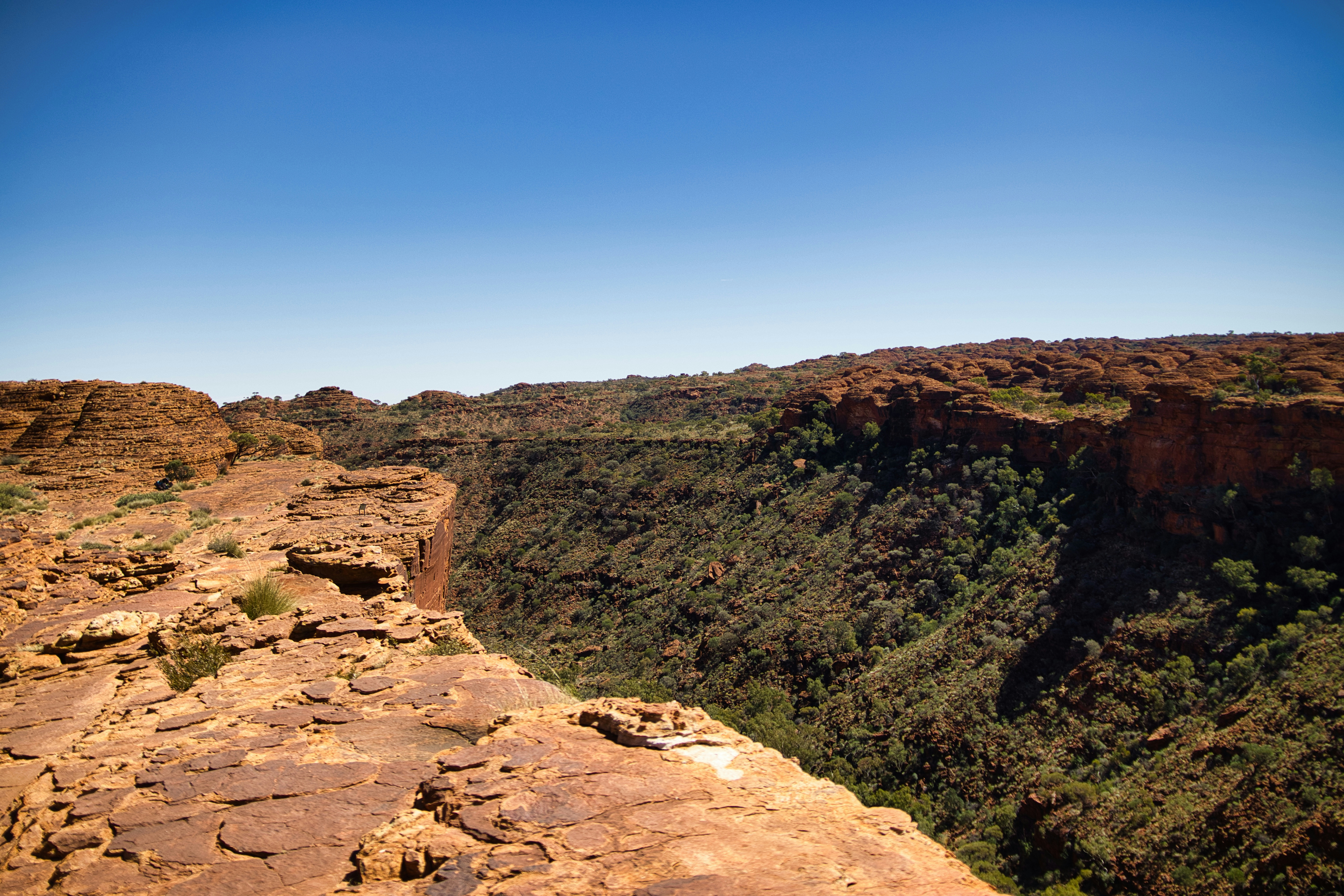
Kings Canyon slices through the Watarrka range with sheer 100-metre sandstone walls, best seen on the Rim Walk, a 6-kilometre loop across a domed rock landscape locals call the "Lost City.
" A steep climb, nicknamed "Heart Attack Hill," leads onto the rim, passing the Garden of Eden, a permanent waterhole shaded by palms.
It's a serious outback hike best done at first light.
How does it rate
CrowdsRomanceCash RequiredDangerAccessibilityWhy you should go
A 6km rim walk across red sandstone domes to a hidden waterhole in the middle of the outback.
Why you shouldn't go
The rim walk closes by mid-morning on hot days and the initial climb is steep with no shade.
Plan your visit
Best time to visitApril-September, outside the extreme summer heatBest time of daySunrise, both for the light and to beat the heat on the climbGetting thereFly into Alice Springs; a 4-5 hour drive (or Uluru is 3.5 hours away) reaches Kings CanyonEntry costFree (Watarrka National Park has no entry fee)Time needed3-4 hours for the Rim WalkInsider tip — Start the Rim Walk right at sunrise; rangers close the climb to new starters once temperatures get too high. -
 #878 /100
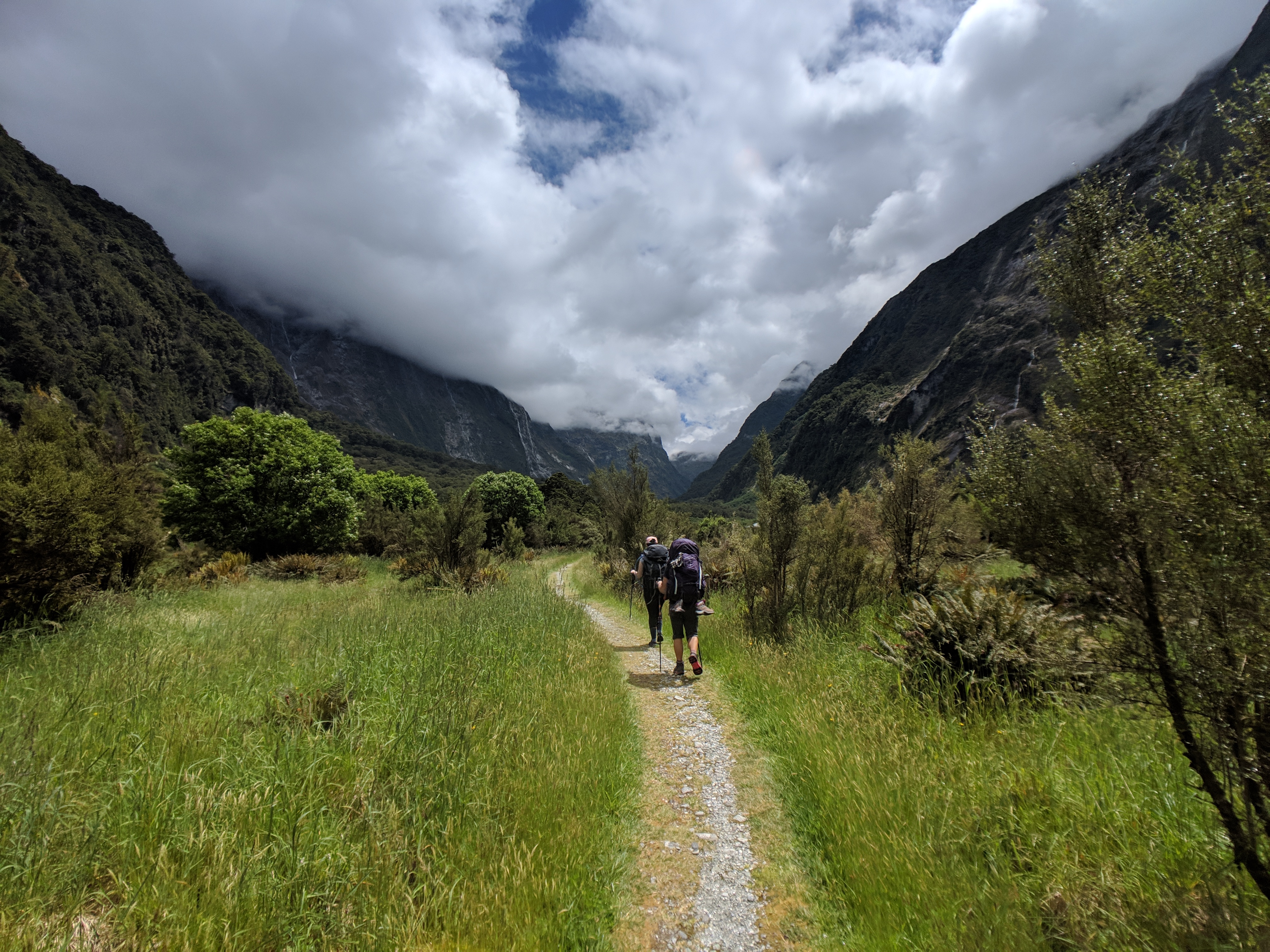
New Zealand's best-known Great Walk runs 53.
5km through Fiordland from Lake Te Anau's Clinton Valley, over the alpine Mackinnon Pass, down to Milford Sound.
Along the way are hanging valleys, the country's tallest waterfall at Sutherland Falls, and dense temperate rainforest.
Only 40 independent walkers a day are allowed onto the one-way trail, and hut bookings for the season sell out within minutes.
How does it rate
CrowdsRomanceCash RequiredDangerAccessibilityWhy you should go
Crossing Mackinnon Pass with cloud pouring through the valley below, then descending rainforest to Milford Sound.
Why you shouldn't go
Booking is brutally competitive - a whole season's huts can sell out in under a minute when releases open.
Plan your visit
Best time to visitGreat Walks season, late October to April; book huts the moment reservations open.Best time of dayEarly morning at Mackinnon Pass, before afternoon cloud rolls in.Getting thereFly or drive to Te Anau; boat across Lake Te Anau to Glade Wharf, the trailhead.Entry costNZD 106-152 per hut per night (resident/non-resident rate), for 3 nights.Time needed4 days / 3 nightsBookingBook ahead →Insider tip — Be online the exact moment bookings open (around May for the following season) - popular dates vanish within a minute. -
 #971 /100
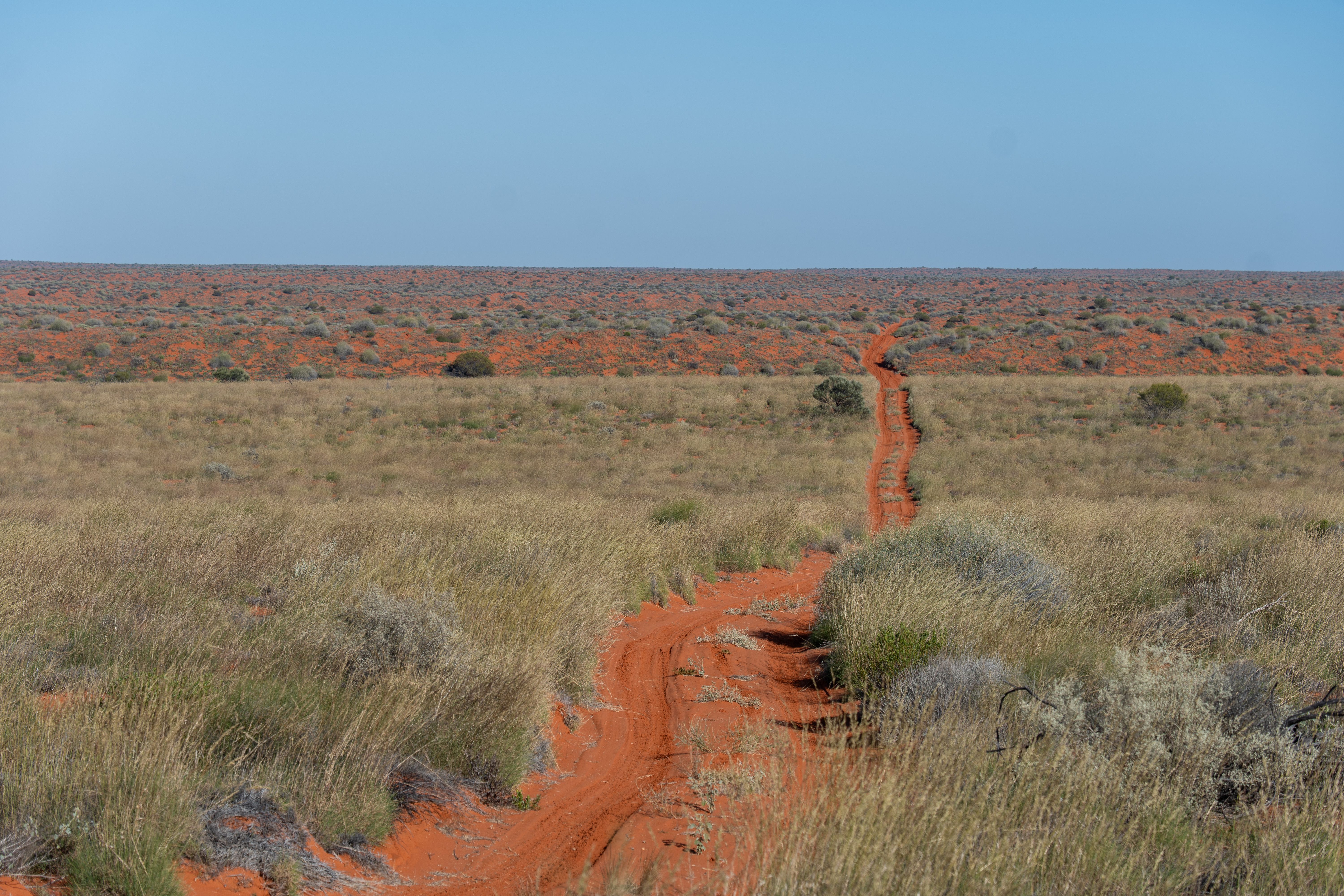
A vast field of parallel red sand dunes stretching across central Australia's outback, crossed by one of the country's classic 4x4 adventure routes via the notoriously steep Big Red dune outside Birdsville.
The dunes run in improbably straight lines for hundreds of kilometres, turning deep crimson at sunset against a sky with almost zero light pollution.
Crossing it is a genuine expedition, not a casual day out - self-sufficiency and proper 4x4 preparation are essential.
How does it rate
CrowdsRomanceCash RequiredDangerAccessibilityWhy you should go
Hundreds of parallel red dunes crossing the outback, capped by the legendary Big Red climb near Birdsville.
Why you shouldn't go
Crossing requires serious 4x4 experience, full self-sufficiency, and permits - this is not a casual detour.
Plan your visit
Best time to visitApril-September (the cooler dry season); the desert is dangerously hot and largely impassable in summer.Best time of dayLate afternoon at Big Red, when convoys gather to watch the sunset over the dune field.Getting thereFly to Birdsville (via Brisbane or Adelaide) or self-drive a 4x4 from Alice Springs or South Australia with full desert preparation.Entry costDesert crossing permits cost a small fee; most visitors join or book a guided 4x4 tour.Time needed3+ days for a full crossing.Insider tip — Time your visit around the Birdsville Races or Big Red Bash festival if you want company - otherwise this is one of the emptiest places in Australia. -
 #1068 /100
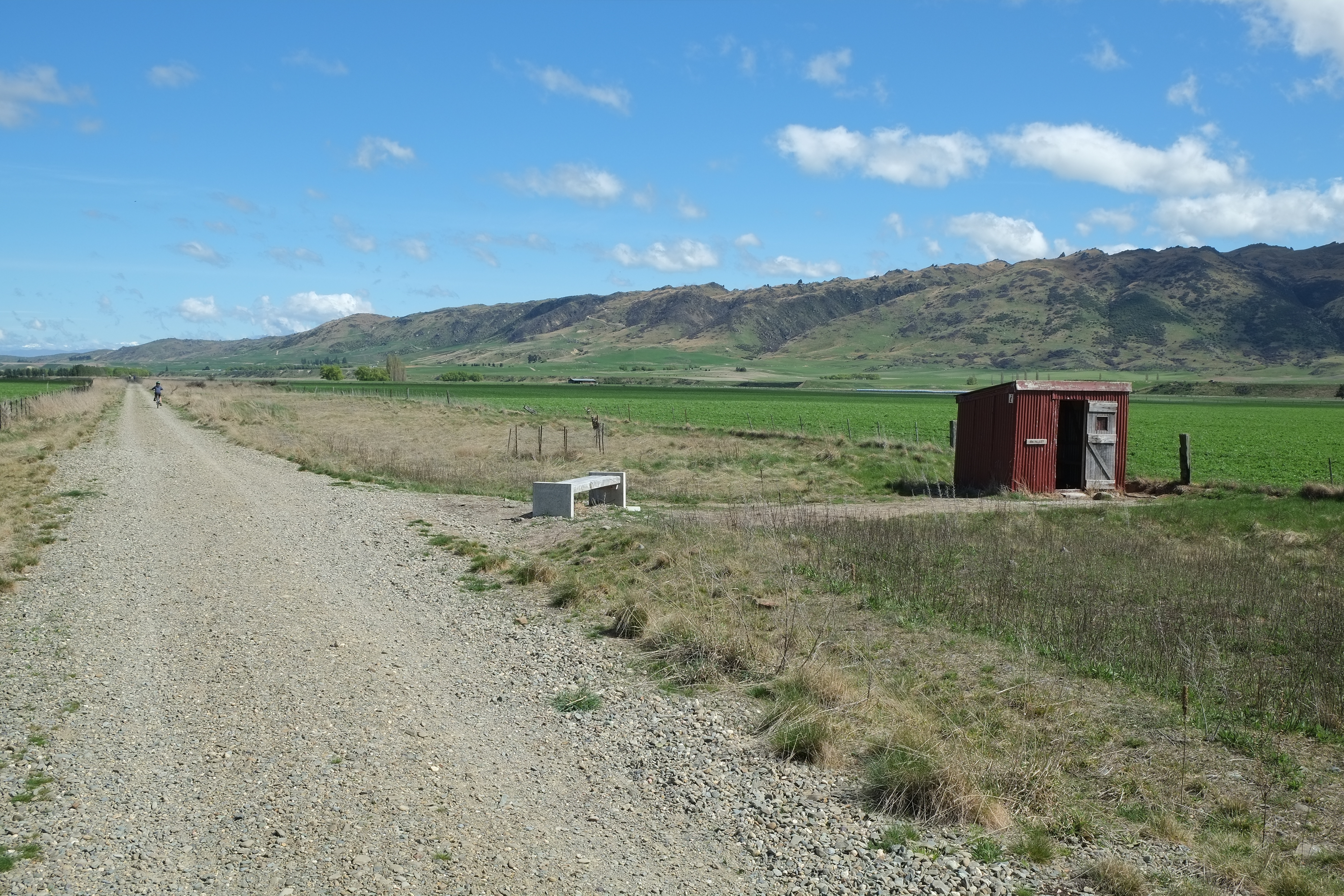
A converted 19th-century railway line runs 150km through Central Otago's high-country landscape, crossing viaducts and old tunnels between Clyde and Middlemarch.
Riders pass abandoned stone stations, schist rock outcrops and wide tussock valleys with barely another soul in sight.
Most riders spread the flat, gravel trail over four or five days, staying in small towns like Ranfurly and Naseby along the way.
How does it rate
CrowdsRomanceCash RequiredDangerAccessibilityWhy you should go
150km of gentle former railway through empty, dramatic high-country scenery with virtually no traffic.
Why you shouldn't go
Multi-day logistics -- shuttles, luggage transfers, accommodation -- add up in cost and planning.
Plan your visit
Best time to visitNov-Apr (spring to autumn); winter brings snow and closed accommodation.Best time of dayAny daylight hours; start early to avoid strong summer sun on exposed sections.Getting thereFly to Dunedin or Queenstown; shuttle transfer to the Clyde or Middlemarch trailhead.Entry costFree to ride; bike hire from NZD 40-60/dayTime needed4-5 days for the full trailBookingBook ahead →Insider tip — Ride Middlemarch to Clyde to travel with the prevailing wind at your back, and detour to the Poolburn Viaduct for the trail's best photo.


More from Australasia
-

More Adventure spots
-
How a score is built
One score out of 100, five criteria behind it
Every place is rated 1–5 on each of the criteria below, then combined into a single score out of 100. It's calculated by us, the same way every time — not an average of traveller reviews or social votes.
Crowds
How many people you'll be sharing it with, and at what time of day.
Romance
How well it suits a couple, a proposal, or a quiet moment together.
Cash required
Entry fees, permits, guides, rentals — what it actually costs to do it.
Danger
Physical risk involved, from a slippery viewpoint to genuine hazard.
Accessibility
How far off the beaten path it is, and how hard it is to actually reach.


