-
 #1
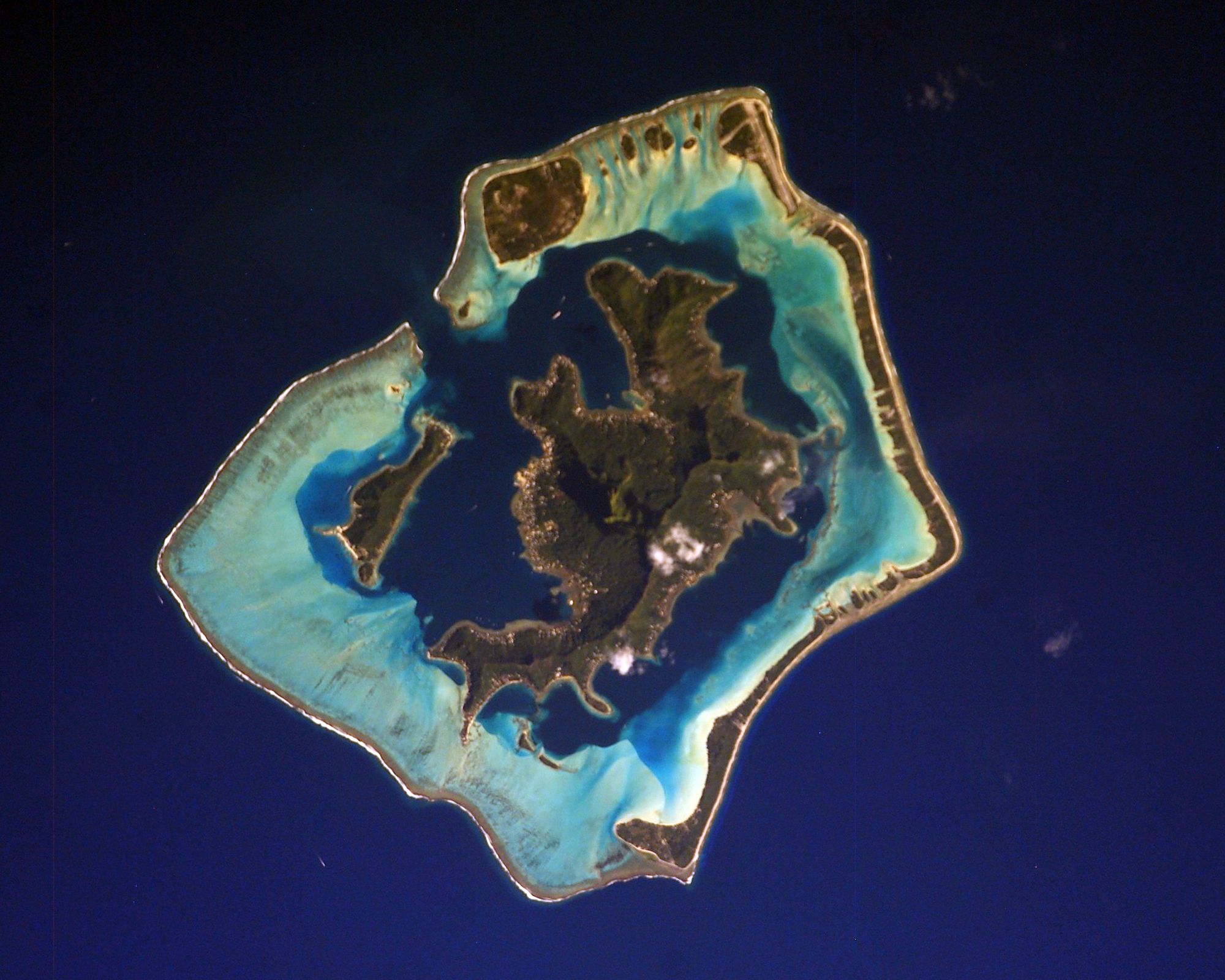
#1Bora Bora is a small volcanic island in the South Pacific surrounded by a technicolour lagoon of electric blues and greens enclosed within a coral reef.
The island's dramatic basalt peak, Mount Otemanu, rises 727 metres from the lagoon and is mirrored in the still waters below.
How does it rate
CrowdsRomanceCash RequiredDangerAccessibilityWhy you should go
The lagoon colour is genuinely unlike anything you will see elsewhere — the water shifts from pale aquamarine to deep turquoise to inky blue and you can see the seabed 30 metres below.
Why you shouldn't go
Bora Bora is extraordinarily expensive, primarily attracting honeymooners and luxury travellers; reaching it requires at least two flights from most countries.
Plan your visit
Best time to visitMay-October (dry season)Best time of daySunset over Mount OtemanuGetting thereFly to Tahiti, then a connecting flight to Bora BoraEntry costResort-dependent, generally high-endTime needed3-4 daysInsider tip — Book an overwater bungalow on the east side for sunrise or west side for sunset, depending which you want to photograph -
 #290 /100
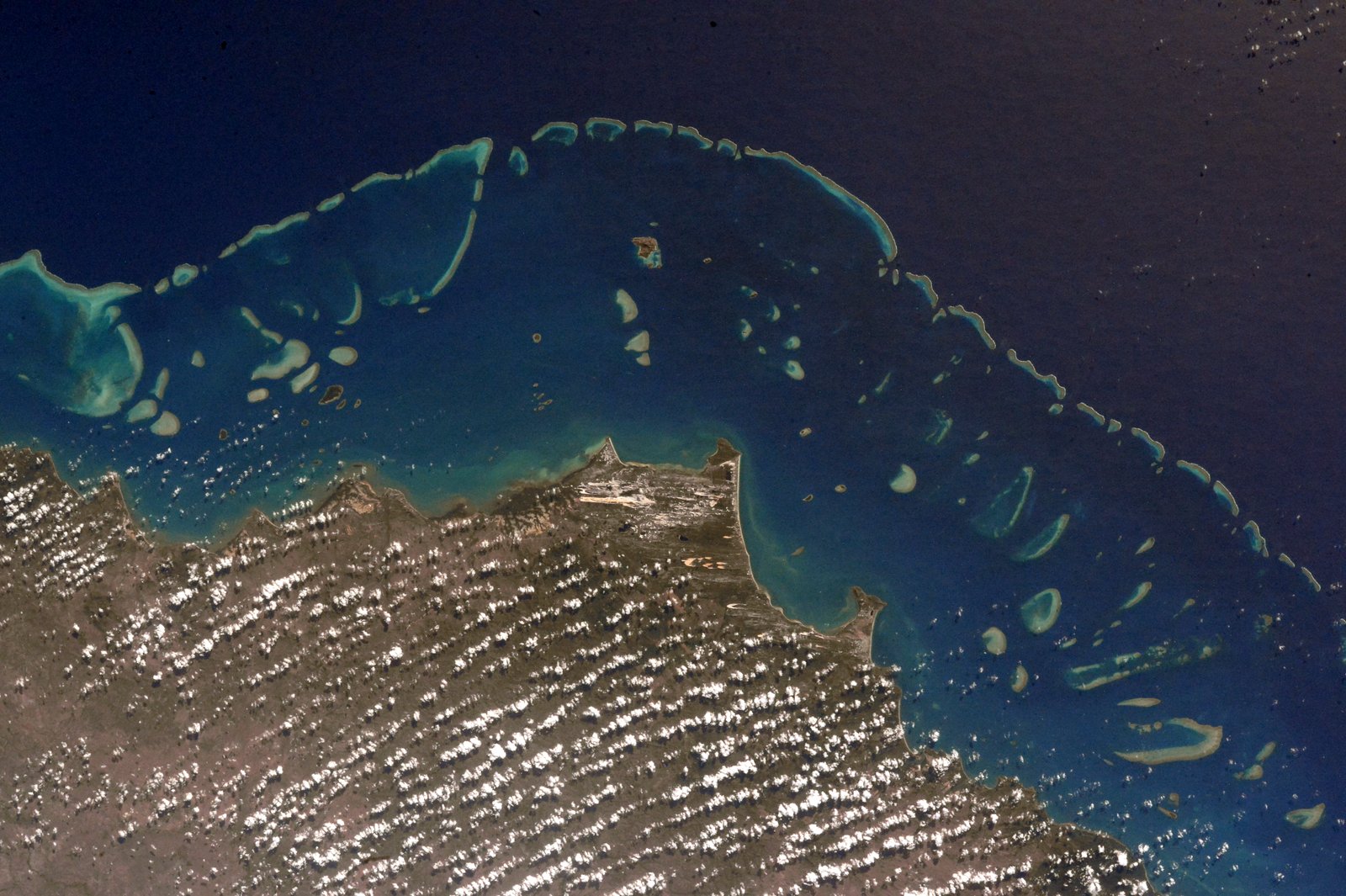
The Great Barrier Reef is the world's largest coral reef system, stretching 2,300 kilometres along the Queensland coast and visible from space.
Home to over 1,500 species of fish, 4,000 types of mollusc, and 600 types of coral, it is the largest living structure on earth and a UNESCO World Heritage Site.
How does it rate
CrowdsRomanceCash RequiredDangerAccessibilityWhy you should go
Snorkelling above the coral gardens of the Great Barrier Reef, surrounded by extraordinary marine biodiversity in crystal clear water, is a genuinely transformative experience.
Why you shouldn't go
Coral bleaching caused by climate change has severely damaged large sections of the reef; the experience varies greatly depending on which section you visit.
Plan your visit
Best time to visitJune-October (dry season, best visibility)Best time of dayMorning for calmer water and better underwater lightGetting thereFly to Cairns or Airlie Beach, boat tours from thereEntry costReef tours ~$200-250 AUDTime neededFull day, ideally multi-day liveaboardInsider tip — Book a trip that visits the outer reef rather than pontoons closer to shore; coral health and visibility is much better -
 #390 /100
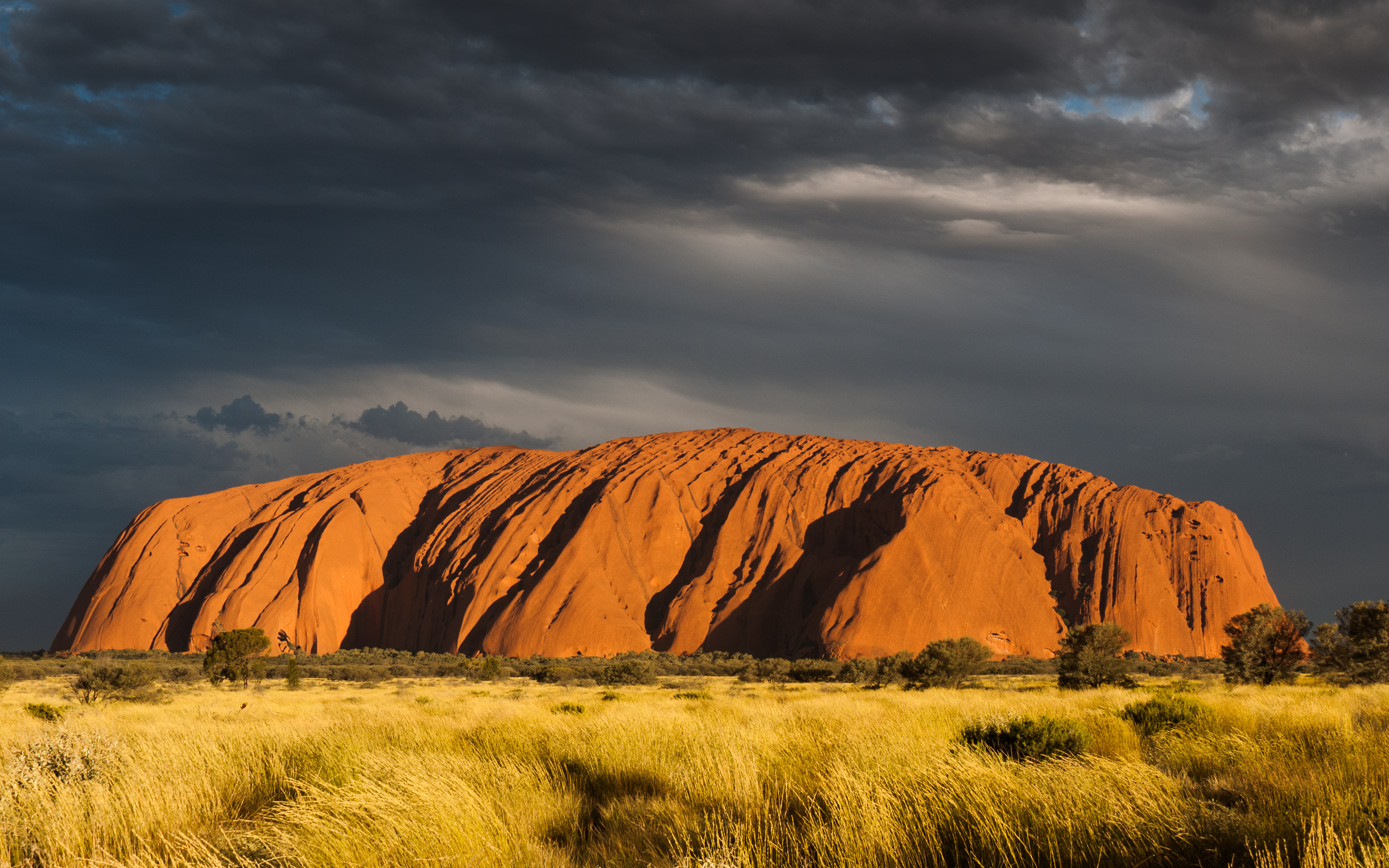
Uluru is a 348-metre monolith of rust-red sandstone rising sheer out of the Central Australian desert, sacred to the Anangu people.
It performs twice daily, smouldering orange at dawn and deepening to violet after sunset, and the colour show alone justifies the pilgrimage.
Up close, the base walk reveals waterholes, rock art and lush pockets of desert life.
How does it rate
CrowdsRomanceCash RequiredDangerAccessibilityWhy you should go
The dawn and dusk colour changes on the rock are a genuinely moving natural spectacle.
Why you shouldn't go
It's a long, expensive trip into deep desert heat, and summer temperatures are brutal.
Plan your visit
Best time to visitMay-September for bearable desert temperaturesBest time of daySunrise and sunset from the designated viewing areasGetting thereFly to Ayers Rock Airport (Yulara); the park is a 20-minute driveEntry costPark entry A$38 for 3 daysTime needed1-2 daysBookingBook ahead →Insider tip — Do the 10km base walk at first light - you get the colour show plus the rock art galleries before the heat and the buses -
 #489 /100
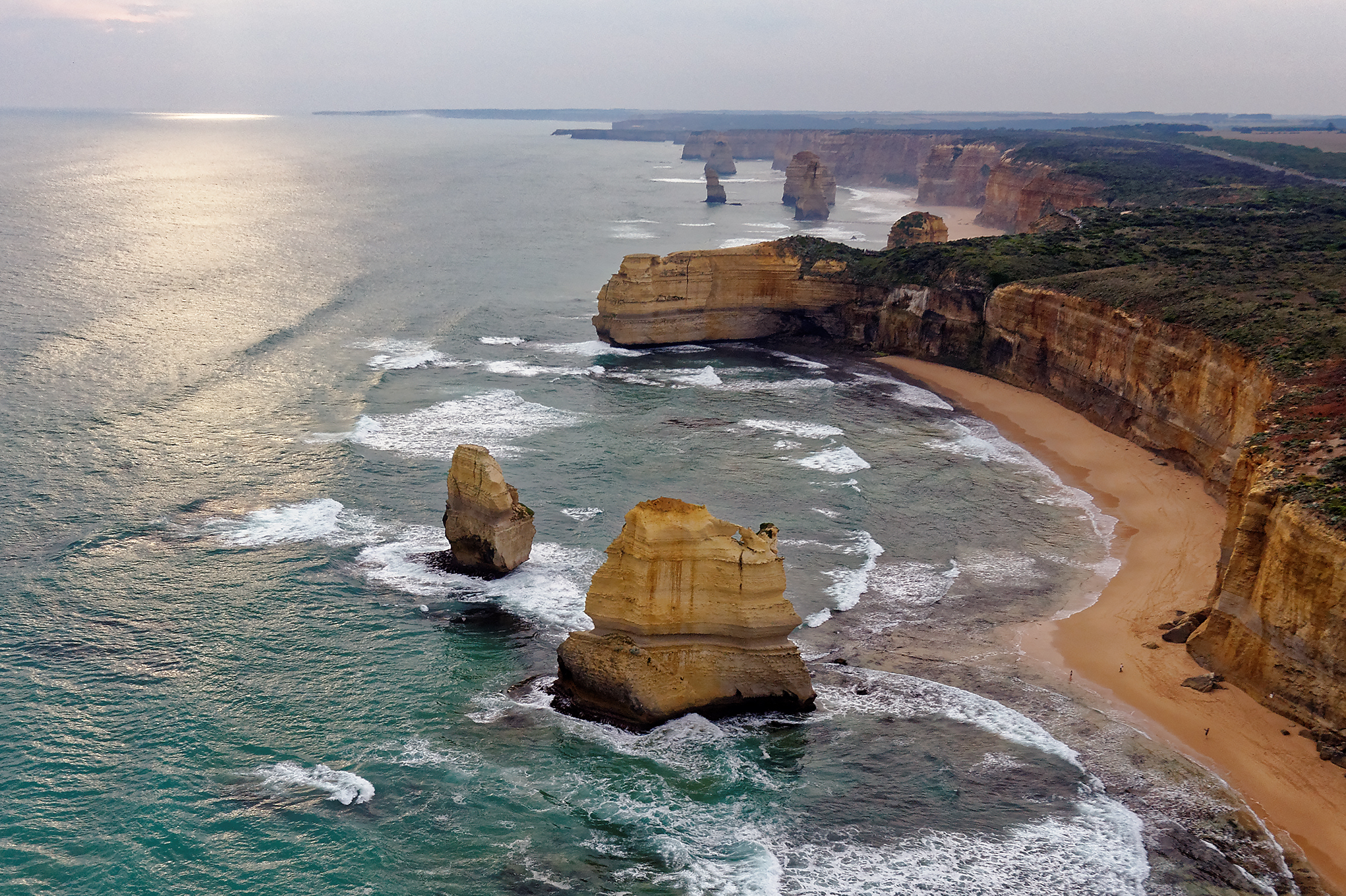
The Twelve Apostles are a collection of limestone stacks rising up to 45 metres from the Southern Ocean off the Port Campbell National Park on the Great Ocean Road.
Carved from the cliffs by erosion over millennia, they are most spectacular at sunrise and sunset when the low light turns the limestone golden.
How does it rate
CrowdsRomanceCash RequiredDangerAccessibilityWhy you should go
The Twelve Apostles at sunrise, when the limestone pillars glow golden and the surrounding sea is often calm, offer some of Australia's most dramatic coastal photography.
Why you shouldn't go
Despite the name, only eight stacks are currently standing as erosion continues to reshape them; helicopter flights provide the best overall view but are expensive.
Plan your visit
Best time to visitMarch-May or September-NovemberBest time of daySunrise, when the limestone stacks glow orange and coach tours have not arrivedGetting thereAlong the Great Ocean Road, ~3hrs from MelbourneEntry costFreeTime needed1-2 hoursInsider tip — Sunrise is dramatically quieter than sunset here, since most coach tours run the road in the afternoon -
 #588 /100
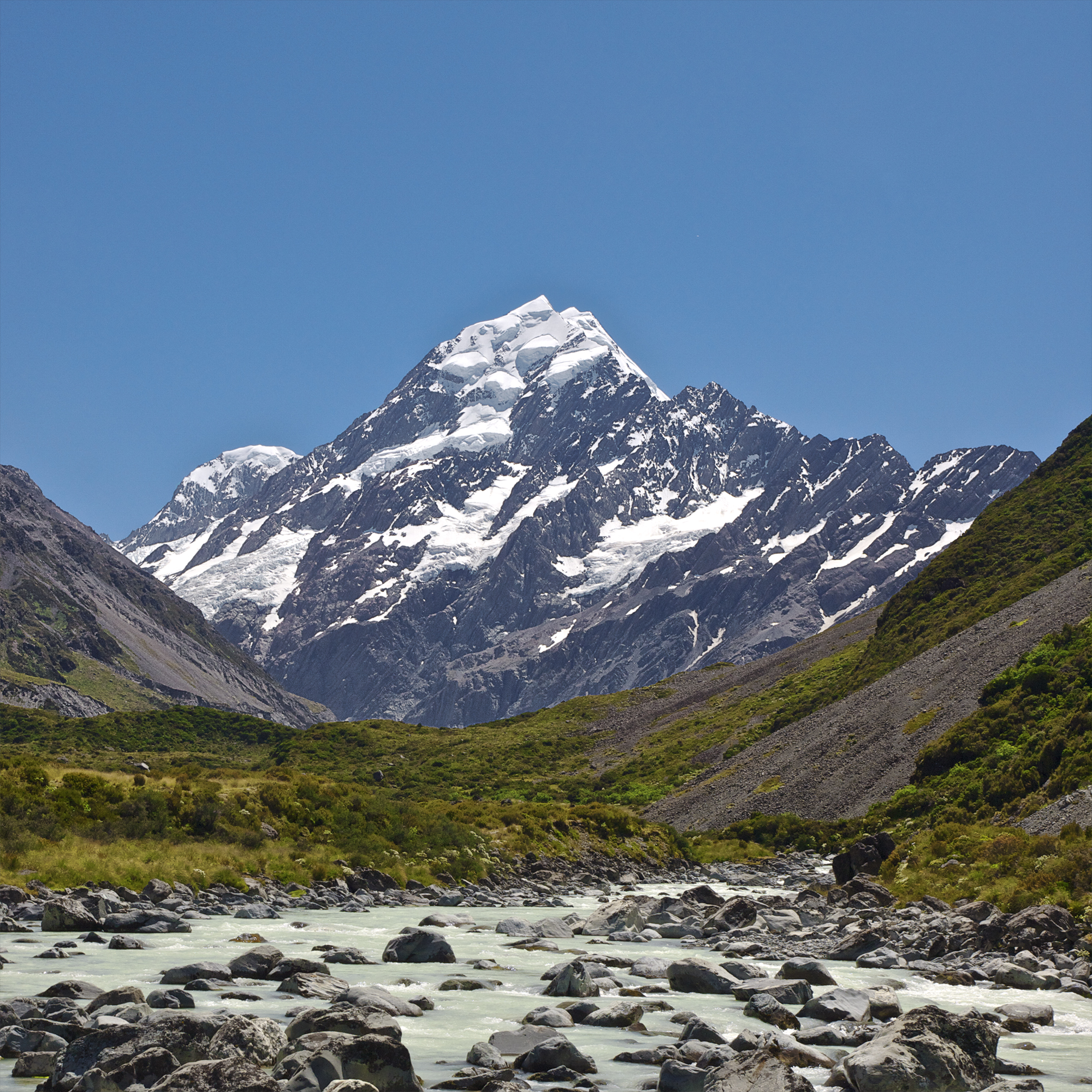
Aoraki/Mount Cook is New Zealand's highest peak at 3,724 metres, rising above the Mackenzie Basin surrounded by glaciers and turquoise lakes.
The Hooker Valley Track provides one of the most accessible and rewarding walks in the country, leading to views of the mountain across three swing bridges.
How does it rate
CrowdsRomanceCash RequiredDangerAccessibilityWhy you should go
The Hooker Valley walk is achievable for most fitness levels and delivers stunning close-up views of Mount Cook and its surrounding glaciers.
Why you shouldn't go
The weather in the Southern Alps changes extremely rapidly and cloud can obscure the mountain for days at a time, especially in winter.
Plan your visit
Best time to visitDecember-March (Southern Hemisphere summer)Best time of daySunriseGetting there~4hr drive from Christchurch or QueenstownEntry costFreeTime needed1-2 daysInsider tip — Hooker Valley Track is the easiest walk with the best views of the peak -
 #687 /100
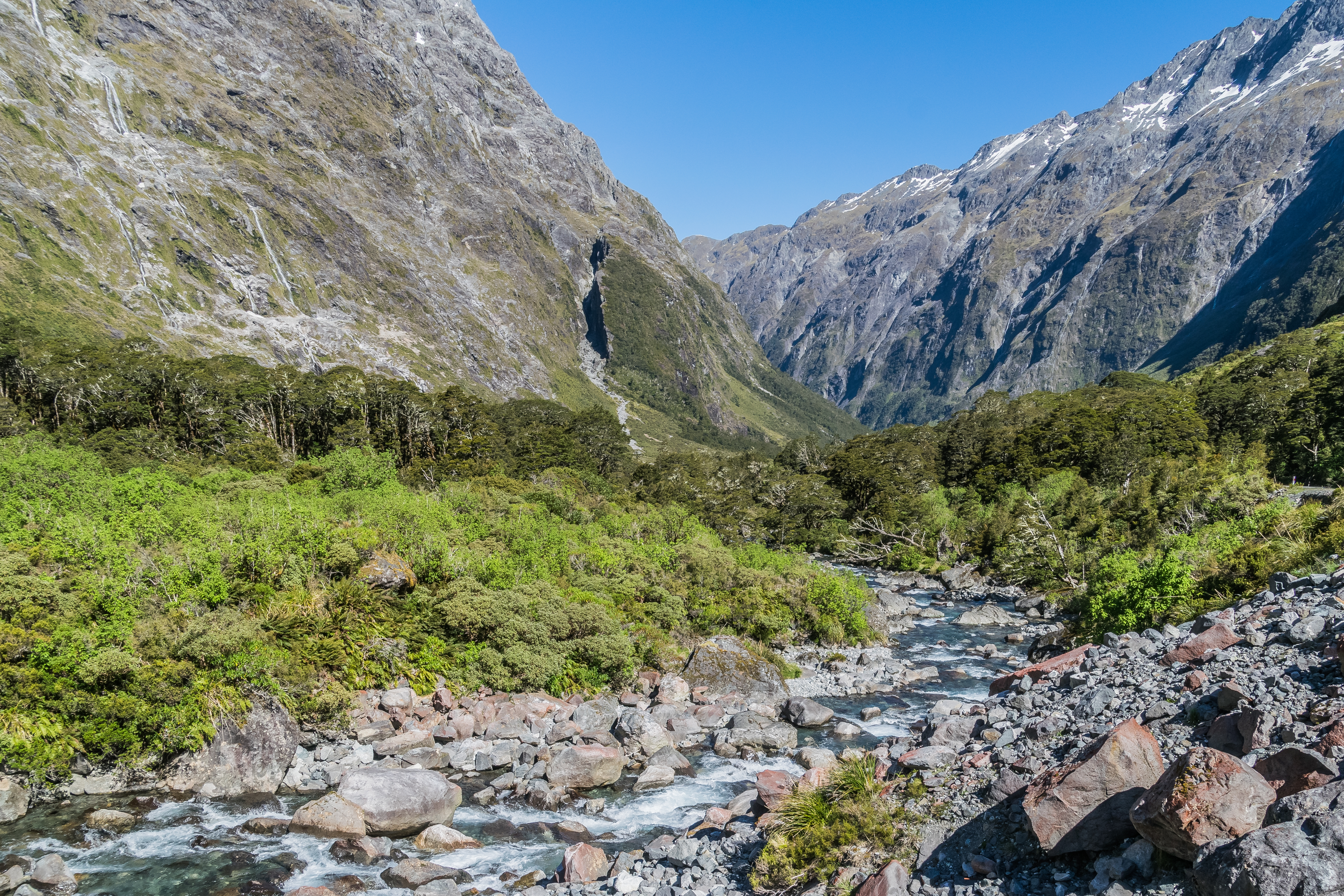
Fiordland National Park in the South Island of New Zealand contains some of the world's most dramatic fjord scenery, carved by glaciers over millions of years.
Milford Sound, the most famous fjord, features vertical granite walls rising 1,200 metres directly from the water's surface, with waterfalls cascading down their faces.
How does it rate
CrowdsRomanceCash RequiredDangerAccessibilityWhy you should go
The scale of Milford Sound's vertical granite walls and the waterfalls that plunge from them into the dark water below is genuinely awe-inspiring; boat cruises provide the best views.
Why you shouldn't go
Milford Sound receives extremely high rainfall and is often covered in cloud or mist; the road to Milford is subject to closure by avalanche or rockfall.
Plan your visit
Best time to visitDecember-March (summer, though it rains often year-round)Best time of dayEarly morning for calm water on the fjordsGetting thereDrive or fly to Te Anau, then boat/coach into Milford SoundEntry costCruise ~$80-100 NZDTime neededFull dayInsider tip — It rains here more days than not; the waterfalls are more dramatic right after rain, so do not let grey weather put you off -
 #783 /100
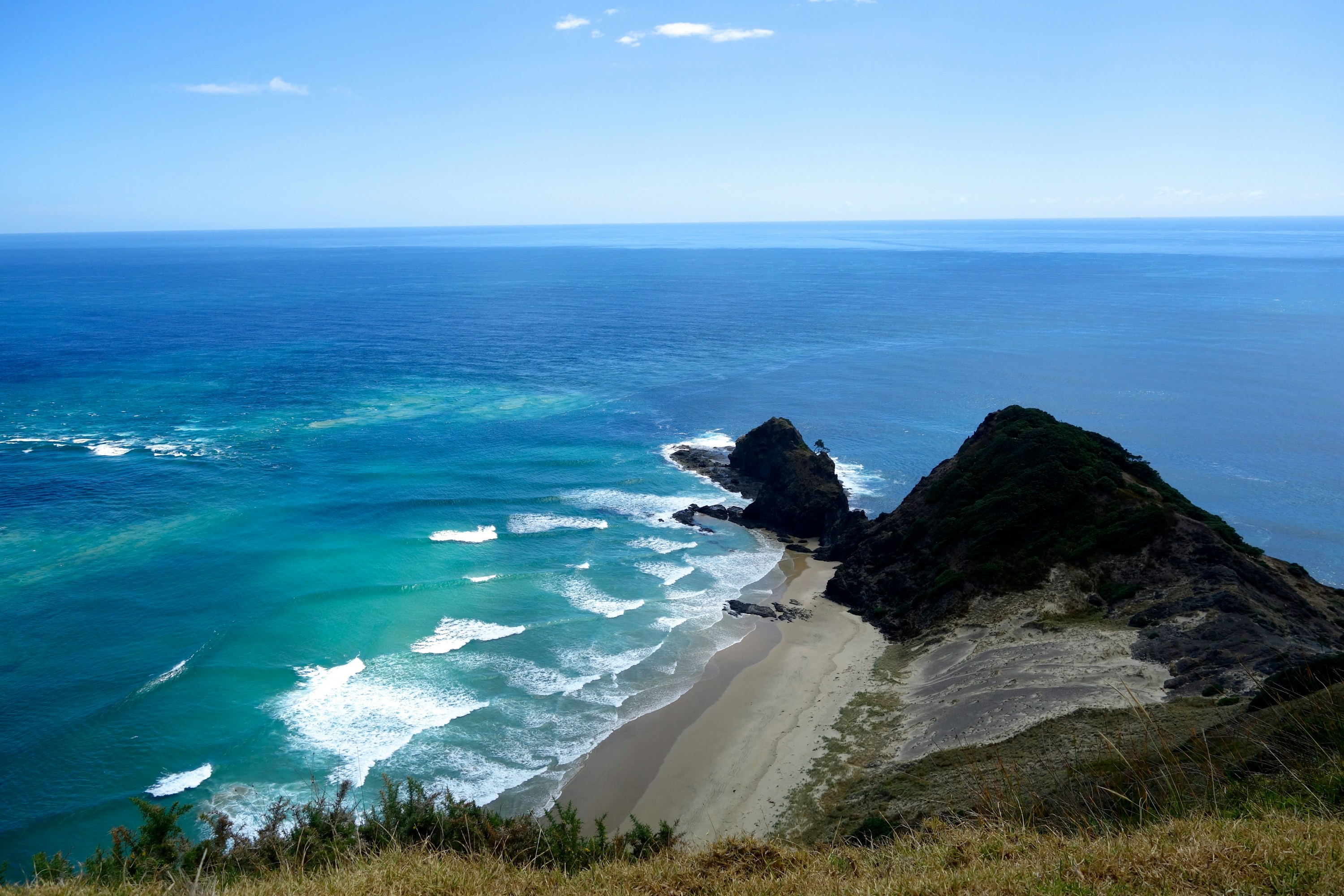
Bay of Islands is a sheltered stretch of Northland coastline scattered with around 144 subtropical islands, sandy coves and clear, sailable water.
Paihia and Russell serve as bases for game fishing, dolphin cruises and trips through the natural archway at Piercy Island, and the nearby Waitangi Treaty Grounds mark where New Zealand's founding document was signed in 1840.
It rewards a slower visit by boat rather than a quick stop on shore.
How does it rate
CrowdsRomanceCash RequiredDangerAccessibilityWhy you should go
144 subtropical islands, warm sailing water and genuine national history in one bay.
Why you shouldn't go
Cruises and island stays add up quickly, and summer weekends get busy with boat traffic.
Plan your visit
Best time to visitDecember-March for warm swimming weather; shoulder months are quieter and still mild.Best time of dayMorning, when the water is calmest and cruise boats first head out.Getting thereFly to Kerikeri Airport (25 min to Paihia) or drive about 3.5 hours north from Auckland to Paihia or Russell.Entry costFree to visit the coastline; boat cruises and island tours are priced separately.Time neededA full day; 2-3 days to properly explore by boat.Insider tip — Catch the passenger ferry from Paihia to Russell instead of driving around the bay - it's cheaper and quicker, and Russell's waterfront is worth the walk. -
 #882 /100
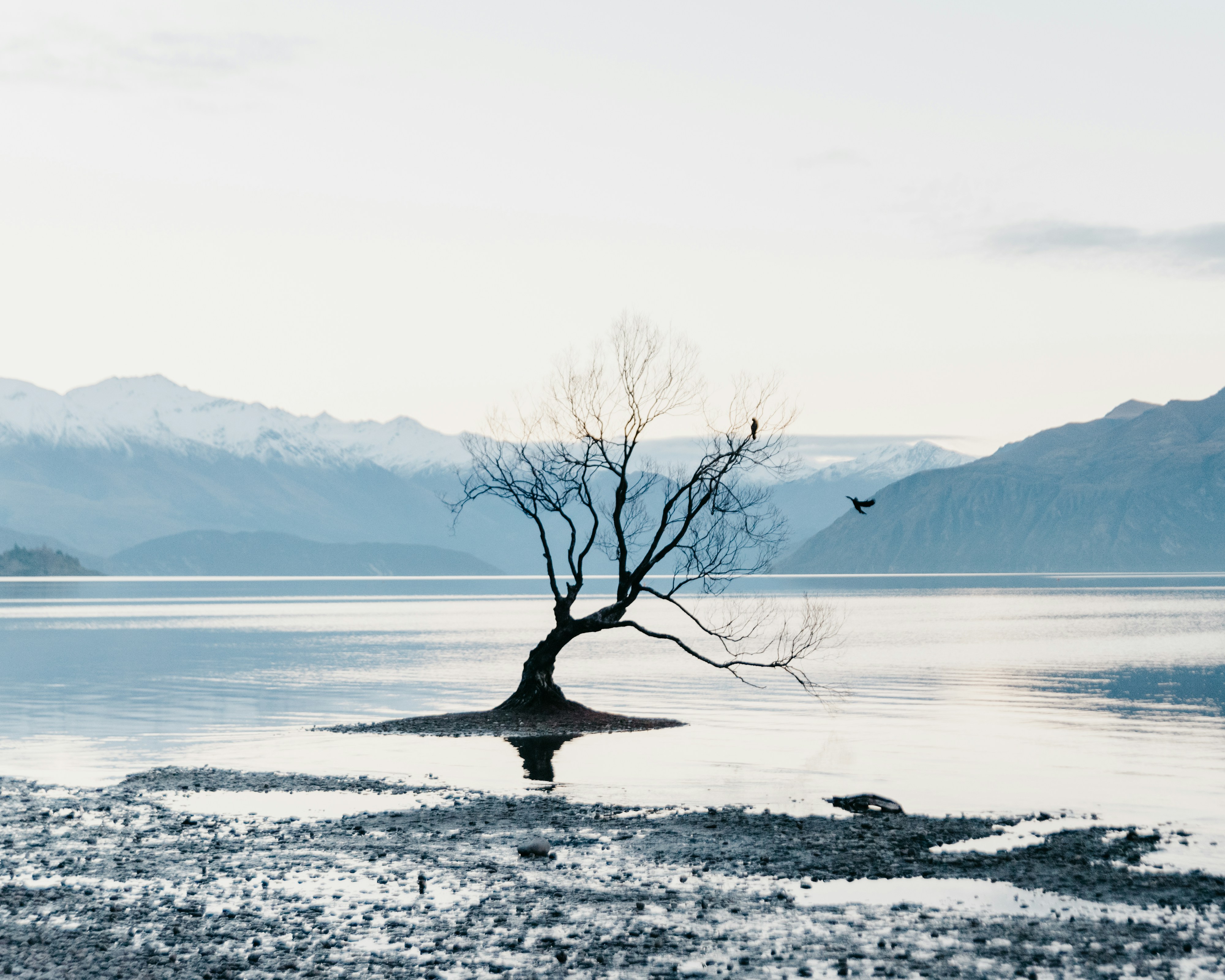
A single willow stands alone in the shallows of Lake Wanaka, backed by the Southern Alps - improbable, minimalist, and famous well beyond New Zealand.
The lake itself is a vast glacier-carved expanse ringed by mountains, with lakeside walks and the Roys Peak track nearby for anyone wanting more than a quick stop.
Still water at dawn doubles the tree in near-perfect reflection.
How does it rate
CrowdsRomanceCash RequiredDangerAccessibilityWhy you should go
One tree, one lake, one of the most replicated photographs in New Zealand.
Why you shouldn't go
It's genuinely just one tree - arrive expecting a brief photo stop, not a destination in itself.
Plan your visit
Best time to visitYear-round; autumn (April-May) adds golden foliage around the lakeshore.Best time of daySunrise, for still water and soft light with fewer other photographers in frame.Getting thereFly to Queenstown; 1-hour drive to Wanaka, then a short walk along the lakefront.Entry costFreeTime needed30 minutes-1 hourInsider tip — Walk 10 minutes further along the shore past the main crowd for a cleaner angle without other visitors wading in front of the tree. -
 #9
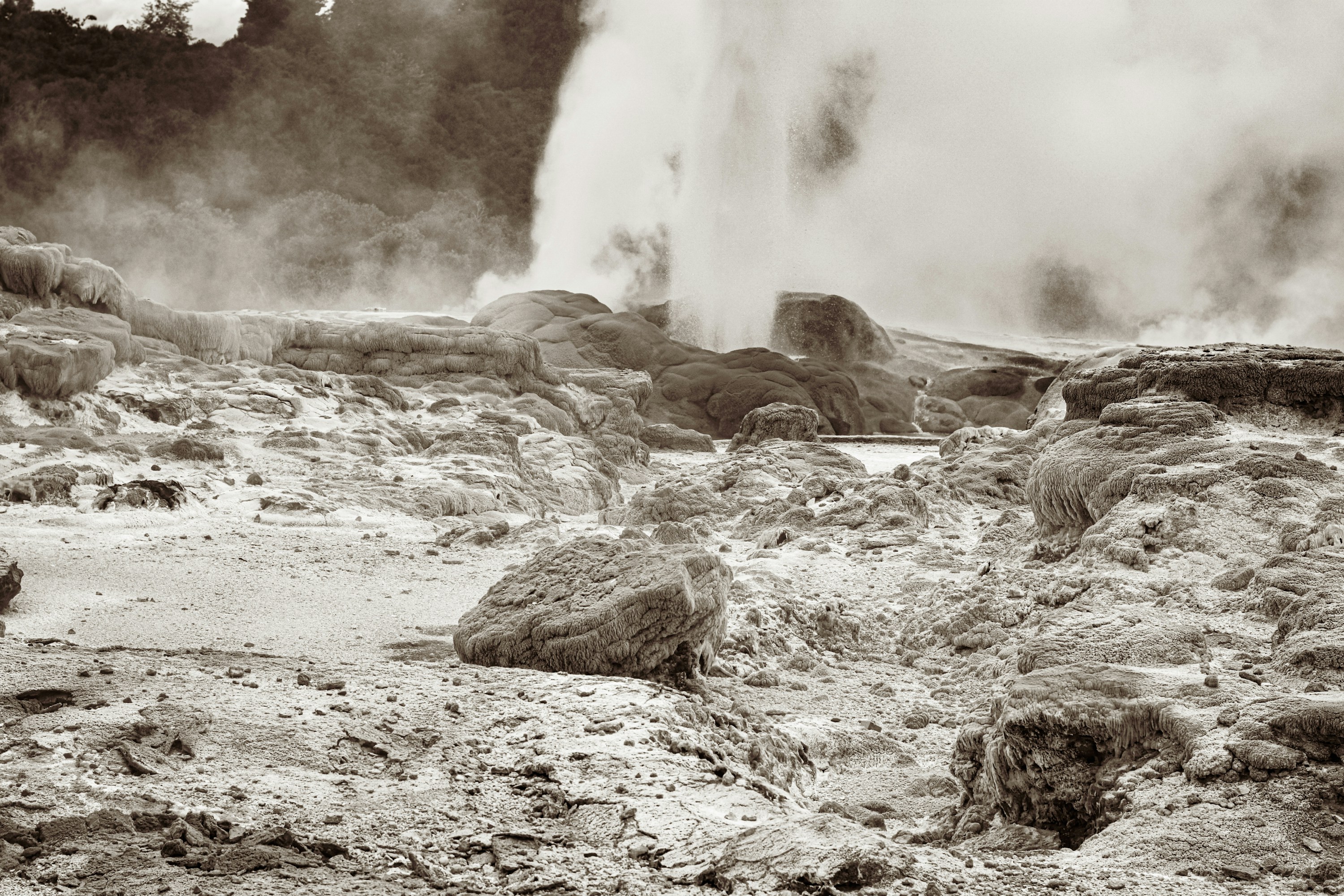
#9Rotorua is a North Island city built on an active geothermal field, where steaming vents, mud pools and geysers push up through public parks and backyards alike.
It is also the centre of Maori cultural tourism in New Zealand, with performances, carved meeting houses and hangi feasts at Te Puia and Whakarewarewa.
Beyond the thermal activity there is mountain biking, lake swimming and forest walks, worth more than a single day's stop.
How does it rate
CrowdsRomanceCash RequiredDangerAccessibilityWhy you should go
New Zealand's most complete geothermal experience: geysers, mud pools and Maori culture in one town.
Why you shouldn't go
The whole town smells faintly of sulphur, and the big-name attractions charge steep entry fees.
Plan your visit
Best time to visitYear-round; geothermal features are active regardless of season, but shoulder months avoid summer crowds.Best time of dayEarly morning, before tour groups arrive at the main geothermal parks.Getting thereFly to Rotorua Regional Airport, or drive about 3 hours southeast from Auckland via SH1 and SH5.Entry costTown is free to explore; major geothermal parks and cultural experiences charge separate entry fees.Time needed1-2 daysInsider tip — Skip the crowds at Te Puia by visiting Kuirau Park instead - a free public geothermal park right in town with bubbling mud pools and steaming vents. -
 #1078 /100
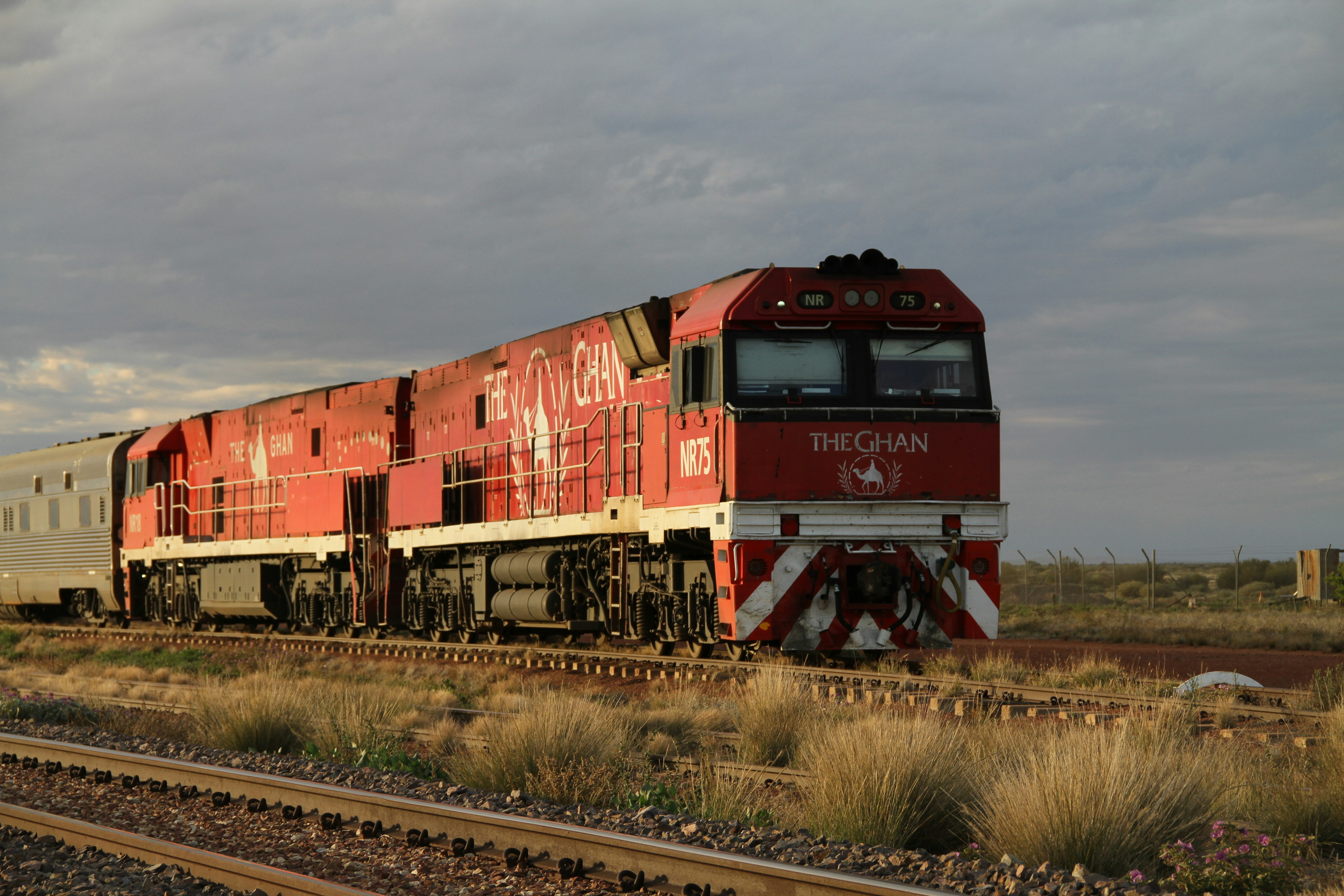
Named after the Afghan cameleers who once helped open up Australia's interior, The Ghan runs nearly 3,000km from Darwin to Adelaide through the dead centre of the continent, crossing the red desert around Alice Springs and Uluru's outback region over two to three days.
Off-train excursions into the MacDonnell Ranges and Katherine Gorge break up the journey.
How does it rate
CrowdsRomanceCash RequiredDangerAccessibilityWhy you should go
A nearly 3,000km train crossing Australia's red desert interior from Darwin to Adelaide, with outback excursions built into the route.
Why you shouldn't go
It's a genuinely remote, multi-day journey with limited connectivity, closer to an expedition than a quick scenic ride.
Plan your visit
Best time to visitApril-September, Australia's dry season and the operating window for most departures.Best time of dayAny time; much of the appeal is the desert landscape's scale over hours rather than a single view.Getting thereBoard at Darwin or Adelaide's rail terminals, both reachable by air from major Australian cities.Entry costMulti-day fares start around AUD1,000-1,500 per person including some excursions.Time needed2-3 days depending on route and stops.BookingBook ahead →Insider tip — Book the Alice Springs off-train excursion into the MacDonnell Ranges, widely considered the trip's best add-on stop. -
 #1178 /100
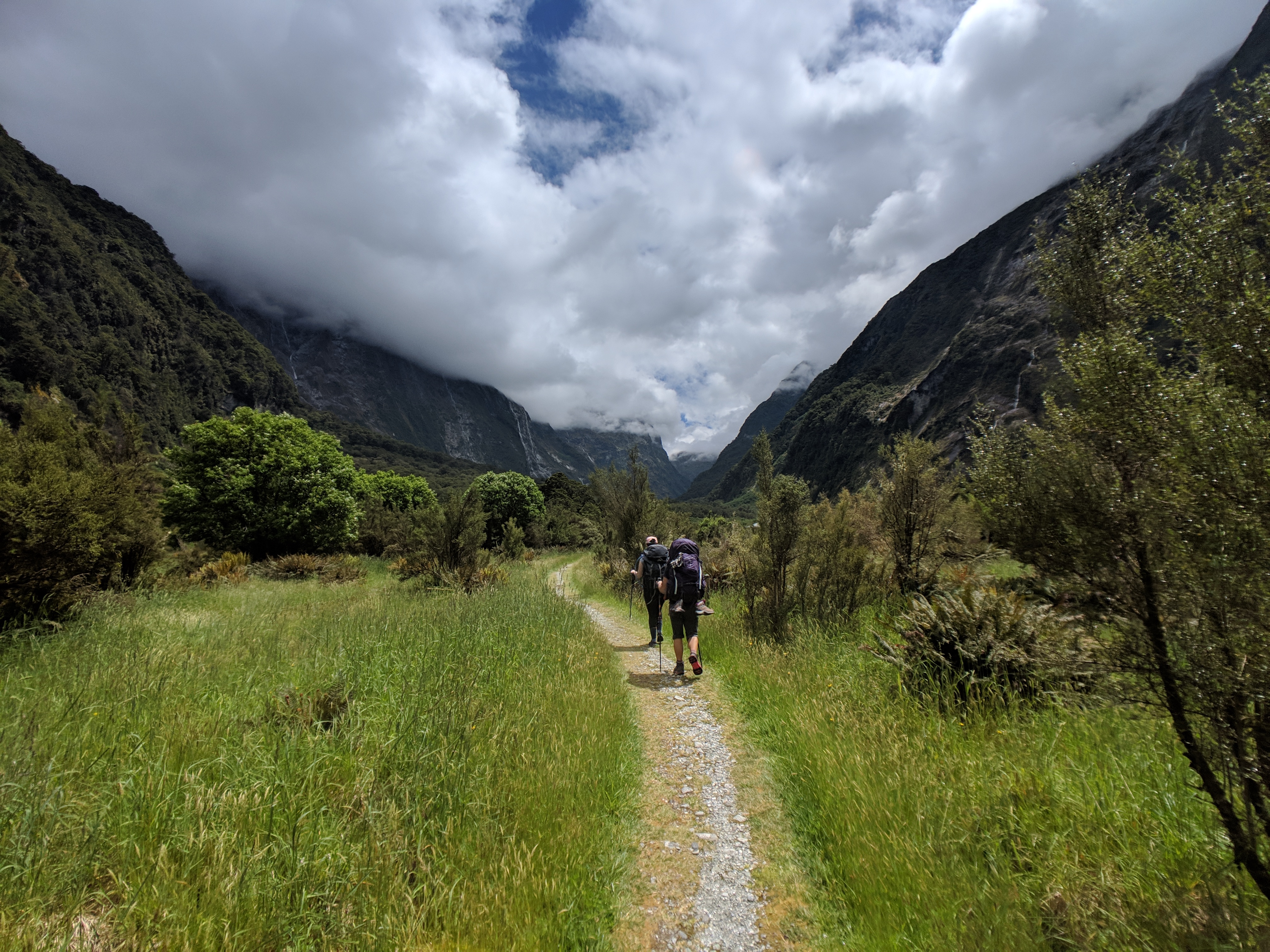
New Zealand's best-known Great Walk runs 53.
5km through Fiordland from Lake Te Anau's Clinton Valley, over the alpine Mackinnon Pass, down to Milford Sound.
Along the way are hanging valleys, the country's tallest waterfall at Sutherland Falls, and dense temperate rainforest.
Only 40 independent walkers a day are allowed onto the one-way trail, and hut bookings for the season sell out within minutes.
How does it rate
CrowdsRomanceCash RequiredDangerAccessibilityWhy you should go
Crossing Mackinnon Pass with cloud pouring through the valley below, then descending rainforest to Milford Sound.
Why you shouldn't go
Booking is brutally competitive - a whole season's huts can sell out in under a minute when releases open.
Plan your visit
Best time to visitGreat Walks season, late October to April; book huts the moment reservations open.Best time of dayEarly morning at Mackinnon Pass, before afternoon cloud rolls in.Getting thereFly or drive to Te Anau; boat across Lake Te Anau to Glade Wharf, the trailhead.Entry costNZD 106-152 per hut per night (resident/non-resident rate), for 3 nights.Time needed4 days / 3 nightsBookingBook ahead →Insider tip — Be online the exact moment bookings open (around May for the following season) - popular dates vanish within a minute. -
 #1277 /100
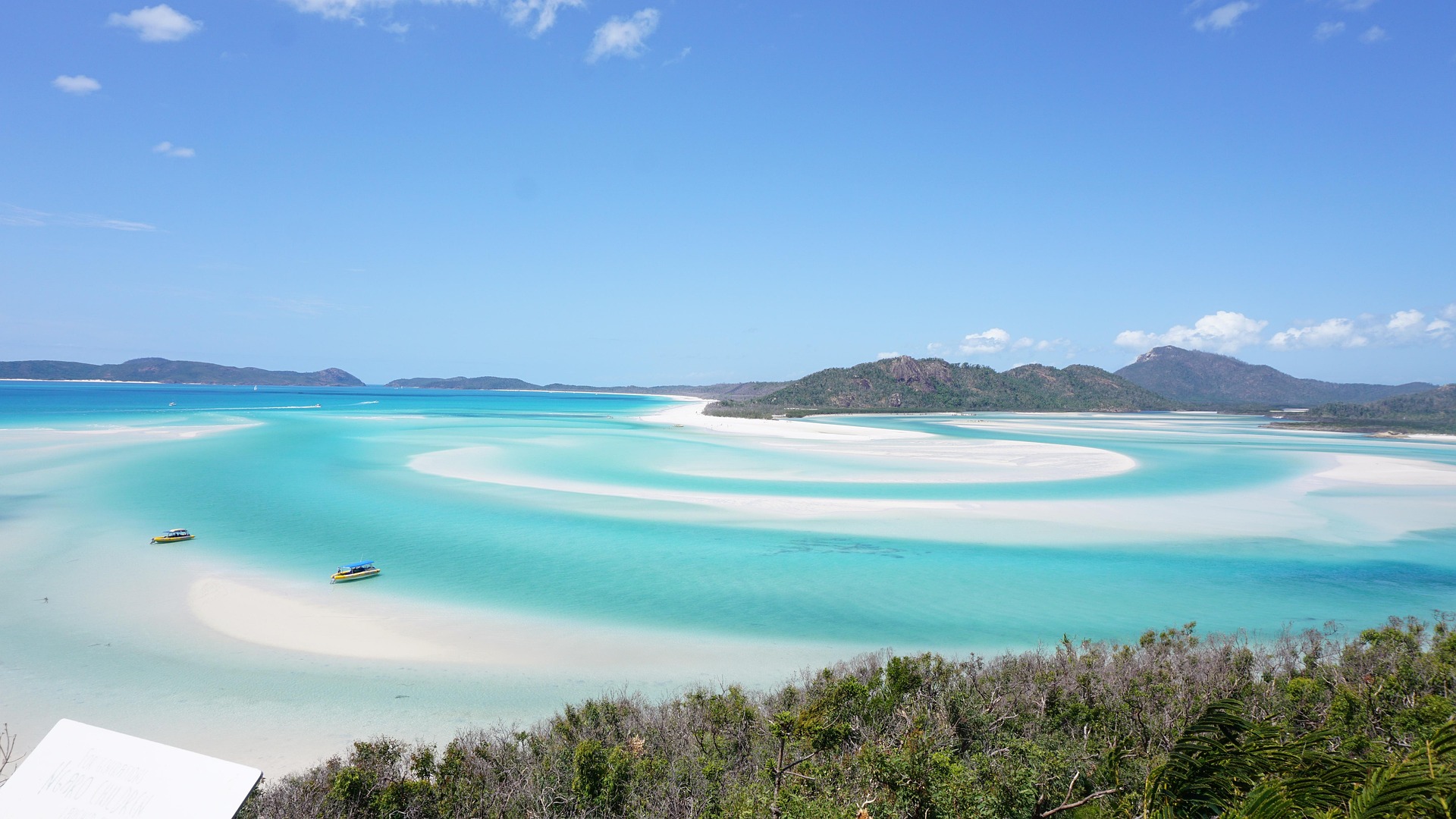
A sailing cruise through 74 islands scattered across the Great Barrier Reef's inner waters, anchoring off Whitehaven Beach's swirling silica sand and turquoise shallows.
Days mix snorkelling on fringing reefs, a walk up to the Hill Inlet lookout, and sunset drinks at anchor.
Multi-day catamaran and yacht trips are the standard way to see the outer islands, since most are uninhabited.
Conditions stay calm and tropical almost year-round.
How does it rate
CrowdsRomanceCash RequiredDangerAccessibilityWhy you should go
Whitehaven Beach's swirling silica sand and turquoise shallows, best seen from the water at anchor.
Why you shouldn't go
Stinger season, roughly November to May, means wearing a full-body swim suit for safe swimming.
Plan your visit
Best time to visitJune-October, the dry season, for calm sailing, clear water, and no marine stingers.Best time of dayMidday at Hill Inlet lookout, when the swirling sandbar colours are most vivid.Getting thereFly to Proserpine (Whitsunday Coast) or Hamilton Island airport; boats depart from Airlie Beach or Hamilton Island marina.Entry costIndicative $600-$2,000pp for a 2-4 night sailing tripTime needed2-4 night cruiseInsider tip — Book a sailing trip that includes an early-morning stop at Hill Inlet lookout, before the tour boats crowd the viewpoint. -
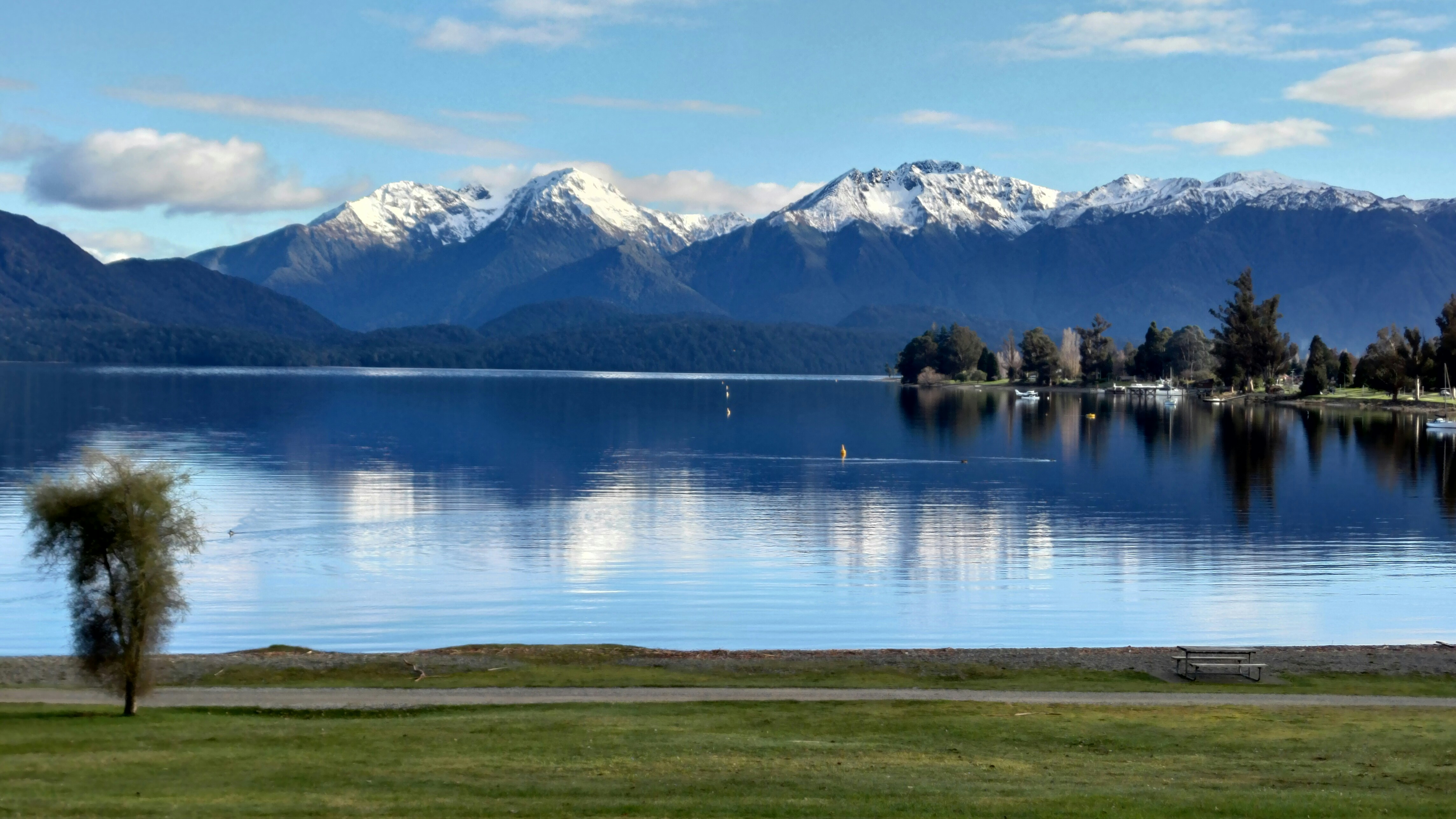 #1376 /100
A limestone cave system with an underground river, reachable only by boat across Lake Te Anau.
Deep inside, a grotto ceiling is studded with thousands of glowworms, their bioluminescent threads creating a silent, star-like constellation in total darkness.
How does it rate
CrowdsRomanceCash RequiredDangerAccessibilityWhy you should go
Boat across a lake into limestone caves lit only by thousands of glowworms on the ceiling.
Why you shouldn't go
Relatively expensive; limited boat/tour capacity means advance booking is essential; no photography allowed inside the grotto.
Plan your visit
Best time to visitYear-round; tours run daily regardless of season.Best time of dayEvening tours feel most atmospheric, though the cave interior looks the same at any hour.Getting thereBoat departs from Te Anau town pier (2 hours from Queenstown by car); tour includes the lake crossing.Entry costNZD ~$95 ($58 USD) per person, includes boat crossing and cave tour.Time needed2.5 hours including boat travel.BookingBook ahead →Insider tip — Book ahead in summer. Sit still and let your eyes adjust once the guide dims the lights — the glowworms take a moment to become visible. -
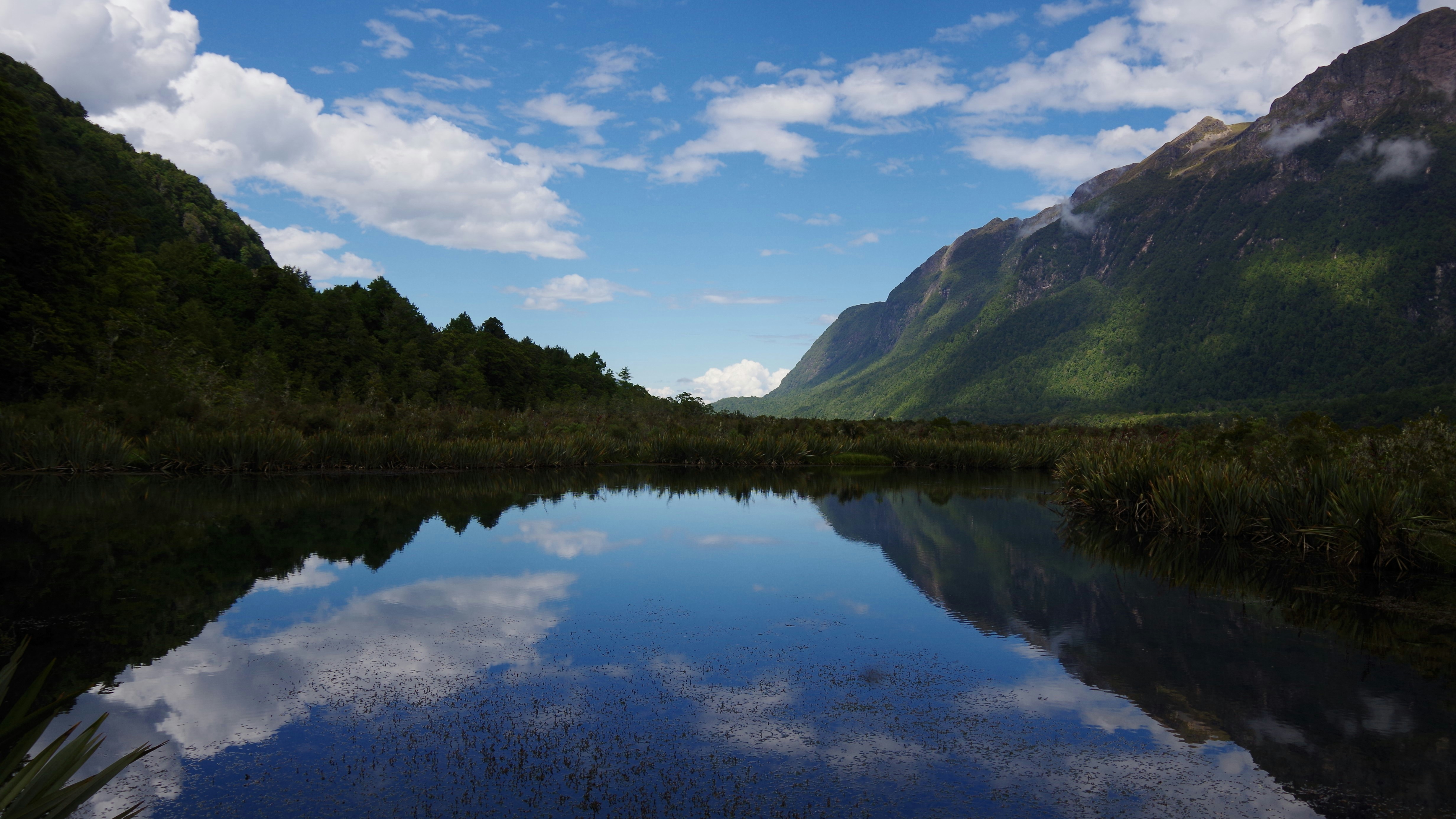 #1474 /100
A pair of small roadside lakes on the drive to Milford Sound that reflect the surrounding peaks and tussock grassland with near-perfect clarity on calm mornings.
A short boardwalk loop makes them one of the easiest stops on the whole Fiordland route.
How does it rate
CrowdsRomanceCash RequiredDangerAccessibilityWhy you should go
Roadside lakes that mirror the Fiordland peaks perfectly on a calm morning — a five-minute stop with a big payoff.
Why you shouldn't go
Reflection quality depends entirely on wind — many visitors arrive to a rippled, unremarkable lake.
Plan your visit
Best time to visitNovember–March (summer) for the best chance of calm, clear mornings.Best time of dayEarly morning before wind picks up, ideally right after sunrise.Getting thereOn the Milford Road (SH94), about 1 hour north of Te Anau; signposted roadside car park.Entry costFree.Time needed15–30 minutes.Insider tip — Check conditions the night before if possible — a still forecast morning is worth adjusting your itinerary for. The boardwalk loop takes only a few minutes. -
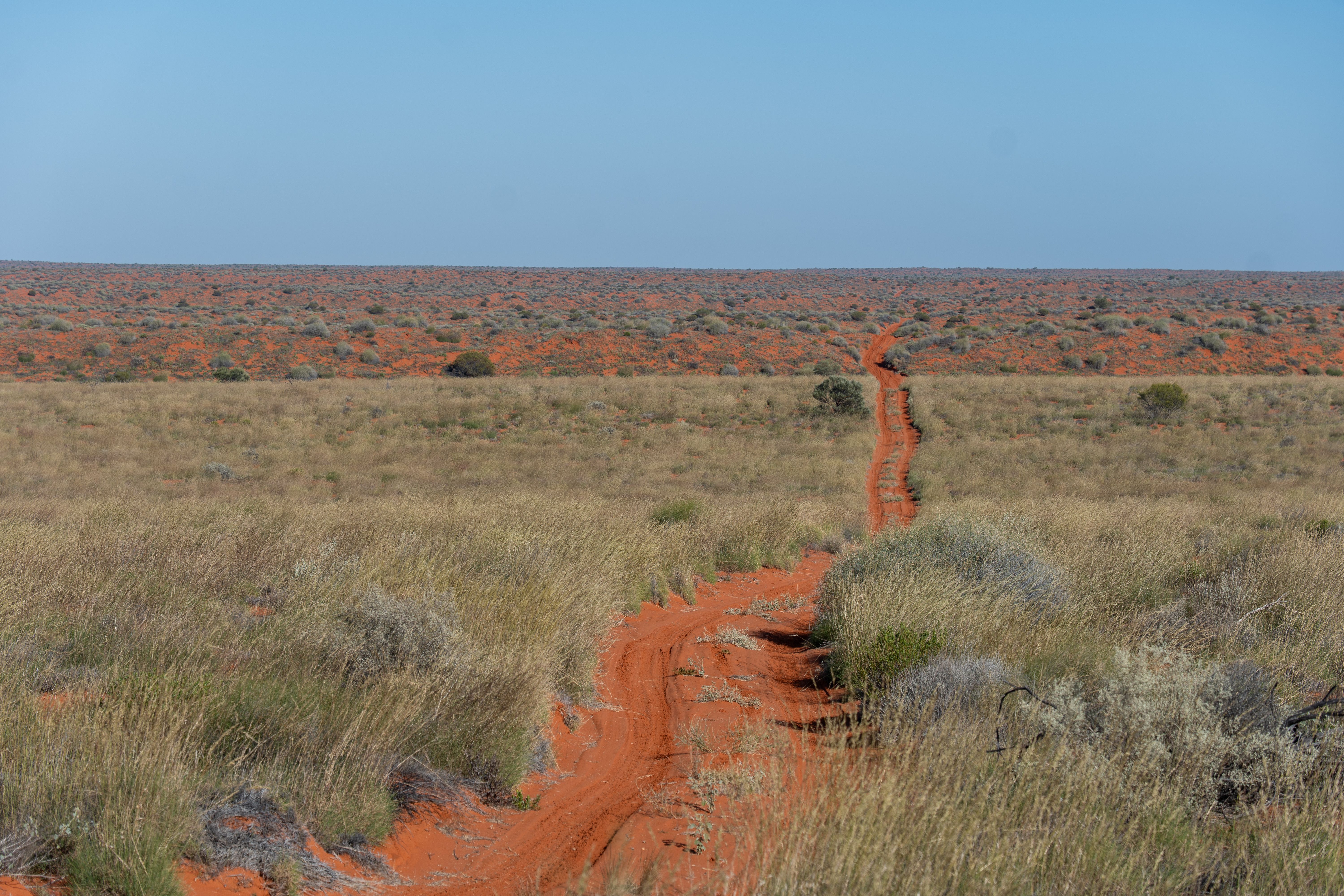 #1571 /100
A vast field of parallel red sand dunes stretching across central Australia's outback, crossed by one of the country's classic 4x4 adventure routes via the notoriously steep Big Red dune outside Birdsville.
The dunes run in improbably straight lines for hundreds of kilometres, turning deep crimson at sunset against a sky with almost zero light pollution.
Crossing it is a genuine expedition, not a casual day out - self-sufficiency and proper 4x4 preparation are essential.
How does it rate
CrowdsRomanceCash RequiredDangerAccessibilityWhy you should go
Hundreds of parallel red dunes crossing the outback, capped by the legendary Big Red climb near Birdsville.
Why you shouldn't go
Crossing requires serious 4x4 experience, full self-sufficiency, and permits - this is not a casual detour.
Plan your visit
Best time to visitApril-September (the cooler dry season); the desert is dangerously hot and largely impassable in summer.Best time of dayLate afternoon at Big Red, when convoys gather to watch the sunset over the dune field.Getting thereFly to Birdsville (via Brisbane or Adelaide) or self-drive a 4x4 from Alice Springs or South Australia with full desert preparation.Entry costDesert crossing permits cost a small fee; most visitors join or book a guided 4x4 tour.Time needed3+ days for a full crossing.Insider tip — Time your visit around the Birdsville Races or Big Red Bash festival if you want company - otherwise this is one of the emptiest places in Australia. -
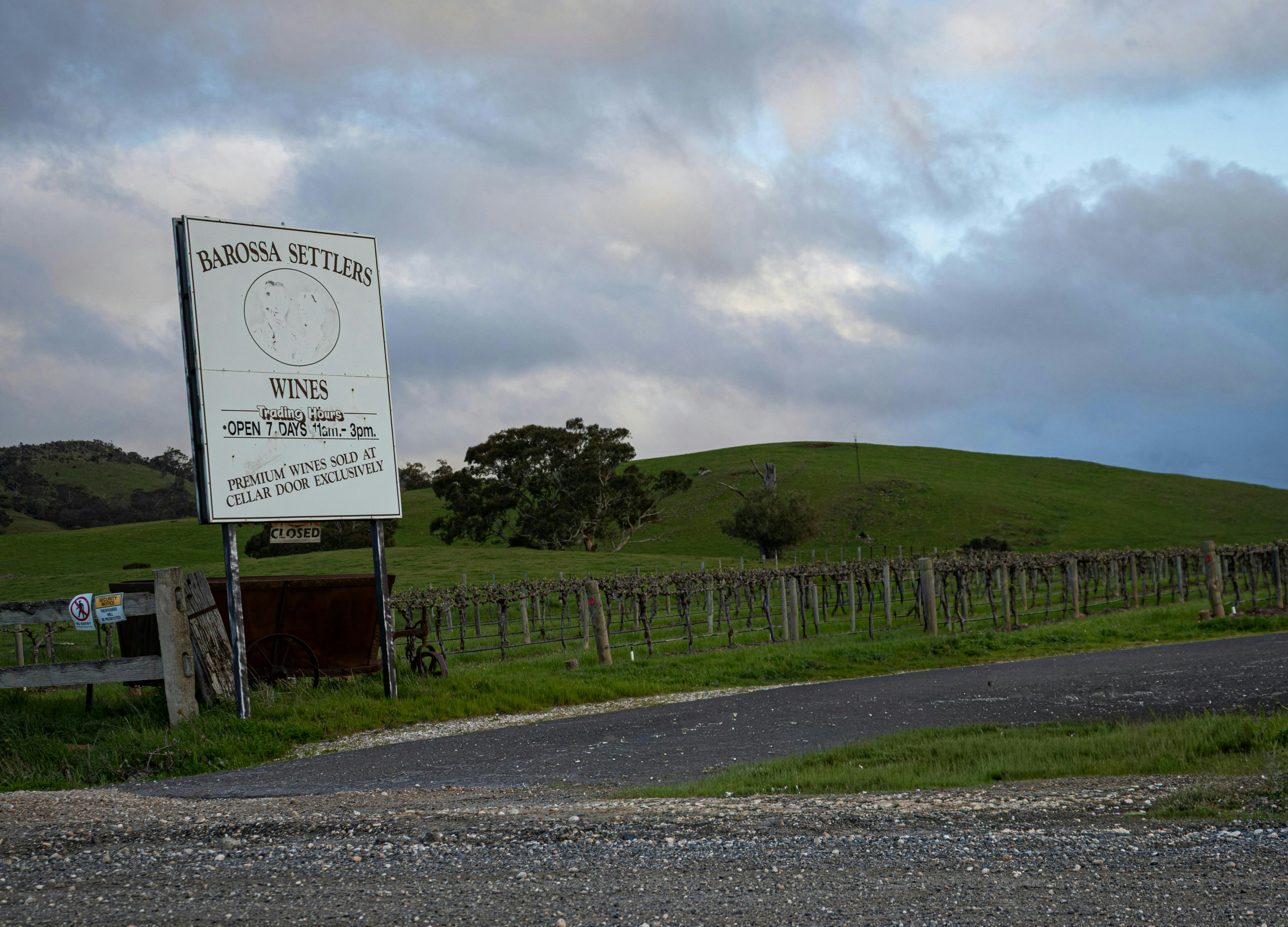 #1668 /100
An hour from Adelaide, the Barossa Valley is home to some of the world's oldest continuously producing Shiraz vines, some planted in the 1840s by German and Silesian settlers who brought Lutheran church architecture and winemaking traditions that still shape the valley's small towns.
Historic stone wineries give the region a rustic, unhurried character.
How does it rate
CrowdsRomanceCash RequiredDangerAccessibilityWhy you should go
Historic Shiraz vineyards planted by 19th-century German settlers, an hour from Adelaide.
Why you shouldn't go
The valley is spread out with limited public transport, so a rental car or organised tour is close to essential.
Plan your visit
Best time to visitApril-May for harvest (Australia's autumn) or September-October for spring blossom.Best time of dayLate afternoon, when light softens across the valley's gum trees and vine rows.Getting thereFly into Adelaide, then a roughly 1-hour drive northeast into the valley.Entry costTastings typically run AUD10-25 per cellar door, often waived with a purchase.Time neededA full day for a cellar-door tour.Insider tip — Visit a family-run cellar door rather than only the big-name wineries, since many of the valley's oldest vines belong to small operations happy to talk through their history. -
 #1768 /100
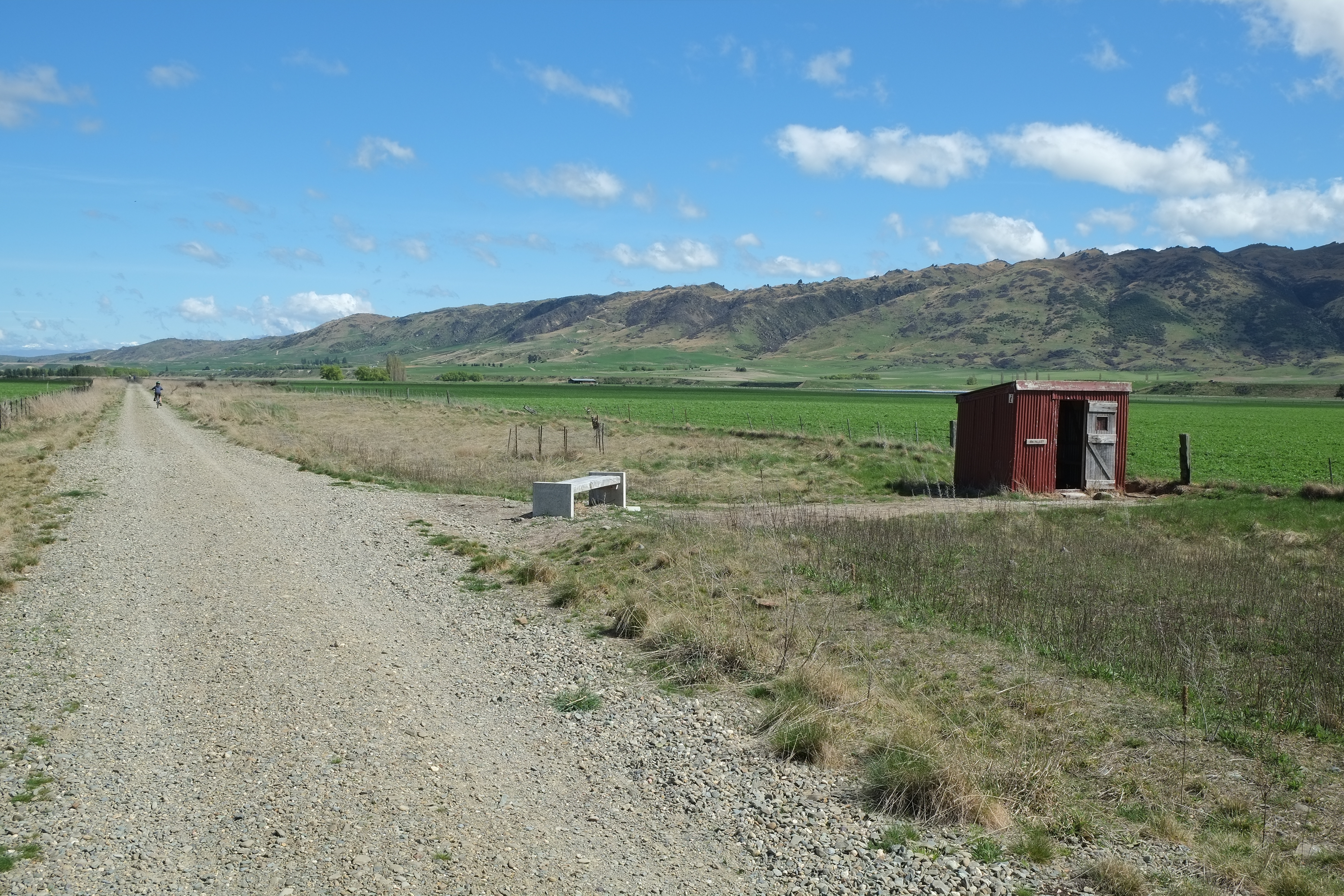
A converted 19th-century railway line runs 150km through Central Otago's high-country landscape, crossing viaducts and old tunnels between Clyde and Middlemarch.
Riders pass abandoned stone stations, schist rock outcrops and wide tussock valleys with barely another soul in sight.
Most riders spread the flat, gravel trail over four or five days, staying in small towns like Ranfurly and Naseby along the way.
How does it rate
CrowdsRomanceCash RequiredDangerAccessibilityWhy you should go
150km of gentle former railway through empty, dramatic high-country scenery with virtually no traffic.
Why you shouldn't go
Multi-day logistics -- shuttles, luggage transfers, accommodation -- add up in cost and planning.
Plan your visit
Best time to visitNov-Apr (spring to autumn); winter brings snow and closed accommodation.Best time of dayAny daylight hours; start early to avoid strong summer sun on exposed sections.Getting thereFly to Dunedin or Queenstown; shuttle transfer to the Clyde or Middlemarch trailhead.Entry costFree to ride; bike hire from NZD 40-60/dayTime needed4-5 days for the full trailBookingBook ahead →Insider tip — Ride Middlemarch to Clyde to travel with the prevailing wind at your back, and detour to the Poolburn Viaduct for the trail's best photo. -
 #1865 /100
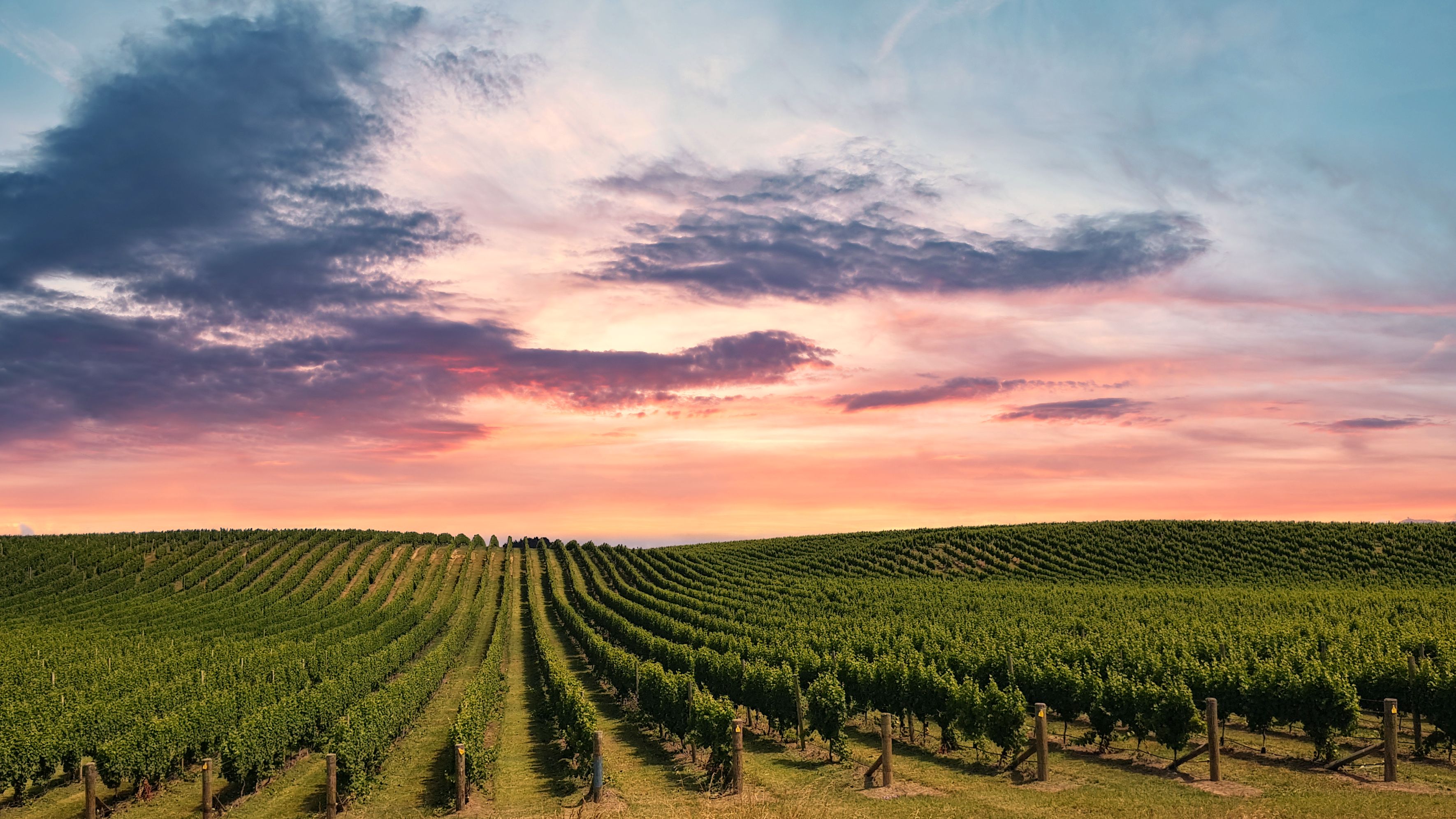
At the northern tip of New Zealand's South Island, Marlborough produces the majority of the country's wine and put New Zealand Sauvignon Blanc on the world map with its distinctively intense, herbaceous style.
Vineyards spread across the flat Wairau Valley floor, framed by forested hills separating the region from the Marlborough Sounds' waterways.
How does it rate
CrowdsRomanceCash RequiredDangerAccessibilityWhy you should go
New Zealand's biggest wine region, the source of the country's globally famous Sauvignon Blanc, framed by the Wairau Valley's hills.
Why you shouldn't go
It's a relatively remote region, requiring a flight or long drive from Auckland or Christchurch to reach.
Plan your visit
Best time to visitMarch-April for harvest (New Zealand's autumn) or through summer for warm, dry tasting-room weather.Best time of dayLate afternoon, when the Wairau Valley's hills catch soft evening light.Getting thereFly into Blenheim from Auckland, Wellington or Christchurch, then a short drive to the wineries.Entry costTastings typically run NZD5-15 per cellar door, often waived with a purchase.Time neededA full day for a cellar-door tour.Insider tip — Combine a wine tasting day with a boat trip into the nearby Marlborough Sounds, a scenic contrast most visitors don't plan for in advance.


More from Australasia
-

More Natural Wonders spots
-
How a score is built
One score out of 100, five criteria behind it
Every place is rated 1–5 on each of the criteria below, then combined into a single score out of 100. It's calculated by us, the same way every time — not an average of traveller reviews or social votes.
Crowds
How many people you'll be sharing it with, and at what time of day.
Romance
How well it suits a couple, a proposal, or a quiet moment together.
Cash required
Entry fees, permits, guides, rentals — what it actually costs to do it.
Danger
Physical risk involved, from a slippery viewpoint to genuine hazard.
Accessibility
How far off the beaten path it is, and how hard it is to actually reach.


