-
 #185 /100
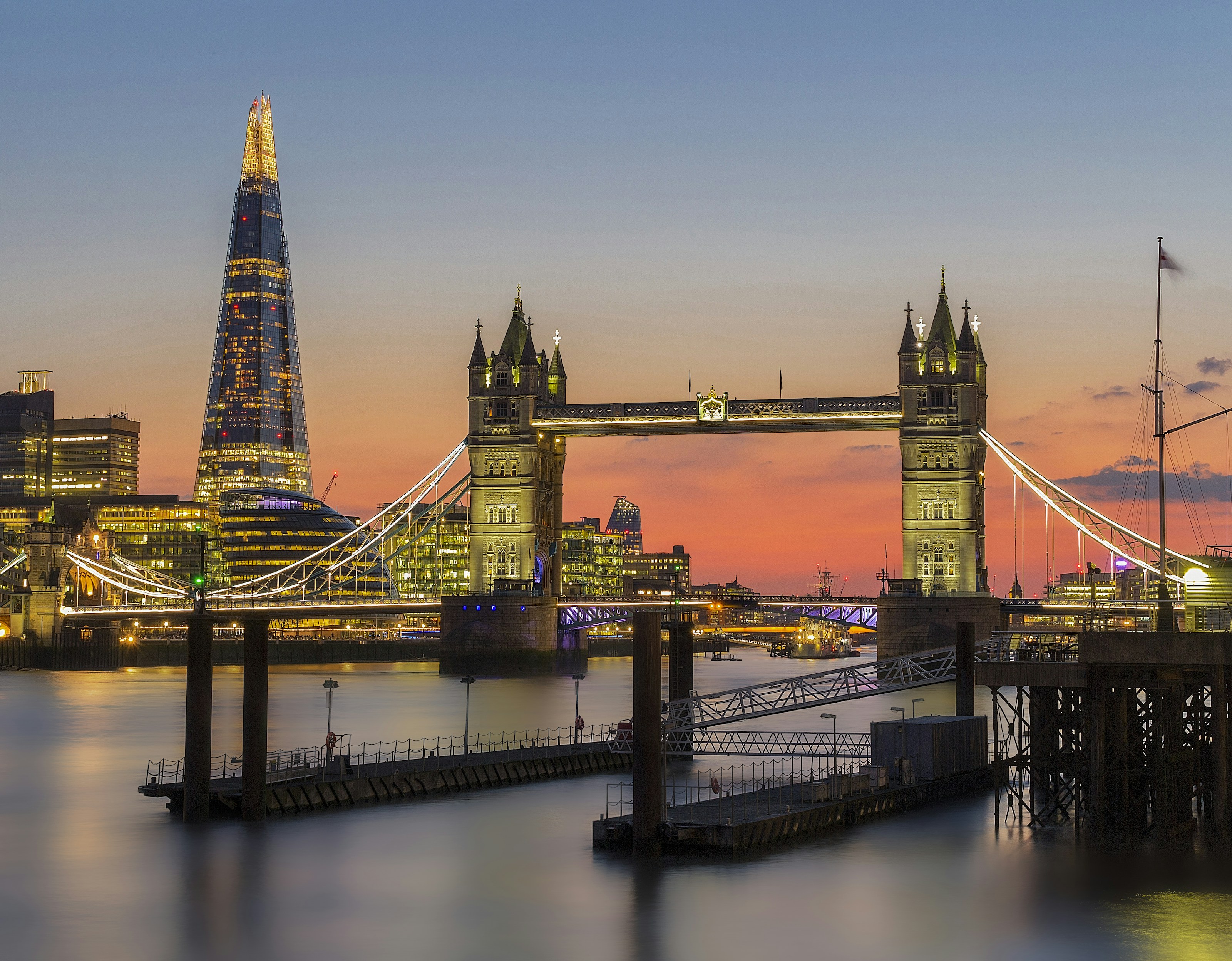
London's most recognisable river crossing, a pair of neo-Gothic towers linked by a pale blue lattice and a glass-floored high walkway.
The bascules still lift around 800 times a year for tall ships, and the best views come from the south bank looking north.
Inside, the Victorian engine rooms hold the original steam machinery that raised the road.
How does it rate
CrowdsRomanceCash RequiredDangerAccessibilityWhy you should go
One of the few world-famous bridges you can walk across for free and still climb inside.
Why you shouldn't go
The riverside walkways are permanently crowded and the glass floor draws its own queue.
Plan your visit
Best time to visitApril-June or September for long light and thinner crowds than midsummerBest time of daySunset from the south bank, or before 9am for an empty deckGetting thereTube to Tower Hill or London Bridge, then a five-minute walk to either endEntry costFree to cross; Tower Bridge Exhibition around GBP 13.40Time needed1-2 hoursBookingBook ahead →Insider tip — Check the published lift times on the official site, then stand on the north-east corner - you get the raised bascules with the Shard behind them. -
 #2
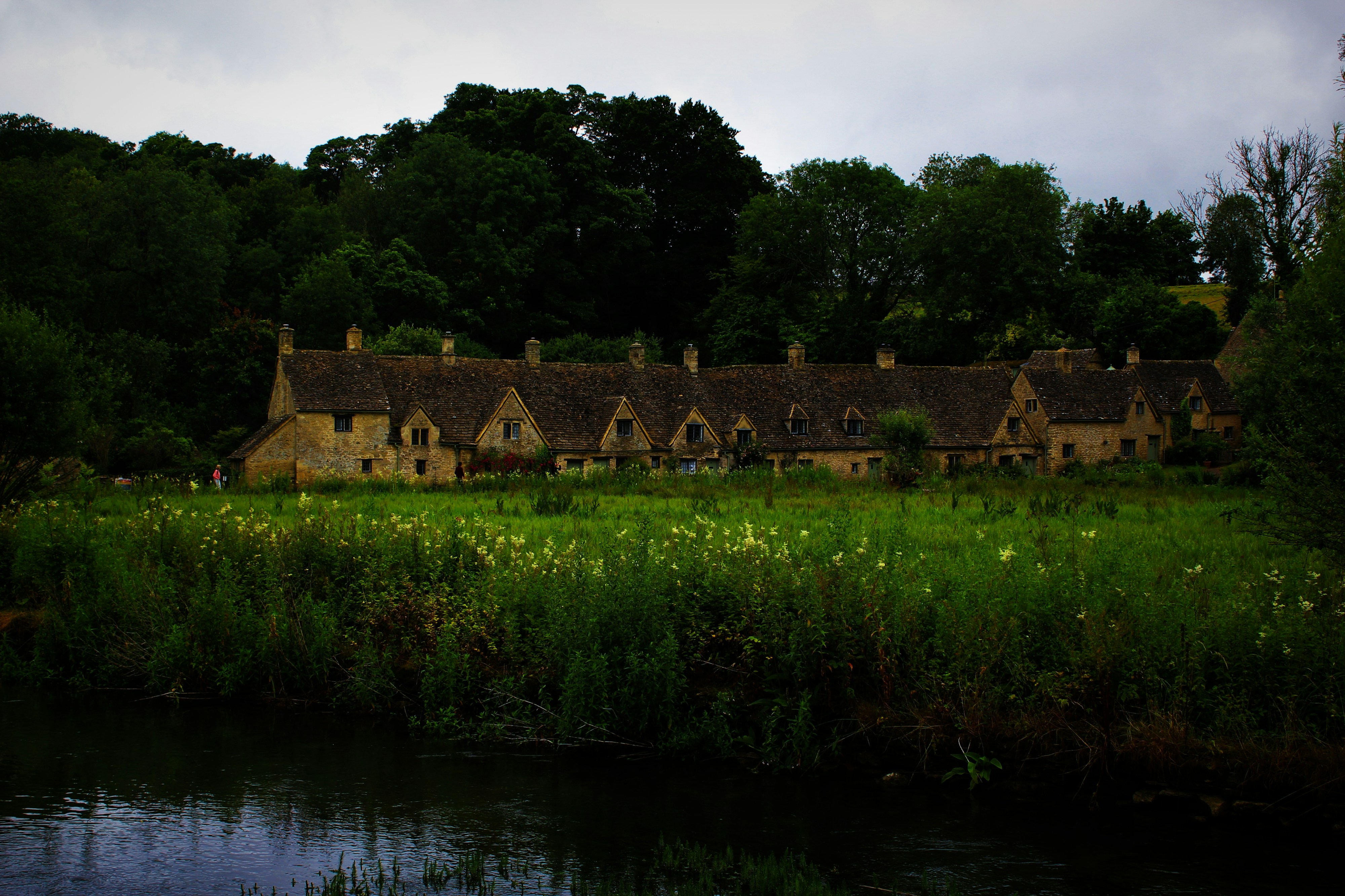
#2A row of 17th-century weavers' cottages called Arlington Row, built from honey-coloured Cotswold stone, forms one of the most famous streets in England.
A shallow trout stream runs directly alongside the row, with ducks and grazing sheep completing a scene that looks almost too tidy to be real.
William Morris once called Bibury the most beautiful village in England, and the description has stuck ever since.
How does it rate
CrowdsRomanceCash RequiredDangerAccessibilityWhy you should go
A single row of stone cottages beside a stream that's been called England's most beautiful street.
Why you shouldn't go
Arlington Row is genuinely tiny - most visits are a 20-minute photo stop, not a destination in itself.
Plan your visit
Best time to visitSpring or autumn, for soft light and fewer coach-tour crowds than summer.Best time of dayEarly morning, before the narrow lane fills with visitors and parked cars.Getting thereDrive from Cirencester (about 20 minutes) or Oxford (about 1 hour); no rail station in the village.Entry costFree (Arlington Row is a public street; cottages are private homes).Time needed30-60 minutesInsider tip — Park in the small public car park rather than on the lane itself - roadside parking near Arlington Row is extremely limited and often full. -
 #379 /100
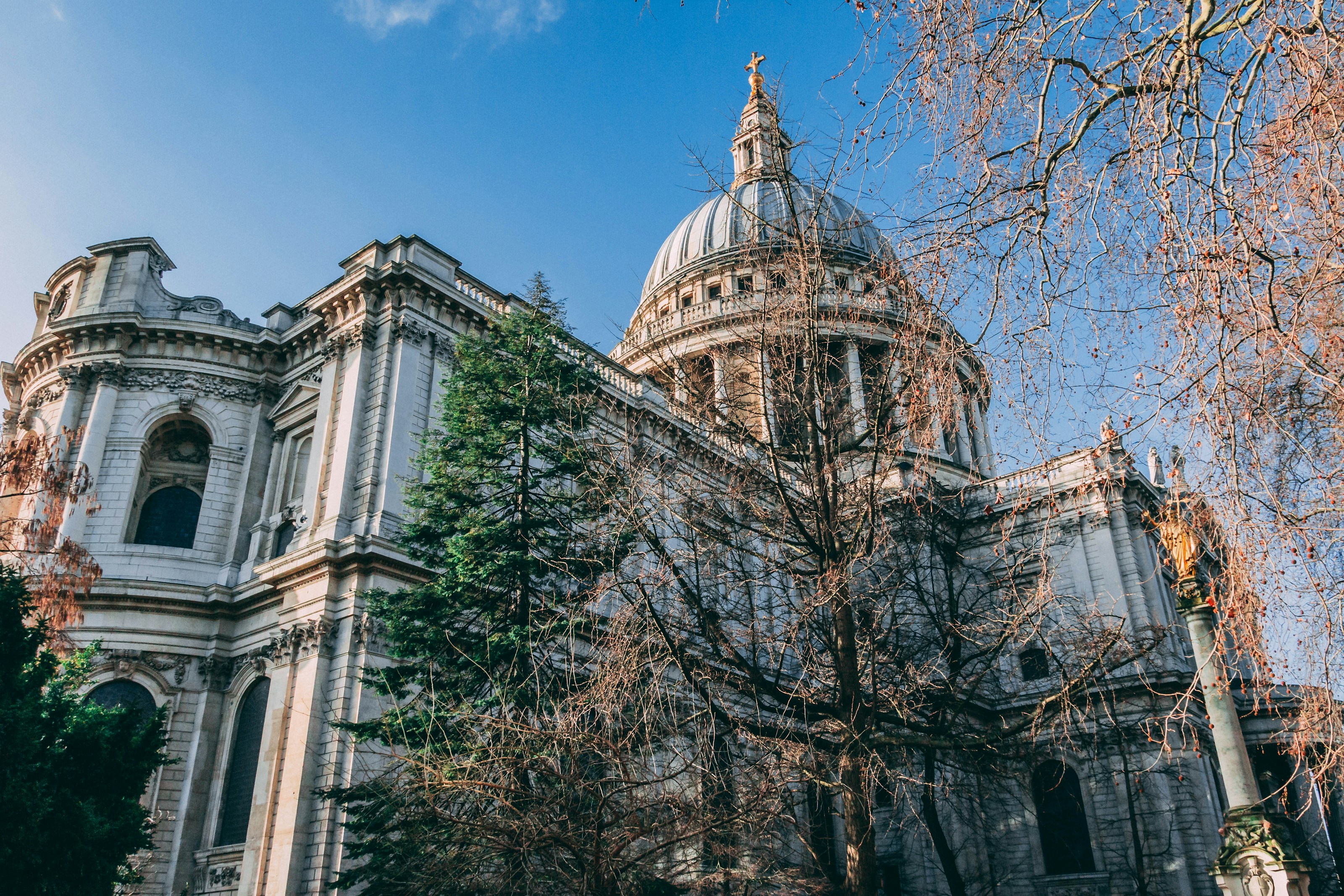
Wren's domed cathedral, built after the Great Fire and the defining image of London's survival through the Blitz.
Inside, the Whispering Gallery carries a murmur clean around the dome; above it, 528 steps lead to the Golden Gallery and a view straight down Fleet Street and across the Thames.
How does it rate
CrowdsRomanceCash RequiredDangerAccessibilityWhy you should go
The climb to the Golden Gallery gives the best free-standing view of the City.
Why you shouldn't go
Entry is expensive for a working church, and photography is banned throughout the interior.
Plan your visit
Best time to visitAny time of year; the interior is unaffected by the weatherBest time of dayOpening time on a weekday, before the school groups arriveGetting thereTube to St Pauls on the Central line, directly outside the west frontEntry costAround GBP 26 online for sightseeing entry; free during servicesTime needed2-3 hoursBookingBook ahead →Insider tip — Attend Evensong instead - it is free, the choir is superb, and you sit in the quire rather than filing past it with a map. -
 #478 /100
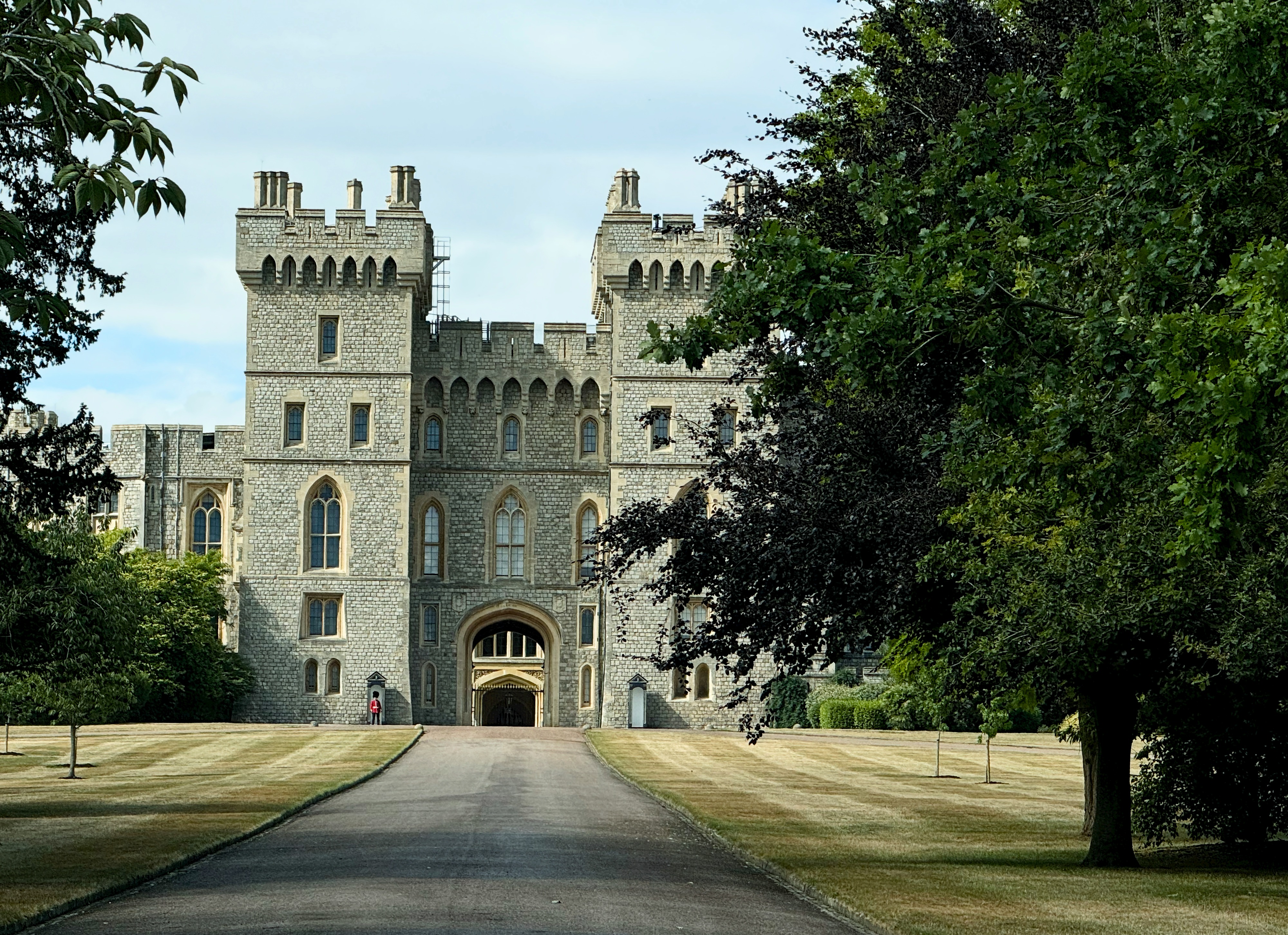
The world's oldest and largest continuously occupied castle, still an official residence of the British monarch, with nearly a thousand years of continuous history inside its walls.
State Apartments, St George's Chapel (site of several royal weddings), and the daily Changing of the Guard draw huge crowds year-round.
It sits an easy day trip from London, which keeps it firmly on the well-worn royal-sightseeing circuit.
How does it rate
CrowdsRomanceCash RequiredDangerAccessibilityWhy you should go
Nearly a thousand years of continuous royal history, still a working royal residence, in a single day trip from London.
Why you shouldn't go
It's one of the most visited sites in England, and ticket lines and tour-group crowds are heavy most of the year.
Plan your visit
Best time to visitSpring or autumn for milder weather and slightly thinner queues than summer.Best time of dayFirst entry in the morning, before coach tours from London arrive.Getting thereTrain from London Waterloo or Paddington to Windsor, then a short walk to the castle gates.Entry costAround GBP30 for adult entry to State Apartments and grounds.Time neededHalf a day.BookingBook ahead →Insider tip — Check the Changing of the Guard schedule before you go - it doesn't run daily outside summer, and timing your visit around it is worth it. -
 #575 /100
Europe's largest street festival takes over west London every August bank holiday, born from Notting Hill's Caribbean community in the 1960s and now drawing over a million people to watch steel bands, soca floats and dancers in feathered, sequinned costumes wind through the neighbourhood's terraced streets, sound systems blasting reggae and dancehall late into the evening.
How does it rate
CrowdsRomanceCash RequiredDangerAccessibilityWhy you should go
Europe's biggest street carnival, born from London's Caribbean community, filling Notting Hill with steel bands and feathered costumes.
Why you shouldn't go
Crowds are dense enough that pickpocketing and crush points are a real concern in the afternoon peak.
Plan your visit
Best time to visitAugust bank holiday weekend, the carnival's fixed annual dates.Best time of dayMidday to late afternoon on the parade's second, main day, when the main procession is in full swing.Getting thereTake the London Underground to Notting Hill Gate, Ladbroke Grove or Westbourne Park stations.Entry costFree to attend in the streets.Time neededA full day.Insider tip — Follow the parade route rather than staying static, since the crowd thins noticeably a block or two off the main road. -
 #674 /100
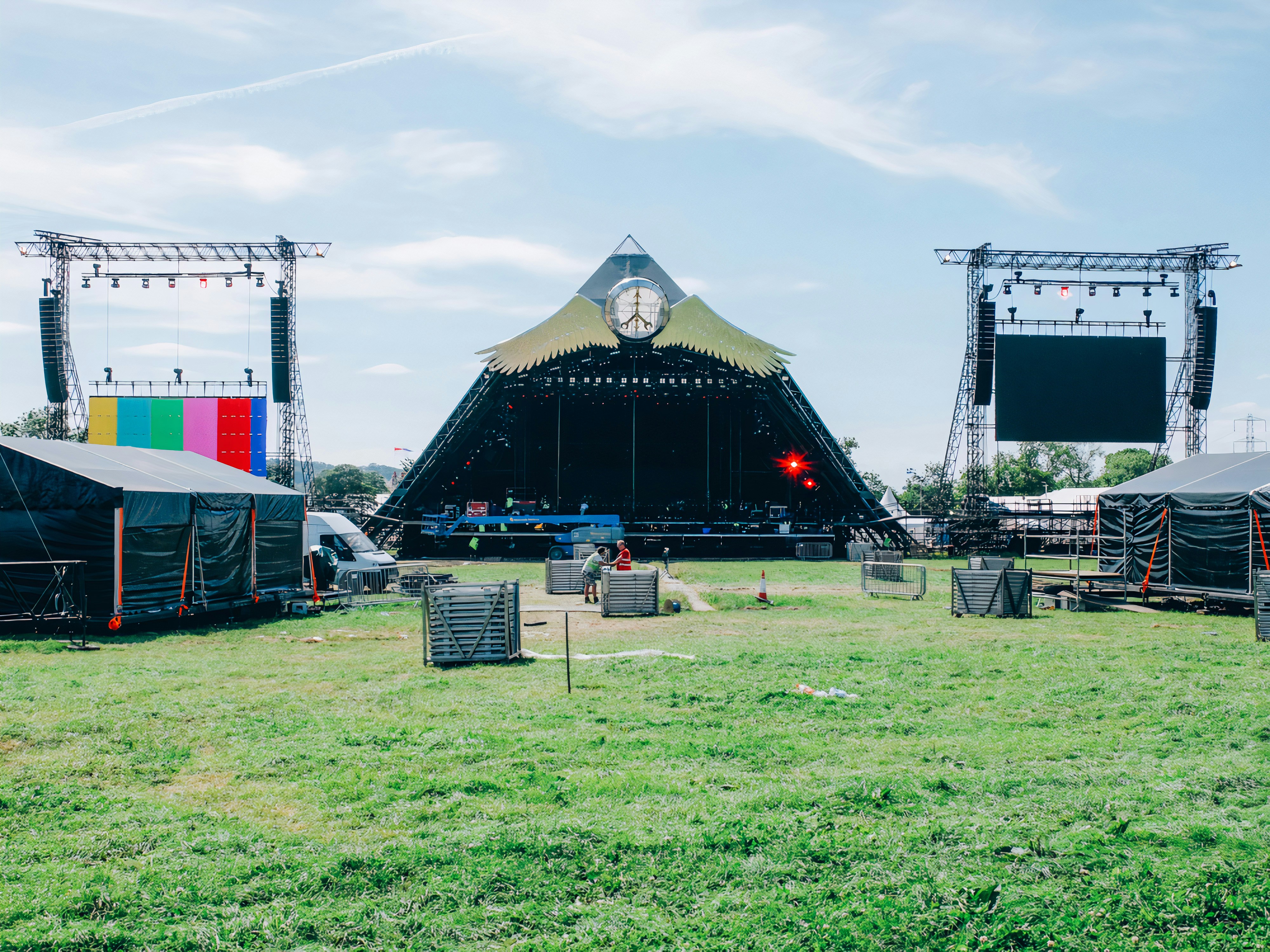
Held on Michael Eavis's dairy farm in Somerset since 1970, Glastonbury has grown into the world's largest greenfield music festival, with the Pyramid Stage as its centrepiece against rolling farmland and, notoriously, frequent mud.
The site sprawls into stone circles, dance fields and art installations, turning the farm into a temporary city of nearly 200,000 for five days.
How does it rate
CrowdsRomanceCash RequiredDangerAccessibilityWhy you should go
The Pyramid Stage and a temporary city of 200,000, built on a Somerset dairy farm every June.
Why you shouldn't go
Tickets sell out in minutes almost a year in advance, and British summer weather regularly turns the fields to deep mud.
Plan your visit
Best time to visitLate June, the festival's usual annual slot (it takes fallow years periodically).Best time of dayEvening, as the main stages build toward their headline sets.Getting thereFly to Bristol Airport, then the festival's park-and-ride coach network to Worthy Farm near Pilton.Entry costWeekend tickets cost around GBP360-380 including camping.Time neededMultiple days; most attend the full five-day run.BookingBook ahead →Insider tip — Pack wellington boots regardless of the forecast, and register for the ticket resale window early since general sale sells out in minutes. -
 #768 /100
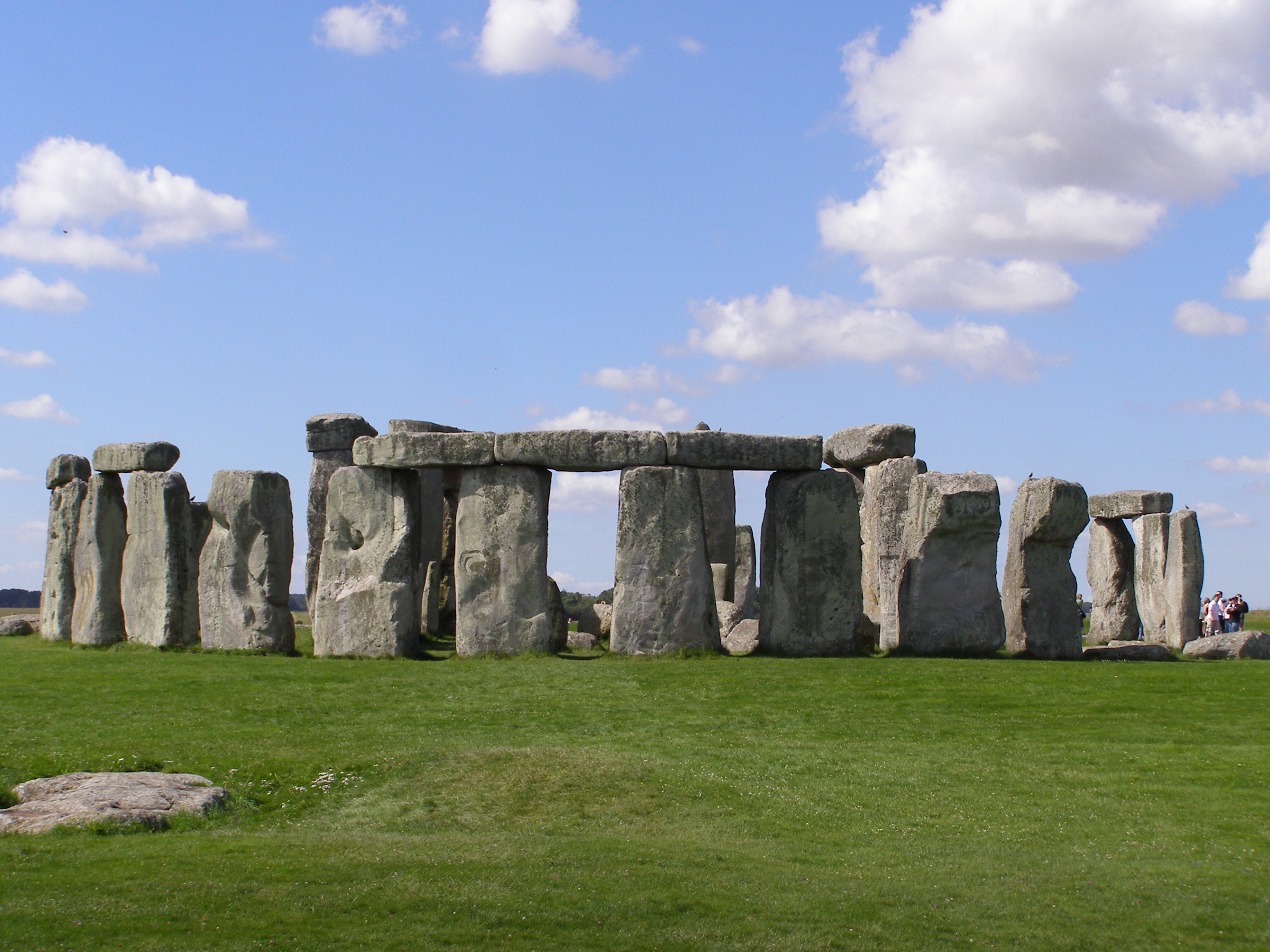
Stonehenge is a prehistoric monument on Salisbury Plain in Wiltshire, built in several phases between 3000 and 1500 BC by Neolithic and Bronze Age peoples whose precise intentions remain a mystery.
The arrangement of massive sarsen stones and smaller bluestones transported from Wales creates a monument of enduring wonder.
How does it rate
CrowdsRomanceCash RequiredDangerAccessibilityWhy you should go
Stonehenge's mystery is undiminished after 5,000 years and the standing stones at sunrise or sunset, with long shadows cast across the plain, are genuinely atmospheric.
Why you shouldn't go
The visitor management area means you cannot approach the stones without a special access ticket; the site itself is relatively small and can feel underwhelming on a grey day.
Plan your visit
Best time to visitSolstices for special access, otherwise spring/autumnBest time of daySunrise or sunset for dramatic silhouettesGetting there~1.5hr drive or train+bus from LondonEntry cost~GBP20-25Time needed1.5-2 hoursInsider tip — Book the Stone Circle Experience for early/late access inside the circle itself, rather than the standard roped-off visit -
 #868 /100
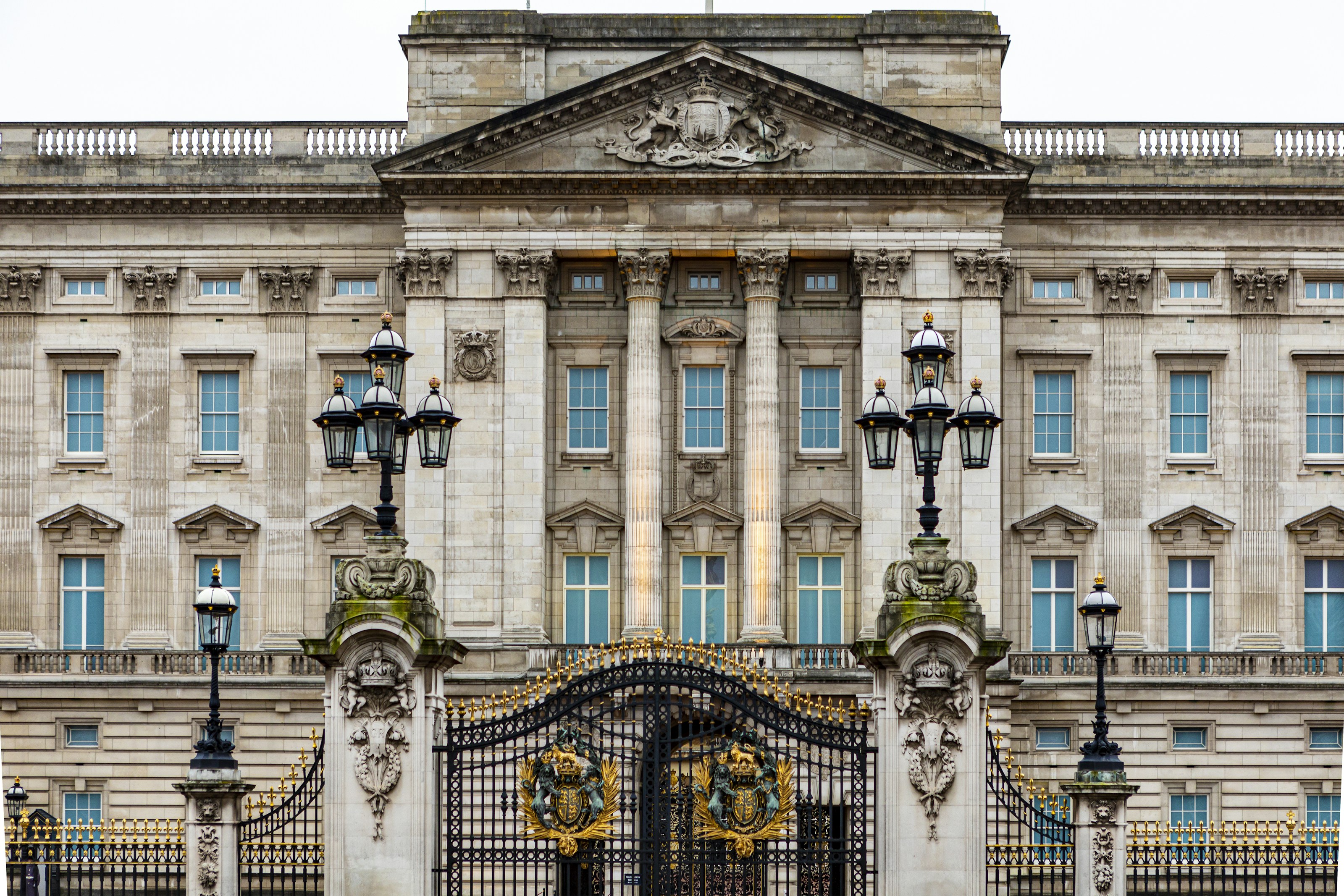
The monarch's London residence, a 775-room block behind the gilded Victoria Memorial gates where the Changing of the Guard draws a crush most mornings.
The State Rooms open for ten weeks each summer, when visitors can walk the Throne Room and the Picture Gallery.
For the rest of the year the railings are as close as anyone gets.
How does it rate
CrowdsRomanceCash RequiredDangerAccessibilityWhy you should go
The State Room opening each summer is the only chance to walk through a working royal palace.
Why you shouldn't go
For most of the year it is a facade behind a fence, and the guard ceremony is watched three deep.
Plan your visit
Best time to visitMid-July to late September, while the State Rooms are openBest time of dayArrive by 10am for the Changing of the Guard, which begins at 11amGetting thereTube to Green Park, St Jamess Park or Victoria, all under ten minutes on footEntry costFree to view; State Rooms around GBP 35Time needed1-2 hoursBookingBook ahead →Insider tip — Watch the guard from the steps of the Victoria Memorial rather than the palace railings - you are higher up and can see the band coming down the Mall. -
 #964 /100
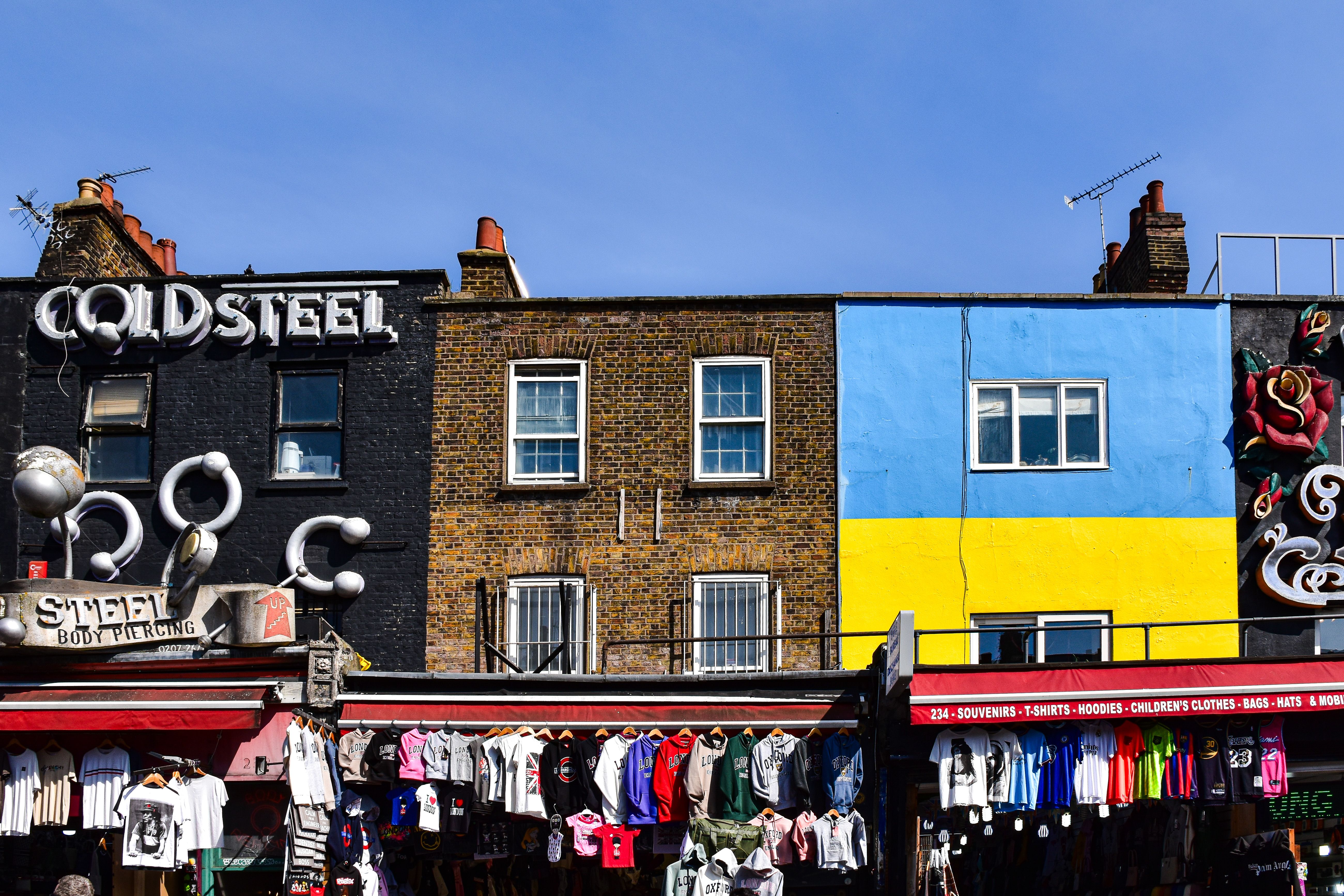
Camden's sprawling network of markets grew from a single lock-side crafts market in 1974 into one of London's most-visited attractions, a warren of stalls, food vendors and independent shops across the canalside Stables Market and Camden Lock.
Its identity has always leaned alternative - punk memorabilia, gothic fashion, tattoo studios - and the surrounding streets carry a live-music history running from punk through Britpop to Amy Winehouse.
How does it rate
CrowdsRomanceCash RequiredDangerAccessibilityWhy you should go
A canalside warren of alternative fashion, street food and independent stalls that's been London's countercultural market since the 1970s.
Why you shouldn't go
Weekends get extremely crowded, pickpocketing is common in the busiest lanes, and the market's edgier reputation has faded under heavy tourist footfall.
Plan your visit
Best time to visitWeekday mornings for a noticeably calmer visit than the packed weekends.Best time of dayLate morning, once stalls are fully open but before peak weekend crowds arrive.Getting thereTake the London Underground to Camden Town station, a short walk to the market entrance.Entry costFree to browse; food stalls and goods vary widely in price.Time needed2-3 hours.Insider tip — Walk the canal towpath from Camden Lock toward Regent's Park for a quieter, more scenic route away from the main stalls. -
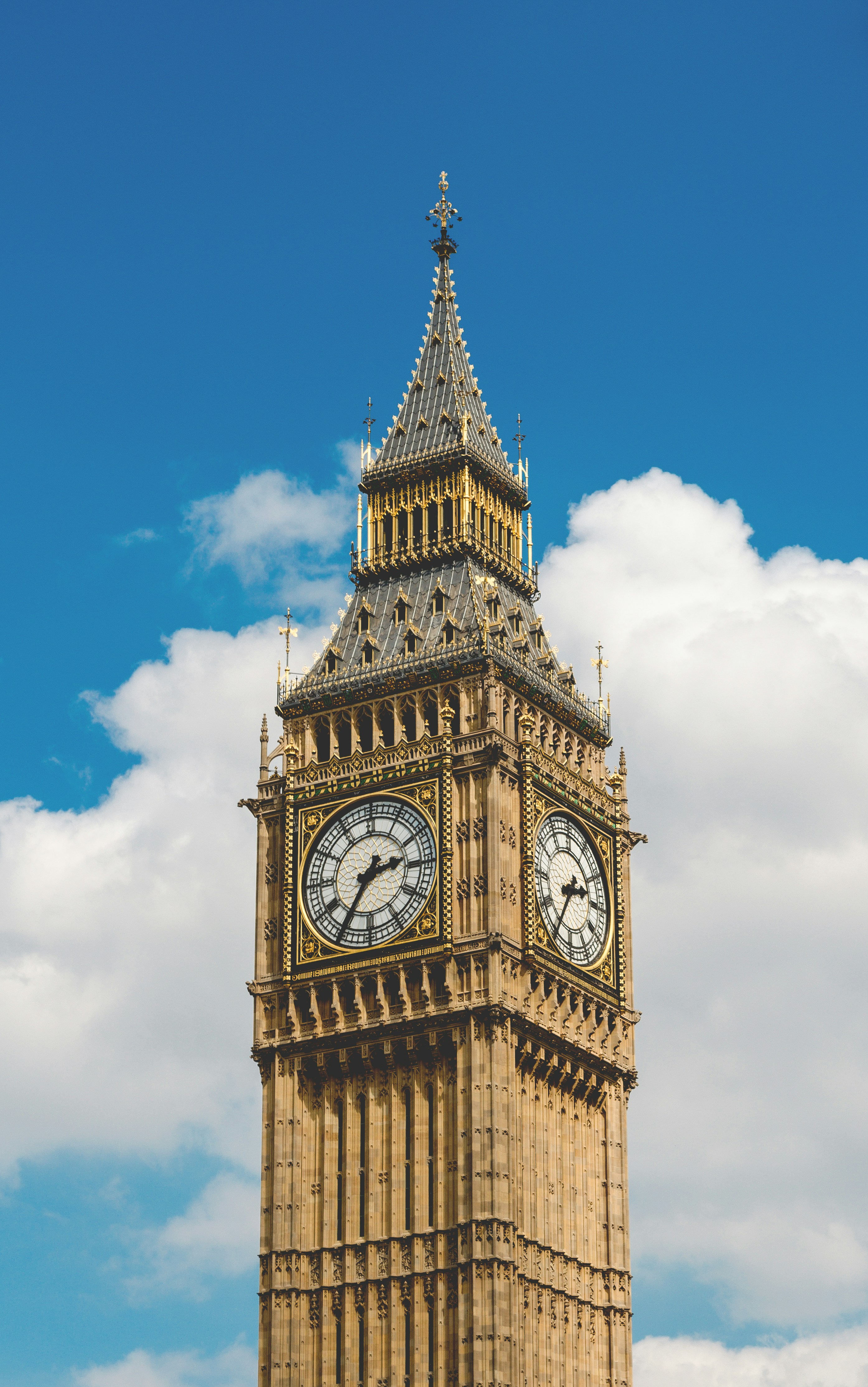 #1060 /100
Big Ben is the great bell inside the Elizabeth Tower, the Gothic Revival clock tower at the north end of the Palace of Westminster.
Completed in 1859 and fully restored by 2022, its four illuminated dials and hourly chimes are the sound and silhouette most associated with London.
From outside it is a ten-minute stop; the interior tour climbs 334 steps and is open to UK residents only, by MP nomination.
How does it rate
CrowdsRomanceCash RequiredDangerAccessibilityWhy you should go
Visiting Big Ben offers a quintessential British experience and an impressive photo opportunity.
Why you shouldn't go
The area around Big Ben is often crowded with tourists, and ongoing renovations can sometimes obstruct the view.
Plan your visit
Best time to visitYear-round; spring for cherry blossoms nearbyBest time of daySunset for golden light on the clock faceGetting thereWestminster Tube stationEntry costFree to view from outsideTime needed30 minutesInsider tip — Cross Westminster Bridge for the classic postcard shot -
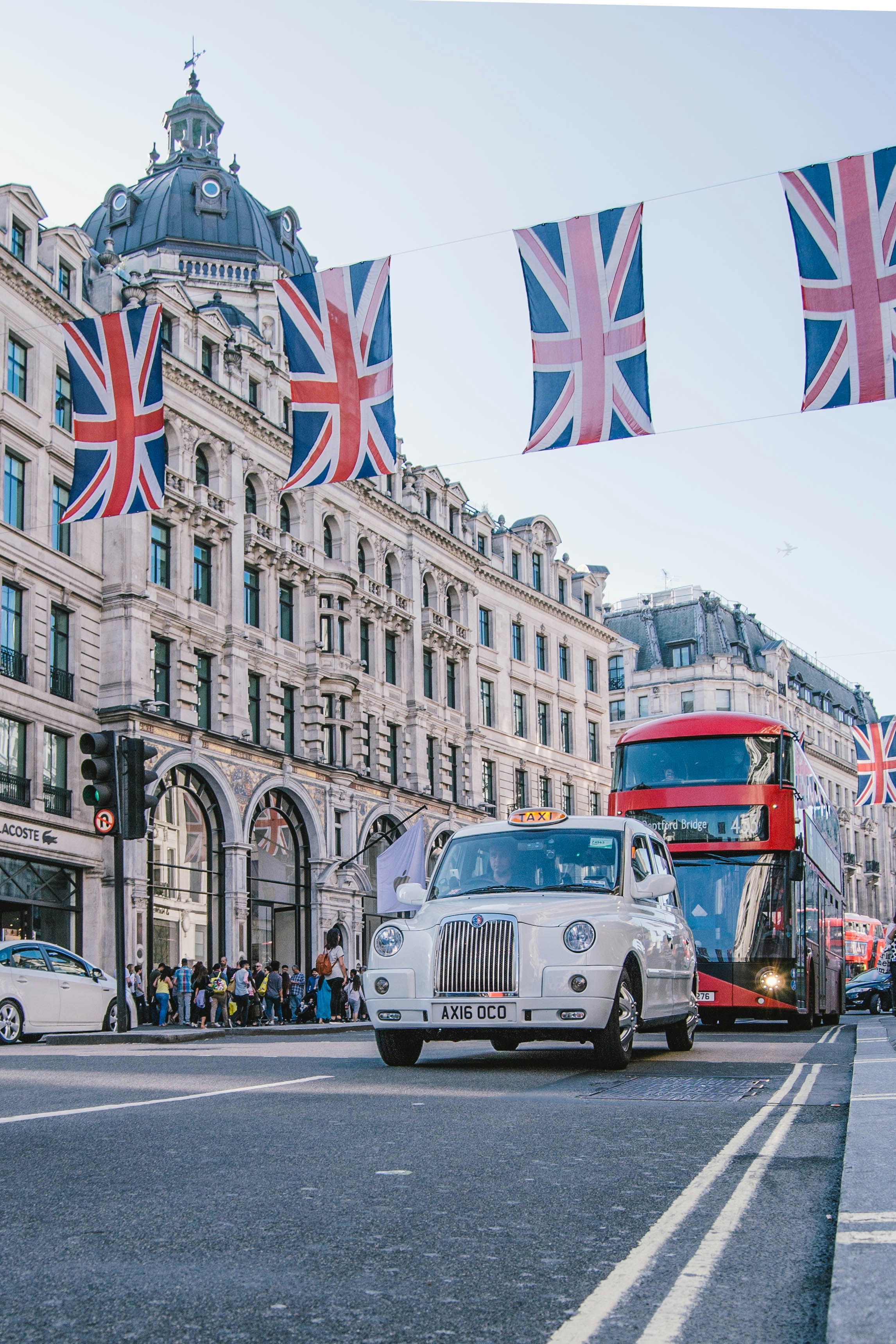 #11
#11London packs two thousand years into one city: fragments of Roman wall, a Norman fortress, Georgian squares and glass towers all within a few Tube stops of each other.
Its national museums are among the best in the world and free to enter, while the parks, markets and riverside walks give the place room to breathe between landmarks.
The weather is unreliable and the prices are not, but the range of things to do is close to unmatched.
How does it rate
CrowdsRomanceCash RequiredDangerAccessibilityWhy you should go
London offers a rich blend of history, culture, and modern attractions with world-famous landmarks and museums.
Why you shouldn't go
It can be very expensive, and its unpredictable weather may impact sightseeing plans.
Plan your visit
Best time to visitSpring or autumn, avoiding summer crowds and winter gloomBest time of dayEarly morning for empty streetsGetting thereFly into Heathrow or Gatwick; the Tube covers the whole cityEntry costFree to explore; individual attractions charge separatelyTime needed3+ daysInsider tip — Get an Oyster card for the Tube instead of buying single tickets


More from England
-

More Iconic spots
-

How a score is built
One score out of 100, five criteria behind it
Every place is rated 1–5 on each of the criteria below, then combined into a single score out of 100. It's calculated by us, the same way every time — not an average of traveller reviews or social votes.
Crowds
How many people you'll be sharing it with, and at what time of day.
Romance
How well it suits a couple, a proposal, or a quiet moment together.
Cash required
Entry fees, permits, guides, rentals — what it actually costs to do it.
Danger
Physical risk involved, from a slippery viewpoint to genuine hazard.
Accessibility
How far off the beaten path it is, and how hard it is to actually reach.
-

