-
 #191 /100
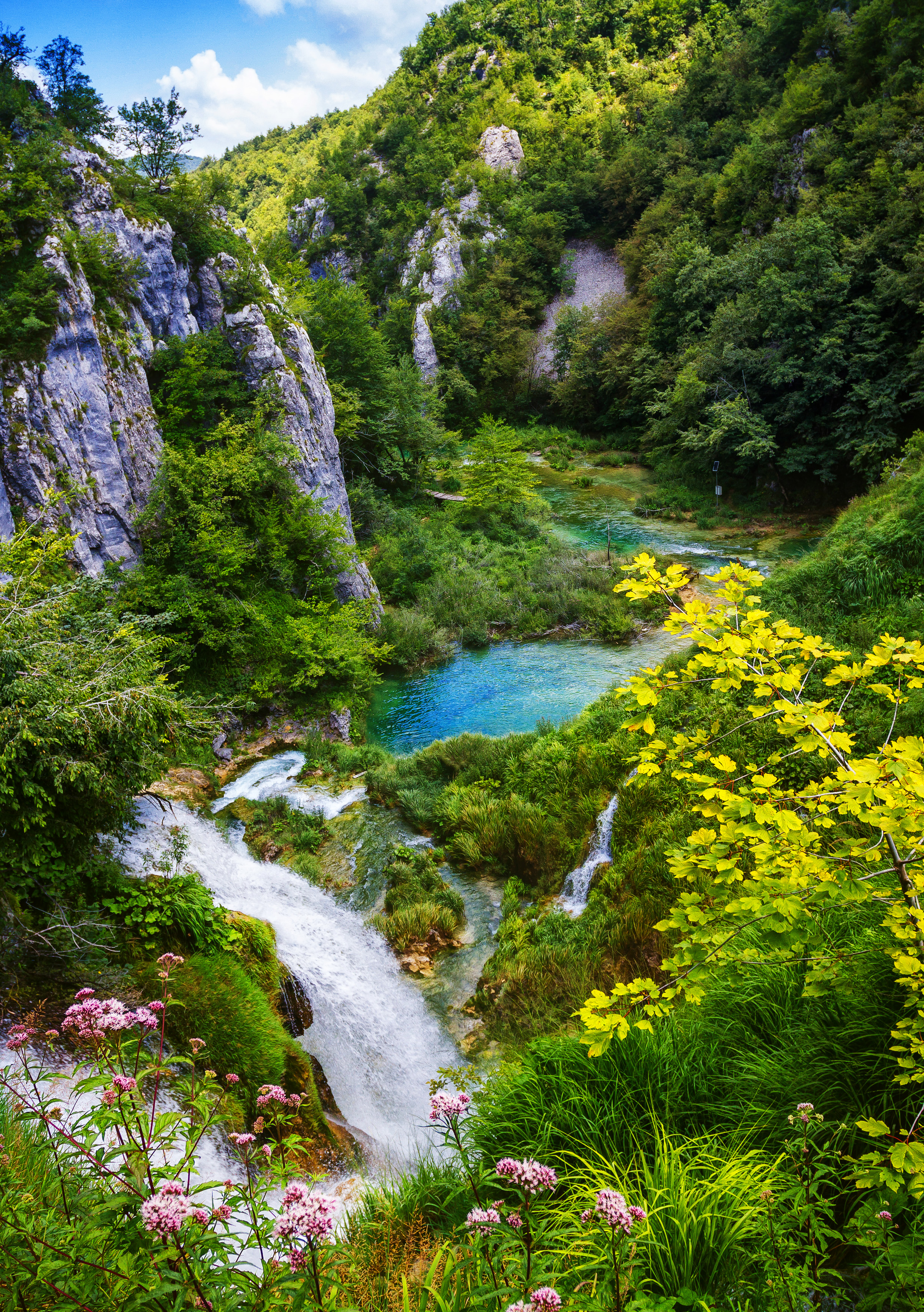
Plitvice Lakes National Park contains sixteen turquoise lakes connected by a series of waterfalls, cascades, and travertine barriers, all within an ancient beech forest.
The network of wooden boardwalks allows visitors to walk over and around the water in one of Europe's most enchanting natural landscapes.
How does it rate
CrowdsRomanceCash RequiredDangerAccessibilityWhy you should go
The boardwalks lead you directly over and beside the turquoise waters, creating intimate encounters with the waterfalls and the clear lake beds visible below.
Why you shouldn't go
Plitvice has become very popular and can be uncomfortably crowded in summer; entry is timed and must be booked online in advance.
Plan your visit
Best time to visitMay-June or September-OctoberBest time of dayEarly morning before tour buses arriveGetting there~2hr drive from ZagrebEntry cost~EUR25-40 depending on seasonTime neededFull dayInsider tip — Start at the upper lakes and walk down to the lower lakes for the best waterfall views with fewer crowds -
 #2
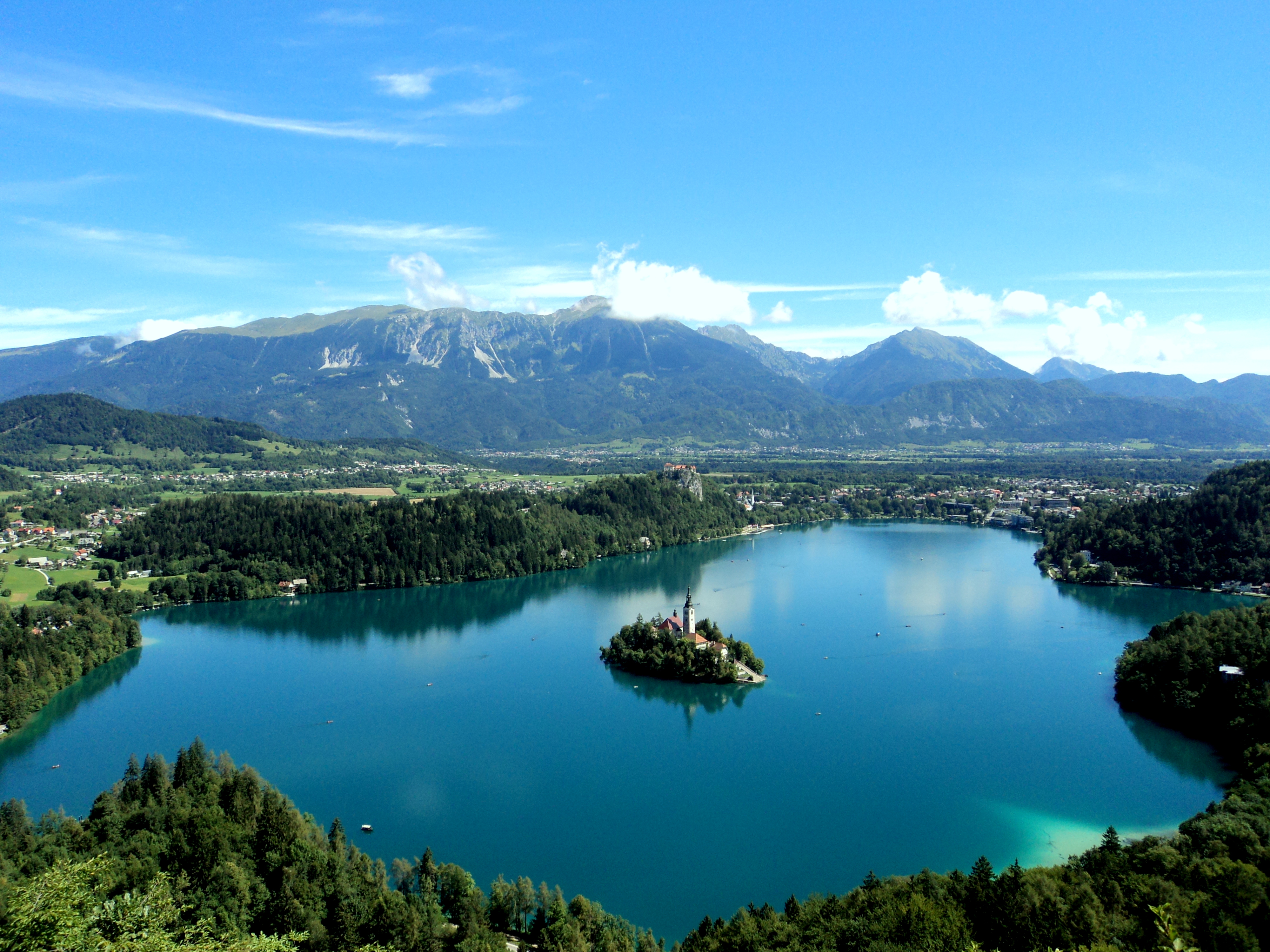
#2Lake Bled is Slovenia's most famous sight — a glacial lake of impossibly vivid turquoise water, a tiny island crowned with a baroque church, and a medieval castle perched on a sheer cliff above.
The surrounding Julian Alps complete a scene that seems almost too perfect to be real.
A traditional pletna boat is the only way out to the island's 99 steps.
How does it rate
CrowdsRomanceCash RequiredDangerAccessibilityWhy you should go
The combination of turquoise lake, island church, and clifftop castle is one of the most perfectly composed natural scenes in Europe.
Why you shouldn't go
Lake Bled can feel busy during summer and reaching the famous Ojstrica viewpoint requires a strenuous uphill walk.
Plan your visit
Best time to visitLate spring or early autumnBest time of daySunrise for mist over the lakeGetting there~40 min drive from LjubljanaEntry costFree; pletna boat to the island ~EUR14Time neededHalf dayInsider tip — Climb to Ojstrica viewpoint for the classic elevated shot of the island and castle -
 #388 /100
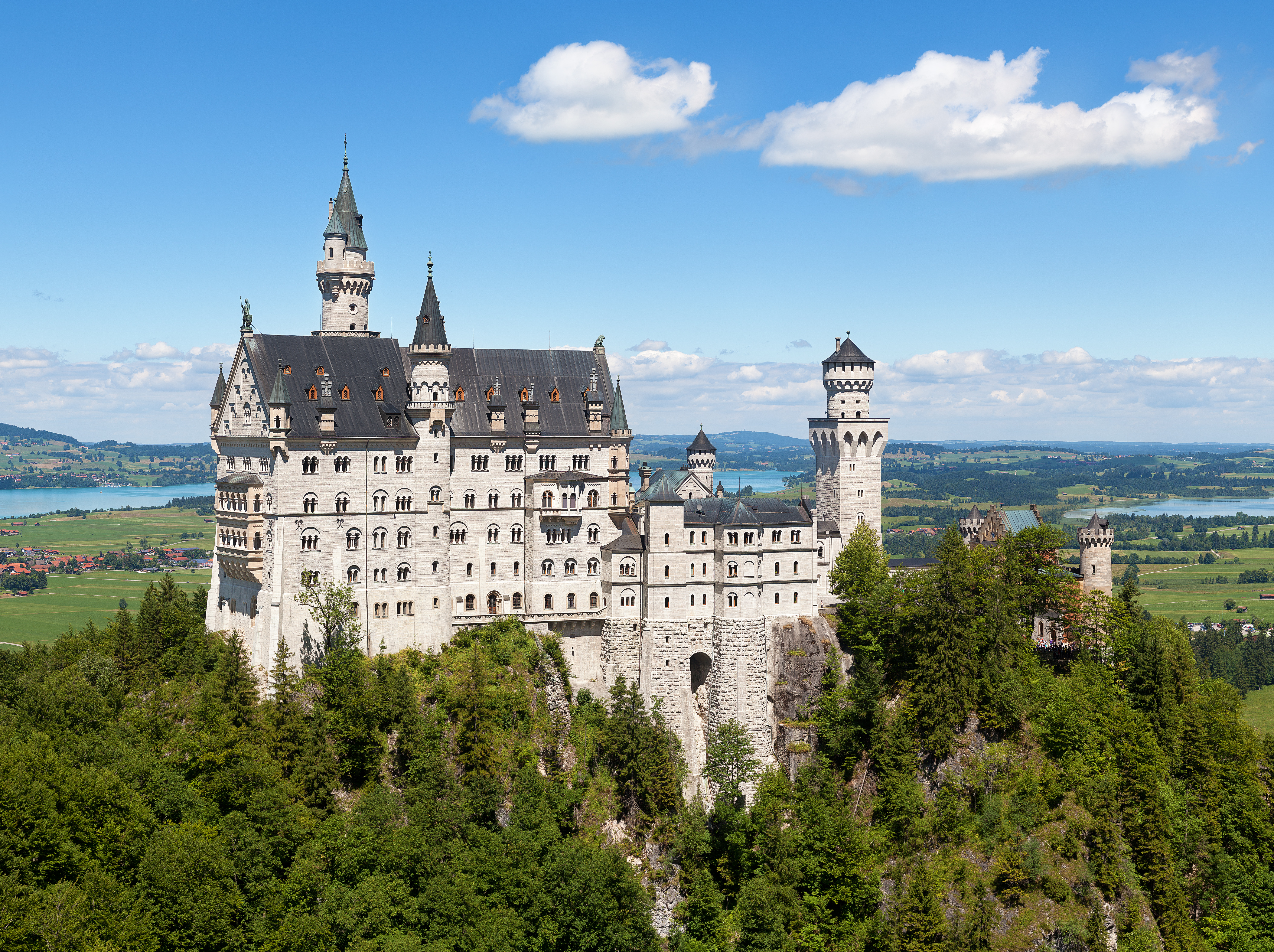
Perched high above the Bavarian Alps, Neuschwanstein Castle is the fairy-tale fortress that inspired Disney's Sleeping Beauty Castle.
Commissioned by King Ludwig II in 1869, it took 17 years to build and remains one of Germany's most visited attractions.
How does it rate
CrowdsRomanceCash RequiredDangerAccessibilityWhy you should go
The castle's dramatic Alpine setting is utterly breathtaking, particularly when viewed from the Marienbrücke bridge which offers the classic postcard perspective.
Why you shouldn't go
The most famous viewpoint requires a short hike and the queues for interior tours can be several hours long during peak season.
Plan your visit
Best time to visitLate spring or early autumnBest time of dayEarly morning for an empty Marienbrucke bridgeGetting thereTrain to Fussen, then bus or walk to the castleEntry cost~EUR21 for a tourTime neededHalf day including the hike upInsider tip — Marienbrucke bridge is the classic viewpoint but gets packed; arrive at opening -
 #486 /100
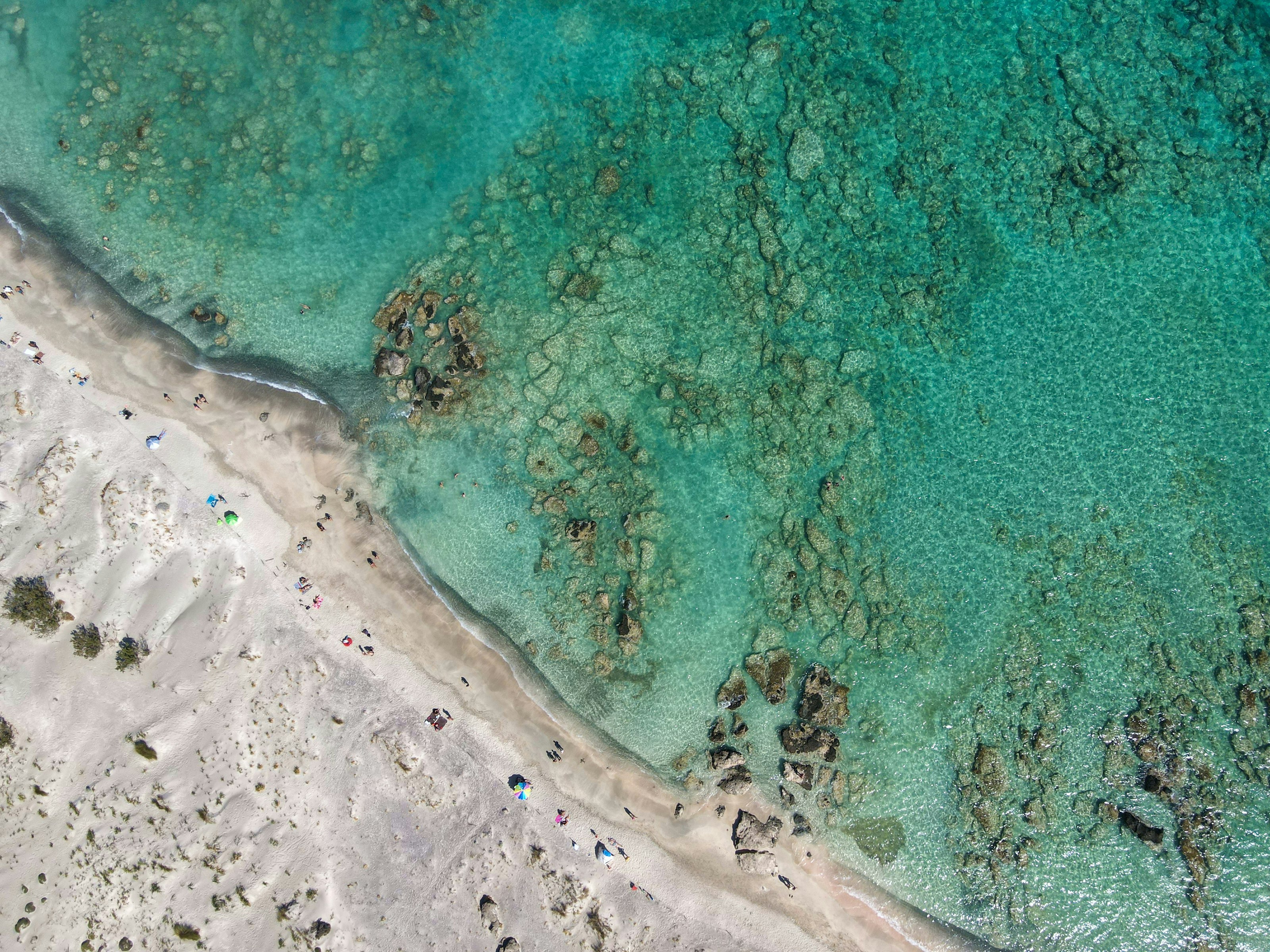
Elafonisi, on Crete's southwestern tip, is known for sand that turns pale pink where crushed coral mixes with white quartz, and a shallow lagoon warm and calm enough to wade across to a small offshore islet.
The water is startlingly clear and turquoise even by Greek island standards, and the beach's gentle slope makes it one of the easier stretches of coast for families with young children.
How does it rate
CrowdsRomanceCash RequiredDangerAccessibilityWhy you should go
Wading across a shallow, warm lagoon to pink-tinged sand is one of the most distinctive beach experiences in the Mediterranean.
Why you shouldn't go
It's a long drive from anywhere else on Crete, and the beach fills up fast once the day-trip buses arrive.
Plan your visit
Best time to visitMay–June or September for warm water without the peak-August crowds.Best time of dayEarly morning, before day-trip buses from Chania and Rethymno arrive by mid-morning.Getting thereFly to Chania; roughly 1.5–2-hour drive along the southwest coast road.Entry costFree beach; parking near the entrance charges a small fee in summer.Time neededHalf a dayInsider tip — Walk past the crowded main stretch toward the far end near the islet — the sand and water are just as good and far quieter. -
 #585 /100
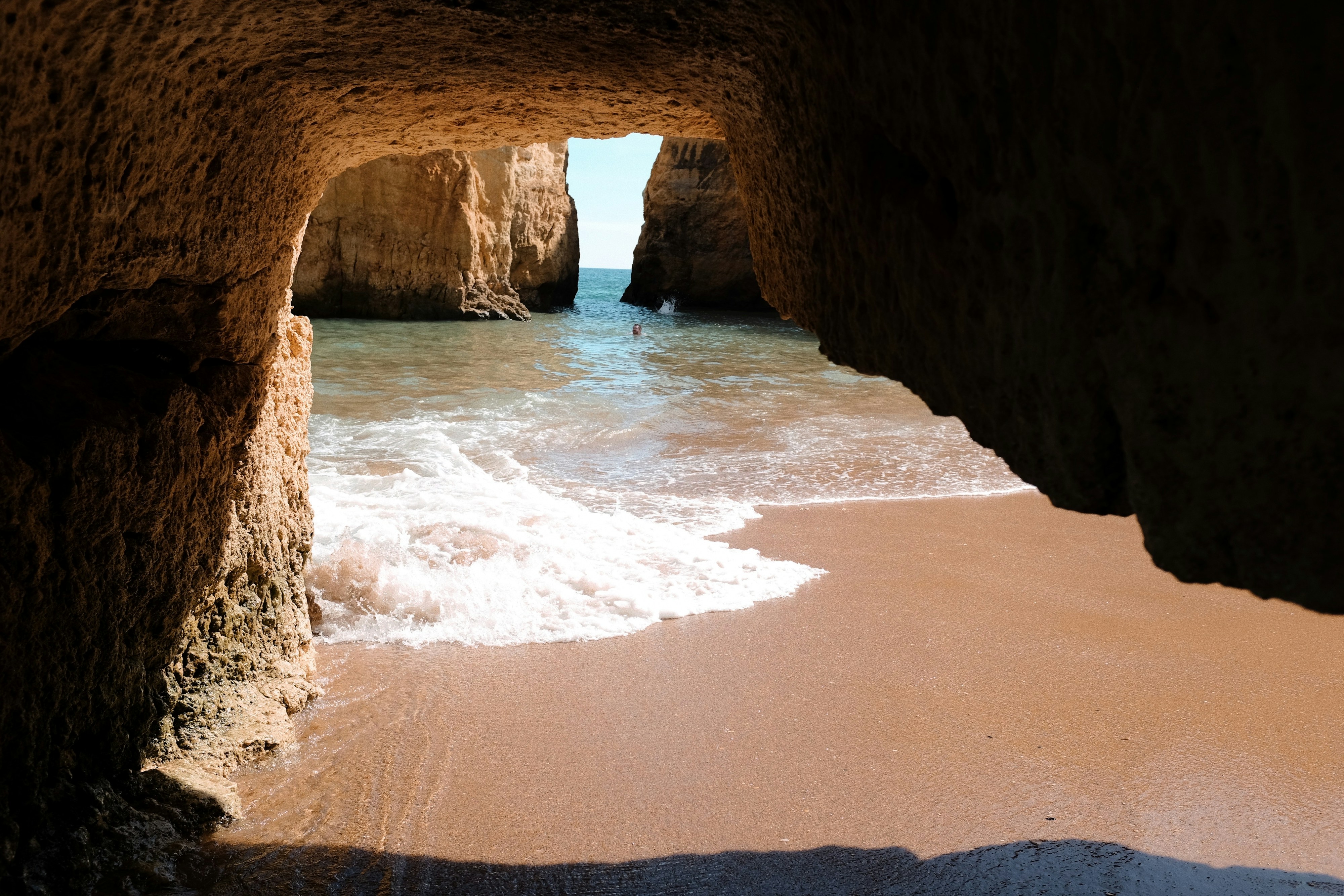
Golden limestone cliffs riddled with sea caves and arches line this stretch of southern Portuguese coast, best known for the Benagil Cave's near-perfect circular skylight.
Small boats and kayaks squeeze through narrow rock archways to reach hidden beaches accessible no other way.
The cliffs shift from ochre to deep orange depending on the light.
How does it rate
CrowdsRomanceCash RequiredDangerAccessibilityWhy you should go
A sea cave with a natural circular skylight, reachable only by boat, kayak or a swim.
Why you shouldn't go
Benagil Cave has no beach access on foot - reaching it always means a boat, kayak or paddleboard trip.
Plan your visit
Best time to visitMay-June or September, for warm weather without peak-summer crowds.Best time of dayMorning, for calmer water and better cave lighting before afternoon boat traffic builds.Getting thereFly into Faro; drive or taxi to Benagil (about 45 minutes).Entry costBoat or kayak tour to the cave, typically EUR20-40 per person.Time neededHalf a dayInsider tip — Book an early-morning kayak tour rather than an afternoon boat trip - the cave gets genuinely congested with boats by midday in summer. -
 #684 /100
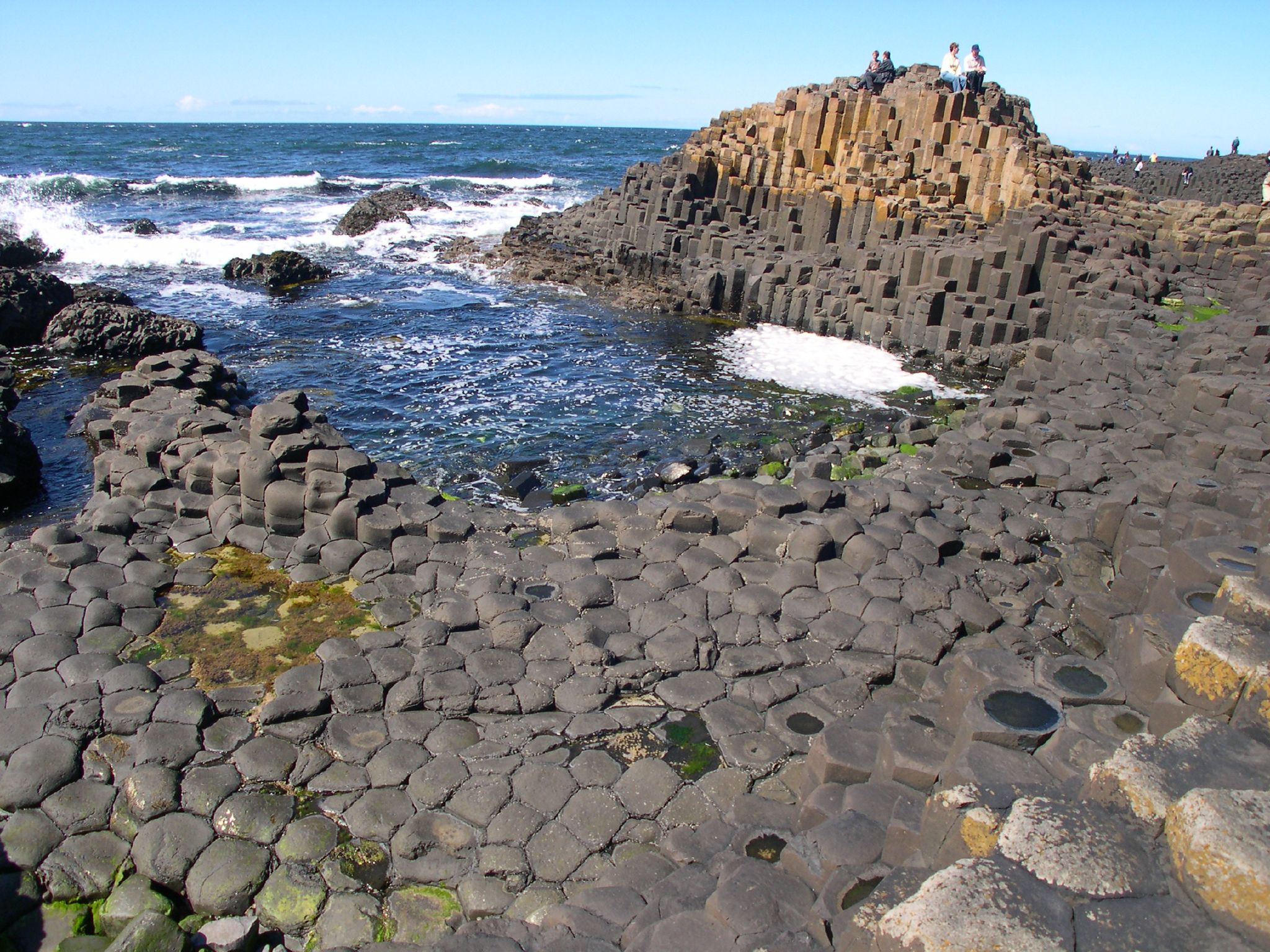
The Giant's Causeway is an area of approximately 40,000 interlocking basalt columns on the Antrim coast of Northern Ireland, formed by an ancient volcanic fissure eruption.
The hexagonal columns, which fit together with extraordinary geometric precision, were created around 50-60 million years ago and have inspired countless legends.
How does it rate
CrowdsRomanceCash RequiredDangerAccessibilityWhy you should go
The perfectly interlocking hexagonal basalt columns look so geometrically precise they seem man-made; the coastal setting and the legends surrounding them add to the atmosphere.
Why you shouldn't go
The site can be very crowded and the National Trust visitor centre charges for parking; the columns themselves are best appreciated on a bright day.
Plan your visit
Best time to visitSpring or autumnBest time of dayGolden hour, especially with a stormy skyGetting there~1hr drive from BelfastEntry costFree to the causeway itself; visitor centre chargesTime needed1.5-2 hoursInsider tip — Skip the visitor centre if on a budget; the causeway stones are freely accessible via the coastal path -
 #781 /100
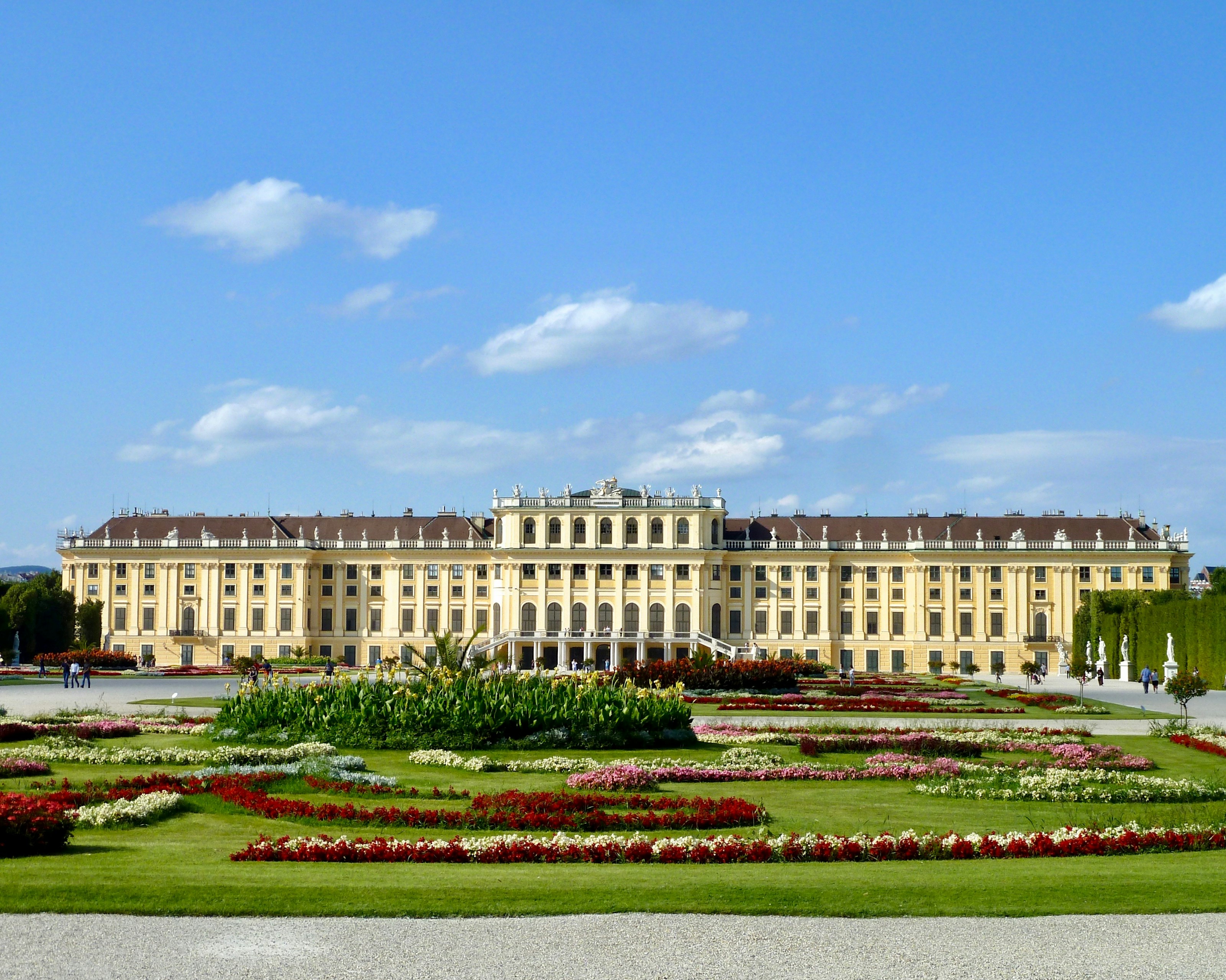
The Habsburgs 1,441-room summer residence in Vienna, its ochre facade facing formal parterres that climb to the Gloriette on the ridge behind.
Forty rooms are open, among them the Hall of Mirrors where a six-year-old Mozart is said to have played for Maria Theresa.
The grounds also hold the oldest surviving zoo in the world.
How does it rate
CrowdsRomanceCash RequiredDangerAccessibilityWhy you should go
The gardens are free, enormous, and the Gloriette view back over Vienna costs nothing at all.
Why you shouldn't go
Interior tours are timed and tightly shepherded, with no photography allowed.
Plan your visit
Best time to visitApril-June, when the parterre planting is at its bestBest time of dayEarly morning in the gardens, before the first coaches at 9amGetting thereU4 underground to Schonbrunn, then a two-minute walk to the gatesEntry costGardens free; Grand Tour of the interiors around EUR 32Time neededHalf a dayBookingBook ahead →Insider tip — If time is short skip the interior and walk up to the Gloriette instead - the palace and half of Vienna line up beneath you for free. -
 #881 /100
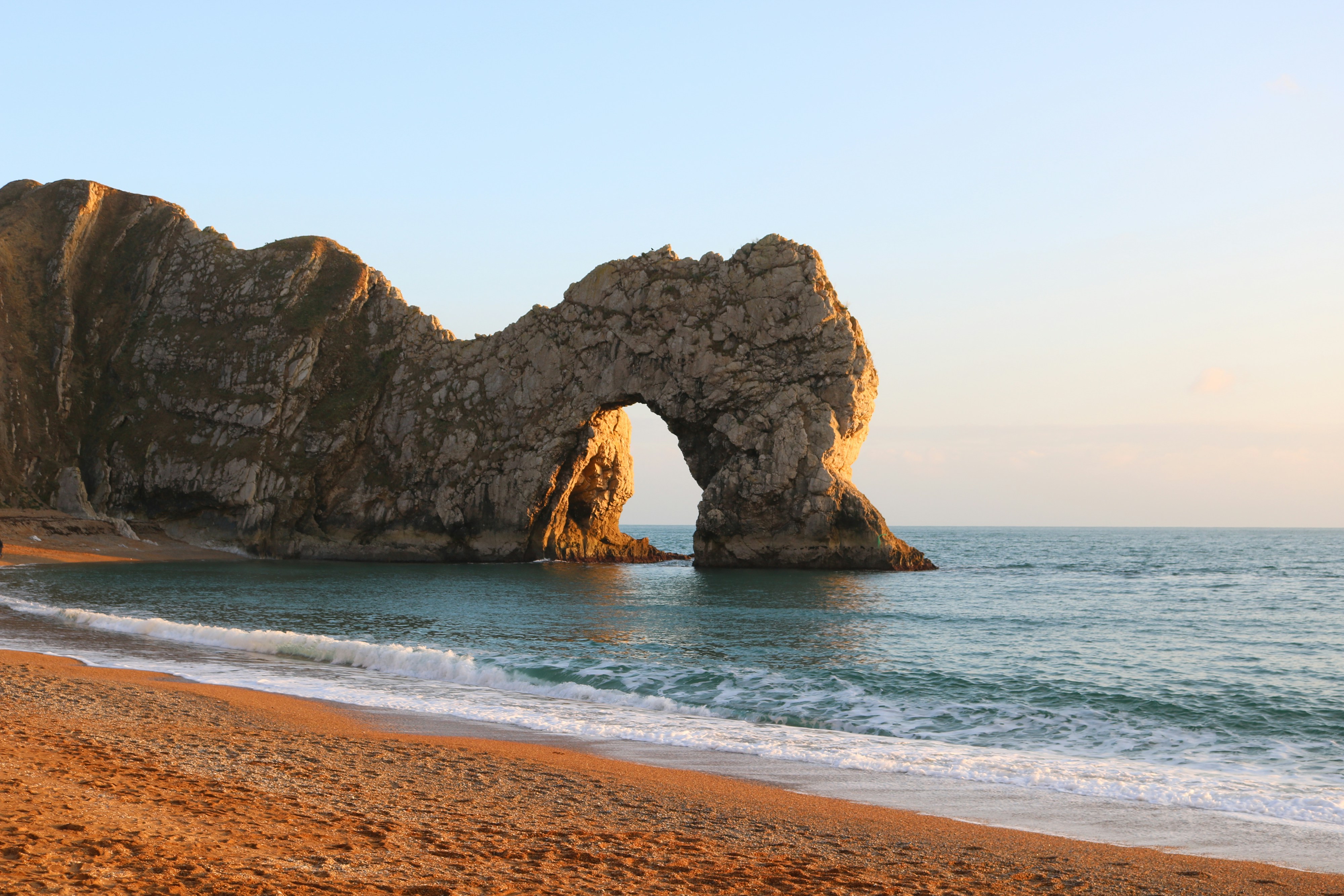
This 95-mile stretch of Dorset and Devon coastline exposes 185 million years of rock layers in its cliffs, with fossils regularly still washing out after storms.
Durdle Door, a natural limestone arch stepping directly into the sea, is the coast's single most famous landmark.
Lulworth Cove's near-perfectly circular bay sits just a short walk away.
How does it rate
CrowdsRomanceCash RequiredDangerAccessibilityWhy you should go
A natural stone arch stepping straight into the sea, plus 185 million years of exposed cliffs.
Why you shouldn't go
Durdle Door's cliff-top paths have no barriers in places, and there have been fatal falls.
Plan your visit
Best time to visitApril-June or September, for mild weather and thinner crowds than school holidays.Best time of daySunrise or sunset, when the chalk cliffs take on warm colour.Getting thereDrive to Lulworth (about 2.5 hours from London); park at the Durdle Door car park.Entry costParking fee at Durdle Door; the coast path itself is free.Time neededHalf a day for Durdle Door and Lulworth Cove togetherInsider tip — Walk the coast path between Durdle Door and Lulworth Cove rather than driving to each separately - the clifftop view partway along is better than either individual viewpoint. -
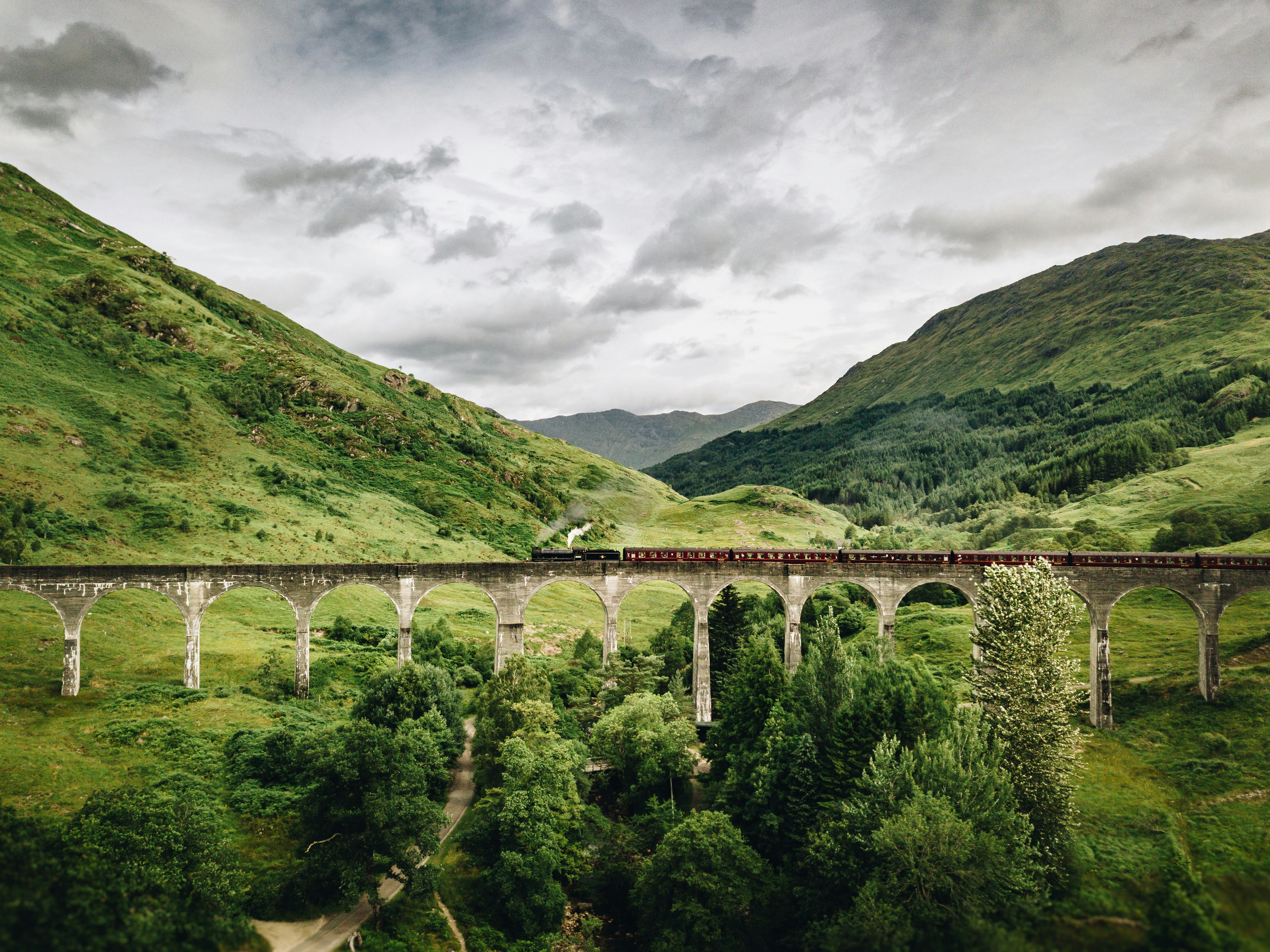 #981 /100
Voted one of the world's great rail journeys repeatedly by travel publications, the West Highland Line runs from Glasgow to Mallaig across Rannoch Moor's wild bog and past Ben Nevis, Britain's highest peak, before crossing the curved, 21-arch Glenfinnan Viaduct made globally famous by the Harry Potter films' Hogwarts Express.
How does it rate
CrowdsRomanceCash RequiredDangerAccessibilityWhy you should go
A Highland train crossing the Harry Potter-famous Glenfinnan Viaduct on its way from Glasgow to Mallaig.
Why you shouldn't go
The Jacobite steam service is extremely popular in summer and needs booking well ahead; the standard ScotRail service is more available but less atmospheric.
Plan your visit
Best time to visitMay-September for the Jacobite steam service and the fullest daylight over the Highlands.Best time of dayMidday, for the clearest light crossing Rannoch Moor and the Glenfinnan Viaduct.Getting thereBoard at Glasgow Queen Street station, reachable by rail from Edinburgh or by air via Glasgow Airport.Entry costScotRail tickets around GBP30-40; the Jacobite steam service costs more, around GBP50-65.Time neededThe full one-way journey takes about 5.5 hours to Mallaig.BookingBook ahead →Insider tip — Sit on the train's left-hand side travelling from Fort William to Mallaig for the clearest view along the Glenfinnan Viaduct's curve. -
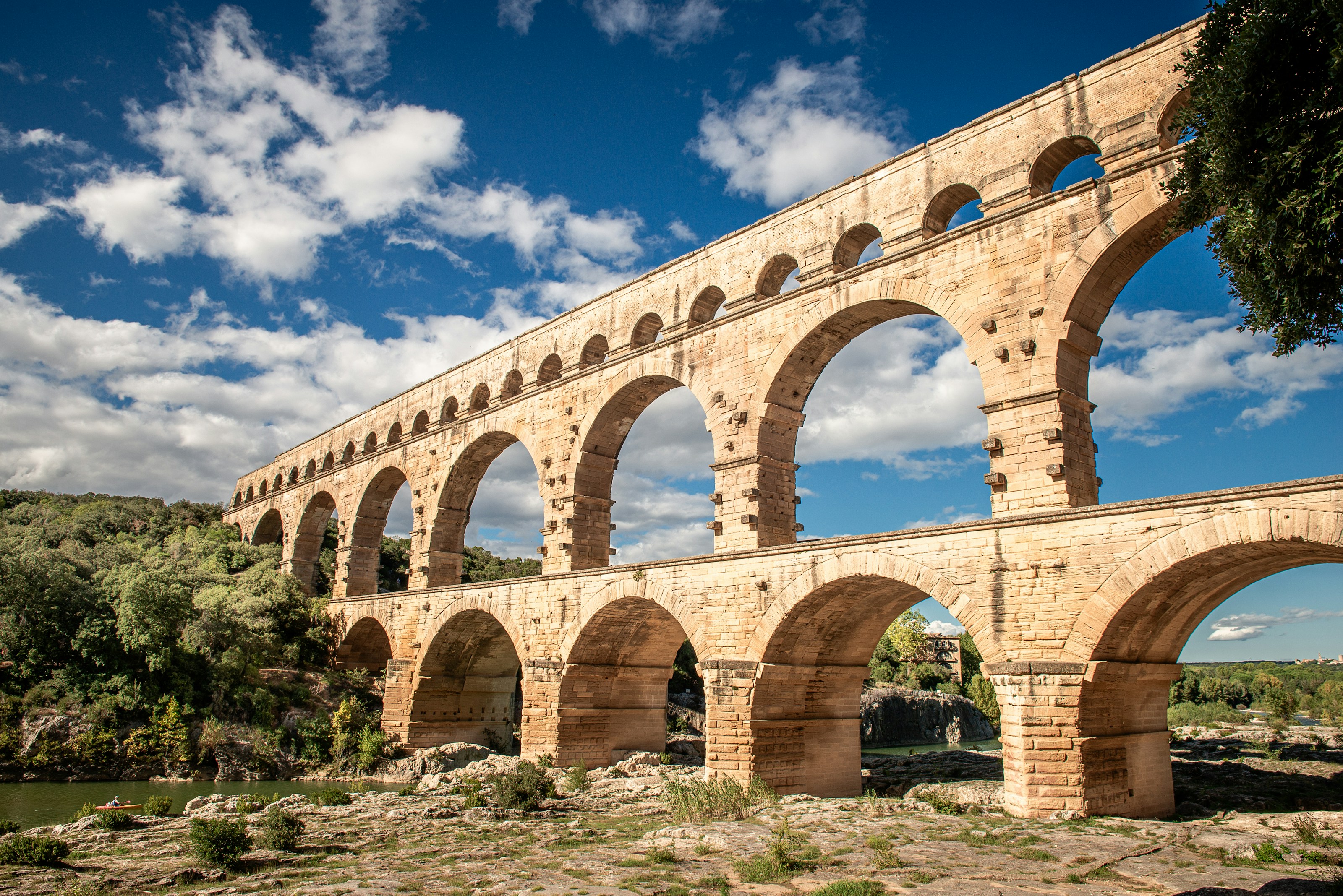 #1080 /100
A three-tier Roman aqueduct thrown across the Gardon gorge in the first century, and the tallest the Romans ever built at just under 49 metres.
The honey-coloured limestone was cut so precisely that it needed no mortar.
You can swim and kayak in the river below, which is also the best place to take in its full height.
How does it rate
CrowdsRomanceCash RequiredDangerAccessibilityWhy you should go
Two thousand years old, still standing, and you can swim in the river running underneath it.
Why you shouldn't go
There is no useful public transport, so in practice you need a car to get there.
Plan your visit
Best time to visitMay-June or September, when the river is warm enough to swim and the site is quieterBest time of dayLate afternoon, when the stone turns gold and the day-trippers leaveGetting thereDrive from Avignon or Nimes, about 30 minutes; car parks on both banksEntry costAround EUR 9.50 per person including parking and museumTime neededHalf a dayBookingBook ahead →Insider tip — Cross to the left bank and follow the marked path uphill - it is the only viewpoint that gets all three tiers into one frame. -
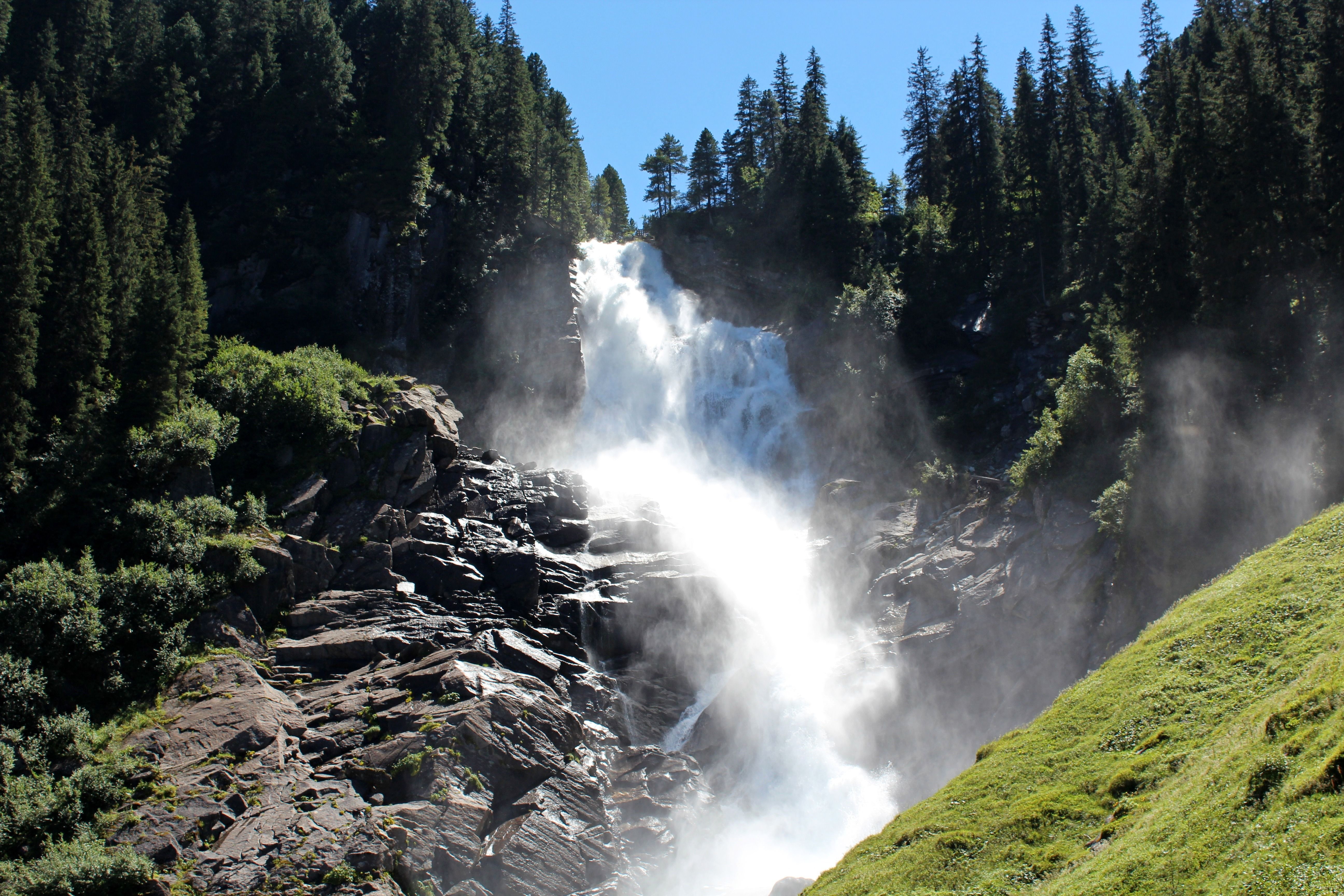 #1179 /100
The Krimml Waterfalls drop 380 metres in three tiers down a forested mountainside in the Hohe Tauern National Park, among the highest waterfalls in Europe.
A well-graded path climbs alongside the falls through spray-cooled air, with viewing platforms at each tier and a small waterfall-themed nature trail for families lower down.
On sunny mornings, rainbows form regularly in the mist at the base of the lower tier.
How does it rate
CrowdsRomanceCash RequiredDangerAccessibilityWhy you should go
Walking right alongside a 380-metre waterfall on a path built specifically to bring you close to each tier is a genuinely dramatic short hike.
Why you shouldn't go
The full path up all three tiers is a real, steady climb, and spray keeps sections of it wet and cool even in summer heat.
Plan your visit
Best time to visitMay–June, when snowmelt gives the falls their fullest flow.Best time of dayMorning, when the sun angle is more likely to catch rainbows in the spray at the lower falls.Getting thereFly to Salzburg; roughly 1.5-hour drive southwest into the Hohe Tauern National Park.Entry costPaid entry to the waterfall trail (Wasserfallweg).Time needed2–3 hours for the full trailInsider tip — The lower tier's viewing platform is the most crowded — continue up to the middle and upper tiers for quieter views and just as much drama. -
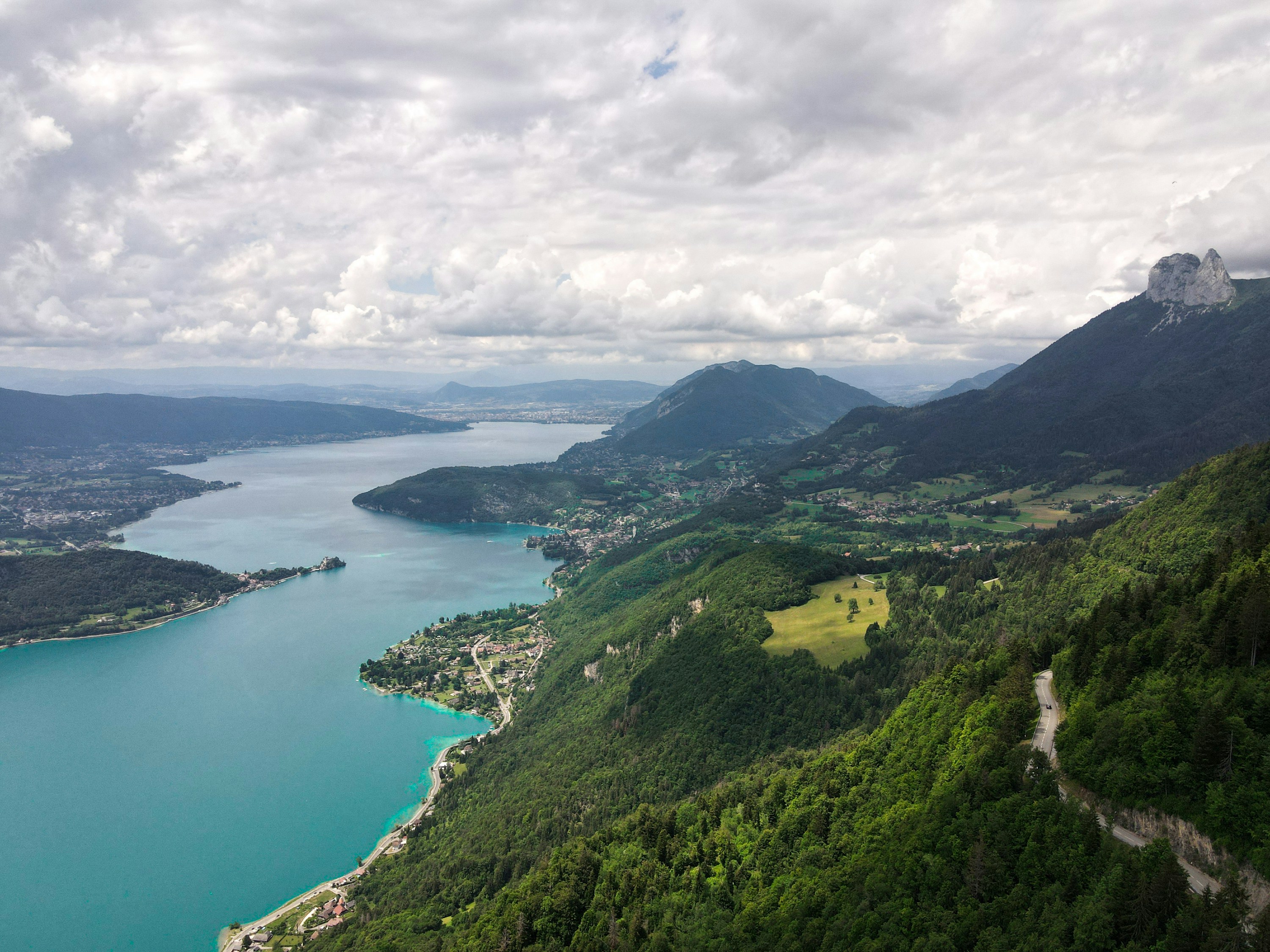 #12
#12A canal-laced old town at the northern tip of one of Europe's cleanest lakes has earned Annecy the nickname "Venice of the Alps," its Thiou River canals lined with flower-draped, pastel houses and the small stone Palais de l'Île moored mid-stream.
Snow-capped peaks rise directly behind the water, and a lakeside path leads out to swimming spots and quieter viewpoints beyond the old town.
How does it rate
CrowdsRomanceCash RequiredDangerAccessibilityWhy you should go
Canals, flowers, and turquoise water backed by real mountains, in a compact old town easy to see on foot.
Why you shouldn't go
The old town's narrow lanes and lakeside path get very congested with day-trippers on summer weekends.
Plan your visit
Best time to visitJune or September for warm weather and swimmable water without peak-July crowds.Best time of dayEarly morning in the old town, before shops and crowds fill the canal-side lanes.Getting thereTrain from Geneva (about 1 hour) or Lyon (about 2 hours); Geneva Airport is the nearest major hub.Entry costFree to walk the old town and lakeshore; the Palais de l'Île museum charges a small entry fee.Time needed1 dayInsider tip — Rent a bike and follow the lakeside path south past the old town — the crowds thin out within fifteen minutes. -
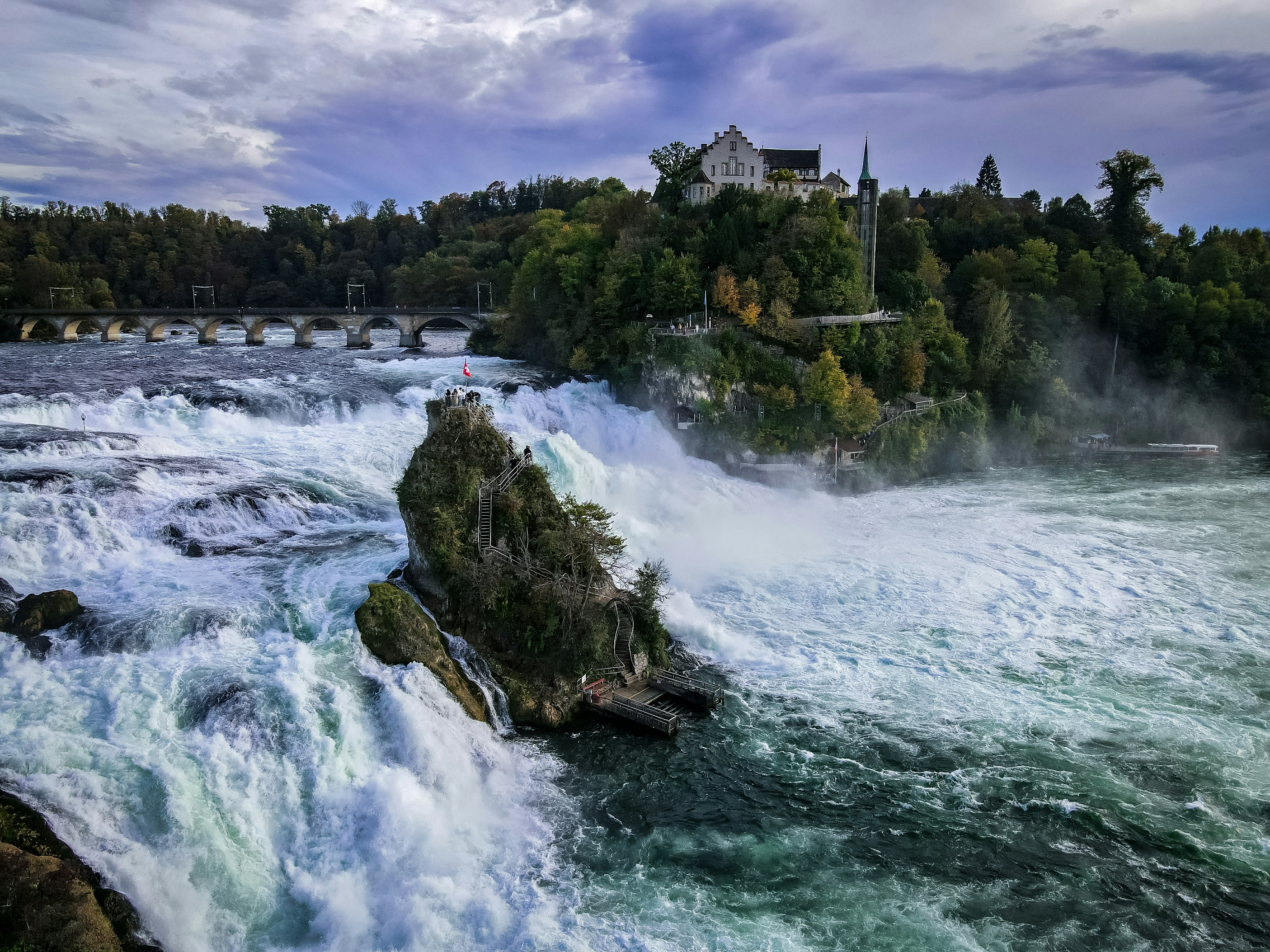 #1377 /100
Europe's largest waterfall by volume thunders over a 150-metre-wide limestone ledge near Schaffhausen, where the Rhine drops about 23 metres in a broad, permanent roar rather than a single dramatic drop.
Viewing platforms reach out over the spray from both banks, boats motor right up to the central rock, and the free riverside paths make it an easy stop rather than a planned expedition.
How does it rate
CrowdsRomanceCash RequiredDangerAccessibilityWhy you should go
Free, easy access to one of Europe's most powerful waterfalls, viewable from multiple angles in under an hour.
Why you shouldn't go
It's wide and powerful rather than tall or dramatic — expect a short, popular stop rather than a full day out.
Plan your visit
Best time to visitLate spring through summer, when snowmelt keeps water volume and spray at their peak.Best time of dayMorning or weekday visits avoid the tour-bus crowds that build through the afternoon.Getting thereTrain to Schaffhausen or Neuhausen Rheinfall station, then a short walk to the viewing points.Entry costFree from the riverbank; Laufen Castle viewing platforms cost a small fee; boat rides extra.Time needed1–2 hoursBookingBook ahead →Insider tip — The Känzeli platform, reached by stairs from Laufen Castle, gets you close enough to feel the spray on your face. -
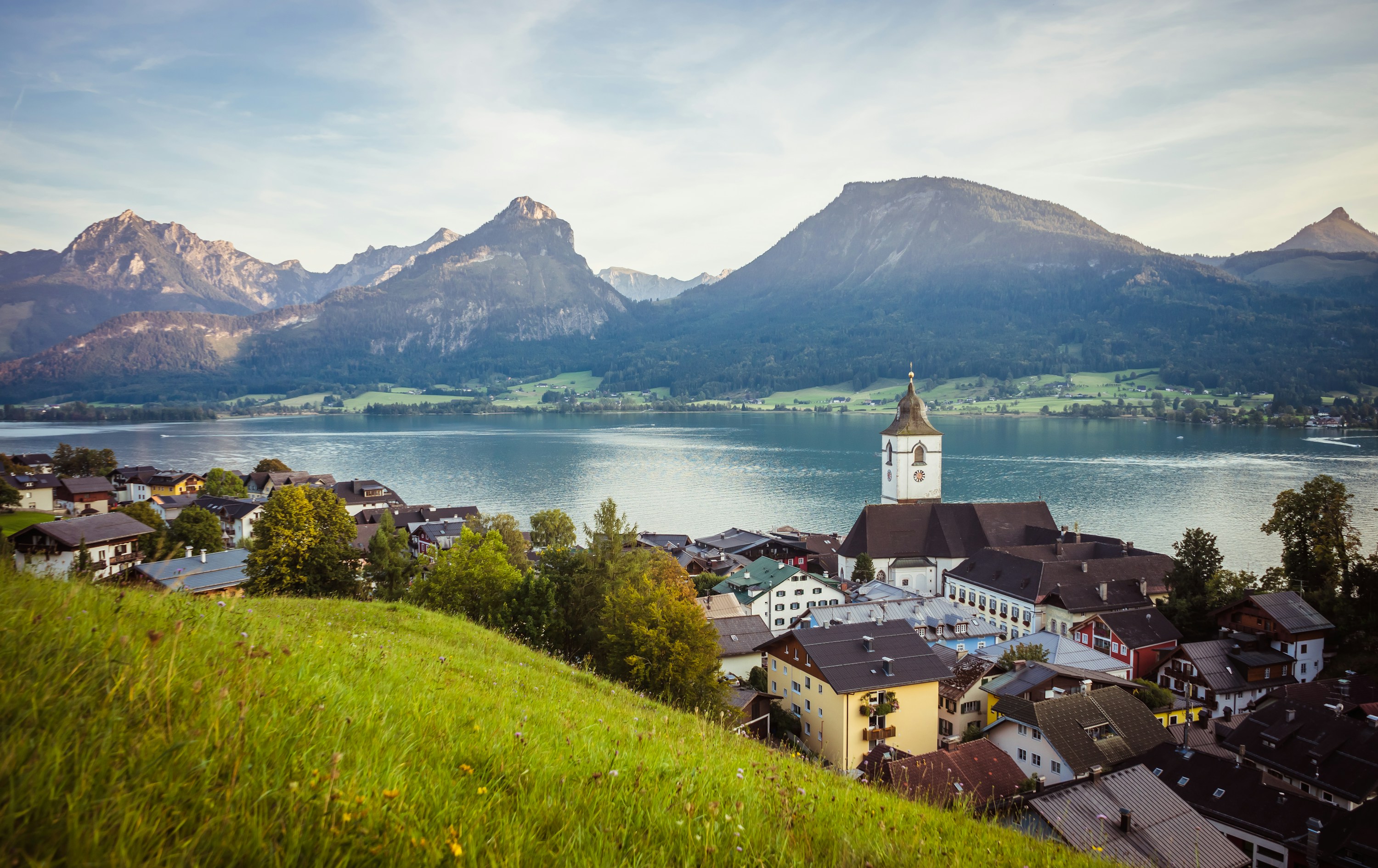 #1477 /100
A narrow alpine lake in Austria's Salzkammergut lake district is ringed by forested peaks and postcard villages, the best-known of which, St.
Wolfgang, grew up around the lakeside White Horse Inn made famous by a 20th-century operetta.
Passenger ferries still cross the lake between villages, a rack railway climbs the Schafberg for panoramic views, and swimming spots line much of the shore in summer.
How does it rate
CrowdsRomanceCash RequiredDangerAccessibilityWhy you should go
One of the Salzkammergut's classic lake-and-mountain villages, quieter and less crowded than Hallstatt.
Why you shouldn't go
No train station serves St. Wolfgang directly — getting there means a bus or ferry connection, which limits spontaneity.
Plan your visit
Best time to visitJune–September for swimming, ferries, and the Schafberg railway running full schedules.Best time of dayEarly evening, when day-trippers head back to Salzburg and the lakefront empties out.Getting thereBus from Salzburg or Bad Ischl to St. Wolfgang, or ferry across the lake from St. Gilgen or Strobl.Entry costFree to walk the lakefront; the Schafberg rack railway and boat rides are separately ticketed.Time needed1 dayInsider tip — Take the Schafberg rack railway up for sunset, then the last ferry back — the crowds thin dramatically after 5pm. -
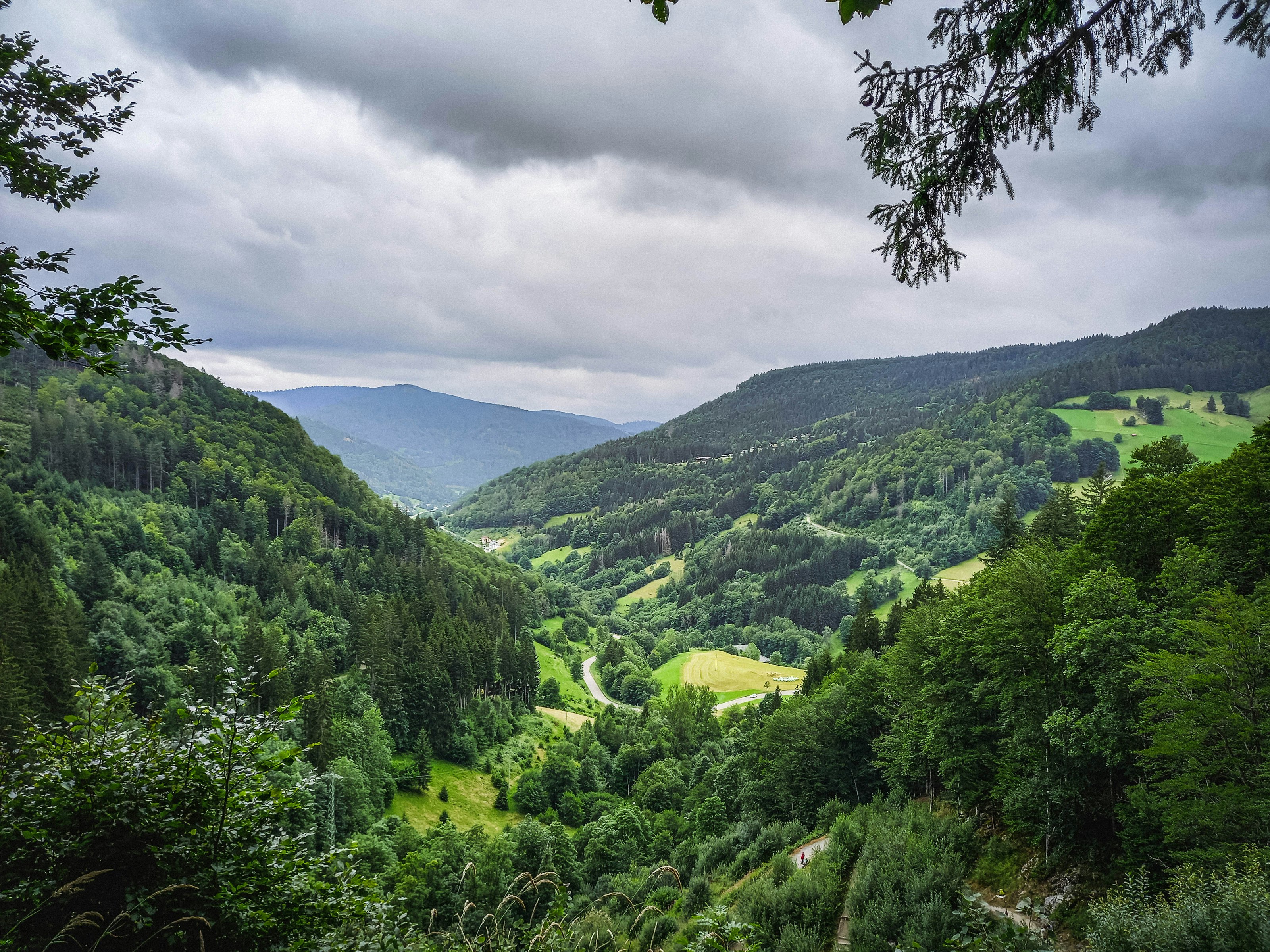 #1576 /100
The Black Forest is a stretch of dense, dark pine hills in southwestern Germany, dotted with storybook villages, cuckoo-clock workshops, and thermal spa towns like Baden-Baden.
Waterfalls, half-timbered farmhouses, and a network of well-marked hiking trails run through the region, and Triberg's falls — among Germany's highest — draw day-trippers from across the area.
How does it rate
CrowdsRomanceCash RequiredDangerAccessibilityWhy you should go
Hiking between working farmhouses and cuckoo-clock villages feels like stepping into the fairy tales the region inspired.
Why you shouldn't go
It's a large rural region without one central sight, so a car or good planning matters more than in a single-destination trip.
Plan your visit
Best time to visitJune–September for hiking, or December for its Christmas markets.Best time of dayMorning starts on the trails, before afternoon cloud builds over the higher ridges.Getting thereFly to Stuttgart or Basel; 1–1.5-hour drive into the forest region.Entry costFree to hike; spa towns and specific attractions like Triberg Falls charge small entry fees.Time needed2–3 daysInsider tip — Base yourself in Triberg or Titisee rather than driving in for the day — both put you close to trailheads before the tour buses arrive. -
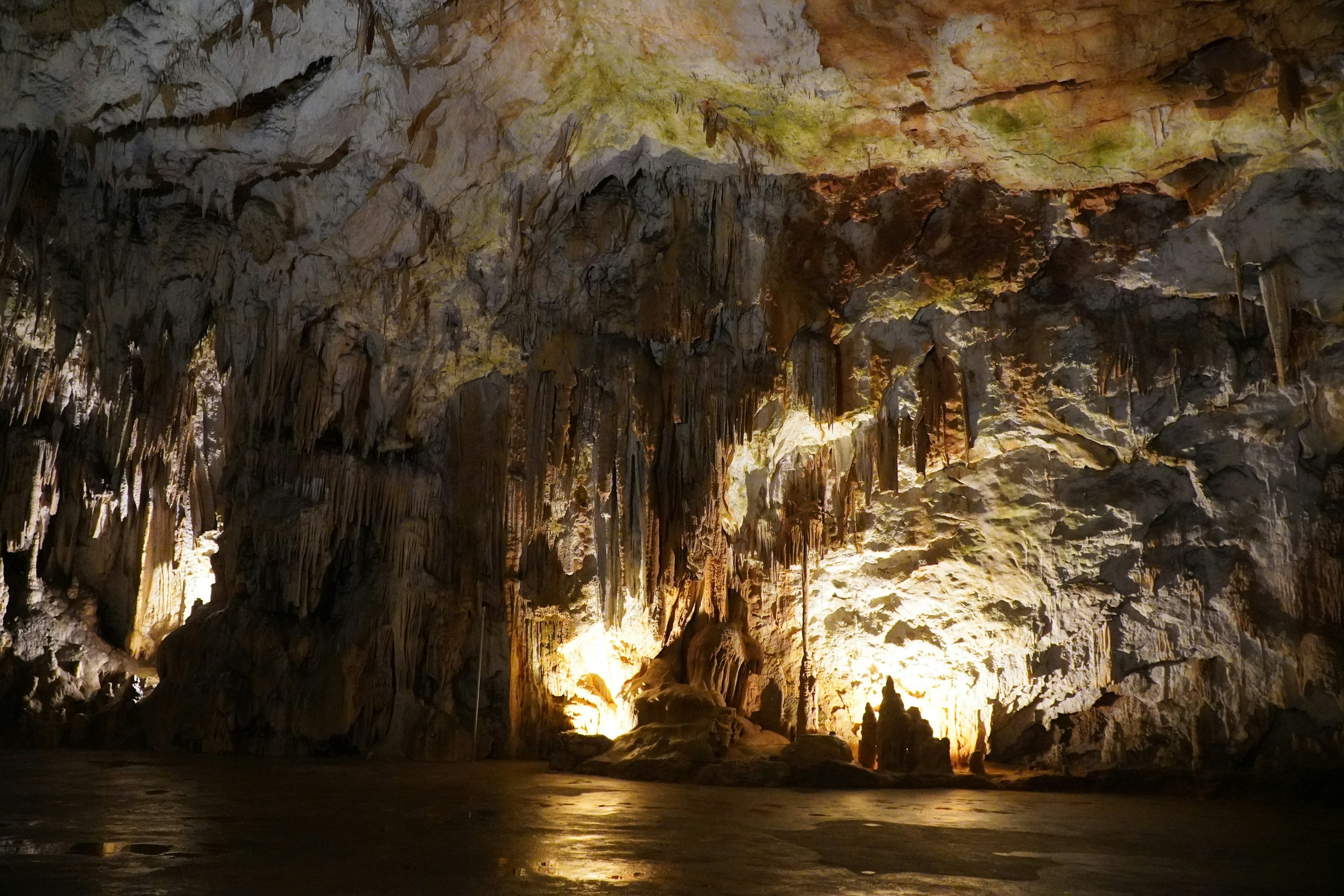 #1675 /100
Twenty-four kilometres of galleries under the Slovenian karst, entered aboard an electric train that runs two kilometres into the rock before you continue on foot.
The formations range from delicate straws to a five-metre white column called the Brilliant.
An aquarium inside holds olms, the pale blind salamanders locals call baby dragons.
How does it rate
CrowdsRomanceCash RequiredDangerAccessibilityWhy you should go
The underground railway makes an enormous cave system reachable by almost anyone.
Why you shouldn't go
Strictly guided and timed, so there is no lingering behind to set up a photograph.
Plan your visit
Best time to visitApril-June or September; tours run all year at a constant 10CBest time of dayFirst tour of the morning, before the coach parties arriveGetting there45 minutes by road from Ljubljana; trains and buses stop at Postojna townEntry costAround EUR 31; combined ticket with Predjama Castle availableTime needed2-3 hoursBookingBook ahead →Insider tip — Buy the combined ticket with Predjama Castle ten minutes up the road - it costs less than paying separately and the castle is worth the detour. -
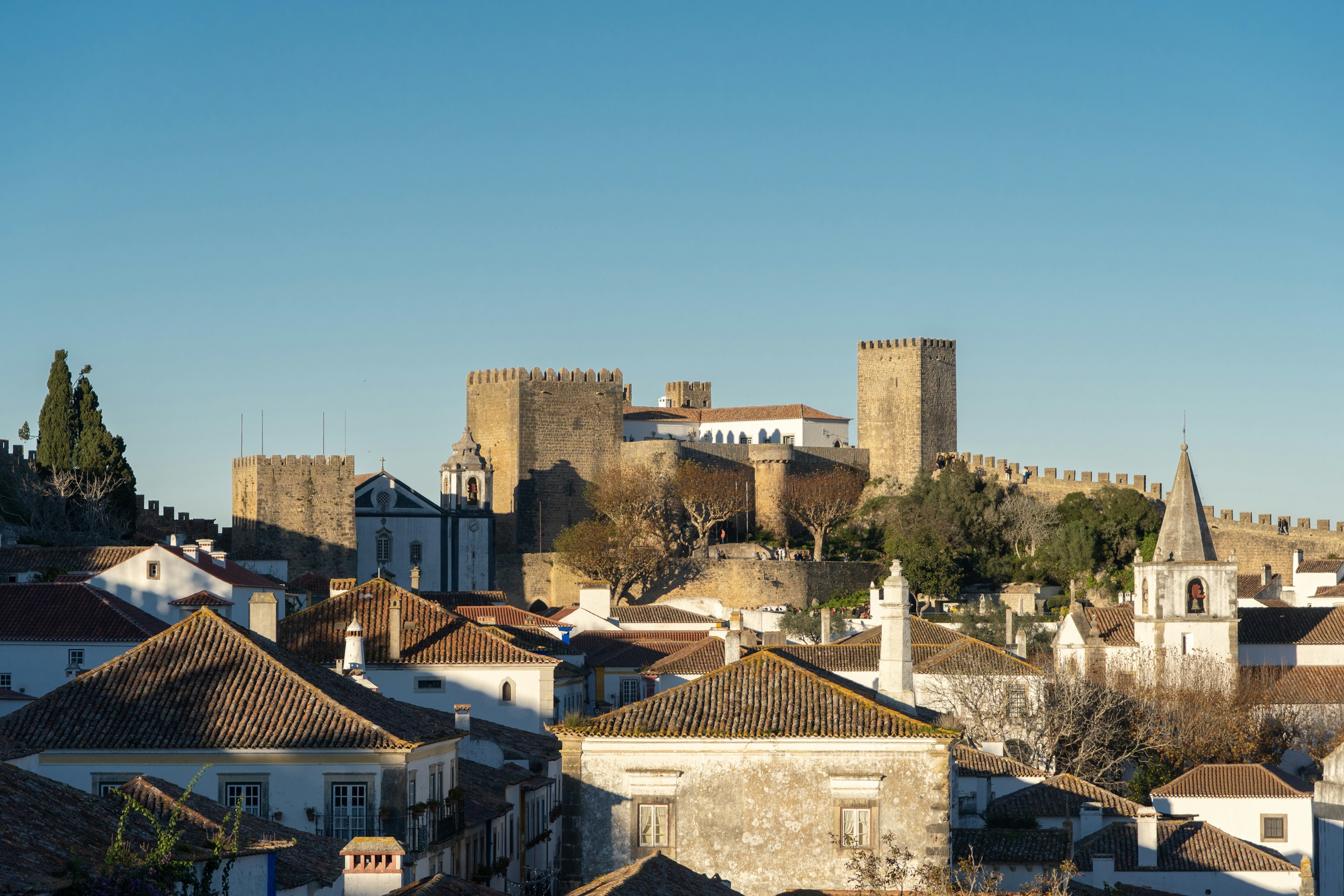 #17
#17A tiny medieval town entirely enclosed by 14th-century walls an hour north of Lisbon, Óbidos was once a traditional wedding gift from Portuguese kings to their queens.
A single cobbled main street runs between whitewashed, bougainvillea-draped houses to a hilltop castle, and the full circuit of the ramparts can be walked in under an hour for views over the surrounding countryside.
How does it rate
CrowdsRomanceCash RequiredDangerAccessibilityWhy you should go
A complete, walkable walled town — castle, ramparts, and cobbled streets — that takes half a day, not a full trip.
Why you shouldn't go
It's genuinely small: one main street and the walls are most of the sight, so it can feel thin without a wine-tasting stop.
Plan your visit
Best time to visitSpring or autumn for mild weather; October's chocolate festival and July's medieval fair draw big crowds.Best time of dayLate afternoon, after day-trip coach groups from Lisbon head back.Getting thereAbout an hour's drive or bus ride north of Lisbon; no train station in town.Entry costFree to enter and walk the walls.Time needed2–4 hoursInsider tip — Try ginjinha (cherry liqueur) served in an edible chocolate cup from one of the small stalls along the main street. -
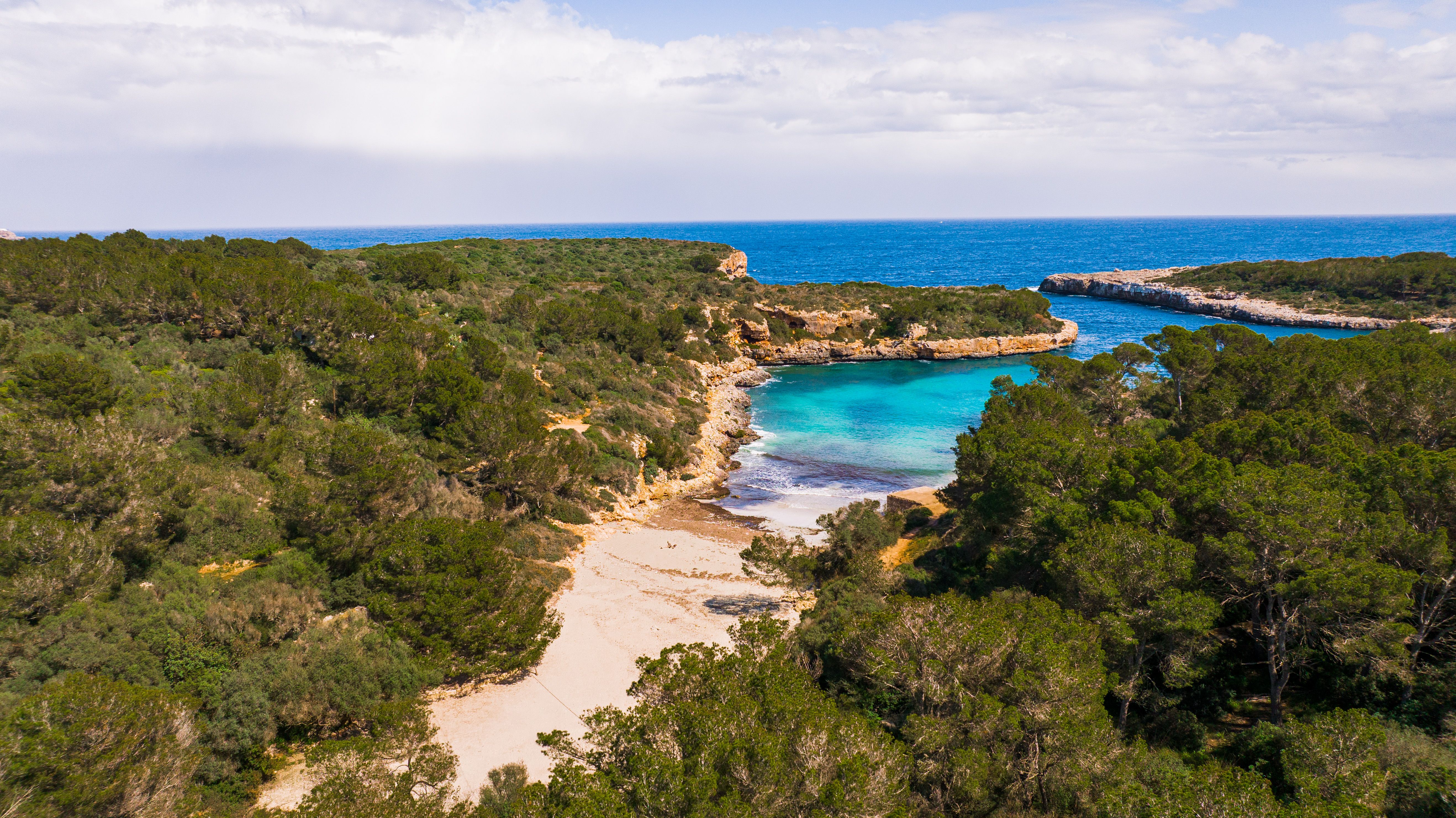 #1873 /100
A small, pine-fringed cove inside a protected natural park on Mallorca's southeast coast, with shallow, startlingly clear turquoise water that stays calm most of the year.
Because it sits within Mondrago Natural Park, development around the cove is deliberately limited, which keeps it looking much like the rest of the island did before mass tourism.
It's a short walk from the car park through scrub pine, which filters out casual visitors.
How does it rate
CrowdsRomanceCash RequiredDangerAccessibilityWhy you should go
Clear, calm turquoise water inside a protected natural park, with none of the high-rise development found elsewhere on the island.
Why you shouldn't go
Parking fills early in summer, and there are no facilities beyond a small beach bar.
Plan your visit
Best time to visitJune or September for warm water and thinner crowds than July-August.Best time of dayMorning, before the day-trip crowds from nearby resorts arrive.Getting thereFly to Palma; a 45-minute drive southeast to Mondrago Natural Park.Entry costFree; parking has a small daily fee in summer.Time needed2-3 hours.Insider tip — The second, smaller cove just south (Cala Mondrago's twin inlet) is usually quieter than the main beach. -
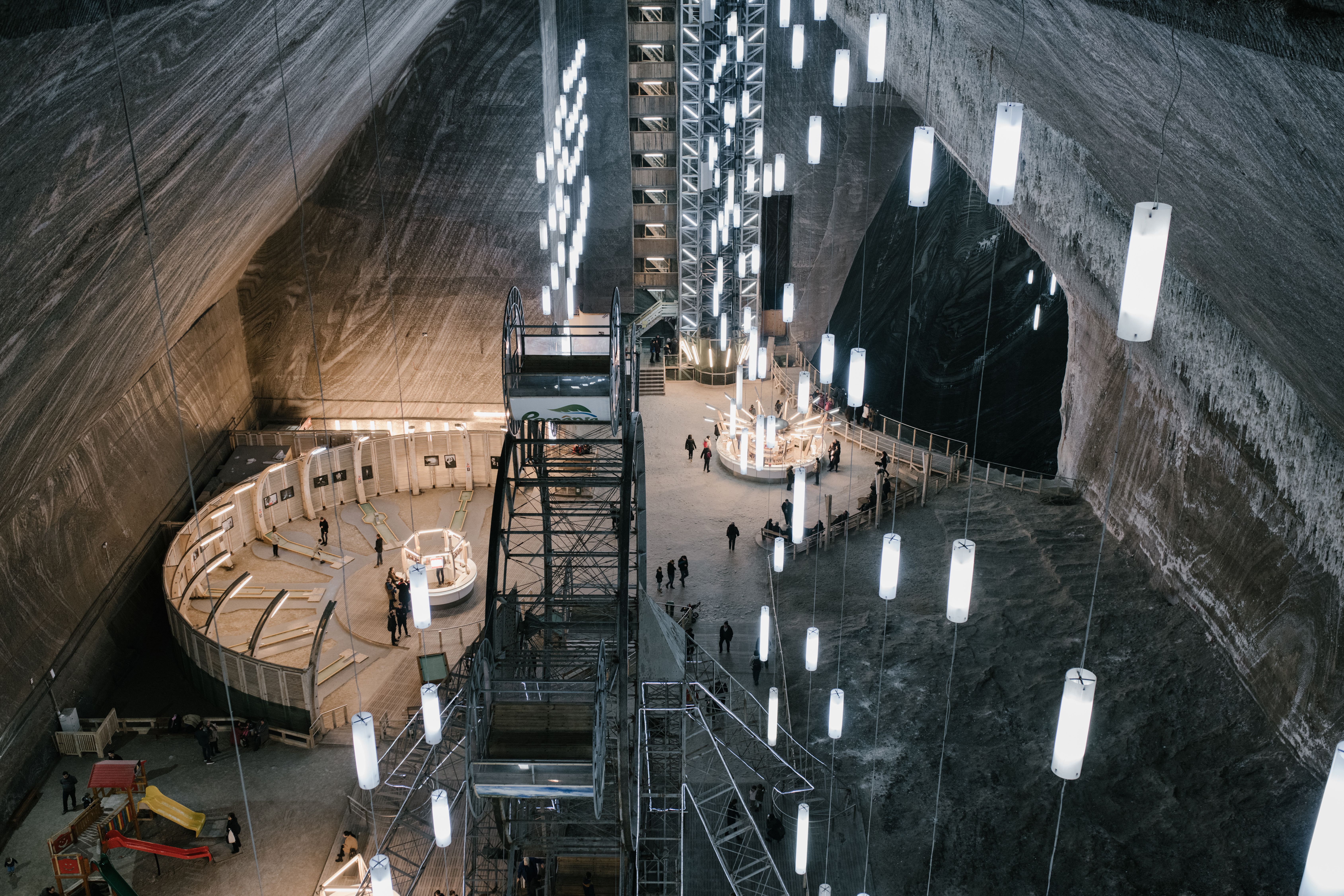 #1968 /100
A working salt mine for centuries, Turda has been converted into one of the world's strangest amusement parks — a vast underground chamber 120 meters below ground with a Ferris wheel, mini-golf course, bowling alley and an underground lake with rowboats, all carved from salt.
The cool, still air and echoing acoustics make it feel like an opera house hollowed from rock, unlike any other mine attraction in Europe.
How does it rate
CrowdsRomanceCash RequiredDangerAccessibilityWhy you should go
A genuinely surreal underground amusement park, unlike anywhere else.
Why you shouldn't go
The novelty factor means it can feel more like a theme park than a natural or historic site.
Plan your visit
Best time to visitYear-round — the underground temperature stays a constant 10–12°C regardless of the season.Best time of dayWeekday mornings to avoid family groups and school trips.Getting thereDrive or bus to Turda, 30km from Cluj-Napoca, then a lift or 172 steps down into the mine.Entry costAround 40 RON (~€8) for adults.Time needed2–3 hours.Insider tip — Take the glass lift down rather than the stairs — it opens onto the full scale of the chamber in one dramatic reveal. -
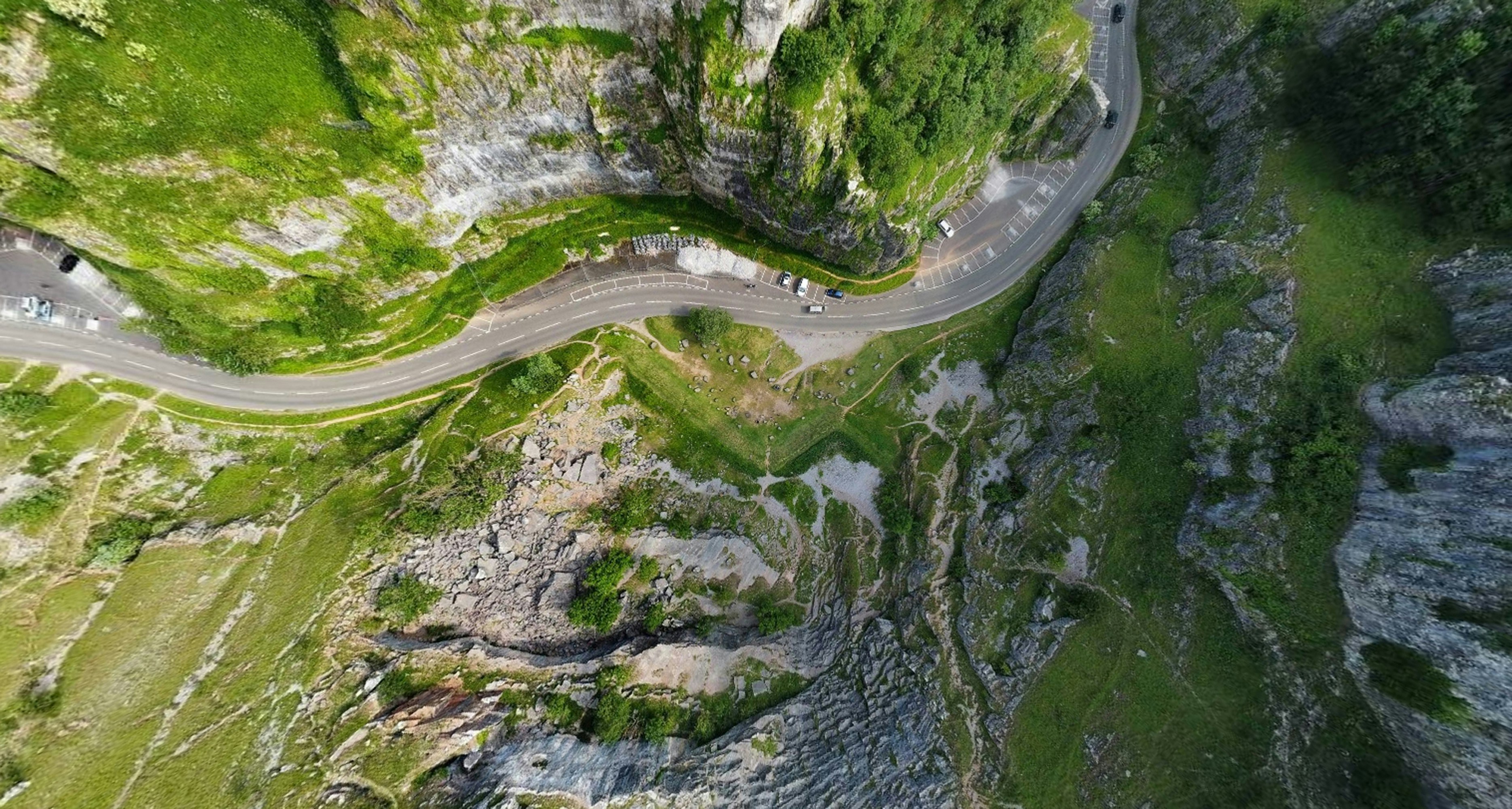 #2068 /100
England's largest gorge cuts through the Mendip Hills with limestone cliffs rising 137 metres above the road, a scale that surprises most visitors to this part of the country.
Britain's oldest complete human skeleton, Cheddar Man, was found in the show caves beneath the cliffs and dates back over 10,000 years.
A clifftop walking trail loops the gorge's rim for views down over the valley and out toward the Somerset Levels.
How does it rate
CrowdsRomanceCash RequiredDangerAccessibilityWhy you should go
Britain's biggest gorge, with a 10,000-year-old skeleton in the caves beneath it.
Why you shouldn't go
The road through the gorge gets busy with traffic, which dulls the drama of the drive-through view.
Plan your visit
Best time to visitSpring or autumn, for mild weather and thinner crowds.Best time of dayEarly morning, before tour coaches arrive from Bristol and Bath.Getting thereDrive to Cheddar village (about 25 minutes from Wells); regular buses run from Bristol.Entry costShow caves and clifftop walk ticket, around GBP20; the gorge road itself is free to drive.Time needed2-3 hoursBookingBook ahead →Insider tip — Walk the clifftop trail rather than just driving through - the view down into the gorge is far more dramatic than the view up from the road. -
 #2168 /100
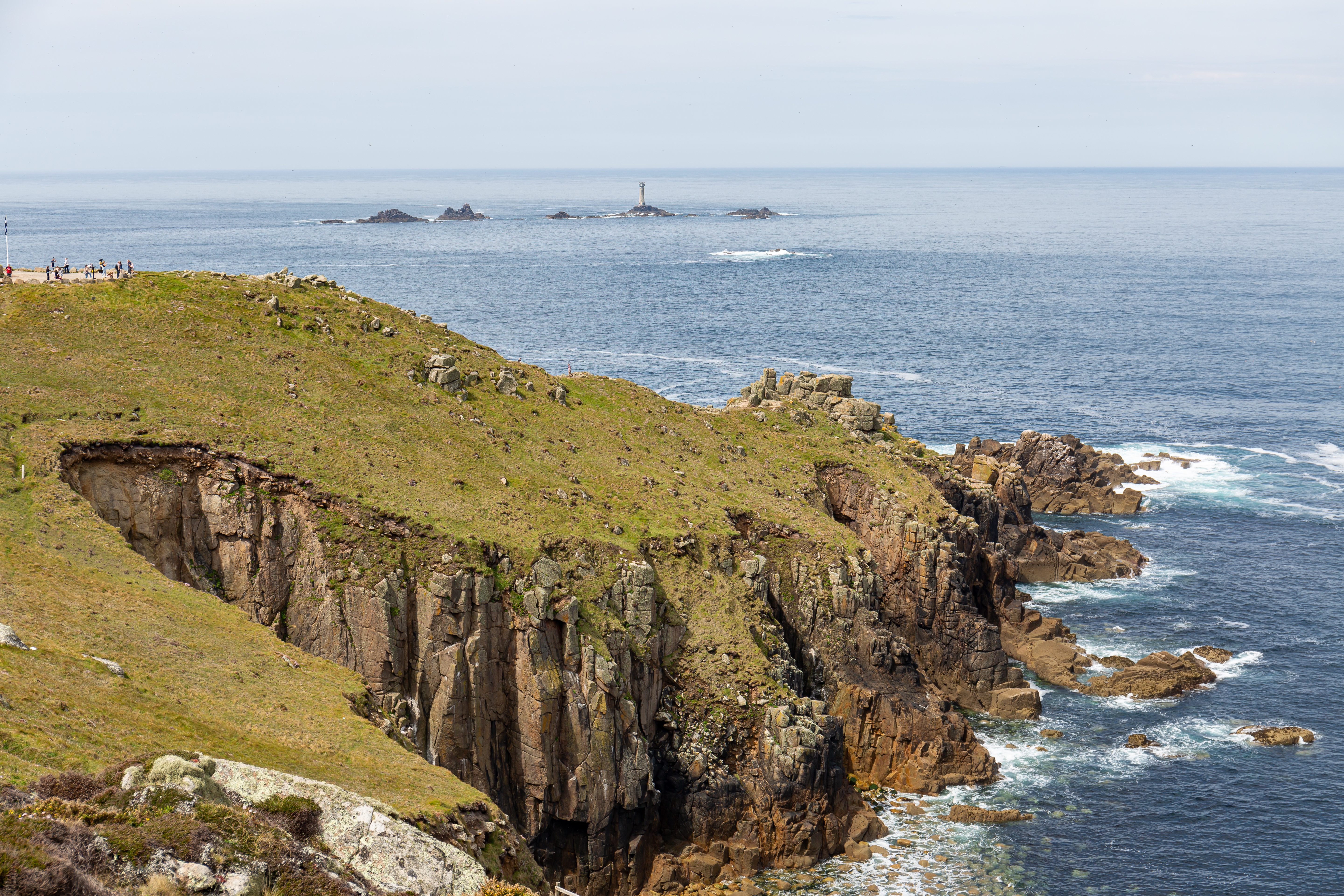
Land's End is the most westerly point of mainland England, where the granite cliffs of the Penwith Peninsula plunge into the Atlantic Ocean.
On a clear day the Longships Lighthouse is visible offshore and the Isles of Scilly can be seen 28 miles distant; on stormy days the crashing waves are genuinely dramatic.
How does it rate
CrowdsRomanceCash RequiredDangerAccessibilityWhy you should go
The raw drama of the Atlantic crashing against the granite cliffs at Land's End, particularly in stormy conditions, captures something elemental and powerful about the British coastline.
Why you shouldn't go
Land's End has been developed into a rather tacky visitor attraction with paid parking and commercial facilities; the natural drama of the cliffs competes with a theme park atmosphere.
Plan your visit
Best time to visitSpring or summer for weather, but dramatic year-roundBest time of daySunset - mainland Britain's most westerly pointGetting there~1hr drive from PenzanceEntry costFree to the cliffs; visitor attraction charges separatelyTime needed1-2 hoursInsider tip — Walk along the coastal path away from the visitor centre for cliff views without the tourist clutter -
 #2265 /100
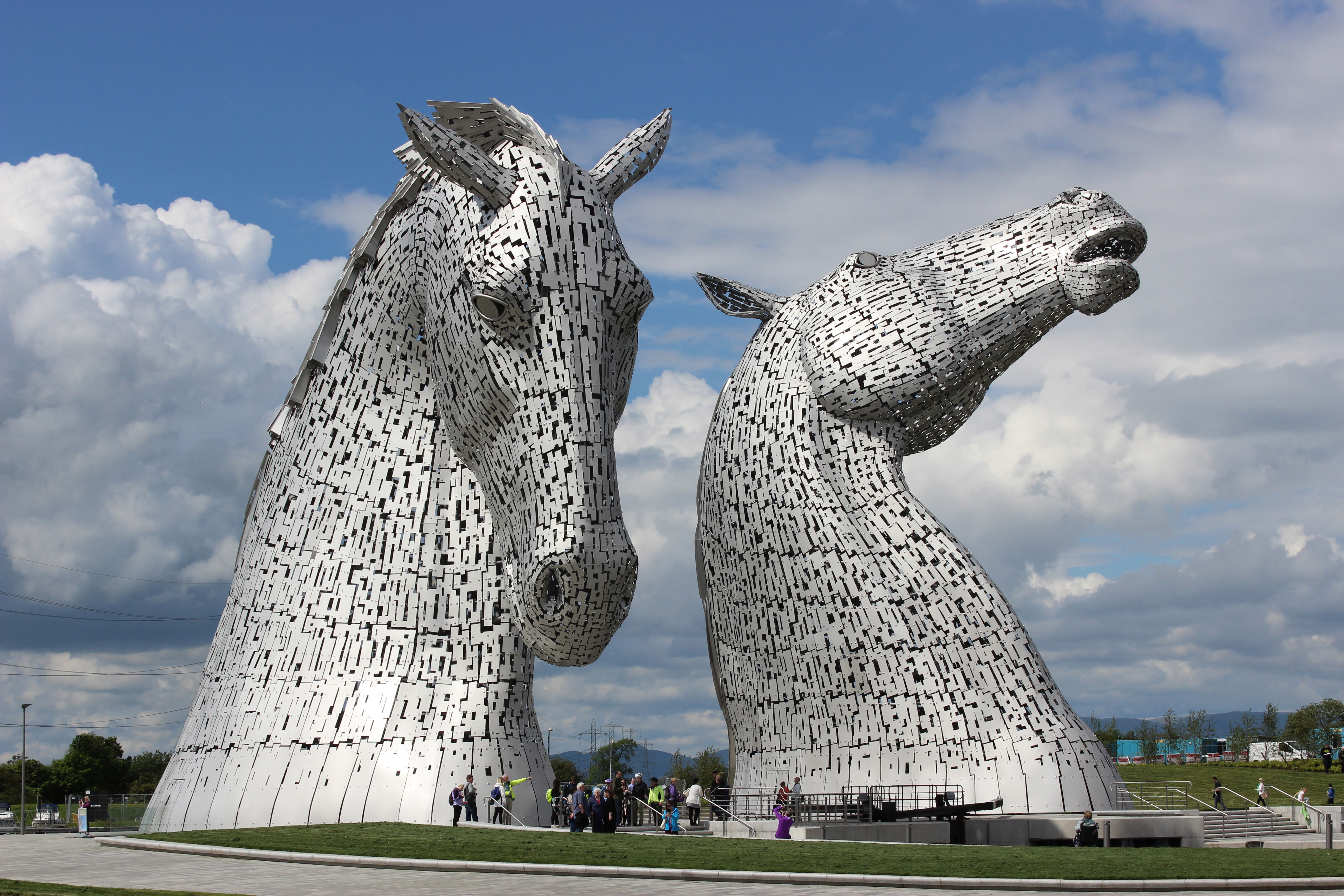
The Kelpies are two enormous horse-head sculptures rising 30 metres above the Forth and Clyde Canal in Falkirk, the largest equine sculptures in the world.
Designed by Andy Scott and completed in 2013, they celebrate the working horses that were central to Scotland's industrial and agricultural heritage.
How does it rate
CrowdsRomanceCash RequiredDangerAccessibilityWhy you should go
The scale of the Kelpies is genuinely impressive in person and they are particularly dramatic when floodlit at night; entry to the interior is available through guided tours.
Why you shouldn't go
The Kelpies are in an industrial area of Falkirk with little else of interest nearby; they are impressive to look at but the experience is brief.
Plan your visit
Best time to visitYear-round, especially when illuminated at nightBest time of dayBlue hour when the lights turn onGetting there~30 min drive from Edinburgh or Glasgow, near FalkirkEntry costFree; visitor centre tours extraTime needed1 hourInsider tip — They are lit up after dark; the reflection in the canal water is best on a still evening -
 #2360 /100
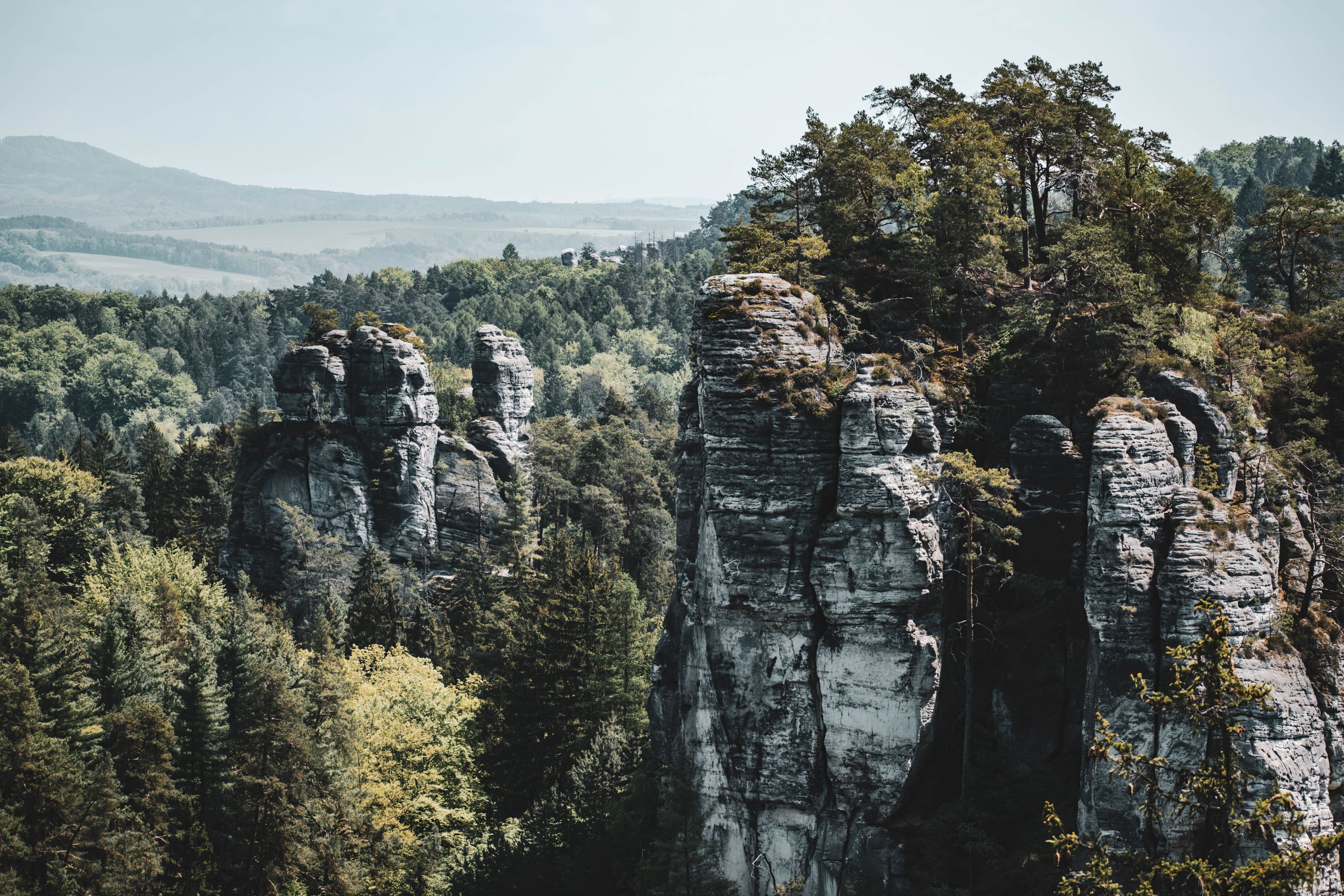
Český ráj (Bohemian Paradise) is the Czech Republic's oldest protected landscape, a UNESCO Global Geopark of sandstone rock towers, castle ruins and pine forest ninety minutes from Prague.
Its best-known corner, Prachovské skály, threads narrow rock corridors and wooden stairways past viewpoints over layered stone pinnacles, while the twin-peaked ruin of Trosky Castle marks the skyline for miles around.
How does it rate
CrowdsRomanceCash RequiredDangerAccessibilityWhy you should go
A maze of sandstone rock towers and forest trails, with an easy loop suitable for a half-day visit.
Why you shouldn't go
Public transport is patchy; without a car, reaching the best rock formations means a bus to Jičín plus a walk.
Plan your visit
Best time to visitSpring or autumn for cooler hiking temperatures and fewer weekend crowds from Prague.Best time of dayWeekday mornings, especially in the popular Prachovské skály section.Getting thereTrain or bus to Jičín, then a local bus to the Holín-Prachov stop and a short walk to the entrance.Entry cost60 CZK adult, 30 CZK child, for the Prachovské skály reserveTime needed2–4 hours for the main loop, longer for multi-site tripsInsider tip — Take the shorter 1.5km yellow loop if short on time; it hits the best viewpoints without the full 3.5km circuit's narrow squeezes. -
 #2458 /100
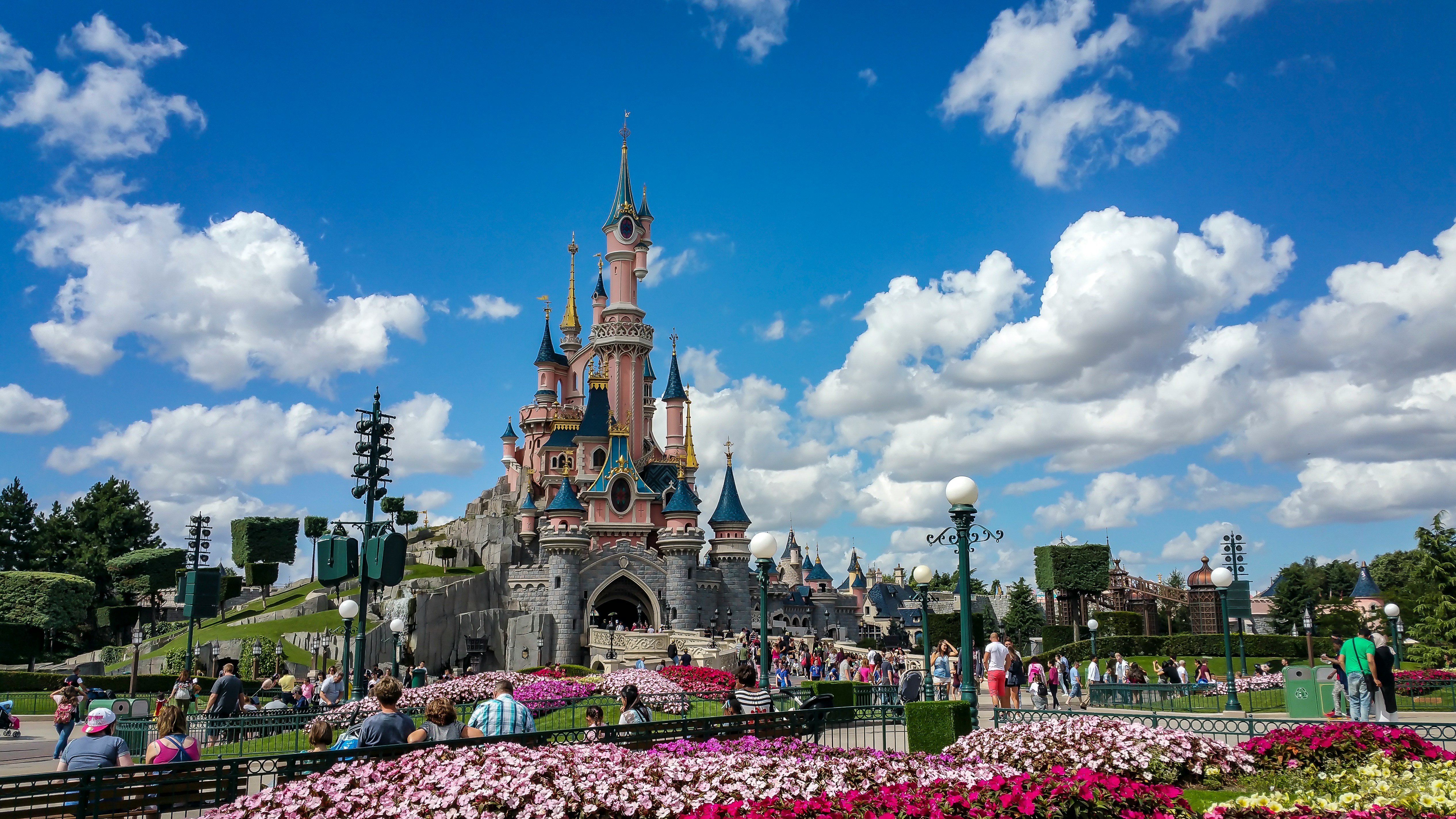
Europe's most visited theme park, built around a fairy-tale castle modelled on illustrations from Sleeping Beauty rather than any single real building, set inside two parks and a shopping village outside Paris.
Its scale and polish match the American originals, with parades, fireworks over the castle, and rides themed to European fairy tales as well as the usual Disney and Pixar franchises.
Queues are notoriously long even outside peak season, and pricing has climbed steeply since it opened in 1992.
How does it rate
CrowdsRomanceCash RequiredDangerAccessibilityWhy you should go
A fairy-tale castle centrepiece with nightly fireworks, easily combined with a Paris trip via direct RER train.
Why you shouldn't go
Queues are long even in shoulder season, and food and hotel pricing inside the resort runs noticeably higher than outside it.
Plan your visit
Best time to visitLate spring or early autumn for shorter queues and mild weather.Best time of dayRope-drop at opening, or the last two hours before closing when crowds thin.Getting thereRER A train direct from central Paris (Marne-la-Vallee / Chessy stop), about 40 minutes.Entry costOne-day one-park tickets start around EUR60-90, rising sharply in peak season.Time neededA full day, or two for both parks.BookingBook ahead →Insider tip — Use the official app's virtual queue and Lightning Lane passes the moment they release each morning - the top rides sell out fast. -
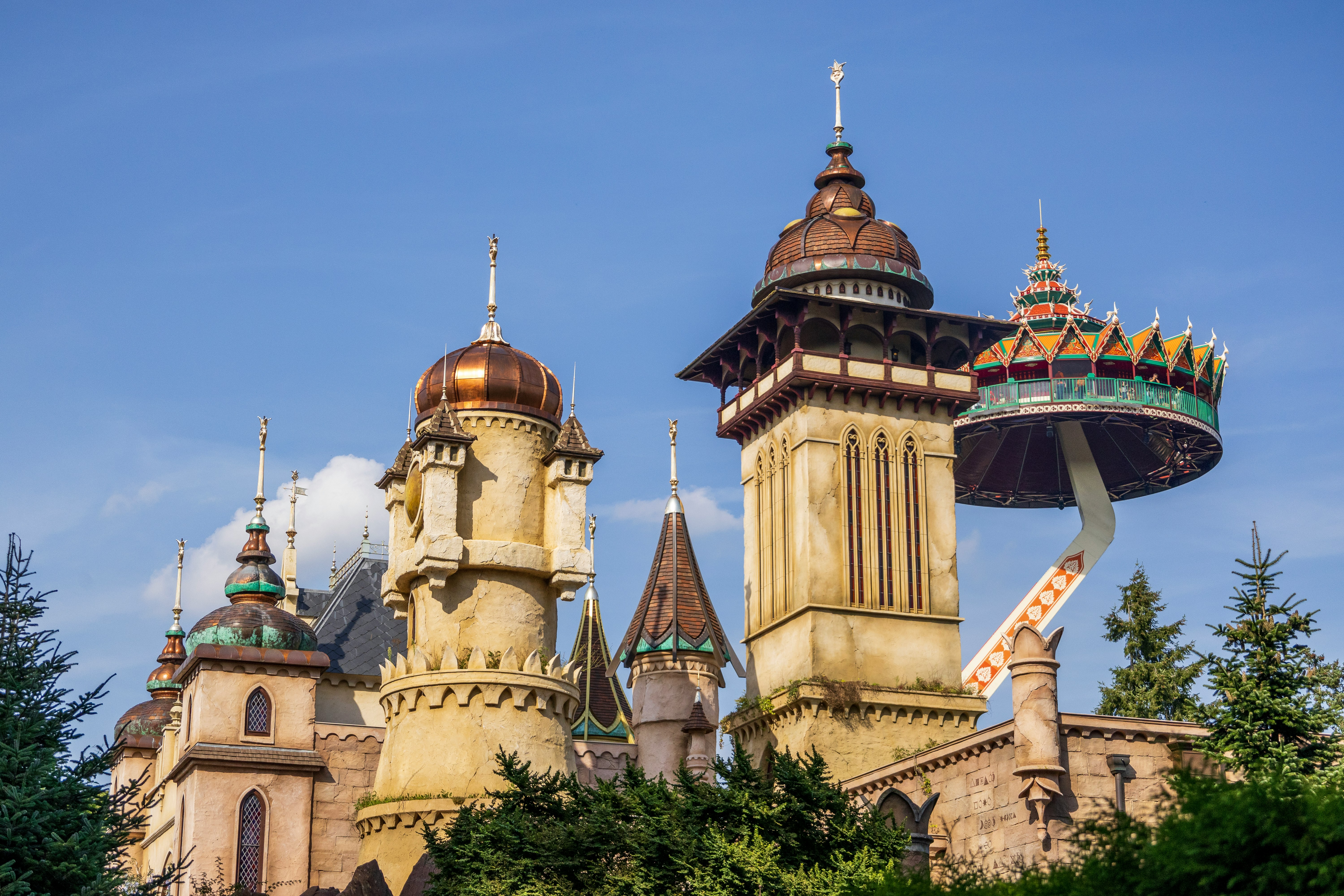 #2556 /100
One of the world's oldest and most atmospheric theme parks, built around the Fairytale Forest, a walk-through wood filled with animated scenes from Grimm and Andersen tales that has barely changed in spirit since it opened in 1952.
Unlike most modern parks, its rides and buildings are original artistic creations rather than licensed franchise characters, giving it a distinctly European, almost storybook aesthetic found nowhere else.
Symbolica, a fantasy palace dark ride, and the wooden Joris en de Draak coaster are standout attractions beyond the forest itself.
How does it rate
CrowdsRomanceCash RequiredDangerAccessibilityWhy you should go
A century-spanning fairytale forest of animated storybook scenes, with an entirely original aesthetic no other park has replicated.
Why you shouldn't go
Signage and ride theming lean heavily on Dutch and European folklore that international visitors may not recognise going in.
Plan your visit
Best time to visitSpring or early autumn for pleasant weather and thinner crowds than Dutch school holidays.Best time of dayEvening, when the Fairytale Forest and Aquanura fountain show are lit after dark.Getting thereA short bus or taxi from Tilburg or 's-Hertogenbosch train stations, or about a 1.5-hour drive from Amsterdam.Entry costOne-day tickets start around EUR48-56 for adults.Time neededA full day.BookingBook ahead →Insider tip — Walk the Fairytale Forest right at opening or just before closing - it's the one area of the park that rewards a slow, quiet pace rather than a queue-beating rush. -
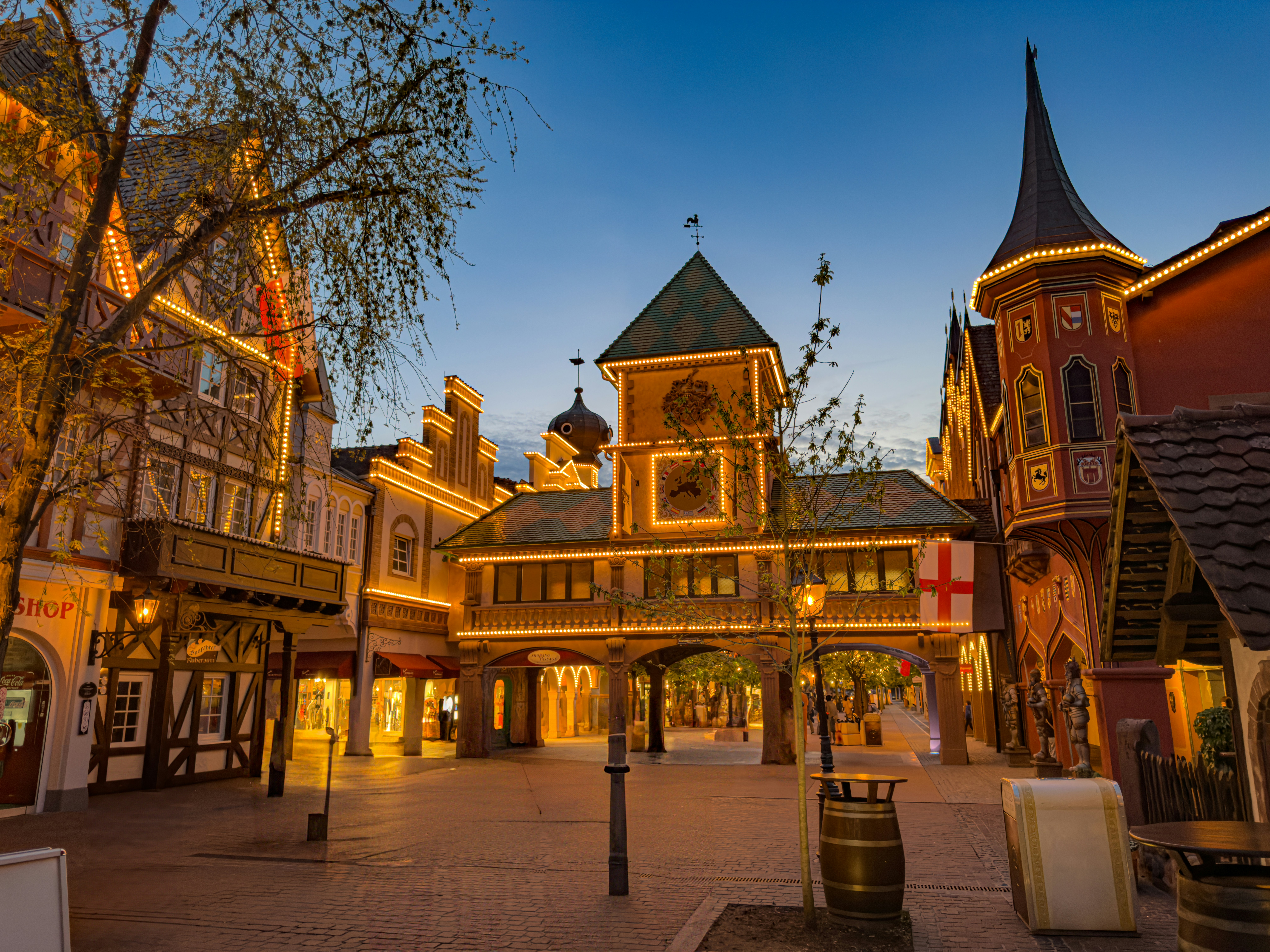 #2654 /100
Continental Europe's largest theme park, its 18 areas each themed to a different European country in miniaturised, highly detailed architecture, from a scaled Eiffel Tower to a Russian onion-domed pavilion.
It packs in some of Europe's most intense roller coasters - including one of the world's longest, Silver Star - alongside gentler rides suited to families, making it a genuine rival to the bigger American-style parks despite less international name recognition.
An adjoining resort of themed hotels lets visitors easily stretch a visit over two days.
How does it rate
CrowdsRomanceCash RequiredDangerAccessibilityWhy you should go
Europe's largest theme park, with 18 country-themed areas and some of the continent's most intense roller coasters.
Why you shouldn't go
Its layout sprawls significantly further than most parks, and peak summer weekends bring long waits on the headline coasters.
Plan your visit
Best time to visitMay-June or September for good weather with noticeably shorter queues than midsummer.Best time of dayOpening, heading straight to Silver Star or Blue Fire before the queue builds.Getting thereA short taxi or park shuttle from Ringsheim train station, or about a 1-hour drive from Freiburg.Entry costOne-day tickets start around EUR63.50 for adults.Time neededA full day, or two with the resort hotels.BookingBook ahead →Insider tip — Buy the optional Express Pass for the two or three biggest coasters rather than the whole park - it's cheaper than a full multi-day upgrade and clears the worst bottlenecks. -
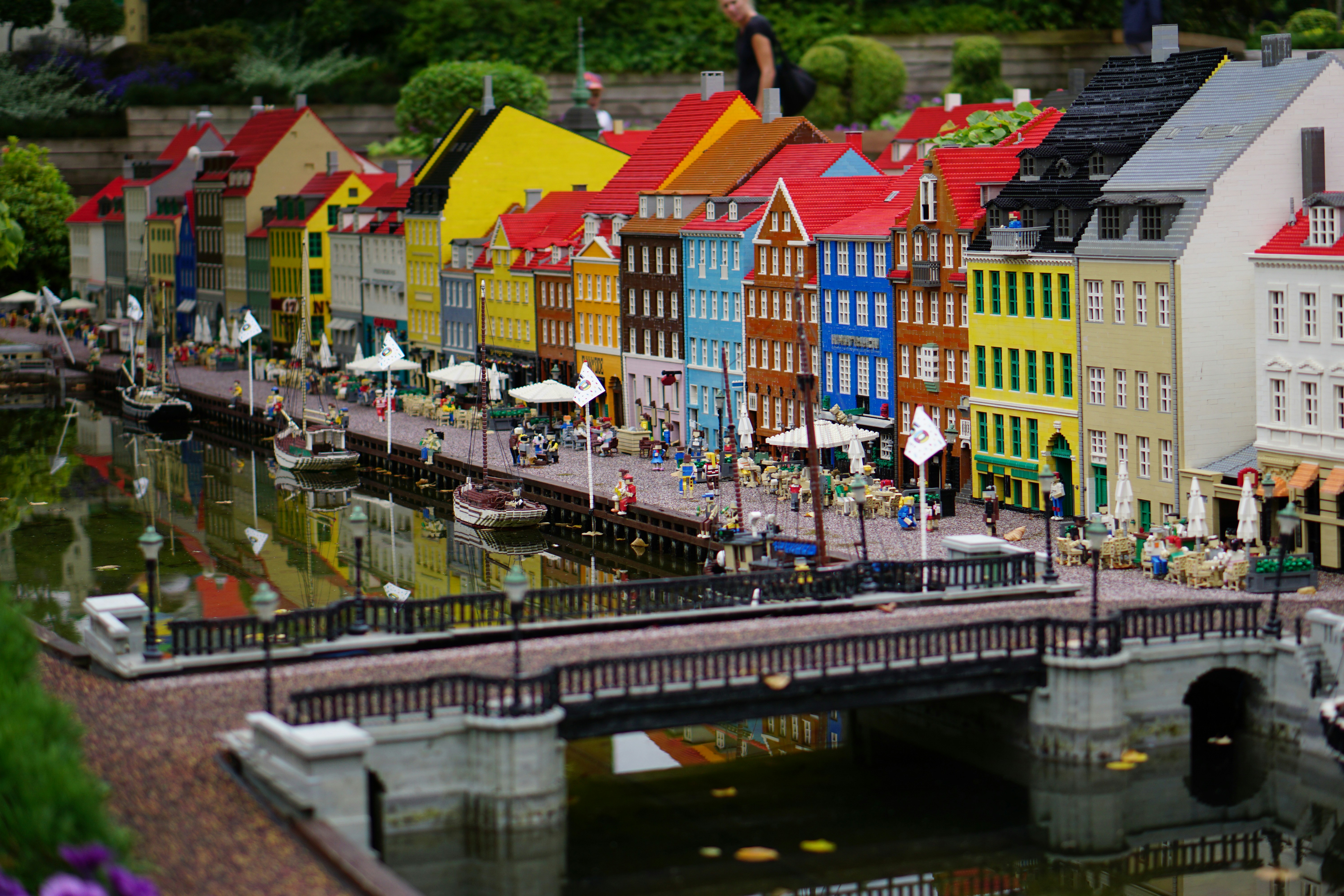 #2749 /100
The original Legoland, built in 1968 in the same town as Lego's headquarters and factory, centred on Miniland - scaled cityscapes of famous landmarks built entirely from millions of Lego bricks.
Rides skew toward families with younger children rather than thrill-seekers, but the sheer craftsmanship of the brick models, some requiring years to build, is the park's real draw for visitors of any age.
A dedicated Lego-brick hotel and nearby Lego House museum make Billund a full theme-park pilgrimage for fans.
How does it rate
CrowdsRomanceCash RequiredDangerAccessibilityWhy you should go
The original Legoland, home to Miniland's astonishingly detailed brick recreations of world landmarks.
Why you shouldn't go
Rides lean toward younger children, so it has less to offer thrill-ride enthusiasts than bigger international parks.
Plan your visit
Best time to visitJune-August for full ride operation, since some attractions close in the off-season.Best time of dayLate morning, once opening-rush families have dispersed across the park.Getting thereFly to Billund Airport, a 10-minute taxi or bus to the park.Entry costOne-day tickets start around 379-449 DKK for adults.Time neededA full day.BookingBook ahead →Insider tip — Visit the separate Lego House museum in Billund town the same trip - it's a different (and for many adults, more impressive) brick experience than the park itself. -
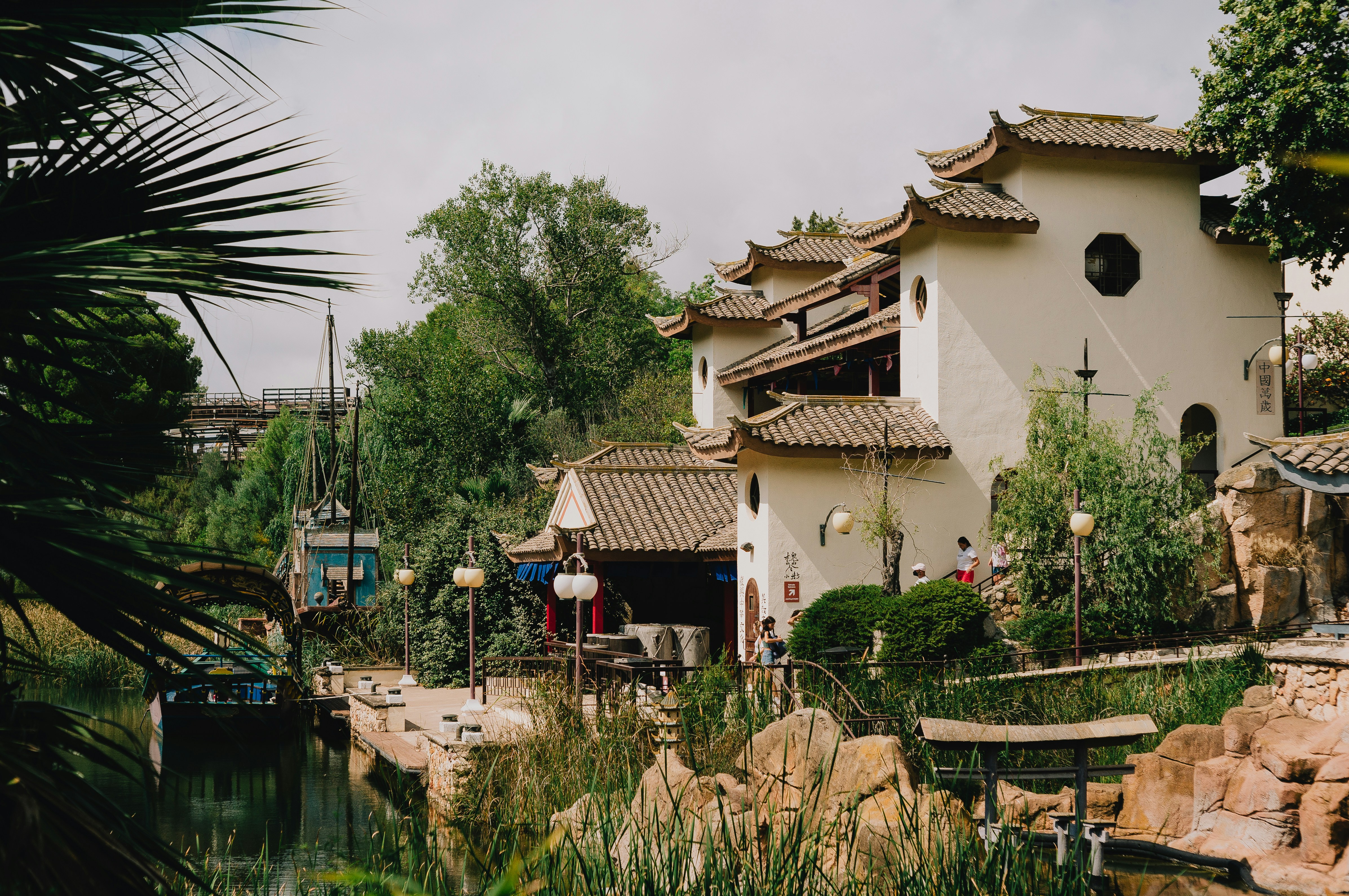 #2848 /100
Spain's largest theme park, split into six themed lands from Polynesia to the Wild West, best known for Shambhala, one of Europe's tallest and fastest hyper-coasters.
An adjoining water park (Costa Caribe) and a Ferrari-branded park under the same resort umbrella make it easy to stretch a visit across several days on the Costa Dorada coast.
It draws heavily from both Spanish domestic tourists and the broader European package-holiday market along this stretch of coastline.
How does it rate
CrowdsRomanceCash RequiredDangerAccessibilityWhy you should go
Six themed lands anchored by Shambhala, one of Europe's tallest hyper-coasters, right on the Costa Dorada beach coast.
Why you shouldn't go
Peak Spanish summer holiday weeks bring serious crowds and coaster queues well over an hour.
Plan your visit
Best time to visitMay-June or September for warm weather without the peak Spanish summer holiday crowds.Best time of dayOpening, heading directly to Shambhala or Furius Baco before queues build.Getting thereA short taxi or the resort shuttle from Salou or Cambrils; about 1 hour from Barcelona by train plus transfer.Entry costOne-day tickets start around EUR55-65 for adults.Time neededA full day.BookingBook ahead →Insider tip — Combine a PortAventura ticket with Ferrari Land next door on the same multi-park pass - it's a short walk between the two. -
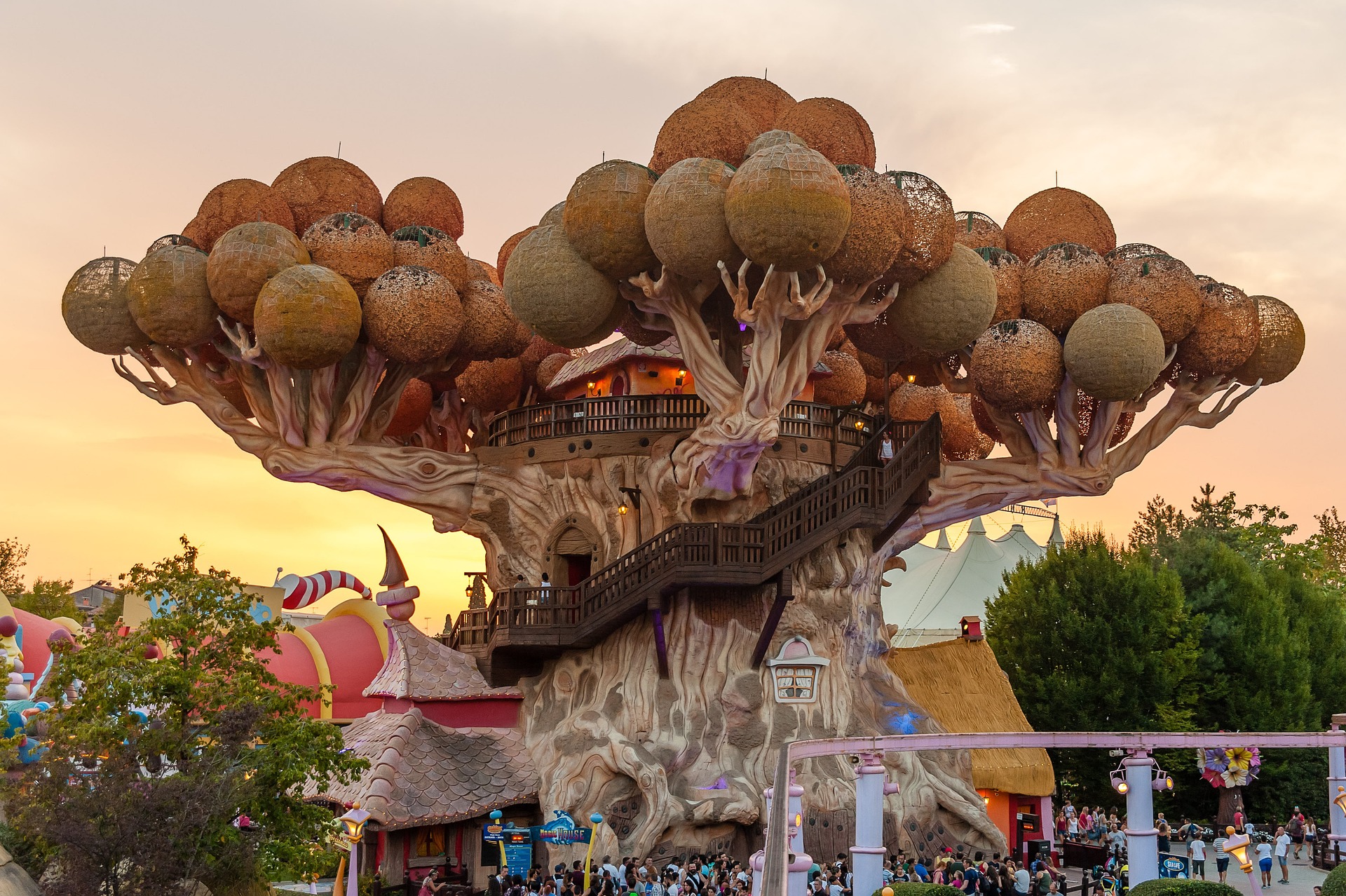 #2945 /100
Italy's largest and most visited theme park, set on the shore of Lake Garda with rides ranging from the classic wooden coaster Fuga da Atlantide to the wolf-themed Fuga di Fantozzi and a dedicated SEA LIFE aquarium.
It pairs naturally with a broader Lake Garda holiday, sitting a short drive from Peschiera del Garda's old town and the lake's beaches.
Newer additions, including a Jurassic Park-themed area, have kept it competitive with the bigger international parks despite a smaller footprint.
How does it rate
CrowdsRomanceCash RequiredDangerAccessibilityWhy you should go
Italy's biggest theme park, right on Lake Garda, easy to combine with a lakeside beach holiday.
Why you shouldn't go
Italian school holiday periods bring intense local crowds, and the park is noticeably smaller than the major American or Spanish parks.
Plan your visit
Best time to visitMay-June or September, avoiding Italian school holiday crowds and summer heat spikes.Best time of dayOpening, to reach the headline coasters before midday queues build.Getting thereA 15-minute drive or shuttle bus from Peschiera del Garda train station, on the Milan-Venice line.Entry costOne-day tickets start around EUR45-55 for adults.Time neededA full day.BookingBook ahead →Insider tip — Combine the park ticket with the adjoining SEA LIFE aquarium - the combo pass is cheaper than buying both separately at the gate.


More from Europe
-
More Family-Friendly spots
-
How a score is built
One score out of 100, five criteria behind it
Every place is rated 1–5 on each of the criteria below, then combined into a single score out of 100. It's calculated by us, the same way every time — not an average of traveller reviews or social votes.
Crowds
How many people you'll be sharing it with, and at what time of day.
Romance
How well it suits a couple, a proposal, or a quiet moment together.
Cash required
Entry fees, permits, guides, rentals — what it actually costs to do it.
Danger
Physical risk involved, from a slippery viewpoint to genuine hazard.
Accessibility
How far off the beaten path it is, and how hard it is to actually reach.


