-
 #185 /100
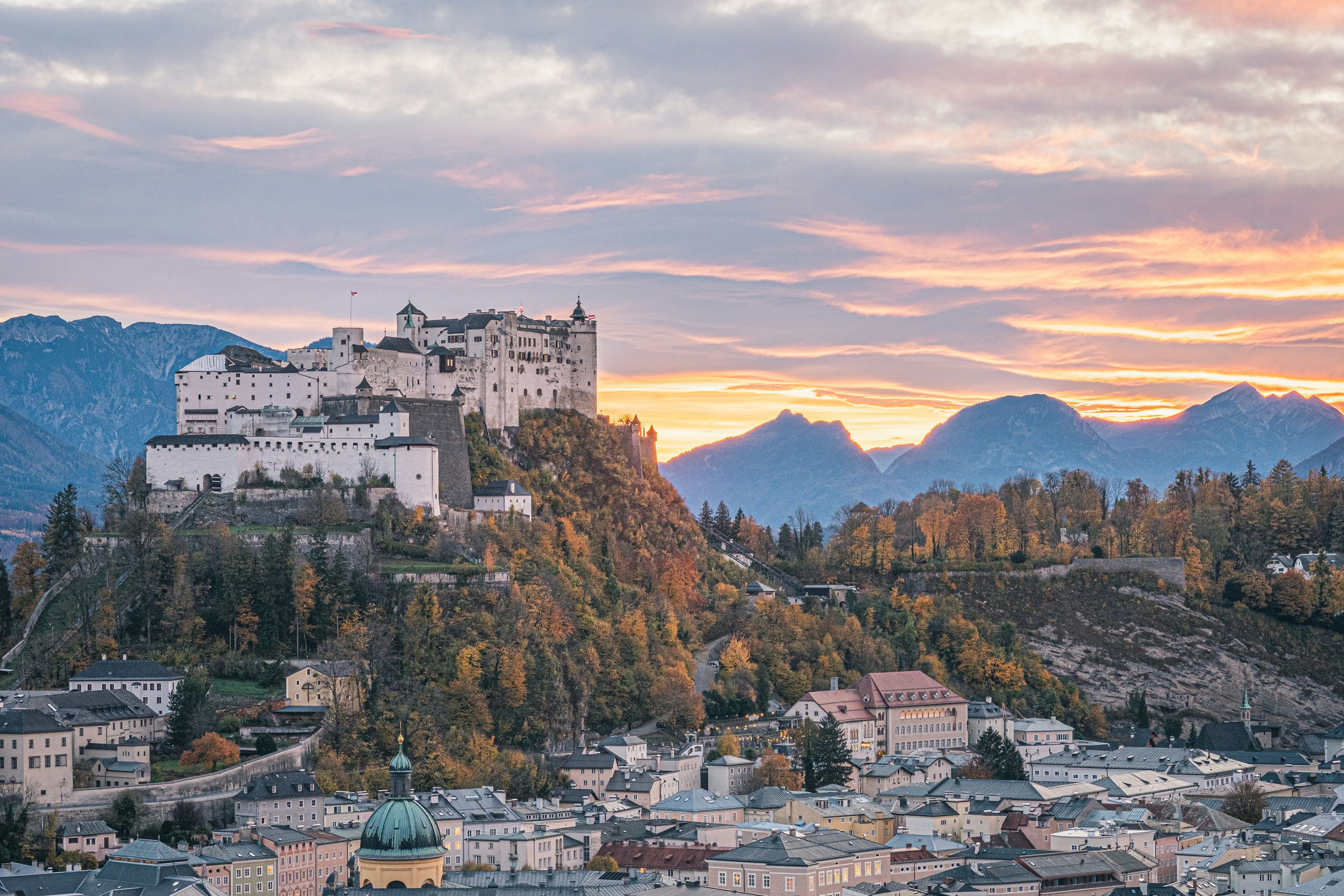
Mozart's birthplace hosts one of the world's most prestigious classical music festivals each summer, staging opera, orchestral concerts, and theatre across venues from the grand Felsenreitschule - a riding school carved into a cliff face - to smaller baroque halls.
Founded in 1920 and still run to famously exacting standards, tickets for its top opera productions are among the hardest and most expensive in classical music to secure.
How does it rate
CrowdsRomanceCash RequiredDangerAccessibilityWhy you should go
World-class opera and classical music in Mozart's home city, staged in venues from a cliff-carved riding school to baroque halls.
Why you shouldn't go
Top opera tickets are scarce and among the most expensive in classical music, often booked out a year ahead.
Plan your visit
Best time to visitSix weeks from late July through August.Best time of dayEvening for opera and orchestral performances.Getting thereFly into Salzburg Airport, a short taxi ride from the festival venues in the old town.Entry costConcert tickets from around EUR50; top opera seats can run into the hundreds.Time neededA few days covers a handful of performances; the full festival runs six weeks.BookingBook ahead →Insider tip — Standing-room tickets, sold cheaply on the day at some venues, are the realistic way in for the festival's hardest-to-book opera nights. -
 #283 /100
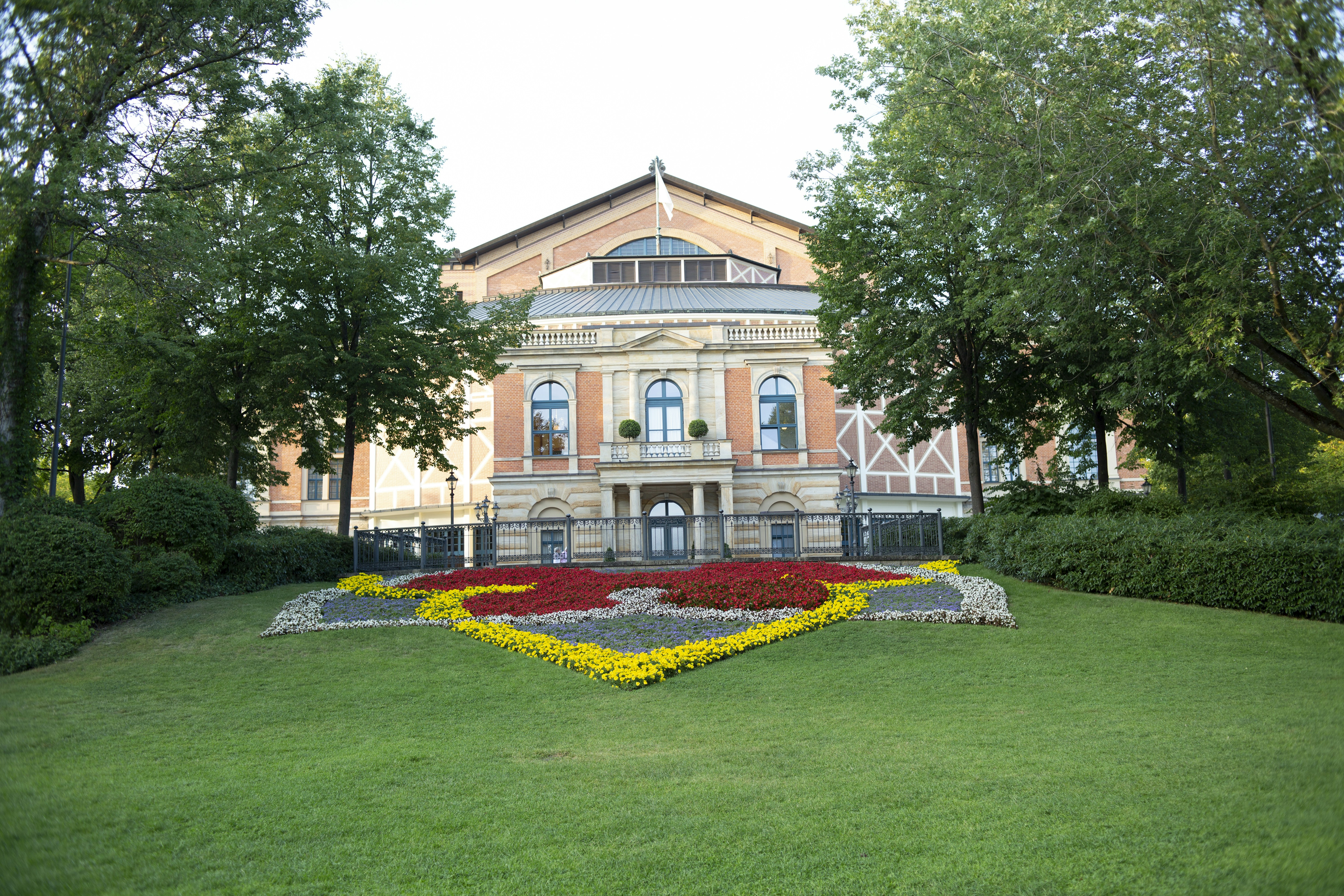
The Bayreuth Festival is a month-long summer devotion to a single composer: Richard Wagner, staged in the purpose-built Festspielhaus he designed specifically for his own operas' acoustics.
Tickets are notoriously hard to obtain, with waiting lists running into years for popular productions of the Ring Cycle.
For serious opera lovers it's a genuine pilgrimage, watching works performed exactly as their composer intended in the hall he built for them.
How does it rate
CrowdsRomanceCash RequiredDangerAccessibilityWhy you should go
Wagner's operas performed in the exact acoustic space he purpose-built for them.
Why you shouldn't go
Tickets can require years on a waiting list, and full Ring Cycle seats sell out fastest.
Plan your visit
Best time to visitLate July to late August, the festival's fixed annual windowBest time of dayEvening performances; Wagner's operas often run 4–6 hours with intervalsGetting thereFly to Nuremberg; 1-hour train to BayreuthEntry costTickets from around €30 (restricted view) to €380+ for premium Ring Cycle seatsTime neededOne evening per opera; a full Ring Cycle spans four eveningsBookingBook ahead →Insider tip — https://www.bayreuther-festspiele.de -
 #380 /100
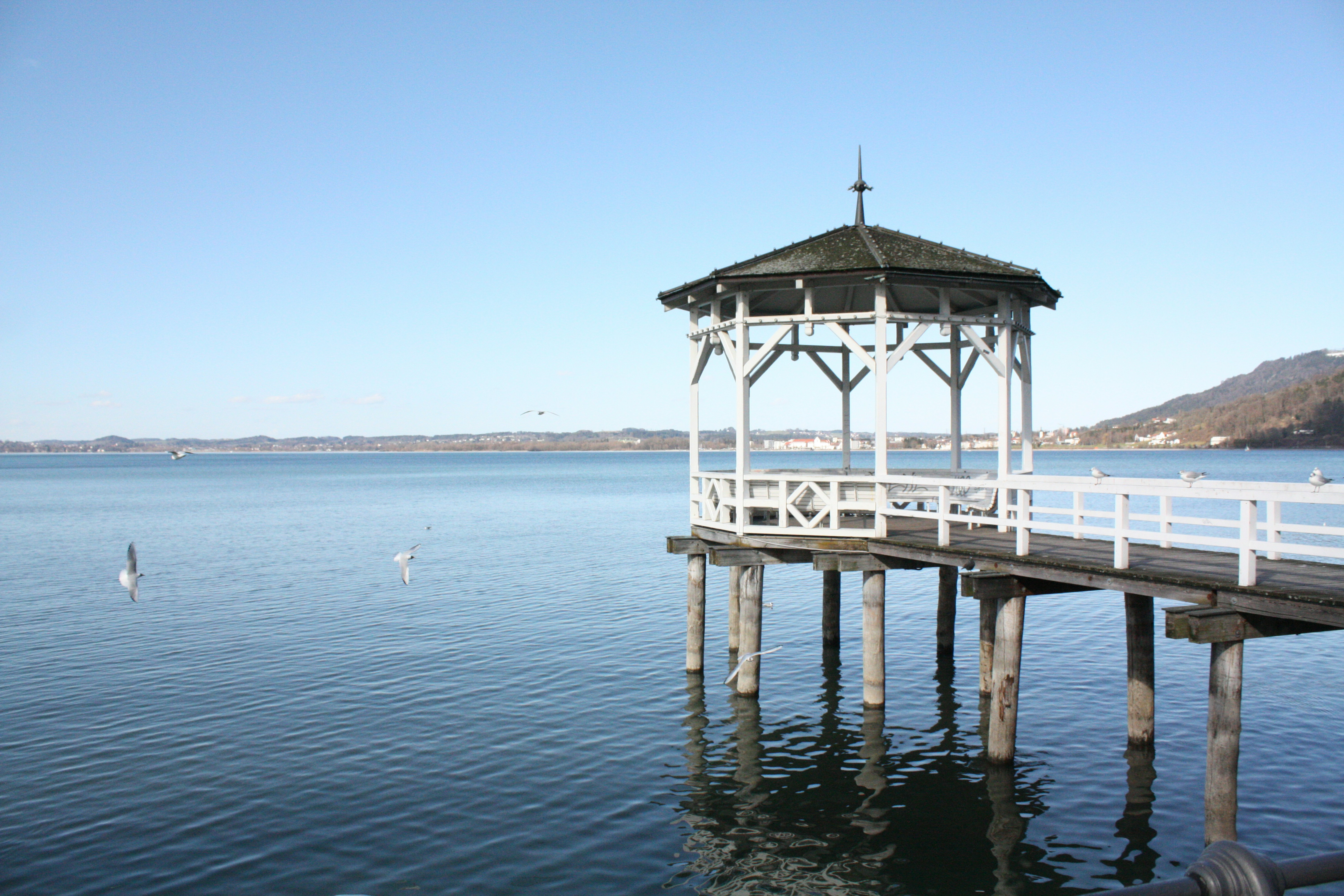
The Bregenz Festival stages full opera productions on the Seebühne, a floating stage built directly on Lake Constance, with the audience seated on the shore facing enormous sets that rise straight out of the water.
Each production runs for two summers, giving designers time to build sets so elaborate they've included sunken cathedrals and giant skulls.
Lake, mountains and opera combine into a spectacle unlike any indoor opera house.
How does it rate
CrowdsRomanceCash RequiredDangerAccessibilityWhy you should go
An opera set built directly into a lake, unlike anything staged indoors.
Why you shouldn't go
Weather-dependent outdoor seating means occasional rain delays or cancellations.
Plan your visit
Best time to visitLate July to mid-August, the festival's annual runBest time of dayDusk performances, timed so the set is lit dramatically as darkness fallsGetting thereFly to Zurich or Munich; train to Bregenz on Lake ConstanceEntry costTickets from around €35 to €200 depending on seatingTime neededOne eveningBookingBook ahead →Insider tip — https://www.bregenzerfestspiele.com -
 #480 /100
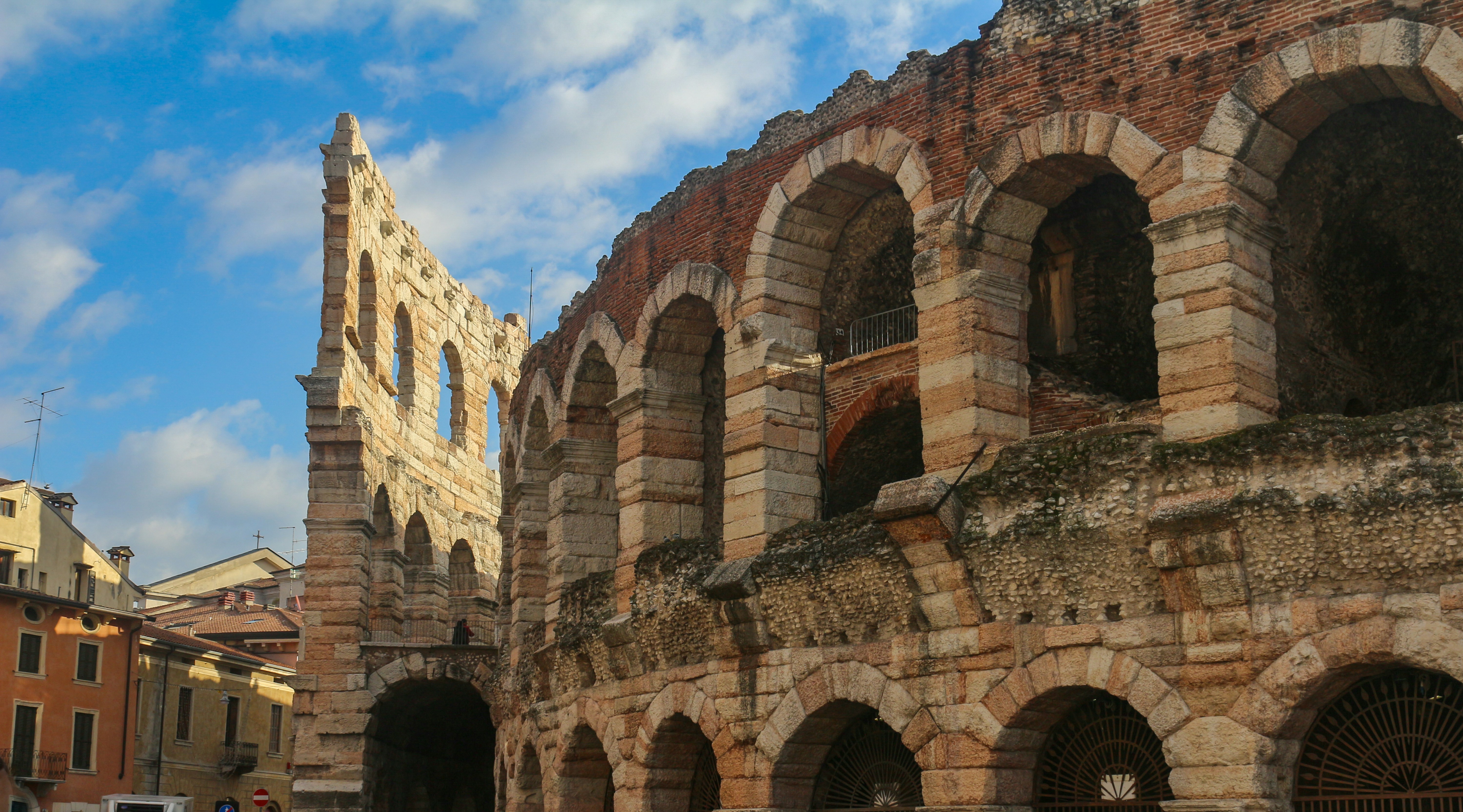
The Arena di Verona Opera Festival stages full-scale opera inside a Roman amphitheatre built in 30 AD, the third-largest surviving in the world and still seating up to 15,000 people without a microphone in sight — the arena's acoustics do the work.
Verdi's Aida, first performed here in 1913 to mark the composer's centenary, remains an annual fixture staged with elephants and camels in some productions.
Every evening performance begins with thousands of candles lit across the stone tiers as darkness falls, a tradition unique to this festival.
How does it rate
CrowdsRomanceCash RequiredDangerAccessibilityWhy you should go
Opera staged in an actual 2,000-year-old Roman amphitheatre, unamplified, for up to 15,000 people a night.
Why you shouldn't go
Stone tiered seating is famously hard on the back — a cushion, rented on site, is close to essential.
Plan your visit
Best time to visitJune to September, the festival's fixed summer seasonBest time of dayEvening performances, starting at dusk with the candle-lighting traditionGetting thereVerona Porta Nuova station, a 20-minute walk or short bus ride to the arena in Piazza BraEntry costUnreserved stone-tier seats from around EUR 25; numbered seats up to EUR 200+Time neededOne evening; performances often run 3+ hoursBookingBook ahead →Insider tip — Rent a seat cushion at the entrance — the stone steps are unforgiving over a three-hour opera -
 #578 /100
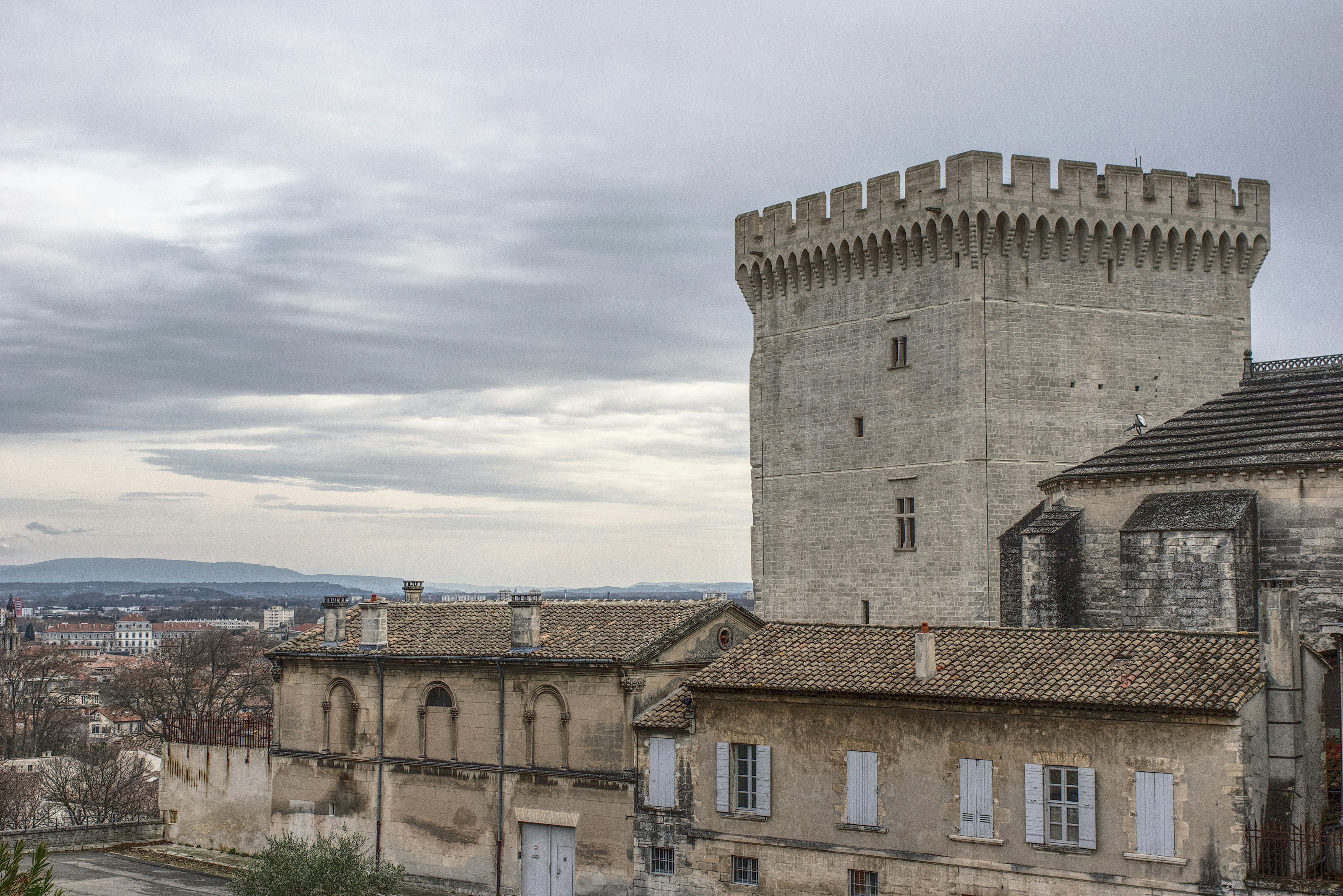
Each July, France's Avignon Festival turns the walled papal city into Europe's biggest stage for contemporary theatre, with the main programme performing in the Palais des Papes' medieval courtyard alongside hundreds of independent Fringe shows filling every spare room and courtyard in town.
Founded in 1947 to bring serious theatre beyond Paris, it now draws well over a thousand productions across three weeks, more than any visitor could see.
How does it rate
CrowdsRomanceCash RequiredDangerAccessibilityWhy you should go
Contemporary theatre fills a papal city for three weeks each July, from the main stage in the Palais des Papes to over a thousand independent shows.
Why you shouldn't go
The sheer volume of overlapping shows across the Fringe programme makes it easy to miss the best productions without local advice.
Plan your visit
Best time to visitThree weeks in July each year.Best time of dayEvening for the Palais des Papes main-stage productions; daytime for Fringe shows across town.Getting thereTake the TGV direct to Avignon TGV station, then a short shuttle into the walled city centre.Entry costFringe shows run roughly EUR15-25; main-programme productions in the Palais des Papes cost more.Time neededA few days to sample a range of shows; locals attend across the full three weeks.BookingBook ahead →Insider tip — Book main-programme shows in the Palais des Papes courtyard months ahead - the Fringe's thousand-plus shows are easier to get into on short notice. -
 #6
#6Rated #6 of 12
Aix-en-Provence Festival, France
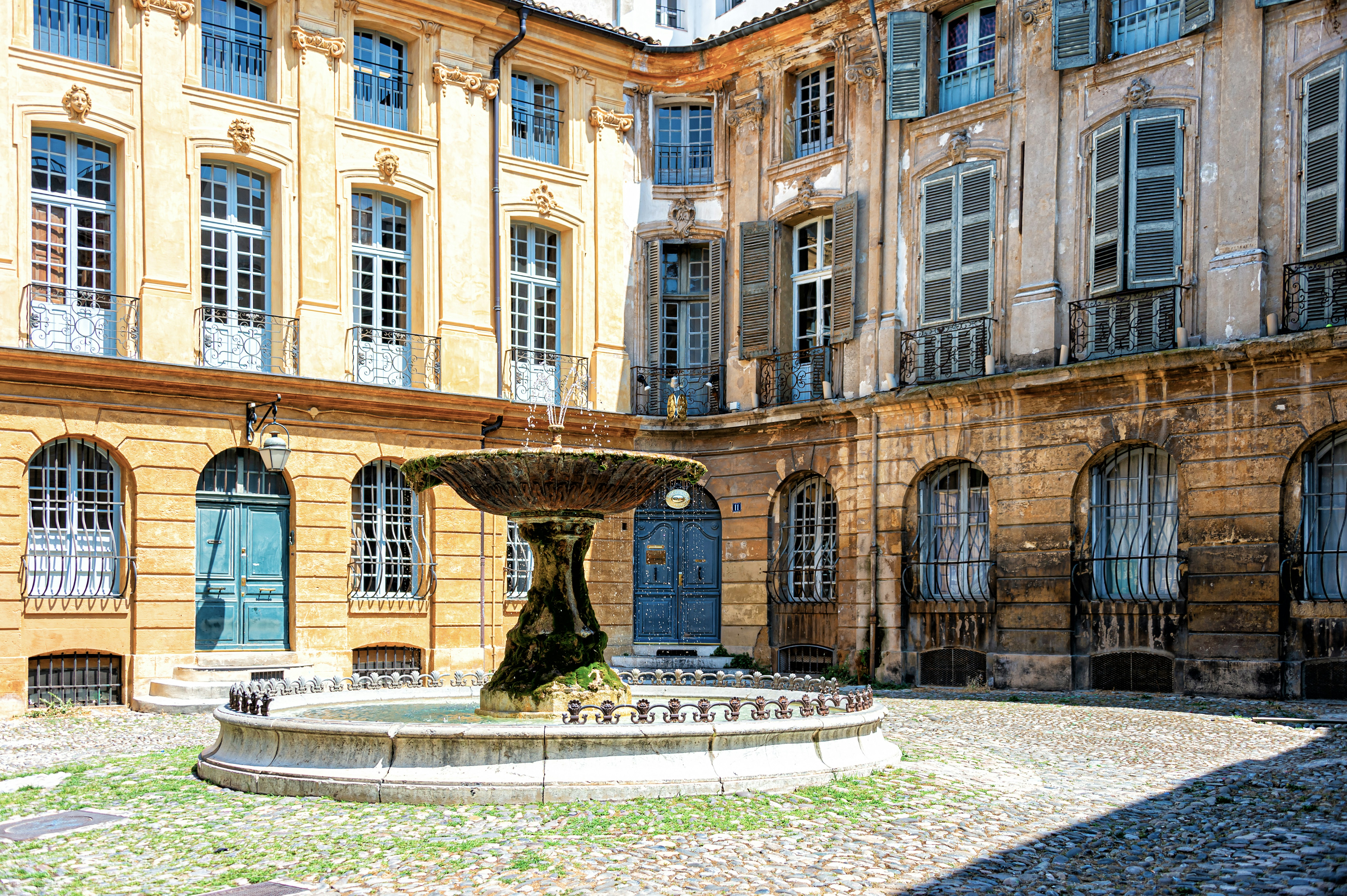
#aix-en-provencefestival ◆ Performing Arts Festivals77 /100The Aix-en-Provence Festival is one of the most respected opera festivals in Europe, staged each July across historic courtyards and theatres in the Provençal city, including the open-air Théâtre de l'Archevêché beneath the cathedral.
It's known for adventurous, often reinterpreted stagings of both classic and contemporary opera rather than safe, traditional productions.
The setting — golden stone, warm evenings, cypress-lined courtyards — is as much a draw as the programme.
How does it rate
CrowdsRomanceCash RequiredDangerAccessibilityWhy you should go
Bold, contemporary opera stagings in some of Provence's most atmospheric courtyards.
Why you shouldn't go
July heat can make covered but open-air venues warm well into the evening.
Plan your visit
Best time to visitEarly to mid-July, the festival's fixed annual windowBest time of dayEvening performances outdoors, once the day's heat has easedGetting thereFly to Marseille; 35-minute train or drive to Aix-en-ProvenceEntry costTickets from around €20 to €195 depending on production and seatingTime neededOne evening per operaBookingBook ahead →Insider tip — https://festival-aix.com -
 #7
#7Rated #7 of 12
Prague Spring International Music Festival, Czech Republic
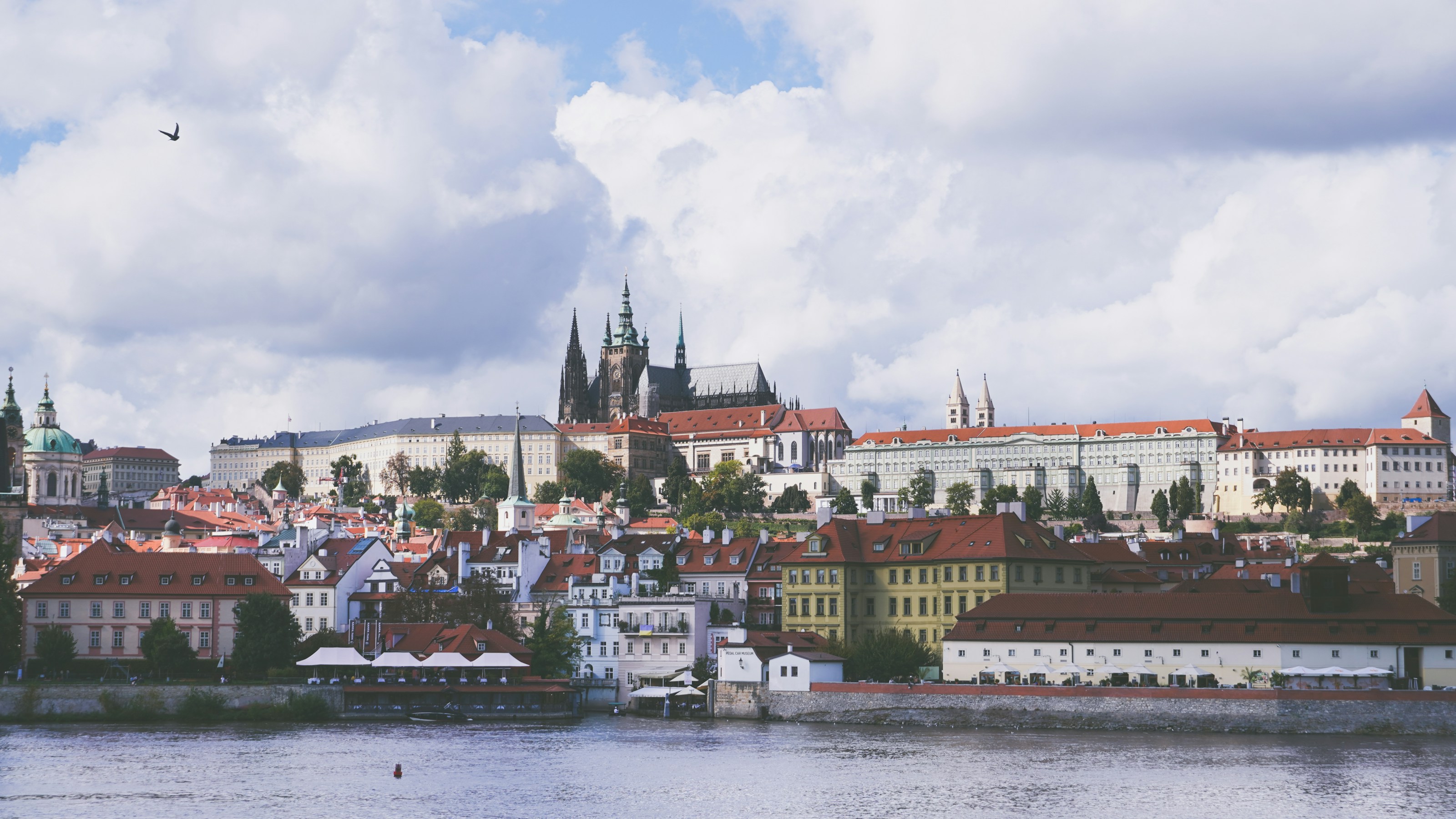
#praguespringinternationalmusicfestival ◆ Performing Arts Festivals76 /100Prague Spring opens every year on the same date - the anniversary of composer Bedrich Smetana's death - with a ceremonial performance of his symphonic cycle Ma vlast in the Smetana Hall, before three weeks of orchestral concerts by international ensembles fill the city's grandest halls.
Founded in 1946, it remains one of Europe's most respected classical music festivals, with the Rudolfinum among its most beautiful venues.
How does it rate
CrowdsRomanceCash RequiredDangerAccessibilityWhy you should go
A classical music festival that opens every year with Smetana's Ma vlast on the exact anniversary of his death.
Why you shouldn't go
Top concerts at the Rudolfinum and Smetana Hall sell out early, especially the opening and closing nights.
Plan your visit
Best time to visitThree weeks from mid-May into early June.Best time of dayEvening for the main orchestral concerts.Getting thereFly into Vaclav Havel Airport Prague, then a metro or taxi into the historic centre.Entry costTickets run roughly CZK 500-2,500 depending on the concert and seating.Time neededOne evening per concert; enthusiasts stay for several.BookingBook ahead →Insider tip — Book the opening night (Ma vlast) as far ahead as possible - it's the single hardest ticket of the whole festival. -
 #874 /100
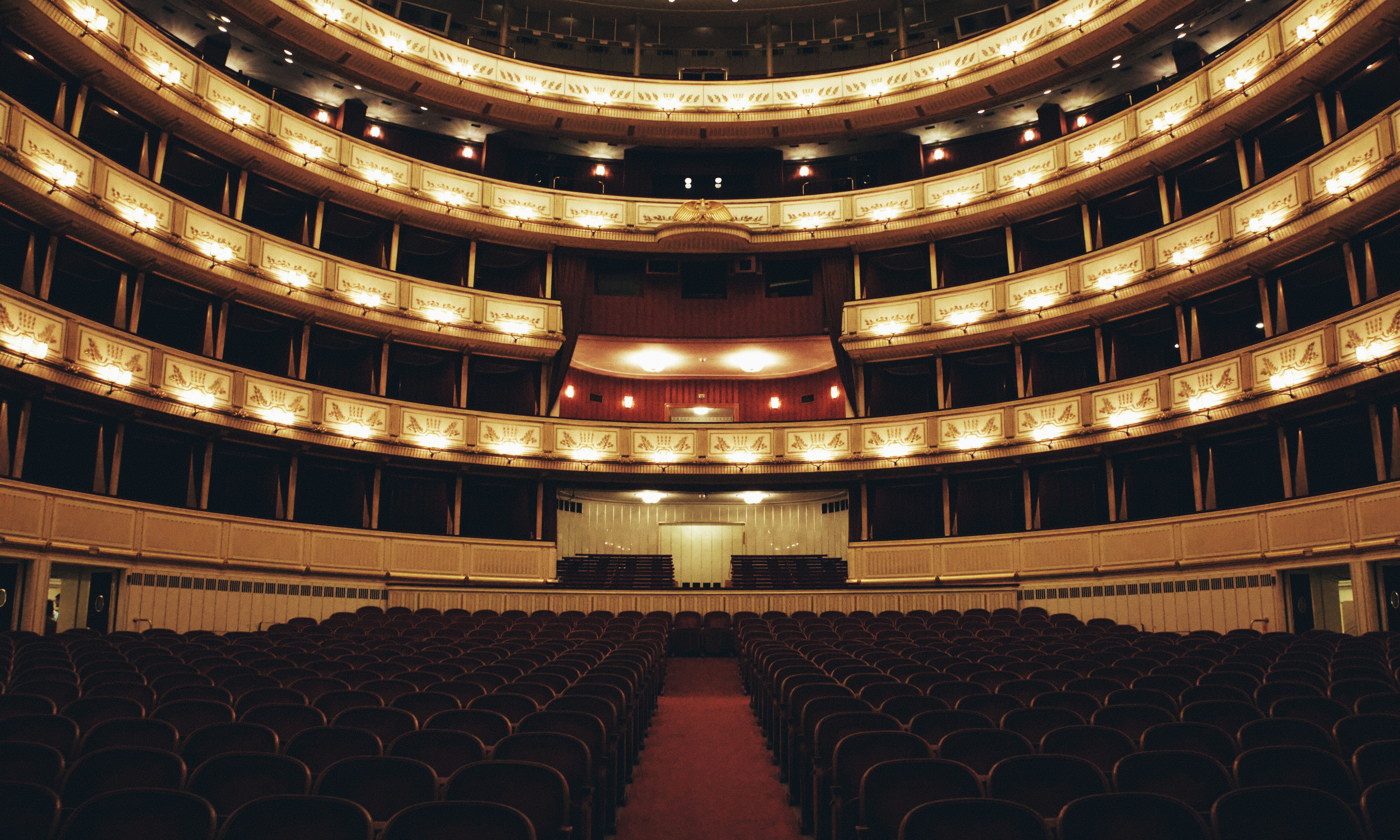
The Wiener Festwochen (Vienna Festival) fills the city for five weeks each spring with theatre, dance, opera and multidisciplinary performance, staged everywhere from the Vienna State Opera's grand stage to an open-air screen and stage built annually in front of the City Hall.
Founded in 1951 as part of Austria's postwar cultural rebuilding, it has grown into one of Europe's most significant platforms for new and experimental theatre.
Free open-air screenings and concerts at the Rathausplatz sit alongside ticketed premieres by major international companies.
How does it rate
CrowdsRomanceCash RequiredDangerAccessibilityWhy you should go
Major international theatre premieres staged in a city built around music and performance for centuries.
Why you shouldn't go
The best ticketed premieres at flagship venues sell out fast; free outdoor programming is more accessible than the main stage.
Plan your visit
Best time to visitMid-May to mid-June, the festival's fixed annual windowBest time of dayEvening performances; the free Rathausplatz screen programme runs after darkGetting thereVienna U-Bahn to Rathaus or Karlsplatz stations, depending on venueEntry costFree outdoor screenings; ticketed shows from around EUR 20 to EUR 150Time neededOne evening per performance, or several days for the wider programmeBookingBook ahead →Insider tip — The Rathausplatz outdoor film and concert screen runs free every night of the festival, rain or shine — a good low-cost way to sample the programme -
 #971 /100
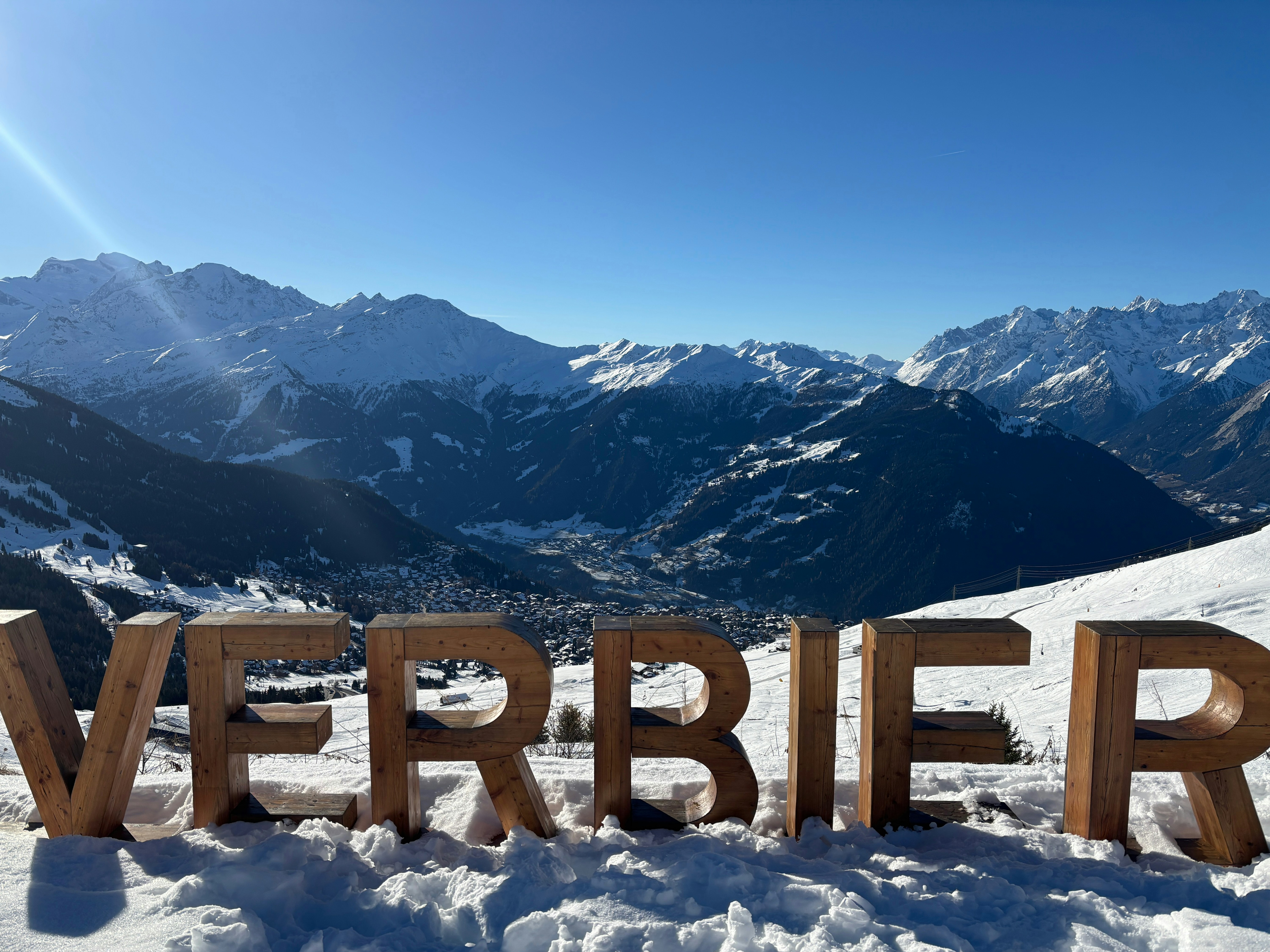
The Verbier Festival brings world-class classical soloists and a festival orchestra of rising young musicians to a small Alpine ski resort each July, staging chamber concerts in mountain chalets and larger orchestral performances in a purpose-built tent with the Swiss Alps as a backdrop.
Its Verbier Festival Orchestra has become a genuine career launchpad, drawing conductors and soloists of the highest calibre to mentor musicians in their twenties.
The scale is intimate compared with Salzburg or Bayreuth, but the setting is unmatched.
How does it rate
CrowdsRomanceCash RequiredDangerAccessibilityWhy you should go
Top-tier classical musicians performing in an intimate Alpine setting rather than a big-city concert hall.
Why you shouldn't go
A ski resort in summer has limited accommodation, and prices rise sharply during the festival.
Plan your visit
Best time to visitLate July to early August, the festival's fixed annual windowBest time of dayEvening concerts, with some free daytime chamber recitals in village venuesGetting thereFly to Geneva; 2.5-hour train and cable car connection to VerbierEntry costTickets from around CHF 40 to CHF 250 depending on venue and performerTime neededOne evening per concertBookingBook ahead →Insider tip — https://www.verbierfestival.com -
 #1066 /100
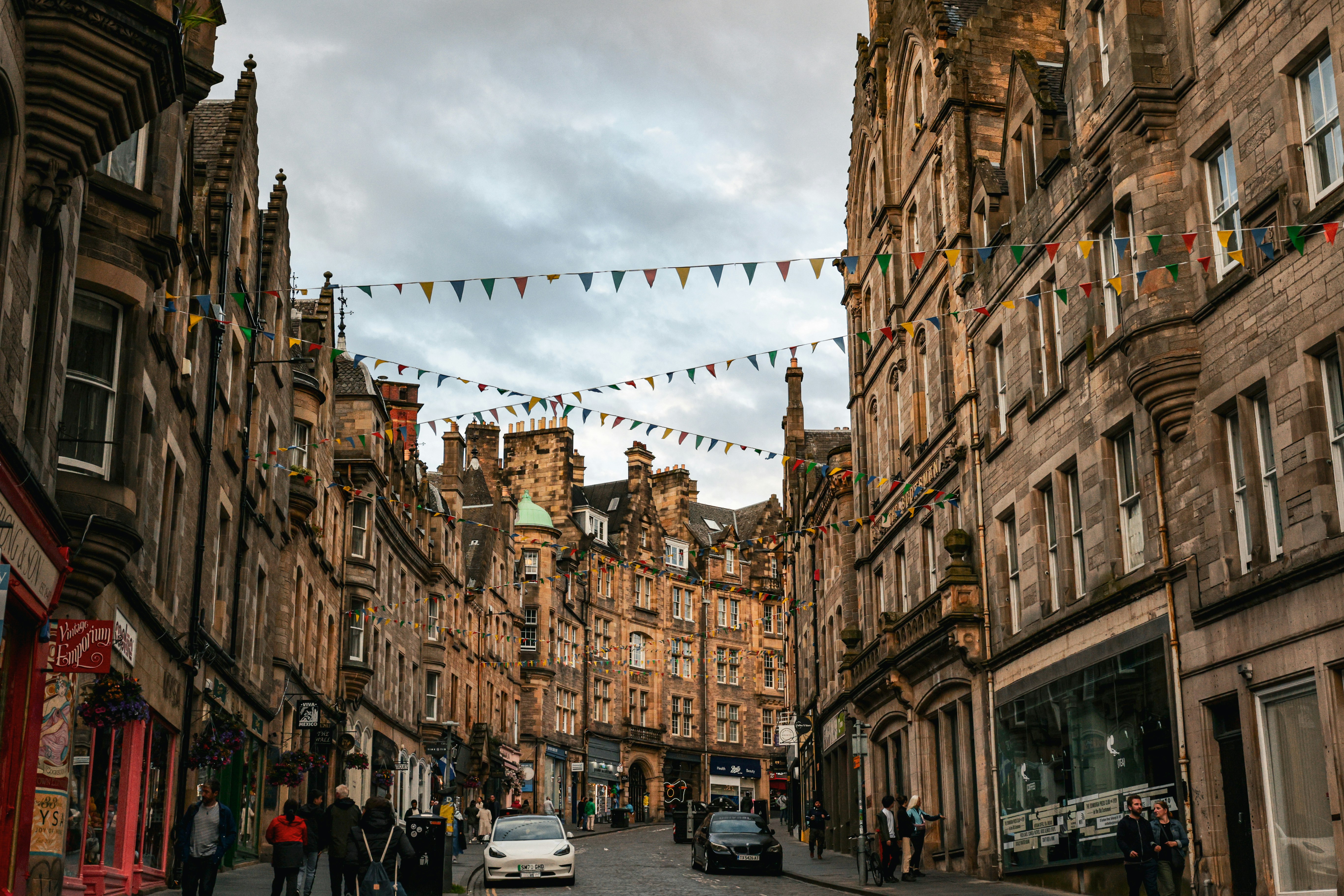
Every August, Edinburgh's Old Town becomes the world's largest arts festival, with thousands of comedy, theatre and street performances crammed into venues from grand halls to converted cupboards, while the Royal Mile fills with performers touting shows to passers-by.
It began in 1947 when eight companies turned up uninvited to the official Edinburgh International Festival.
How does it rate
CrowdsRomanceCash RequiredDangerAccessibilityWhy you should go
The world's largest arts festival, staged across a medieval Old Town for the entire month of August.
Why you shouldn't go
Venues are tiny and shows overlap constantly, so seeing more than a handful of performances takes real scheduling.
Plan your visit
Best time to visitAugust, the festival's fixed month-long annual run.Best time of dayLate afternoon on the Royal Mile, when street performers and flyering are at their busiest.Getting thereFly to Edinburgh Airport, then a tram or bus roughly 30 minutes into the city centre.Entry costStreet performances are free (tip expected); ticketed shows typically run GBP10-25.Time neededA full day to sample multiple shows, or several days for a proper Fringe trip.BookingBook ahead →Insider tip — Half-price ticket booths around the Royal Mile sell same-day tickets to shows that haven't sold out, often for genuinely good acts. -
 #1165 /100
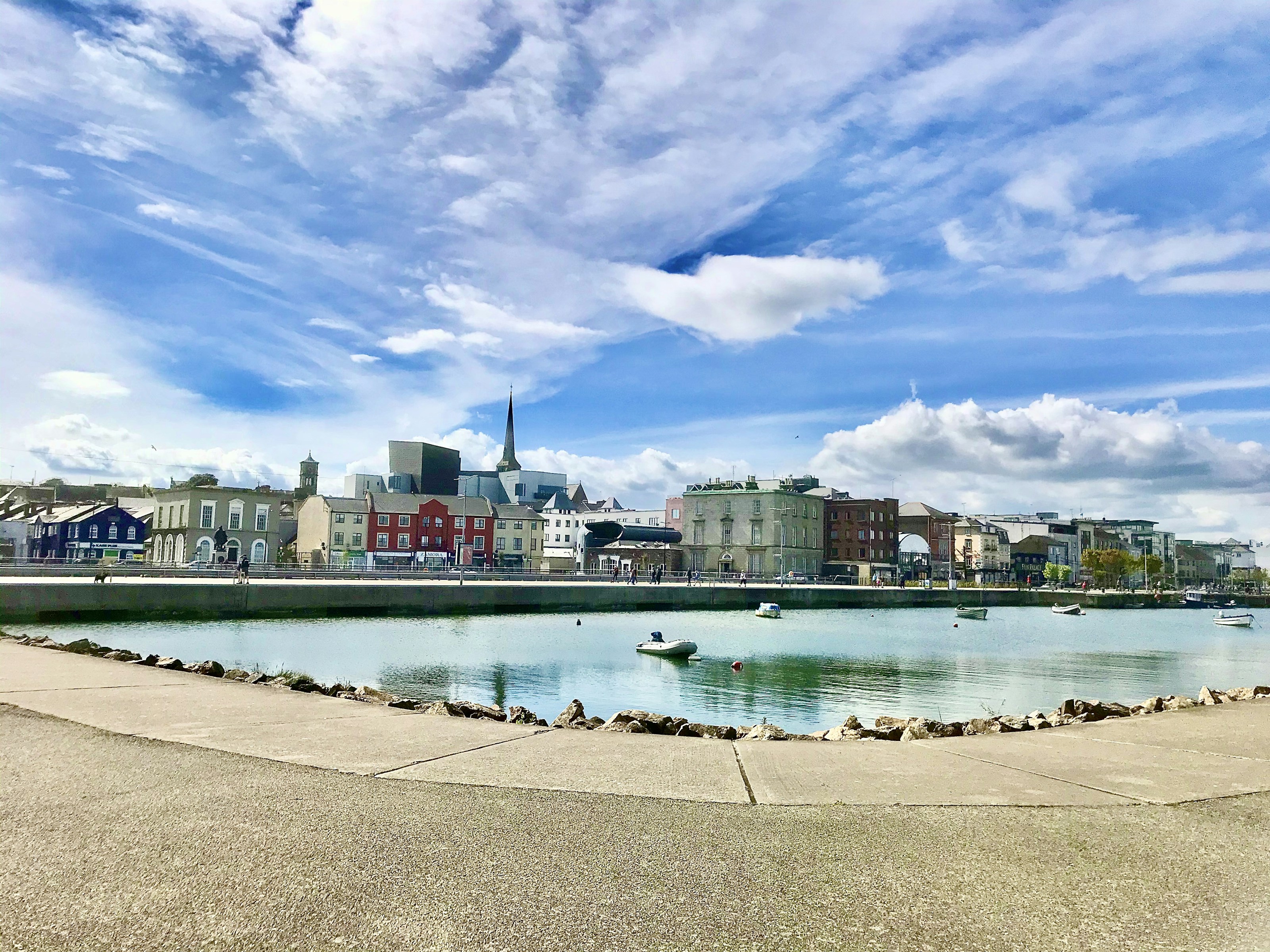
For two weeks each autumn, this small Irish port town stages rare and forgotten operas rather than the standard repertoire, giving neglected works their first outings in decades inside an intimate purpose-built opera house that seats under 800.
The scale keeps it intensely social - singers, musicians, and audiences share the same small-town pubs after every performance - in a way the big opera houses of London or Vienna never quite manage.
How does it rate
CrowdsRomanceCash RequiredDangerAccessibilityWhy you should go
A small-town Irish opera festival specialising in rare, rediscovered works rather than the standard repertoire.
Why you shouldn't go
The niche, lesser-known repertoire is the whole point, but it won't suit visitors wanting only opera's greatest hits.
Plan your visit
Best time to visitTwo weeks in October and November each year.Best time of dayEvening for the main opera performances.Getting thereFly into Dublin, then a train or drive roughly 2.5 hours south to Wexford.Entry costTickets run roughly EUR40-140 depending on seating.Time neededOne evening per opera; enthusiasts stay the full two weeks.BookingBook ahead →Insider tip — Book a table at the post-show pub sessions where cast members often turn up - it's as much a part of the festival as the opera itself. -
 #1263 /100
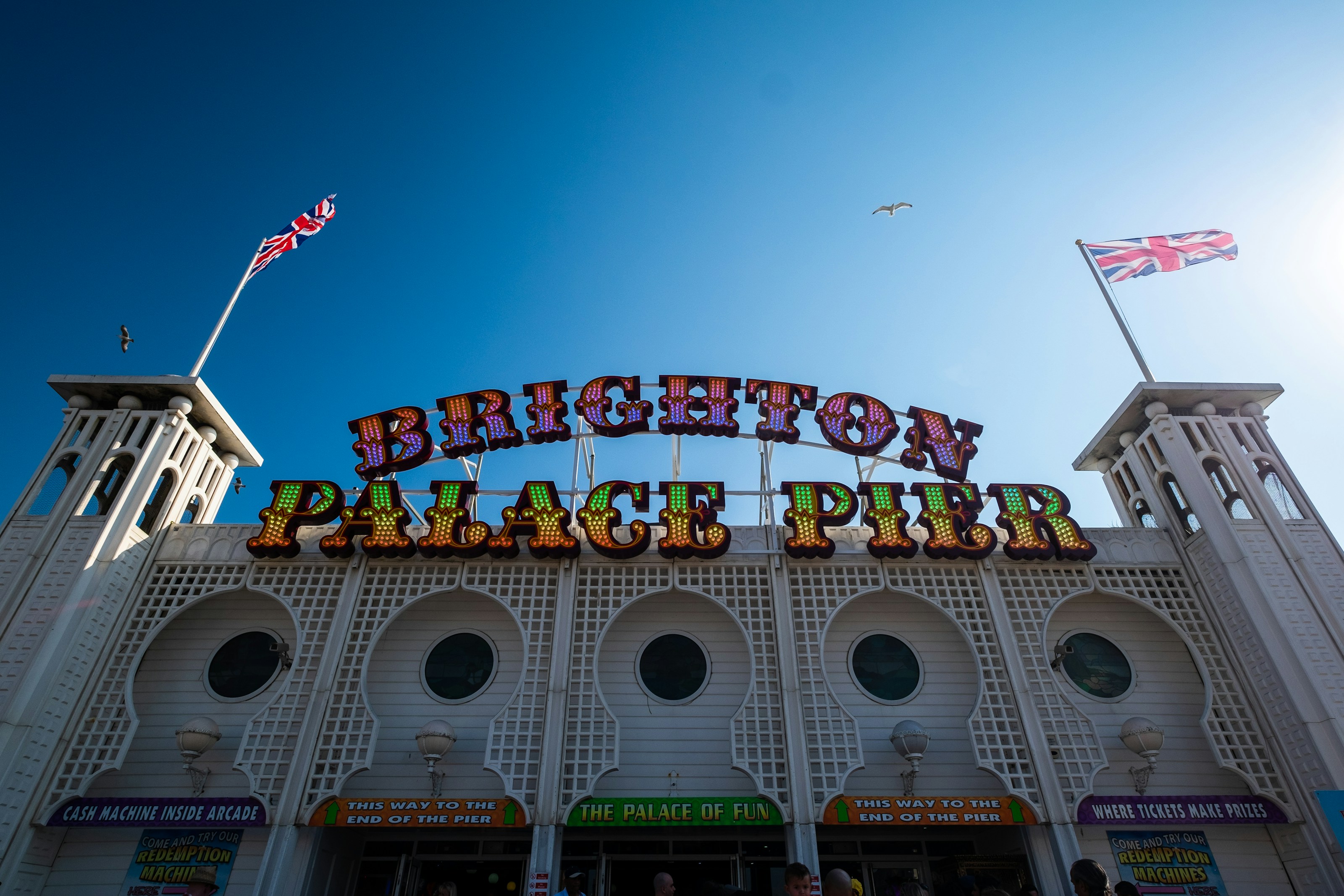
England's largest annual multi-arts festival fills Brighton each May with theatre, dance, music, and visual art across the seaside city's theatres, churches, and public spaces, alongside the fringe-style Brighton Festival Fringe running in parallel.
A different guest artistic director curates the programme each year, while the free outdoor Children's Parade and Artists' Open Houses trail draw crowds beyond ticketed shows.
How does it rate
CrowdsRomanceCash RequiredDangerAccessibilityWhy you should go
England's largest multi-arts festival, with a new guest artistic director curating theatre, dance, and art across Brighton each May.
Why you shouldn't go
Brighton's hotels fill and prices rise through May, especially on weekends when the festival overlaps with regular seaside crowds.
Plan your visit
Best time to visitThe month of May each year.Best time of dayAfternoon and evening for most performances; the Artists' Open Houses run daytime.Getting thereTake a direct train from London Victoria or London Bridge, about an hour to Brighton station.Entry costMany events are free; ticketed shows run roughly GBP10-35.Time neededA weekend covers a good sample; the full festival runs the whole month.BookingBook ahead →Insider tip — The Artists' Open Houses trail, where locals turn their homes into small galleries, is free and often overlooked next to the ticketed main programme.


More from Europe
-
More Performing Arts Festival spots
How a score is built
One score out of 100, five criteria behind it
Every place is rated 1–5 on each of the criteria below, then combined into a single score out of 100. It's calculated by us, the same way every time — not an average of traveller reviews or social votes.
Crowds
How many people you'll be sharing it with, and at what time of day.
Romance
How well it suits a couple, a proposal, or a quiet moment together.
Cash required
Entry fees, permits, guides, rentals — what it actually costs to do it.
Danger
Physical risk involved, from a slippery viewpoint to genuine hazard.
Accessibility
How far off the beaten path it is, and how hard it is to actually reach.

