-
 #193 /100
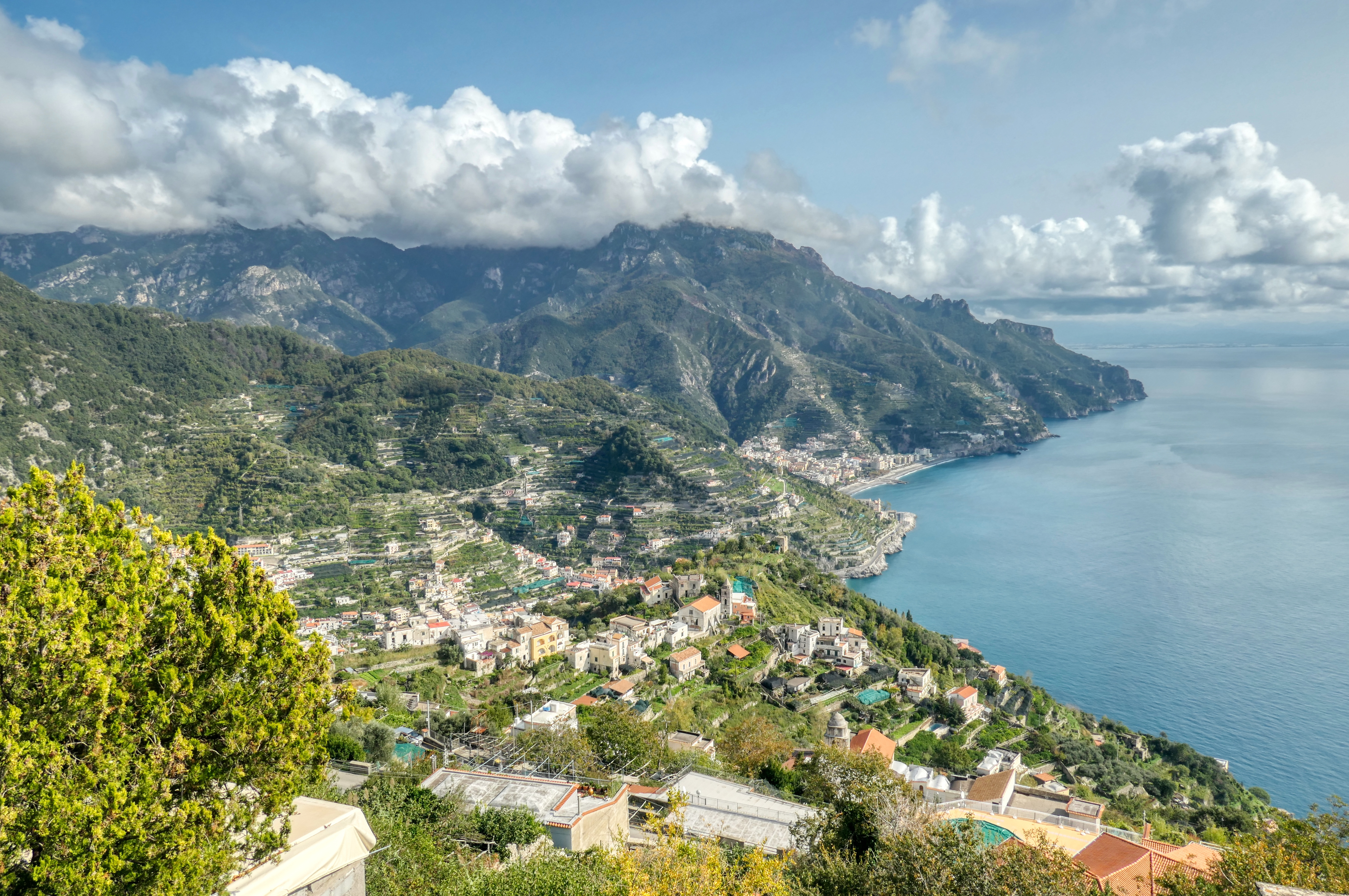
The Amalfi Coast is a 50-kilometre stretch of cliffside villages, lemon groves, and impossibly blue Mediterranean sea along the southern edge of the Sorrentine Peninsula.
Perched villages like Positano and Ravello tumble down vertiginous hillsides in a cascade of pastel buildings.
How does it rate
CrowdsRomanceCash RequiredDangerAccessibilityWhy you should go
Every bend of the coastal road reveals a new and more spectacular view, and the villages themselves are among the most beautiful in Europe.
Why you shouldn't go
The coast road is extremely narrow and congested in summer, and accommodation in the most popular villages is very expensive.
Plan your visit
Best time to visitMay-June or September, avoiding August crowdsBest time of dayLate afternoon for golden coastal lightGetting thereFly to Naples, then drive or SITA bus along the coast roadEntry costFree to view; ferry and bus fares varyTime needed2-3 days to see properlyInsider tip — Take the ferry between towns instead of the coast road to skip traffic -
 #2
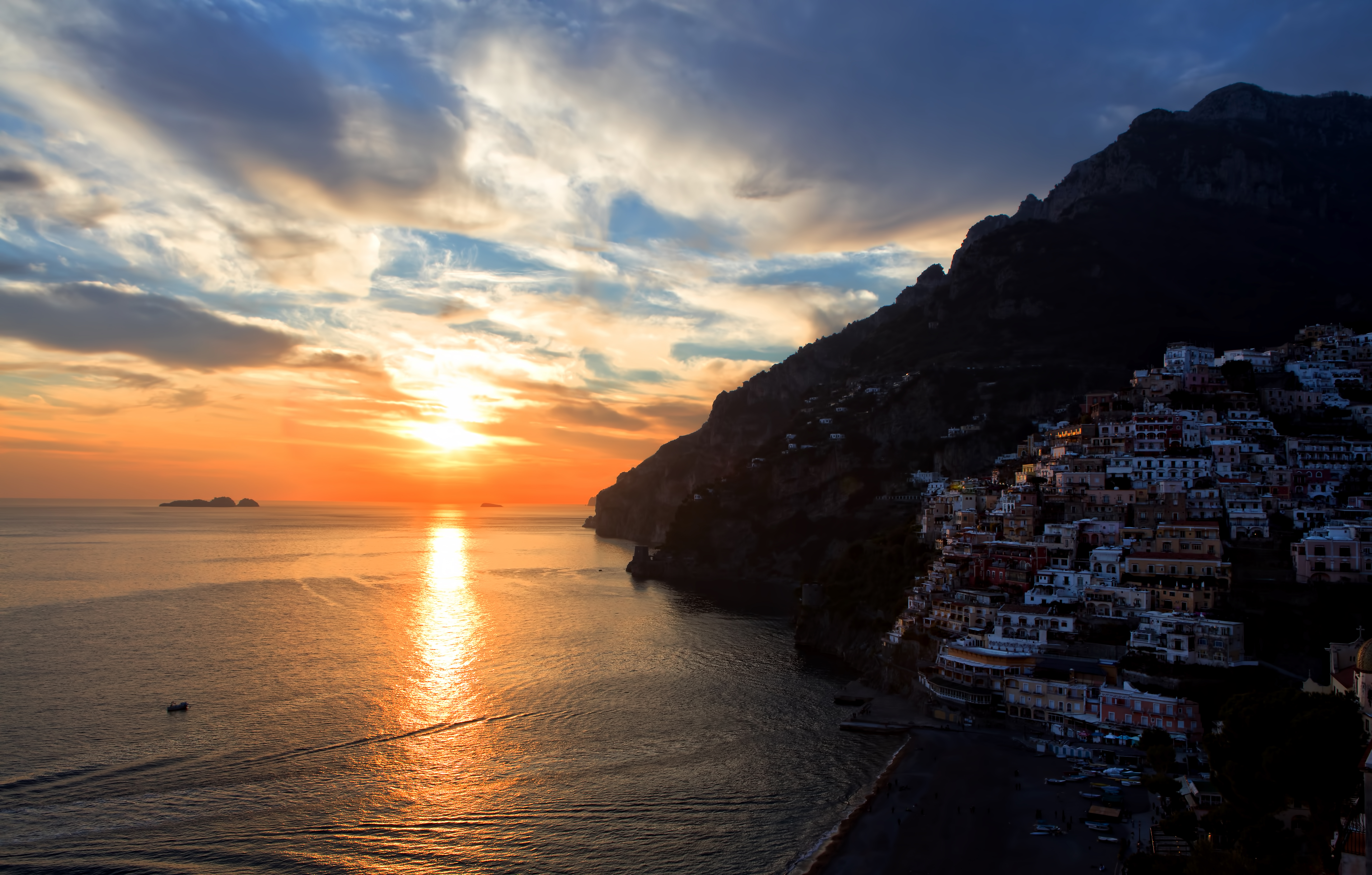
#2Positano is the Amalfi Coast's poster child: a wall of peach, rose and terracotta houses stacked impossibly steeply between the cliffs and a dark-sand beach.
The classic view, the whole town glowing above Spiaggia Grande, is best from the coast path or from the ferry pulling out.
Below the view it's all lemon groves, boutiques and long seafood lunches.
How does it rate
CrowdsRomanceCash RequiredDangerAccessibilityWhy you should go
The stacked pastel townscape above the beach is one of the Mediterranean's defining views.
Why you shouldn't go
Everything is steps, hundreds of them, and summer prices and crowds are ferocious.
Plan your visit
Best time to visitMay, June or September - warm seas without August's crushBest time of dayGolden hour, when the west light sets the facades glowingGetting thereFly to Naples; ferry from Salerno or Sorrento beats the coast road in summerEntry costFree to wander; beach clubs and parking cost plentyTime needed1-2 daysInsider tip — Arrive by ferry rather than road - the approach from the water is the photo, and you skip the SS163 traffic -
 #390 /100
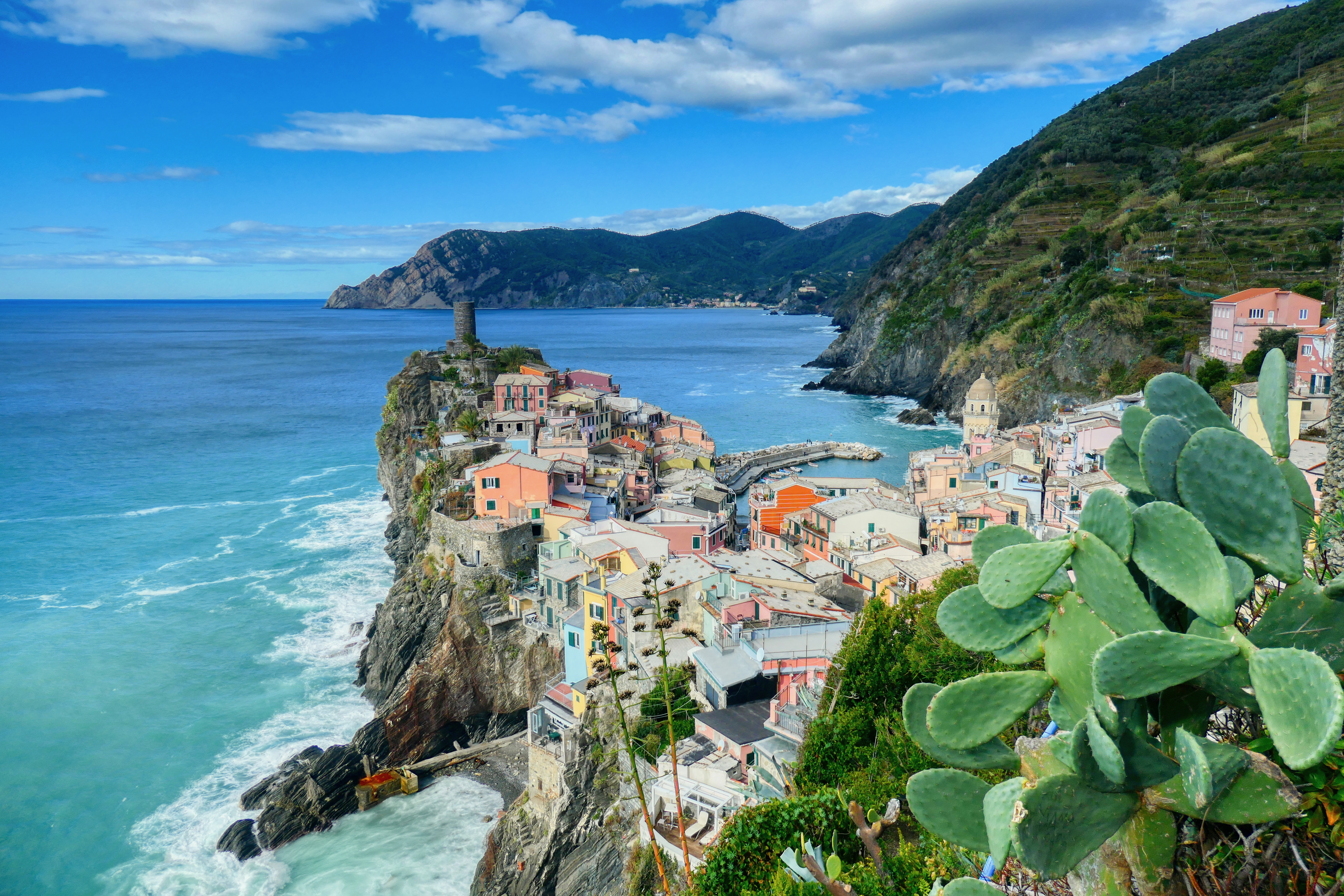
Cinque Terre is a string of five centuries-old fishing villages clinging to the cliffs of the Italian Riviera, connected by scenic hiking trails above the Ligurian Sea.
Manarola, Vernazza, Corniglia, Monterosso, and Riomaggiore tumble down their respective cliff faces in a cascade of colourful buildings.
How does it rate
CrowdsRomanceCash RequiredDangerAccessibilityWhy you should go
The views from the hillside hiking trails above each village, with the colourful houses tumbling down to the sea far below, are among Italy's most beautiful.
Why you shouldn't go
Cinque Terre has become very crowded and the trails between villages are sometimes restricted due to landslip damage; accommodation in the villages is very limited and expensive.
Plan your visit
Best time to visitApril-June or September-OctoberBest time of dayLate afternoon for the coloured houses in warm lightGetting thereTrain from La Spezia or Pisa, connects all 5 villagesEntry costCinque Terre Card ~EUR18 (trains + trails)Time needed2-3 daysInsider tip — Manarola's viewpoint at dusk is the most photographed spot; get there early to claim a spot on the wall -
 #488 /100
The Colosseum is the largest amphitheatre ever built and an enduring symbol of the power and ingenuity of ancient Rome.
Completed in 80 AD, it could hold up to 80,000 spectators who came to watch gladiatorial contests, animal hunts, and public spectacles that defined Roman entertainment culture.
How does it rate
CrowdsRomanceCash RequiredDangerAccessibilityWhy you should go
Standing inside the Colosseum and looking up at its tiered arches, imagining the roar of 80,000 Romans, is one of the most powerful experiences the ancient world has to offer.
Why you shouldn't go
The Colosseum is one of the most visited sites in the world and the surrounding area is extremely crowded; queues without advance booking can be several hours long.
Plan your visit
Best time to visitSpring or autumnBest time of dayEarly morning entry, or sunset from outsideGetting thereColosseo Metro stationEntry cost~EUR18 (combo with Roman Forum/Palatine Hill)Time needed2-3 hoursInsider tip — Book a timed entry ticket online; the walk-up line can take over an hour -
 #588 /100
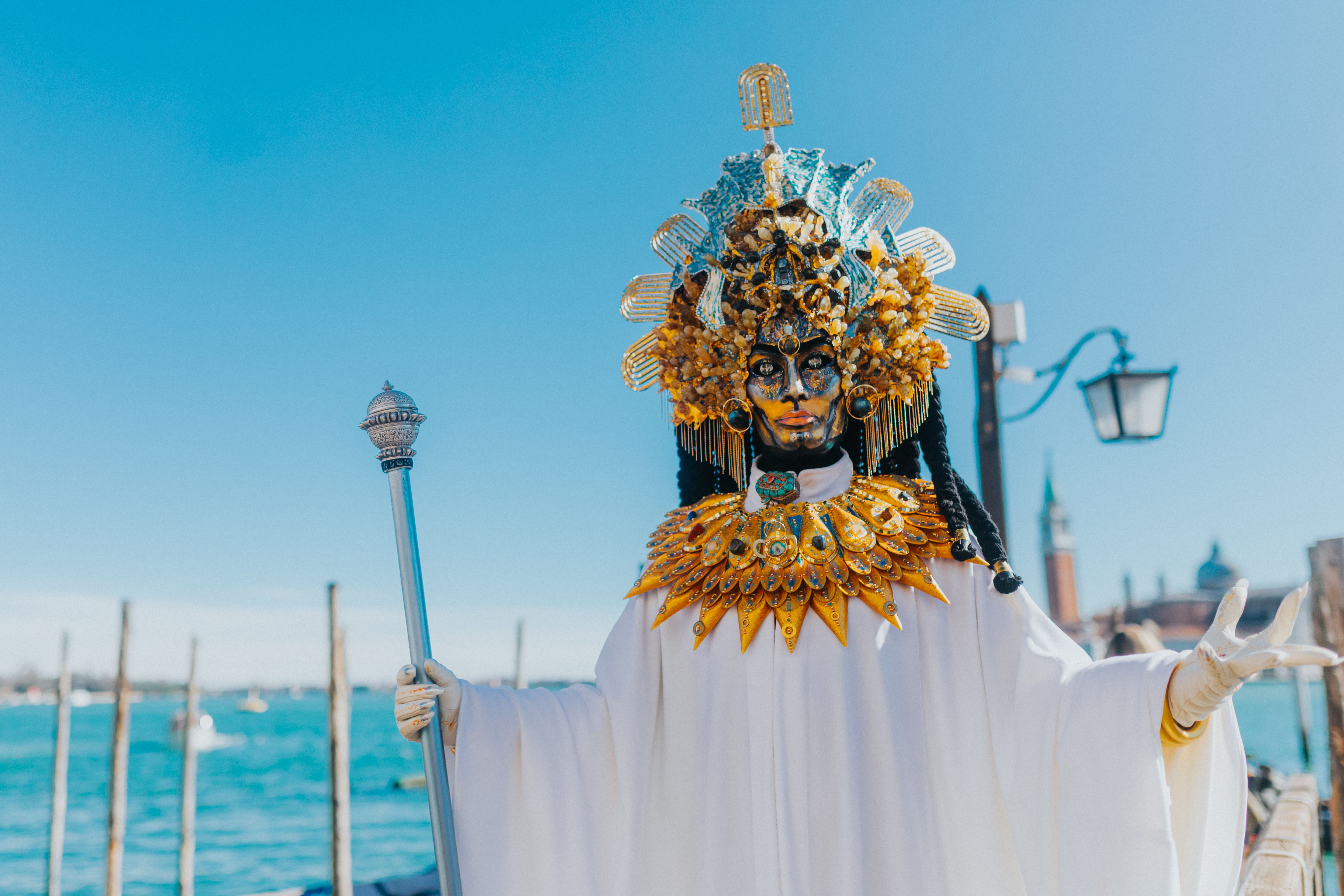
For over a thousand years, Venice has marked the weeks before Lent with elaborate porcelain masks and Baroque-era costumes, worn by visitors who pose motionless along the canals and in St Mark's Square as if stepped from a painting.
The Flight of the Angel, where a costumed performer descends by wire from the Campanile into the square, opens the festival each year.
How does it rate
CrowdsRomanceCash RequiredDangerAccessibilityWhy you should go
Centuries-old masked costumes worn like living paintings against Venice's canals and Baroque squares.
Why you shouldn't go
Hotel and mask-costume rental prices both climb steeply during the festival's two-and-a-half-week run.
Plan your visit
Best time to visitTen days ending on Shrove Tuesday, the day before Ash Wednesday (exact dates shift yearly with Easter).Best time of dayLate afternoon in St Mark's Square, when the soft light and costumed crowds are at their most photogenic.Getting thereFly to Venice Marco Polo Airport, then a water bus or taxi into the historic centre.Entry costFree to watch in the streets and squares; renting a full costume runs roughly EUR150-400.Time neededA full day, or several for the festival's opening and closing events.BookingBook ahead →Insider tip — Arrive at St Mark's Square in the hour after sunrise, before the day's crowds, for the clearest photos of costumed figures against empty backdrops. -
 #685 /100
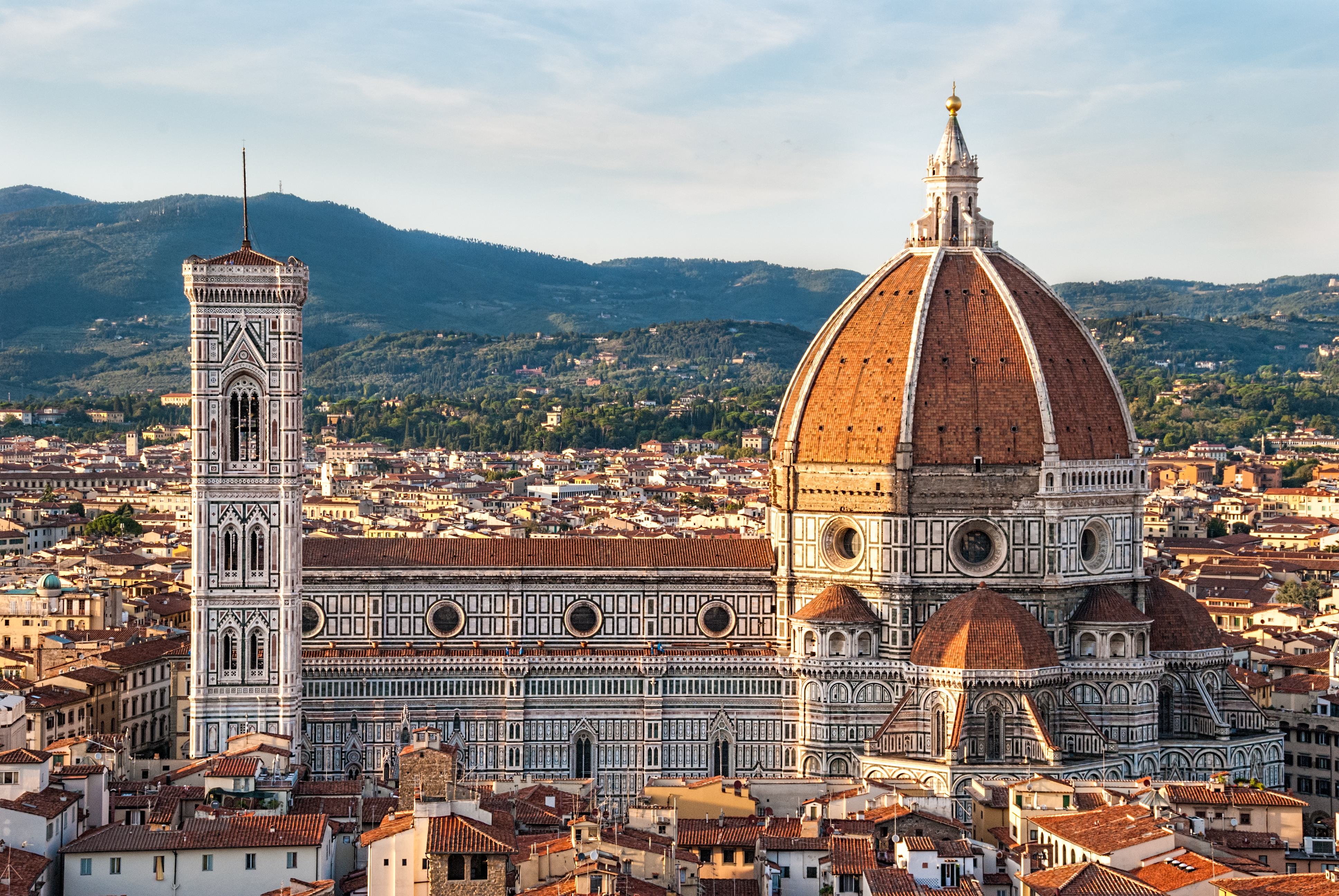
Brunelleschi's magnificent dome crowns Florence's skyline and remains the largest brick dome ever constructed.
Built between 1296 and 1436, the Duomo's terracotta-tiled dome and its ornate campanile have defined the city's silhouette for nearly 600 years.
How does it rate
CrowdsRomanceCash RequiredDangerAccessibilityWhy you should go
Climbing the 463 steps to the top of Brunelleschi's dome rewards you with one of Europe's most spectacular 360-degree city panoramas.
Why you shouldn't go
Timed entry tickets for the dome must be booked weeks in advance during busy periods, and the climb is not suitable for those with claustrophobia.
Plan your visit
Best time to visitSpring or autumnBest time of daySunset for the dome lit upGetting thereCentral Florence, walkable from most hotelsEntry costDome climb ~EUR30 (combo ticket)Time needed1-2 hoursInsider tip — Climb the dome itself, not just the bell tower, for a view that includes the dome -
 #785 /100
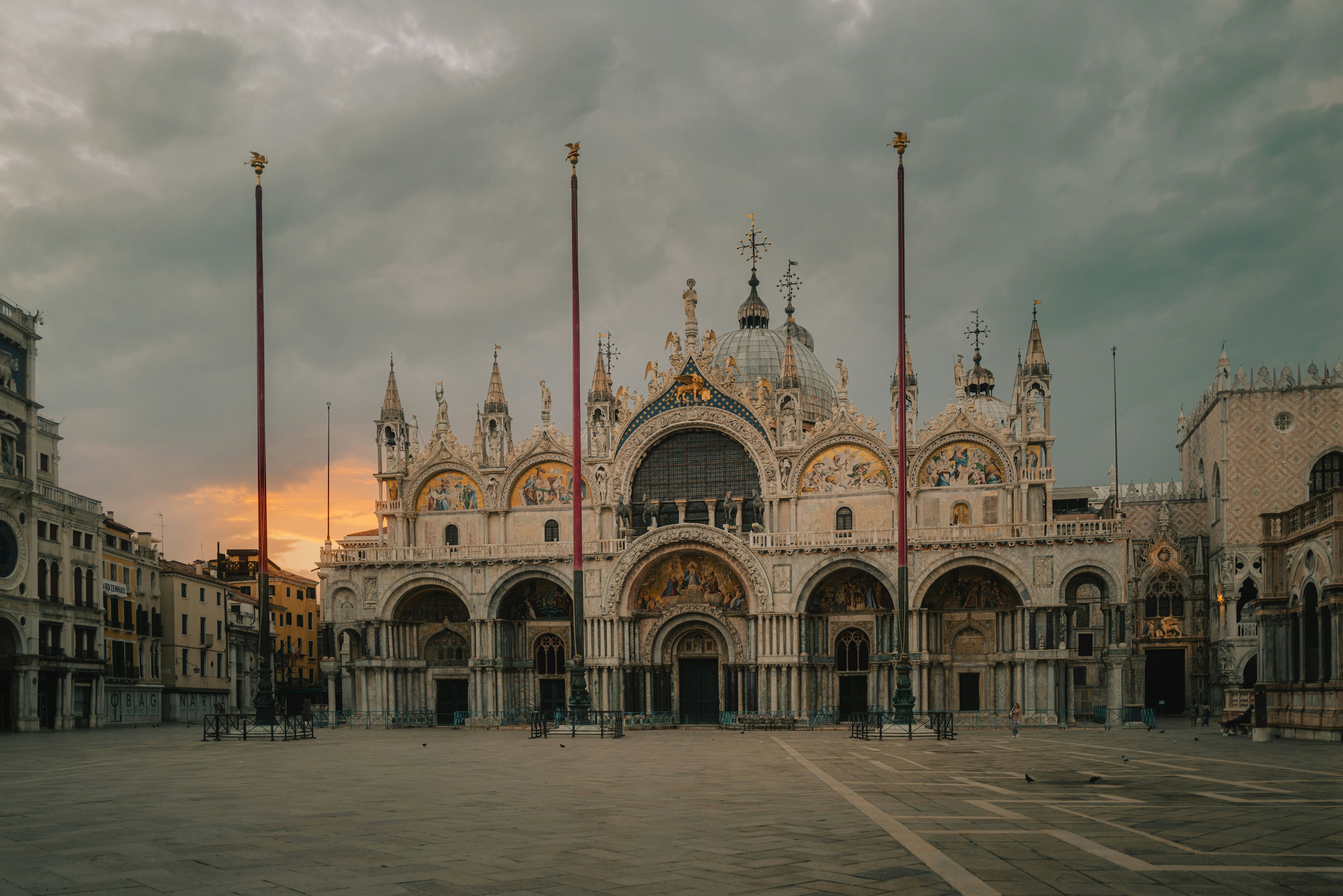
The cathedral of Venice, a Byzantine pile of domes, marble columns and eight thousand square metres of gold mosaic gathered and looted over eight centuries.
The four bronze horses on the loggia were taken from Constantinople in 1204.
The Pala d Oro behind the altar is set with almost two thousand gemstones.
How does it rate
CrowdsRomanceCash RequiredDangerAccessibilityWhy you should go
The gold mosaic interior is unlike anything else in western Europe.
Why you shouldn't go
Bag rules, dress codes and a permanent queue turn a short visit into an ordeal.
Plan your visit
Best time to visitNovember-March, when Venice empties out and the light goes softBest time of dayAt opening, or at dusk when the square lights come on and the facade glowsGetting thereVaporetto to San Marco, or 25 minutes on foot from Santa Lucia stationEntry costAround EUR 3 for the basilica; loggia and Pala d Oro extraTime needed1-2 hoursBookingBook ahead →Insider tip — Pay the small extra for the loggia - you get the bronze horses at arms length and the whole square from above, with a fraction of the crowd. -
 #884 /100
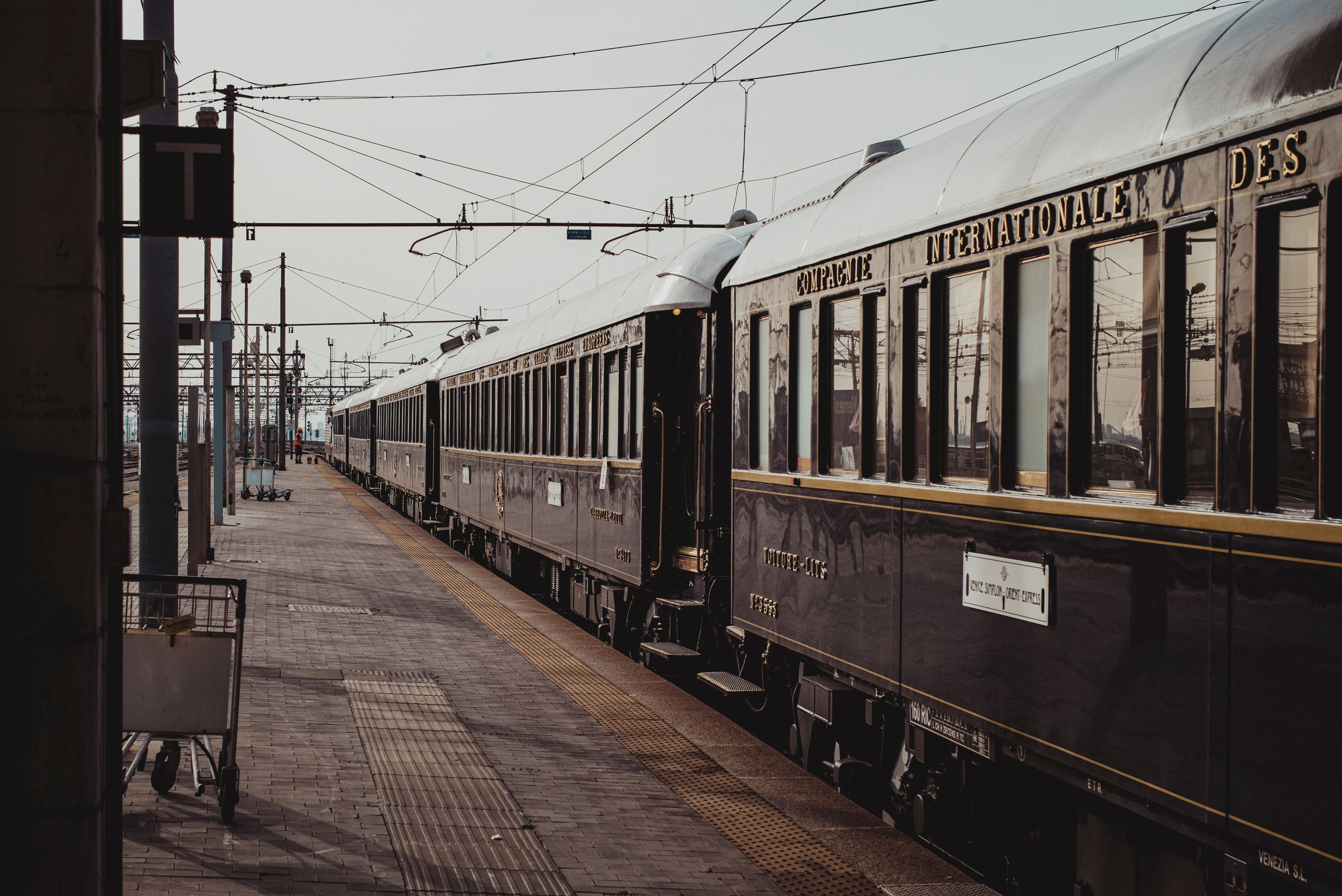
Restored 1920s and 1930s carriages, all inlaid wood, brass fittings and Art Deco marquetry, carry passengers between London, Paris and Venice aboard the most famous luxury train in the world, evoking the golden age of rail travel that inspired Agatha Christie's Murder on the Orient Express.
Formal dinner is required most evenings aboard.
How does it rate
CrowdsRomanceCash RequiredDangerAccessibilityWhy you should go
Restored 1920s Art Deco carriages running the golden-age rail route from London and Paris to Venice.
Why you shouldn't go
It's among the most expensive train journeys in the world, priced closer to a luxury cruise than a standard rail ticket.
Plan your visit
Best time to visitMarch-November, the train's main operating season.Best time of dayEvening, for the formal onboard dinner service as the train crosses the Alps.Getting thereBoard at London Victoria, Paris Gare de l'Est, or other seasonal departure points along the route.Entry costFares start around GBP3,000-4,000+ per person depending on cabin class and route.Time needed1-2 days depending on the chosen route.BookingBook ahead →Insider tip — Pack proper evening wear, since the dress code for dinner is strictly enforced and adds much of the experience's theatre. -
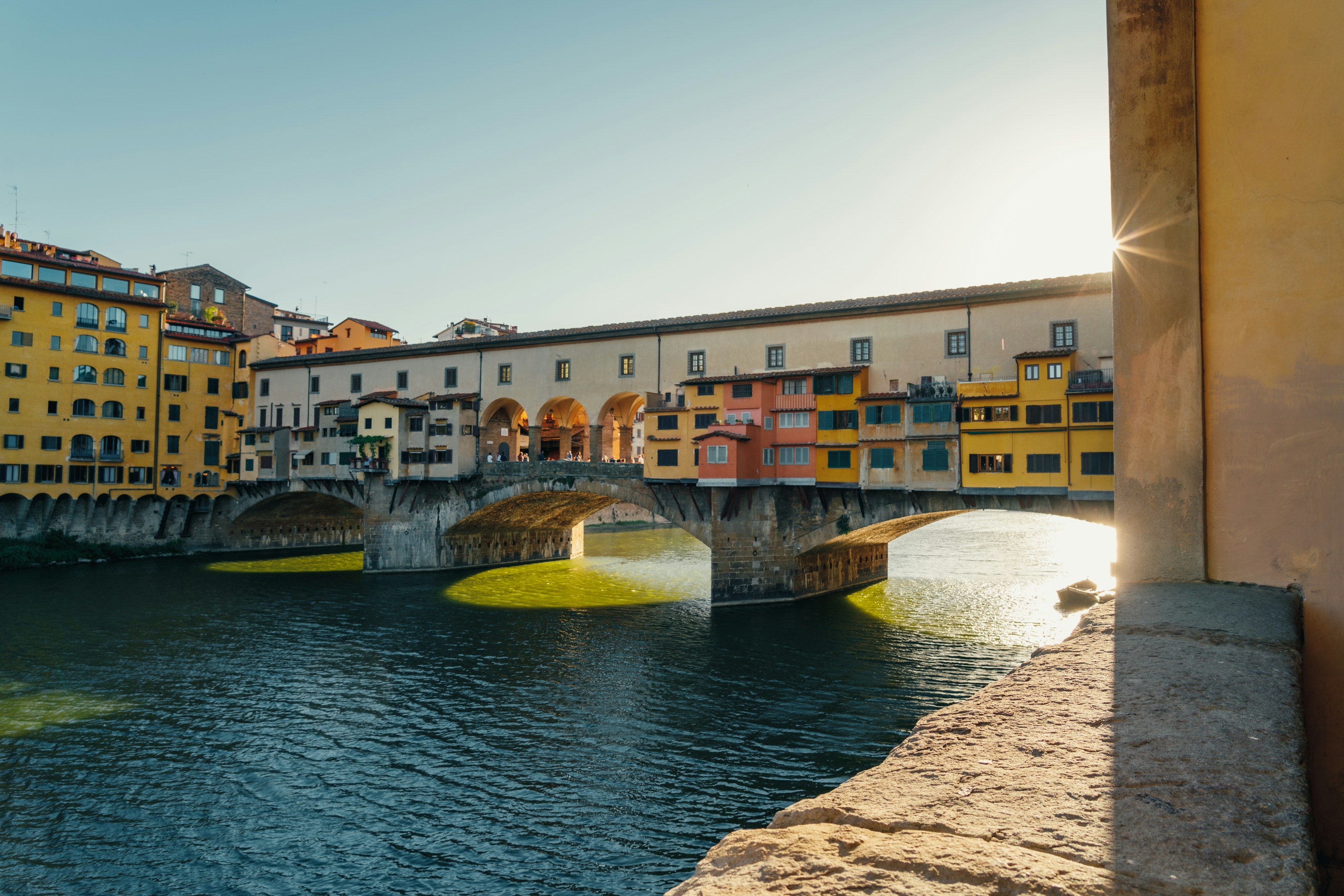 #982 /100
The last medieval bridge left on the Arno, lined with jewellers' shops that jut out over the water on timber brackets.
Vasari's covered corridor runs above the shopfronts, linking the Uffizi to the Pitti Palace so the Medici could cross the river without mixing with the city below.
Butchers occupied the shops until 1593, when they were evicted for the smell and replaced by goldsmiths.
How does it rate
CrowdsRomanceCash RequiredDangerAccessibilityWhy you should go
A working medieval street suspended over a river, still full of goldsmiths after six centuries.
Why you shouldn't go
So congested by day that crossing it takes longer than walking around by the next bridge.
Plan your visit
Best time to visitMay or September; August is hot and shoulder to shoulderBest time of dayFirst light or the hour after sunset, when the shops shutter and the crowds thinGetting thereTen minutes on foot from Santa Maria Novella station, straight through the centreEntry costFree to crossTime needed30 minutesInsider tip — Shoot it from Ponte Santa Trinita rather than from the bridge itself - that is the view on every postcard, and you cannot get it while standing on the thing. -
 #1080 /100
The world's smallest sovereign state packs an extraordinary concentration of art and architecture into just 44 hectares.
The colonnaded embrace of St Peter's Square, Michelangelo's Sistine Chapel ceiling, and Raphael's frescoed Stanze make Vatican City unmissable for art lovers.
How does it rate
CrowdsRomanceCash RequiredDangerAccessibilityWhy you should go
The sheer density of masterpieces is staggering — from the top of St Peter's dome, the view over the piazza and Rome beyond is one of the city's finest.
Why you shouldn't go
Vatican Museums queues are legendary and even with pre-booked tickets the crowds inside the Sistine Chapel make it hard to appreciate the art in peace.
Plan your visit
Best time to visitSpring or autumnBest time of dayEarly morning entry to beat tour groupsGetting thereOttaviano Metro stationEntry costMuseums ~EUR17Time neededHalf dayInsider tip — Book timed-entry tickets online; the walk-up queue can take hours -
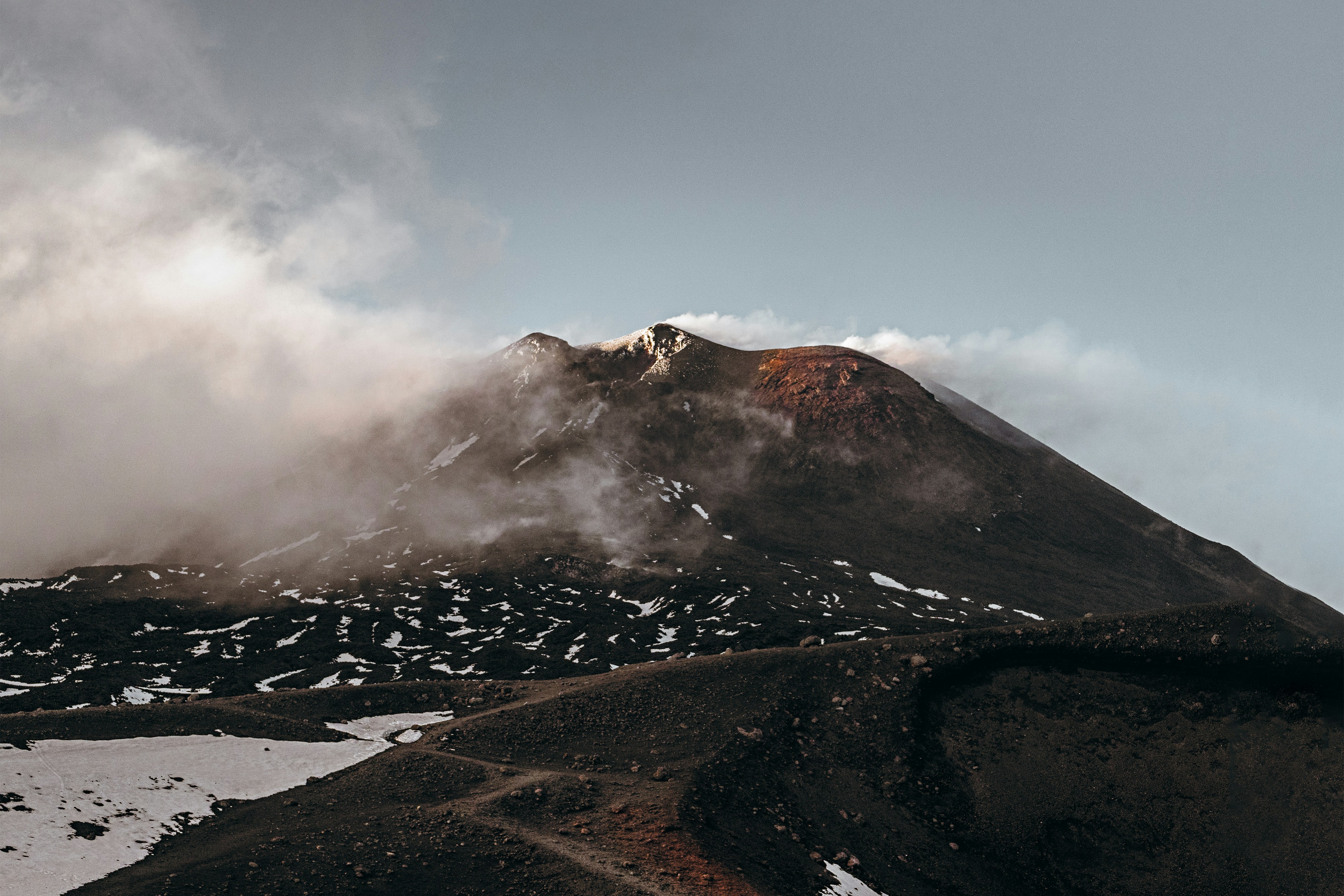 #1179 /100
Europe's tallest and most active volcano, looming over Sicily's east coast and erupting regularly enough that lava flows are a near-yearly event visible from Catania on clear nights.
Cable cars and 4x4 tours climb partway up its barren, ash-grey upper slopes, where guided hikes reach steaming craters and fields of hardened lava from past eruptions.
Vineyards ring its lower slopes, producing distinctive wines grown in volcanic soil, a striking contrast to the desolation higher up.
How does it rate
CrowdsRomanceCash RequiredDangerAccessibilityWhy you should go
Europe's most active volcano, with guided hikes reaching steaming craters and lava fields on its upper slopes.
Why you shouldn't go
Eruptions and ash activity periodically close the upper trails and cable car with little notice, so plans need flexibility.
Plan your visit
Best time to visitMay-June or September for stable weather; the summit can close in poor conditions any time of year.Best time of dayMorning, for clearer summit visibility before afternoon cloud typically rolls in.Getting thereFly to Catania; a 1-1.5 hour drive to the Rifugio Sapienza cable car station on the south side.Entry costCable car plus jeep tour to the craters runs around EUR65-70.Time neededHalf a day.BookingBook ahead →Insider tip — Book the guided upper-crater jeep tour rather than stopping at the cable car's midpoint - the higher craters are where the volcano actually looks otherworldly. -
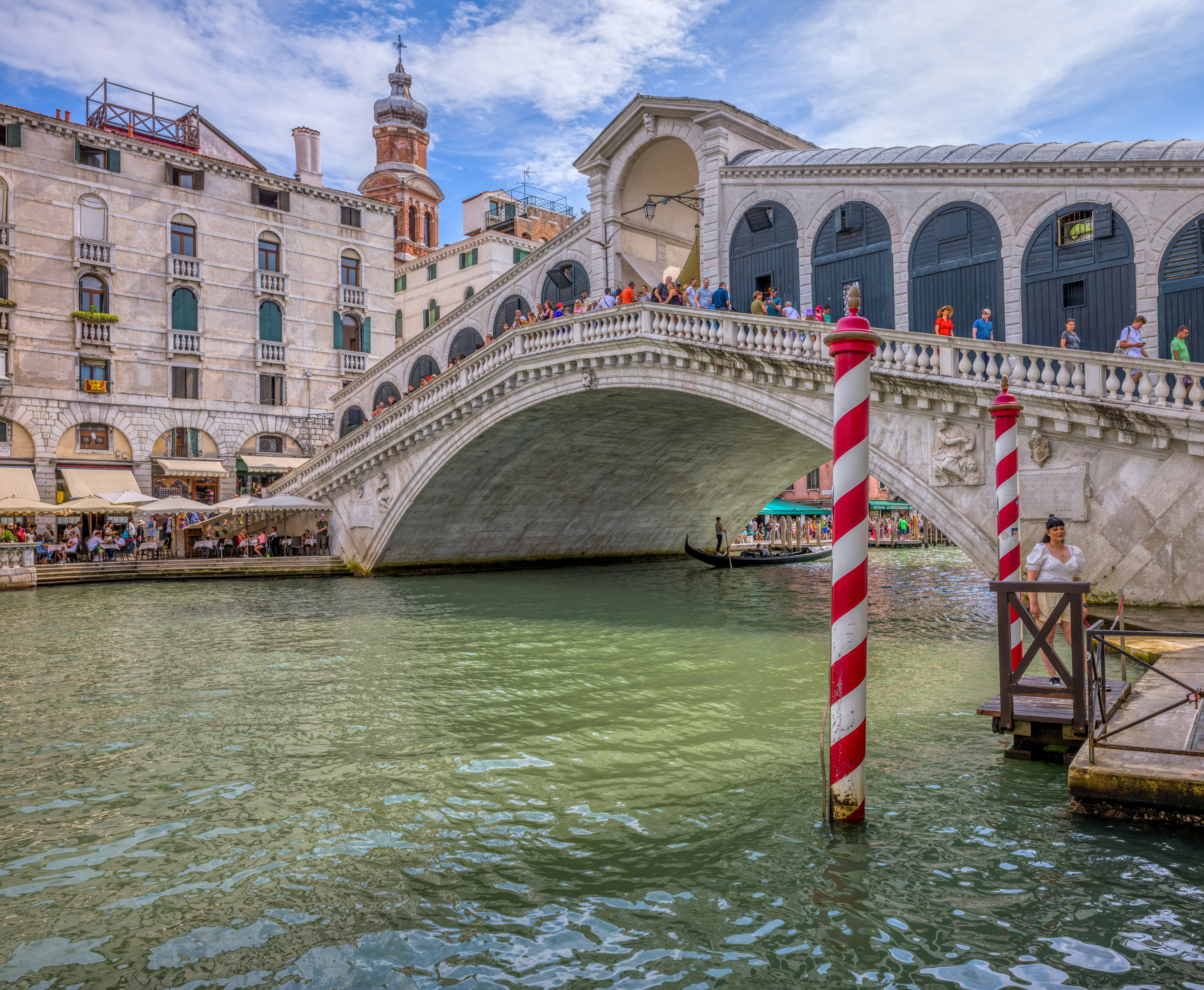 #1275 /100
The Rialto Bridge is the oldest and best known of the four crossings of Venice's Grand Canal, a single stone arch completed in 1591 after a succession of wooden predecessors collapsed.
Two rows of shops run the length of its span, and the steps up either side open onto views down the canal in both directions.
The market on the San Polo bank has traded fish and produce for centuries.
How does it rate
CrowdsRomanceCash RequiredDangerAccessibilityWhy you should go
It’s an iconic landmark in Venice and offers stunning views of the canal and Venetian architecture.
Why you shouldn't go
It can be crowded with tourists, making it difficult to get clear photos.
Plan your visit
Best time to visitSpring or autumn, avoiding summer heat and crowdsBest time of dayEarly morning before the crowdsGetting thereVaporetto (water bus) to the Rialto stopEntry costFreeTime needed30-60 minutesInsider tip — Shoot from the Riva del Ferro side for the classic view without dodging gondolas -
 #1370 /100
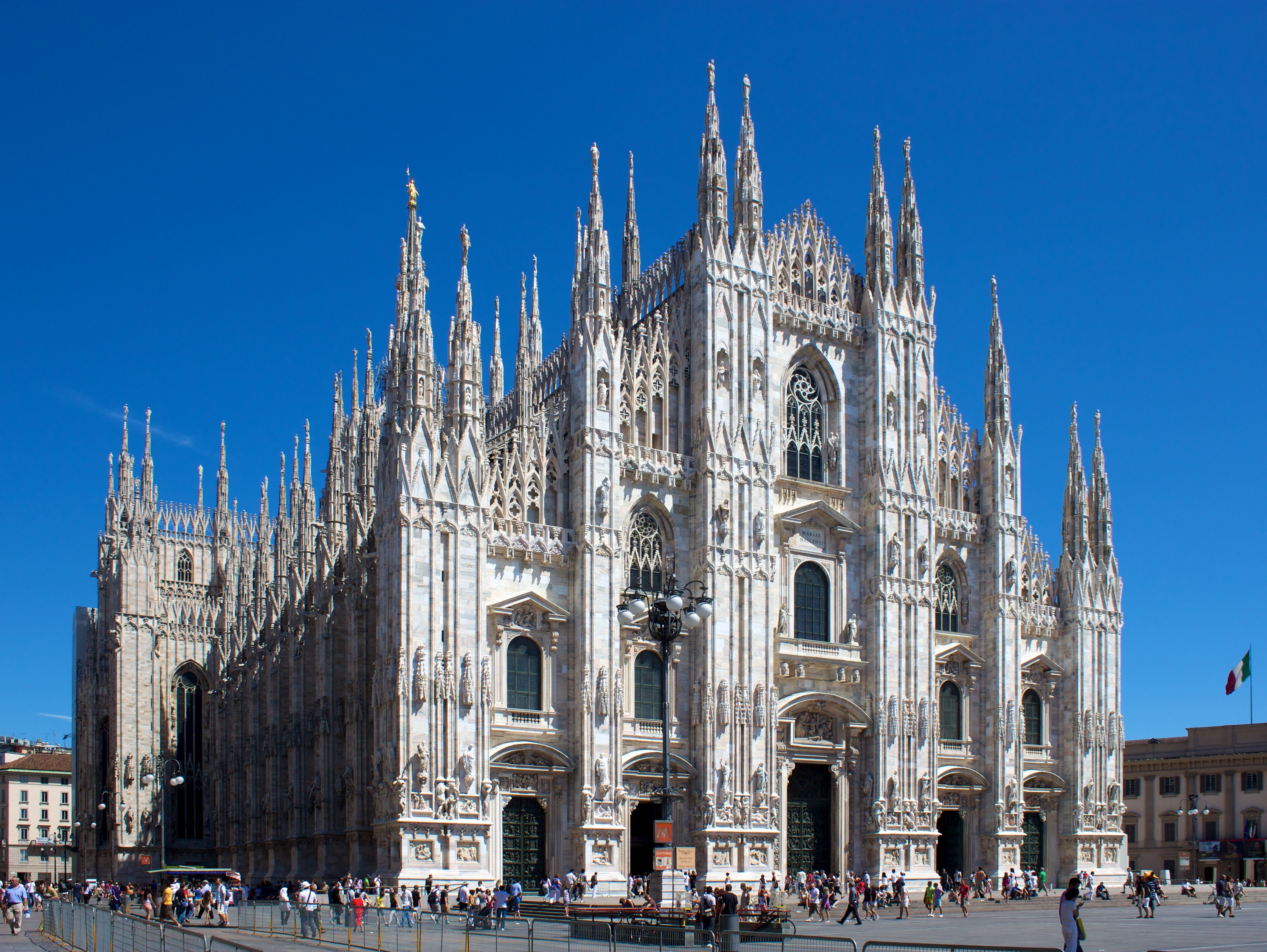
The Duomo di Milano is the largest Gothic cathedral in the world and took nearly six centuries to complete.
Its rooftop terrace, accessible by lift or stairs, offers a unique up-close view of its 3,400 statues and 135 spires against the Milan skyline.
How does it rate
CrowdsRomanceCash RequiredDangerAccessibilityWhy you should go
Walking among the spires on the cathedral rooftop is a surreal and unforgettable experience that gives you extraordinary close-up views of the intricate stonework.
Why you shouldn't go
The cathedral interior is often crowded and the rooftop terrace has an entrance fee on top of the already steep cost of visiting Milan.
Plan your visit
Best time to visitSpring or autumnBest time of daySunset from the rooftopGetting thereCentral Milan, Duomo Metro stopEntry costRooftop access ~EUR15-20Time needed1.5 hoursInsider tip — Book rooftop terrace tickets online to skip the queue -
 #1445 /100
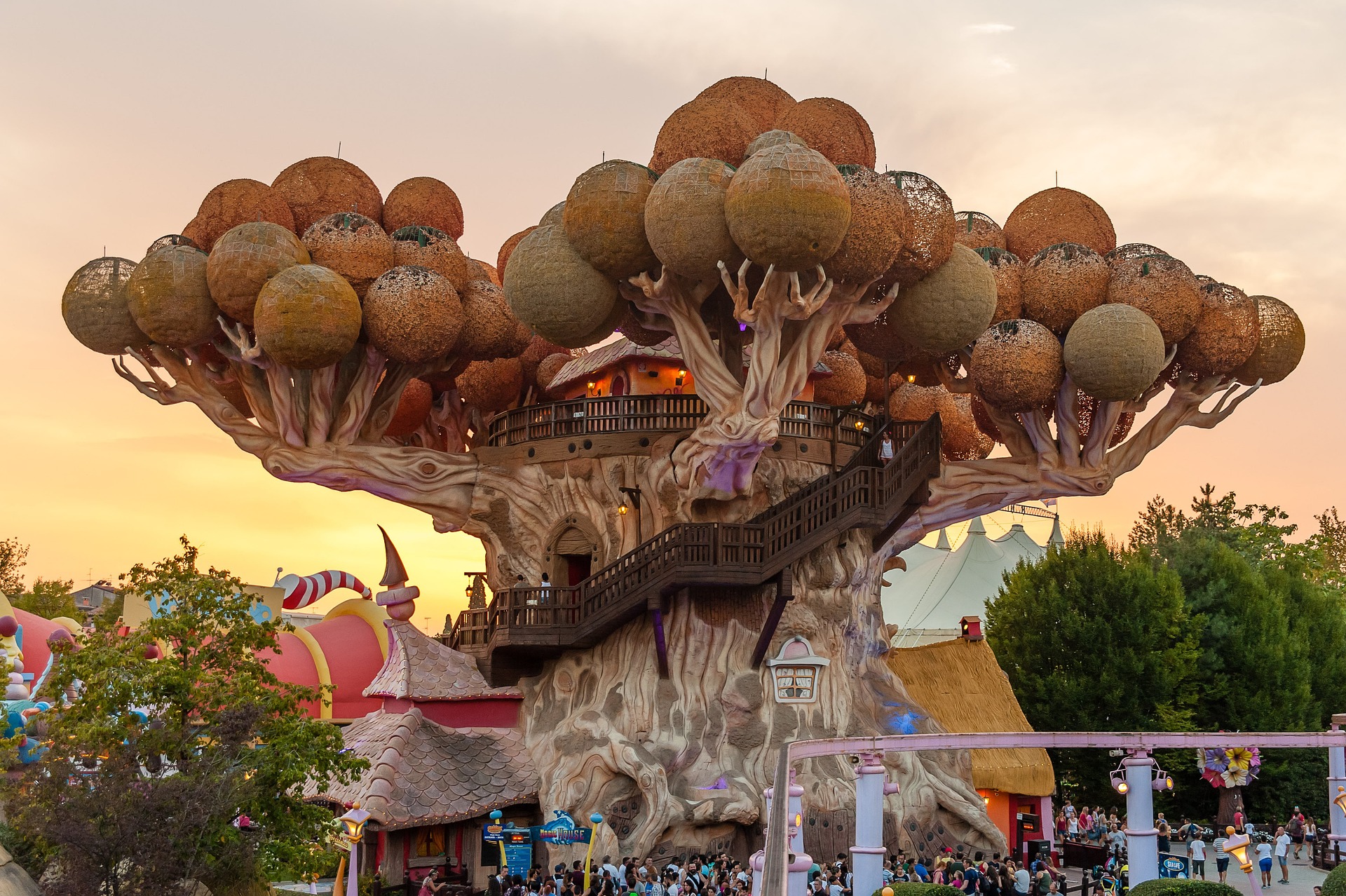
Italy's largest and most visited theme park, set on the shore of Lake Garda with rides ranging from the classic wooden coaster Fuga da Atlantide to the wolf-themed Fuga di Fantozzi and a dedicated SEA LIFE aquarium.
It pairs naturally with a broader Lake Garda holiday, sitting a short drive from Peschiera del Garda's old town and the lake's beaches.
Newer additions, including a Jurassic Park-themed area, have kept it competitive with the bigger international parks despite a smaller footprint.
How does it rate
CrowdsRomanceCash RequiredDangerAccessibilityWhy you should go
Italy's biggest theme park, right on Lake Garda, easy to combine with a lakeside beach holiday.
Why you shouldn't go
Italian school holiday periods bring intense local crowds, and the park is noticeably smaller than the major American or Spanish parks.
Plan your visit
Best time to visitMay-June or September, avoiding Italian school holiday crowds and summer heat spikes.Best time of dayOpening, to reach the headline coasters before midday queues build.Getting thereA 15-minute drive or shuttle bus from Peschiera del Garda train station, on the Milan-Venice line.Entry costOne-day tickets start around EUR45-55 for adults.Time neededA full day.BookingBook ahead →Insider tip — Combine the park ticket with the adjoining SEA LIFE aquarium - the combo pass is cheaper than buying both separately at the gate.


More from Italy
-


More Iconic spots
-
How a score is built
One score out of 100, five criteria behind it
Every place is rated 1–5 on each of the criteria below, then combined into a single score out of 100. It's calculated by us, the same way every time — not an average of traveller reviews or social votes.
Crowds
How many people you'll be sharing it with, and at what time of day.
Romance
How well it suits a couple, a proposal, or a quiet moment together.
Cash required
Entry fees, permits, guides, rentals — what it actually costs to do it.
Danger
Physical risk involved, from a slippery viewpoint to genuine hazard.
Accessibility
How far off the beaten path it is, and how hard it is to actually reach.

