-
 #188 /100
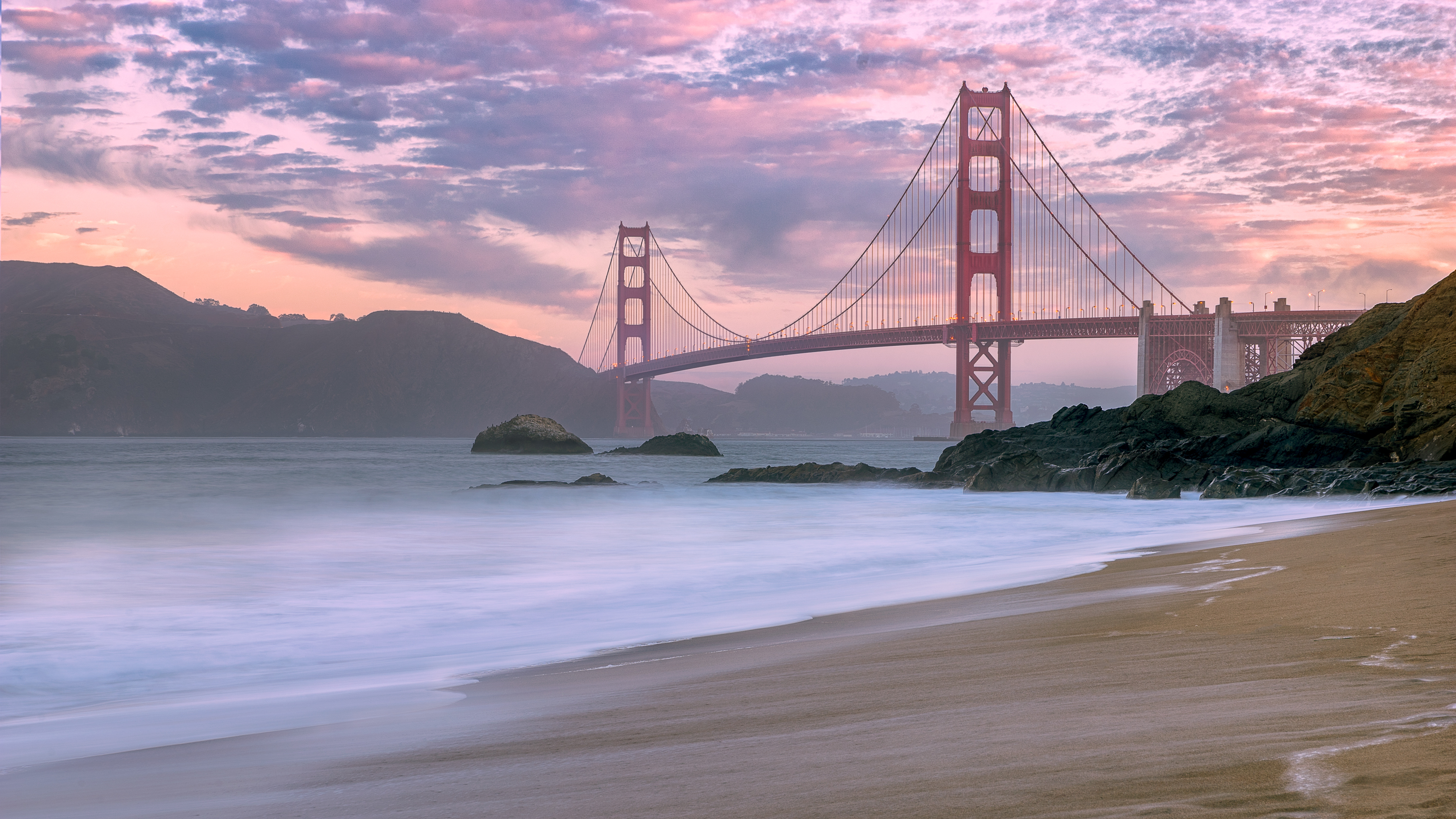
The Golden Gate Bridge has been San Francisco's calling card since 1937: 2.
7km of International Orange suspension bridge strung between the city and the Marin Headlands.
It's that rare landmark that looks better in bad weather - the towers rising out of rolling fog are the classic view.
Walk or cycle the deck, then take it in from Baker Beach, Fort Point or Battery Spencer.
How does it rate
CrowdsRomanceCash RequiredDangerAccessibilityWhy you should go
Iconic from every angle, and completely free to walk, cycle or photograph.
Why you shouldn't go
Summer fog can hide the towers for days, and the wind on the deck is no joke.
Plan your visit
Best time to visitSeptember-October for the clearest skiesBest time of daySunrise from Baker Beach, or whenever the fog is rollingGetting thereMuni bus to the toll plaza, or cycle across from Fisherman's WharfEntry costFree for pedestrians and cyclistsTime needed2-3 hoursInsider tip — Check the fog cam before you go - and if it's socked in, head to Battery Spencer, which often sits above the fog line -
 #286 /100
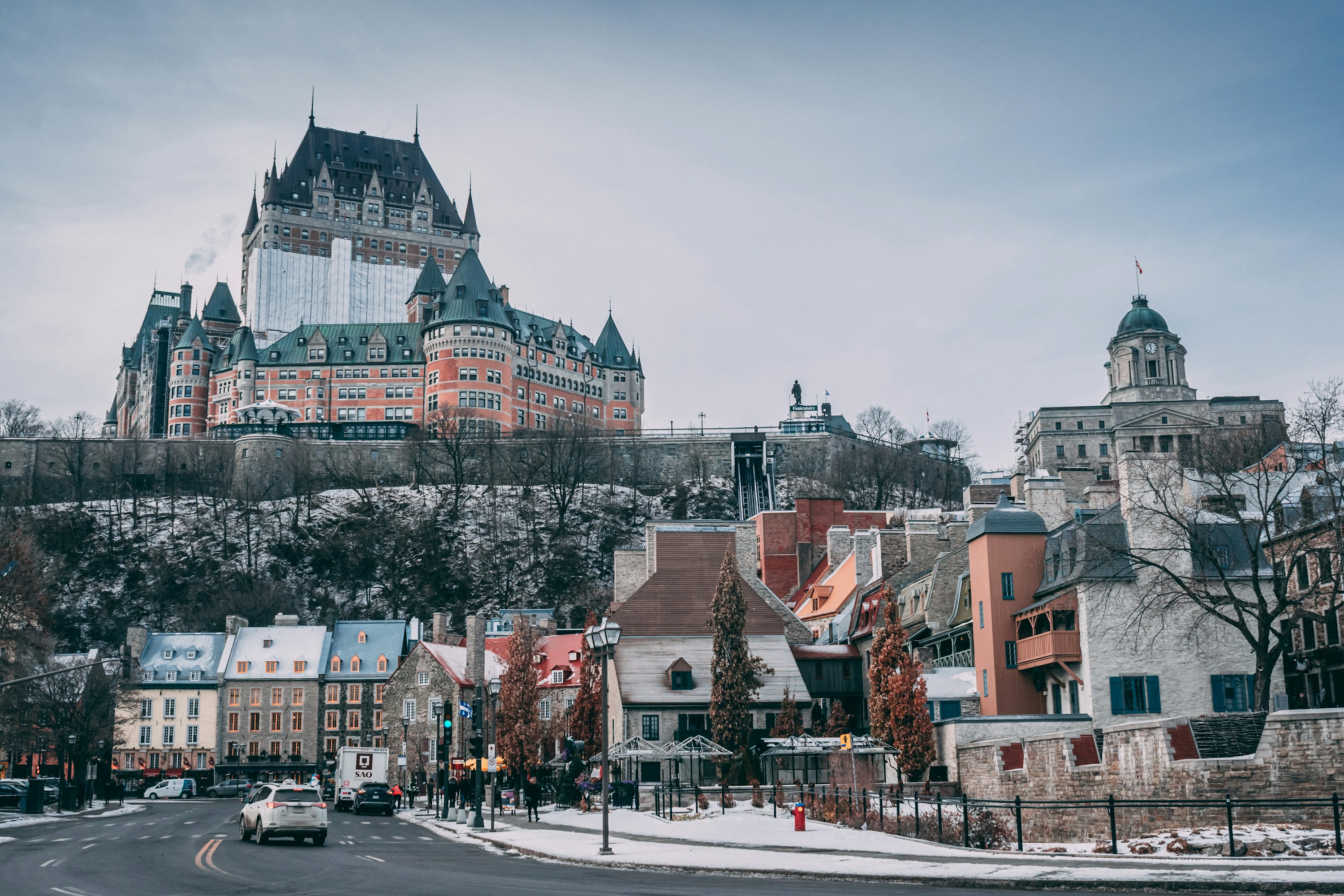
The walled heart of Quebec City is the only fortified colonial city north of Mexico still standing, its narrow cobblestone streets climbing from the St.
Lawrence River up to the castle-like Chateau Frontenac hotel.
Founded by French settlers in 1608, the Old Town's stone houses and ramparts earned it UNESCO World Heritage status, and the Dufferin Terrace boardwalk gives sweeping river views.
How does it rate
CrowdsRomanceCash RequiredDangerAccessibilityWhy you should go
A genuinely walkable, centuries-old walled city with cobblestone streets and river views unlike anywhere else in North America.
Why you shouldn't go
Many small sites and the funicular are cash-preferred; winters are long and cold, though they add their own charm.
Plan your visit
Best time to visitJune-September for mild weather; February for the Winter CarnivalBest time of dayMorning for Petit-Champlain before crowds; evening for Dufferin Terrace at sunsetGetting thereFly to Quebec City Jean Lesage International Airport, or take the train from Montreal (about 3 hours).Entry costFree to walk the Old Town; funicular ~CA$4-6; individual sites charge separatelyTime needed2-3 daysInsider tip — Walk down the Casse-Cou ("Breakneck") stairs from Upper to Lower Town rather than only riding the funicular; it's the old fastest route between the two and skips the funicular queue entirely. -
 #3
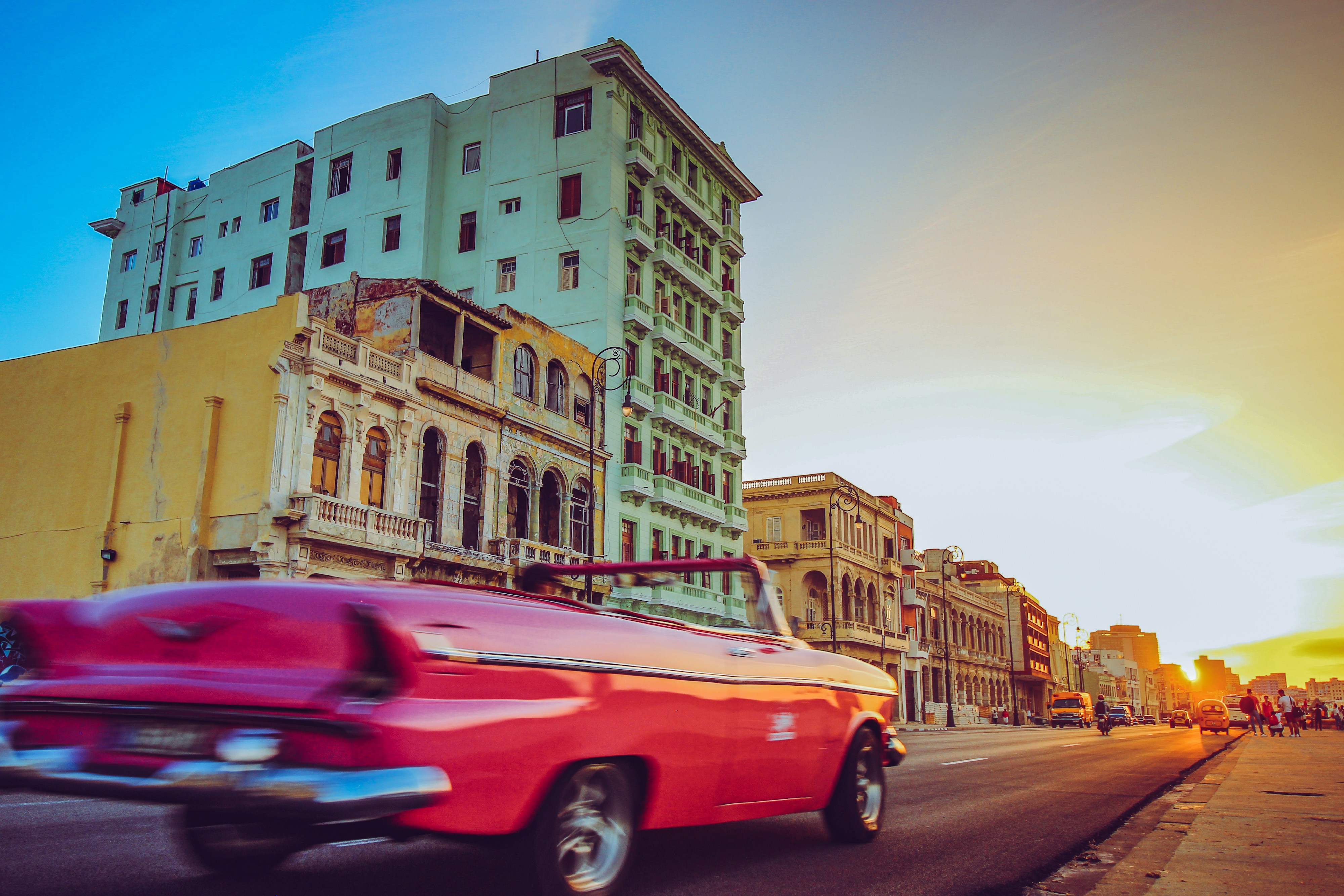
#3Pastel colonial facades line the streets of Old Havana, many crumbling in ways that somehow add to the city's atmosphere rather than detract from it.
Vintage American cars from before the 1959 revolution, kept alive through decades of improvised repairs, still work as everyday taxis along the seafront Malecon.
Live salsa and son music spills from bars most nights.
How does it rate
CrowdsRomanceCash RequiredDangerAccessibilityWhy you should go
1950s American cars still working as everyday taxis along a crumbling, colourful seafront.
Why you shouldn't go
Havana's infrastructure genuinely struggles - expect power cuts, patchy internet and limited supplies.
Plan your visit
Best time to visitNovember-April, the dry season.Best time of daySunset along the Malecon, when the sea wall fills with locals and the light turns golden.Getting thereFly into Jose Marti International Airport; Old Havana is walkable from most central hotels.Entry costFree to walk; classic car tours and museums charge separately, often in cash only.Time needed2-3 daysInsider tip — Book a vintage convertible car tour along the Malecon at sunset - it's a cliche for a reason and genuinely delivers the classic Havana photo. -
 #483 /100
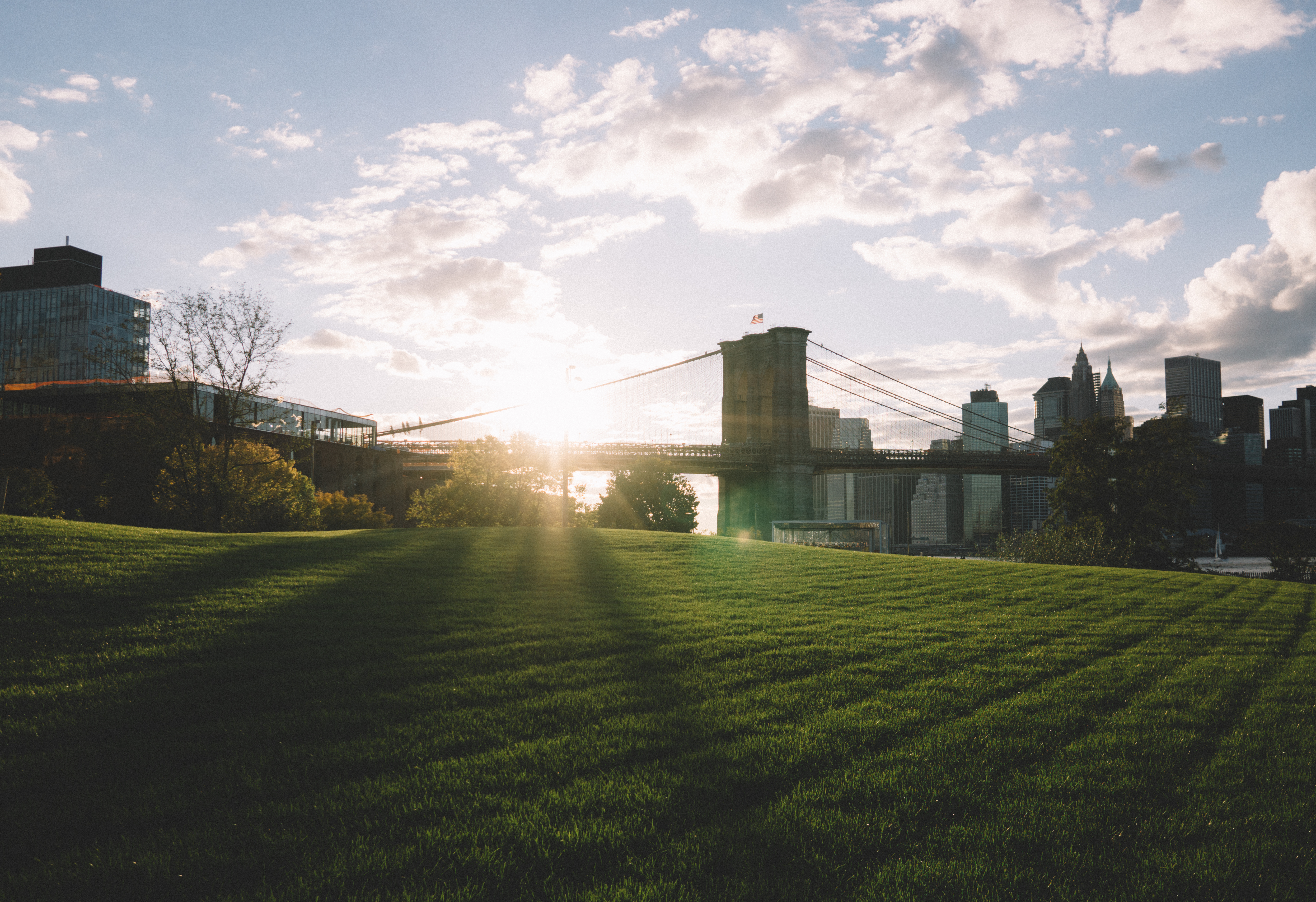
The Brooklyn Bridge was the world's longest suspension bridge when it opened in 1883, and its stone Gothic towers and web of steel cables remain New York's most distinctive crossing.
An elevated timber boardwalk runs above the traffic for the full 1.
8km span, with Lower Manhattan directly ahead the whole way from the Brooklyn side.
It is free, open at any hour, and takes about half an hour to walk.
How does it rate
CrowdsRomanceCash RequiredDangerAccessibilityWhy you should go
Skyline, river and 19th-century engineering in one frame, free at any hour.
Why you shouldn't go
The boardwalk is jammed with walkers, cyclists and vendors from mid-morning onward.
Plan your visit
Best time to visitApril-June or September-October for walking weatherBest time of daySunrise on the boardwalk; blue hour from Brooklyn Bridge ParkGetting thereSubway to High St-Brooklyn Bridge (A/C) or Brooklyn Bridge-City Hall (4/5/6)Entry costFreeTime needed1-2 hoursInsider tip — Start from the Brooklyn side at dawn - you walk toward the skyline the whole way and beat the crowds -
 #583 /100
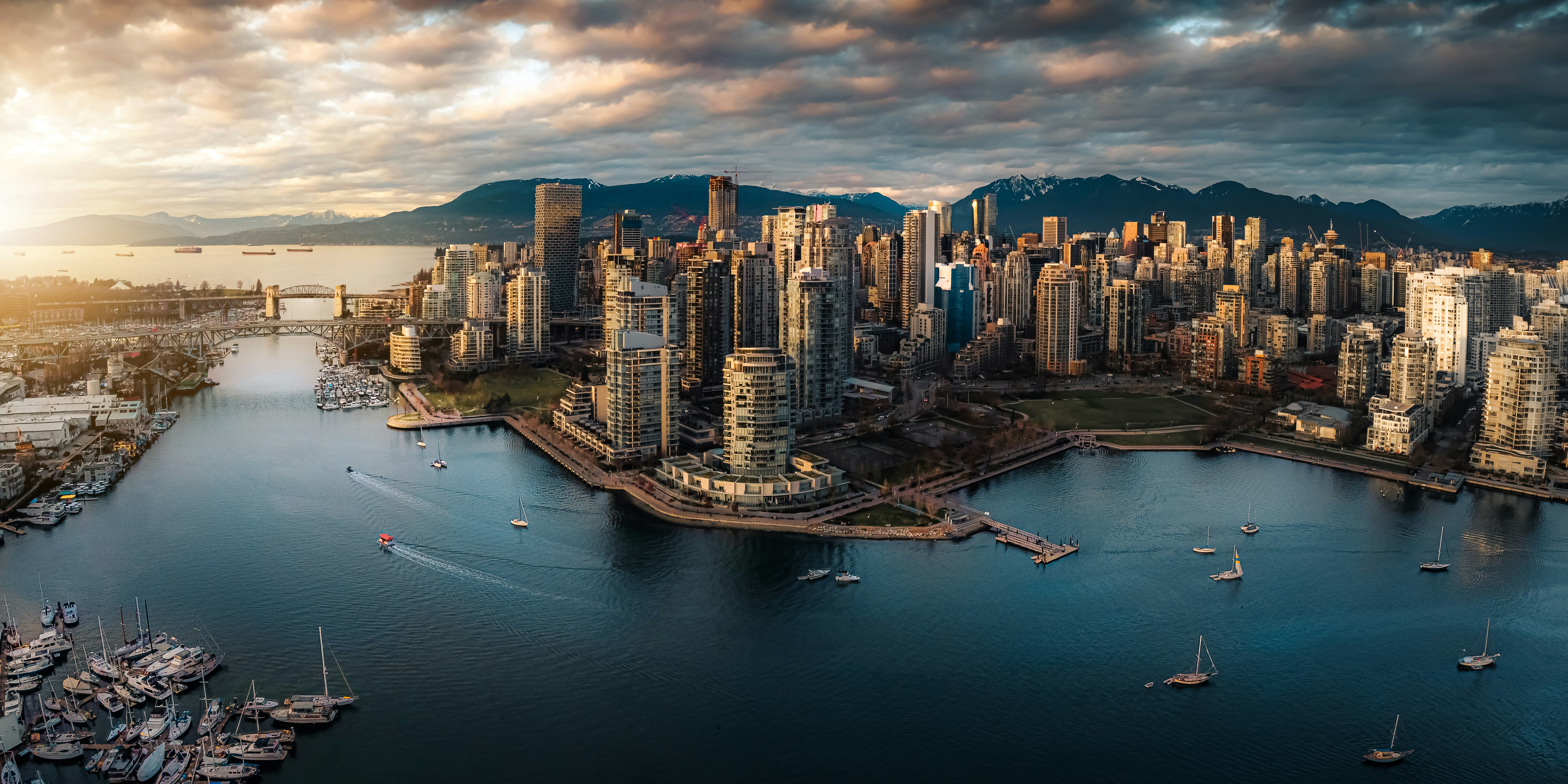
A glass-towered harbour city wedged between the Coast Mountains and the Pacific, where downtown ends abruptly at the seawall and North Shore peaks rise directly across the water.
Stanley Park's rainforest and shoreline path wrap the downtown peninsula, while Granville Island's public market sits a short ferry hop across False Creek.
Vancouver pairs an outdoor-focused lifestyle with skiing, hiking and beaches within a short drive of downtown.
How does it rate
CrowdsRomanceCash RequiredDangerAccessibilityWhy you should go
A compact downtown where mountains, ocean and rainforest are all within walking distance of the office towers.
Why you shouldn't go
One of the most expensive cities in North America for both accommodation and everyday costs.
Plan your visit
Best time to visitJune-September for reliably dry weather; ski season runs December-March on the North Shore mountainsBest time of dayLate afternoon on the seawall for sunset over English BayGetting thereFly into Vancouver International Airport (YVR); the Canada Line train connects the airport to downtown in about 25 minutes.Entry costFree to explore; individual attractions and transit charge separatelyTime needed3-4 daysInsider tip — Rent a bike and ride the Stanley Park seawall counter-clockwise in the early morning before the path fills with pedestrians and tour groups. -
 #681 /100
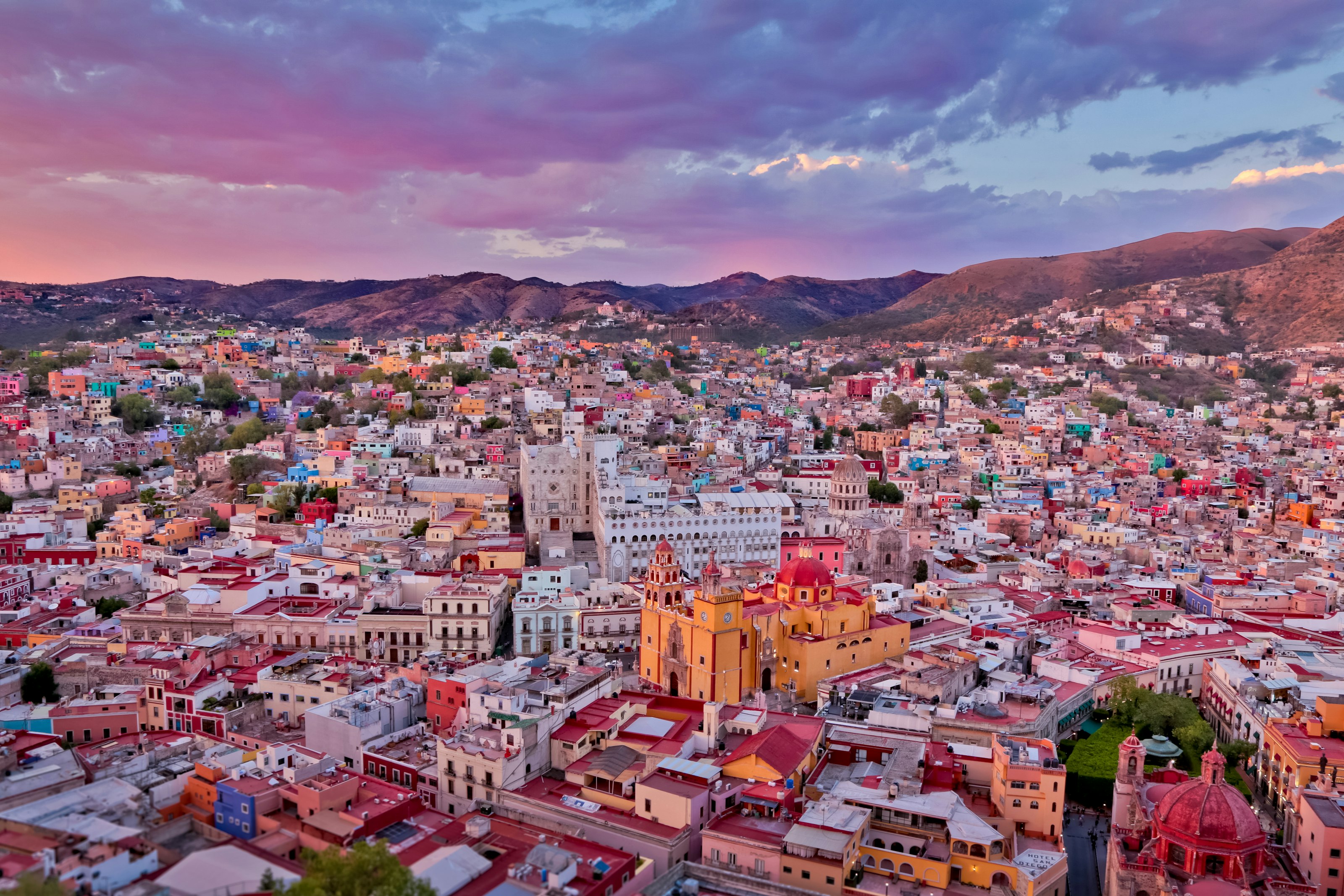
Guanajuato is a former silver-mining city built into a ravine, its brightly painted houses stacked up impossibly steep hillsides and connected by a maze of underground tunnels and narrow alleys.
The centre is a UNESCO World Heritage site of baroque churches and plazas, and the Callejón del Beso — an alley so narrow that neighbouring balconies almost touch — draws crowds for its star-crossed-lovers legend.
How does it rate
CrowdsRomanceCash RequiredDangerAccessibilityWhy you should go
The view from the Pípila monument at dusk, with the whole hillside city lit up below, is one of Mexico's best skylines.
Why you shouldn't go
The steep alleys and stairs throughout the city are hard going for anyone with mobility issues.
Plan your visit
Best time to visitOctober, for the Cervantino arts festival, or the drier November–April months generally.Best time of dayDusk, when the funicular up to the Pípila monument gets you there for sunset over the city.Getting thereFly to León/Guanajuato airport (Del Bajío); 30-minute drive or shuttle into the city.Entry costFree to explore; funicular and some museums charge a small fee.Time needed1–2 daysInsider tip — Walk (or ride) through the underground Subterráneo tunnels, originally built to divert flood water, now used as traffic roads beneath the city. -
 #7
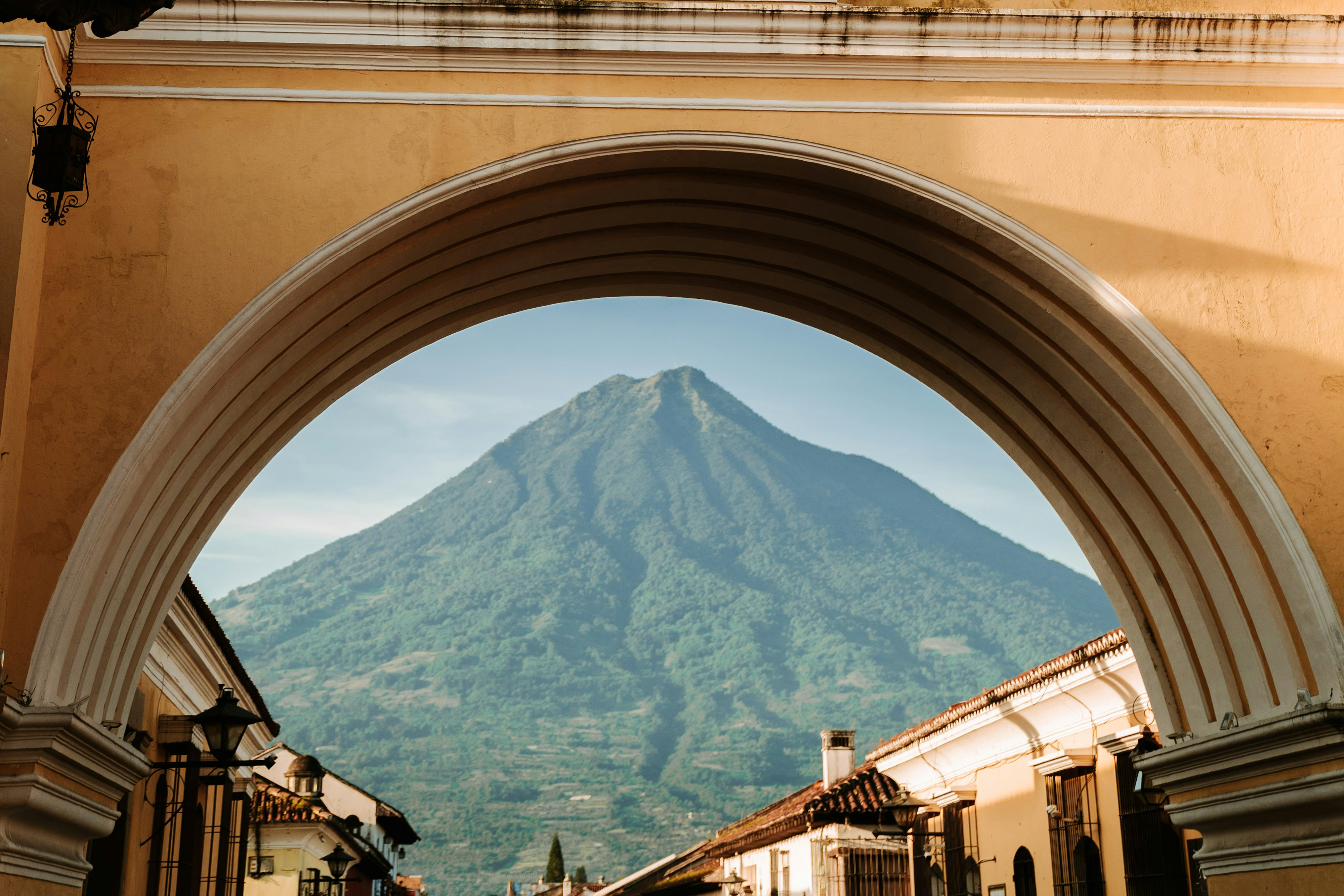
#7Pastel-painted colonial buildings and crumbling Spanish Baroque church ruins fill this former capital, framed on clear days by the smoking cone of Volcan de Fuego.
Cobblestone streets laid out in a strict grid by 16th-century Spanish planners still define the town today.
Climbing a nearby volcano for sunrise, with Antigua's rooftops spread out below, is the classic local excursion.
How does it rate
CrowdsRomanceCash RequiredDangerAccessibilityWhy you should go
A colonial town with an active volcano smoking gently in the background on clear days.
Why you shouldn't go
Volcan de Fuego erupts regularly with ash and lava; check current activity before planning a summit hike nearby.
Plan your visit
Best time to visitNovember-April, the dry season.Best time of dayLate afternoon, for warm light on the colonial facades and church ruins.Getting thereDrive or shuttle from Guatemala City (about 1-1.5 hours).Entry costFree to walk the town; church ruins and volcano hikes charge separate small fees.Time needed2 daysInsider tip — Book the Acatenango or Pacaya volcano sunrise hike a day ahead - spots fill up and the view over Antigua and Fuego from the summit is worth the early start. -
 #880 /100
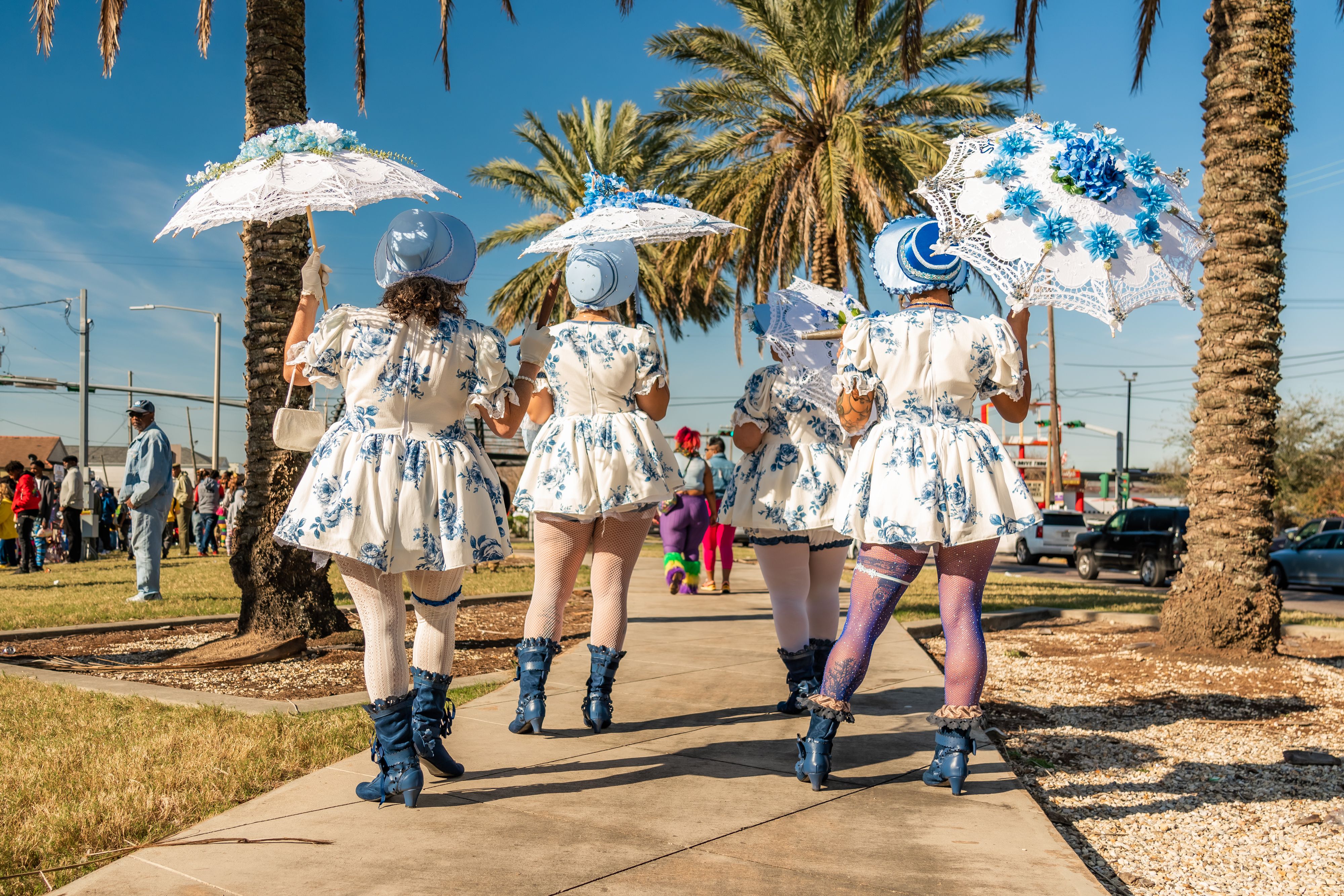
New Orleans' Mardi Gras builds for weeks through parades run by dozens of krewes, social clubs that design elaborate floats and toss beads, cups and doubloons to crowds along St Charles Avenue and through the French Quarter.
By Fat Tuesday the city is in full costume, with the Krewe of Zulu and Krewe of Rex parades considered the day's centrepiece events.
How does it rate
CrowdsRomanceCash RequiredDangerAccessibilityWhy you should go
Weeks of bead-throwing krewe parades through New Orleans, building to a costumed, citywide Fat Tuesday.
Why you shouldn't go
Bourbon Street gets extremely crowded and rowdy by evening, which won't suit anyone wanting a calmer experience.
Plan your visit
Best time to visitFat Tuesday itself, the day before Ash Wednesday (exact date shifts yearly, with parades starting weeks earlier).Best time of dayMidday, for the Krewe of Rex parade along St Charles Avenue on Fat Tuesday.Getting thereFly into Louis Armstrong New Orleans International Airport, a roughly 20-minute taxi to the French Quarter.Entry costFree to watch parades along public routes.Time neededA full day, or several weeks if following the lead-up parades.Insider tip — Watch parades along St Charles Avenue rather than Bourbon Street for a more family-friendly, less crowded view of the floats. -
 #9
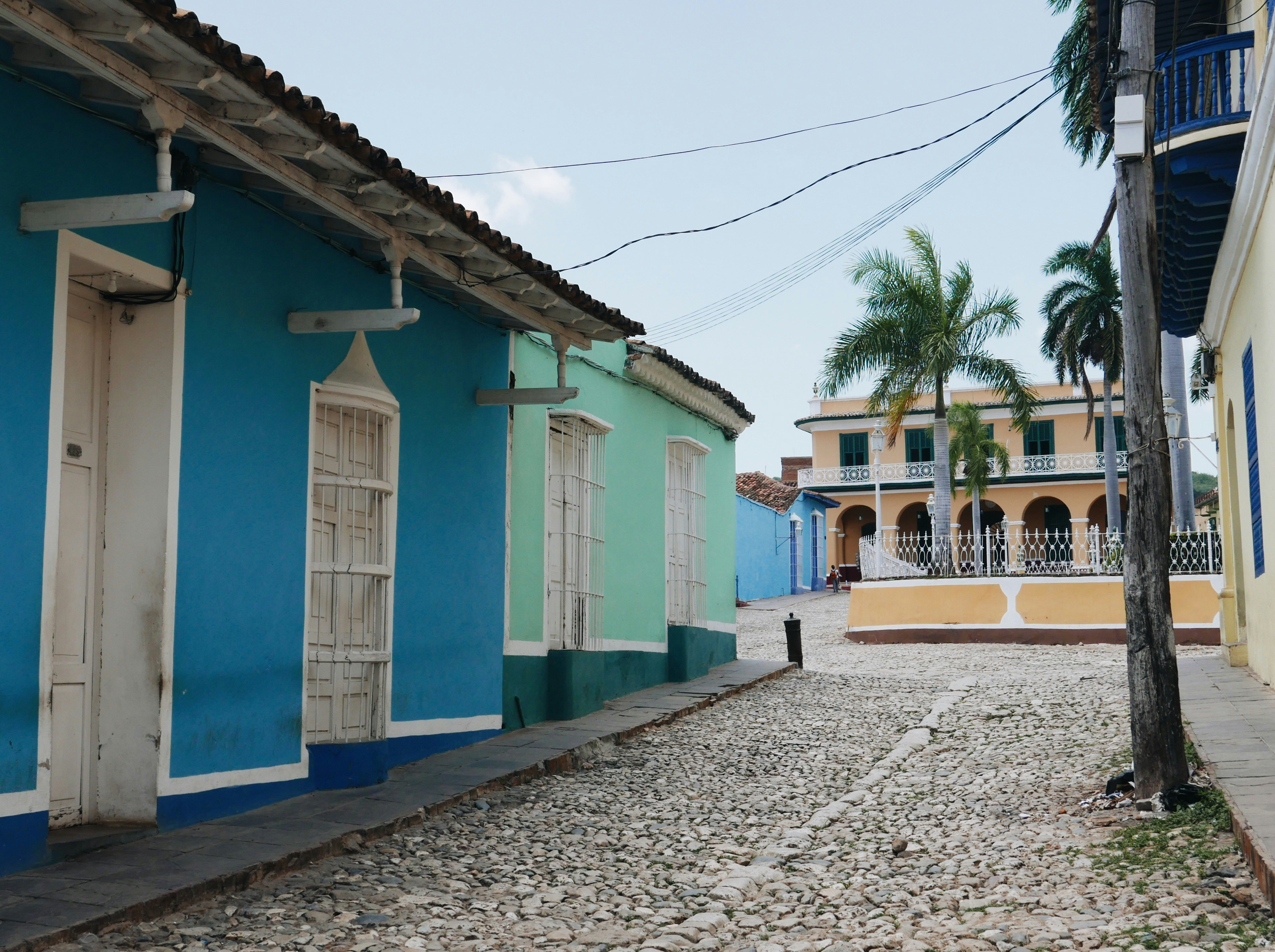
#9Cobblestone streets in this 16th-century sugar-trade town are lined with candy-coloured colonial houses, many still lived in by the families who've owned them for generations.
Vintage American cars from the 1950s, kept running through decades of improvisation, cruise past pastel facades and a crumbling bell tower overlooking the town.
Live music spills from open doorways most evenings.
How does it rate
CrowdsRomanceCash RequiredDangerAccessibilityWhy you should go
A colonial sugar-trade town frozen in pastel colour, with 1950s cars still doing the driving.
Why you shouldn't go
The cobblestones are uneven and genuinely hard on ankles and wheeled luggage alike.
Plan your visit
Best time to visitNovember-April, the dry season.Best time of dayLate afternoon, for warm light on the pastel facades and fewer tour groups.Getting thereDrive or bus from Havana (about 5-6 hours) or fly into nearby Cienfuegos.Entry costFree to walk the town; the bell tower and museums charge small fees.Time needed1-2 daysInsider tip — Climb the Convento de San Francisco bell tower for the best rooftop view over the town's terracotta roofs. -
 #1075 /100
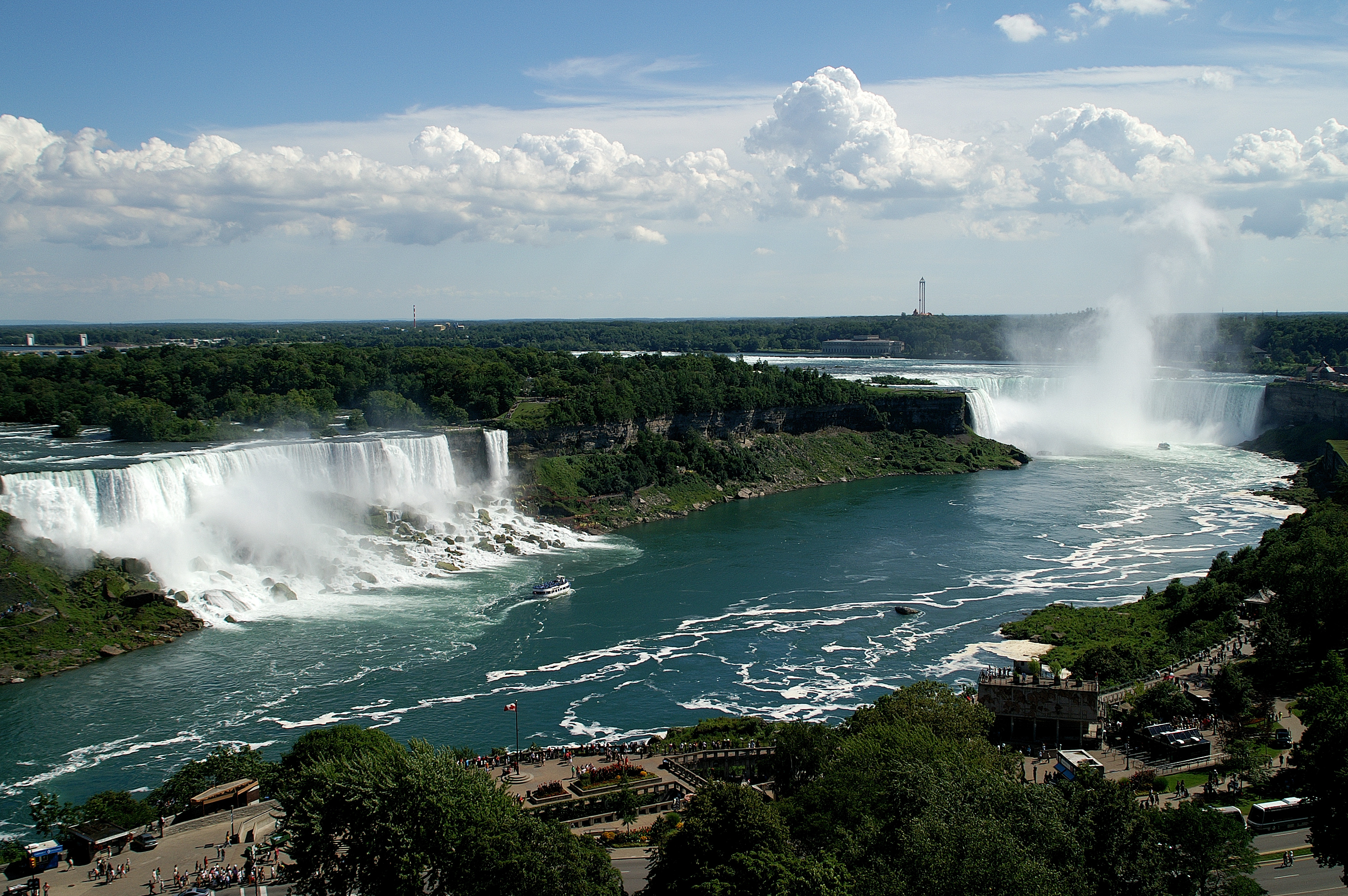
Niagara Falls sits on the border between Ontario and New York State and comprises three waterfalls: the Horseshoe Falls, the American Falls, and the Bridal Veil Falls.
The Canadian side offers the most dramatic panoramic view of the Horseshoe Falls, which at 57 metres tall and 670 metres wide is the most powerful waterfall in North America.
How does it rate
CrowdsRomanceCash RequiredDangerAccessibilityWhy you should go
The volume of water thundering over Horseshoe Falls from the Canadian viewing platform is genuinely awe-inspiring; boat trips take you to within metres of the falling water.
Why you shouldn't go
The surrounding town of Niagara Falls on the Canadian side is extremely tacky and touristy; the falls themselves are not particularly tall compared to some rivals.
Plan your visit
Best time to visitMay-September for warm weather, winter for ice formationsBest time of dayEvening for the illumination and seasonal fireworksGetting there~1.5hr drive from TorontoEntry costFree to view; boat tours ~$30Time neededHalf dayInsider tip — The Canadian side has the better view of Horseshoe Falls; cross over if coming from the US side -
 #1172 /100
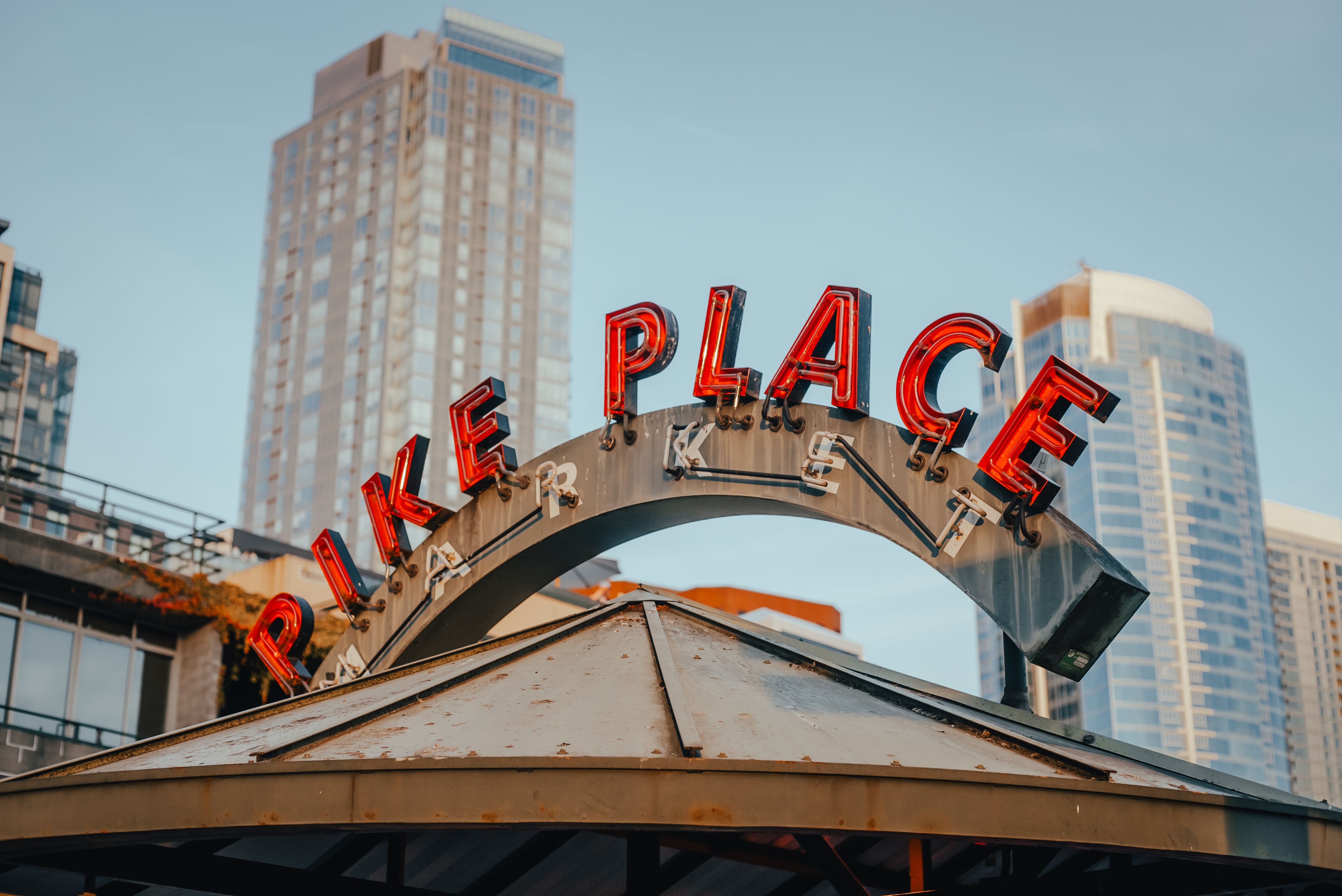
Operating continuously since 1907, Seattle's Pike Place Market is best known for the fishmongers at Pike Place Fish Market who throw whole salmon across the counter to each other before customers, a bit of theatre that's become one of the city's signature spectacles.
The market spans multiple levels of produce stalls and quirky curio shops above the waterfront.
How does it rate
CrowdsRomanceCash RequiredDangerAccessibilityWhy you should go
A century-old Seattle market famous for fishmongers throwing salmon across the counter, right above the Elliott Bay waterfront.
Why you shouldn't go
The fish-throwing and main arcade get very crowded by midday, especially with cruise ship passengers in summer.
Plan your visit
Best time to visitWeekday mornings, before cruise-ship crowds and weekend visitors peak.Best time of dayMorning (9-11am), when fish-throwing happens regularly and crowds are thinner.Getting thereTake a short walk or ride the Seattle Center Monorail toward downtown; the market sits at 1st Ave and Pike St.Entry costFree to enter; produce and food prices vary by stall.Time needed1-2 hours.Insider tip — Visit the original 1971 Starbucks store nearby, but skip the queue there and get coffee at a quieter stall inside the market itself. -
 #1264 /100
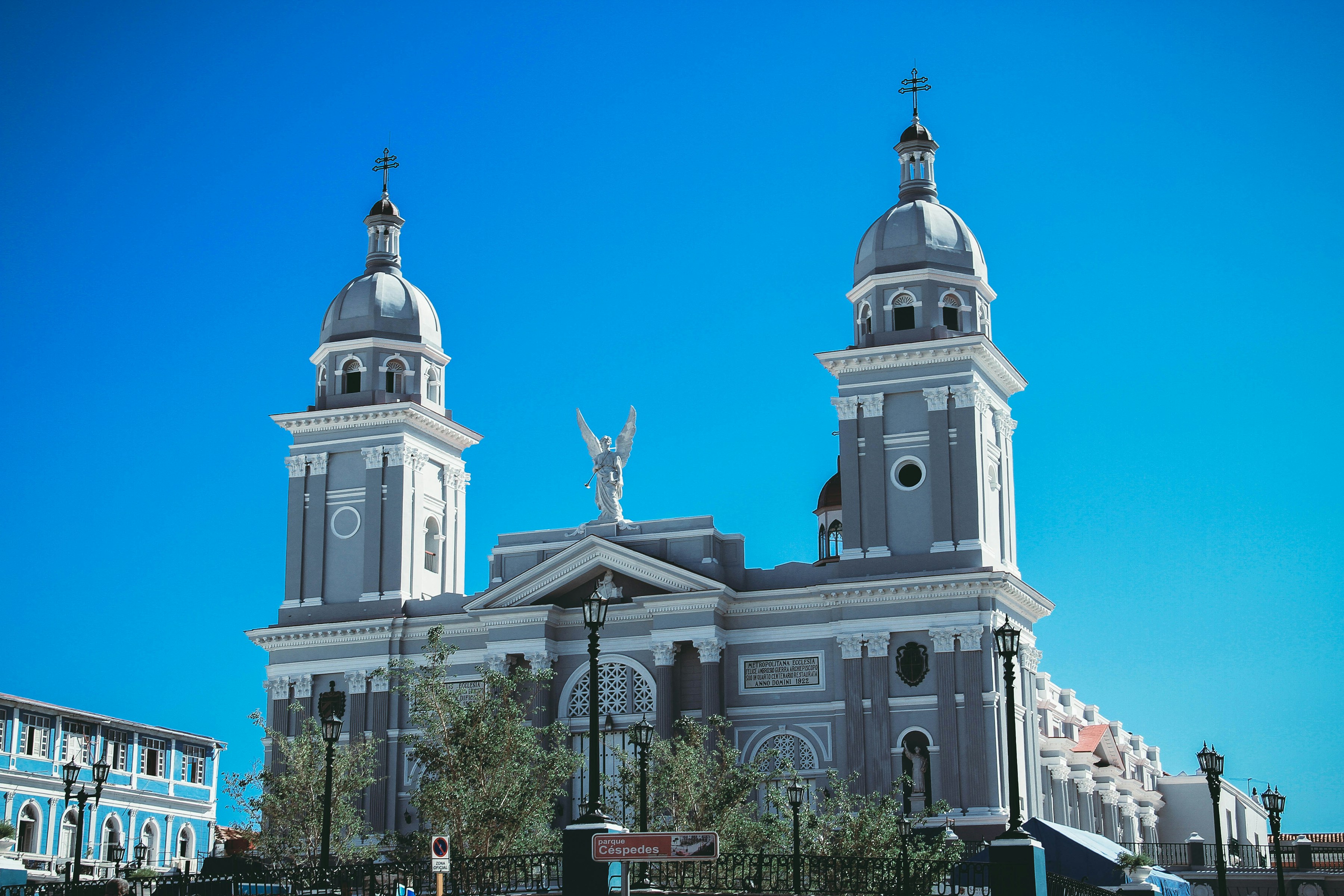
Cuba's second city and historic revolutionary heartland has a distinctly different feel from Havana — hillier, hotter, and steeped in Afro-Cuban culture that shows up in its music, religion and the country's biggest Carnival celebration each July.
Landmarks include the Moncada Barracks, site of Castro's failed 1953 attack that kicked off the revolution, and the hilltop Castillo del Morro fortress guarding the harbor mouth.
How does it rate
CrowdsRomanceCash RequiredDangerAccessibilityWhy you should go
Cuba's Afro-Caribbean cultural heartland, with revolutionary history and the country's biggest Carnival.
Why you shouldn't go
Tourist infrastructure and restoration are noticeably less polished here than in Havana or Trinidad.
Plan your visit
Best time to visitNovember–April for cooler, drier weather; late July for Carnival, though it's intensely crowded.Best time of dayEvening for live music in Casa de la Trova, the city's historic music venue.Getting thereFly directly to Santiago, or a long overnight bus or train from Havana (around 12-15 hours).Entry costFree to walk; Moncada Barracks museum entry a few CUC/USD equivalent.Time needed2 days.Insider tip — Visit Casa de la Trova in the evening rather than during the day — a genuine, unstaged live-music venue at night, quiet and touristy by day. -
 #1362 /100
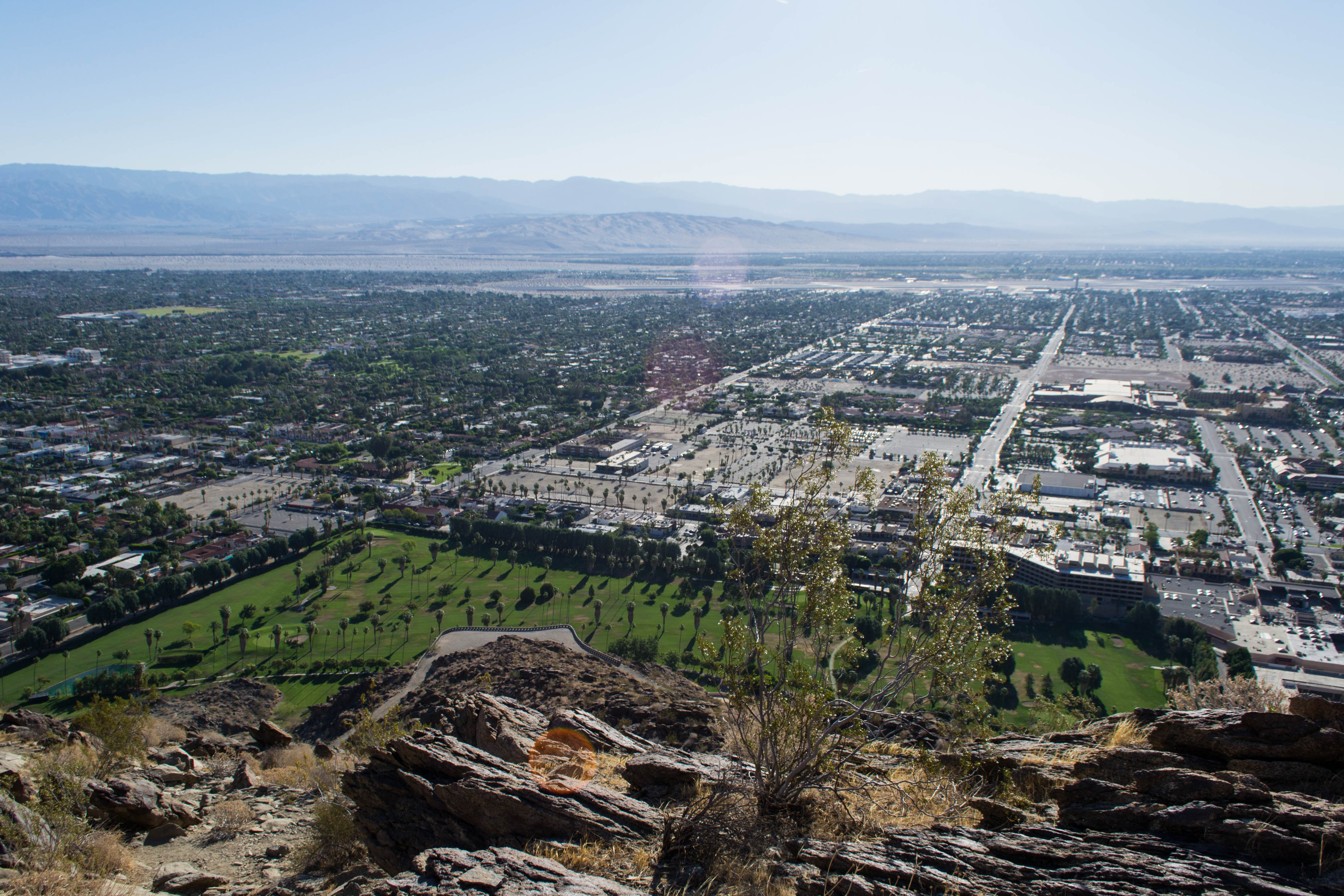
Palm Springs is a desert resort city in the Coachella Valley in southern California, set against the dramatic backdrop of the San Jacinto Mountains.
Famous for its concentration of mid-century modern architecture, the city's pastel-coloured bungalows, extravagant swimming pools, and surrounding date palm groves create a uniquely Californian aesthetic.
How does it rate
CrowdsRomanceCash RequiredDangerAccessibilityWhy you should go
Palm Springs has one of the highest concentrations of mid-century modern architecture anywhere in the world; the swimming pool culture and mountain backdrop create a very photogenic desert setting.
Why you shouldn't go
Palm Springs becomes extremely hot in summer (frequently over 40 degrees Celsius) when most visitors stay away; the peak season from January to April brings crowds and high prices.
Plan your visit
Best time to visitOctober-April, avoiding brutal summer desert heatBest time of dayLate afternoon for warm light on the mid-century architectureGetting there~2hr drive from Los AngelesEntry costFree to exploreTime needed2-3 daysInsider tip — The Palm Springs Aerial Tramway gives a completely different desert-to-alpine view in one ride -
 #1450 /100
Walt Disney World's Orlando resort spans four theme parks, two water parks and dozens of hotels across an area the size of a small city.
Magic Kingdom's castle, the parades and the character meets are the classic draw for younger families, while Epcot and Animal Kingdom skew older.
Ride queues, the distances between parks and the cost of a multi-day ticket all reward planning rather than improvisation.
How does it rate
CrowdsRomanceCash RequiredDangerAccessibilityWhy you should go
It’s a magical experience with activities and attractions for all ages.
Why you shouldn't go
It can be very crowded and expensive, and lines for popular attractions are often long.
Plan your visit
Best time to visitSeptember to early November for lower crowdsBest time of dayEvening, for the fireworks over the castleGetting thereOrlando International Airport, resort shuttles availableEntry cost~$110+ per day ticketTime neededFull day, ideally 2+Insider tip — Use the park app to book ride times and skip the longest lines


More from North America
-
More City Life spots
-
How a score is built
One score out of 100, five criteria behind it
Every place is rated 1–5 on each of the criteria below, then combined into a single score out of 100. It's calculated by us, the same way every time — not an average of traveller reviews or social votes.
Crowds
How many people you'll be sharing it with, and at what time of day.
Romance
How well it suits a couple, a proposal, or a quiet moment together.
Cash required
Entry fees, permits, guides, rentals — what it actually costs to do it.
Danger
Physical risk involved, from a slippery viewpoint to genuine hazard.
Accessibility
How far off the beaten path it is, and how hard it is to actually reach.


