-
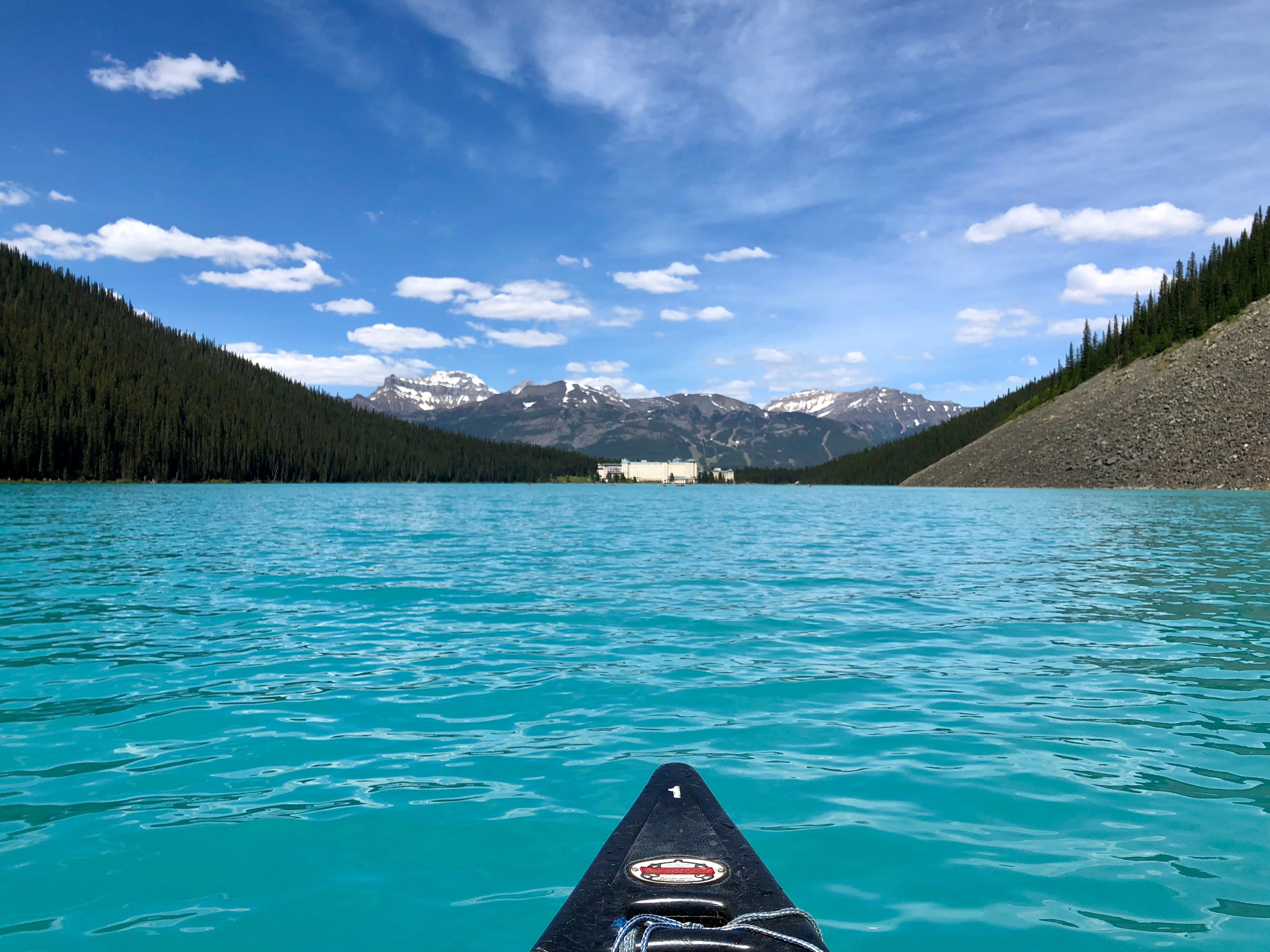 #193 /100
Established in 1885, Banff is Canada's oldest national park and one of the world's most spectacular.
Turquoise lakes, ancient glaciers, hot springs, abundant wildlife, and the postcard town of Banff itself make this an unmissable destination in the Canadian Rockies.
How does it rate
CrowdsRomanceCash RequiredDangerAccessibilityWhy you should go
The combination of turquoise glacial lakes, dramatic mountain scenery, and easy accessibility makes Banff one of the most photogenic national parks on earth.
Why you shouldn't go
Banff becomes very crowded in summer and key sites like Moraine Lake and Lake Louise require advance shuttle booking.
Plan your visit
Best time to visitJune-SeptemberBest time of dayEarly morning for wildlife and calm waterGetting there~1.5hr drive from CalgaryEntry costPark pass ~$10/dayTime needed3+ daysInsider tip — Get to Moraine Lake or Lake Louise before 7am in July/August or the parking lots fill and close -
 #2
#2Rated #2 of 11
Yellowstone National Park, the United States
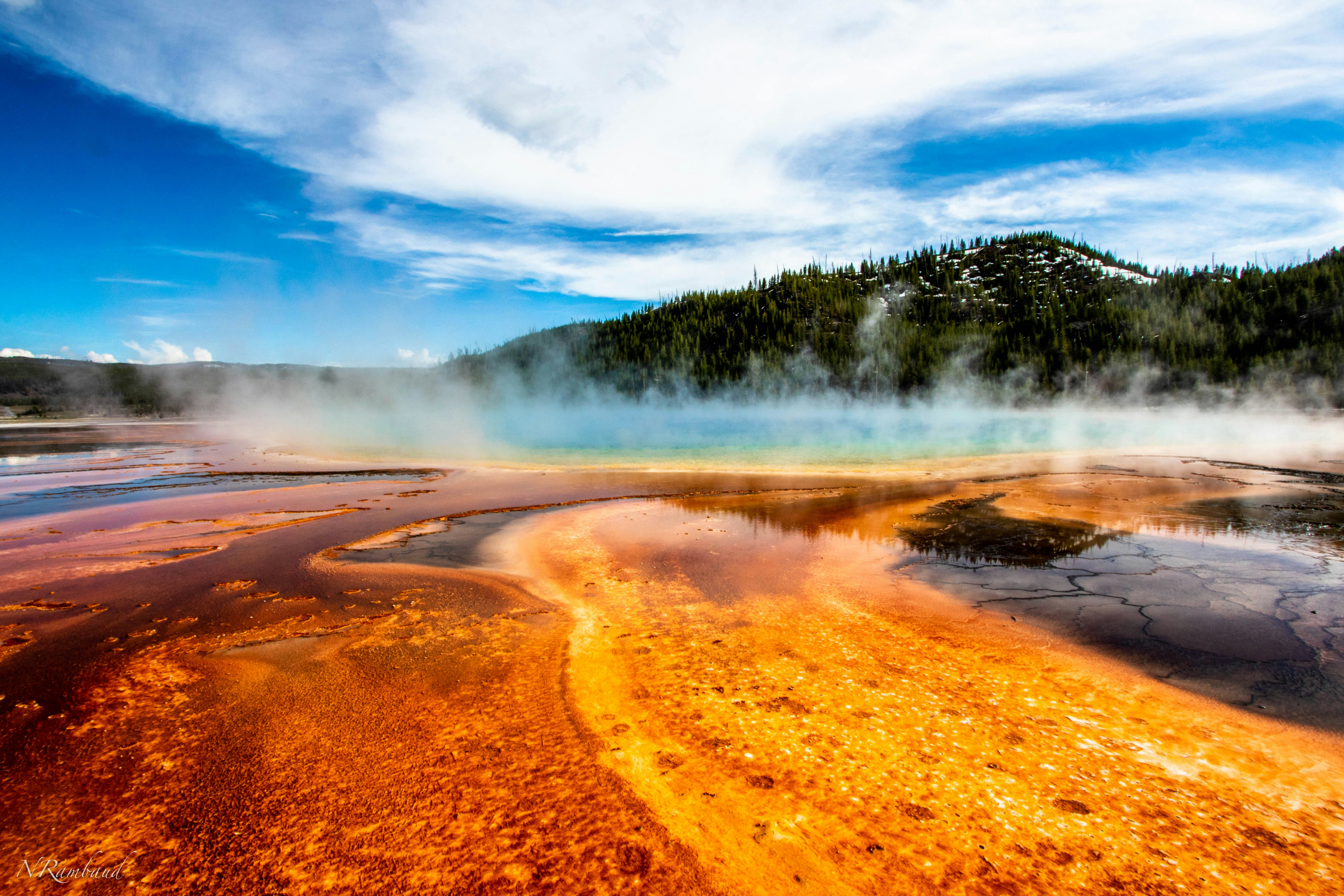
#yellowstonenationalpark ◆ National Parks93 /100Yellowstone is the world's first national park and still its strangest, sitting atop a supervolcano that surfaces as thousands of geysers, hot springs, and mudpots.
Old Faithful erupts on a near-hourly schedule, while the Grand Prismatic Spring's rainbow colours come from heat-loving bacteria.
Beyond the geothermal basins, the park holds free-roaming bison, elk, wolves, and grizzly bears across nearly 9,000 square kilometres of forest and canyon.
How does it rate
CrowdsRomanceCash RequiredDangerAccessibilityWhy you should go
Nowhere else combines a supervolcano's geysers and hot springs with free-roaming bison, wolves, and grizzly bears in one park.
Why you shouldn't go
Peak summer brings gridlock traffic and packed boardwalks at the famous geyser basins.
Plan your visit
Best time to visitLate May-June or September for wildlife and thinner crowds; many roads close in winter.Best time of dayEarly morning for wildlife viewing and quieter geyser basins before tour buses arrive.Getting thereFly to Jackson Hole or Bozeman; 1.5-3 hour drive to the nearest park entrance.Entry cost$35 per vehicle, valid 7 daysTime needed3+ daysInsider tip — Watch Old Faithful from the Observation Point trail above the boardwalk to skip the crowd at ground level. -
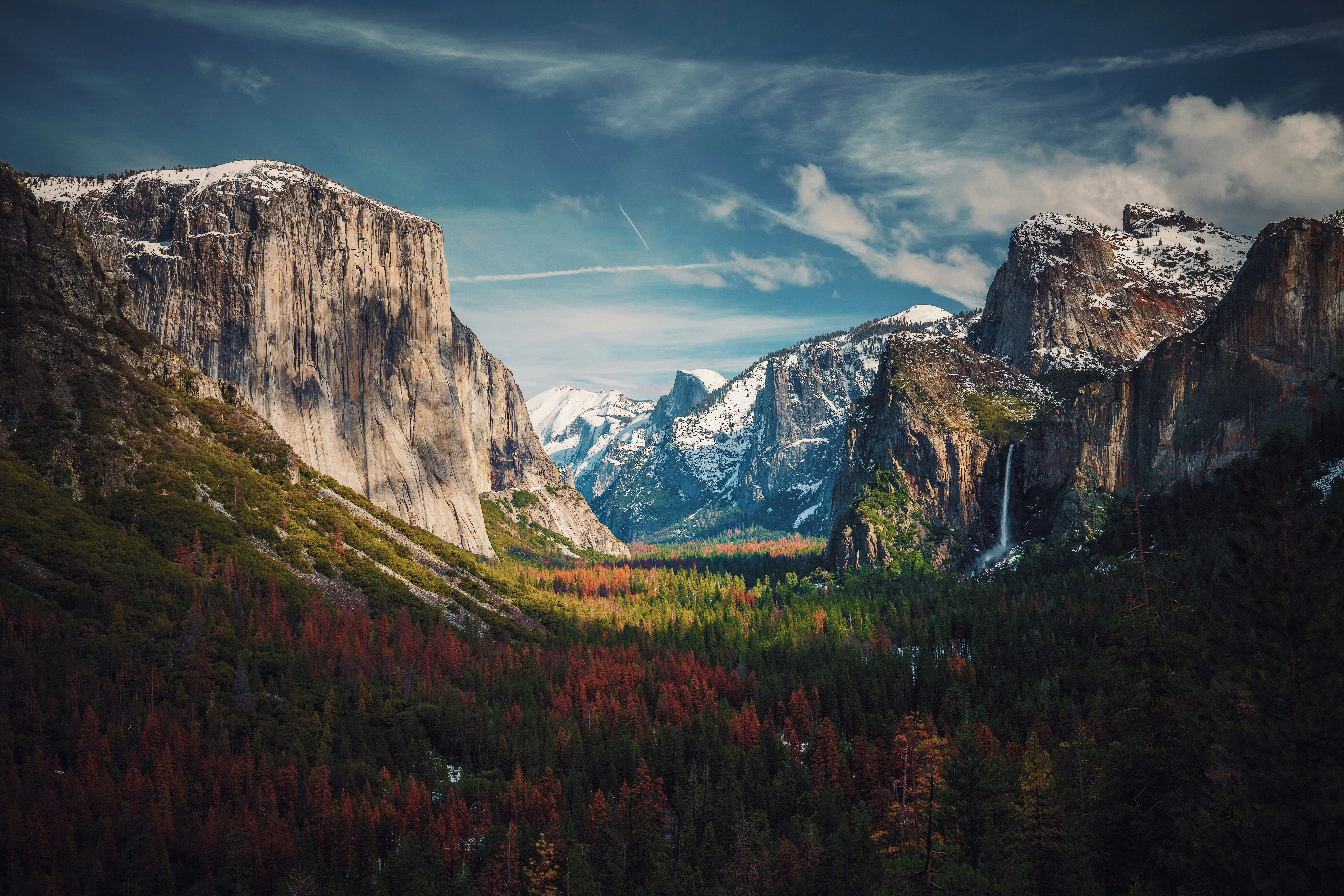 #391 /100
Yosemite Valley is a granite gorge cut by glaciers, with El Capitan and Half Dome rising thousands of feet above the valley floor and waterfalls dropping straight off the rim.
Beyond the valley, the park holds giant sequoia groves, alpine meadows, and high-country lakes reached by the seasonal Tioga Road.
It's one of the birthplaces of American rock climbing, and climbers on El Capitan's face are visible from the valley floor with binoculars.
How does it rate
CrowdsRomanceCash RequiredDangerAccessibilityWhy you should go
Few places pack granite cliffs, giant sequoias, and waterfalls into one valley visible from a single viewpoint.
Why you shouldn't go
Yosemite Valley's roads gridlock in summer, and a timed-entry reservation is often required.
Plan your visit
Best time to visitMay-June for waterfalls at full flow, or September for thinner crowds.Best time of daySunrise at Tunnel View for the valley before the roads fill up.Getting thereFly to Fresno or San Francisco; roughly 2.5-4 hour drive to the valley.Entry cost$35 per vehicle, valid 7 daysTime needed2-3 daysInsider tip — Book the free valley shuttle instead of driving once inside the park - parking fills by mid-morning. -
 #4
#4Rated #4 of 11
Grand Teton National Park, the United States
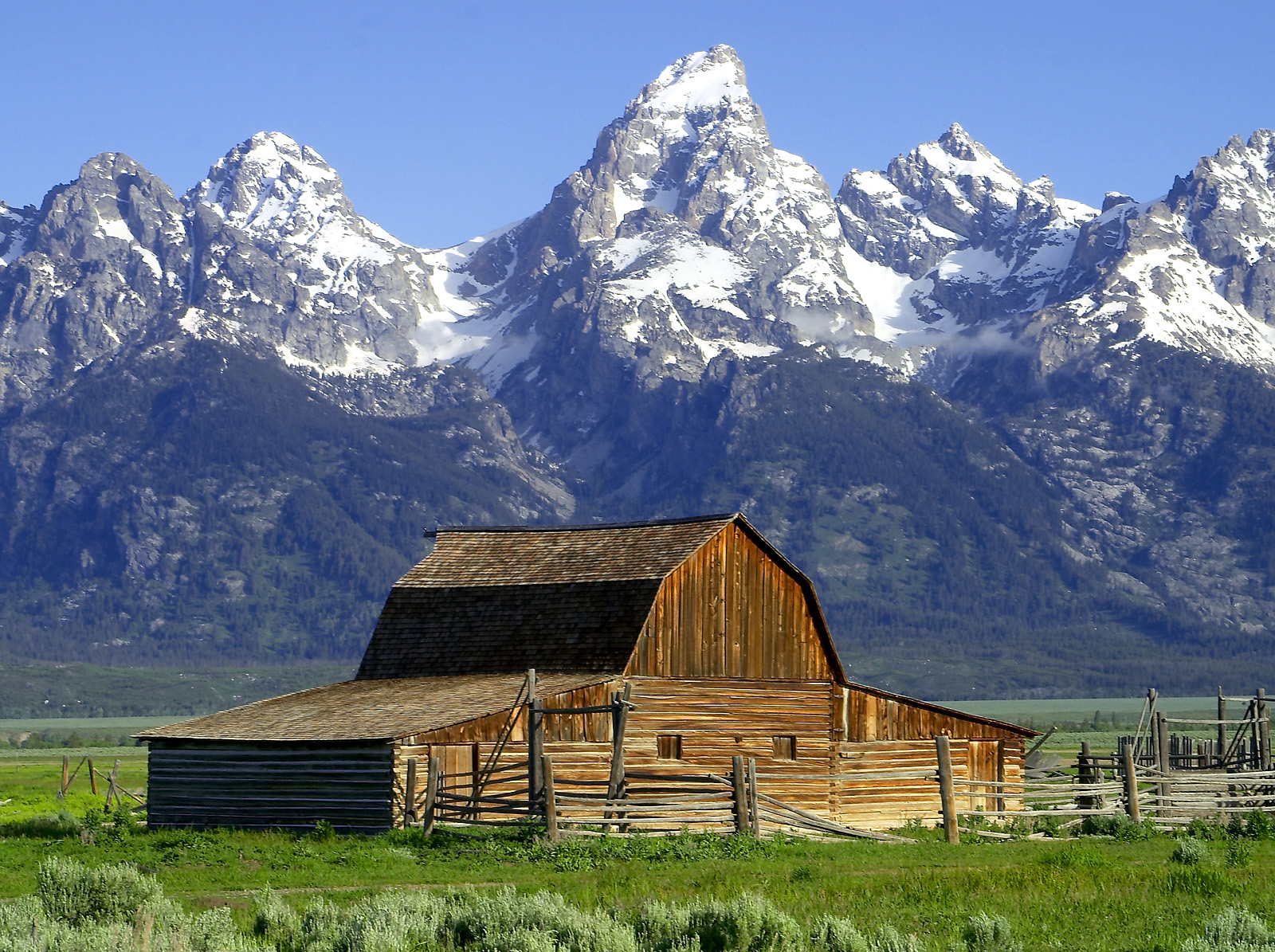
#grandtetonnationalpark ◆ National Parks88 /100The Teton Range rises abruptly and without foothills from the flat valley floor of Jackson Hole, creating one of the most dramatic mountain frontages in the Americas.
Below it, the Snake River, a chain of glacial lakes and open sagebrush flats hold moose, elk, bison and both black and grizzly bears.
Trails range from flat lakeshore loops to serious alpine climbs within the same few miles of road.
How does it rate
CrowdsRomanceCash RequiredDangerAccessibilityWhy you should go
The Tetons rising directly from the valley floor create an unobstructed mountain wall that produces some of America's most dramatic landscape photographs.
Why you shouldn't go
Wildlife watching opportunities are excellent but not guaranteed; the park is large and distances between key viewpoints are significant.
Plan your visit
Best time to visitJune-SeptemberBest time of daySunrise at Schwabacher Landing or Oxbow Bend for reflectionsGetting thereFly to Jackson Hole AirportEntry costPark pass ~$35/vehicleTime needed2-3 daysInsider tip — Oxbow Bend at dawn gives the classic Teton reflection shot, especially with autumn colour -
 #587 /100
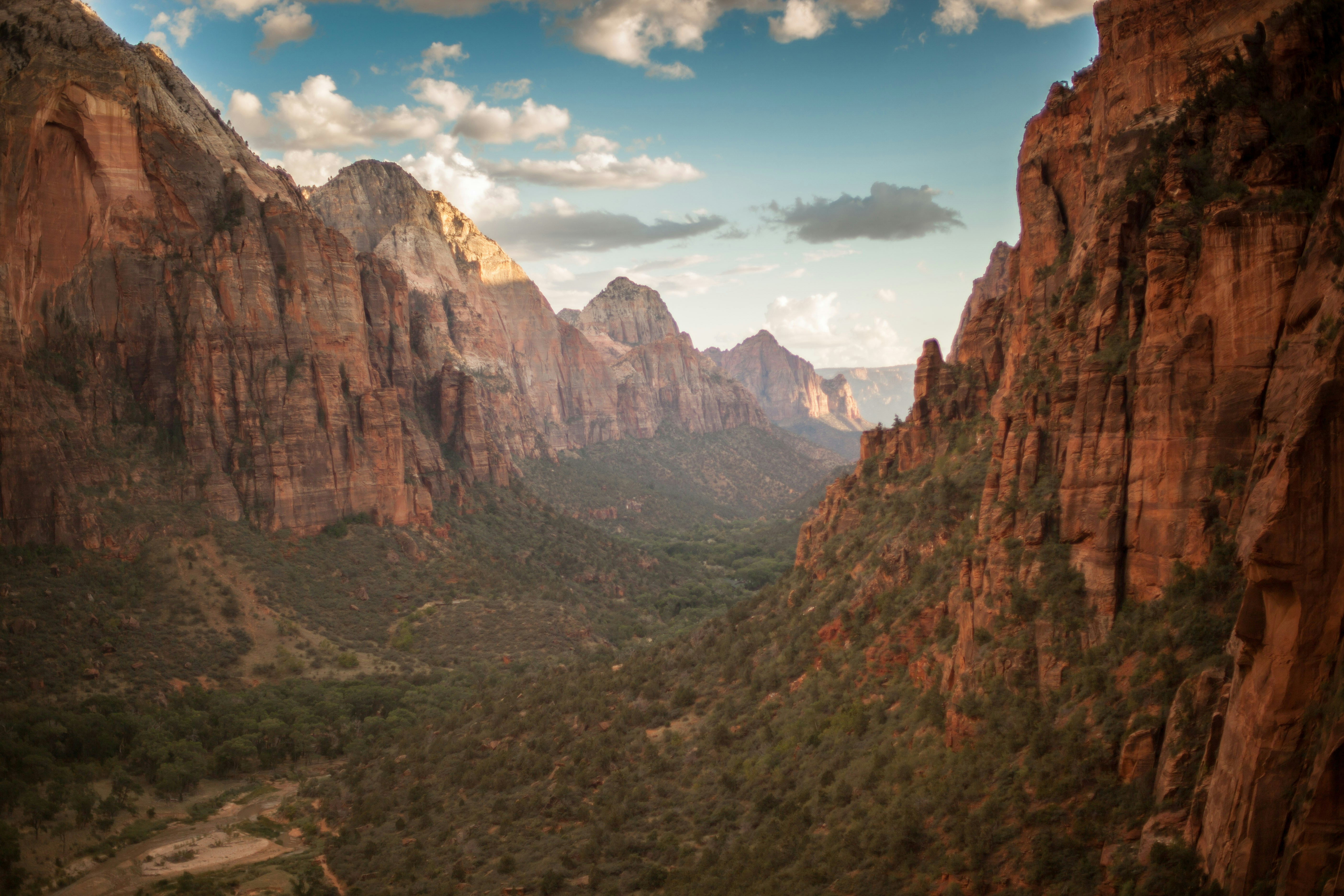
Zion's main canyon is a half-mile-deep slot of red and cream sandstone carved by the Virgin River, with the Narrows letting visitors wade upriver between walls that close in overhead.
The valley floor is reached only by a free shuttle in peak season, keeping the canyon quieter than the crowded parking lots suggest.
Angels Landing's chained final pitch is the park's signature scramble, but most of the canyon is accessible on flat paved trails.
How does it rate
CrowdsRomanceCash RequiredDangerAccessibilityWhy you should go
A narrow, towering sandstone canyon you can wade straight up the middle of via the Virgin River.
Why you shouldn't go
Angels Landing needs a lottery permit, and summer flash-flood risk can close the Narrows without notice.
Plan your visit
Best time to visitApril-May or September-October, avoiding summer flash-flood season and winter Narrows closures.Best time of dayEarly morning shuttle to beat both the heat and the crowds at the canyon trailheads.Getting thereFly to Las Vegas; roughly 2.5 hour drive to the park entrance at Springdale.Entry cost$35 per vehicle, valid 7 daysTime needed1-2 daysInsider tip — Rent canyoneering shoes and a walking stick in Springdale before hiking the Narrows - the river rocks are slick. -
 #686 /100
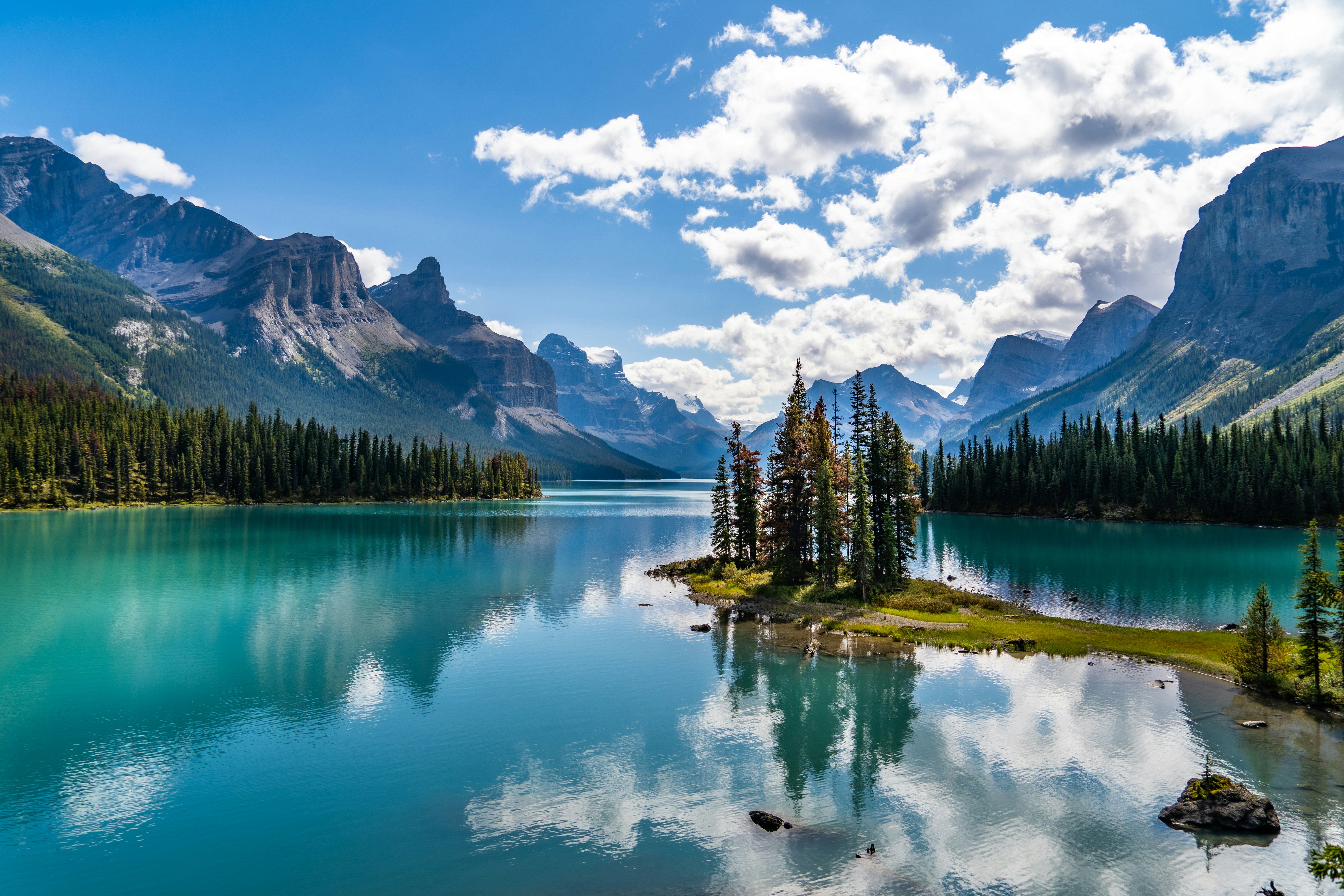
Jasper is the largest national park in the Canadian Rockies, quieter than neighbouring Banff, with turquoise glacial lakes, the Columbia Icefield, and wildlife including elk and bears.
Maligne Lake and Spirit Island are among the most photographed spots in Canada, reachable by boat cruise, while the Icefields Parkway to Banff is one of the world's most scenic drives.
As a Dark Sky Preserve, it also hosts some of the continent's best stargazing.
How does it rate
CrowdsRomanceCash RequiredDangerAccessibilityWhy you should go
The Canadian Rockies at their most dramatic, with far fewer crowds than Banff along the same mountain range.
Why you shouldn't go
Wildfires have affected parts of the park and townsite in recent years; check current conditions before visiting.
Plan your visit
Best time to visitJune-September for accessible trails and wildlife viewingBest time of dayEarly morning for wildlife along the roadsides before traffic picks upGetting thereFly into Edmonton; a 4-hour drive reaches Jasper townsiteEntry costPark entry pass around CA$11 per adult per dayTime needed2-3 days to cover the Icefields Parkway, Maligne Lake, and hiking trailsBookingBook ahead →Insider tip — Book the Maligne Lake boat cruise for the earliest departure; Spirit Island is only reachable by boat and mornings have the calmest water for reflections. -
 #7
#7Rated #7 of 11
Bryce Canyon National Park, the United States
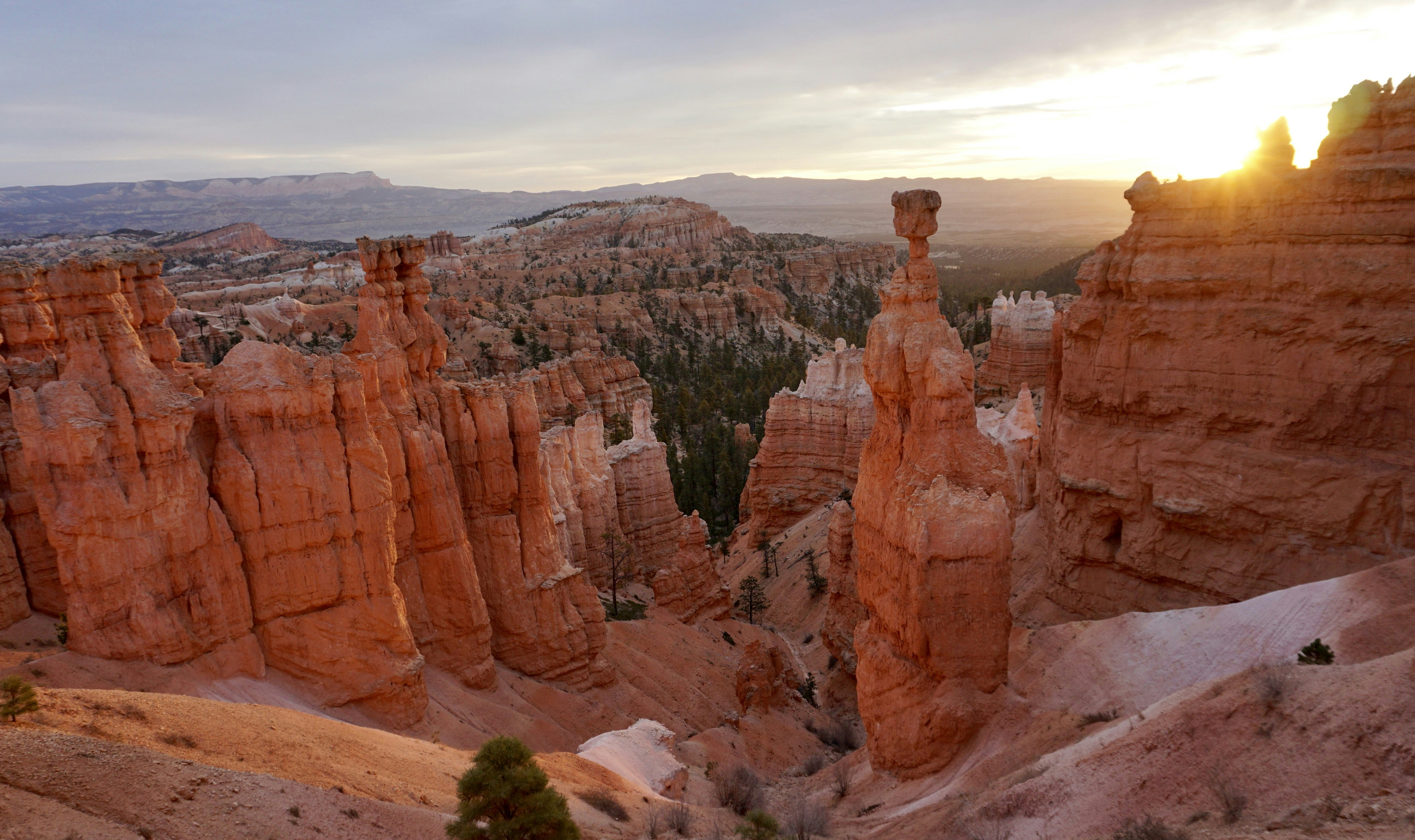
#brycecanyonnationalpark ◆ National Parks86 /100Bryce Canyon isn't a canyon in the usual sense but a series of natural amphitheatres carved into a plateau edge, packed with thousands of hoodoos, thin spires of orange and pink rock left standing by erosion.
The Rim Trail offers easy overlooks with no hiking required, while trails like Navajo Loop descend right in among the hoodoos for a completely different view.
At over 2,400 metres elevation, clear skies make it one of the best US parks for stargazing.
How does it rate
CrowdsRomanceCash RequiredDangerAccessibilityWhy you should go
Thousands of orange rock spires you can walk right in among, not just view from a rim.
Why you shouldn't go
High elevation means cold nights even in summer, and snow can close trails well into spring.
Plan your visit
Best time to visitMay-September for open trails; winter visits offer hoodoos dusted with snow and no crowdsBest time of daySunrise at Sunrise Point or Bryce Point, when low light turns the rock deep orangeGetting thereFly into Las Vegas or Salt Lake City; a 4-hour drive reaches the park entranceEntry costAround $35 per vehicle (7-day pass)Time neededHalf a day for the rim; a full day to also hike among the hoodoosBookingBook ahead →Insider tip — Combine the Navajo Loop and Queen's Garden trails into one figure-eight hike for the best variety of hoodoo scenery in about 3 hours. -
 #885 /100
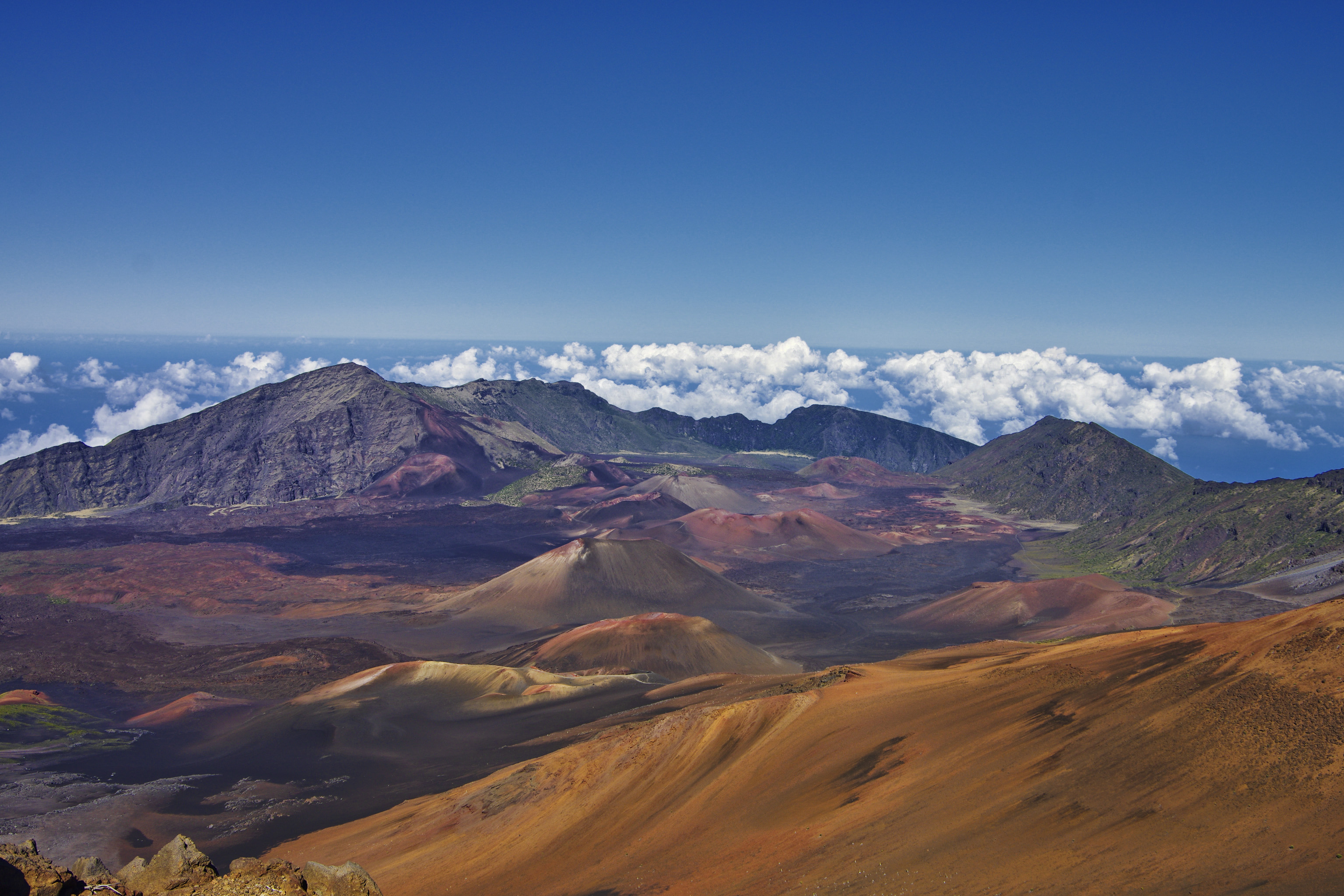
Haleakala's summit on Maui sits at 3,055 metres above sea level, placing it above the clouds for one of the world's most famous sunrise experiences.
The volcanic crater contains a moonlike landscape of cinder cones and lava flows extending 11 kilometres across and 800 metres deep.
How does it rate
CrowdsRomanceCash RequiredDangerAccessibilityWhy you should go
Watching the sun rise above the clouds from the summit crater rim is a spiritual experience; the volcanic landscape below and clouds stretching to the horizon are genuinely awe-inspiring.
Why you shouldn't go
Sunrise viewing requires an advance reservation, you must drive up before 3am, and the summit is bitterly cold even in Hawaiian summer.
Plan your visit
Best time to visitYear-roundBest time of daySunrise (needs advance reservation) or sunsetGetting there~1.5-2hr drive from Kahului, MauiEntry costPark entry ~$30/vehicle, sunrise reservation ~$1 extraTime neededHalf dayInsider tip — Book the sunrise reservation weeks ahead; it sells out, and bring warm layers, it is near freezing at the summit -
 #985 /100
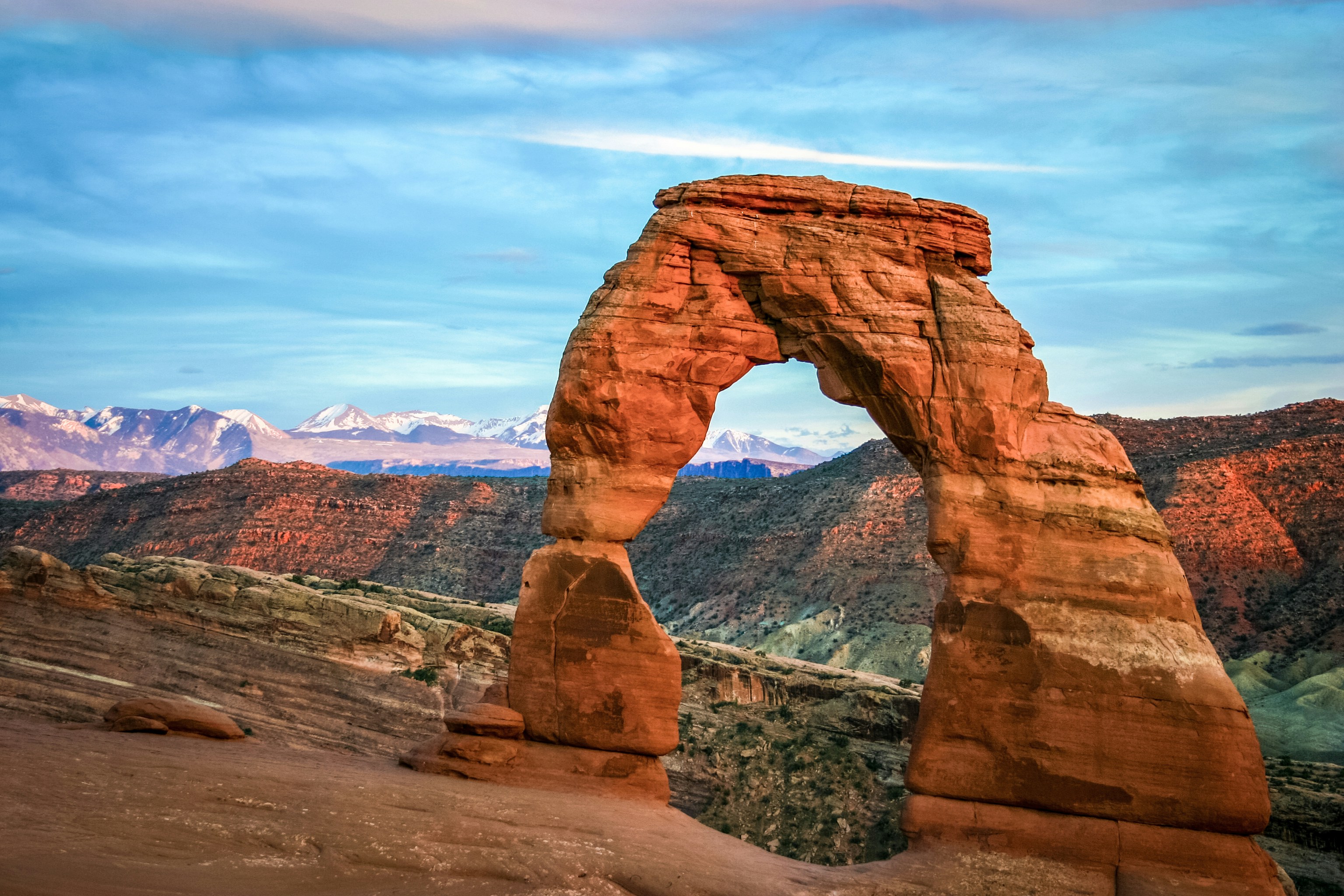
Arches protects the highest density of natural stone arches on earth, over 2,000 of them, sculpted from red sandstone by millions of years of freeze-thaw erosion.
Delicate Arch, the park's most famous formation, requires a moderate 3-mile round-trip hike, while easier stops like the Windows section are visible right off the scenic drive.
Summer heat is severe with little shade, and a timed-entry reservation is required in peak season.
How does it rate
CrowdsRomanceCash RequiredDangerAccessibilityWhy you should go
The world's densest concentration of natural rock arches, from roadside viewpoints to a bucket-list hike.
Why you shouldn't go
Peak-season crowding now requires a timed-entry reservation just to drive into the park.
Plan your visit
Best time to visitMarch-May or September-October, avoiding both summer heat and peak-season crowdsBest time of daySunset at Delicate Arch, when the rock glows deep redGetting thereFly into Grand Junction or Salt Lake City; the park entrance is 5 minutes from MoabEntry costAround $30 per vehicle (7-day pass); timed-entry reservation required April-OctoberTime neededHalf a day for the drive-up viewpoints; a full day with the Delicate Arch hikeBookingBook ahead →Insider tip — Book the timed-entry slot the moment reservations open; peak-season dates sell out within minutes. -
 #10
#10Rated #10 of 11
Valley of Fire State Park, the United States
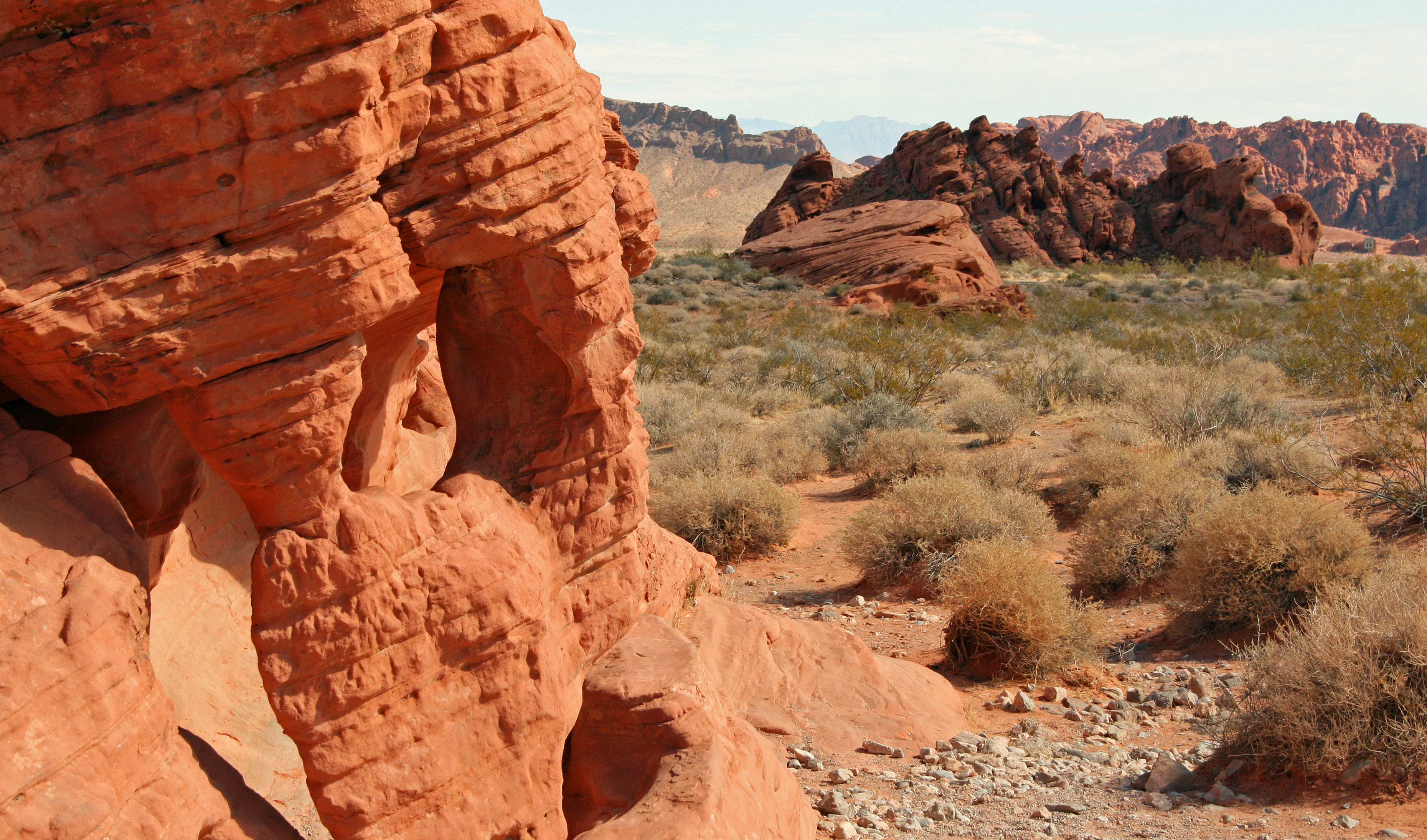
#valleyoffirestatepark ◆ National Parks84 /100The Valley of Fire State Park is Nevada's oldest and largest state park, containing extraordinary formations of bright red Aztec sandstone created from sand dunes 150 million years ago.
The intensely coloured rock glows with particular brilliance at sunrise and sunset when it appears almost to be lit from within.
How does it rate
CrowdsRomanceCash RequiredDangerAccessibilityWhy you should go
The vivid red sandstone formations, particularly at golden hour, create a landscape of extraordinary colour intensity; Wave Rock and Elephant Rock are among the most dramatic formations.
Why you shouldn't go
The park is in the Mojave Desert and temperatures exceed 40 degrees Celsius in summer; it is most accessible as a day trip from Las Vegas but there is limited accommodation within the park.
Plan your visit
Best time to visitOctober-April, avoiding extreme summer heatBest time of daySunrise or sunset when the red sandstone glowsGetting there~1hr drive from Las VegasEntry cost~$15/vehicleTime neededHalf dayInsider tip — Fire Wave formation is the most photographed spot in the park and best lit in late afternoon -
 #11
#11Rated #11 of 11
Manuel Antonio National Park, Costa Rica
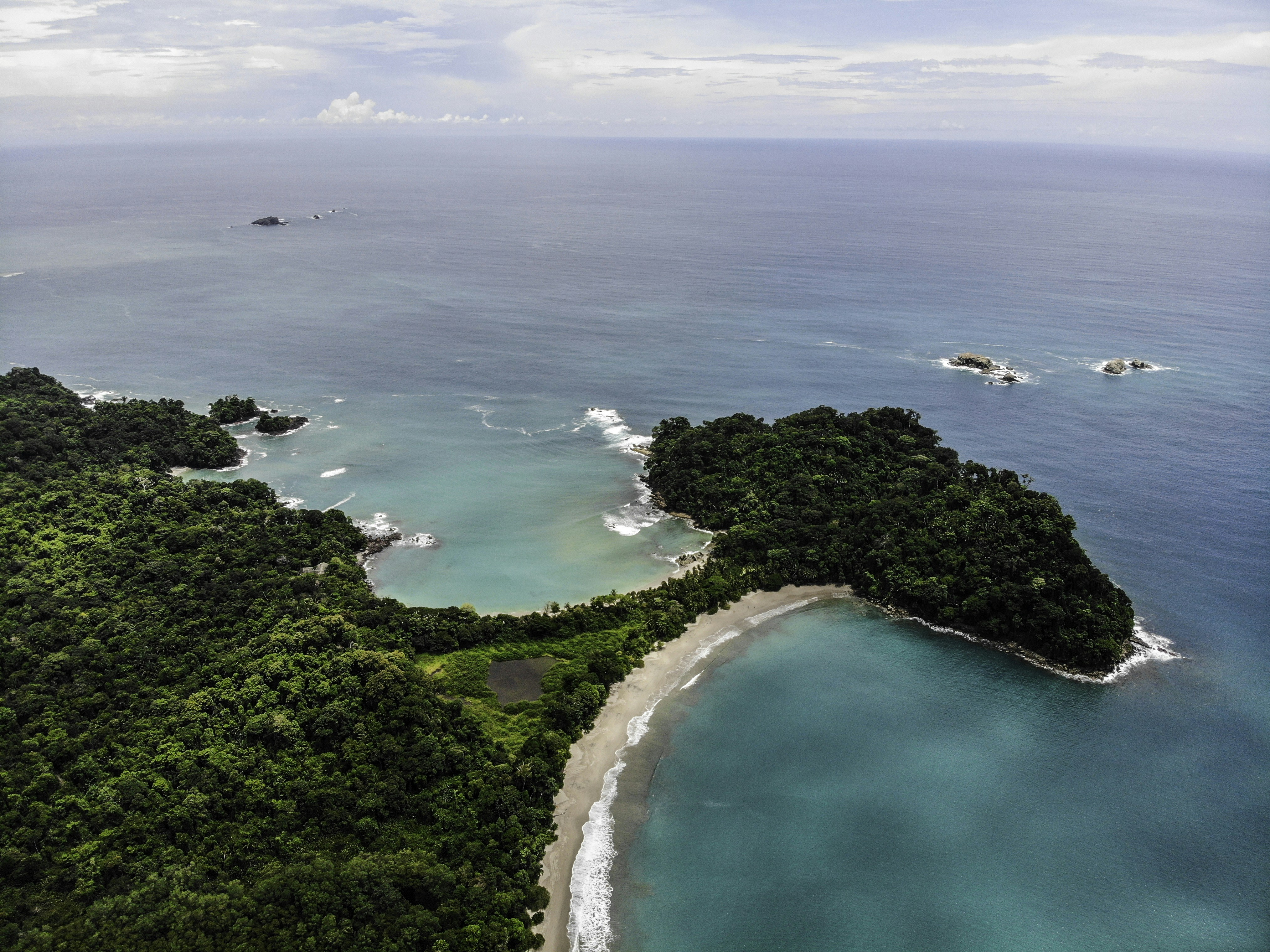
#manuelantonionationalpark ◆ National Parks80 /100Manuel Antonio is Costa Rica's smallest national park but among its most biodiverse, packing rainforest trails, white-sand beaches, and dense wildlife into a compact area.
Sloths, capuchins, and squirrel monkeys are reliably seen right along the main trails, and its beaches let visitors combine wildlife watching with actual swimming, which most rainforest parks don't offer.
Its popularity means daily visitor numbers are capped.
How does it rate
CrowdsRomanceCash RequiredDangerAccessibilityWhy you should go
Reliable sloth and monkey sightings on easy trails that lead straight onto a white-sand beach.
Why you shouldn't go
Daily visitor caps mean it sells out in high season, and trails feel crowded even within the cap.
Plan your visit
Best time to visitDecember-April (dry season) for easier trails, though wildlife is active year-roundBest time of dayEarly morning entry, when animals are most active and heat is lowestGetting thereFly into San Jose; a 3-hour drive or short domestic flight reaches Quepos, next to the parkEntry costAround $18 per adultTime neededHalf a dayBookingBook ahead →Insider tip — Hire one of the licensed local guides at the entrance; their spotting scopes find sloths and snakes in the canopy that are otherwise easy to miss.


More from North America
-
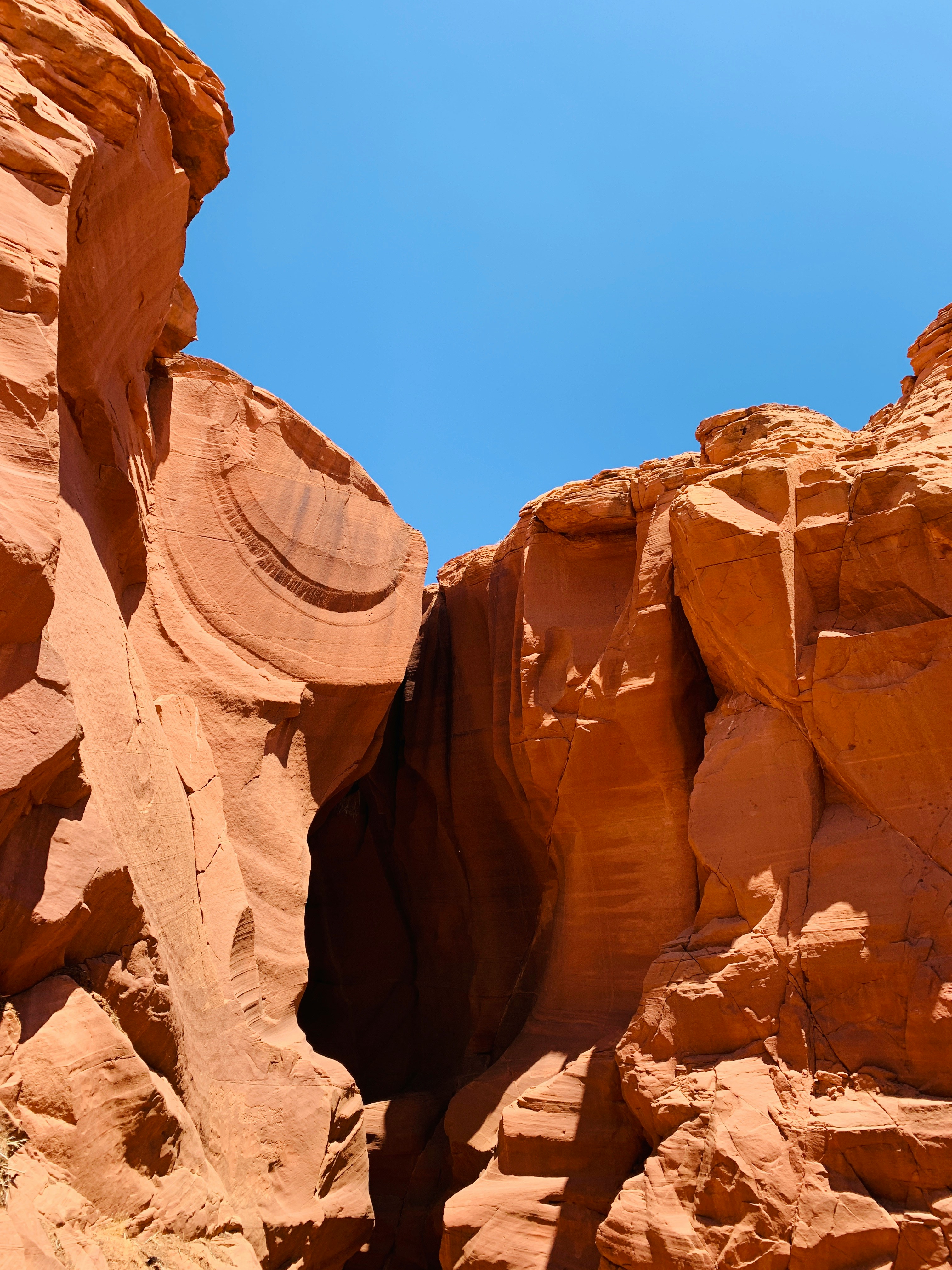
More National Park spots
How a score is built
One score out of 100, five criteria behind it
Every place is rated 1–5 on each of the criteria below, then combined into a single score out of 100. It's calculated by us, the same way every time — not an average of traveller reviews or social votes.
Crowds
How many people you'll be sharing it with, and at what time of day.
Romance
How well it suits a couple, a proposal, or a quiet moment together.
Cash required
Entry fees, permits, guides, rentals — what it actually costs to do it.
Danger
Physical risk involved, from a slippery viewpoint to genuine hazard.
Accessibility
How far off the beaten path it is, and how hard it is to actually reach.


