-
 #192 /100
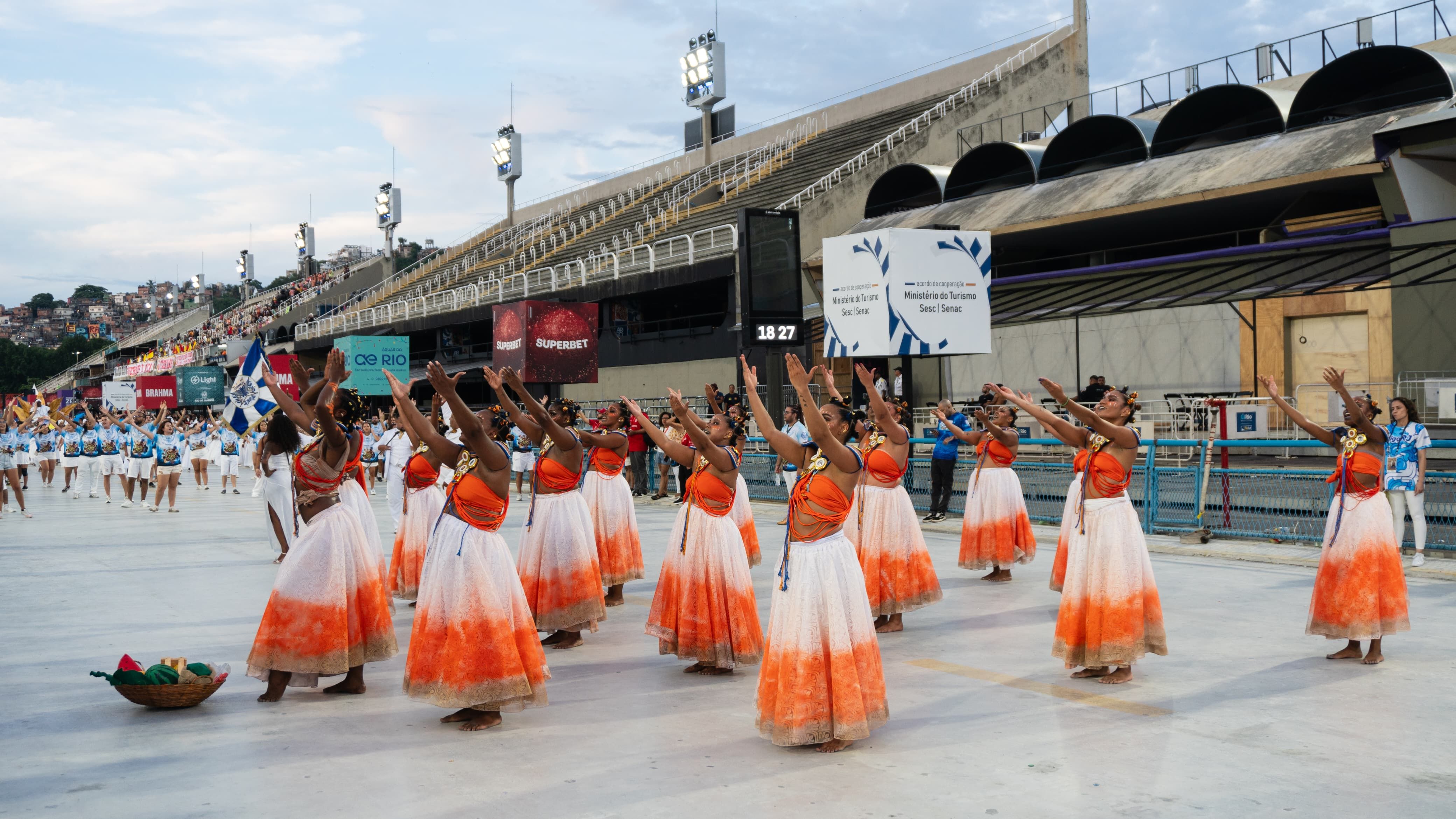
Rio de Janeiro's Carnival is the largest and most famous in the world, headlined by Sambadrome parades where the city's top samba schools compete through the night in elaborate feathered costumes and floats years in the making.
Beyond the Sambadrome, hundreds of free street parties called blocos take over neighbourhoods for days, open to anyone who wants to dance along.
How does it rate
CrowdsRomanceCash RequiredDangerAccessibilityWhy you should go
The world's biggest carnival: all-night samba school parades in a purpose-built stadium, plus hundreds of free street parties.
Why you shouldn't go
Sambadrome tickets and hotel prices spike hard during the week, and Rio's usual pickpocketing risks are heightened in dense crowds.
Plan your visit
Best time to visitFebruary or March, timed to the 40 days before Easter (exact dates shift yearly).Best time of dayLate night into early morning, when the top samba schools parade through the Sambadrome.Getting thereFly into Rio de Janeiro-Galeao International Airport, a roughly 30-minute taxi to the Sambadrome or city centre.Entry costSambadrome grandstand seats start around USD75-100; street blocos are free.Time neededA full night for the Sambadrome, or several days to catch multiple street blocos.BookingBook ahead →Insider tip — Join a free street bloco in the days before the Sambadrome parades for a more relaxed, local taste of the carnival without the ticket cost. -
 #2
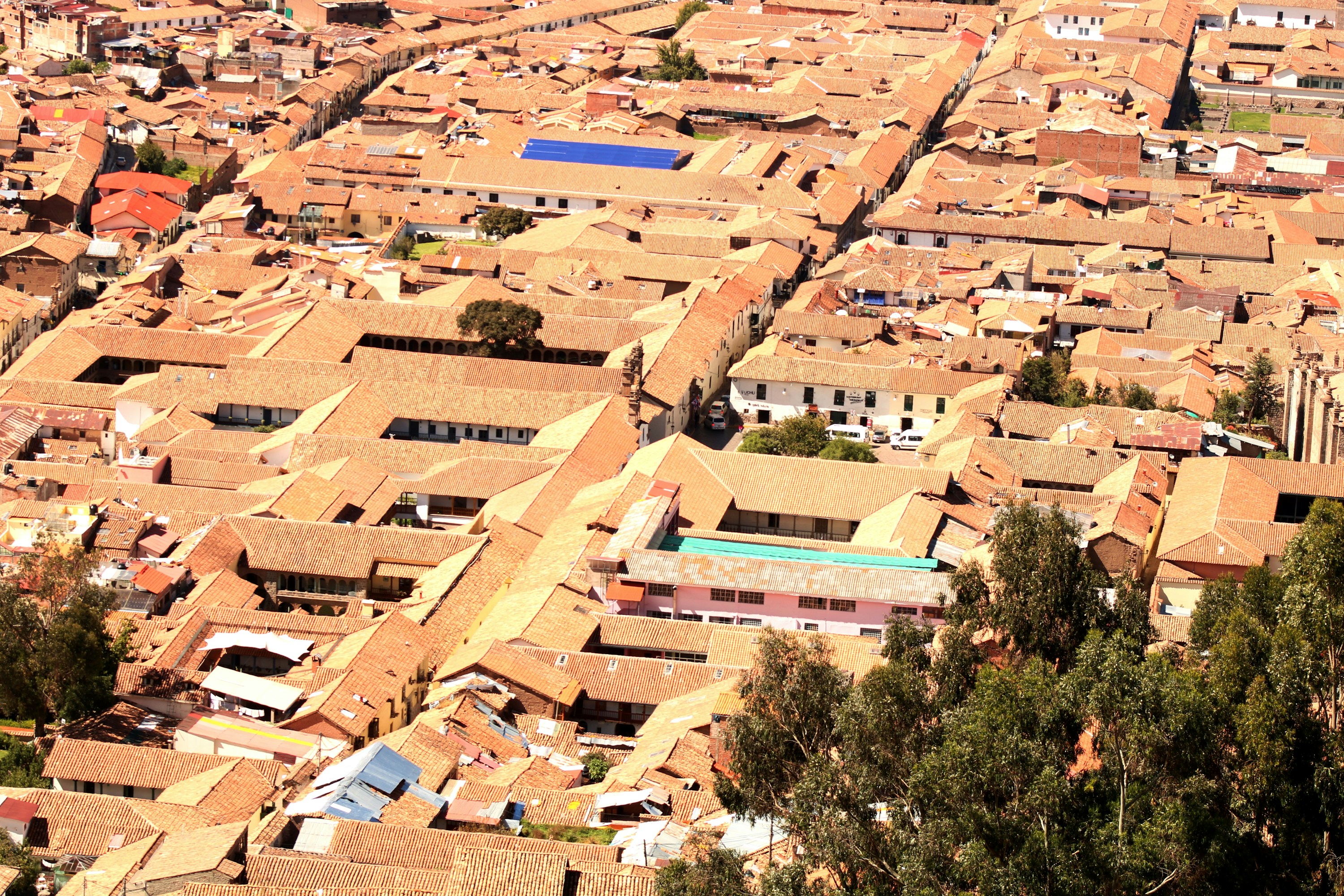
#2Cusco was the capital of the Inca Empire, and the history still shows: Inca stonework underpins colonial churches along cobbled streets radiating from Plaza de Armas.
It's a living Andean city of nearly half a million people, not a museum piece, with markets and restaurants layered over centuries of rebuilding.
Most visitors use it as a base before Machu Picchu, but it easily holds its own for two or three days.
How does it rate
CrowdsRomanceCash RequiredDangerAccessibilityWhy you should go
Inca stonework and colonial architecture layered together in one living, walkable city.
Why you shouldn't go
Altitude (3,400m) hits many visitors hard for the first day or two; expect breathlessness and headaches.
Plan your visit
Best time to visitMay-September (dry season); avoid heaviest rain Jan-FebBest time of dayEarly morning at Plaza de Armas and San Pedro Market, before tour groups arriveGetting thereFly into Alejandro Velasco Astete Airport (CUZ) from Lima (1.5hr); historic center is a 15-min taxi rideEntry costFree to walk; boleto turistico for major sites from S/70Time needed2-3 daysInsider tip — Buy the partial boleto turistico, not the full 16-site version, if you're short on time - it covers Sacsayhuaman and the other in-city ruins for a fraction of the cost. -
 #383 /100
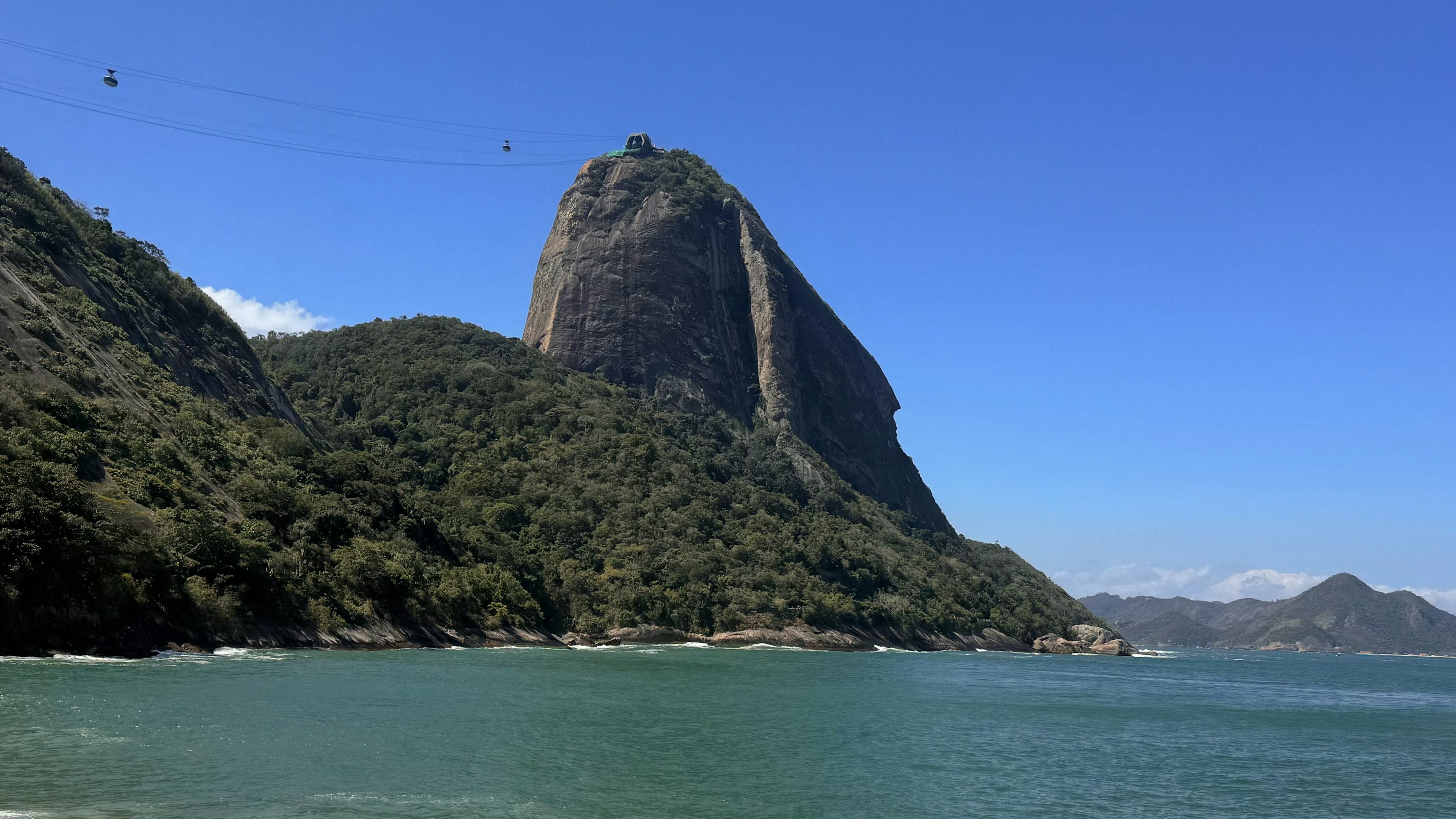
A two-stage cable car, the bondinho, carries visitors from Praia Vermelha up over the forested Morro da Urca to the bare granite summit of Pão de Açúcar, 396 metres above Guanabara Bay.
From the top, Rio unfolds in full: Copacabana's curve, Christ the Redeemer on Corcovado, and the bay's scattering of islands.
It's one stop, one ride, and one of the most complete views of the city available anywhere.
How does it rate
CrowdsRomanceCash RequiredDangerAccessibilityWhy you should go
One cable car ride delivers one of the most complete views of Rio available anywhere in the city.
Why you shouldn't go
Tickets are pricey for a return cable-car ride, and the view disappears entirely on overcast days.
Plan your visit
Best time to visitYear-round; clearest views June-September, avoid rainy Jan-March afternoons.Best time of dayLate afternoon into sunset, for golden light over the bay.Getting thereIn Rio's Urca neighbourhood; taxi or bus from Copacabana or Ipanema (about 20 min) to the Praia Vermelha cable car station.Entry costCable car round-trip ~R$110-205 (~US$20-35)Time needed2-3 hoursBookingBook ahead →Insider tip — Book the sunset time slot online in advance - it sells out first, and the light over the bay is the main reason to go. -
 #482 /100
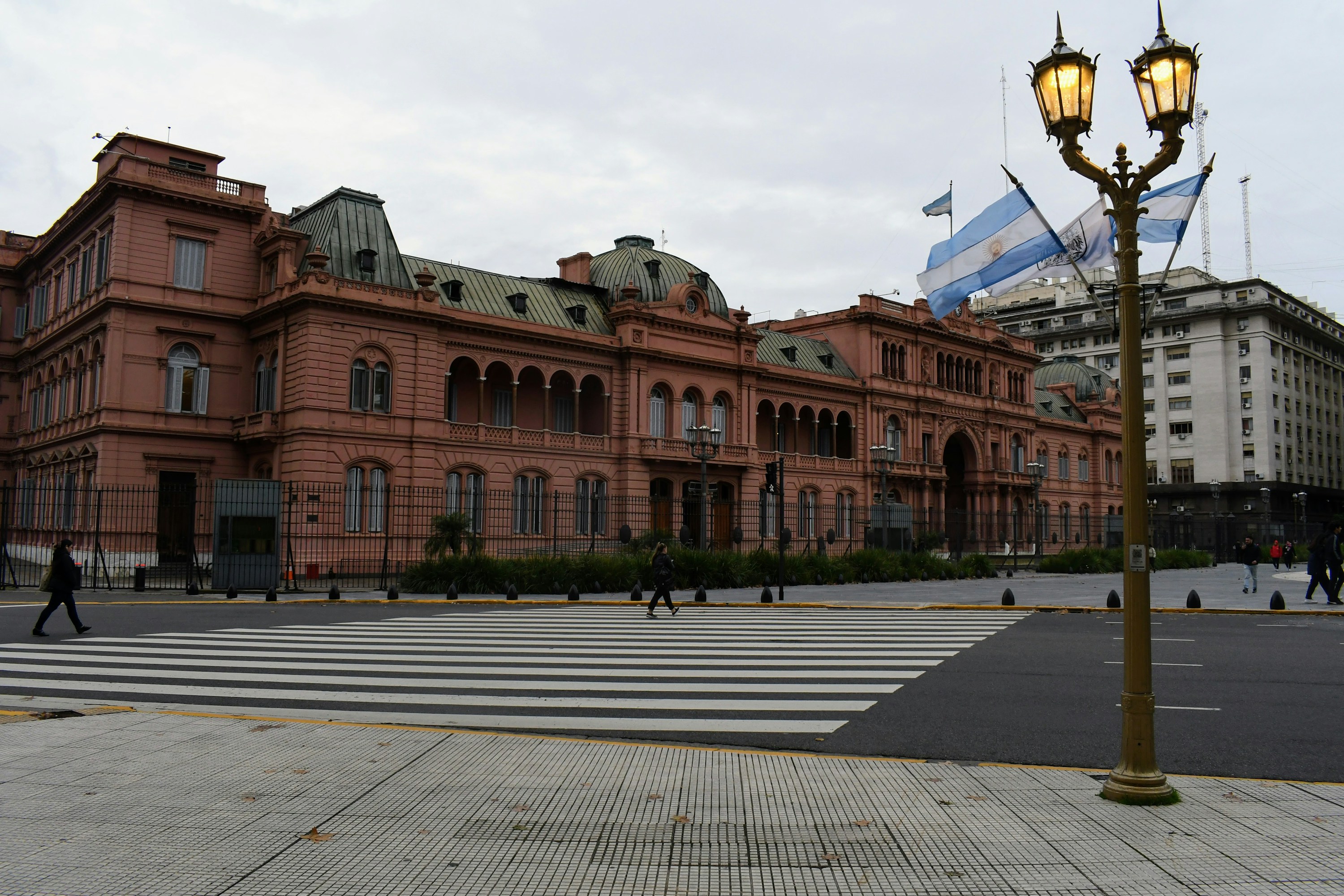
Buenos Aires pairs wide, Parisian-style boulevards with the pulse of a Latin American capital: tango danced in San Telmo squares, steak houses running late into the night, and the pink Casa Rosada overlooking Plaza de Mayo.
Neighborhoods vary sharply, from elegant Recoleta's cafes and cemetery to La Boca's brightly painted tenements.
It's a walkable city built for lingering, not checklist sightseeing.
How does it rate
CrowdsRomanceCash RequiredDangerAccessibilityWhy you should go
A genuinely distinct capital - European architecture, Latin American energy, tango everywhere.
Why you shouldn't go
Petty theft and scams target tourists in busy areas; stay alert with phones and bags.
Plan your visit
Best time to visitMarch-May or September-November, for mild weather outside the humid summerBest time of dayEvening - the city eats dinner from 9pm and tango milongas run lateGetting thereFly into Ezeiza International Airport; taxis or the Tienda Leon bus run downtown in 40-60 minEntry costFree to walk; museums and tango shows charge separately, from a few dollars to $50+Time needed3-4 daysInsider tip — Skip the touristy dinner-and-show tango packages and catch a milonga instead - cheaper, and it's real locals dancing, not a stage act. -
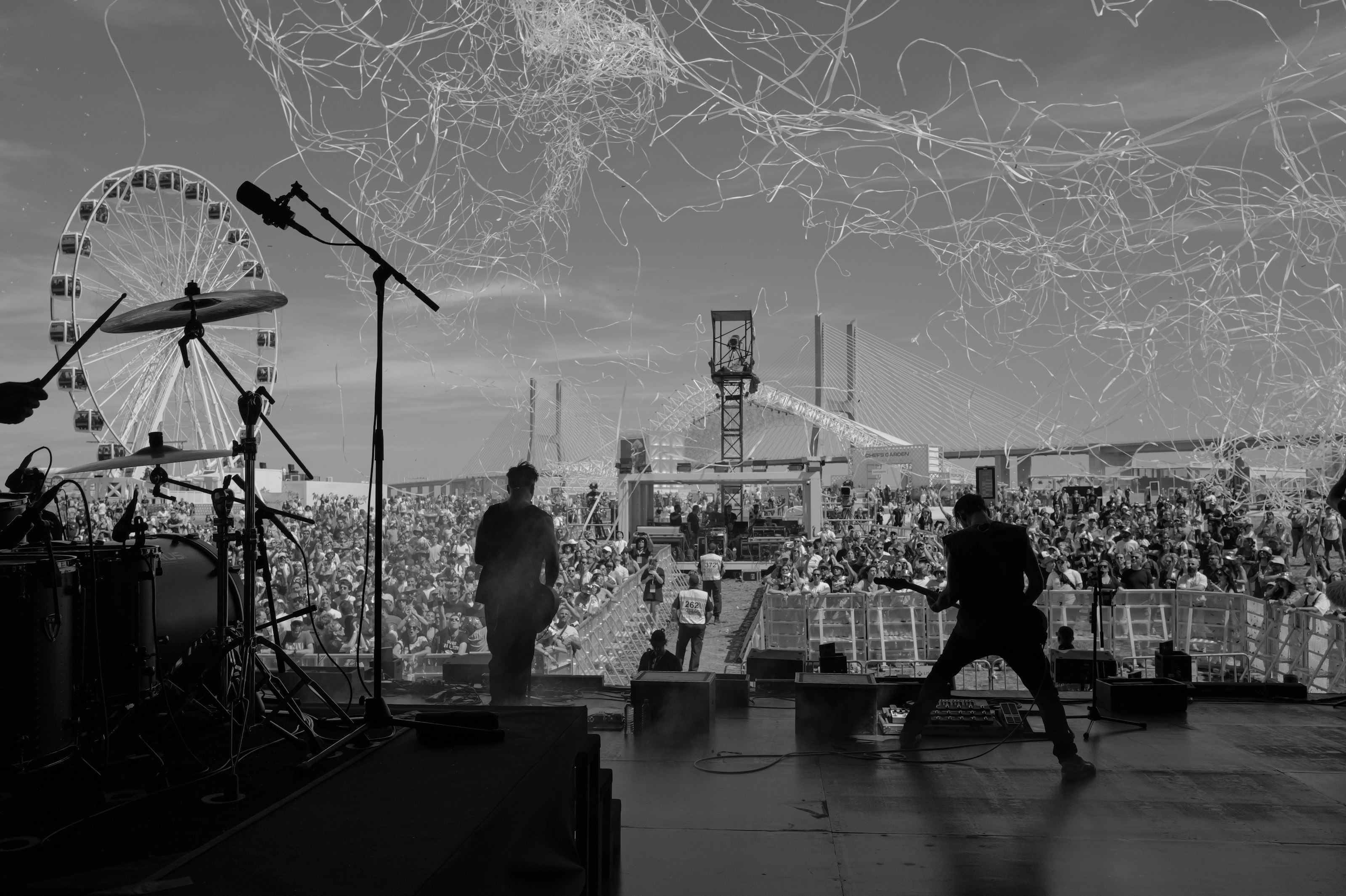 #581 /100
Launched in 1985 with what was then the largest concert audience ever assembled, Rock in Rio built a purpose-designed City of Rock venue, spread across multiple stages, a Ferris wheel, and a full mock street of bars and food stalls.
The lineup leans toward major international rock and pop headliners, and the festival has since spread to spin-off editions in Lisbon and Madrid.
How does it rate
CrowdsRomanceCash RequiredDangerAccessibilityWhy you should go
A purpose-built festival city in Rio with major international headliners, a Ferris wheel, and a full mock street of bars.
Why you shouldn't go
The City of Rock site is on the western outskirts of town, so factor in a longer commute from beachside hotels.
Plan your visit
Best time to visitSeptember, held over two consecutive weekends when the festival runs.Best time of dayEvening for the headline stage sets.Getting thereFly into Rio de Janeiro-Galeao International Airport; the City of Rock venue is about 40 minutes by car or festival shuttle.Entry costSingle-day tickets run roughly BRL 500-600; VIP packages cost more.Time neededOne day per visit; the full event spans two weekends.BookingBook ahead →Insider tip — Arrive early enough to explore the City of Rock's food and bar street before the main stage sets begin - it's part of the show, not just a queue to get through. -
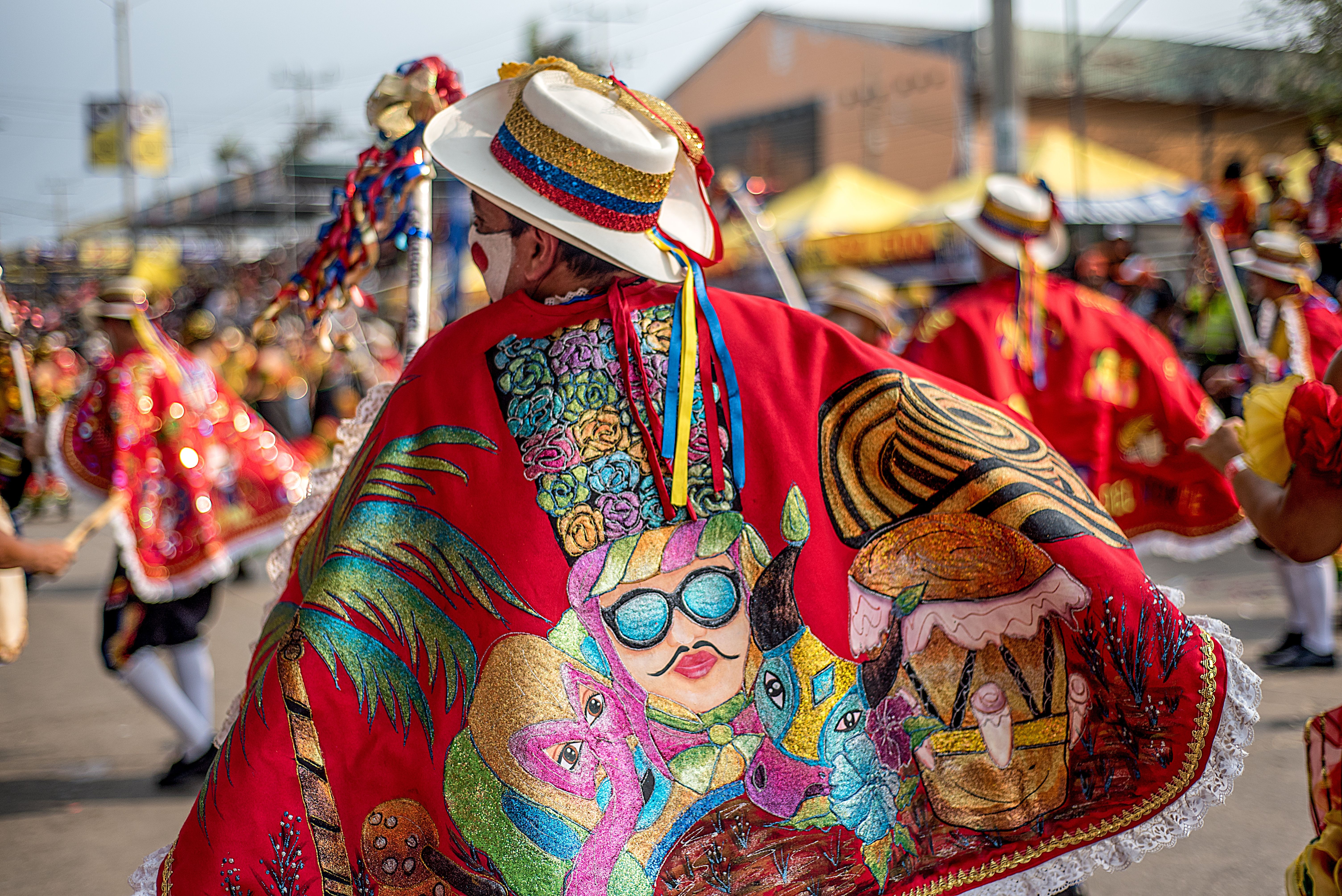 #678 /100
Colombia's biggest carnival and, by most measures, the second-largest in the world after Rio, Barranquilla's four-day celebration blends African, Indigenous and Spanish traditions into parades of cumbia dancers and marimonda figures with their signature long-nosed masks.
UNESCO recognised it in 2003 for how intact its folkloric traditions remain.
How does it rate
CrowdsRomanceCash RequiredDangerAccessibilityWhy you should go
Colombia's biggest carnival, blending Indigenous, African and Spanish traditions into parades considered among the most folklorically authentic anywhere.
Why you shouldn't go
Barranquilla has fewer international flight connections than Bogota or Cartagena, so travel usually needs a connecting flight.
Plan your visit
Best time to visitFebruary or March, the four days before Ash Wednesday (exact dates shift yearly).Best time of daySaturday morning, for the Battle of the Flowers parade that opens the carnival.Getting thereFly into Ernesto Cortissoz International Airport, a roughly 30-minute taxi to central Barranquilla.Entry costGrandstand seating for main parades runs roughly USD20-50; street viewing is free.Time neededA full day, or the full four days for the complete carnival.Insider tip — Book grandstand seats for the Battle of the Flowers well ahead, since it's the carnival's most attended single event. -
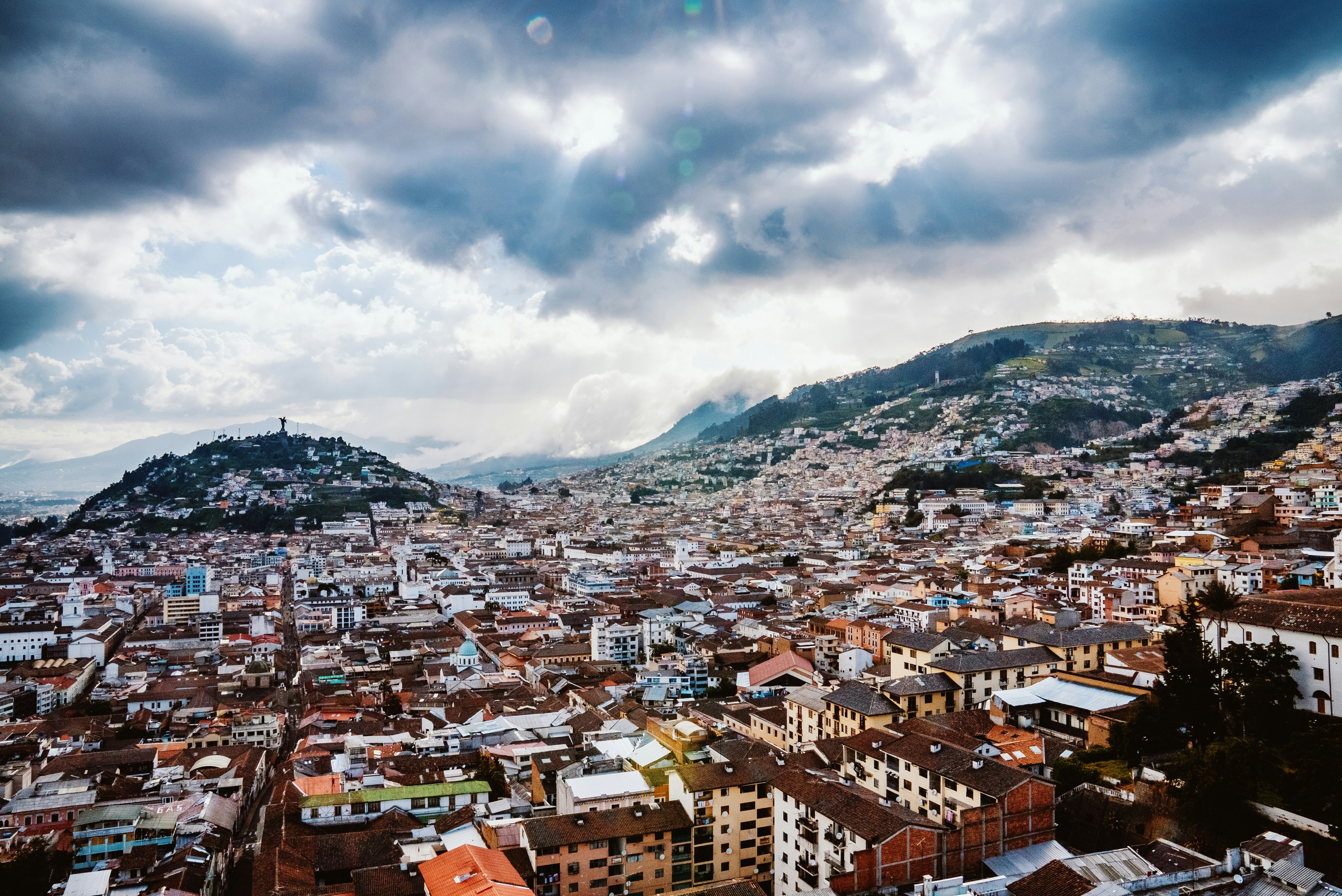 #778 /100
Quito's historic center was the first UNESCO World Heritage Site ever designated, and remains the largest, best-preserved colonial-era old town in Latin America.
Baroque churches like La Compañía de Jesús drip with gold leaf inside plain stone exteriors, while plazas and narrow streets climb the Andean foothills at over 2,800 meters of altitude.
The Basílica del Voto Nacional's towers offer views across the whole old town.
How does it rate
CrowdsRomanceCash RequiredDangerAccessibilityWhy you should go
Latin America's largest and best-preserved colonial old town, set at dramatic Andean altitude.
Why you shouldn't go
The high altitude (2,850m) leaves many visitors short of breath for the first day or two.
Plan your visit
Best time to visitJune–September, the drier season, though Quito's climate is mild year-round.Best time of dayMorning, before afternoon rain showers common at altitude.Getting thereFly into Quito's Mariscal Sucre Airport, about 40 minutes from the old town.Entry costFree to walk; church interiors and towers typically $2-5.Time needed1–2 days.Insider tip — Climb the Basílica's towers via the wooden ladders in the roof space, not just the main tower lift — a more adventurous, less crowded route to the top. -
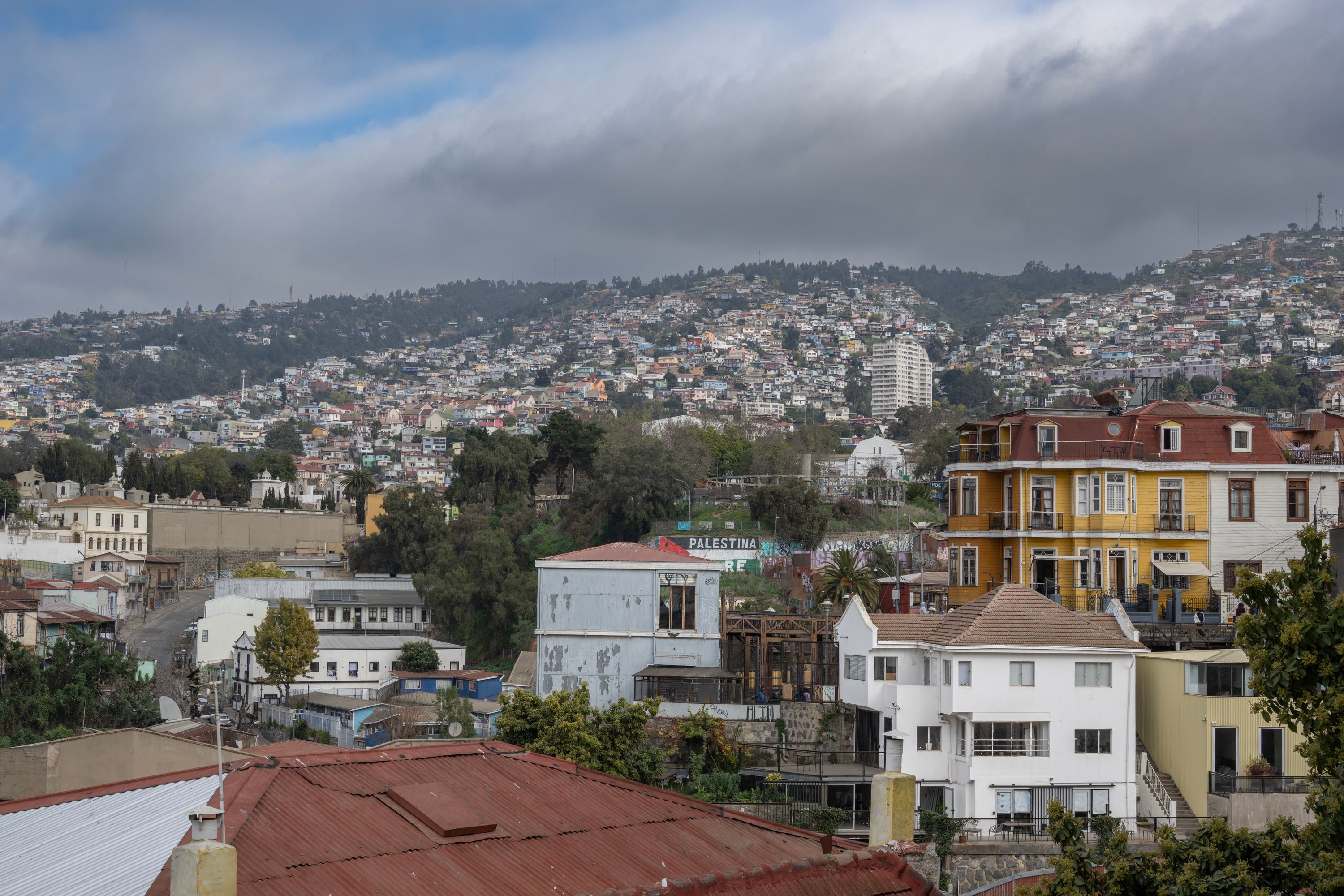 #875 /100
Chile's main historic port climbs steep hills above the Pacific, linked by century-old funiculars and dense with painted houses and street art.
UNESCO listed the old quarter for its unplanned layout, and wandering the stairways of Cerro Alegre and Cerro Concepción, plus Pablo Neruda's clifftop house La Sebastiana, is the main activity.
Parts of the city have visibly declined, and the port is still working, not polished.
How does it rate
CrowdsRomanceCash RequiredDangerAccessibilityWhy you should go
A maze of hillside stairways, funiculars and street art with no real equivalent elsewhere in Chile.
Why you shouldn't go
Parts of the city have declined and pickpocketing is a real risk - stick to the touristed hills after dark.
Plan your visit
Best time to visitSeptember-November or March-May, for mild weather and thinner crowds than summer.Best time of dayDaytime for exploring the hills; sunset from Paseo Gervasoni or Paseo Atkinson.Getting thereFly to Santiago, then about a 90-minute bus or drive west to Valparaíso.Entry costFree to explore; funiculars ~CLP 300-800 each wayTime neededHalf a day to a full dayInsider tip — Ride the Ascensor Concepción, Chile's oldest funicular, up to Paseo Gervasoni for the classic hillside-and-harbour view, then walk down through Cerro Alegre. -
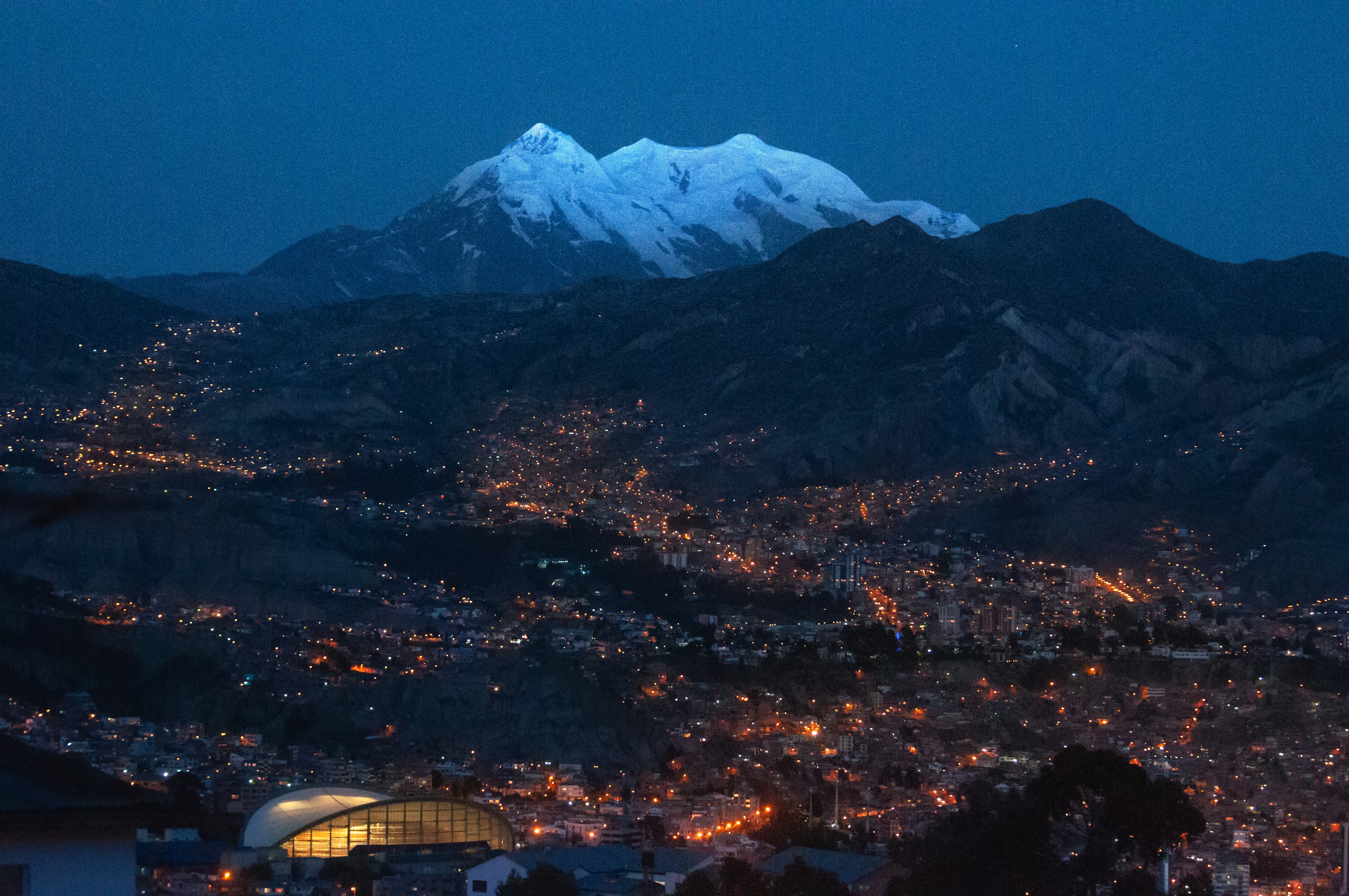 #9
#9The world's highest administrative capital spills down a canyon at over 3,600 meters, with the wealthier neighborhoods lower in the bowl and poorer areas climbing toward the thin air of the rim — a layout the city's cable-car network, the world's largest urban Teleférico system, makes spectacularly visible from above.
The Witches' Market sells traditional Andean remedies alongside colonial-era churches and a lively street-food scene.
How does it rate
CrowdsRomanceCash RequiredDangerAccessibilityWhy you should go
The world's highest capital, with a spectacular cable-car network offering views most cities can't match.
Why you shouldn't go
The altitude (3,600m+) hits many visitors hard in the first day or two, especially with any exertion.
Plan your visit
Best time to visitMay–October (dry season) for the clearest mountain views.Best time of dayLate afternoon Teleférico ride, when the setting sun lights up the canyon and Illimani.Getting thereFly into El Alto International Airport, one of the world's highest, then descend into the city.Entry costFree to walk; Teleférico rides around 3 Bolivianos (~€0.40) per line.Time needed2 days.Insider tip — Ride the full Teleférico network rather than just one line — the red and yellow lines especially give the best overview of the canyon city's layout. -
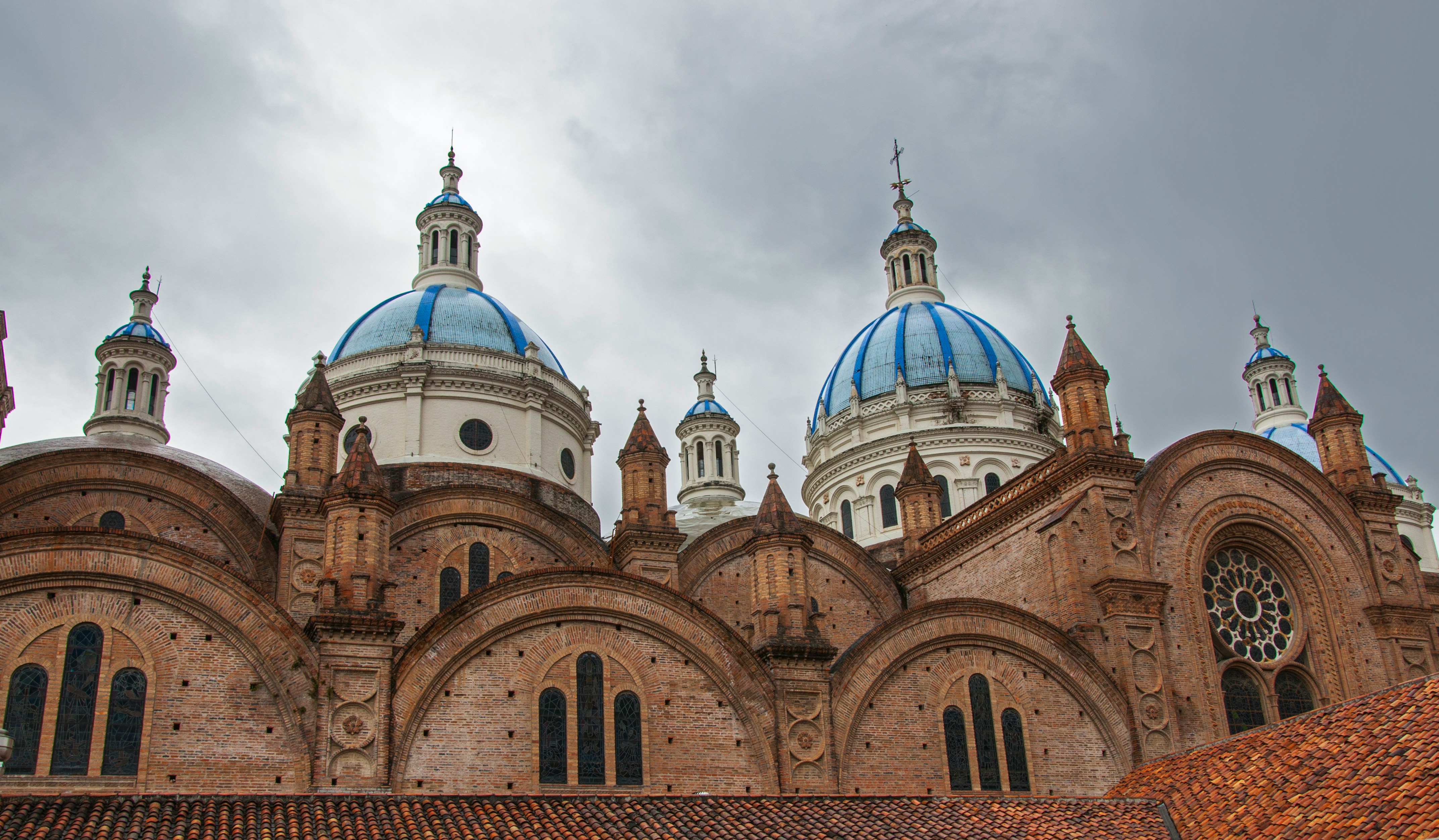 #10
#10Ecuador's third-largest city is also its most polished colonial one, with blue-domed cathedrals, riverside promenades along the Tomebamba, and a compact historic core awarded UNESCO status for its well-preserved Spanish colonial grid.
It's also the traditional home of the (misleadingly named) Panama hat, and workshops around the city still weave them by hand.
How does it rate
CrowdsRomanceCash RequiredDangerAccessibilityWhy you should go
Ecuador's most polished colonial city, with a slower pace and strong café culture.
Why you shouldn't go
It has fewer must-see individual sights than Quito — the appeal is more atmosphere than landmarks.
Plan your visit
Best time to visitYear-round mild climate; June–September for the driest weather.Best time of dayLate afternoon along the Tomebamba riverside promenade.Getting thereFly directly to Cuenca, or drive/bus about 8 hours from Quito.Entry costFree to walk the city; museum entries typically $2-5.Time needed1–2 days.Insider tip — Visit a Panama hat workshop outside the main tourist shops (ask locally) for a real demonstration and better prices. -
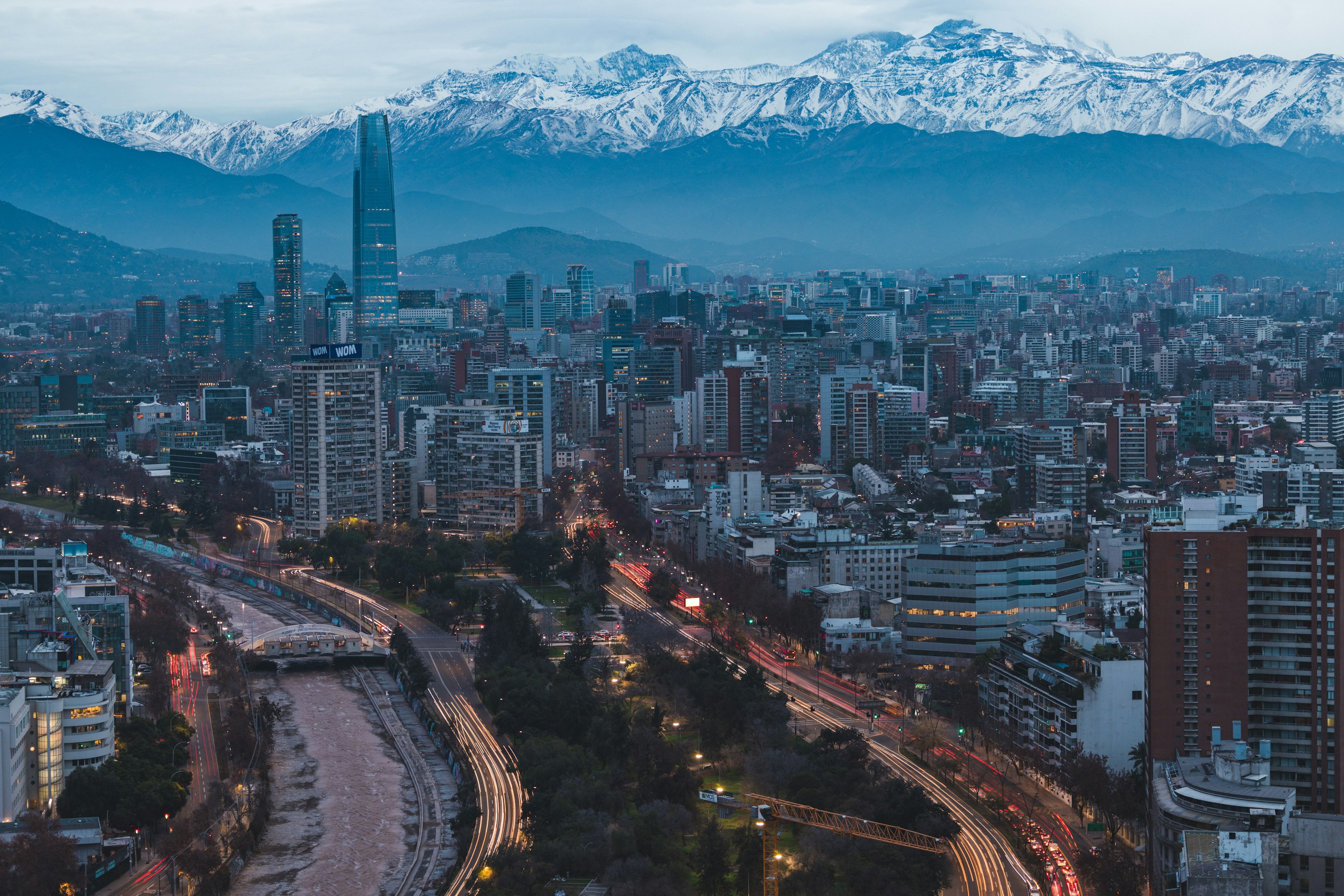 #11
#11Chile's capital sits in a wide valley with the snow-capped Andes rising directly behind its skyline, a backdrop few capitals can match on a clear day.
The colonial core around Plaza de Armas, the funicular up Cerro San Cristóbal, and the restaurants of Bellavista give it a couple of solid days' worth of things to do.
Most travellers treat it as a stopover before Atacama or Patagonia rather than a destination itself.
How does it rate
CrowdsRomanceCash RequiredDangerAccessibilityWhy you should go
The Andes rise straight up behind the skyline, one of the most dramatic urban backdrops in South America.
Why you shouldn't go
Winter smog inversions can hide the mountain view for days, and most visitors only stay a night or two.
Plan your visit
Best time to visitOctober-April, for clearer skies and warmer weather; winter (Jun-Aug) brings smog inversions.Best time of dayClear mornings, for the best Andes visibility before afternoon haze builds.Getting thereArturo Merino Benítez International Airport (SCL) is Chile's main international gateway; the metro reaches most of the centre.Entry costFree to explore the city; Cerro San Cristóbal funicular ~CLP 3,000Time needed1-2 daysInsider tip — Take the funicular, not the cable car, up Cerro San Cristóbal in late afternoon - it's cheaper and the summit holds the light longer. -
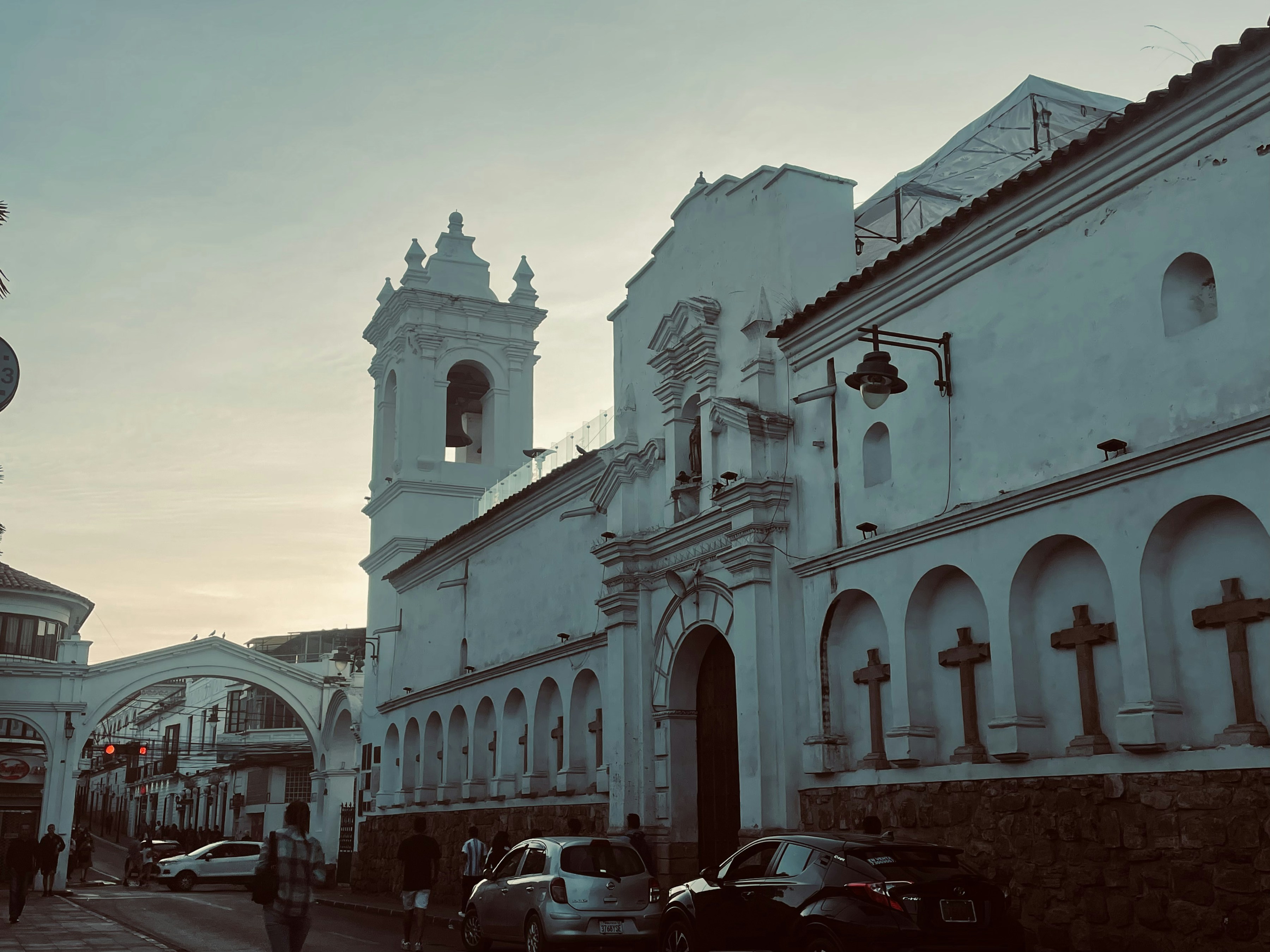 #12
#12Bolivia's constitutional capital is a UNESCO-listed city of whitewashed colonial buildings under a strict preservation code, giving it a cleaner, more uniform look than most Bolivian cities.
Its plazas, churches and the Casa de la Libertad — where Bolivia's independence was declared — reflect its history, while nearby Cal Orck'o holds one of the world's largest dinosaur-footprint collections, on a nearly vertical limestone wall.
How does it rate
CrowdsRomanceCash RequiredDangerAccessibilityWhy you should go
Bolivia's cleanest, most uniformly preserved colonial city, with dinosaur footprints on the outskirts.
Why you shouldn't go
It has fewer major individual attractions than La Paz — the appeal is mostly architectural atmosphere.
Plan your visit
Best time to visitMay–October (dry season) for the most comfortable walking weather.Best time of dayMorning at Cal Orck'o, when the dinosaur-footprint wall is best lit.Getting thereFly directly to Sucre, or an overnight bus from La Paz (about 12-14 hours).Entry costFree to walk; Cal Orck'o dinosaur park entry around 30 Bolivianos (~€4).Time needed1–2 days.Insider tip — Visit Cal Orck'o's dinosaur footprint wall via the cement factory viewing platform, not just the park museum — the closest vantage point to the tracks. -
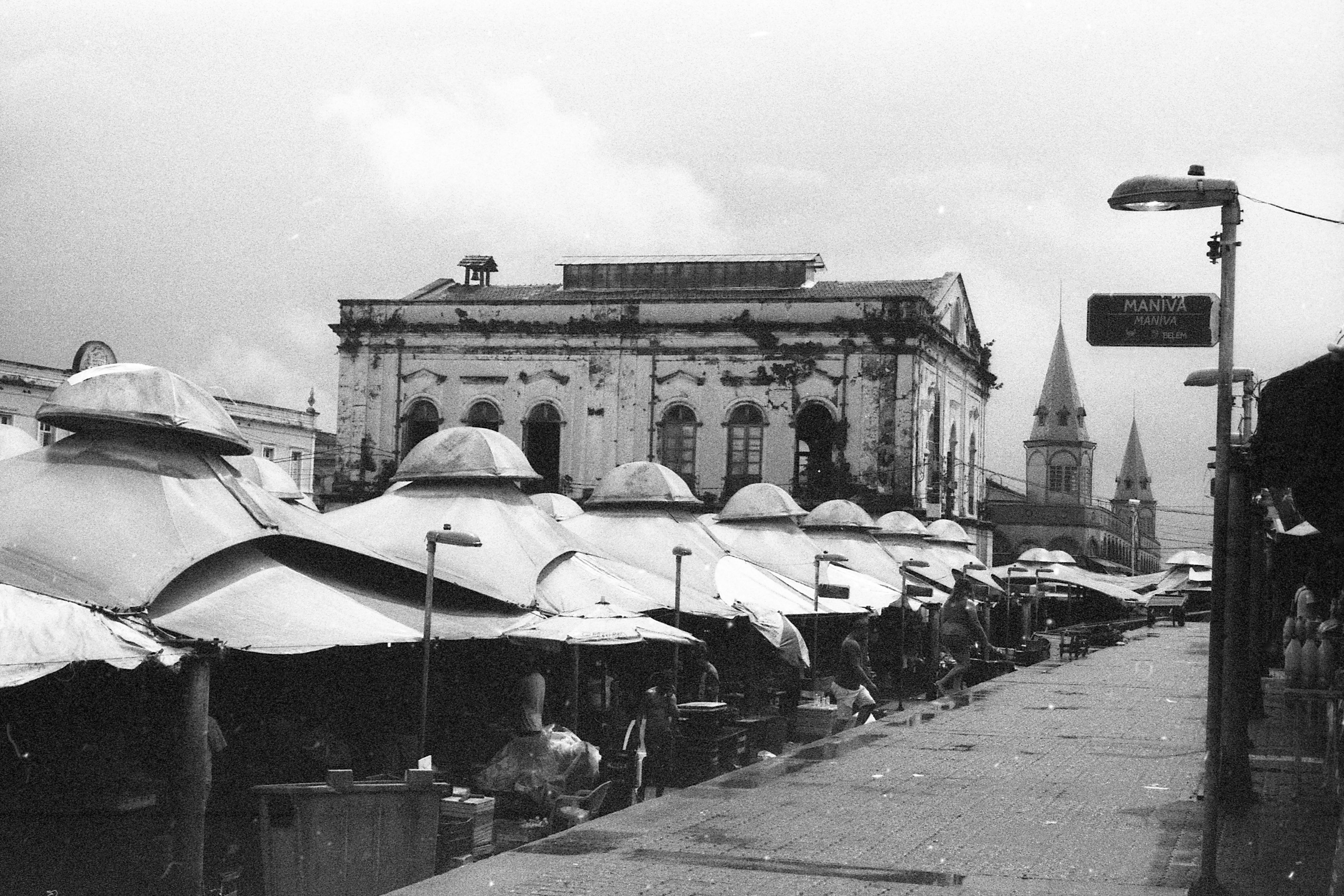 #1362 /100
On the Belem waterfront where the Amazon meets the Guajara Bay, Ver-o-Peso has traded since the 17th century and remains South America's largest open-air market, its stalls piled with Amazonian fruit few outsiders can name, medicinal herbs, and fish hauled off boats at the adjoining cast-iron fish market pavilion.
The name means 'see the weight'.
How does it rate
CrowdsRomanceCash RequiredDangerAccessibilityWhy you should go
A 17th-century Amazon-riverfront market piled with fruit, herbs and fish few visitors outside Brazil will recognise.
Why you shouldn't go
Belem sees limited international tourism infrastructure compared to Rio or Sao Paulo, so English is rarely spoken here.
Plan your visit
Best time to visitMorning, when the fish market and fruit stalls are freshest.Best time of dayEarly morning (6-9am), when boats are still unloading the day's catch.Getting thereFly into Val de Cans International Airport in Belem, a roughly 20-minute taxi to the waterfront market.Entry costFree to browse; fruit and food prices are inexpensive.Time needed1-2 hours.Insider tip — Ask a stallholder to explain unfamiliar Amazonian fruits before buying, since many have no direct equivalent or English name.


More from South America
-

More City Life spots
-

How a score is built
One score out of 100, five criteria behind it
Every place is rated 1–5 on each of the criteria below, then combined into a single score out of 100. It's calculated by us, the same way every time — not an average of traveller reviews or social votes.
Crowds
How many people you'll be sharing it with, and at what time of day.
Romance
How well it suits a couple, a proposal, or a quiet moment together.
Cash required
Entry fees, permits, guides, rentals — what it actually costs to do it.
Danger
Physical risk involved, from a slippery viewpoint to genuine hazard.
Accessibility
How far off the beaten path it is, and how hard it is to actually reach.


