-
 #1
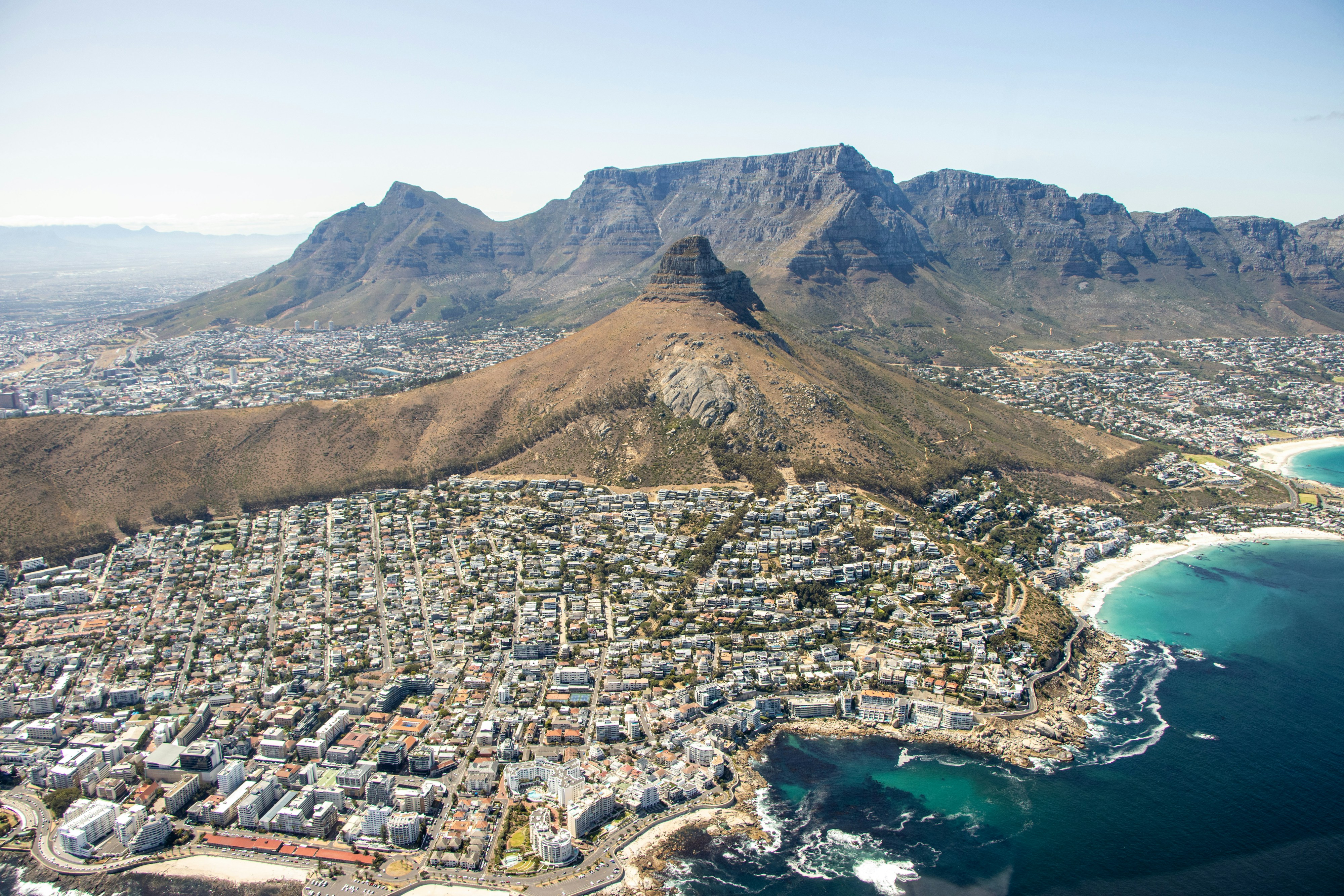
#1Table Mountain's flat-topped silhouette looms directly over the city bowl, often capped by a rolling cloud locals call the tablecloth.
A cable car reaches the summit in minutes, but the classic view is looking back at the mountain from Bloubergstrand or Signal Hill, with the city spread out beneath it.
Penguins waddle across a public beach at Boulders just outside the city.
How does it rate
CrowdsRomanceCash RequiredDangerAccessibilityWhy you should go
A flat-topped mountain looming directly over the city, often capped by its own private cloud.
Why you shouldn't go
The cable car and mountain views depend entirely on weather - cloud cover cancels the trip more often than visitors expect.
Plan your visit
Best time to visitNovember-March (dry summer) for the most reliable clear views of the mountain.Best time of dayLate afternoon into sunset, from Signal Hill or Bloubergstrand.Getting thereFly into Cape Town International Airport, about 20 minutes from the city centre.Entry costTable Mountain cable car around $30 return; Boulders Beach small entry fee.Time needed3-4 daysBookingBook ahead →Insider tip — Check the cable car's live webcam before heading up - cloud cover is common and a wasted trip is easy to avoid with five minutes of checking. -
 #287 /100
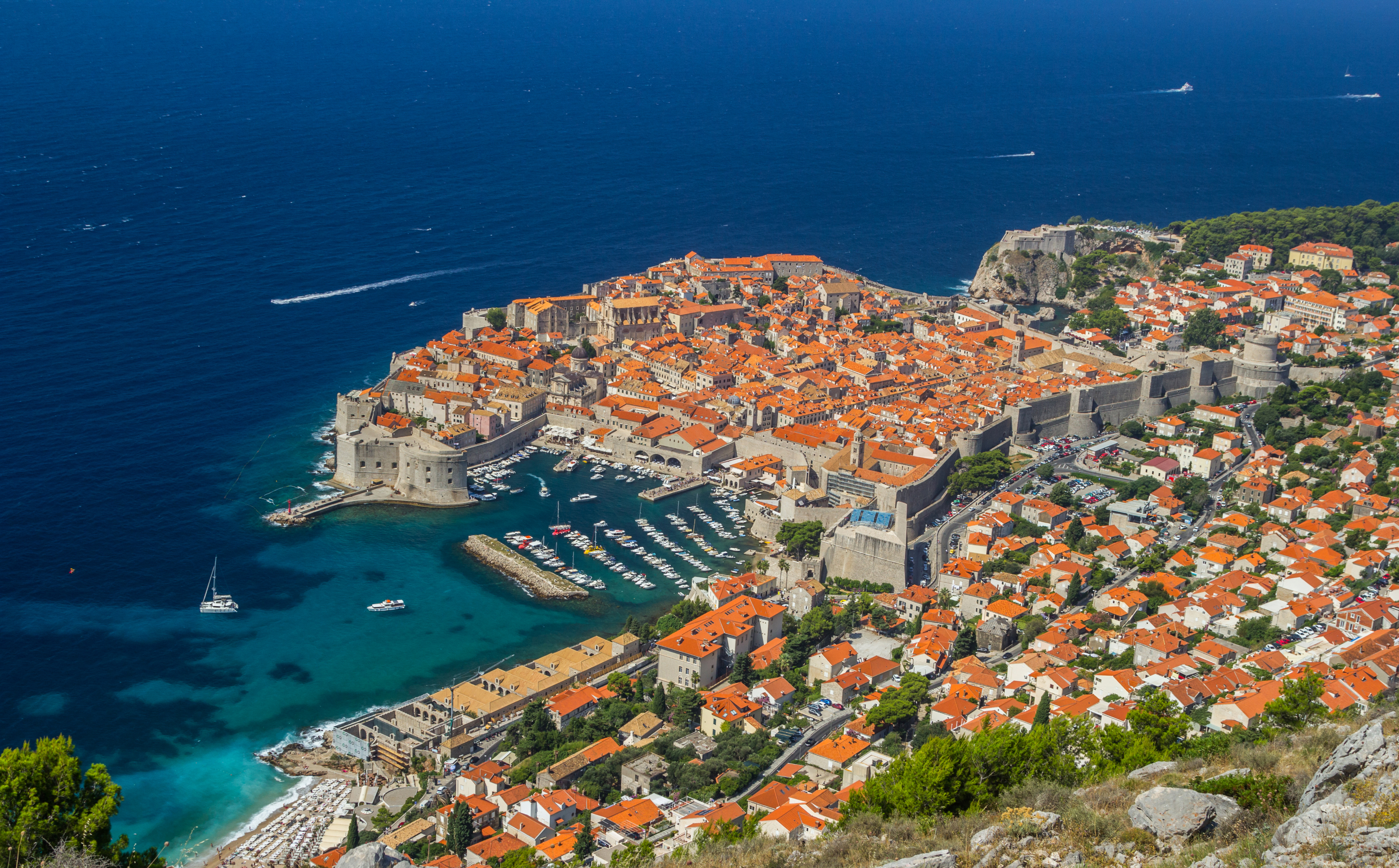
Dubrovnik is a medieval walled city on the Adriatic coast of Croatia, its terracotta rooftops and imposing limestone walls rising directly from the sea.
The medieval Old Town, a UNESCO World Heritage Site, was the backdrop for King's Landing in Game of Thrones, bringing global fame to what was already one of the Mediterranean's most beautiful cities.
How does it rate
CrowdsRomanceCash RequiredDangerAccessibilityWhy you should go
Walking the city walls above the Adriatic, with the old town's rooftops below and the Dalmatian islands in the distance, is one of the Mediterranean's great experiences.
Why you shouldn't go
Dubrovnik has been overwhelmed by tourism and cruise ships; the Old Town can feel claustrophobically crowded in summer and entry restrictions are frequently discussed.
Plan your visit
Best time to visitMay-June or September-OctoberBest time of daySunset from the city wallsGetting thereDubrovnik Airport, ~30 min to Old TownEntry costCity walls ~EUR35Time neededFull dayInsider tip — Walk the city walls in late afternoon so you finish right as the light turns golden -
 #3
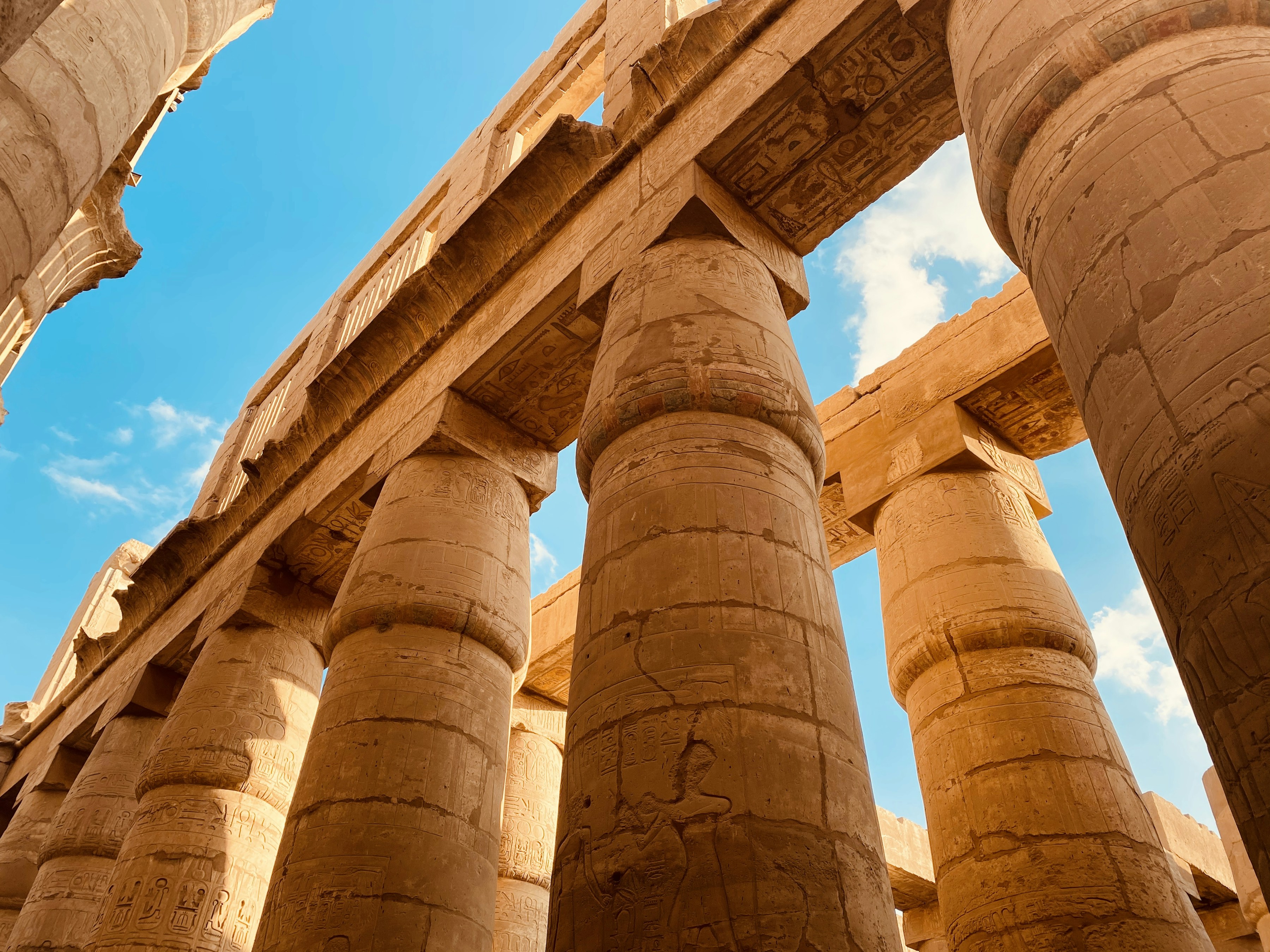
#3Built on the site of ancient Thebes, Luxor holds more of the world's ancient monuments than almost anywhere else on Earth — Karnak Temple's forest of towering columns, Luxor Temple lit dramatically at night, and across the Nile, the Valley of the Kings, where Tutankhamun's tomb and dozens of other pharaohs lie buried in the desert hills.
A hot-air balloon ride at dawn over the West Bank is one of Egypt's most memorable experiences.
How does it rate
CrowdsRomanceCash RequiredDangerAccessibilityWhy you should go
The single greatest concentration of ancient Egyptian monuments anywhere, spanning both banks of the Nile.
Why you shouldn't go
Peak season brings serious heat and large tour groups at the most famous tombs and temples.
Plan your visit
Best time to visitOctober–April, avoiding the extreme summer desert heat.Best time of daySunrise hot-air balloon flight over the West Bank, before ground heat and crowds build.Getting thereFly directly to Luxor International Airport, or arrive by Nile cruise from Aswan or Cairo.Entry costValley of the Kings entry around $25-30; individual tomb and temple fees vary.Time needed2–3 days.Insider tip — Buy the Valley of the Kings ticket that includes Tutankhamun's tomb separately — the standard ticket only covers three other tombs. -
 #486 /100
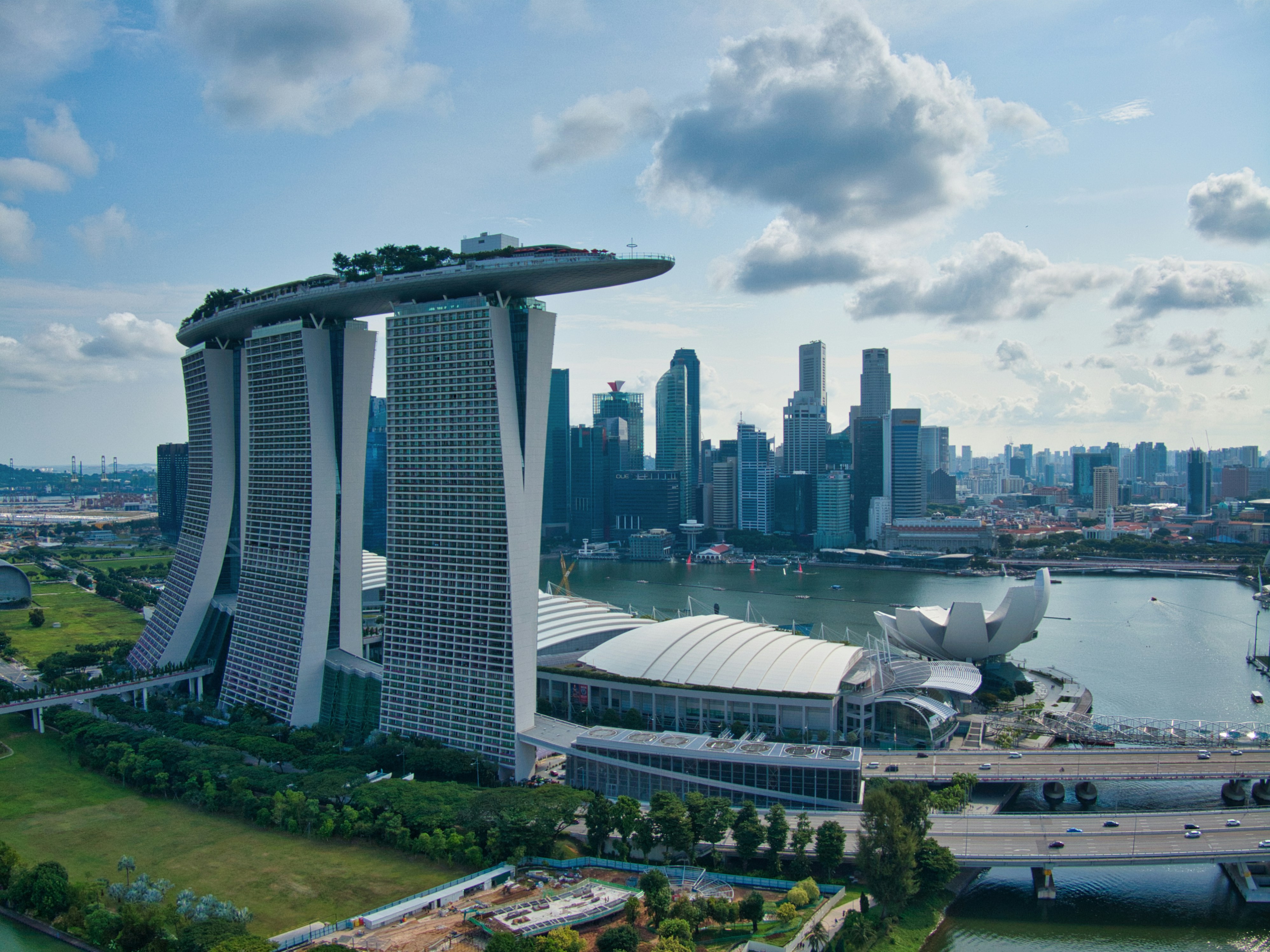
Three connected towers topped by a ship-shaped rooftop pool anchor this city-state's skyline, reflected in Marina Bay alongside a garden of illuminated Supertrees.
The city's obsessive approach to greenery and cleanliness has made it one of the most striking modern skylines anywhere.
Hawker centres serving Michelin-recognised street food sit near some of the world's most expensive real estate.
How does it rate
CrowdsRomanceCash RequiredDangerAccessibilityWhy you should go
A futuristic skyline with a rooftop infinity pool and a garden of illuminated 'trees' after dark.
Why you shouldn't go
It's genuinely one of the most expensive cities in the world to eat and sleep in outside the hawker centres.
Plan your visit
Best time to visitFebruary-April, slightly drier months in a tropical, humid year-round climate.Best time of daySunset into blue hour, when the Supertrees light show and skyline both come alive.Getting thereFly into Changi Airport; the MRT metro reaches almost everywhere in the city.Entry costGardens by the Bay conservatories charge entry; Supertree Grove and the skyline views are free.Time needed2-3 daysBookingBook ahead →Insider tip — Watch the free Garden Rhapsody light show at the Supertree Grove after dark rather than paying for the Skyway walkway during the day. -
 #5
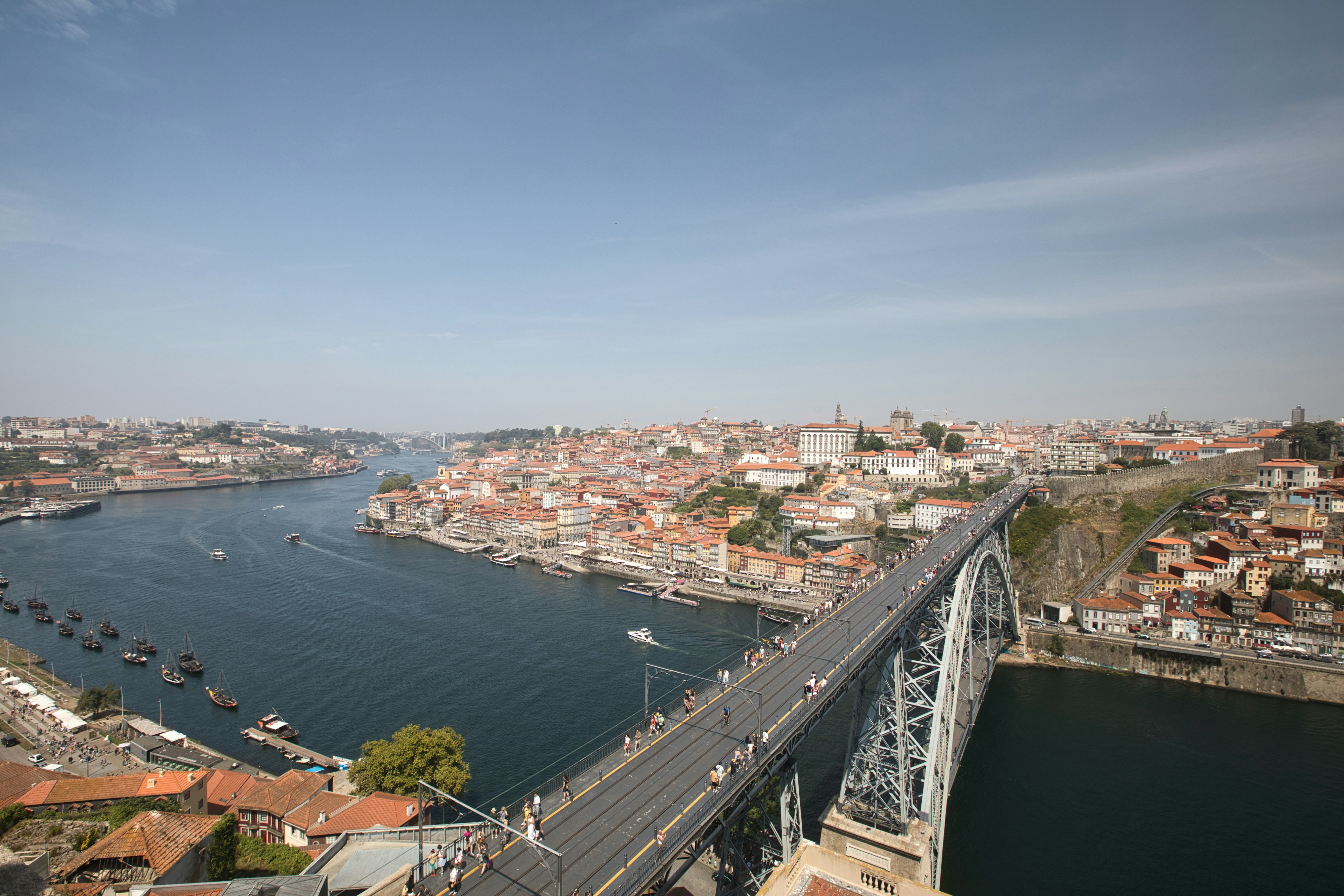
#5Terracotta-roofed houses stack up the steep riverbank of the Douro in Porto's Ribeira district, a tangle of narrow lanes barely changed since medieval times.
The double-decked Dom Luis I Bridge, engineered by a student of Gustave Eiffel, carries a metro line across the top and traffic below.
Port lodges line the far bank at Vila Nova de Gaia, where the wine is still aged, blended and tasted.
How does it rate
CrowdsRomanceCash RequiredDangerAccessibilityWhy you should go
A riverside old town stacked up a hillside, framed by an Eiffel-style double-decked bridge.
Why you shouldn't go
The Ribeira district's steep, narrow streets and stairs aren't an easy walk for anyone with mobility limits.
Plan your visit
Best time to visitMay-June or September, for mild weather and thinner crowds than summer.Best time of dayLate afternoon, when the light hits the Ribeira's terracotta rooftops.Getting thereFly into Porto Airport; the metro reaches the city centre in about 30 minutes.Entry costFree to walk the Ribeira; port wine cellar tours charge separately.Time needed2-3 daysInsider tip — Cross the upper deck of the Dom Luis I Bridge on foot for the best elevated view back over the Ribeira and the river. -
 #6
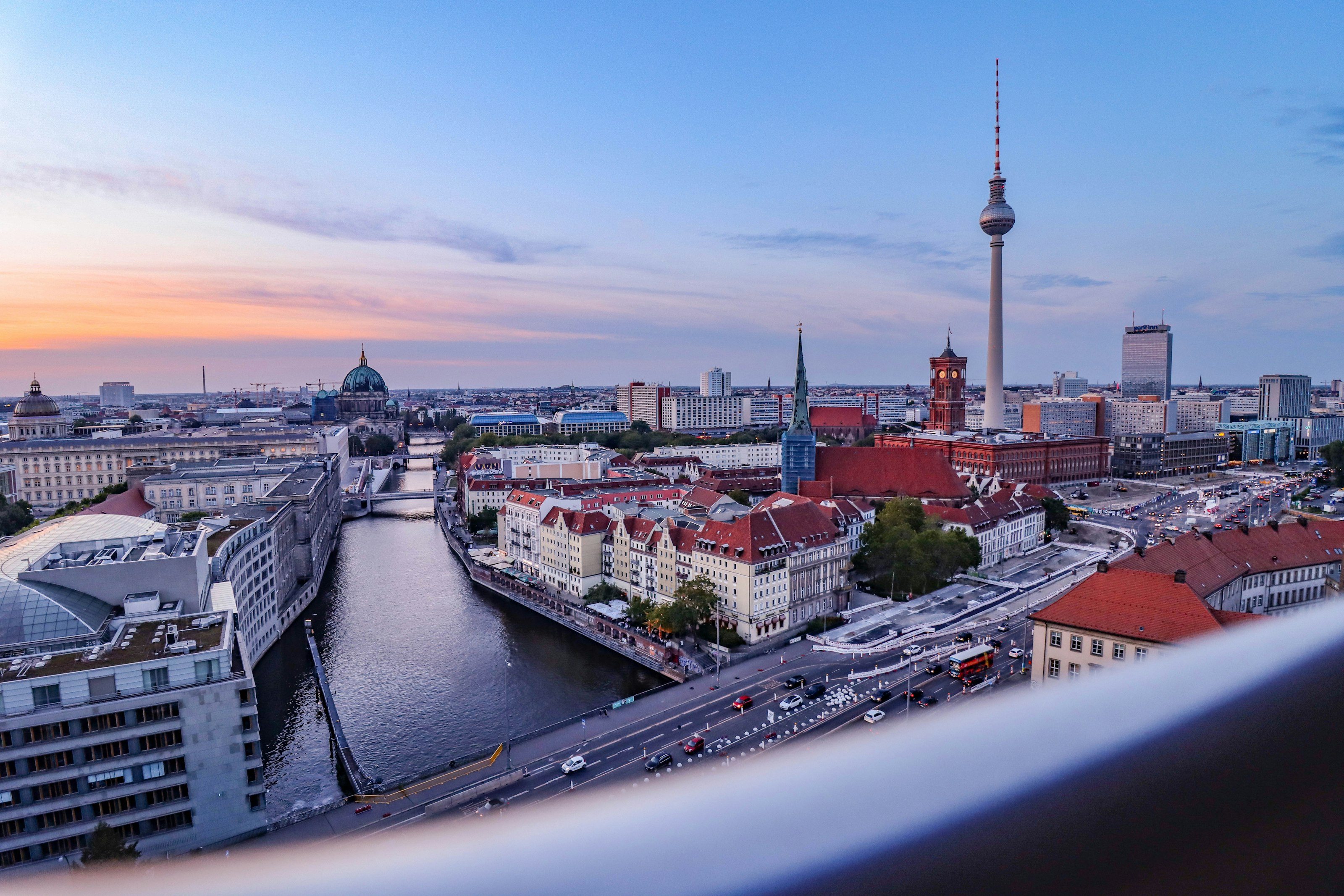
#6Berlin carries its twentieth-century history openly — the Brandenburg Gate, the remaining stretch of Wall at the East Side Gallery, and the glass dome of the Reichstag sit alongside a city that has rebuilt itself into one of Europe's most creative capitals.
Museum Island holds five major museums on a single stretch of the Spree, while neighbourhoods like Kreuzberg run a nightlife and food scene that runs well past midnight.
How does it rate
CrowdsRomanceCash RequiredDangerAccessibilityWhy you should go
Few capitals let you trace a wall that divided a city within living memory, then eat and dance in neighbourhoods that grew up on both sides of it.
Why you shouldn't go
The city is spread out, and its best neighbourhoods take real time on the U-Bahn to properly get to know.
Plan your visit
Best time to visitMay–September for long daylight hours and outdoor beer gardens.Best time of dayDaytime for the historical sites; nightfall for the neighbourhoods east of the centre.Getting thereFly into Berlin Brandenburg Airport (BER); the city centre is a 30-minute train ride away.Entry costFree to walk the main sights; museums and the Reichstag dome (advance booking) charge entry.Time needed3+ daysInsider tip — Book the free Reichstag dome visit online well ahead — same-day slots fill up fast in summer. -
 #7
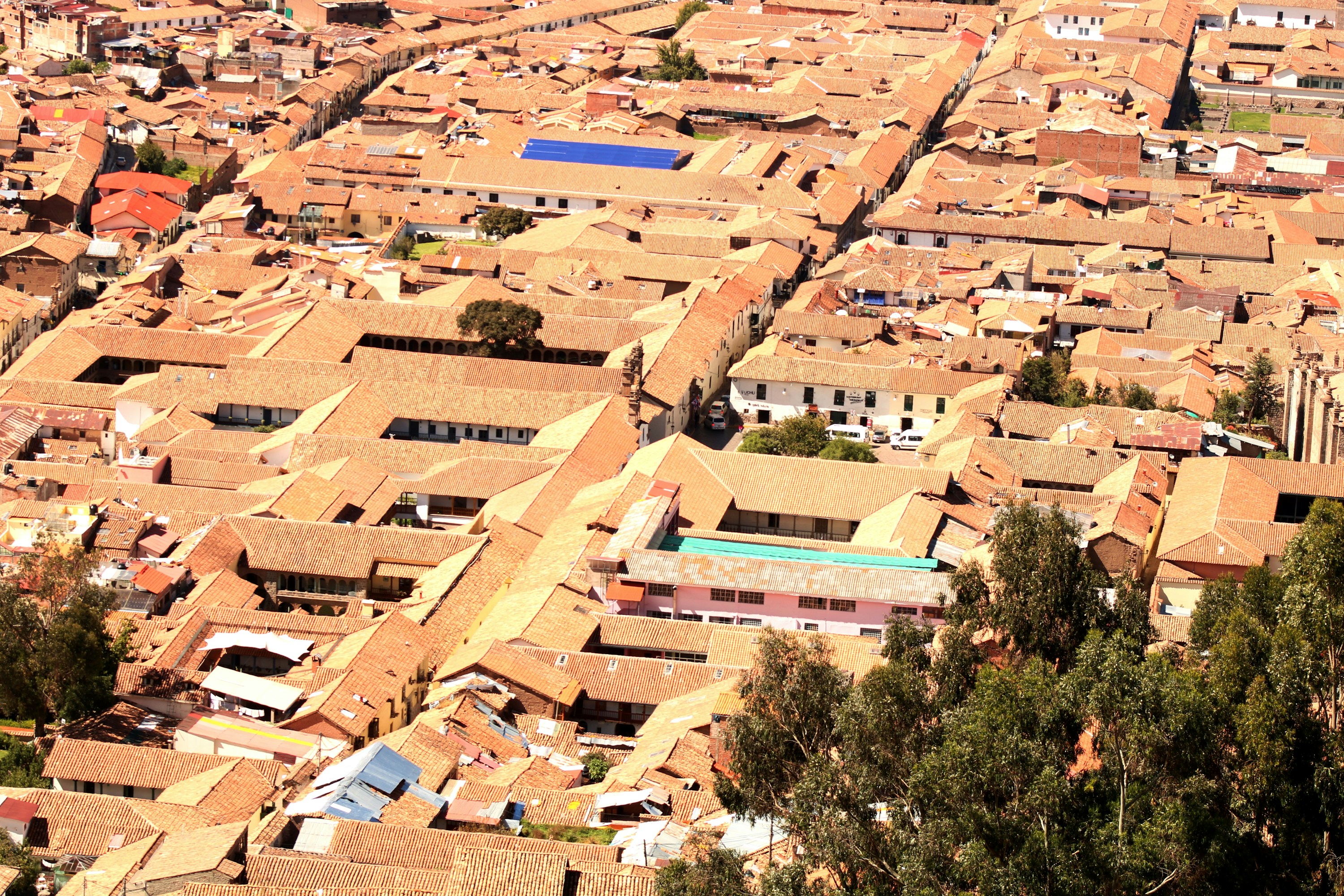
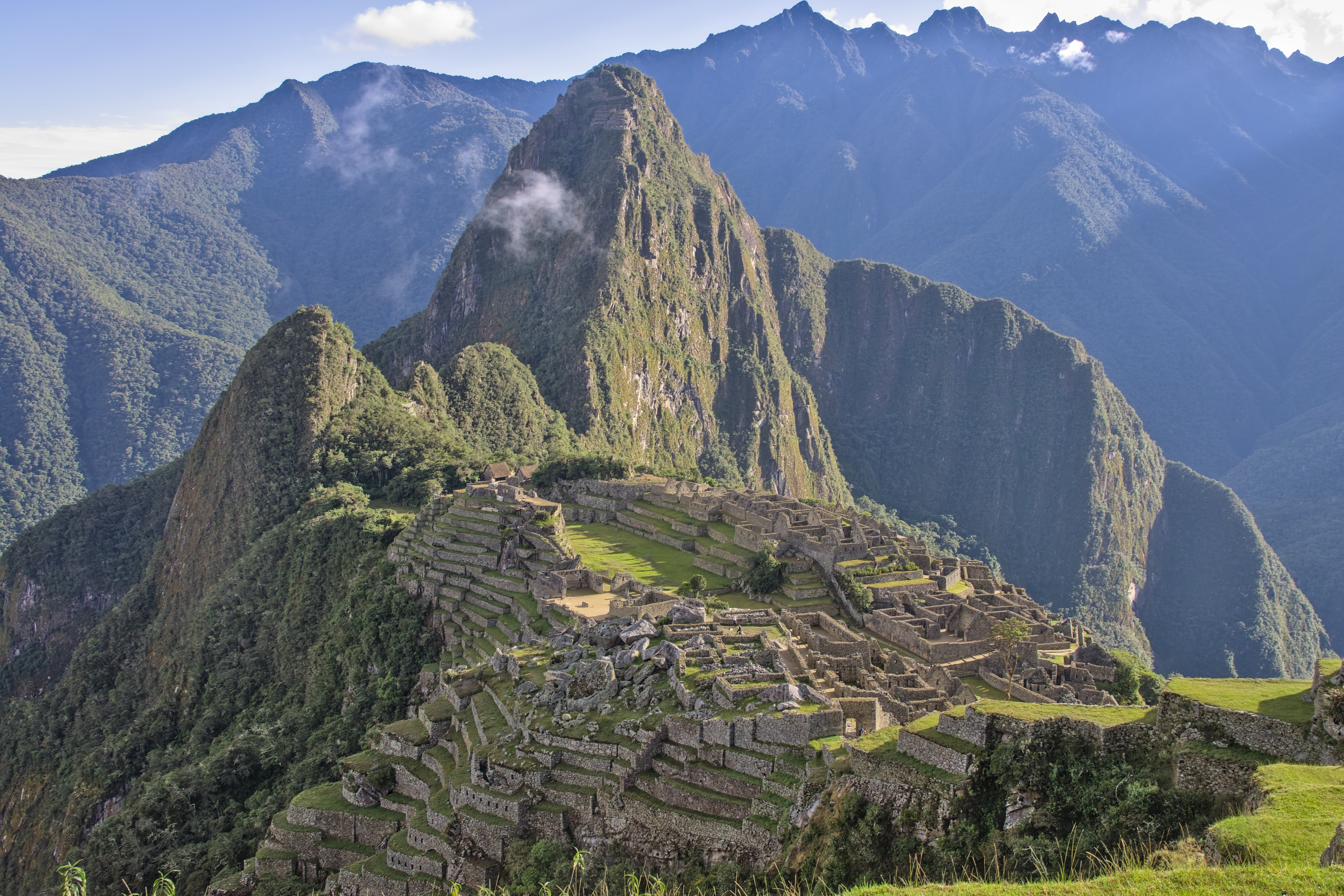
#7Cusco was the capital of the Inca Empire, and the history still shows: Inca stonework underpins colonial churches along cobbled streets radiating from Plaza de Armas.
It's a living Andean city of nearly half a million people, not a museum piece, with markets and restaurants layered over centuries of rebuilding.
Most visitors use it as a base before Machu Picchu, but it easily holds its own for two or three days.
How does it rate
CrowdsRomanceCash RequiredDangerAccessibilityWhy you should go
Inca stonework and colonial architecture layered together in one living, walkable city.
Why you shouldn't go
Altitude (3,400m) hits many visitors hard for the first day or two; expect breathlessness and headaches.
Plan your visit
Best time to visitMay-September (dry season); avoid heaviest rain Jan-FebBest time of dayEarly morning at Plaza de Armas and San Pedro Market, before tour groups arriveGetting thereFly into Alejandro Velasco Astete Airport (CUZ) from Lima (1.5hr); historic center is a 15-min taxi rideEntry costFree to walk; boleto turistico for major sites from S/70Time needed2-3 daysInsider tip — Buy the partial boleto turistico, not the full 16-site version, if you're short on time - it covers Sacsayhuaman and the other in-city ruins for a fraction of the cost. -
 #8
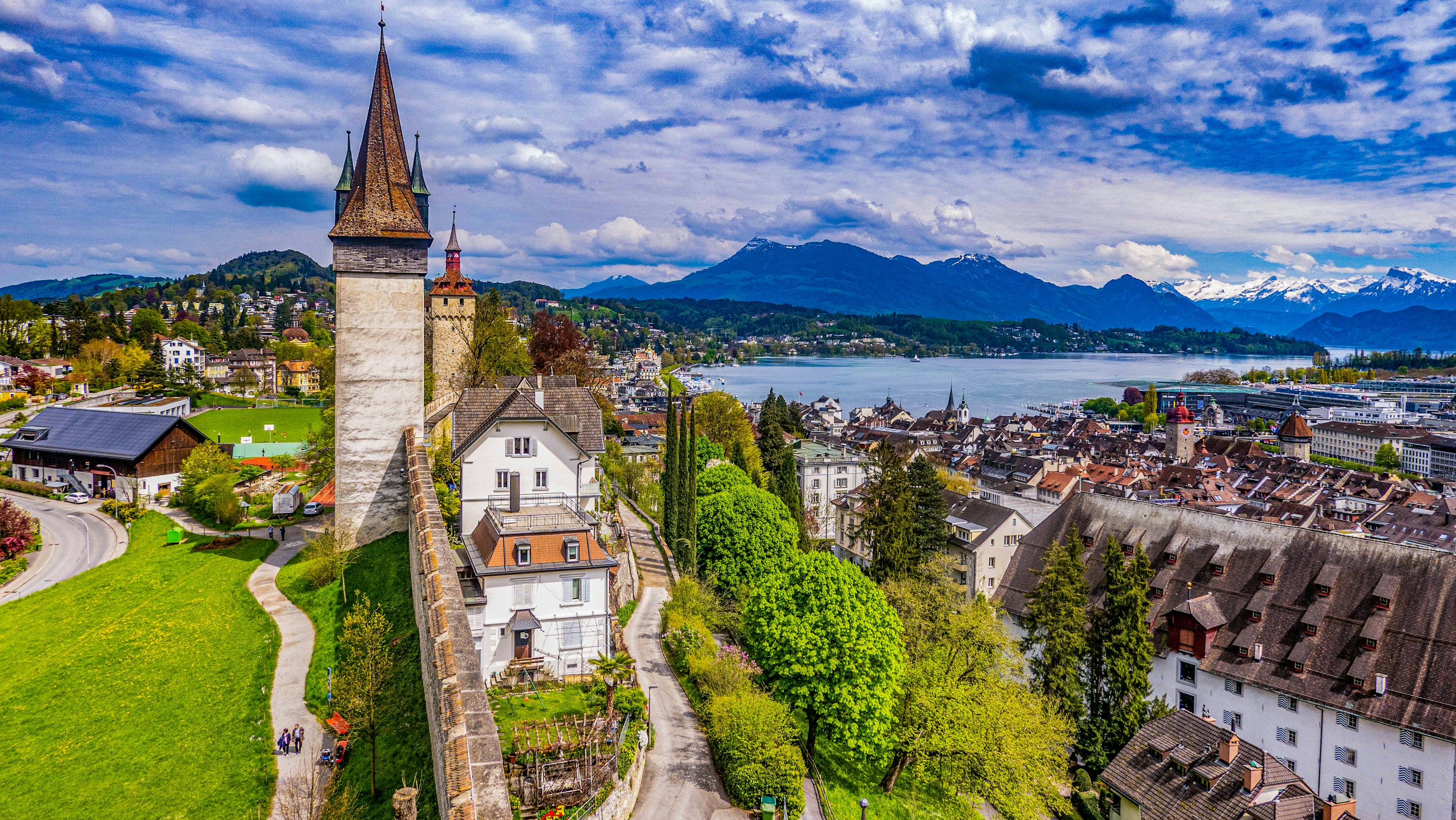
#8A compact old town of frescoed buildings wraps around the Reuss River where it leaves Lake Lucerne, crossed by the wooden, gabled Chapel Bridge that has linked both banks since the 14th century.
Mount Pilatus and Mount Rigi rise directly behind the rooftops, reachable by cogwheel train, cable car, or lake steamer, making Lucerne as much a gateway to the mountains as a destination of its own.
How does it rate
CrowdsRomanceCash RequiredDangerAccessibilityWhy you should go
City, lake, and mountains genuinely converge here — few Swiss towns pack this much into a walkable old town.
Why you shouldn't go
It's one of Switzerland's most visited towns, and the old town and Chapel Bridge get uncomfortably packed by midday in summer.
Plan your visit
Best time to visitMay–September for lake steamers and mountain excursions to run their full schedules.Best time of dayEarly morning around the Chapel Bridge and old town, before day-trippers arrive from Zurich.Getting thereDirect train from Zurich Airport (about 1 hour 10 minutes) or from Zurich, Basel, or Geneva.Entry costFree to explore the old town; Pilatus and Rigi excursions are separately ticketed.Time needed1–2 daysInsider tip — Climb the covered Musegg Wall for free views over the old town's rooftops — most visitors never make it up there. -
 #9
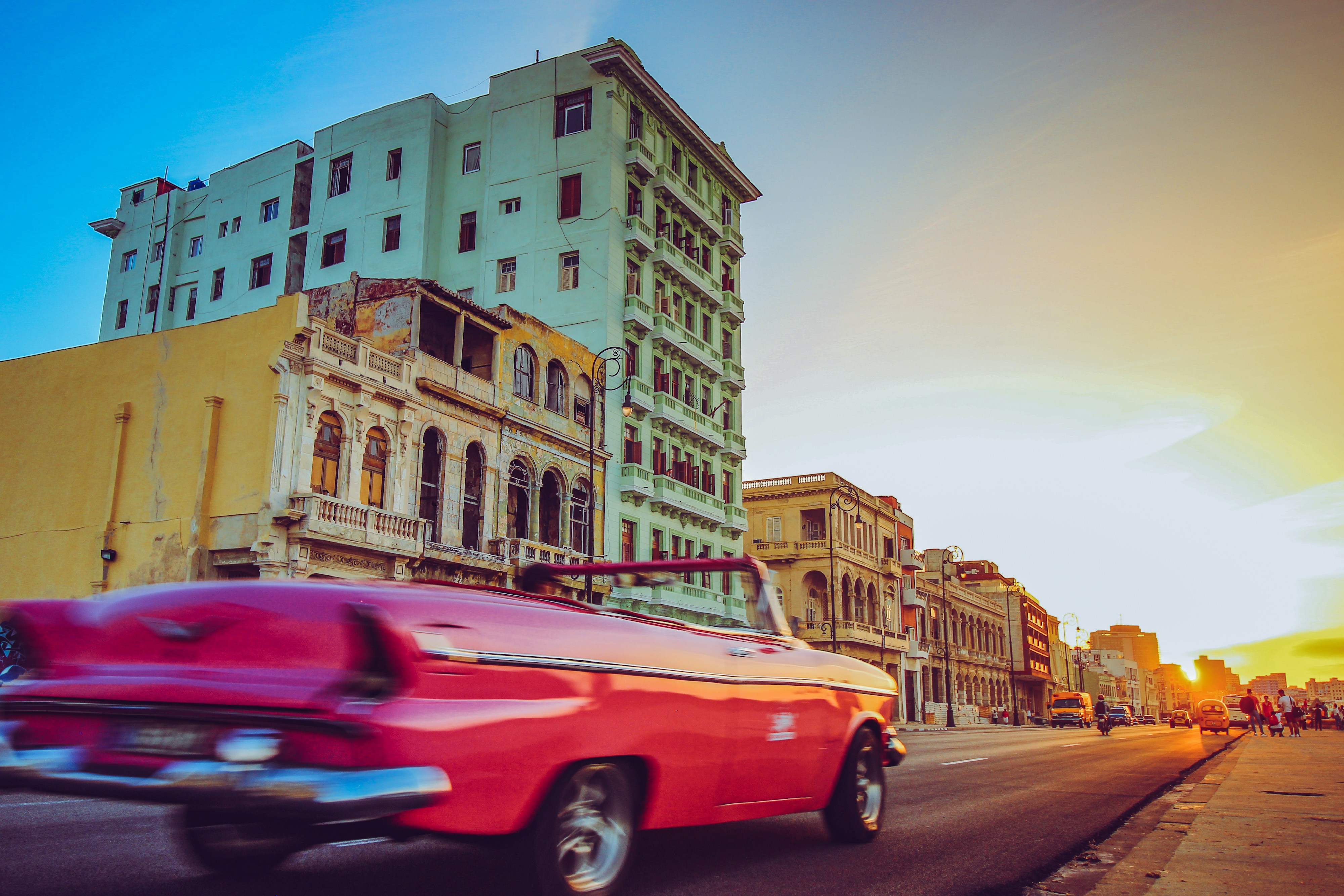
#9Pastel colonial facades line the streets of Old Havana, many crumbling in ways that somehow add to the city's atmosphere rather than detract from it.
Vintage American cars from before the 1959 revolution, kept alive through decades of improvised repairs, still work as everyday taxis along the seafront Malecon.
Live salsa and son music spills from bars most nights.
How does it rate
CrowdsRomanceCash RequiredDangerAccessibilityWhy you should go
1950s American cars still working as everyday taxis along a crumbling, colourful seafront.
Why you shouldn't go
Havana's infrastructure genuinely struggles - expect power cuts, patchy internet and limited supplies.
Plan your visit
Best time to visitNovember-April, the dry season.Best time of daySunset along the Malecon, when the sea wall fills with locals and the light turns golden.Getting thereFly into Jose Marti International Airport; Old Havana is walkable from most central hotels.Entry costFree to walk; classic car tours and museums charge separately, often in cash only.Time needed2-3 daysInsider tip — Book a vintage convertible car tour along the Malecon at sunset - it's a cliche for a reason and genuinely delivers the classic Havana photo. -
 #10
#10Vienna spent centuries as the seat of the Habsburg Empire, and the grandeur shows — the Ringstrasse boulevard circles an old town of imperial palaces, opera houses, and coffee houses that have hosted composers and philosophers for 300 years.
The Hofburg and Schönbrunn palaces anchor the city's imperial history, while the Naschmarkt and Prater park show its more everyday side.
How does it rate
CrowdsRomanceCash RequiredDangerAccessibilityWhy you should go
Few cities pack this much imperial architecture, classical music, and coffee-house culture into a walkable centre.
Why you shouldn't go
Formal sights like the opera and palaces come with real dress and booking expectations, and the city can feel stiff compared to livelier European capitals.
Plan your visit
Best time to visitApril–June or September–October for mild weather and a full concert season.Best time of dayDaytime for the palaces and museums; evening for opera, concerts, and coffee houses.Getting thereFly into Vienna International Airport; the City Airport Train reaches the centre in 16 minutes.Entry costFree to walk the centre; museums, palaces, and performances charge separate entry.Time needed2–3 daysInsider tip — Standing-room opera tickets at the Staatsoper go on sale shortly before each performance and cost a fraction of seated ones — a genuine bargain for world-class opera. -
 #11
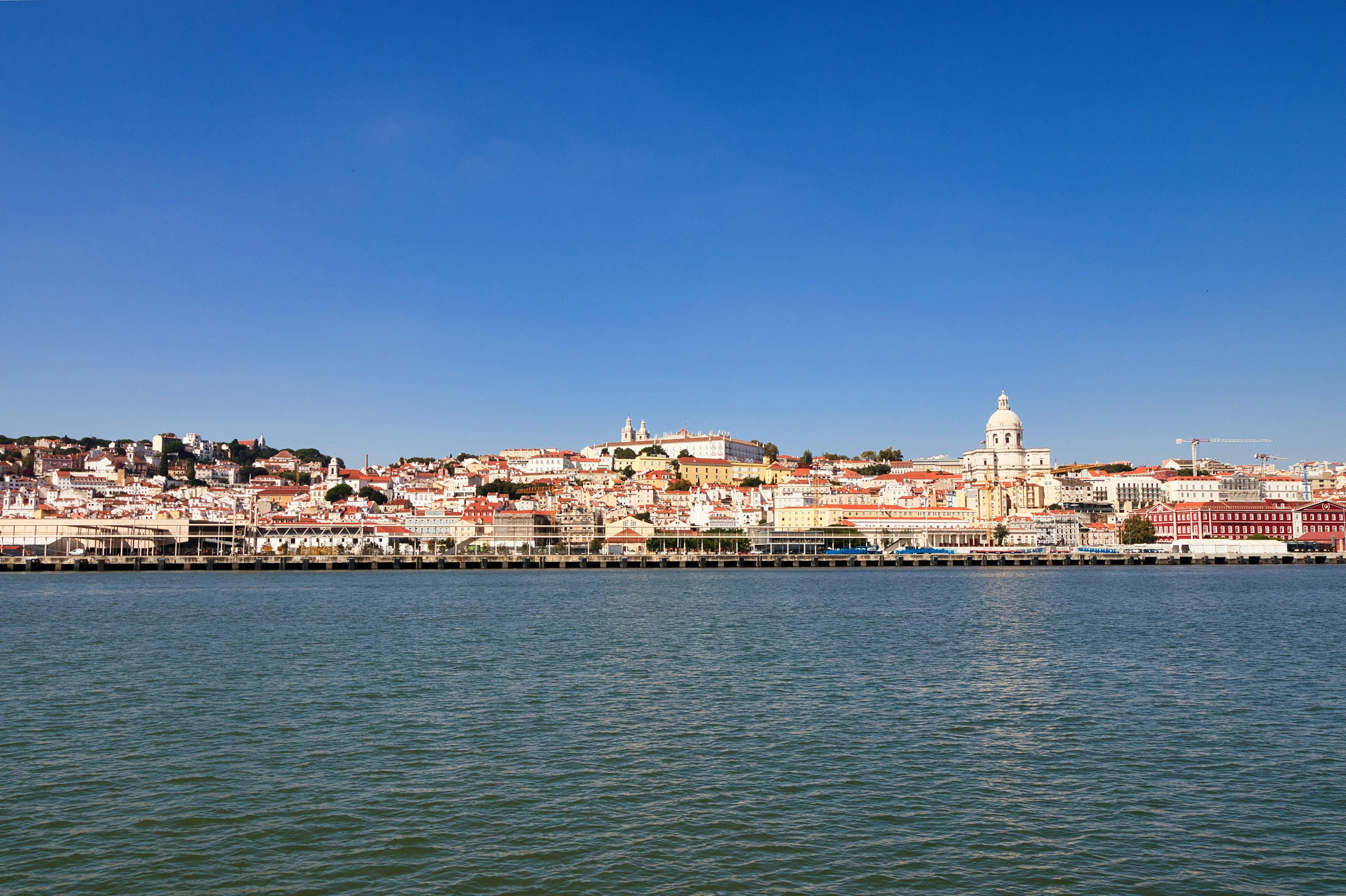
#11Portugal's hilly capital rises above the Tagus estuary in tiers of pastel façades, azulejo tilework, and rattling yellow trams.
Alfama's medieval lanes climb past fado bars toward São Jorge Castle, while Belém's monuments trace the Age of Discoveries and the modern LX Factory anchors a livelier scene.
It rewards slow wandering more than a fixed itinerary, with river-view miradouros around every third corner.
How does it rate
CrowdsRomanceCash RequiredDangerAccessibilityWhy you should go
Centuries of maritime history, food, and river views packed into a walkable, still-affordable European capital.
Why you shouldn't go
The seven hills mean constant climbing, and Tram 28 and Alfama's alleys are uncomfortably crowded by mid-morning.
Plan your visit
Best time to visitMarch–May or September–October for mild weather and thinner crowds than midsummer.Best time of dayEarly morning at the miradouros and Alfama, before tour groups and midday heat arrive.Getting thereFly into Lisbon Airport (LIS), a few minutes from downtown by metro, taxi, or ride-hail.Entry costFree to walk the city; individual sights charge roughly €6–€15 entry.Time needed2–3 daysInsider tip — Ride Tram 28 right at opening or skip it and walk its route instead — by mid-morning it's standing-room-only and a known pickpocket spot. -
 #1283 /100
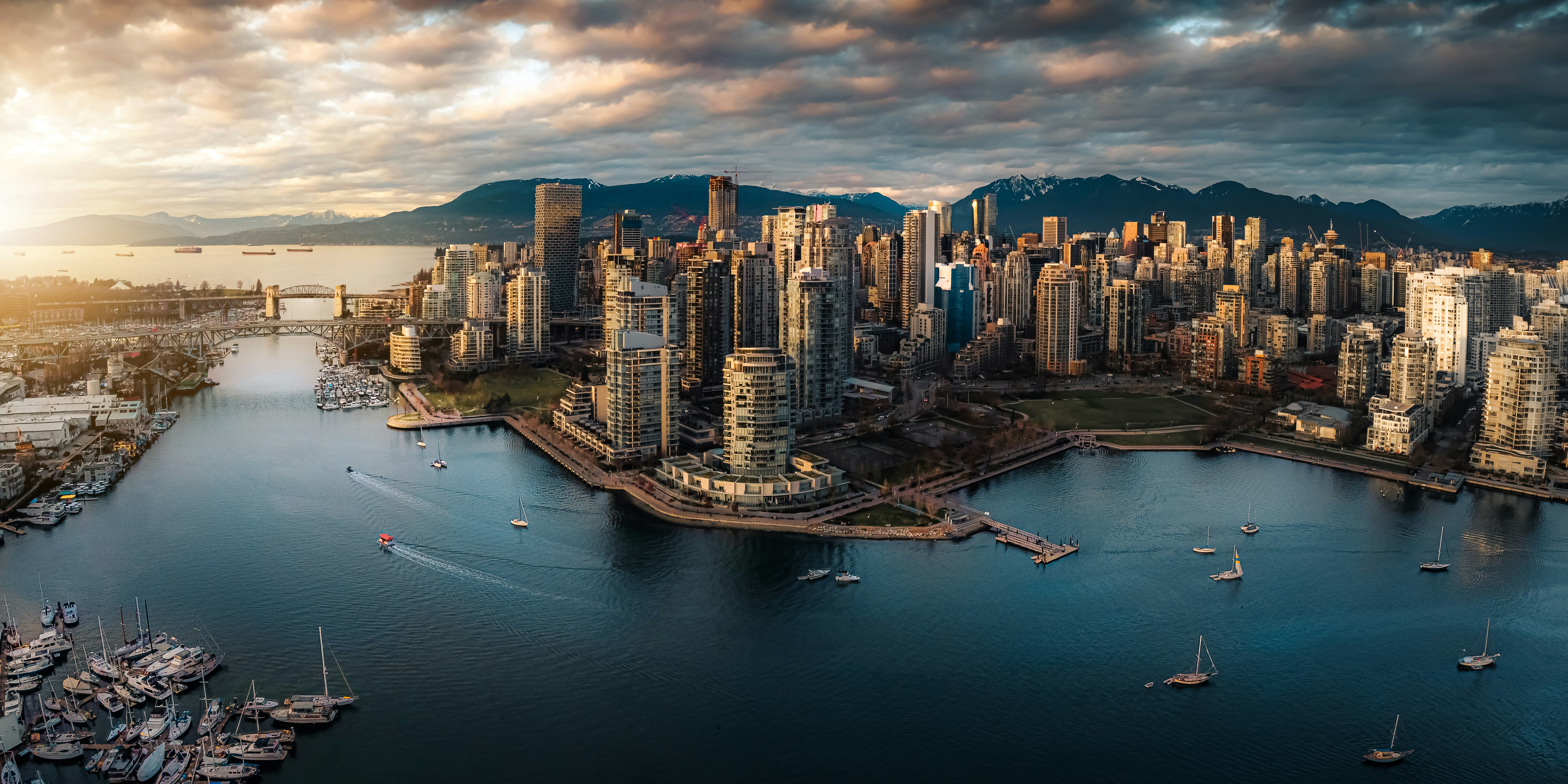
A glass-towered harbour city wedged between the Coast Mountains and the Pacific, where downtown ends abruptly at the seawall and North Shore peaks rise directly across the water.
Stanley Park's rainforest and shoreline path wrap the downtown peninsula, while Granville Island's public market sits a short ferry hop across False Creek.
Vancouver pairs an outdoor-focused lifestyle with skiing, hiking and beaches within a short drive of downtown.
How does it rate
CrowdsRomanceCash RequiredDangerAccessibilityWhy you should go
A compact downtown where mountains, ocean and rainforest are all within walking distance of the office towers.
Why you shouldn't go
One of the most expensive cities in North America for both accommodation and everyday costs.
Plan your visit
Best time to visitJune-September for reliably dry weather; ski season runs December-March on the North Shore mountainsBest time of dayLate afternoon on the seawall for sunset over English BayGetting thereFly into Vancouver International Airport (YVR); the Canada Line train connects the airport to downtown in about 25 minutes.Entry costFree to explore; individual attractions and transit charge separatelyTime needed3-4 daysInsider tip — Rent a bike and ride the Stanley Park seawall counter-clockwise in the early morning before the path fills with pedestrians and tour groups. -
 #13
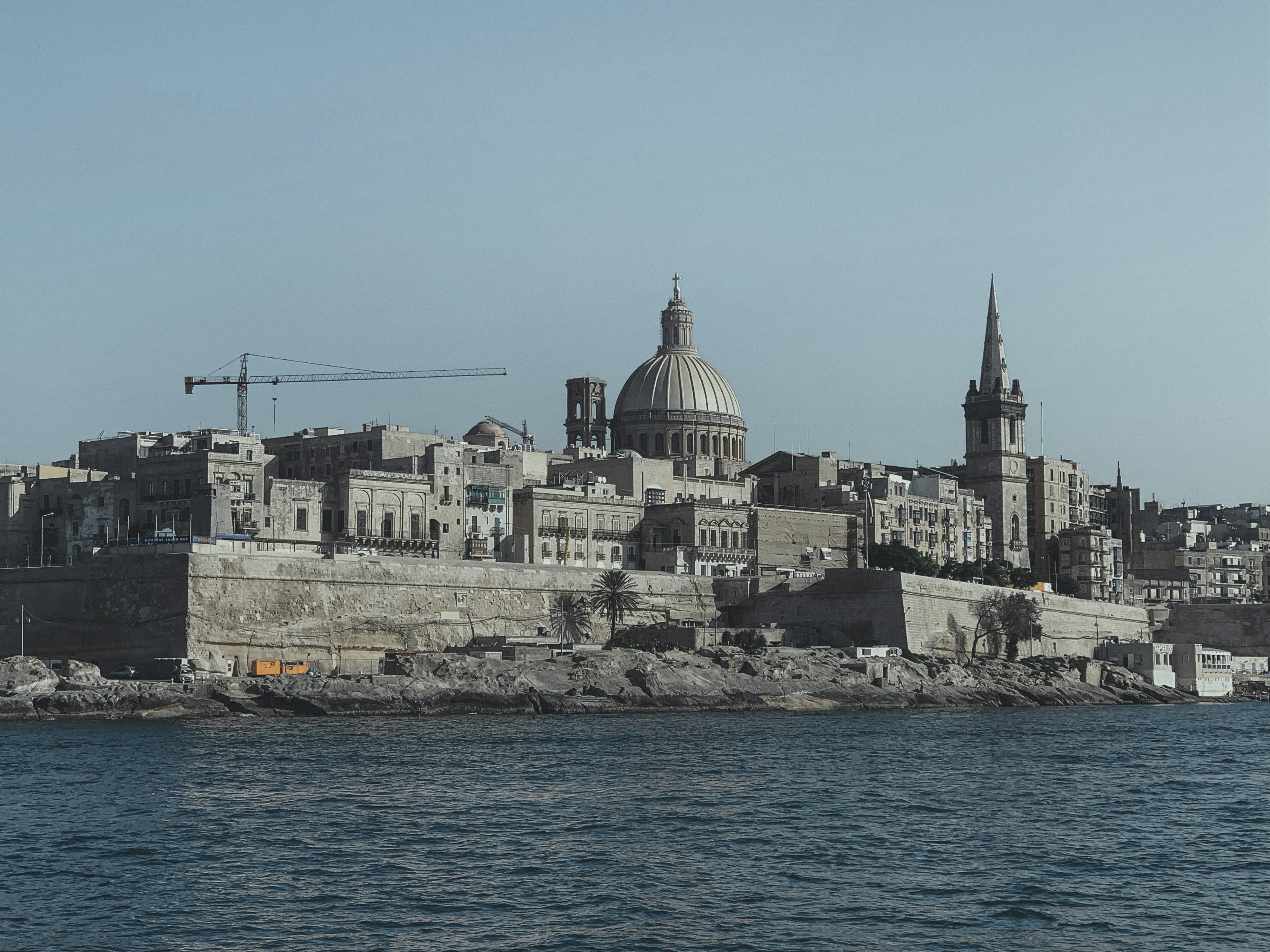
#13Golden limestone fortifications ring this entire harbour city, built by the Knights of St John in the 16th century to withstand a siege that never came again.
Baroque church domes and balconied townhouses in faded pastel line streets laid out on a strict grid, unusual for a city of its age.
The Upper Barrakka Gardens offer a sweeping view over the Grand Harbour, with warships once anchored where cruise liners now dock.
How does it rate
CrowdsRomanceCash RequiredDangerAccessibilityWhy you should go
An entire fortified city built from golden limestone, ringed by harbour views on three sides.
Why you shouldn't go
The streets are famously steep, stepped in places, and hard going in summer heat.
Plan your visit
Best time to visitApril-June or September-October, avoiding peak summer heat.Best time of dayLate afternoon, when the limestone fortifications glow gold in the light.Getting thereFly into Malta International Airport; buses reach Valletta in about 20-30 minutes.Entry costFree to walk the city; St John's Co-Cathedral and museums charge entry.Time needed1-2 daysInsider tip — Time a visit to the Upper Barrakka Gardens for noon or 4pm, when the Saluting Battery below fires its daily cannon. -
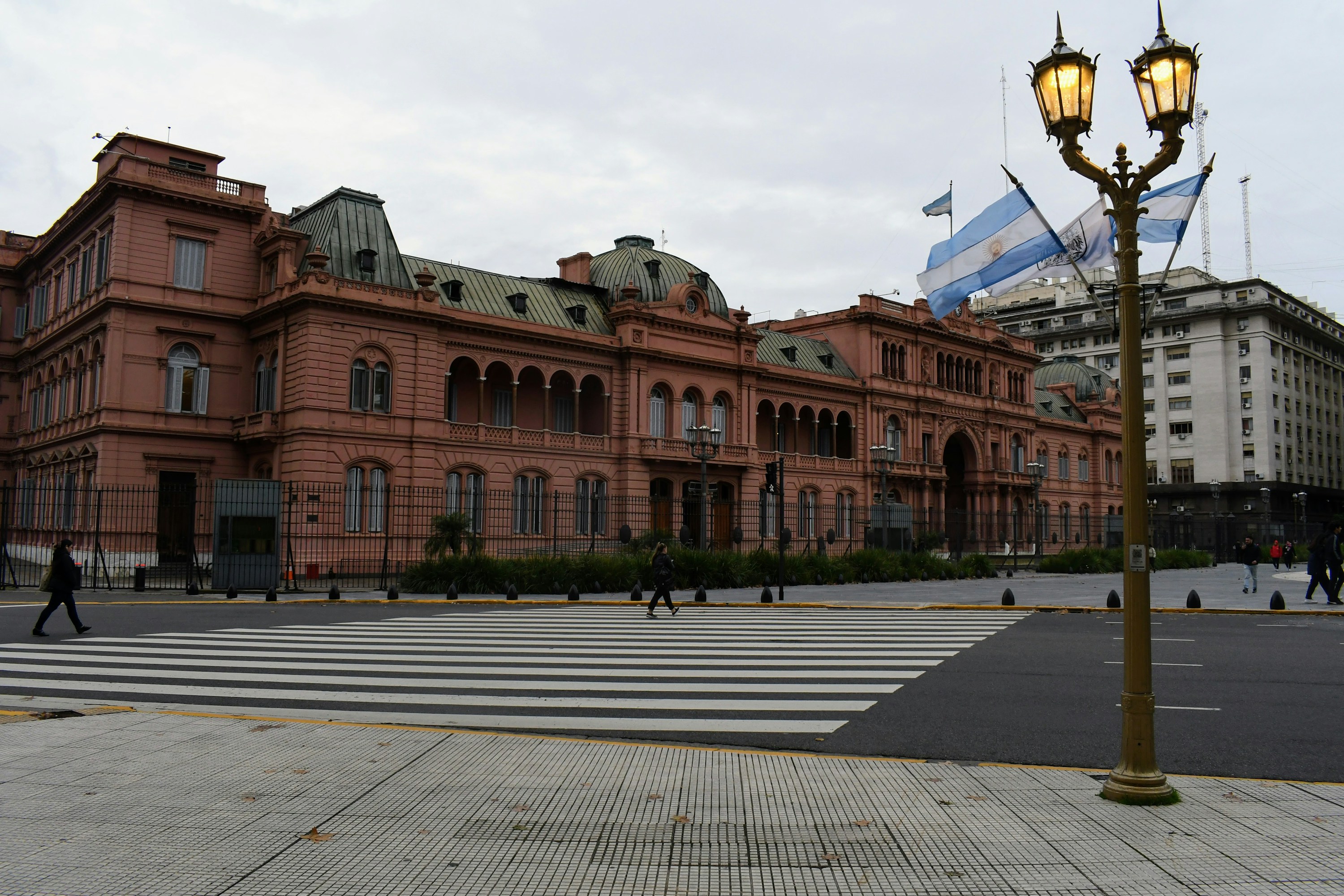 #1482 /100
Buenos Aires pairs wide, Parisian-style boulevards with the pulse of a Latin American capital: tango danced in San Telmo squares, steak houses running late into the night, and the pink Casa Rosada overlooking Plaza de Mayo.
Neighborhoods vary sharply, from elegant Recoleta's cafes and cemetery to La Boca's brightly painted tenements.
It's a walkable city built for lingering, not checklist sightseeing.
How does it rate
CrowdsRomanceCash RequiredDangerAccessibilityWhy you should go
A genuinely distinct capital - European architecture, Latin American energy, tango everywhere.
Why you shouldn't go
Petty theft and scams target tourists in busy areas; stay alert with phones and bags.
Plan your visit
Best time to visitMarch-May or September-November, for mild weather outside the humid summerBest time of dayEvening - the city eats dinner from 9pm and tango milongas run lateGetting thereFly into Ezeiza International Airport; taxis or the Tienda Leon bus run downtown in 40-60 minEntry costFree to walk; museums and tango shows charge separately, from a few dollars to $50+Time needed3-4 daysInsider tip — Skip the touristy dinner-and-show tango packages and catch a milonga instead - cheaper, and it's real locals dancing, not a stage act. -
 #1581 /100
Guanajuato is a former silver-mining city built into a ravine, its brightly painted houses stacked up impossibly steep hillsides and connected by a maze of underground tunnels and narrow alleys.
The centre is a UNESCO World Heritage site of baroque churches and plazas, and the Callejón del Beso — an alley so narrow that neighbouring balconies almost touch — draws crowds for its star-crossed-lovers legend.
How does it rate
CrowdsRomanceCash RequiredDangerAccessibilityWhy you should go
The view from the Pípila monument at dusk, with the whole hillside city lit up below, is one of Mexico's best skylines.
Why you shouldn't go
The steep alleys and stairs throughout the city are hard going for anyone with mobility issues.
Plan your visit
Best time to visitOctober, for the Cervantino arts festival, or the drier November–April months generally.Best time of dayDusk, when the funicular up to the Pípila monument gets you there for sunset over the city.Getting thereFly to León/Guanajuato airport (Del Bajío); 30-minute drive or shuttle into the city.Entry costFree to explore; funicular and some museums charge a small fee.Time needed1–2 daysInsider tip — Walk (or ride) through the underground Subterráneo tunnels, originally built to divert flood water, now used as traffic roads beneath the city. -
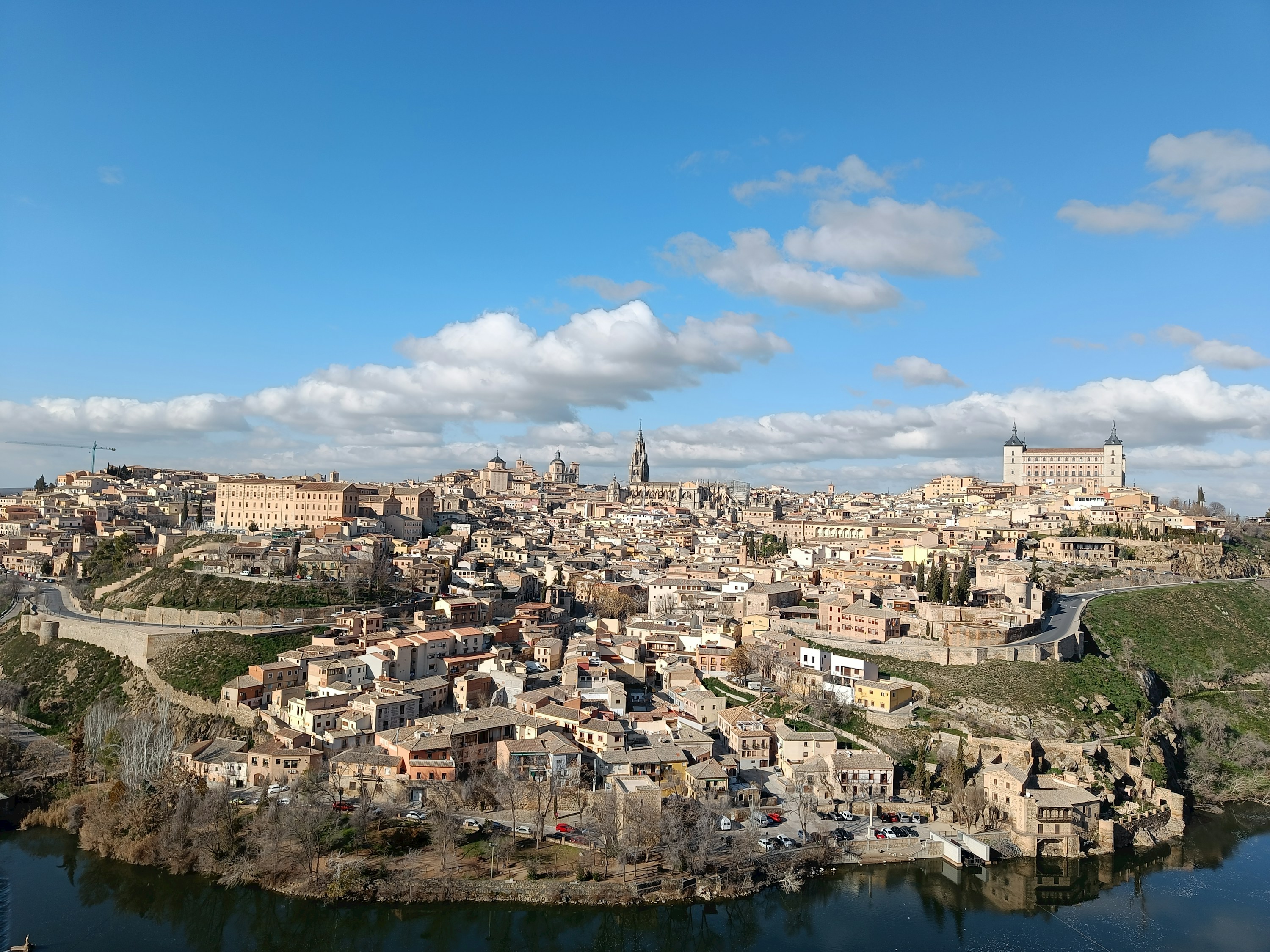 #16
#16Spain's former imperial capital sits on a granite hill almost encircled by a bend in the Tagus River, its skyline of church towers, synagogues, and mosques layered up over centuries of Christian, Jewish, and Muslim rule.
The Alcázar fortress and Gothic cathedral anchor a warren of narrow medieval streets that fan out below, and the whole old city is compact enough to see on foot in a single, dense day.
How does it rate
CrowdsRomanceCash RequiredDangerAccessibilityWhy you should go
A living record of three religious traditions layered into one walkable medieval city, an easy day trip from Madrid.
Why you shouldn't go
Day-trip coach groups from Madrid fill the main streets and sights from mid-morning to mid-afternoon.
Plan your visit
Best time to visitSpring or autumn to avoid summer heat that regularly tops 35°C.Best time of dayEarly morning or after 5pm, once day-tour groups from Madrid have left.Getting thereHigh-speed train from Madrid Atocha (about 30 minutes) or a short drive south.Entry costAlcázar and Cathedral each charge separate entry, roughly €5–€12; combined tickets available.Time needed1 dayInsider tip — Cross the Puente de Alcántara and climb to the Mirador del Valle for the classic skyline view over the whole old city. -
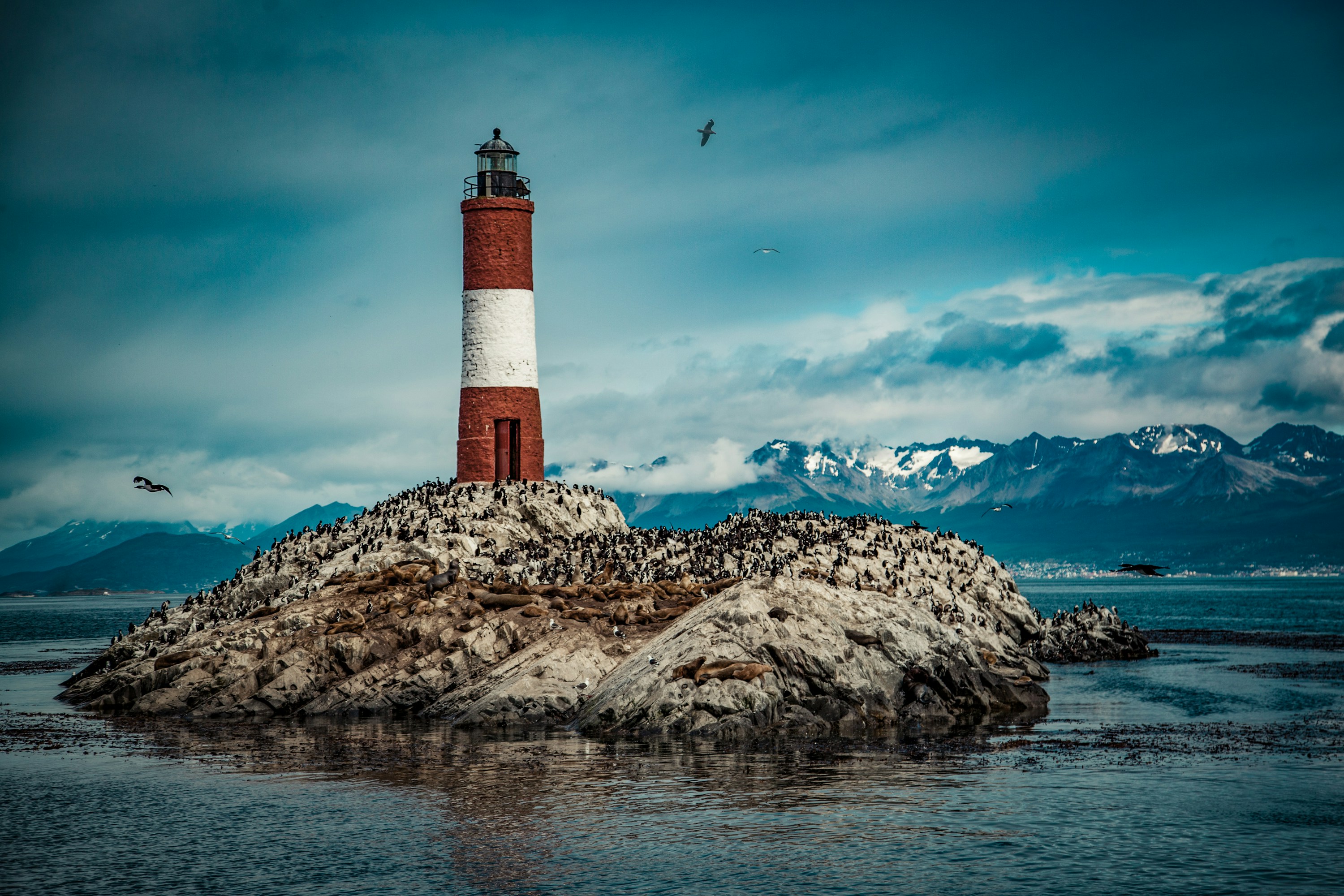 #17
#17Marketed as the southernmost city in the world, Ushuaia sits on the Beagle Channel in Tierra del Fuego, snow-capped peaks rising directly behind its harbour.
It is the main departure point for Antarctica cruises, and shorter boat trips from the same harbour pass the red-and-white Les Eclaireurs lighthouse and islands crowded with sea lions, cormorants and penguins.
Tierra del Fuego National Park lies a short drive west for subantarctic forest and coastal trails.
How does it rate
CrowdsRomanceCash RequiredDangerAccessibilityWhy you should go
The launch point for Antarctica, with wildlife-rich boat trips on the Beagle Channel available even for a day visit.
Why you shouldn't go
Weather is genuinely unpredictable year-round, and Antarctica cruises themselves cost thousands of dollars.
Plan your visit
Best time to visitNovember-March (Southern Hemisphere summer) for mildest weather and Antarctica cruise seasonBest time of dayMorning boat departures for calmer Beagle Channel watersGetting thereFly to Ushuaia (Malvinas Argentinas Airport) from Buenos Aires, about 3.5 hoursEntry costFree to walk the town; Beagle Channel boat trips from ~$60-100; Antarctica cruises from several thouTime needed2-3 days, longer if joining an Antarctica cruiseInsider tip — Book a half-day Beagle Channel boat trip even if skipping Antarctica - it reaches the lighthouse and sea lion colonies for a fraction of the cost. -
 #1880 /100
The world's smallest sovereign state packs an extraordinary concentration of art and architecture into just 44 hectares.
The colonnaded embrace of St Peter's Square, Michelangelo's Sistine Chapel ceiling, and Raphael's frescoed Stanze make Vatican City unmissable for art lovers.
How does it rate
CrowdsRomanceCash RequiredDangerAccessibilityWhy you should go
The sheer density of masterpieces is staggering — from the top of St Peter's dome, the view over the piazza and Rome beyond is one of the city's finest.
Why you shouldn't go
Vatican Museums queues are legendary and even with pre-booked tickets the crowds inside the Sistine Chapel make it hard to appreciate the art in peace.
Plan your visit
Best time to visitSpring or autumnBest time of dayEarly morning entry to beat tour groupsGetting thereOttaviano Metro stationEntry costMuseums ~EUR17Time neededHalf dayInsider tip — Book timed-entry tickets online; the walk-up queue can take hours -
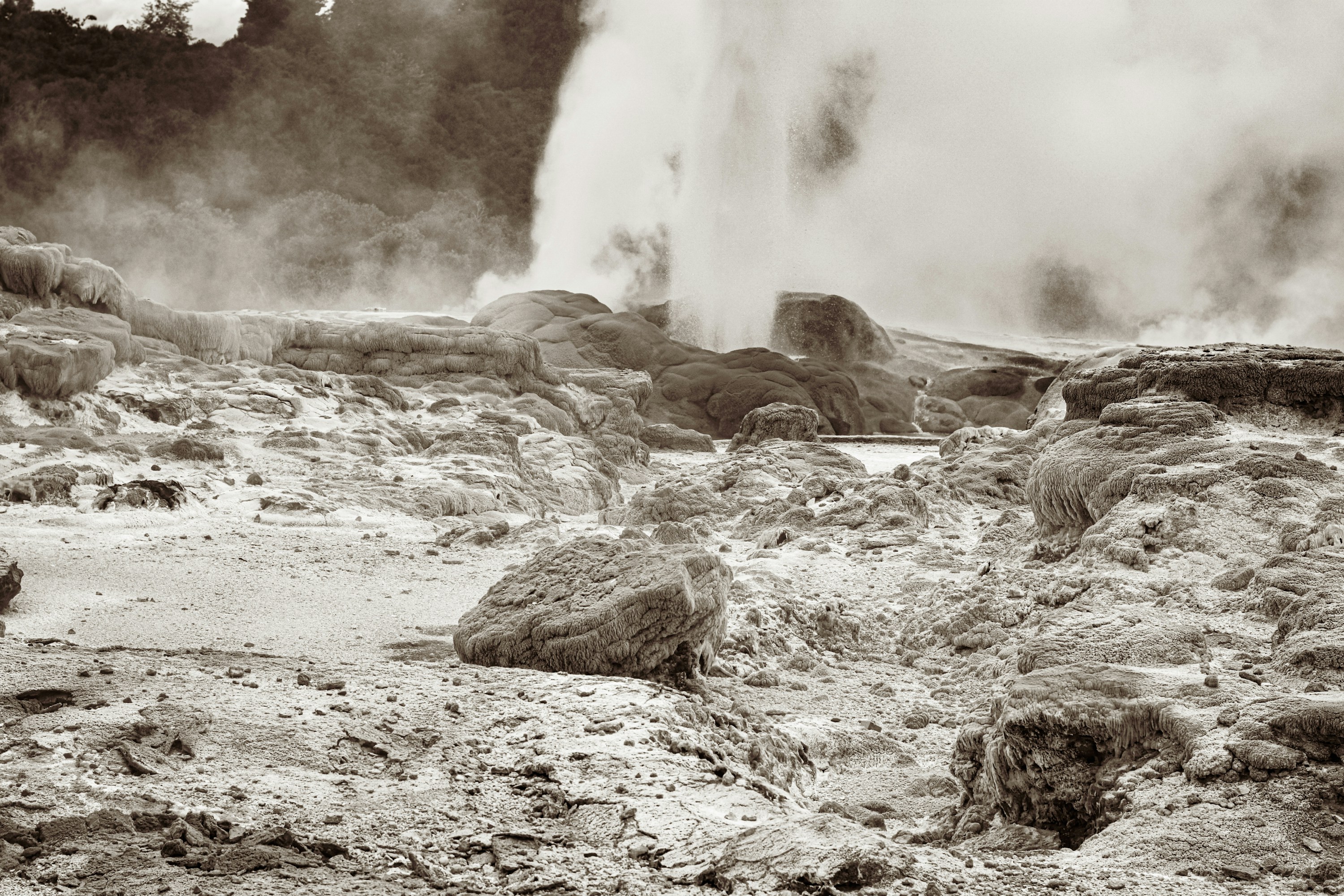 #19
#19Rotorua is a North Island city built on an active geothermal field, where steaming vents, mud pools and geysers push up through public parks and backyards alike.
It is also the centre of Maori cultural tourism in New Zealand, with performances, carved meeting houses and hangi feasts at Te Puia and Whakarewarewa.
Beyond the thermal activity there is mountain biking, lake swimming and forest walks, worth more than a single day's stop.
How does it rate
CrowdsRomanceCash RequiredDangerAccessibilityWhy you should go
New Zealand's most complete geothermal experience: geysers, mud pools and Maori culture in one town.
Why you shouldn't go
The whole town smells faintly of sulphur, and the big-name attractions charge steep entry fees.
Plan your visit
Best time to visitYear-round; geothermal features are active regardless of season, but shoulder months avoid summer crowds.Best time of dayEarly morning, before tour groups arrive at the main geothermal parks.Getting thereFly to Rotorua Regional Airport, or drive about 3 hours southeast from Auckland via SH1 and SH5.Entry costTown is free to explore; major geothermal parks and cultural experiences charge separate entry fees.Time needed1-2 daysInsider tip — Skip the crowds at Te Puia by visiting Kuirau Park instead - a free public geothermal park right in town with bubbling mud pools and steaming vents. -
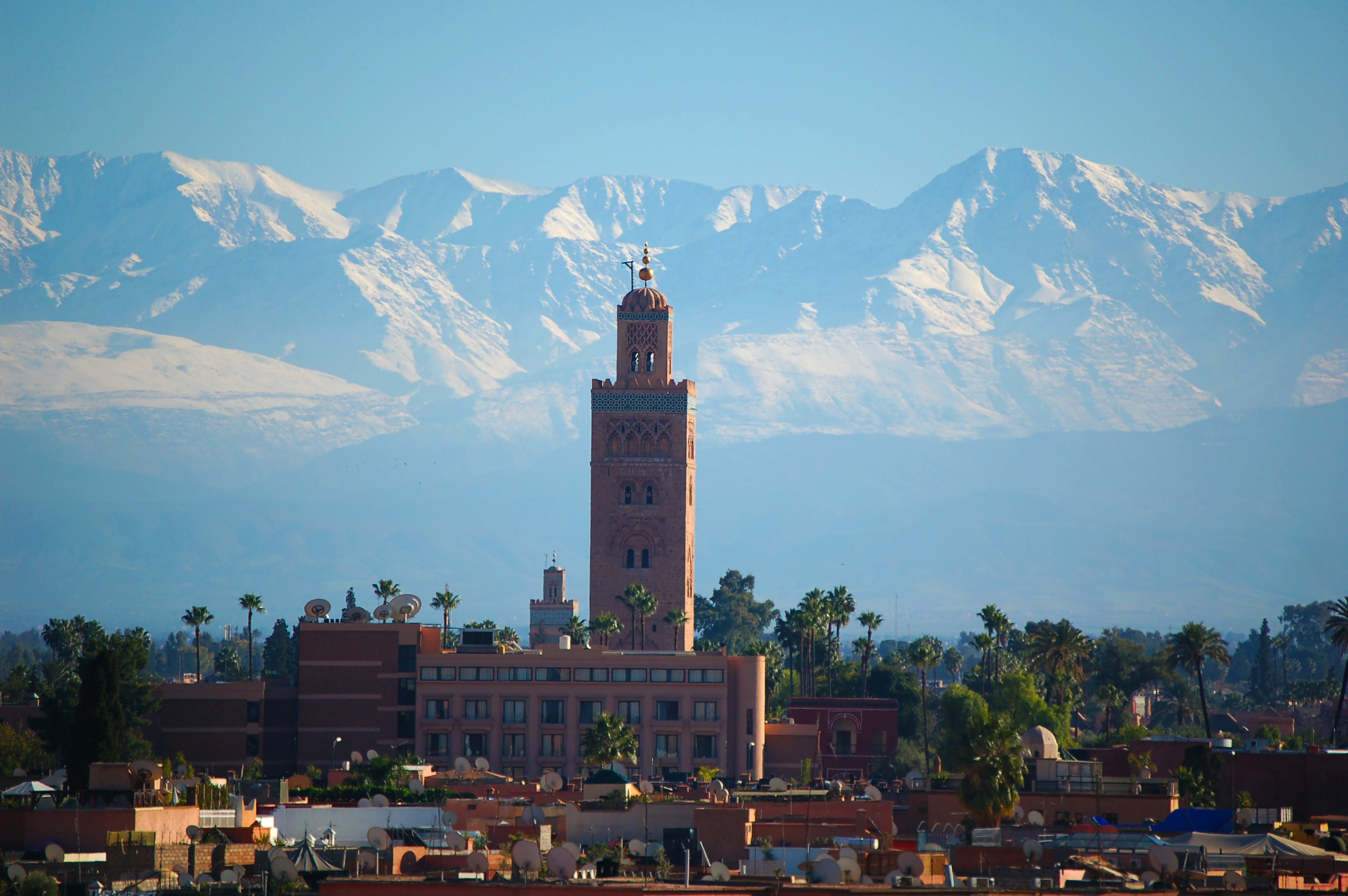 #2079 /100
Morocco's most visited city layers a maze-like medina of souks, riads and palaces against the backdrop of the snow-capped Atlas Mountains.
Beyond Djemaa el-Fna's nightly spectacle, the city holds the tiled Bahia Palace, the cactus-filled Majorelle Garden, and endless alleys of dyers, leatherworkers and spice sellers.
Getting deliberately lost in the medina, then finding a rooftop café to reorient, is as much the experience as any single sight.
How does it rate
CrowdsRomanceCash RequiredDangerAccessibilityWhy you should go
A whole city built for wandering, with a genuinely overwhelming, atmospheric medina.
Why you shouldn't go
Medina alleys are a maze designed to disorient, and touts targeting tourists are persistent.
Plan your visit
Best time to visitMarch–May or September–November, avoiding summer heat that regularly tops 40°C.Best time of dayLate afternoon into evening, as the souks cool down and Djemaa el-Fna comes alive.Getting thereMarrakech Menara Airport is 15 minutes from the medina by taxi.Entry costFree to walk; palaces and gardens typically 70-150 MAD (~€6-14) each.Time needed2–4 days.Insider tip — Hire a licensed medina guide for your first walk through the souks — it saves hours of getting lost and haggling missteps. -
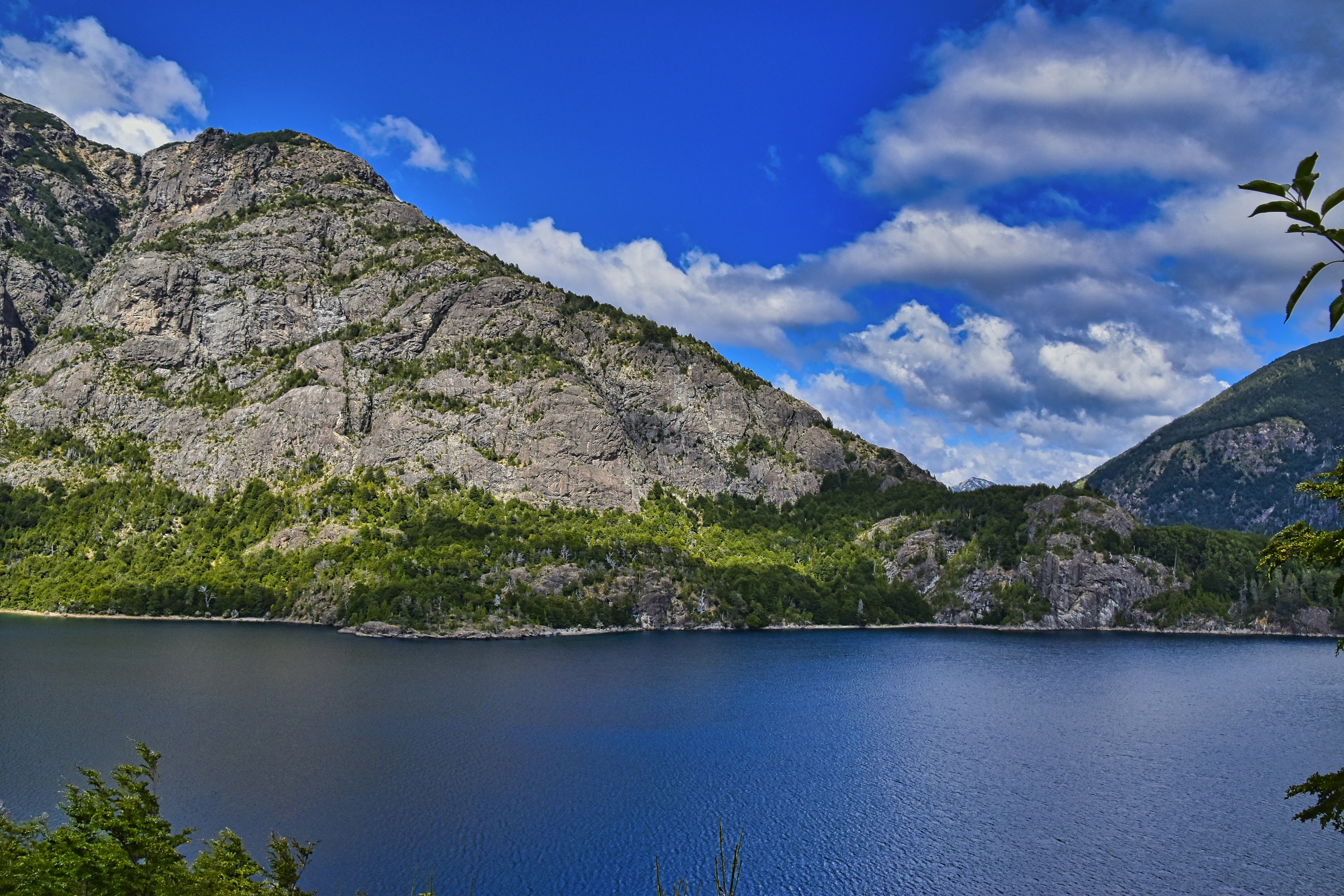 #2179 /100
San Carlos de Bariloche sits on the shore of Nahuel Huapi Lake in Argentine Patagonia, a Swiss-styled town backed by the Andes and a gateway to a national park of forested peaks and turquoise lakes.
Chocolate shops line the Centro Cívico, while the Circuito Chico drive and the Cerro Campanario cable car reach panoramic viewpoints over the lake district.
It doubles as a ski base in winter and a hiking and mountain-biking hub in summer.
How does it rate
CrowdsRomanceCash RequiredDangerAccessibilityWhy you should go
A lake-and-mountain town that works as both a Patagonian hiking base and a genuine destination in its own right.
Why you shouldn't go
Peak ski season (July) and summer school holidays (January) both bring heavy crowds and inflated prices.
Plan your visit
Best time to visitDecember-March for hiking and lake activities; July-August for skiing at Cerro CatedralBest time of dayLate afternoon at Cerro Campanario for lake views before sunsetGetting thereFly to Bariloche (San Carlos de Bariloche Airport) from Buenos Aires, about 2 hoursEntry costFree to explore town; Cerro Campanario cable car and national park activities charge separatelyTime needed3-4 daysInsider tip — Drive the Circuito Chico in the early morning to have the lakeside viewpoints to yourself before tour buses fill the pull-offs. -
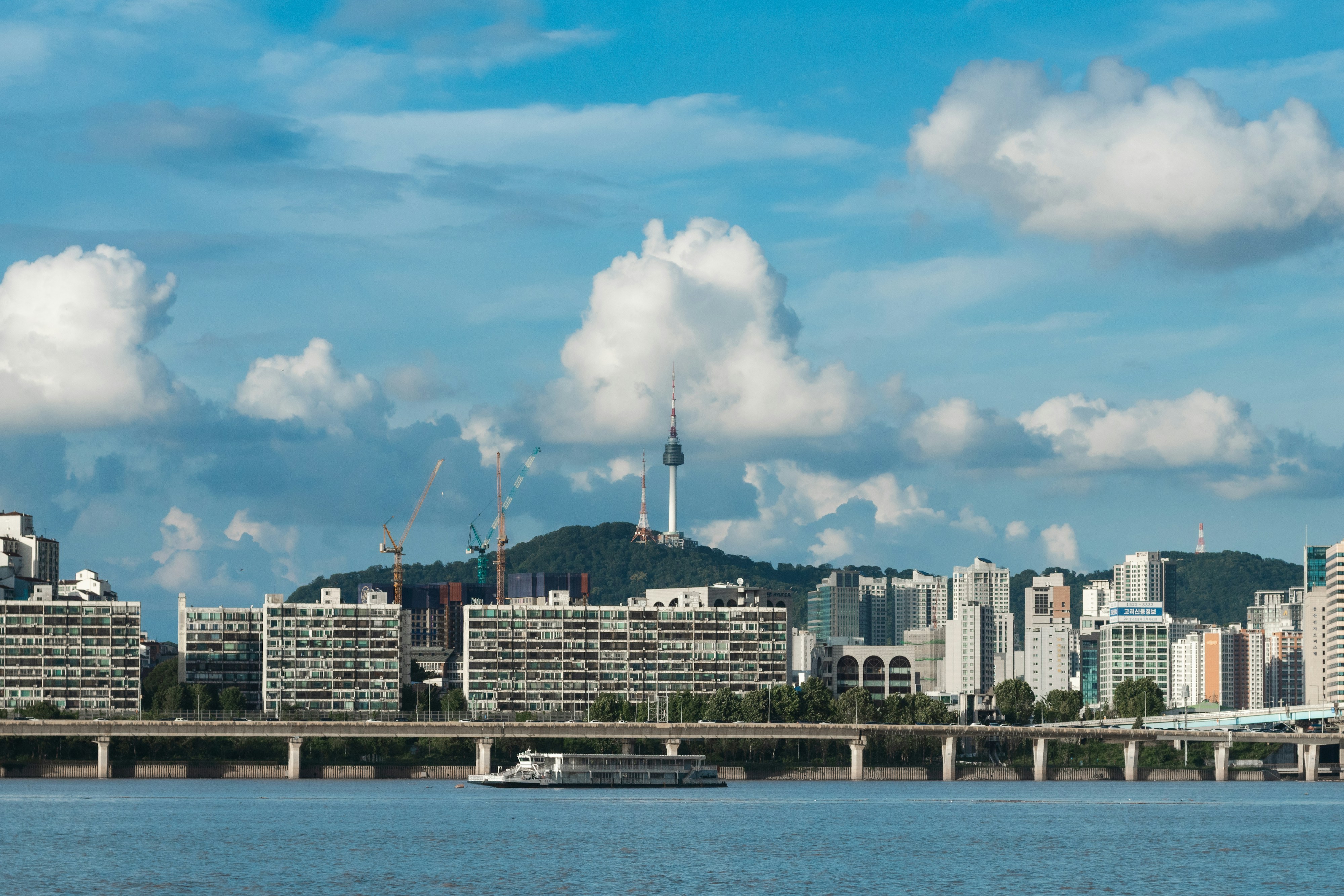 #22
#22Traditional hanok tiled-roof houses cluster in the Bukchon district within sight of glass skyscrapers, a centuries-old palace, and a mountain that rises straight out of the city centre.
Gyeongbokgung Palace's guard-changing ceremony still runs daily in period costume against a backdrop of modern high-rises.
Cable cars up Namsan Mountain give a full skyline view at night, when the whole city lights up at once.
How does it rate
CrowdsRomanceCash RequiredDangerAccessibilityWhy you should go
A palace guard-changing ceremony in period costume, directly backed by a modern glass skyline.
Why you shouldn't go
The city is vast and spread out - seeing both the traditional and modern sides properly takes real time.
Plan your visit
Best time to visitApril-May or September-November, for mild weather and (in spring) cherry blossoms.Best time of dayLate afternoon into evening, for Namsan Tower's night skyline view.Getting thereFly into Incheon Airport; the AREX express train reaches central Seoul in about 45 minutes.Entry costGyeongbokgung Palace entry a few dollars; Namsan cable car separately priced.Time needed3-4 daysInsider tip — Wear rented hanbok (traditional dress) to Gyeongbokgung Palace - it's inexpensive, common practice, and gets free palace entry as a bonus. -
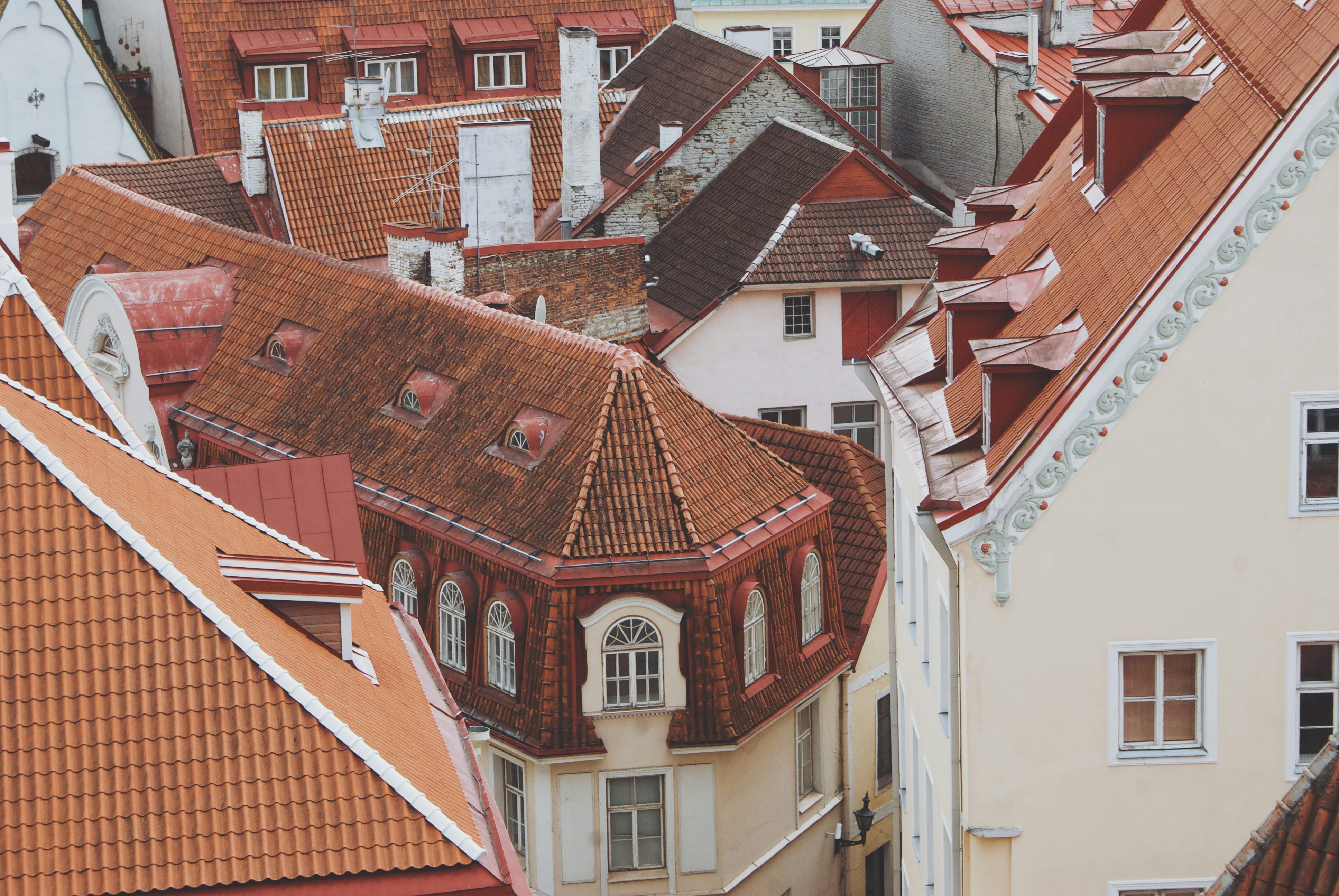 #23
#23Turrets and cobbled lanes fill this Baltic old town's medieval core, ringed almost entirely by its original 13th-century defensive walls.
Toompea Hill rises above the lower town, topped by a Russian Orthodox cathedral and views over red-tiled rooftops toward the harbour.
Despite the medieval look, Tallinn is one of Europe's most digitally advanced capitals.
How does it rate
CrowdsRomanceCash RequiredDangerAccessibilityWhy you should go
A completely walled medieval old town, still fully intact and lived-in rather than a museum piece.
Why you shouldn't go
The old town's cobblestones and hills make it a genuinely tough walk in heels or with luggage.
Plan your visit
Best time to visitMay-September, for the mildest weather and long daylight hours.Best time of dayEarly morning or evening, once day-trip cruise ship crowds have cleared out.Getting thereFly into Tallinn Airport, about 15 minutes from the old town; ferries also arrive from Helsinki.Entry costFree to walk the old town; Toompea viewpoints and museums charge small fees.Time needed2 daysInsider tip — Check cruise ship arrival schedules before visiting - the old town's narrow lanes get genuinely packed on the days multiple ships are in port. -
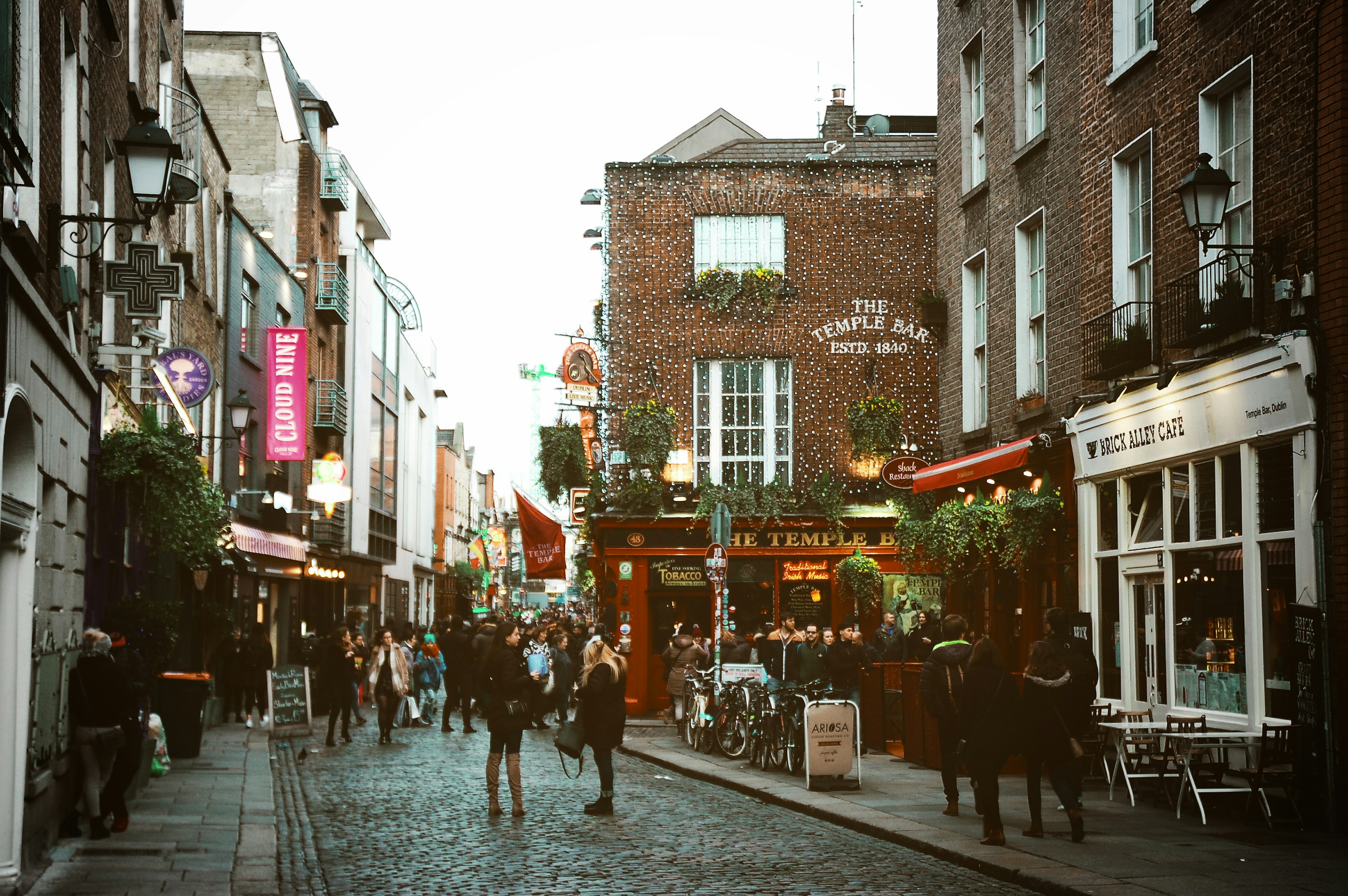 #24
#24Ireland's capital pairs a compact, walkable historic core with a genuinely lively pub and music scene, from the Georgian squares around Trinity College — home to the Book of Kells — to the cobbled lanes of Temple Bar.
The Guinness Storehouse and Kilmainham Gaol offer two very different sides of the city's story, industrial and political, while traditional music sessions spill out of pubs most nights of the week.
How does it rate
CrowdsRomanceCash RequiredDangerAccessibilityWhy you should go
A walkable capital with world-class literary history and a genuinely lively live-music pub scene.
Why you shouldn't go
Temple Bar itself is touristy and overpriced — the better pubs are a few streets away.
Plan your visit
Best time to visitMay–September for the best weather and longest daylight.Best time of dayEvening for pub culture and live traditional music sessions.Getting thereDublin Airport is 30 minutes from the city center by bus or taxi.Entry costFree to walk the city; Book of Kells and Guinness Storehouse each around €20-30.Time needed2–3 days.Insider tip — Skip Temple Bar's pubs and head to the smaller, cheaper bars around Camden Street or the Liberties for a more local session. -
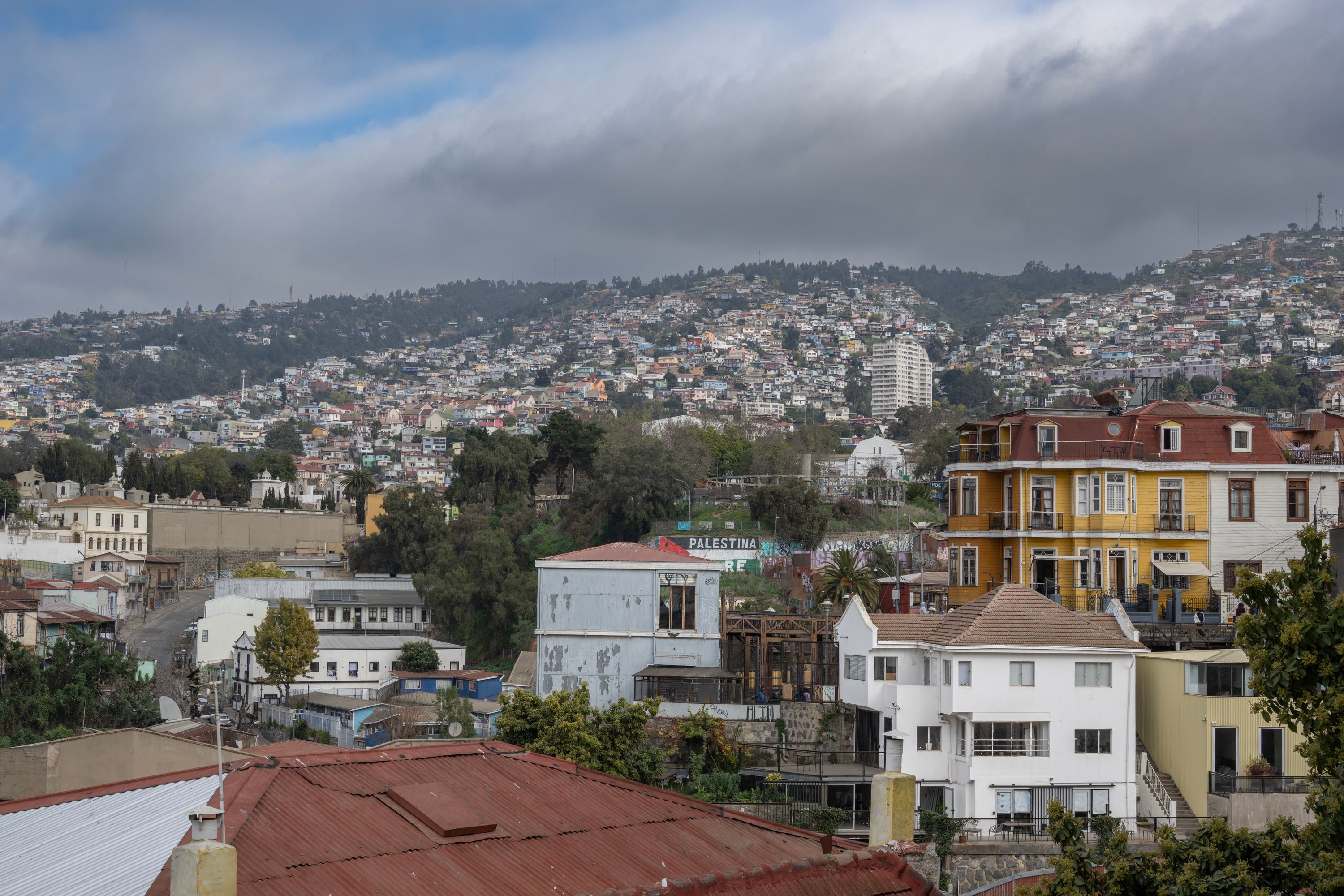 #2575 /100
Chile's main historic port climbs steep hills above the Pacific, linked by century-old funiculars and dense with painted houses and street art.
UNESCO listed the old quarter for its unplanned layout, and wandering the stairways of Cerro Alegre and Cerro Concepción, plus Pablo Neruda's clifftop house La Sebastiana, is the main activity.
Parts of the city have visibly declined, and the port is still working, not polished.
How does it rate
CrowdsRomanceCash RequiredDangerAccessibilityWhy you should go
A maze of hillside stairways, funiculars and street art with no real equivalent elsewhere in Chile.
Why you shouldn't go
Parts of the city have declined and pickpocketing is a real risk - stick to the touristed hills after dark.
Plan your visit
Best time to visitSeptember-November or March-May, for mild weather and thinner crowds than summer.Best time of dayDaytime for exploring the hills; sunset from Paseo Gervasoni or Paseo Atkinson.Getting thereFly to Santiago, then about a 90-minute bus or drive west to Valparaíso.Entry costFree to explore; funiculars ~CLP 300-800 each wayTime neededHalf a day to a full dayInsider tip — Ride the Ascensor Concepción, Chile's oldest funicular, up to Paseo Gervasoni for the classic hillside-and-harbour view, then walk down through Cerro Alegre. -
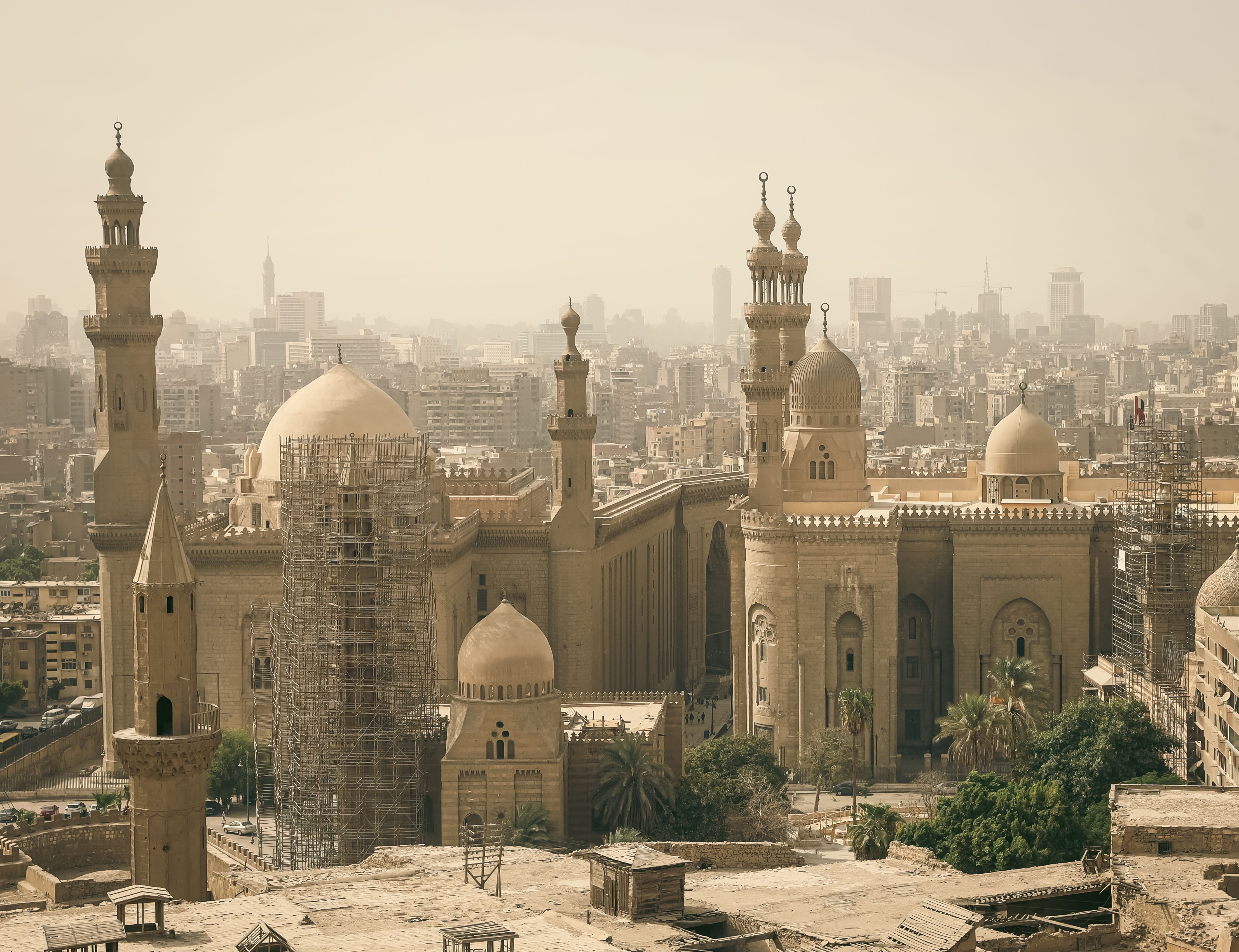 #26
#26Egypt's sprawling capital is an overwhelming mix of ancient and modern — the Egyptian Museum's trove of pharaonic artifacts (including much of Tutankhamun's treasure), the medieval alleys and mosques of Islamic Cairo, and the chaotic bargaining of Khan el-Khalili bazaar, all set against relentless traffic and one of the world's largest urban populations.
The density of history alongside the Giza Pyramids nearby makes it hard to skip.
How does it rate
CrowdsRomanceCash RequiredDangerAccessibilityWhy you should go
An overwhelming, genuinely ancient city holding the world's greatest collection of pharaonic treasures.
Why you shouldn't go
Traffic, noise and persistent touts make it one of the more exhausting capitals to navigate.
Plan your visit
Best time to visitOctober–April, avoiding brutal summer heat and dust.Best time of dayEarly morning at the Egyptian Museum, before tour groups arrive in force.Getting thereCairo International Airport is about 45 minutes from downtown, depending on traffic.Entry costEgyptian Museum entry around $15-20; Khan el-Khalili is free to browse.Time needed2–3 days.Insider tip — Visit the new Grand Egyptian Museum near Giza if it's open during your trip — it holds the full Tutankhamun collection together for the first time. -
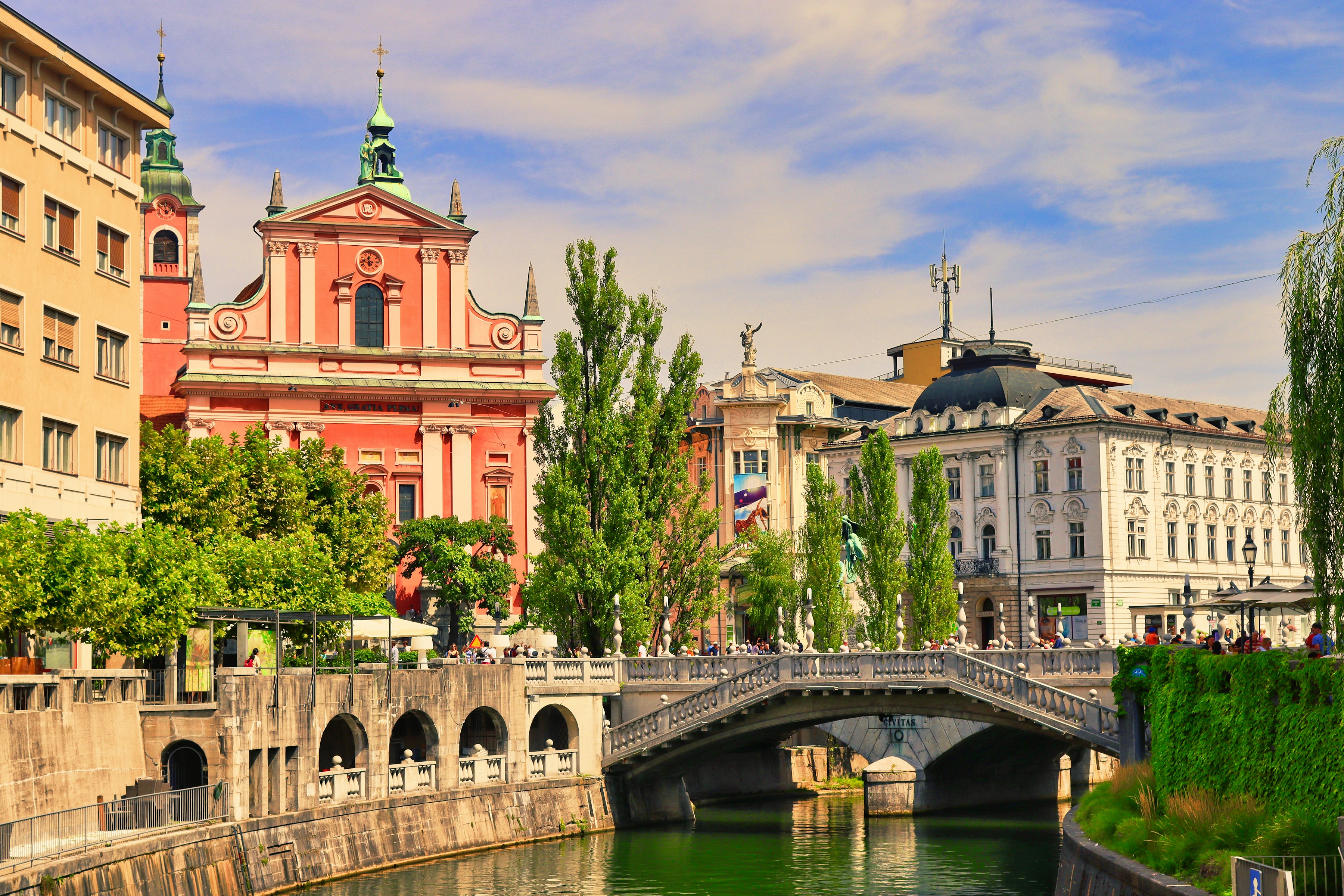 #2774 /100
One of Europe's smallest and most walkable capitals, Ljubljana centers on a car-free riverside old town beneath a hilltop castle, its Ljubljanica River crossed by architect Jože Plečnik's distinctive bridges, including the dragon-flanked Dragon Bridge.
Riverside cafés, a lively open-air market and a compact, green city center make it an easy place to explore in a day or two, with a noticeably relaxed pace.
How does it rate
CrowdsRomanceCash RequiredDangerAccessibilityWhy you should go
One of Europe's most walkable, relaxed small capitals, built around a car-free riverside old town.
Why you shouldn't go
The city itself is small — a day or two comfortably covers the main sights.
Plan your visit
Best time to visitMay–September for outdoor café culture along the river.Best time of dayEvening, when riverside cafés and the Old Town fill up but stay unhurried.Getting thereFly into Ljubljana Jože Pučnik Airport, 30 minutes from the city center.Entry costFree to walk; Ljubljana Castle funicular and entry around €12.Time needed1–2 days.Insider tip — Cross to the Dragon Bridge at dusk when the dragon statues are lit — one of the city's most photographed spots but genuinely uncrowded after dark. -
 #28
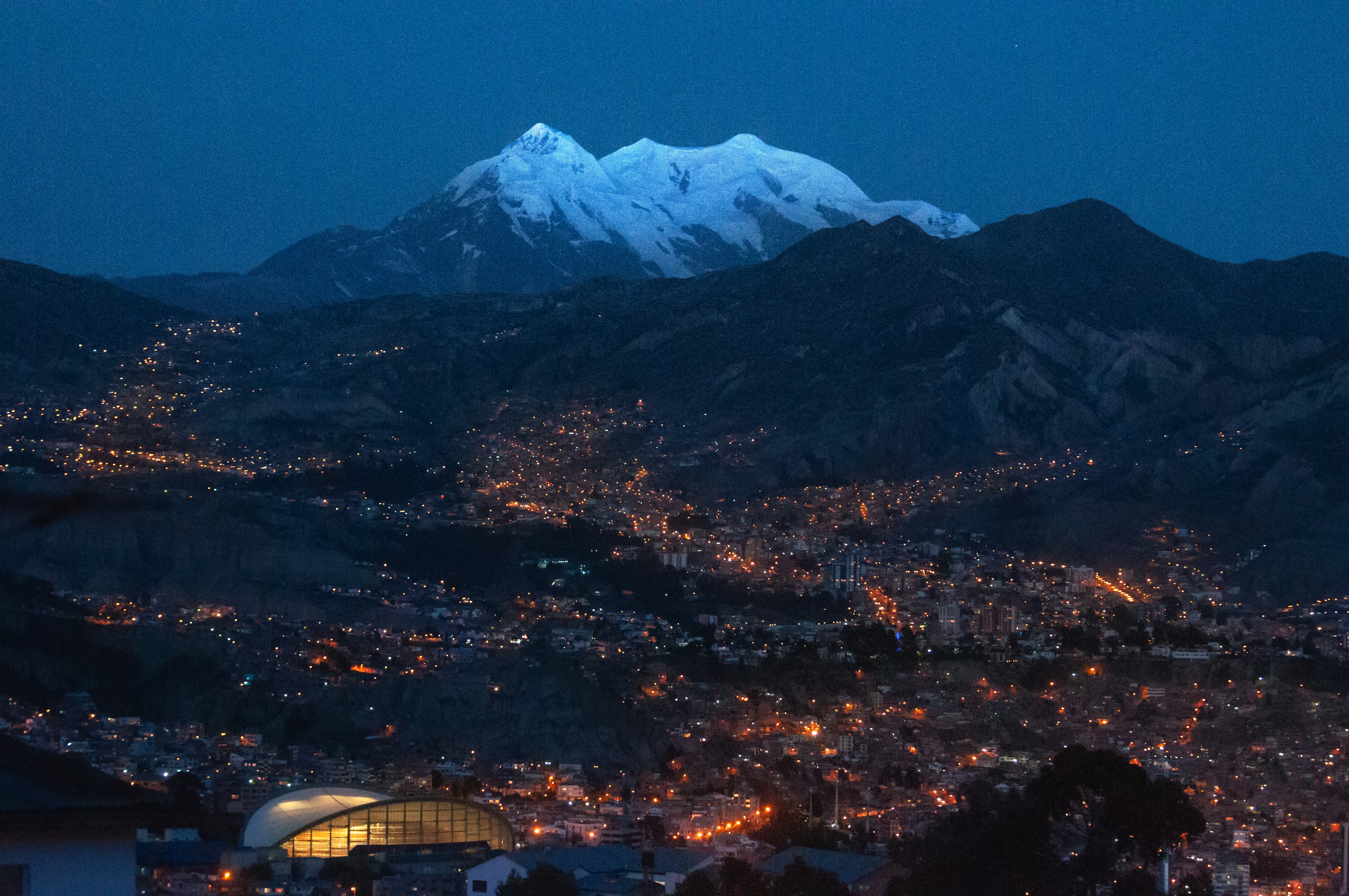
#28The world's highest administrative capital spills down a canyon at over 3,600 meters, with the wealthier neighborhoods lower in the bowl and poorer areas climbing toward the thin air of the rim — a layout the city's cable-car network, the world's largest urban Teleférico system, makes spectacularly visible from above.
The Witches' Market sells traditional Andean remedies alongside colonial-era churches and a lively street-food scene.
How does it rate
CrowdsRomanceCash RequiredDangerAccessibilityWhy you should go
The world's highest capital, with a spectacular cable-car network offering views most cities can't match.
Why you shouldn't go
The altitude (3,600m+) hits many visitors hard in the first day or two, especially with any exertion.
Plan your visit
Best time to visitMay–October (dry season) for the clearest mountain views.Best time of dayLate afternoon Teleférico ride, when the setting sun lights up the canyon and Illimani.Getting thereFly into El Alto International Airport, one of the world's highest, then descend into the city.Entry costFree to walk; Teleférico rides around 3 Bolivianos (~€0.40) per line.Time needed2 days.Insider tip — Ride the full Teleférico network rather than just one line — the red and yellow lines especially give the best overview of the canyon city's layout. -
 #29
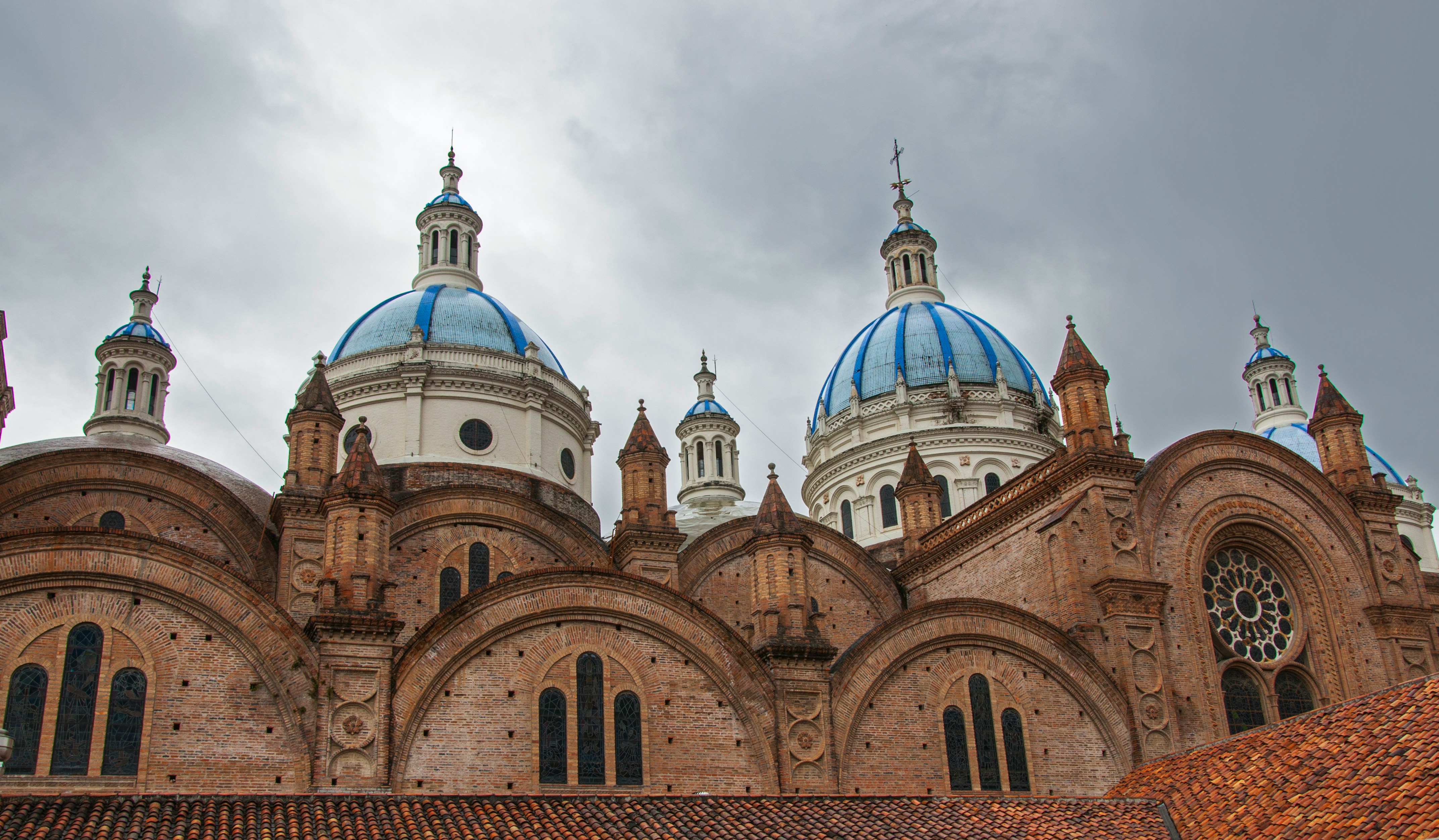
#29Ecuador's third-largest city is also its most polished colonial one, with blue-domed cathedrals, riverside promenades along the Tomebamba, and a compact historic core awarded UNESCO status for its well-preserved Spanish colonial grid.
It's also the traditional home of the (misleadingly named) Panama hat, and workshops around the city still weave them by hand.
How does it rate
CrowdsRomanceCash RequiredDangerAccessibilityWhy you should go
Ecuador's most polished colonial city, with a slower pace and strong café culture.
Why you shouldn't go
It has fewer must-see individual sights than Quito — the appeal is more atmosphere than landmarks.
Plan your visit
Best time to visitYear-round mild climate; June–September for the driest weather.Best time of dayLate afternoon along the Tomebamba riverside promenade.Getting thereFly directly to Cuenca, or drive/bus about 8 hours from Quito.Entry costFree to walk the city; museum entries typically $2-5.Time needed1–2 days.Insider tip — Visit a Panama hat workshop outside the main tourist shops (ask locally) for a real demonstration and better prices. -
 #30
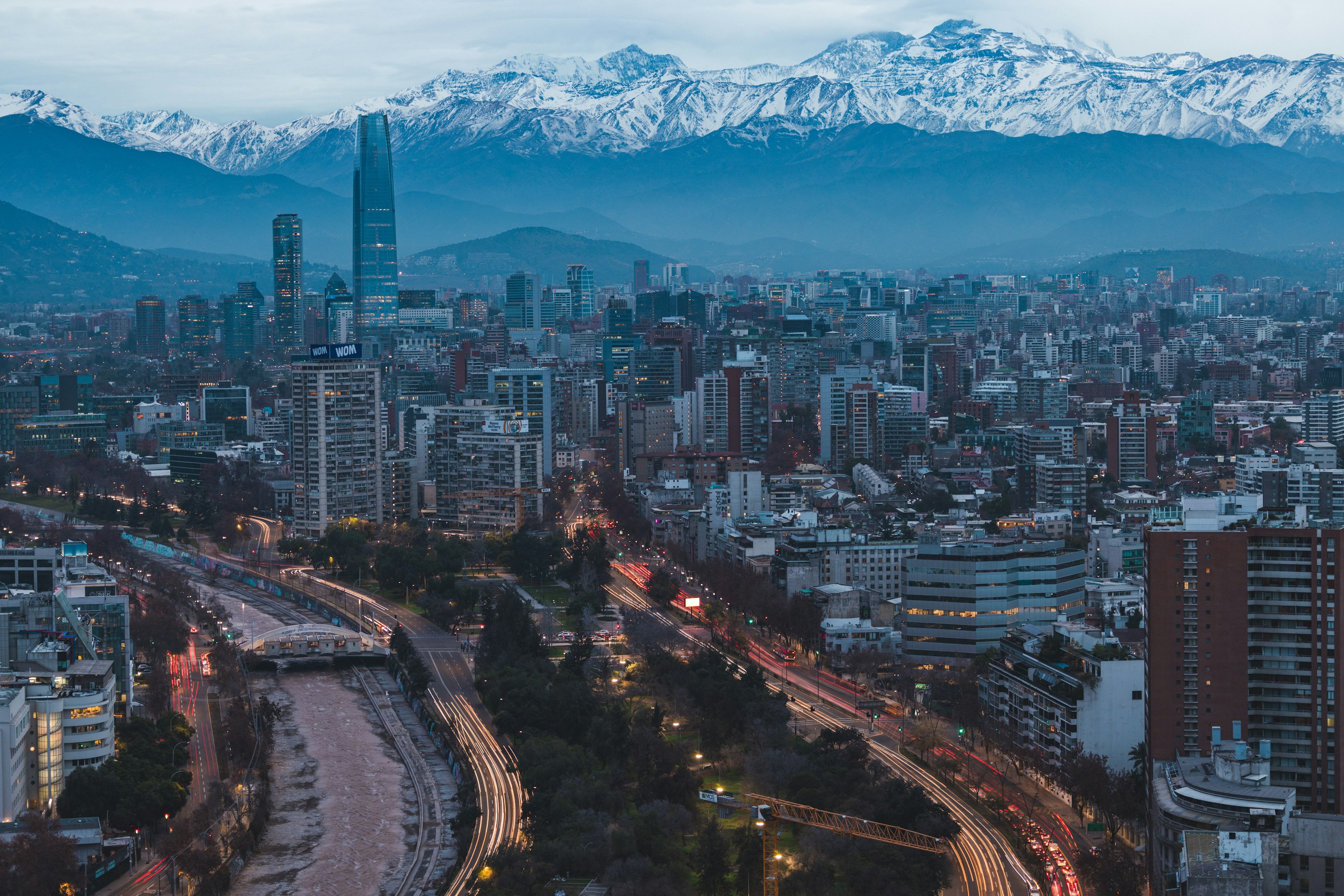
#30Chile's capital sits in a wide valley with the snow-capped Andes rising directly behind its skyline, a backdrop few capitals can match on a clear day.
The colonial core around Plaza de Armas, the funicular up Cerro San Cristóbal, and the restaurants of Bellavista give it a couple of solid days' worth of things to do.
Most travellers treat it as a stopover before Atacama or Patagonia rather than a destination itself.
How does it rate
CrowdsRomanceCash RequiredDangerAccessibilityWhy you should go
The Andes rise straight up behind the skyline, one of the most dramatic urban backdrops in South America.
Why you shouldn't go
Winter smog inversions can hide the mountain view for days, and most visitors only stay a night or two.
Plan your visit
Best time to visitOctober-April, for clearer skies and warmer weather; winter (Jun-Aug) brings smog inversions.Best time of dayClear mornings, for the best Andes visibility before afternoon haze builds.Getting thereArturo Merino Benítez International Airport (SCL) is Chile's main international gateway; the metro reaches most of the centre.Entry costFree to explore the city; Cerro San Cristóbal funicular ~CLP 3,000Time needed1-2 daysInsider tip — Take the funicular, not the cable car, up Cerro San Cristóbal in late afternoon - it's cheaper and the summit holds the light longer. -
 #31
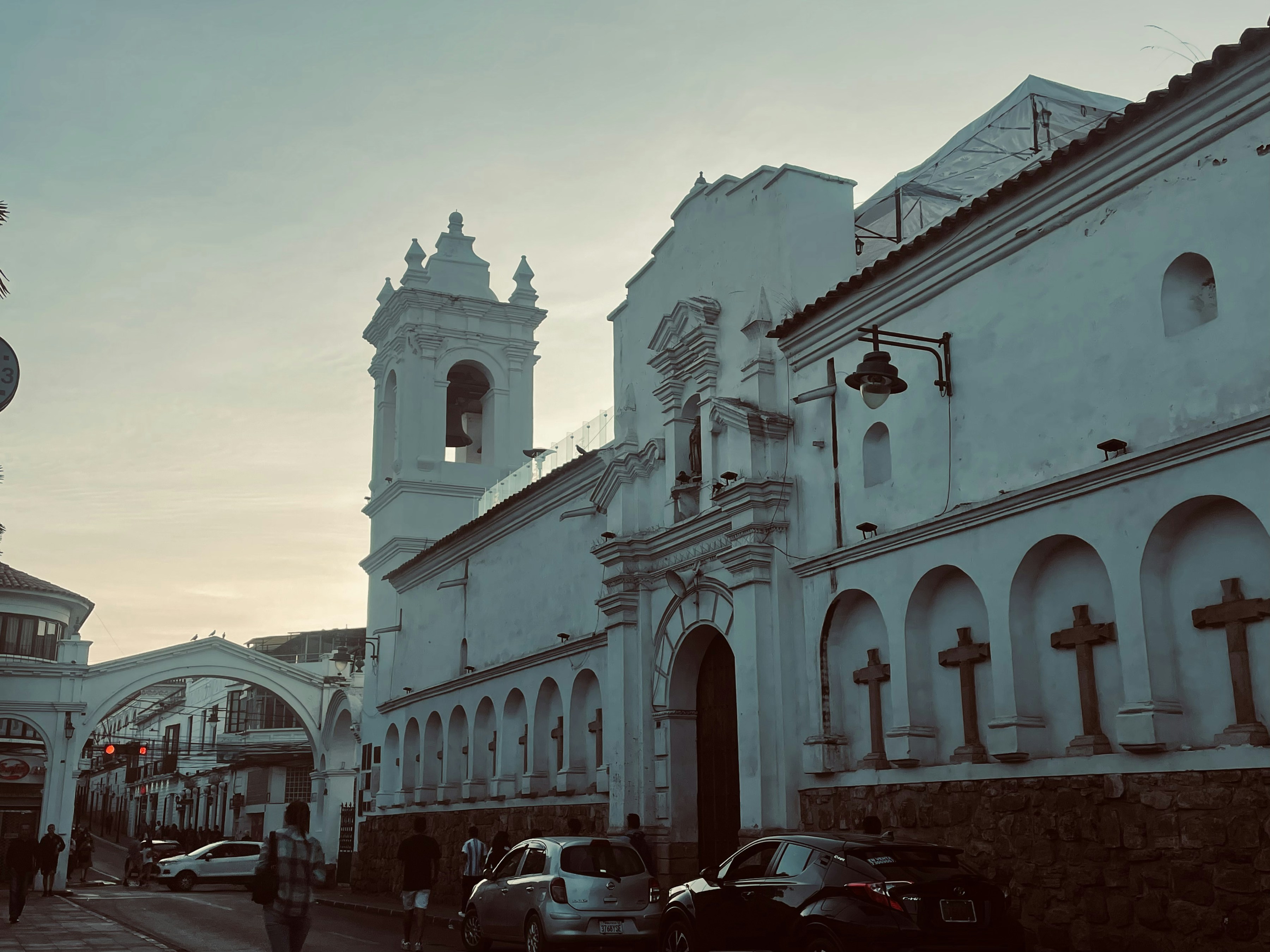
#31Bolivia's constitutional capital is a UNESCO-listed city of whitewashed colonial buildings under a strict preservation code, giving it a cleaner, more uniform look than most Bolivian cities.
Its plazas, churches and the Casa de la Libertad — where Bolivia's independence was declared — reflect its history, while nearby Cal Orck'o holds one of the world's largest dinosaur-footprint collections, on a nearly vertical limestone wall.
How does it rate
CrowdsRomanceCash RequiredDangerAccessibilityWhy you should go
Bolivia's cleanest, most uniformly preserved colonial city, with dinosaur footprints on the outskirts.
Why you shouldn't go
It has fewer major individual attractions than La Paz — the appeal is mostly architectural atmosphere.
Plan your visit
Best time to visitMay–October (dry season) for the most comfortable walking weather.Best time of dayMorning at Cal Orck'o, when the dinosaur-footprint wall is best lit.Getting thereFly directly to Sucre, or an overnight bus from La Paz (about 12-14 hours).Entry costFree to walk; Cal Orck'o dinosaur park entry around 30 Bolivianos (~€4).Time needed1–2 days.Insider tip — Visit Cal Orck'o's dinosaur footprint wall via the cement factory viewing platform, not just the park museum — the closest vantage point to the tracks. -
 #3264 /100
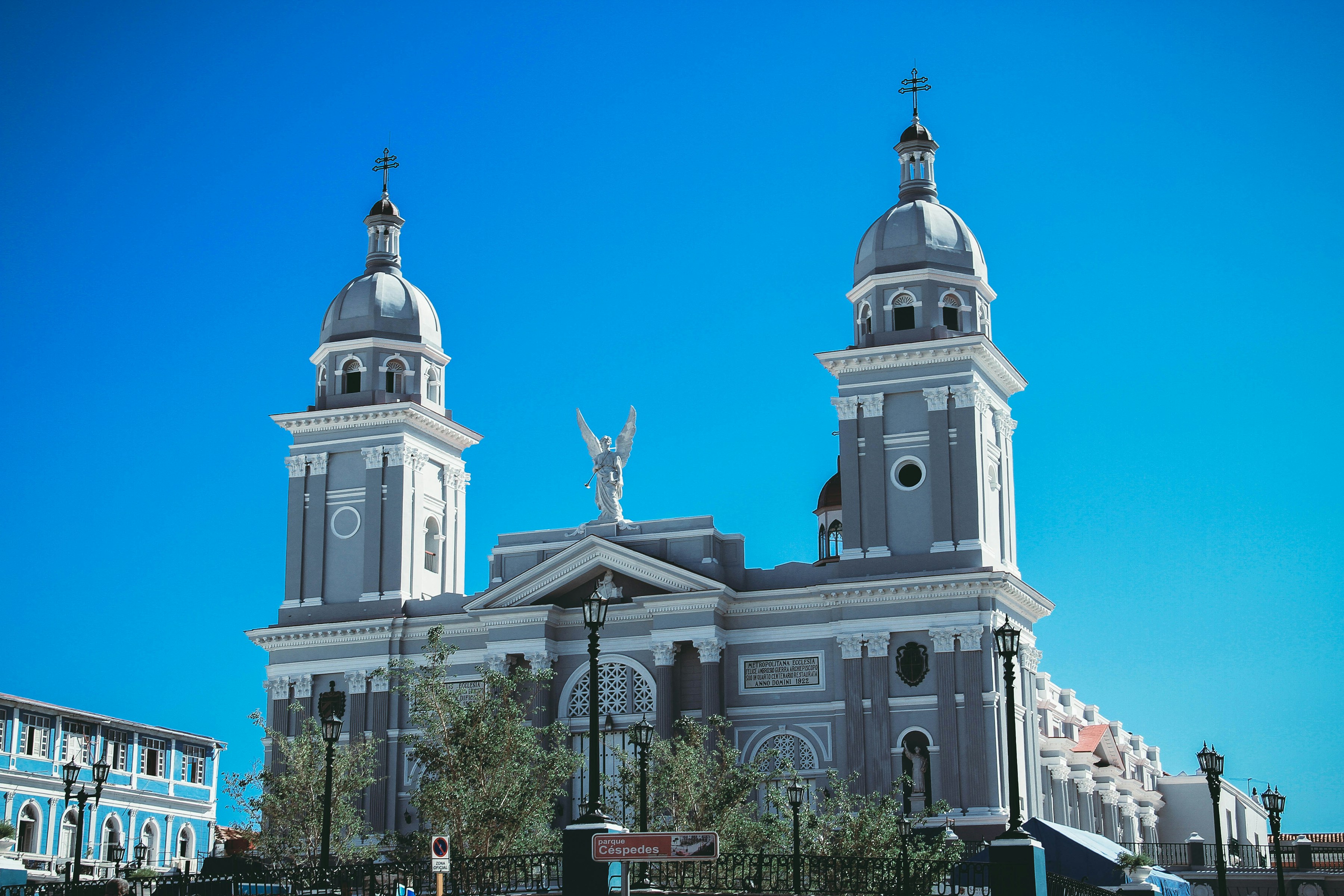
Cuba's second city and historic revolutionary heartland has a distinctly different feel from Havana — hillier, hotter, and steeped in Afro-Cuban culture that shows up in its music, religion and the country's biggest Carnival celebration each July.
Landmarks include the Moncada Barracks, site of Castro's failed 1953 attack that kicked off the revolution, and the hilltop Castillo del Morro fortress guarding the harbor mouth.
How does it rate
CrowdsRomanceCash RequiredDangerAccessibilityWhy you should go
Cuba's Afro-Caribbean cultural heartland, with revolutionary history and the country's biggest Carnival.
Why you shouldn't go
Tourist infrastructure and restoration are noticeably less polished here than in Havana or Trinidad.
Plan your visit
Best time to visitNovember–April for cooler, drier weather; late July for Carnival, though it's intensely crowded.Best time of dayEvening for live music in Casa de la Trova, the city's historic music venue.Getting thereFly directly to Santiago, or a long overnight bus or train from Havana (around 12-15 hours).Entry costFree to walk; Moncada Barracks museum entry a few CUC/USD equivalent.Time needed2 days.Insider tip — Visit Casa de la Trova in the evening rather than during the day — a genuine, unstaged live-music venue at night, quiet and touristy by day. -
 #33
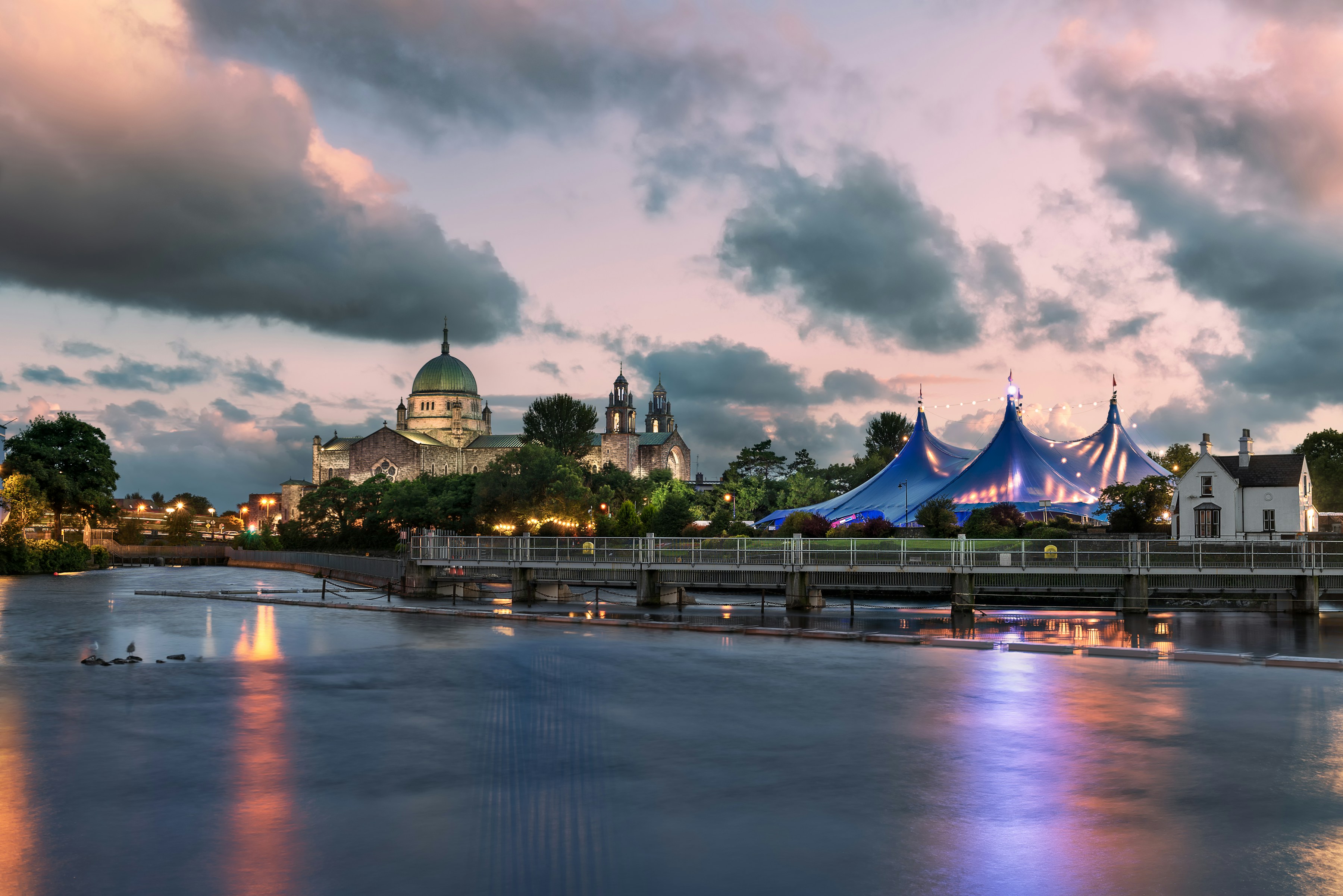
#33A compact, colorful university city on Ireland's west coast, Galway trades Dublin's scale for a tighter concentration of traditional music pubs, street buskers and independent shops along its pedestrianized Latin Quarter.
It's the natural gateway to Connemara and the Aran Islands, but has enough character — the Spanish Arch, the Saturday market, a lively arts festival calendar — to justify a stop on its own.
How does it rate
CrowdsRomanceCash RequiredDangerAccessibilityWhy you should go
A compact, walkable city with Ireland's liveliest concentration of traditional music pubs.
Why you shouldn't go
Popular weekends and festival dates get very busy and accommodation prices spike accordingly.
Plan your visit
Best time to visitJuly for the Galway International Arts Festival, or September for quieter weather.Best time of dayEvening, when pubs along Quay Street fill with live music.Getting thereDirect train or bus from Dublin, about 2.5 hours; nearest airport is Shannon, 1 hour away.Entry costFree to explore the city.Time needed1–2 days.Insider tip — Follow the music, not the signage — the best sessions are often in smaller pubs off the main Quay Street strip. -
 #3462 /100
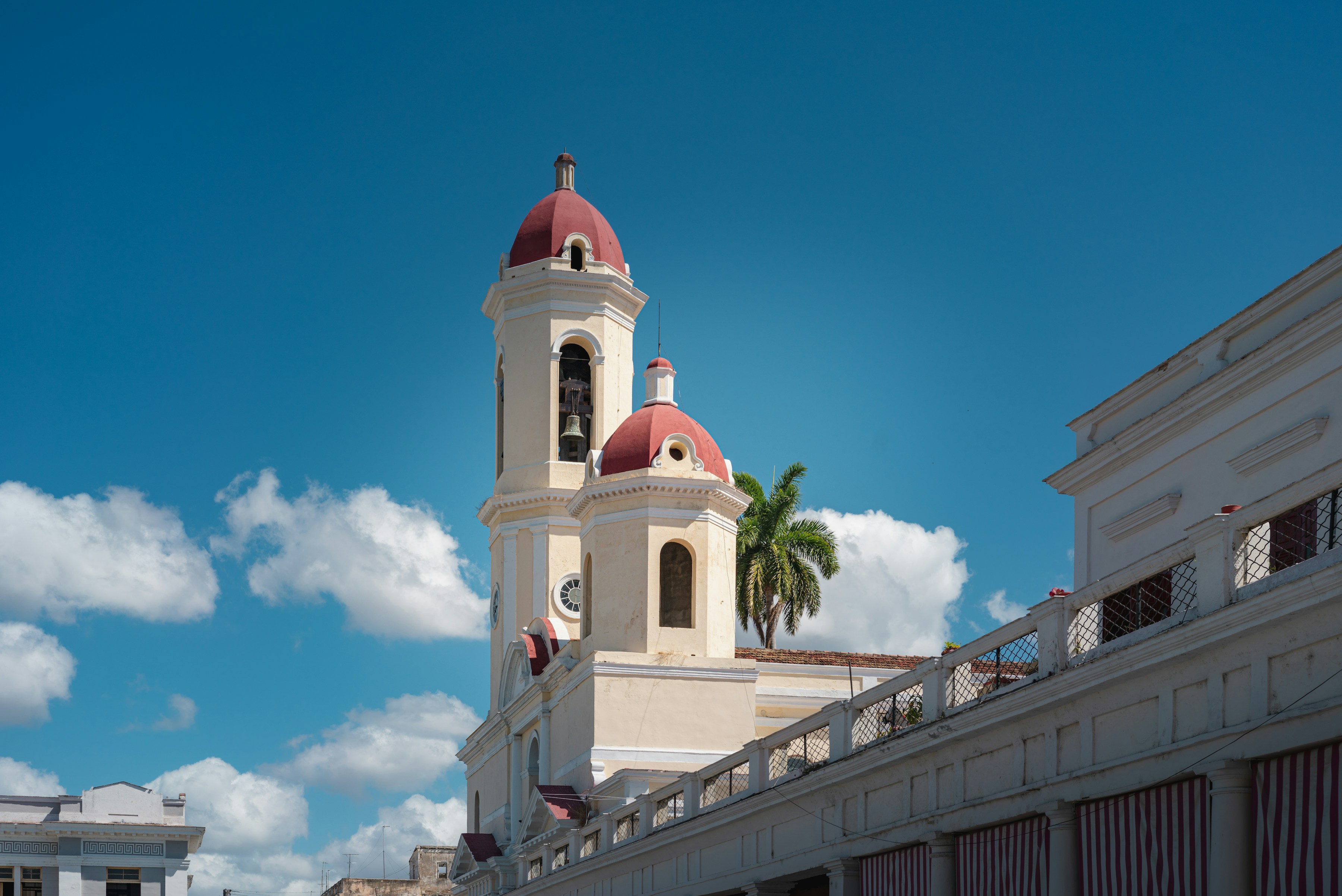
Founded by French settlers rather than the Spanish, Cienfuegos carries a distinctly different architectural character from the rest of Cuba, its neoclassical Parque José Martí and grand Tomás Terry Theatre earning it the nickname 'Pearl of the South' and UNESCO status.
Set on a wide, protected bay, the city has a more orderly, less weathered feel than Havana's crumbling grandeur, with a genuinely pleasant waterfront Malecón for evening walks.
How does it rate
CrowdsRomanceCash RequiredDangerAccessibilityWhy you should go
Cuba's most orderly, French-influenced colonial city, set on a scenic protected bay.
Why you shouldn't go
It has fewer standout individual attractions than Havana or Trinidad — the appeal is mostly architectural and atmospheric.
Plan your visit
Best time to visitNovember–April, the dry season.Best time of dayEvening along the Malecón, when the bay-front promenade is at its most relaxed.Getting thereAbout 3.5 hours' drive from Havana, or 1.5 hours from Trinidad.Entry costFree to walk; Tomás Terry Theatre entry a small fee.Time needed1 day.Insider tip — Catch a performance at the Tomás Terry Theatre if the schedule allows — one of Cuba's most beautiful 19th-century theaters and rarely crowded. -
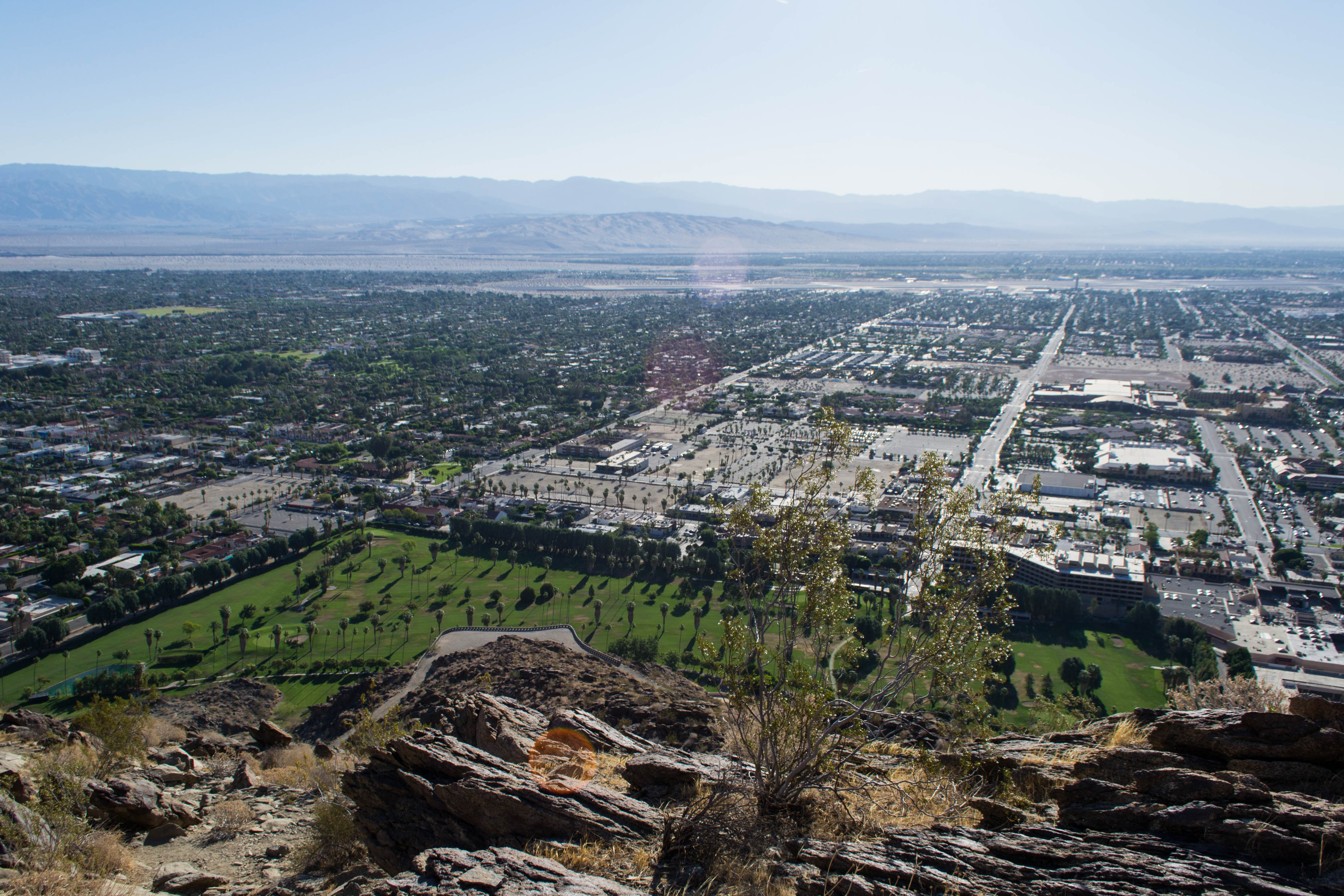 #3562 /100
Palm Springs is a desert resort city in the Coachella Valley in southern California, set against the dramatic backdrop of the San Jacinto Mountains.
Famous for its concentration of mid-century modern architecture, the city's pastel-coloured bungalows, extravagant swimming pools, and surrounding date palm groves create a uniquely Californian aesthetic.
How does it rate
CrowdsRomanceCash RequiredDangerAccessibilityWhy you should go
Palm Springs has one of the highest concentrations of mid-century modern architecture anywhere in the world; the swimming pool culture and mountain backdrop create a very photogenic desert setting.
Why you shouldn't go
Palm Springs becomes extremely hot in summer (frequently over 40 degrees Celsius) when most visitors stay away; the peak season from January to April brings crowds and high prices.
Plan your visit
Best time to visitOctober-April, avoiding brutal summer desert heatBest time of dayLate afternoon for warm light on the mid-century architectureGetting there~2hr drive from Los AngelesEntry costFree to exploreTime needed2-3 daysInsider tip — The Palm Springs Aerial Tramway gives a completely different desert-to-alpine view in one ride -
 #3655 /100
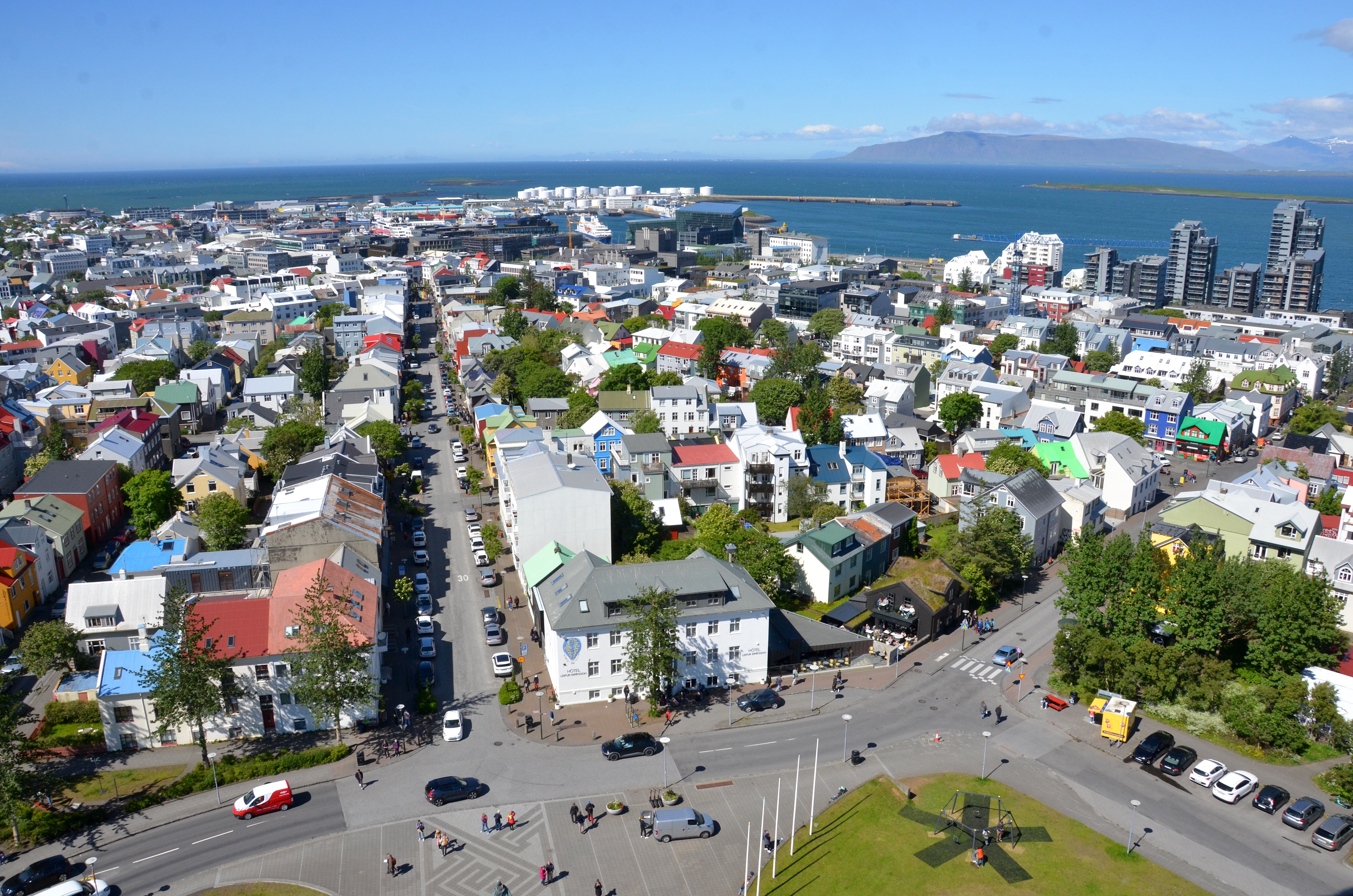
Iceland's compact and colourful capital sits between the mountains and the sea as the world's most northerly capital city.
Rainbow-painted corrugated iron houses, the soaring Hallgrímskirkja church, and a bar and music scene far larger than the population suggests fill a centre small enough to cross on foot.
It doubles as the base for Northern Lights trips and Golden Circle day tours.
How does it rate
CrowdsRomanceCash RequiredDangerAccessibilityWhy you should go
Reykjavik is a wonderfully walkable city with a vibrant arts scene, and serves as the perfect base for Iceland's most spectacular natural wonders.
Why you shouldn't go
The city is notoriously expensive and the famous Northern Lights are only visible during the darker months between September and March.
Plan your visit
Best time to visitJune-August for midnight sun, or Sept-March for Northern LightsBest time of dayDepends on season - midnight light in summer, dark evenings for aurorasGetting thereKeflavik Airport, ~45 min to the cityEntry costFree to exploreTime needed1-2 daysInsider tip — Hallgrimskirkja church tower gives the best rooftop view of the colourful city -
 #37
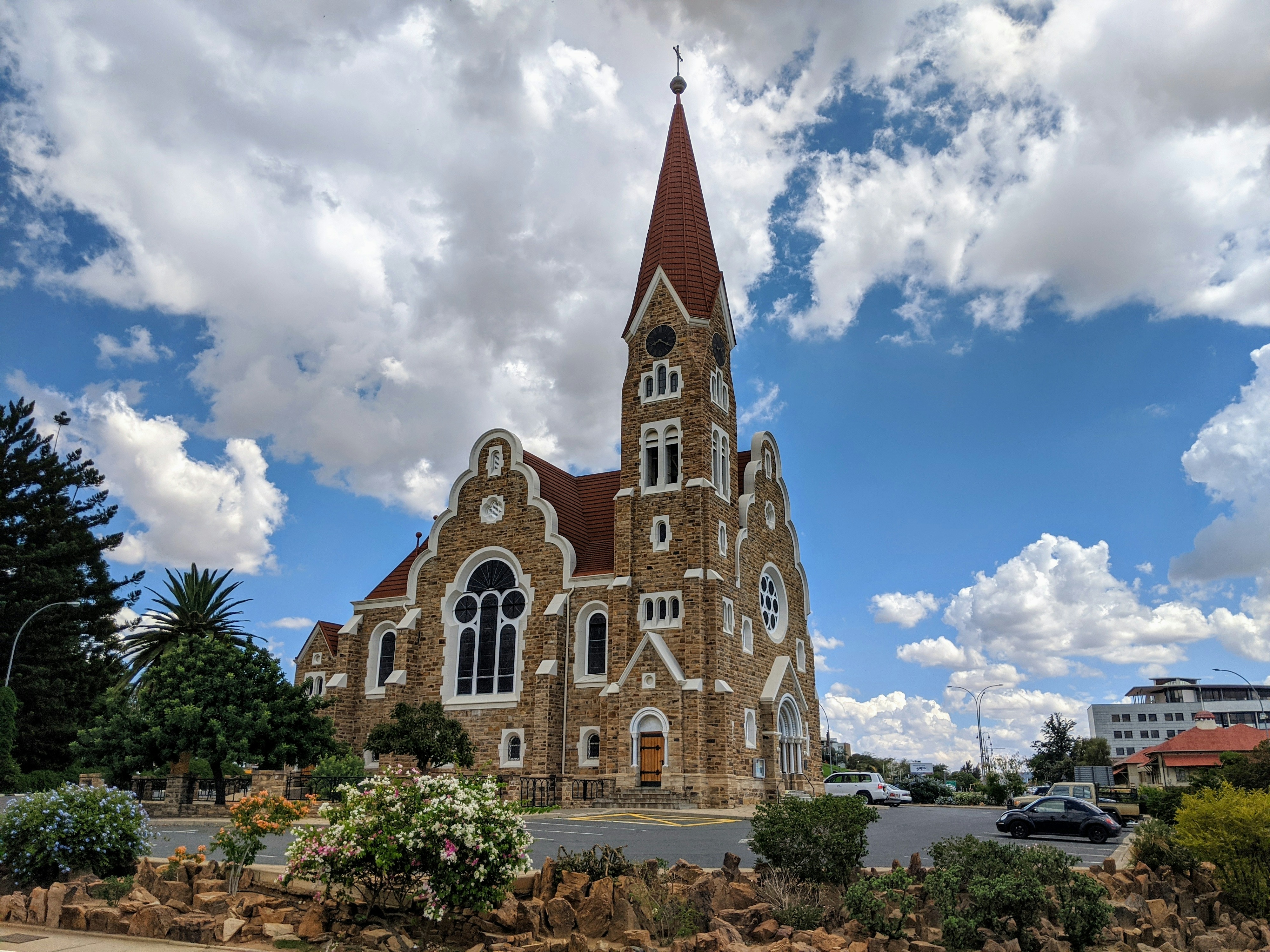
#37Namibia's compact capital mixes German-colonial architecture — a hilltop Lutheran church and a namesake fortress — with a modern African city center, serving most visitors mainly as the practical start and end point for a wider safari or desert road trip.
Christuskirche and the Independence Memorial Museum offer a few hours of genuine sightseeing, while the Namibia Craft Centre gathers work from artisans across the country in one stop.
How does it rate
CrowdsRomanceCash RequiredDangerAccessibilityWhy you should go
A relaxed, easy-to-navigate capital that works well as a one-day bookend to a Namibia road trip.
Why you shouldn't go
It has few standout sights of its own compared to what's a short flight or drive away elsewhere in the country.
Plan your visit
Best time to visitMay–October for cooler, drier weather.Best time of dayMorning at Christuskirche and the Independence Memorial Museum, before afternoon heat.Getting thereHosea Kutako International Airport is about 45 minutes from the city center.Entry costFree to walk the city; museum entries typically low-cost or free.Time needed1 day.Insider tip — Stop at the Namibia Craft Centre for genuinely locally made souvenirs and textiles rather than the airport gift shops on departure. -
 #38
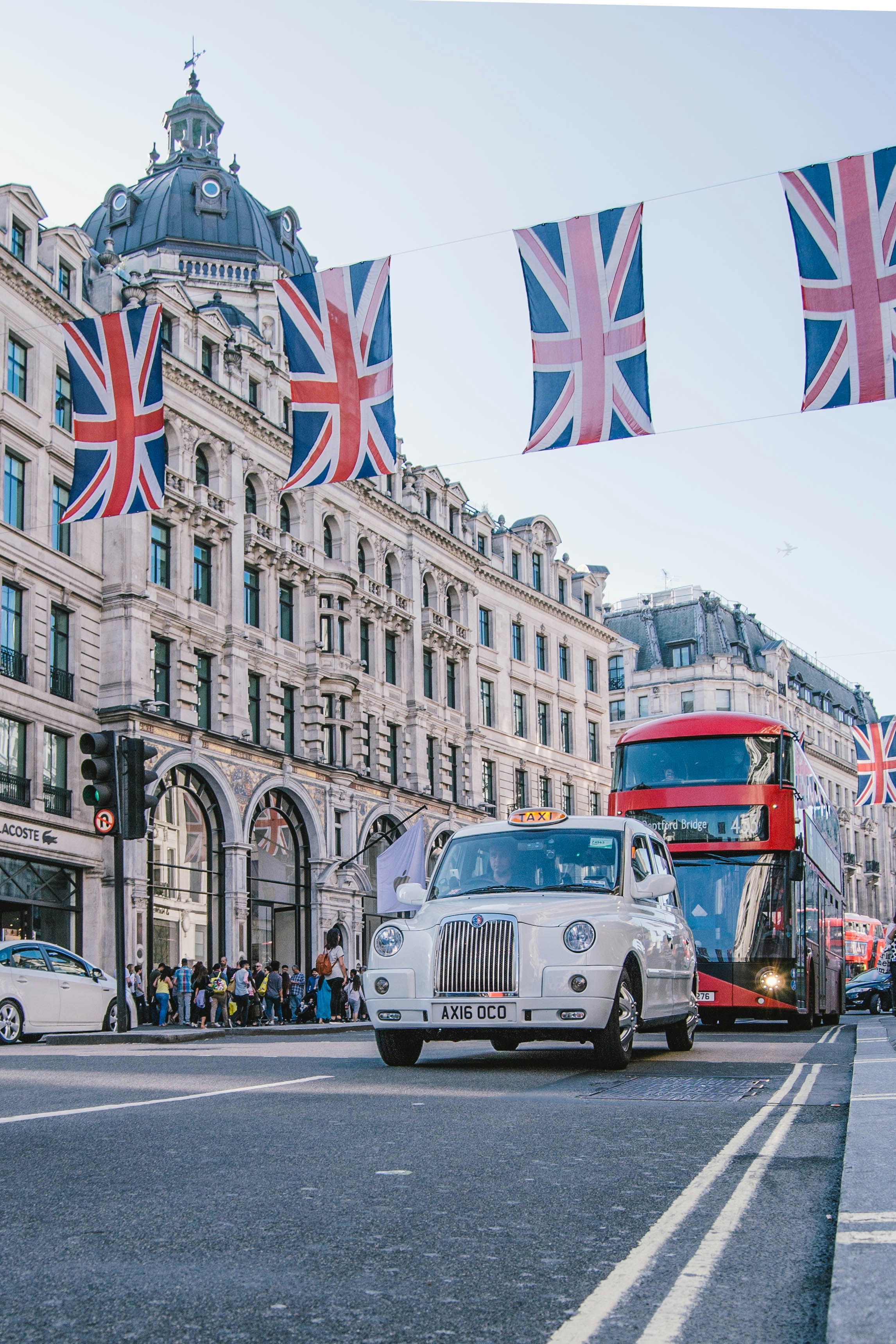
#38London packs two thousand years into one city: fragments of Roman wall, a Norman fortress, Georgian squares and glass towers all within a few Tube stops of each other.
Its national museums are among the best in the world and free to enter, while the parks, markets and riverside walks give the place room to breathe between landmarks.
The weather is unreliable and the prices are not, but the range of things to do is close to unmatched.
How does it rate
CrowdsRomanceCash RequiredDangerAccessibilityWhy you should go
London offers a rich blend of history, culture, and modern attractions with world-famous landmarks and museums.
Why you shouldn't go
It can be very expensive, and its unpredictable weather may impact sightseeing plans.
Plan your visit
Best time to visitSpring or autumn, avoiding summer crowds and winter gloomBest time of dayEarly morning for empty streetsGetting thereFly into Heathrow or Gatwick; the Tube covers the whole cityEntry costFree to explore; individual attractions charge separatelyTime needed3+ daysInsider tip — Get an Oyster card for the Tube instead of buying single tickets


More from The World
-

More City spots
How a score is built
One score out of 100, five criteria behind it
Every place is rated 1–5 on each of the criteria below, then combined into a single score out of 100. It's calculated by us, the same way every time — not an average of traveller reviews or social votes.
Crowds
How many people you'll be sharing it with, and at what time of day.
Romance
How well it suits a couple, a proposal, or a quiet moment together.
Cash required
Entry fees, permits, guides, rentals — what it actually costs to do it.
Danger
Physical risk involved, from a slippery viewpoint to genuine hazard.
Accessibility
How far off the beaten path it is, and how hard it is to actually reach.

