-
 #187 /100
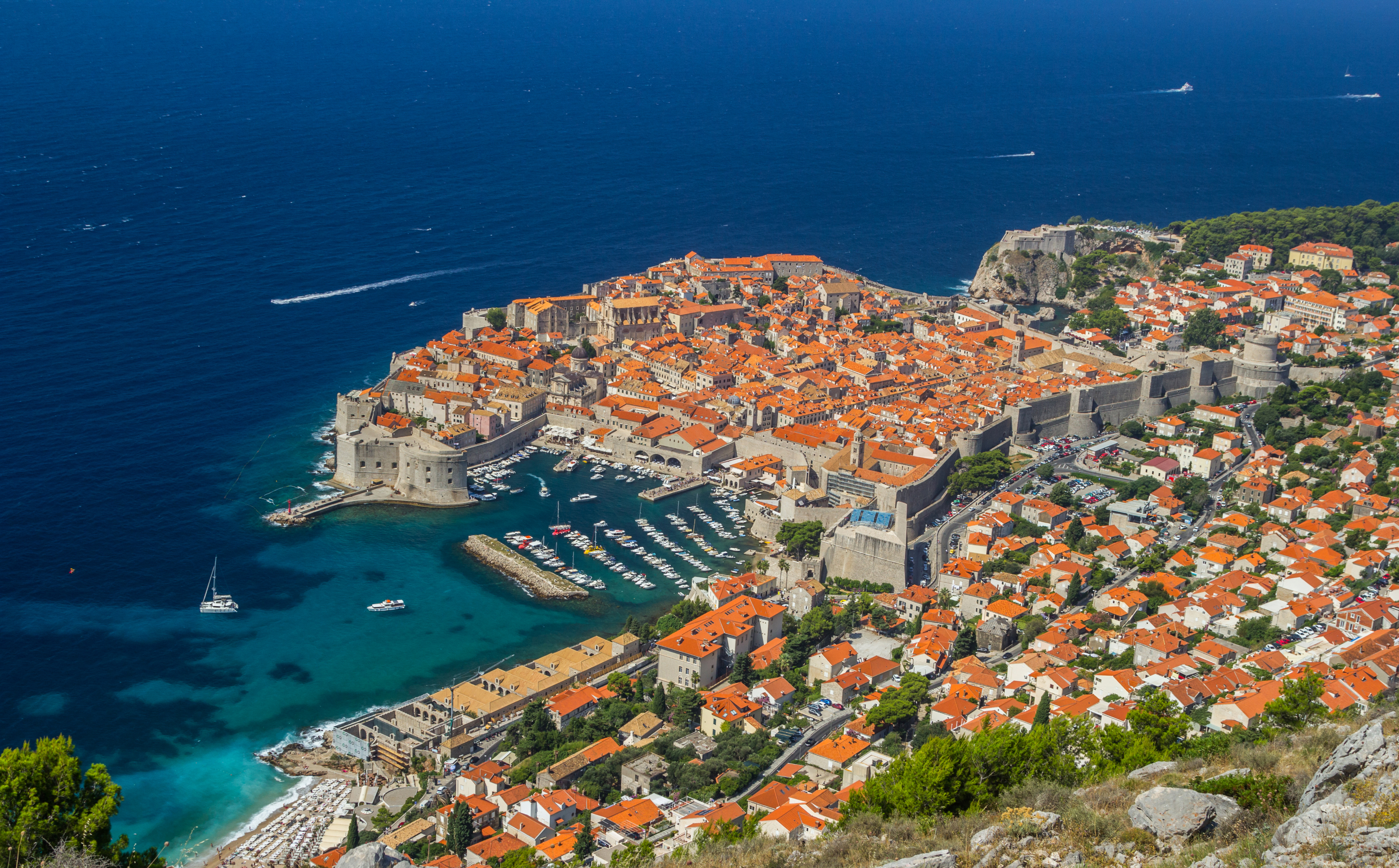
Dubrovnik is a medieval walled city on the Adriatic coast of Croatia, its terracotta rooftops and imposing limestone walls rising directly from the sea.
The medieval Old Town, a UNESCO World Heritage Site, was the backdrop for King's Landing in Game of Thrones, bringing global fame to what was already one of the Mediterranean's most beautiful cities.
How does it rate
CrowdsRomanceCash RequiredDangerAccessibilityWhy you should go
Walking the city walls above the Adriatic, with the old town's rooftops below and the Dalmatian islands in the distance, is one of the Mediterranean's great experiences.
Why you shouldn't go
Dubrovnik has been overwhelmed by tourism and cruise ships; the Old Town can feel claustrophobically crowded in summer and entry restrictions are frequently discussed.
Plan your visit
Best time to visitMay-June or September-OctoberBest time of daySunset from the city wallsGetting thereDubrovnik Airport, ~30 min to Old TownEntry costCity walls ~EUR35Time neededFull dayInsider tip — Walk the city walls in late afternoon so you finish right as the light turns golden -
 #2
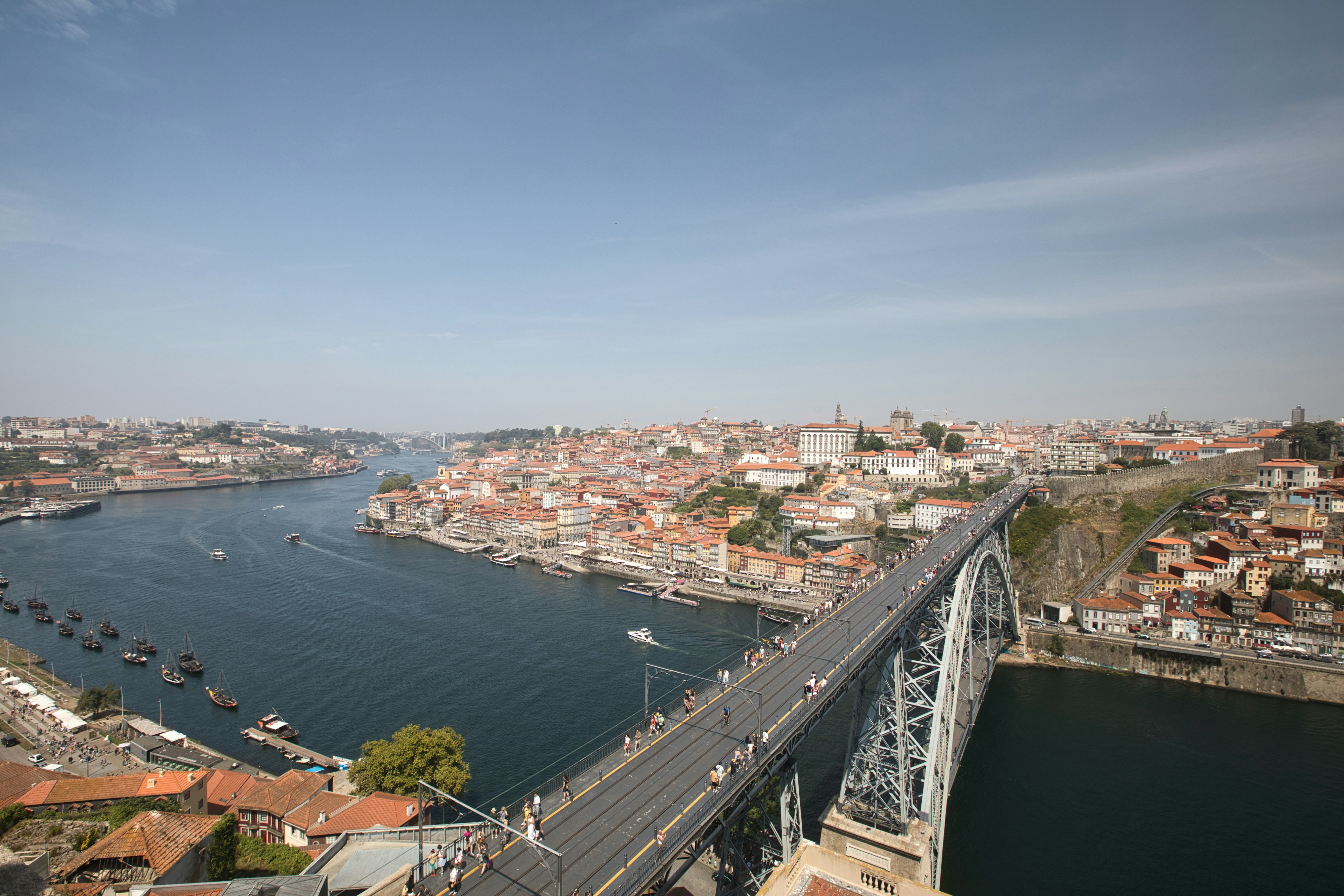
#2Terracotta-roofed houses stack up the steep riverbank of the Douro in Porto's Ribeira district, a tangle of narrow lanes barely changed since medieval times.
The double-decked Dom Luis I Bridge, engineered by a student of Gustave Eiffel, carries a metro line across the top and traffic below.
Port lodges line the far bank at Vila Nova de Gaia, where the wine is still aged, blended and tasted.
How does it rate
CrowdsRomanceCash RequiredDangerAccessibilityWhy you should go
A riverside old town stacked up a hillside, framed by an Eiffel-style double-decked bridge.
Why you shouldn't go
The Ribeira district's steep, narrow streets and stairs aren't an easy walk for anyone with mobility limits.
Plan your visit
Best time to visitMay-June or September, for mild weather and thinner crowds than summer.Best time of dayLate afternoon, when the light hits the Ribeira's terracotta rooftops.Getting thereFly into Porto Airport; the metro reaches the city centre in about 30 minutes.Entry costFree to walk the Ribeira; port wine cellar tours charge separately.Time needed2-3 daysInsider tip — Cross the upper deck of the Dom Luis I Bridge on foot for the best elevated view back over the Ribeira and the river. -
 #3
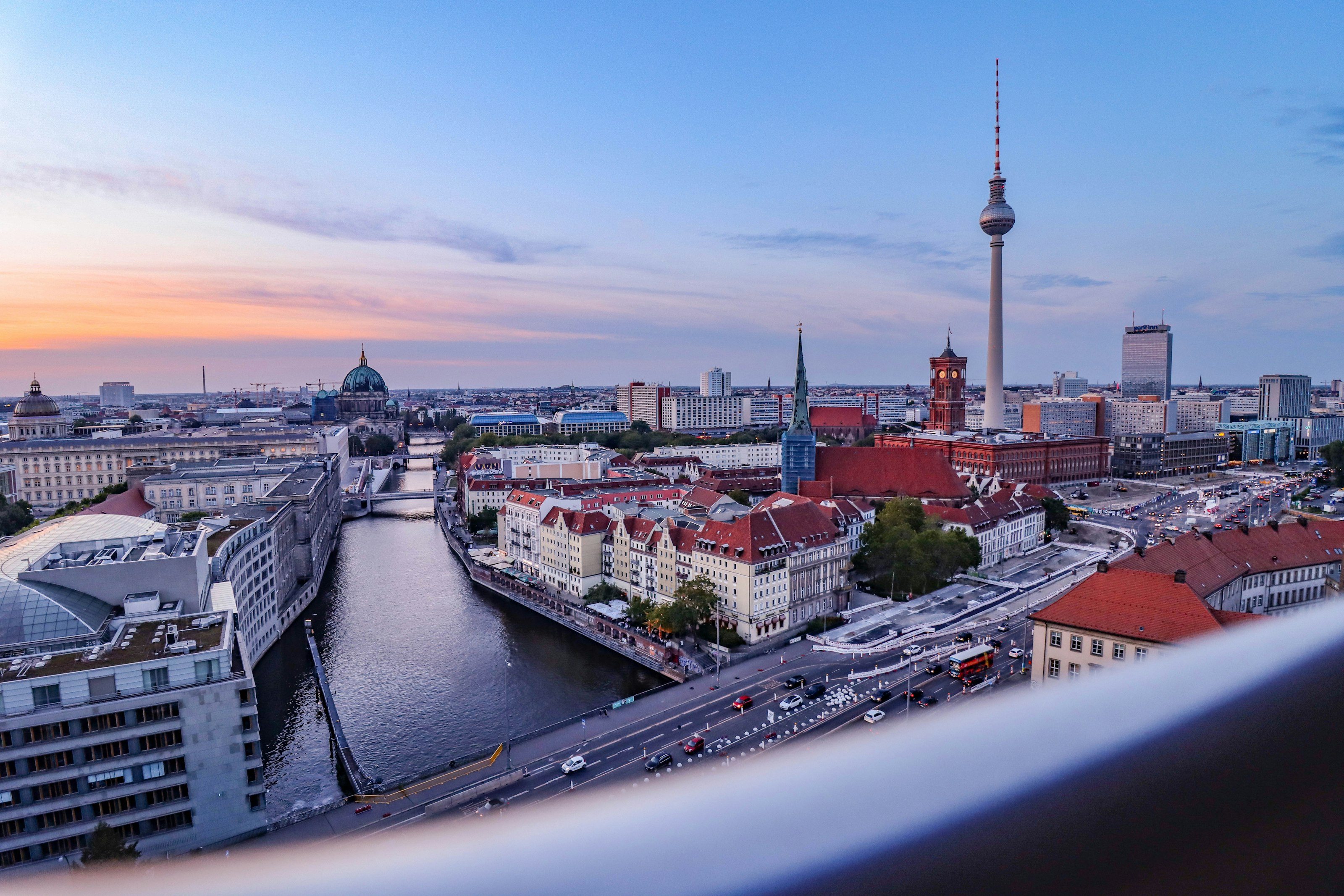
#3Berlin carries its twentieth-century history openly — the Brandenburg Gate, the remaining stretch of Wall at the East Side Gallery, and the glass dome of the Reichstag sit alongside a city that has rebuilt itself into one of Europe's most creative capitals.
Museum Island holds five major museums on a single stretch of the Spree, while neighbourhoods like Kreuzberg run a nightlife and food scene that runs well past midnight.
How does it rate
CrowdsRomanceCash RequiredDangerAccessibilityWhy you should go
Few capitals let you trace a wall that divided a city within living memory, then eat and dance in neighbourhoods that grew up on both sides of it.
Why you shouldn't go
The city is spread out, and its best neighbourhoods take real time on the U-Bahn to properly get to know.
Plan your visit
Best time to visitMay–September for long daylight hours and outdoor beer gardens.Best time of dayDaytime for the historical sites; nightfall for the neighbourhoods east of the centre.Getting thereFly into Berlin Brandenburg Airport (BER); the city centre is a 30-minute train ride away.Entry costFree to walk the main sights; museums and the Reichstag dome (advance booking) charge entry.Time needed3+ daysInsider tip — Book the free Reichstag dome visit online well ahead — same-day slots fill up fast in summer. -
 #4
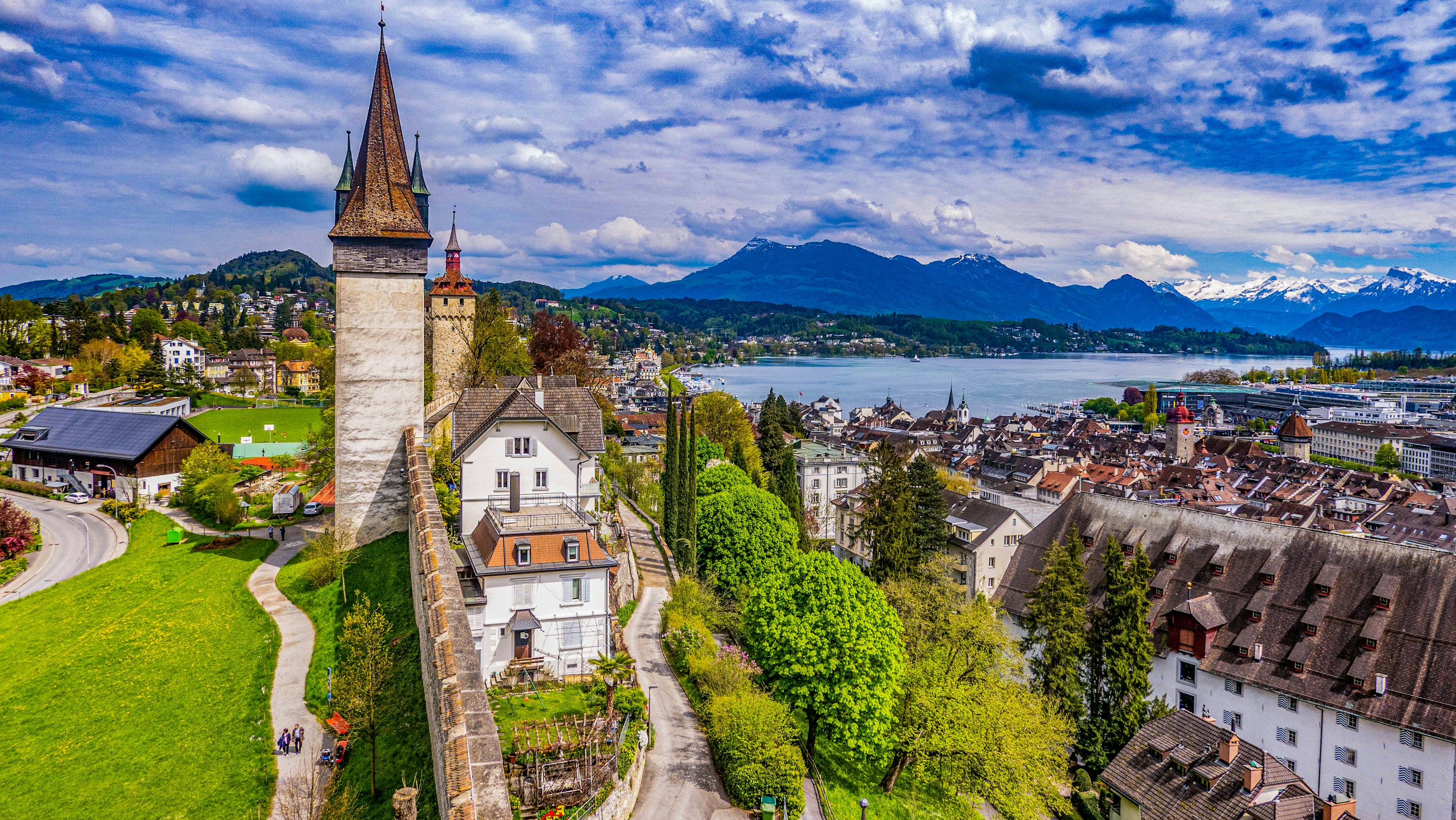
#4A compact old town of frescoed buildings wraps around the Reuss River where it leaves Lake Lucerne, crossed by the wooden, gabled Chapel Bridge that has linked both banks since the 14th century.
Mount Pilatus and Mount Rigi rise directly behind the rooftops, reachable by cogwheel train, cable car, or lake steamer, making Lucerne as much a gateway to the mountains as a destination of its own.
How does it rate
CrowdsRomanceCash RequiredDangerAccessibilityWhy you should go
City, lake, and mountains genuinely converge here — few Swiss towns pack this much into a walkable old town.
Why you shouldn't go
It's one of Switzerland's most visited towns, and the old town and Chapel Bridge get uncomfortably packed by midday in summer.
Plan your visit
Best time to visitMay–September for lake steamers and mountain excursions to run their full schedules.Best time of dayEarly morning around the Chapel Bridge and old town, before day-trippers arrive from Zurich.Getting thereDirect train from Zurich Airport (about 1 hour 10 minutes) or from Zurich, Basel, or Geneva.Entry costFree to explore the old town; Pilatus and Rigi excursions are separately ticketed.Time needed1–2 daysInsider tip — Climb the covered Musegg Wall for free views over the old town's rooftops — most visitors never make it up there. -
 #5
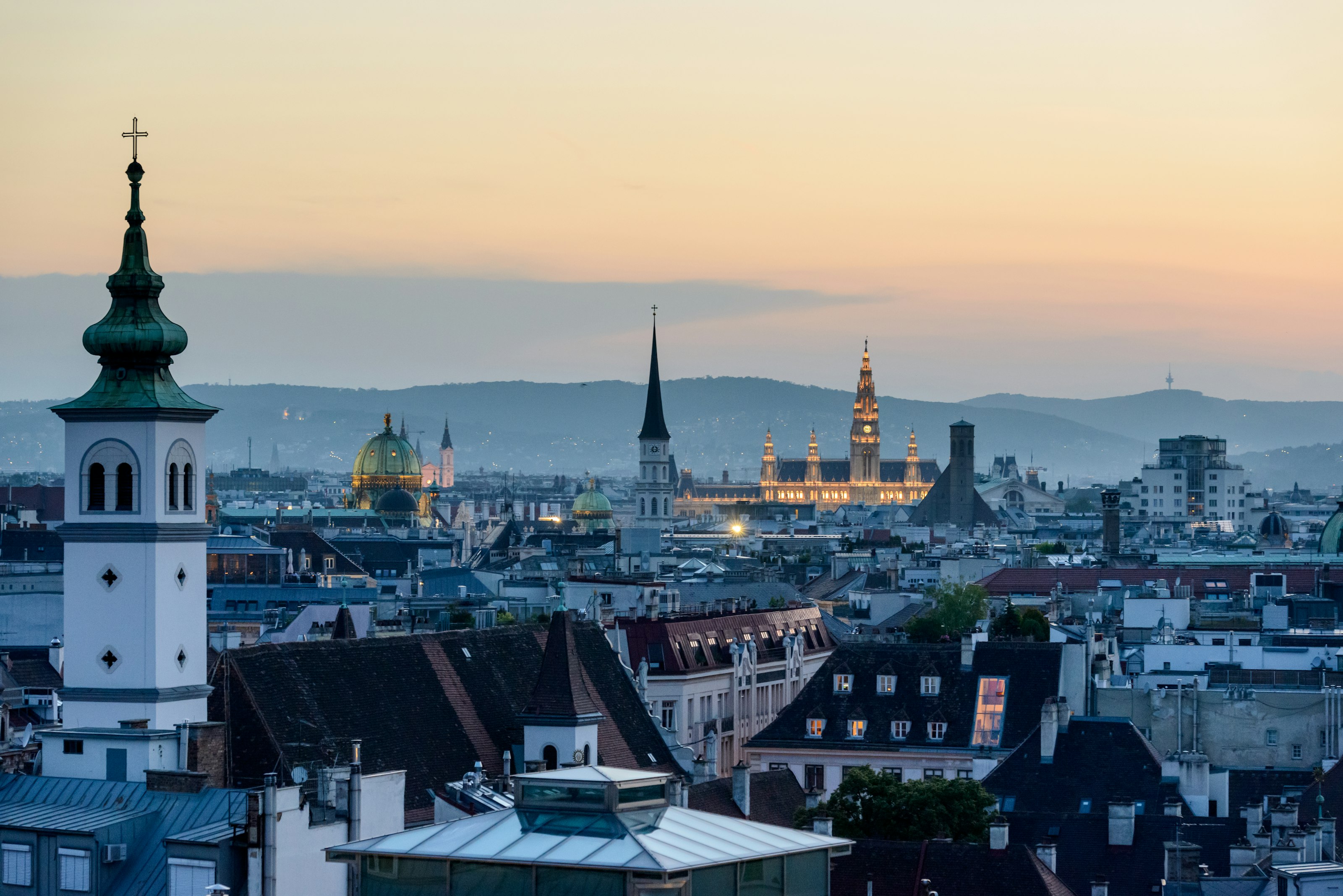
#5Vienna spent centuries as the seat of the Habsburg Empire, and the grandeur shows — the Ringstrasse boulevard circles an old town of imperial palaces, opera houses, and coffee houses that have hosted composers and philosophers for 300 years.
The Hofburg and Schönbrunn palaces anchor the city's imperial history, while the Naschmarkt and Prater park show its more everyday side.
How does it rate
CrowdsRomanceCash RequiredDangerAccessibilityWhy you should go
Few cities pack this much imperial architecture, classical music, and coffee-house culture into a walkable centre.
Why you shouldn't go
Formal sights like the opera and palaces come with real dress and booking expectations, and the city can feel stiff compared to livelier European capitals.
Plan your visit
Best time to visitApril–June or September–October for mild weather and a full concert season.Best time of dayDaytime for the palaces and museums; evening for opera, concerts, and coffee houses.Getting thereFly into Vienna International Airport; the City Airport Train reaches the centre in 16 minutes.Entry costFree to walk the centre; museums, palaces, and performances charge separate entry.Time needed2–3 daysInsider tip — Standing-room opera tickets at the Staatsoper go on sale shortly before each performance and cost a fraction of seated ones — a genuine bargain for world-class opera. -
 #6
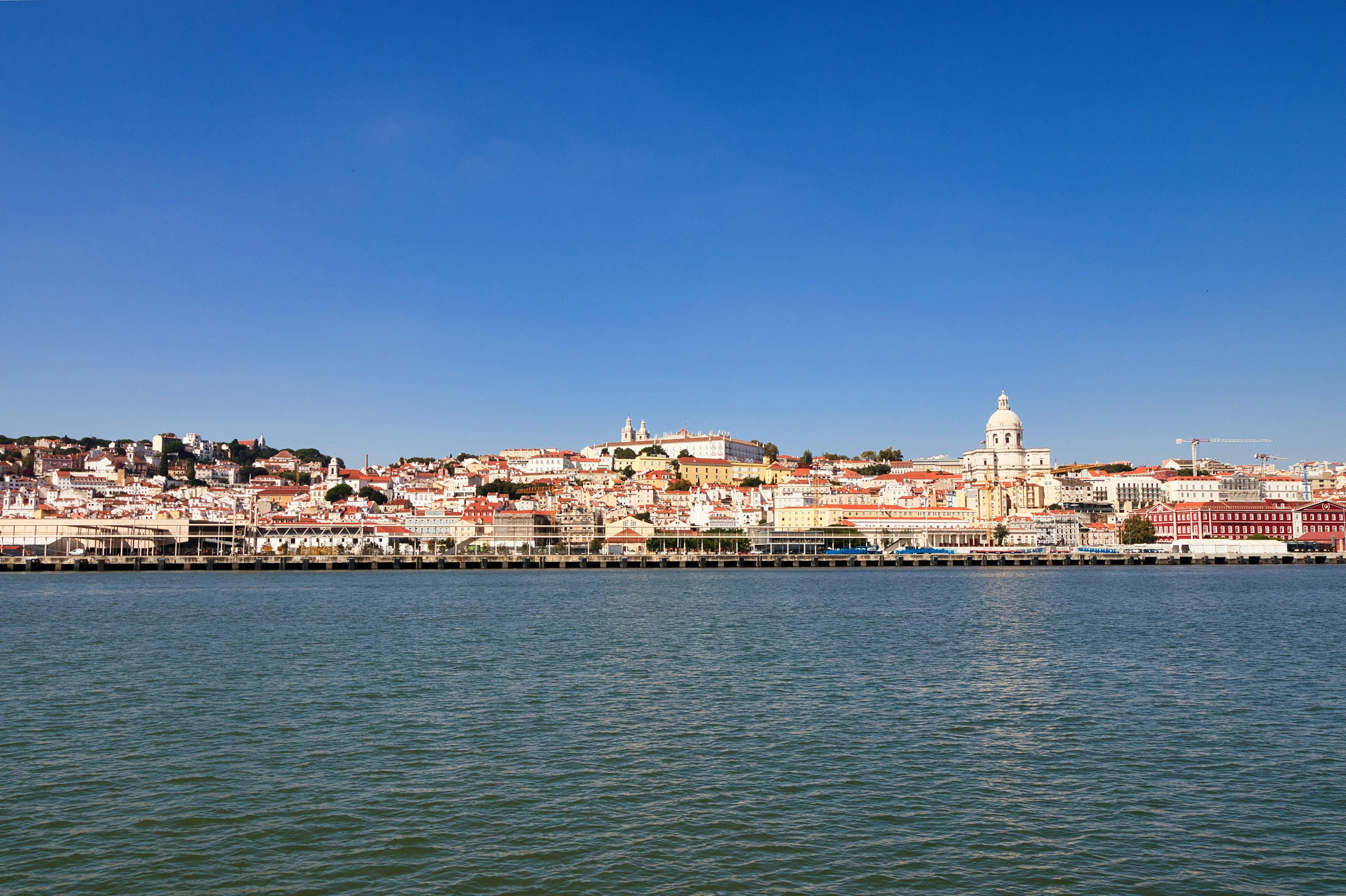
#6Portugal's hilly capital rises above the Tagus estuary in tiers of pastel façades, azulejo tilework, and rattling yellow trams.
Alfama's medieval lanes climb past fado bars toward São Jorge Castle, while Belém's monuments trace the Age of Discoveries and the modern LX Factory anchors a livelier scene.
It rewards slow wandering more than a fixed itinerary, with river-view miradouros around every third corner.
How does it rate
CrowdsRomanceCash RequiredDangerAccessibilityWhy you should go
Centuries of maritime history, food, and river views packed into a walkable, still-affordable European capital.
Why you shouldn't go
The seven hills mean constant climbing, and Tram 28 and Alfama's alleys are uncomfortably crowded by mid-morning.
Plan your visit
Best time to visitMarch–May or September–October for mild weather and thinner crowds than midsummer.Best time of dayEarly morning at the miradouros and Alfama, before tour groups and midday heat arrive.Getting thereFly into Lisbon Airport (LIS), a few minutes from downtown by metro, taxi, or ride-hail.Entry costFree to walk the city; individual sights charge roughly €6–€15 entry.Time needed2–3 daysInsider tip — Ride Tram 28 right at opening or skip it and walk its route instead — by mid-morning it's standing-room-only and a known pickpocket spot. -
 #7
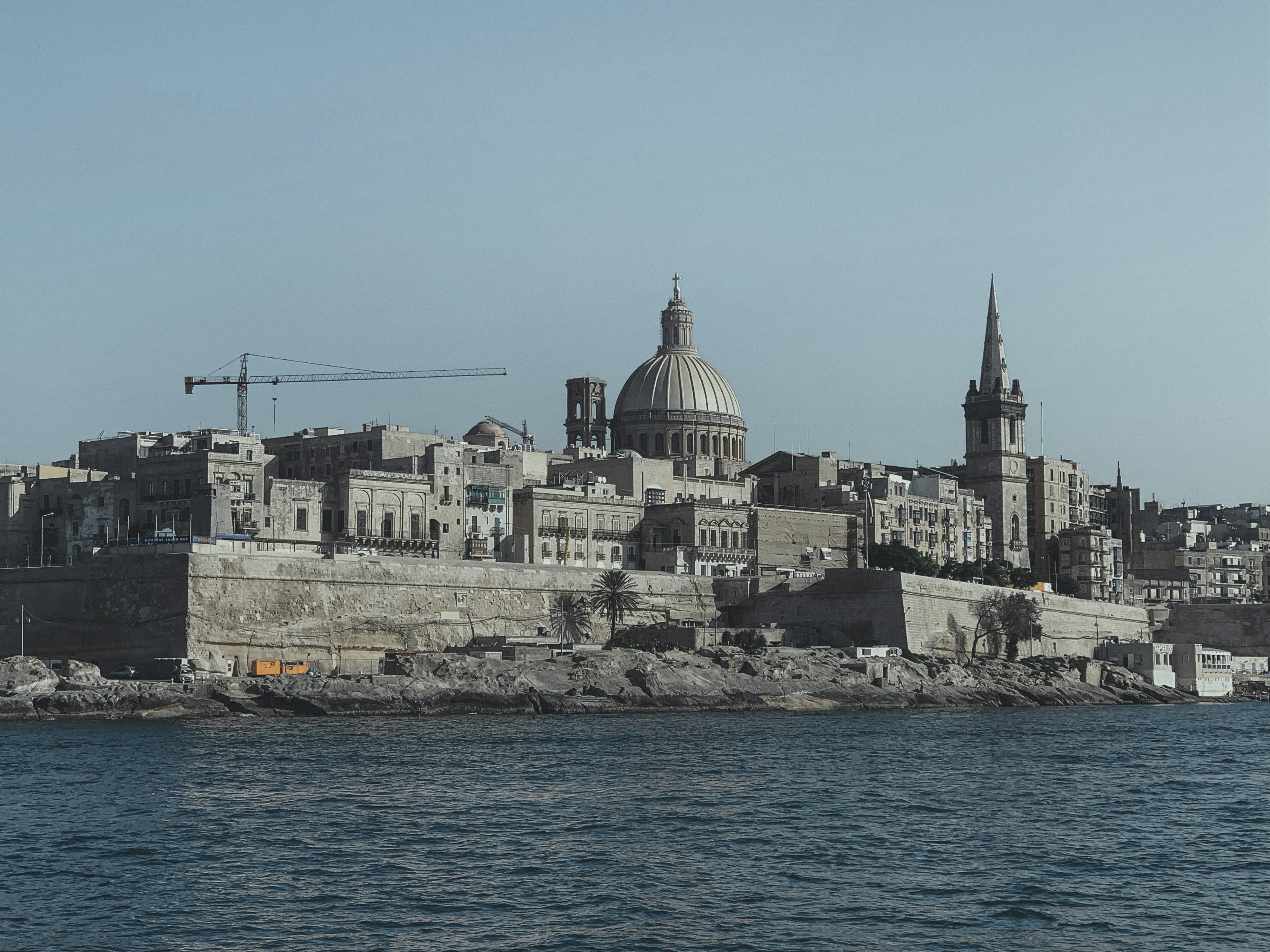
#7Golden limestone fortifications ring this entire harbour city, built by the Knights of St John in the 16th century to withstand a siege that never came again.
Baroque church domes and balconied townhouses in faded pastel line streets laid out on a strict grid, unusual for a city of its age.
The Upper Barrakka Gardens offer a sweeping view over the Grand Harbour, with warships once anchored where cruise liners now dock.
How does it rate
CrowdsRomanceCash RequiredDangerAccessibilityWhy you should go
An entire fortified city built from golden limestone, ringed by harbour views on three sides.
Why you shouldn't go
The streets are famously steep, stepped in places, and hard going in summer heat.
Plan your visit
Best time to visitApril-June or September-October, avoiding peak summer heat.Best time of dayLate afternoon, when the limestone fortifications glow gold in the light.Getting thereFly into Malta International Airport; buses reach Valletta in about 20-30 minutes.Entry costFree to walk the city; St John's Co-Cathedral and museums charge entry.Time needed1-2 daysInsider tip — Time a visit to the Upper Barrakka Gardens for noon or 4pm, when the Saluting Battery below fires its daily cannon. -
 #8
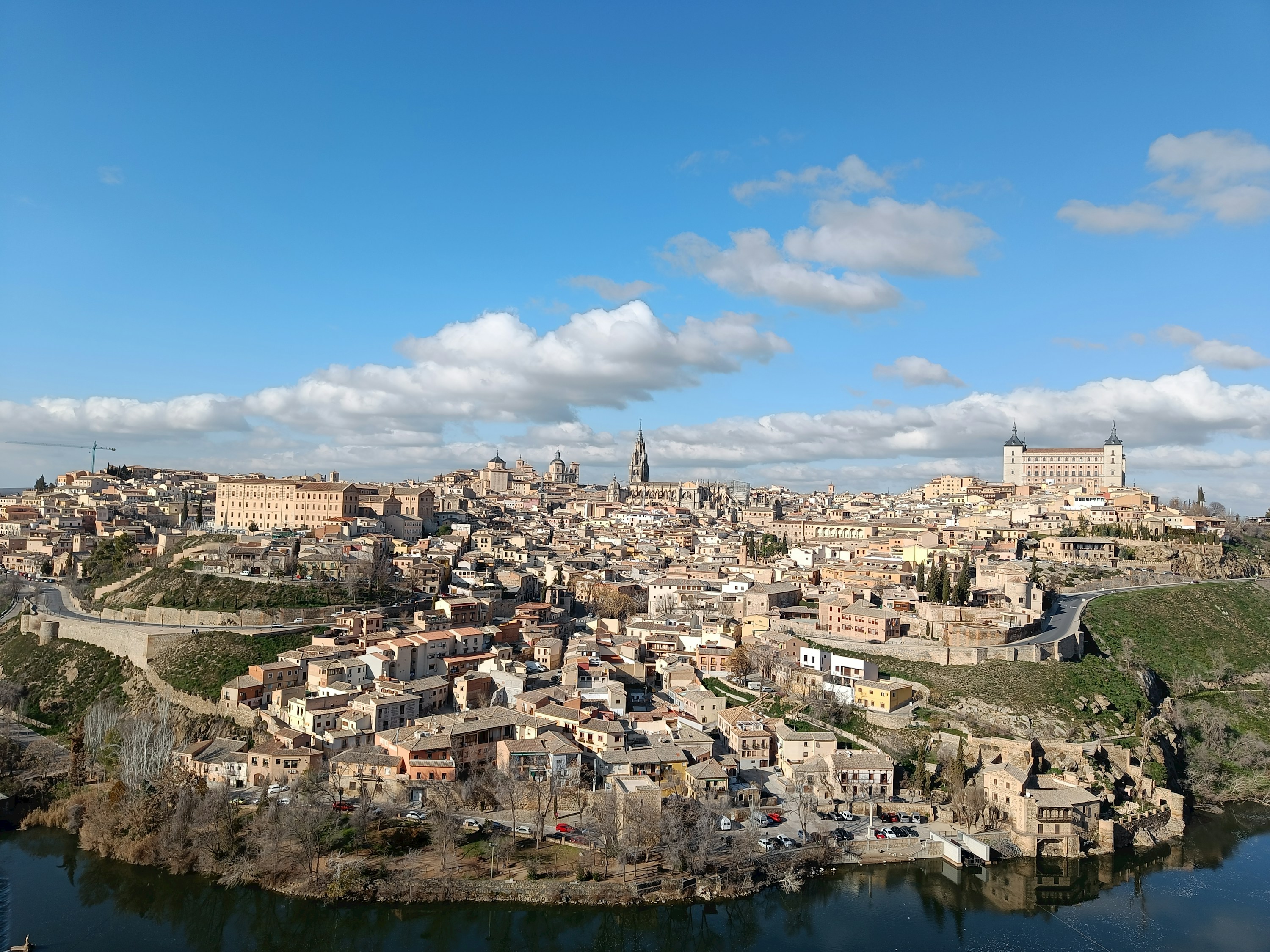
#8Spain's former imperial capital sits on a granite hill almost encircled by a bend in the Tagus River, its skyline of church towers, synagogues, and mosques layered up over centuries of Christian, Jewish, and Muslim rule.
The Alcázar fortress and Gothic cathedral anchor a warren of narrow medieval streets that fan out below, and the whole old city is compact enough to see on foot in a single, dense day.
How does it rate
CrowdsRomanceCash RequiredDangerAccessibilityWhy you should go
A living record of three religious traditions layered into one walkable medieval city, an easy day trip from Madrid.
Why you shouldn't go
Day-trip coach groups from Madrid fill the main streets and sights from mid-morning to mid-afternoon.
Plan your visit
Best time to visitSpring or autumn to avoid summer heat that regularly tops 35°C.Best time of dayEarly morning or after 5pm, once day-tour groups from Madrid have left.Getting thereHigh-speed train from Madrid Atocha (about 30 minutes) or a short drive south.Entry costAlcázar and Cathedral each charge separate entry, roughly €5–€12; combined tickets available.Time needed1 dayInsider tip — Cross the Puente de Alcántara and climb to the Mirador del Valle for the classic skyline view over the whole old city. -
 #980 /100
The world's smallest sovereign state packs an extraordinary concentration of art and architecture into just 44 hectares.
The colonnaded embrace of St Peter's Square, Michelangelo's Sistine Chapel ceiling, and Raphael's frescoed Stanze make Vatican City unmissable for art lovers.
How does it rate
CrowdsRomanceCash RequiredDangerAccessibilityWhy you should go
The sheer density of masterpieces is staggering — from the top of St Peter's dome, the view over the piazza and Rome beyond is one of the city's finest.
Why you shouldn't go
Vatican Museums queues are legendary and even with pre-booked tickets the crowds inside the Sistine Chapel make it hard to appreciate the art in peace.
Plan your visit
Best time to visitSpring or autumnBest time of dayEarly morning entry to beat tour groupsGetting thereOttaviano Metro stationEntry costMuseums ~EUR17Time neededHalf dayInsider tip — Book timed-entry tickets online; the walk-up queue can take hours -
 #10
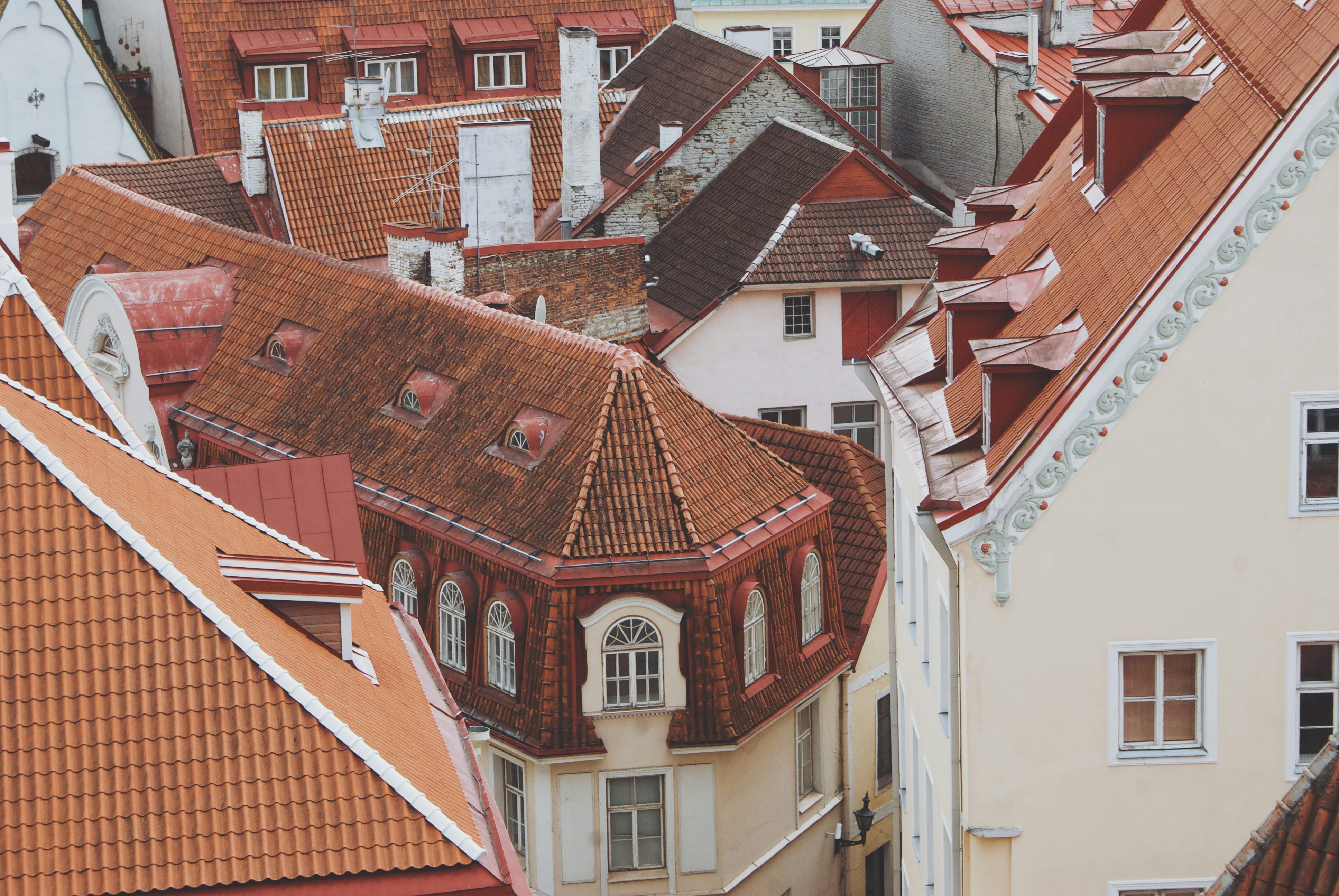
#10Turrets and cobbled lanes fill this Baltic old town's medieval core, ringed almost entirely by its original 13th-century defensive walls.
Toompea Hill rises above the lower town, topped by a Russian Orthodox cathedral and views over red-tiled rooftops toward the harbour.
Despite the medieval look, Tallinn is one of Europe's most digitally advanced capitals.
How does it rate
CrowdsRomanceCash RequiredDangerAccessibilityWhy you should go
A completely walled medieval old town, still fully intact and lived-in rather than a museum piece.
Why you shouldn't go
The old town's cobblestones and hills make it a genuinely tough walk in heels or with luggage.
Plan your visit
Best time to visitMay-September, for the mildest weather and long daylight hours.Best time of dayEarly morning or evening, once day-trip cruise ship crowds have cleared out.Getting thereFly into Tallinn Airport, about 15 minutes from the old town; ferries also arrive from Helsinki.Entry costFree to walk the old town; Toompea viewpoints and museums charge small fees.Time needed2 daysInsider tip — Check cruise ship arrival schedules before visiting - the old town's narrow lanes get genuinely packed on the days multiple ships are in port. -
 #11
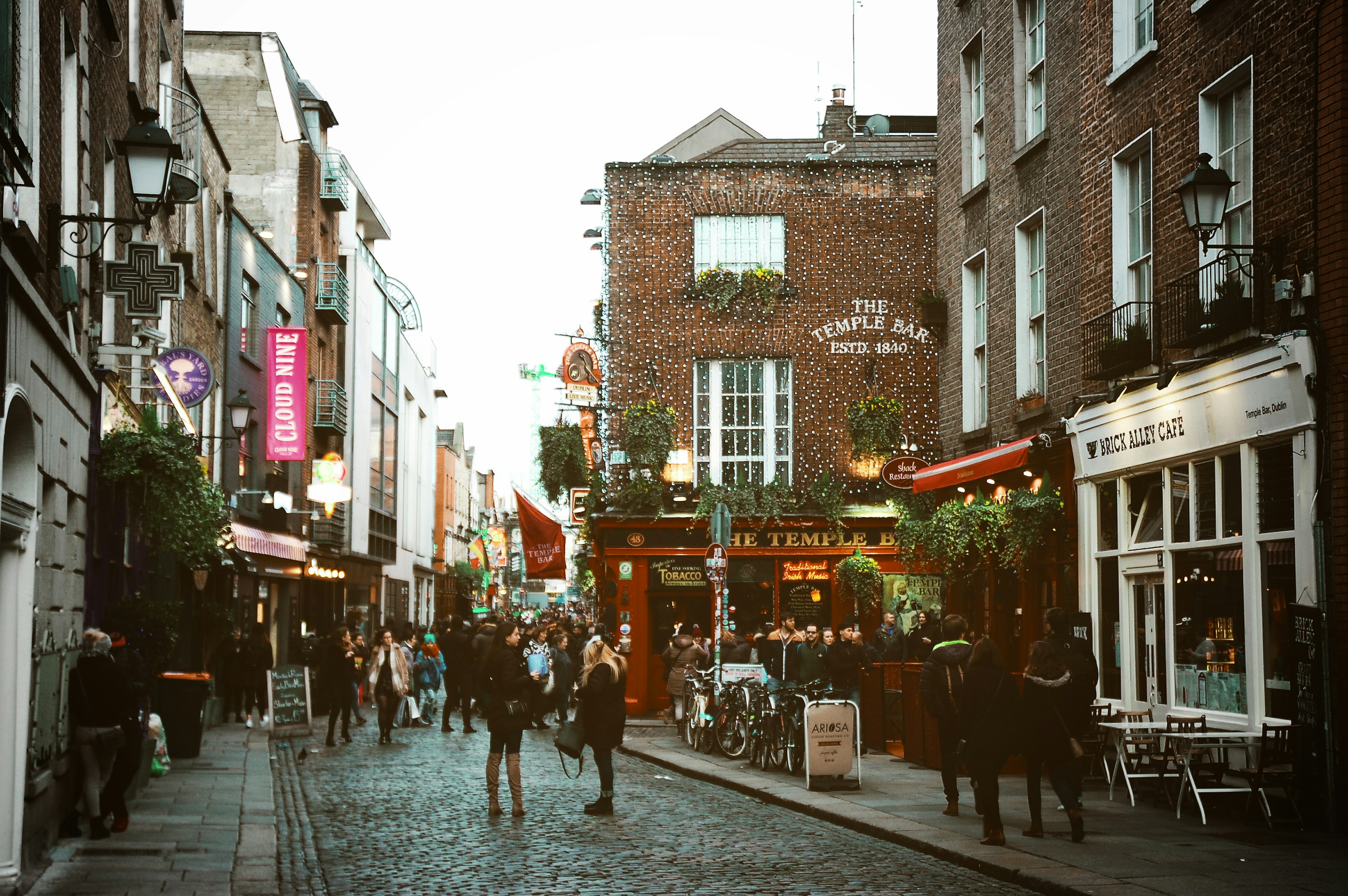
#11Ireland's capital pairs a compact, walkable historic core with a genuinely lively pub and music scene, from the Georgian squares around Trinity College — home to the Book of Kells — to the cobbled lanes of Temple Bar.
The Guinness Storehouse and Kilmainham Gaol offer two very different sides of the city's story, industrial and political, while traditional music sessions spill out of pubs most nights of the week.
How does it rate
CrowdsRomanceCash RequiredDangerAccessibilityWhy you should go
A walkable capital with world-class literary history and a genuinely lively live-music pub scene.
Why you shouldn't go
Temple Bar itself is touristy and overpriced — the better pubs are a few streets away.
Plan your visit
Best time to visitMay–September for the best weather and longest daylight.Best time of dayEvening for pub culture and live traditional music sessions.Getting thereDublin Airport is 30 minutes from the city center by bus or taxi.Entry costFree to walk the city; Book of Kells and Guinness Storehouse each around €20-30.Time needed2–3 days.Insider tip — Skip Temple Bar's pubs and head to the smaller, cheaper bars around Camden Street or the Liberties for a more local session. -
 #1274 /100
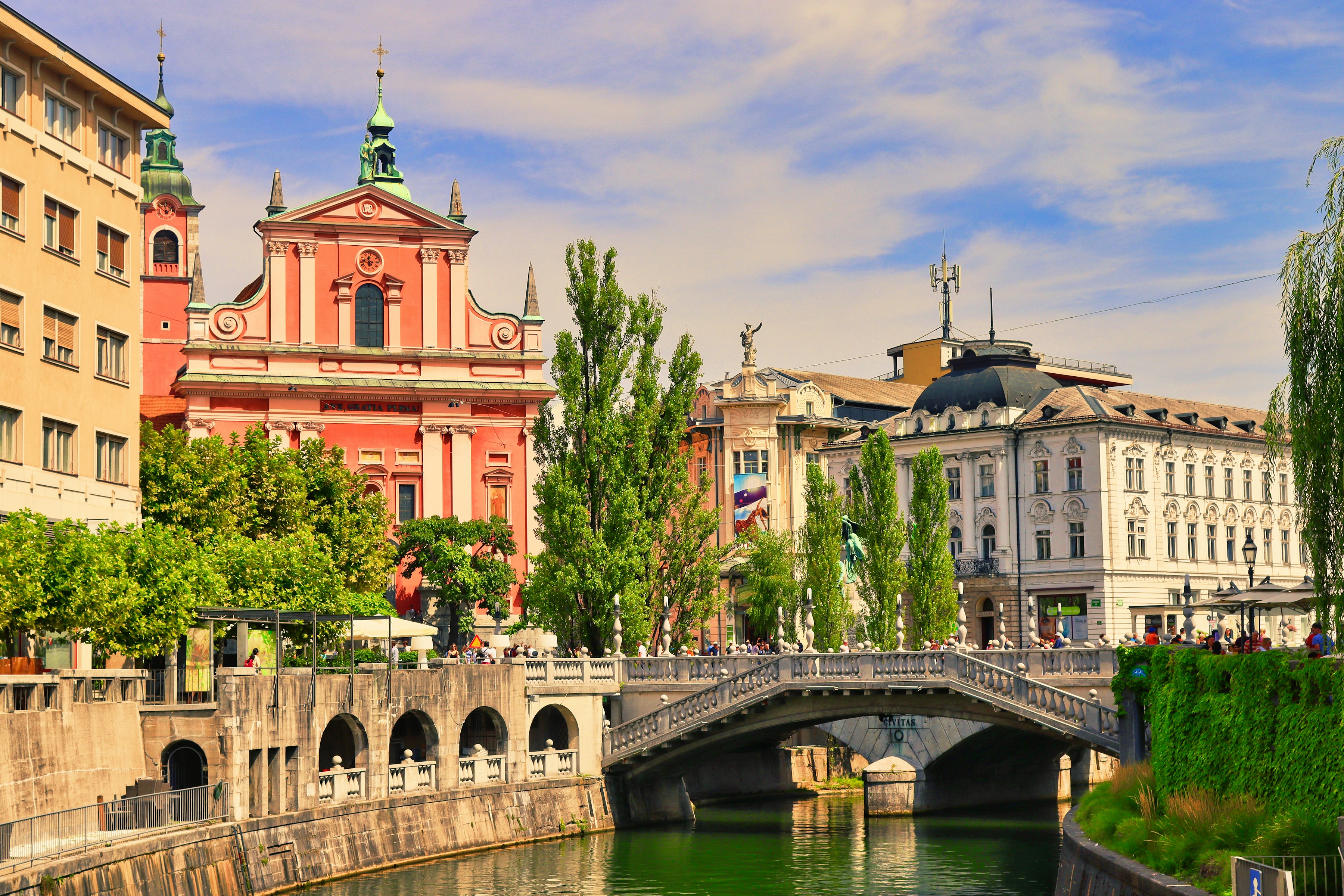
One of Europe's smallest and most walkable capitals, Ljubljana centers on a car-free riverside old town beneath a hilltop castle, its Ljubljanica River crossed by architect Jože Plečnik's distinctive bridges, including the dragon-flanked Dragon Bridge.
Riverside cafés, a lively open-air market and a compact, green city center make it an easy place to explore in a day or two, with a noticeably relaxed pace.
How does it rate
CrowdsRomanceCash RequiredDangerAccessibilityWhy you should go
One of Europe's most walkable, relaxed small capitals, built around a car-free riverside old town.
Why you shouldn't go
The city itself is small — a day or two comfortably covers the main sights.
Plan your visit
Best time to visitMay–September for outdoor café culture along the river.Best time of dayEvening, when riverside cafés and the Old Town fill up but stay unhurried.Getting thereFly into Ljubljana Jože Pučnik Airport, 30 minutes from the city center.Entry costFree to walk; Ljubljana Castle funicular and entry around €12.Time needed1–2 days.Insider tip — Cross to the Dragon Bridge at dusk when the dragon statues are lit — one of the city's most photographed spots but genuinely uncrowded after dark. -
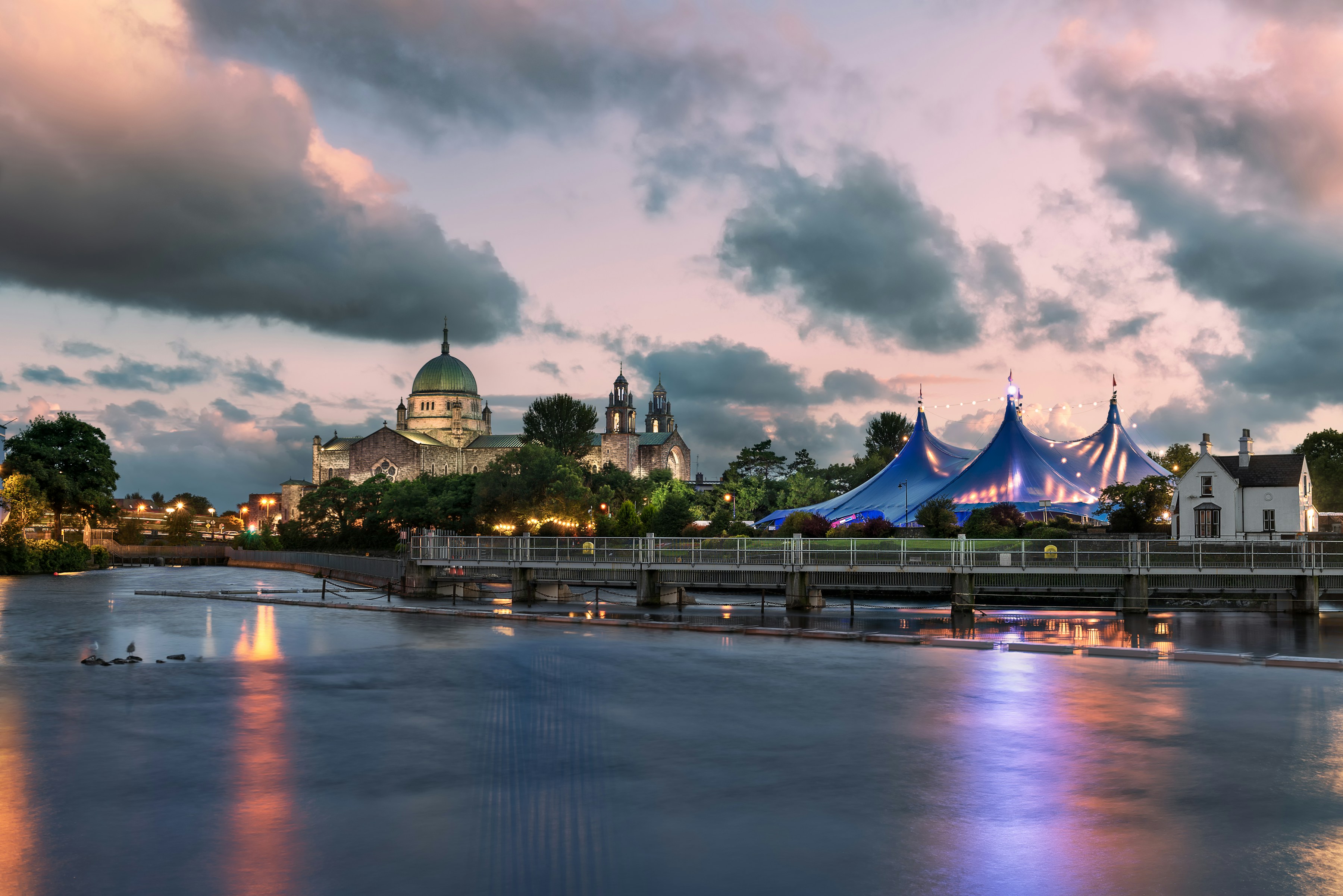 #13
#13A compact, colorful university city on Ireland's west coast, Galway trades Dublin's scale for a tighter concentration of traditional music pubs, street buskers and independent shops along its pedestrianized Latin Quarter.
It's the natural gateway to Connemara and the Aran Islands, but has enough character — the Spanish Arch, the Saturday market, a lively arts festival calendar — to justify a stop on its own.
How does it rate
CrowdsRomanceCash RequiredDangerAccessibilityWhy you should go
A compact, walkable city with Ireland's liveliest concentration of traditional music pubs.
Why you shouldn't go
Popular weekends and festival dates get very busy and accommodation prices spike accordingly.
Plan your visit
Best time to visitJuly for the Galway International Arts Festival, or September for quieter weather.Best time of dayEvening, when pubs along Quay Street fill with live music.Getting thereDirect train or bus from Dublin, about 2.5 hours; nearest airport is Shannon, 1 hour away.Entry costFree to explore the city.Time needed1–2 days.Insider tip — Follow the music, not the signage — the best sessions are often in smaller pubs off the main Quay Street strip. -
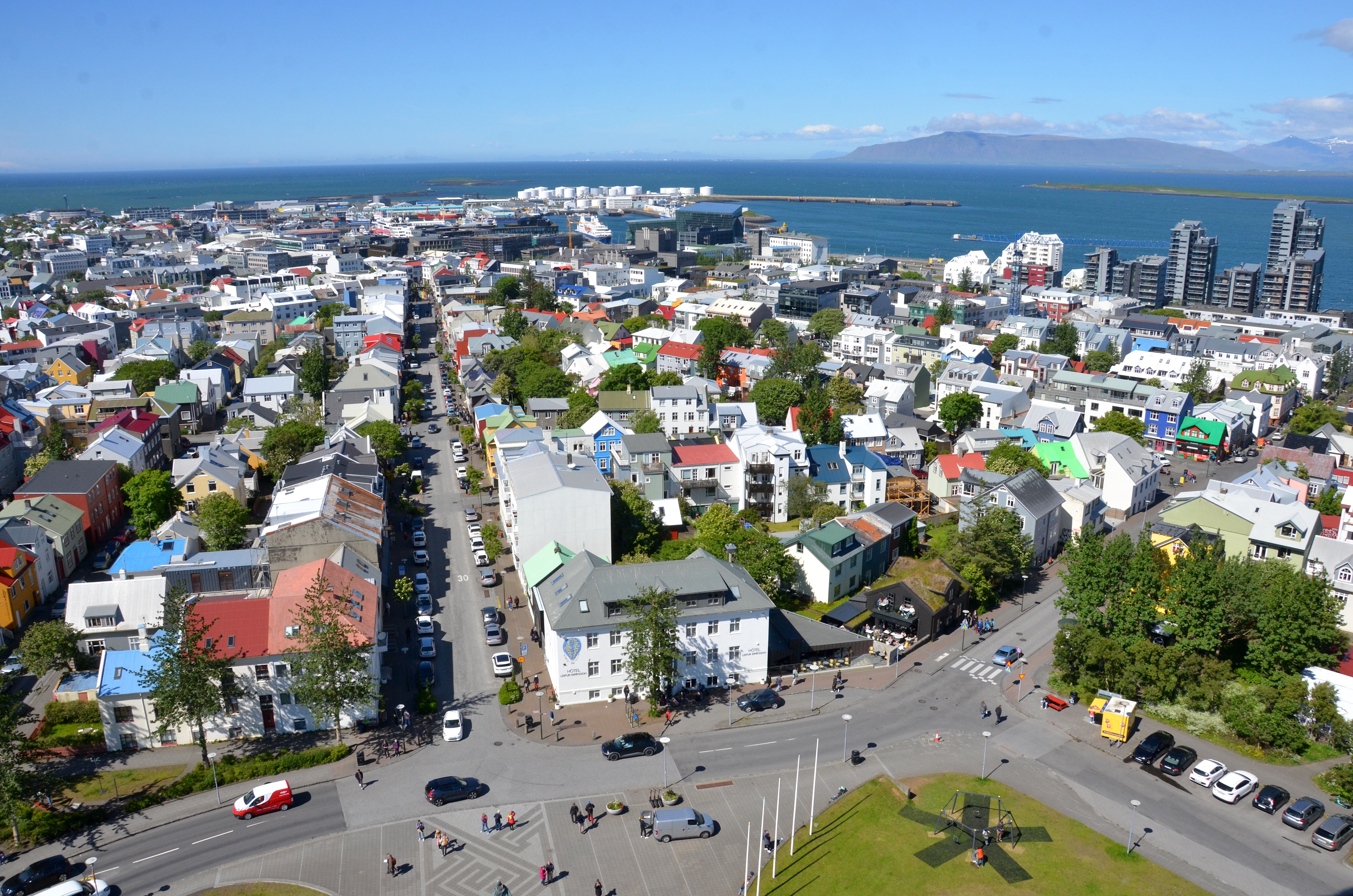 #1455 /100
Iceland's compact and colourful capital sits between the mountains and the sea as the world's most northerly capital city.
Rainbow-painted corrugated iron houses, the soaring Hallgrímskirkja church, and a bar and music scene far larger than the population suggests fill a centre small enough to cross on foot.
It doubles as the base for Northern Lights trips and Golden Circle day tours.
How does it rate
CrowdsRomanceCash RequiredDangerAccessibilityWhy you should go
Reykjavik is a wonderfully walkable city with a vibrant arts scene, and serves as the perfect base for Iceland's most spectacular natural wonders.
Why you shouldn't go
The city is notoriously expensive and the famous Northern Lights are only visible during the darker months between September and March.
Plan your visit
Best time to visitJune-August for midnight sun, or Sept-March for Northern LightsBest time of dayDepends on season - midnight light in summer, dark evenings for aurorasGetting thereKeflavik Airport, ~45 min to the cityEntry costFree to exploreTime needed1-2 daysInsider tip — Hallgrimskirkja church tower gives the best rooftop view of the colourful city -
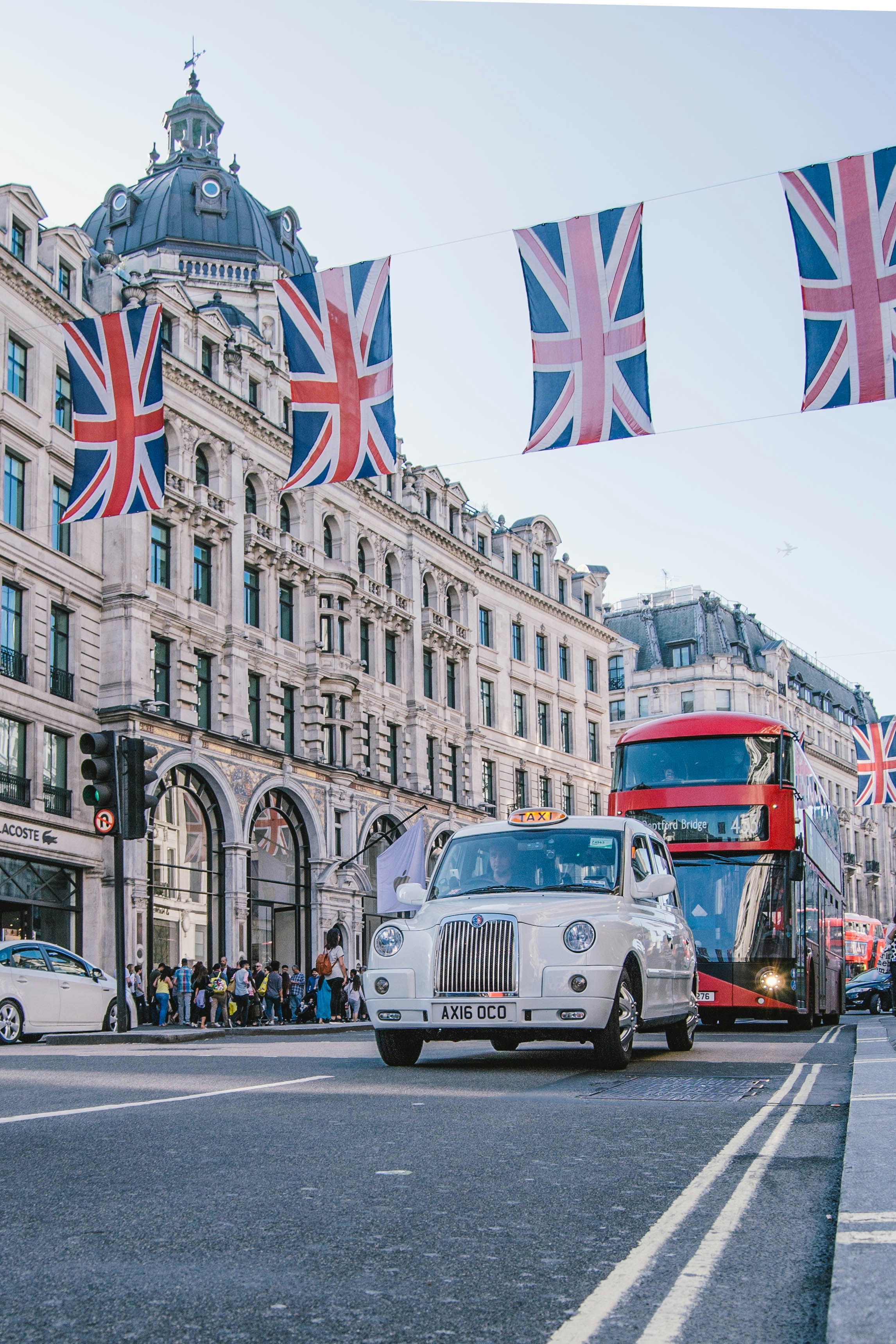 #15
#15London packs two thousand years into one city: fragments of Roman wall, a Norman fortress, Georgian squares and glass towers all within a few Tube stops of each other.
Its national museums are among the best in the world and free to enter, while the parks, markets and riverside walks give the place room to breathe between landmarks.
The weather is unreliable and the prices are not, but the range of things to do is close to unmatched.
How does it rate
CrowdsRomanceCash RequiredDangerAccessibilityWhy you should go
London offers a rich blend of history, culture, and modern attractions with world-famous landmarks and museums.
Why you shouldn't go
It can be very expensive, and its unpredictable weather may impact sightseeing plans.
Plan your visit
Best time to visitSpring or autumn, avoiding summer crowds and winter gloomBest time of dayEarly morning for empty streetsGetting thereFly into Heathrow or Gatwick; the Tube covers the whole cityEntry costFree to explore; individual attractions charge separatelyTime needed3+ daysInsider tip — Get an Oyster card for the Tube instead of buying single tickets


More from Europe
-
More City spots
How a score is built
One score out of 100, five criteria behind it
Every place is rated 1–5 on each of the criteria below, then combined into a single score out of 100. It's calculated by us, the same way every time — not an average of traveller reviews or social votes.
Crowds
How many people you'll be sharing it with, and at what time of day.
Romance
How well it suits a couple, a proposal, or a quiet moment together.
Cash required
Entry fees, permits, guides, rentals — what it actually costs to do it.
Danger
Physical risk involved, from a slippery viewpoint to genuine hazard.
Accessibility
How far off the beaten path it is, and how hard it is to actually reach.


