-
 #1
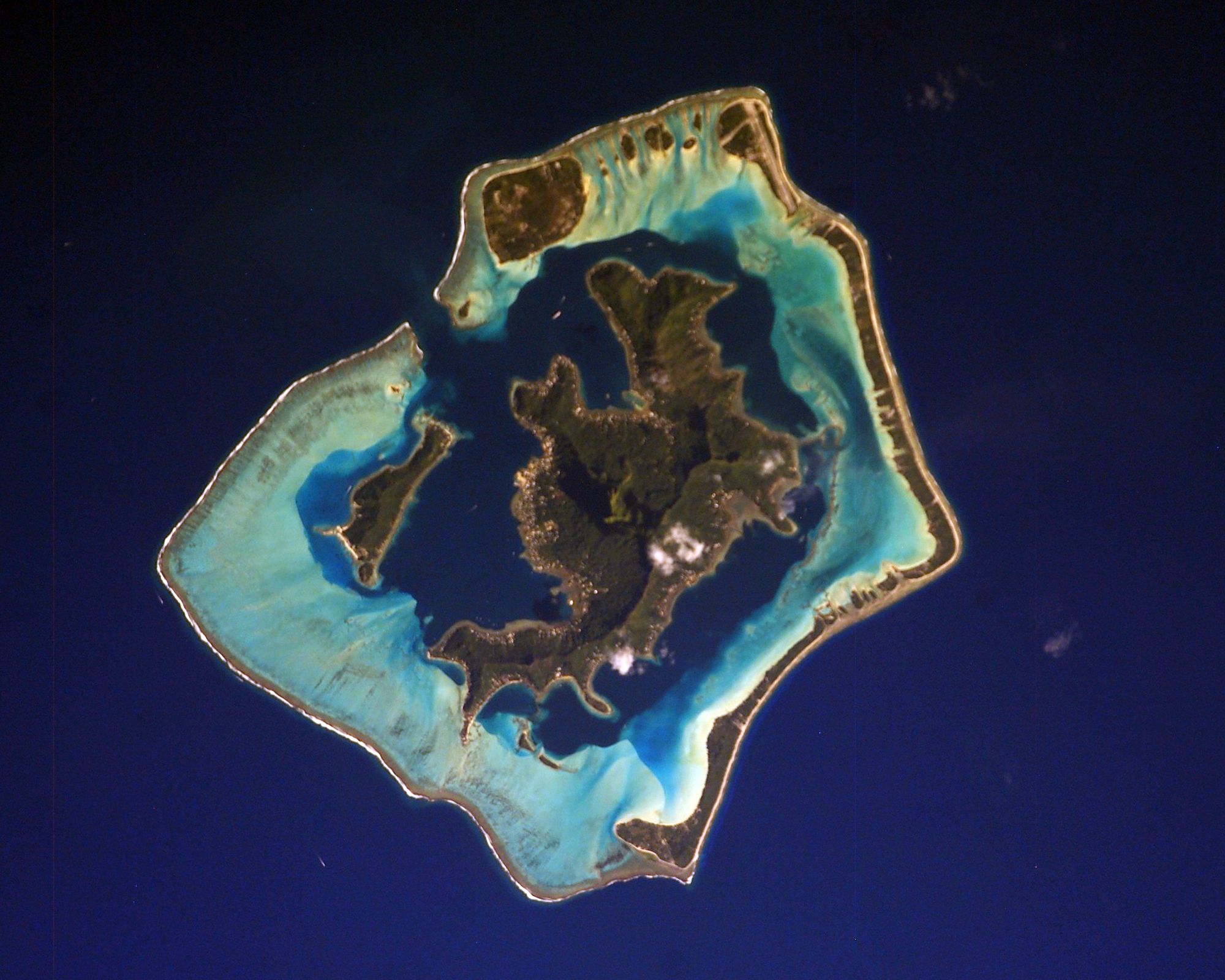
#1Bora Bora is a small volcanic island in the South Pacific surrounded by a technicolour lagoon of electric blues and greens enclosed within a coral reef.
The island's dramatic basalt peak, Mount Otemanu, rises 727 metres from the lagoon and is mirrored in the still waters below.
How does it rate
CrowdsRomanceCash RequiredDangerAccessibilityWhy you should go
The lagoon colour is genuinely unlike anything you will see elsewhere — the water shifts from pale aquamarine to deep turquoise to inky blue and you can see the seabed 30 metres below.
Why you shouldn't go
Bora Bora is extraordinarily expensive, primarily attracting honeymooners and luxury travellers; reaching it requires at least two flights from most countries.
Plan your visit
Best time to visitMay-October (dry season)Best time of daySunset over Mount OtemanuGetting thereFly to Tahiti, then a connecting flight to Bora BoraEntry costResort-dependent, generally high-endTime needed3-4 daysInsider tip — Book an overwater bungalow on the east side for sunrise or west side for sunset, depending which you want to photograph -
 #290 /100
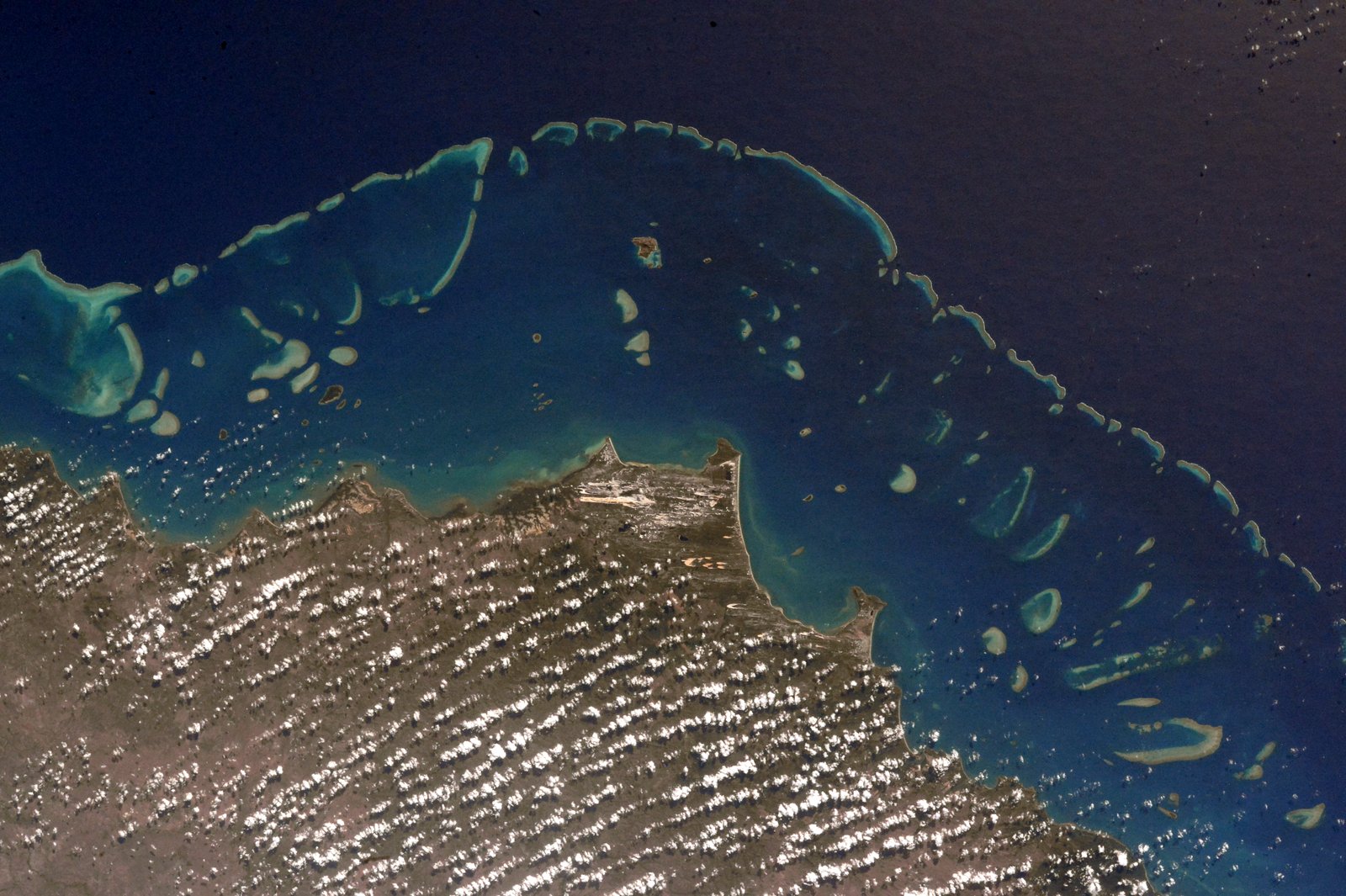
The Great Barrier Reef is the world's largest coral reef system, stretching 2,300 kilometres along the Queensland coast and visible from space.
Home to over 1,500 species of fish, 4,000 types of mollusc, and 600 types of coral, it is the largest living structure on earth and a UNESCO World Heritage Site.
How does it rate
CrowdsRomanceCash RequiredDangerAccessibilityWhy you should go
Snorkelling above the coral gardens of the Great Barrier Reef, surrounded by extraordinary marine biodiversity in crystal clear water, is a genuinely transformative experience.
Why you shouldn't go
Coral bleaching caused by climate change has severely damaged large sections of the reef; the experience varies greatly depending on which section you visit.
Plan your visit
Best time to visitJune-October (dry season, best visibility)Best time of dayMorning for calmer water and better underwater lightGetting thereFly to Cairns or Airlie Beach, boat tours from thereEntry costReef tours ~$200-250 AUDTime neededFull day, ideally multi-day liveaboardInsider tip — Book a trip that visits the outer reef rather than pontoons closer to shore; coral health and visibility is much better -
 #389 /100
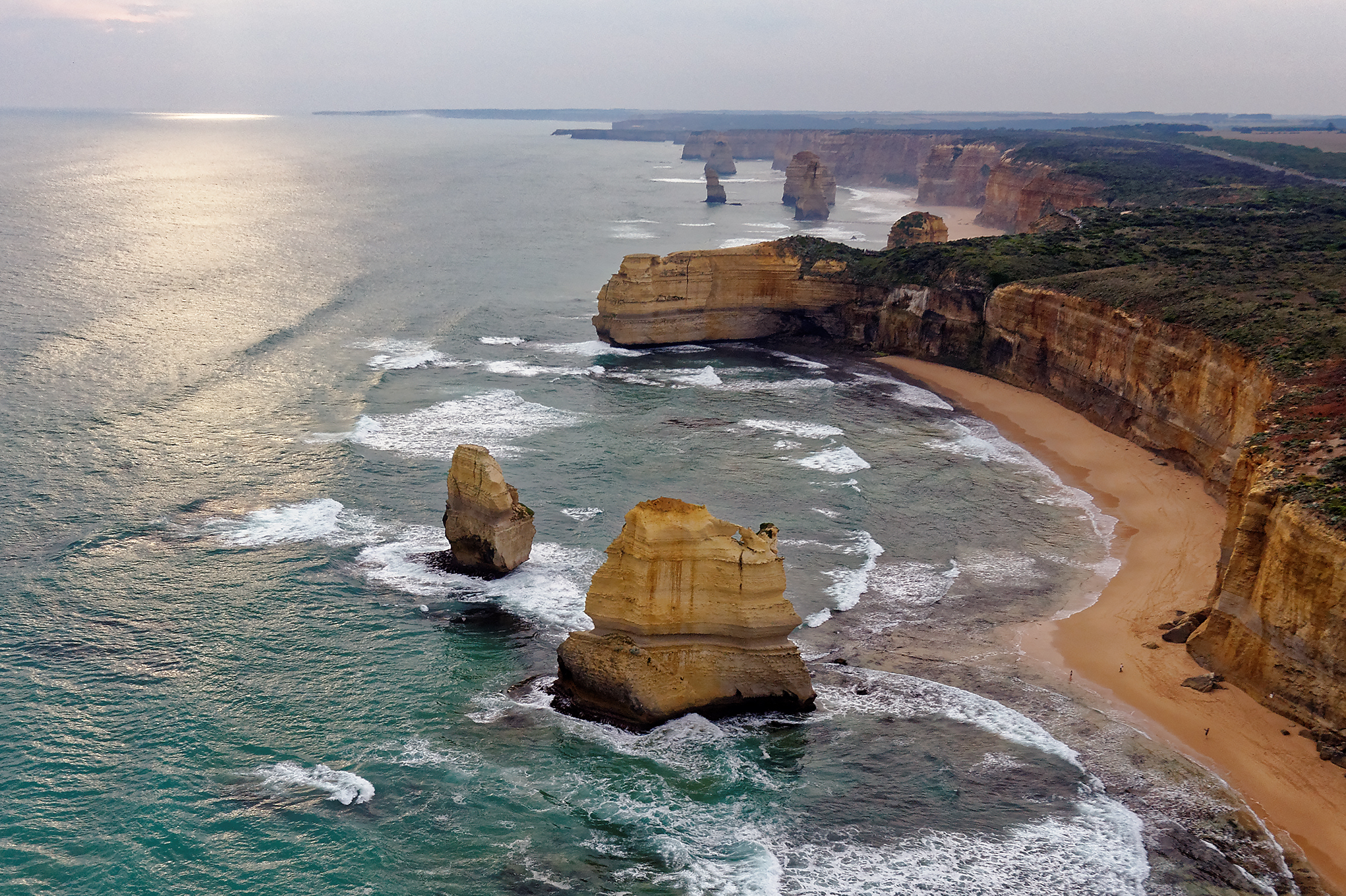
The Twelve Apostles are a collection of limestone stacks rising up to 45 metres from the Southern Ocean off the Port Campbell National Park on the Great Ocean Road.
Carved from the cliffs by erosion over millennia, they are most spectacular at sunrise and sunset when the low light turns the limestone golden.
How does it rate
CrowdsRomanceCash RequiredDangerAccessibilityWhy you should go
The Twelve Apostles at sunrise, when the limestone pillars glow golden and the surrounding sea is often calm, offer some of Australia's most dramatic coastal photography.
Why you shouldn't go
Despite the name, only eight stacks are currently standing as erosion continues to reshape them; helicopter flights provide the best overall view but are expensive.
Plan your visit
Best time to visitMarch-May or September-NovemberBest time of daySunrise, when the limestone stacks glow orange and coach tours have not arrivedGetting thereAlong the Great Ocean Road, ~3hrs from MelbourneEntry costFreeTime needed1-2 hoursInsider tip — Sunrise is dramatically quieter than sunset here, since most coach tours run the road in the afternoon -
 #488 /100
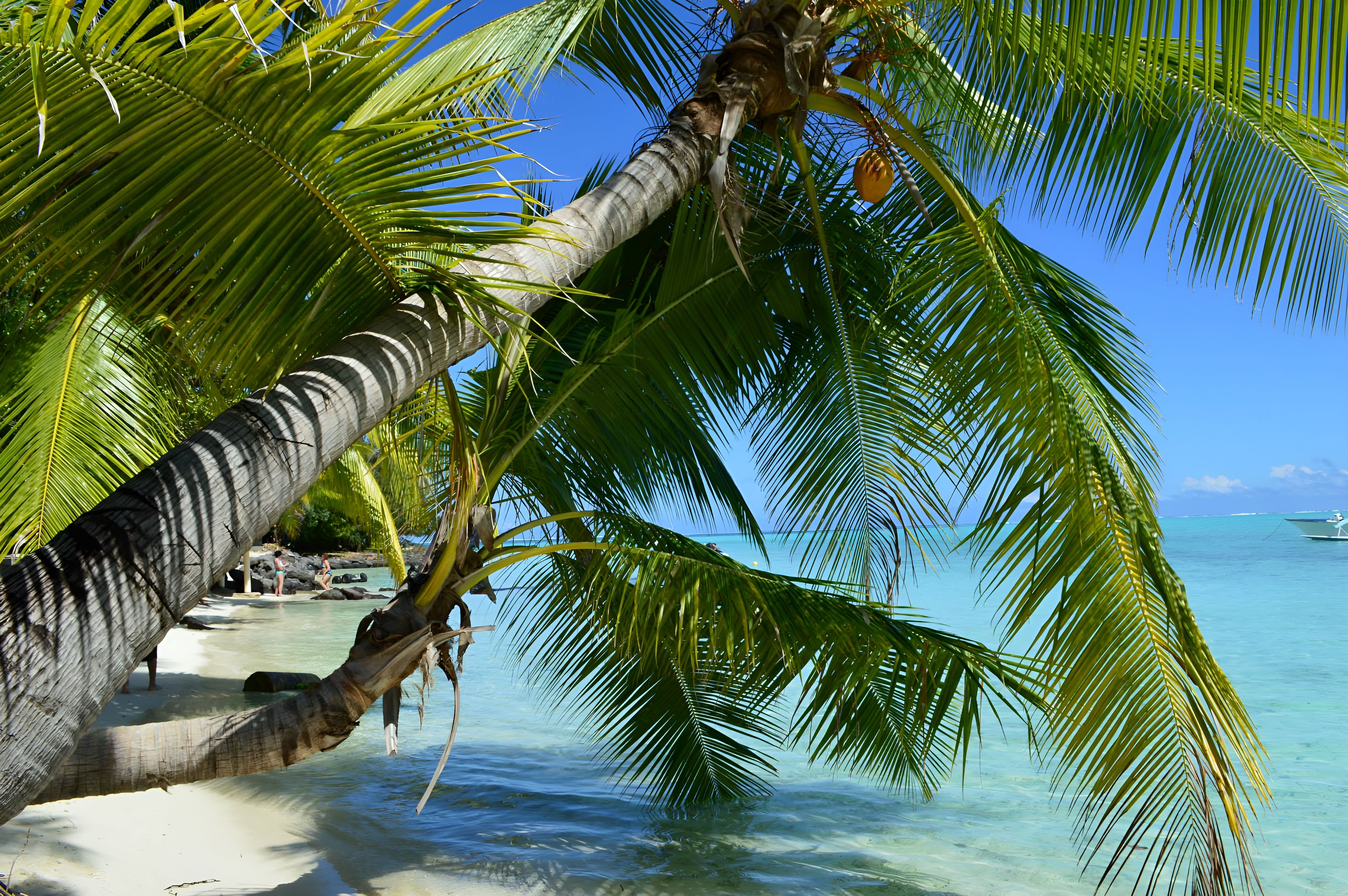
Bora Bora's only public beach, a tapering spit of pale sand running out into a lagoon clear enough to see reef fish and passing rays from the shore.
Palms back the sand, and Mount Otemanu rises across the water behind it.
It is the free counterpoint to the island's resort strips, and the calm, shallow lagoon makes it one of the safest swimming beaches in the Pacific.
How does it rate
CrowdsRomanceCash RequiredDangerAccessibilityWhy you should go
The lagoon is clear enough to see reef fish and rays from the beach, with Mount Otemanu framing every photo.
Why you shouldn't go
Everything on Bora Bora - food, transport, accommodation - is priced for the honeymoon market.
Plan your visit
Best time to visitMay-October, the dry season with the calmest lagoon conditions.Best time of dayLate afternoon, when the light turns the lagoon a deeper turquoise.Getting thereFly to Bora Bora airport (via Tahiti), then a boat transfer or shuttle to Matira Point.Entry costFree - the only public beach on the island.Time neededHalf a day.Insider tip — Walk to the very tip of Matira Point for the widest, least crowded stretch of sand and the best angle on Mount Otemanu. -
 #587 /100
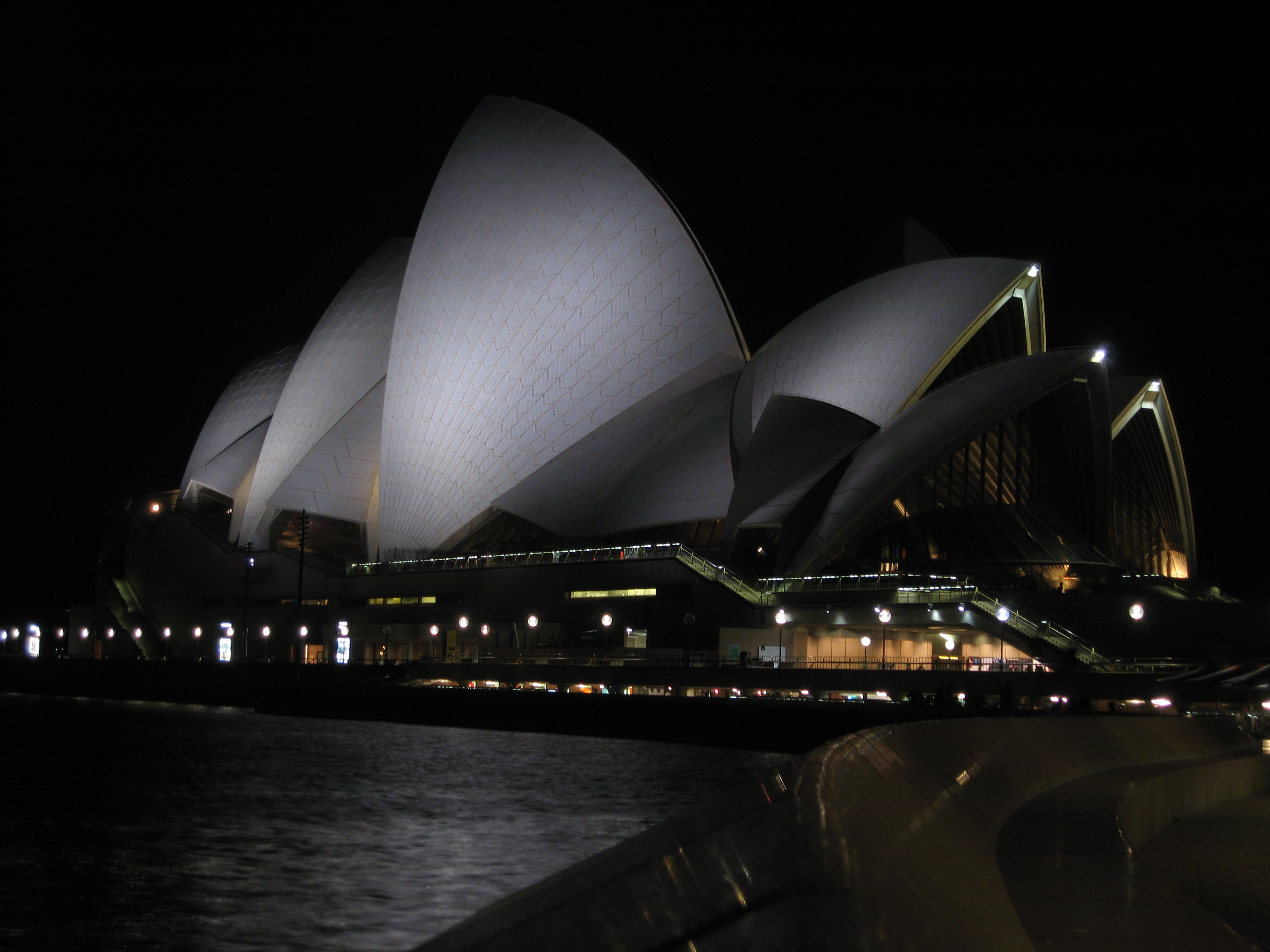
Jorn Utzon's Opera House is the building that gave a whole country its silhouette.
The white shells, actually more than a million cream and white tiles, change character constantly: blinding at noon, golden at sunset, glowing like lanterns at night.
Shoot it from Milsons Point on the Harbour Bridge side, from a ferry, or up close where the tiled geometry turns abstract.
How does it rate
CrowdsRomanceCash RequiredDangerAccessibilityWhy you should go
One of the few modern buildings that genuinely earns its icon status, photogenic from every angle.
Why you shouldn't go
The forecourt is a permanent scrum of visitors, and interior tours cost extra.
Plan your visit
Best time to visitOctober-April for harbour weather; year-round for the building itselfBest time of dayDusk, when the sails glow and the harbour lights come onGetting thereCircular Quay station and ferries are a 5-minute walk awayEntry costFree to walk around; tours from A$45Time needed1-2 hoursBookingBook ahead →Insider tip — Catch the Manly ferry for the price of a transit fare - it serves up the classic Opera House and Harbour Bridge angle without a cruise -
 #687 /100
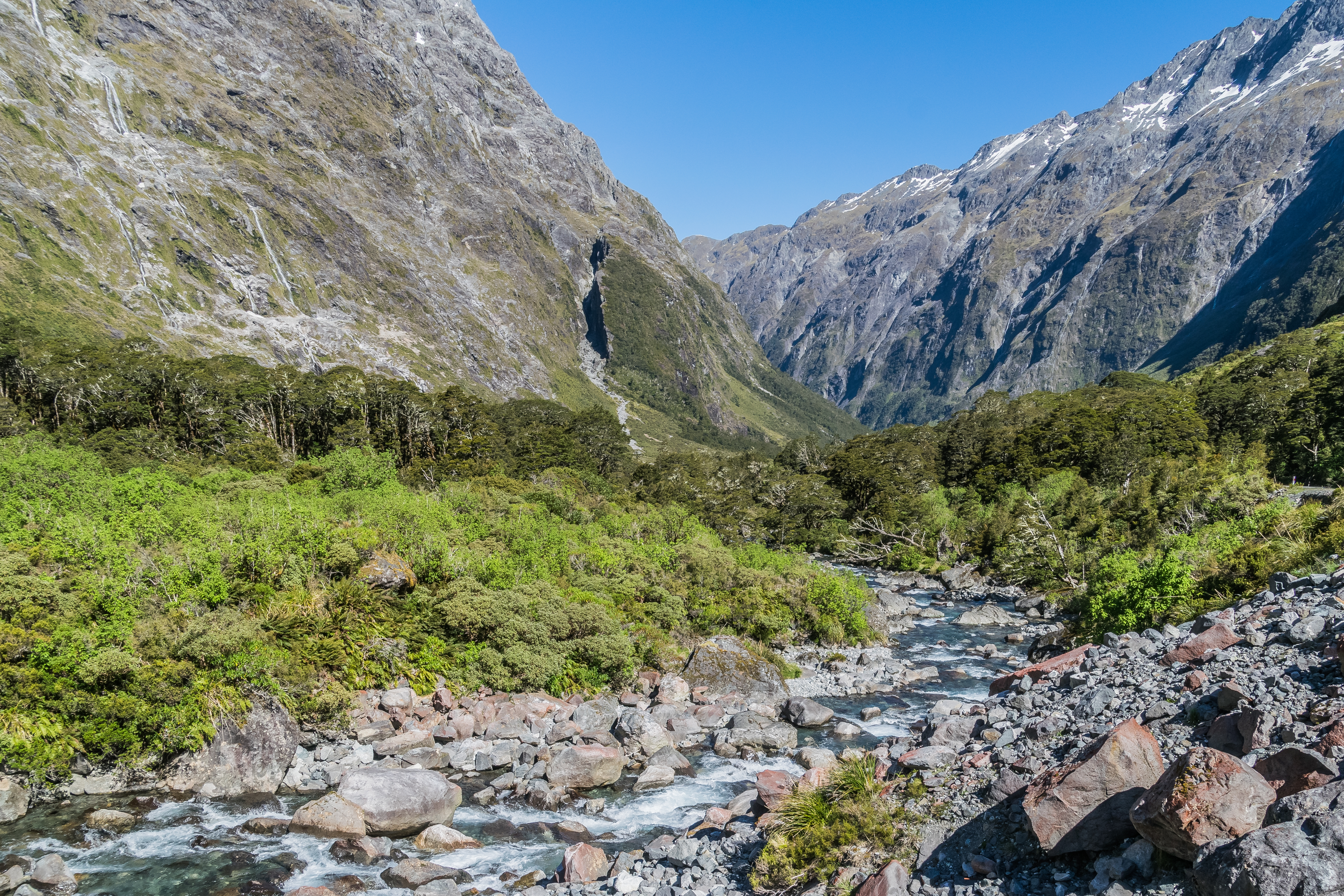
Fiordland National Park in the South Island of New Zealand contains some of the world's most dramatic fjord scenery, carved by glaciers over millions of years.
Milford Sound, the most famous fjord, features vertical granite walls rising 1,200 metres directly from the water's surface, with waterfalls cascading down their faces.
How does it rate
CrowdsRomanceCash RequiredDangerAccessibilityWhy you should go
The scale of Milford Sound's vertical granite walls and the waterfalls that plunge from them into the dark water below is genuinely awe-inspiring; boat cruises provide the best views.
Why you shouldn't go
Milford Sound receives extremely high rainfall and is often covered in cloud or mist; the road to Milford is subject to closure by avalanche or rockfall.
Plan your visit
Best time to visitDecember-March (summer, though it rains often year-round)Best time of dayEarly morning for calm water on the fjordsGetting thereDrive or fly to Te Anau, then boat/coach into Milford SoundEntry costCruise ~$80-100 NZDTime neededFull dayInsider tip — It rains here more days than not; the waterfalls are more dramatic right after rain, so do not let grey weather put you off -
 #787 /100
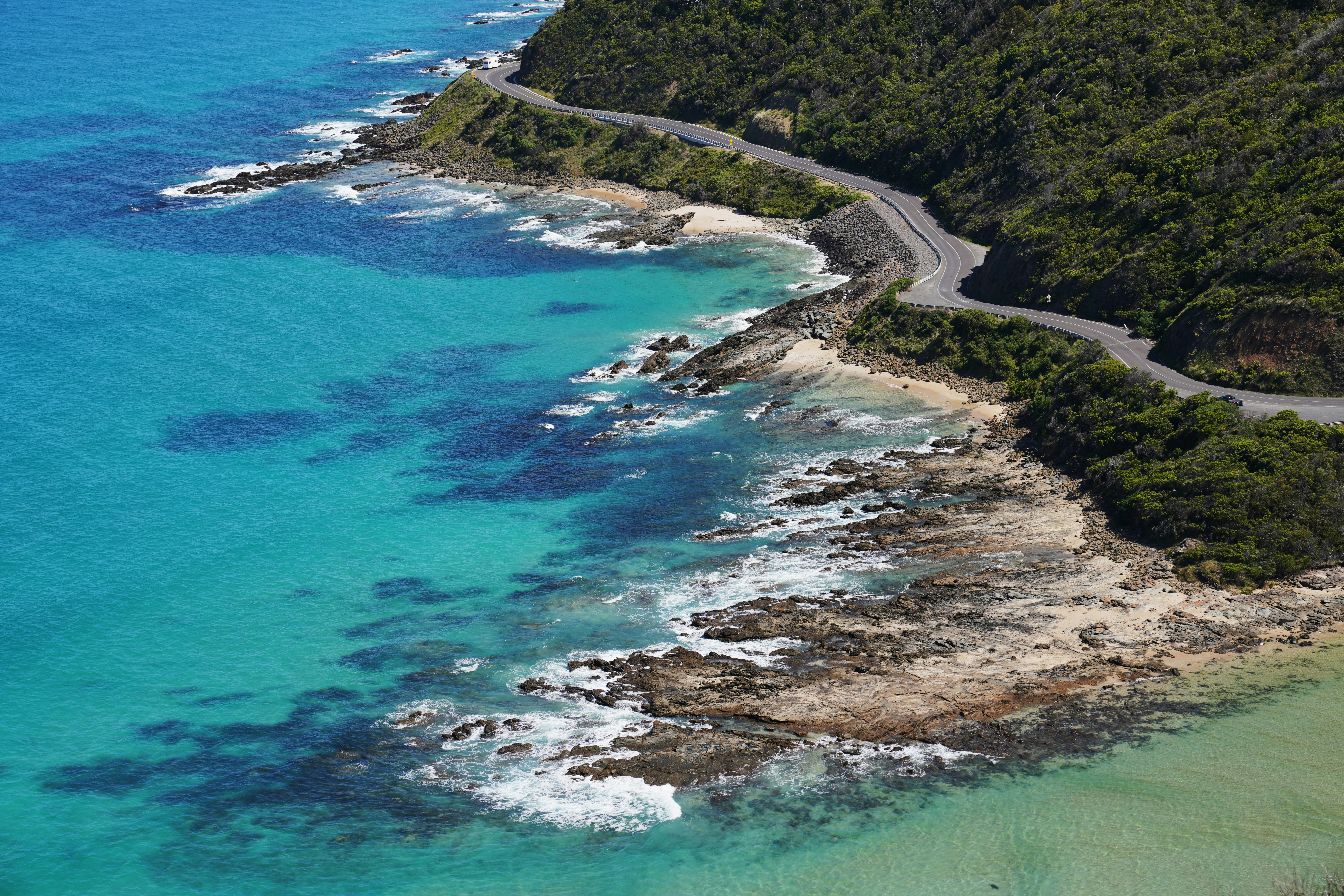
The Great Ocean Road hugs 243 kilometres of Victoria's coastline, curling past golden surf beaches, sheer cliffs, and the wind-carved limestone stacks of the Twelve Apostles.
The route swings from crashing Southern Ocean views to fern-draped rainforest in Otway National Park.
Koalas doze in roadside eucalypts near Kennett River, and small surf towns like Lorne and Apollo Bay make easy overnight stops.
How does it rate
CrowdsRomanceCash RequiredDangerAccessibilityWhy you should go
Sweeping coastal cliffs, rainforest and iconic rock stacks all on one accessible route from Melbourne.
Why you shouldn't go
Viewpoints near the Twelve Apostles get overwhelmed by tour buses in the middle of the day.
Plan your visit
Best time to visitShoulder seasons (Mar-Apr, Sep-Nov) for mild weather and thinner crowds; winter for whale watching.Best time of dayEarly morning at the Twelve Apostles, before tour coaches arrive mid-morning.Getting thereFly into Melbourne, hire a car, and drive an hour southwest to Torquay, the road's official starting point.Entry costFree to drive; rental car and fuel onlyTime needed3-4 daysBookingBook ahead →Insider tip — Detour to the Gibson Steps at dawn to see the Apostles from beach level before the crowds arrive at the clifftop lookouts. -
 #883 /100
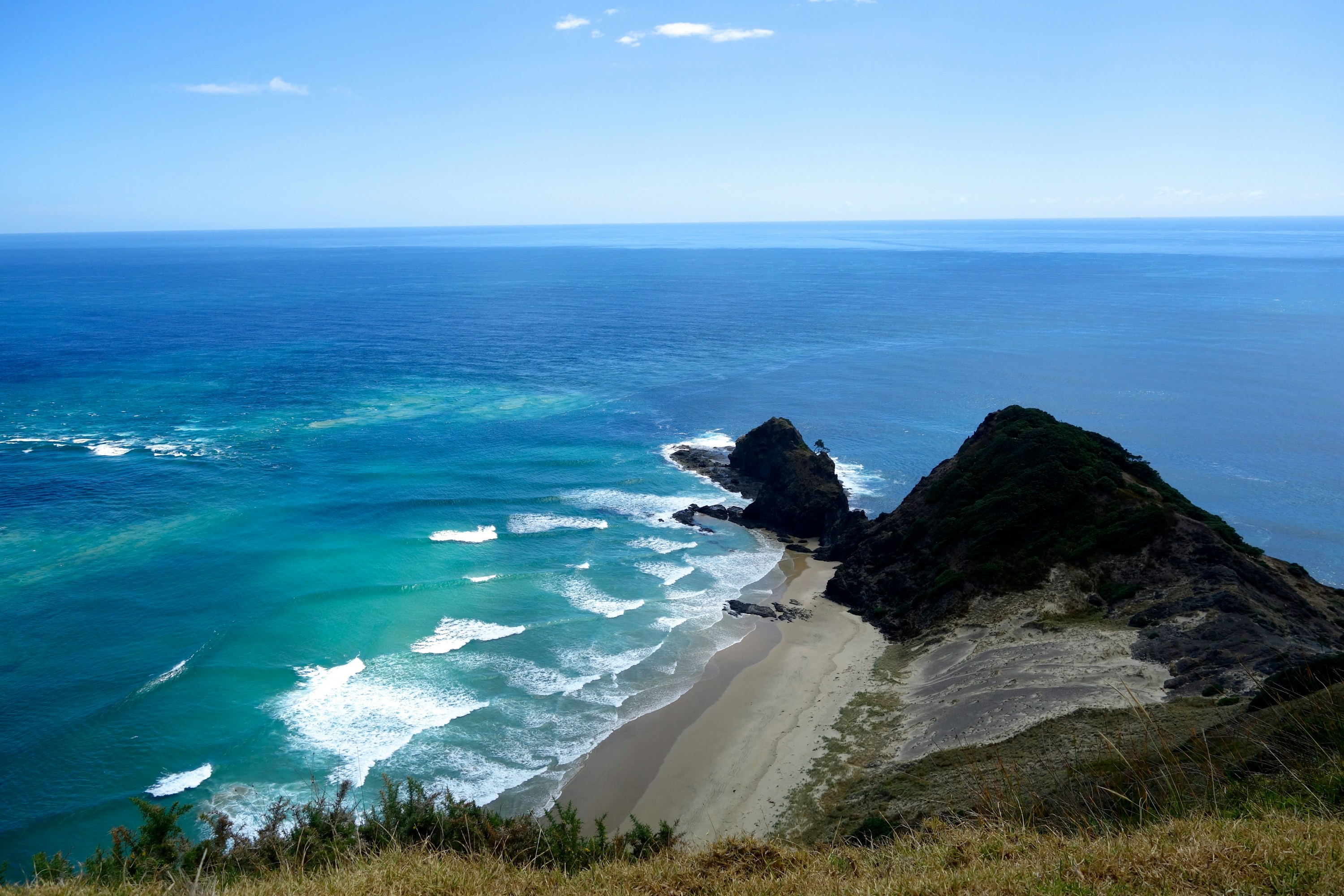
Bay of Islands is a sheltered stretch of Northland coastline scattered with around 144 subtropical islands, sandy coves and clear, sailable water.
Paihia and Russell serve as bases for game fishing, dolphin cruises and trips through the natural archway at Piercy Island, and the nearby Waitangi Treaty Grounds mark where New Zealand's founding document was signed in 1840.
It rewards a slower visit by boat rather than a quick stop on shore.
How does it rate
CrowdsRomanceCash RequiredDangerAccessibilityWhy you should go
144 subtropical islands, warm sailing water and genuine national history in one bay.
Why you shouldn't go
Cruises and island stays add up quickly, and summer weekends get busy with boat traffic.
Plan your visit
Best time to visitDecember-March for warm swimming weather; shoulder months are quieter and still mild.Best time of dayMorning, when the water is calmest and cruise boats first head out.Getting thereFly to Kerikeri Airport (25 min to Paihia) or drive about 3.5 hours north from Auckland to Paihia or Russell.Entry costFree to visit the coastline; boat cruises and island tours are priced separately.Time neededA full day; 2-3 days to properly explore by boat.Insider tip — Catch the passenger ferry from Paihia to Russell instead of driving around the bay - it's cheaper and quicker, and Russell's waterfront is worth the walk. -
 #981 /100
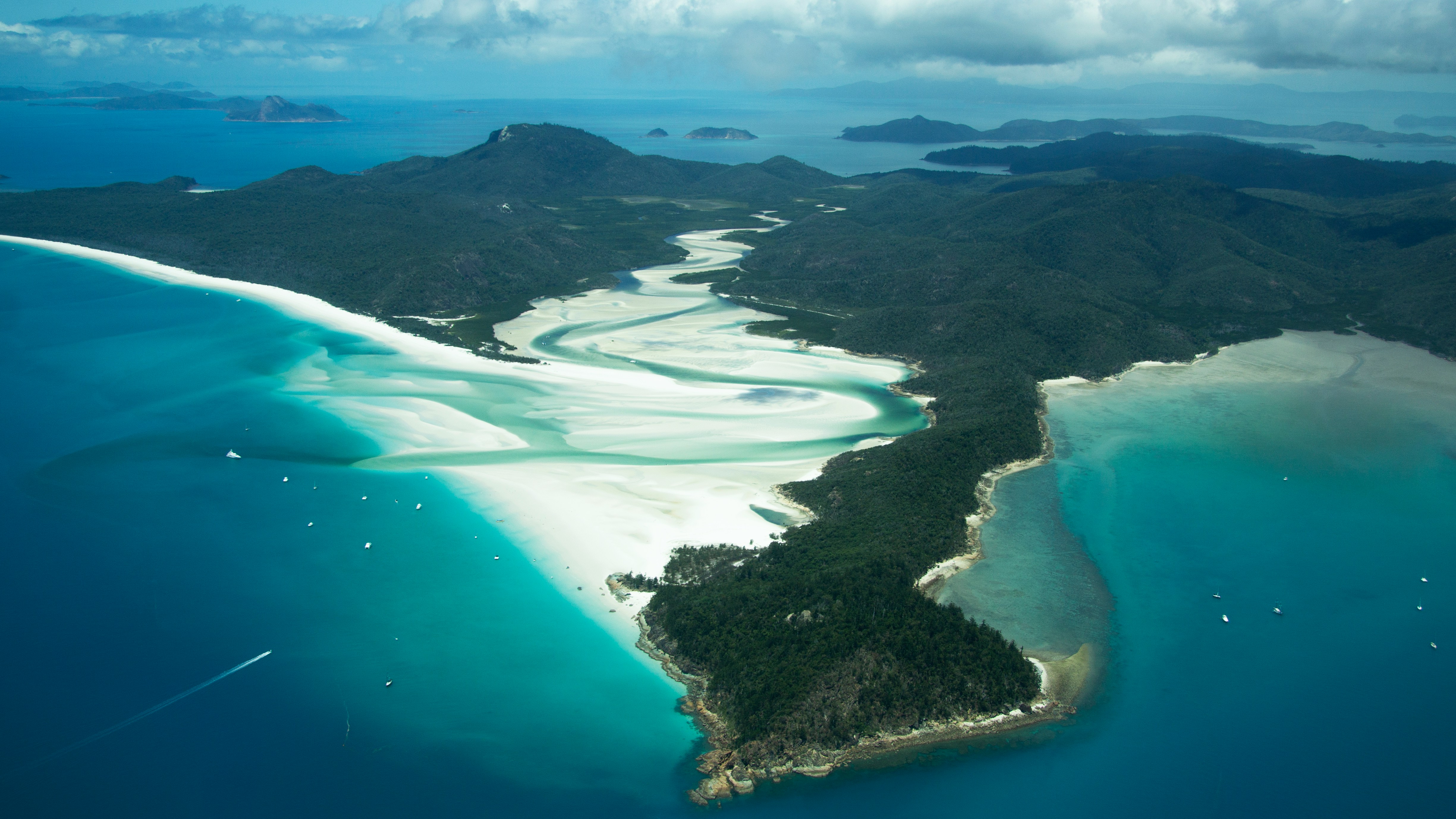
A pristine 7-kilometer beach in the Whitsunday Islands with powder-soft white sand made of 98% pure silica, and turquoise water shading a coral-fringed shoreline.
Reachable only by boat or seaplane, it remains genuinely remote despite its fame, with almost no development along its full length.
How does it rate
CrowdsRomanceCash RequiredDangerAccessibilityWhy you should go
A pristine 7km beach with silica sand so fine and white it stays cool underfoot even at midday.
Why you shouldn't go
Accessible only by boat or seaplane, adding cost and time; can get crowded with day-trippers; limited shade.
Plan your visit
Best time to visitApril–May or September–October for mild weather and fewer stinger-season restrictions.Best time of dayMidday light makes the water most vivid; visit the Hill Inlet lookout at low tide for the swirling sand patterns.Getting thereFly to Hamilton Island or Airlie Beach, then a day-tour boat (~1 hour) to the beach.Entry costDay tours AUD $150–250; national park access itself is free.Time needed6–8 hours including boat transport.Insider tip — Combine the beach with the short climb to the Hill Inlet lookout — the swirling sand-and-water view there is arguably more photogenic than the beach itself. -
 #1077 /100
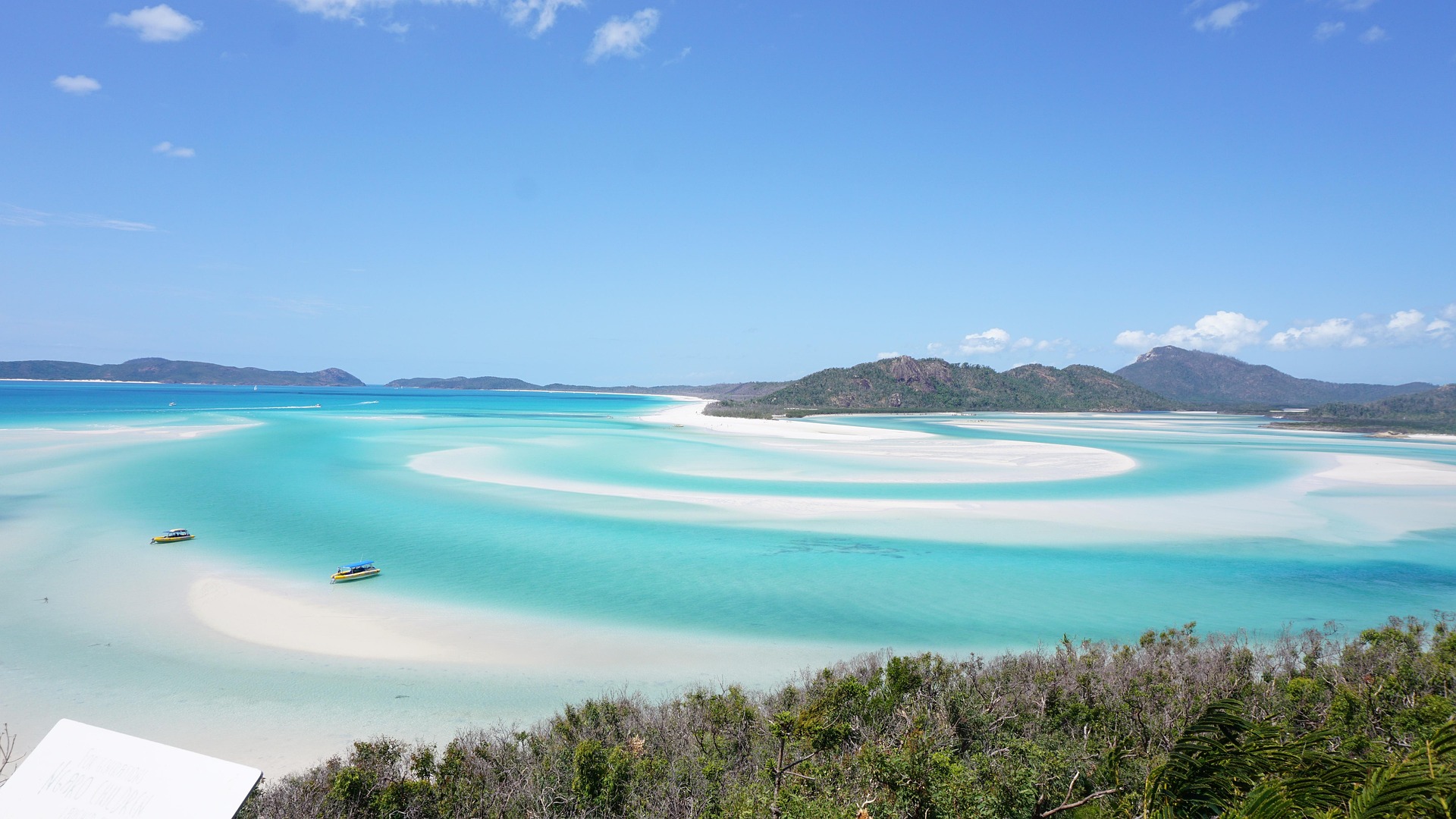
A sailing cruise through 74 islands scattered across the Great Barrier Reef's inner waters, anchoring off Whitehaven Beach's swirling silica sand and turquoise shallows.
Days mix snorkelling on fringing reefs, a walk up to the Hill Inlet lookout, and sunset drinks at anchor.
Multi-day catamaran and yacht trips are the standard way to see the outer islands, since most are uninhabited.
Conditions stay calm and tropical almost year-round.
How does it rate
CrowdsRomanceCash RequiredDangerAccessibilityWhy you should go
Whitehaven Beach's swirling silica sand and turquoise shallows, best seen from the water at anchor.
Why you shouldn't go
Stinger season, roughly November to May, means wearing a full-body swim suit for safe swimming.
Plan your visit
Best time to visitJune-October, the dry season, for calm sailing, clear water, and no marine stingers.Best time of dayMidday at Hill Inlet lookout, when the swirling sandbar colours are most vivid.Getting thereFly to Proserpine (Whitsunday Coast) or Hamilton Island airport; boats depart from Airlie Beach or Hamilton Island marina.Entry costIndicative $600-$2,000pp for a 2-4 night sailing tripTime needed2-4 night cruiseInsider tip — Book a sailing trip that includes an early-morning stop at Hill Inlet lookout, before the tour boats crowd the viewpoint.


More from Australasia
-

More Coastal spots
-

How a score is built
One score out of 100, five criteria behind it
Every place is rated 1–5 on each of the criteria below, then combined into a single score out of 100. It's calculated by us, the same way every time — not an average of traveller reviews or social votes.
Crowds
How many people you'll be sharing it with, and at what time of day.
Romance
How well it suits a couple, a proposal, or a quiet moment together.
Cash required
Entry fees, permits, guides, rentals — what it actually costs to do it.
Danger
Physical risk involved, from a slippery viewpoint to genuine hazard.
Accessibility
How far off the beaten path it is, and how hard it is to actually reach.

