-
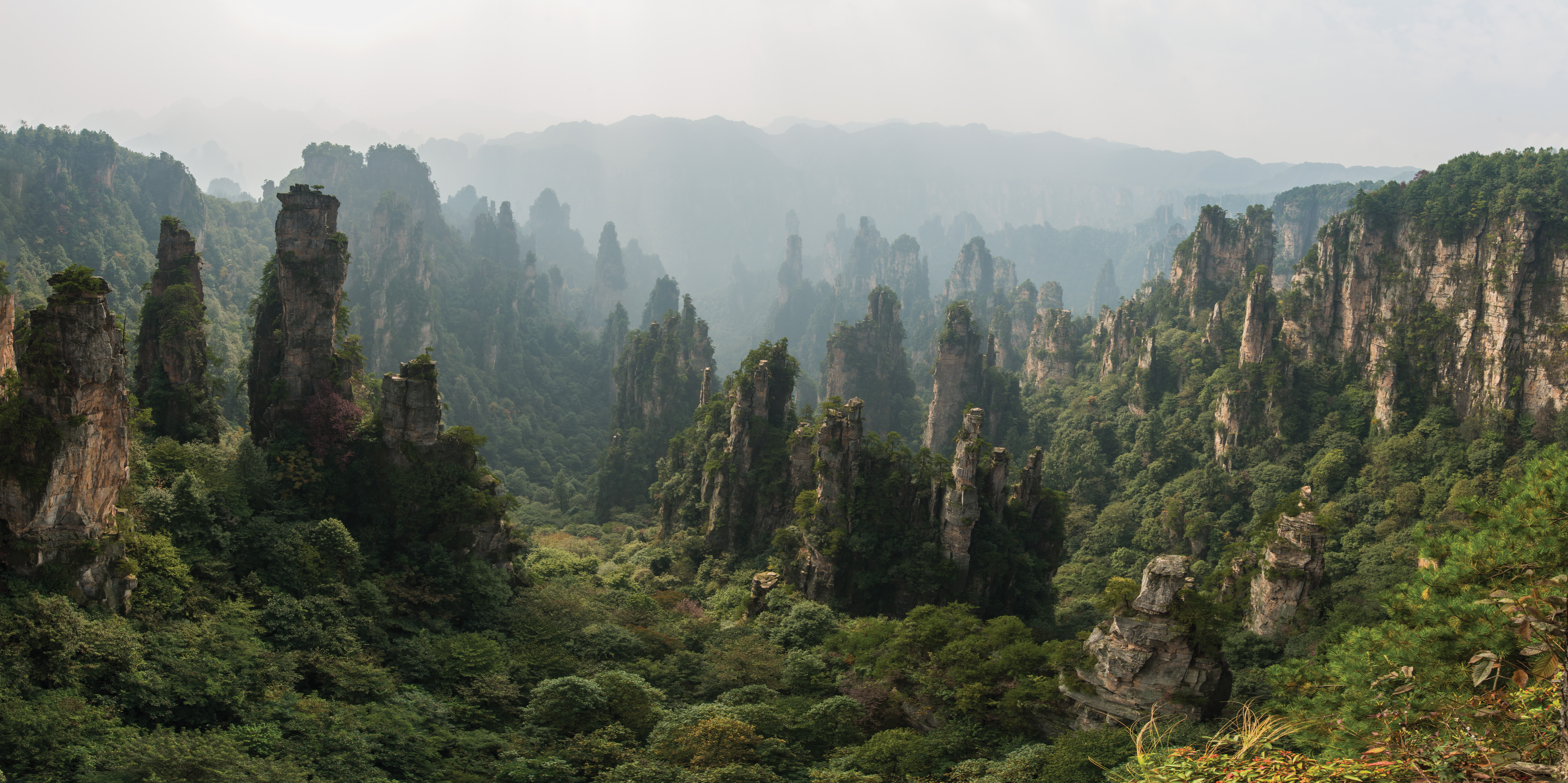 #190 /100
The towering sandstone pillars of Zhangjiajie National Forest Park inspired the floating Hallelujah Mountains in the film Avatar.
Over three thousand quartzite sandstone columns rise up through a sea of mist, draped in subtropical vegetation and connected by the world's longest and highest glass-bottomed bridge.
How does it rate
CrowdsRomanceCash RequiredDangerAccessibilityWhy you should go
The cloud-wreathed sandstone pillars rising from the valley floor create a genuinely otherworldly landscape unlike anywhere else on earth.
Why you shouldn't go
The park is very crowded, especially with domestic tourists, and the famous glass bridge requires a separate ticket and often has long queues.
Plan your visit
Best time to visitApril-June or September-NovemberBest time of dayMorning, when mist often lingers between the pillarsGetting thereFly to Zhangjiajie Hehua AirportEntry cost~$25 entry (multi-day pass)Time needed2-3 daysInsider tip — The Yuanjiajie area gets crowded; go early or take the Bailong elevator down instead of up -
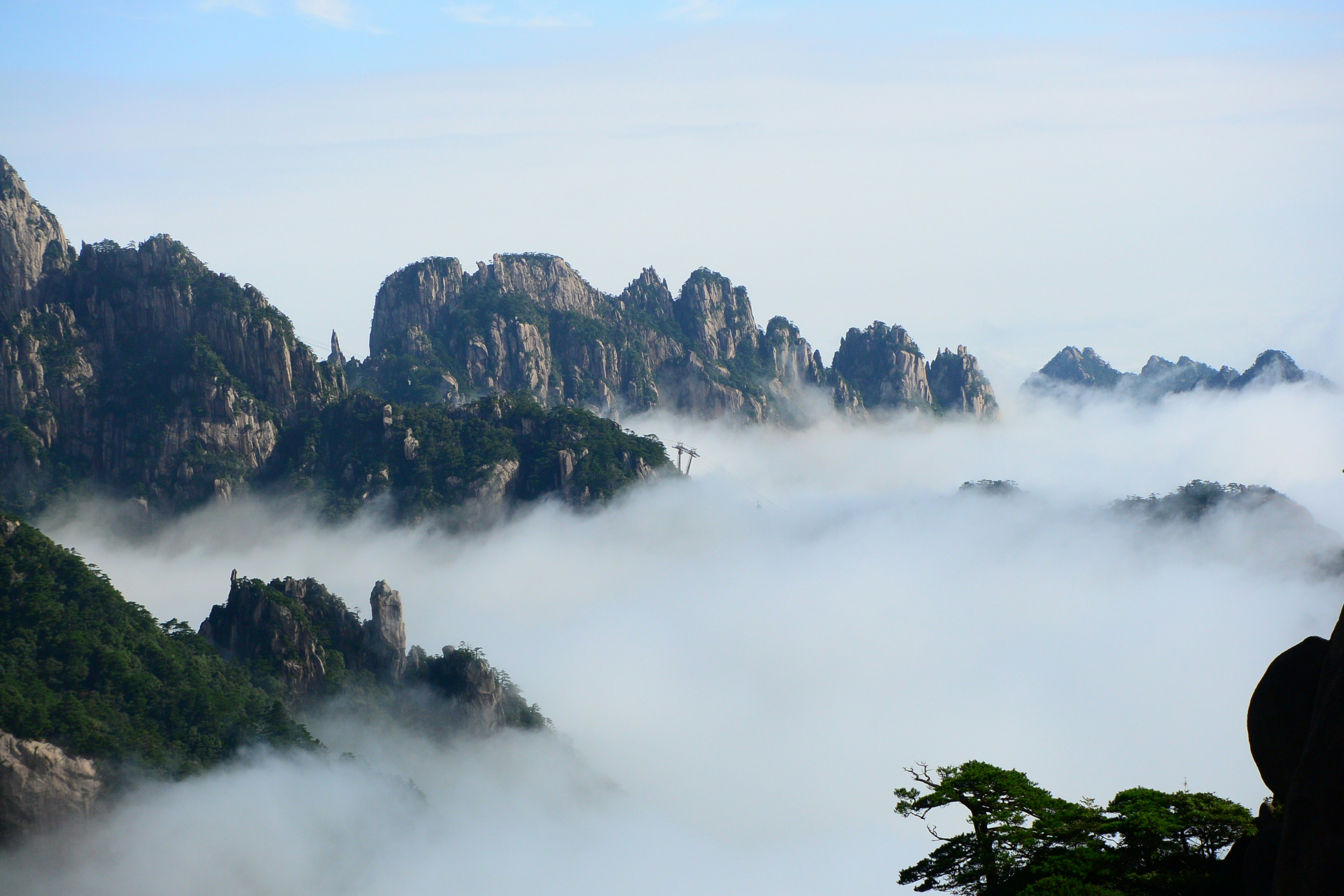 #289 /100
Granite pillars draped in twisted pines rise out of a sea of cloud at Yellow Mountain, the landscape that inspired centuries of Chinese ink painting.
Cable cars reach several viewpoints directly, so the classic misty-peaks view doesn't require a demanding climb.
Sunrise and sunset, when the cloud sea forms below the summits, are when the mountain looks most like the paintings it inspired.
How does it rate
CrowdsRomanceCash RequiredDangerAccessibilityWhy you should go
The misty granite-peak scenery behind centuries of Chinese landscape painting, real and climbable.
Why you shouldn't go
The cloud sea that makes the famous photos isn't guaranteed - it depends entirely on weather.
Plan your visit
Best time to visitNovember-April for the best chance of a cloud sea; spring for blooming pines.Best time of daySunrise from Bright Summit Peak or Lion Peak.Getting thereHigh-speed rail to Huangshan North station, then bus to the cable car base.Entry costEntry fee plus optional cable car, together roughly $50-60.Time needed2 days, 1 night on the mountainInsider tip — Stay overnight at one of the summit hotels - the best light comes before the first cable cars of the day bring up the crowds. -
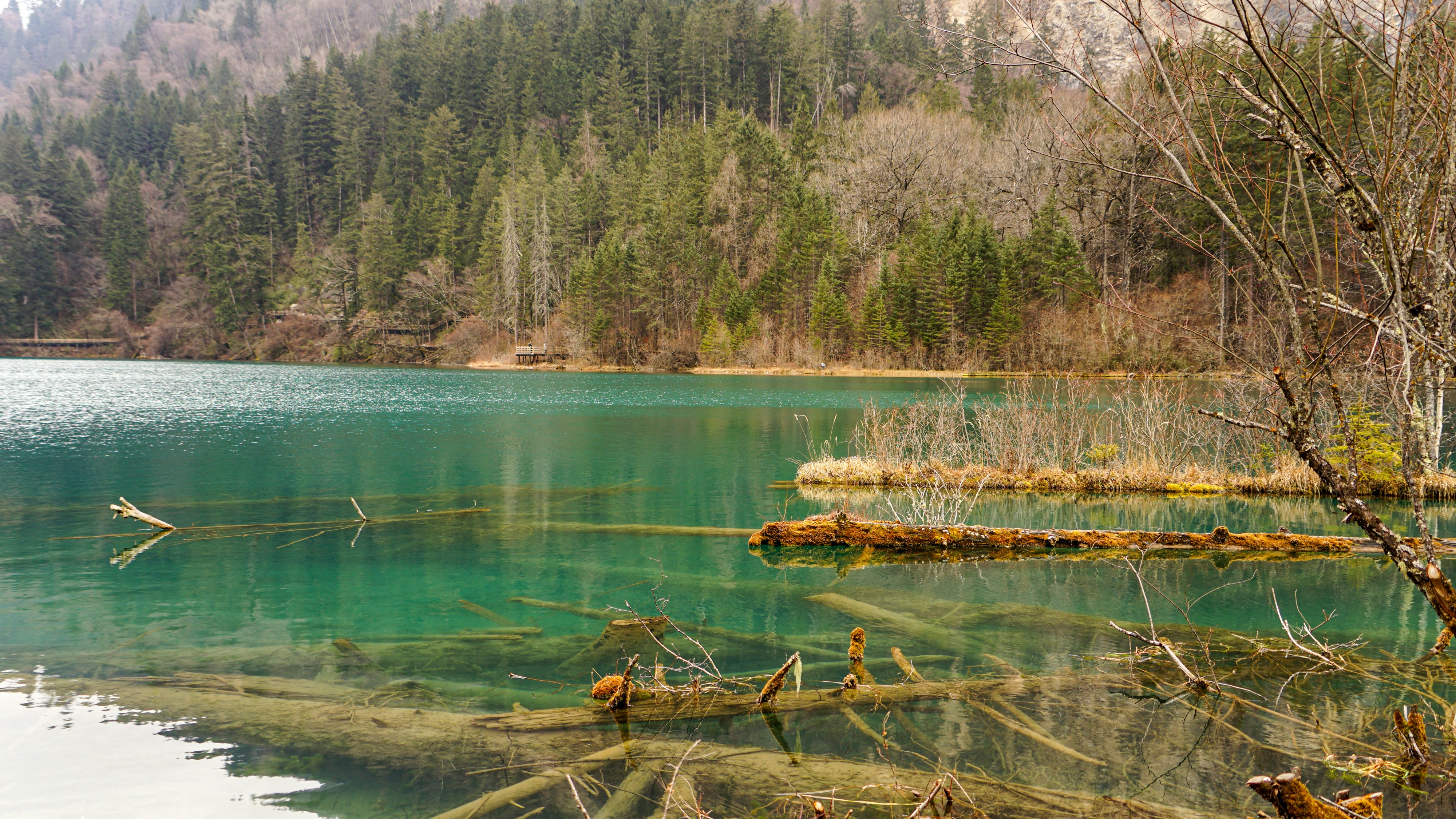 #388 /100
Mineral-rich water turns this Sichuan valley's lakes an almost unnatural turquoise and emerald, layered with travertine terraces and stacked waterfalls.
Fallen trees, preserved in the clear, mineral-hardened water, are visible metres below the surface in the calmest pools.
Snow-capped peaks and autumn foliage frame the lakes depending on season.
How does it rate
CrowdsRomanceCash RequiredDangerAccessibilityWhy you should go
Turquoise mineral lakes so clear that submerged fallen trees are visible metres down.
Why you shouldn't go
Access is tightly managed with shuttle buses only - private cars and free wandering aren't allowed inside.
Plan your visit
Best time to visitOctober, for peak autumn foliage against the turquoise lakes.Best time of dayEarly morning, before shuttle buses bring in the day's main crowds.Getting thereFly to Jiuzhaigou Huanglong Airport, then a shuttle to the park entrance.Entry costEntry fee plus mandatory shuttle bus, together around $40-50.Time needed1-2 daysInsider tip — Head straight for Five Flower Lake and Panda Lake first thing - they're the furthest from the entrance and the first to fill with tour groups. -
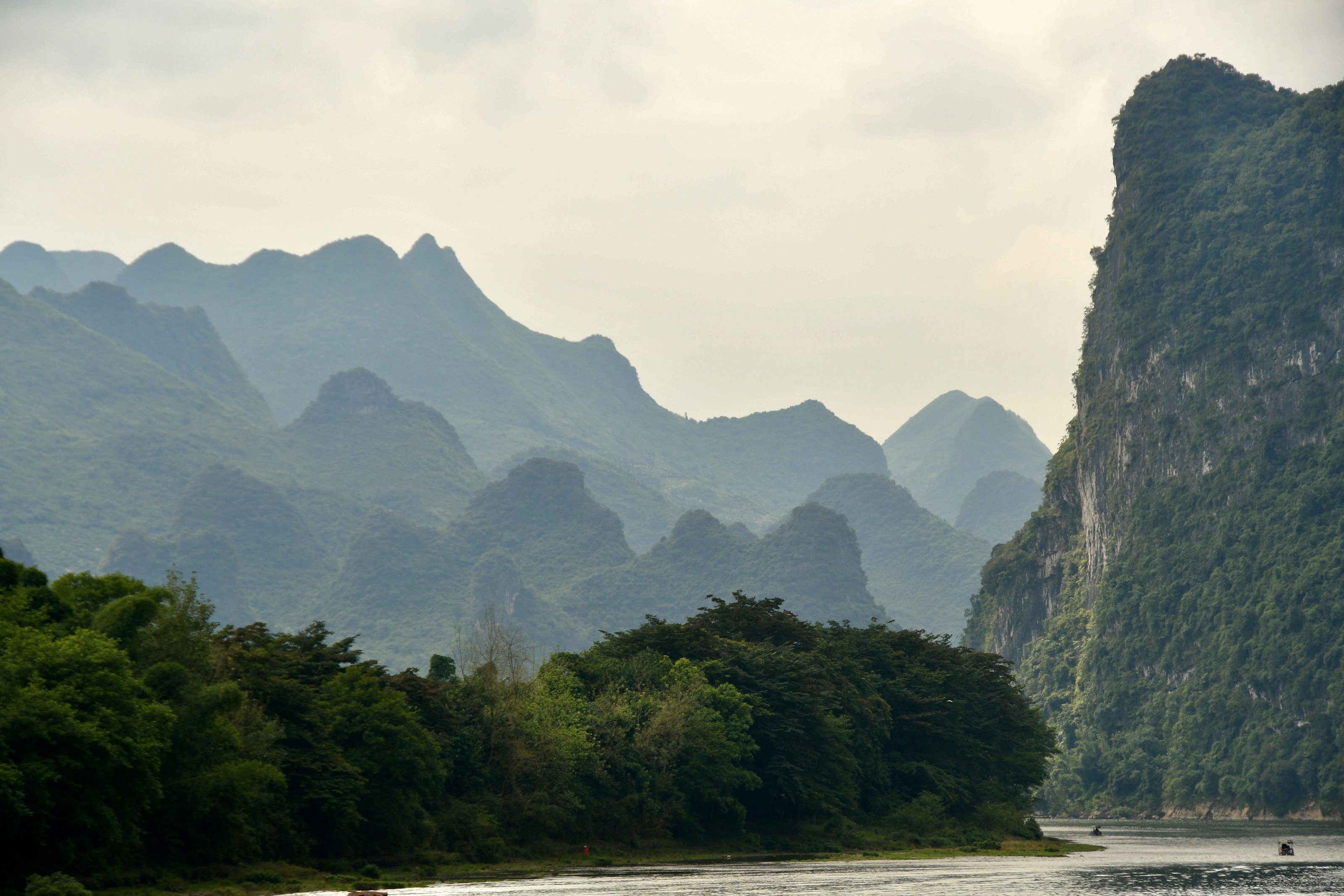 #4
#4The stretch of the Li River between Guilin and Yangshuo is lined with thousands of karst limestone peaks rising straight out of the water, scenery that has appeared on China's 20-yuan banknote and inspired centuries of Chinese landscape painting.
A slow cruise or bamboo raft ride down the river passes fishing villages, water buffalo, and cormorant fishermen, the peaks growing more dramatic the closer you get to Yangshuo.
How does it rate
CrowdsRomanceCash RequiredDangerAccessibilityWhy you should go
Drifting past thousands of karst peaks that have inspired Chinese landscape painting for a thousand years is a genuinely different kind of scenery.
Why you shouldn't go
Large tourist cruise boats can be crowded and slow-moving, especially in peak summer months.
Plan your visit
Best time to visitApril–October for the greenest scenery, though light rain and mist can add to the atmosphere.Best time of dayMorning departures, when mist often still clings to the peaks.Getting thereFly to Guilin; cruise boats depart from Zhujiang pier, arriving in Yangshuo after 4–5 hours, or drive directly to Yangshuo in about 1.5 hours.Entry costPaid cruise ticket; bamboo raft trips on shorter sections cost separately.Time neededHalf a day for the cruise, or several days based in YangshuoInsider tip — Skip the full Guilin-to-Yangshuo cruise and instead take a short bamboo raft trip on the Yulong River near Yangshuo — same karst scenery, far fewer people, and a fraction of the cost. -
 #5
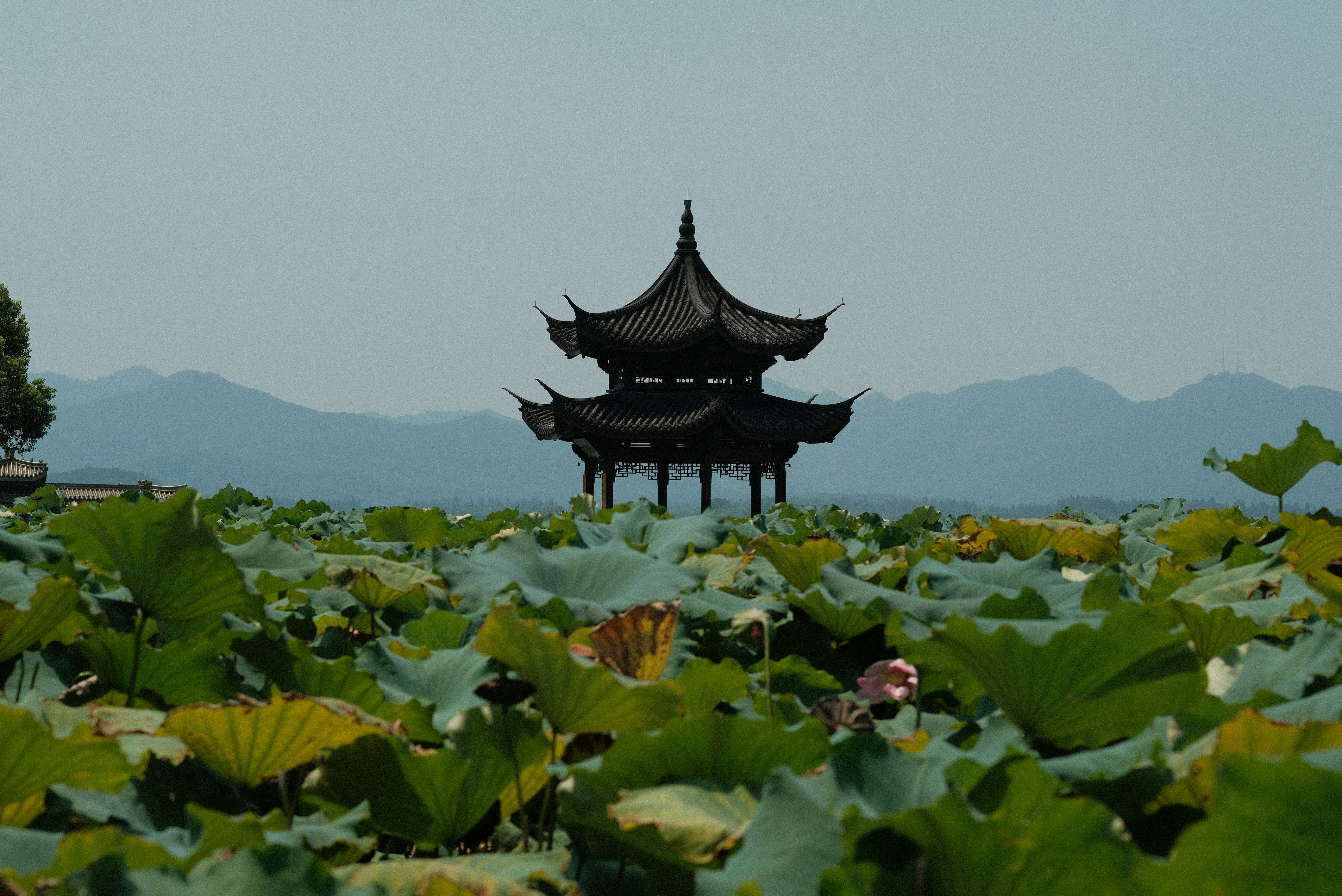
#5West Lake has been celebrated in Chinese poetry and painting for over a thousand years, a freshwater lake in Hangzhou ringed by pagodas, temples, arched bridges, and willow-lined causeways.
Ten classic viewpoints, with names like "Autumn Moon over the Calm Lake," have been fixed in the cultural imagination since imperial times, visited on foot, by bike, or by traditional boat.
Free access and a genuinely beautiful setting make it a place locals use daily.
How does it rate
CrowdsRomanceCash RequiredDangerAccessibilityWhy you should go
A lake celebrated in Chinese art for a thousand years, ringed by pagodas, bridges, and willow-lined causeways.
Why you shouldn't go
It's a major domestic tourist destination, so the most famous viewpoints and causeways get crowded on weekends.
Plan your visit
Best time to visitMarch-May or September-November for mild weather and good lightBest time of dayEarly morning or after sunset, when locals rather than tour groups fill the pathsGetting thereTake the high-speed train into Hangzhou (around 45 minutes from Shanghai); the lake is a short taxi from the stationEntry costFree (lakeside park access); some pavilions and boat rides charge separatelyTime neededHalf a day to a full dayInsider tip — Rent a bike for the full lakeside loop rather than walking; it's around 15km around and a bike covers it comfortably in a couple of hours. -
 #681 /100
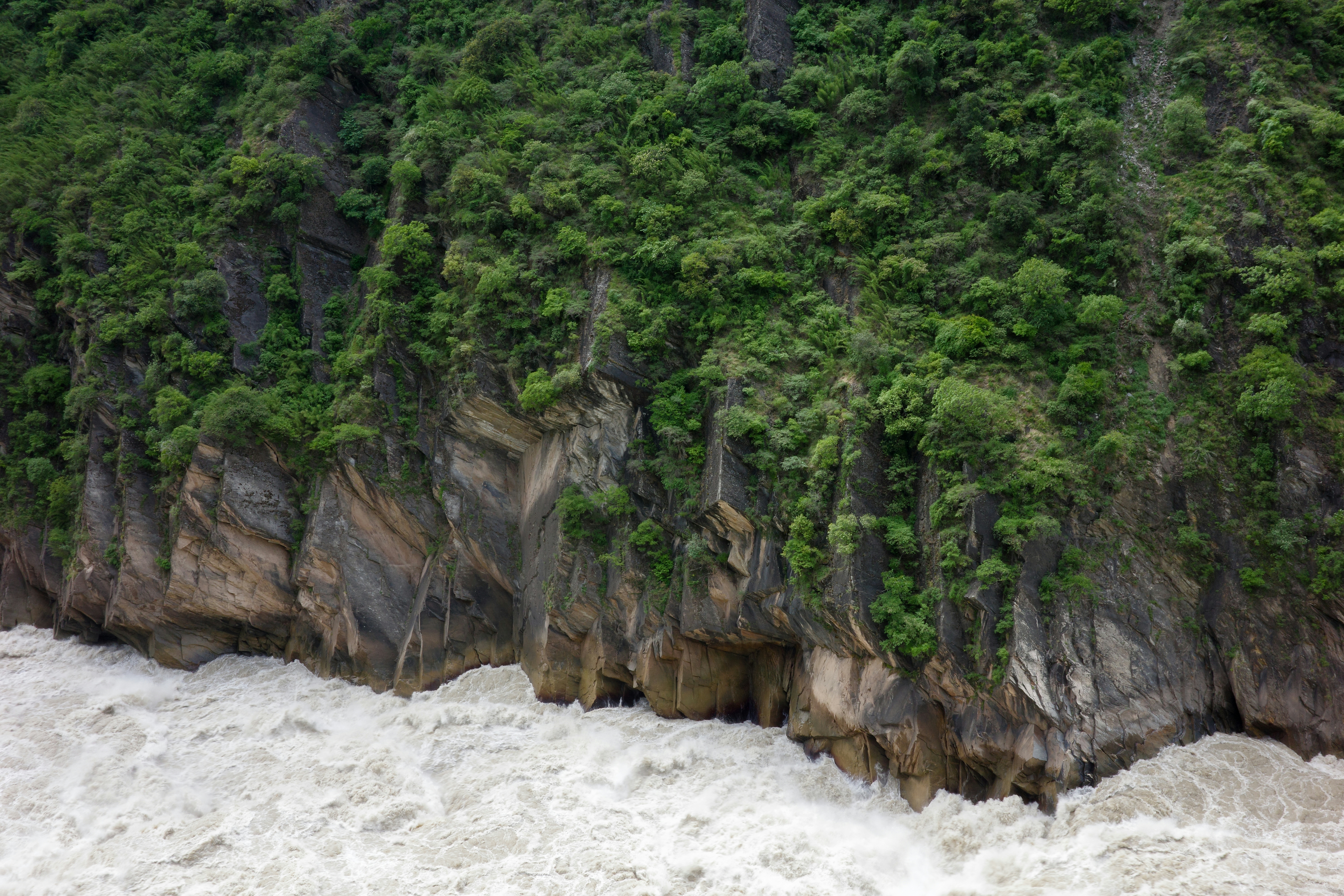
Tiger Leaping Gorge is one of the deepest river canyons on earth, where the Jinsha River is squeezed between the snow-capped Jade Dragon and Haba mountains.
A two-day trekking trail along the high route delivers sweeping views of the gorge and terraced villages, while a lower road lets visitors drive to the roaring rapids at its narrowest point.
The trek has exposed cliff paths, but guesthouses along the way mean it needn't be rushed.
How does it rate
CrowdsRomanceCash RequiredDangerAccessibilityWhy you should go
A two-day high-trail trek through one of the world's deepest gorges, with mountain views the whole way.
Why you shouldn't go
The high trail has narrow, exposed sections that are genuinely dangerous in rain or after dark.
Plan your visit
Best time to visitMarch-May or September-November, avoiding summer rains and winter iceBest time of dayEarly morning start to finish the day's trekking before afternoon weather turnsGetting thereFly into Lijiang; buses run about 2 hours to Qiaotou, the trailhead townEntry costEntrance fee around 65 RMBTime needed2 days for the full high trail; half a day for the lower road viewpointsInsider tip — Break the trek at the Halfway Guesthouse for the best-known view of the gorge, even if you're only doing a day hike. -
 #780 /100
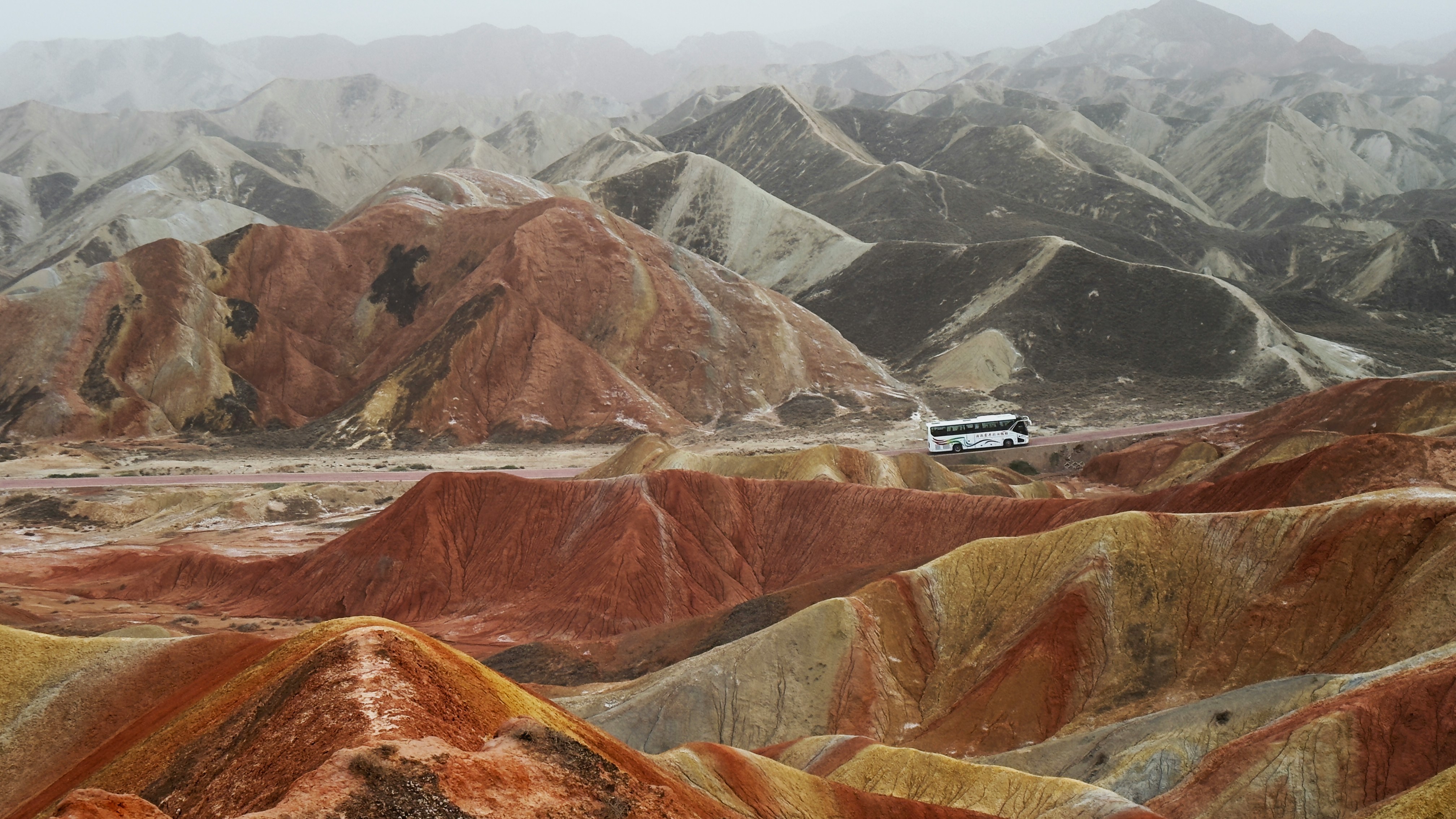
Striped mountains in shades of red, yellow, and blue layer across the landscape like abstract art, the result of mineral-rich sandstone deposited and folded over 24 million years.
Raised boardwalks at four numbered viewing platforms let visitors take in the full rainbow effect.
How does it rate
CrowdsRomanceCash RequiredDangerAccessibilityWhy you should go
Rainbow-striped mountains with layers of red, yellow, and blue sandstone, unlike anywhere else on Earth.
Why you shouldn't go
Colors are muted in flat midday light or haze; visitors are confined to boardwalks and viewing platforms, no off-trail access.
Plan your visit
Best time to visitJune–September or October for the clearest skies; a shuttle bus links the viewing platforms.Best time of daySunrise or sunset cast warm, low-angle light that intensifies the colors.Getting thereFly to Zhangye Ganzhou Airport, then a 40-minute drive or shuttle to the geopark entrance.Entry costRMB 74 (~$10) entrance, plus RMB 20 mandatory shuttle bus.Time needed3–4 hours.Insider tip — Platform 4 is generally considered the best sunset viewpoint. Bring a telephoto lens — the shuttle keeps visitors at a set distance from the formations. -
 #880 /100
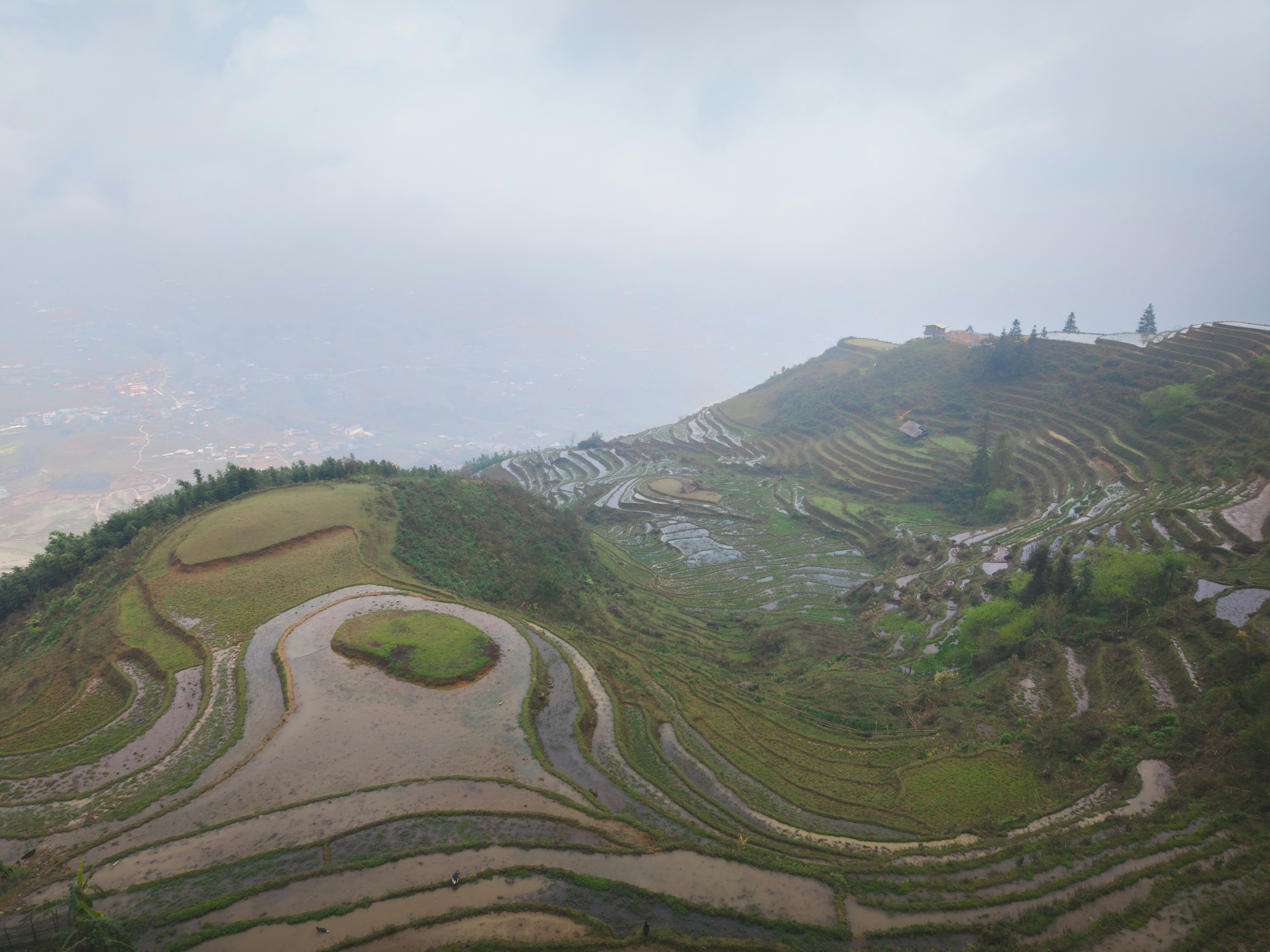
The Yuanyang rice terraces cascade down mountainsides across thousands of stepped fields, shaped over centuries by the Hani people using a water-management system fed by cloud forest above.
Once flooded ahead of spring planting, each terrace mirrors the sky like shattered glass, especially at sunrise and sunset.
Villages of traditional mushroom-shaped thatched houses sit among the terraces, still lived in rather than preserved as a display.
How does it rate
CrowdsRomanceCash RequiredDangerAccessibilityWhy you should go
Thousands of stepped, water-filled rice terraces that mirror the sky at sunrise, shaped by the Hani people over centuries.
Why you shouldn't go
The terraces only hold their mirror-like reflection when flooded, roughly December through March; the rest of the year they're green fields instead.
Plan your visit
Best time to visitDecember-March, when fields are flooded and reflective before plantingBest time of daySunrise at Duoyishu viewpoint, or sunset at BadaGetting thereFly into Kunming; a 5-6 hour drive reaches YuanyangEntry costCombined viewpoint ticket around CNY100Time needed2 days to catch both sunrise and sunset viewpointsInsider tip — Stay overnight in Yuanyang itself rather than day-tripping from Kunming; the best light is at dawn and dusk, both awkward for a same-day round trip. -
 #9
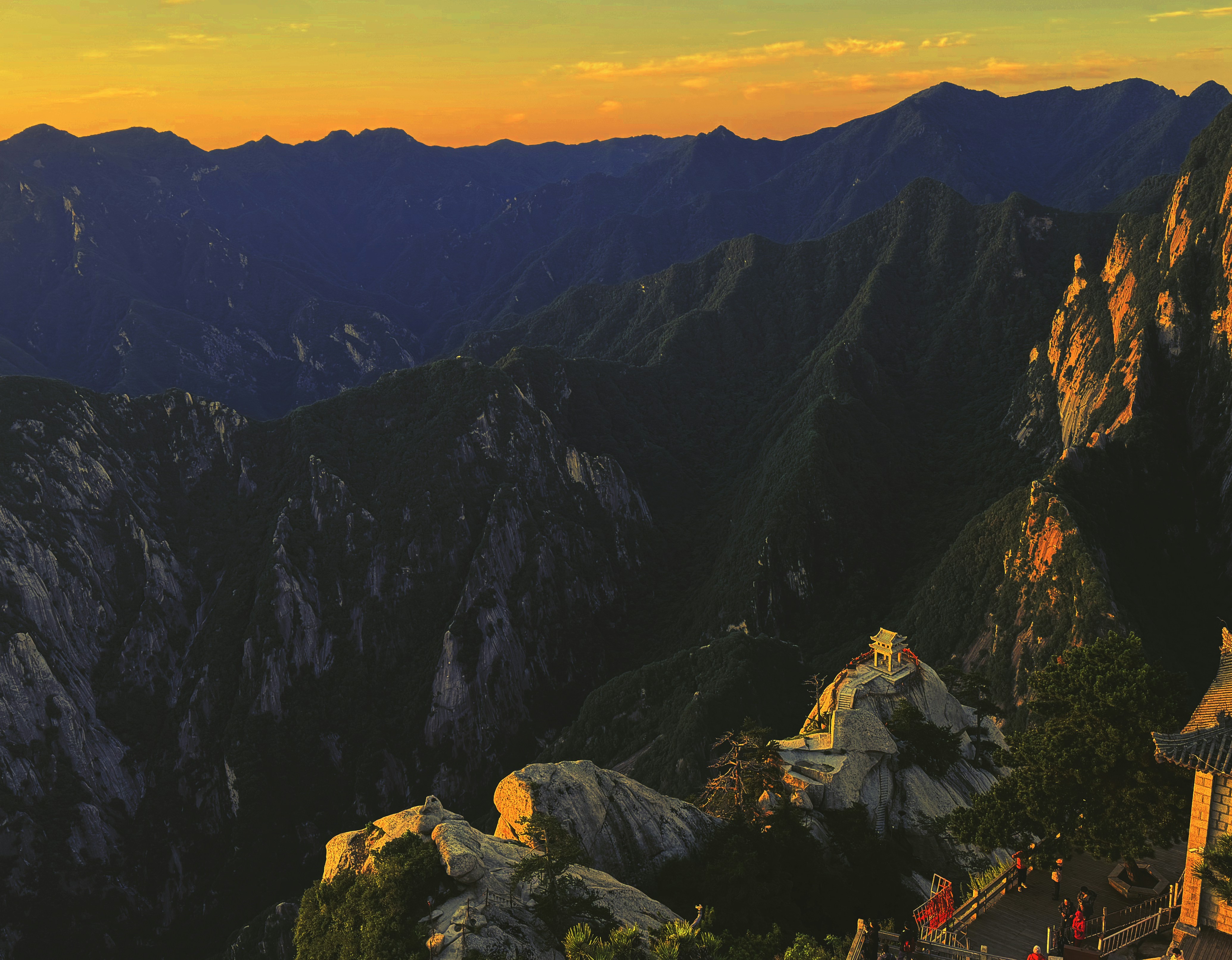
#9Huashan is one of China's Five Great Mountains and among the most demanding to visit, famous for the plank walk, wooden boards bolted to a sheer cliff on the South Peak with a harness the only thing between hikers and a very long drop.
Cable cars now reach most of the mountain's peaks, making the summit accessible without full-day climbing, but the plank walk remains an optional add-on for thrill-seekers.
Taoist temples cling to the ridgelines throughout.
How does it rate
CrowdsRomanceCash RequiredDangerAccessibilityWhy you should go
One of China's Five Great Mountains, with an optional cliffside plank walk not for the faint of heart.
Why you shouldn't go
The plank walk is a genuine, harnessed cliff-edge walkway; it's not an exaggeration to call it dangerous.
Plan your visit
Best time to visitApril-June or September-November for clear weather and manageable crowdsBest time of dayEarly morning for sunrise from the peaks, before cable car queues buildGetting thereFly or take the high-speed train into Xi'an; a 2-hour train or drive reaches HuashanEntry costEntry around CNY160, cable car and plank walk harness fees extraTime neededFull day; overnight on the mountain for sunriseInsider tip — Book the plank walk (Changkong Cliff Road) as a separate add-on ticket in advance; slots are limited and it sells out on weekends. -
 #1078 /100
The Chengdu Research Base of Giant Panda Breeding is a conservation centre set in bamboo forest, where giant and red pandas live in naturalistic enclosures large enough to actually roam rather than pace a small pen.
Cubs are most active in the cooler morning hours, tumbling and climbing before retreating to shade as the day warms, so an early visit matters here.
It's a research facility first and tourist site second, a genuine conservation success.
How does it rate
CrowdsRomanceCash RequiredDangerAccessibilityWhy you should go
Naturalistic panda enclosures where cubs are genuinely active, if you arrive early enough to catch it.
Why you shouldn't go
Pandas retreat to shade and nap by mid-morning; arriving late means mostly sleeping animals.
Plan your visit
Best time to visitYear-round; spring for the mildest weatherBest time of dayOpening time (around 7:30am), when pandas are most activeGetting thereTake a taxi or the Chengdu metro (Line 3) to the base, about 30 minutes from central ChengduEntry costAround CNY55Time needed3-4 hoursBookingBook ahead →Insider tip — Head straight to the panda enclosures on arrival rather than the museum first; by 10am most pandas have gone to nap in the shade. -
 #1175 /100
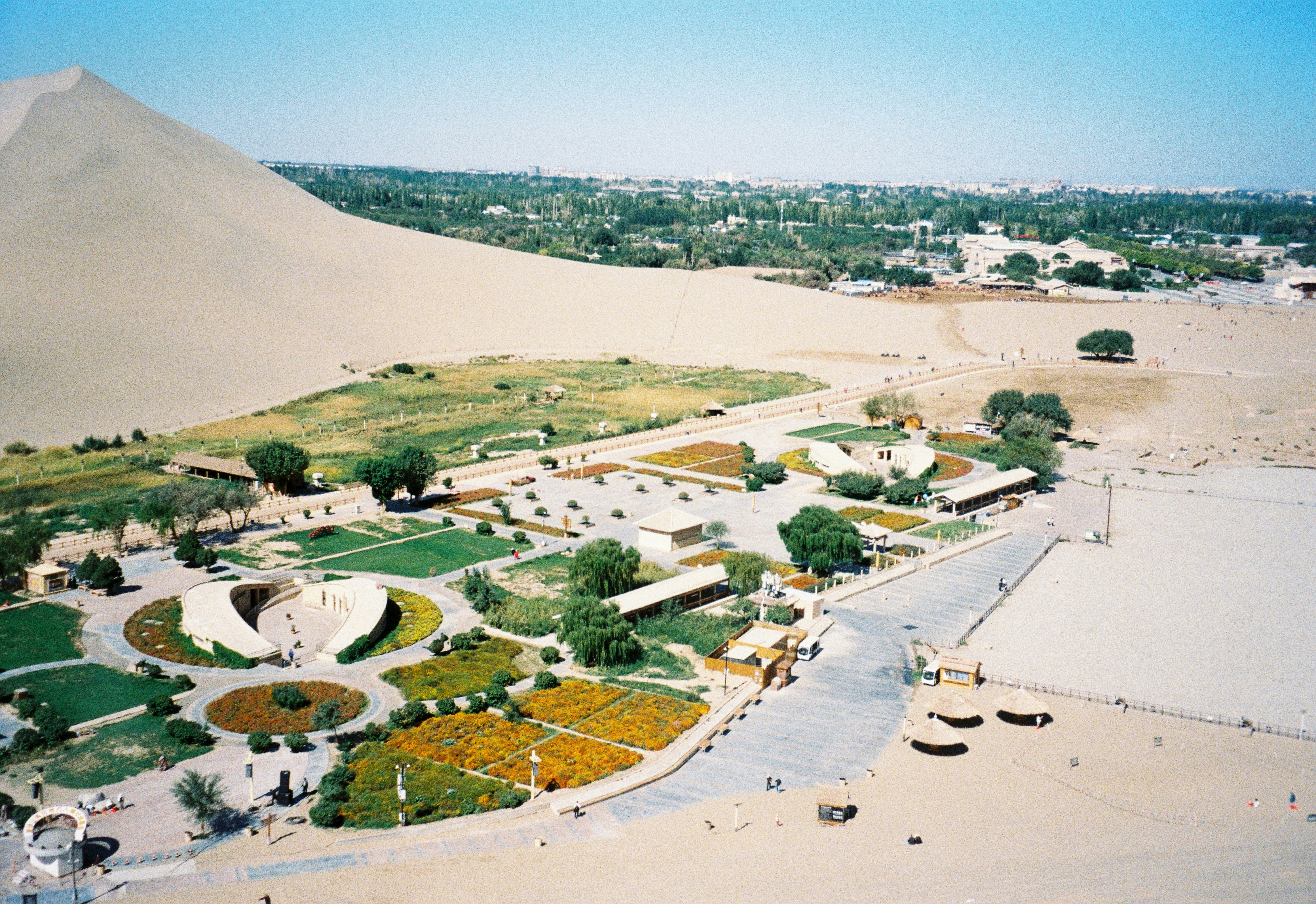
Mingsha Shan (Singing Sand Mountain) is a range of towering dunes on the edge of the Gobi Desert outside Dunhuang, famous for the crescent-shaped Crescent Lake spring that has survived at its base for over a thousand years without being buried by sand.
Visitors climb the dunes on rope ladders or ride camels along the ridgelines, and the sand is said to hum as it shifts underfoot.
It's a green oasis ringed by nothing but bare desert.
How does it rate
CrowdsRomanceCash RequiredDangerAccessibilityWhy you should go
A thousand-year-old spring shaped like a crescent moon, ringed by towering desert dunes.
Why you shouldn't go
Climbing the dunes in loose sand is tiring, and midday summer heat here is intense.
Plan your visit
Best time to visitApril-June or September-October, avoiding summer's peak heatBest time of dayLate afternoon into sunset, when the dunes cast long shadows and the heat easesGetting thereFly into Dunhuang; the dunes are a 20-minute drive from townEntry costAround CNY110 in peak seasonTime needed2-3 hoursInsider tip — Rent the provided sand-proof boot covers at the entrance; loose sand gets into open shoes within minutes on the dune climb. -
 #1274 /100
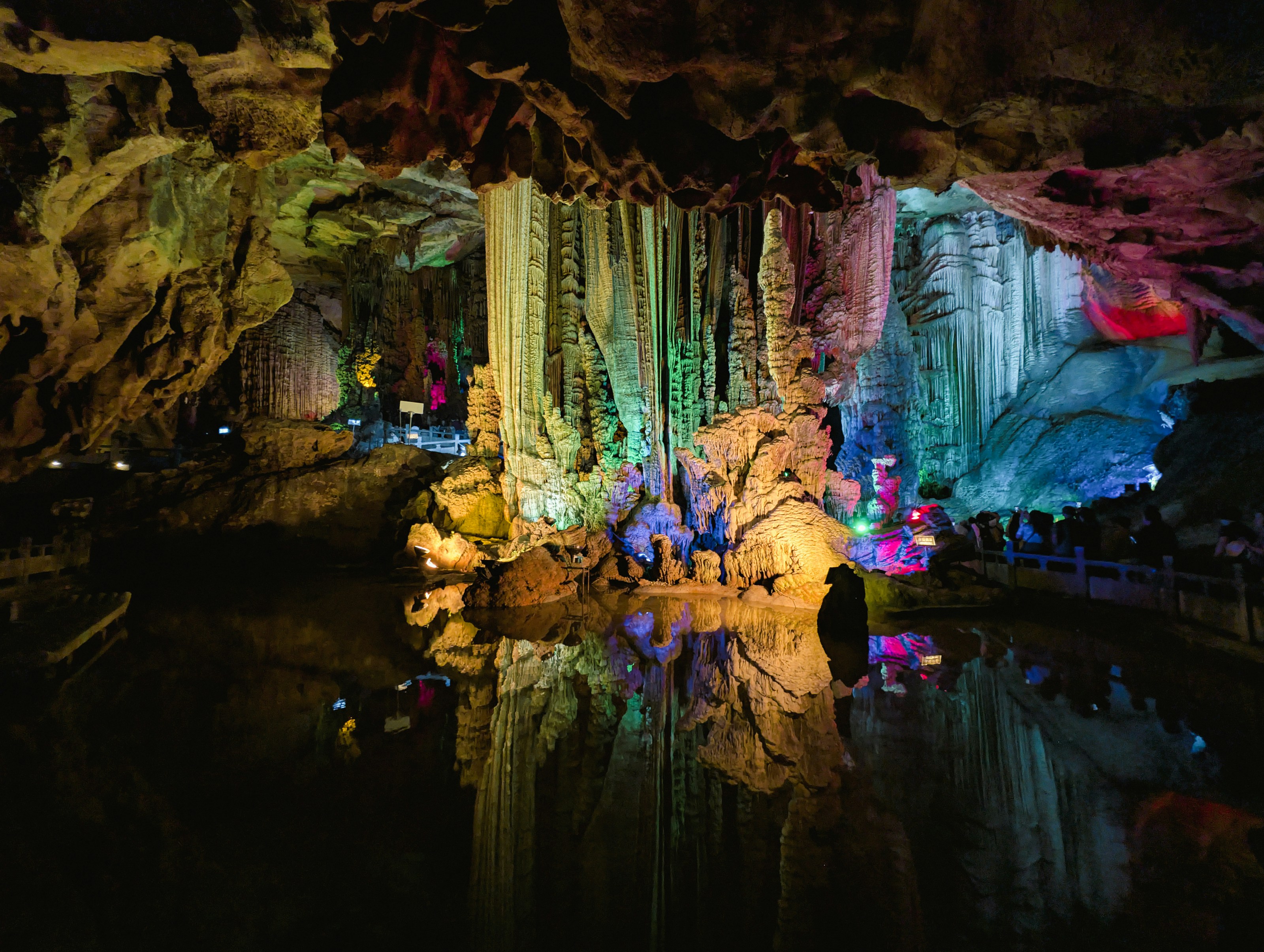
A 240-metre limestone cave in the hills of Guilin, lit throughout in saturated reds, greens and blues that turn the stalactites into something closer to stage design than geology.
A still pool near the end doubles every formation above it.
Ink inscriptions on the walls date back to the Tang dynasty.
How does it rate
CrowdsRomanceCash RequiredDangerAccessibilityWhy you should go
The coloured lighting and the mirror pool make it the most photogenic show cave in China.
Why you shouldn't go
The lighting is entirely artificial, which strikes some visitors as gaudy rather than natural.
Plan your visit
Best time to visitApril-October, alongside the Li River cruises Guilin is known forBest time of dayEarly afternoon on a weekday, between the domestic tour groupsGetting thereBus or taxi from central Guilin, about 20 minutesEntry costAround CNY 110Time needed1-2 hoursInsider tip — The mirror pool near the exit is the shot - let the group ahead move on and photograph it before anyone disturbs the surface. -
 #1370 /100
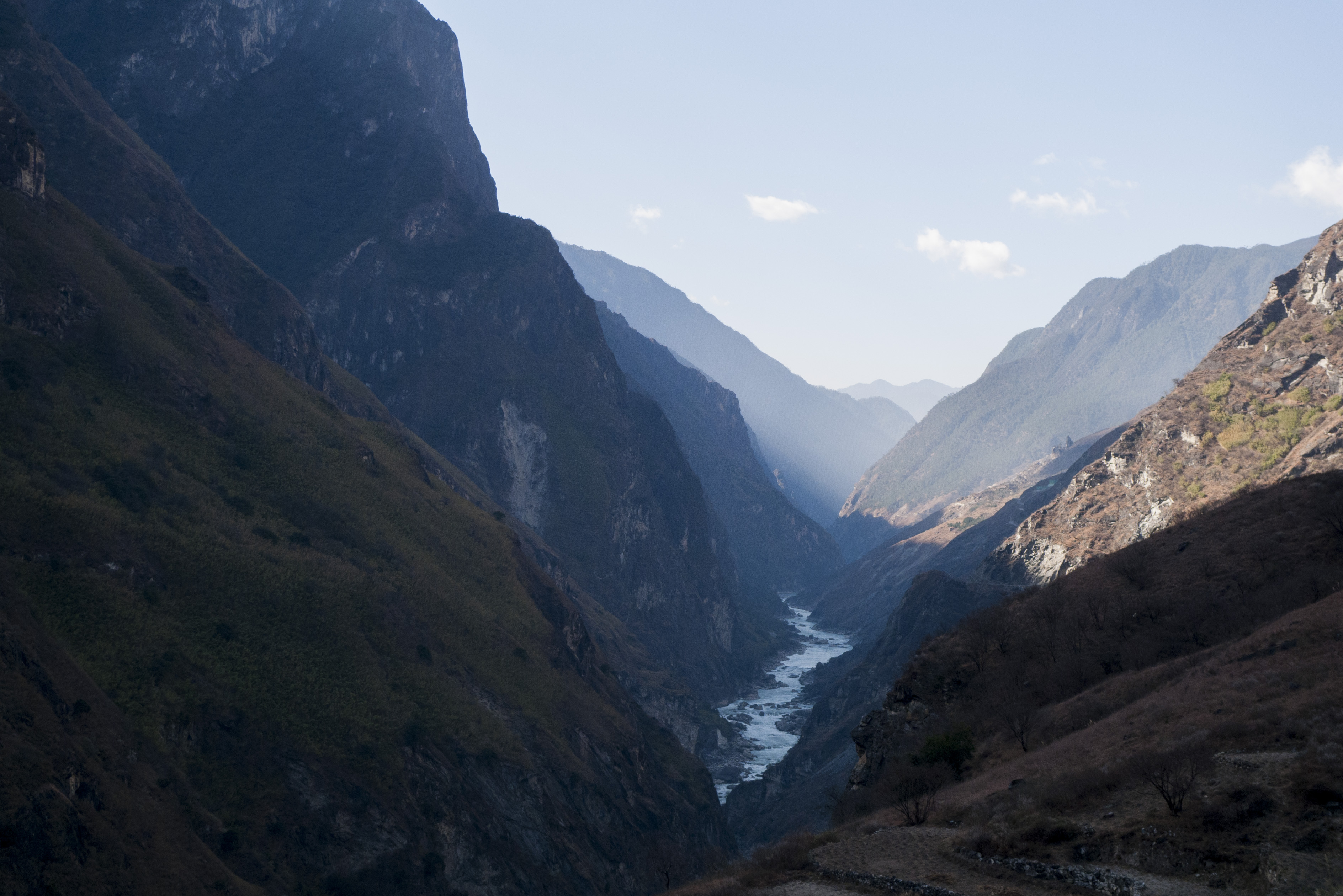
A two-day trek along one of the world's deepest gorges, following a high trail above the roaring Jinsha River between the Jade Dragon and Haba Snow Mountains.
The path climbs through the notorious 28 Bends before easing past small guesthouses that serve as overnight stops with gorge-view balconies.
Sheer rock walls tower more than 2,000m above the river on either side of the trail.
How does it rate
CrowdsRomanceCash RequiredDangerAccessibilityWhy you should go
Walking a high trail above one of the world's deepest gorges, with guesthouse balconies looking straight down at it.
Why you shouldn't go
The 28 Bends climb is a genuine grind, and landslides periodically close sections of the upper trail.
Plan your visit
Best time to visitApril-June or September-November, avoiding summer rains and winter ice.Best time of dayMorning start from Qiaotou to clear the 28 Bends before the day heats up.Getting thereFly to Lijiang or Shangri-La; bus (about 2 hours) to the Qiaotou trailhead.Entry costGorge entry fee about 65 CNY; guesthouses 80-150 CNY per night.Time needed2 days / 1 nightInsider tip — Stay at Halfway Guesthouse for the best-known gorge view, and carry cash - card payment is unreliable on the trail.


More from China
-
More Natural Wonders spots
-
How a score is built
One score out of 100, five criteria behind it
Every place is rated 1–5 on each of the criteria below, then combined into a single score out of 100. It's calculated by us, the same way every time — not an average of traveller reviews or social votes.
Crowds
How many people you'll be sharing it with, and at what time of day.
Romance
How well it suits a couple, a proposal, or a quiet moment together.
Cash required
Entry fees, permits, guides, rentals — what it actually costs to do it.
Danger
Physical risk involved, from a slippery viewpoint to genuine hazard.
Accessibility
How far off the beaten path it is, and how hard it is to actually reach.


