-
 #187 /100
A sub-Arctic town on the Hudson Bay coast known as the polar bear capital of the world, where bears gather each autumn waiting for the sea ice to freeze.
Specially built tundra vehicles bring visitors safely within metres of wild bears, and the same stretch of coast offers beluga whale watching in summer and reliable northern lights viewing in winter.
No road connects Churchill to the rest of Manitoba.
How does it rate
CrowdsRomanceCash RequiredDangerAccessibilityWhy you should go
The most reliable place on Earth to see wild polar bears up close, from the safety of a purpose-built tundra vehicle.
Why you shouldn't go
Only reachable by plane or a two-day train; peak-season tours routinely cost thousands of dollars.
Plan your visit
Best time to visitLate October to mid-November for polar bears; July-August for beluga whales; Jan-March for auroraBest time of dayDaylight hours for bear viewing; clear, moonless nights for the northern lightsGetting thereFly from Winnipeg (about 2 hours) or take the 2-day VIA Rail train; no roads connect Churchill to the rest of Manitoba.Entry costTundra buggy tours from around CA$400/day; multi-day packages often CA$3,000+Time needed3-5 days for a bear-viewing tripBookingBook ahead →Insider tip — Book tundra buggy tours many months ahead for the first two weeks of November, when bear numbers along the coast are highest; shoulder-season dates are cheaper but far less certain. -
 #279 /100
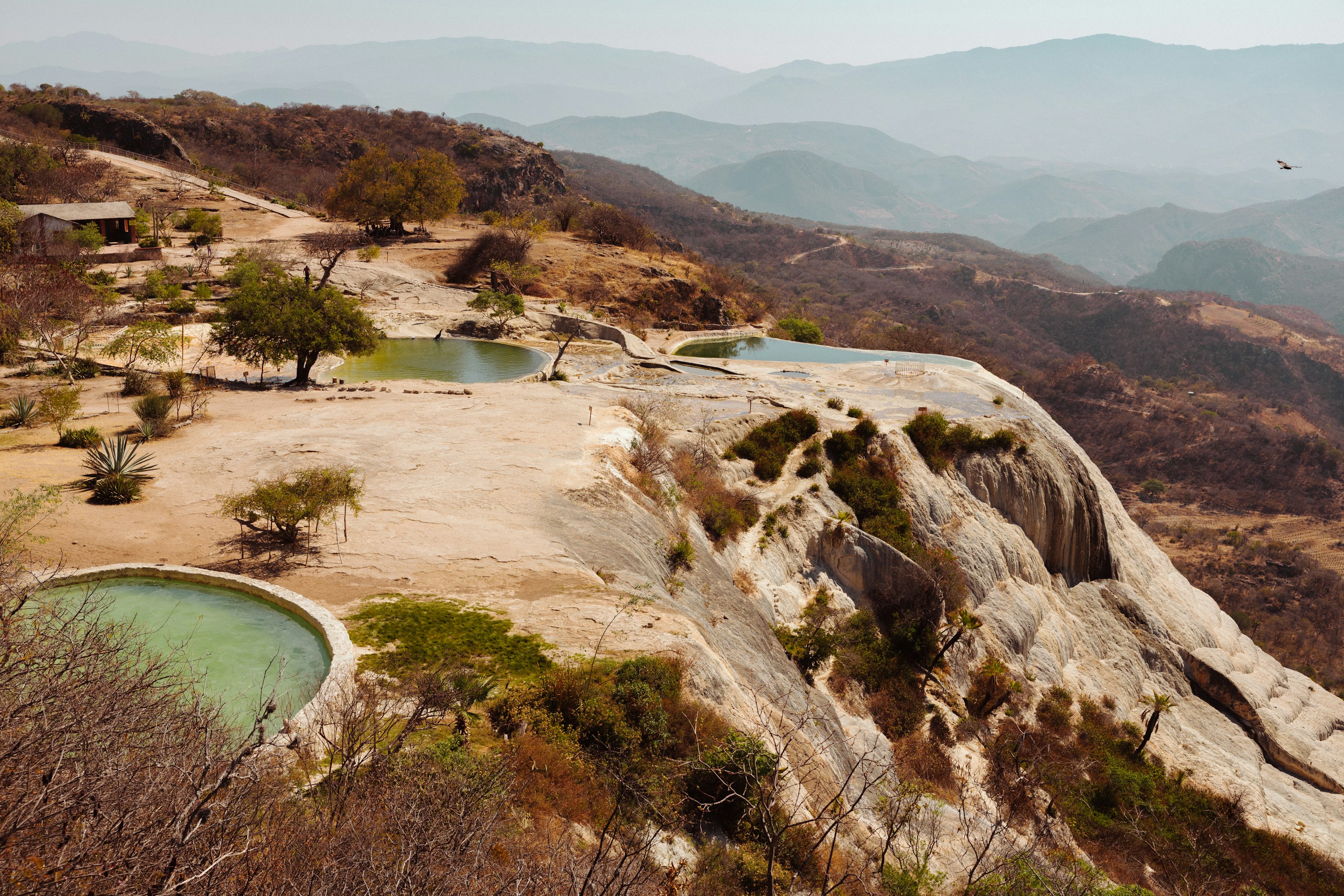
Hierve el Agua is a set of mineral-rich springs in the hills outside Oaxaca that have calcified over thousands of years into cliffside formations resembling frozen waterfalls.
Two natural infinity pools sit right at the cliff edge, letting swimmers look out over the valley below.
The site is far quieter than Mexico's beach and pyramid destinations, reachable only by a bumpy mountain road.
How does it rate
CrowdsRomanceCash RequiredDangerAccessibilityWhy you should go
Swimming in a natural infinity pool at a cliff edge that looks like a petrified waterfall is unlike anything else in Mexico.
Why you shouldn't go
The access road is rough and the pools' water level can drop noticeably in the dry season.
Plan your visit
Best time to visitNovember–April, dry season, for the fullest pools and easiest road access.Best time of dayMid-morning, arriving before tour groups from Oaxaca City build up through the afternoon.Getting thereFly to Oaxaca City; roughly 1.5–2-hour drive southeast on mostly unpaved mountain roads.Entry costSmall community entry fee, paid locally.Time needed2–3 hoursInsider tip — Combine the trip with the mezcal villages of Santiago Matatlán and San Baltazar Chichicápam along the same road. -
 #378 /100
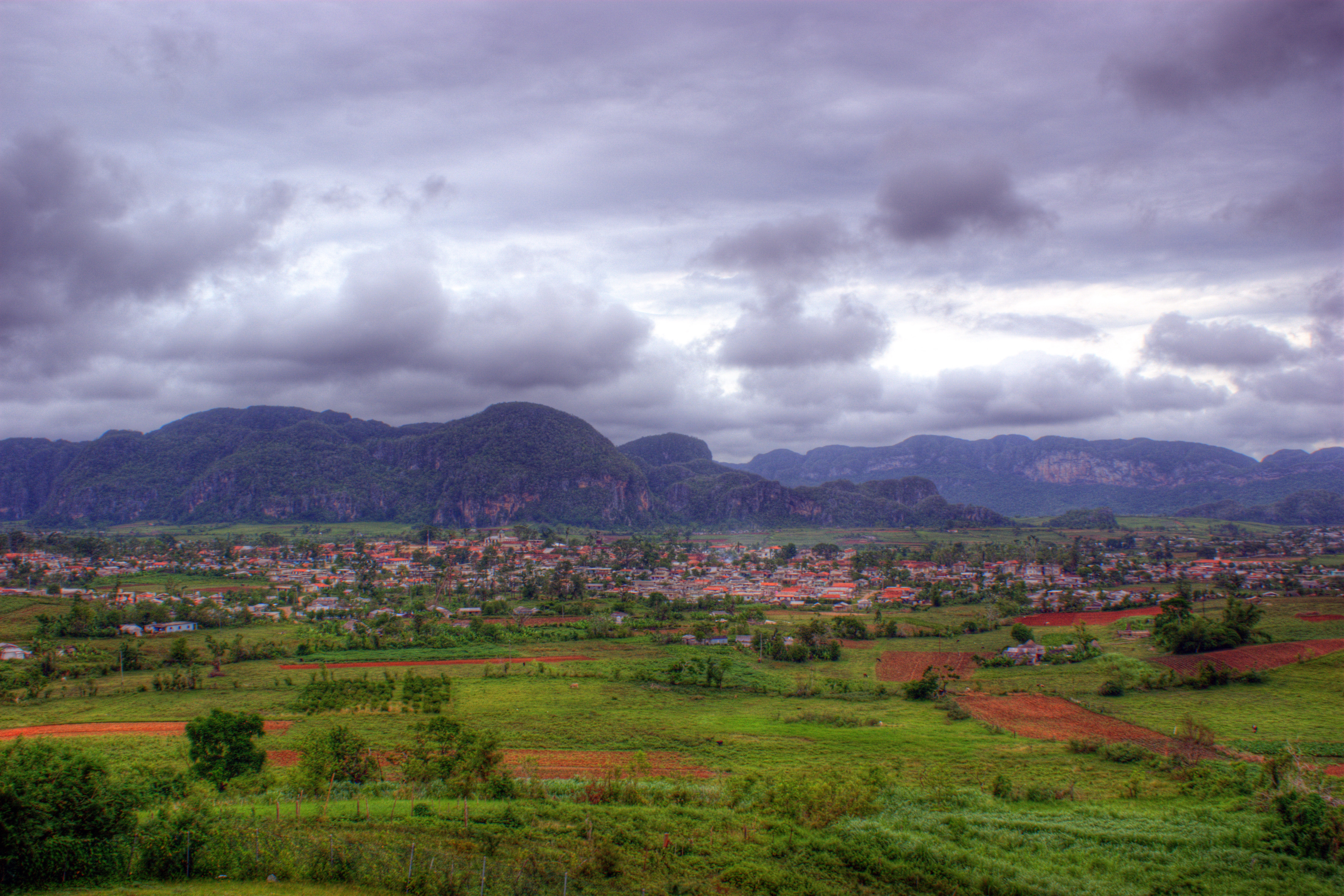
The Vinales Valley is a UNESCO World Heritage landscape in western Cuba, where massive limestone mogotes rise dramatically from the flat valley floor like green-covered fortresses.
The traditional tobacco farms, red earth roads, royal palm trees, and brilliant blue skies make it one of the Caribbean's most distinctive landscapes.
How does it rate
CrowdsRomanceCash RequiredDangerAccessibilityWhy you should go
The combination of the dramatic mogote karst landscape, the red earth, the royal palms, and the traditional farming methods creates a landscape of extraordinary beauty and cultural richness.
Why you shouldn't go
Vinales requires either a guided excursion from Havana or independent travel which can be challenging to arrange; the valley itself is fairly compact and can be covered in a day.
Plan your visit
Best time to visitNovember-April (dry season)Best time of daySunrise, when mist settles between the limestone mogotesGetting there~2.5-3hr drive from HavanaEntry costFree to viewTime neededFull dayInsider tip — Climb to the Los Jazmines viewpoint hotel terrace for the classic wide shot over the whole valley -
 #478 /100
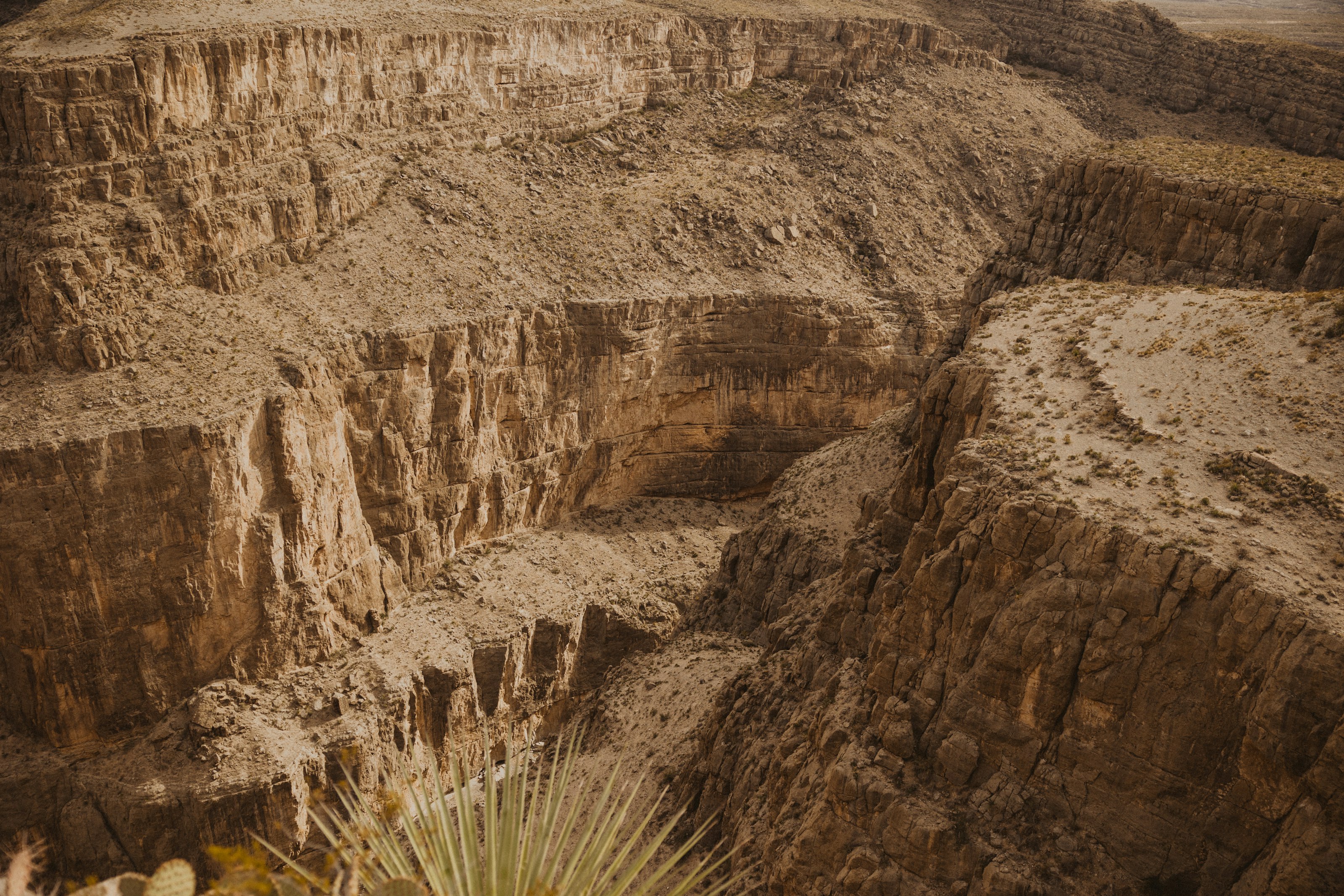
Mexico's Copper Canyon is actually a network of canyons in the Sierra Madre Occidental, several deeper than the Grand Canyon, cut by rivers through pine forest and red rock.
The main way to see it is the Chepe train, which crosses 37 bridges and passes through 86 tunnels on its way between the desert lowlands and the pine-covered rim.
Small Rarámuri (Tarahumara) communities still live within the canyon system.
How does it rate
CrowdsRomanceCash RequiredDangerAccessibilityWhy you should go
The Chepe train ride itself, crossing dozens of bridges and tunnels along the canyon rim, is as much the experience as the views.
Why you shouldn't go
It's a long way from anywhere — reaching the canyon takes a full day of travel each way from most starting points.
Plan your visit
Best time to visitOctober–April, avoiding summer's heat and rainy season.Best time of dayMorning departures on the Chepe train give the best light along the canyon rim.Getting thereFly to Chihuahua or Los Mochis, then take the Chepe train, which runs between both cities through the canyon.Entry costTrain tickets and lodge stays are the main costs; viewpoints themselves are free.Time needed2–3 daysInsider tip — Book a seat on the right-hand side heading from Los Mochis to Chihuahua for the best canyon views. -
 #577 /100
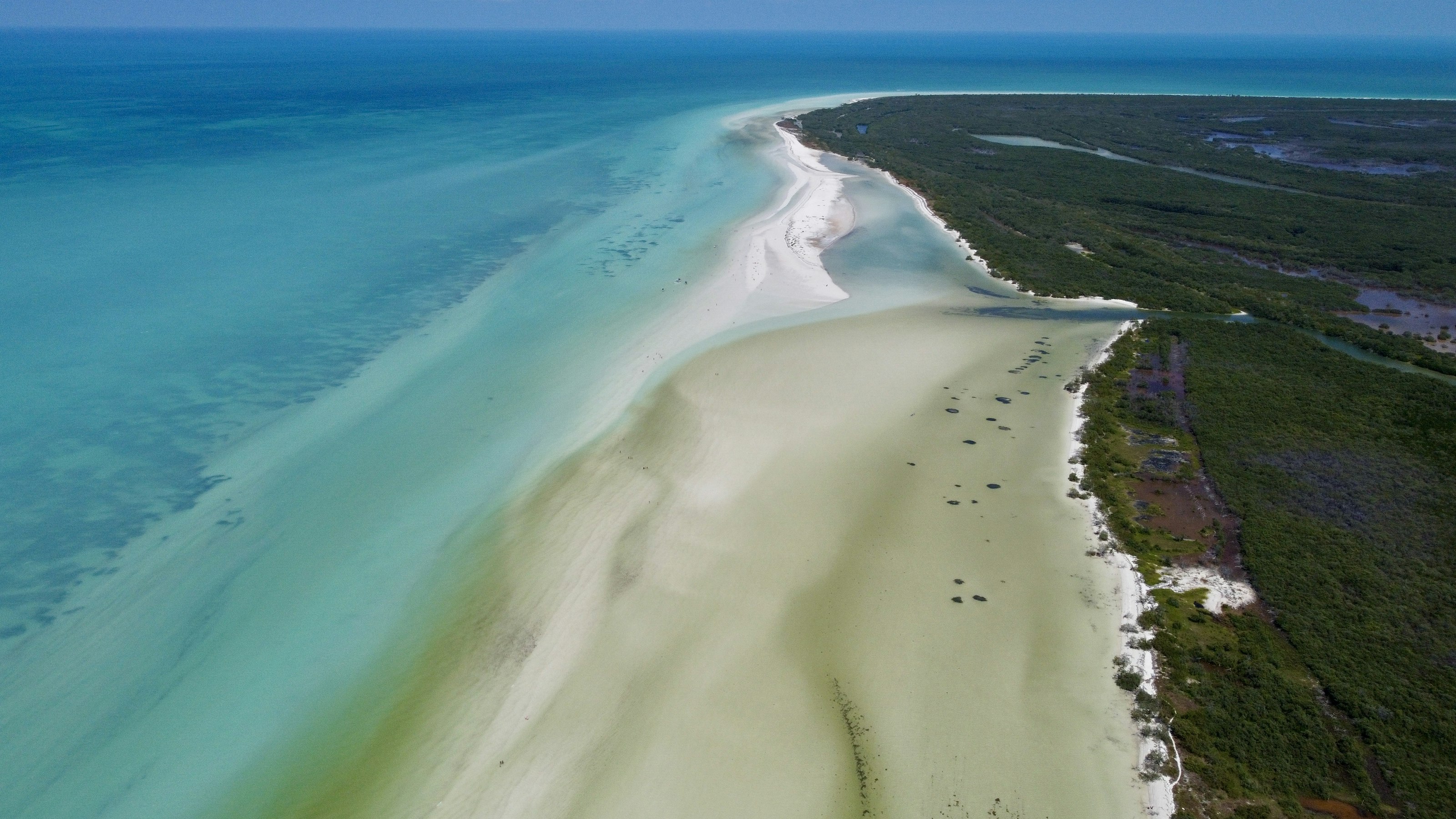
Isla Holbox is a car-free sandbar island off Mexico's Yucatán coast, reached only by boat, with sandy streets, pastel-painted guesthouses, and a slower pace than the resorts of Cancún.
Whale sharks gather in the surrounding waters from roughly June to September, drawing snorkel trips out to swim alongside them, and the island's shallow lagoon glows with bioluminescent plankton on dark nights.
How does it rate
CrowdsRomanceCash RequiredDangerAccessibilityWhy you should go
Snorkelling alongside whale sharks, the largest fish in the ocean, just offshore is a rare and genuinely gentle wildlife encounter.
Why you shouldn't go
It's seasonal — outside whale shark months and without a clear dark sky for bioluminescence, it's a much quieter draw.
Plan your visit
Best time to visitJune–September for whale sharks; new-moon nights any time of year for bioluminescence.Best time of daySunset on the north beach, and after dark (away from lights) for bioluminescent plankton.Getting thereFly to Cancún; 2-hour drive to Chiquilá, then a 20-minute passenger ferry to the island.Entry costFree to explore; whale shark tours and bioluminescence boat trips are paid extras.Time needed2–3 daysInsider tip — Book whale shark tours directly through a licensed local operator at the pier rather than a resort in Cancún — it's cheaper and the boats are smaller. -
 #675 /100
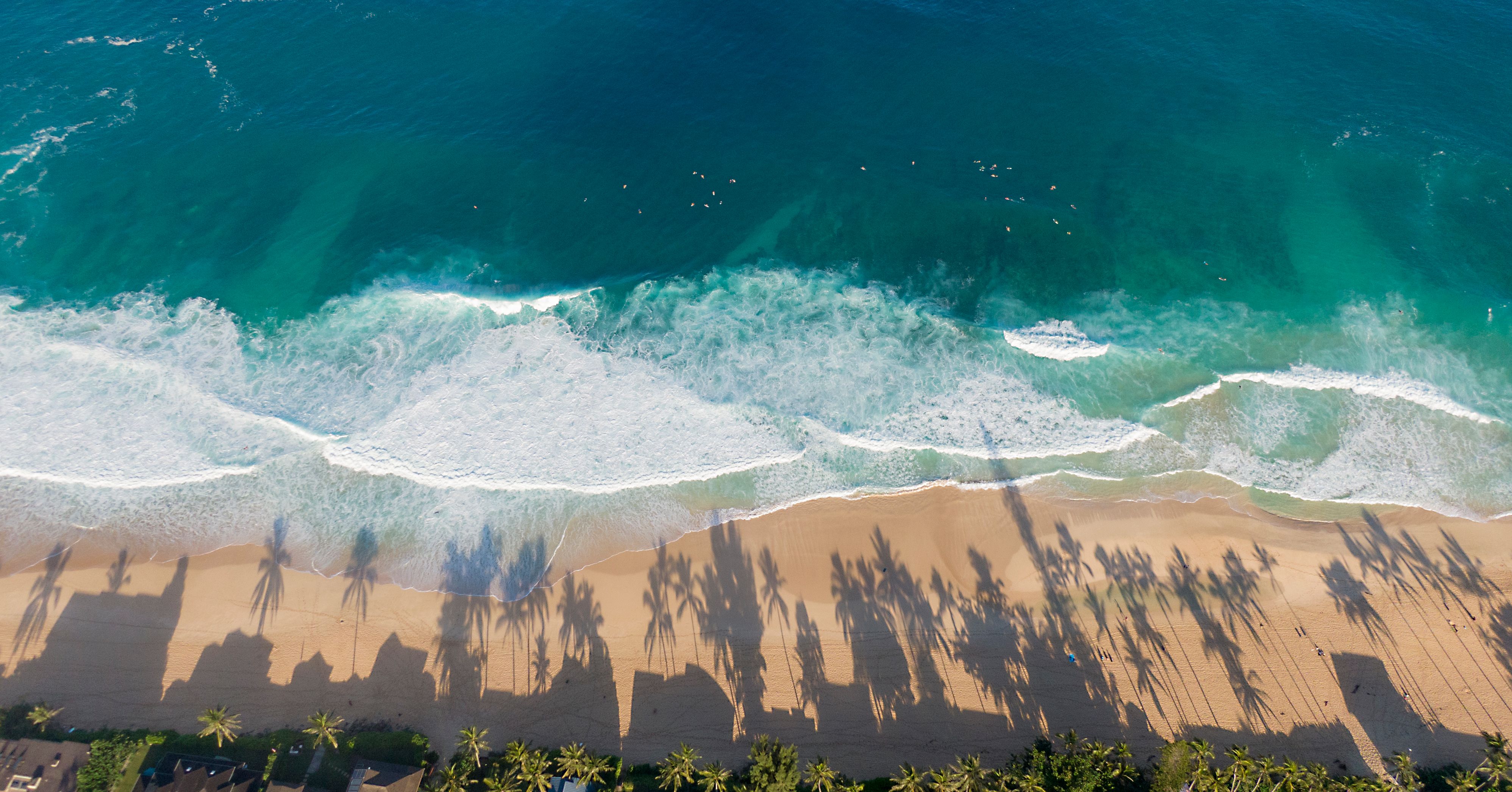
A long, wide stretch of soft white sand on Oahu's windward coast, with the Ko'olau mountain range rising green and jagged directly behind it.
It's popular with locals rather than tour buses, so it stays uncrowded even close to Honolulu, and the water is generally calmer than the island's surf-famous North Shore.
Bellows Beach next door adds a second, quieter option within the same bay.
How does it rate
CrowdsRomanceCash RequiredDangerAccessibilityWhy you should go
Wide white sand backed directly by the jagged Ko'olau range, with far fewer tourists than Oahu's famous North Shore beaches.
Why you shouldn't go
Facilities are basic, and being a local favourite means weekends can bring heavy beach-park traffic.
Plan your visit
Best time to visitApril-October for calmer, warmer water.Best time of dayEarly morning, when the mountains catch the sunrise light.Getting thereFly to Honolulu; a 40-minute drive around the southeast coast to Waimanalo.Entry costFree.Time needed2-3 hours.Insider tip — Bellows Field Beach Park next door is open to the public on weekends and is usually quieter still. -
 #774 /100
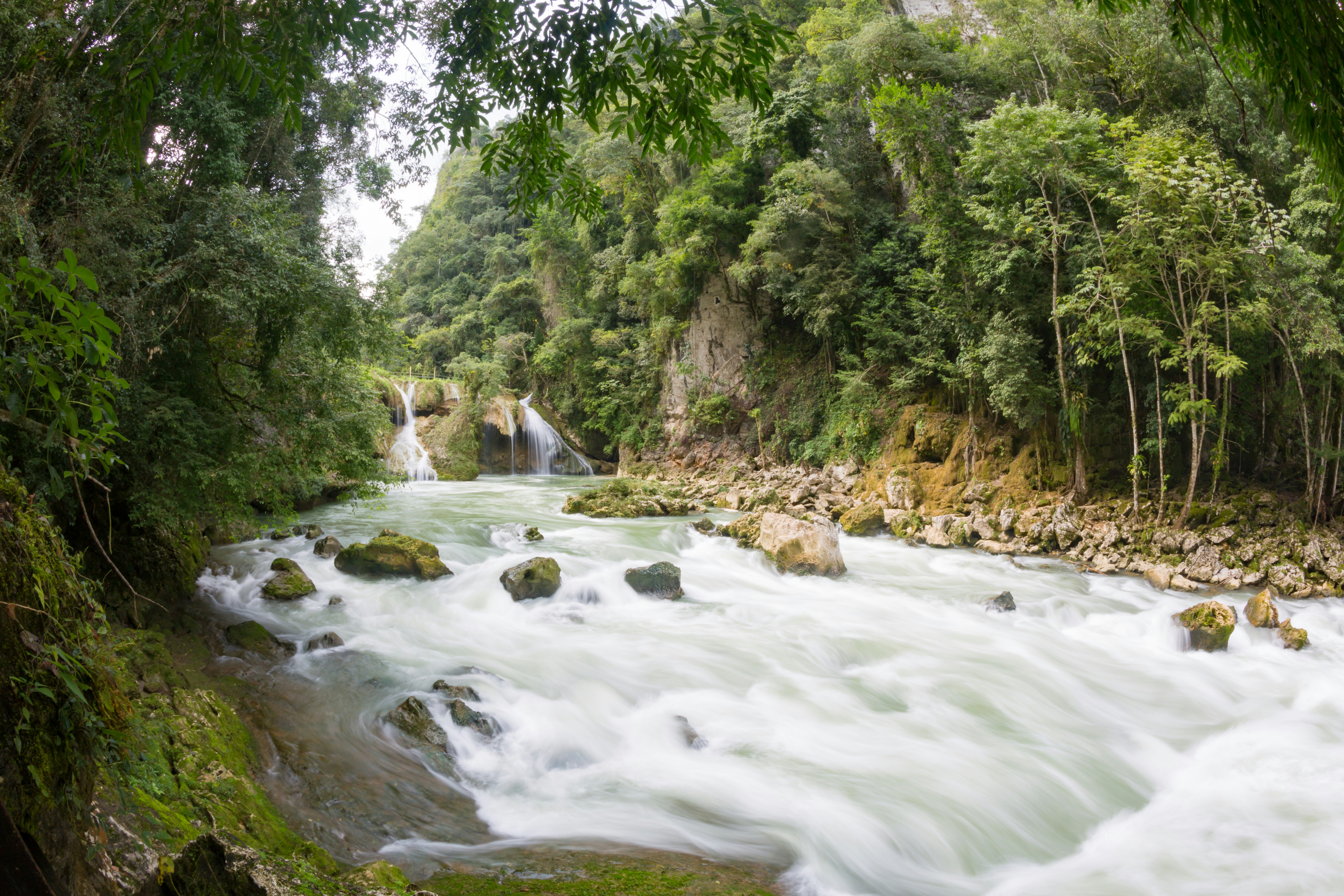
A series of turquoise limestone pools cascades down a natural stone bridge above the rushing Cahabón River, which vanishes underground beneath the pools before reemerging downstream.
Swimming from one pool to the next, framed by dense jungle on all sides, feels remote in a way that matches the effort of reaching it — the last stretch of road is famously rough.
A steep viewpoint hike above gives the classic aerial view of the stacked terraces.
How does it rate
CrowdsRomanceCash RequiredDangerAccessibilityWhy you should go
Stacked turquoise swimming pools on a natural stone bridge above a river that vanishes underground.
Why you shouldn't go
The final approach road is notoriously rough, and the site itself is remote from major towns.
Plan your visit
Best time to visitNovember–April, the dry season, when the river is clearer and pools less silty.Best time of dayMorning, before day-trip crowds from Lanquín arrive.Getting thereAbout 1 hour by rough road from the town of Lanquín, itself several hours from Guatemala City or Antigua.Entry costAround Q50 (~€6) entry fee.Time neededFull day.Insider tip — Climb to the El Mirador viewpoint first thing in the morning before swimming — the classic aerial photo is best in early, angled light. -
 #871 /100
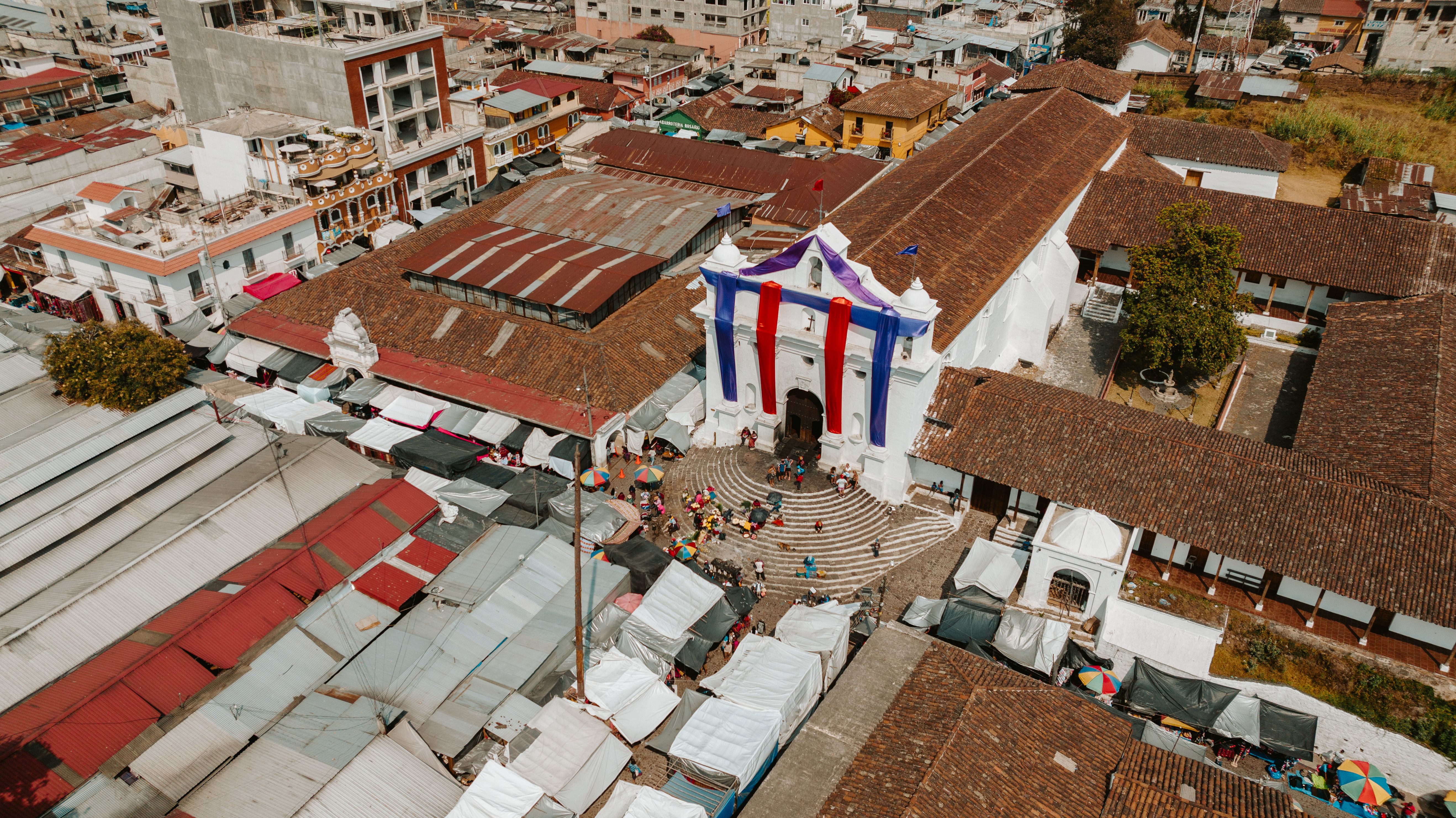
Twice a week, the highland town of Chichicastenango fills with Maya K'iche' vendors from surrounding villages selling hand-woven textiles, wooden masks and pottery in one of Central America's most vividly colourful markets.
The steps of Santo Tomas church, where Maya rituals still take place alongside Catholic worship, form the market's unofficial centrepiece.
How does it rate
CrowdsRomanceCash RequiredDangerAccessibilityWhy you should go
A highland Maya textile market held twice weekly on the steps of a colonial church still used for indigenous ritual.
Why you shouldn't go
The town's mountain roads and altitude make it a genuine day trip from Guatemala City or Antigua, not a quick stop.
Plan your visit
Best time to visitThursday or Sunday, the market's only two trading days.Best time of dayMid-morning, once vendors are fully set up but before tour buses arrive.Getting thereDrive or take a shuttle roughly 2.5-3 hours from Guatemala City or Antigua.Entry costFree to browse; textiles and crafts are negotiable, typically GTQ50-300.Time needed2-4 hours.Insider tip — Watch (respectfully, without photographing up close) the Maya rituals on Santo Tomas church's steps rather than just browsing the stalls below them. -
 #968 /100
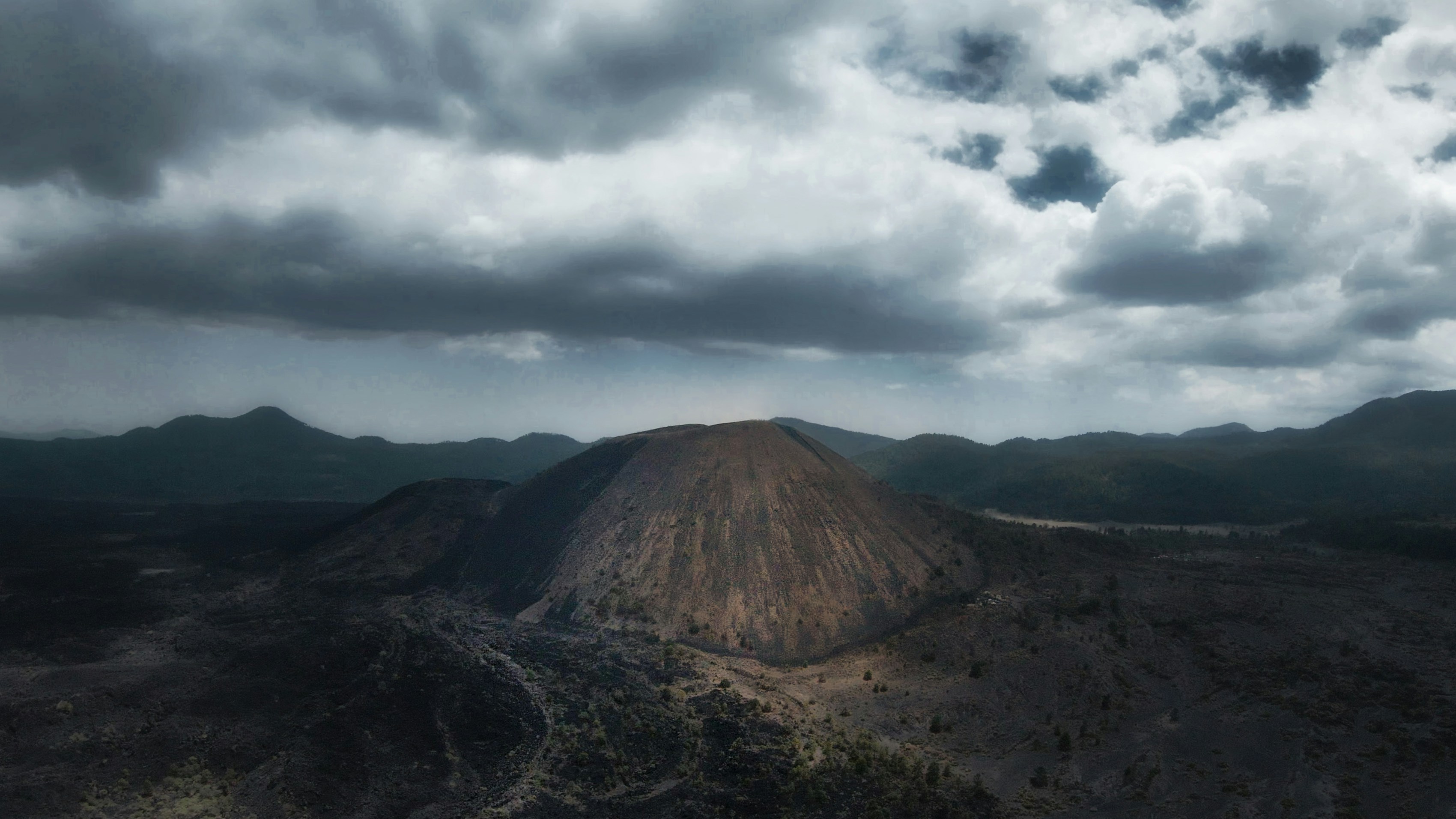
A cinder cone volcano that famously erupted from a level cornfield in 1943, growing to over 400 metres within a decade and burying two villages under lava - one of the few volcanoes in the world whose entire life cycle has been documented from birth.
The half-buried bell tower of San Juan Parangaricutiro's church still protrudes from the hardened lava field, an eerie, singular sight.
Horseback rides across the black lava field to the church ruins, followed by a hike up the cinder cone itself, make for a genuinely unusual full day out.
How does it rate
CrowdsRomanceCash RequiredDangerAccessibilityWhy you should go
The only volcano whose entire birth and growth was scientifically documented - and a church tower still rising from its lava field.
Why you shouldn't go
It's a fairly remote day trip from Mexico City or Guadalajara, and the summit hike across loose cinder is tiring.
Plan your visit
Best time to visitNovember-April (dry season) for firmer trail conditions.Best time of dayMorning, to allow a full day for the horseback ride and cinder-cone hike combined.Getting thereA 3.5-4 hour drive from Guadalajara or Morelia to the town of Angahuan, the main trailhead.Entry costHorse rental and guide typically cost around 400-600 MXN per person.Time neededA full day.Insider tip — Hire a local Purepecha guide in Angahuan rather than booking ahead online - it directly supports the community whose ancestors were displaced by the eruption. -
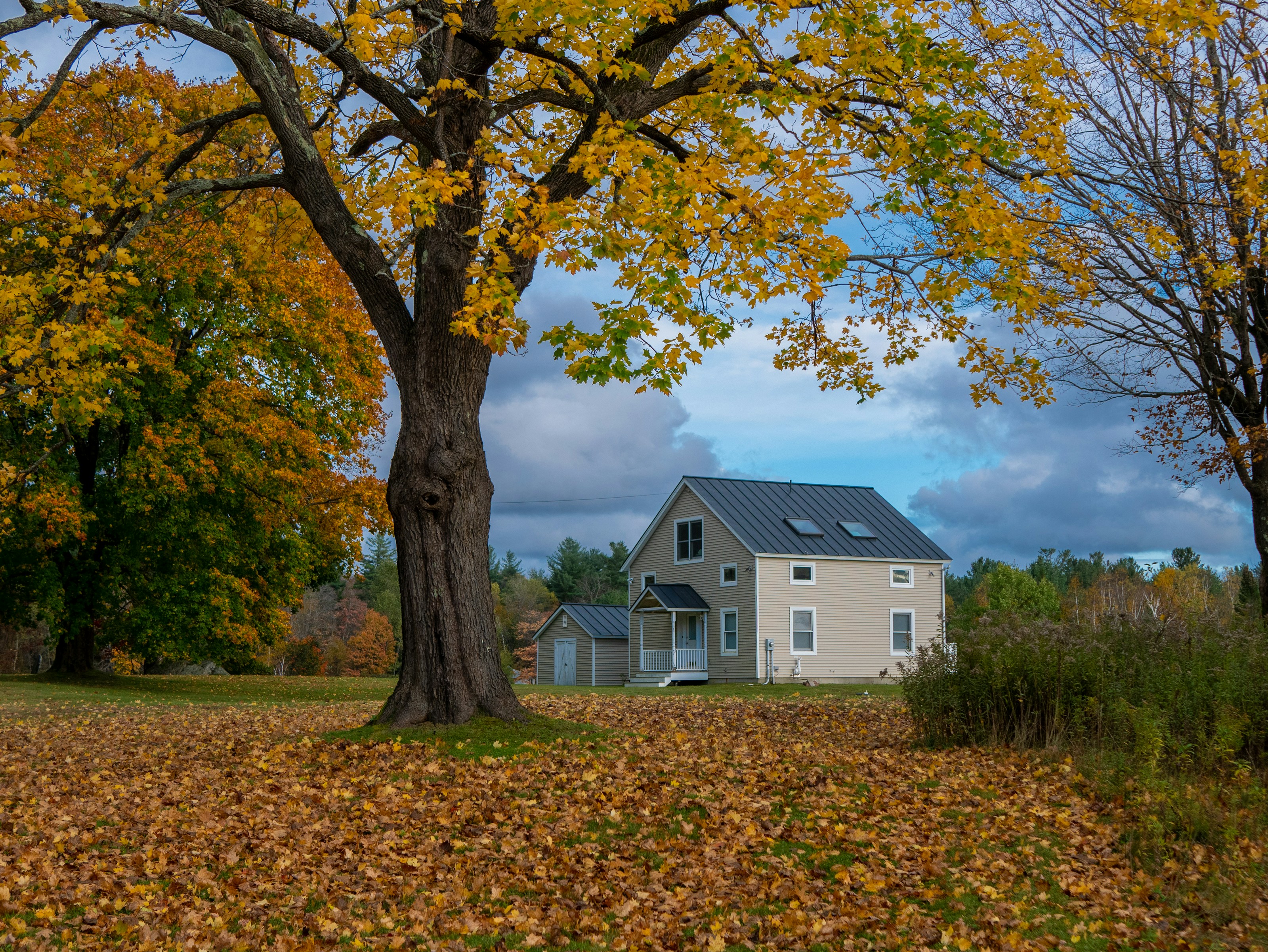 #10
#10Rated #10 of 14
Jacob's Pillow Dance Festival, the United States
#jacob'spillowdancefestival ◆ Performing Arts Festivals68 /100Tucked into the Berkshire hills of Massachusetts, Jacob's Pillow has hosted a summer dance festival on the same rural farmstead since 1933, making it the longest-running dance festival in the United States.
Companies spanning ballet, contemporary, and world dance perform across an intimate wooden theatre and outdoor stages, with free daily talks and showings that make top-tier dance accessible without a ticket.
How does it rate
CrowdsRomanceCash RequiredDangerAccessibilityWhy you should go
The longest-running dance festival in the US, staging ballet and contemporary companies on a rural Massachusetts farmstead since 1933.
Why you shouldn't go
The rural Berkshires location means a car is effectively required; there's no practical way to reach it by public transport.
Plan your visit
Best time to visitTen weeks from June through August.Best time of dayEvening for ticketed main-stage performances; daytime for free talks and showings.Getting thereFly into Albany or Hartford, then a rental car roughly 1-1.5 hours to Becket, Massachusetts.Entry costTicketed performances run roughly USD40-90; many daytime events are free.Time neededA day or two to see a performance and explore the grounds.BookingBook ahead →Insider tip — Show up for the free outdoor Inside/Out performances even without a main-stage ticket - the quality rivals the paid programme. -
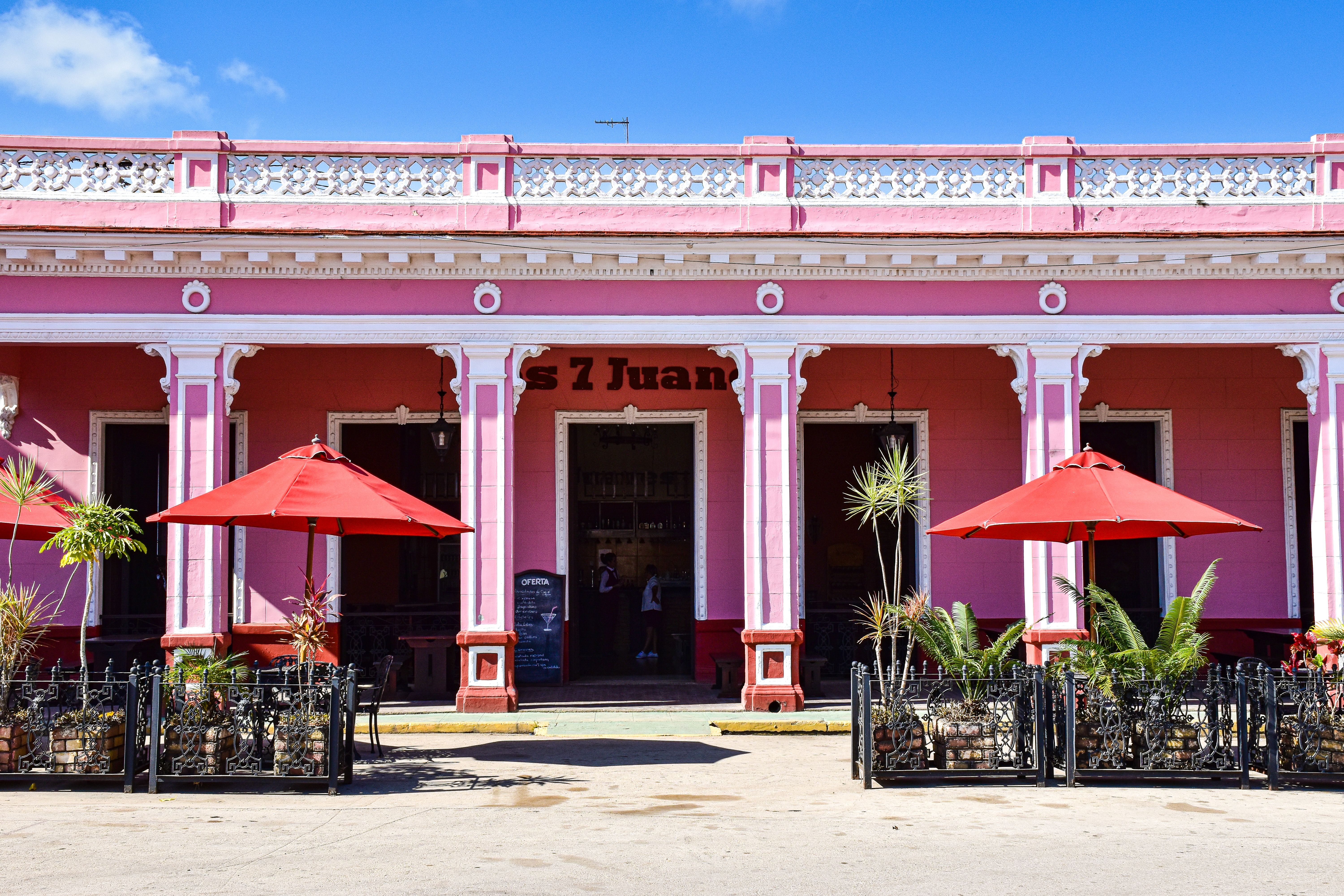 #1163 /100
One of Cuba's oldest towns, founded in the 1500s, Remedios is a pocket-sized colonial gem that sees a fraction of the visitors that flock to Trinidad.
Pastel-painted arcaded buildings ring a central plaza dominated by two churches, including one with an extraordinary gilded baroque altar.
Its quiet daily calm gives no hint that it hosts Las Parrandas, one of Cuba's wildest festivals, every Christmas Eve.
How does it rate
CrowdsRomanceCash RequiredDangerAccessibilityWhy you should go
One of Cuba's oldest colonial towns, with a stunning gilded church interior and a fraction of Trinidad's crowds.
Why you shouldn't go
Outside of Las Parrandas in December, the town is very quiet, with limited evening dining options.
Plan your visit
Best time to visitDecember for Las Parrandas festival, or November–April for comfortable daytime weather.Best time of dayLate afternoon, when the light on the pastel facades around the plaza is best.Getting thereAbout 45 minutes by road from Santa Clara, or 3.5 hours from Havana.Entry costFree to walk; small entry fee for the main church's gilded altar.Time neededHalf a day.Insider tip — Ask locally about visiting in early December — the parranda rehearsals build for weeks before the main event and are worth catching even off-season. -
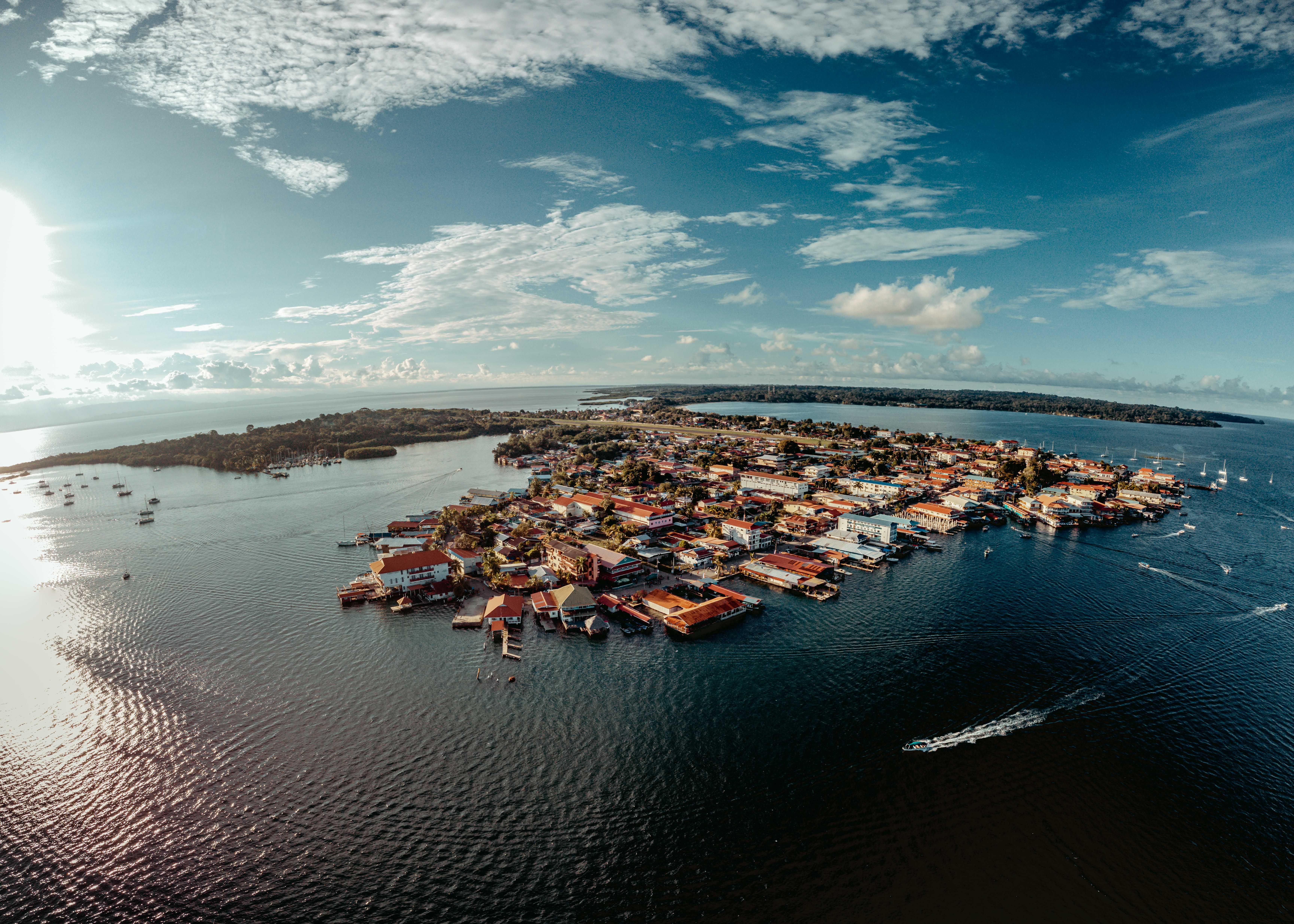 #12
#12A small colorful island town connected to the mainland by a short causeway, Flores serves as the main gateway to Tikal but has enough charm — cobbled streets, lakeside cafés, pastel buildings — to justify a night or two beyond being a transit stop.
Built on the site of the last independent Maya kingdom to fall to conquest, in 1697, it sits on Lake Petén Itzá, where sunset boat rides round out a low-key stay before or after the ruins.
How does it rate
CrowdsRomanceCash RequiredDangerAccessibilityWhy you should go
A charming lake island town, and the natural, laid-back base for visiting Tikal.
Why you shouldn't go
Its own sights are limited — most visitors treat it as a gateway rather than a destination in itself.
Plan your visit
Best time to visitNovember–April, the dry season.Best time of daySunset boat ride on Lake Petén Itzá, looking back at the town's colorful skyline.Getting thereFly directly to Flores/Santa Elena airport, or a long bus ride from Guatemala City (about 8-10 hours).Entry costFree to walk the town; boat rides typically Q20-40 (~€2.50-5).Time needed1–2 days.Insider tip — Stay a night in Flores before an early Tikal departure, then return for one more relaxed night after — splitting the visit beats a rushed round trip. -
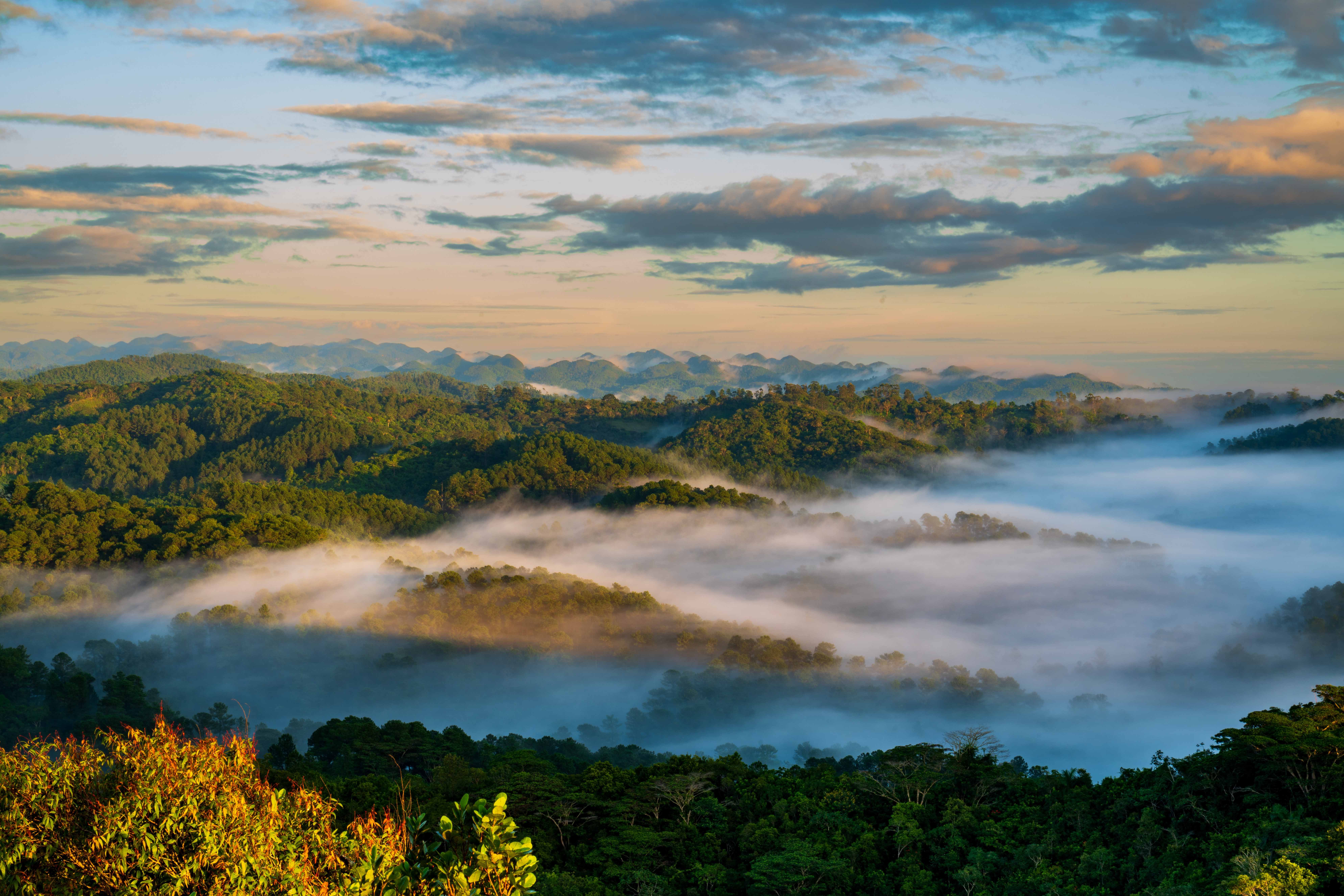 #1358 /100
A mountain nature reserve in the Escambray range above Trinidad, Topes de Collantes offers a cooler, greener contrast to Cuba's coastal scenery, with hiking trails leading to waterfalls, natural swimming pools and coffee plantations tucked into the hills.
Caburní Falls is the reserve's best-known hike, a steep trail down to a swimmable waterfall pool, while the area's coffee-growing history adds a working-landscape element beyond pure scenery.
How does it rate
CrowdsRomanceCash RequiredDangerAccessibilityWhy you should go
A cool, green mountain reserve above Trinidad, with waterfall hikes most visitors skip entirely.
Why you shouldn't go
Trail conditions can be rough and poorly signed, making a local guide worthwhile.
Plan your visit
Best time to visitNovember–April, the dry season, for easier trail conditions.Best time of dayMorning start for the Caburní Falls hike, to allow a full day round trip.Getting thereAbout 45 minutes' drive from Trinidad into the Escambray mountains.Entry costSmall reserve entry fee, plus optional guide fees.Time neededFull day.Insider tip — Hire a local guide in Trinidad rather than attempting the Caburní Falls trail solo — signage is minimal and guides know the safer route down. -
 #14
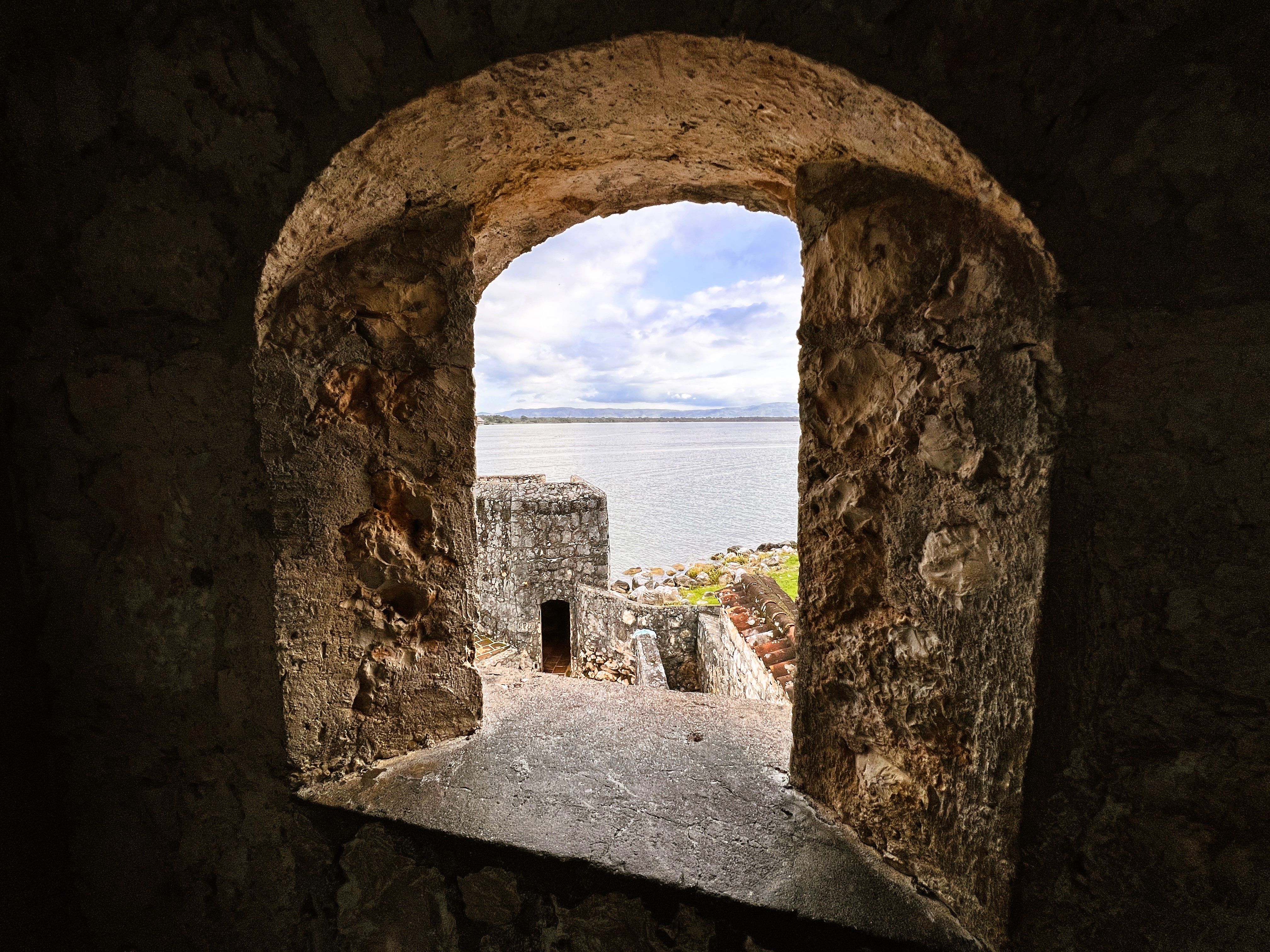
#14Boats gliding along this river between Lake Izabal and the Caribbean pass through a dramatic limestone gorge draped in jungle, hot sulfur springs bubbling right at the waterline, and Castillo de San Felipe, a Spanish colonial fort built to guard against pirates raiding the river route inland.
The mix of jungle scenery, warm-water swimming and colonial history along one boat journey gives it a quieter character than Guatemala's more famous ruins.
How does it rate
CrowdsRomanceCash RequiredDangerAccessibilityWhy you should go
A jungle-walled river gorge with hot springs and a colonial fort, seen almost entirely by boat.
Why you shouldn't go
It's a more diffuse, boat-dependent experience than a single defined sight, best suited to unhurried travelers.
Plan your visit
Best time to visitNovember–April, the dry season, for calmer river conditions.Best time of dayMorning boat departure, for the coolest temperatures and best wildlife spotting along the banks.Getting thereAbout 4-5 hours' drive from Guatemala City to the town of Rio Dulce, then by boat.Entry costBoat tours typically Q100-200 (~€12-24); Castillo de San Felipe entry a small additional fee.Time needed1–2 days.Insider tip — Stop at the hot sulfur springs directly on the riverbank partway through the boat trip — many tours skip it unless you specifically ask.


More from North America
-
More Hidden Gems spots
-
How a score is built
One score out of 100, five criteria behind it
Every place is rated 1–5 on each of the criteria below, then combined into a single score out of 100. It's calculated by us, the same way every time — not an average of traveller reviews or social votes.
Crowds
How many people you'll be sharing it with, and at what time of day.
Romance
How well it suits a couple, a proposal, or a quiet moment together.
Cash required
Entry fees, permits, guides, rentals — what it actually costs to do it.
Danger
Physical risk involved, from a slippery viewpoint to genuine hazard.
Accessibility
How far off the beaten path it is, and how hard it is to actually reach.


