-
 #193 /100
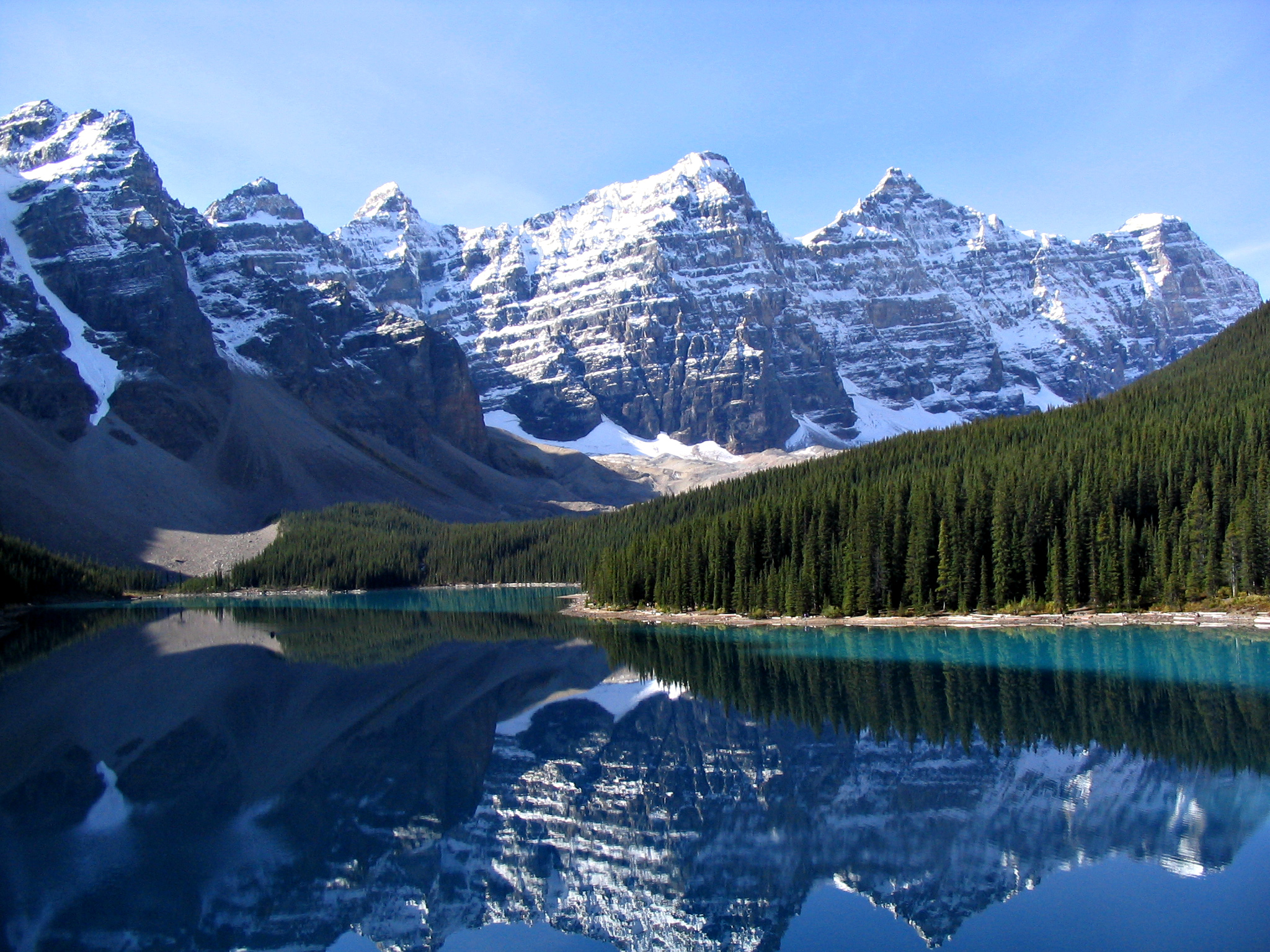
Hidden in the Valley of the Ten Peaks in Banff National Park, Moraine Lake is fed by glacial meltwater that gives it its extraordinary turquoise colour.
The classic view from the Rockpile overlook, with the lake reflecting the surrounding peaks, appeared on the Canadian twenty-dollar bill.
How does it rate
CrowdsRomanceCash RequiredDangerAccessibilityWhy you should go
The colour of the water is genuinely unbelievable in person and the surrounding ring of jagged peaks makes it one of the most dramatic lake settings in the world.
Why you shouldn't go
Access to Moraine Lake is now heavily controlled; visitors must book a shuttle bus in advance as private vehicles are prohibited.
Plan your visit
Best time to visitLate June-early July when the lake is at its bluestBest time of dayEarly morning, before the wind ripples the waterGetting thereShuttle bus required from Lake Louise in peak seasonEntry costFree; shuttle fare appliesTime needed2-3 hoursInsider tip — Arrive at first light; the Rockpile Trail view is why it was on the old Canadian $20 bill -
 #2
#2Rated #2 of 41
Yellowstone National Park, the United States
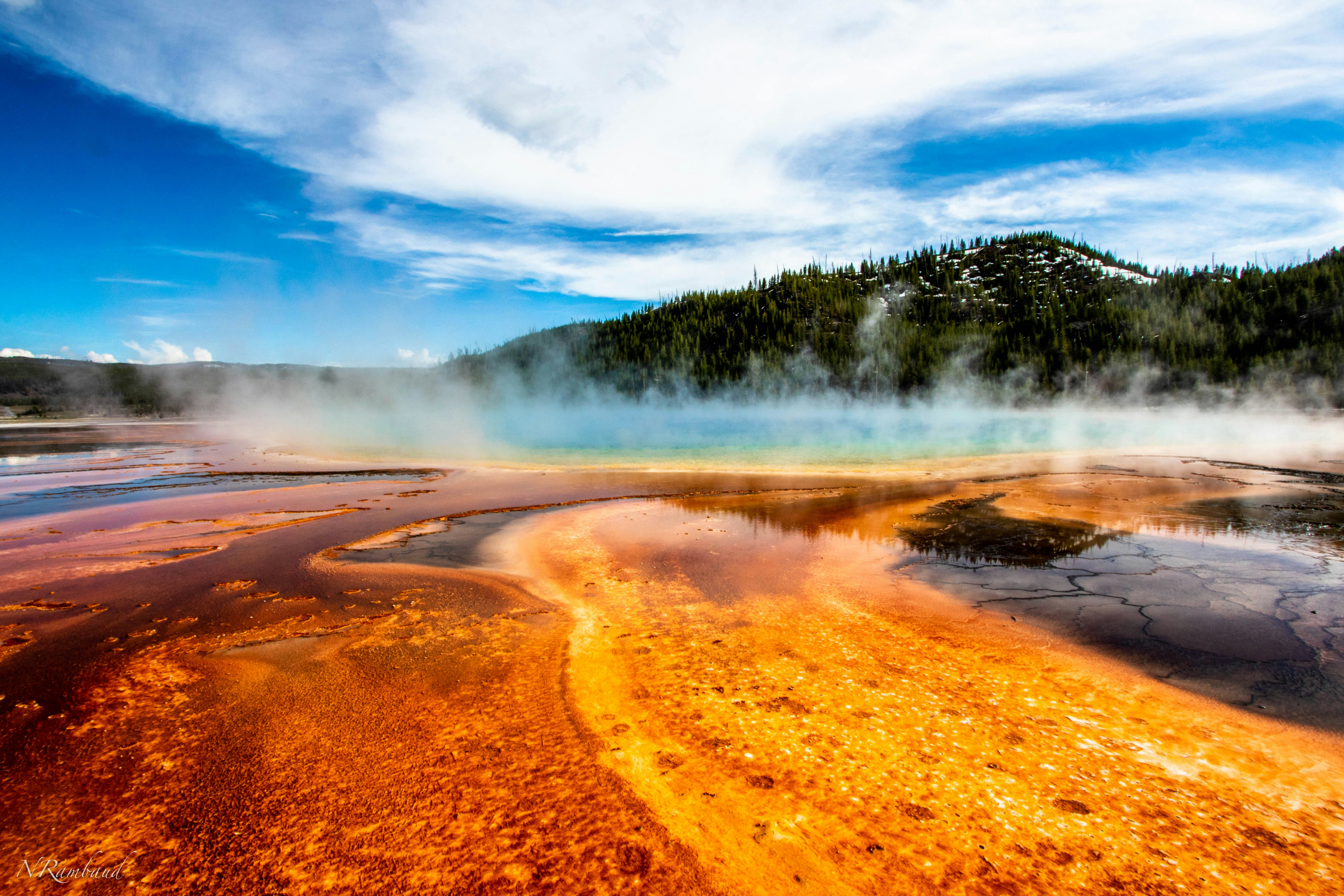
#yellowstonenationalpark ◆ National Parks93 /100Yellowstone is the world's first national park and still its strangest, sitting atop a supervolcano that surfaces as thousands of geysers, hot springs, and mudpots.
Old Faithful erupts on a near-hourly schedule, while the Grand Prismatic Spring's rainbow colours come from heat-loving bacteria.
Beyond the geothermal basins, the park holds free-roaming bison, elk, wolves, and grizzly bears across nearly 9,000 square kilometres of forest and canyon.
How does it rate
CrowdsRomanceCash RequiredDangerAccessibilityWhy you should go
Nowhere else combines a supervolcano's geysers and hot springs with free-roaming bison, wolves, and grizzly bears in one park.
Why you shouldn't go
Peak summer brings gridlock traffic and packed boardwalks at the famous geyser basins.
Plan your visit
Best time to visitLate May-June or September for wildlife and thinner crowds; many roads close in winter.Best time of dayEarly morning for wildlife viewing and quieter geyser basins before tour buses arrive.Getting thereFly to Jackson Hole or Bozeman; 1.5-3 hour drive to the nearest park entrance.Entry cost$35 per vehicle, valid 7 daysTime needed3+ daysInsider tip — Watch Old Faithful from the Observation Point trail above the boardwalk to skip the crowd at ground level. -
 #392 /100
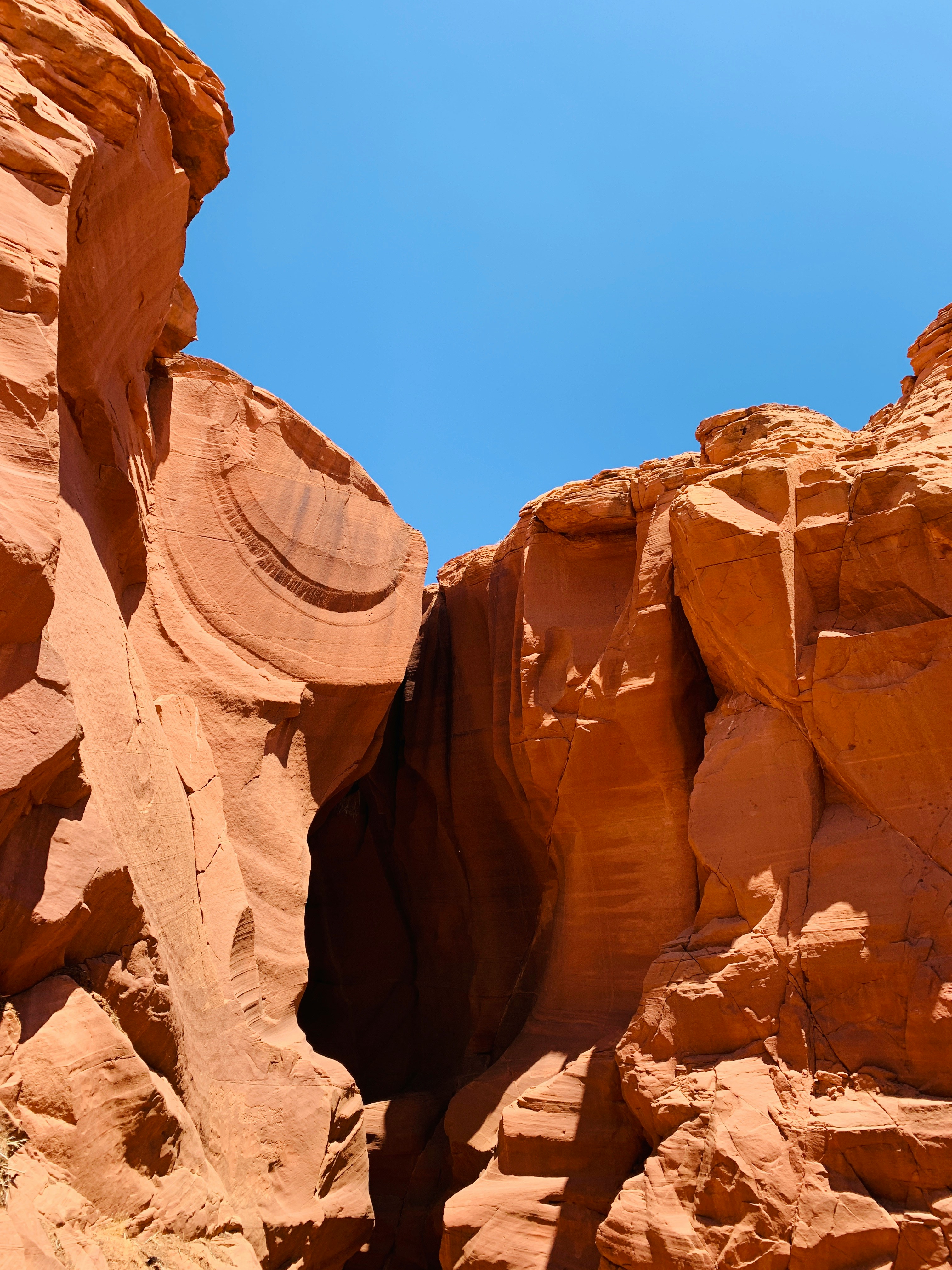
A slot canyon on Navajo land near Page, carved by flash floods into smooth, fluted sandstone walls that narrow to a few feet apart overhead.
Around midday, shafts of sunlight drop through the openings above and light the orange rock from within.
Access is only with a Navajo guide on a timed walk through either Upper or Lower Antelope, and the canyon closes without warning whenever rain threatens upstream.
How does it rate
CrowdsRomanceCash RequiredDangerAccessibilityWhy you should go
The canyon is a unique natural wonder, offering incredible photo opportunities with its light beams and swirling rock formations.
Why you shouldn't go
It requires a guided tour, which limits exploration and can be pricey, and it often feels crowded due to its popularity.
Plan your visit
Best time to visitMarch-October for visible light beamsBest time of dayMidday for the famous light beamsGetting thereNear Page, Arizona; guided tour onlyEntry costGuided tour ~$50-100Time needed1.5-2 hoursInsider tip — Only accessible via a Navajo-guided tour; book weeks ahead in summer -
 #491 /100
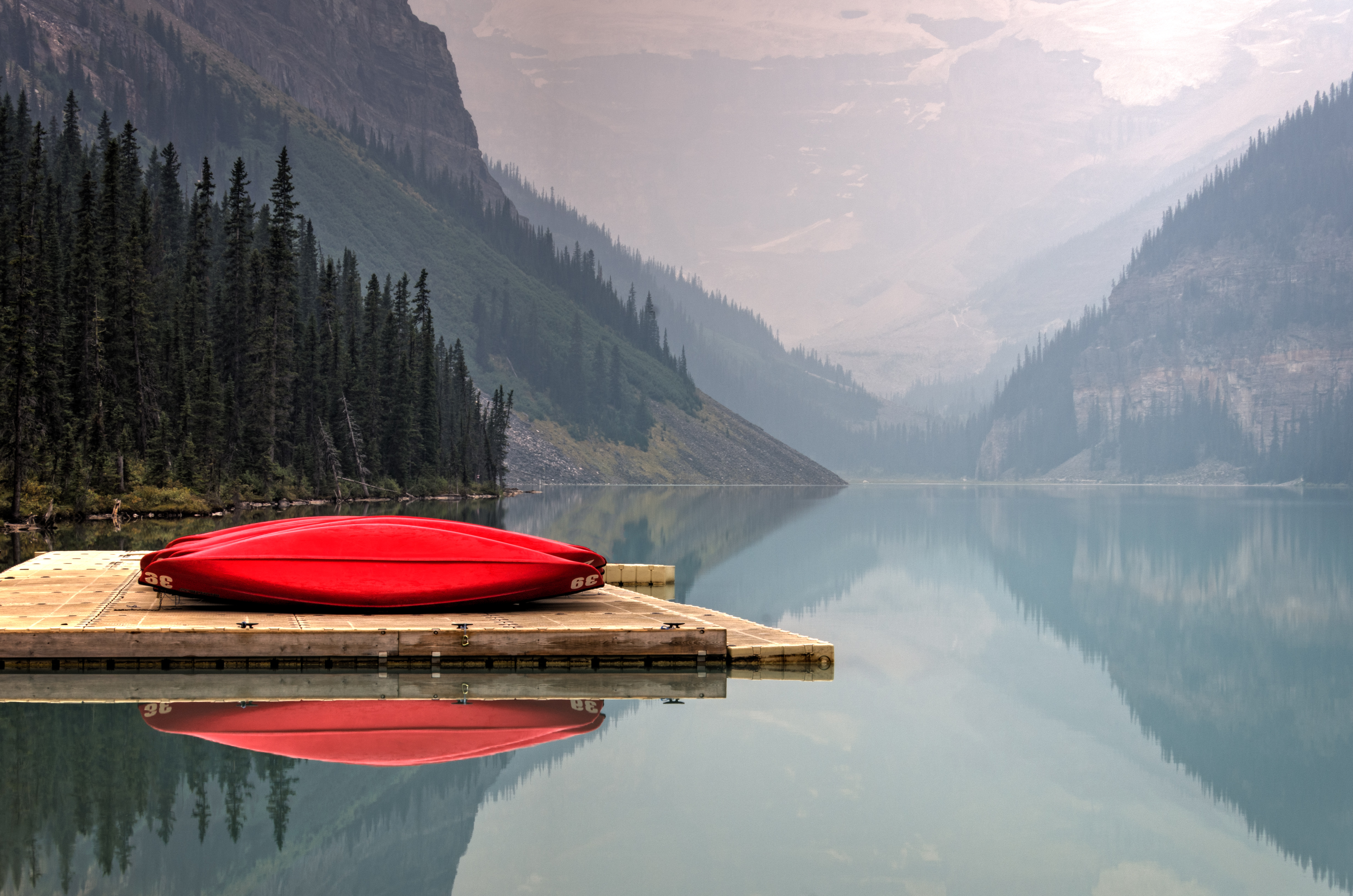
Lake Louise is the Canadian Rockies at their most theatrical: a milky turquoise lake framed by pine-clad ridges, with Victoria Glacier hanging at the far end and the famous red canoes gliding out from the boathouse dock.
The colour is real, glacial rock flour in the meltwater, and it shifts with every hour of light.
Easy lakeshore paths and grand teahouse hikes ring the water.
How does it rate
CrowdsRomanceCash RequiredDangerAccessibilityWhy you should go
One of the most photogenic lakes on Earth, with turquoise water, red canoes and glacier views in one frame.
Why you shouldn't go
Summer parking fills before sunrise and the shoreline gets extremely busy through the middle of the day.
Plan your visit
Best time to visitJune-September for open water; late September for golden larchesBest time of dayDawn, before the car park fills and the water is still glassyGetting thereFly to Calgary; 2-hour drive, then park-and-ride shuttle in summerEntry costBanff park pass about CA$11/day; canoe rental extraTime neededHalf a dayBookingBook ahead →Insider tip — Book the Parks Canada shuttle online weeks ahead - by mid-morning in July the lot is full and drop-ins are turned away -
 #591 /100
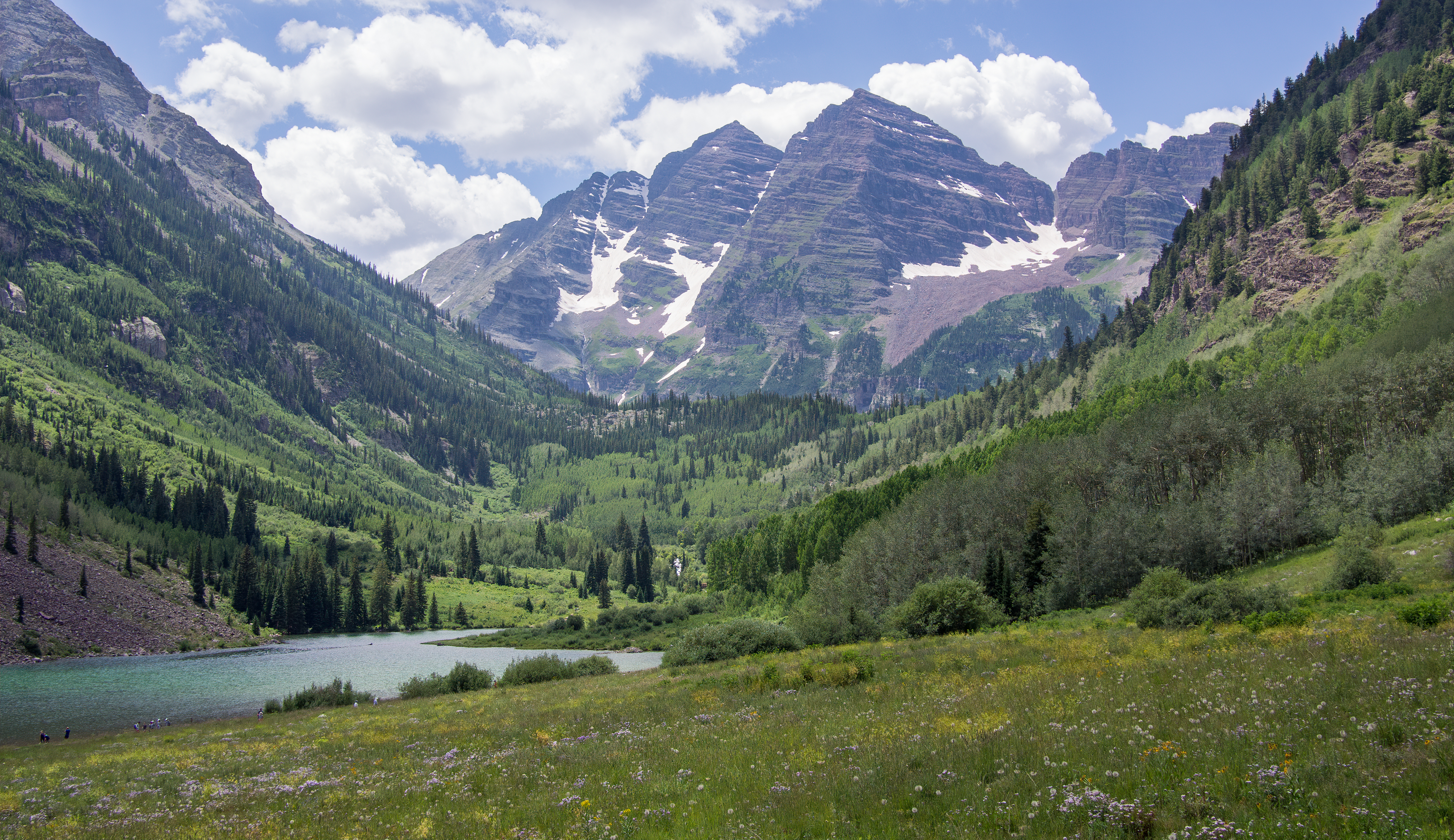
The Maroon Bells are two peaks — Maroon Peak and North Maroon Peak — in the Elk Mountains of Colorado, rising to 4,317 and 4,273 metres respectively.
The reflection of the burgundy-coloured peaks in the still waters of Maroon Lake, particularly in autumn when the surrounding aspen trees turn gold, is one of the classic sights of the American Rockies.
How does it rate
CrowdsRomanceCash RequiredDangerAccessibilityWhy you should go
The autumn reflection of the Maroon Bells in Maroon Lake, with the aspens turning gold around the shoreline, is one of the great landscape photographs of the American West.
Why you shouldn't go
Access by private vehicle is restricted and requires a shuttle bus from Aspen; the autumn season brings the most colour but also the most visitors.
Plan your visit
Best time to visitLate September for aspen gold, or July for wildflowersBest time of daySunrise for the reflection in Maroon Lake before wind picks upGetting thereShuttle bus required from Aspen Highlands in peak seasonEntry costShuttle/entry fee ~$10-16Time needed2-3 hoursInsider tip — Early shuttle reservations sell out; book ahead for the classic still-water reflection shot -
 #691 /100
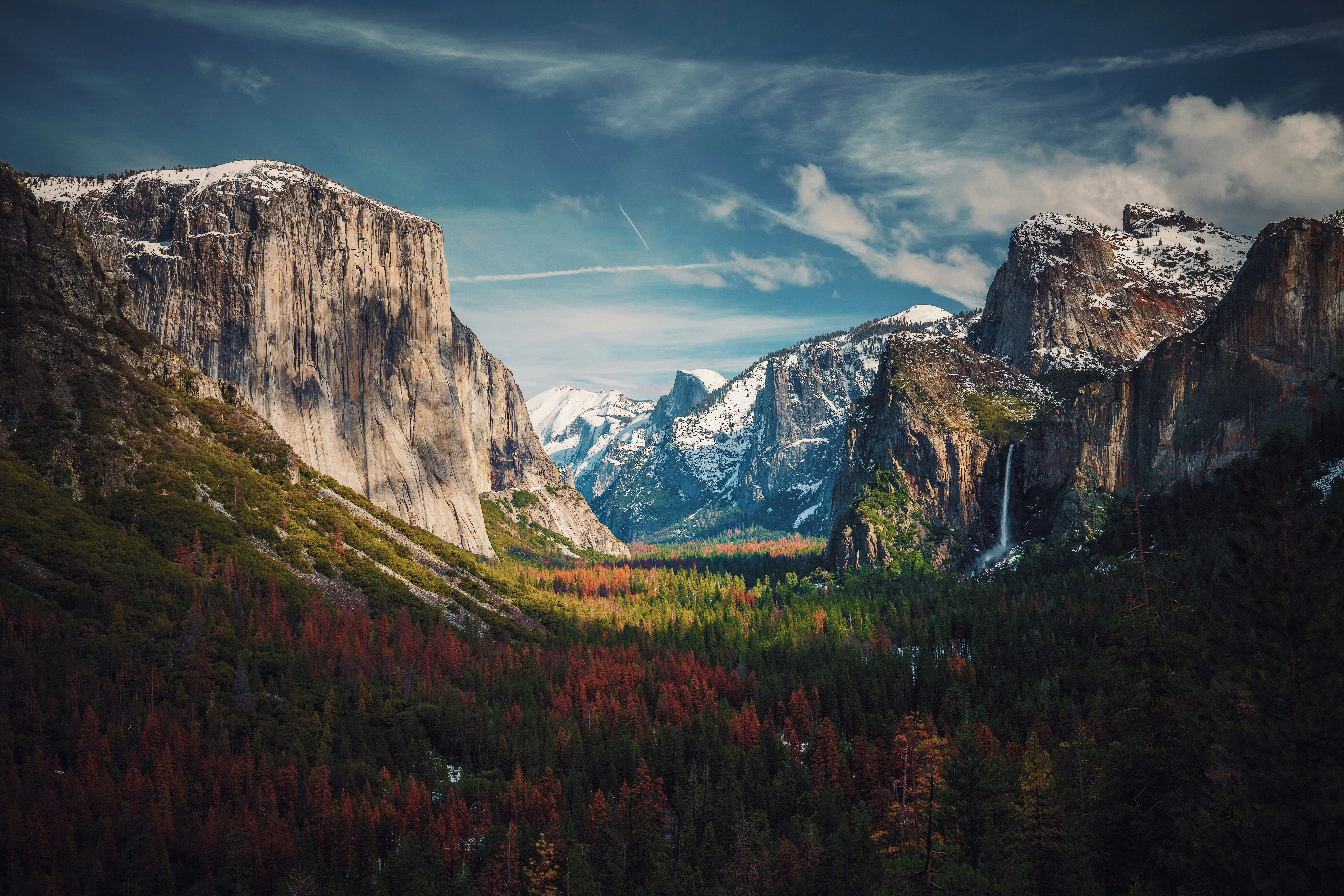
Yosemite Valley is a granite gorge cut by glaciers, with El Capitan and Half Dome rising thousands of feet above the valley floor and waterfalls dropping straight off the rim.
Beyond the valley, the park holds giant sequoia groves, alpine meadows, and high-country lakes reached by the seasonal Tioga Road.
It's one of the birthplaces of American rock climbing, and climbers on El Capitan's face are visible from the valley floor with binoculars.
How does it rate
CrowdsRomanceCash RequiredDangerAccessibilityWhy you should go
Few places pack granite cliffs, giant sequoias, and waterfalls into one valley visible from a single viewpoint.
Why you shouldn't go
Yosemite Valley's roads gridlock in summer, and a timed-entry reservation is often required.
Plan your visit
Best time to visitMay-June for waterfalls at full flow, or September for thinner crowds.Best time of daySunrise at Tunnel View for the valley before the roads fill up.Getting thereFly to Fresno or San Francisco; roughly 2.5-4 hour drive to the valley.Entry cost$35 per vehicle, valid 7 daysTime needed2-3 daysInsider tip — Book the free valley shuttle instead of driving once inside the park - parking fills by mid-morning. -
 #791 /100
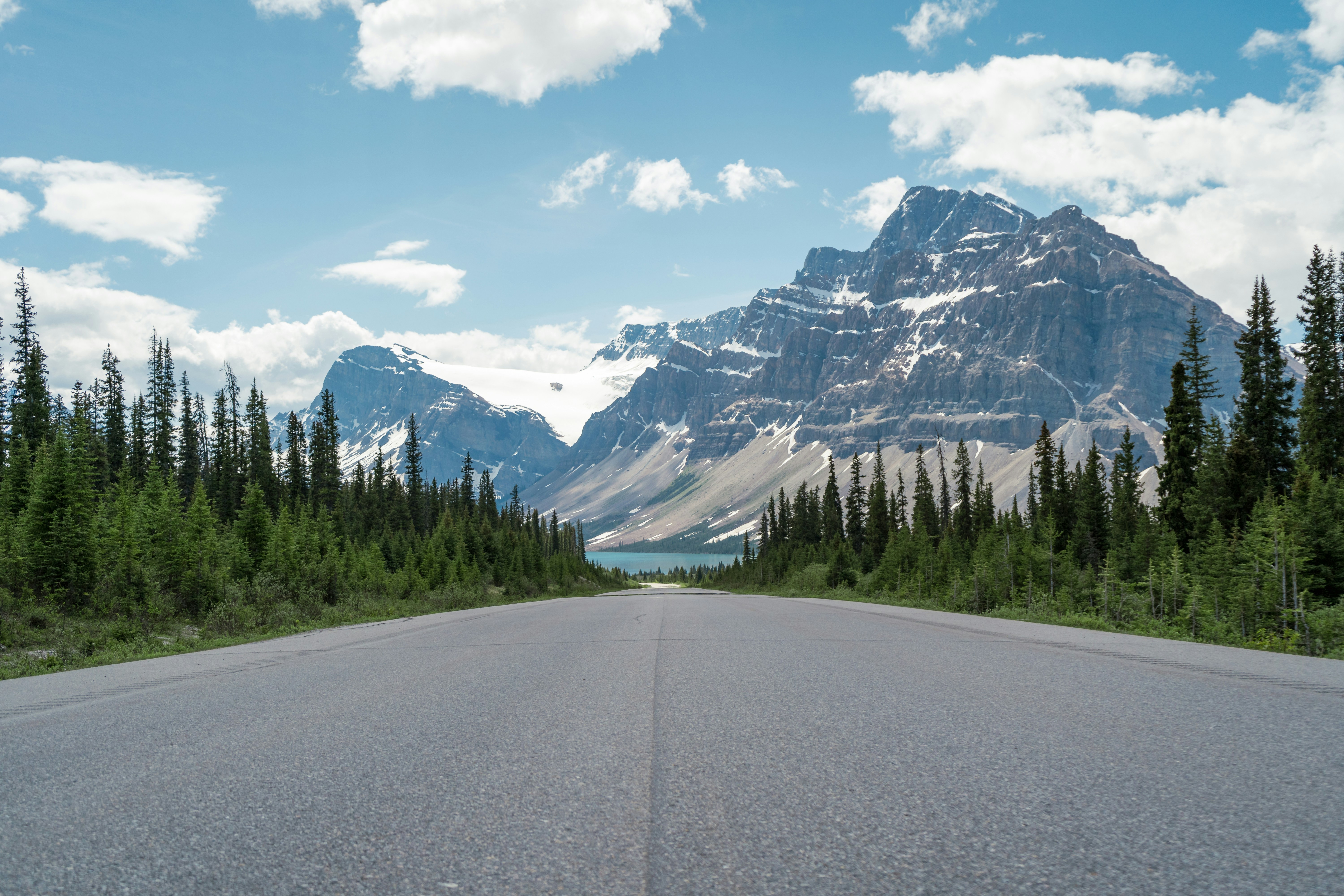
The Icefields Parkway runs 232 kilometres between Lake Louise and Jasper through the Canadian Rockies, tracing the Continental Divide past turquoise lakes, hanging glaciers, and the vast Columbia Icefield.
Peyto Lake's overlook and the Athabasca Glacier, reachable on foot or by ice-explorer vehicle, are signature stops, while roadside pullouts deliver mountain views throughout.
Bears and bighorn sheep often appear near the road at dawn and dusk.
How does it rate
CrowdsRomanceCash RequiredDangerAccessibilityWhy you should go
Turquoise glacial lakes and hanging glaciers visible almost continuously for the entire drive.
Why you shouldn't go
Requires a Parks Canada pass, and summer traffic clogs the popular pullouts and Athabasca Glacier lot.
Plan your visit
Best time to visitLate June through September, when the road is clear of snow and ice and all viewpoints are open.Best time of dayEarly morning for calm lake reflections and the best chance of spotting wildlife.Getting thereFly into Calgary, drive to Lake Louise, and pick up Highway 93 north toward Jasper.Entry costParks Canada day pass required, around CAD 22 per adultTime needed1 day drive, 2-3 with stops and hikesBookingBook ahead →Insider tip — Stop at Peyto Lake in early morning before tour buses fill the viewpoint, and check Parks Canada's site for wildlife closures before setting off. -
 #890 /100
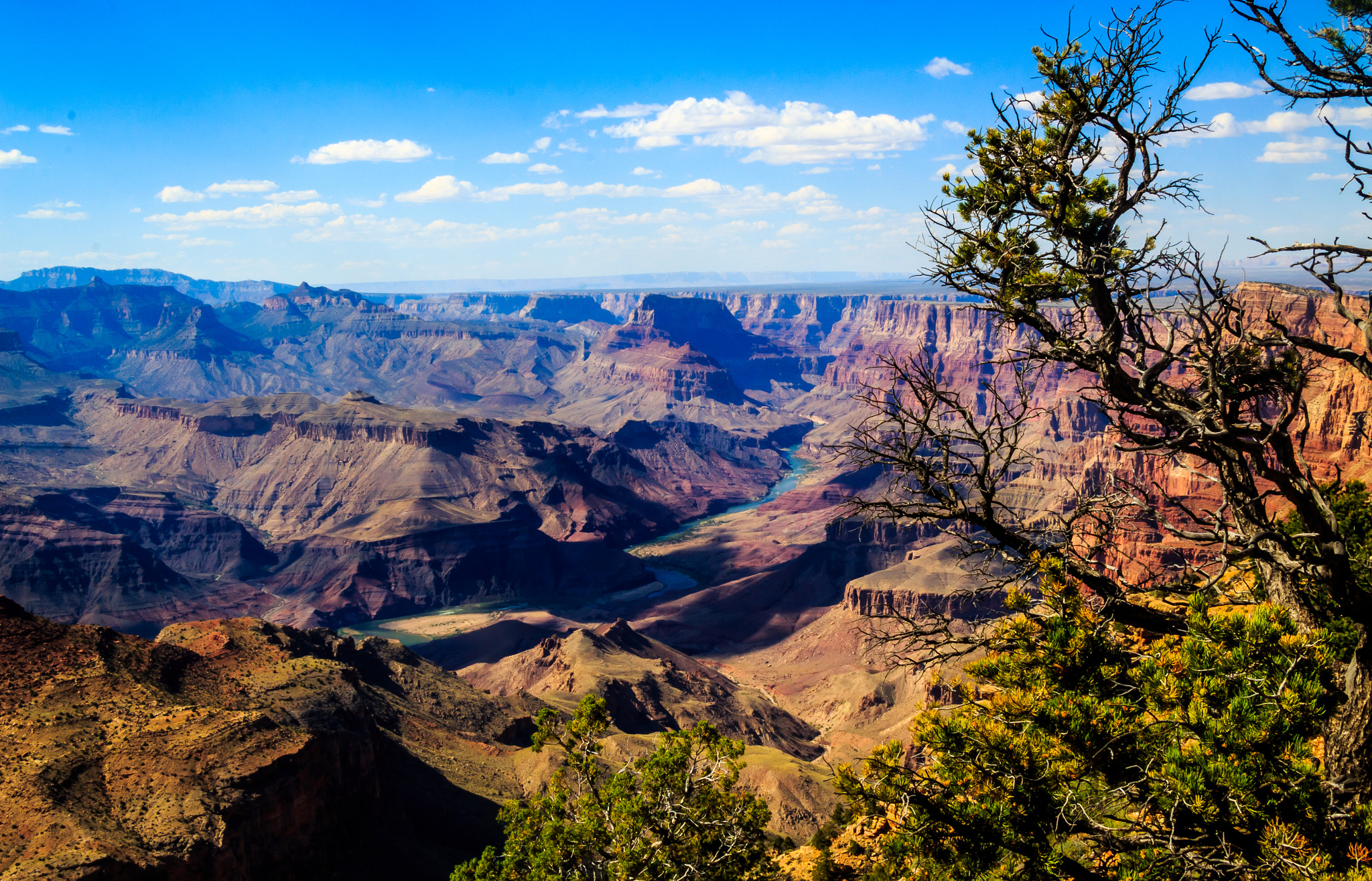
The Grand Canyon is one of the world's great natural wonders — 446 kilometres long, up to 29 kilometres wide, and over 1,800 metres deep, carved over millions of years by the Colorado River.
The layered bands of red rock reveal two billion years of geological history and glow with extraordinary colour at sunrise and sunset.
How does it rate
CrowdsRomanceCash RequiredDangerAccessibilityWhy you should go
The scale of the Grand Canyon is simply incomprehensible until you stand at the rim; the light at golden hour transforms the canyon into something that seems to glow from within.
Why you shouldn't go
The South Rim is very crowded and the most dramatic inner canyon viewpoints require strenuous and potentially dangerous hikes in extreme heat.
Plan your visit
Best time to visitMarch-May or September-NovemberBest time of daySunrise or sunset for the canyon's changing coloursGetting thereFly to Phoenix or Las Vegas, then drive (~3.5-4.5hrs to South Rim)Entry cost~$35/vehicle park entryTime needed1-2 daysInsider tip — The South Rim has the easiest access; go for sunset specifically at Hopi Point -
 #989 /100
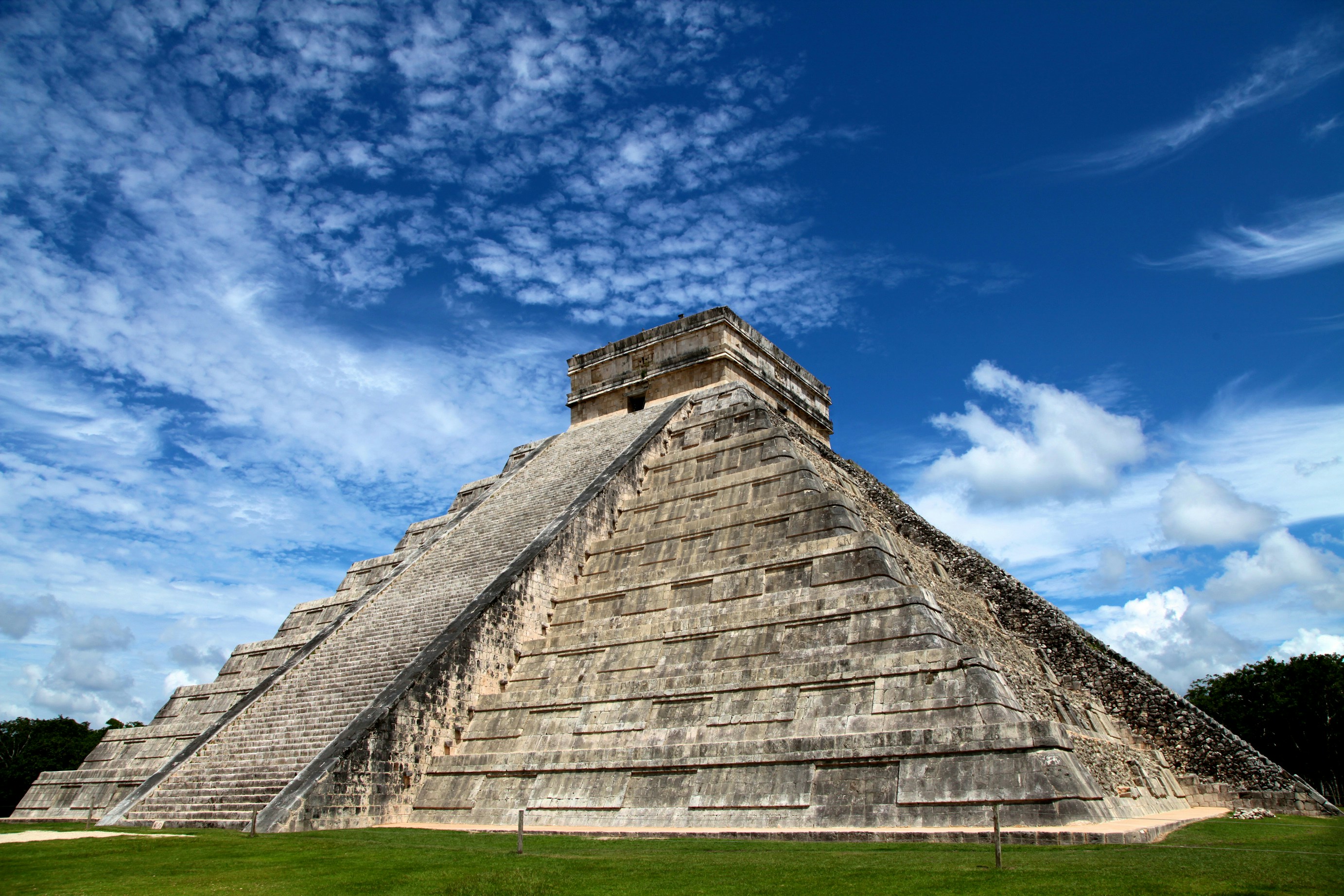
Chichen Itza was one of the great cities of the Maya world, and its restored centrepiece, the stepped pyramid of El Castillo, is the image of pre-Columbian Mexico.
The temple is a stone calendar: at the equinoxes the afternoon sun casts a serpent of shadow down its northern staircase.
Beyond it sprawl the Great Ball Court, the Temple of the Warriors and a thousand columns.
How does it rate
CrowdsRomanceCash RequiredDangerAccessibilityWhy you should go
El Castillo is one of the most striking and historically loaded buildings in the Americas.
Why you shouldn't go
Tour buses from Cancun arrive by mid-morning, bringing serious crowds, heat and souvenir stalls.
Plan your visit
Best time to visitNovember-March for cooler, drier weather; equinoxes for the serpent shadowBest time of dayOpening time (8am), two hours before the buses arriveGetting there2-hour drive from Cancun or 45 minutes from ValladolidEntry costAbout MX$700 entryTime neededHalf a dayInsider tip — Sleep in Valladolid and be at the gate at 8am sharp - you'll have an hour of near-empty ruins before the coast tours arrive -
 #1089 /100
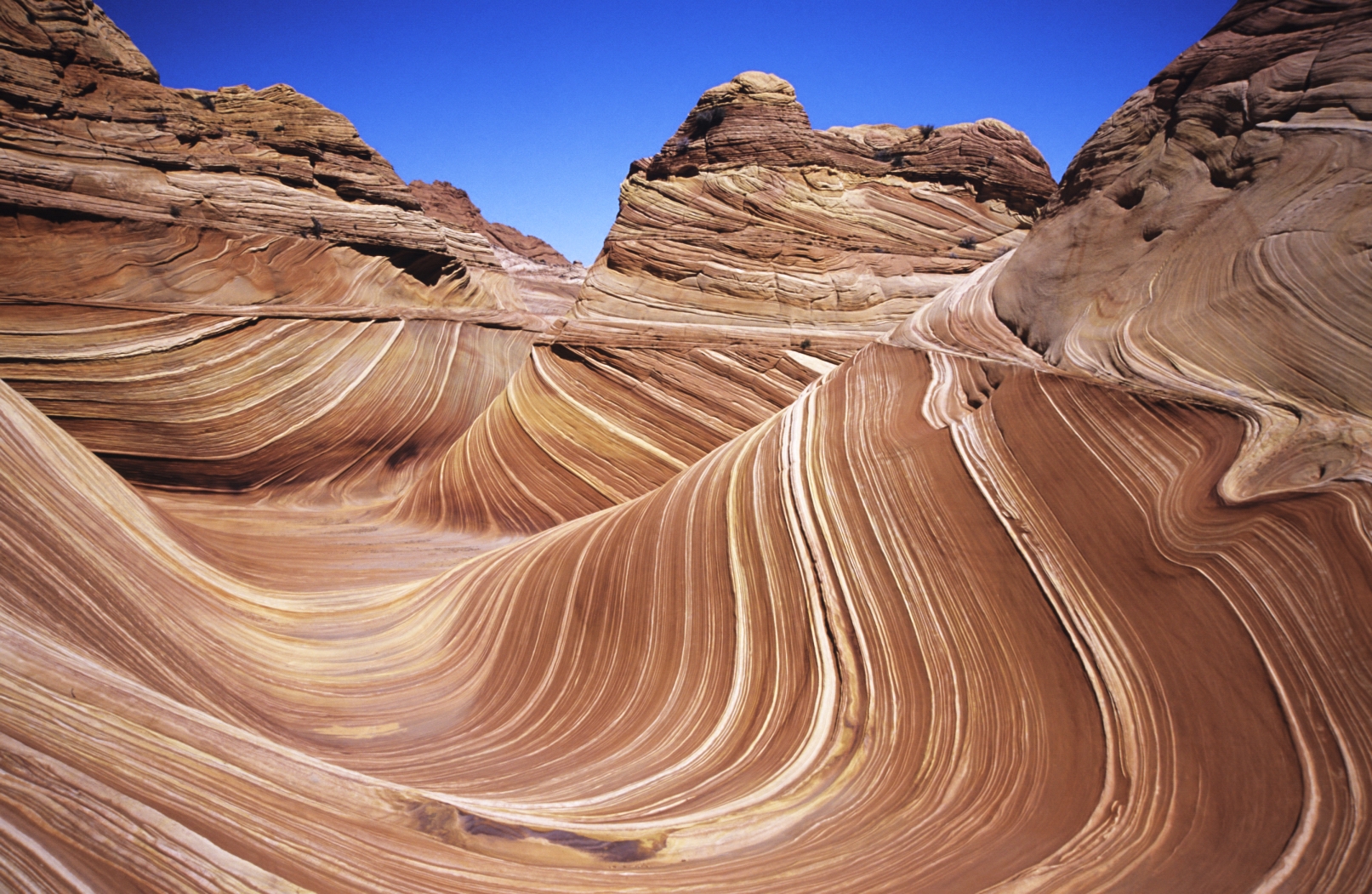
The Wave is a sandstone rock formation in the Coyote Buttes area of the Paria Canyon-Vermilion Cliffs Wilderness in Arizona, famous for its colourful, undulating forms created by 190-million-year-old Jurassic sand dunes.
The swirling bands of red, orange, and pink sandstone make it one of the world's most extraordinary geological formations.
How does it rate
CrowdsRomanceCash RequiredDangerAccessibilityWhy you should go
The Wave's swirling, almost liquid-looking sandstone surface is genuinely unlike anything else on earth; photographed in good light it is one of nature's most abstract landscapes.
Why you shouldn't go
Entry is strictly limited by lottery — only 64 people per day are permitted — and most applicants do not win; the terrain requires navigation skills and has no trail markers.
Plan your visit
Best time to visitMarch-May or September-NovemberBest time of dayMidday for the light bringing out the sandstone coloursGetting thereRemote trailhead near Kanab, Utah; permit requiredEntry costPermit lottery, small feeTime needed5-6 hours round trip hikeInsider tip — Permits are extremely limited via a daily lottery; apply months ahead online -
 #1189 /100
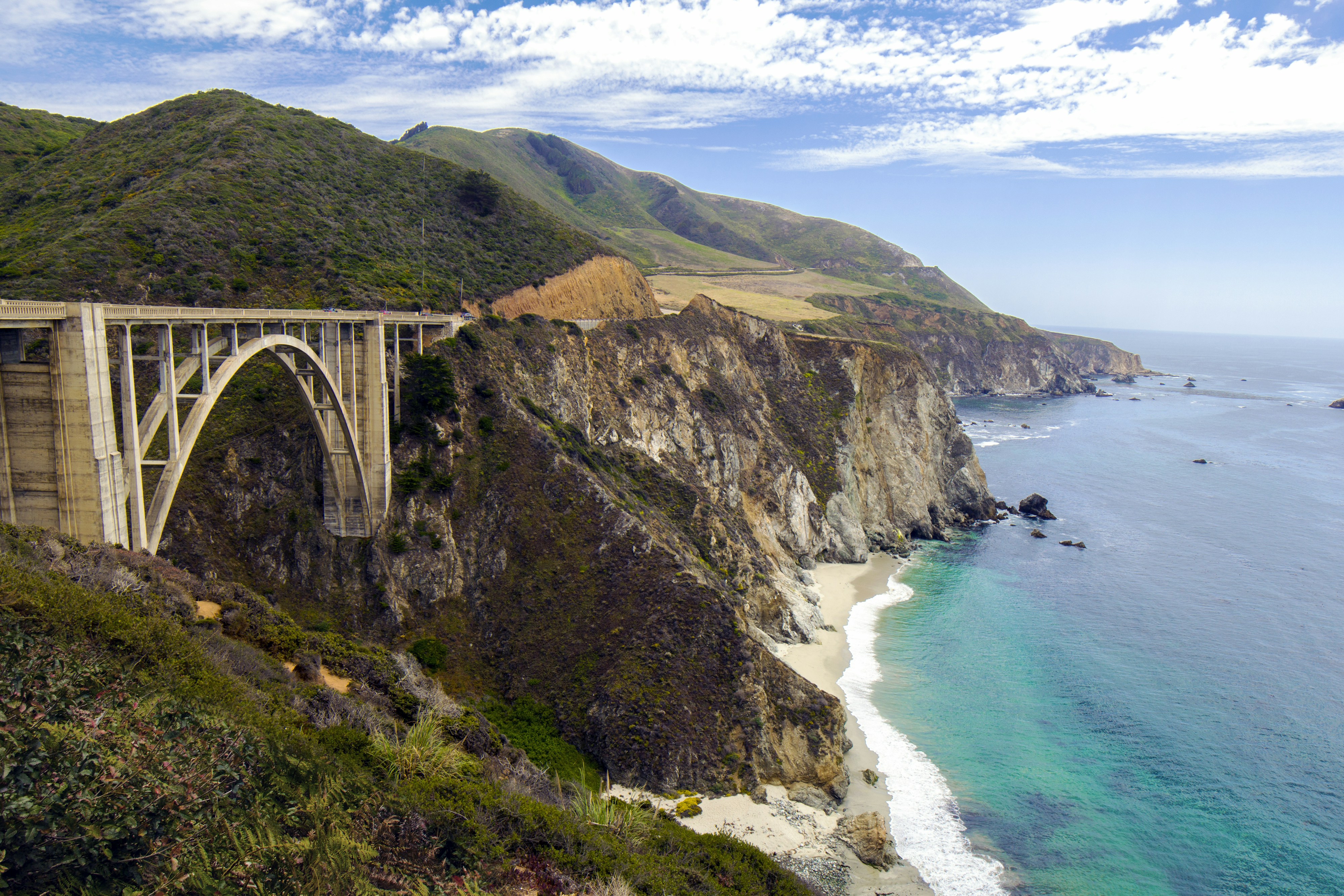
Highway 1 clings to sheer cliffs for 90 miles along this stretch of California coast, with the Pacific crashing against rock hundreds of feet below the road's edge.
Bixby Creek Bridge, one of the most recognisable bridges in the US, arcs across a canyon right beside the highway.
Redwood groves grow almost to the ocean's edge in places, an unusual pairing within a short drive.
How does it rate
CrowdsRomanceCash RequiredDangerAccessibilityWhy you should go
A 90-mile cliffside highway with one of America's most photographed bridges built right into it.
Why you shouldn't go
Highway 1 closes periodically for landslides and storm damage - check road conditions before a trip.
Plan your visit
Best time to visitApril-May or September-October, for clear skies and thinner summer fog.Best time of dayLate afternoon, before coastal fog typically rolls in for the evening.Getting thereSelf-drive Highway 1 from Monterey (north) or San Simeon (south); no public transport covers the route.Entry costFree to drive; some viewpoints and state parks charge small parking fees.Time needed1-2 daysInsider tip — Pull off at the unmarked turnout just south of Bixby Bridge rather than the main viewpoint - it's less crowded and has a cleaner angle on the bridge. -
 #1289 /100
Horseshoe Bend is the Colorado River's most famous U-turn: a sheer 300-metre drop to an emerald river looping around a sandstone butte.
The overlook delivers one of the American Southwest's great views for a 15-minute walk from the car park.
There's no railing along most of the rim, which keeps the vertigo, and the adrenaline, honest.
How does it rate
CrowdsRomanceCash RequiredDangerAccessibilityWhy you should go
A world-class canyon panorama for almost no effort - 15 minutes from car to rim.
Why you shouldn't go
Midday heat is fierce, the rim is largely unfenced, and you'll share sunset with hundreds of tripods.
Plan your visit
Best time to visitMarch-May or September-November for cooler desert weatherBest time of dayLate afternoon, when the sun drops behind the bend and lights the riverGetting thereFly to Page or drive from Flagstaff; US-89 car park, then a 1.2km walkEntry costUS$10 per vehicle parkingTime needed1-2 hoursInsider tip — Bring a wide lens or use panorama mode - the full horseshoe doesn't fit a normal frame from the rim -
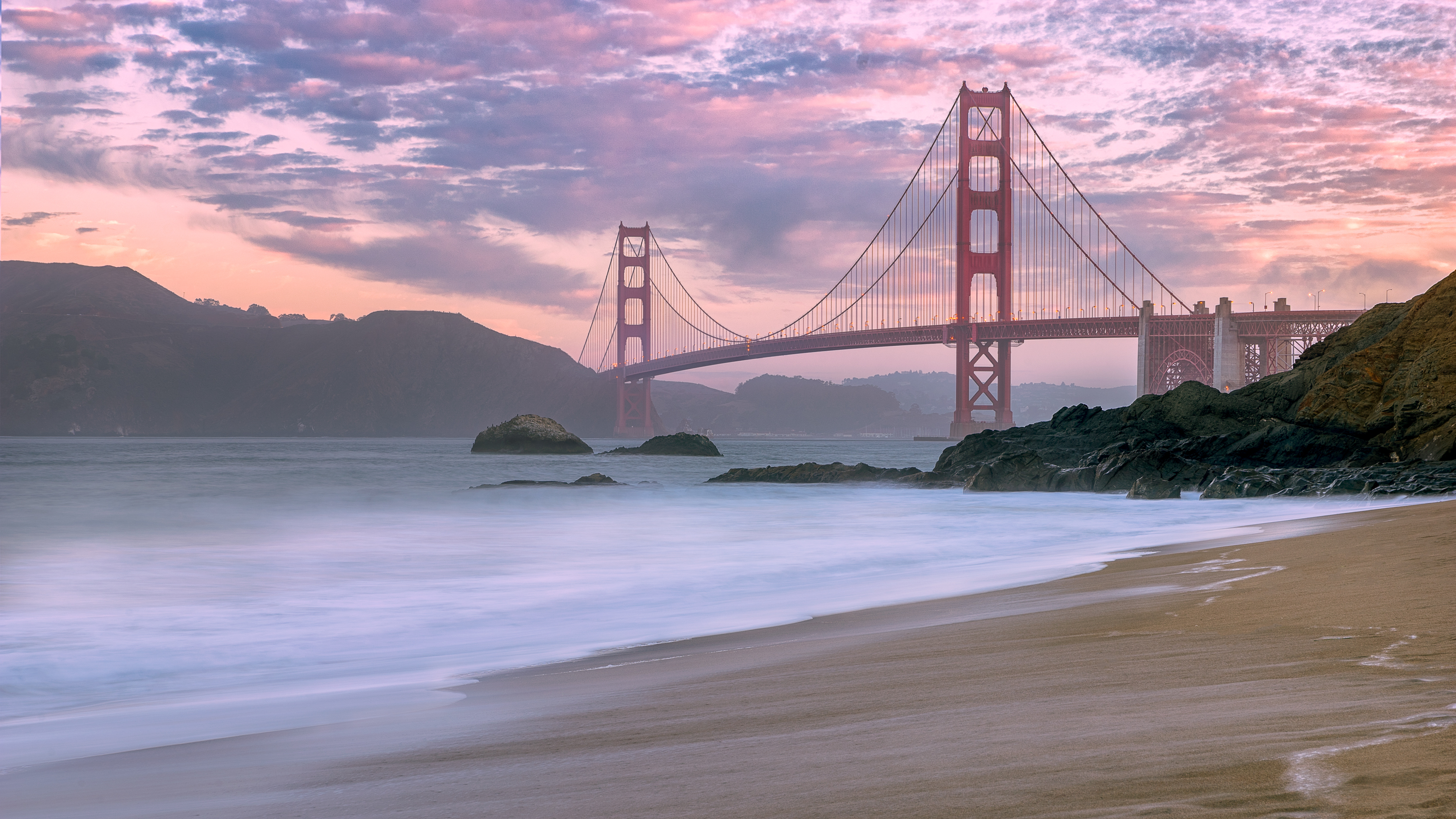 #1388 /100
The Golden Gate Bridge has been San Francisco's calling card since 1937: 2.
7km of International Orange suspension bridge strung between the city and the Marin Headlands.
It's that rare landmark that looks better in bad weather - the towers rising out of rolling fog are the classic view.
Walk or cycle the deck, then take it in from Baker Beach, Fort Point or Battery Spencer.
How does it rate
CrowdsRomanceCash RequiredDangerAccessibilityWhy you should go
Iconic from every angle, and completely free to walk, cycle or photograph.
Why you shouldn't go
Summer fog can hide the towers for days, and the wind on the deck is no joke.
Plan your visit
Best time to visitSeptember-October for the clearest skiesBest time of daySunrise from Baker Beach, or whenever the fog is rollingGetting thereMuni bus to the toll plaza, or cycle across from Fisherman's WharfEntry costFree for pedestrians and cyclistsTime needed2-3 hoursInsider tip — Check the fog cam before you go - and if it's socked in, head to Battery Spencer, which often sits above the fog line -
 #14
#14Rated #14 of 41
Coachella Valley Music and Arts Festival, the United States
#coachellavalleymusicandartsfestival ◆ Music Festivals88 /100Coachella turned a polo field in the California desert into the most talked-about music festival on the planet, mixing headline pop and rock sets with large-scale art installations that dominate social media each spring.
It runs across two identical weekends, letting the same lineup reach twice the audience.
The desert heat and the festival's fashion culture are as much a part of the experience as the music.
How does it rate
CrowdsRomanceCash RequiredDangerAccessibilityWhy you should go
The world's most talked-about music festival: major headliners and giant art installations on a California polo field.
Why you shouldn't go
Daytime desert heat regularly tops 35C, and general admission tickets plus travel and lodging add up fast.
Plan your visit
Best time to visitTwo consecutive weekends in April; dates are announced the preceding autumn.Best time of dayLate afternoon into night, once the desert heat breaks and headline sets begin.Getting thereFly into Palm Springs International Airport, about 25 minutes' drive to the Empire Polo Club in Indio.Entry costGeneral admission passes start around USD500 before fees; VIP and camping cost significantly more.Time neededA three-day weekend, repeated across two identical weekends.BookingBook ahead →Insider tip — Book the second weekend if you can - the lineup is identical to the first but the crowds and resale ticket prices both ease off. -
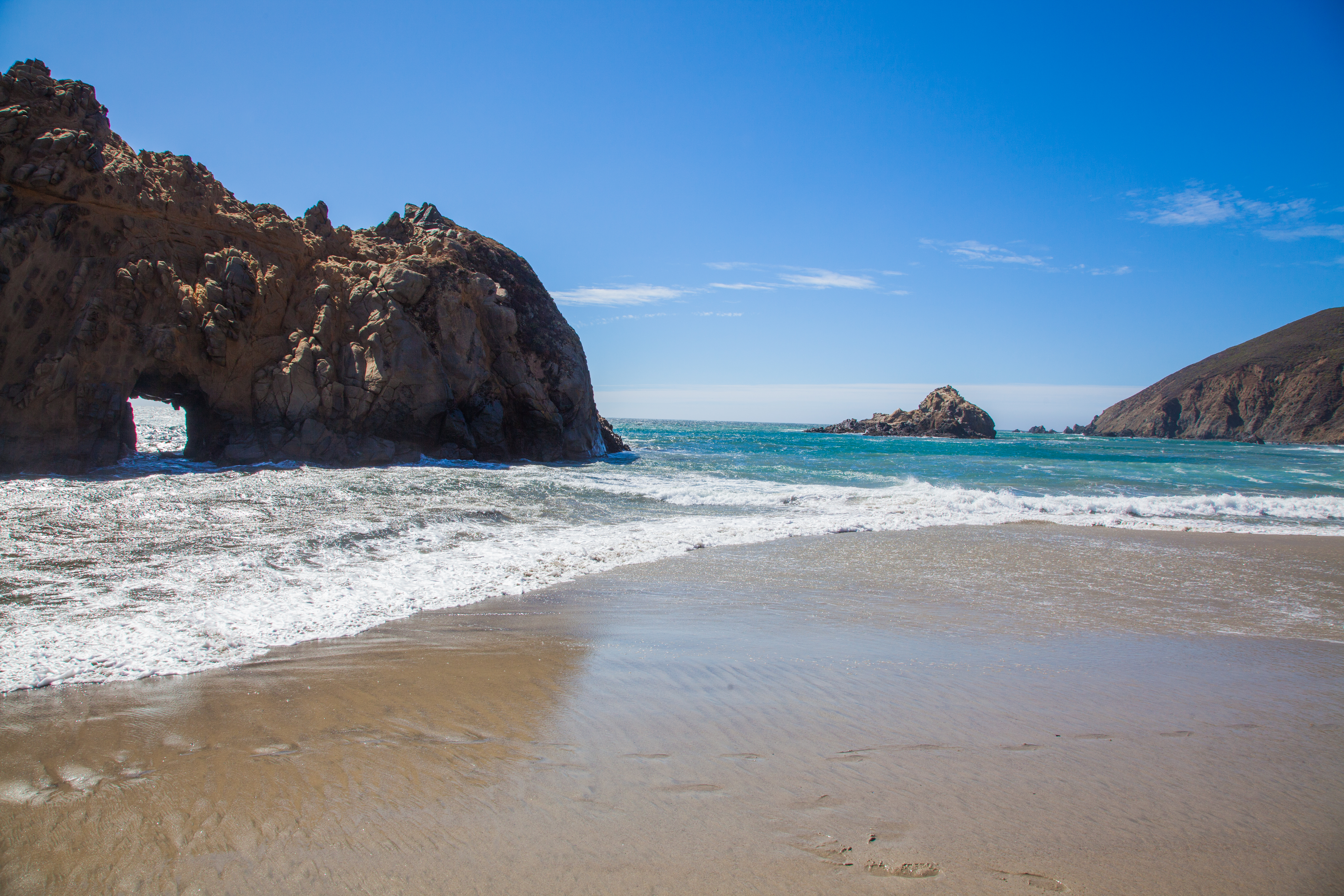 #1587 /100
Pfeiffer Beach in Big Sur is a dramatic California coastline beach famous for its purple-tinged sand, caused by manganese garnet washed down from the surrounding hillsides, and for Keyhole Rock — a sea arch through which the setting sun shines in spectacular alignment during November and December.
How does it rate
CrowdsRomanceCash RequiredDangerAccessibilityWhy you should go
The combination of purple sand, dramatic sea stacks, crashing Pacific waves, and the winter Keyhole Rock sunset alignment make Pfeiffer Beach one of California's most unique coastal spots.
Why you shouldn't go
The access road is extremely narrow and closes when the small car park fills; the purple sand only covers part of the beach and the Keyhole Rock sunset alignment only occurs in winter.
Plan your visit
Best time to visitDecember-February for the Keyhole Arch light phenomenonBest time of daySunset, especially in winter when the sun aligns with the archGetting thereUnmarked turnoff on Highway 1, Big SurEntry cost~$12 parking feeTime needed1-2 hoursInsider tip — The purple sand (from manganese garnet) is most visible after rain -
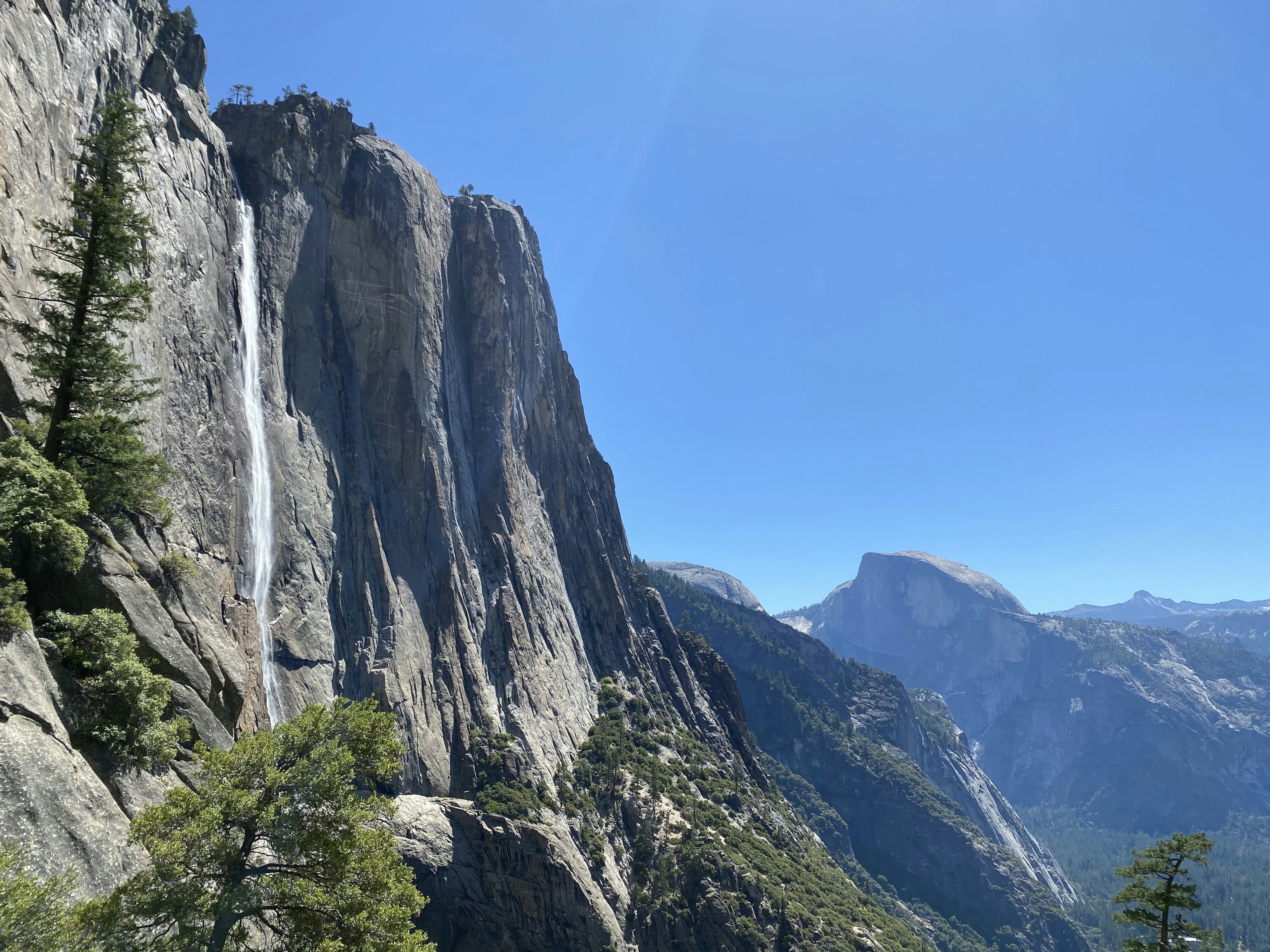 #1687 /100
North America's tallest waterfall drops in three tiers down a granite cliff face in Yosemite Valley, at its thunderous peak each spring when snowmelt sends it roaring.
By late summer it can slow to a trickle or vanish entirely, so timing genuinely changes what you see.
The valley floor meadow below offers an open, unobstructed view, with El Capitan and Half Dome in sight at the same time.
How does it rate
CrowdsRomanceCash RequiredDangerAccessibilityWhy you should go
North America's tallest waterfall, framed by two of Yosemite's other icons in a single shot.
Why you shouldn't go
The falls often dry up completely by late summer - arrive in the wrong month and there's nothing to see.
Plan your visit
Best time to visitApril-June, during peak snowmelt; often dry by August-October.Best time of dayMorning, before Yosemite Valley's parking and crowds peak.Getting thereFly to Fresno or San Francisco; drive into Yosemite Valley (no rail or bus to the park itself).Entry costYosemite National Park entry fee; the falls viewpoint itself is free.Time needed1-2 hours from the valley floorBookingBook ahead →Insider tip — Check the park's waterfall flow reports online before visiting - timing a trip around peak snowmelt matters more here than at almost any other major waterfall. -
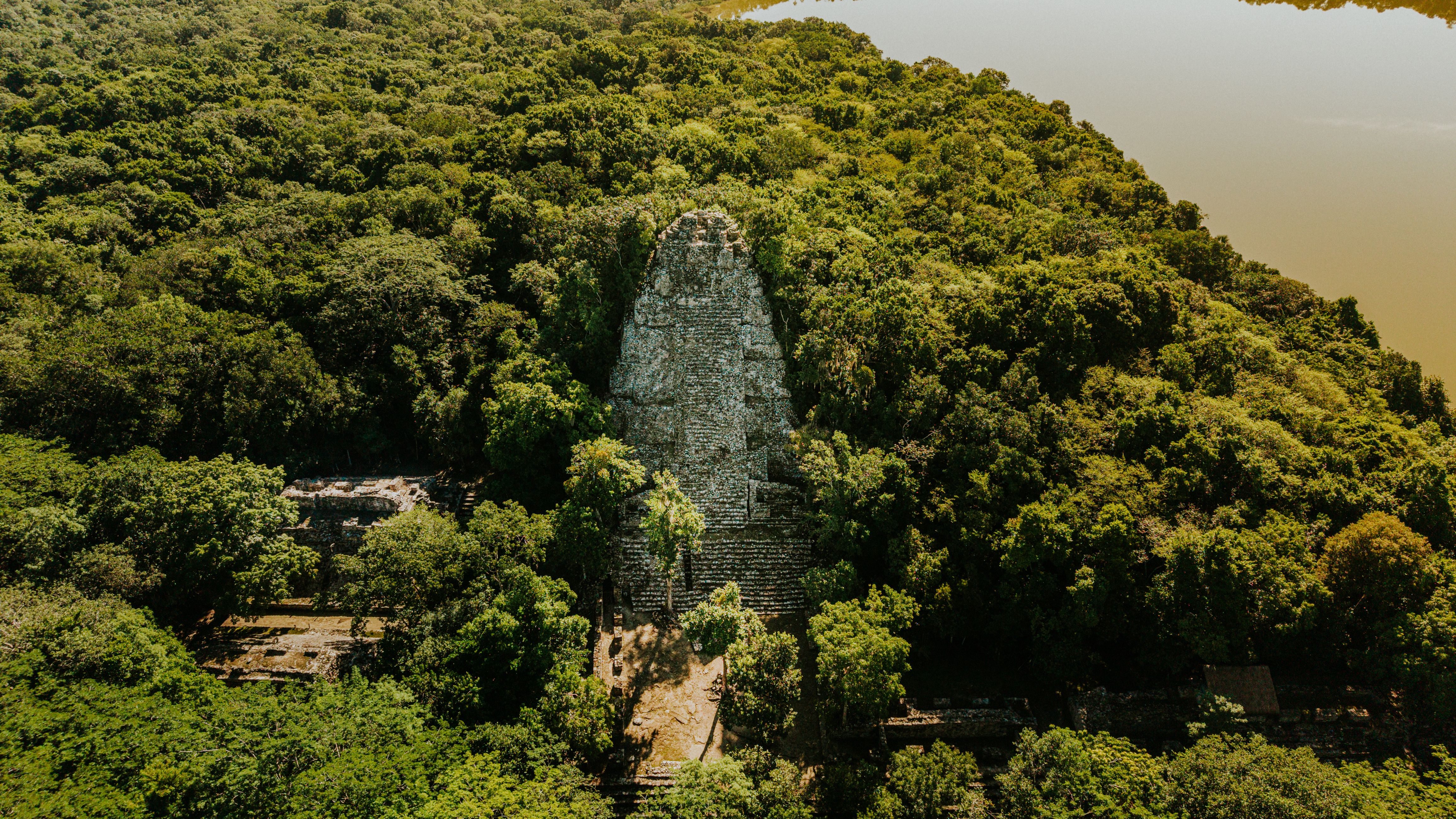 #1786 /100
Towering limestone pyramids rise straight out of dense rainforest canopy at this former Maya city-state, once home to an estimated 90,000 people at its peak around 800 CE.
Howler monkeys and toucans fill the surrounding jungle, and climbing Temple IV at dawn puts visitors above the canopy to watch other temple roofs emerge from mist.
Far less restored than Mexico's Chichen Itza, Tikal feels genuinely like a lost city rather than a manicured park.
How does it rate
CrowdsRomanceCash RequiredDangerAccessibilityWhy you should go
Maya pyramids rising straight out of jungle canopy, with a genuinely spectacular sunrise view from Temple IV.
Why you shouldn't go
Reaching the site requires a flight or long drive to the remote Petén region, adding real travel time.
Plan your visit
Best time to visitNovember–April, the dry season, for easier jungle trail conditions.Best time of daySunrise from Temple IV, above the canopy before day-trip crowds arrive.Getting thereFly to Flores, then about 1 hour's drive to the park entrance.Entry costAround Q150 (~€18) for standard entry, plus extra for the sunrise access permit.Time neededFull day, or a sunrise-to-sunset day for the complete site.Insider tip — Pay the extra sunrise-access fee and enter before official opening — the pre-dawn canopy view from Temple IV is worth arranging in advance. -
 #1886 /100
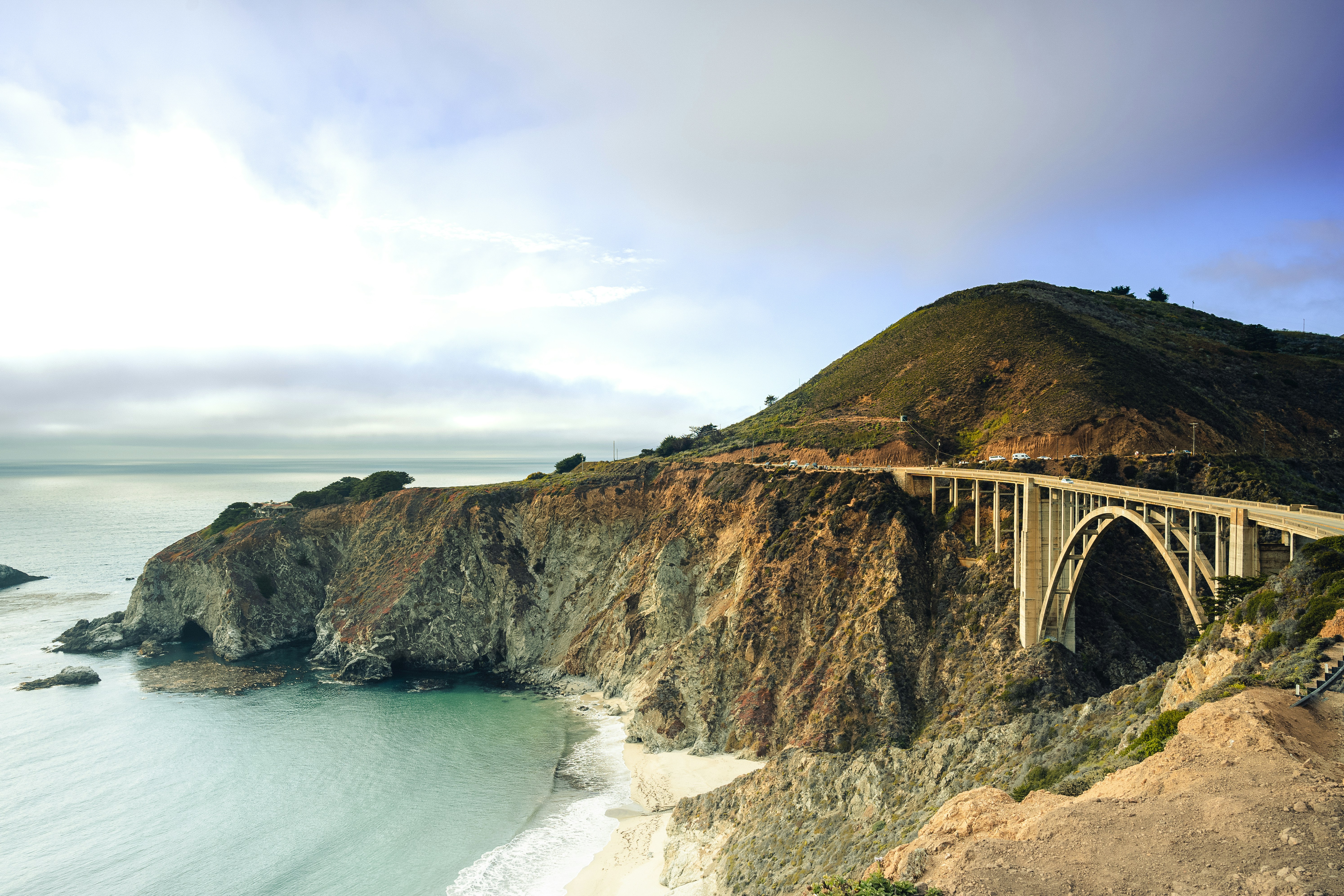
Highway 1 traces roughly 650 miles of California's Pacific edge, from Orange County's beach towns through the cliffs and redwood-backed switchbacks of Big Sur to the rugged Mendocino coast.
Bixby Bridge, McWay Falls, and pullouts over crashing surf make nearly every mile worth slowing for.
The road narrows to a single lane clinging to cliffside in Big Sur, and landslide closures are common enough that checking conditions beforehand is routine.
How does it rate
CrowdsRomanceCash RequiredDangerAccessibilityWhy you should go
Uninterrupted cliffside ocean views, with Big Sur's bridges and redwoods as the centrepiece.
Why you shouldn't go
Landslide closures around Big Sur are frequent and can force lengthy inland detours.
Plan your visit
Best time to visitSeptember-October for clear skies, fewer crowds, and reduced summer coastal fog.Best time of dayLate afternoon light along the Big Sur cliffs, an hour or two before sunset.Getting thereFly into Los Angeles or San Francisco, hire a car, and pick up Highway 1 at either end.Entry costFree to drive; some state park stops charge parking feesTime needed4-5 daysBookingBook ahead →Insider tip — Check Caltrans' QuickMap for landslide closures before you leave, and book Big Sur lodging months ahead - options are limited and fill fast. -
 #1986 /100
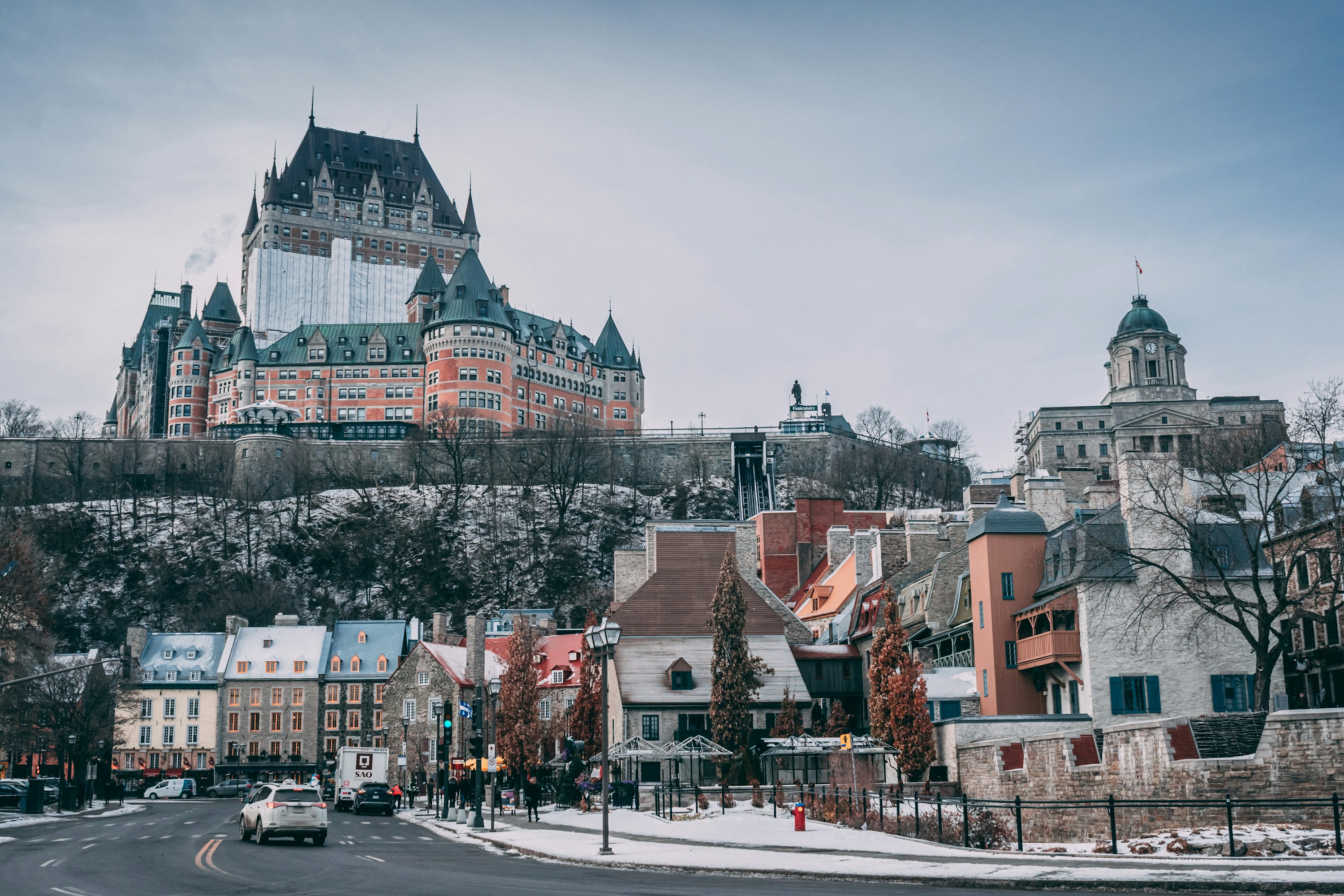
The walled heart of Quebec City is the only fortified colonial city north of Mexico still standing, its narrow cobblestone streets climbing from the St.
Lawrence River up to the castle-like Chateau Frontenac hotel.
Founded by French settlers in 1608, the Old Town's stone houses and ramparts earned it UNESCO World Heritage status, and the Dufferin Terrace boardwalk gives sweeping river views.
How does it rate
CrowdsRomanceCash RequiredDangerAccessibilityWhy you should go
A genuinely walkable, centuries-old walled city with cobblestone streets and river views unlike anywhere else in North America.
Why you shouldn't go
Many small sites and the funicular are cash-preferred; winters are long and cold, though they add their own charm.
Plan your visit
Best time to visitJune-September for mild weather; February for the Winter CarnivalBest time of dayMorning for Petit-Champlain before crowds; evening for Dufferin Terrace at sunsetGetting thereFly to Quebec City Jean Lesage International Airport, or take the train from Montreal (about 3 hours).Entry costFree to walk the Old Town; funicular ~CA$4-6; individual sites charge separatelyTime needed2-3 daysInsider tip — Walk down the Casse-Cou ("Breakneck") stairs from Upper to Lower Town rather than only riding the funicular; it's the old fastest route between the two and skips the funicular queue entirely. -
 #2085 /100
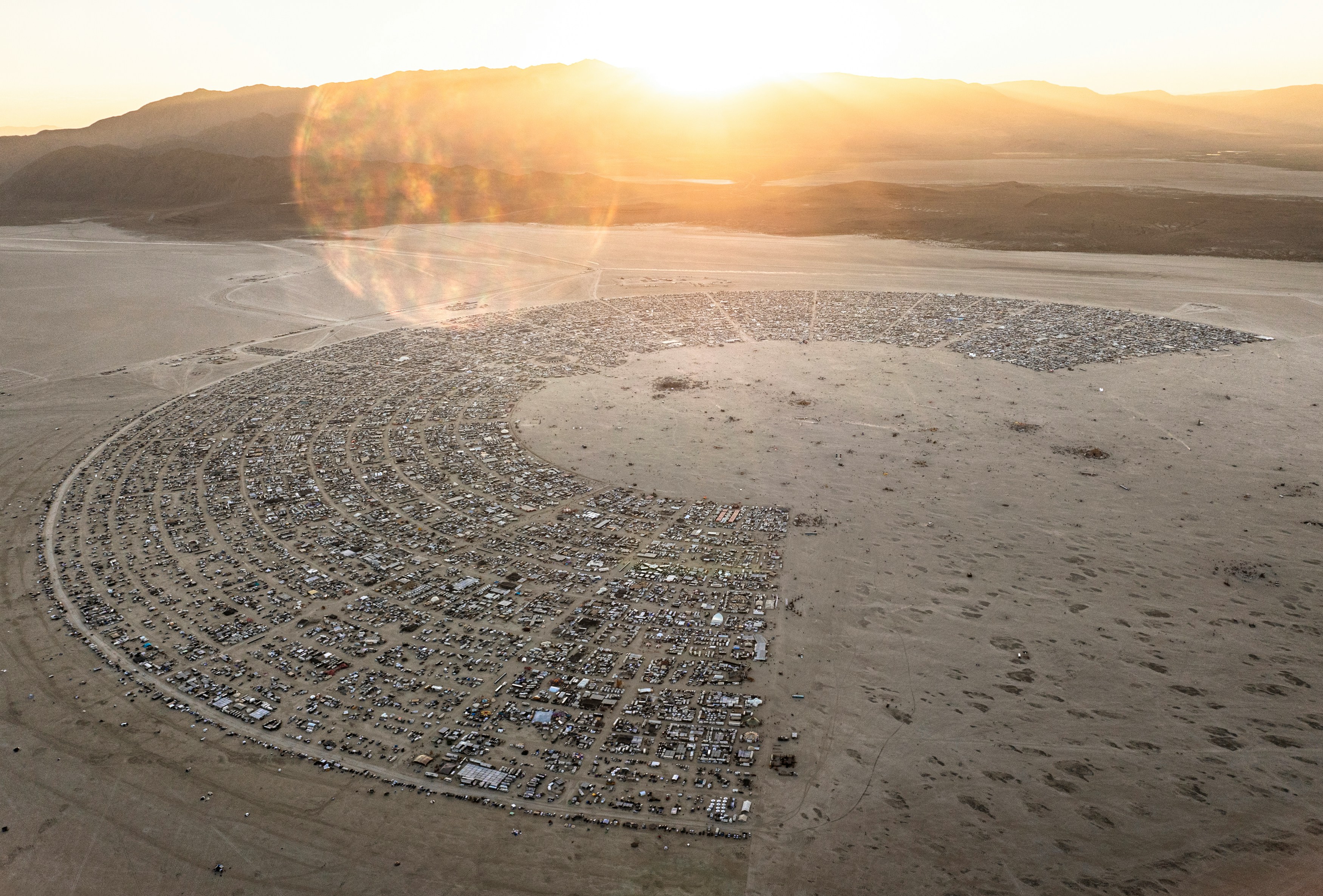
For one week every year, Nevada's Black Rock Desert hosts Black Rock City, a temporary metropolis of over 70,000 people built from scratch and dismantled without trace afterward.
Towering art installations, mutant art cars and elaborate theme camps fill the white playa, leading to the ceremonial burning of a giant wooden effigy on the penultimate night.
How does it rate
CrowdsRomanceCash RequiredDangerAccessibilityWhy you should go
A temporary art city of 70,000 built from nothing on a Nevada desert playa, then burned and erased without a trace.
Why you shouldn't go
Extreme desert conditions, dust storms and daytime heat swinging to freezing nights, demand serious self-sufficiency.
Plan your visit
Best time to visitLate August into early September, the festival's fixed annual week.Best time of daySunset onward, when the art cars light up and the playa's temperature drops to bearable.Getting thereFly to Reno, then a roughly 2.5-hour drive to Black Rock City near Gerlach, Nevada.Entry costTickets run around USD575-650, and attendees must bring all food, water and shelter.Time neededThe full week; day visits are impractical given the desert's remoteness.BookingBook ahead →Insider tip — Bring far more water than you think you need, and goggles plus a dust mask for the frequent whiteout dust storms. -
 #21
#21Rated #21 of 41
Valley of Fire State Park, the United States
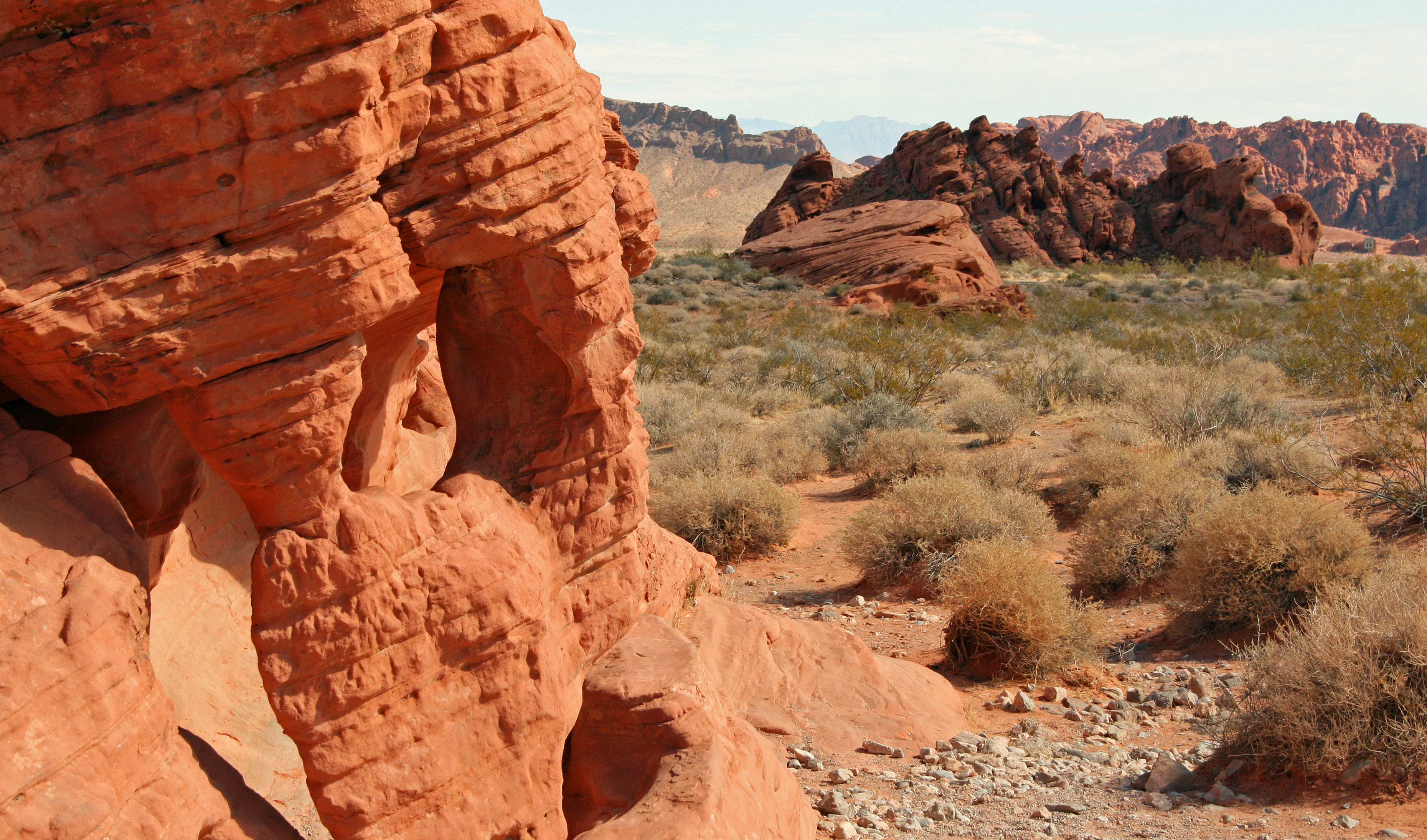
#valleyoffirestatepark ◆ National Parks84 /100The Valley of Fire State Park is Nevada's oldest and largest state park, containing extraordinary formations of bright red Aztec sandstone created from sand dunes 150 million years ago.
The intensely coloured rock glows with particular brilliance at sunrise and sunset when it appears almost to be lit from within.
How does it rate
CrowdsRomanceCash RequiredDangerAccessibilityWhy you should go
The vivid red sandstone formations, particularly at golden hour, create a landscape of extraordinary colour intensity; Wave Rock and Elephant Rock are among the most dramatic formations.
Why you shouldn't go
The park is in the Mojave Desert and temperatures exceed 40 degrees Celsius in summer; it is most accessible as a day trip from Las Vegas but there is limited accommodation within the park.
Plan your visit
Best time to visitOctober-April, avoiding extreme summer heatBest time of daySunrise or sunset when the red sandstone glowsGetting there~1hr drive from Las VegasEntry cost~$15/vehicleTime neededHalf dayInsider tip — Fire Wave formation is the most photographed spot in the park and best lit in late afternoon -
 #22
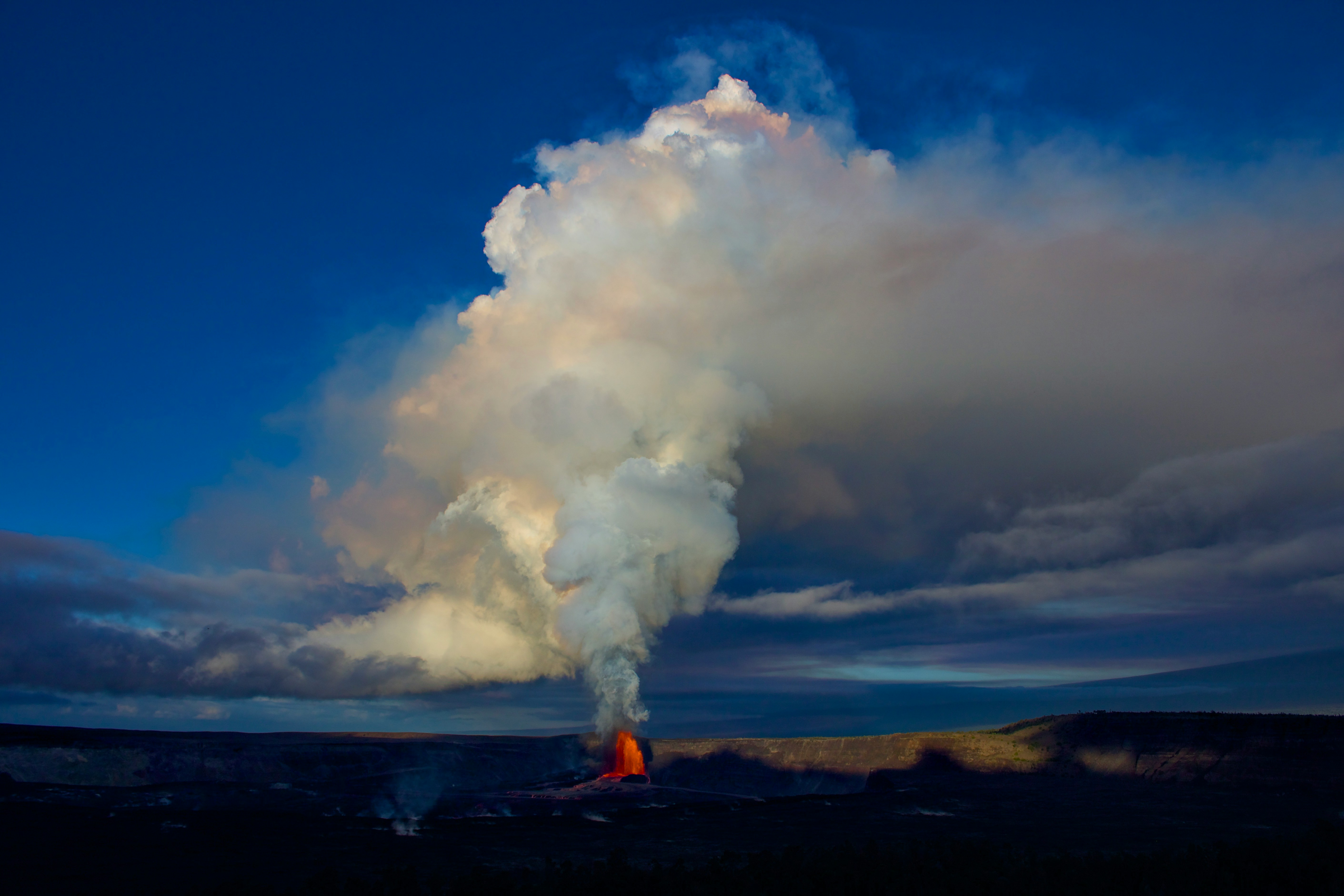
#22One of the world's most active volcanoes, its summit caldera in Hawaii Volcanoes National Park glowing orange against the night sky whenever the current eruption cycle is active.
Well-maintained overlooks and short walking trails let visitors watch the lava lake safely from a respectful distance, while the surrounding park holds steaming vents, lava tube caves, and stark black rock deserts.
Activity is unpredictable, so what's visible changes from month to month, and current status is checked constantly by staff and visitors alike.
How does it rate
CrowdsRomanceCash RequiredDangerAccessibilityWhy you should go
A glowing lava lake visible from safe, easily reached overlooks inside a national park - no technical hiking required.
Why you shouldn't go
Activity is unpredictable and can pause for months at a time, so there's no guarantee of visible lava on any given trip.
Plan your visit
Best time to visitYear-round, but check current eruption status before booking, since visible activity comes and goes.Best time of dayAfter dark, when the glow from the caldera is most dramatic against the night sky.Getting thereFly to Hilo; a 45-minute drive to Hawaii Volcanoes National Park.Entry costNational park entry around USD30 per vehicle (valid 7 days).Time neededHalf a day.BookingBook ahead →Insider tip — Check the USGS Hawaiian Volcano Observatory site before you go - it gives daily updates on whether the crater currently has visible lava. -
 #2384 /100
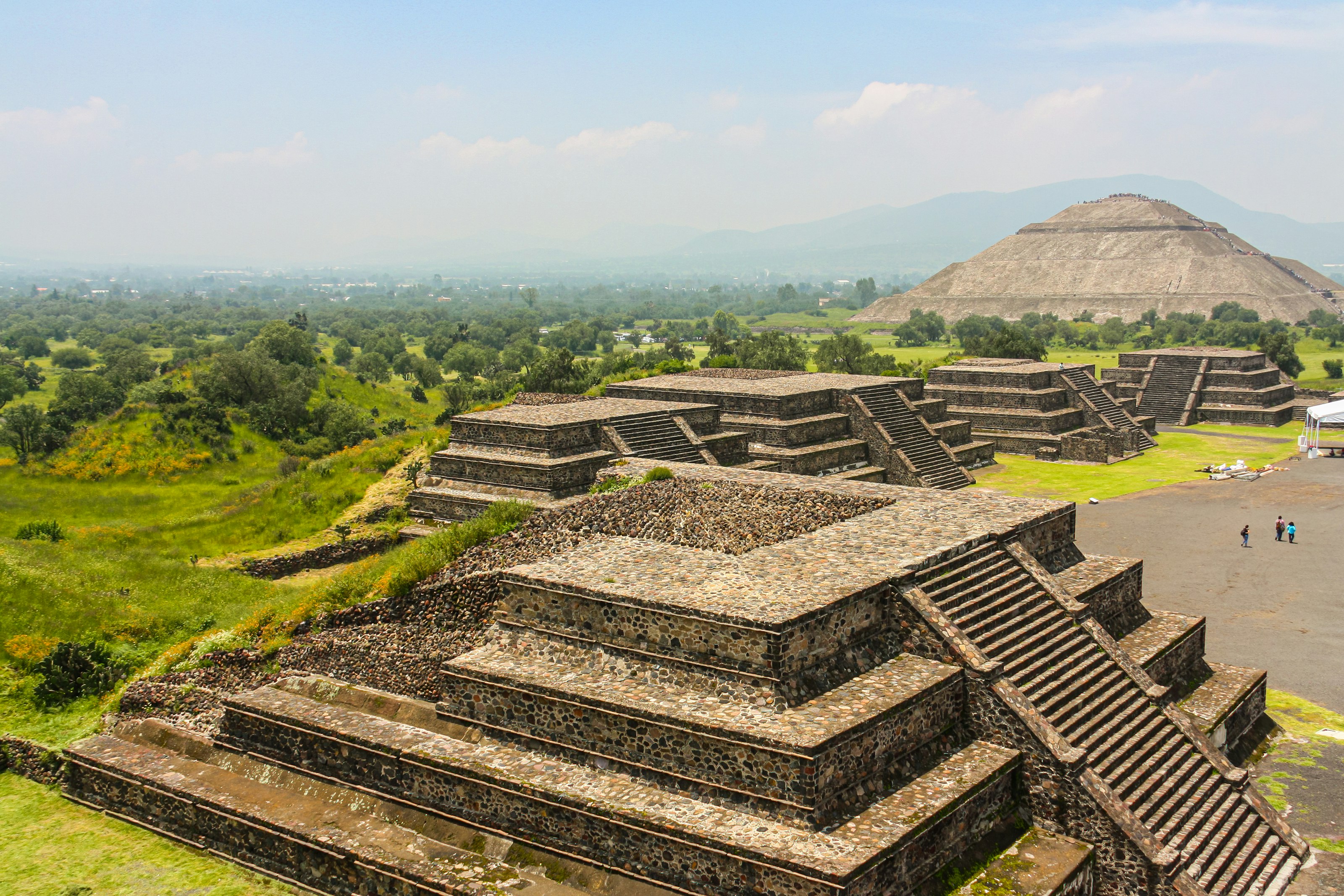
Teotihuacan was one of the largest cities in the ancient world, and its two great pyramids — the Sun and the Moon — still dominate the Mexican plateau just outside the capital.
The Avenue of the Dead runs more than two kilometres between them, past palace complexes decorated with faded murals.
Both main pyramids can be climbed, and the view from the top of the Pyramid of the Sun takes in the whole site and the mountains beyond.
How does it rate
CrowdsRomanceCash RequiredDangerAccessibilityWhy you should go
Climbing the Pyramid of the Sun for a view down the full length of the Avenue of the Dead is genuinely awe-inspiring.
Why you shouldn't go
The steps up both pyramids are steep and uneven, and there's almost no shade across the whole site.
Plan your visit
Best time to visitNovember–March, dry season with cooler daytime temperatures.Best time of dayEarly morning, both for cooler climbing weather and thinner crowds.Getting thereFly to Mexico City; 1-hour drive or direct bus from the capital's Central del Norte terminal.Entry costPaid entry; extra optional hot-air balloon rides at sunrise.Time neededHalf a dayInsider tip — Enter at Gate 1 near the Pyramid of the Moon and walk the avenue toward the Pyramid of the Sun — it saves the best climb for when you've warmed up. -
 #2483 /100
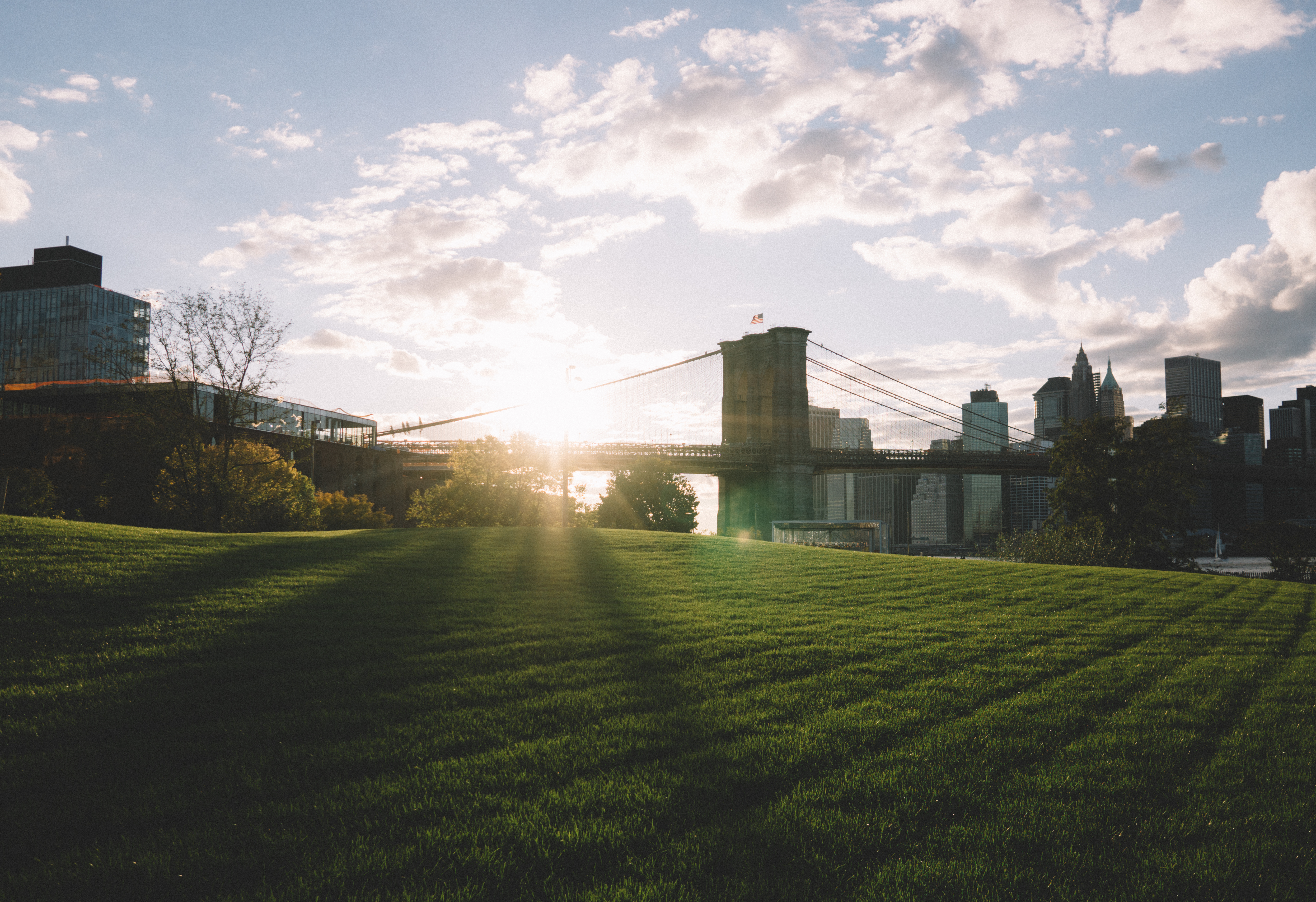
The Brooklyn Bridge was the world's longest suspension bridge when it opened in 1883, and its stone Gothic towers and web of steel cables remain New York's most distinctive crossing.
An elevated timber boardwalk runs above the traffic for the full 1.
8km span, with Lower Manhattan directly ahead the whole way from the Brooklyn side.
It is free, open at any hour, and takes about half an hour to walk.
How does it rate
CrowdsRomanceCash RequiredDangerAccessibilityWhy you should go
Skyline, river and 19th-century engineering in one frame, free at any hour.
Why you shouldn't go
The boardwalk is jammed with walkers, cyclists and vendors from mid-morning onward.
Plan your visit
Best time to visitApril-June or September-October for walking weatherBest time of daySunrise on the boardwalk; blue hour from Brooklyn Bridge ParkGetting thereSubway to High St-Brooklyn Bridge (A/C) or Brooklyn Bridge-City Hall (4/5/6)Entry costFreeTime needed1-2 hoursInsider tip — Start from the Brooklyn side at dawn - you walk toward the skyline the whole way and beat the crowds -
 #2582 /100
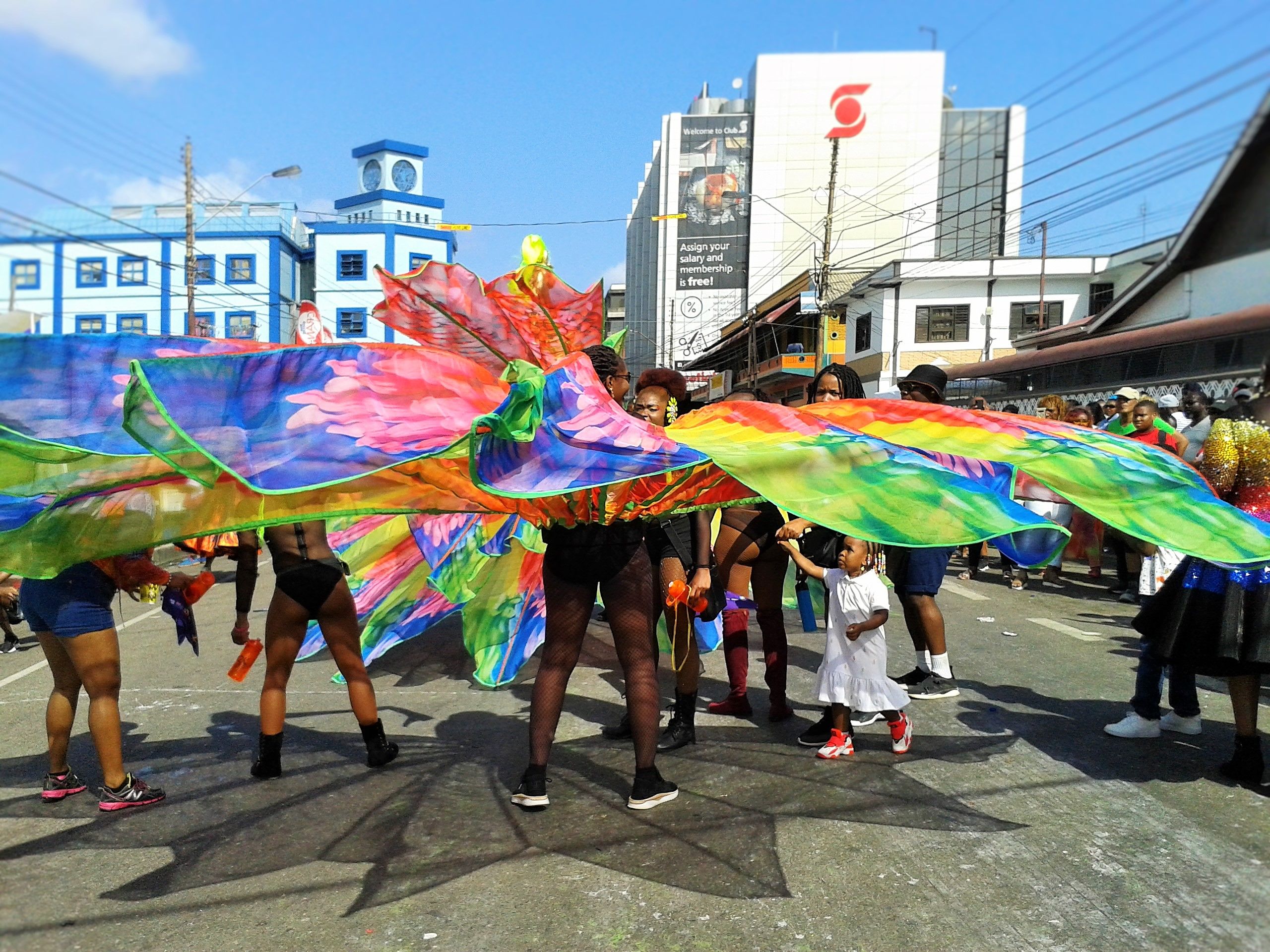
Widely credited as the origin point for Caribbean carnival culture, Trinidad's celebration in Port of Spain centres on 'mas', costumed bands of thousands moving through the streets in elaborate beaded and feathered designs to soca and steelpan music.
J'ouvert, the pre-dawn paint-and-mud opening event, kicks off the main carnival days in deliberately chaotic contrast.
How does it rate
CrowdsRomanceCash RequiredDangerAccessibilityWhy you should go
The Caribbean's original carnival: elaborate feathered 'mas' bands and steelpan music through the streets of Port of Spain.
Why you shouldn't go
Costume-band registration and flights both need booking many months ahead, since the event draws a large diaspora crowd.
Plan your visit
Best time to visitFebruary or March, the two days before Ash Wednesday (exact dates shift yearly).Best time of dayDawn, for J'ouvert, the paint-and-mud opening event that kicks off the main carnival days.Getting thereFly into Piarco International Airport, a roughly 30-minute taxi to Port of Spain.Entry costCostume-band packages to join a mas band run roughly USD400-1,000+.Time neededThe full two main carnival days.Insider tip — Join a mas band rather than just watching if budget allows, since Trinidad Carnival is built as a participatory event rather than a spectator parade. -
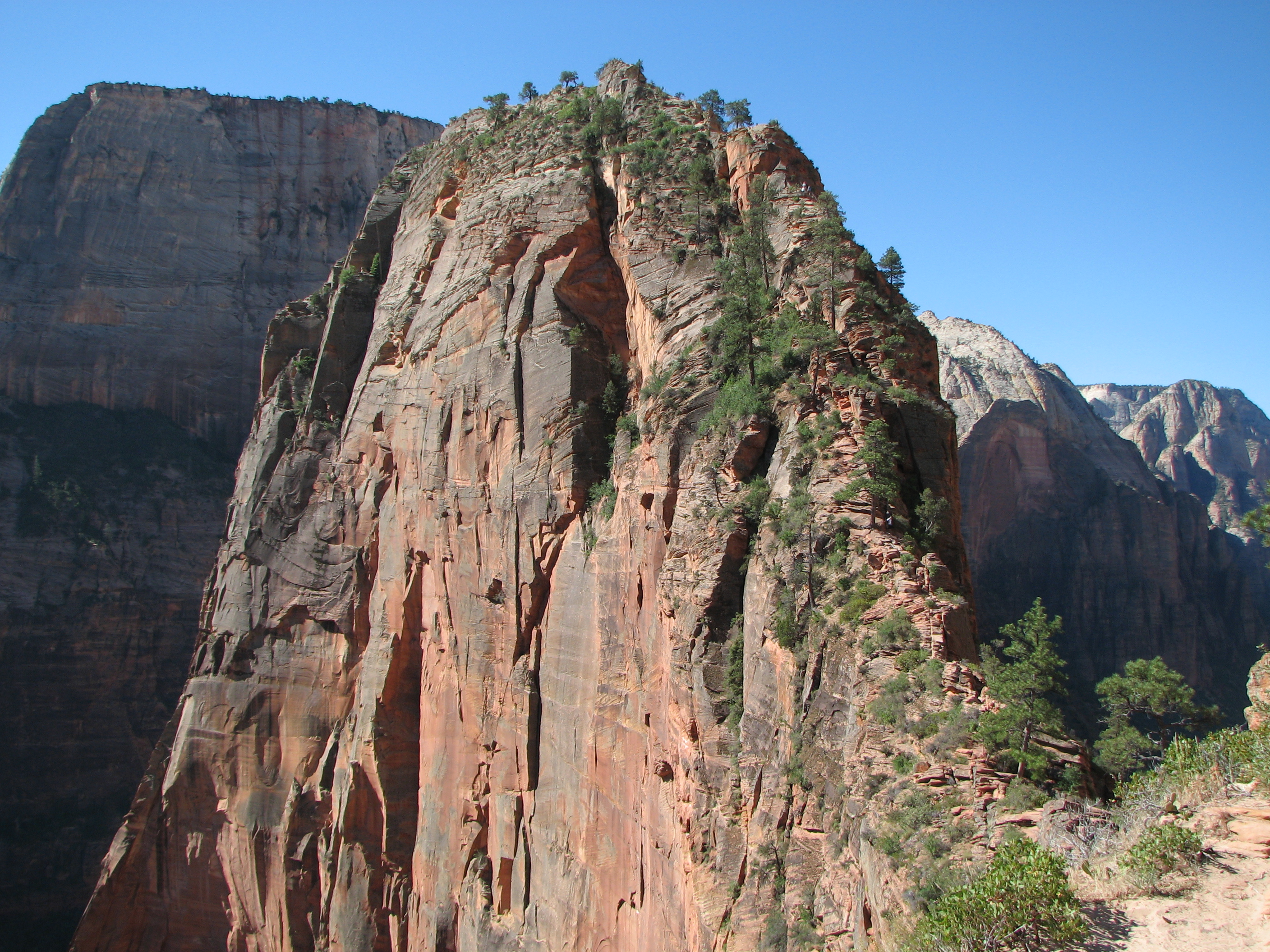 #2682 /100
A steep 2.
5-mile round trip up Zion Canyon's sandstone spine, finishing on a knife-edge ridge with chain handholds and 1,200-foot drops on both sides.
The switchbacking approach up Walter's Wiggles gives way to an exposed scramble that rewards climbers with a sweeping view down Zion Canyon.
A permit lottery now limits how many hikers tackle the chains at once, since it's not for anyone uneasy with heights.
How does it rate
CrowdsRomanceCash RequiredDangerAccessibilityWhy you should go
The payoff view straight down Zion Canyon from a narrow sandstone ridge most visitors only see from below.
Why you shouldn't go
The final chained section is genuinely exposed and has recorded fatalities; a lottery permit is mandatory.
Plan your visit
Best time to visitSpring and autumn for mild temperatures; avoid the chains in wet or icy conditions.Best time of dayEarly morning to beat both the heat and the midday permit-holder crowds on the chains.Getting thereFly to Las Vegas or St George; drive to Zion, then shuttle to the Grotto trailhead.Entry costZion entry $35/vehicle; Angels Landing permit $6 application plus $3/person if selected.Time needed3-4 hours round tripBookingBook ahead →Insider tip — Enter both the seasonal lottery and the day-before lottery - the day-before draw has far better odds. -
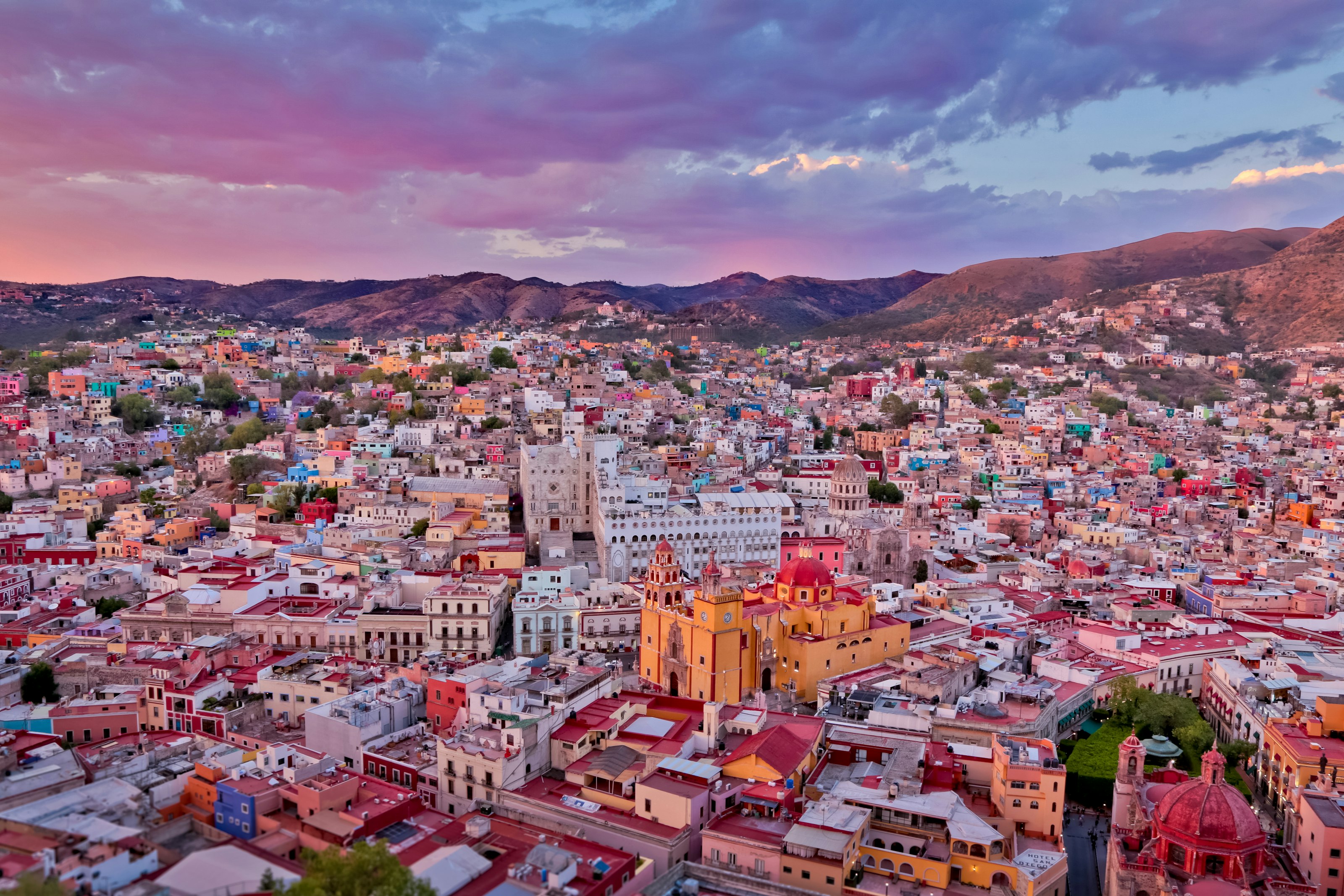 #2781 /100
Guanajuato is a former silver-mining city built into a ravine, its brightly painted houses stacked up impossibly steep hillsides and connected by a maze of underground tunnels and narrow alleys.
The centre is a UNESCO World Heritage site of baroque churches and plazas, and the Callejón del Beso — an alley so narrow that neighbouring balconies almost touch — draws crowds for its star-crossed-lovers legend.
How does it rate
CrowdsRomanceCash RequiredDangerAccessibilityWhy you should go
The view from the Pípila monument at dusk, with the whole hillside city lit up below, is one of Mexico's best skylines.
Why you shouldn't go
The steep alleys and stairs throughout the city are hard going for anyone with mobility issues.
Plan your visit
Best time to visitOctober, for the Cervantino arts festival, or the drier November–April months generally.Best time of dayDusk, when the funicular up to the Pípila monument gets you there for sunset over the city.Getting thereFly to León/Guanajuato airport (Del Bajío); 30-minute drive or shuttle into the city.Entry costFree to explore; funicular and some museums charge a small fee.Time needed1–2 daysInsider tip — Walk (or ride) through the underground Subterráneo tunnels, originally built to divert flood water, now used as traffic roads beneath the city. -
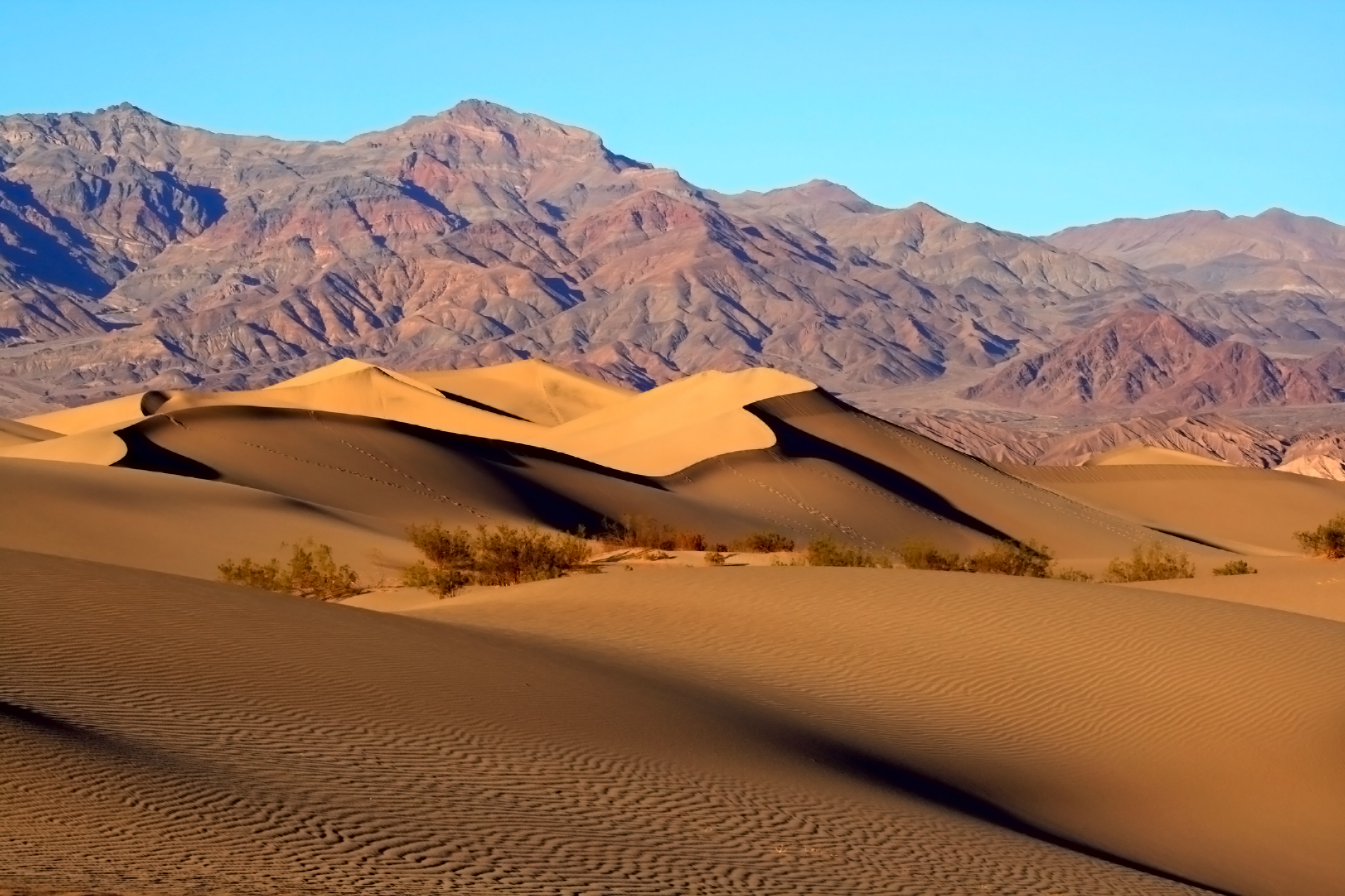 #2880 /100
Death Valley National Park in California and Nevada is the lowest, driest, and hottest place in North America, where summer temperatures regularly exceed 50 degrees Celsius.
Yet within its 13,600 square kilometres lies extraordinary scenery — from the salt flats of Badwater Basin to the colourful Artist's Palette hills and the vast sand dunes of Mesquite Flat.
How does it rate
CrowdsRomanceCash RequiredDangerAccessibilityWhy you should go
The Mesquite Flat sand dunes at sunrise, the salt hexagons of Badwater Basin, and the multicoloured mineral hills of Artist's Palette create a desert landscape of extraordinary variety.
Why you shouldn't go
Death Valley lives up to its name in summer when it is simply dangerous; temperatures above 45 degrees Celsius make outdoor exploration genuinely life-threatening.
Plan your visit
Best time to visitNovember-March, avoiding lethal summer heatBest time of daySunrise or sunset for colour on the salt flats and dunesGetting there~2hr drive from Las VegasEntry cost~$30/vehicle park entryTime needed1-2 daysInsider tip — Zabriskie Point at sunrise and Mesquite Flat Dunes at sunset are the two classic combo shots -
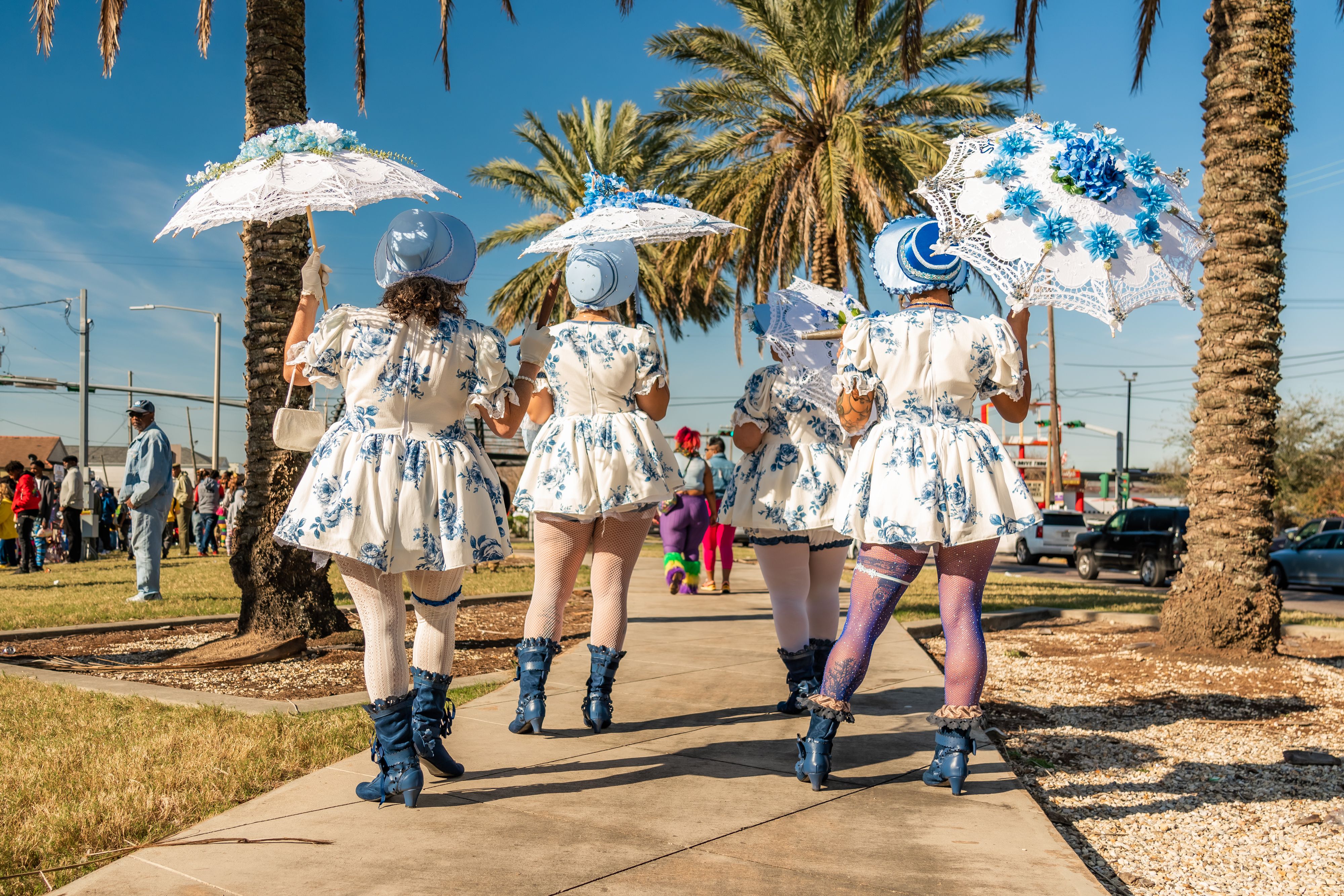 #2980 /100
New Orleans' Mardi Gras builds for weeks through parades run by dozens of krewes, social clubs that design elaborate floats and toss beads, cups and doubloons to crowds along St Charles Avenue and through the French Quarter.
By Fat Tuesday the city is in full costume, with the Krewe of Zulu and Krewe of Rex parades considered the day's centrepiece events.
How does it rate
CrowdsRomanceCash RequiredDangerAccessibilityWhy you should go
Weeks of bead-throwing krewe parades through New Orleans, building to a costumed, citywide Fat Tuesday.
Why you shouldn't go
Bourbon Street gets extremely crowded and rowdy by evening, which won't suit anyone wanting a calmer experience.
Plan your visit
Best time to visitFat Tuesday itself, the day before Ash Wednesday (exact date shifts yearly, with parades starting weeks earlier).Best time of dayMidday, for the Krewe of Rex parade along St Charles Avenue on Fat Tuesday.Getting thereFly into Louis Armstrong New Orleans International Airport, a roughly 20-minute taxi to the French Quarter.Entry costFree to watch parades along public routes.Time neededA full day, or several weeks if following the lead-up parades.Insider tip — Watch parades along St Charles Avenue rather than Bourbon Street for a more family-friendly, less crowded view of the floats. -
 #30
#30Rated #30 of 41
Albuquerque International Balloon Fiesta, the United States
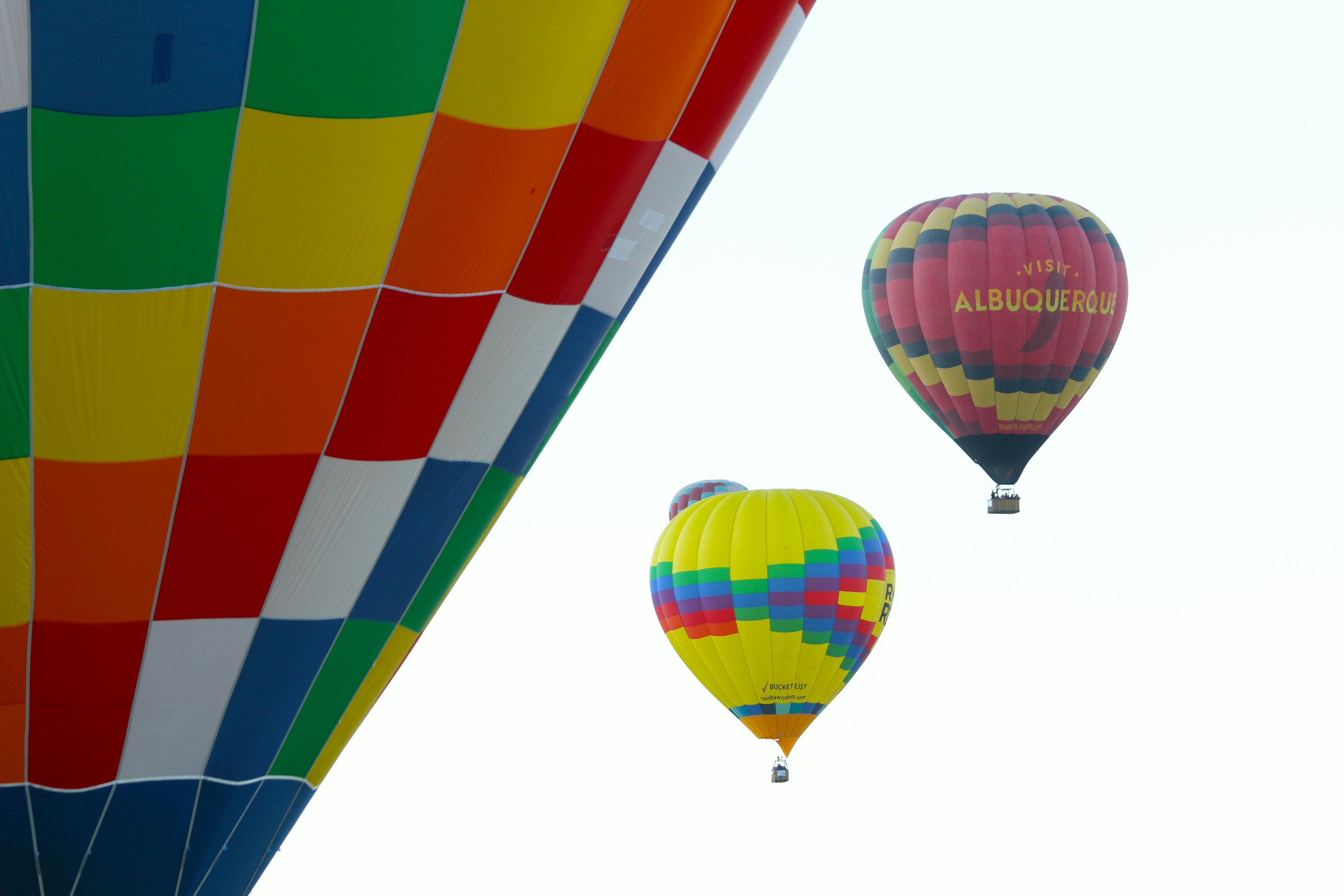
#albuquerqueinternationalballoonfiesta ◆ Cultural Festivals80 /100Each October, the skies above New Mexico's high desert fill with hundreds of hot air balloons at once, launched in a mass dawn ascension that's become the most photographed hot air balloon event on Earth.
The valley's unique wind pattern, known locally as the Albuquerque Box, lets balloons rise, drift, and return to nearly the same spot, making the display more predictable and repeatable than almost anywhere else.
How does it rate
CrowdsRomanceCash RequiredDangerAccessibilityWhy you should go
Hundreds of hot air balloons launch together at dawn over the New Mexico desert, in the world's most photographed ballooning event.
Why you shouldn't go
Dawn launch times mean an early start, and the Fiesta Park site gets seriously congested with traffic in the pre-dawn hours.
Plan your visit
Best time to visitNine days in early October each year.Best time of dayDawn, for the mass ascension launches.Getting thereFly into Albuquerque International Sunport, about 15 minutes from Balloon Fiesta Park.Entry costGeneral admission runs roughly USD15-20 per session.Time neededOne morning covers a mass ascension; enthusiasts return across several days.BookingBook ahead →Insider tip — Arrive well before dawn and walk the field during Balloon Glow the evening before - the illuminated balloons at night are as striking as the morning launch. -
 #3180 /100
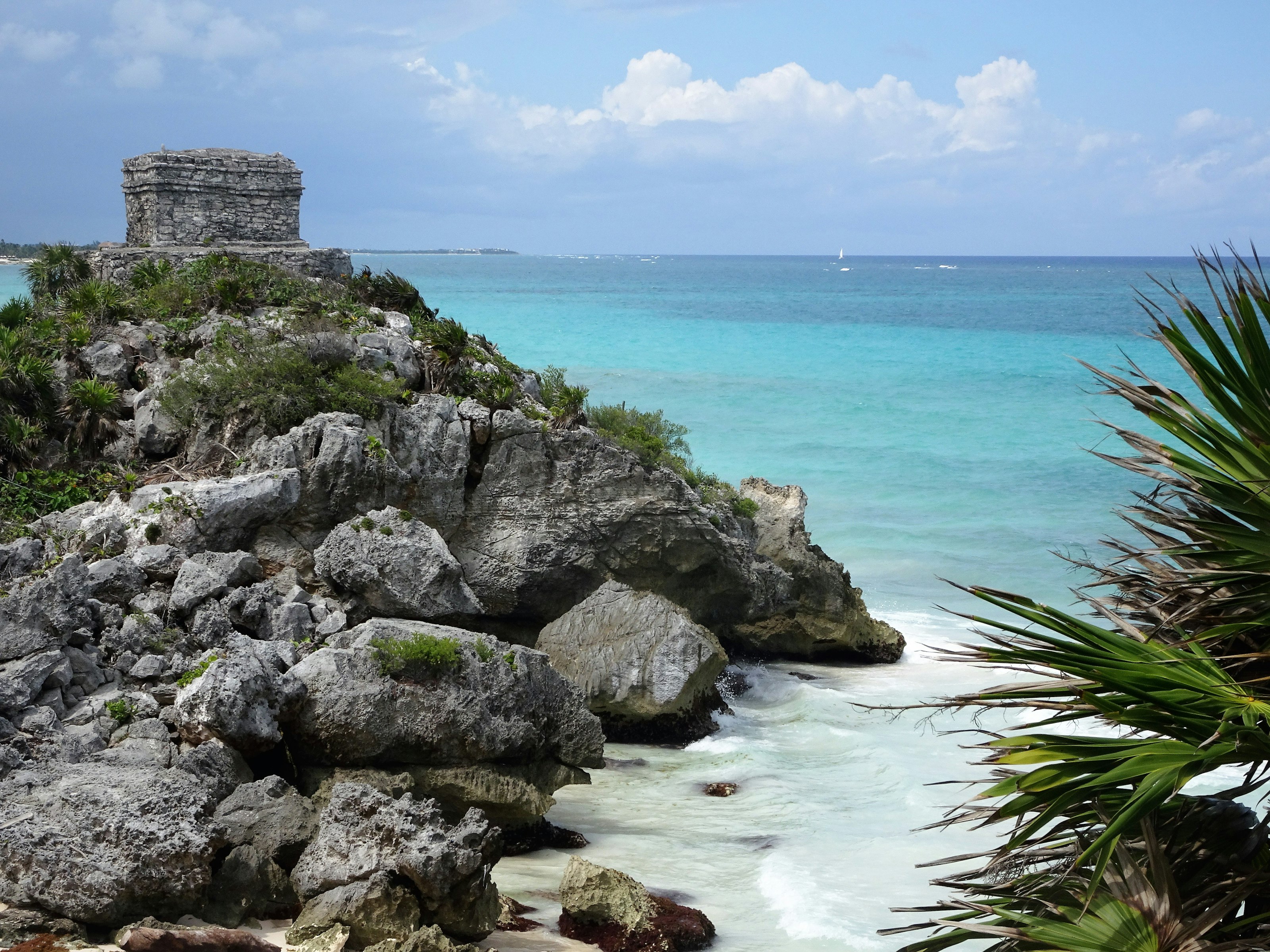
Tulum is the only major Maya city built directly on the coast, its stone temples and watchtowers standing on a low cliff above a beach of white sand and turquoise water.
The site is small compared to Chichén Itzá, but the setting — walled ruins on one side, Caribbean Sea on the other — is unmatched.
Visitors can walk the perimeter path in under an hour, then head down the wooden stairs to swim below the cliffs.
How does it rate
CrowdsRomanceCash RequiredDangerAccessibilityWhy you should go
Nowhere else lets you swim in the Caribbean directly beneath a Maya temple wall.
Why you shouldn't go
It's one of the most crowded ruins in Mexico by mid-morning, with tour buses arriving in a steady stream.
Plan your visit
Best time to visitDecember–April for dry weather, or arrive right at opening to beat the day-trippers.Best time of dayOpening time (8am), before tour groups from Cancún and Playa del Carmen arrive.Getting thereFly to Cancún; 1.5-hour drive or bus south to Tulum town, then a short taxi to the ruins entrance.Entry costPaid entry; parking and shuttle from the visitor centre cost extra.Time needed1–2 hoursInsider tip — Bring swimwear under your clothes — the small beach below the ruins is one of the few places you can swim right at an archaeological site. -
 #3280 /100
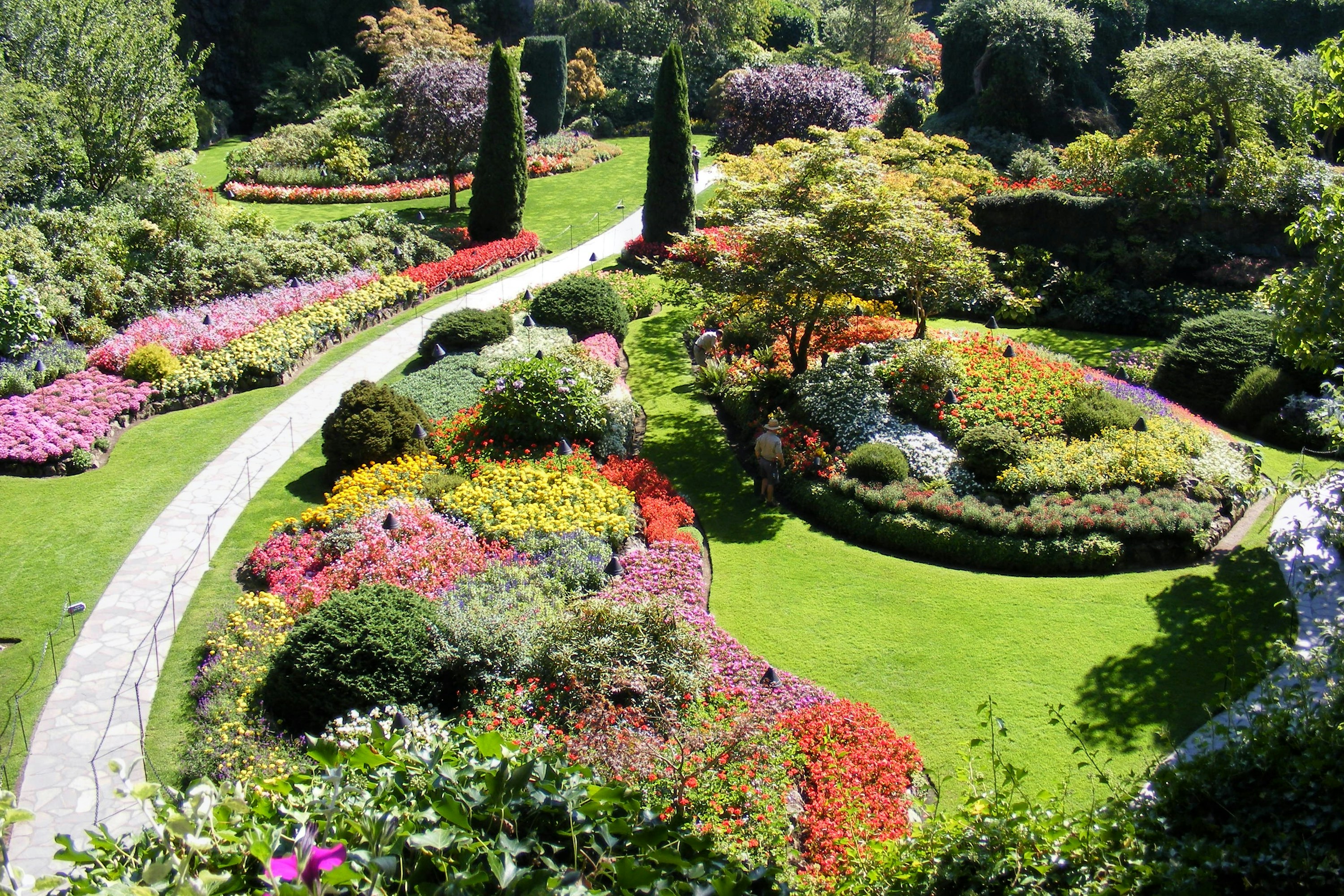
A former limestone quarry on Vancouver Island transformed over a century into 22 hectares of themed display gardens, from a sunken formal garden to Japanese and Italian sections.
The National Historic Site draws more than a million visitors a year and stays in bloom nearly year-round, with fireworks and illuminated evening walks through the summer season.
How does it rate
CrowdsRomanceCash RequiredDangerAccessibilityWhy you should go
Century-old quarry-turned-garden with themed sections in bloom for most of the year, including summer illumination and fireworks nights.
Why you shouldn't go
Ticketed and busy with tour buses at midday in peak summer; only reachable by car or organized tour from Victoria.
Plan your visit
Best time to visitLate spring through summer for peak bloom; December for the holiday light displaysBest time of dayEarly morning or the last two hours before closing to avoid tour groupsGetting thereFly to Victoria International Airport; 25-minute drive north to Brentwood Bay, or take a seasonal ferry directly to the gardens' own dock.Entry costAdult ~CA$40-43 in summer, less in shoulder seasons; free for children under 5Time needed2-3 hoursBookingBook ahead →Insider tip — Start at the Sunken Garden overlook near the entrance, then work anti-clockwise through the Japanese and Italian gardens before the tour bus groups arrive mid-morning. -
 #3379 /100
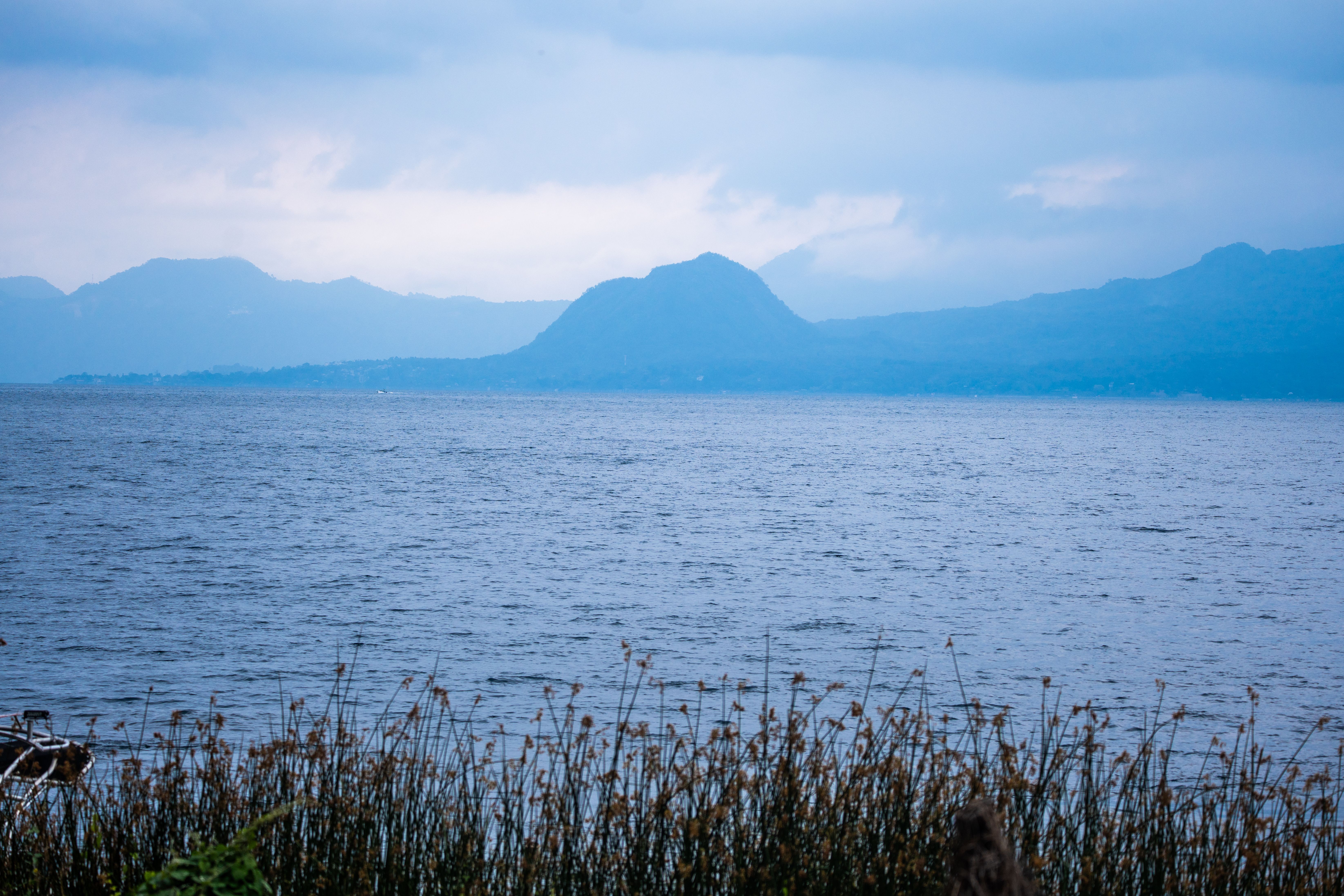
Ringed by three volcanoes and a dozen distinct Maya villages, each with its own dialect, dress and market traditions, Lake Atitlán fills a volcanic caldera with water famously described by Aldous Huxley as almost too beautiful.
Boats shuttle between lakeside towns like laid-back Panajachel, spiritual San Marcos and traditional Santiago Atitlán, each offering a genuinely different pace and character rather than interchangeable lake stops.
How does it rate
CrowdsRomanceCash RequiredDangerAccessibilityWhy you should go
A volcano-ringed lake surrounded by a dozen distinct Maya villages, each with its own character and traditions.
Why you shouldn't go
Boat schedules between villages are informal and can mean unpredictable waits, especially after dark.
Plan your visit
Best time to visitNovember–April, the dry season, for the clearest volcano views.Best time of dayEarly morning, when the lake is calmest and volcano reflections are sharpest.Getting thereAbout 3 hours' drive from Guatemala City or Antigua to Panajachel, the main lakeside hub.Entry costFree to visit; boat taxis between villages typically Q10-25 (~€1-3) each.Time needed2–4 days.Insider tip — Base yourself in a quieter village like San Marcos or San Pedro rather than busier Panajachel, and boat into Pana only for supplies or connections. -
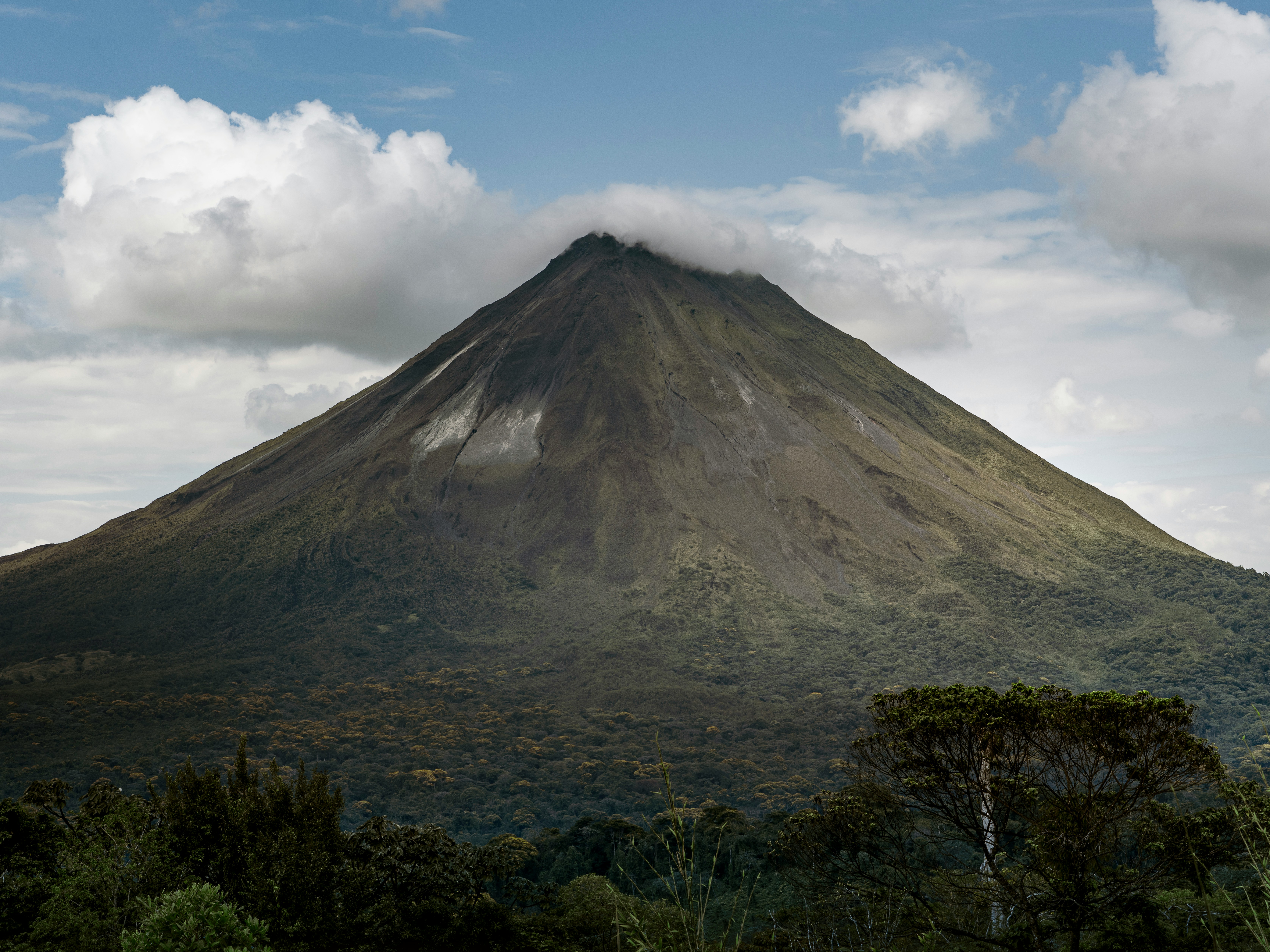 #3476 /100
A textbook-perfect conical volcano rising above the rainforest near La Fortuna, dormant since 2010 but still ringed by the geothermal hot springs its decades of activity created.
Hiking trails through the surrounding national park pass old lava fields from the 1968 eruption, while dozens of resorts built around natural hot spring rivers make soaking with a volcano view the region's signature activity.
It's become one of Costa Rica's most popular honeymoon and romantic-getaway destinations for exactly that reason.
How does it rate
CrowdsRomanceCash RequiredDangerAccessibilityWhy you should go
A perfect conical volcano viewed from natural hot spring pools - one of Costa Rica's most popular romantic getaways.
Why you shouldn't go
The summit is frequently shrouded in cloud, and many hot spring resorts are priced steeply for what's essentially a heated river.
Plan your visit
Best time to visitDecember-April (dry season) for the best odds of a cloud-free cone.Best time of dayLate afternoon into evening, soaking in hot springs as the light fades over the volcano.Getting thereA 3-4 hour drive from San Jose, or a shorter flight to Fortuna's local airstrip.Entry costNational park entry around USD15; hot springs resorts range from USD40 to USD100+ per person.Time neededA full day, or longer as part of a La Fortuna stay.Insider tip — Skip the priciest resort hot springs and try the free public hot river near Tabacon for the same volcanic-heated water at no cost. -
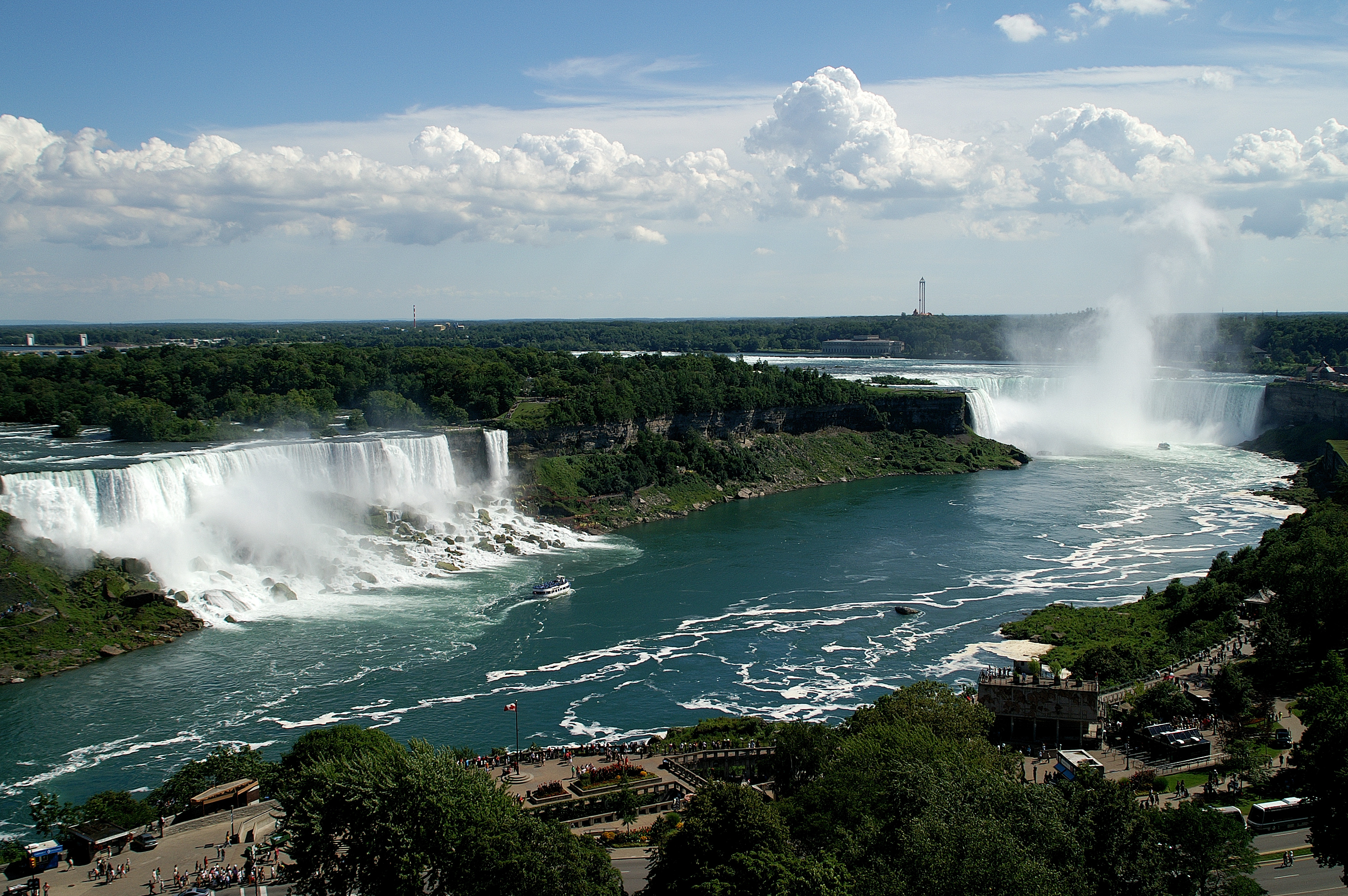 #3575 /100
Niagara Falls sits on the border between Ontario and New York State and comprises three waterfalls: the Horseshoe Falls, the American Falls, and the Bridal Veil Falls.
The Canadian side offers the most dramatic panoramic view of the Horseshoe Falls, which at 57 metres tall and 670 metres wide is the most powerful waterfall in North America.
How does it rate
CrowdsRomanceCash RequiredDangerAccessibilityWhy you should go
The volume of water thundering over Horseshoe Falls from the Canadian viewing platform is genuinely awe-inspiring; boat trips take you to within metres of the falling water.
Why you shouldn't go
The surrounding town of Niagara Falls on the Canadian side is extremely tacky and touristy; the falls themselves are not particularly tall compared to some rivals.
Plan your visit
Best time to visitMay-September for warm weather, winter for ice formationsBest time of dayEvening for the illumination and seasonal fireworksGetting there~1.5hr drive from TorontoEntry costFree to view; boat tours ~$30Time neededHalf dayInsider tip — The Canadian side has the better view of Horseshoe Falls; cross over if coming from the US side -
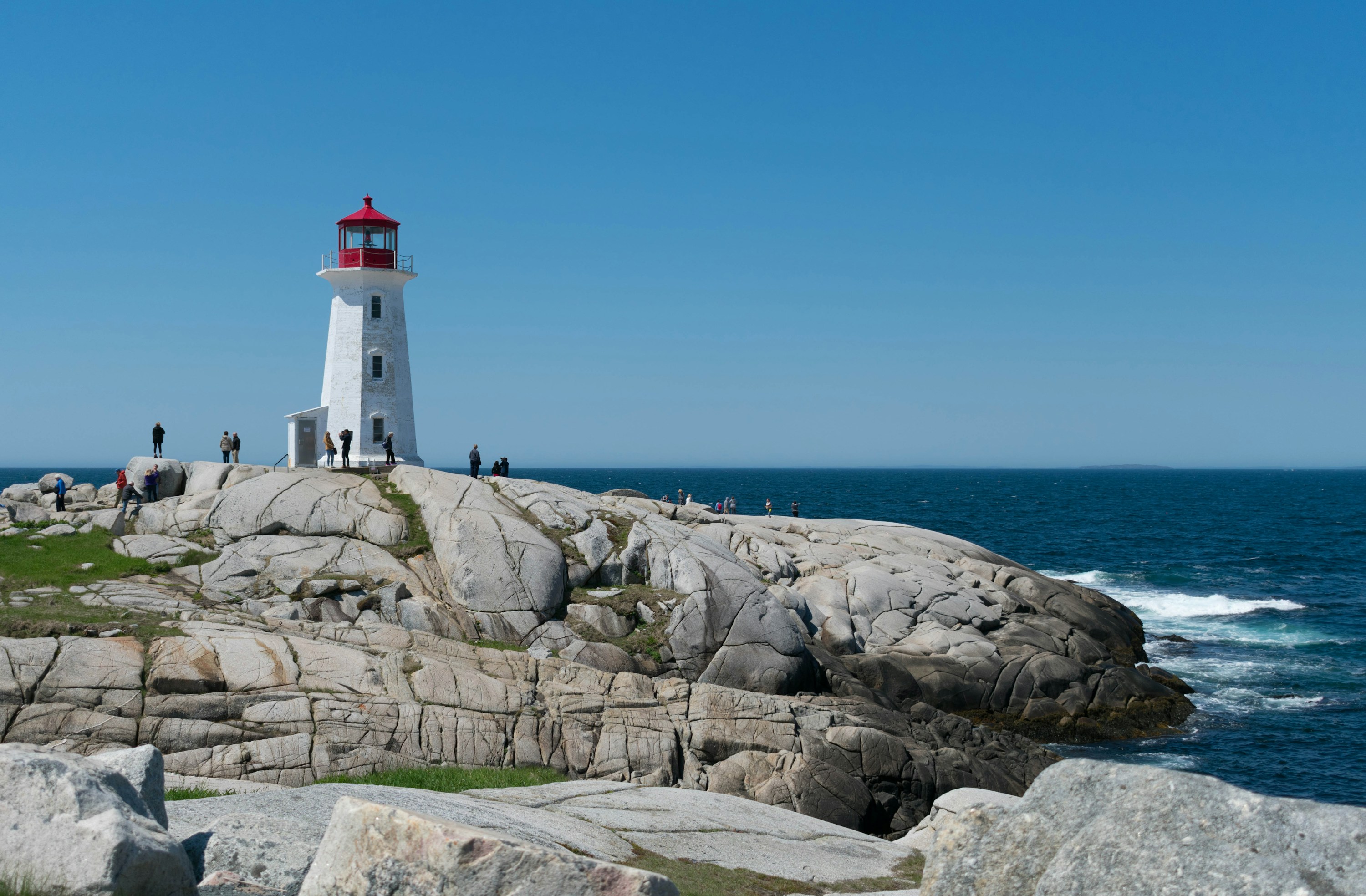 #3674 /100
A small fishing village on Nova Scotia's rocky Atlantic coast, built around one of Canada's most recognisable lighthouses, perched on wave-smoothed granite boulders above the open ocean.
The working harbour still holds lobster boats and fish shacks alongside the crowds, and a short walk along the shoreline rocks gives open views out to sea.
Waves can sweep the outer rocks without warning.
How does it rate
CrowdsRomanceCash RequiredDangerAccessibilityWhy you should go
One of the most recognisable lighthouses in Canada, set on open granite rock above the Atlantic, a short drive from Halifax.
Why you shouldn't go
Extremely busy with tour buses in summer, and the smooth rocks nearest the water have caused fatal rogue-wave incidents.
Plan your visit
Best time to visitJune-September for mild weather; arrive outside 10am-4pm to avoid tour bus crowdsBest time of dayEarly morning or early eveningGetting thereFly to Halifax Stanfield International Airport; 45-50 minute drive southwest on Route 333.Entry costFree; parking fee appliesTime needed1-2 hoursInsider tip — Stay on the dark, lichen-covered rock and well back from the water on the ocean side of the lighthouse; the smooth grey granite closer to the surf has swept visitors away in calm-looking conditions. -
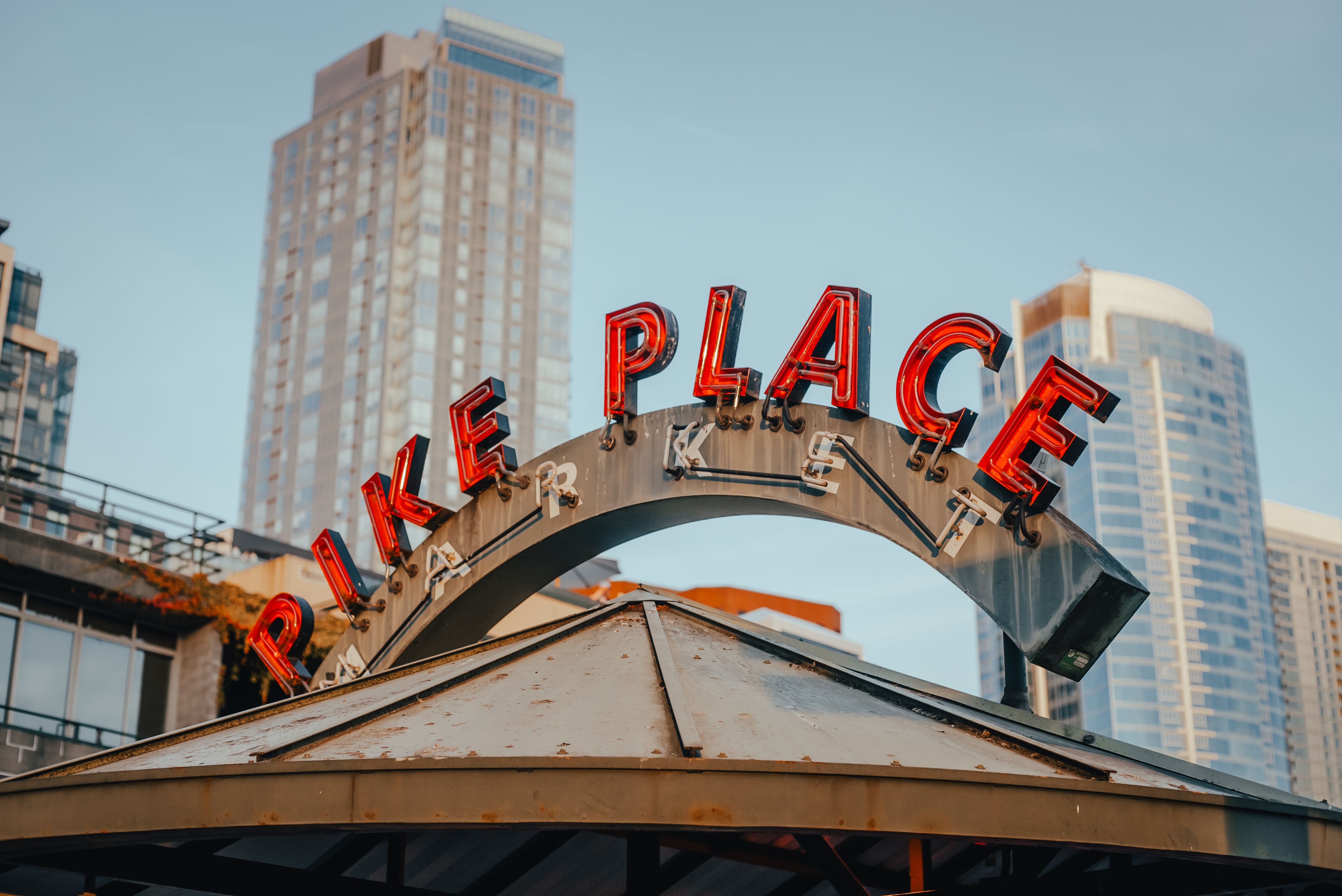 #3772 /100
Operating continuously since 1907, Seattle's Pike Place Market is best known for the fishmongers at Pike Place Fish Market who throw whole salmon across the counter to each other before customers, a bit of theatre that's become one of the city's signature spectacles.
The market spans multiple levels of produce stalls and quirky curio shops above the waterfront.
How does it rate
CrowdsRomanceCash RequiredDangerAccessibilityWhy you should go
A century-old Seattle market famous for fishmongers throwing salmon across the counter, right above the Elliott Bay waterfront.
Why you shouldn't go
The fish-throwing and main arcade get very crowded by midday, especially with cruise ship passengers in summer.
Plan your visit
Best time to visitWeekday mornings, before cruise-ship crowds and weekend visitors peak.Best time of dayMorning (9-11am), when fish-throwing happens regularly and crowds are thinner.Getting thereTake a short walk or ride the Seattle Center Monorail toward downtown; the market sits at 1st Ave and Pike St.Entry costFree to enter; produce and food prices vary by stall.Time needed1-2 hours.Insider tip — Visit the original 1971 Starbucks store nearby, but skip the queue there and get coffee at a quieter stall inside the market itself. -
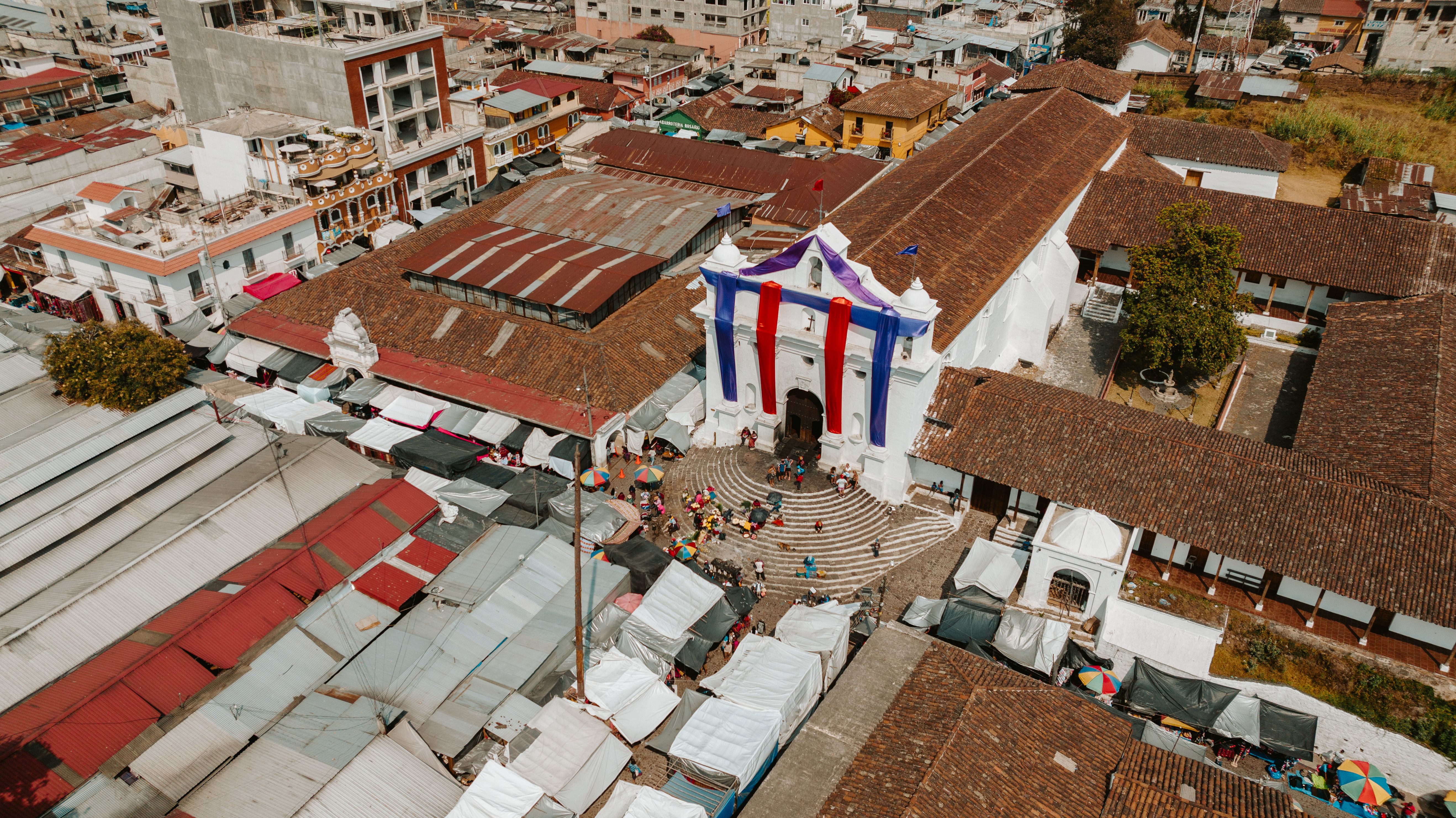 #3871 /100
Twice a week, the highland town of Chichicastenango fills with Maya K'iche' vendors from surrounding villages selling hand-woven textiles, wooden masks and pottery in one of Central America's most vividly colourful markets.
The steps of Santo Tomas church, where Maya rituals still take place alongside Catholic worship, form the market's unofficial centrepiece.
How does it rate
CrowdsRomanceCash RequiredDangerAccessibilityWhy you should go
A highland Maya textile market held twice weekly on the steps of a colonial church still used for indigenous ritual.
Why you shouldn't go
The town's mountain roads and altitude make it a genuine day trip from Guatemala City or Antigua, not a quick stop.
Plan your visit
Best time to visitThursday or Sunday, the market's only two trading days.Best time of dayMid-morning, once vendors are fully set up but before tour buses arrive.Getting thereDrive or take a shuttle roughly 2.5-3 hours from Guatemala City or Antigua.Entry costFree to browse; textiles and crafts are negotiable, typically GTQ50-300.Time needed2-4 hours.Insider tip — Watch (respectfully, without photographing up close) the Maya rituals on Santo Tomas church's steps rather than just browsing the stalls below them. -
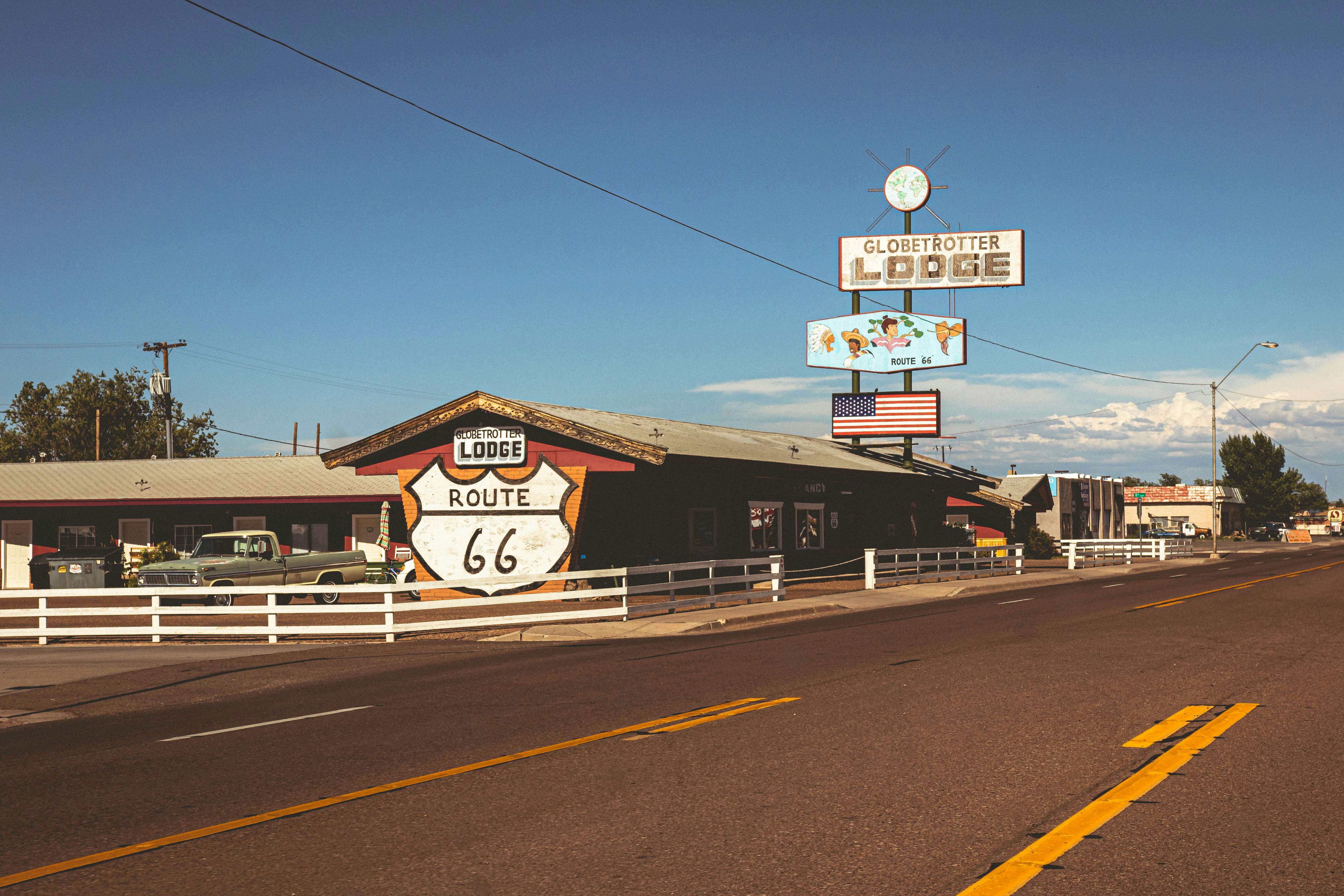 #3962 /100
Route 66 is America's original cross-country highway, and its Arizona stretch preserves the longest unbroken original section still open to traffic.
Neon-lit diners, vintage motor courts, and hand-painted signs line the road through Seligman, Kingman, and Oatman, where wild burros wander the main street.
The 191-bend Oatman Highway climbs through the Black Mountains into the Mojave Desert - a rolling time capsule of mid-century road culture.
How does it rate
CrowdsRomanceCash RequiredDangerAccessibilityWhy you should go
A rolling time capsule of neon diners, vintage motels and small towns that built the American road-trip myth.
Why you shouldn't go
Long, flat and repetitive between towns; the nostalgia is the main draw, not the scenery.
Plan your visit
Best time to visitApril-June or September-October, avoiding August's 100°F+ heat and monsoon flash floods.Best time of dayLate afternoon, when low light warms the desert and neon signs start switching on.Getting thereFly into Phoenix or Las Vegas, then drive to Kingman or Topock to pick up the historic alignment.Entry costFree; just fuel, food and motels along the wayTime needed3-7 daysBookingBook ahead →Insider tip — Stop in Seligman, the town credited with saving Route 66, and time Oatman for midday to see the wild burros on Main Street. -
 #4055 /100
Home to The Wizarding World of Harry Potter, split across two immersive lands connected by a genuine steam-hauled Hogwarts Express, alongside Jurassic Park, Minions, and Nintendo-themed areas across two parks and a water park.
The Harry Potter areas are widely regarded as the most detailed, book-accurate theme park recreation ever built, right down to shop window displays on Diagon Alley.
It sits directly across from Orlando's other major parks, making a multi-day theme-park-only trip easy to plan.
How does it rate
CrowdsRomanceCash RequiredDangerAccessibilityWhy you should go
The most detailed Harry Potter recreation in the world, including a real steam train linking its two immersive Wizarding World lands.
Why you shouldn't go
A one-park-per-day ticket is required to see everything properly, and Orlando's theme park pricing adds up fast across a multi-day trip.
Plan your visit
Best time to visitJanuary-February or September-October for lower crowds and cooler weather.Best time of dayOpening rope-drop, specifically to reach Hagrid's Magical Creatures Motorbike Adventure before the queue passes two hours.Getting thereFly to Orlando International Airport; a 25-30 minute drive or shuttle to Universal Orlando Resort.Entry costOne-day one-park tickets start around USD130-160, rising with park-hopper options.Time neededA full day per park (2+ days for both parks).BookingBook ahead →Insider tip — Ride the Hogwarts Express between parks at least once each way - it's a themed experience in its own right, not just transport. -
 #4150 /100
Walt Disney World's Orlando resort spans four theme parks, two water parks and dozens of hotels across an area the size of a small city.
Magic Kingdom's castle, the parades and the character meets are the classic draw for younger families, while Epcot and Animal Kingdom skew older.
Ride queues, the distances between parks and the cost of a multi-day ticket all reward planning rather than improvisation.
How does it rate
CrowdsRomanceCash RequiredDangerAccessibilityWhy you should go
It’s a magical experience with activities and attractions for all ages.
Why you shouldn't go
It can be very crowded and expensive, and lines for popular attractions are often long.
Plan your visit
Best time to visitSeptember to early November for lower crowdsBest time of dayEvening, for the fireworks over the castleGetting thereOrlando International Airport, resort shuttles availableEntry cost~$110+ per day ticketTime neededFull day, ideally 2+Insider tip — Use the park app to book ride times and skip the longest lines


More from North America
-


More Iconic spots
-
How a score is built
One score out of 100, five criteria behind it
Every place is rated 1–5 on each of the criteria below, then combined into a single score out of 100. It's calculated by us, the same way every time — not an average of traveller reviews or social votes.
Crowds
How many people you'll be sharing it with, and at what time of day.
Romance
How well it suits a couple, a proposal, or a quiet moment together.
Cash required
Entry fees, permits, guides, rentals — what it actually costs to do it.
Danger
Physical risk involved, from a slippery viewpoint to genuine hazard.
Accessibility
How far off the beaten path it is, and how hard it is to actually reach.

