-
 #190 /100
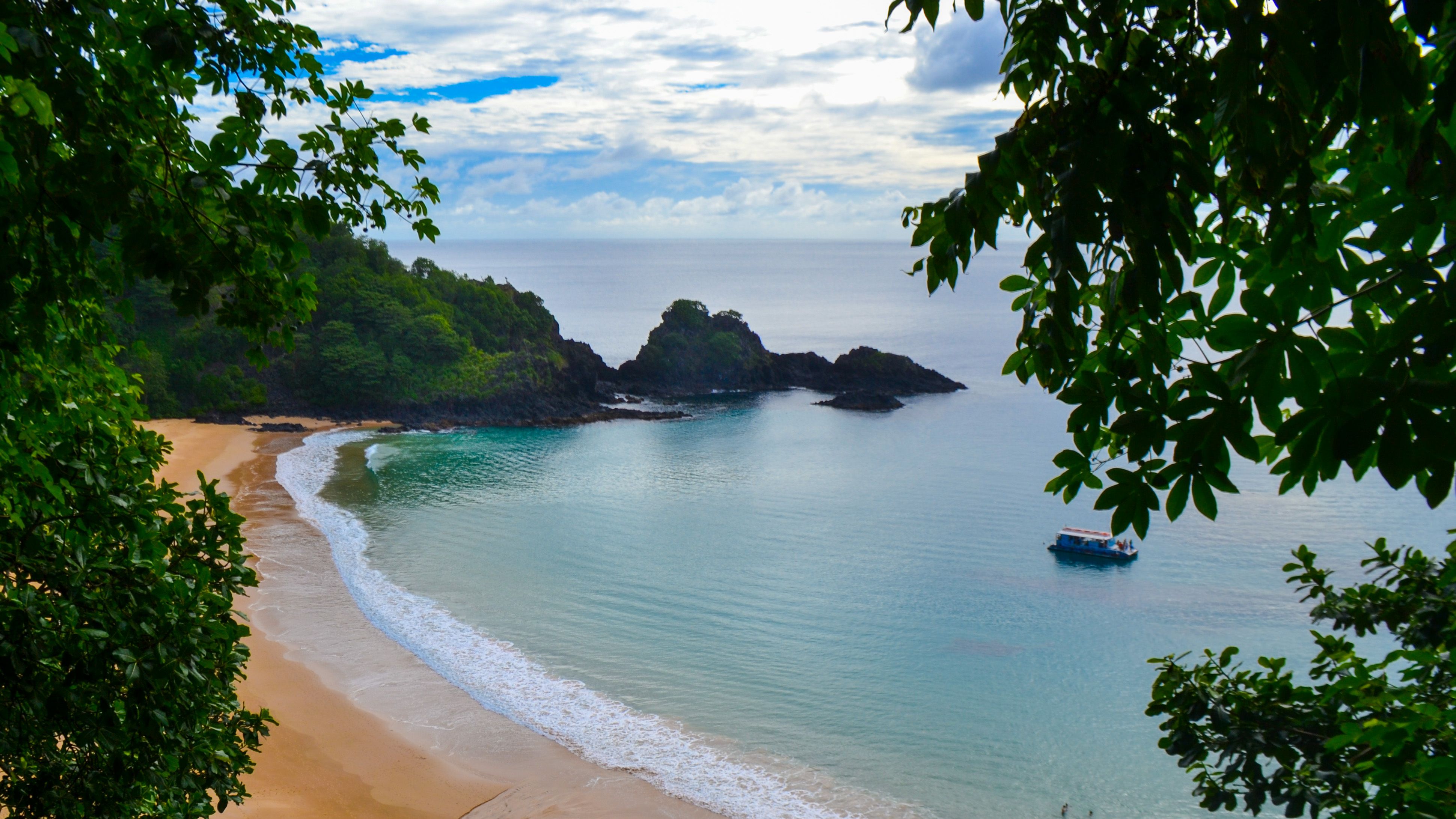
Tucked beneath sheer cliffs on Fernando de Noronha and reachable only by a steep ladder cut into the rock (or by boat), this beach has topped "world's best beach" rankings for good reason.
Turquoise water, sea turtles visible from the shore, and a protected marine park setting mean it stays close to pristine.
The remoteness that makes it special also caps how many people can visit each day.
How does it rate
CrowdsRomanceCash RequiredDangerAccessibilityWhy you should go
Repeatedly voted the world's most beautiful beach, with clear water and visible sea turtles just offshore.
Why you shouldn't go
Only reachable by a steep cliff ladder or a boat transfer, and the island itself is expensive and visitor-capped.
Plan your visit
Best time to visitSeptember-December for the calmest, clearest water.Best time of dayMorning, before the wind picks up and while the ladder queue is short.Getting thereFly to Fernando de Noronha via Recife or Natal; the beach is a short drive plus the cliff ladder from the island's main road.Entry costIncluded in the island's mandatory environmental preservation fee, charged per day.Time neededHalf a day.Insider tip — Snorkel gear rented in Vila dos Remedios pays off here - the reef right off the sand has some of the island's best visibility. -
 #288 /100
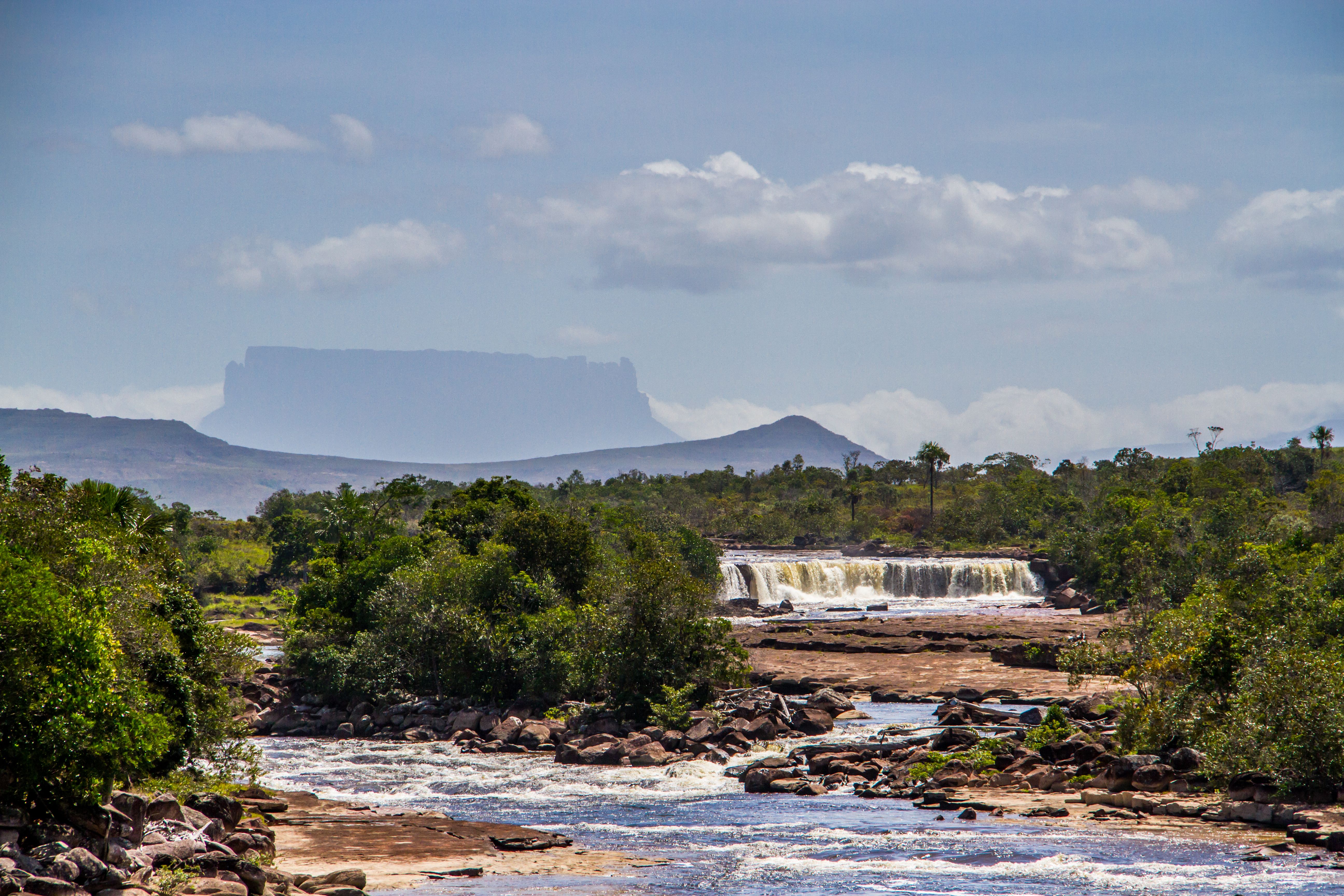
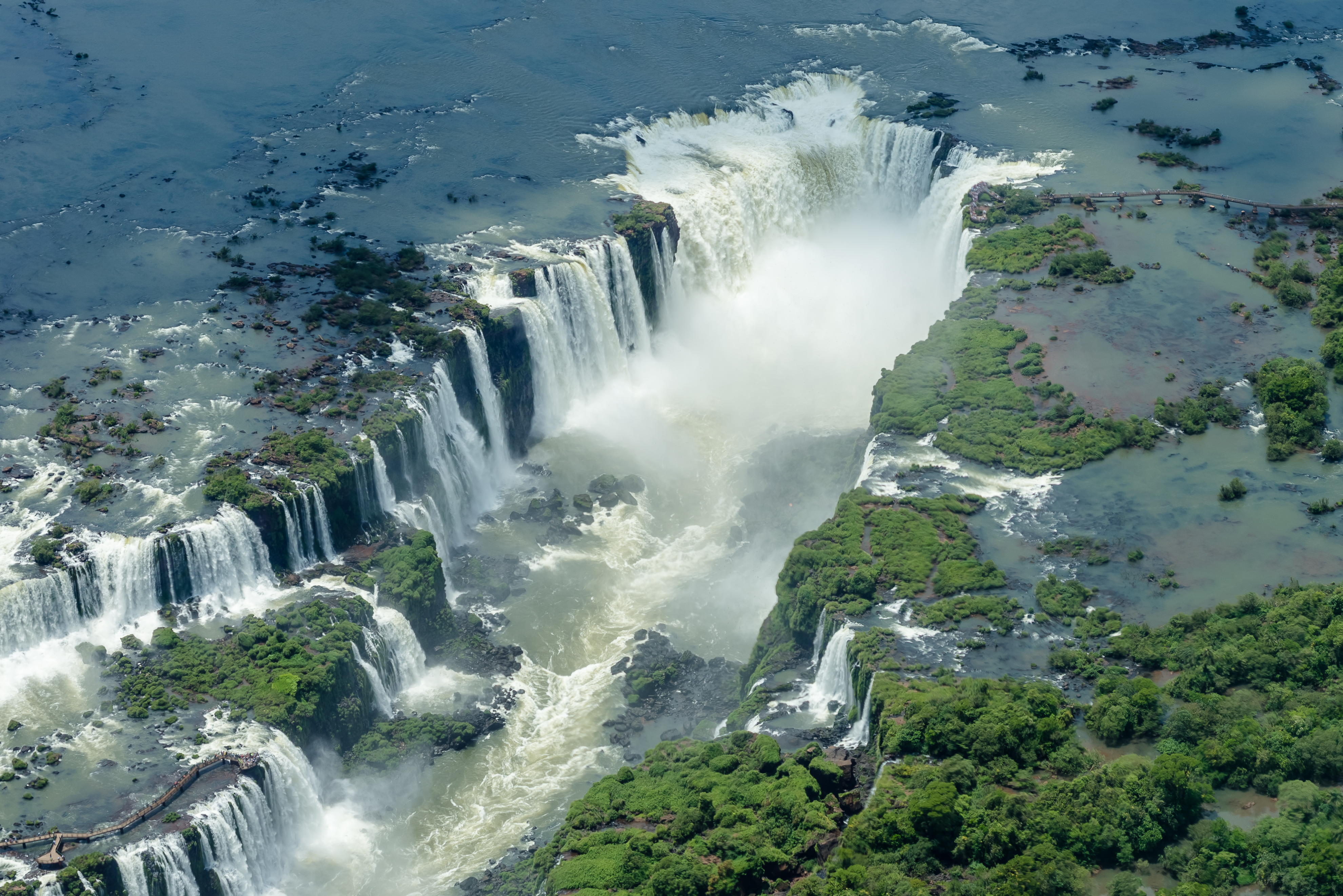
Water drops 979 metres off a sheer tabletop mountain in the middle of remote Venezuelan jungle, making this the tallest waterfall on Earth by a wide margin.
The fall is so tall that much of the water disperses into mist before ever reaching the pool below.
Reaching it means days of river travel by dugout canoe through Canaima National Park, so the sheer remoteness is part of what keeps the view unspoiled.
How does it rate
CrowdsRomanceCash RequiredDangerAccessibilityWhy you should go
The tallest waterfall on Earth, dropping nearly a kilometre off an isolated jungle tabletop mountain.
Why you shouldn't go
There's no road access at all - reaching the base requires days of canoe travel and real logistics.
Plan your visit
Best time to visitJune-November, the wet season, when water volume is highest.Best time of dayMorning, before afternoon cloud typically obscures the tepui's summit.Getting thereFly to Canaima, then travel by dugout canoe up the Carrao and Churun rivers (multi-day trip).Entry costIncluded in multi-day guided tour packages; no independent access.Time needed3-5 days round trip from CanaimaInsider tip — Go in the wet season - in the dry months the river can run too low for canoes to reach the base at all. -
 #386 /100
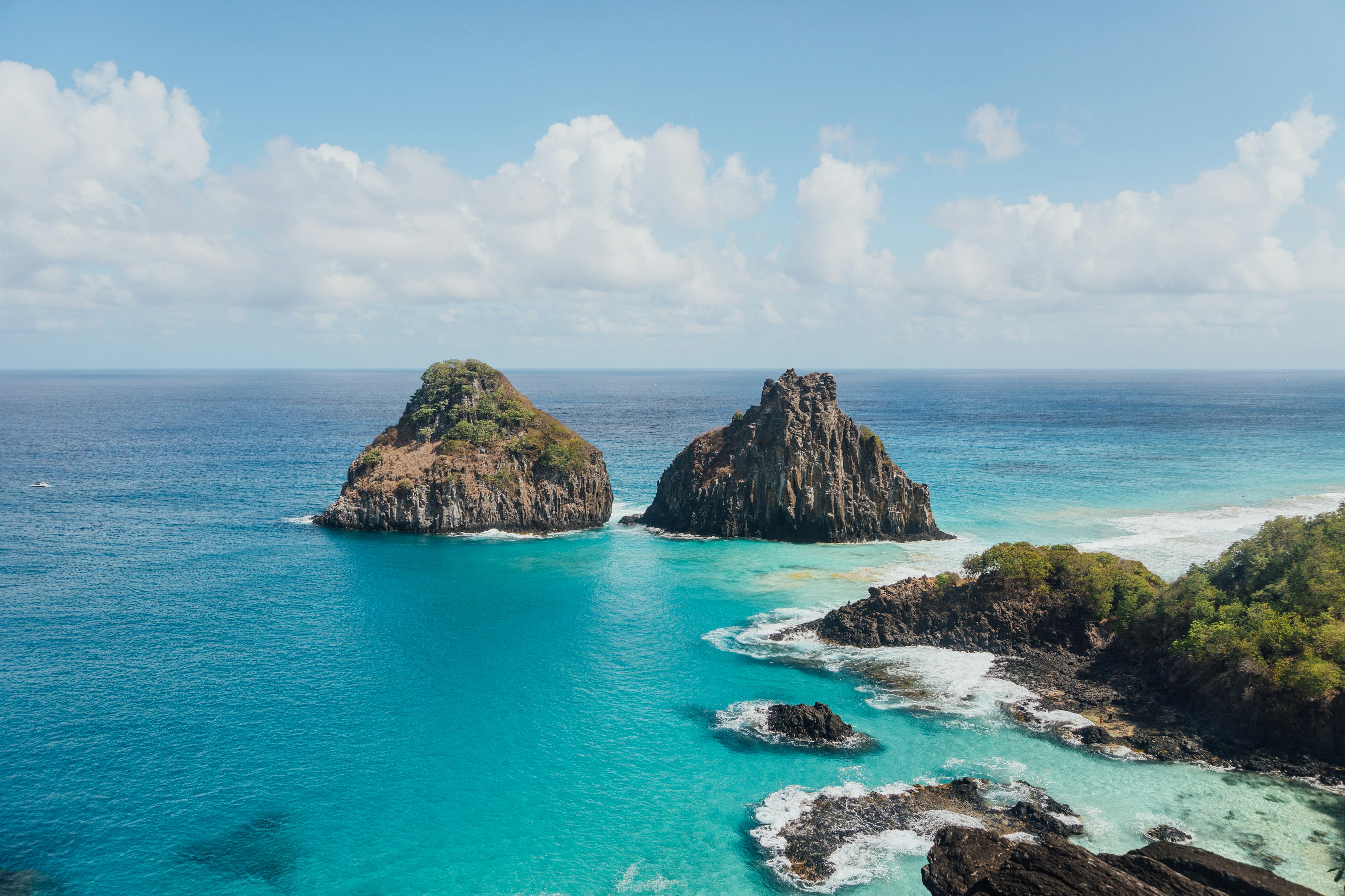
A volcanic archipelago 350km off Brazil's coast, this is regularly ranked among the world's best beaches, with clear water that reveals reef sharks and sea turtles from the shoreline.
A strict daily visitor cap and environmental tax keep the beaches close to empty even in high season.
Morro Dois Irmaos, twin volcanic peaks rising from the sea, anchor the view from almost every beach.
How does it rate
CrowdsRomanceCash RequiredDangerAccessibilityWhy you should go
Regularly ranked among the world's best beaches, kept nearly empty by a strict daily visitor cap.
Why you shouldn't go
A mandatory environmental tax plus limited flights make this one of the most expensive beach trips in Brazil.
Plan your visit
Best time to visitAugust-December, the dry season, for the clearest water.Best time of dayMorning, for calm water and the best snorkelling visibility.Getting thereFly via Recife or Natal; only small aircraft serve the island's single airstrip.Entry costEnvironmental preservation tax charged per day, plus a separate national park fee for some beaches.Time needed4-5 daysInsider tip — Book flights and accommodation well ahead - the daily visitor cap means the island sells out during Brazilian holiday periods. -
 #483 /100
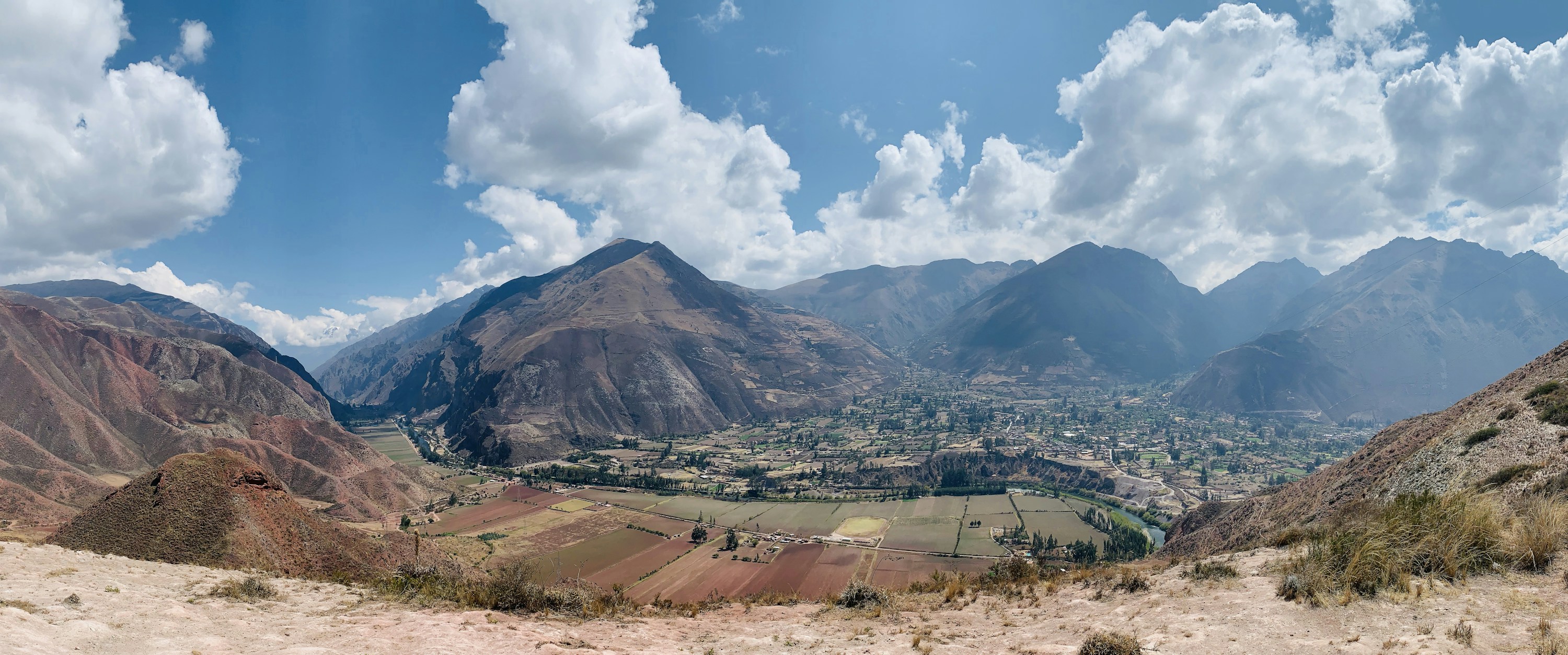
Strung along the Urubamba River between Cusco and Machu Picchu, the Sacred Valley was the Inca empire's farming heartland and still works the same terraced hillsides.
In a day you can walk the Pisac ruins above their market, climb Ollantaytambo's fortress terraces, and see the circular agricultural bowl at Moray.
Lower and gentler than Cusco, it rewards a slower, multi-stop visit.
How does it rate
CrowdsRomanceCash RequiredDangerAccessibilityWhy you should go
Four or five distinct Inca sites and living Andean villages within one easy valley.
Why you shouldn't go
Seeing it properly means several separate entry tickets and a full day of driving between stops.
Plan your visit
Best time to visitApril-October, dry season; Pisac's market is liveliest on SundaysBest time of dayMorning, before afternoon cloud builds over the mountainsGetting there40-60 min by road from Cusco to Pisac or Urubamba; most visitors join a tour or hire a driverEntry costBoleto turistico parcial ~S/70 covers Pisac, Ollantaytambo, Chinchero, Moray; Maras extra ~$8Time needed1-2 daysInsider tip — Base yourself overnight in Ollantaytambo rather than day-tripping from Cusco - it's the only Inca town still inhabited on its original foundations, and you get the ruins to yourself at opening time. -
 #583 /100
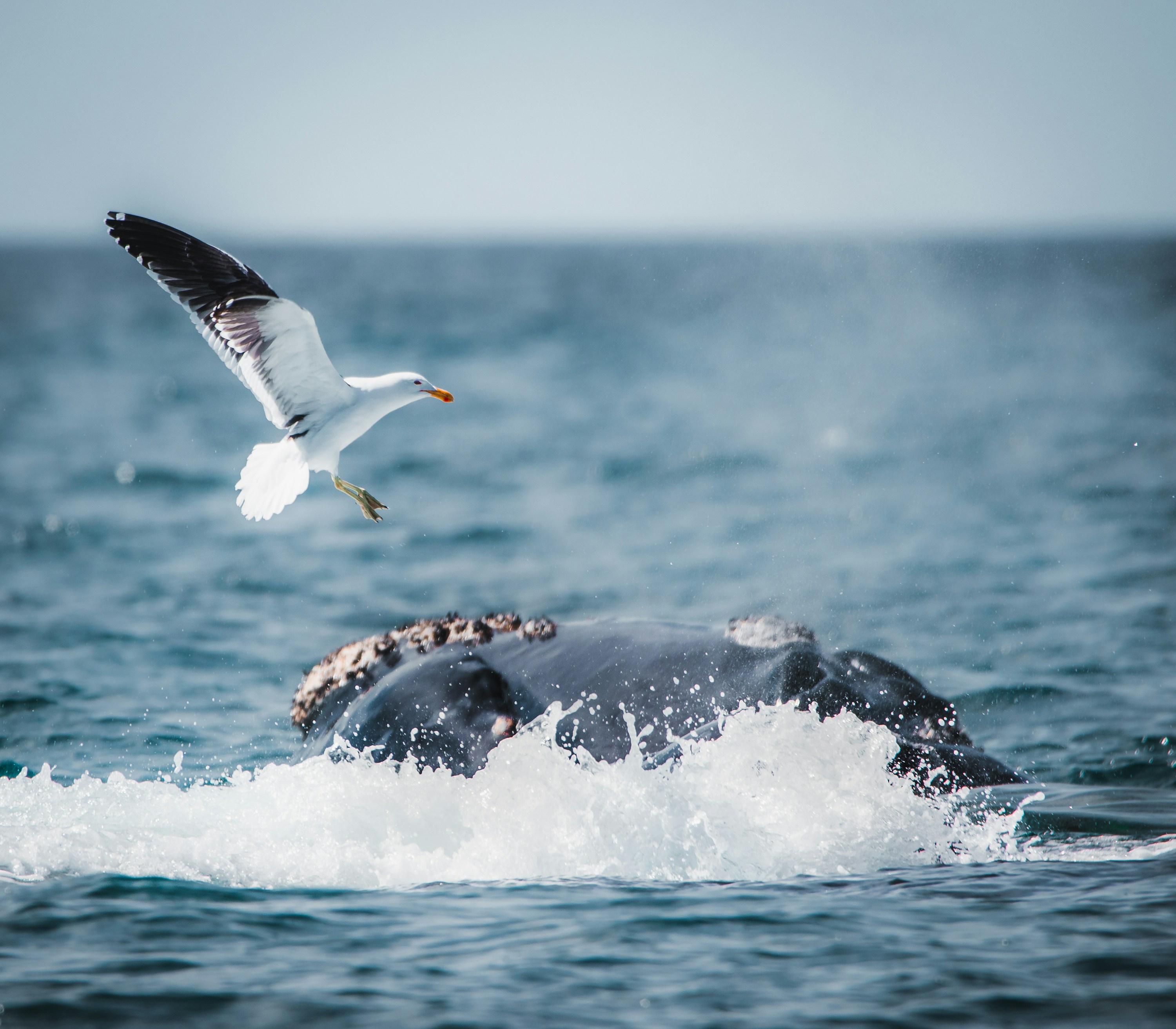
Peninsula Valdes juts into the South Atlantic off Argentine Patagonia and holds one of the continent's great wildlife spectacles: southern right whales calving close to shore, orcas that beach themselves hunting sea lion pups, and colonies of elephant seals and penguins.
A UNESCO site reached from Puerto Madryn, it's linked by unpaved roads between viewing points.
Sightings are seasonal, so timing matters.
How does it rate
CrowdsRomanceCash RequiredDangerAccessibilityWhy you should go
Southern right whales come close enough to watch from small boats or even the shore, in season.
Why you shouldn't go
Wildlife is seasonal and not guaranteed outside the main months - check the calendar before booking.
Plan your visit
Best time to visitJune-December for whales (peak Sept-Nov); Oct-Nov also for orca hunting behaviorBest time of dayMorning boat trips tend to have calmer water and more active whalesGetting thereFly to Trelew or Puerto Madryn, then 1-1.5hr drive onto the peninsulaEntry costReserve entrance fee ~$20-30; whale-watching boat trips separate, ~$70-100Time neededFull day; two days to cover more viewing pointsInsider tip — Book a boat trip from Puerto Piramides itself rather than a day tour from Puerto Madryn - you get more time on the water and less time on the bus. -
 #6
#6Rated #6 of 22
Lençóis Maranhenses National Park, Brazil
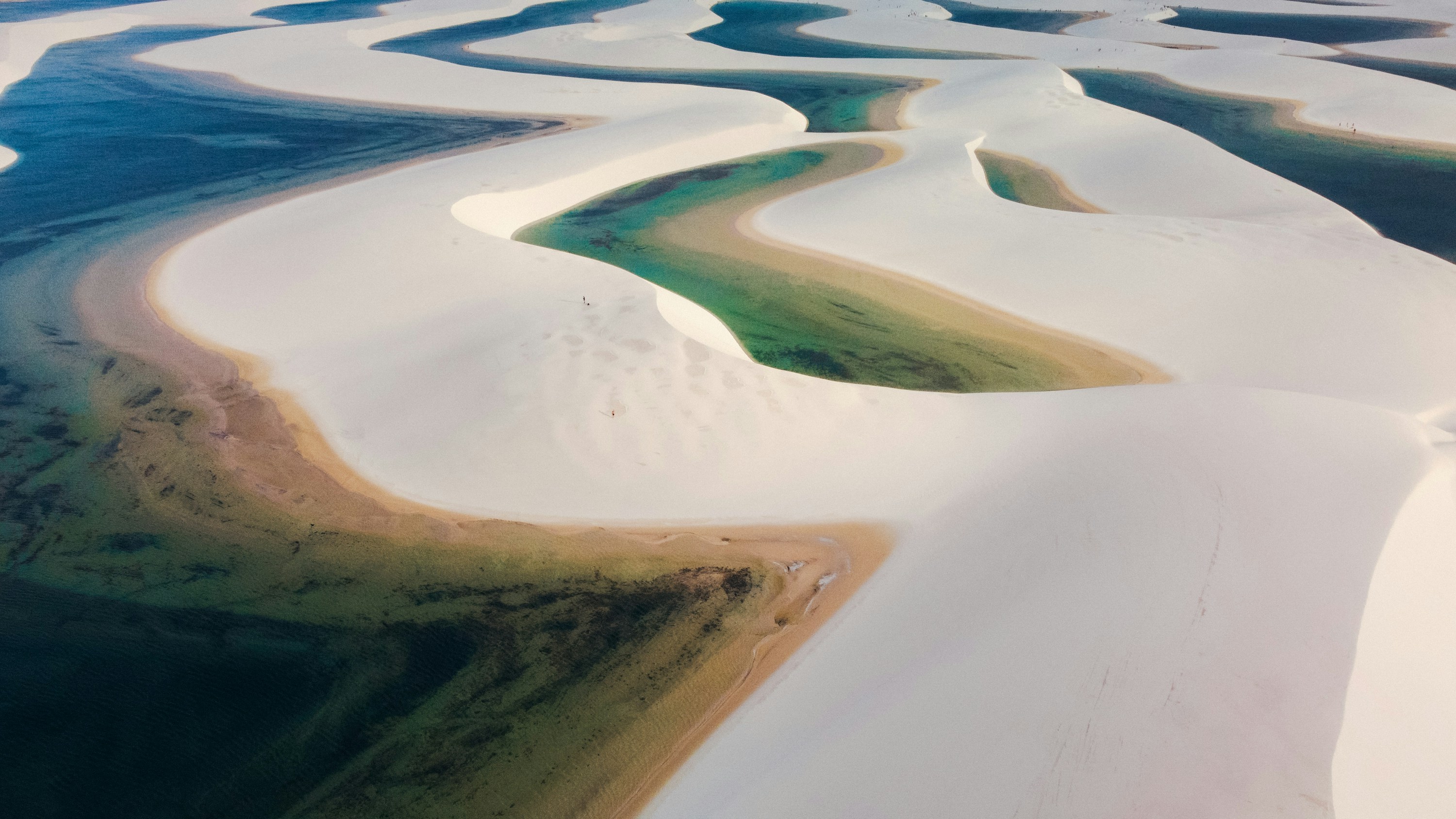
#lençóismaranhensesnationalpark ◆ Natural Features81 /100Despite the name, this isn't a desert: seasonal rains fill the valleys between hundreds of square kilometres of white dunes with clear turquoise lagoons, usually June to September.
Outside that window, the dunes stretch out bone-dry and empty.
Reaching the interior means a 4x4 or a walk across shifting sand from the gateway town of Barreirinhas, but the landscape has no real equivalent on the Brazilian coast.
How does it rate
CrowdsRomanceCash RequiredDangerAccessibilityWhy you should go
Turquoise rainwater lagoons threaded through pure white dunes, found nowhere else on the coast.
Why you shouldn't go
The lagoons only hold water roughly June-September; visit outside that window and it's just dry sand.
Plan your visit
Best time to visitJune-September, when rains fill the dune lagoons for swimming.Best time of dayEarly morning, for cooler sand and softer light before the midday heat.Getting thereFly to São Luís, then about a 4-hour transfer to Barreirinhas; onward by 4x4 or boat into the dune field.Entry costFree to enter the park; guided 4x4/boat tours from Barreirinhas cost extraTime neededFull day, or 2-3 days to see multiple dune areasInsider tip — Base yourself in Barreirinhas rather than São Luís, and get out to Lagoa Azul or Lagoa Bonita early, before the midday sun flattens the colour. -
 #780 /100
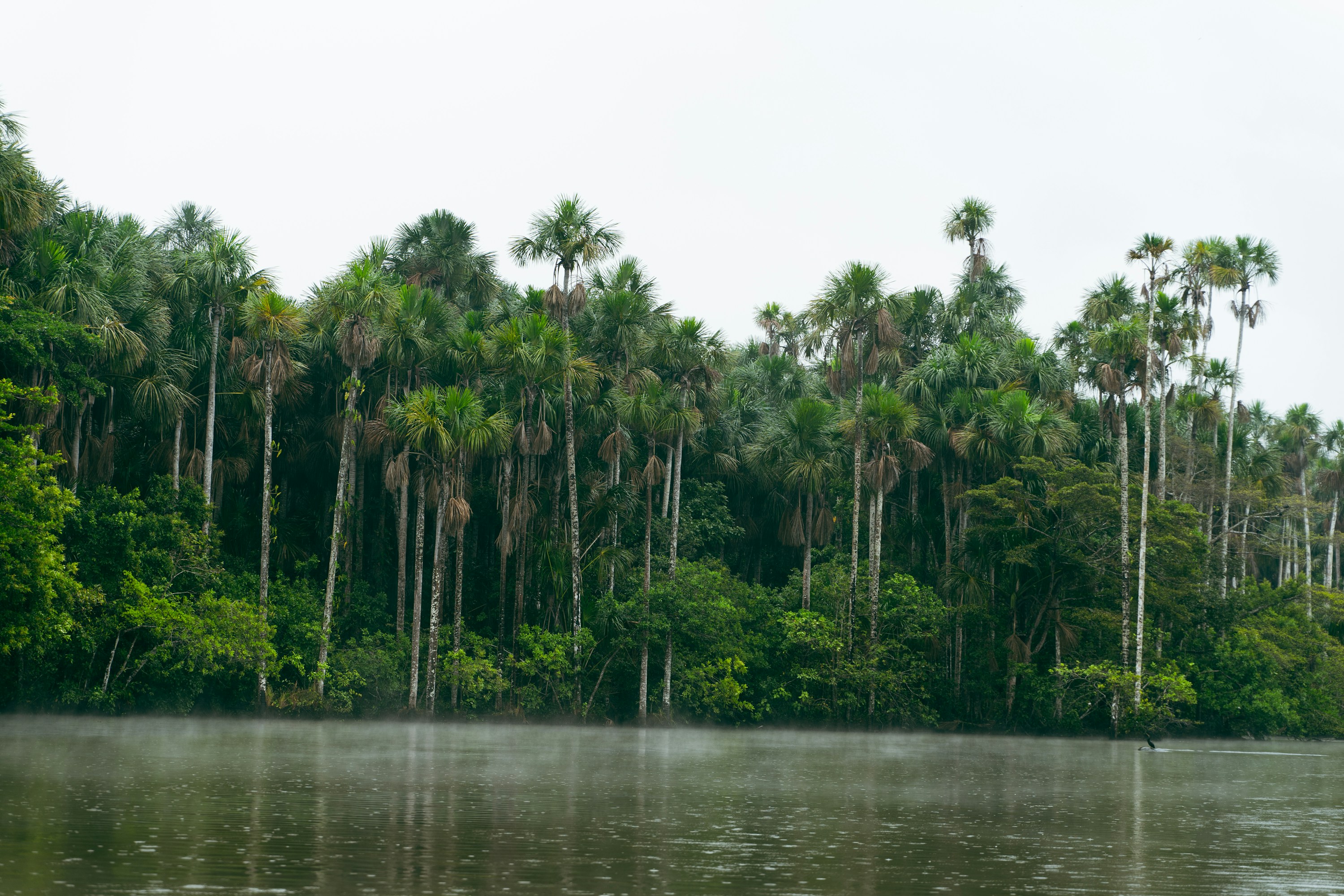
Tambopata protects lowland Amazon rainforest in southeastern Peru, reached by boat from Puerto Maldonado.
Jungle lodges put visitors within reach of oxbow lakes, giant otters, and one of the Amazon's largest macaw clay licks, where hundreds of parrots gather at dawn.
Guided walks and night boat rides turn up a density of wildlife hard to match elsewhere in Peru, though it costs real time and money to reach.
How does it rate
CrowdsRomanceCash RequiredDangerAccessibilityWhy you should go
One of the Amazon's best macaw clay licks, plus genuinely high odds of otters, caimans and monkeys.
Why you shouldn't go
Getting to the good lodges means a flight to Puerto Maldonado plus hours by boat, and it isn't cheap.
Plan your visit
Best time to visitMay-October (dry season) for easier trails and reliable clay-lick activityBest time of dayDawn for the macaw clay lick; dusk and after dark for caiman and nocturnal wildlifeGetting thereFly to Puerto Maldonado, then 1-4 hours by boat depending on the lodgeEntry costReserve entry fee ~$20-30; lodge packages from roughly $250 for 3 daysTime needed3-4 days including travelInsider tip — Stay at least three nights - the clay licks aren't guaranteed daily, and lodges further upriver see far less boat traffic than those near Puerto Maldonado. -
 #879 /100
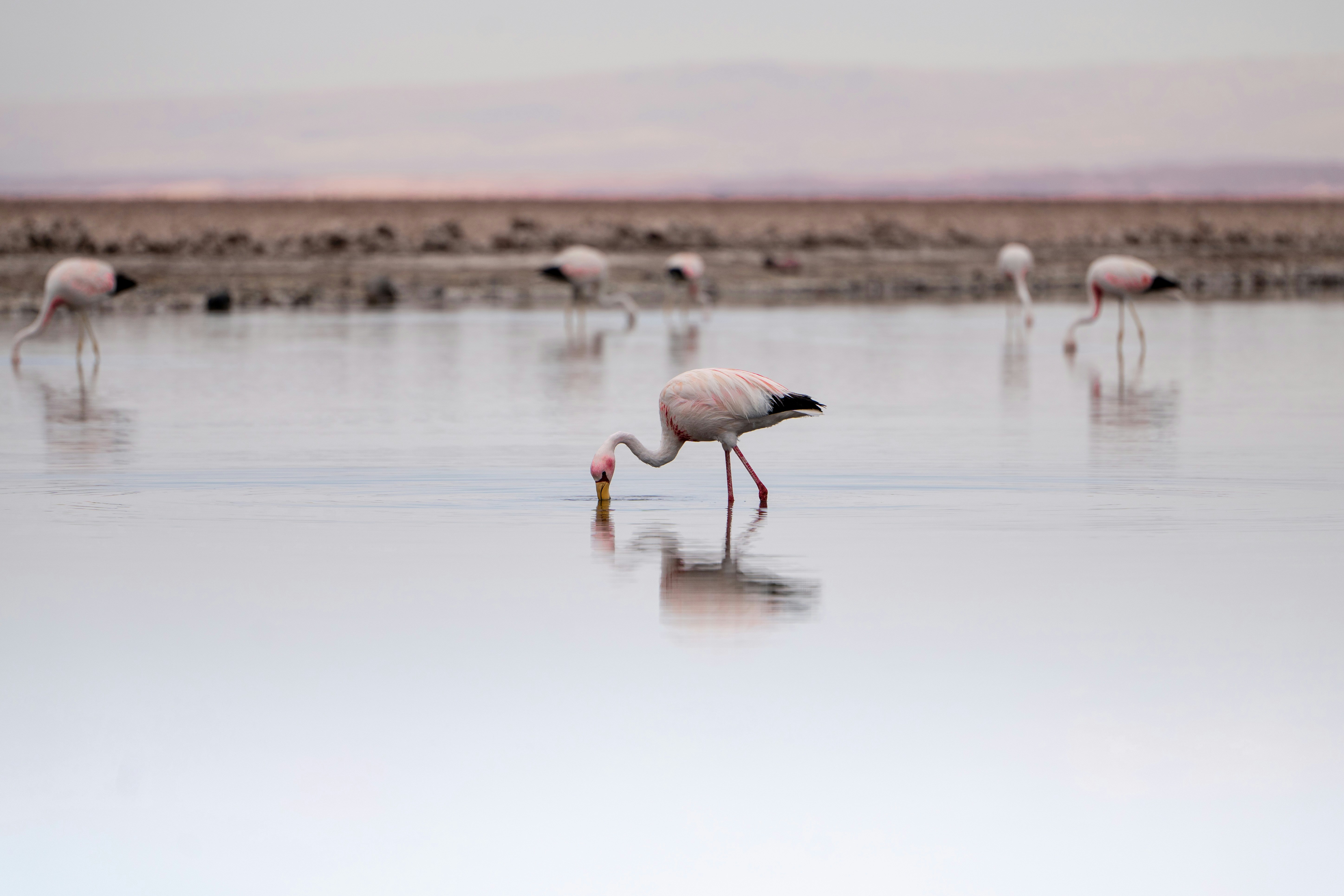
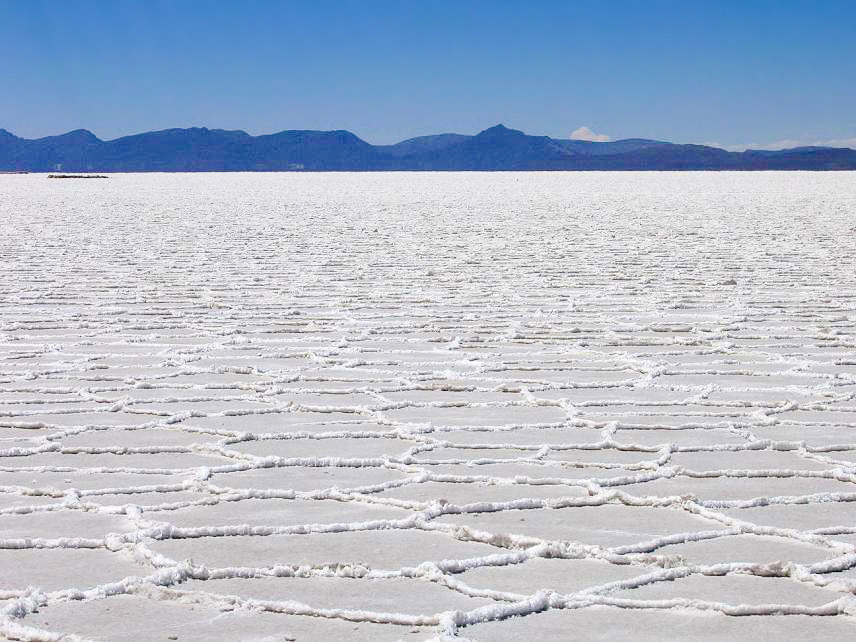
A vast basin of white salt crust and brine lagoons mirrors the Andes, with flamingo colonies wading in mineral-pink pools.
Otherworldly geology in the driest non-polar desert on Earth, with almost no vegetation, cracked salt crust underfoot, and only the wind and distant volcanoes for company.
How does it rate
CrowdsRomanceCash RequiredDangerAccessibilityWhy you should go
Vast white salt basin with flamingo-pink brine lagoons in the world's driest desert.
Why you shouldn't go
Extremely remote with sparse facilities; requires high-altitude driving; intense sun and altitude exposure.
Plan your visit
Best time to visitOctober–April (dry season) for flamingo breeding activity; winter rain can close roads.Best time of daySunrise and sunset for the strongest color shifts on the lagoons.Getting thereFly to Calama, then 1.5–2 hour drive south from San Pedro de Atacama.Entry costGuided tours $50–80 USD per person, includes reserve entry fee.Time neededHalf day to full day with a guide.Insider tip — Book with a local guide who knows the safe salt-crust routes; bring sunscreen, a hat, and high-SPF lip balm, and acclimatize in San Pedro (2,400m) before heading out. -
 #979 /100
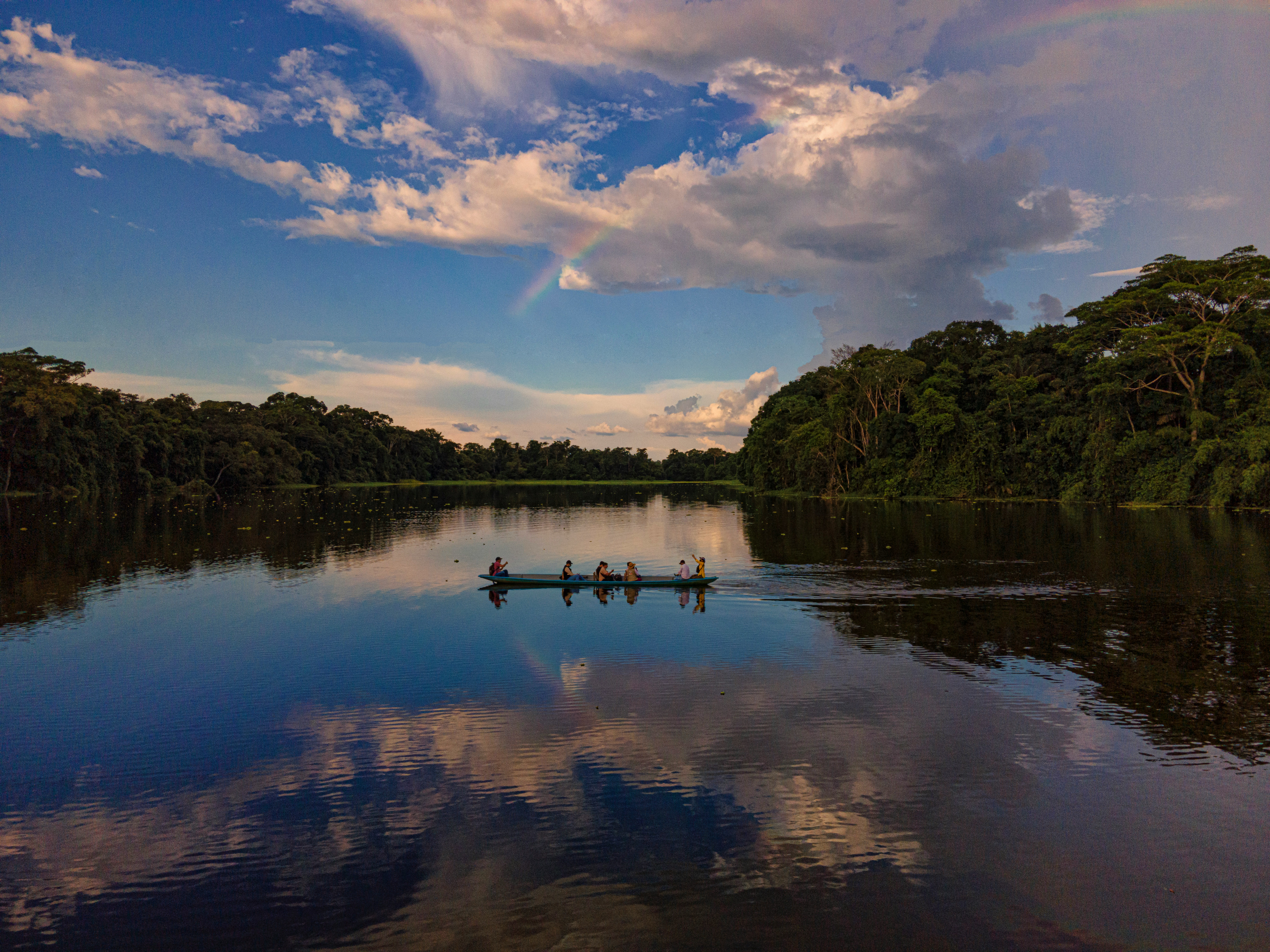
Deep in the Ecuadorian Amazon, Yasuní is one of the most biodiverse places on the planet, home to more tree species in a single hectare than in all of North America, alongside jaguars, giant otters, harpy eagles and several uncontacted indigenous groups.
Jungle lodges reached by dugout canoe offer guided hikes, canopy towers and night paddles where caiman eyes reflect torchlight across blackwater lagoons.
How does it rate
CrowdsRomanceCash RequiredDangerAccessibilityWhy you should go
Among the most biodiverse places on Earth, reached only by river and largely untouched.
Why you shouldn't go
Remote access means multi-day lodge stays are expensive and require significant travel time.
Plan your visit
Best time to visitDecember–February and June–August, the drier seasons, for easier trail walking.Best time of dayDawn canoe trips, when wildlife is most active before the heat sets in.Getting thereFly from Quito to Coca, then several hours by motorized canoe to a jungle lodge.Entry costMulti-day lodge packages typically €400-900+ including transport, food and guiding.Time needed3–5 days.Insider tip — Choose a lodge with an indigenous-run canopy tower — the platform views over the unbroken jungle canopy are the trip's highlight. -
 #1079 /100
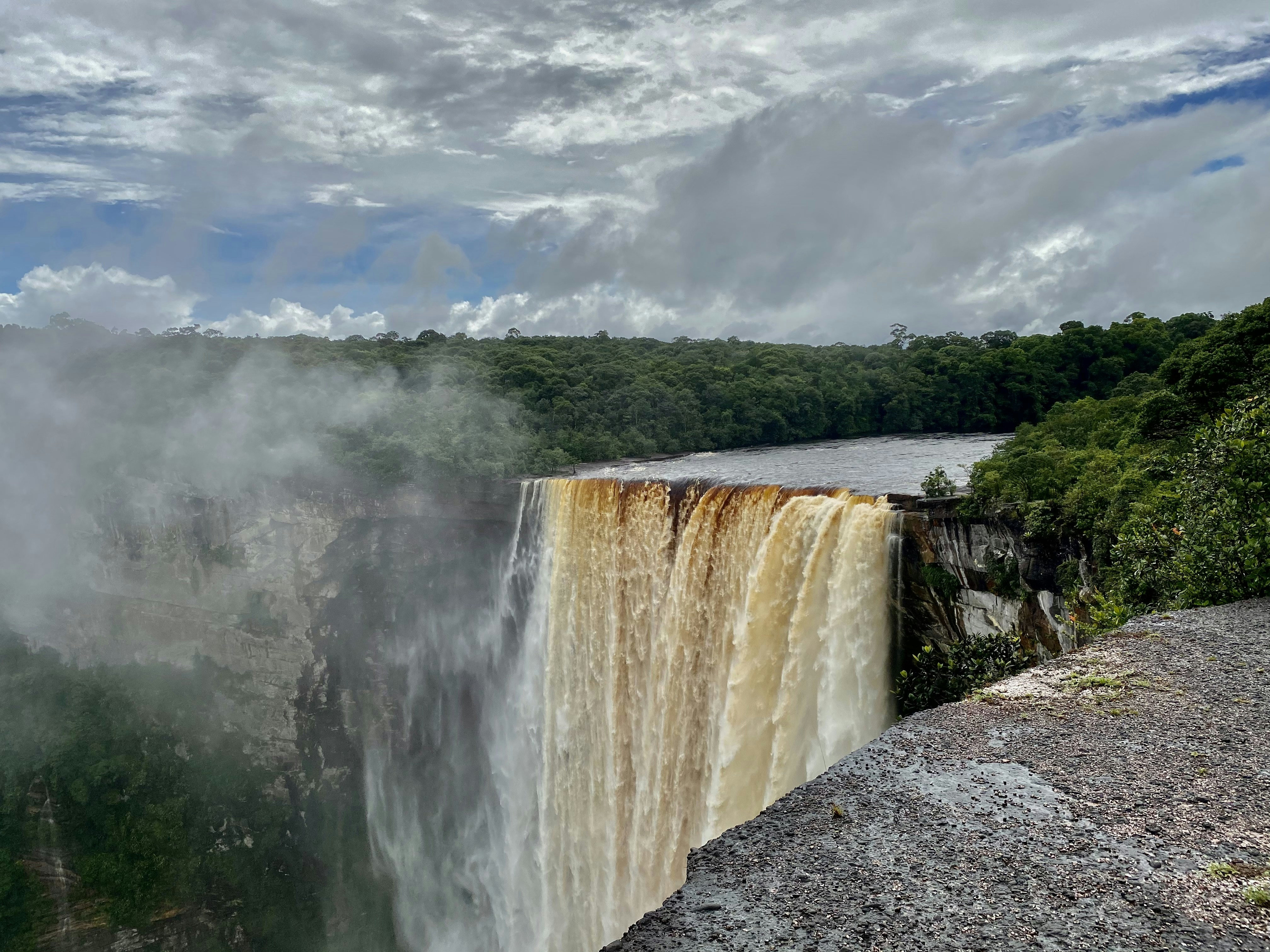
A single, uninterrupted drop of 226 metres - about four times the height of Niagara - sends the Potaro River over a sandstone cliff into pristine Guyanese rainforest.
Unlike most waterfalls of this scale, it sits inside a protected national park with almost no development and few visitors, so the viewpoints are typically empty.
Rainbow-coloured mist rises from the base most mornings when the light is right.
How does it rate
CrowdsRomanceCash RequiredDangerAccessibilityWhy you should go
One of the world's most powerful single-drop waterfalls, viewed with almost no other visitors around.
Why you shouldn't go
Access is limited to small charter flights, which makes a visit genuinely expensive for what it is.
Plan your visit
Best time to visitMay-August or December-January, the wetter months, for maximum water flow.Best time of dayMorning, for the best chance of mist rainbows and clear flight conditions.Getting thereSmall charter flight from Georgetown (about 45 minutes); no road access to the falls.Entry costIncluded in the charter flight/tour package; no separate entry fee at the falls.Time neededFull day trip from GeorgetownInsider tip — Book the earliest available flight of the day - afternoon cloud over the escarpment can cancel later charters entirely. -
 #1178 /100
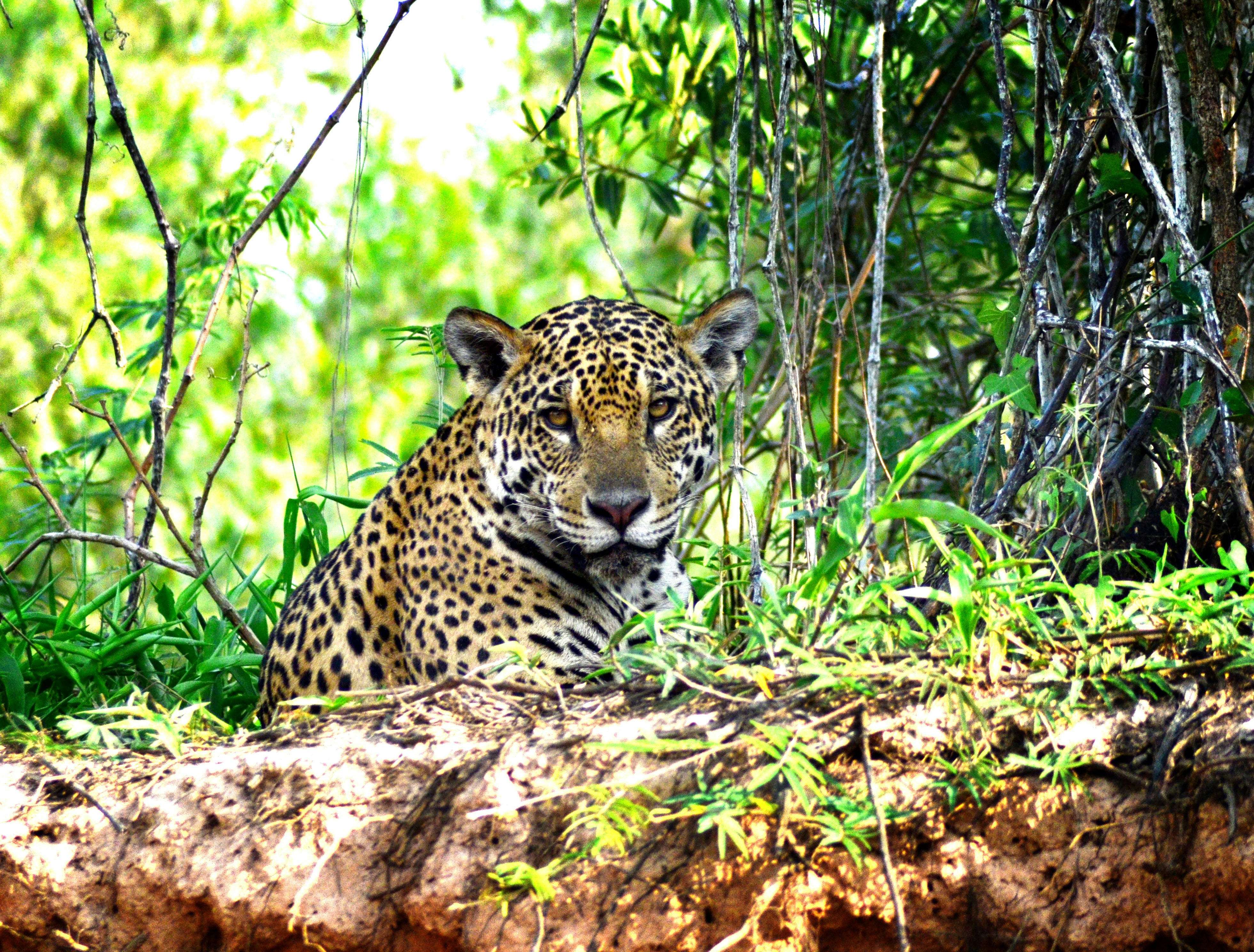
The world's largest tropical wetland, a mosaic of rivers, lagoons, and gallery forest holding the highest concentration of jaguars, caimans, capybaras, and macaws anywhere in South America.
Guided boat and jeep safaris reveal wildlife far more reliably than the denser Amazon rainforest.
How does it rate
CrowdsRomanceCash RequiredDangerAccessibilityWhy you should go
The world's largest tropical wetland, with the best jaguar-spotting odds and birdlife anywhere in South America.
Why you shouldn't go
Wet season (November–March) brings biting insects and flooded roads; remote lodges require real travel time.
Plan your visit
Best time to visitJune–September (dry season) for concentrated wildlife around shrinking waterholes.Best time of dayEarly morning and late afternoon safaris, when animals are most active.Getting thereFly to Cuiabá, then a 2–4 hour drive south on the Transpantaneira road to lodges.Entry costAll-inclusive lodge packages run roughly $150–300 USD per day.Time needed3–5 days minimum.Insider tip — Book a lodge with guides experienced specifically in jaguar tracking along the Cuiabá or Três Irmãos rivers. Bring binoculars, a telephoto lens, and anti-malarial precautions as advised by a travel clinic. -
 #1278 /100
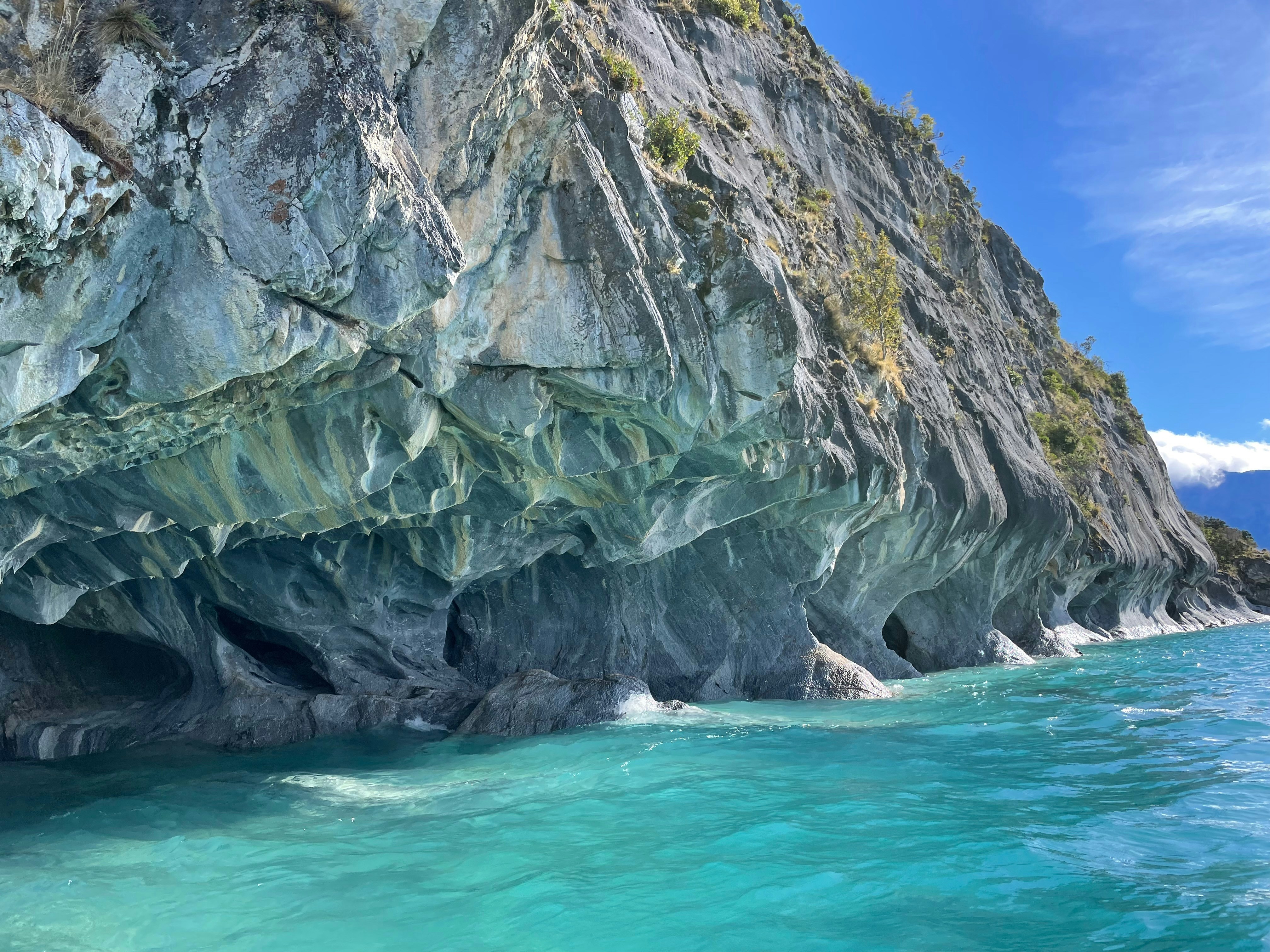
A labyrinth of marble caverns carved by wave action into a peninsula on Lake General Carrera, forming swirled chambers and arches in white, grey, and cobalt blue.
Accessible only by small boat, with the water's color and the marble's pattern shifting dramatically with the season and light.
How does it rate
CrowdsRomanceCash RequiredDangerAccessibilityWhy you should go
Swirling marble caverns carved into a lake peninsula, with cathedral-like chambers reachable only by boat.
Why you shouldn't go
Access depends on lake conditions and can be cancelled in high winds; the remote location adds significant travel time and cost.
Plan your visit
Best time to visitDecember–February for the lake's lowest water levels, when the caves and swirling patterns are most vivid.Best time of dayMidday sun lights the interior of the caves best; the water is often calmer in early morning.Getting thereDrive the Carretera Austral to Puerto Río Tranquilo, then a short boat tour to the caves.Entry costGuided boat tours roughly CLP 25,000–35,000 (~$28–40 USD).Time needed1.5–2 hours.Insider tip — Go early to avoid afternoon winds that can churn up the lake and cancel tours. A kayak tour, where available, gets you closer to the rock than the larger tour boats. -
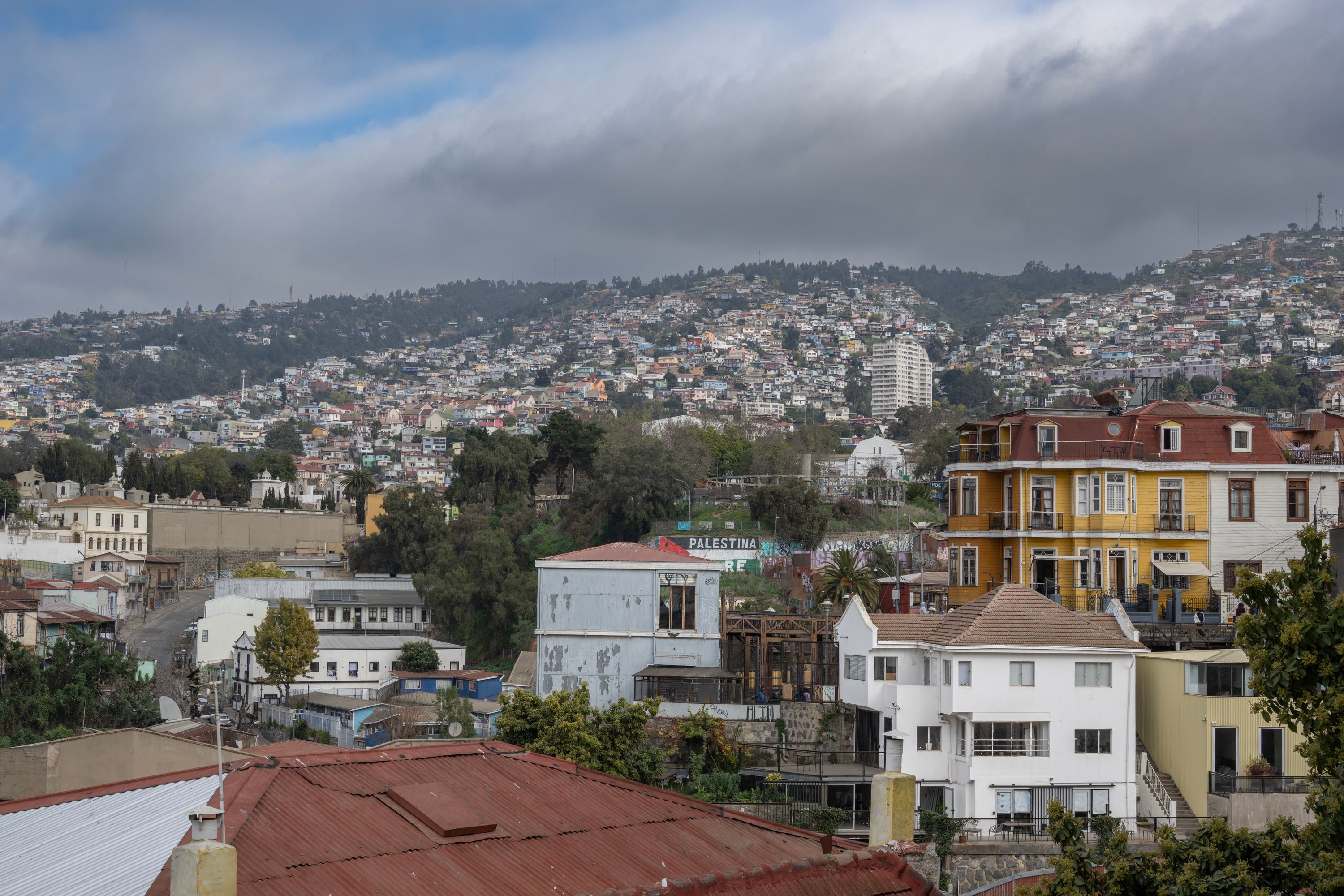 #1375 /100
Chile's main historic port climbs steep hills above the Pacific, linked by century-old funiculars and dense with painted houses and street art.
UNESCO listed the old quarter for its unplanned layout, and wandering the stairways of Cerro Alegre and Cerro Concepción, plus Pablo Neruda's clifftop house La Sebastiana, is the main activity.
Parts of the city have visibly declined, and the port is still working, not polished.
How does it rate
CrowdsRomanceCash RequiredDangerAccessibilityWhy you should go
A maze of hillside stairways, funiculars and street art with no real equivalent elsewhere in Chile.
Why you shouldn't go
Parts of the city have declined and pickpocketing is a real risk - stick to the touristed hills after dark.
Plan your visit
Best time to visitSeptember-November or March-May, for mild weather and thinner crowds than summer.Best time of dayDaytime for exploring the hills; sunset from Paseo Gervasoni or Paseo Atkinson.Getting thereFly to Santiago, then about a 90-minute bus or drive west to Valparaíso.Entry costFree to explore; funiculars ~CLP 300-800 each wayTime neededHalf a day to a full dayInsider tip — Ride the Ascensor Concepción, Chile's oldest funicular, up to Paseo Gervasoni for the classic hillside-and-harbour view, then walk down through Cerro Alegre. -
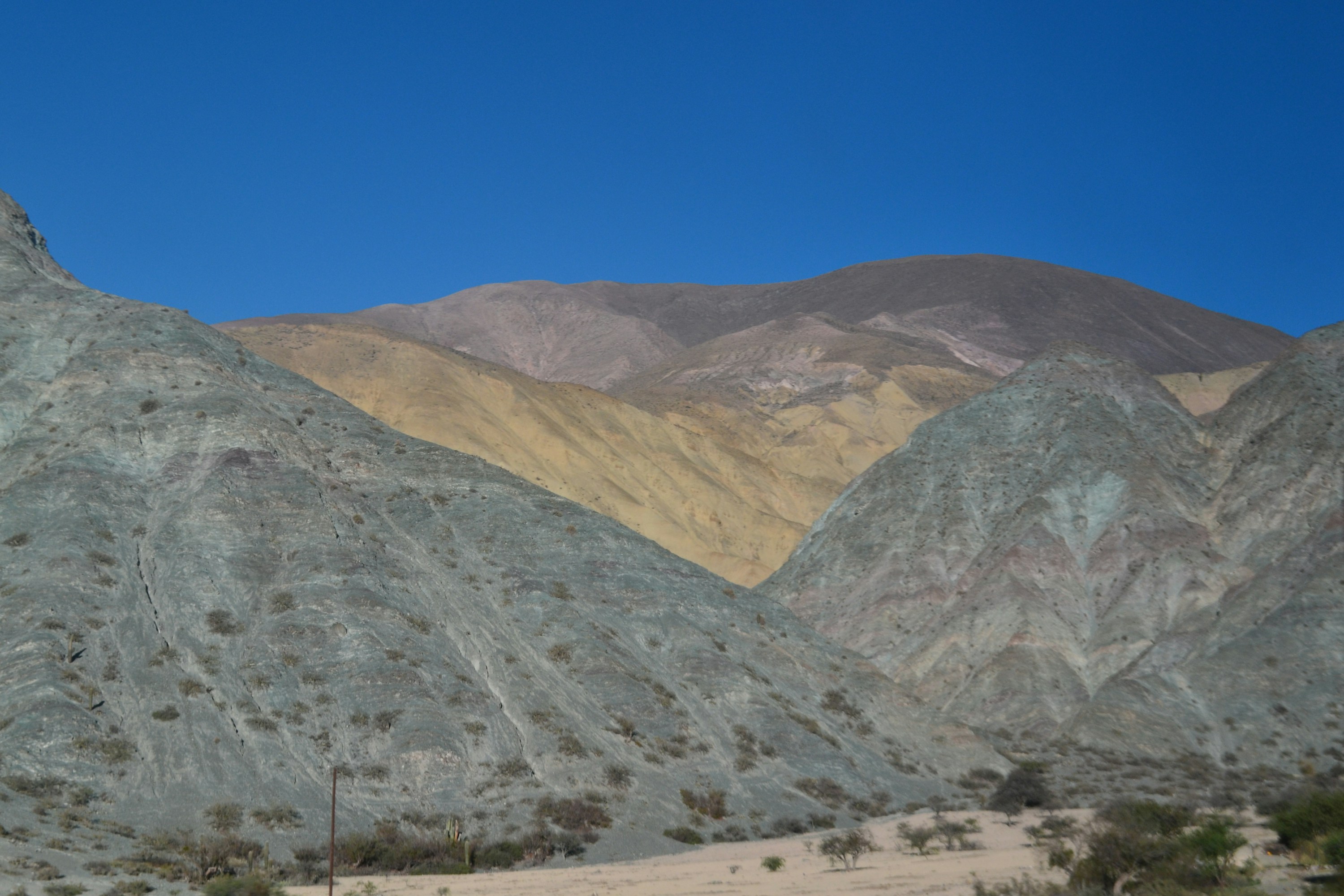 #1474 /100
This 155-kilometre gorge in Argentina's arid northwest has been a travel corridor since long before the Inca, its adobe villages and banded red-and-ochre rock now UNESCO-listed.
Purmamarca sits beneath the striped Cerro de los Siete Colores, while Humahuaca and Tilcara keep colonial churches and pre-Columbian ruins within walking distance.
It rewards slow travel along Ruta 9, not a single stop.
How does it rate
CrowdsRomanceCash RequiredDangerAccessibilityWhy you should go
Multicolored mountain geology and centuries-old adobe villages, without the crowds of Salta's sights.
Why you shouldn't go
It's remote - a long drive or bus ride from Salta, and services thin out fast outside the main villages.
Plan your visit
Best time to visitApril-October (dry season); winter nights are cold at this altitudeBest time of dayLate afternoon, when low sun deepens the colors in the rockGetting thereFly to Salta or San Salvador de Jujuy, then drive or bus north on Ruta Nacional 9Entry costFree to drive through and visit villages; some sites charge small entry feesTime needed1-2 daysInsider tip — Stop in Tilcara rather than only Purmamarca - its pre-Inca pucara hilltop fort ruins get a fraction of the visitors. -
 #1573 /100
High in the Bolivian Andes, Oruro's carnival is built around the Diablada, an elaborate devil dance performed by dancers in ornate horned masks and embroidered costumes depicting the battle between good and evil.
UNESCO recognised the event in 2001 for how deeply its folklore and costume-making traditions are woven into the city's identity.
How does it rate
CrowdsRomanceCash RequiredDangerAccessibilityWhy you should go
An Andean devil-dance carnival, danced in ornate horned masks along a 20-hour processional route at high altitude.
Why you shouldn't go
Oruro sits at over 3,700m altitude, so altitude sickness is a real risk for visitors arriving without acclimatisation.
Plan your visit
Best time to visitFebruary or March, the weekend before Ash Wednesday (exact dates shift yearly).Best time of dayMorning, when the main Diablada procession begins along its fixed route.Getting thereFly into La Paz, then a bus or train roughly 3-4 hours south to Oruro.Entry costGrandstand seating along the route runs roughly USD15-40.Time neededA full day for the main procession.Insider tip — Spend a day or two in La Paz beforehand to acclimatise to the altitude before travelling on to Oruro. -
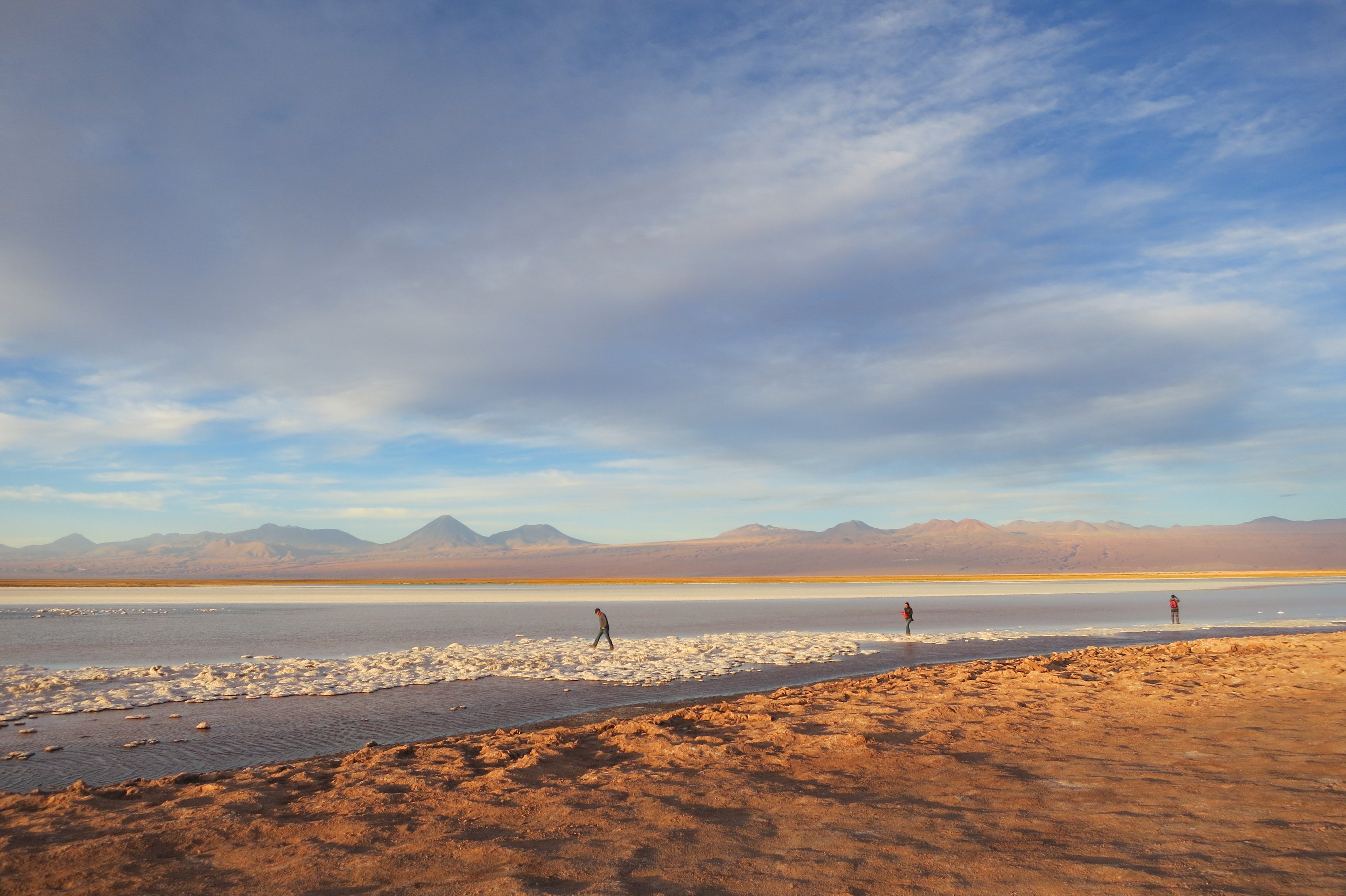 #1673 /100
A hypersaline lagoon in the Atacama salt flat, dense enough with dissolved minerals that swimmers float effortlessly, Dead Sea-style.
Ringed by pale salt crust and distant volcanoes, it's a strange, buoyant swim in one of the driest places on Earth, best paired with a freshwater rinse straight after.
How does it rate
CrowdsRomanceCash RequiredDangerAccessibilityWhy you should go
A hypersaline lagoon where you float effortlessly, ringed by salt crust and desert emptiness.
Why you shouldn't go
Popular with tour groups despite the remote setting; the salt water stings any small cuts or irritates eyes; strong midday sun.
Plan your visit
Best time to visitOctober–April (dry season); visit outside the busiest midday tour window if possible.Best time of dayLate afternoon for softer light and slightly thinner crowds.Getting thereTours depart from San Pedro de Atacama, roughly a 40-minute drive.Entry costIncluded in guided tour price, typically $40–60 USD.Time needed3–4 hours including transport.Insider tip — Bring a swimsuit and old clothes — the brine is hard on fabric. Freshwater rinse-off pools are available right next to the lagoon. -
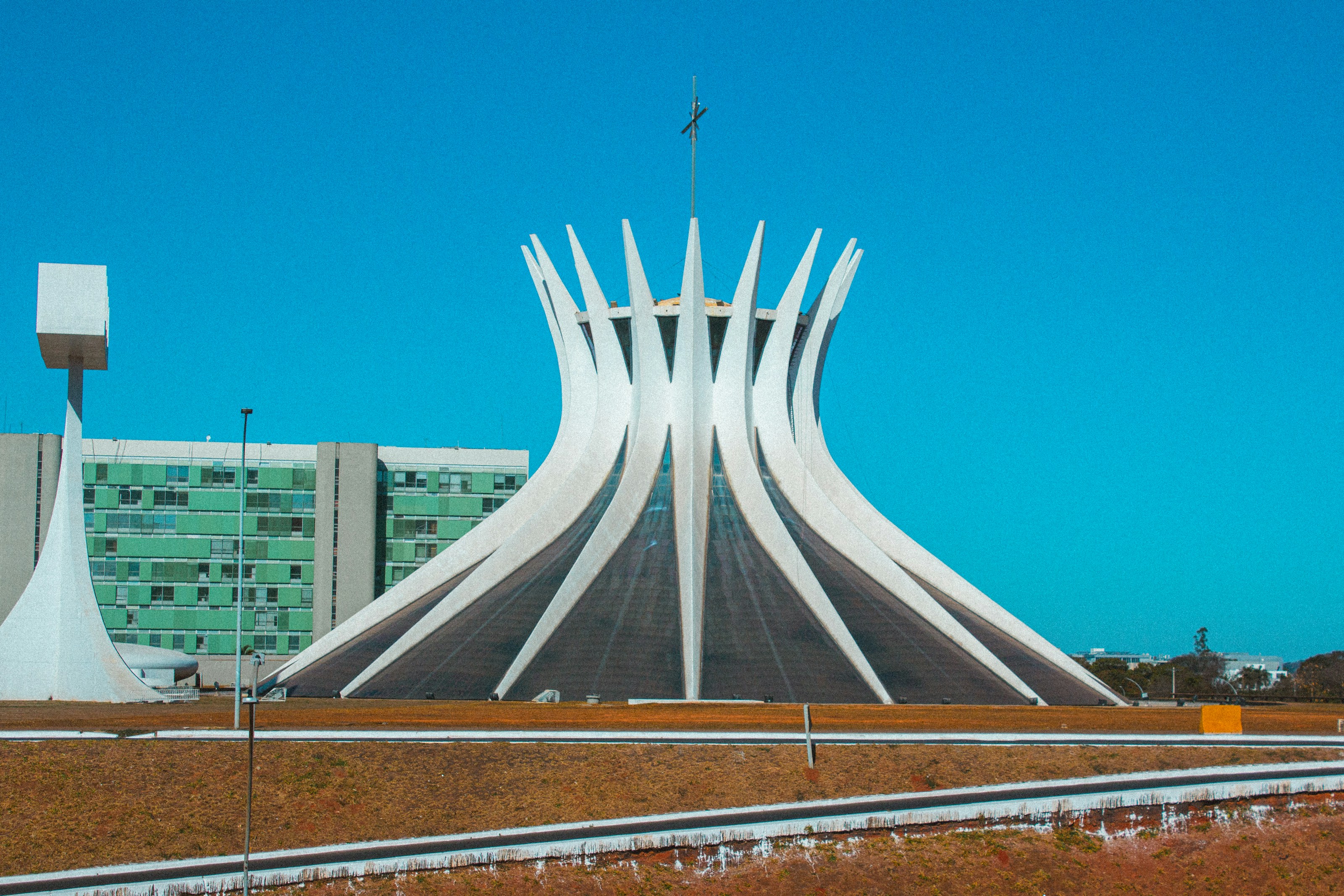 #1772 /100
Oscar Niemeyer's hyperboloid of sixteen concrete columns, opened in 1970, that reads from outside as a crown and from inside as a sky of blue and green glass.
Visitors descend a dark ramp and emerge under the light, a sequence Niemeyer designed deliberately.
Three bronze angels hang suspended from the roof above the nave.
How does it rate
CrowdsRomanceCash RequiredDangerAccessibilityWhy you should go
One of the few modernist churches whose interior genuinely lifts you as you walk in.
Why you shouldn't go
Brasilia's monumental axis is built for cars, so moving between sights is a slog on foot.
Plan your visit
Best time to visitMay-September, during Brasilias dry seasonBest time of dayLate afternoon, when the low sun saturates the stained glassGetting thereOn the Eixo Monumental in central Brasilia; taxi or rideshare is the practical optionEntry costFreeTime needed1 hourInsider tip — Go inside before photographing the exterior - the dark entry ramp is what makes the burst of coloured light work. -
 #1869 /100
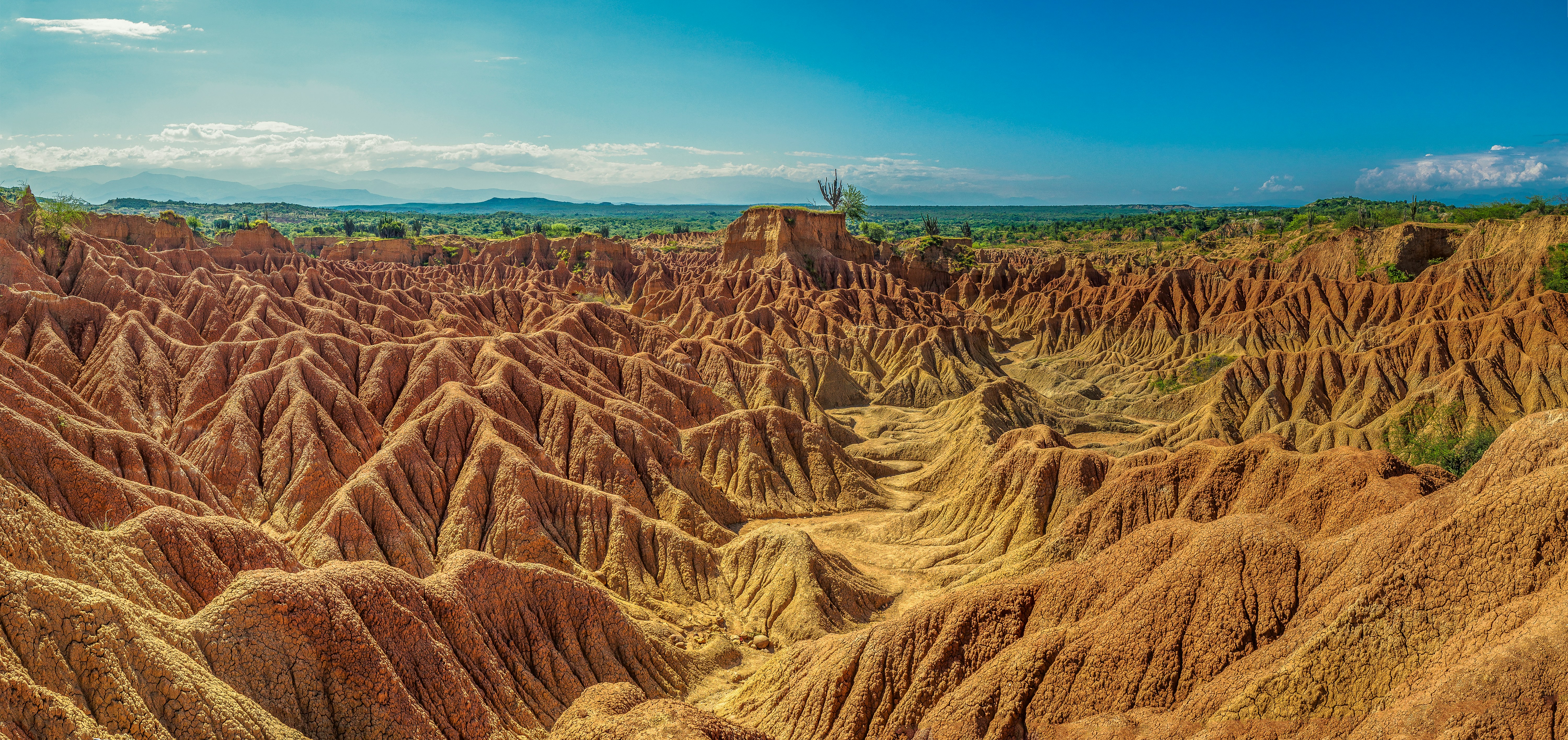
A dry tropical forest turned badlands, its grey and red-clay canyons carved into labyrinths of eroded pinnacles that look more like Utah than South America.
Split into a red zone (Cuzco) and a grey zone (Los Hoyos), it's one of the best stargazing spots in Colombia thanks to an astronomical observatory built specifically to take advantage of its clear, unpolluted skies.
Walking trails wind between the formations without requiring any technical hiking experience.
How does it rate
CrowdsRomanceCash RequiredDangerAccessibilityWhy you should go
Grey and red badland canyons that look transplanted from the American Southwest, with some of Colombia's clearest night skies.
Why you shouldn't go
There's very little shade and no real infrastructure between the two colour zones, and midday heat is intense.
Plan your visit
Best time to visitDecember-March or July-August (Colombia's dry seasons).Best time of dayLate afternoon light on the red-clay Cuzco zone, or after dark at the observatory.Getting thereFly or bus to Neiva, then a 30-40 minute drive or shared taxi to the desert entrance villages.Entry costFree to enter; observatory stargazing sessions cost a small fee.Time neededA full day, or overnight for stargazing.Insider tip — Book the night-time observatory session at Hoyos - it's inexpensive and pairs the desert's badland scenery with genuinely excellent telescope views. -
 #1966 /100
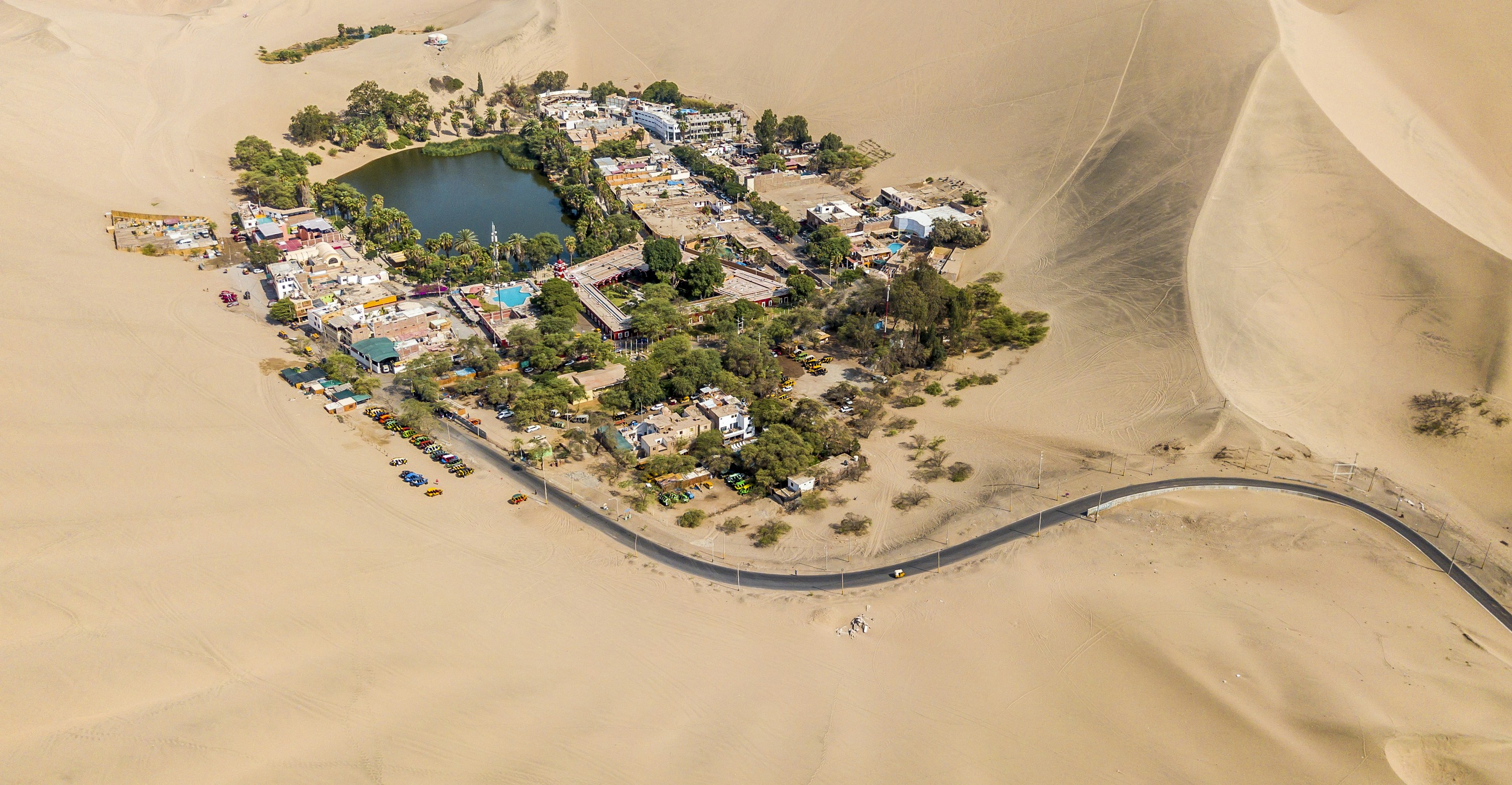
Huacachina is a small palm-ringed lagoon swallowed by towering sand dunes on the edge of the Peruvian desert, a short detour off the Pan-American Highway.
The village is just a few streets and a handful of hostels around the lagoon; dune buggies and sandboarding on the surrounding dunes are the real draw.
It's a loud, high-energy stop rather than a place with much depth.
How does it rate
CrowdsRomanceCash RequiredDangerAccessibilityWhy you should go
High-speed dune buggy rides and sandboarding on genuinely huge dunes, right at the edge of town.
Why you shouldn't go
It's a small, thin destination built almost entirely around one activity - don't expect much beyond it.
Plan your visit
Best time to visitYear-round; afternoons are hot, so many tours run at sunsetBest time of dayLate afternoon into sunset, when the heat eases and buggy tours runGetting there3.5hr bus or drive south from Lima to Ica, then a 10-min taxi to HuacachinaEntry costSmall desert access fee (~S/4); buggy and sandboarding tours from ~S/40-100Time neededHalf a day to overnightInsider tip — Book the buggy tour through your hostel rather than street touts - prices are similar but the vehicles and guides are more reliably maintained. -
 #2062 /100
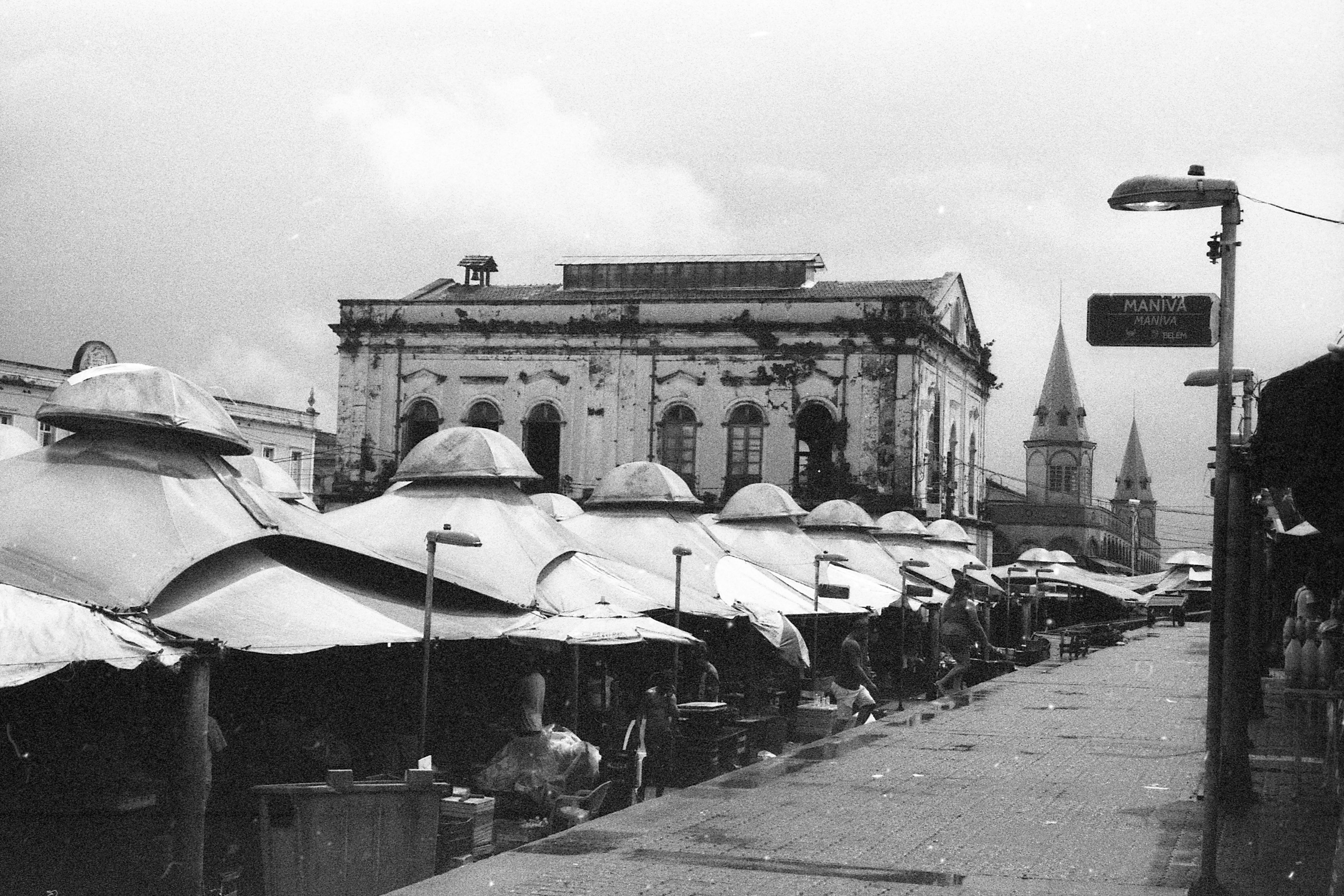
On the Belem waterfront where the Amazon meets the Guajara Bay, Ver-o-Peso has traded since the 17th century and remains South America's largest open-air market, its stalls piled with Amazonian fruit few outsiders can name, medicinal herbs, and fish hauled off boats at the adjoining cast-iron fish market pavilion.
The name means 'see the weight'.
How does it rate
CrowdsRomanceCash RequiredDangerAccessibilityWhy you should go
A 17th-century Amazon-riverfront market piled with fruit, herbs and fish few visitors outside Brazil will recognise.
Why you shouldn't go
Belem sees limited international tourism infrastructure compared to Rio or Sao Paulo, so English is rarely spoken here.
Plan your visit
Best time to visitMorning, when the fish market and fruit stalls are freshest.Best time of dayEarly morning (6-9am), when boats are still unloading the day's catch.Getting thereFly into Val de Cans International Airport in Belem, a roughly 20-minute taxi to the waterfront market.Entry costFree to browse; fruit and food prices are inexpensive.Time needed1-2 hours.Insider tip — Ask a stallholder to explain unfamiliar Amazonian fruits before buying, since many have no direct equivalent or English name. -
 #2160 /100
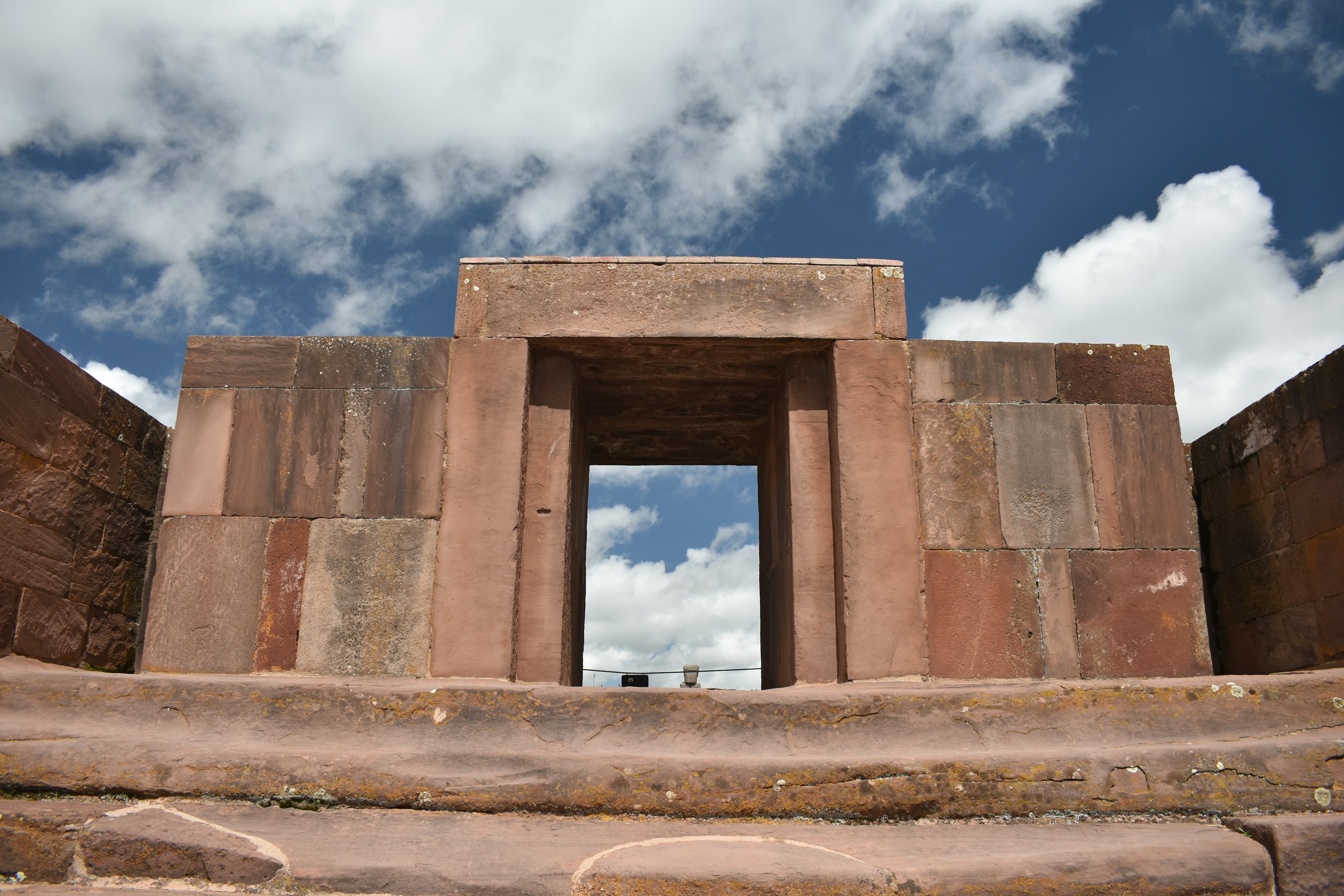
Predating the Inca by centuries, Tiwanaku was the ceremonial center of a civilization that shaped much of Andean religious and architectural tradition, including monumental gateways, sunken temples and precisely cut stonework whose engineering isn't fully understood.
Much of the site remains unexcavated, and what's been uncovered — including the carved Gateway of the Sun — shows precision that later influenced Inca sites like Machu Picchu.
How does it rate
CrowdsRomanceCash RequiredDangerAccessibilityWhy you should go
A pre-Inca ceremonial capital with precisely engineered stonework that shaped later Andean civilizations.
Why you shouldn't go
Much of the site is still ruins and foundations rather than intact standing structures, requiring some imagination.
Plan your visit
Best time to visitMay–October (dry season) for easier travel and clearer weather.Best time of dayMorning, before the site gets exposed to strong midday Altiplano sun.Getting thereAbout 1.5-2 hours' drive from La Paz.Entry costAround 80 Bolivianos (~€11), including the on-site museum.Time needed2–3 hours.Insider tip — Hire a local guide at the entrance — the significance of the stonework and astronomical alignments isn't obvious without explanation. -
 #22
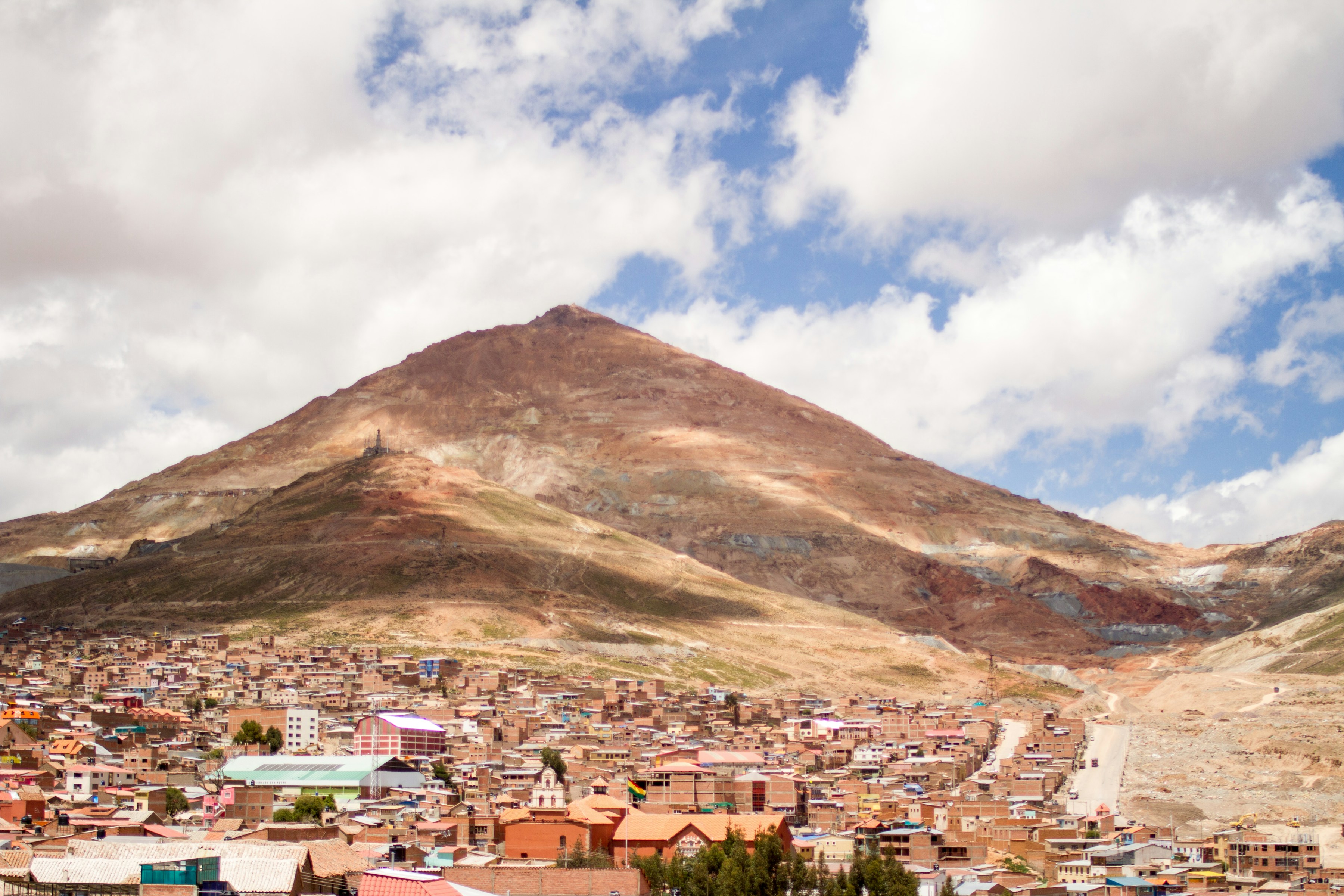
#22Once one of the richest cities on Earth thanks to silver extracted from Cerro Rico, the mountain looming over it, Potosí's colonial wealth built ornate churches and mints that sit at odds with the mine's grim ongoing history — miners, some still teenagers, work the same tunnels using techniques barely changed in centuries.
Guided tours into the active mine are genuinely sobering, an unfiltered look at conditions few visitors ever encounter.
How does it rate
CrowdsRomanceCash RequiredDangerAccessibilityWhy you should go
A UNESCO colonial city built on silver wealth, with mine tours offering an unfiltered look at conditions miners still work under today.
Why you shouldn't go
Mine tours involve genuinely hazardous, cramped, poorly ventilated tunnels still in active use.
Plan your visit
Best time to visitMay–October (dry season) for easier travel to and around the city.Best time of dayMorning mine tours, when miners are most active underground.Getting thereAbout 2.5-3 hours' drive from Sucre, or an overnight bus from La Paz.Entry costMine tours typically $15-25; city sights largely free or low-cost.Time needed1–2 days.Insider tip — Bring small gifts (coca leaves, juice, work gloves) for the miners if joining a mine tour — the customary way visitors are welcomed into active work areas.


More from South America
-
More Hidden Gems spots
-
How a score is built
One score out of 100, five criteria behind it
Every place is rated 1–5 on each of the criteria below, then combined into a single score out of 100. It's calculated by us, the same way every time — not an average of traveller reviews or social votes.
Crowds
How many people you'll be sharing it with, and at what time of day.
Romance
How well it suits a couple, a proposal, or a quiet moment together.
Cash required
Entry fees, permits, guides, rentals — what it actually costs to do it.
Danger
Physical risk involved, from a slippery viewpoint to genuine hazard.
Accessibility
How far off the beaten path it is, and how hard it is to actually reach.


