-
 #197 /100
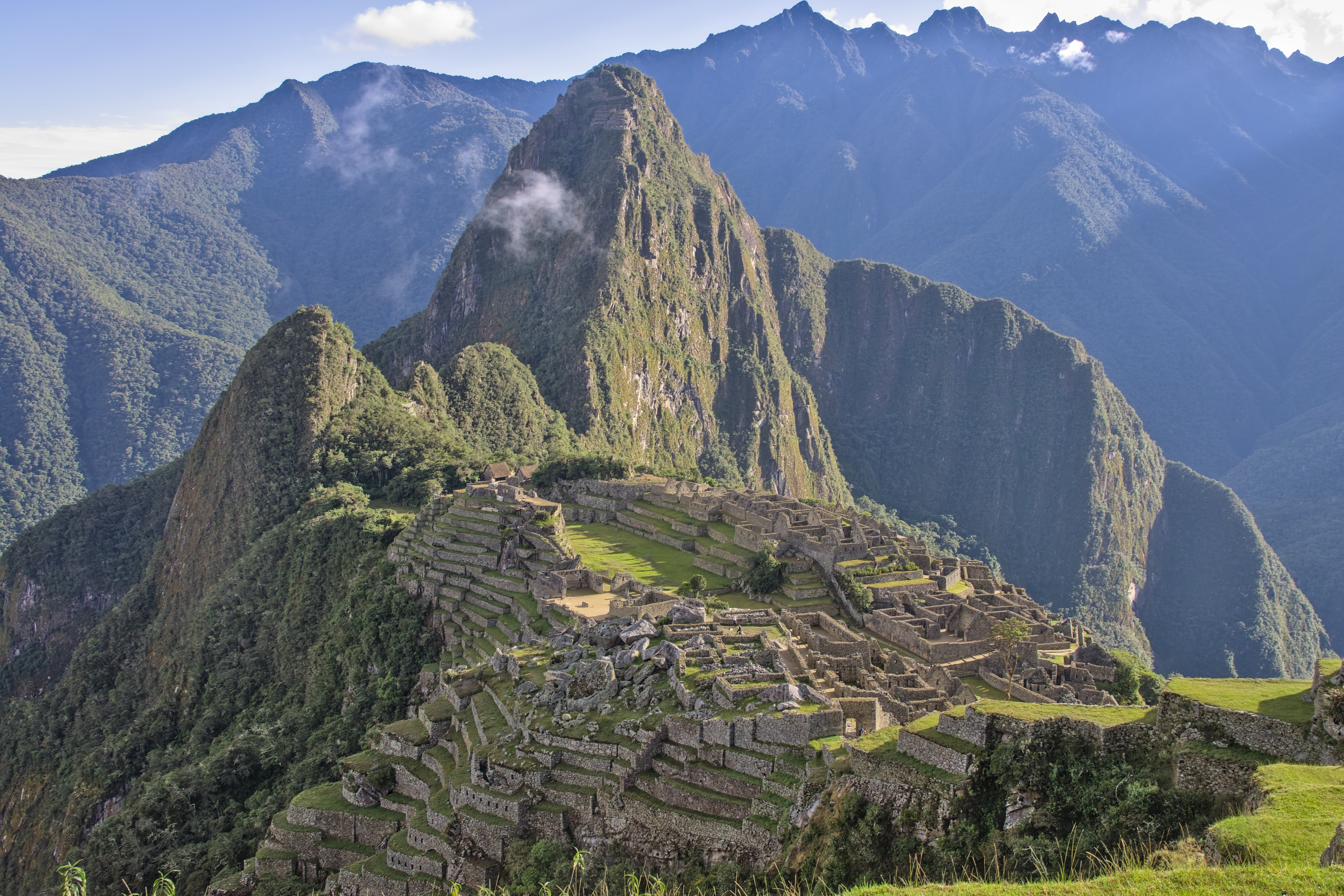
Machu Picchu is the 15th-century Inca citadel set high in the Andes at 2,430 metres, concealed from the Spanish conquistadors and unknown to the outside world until Hiram Bingham III's expedition in 1911.
Its stone temples, terraced agricultural land, and mountain setting create one of the world's most atmospheric ancient sites.
How does it rate
CrowdsRomanceCash RequiredDangerAccessibilityWhy you should go
The combination of Inca architecture, cloud-draped mountain peaks, and the sense of discovery make Machu Picchu one of the world's most emotionally resonant ancient sites.
Why you shouldn't go
Visitor numbers are restricted and permits for the classic Inca Trail must be booked months in advance; altitude sickness affects many visitors at this elevation.
Plan your visit
Best time to visitMay-September (dry season)Best time of daySunrise, when clouds often part dramatically over the ruinsGetting thereTrain to Aguas Calientes, then bus up to the siteEntry cost~$45-80 depending on route/circuitTime neededHalf dayInsider tip — Book tickets months ahead as daily visitor numbers are strictly limited; the Sun Gate hike gives the classic elevated view -
 #292 /100
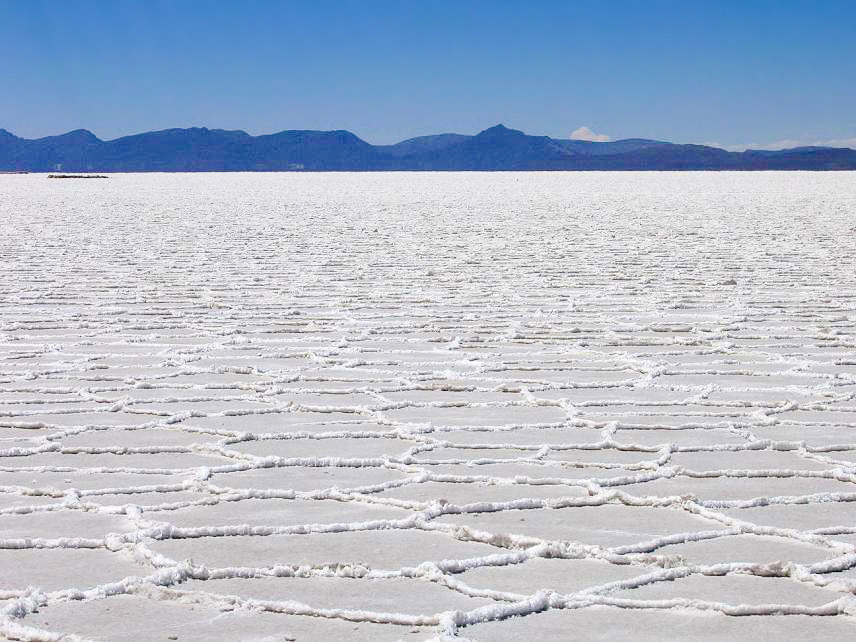
The Salar de Uyuni is the world's largest salt flat, covering 10,582 square kilometres of the Bolivian altiplano at 3,656 metres above sea level.
When covered by a thin layer of water after the rainy season, it becomes a perfect mirror reflection of the sky and one of the most surreal landscapes on earth.
How does it rate
CrowdsRomanceCash RequiredDangerAccessibilityWhy you should go
The mirror effect during the wet season, when the salt flat reflects the sky with perfect fidelity, creates photographs that look like they belong in a dream.
Why you shouldn't go
The wet season (January to March) that creates the famous mirror effect also brings heavy rains; the dry season offers a stark but less photogenic white expanse.
Plan your visit
Best time to visitDecember-April (wet season) for the mirror effect, dry season for easier accessBest time of daySunrise or sunset for the reflection and colourGetting thereFly to Uyuni via La PazEntry costGuided tour ~$100-150/dayTime needed1-3 daysInsider tip — Visit just after rain for the famous mirror effect; the wet season (Jan-Apr) is when it is most reliable -
 #392 /100
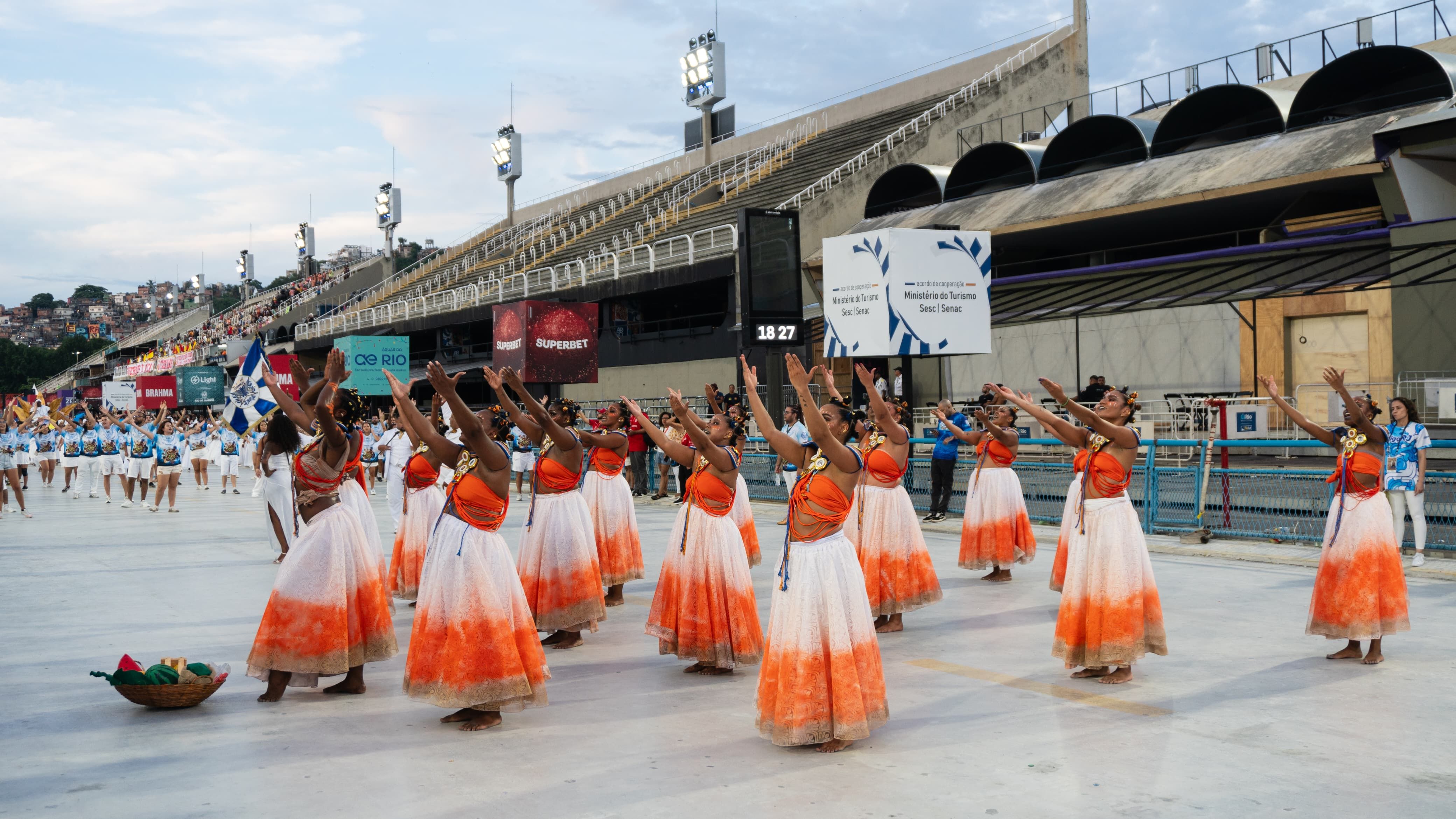
Rio de Janeiro's Carnival is the largest and most famous in the world, headlined by Sambadrome parades where the city's top samba schools compete through the night in elaborate feathered costumes and floats years in the making.
Beyond the Sambadrome, hundreds of free street parties called blocos take over neighbourhoods for days, open to anyone who wants to dance along.
How does it rate
CrowdsRomanceCash RequiredDangerAccessibilityWhy you should go
The world's biggest carnival: all-night samba school parades in a purpose-built stadium, plus hundreds of free street parties.
Why you shouldn't go
Sambadrome tickets and hotel prices spike hard during the week, and Rio's usual pickpocketing risks are heightened in dense crowds.
Plan your visit
Best time to visitFebruary or March, timed to the 40 days before Easter (exact dates shift yearly).Best time of dayLate night into early morning, when the top samba schools parade through the Sambadrome.Getting thereFly into Rio de Janeiro-Galeao International Airport, a roughly 30-minute taxi to the Sambadrome or city centre.Entry costSambadrome grandstand seats start around USD75-100; street blocos are free.Time neededA full night for the Sambadrome, or several days to catch multiple street blocos.BookingBook ahead →Insider tip — Join a free street bloco in the days before the Sambadrome parades for a more relaxed, local taste of the carnival without the ticket cost. -
 #491 /100
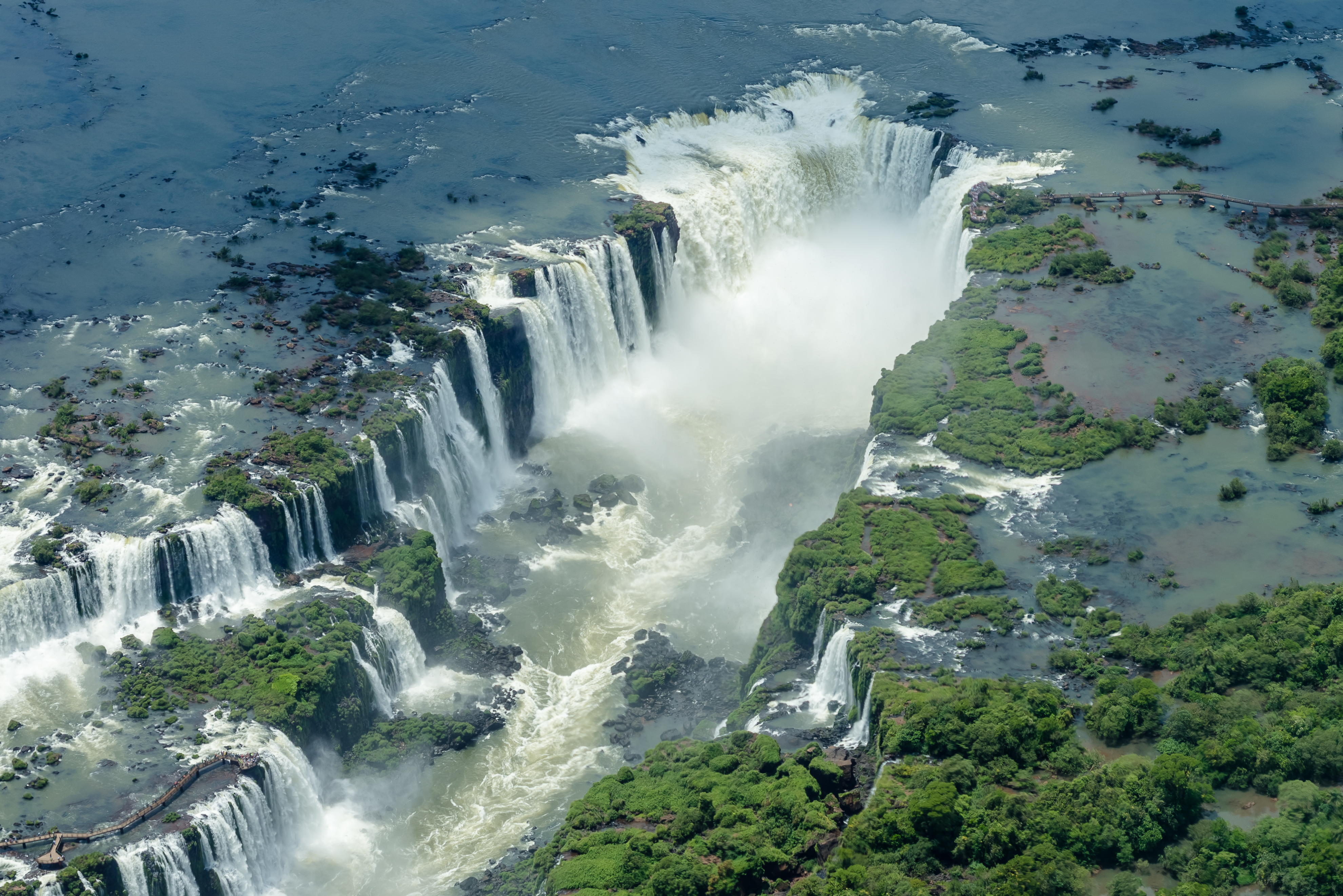
Iguazu Falls straddles the border between Argentina and Brazil and is wider than Victoria Falls and taller than Niagara, making it arguably the world's most spectacular waterfall system.
The 275 separate cascades thunder over a 2.
7-kilometre arc in the subtropical jungle of both countries' national parks.
How does it rate
CrowdsRomanceCash RequiredDangerAccessibilityWhy you should go
The sheer scale and number of cascades, accessible via elevated walkways that take you directly above and beside the falls, makes Iguazu one of nature's great spectacles.
Why you shouldn't go
The falls are best seen from both the Argentine and Brazilian sides, which requires a border crossing; the Argentine side walkways can close due to flooding.
Plan your visit
Best time to visitApril-June or September-NovemberBest time of dayMorning for rainbowsGetting thereFly to Puerto IguazuEntry cost~$30 park entryTime neededFull dayInsider tip — Visit both the Argentine and Brazilian sides; Argentina gets you closer, Brazil gives the panorama -
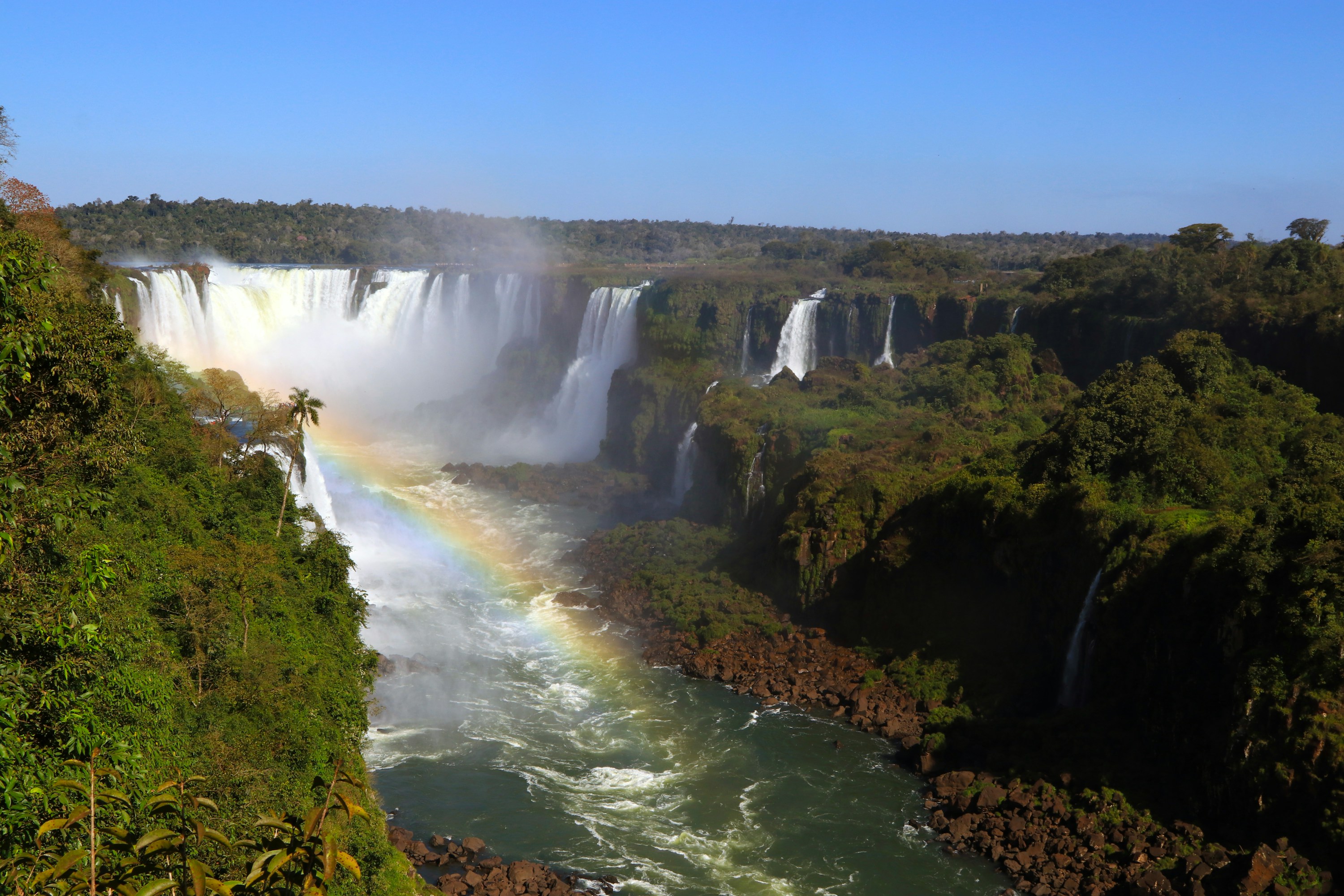 #591 /100
The Brazilian side of Iguaçu Falls trades Argentina's up-close catwalks for one long panoramic circuit, sweeping across nearly the entire 2.
7km curtain of over 250 individual falls at once.
A short walkway leads out to a platform inside the spray of the Devil's Throat, with boat trips for those who want to get soaked.
It's compact enough to see in half a day, unlike the sprawling park across the border.
How does it rate
CrowdsRomanceCash RequiredDangerAccessibilityWhy you should go
One sweeping panoramic walkway takes in almost the entire 2.7km curtain of falls in a single visit.
Why you shouldn't go
The shuttle bus and viewing platforms queue up fast by mid-morning in high season.
Plan your visit
Best time to visitApril-September (dry season) for clearer views; wetter months bring more dramatic flow.Best time of dayEarly morning, before the tour buses arrive.Getting thereFly to Foz do Iguaçu (IGU); 25-30 min taxi/bus to the park entrance, then the park's own shuttle bus to the falls circuit.Entry cost~R$130 (~US$24) entry; boat trips extraTime needed3-4 hoursBookingBook ahead →Insider tip — Take the elevator at the end of the walkway to the upper overlook for the full-panorama view, and catch the park's first shuttle to beat the tour-bus crowds. -
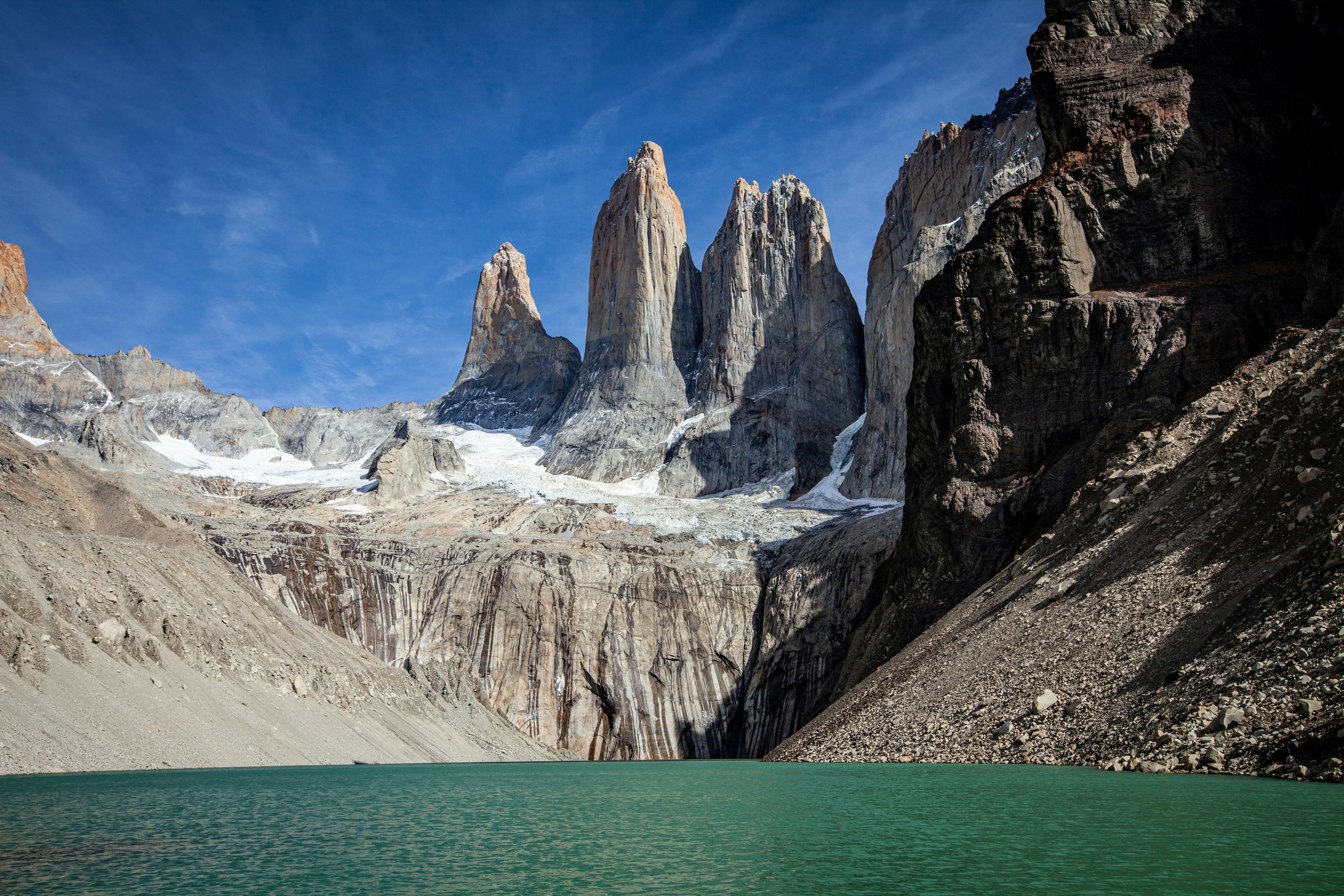 #690 /100
Three granite towers punch straight up out of Chilean Patagonia, reflected in turquoise glacial lakes that change colour with the light.
The full W trek links the towers with glaciers, wind-battered forests and the vivid blue of the Grey Glacier over several days.
Even a single day at the base-of-the-towers viewpoint delivers one of South America's most dramatic landscapes.
How does it rate
CrowdsRomanceCash RequiredDangerAccessibilityWhy you should go
Three granite spires over turquoise glacial lakes - Patagonia's single most iconic view.
Why you shouldn't go
Patagonian wind is relentless and can shut down trails or make photography genuinely difficult.
Plan your visit
Best time to visitNovember-March, the Southern Hemisphere summer.Best time of dayEarly morning, when the wind is calmest and the towers often clear of cloud.Getting thereFly to Punta Arenas, bus to Puerto Natales, then park shuttle to Torres del Paine.Entry costPark entry fee, roughly $35-45 for foreign visitors.Time needed3-5 days for the W trek; 1 day for the base viewpointBookingBook ahead →Insider tip — Base yourself near the park for a pre-dawn start on the Base Towers trail - the final viewpoint is worth reaching before the day's cloud builds. -
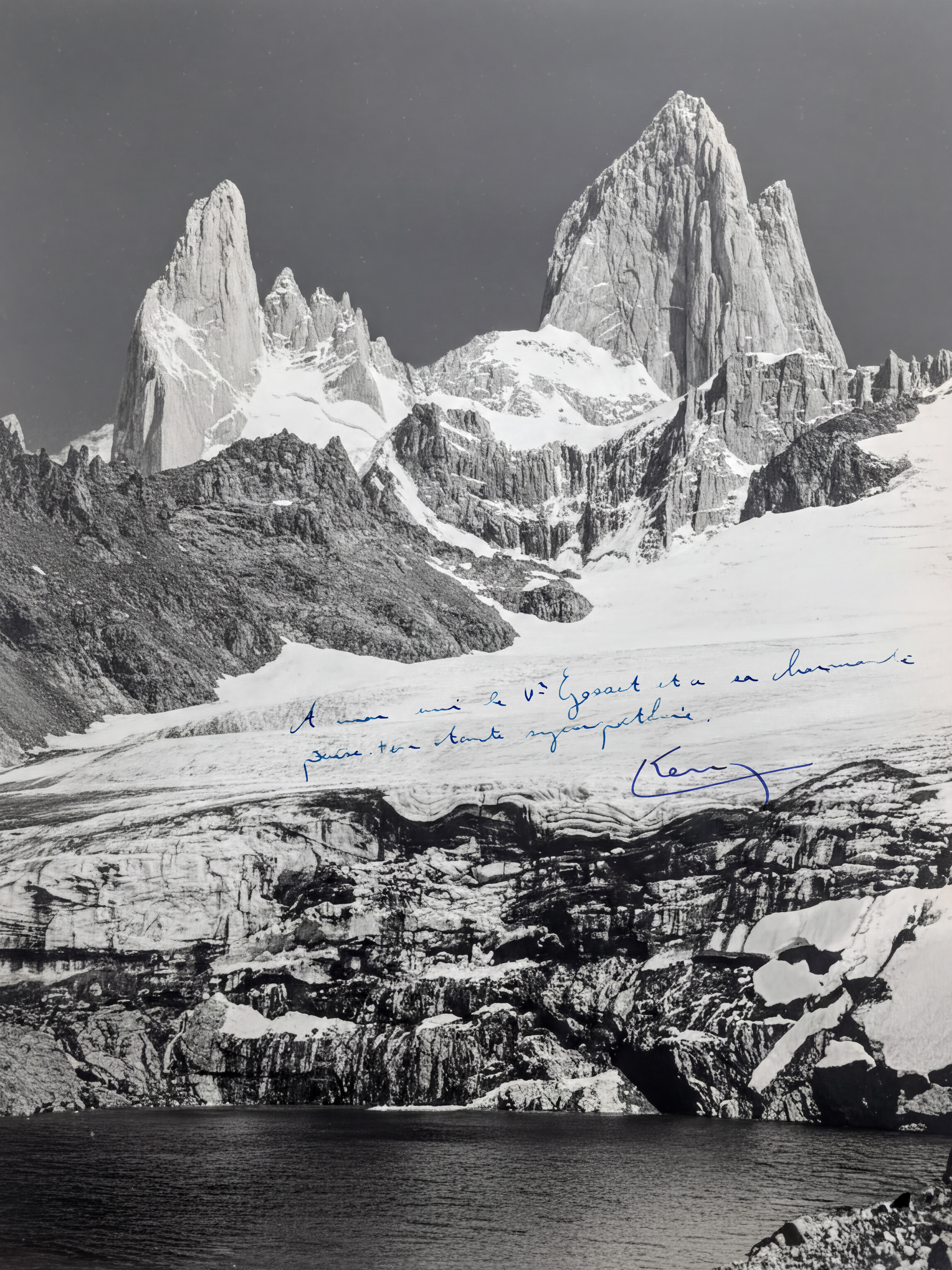 #7
#7Mount Fitz Roy is a serrated granite peak on the border of Argentina and Chile in Patagonia, rising 3,405 metres above the Patagonian steppe.
Its distinctive jagged silhouette, often wreathed in cloud, inspired the Patagonia clothing brand logo and is considered one of the most technically challenging climbs in the world.
How does it rate
CrowdsRomanceCash RequiredDangerAccessibilityWhy you should go
The view of Fitz Roy reflected in Laguna de los Tres, with the jagged granite towers rising above the surrounding ice field, is one of the most dramatic mountain scenes in South America.
Why you shouldn't go
The classic Laguna de los Tres viewpoint requires a strenuous 22-kilometre return hike with 1,300 metres of elevation gain; the peak is notoriously cloud-covered.
Plan your visit
Best time to visitDecember-February (Southern Hemisphere summer) for best weather oddsBest time of daySunrise for the "fire" effect when the peak turns redGetting thereFly to El Calafate, then bus to El ChaltenEntry costFree, no permits neededTime neededFull day hike (~10hrs round trip)Insider tip — The famous red sunrise glow depends on clear skies; the peak is often cloud-covered, so budget extra days if you can -
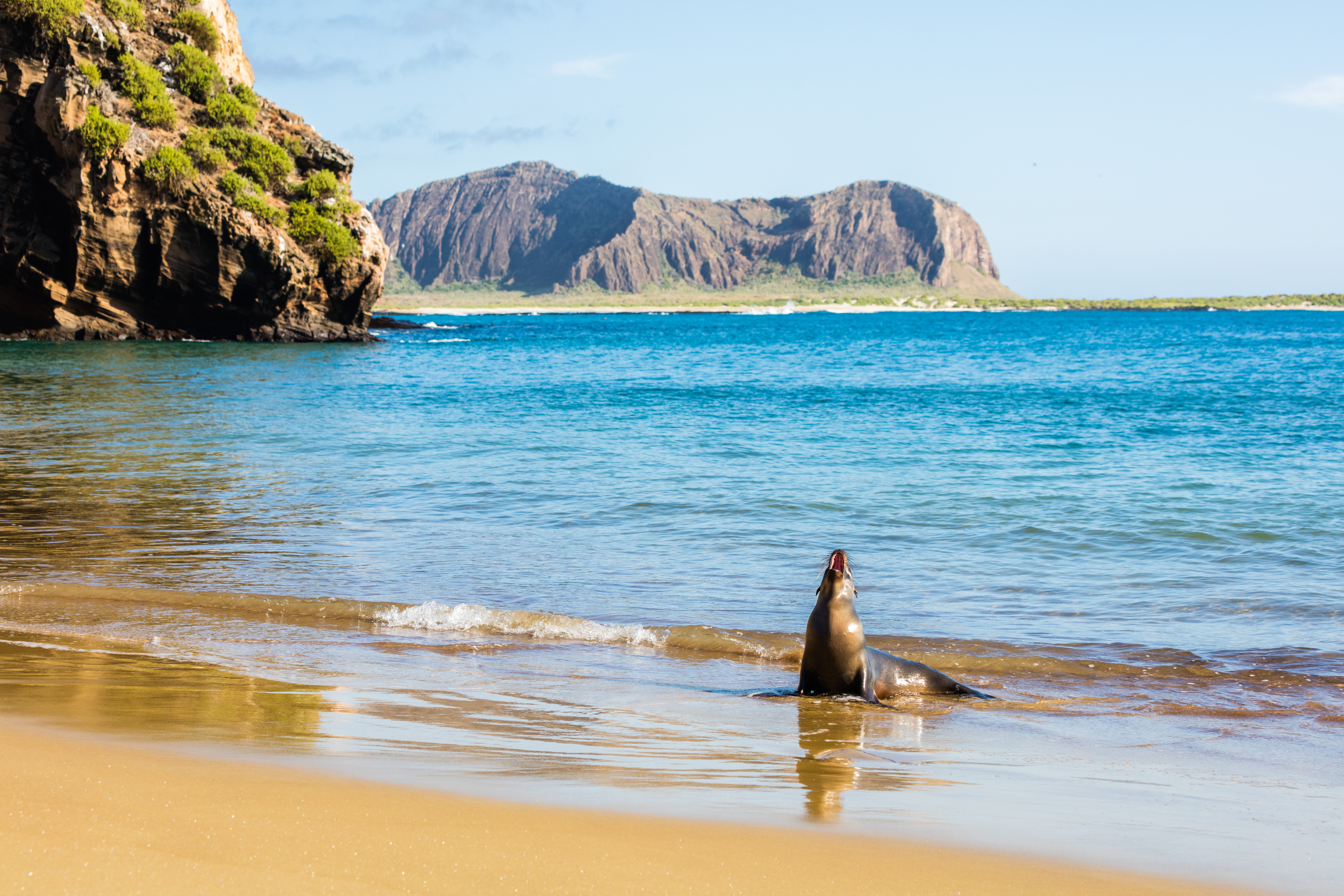 #888 /100
Six hundred miles off the Ecuadorian coast, the Galápagos archipelago is a living laboratory of evolution where wildlife shows no fear of humans.
Charles Darwin's observations here inspired his theory of natural selection, and today visitors can snorkel with sea lions and walk alongside giant tortoises.
How does it rate
CrowdsRomanceCash RequiredDangerAccessibilityWhy you should go
Nowhere else on earth can you get so close to such diverse and fearless wildlife; the experience of snorkelling alongside marine iguanas is unlike anything else.
Why you shouldn't go
The Galápagos is one of the most expensive travel destinations in Latin America, and strict visitor regulations limit where you can go and what you can do.
Plan your visit
Best time to visitJune-November for wildlife activity and cooler seasBest time of dayMorning for wildlife viewingGetting thereFly to Baltra or San Cristobal via Guayaquil or QuitoEntry cost$200 park entry fee plus cruise/tour costsTime needed5+ daysInsider tip — A licensed naturalist guide is required by law and makes a huge difference to what you see -
 #988 /100
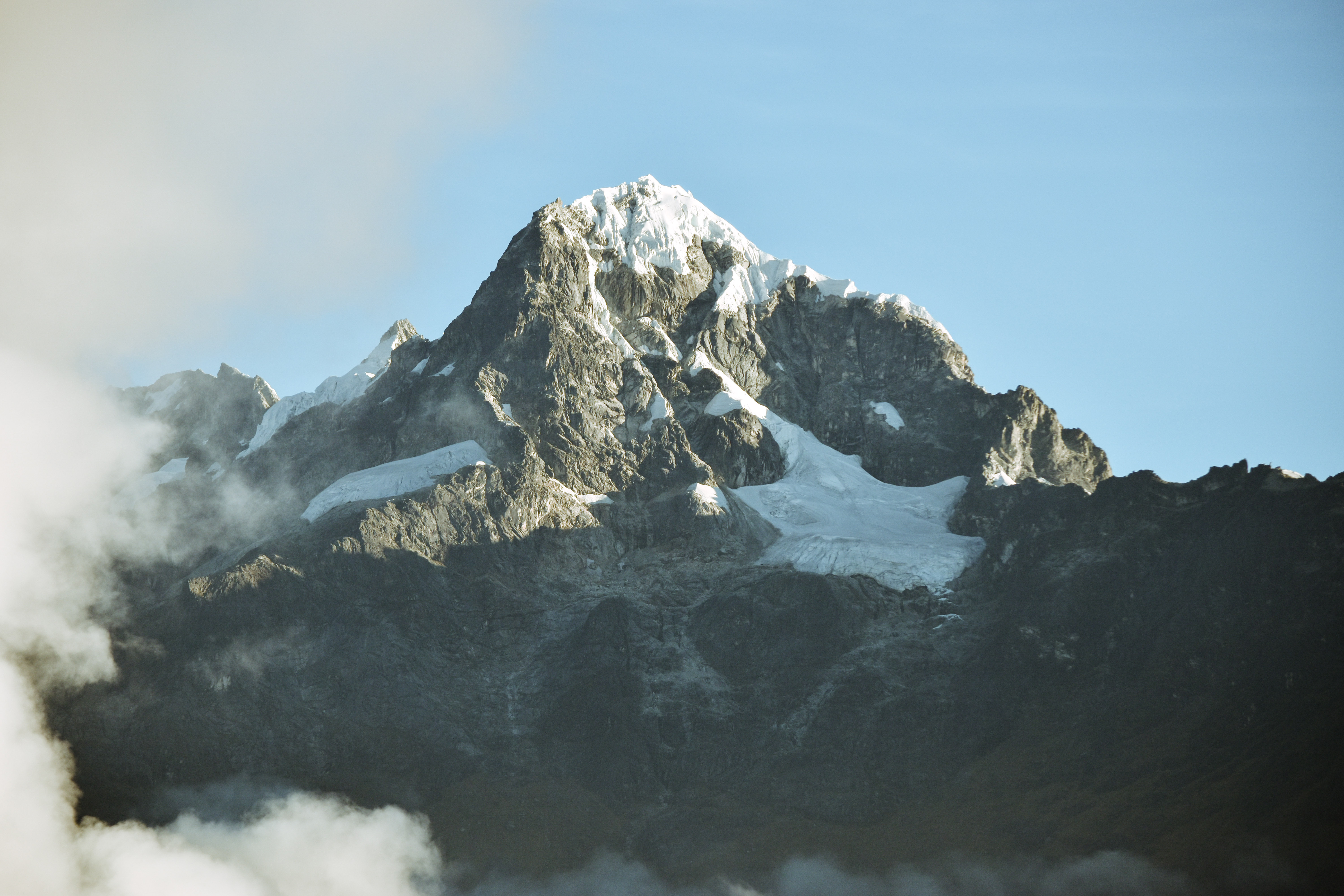
A four-day trek along Inca-built stone steps, climbing over the 4,215m Dead Woman's Pass and threading cloud forest to reach ruins at Sayacmarca and Winay Wayna.
The final pre-dawn push through the Sun Gate delivers the classic first view of Machu Picchu below.
Campsites sit on terraced mountainsides ringed by snow-streaked Andean peaks.
Permits are capped at 500 a day, and a guide is mandatory.
How does it rate
CrowdsRomanceCash RequiredDangerAccessibilityWhy you should go
Arriving at the Sun Gate at sunrise for the first, unobstructed view of Machu Picchu below.
Why you shouldn't go
Permits sell out months ahead and a licensed guide is mandatory - no independent hiking allowed.
Plan your visit
Best time to visitMay-September (dry season); the trail closes every February for maintenance.Best time of dayPre-dawn start on day four to reach the Sun Gate at sunrise, before crowds arrive.Getting thereFly to Cusco; drive or train to the Km 82 trailhead via Ollantaytambo, about 2-3 hours away.Entry costFrom about $600-900 for a guided 4-day package (permit, guide, camping included).Time needed4 days / 3 nightsInsider tip — Book with a licensed operator 5-6 months ahead for June-August; permits are tied to your passport number and are non-transferable. -
 #1088 /100
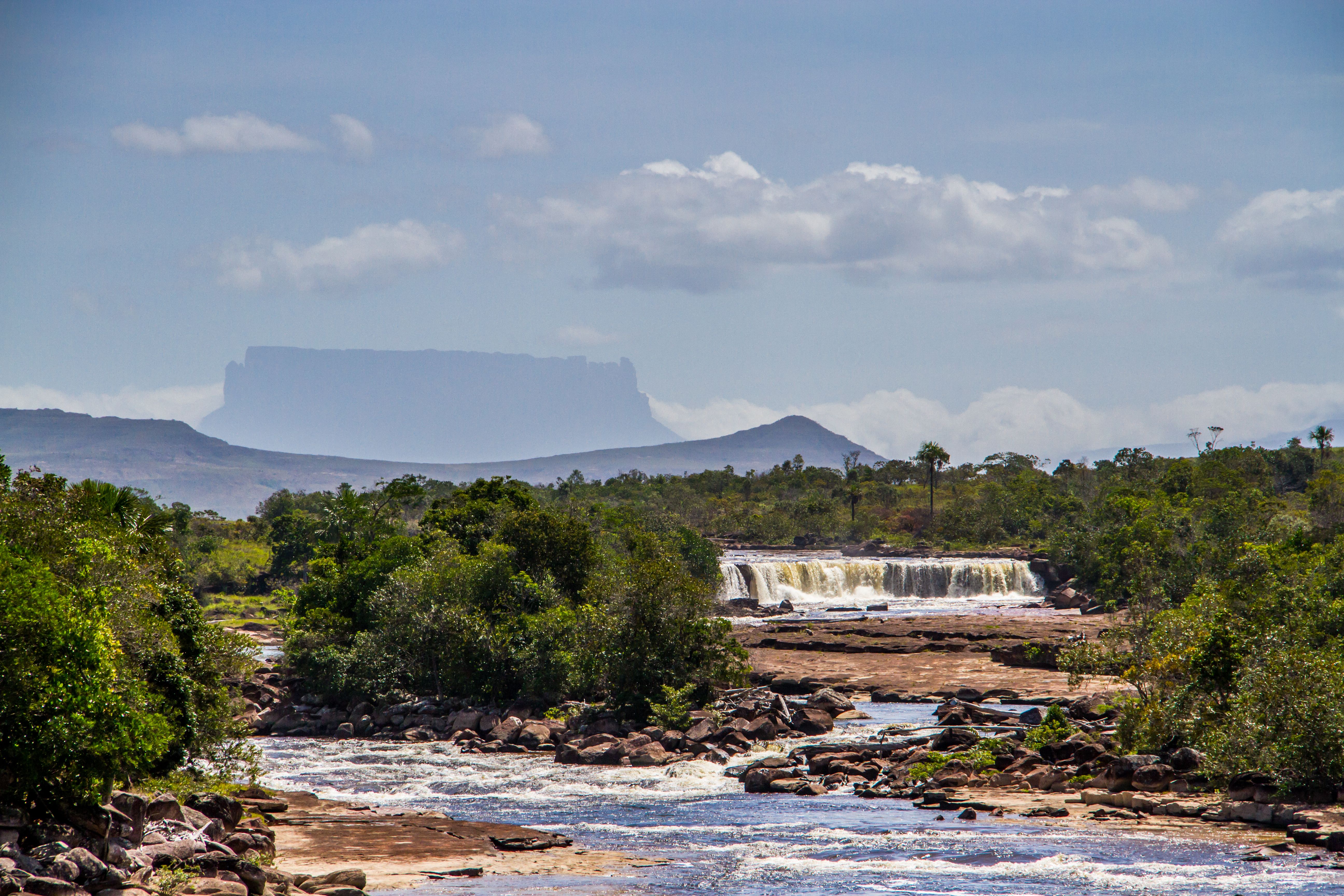
Water drops 979 metres off a sheer tabletop mountain in the middle of remote Venezuelan jungle, making this the tallest waterfall on Earth by a wide margin.
The fall is so tall that much of the water disperses into mist before ever reaching the pool below.
Reaching it means days of river travel by dugout canoe through Canaima National Park, so the sheer remoteness is part of what keeps the view unspoiled.
How does it rate
CrowdsRomanceCash RequiredDangerAccessibilityWhy you should go
The tallest waterfall on Earth, dropping nearly a kilometre off an isolated jungle tabletop mountain.
Why you shouldn't go
There's no road access at all - reaching the base requires days of canoe travel and real logistics.
Plan your visit
Best time to visitJune-November, the wet season, when water volume is highest.Best time of dayMorning, before afternoon cloud typically obscures the tepui's summit.Getting thereFly to Canaima, then travel by dugout canoe up the Carrao and Churun rivers (multi-day trip).Entry costIncluded in multi-day guided tour packages; no independent access.Time needed3-5 days round trip from CanaimaInsider tip — Go in the wet season - in the dry months the river can run too low for canoes to reach the base at all. -
 #1188 /100
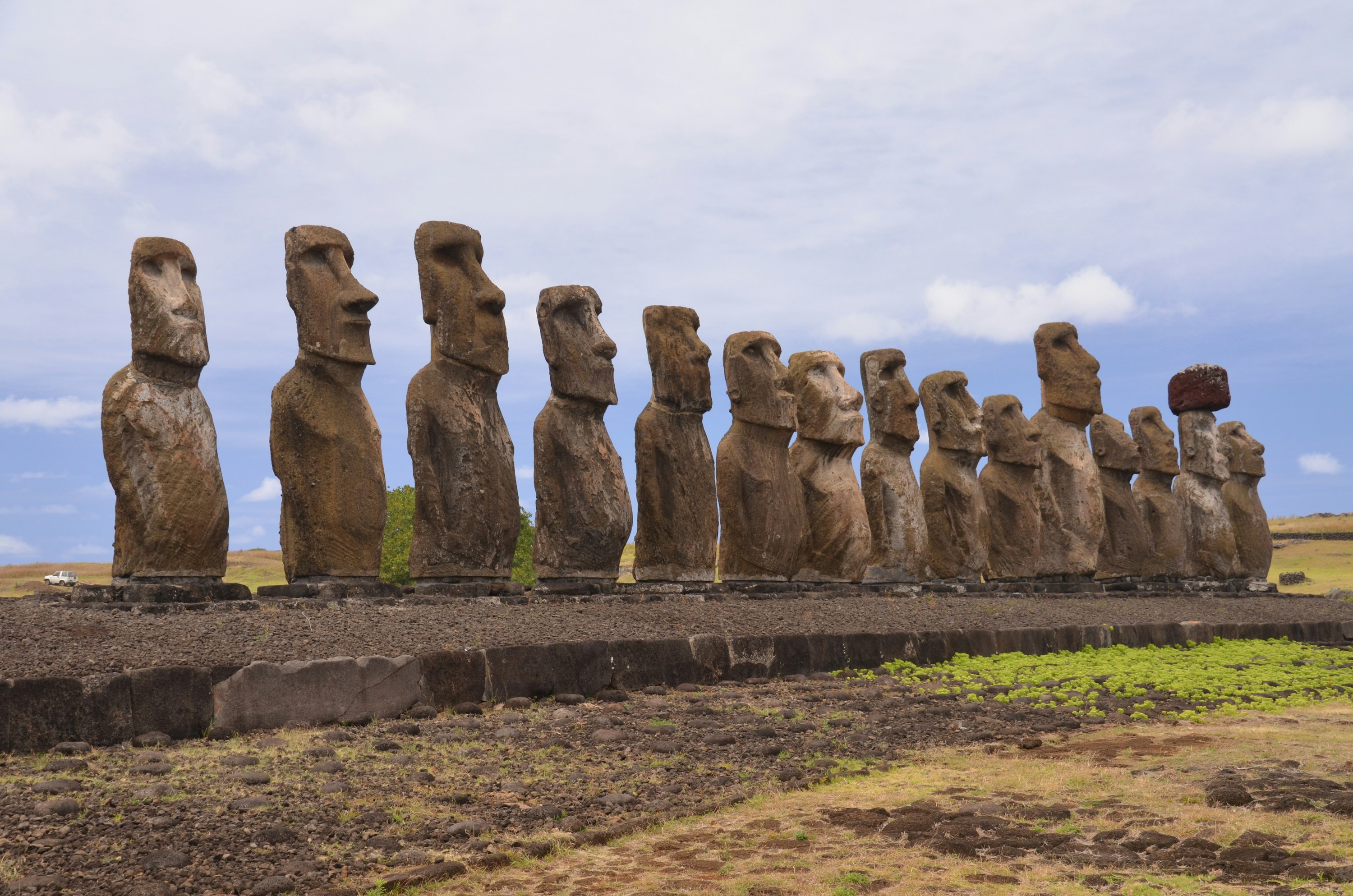
Roughly 900 moai, the monumental stone figures carved by the Rapa Nui between the 13th and 16th centuries, are scattered across this small volcanic island 3,700km from mainland Chile.
The best-known cluster, fifteen restored moai at Ahu Tongariki, catches the sunrise directly behind it.
Elsewhere, the Rano Raraku quarry has dozens of unfinished statues still half-buried in the hillside where their carvers left them.
How does it rate
CrowdsRomanceCash RequiredDangerAccessibilityWhy you should go
Hundreds of monumental stone figures scattered across a landscape found nowhere else on Earth.
Why you shouldn't go
Getting there costs a small fortune and eats up two travel days each way for what's usually a 3-4 day stay.
Plan your visit
Best time to visitYear-round, mild climate; December-March is driest and warmest.Best time of daySunrise at Ahu Tongariki, when the fifteen moai are lit from behind.Getting thereFly to Mataveri Airport (IPC) from Santiago, about 5 hours; only a handful of flights operate each week.Entry costRapa Nui National Park pass ~US$80, valid 10 daysTime needed3-4 daysInsider tip — Hire a local guide for at least one day - many lesser-known ahu and petroglyph sites are unmarked and easy to walk straight past without one. -
 #1287 /100
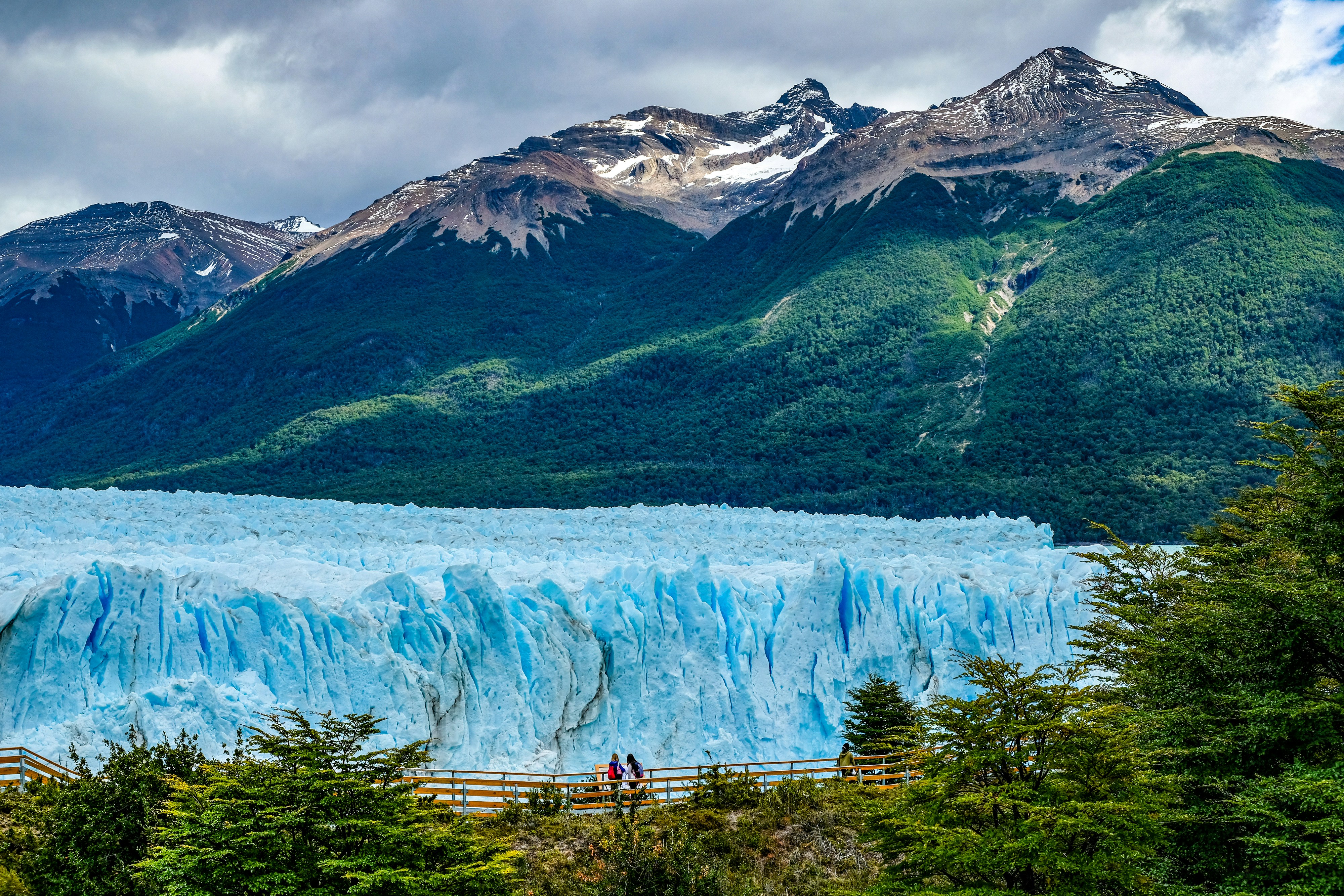
A massive tidewater glacier advancing into Lago Argentino, calving house-sized chunks of ice with a thunderous crack several times a day.
One of the few glaciers on Earth still growing, its brilliant blue ice face and extensive boardwalk system make it Patagonia's signature sight.
How does it rate
CrowdsRomanceCash RequiredDangerAccessibilityWhy you should go
A colossal advancing glacier calving house-sized ice chunks with a thunderous crack, several times a day.
Why you shouldn't go
Very popular, so viewing platforms get crowded in peak season; park entrance fees are steep; weather can obscure views.
Plan your visit
Best time to visitNovember–March (Southern Hemisphere summer) for the most stable weather and longest daylight.Best time of dayAny time of day works, though morning light often shows the ice at its bluest.Getting thereFly to El Calafate, then roughly an 80km (1.5-hour) drive to Los Glaciares National Park.Entry costARS national park entrance fee (~$25 USD equivalent); optional boat tours and ice trekking $80–250 UTime needed4–6 hours including travel from El Calafate.Insider tip — Book an ice-trekking tour to actually walk on the glacier — the boardwalks are free but only offer distant views. Bring layers; the wind off the ice is cold even in summer. -
 #1387 /100
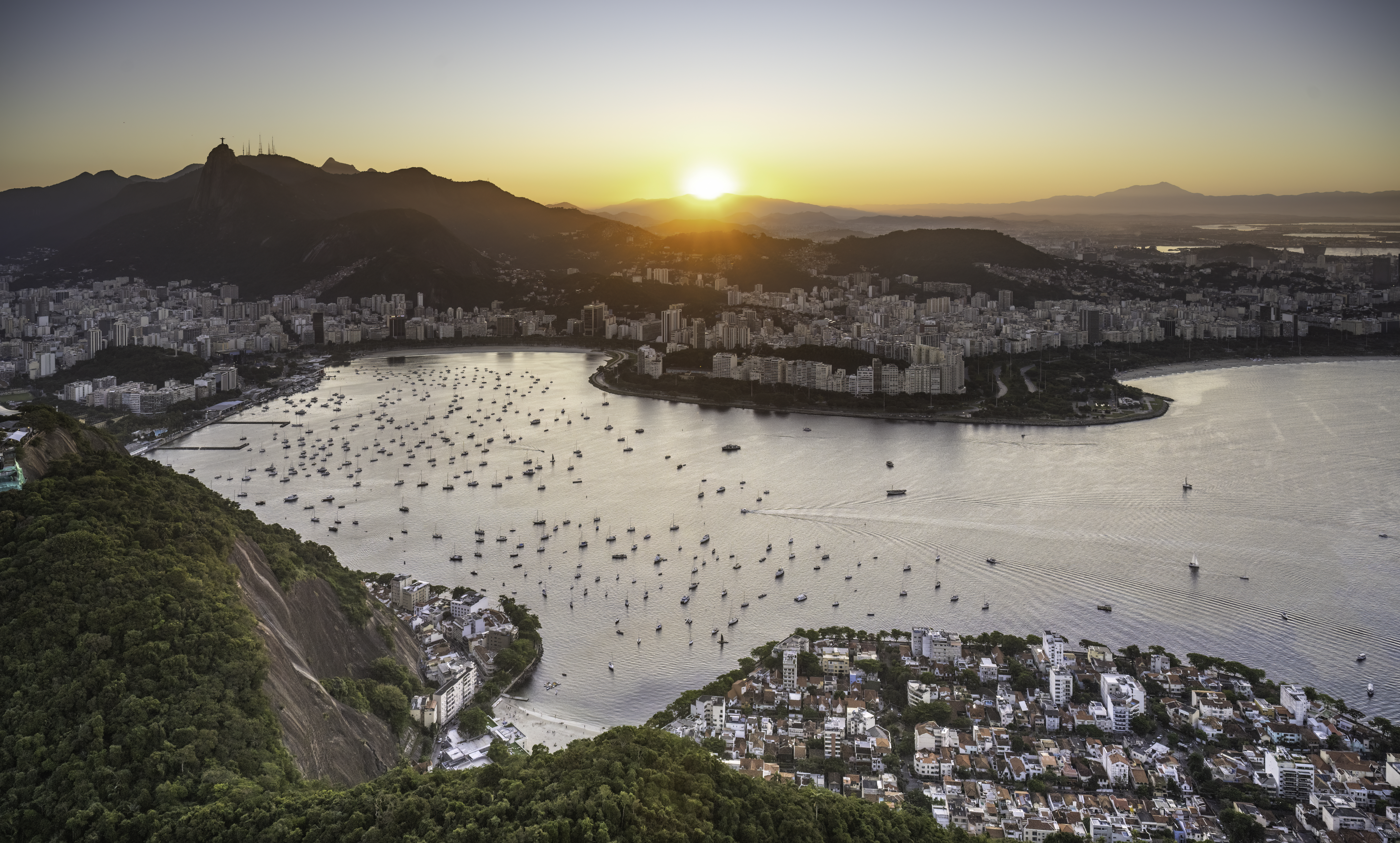
Christ the Redeemer spreads its arms 38 metres wide above Rio from the 700-metre summit of Corcovado, and no statue on Earth has a better backdrop: Sugarloaf, Guanabara Bay and miles of beach-fringed city far below.
The Art Deco figure is impressive up close, but it's the view, in both directions, that makes the trip unmissable.
How does it rate
CrowdsRomanceCash RequiredDangerAccessibilityWhy you should go
The panorama over Rio from the statue's feet is among the world's great city views.
Why you shouldn't go
Clouds regularly swallow the summit, and the platform is shoulder-to-shoulder by late morning.
Plan your visit
Best time to visitMay-October, Rio's drier months, on a clear-forecast dayBest time of dayFirst train up (8am) for soft light and thin crowdsGetting thereCog train or official van from Copacabana or Paineiras to the summitEntry costTrain and entry roughly R$100Time neededHalf a dayInsider tip — Check the summit webcam before committing - if Corcovado is in cloud, flip your day and do Sugarloaf instead -
 #1486 /100
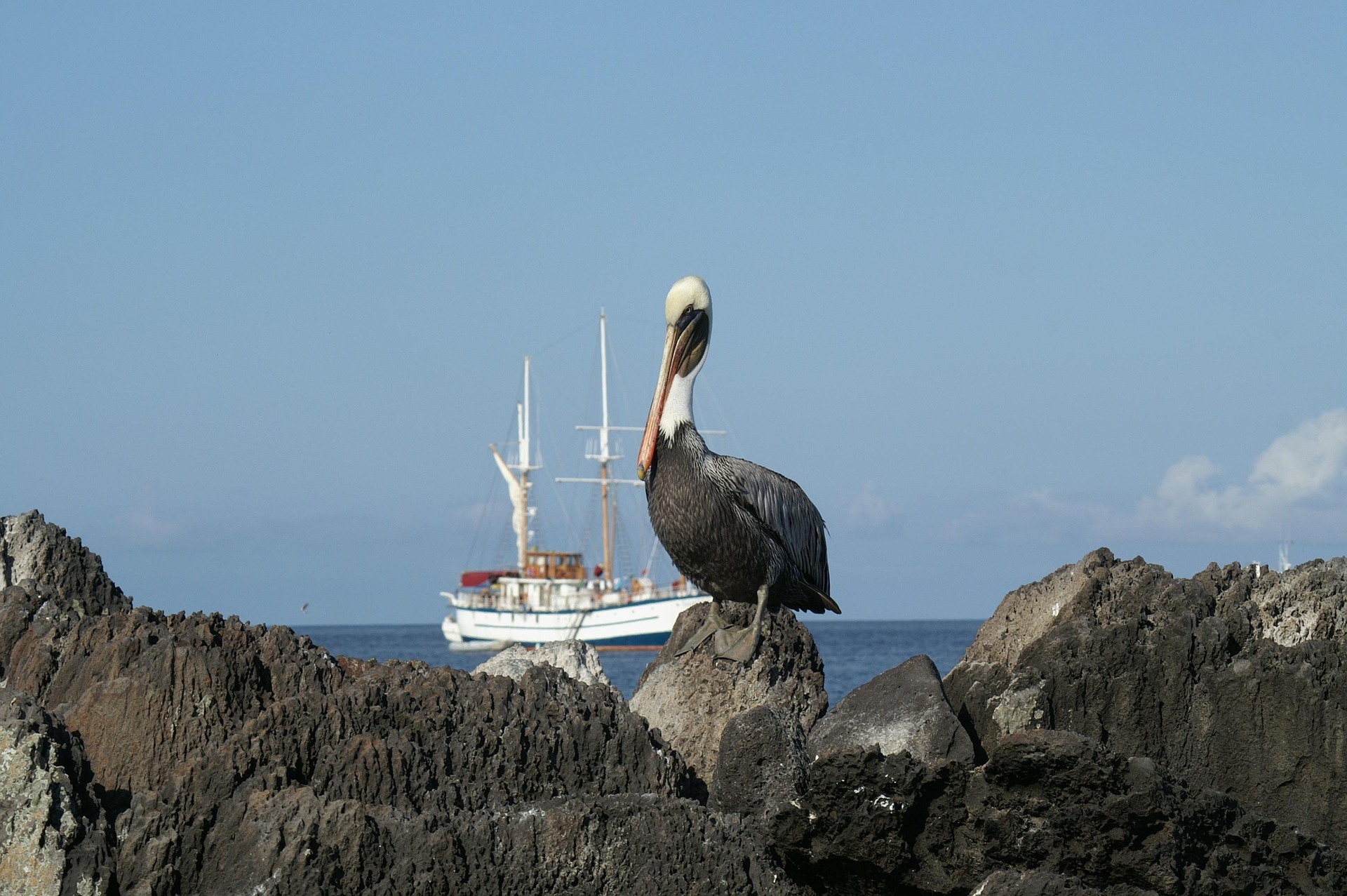
A small-ship cruise through the Galapagos archipelago, landing daily by dinghy on islands where sea lions, marine iguanas, and blue-footed boobies show no fear of visitors.
Charles Darwin's living laboratory looks much as it did when he arrived, thanks to strict limits on visitor numbers and permitted routes.
Snorkeling brings penguins and hammerhead sharks within arm's reach.
Each island differs sharply from the last in wildlife and landscape.
How does it rate
CrowdsRomanceCash RequiredDangerAccessibilityWhy you should go
Close, fearless encounters with sea lions, iguanas, and giant tortoises found nowhere else on Earth.
Why you shouldn't go
Strict permit limits keep prices high, and itineraries are fixed months ahead with little flexibility.
Plan your visit
Best time to visitYear-round destination; June-November for calmer seas and marine wildlife, December-May for warmer water.Best time of dayEarly morning landings, before the heat builds and animals are most active.Getting thereFly to Quito or Guayaquil, then a short flight to Baltra or San Cristobal to board the ship.Entry costIndicative $500-$1,500pp per day depending on ship classTime needed5-8 night cruiseInsider tip — Choose an 8-day itinerary over a 5-day one to reach the outer islands with the best wildlife; pack reef-safe sunscreen only, as regular sunscreen is banned in the marine reserve. -
 #1586 /100
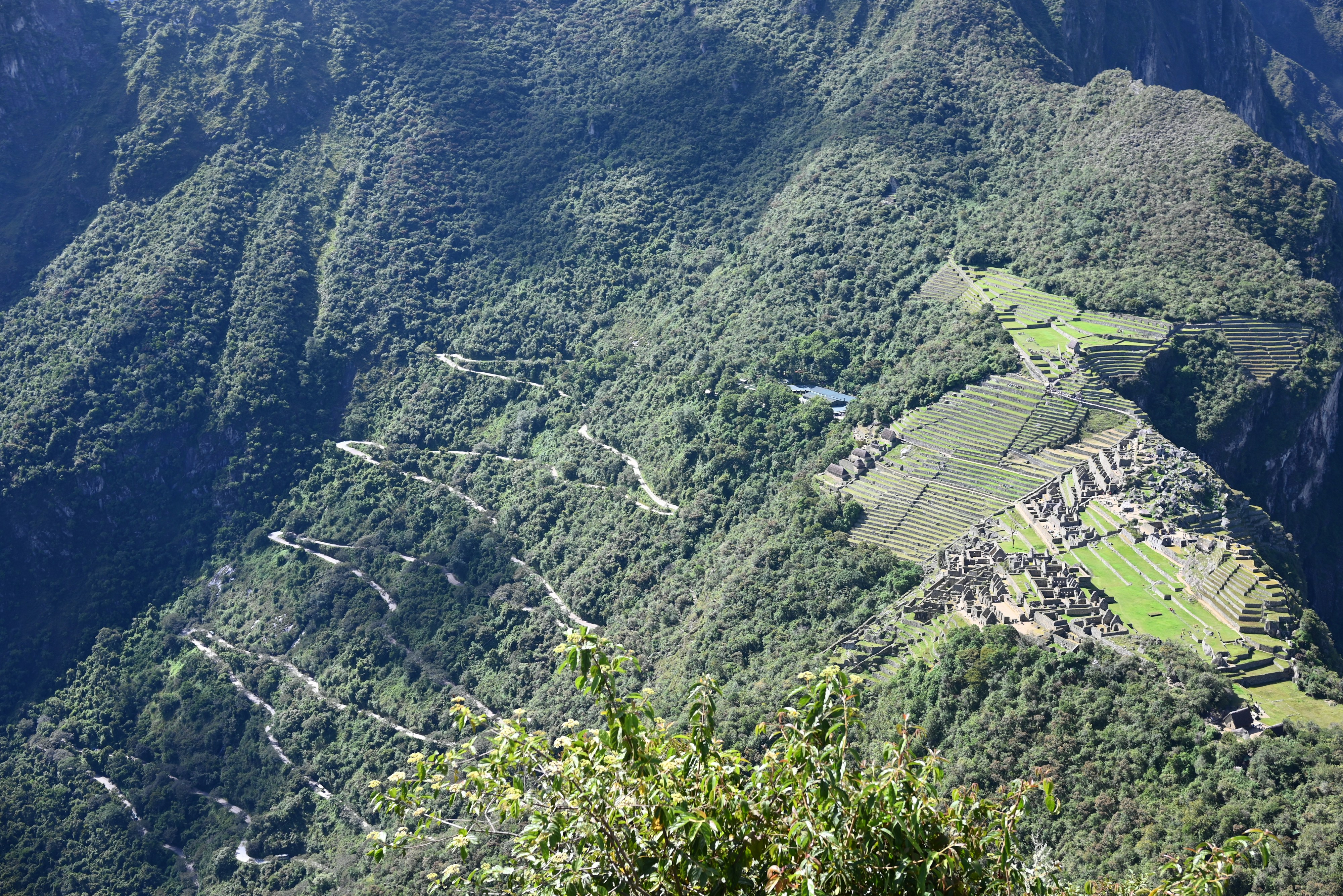
The steep peak rising behind Machu Picchu is a climbable mountain in its own right, with narrow Inca-built stone steps switchbacking up its face.
From the summit the entire citadel unfolds below, terraces and all, with the Urubamba river winding through the valley beyond.
Only 200 permits are issued per morning slot, which keeps the trail genuinely uncrowded but means booking months ahead.
How does it rate
CrowdsRomanceCash RequiredDangerAccessibilityWhy you should go
The exact aerial angle over Machu Picchu that appears on every postcard, reached on foot.
Why you shouldn't go
The stone steps are narrow, steep and exposed - not a casual walk, and permits are strictly limited.
Plan your visit
Best time to visitMay-September, the dry season, for clear views over the citadel.Best time of dayFirst entry slot, 7am, for the clearest light and thinnest crowds.Getting thereTrain or trek to Aguas Calientes, then bus up to Machu Picchu; Huayna Picchu tickets are a separate add-on.Entry costRequires a separate Huayna Picchu permit on top of the Machu Picchu ticket, booked months ahead.Time needed2-3 hours for the climbBookingBook ahead →Insider tip — Book Huayna Picchu tickets 3-4 months in advance - the 200 morning permits sell out first. -
 #1685 /100
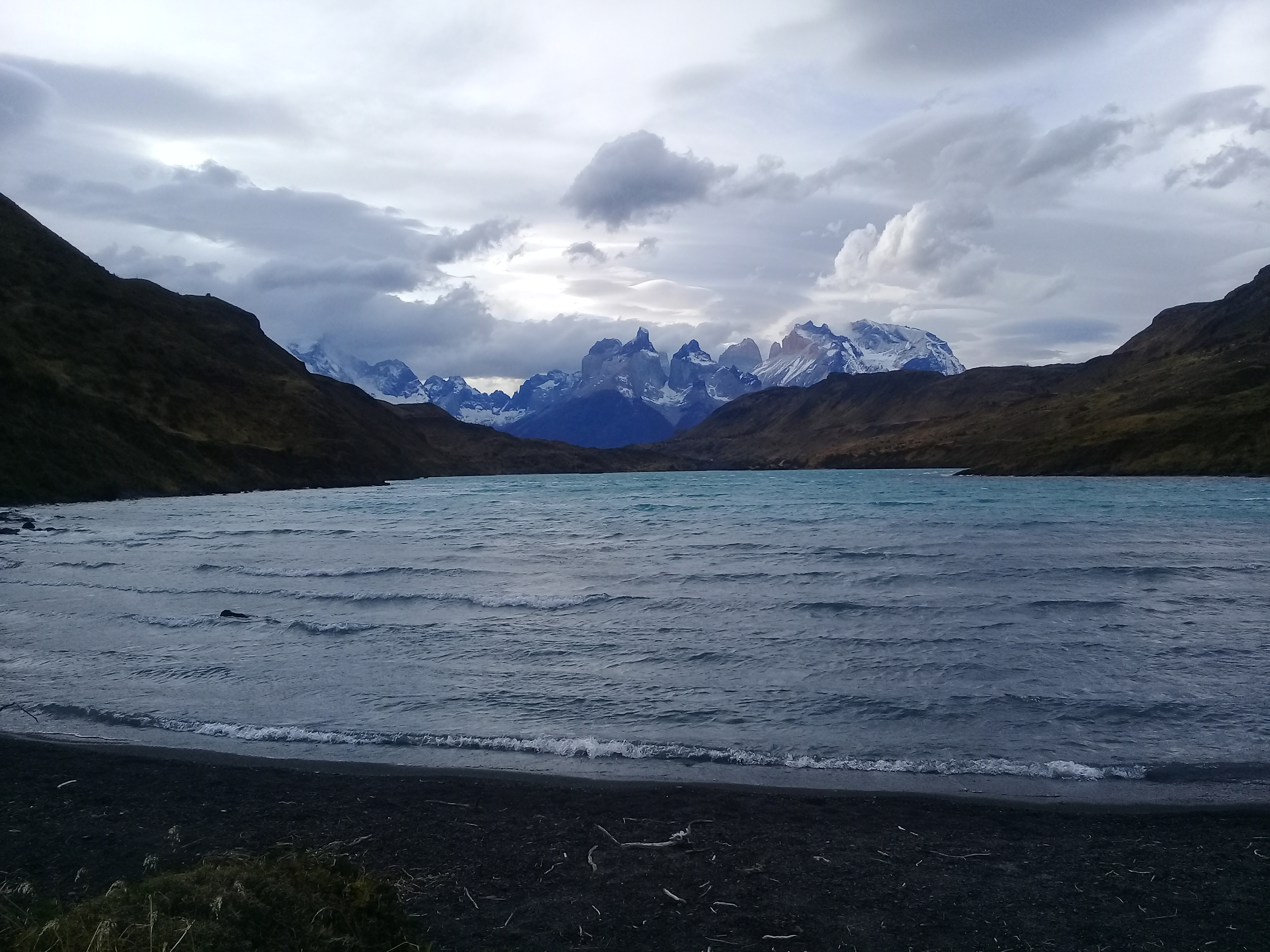
A 4-5 day traverse of Torres del Paine's signature sights: the granite Torres themselves, the sheer Cuernos horns, French Valley's hanging glaciers, and Grey Glacier's blue ice.
Refugios and campsites break the route into manageable days, though Patagonian wind can turn brutal without warning.
The reward is one of the most consistently spectacular multi-day trails in South America, from lenga forest to turquoise glacial lakes.
How does it rate
CrowdsRomanceCash RequiredDangerAccessibilityWhy you should go
Four straight days of the Cuernos, Grey Glacier and the Torres themselves without a single dull stretch.
Why you shouldn't go
Notorious Patagonian wind and rain can stall a day's hike entirely, and refugio spots must be booked far ahead.
Plan your visit
Best time to visitNovember-March (Southern Hemisphere summer), when trails and refugios are open.Best time of dayEarly morning at the Base Torres viewpoint, before afternoon cloud hides the towers.Getting thereFly to Punta Arenas; bus (about 3-5 hours) to Puerto Natales, then a shuttle to the park.Entry costPark entry about $49 USD; refugio and camping packages from roughly $600-1,500.Time needed4-5 daysBookingBook ahead →Insider tip — Book refugios the moment the season opens (around April-May) - popular ones sell out for peak months first. -
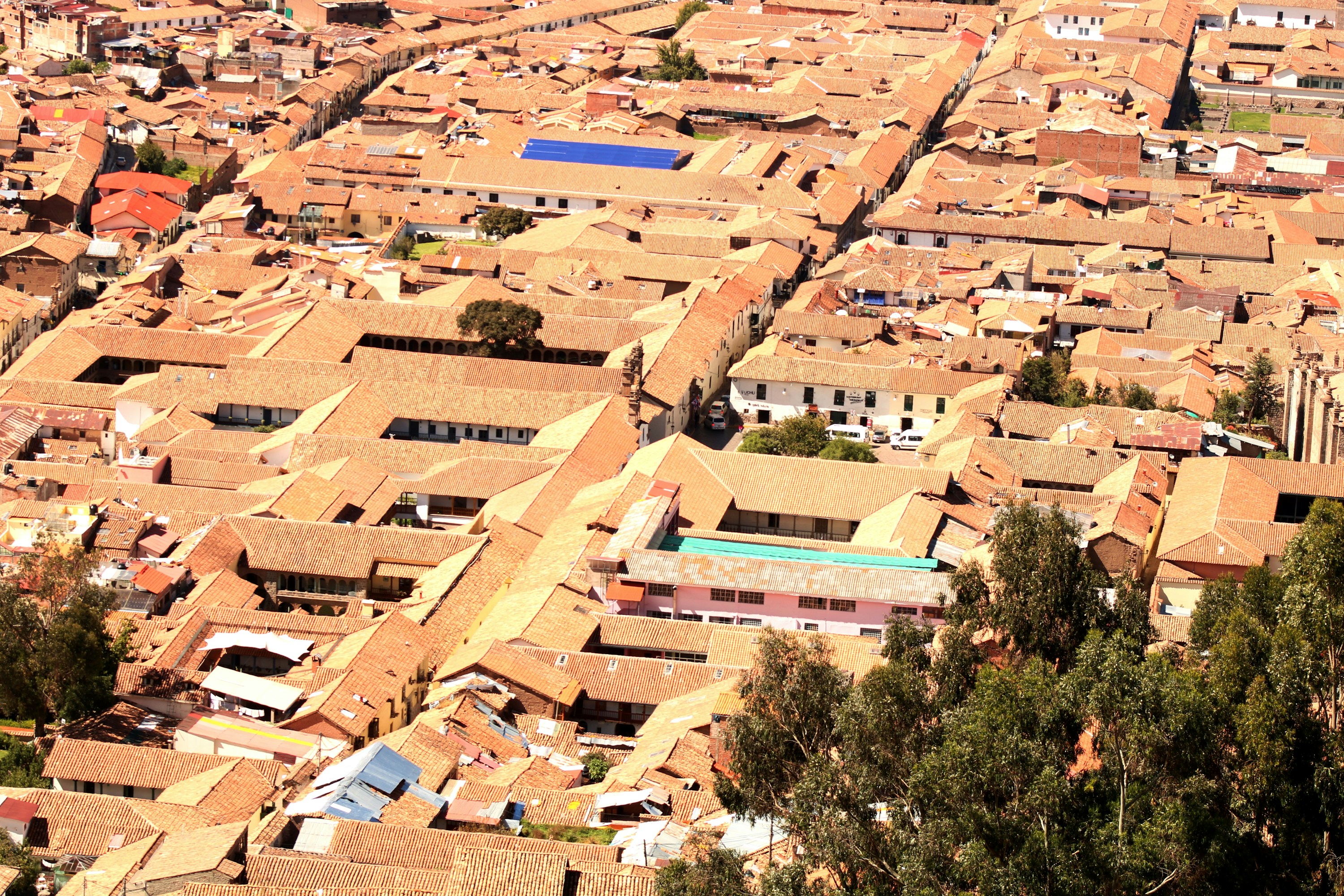 #17
#17Cusco was the capital of the Inca Empire, and the history still shows: Inca stonework underpins colonial churches along cobbled streets radiating from Plaza de Armas.
It's a living Andean city of nearly half a million people, not a museum piece, with markets and restaurants layered over centuries of rebuilding.
Most visitors use it as a base before Machu Picchu, but it easily holds its own for two or three days.
How does it rate
CrowdsRomanceCash RequiredDangerAccessibilityWhy you should go
Inca stonework and colonial architecture layered together in one living, walkable city.
Why you shouldn't go
Altitude (3,400m) hits many visitors hard for the first day or two; expect breathlessness and headaches.
Plan your visit
Best time to visitMay-September (dry season); avoid heaviest rain Jan-FebBest time of dayEarly morning at Plaza de Armas and San Pedro Market, before tour groups arriveGetting thereFly into Alejandro Velasco Astete Airport (CUZ) from Lima (1.5hr); historic center is a 15-min taxi rideEntry costFree to walk; boleto turistico for major sites from S/70Time needed2-3 daysInsider tip — Buy the partial boleto turistico, not the full 16-site version, if you're short on time - it covers Sacsayhuaman and the other in-city ruins for a fraction of the cost. -
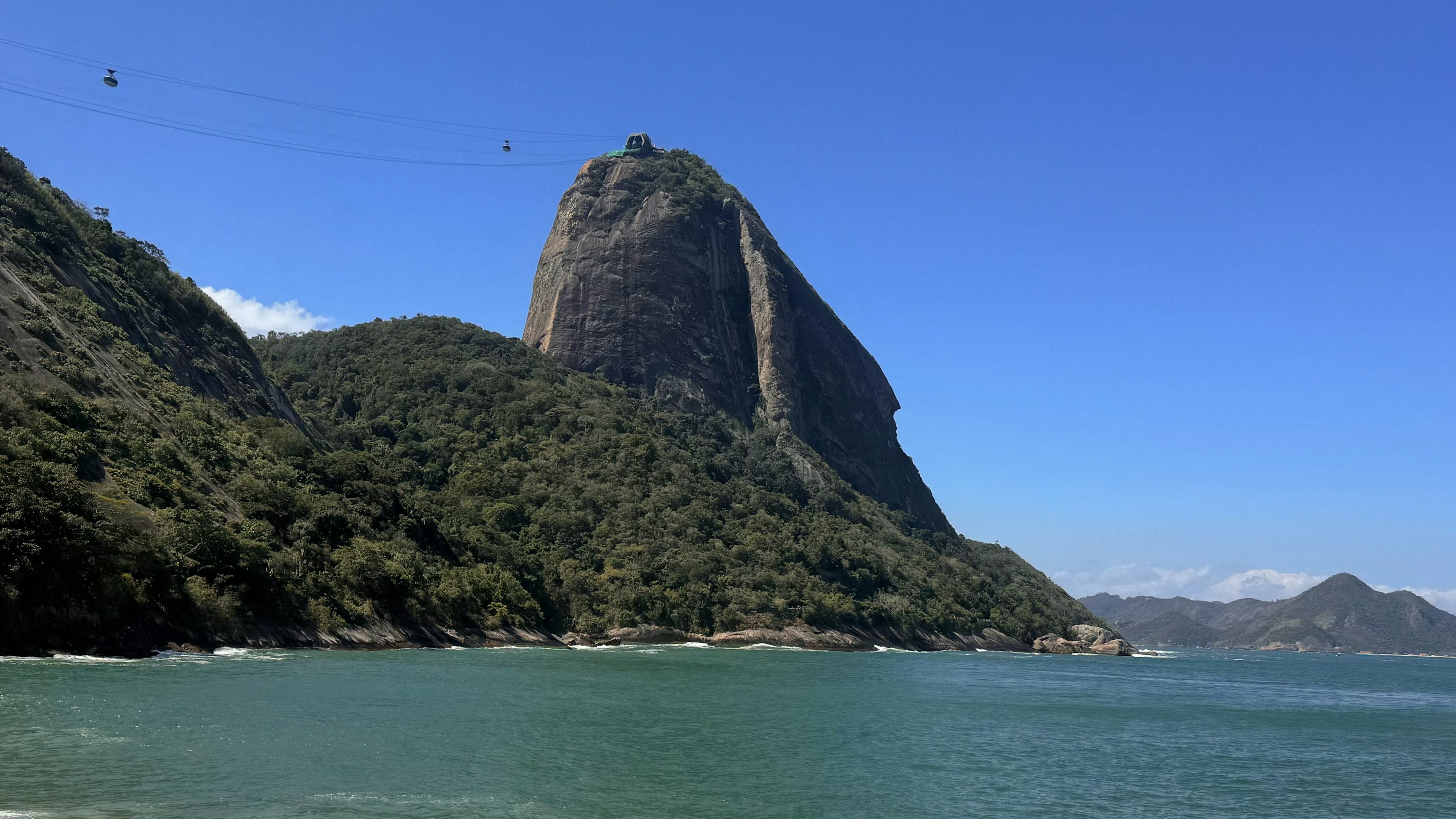 #1883 /100
A two-stage cable car, the bondinho, carries visitors from Praia Vermelha up over the forested Morro da Urca to the bare granite summit of Pão de Açúcar, 396 metres above Guanabara Bay.
From the top, Rio unfolds in full: Copacabana's curve, Christ the Redeemer on Corcovado, and the bay's scattering of islands.
It's one stop, one ride, and one of the most complete views of the city available anywhere.
How does it rate
CrowdsRomanceCash RequiredDangerAccessibilityWhy you should go
One cable car ride delivers one of the most complete views of Rio available anywhere in the city.
Why you shouldn't go
Tickets are pricey for a return cable-car ride, and the view disappears entirely on overcast days.
Plan your visit
Best time to visitYear-round; clearest views June-September, avoid rainy Jan-March afternoons.Best time of dayLate afternoon into sunset, for golden light over the bay.Getting thereIn Rio's Urca neighbourhood; taxi or bus from Copacabana or Ipanema (about 20 min) to the Praia Vermelha cable car station.Entry costCable car round-trip ~R$110-205 (~US$20-35)Time needed2-3 hoursBookingBook ahead →Insider tip — Book the sunset time slot online in advance - it sells out first, and the light over the bay is the main reason to go. -
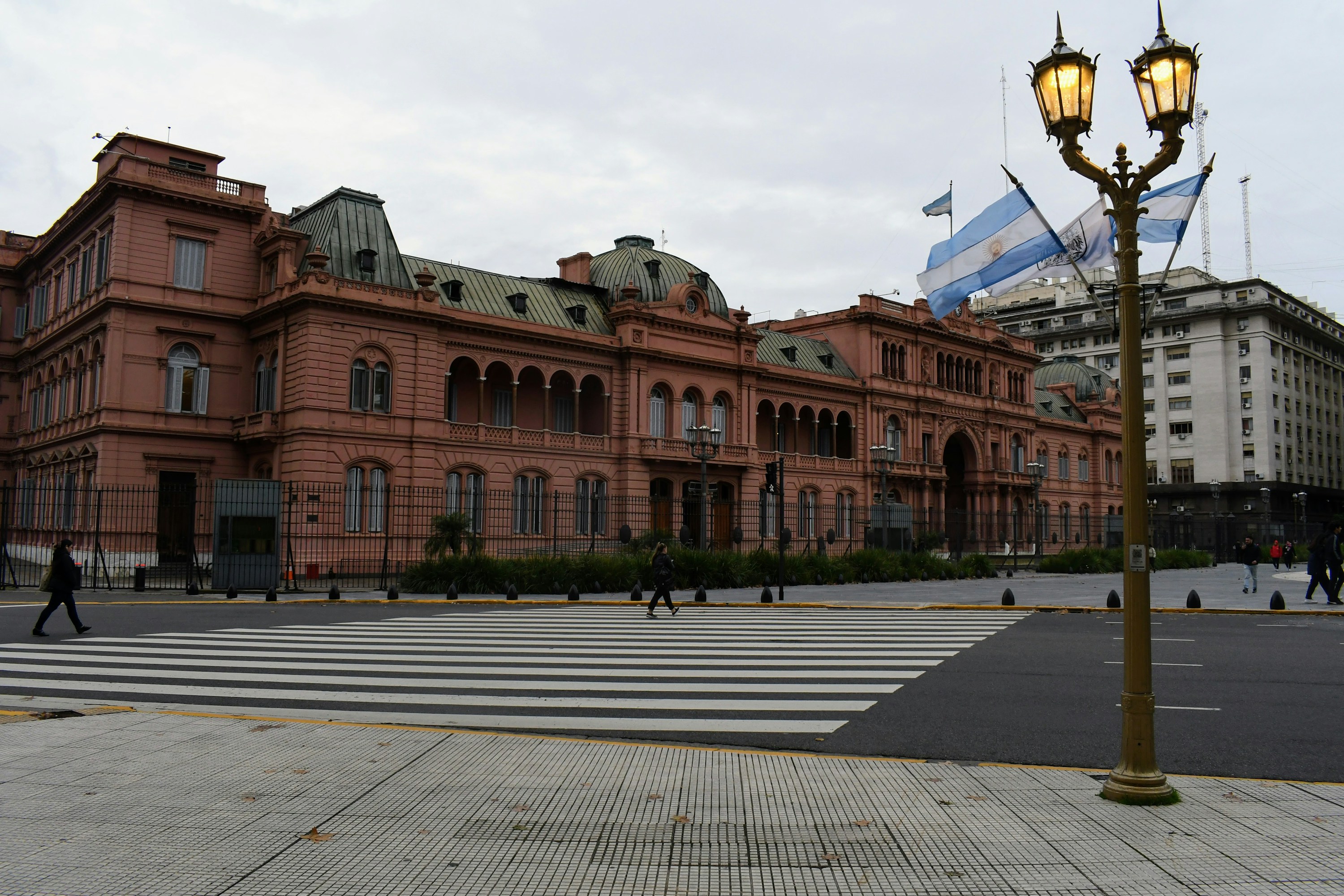 #1982 /100
Buenos Aires pairs wide, Parisian-style boulevards with the pulse of a Latin American capital: tango danced in San Telmo squares, steak houses running late into the night, and the pink Casa Rosada overlooking Plaza de Mayo.
Neighborhoods vary sharply, from elegant Recoleta's cafes and cemetery to La Boca's brightly painted tenements.
It's a walkable city built for lingering, not checklist sightseeing.
How does it rate
CrowdsRomanceCash RequiredDangerAccessibilityWhy you should go
A genuinely distinct capital - European architecture, Latin American energy, tango everywhere.
Why you shouldn't go
Petty theft and scams target tourists in busy areas; stay alert with phones and bags.
Plan your visit
Best time to visitMarch-May or September-November, for mild weather outside the humid summerBest time of dayEvening - the city eats dinner from 9pm and tango milongas run lateGetting thereFly into Ezeiza International Airport; taxis or the Tienda Leon bus run downtown in 40-60 minEntry costFree to walk; museums and tango shows charge separately, from a few dollars to $50+Time needed3-4 daysInsider tip — Skip the touristy dinner-and-show tango packages and catch a milonga instead - cheaper, and it's real locals dancing, not a stage act. -
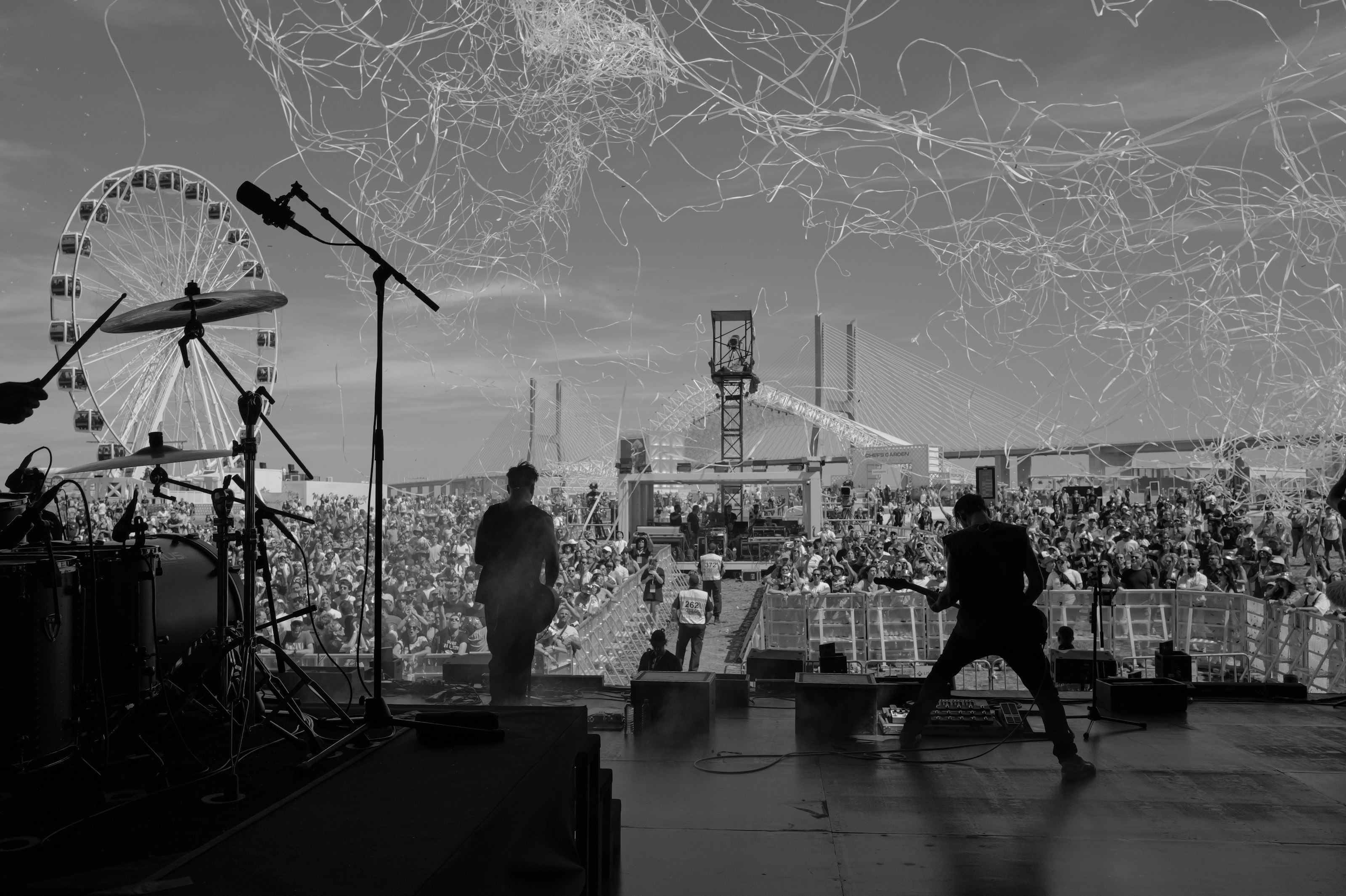 #2081 /100
Launched in 1985 with what was then the largest concert audience ever assembled, Rock in Rio built a purpose-designed City of Rock venue, spread across multiple stages, a Ferris wheel, and a full mock street of bars and food stalls.
The lineup leans toward major international rock and pop headliners, and the festival has since spread to spin-off editions in Lisbon and Madrid.
How does it rate
CrowdsRomanceCash RequiredDangerAccessibilityWhy you should go
A purpose-built festival city in Rio with major international headliners, a Ferris wheel, and a full mock street of bars.
Why you shouldn't go
The City of Rock site is on the western outskirts of town, so factor in a longer commute from beachside hotels.
Plan your visit
Best time to visitSeptember, held over two consecutive weekends when the festival runs.Best time of dayEvening for the headline stage sets.Getting thereFly into Rio de Janeiro-Galeao International Airport; the City of Rock venue is about 40 minutes by car or festival shuttle.Entry costSingle-day tickets run roughly BRL 500-600; VIP packages cost more.Time neededOne day per visit; the full event spans two weekends.BookingBook ahead →Insider tip — Arrive early enough to explore the City of Rock's food and bar street before the main stage sets begin - it's part of the show, not just a queue to get through. -
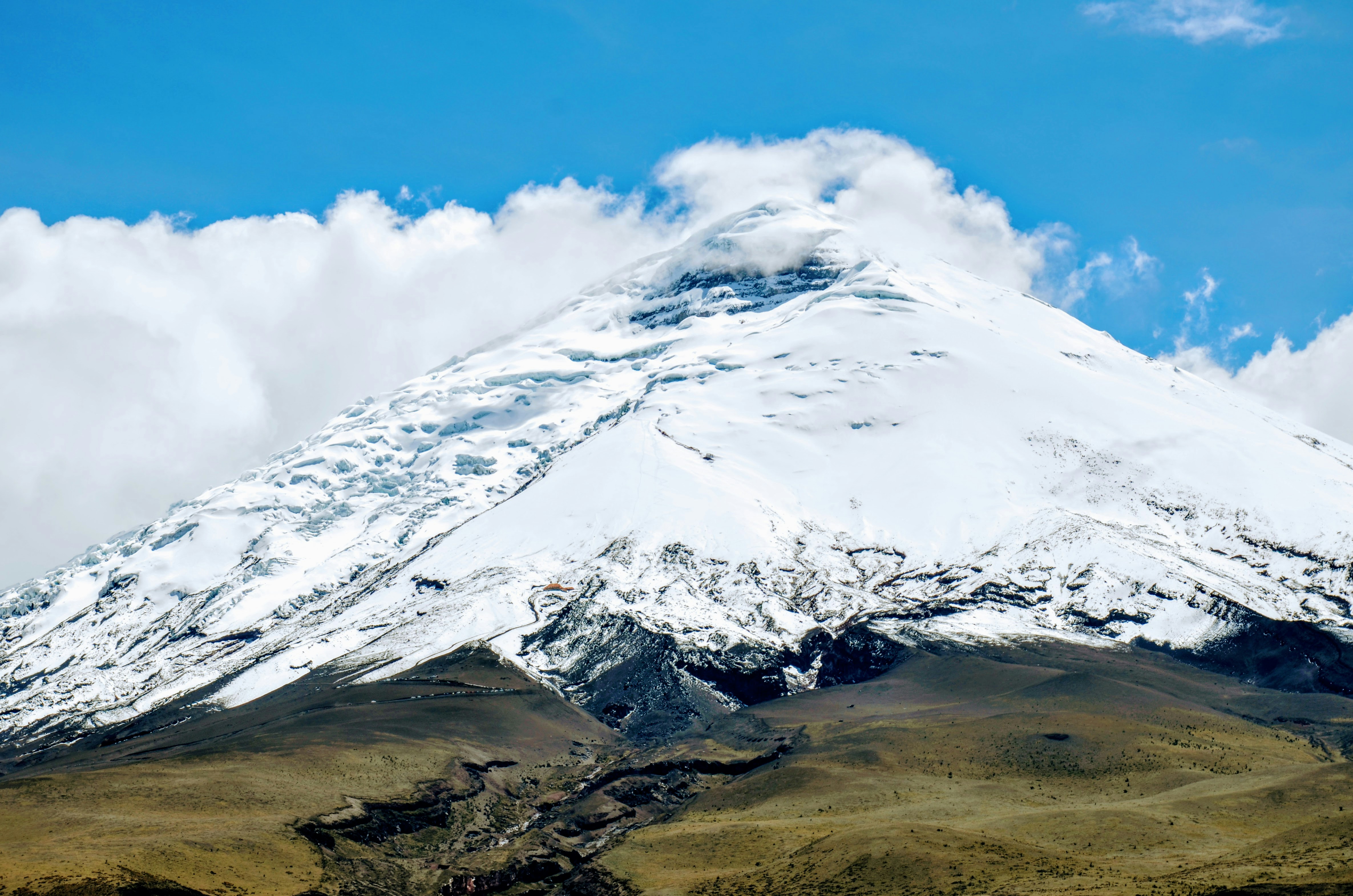 #21
#21One of the world's highest active volcanoes, a near-symmetrical glacier-capped cone rising over 5,800 metres above the Andean paramo grasslands south of Quito.
Most visitors don't summit - that requires technical mountaineering and acclimatisation - but a hike or horseback ride to the refuge at around 4,800 metres gets close enough to stand at the glacier's edge, with wild llamas often grazing the surrounding slopes.
Its perfect-cone silhouette is one of the most recognisable mountain shapes in South America.
How does it rate
CrowdsRomanceCash RequiredDangerAccessibilityWhy you should go
A near-perfectly symmetrical glacier-capped volcanic cone, reachable on a day hike from Quito without technical climbing.
Why you shouldn't go
Altitude sickness is a real risk even on the day-hike route, given the refuge sits close to 4,800 metres.
Plan your visit
Best time to visitJune-September or December-January for the clearest views of the summit.Best time of dayMorning, before afternoon cloud typically obscures the cone.Getting thereA 1.5-2 hour drive south from Quito to Cotopaxi National Park.Entry costNational park entry around USD10-12; guided day tours from Quito run USD60-90.Time neededA full day.Insider tip — Spend a night at altitude in nearby Quito or a park-adjacent lodge before the hike - even the moderate refuge trail is noticeably harder without a day or two of acclimatisation. -
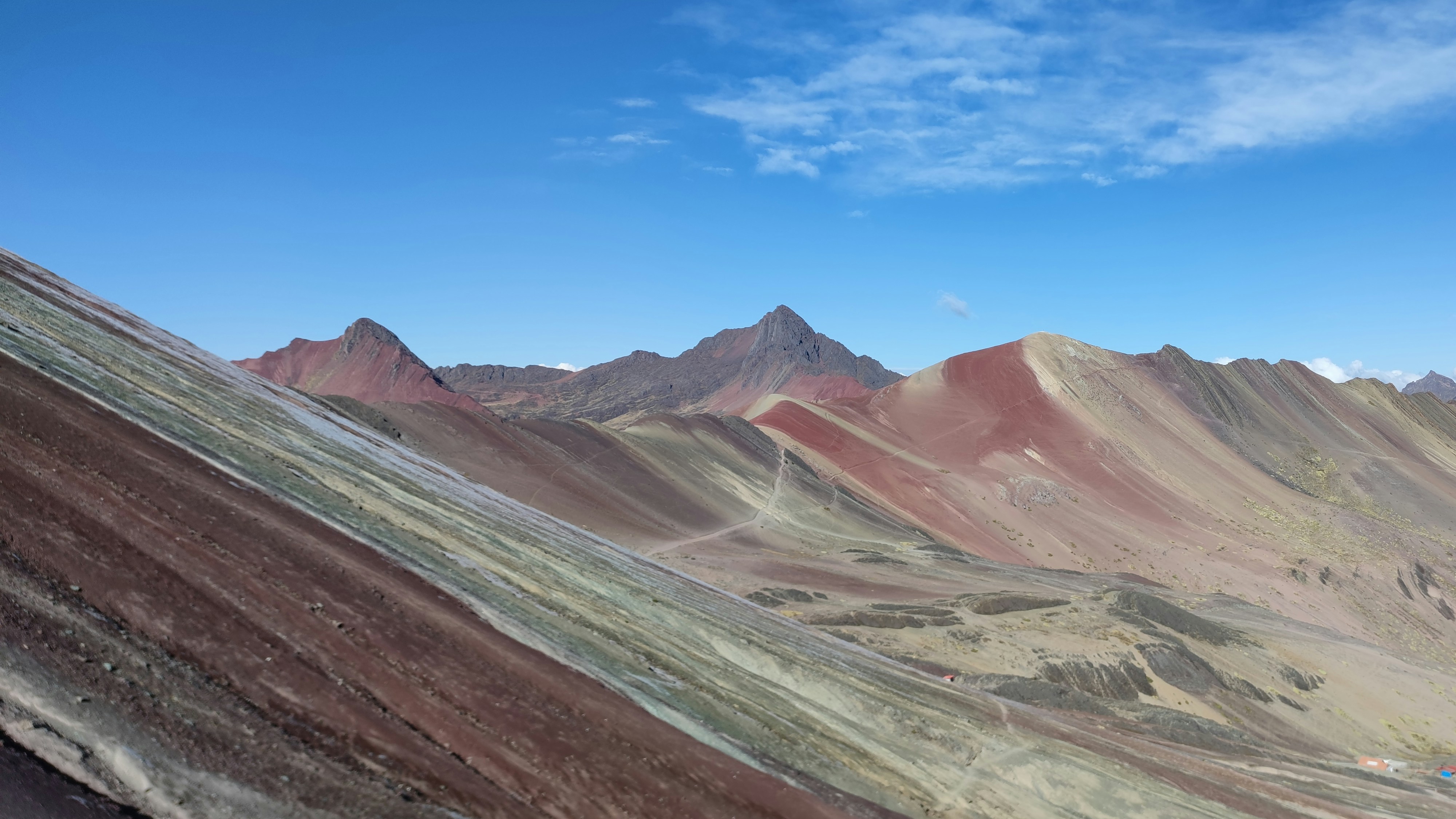 #2281 /100
Mineral bands of red, gold, turquoise and lavender stripe this Andean ridge, exposed by erosion after centuries of livestock trampling stripped the surface soil.
Sitting above 5,000 metres, the colours are more vivid in person than in most photos, especially just after rain.
Its rapid rise from local secret to must-see spot in under a decade has brought heavy foot traffic to a genuinely fragile landscape.
How does it rate
CrowdsRomanceCash RequiredDangerAccessibilityWhy you should go
Naturally striped mineral bands across an entire mountainside, unlike anywhere else nearby.
Why you shouldn't go
The altitude (over 5,000m) makes the short final walk far harder than it looks, and crowds start early.
Plan your visit
Best time to visitMay-September, the dry season, for the clearest colour and driest trail.Best time of dayEarly morning departure (around 3am from Cusco) to beat both crowds and afternoon cloud.Getting thereDrive roughly 3 hours from Cusco, then a 1-2 hour hike (or horse) to the viewpoint.Entry costCommunity entry fee, around $10-15, usually included in tour prices.Time neededFull day, including transport from CuscoInsider tip — Spend a day or two acclimatising in Cusco first - altitude sickness at 5,000m ruins more visits here than bad weather does. -
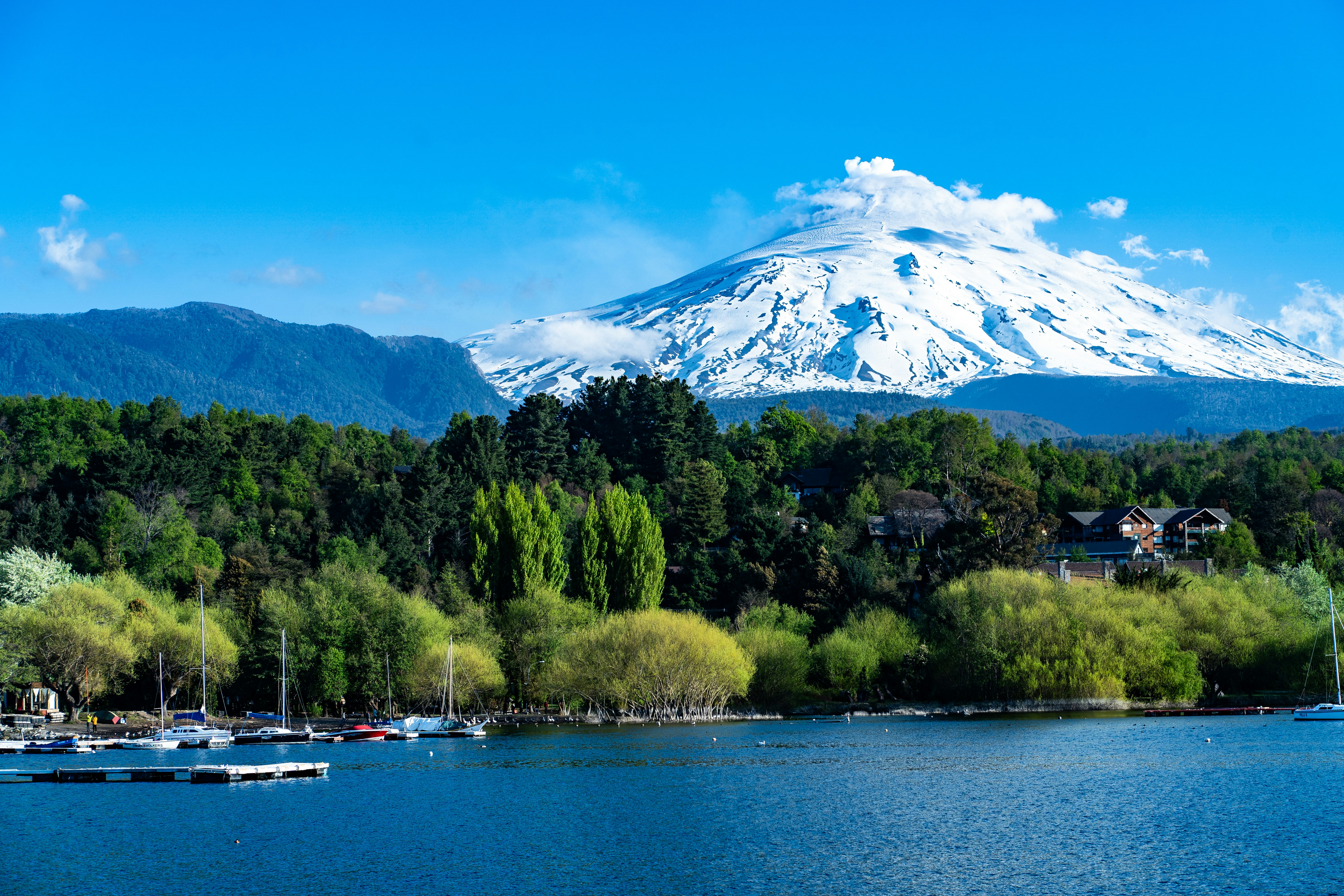 #2380 /100
One of South America's most active volcanoes, a near-perfect snow-capped cone above the lakeside town of Pucon, with a permanently active lava lake sometimes visible glowing from the crater rim on clear nights.
A full-day guided climb in crampons reaches the summit for a look directly into the smoking crater, while at night the volcano's silhouette glowing faintly red is visible from town.
Ski slopes cover its lower flanks in winter, an unusual pairing of active volcanism and alpine sport.
How does it rate
CrowdsRomanceCash RequiredDangerAccessibilityWhy you should go
A near-perfect active volcanic cone with a summit crater you can climb to and, on clear nights, watch glow from town.
Why you shouldn't go
The summit climb is a genuinely strenuous full-day trek in crampons, and eruptive activity periodically closes it entirely.
Plan your visit
Best time to visitDecember-March (Southern Hemisphere summer) for the best summit-climbing conditions.Best time of dayEarly morning start for the summit climb; after dark from Pucon for the glow, if activity is visible.Getting thereFly to Temuco, then a 1-hour drive to Pucon, the main base town.Entry costGuided summit climb tours typically run USD150-200 per person, gear included.Time neededA full day for the summit climb.Insider tip — Check with local guides on current crater visibility before booking - during periods of higher activity, tours turn back before the true summit. -
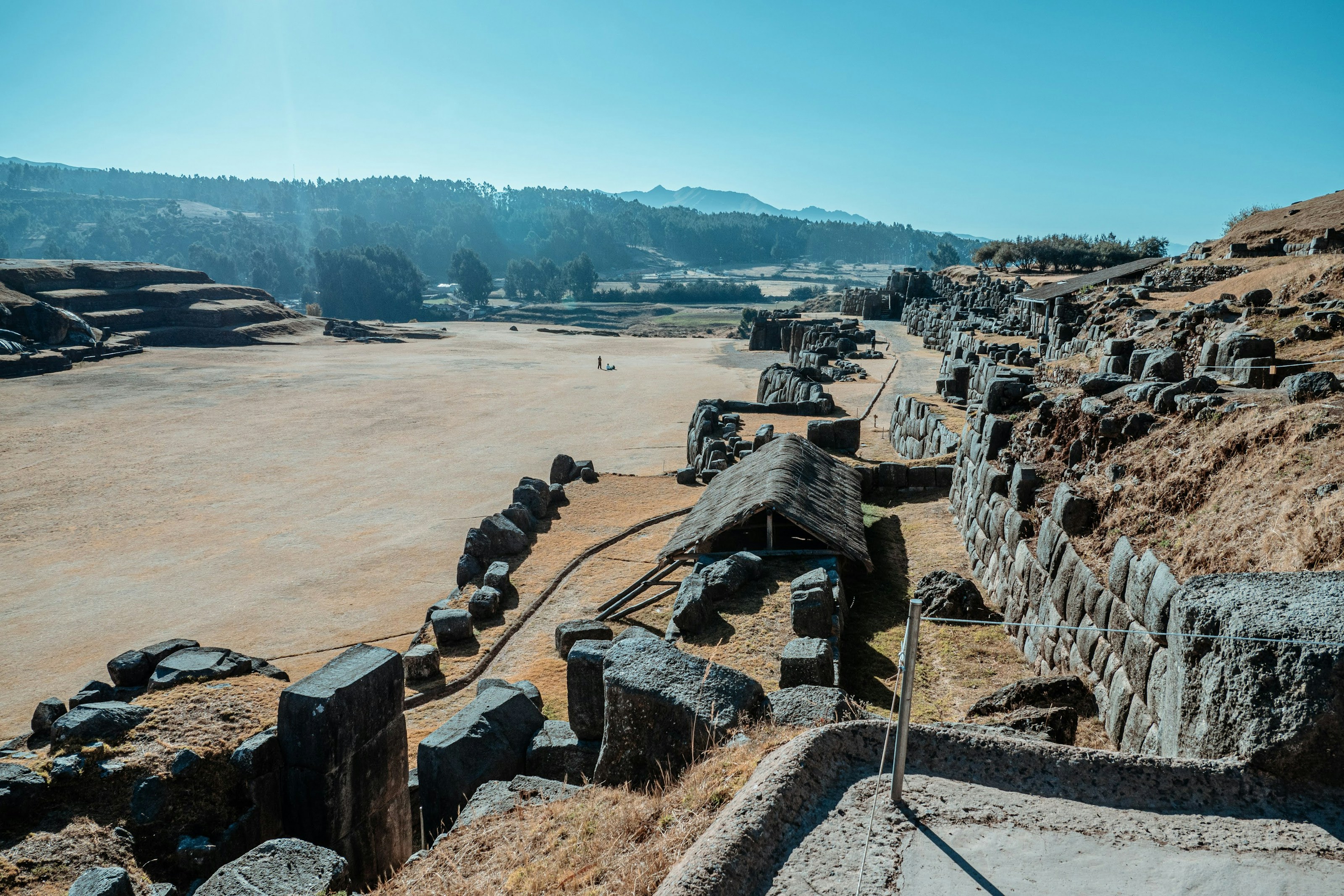 #2479 /100
Each June, Cusco re-enacts the Inca Empire's Festival of the Sun with a procession from the Qorikancha temple to Sacsayhuaman's fortress ruins above the city, where hundreds of performers in Inca dress stage a reenactment for the Inca sun god Inti.
Rooted in a real Inca festival banned by colonial authorities and revived in 1944, it's now Cusco's biggest annual event, drawing crowds to Sacsayhuaman's grassy amphitheatre for the main ceremony.
How does it rate
CrowdsRomanceCash RequiredDangerAccessibilityWhy you should go
Cusco re-enacts the Inca Empire's Festival of the Sun with hundreds of performers staging a ceremony at the Sacsayhuaman ruins.
Why you shouldn't go
Sacsayhuaman sits at over 3,700m altitude, so altitude sickness is a real risk without a few days to acclimatise in Cusco first.
Plan your visit
Best time to visit24 June each year.Best time of dayLate morning into afternoon, when the main ceremony at Sacsayhuaman takes place.Getting thereFly into Cusco, then a taxi or walk up to Sacsayhuaman, about 20 minutes from the centre.Entry costStreet viewing is free; ticketed grandstand seating at Sacsayhuaman costs extra.Time neededA full day to follow the procession and main ceremony.Insider tip — Watch the earlier Qorikancha ceremony in the city centre for a closer, less crowded view before the main event moves up to Sacsayhuaman. -
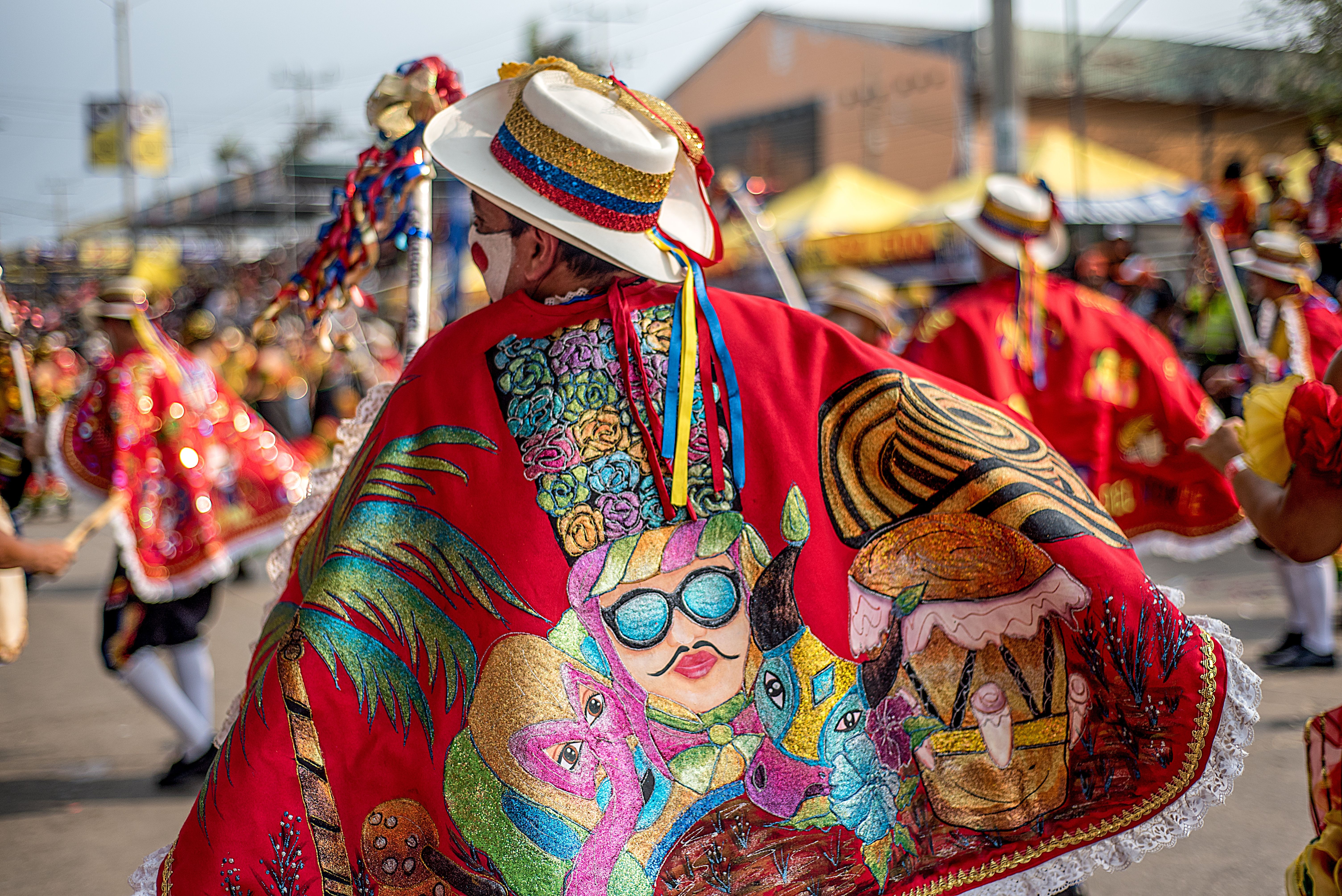 #2578 /100
Colombia's biggest carnival and, by most measures, the second-largest in the world after Rio, Barranquilla's four-day celebration blends African, Indigenous and Spanish traditions into parades of cumbia dancers and marimonda figures with their signature long-nosed masks.
UNESCO recognised it in 2003 for how intact its folkloric traditions remain.
How does it rate
CrowdsRomanceCash RequiredDangerAccessibilityWhy you should go
Colombia's biggest carnival, blending Indigenous, African and Spanish traditions into parades considered among the most folklorically authentic anywhere.
Why you shouldn't go
Barranquilla has fewer international flight connections than Bogota or Cartagena, so travel usually needs a connecting flight.
Plan your visit
Best time to visitFebruary or March, the four days before Ash Wednesday (exact dates shift yearly).Best time of daySaturday morning, for the Battle of the Flowers parade that opens the carnival.Getting thereFly into Ernesto Cortissoz International Airport, a roughly 30-minute taxi to central Barranquilla.Entry costGrandstand seating for main parades runs roughly USD20-50; street viewing is free.Time neededA full day, or the full four days for the complete carnival.Insider tip — Book grandstand seats for the Battle of the Flowers well ahead, since it's the carnival's most attended single event. -
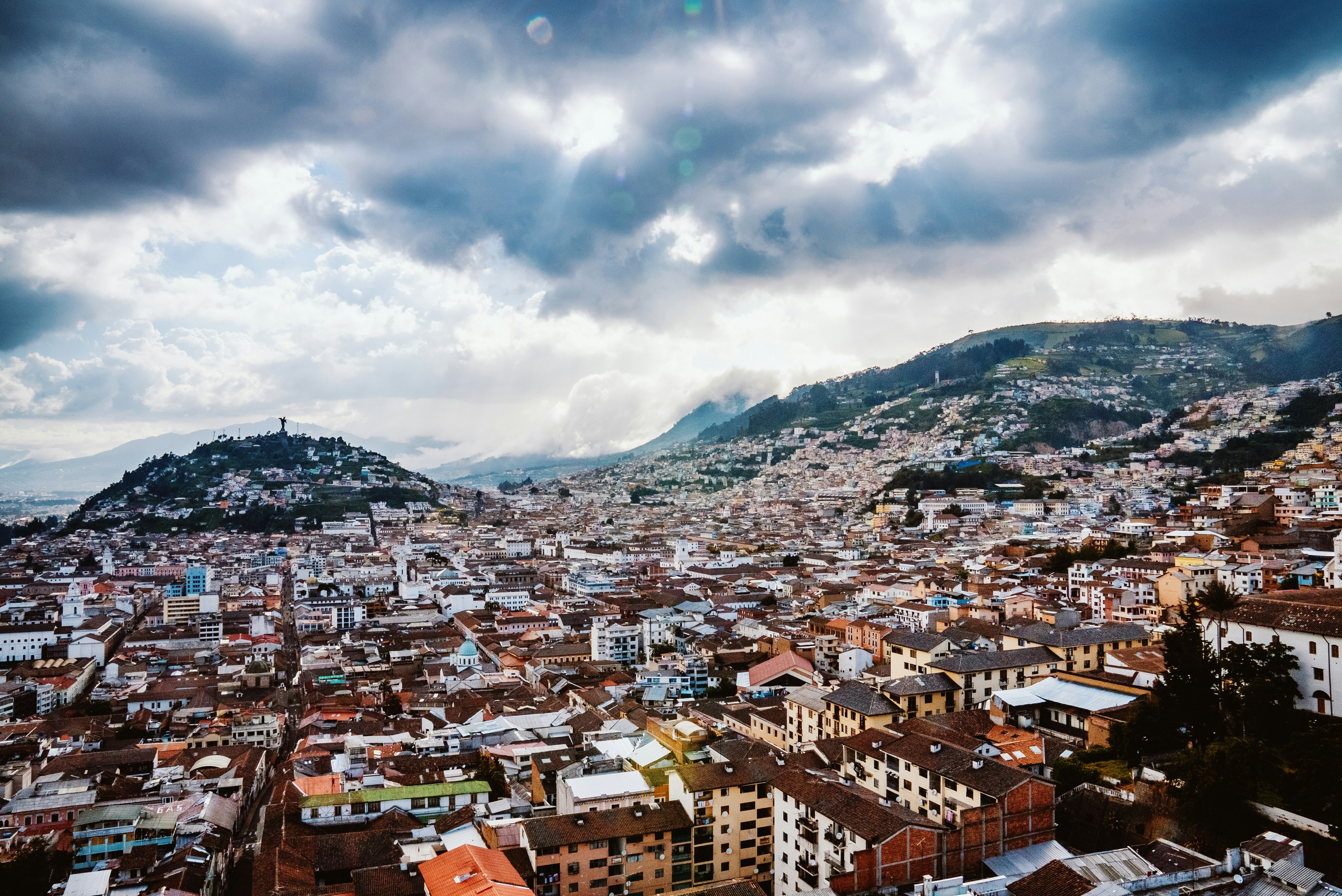 #2678 /100
Quito's historic center was the first UNESCO World Heritage Site ever designated, and remains the largest, best-preserved colonial-era old town in Latin America.
Baroque churches like La Compañía de Jesús drip with gold leaf inside plain stone exteriors, while plazas and narrow streets climb the Andean foothills at over 2,800 meters of altitude.
The Basílica del Voto Nacional's towers offer views across the whole old town.
How does it rate
CrowdsRomanceCash RequiredDangerAccessibilityWhy you should go
Latin America's largest and best-preserved colonial old town, set at dramatic Andean altitude.
Why you shouldn't go
The high altitude (2,850m) leaves many visitors short of breath for the first day or two.
Plan your visit
Best time to visitJune–September, the drier season, though Quito's climate is mild year-round.Best time of dayMorning, before afternoon rain showers common at altitude.Getting thereFly into Quito's Mariscal Sucre Airport, about 40 minutes from the old town.Entry costFree to walk; church interiors and towers typically $2-5.Time needed1–2 days.Insider tip — Climb the Basílica's towers via the wooden ladders in the roof space, not just the main tower lift — a more adventurous, less crowded route to the top. -
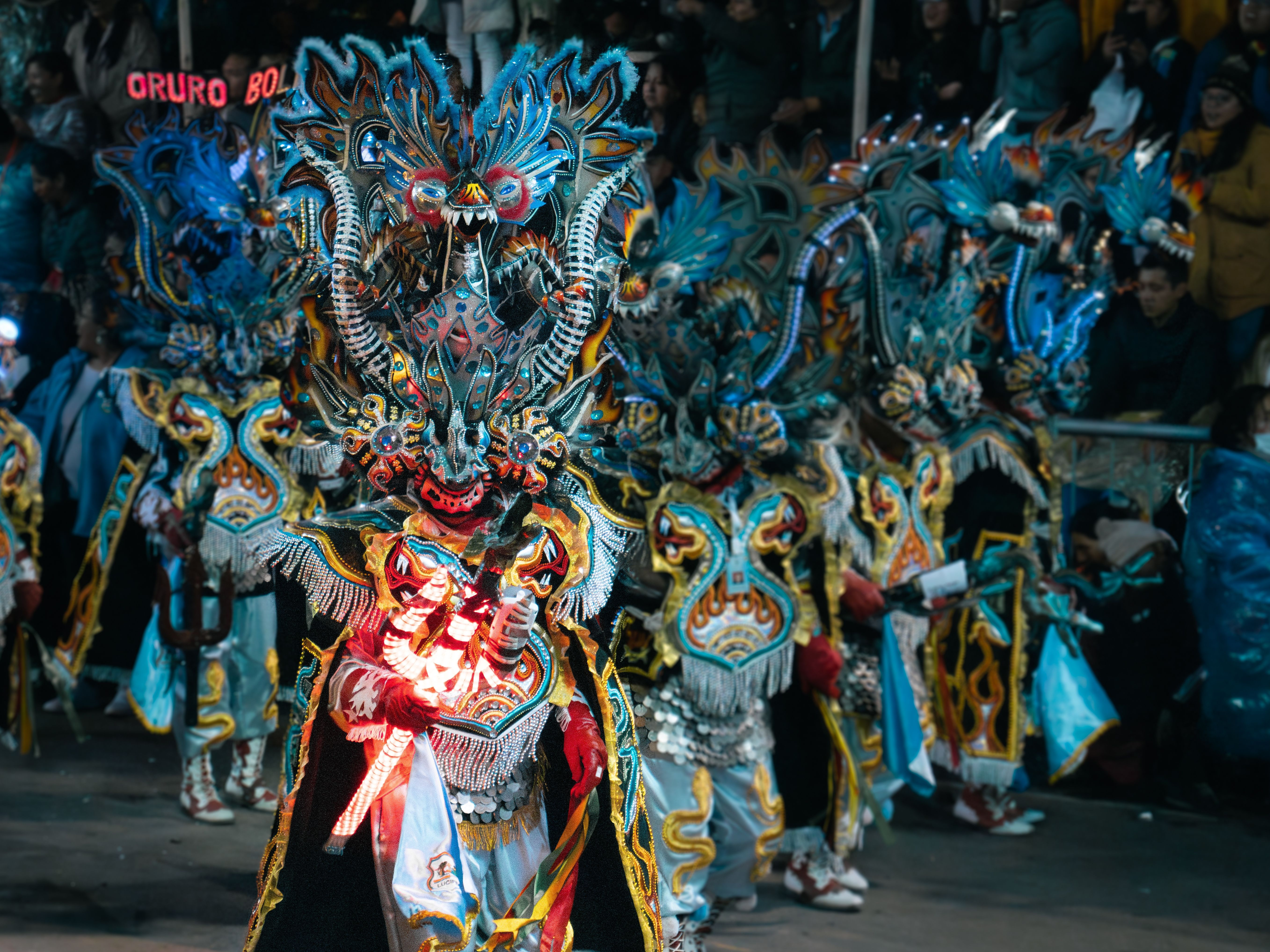 #2773 /100
High in the Bolivian Andes, Oruro's carnival is built around the Diablada, an elaborate devil dance performed by dancers in ornate horned masks and embroidered costumes depicting the battle between good and evil.
UNESCO recognised the event in 2001 for how deeply its folklore and costume-making traditions are woven into the city's identity.
How does it rate
CrowdsRomanceCash RequiredDangerAccessibilityWhy you should go
An Andean devil-dance carnival, danced in ornate horned masks along a 20-hour processional route at high altitude.
Why you shouldn't go
Oruro sits at over 3,700m altitude, so altitude sickness is a real risk for visitors arriving without acclimatisation.
Plan your visit
Best time to visitFebruary or March, the weekend before Ash Wednesday (exact dates shift yearly).Best time of dayMorning, when the main Diablada procession begins along its fixed route.Getting thereFly into La Paz, then a bus or train roughly 3-4 hours south to Oruro.Entry costGrandstand seating along the route runs roughly USD15-40.Time neededA full day for the main procession.Insider tip — Spend a day or two in La Paz beforehand to acclimatise to the altitude before travelling on to Oruro. -
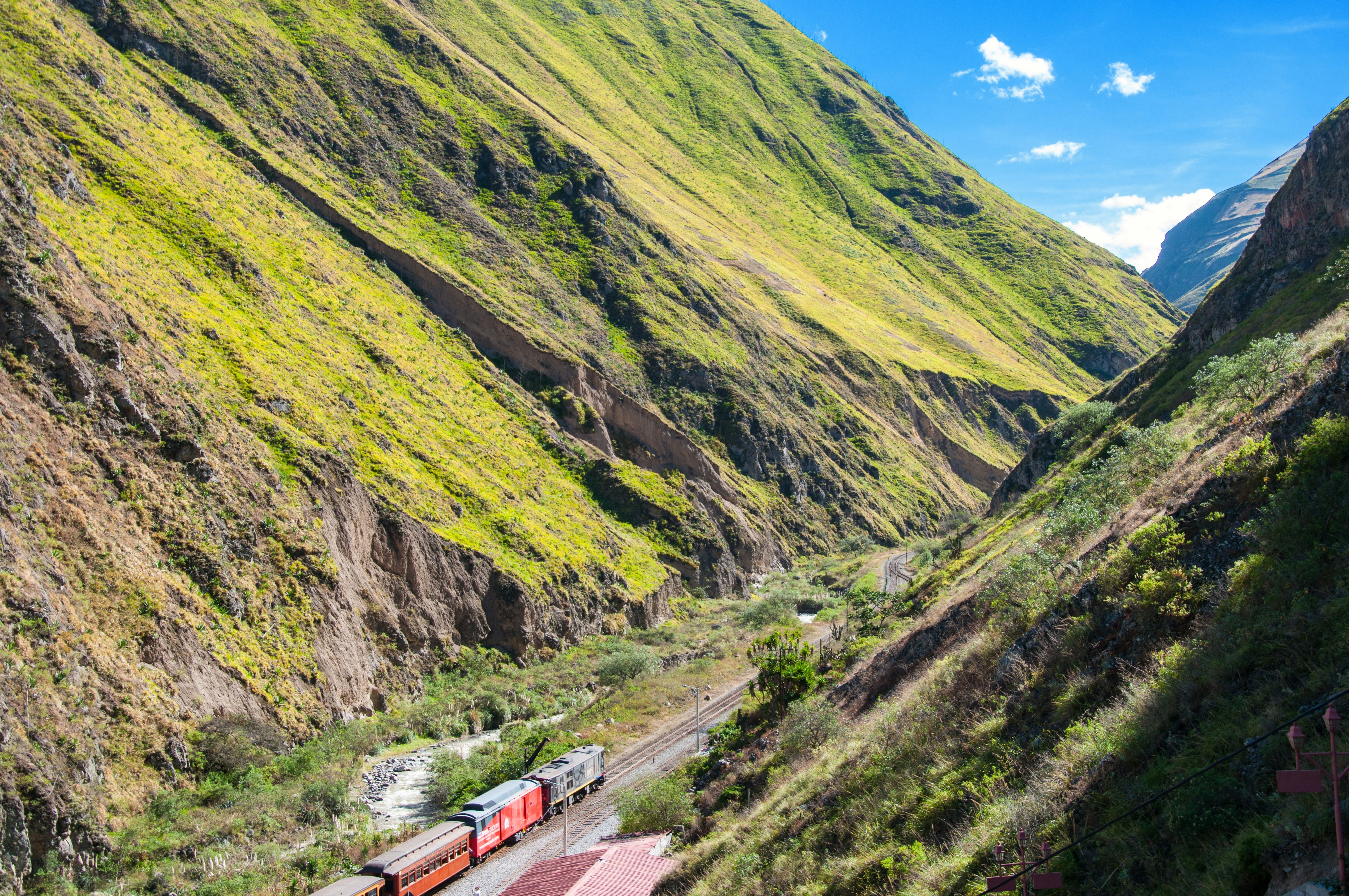 #2863 /100
Nicknamed for the near-vertical rock face it descends, this short but dramatic railway uses a series of switchbacks to drop the train down a mountainside once considered one of the most difficult stretches of track ever built.
Built in the early 1900s to link the Andean highlands to the coast, it's now run as a heritage tourist ride between Alausí and Sibambe, with views down the gorge that made the engineering feat necessary.
How does it rate
CrowdsRomanceCash RequiredDangerAccessibilityWhy you should go
A short, dramatic switchback railway down a near-vertical Andean gorge, unlike any other rail journey in South America.
Why you shouldn't go
The ride itself is brief (about 2.5 hours round trip) and doesn't extend far beyond the switchback section.
Plan your visit
Best time to visitJune–September for clearer mountain views.Best time of dayMorning departure for the clearest weather before afternoon cloud typically builds.Getting thereBoard at Alausí station, about 3.5 hours' drive south of Quito.Entry costAround $30-40 for the round-trip ticket.Time neededHalf a day including the ride and station stop.Insider tip — Sit on the right-hand side heading down for the best views into the gorge during the switchback descent. -
 #2962 /100
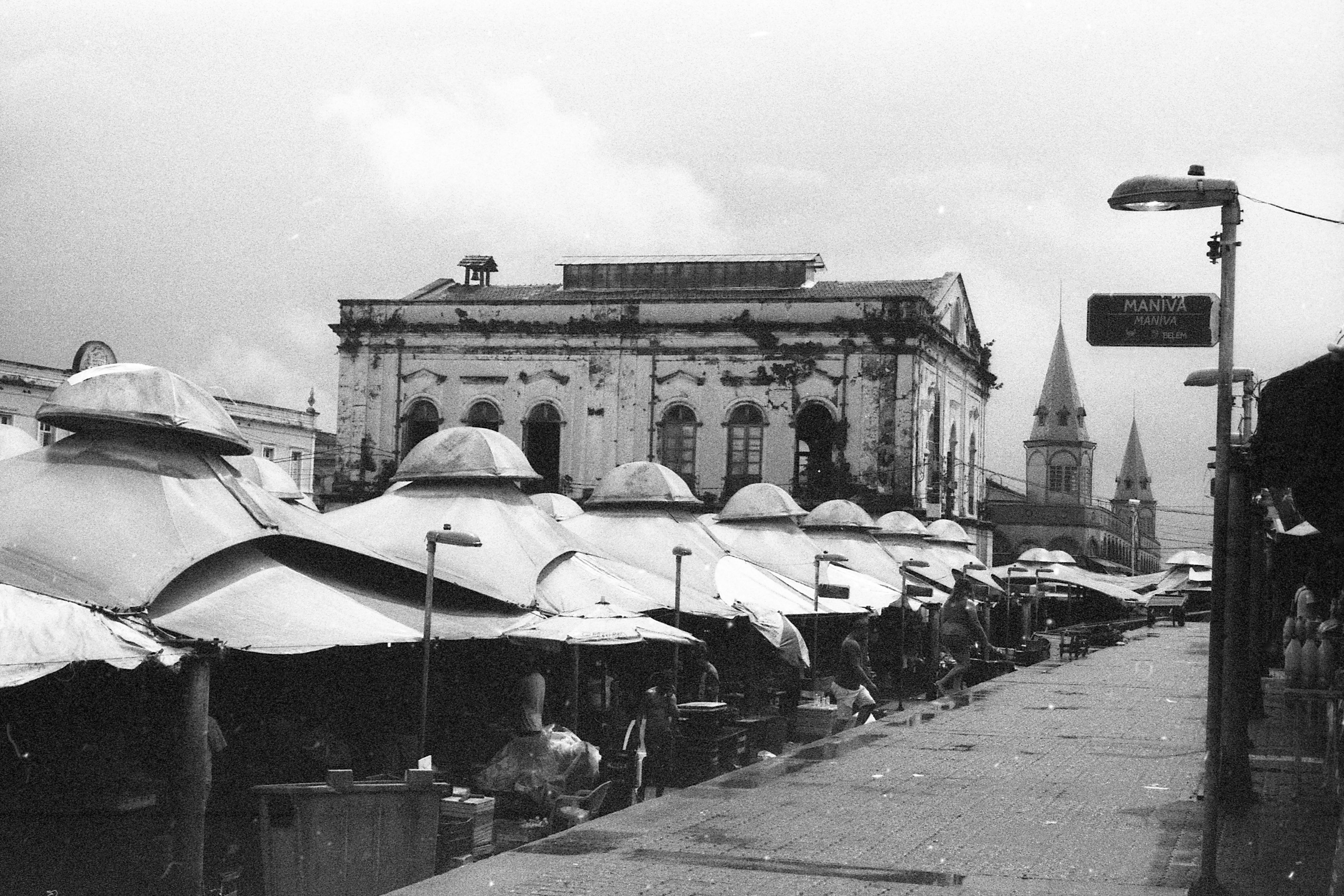
On the Belem waterfront where the Amazon meets the Guajara Bay, Ver-o-Peso has traded since the 17th century and remains South America's largest open-air market, its stalls piled with Amazonian fruit few outsiders can name, medicinal herbs, and fish hauled off boats at the adjoining cast-iron fish market pavilion.
The name means 'see the weight'.
How does it rate
CrowdsRomanceCash RequiredDangerAccessibilityWhy you should go
A 17th-century Amazon-riverfront market piled with fruit, herbs and fish few visitors outside Brazil will recognise.
Why you shouldn't go
Belem sees limited international tourism infrastructure compared to Rio or Sao Paulo, so English is rarely spoken here.
Plan your visit
Best time to visitMorning, when the fish market and fruit stalls are freshest.Best time of dayEarly morning (6-9am), when boats are still unloading the day's catch.Getting thereFly into Val de Cans International Airport in Belem, a roughly 20-minute taxi to the waterfront market.Entry costFree to browse; fruit and food prices are inexpensive.Time needed1-2 hours.Insider tip — Ask a stallholder to explain unfamiliar Amazonian fruits before buying, since many have no direct equivalent or English name.


More from South America
-


More Iconic spots
-
How a score is built
One score out of 100, five criteria behind it
Every place is rated 1–5 on each of the criteria below, then combined into a single score out of 100. It's calculated by us, the same way every time — not an average of traveller reviews or social votes.
Crowds
How many people you'll be sharing it with, and at what time of day.
Romance
How well it suits a couple, a proposal, or a quiet moment together.
Cash required
Entry fees, permits, guides, rentals — what it actually costs to do it.
Danger
Physical risk involved, from a slippery viewpoint to genuine hazard.
Accessibility
How far off the beaten path it is, and how hard it is to actually reach.

